How to share your iPhone’s location for just as long as you need
For some time, Find My sharing was limited to an hour, a day, or indefinitely. That's changing in iOS 27, thanks to more flexible timelines.
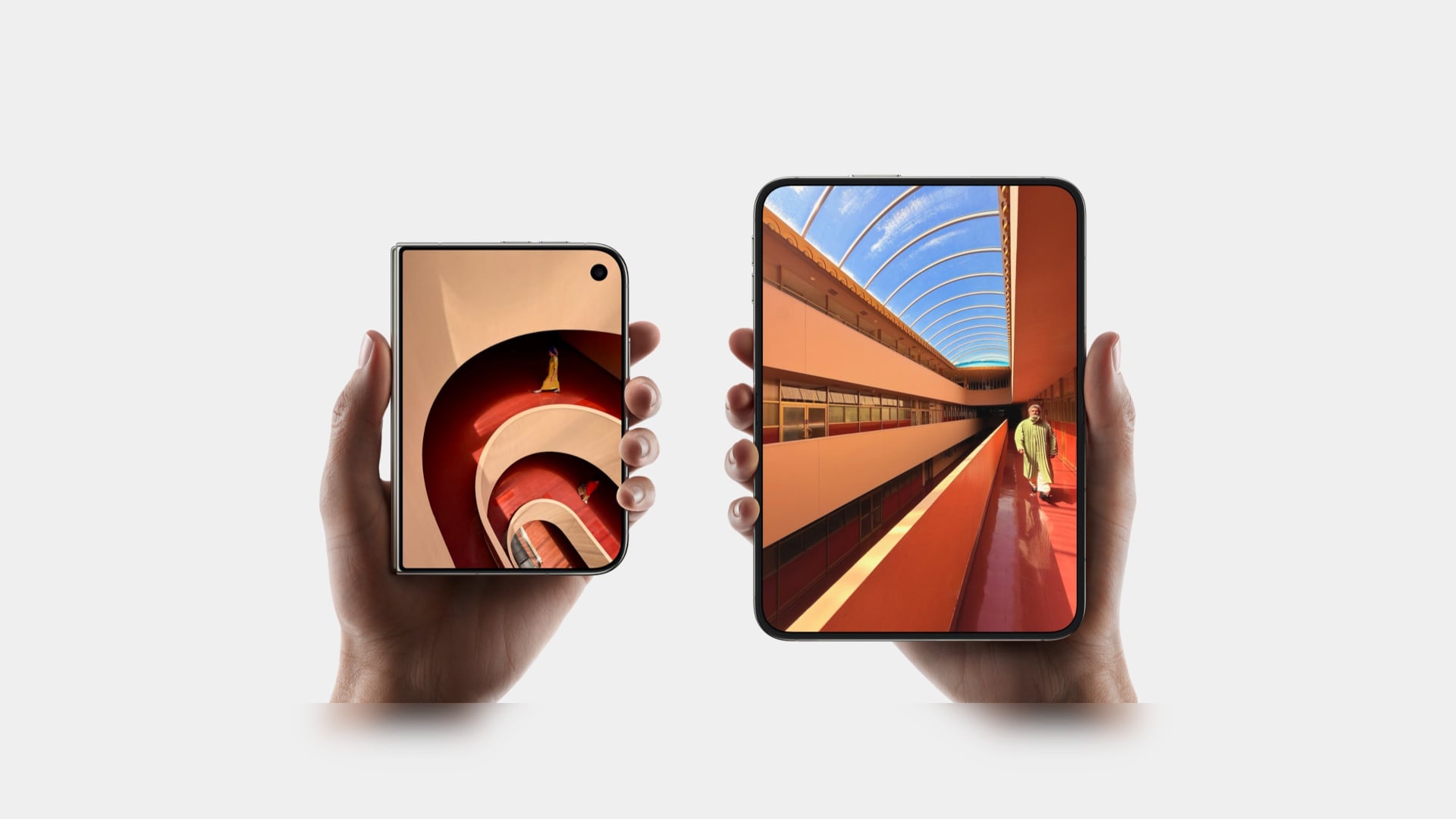
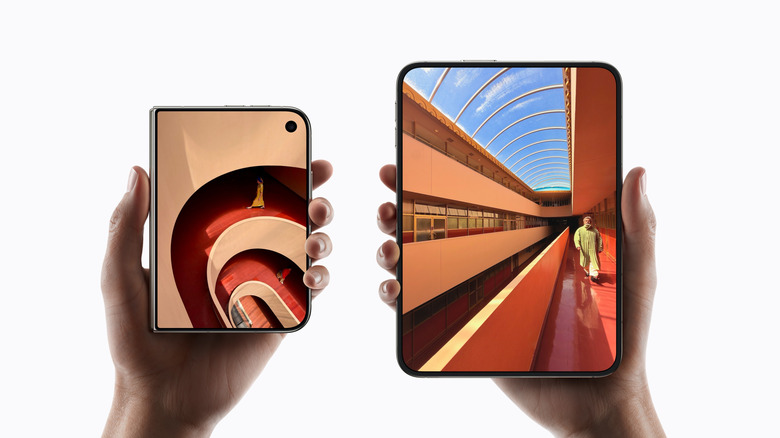
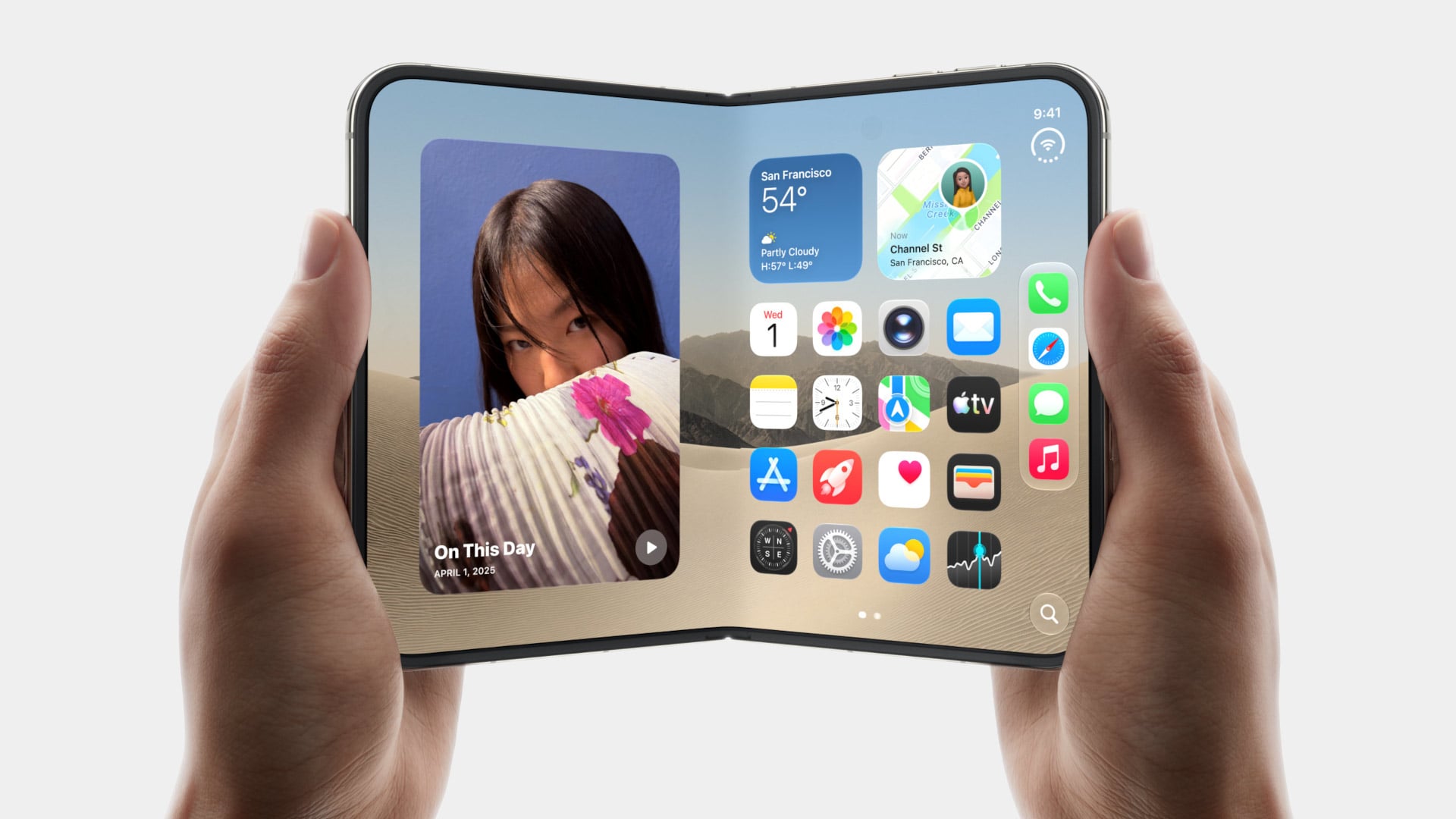
Samsung has had the folding phone conversation to itself for six years now, tweaking hinges, shrinking creases, and figuring out what a cover screen is even for. Apple waited, watched, and let its rival make every mistake first. That patience shows in the iPhone Duo, a first-generation foldable that skipped straight past problems Samsung’s Galaxy Z Fold8 still hasn’t fully solved.
None of that comes cheap, though. The Duo starts at $1,999 and costs more than the Fold8’s $1,899.99, weighs in at roughly nine ounces against the Fold8’s seven, and folds up thicker in your pocket, besides. Samsung still wins those arguments outright, and we’ll get back to that later. But set weight and price aside, because here are five places where Apple’s first foldable actually beat Samsung’s eighth attempt.
Designer: Apple
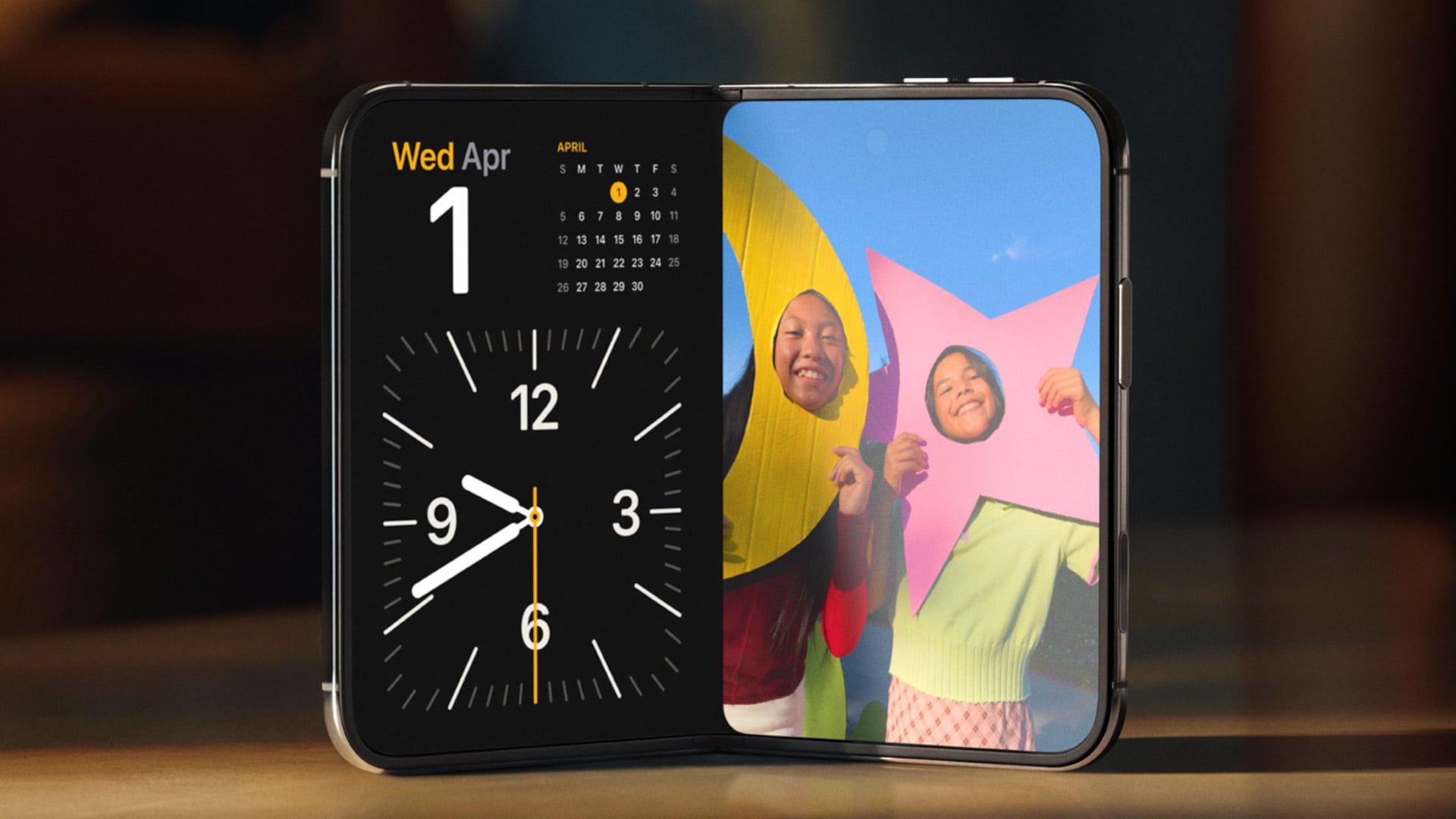
A foldable phone’s whole pitch is the screen, one continuous surface that opens up into something closer to a small tablet. Every notch or punch-hole cut into that surface breaks the illusion a little, reminding you that the software is still working around a sensor buried in the glass. Samsung’s Galaxy Z Fold8 has never quite escaped that compromise, even eight generations in.
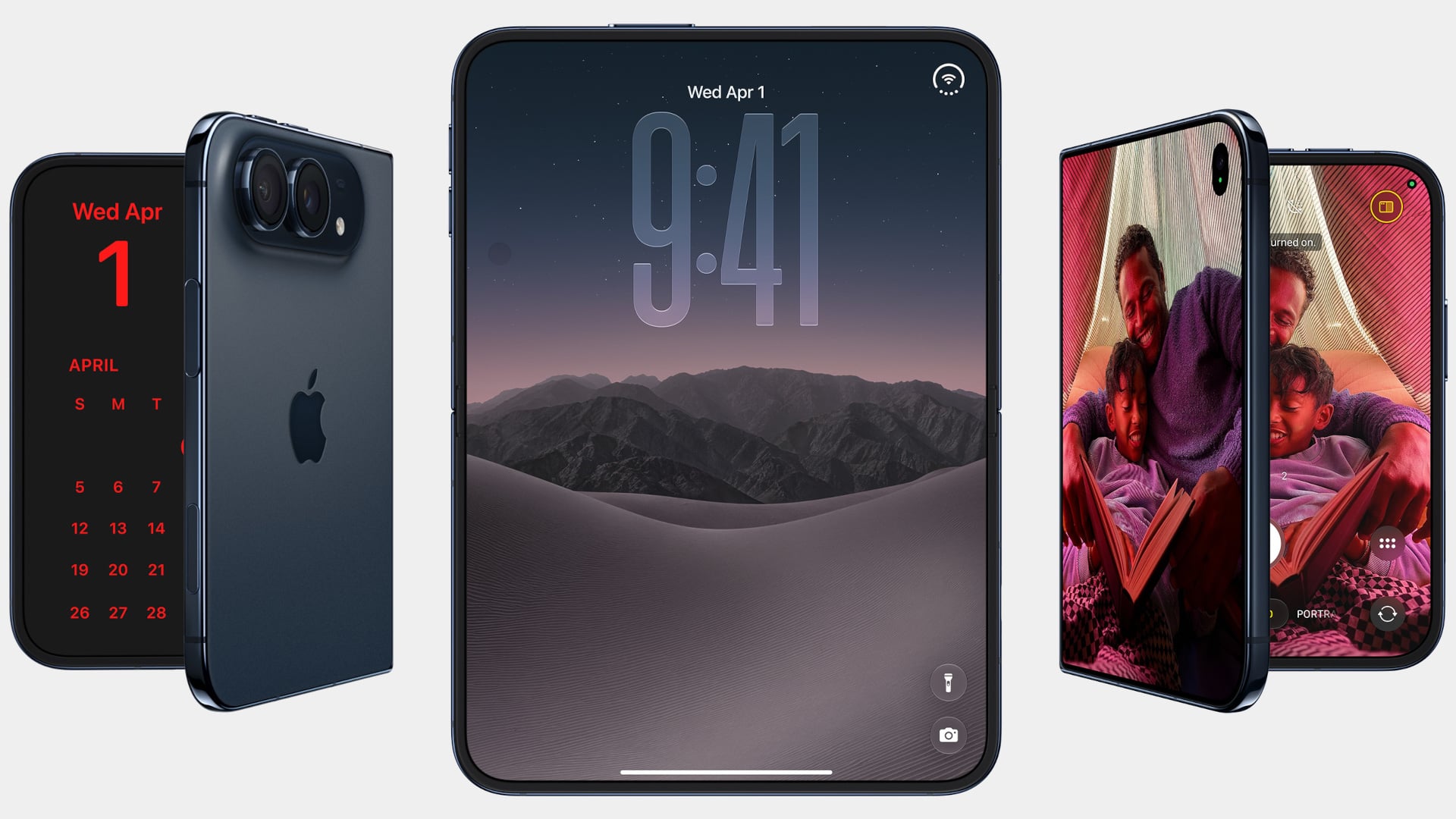
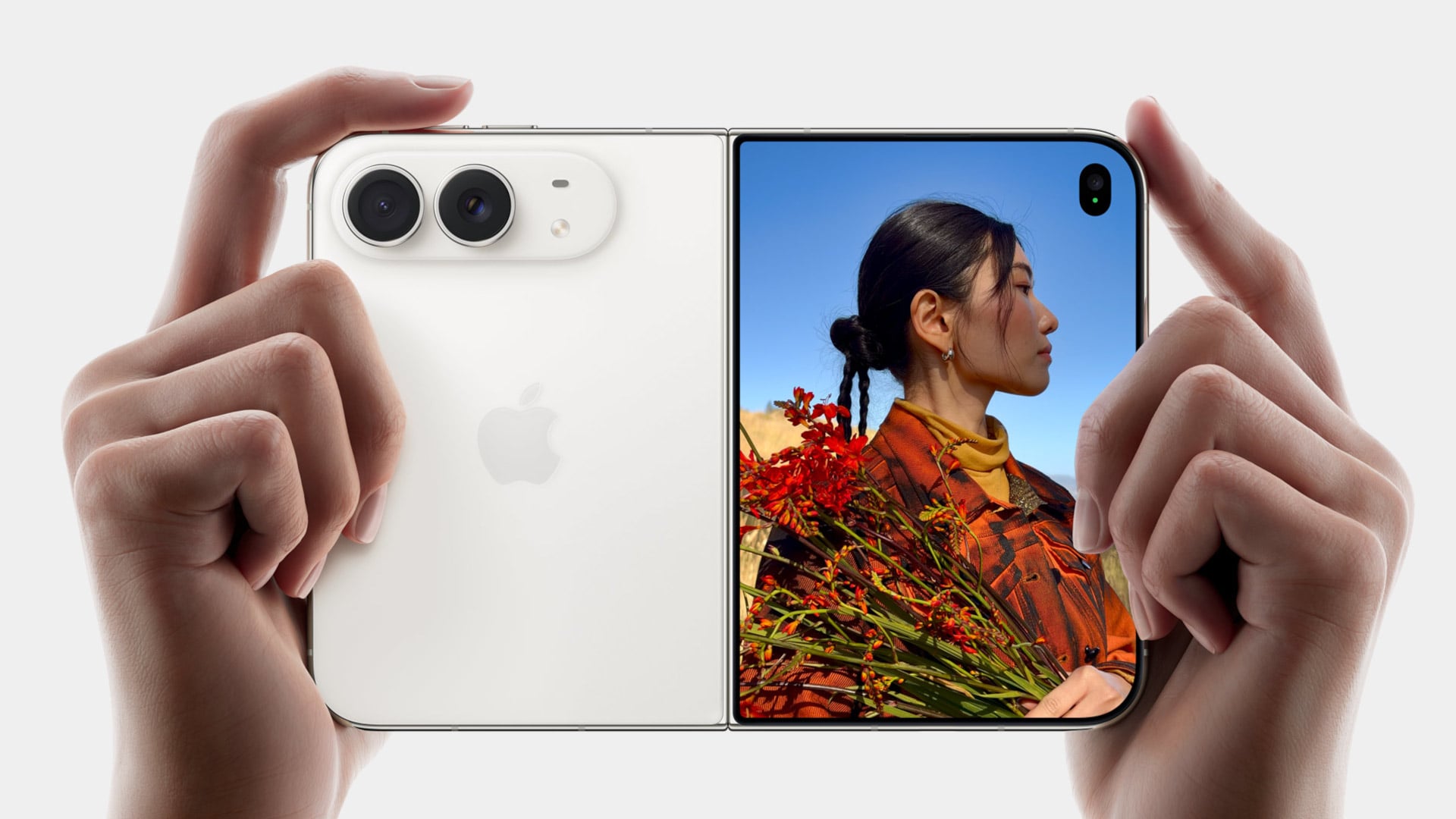
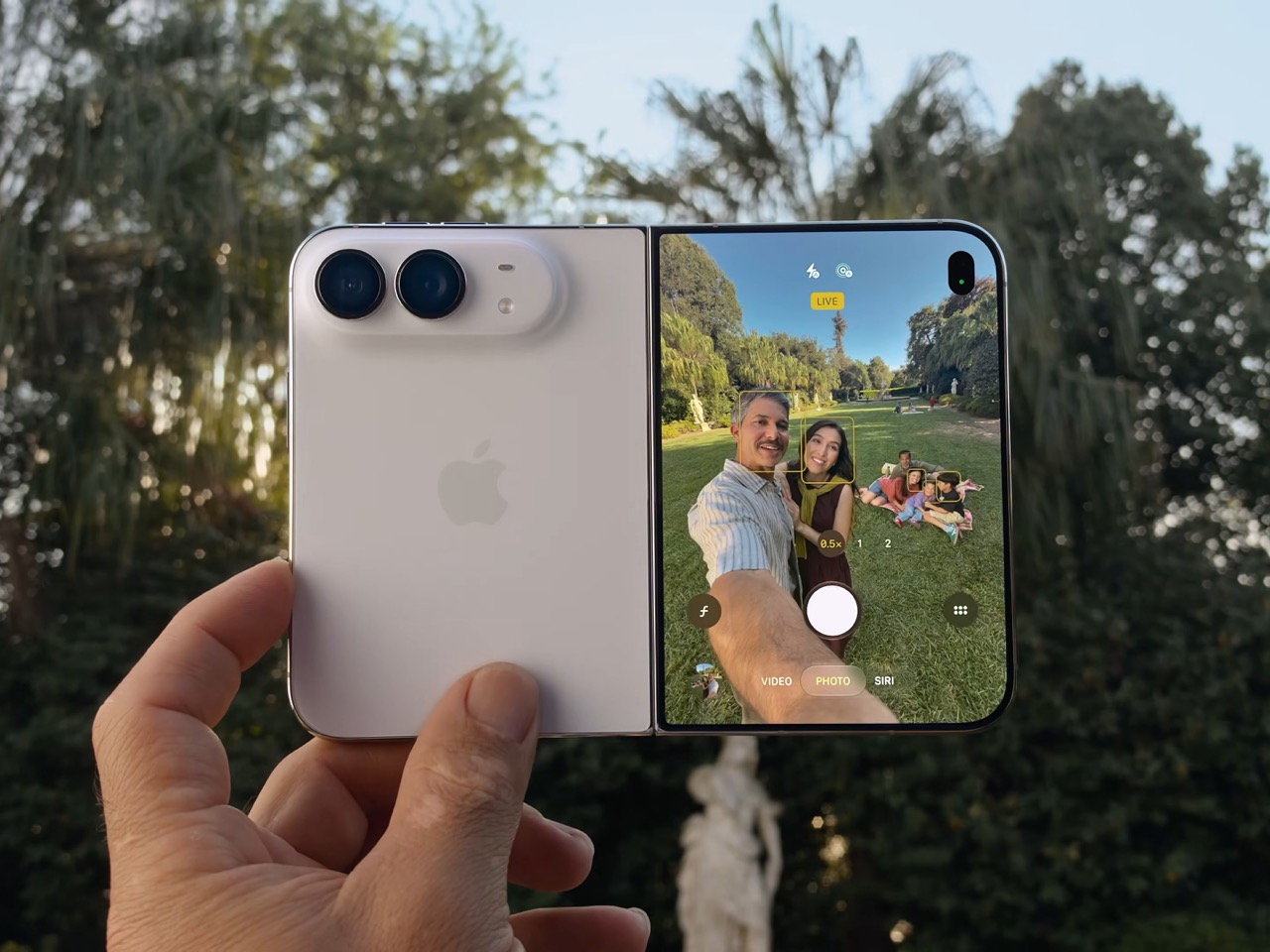
The Galaxy Z Fold8 carries a 10-megapixel camera punched into both the inner and cover displays, a hole you notice every time the screen lights up. The Duo takes a different route entirely, tucking its inner selfie camera under the panel itself so nothing interrupts the display when you’re watching a movie or scrolling through photos with both halves open. The outer screen keeps a single, smaller cutout.
Samsung built its whole Note legacy around the S Pen, then carried that stylus into the first few generations of the Galaxy Z Fold before quietly dropping it this cycle. Neither the Galaxy Z Fold8 nor the Galaxy Z Fold8 Ultra bring it back, leaving a gap for anyone who used to sketch, sign, or jot notes onto that big inner display. It’s a strange retreat for a company built on that exact feature.

Samsung Galaxy Z Fold6
Apple Pencil support changes that, working on both the 5.4-inch cover screen and the 7.6-inch inner display, once it arrives. Dual-screen support lands through a software update later this year rather than at launch, so early buyers will have to wait a bit for the full experience. Still, it means signing a document or sketching an idea won’t require unfolding the phone first, something Samsung’s lineup can no longer offer.
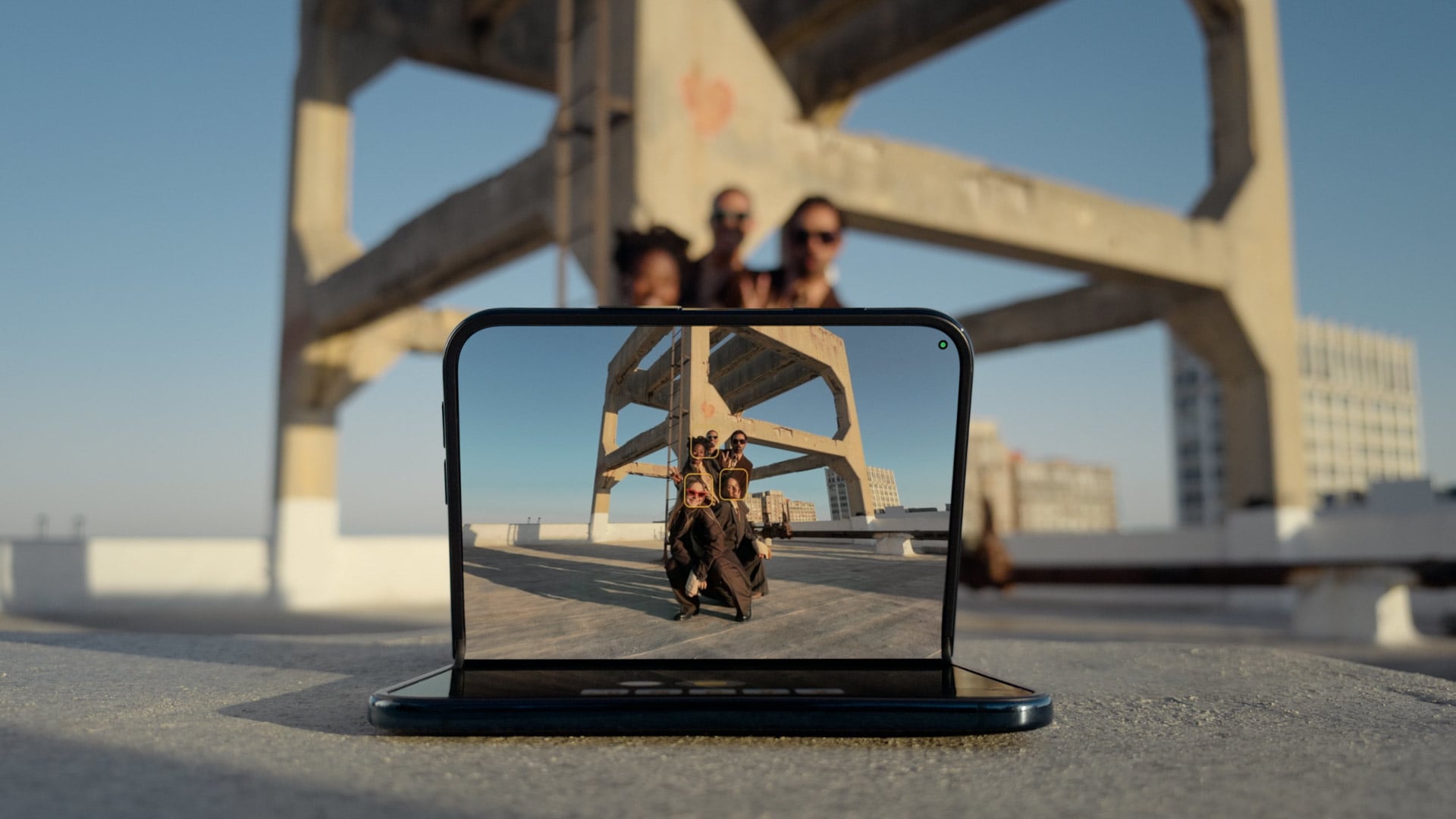
Dust is the part of durability testing everyone forgets about until it’s too late, and a folding hinge is the worst possible place for grit to sneak into. Water resistance ratings get all the marketing attention, but the dust half of an IP rating tells you whether sand at the beach or fine construction dust will actually make it past the seals and start scratching at the mechanism underneath.

The iPhone Duo carries an IP68 rating, meaning the seal is dust-tight; nothing gets through, full stop. The Galaxy Z Fold8 only manages IP48, which covers water fine but leaves that dust digit low enough that fine particles, sand, and powder aren’t actually kept out. For anyone who takes their foldable to a beach, a workshop, or just a dusty backpack, that gap matters more than it looks.

A foldable’s bigger inner screen practically begs you to shoot more video and drag around heavier files, whether that’s 4K footage, a stack of RAW photos, or a library of apps you’d never bother installing on a regular phone. Storage stops being an afterthought pretty quickly once you’re using the extra screen real estate the way it’s meant to be used, for actual creative work instead of just bigger icons.
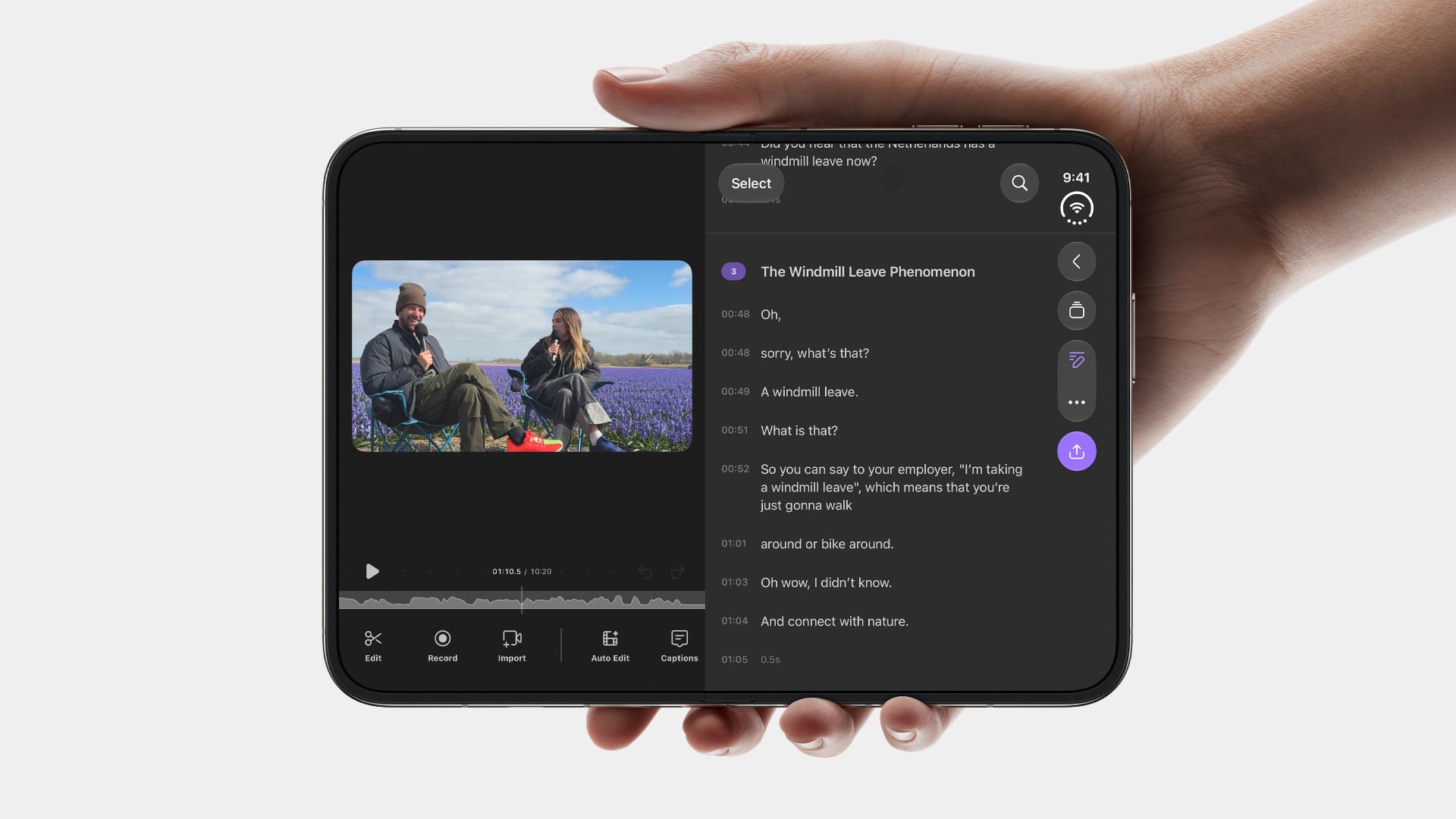
Apple tops out the iPhone Duo at 2TB of storage, double what the Galaxy Z Fold8 offers at its 1TB ceiling. That’s the difference between planning around your camera roll on a long trip and simply forgetting storage exists as a problem. For anyone who treats their foldable as a mobile production tool rather than a bigger email client, that extra headroom ends up mattering more than the megapixel count.

The crease down the middle of a folding screen has been the one problem no manufacturer has fully cracked, Samsung included, no matter how many generations they’ve shipped. Apple’s approach to the Duo’s hinge stacks a nano-texture matte layer over glide-adhesive glass and backs the whole assembly with a titanium plate, an engineering answer to a problem that’s mostly been treated as unavoidable elsewhere in the industry.
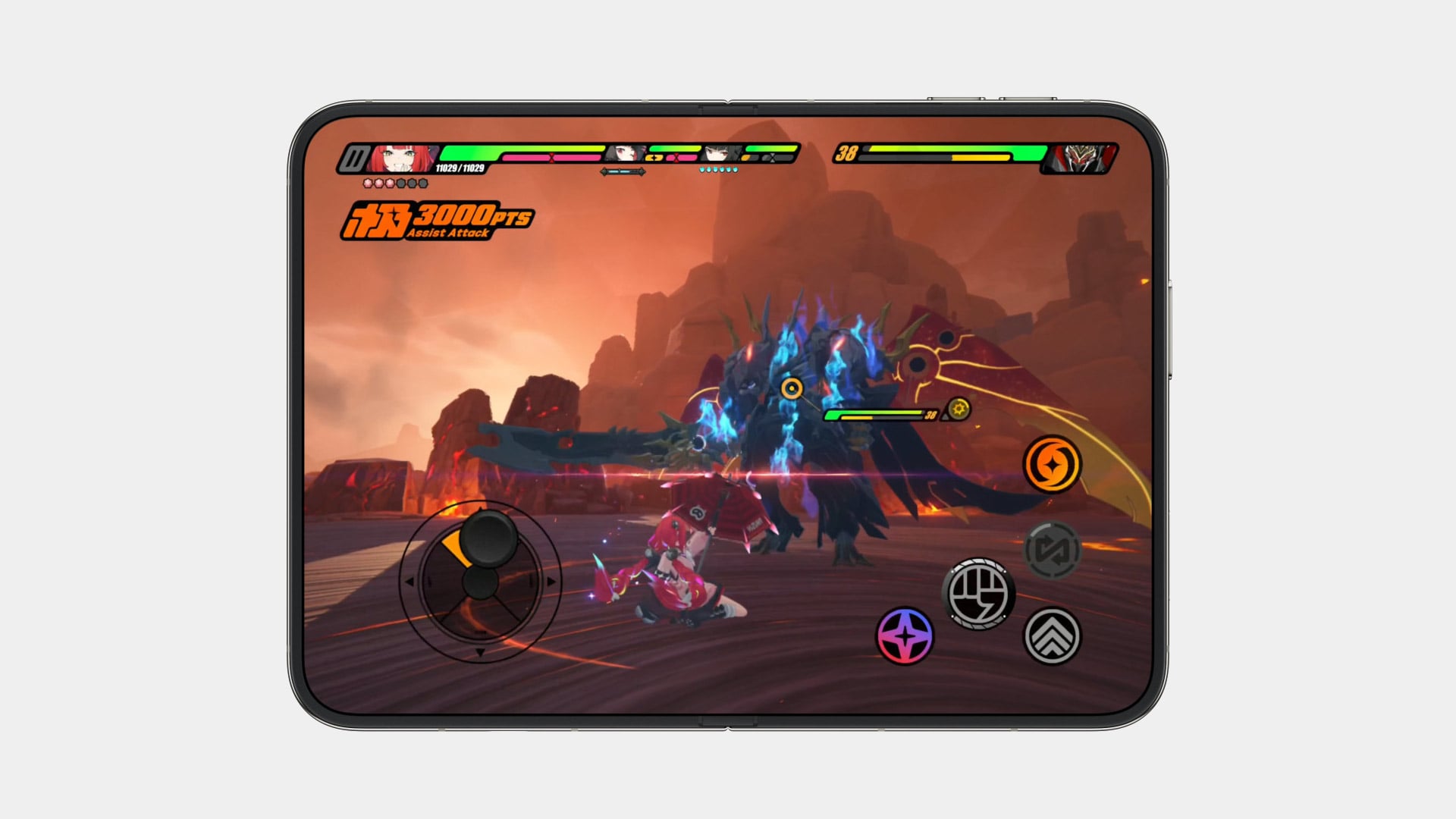
Early impressions from outlets with briefing access suggest the crease is still visible. Nobody’s claiming otherwise, but it doesn’t catch your finger or your attention the way it does on most rivals, the Galaxy Z Fold8 included. That’s worth flagging as an early read rather than a verified result, since neither phone has landed in reviewers’ hands yet. Outdoor glare handling gets similar praise, though the real test comes once these ship.
None of this makes the Galaxy Z Fold8 a bad phone, and Samsung still wins the arguments that matter most to plenty of buyers. It’s $99.01 cheaper, noticeably lighter at roughly seven ounces against the Duo’s nine, and thinner whether it’s folded shut in your pocket or opened flat on a desk. Those are real, measurable advantages, not consolation prizes.
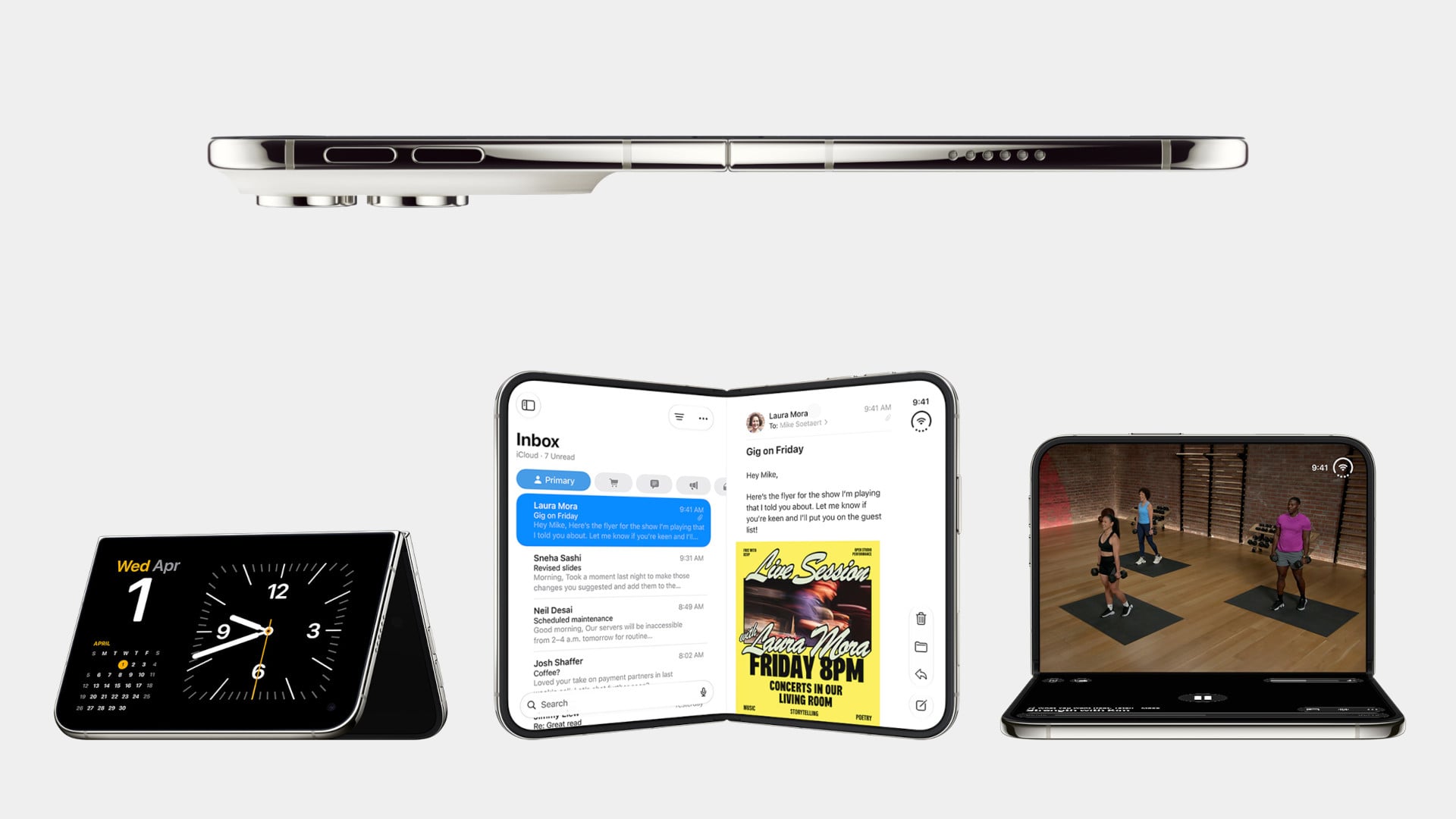
Apple iPhone Duo

Samsung Galaxy Z Fold8
What you’re really choosing between is a phone that’s been refined for eight generations and one making its very first attempt, price and weight included. A first try that already beats its rival on a camera, a stylus, a durability rating, storage, and a hinge design is a strong opening argument, whatever it costs to get there. Samsung’s turn to respond comes next year.
The post 5 Things the iPhone Duo Got Right That Samsung Still Hasn’t first appeared on Yanko Design.


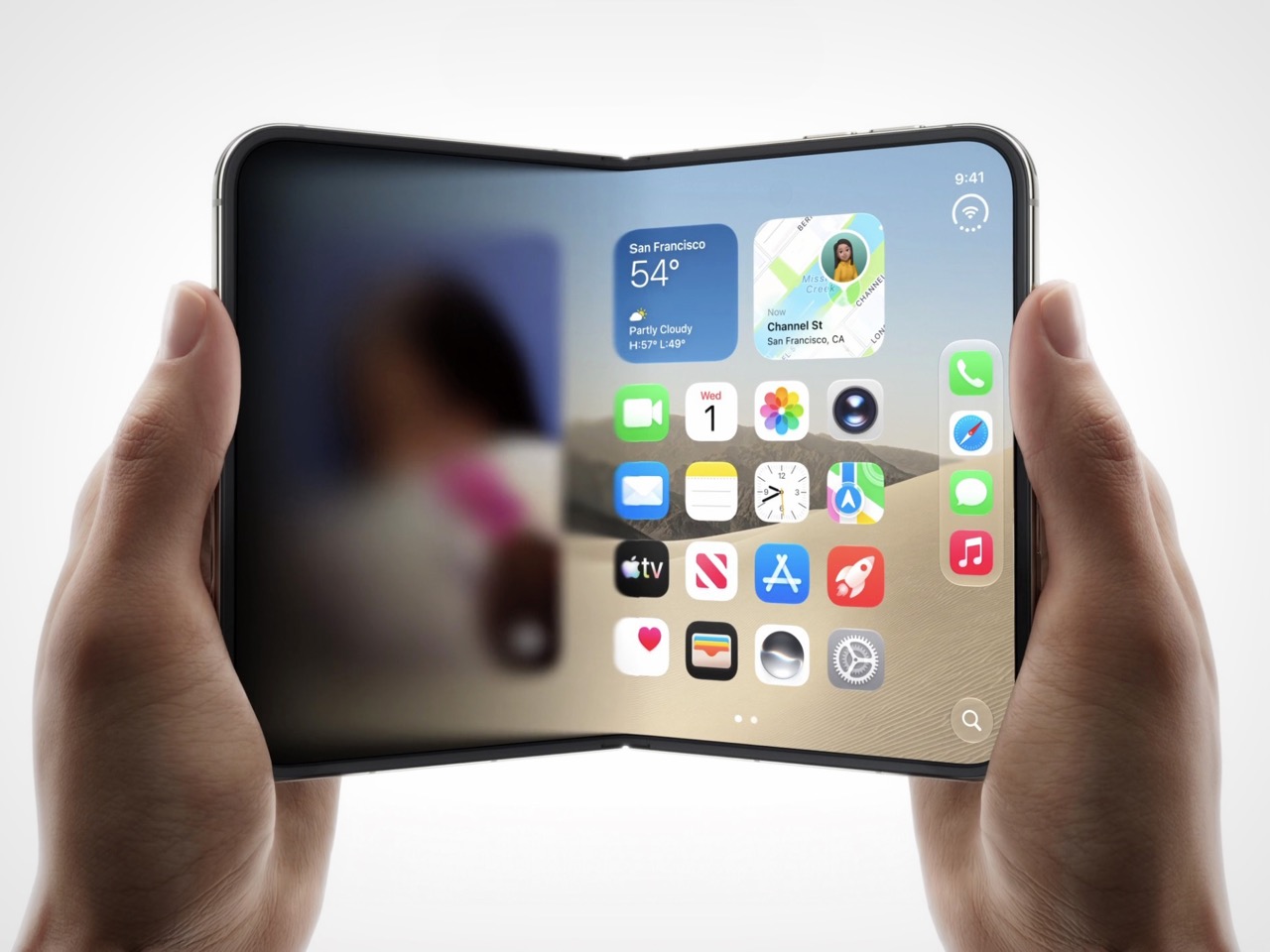
Let me be clear. There’s no universe in which I think 2 thousand dollars is the right price for a smartphone. The fact that it folds, or that John Ternus called it an ‘intelligent hub’ doesn’t justify a price tag that’s reserved for gaming laptops. However, when I saw the Duo open for the first time in Apple’s keynote, I definitely sat up a bit and embodied the Leonardo DiCaprio meme where he snaps and points at the screen. Something caught my eye, and in those brief seconds, I forgot that the iPhone Duo costs $1999 USD.
Go to the comments section of any tech blogger interacting with the iPhone Duo and you’ll see the same response – “Whoever designed that opening closing UI animation deserves a raise.” Apple managed to do something so fundamentally different from any smartphone out there, it made the iPhone Duo truly feel a class apart. Open (or close the phone) and a section of the display magically disappears and reappears from a digital ether. It doesn’t feel like your phone’s screen is expanding the way it does on the Pixel Fold or the Galaxy Z Fold 8. It feels like the flap of your phone is basically a piece of frosted glass, overlaying over a phone screen that’s already there. Words fail to describe how beautiful it looks, but literally everyone had the same visceral reaction for the first time seeing Apple pull off this digital optical illusion. It’s gorgeous, and for some people it might just be the deciding factor between buying an Android foldable or the iPhone Duo.
Designer: Apple
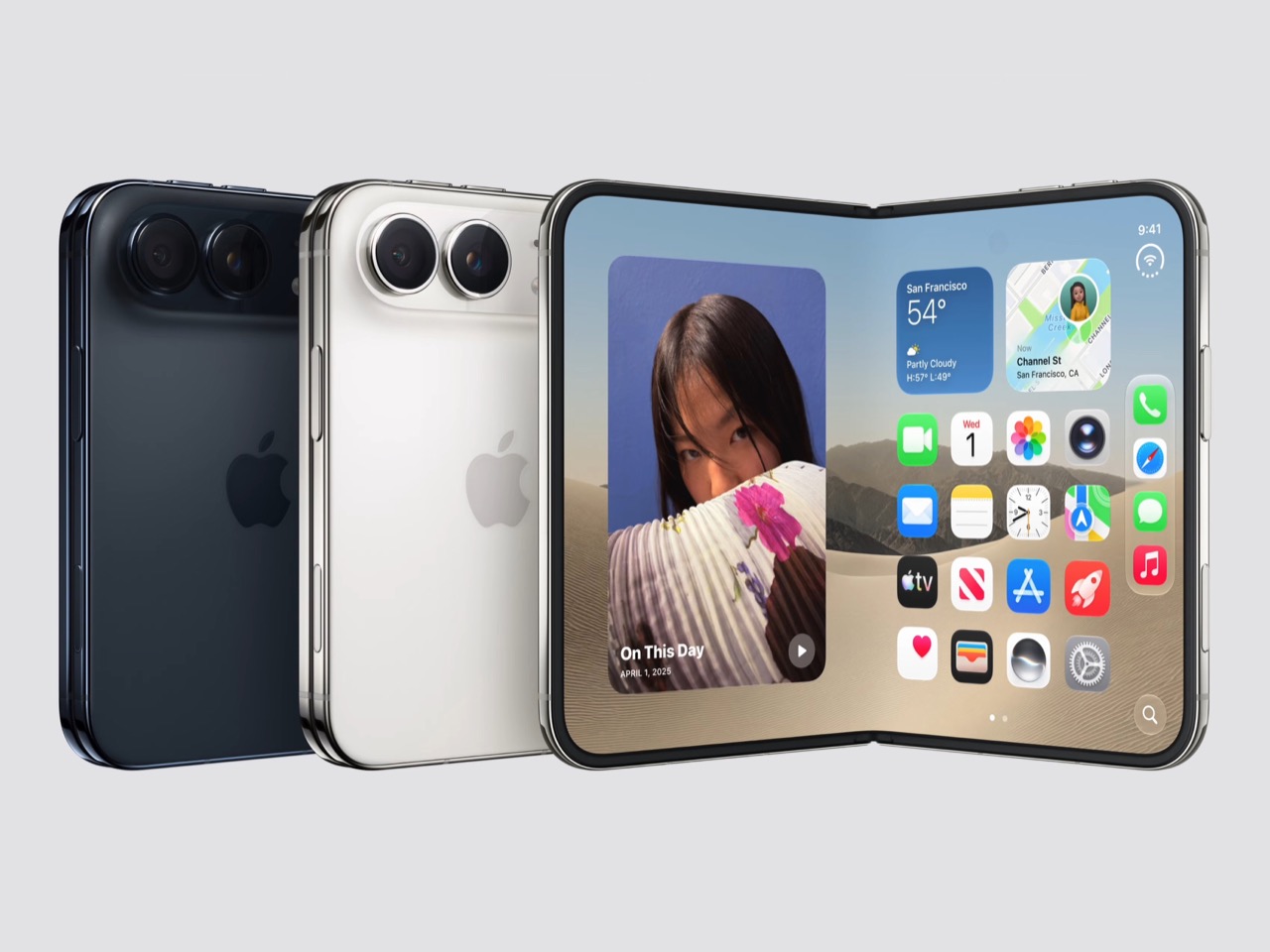
Royole debuted the first foldable phone in 2018. The Flexpai didn’t push too many units, it wasn’t from a reputed brand either which meant zero brand recall or trust. Still, it made waves for being the first to crack the foldable format. Samsung soon followed, with their first foldable the following year. So, effectively since 2019, the world has asked itself A. whether Apple will ever launch an iPhone… and B. What will Apple do so differently that it’ll absolutely capture the minds and hearts of the entire market. We found out the answers to both yesterday.
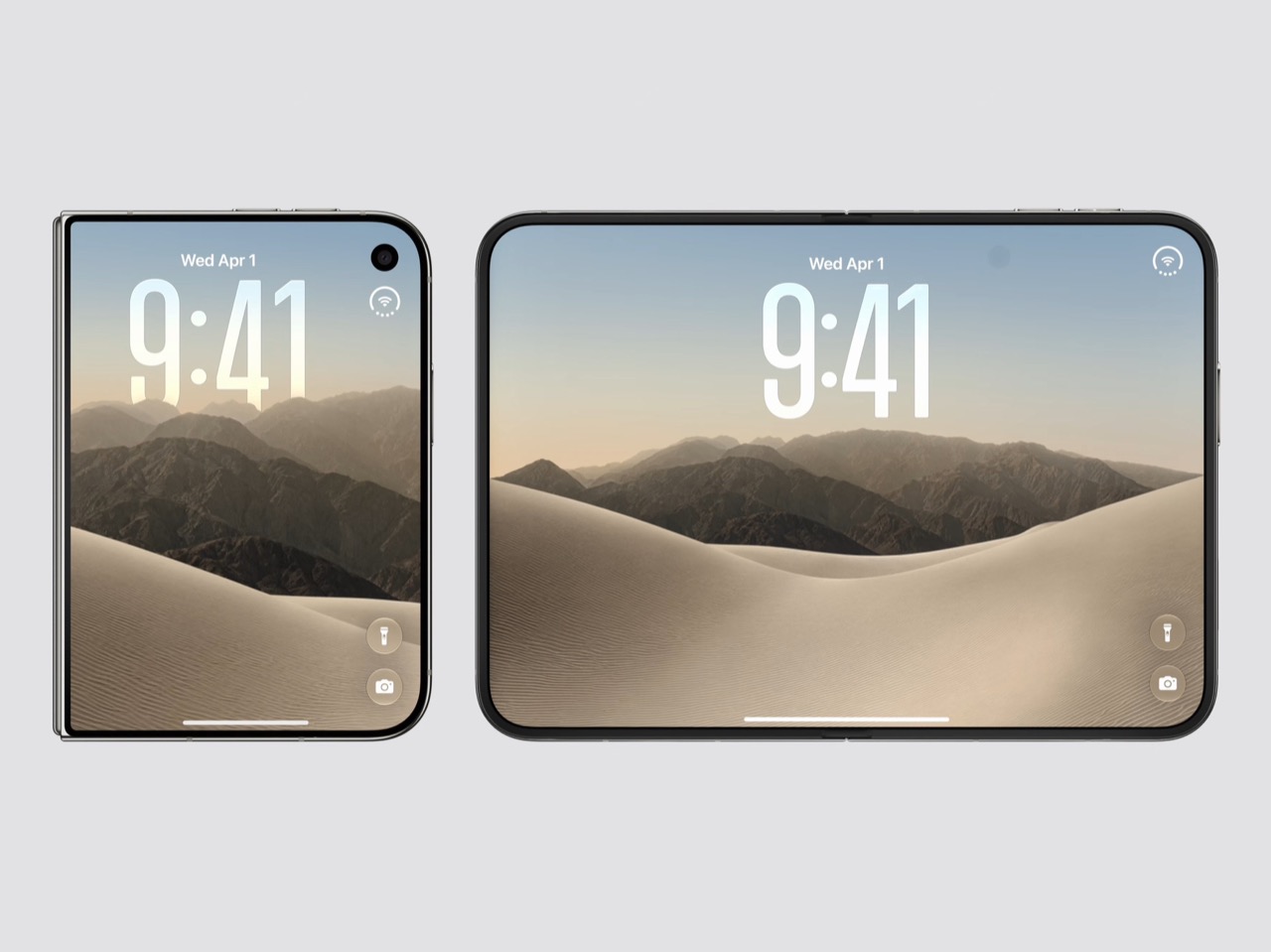
The “Different” manifests itself in a few ways. For starters, the iPhone Duo is much wider than most foldables, which opt for a tall design that results in a weird square-ish screen when opened. The Duo’s approach is a more passport-style aspect ratio, with a 1:1.4 format which sits right in the middle of a 2:3 and a 3:4 design. This wide body means a more usable screen experience in both closed and open variants, with the same aspect ratio carrying across open and closed formats – something every interface designer will cry tears of joy over.
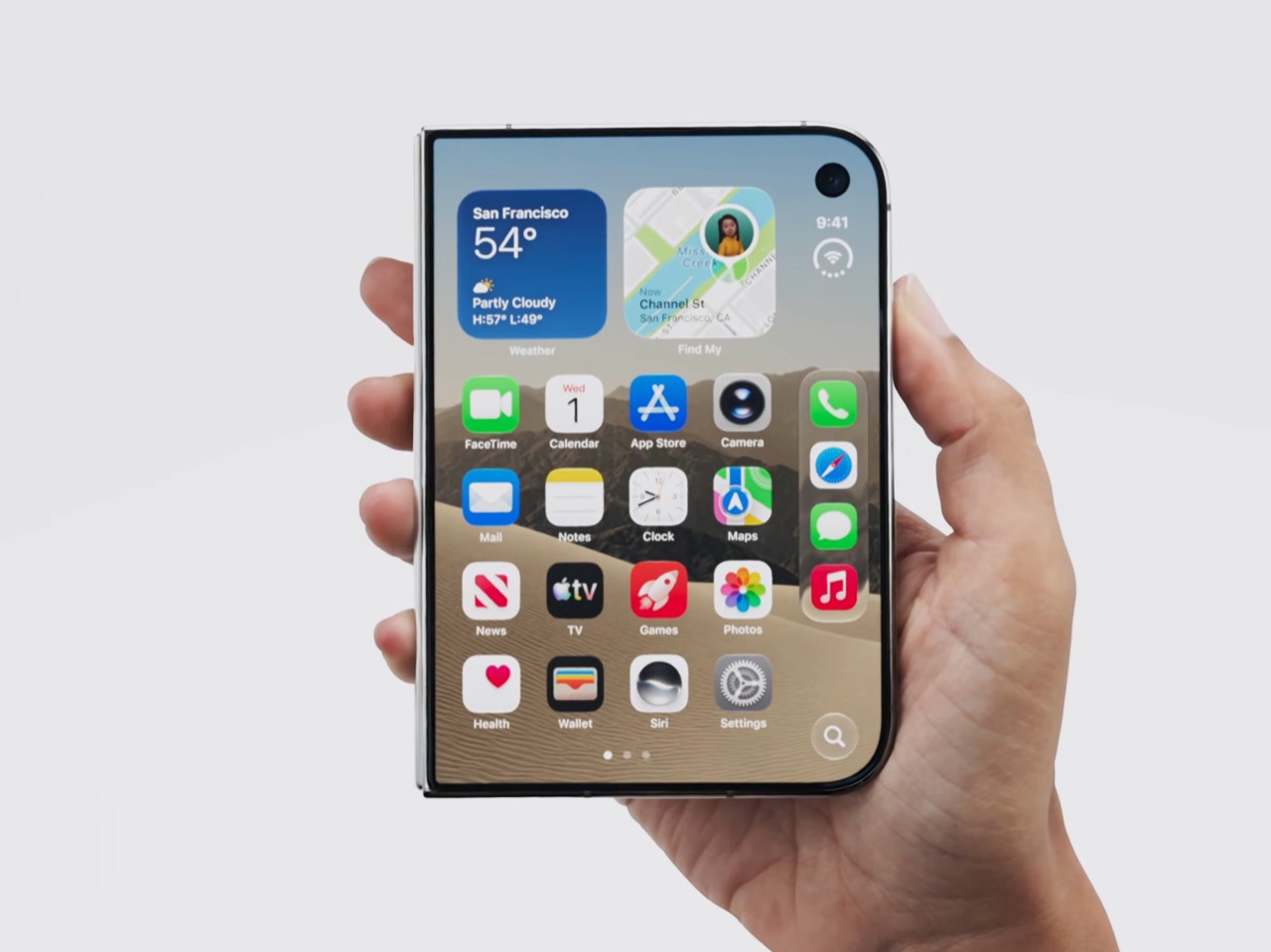
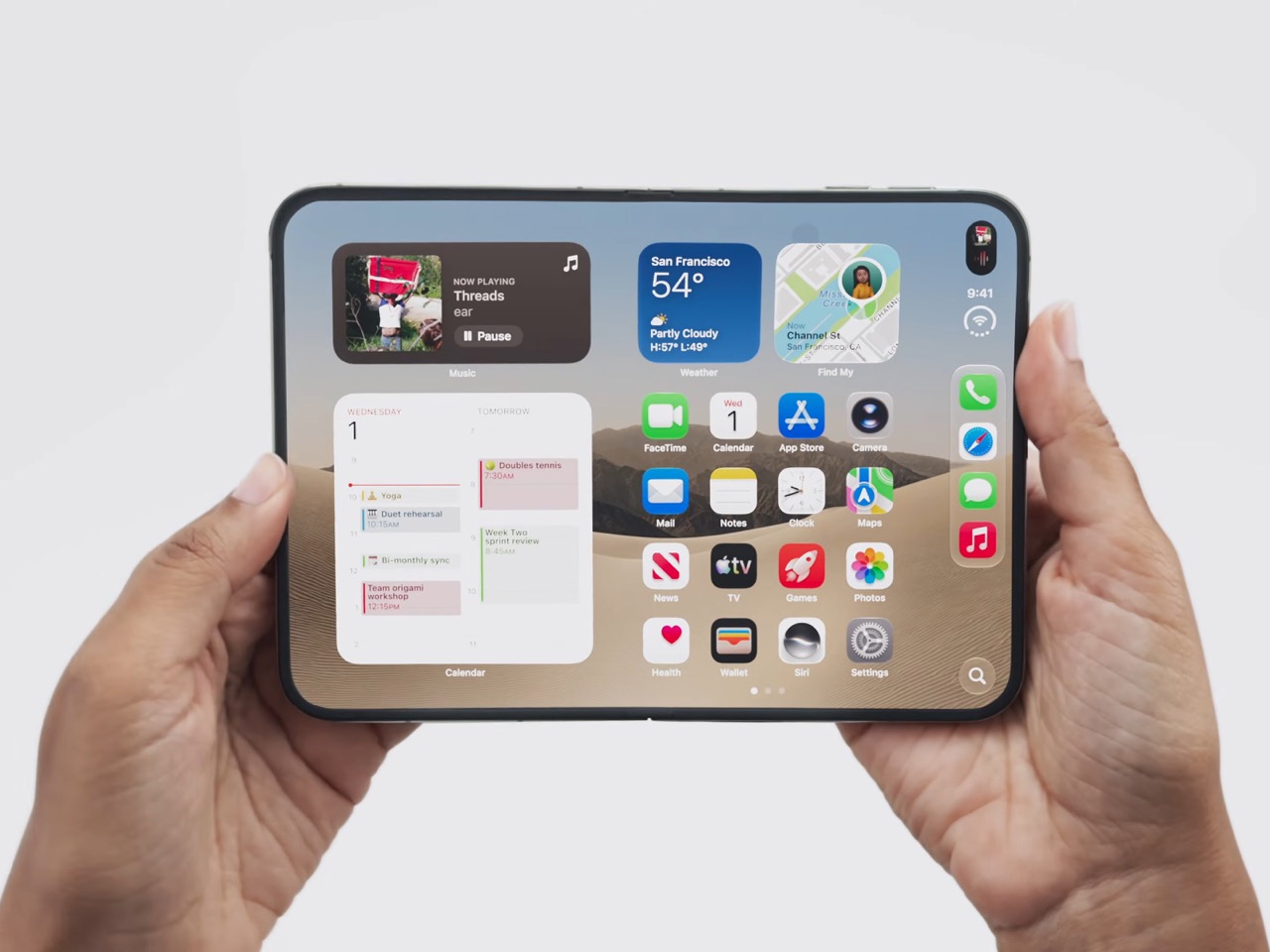
This unique form factor required designing the OS to operate differently too. While every iPhone, iPad, and even MacBook has centered itself around the bottom horizontal app dock, the Duo shifts the dock to the right, making it vertical instead. The dynamic island becomes vertical too, and the entire experience (while it requires a learning curve) is designed for seamless single-hand use, or even double hand use without needing to switch hand position. The power button on the right edge packs TouchID too, pretty much consolidating every important hardware and software detail to the right of the screen now. Great for right-handed folks, but the lefties might object to this strange exclusion.
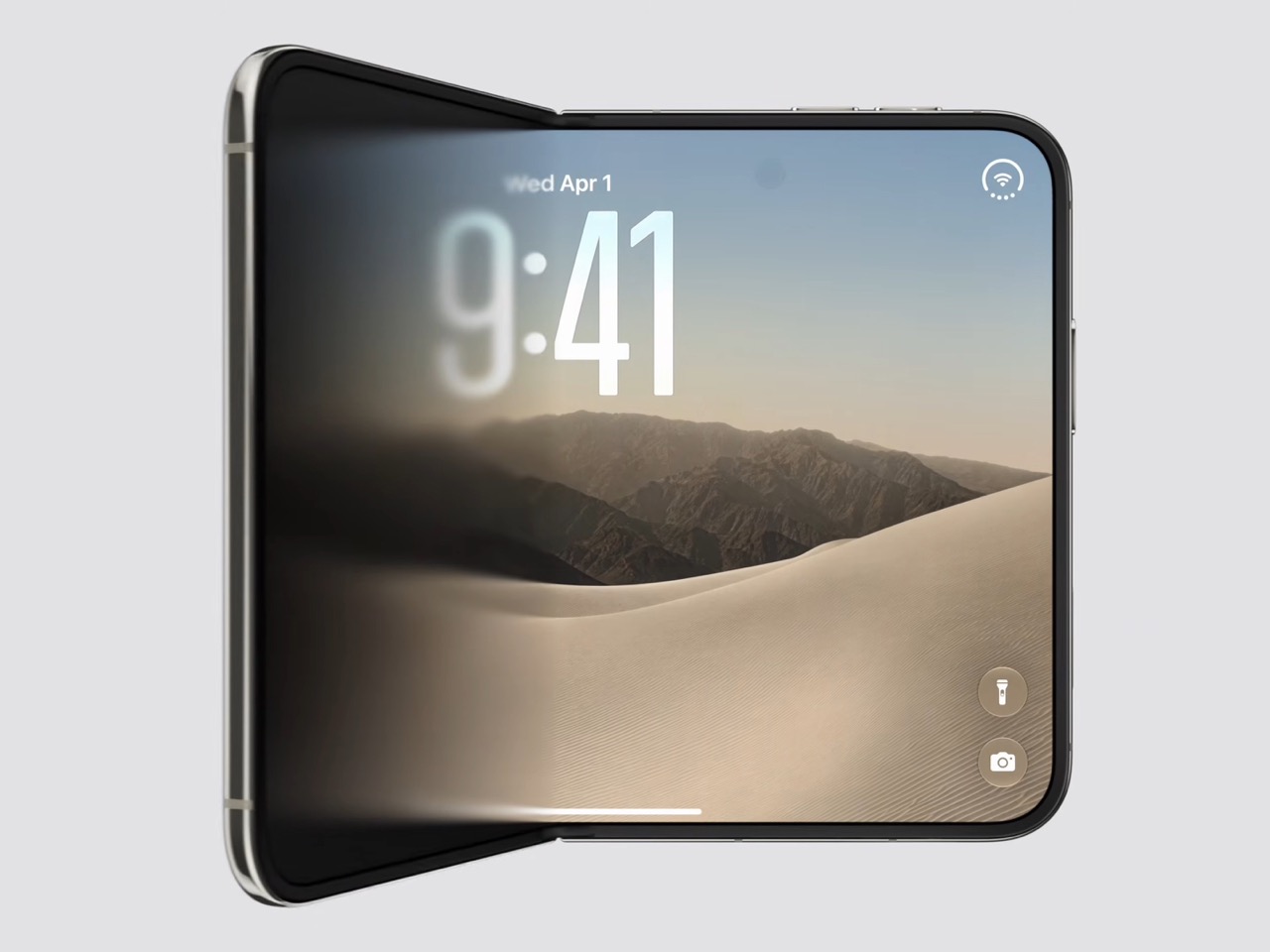
The most impressive “different,” however, is how your phone responds to you opening it. Every foldable till now has resorted to the simple trick of either A. having the folded screen power on when unfolded, or B. having the screen on, but the icons/elements arrange themselves to match the new layout. Apple’s approach was different, leaning heavily into its use of the glass effect from last year’s iOS 26 rollout. The animation feels almost like flipping a piece of frosted glass, revealing the iPhone’s screen once the phone’s folded all the way open or closed. Technically, there’s nothing Apple did that was groundbreakingly different with the interface – but this one little animation was enough to really captivate the hearts of every single person who saw the keynote.
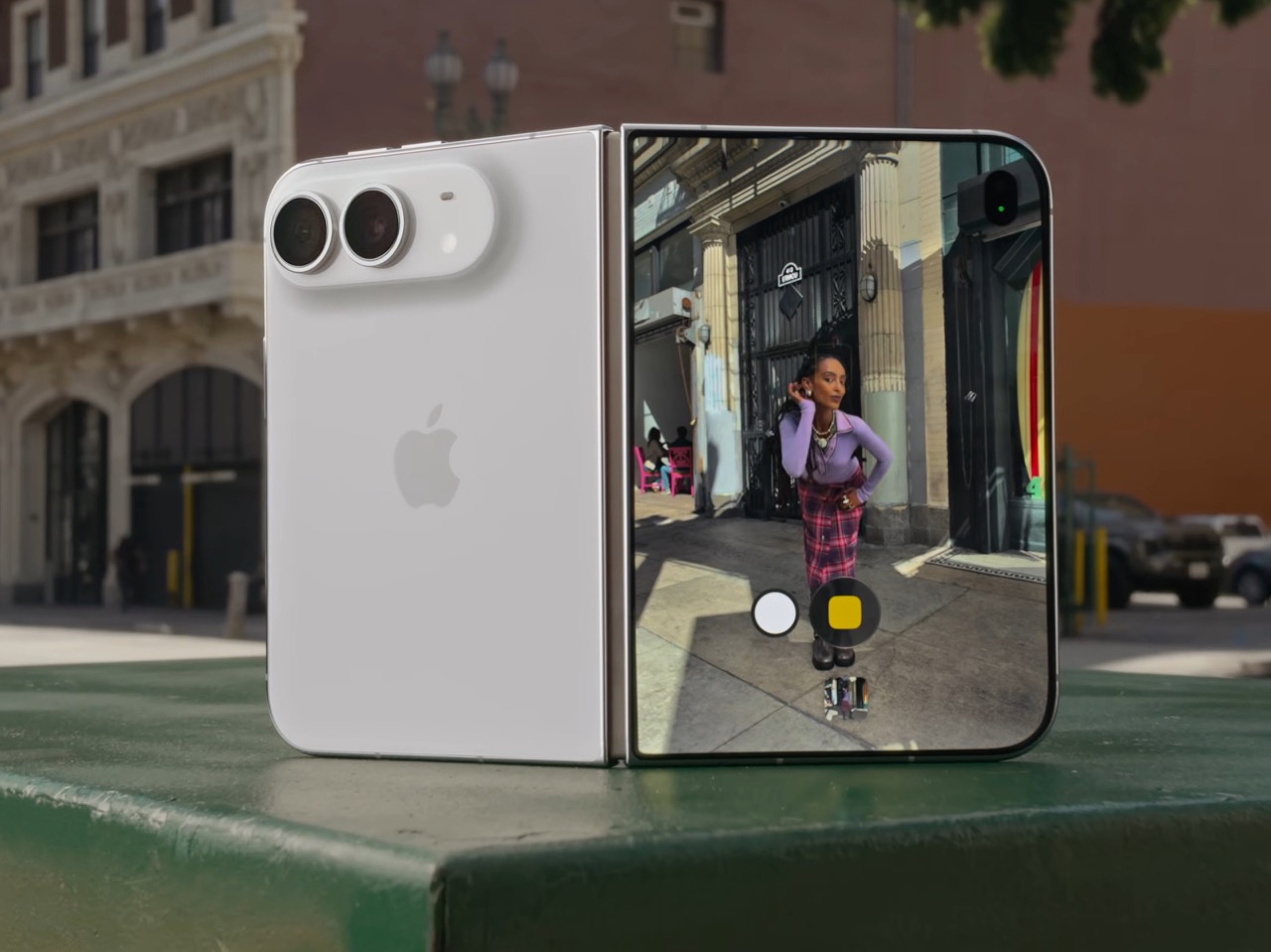
Will the Duo be a runaway success? It’s difficult to predict this early, but the iPhone Air and the Vision Pro were (by Apple’s own standards) extremely underwhelming. Pair that with the fact that people already trust foldables less and you get a pretty bleak forecast for the iPhone Duo. But here’s where I’m inclined to believe that it might sell well. Samsung’s Galaxy Z Fold 8 is currently outperforming its Ultra counterpart. People REALLY seem to enjoy the flat and wide foldable, and the Z Fold 8’s $1899 price tag hasn’t been an overwhelming deterrent so far. For anyone who has the money and the appetite for a foldable, the iPhone Duo might just end up blowing demand for the Z Fold 8 (and the Xiaomi 18 Fold) out of the water. At just hundred bucks more than Samsung’s counterpart, the Duo really packs a one-two punch with a competitive price match, and more importantly, that gorgeous glasslike open/shut animation. I’m not saying the animation is the reason people will buy this phone, but it’s easily a compelling reason for anyone looking to throw near 2K on a folding device.
The post This Single UI Trick Might Sell More iPhone Duo Units Than Any Android Foldable first appeared on Yanko Design.
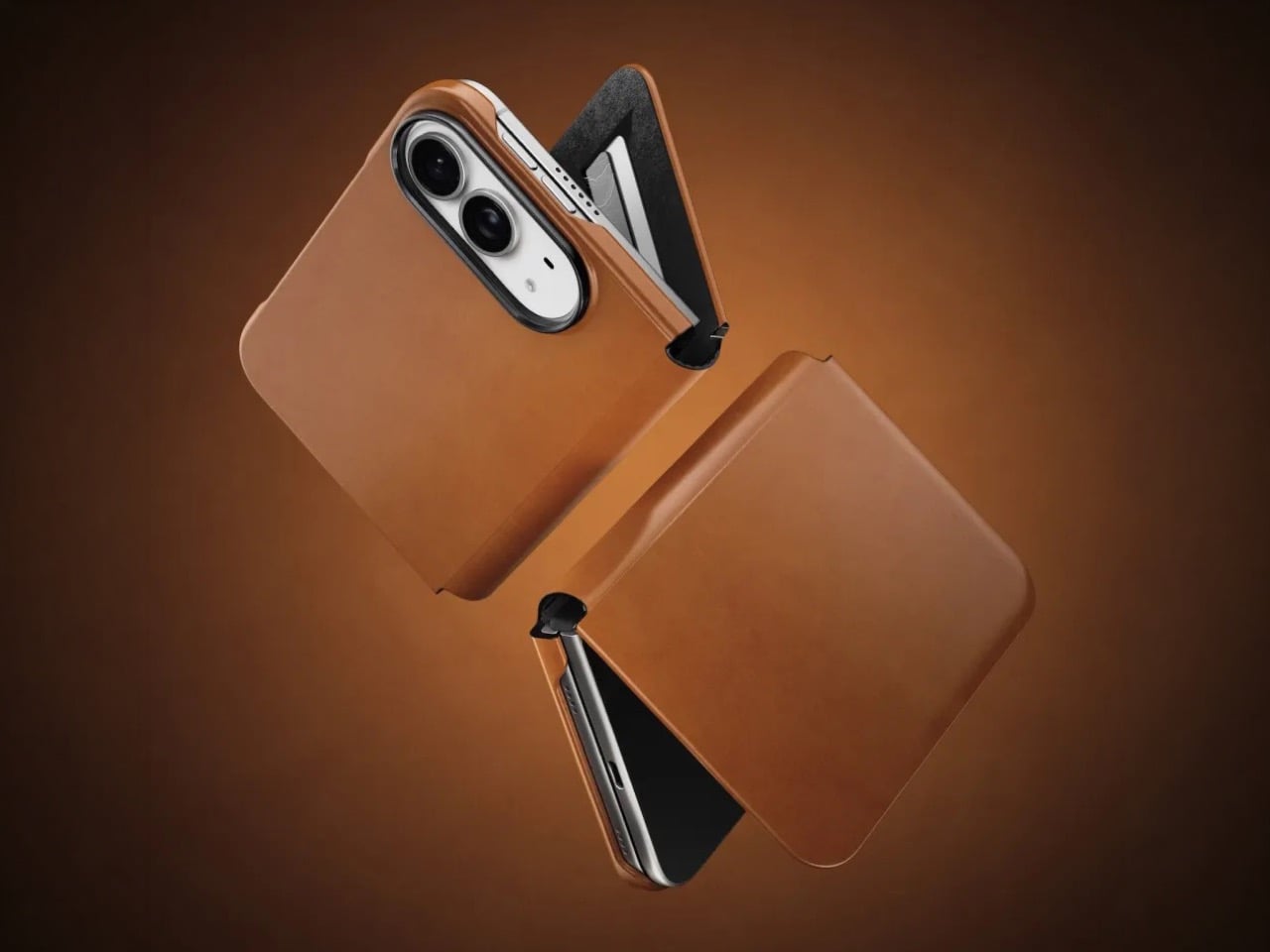
The folio case for smartphones remains an entirely boomer product offering. Having a case with a flap that covers your screen and needs to be folded open like a book to answer calls or use your phone is an innately ‘old-soul’ experience. The flap protects your screen but it also obscures it. Fold the flap to the back and it reveals your screen but blocks your camera. It isn’t for millennials or Gen-Z phone owners, but for anyone who wears reading glasses, this folio style case is as addictive as their generation’s Candy Crush habit. With Apple launching the iPhone Duo just yesterday, Nomad developed a similar folio style case for the Apple foldable.
Nomad’s Folio case for the Duo is a strange little thing. While most folio cases turn candybar phones into bifolds, Nomad’s case sort of turns it into a trifold, if you will… or a bifold with a partition. The case is a single-piece leather and plastic design, created to wrap your phone not just from the back but also the front. The front flap magnetically snaps to your phone’s outer display, and lets you open your phone in two ways – firstly, by just disengaging the flap to see the outer screen, but also by disengaging the flap and outer screen together to see the inner screen… and like any good folio case, the flap’s inside packs a card-holder for your payment, ID, and access cards so you don’t need a MagSafe wallet ruining your iPhone Duo’s design.
Designer: Nomad
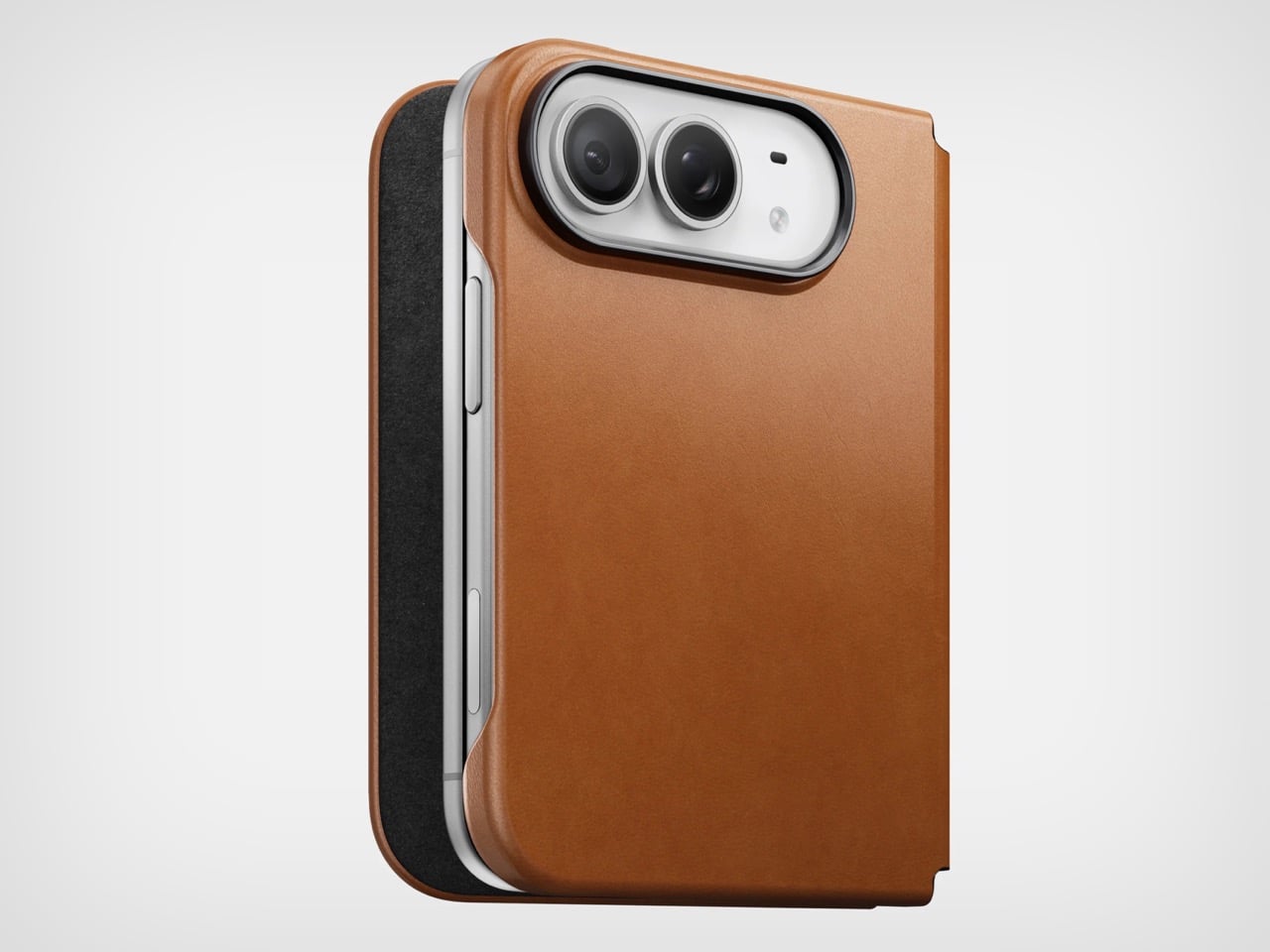
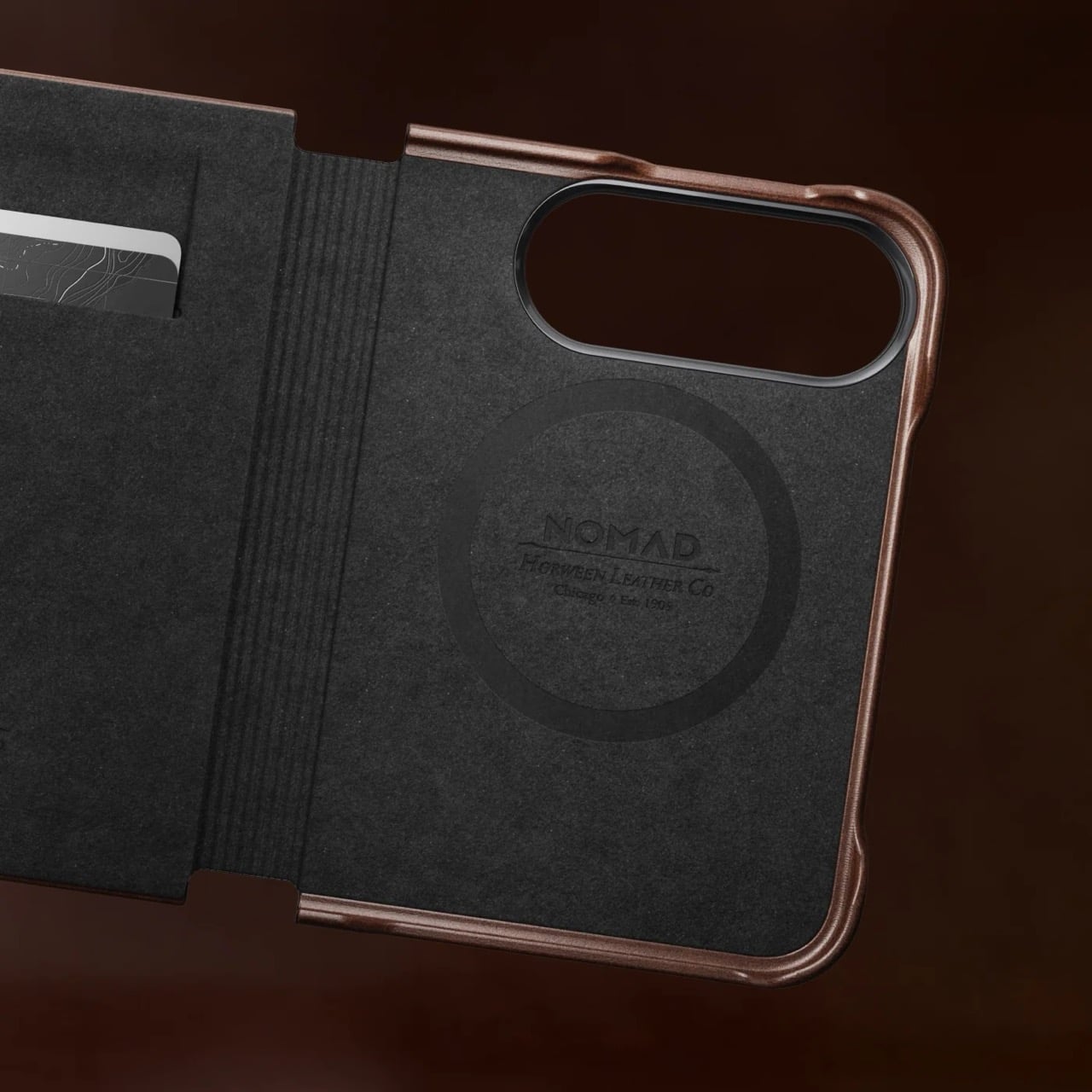
Like all of Nomad’s leather cases, this one’s made from Horween leather, crafted from a single piece of hide that’s been tanned, bent, crimped, and buffed to absolute beauty. The leather gracefully wraps around the edges, keeping the buttons exposed and accessible, while also covering the hinge in a way that creates that bifold feeling. The leather then transitions upwards ever so slightly before cutting off to a plastic lip around the camera bump, cushioning your phone’s precious shooters from accidental drops and bumps.
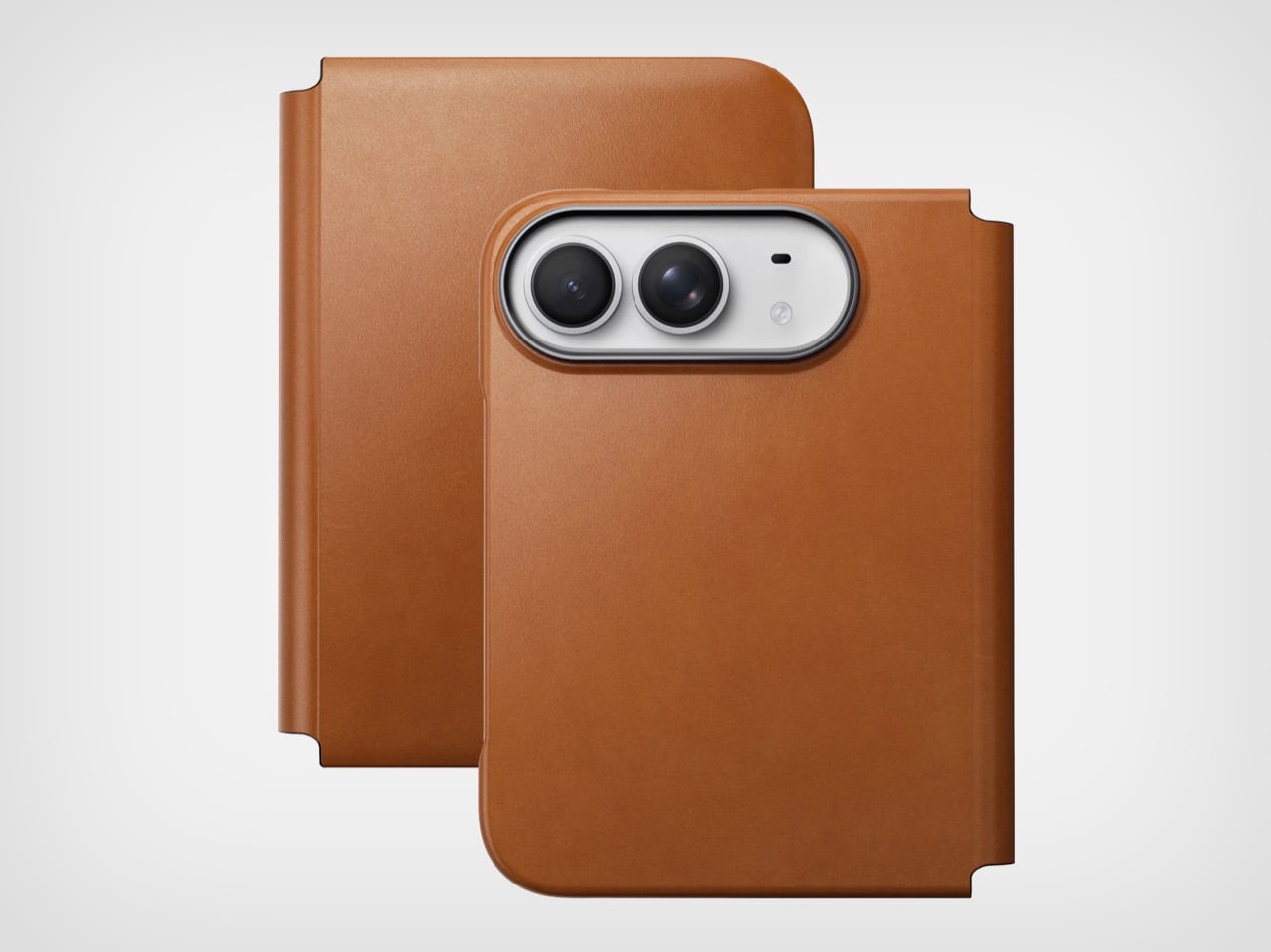
On the inside, the leather’s reinforced by a microfiber layer that protects the iPhone’s glass panels from damage. Sure, Apple touts Ceramic Shield on both the front and back, but nothing breaks your heart faster than seeing a cut or a scratch running down the glass body from abrasive action caused by objects in your pocket or even your table. Meanwhile, a slot on the front stores two cards from the looks of it, so your iPhone Duo doubles as a card holder beyond what Apple Pay already lets you do.
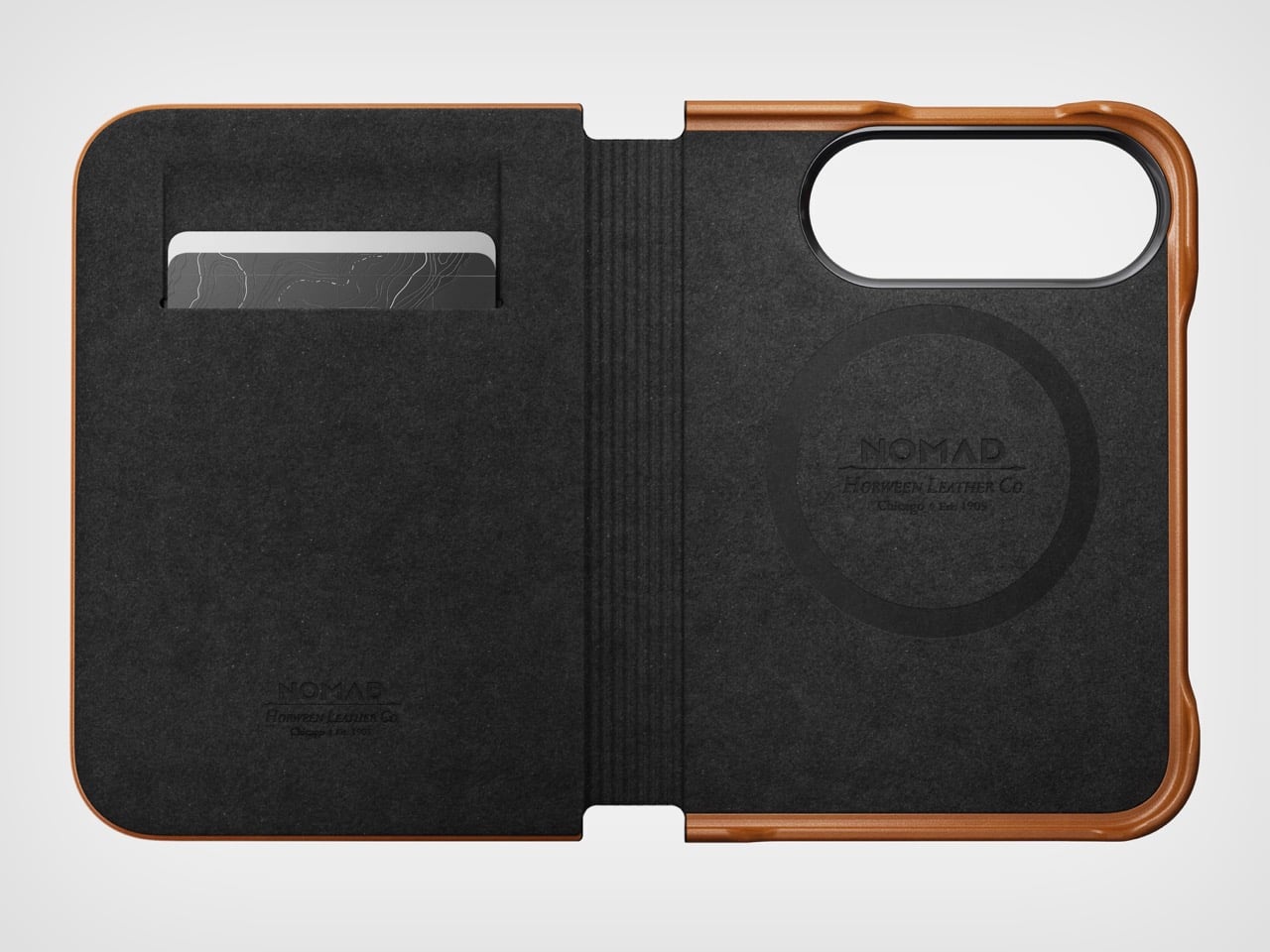
Like all good leather cases, this one’s designed to age gracefully with time. Chances are, if you’re an iPhone Duo buyer, you will probably use this phone as your ride or die for another 2 years. In that time, Nomad says the case will patina gorgeously with time, aging uniquely based on how you use the phone. Luckily, the case isn’t too expensive. Priced at $129, you can grab the Nomad iPhone Duo Traditional Folio in one of three colors – Saddle, Rustic Brown, and Black, with global shipping starting November 14th.
The post Nomad’s Leather Folio Turns Your iPhone Duo Into A $1999 Bifold Wallet first appeared on Yanko Design.