One of my favorite childhood memories is immediately getting on a rocking chair/horse/stool whenever I see one and just rocking like crazy until I get dizzy. But of course as you grow older, it becomes frowned upon when a fully grown adult tries to ride one, especially if it’s built for kids (and you might damage it). But who says we can’t or shouldn’t enjoy one that’s specifically built for grown ups?
Designer: Dsignio
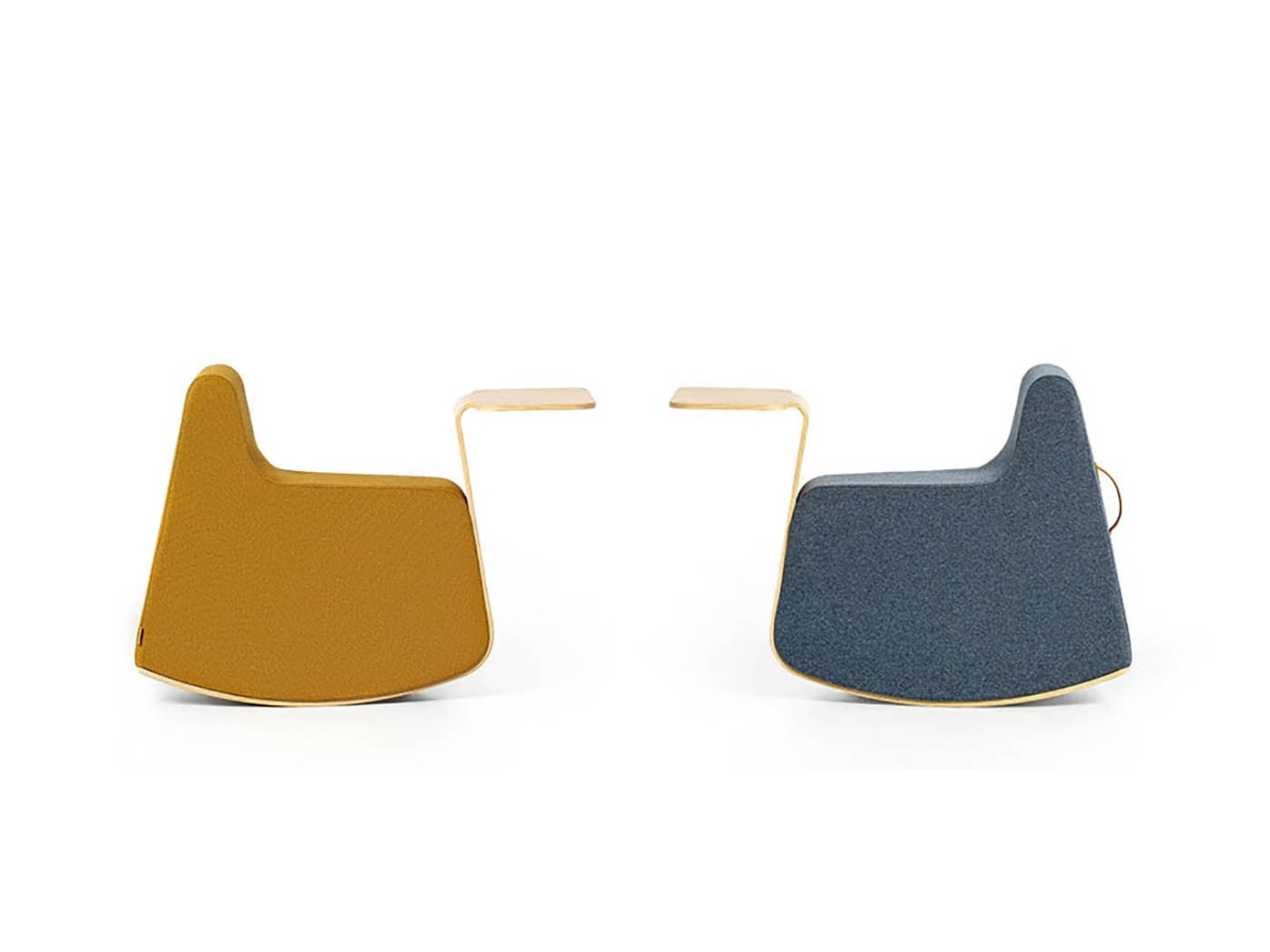
Platero is a rocking pouffe that is created specifically for people in the office that are bored sitting on regular chairs and need a break from their mundane routine. It’s a stool with a curved base that lets you rock it back and forth and change positions if you need some sort of motion as you rest for a while or even when you’re doing actually work but need a more creative work environment.
It also has a side table in front so you can place your laptop, tablet, notebook, book, or any tool that you want to use as you rock back and forth. So that probably rules out coffee or food as it might spill or fall off the chair as you sway it around. It also has an ergonomic design so you probably feel comfortable when sitting on it, or as comfortable as you can get on a stool. At least there’s a back rest part so it’s better than most stools that just have a seating part.
It comes in different finishes but the side table part is mostly wooden. If you suffer from motion sickness though, this stool may not be the best option for you to relax in the middle of work. Well, unless you use it to practice getting used to moving around.
Sony has officially announced the much-anticipated PS5 Pro. You'll need to dig deep into your pocket for it, though: the new console has a price tag of $700 and it will arrive on November 7. Pre-orders start on September 26. As with the PS5 Slim, if you want a disc drive or a vertical stand, you'll have to shell out extra.
The Pro offers some notable improvements on the specs of the original PS5, which was released in 2020. Sony is hoping to narrow the gap between the fidelity and performance modes that players have become accustomed to choosing between. The idea is to offer improved graphical performance at more consistent frame rates across the board. To do that, Sony focused on three core upgrades: a larger GPU, advanced ray-tracing and AI-driven upscaling.
That GPU has 67 percent more compute units and 28 percent faster RAM than the standard PS5. As such, according to the console's lead architect Mark Cerny, the new console will be able to deliver up to 45 percent faster rendering. Ray-tracing performance could be up to three times as faster than on the PS5. Meanwhile, Sony's AI-upscaling tech (i.e. its take on the likes of NVIDIA's DLSS) is called PlayStation Spectral Super Resolution, or PSSR.
Of course, Sony's own studios have been updating their games to take advantage of these upgrades. Cernys presentation highlighted The Last of Us Part 2 Remastered, Ratchet and Clank: Rift Apart, Horizon Forbidden West and Marvel's Spider-Man 2 as some of the games that will benefit from improved visual fidelity and/or frame rates. Third-party partners are planning to tap into the PS5 Pro's extra power too, with patches on the way for the likes of Alan Wake 2, Assassin’s Creed: Shadows, Demon’s Souls, Dragon’s Dogma 2 and Final Fantasy 7 Rebirth. Games that have been patched or developed for the new system will have a PS5 Pro Enhanced label.
Other features include a game boost tool that could improve or stabilize the performance of more than 8,500 backward compatible PS4 games, Sony says. The feature could boost the performance of PS5 games that aren't explicitly enhanced for the Pro as well. The company adds that its Enhanced Image Quality tool will improve the resolution of certain PS4 games as well. Other features include Wi-Fi 7, variable refresh rate and support for 8K resolutions.
Sony managed to make the PS5 Pro more powerful without making it larger than the colossal original model. It has the same height as the original PS5 and the same width as the discless model. Along with a DualSense controller and the brilliant Astro's Playroom, the PS5 Pro comes with 2TB of built-in storage, which is a nice upgrade from the 1TB on earlier models.
That $700 price may put many folks off of buying a PS5 Pro. But hey, at least Sony is offering gamers a tangible hardware upgrade. The newest Xbox systems either change the console's color, add some storage or remove the Series X disc drive.
It's hard to keep many secrets around new gaming hardware, so today's announcement is hardly a surprise. There have been several leaks this year, one from a YouTube channel in May and then again in August from a Dealabs user.
The PS5 has been a big seller for Sony, with 61.7 million units sold as of June 2024. With the PS5 Pro joining the original hardware and the PS5 Slim, Sony is in good shape to continue its dominance of this console cycle.
This article originally appeared on Engadget at https://www.engadget.com/gaming/playstation/sony-unveils-its-ps5-pro-console-which-will-cost-you-a-whopping-700-151636487.html?src=rss
Analogue’s retro handheld console, the Pocket, now has six colors available for a limited time besides the standard black and white. They will be available on September 12 at 11AM ET and will be shipped out between 24 and 48 hours after your order is confirmed. These aren’t the only limited runs from Analogue, as the company did release aluminum, transparent and Glow in the Dark Pocket consoles in the past (just to name a few).
The six colors are based on the classic Game Boy Color’s original shell hues, being color-matched to the handheld consoles sold from 1998 to 2003. The colors are Berry, Dandelion, Gold, Grape, Kiwi and Teal. You can get one of these limited consoles for $250.
Those who prefer the regular Pocket handhelds can rejoice, as they will be restocked and available for purchase on the same day. These will ship immediately as Analogue wishes to keep the standard versions in stock “steadily as possible.” This has been something that has been a challenge since the console launched, as it often feels like they’re more concerned with building expensive limited-edition options rather than keep the main product in stock.
In addition to these two announcements, Analogue promised a software 2.3 update, but we don’t have all the details yet, aside from the fact that it’ll be available on September 12. We’ll update this post when we get more info.
This article originally appeared on Engadget at https://www.engadget.com/gaming/analogues-latest-limited-edition-pocket-consoles-are-inspired-by-the-game-boy-color-150048157.html?src=rss
If you thought the price of a fully specced iPhone 16 Pro Max or Samsung Galaxy Z Fold 6 was high, Huawei has a new flagship that might require some folks to pull off a bank heist to afford. The Mate XT, which the company claims is the first triple-fold phone to hit the market, will debut in China and start at 19,999 yuan (approximately $2,800). That's enough to buy an 11-inch iPad Pro, M3 MacBook Air and an iPhone 16 — and still have cash to spare.
It took Huawei five years to develop the Mate XT, according to the chairman of its consumer business, Richard Yu. As part of that process, the company is said to have made breakthroughs in screen and hinge technology. The device folds up accordion-style, with one hinge bending outward and the other inward, leaving one of the panels available to use as a 6.4-inch exterior display.
“Huawei Mate XT is the world’s first triple-fold smartphone, and the largest and thinnest foldable handset globally,” Yu said during a launch event, according to CNN. “We are the first in the world to achieve outward folding (in smartphones) and the first to create an inward-folding phone with no gaps.”
Despite the high price, the Mate XT has already caught the imagination of Chinese consumers. By early Tuesday, Huawei had received 3.7 million preorders.
It's no surprise as to why Huawei formally revealed the device hours after Monday's iPhone event — it's looking to steal some of Apple's thunder. Given its pre-order numbers and the relatively modest iPhone hardware updates this year (Apple is banking on the delayed Apple Intelligence features as a key selling point), Huawei may have just pulled that off.
When completely unfolded, the Mate XT has a 10.2-inch 3K display with a 92 percent screen-to-body ratio. Buyers can use one, two or all three panels at once (the size of the two-panel display is 7.9 inches). It comes in red or black with a leather finish on the rear and gold trim on the edges and folds. When they're out of range of a cell network, owners will be able to communicate with the rest of the world via satellite.
As you might imagine, there are a bunch of generative AI features too, including a voice input function that can polish and translate a transcript. There's the option to have a chatbot open on one side of the screen to answer questions and summarize articles. There's an AI photo-editing tool too. On that note, Huawei says the triple-camera system (which features a periscope telephoto camera and an ultra-wide-angle camera) includes an approximate optical zoom of 5.5x.
The rollout plans for the Mate XT outside China are not yet clear. The Mate XT is unlikely to officially come to the US, given sanctions that have been in place against the company over the last few years.
This article originally appeared on Engadget at https://www.engadget.com/mobile/smartphones/huaweis-first-tri-fold-phone-starts-at-an-eye-watering-2800-145113669.html?src=rss
The automotive world is abuzz with the arrival of the fourth-generation Bentley Flying Spur, a luxury sedan that pushes the boundaries of performance and refinement. This latest iteration of the Flying Spur features an all-new 782 PS, 1000 Nm ‘Ultra Performance Hybrid’ powertrain, which seamlessly combines a high-performance V8 engine with an efficient electric motor. […]
There’s a meme that comes around when people are urged to see a movie on the biggest screen as the filmmaker intended. People then mock up images of them watching it on the worst, least-immersive devices possible, from iPods to Game Boys. It came to mind during the iPhones 16 launch event, Apple said its new models have CPUs that can challenge “even high-end desktop PCs” and “desktop-class GPU architecture.” And it made me wonder if anyone is actually playing AAA games on a 6-inch smartphone for any real length of time?
Look, we all know this is just Apple flexing the power of its homegrown silicon, given even its A-Series SOCs run almost as fast as a flagship Intel CPU. We also all know that if you tried to run your iPhone with the same load as you could put on a desktop, you’d quickly burn it out. (Case in point, Resident Evil Village caused GamesHub’s iPhone 15 Pro to run “uncomfortably hot” and burned through 30 percent of its battery life in an hour.) All of that power is great for the sort of tasks an iPhone needs to do which are only demanding in short bursts. Processing audio and video, or the odd blast of generative AI (when it arrives) that Apple is understandably proud of being able to do on-device.
But this emphasis on raw power suggests the company has lost sight of what the iPhone is for, and what its limitations are. Yes, I’m sure some people love playing Death Stranding on the bus into school, or work. I’m sure there are some people who will try and use the Notes app to write their term papers, and one or two filmmakers who will use the iPhone instead of a Red, but those can’t be massive constituencies of the overall user base.
It’s hard to see people using their iPhone to get the sort of Serious Work done that you’d need a better user interface to achieve. iPhones are great for photography, social media, communication, casual gaming, but they can’t be a comprehensive replacement for a laptop or games console. Well, you can use them for those purposes, but I’m not sure anyone should.
Another telling example was the demo showing a person using Voice Notes to record a new vocal over a backing track they’d previously recorded. It’s a great way to show the iPhones 16’s ability to isolate audio even when the sources are so close together. Apple added the feature to Voice Notes because it has seen user feedback that it’s become a valuable tool in a musician’s arsenal. But it’s also something of an own-goal given Apple’s own multi-track recording platform, Garageband, has been left (deservedly) ignored and unloved for the last decade.
I suspect all of this points to the fact that Apple, with its key strengths of merging hardware and software, has run out of worlds to conquer in the former. After all, as glorious as the new iPhone is, the upgrades have been incremental for a long while now. As fancy and high-tech as the new camera shutter button is, it’s not as if adding a dedicated button for capture is groundbreaking — I had one of those on my Sony Ericsson K750i. I’m also curious how many iPhone users actually harness those extra camera features (like adjusting the focal length, or shooting in RAW) when they’re snapping clips for TikTok. And if you, like me, don’t really value Apple Intelligence, or just think those features aren’t really compelling, then there’s little reason to rush out and upgrade.
It doesn’t help that I was also reminded of what Steve Jobs said in 2010, describing personal computers as “trucks” whose prominence would fall as people switched to the “cars” of phones and tablets. Trucks were go-anywhere, do-anything tools that were vital a century or more ago but were phased out when people started using more specific tools suited to their needs. The iPhone 16 launch event, however, felt like Apple showing everyone that it’d managed to cram a Big Rig engine into a Porsche.
This article originally appeared on Engadget at https://www.engadget.com/mobile/smartphones/apple-needs-to-remember-what-the-iphone-16-is-for-134535338.html?src=rss
There used to be a time when most pet-oriented brands would design products mostly for puppies and dogs. But now that there are a lot of feline fur parents out there too, we’re seeing more brands get into the game of creating products that will appeal to this market. Even brands that usually don’t have anything to do with pets are also conceptualizing toys for cats.
Yamaha is known more for their musical instruments and vehicles but now they’re exploring design studies for cat-related products while still keeping the design values of the company. What they came up with are three design concepts for things that felines might enjoy if they ever get made into actual products although there are no plans to commercialize it for now.
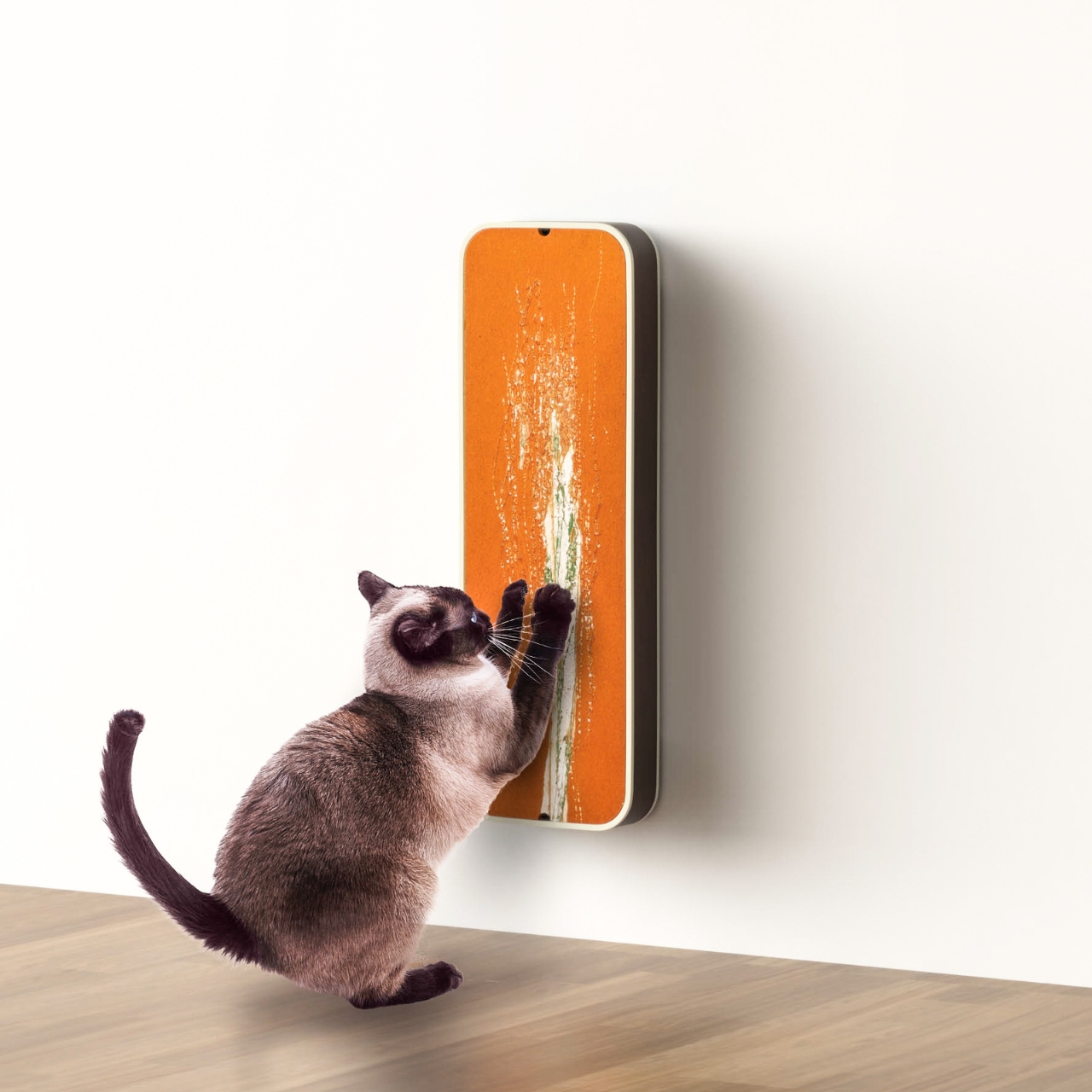
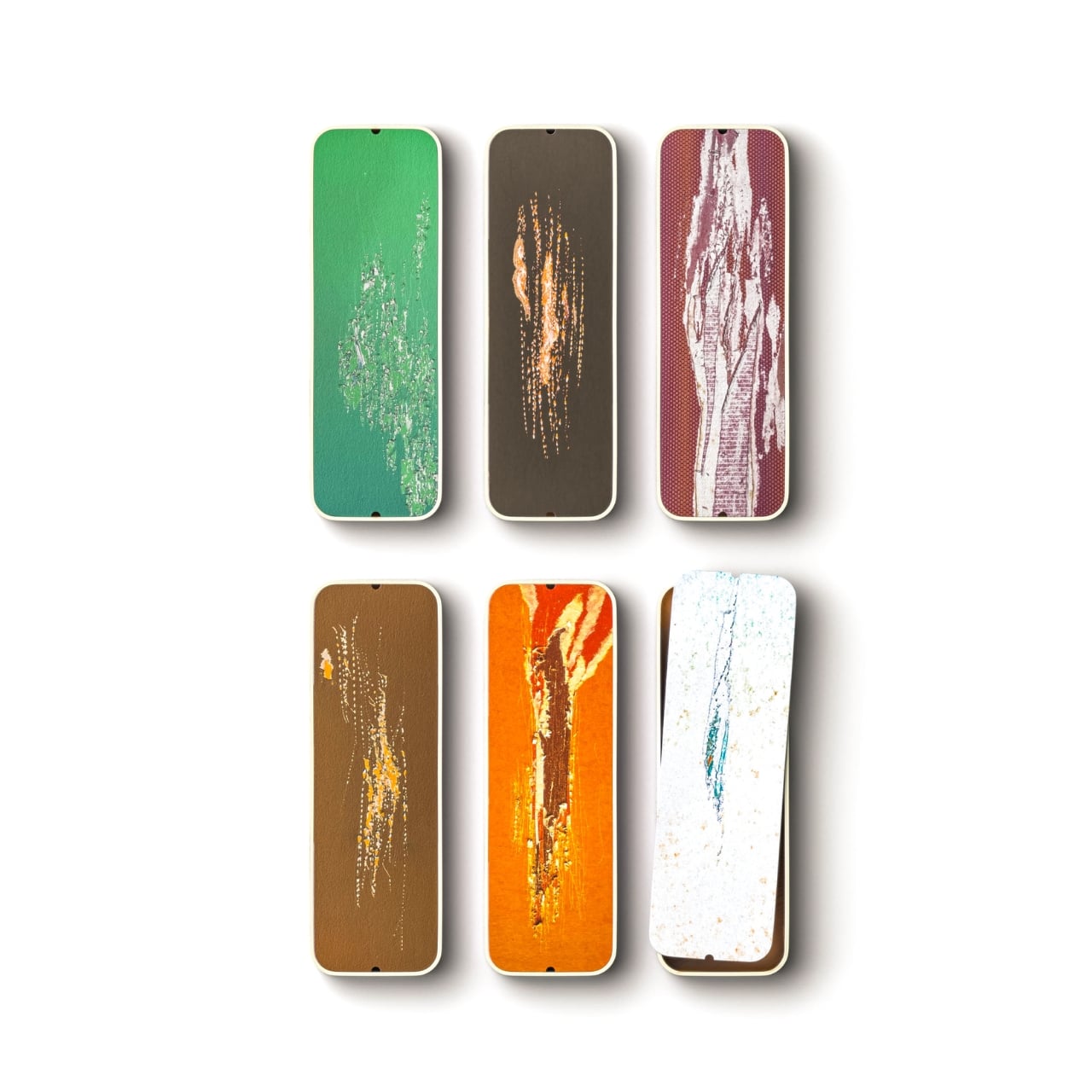
Neko-Yama is a cat playground but built in the “Yamaha style”. It lets the felines have a platform where they can explore all the tight spaces, crevices, and holes that they usually want to play around in. You will also be able to enjoy looking at them challenge themselves by playing around in the various places they can stick themselves in since it has a transparent design. The Strumming Box meanwhile is a scratching post where different colors will appear in the underside as they create their own patterns. Eventually it will look like a worn-out guitar but with the cat’s claws and scratches creating the unique surface.
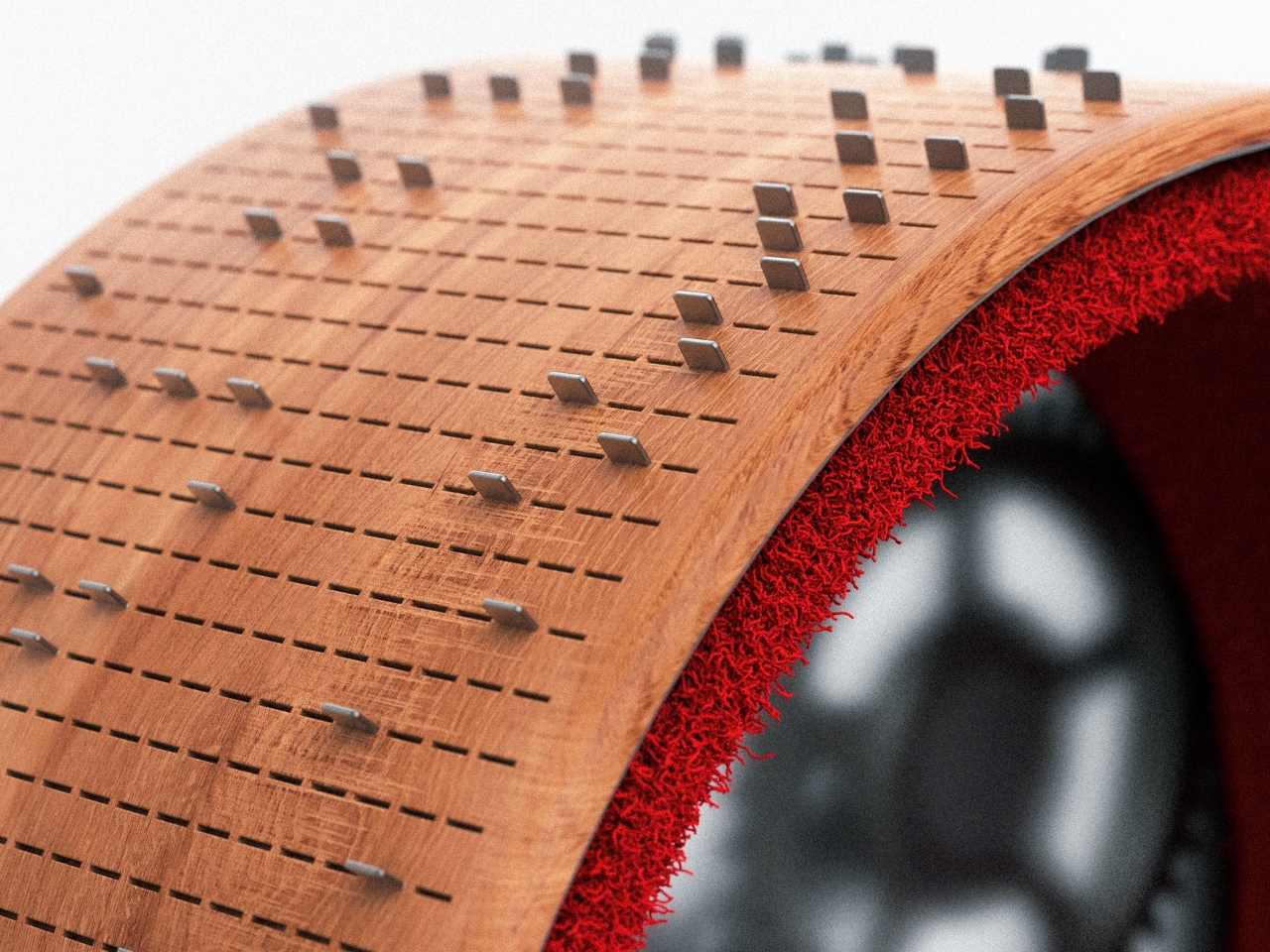
Lastly, the Cat Music Box lets your feline friends create their own music by walking around in a wheel. Think of it as a hamster wheel but for cats and it is able to create notes through the rotation of the double wheels as it walks or runs around on the inner ring. The tempo also depends on how fast or slow they move. They can also walk backwards which might create a different kind of music.
Apple has recently released the highly anticipated iOS 18 Release Candidate (RC) for beta testers, marking a significant milestone in the development of their latest mobile operating system. Along with iOS 18, the company has also rolled out RC builds for iPadOS 18, watchOS 11, macOS Sequoia, tvOS 18, and visionOS 2. The official launch […]
Glorious Gaming just released its latest flagship keyboard, the GMMK 3. The company didn’t skimp on the bells and whistles with this one. As a matter of fact, it’s calling the GMMK 3 the “world’s most customizable keyboard.”
To that end, the keyboard offers nine points of modularity, from the keycaps to the switch plates, cables, accent pieces and, well, “every aesthetic part of the keyboard, from top and bottom.” Glorious Gaming says there are so many ways to customize this model, that it’s actually “over one billion keyboards in one.”
Gaming keyboards, however, are about way more than aesthetics. Fortunately, the GMMK 3 checks all of the boxes for premium keyboard features. There are Hall Effect sensors, support for a rapid trigger feature and up to an 8,000 Hz polling rate. There’s also customizable actuation and 4:1 dynamic keystroke mapping. There’s even a modular gasket system to adjust the precise sound and feel of keystrokes.
Some of the customization comes into play during the ordering process. The online configurator lets you select the color scheme and make other adjustments. There are also a bunch of accessories available, including key capsules, badges, rotary knobs and more. Additionally, each keyboard is available in three sizes.
Glorious Gaming
Beyond sizing, the keyboards are split into three different versions. There’s the standard GMMK 3, which includes everything mentioned above, but the max polling rate shoots down to 1,000 Hz. The GMMK 3 Pro ships with a durable full aluminum body, but keeps that max polling rate of 1,000 Hz. The baddest of the bunch, the GMMK 3 Pro HE, includes the advertised 8,000 Hz polling rate, along with a revamped RGB lighting system and other goodies.
Finally, there are “barebones” versions of each keyboard that don’t include switches or keycaps, so you can hit the ground running when it comes to customization. All of the keyboards come with tools to help remove switches and keycaps, but it’s nice to have that part of the job finished already.
The GMMK 3 is available now in all of its many configurations. Prices range from $120 to $260.
This article originally appeared on Engadget at https://www.engadget.com/gaming/pc/glorious-gamings-gmmk-3-is-a-flagship-keyboard-with-tons-of-premium-features-130100429.html?src=rss
If you are interested in learning how to easily install the Flux ControlNet complete with necessary workflows and models. You will be pleased to know that Olivio Sarikas has created an easy to follow step-by-step guide to installing and setting up Flux ControlNet, ensuring optimal performance and usability. By following these instructions, you’ll be able […]