Rimac’s Verne Turns the Robotaxi Into a Private Lounge on Wheels

Mate Rimac built his reputation on speed. The Nevera hypercar, with its 1,914 horsepower and sub-two-second sprint to 60 mph, represents everything traditional car enthusiasts worship: acceleration, cornering, the primal connection between human and machine. So when the same company unveils a vehicle designed to never exceed city speeds, one without a steering wheel or pedals, the contrast demands attention. The Verne robotaxi is not a departure from Rimac’s engineering ambitions. It is a redirection of those ambitions toward a question the automotive industry has been avoiding: what does a vehicle become when you delete the driver entirely?

Designer: Rimac

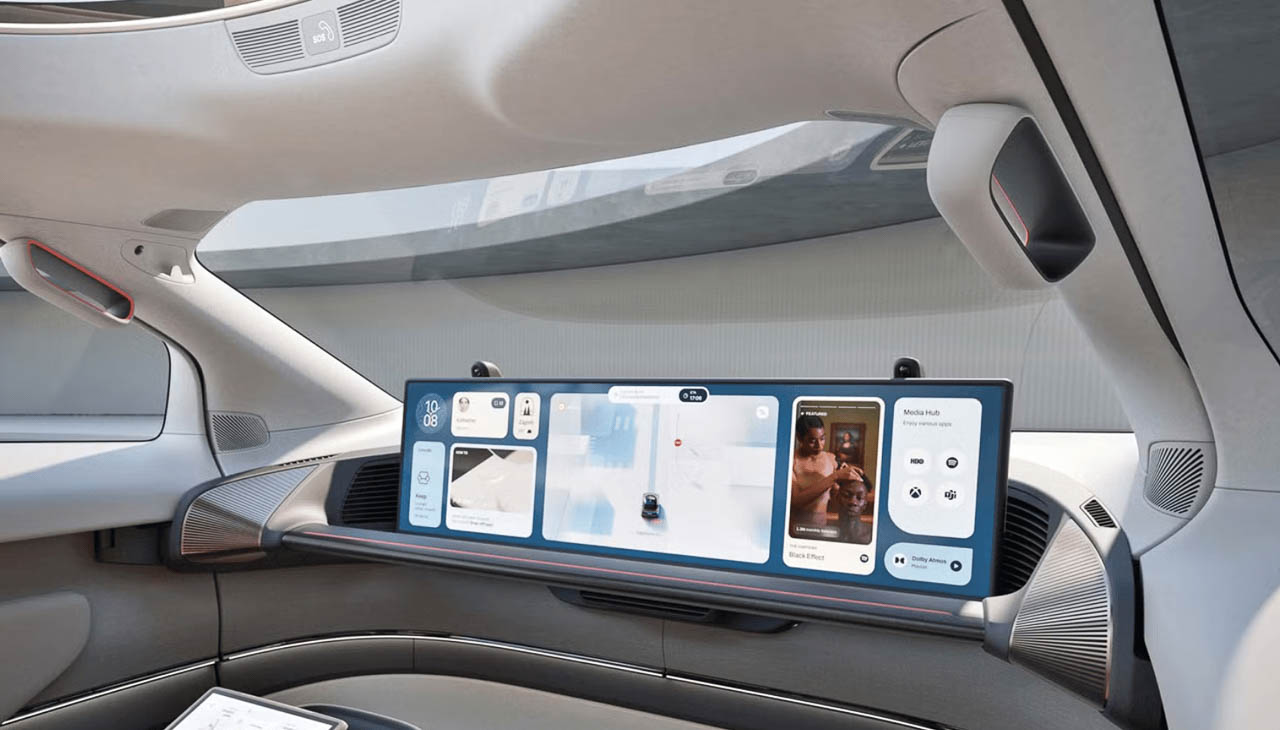
The answer, according to Rimac, looks more like a hotel room than a car. The Verne’s interior abandons the dashboard-centric layout that has defined automobiles for over a century. In its place sits a 43-inch ultra-wide display that stretches across the cabin like a digital horizon line, flanked by lounge seats that recline through five positions including fully flat. Rimac describes the space as “less automotive and more like a living room,” and the company means this literally. There are no controls to learn, no interfaces to master, no traditional automotive vocabulary at all.

Designing From the Inside Out

Most vehicles begin as an engine bay connected to a passenger compartment. The proportions follow predictable rules: hood length communicates power, wheelbase suggests stability, and the cabin fits whatever space remains after mechanical necessities claim their real estate. The Verne inverts this hierarchy completely.
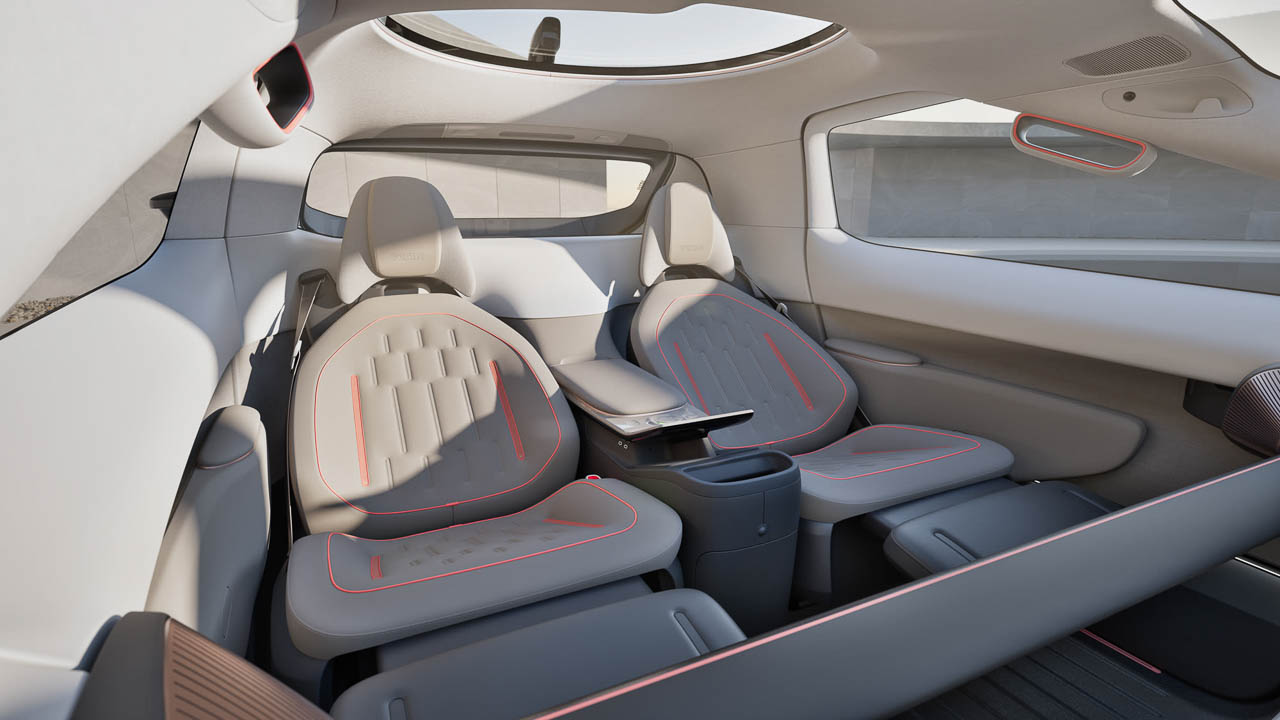
Rimac’s design team started with a two-person living room brief and worked outward. The result is a compact exterior with a trapezoidal profile, short overhangs, and a tall cabin that claims more legroom than a Rolls-Royce despite fitting easily on narrow European streets. This is not marketing exaggeration. When you remove the engine bay, transmission tunnel, and driver’s cockpit, the remaining volume can be redistributed entirely toward passenger comfort.
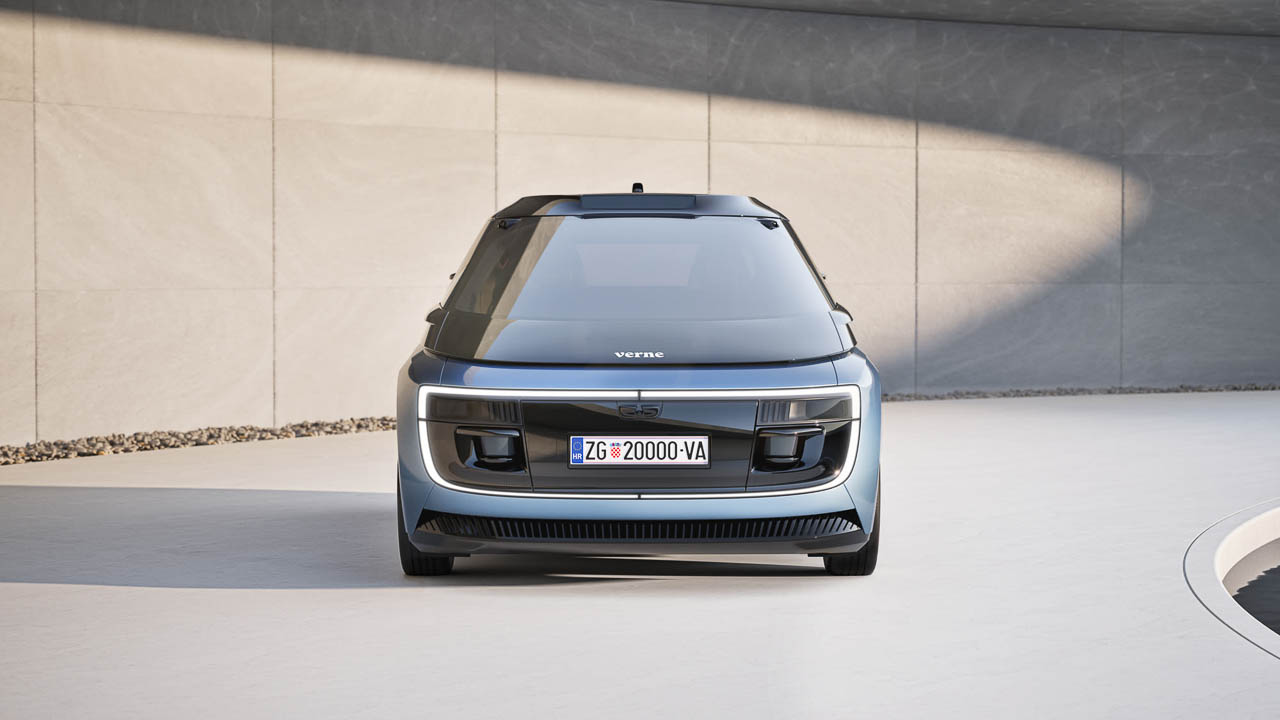
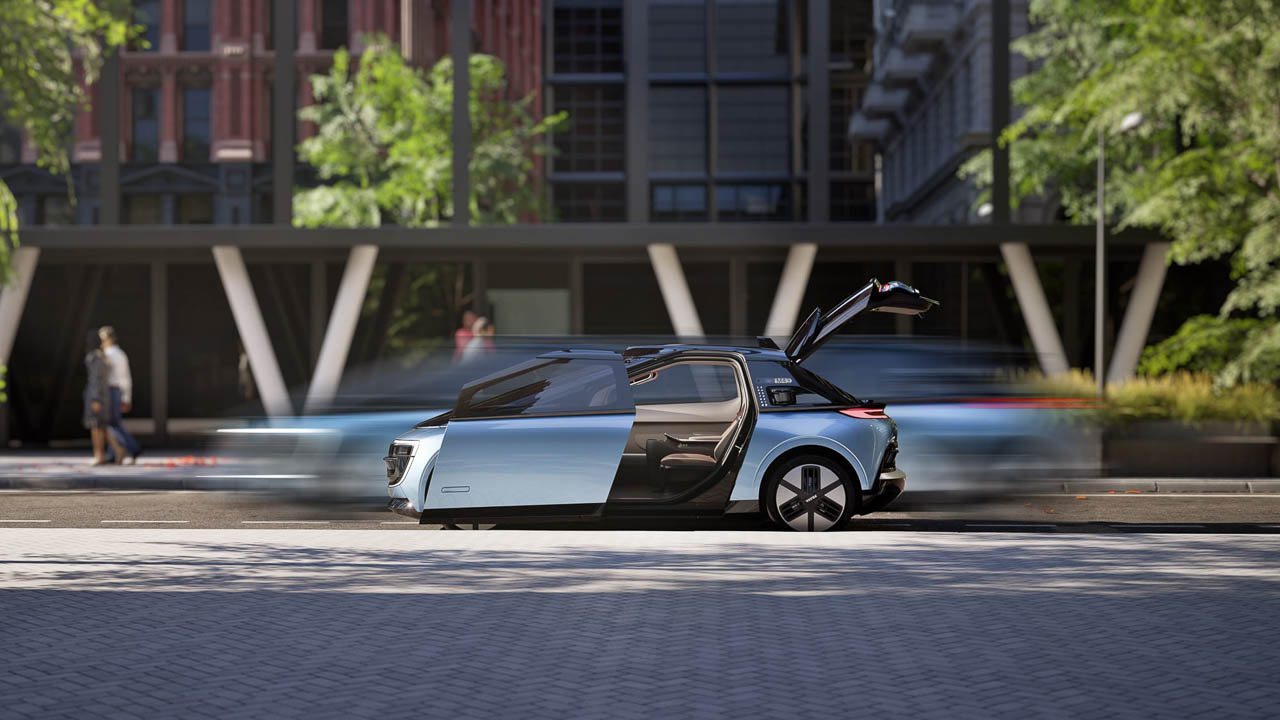
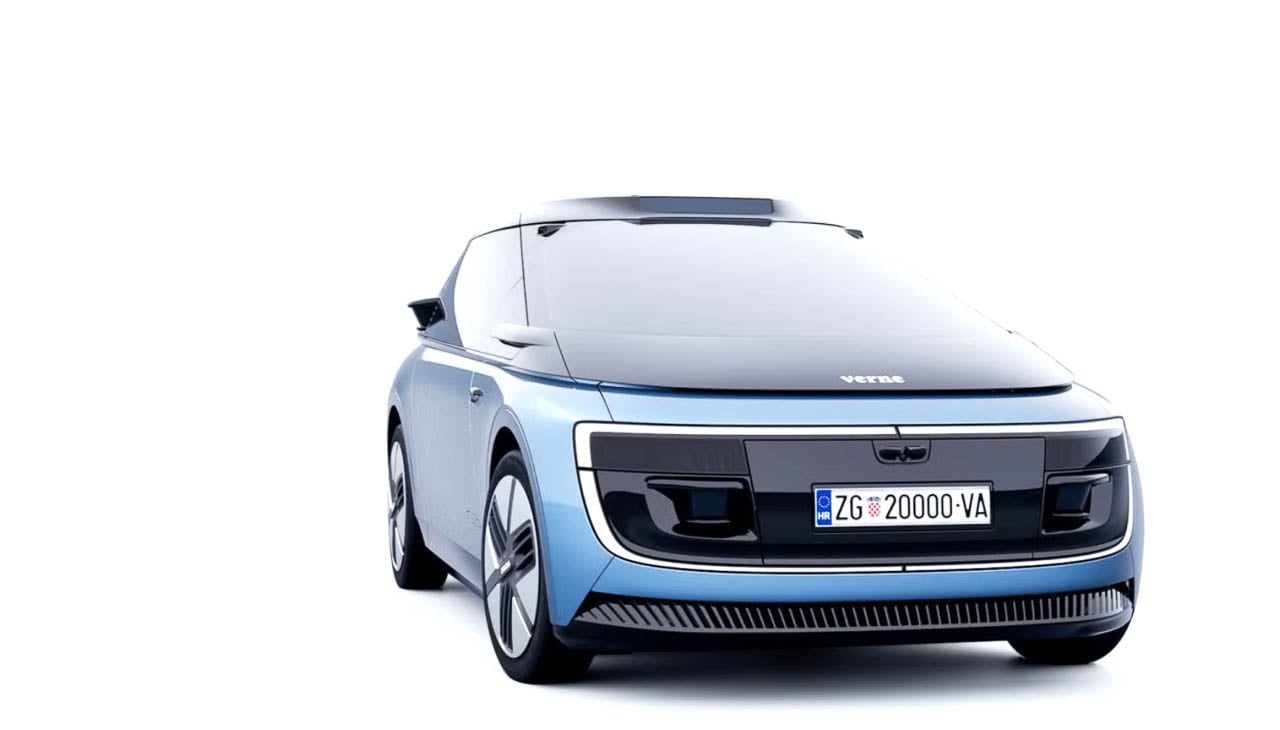
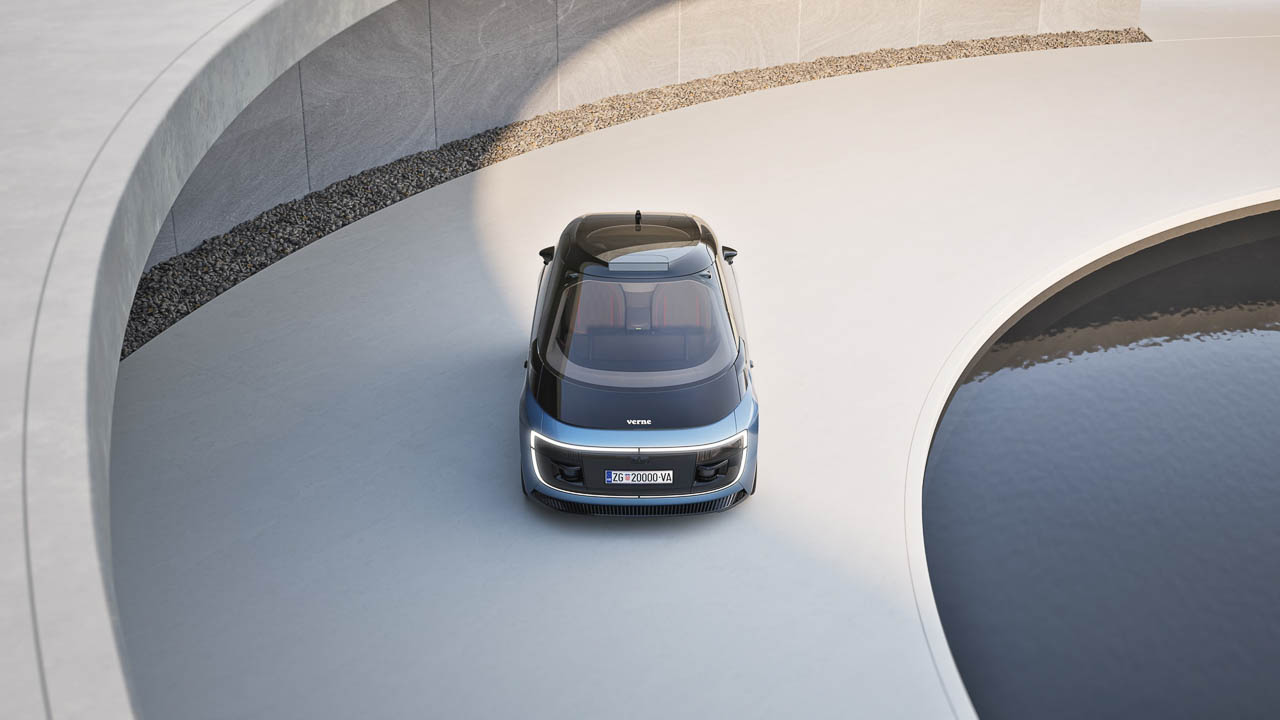
The exterior reads as a clean monovolume pod, almost architectural in its simplicity. Unlike many autonomous test vehicles, which wear their sensor arrays like medical equipment strapped to the roof, the Verne integrates its Mobileye hardware directly into the bodywork. The lidar, radar, and camera systems that enable Level 4 autonomy remain invisible from the passenger’s perspective. This design choice reflects a deeper philosophy: the technology should enable the experience without announcing itself.
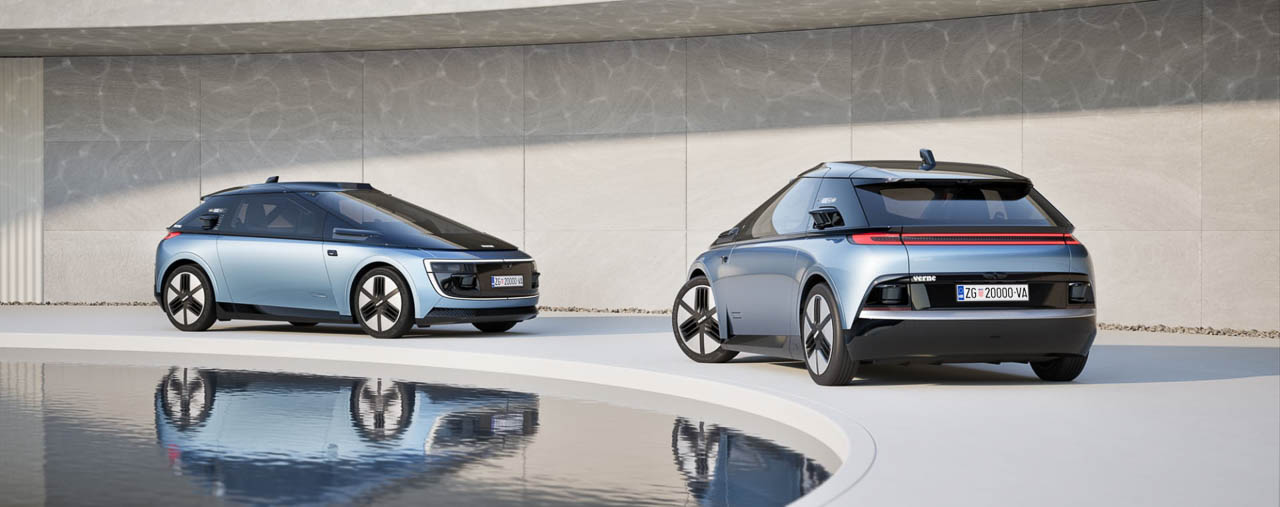
Twin sliding doors reinforce this architectural thinking. Rather than swinging outward into traffic or requiring passengers to squeeze past a door edge, Verne’s doors glide along the body, opening a full entry that lets you step in and sit down in a single motion. For a vehicle designed to operate in dense urban environments, picking up passengers along crowded curbs, this is not merely convenient. It is the kind of detail that separates mobility design from automotive styling.

The Lounge Cabin as a New Typology

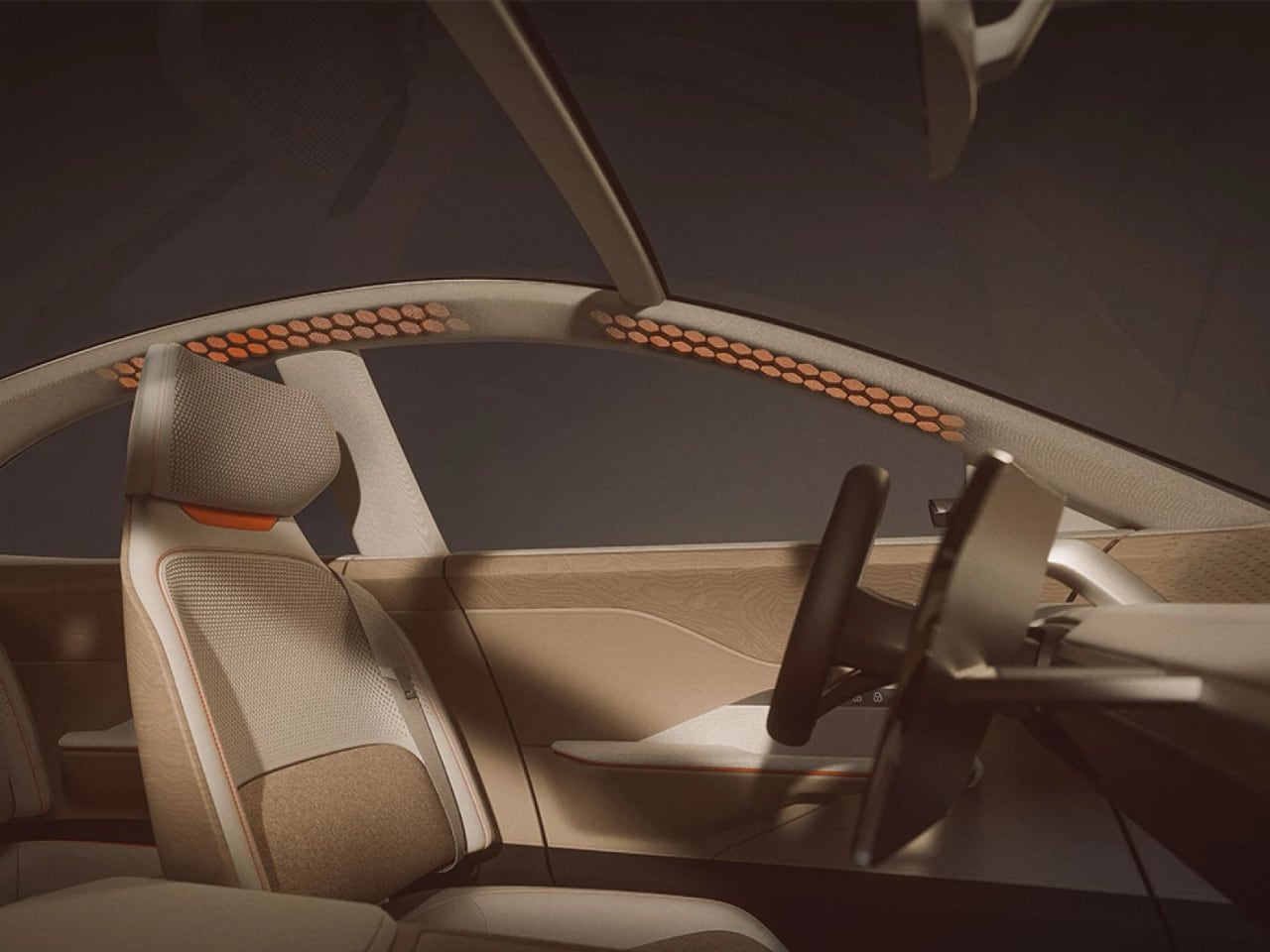
Step inside the Verne and the absence of traditional automotive elements creates an immediate spatial shift. There is no steering column to navigate around, no center console dividing driver from passenger, no dashboard cluttering the forward view. The cabin feels less like sitting in a car and more like settling into a premium railway compartment or private jet. The 43-inch display serves multiple functions depending on context: cinema screen, workspace, or simply a window to curated content during transit.
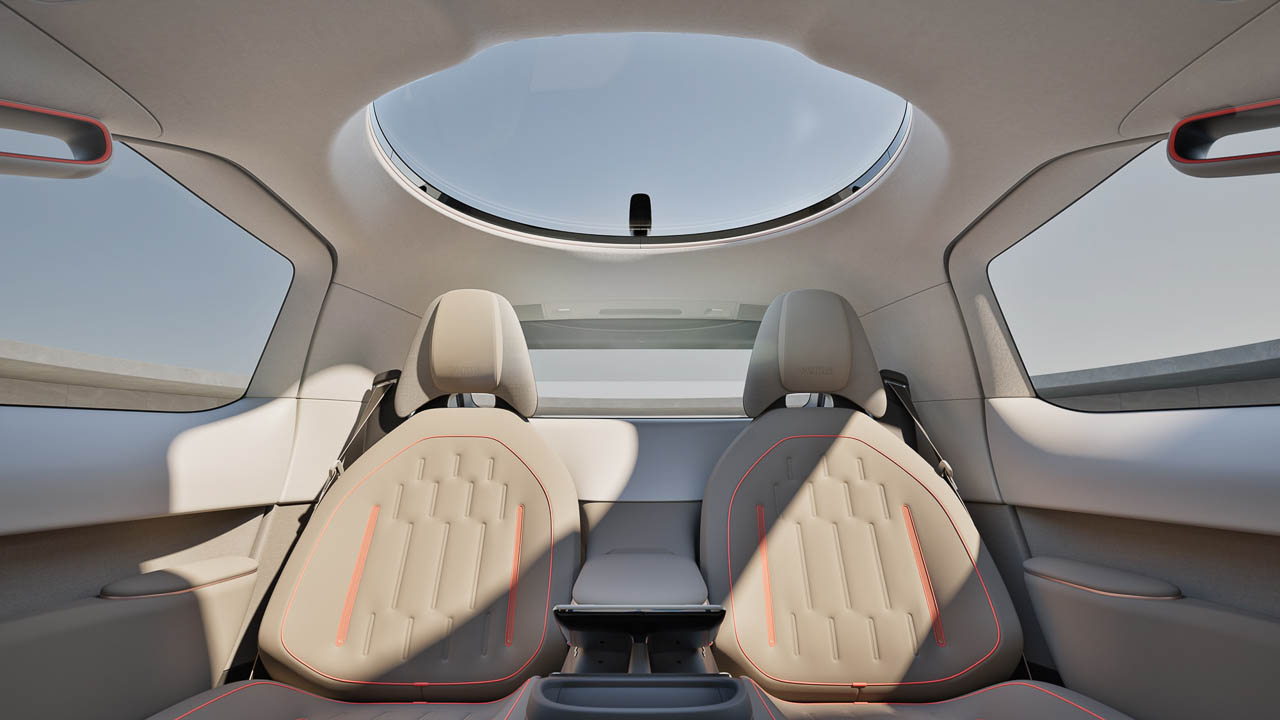
A 17-speaker audio system surrounds the cabin, and the circular Halo ring sunroof overhead washes the space in ambient light that Rimac calibrated to feel warm and residential rather than automotive. The seats themselves draw more from airline business-class design than traditional car buckets, with deep recline options that transform the vehicle into a genuine nap pod. What makes this interior approach significant is not the individual features. Large screens and reclining seats exist in luxury vehicles already. The significance lies in the coherence: without a driver to accommodate, every design decision can optimize for passenger experience alone. The seating geometry, the display placement, the ambient lighting, the acoustic tuning all work toward a single purpose rather than competing with driver-centric requirements.

Rimac included one deliberate exception to the screen-dominated interface. A physical “Median” control sits within reach, providing a tactile way to start and end rides. In a cabin stripped of mechanical controls, this single physical interaction point offers psychological reassurance. You are still in control of something, even when the vehicle handles everything else. This is furniture design meeting transportation design, with transportation losing its traditional priority.

Why Two Seats Is a Design Choice, Not a Limitation

The Verne’s two-seat configuration will strike many observers as restrictive. Conventional automotive thinking says more seats equal more utility, more potential passengers, more flexibility. Rimac’s research led them to a different conclusion.
Analysis of ride-hailing data reveals that approximately 90% of trips involve one or two passengers. The rear bench seat in a typical sedan, the one that supposedly provides flexibility, sits empty on nine out of ten journeys. This is not an argument against four-seat vehicles. It is an argument for purpose-built alternatives. By eliminating that largely unused rear space, Rimac freed up volume for stretch-out legroom, substantial luggage capacity, and a sense of openness that a cramped four-seat cabin cannot provide.

Right-Sizing Performance for Cities

The powertrain specification tells a story of intentional restraint. Where the Nevera produces nearly 2,000 horsepower, the Verne makes do with approximately 150 kW. The battery pack holds 60 kWh compared to the Nevera’s 120 kWh setup. Range reaches roughly 240 kilometers, modest by EV standards but more than sufficient for urban fleet operation where vehicles return to charging hubs between shifts.
This represents a deliberate rejection of the spec-sheet competition that dominates electric vehicle marketing. Rimac could have installed larger batteries and higher-output motors. The company certainly has the engineering capability. Instead, they optimized for city duty: lower material consumption, easier charging cadence, reduced manufacturing complexity, and a lighter footprint for the urban environments where Verne will operate. The performance numbers are not a compromise. They are a design decision as intentional as the sliding doors or the lie-flat seats.

Autonomy as Invisible Infrastructure

The Verne runs on Mobileye Drive, a purpose-built autonomous driving platform that integrates multiple lidar units, radar arrays, and over thirteen cameras. This sensor architecture enables Level 4 autonomy, meaning the vehicle can handle all driving tasks within its operational domain without human intervention or supervision. For design purposes, the important word is “invisible.” The entire autonomous stack exists to enable the clean cabin experience. Every sensor, processor, and software system works toward a single goal: erasing the need for human attention to the road.

Rimac extended this invisible infrastructure philosophy to the user experience layer. An app lets riders configure their preferred environment before the vehicle arrives: temperature, seat position, ambient lighting, music selection, even scent. When the Verne pulls up, your ride is already personalized. You do not adjust anything. You simply enter a space that was curated for you. This shifts the experience from operating a vehicle to inhabiting one. The entry system reinforces this transition: instead of a door handle, you unlock via keypad or app, a gesture more architectural than automotive, closer to entering a hotel room than climbing into a car.

A New Species of Urban Object

The Verne represents something the automotive industry has been circling for years without quite achieving: a vehicle designed entirely around passengers rather than drivers. Previous attempts at autonomous concepts retained too much conventional automotive vocabulary. They looked like cars that happened to drive themselves. The Verne looks like something else entirely, a mobile room that happens to move through cities.
Rimac plans initial deployments in European and Middle Eastern cities starting around 2026, with service hubs and charging infrastructure designed as extensions of the Verne’s visual language. The vehicle becomes part of a larger system, a fleet of identical pods circulating through urban environments, picking up passengers, delivering them, returning to charge. This is not personal transportation in the traditional sense. It is infrastructure that feels personal.

The questions this raises extend beyond Rimac’s specific implementation. What happens to automotive identity when the driver disappears? How do cities redesign curb space for vehicles that open sideways? Does the two-seat configuration represent a constraint or an intentional intimacy that larger vehicles cannot offer? The Verne does not answer all of these questions. But it is the first production-intent vehicle that forces the industry to ask them seriously.

The hypercar maker from Croatia has delivered something unexpected: a slow, quiet pod that may influence urban mobility design more profoundly than any 250-mph supercar ever could. Sometimes the most ambitious engineering is knowing when to stop.

The post Rimac’s Verne Turns the Robotaxi Into a Private Lounge on Wheels first appeared on Yanko Design.
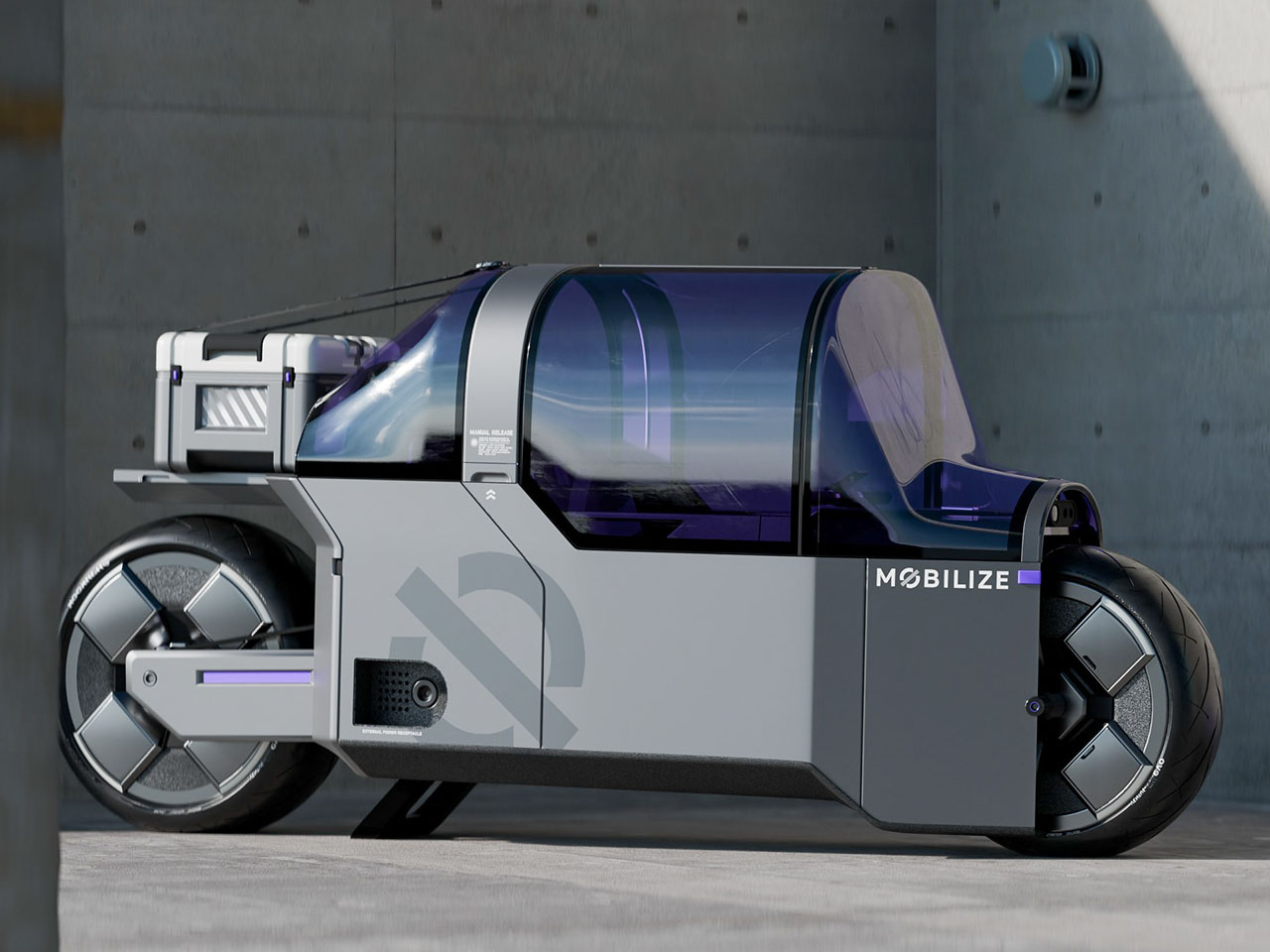
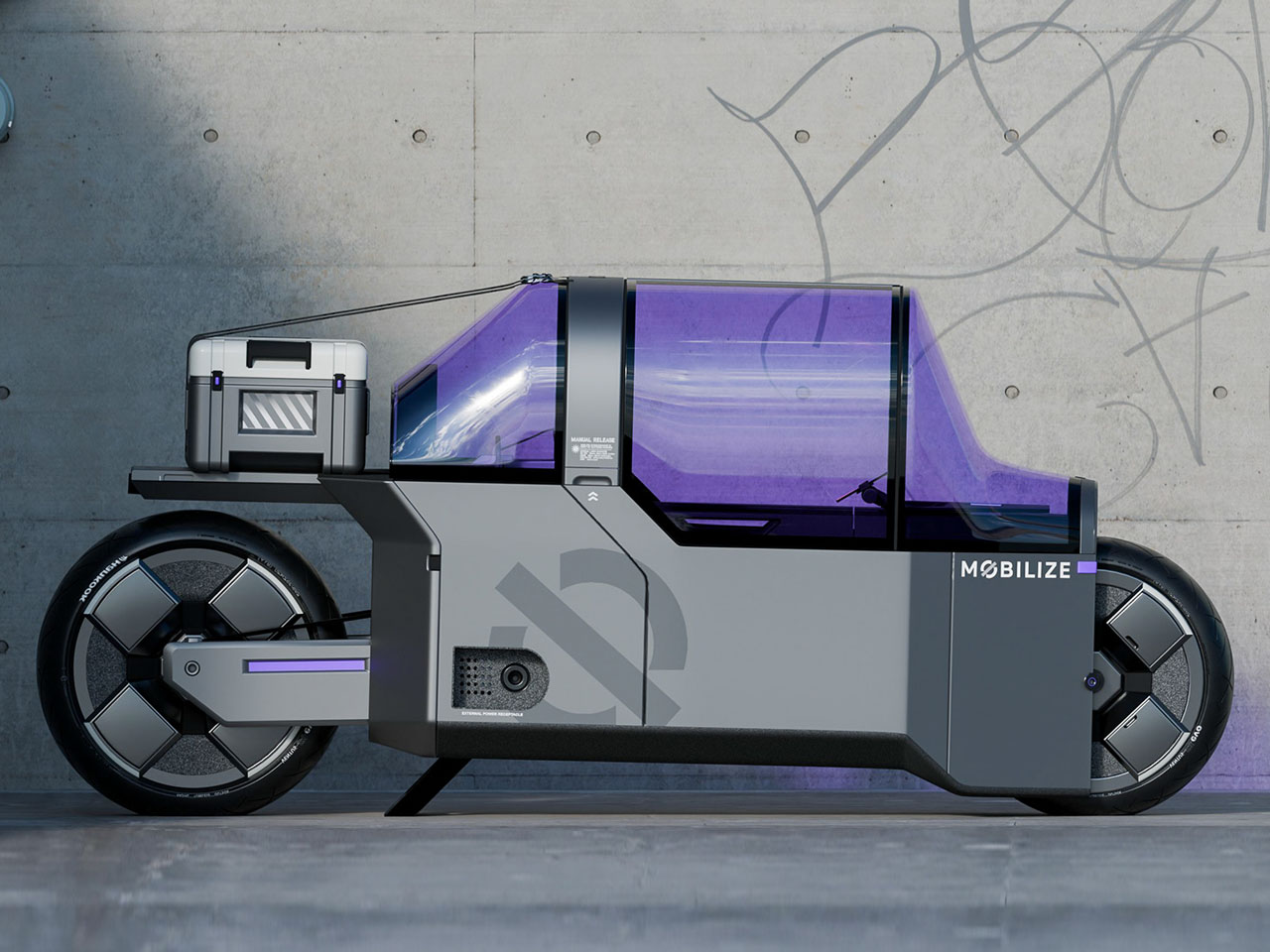
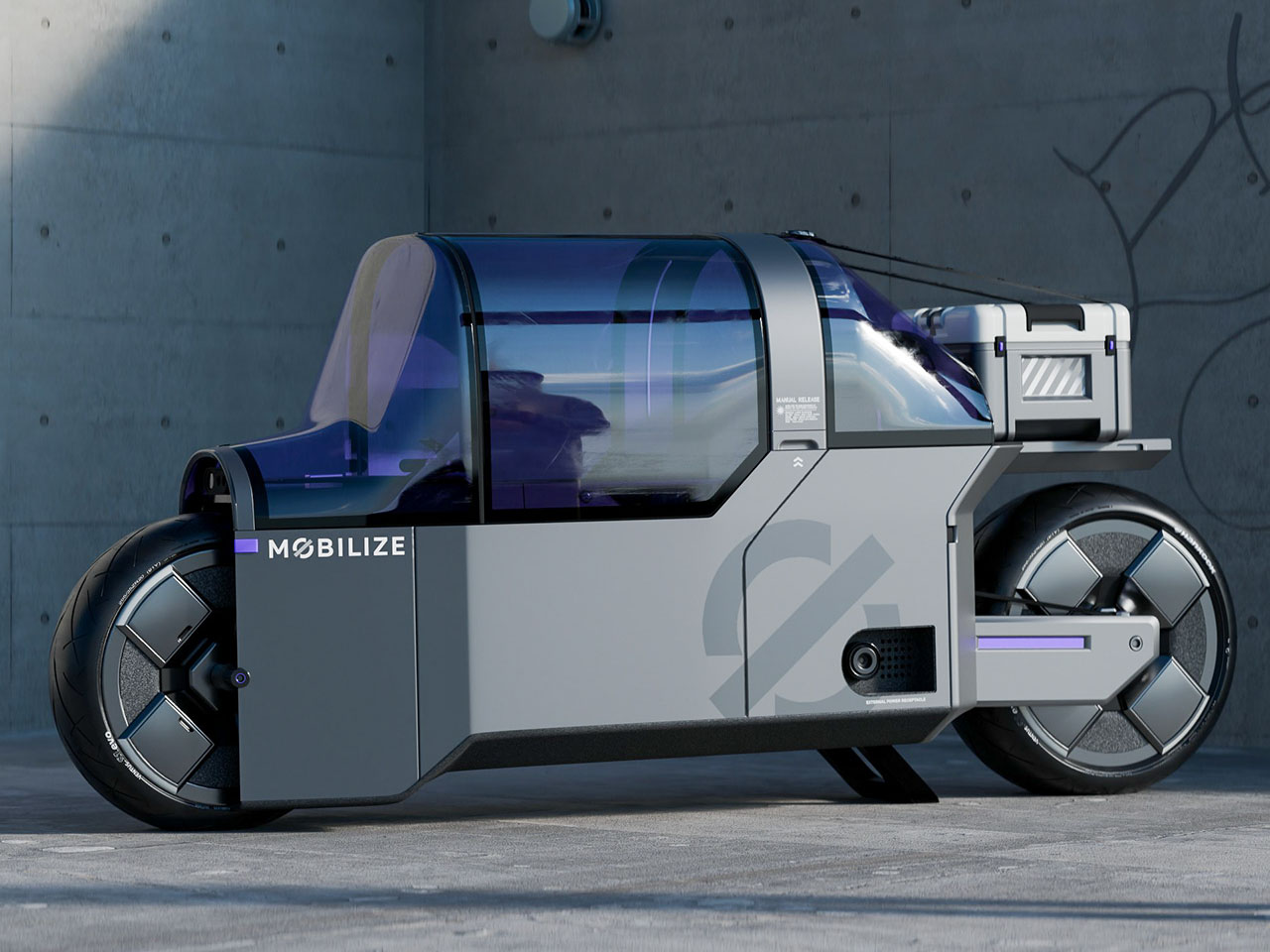
A fashion-inspired pod bike that brings streetwear attitude to urban mobility

We as a curious species are always intrigued by the prospects of the future, and predicting what the timeline holds for us is always exciting. That’s where we all get lost in the world of concepts that are far ahead of time, giving us a glimpse of what our imagination could manifest into. Clean energy vehicles have remained the perfect canvas to paint one’s imagination into forms that subtly portray the vision for coming generations based on their perceptions, habits, and style.

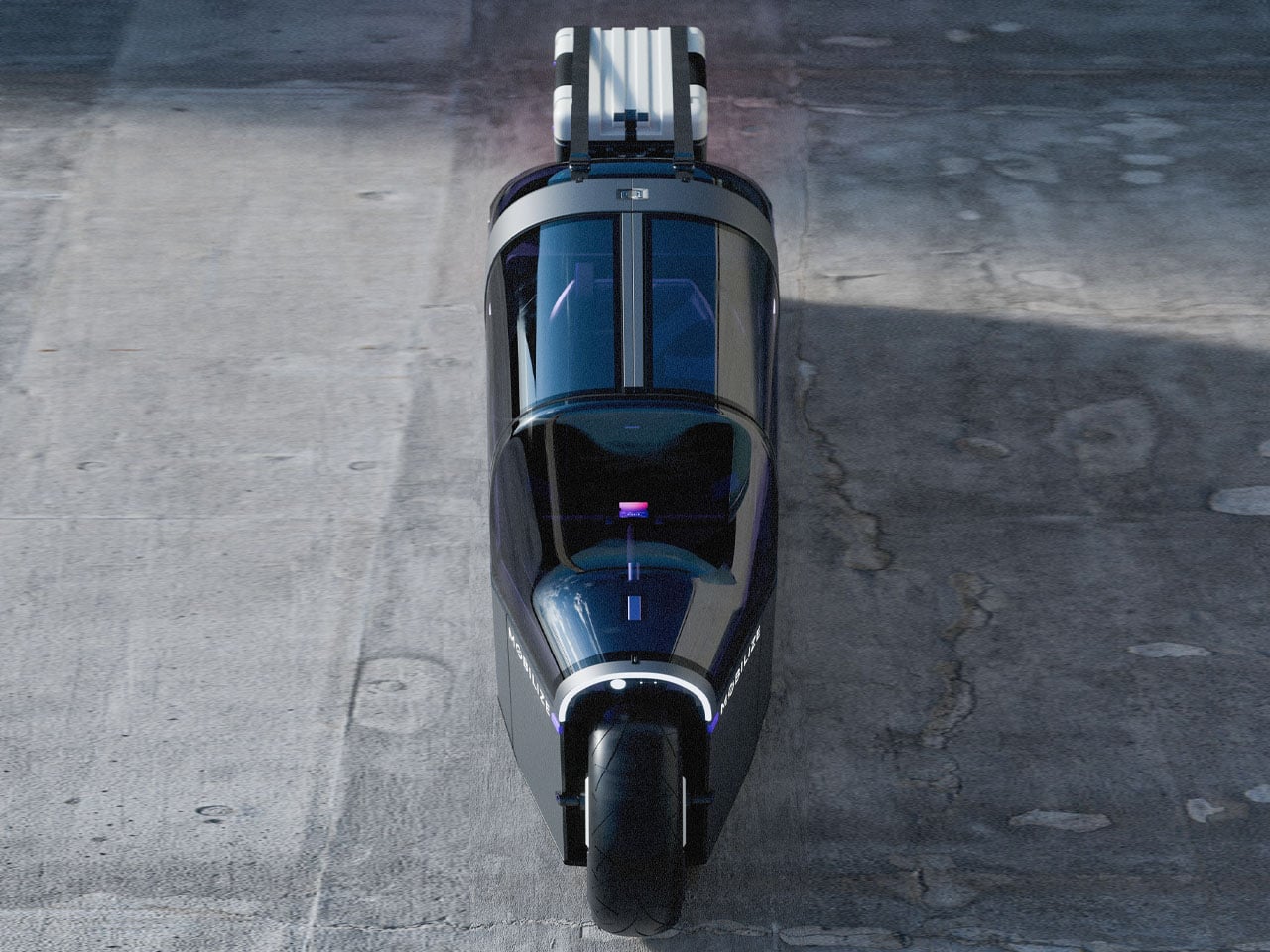
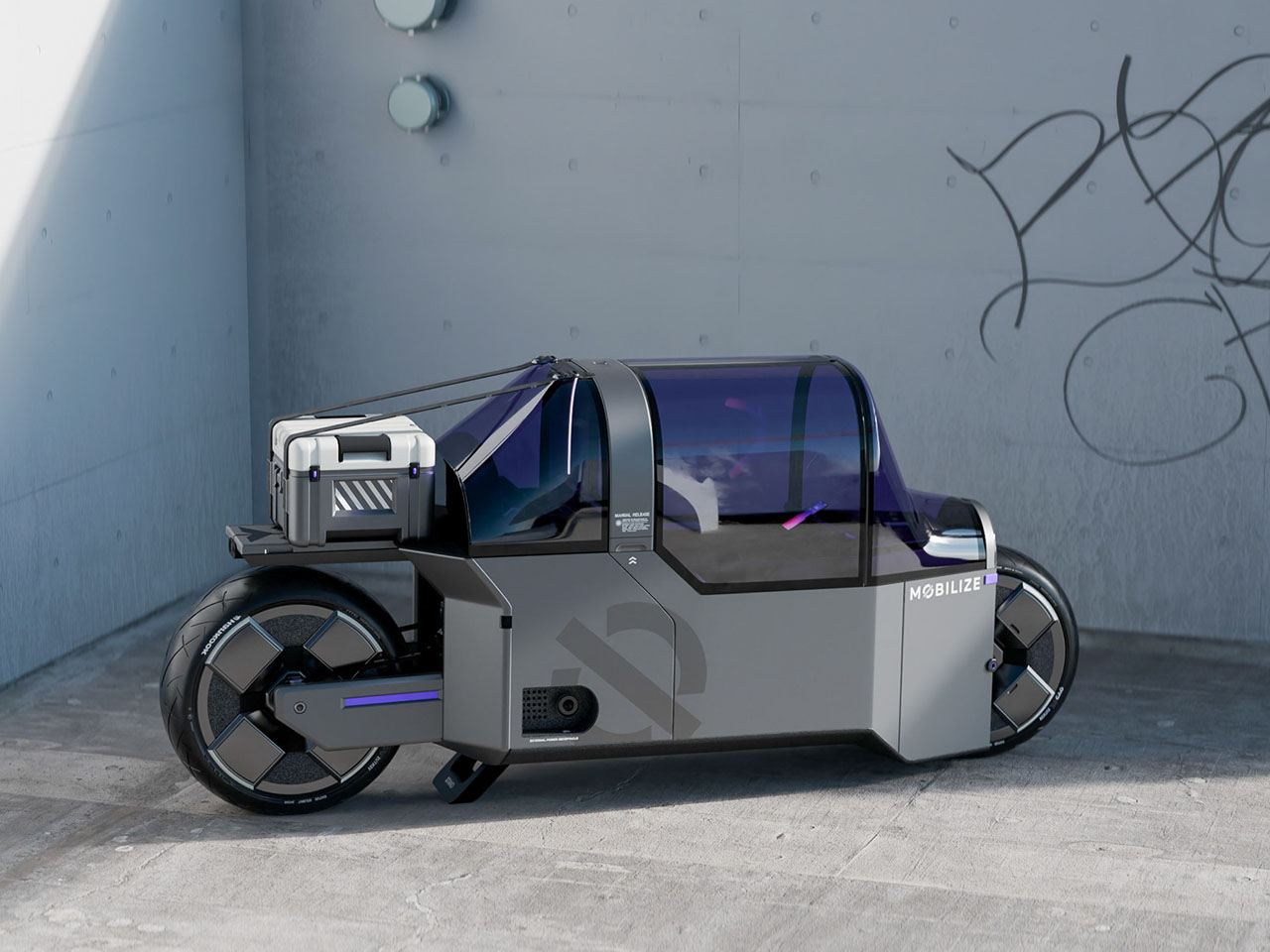
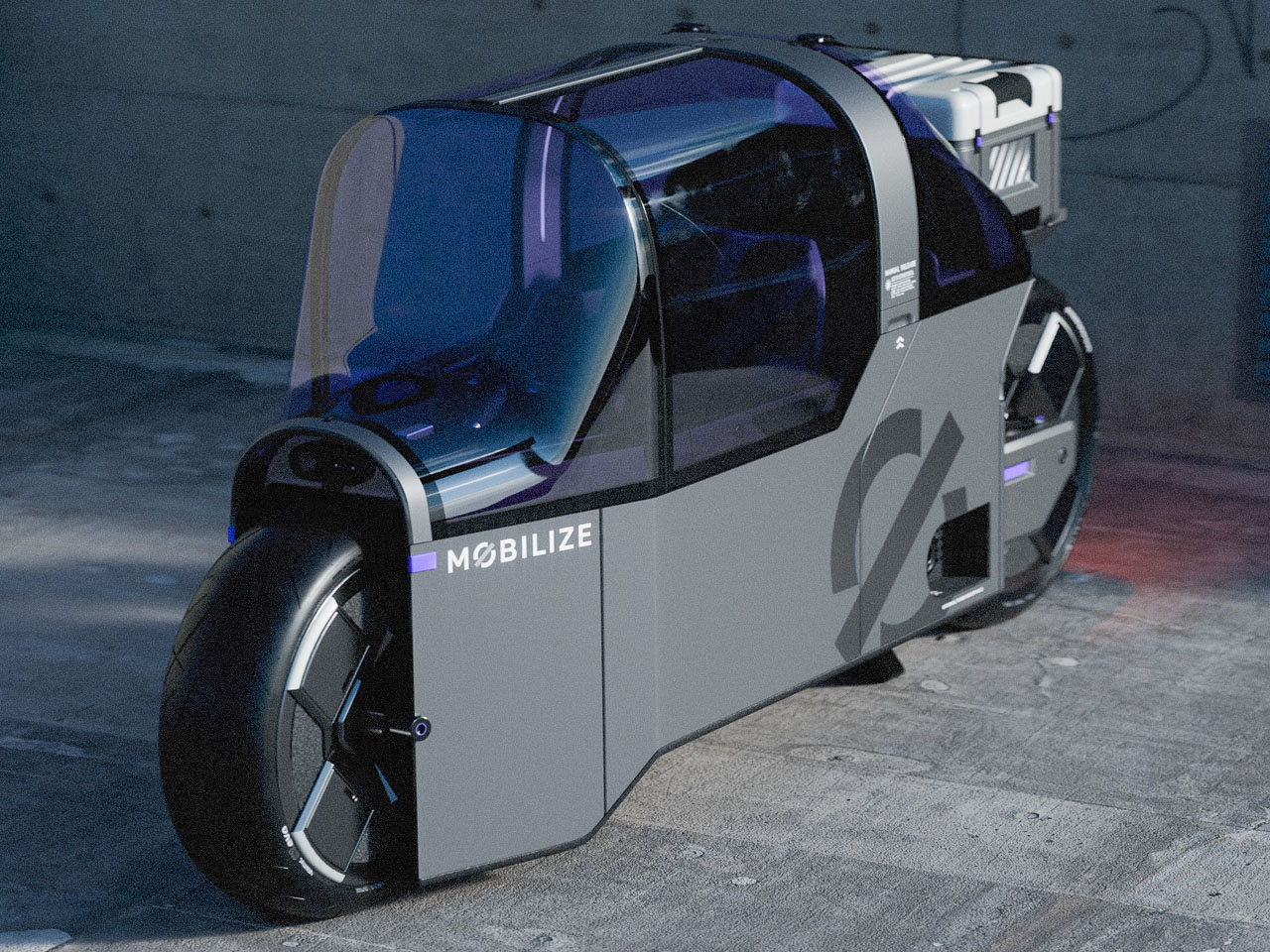
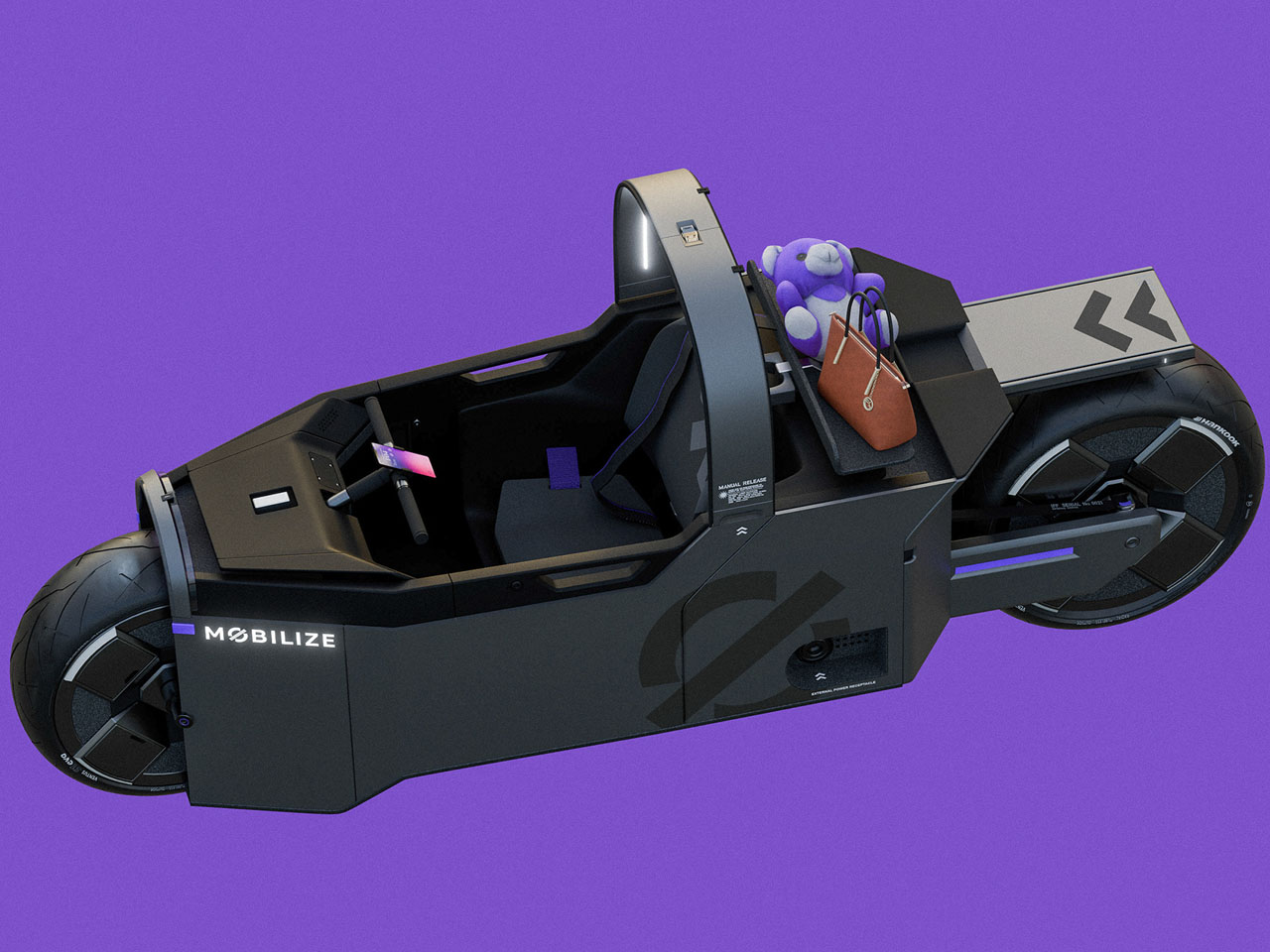
The design sphere is heavily influenced by pop culture cues, and so is the creation of vehicles. Electric bike concepts have piqued our interest for their out-of-the-box forms and the skins they are draped in. This electric bike of the future carries a similar hip vibe that’s tailored for Gen Alpha. The form of the two-wheeler is dominated by the ultra-secure sitting position and the private pod that eludes the freedom associated with conventional bikes of the current times.

Designer: Jade Rivalland

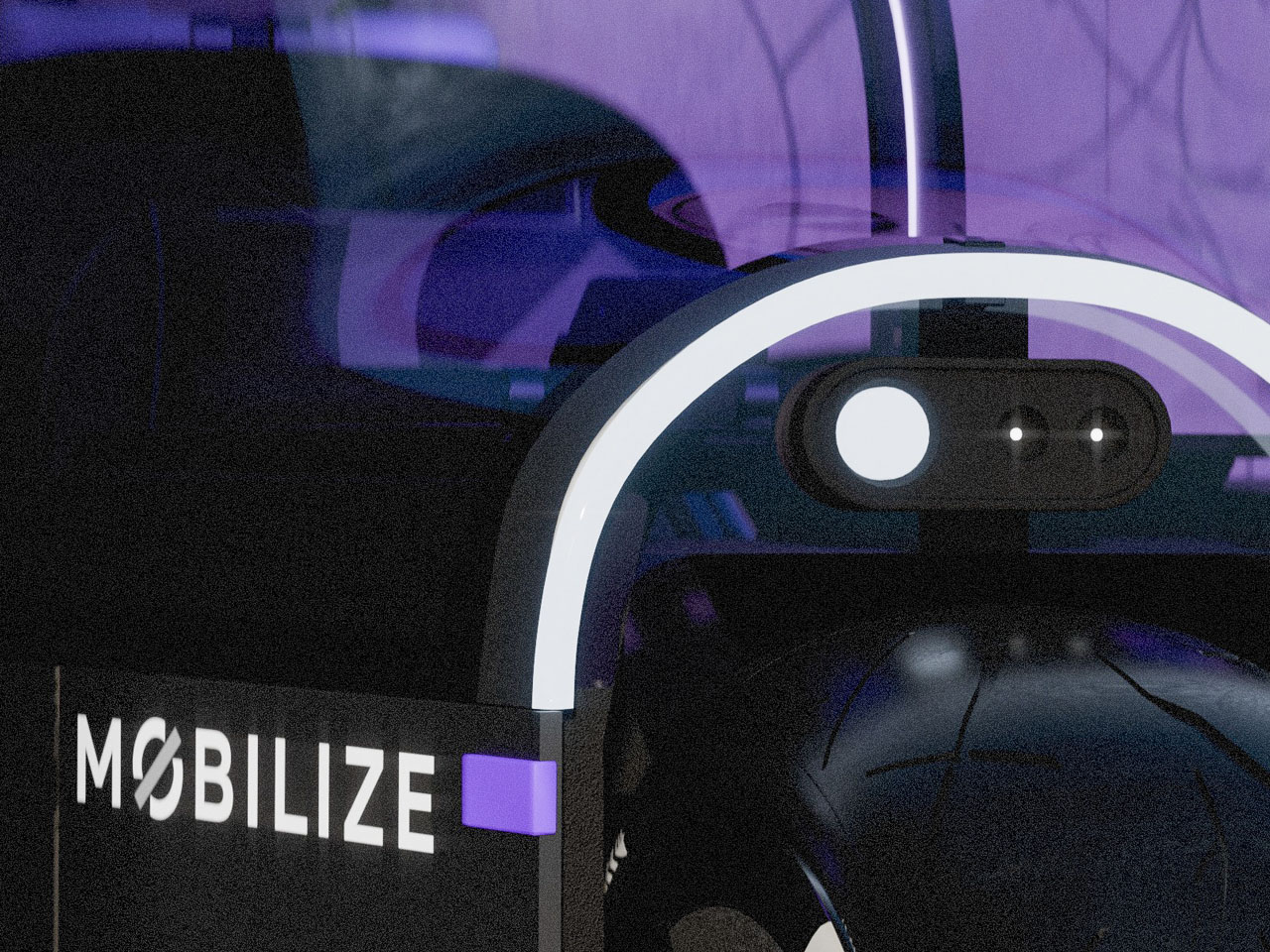
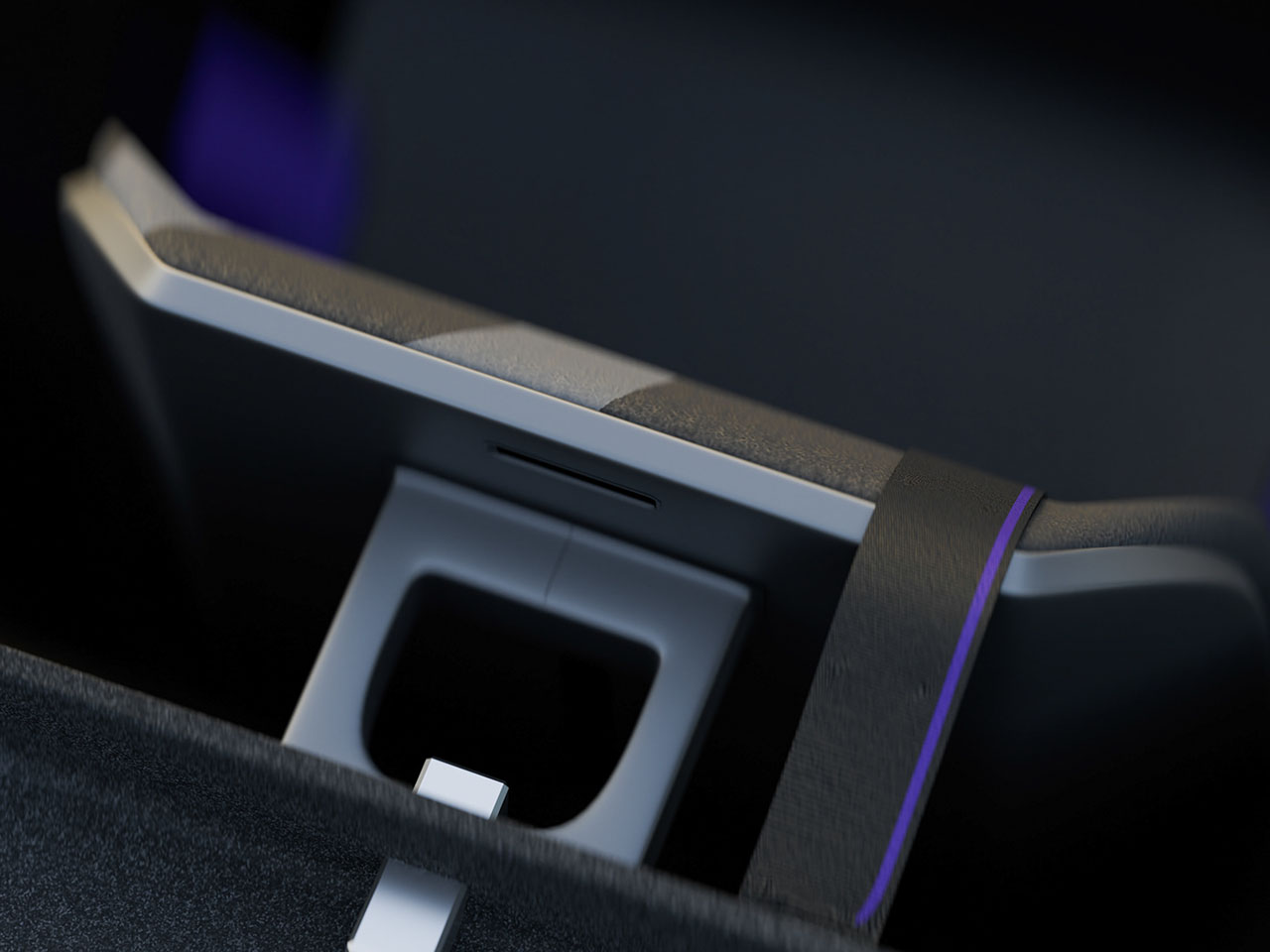
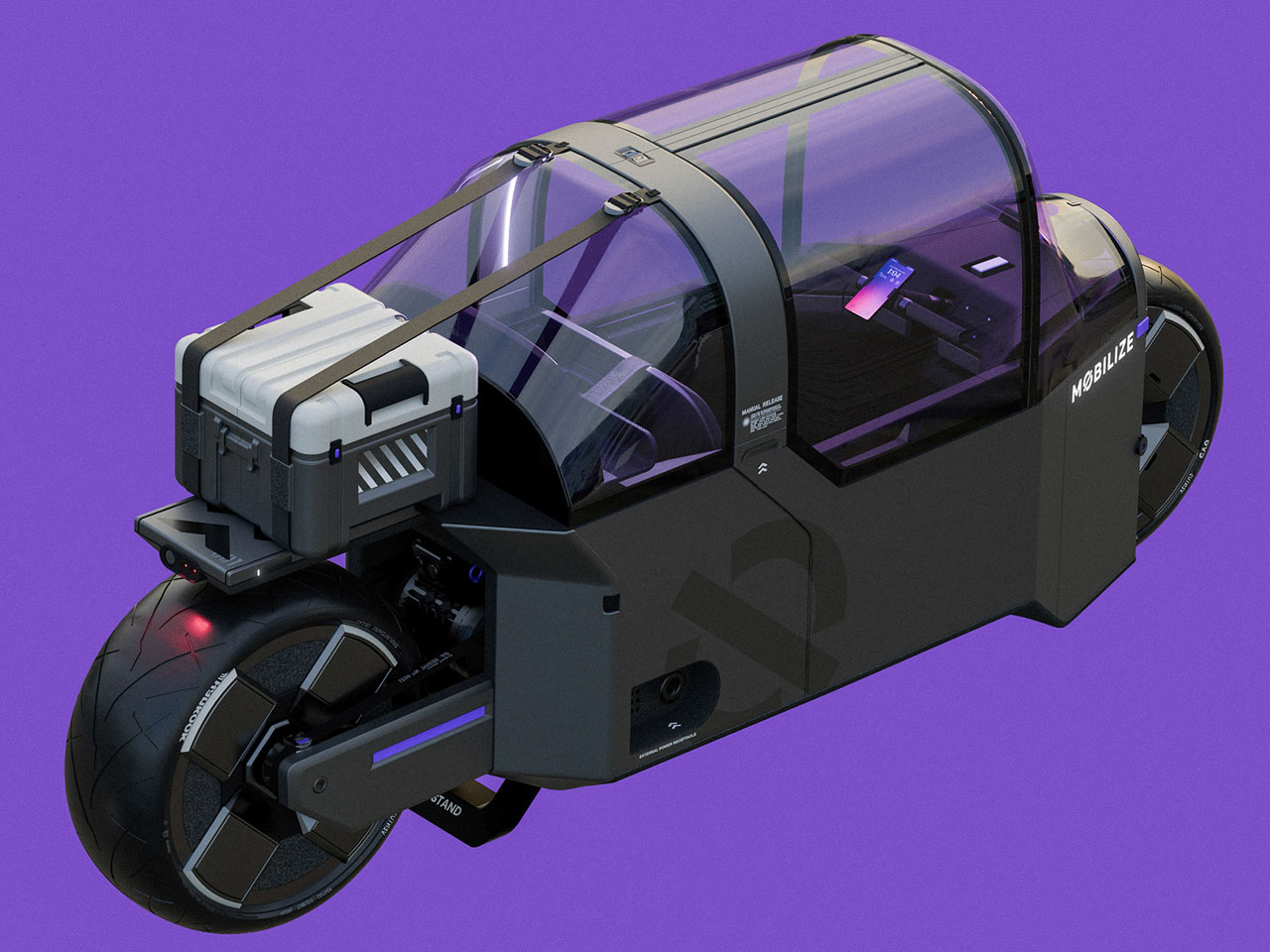
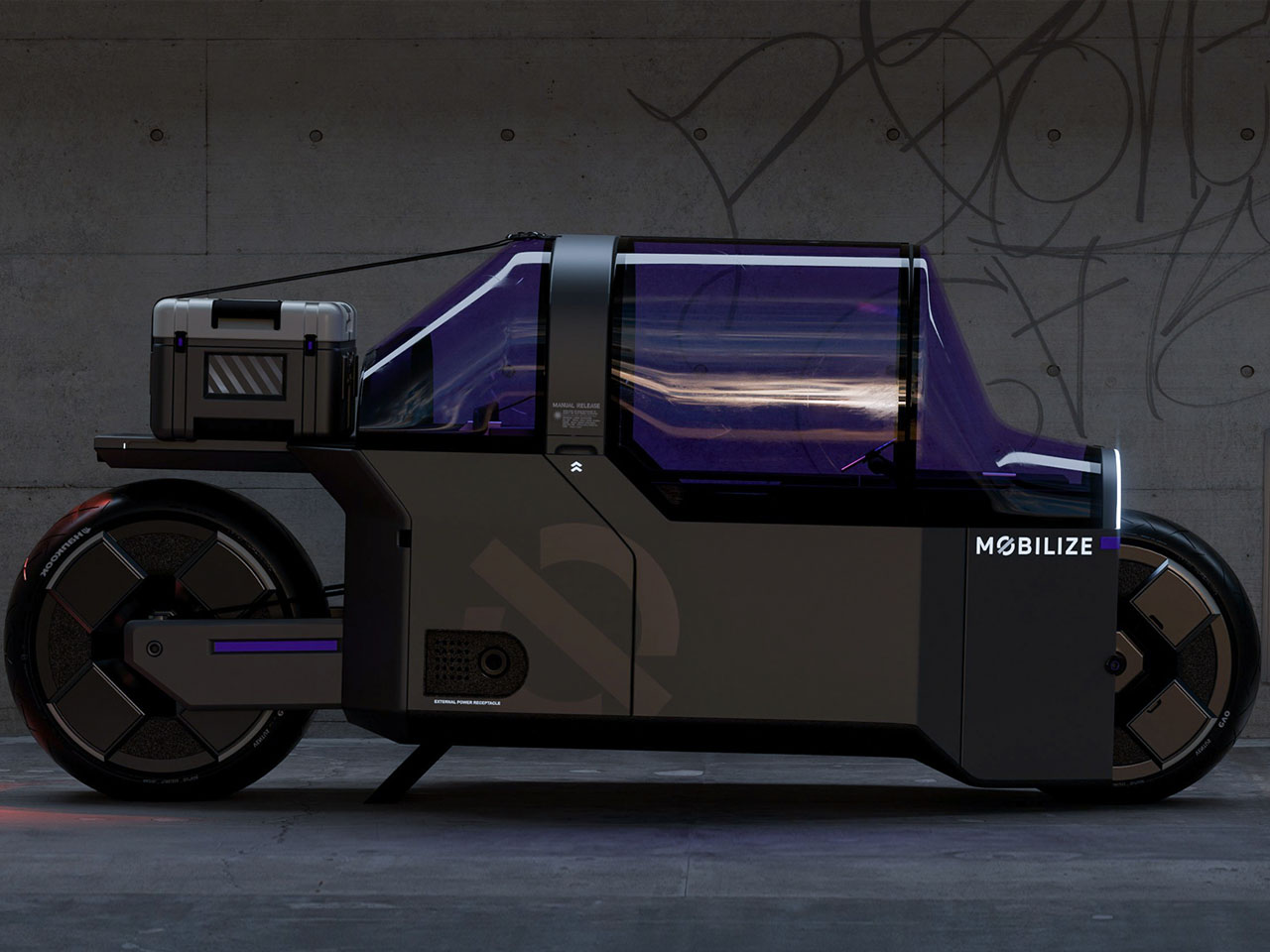
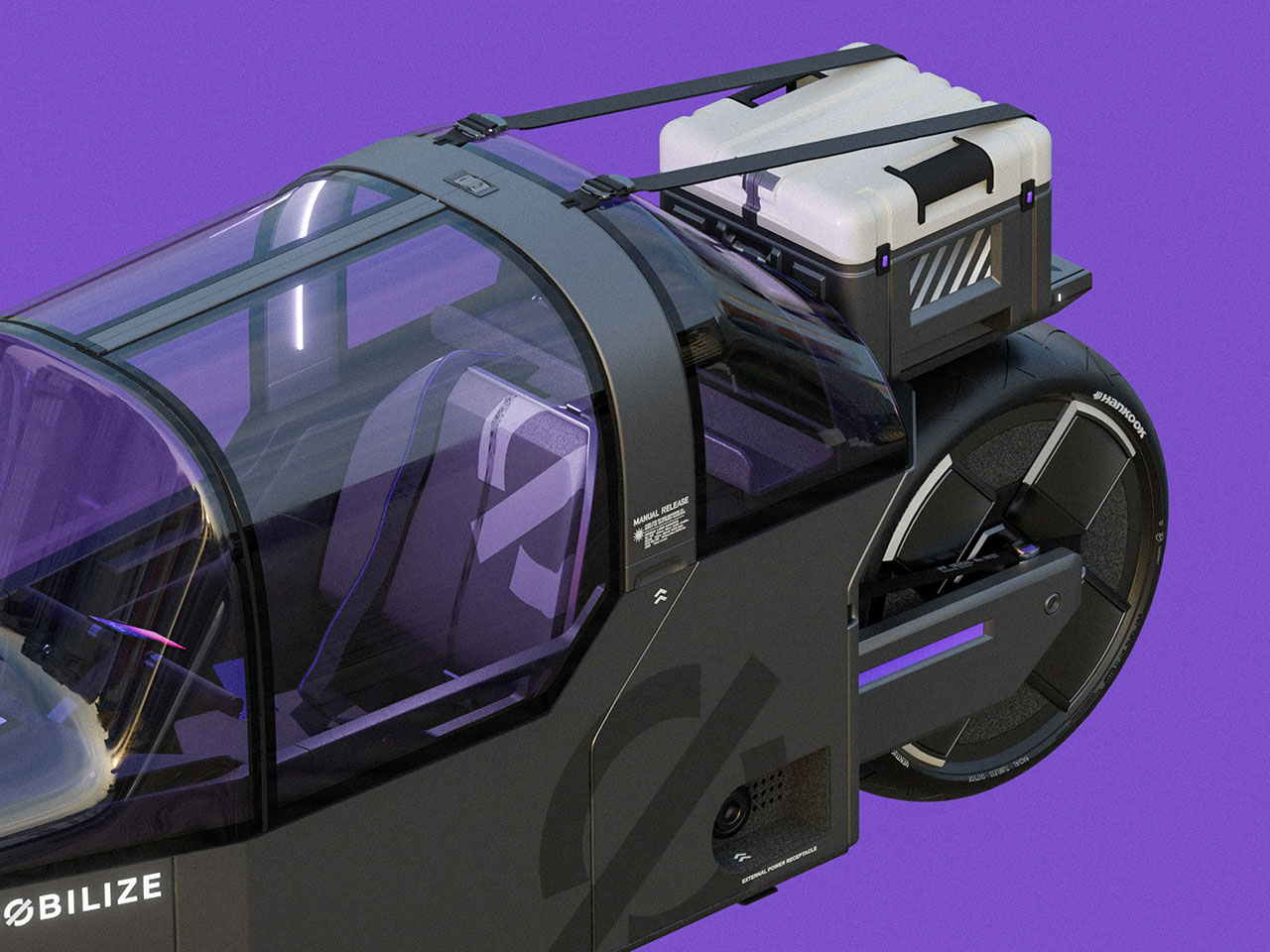
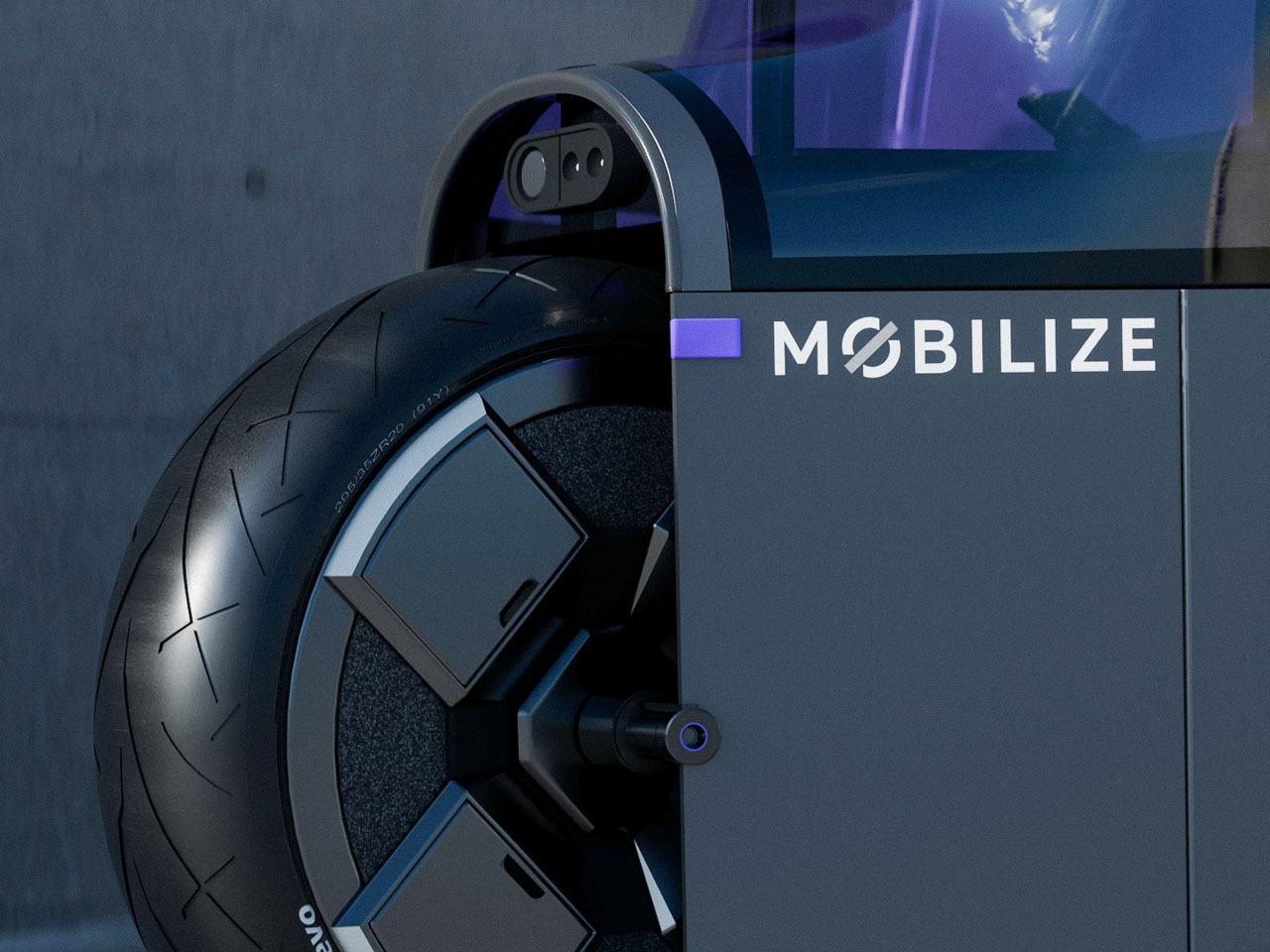
Dubbed NANO Mobilize, the urban vehicle is heavily inspired by the dynamic world of fashion and streetwear. The idea is a two-wheeler designed by the young generation and obviously targeted for the young and restless. On the outside, the bike carries the industrial design element that’s definitive of the uber cool character without compromising on the functionality. The driver’s sitting area is securely encapsulated in a panoramic, rounded glass section. Contrary to the café racer persona in the structure, the sitting position is akin to a four-wheeler, emphasizing the comfort-laden character.

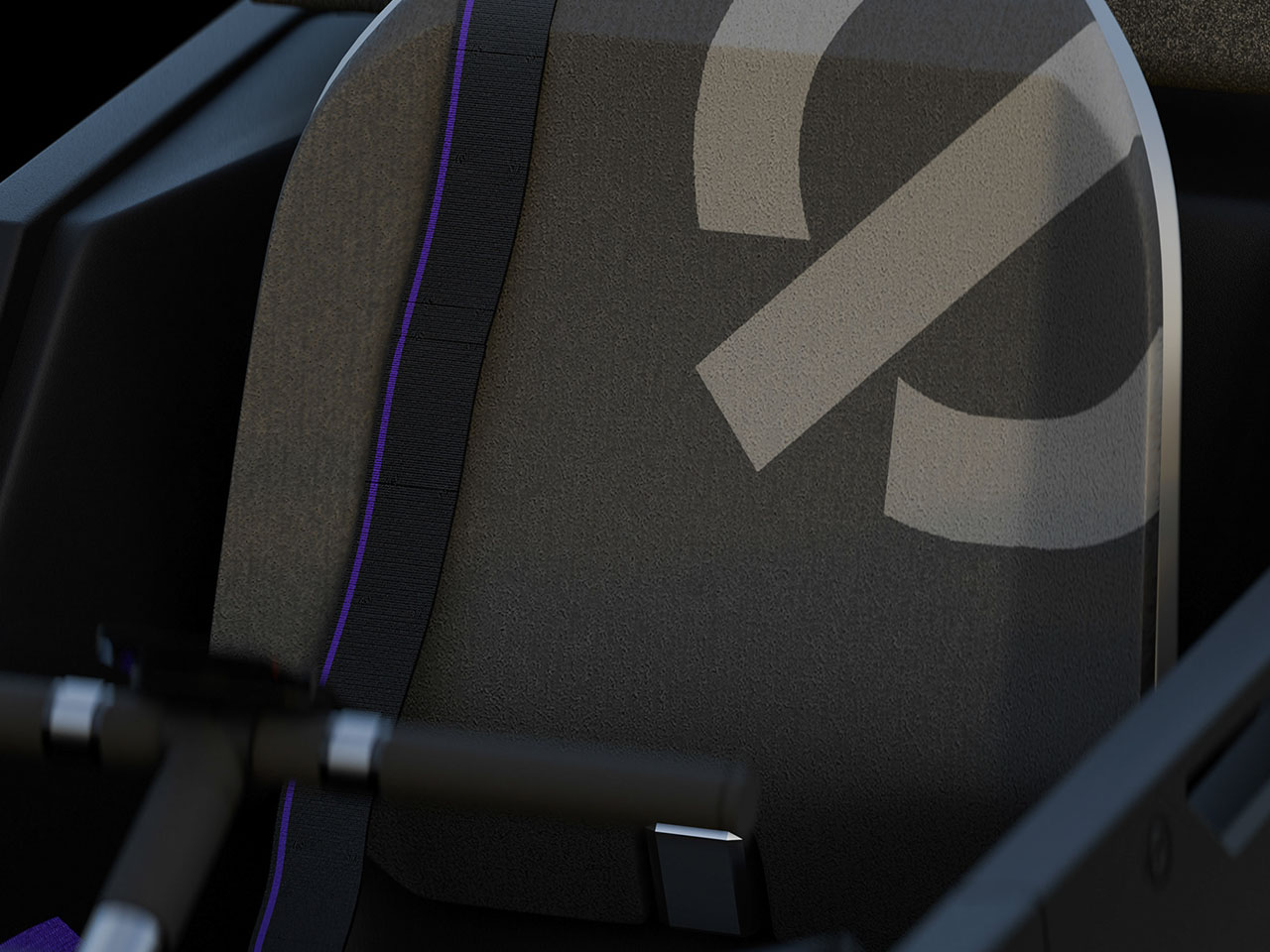
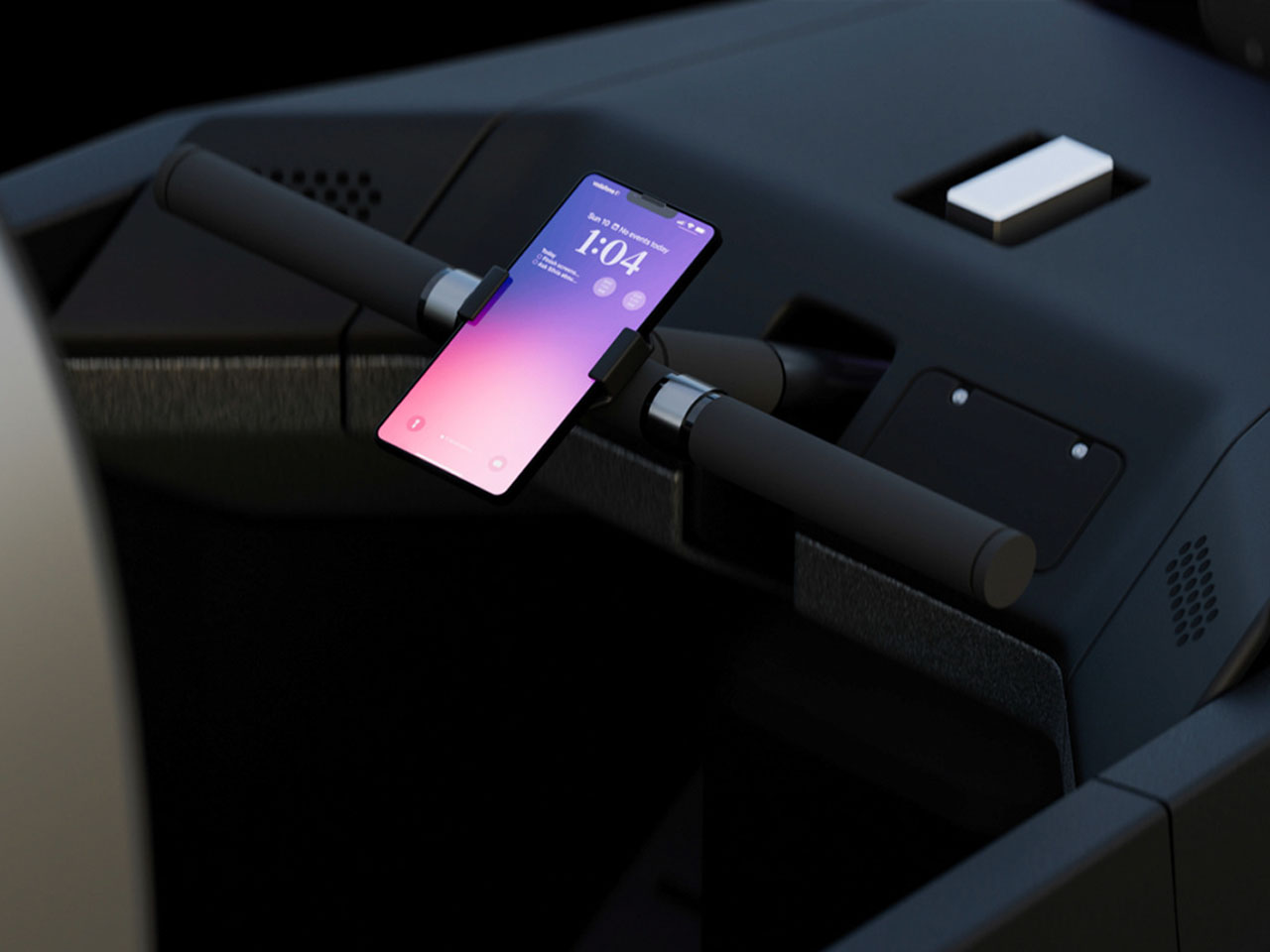
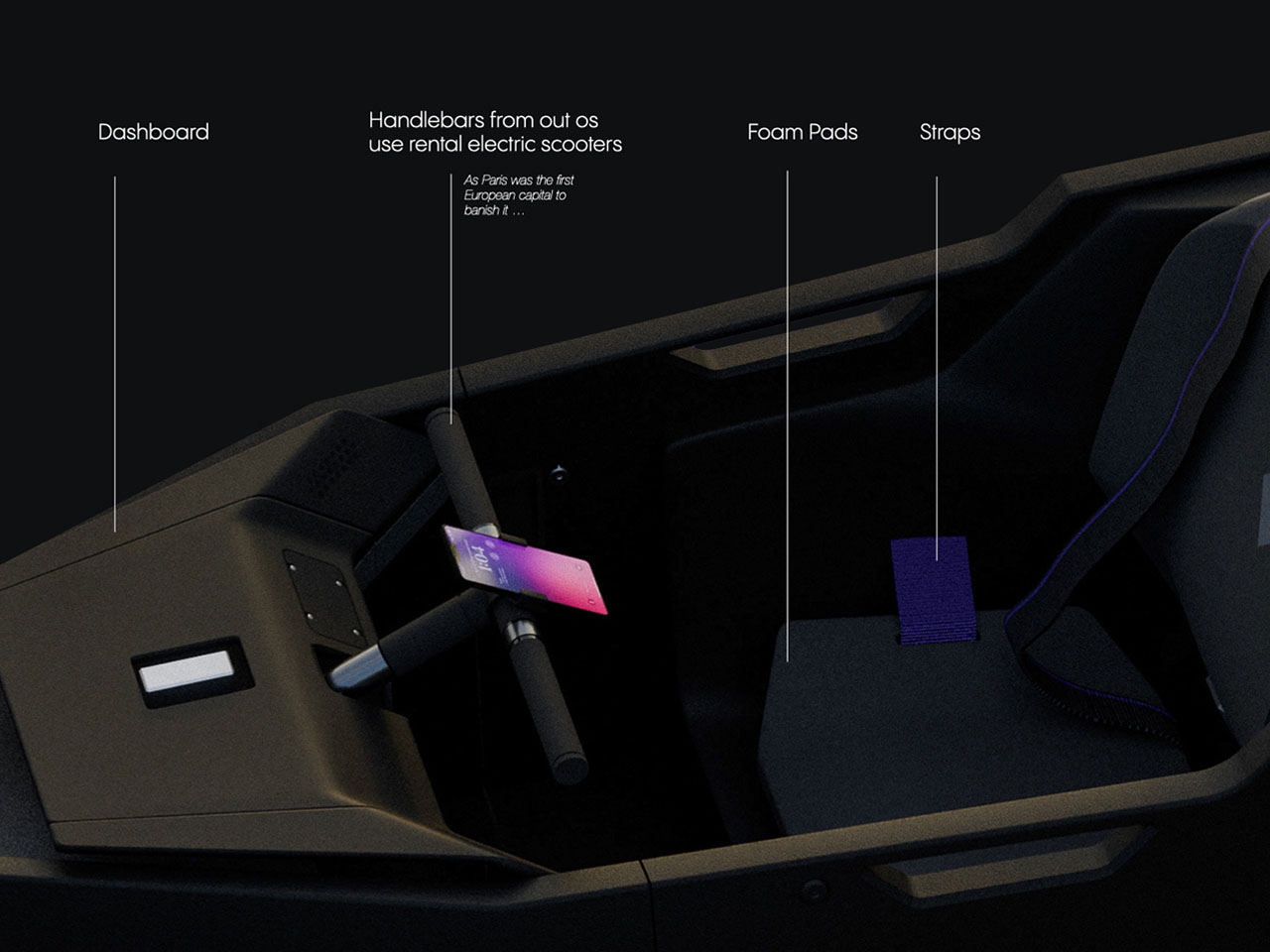
While not made for the claustrophobic section of the community, this translucent boundary is for a private interior that comes in handy in the self-drive mode. The rider can relax and check on the social media feed with a dock for the phone integrated into the steering section. Well, you can call it more of a handlebar that reminds us of the rental electric scooters. For your absolute favorite items, there is space behind the seating area. There is ample room to stretch your legs and relax on long journeys.

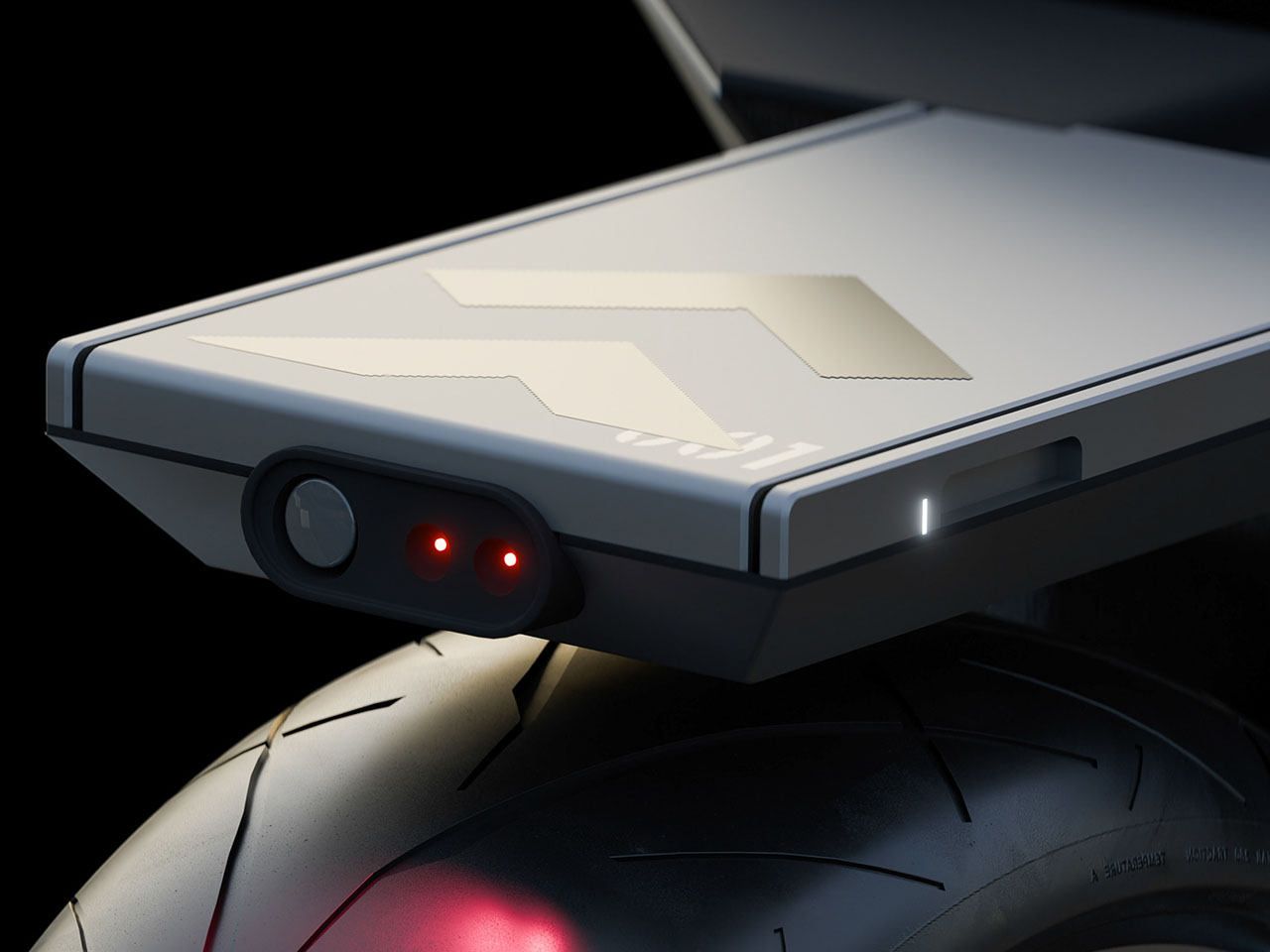
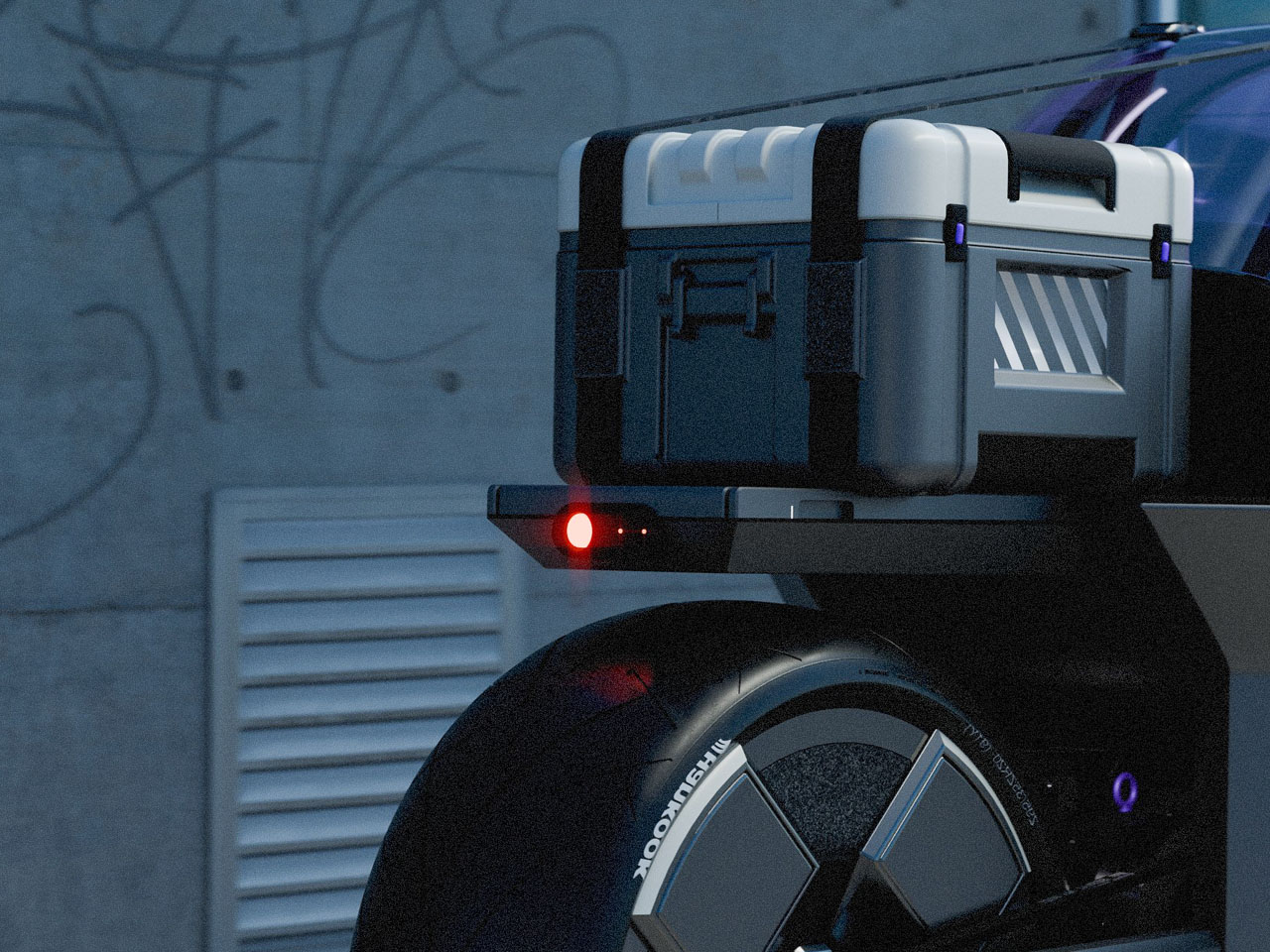
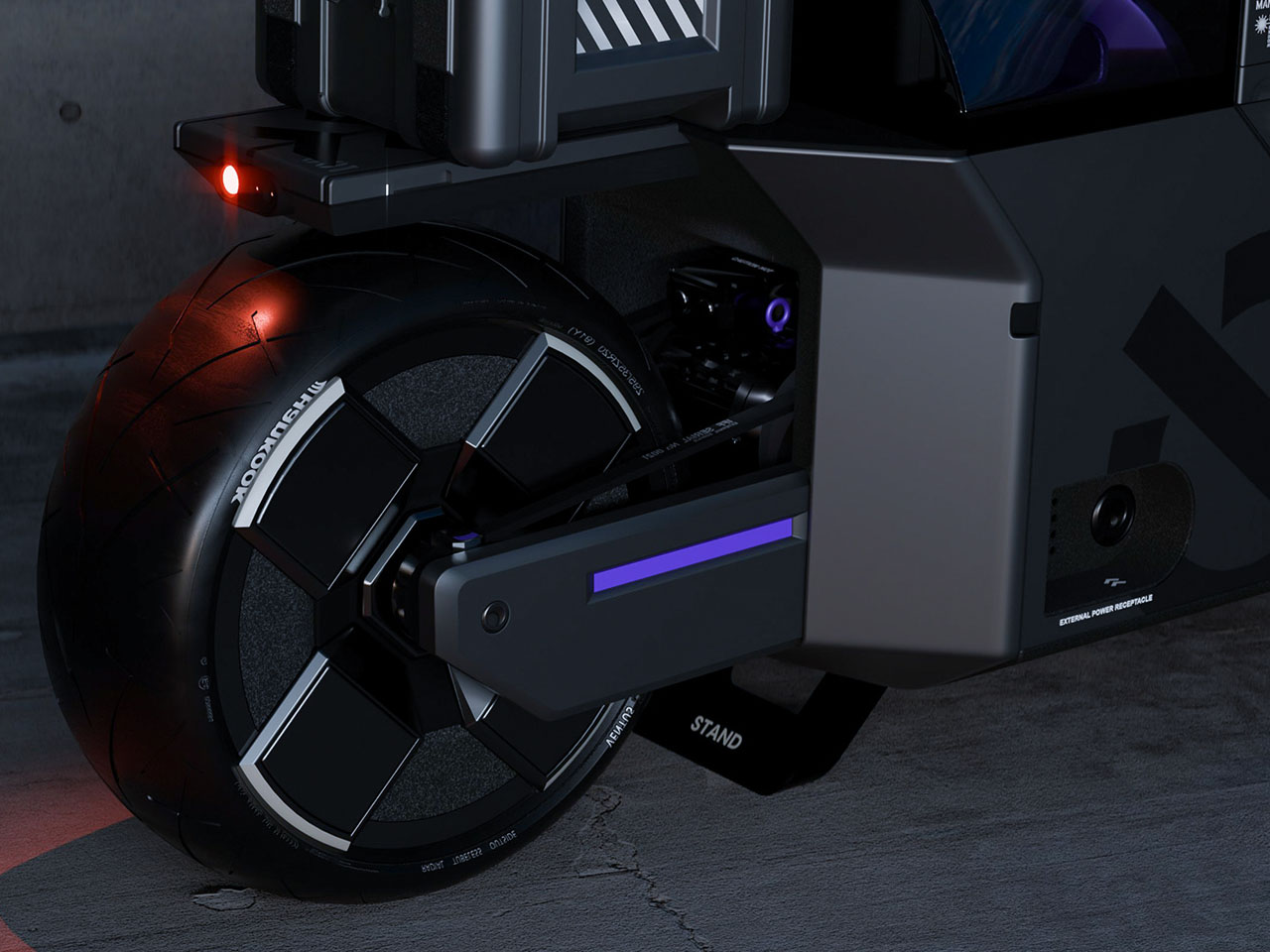
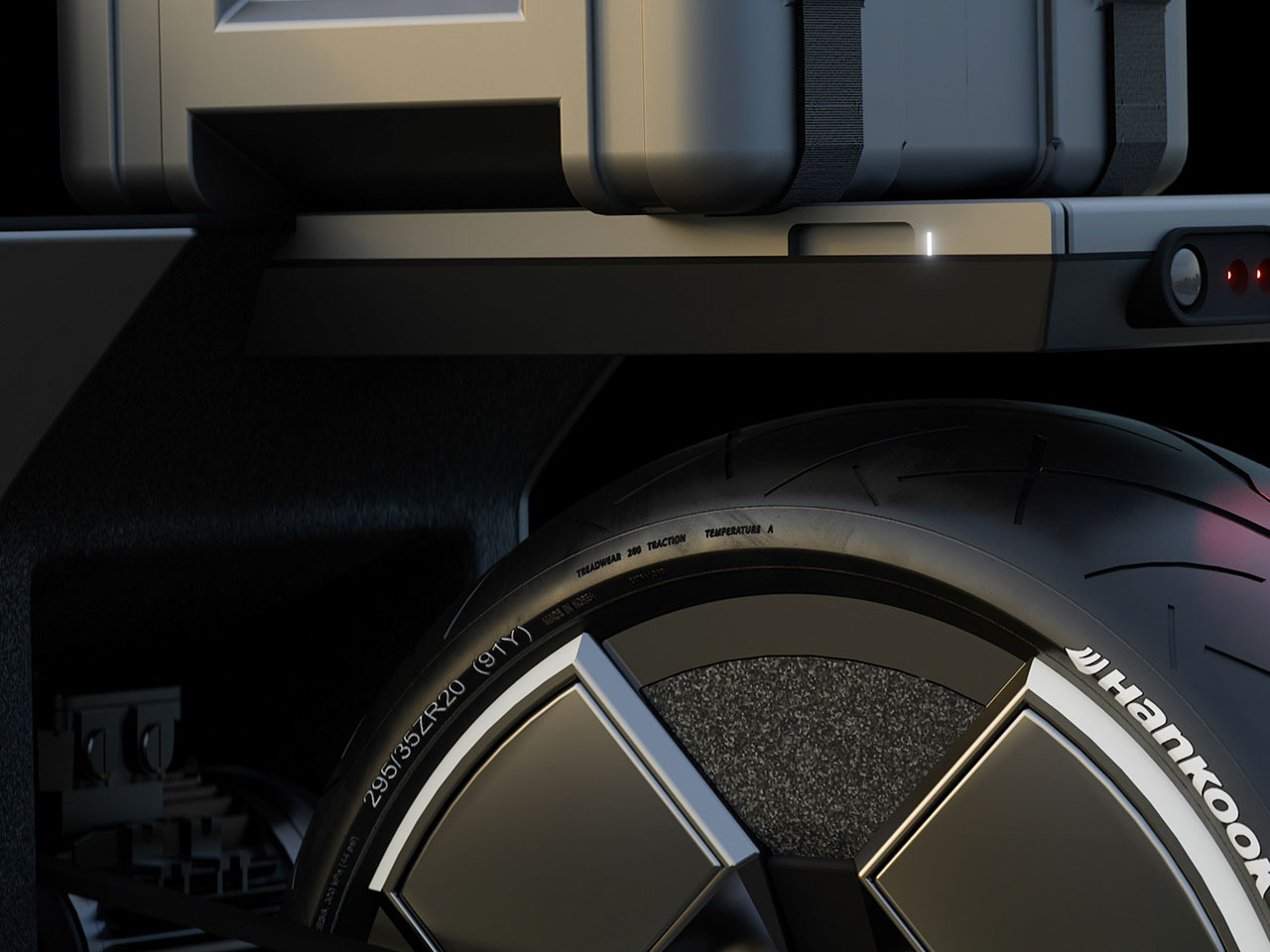
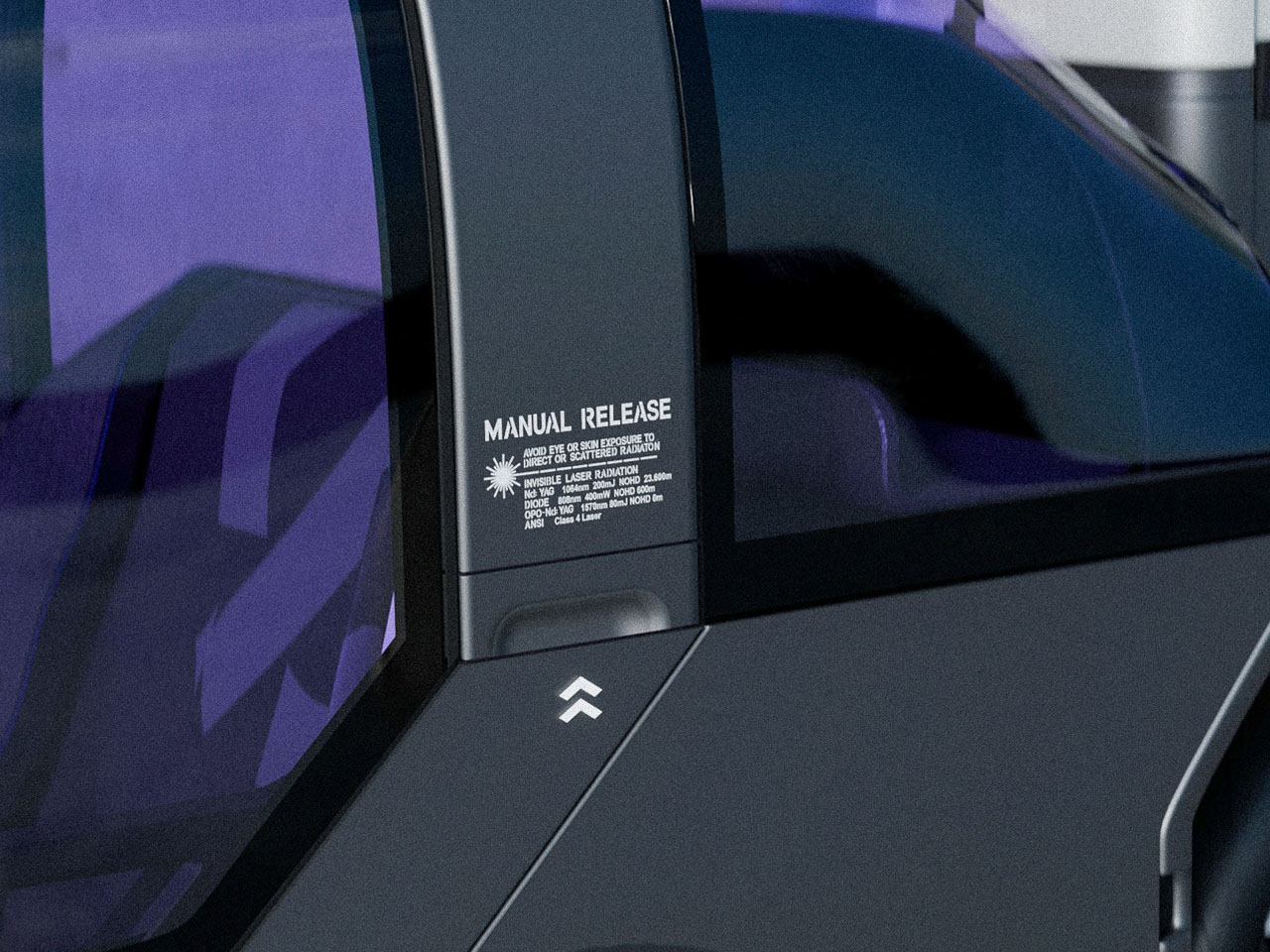
The electric battery is stored in the rear bottom section, above which is the carrier for hauling essentials, except for items you can’t risk keeping outside. Entry to the inside is initiated by pressing the Manual Release button, which opens up the interior section. The bike is secured by a lightweight metal frame that runs along the length of the rims. The headlights take a peculiar arched form with an array of single big LEDs and two smaller ones denoting the high and low beams on the bike. The taillights are more muted down with just the roundish red LEDs to warn motorists behind.


The post A fashion-inspired pod bike that brings streetwear attitude to urban mobility first appeared on Yanko Design.

This Car Key Fob Doubles as a Retro Gaming Console

Remember the pure, unfiltered joy of steering a remote-control car around your living room as a kid? That magical feeling of control, the anticipation as you pressed the buttons, watching your tiny vehicle zoom across the floor? Designer Ishwari Patil remembers too, and she’s asking a pretty wild question: what if you could feel that same rush with your actual, full-sized car?

Enter Playfob, a concept that’s here to shake up one of the most overlooked objects in our daily lives. Think about it. We obsess over our phone cases, carefully curate our accessories, and treat our watches as extensions of our personality. But car key fobs? They’ve been stuck in design purgatory, purely functional gray blobs we shove into pockets and forget about. Patil saw this gap and decided to do something about it.

Designer: Ishwari Patil

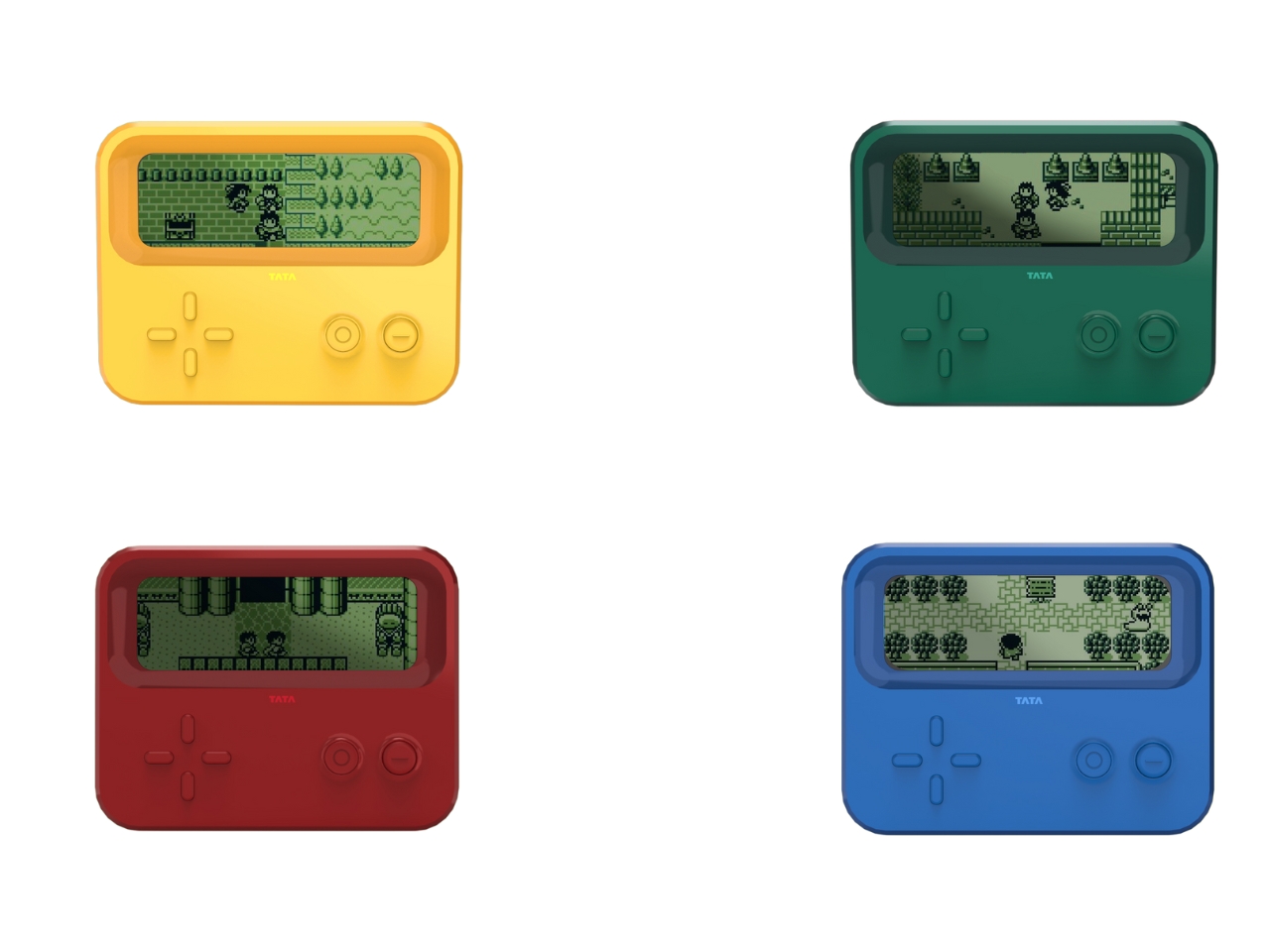
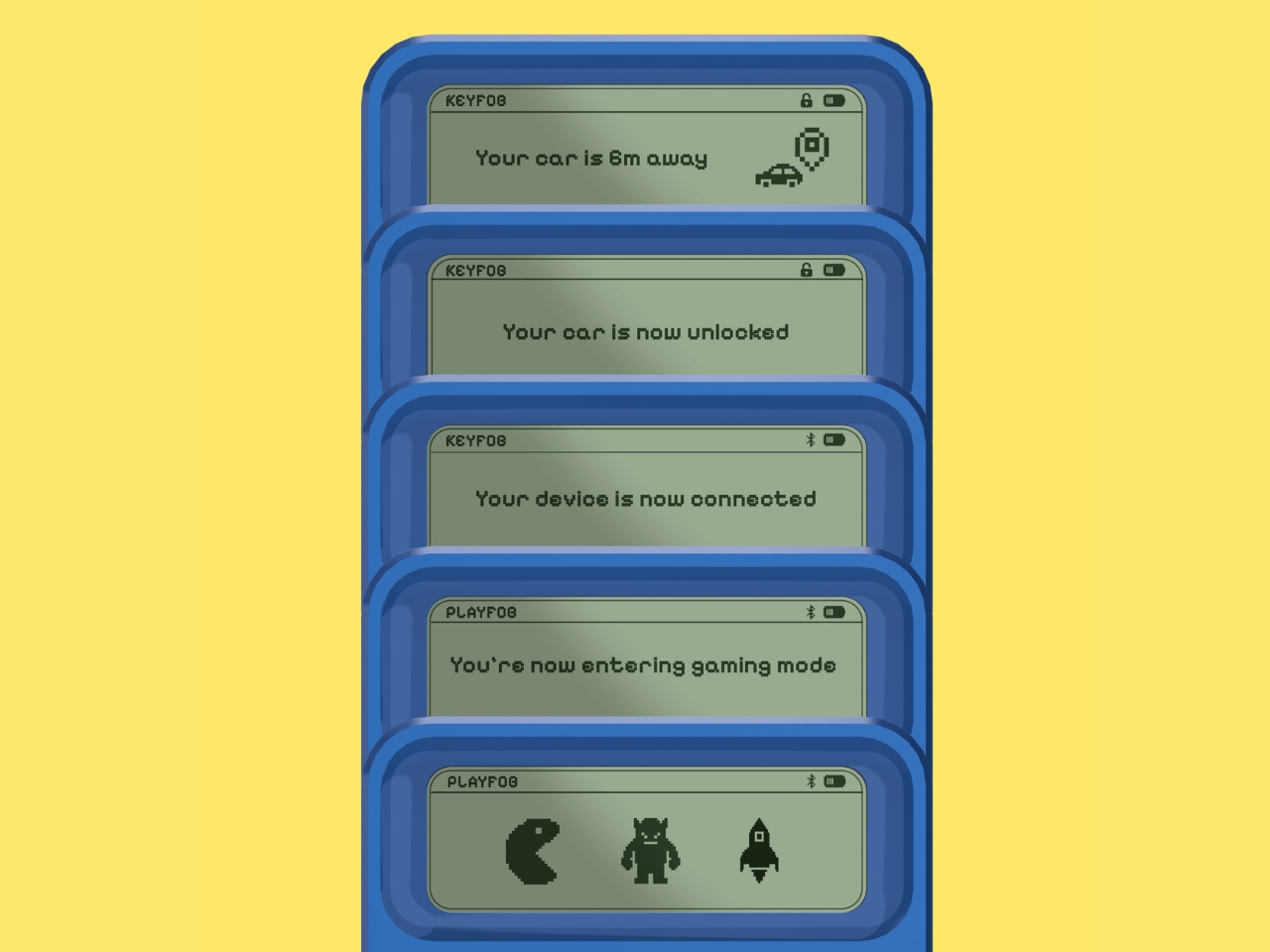
The genius of Playfob lies in its refusal to play it safe. This isn’t just a key fob with a few extra features slapped on. It’s a complete reimagining of what this everyday object could be. The device transforms into a compact gaming console, complete with that glorious Game Boy-inspired aesthetic, bright nostalgic colors, and a monochrome screen that immediately transports you back to simpler times. When you dock it in your car, it connects to the vehicle’s screen, turning waiting time into playtime.

But here’s where it gets really interesting. Playfob taps into something designers call the “kidult” trend, where adults aren’t just tolerating nostalgic design but actively seeking it out. We want objects that bring comfort and joy, that remind us of times when things felt less complicated. It’s why we see grown adults collecting toys, why retro gaming is having such a massive moment, and why anything that evokes childhood gets us reaching for our wallets.

Of course, a key fob still needs to be, you know, a key fob. Playfob doesn’t sacrifice functionality for fun. It includes Bluetooth connectivity, on-screen feedback when you lock or unlock your car, and GPS-enabled parking assist for those moments when you’ve wandered through three parking garage levels and have absolutely no idea where you left your vehicle. These features bring the humble fob into the modern age without losing sight of its core purpose.

Then there’s the feature that really brings the remote-control car fantasy full circle. Using the built-in D-pad (yes, just like your old Nintendo controller), you can actually move your car remotely in tight spaces. Squeezed into a parking spot with barely enough room to breathe? No problem. Navigate your car out from the comfort of the sidewalk. It’s practical, sure, but it’s also just incredibly cool.

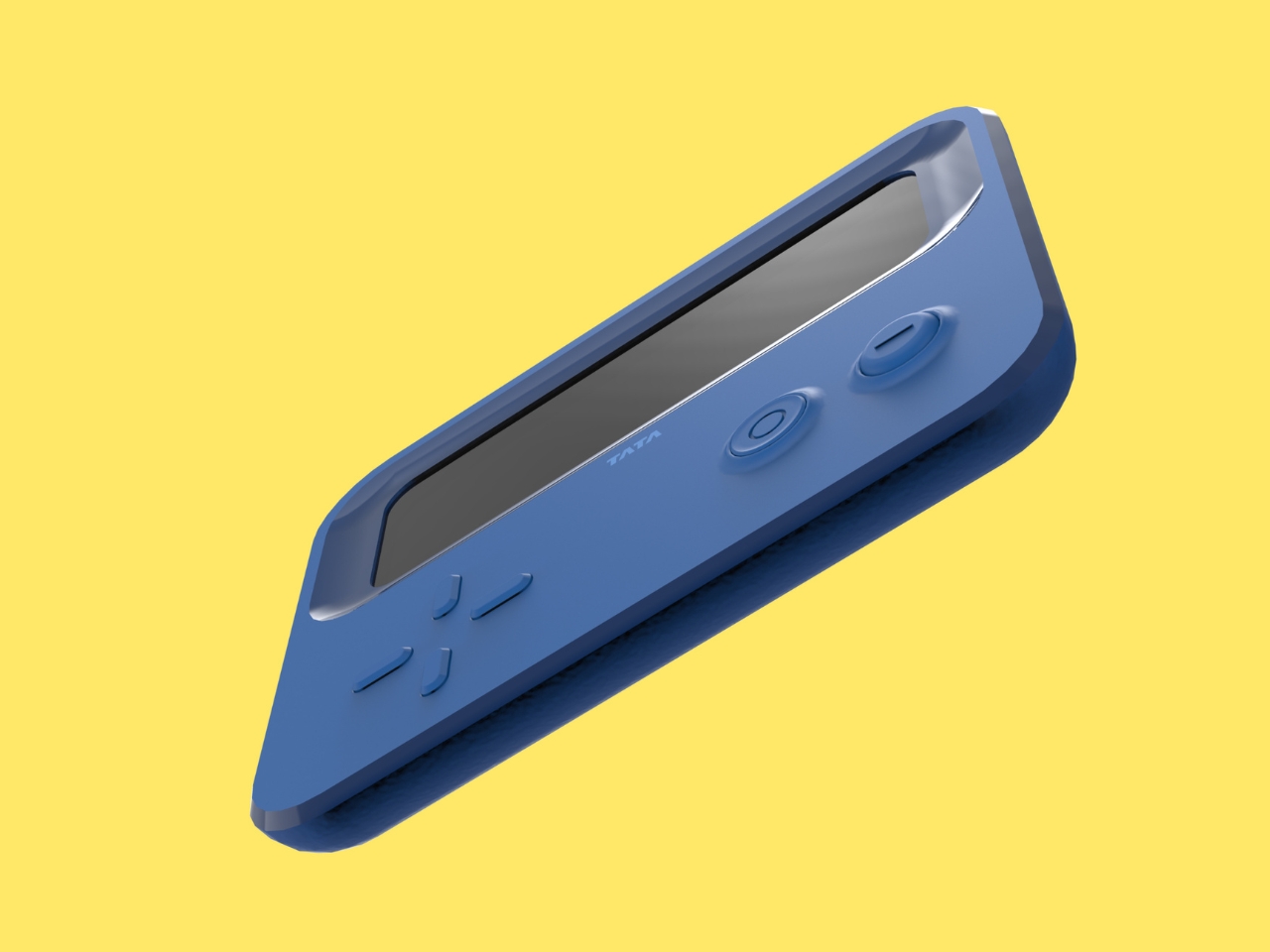
The design itself is deliberately larger than typical key fobs, and that’s entirely the point. While most fobs are designed to disappear, Playfob wants to be seen. It features a rubberized grip that feels good in your hand, intuitive button layouts that make sense without needing a manual, and those vibrant colors that make it feel less like a tech accessory and more like a statement piece. It’s meant to dangle from your bag, to spark conversations, to be an object you actually enjoy carrying around.

What makes this concept so compelling is how it challenges our assumptions about automotive design. Cars have become increasingly personalized over the years, with customizable interiors, ambient lighting, and infotainment systems that sync with our digital lives. Yet somehow, the thing that literally gives us access to all of this remained stubbornly utilitarian. Playfob suggests that every touchpoint matters, that even the smallest interaction with our vehicles could be an opportunity for delight rather than drudgery.

Patil developed this concept during a summer internship at Tata Motors, which makes you wonder what else might be possible when young designers are given the freedom to question conventions. Playfob might be a personal project, but it represents something bigger: a shift toward designing objects that don’t just work well but feel good to use, that acknowledge our emotional needs alongside our practical ones.

Whether or not we’ll ever see Playfob in production remains to be seen. But as a design statement, it’s already succeeded in making us reconsider what a car key could be. And honestly? It makes every boring black fob in existence look just a little bit sadder by comparison.

The post This Car Key Fob Doubles as a Retro Gaming Console first appeared on Yanko Design.

New electrostatic car speakers create a massive soundstage

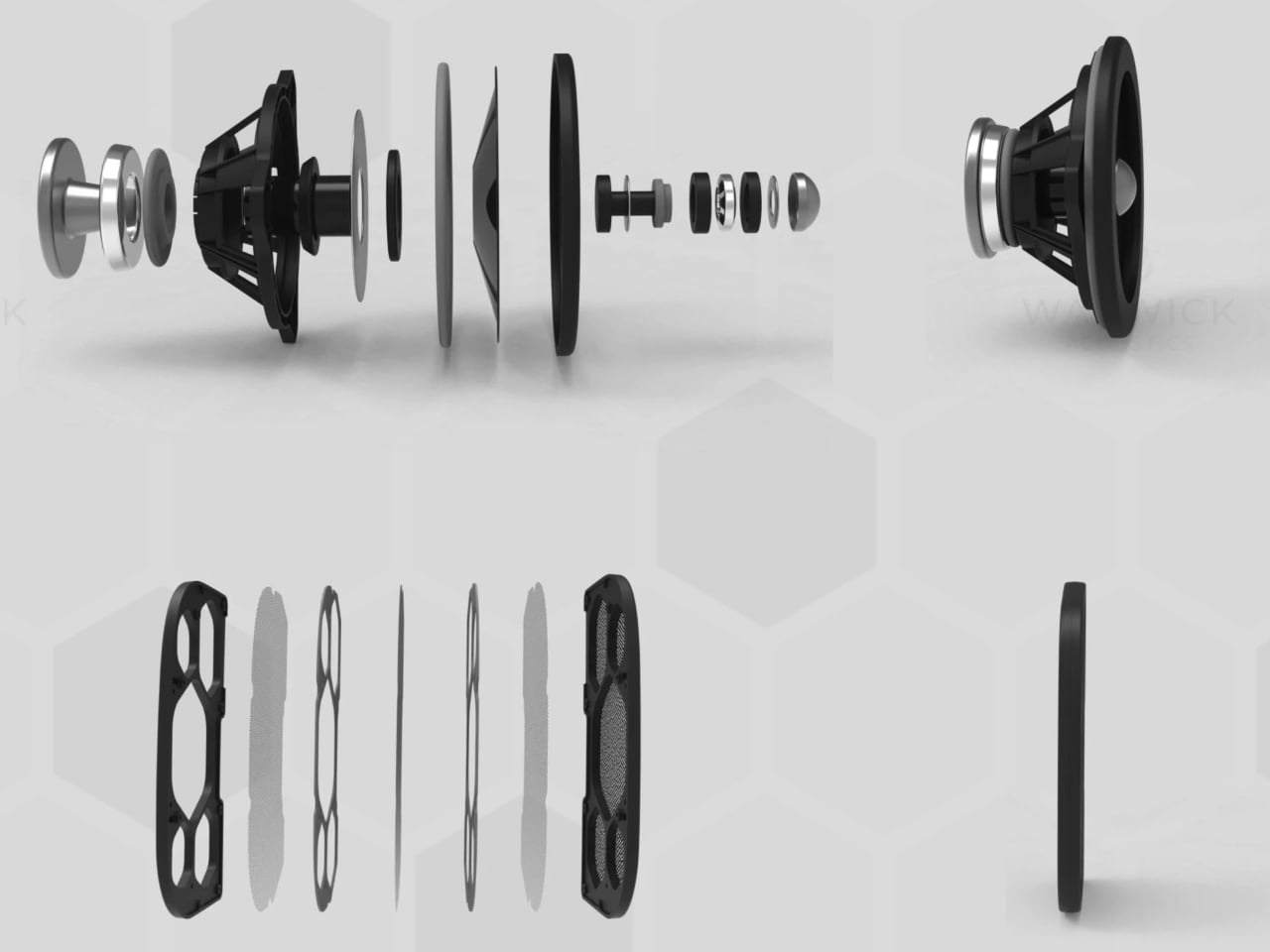
Car audio has operated under a fundamental constraint for decades: speakers need cones, cones need depth, and depth requires space that automotive interiors simply cannot spare. Warwick Acoustics, a UK-based hi-fi company known for headphones that cost as much as a used car, believes it has solved this problem by abandoning cone speakers entirely. The company’s electrostatic speaker system for automobiles measures just 1mm thick and weighs 90% less than conventional units, yet Warwick claims it produces a soundstage that feels ten times larger than the physical cabin.

Designer: Warwick Acoustics

The technology relies on electrostatic principles rather than the traditional cone-and-voice-coil arrangement found in virtually every car speaker today. An ultra-thin, electrically charged diaphragm sits sandwiched between two perforated metal plates that function as electrodes. When audio signals pass through these plates, they generate a varying electrostatic field that pushes and pulls the diaphragm, producing sound waves. This approach eliminates the heavy magnets and moving coils that make conventional speakers bulky and placement-dependent.

The Physics of Perceived Space

The perceived soundstage expansion stems from how electrostatic speakers generate planar, or near-flat, sound waves. According to Warwick Acoustics CCO Ian Hubbard, these planar waves initially sound flat, lacking the soaring highs and booming bass of traditional speaker output. However, human hearing interprets this flatness as distance. “We then perceive this as a sound that has begun further away, in some cases up to 30 meters from our ears, and thus representative of a venue much bigger than the physical size of the car cabin,” Hubbard explains. The brain essentially interprets the acoustic characteristics as originating from a concert hall rather than a cramped interior.

This perceptual trick addresses a persistent limitation of automotive audio. Sound waves naturally flatten and spread as they travel through air, and human ears detect both directionality and apparent distance. Inside a car, speakers positioned in door panels and dashboards create a compressed listening experience because the sound has nowhere to go. Warwick’s approach tricks the auditory system into perceiving space that physically does not exist.

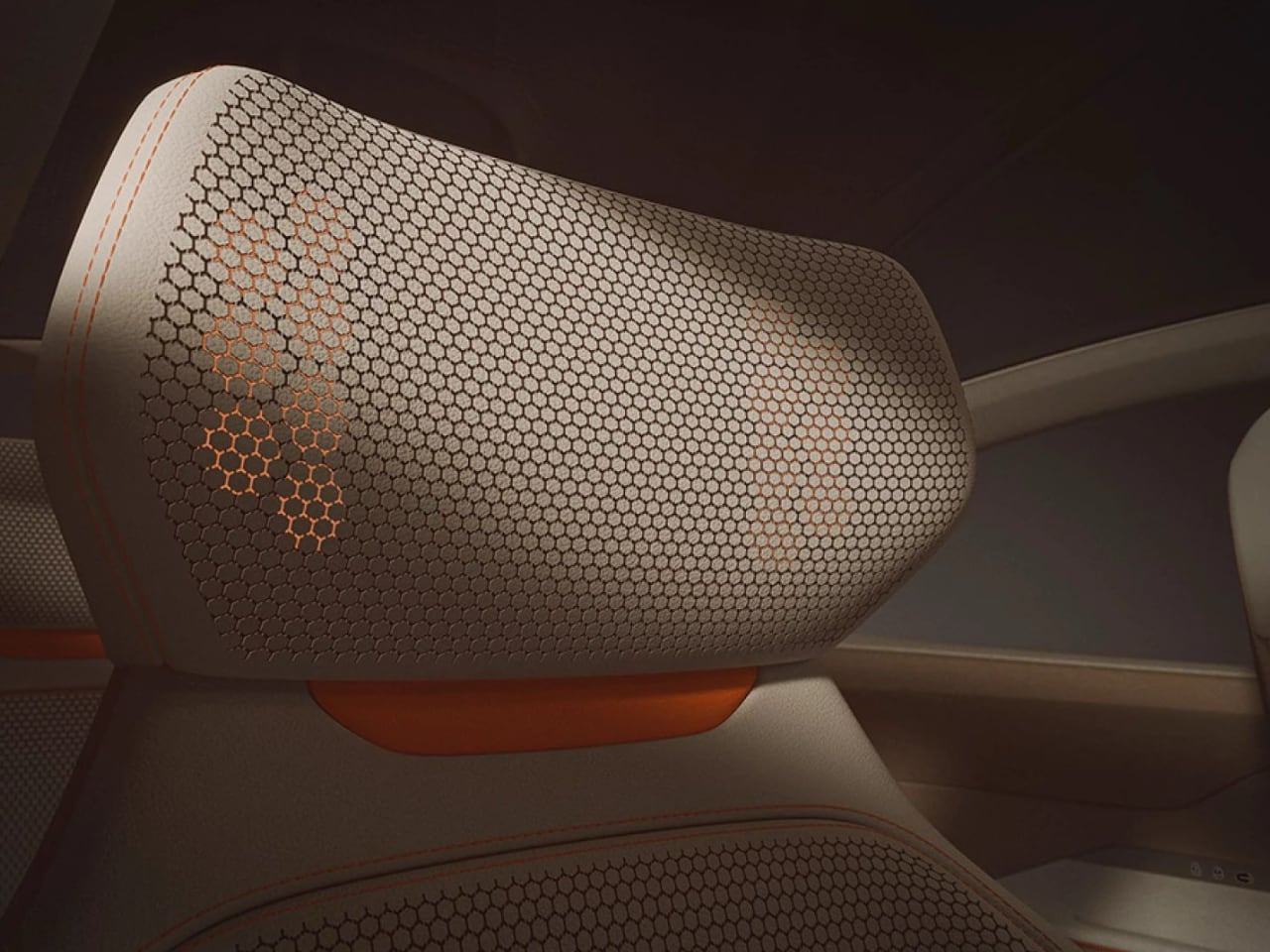
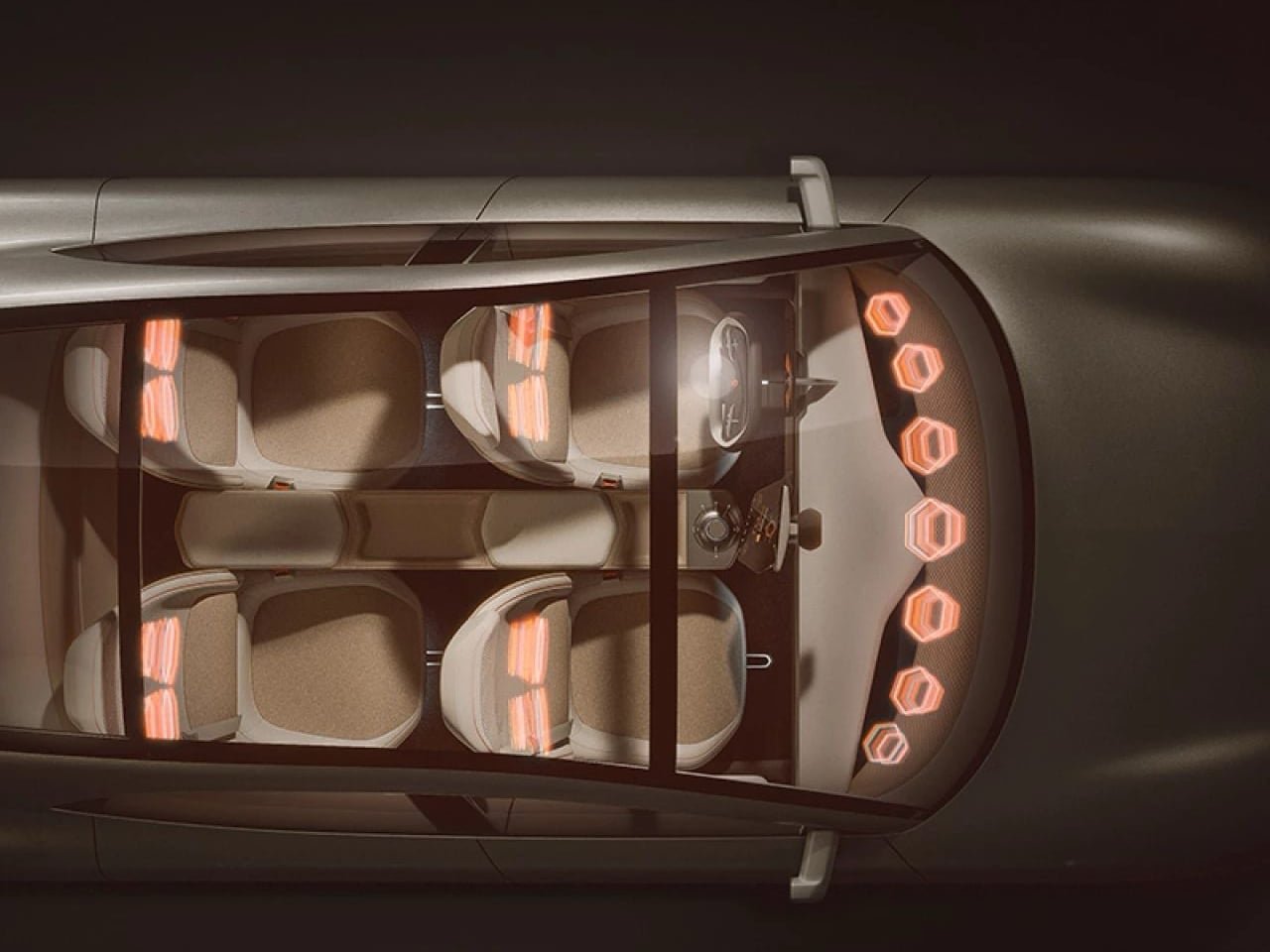
The speaker’s minimal profile enables placement options that conventional units cannot achieve. Warwick suggests mounting points in A-pillars and roof linings, positioning audio sources at or above ear level rather than below it. This elevated placement further enhances the perception of listening to music in a large space, since concert halls and performance venues typically feature speakers or acoustic sources above the audience rather than at floor level.

Material and Manufacturing Advantages

Beyond the acoustic benefits, Warwick’s electrostatic speakers contain no rare earth elements, a notable departure from conventional speaker construction that relies on powerful permanent magnets. The company manufactures its automotive speakers entirely from upcycled and recycled materials, addressing sustainability concerns that increasingly influence automotive purchasing decisions. While the environmental impact of a car’s audio system ranks low on most buyers’ priority lists, the material choices eliminate supply chain vulnerabilities associated with rare earth sourcing.

The thin profile and light weight also translate to potential reductions in digital signal processing requirements. Warwick claims the speed and accuracy of electrostatic speaker response reduces the need for electronic manipulation of audio signals, potentially allowing automakers to use smaller, less power-hungry DSP components. Whether this translates to meaningful cost or efficiency gains at the vehicle level remains to be seen, but the company presents it as an additional benefit beyond pure audio quality.

Market Timing and Production Reality

Warwick Acoustics has been developing this automotive application for years, and the technology appears close to production readiness. The company confirms that a “global luxury car maker” will debut the electrostatic speaker system in a vehicle sometime in 2026, though it declines to identify the manufacturer. Given Warwick’s existing reputation in high-end audio (the company’s headphone and amplifier combinations sell for approximately $50,000), the partnership with a luxury automotive brand aligns with the company’s market positioning.

The luxury segment makes strategic sense for initial deployment. Premium car buyers expect audio systems that justify six-figure vehicle prices, and the ability to market a ten-times soundstage expansion provides compelling differentiation. Whether the technology eventually scales to mainstream vehicles depends on manufacturing costs and whether the perceived audio benefits translate across different listening preferences and cabin configurations.

The post New electrostatic car speakers create a massive soundstage first appeared on Yanko Design.

Tern Vektron e-bike folds in seconds, deftly navigates crowed spaces

Folding e-bikes have steadily evolved into genuinely capable daily commuters, offering riders a practical blend of compact storage and everyday usability. As cities grow denser and more people turn to mixed-mode travel, the demand for bikes that are easy to store, carry, and ride has never been higher. This shifting landscape sets the stage for Tern’s latest update to its well-known Vektron lineup.

The upgrade to Tern’s Vektron series shows how far folding e-bikes have come in combining portability with real everyday performance. Designed for riders who need a compact bike that doesn’t compromise on power, comfort, or practicality, the 4th-generation Tern Vektron models build on the brand’s established reputation for reliable urban mobility while introducing meaningful upgrades that improve the riding experience.

Designer: Tern

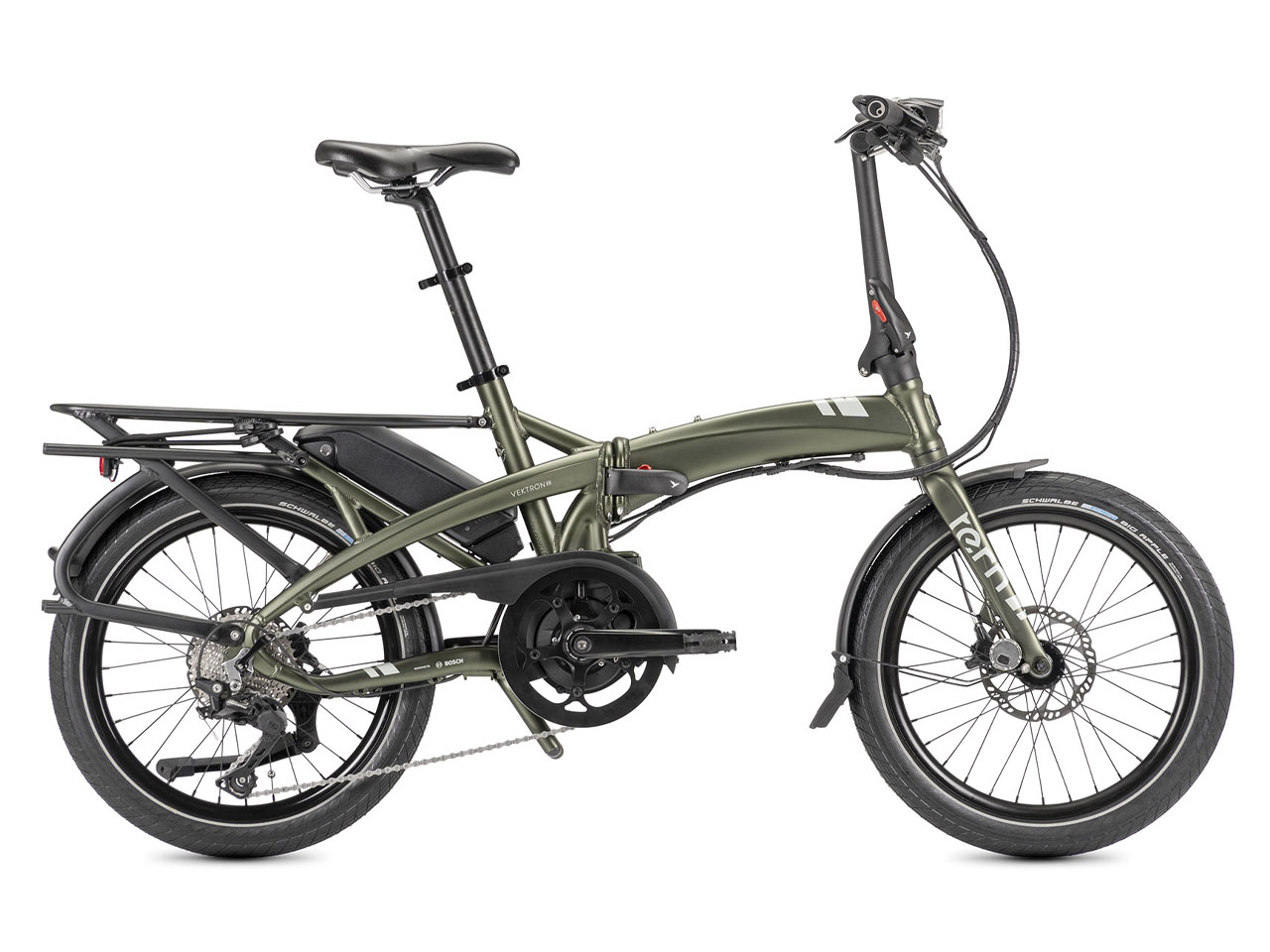
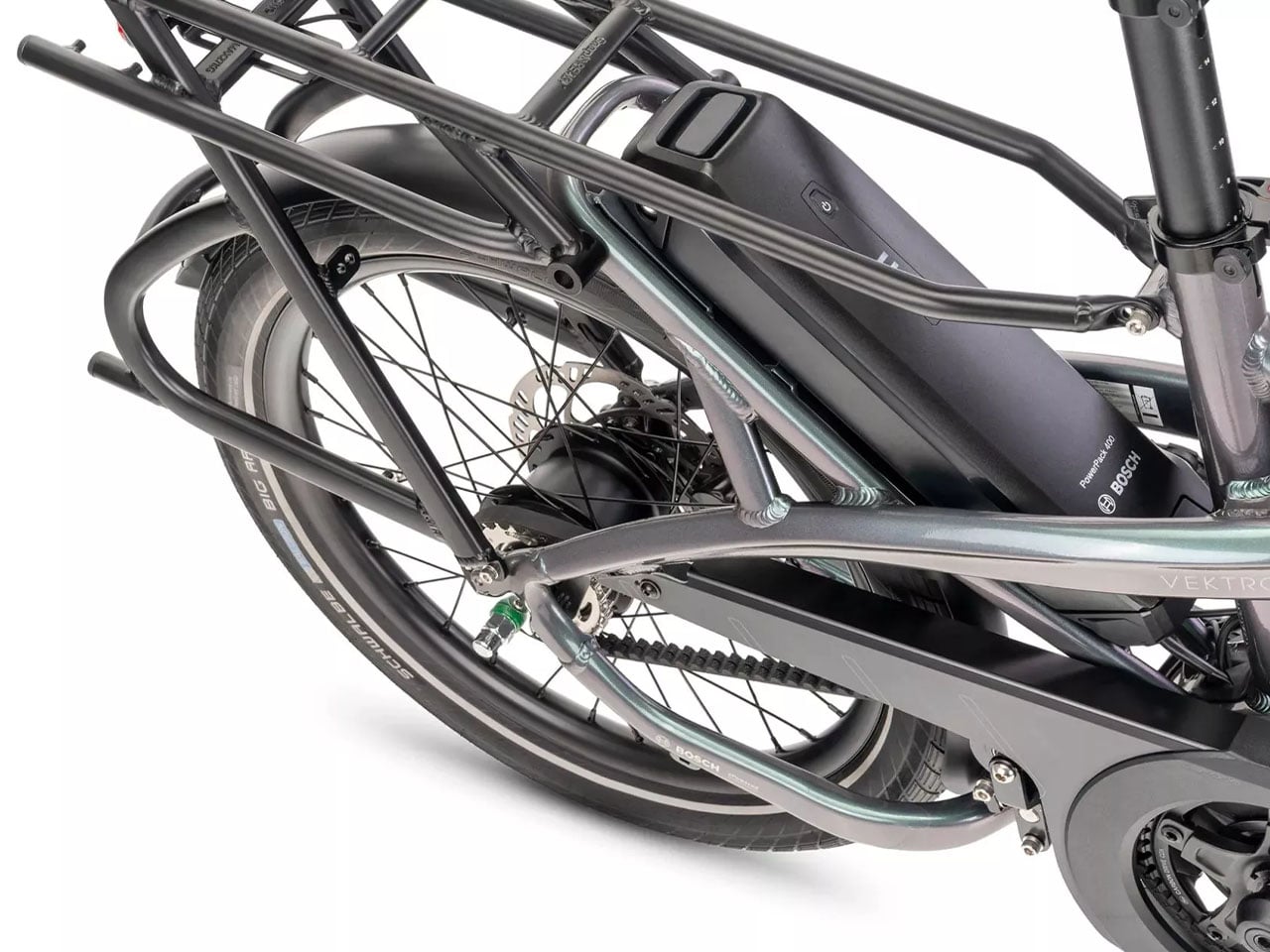
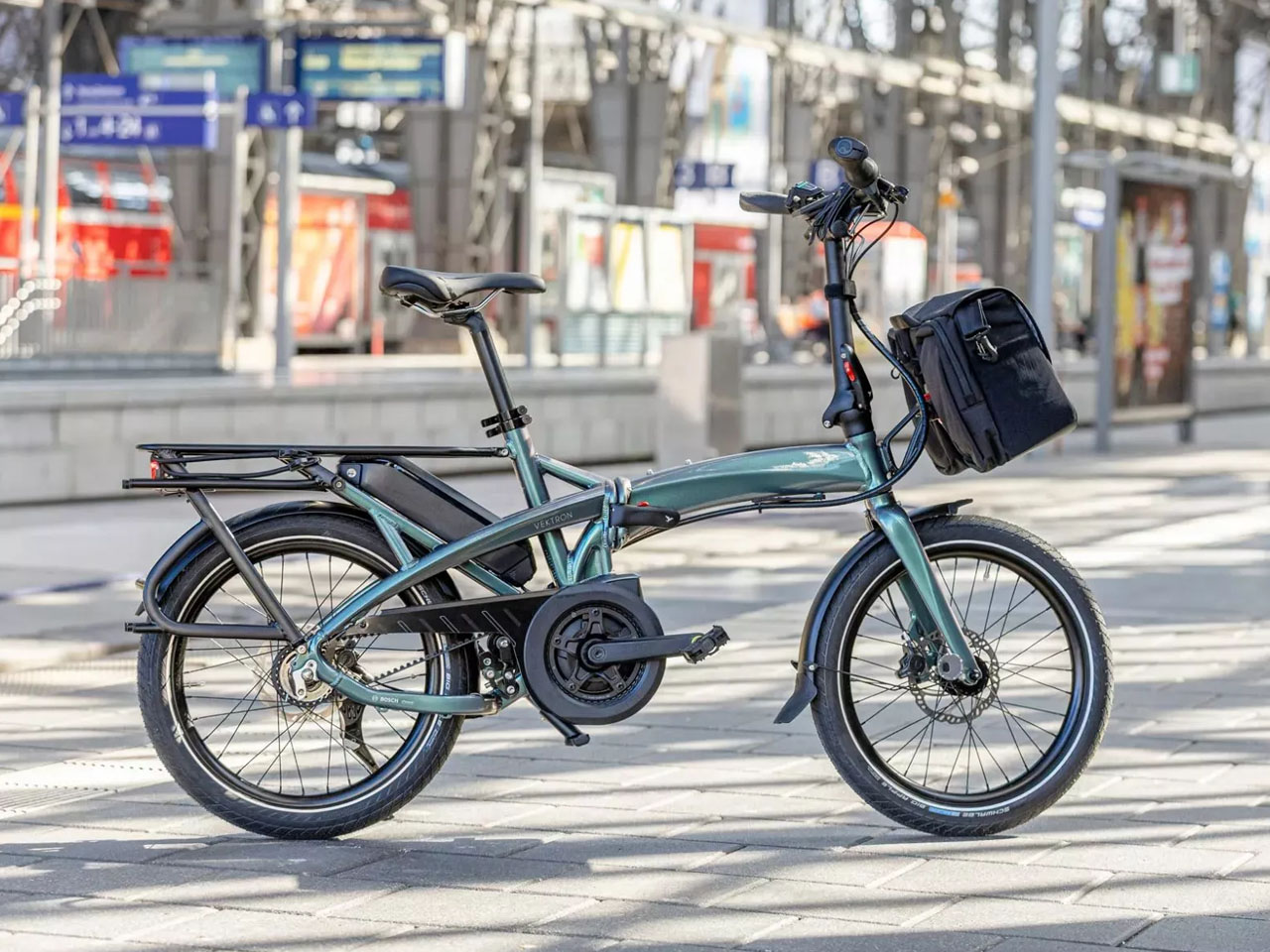
At the core of the new Vektron folding e-bike is a Bosch Performance mid-drive motor that delivers up to 75 Nm of torque and smooth, responsive pedal-assist. It pairs with a 545-Wh battery integrated into the frame, delivering a range of up to about 75 miles under light assist conditions. The motor and battery work with Bosch’s Smart System, allowing riders to access ride data, navigation, and system customization through a connected smartphone, and giving the bike optional GPS-based security features.

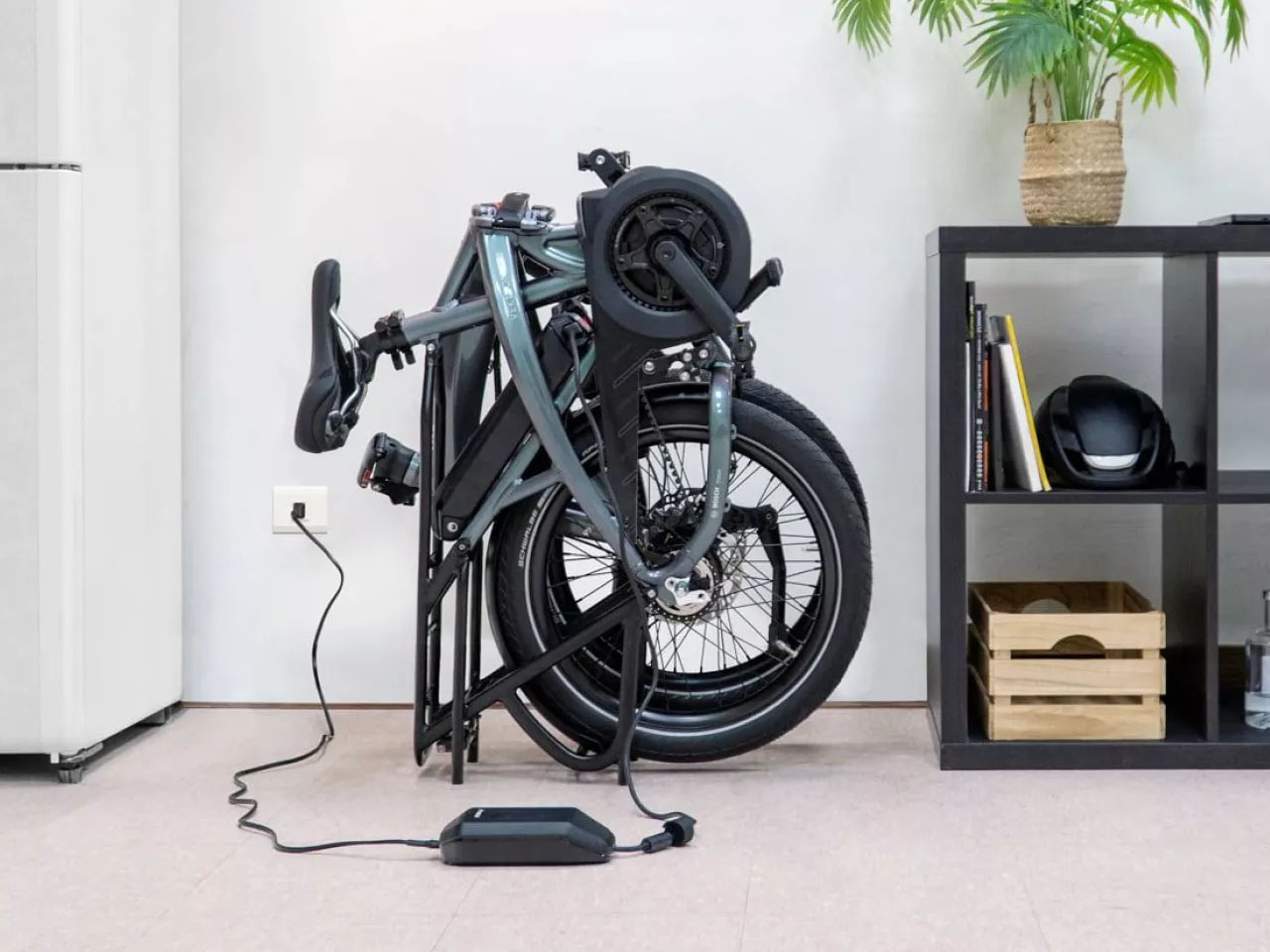
The 4th-generation P5i configuration brings one of the most practical changes to the lineup: a Gates Carbon Drive belt system paired with a 5-speed Shimano Nexus internally geared hub. This setup runs quietly and requires minimal maintenance, making it well-suited for riders who frequently fold and store their bike in tight indoor spaces. For those who prefer a wider gear range or a sportier feel, the Vektron is also available as the P10, equipped with a traditional 10-speed derailleur drivetrain. The frame uses hydroformed 6061 aluminum and Tern’s reinforced OCL+ hinge, ensuring that the bike remains stable even under the increased torque of the updated Bosch motor. It folds in under 10 seconds into a compact structure that fits easily into car trunks, office corners, elevators, and public transport. When folded, it can stand upright or roll, adding convenience for commuters moving through tight or crowded spaces.

Designed to accommodate a broad range of riders, the cockpit includes an adjustable stem and a telescopic seat post suitable for user heights between approximately 4’10” and 6’5″. Wide 20-inch Schwalbe Big Apple tires soften rough pavement and enhance stability, while Magura hydraulic disc brakes handle braking with consistent control, even in wet conditions. For daily commuting, the Vektron includes a rear rack rated for roughly 60 lb of cargo, full-coverage fenders, integrated lighting, and compatibility with additional front-mounted accessories. These practical features allow it to function as a full-fledged urban transporter capable of replacing short car trips and handling mixed-mode travel. The P5i model comes at a price of $4,099, and the P10 variant costs $3,699 with shipping in North America commencing from December 2025.

The post Tern Vektron e-bike folds in seconds, deftly navigates crowed spaces first appeared on Yanko Design.
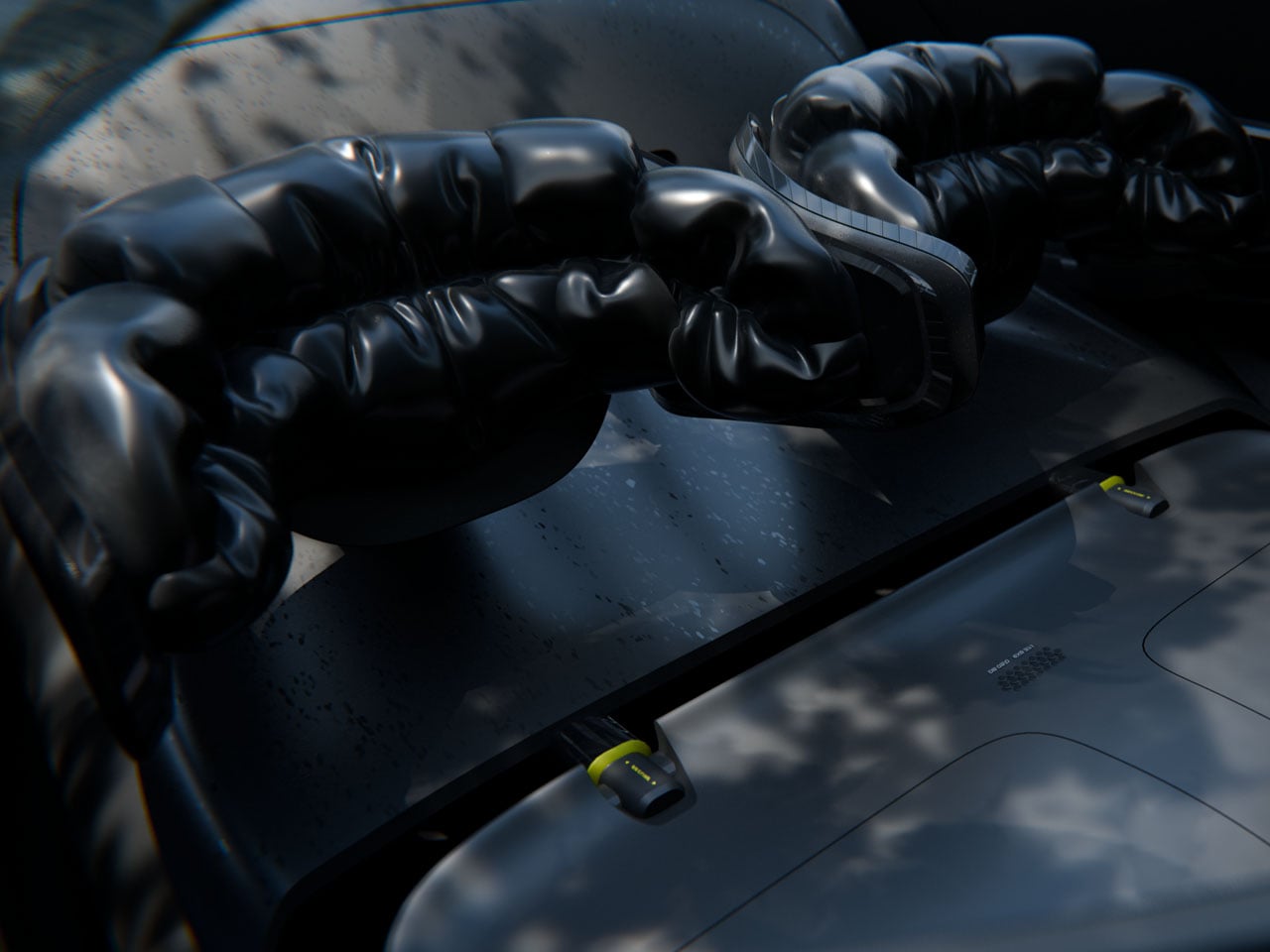
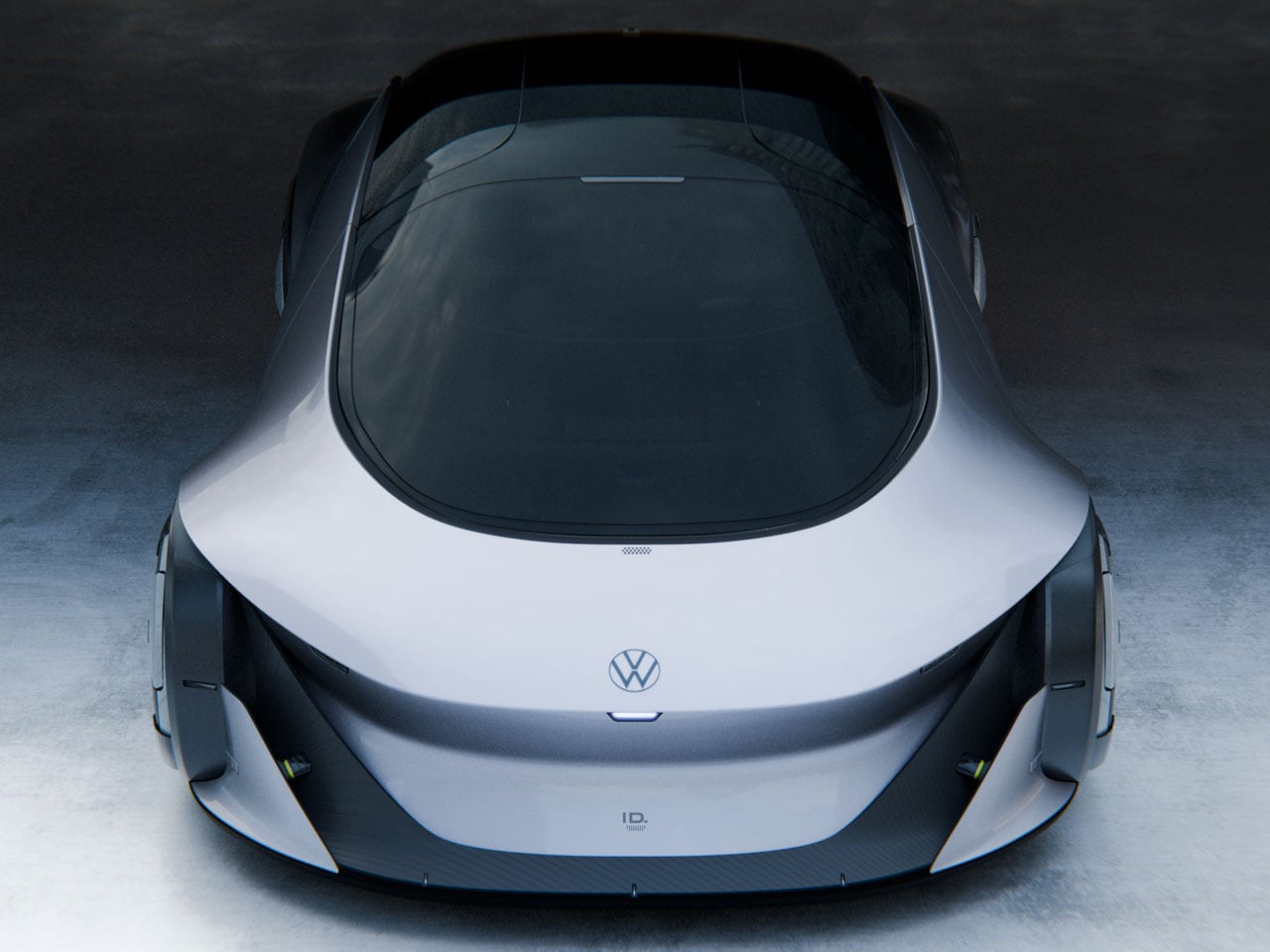
Volkswagen Numa Concept imagines a future where cars become part of the urban living

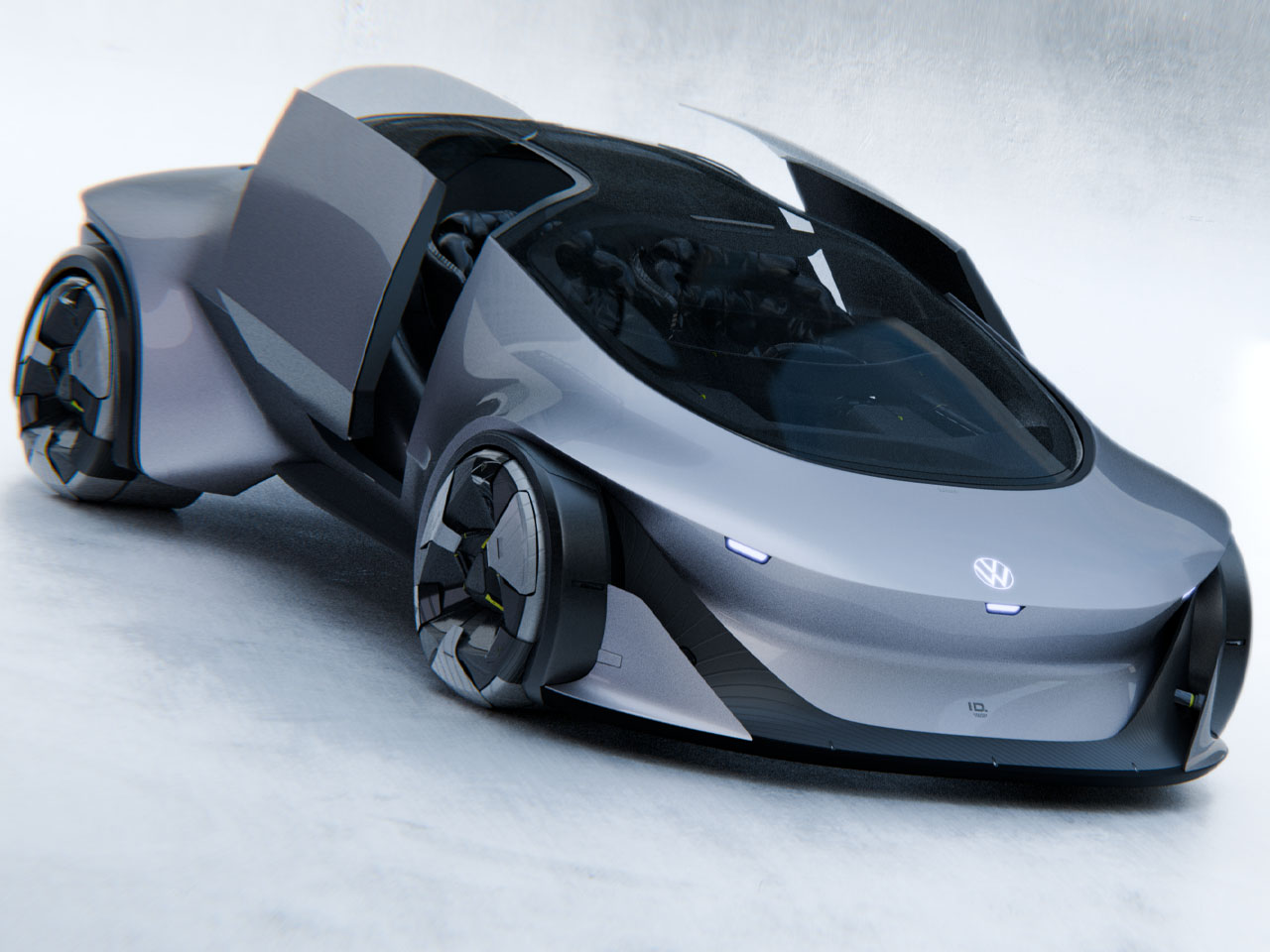
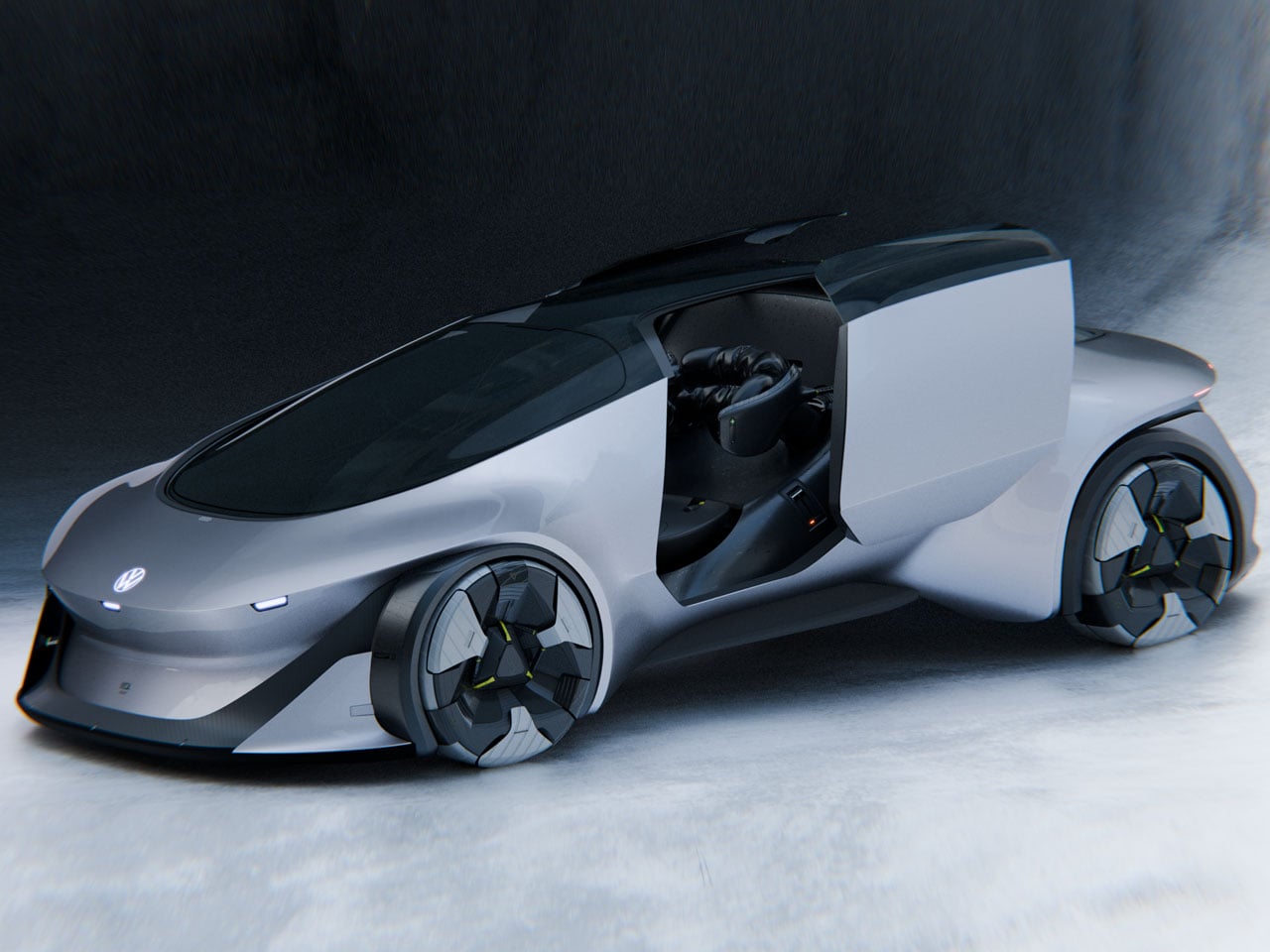
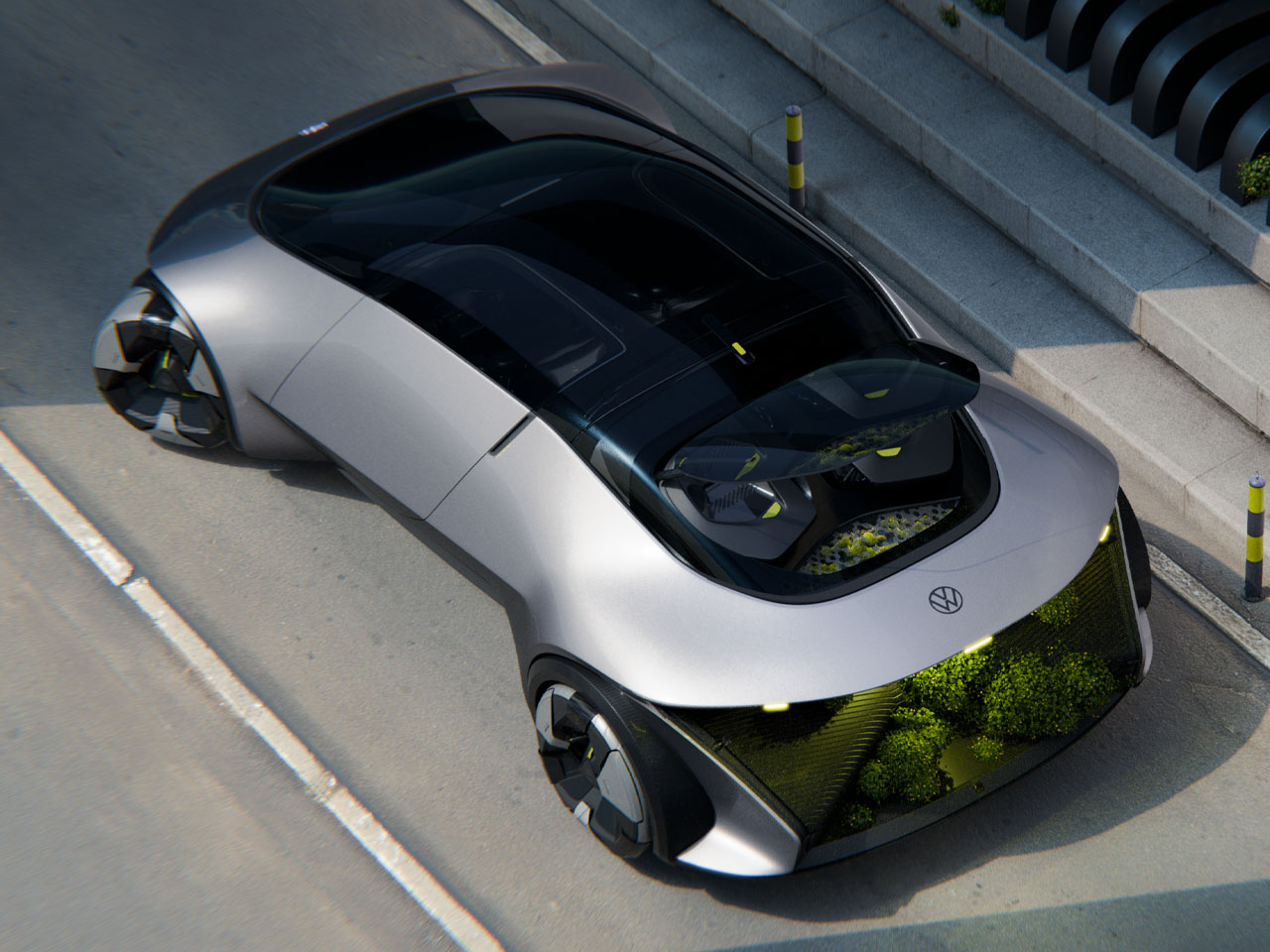
Long before concept cars became laboratories of screens and powertrains, automotive design often flirted with imagination for its own sake, vehicles that felt like sculptural expressions rather than objects built for the road. The Volkswagen Numa Concept taps into that spirit of creative exploration, offering a vision that feels more like an urban artifact than a traditional car. The tough experiment proposes a future where a vehicle does more than move through a city; it becomes part of the city’s texture, softening hard edges and blending mobility with environmental sensibility.

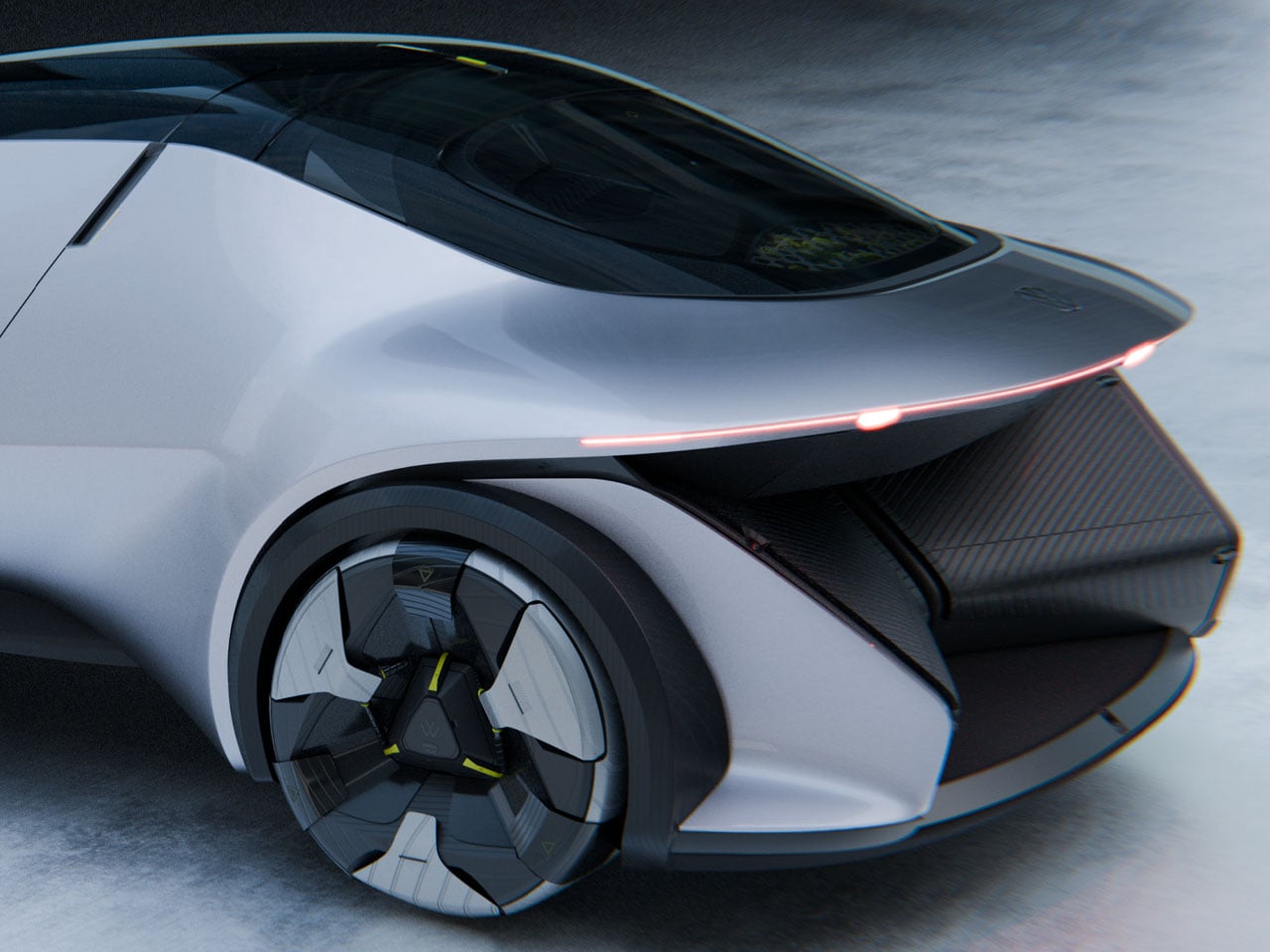
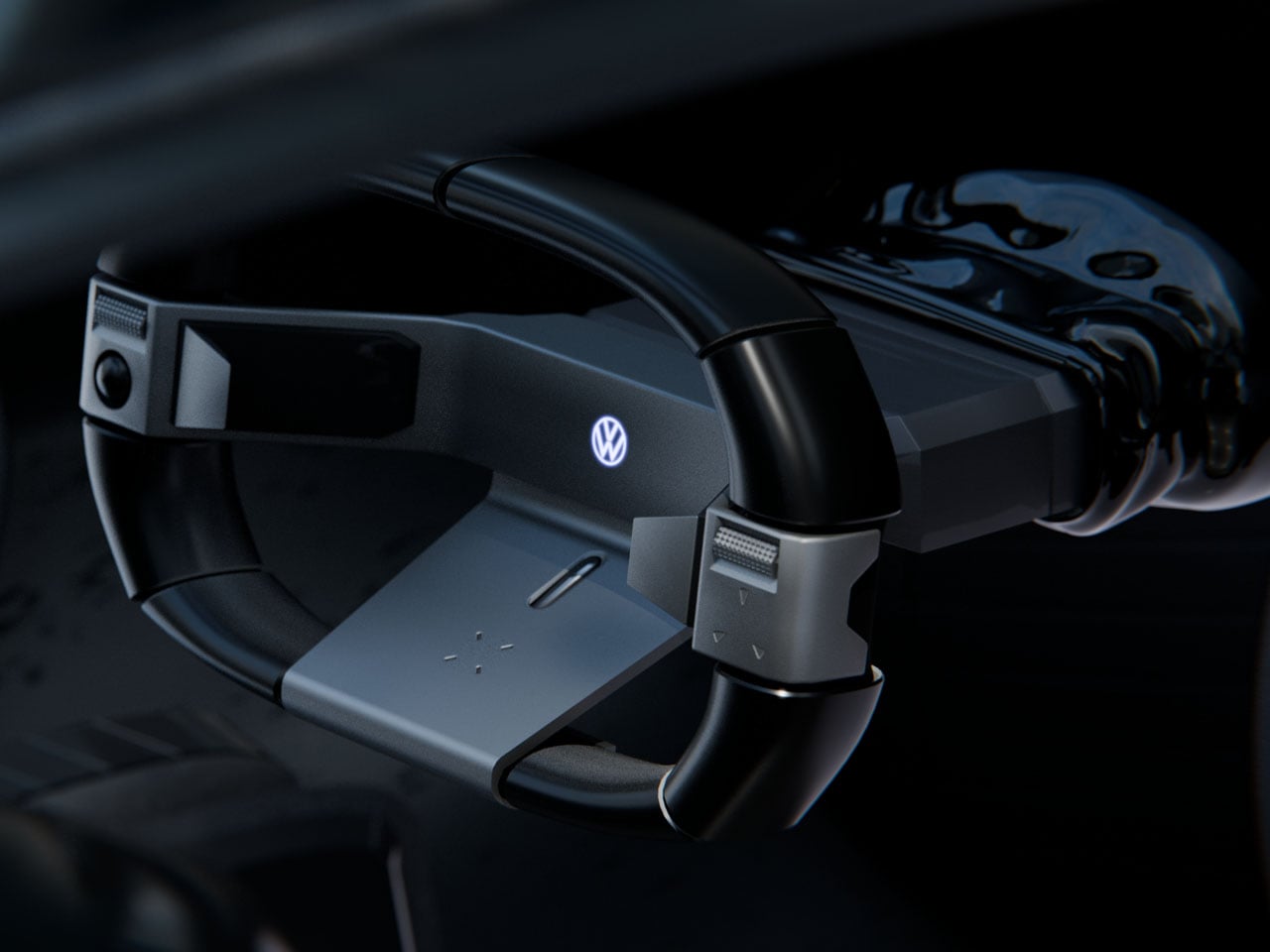
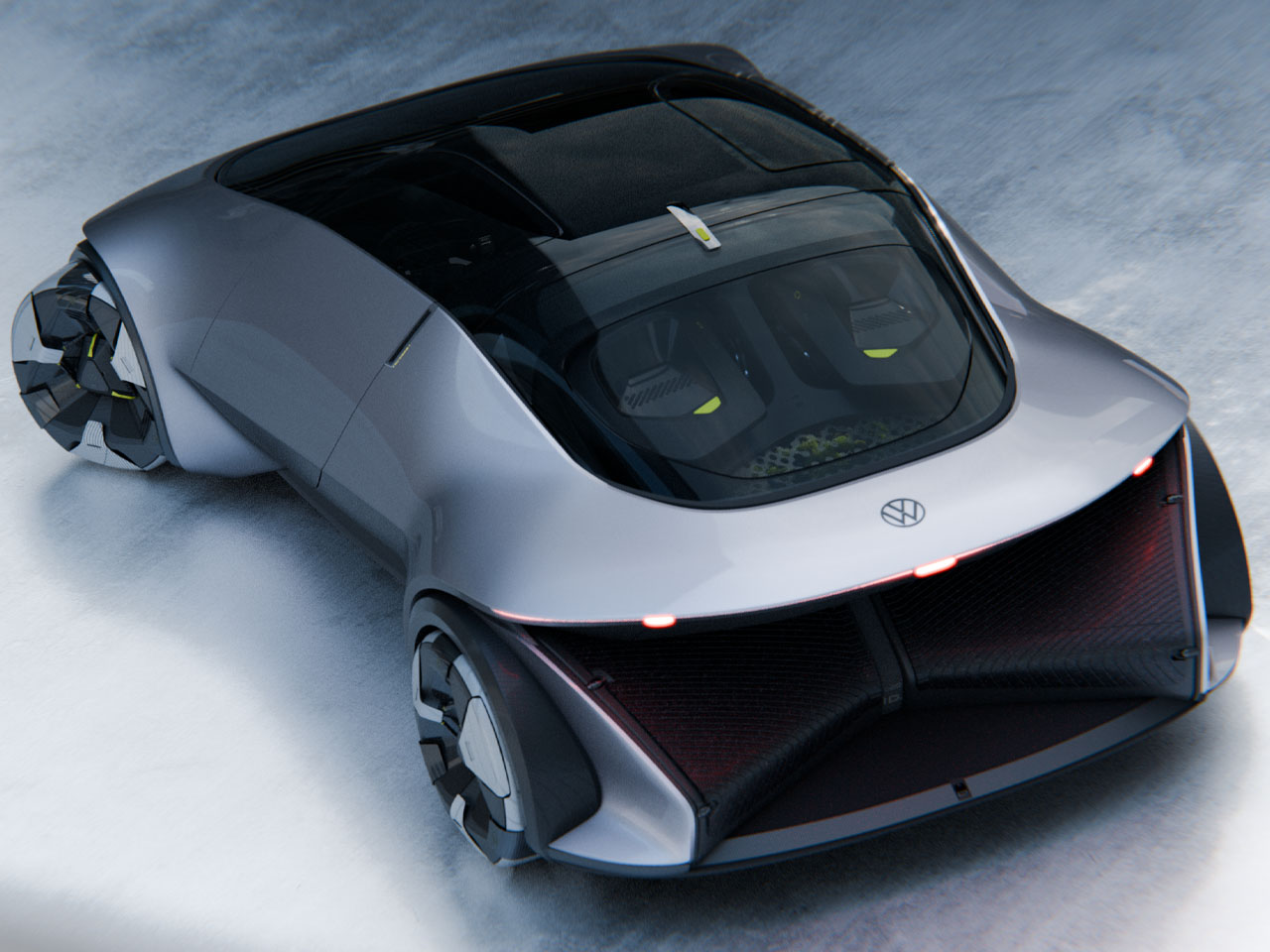
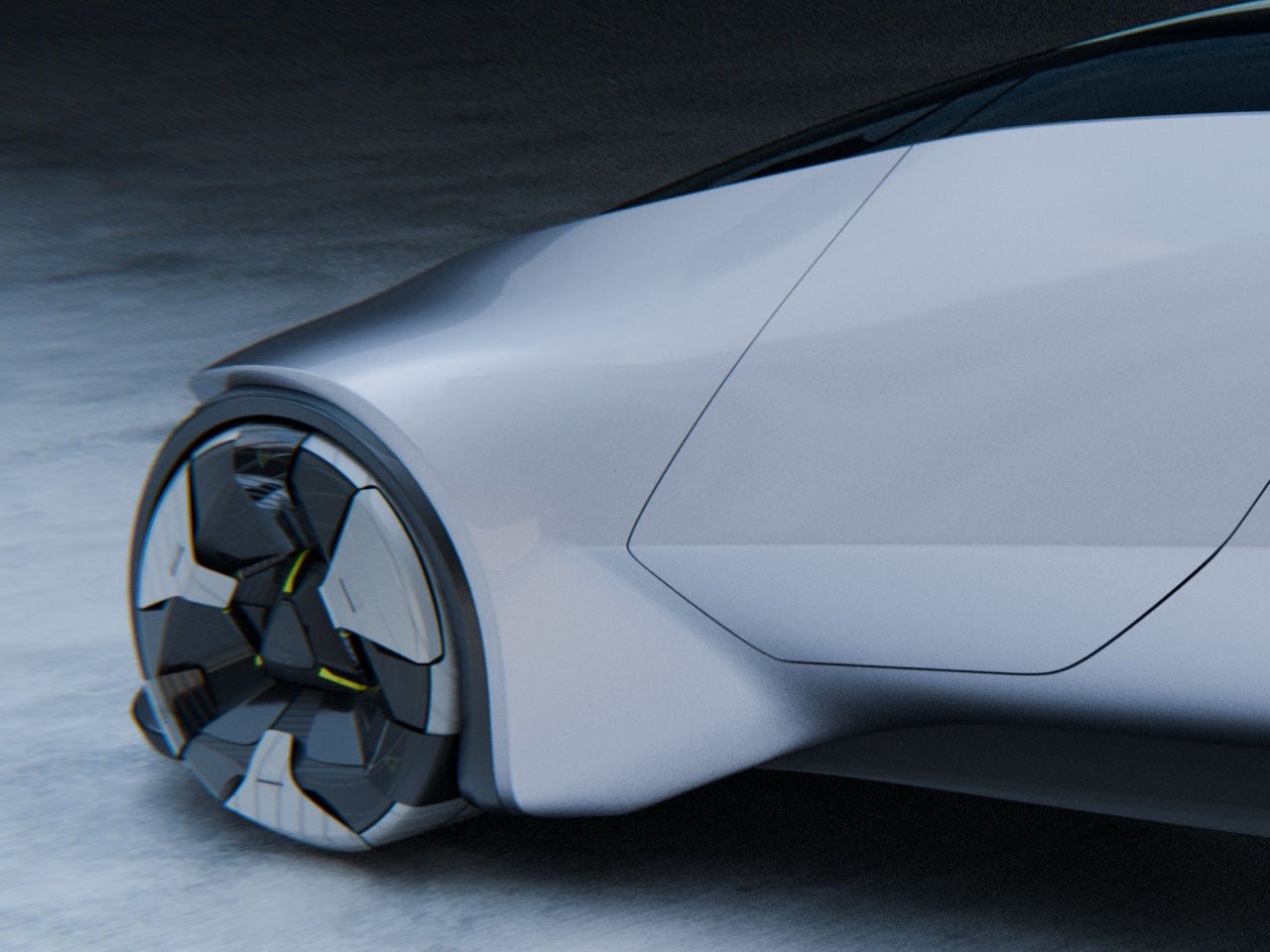
The concept approaches idea of transportation from a fresh angle, treating the vehicle as a spatial object rather than a closed mechanical shell. Its design embraces minimalism with clean, uninterrupted surfaces and calm geometry that intentionally avoids the aggression often associated with modern automotive design. Instead of projecting dominance, it aims for a gentle presence that aligns with architectural surroundings, almost as if it were a piece of contemporary street furniture shaped for movement. This is reinforced by its monochromatic palette and the intentional simplicity of its exterior lines, giving it the quiet confidence of an object designed to complement its environment.

Designer: Daniil Ostrovskii

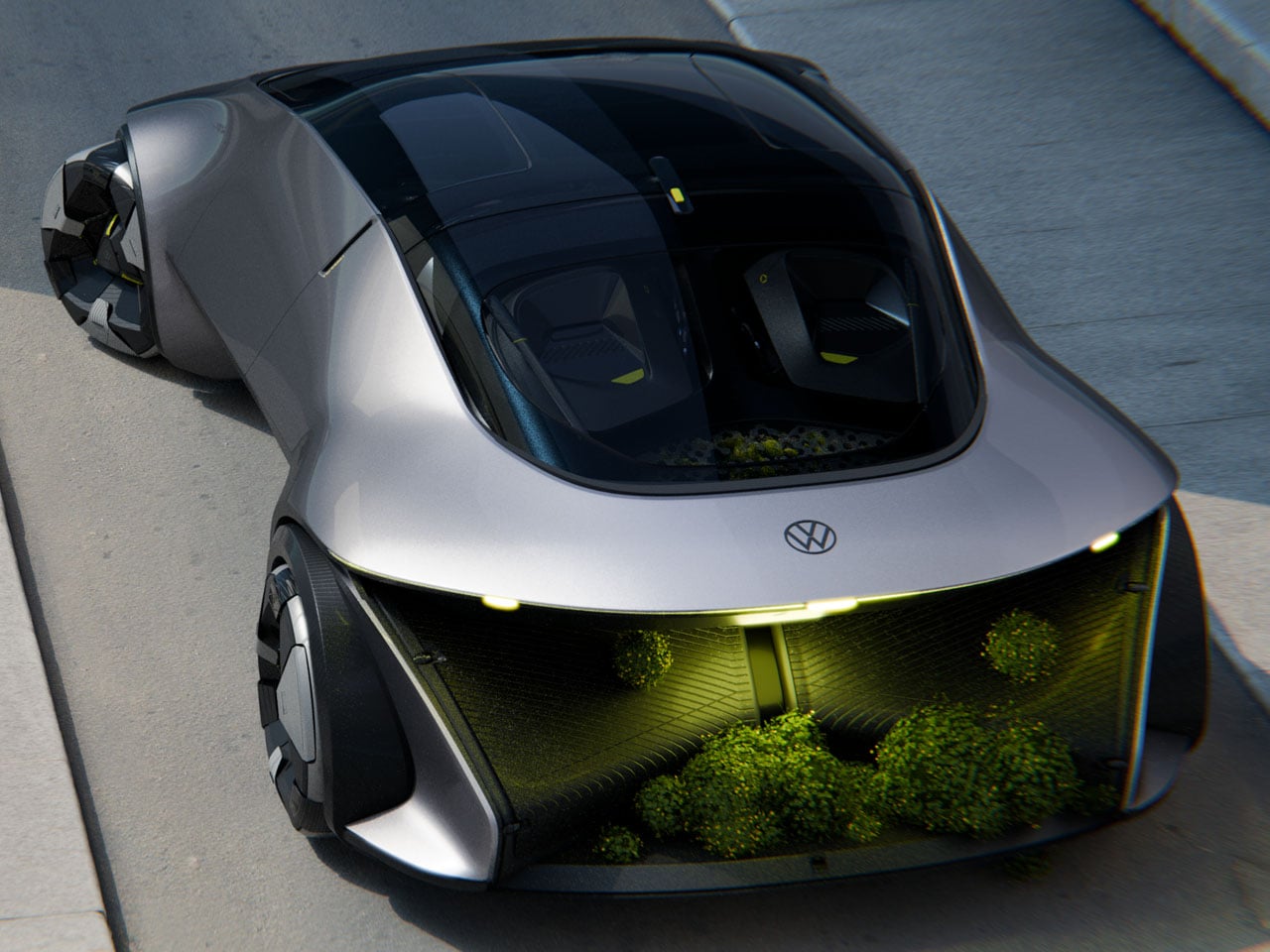
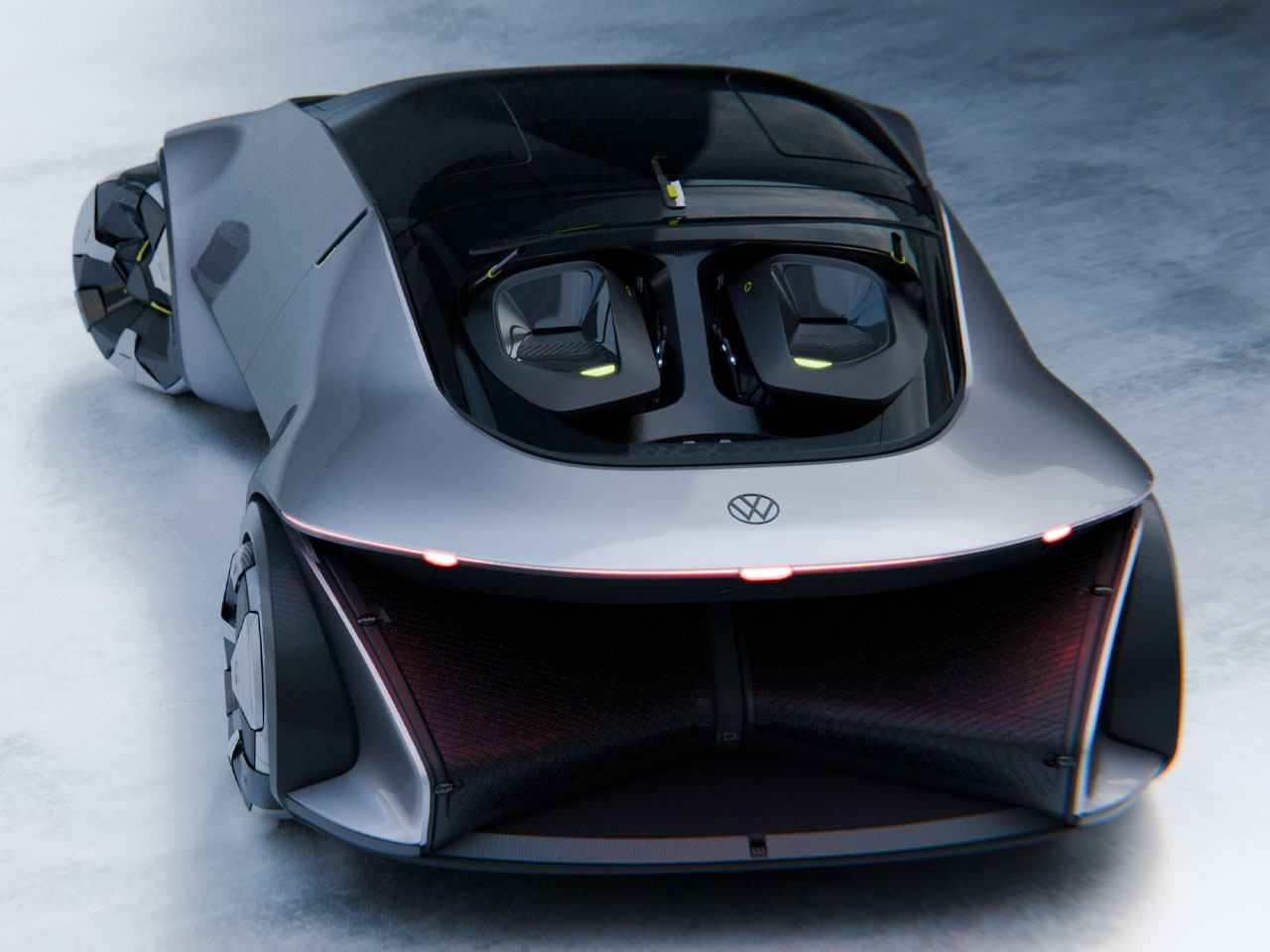
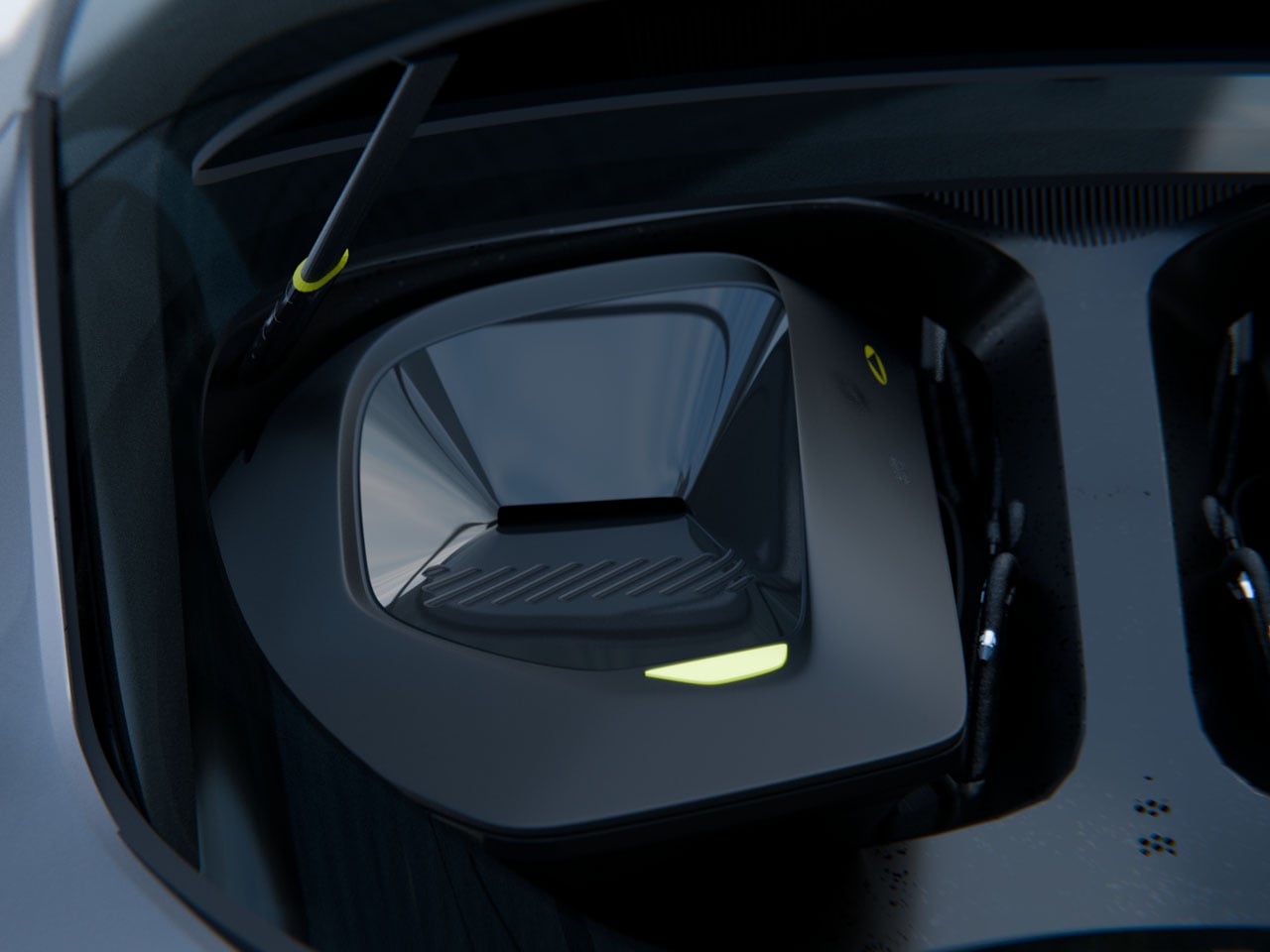
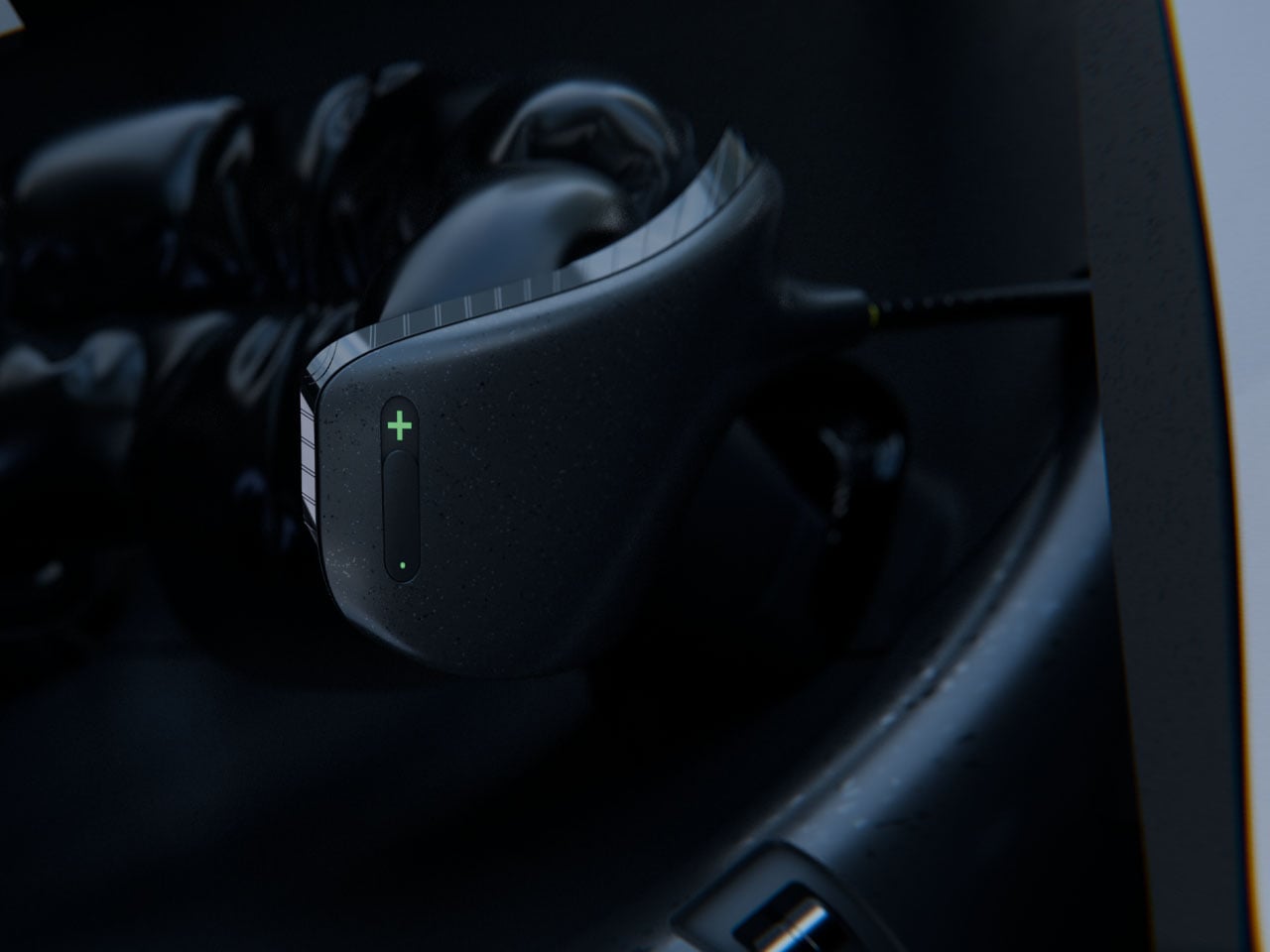
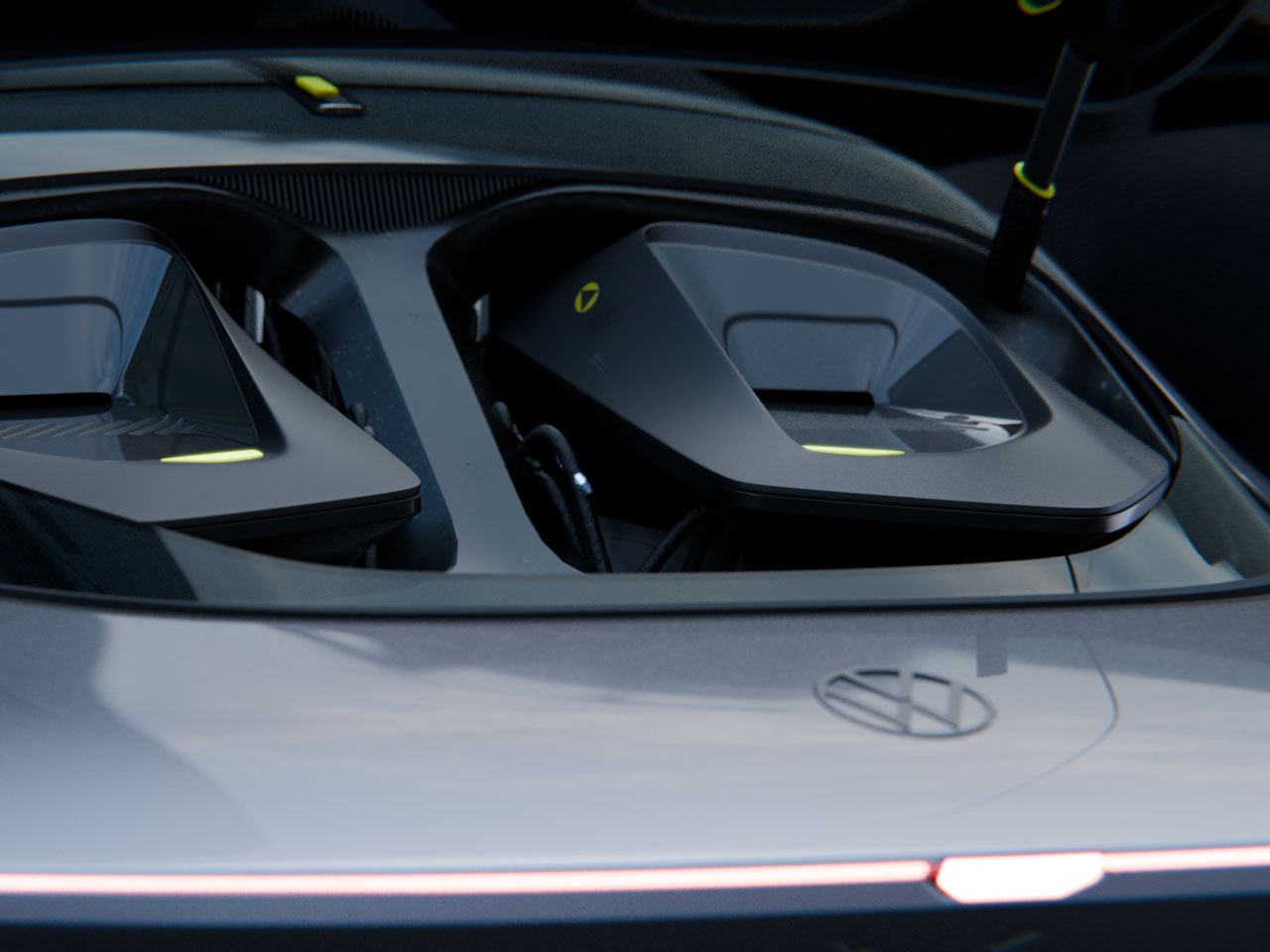
One of the most unexpected elements is the rear section, envisioned as a space capable of hosting decorative plants. The idea is not ornamental but conceptual, suggesting that a car could introduce pockets of greenery into dense urban areas. This subtle integration of nature adds a layer of warmth and humanity to the design, hinting at a future where vehicles contribute to the emotional and ecological quality of city life. It’s a small gesture with symbolic weight, an acknowledgment that mobility can coexist with softer, more organic forms of expression.

While the Numa Concept doesn’t outline powertrains or engineering details, its purpose is clearly rooted in design exploration rather than technical forecasting. Its value lies in the conversation it sparks: how might vehicles adapt to cities where space, sustainability, and aesthetics matter as much as performance? By promoting a vehicle that behaves like both sculpture and structure, the concept reframes the automotive role in urban settings, encouraging designers and planners to think beyond conventional categories.

The emotional tone of the design is intentional, aiming to create a sense of calmness instead of visual noise. This approach demonstrates how transportation could evolve to harmonize rather than interrupt, offering a counterpoint to the ever-more complex forms emerging across the industry. For a future in which cities strive to balance density with livability, ideas like Numa suggest that cars could participate in that balance, not work against it. The car reminds us that design still has the power to reframe familiar objects and proposes that mobility, architecture, and nature might someday coexist more fluidly.

The post Volkswagen Numa Concept imagines a future where cars become part of the urban living first appeared on Yanko Design.
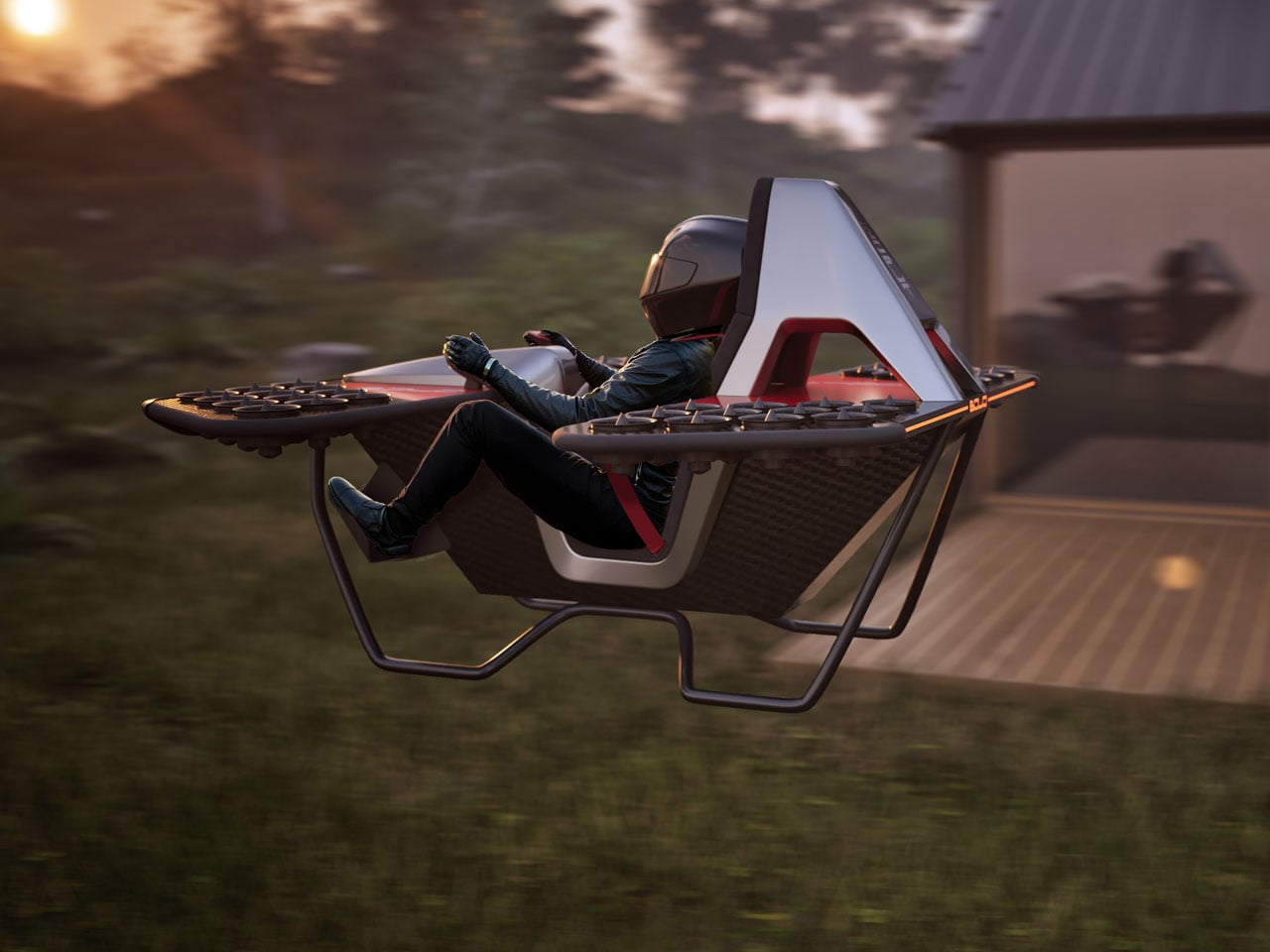
LEO Solo Jetbike, powered by 48 fans and electric propulsion, can fly you solo at 60 mph for 15 minutes

Flying solo like a bird has been humanity’s long-time dream. Amid various ways and options already figured out, the idea has not reached mass adoption. Wingsuits and jetpacks are only flying people for experimental purposes. Beyond those, there has been a vision to build electric and solar-powered propulsion systems to get us off the ground, and that dream is now taking a turn into the realm of reality with the world’s first electric air speeder, the LEO Solo JetBike.

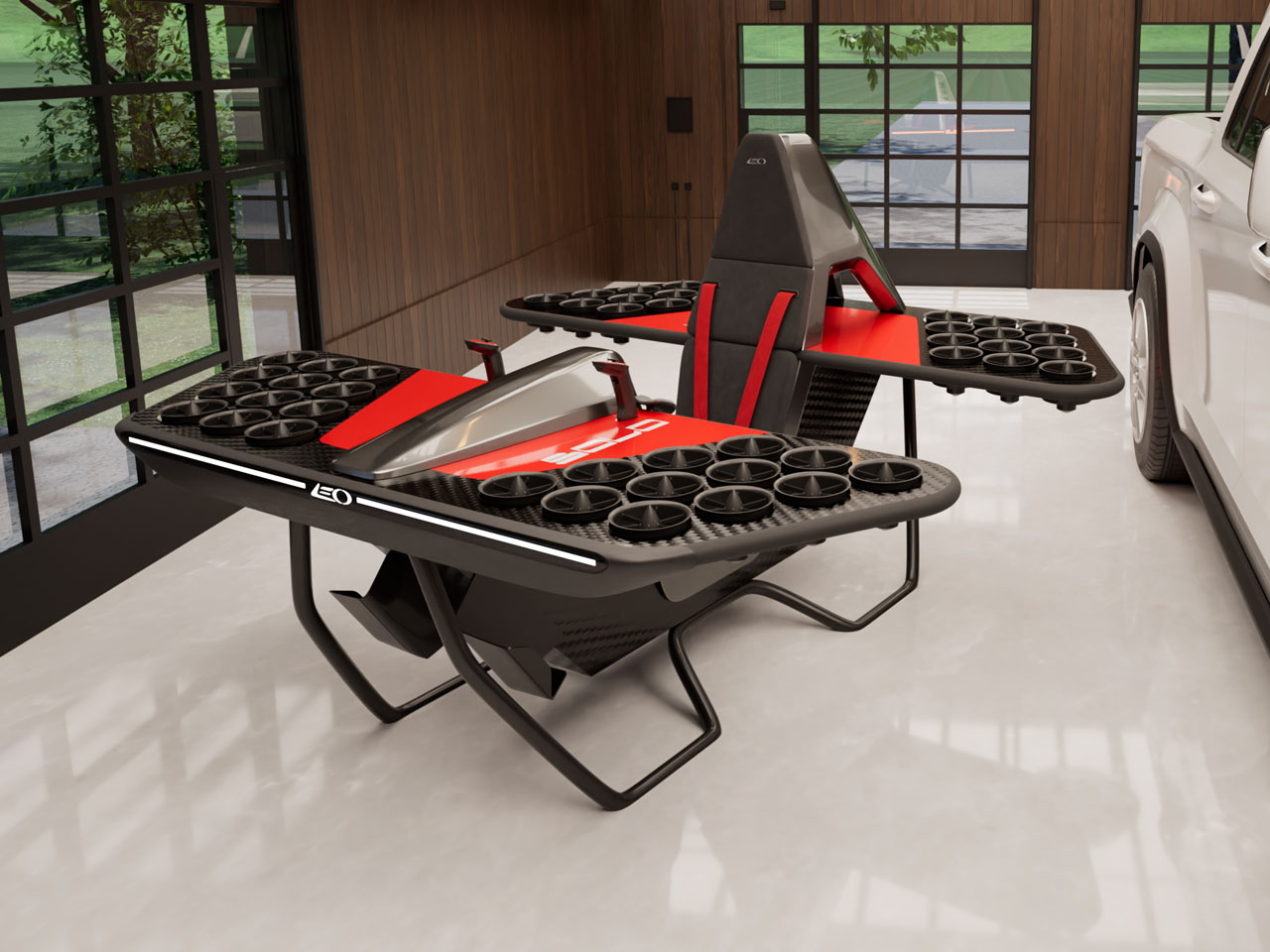
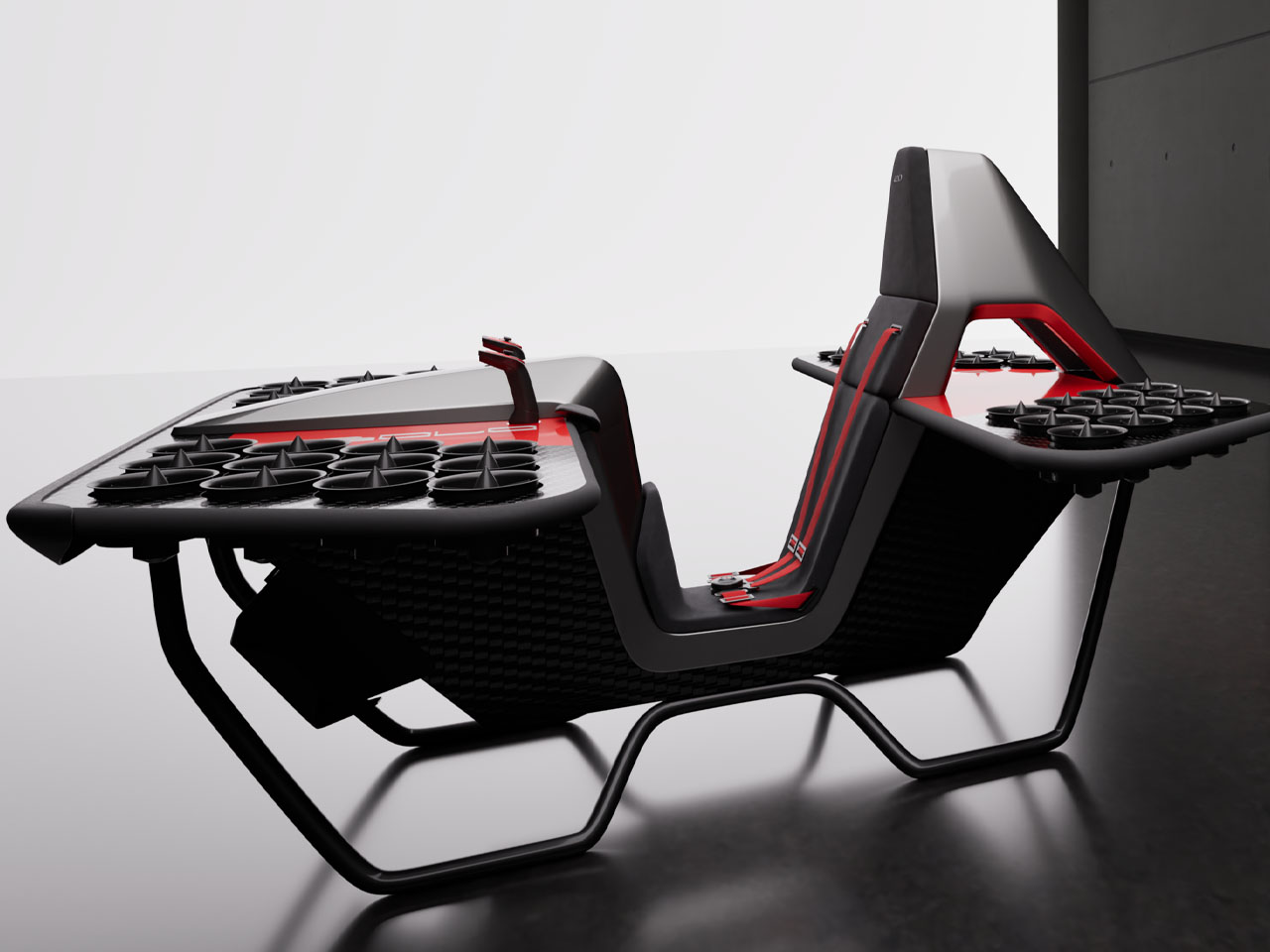
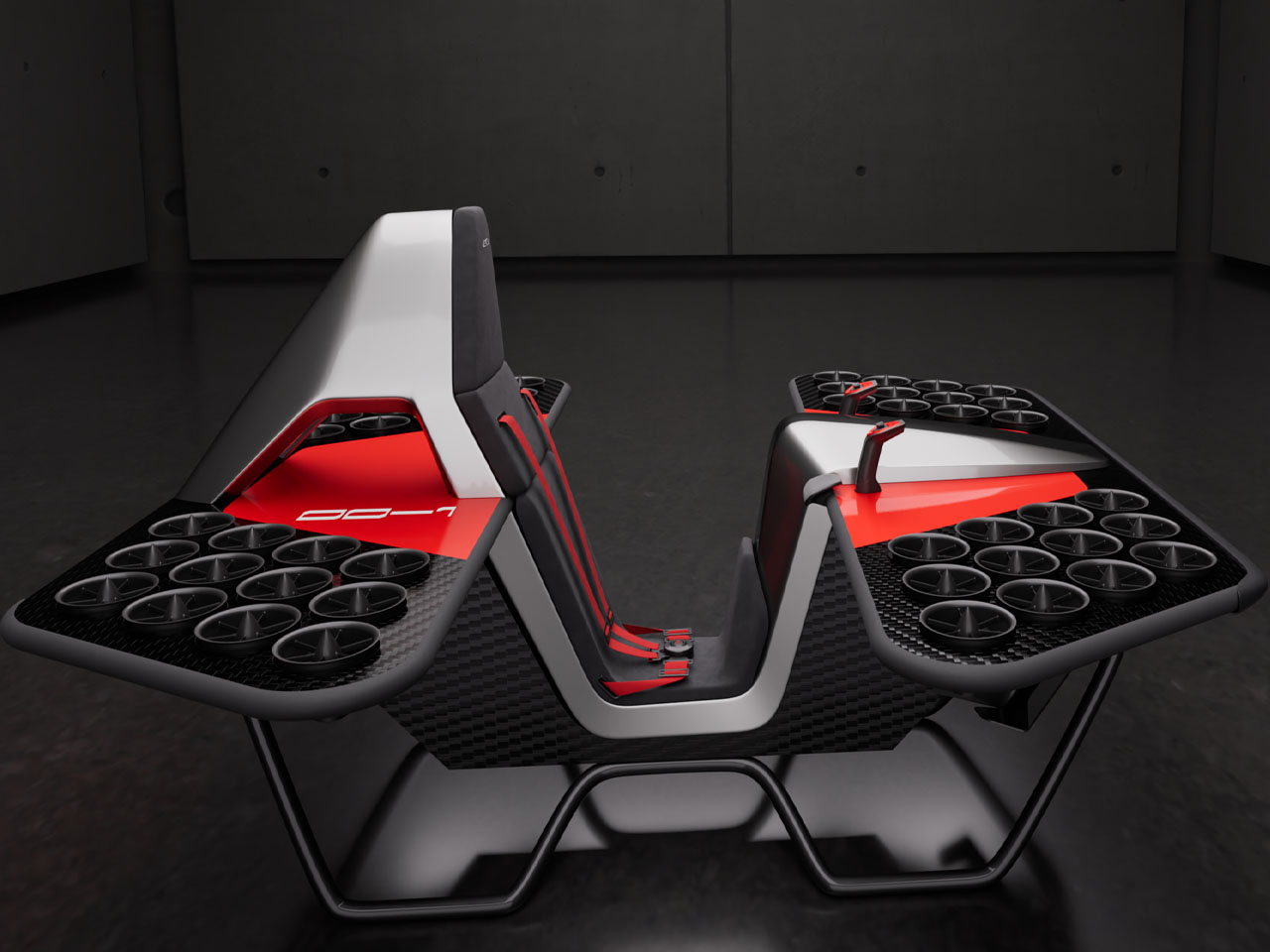
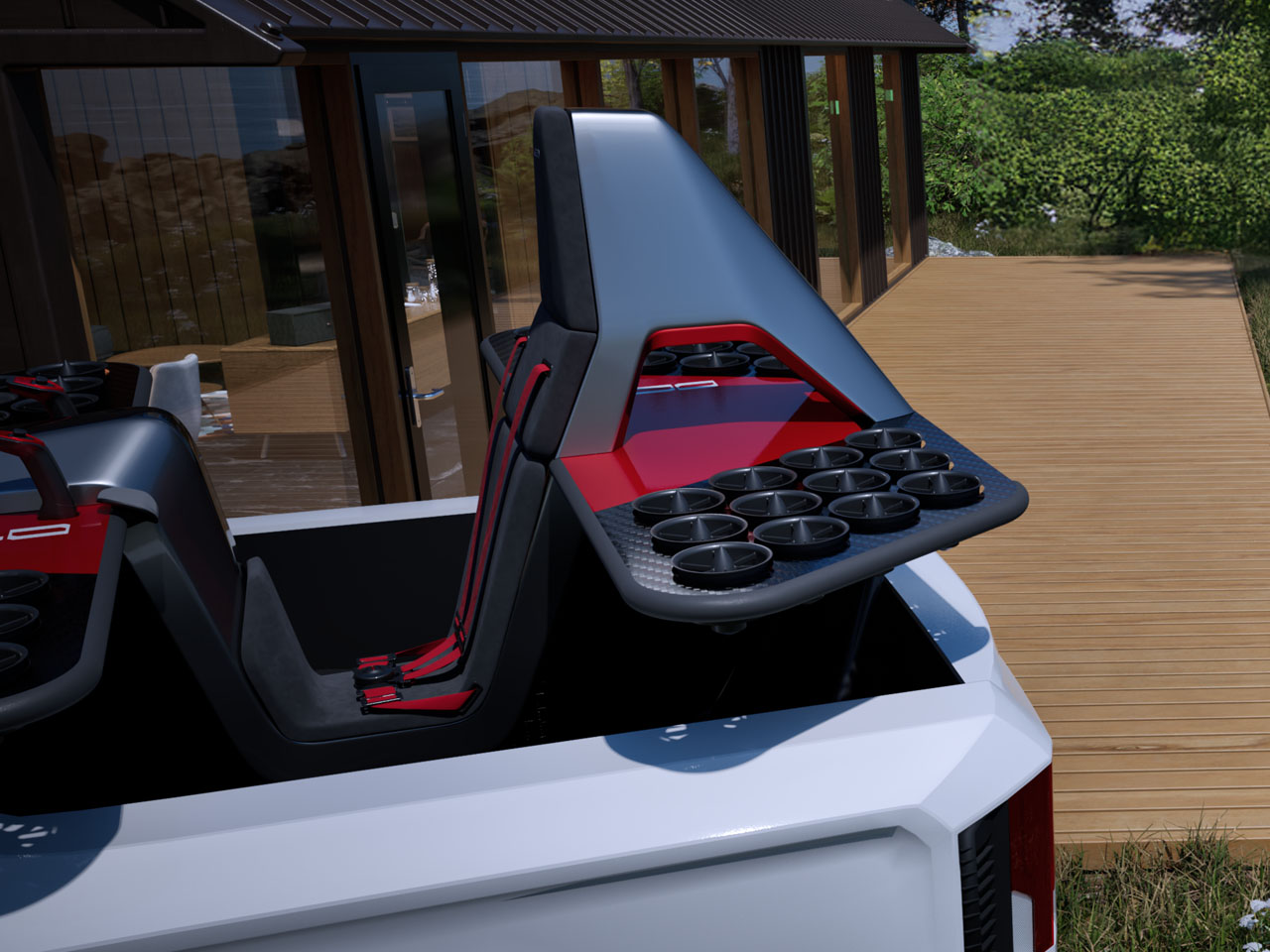
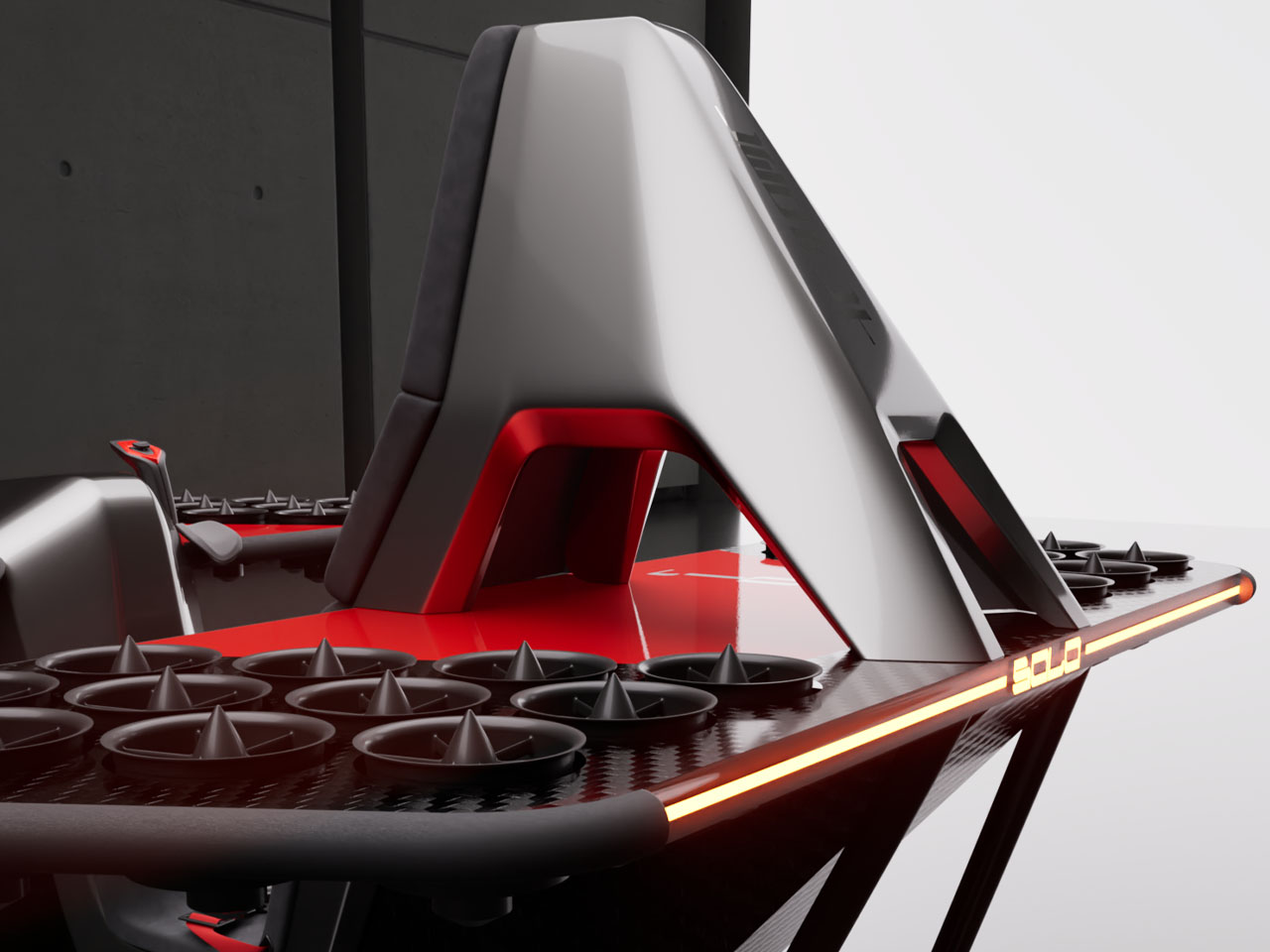
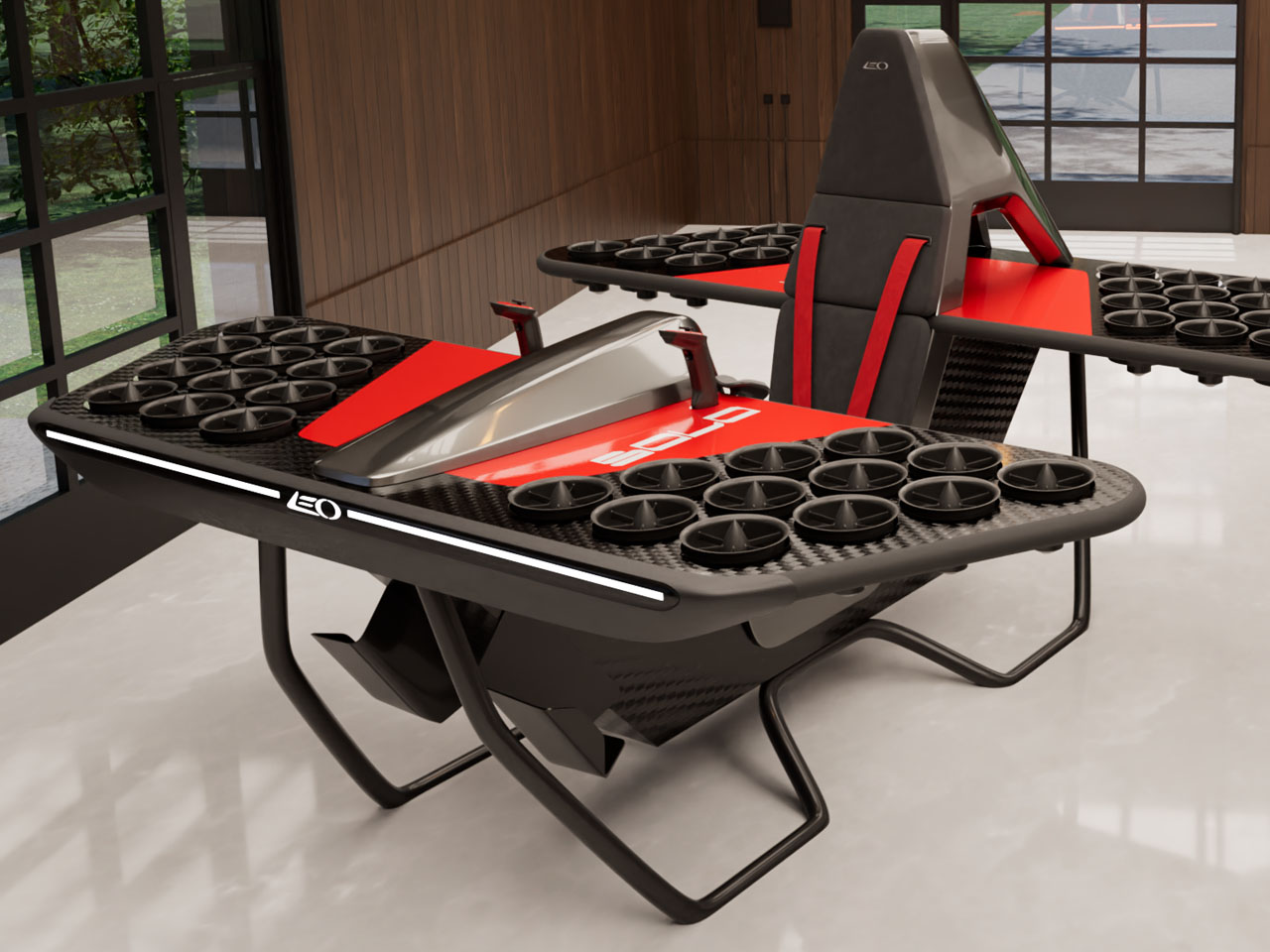
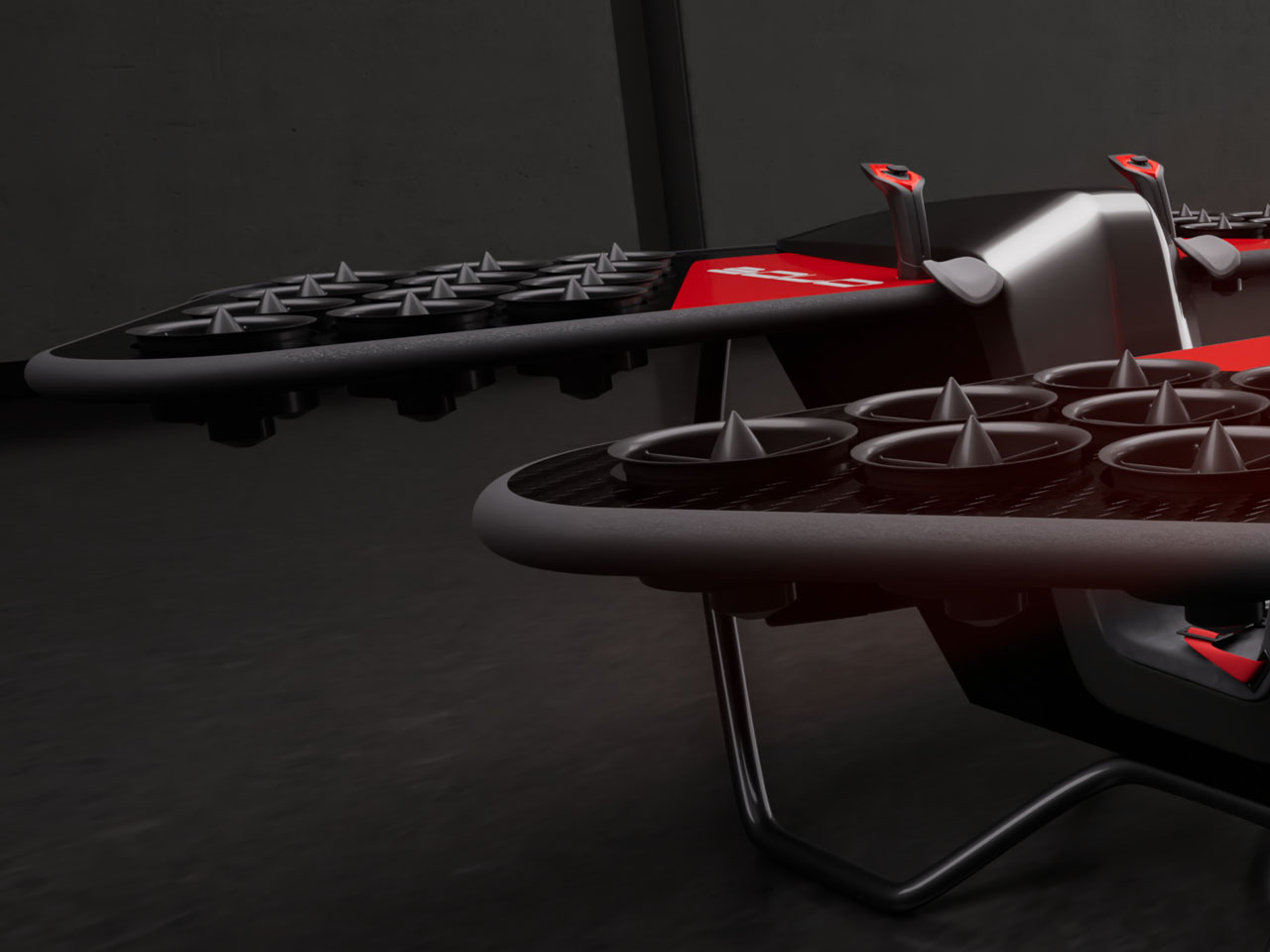
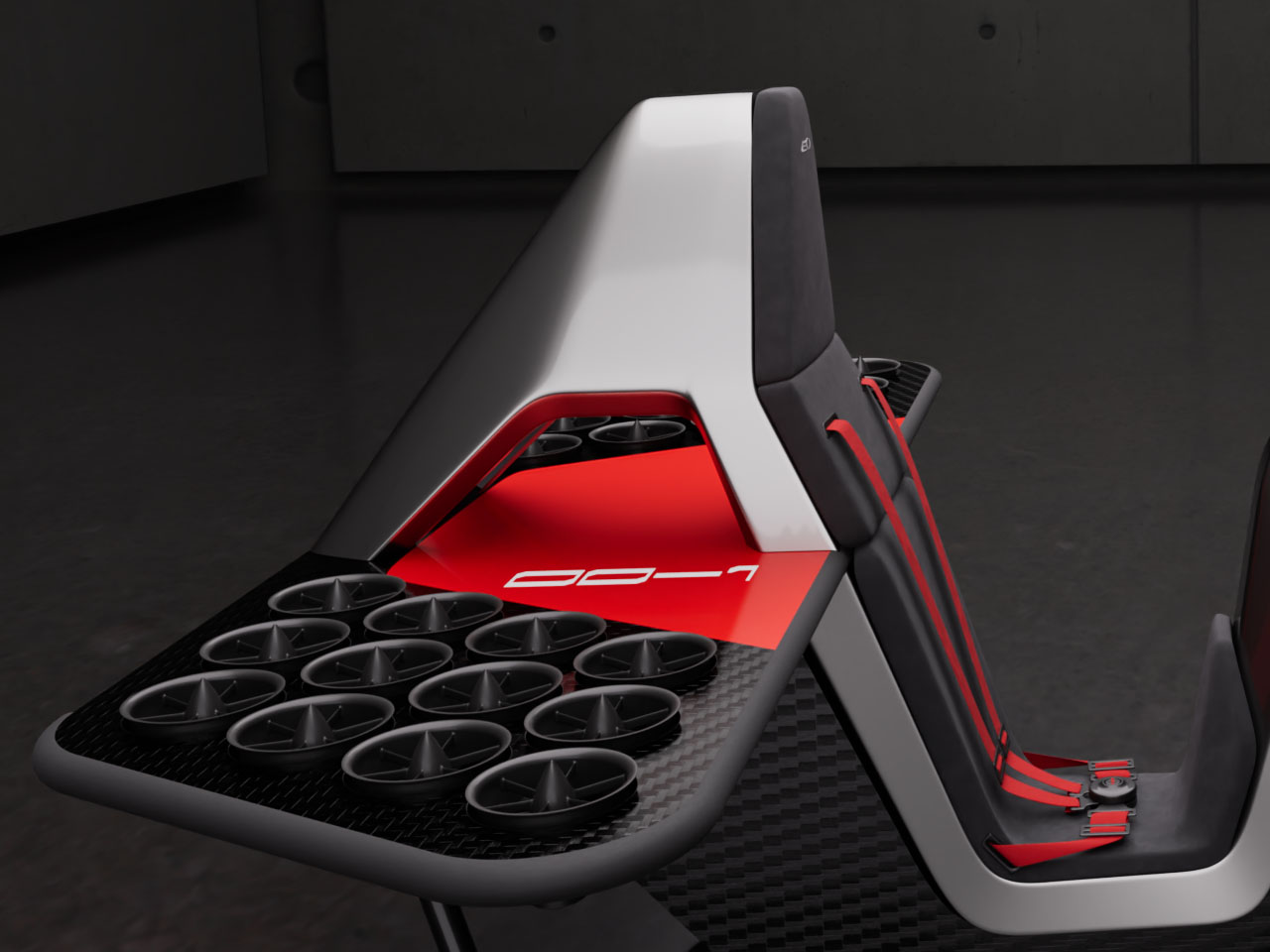
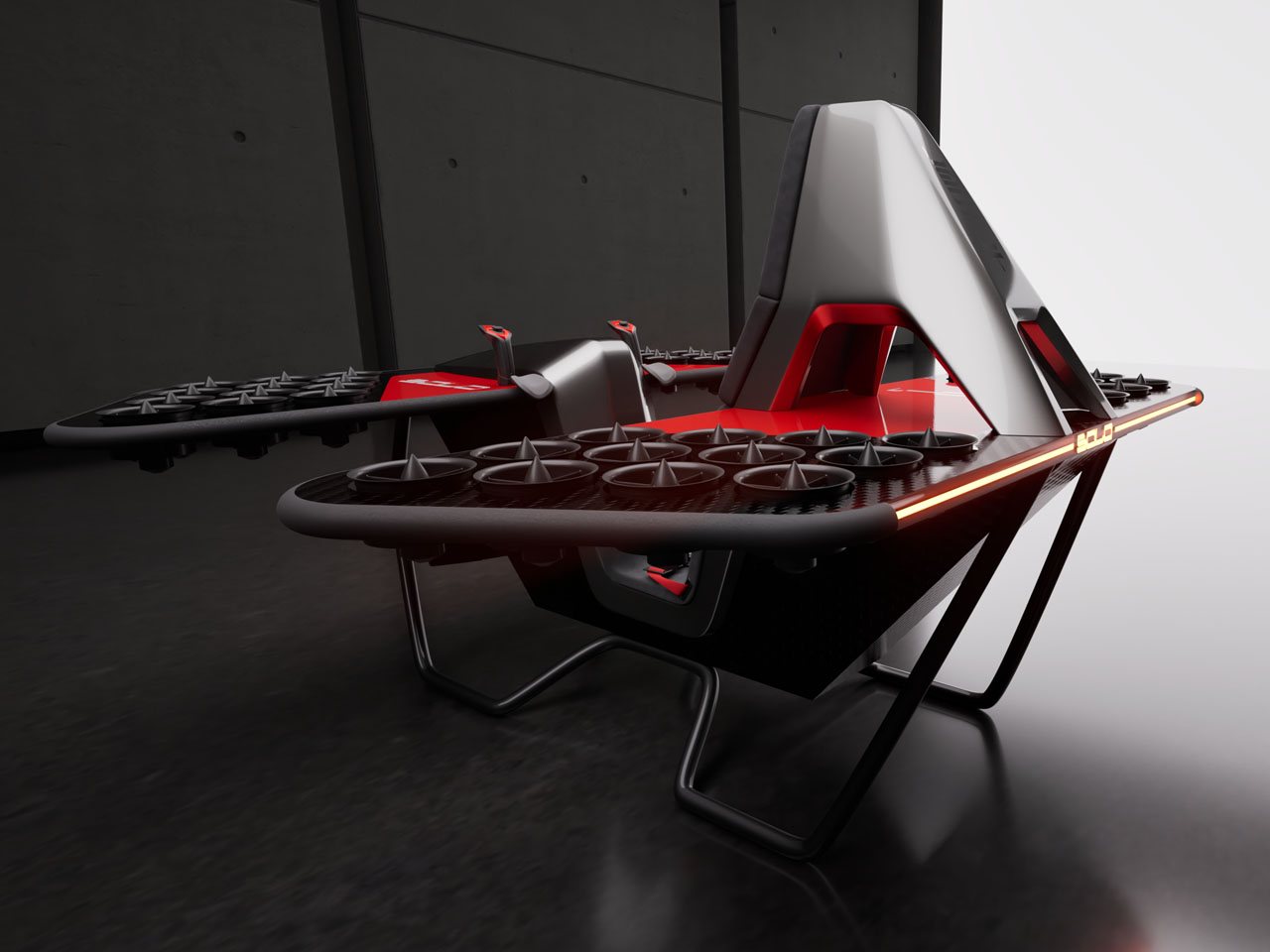
Honestly, when I first saw the LEO Solo in pictures, it looked like a work desk with an attached chair: some sort of a gaming rig. But a closer look revealed what this mean machine actually is, and then the video just scaled the excitement to the next level. The hands-on experience of this Jetbike shows it hovering some inches above the ground in a stable flight, which would definitely be elevated to a more practical height in the days leading up to its scheduled launch.

Designer: LEO Flight

Pete Bitar and Carlos Salaff, the founders of LEO Flight, have been chasing the dream of electric-powered flight for the longest time. After numerous renders and prototypes, they have finally arrived at the LEO Solo, which has had its fair share of touch-and-go moments, but it’s finally here and gearing up to be flown without the need for a pilot’s license. This single-seat personal eVTOL is a small bike built to carry just the rider.

The LEO Solo is developed in a compact 6.5 × 6.5 ft footprint and is built on a propeller-free electric jet propulsion system, which allows the personal air vehicle to reach a top speed of 60 mph. You can definitely not take this for an experimental object. At that speed, it can easily fly at an altitude of up to 15 ft high, stably and at very low noise (approximately 80 dB). According to the company’s press information, the LEO Solo can remain airborne for 10–15 minutes and fly at a noise level lower than that of a Dyson vacuum cleaner. So, tomorrow when you’re landing in your backyard late at night, you can do that as discreetly as parking your car.

With its compact form factor, it can easily fit in a standard garage and charge its onboard solid-state battery in there. What makes the Solo really interesting are its 48 little fans, spread across its front and the back platforms, which allow it to lift off without wings or rotors. If this sounds like something you would want to own, you can reserve your LEO Solo JetBike now for a refundable deposit of $999. According to the company, it’s going into production in late 2025, which means any time now!


The post LEO Solo Jetbike, powered by 48 fans and electric propulsion, can fly you solo at 60 mph for 15 minutes first appeared on Yanko Design.
Oracle’s Lensless LED Headlight: Killing the Century-Old Lens

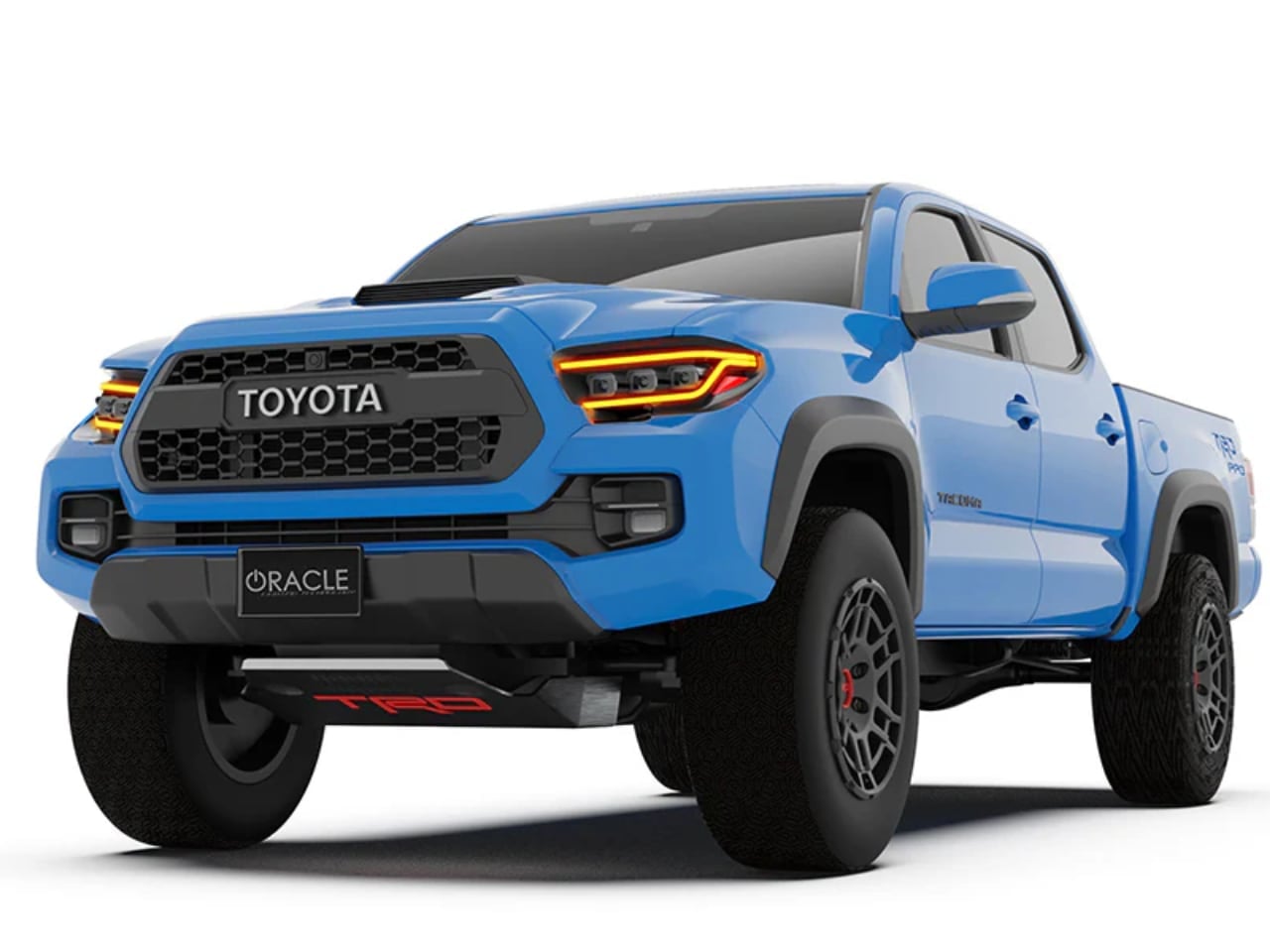
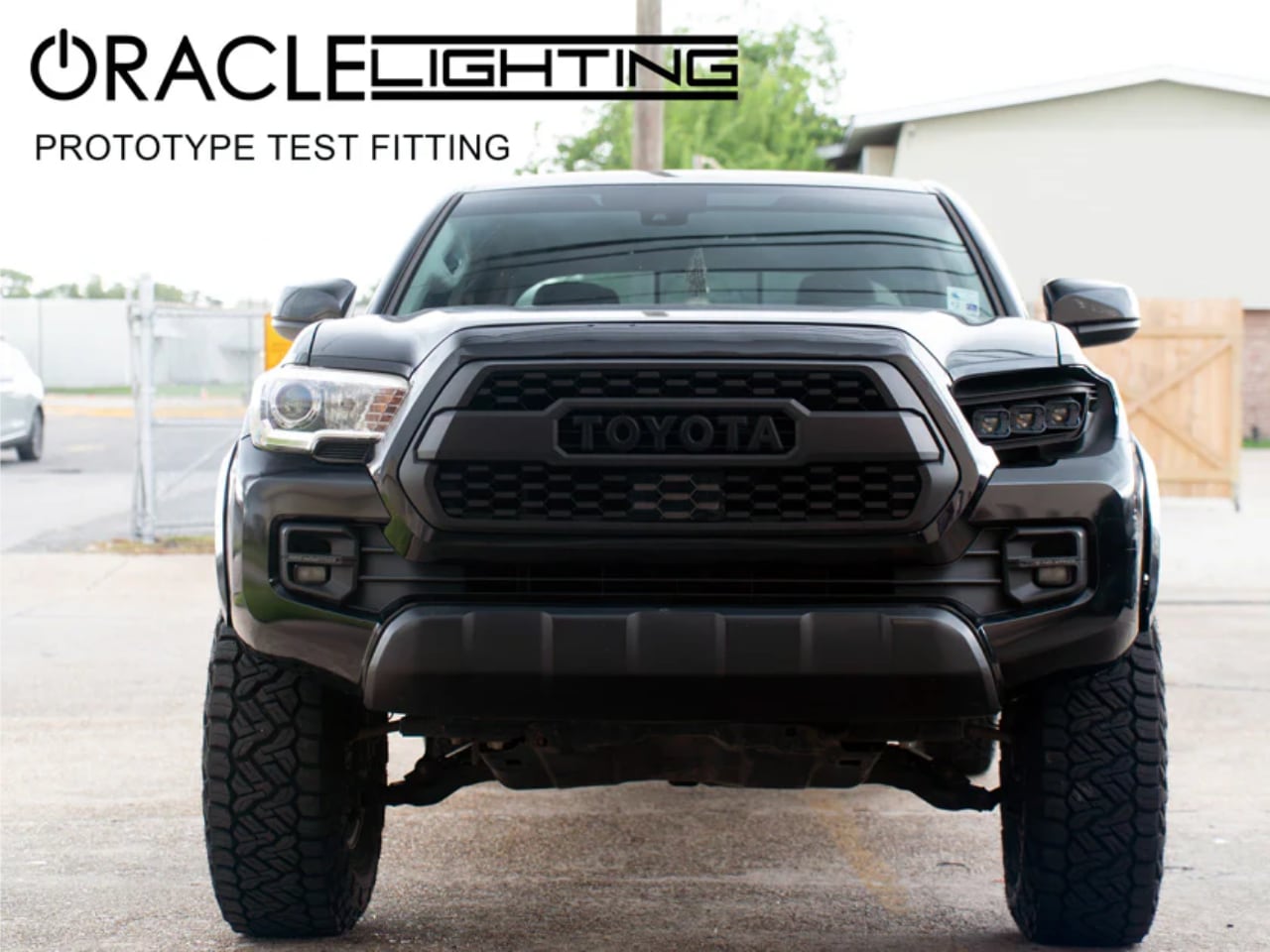
For 125 years, every headlight ever made has included one fundamental component: a clear outer lens. Oracle Lighting just deleted it. The world’s first lensless LED headlight system debuting on the 3rd Gen Toyota Tacoma doesn’t just eliminate a component. It removes the single most failure-prone element in automotive lighting, solving problems that have plagued drivers since acetylene flame lamps lit up dirt roads in the 1880s. No more fogging. No more cracking. No more yellowing, hazing, or moisture intrusion. The lens, that seemingly essential protective cover, turns out to be optional after all.

Designer: Oracle Lighting

What Happens When You Remove the Lens

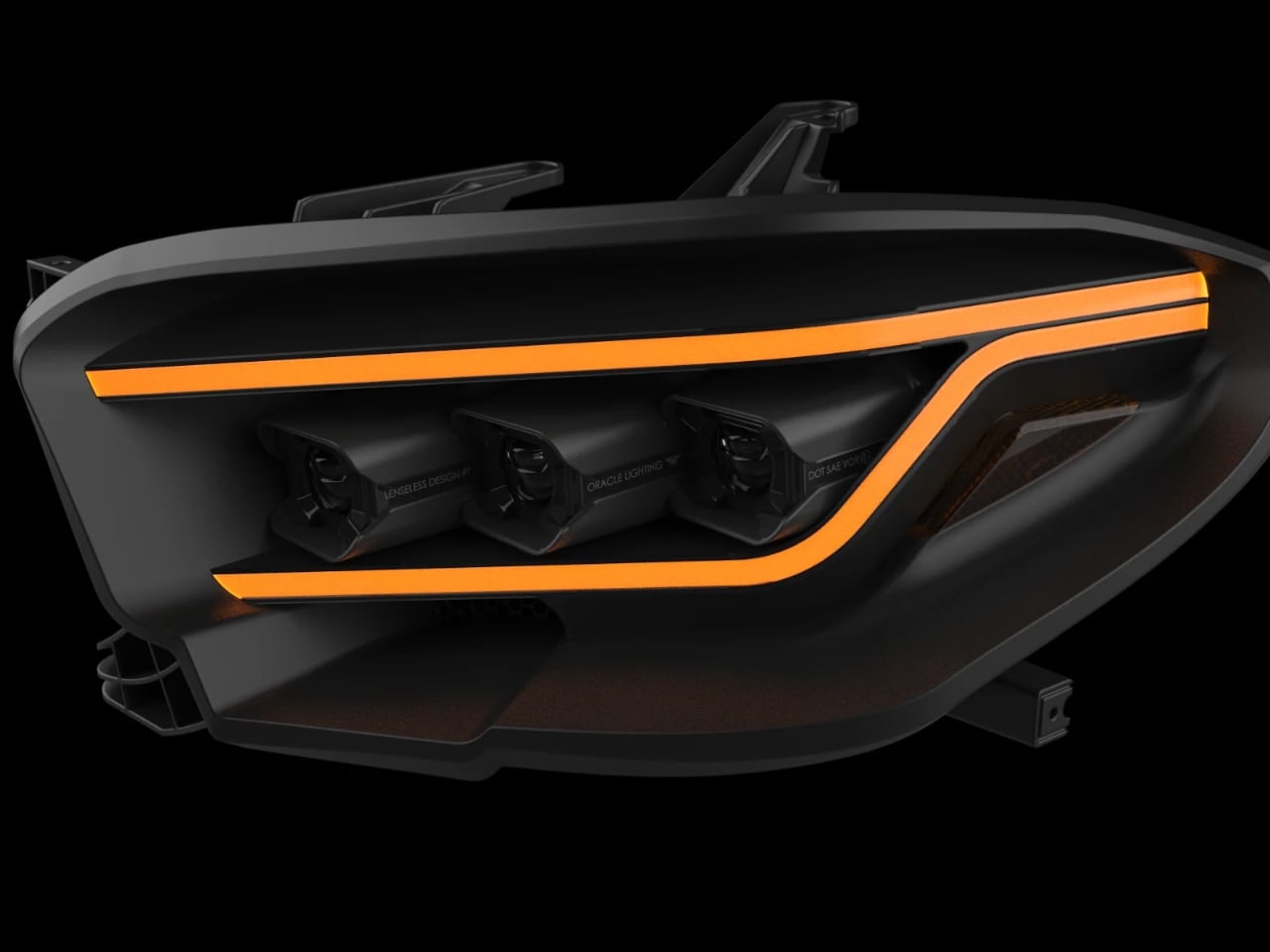
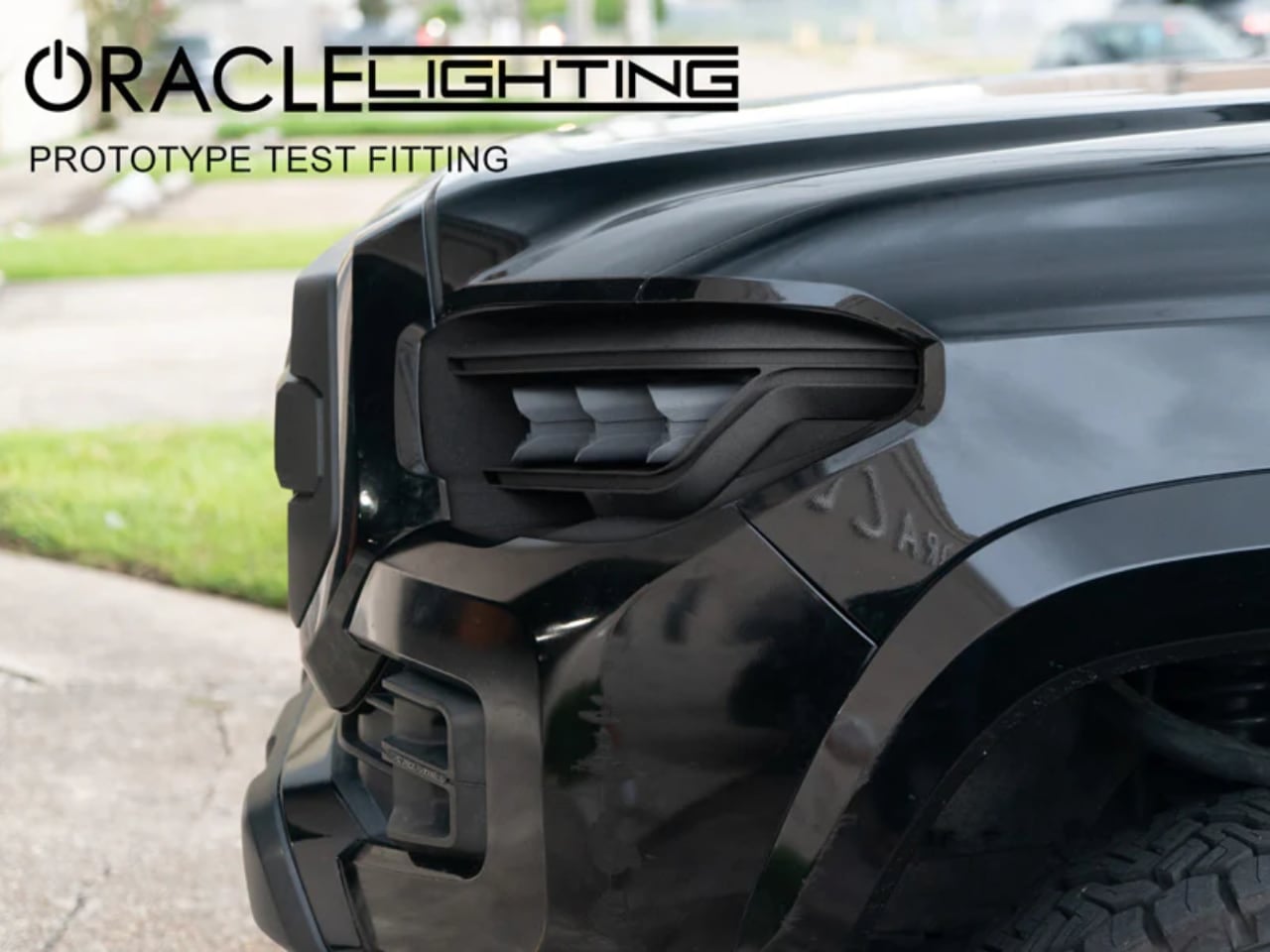
Here’s the immediate visual impact: the headlight housing itself becomes the design statement. Without a clear plastic layer covering the front, the sculpted housing sits exposed, proud, and remarkably customizable. You can paint-match it to your vehicle. Think about that for a moment. Every headlight you’ve ever owned was stuck with whatever clear or slightly tinted lens the manufacturer chose. This system lets you integrate the housing into your truck’s color scheme, creating an OEM-level finish or going full custom for show builds.

The exposed housing showcases the modular Bi-LED emitter pods inside. These aren’t hidden behind foggy plastic or obscured by lens distortion. They’re visible design elements, each pod a precisely engineered component that contributes to the overall visual character. The technical architecture makes this design approach possible. Each LED emitter pod carries IP68-rated ingress protection, meaning dust can’t penetrate it and neither can water under pressure. That’s the same rating you’d expect from the lens itself, except now every individual light component shares that protection level.

Active thermal management keeps each pod operating within optimal temperature ranges. Overheating kills LEDs faster than anything else, so Oracle built cooling directly into the modular system. The pods breathe, dissipate heat, and maintain consistent performance without relying on a lens to trap heat or create condensation. The bracket system reinforces this modular philosophy. Everything mounts to replaceable, reinforced brackets that ship flat for compact packaging, cutting freight costs and reducing shipping damage. Minor collision damage that would normally require a complete replacement becomes a bracket swap.

Why This Actually Matters

Traditional LED headlights trap you in an expensive cycle. One failed LED often means replacing a $1,000+ assembly because manufacturers seal everything together. You can’t access the failed component. You can’t swap it out. You buy the whole unit again.

Oracle’s lensless system flips that model completely. Each Bi-LED pod is individually serviceable and replaceable. DRL fails? Replace that pod. Low beam goes out? Swap that specific emitter. You can often perform these replacements without removing the entire headlight from the vehicle. This isn’t just convenient. It’s sustainable. It reduces electronic waste by letting you repair instead of replace, saving money over the headlight’s lifespan while transforming a traditionally disposable product into something genuinely maintainable.

The 3rd Gen Toyota Tacoma launch makes perfect sense for this technology. Tacoma owners take their trucks off-road, into environments where rocks, mud, and trail debris destroy regular headlights. Cracked lenses are a common casualty on serious trail runs, and moisture intrusion follows shortly after. Without a lens to crack, that failure mode disappears. The IP68-rated pods handle dust and water directly. The modular design means trail damage becomes a quick repair instead of a major replacement.

The paint-matched housing option also appeals to the modification culture around trucks like the Tacoma. Show builds can integrate headlights seamlessly into custom paint schemes. Daily drivers can maintain factory aesthetics while upgrading performance and durability. Installation follows standard headlight replacement procedures, mounting to existing points and connecting to factory wiring without custom fabrication.

The Platform Play

Oracle calls this a technology platform, not just a product. That distinction matters. The lensless architecture works for any vehicle, any lighting application. After the Tacoma debut in early 2026, Oracle plans fitments for the Toyota 4Runner and Ford F-150, with more applications following.

If the lensless design proves as durable and serviceable as Oracle claims, other manufacturers will face pressure to match that capability. Drivers who experience hassle-free maintenance won’t want to return to sealed, disposable assemblies. The $800-$900 price point positions this between budget replacements and premium lighting upgrades, accessible enough for serious enthusiasts while maintaining quality expectations.

Oracle Lighting has spent 25 years developing automotive lighting technology. The lensless system represents years of development, testing, and refinement. The Tacoma launch in early 2026 will be the proof point. Trail abuse, weather exposure, and daily use will test whether eliminating the lens actually delivers on the durability and serviceability promises. If the system performs as designed, expect rapid expansion across vehicle applications.

Follow @oraclelights for behind-the-scenes development updates, application announcements, and pre-order access when the launch window opens.

Product Specifications:

  • Launching on 3rd Gen Toyota Tacoma (early 2026)
  • Future fitments: Toyota 4Runner, Ford F-150
  • Price: $800-$900 per set
  • Modular Bi-LED emitter pods with IP68 protection
  • Active thermal management on all pods
  • Serviceable and replaceable individual components
  • Paint-matchable housing for custom finishes

The post Oracle’s Lensless LED Headlight: Killing the Century-Old Lens first appeared on Yanko Design.
Apocalypse ready Hyundai Crater concept SUV maximizes off-roading utility

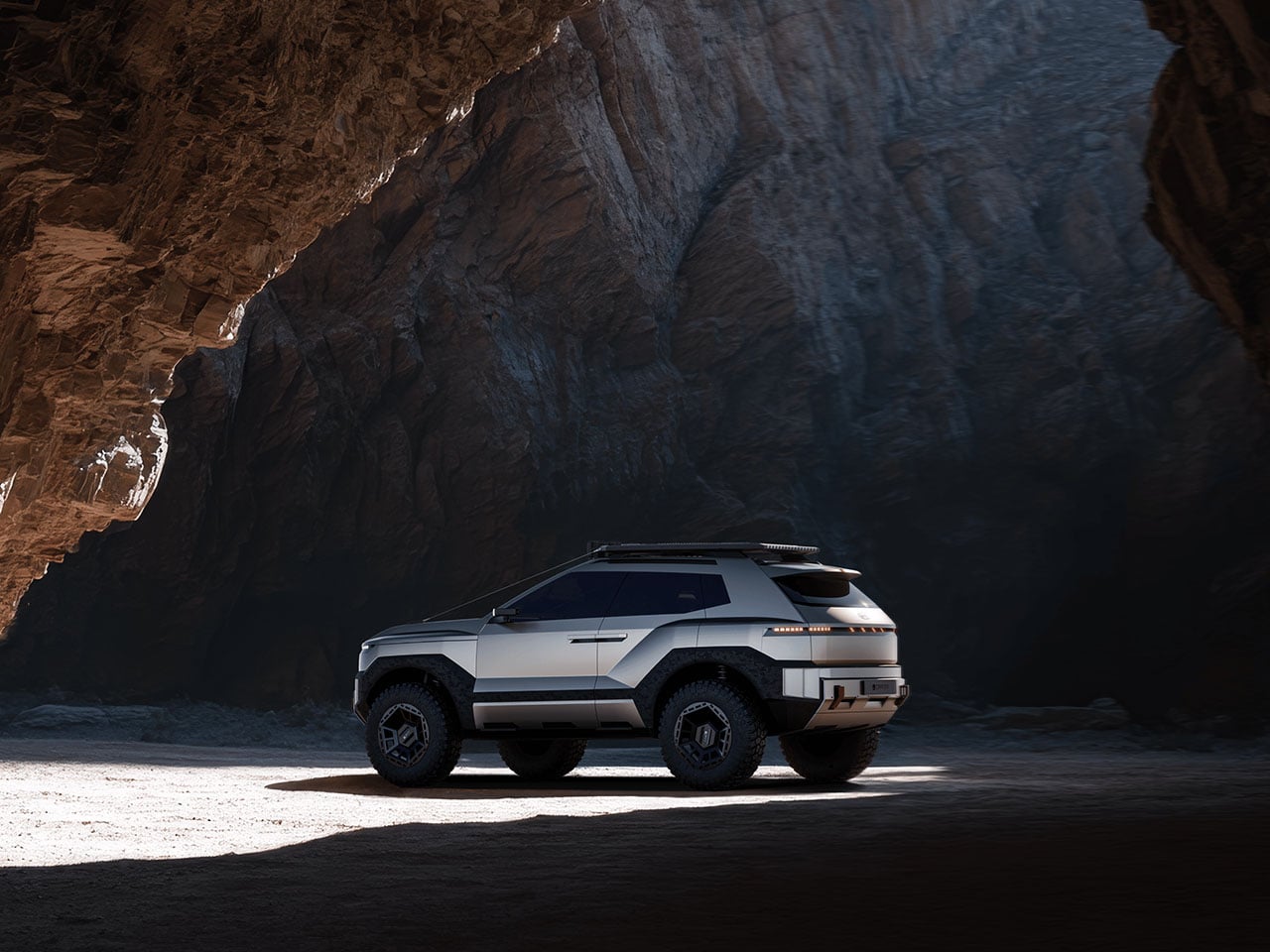
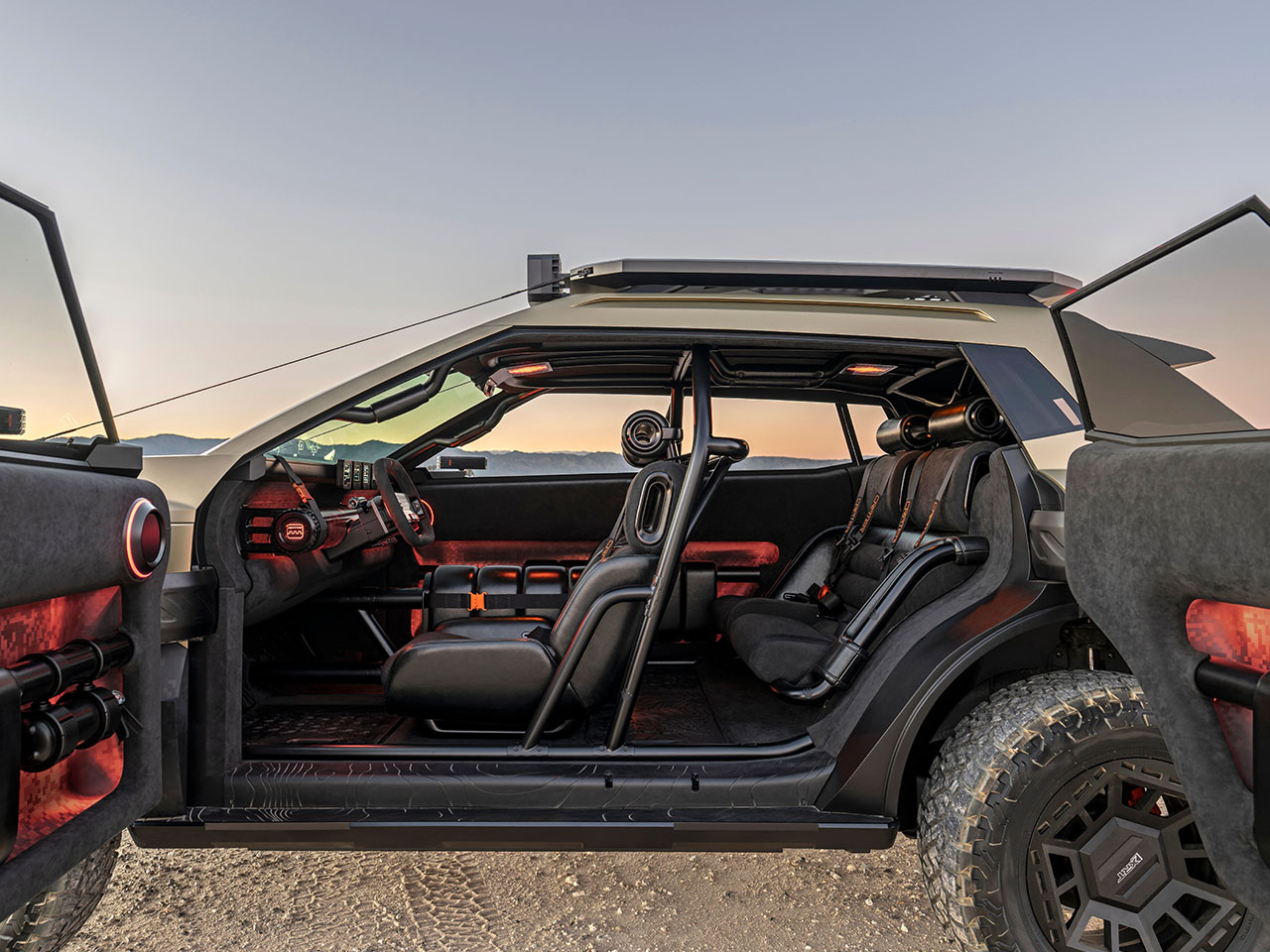
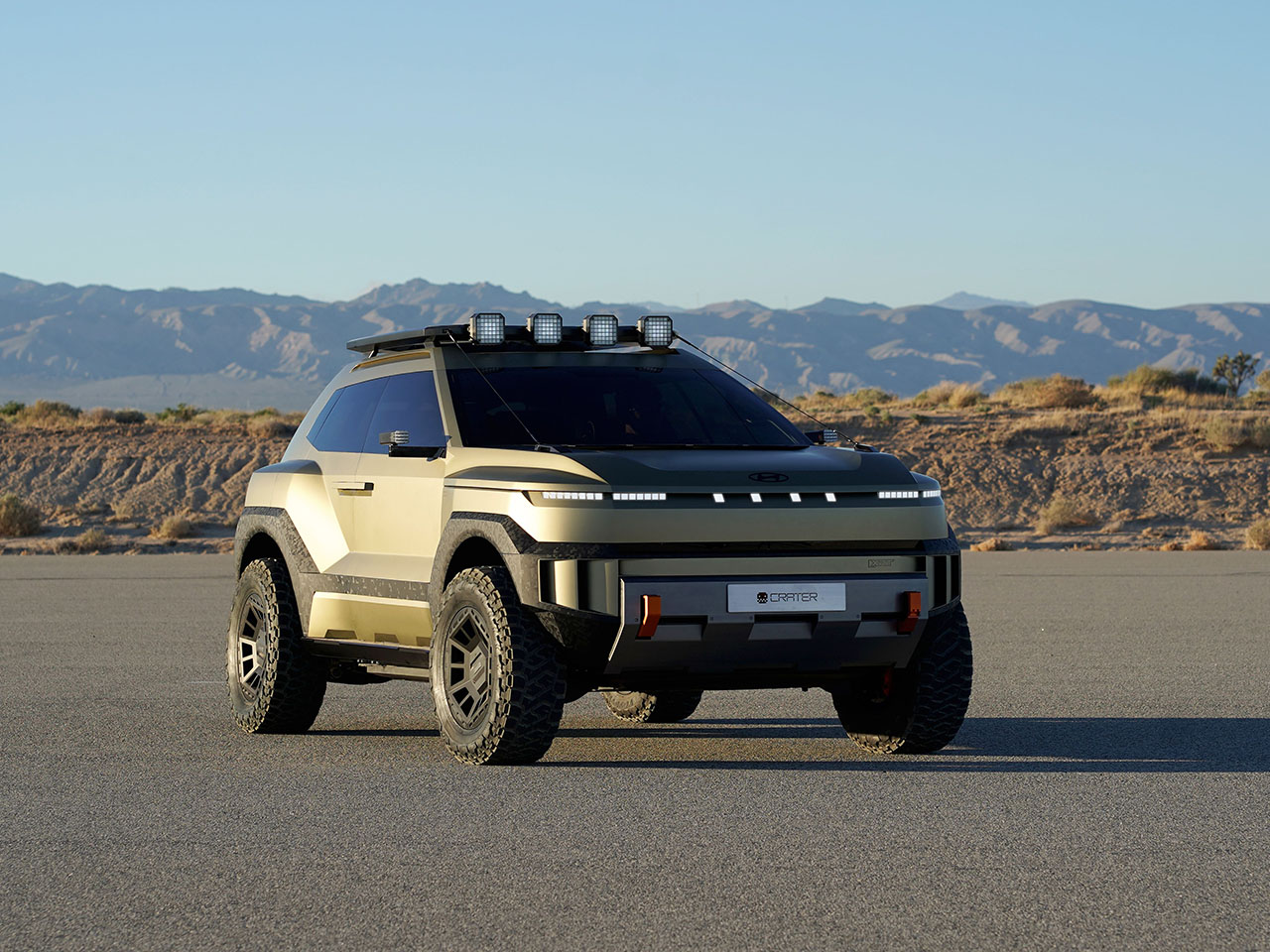
Hyundai has been keen on the off-roading capability of future vehicles, as evidenced by the revealed cars in their subbrand XRT, launched in 2022. The trend set in motion after the pandemic has not mellowed, and automotive manufacturers are keen to explore adventurous vehicle lines in their fleets. Hyundai is no different as they’ve come up with the Crater Concept off-road SUV to embrace the thrill of exploring the great outdoors.

Revealed during the Los Angeles Auto Show, the next-generation electric concept car is not going to be merely a prototype, according to Hyundai; the vehicle could be tuned into a production car sometime in the future. In fact, Crater is the very first vehicle to be designed at the Sand Box facility in California. The focus of development is on the off-road vehicles, to take forward the gauntlet from the XRT division, which has had successful SUV releases, including the Palisade, Santa Cruz, and Tucson.

Design: Hyundai

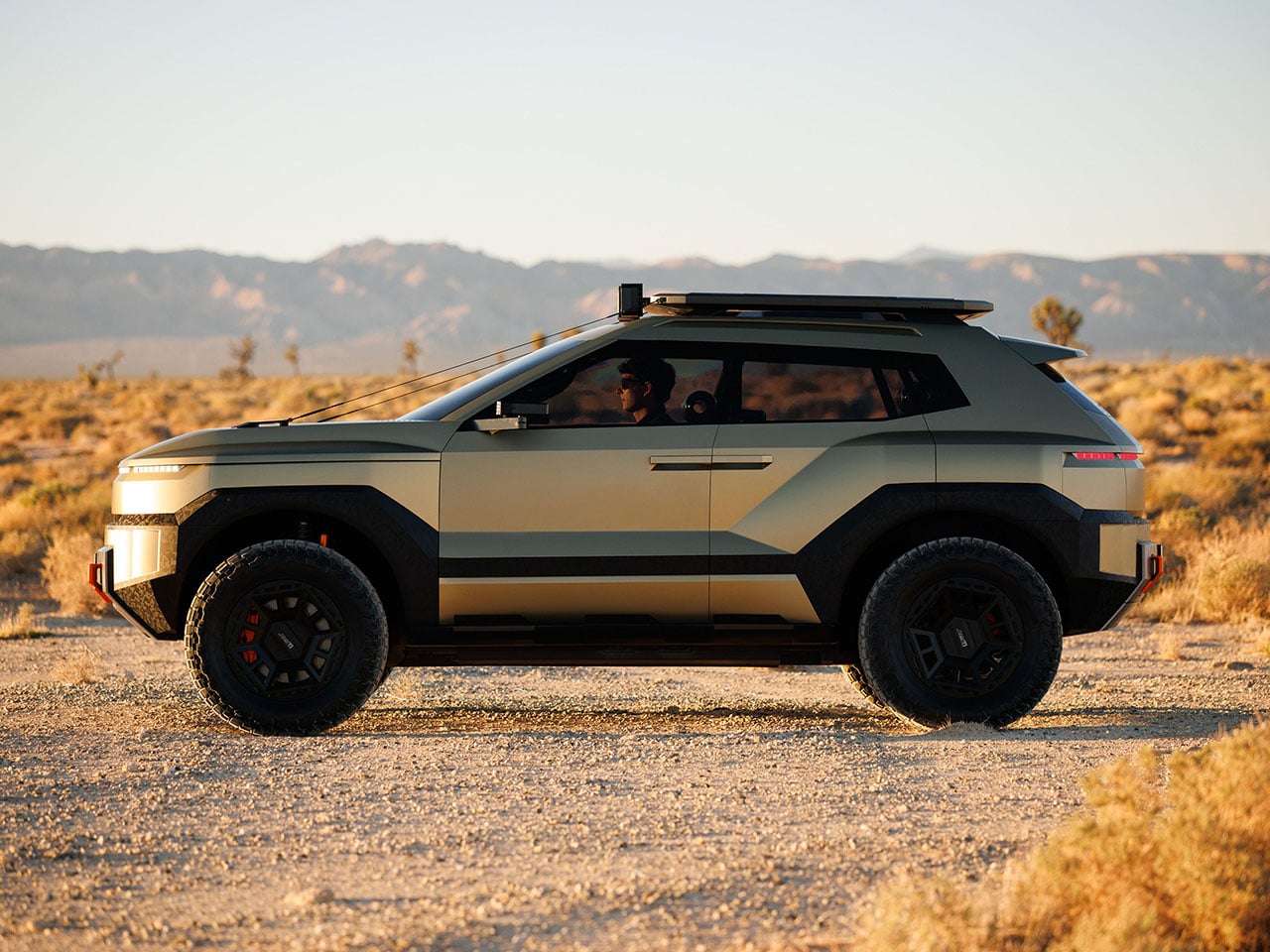
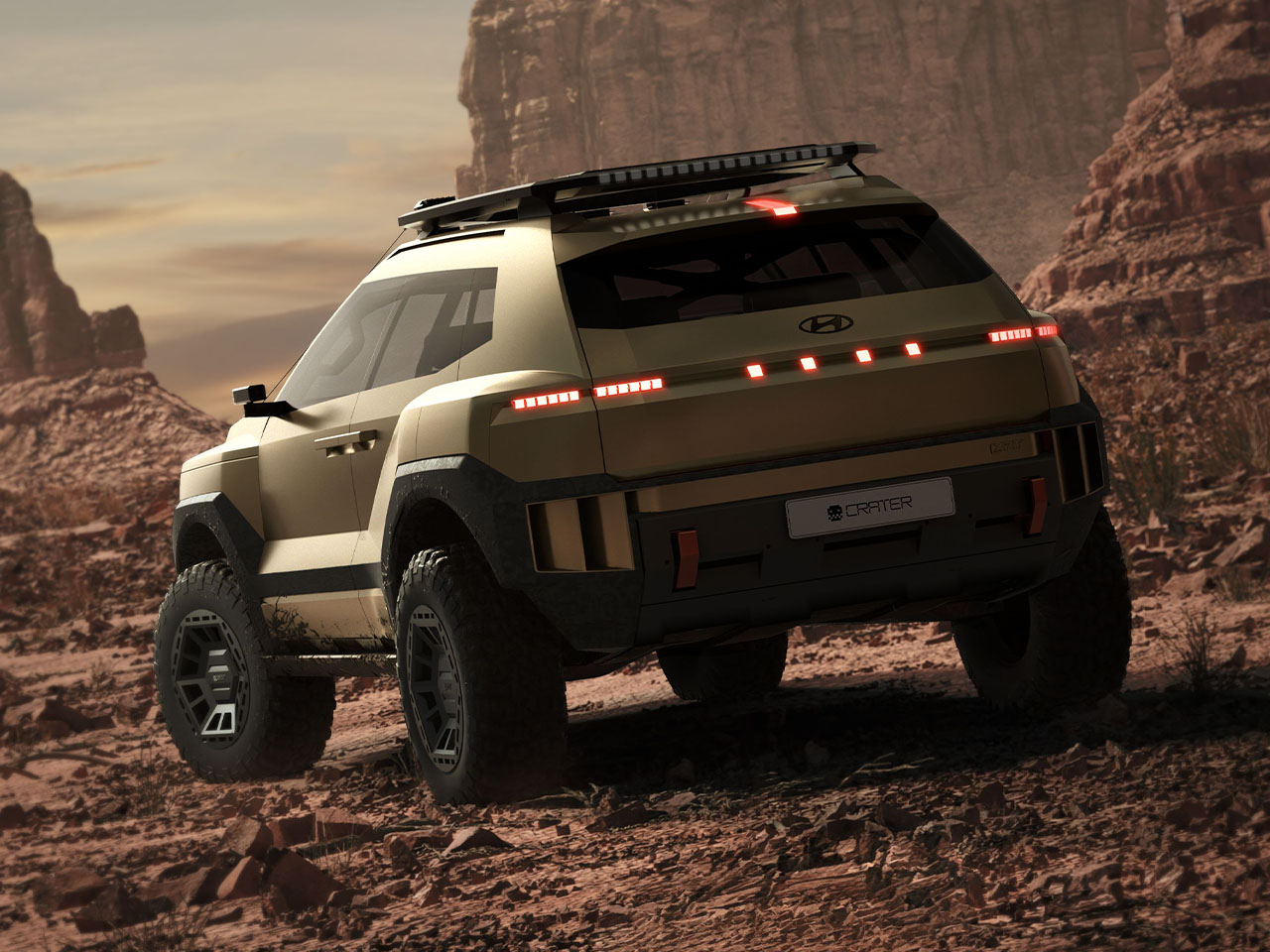
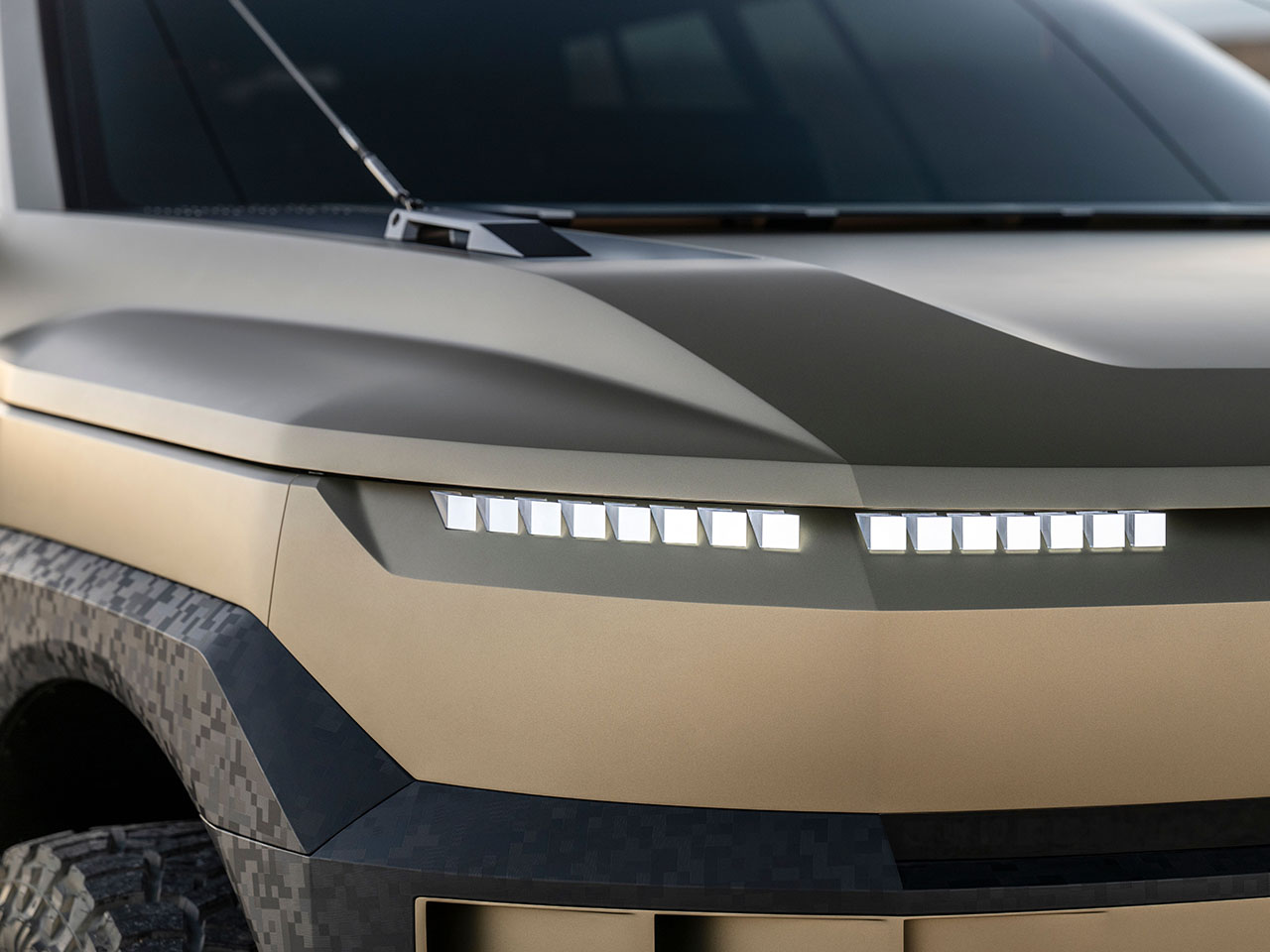
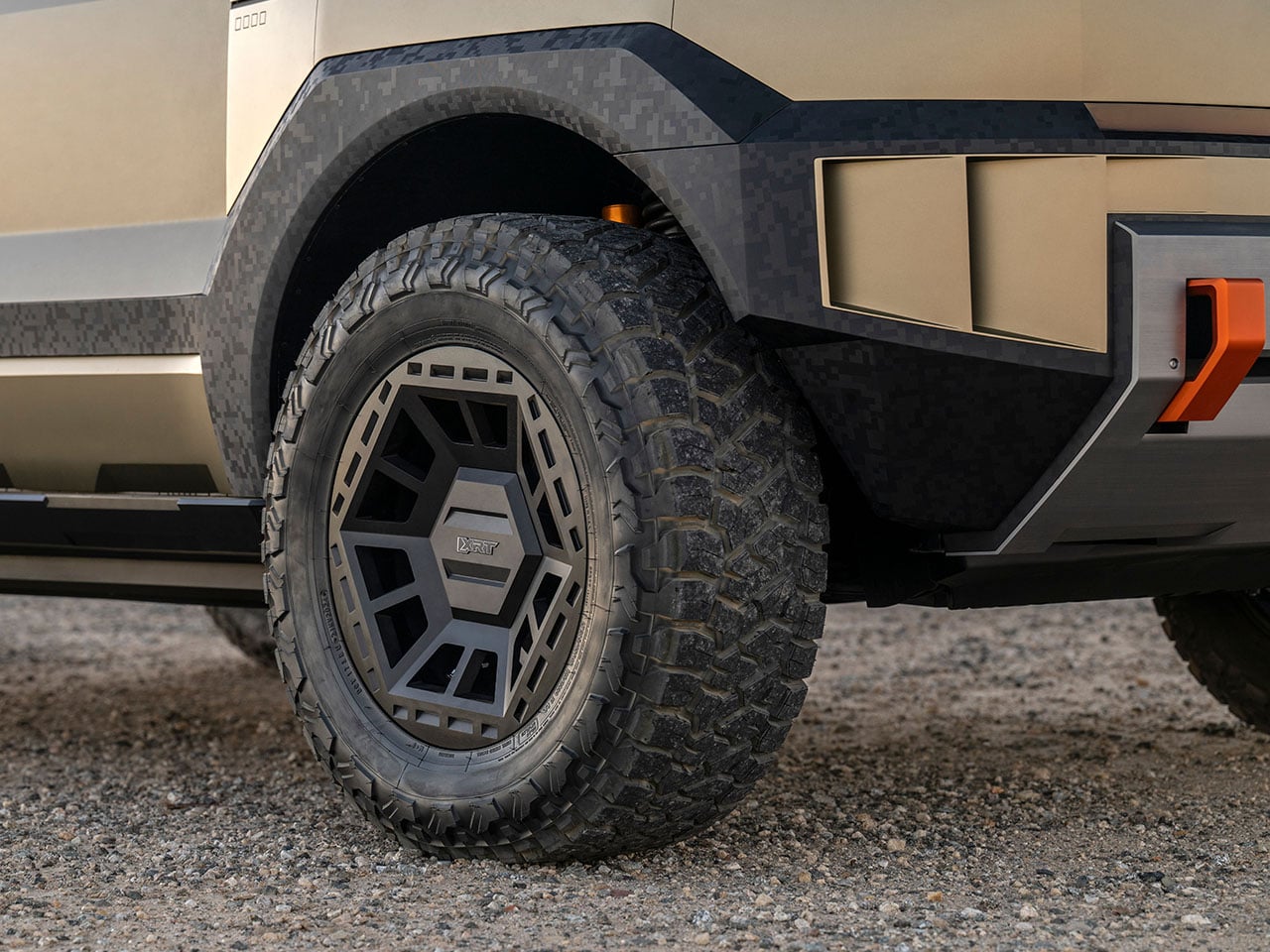
Crater is built on a monocoque architecture, featuring a very chiselled, muscular body that complements its persona. The panelled form is complemented by the wheel arches and the wide skid plate for maximum underbody protection. It has a flat fender design and rocker panels that are inspired by the tool protective case design. The EV gets the same “Art of Steel” exterior design influence as the INITIUM fuel-cell electric vehicle. Focus by the South Korean giant on building the vehicle is on compact proportions for hyper manoeuvrability in tight trails, while having an impressive ride height assisted by the 33-inch off-road wheels encapsulating the 18-inch alloys inspired by the “hexagonal asteroid impacting a sheer metal landscape.” This makes the Crater much more capable than the XRT models, which are good for light off-roading.

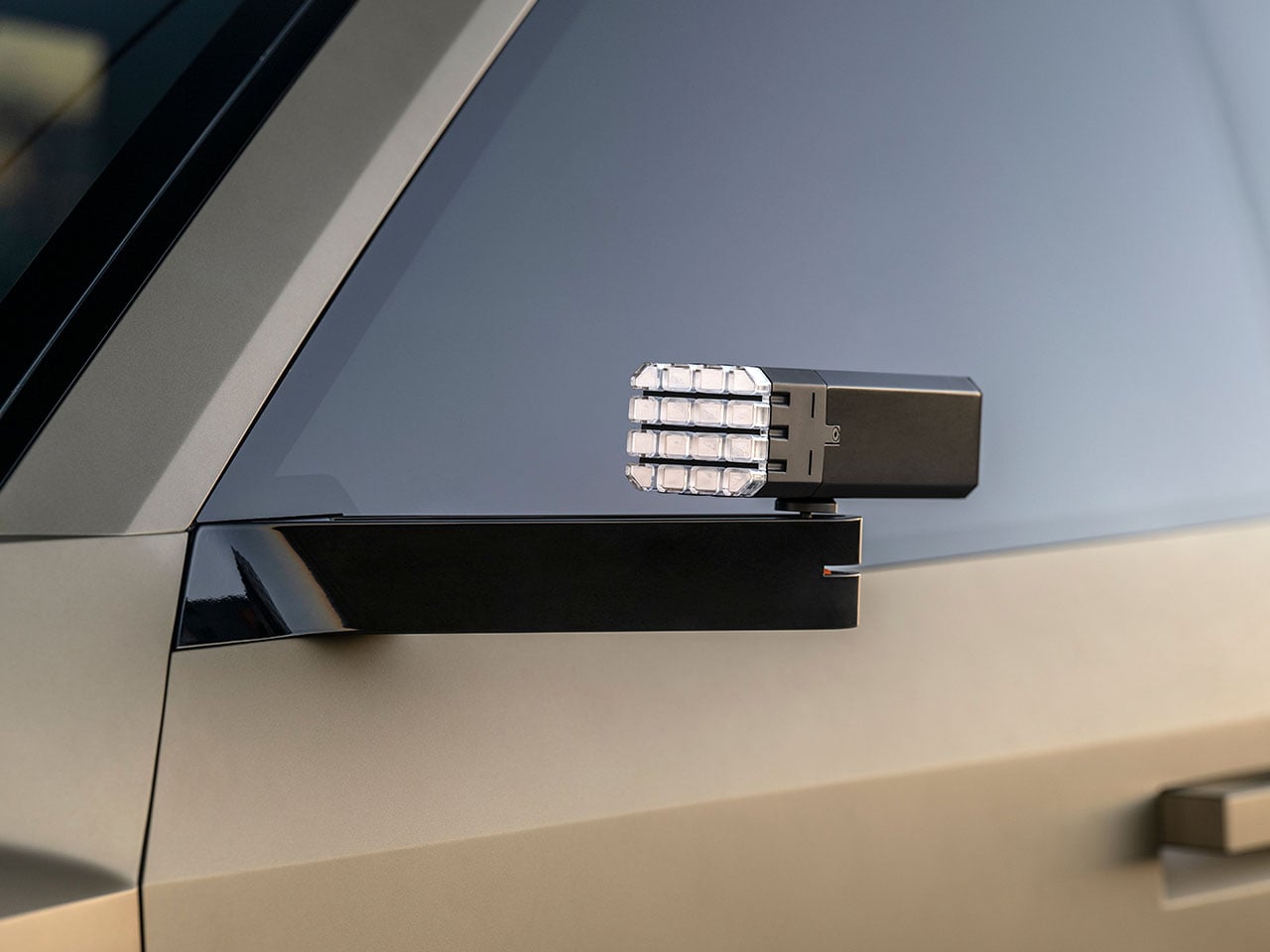
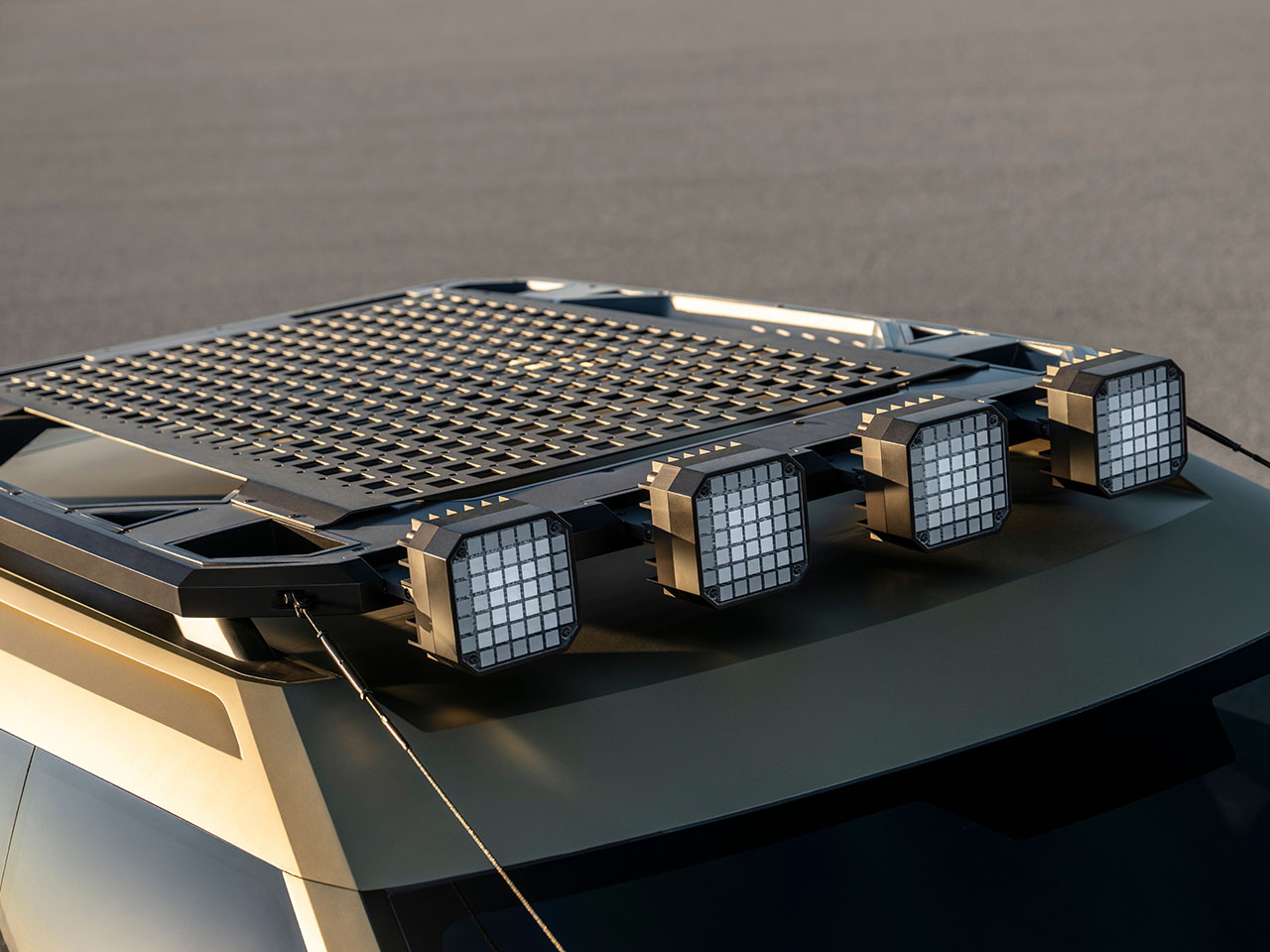
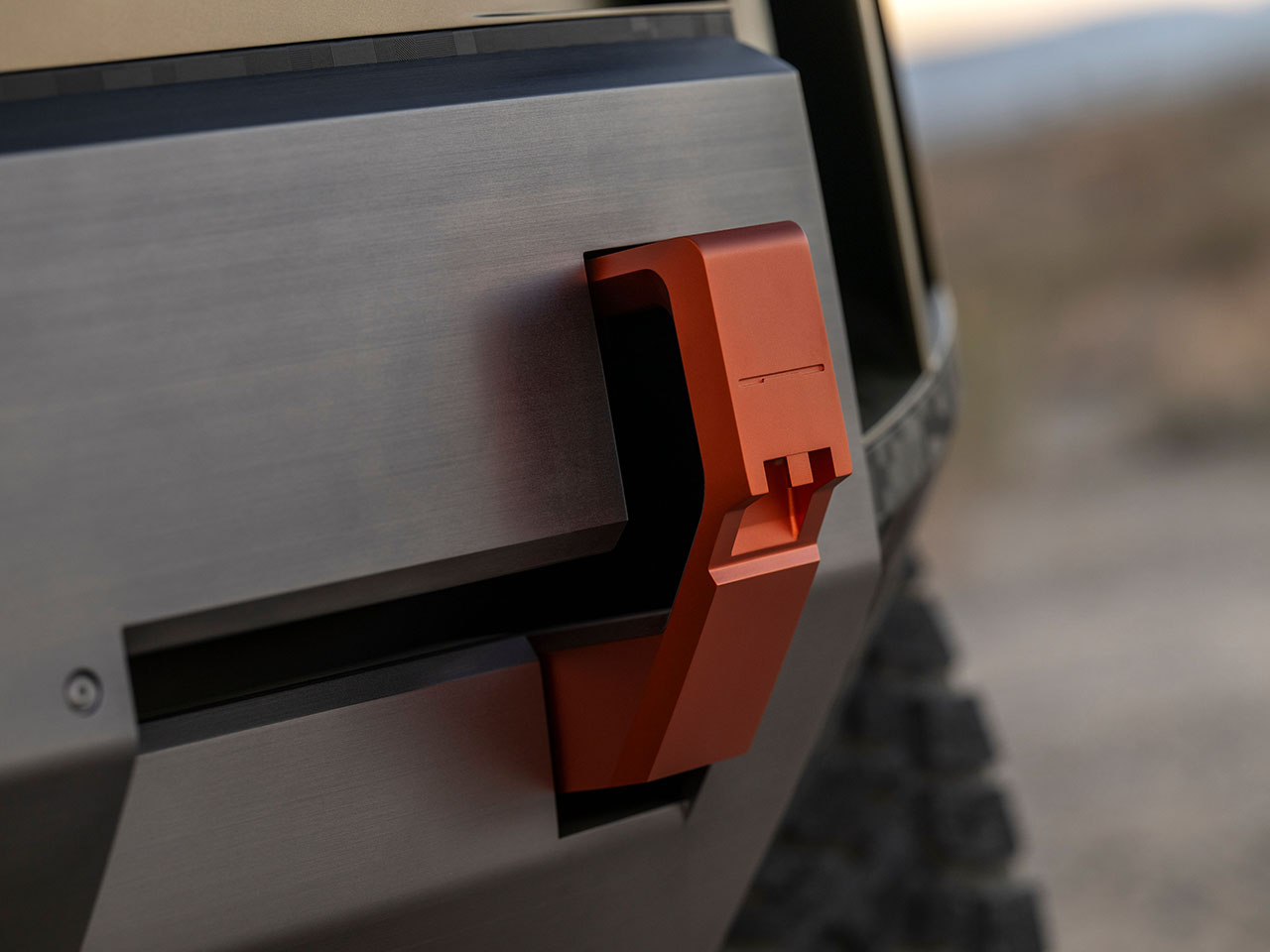
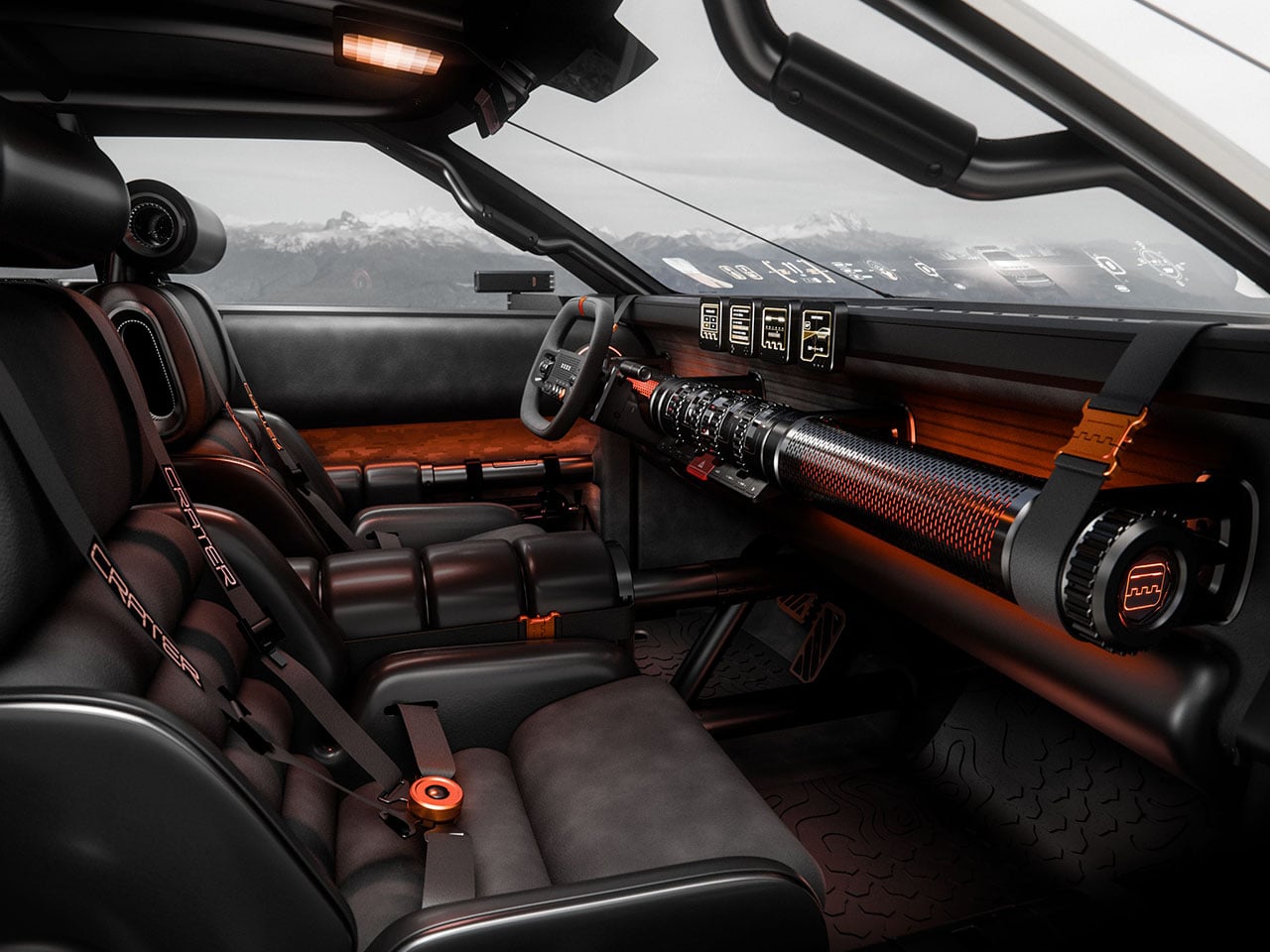
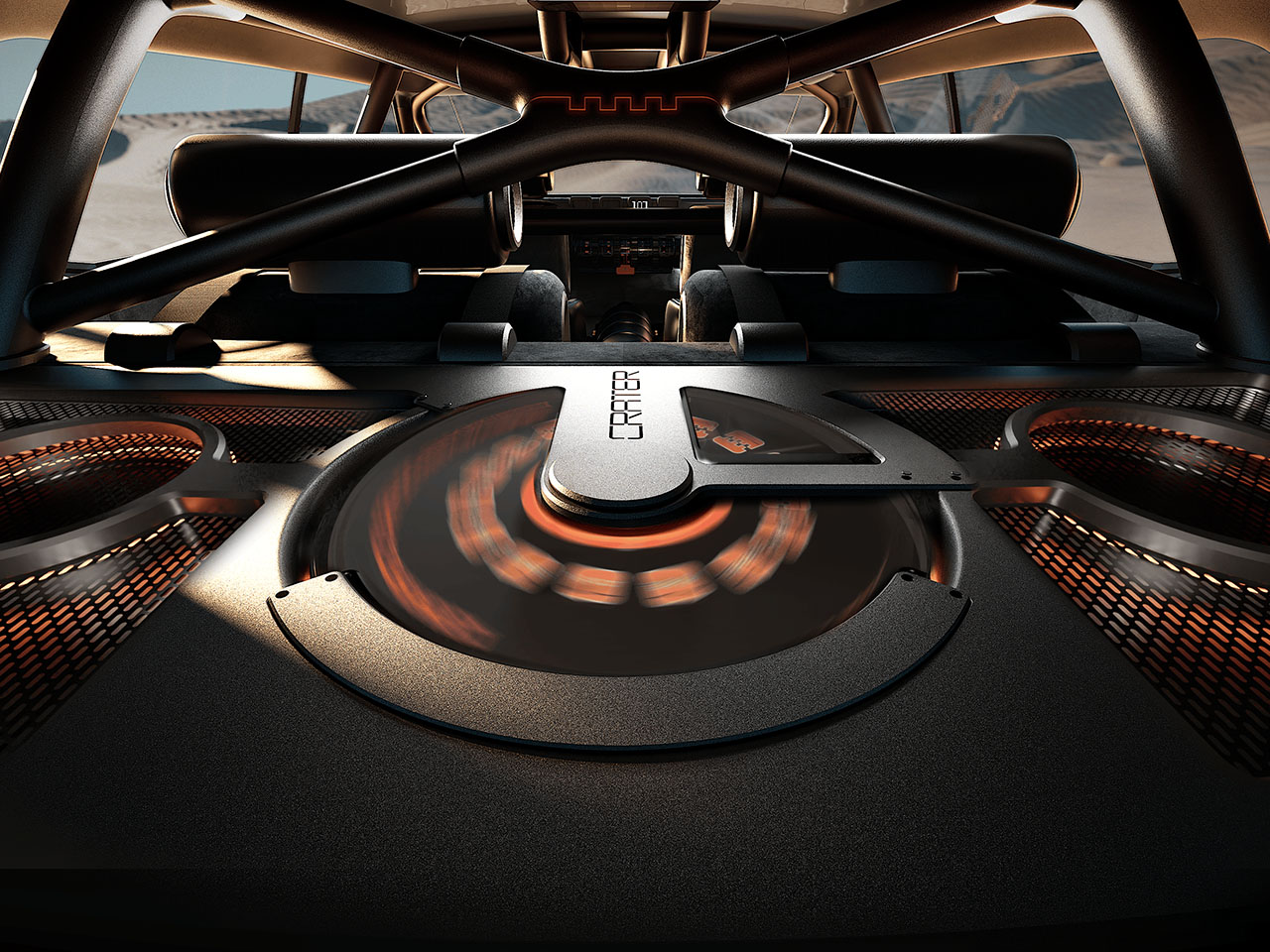
The all-wheel drive electric off-roader is most likely sporting a dual-motor setup (just like the IONIQ 5N), although Hyundai didn’t reveal any details on the powertrain setup. One thing is clear, though: the Dune Gold Matte-skinned vehicle has front and rear locking differentials for superior control on tough terrain. Apocalypse-ready features spice up things here, as the removable side mirror cameras can double as flashlights or recording gadgets, hinged back doors for maximum utility, and the tow hooks that function as bottle openers. The roof of the electric vehicle has a platform for lights, storage space for the equipment, and two wires running down the hood to protect the windshield from hanging branches.

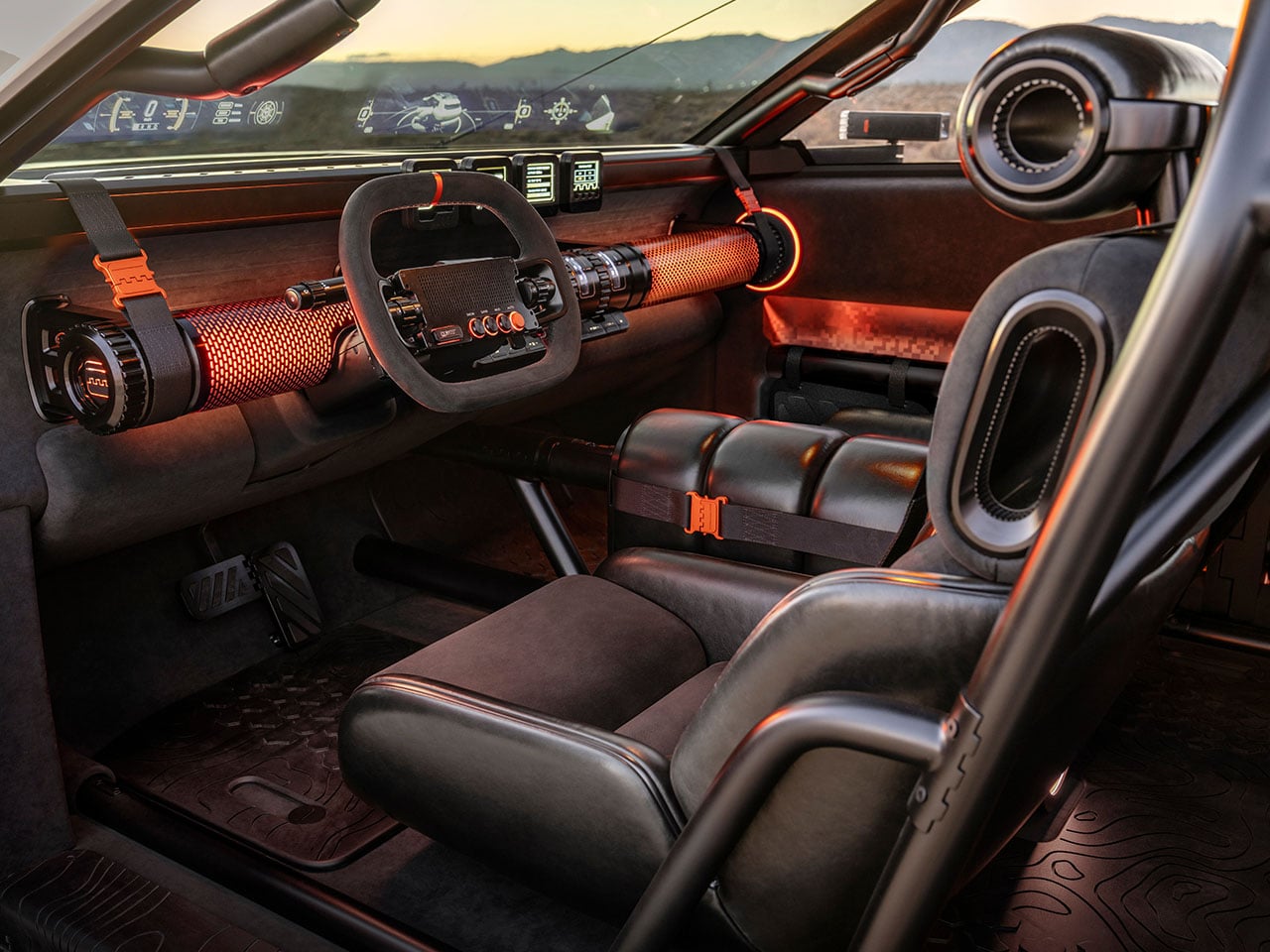
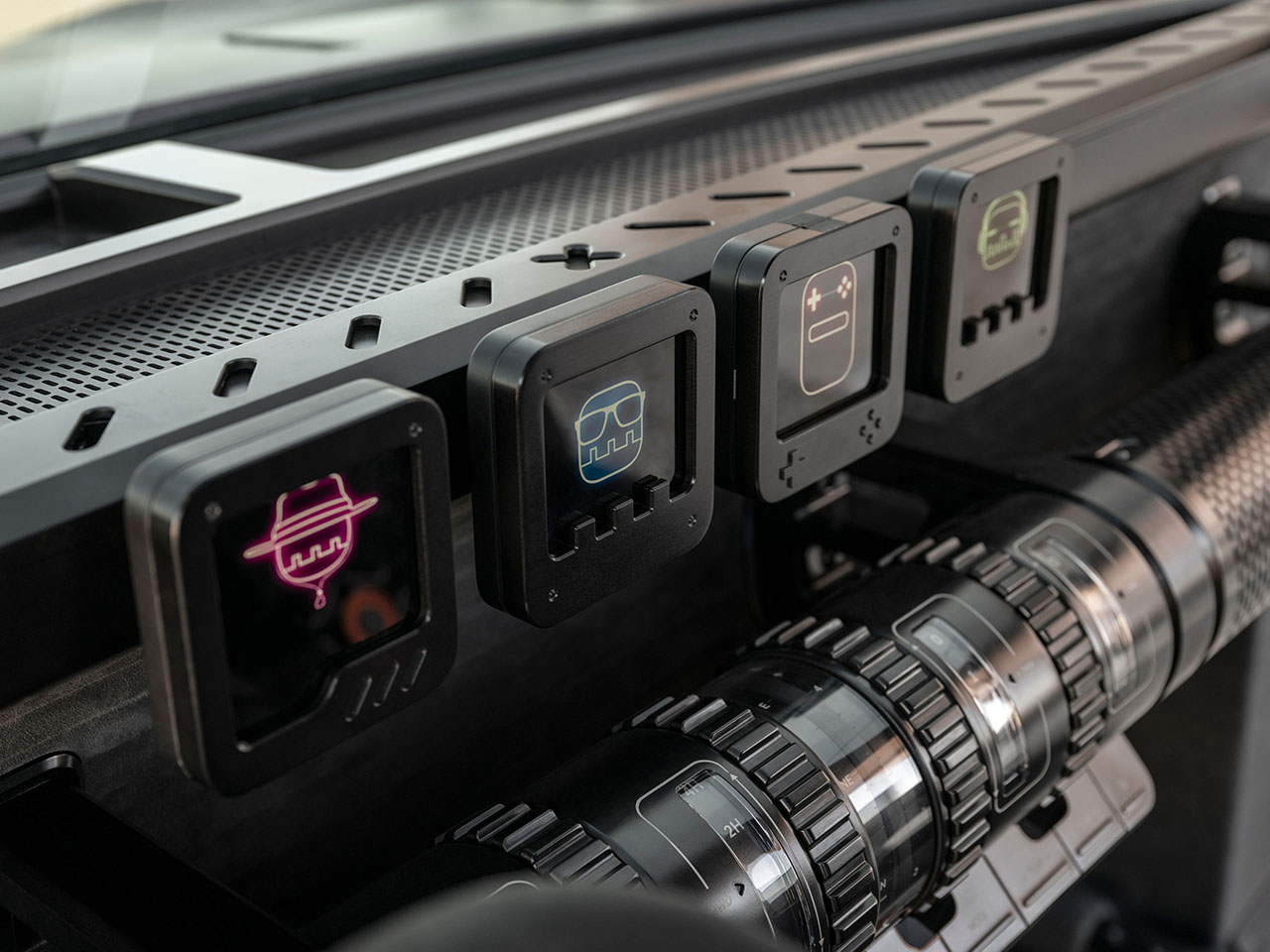
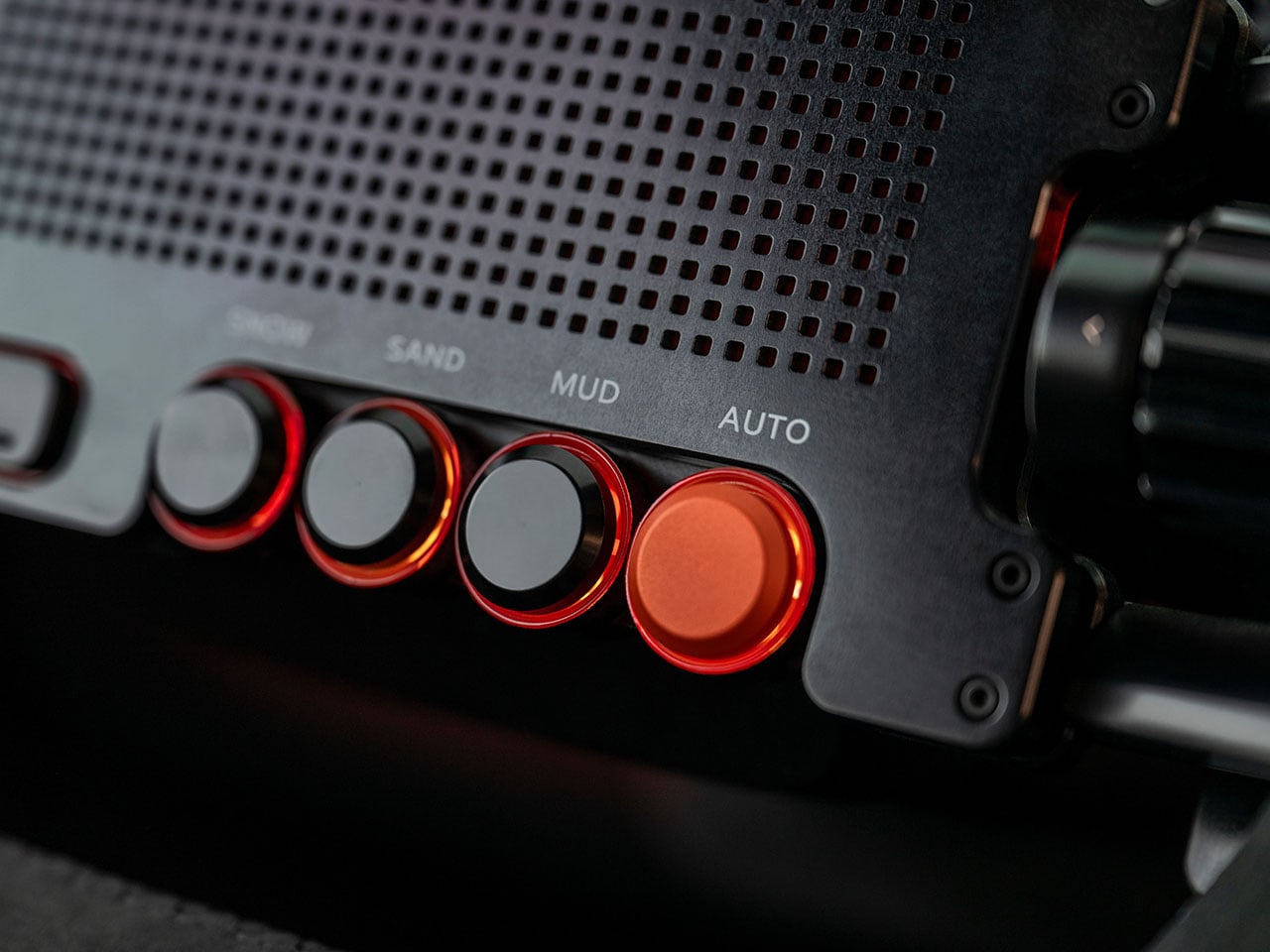
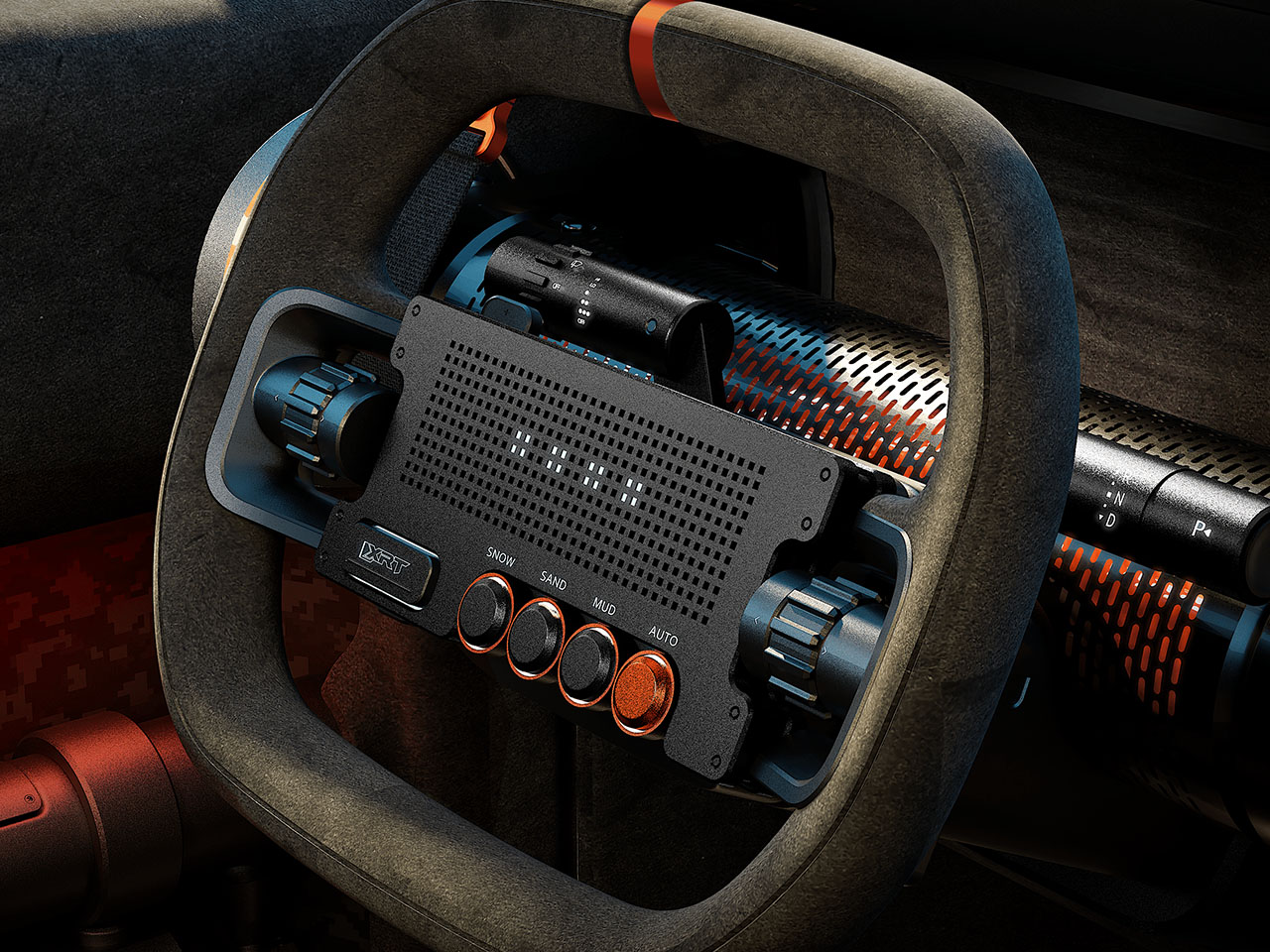
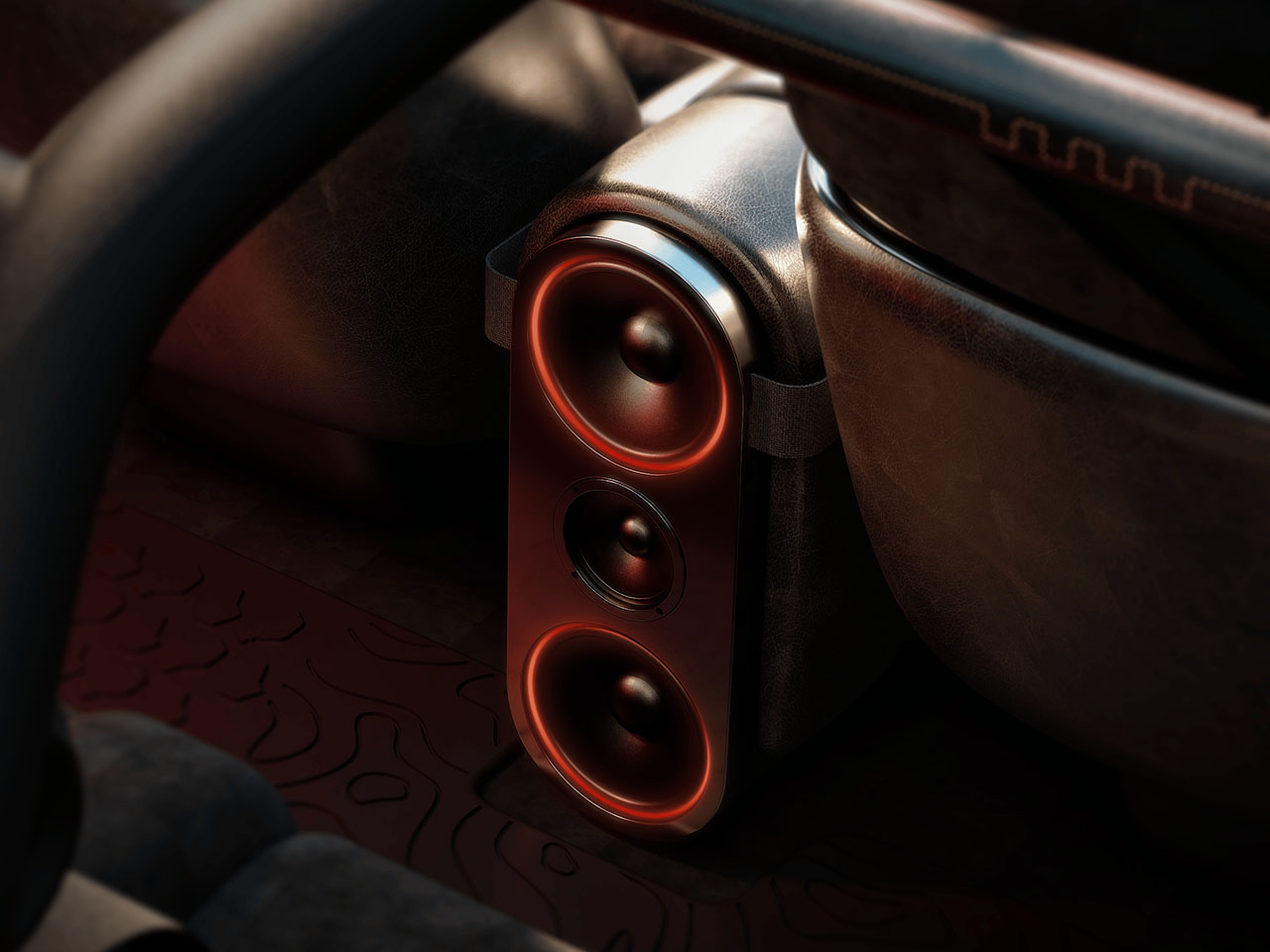
On the inside, the rugged cabin is themed in desert sunset and campfire ambient lighting. The steering wheel gets physical controls to toggle the driving modes: Snow, Sand, Mud, Auto, and XRT. The dashboard has a removable Bluetooth speaker, fire extinguisher, and first aid kit to expand the functional approach.  The lower part of the windshield gets the HUD elements, including the current, speed, hill descent control, compass, and altimeter. The lighting on the exterior and interior carries the pixelated theme that we’ve seen Hyundai fancy in previous designs like the INSTEROID EV. Hyundai has spiced up things with a Crater Man mascot as an Easter egg that appears at multiple hidden locations on the vehicle.


The post Apocalypse ready Hyundai Crater concept SUV maximizes off-roading utility first appeared on Yanko Design.
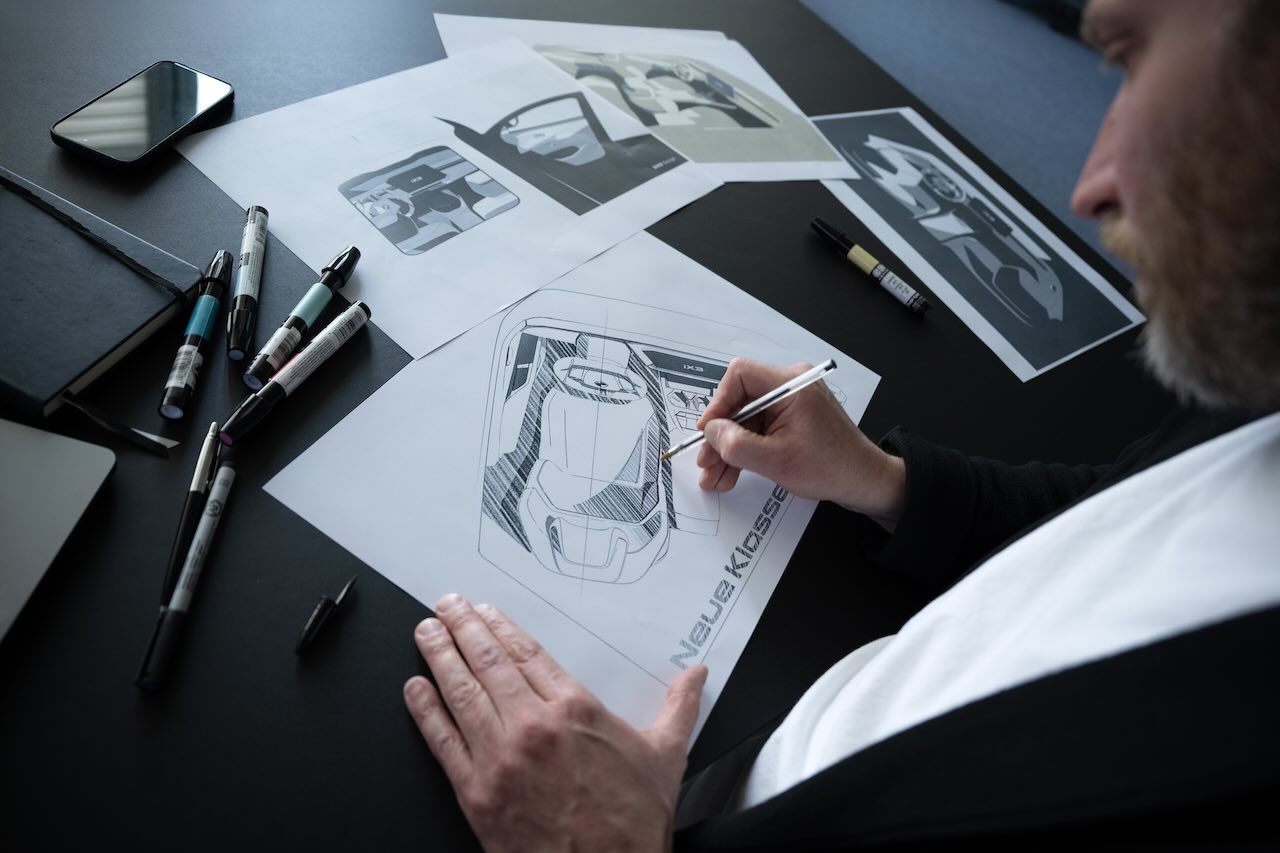
How BMW Designworks Turns Circularity Into Creative Fuel

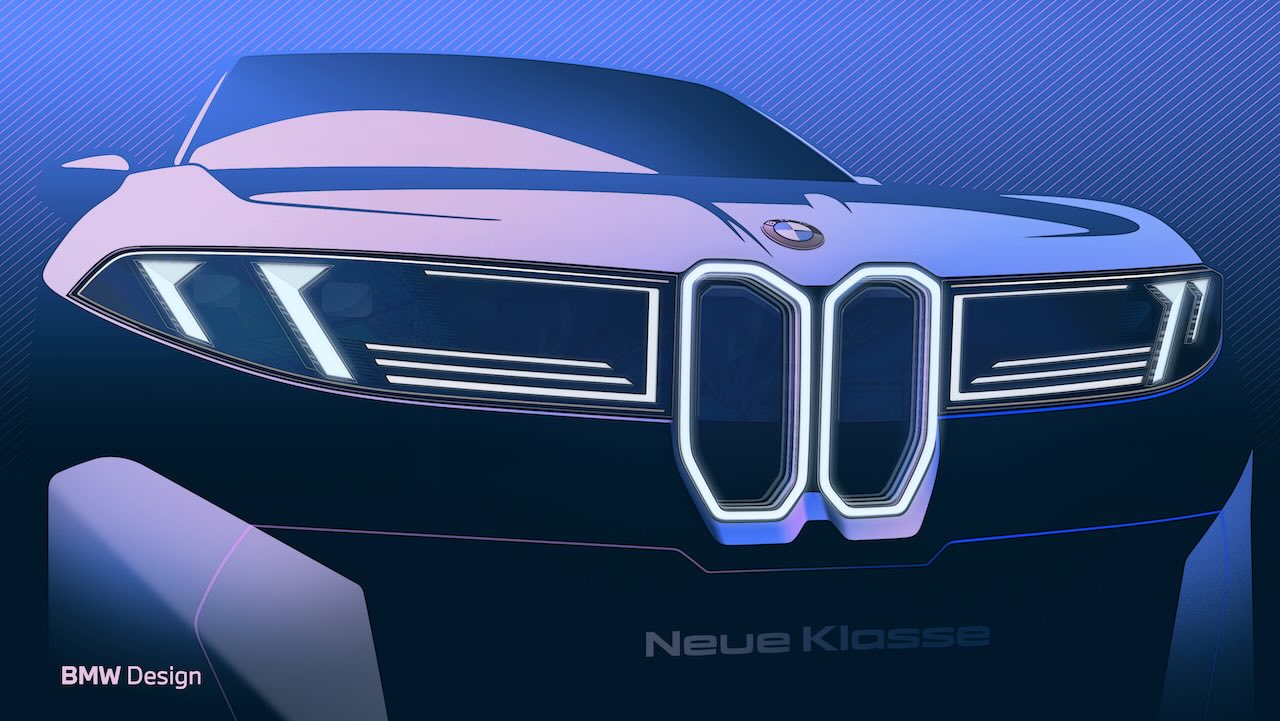
BMW’s design philosophy operates on a simple premise: emotion first, specs second. Adrian van Hooydonk, head of design, doesn’t mince words about this. Customers feel a product before they ever parse a data sheet.

Designer: BMW

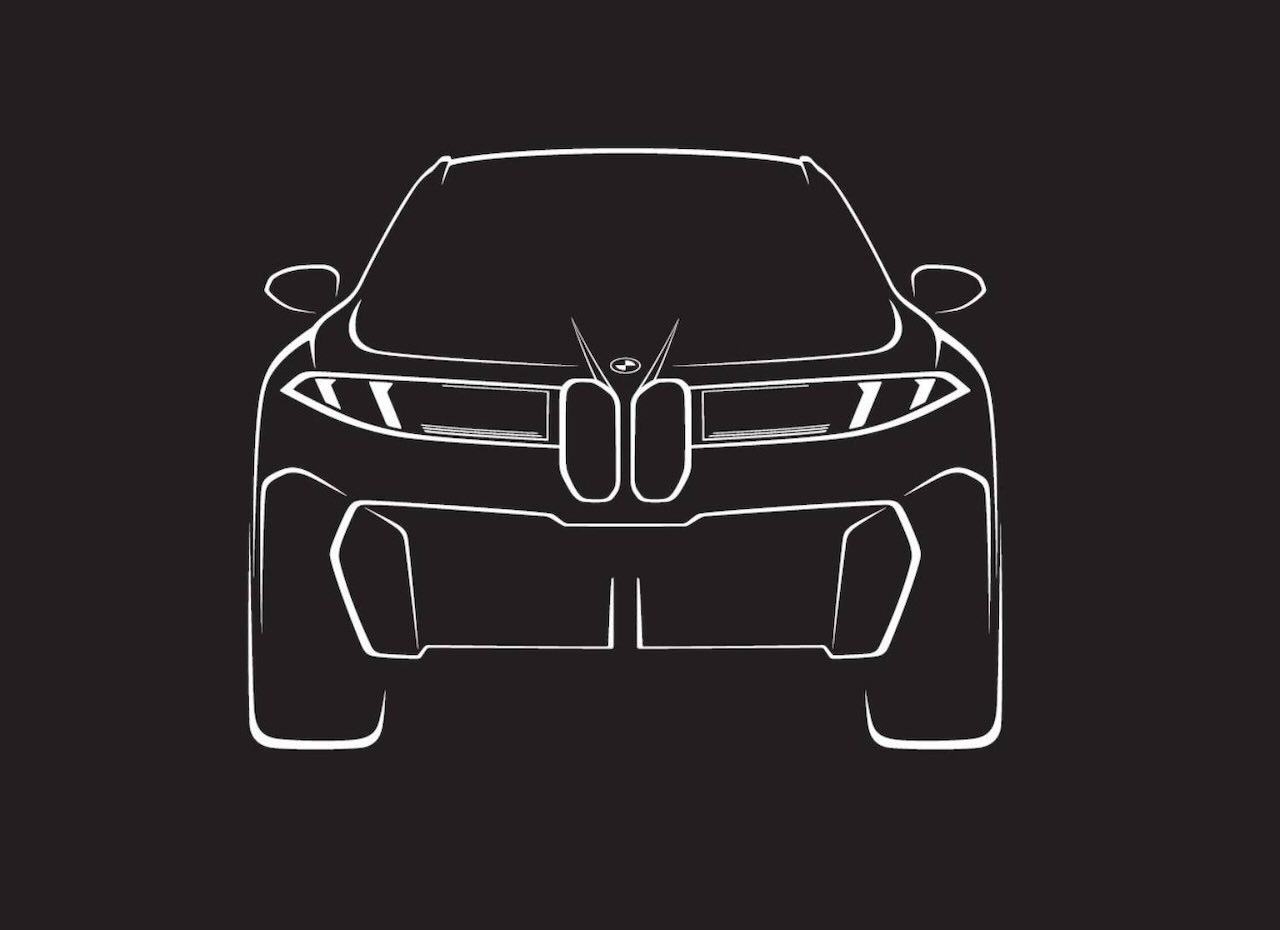
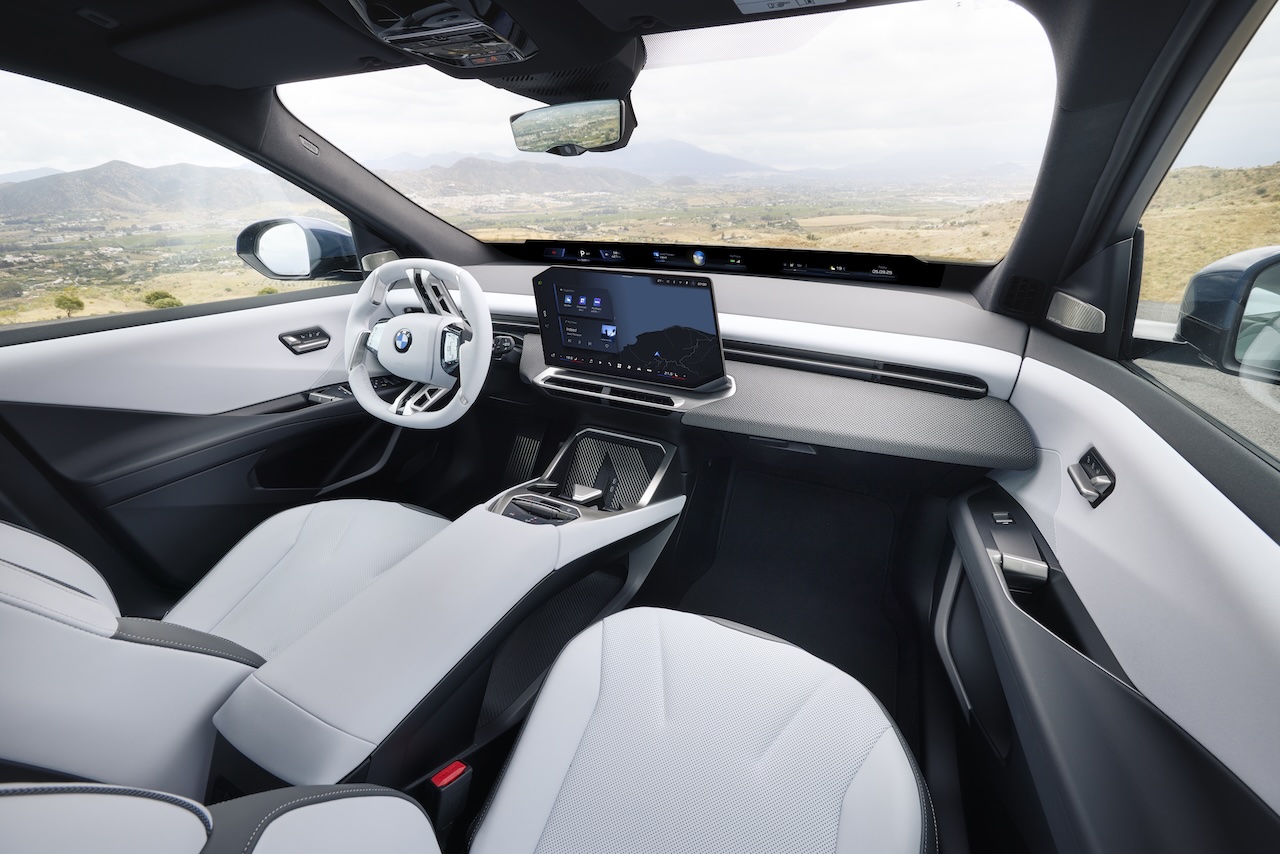
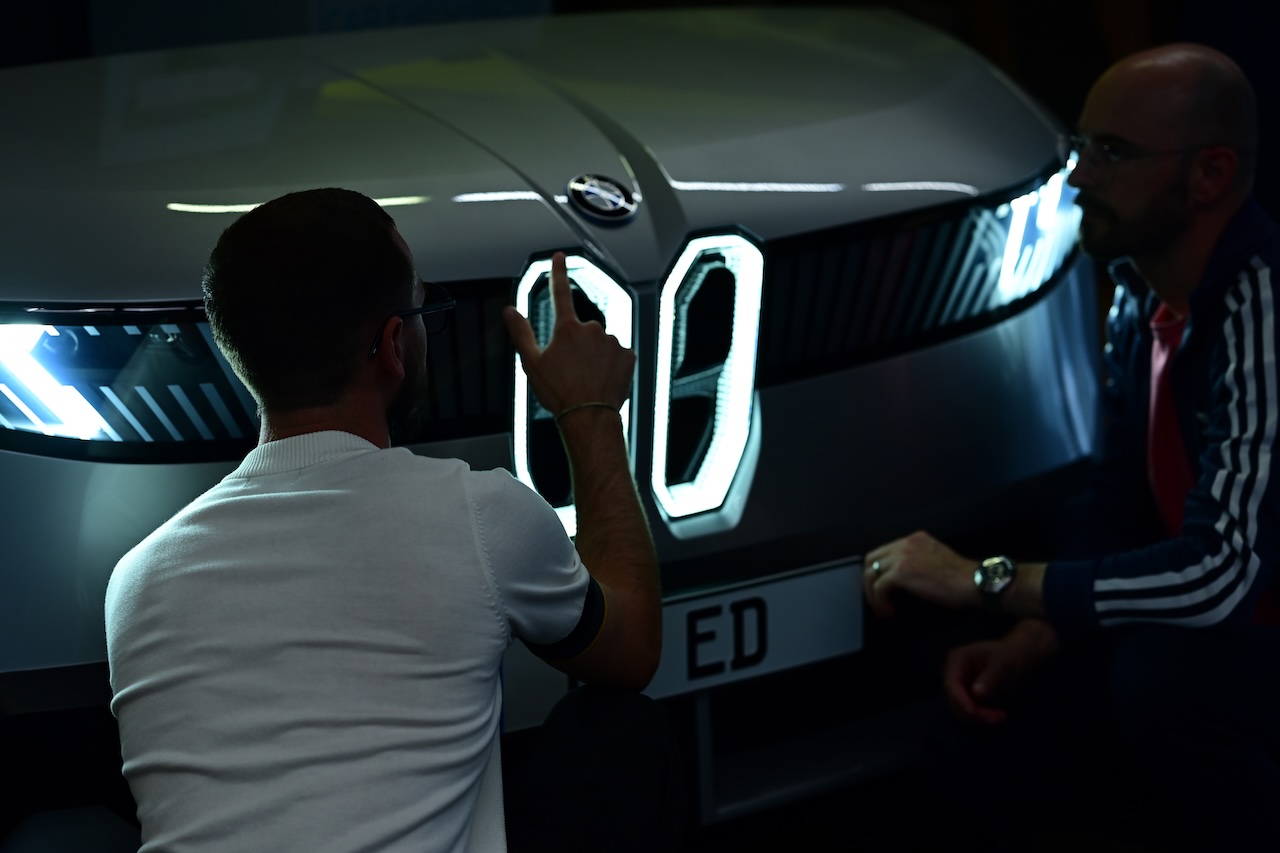
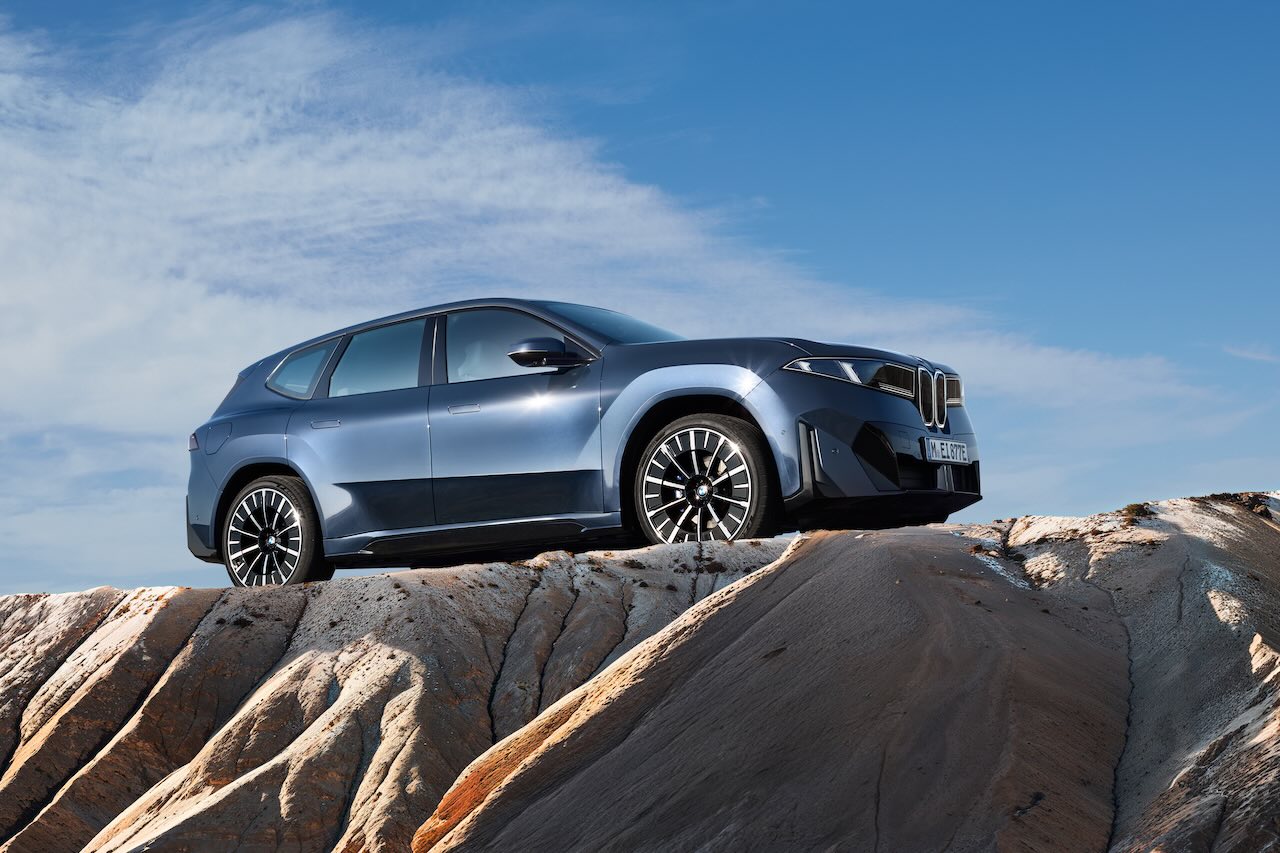
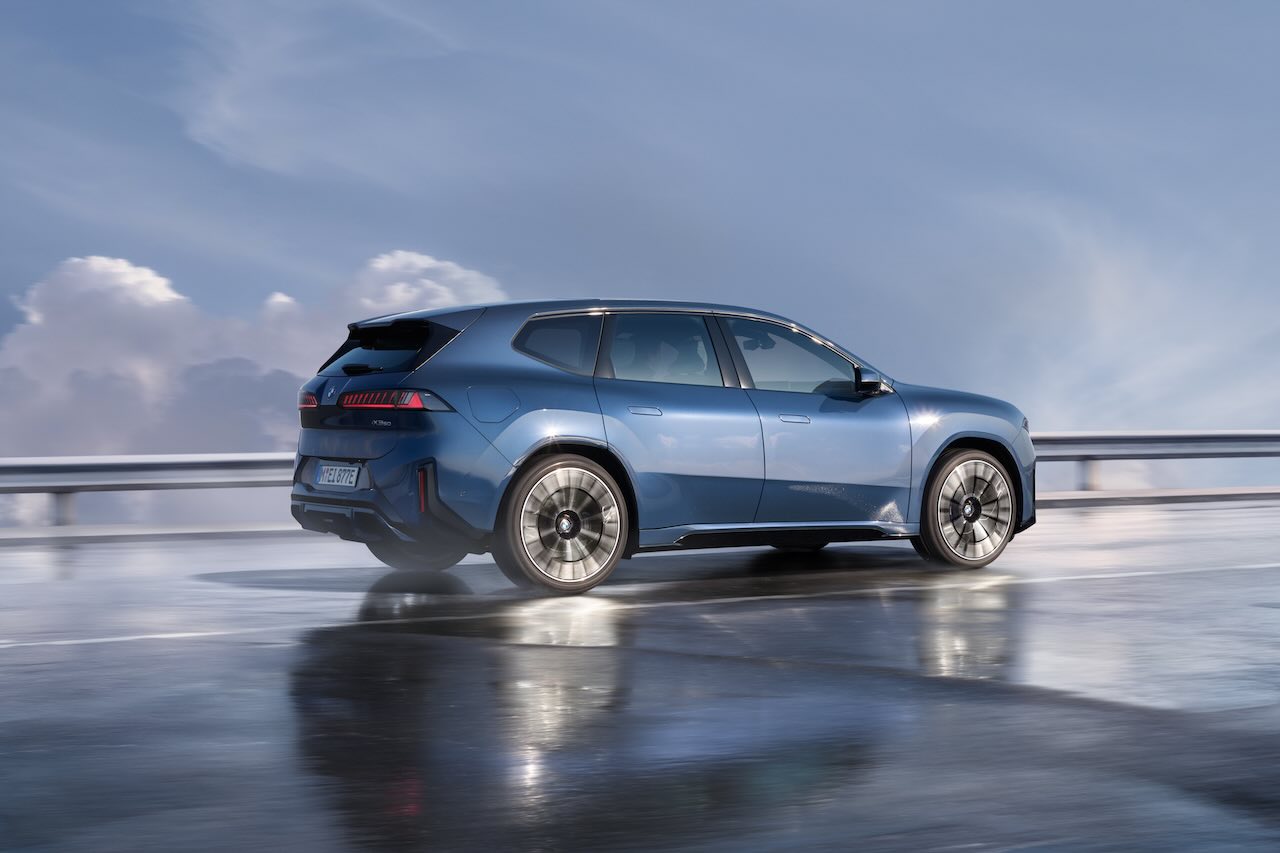
This creates tension when sustainability enters the frame. Circular design has historically meant compromise, a sense of settling for less in service of doing good. The Neue Klasse series, especially the all-electric iX3, flips that script entirely. Van Hooydonk’s team treats circularity as a creative constraint that opens doors rather than closing them. “Circular products can’t feel like a compromise,” he explains. “They need to feel like more, not less.” The circular strategy addresses CO2 reduction at every manufacturing touchpoint, but the real shift happens upstream, in how designers conceptualize materials before a single prototype gets built. Sustainability becomes narrative architecture rather than regulatory compliance.

Designworks and the Benefit Mindset

Julia de Bono runs Designworks. The studio has shaped aircraft interiors, digital interfaces, and consumer products across every category imaginable.

Her philosophy centers on what she calls “benefit mindset,” and she draws an unexpected parallel to make the point. The Impossible Burger didn’t succeed by marketing sacrifice to environmentally conscious consumers. It succeeded by delivering an experience that stood alone. De Bono applies identical logic to automotive design: “Our role is to make the sustainable option not just equal, but superior in customer experience. We want circularity to bring more richness, more presence, more value.”

This reshapes everything about material selection at Designworks. The studio isn’t swapping petroleum plastics for recycled alternatives and calling it progress. Every material choice gets evaluated through tactile experience, visual storytelling, emotional resonance. The circular story becomes brand experience. Design maturity, in de Bono’s view, means infusing narrative from the start rather than bolting sustainability messaging onto finished products.

Materials That Tell a Story

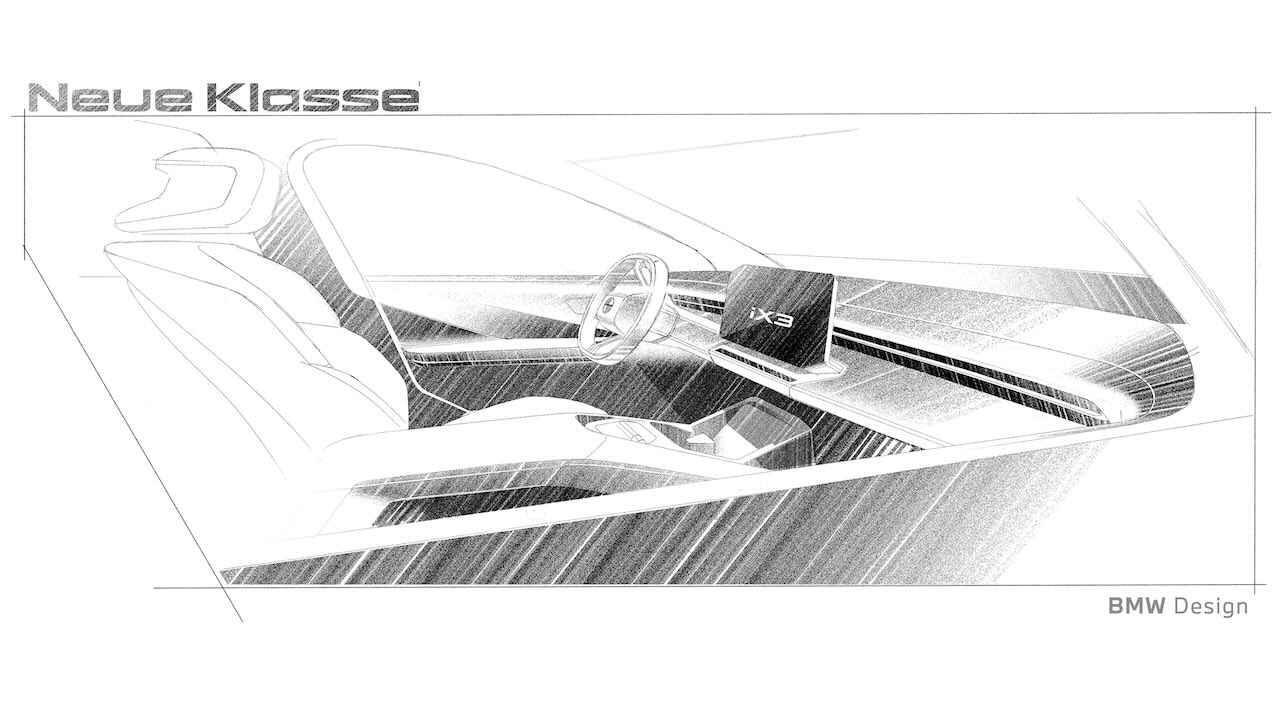
The iX3 cabin demonstrates practical application of circular thinking at scale. PET-based mono-material seat covers deliver expected tactile comfort while radically simplifying end-of-life recycling. Secondary raw materials appear in dashboard surfaces, structural components, chassis elements. The real intelligence shows in disassembly optimization, where BMW engineers separation into products from day one, designing each element for clean post-use extraction.

Traditional luxury interiors layer materials in ways that make recycling contamination nearly inevitable. Leather bonds to foam bonds to structural substrate in combinations that defy clean separation. BMW’s approach designs for that moment fifteen years out when this vehicle reaches end of life. The seat foam separates from fabric covering separates from structural support. Each generation becomes feedstock for the next.

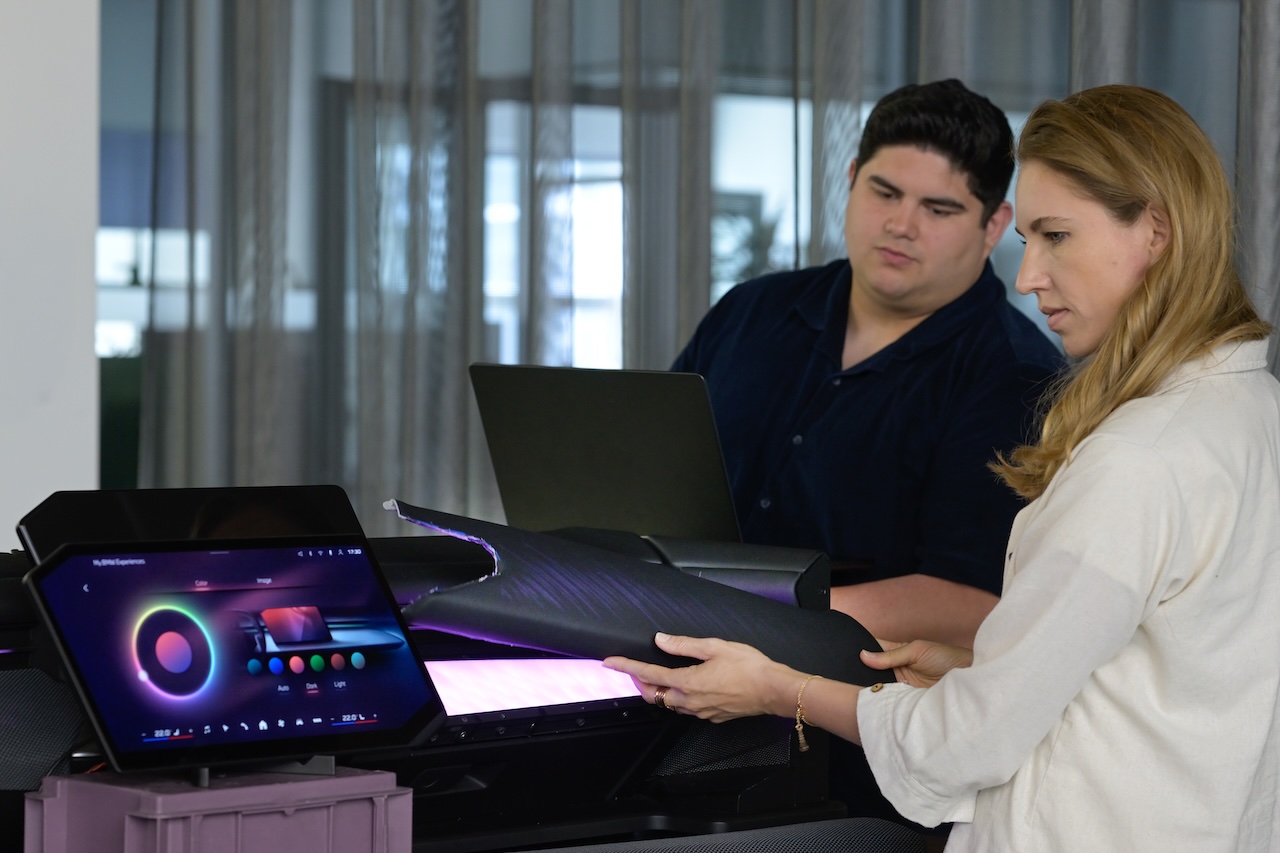
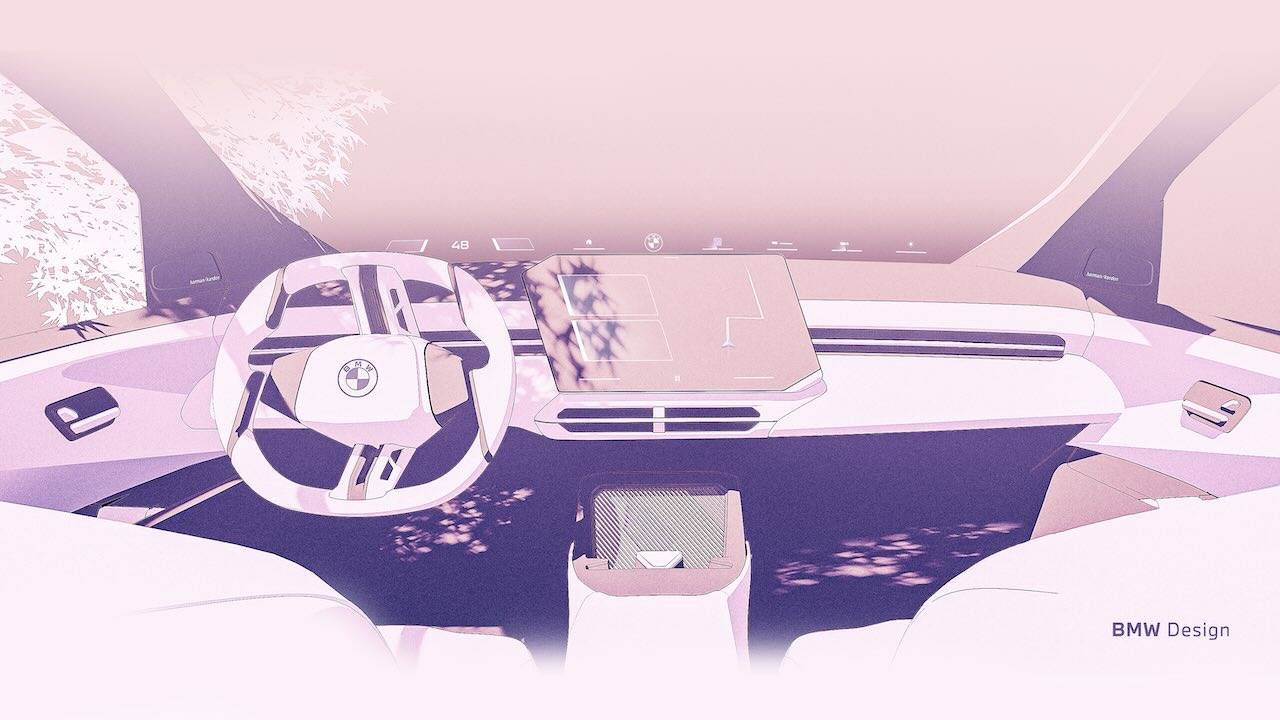
Luxury automotive has always communicated status through abundance. Leather, exotic woods, brushed metals stacked in combinations that signal premium positioning. BMW’s test: can circular materials carry that emotional weight while telling a different story? The mono-material fabrics, advanced eco-plastics, engineered weaves become new vocabulary. Early market response suggests buyers respond when sustainability weaves into ownership experience rather than presenting as trade-off.

Emotion as Strategy

Luxury buyers purchase stories, and BMW understands this dynamic better than most automakers. The circular narrative offers differentiation where performance specs have largely converged across competitors. Someone choosing the iX3 isn’t just acquiring efficient electric mobility. They’re buying into a design philosophy that treats resource consciousness as creative advantage rather than limitation.

Designworks extends this thinking to every touchpoint. Haptic feedback from interior controls, interface animations on cabin displays, the sound design of door closures: all reinforce circular narrative. Materials get selected for emotional response as much as technical performance. De Bono describes the result as “responsible abundance,” luxury that doesn’t require excess to register as premium.

Performance Through a Different Lens

Performance usually means horsepower and acceleration times, but BMW’s circular lens reframes the conversation entirely. Electric drivetrains deliver instant torque and low center of gravity, which liberates designers from packaging constraints that shaped combustion vehicles for a century. Skateboard platform architecture creates interior volumes that would have demanded much larger exterior dimensions in traditional layouts. The performance advantage becomes spatial, experiential, narrative.

Regional markets interpret this differently. American buyers equate automotive strength with physical presence, the ability to command road space and project capability. European and Asian markets often prioritize individual identity, advanced user experience, tech-forward interfaces. Circularity adapts to regional priorities by shaping silhouette, proportion, stance as carriers for localized story. “For us, circularity means shaping the silhouette, the proportions, and the presence,” notes a senior Designworks designer. “It’s not just technical. It’s aesthetic leadership.”

Global Design, Local Values

Designworks runs focus groups across China, North America, Europe, the Middle East. The question: how does sustainable design resonate differently across cultures?

In China, rapidly evolving tastes push toward bolder, more tech-driven expressions. North American markets still value physical presence, which sustainable materials and production must emphasize rather than diminish. BMW resists the temptation of unified global design language. Circularity becomes flexible toolkit, adapting to local values while maintaining consistent material philosophy underneath.

The Competitive Edge

BMW positions sustainability as competitive advantage rather than compliance cost, and the ambition extends well beyond current models. Circularity will shape silhouettes, interior architectures, the ways customers interact with vehicles across the next decade. For design observers tracking automotive evolution, the lesson reaches beyond Munich: sustainability constraints unlock creative solutions when treated as design opportunities rather than regulatory burdens.

Advanced materials combine with emotional storytelling and reimagined performance to create differentiation that competitors struggle to replicate. Resource consciousness becomes precursor to market leadership rather than barrier to it. The rest of the industry would benefit from studying how BMW weaves sustainability, narrative, and design freedom into something that registers as progress rather than sacrifice.

The post How BMW Designworks Turns Circularity Into Creative Fuel first appeared on Yanko Design.