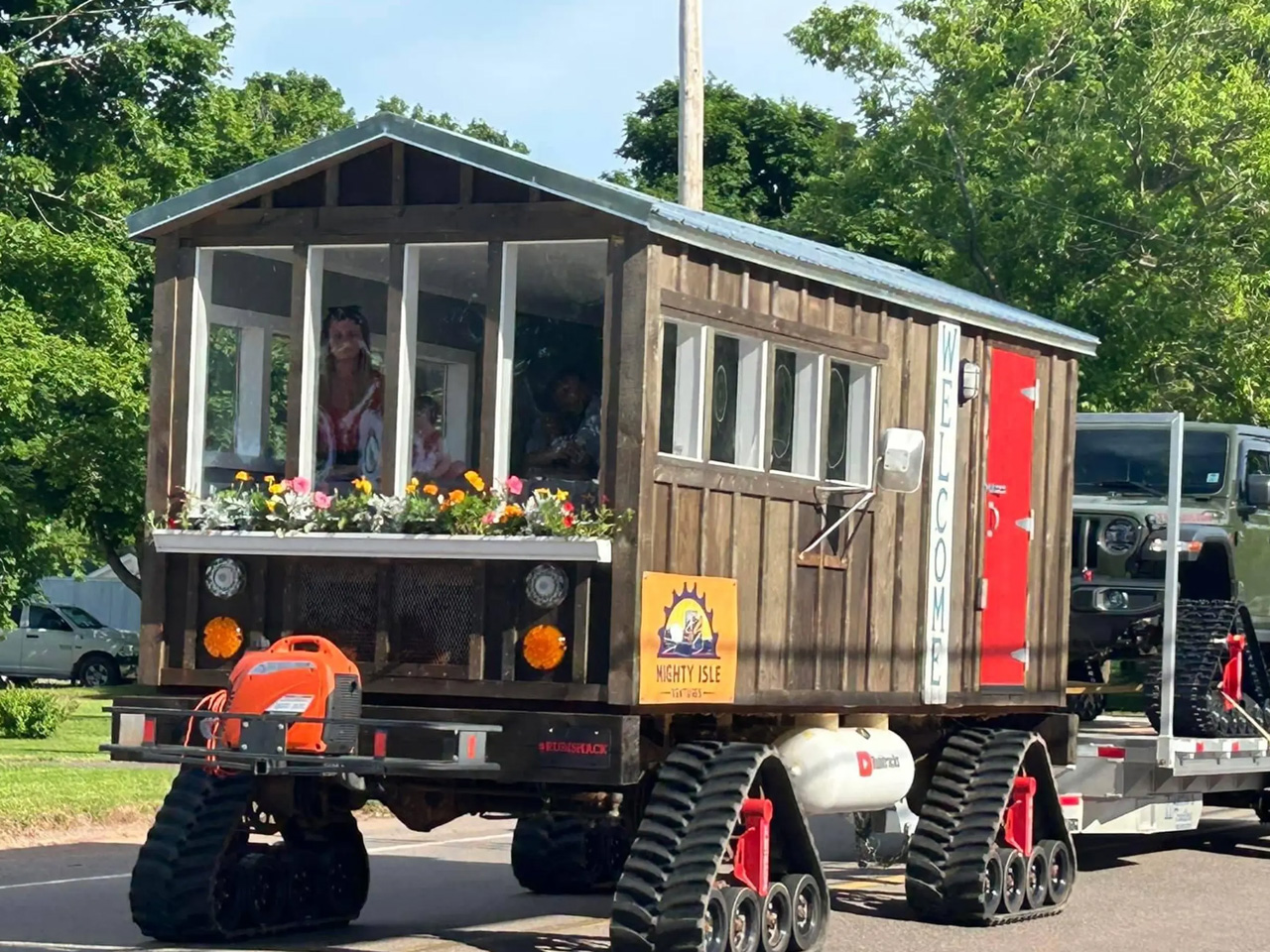
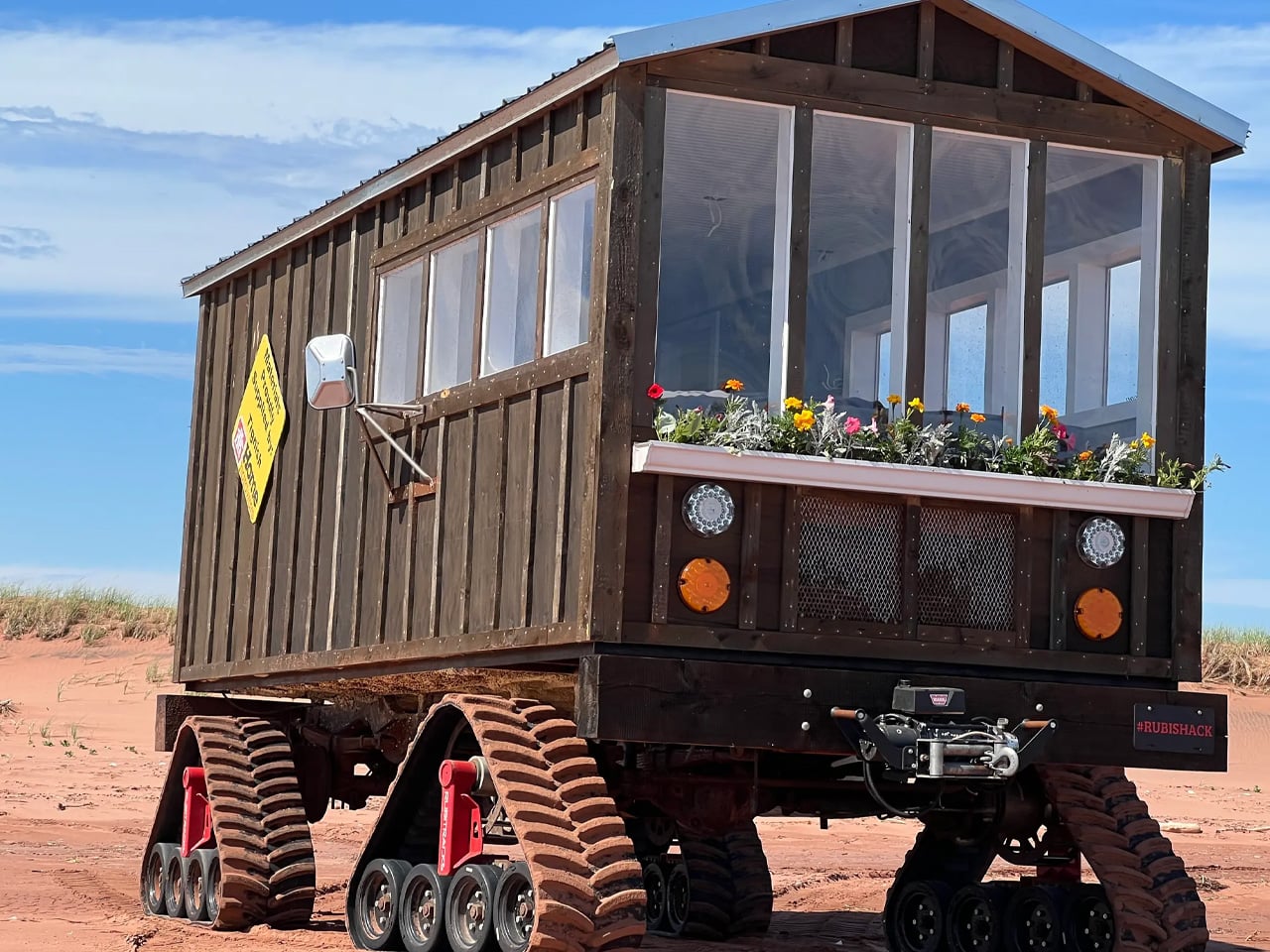
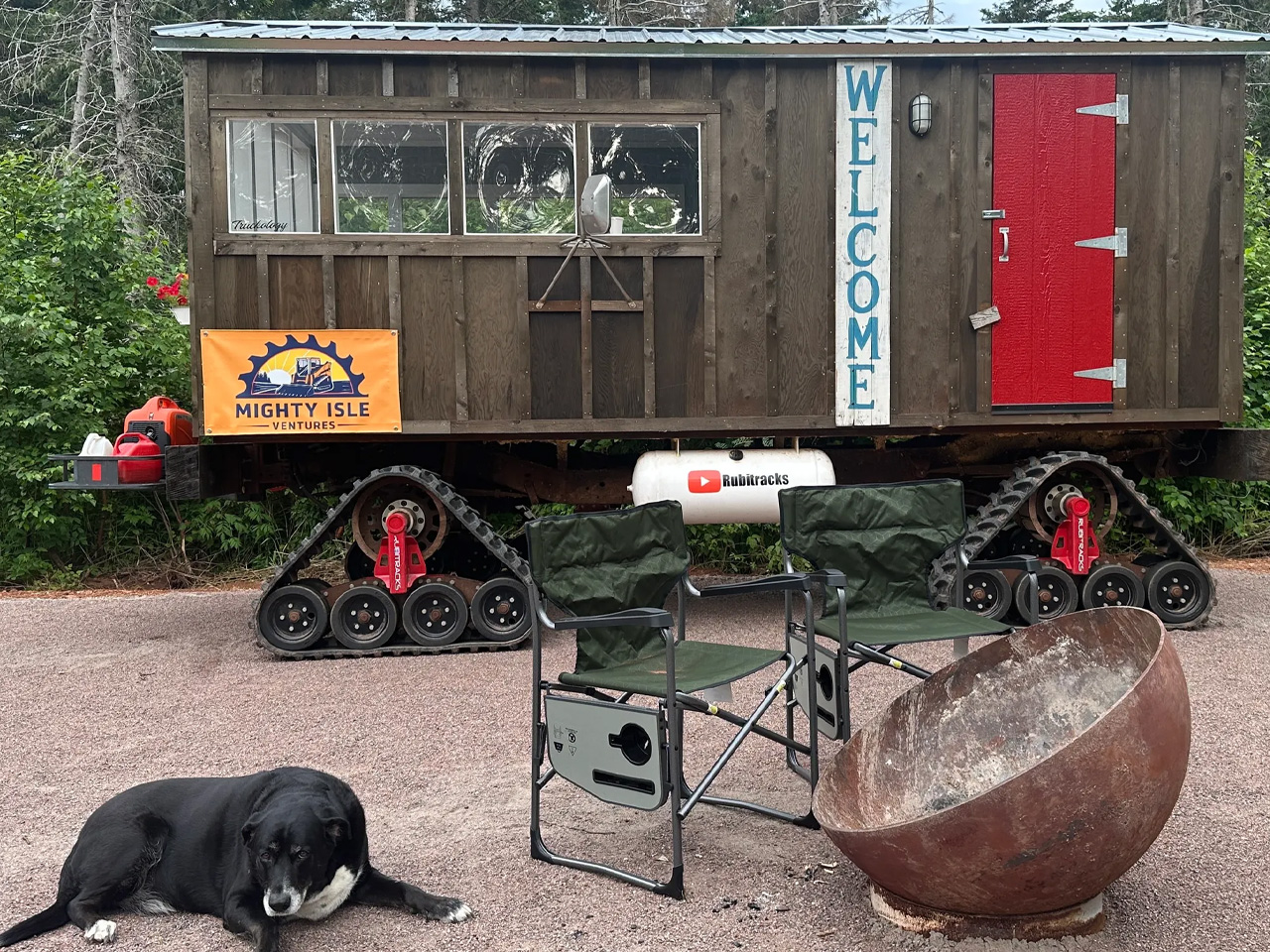
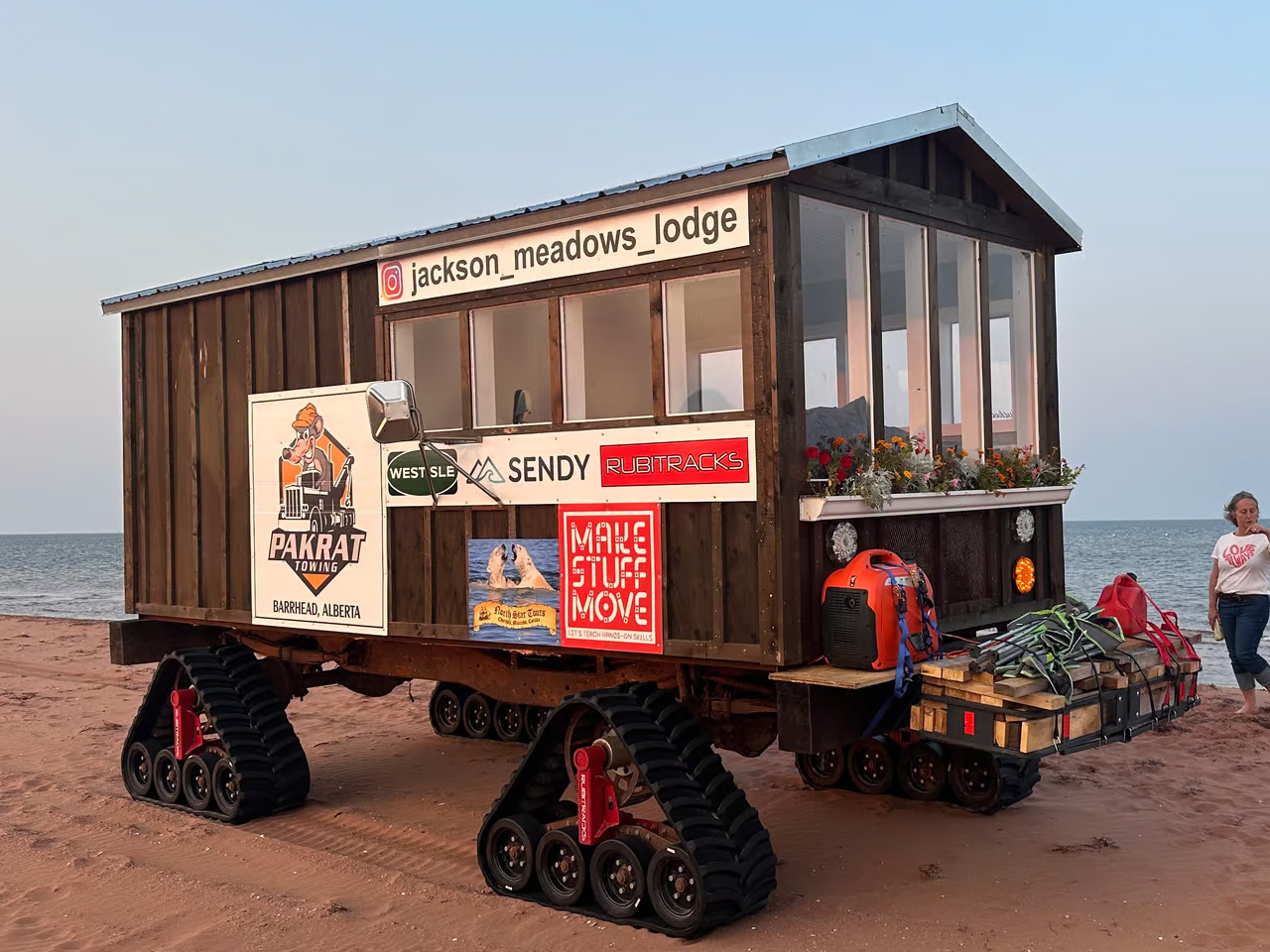
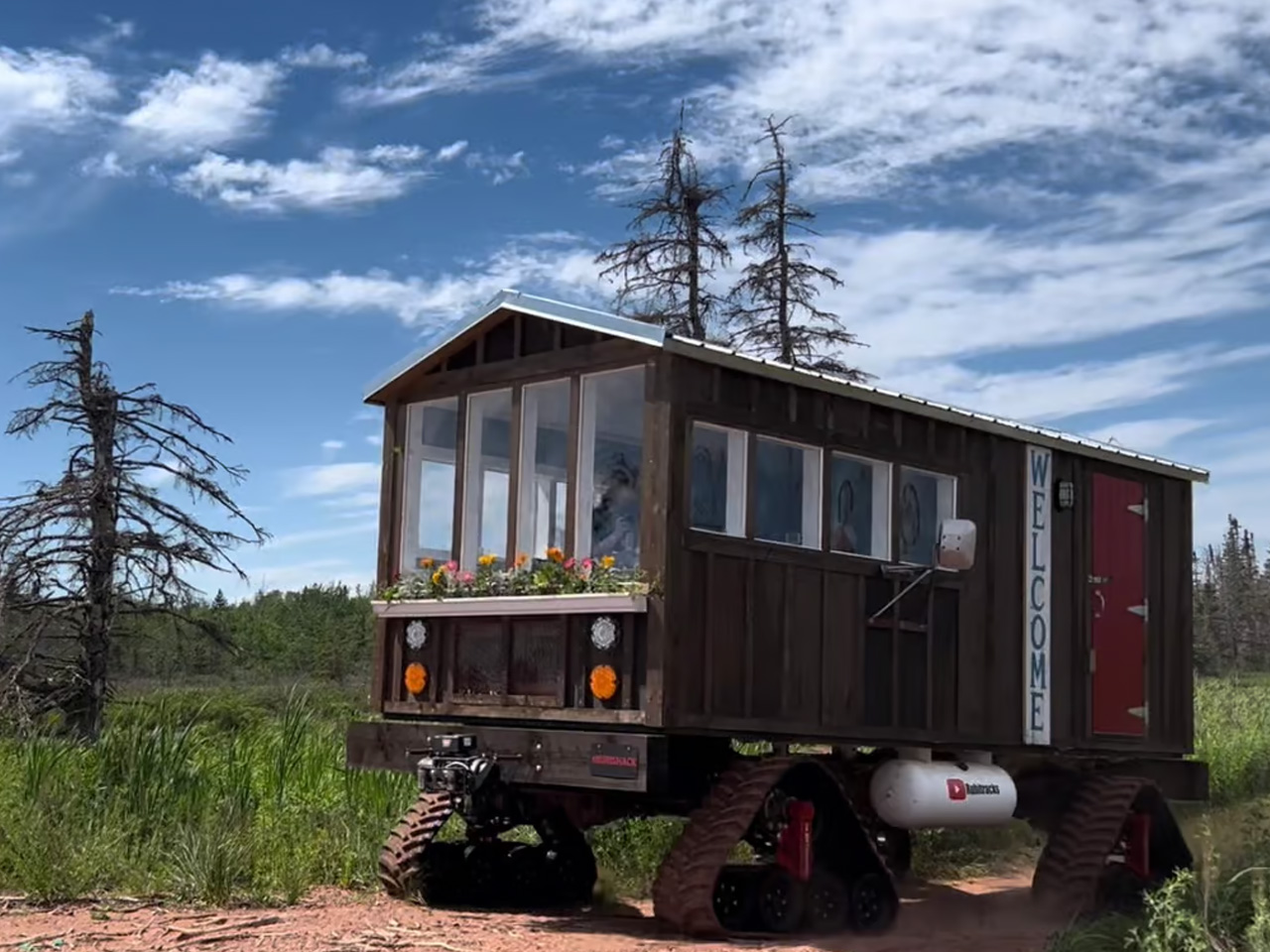
Through the years tiny homes have been innovating like crazy, always surprising us with their unique and clever designs. Another tiny home that recently struck my fancy is the Rubishack by Canada’s Rubitracks. The Rubishack is a one-of-a-kind home with its own engine and off-road tracks, which ensure that it can handle even the most challenging terrains. The Rubishack a motor home amped with a heavily modified truck base and a first-generation Cummins engine which has covered only about 150,000 miles.
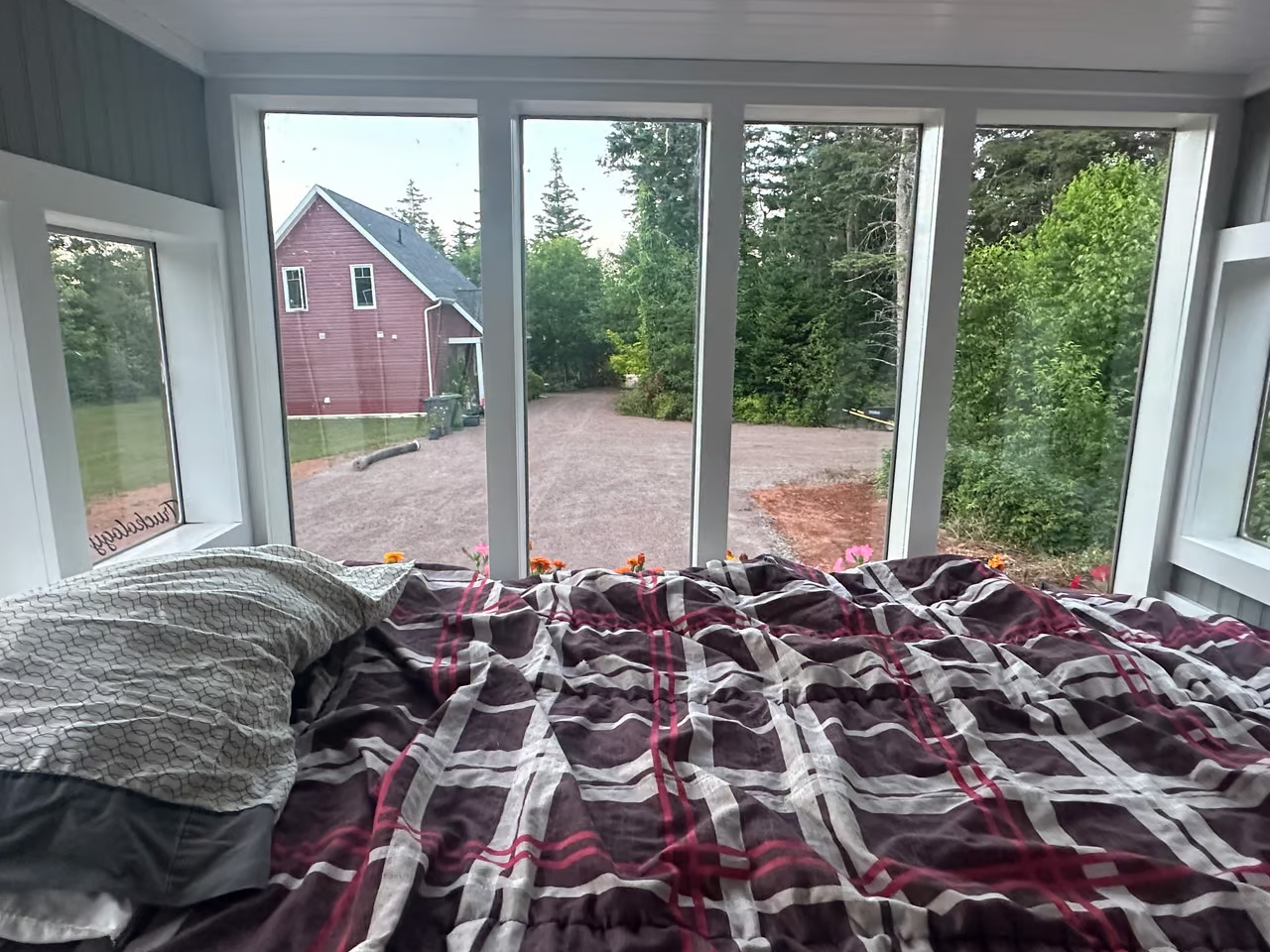
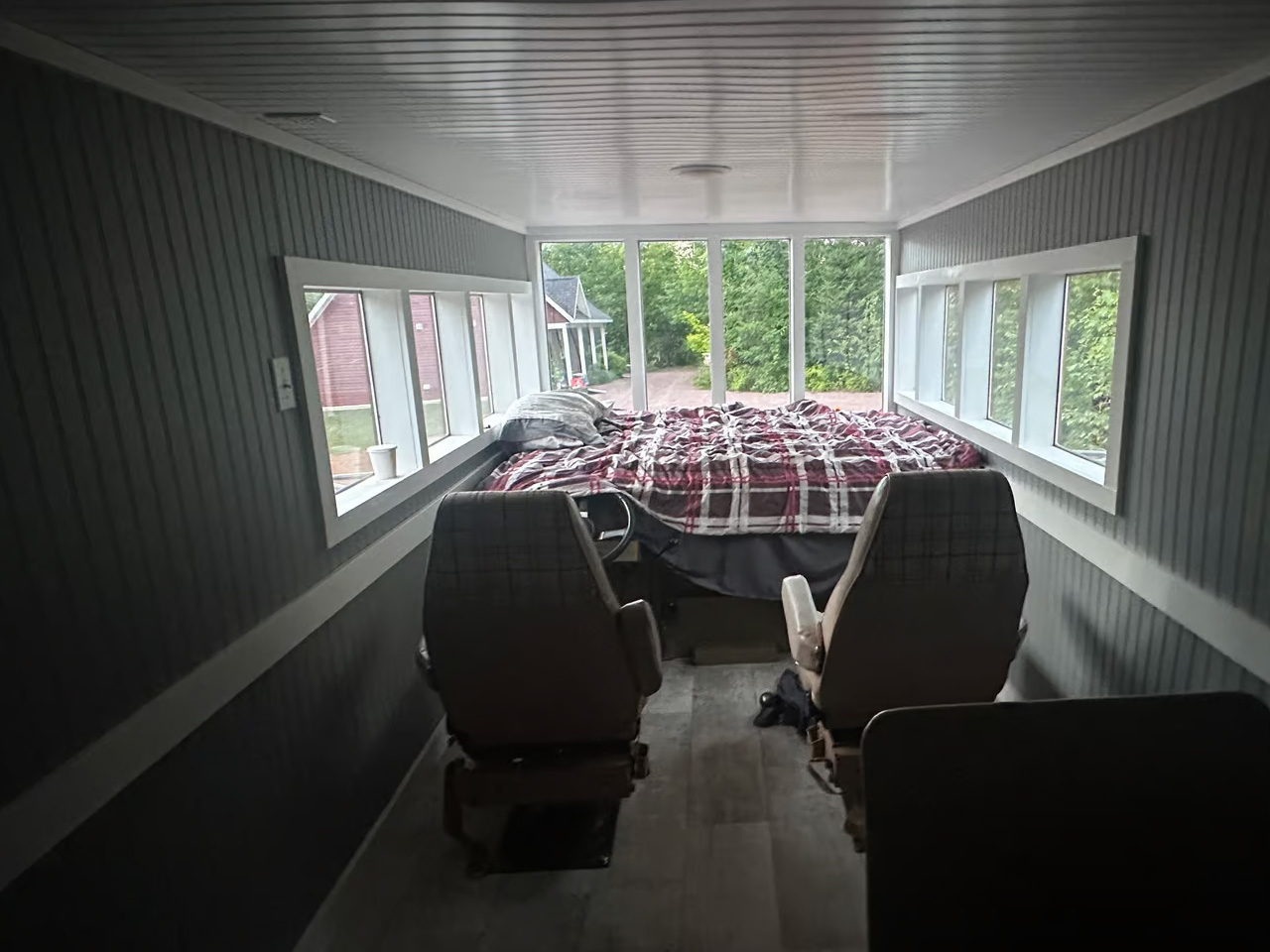
The tiny home is anchored by four bolt-on tracks which have been constructed by Rubitracks. It is a four-wheel-drive, and can successfully handle rivers, snow, the beach, and muddy terrains. The “home” section of Rubishack is made primarily from wood, and equipped with generous glazing as well as a planter at the front. It measures 16 feet in length and 7 feet in width. The interior is well-designed, and both the driver and passenger seats have been sourced from a 1970s motorhome. Both the seats can swivel at 360 degrees. The double bed has been positioned in front of the driving seat, while the seating area and table have been placed behind it.
The Rubishack tiny home was designed by Rubitracks as a promotional attempt, instead of an actual tiny house that serves as a motor home as well. So, unfortunately, the build isn’t going to be available anytime soon in the market. However, it is an innovative creation that truly pushes the boundaries of what a tiny home can be. The Rubishack can powerfully work through landscapes with different terrains, which is truly a feat in itself.
We love a few menacing automotive designs—whether they’re powerful cars or sleek and fast e-scooters. In August, we saw an avalanche of fast, super cool, and one-of-a-kind automotive designs at Yanko Design. From killer speed to dashing good looks to impenetrable safety standards, every vehicle we featured at YD broke some design barrier for us, and hopefully, they did the same for you. Hence, we’ve curated a collection of automotive designs that we feel were the best of the lot. From NASCAR’s first electric racecar to a unique electric motor with a pedal drive—these automotive designs are a pleasure to see!
1. Twike 5
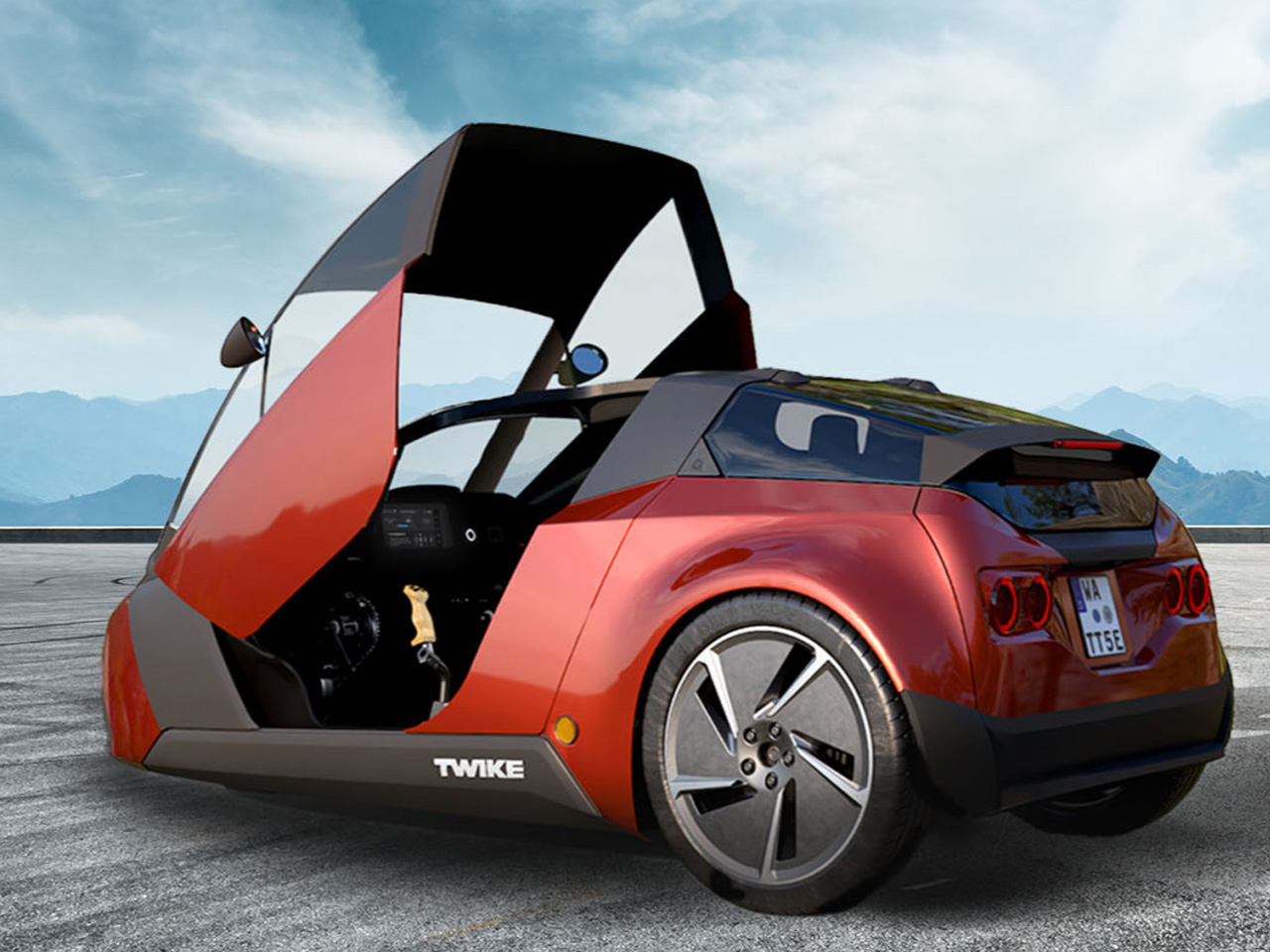
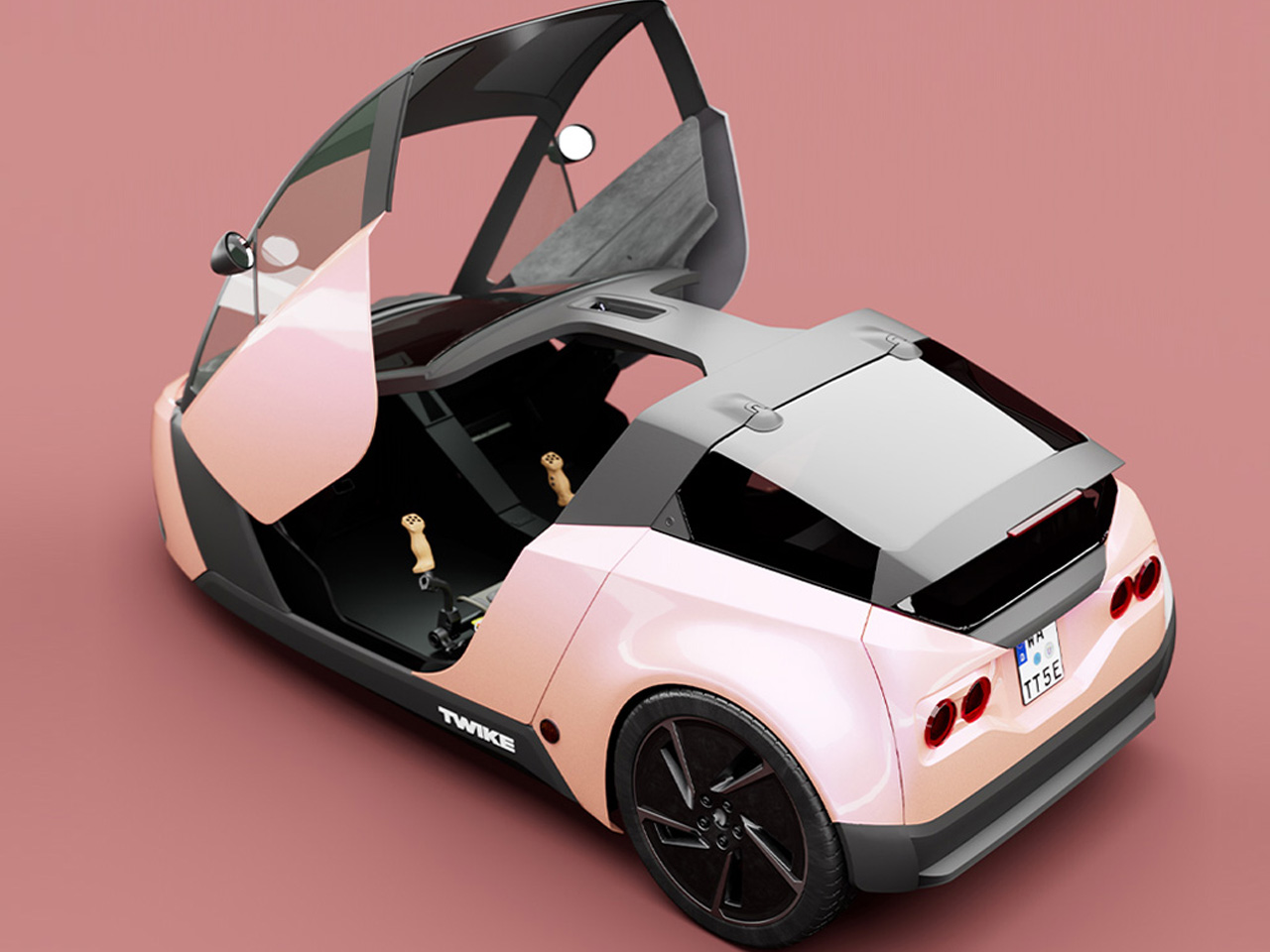
Designed by automaker TWIKE GmbH, the Twike 5 is a pedal hybrid vehicle intended for those who want a sustainable mode of transportation. It is a three-wheel trike, equipped with one wheel in the front and two at the back. This innovative vehicle combines an electric motor with a pedal drive. It is a two-seat trike, weighing around 600 kilograms, and it can reach speeds of up to 190 kilometers per hour. It can travel up to 500 kilometers on a single charge.
2. Pure x McLaren Special Edition E-Scooter
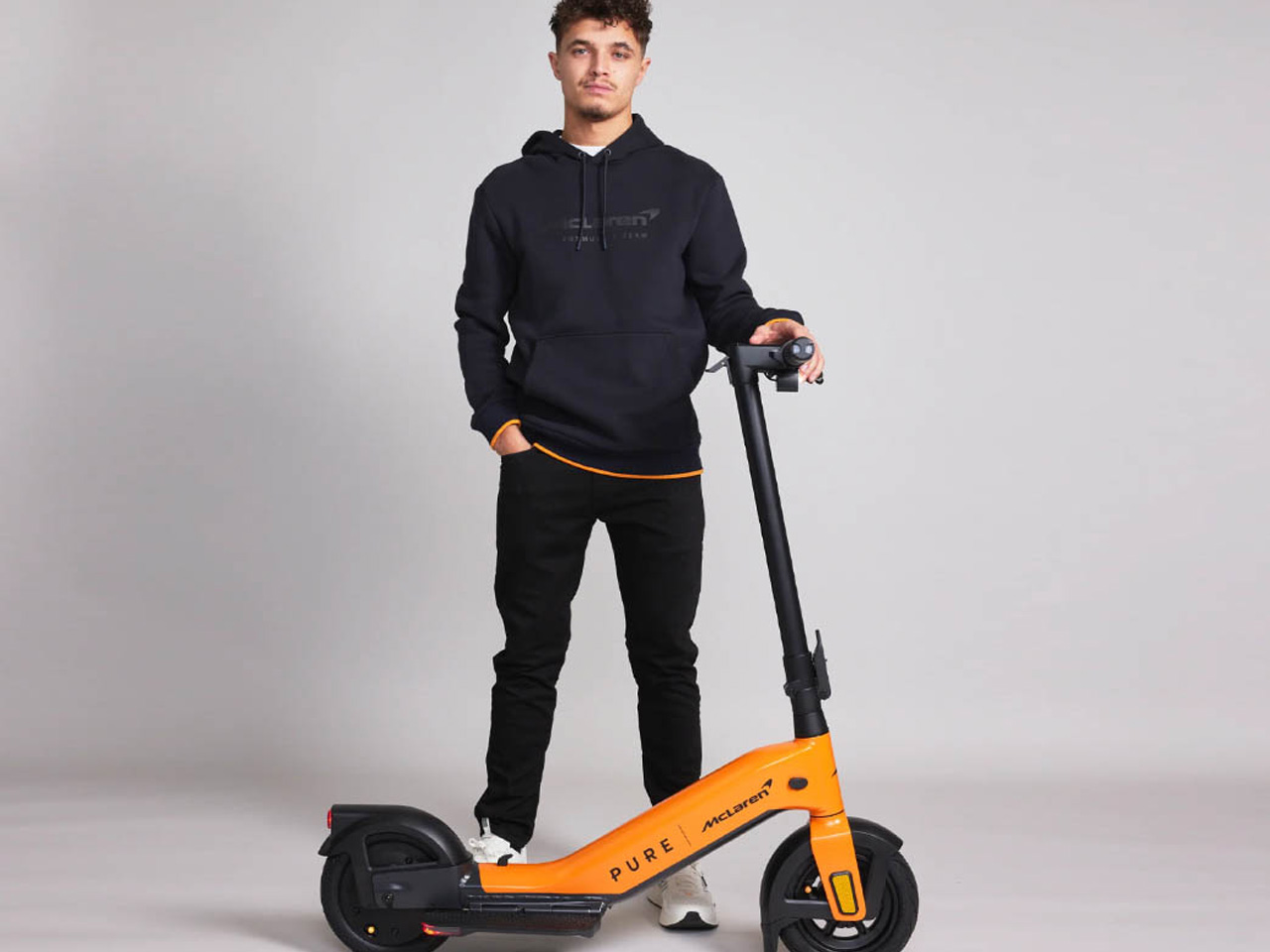
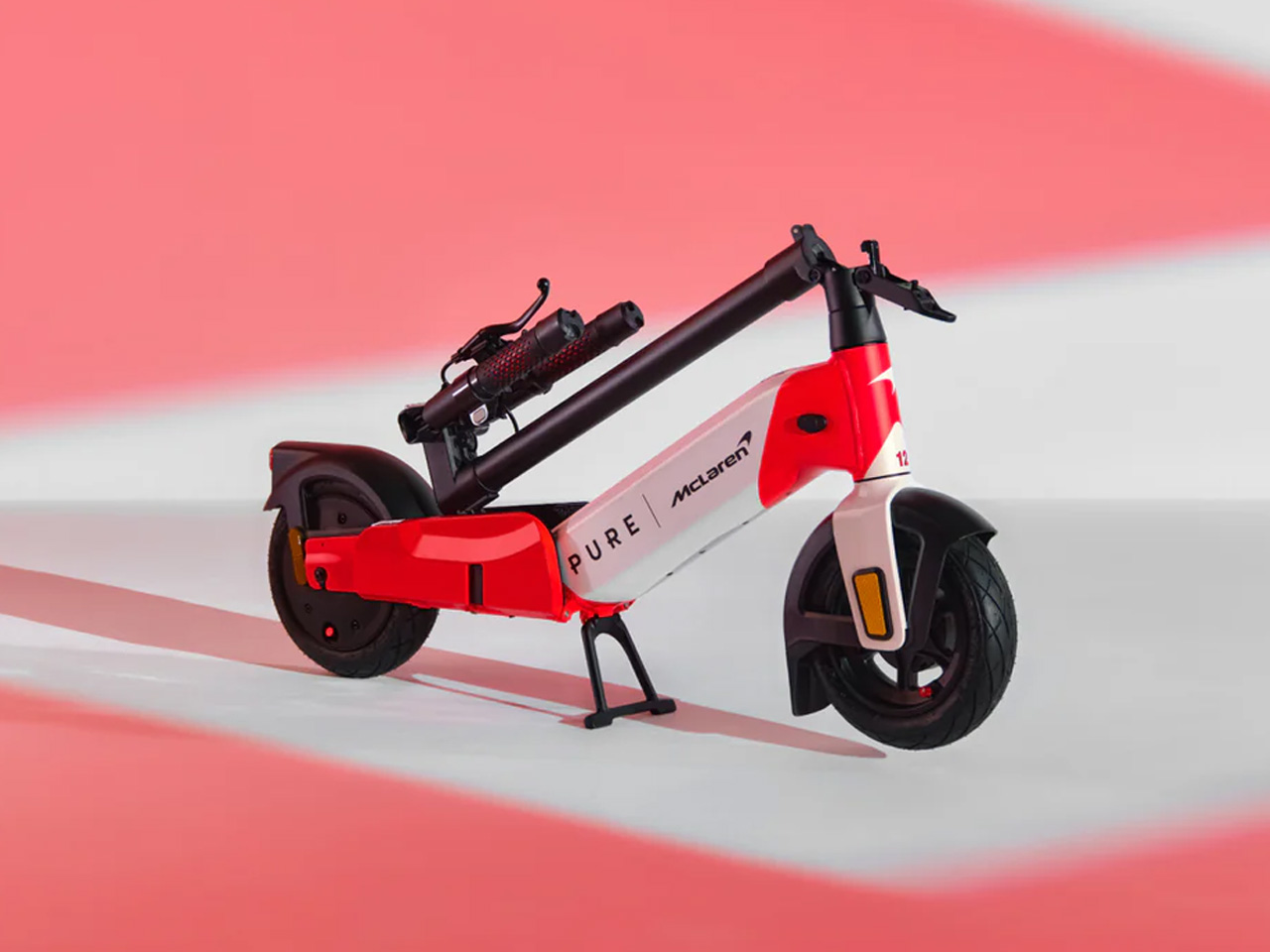
Designed by Pure Electric, this is an official McLaren edition e-scooter. This e-scooter is designed to change urban transport for good. It is a foldable commuter with electric motor power and an improved range. It features the signature papaya color and a deep black finish. It offers 710 watts of peak power for enhanced acceleration, as well as better performance on hills. It can cover a range of 31 miles on a full charge, which is great if you’re someone who commutes the city in one go.
3. Xpeng AeroHT eVTOL Flying Car
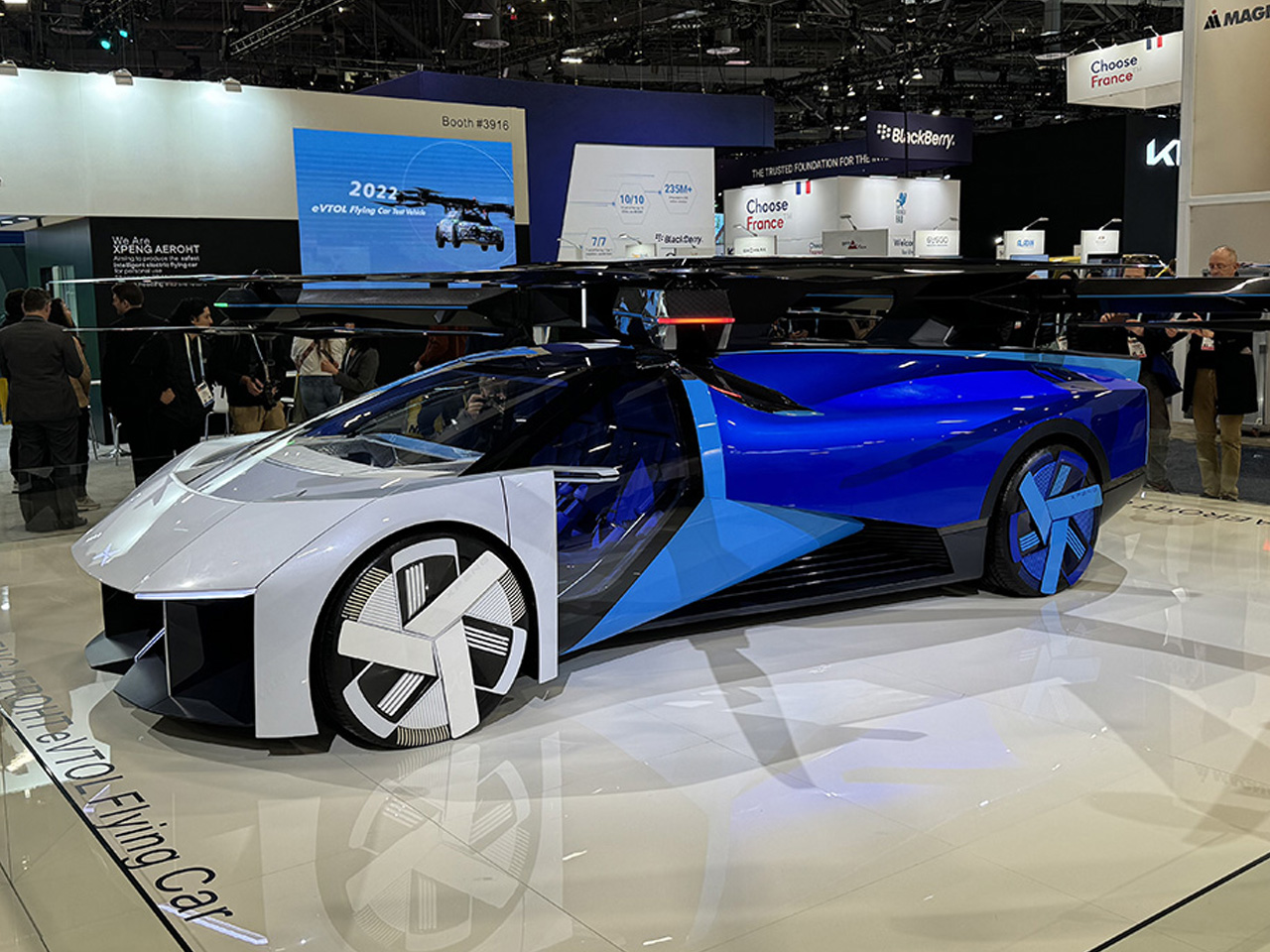
Called the Xpeng AeroHT eVTOL Flying Car, this eVTOL flying car is designed and developed by the AeroHT electric aviation wing of the Chinese auto company XPeng. Unlike most traditional ideas found on the market, this modular flying car has a unique and different approach, featuring a two-part design—one part car and the other an eVTOL, allowing it to seamlessly switch between land and aerial modes.
4. NASCAR Electric Racecar Prototype
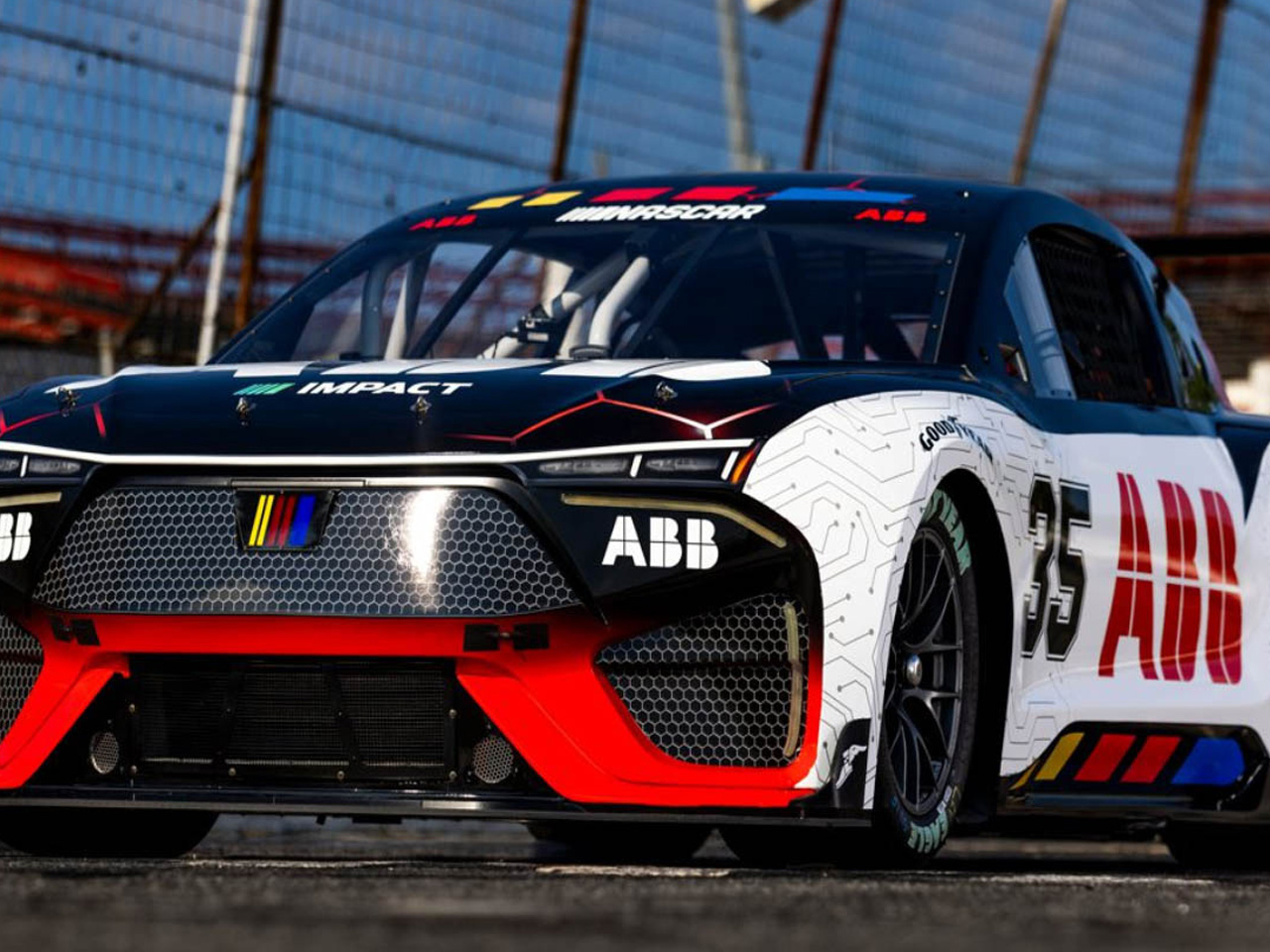
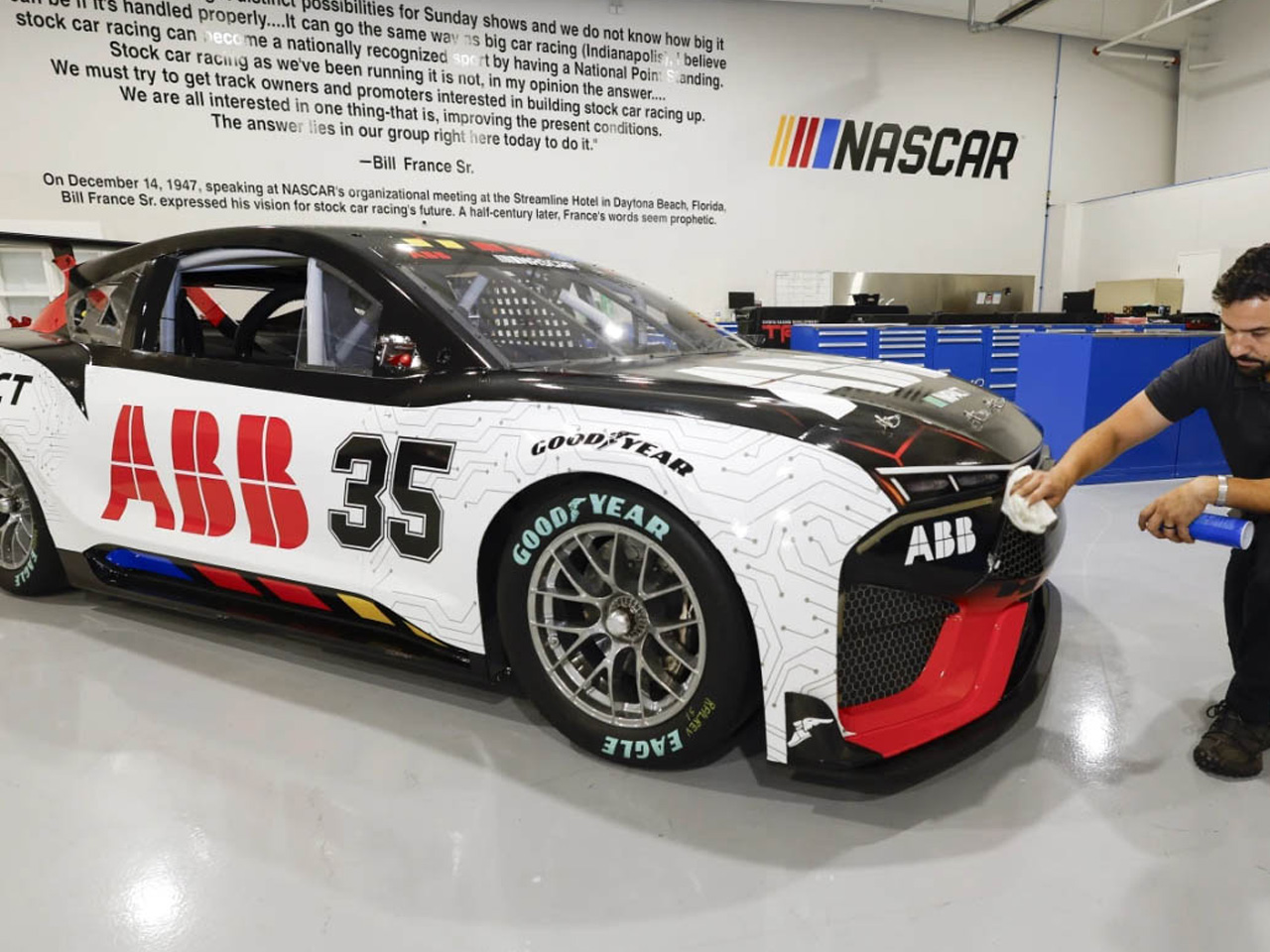
NASCAR debuted their first prototype electric racecar at the Chicago Street Race. The car’s limit was tested at the Martinsville Speedway in Virginia, and it is just two-tenths away from the average time of a V8-powered NASCAR racer. The electric racer is amped with twice the acceleration and commendable braking ability, but its weight causes limitations on the corners, as it cannot go faster. Currently, the vehicle is being tested as much as possible without damaging any of the hardware.
5. The MP4/4 Special Edition E-scooter
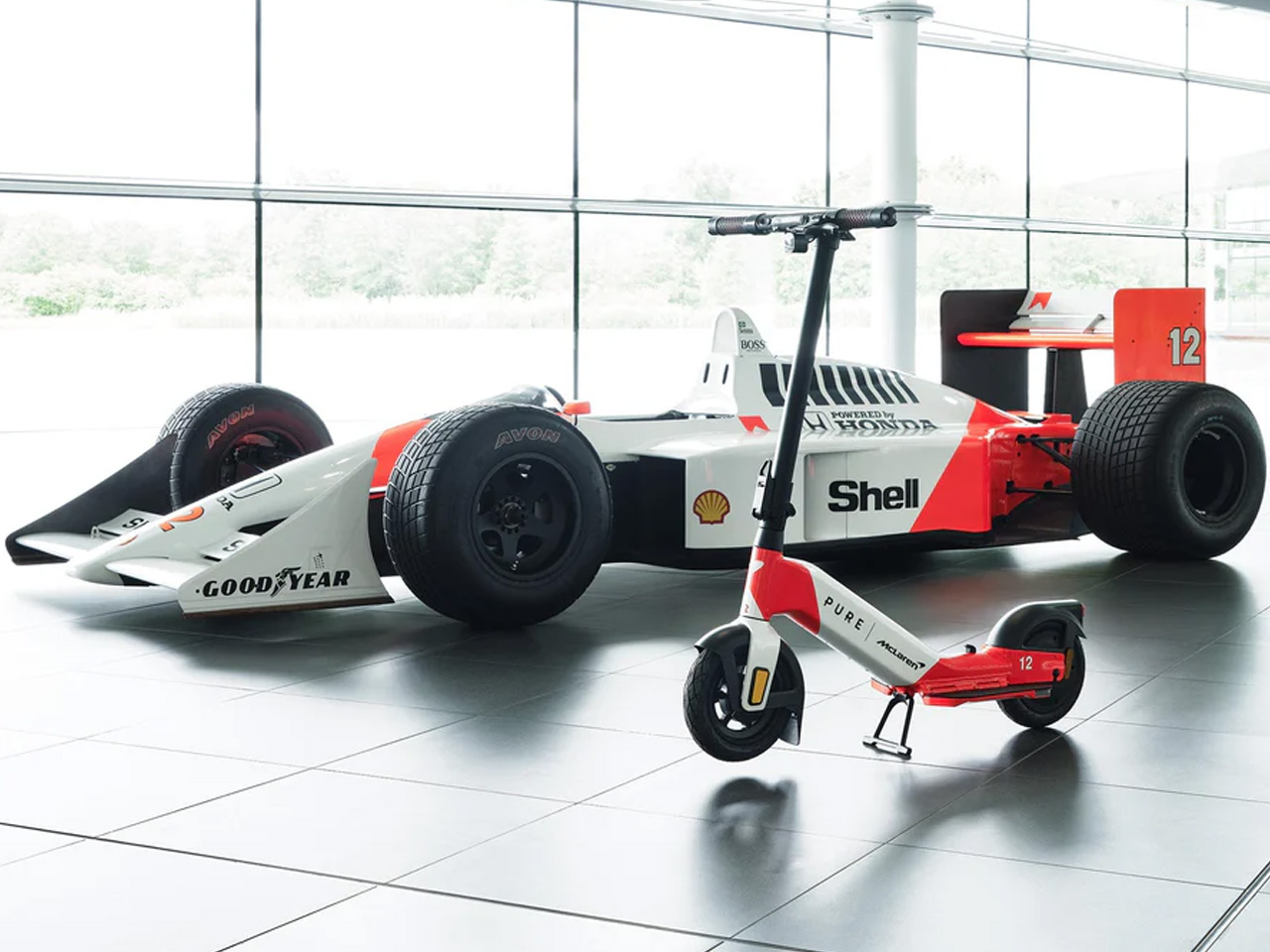
Pure Electric designed the MP4/4 Special Edition e-scooter, inspired by the form of the McLaren team’s Formula 1 car driven by Alain Prost and Ayrton Senna. The e-scooter is amped with speedy performance and showcases the famous color-blocked red and white livery. It delivers a stable, sturdy, and controlled e-ride experience, powered by a 710W peak power output and a 31 mph range. It is an excellent ride for hill climbing and acceleration, as it doesn’t consume too much battery power.
Travel trailers are becoming increasingly popular and the spike in exhibitors at shows like the Caravan Salon Düsseldorf, only substantiates this fact. With the upsurge in electric tow vehicles, the need of the hour are trailers that have sleeker aerodynamics and smaller form factor to minimize drag and increase range.
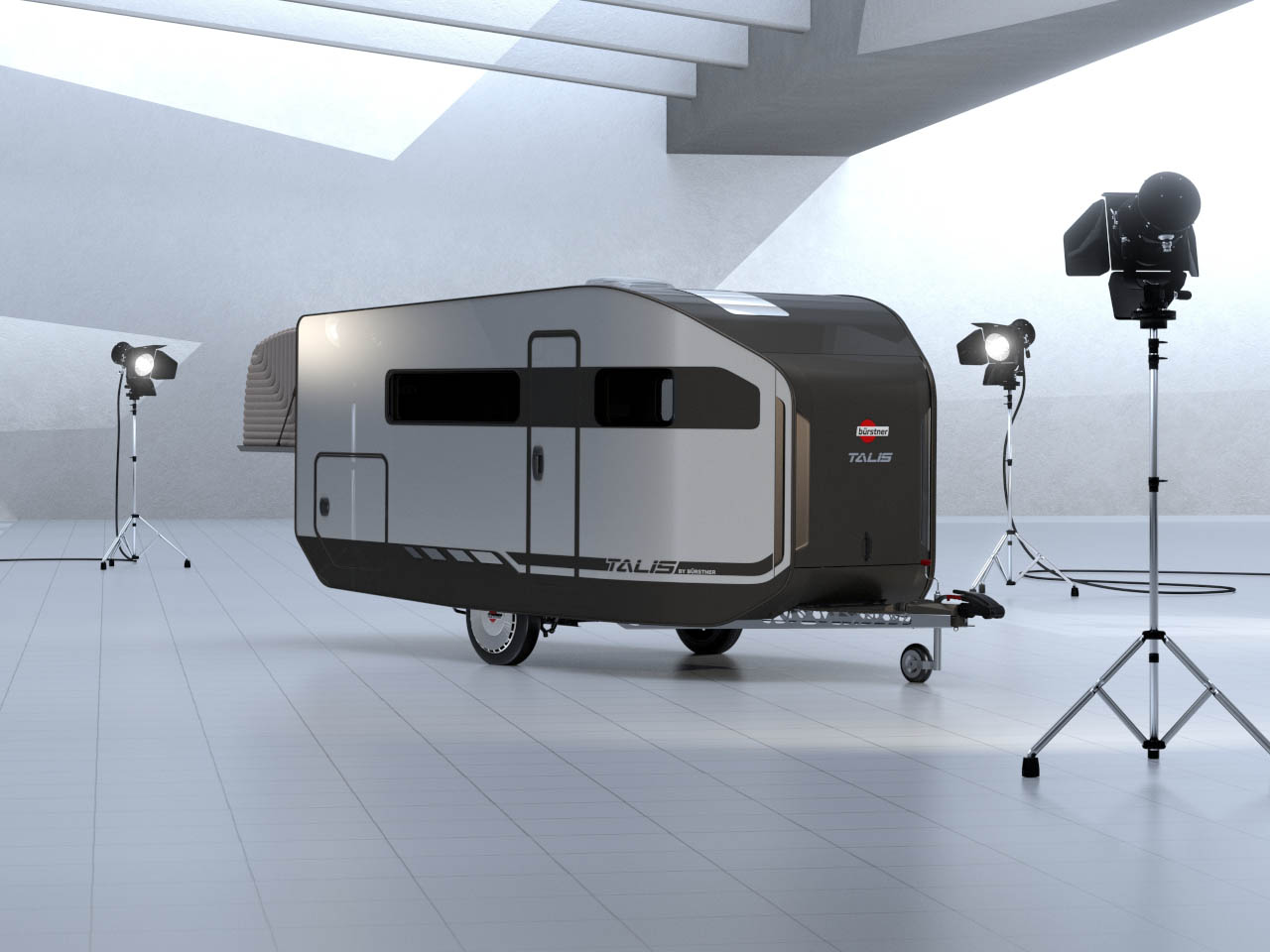
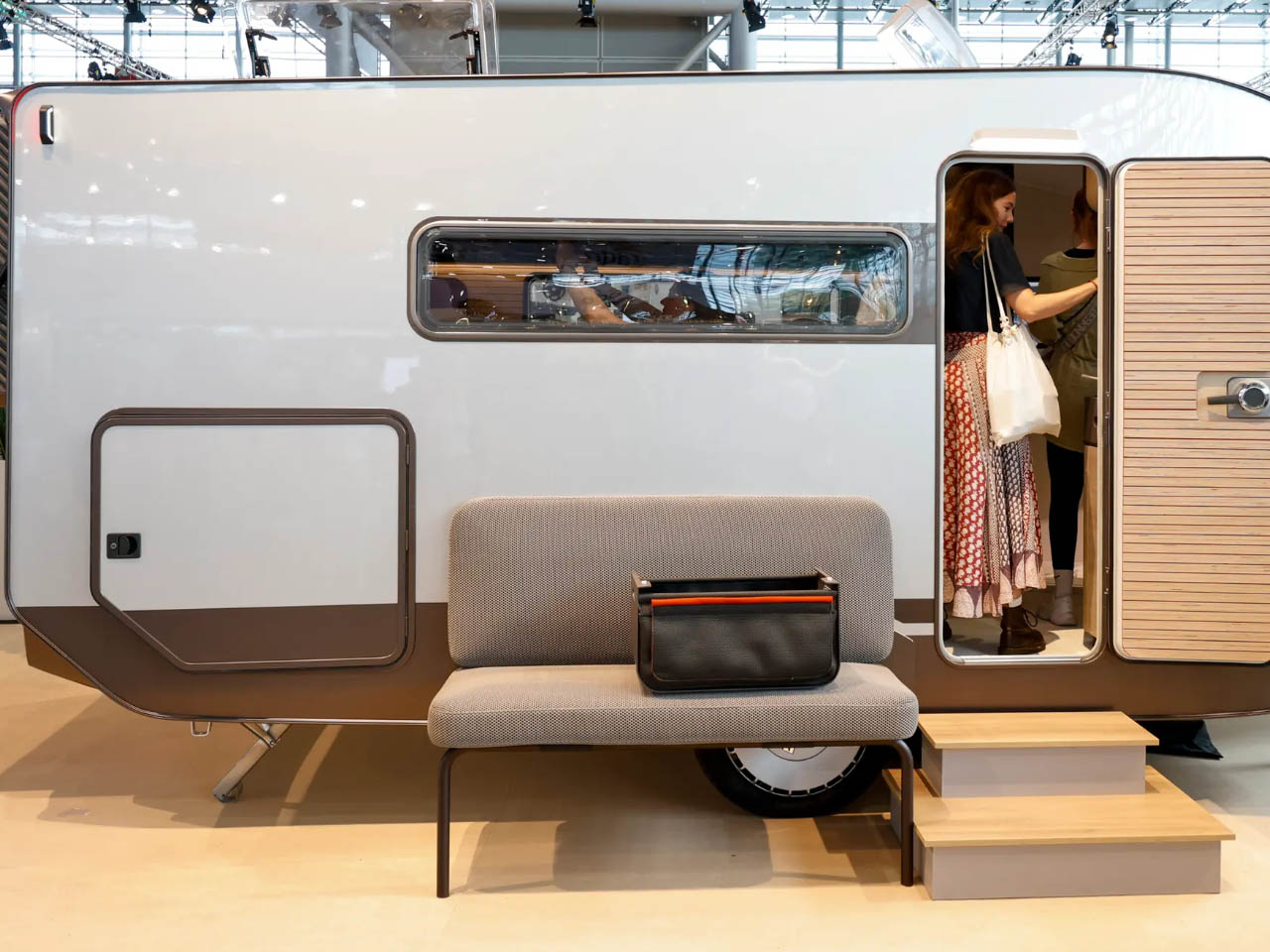
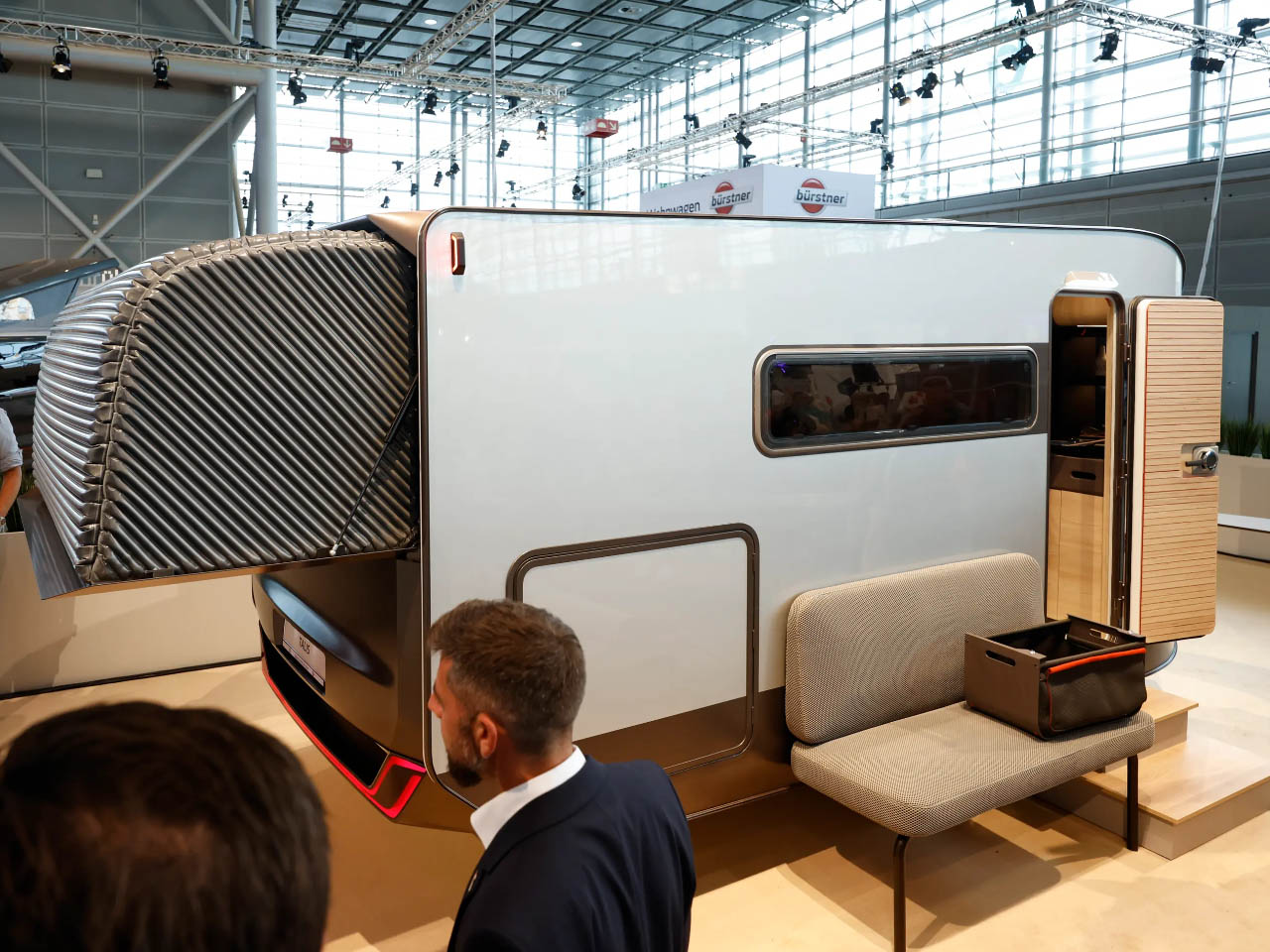
Of course, by trimming the size and dimensions of the camping trailer, the comfort will be compromised, but Bürstner from Kehl in Germany thinks otherwise. It is thus coming to the abovementioned RV show with the Talis; a trailer designed with marine-inspired aerodynamics, modular living space, and an inflatable rear that expands its compact form factor for user convenience.
Welcome to the future of trailer camping! Designed in partnership with StudioSyn, the Talis is a futuristic concept that has the potential to be the highlight of Caravan Salon 2024. On the outside, at first glance, there isn’t much difference, but a closer examination shows, as the company confirms, pointed front and the rear of the camper that are “reminiscent of a fish.” The design is a result of multiple run-throughs the virtual wind tunnel software before settling for this shape.
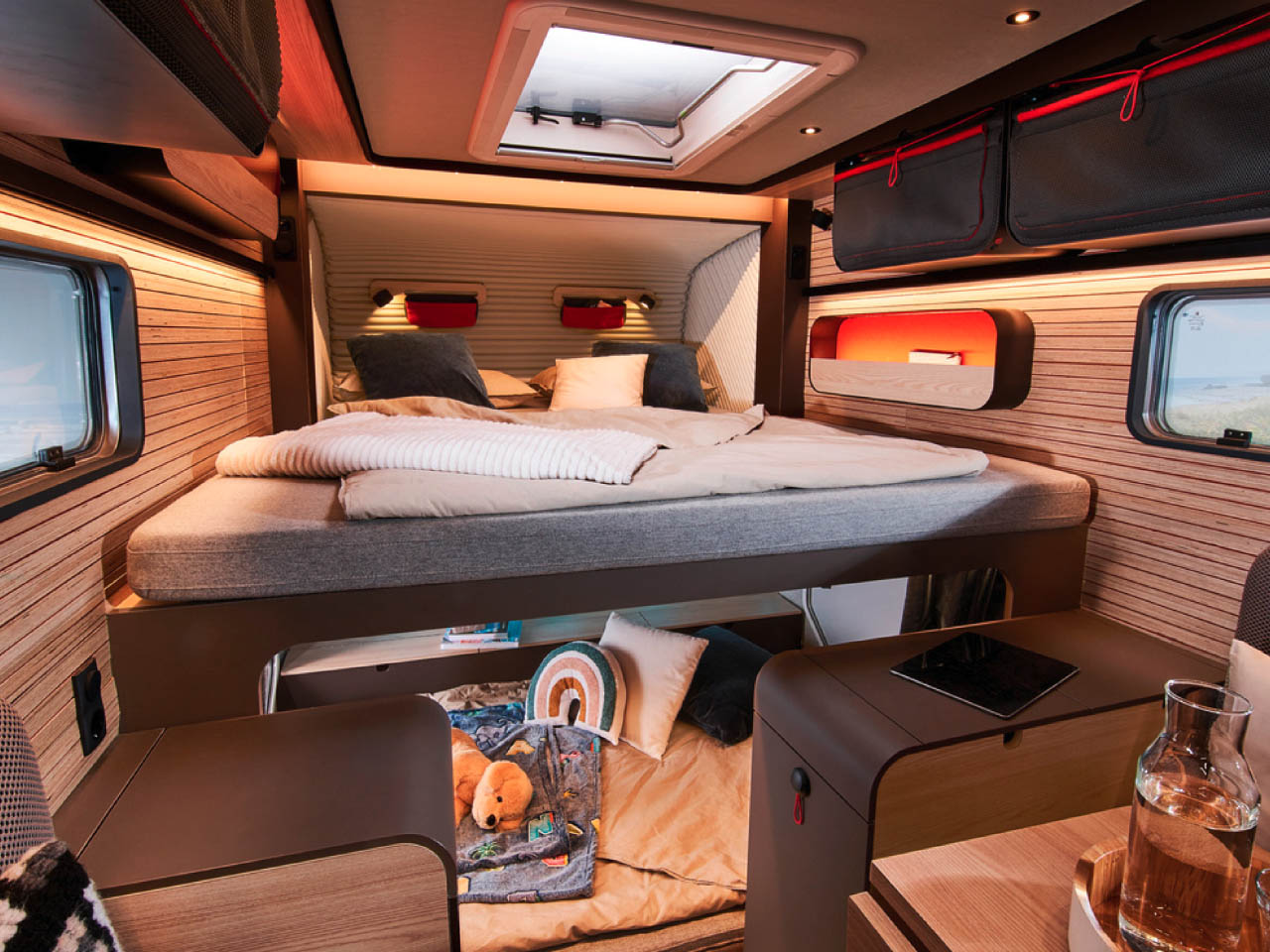
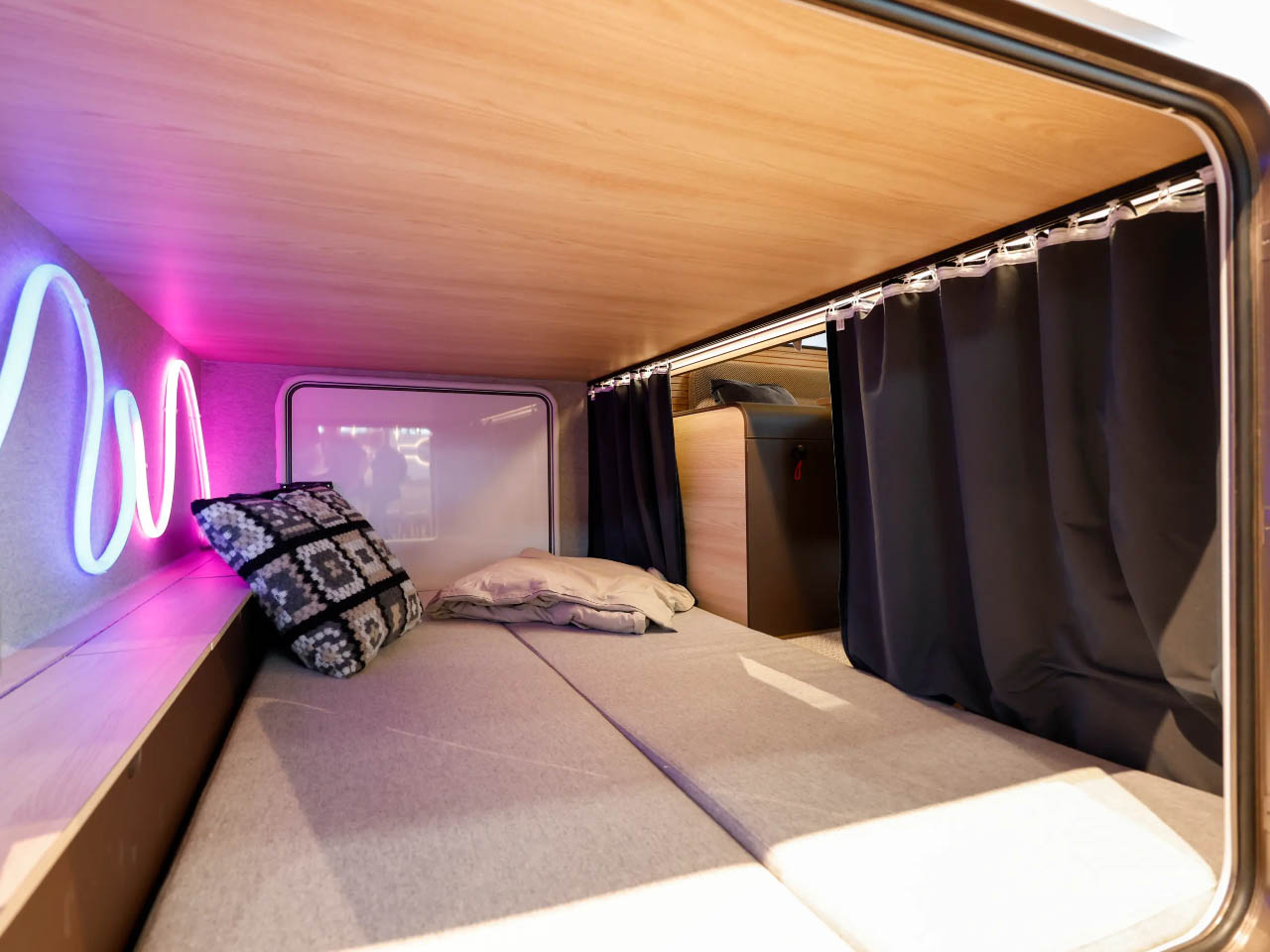
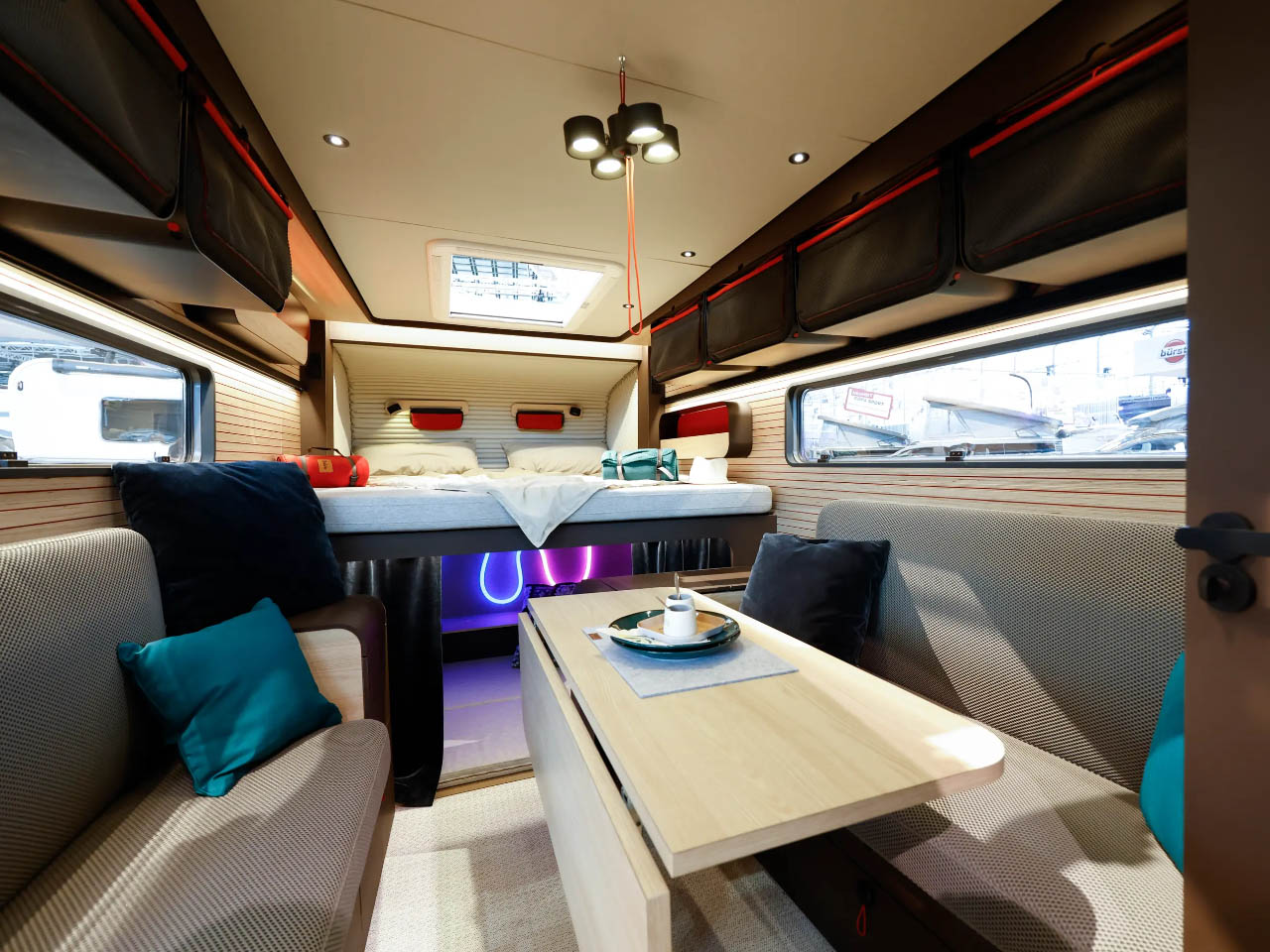
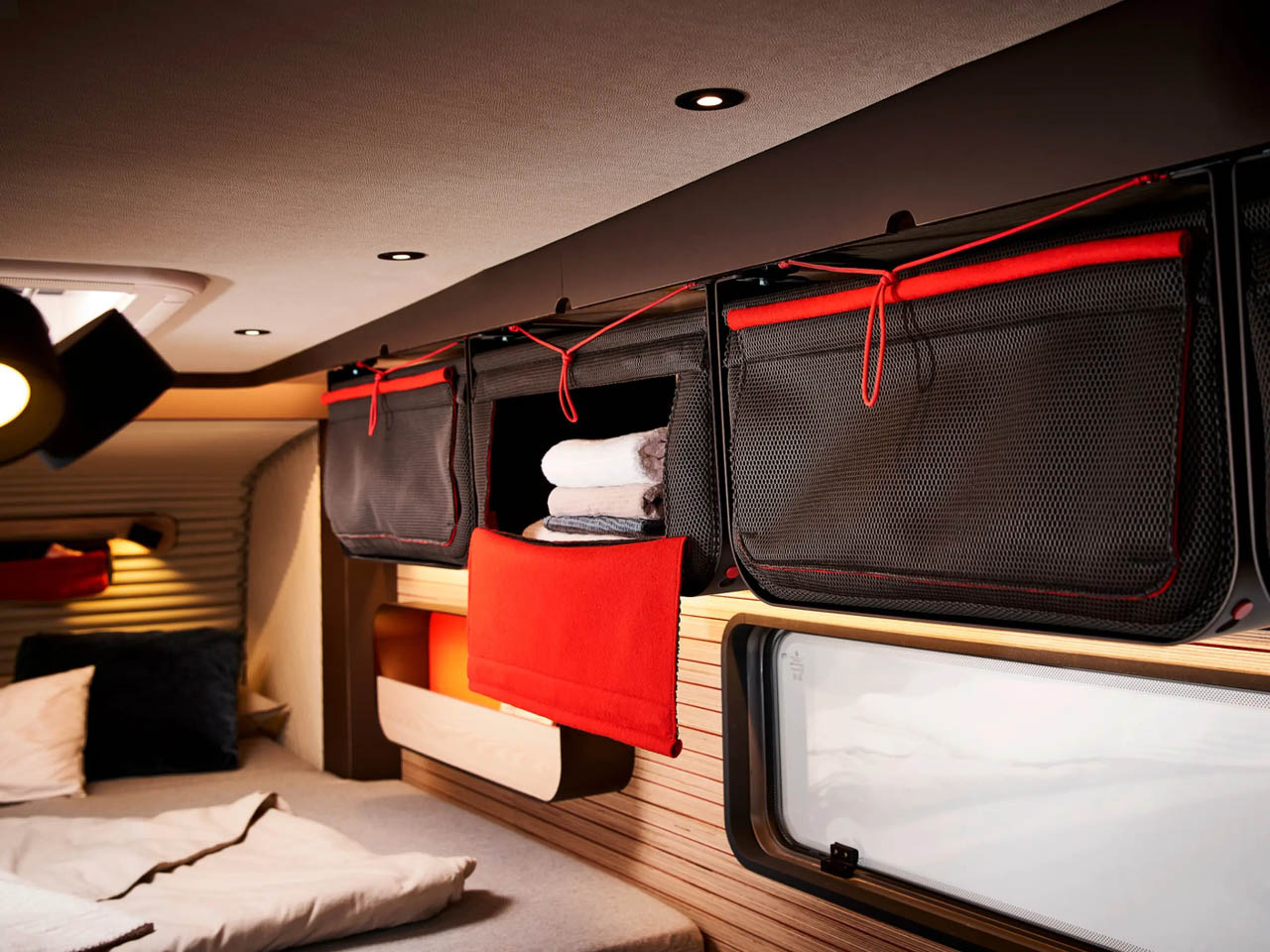
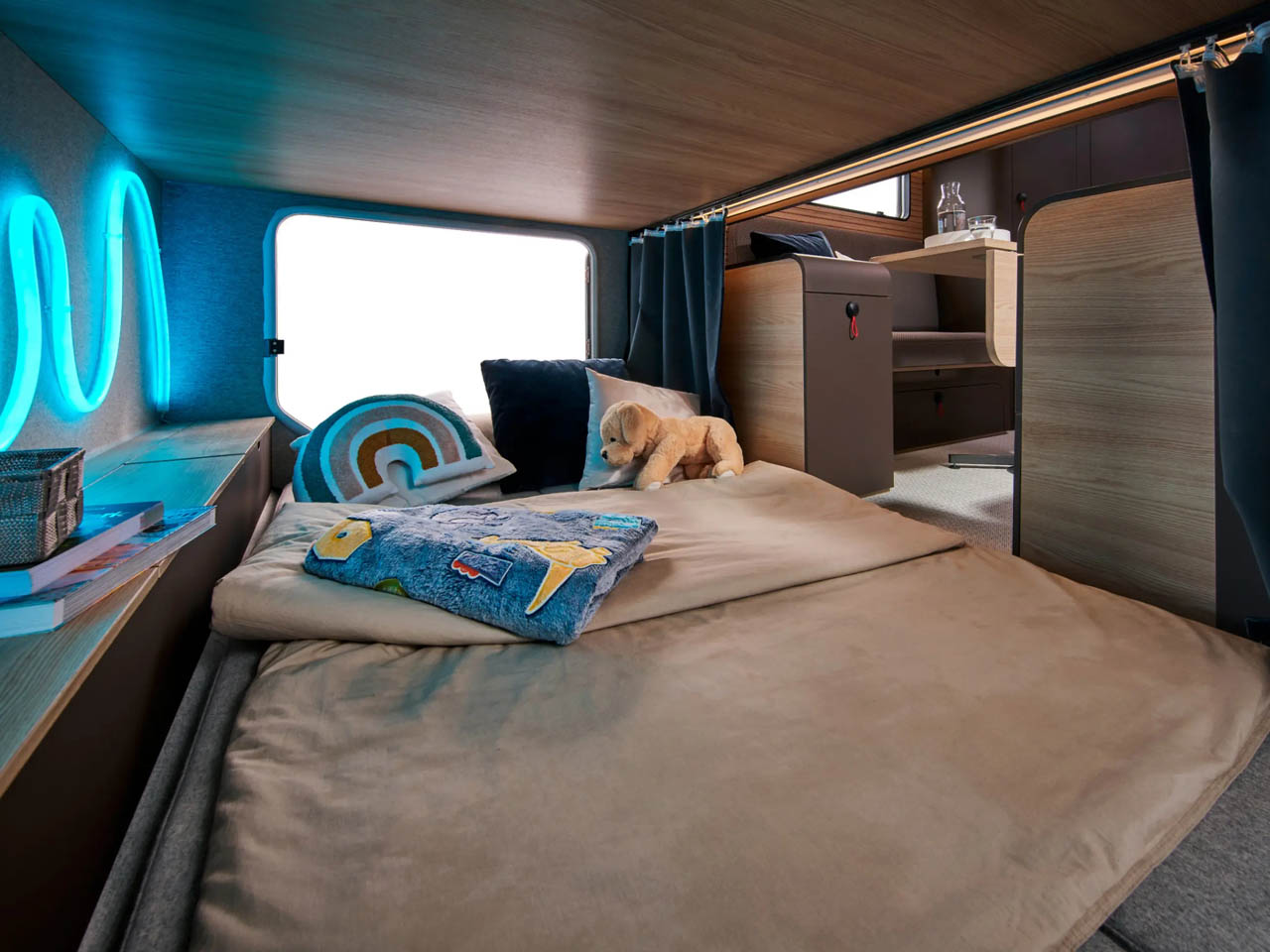
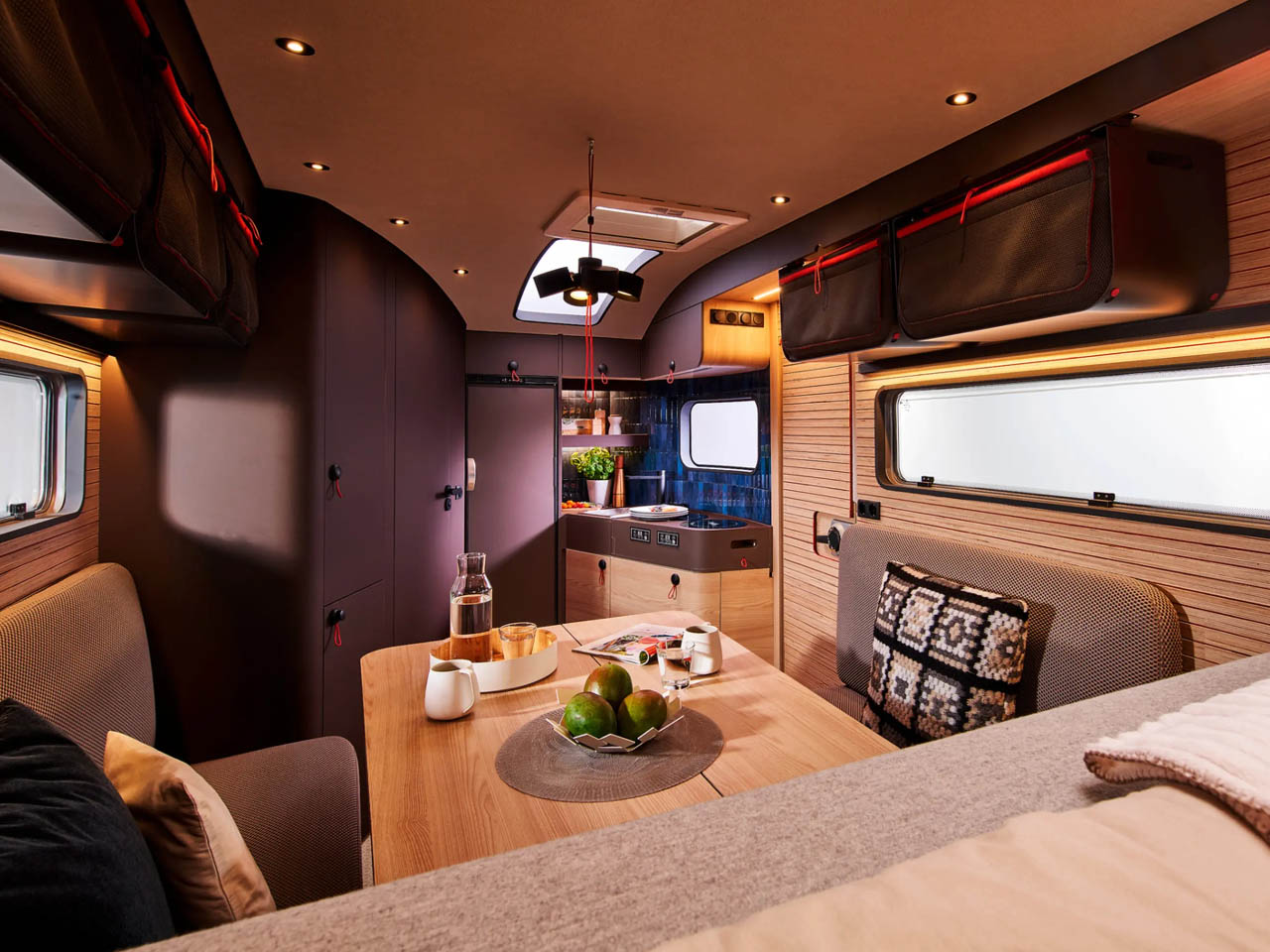
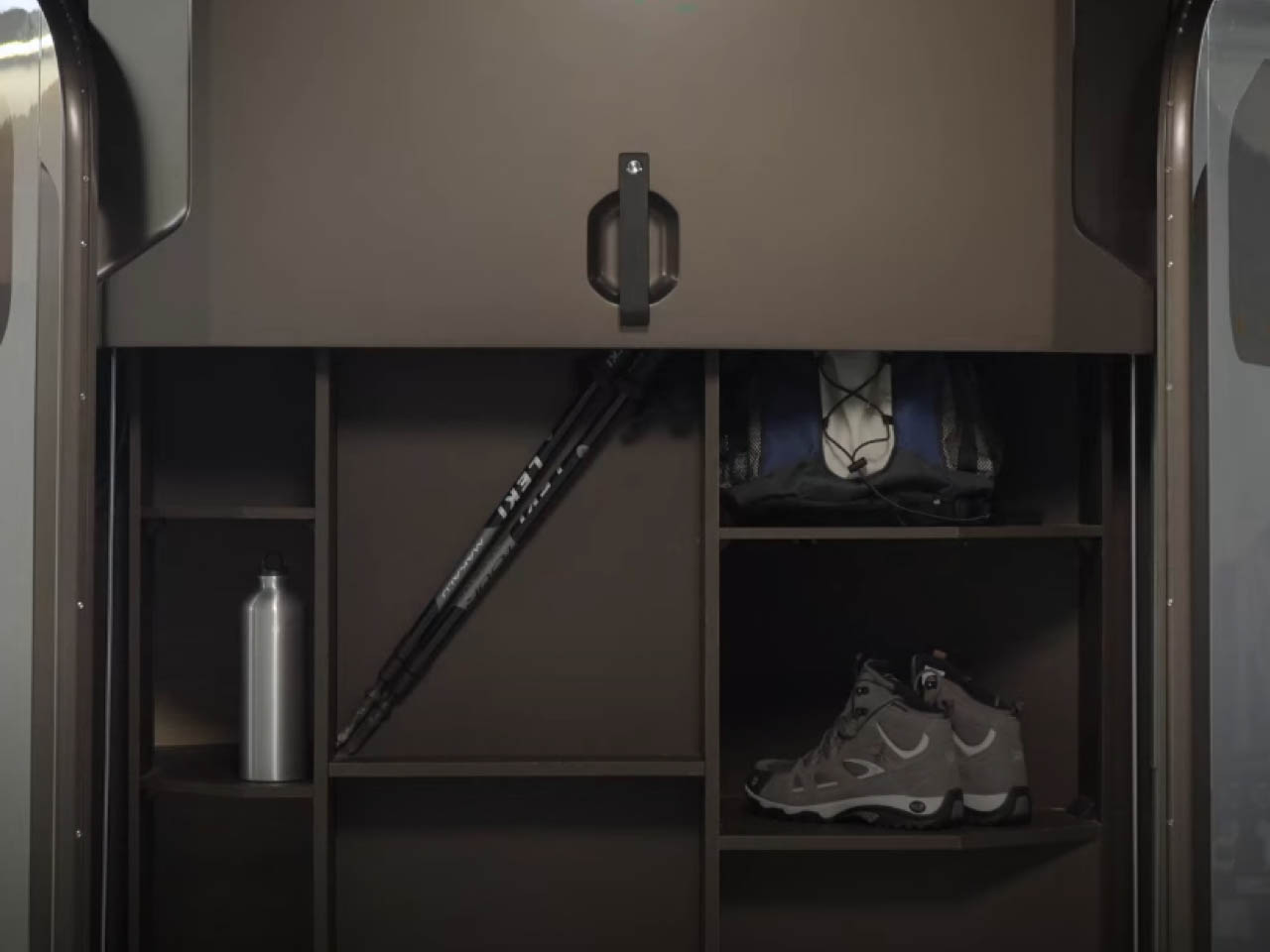
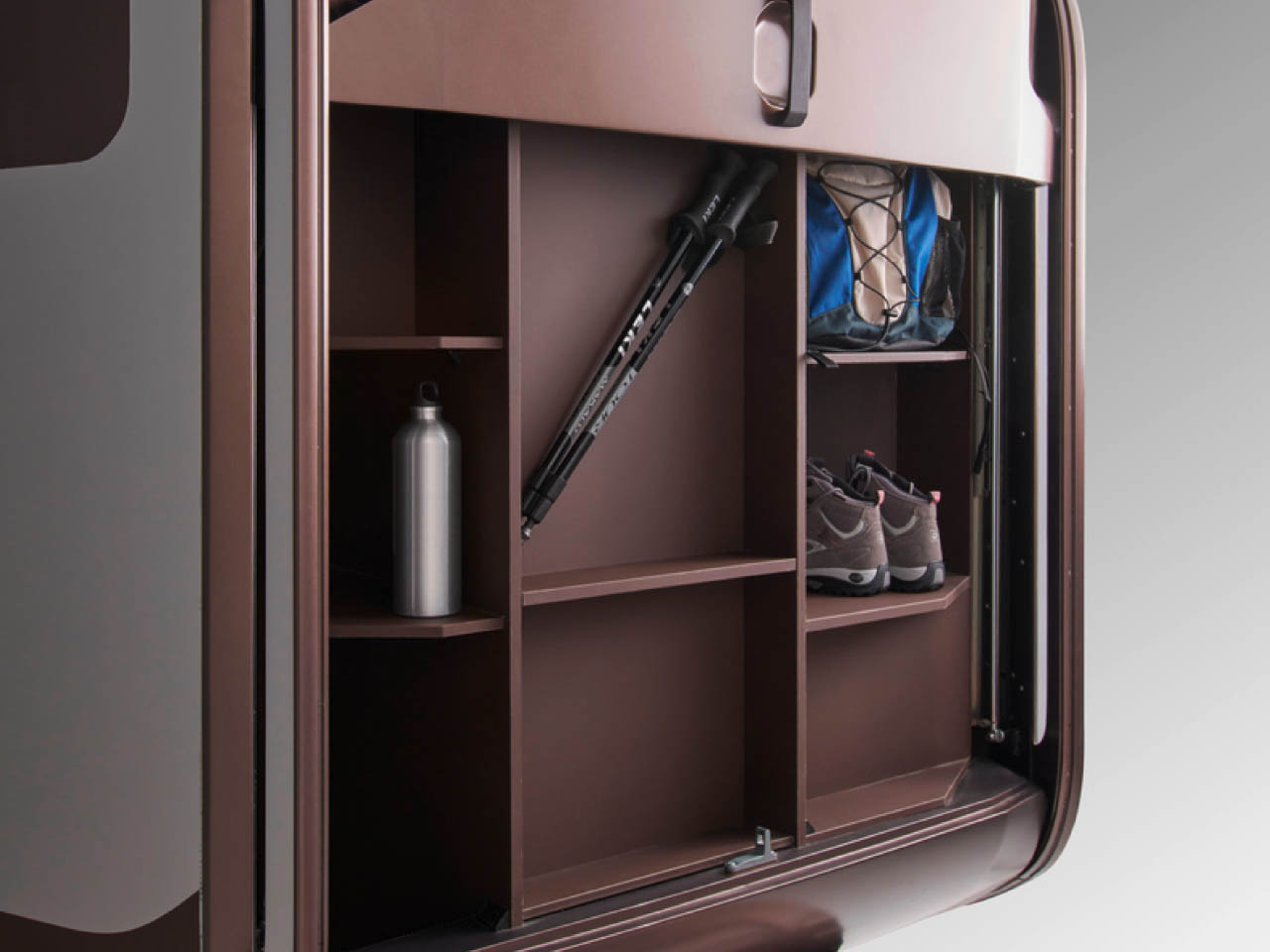
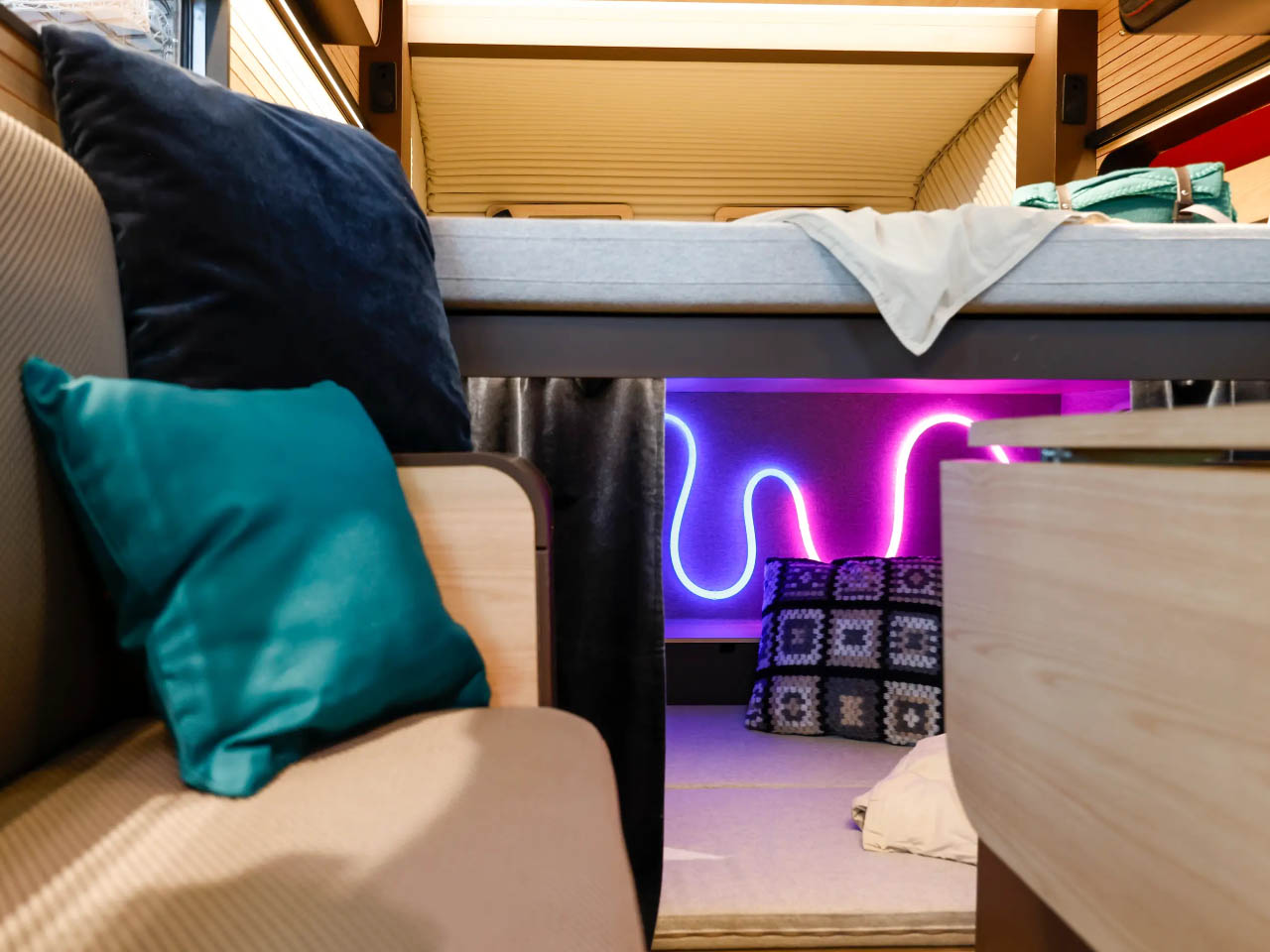
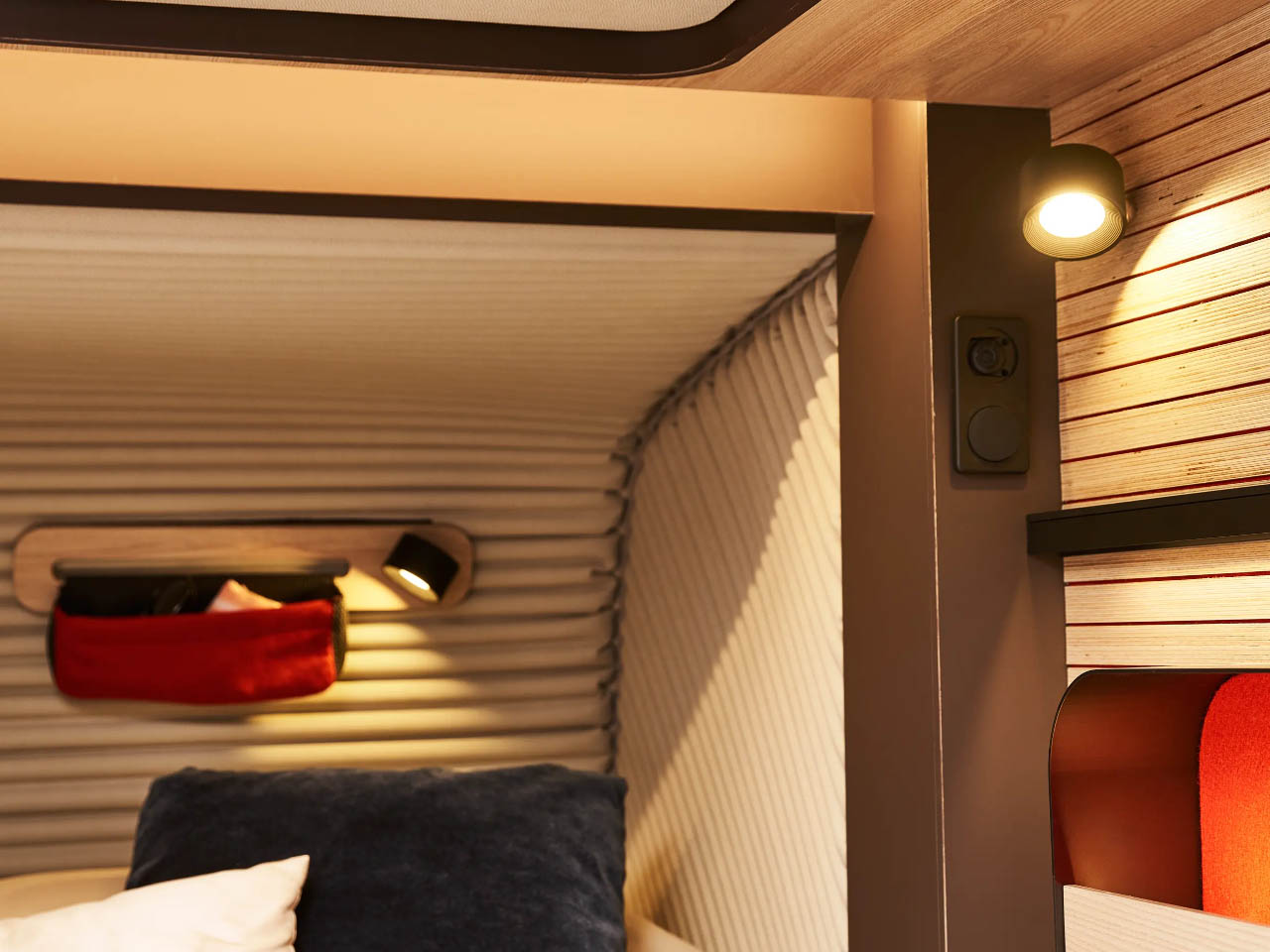
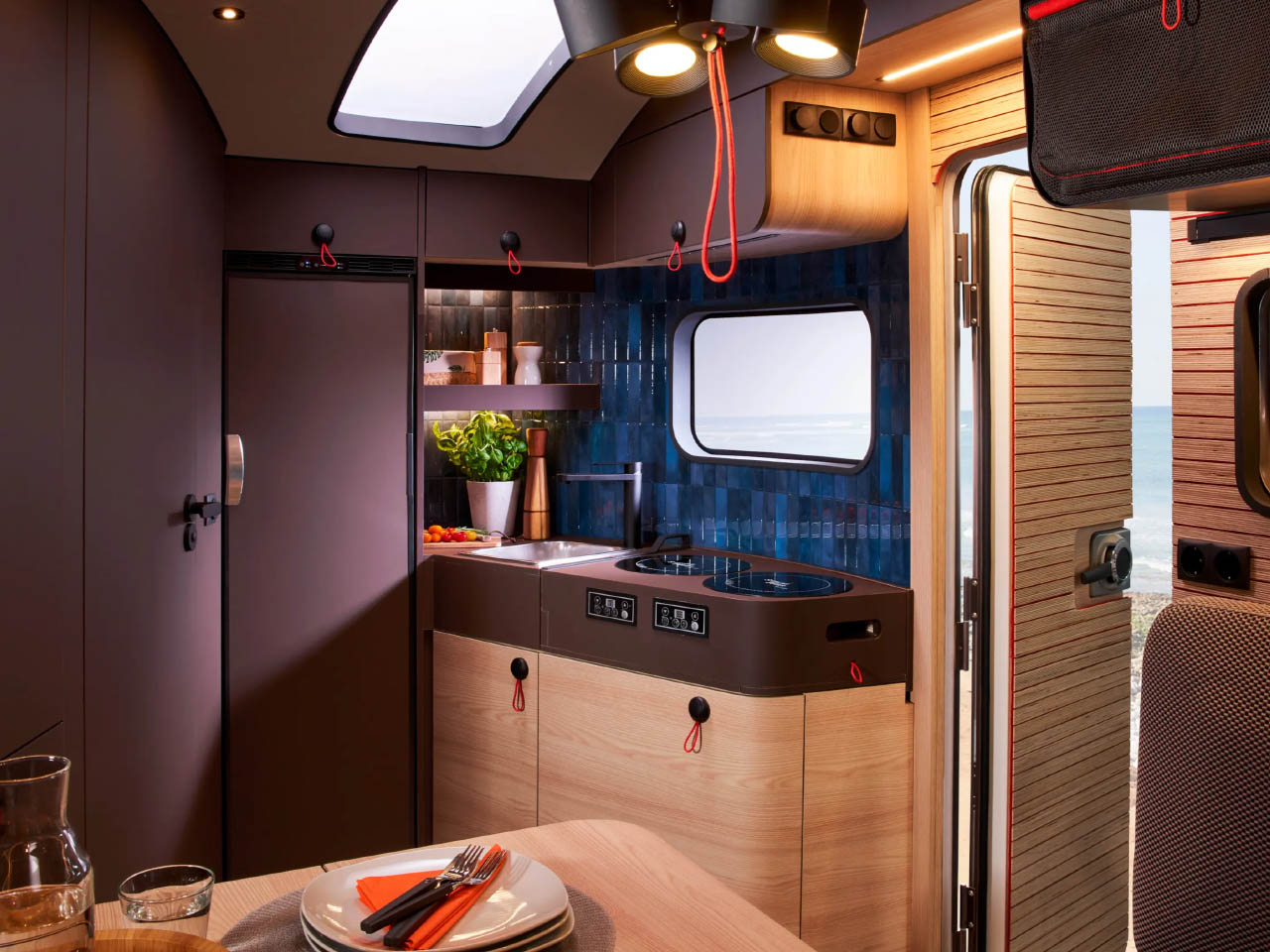
The exterior is pretty compact, yet the interior, featuring slatted wood wall paneling with soundproofing and movable battery-powered lamps, is pretty spacious to accommodate a couple and two children. The spaciousness is possible with the multifunctional Bürstner Air-Xtension System, which allows the rear of the trailer to inflate and permit the fixed rear transverse bed to convert into a 200 x 170cm bed lengthwise. Under the rear transverse bed (without transformation) is the “kids sleeping den.” This child-friendly sleeping space for two kids can double as storage space or garage during the day and can be partitioned off with a curtain.
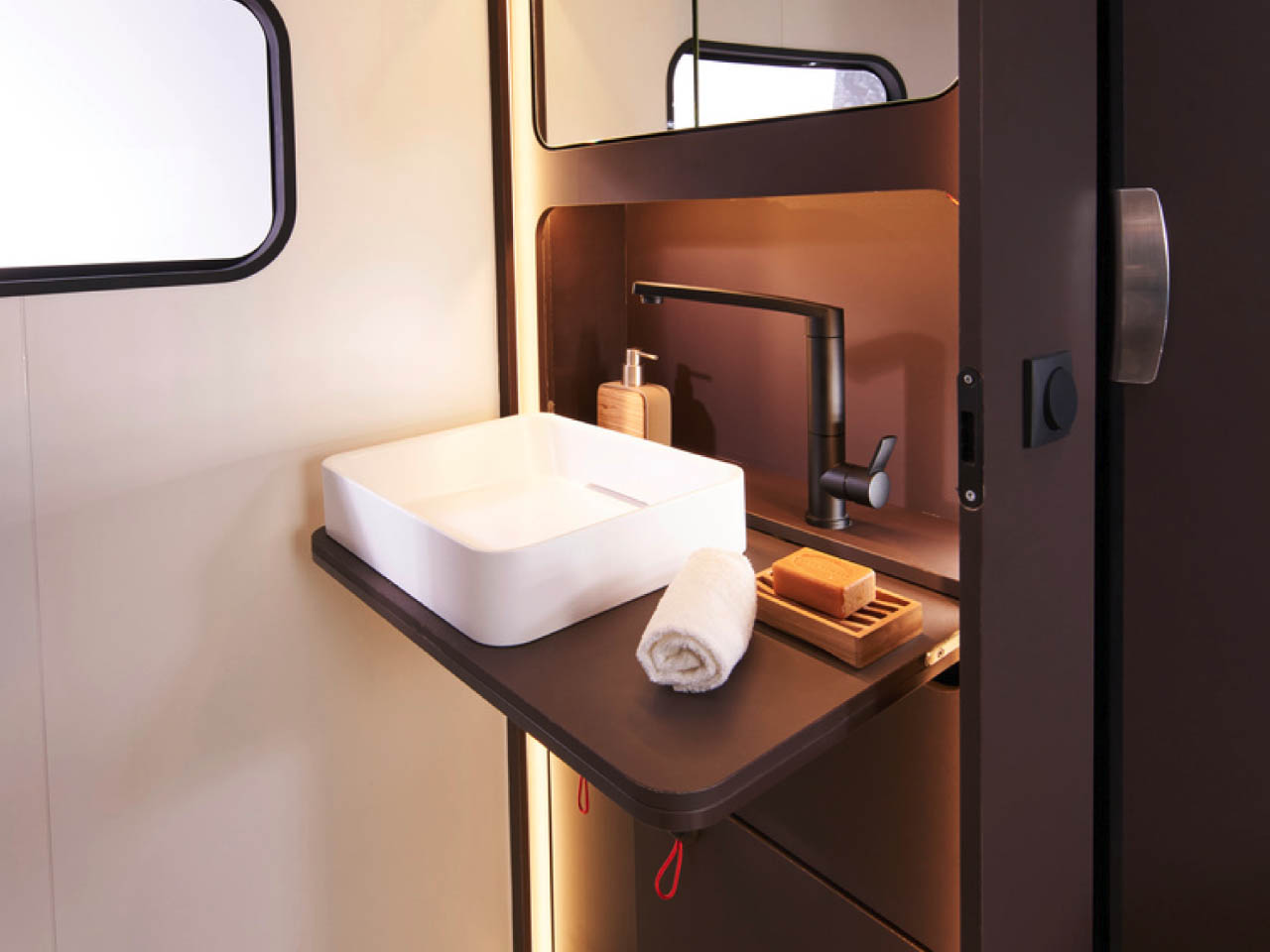
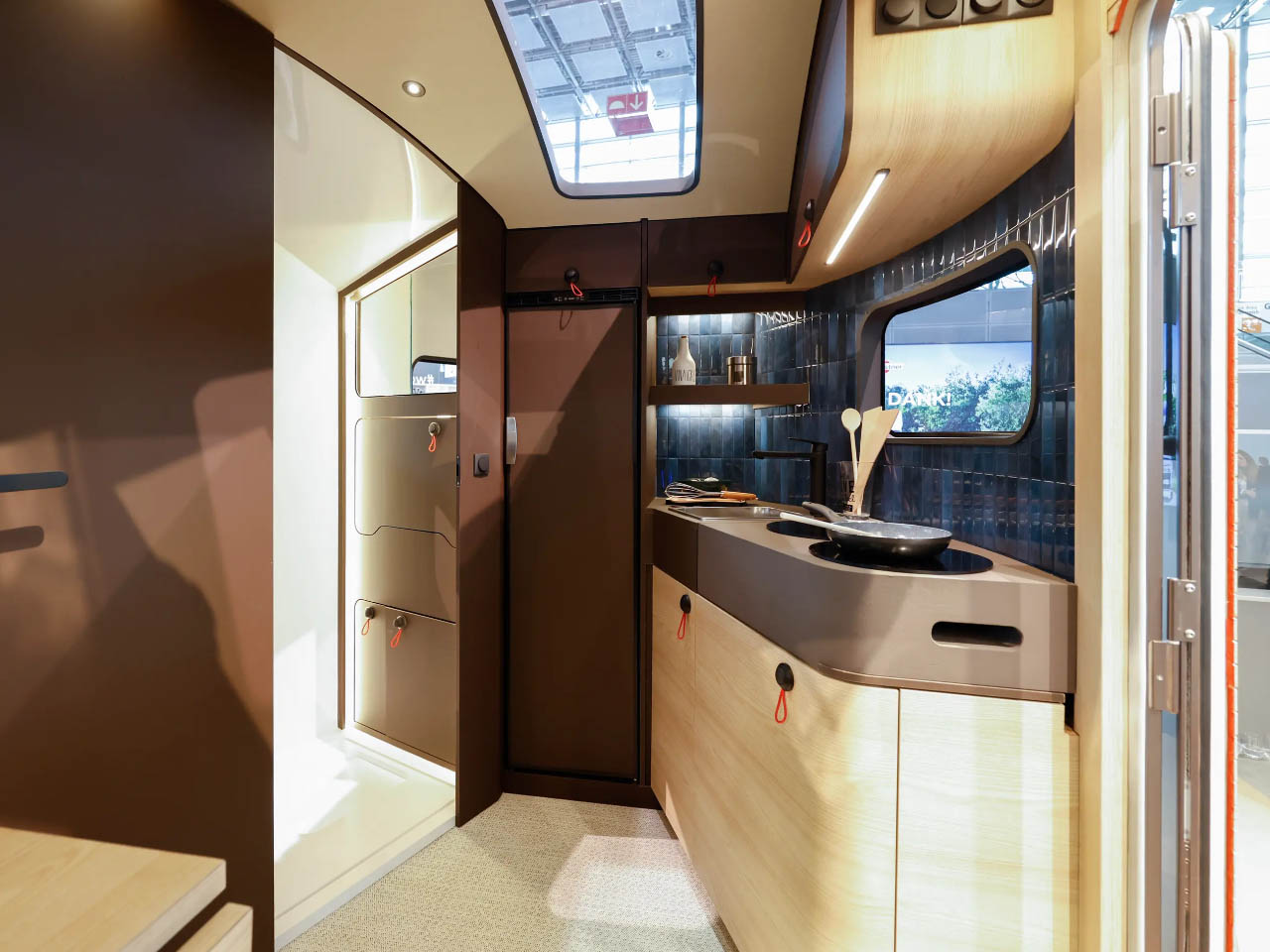
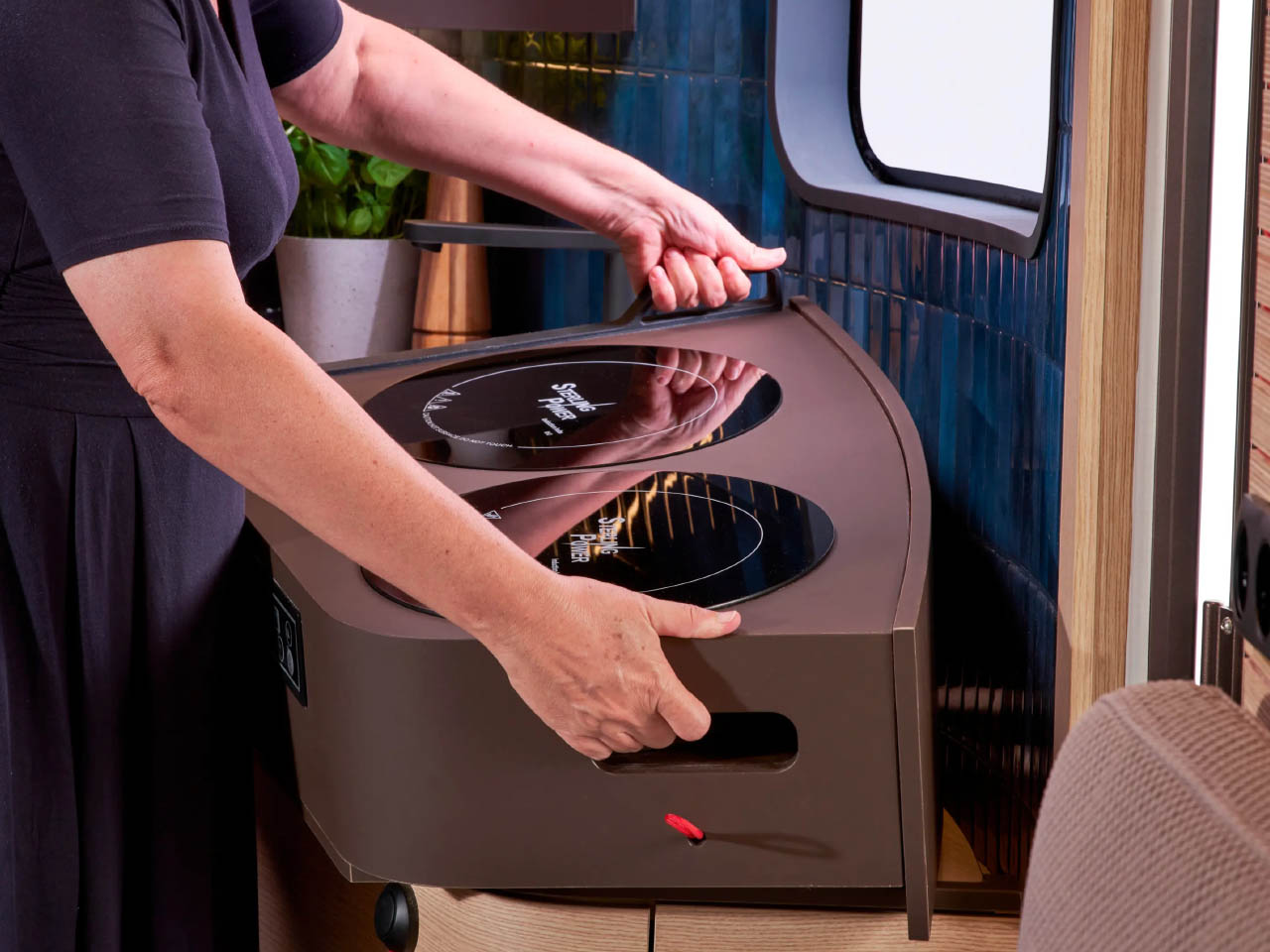
To enhance the culinary experience onboard is a kitchen module with a double induction hob. This has a portable kitchen, which allows residents to carry its top half outdoors to extend the cooking experience beyond the confines of the four camper walls. Despite the small size, Talis has been provisioned with a twin chamber, a self-sufficient eco-toilet that would function without any chemicals. The bathroom would also have space for a shower and a foldable sink.
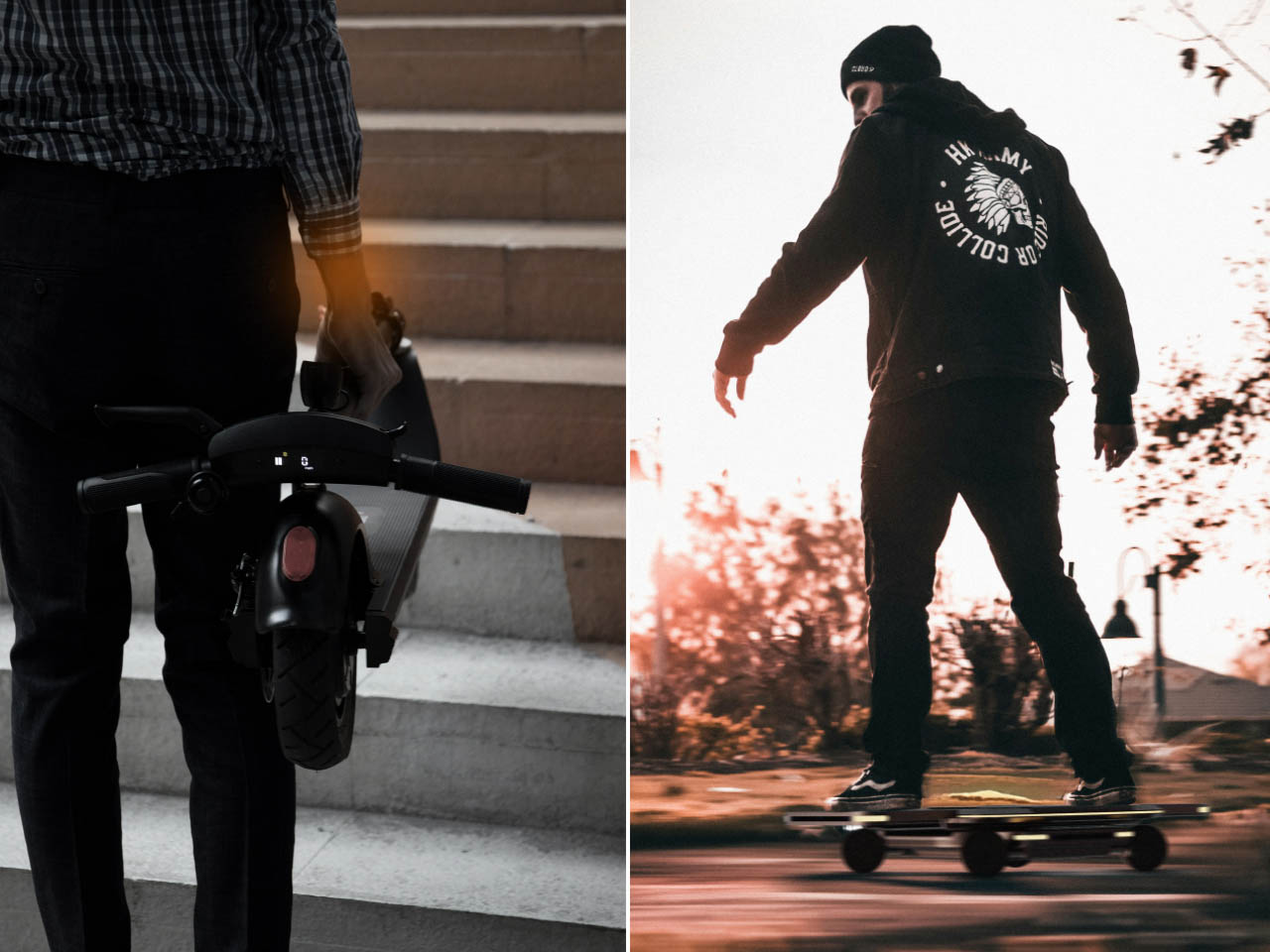
Hoverboards and electric scooters come with their own set of advantages and irks that influence the buying decision. While hoverboard is the preferred choice for short jaunts, e-scooters with an average range of 10-40 miles are well suited for extended trips in the city. E-scooters also come with the advantage of better top speeds and performance.
On the hind side, e-scooters are more expensive and less swanky when compared to hoverboards. Someone looking for hands-free freedom of commuting in cities once in a while over short distances is much better off with a hoverboard or a trusted skateboard. What if we could have the best of both worlds? Of course, anything is possible in the concept design realm.
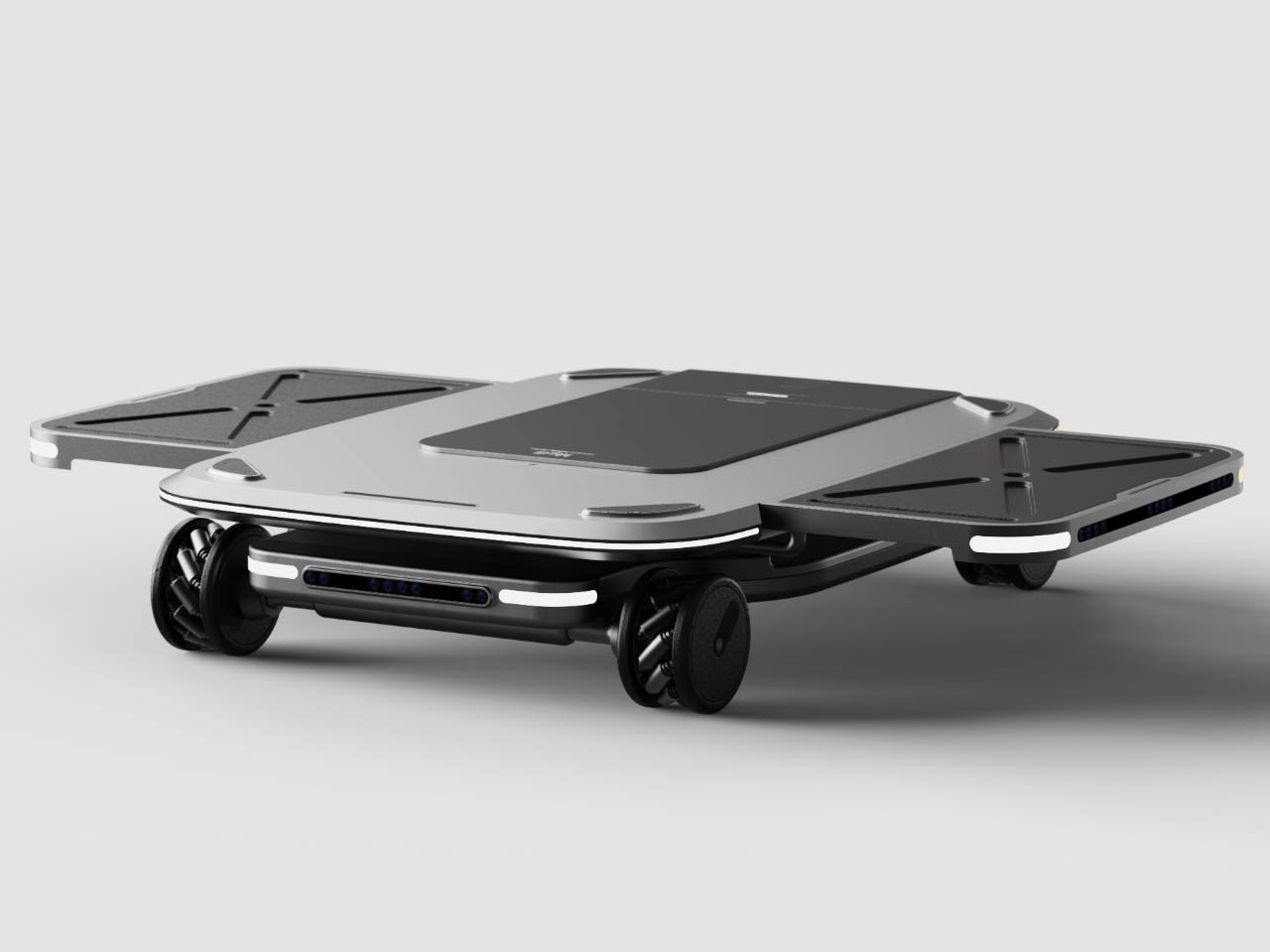
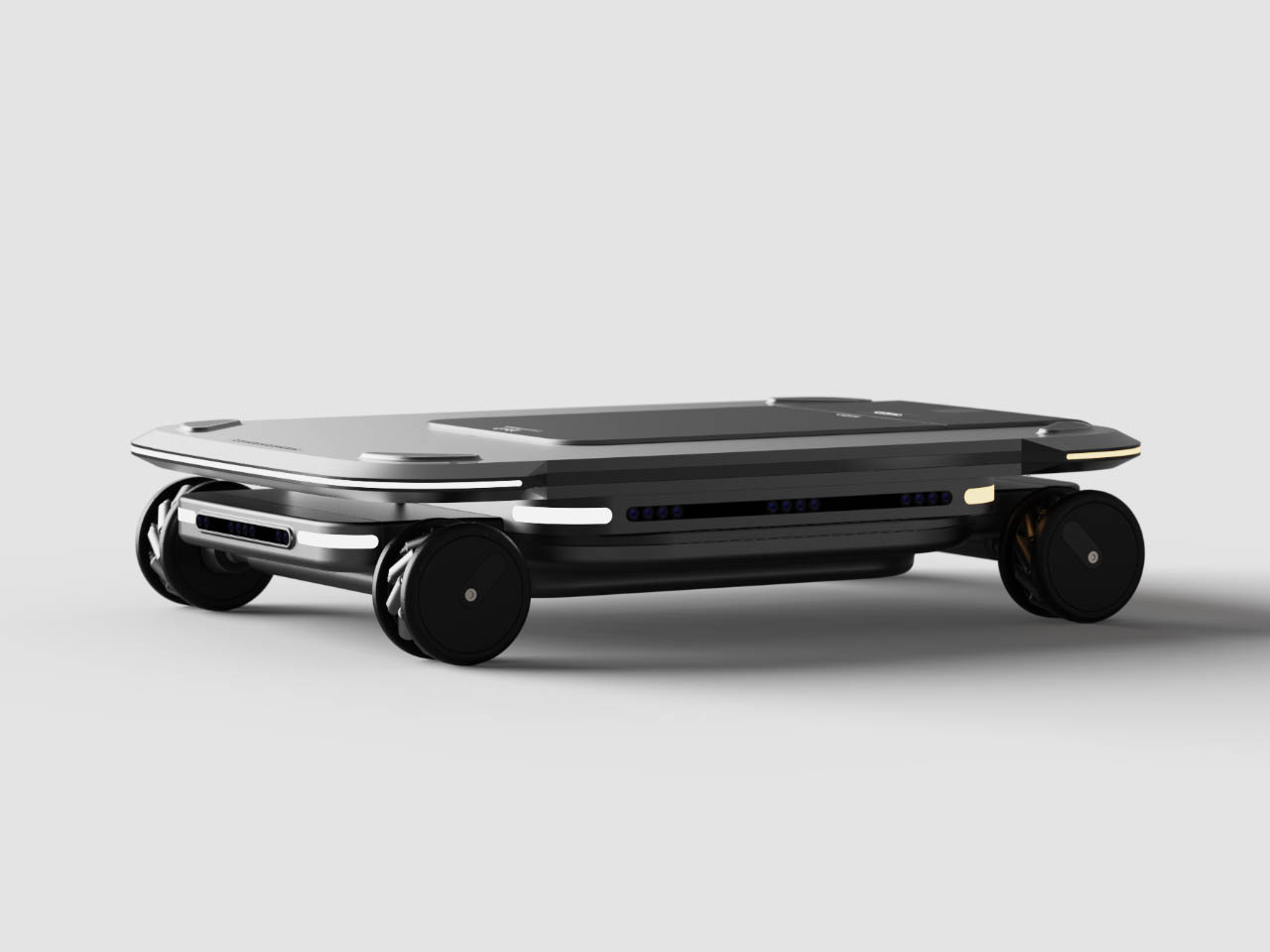
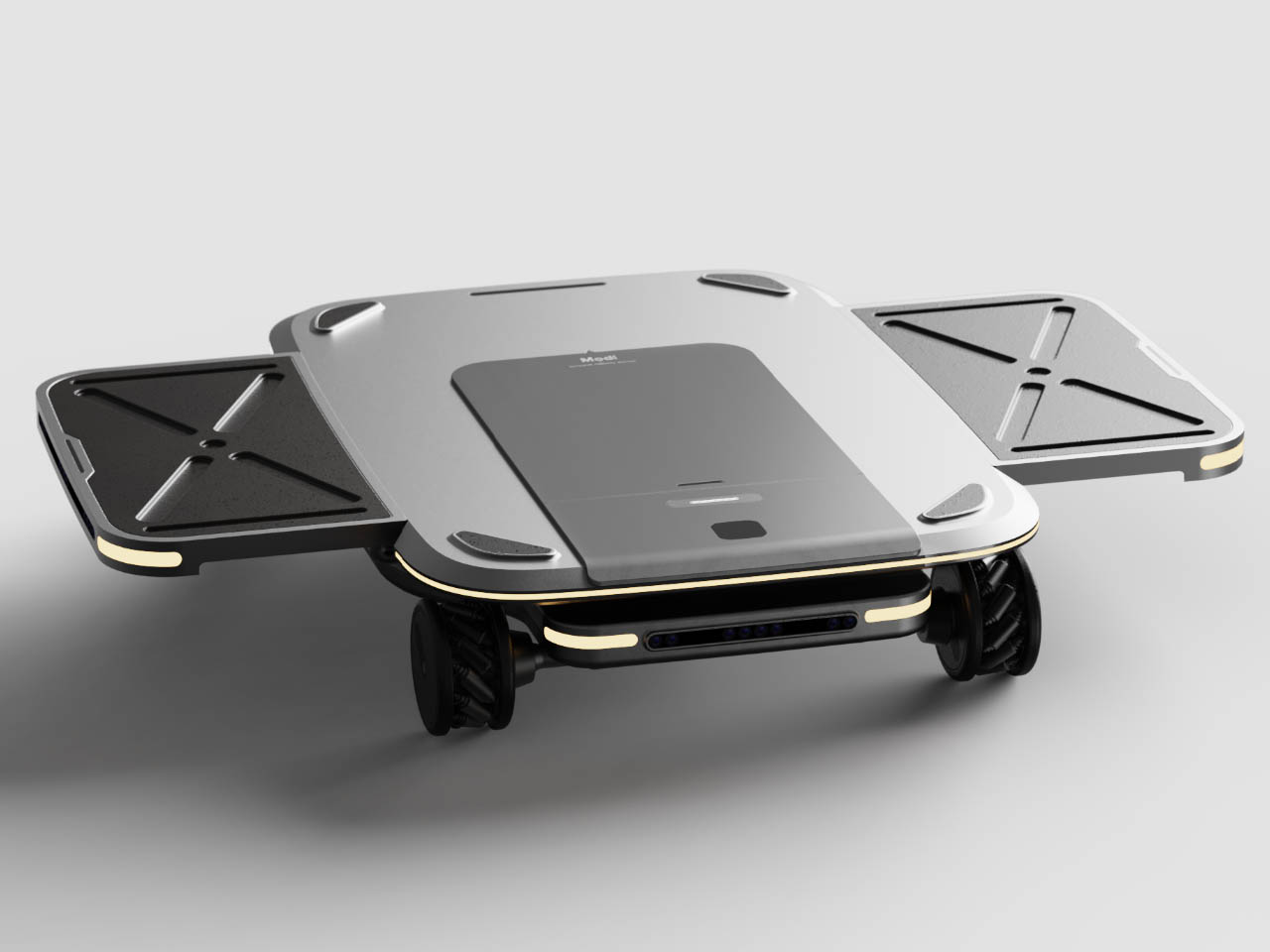
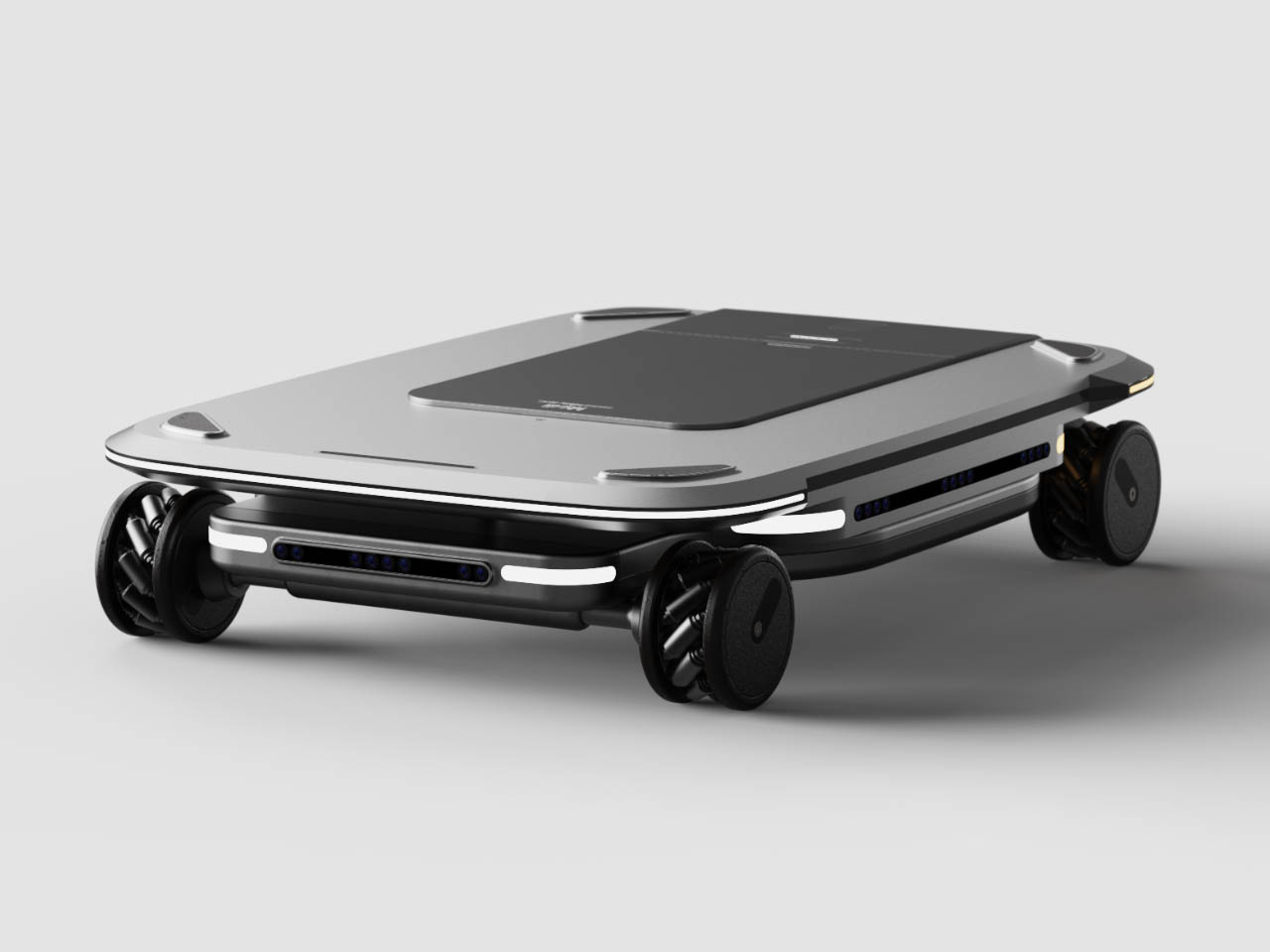
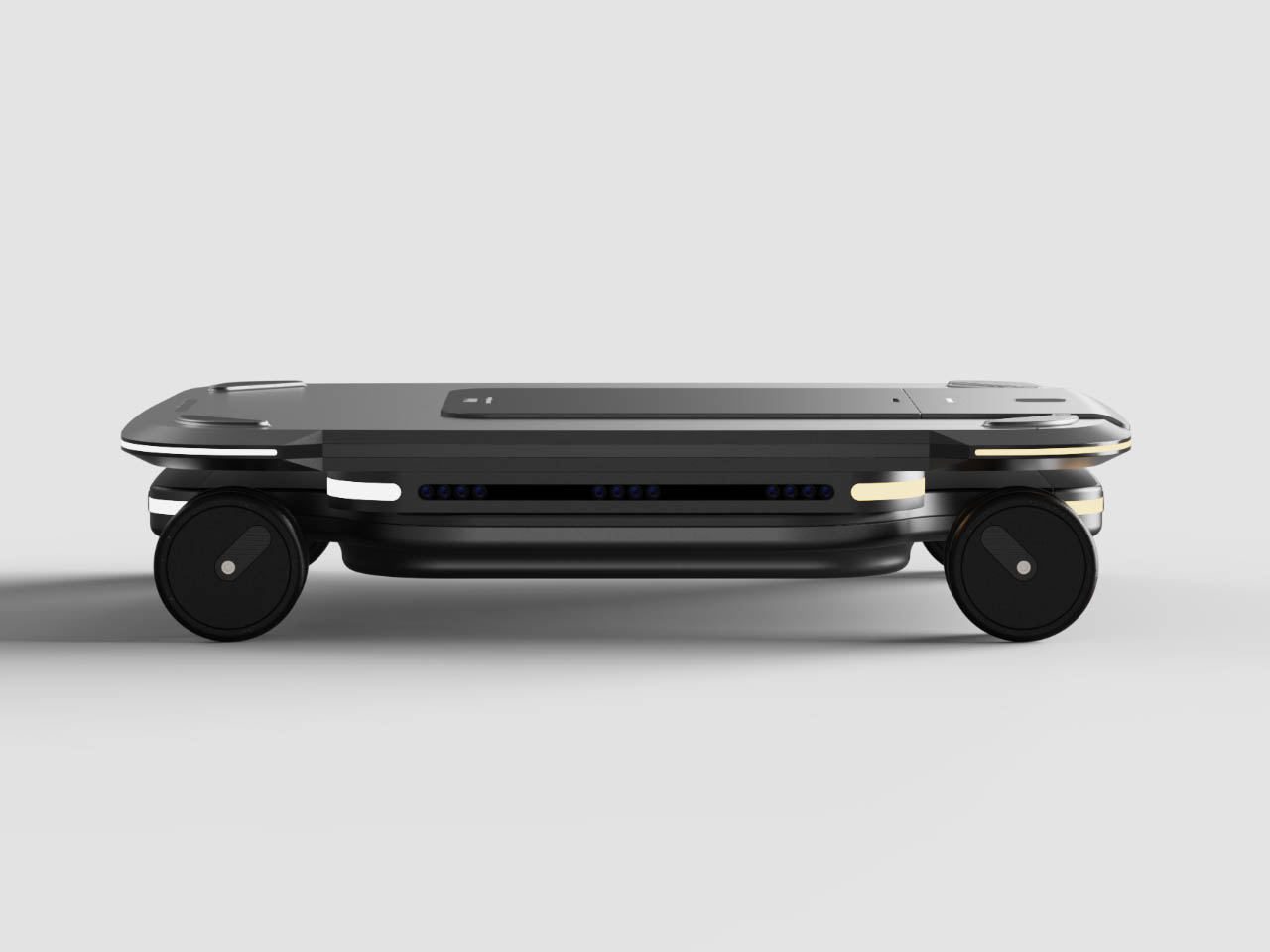
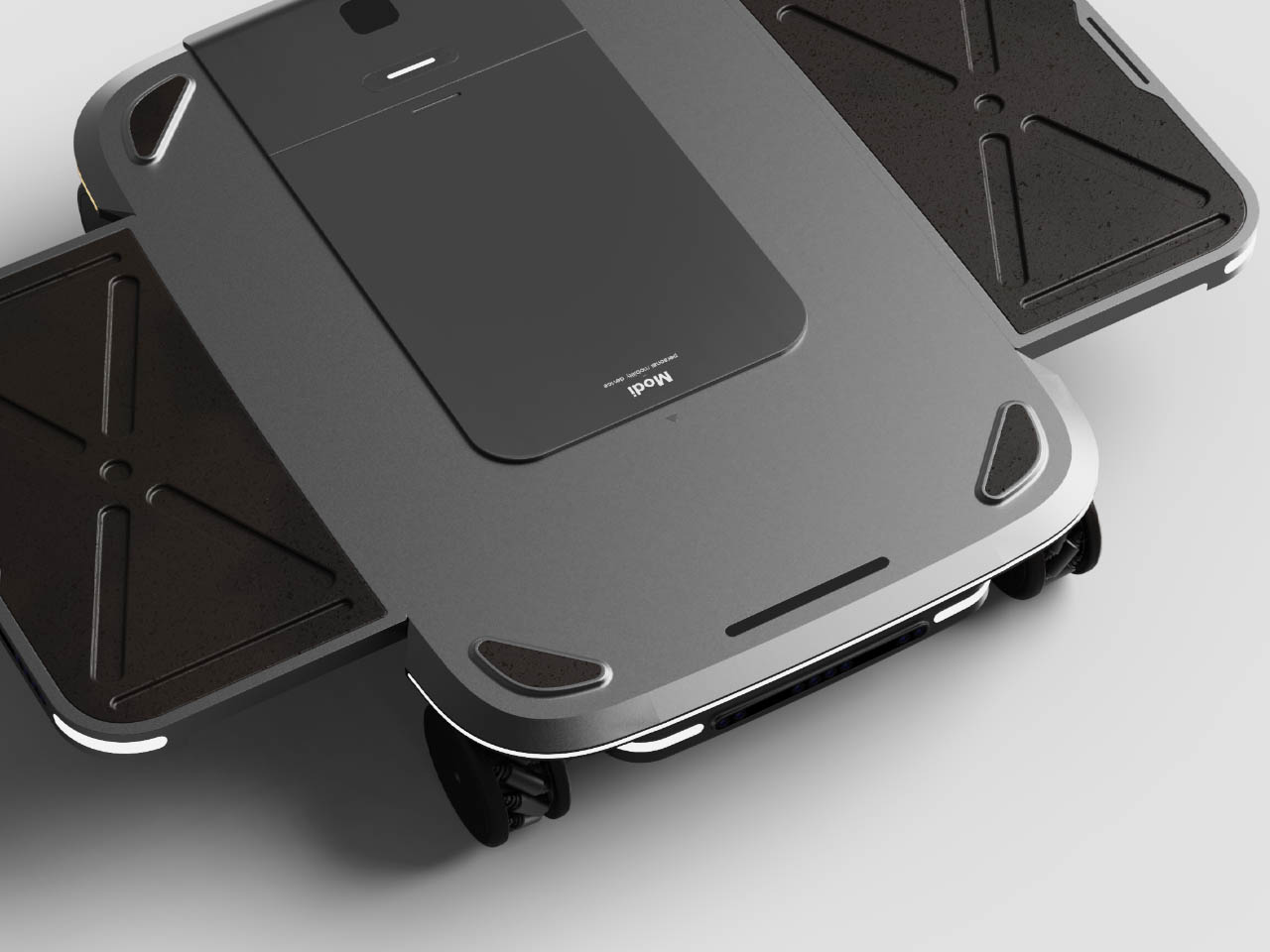
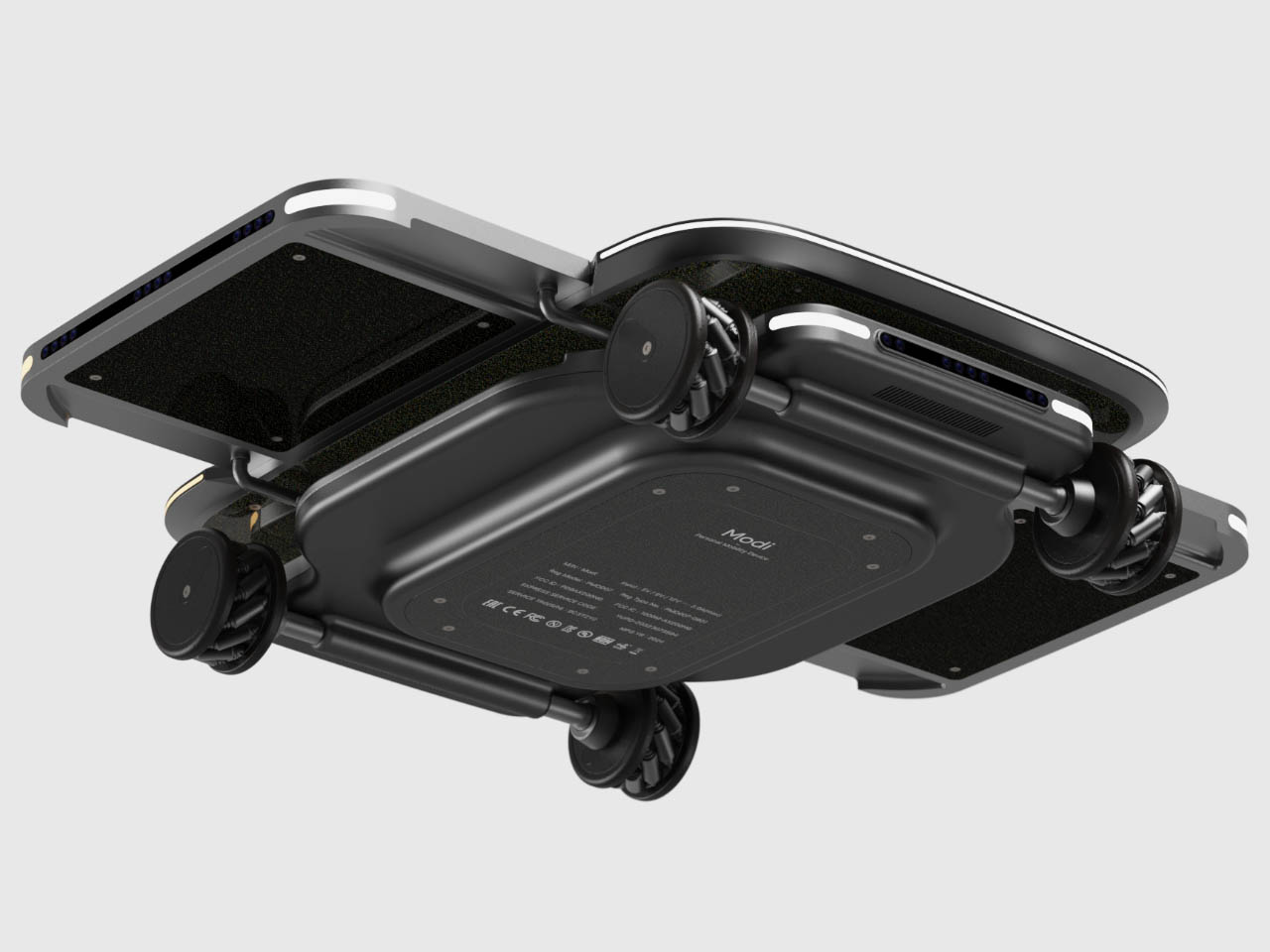
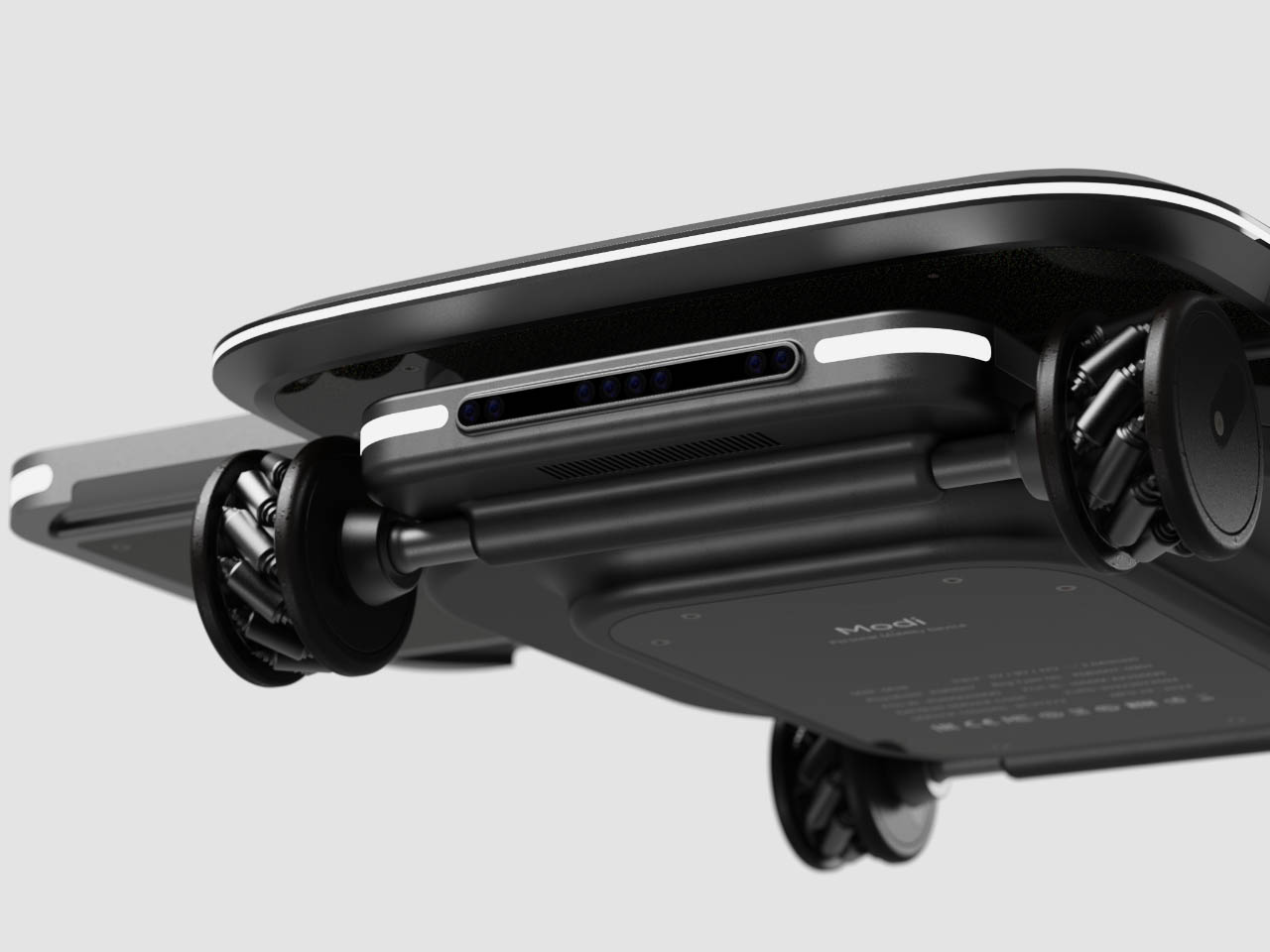
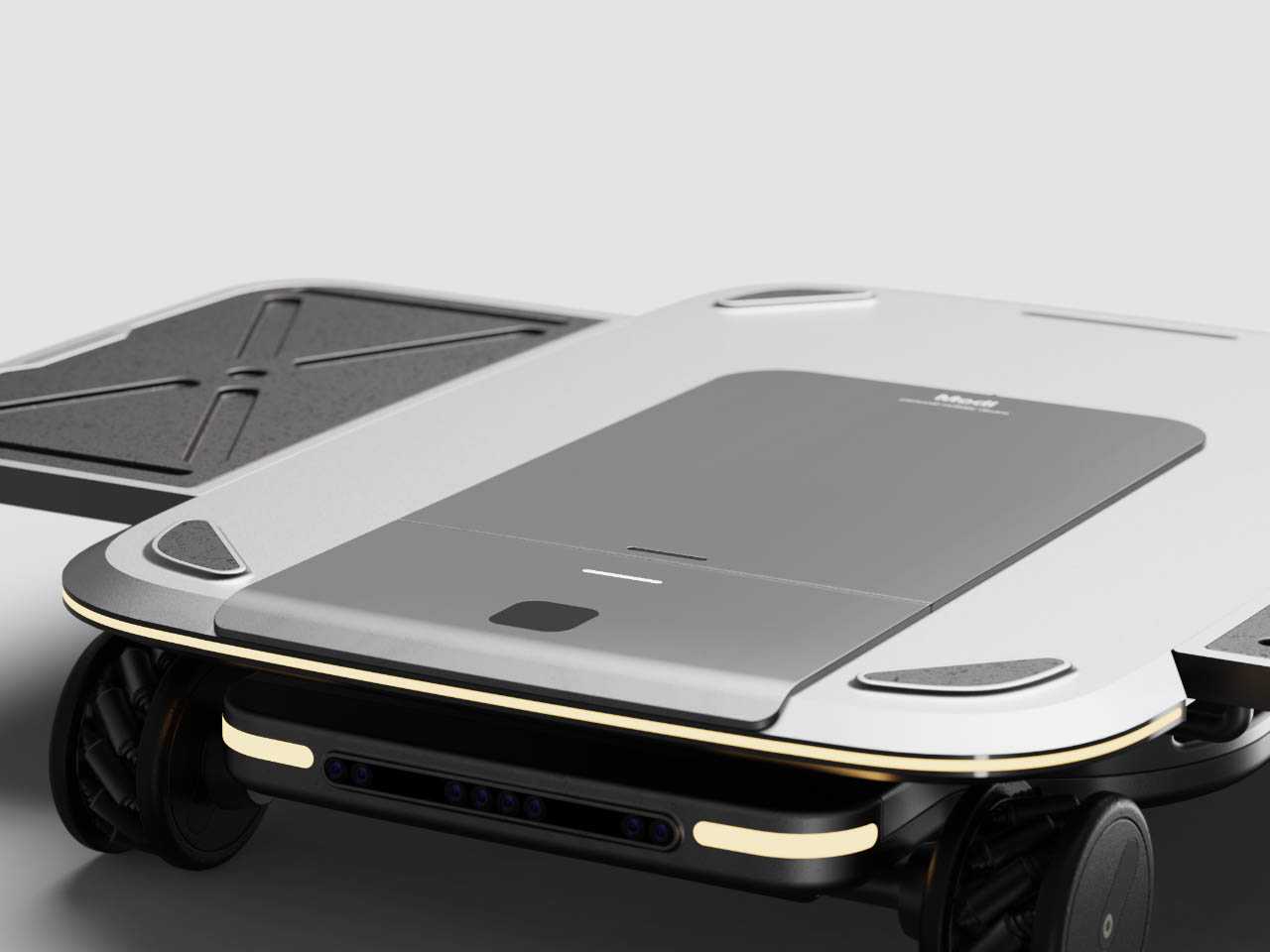
Craving urban freedom without compromising on style, comfort, or ease of navigating around without having to worry about running out of juice is what this Personal Mobility Device (PMD) aims to target. Dubbed Modi, the vehicle is a mix of a hoverboard and e-scooter, adapting the best features of both to appeal to every kind of city dweller. According to the designers, the motivation behind the design is to address modern-day transportation issues. Even the current league of PMDs has become a “nuisance on the roads due to their heavy weight, large size, and disorderly presence.”
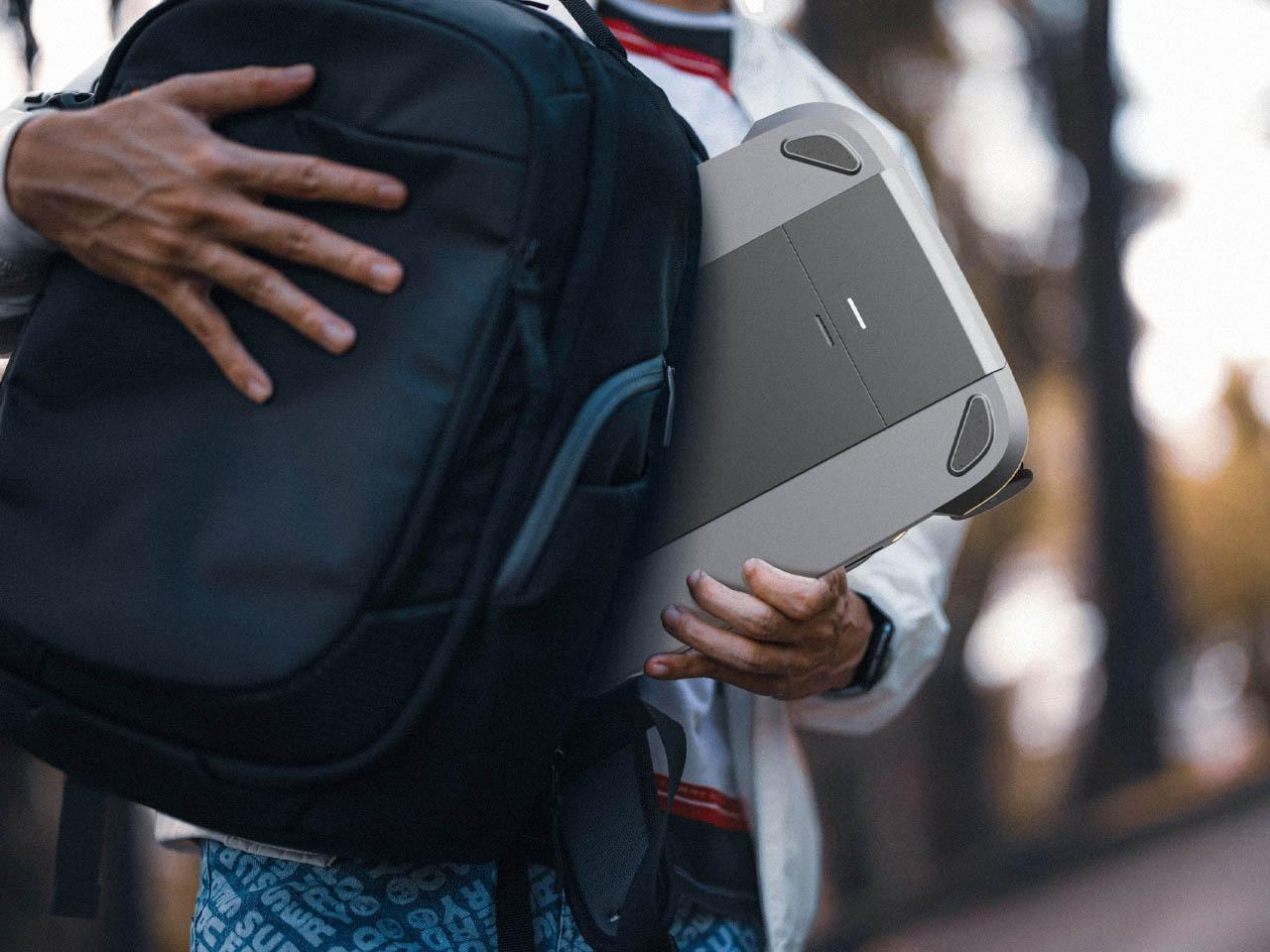
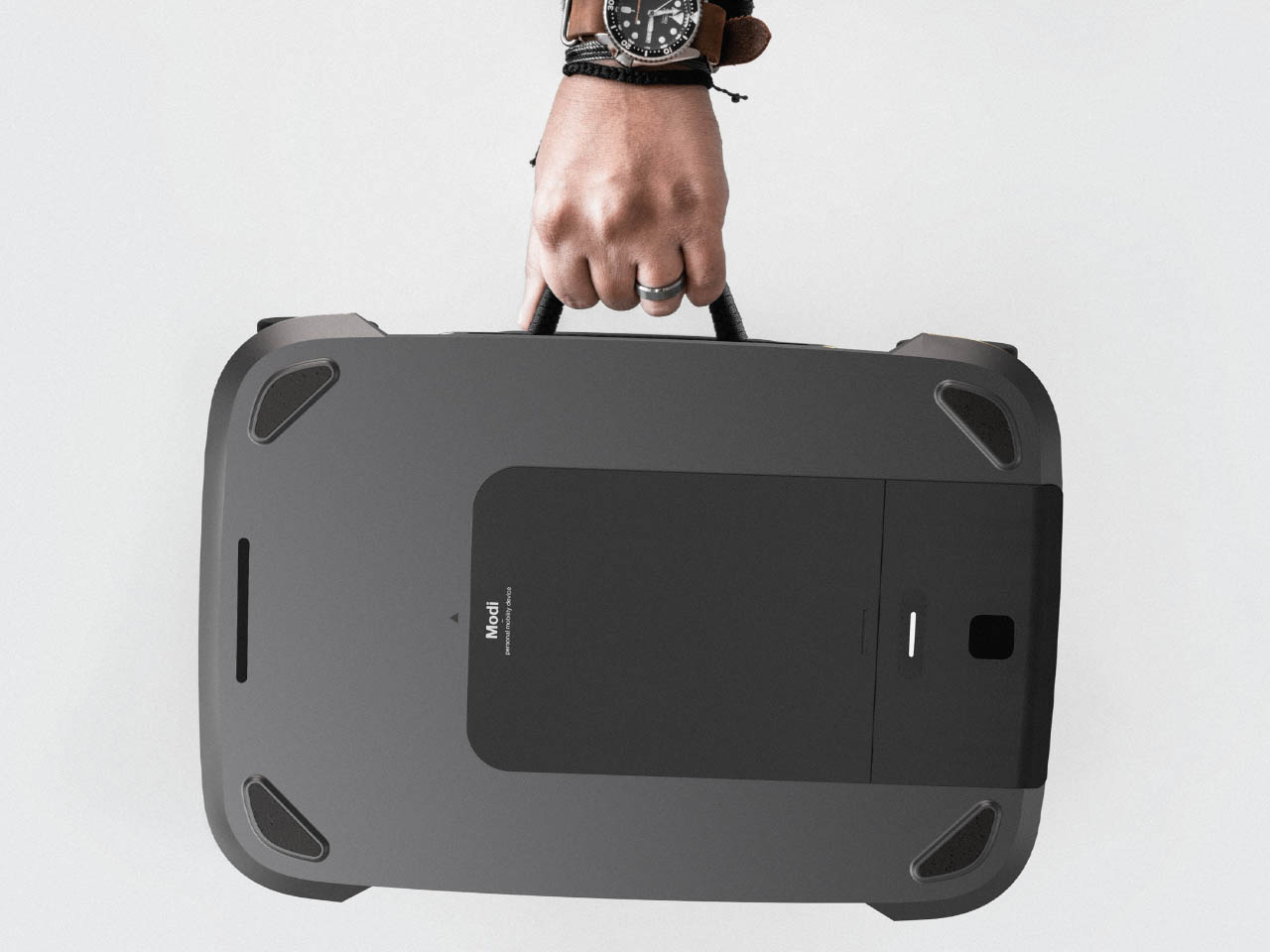
Conventional personal mobility vehicles are heavy and securely parking them at random palaces can be a headache if you are already in the rush of things. Modi aims to get over these problems with a compact and lightweight design that can be easily carried or stored in your backpack when not in use. The PMD comes with retractable footrests for design integrity without compromising the function. These footrests provide stability and comfort while riding, and simply vanish away when not in use.
Although the designers have not detailed in about the working mechanism of the PMD, I assume it reacts to the pressure applied with your feet in either direction. The thing is much more stable than a self-balancing hoverboard that for some reason has never earned my confidence for its operating mechanism. That said, the personal commuter is also going to appeal to people who love skateboards, and always wanted a battery-powered alternative!
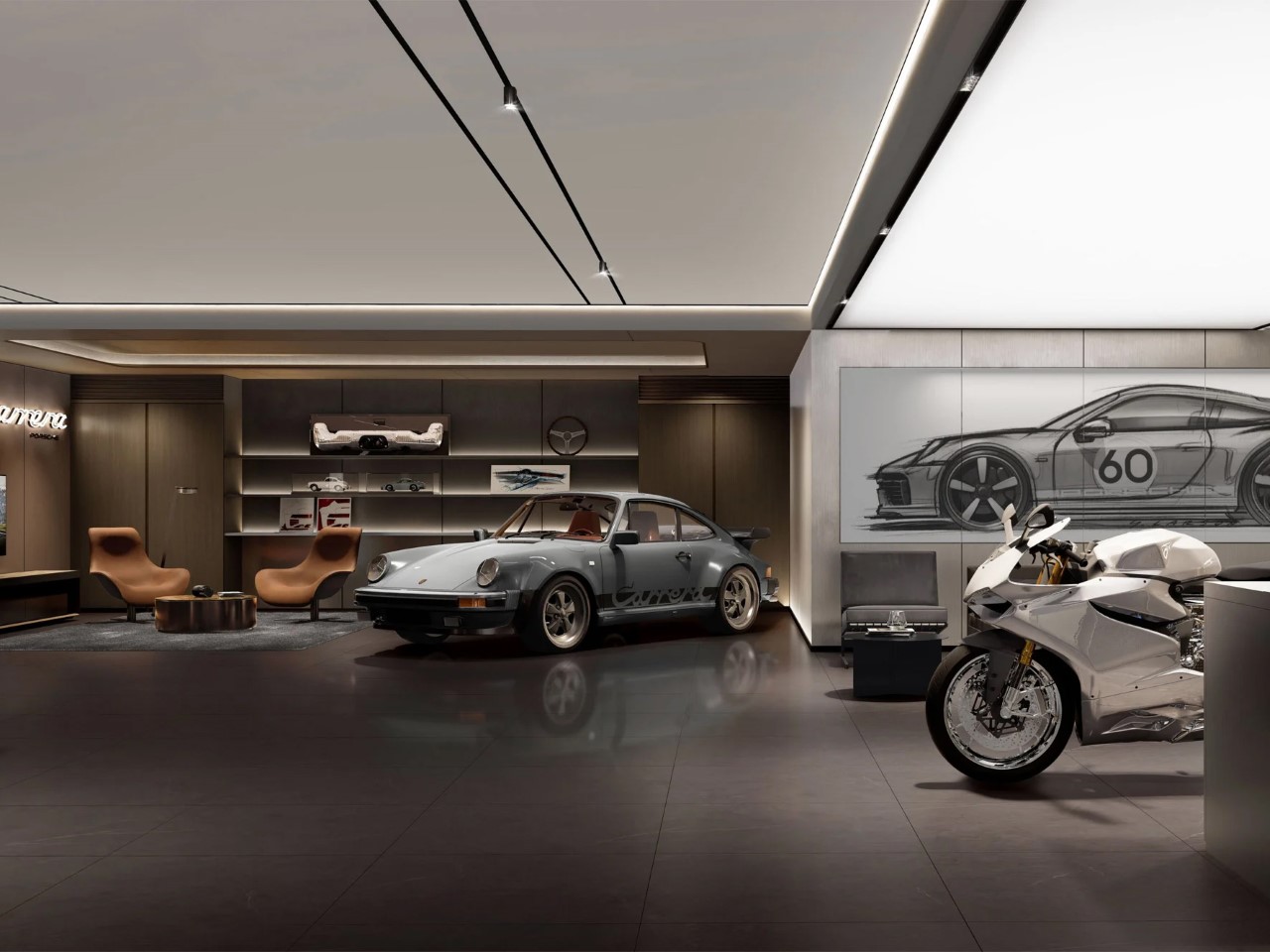
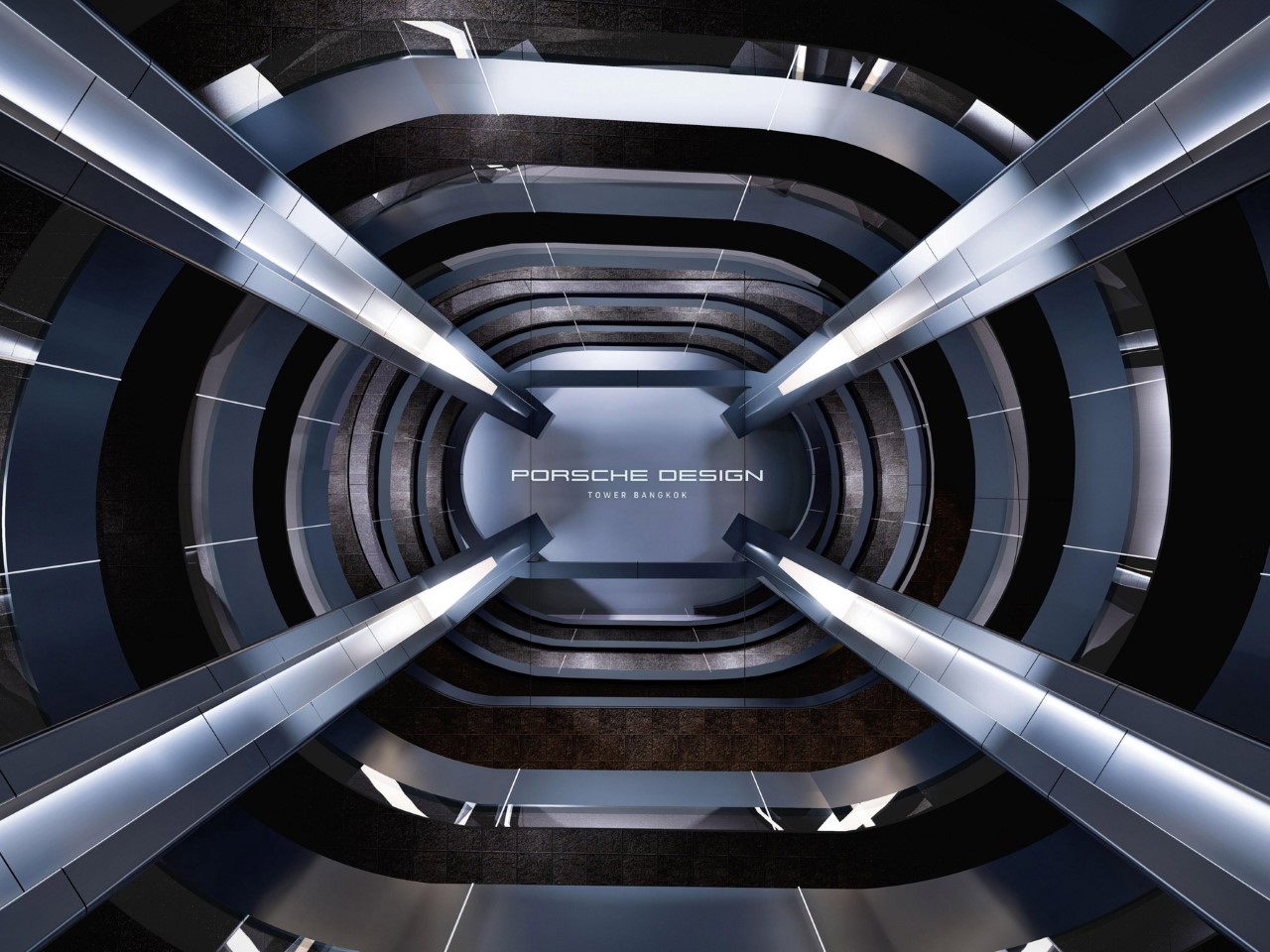
A car is simply a room on wheels, right? Or that’s what the oversimplified definition of a car is… by that very standard, all car companies might as well be architecture firms; and it seems like Porsche may be taking that theory rather seriously. The automotive marque has unveiled plans for a residential building in Bangkok, its first in Asia, following previous ventures in Miami, USA and Stuttgart, Germany. This new development is a collaborative effort between Porsche Design (carmaker’s luxury goods sub-brand) and Ananda Development, with the aim of creating an ultra-luxury living experience in the heart of Thailand’s bustling capital. Standing 95 meters tall, the 21-story tower is set to feature 22 exclusive duplex and quadplex apartments, each promising to embody the essence of Porsche’s design philosophy.
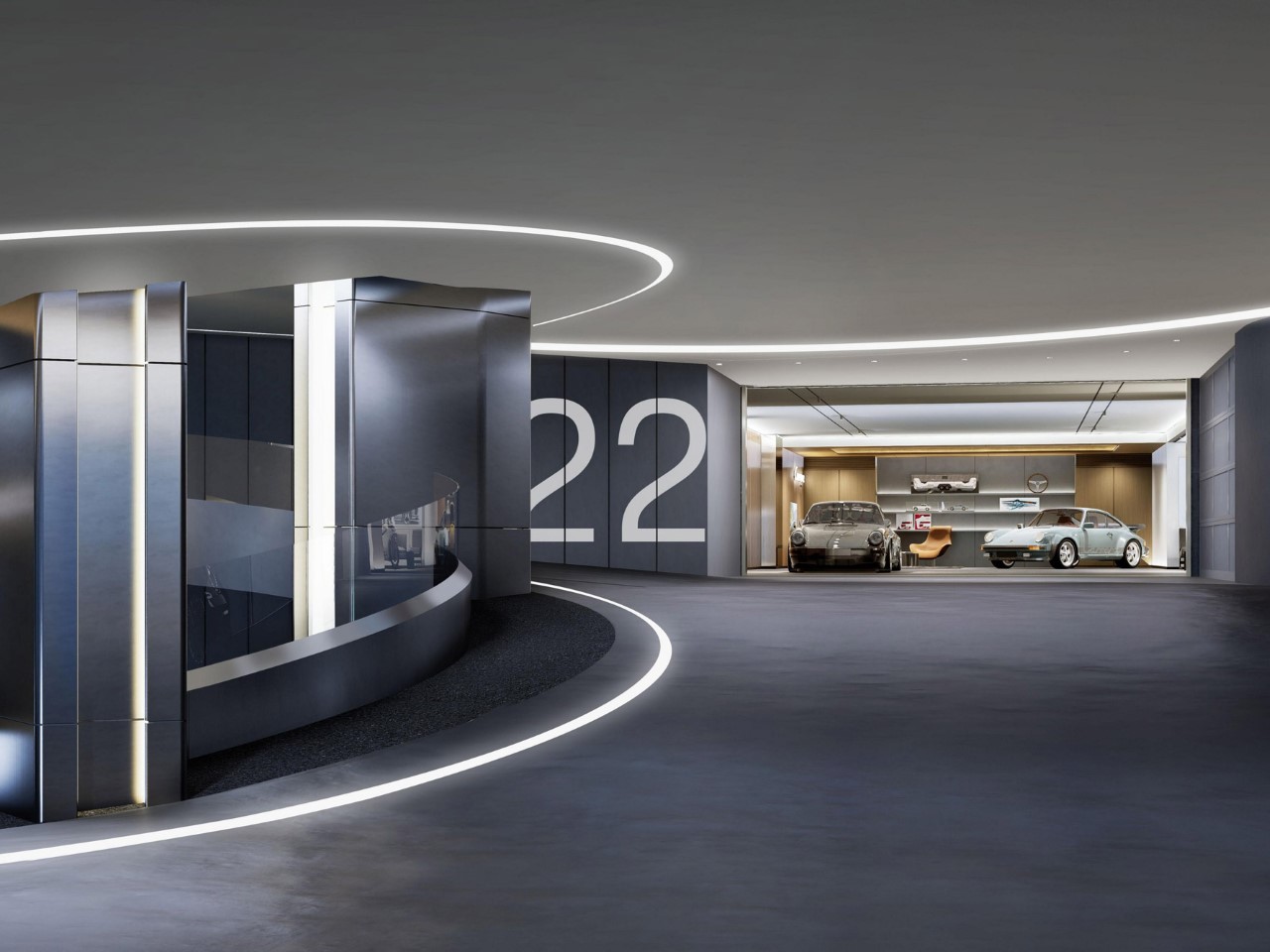
The tower’s design is as striking as one would expect from a brand synonymous with cutting-edge automotive design. The building’s facade is sleek and modern, with a spiral ramp at its center, reminiscent of the winding roads often navigated by Porsche’s high-performance vehicles. This ramp not only serves as a striking architectural feature but also leads to communal garages within the building, which Porsche has aptly named “passion spaces.” These garages are designed to be more than just parking spaces; they are envisioned as social hubs where residents can display their car collections and interact with fellow automobile enthusiasts.
You wouldn’t expect a company like Porsche to simply build a residential complex without flexing a bit of innovation and engineering, right? Well, arguably one of the most innovative features of the Porsche Design Tower Bangkok is its fully automated terrace door system. This system is inspired by the retractable roof mechanism of the Porsche 911 Targa and allows for a seamless blend of indoor and outdoor living. The doors fold and hinge open from the top, creating an expansive terrace space that effortlessly extends the living area of each apartment. This feature is not only a nod to Porsche’s heritage but also a practical solution for enhancing the living experience in a tropical climate.
In addition to the unique architectural and design elements, the tower will also offer a range of luxurious amenities. Residents will have access to a 25-meter swimming pool, a state-of-the-art fitness center, a spa, and both social and business lounges. These amenities are designed to cater to the lifestyle needs of Porsche’s discerning clientele, providing them with spaces to relax, socialize, and conduct business without ever having to leave the building.
The Porsche Design Tower Bangkok is set to break ground in early 2025, with completion expected by the end of 2028. This project is part of a growing trend among luxury car brands to expand their influence into the real estate market, offering their customers not just a product, but a complete lifestyle experience. It does fall in line with an overall trend to move away from just mobility and focus on different aspects of life too, like with Tesla and its Powerwall, solar-panel roof tiles, etc.
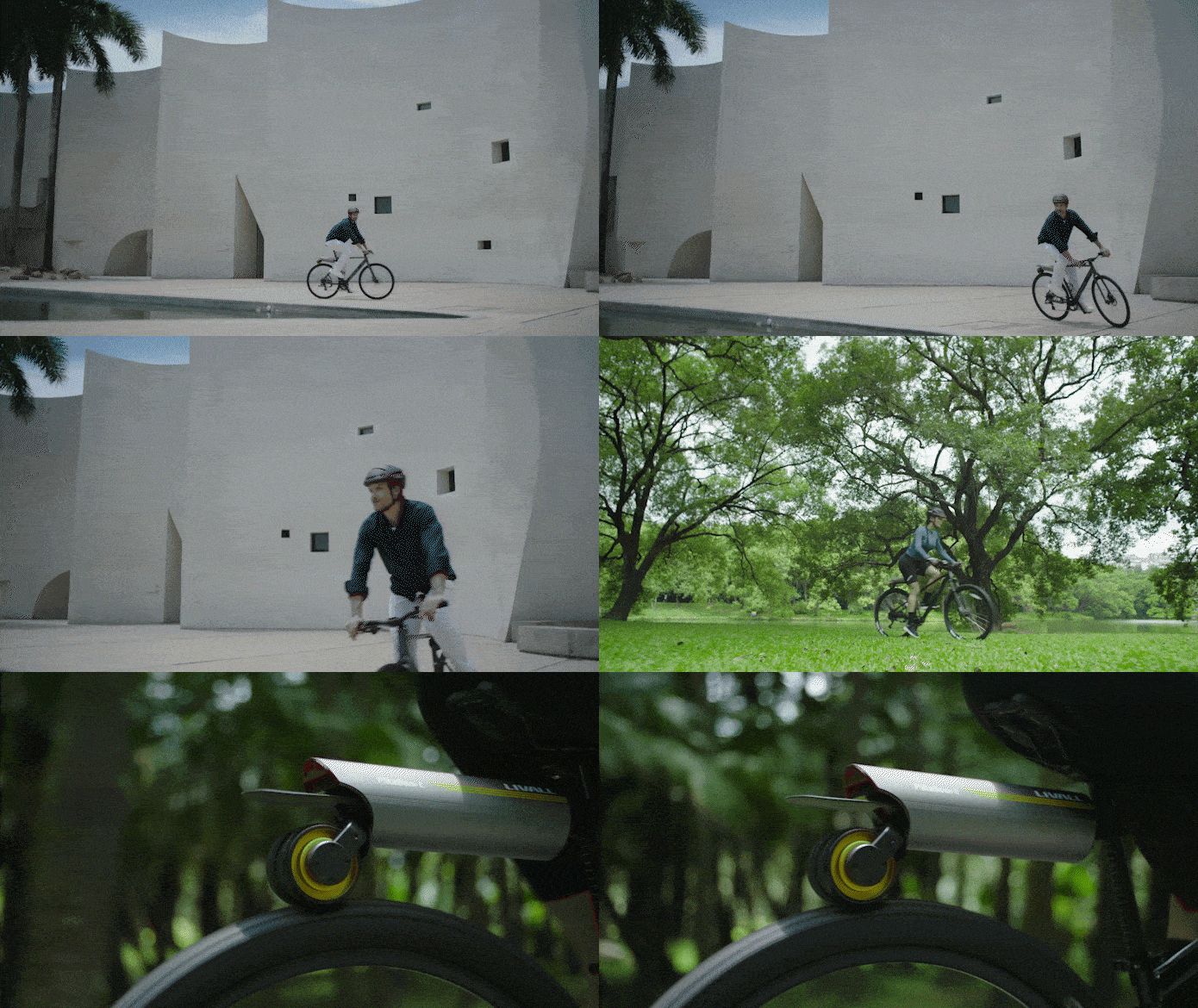
In 2022, the folks at LIVALL unveiled the PikaBoost, a simple battery-powered motor that could attach to any bicycle, giving it an electric upgrade. Now, the PikaBoost 2 comes with the same pitch as its predecessor, but with a power upgrade, better range, an anti-theft design, and swappable batteries. All you really do is strap the PikaBoost 2 to the back of your bicycle, right above the rear wheel and you’re good to go. The process takes under a minute, but gives your bicycle quite the upgrade, with a motor-assisted drive that can be accessed across 4 riding modes. The best part? Unlike e-bikes that can cost upward of $800-1000, the PikaBoost 2 is a simple under-$300 accessory that pretty much attaches to any existing bicycle.
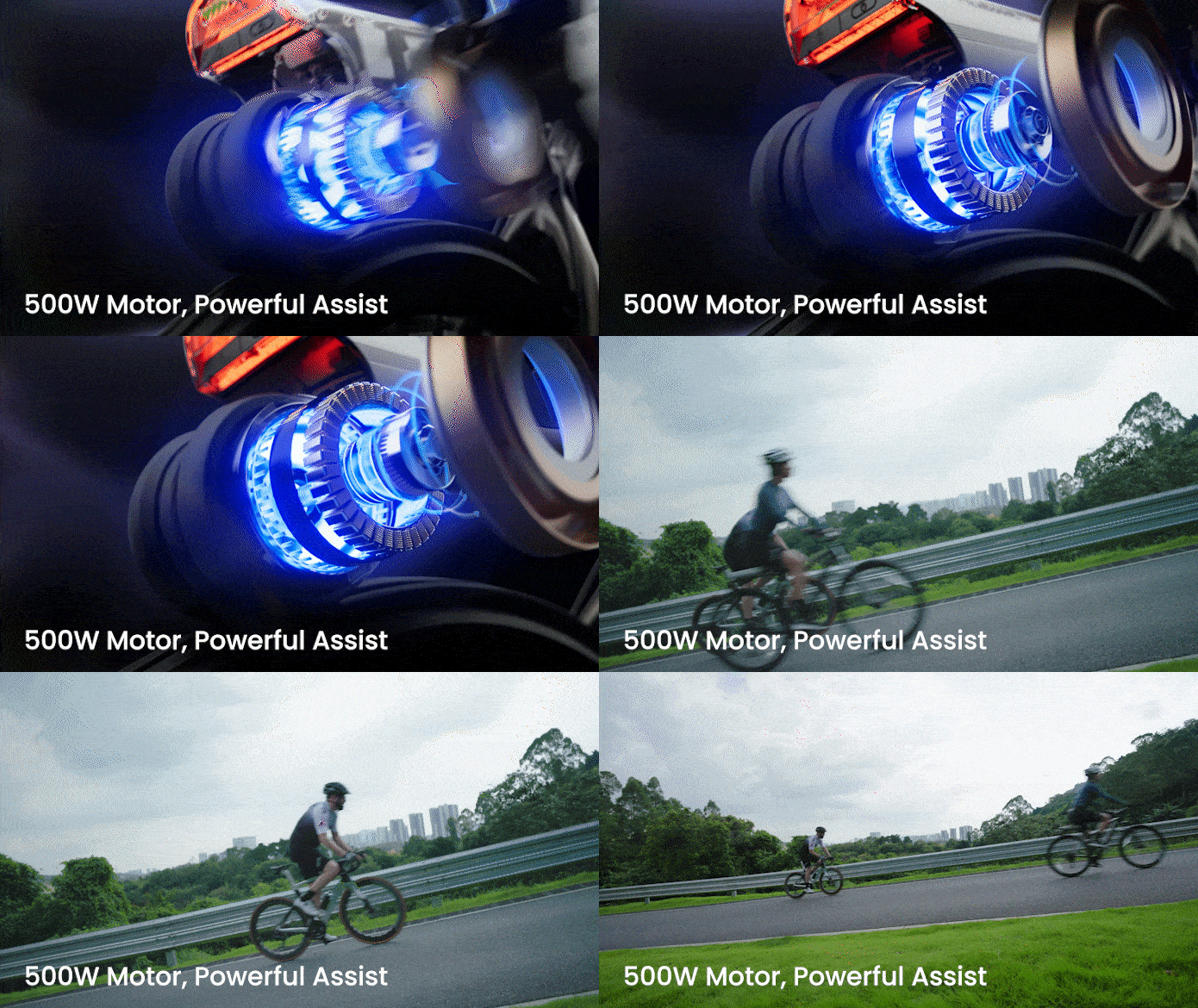
Do you remember when Elon Musk put jet thrusters on the Tesla Roadster to make it go even faster? The PikaBoost 2 is sort of the same thing, but scaled down to less mad-scientist and more practical-genius levels. In essence, it just adds a motor to your existing bicycle, so that you don’t have to rely entirely on pedal power. The PikaBoost 2 outputs an impressive 500W, which when coupled with its high RPM capacity, allows cyclists to conquer steep inclines effortlessly, reaching speeds of up to 32 km/h (19mph) without rider exertion. On flat land, the PikaBoost 2 is a nice way to turn your bicycle from an exercise machine to an effortless mode of transport, allowing you to travel farther and faster without splurging for a gas-powered motorbike or an e-bike.
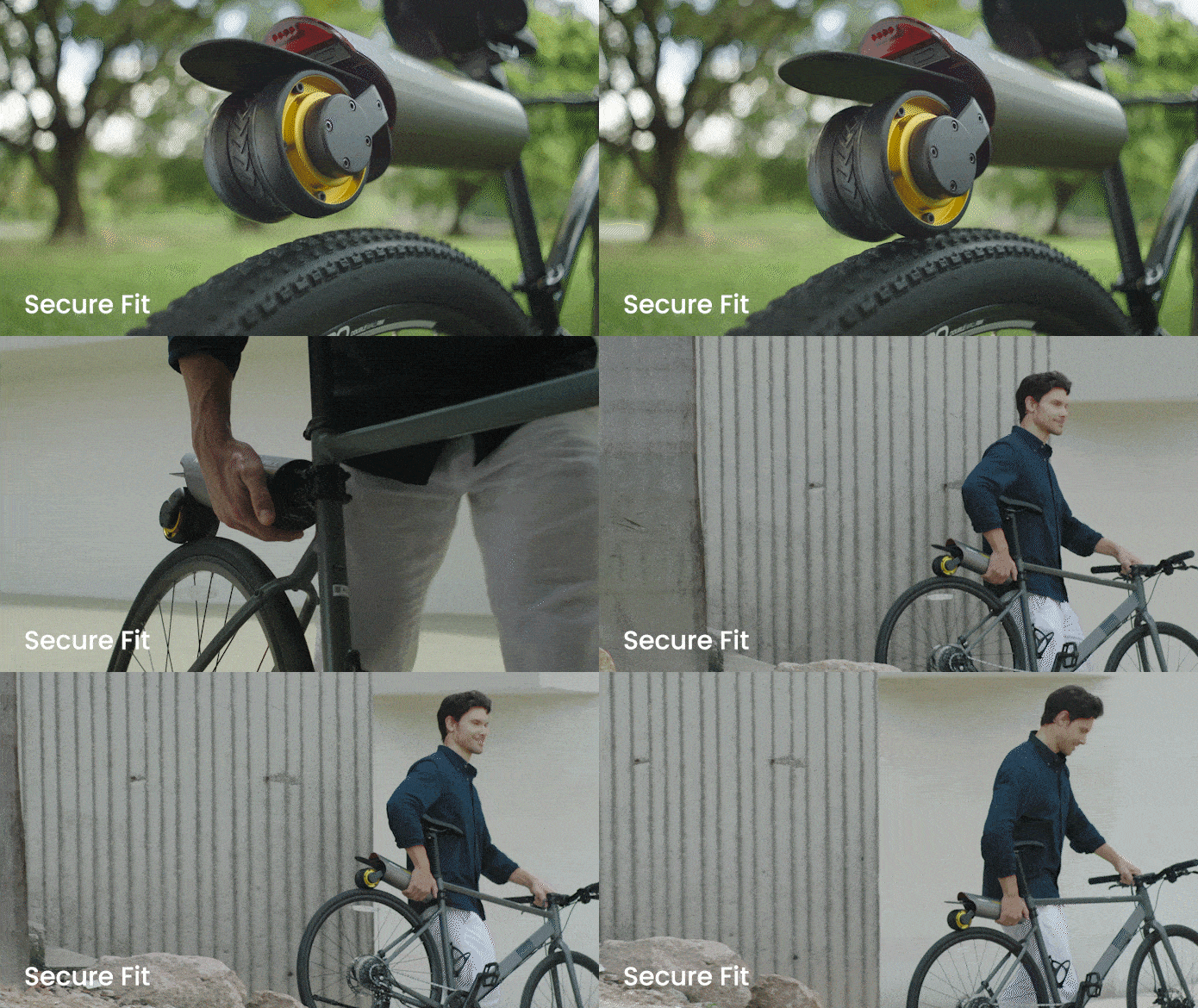
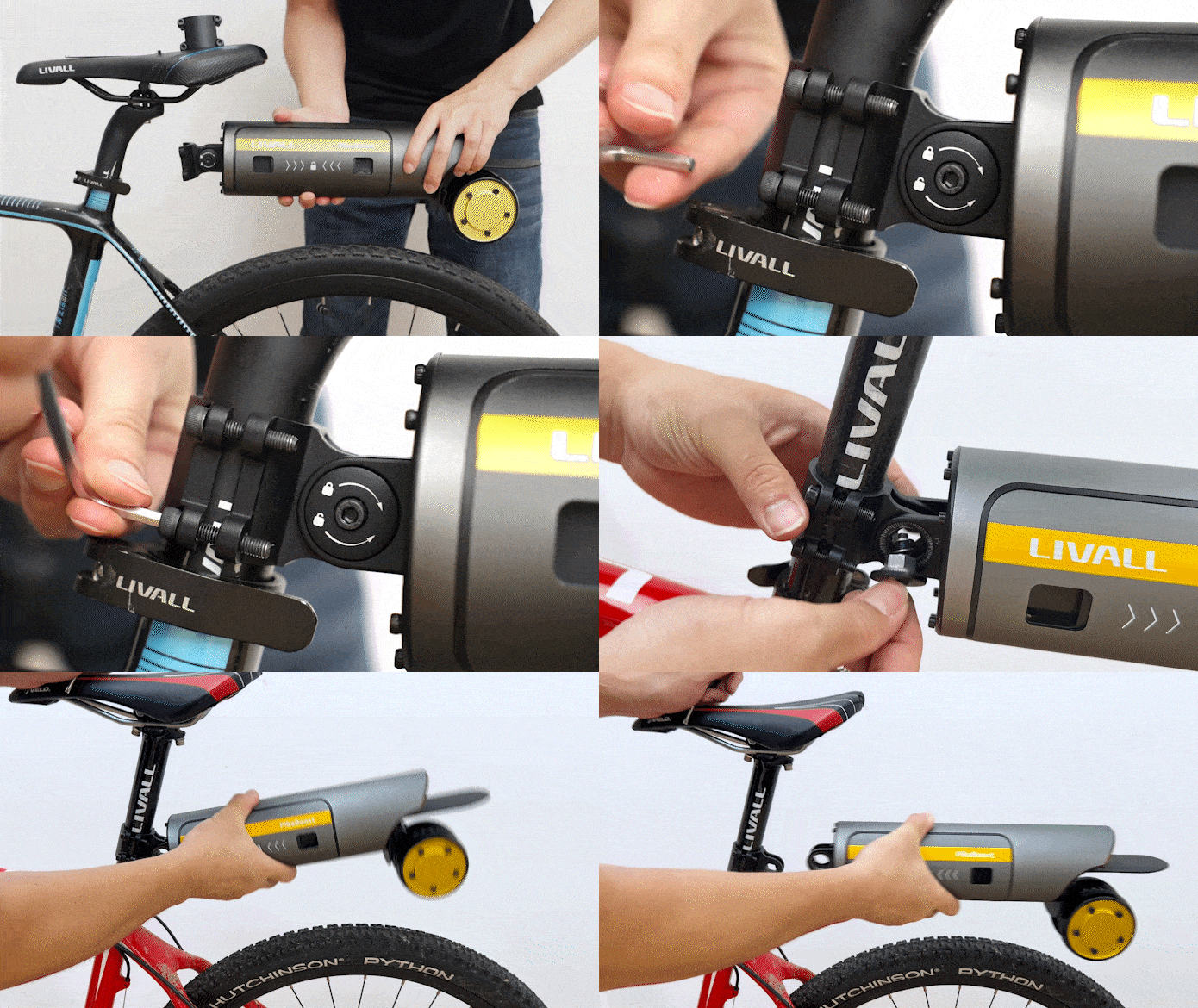
The slick device retrofits onto almost any existing bicycle simply by attaching itself firmly to the frame right under the seat. Traditional e-bike conversion kits often require significant time and effort to install, with many models being incompatible with a range of bike sizes. In contrast, PikaBoost 2 can be installed or removed in under a minute, thanks to its simplified design that fits most bike models and tire sizes. The system includes a proprietary tool that secures the unit with four anti-theft screws, ensuring a secure fit that’s impossible to remove without the specific tools if you’re a thief… but very easy for you to detach and take home at the end of the day by using the proprietary screw. Additionally, its shock-absorbing spring design helps maintain stability, even on rough terrain, while preventing screw loosening.
PikaBoost 2’s adjustable design seamlessly integrates with wheel sizes from 14 to 29 inches, accommodating mountain bikes, road bikes, and hybrids. LIVALL also provides its own tire designs for the PikaBoost, allowing you to adjust based on road or mountain driving. Once installed, the PikaBoost 2’s wheel rests on the top of your bicycle’s rear wheel, gripping it securely to ensure high traction so it can efficiently transfer kinetic power to your bike’s rear wheel. The V-shaped grooves on the PikaBoost 2 interlock with your bike’s treads, while also providing channels to direct water/mud when you’re riding in the rain or on wet/muddy roads.
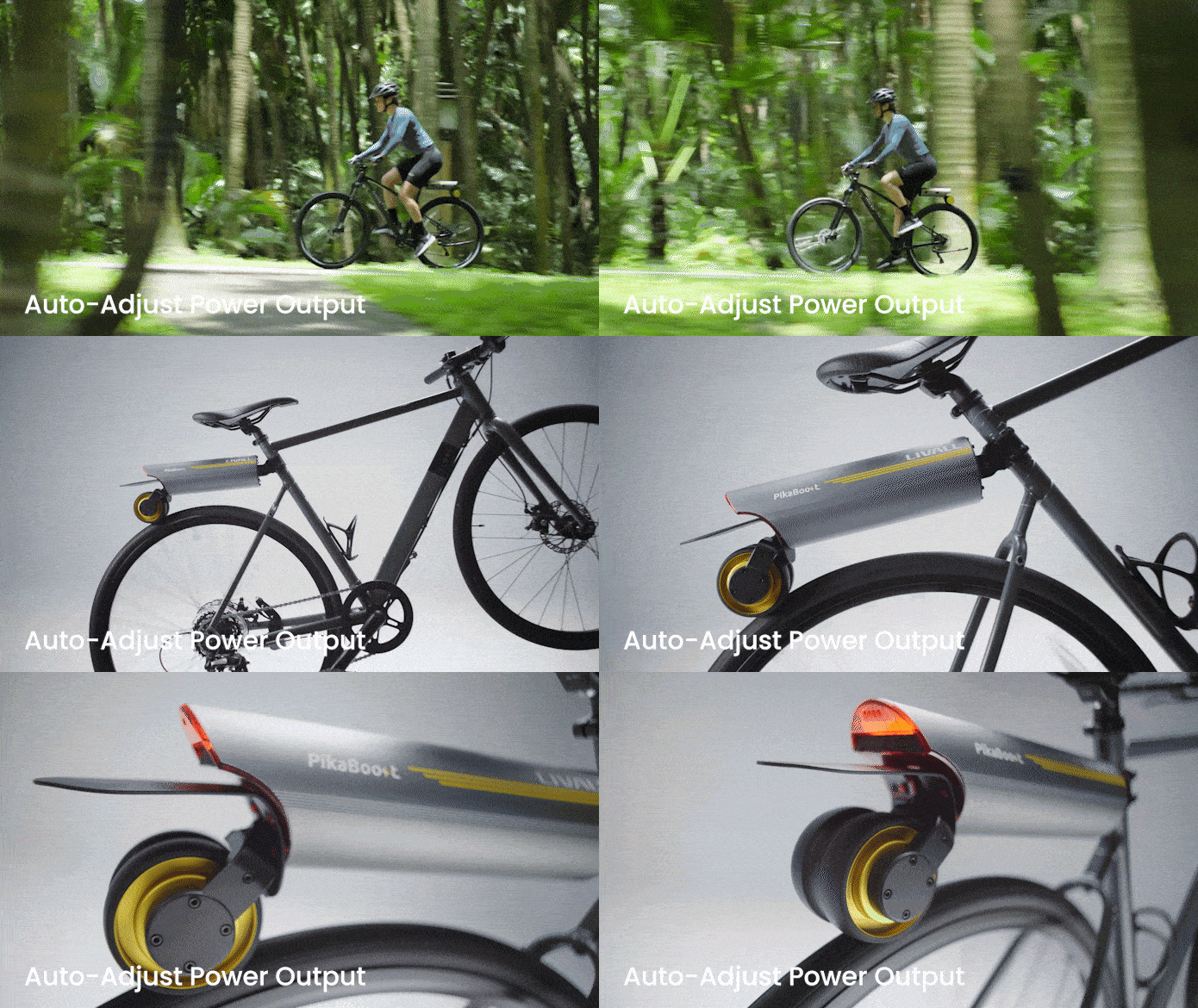
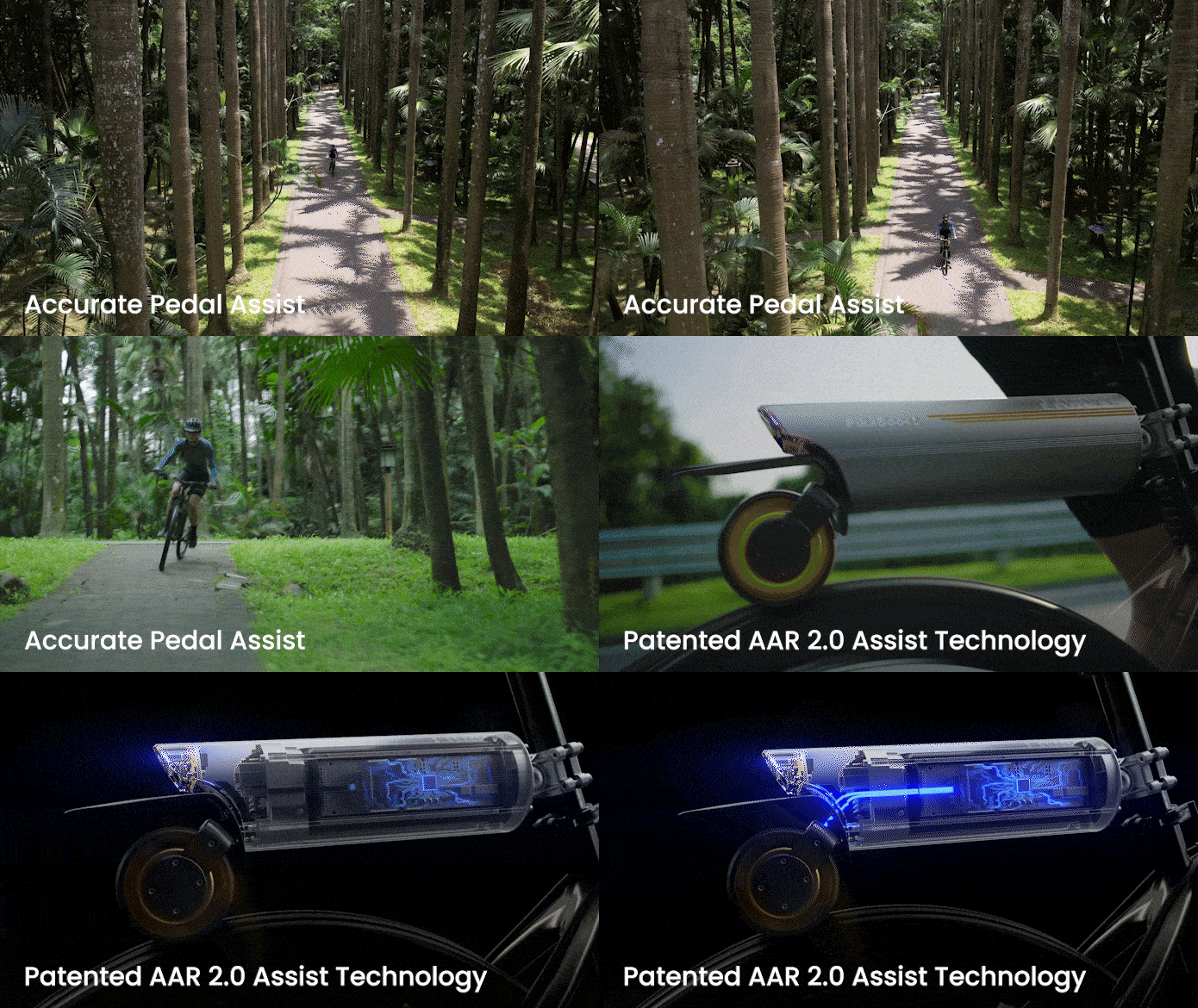
One of the standout features of the PikaBoost 2 (and an upgrade from its predecessor) is its AAR2.0 technology, which offers personalized e-bike assistance. Unlike traditional systems that rely on torque sensors, AAR2.0 continuously learns and adapts to your riding style, providing precise power assistance that matches your needs. The regenerative braking system further extends your ride by capturing and converting kinetic energy back into electricity, adding sustainability to your journey. At 25 km/h, the RBS (regenerative braking system) can generate about 100 watts of power to recharge your battery.
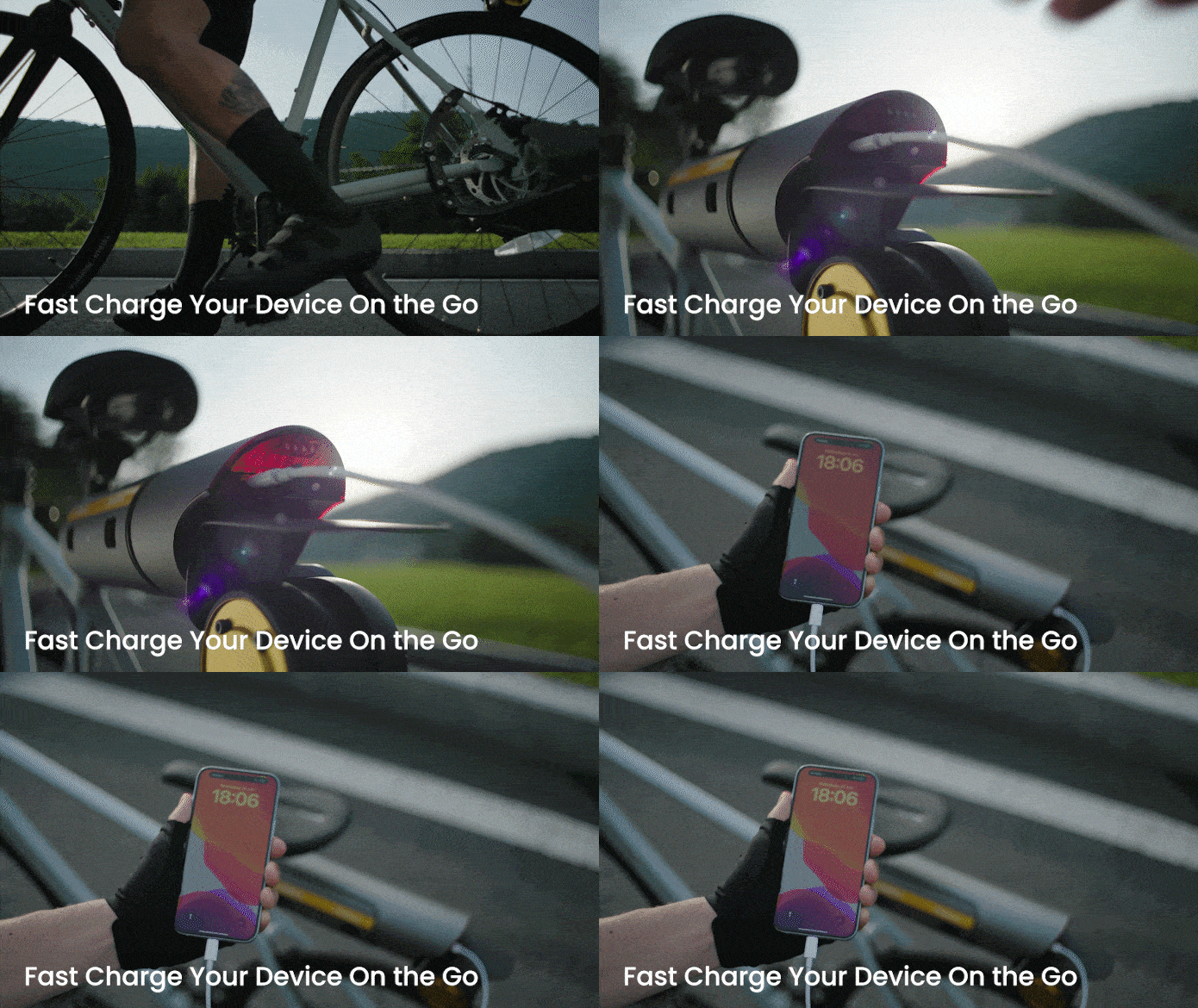
Although it seems like the original PikaBoost had a bigger 234Wh battery, the one on the PikaBoost 2 is smaller but MUCH more efficient. Equipped with a 158Wh lithium-ion battery, the system offers a range of up to 70 kilometers or 43.4 miles (an upgrade over the 30 kilometers on the previous model). This size reduction comes with a good reason too, as the folks at LIVALL wanted the battery pack to be ‘airline-friendly’. For those seeking even greater endurance, an optional 220Wh battery extends the range to 96 kilometers or 59.6 miles. Both batteries support fast-charging technology, allowing for a full charge in just three hours. Beyond powering your ride, the battery can also function as a portable power station, with up to 100W of output power, making it versatile for charging everything from your phone to even your laptop.
Each PikaBoost 2 is paired with a remote controller that attaches to your handlebars, allowing you to switch between modes while riding. Notably, the 2nd gen device also gets a few nifty design and safety upgrades in the form of an LED taillight that automatically shines as you slow down or make turns (and also works as a charging status light), as well as fall or slip detection that automatically kills the motor to prevent accidents or injury. The PikaBoost 2 also comes with its own smartphone app, available for both Android and iOS devices. Aside from letting you perform actions like switching between modes, the app also lets you track your PikaBoost 2, as well as uses your location to automatically adjust its output based on riding regulations of the country you’re in (European users will see their speeds capped at 25 km/h to comply with the maximum speed limit). The entire device weighs 6.6lbs or 3 kilograms, and is IP66 water-resistant, making it fairly weatherproof. The PikaBoost 2 ships globally, along with the remote controller, the 158Wh battery, a mudguard, and the proprietary accessories for upgrading your bicycle. An upgrade gets you the 220Wh battery along with mountain and road bike tire attachments, and a fast-charging setup. Additionally, LIVALL also sells its own bicycle helmet with a built-in rear LED light that synchronizes with the PikaBoost 2 to shine automatically when you slow down, turn, or come to a stop.
Zomato, one of India’s largest and most internationally recognized food delivery companies, owes much of its success to dedicated riders who navigate various terrains and weather conditions to ensure timely deliveries. These riders spend countless hours on their motorcycles, which have become indispensable companions in their daily lives. However, the motorcycles used are often purely utilitarian, lacking the comfort features that could make these long hours more bearable. Recognizing this gap, a group of designers embarked on a mission to redesign these motorcycles, focusing on enhancing the rider’s experience through basic yet impactful upgrades.
The initiative began with a thorough analysis of the pain points experienced by riders during extended periods on their bikes. The goal was to enhance the food delivery experience by identifying sources of discomfort and providing ergonomic solutions. This redesign was not just about minor tweaks but involved a comprehensive rethinking of the rider’s journey, addressing key areas that affect comfort and functionality.
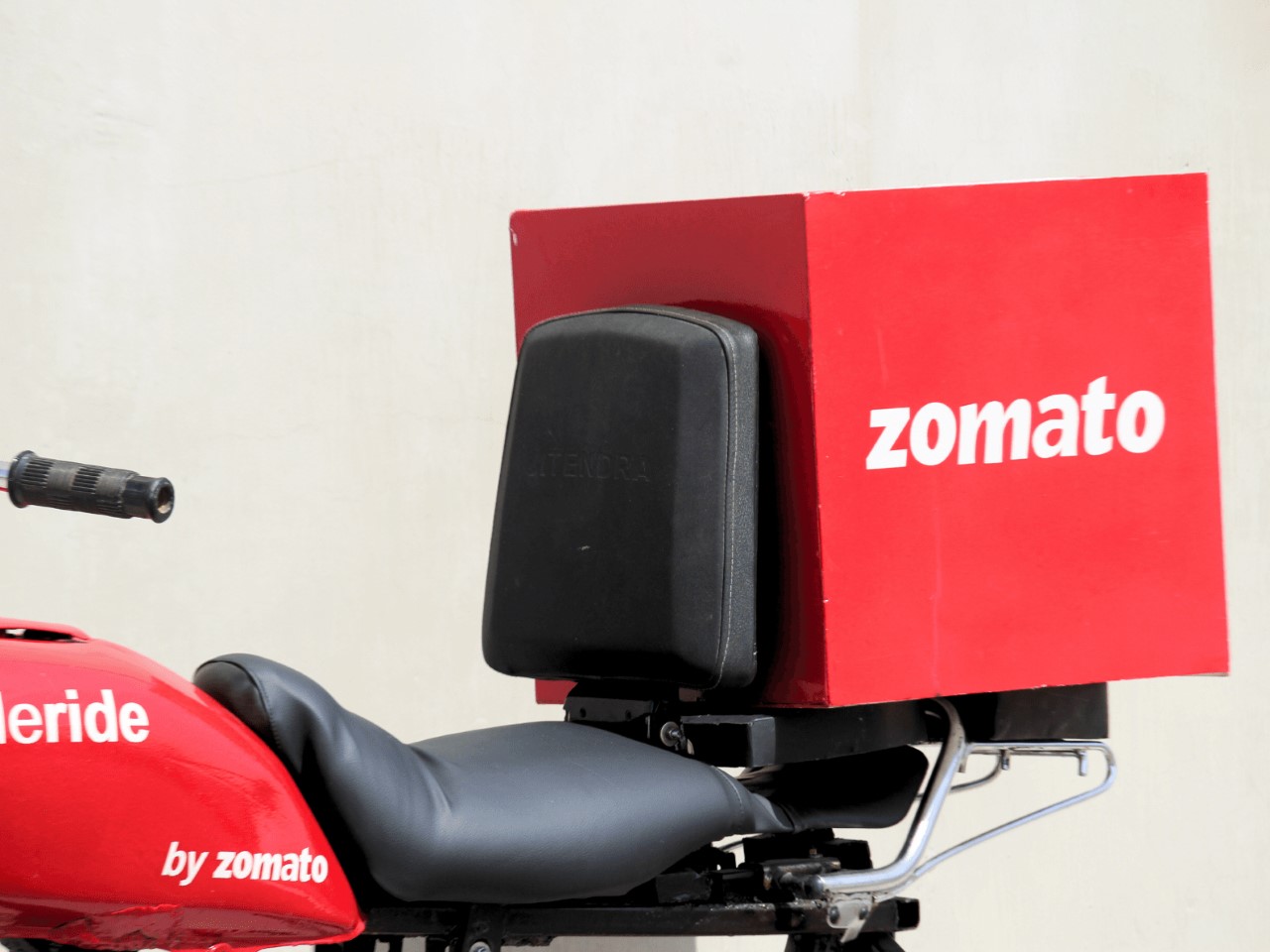
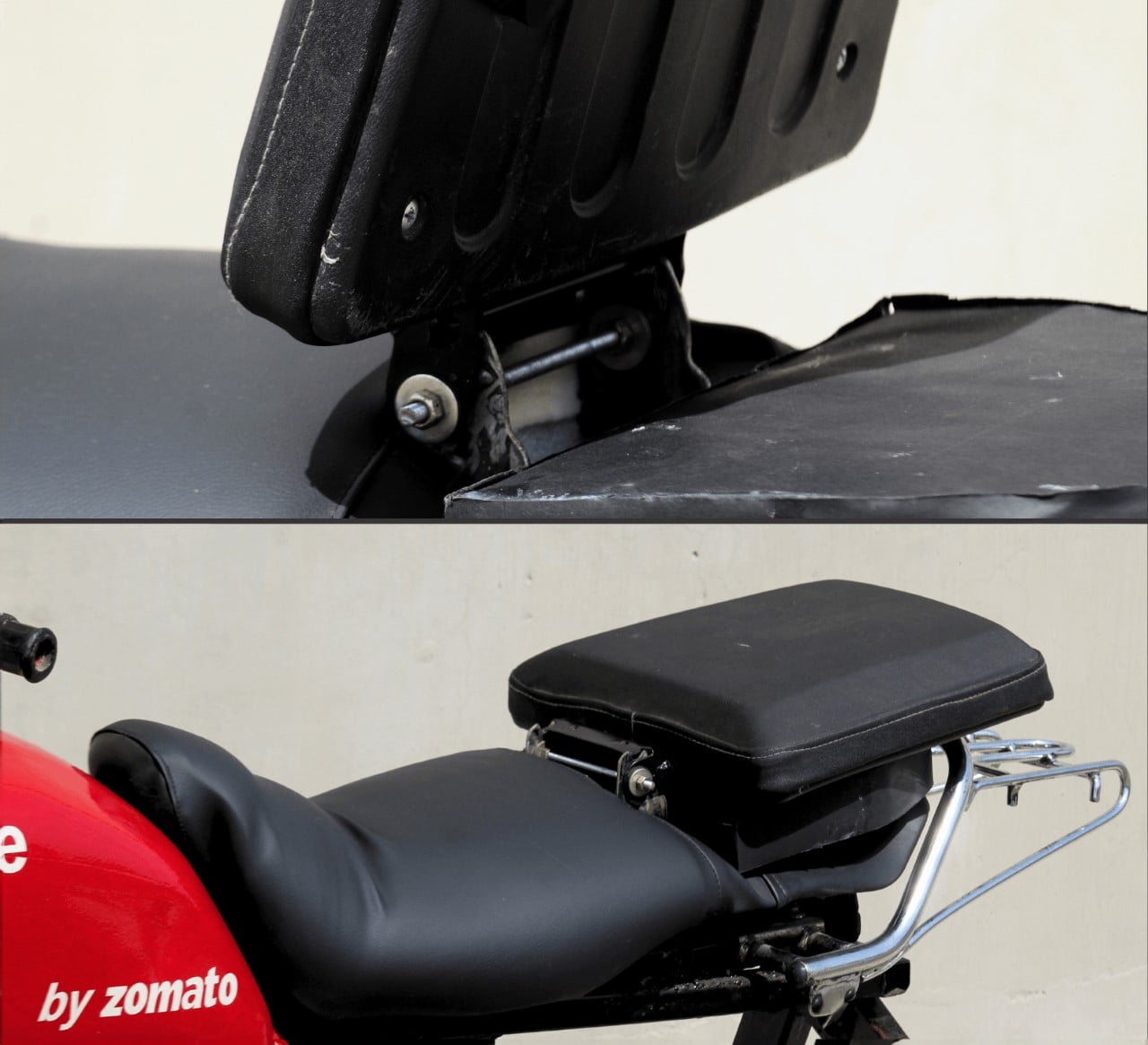
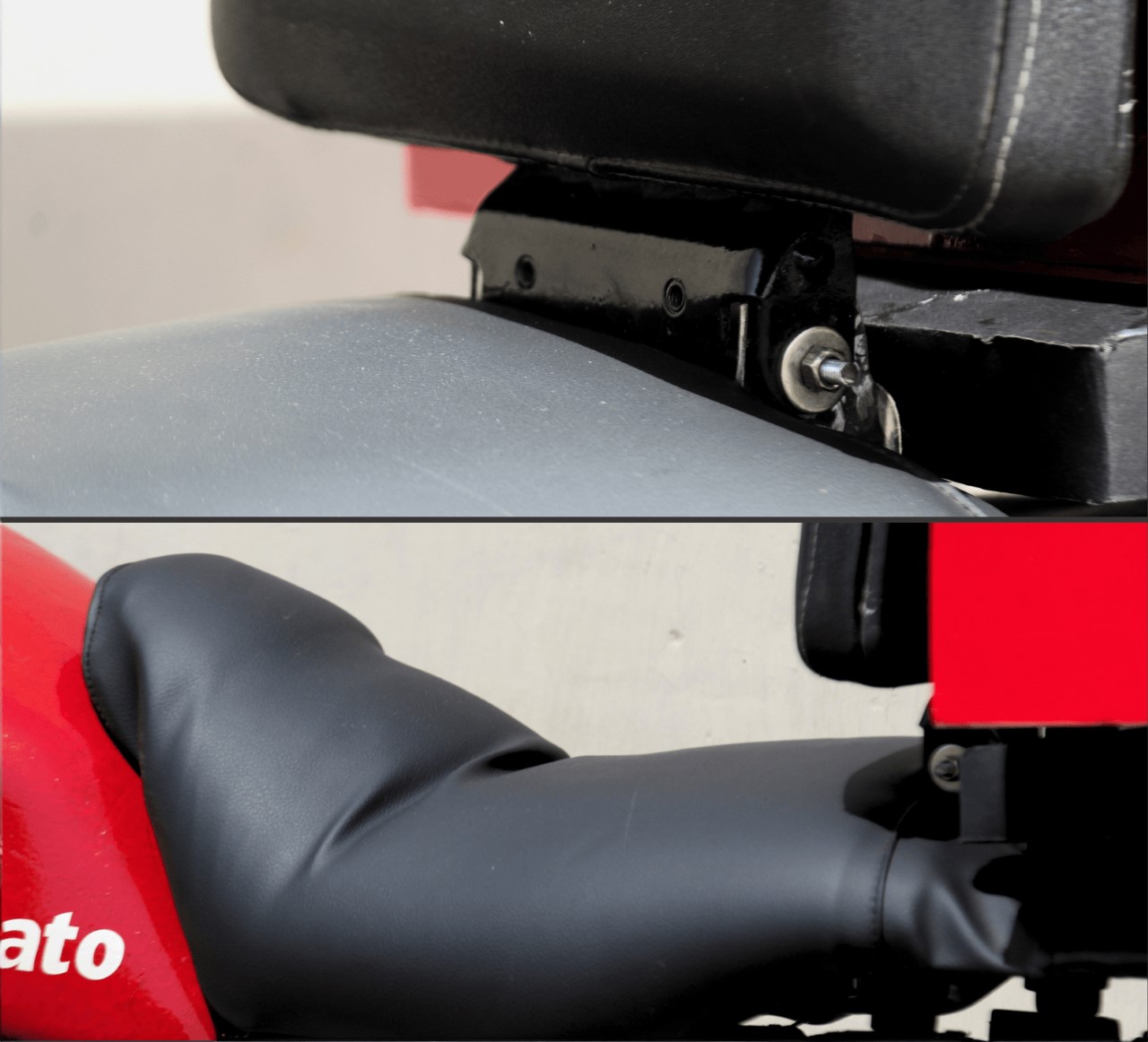
Traditional motorcycle seats tend to become squeezed and ripped over time, causing discomfort. To address this, the new design incorporates improved cushioning to ensure long-lasting comfort. Riders often rely on the storage box for back support, leading to improper posture and discomfort. The redesigned motorcycle features a collapsible backrest that provides adequate support during breaks or long waits in traffic which aligns with the large Zomato delivery boxes. This addition provides much-needed support during traffic halts or short breaks. It can also collapse down to act as a seat for a second passenger if and when required.
Additionally, the absence of adequate storage for personal belongings has been addressed by creating designated storage areas, allowing riders to keep their essentials secure and accessible. Another key issue is the sudden break between the seat and the fuel tank, creating an uncomfortable riding position. The new design extends the seat cushioning towards the tank, ensuring a smoother transition and better support.
The redesign process also involved analyzing the comfort levels of riders of extreme heights and weights. For a rider who is taller than usual, the handlebar was found to be too low, causing the rider to lean forward and touch the handlebar with their legs while turning, and the footrest was positioned too upright. For a rider with an average height but a slightly healthier side of the scale, the handlebar and footrest positions were appropriate but the seat cushioning needed improvement.
By addressing these critical design gaps, the GlideRide project aims to make the lives of food delivery riders more comfortable and enjoyable. These basic upgrades are not just about improving physical comfort but are also a step towards acknowledging and valuing the hard work and dedication of these riders who play a pivotal role in delivering happiness to our doorsteps.
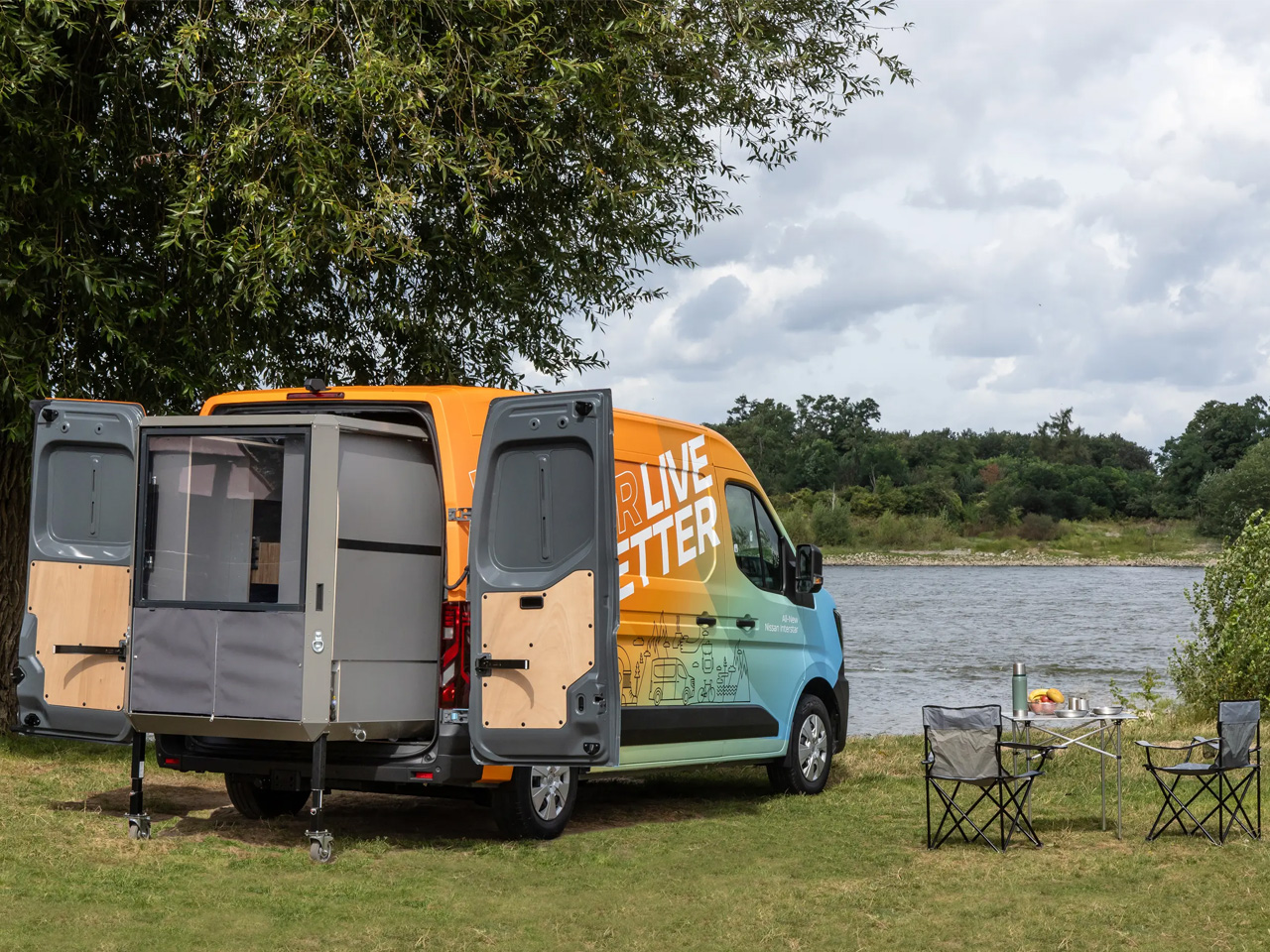
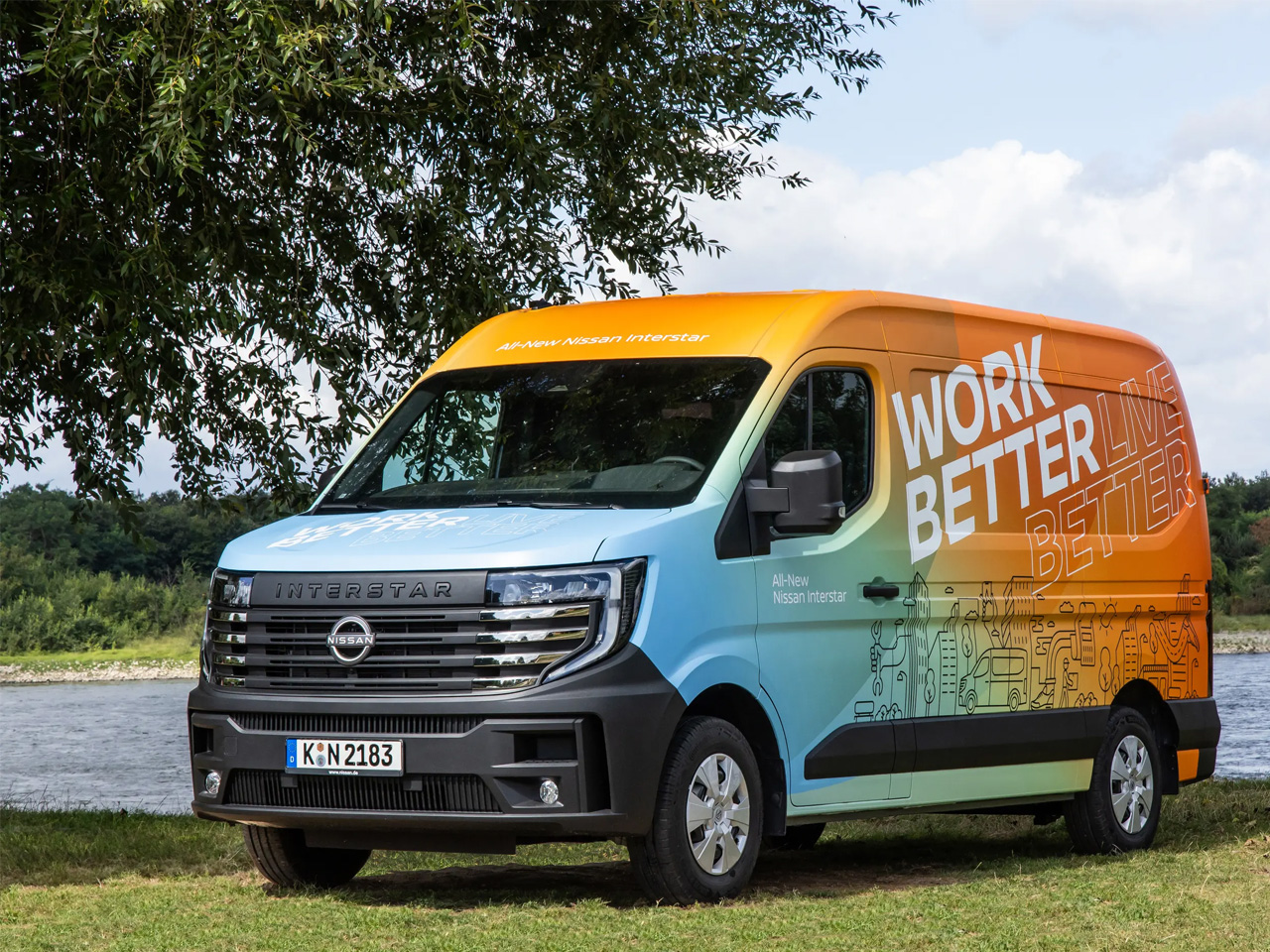
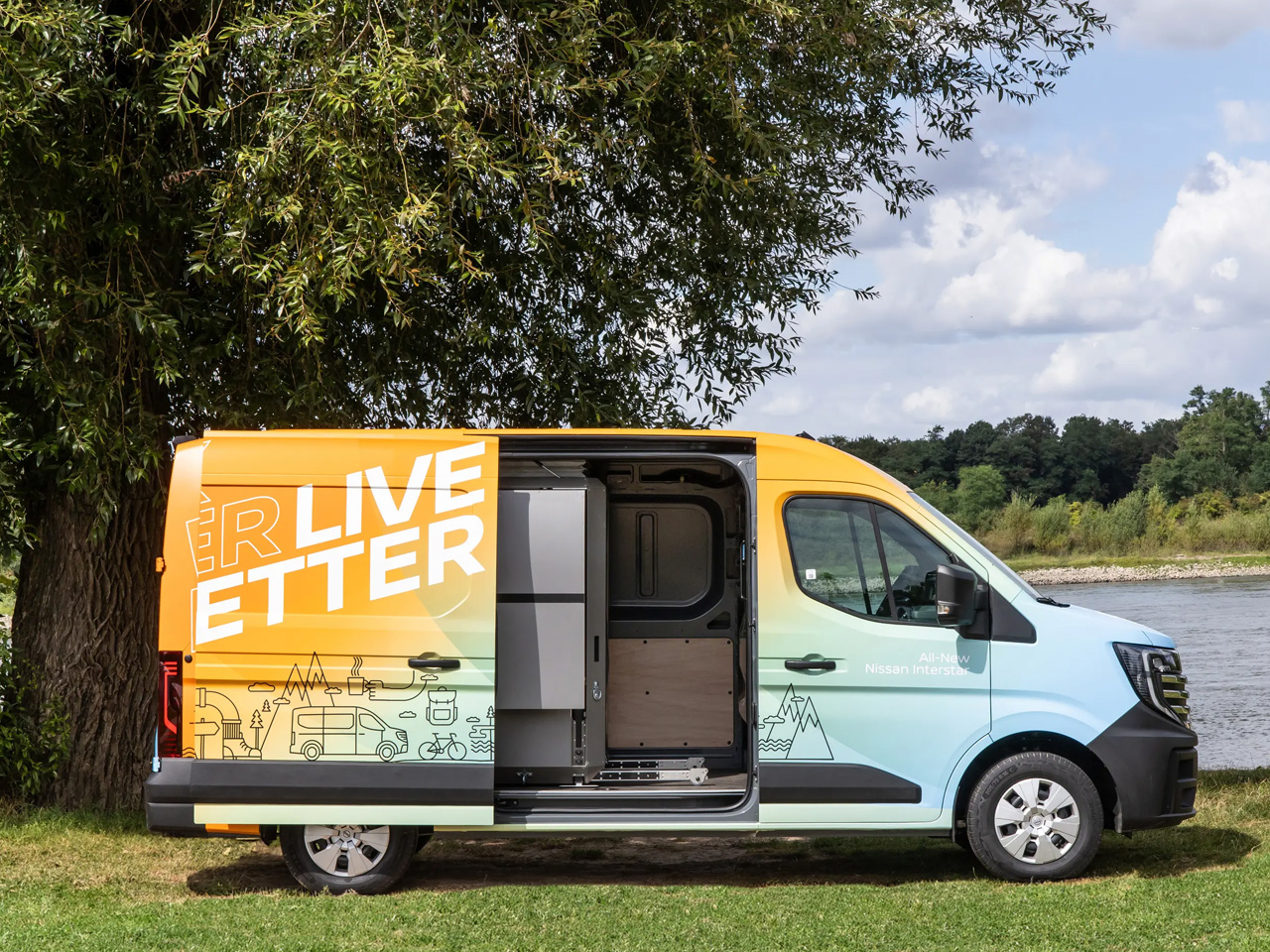
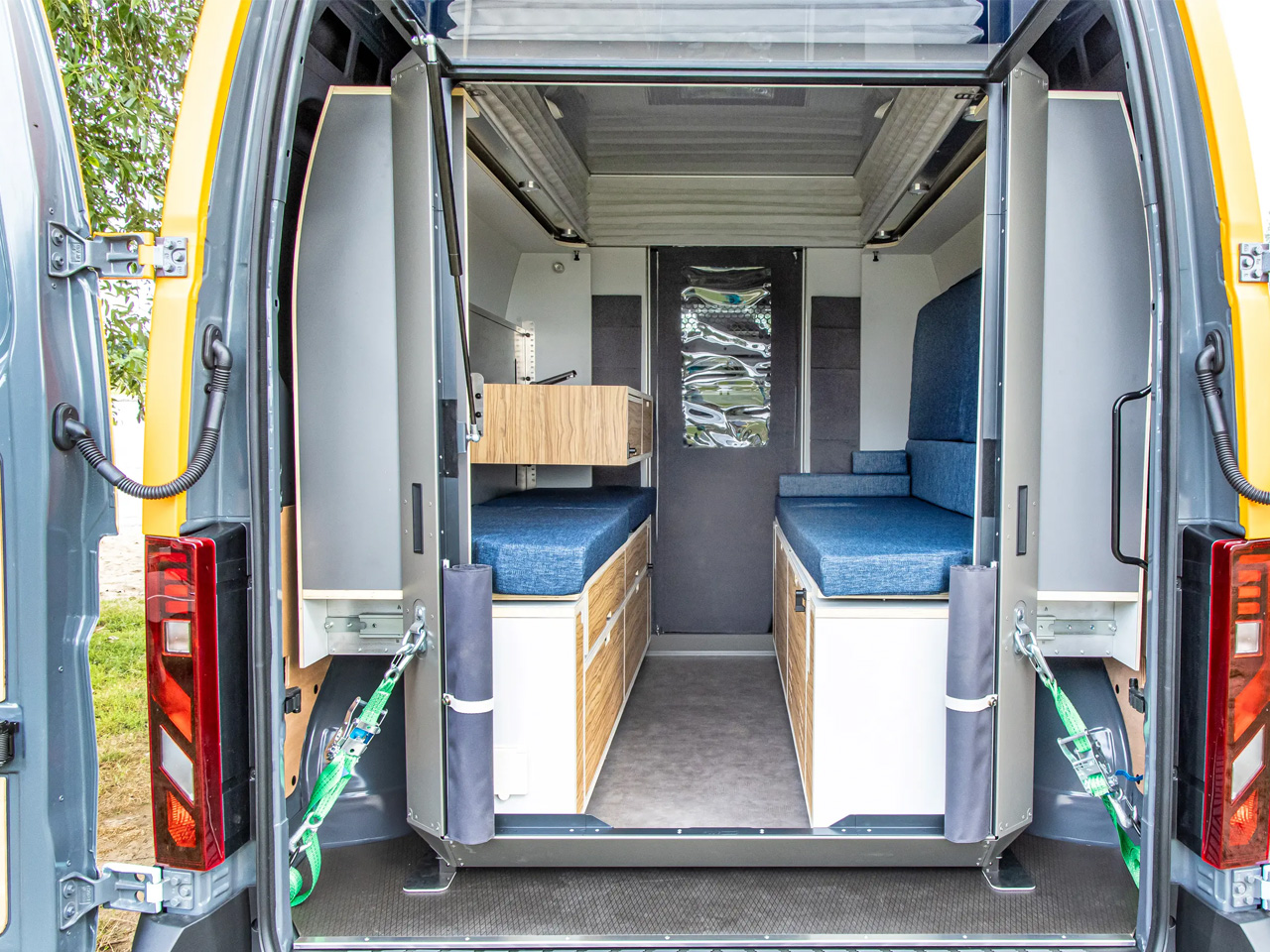
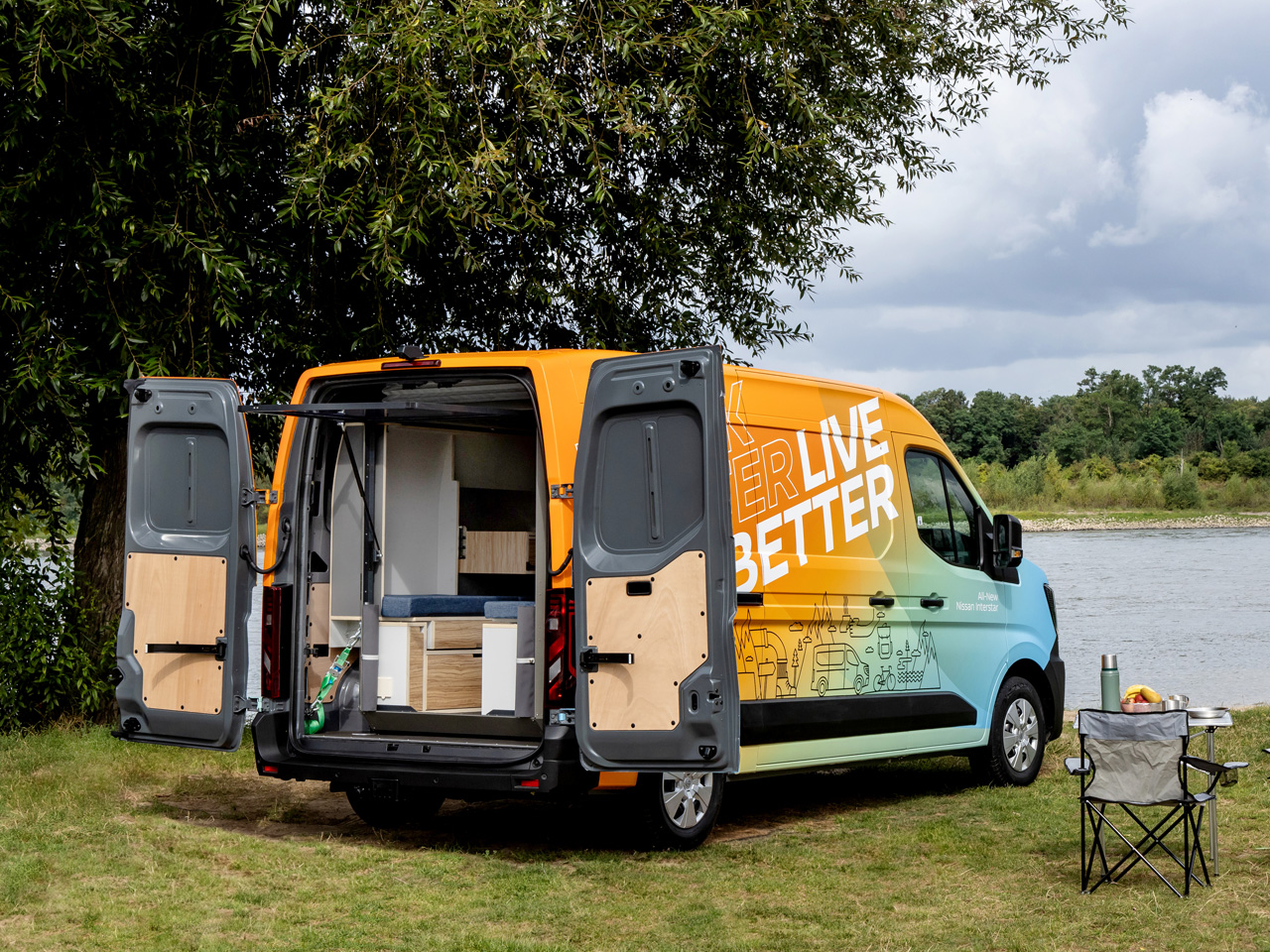
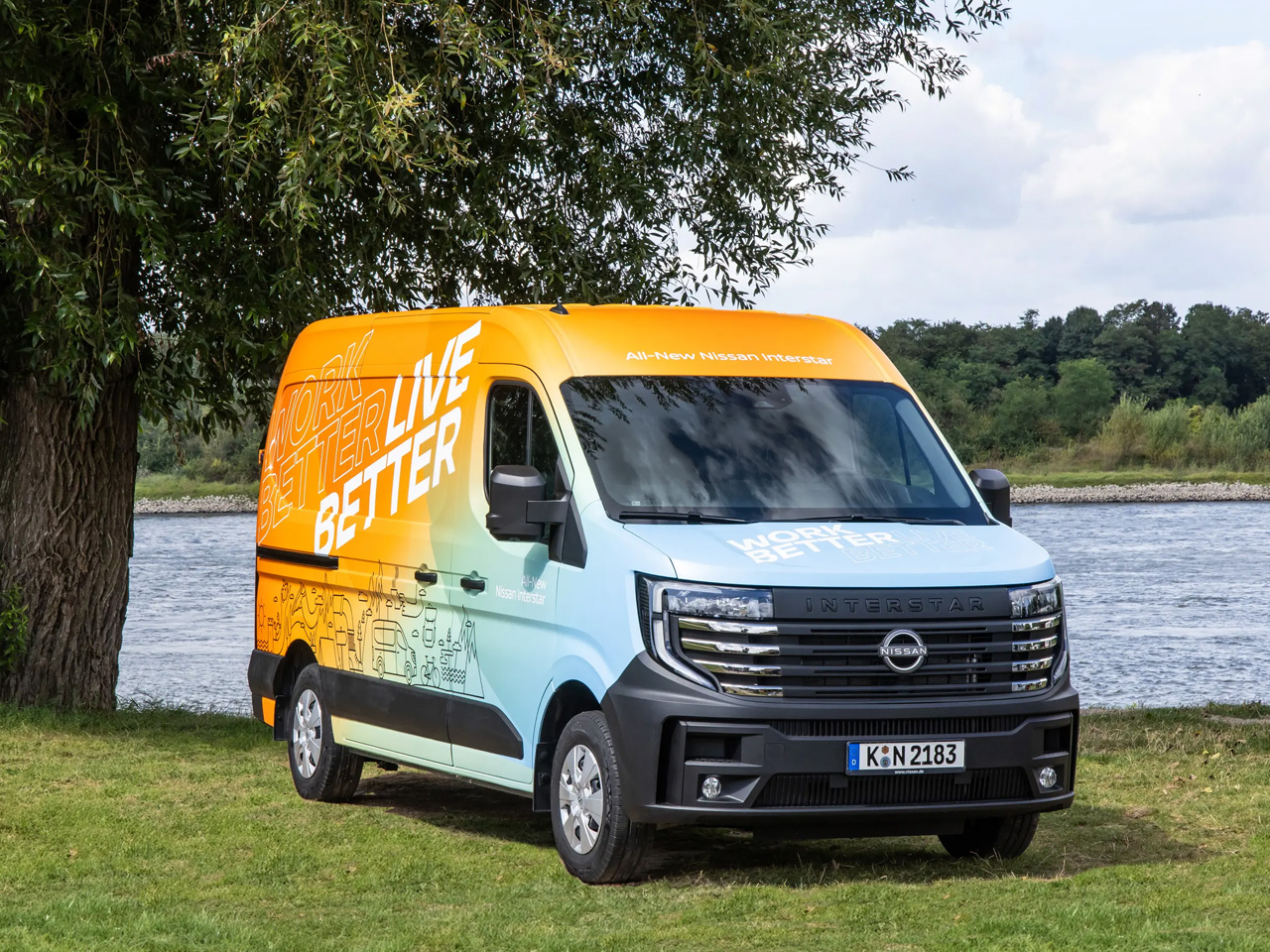
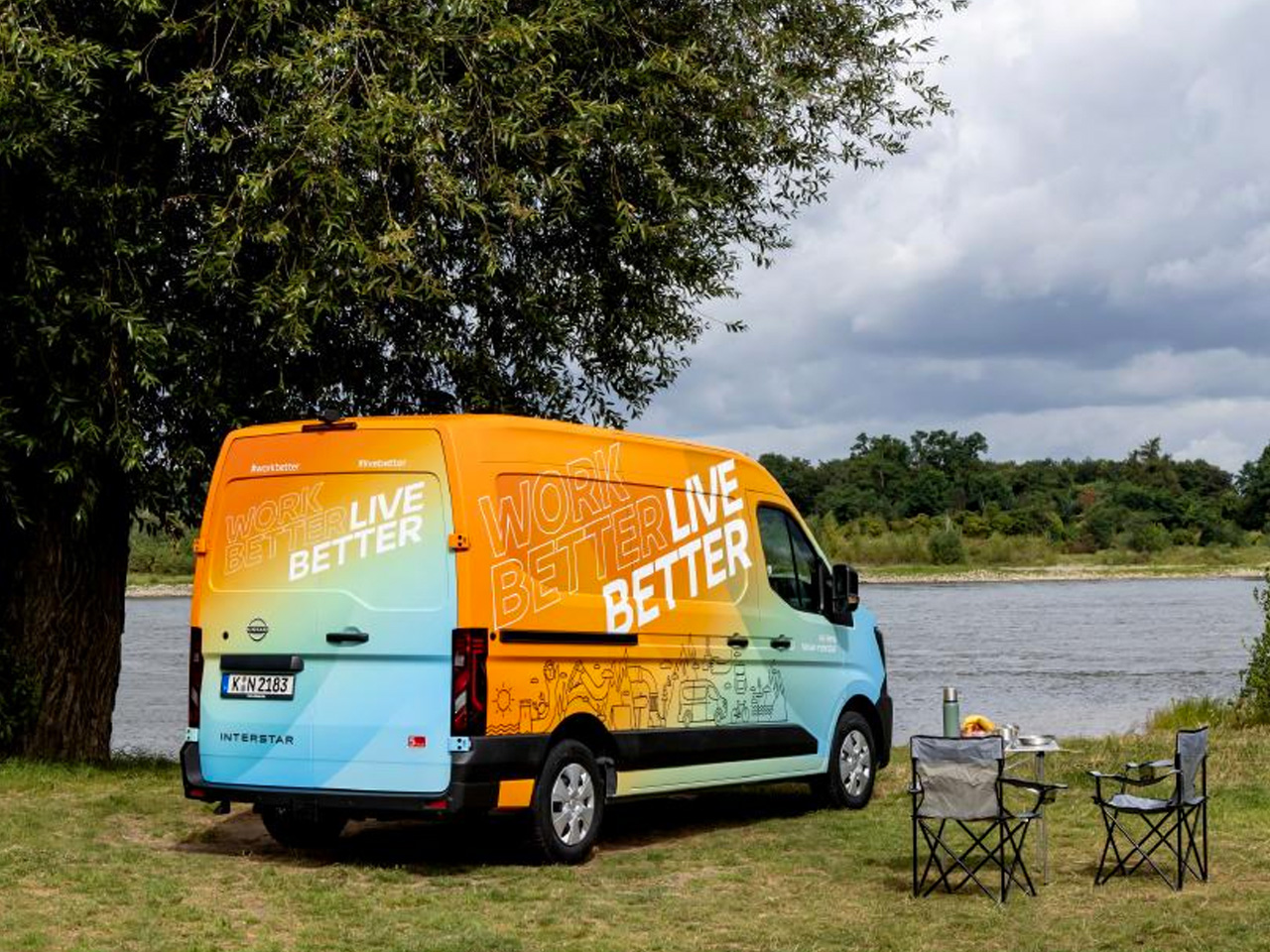
Camper vans have come of age. There are liveable vans for all types of adventure and camping enthusiasts, but do not have much for the tradesmen. Nissan is breaking the norm with the introduction of the Interstar converted into a camper van using a slide-in conversion module from its new partner, PlugVan based out of Germany, which allows the Nissan van to be used as a camper over the weekend and turned effortlessly into a commercial cargo van over the weekdays.
Interstar is one of the larger vans from Japanese automobile manufacturer that is easily customizable to user requirements thanks to its availability in different range of wheelbases, body sizes, and payload capacities. Now at the Caravan Salon 2024 in Düsseldorf, Germany, Nissan is not going to just reveal the Interstar, but will show its camper van abilities using the new PlugVan camping module.
From how it appears, the PlugVan camper-in-a-box for the Nissan Interstar can be installed and removed from the vehicle in minutes. With the camper module onboard, it is ready for a tiresome adventure, and when you take it down it is your everyday back-to-work van. The cleaver conversion module therefore transforms the Interstar in a few steps thanks to its detachable and height-adjustable form factor.
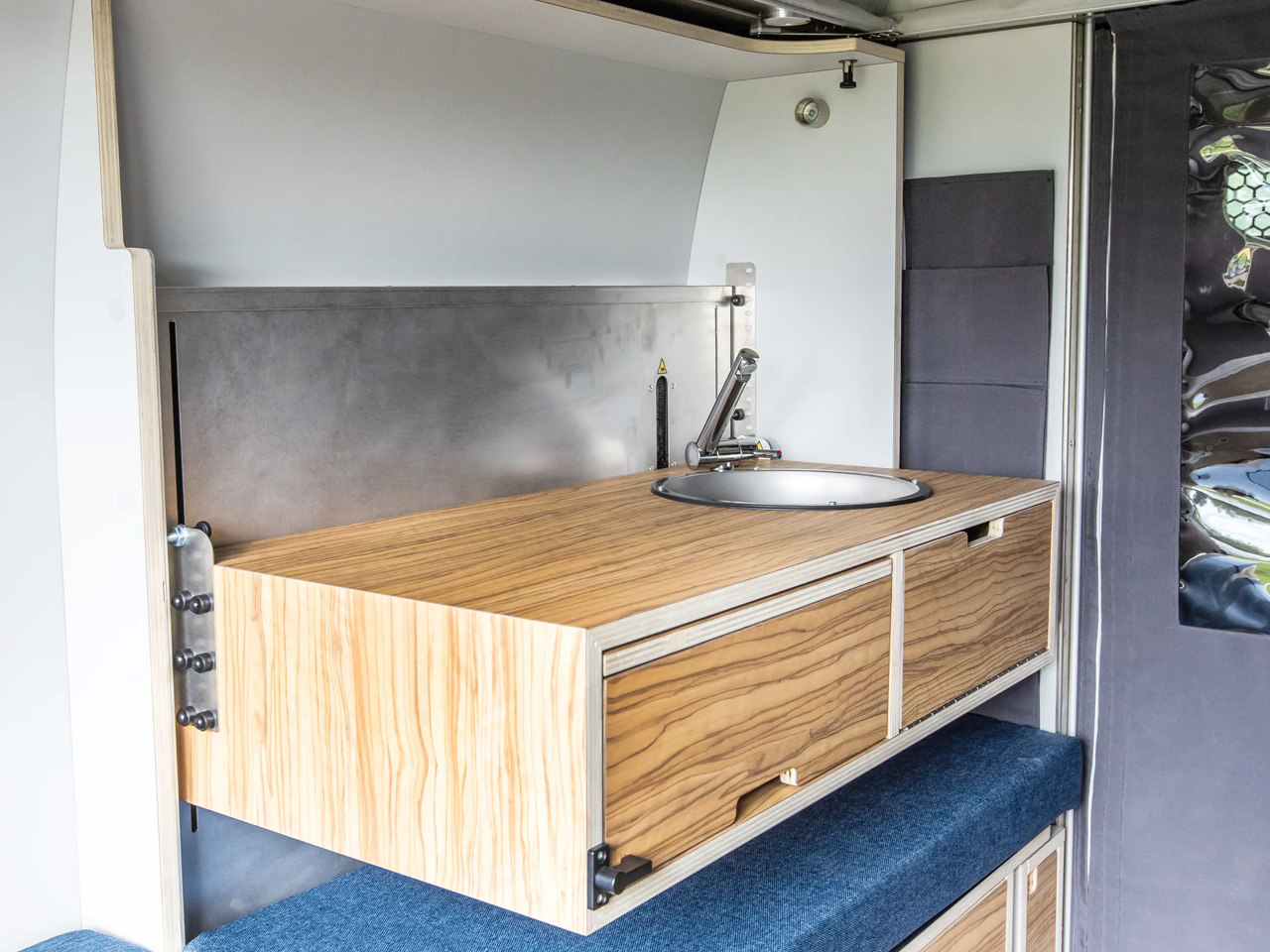
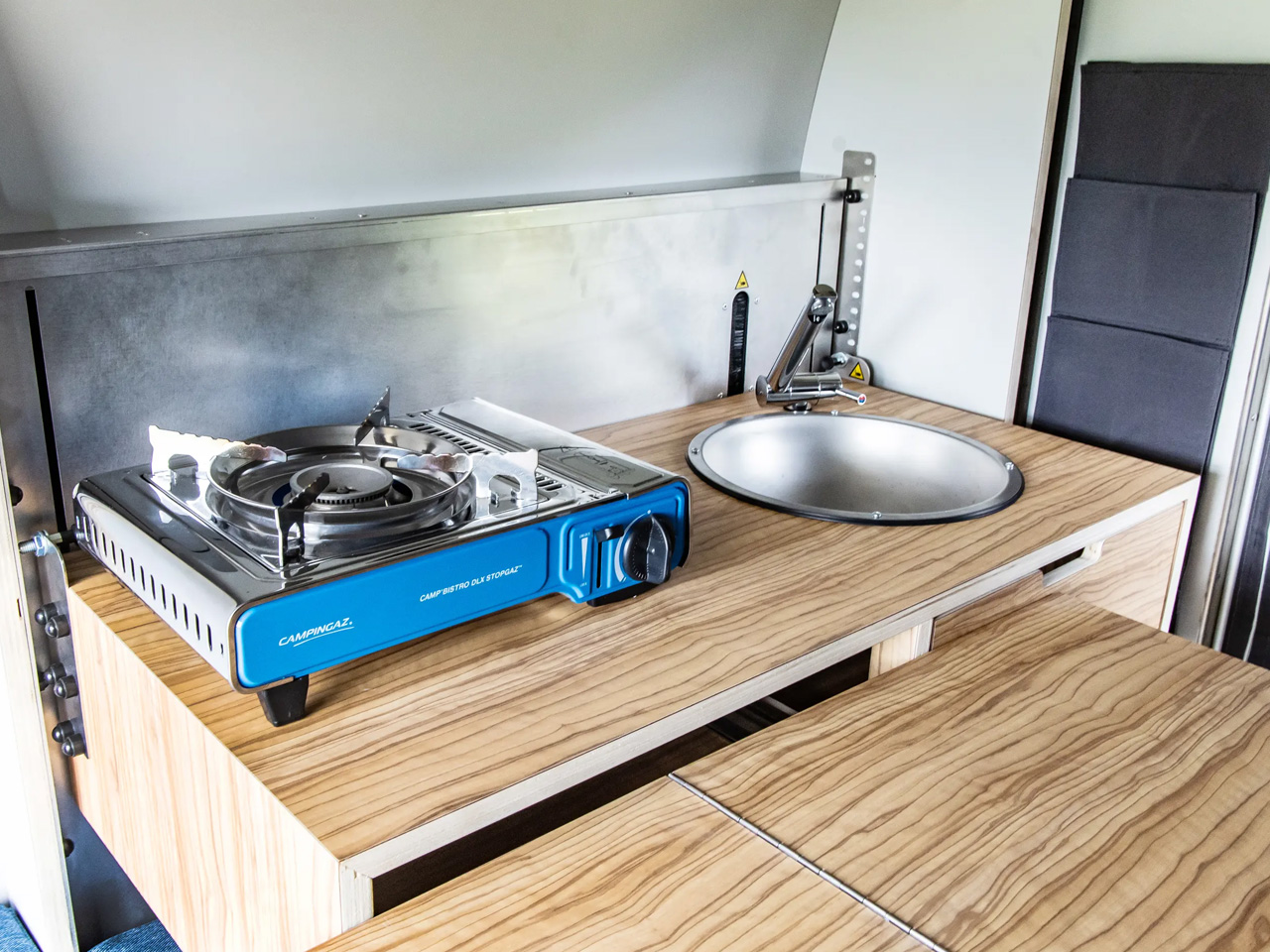
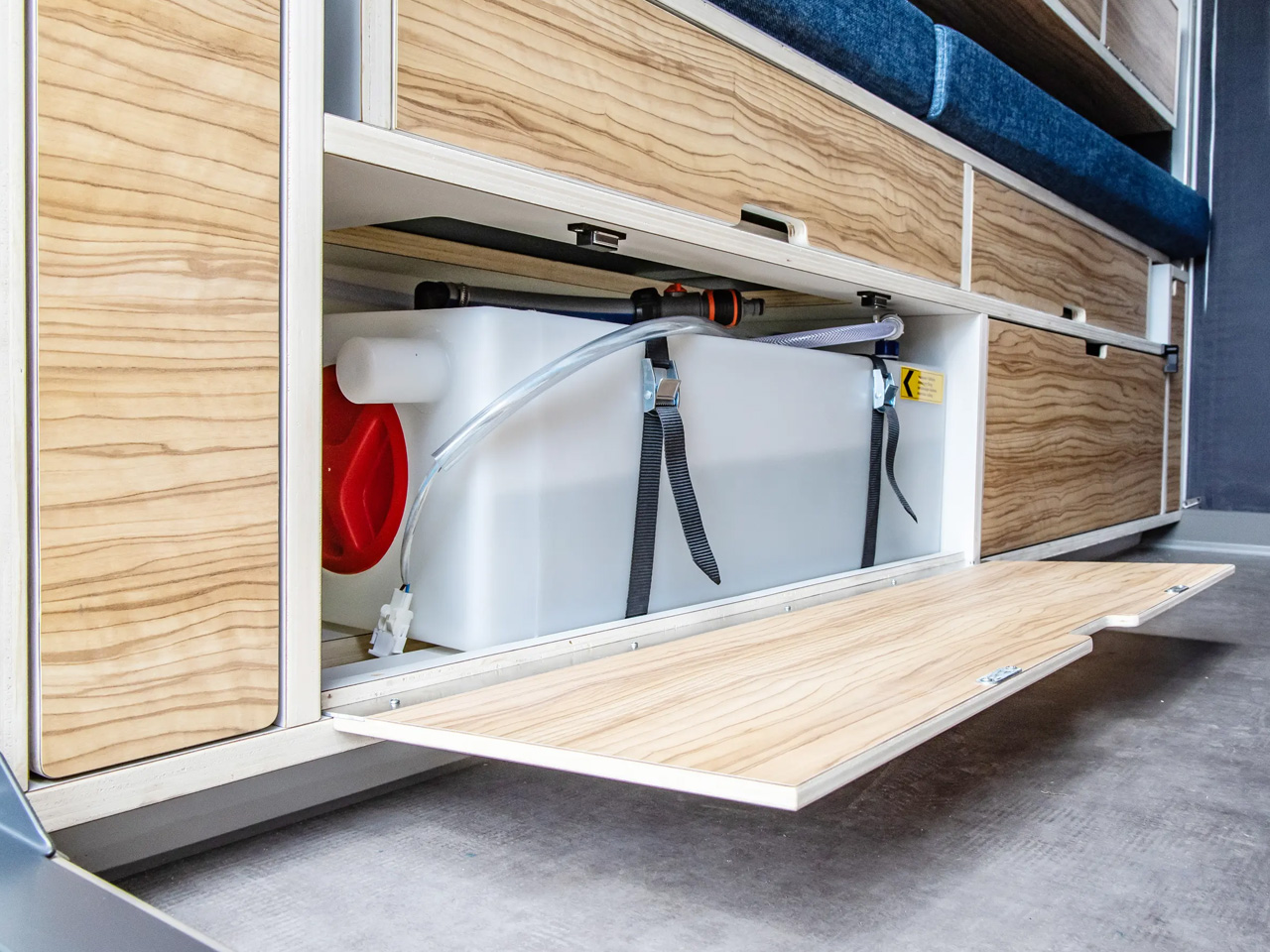
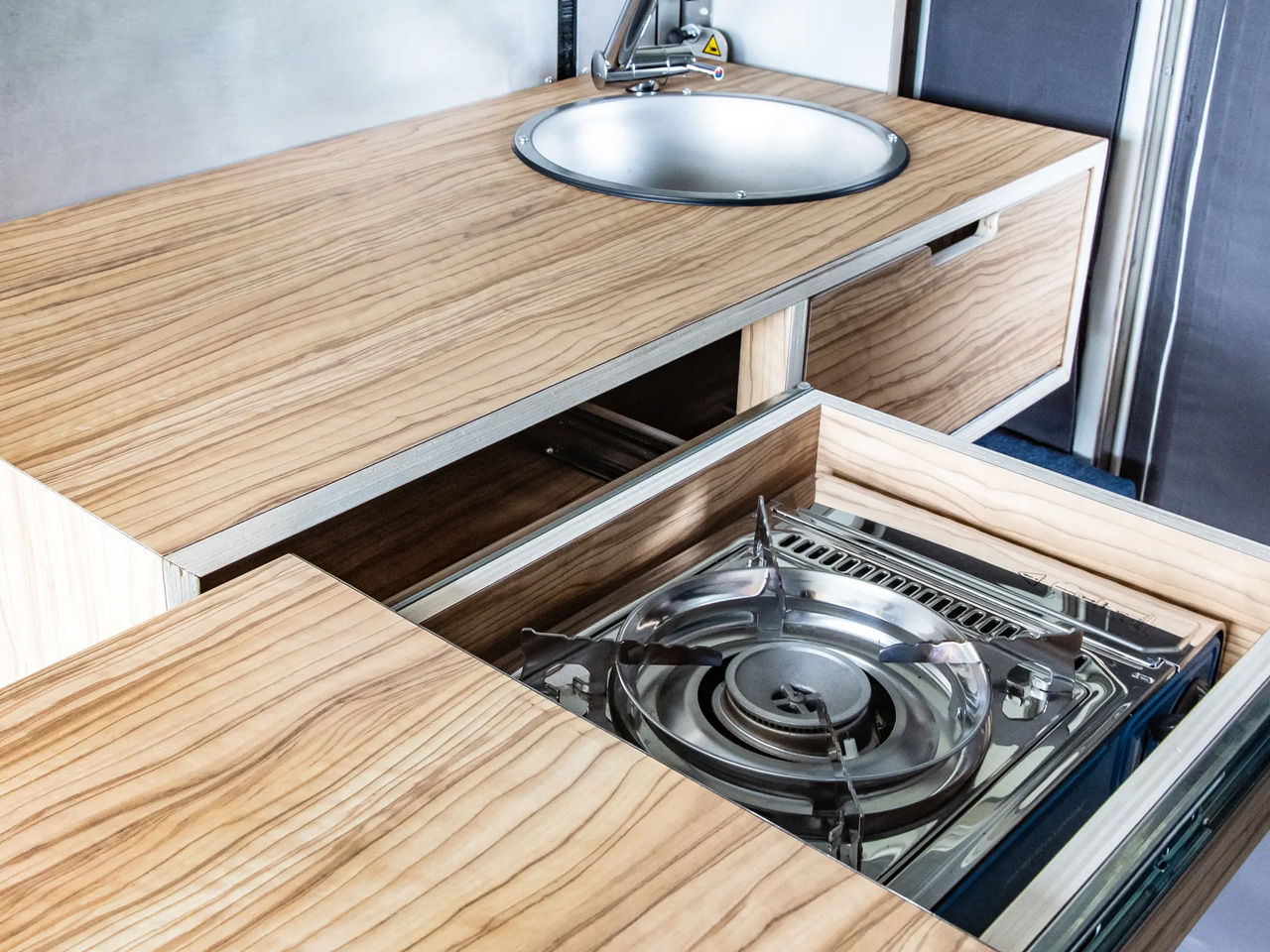
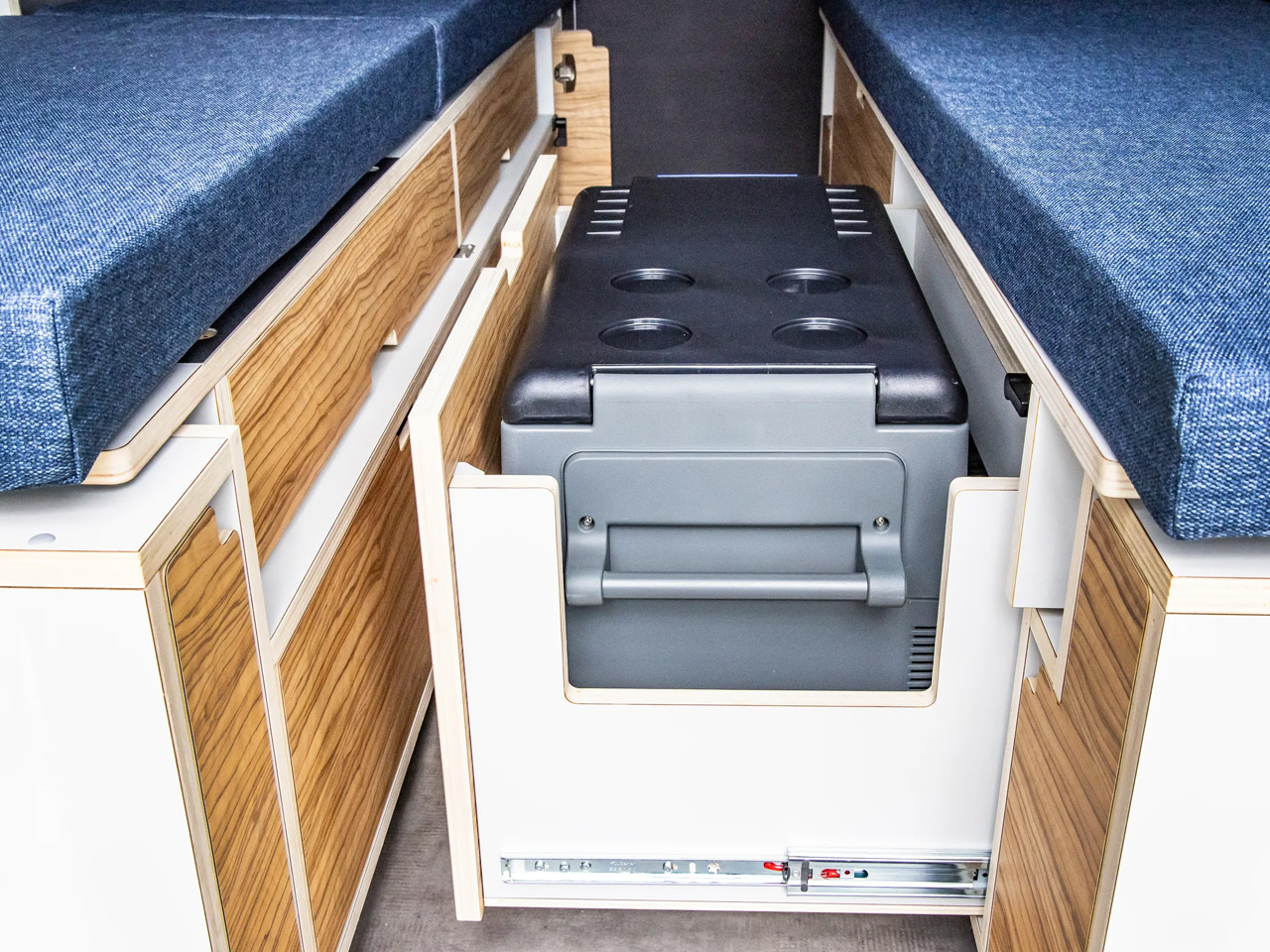
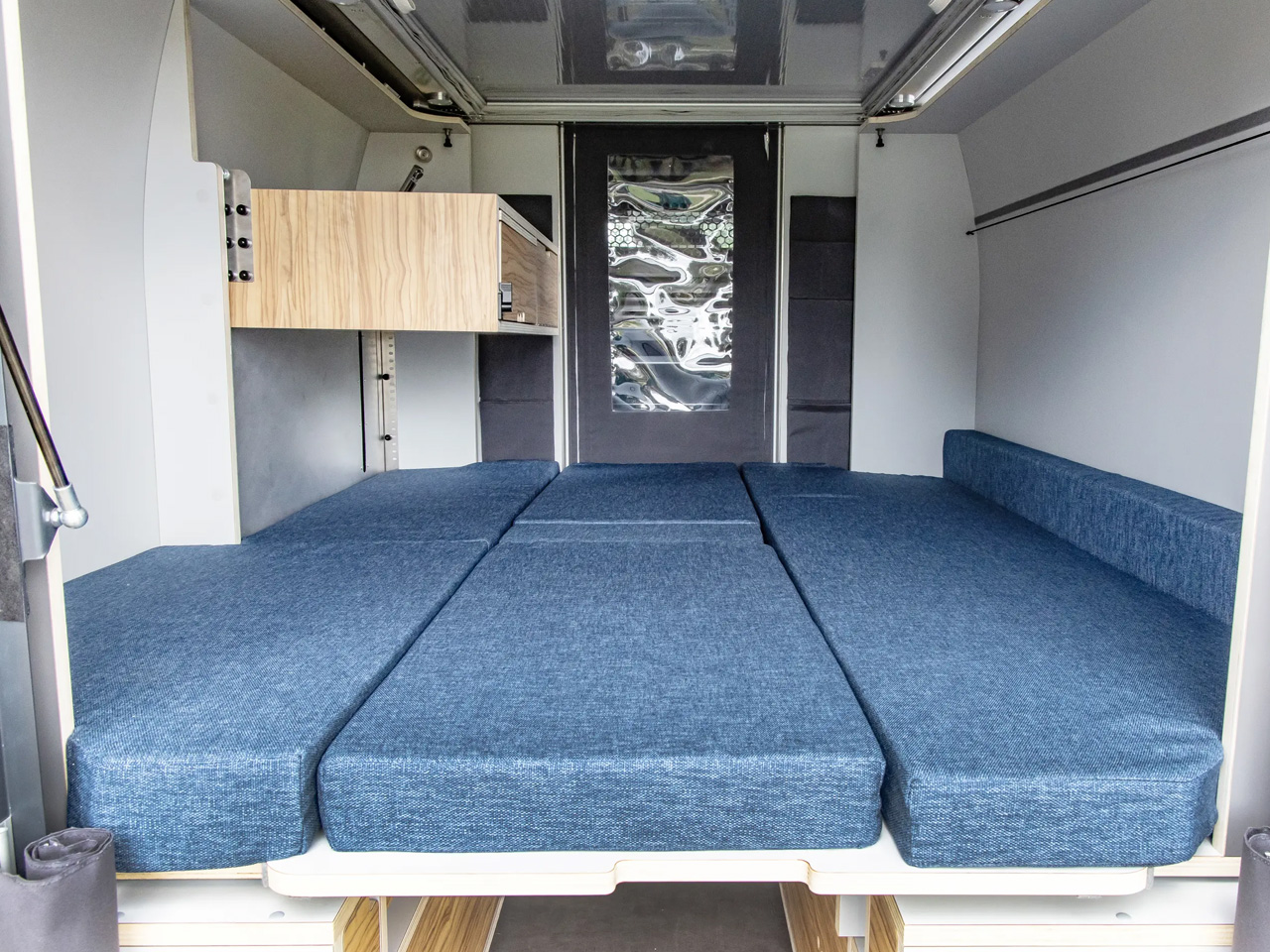
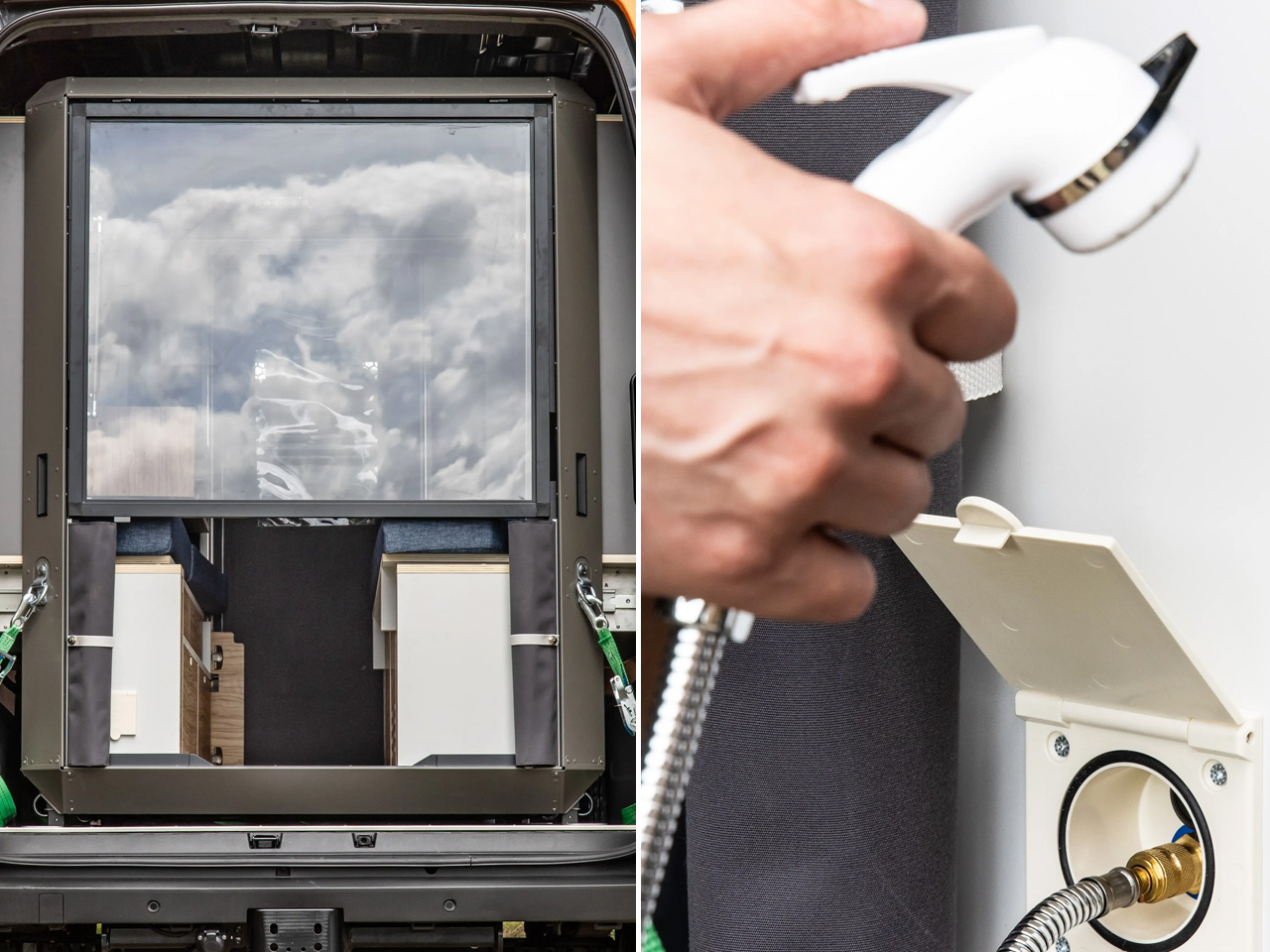
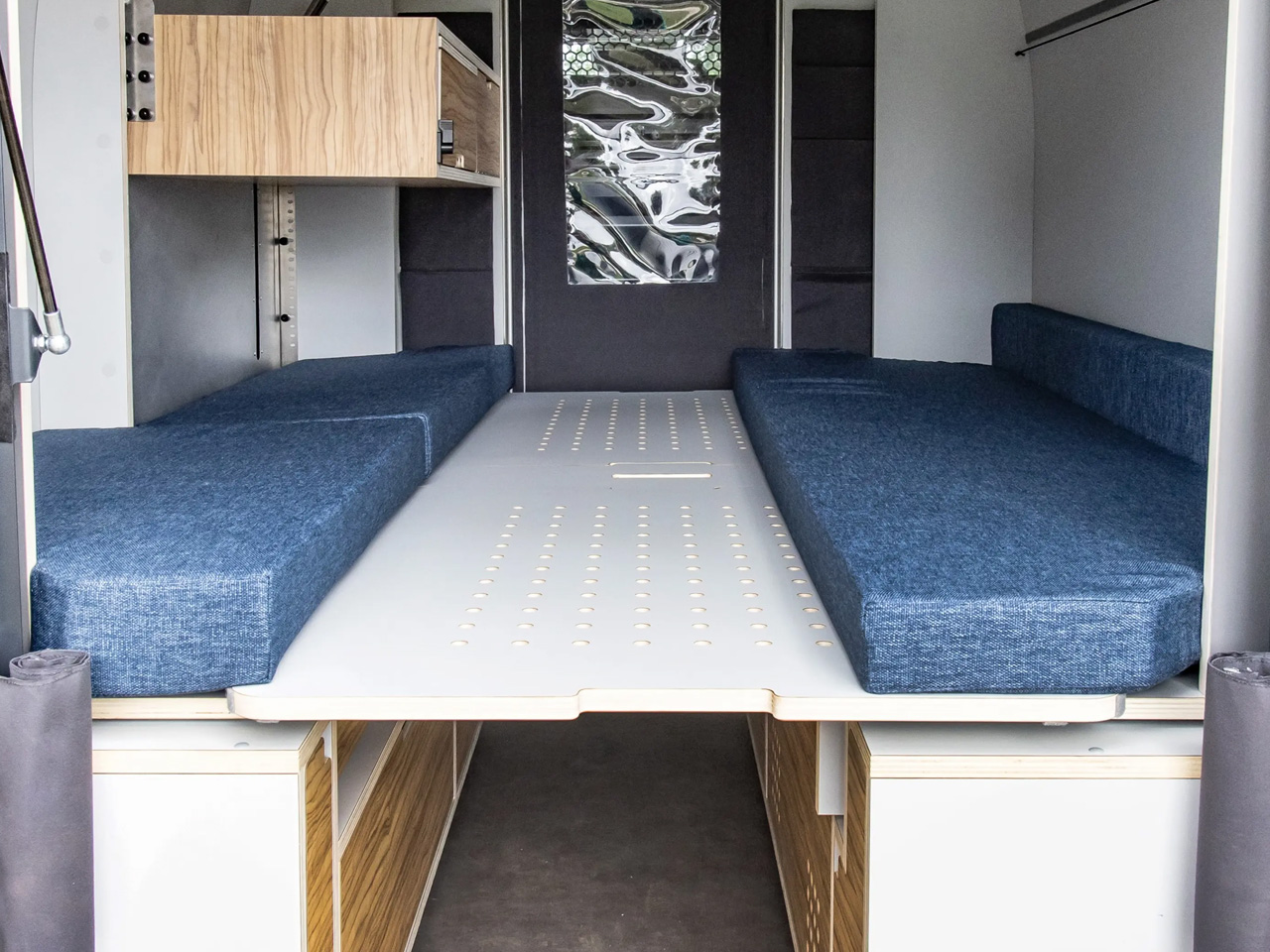
Perhaps the slightly foldable roof of the PlugVan unit allows it to fit through the Interstar doorway and expand inside into a full-blown home facility with pop-up roof, full kitchen, and a sleeping zone for a couple. The kitchen is erected behind the driver and is meant to slide, lift and expand depending on the user’s requirements. It comes with a portable single-burner stove, slide-out fridge box, an integrated sink and a faucet connected to 43l gray and freshwater tanks (also connected to the outdoor shower) onboard, respectively.
The kitchen has slide-out drawers and a retractable dining table accessible from the sofa on the opposite side of the kitchen unit that lifts upward to clear room below for the convertible sofa bed at night. The PlugVan unit does not fill up the entire space of the full-size Interstar, so a bathroom (that packs down into a suitcase) with fabric walls, portable dry toilet, and a water heater is provided alongside. The interesting camper van with an interesting exterior colorway is accessible through the side door, while the large rear window provides amazing views of the surroundings while you drive to your halt by the evening.
Ever since its inception, Hot Wheels changed the dynamics of toy car models that were cooler and performed better than any other toy back in the late 1960s. Even after more than six decades, the iconic brand has the same enthusiasm for a set of Hot Wheels.
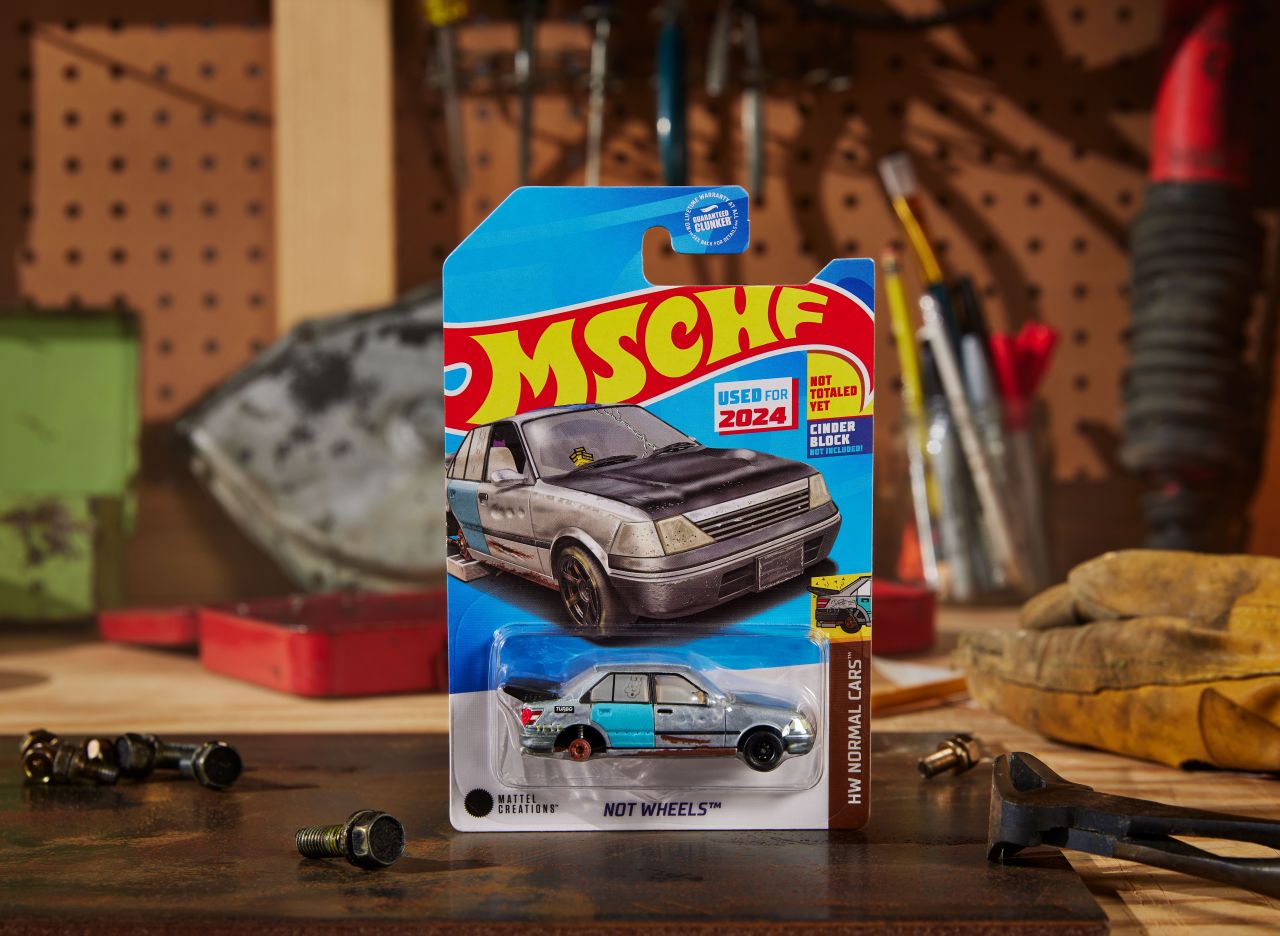
Some early models are now prized collectibles since they were created only in a handful of units. While every car lover has had his/her collection of Hot Wheels cars ranging from hot rods to supercars, the brand has thought out of the box this time to create a Not Wheels sedan.
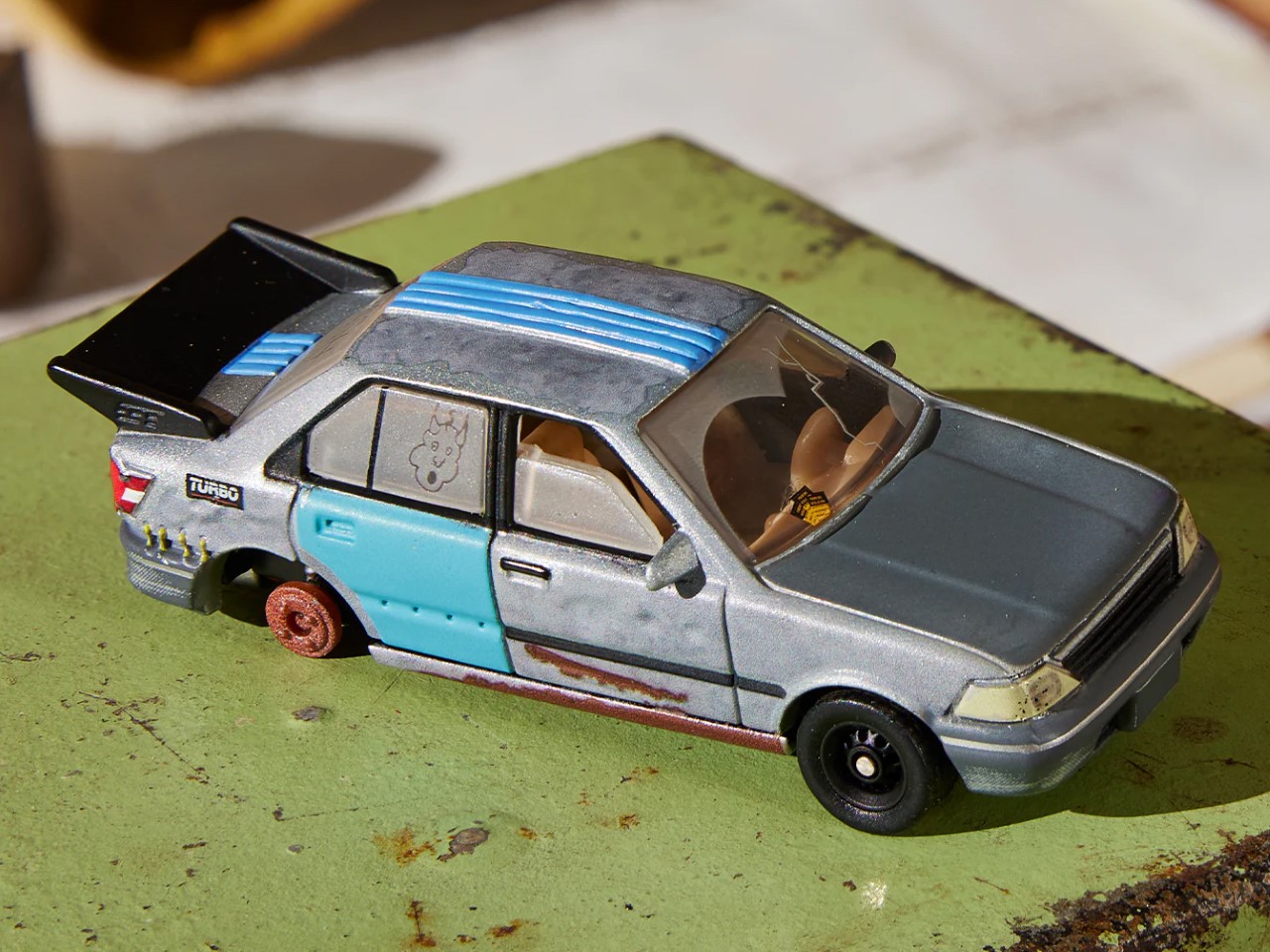
The idea comes from the creative pool of MSCHF, a streetwear brand known for its off-the-wall designs. It’s their first-ever Hot Wheels collectible, and going by the packing labels and text, it seems this is certainly not their last. The beat-up car inside the clear packaging carries the label “HW Normal Cars” on the front, hinting there could be more coming. This heavily used car look is inspired by the 1990s Japanese import scenario when worn-out cars were the norm.
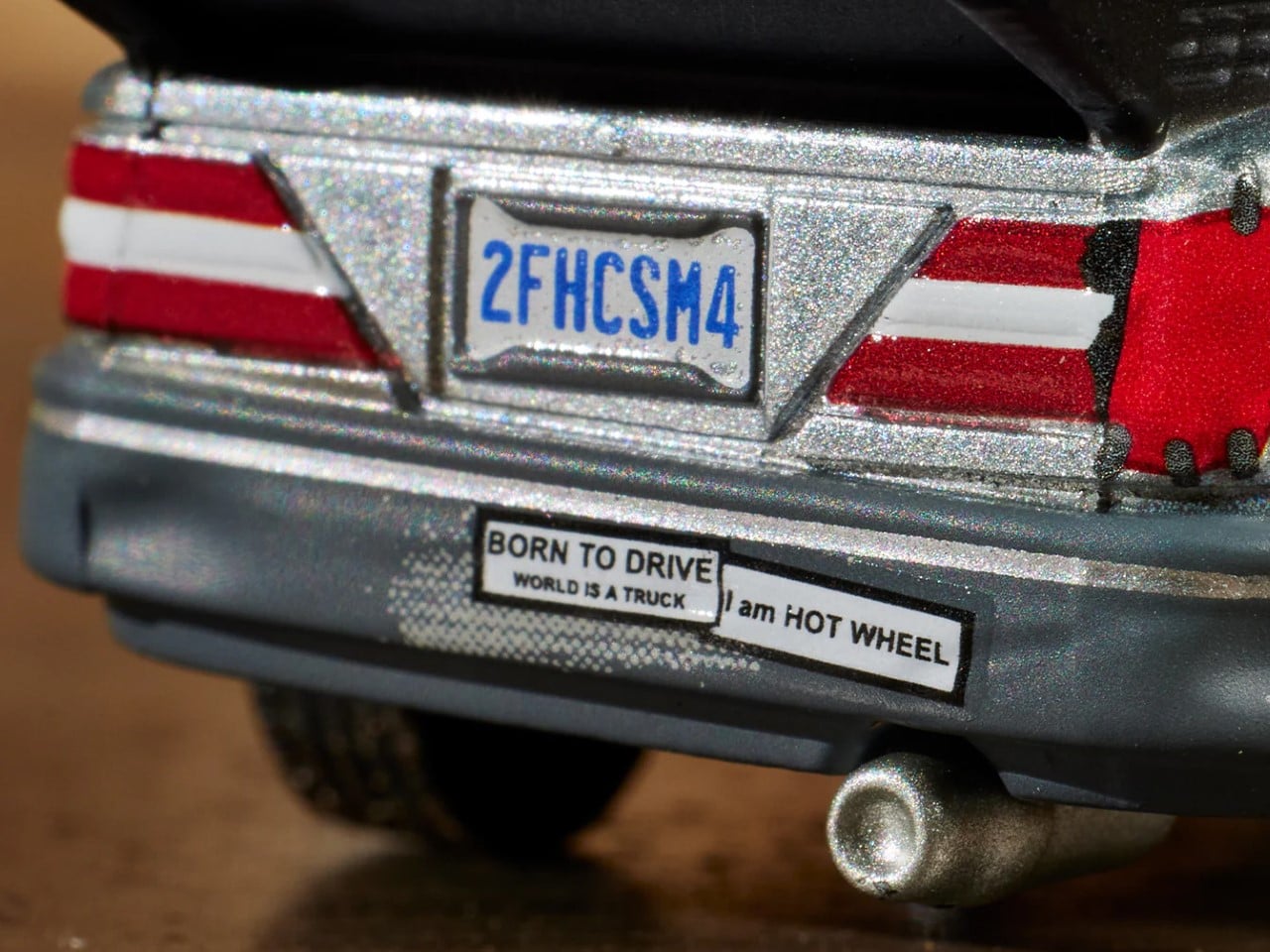
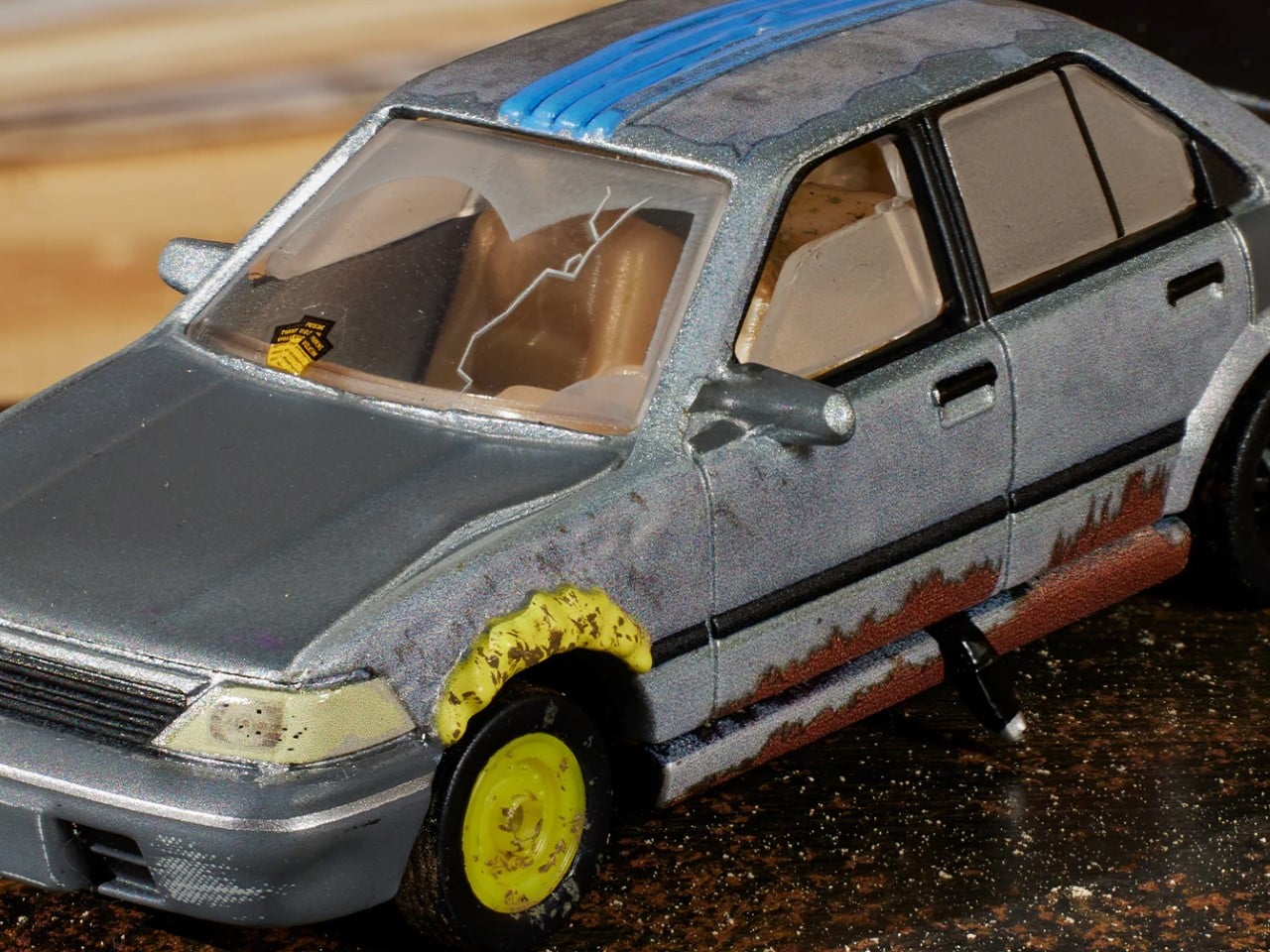
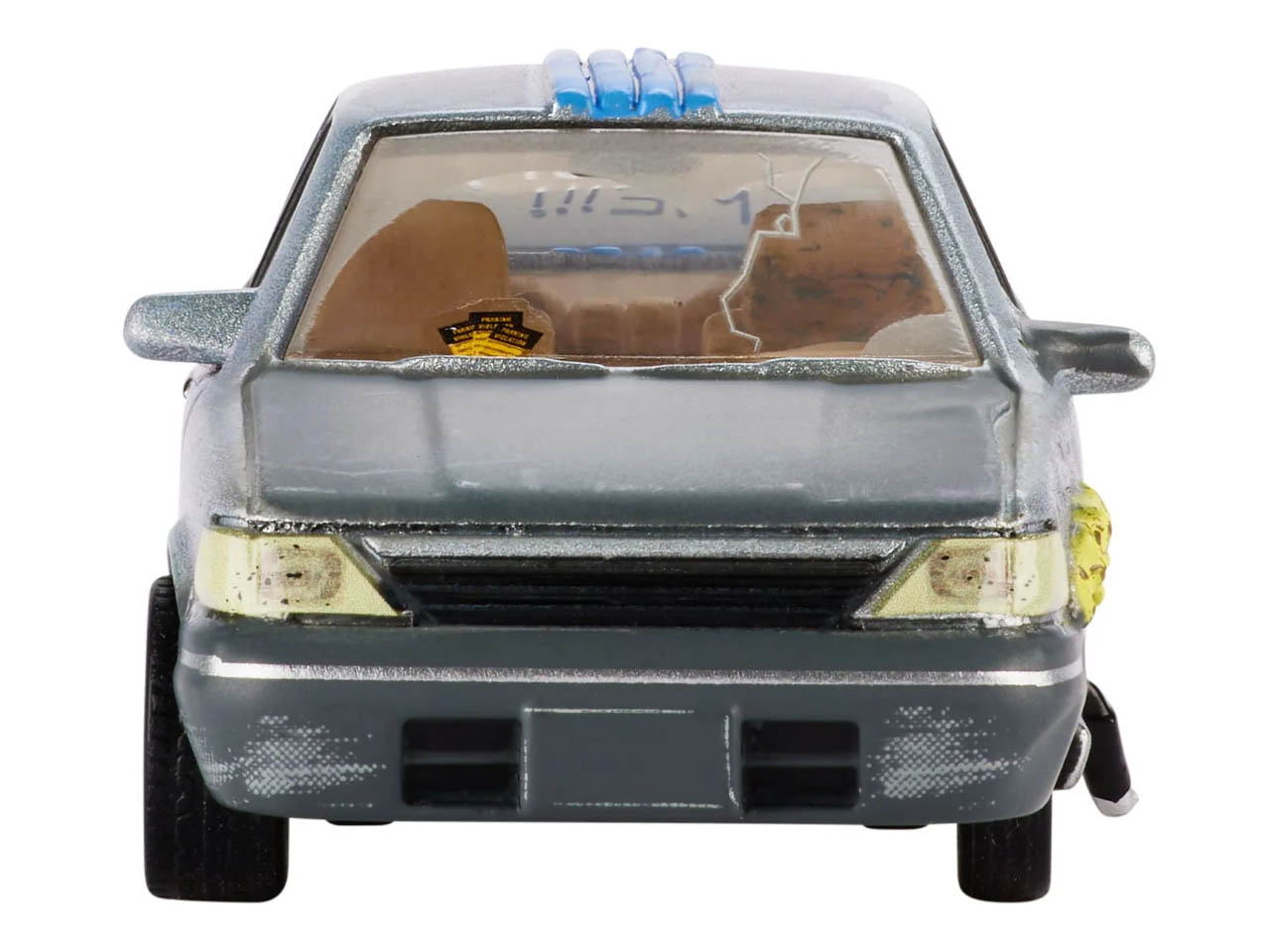
This “Not Wheels” car has a missing wheel and two Real Riders classic tires, ensuring it doesn’t roll like any other Hot Wheels. To complete the busted look, the car has a yellow spare and a rusted hub. The rugged look continues onto the body with dents, incomplete repairs and dents scarring the exterior. MSCHF wasn’t going to stop there and went all in with a cracked windshield, hanging seat belts and dirty-fogged rear window with “WASH ME” finger inscribed to complete the theme.
There are cheap fix-ups dotting the bodywork including, mismatched doors and taped-on taillights. If you look closely, the cracked windshield has a yellow parking ticket hooked onto the wipers. Definitely, this car has been ditched for a long as the headlights are all fogged up. The $30 totaled vehicle scale model is all set to be released for buying on August 30 and this one will sell like hotcakes for its exclusivity. You could sport it in your post-apocalyptic diorama, industrial-themed desk or even shoot a short movie with a couple of these Hot Wheels mixed along with the more exotic ones.
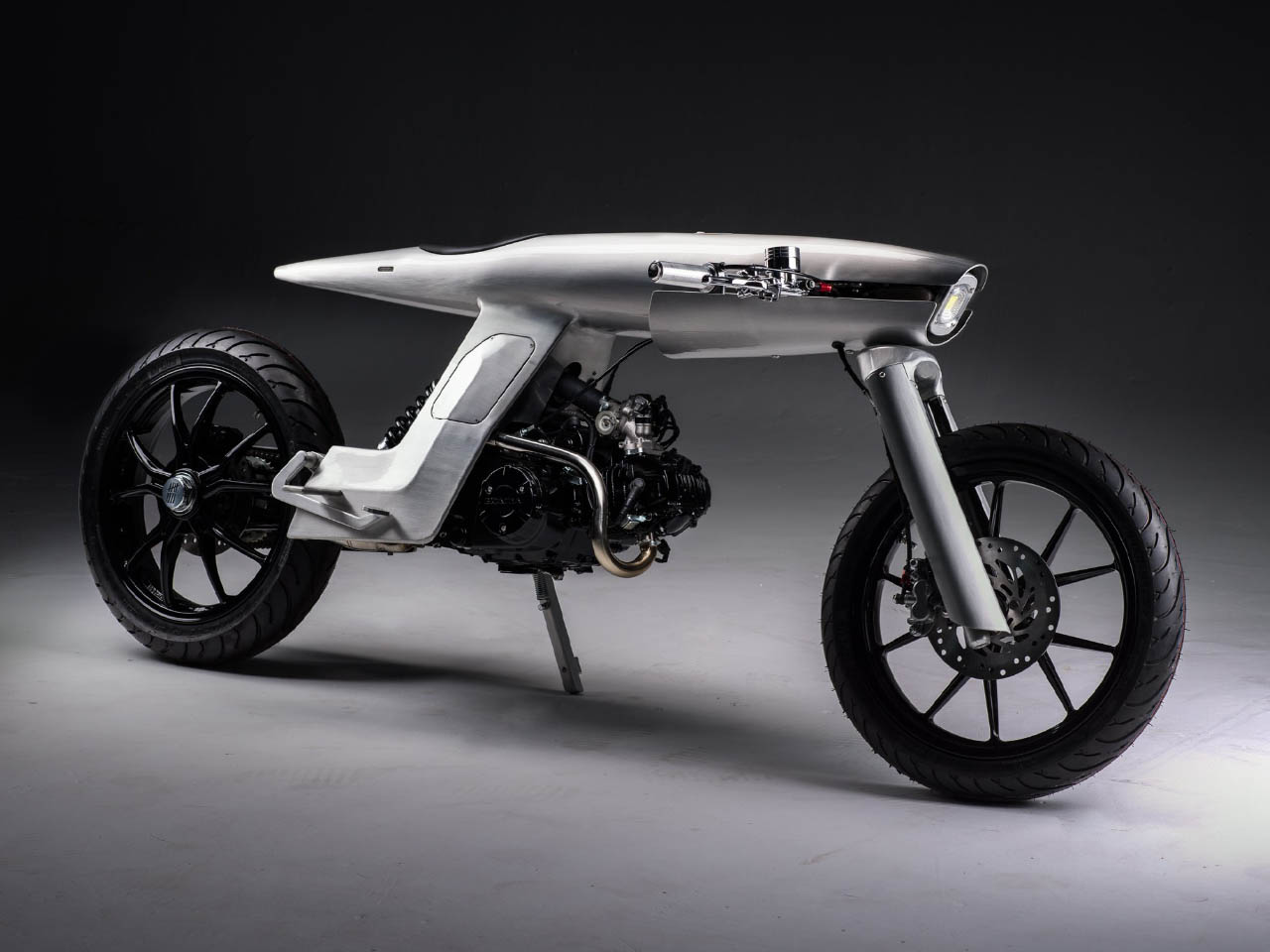
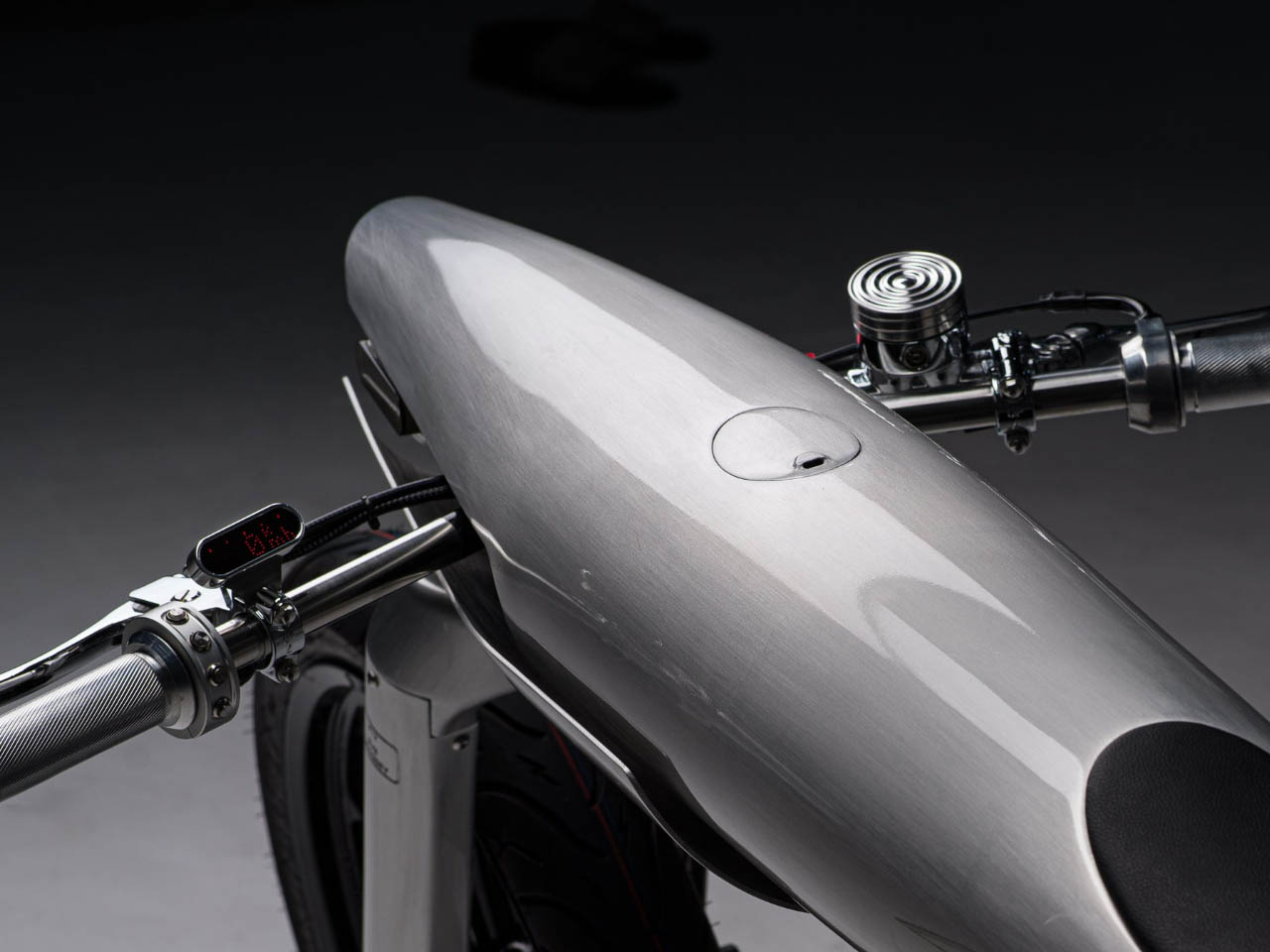
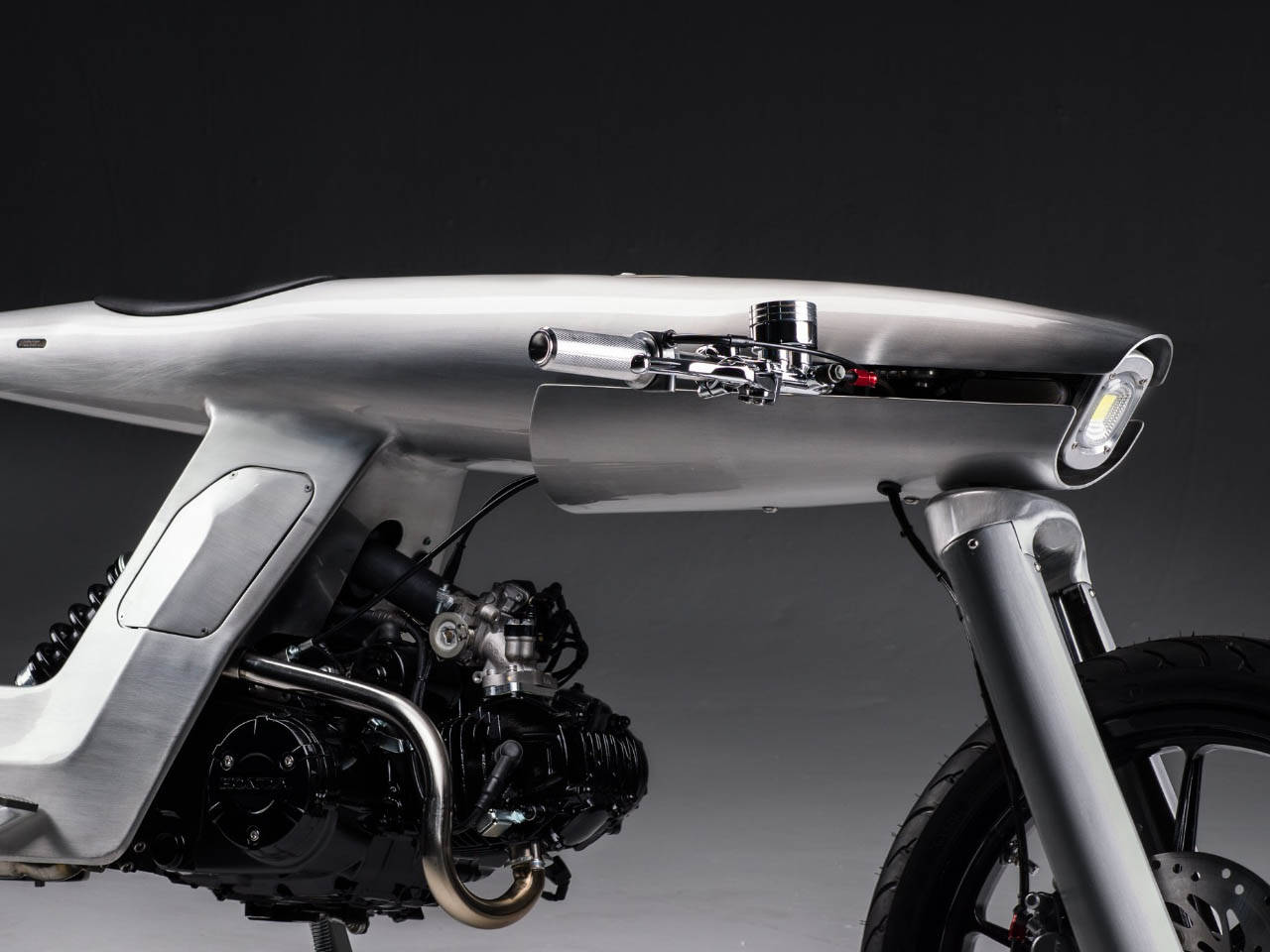
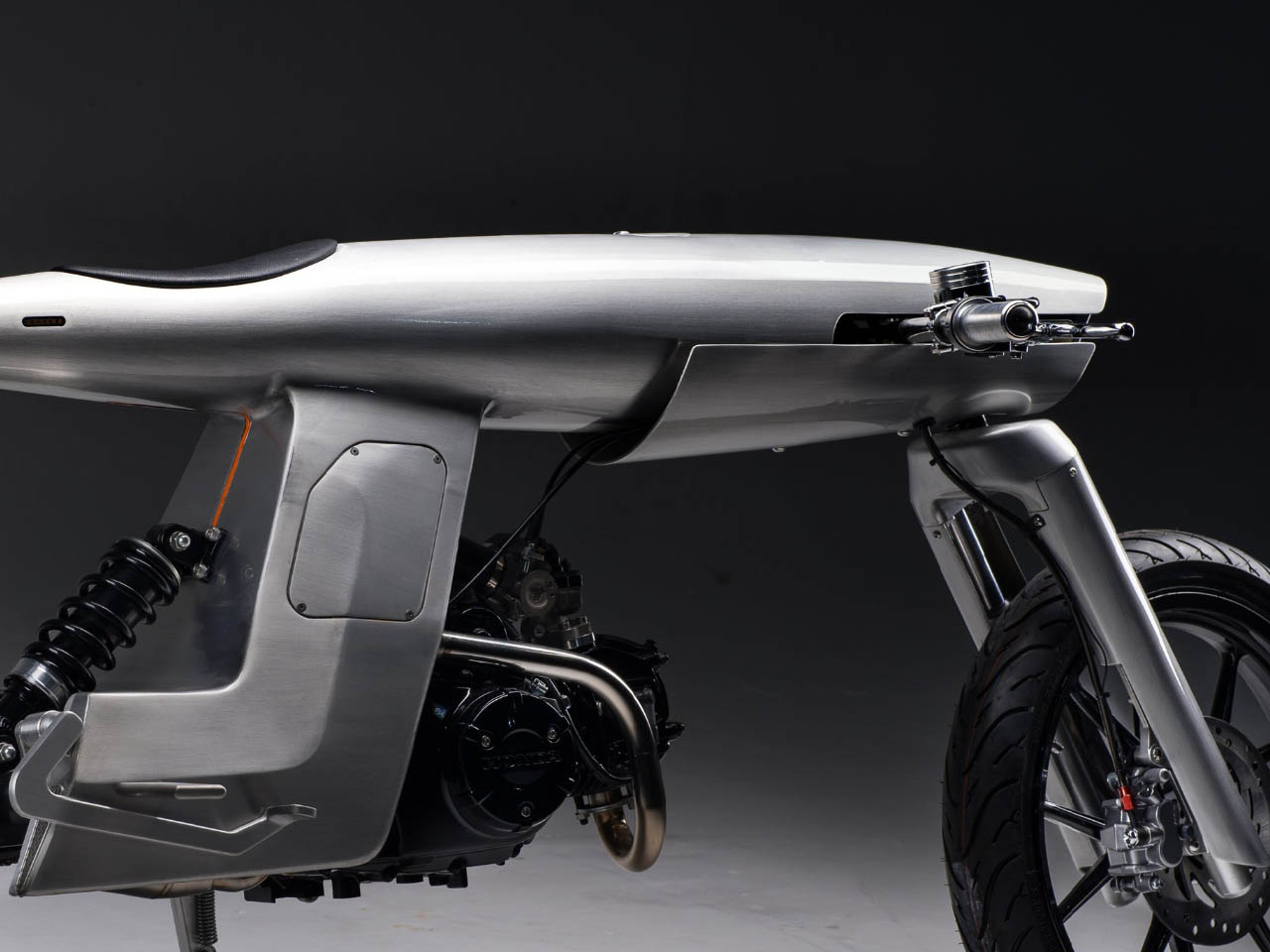
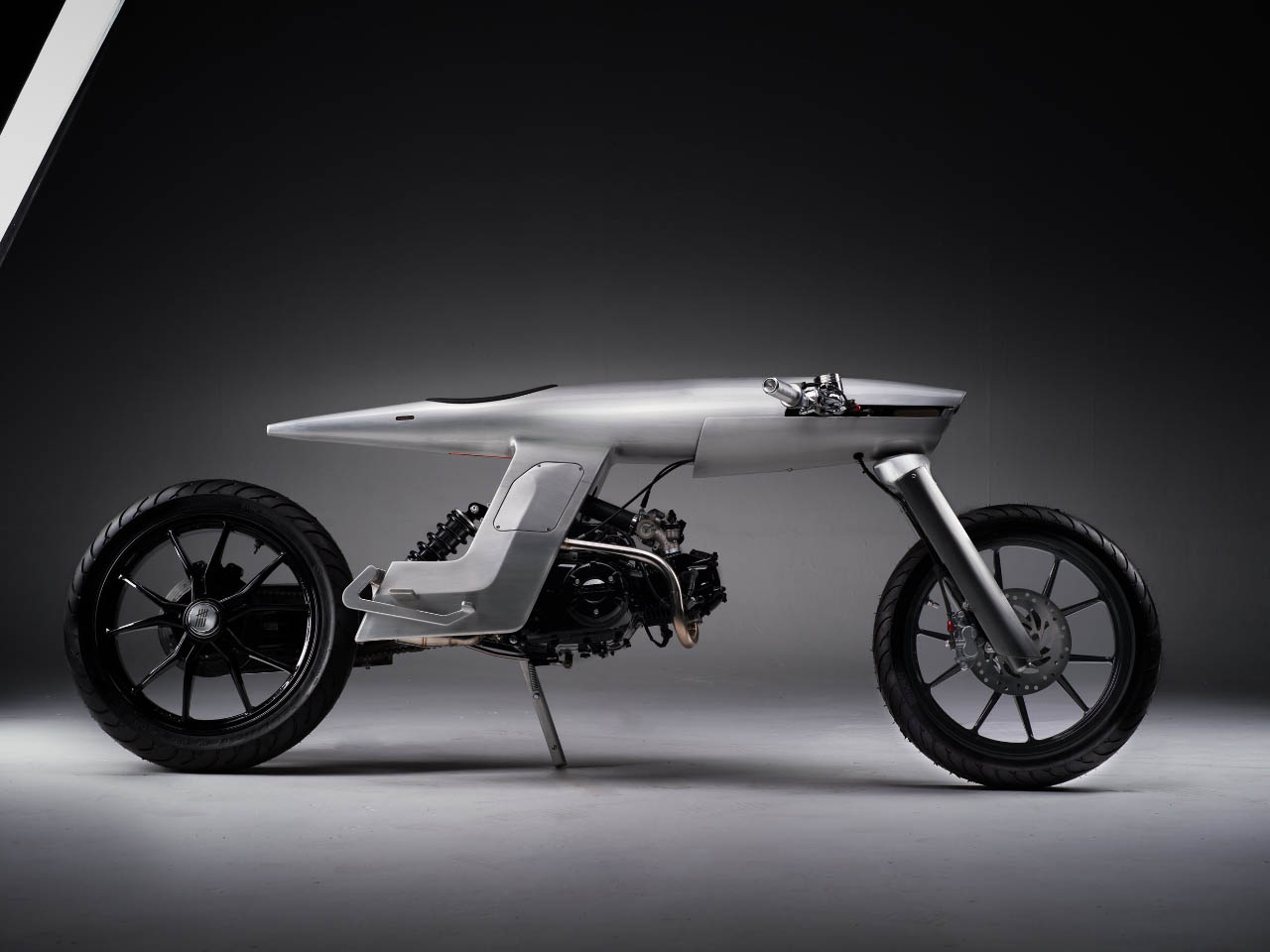
Bandit9 Motors’ EVE Odyssey motorcycle stunned us last year with a bullet-shaped spacecraft-grade aluminum body straight out of the Star Wars universe. The Vietnam-based company incepted by Daryl Villanueva is in a league of its own with futuristic builds that have an element of industrial influence.
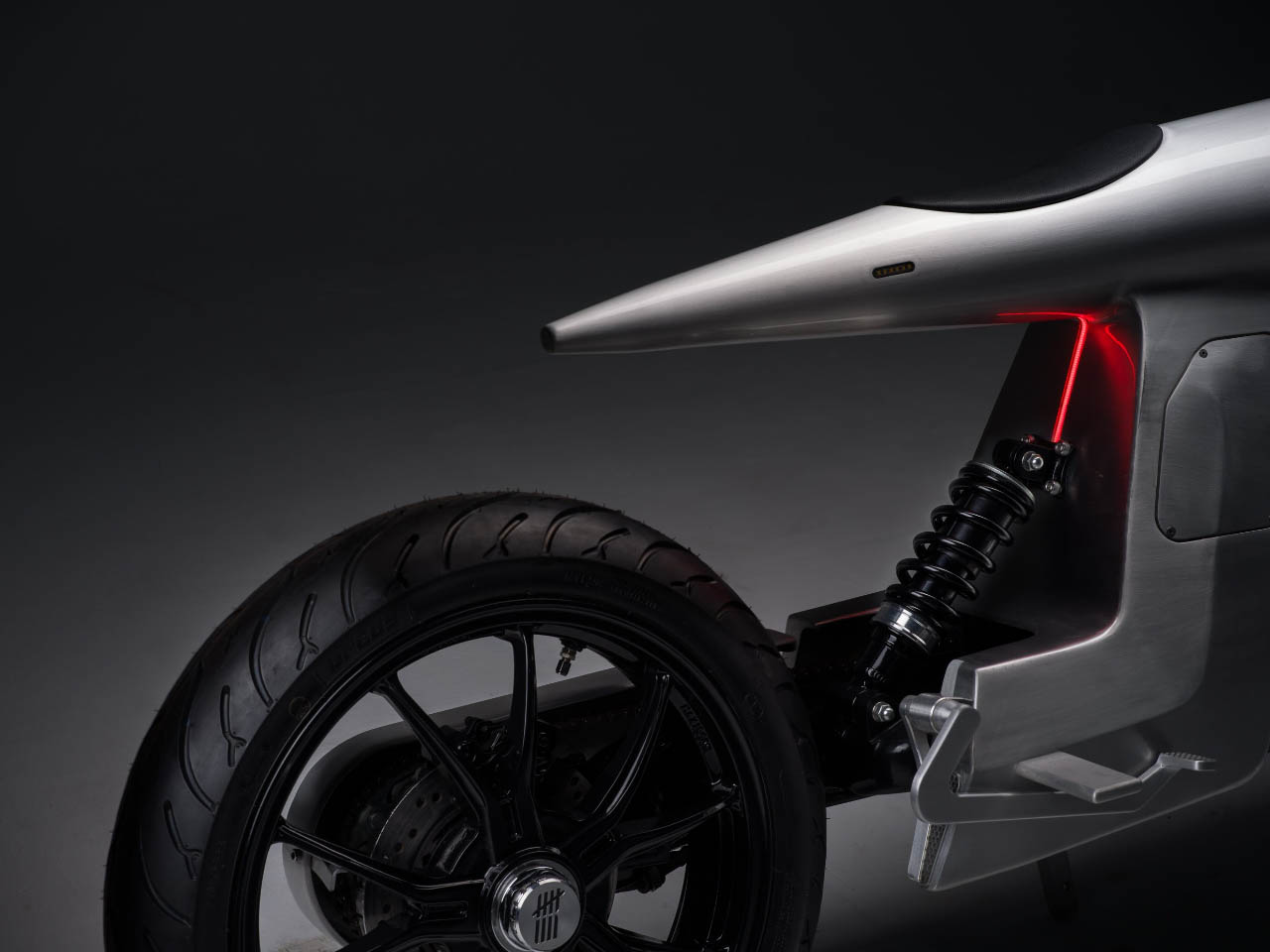
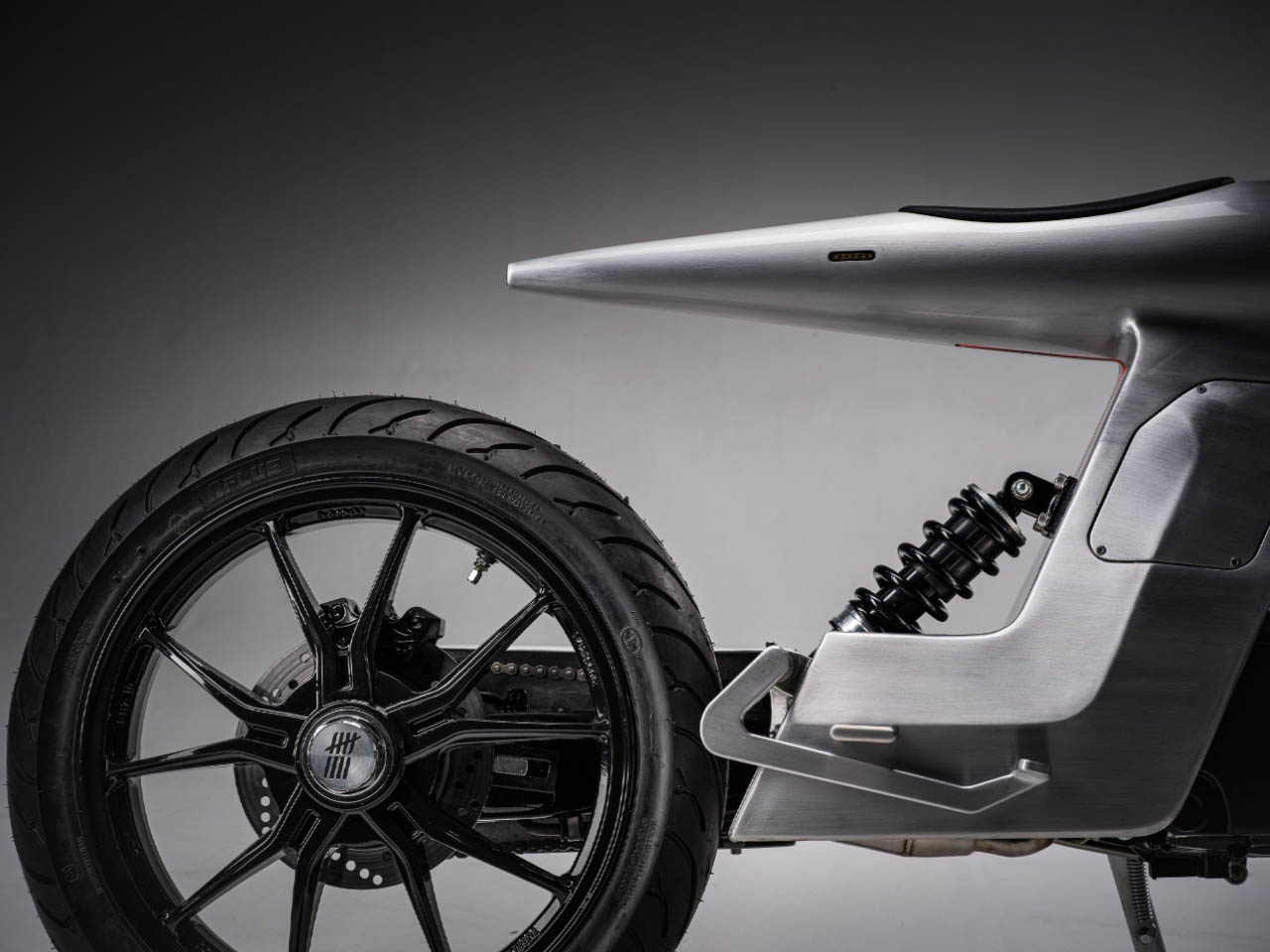
The latest from their workshop is the improved version of the EVE Odyssey. Daryl and his team have facelifted the bullet-shaped bike into one that is more like a 9mm sniper rifle bullet. To top it all, the new version is bigger, lighter, faster and more durable than its predecessor. The EVE Odyssey is a huge team effort, and I could not be more proud of the people who made it possible. My only wish is that they’re equally proud of the work they’ve done. In my opinion, this is the best piece we’ve ever done, and I think it’s just the beginning,’ Daryl says.
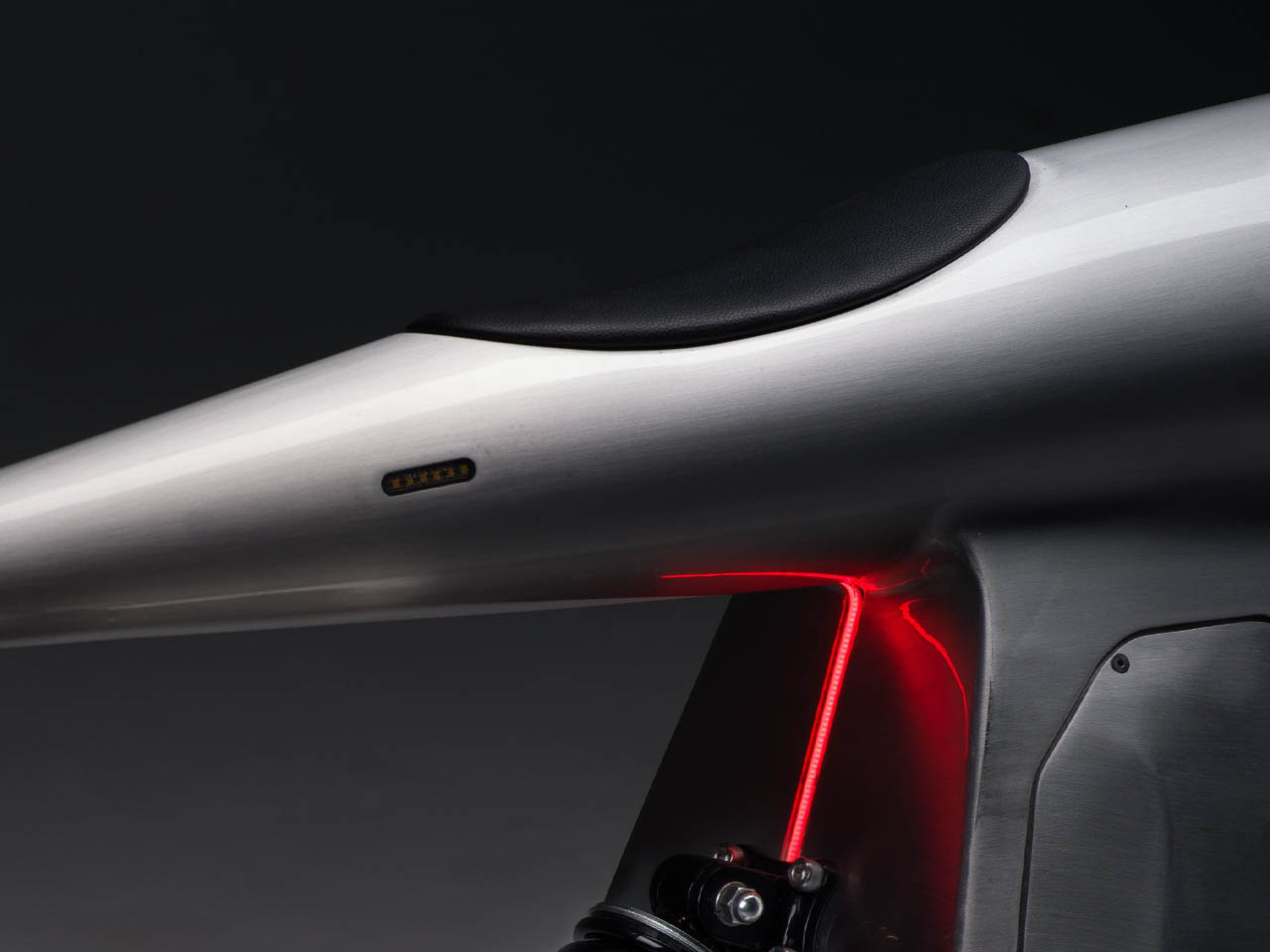
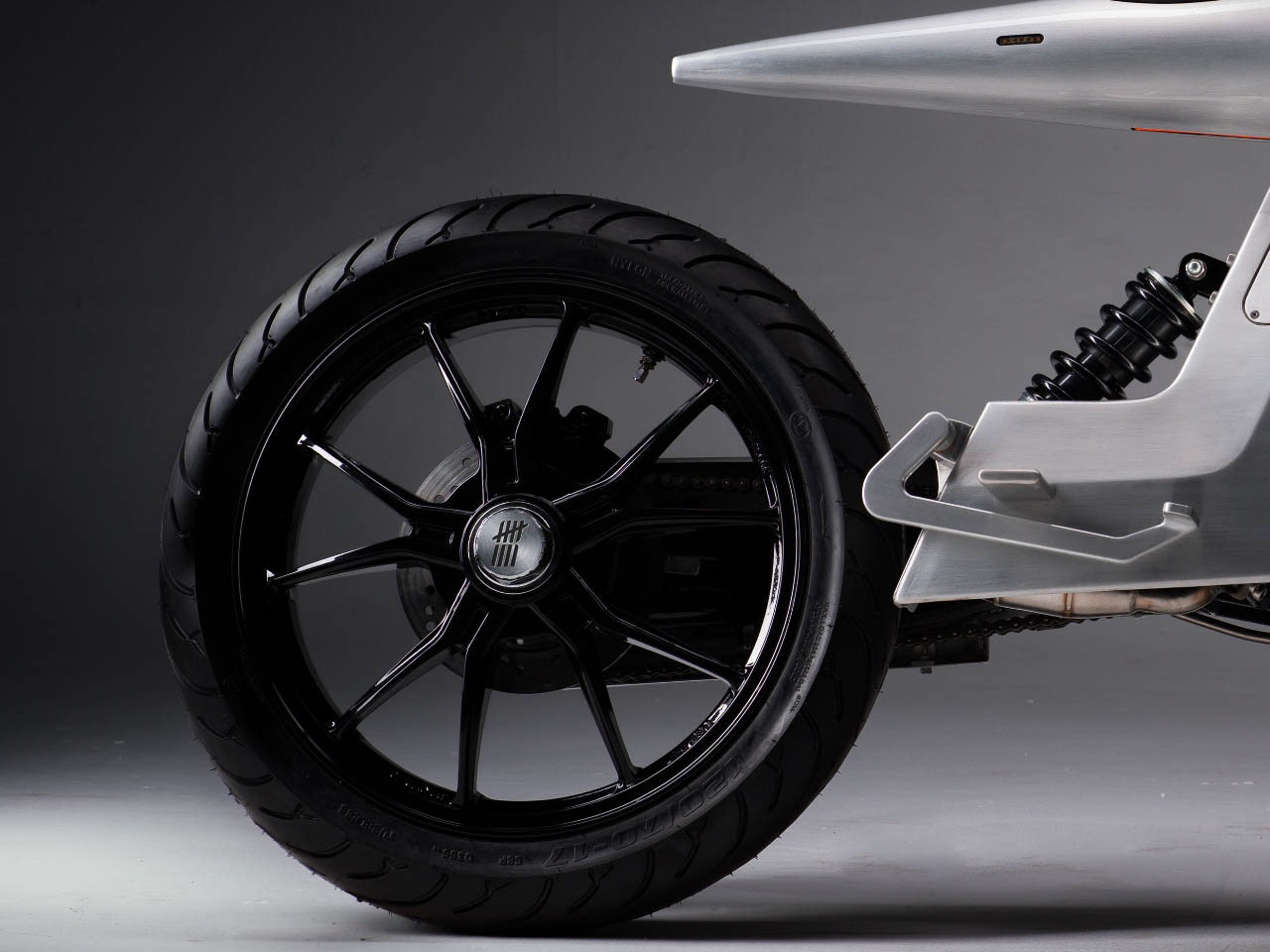
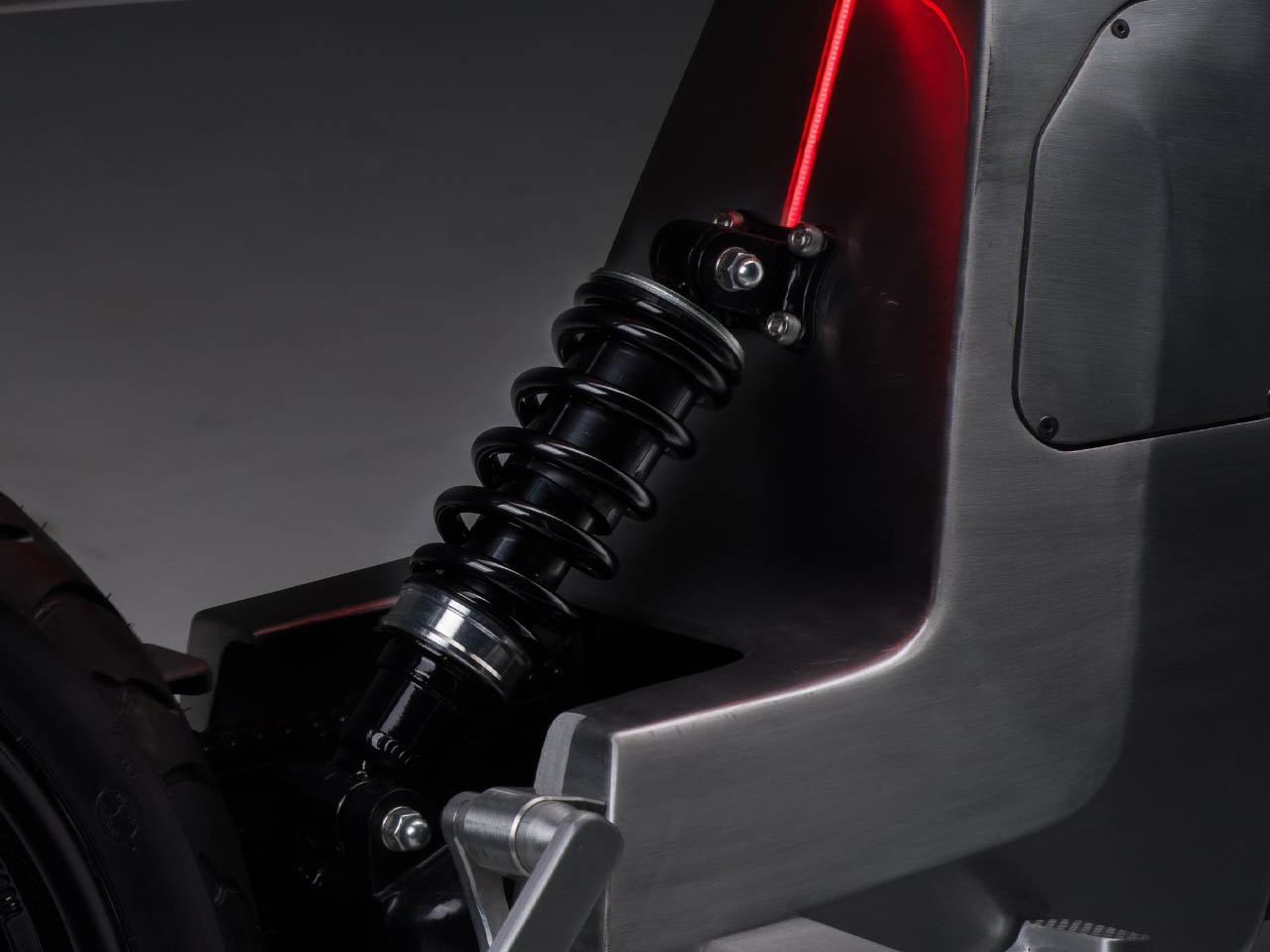
Now the fuel tank of the peculiar motorbike is fused to the high-strength 7075 aluminum frame with a flowing single-sided swingarm originating from the body. For a minimalistic form, the exhaust system is hidden in the body frame. The new EVE Odyssey model gets a hand-brushed steel emblem crafted out of a single billet. Better stability in the new version comes with the monoshock upgrade. That makes this mean machine more agile while taking corners. The front fork which is a part of the suspension system is something out of a modern art sculpture. Not only is it eye candy but also functional since bumps and rough roads are much more comfortable to navigate now.
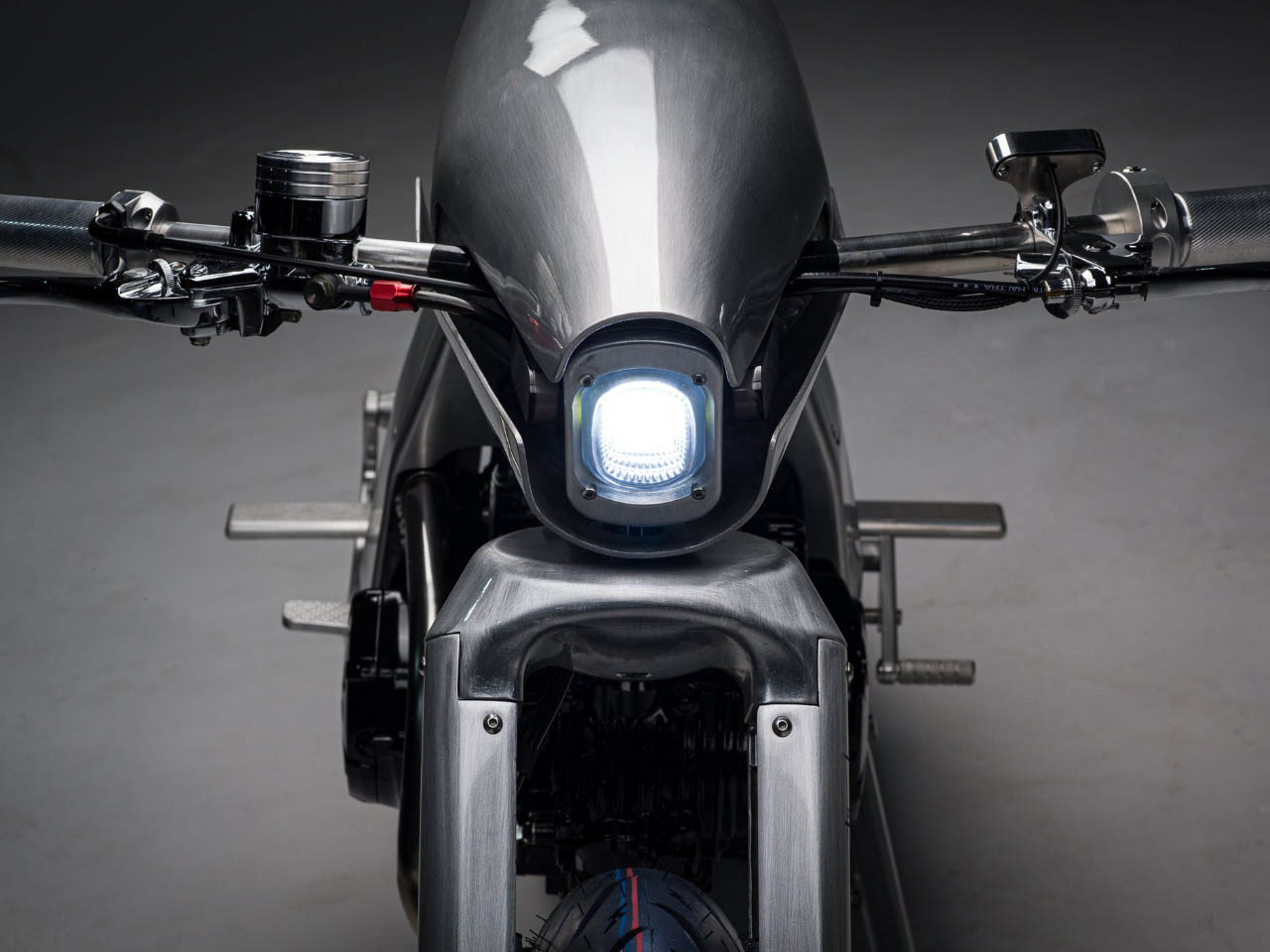
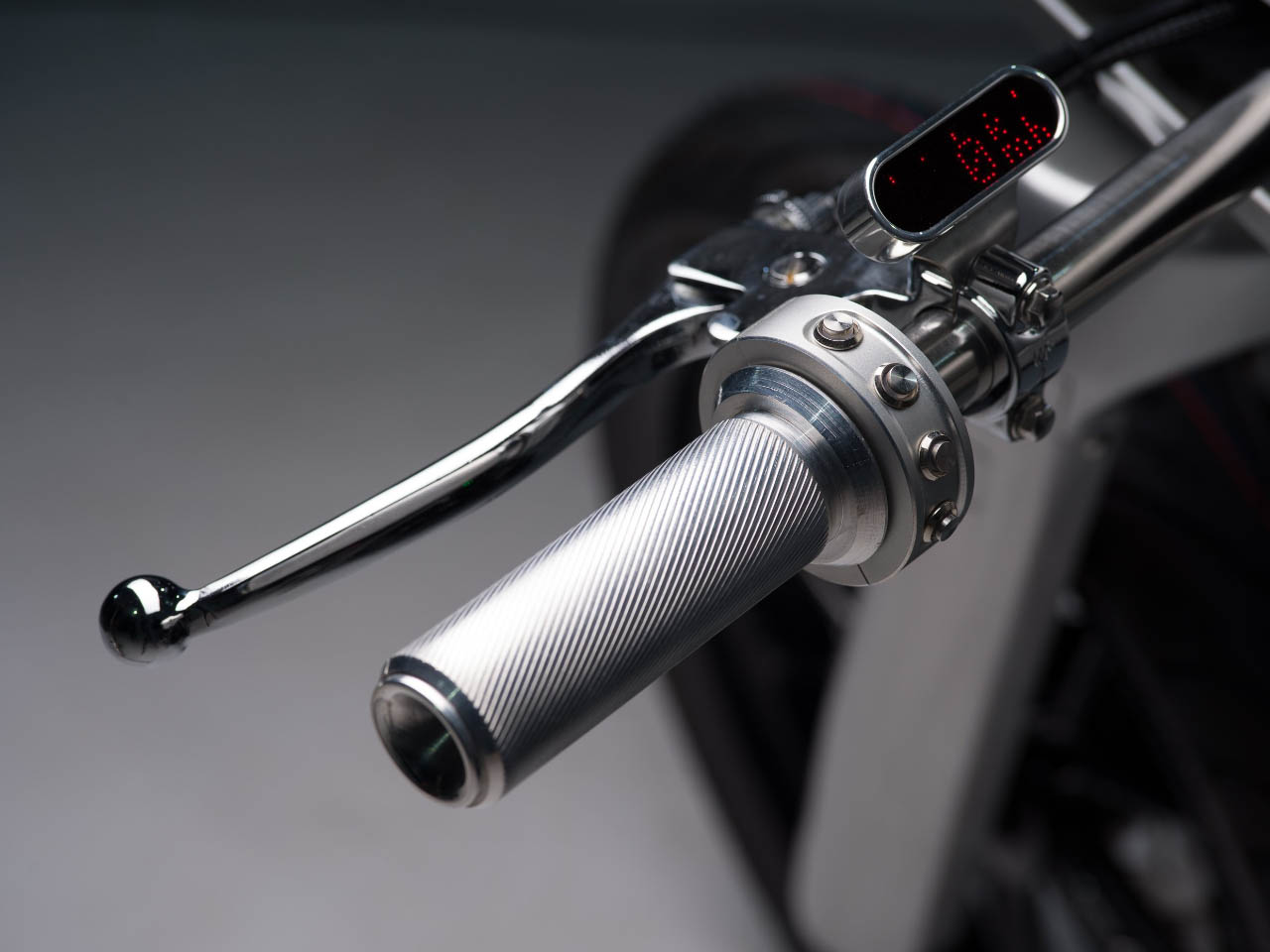
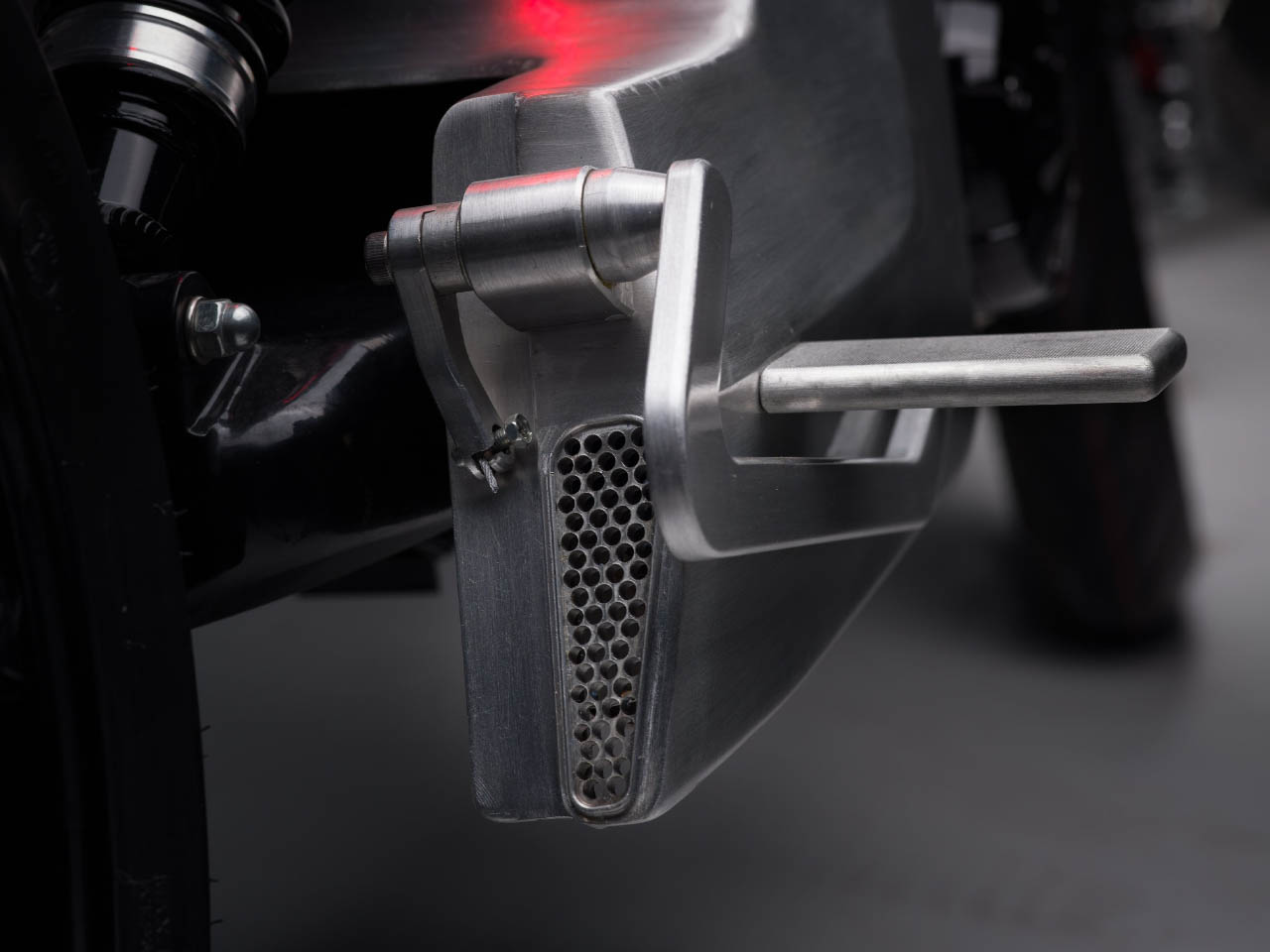
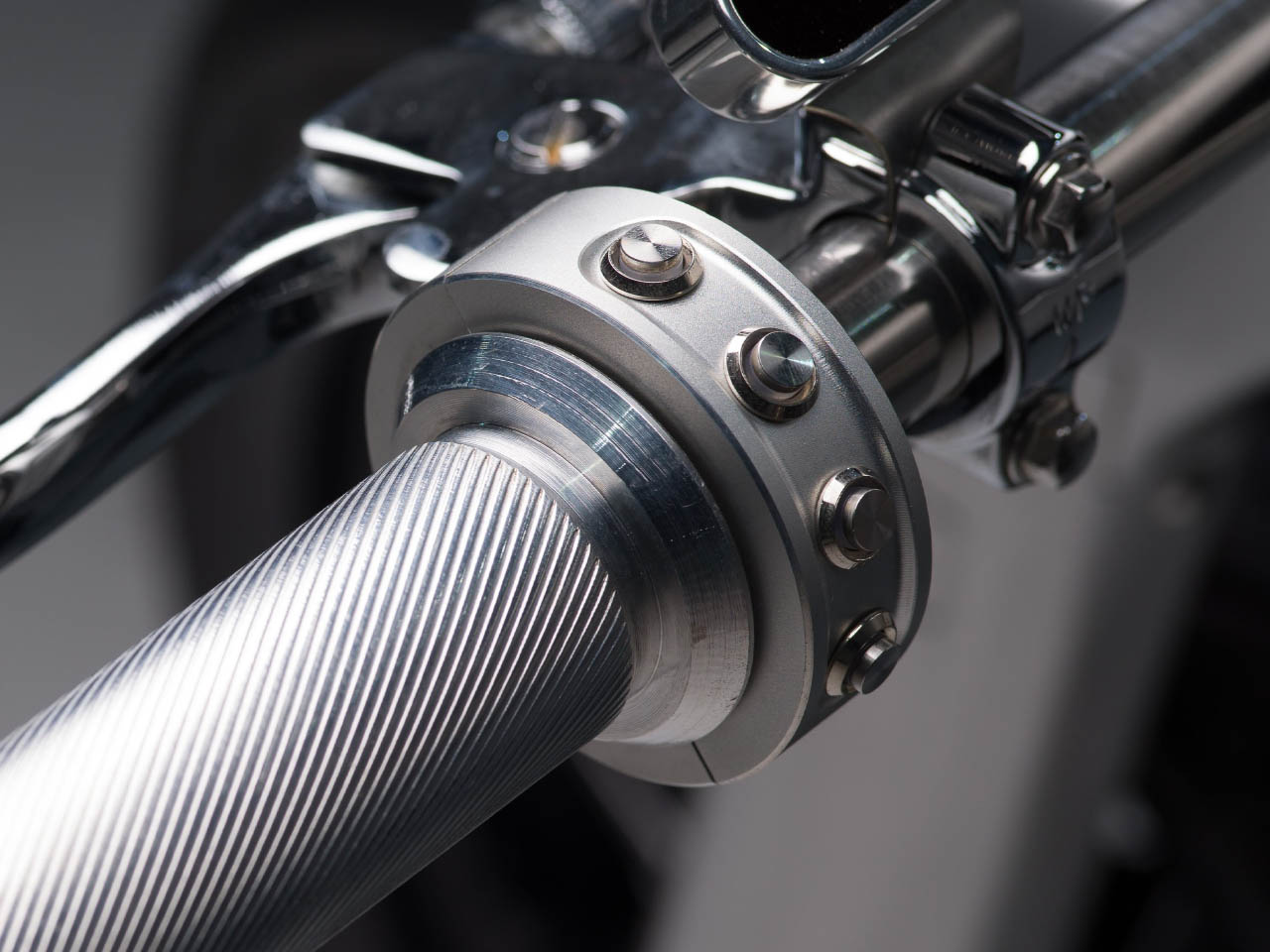
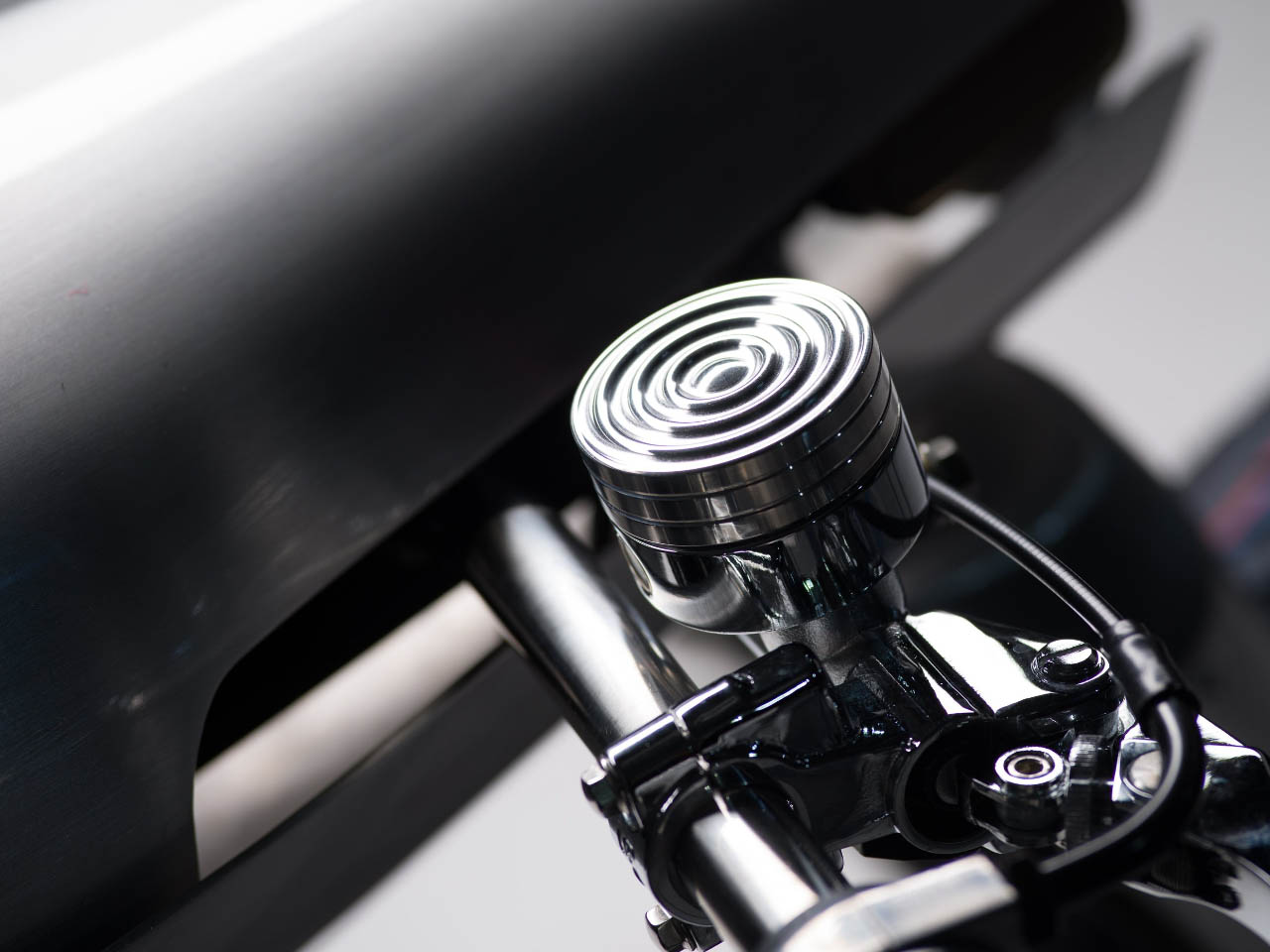
EVE Odyssey 2.0 version is powered by a 125cc engine mated to a four-speed manual transmission, hurling it to a top speed of 68 mph. Bandit promises a range of 156 mpg which is impressive but driving conditions will play a part in tweaking this value. Just like the predecessor, the new model has a lot of custom parts that make up the final build. It’s got aluminum grips, levers and switches, steel clip-on handlebar, wide rear-view mirrors and LED headlights. For ease of use, the conventional gas cap is replaced with a magnetic one.
This time around the design team has ditched the traditional dials with digital speedometer for showing all the vital riding information. The control switches get a swanky upgrade as they seem more like a bracelet. Truly handmade, the motorcycle takes 3 months to craft from scratch to the brilliant final form. EVE Odyssey is now available to order with shipping worldwide.