Best Kitchen Essentials of 2025: 7 Tools Worth Adding To Your Collection

Kitchen design reached a turning point in 2025, moving beyond gadget proliferation toward thoughtful consolidation. The tools that stood out this year questioned whether we really need separate appliances cluttering our counters or if smarter design could deliver more capability in less space. From espresso machines that resemble modern sculpture to modular cooking systems that adapt to small kitchens, these innovations demonstrate that kitchen essentials can be both beautiful and highly efficient.

What makes these seven tools worth your attention is their refusal to compromise. They deliver professional capability without demanding professional-sized kitchens, embrace minimalist aesthetics without sacrificing functionality, and respect the reality that most of us cook in spaces far smaller than we’d prefer. Whether you’re drawn to all-in-one versatility or single-purpose perfection, these designs represent kitchen tools that have evolved beyond their utilitarian origins into objects worth keeping visible rather than hidden away in cabinets.

1. BØYD Espresso Machine: Minimalist Coffee Perfection

The BØYD espresso machine concept from NYZE Studio commands attention through bold geometric simplicity rather than technical intimidation. Smooth curves and pure lines create something resembling modern sculpture more than traditional coffee equipment, transforming countertop real estate into visual statement territory. The less-is-more philosophy strips away unnecessary details, leaving only what matters for making exceptional espresso. This machine invites display rather than storage.

Thoughtful ergonomics ground the aesthetic ambition in practical usability. The perfectly arched handle provides natural grip comfort, while the simplified interface eliminates button-fumbling before your first cup. Morning coffee preparation becomes intuitive rather than overwhelming, which matters when you’re operating pre-caffeine. The BØYD proves that espresso machines don’t need complexity to deliver quality, just clarity of purpose and execution that respects both the coffee and the person making it.

What we like

  • The bold minimalist form functions as a countertop sculpture while making espresso.
  • The arched handle and simple interface prioritize ergonomic comfort and intuitive operation.

What we dislike

  • The concept status means availability and pricing remain unknown.
  • The minimalist aesthetic may lack the visual warmth some prefer in kitchen appliances.

2. Concept Cooker: The All-in-One Kitchen Revolution

Vuk Dragović’s concept for Nanlong imagines replacing multiple appliances with one versatile countertop unit capable of grilling, steaming, baking, and hosting hot-pot dinners. Designed for China’s dynamic cooking culture, this all-in-one system simplifies both everyday meals and entertaining through intelligent consolidation. The clean control panel allows mode selection, temperature setting, and timer adjustment in a few taps, eliminating confusing menus and excessive knobs that plague traditional appliances.

Interchangeable accessories demonstrate the breadth of functionality. Snap-in grill racks deliver smoky finishes to meats and vegetables, steaming baskets preserve nutrients in seafood and dumplings, baking trays transform the unit into a miniature oven, and dedicated hot-pot inserts bring communal dining home. The compact footprint sits comfortably on most counters, freeing space otherwise occupied by separate grills, steamers, and ovens. Quick attachment and straightforward cleanup make the modular approach practical rather than theoretical, proving that versatility doesn’t require complexity.

What we like

  • The all-in-one design replaces multiple appliances with one compact countertop unit.
  • Interchangeable accessories enable grilling, steaming, baking, and hot-pot functionality.

What we dislike

  • The concept stage leaves questions about durability across multiple cooking methods.
  • The modular accessories require storage space when not actively in use.

3. Iron Frying Plate: Cook and Eat on the Same Surface

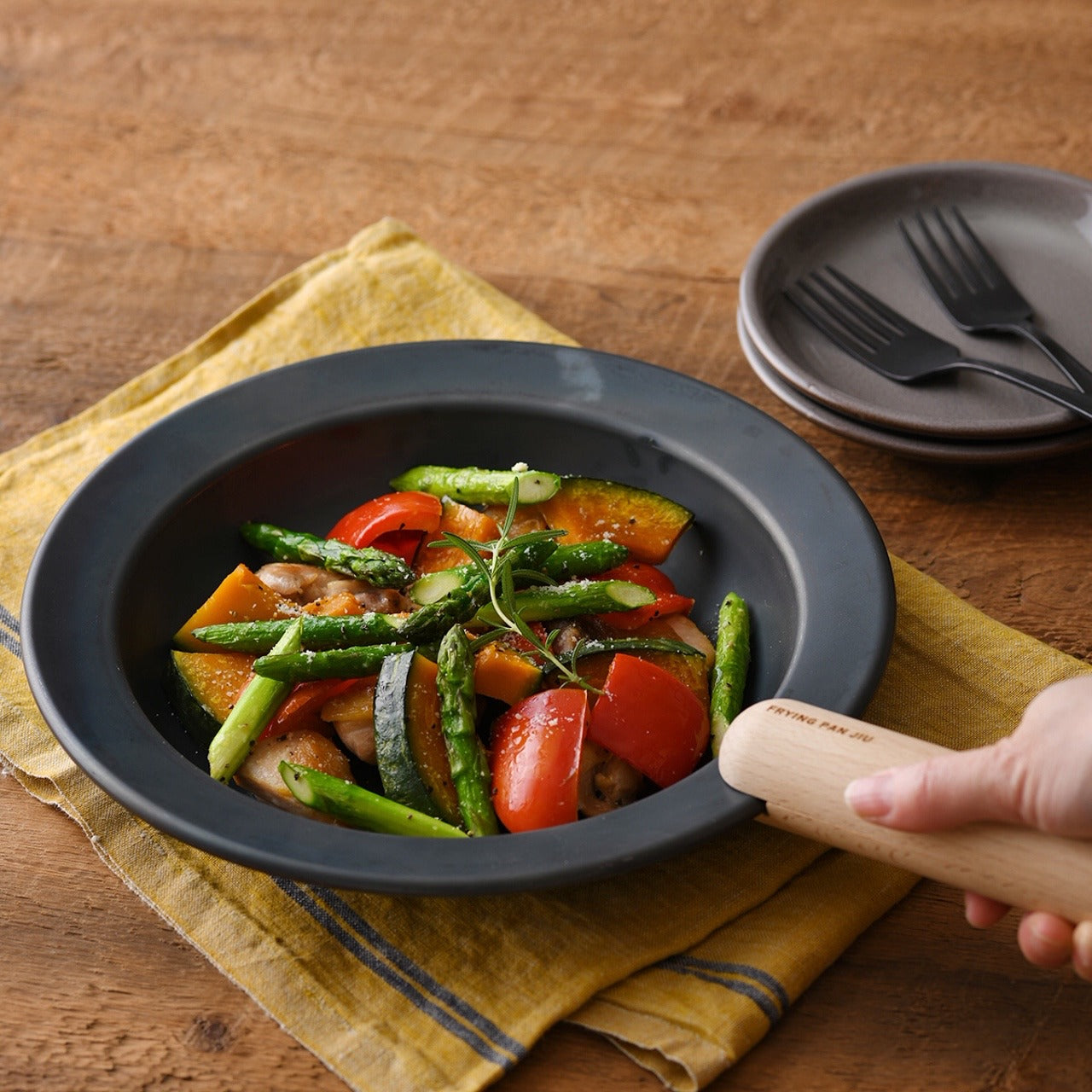
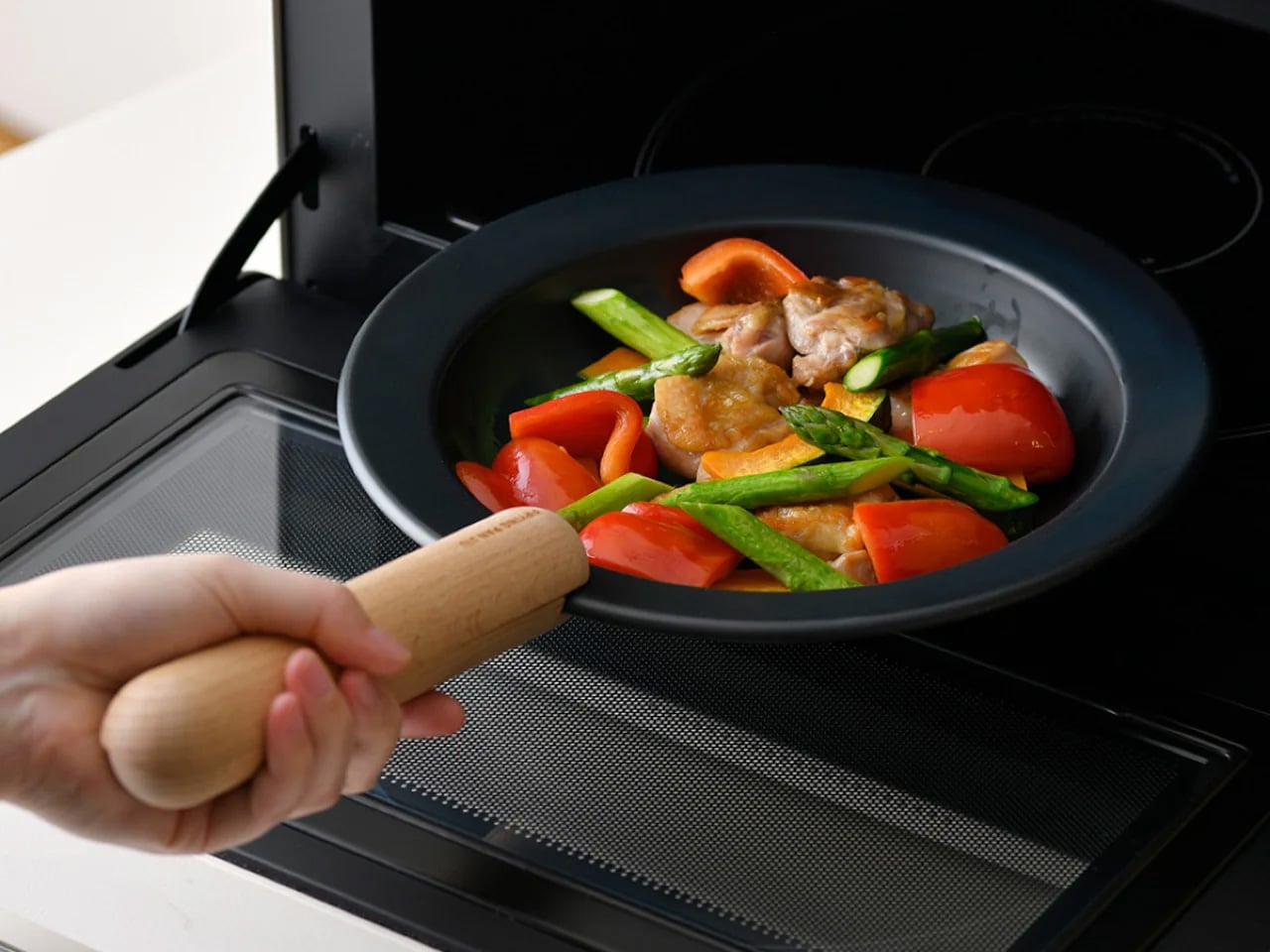
The Iron Frying Plate eliminates the transfer step between cooking and eating by making the frying pan your plate. This beautifully crafted cookware allows you to enjoy meals immediately after cooking them, served on the very surface that brought out their best flavors and textures. Made from 1.6mm-thick mill scale steel, the uncoated iron surface is rust-resistant, stick-resistant, and ready to use straight from the box without seasoning rituals that intimidate casual cooks.

The wooden handle attaches and detaches with one hand, transforming the pan from cooking tool to serving plate seamlessly. This design philosophy respects the reality that transferring hot food creates extra dishes and loses precious heat. Eating directly from the iron plate maintains optimal temperature while reducing cleanup to a single item. The handsome aesthetic makes tableside presentation feel intentional rather than lazy, proving that the shortest distance between stove and mouth deserves celebration rather than apology.

Click Here to Buy Now: $69.00

What we like

  • The cook-and-eat design eliminates food transfer and reduces dishes to one item.
  • The 1.6mm mill scale steel is rust-resistant and stick-resistant without coatings.

What we dislike

  • The iron construction retains heat intensely, requiring careful handling at the table.
  • The single-serve format doesn’t scale well for cooking family-sized meals.

4. Thanko Electric Bento Rice Cooker: Perfect Rice Anywhere

Rice deserves more appreciation as the global food icon that transcends cuisine boundaries and meal timing. The Thanko Electric Bento rice cooker makes this omnipresent grain literally portable, cooking single servings wherever you happen to be. The compact device cooks 6 ounces of rice in 14 to 20 minutes, with an LED indicator showing when it’s ready. Weighing just 2 pounds and fitting easily in bags, this cooker brings fresh food to offices and travel destinations without takeout compromises.

The device operates silently without releasing steam, making it discreet enough for practically anywhere. Add water, rice, and optional salt or broth for enhanced flavor, then wait while it works quietly. The best feature is eating rice directly from the cooking container, eliminating dish multiplication that usually accompanies meal preparation. This optimization suits solo diners, frequent travelers, and anyone wanting quick meals that go with everything. The included measuring cup adds convenience, proving that portable cooking doesn’t require guesswork or complicated processes.

What we like

  • The 2-pound weight and compact size make this genuinely portable for travel and office use.
  • Silent operation without steam release enables discreet cooking practically anywhere.

What we dislike

  • The 6-ounce capacity limits this to strict single-serving use.
  • The specialized function doesn’t justify the space for people with existing rice cookers at home.

5. Lehua Slow Cooker: Hawaiian Pit Cooking Reimagined

Slow cooking predates modern appliances by centuries. Hawaiian Imu underground pit cooking buried large quantities for communal feasting, creating a unique atmosphere while feeding many people. The Lehua slow cooker concept draws inspiration from this tradition, adapting lessons from pit cooking to modern lifestyles and small households. The design adds peculiar features, making the process more convenient and meaningful than standard slow cookers manage.

The actual pot separates from the cooker itself, allowing safe lifting of the hot vessel for food preparation away from the heating element. This seemingly simple feature addresses a common frustration with integrated slow cookers, where accessing food means awkward maneuvering around hot components. The Hawaiian inspiration isn’t just an aesthetic reference; it represents thoughtful consideration of how communal cooking traditions can inform contemporary appliance design. The Lehua proves that looking backward sometimes reveals better paths forward than pure technological advancement alone can offer.

What we like

  • The separate pot design allows safe lifting and food preparation away from the heating element.
  • Hawaiian Imu pit cooking inspiration brings cultural meaning to contemporary appliance design.

What we dislike

  • The concept stage leaves practical questions about capacity and cooking performance unanswered.
  • The separated pot design may reduce heat efficiency compared to integrated slow cookers.

6. Obsidian Black Precision Chopstick Tongs: Where Tradition Meets Practicality

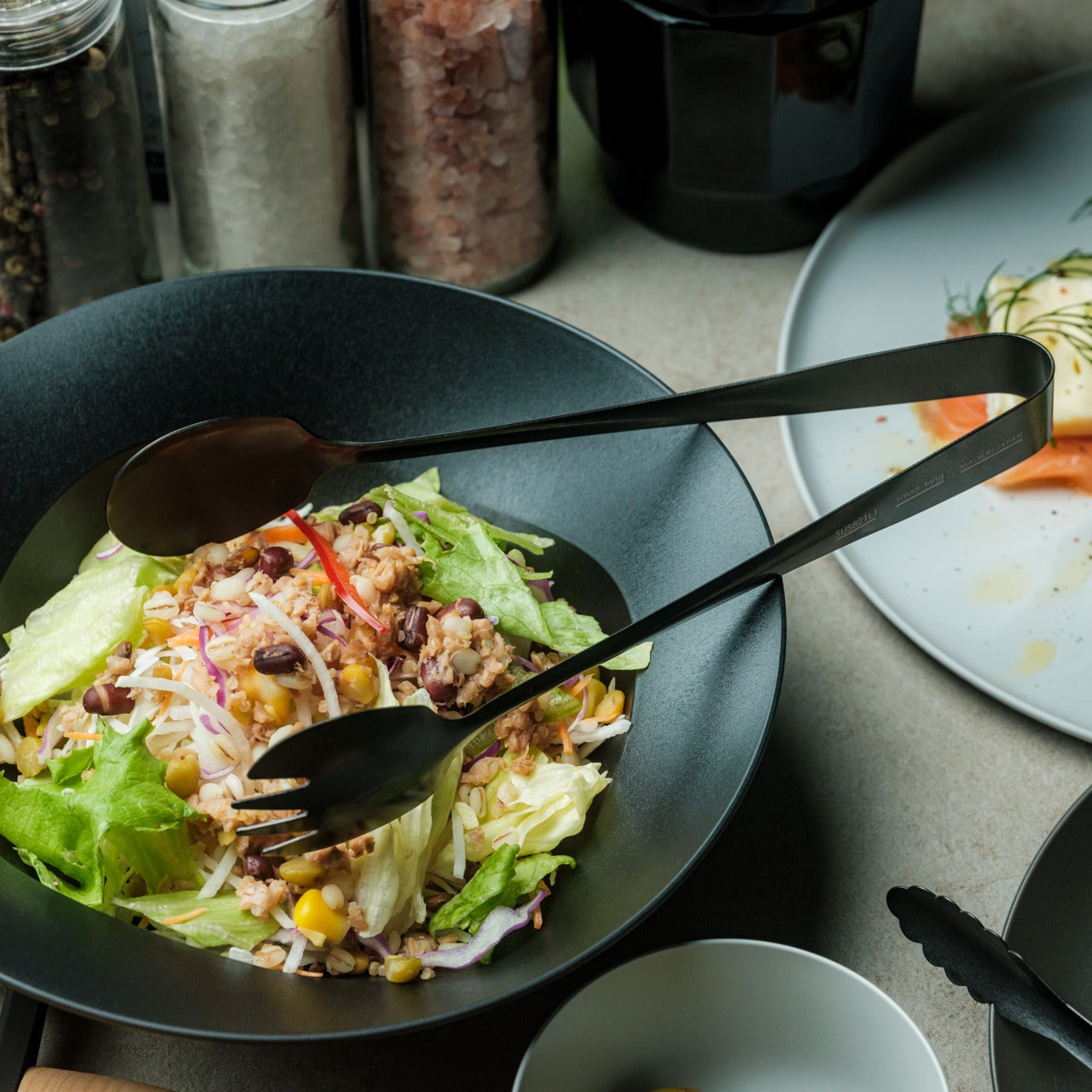
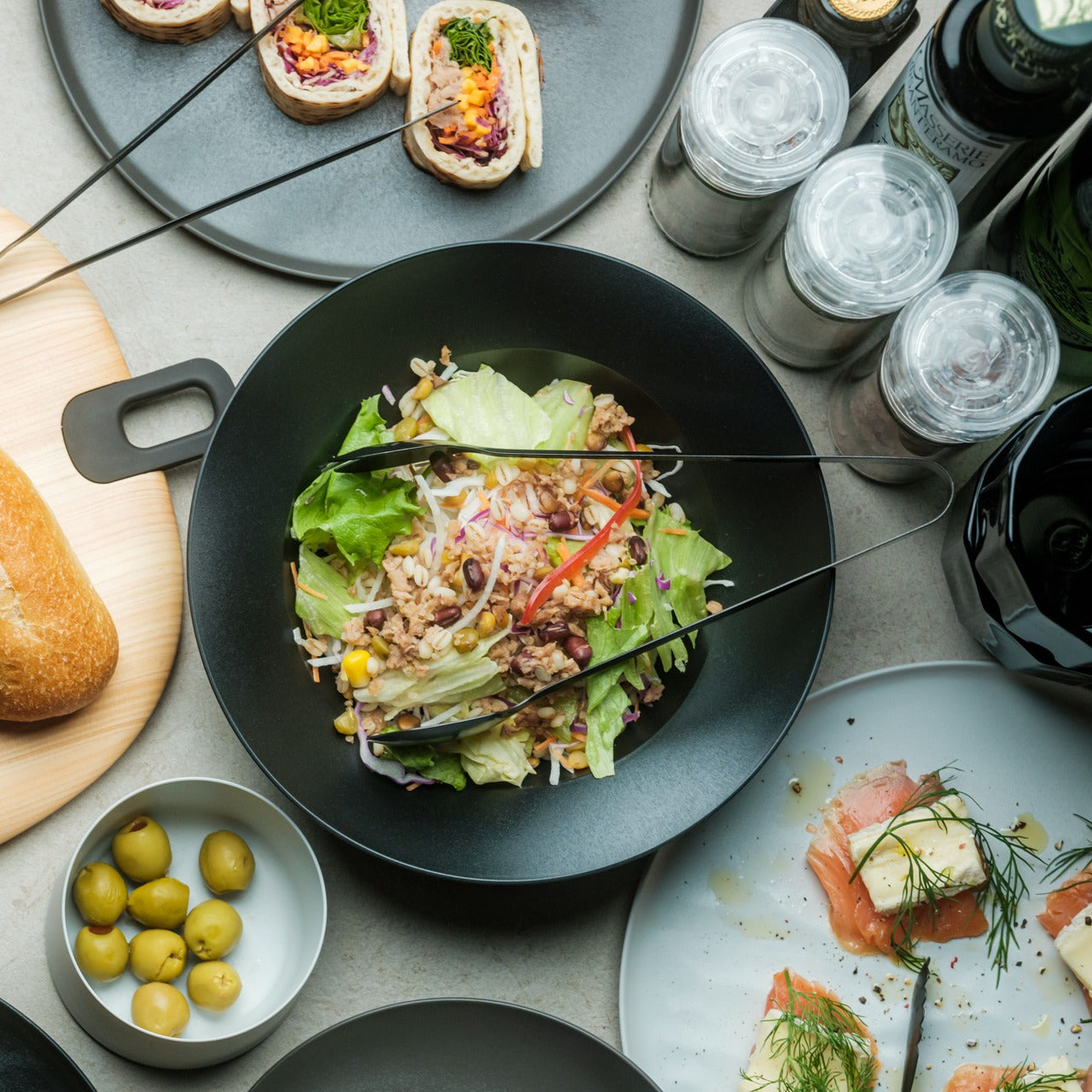
Traditional Japanese chopsticks meet modern tong functionality in this unique utensil that handles delicate food with expert precision. Made from SUS821L1 stainless steel, these chopstick-style tongs blend elegance with practicality, offering chopstick precision combined with tong versatility. The obsidian black finish comes from special metal processing, ensuring the color never scratches or peels, preserving handsome looks indefinitely through daily use. These aren’t just kitchen tools; they’re craftsmanship designed to last years.

The design excels at picking up and turning small or delicate pieces, whether flipping sushi or handling tiny ingredients on the stovetop. There’s no wrong way to hold them, making confident use accessible regardless of chopstick skill level. The lightweight yet durable construction balances control with ease, perfect for both cooking and dining applications. The exceptional strength and corrosion resistance of the stainless steel withstand daily demands without degradation. These tongs prove that inspiration from tradition, when perfected for modern use, creates tools superior to purely contemporary designs.

Click Here to Buy Now: $25.00

What we like

  • The chopstick-tong hybrid delivers precise control for delicate food handling.
  • SUS821L1 stainless steel with black oxide processing ensures durability and lasting aesthetics.

What we dislike

  • The chopstick format may feel awkward for users accustomed to the traditional tong grip.
  • The specialized design doesn’t replace standard tongs for heavy-duty flipping and turning.

7. Magic Cube Cooking System: Modular Kitchen Efficiency

Tiny kitchens demand creative solutions beyond just buying smaller appliances. The Magic Cube Cooking System maximizes functionality and efficiency through a modular design that integrates essential cooking elements into a sleek, space-saving format. The customizable approach ensures you only get what you actually need by combining multiple crucial functions into interconnected modules. This system adapts to your specific cooking style rather than forcing you to adapt to predetermined configurations.

Available modules include open flame and induction cookers for easy fuel-type switching, integrated range hoods for clean, ventilated environments, built-in sinks for mid-cooking cleanup, and condiment storage with knife disinfection units for organization and hygiene. The modular nature allows seamless matching to maximize efficiency while enabling individual module replacement to extend overall system lifespan. Standardized dimensions mean integration into different kitchen layouts without custom fitting. This concept solves cooking-related space problems through intelligent consolidation that respects the reality of modern urban living, where kitchen square footage comes at a premium price.

What we like

  • The modular design allows customization to specific needs and cooking styles.
  • Standardized dimensions enable integration into various kitchen layouts without custom fitting.

What we dislike

  • The modular approach requires careful planning to avoid purchasing unnecessary components.
  • The interconnected system may create single points of failure affecting multiple functions.

Kitchen Tools Evolved

These seven innovations share a common philosophy that kitchen tools should adapt to our lives rather than demanding we adapt to them. They reject the assumption that capability requires counter sprawl, proving that thoughtful design can deliver professional results in compact formats. From espresso machines that double as sculpture to modular systems that transform with your needs, these tools represent evolution beyond pure functionality toward objects that enhance both cooking and the spaces where it happens.

What makes this collection particularly relevant is how each piece addresses different aspects of modern cooking life. Some prioritize portability for people who cook in multiple locations, others embrace all-in-one versatility for space-constrained kitchens, and a few perfect single functions to excellence. The common thread is respect for the people using them and the spaces they occupy. Kitchen essentials in 2025 finally acknowledged that most of us don’t have restaurant-sized kitchens, unlimited budgets, or patience for complicated equipment. These tools meet us where we actually are, and that feels worth celebrating.

The post Best Kitchen Essentials of 2025: 7 Tools Worth Adding To Your Collection first appeared on Yanko Design.
Best Kitchen Essentials of 2025: 7 Tools Worth Adding To Your Collection

Kitchen design reached a turning point in 2025, moving beyond gadget proliferation toward thoughtful consolidation. The tools that stood out this year questioned whether we really need separate appliances cluttering our counters or if smarter design could deliver more capability in less space. From espresso machines that resemble modern sculpture to modular cooking systems that adapt to small kitchens, these innovations demonstrate that kitchen essentials can be both beautiful and highly efficient.

What makes these seven tools worth your attention is their refusal to compromise. They deliver professional capability without demanding professional-sized kitchens, embrace minimalist aesthetics without sacrificing functionality, and respect the reality that most of us cook in spaces far smaller than we’d prefer. Whether you’re drawn to all-in-one versatility or single-purpose perfection, these designs represent kitchen tools that have evolved beyond their utilitarian origins into objects worth keeping visible rather than hidden away in cabinets.

1. BØYD Espresso Machine: Minimalist Coffee Perfection

The BØYD espresso machine concept from NYZE Studio commands attention through bold geometric simplicity rather than technical intimidation. Smooth curves and pure lines create something resembling modern sculpture more than traditional coffee equipment, transforming countertop real estate into visual statement territory. The less-is-more philosophy strips away unnecessary details, leaving only what matters for making exceptional espresso. This machine invites display rather than storage.

Thoughtful ergonomics ground the aesthetic ambition in practical usability. The perfectly arched handle provides natural grip comfort, while the simplified interface eliminates button-fumbling before your first cup. Morning coffee preparation becomes intuitive rather than overwhelming, which matters when you’re operating pre-caffeine. The BØYD proves that espresso machines don’t need complexity to deliver quality, just clarity of purpose and execution that respects both the coffee and the person making it.

What we like

  • The bold minimalist form functions as a countertop sculpture while making espresso.
  • The arched handle and simple interface prioritize ergonomic comfort and intuitive operation.

What we dislike

  • The concept status means availability and pricing remain unknown.
  • The minimalist aesthetic may lack the visual warmth some prefer in kitchen appliances.

2. Concept Cooker: The All-in-One Kitchen Revolution

Vuk Dragović’s concept for Nanlong imagines replacing multiple appliances with one versatile countertop unit capable of grilling, steaming, baking, and hosting hot-pot dinners. Designed for China’s dynamic cooking culture, this all-in-one system simplifies both everyday meals and entertaining through intelligent consolidation. The clean control panel allows mode selection, temperature setting, and timer adjustment in a few taps, eliminating confusing menus and excessive knobs that plague traditional appliances.

Interchangeable accessories demonstrate the breadth of functionality. Snap-in grill racks deliver smoky finishes to meats and vegetables, steaming baskets preserve nutrients in seafood and dumplings, baking trays transform the unit into a miniature oven, and dedicated hot-pot inserts bring communal dining home. The compact footprint sits comfortably on most counters, freeing space otherwise occupied by separate grills, steamers, and ovens. Quick attachment and straightforward cleanup make the modular approach practical rather than theoretical, proving that versatility doesn’t require complexity.

What we like

  • The all-in-one design replaces multiple appliances with one compact countertop unit.
  • Interchangeable accessories enable grilling, steaming, baking, and hot-pot functionality.

What we dislike

  • The concept stage leaves questions about durability across multiple cooking methods.
  • The modular accessories require storage space when not actively in use.

3. Iron Frying Plate: Cook and Eat on the Same Surface

The Iron Frying Plate eliminates the transfer step between cooking and eating by making the frying pan your plate. This beautifully crafted cookware allows you to enjoy meals immediately after cooking them, served on the very surface that brought out their best flavors and textures. Made from 1.6mm-thick mill scale steel, the uncoated iron surface is rust-resistant, stick-resistant, and ready to use straight from the box without seasoning rituals that intimidate casual cooks.

The wooden handle attaches and detaches with one hand, transforming the pan from cooking tool to serving plate seamlessly. This design philosophy respects the reality that transferring hot food creates extra dishes and loses precious heat. Eating directly from the iron plate maintains optimal temperature while reducing cleanup to a single item. The handsome aesthetic makes tableside presentation feel intentional rather than lazy, proving that the shortest distance between stove and mouth deserves celebration rather than apology.

Click Here to Buy Now: $69.00

What we like

  • The cook-and-eat design eliminates food transfer and reduces dishes to one item.
  • The 1.6mm mill scale steel is rust-resistant and stick-resistant without coatings.

What we dislike

  • The iron construction retains heat intensely, requiring careful handling at the table.
  • The single-serve format doesn’t scale well for cooking family-sized meals.

4. Thanko Electric Bento Rice Cooker: Perfect Rice Anywhere

Rice deserves more appreciation as the global food icon that transcends cuisine boundaries and meal timing. The Thanko Electric Bento rice cooker makes this omnipresent grain literally portable, cooking single servings wherever you happen to be. The compact device cooks 6 ounces of rice in 14 to 20 minutes, with an LED indicator showing when it’s ready. Weighing just 2 pounds and fitting easily in bags, this cooker brings fresh food to offices and travel destinations without takeout compromises.

The device operates silently without releasing steam, making it discreet enough for practically anywhere. Add water, rice, and optional salt or broth for enhanced flavor, then wait while it works quietly. The best feature is eating rice directly from the cooking container, eliminating dish multiplication that usually accompanies meal preparation. This optimization suits solo diners, frequent travelers, and anyone wanting quick meals that go with everything. The included measuring cup adds convenience, proving that portable cooking doesn’t require guesswork or complicated processes.

What we like

  • The 2-pound weight and compact size make this genuinely portable for travel and office use.
  • Silent operation without steam release enables discreet cooking practically anywhere.

What we dislike

  • The 6-ounce capacity limits this to strict single-serving use.
  • The specialized function doesn’t justify the space for people with existing rice cookers at home.

5. Lehua Slow Cooker: Hawaiian Pit Cooking Reimagined

Slow cooking predates modern appliances by centuries. Hawaiian Imu underground pit cooking buried large quantities for communal feasting, creating a unique atmosphere while feeding many people. The Lehua slow cooker concept draws inspiration from this tradition, adapting lessons from pit cooking to modern lifestyles and small households. The design adds peculiar features, making the process more convenient and meaningful than standard slow cookers manage.

The actual pot separates from the cooker itself, allowing safe lifting of the hot vessel for food preparation away from the heating element. This seemingly simple feature addresses a common frustration with integrated slow cookers, where accessing food means awkward maneuvering around hot components. The Hawaiian inspiration isn’t just an aesthetic reference; it represents thoughtful consideration of how communal cooking traditions can inform contemporary appliance design. The Lehua proves that looking backward sometimes reveals better paths forward than pure technological advancement alone can offer.

What we like

  • The separate pot design allows safe lifting and food preparation away from the heating element.
  • Hawaiian Imu pit cooking inspiration brings cultural meaning to contemporary appliance design.

What we dislike

  • The concept stage leaves practical questions about capacity and cooking performance unanswered.
  • The separated pot design may reduce heat efficiency compared to integrated slow cookers.

6. Obsidian Black Precision Chopstick Tongs: Where Tradition Meets Practicality

Traditional Japanese chopsticks meet modern tong functionality in this unique utensil that handles delicate food with expert precision. Made from SUS821L1 stainless steel, these chopstick-style tongs blend elegance with practicality, offering chopstick precision combined with tong versatility. The obsidian black finish comes from special metal processing, ensuring the color never scratches or peels, preserving handsome looks indefinitely through daily use. These aren’t just kitchen tools; they’re craftsmanship designed to last years.

The design excels at picking up and turning small or delicate pieces, whether flipping sushi or handling tiny ingredients on the stovetop. There’s no wrong way to hold them, making confident use accessible regardless of chopstick skill level. The lightweight yet durable construction balances control with ease, perfect for both cooking and dining applications. The exceptional strength and corrosion resistance of the stainless steel withstand daily demands without degradation. These tongs prove that inspiration from tradition, when perfected for modern use, creates tools superior to purely contemporary designs.

Click Here to Buy Now: $25.00

What we like

  • The chopstick-tong hybrid delivers precise control for delicate food handling.
  • SUS821L1 stainless steel with black oxide processing ensures durability and lasting aesthetics.

What we dislike

  • The chopstick format may feel awkward for users accustomed to the traditional tong grip.
  • The specialized design doesn’t replace standard tongs for heavy-duty flipping and turning.

7. Magic Cube Cooking System: Modular Kitchen Efficiency

Tiny kitchens demand creative solutions beyond just buying smaller appliances. The Magic Cube Cooking System maximizes functionality and efficiency through a modular design that integrates essential cooking elements into a sleek, space-saving format. The customizable approach ensures you only get what you actually need by combining multiple crucial functions into interconnected modules. This system adapts to your specific cooking style rather than forcing you to adapt to predetermined configurations.

Available modules include open flame and induction cookers for easy fuel-type switching, integrated range hoods for clean, ventilated environments, built-in sinks for mid-cooking cleanup, and condiment storage with knife disinfection units for organization and hygiene. The modular nature allows seamless matching to maximize efficiency while enabling individual module replacement to extend overall system lifespan. Standardized dimensions mean integration into different kitchen layouts without custom fitting. This concept solves cooking-related space problems through intelligent consolidation that respects the reality of modern urban living, where kitchen square footage comes at a premium price.

What we like

  • The modular design allows customization to specific needs and cooking styles.
  • Standardized dimensions enable integration into various kitchen layouts without custom fitting.

What we dislike

  • The modular approach requires careful planning to avoid purchasing unnecessary components.
  • The interconnected system may create single points of failure affecting multiple functions.

Kitchen Tools Evolved

These seven innovations share a common philosophy that kitchen tools should adapt to our lives rather than demanding we adapt to them. They reject the assumption that capability requires counter sprawl, proving that thoughtful design can deliver professional results in compact formats. From espresso machines that double as sculpture to modular systems that transform with your needs, these tools represent evolution beyond pure functionality toward objects that enhance both cooking and the spaces where it happens.

What makes this collection particularly relevant is how each piece addresses different aspects of modern cooking life. Some prioritize portability for people who cook in multiple locations, others embrace all-in-one versatility for space-constrained kitchens, and a few perfect single functions to excellence. The common thread is respect for the people using them and the spaces they occupy. Kitchen essentials in 2025 finally acknowledged that most of us don’t have restaurant-sized kitchens, unlimited budgets, or patience for complicated equipment. These tools meet us where we actually are, and that feels worth celebrating.

The post Best Kitchen Essentials of 2025: 7 Tools Worth Adding To Your Collection first appeared on Yanko Design.
Best Kitchen Essentials of 2025: 7 Tools Worth Adding To Your Collection

Kitchen design reached a turning point in 2025, moving beyond gadget proliferation toward thoughtful consolidation. The tools that stood out this year questioned whether we really need separate appliances cluttering our counters or if smarter design could deliver more capability in less space. From espresso machines that resemble modern sculpture to modular cooking systems that adapt to small kitchens, these innovations demonstrate that kitchen essentials can be both beautiful and highly efficient.

What makes these seven tools worth your attention is their refusal to compromise. They deliver professional capability without demanding professional-sized kitchens, embrace minimalist aesthetics without sacrificing functionality, and respect the reality that most of us cook in spaces far smaller than we’d prefer. Whether you’re drawn to all-in-one versatility or single-purpose perfection, these designs represent kitchen tools that have evolved beyond their utilitarian origins into objects worth keeping visible rather than hidden away in cabinets.

1. BØYD Espresso Machine: Minimalist Coffee Perfection

The BØYD espresso machine concept from NYZE Studio commands attention through bold geometric simplicity rather than technical intimidation. Smooth curves and pure lines create something resembling modern sculpture more than traditional coffee equipment, transforming countertop real estate into visual statement territory. The less-is-more philosophy strips away unnecessary details, leaving only what matters for making exceptional espresso. This machine invites display rather than storage.

Thoughtful ergonomics ground the aesthetic ambition in practical usability. The perfectly arched handle provides natural grip comfort, while the simplified interface eliminates button-fumbling before your first cup. Morning coffee preparation becomes intuitive rather than overwhelming, which matters when you’re operating pre-caffeine. The BØYD proves that espresso machines don’t need complexity to deliver quality, just clarity of purpose and execution that respects both the coffee and the person making it.

What we like

  • The bold minimalist form functions as a countertop sculpture while making espresso.
  • The arched handle and simple interface prioritize ergonomic comfort and intuitive operation.

What we dislike

  • The concept status means availability and pricing remain unknown.
  • The minimalist aesthetic may lack the visual warmth some prefer in kitchen appliances.

2. Concept Cooker: The All-in-One Kitchen Revolution

Vuk Dragović’s concept for Nanlong imagines replacing multiple appliances with one versatile countertop unit capable of grilling, steaming, baking, and hosting hot-pot dinners. Designed for China’s dynamic cooking culture, this all-in-one system simplifies both everyday meals and entertaining through intelligent consolidation. The clean control panel allows mode selection, temperature setting, and timer adjustment in a few taps, eliminating confusing menus and excessive knobs that plague traditional appliances.

Interchangeable accessories demonstrate the breadth of functionality. Snap-in grill racks deliver smoky finishes to meats and vegetables, steaming baskets preserve nutrients in seafood and dumplings, baking trays transform the unit into a miniature oven, and dedicated hot-pot inserts bring communal dining home. The compact footprint sits comfortably on most counters, freeing space otherwise occupied by separate grills, steamers, and ovens. Quick attachment and straightforward cleanup make the modular approach practical rather than theoretical, proving that versatility doesn’t require complexity.

What we like

  • The all-in-one design replaces multiple appliances with one compact countertop unit.
  • Interchangeable accessories enable grilling, steaming, baking, and hot-pot functionality.

What we dislike

  • The concept stage leaves questions about durability across multiple cooking methods.
  • The modular accessories require storage space when not actively in use.

3. Iron Frying Plate: Cook and Eat on the Same Surface

The Iron Frying Plate eliminates the transfer step between cooking and eating by making the frying pan your plate. This beautifully crafted cookware allows you to enjoy meals immediately after cooking them, served on the very surface that brought out their best flavors and textures. Made from 1.6mm-thick mill scale steel, the uncoated iron surface is rust-resistant, stick-resistant, and ready to use straight from the box without seasoning rituals that intimidate casual cooks.

The wooden handle attaches and detaches with one hand, transforming the pan from cooking tool to serving plate seamlessly. This design philosophy respects the reality that transferring hot food creates extra dishes and loses precious heat. Eating directly from the iron plate maintains optimal temperature while reducing cleanup to a single item. The handsome aesthetic makes tableside presentation feel intentional rather than lazy, proving that the shortest distance between stove and mouth deserves celebration rather than apology.

Click Here to Buy Now: $69.00

What we like

  • The cook-and-eat design eliminates food transfer and reduces dishes to one item.
  • The 1.6mm mill scale steel is rust-resistant and stick-resistant without coatings.

What we dislike

  • The iron construction retains heat intensely, requiring careful handling at the table.
  • The single-serve format doesn’t scale well for cooking family-sized meals.

4. Thanko Electric Bento Rice Cooker: Perfect Rice Anywhere

Rice deserves more appreciation as the global food icon that transcends cuisine boundaries and meal timing. The Thanko Electric Bento rice cooker makes this omnipresent grain literally portable, cooking single servings wherever you happen to be. The compact device cooks 6 ounces of rice in 14 to 20 minutes, with an LED indicator showing when it’s ready. Weighing just 2 pounds and fitting easily in bags, this cooker brings fresh food to offices and travel destinations without takeout compromises.

The device operates silently without releasing steam, making it discreet enough for practically anywhere. Add water, rice, and optional salt or broth for enhanced flavor, then wait while it works quietly. The best feature is eating rice directly from the cooking container, eliminating dish multiplication that usually accompanies meal preparation. This optimization suits solo diners, frequent travelers, and anyone wanting quick meals that go with everything. The included measuring cup adds convenience, proving that portable cooking doesn’t require guesswork or complicated processes.

What we like

  • The 2-pound weight and compact size make this genuinely portable for travel and office use.
  • Silent operation without steam release enables discreet cooking practically anywhere.

What we dislike

  • The 6-ounce capacity limits this to strict single-serving use.
  • The specialized function doesn’t justify the space for people with existing rice cookers at home.

5. Lehua Slow Cooker: Hawaiian Pit Cooking Reimagined

Slow cooking predates modern appliances by centuries. Hawaiian Imu underground pit cooking buried large quantities for communal feasting, creating a unique atmosphere while feeding many people. The Lehua slow cooker concept draws inspiration from this tradition, adapting lessons from pit cooking to modern lifestyles and small households. The design adds peculiar features, making the process more convenient and meaningful than standard slow cookers manage.

The actual pot separates from the cooker itself, allowing safe lifting of the hot vessel for food preparation away from the heating element. This seemingly simple feature addresses a common frustration with integrated slow cookers, where accessing food means awkward maneuvering around hot components. The Hawaiian inspiration isn’t just an aesthetic reference; it represents thoughtful consideration of how communal cooking traditions can inform contemporary appliance design. The Lehua proves that looking backward sometimes reveals better paths forward than pure technological advancement alone can offer.

What we like

  • The separate pot design allows safe lifting and food preparation away from the heating element.
  • Hawaiian Imu pit cooking inspiration brings cultural meaning to contemporary appliance design.

What we dislike

  • The concept stage leaves practical questions about capacity and cooking performance unanswered.
  • The separated pot design may reduce heat efficiency compared to integrated slow cookers.

6. Obsidian Black Precision Chopstick Tongs: Where Tradition Meets Practicality

Traditional Japanese chopsticks meet modern tong functionality in this unique utensil that handles delicate food with expert precision. Made from SUS821L1 stainless steel, these chopstick-style tongs blend elegance with practicality, offering chopstick precision combined with tong versatility. The obsidian black finish comes from special metal processing, ensuring the color never scratches or peels, preserving handsome looks indefinitely through daily use. These aren’t just kitchen tools; they’re craftsmanship designed to last years.

The design excels at picking up and turning small or delicate pieces, whether flipping sushi or handling tiny ingredients on the stovetop. There’s no wrong way to hold them, making confident use accessible regardless of chopstick skill level. The lightweight yet durable construction balances control with ease, perfect for both cooking and dining applications. The exceptional strength and corrosion resistance of the stainless steel withstand daily demands without degradation. These tongs prove that inspiration from tradition, when perfected for modern use, creates tools superior to purely contemporary designs.

Click Here to Buy Now: $25.00

What we like

  • The chopstick-tong hybrid delivers precise control for delicate food handling.
  • SUS821L1 stainless steel with black oxide processing ensures durability and lasting aesthetics.

What we dislike

  • The chopstick format may feel awkward for users accustomed to the traditional tong grip.
  • The specialized design doesn’t replace standard tongs for heavy-duty flipping and turning.

7. Magic Cube Cooking System: Modular Kitchen Efficiency

Tiny kitchens demand creative solutions beyond just buying smaller appliances. The Magic Cube Cooking System maximizes functionality and efficiency through a modular design that integrates essential cooking elements into a sleek, space-saving format. The customizable approach ensures you only get what you actually need by combining multiple crucial functions into interconnected modules. This system adapts to your specific cooking style rather than forcing you to adapt to predetermined configurations.

Available modules include open flame and induction cookers for easy fuel-type switching, integrated range hoods for clean, ventilated environments, built-in sinks for mid-cooking cleanup, and condiment storage with knife disinfection units for organization and hygiene. The modular nature allows seamless matching to maximize efficiency while enabling individual module replacement to extend overall system lifespan. Standardized dimensions mean integration into different kitchen layouts without custom fitting. This concept solves cooking-related space problems through intelligent consolidation that respects the reality of modern urban living, where kitchen square footage comes at a premium price.

What we like

  • The modular design allows customization to specific needs and cooking styles.
  • Standardized dimensions enable integration into various kitchen layouts without custom fitting.

What we dislike

  • The modular approach requires careful planning to avoid purchasing unnecessary components.
  • The interconnected system may create single points of failure affecting multiple functions.

Kitchen Tools Evolved

These seven innovations share a common philosophy that kitchen tools should adapt to our lives rather than demanding we adapt to them. They reject the assumption that capability requires counter sprawl, proving that thoughtful design can deliver professional results in compact formats. From espresso machines that double as sculpture to modular systems that transform with your needs, these tools represent evolution beyond pure functionality toward objects that enhance both cooking and the spaces where it happens.

What makes this collection particularly relevant is how each piece addresses different aspects of modern cooking life. Some prioritize portability for people who cook in multiple locations, others embrace all-in-one versatility for space-constrained kitchens, and a few perfect single functions to excellence. The common thread is respect for the people using them and the spaces they occupy. Kitchen essentials in 2025 finally acknowledged that most of us don’t have restaurant-sized kitchens, unlimited budgets, or patience for complicated equipment. These tools meet us where we actually are, and that feels worth celebrating.

The post Best Kitchen Essentials of 2025: 7 Tools Worth Adding To Your Collection first appeared on Yanko Design.
Best Kitchen Essentials of 2025: 7 Tools Worth Adding To Your Collection

Kitchen design reached a turning point in 2025, moving beyond gadget proliferation toward thoughtful consolidation. The tools that stood out this year questioned whether we really need separate appliances cluttering our counters or if smarter design could deliver more capability in less space. From espresso machines that resemble modern sculpture to modular cooking systems that adapt to small kitchens, these innovations demonstrate that kitchen essentials can be both beautiful and highly efficient.

What makes these seven tools worth your attention is their refusal to compromise. They deliver professional capability without demanding professional-sized kitchens, embrace minimalist aesthetics without sacrificing functionality, and respect the reality that most of us cook in spaces far smaller than we’d prefer. Whether you’re drawn to all-in-one versatility or single-purpose perfection, these designs represent kitchen tools that have evolved beyond their utilitarian origins into objects worth keeping visible rather than hidden away in cabinets.

1. BØYD Espresso Machine: Minimalist Coffee Perfection

The BØYD espresso machine concept from NYZE Studio commands attention through bold geometric simplicity rather than technical intimidation. Smooth curves and pure lines create something resembling modern sculpture more than traditional coffee equipment, transforming countertop real estate into visual statement territory. The less-is-more philosophy strips away unnecessary details, leaving only what matters for making exceptional espresso. This machine invites display rather than storage.

Thoughtful ergonomics ground the aesthetic ambition in practical usability. The perfectly arched handle provides natural grip comfort, while the simplified interface eliminates button-fumbling before your first cup. Morning coffee preparation becomes intuitive rather than overwhelming, which matters when you’re operating pre-caffeine. The BØYD proves that espresso machines don’t need complexity to deliver quality, just clarity of purpose and execution that respects both the coffee and the person making it.

What we like

  • The bold minimalist form functions as a countertop sculpture while making espresso.
  • The arched handle and simple interface prioritize ergonomic comfort and intuitive operation.

What we dislike

  • The concept status means availability and pricing remain unknown.
  • The minimalist aesthetic may lack the visual warmth some prefer in kitchen appliances.

2. Concept Cooker: The All-in-One Kitchen Revolution

Vuk Dragović’s concept for Nanlong imagines replacing multiple appliances with one versatile countertop unit capable of grilling, steaming, baking, and hosting hot-pot dinners. Designed for China’s dynamic cooking culture, this all-in-one system simplifies both everyday meals and entertaining through intelligent consolidation. The clean control panel allows mode selection, temperature setting, and timer adjustment in a few taps, eliminating confusing menus and excessive knobs that plague traditional appliances.

Interchangeable accessories demonstrate the breadth of functionality. Snap-in grill racks deliver smoky finishes to meats and vegetables, steaming baskets preserve nutrients in seafood and dumplings, baking trays transform the unit into a miniature oven, and dedicated hot-pot inserts bring communal dining home. The compact footprint sits comfortably on most counters, freeing space otherwise occupied by separate grills, steamers, and ovens. Quick attachment and straightforward cleanup make the modular approach practical rather than theoretical, proving that versatility doesn’t require complexity.

What we like

  • The all-in-one design replaces multiple appliances with one compact countertop unit.
  • Interchangeable accessories enable grilling, steaming, baking, and hot-pot functionality.

What we dislike

  • The concept stage leaves questions about durability across multiple cooking methods.
  • The modular accessories require storage space when not actively in use.

3. Iron Frying Plate: Cook and Eat on the Same Surface

The Iron Frying Plate eliminates the transfer step between cooking and eating by making the frying pan your plate. This beautifully crafted cookware allows you to enjoy meals immediately after cooking them, served on the very surface that brought out their best flavors and textures. Made from 1.6mm-thick mill scale steel, the uncoated iron surface is rust-resistant, stick-resistant, and ready to use straight from the box without seasoning rituals that intimidate casual cooks.

The wooden handle attaches and detaches with one hand, transforming the pan from cooking tool to serving plate seamlessly. This design philosophy respects the reality that transferring hot food creates extra dishes and loses precious heat. Eating directly from the iron plate maintains optimal temperature while reducing cleanup to a single item. The handsome aesthetic makes tableside presentation feel intentional rather than lazy, proving that the shortest distance between stove and mouth deserves celebration rather than apology.

Click Here to Buy Now: $69.00

What we like

  • The cook-and-eat design eliminates food transfer and reduces dishes to one item.
  • The 1.6mm mill scale steel is rust-resistant and stick-resistant without coatings.

What we dislike

  • The iron construction retains heat intensely, requiring careful handling at the table.
  • The single-serve format doesn’t scale well for cooking family-sized meals.

4. Thanko Electric Bento Rice Cooker: Perfect Rice Anywhere

Rice deserves more appreciation as the global food icon that transcends cuisine boundaries and meal timing. The Thanko Electric Bento rice cooker makes this omnipresent grain literally portable, cooking single servings wherever you happen to be. The compact device cooks 6 ounces of rice in 14 to 20 minutes, with an LED indicator showing when it’s ready. Weighing just 2 pounds and fitting easily in bags, this cooker brings fresh food to offices and travel destinations without takeout compromises.

The device operates silently without releasing steam, making it discreet enough for practically anywhere. Add water, rice, and optional salt or broth for enhanced flavor, then wait while it works quietly. The best feature is eating rice directly from the cooking container, eliminating dish multiplication that usually accompanies meal preparation. This optimization suits solo diners, frequent travelers, and anyone wanting quick meals that go with everything. The included measuring cup adds convenience, proving that portable cooking doesn’t require guesswork or complicated processes.

What we like

  • The 2-pound weight and compact size make this genuinely portable for travel and office use.
  • Silent operation without steam release enables discreet cooking practically anywhere.

What we dislike

  • The 6-ounce capacity limits this to strict single-serving use.
  • The specialized function doesn’t justify the space for people with existing rice cookers at home.

5. Lehua Slow Cooker: Hawaiian Pit Cooking Reimagined

Slow cooking predates modern appliances by centuries. Hawaiian Imu underground pit cooking buried large quantities for communal feasting, creating a unique atmosphere while feeding many people. The Lehua slow cooker concept draws inspiration from this tradition, adapting lessons from pit cooking to modern lifestyles and small households. The design adds peculiar features, making the process more convenient and meaningful than standard slow cookers manage.

The actual pot separates from the cooker itself, allowing safe lifting of the hot vessel for food preparation away from the heating element. This seemingly simple feature addresses a common frustration with integrated slow cookers, where accessing food means awkward maneuvering around hot components. The Hawaiian inspiration isn’t just an aesthetic reference; it represents thoughtful consideration of how communal cooking traditions can inform contemporary appliance design. The Lehua proves that looking backward sometimes reveals better paths forward than pure technological advancement alone can offer.

What we like

  • The separate pot design allows safe lifting and food preparation away from the heating element.
  • Hawaiian Imu pit cooking inspiration brings cultural meaning to contemporary appliance design.

What we dislike

  • The concept stage leaves practical questions about capacity and cooking performance unanswered.
  • The separated pot design may reduce heat efficiency compared to integrated slow cookers.

6. Obsidian Black Precision Chopstick Tongs: Where Tradition Meets Practicality

Traditional Japanese chopsticks meet modern tong functionality in this unique utensil that handles delicate food with expert precision. Made from SUS821L1 stainless steel, these chopstick-style tongs blend elegance with practicality, offering chopstick precision combined with tong versatility. The obsidian black finish comes from special metal processing, ensuring the color never scratches or peels, preserving handsome looks indefinitely through daily use. These aren’t just kitchen tools; they’re craftsmanship designed to last years.

The design excels at picking up and turning small or delicate pieces, whether flipping sushi or handling tiny ingredients on the stovetop. There’s no wrong way to hold them, making confident use accessible regardless of chopstick skill level. The lightweight yet durable construction balances control with ease, perfect for both cooking and dining applications. The exceptional strength and corrosion resistance of the stainless steel withstand daily demands without degradation. These tongs prove that inspiration from tradition, when perfected for modern use, creates tools superior to purely contemporary designs.

Click Here to Buy Now: $25.00

What we like

  • The chopstick-tong hybrid delivers precise control for delicate food handling.
  • SUS821L1 stainless steel with black oxide processing ensures durability and lasting aesthetics.

What we dislike

  • The chopstick format may feel awkward for users accustomed to the traditional tong grip.
  • The specialized design doesn’t replace standard tongs for heavy-duty flipping and turning.

7. Magic Cube Cooking System: Modular Kitchen Efficiency

Tiny kitchens demand creative solutions beyond just buying smaller appliances. The Magic Cube Cooking System maximizes functionality and efficiency through a modular design that integrates essential cooking elements into a sleek, space-saving format. The customizable approach ensures you only get what you actually need by combining multiple crucial functions into interconnected modules. This system adapts to your specific cooking style rather than forcing you to adapt to predetermined configurations.

Available modules include open flame and induction cookers for easy fuel-type switching, integrated range hoods for clean, ventilated environments, built-in sinks for mid-cooking cleanup, and condiment storage with knife disinfection units for organization and hygiene. The modular nature allows seamless matching to maximize efficiency while enabling individual module replacement to extend overall system lifespan. Standardized dimensions mean integration into different kitchen layouts without custom fitting. This concept solves cooking-related space problems through intelligent consolidation that respects the reality of modern urban living, where kitchen square footage comes at a premium price.

What we like

  • The modular design allows customization to specific needs and cooking styles.
  • Standardized dimensions enable integration into various kitchen layouts without custom fitting.

What we dislike

  • The modular approach requires careful planning to avoid purchasing unnecessary components.
  • The interconnected system may create single points of failure affecting multiple functions.

Kitchen Tools Evolved

These seven innovations share a common philosophy that kitchen tools should adapt to our lives rather than demanding we adapt to them. They reject the assumption that capability requires counter sprawl, proving that thoughtful design can deliver professional results in compact formats. From espresso machines that double as sculpture to modular systems that transform with your needs, these tools represent evolution beyond pure functionality toward objects that enhance both cooking and the spaces where it happens.

What makes this collection particularly relevant is how each piece addresses different aspects of modern cooking life. Some prioritize portability for people who cook in multiple locations, others embrace all-in-one versatility for space-constrained kitchens, and a few perfect single functions to excellence. The common thread is respect for the people using them and the spaces they occupy. Kitchen essentials in 2025 finally acknowledged that most of us don’t have restaurant-sized kitchens, unlimited budgets, or patience for complicated equipment. These tools meet us where we actually are, and that feels worth celebrating.

The post Best Kitchen Essentials of 2025: 7 Tools Worth Adding To Your Collection first appeared on Yanko Design.
Best Kitchen Essentials of 2025: 7 Tools Worth Adding To Your Collection

Kitchen design reached a turning point in 2025, moving beyond gadget proliferation toward thoughtful consolidation. The tools that stood out this year questioned whether we really need separate appliances cluttering our counters or if smarter design could deliver more capability in less space. From espresso machines that resemble modern sculpture to modular cooking systems that adapt to small kitchens, these innovations demonstrate that kitchen essentials can be both beautiful and highly efficient.

What makes these seven tools worth your attention is their refusal to compromise. They deliver professional capability without demanding professional-sized kitchens, embrace minimalist aesthetics without sacrificing functionality, and respect the reality that most of us cook in spaces far smaller than we’d prefer. Whether you’re drawn to all-in-one versatility or single-purpose perfection, these designs represent kitchen tools that have evolved beyond their utilitarian origins into objects worth keeping visible rather than hidden away in cabinets.

1. BØYD Espresso Machine: Minimalist Coffee Perfection

The BØYD espresso machine concept from NYZE Studio commands attention through bold geometric simplicity rather than technical intimidation. Smooth curves and pure lines create something resembling modern sculpture more than traditional coffee equipment, transforming countertop real estate into visual statement territory. The less-is-more philosophy strips away unnecessary details, leaving only what matters for making exceptional espresso. This machine invites display rather than storage.

Thoughtful ergonomics ground the aesthetic ambition in practical usability. The perfectly arched handle provides natural grip comfort, while the simplified interface eliminates button-fumbling before your first cup. Morning coffee preparation becomes intuitive rather than overwhelming, which matters when you’re operating pre-caffeine. The BØYD proves that espresso machines don’t need complexity to deliver quality, just clarity of purpose and execution that respects both the coffee and the person making it.

What we like

  • The bold minimalist form functions as a countertop sculpture while making espresso.
  • The arched handle and simple interface prioritize ergonomic comfort and intuitive operation.

What we dislike

  • The concept status means availability and pricing remain unknown.
  • The minimalist aesthetic may lack the visual warmth some prefer in kitchen appliances.

2. Concept Cooker: The All-in-One Kitchen Revolution

Vuk Dragović’s concept for Nanlong imagines replacing multiple appliances with one versatile countertop unit capable of grilling, steaming, baking, and hosting hot-pot dinners. Designed for China’s dynamic cooking culture, this all-in-one system simplifies both everyday meals and entertaining through intelligent consolidation. The clean control panel allows mode selection, temperature setting, and timer adjustment in a few taps, eliminating confusing menus and excessive knobs that plague traditional appliances.

Interchangeable accessories demonstrate the breadth of functionality. Snap-in grill racks deliver smoky finishes to meats and vegetables, steaming baskets preserve nutrients in seafood and dumplings, baking trays transform the unit into a miniature oven, and dedicated hot-pot inserts bring communal dining home. The compact footprint sits comfortably on most counters, freeing space otherwise occupied by separate grills, steamers, and ovens. Quick attachment and straightforward cleanup make the modular approach practical rather than theoretical, proving that versatility doesn’t require complexity.

What we like

  • The all-in-one design replaces multiple appliances with one compact countertop unit.
  • Interchangeable accessories enable grilling, steaming, baking, and hot-pot functionality.

What we dislike

  • The concept stage leaves questions about durability across multiple cooking methods.
  • The modular accessories require storage space when not actively in use.

3. Iron Frying Plate: Cook and Eat on the Same Surface

The Iron Frying Plate eliminates the transfer step between cooking and eating by making the frying pan your plate. This beautifully crafted cookware allows you to enjoy meals immediately after cooking them, served on the very surface that brought out their best flavors and textures. Made from 1.6mm-thick mill scale steel, the uncoated iron surface is rust-resistant, stick-resistant, and ready to use straight from the box without seasoning rituals that intimidate casual cooks.

The wooden handle attaches and detaches with one hand, transforming the pan from cooking tool to serving plate seamlessly. This design philosophy respects the reality that transferring hot food creates extra dishes and loses precious heat. Eating directly from the iron plate maintains optimal temperature while reducing cleanup to a single item. The handsome aesthetic makes tableside presentation feel intentional rather than lazy, proving that the shortest distance between stove and mouth deserves celebration rather than apology.

Click Here to Buy Now: $69.00

What we like

  • The cook-and-eat design eliminates food transfer and reduces dishes to one item.
  • The 1.6mm mill scale steel is rust-resistant and stick-resistant without coatings.

What we dislike

  • The iron construction retains heat intensely, requiring careful handling at the table.
  • The single-serve format doesn’t scale well for cooking family-sized meals.

4. Thanko Electric Bento Rice Cooker: Perfect Rice Anywhere

Rice deserves more appreciation as the global food icon that transcends cuisine boundaries and meal timing. The Thanko Electric Bento rice cooker makes this omnipresent grain literally portable, cooking single servings wherever you happen to be. The compact device cooks 6 ounces of rice in 14 to 20 minutes, with an LED indicator showing when it’s ready. Weighing just 2 pounds and fitting easily in bags, this cooker brings fresh food to offices and travel destinations without takeout compromises.

The device operates silently without releasing steam, making it discreet enough for practically anywhere. Add water, rice, and optional salt or broth for enhanced flavor, then wait while it works quietly. The best feature is eating rice directly from the cooking container, eliminating dish multiplication that usually accompanies meal preparation. This optimization suits solo diners, frequent travelers, and anyone wanting quick meals that go with everything. The included measuring cup adds convenience, proving that portable cooking doesn’t require guesswork or complicated processes.

What we like

  • The 2-pound weight and compact size make this genuinely portable for travel and office use.
  • Silent operation without steam release enables discreet cooking practically anywhere.

What we dislike

  • The 6-ounce capacity limits this to strict single-serving use.
  • The specialized function doesn’t justify the space for people with existing rice cookers at home.

5. Lehua Slow Cooker: Hawaiian Pit Cooking Reimagined

Slow cooking predates modern appliances by centuries. Hawaiian Imu underground pit cooking buried large quantities for communal feasting, creating a unique atmosphere while feeding many people. The Lehua slow cooker concept draws inspiration from this tradition, adapting lessons from pit cooking to modern lifestyles and small households. The design adds peculiar features, making the process more convenient and meaningful than standard slow cookers manage.

The actual pot separates from the cooker itself, allowing safe lifting of the hot vessel for food preparation away from the heating element. This seemingly simple feature addresses a common frustration with integrated slow cookers, where accessing food means awkward maneuvering around hot components. The Hawaiian inspiration isn’t just an aesthetic reference; it represents thoughtful consideration of how communal cooking traditions can inform contemporary appliance design. The Lehua proves that looking backward sometimes reveals better paths forward than pure technological advancement alone can offer.

What we like

  • The separate pot design allows safe lifting and food preparation away from the heating element.
  • Hawaiian Imu pit cooking inspiration brings cultural meaning to contemporary appliance design.

What we dislike

  • The concept stage leaves practical questions about capacity and cooking performance unanswered.
  • The separated pot design may reduce heat efficiency compared to integrated slow cookers.

6. Obsidian Black Precision Chopstick Tongs: Where Tradition Meets Practicality

Traditional Japanese chopsticks meet modern tong functionality in this unique utensil that handles delicate food with expert precision. Made from SUS821L1 stainless steel, these chopstick-style tongs blend elegance with practicality, offering chopstick precision combined with tong versatility. The obsidian black finish comes from special metal processing, ensuring the color never scratches or peels, preserving handsome looks indefinitely through daily use. These aren’t just kitchen tools; they’re craftsmanship designed to last years.

The design excels at picking up and turning small or delicate pieces, whether flipping sushi or handling tiny ingredients on the stovetop. There’s no wrong way to hold them, making confident use accessible regardless of chopstick skill level. The lightweight yet durable construction balances control with ease, perfect for both cooking and dining applications. The exceptional strength and corrosion resistance of the stainless steel withstand daily demands without degradation. These tongs prove that inspiration from tradition, when perfected for modern use, creates tools superior to purely contemporary designs.

Click Here to Buy Now: $25.00

What we like

  • The chopstick-tong hybrid delivers precise control for delicate food handling.
  • SUS821L1 stainless steel with black oxide processing ensures durability and lasting aesthetics.

What we dislike

  • The chopstick format may feel awkward for users accustomed to the traditional tong grip.
  • The specialized design doesn’t replace standard tongs for heavy-duty flipping and turning.

7. Magic Cube Cooking System: Modular Kitchen Efficiency

Tiny kitchens demand creative solutions beyond just buying smaller appliances. The Magic Cube Cooking System maximizes functionality and efficiency through a modular design that integrates essential cooking elements into a sleek, space-saving format. The customizable approach ensures you only get what you actually need by combining multiple crucial functions into interconnected modules. This system adapts to your specific cooking style rather than forcing you to adapt to predetermined configurations.

Available modules include open flame and induction cookers for easy fuel-type switching, integrated range hoods for clean, ventilated environments, built-in sinks for mid-cooking cleanup, and condiment storage with knife disinfection units for organization and hygiene. The modular nature allows seamless matching to maximize efficiency while enabling individual module replacement to extend overall system lifespan. Standardized dimensions mean integration into different kitchen layouts without custom fitting. This concept solves cooking-related space problems through intelligent consolidation that respects the reality of modern urban living, where kitchen square footage comes at a premium price.

What we like

  • The modular design allows customization to specific needs and cooking styles.
  • Standardized dimensions enable integration into various kitchen layouts without custom fitting.

What we dislike

  • The modular approach requires careful planning to avoid purchasing unnecessary components.
  • The interconnected system may create single points of failure affecting multiple functions.

Kitchen Tools Evolved

These seven innovations share a common philosophy that kitchen tools should adapt to our lives rather than demanding we adapt to them. They reject the assumption that capability requires counter sprawl, proving that thoughtful design can deliver professional results in compact formats. From espresso machines that double as sculpture to modular systems that transform with your needs, these tools represent evolution beyond pure functionality toward objects that enhance both cooking and the spaces where it happens.

What makes this collection particularly relevant is how each piece addresses different aspects of modern cooking life. Some prioritize portability for people who cook in multiple locations, others embrace all-in-one versatility for space-constrained kitchens, and a few perfect single functions to excellence. The common thread is respect for the people using them and the spaces they occupy. Kitchen essentials in 2025 finally acknowledged that most of us don’t have restaurant-sized kitchens, unlimited budgets, or patience for complicated equipment. These tools meet us where we actually are, and that feels worth celebrating.

The post Best Kitchen Essentials of 2025: 7 Tools Worth Adding To Your Collection first appeared on Yanko Design.
Best Kitchen Essentials of 2025: 7 Tools Worth Adding To Your Collection

Kitchen design reached a turning point in 2025, moving beyond gadget proliferation toward thoughtful consolidation. The tools that stood out this year questioned whether we really need separate appliances cluttering our counters or if smarter design could deliver more capability in less space. From espresso machines that resemble modern sculpture to modular cooking systems that adapt to small kitchens, these innovations demonstrate that kitchen essentials can be both beautiful and highly efficient.

What makes these seven tools worth your attention is their refusal to compromise. They deliver professional capability without demanding professional-sized kitchens, embrace minimalist aesthetics without sacrificing functionality, and respect the reality that most of us cook in spaces far smaller than we’d prefer. Whether you’re drawn to all-in-one versatility or single-purpose perfection, these designs represent kitchen tools that have evolved beyond their utilitarian origins into objects worth keeping visible rather than hidden away in cabinets.

1. BØYD Espresso Machine: Minimalist Coffee Perfection

The BØYD espresso machine concept from NYZE Studio commands attention through bold geometric simplicity rather than technical intimidation. Smooth curves and pure lines create something resembling modern sculpture more than traditional coffee equipment, transforming countertop real estate into visual statement territory. The less-is-more philosophy strips away unnecessary details, leaving only what matters for making exceptional espresso. This machine invites display rather than storage.

Thoughtful ergonomics ground the aesthetic ambition in practical usability. The perfectly arched handle provides natural grip comfort, while the simplified interface eliminates button-fumbling before your first cup. Morning coffee preparation becomes intuitive rather than overwhelming, which matters when you’re operating pre-caffeine. The BØYD proves that espresso machines don’t need complexity to deliver quality, just clarity of purpose and execution that respects both the coffee and the person making it.

What we like

  • The bold minimalist form functions as a countertop sculpture while making espresso.
  • The arched handle and simple interface prioritize ergonomic comfort and intuitive operation.

What we dislike

  • The concept status means availability and pricing remain unknown.
  • The minimalist aesthetic may lack the visual warmth some prefer in kitchen appliances.

2. Concept Cooker: The All-in-One Kitchen Revolution

Vuk Dragović’s concept for Nanlong imagines replacing multiple appliances with one versatile countertop unit capable of grilling, steaming, baking, and hosting hot-pot dinners. Designed for China’s dynamic cooking culture, this all-in-one system simplifies both everyday meals and entertaining through intelligent consolidation. The clean control panel allows mode selection, temperature setting, and timer adjustment in a few taps, eliminating confusing menus and excessive knobs that plague traditional appliances.

Interchangeable accessories demonstrate the breadth of functionality. Snap-in grill racks deliver smoky finishes to meats and vegetables, steaming baskets preserve nutrients in seafood and dumplings, baking trays transform the unit into a miniature oven, and dedicated hot-pot inserts bring communal dining home. The compact footprint sits comfortably on most counters, freeing space otherwise occupied by separate grills, steamers, and ovens. Quick attachment and straightforward cleanup make the modular approach practical rather than theoretical, proving that versatility doesn’t require complexity.

What we like

  • The all-in-one design replaces multiple appliances with one compact countertop unit.
  • Interchangeable accessories enable grilling, steaming, baking, and hot-pot functionality.

What we dislike

  • The concept stage leaves questions about durability across multiple cooking methods.
  • The modular accessories require storage space when not actively in use.

3. Iron Frying Plate: Cook and Eat on the Same Surface

The Iron Frying Plate eliminates the transfer step between cooking and eating by making the frying pan your plate. This beautifully crafted cookware allows you to enjoy meals immediately after cooking them, served on the very surface that brought out their best flavors and textures. Made from 1.6mm-thick mill scale steel, the uncoated iron surface is rust-resistant, stick-resistant, and ready to use straight from the box without seasoning rituals that intimidate casual cooks.

The wooden handle attaches and detaches with one hand, transforming the pan from cooking tool to serving plate seamlessly. This design philosophy respects the reality that transferring hot food creates extra dishes and loses precious heat. Eating directly from the iron plate maintains optimal temperature while reducing cleanup to a single item. The handsome aesthetic makes tableside presentation feel intentional rather than lazy, proving that the shortest distance between stove and mouth deserves celebration rather than apology.

Click Here to Buy Now: $69.00

What we like

  • The cook-and-eat design eliminates food transfer and reduces dishes to one item.
  • The 1.6mm mill scale steel is rust-resistant and stick-resistant without coatings.

What we dislike

  • The iron construction retains heat intensely, requiring careful handling at the table.
  • The single-serve format doesn’t scale well for cooking family-sized meals.

4. Thanko Electric Bento Rice Cooker: Perfect Rice Anywhere

Rice deserves more appreciation as the global food icon that transcends cuisine boundaries and meal timing. The Thanko Electric Bento rice cooker makes this omnipresent grain literally portable, cooking single servings wherever you happen to be. The compact device cooks 6 ounces of rice in 14 to 20 minutes, with an LED indicator showing when it’s ready. Weighing just 2 pounds and fitting easily in bags, this cooker brings fresh food to offices and travel destinations without takeout compromises.

The device operates silently without releasing steam, making it discreet enough for practically anywhere. Add water, rice, and optional salt or broth for enhanced flavor, then wait while it works quietly. The best feature is eating rice directly from the cooking container, eliminating dish multiplication that usually accompanies meal preparation. This optimization suits solo diners, frequent travelers, and anyone wanting quick meals that go with everything. The included measuring cup adds convenience, proving that portable cooking doesn’t require guesswork or complicated processes.

What we like

  • The 2-pound weight and compact size make this genuinely portable for travel and office use.
  • Silent operation without steam release enables discreet cooking practically anywhere.

What we dislike

  • The 6-ounce capacity limits this to strict single-serving use.
  • The specialized function doesn’t justify the space for people with existing rice cookers at home.

5. Lehua Slow Cooker: Hawaiian Pit Cooking Reimagined

Slow cooking predates modern appliances by centuries. Hawaiian Imu underground pit cooking buried large quantities for communal feasting, creating a unique atmosphere while feeding many people. The Lehua slow cooker concept draws inspiration from this tradition, adapting lessons from pit cooking to modern lifestyles and small households. The design adds peculiar features, making the process more convenient and meaningful than standard slow cookers manage.

The actual pot separates from the cooker itself, allowing safe lifting of the hot vessel for food preparation away from the heating element. This seemingly simple feature addresses a common frustration with integrated slow cookers, where accessing food means awkward maneuvering around hot components. The Hawaiian inspiration isn’t just an aesthetic reference; it represents thoughtful consideration of how communal cooking traditions can inform contemporary appliance design. The Lehua proves that looking backward sometimes reveals better paths forward than pure technological advancement alone can offer.

What we like

  • The separate pot design allows safe lifting and food preparation away from the heating element.
  • Hawaiian Imu pit cooking inspiration brings cultural meaning to contemporary appliance design.

What we dislike

  • The concept stage leaves practical questions about capacity and cooking performance unanswered.
  • The separated pot design may reduce heat efficiency compared to integrated slow cookers.

6. Obsidian Black Precision Chopstick Tongs: Where Tradition Meets Practicality

Traditional Japanese chopsticks meet modern tong functionality in this unique utensil that handles delicate food with expert precision. Made from SUS821L1 stainless steel, these chopstick-style tongs blend elegance with practicality, offering chopstick precision combined with tong versatility. The obsidian black finish comes from special metal processing, ensuring the color never scratches or peels, preserving handsome looks indefinitely through daily use. These aren’t just kitchen tools; they’re craftsmanship designed to last years.

The design excels at picking up and turning small or delicate pieces, whether flipping sushi or handling tiny ingredients on the stovetop. There’s no wrong way to hold them, making confident use accessible regardless of chopstick skill level. The lightweight yet durable construction balances control with ease, perfect for both cooking and dining applications. The exceptional strength and corrosion resistance of the stainless steel withstand daily demands without degradation. These tongs prove that inspiration from tradition, when perfected for modern use, creates tools superior to purely contemporary designs.

Click Here to Buy Now: $25.00

What we like

  • The chopstick-tong hybrid delivers precise control for delicate food handling.
  • SUS821L1 stainless steel with black oxide processing ensures durability and lasting aesthetics.

What we dislike

  • The chopstick format may feel awkward for users accustomed to the traditional tong grip.
  • The specialized design doesn’t replace standard tongs for heavy-duty flipping and turning.

7. Magic Cube Cooking System: Modular Kitchen Efficiency

Tiny kitchens demand creative solutions beyond just buying smaller appliances. The Magic Cube Cooking System maximizes functionality and efficiency through a modular design that integrates essential cooking elements into a sleek, space-saving format. The customizable approach ensures you only get what you actually need by combining multiple crucial functions into interconnected modules. This system adapts to your specific cooking style rather than forcing you to adapt to predetermined configurations.

Available modules include open flame and induction cookers for easy fuel-type switching, integrated range hoods for clean, ventilated environments, built-in sinks for mid-cooking cleanup, and condiment storage with knife disinfection units for organization and hygiene. The modular nature allows seamless matching to maximize efficiency while enabling individual module replacement to extend overall system lifespan. Standardized dimensions mean integration into different kitchen layouts without custom fitting. This concept solves cooking-related space problems through intelligent consolidation that respects the reality of modern urban living, where kitchen square footage comes at a premium price.

What we like

  • The modular design allows customization to specific needs and cooking styles.
  • Standardized dimensions enable integration into various kitchen layouts without custom fitting.

What we dislike

  • The modular approach requires careful planning to avoid purchasing unnecessary components.
  • The interconnected system may create single points of failure affecting multiple functions.

Kitchen Tools Evolved

These seven innovations share a common philosophy that kitchen tools should adapt to our lives rather than demanding we adapt to them. They reject the assumption that capability requires counter sprawl, proving that thoughtful design can deliver professional results in compact formats. From espresso machines that double as sculpture to modular systems that transform with your needs, these tools represent evolution beyond pure functionality toward objects that enhance both cooking and the spaces where it happens.

What makes this collection particularly relevant is how each piece addresses different aspects of modern cooking life. Some prioritize portability for people who cook in multiple locations, others embrace all-in-one versatility for space-constrained kitchens, and a few perfect single functions to excellence. The common thread is respect for the people using them and the spaces they occupy. Kitchen essentials in 2025 finally acknowledged that most of us don’t have restaurant-sized kitchens, unlimited budgets, or patience for complicated equipment. These tools meet us where we actually are, and that feels worth celebrating.

The post Best Kitchen Essentials of 2025: 7 Tools Worth Adding To Your Collection first appeared on Yanko Design.
Best EDC Knives of 2025: 7 Pocket Blade Innovations You Need to See

The everyday carry community has always valued function over flash, but 2025 proved you don’t need to choose between the two. This year brought knives that deploy using gravity, blades inspired by anime mechas, and utility tools that double as desk sculptures. Each design addresses the fundamental tension in EDC culture: creating something small enough to forget about until you need it, yet substantial enough to handle real work when called upon.

What separates these seven innovations from the flood of generic pocket tools is their refusal to play it safe. They experiment with opening mechanisms, embrace unconventional materials, and challenge assumptions about what compact really means. Whether you’re drawn to Damascus steel artistry or minimalist titanium efficiency, these designs prove that the best EDC gear elevates everyday tasks into something worth appreciating. The pocket knife evolved this year, and these are the designs leading that charge.

1. ScytheBlade: The Grim Reaper’s Weapon Goes Micro

The curved blade of a scythe doesn’t seem like an obvious choice for pocket carry, but the ScytheBlade makes it work through radical miniaturization. This titanium EDC knife borrows the Grim Reaper’s iconic profile and shrinks it down to something resembling a tiger claw, creating a blade shape that looks dangerous because it genuinely is. At just 46mm when deployed, this folding knife challenges the idea that effective cutting tools need generous proportions. The curve concentrates force in ways straight blades can’t match.

Titanium construction keeps the ScytheBlade incredibly light at just 8 grams while delivering strength that feels disproportionate to its size. The material brings natural corrosion resistance without demanding constant maintenance, which matters when you’re carrying something this small. You won’t notice it clipped to your pocket until the moment you need it, then that curved blade profile becomes immediately relevant. The ScytheBlade proves that unconventional blade shapes can translate to micro formats when the engineering backs up the ambition.

What we like

  • The 46mm curved blade profile concentrates cutting force effectively.
  • Titanium construction delivers an 8-gram weight with serious durability.

What we dislike

  • The scythe shape may feel awkward for users accustomed to straight blades.
  • The extremely compact size limits cutting capacity for larger tasks.

2. Cubik: The Gravity-Powered Pocket Knife That Defies Convention

Knife designers typically rely on springs, flippers, or complex bearing systems to deploy blades, but the Cubik tosses those conventions aside in favor of gravity. Press the trigger, hold it upside down, and the blade casually emerges. Release the trigger, and it locks securely in place. This elegantly simple mechanism eliminates springs that rust, bearings that fail, and maintenance headaches that plague traditional folders. The knife works with physics rather than fighting it.

The satisfying simplicity doesn’t compromise capability. The Cubik locks solidly enough to pierce hardwood, proving that mechanical simplicity and functional strength aren’t mutually exclusive. The tungsten carbide glass breaker integrated into the rear end transforms this gentleman’s folder into a legitimate emergency tool. That addition elevates the Cubik beyond novelty into genuinely useful territory. When most EDC knives chase complexity through additional features, the Cubik finds innovation by stripping away everything unnecessary and trusting gravity to do the work.

What we like

  • The gravity-powered deployment eliminates complex mechanisms that fail or need maintenance.
  • The tungsten carbide glass breaker adds emergency capability without compromising the profile.

What we dislike

  • Gravity deployment requires a specific orientation that may feel awkward initially.
  • The mechanism works less reliably if debris enters the blade channel.

3. Split Handle Damascus Knife: Where Artistry Meets Engineering

VG10 Damascus Steel paired with Yellow Sandalwood already positions this knife in elite material territory, but the split-handle opening mechanism pushes it into something approaching jewelry. Rather than flipping open conventionally, the handle disassembles before reassembling into an open knife through a clever linkage system. The transformation is mesmerizing, morphing from ergonomic grip to protective sheath and back again. This isn’t the knife you grab for tactical situations or utilitarian tasks.

Damascus Steel brings the visual appeal of marbled metal created by forge-welding multiple steel types together, then acid-etching to reveal the folded layers. The technique originated in Damascus, Syria, though the original method vanished into history. Modern Damascus pays homage to that lost art while remaining highly prized by collectors for the craftsmanship involved. The Split Handle Damascus Knife exists for people who appreciate knives as objects worth contemplating, not just using. It elevates pocket carry into something approaching art, which matters when craftsmanship becomes rarer in mass-produced EDC gear.

What we like

  • The split-handle mechanism creates a uniquely mesmerizing deployment process.
  • Damascus Steel and Sandalwood construction elevate this into collectible territory.

What we dislike

  • The complex mechanism prioritizes aesthetics over practical daily deployment speed.
  • Premium materials make this knife too precious for rough use or potential loss.

4. Nucleus Frame Lock: The Mecha-Inspired Pocket Knife

Princeton Wong designs knives that look like they escaped from anime, and his Nucleus Frame Lock for CRKT commits fully to that vision. Inspired by Mobile Suit Gundam, this Italian-made folder brings mecha aesthetics to everyday carry through sharp, angular lines characteristic of Japanese manga. The symmetrical bolster conceals the frame lock and mechanical notching with precision that reveals Wong’s obsessive attention to detail. This knife functions as a serious cutting tool and a fidget-friendly desk toy simultaneously.

Multiple opening options make the Nucleus genuinely fun to manipulate, delivering that fidget spinner satisfaction while remaining a capable blade. Wong derives inspiration from nature and pop culture, translating those influences into knives that refuse safe silhouettes. The angular design isn’t randomly achieved; it represents deliberate choices about how form can enhance rather than compromise function. While most knife makers stick to conservative profiles, Wong proves that unconventional aesthetics and practical performance can coexist when the designer understands both EDC fundamentals and visual impact.

What we like

  • The mecha-inspired angular design brings genuine visual personality to EDC.
  • Multiple opening options create satisfying fidget-friendly interaction.

What we dislike

  • The aggressive anime aesthetic won’t appeal to users preferring subtle carry pieces.
  • The complex bolster design may complicate maintenance and cleaning.

5. Pocket Tanto: Minimalist Elegance Meets Dual-Edge Capability

Most tanto knives lean into aggressive over-the-top styling, but the Pocket Tanto pursues restraint. The ribbed handle evokes Rimowa luggage more than tactical gear, housing an American Tanto blade forged from M390 steel. Two variants exist: all-titanium or carbon fiber scales, both delivering compact sophistication. The blade measures just 1.5 inches, which sounds inadequate until you understand how the dual-edge American Tanto format multiplies cutting versatility beyond what single-edge blades offer.

Two piercing points and two cutting edges transform this compact blade into something unexpectedly capable for activities from opening letters to scraping flint for fire starting. The tanto-shaped cutout reduces weight while creating a comfortable two-handed opening point. M390 steel brings high-performance edge retention without demanding constant sharpening. The Pocket Tanto fits most pockets easily, disappearing until needed. It succeeds by rejecting the notion that small knives need to look aggressive to be effective, proving that refined aesthetics and practical capability complement rather than contradict each other.

What we like

  • The American Tanto format delivers dual edges and dual points in a compact package.
  • M390 steel construction provides exceptional edge retention and durability.

What we dislike

  • The 1.5-inch blade length limits reach for certain cutting tasks.
  • The minimalist aesthetic may feel too understated for users wanting visual impact.

6. Berm Keychain Knife: Titanium-Coated Micro EDC

Measuring just 2.66 inches tall and weighing 77 grams, the Berm represents the keychain knife category done right. The G10 composite handle brings lightness and durability with exceptional grip, while the 7Cr17MoV stainless steel blade gets a titanium nitride coating for added toughness. The sheepsfoot profile excels at cutting and carving without the accidental piercing risk that pointed blades carry. The top cutout keeps weight minimal while maintaining structural integrity, making this genuinely pocket-friendly rather than just pocket-sized.

Ball-bearing pivot and liner-locking mechanisms make the Berm surprisingly reliable for outdoor use and emergencies despite its diminutive size. The reversible pocket clip and built-in carabiner offer carrying flexibility, whether you prefer pocket carry or backpack attachment. This knife succeeds by understanding that keychain EDC shouldn’t mean compromised capability. It remains dependable and portable simultaneously, which matters when you’re choosing something to carry literally every single day. The Berm proves you don’t need aggressive sizing to create a knife worth trusting.

What we like

  • The 2.66-inch size and 77-gram weight make this genuinely unobtrusive to carry.
  • Ball-bearing pivot and liner lock deliver reliable performance despite compact dimensions.

What we dislike

  • The sheepsfoot profile lacks the piercing capability of pointed blade designs.
  • The keychain size may feel too small for users with larger hands.

7. Craftmaster Utility Knife: The Desk-Worthy Cutting Tool

Most utility knives prioritize pure function, but the Craftmaster pursues something more refined. The clean metallic form and minimalist aesthetic transform this into a statement piece that works equally well on your desk as in your pocket. The hefty metal exterior feels substantial and reliable, while the OLFA blade deploys via a tactile rotating knob rather than cheap sliding mechanisms. At just 0.3 inches thick and 4.72 inches long, this knife disappears into pockets but commands attention when placed on surfaces.

The magnetic back docks a companion metal scale featuring both metric and imperial markings, a raised edge for easy lifting, and a blade-breaker for snapping off dulled edges. The scale’s 15-degree curvature prevents finger cuts during use, while the 45-degree inclination protects contents during box opening. The OLFA blade system allows easy replacement when edges dull, extending the knife’s usefulness indefinitely. This utility knife acknowledges that tools used in professional environments should look the part, bridging the gap between workshop utility and office aesthetic without compromising either.

Click Here to Buy Now: $79.00

What we like

  • The minimalist metal design elevates utility knife aesthetics to desk-worthy status.
  • The magnetic scale with blade-breaker adds genuinely useful functionality.

What we dislike

  • The metal construction adds weight compared to plastic utility knives.
  • The refined aesthetic makes this feel too nice for rough job site use.

The Evolution of Pocket Carry

These seven knives represent something larger than individual product excellence. They signal a shift in EDC design philosophy away from pure tactical utility toward pieces that deliver capability while respecting aesthetics. The days of choosing between function and visual appeal are ending, replaced by designs that demand both simultaneously. From gravity deployment to mecha styling, these innovations prove that knife design still has unexplored territory worth investigating.

What makes this collection particularly relevant is how each piece addresses different aspects of everyday carry. Some prioritize ultimate compactness, others embrace artistic materials, and a few experiment with unconventional mechanisms. The common thread is the refusal to accept established conventions as final answers. Whether you’re drawn to Damascus craftsmanship or minimalist utility, 2025 delivered EDC knives that respect both the practical demands of daily carry and the aesthetic pleasure of owning something genuinely well-designed. That balance feels increasingly rare and worth celebrating.

The post Best EDC Knives of 2025: 7 Pocket Blade Innovations You Need to See first appeared on Yanko Design.
Designers Finally Admit: These 7 Gifts Beat Every Fancy Pen Set

The fancy pen set has become the most predictable gift in the design world. Sleek metal barrels tucked into velvet cases, often expensive, rarely used. They end up in drawers alongside forgotten business cards and mystery cables. Designers know this pattern well because they’ve received these sets multiple times, smiled politely, and wondered why gift givers keep missing what actually matters: tools that solve real problems beautifully.

The best gifts for designers aren’t decorative. They’re functional objects elevated through thoughtful design, things that get touched daily and spark small moments of satisfaction. The tools below earned their place on studio desks and in everyday carry rotations because they do their jobs exceptionally well while looking good doing it. Each one beats the fancy pen set by actually getting used.

1. Stud Measure

The LEGO builder’s toolkit has remained surprisingly incomplete for decades. Brick separators arrived to spare fingernails, storage systems evolved to organize thousands of pieces, but measuring stayed primitive. Counting studs by hand across baseplates or estimating dimensions by eye works until precision matters. The Stud Measure addresses this gap with a measuring tape designed specifically for LEGO’s geometry, speaking the language of studs, bricks, and plates, rather than forcing builders to convert from inches or centimeters.

Riley from Brick Science designed this tool after years of building on camera for over two million subscribers. The bright blue clip snaps directly into LEGO studs, anchoring the tape without dangling metal hooks or slipping off edges. The flexible tape extends to 190 studs, covering roughly 60 inches of real-world distance. That length handles most train layouts, modular building displays, and tabletop city builds without needing to retract and reposition. The markings translate directly into LEGO measurements, turning what used to require mental math into something you can read at a glance.

What we like

  • The clip integration feels obvious once you see it, snapping into studs the same way bricks do.
  • The 190 stud length covers serious builds without falling short when you need it most.
  • Pricing sits at $9.99, low enough to grab without overthinking the purchase.
  • The tape works equally well measuring horizontal baseplates or vertical wall constructions.

What we dislike

  • The single color option limits personalization for builders who customize everything.
  • The tape’s flexibility means it can bow slightly on unsupported long measurements.
  • Storage becomes another loose item in the parts bin without a dedicated home.
  • The niche appeal means non-LEGO builders won’t find much use for it.

2. Magboard Clipboard

Clipboards haven’t changed much in generations. A rigid board, a spring clip, maybe a storage compartment if you’re lucky. They work fine for static documents but fall apart the moment you need to rearrange pages, add sheets mid-project, or work with different paper sizes. The Magboard rebuilds this basic tool using magnets and a lever mechanism that holds up to 30 sheets while letting you reorganize on the fly.

The hardcover design maintains writing stability even when you’re standing or moving between spaces, giving you the structure notebooks provide without forcing a predetermined page order. Water resistance protects your work when coffee tips over or rain hits unexpectedly. The magnetic clip releases and secures smoothly, creating a tactile interaction that feels more intentional than wrestling with a bent spring clip. Loose sheets stay loose, giving you complete freedom to sketch, annotate, shuffle, and discard without worrying about binding.

Click Here to Buy Now: $45.00

What we like

  • The magnetic mechanism handles 30 sheets without feeling strained or weak.
  • Rearranging pages mid-project happens instantly instead of requiring unbinding and rebinding.
  • The hardcover support makes vertical note-taking actually practical for site visits or standing meetings.
  • Water resistance means the clipboard itself survives the chaos that kills paper.

What we dislike

  • The minimalist design lacks storage pockets for pens or business cards.
  • Magnets can interfere with some types of metallic ink or magnetic stripe cards if stored together.
  • The rigid form takes up more bag space than flexible clipboards.
  • Premium materials push the price higher than basic office supply versions.

3. Z3RO Mini Knife

Keychain knives usually feel like compromises. Light enough to ignore until you need them, flimsy enough to make you wish you’d brought a real blade. The Z3RO mini knife weighs 11 grams and measures around 5 centimeters, but uses materials borrowed from surgical tools and industrial cutters: tungsten alloy for the cutting tip, carbon fiber for the body, and titanium for the backbone. It fits on a keychain without adding bulk yet handles daily cutting tasks with the kind of precision that makes cheap utility knives feel sloppy.

Tungsten alloy rates at Mohs hardness nine, sitting just below diamond on the scale. That hardness means the tip shrugs off cardboard, cord, plastic packaging, thick tape, and cable ties without dulling quickly or developing the microchips that ruin cheaper blades. The tasks designers face constantly, opening sample shipments, cutting shrink wrap, trimming threads, slicing through layers of tape, all happen cleanly without needing to swap blades every few weeks. The carbon fiber body keeps weight minimal while the titanium backbone provides the structural support that makes the knife feel like a precision tool rather than an emergency backup.

Click Here to Buy Now: $74 $120 (38% off). Hurry, only a few left!

What we like

  • The tungsten tip maintains sharpness through months of daily abuse without needing replacement.
  • The 11-gram weight makes it genuinely keychain-friendly instead of pocket sagging.
  • Material choices create a tool that feels premium rather than disposable.
  • The compact size handles travel restrictions better than full-size knives.

What we dislike

  • The small size limits cutting leverage on thicker materials.
  • Replaceable tips aren’t as widely available as standard utility blades.

4. FoldLine Pen Roll

Pen storage tends toward two extremes: cases that rattle and clatter with every movement or rigid boxes that take up excessive space. The FoldLine Pen Roll takes a different approach, using a single piece of Italian Minerva Box leather that folds into structure without stitched dividers or internal compartments. It opens in two seconds, transforming from a compact roll into a stable tray that turns any surface into an organized workspace.

The folded leather naturally separates pens without requiring individual slots, wrapping each writing instrument in soft material that prevents scratching and eliminates the metallic clinking that makes some pen cases sound like tackle boxes. The symmetrical design works equally well for left or right-handed users, opening cleanly from either side without a preferred orientation. The leather comes from Badalassi Carlo tannery in Italy, vegetable tanned and enriched with cow leg oil, so it develops a unique patina over time while softening rather than cracking. The closure uses a machined snap from Italy’s PRYM, creating a satisfying click that signals quality in a detail most pen cases overlook.

Click Here to Buy Now: $135.00

What we like

  • The tray transformation provides instant workspace organization without requiring a dedicated desk.
  • The partition-free design adapts to different pen sizes and quantities naturally.
  • Minerva Box leather ages beautifully instead of showing wear as damage.
  • The ambidextrous design eliminates the frustration of cases built for one-handedness.

What we dislike

  • The premium leather commands a higher price than nylon or synthetic alternatives.
  • The soft material offers less impact protection than hard-shell cases.
  • The roll format requires slightly more bag space than flat cases.
  • Limited capacity means collectors with extensive pen rotations need multiple rolls.

5. Craftmaster EDC Utility Knife

Standard utility knives work, but rarely feel good to use. Plastic bodies flex under pressure, blades wobble in cheap housings, and the overall aesthetic screams contractor’s toolbox rather than designer’s kit. The Craftmaster EDC Utility Knife rebuilds this category with a metal exterior that’s only 8 millimeters thick, a tactile rotating knob for blade deployment, and a magnetic back that docks with a metal scale combining measurement with blade maintenance.

The OLFA blade inside is easily replaceable, but the way you interact with it changes everything. The rotating knob deployment feels mechanical and precise rather than fumbling with a sliding lever. The magnetic back lets you store the knife on any metal surface, keeping it visible and accessible rather than lost in a drawer. The companion scale sports both metric and imperial markings with a raised edge that makes it easy to lift off flat surfaces, doubling as a cutting guide. The scale includes a blade breaker for snapping off dulled segments, keeping the knife sharp without requiring tools or leaving dangerous blade pieces loose.

Click Here to Buy Now: $79.00

What we like

  • The metal construction creates a tool that feels substantial and reliable in hand.
  • The rotating deployment mechanism provides satisfying tactile feedback with each use.
  • The magnetic scale pairing turns two separate tools into an integrated system.
  • The 8 millimeter thickness keeps the knife genuinely pocket-friendly despite the premium materials.

What we dislike

  • The metal body adds weight compared to plastic utility knives.
  • The premium price point makes it a significant investment for a utility blade.
  • The magnetic feature only works with ferrous metal surfaces.
  • The minimalist design lacks the blade storage compartments that some utility knives include.

6. Casta Universal Design Scissors

Scissors typically divide users into camps: right-handed tools that torture lefties or ambidextrous compromises that work poorly for everyone. The Casta Universal Design Scissors use perfectly round handles that rest in your palm regardless of hand dominance, creating equal comfort for all users. Inside each handle, a round concave shape produces a clicking sound that changes based on the material you’re cutting, adding unexpected sensory feedback to a tool most people tune out completely.

The round handles eliminate the finger loops that create pressure points during extended cutting sessions, distributing force across your palm instead of concentrating it on a few digits. The clicking sound might seem like a gimmick until you experience how it brings awareness to the cutting process, making routine tasks feel slightly more engaging. The ergonomic benefits combine with the acoustic element to create scissors that work efficiently while sparking small moments of satisfaction each time you use them.

What we like

  • The true ambidextrous design serves left and right-handed users equally well.
  • The palm grip distributes pressure more comfortably than finger loop handles.
  • The acoustic feedback adds unexpected delight to mundane cutting tasks.
  • The universal design makes sharing scissors in studios and offices friction-free.

What we dislike

  • The unconventional handle shape requires a brief adjustment period for users accustomed to traditional scissors.
  • The acoustic feature may distract in quiet environments or annoy those who prefer silent tools.
  • The specialized design typically commands a premium over standard scissors.
  • The round handles offer less precise control for detail cutting work.

7. Høvel Pencil Plane

Pencil sharpeners haven’t evolved much beyond the basic mechanism: insert pencil, twist, hope the lead doesn’t snap. The Høvel reimagines this tool completely, functioning as a miniature plane that lets you whittle your pencil to any desired point. The solid brass body weighs enough to feel substantial in hand while developing patina over time, gaining character instead of looking worn out.

Traditional sharpeners twist and stress the graphite core, often snapping it inside the wood and forcing you to sharpen repeatedly just to find intact lead. The Høvel’s planing action removes wood cleanly without torquing the core, working especially well with soft pencils, pastels, or makeup pencils that shatter in conventional sharpeners. The blade changes easily without tools, staying sharp through hundreds of sharpenings. You control the point shape precisely: long and needle sharp for detailed work, short and sturdy for bold strokes, or even flat like a chisel for calligraphy and lettering.

What we like

  • The brass construction ages beautifully instead of degrading over time.
  • The mechanism prevents lead breakage that wastes expensive art pencils.
  • Blade replacement happens in seconds without requiring screwdrivers or specialty tools.
  • The point customization serves different drawing and writing techniques equally well.

What we dislike

  • The manual process takes longer than electric or crank sharpeners.
  • The shavings scatter rather than collecting in a container.
  • The premium brass version costs significantly more than plastic sharpeners.
  • The technique requires practice to achieve consistent results at first.

Why These Tools Win

Fancy pen sets fail because they prioritize appearance over utility, offering solutions to problems designers don’t have. The tools above succeed because they solve actual daily frustrations while looking good on your desk or in your bag. They’re objects you reach for constantly rather than display once and forget. That’s the difference between a gift that impresses for a moment and one that earns permanent space in someone’s workflow.

The best design gifts acknowledge that designers value function as much as form. These seven tools deliver both, turning routine tasks into small satisfactions and proving that the most thoughtful presents are the ones that actually get used. The fancy pen set will keep collecting dust, but these tools will be reaching for them tomorrow.

The post Designers Finally Admit: These 7 Gifts Beat Every Fancy Pen Set first appeared on Yanko Design.
7 Best Last-Minute Gifts That Look Incredibly Thoughtful

Finding a gift that arrives quickly without screaming “panic purchase” requires more than fast shipping. The best last-minute presents carry weight beyond their delivery speed—they reflect care through considered design, quality materials, and the kind of details that suggest you’ve been thinking about the recipient all along. These aren’t placeholder gifts. They’re objects that tell a story about taste, intention, and understanding what someone actually values.

The designs featured here share a quiet sophistication that transcends their availability. Each piece balances immediate gratification with lasting presence, turning a compressed timeline into an advantage rather than a compromise. From Japanese craftsmanship to innovative functionality, these gifts feel curated, not rushed. They’re the kind of presents that make people ask where you found them, never when you ordered them.

1. FoldLine Pen Roll

The ritual of writing deserves more than a cluttered pencil case. This leather pen roll transforms from compact storage into an instant workspace tray, giving anyone who thinks through their hands a moment of calm before the first mark hits paper. Made from single-piece Italian vegetable-tanned leather, it cradles writing instruments without rattling or scratching, creating separation through intelligent folding rather than bulky dividers. The design feels meditative—unzip from either side, unfold in two seconds, and suddenly any coffee shop counter becomes a defined creative zone.

What makes this gift feel intentional is how it anticipates the recipient’s actual needs. The hollow interior remains slim even when fully loaded, allowing it to slip into bags without adding bulk. The machined Italian snap closure delivers that satisfying tactile click that premium objects should. Over time, the Minerva Box leather from Badalassi Carlo tannery develops a patina unique to its owner’s habits, aging beautifully rather than simply wearing down. For writers, artists, or anyone who carries their tools with purpose, this feels less like an accessory and more like an extension of how they work.

Click Here to Buy Now: $135.00

What we like

  • The origami-inspired folding mechanism creates a tray without adding bulk to the closed form.
  • Single-piece leather construction eliminates internal stitching that could damage the pen’s finish.
  • Ambidextrous design opens cleanly from either direction for effortless access.
  • Natural vegetable tanning ensures the leather improves with age rather than deteriorating.

What we dislike

  • The premium Italian leather and Japanese craftsmanship place it at a higher price point.
  • Limited capacity means prolific pen collectors might need multiple rolls.

2. StillFrame Headphones

Listening becomes physical again with headphones that bridge the gap between intrusive over-ears and tinny earbuds. The StillFrame design pays homage to the era when albums came in jewel cases, and playlists required intention, translating that 80s-’90s geometry into a featherlight on-ear experience. At just 103 grams, they disappear physically while the 40mm drivers expand the soundstage into something you can almost walk through. This is music as landscape rather than background noise, perfect for anyone who still believes albums deserve to be heard in order.

The thoughtfulness reveals itself in adaptable features that respect how people actually move through their days. Active noise cancelling carves out solitude during commutes, while transparency mode keeps you connected during collaborative moments. The magnetic fabric ear cushions swap instantly—each set includes light gray and turquoise options alongside white, letting the listener match mood rather than trend. With 24 hours of battery life and both wireless and wired connectivity, these headphones refuse to choose between convenience and quality. They feel like a gift for someone whose relationship with music goes deeper than streaming algorithms.

Click Here to Buy Now: $245.00

What we like

  • The 40mm drivers deliver an open, spacious soundstage that brings detail to melodic layers.
  • The magnetic cushion system allows quick color changes to match different aesthetics or moods.
  • Hybrid wireless and USB-C wired connectivity accommodates both casual streaming and high-resolution playback.
  • Exceptional 24-hour battery life eliminates the daily charging routine.

What we dislike

  • On-ear design may feel less isolating than over-ear alternatives for some preferences.
  • The exposed circuitry aesthetic, while intentional, might not suit every style sensibility.

3. ClearFrame CD Player

Physical media returns not as nostalgia but as a deliberate choice with a CD player that treats album art as essential to the listening experience. The transparent polycarbonate body frames each disc like a miniature gallery installation, with exposed black circuitry turning electronics into visible craftsmanship. This isn’t about abandoning streaming—it’s about reclaiming the ritual of selecting an album, seeing its artwork, and committing to the full experience. The square silhouette creates a display-worthy presence whether sitting on a shelf or mounted on a wall.

The design respects modern flexibility without sacrificing its analog soul. Bluetooth 5.1 connects to contemporary speakers, while the headphone jack accommodates direct listening. The rechargeable battery delivers seven to eight hours of portable playback, making it genuinely untethered from outlets. Multiple playback modes let you experience a full album, repeat everything, or loop a single track until it becomes part of you. For anyone who still owns CDs or wants to rediscover their collection, this feels like permission to care about format again. It’s a gift that validates the recipient’s belief that how you listen matters as much as what you hear.

Click Here to Buy Now: $199.00

What we like

  • Crystal-clear housing transforms the player itself into a visual display piece.
  • Exposed circuitry celebrates the engineering rather than hiding it behind plastic shells.
  • Bluetooth connectivity modernizes the format without requiring all-new equipment.
  • Wall-mount capability turns album covers into rotating artwork.

What we dislike

  • The 300-gram weight, while manageable, makes it less portable than pocket-sized digital players.
  • Playback limited to CD formats means no direct streaming integration.

4. Auger PrecisionMaster Grooming Set

Grooming becomes a discipline rather than a chore when every tool performs with surgical precision. This all-black Japanese grooming set from Kai Corporation distills over a century of blade-making expertise into five essential instruments: razor, tweezers, scissors, nail file, and clipper. Each piece reflects the belief that self-care is self-mastery, turning daily maintenance into a quiet form of control. The aesthetics lean minimal and matte, avoiding flashy branding in favor of pure functional elegance. For someone who values preparation and presentation, this set says you understand that details matter.

The engineering separates these from drugstore alternatives. The razor features a world-first 30-degree adjustable angle with a 3D pivoting head that follows facial contours even in reverse strokes. The tweezers include a patented stopper and ergonomic groove for pinpoint control. Ultra-thin curved scissors follow the natural lines of brows and beards with near-surgical finesse. The nail clipper’s rotating lever mechanism delivers cutting power with minimal effort, especially on thicker nails. Compact yet weighted, the entire set feels substantial without bulk. This is the gift for someone whose morning routine is deliberate, refined, and entirely under their command.

Click Here to Buy Now: $149.00

What we like

  • Kai Corporation’s 116-year blade-making heritage ensures professional-grade sharpness and durability.
  • The adjustable-angle razor accommodates different shaving techniques and hard-to-reach areas.
  • Patented mechanisms in the tweezers and clipper demonstrate genuine engineering innovation.
  • Cohesive all-black aesthetic creates a unified, sophisticated presence.

What we dislike

  • The precision-engineered components come at a premium compared to basic grooming tools.
  • Learning to use the adjustable razor features optimally requires some initial practice.

5. ZenFlow Personal Aroma Diffuser

Scent becomes portable and personal with a diffuser that treats aromatherapy as art rather than an appliance. The ZenFlow combines a handcrafted porcelain filter from a 180-year-old Japanese pottery house with a precision-engineered metal base, creating something that belongs on display as much as in use. The hybrid heat and airflow system disperses essential oils without water or mist, eliminating the mess and maintenance of traditional diffusers. Just two to three drops transform a 1.5-meter radius into a personal sanctuary, making this ideal for desks, nightstands, or any space that deserves its own atmosphere.

The design philosophy balances heritage with adaptability. Available in silver, gold, or black finishes—each with distinctive textures inspired by Japanese metalworking traditions—the diffuser complements minimalist, modern, or traditional interiors equally. Three modes adjust intensity: Normal for invigorating presence, Airflow for subtle background, ECO for energy-conscious extended use. The battery-powered portability means scent follows you rather than tethering you to outlets. Washable, reusable aroma plates eliminate disposable waste. For someone who curates their environment intentionally, this gift acknowledges that ambiance matters and offers them the tools to control it precisely.

Click Here to Buy Now: $169.00

What we like

  • Handcrafted Shibukusa Ryuzo porcelain filters bring 180 years of artisanal expertise to functional design.
  • Water-free operation eliminates refilling hassles and prevents mold or mineral buildup.
  • Portable battery design allows scent customization in any location without cord constraints.
  • Washable plates support sustainable, repeated use without replacement costs.

What we dislike

  • The 1.5-meter effective radius suits personal spaces better than large open rooms.
  • Premium materials and heritage craftsmanship position it above basic diffuser pricing.

6. AromaCraft Clothes Brush

Garment care becomes a sensory ritual with a brush that cleans while subtly scenting. Made by the Miyakawa Hake Brush Workshop—a family operation running since 1921—this tool combines traditional hand-planted white boar bristles with an innovative aromatic paper insert. Add a few drops of essential oil to customize the fragrance, then let each brush stroke remove dust and pollen while leaving clothes refreshed and subtly perfumed. The walnut wood handle, finished with shea butter, feels substantial and smooth, aging beautifully with regular use. This is the gift for someone who treats their wardrobe as an investment rather than an inventory.

The Tsubokuri method of bristle planting ensures longevity that machine-made brushes can’t match. Each bristle is individually secured, preventing shedding and maintaining consistent performance through years of use. White boar hair is firm enough to lift embedded particles from deep within fabric fibers yet gentle enough to protect delicate textiles. The aromatic element transforms functional maintenance into a moment of personalization—your favorite wool coat can carry hints of cedarwood, bergamot, or whatever scent centers you. For anyone who appreciates clothing that lasts, this brush extends garment life while making care feel less like labor and more like meditation.

Click Here to Buy Now: $149.00

What we like

  • Hand-planted bristles using century-old techniques ensure durability and prevent shedding.
  • Customizable aromatic paper insert allows personal scent preferences for each use.
  • White boar bristles balance effective cleaning with gentle fabric care.
  • Walnut and shea butter construction ages gracefully rather than degrading.

What we dislike

  • The artisanal construction process results in a higher cost than synthetic alternatives.
  • Aromatic papers require periodic replacement depending on usage intensity.

7. ClearMind Kendama

Focus finds form in a traditional Japanese skill toy that turns coordination into meditation. Crafted by Tokyo Kendama from solid walnut and maple, this isn’t childhood nostalgia—it’s a tool for building presence and breaking mental loops. The kendama’s simple challenge—catch the ball on the cup or spike—creates flow states that quiet mental noise better than scrolling ever could. Larger cups and an enlarged spike hole make tricks more achievable, building confidence through success rather than frustration. The unpainted wood develops character with use, gaining a patina that reflects your practice journey.

What makes this gift feel considered is how it offers an alternative to screen-based downtime. The unique bearing system prevents string twisting, maintaining smooth play without constant adjustment. The rough-textured surface and Japanese cowhide leather label add tactile richness that makes picking it up satisfying before you even attempt a trick. Each successful catch delivers a small dopamine hit earned through skill rather than algorithm. For someone seeking mindful breaks or creative challenges, the kendama becomes a desk companion that grounds rather than distracts. It’s permission to play with purpose, to build something through repetition, to find calm through focused movement.

Click Here to Buy Now: $59.00

What we like

  • Solid walnut and maple construction ensures durability while developing a unique patina over time.
  • Larger cups and tama holes increase success rates, making skill progression more rewarding.
  • Bearing system minimizes string twisting for smoother, more consistent play.
  • Natural materials and craftsmanship create an heirloom-quality feel.

What we dislike

  • The learning curve requires patience to master even basic tricks.
  • Unpainted wood may show wear marks more visibly than finished alternatives.

Finding Thoughtfulness in Urgency

The best last-minute gifts succeed because they contain stories worth telling. Each design here carries provenance—Japanese workshops with century-long legacies, innovative engineering that solves real frustrations, and materials that improve rather than degrade with time. These aren’t products rescued from generic bestseller lists. They’re objects that communicate care through their existence, regardless of when you discovered them. The compressed timeline becomes invisible when the gift itself holds weight.

What separates thoughtful from desperate is whether the gift reflects the recipient or merely fills space. The designs featured here offer enough specificity to feel personal—tools for writing rituals, listening experiences, grooming discipline, environmental curation, garment care, and mindful play. They suggest you understand how someone moves through their world and what they value in that movement. Speed of delivery never appears in the thank-you note. Quality, consideration, and alignment always do.

The post 7 Best Last-Minute Gifts That Look Incredibly Thoughtful first appeared on Yanko Design.
7 EDC Gifts So Good, We Bought Them for Ourselves First

The best gifts are the ones you secretly want to keep. That moment when you’re wrapping something up and thinking about ordering a second one for yourself. EDC gear has a way of doing that because these aren’t just presents—they’re the tools that quietly improve your daily routine. The flashlight that makes you feel prepared. The knife that fits perfectly in your pocket. The clever little opener that turns a mundane task into something genuinely satisfying. These are the things we reach for every single day.

What makes a great EDC gift isn’t just utility. It’s the thoughtfulness behind choosing something beautifully designed, smartly engineered, and built to last. These seven picks earned their spot because we tested them, used them daily, and genuinely couldn’t imagine going back. Each one solves a real problem while looking effortless in doing it. Whether you’re shopping for someone who appreciates clever design or just building out your own carry, these are the pieces that deliver long after the packaging hits the recycling bin.

1. Cubik

There’s a certain elegance in simplicity that high-tech mechanisms sometimes miss. The Cubik gravity-activated pocket knife strips away springs, ball bearings, and complex locking systems in favor of physics. Press the trigger, hold it blade-down, and watch gravity do its thing. The blade deploys smoothly and locks firmly once the trigger is released. It’s one of those rare designs that makes you wonder why nobody thought of it sooner. The mechanism feels intuitive from the first use, requiring no learning curve or fiddling.

Beyond the novel deployment method, this knife carries serious credentials. The blade locks securely enough to handle demanding tasks, such as piercing hardwood, without any flex or wobble. The handle sits comfortably in your palm with enough grip to maintain control during precision work. There’s also a tungsten carbide glass-breaker embedded in the rear end—a feature that transforms this gentleman’s folder into genuine emergency gear. It’s compact enough for daily pocket carry yet substantial enough to feel like a real tool rather than a novelty. The Cubik manages to innovate in a category where genuine innovation feels increasingly rare.

What we like

  • The gravity deployment system eliminates mechanical complexity and potential failure points.
  • Heavy-duty blade lockup provides confidence for demanding cutting tasks.
  • Tungsten carbide glass-breaker adds emergency functionality without adding bulk.
  • Minimal maintenance requirements thanks to the simple mechanism.

What we dislike

  • Gravity deployment requires a specific orientation that might feel awkward initially.
  • The unique mechanism may not appeal to traditionalists who prefer flipper or thumb-stud designs.

2. BlackoutBeam Tactical Flashlight

Flashlights have become wildly overengineered, packed with modes nobody uses and tactical aesthetics that scream “I watch too many action movies.” The BlackoutBeam cuts through that noise with 2300 lumens of legitimate power wrapped in restrained industrial design. This thing throws light 300 meters with a 0.2-second response time that feels instantaneous. Whether you’re dealing with a power outage, checking a strange noise outside, or just need serious illumination, it delivers without drama or unnecessary complexity.

The IP68 rating means this flashlight laughs off rain, dust, and even full submersion. The aluminum body feels substantial without crossing into heavy-duty overkill territory. Five modes cover your bases—three brightness levels plus strobe and pinpoint settings—giving you options without overwhelming you. The dual power system smartly combines a rechargeable 3100mAh lithium-ion battery with backup CR123A compatibility. That flexibility matters when you’re camping off-grid or facing extended power outages. The USB charging keeps things simple for daily use, while the battery backup ensures you’re never caught without light when it actually matters. It’s the kind of flashlight that makes you realize how inadequate your old one really was.
Click Here to Buy Now: $89.00

What we like

  • Massive 2300-lumen output with 300-meter throw range.
  • Near-instant 0.2-second response time eliminates lag.
  • IP68 waterproof rating handles submersion and harsh weather.
  • The dual power system offers rechargeable convenience and emergency backup options.

What we dislike

  • Maximum brightness drains the battery relatively quickly.
  • The high lumen output might be excessive for simple everyday tasks.

3. DraftPro Top Can Opener

Award-winning Japanese designer Shu Kanno understood something fundamental about canned beverages—removing the entire top transforms the drinking experience. The DraftPro does exactly that, cleanly removing the lid to create a wide-mouth opening that lets you smell and taste your drink properly. That first sip of beer suddenly reveals notes you never noticed through a narrow opening. The aroma hits you before the liquid does, exactly like drinking from a proper glass. It sounds subtle until you try it, then you can’t go back.

The practical applications extend well beyond better beer appreciation. Drop ice directly into the can for instant chilling on hot days. Mix cocktails right in the can without dirtying a shaker or glass. The clean cut leaves smooth edges and makes cans genuinely reusable—turn them into planters, desk organizers, or recycle them without residue trapped inside. The opener itself maintains a compact form that slips into a drawer or bag without fuss. It works on domestic and international can sizes, eliminating the frustration of traveling somewhere with different standard sizes. The DraftPro represents that rare combination of elevated experience and expanded utility. It’s the kind of tool that makes you actively seek out canned drinks rather than settling for them.

Click Here to Buy Now: $59.00

What we like

  • Completely removes the top for a draft-style drinking experience.
  • Clean, smooth edges allow for direct ice addition and cocktail mixing.
  • Compact portable design works with all standard can sizes.
  • Used cans become immediately reusable for various purposes.

What we dislike

  • Requires more effort than simply popping a tab.
  • The open top eliminates the ability to reseal the can for later.

4. Painless Key Ring

Key rings haven’t evolved much, which is remarkable considering how universally frustrating they are. Broken nails, bent rings, scraped fingers—all routine consequences of trying to add or remove a single key. The wave spring key ring borrows technology from aerospace and automotive applications to solve this ancient problem. The wave coil design creates enough flex to easily accept keys while maintaining strength and durability. Slide a key on, and the ring accommodates it. Remove one, and it requires no wrestling match. Your fingernails remain intact.

Despite the advanced engineering, this key ring maintains a slimmer profile than traditional split rings. The wave design distributes stress more effectively, making it lighter and more durable simultaneously. Available in silver and black finishes, it integrates seamlessly with any key set without drawing attention to itself. The mechanism works equally well with thick car keys and thin mailbox keys, adapting to different thicknesses without deforming. It’s one of those designs that seems obvious in hindsight—why have we been torturing ourselves with inferior key rings for decades? The wave spring solves a daily annoyance so effectively that going back to standard rings feels genuinely regressive. Small improvements in frequently used items deliver outsized quality-of-life gains.

Click Here to Buy Now: $29.00

What we like

  • Wave spring design eliminates the struggle of adding or removing keys.
  • Lighter and more durable than traditional split rings.
  • Slim profile reduces pocket bulk.
  • Works with all key types and thicknesses.

What we dislike

  • The unconventional design might not fit certain key organizers or holders.
  • Slightly higher cost compared to basic key rings.

5. CraftMaster EDC Utility Knife

Most utility knives embrace industrial aesthetics that work fine for job sites but feel out of place in professional or refined settings. The CraftMaster flips that script with a sleek metallic form and minimalist design that looks intentional, sitting on a desk or carried daily. The metal construction provides satisfying heft and durability while maintaining a mere 0.3-inch thickness. A tactile rotating knob deploys the OLFA blade with precision and control. It’s utility knife functionality wrapped in sophisticated design language.

The magnetic back represents thoughtful engineering, letting you dock the knife on any metal surface for easy access. The companion metal scale attaches magnetically and serves multiple functions. Raised edges make it easy to lift off flat surfaces. Metric and imperial markings cover your measurement needs. The built-in blade-breaker lets you snap off dulled blade sections safely. The 15-degree curvature prevents finger contact when cutting, while the 45-degree blade inclination protects contents when opening packages. OLFA blades swap out easily when dull, extending the knife’s lifespan indefinitely. Every detail feels considered, from the ergonomics to the practical additions. This is a utility knife designed for adults who appreciate refined tools that don’t sacrifice capability for aesthetics. It elevates everyday cutting tasks while actually improving safety and functionality.

Click Here to Buy Now: $79.00

What we like

  • Minimalist design elevates the utility knife aesthetics significantly.
  • The magnetic back and companion scale add genuine utility.
  • Built-in blade-breaker and safety features protect fingers.
  • Easily replaceable OLFA blades ensure long-term usability.

What we dislike

  • The premium design comes with a higher price point than basic utility knives.
  • The companion scale is an extra piece to keep track of.

6. 0.25 oz Aero Spork

Ultralight gear often makes compromises that undermine usability. Flimsy handles, sharp edges, awkward ergonomics—the pursuit of weight savings frequently sacrifices comfort. The Aero Spork achieves a remarkable 0.25 ounces without any of those typical trade-offs. This metal spork combines genuine durability with barely-there weight. The ergonomic curved design provides a secure grip that basic straight sporks can’t match. That curve matters when you’re eating one-handed or dealing with stubborn food that requires a bit of leverage.

The tapered shape handles wrapped noodles better than flat alternatives, while the stackable design means carrying multiples adds minimal bulk. This spork works equally well for backpacking meals, emergency kits, or desk drawer backup when takeout arrives without utensils. The metal construction means it won’t snap, crack, or retain odors like plastic alternatives. It also won’t bend permanently like aluminum options that promise lightness but fail on durability. Clean it off and toss it back in your bag without worrying about degradation. The Aero Spork represents the intersection of weight consciousness and real-world functionality. It’s light enough that weight-obsessed backpackers approve, yet practical enough that everyone else benefits from the thoughtful design refinements.

Click Here to Buy Now: $19.95

What we like

  • Incredibly lightweight at just 0.25 ounces without sacrificing durability.
  • Ergonomic curved design improves grip and usability significantly.
  • The stackable form enables carrying multiple sporks efficiently.
  • Tapered shape handles various foods better than flat alternatives.

What we dislike

  • Single-piece design means no ability to separate spoon and fork functions.
  • Metal construction conducts heat from hot foods.

7. AirTag Carabiner

Apple’s AirTag technology delivers impressive tracking capabilities, but the official accessories lean generic and uninspired. This Duralumin composite alloy carabiner solves that problem while adding genuine utility. Snap it onto bags, bicycles, umbrellas, or anything else you’d rather not lose, and suddenly those items join your tracked ecosystem. The lightweight Duralumin material—used in aircraft and spacecraft—provides strength that belies its minimal weight. Each carabiner is individually handcrafted, ensuring quality that mass-produced options miss.

The material choice matters beyond simple durability. Duralumin performs reliably in water and at altitude, making this suitable for genuine outdoor use rather than just urban carrying. The carabiner functions as a real attachment point, not just a protective case that requires separate clips or straps. Available in untreated brass and stainless steel options alongside the standard Duralumin, you can match your aesthetic preferences or specific use requirements. The AirTag drops in securely without complicated installations or custom tools. For people who habitually forget where they left their bag or who worry about theft, this transforms anxiety into simple tracking. You gain peace of mind knowing your possessions stay findable even when your memory doesn’t cooperate. It’s the rare tech accessory that combines premium materials, thoughtful design, and practical problem-solving.

Click Here to Buy Now: $149.00

What we like

  • Premium Duralumin construction used in aerospace applications provides an exceptional strength-to-weight ratio.
  • Individually handcrafted quality with attention to detail.
  • Functions as a genuine carabiner while securely housing an AirTag.
  • Available in multiple material options for different preferences.

What we dislike

  • Apple AirTag must be purchased separately, adding to the total cost.
  • The carabiner design may be too bulky for minimalist key rings.

The Gear Worth Giving Twice

Building out a thoughtful EDC collection happens gradually. You find one piece that genuinely improves your daily routine, then another, slowly refining your carry until everything earns its place. These seven items accelerated that process because each one delivered immediately. No break-in period, no buyer’s remorse, no relegation to the junk drawer. They became indispensable quickly enough that gifting them felt almost selfish—we wanted everyone to experience the same upgrades we did, even if that meant ordering duplicates for ourselves.

Great EDC gear shares common traits. It solves real problems without creating new ones. It ages well rather than falling apart. It reflects thoughtful design that respects both form and function. These picks check all those boxes while bringing something special to their respective categories. Whether you’re shopping for someone with refined taste or just treating yourself to better tools, these are investments that pay daily dividends. The best part about giving gifts this good is that nobody needs to know you bought the first one for yourself.

The post 7 EDC Gifts So Good, We Bought Them for Ourselves First first appeared on Yanko Design.