Roku is the most popular streaming TV, but lacking more than you think
The company's streaming devices aren't quite keeping up with competitors in several important categories.
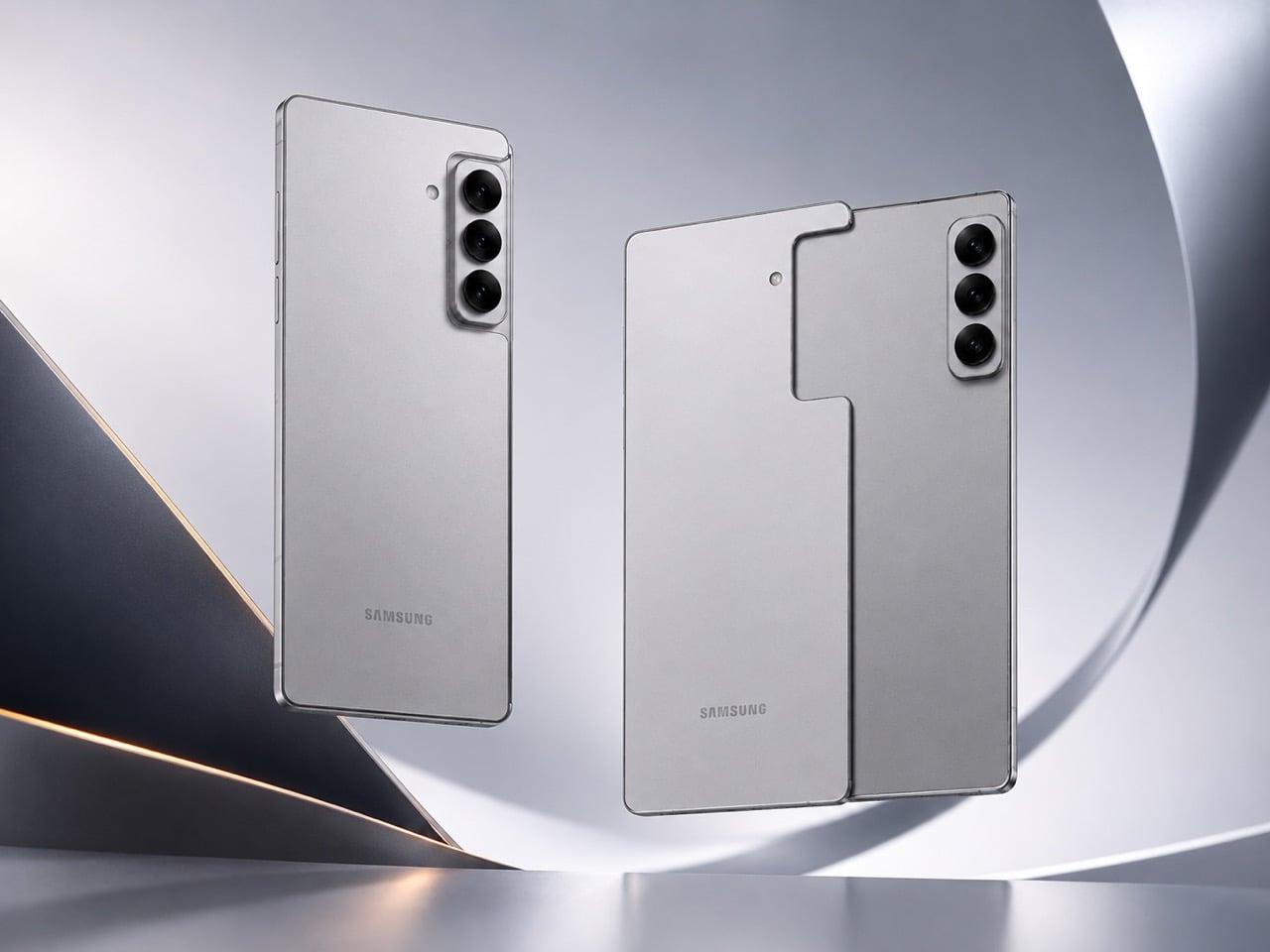
Render based on schematic
Samsung’s product roadmap for this year lists the TriFold and the Galaxy S26, with no rollable phone anywhere on it. A patent the company filed in May (uncovered by WearView) tells a different story about where its engineers are looking. The filing describes a Galaxy that slides open sideways, expanding from an S26-sized slab into a Fold-class canvas without a hinge or a crease. Its sharpest idea sits on the back, where the rear camera module rides the moving half of the chassis and travels outward as the screen grows, then slots into a frame cutout when the phone retracts. That keeps the body thin, solving the bulk that usually plagues rollable hardware.
The gap between that patent and a shipping phone runs through Samsung’s own walls. Samsung Display keeps demoing slidable and rollable panels at CES and MWC, while Samsung’s phone division quietly ships foldables and leaves the concepts on the show floor. The patent matters because it hints at the two tracks finally converging. It also lands at a pointed moment, with Apple about to release its first folding iPhone this September after a decade of chasing the perfect crease. Samsung appears to be drawing up the shape that makes that crease irrelevant.
Designers: xLeaks7 & WearView
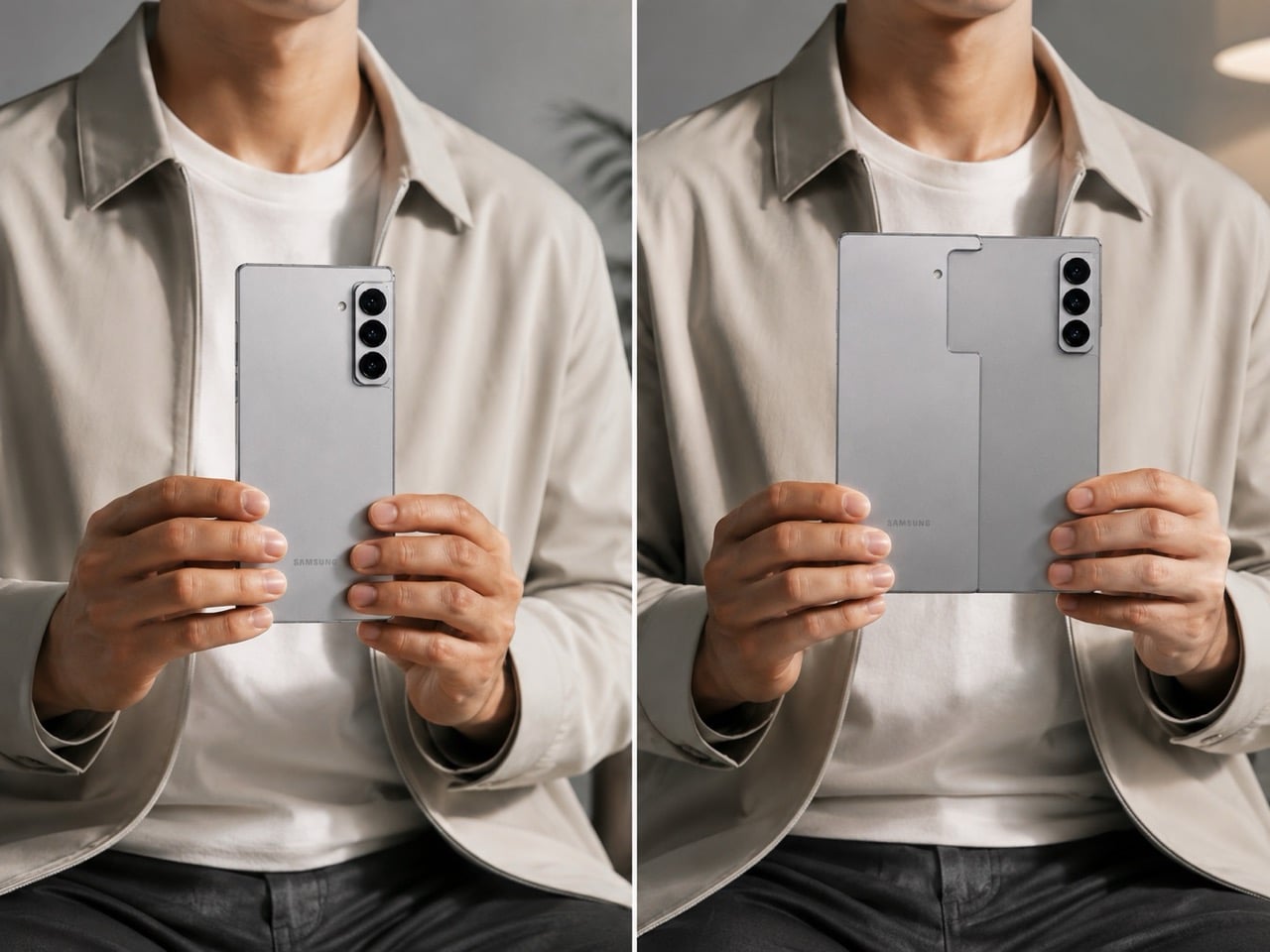
AI Render based on schematic
Mounting the camera on the sliding section answers a packaging problem that has no clean solution otherwise. Rollables grow by pulling a flexible screen out of the chassis, which leaves the camera array nowhere comfortable to sit. Park it on the stationary side and the phone thickens, ride it on the moving side and it stays slim across both states. Samsung pairs the moving module with sensors that track how the housing shifts, keeping the lenses aligned and AR tracking accurate as the geometry changes mid-use. The compact form reads like a Galaxy S26, the expanded version approaches Z Fold 7 width, and the camera quietly travels the whole distance.
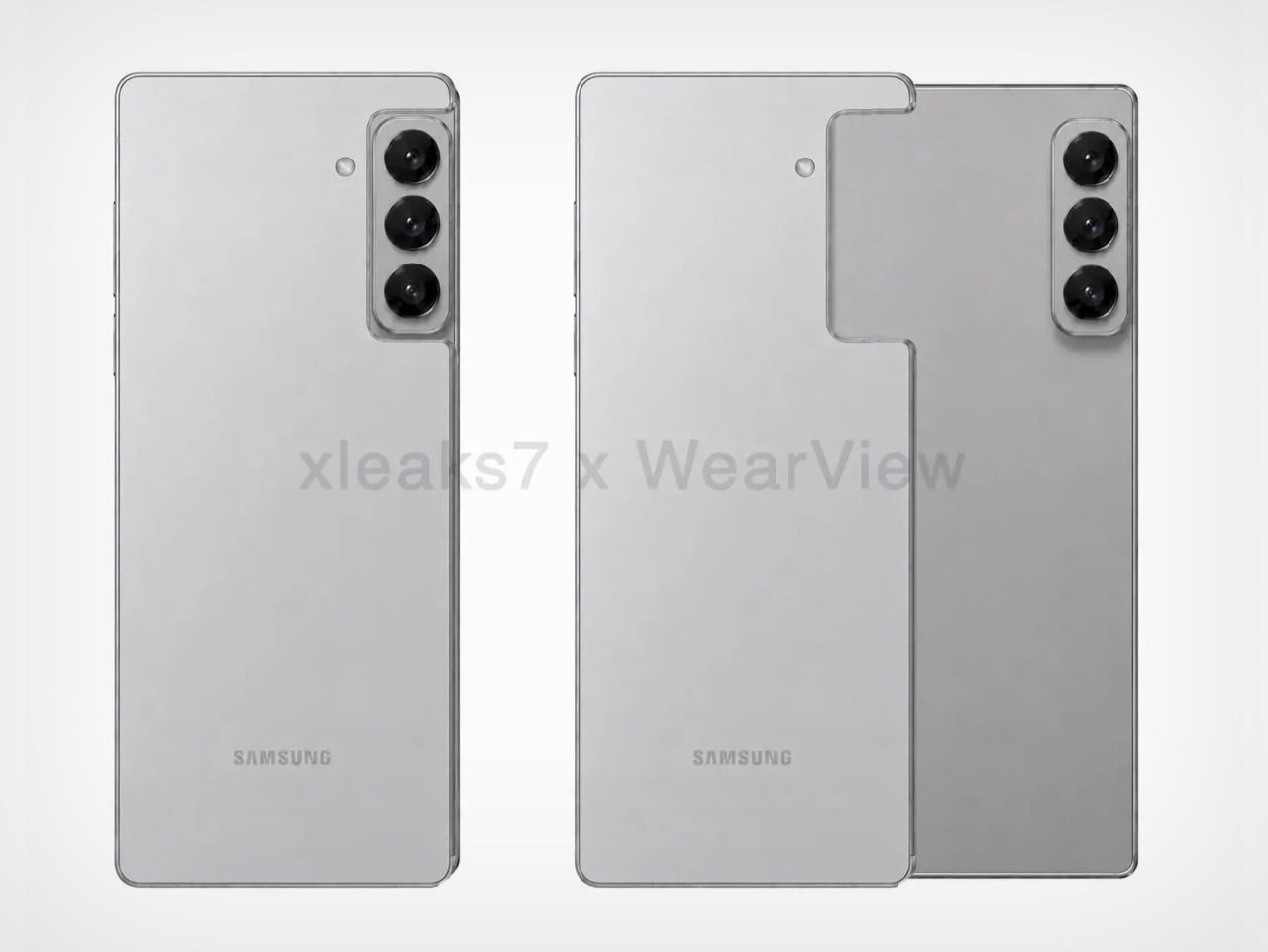
Rollables promise to erase the two things people complain about most on foldables, the crease down the middle and the doubled thickness when shut. They pay for that promise with motors, geared rails, and moving internal trays, a fresh set of failure points that hinges avoid. LG built a working rollable, showed it at CES 2021, then shelved it when it abandoned phones, and a teardown that went viral this spring exposed dual motors and spring-loaded arms looping a screen around the back. Oppo, Motorola, and Tecno each ran the same play and shipped nothing, the ghost hanging over Samsung’s filing. We flagged TCL’s Fold ‘n’ Roll as one of the rollable concepts still worth chasing earlier this year, so the appetite clearly exists even when the hardware refuses to leave the booth.
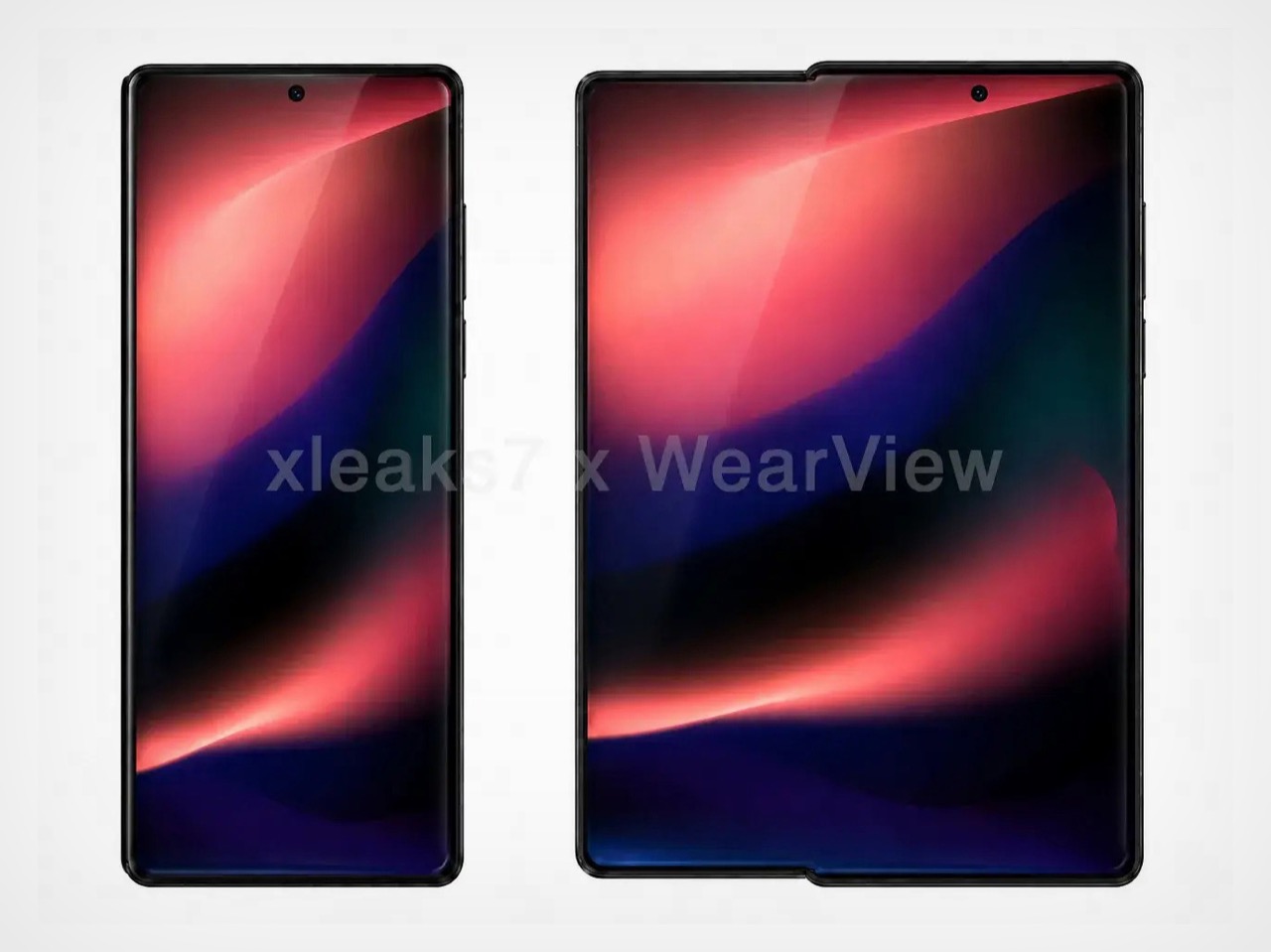
Samsung Display has been rehearsing this in public for years, which separates the patent from pure fantasy. The division showed the Slidable Flex Duet at CES 2025, a panel stretching from 8.1 inches to 12.4, and brought a vertical Mobile Slidable to MWC 2026 that grew from 5.1 inches to 6.7. One of those rollable panels already ships inside Lenovo’s ThinkBook Plus, proving the mechanism survives a real product when the price target allows. The patent’s specifics stay slippery, with the filing describing a modest side-slide while WearView’s renders imagine a far wider Fold-class spread. Apple, for its part, sources the inner display of its incoming foldable from Samsung, so Cupertino’s first fold literally runs on the glass of the rival now sketching past the fold.
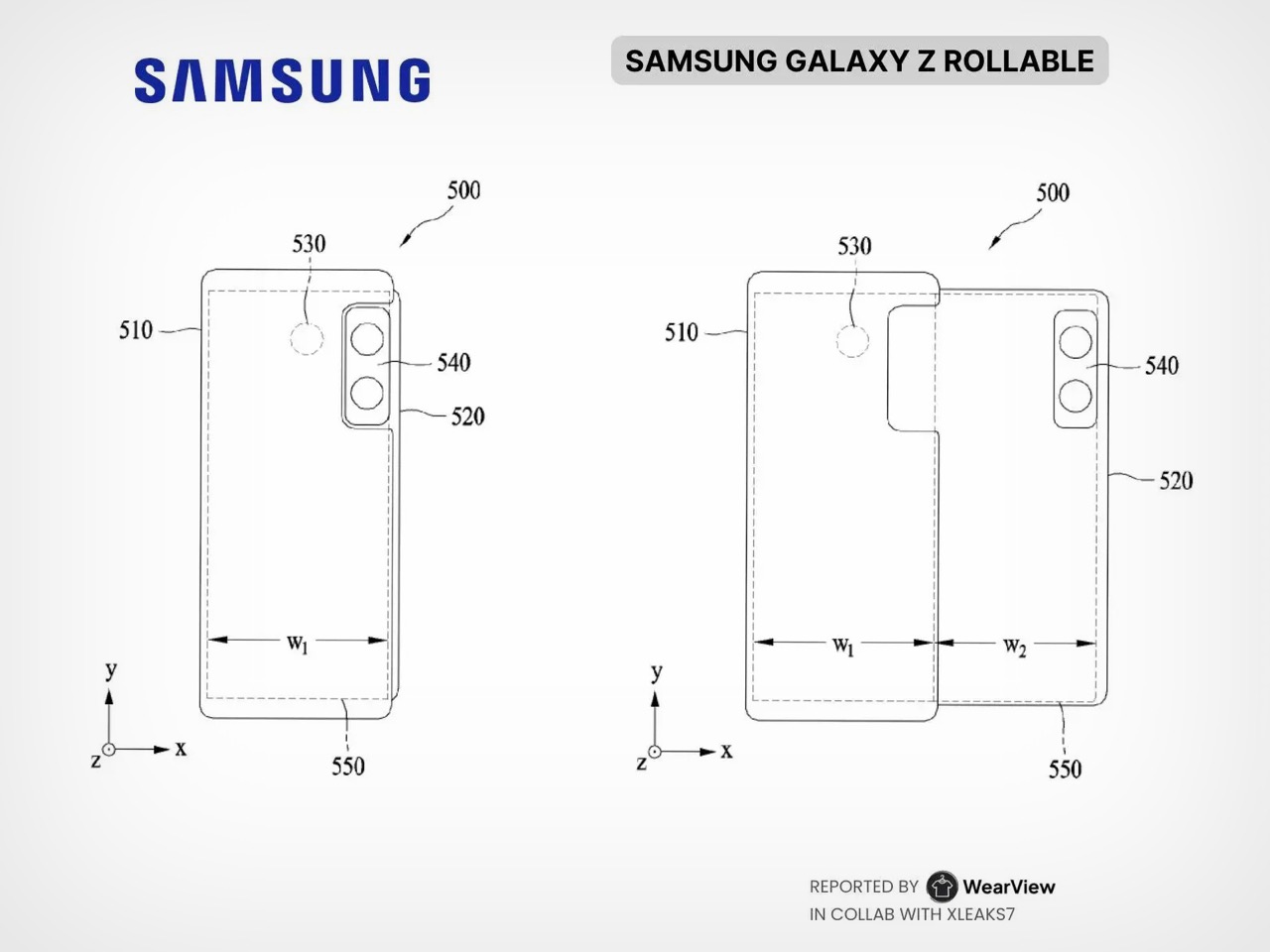
What turns this from a filing into a product would show up in the signals, and none of them have flipped yet. Samsung’s phone division still sells hinges, the TriFold remains the stated frontier, and rollables live on a research track that hasn’t crossed onto the roadmap. The day patents start specifying durability ratings instead of clever geometry, and the day Samsung MX teases a rollable instead of Samsung Display demoing one, the math will have changed. For now this is a sketch, an elegant one, of where the company thinks the phone goes once everyone finishes copying the fold. I want Samsung to build it, if only because a camera that moves with the screen is the rare hardware flourish that earns its own complexity.
The post Samsung’s Rolling Display Phone begins taking shape just as Apple preps the iPhone Fold first appeared on Yanko Design.
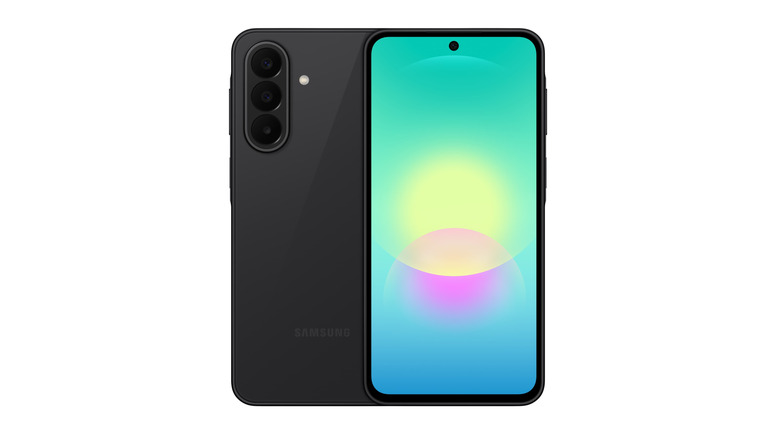
Budget smartphones have always existed in a sort of software slow lane. Manufacturers have typically prioritized their flagship and upper-midrange lines when rolling out major updates, leaving the cheaper devices to wait months, sometimes longer, before seeing the same software features. That pecking order has been so consistent for so long that it’s practically become an unspoken rule of the Android ecosystem, especially within Samsung’s own Galaxy lineup.
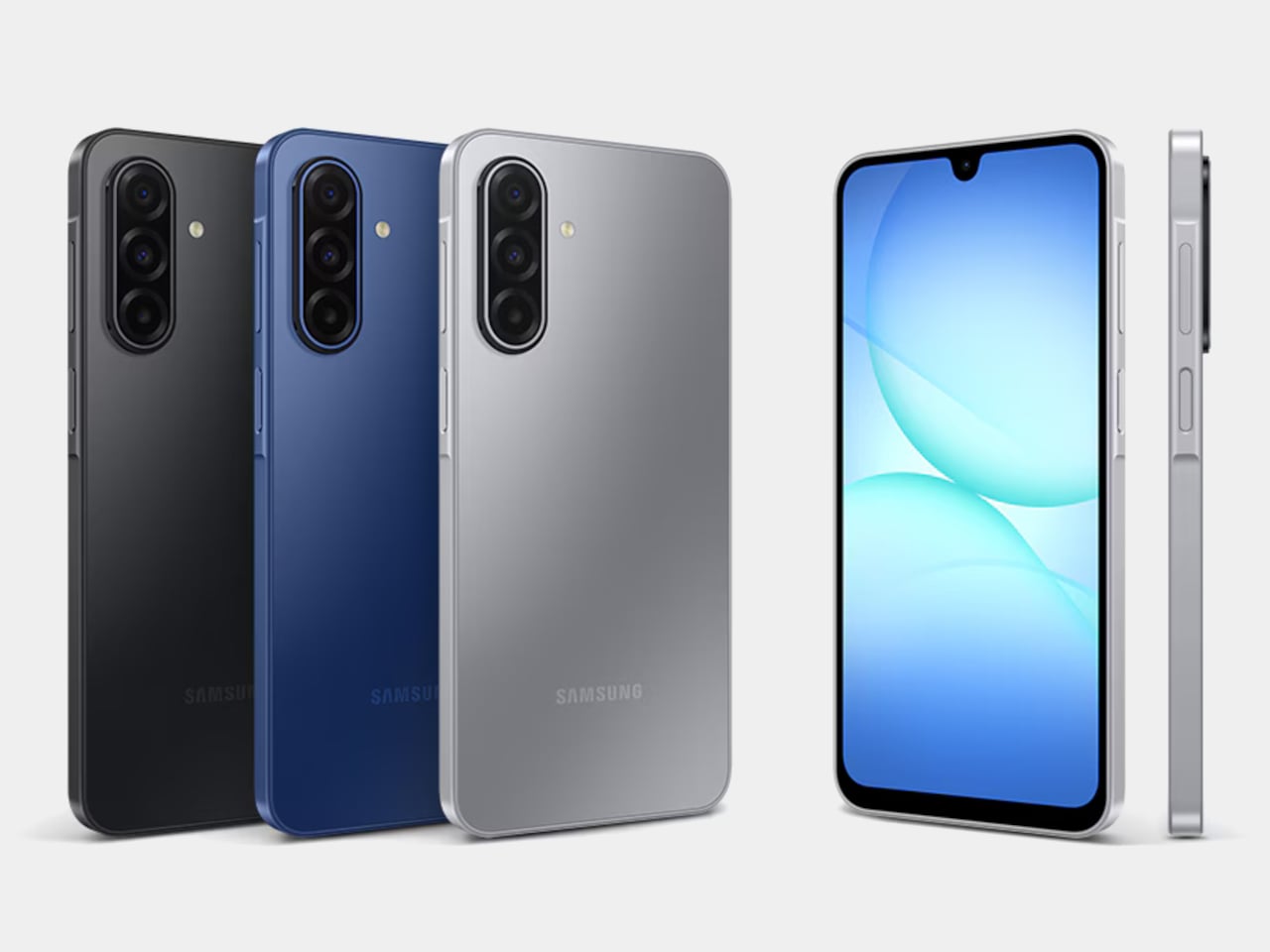
Samsung’s Galaxy A17 5G is changing that, at least for now. The $199 phone, which only made its way to US store shelves earlier this year, began receiving One UI 8.5 before several pricier Galaxy models, including the Galaxy S22, the A55, and the A35. That makes it not only the cheapest Galaxy phone on the new software, but also a very unexpected one to lead the charge.
Designer: Samsung
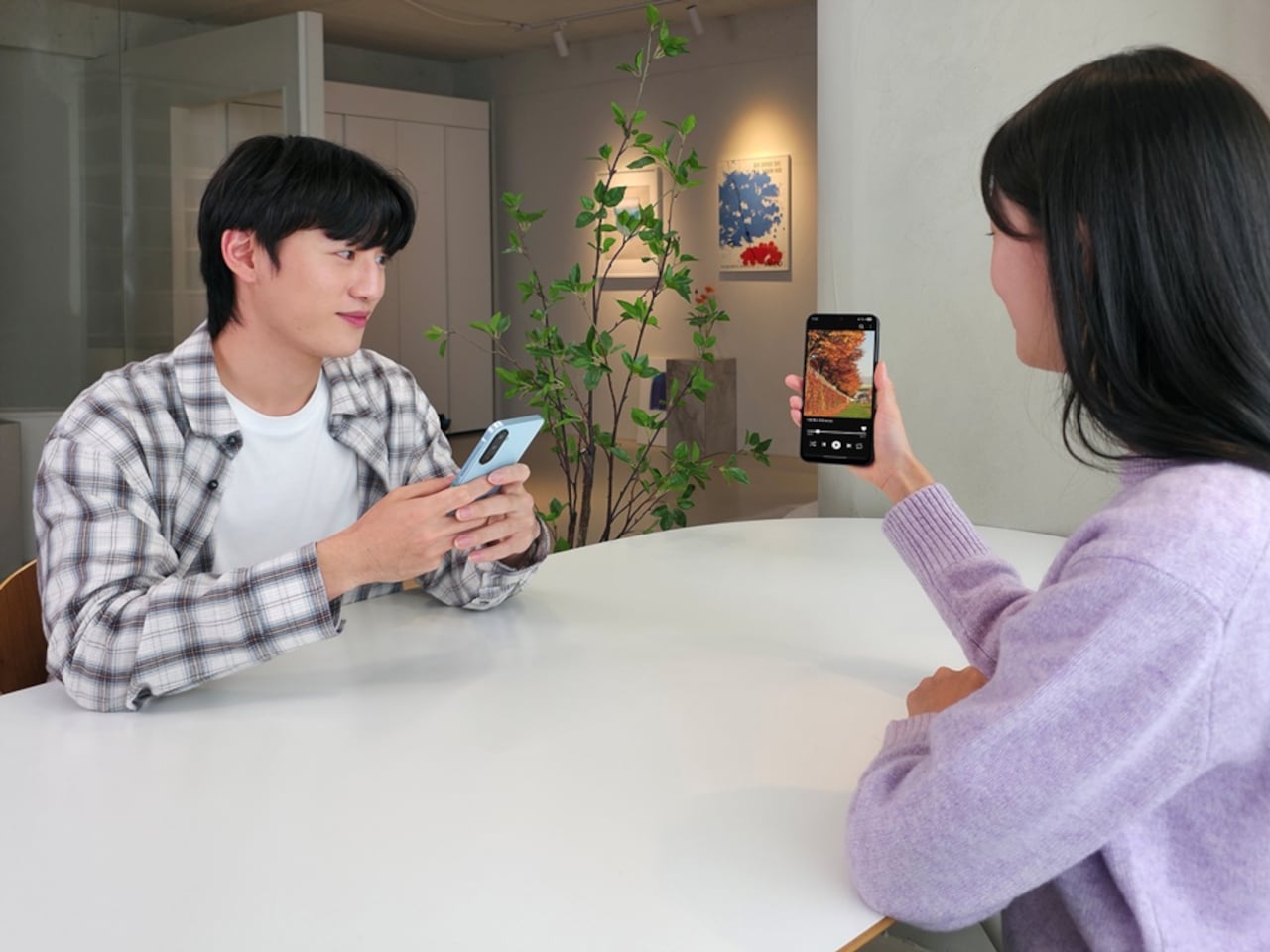
The rollout began in South Korea on May 26, 2026, with firmware version A175NKSU5CZE9, before expanding to other regions. Samsung releases updates to multiple devices at a time, so getting new software the same week as other phones isn’t remarkable. The order, however, tells a different story. The Galaxy S22 was once a top-tier flagship, and both the A55 and A35 sit comfortably above the A17 in Samsung’s current lineup.
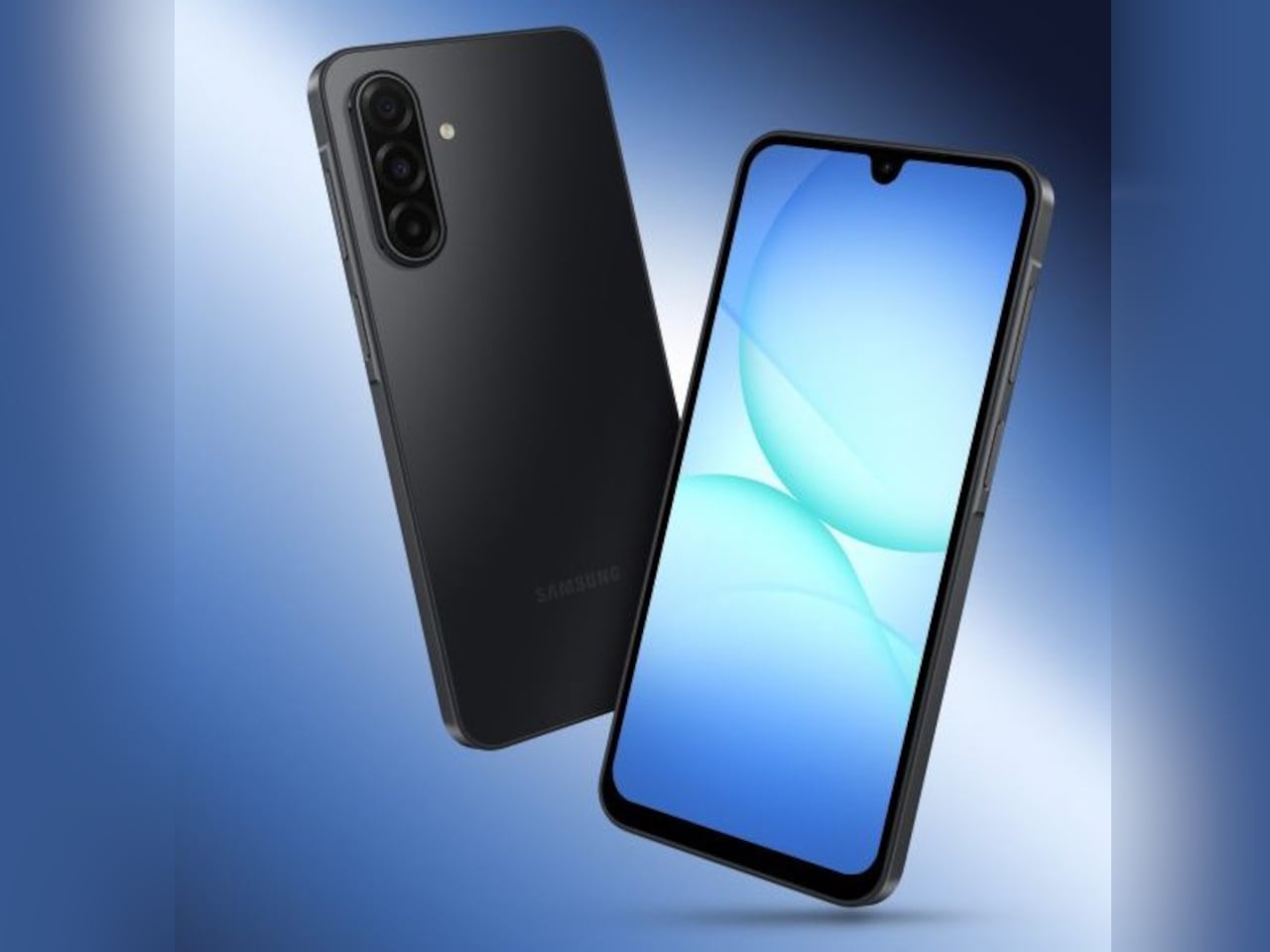
On paper, the Galaxy A17 5G doesn’t have much to shout about. It runs on Samsung’s Exynos 1330 chip, pairs that with a 6.7-inch display, and backs everything up with a 5,000 mAh battery. Those are solidly mid-tier numbers, and at $199.99, the phone was never going to compete with the Galaxy S25 or even the A55 on raw performance. That was never really the point, though.
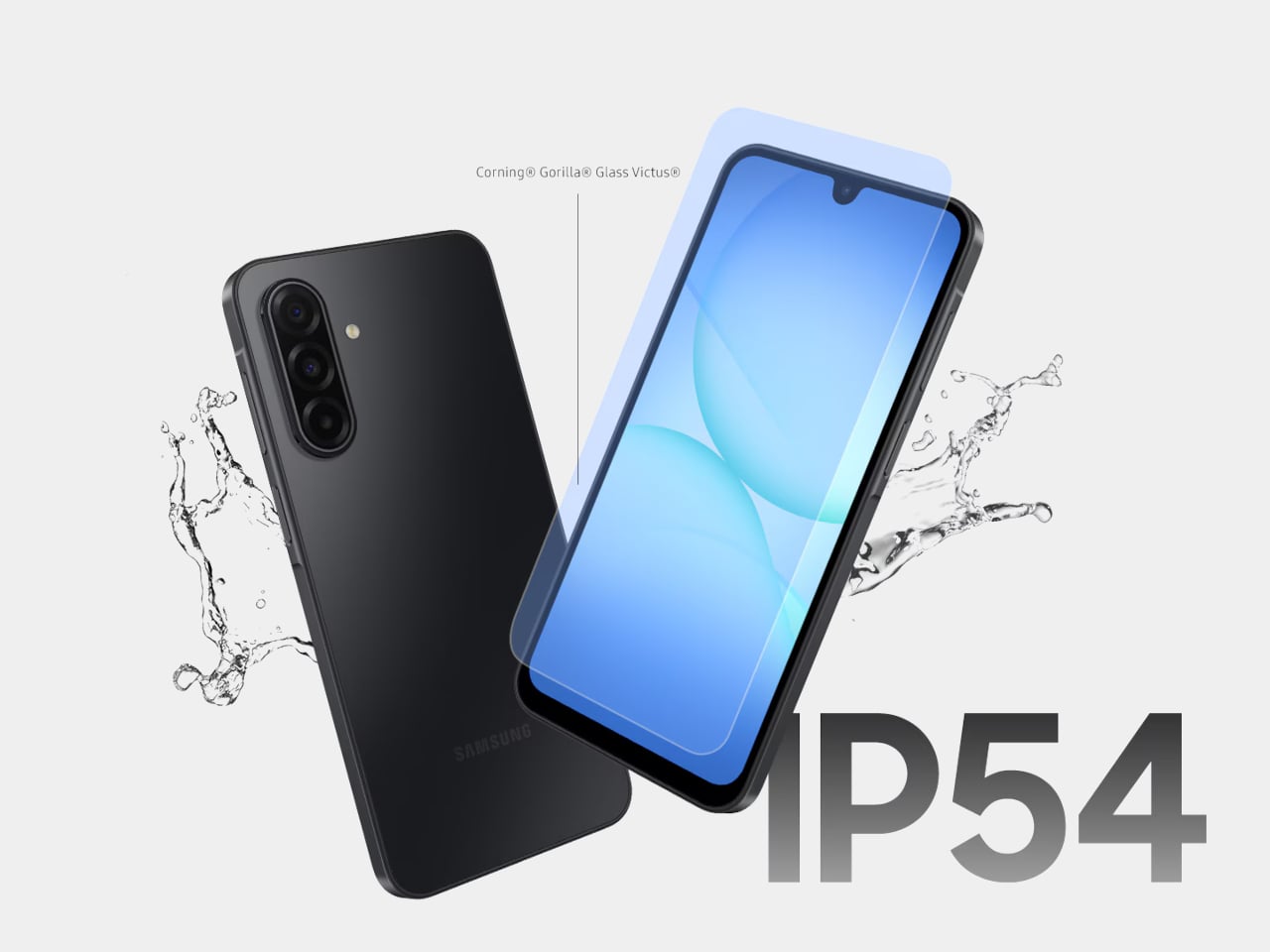
Samsung promises six years of OS and security updates for the Galaxy A17 5G, which is genuinely compelling at this price. Google’s Pixel 9a offers seven years of support but costs $499 to start. At $199, the A17 gets surprisingly close to that coverage level, putting it in a different conversation entirely, one that’s less about what the hardware can do today and more about how long it’ll stay relevant.
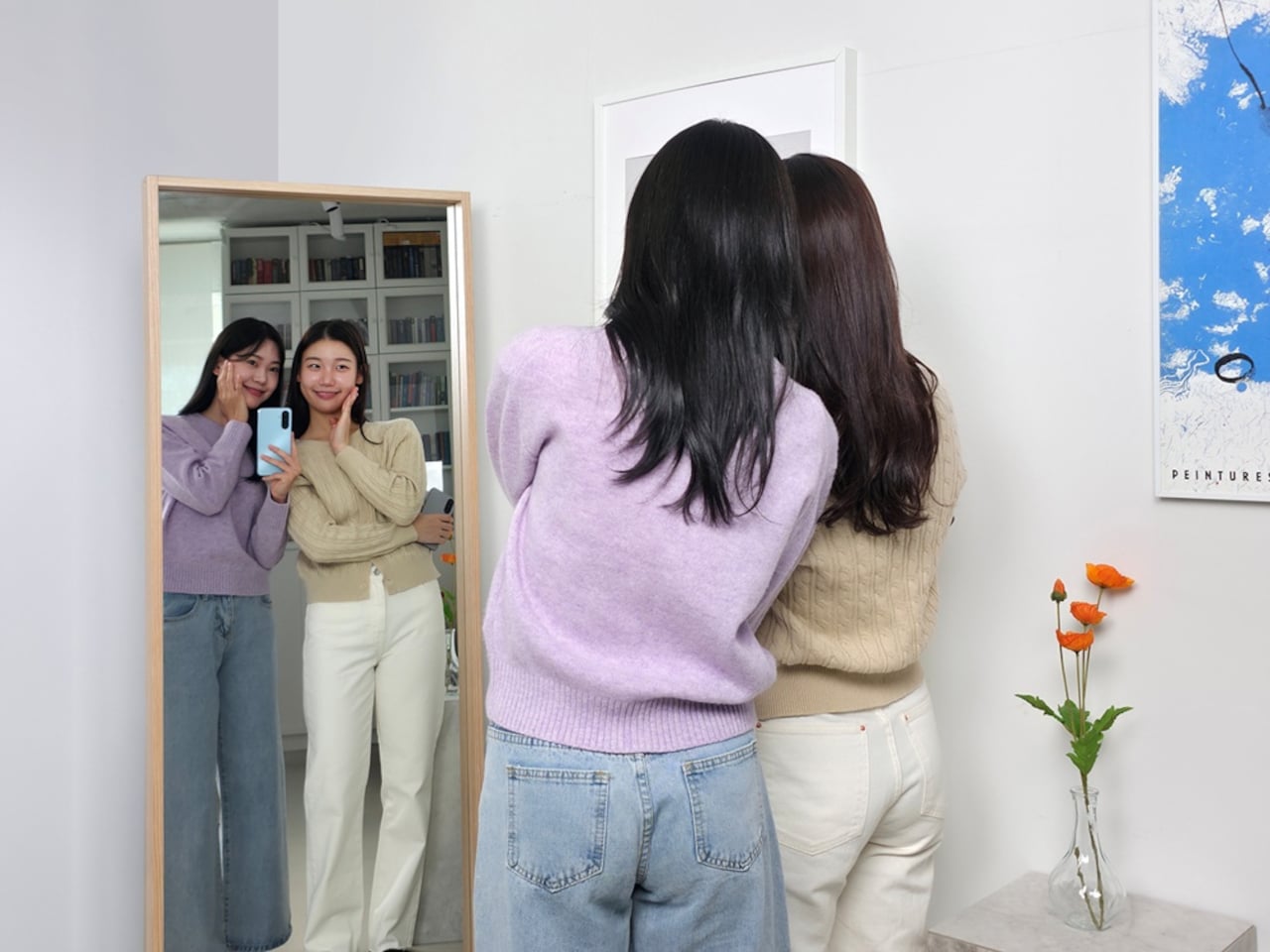
One UI 8.5 brings a range of new features and interface improvements, including enhancements to Gemini AI. Not everything will run at full capacity on the A17’s Exynos 1330, since some of the more demanding AI tools favor higher-end chipsets. But for someone who bought a $199 phone expecting years of use, getting a meaningful software update rather than just a security patch is the kind of thing that counts.
Android 17 is also expected to hit stable release in the coming weeks, based on where Google’s release notes currently stand, which means Samsung will soon have to decide which phones get One UI 9. The A17 just showed it’s on the list for timely updates, and with six years of committed support on the books, there’s good reason to think it’ll be there when that time comes.
The post $199 Galaxy A17 Beat the Galaxy S22 to One UI 8.5 first appeared on Yanko Design.
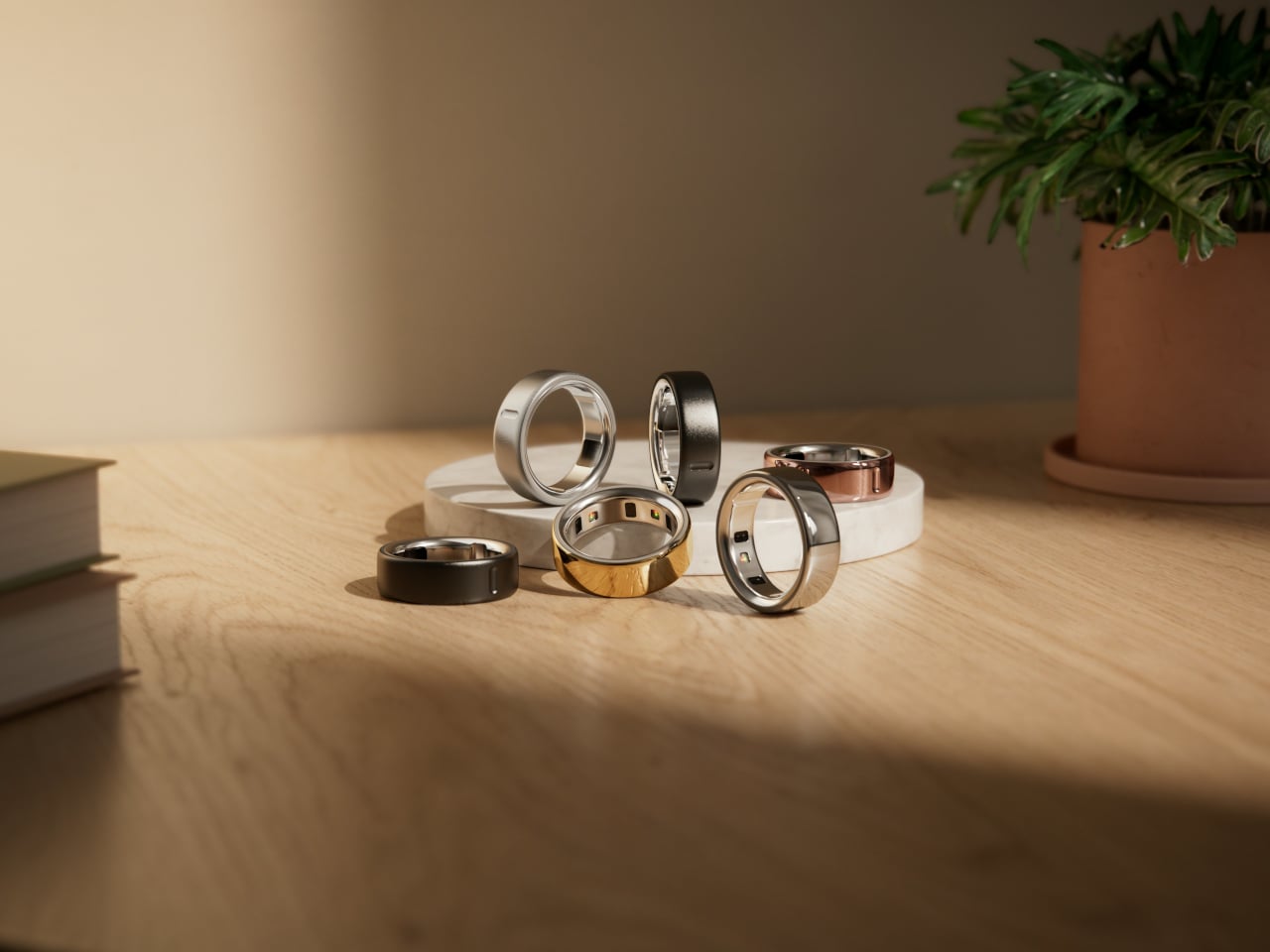
Smartwatches have had an impressive run, but the category is starting to feel a bit crowded and tired. Most recent releases have been iterative, adding a sensor here or a display tweak there, while the core form stays essentially the same: a small screen on your wrist buzzing at you constantly. Consumers are starting to wonder what the next genuinely interesting chapter of wearables looks like.
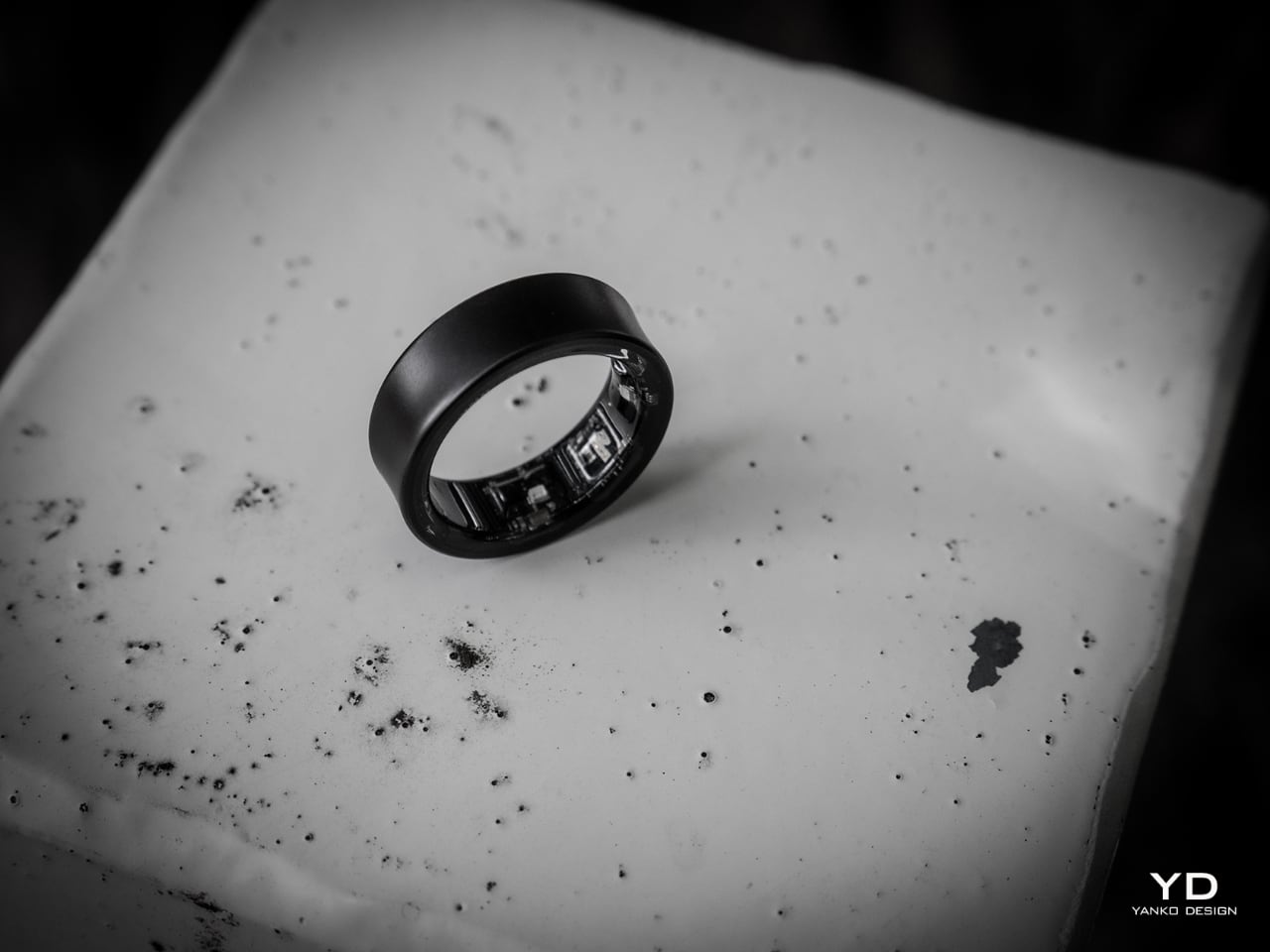
It turns out the answer might be right on your finger. In one week during May 2026, the smart ring went from niche wellness accessory to the category everyone in wearables should be watching. Oura confidentially filed an S-1 with the SEC, RingConn opened pre-orders for its Gen 3, and fresh leaks in iOS 26 code reignited the idea that Apple might be circling the space.
Designer: Oura Ring, RingConn, Apple, Samsung
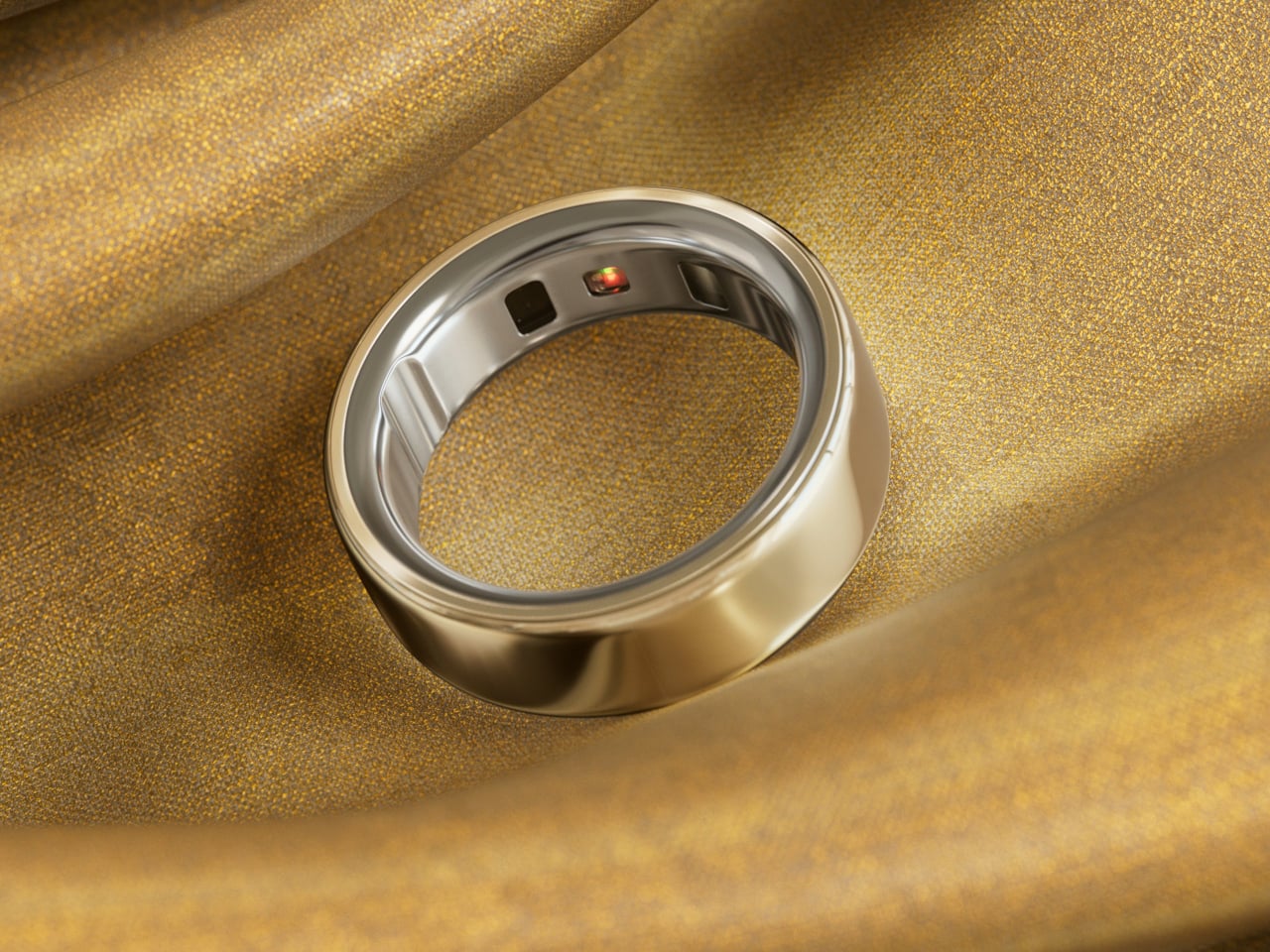
Part of what makes this moment feel significant is that it isn’t purely a business story. The smart ring’s appeal is rooted in something the smartwatch was never designed for: disappearing. A ring doesn’t have a screen demanding your attention, doesn’t buzz through dinner, and doesn’t get taken off at bedtime. For passive health tracking, especially overnight, the finger turns out to be a surprisingly elegant surface.
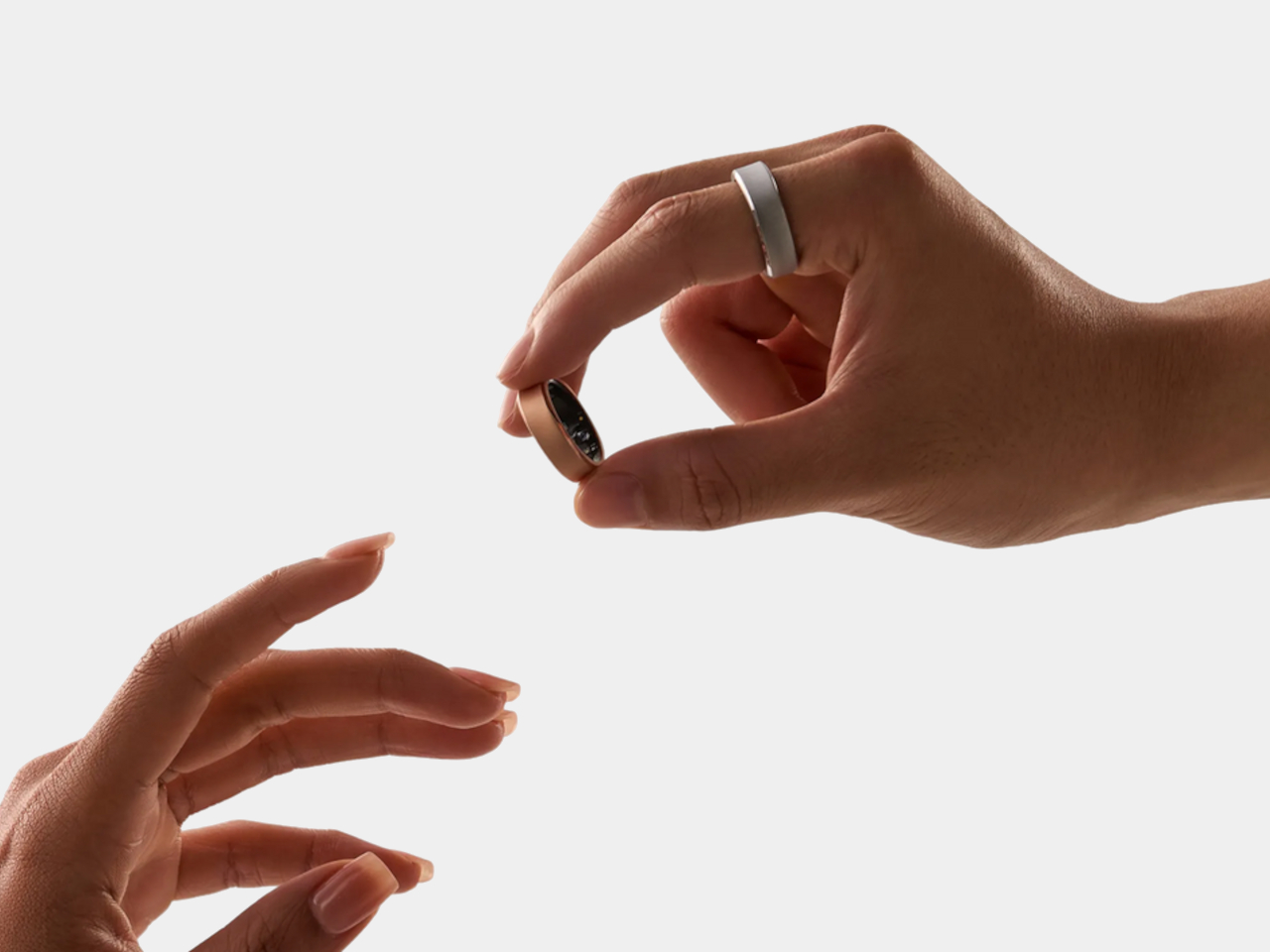
RingConn Gen 3
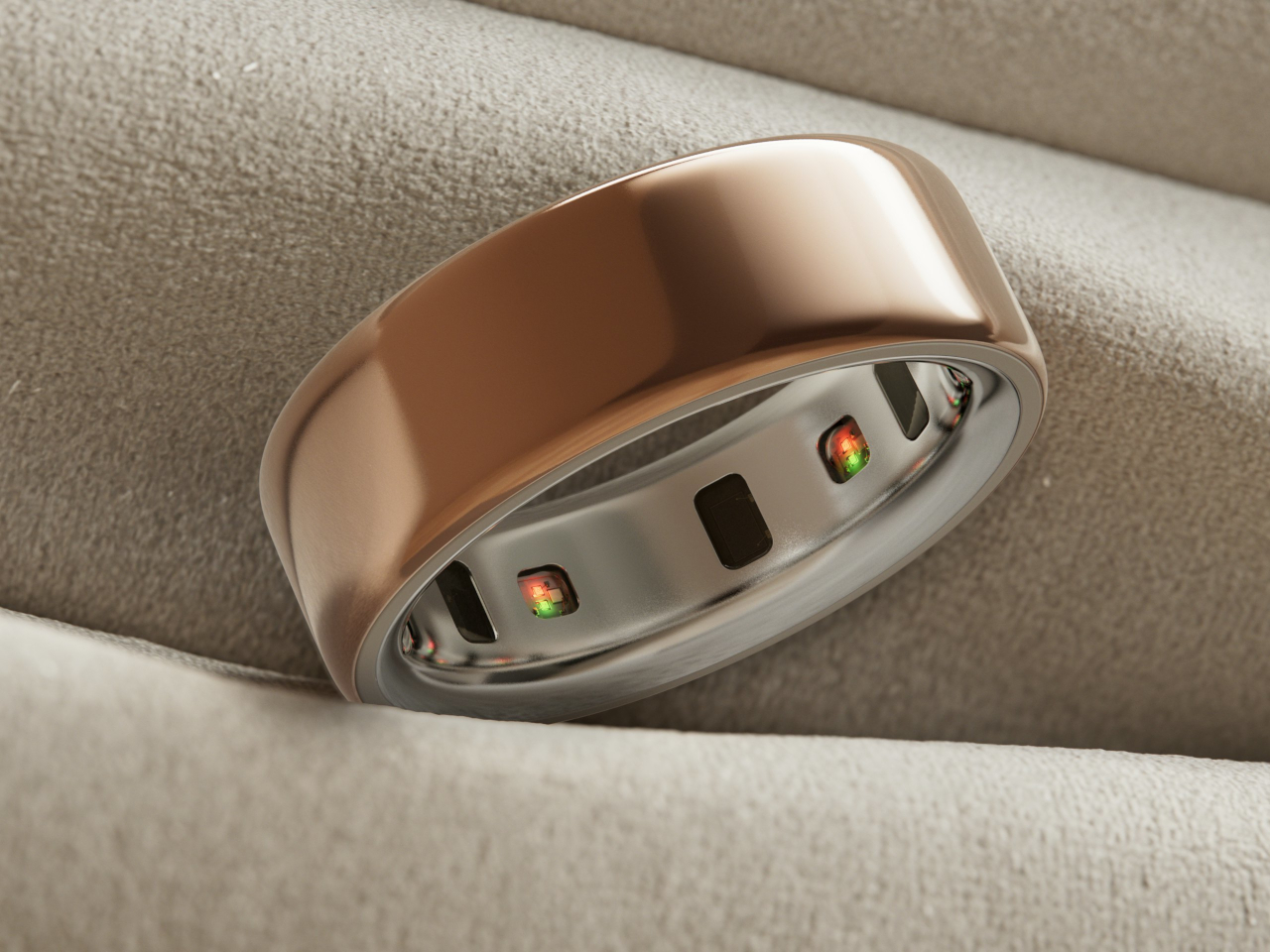
RingConn’s Gen 3 is the clearest hardware proof that the category is maturing. At $349, the titanium ring ships with a 14-day battery, vascular health tracking, and haptic alerts, all without a subscription fee. That battery figure alone is worth pausing on. A ring that only needs charging once a fortnight fits into daily life in a way that a device needing nightly top-ups simply doesn’t.

RingConn Gen 3
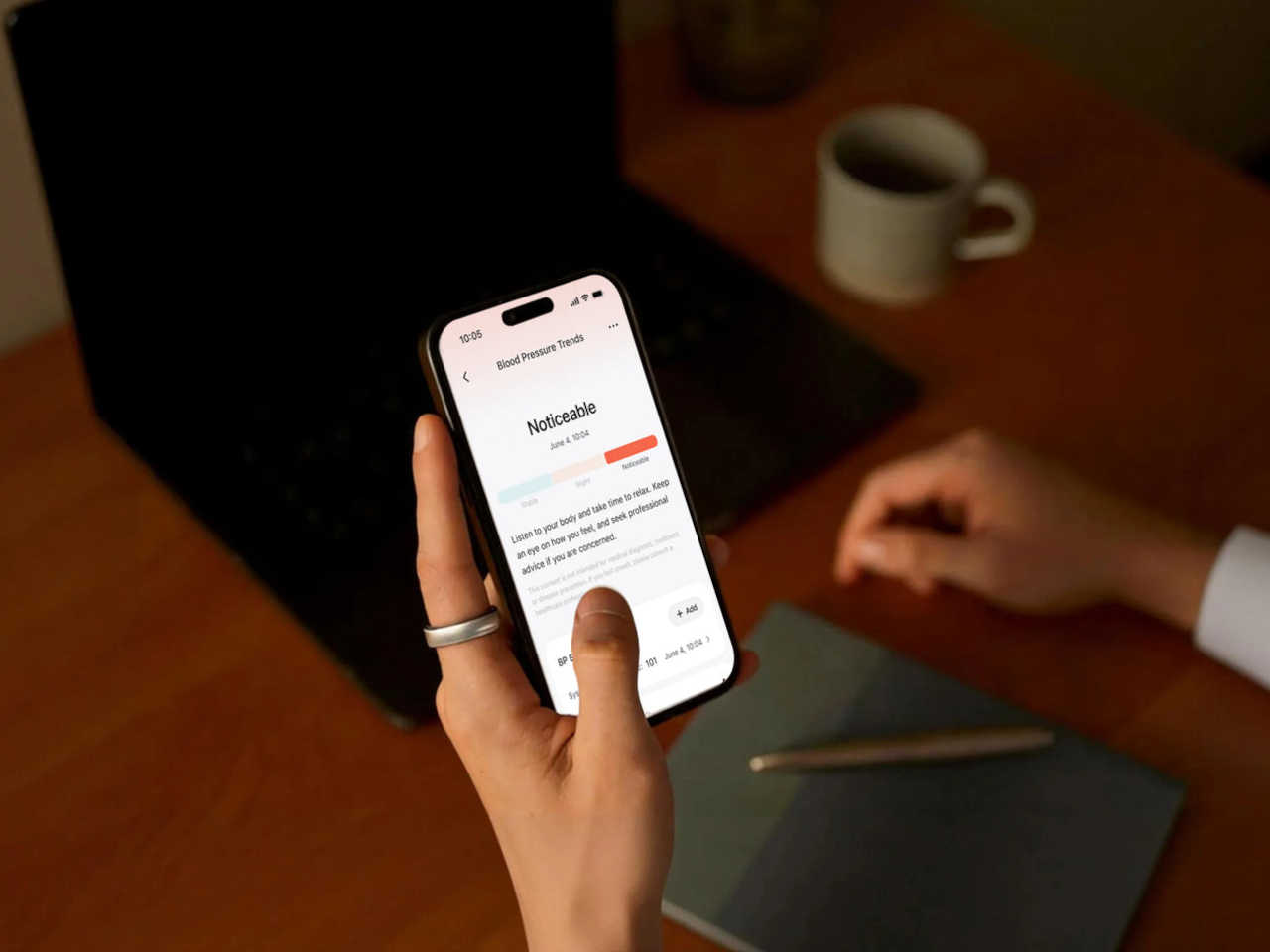
RingConn Gen 3
What RingConn’s launch really signals is a shift in the category brief. Buyers aren’t just asking whether a ring can track their sleep anymore. They want richer health data, meaningful feedback, and hardware that feels finished rather than experimental. Titanium construction, cardiovascular insights, and a no-subscription model together suggest that the smart ring has stopped apologizing for what it can’t do and started showing off what it can.
Oura’s confidential S-1 filing adds a different kind of weight to the week. Filing with the SEC isn’t something companies do casually. It means Oura believes the smart ring market is stable enough, scalable enough, and financially convincing enough to withstand public-market scrutiny. It’s also a signal that the subscription model, which charges users a monthly fee to access their own health data, has real staying power.
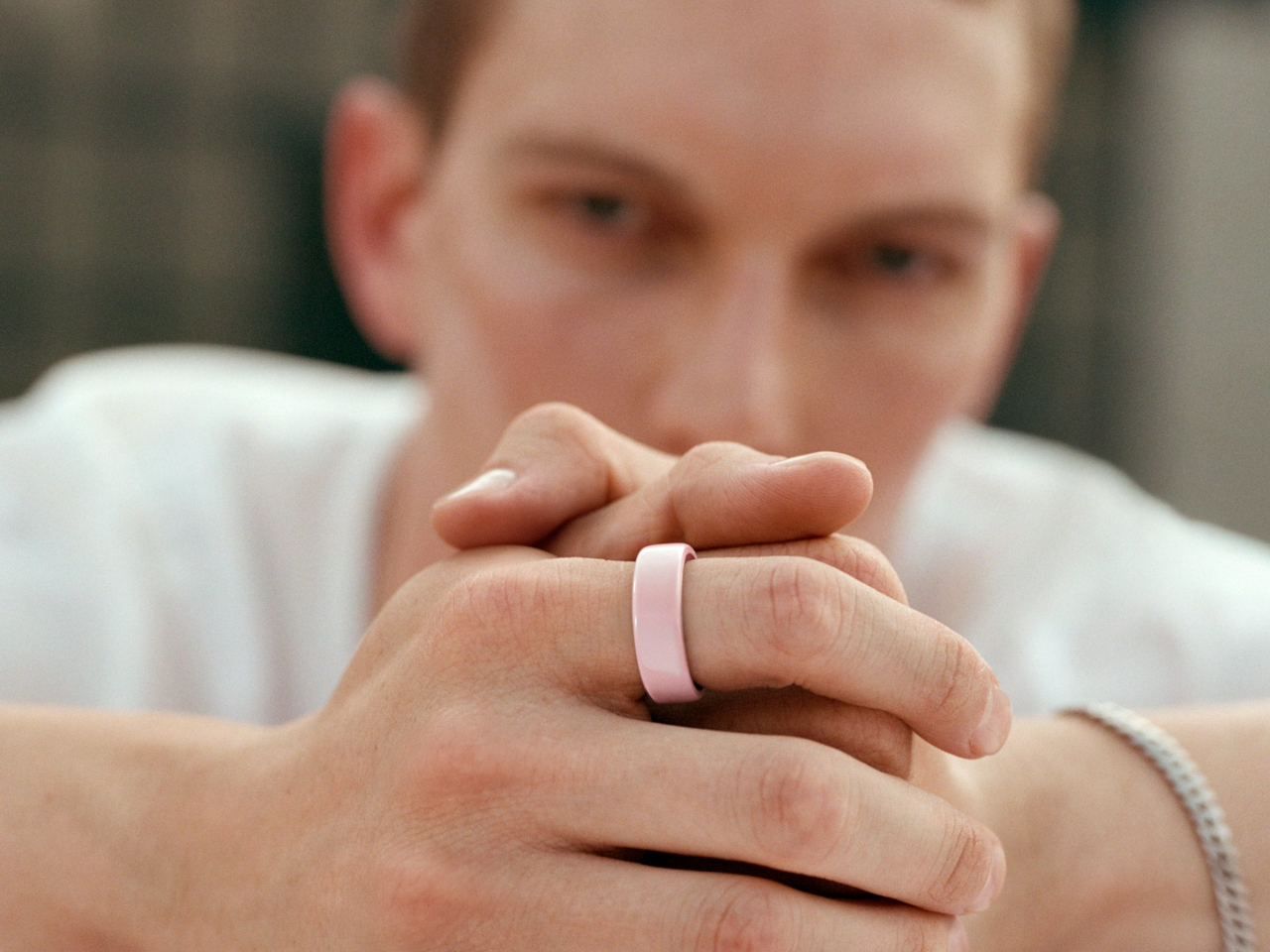
Oura Ring 4
That subscription debate cuts to something interesting about how these companies see what a smart ring is. Oura is essentially selling a sensor paired with an ongoing interpretation service. RingConn is selling a finished object you own outright. Neither is wrong, but the two approaches create very different relationships between wearer and device, and that relationship shapes every other decision the product team ends up making.
Then there’s Apple, which hasn’t confirmed anything but whose shadow is already affecting the conversation. References buried in iOS 26 code have fueled speculation that Cupertino is at least exploring a ring-shaped device, possibly one that ties into the broader Vision Pro ecosystem. Apple hasn’t shipped a ring yet, but its apparent interest alone changes how developers, investors, and competing hardware teams think about the category’s long-term potential.
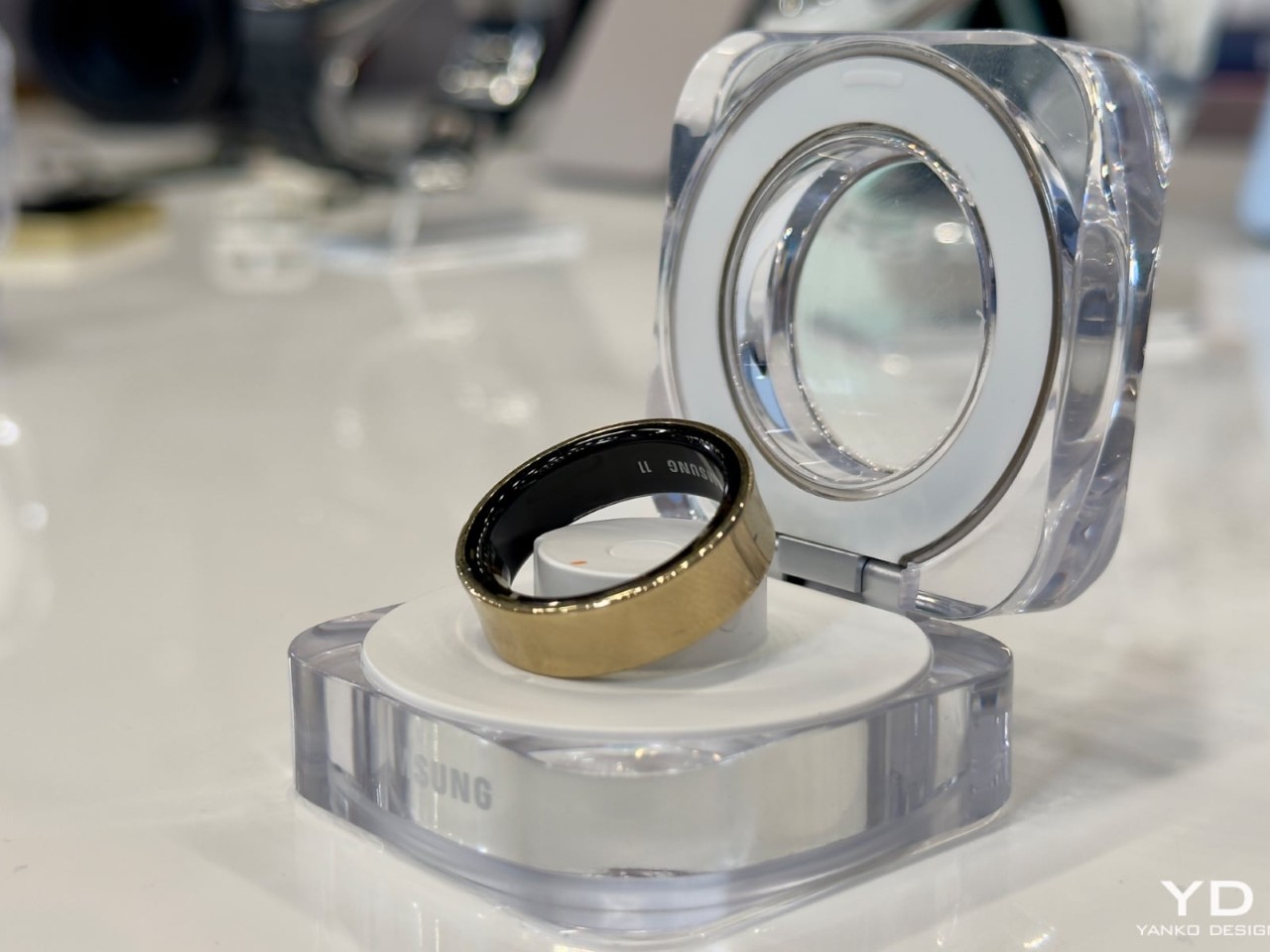
Samsung Galaxy Ring
The harder question, of course, is what comes next for a category that’s barely five grams and still trying to grow up. Blood pressure monitoring, non-invasive glucose tracking, and finer cardiovascular sensing are all on the roadmap, but they’ll demand even more from a form factor that’s already pushing the limits of miniaturization. Getting there without sacrificing comfort or wearability is the real design challenge ahead.
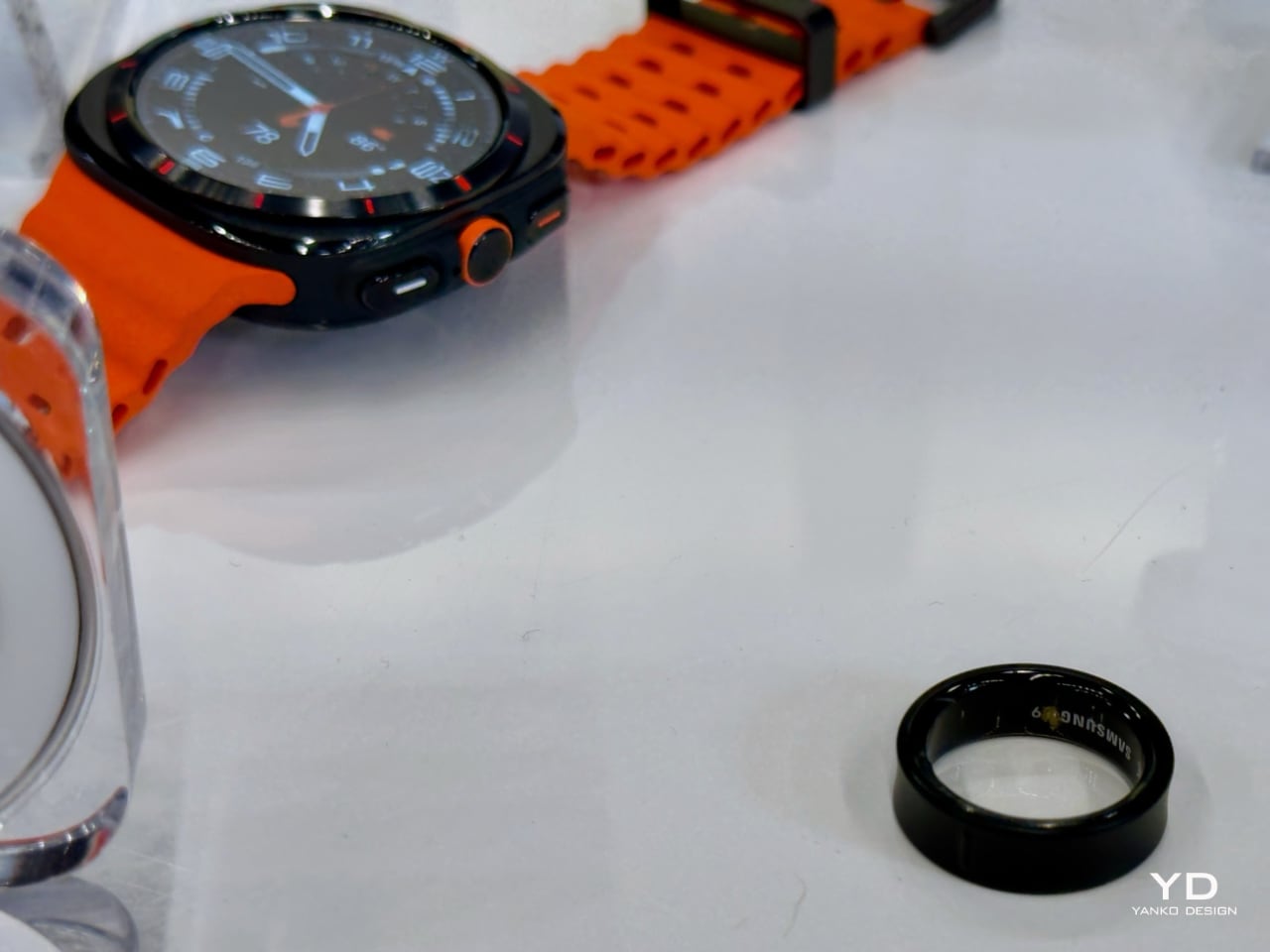
The post Smart rings just had their breakout week first appeared on Yanko Design.
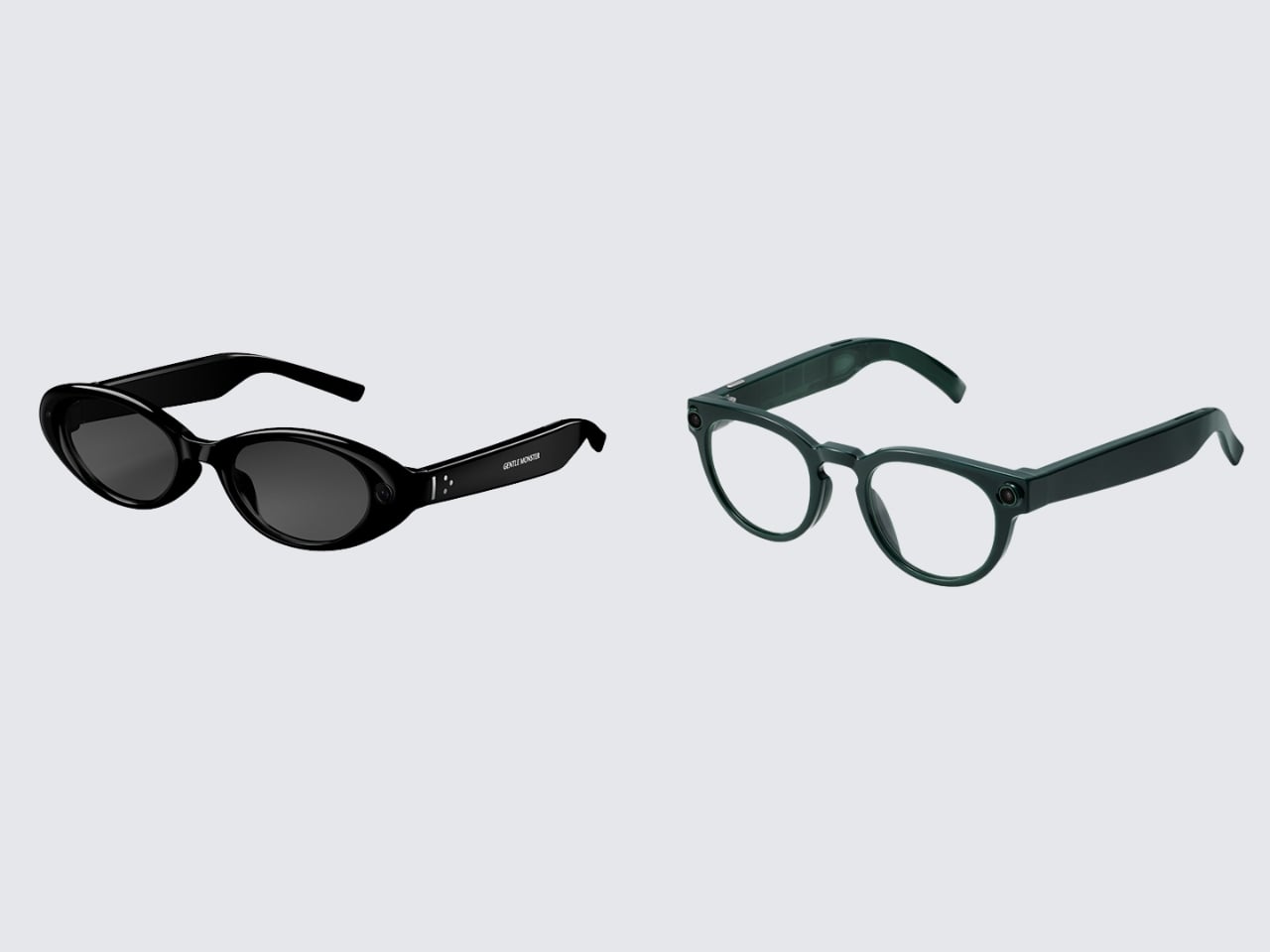
The biggest design announcement to come out of Google I/O 2026 did not involve a language model. It involved a pair of frames. On May 19, Google and Samsung unveiled their Android XR intelligent eyewear, a product that still has no official name, no confirmed price, and no exact ship date beyond “this fall.” What it does have is two very deliberate aesthetic camps: Gentle Monster on the disruptive end, Warby Parker anchoring the refined and timeless side. And leading with eyewear partners instead of chipset specs felt like the most coherent product launch decision Google has made in years.
Two form factors are on the way. Audio glasses ship first, landing later this fall. Display glasses follow at some point after that. The audio version is exactly what it sounds like: Gemini in your ear, accessed by saying “Hey Google” or tapping the frame. From there, you can pull up turn-by-turn navigation, real-time translation, hands-free calls, photo capture, and multi-step task execution through third-party apps like DoorDash and Uber. The glasses work with both Android and iOS, which is smarter than it sounds. Picking a platform fight at launch would have cut the potential audience in half before a single pair hit a face.
Designer: Google x Samsung
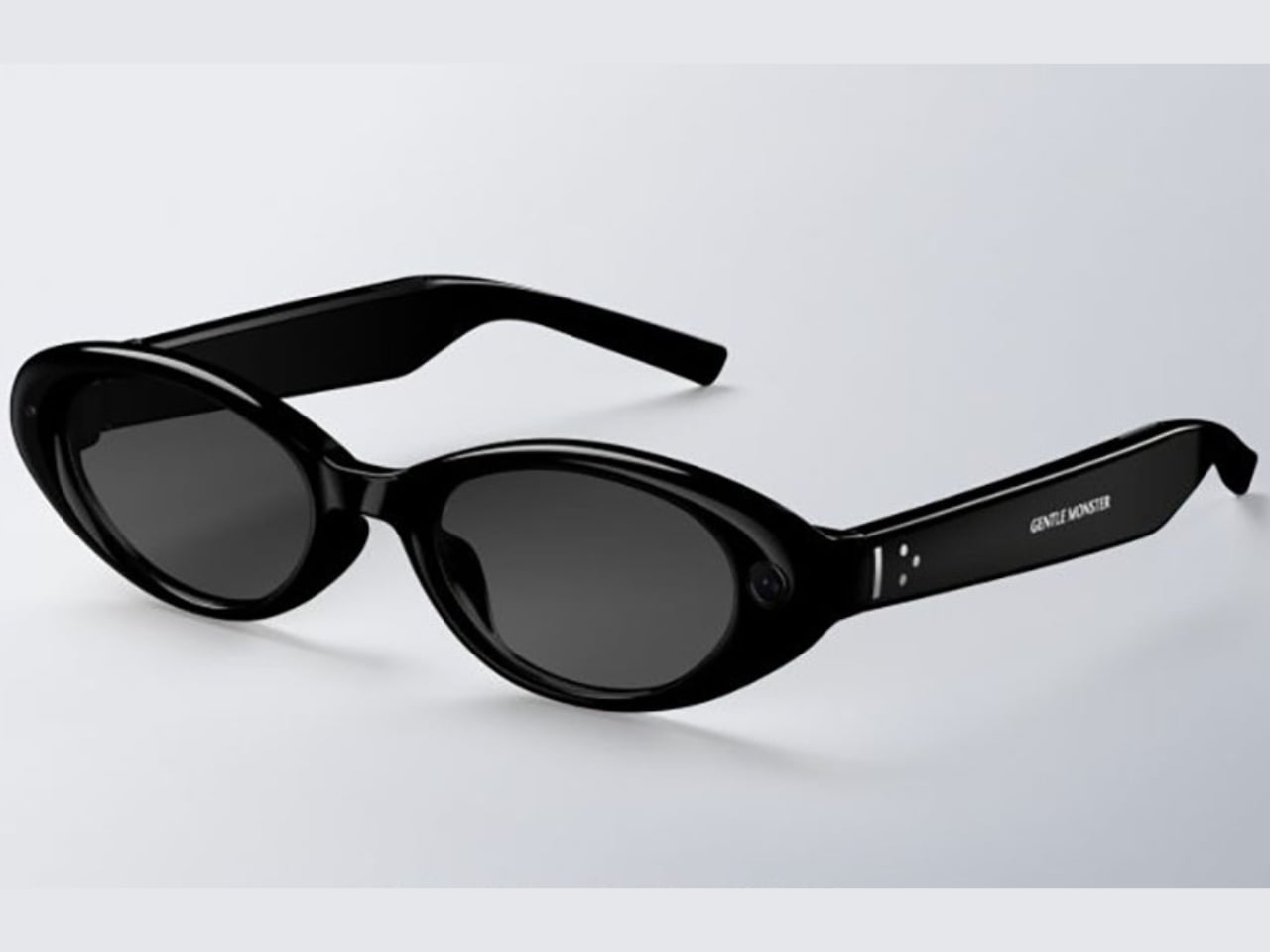
The more interesting story, though, is what the Gentle Monster and Warby Parker pairing actually signals. These are not interchangeable options with different colorways. Gentle Monster built its entire identity on turning eyewear into conceptual art, the kind of brand that stages gallery-scale retail installations and has never been embarrassed to make a statement. Warby Parker, on the other hand, is the brand that convinced a whole generation that glasses could be accessible, thoughtful, and quietly cool without trying too hard. Putting both on the same platform is Google saying, very clearly, that Android XR is not a single-consumer product. It is a platform designed to flex across aesthetic identities the same way Android flexes across phone manufacturers.
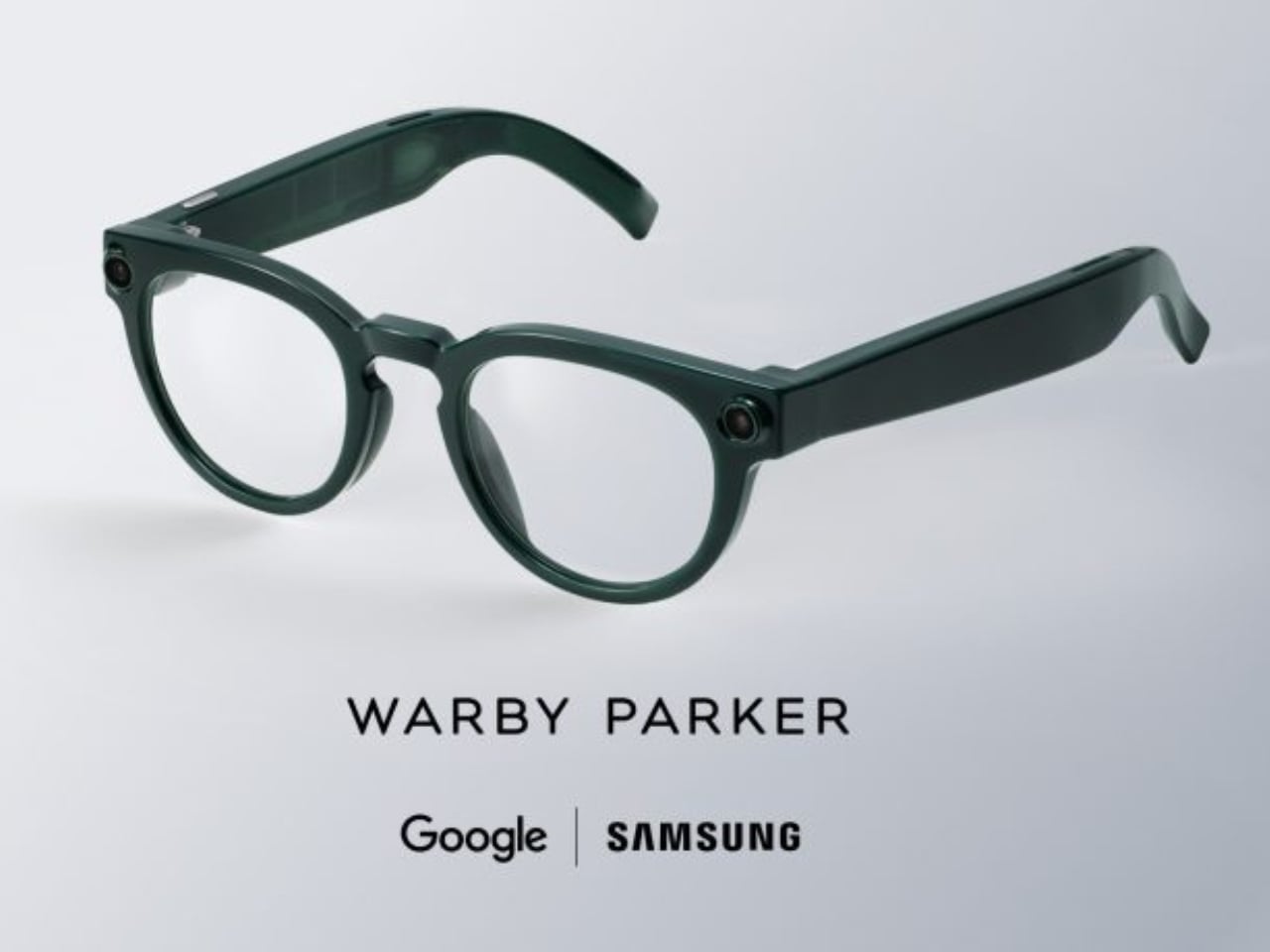
That framing matters a lot when you look at the competitive landscape. When Meta launched its Ray-Ban Display glasses with EssilorLuxottica, it made a calculated bet on one legacy brand and one aesthetic: cool-casual, lifestyle-adjacent, slightly sporty. The strategy has worked reasonably well. Google is trying something architecturally different. Two visual identities, baked in from day one, each with its own mood and customer. Whether that becomes a genuine advantage or a positioning headache will depend entirely on execution, but the intent is worth paying attention to.
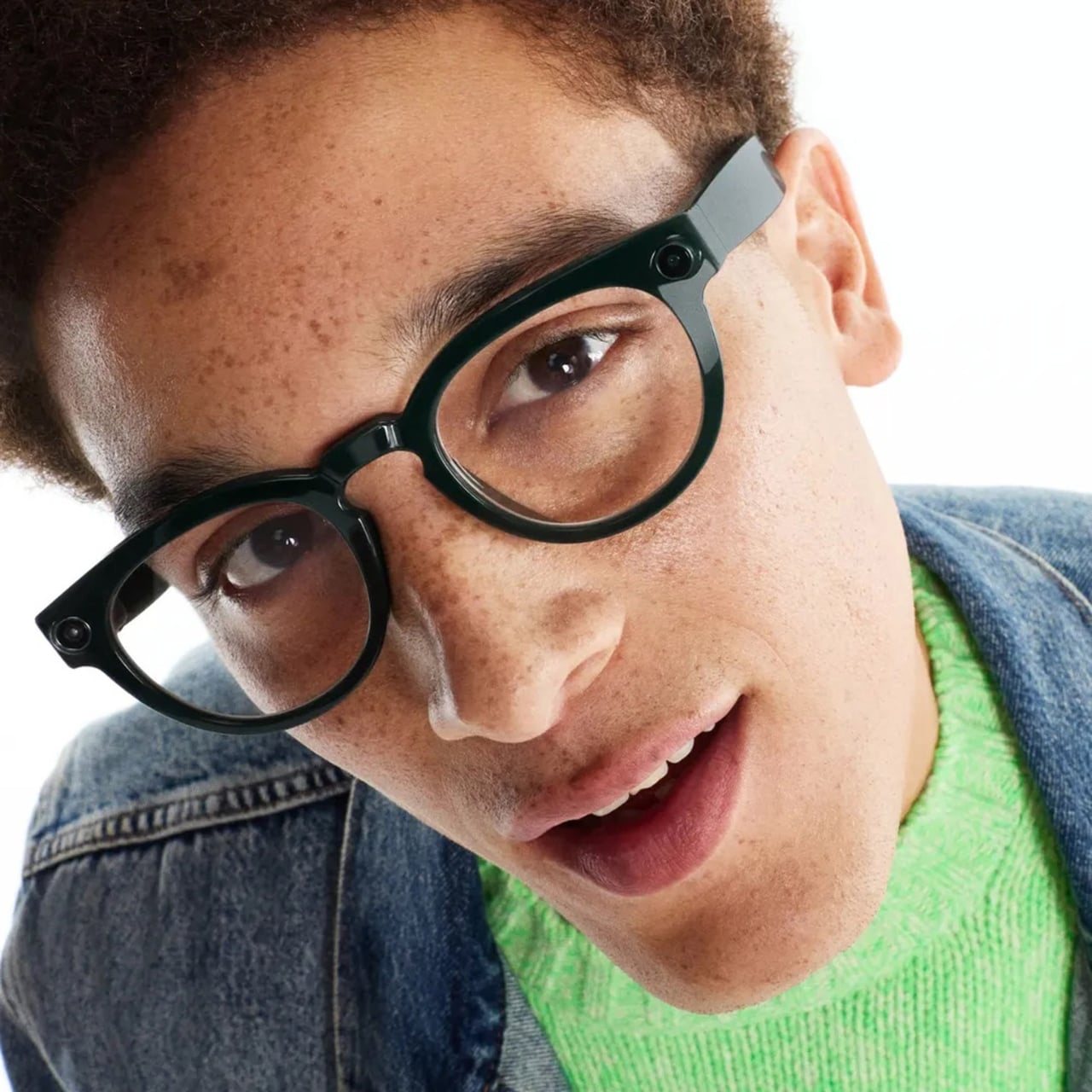
The missing information in this announcement is not accidental. No price. No product name. No exact release date. All of that has been deliberately saved for fall, which means we are still in the phase where the visual story matters more than the spec sheet. That is the right call. If Google had led with processor benchmarks and battery life numbers right now, the conversation would have immediately turned into a hardware comparison against Meta. By leading with Gentle Monster and Warby Parker, they shifted the frame entirely. We are not talking about a spec race. We are talking about what you actually want to wear.
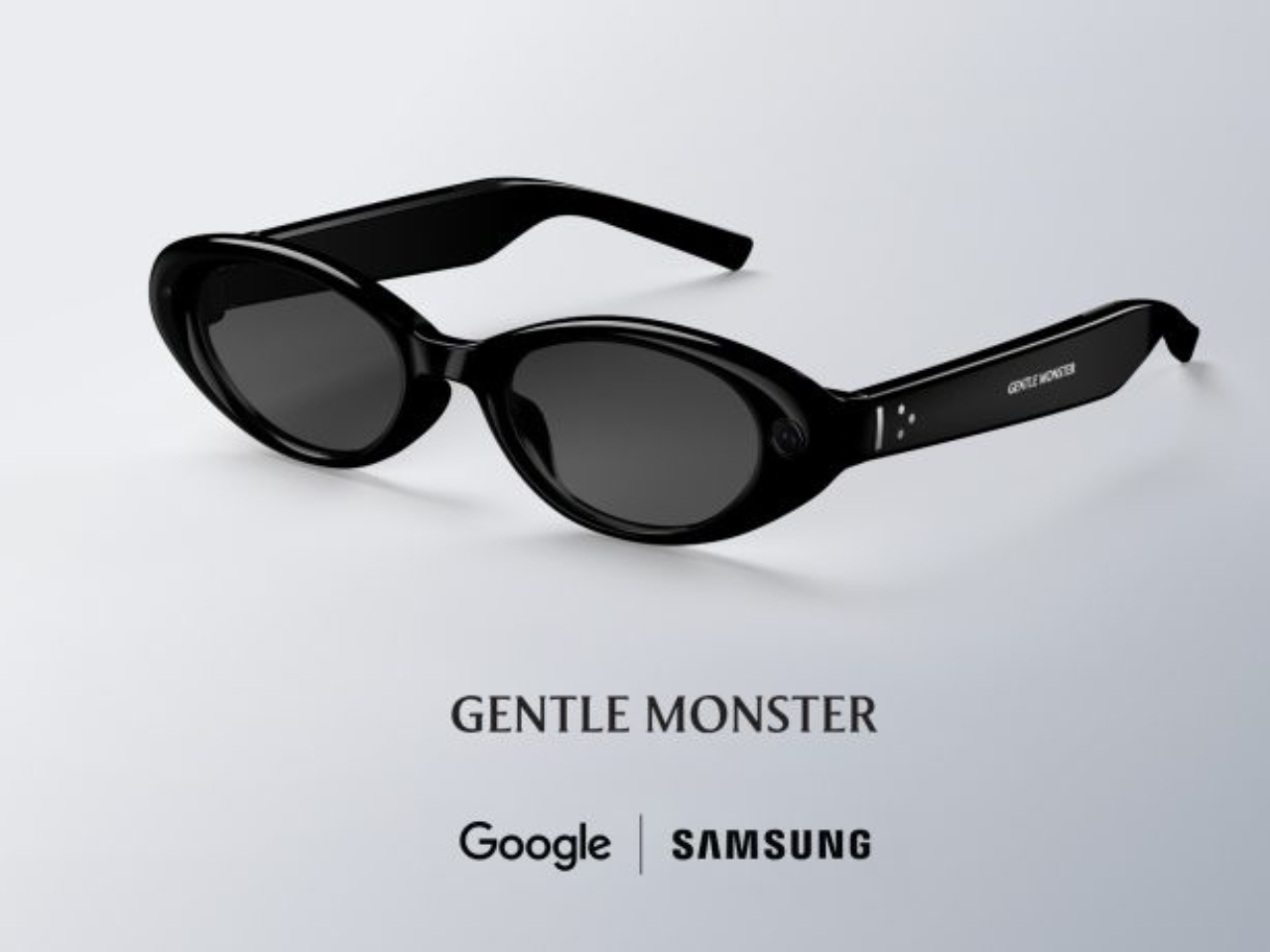
Industrially, the frames read as genuinely wearable. Temple thickness, hinge detailing, and touchpad placement all suggest that someone with a real brief about daily wear and aesthetic integrity was in the room during development. The original Google Glass was technically ambitious and aesthetically alienating, and that gap between capability and wearability became the most expensive lesson in smart glasses history. The Android XR eyewear, at least from what has been shown, appears to have absorbed it.

The fall window is real. Prescriptions, pricing, and the question of what this product is actually called will all arrive before year’s end. But right now, two days out from the reveal, the conversation that Google and Samsung have started feels like the right one. Not what can these glasses do, but who are these glasses for. When the design partners are Gentle Monster and Warby Parker, the answer is already pretty interesting.
The post Google’s Android XR Glasses Pick Gentle Monster and Warby Parker first appeared on Yanko Design.