A $2,699 Gaming PC That Doubles as a Display Case for Figurines

Cables are the dirty secret of PC building. No matter how carefully chosen the components are, or how expensive the case gets, the tangle of power, data, and fan connectors that crisscross the interior of most gaming desktops eventually undermines every effort at a clean aesthetic. The glass side panel that was supposed to show off the build ends up framing a web of wires that even the most diligent cable manager struggles to fully tame.

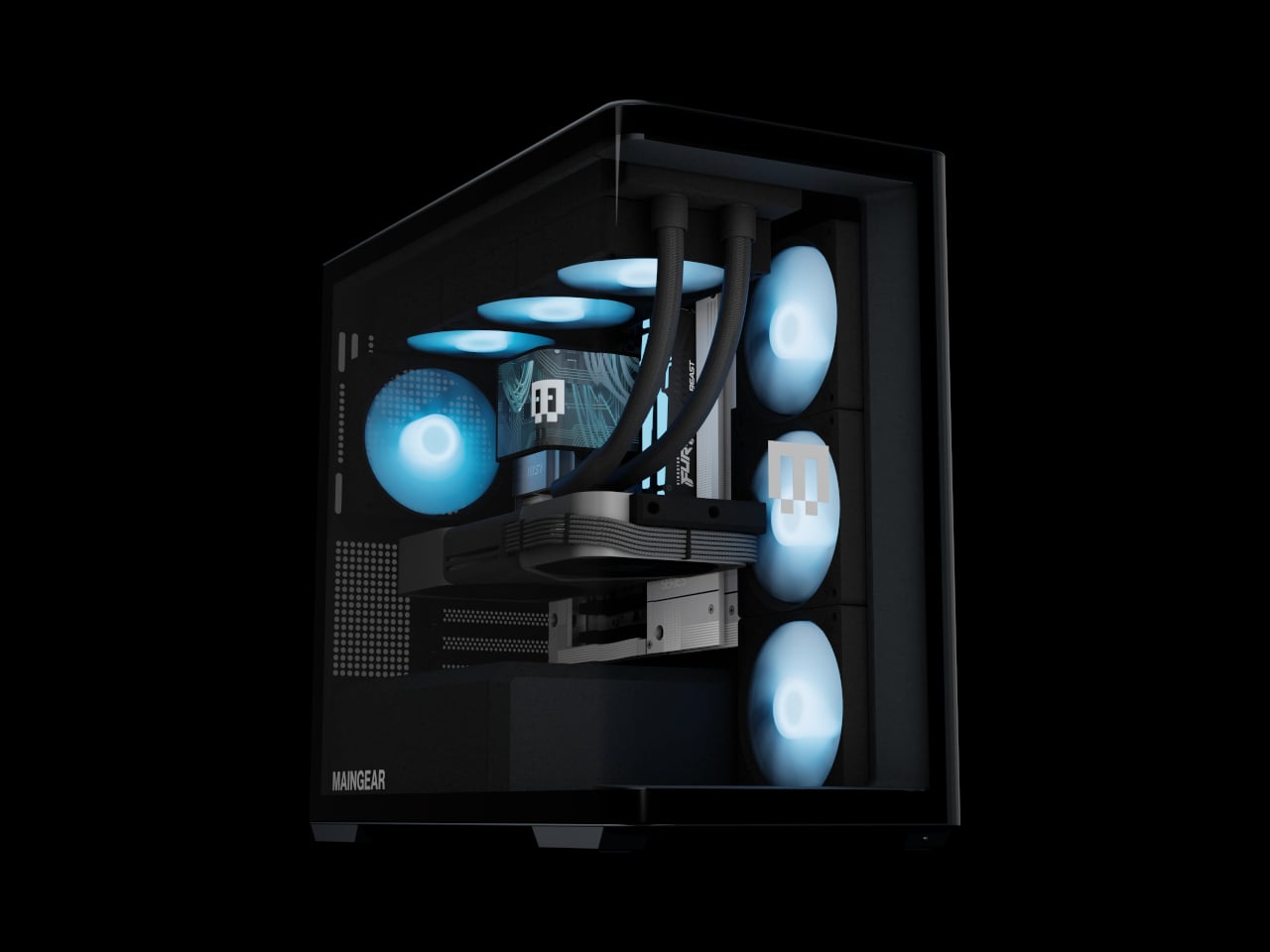
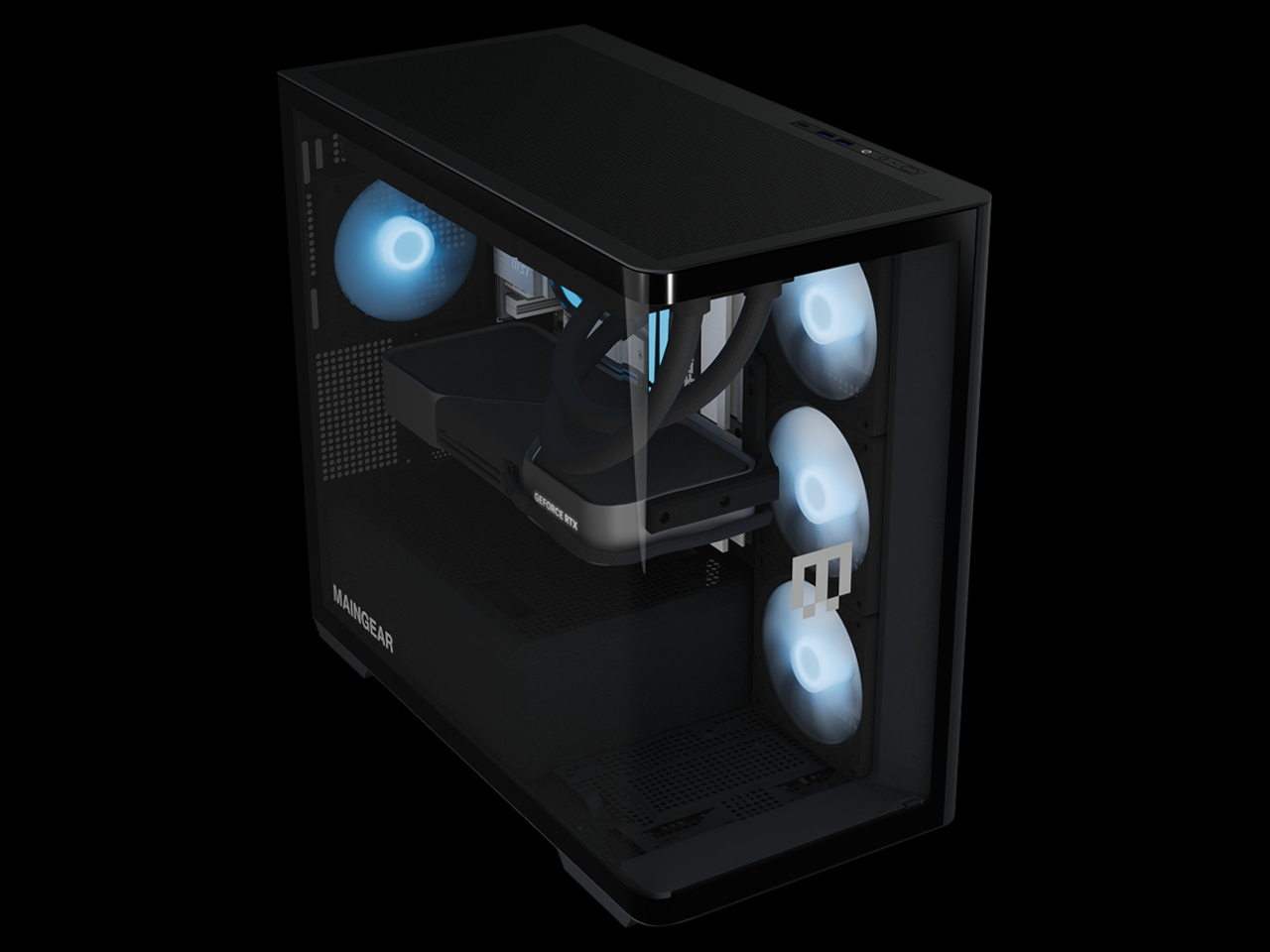
The Maingear Zero treats that problem as the actual design brief. Its patented MG-RC, or Rear Connection, system moves every motherboard connector to the back and underside of the board, clearing the visible interior of cables entirely. Paired with a single, seamless 4 mm tempered glass curve that wraps the front and side of the chassis without a single seam or pillar, the result is a desktop that looks like it has nothing to hide, because it genuinely doesn’t.

Designer: Maingear
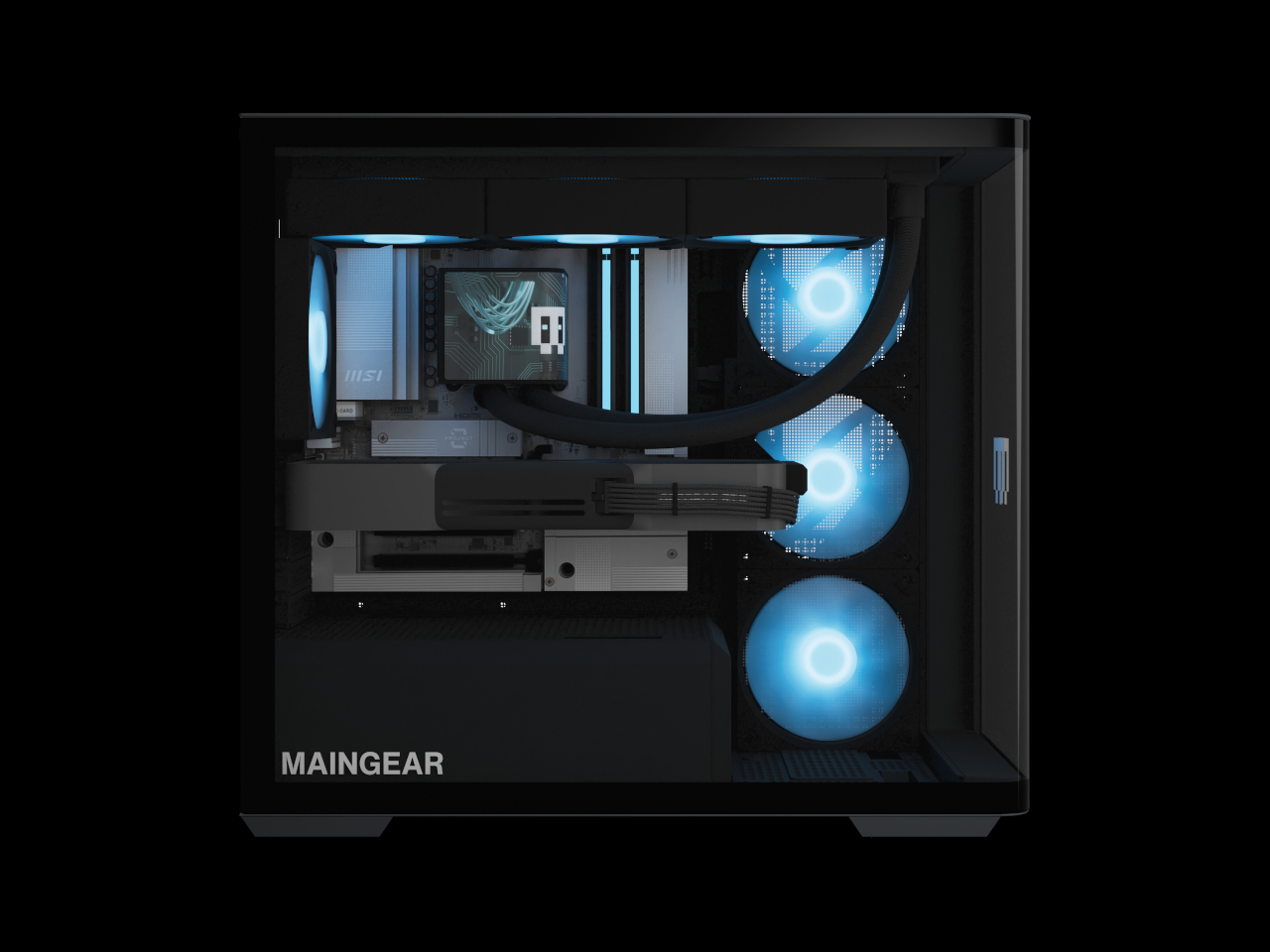
Seven fans work to keep the hardware running at full performance without drawing much attention to themselves. A mix of standard and reverse-blade units pushes cool air in through the front and exhausts it out through a 360mm AIO liquid cooler at the top, all following a single front-to-back airflow path. The reverse-blade intakes are specifically designed so the fan blades themselves don’t interrupt the view through the glass, which is a level of detail that most cases simply don’t think to address.
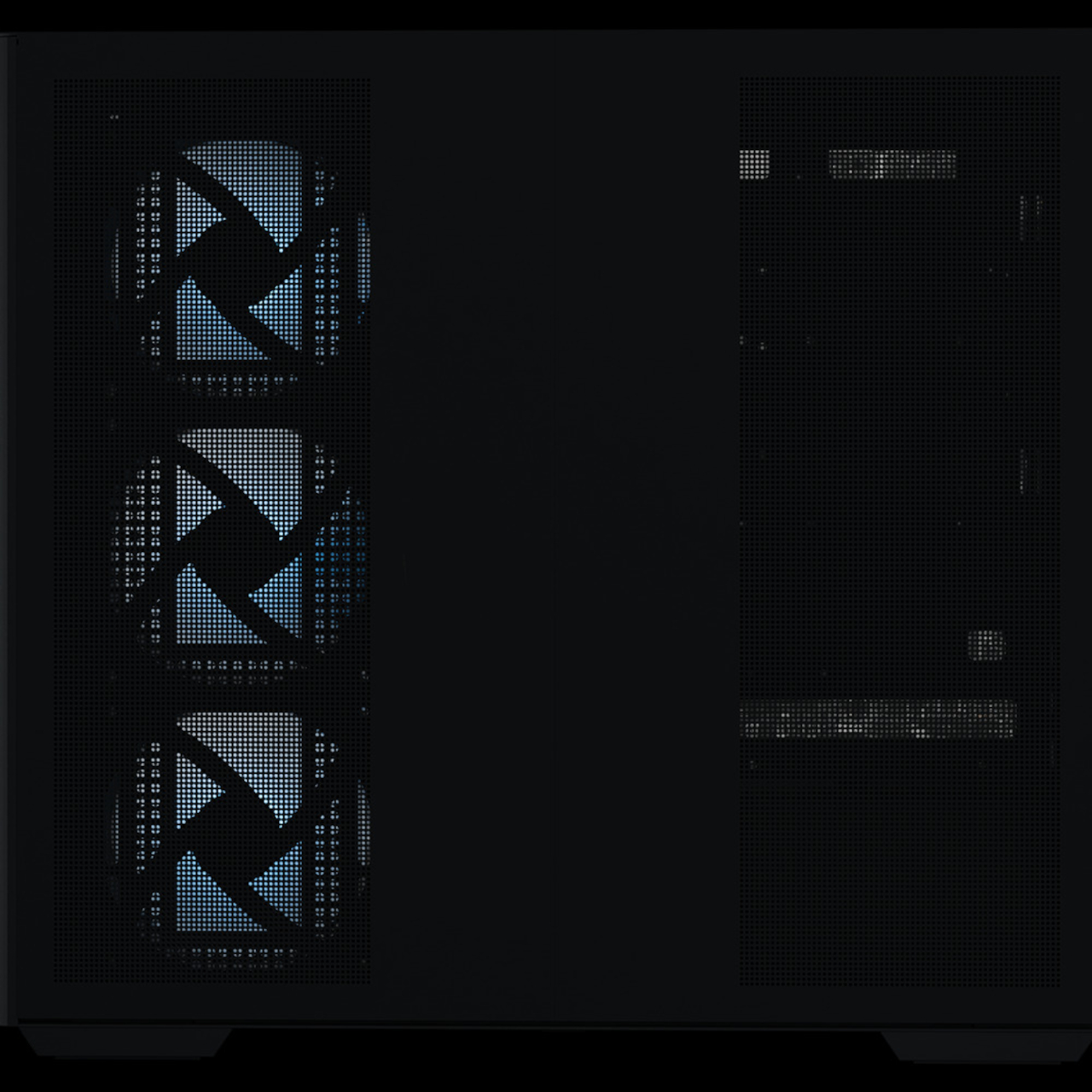
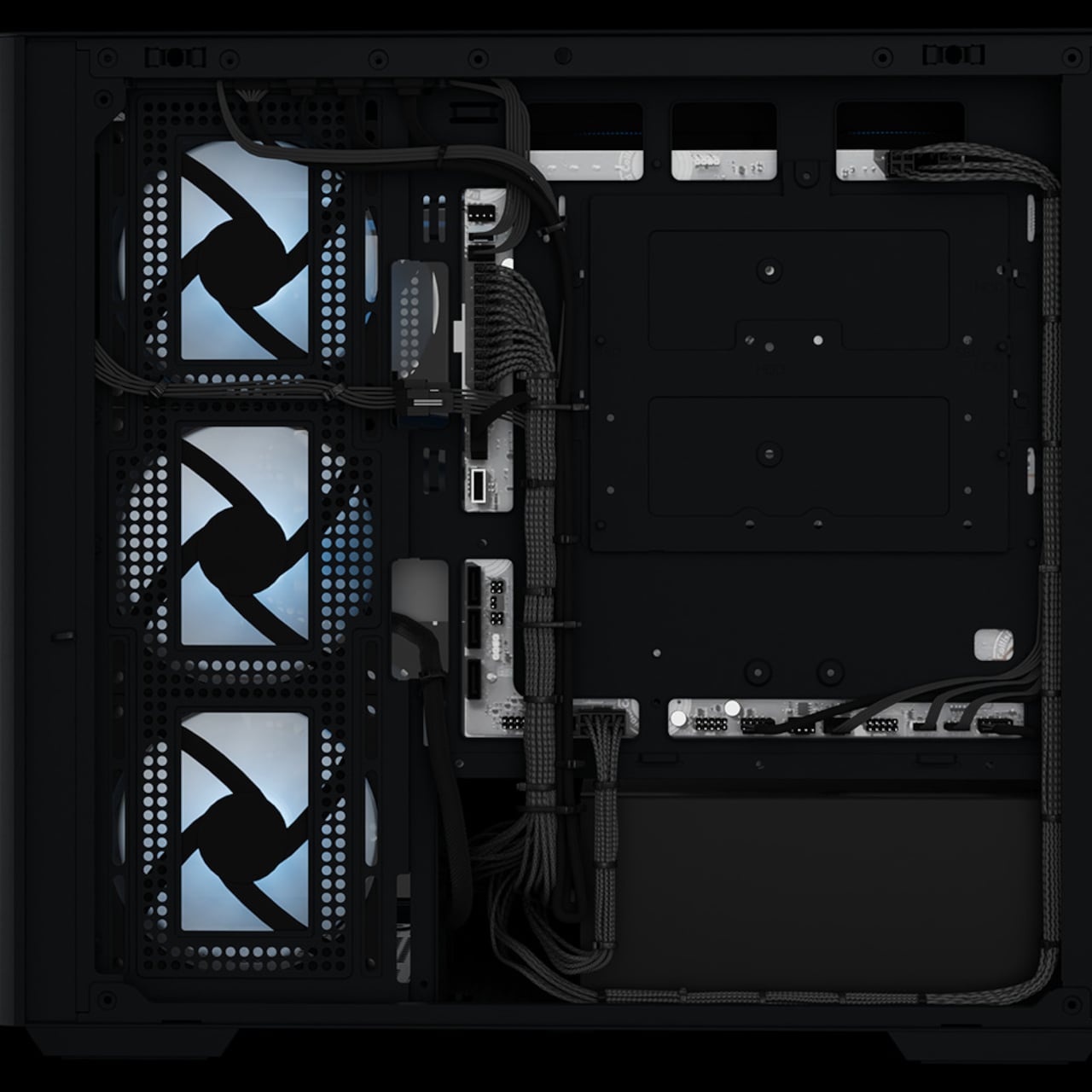
All RGB lighting inside the Zero is diffused rather than sourced from visible diodes, meaning the light saturates the interior without any glowing point of origin to break the illusion. The whole package measures 236mm wide, 421mm tall, and 460mm deep, which is more compact than a traditional mid-tower while still accommodating a full-sized GPU and the 360mm cooler overhead. It doesn’t look like a PC that compromised on size to achieve the aesthetic.
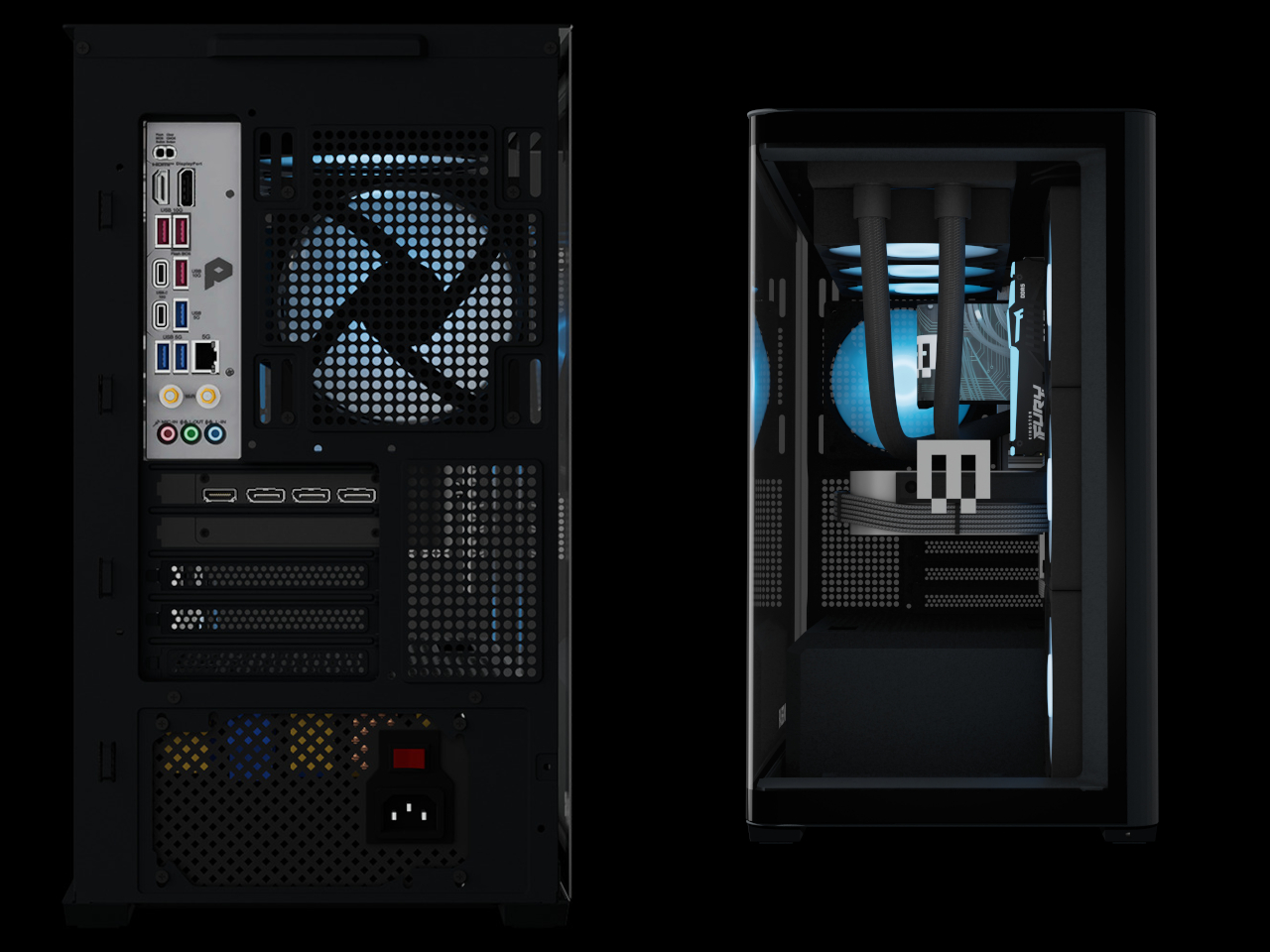
The hardware ceiling is genuinely high. Configurations top out at an NVIDIA GeForce RTX 5090 paired with an AMD Ryzen 7 9850X3D or Intel Core Ultra 7 270K Plus, 32GB of DDR5 memory, and a 2TB NVMe SSD. The chassis uses standardized mATX components throughout, with no proprietary parts, so future upgrades don’t require a trip back to the manufacturer.
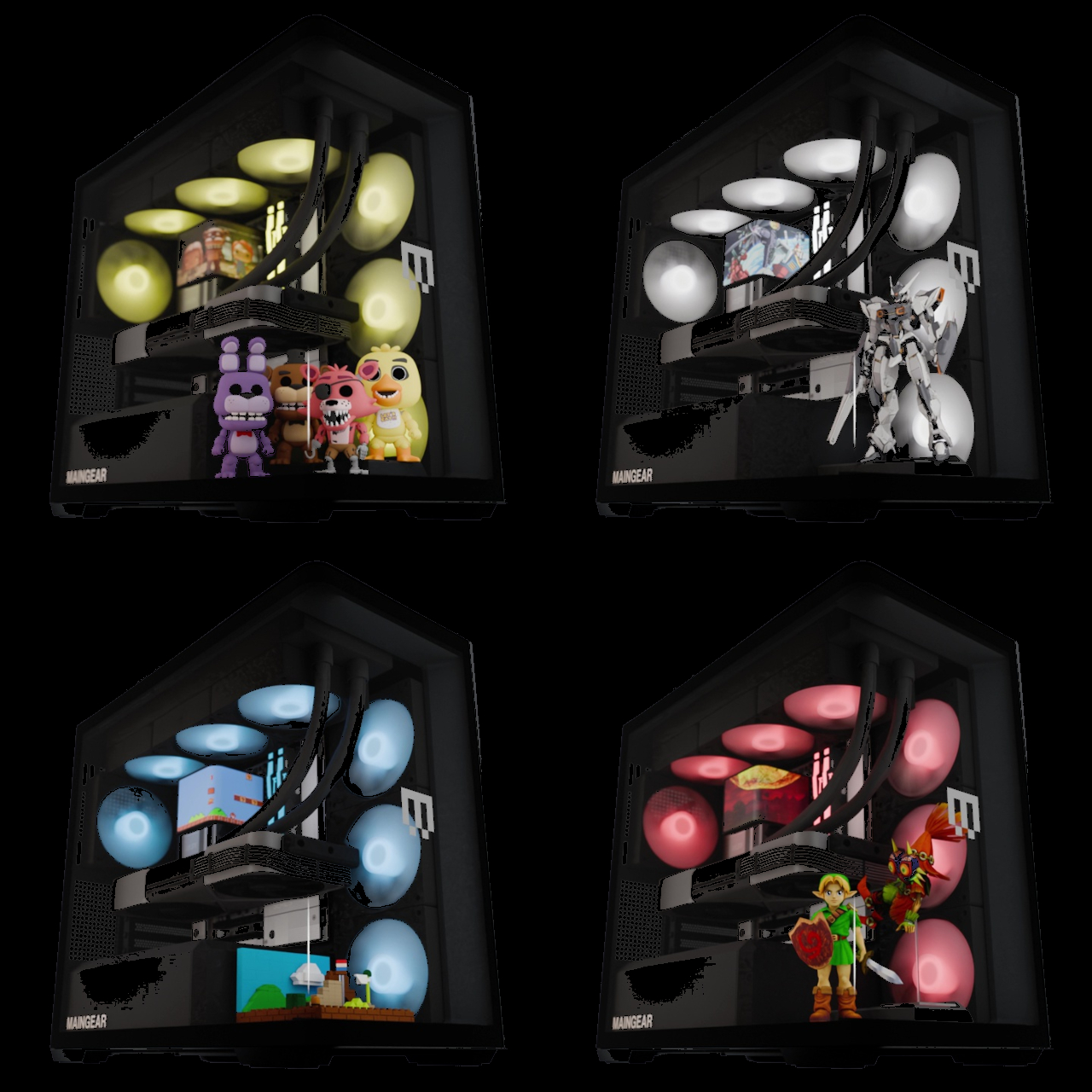
Beyond the hardware, the Launch Edition adds a pair of tool-free snap-in display stands inside the chassis, one for figurines and one for brick builds. The stands sit inside the case floor where passive airflow keeps whatever’s displayed inside dust-free. It’s the kind of feature that turns the interior from a hardware showcase into something closer to a display cabinet, which only makes sense given how much effort went into eliminating everything else that wasn’t worth looking at.

Every system is hand-built in New Jersey and ships with no bloatware pre-installed. Pricing starts at $2,699 for the base configuration, with the top-end Launch Edition Champion reaching $6,799. Built around the premise that nothing inside should be hidden, the Zero demonstrates how the best-looking gaming PC doesn’t have to sacrifice anything to get there.
The post A $2,699 Gaming PC That Doubles as a Display Case for Figurines first appeared on Yanko Design.


Apple Delaying iOS 27 Beta 5? Here’s When to Expect the Next Update

Apple Delaying iOS 27 Beta 5? Here’s When to Expect the Next Update A smartphone screen displaying the iOS 27 software update pending installation.

Apple’s development of iOS 27 has taken an unexpected turn, with delays in the release of developer beta 5 and public beta 3. This deviation from the usual two-week release cycle has generated significant interest among developers and users. Meanwhile, Apple is gearing up for its highly anticipated in-person iPhone event, expected to occur in […]

The post Apple Delaying iOS 27 Beta 5? Here’s When to Expect the Next Update appeared first on Geeky Gadgets.

Posted in Uncategorized

Even G2 Smart Glasses Cut Screen Time with an Aircraft-Style HUD

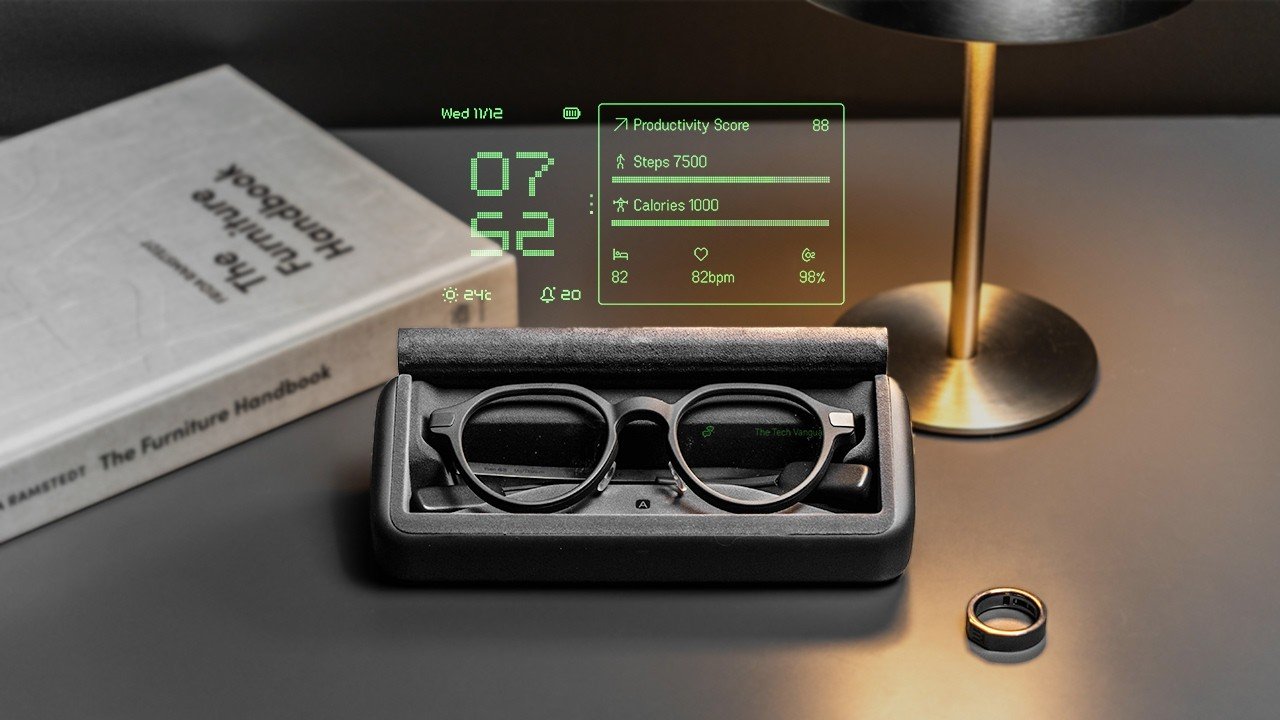
Even G2 Smart Glasses Cut Screen Time with an Aircraft-Style HUD A person wearing the lightweight Even G2 smart glasses outdoors.

The Even G2 smart glasses aim to reduce smartphone dependency by blending functionality with minimalist design. According to ark.curate, these glasses feature real-time translation and essential notifications, offering practical support for everyday tasks. Weighing just 36 grams and constructed from magnesium alloy and titanium, they are lightweight yet durable, with prescription-compatible lenses that project information […]

The post Even G2 Smart Glasses Cut Screen Time with an Aircraft-Style HUD appeared first on Geeky Gadgets.

Posted in Uncategorized

iOS 27 Code Drops the Biggest Hint Yet About a Foldable iPhone Ultra

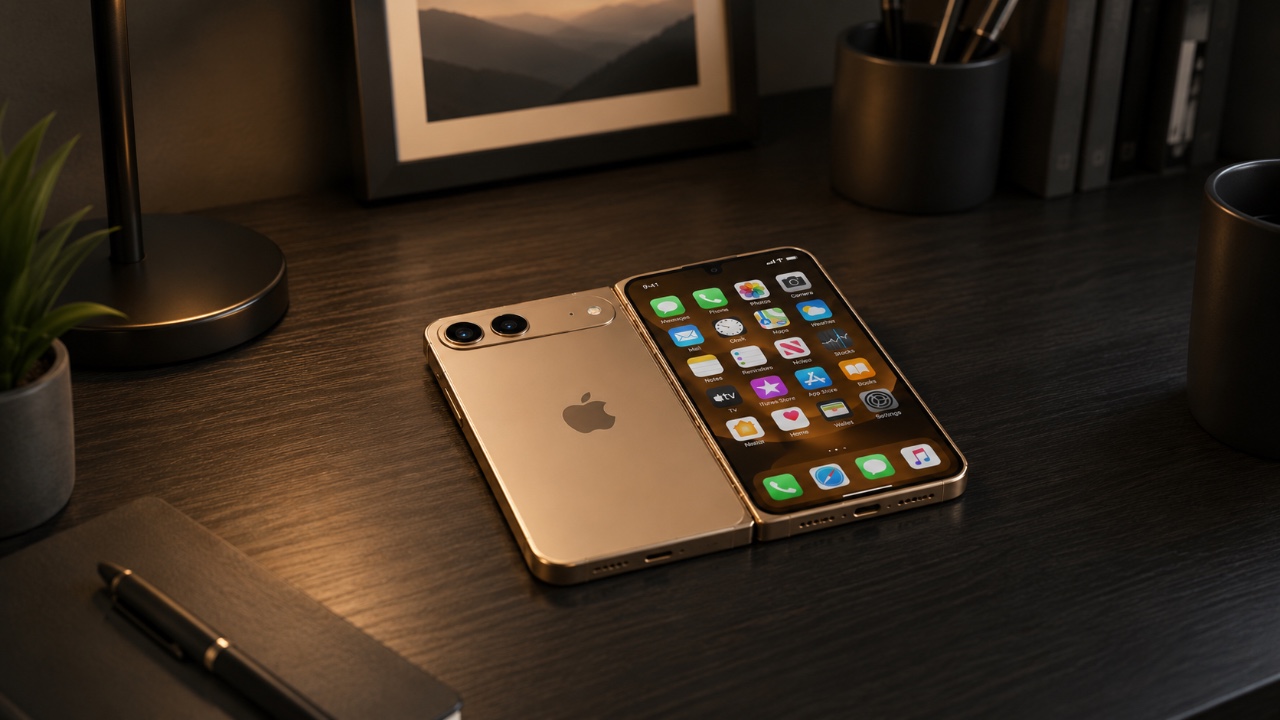
iOS 27 Code Drops the Biggest Hint Yet About a Foldable iPhone Ultra Foldable iPhone Ultra

Apple appears to be preparing for a significant evolution in its smartphone lineup. Recent findings within the iOS 27 beta software strongly suggest that the company is developing a foldable iPhone, potentially named the iPhone Ultra. These discoveries, which include references to foldable hardware support, indicate that Apple is positioning itself to enter the foldable […]

The post iOS 27 Code Drops the Biggest Hint Yet About a Foldable iPhone Ultra appeared first on Geeky Gadgets.

Posted in Uncategorized

Google Launches Gemini Study Notebooks for Free AI Tutoring

Google Launches Gemini Study Notebooks for Free AI Tutoring The Gemini Study Notebooks dashboard showing personalized learning progress.

Google has launched a new feature within its Gemini app called “Gemini Study Notebooks,” offering free, AI-driven tutoring for anyone with a Google account. This initiative focuses on making personalized education more accessible by addressing challenges like cost and limited resources. According to The AI Advantage, the platform provides tailored study plans and adapts to […]

The post Google Launches Gemini Study Notebooks for Free AI Tutoring appeared first on Geeky Gadgets.

Posted in Uncategorized

Apple Watch Series 12 Leak Hints at a Massive Battery Upgrade

Apple Watch Series 12 Leak Hints at a Massive Battery Upgrade A rendering of the rumored Apple Watch Series 12 worn on a wrist

The Apple Watch Series 12 is poised to deliver notable advancements in the smartwatch market. While its external design may retain the familiar aesthetic, the focus on performance, battery life, health tracking, and user experience positions it as one of Apple’s most refined wearables to date. Here’s a closer look at what to expect and […]

The post Apple Watch Series 12 Leak Hints at a Massive Battery Upgrade appeared first on Geeky Gadgets.

Posted in Uncategorized

Samsung Galaxy Z Fold 8, Galaxy Z Fold 8 Ultra vs Galaxy S26 Ultra

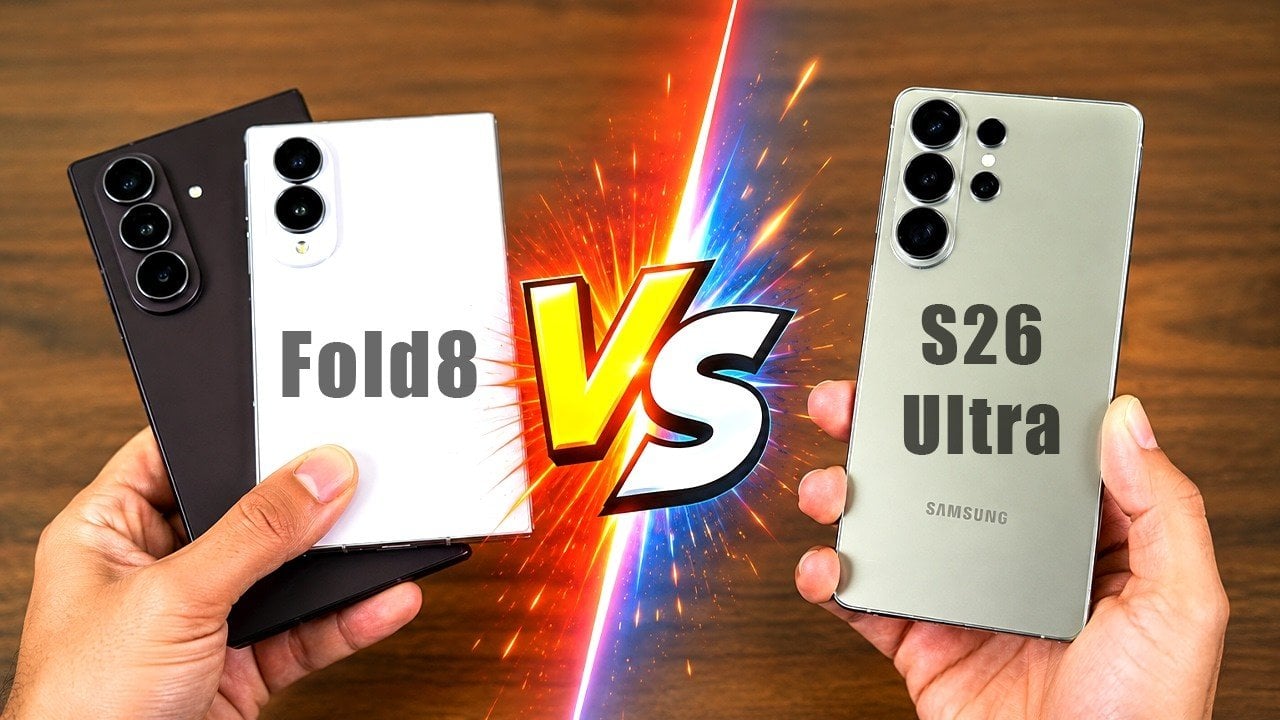
Samsung Galaxy Z Fold 8, Galaxy Z Fold 8 Ultra vs Galaxy S26 Ultra Side-by-side comparison of the Samsung Galaxy Z Fold 8 and S26 Ultra.

Samsung continues to push the boundaries of smartphone technology with the release of the Galaxy Z Fold 8 and Z Fold 8 Ultra. These foldable devices aim to redefine mobile experiences by blending the functionality of a smartphone and a tablet. For Galaxy S26 Ultra users, Samsung’s enticing $1,200 trade-in offer makes the decision to […]

The post Samsung Galaxy Z Fold 8, Galaxy Z Fold 8 Ultra vs Galaxy S26 Ultra appeared first on Geeky Gadgets.

Posted in Uncategorized

A Coin-Sized Disc Just Reinvented the Multi-Tool Nobody Could Fix

The multi-tool has been around long enough that most people have developed a frustrated relationship with it. You carry one because having a blade, a screwdriver, and a bottle opener in one place sounds practical, and then you grumble when you actually need something. Getting to the right tool means prying at a tightly packed frame with both hands, and that dynamic hasn’t changed much in decades.

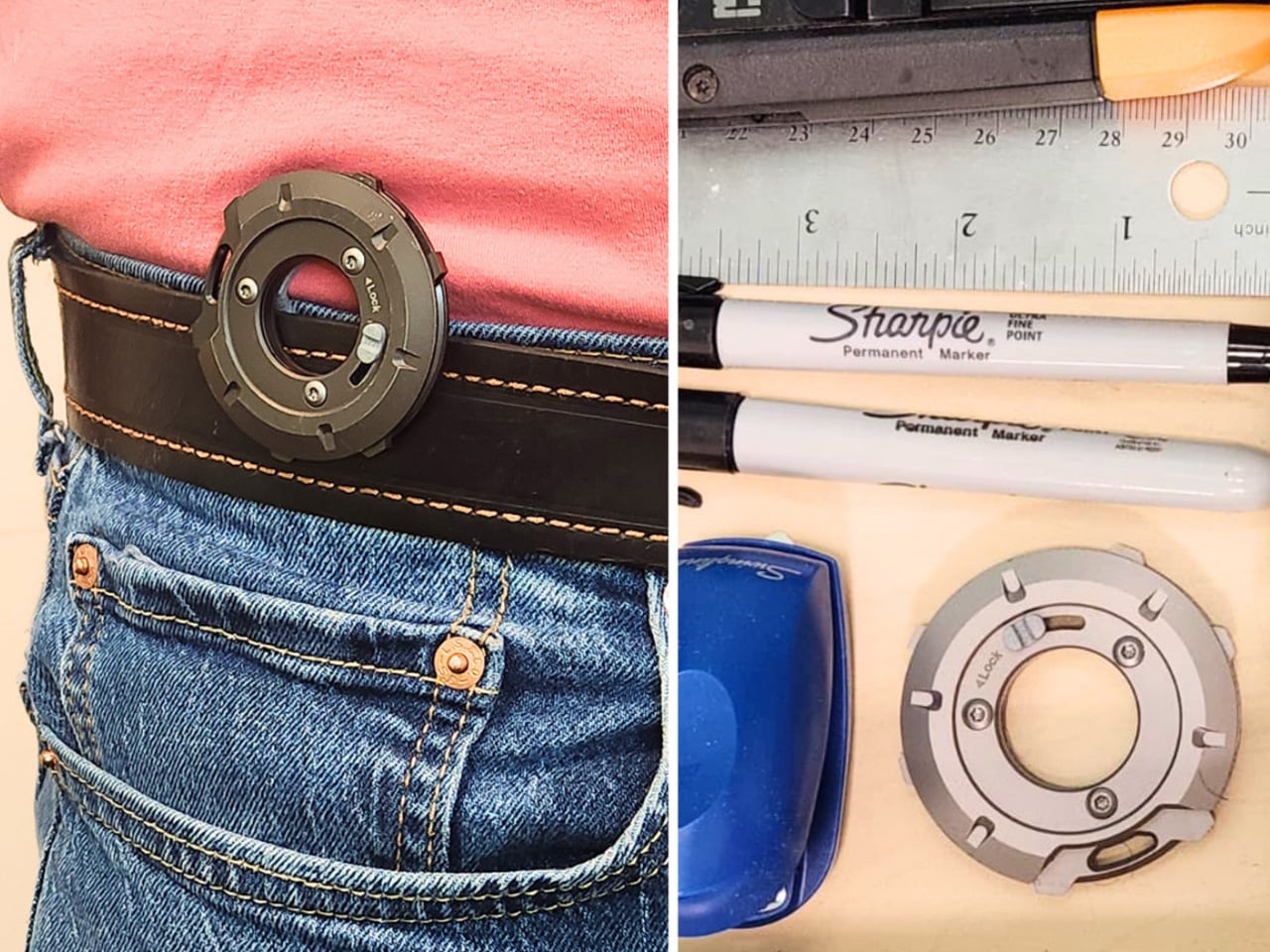
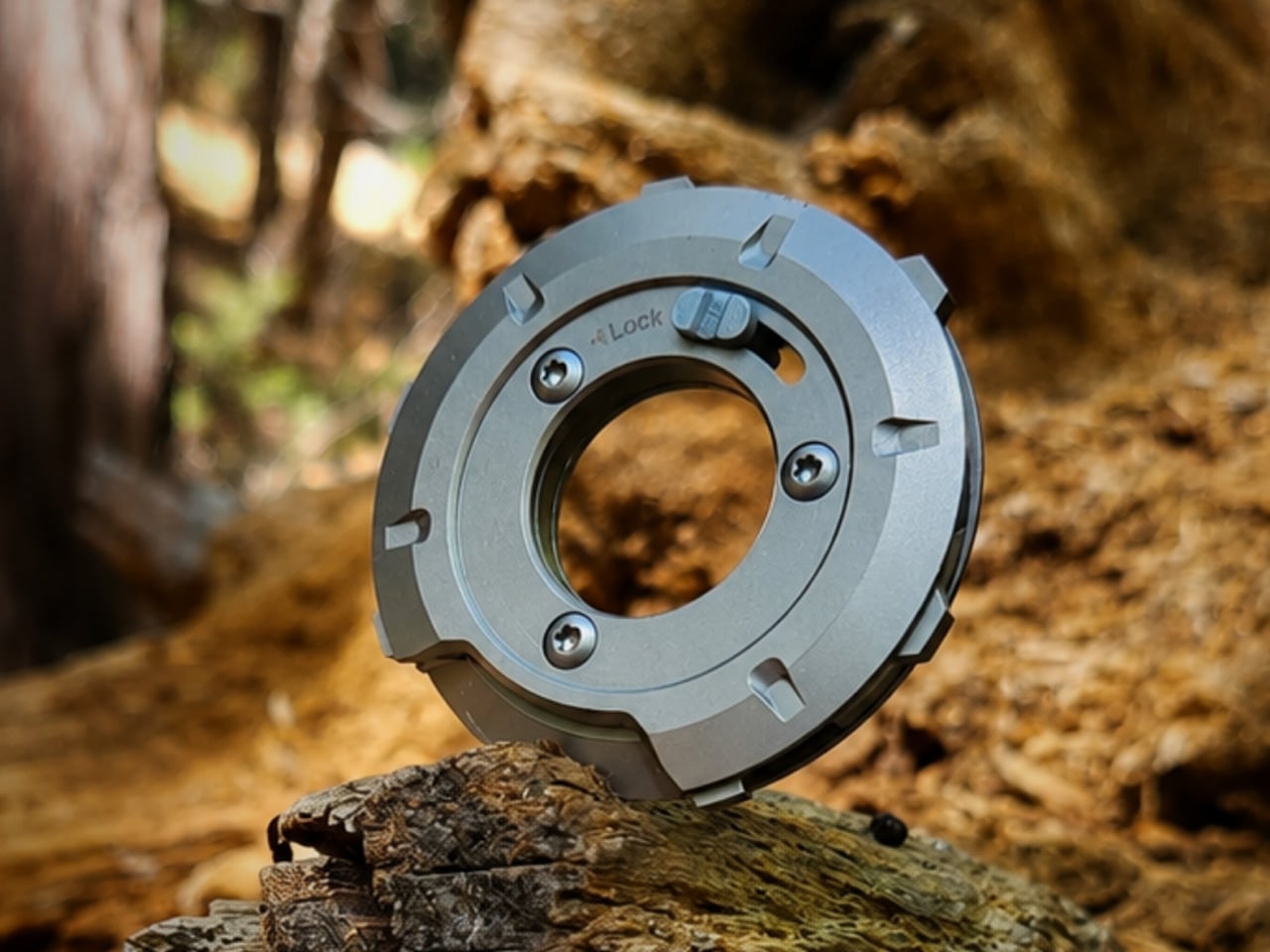
GEO, designed by Invento Design, takes issue with that familiar frustration. Rather than folding tools out from a layered frame, it uses a patent-pending rotating disc mechanism that cycles through five tools, exposing each one through a single opening. It’s a deceptively simple reframing of an old idea, and one that makes you wonder why nobody had taken this approach before.

Designer: Francisco Molina (Founder of Invento Design)

Click Here to Buy Now: $45 $70 (36% off). Hurry, only a few left!

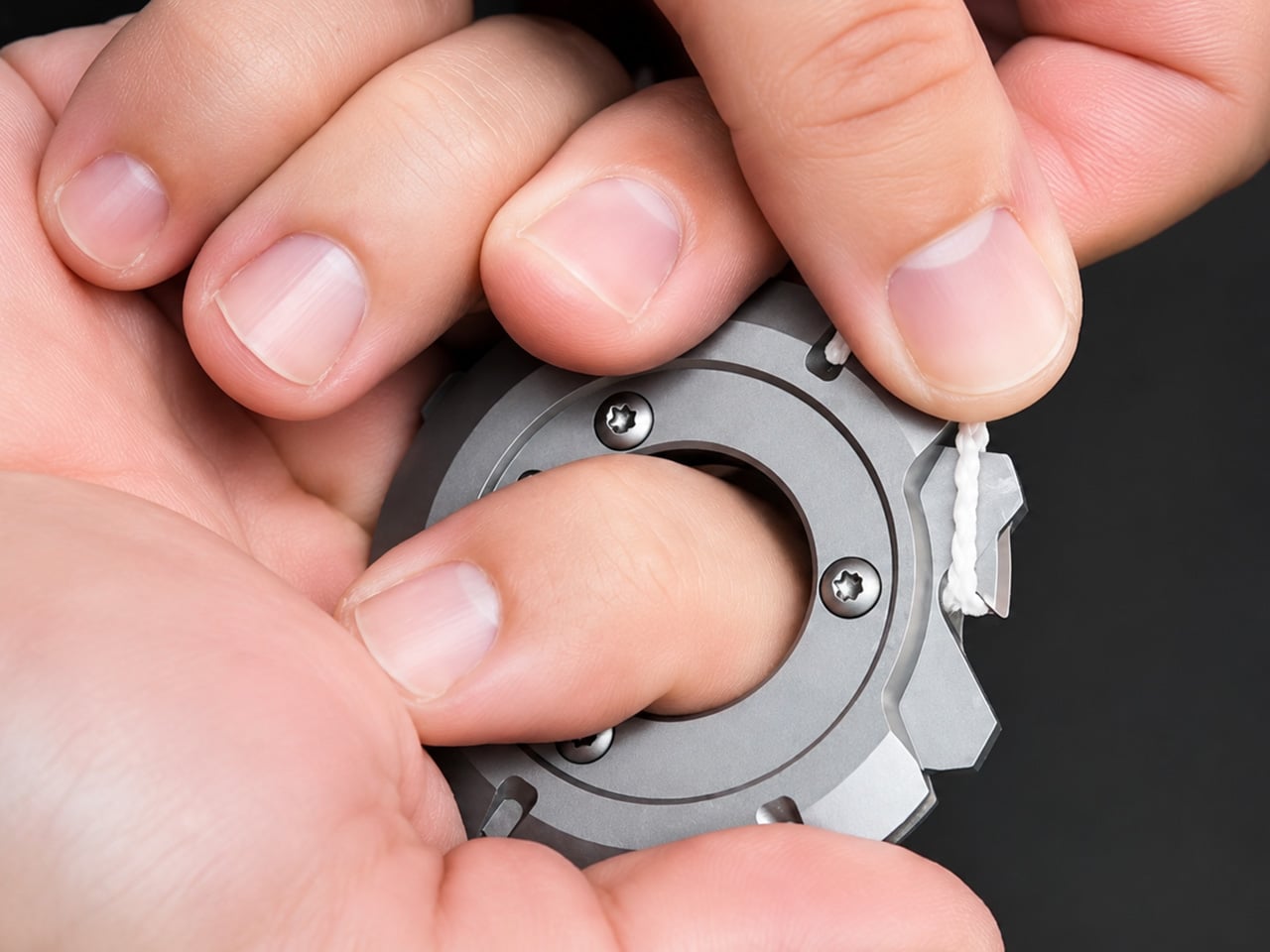
The way it works is fairly intuitive. Outer index levers let you rotate the internal mechanism until the tool you want lines up with the access window. A sliding lock then holds the selected tool in position before you start. The whole operation happens in one hand, without setting anything down first or needing a second hand to hold the frame steady.

The five tools cover a surprisingly practical range of everyday needs. You’d reach for the blade and scraper when a label refuses to peel cleanly, the box opener when a taped-up package isn’t cooperating, the bottle opener at the end of a long day, the flathead driver for a loose screw or a stubborn paint can lid, and the string cutter when scissors aren’t anywhere nearby.

Carrying something with a blade in your pocket raises the obvious question of what happens when it isn’t in use. GEO handles this with a dedicated safety mode, a neutral rotational position where no edges are exposed. The sliding lock serves a separate purpose, preventing the mechanism from turning mid-task. Together, they make it safe enough to pocket, clip to a belt, or drop into a bag.

The form factor makes carrying it a fairly easy decision. At 53.5mm in diameter and only 8.7mm deep, GEO lands somewhere between a large coin and a watch face. The integrated belt clip adds some depth but keeps the total thickness under 15mm. It fits in a jeans pocket, clips to a gear bag, or disappears into a drawer without demanding much space.

There’s something worth noting about how it actually feels to use, too. The rotation isn’t purely functional but also incredibly satisfying. Each position clicks into place with enough tactile feedback that you know exactly where you’ve landed, and the smooth lever action makes it oddly enjoyable to cycle through even when nothing needs doing. It tends to stay in your hand a bit longer than the task requires.

The construction does a good job of reinforcing the premise. GEO’s tool body is milled from 440C stainless steel hardened to 57–59 HRC, placing it in the same material territory as quality kitchen blades. Cover panels come CNC-machined from either 6061-T6 aluminum or Grade 5 titanium, with internal hardware in 304 stainless steel throughout, a quietly serious specification for something this compact.

GEO isn’t meant to replace the full-size tools sitting in workshop drawers or on a fully loaded belt. It’s better understood as something for the other moments: the stubborn tape, the loose screw, the cord that needs a clean cut. Its compact, circular form makes it easy enough to keep close that reaching for it becomes the natural first move rather than an afterthought.

Click Here to Buy Now: $45 $70 (36% off). Hurry, only a few left!

The post A Coin-Sized Disc Just Reinvented the Multi-Tool Nobody Could Fix first appeared on Yanko Design.
Nothing killed the Glyph Interface. This Teenage Engineering synth concept argues that was a mistake

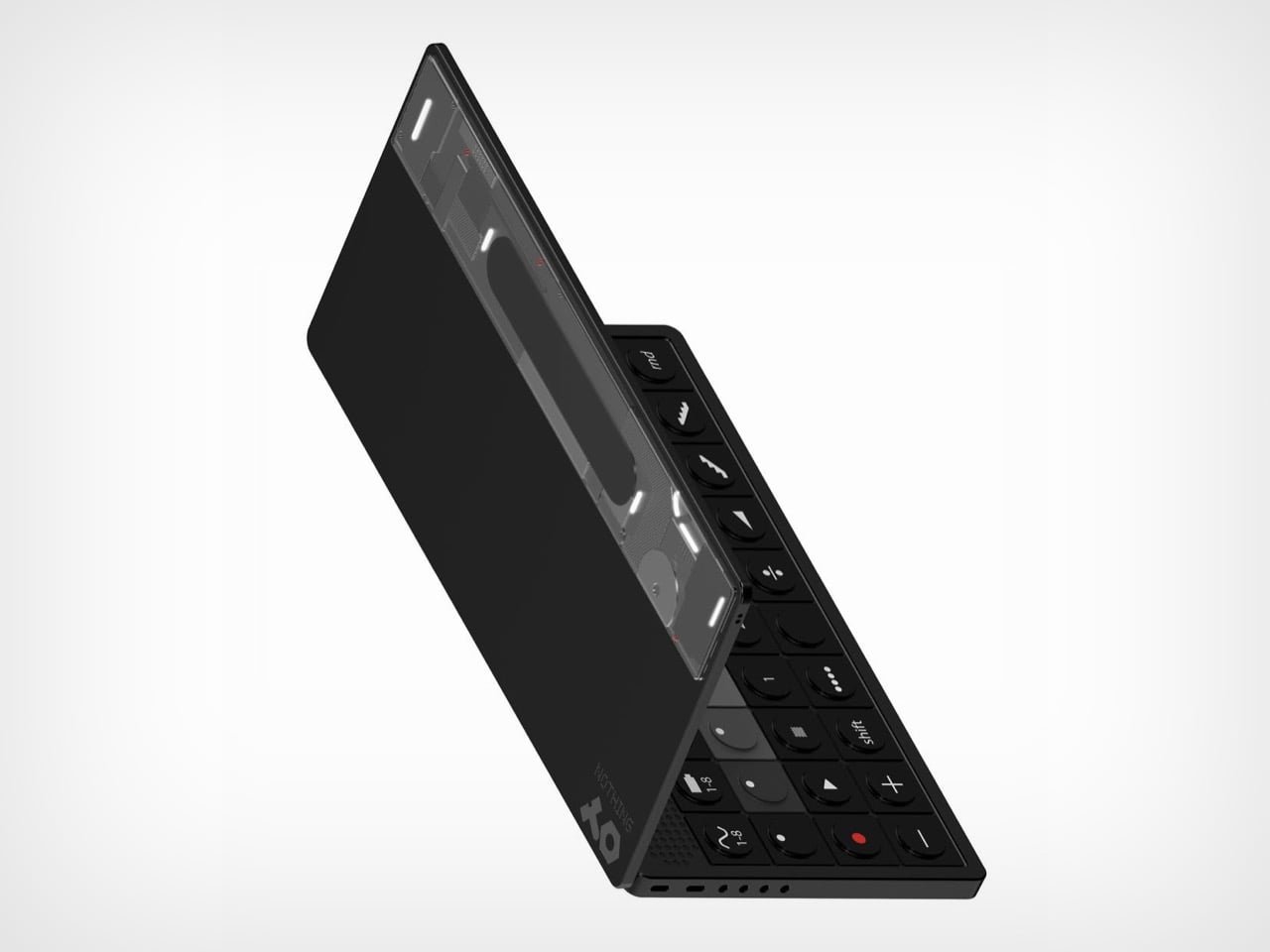
Nothing spent three phone generations convincing us that a few light strips on the back of a device counted as a personality. The Glyph Interface was the whole brand in one gesture, a Morse code of notifications you could read with the phone face-down on a bar table. Then Phone (3) arrived in July 2025 with the Glyph Matrix instead, a small dot matrix circle tucked in the corner, and the comment sections held a funeral. “NO GLYPH” became the shortest and angriest review of the year. Which makes it pretty funny that the most convincing argument for reviving that light language has come from a fan concept for a synthesizer.

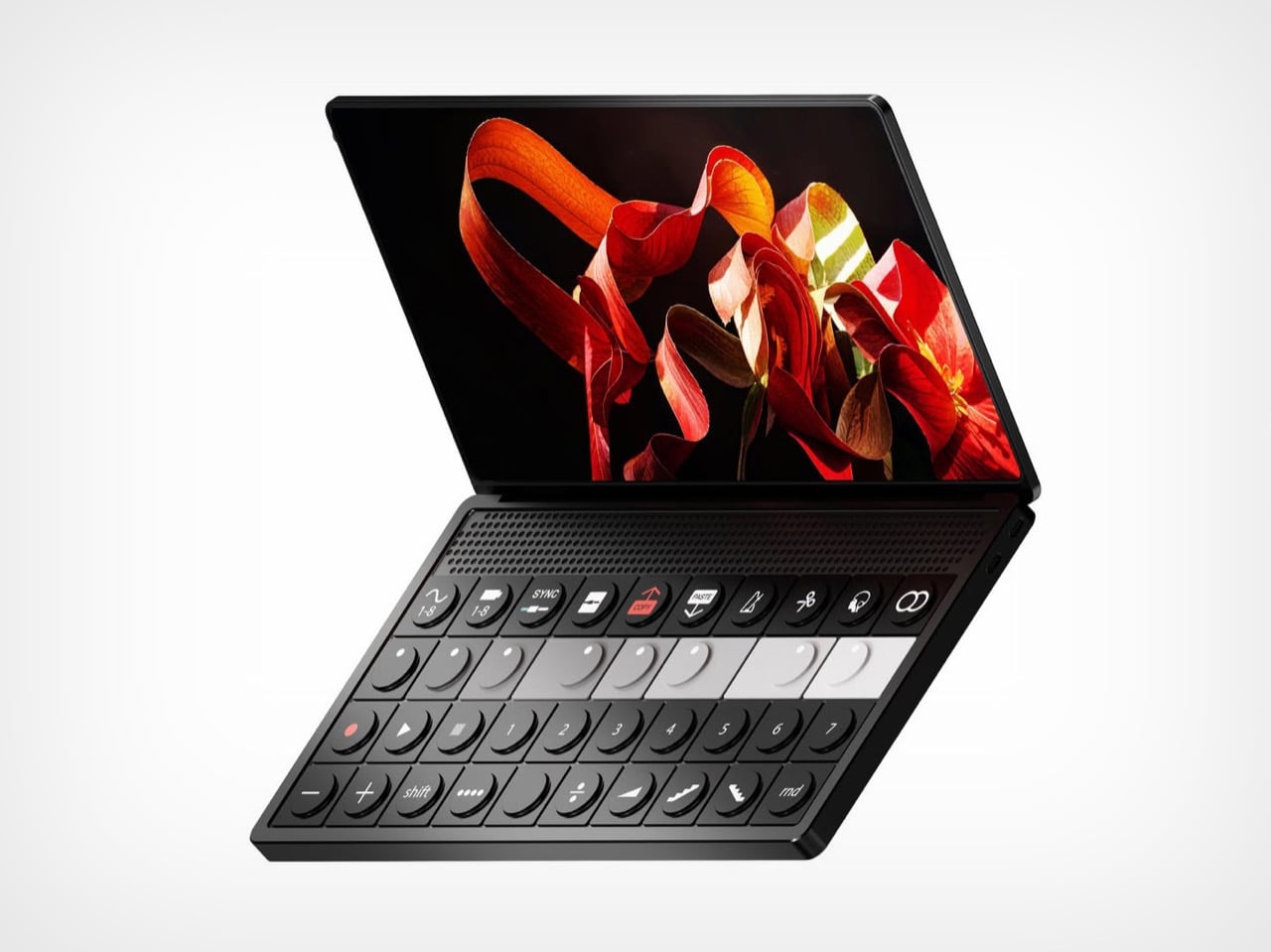
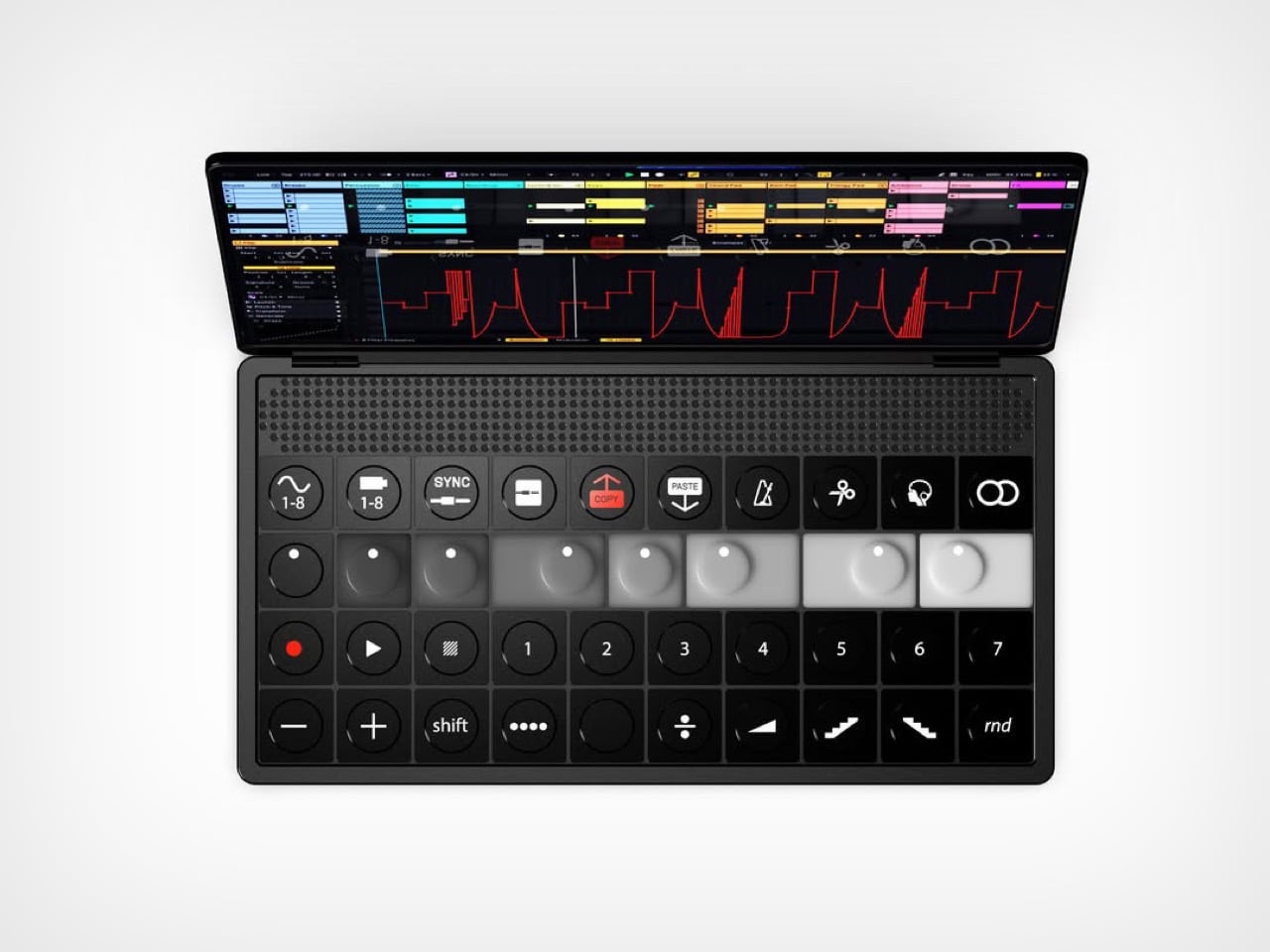
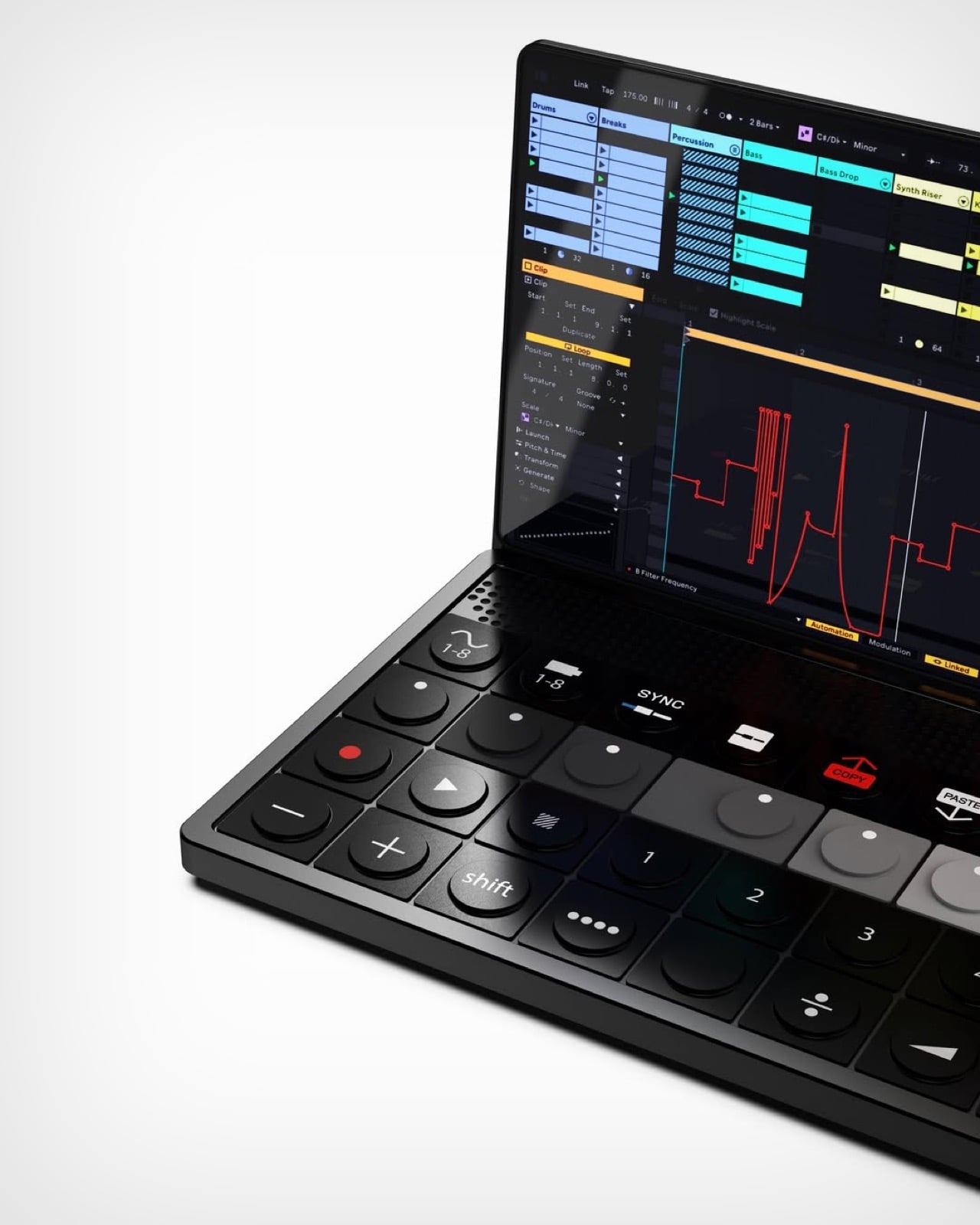
Abdelrahman Shaapan’s Mini OP-3 wraps a semi-transparent rear panel around a compact synth, with LED effects and dynamic graphics that pulse along to whatever you’re playing. Flip it over and the front is pure Teenage Engineering, a clamshell with a touchscreen lid and a control deck of encoders, transport keys, numbered pattern buttons, and one red COPY key doing a lot of emotional labor. Shaapan calls the project an exercise in translating the design DNA of both brands into a single object. He also added a charm attachment point on the screen corner, because it is 2026 and everything needs a little guy hanging off it. The pitch is a smaller OP that keeps you off your laptop during production and live sets.

Designer: Abdelrahman Shaapan

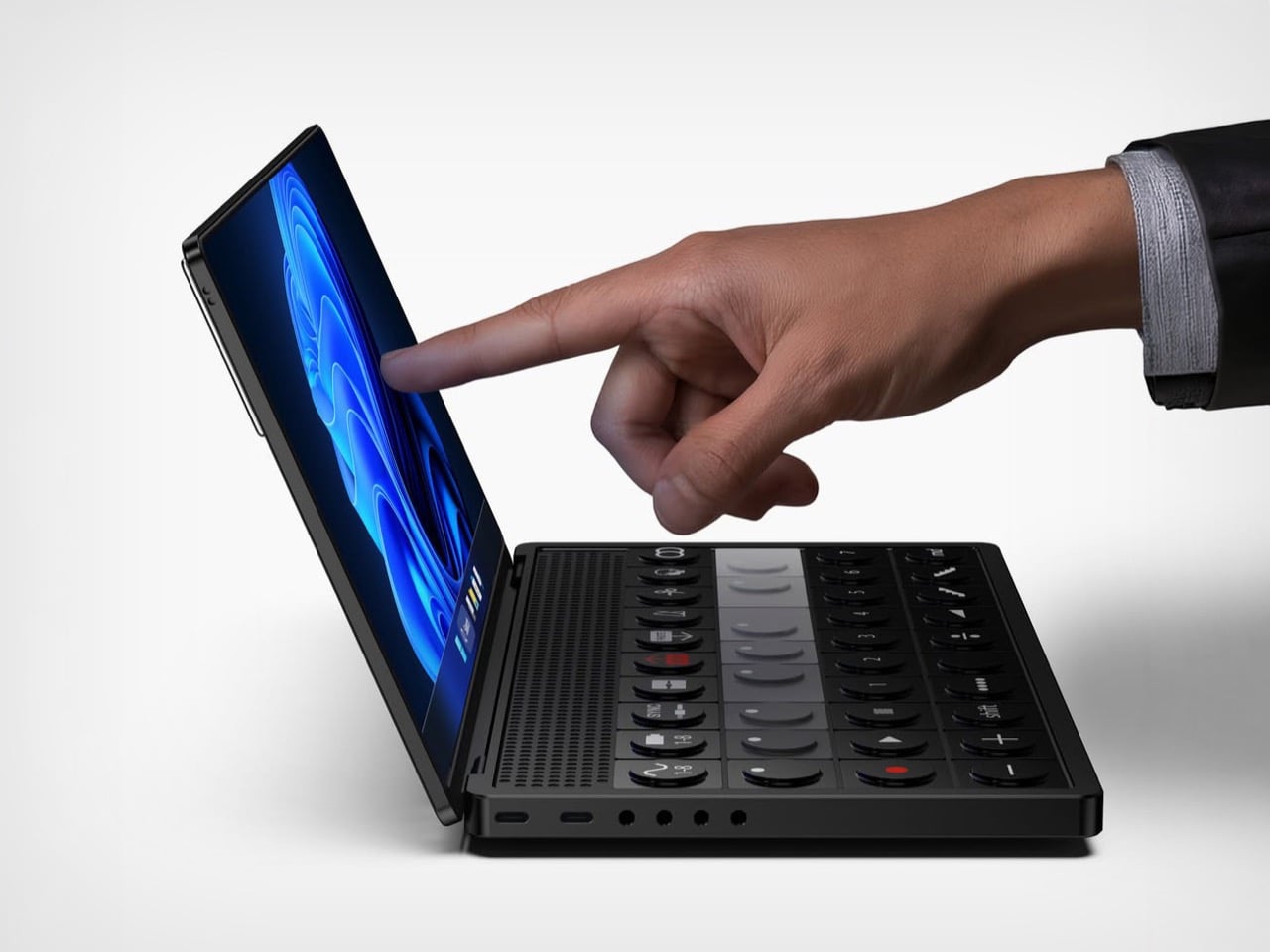
Ten function keys run across the top of the deck, covering waveform and tape banks, sync, split, copy, paste, metronome, scissors, monitoring, and loop. Below them sit eight encoders arranged in a greyscale gradient from black to white, which is the single most OP-1 gesture available to any designer working in this language. A transport row follows with record, play, and numbered pattern keys, then a modifier row carrying shift, divide, ramp, and a random button. The hinge hides a perforated speaker band, and the front edge packs two USB-C ports beside four 3.5mm jacks. Every control is round, tactile, and spaced like it expects to be hit fast in a dark room.

Nothing built its identity on light as an interface, then retired it on the Phone (3) in favour of a dot matrix that most owners still describe as a downgrade. Shaapan’s rear panel puts that language back to work, running LED effects and dynamic graphics that respond to your audio in real time. On a phone, reactive lighting was always slightly decorative, a party trick for incoming calls and little else. On an instrument, it has an actual job, giving you a visual read on your track from across a stage or a crowded studio. Relocating the Glyph to the one product category where it earns its keep is a sharper piece of brand analysis than most fan concepts manage.

Shaapan rendered the whole thing in KeyShot. The soft-touch black body, the subtle sheen on the encoder caps, and that partially translucent rear panel with internals showing through all read as convincingly manufacturable rather than aspirational. The charm attachment point is the detail I keep coming back to, since TE has always sold straps and cases as identity objects and phone charms are having a genuine cultural moment. We covered a Teenage Engineering DJ console concept a couple of years back, and this one clears that bar comfortably. The presentation is good enough to be mistaken for a leak.

One thing undercuts the pitch. Shaapan says the goal was minimizing laptop dependence, but three renders show Ableton Live running on the touchscreen, which means the device became a laptop instead of replacing one. Ableton’s own Push 3 already solves the standalone problem and charges around two thousand dollars for it. That gap between the stated intent and the renders is the part a real product team would have to close first. Everything else here, though, is a better Nothing product than Nothing’s last one.

The post Nothing killed the Glyph Interface. This Teenage Engineering synth concept argues that was a mistake first appeared on Yanko Design.