Japanese Designer Built Furniture With No Glue or Screws

Most furniture is held together by things you can’t see. Mortise-and-tenon joints, steel brackets, wood glue applied in generous amounts before being clamped overnight. The craft of traditional joinery is genuinely impressive, and furniture historians will rightly tell you it’s one of the oldest engineering feats in human history. But a Japanese designer named Tact Inoue just asked a simple question: what if you didn’t need any of that?

His answer is Mocky, a furniture series that throws out conventional joinery entirely and replaces it with heat, pressure, and the natural behavior of a material most people walk past every day without a second thought.

Designer: Tact Inoue
The material in question is artificial wood, specifically the kind composed of wood flour and resin, commonly used in outdoor decking. It’s not a glamorous material by any stretch. You’ve probably seen it on a boardwalk, a backyard patio, or a poolside deck. It blends in, does its job, and gets credited with being “low maintenance.” Tact Inoue looked at that material and saw something different entirely.
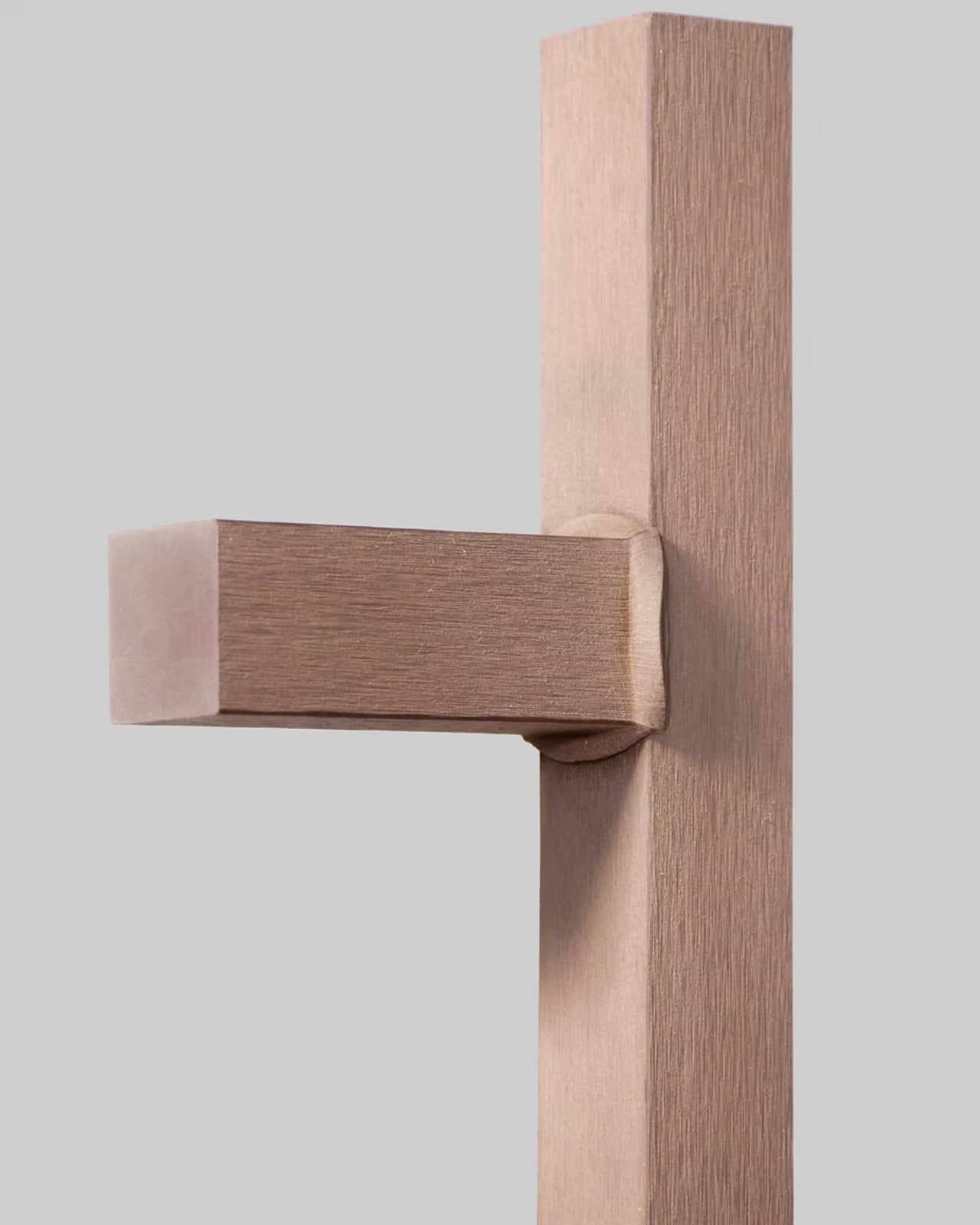
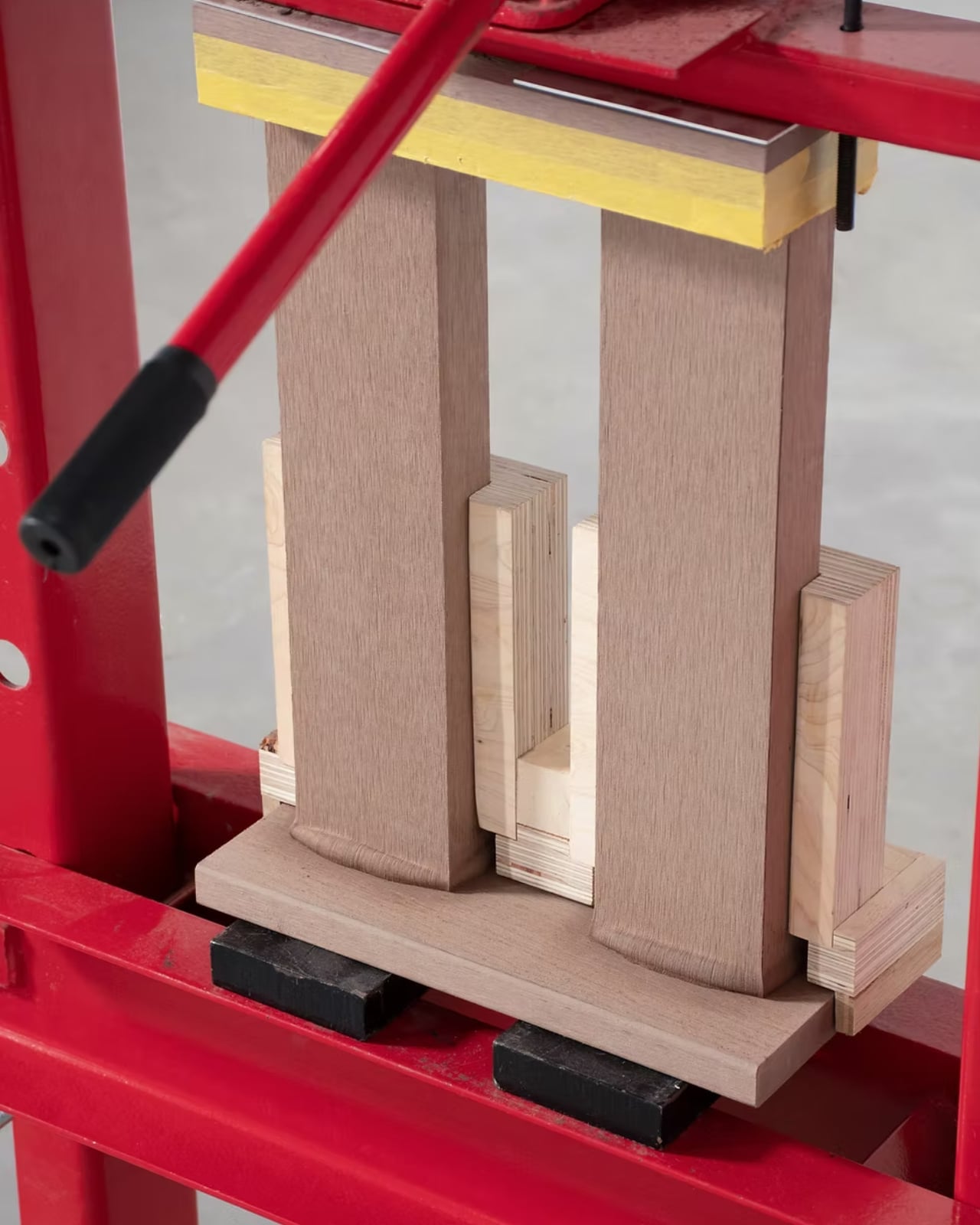
Because of its resin content, artificial wood can be heated until it softens. Inoue takes that softened state and presses the components together using a 20-tonne press machine. The heated surfaces fuse, adhering to each other as they cool. There are no fasteners, no glue, no mortise-and-tenon joints. The connection is the material itself. What comes out the other side looks nothing like what you’d expect from anything made of wood: warped surfaces, irregular joints, organic protrusions where two pieces met and merged under pressure.
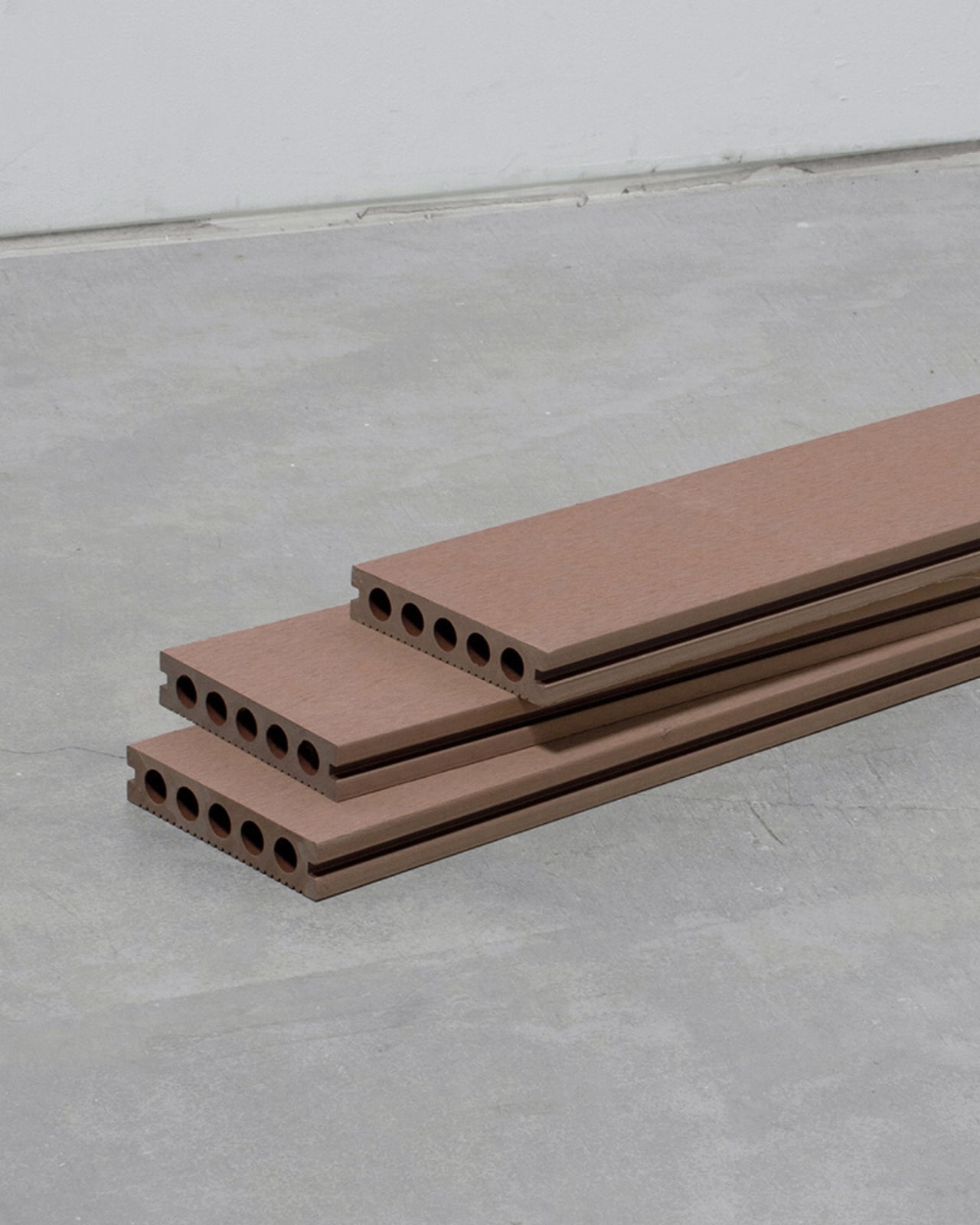
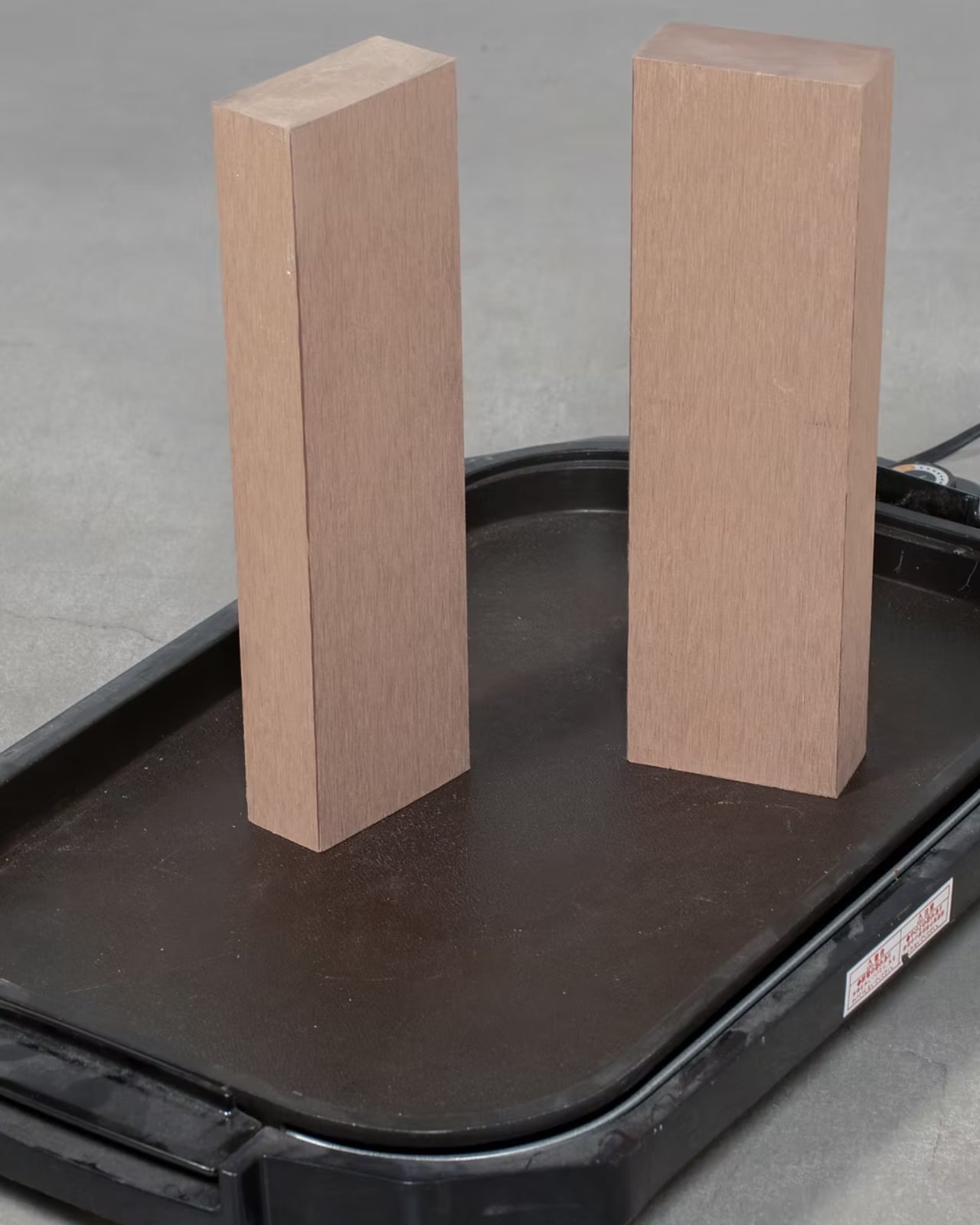
And the thing is, it looks extraordinary. The imperfections are the point. Inoue isn’t treating the irregularities as flaws to be corrected before the piece ships. The warping and distortion that happen during the heat-pressing process are built into the design language of Mocky from the start. Irregularity is an active part of the making, not an accident of it. Each joint emerges from the behavior of the softened material rather than from a pre-drawn spec sheet. That’s a genuinely different relationship between designer and material, one where control is shared rather than total.
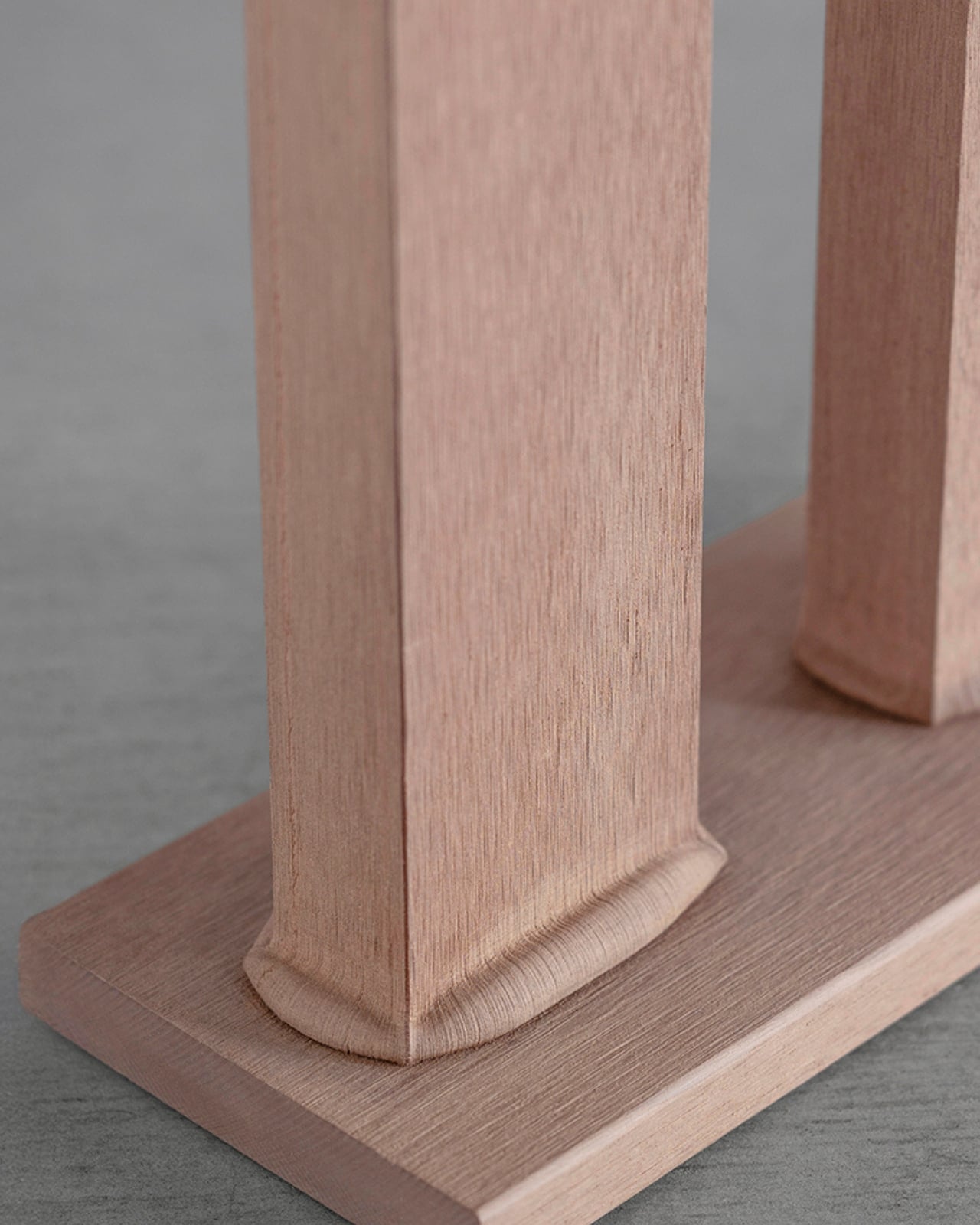
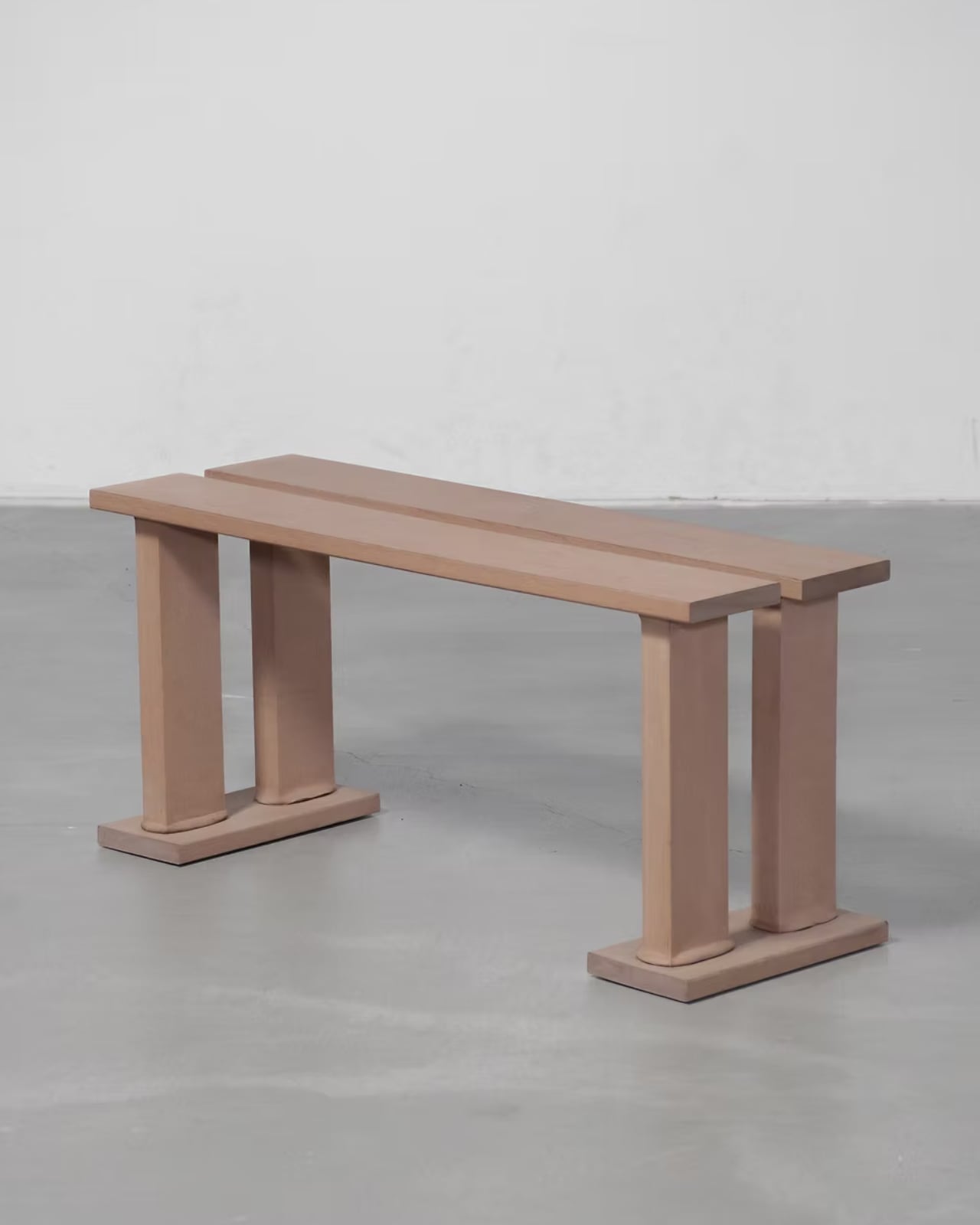
One of the standout pieces in the series is a bench that requires no aprons or stretchers to hold it together. The seat is made of two completely independent components that bond entirely through the fused connection. From a structural standpoint, that’s remarkable. From a visual one, it’s striking in the best way: a piece that looks grown rather than built.
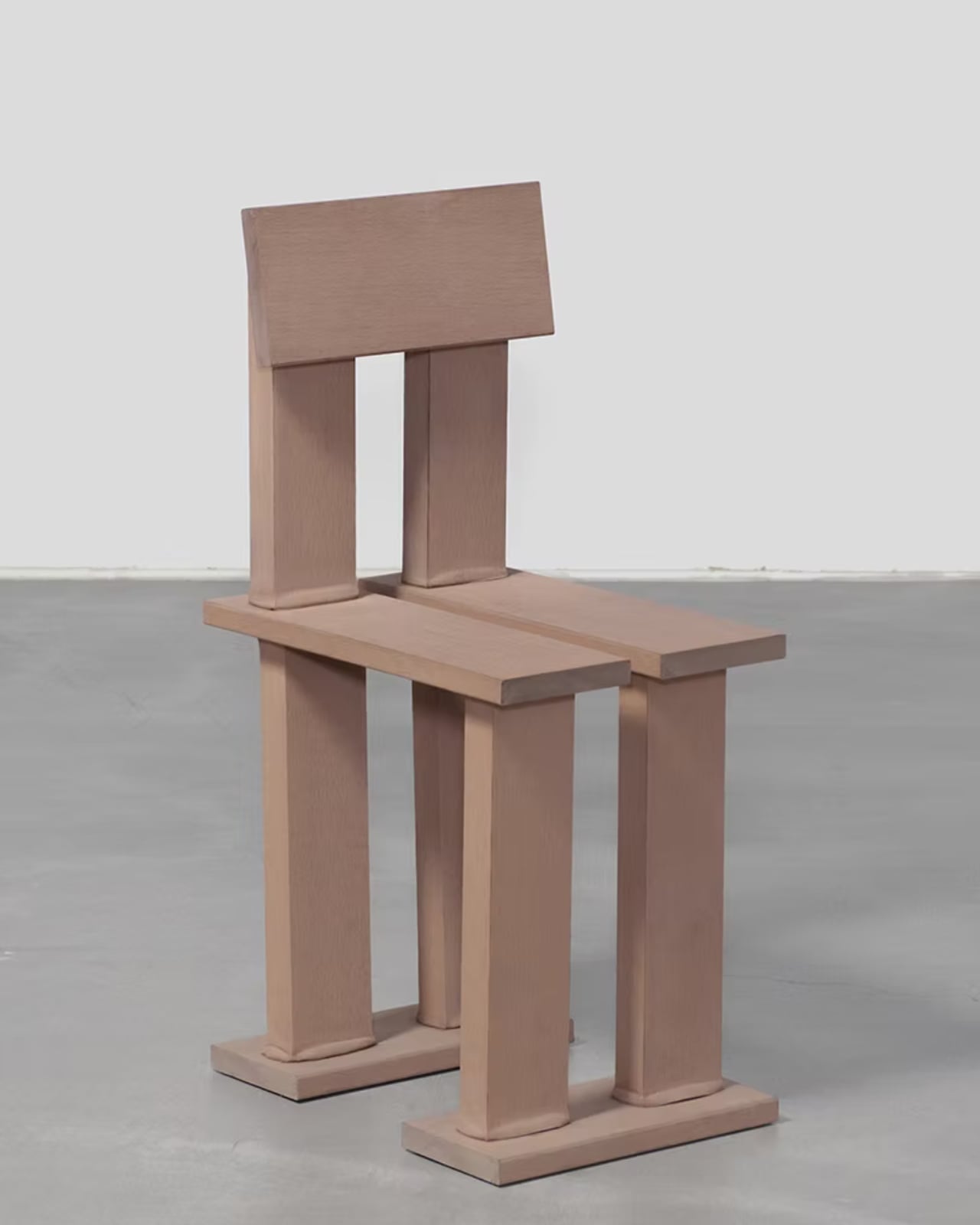
That distinction matters. So much furniture design right now falls into one of two camps: aggressively minimal, where the process is hidden and the object looks like it appeared fully formed, or intentionally handmade, where visible effort is treated as the point. Mocky doesn’t fully belong to either. The process is visible, but it isn’t precious. The irregularity is intentional, but it isn’t decorative for its own sake. It reads as material honesty, which is a rarer quality in furniture than we might assume.

Inoue is also making a quieter argument about what artificial wood is for. It has spent its entire commercial life as a substitute, a stand-in for timber that doesn’t want to rot on your deck. Mocky pushes back on that framing. When you stop treating artificial wood as a replacement for something better and start treating it as a material with its own specific properties, it turns out it can do things natural wood never could. You cannot melt a solid oak leg into a joint. You cannot fuse cherry wood planks into each other using pressure alone.
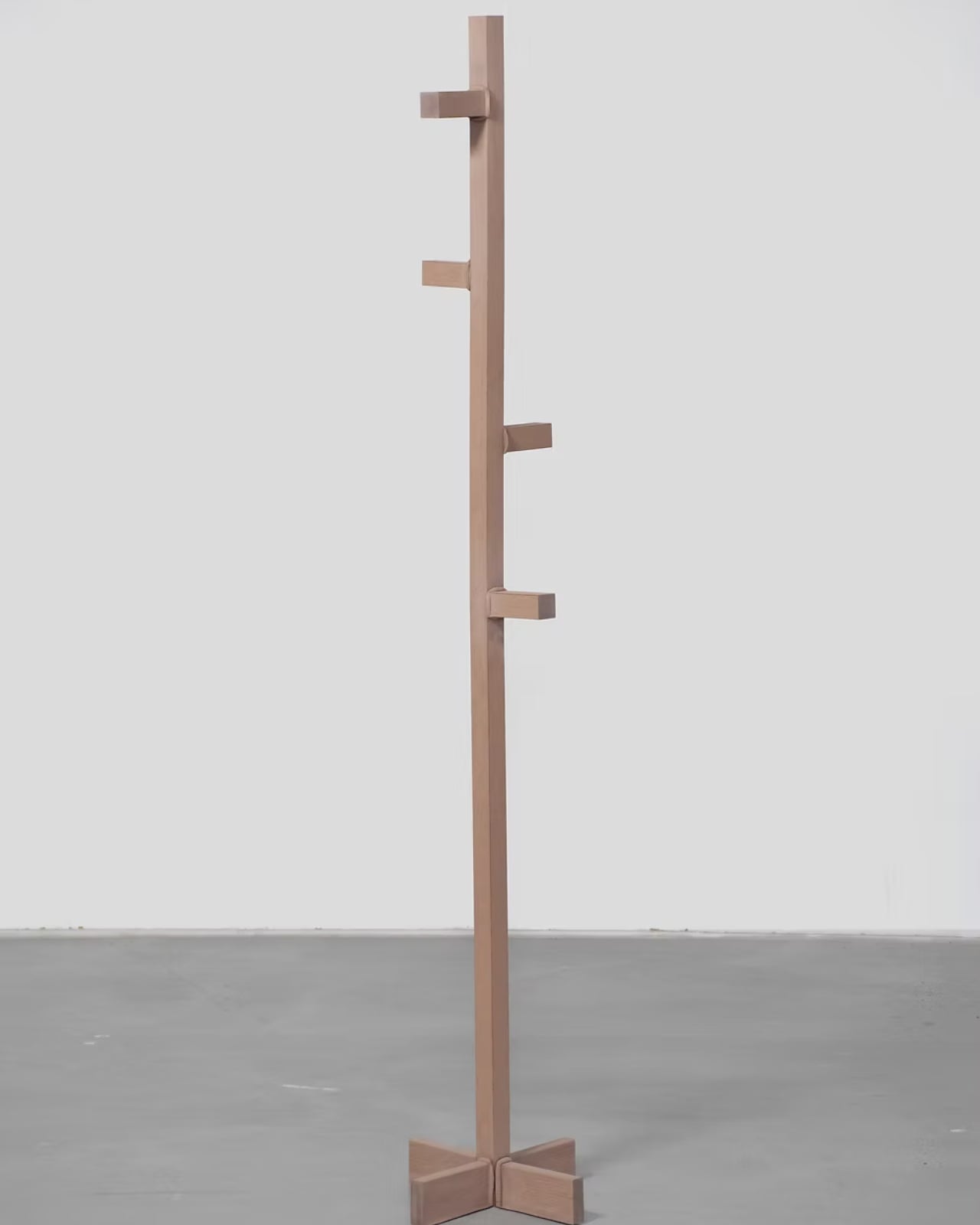
That shift in perspective, from material-as-substitute to material-on-its-own-terms, is what makes Mocky feel genuinely interesting rather than just visually surprising. It’s a reminder that designers often do their best work not when they reach for the expected material, but when they ask what a rejected or overlooked one is actually capable of. The answer, in this case, is quite a lot.
The post Japanese Designer Built Furniture With No Glue or Screws first appeared on Yanko Design.
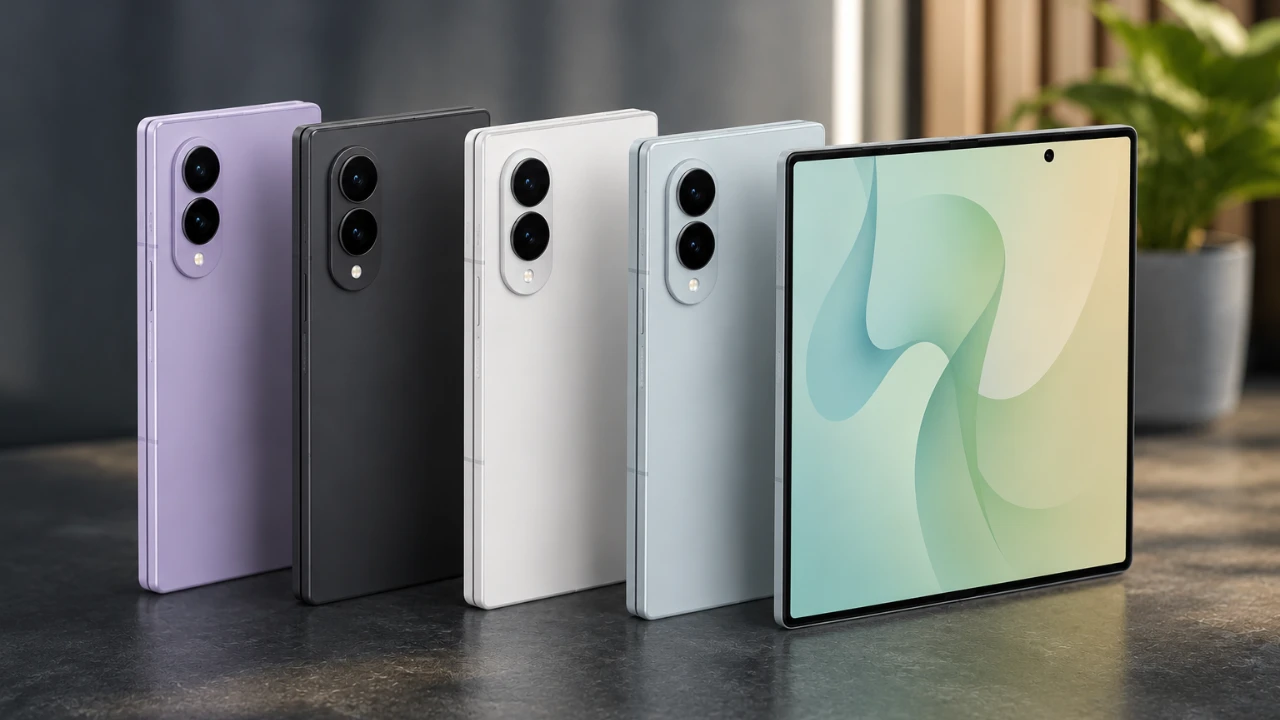
Samsung Galaxy Z Fold 8 Impressions: Should Apple Be Worried?

Samsung Galaxy Z Fold 8 Impressions: Should Apple Be Worried? Samsung Galaxy Z Fold 8

Samsung continues to push the boundaries of mobile technology with its latest advancements in foldable smartphones and smartwatches. The Galaxy Z Fold 8 series and Galaxy Watch Ultra 2 represent significant strides in design, functionality, and performance. These devices not only reinforce Samsung’s dominance in foldable technology but also set a high bar for competitors […]

The post Samsung Galaxy Z Fold 8 Impressions: Should Apple Be Worried? appeared first on Geeky Gadgets.

Posted in Uncategorized

Claude Code vs Claude Cowork: Compared for App Development

Claude Code vs Claude Cowork: Compared for App Development A beginner typing plain English instructions into the Claude Code interface.

Creating apps without coding knowledge might seem daunting, but Kevin Stratvert’s guide on Claude Code demonstrates how accessible it can be. Claude Code uses natural language processing to turn plain English descriptions into functional software, making it a valuable resource for non-coders. For example, users can describe a budgeting app idea and the AI generates […]

The post Claude Code vs Claude Cowork: Compared for App Development appeared first on Geeky Gadgets.

Posted in Uncategorized

This iPhone Case Shows Any Photo You Want, Even With the Phone Off

Phone cases have been a stubborn category for personalization. Swapping the look of your phone has traditionally meant buying a different case altogether, waiting for it to arrive, and committing to whatever fixed image or color you chose until you get tired of it again. Custom print-on-demand cases get closer, but they’re still a one-and-done commitment once the ink is on the plastic.

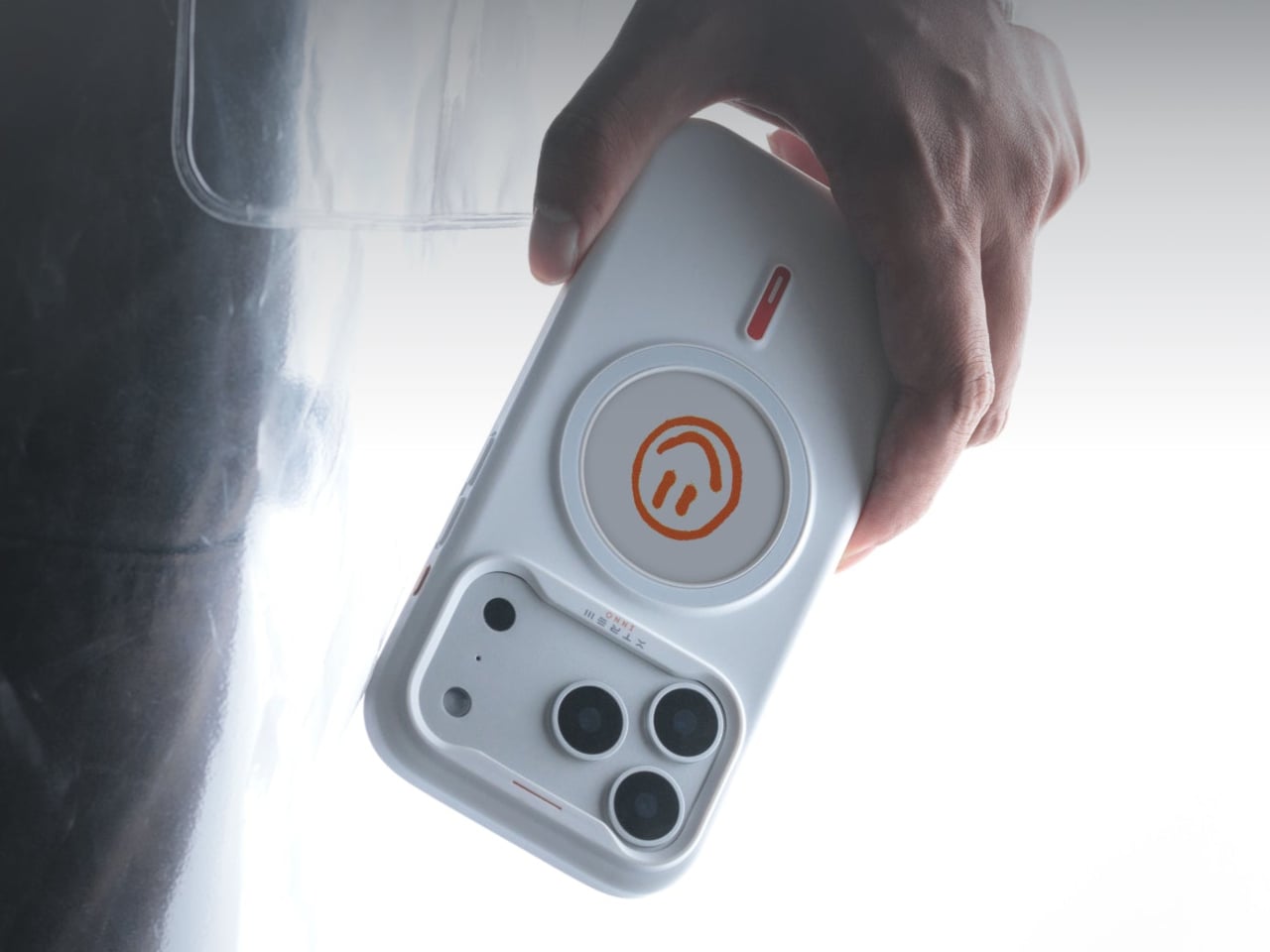
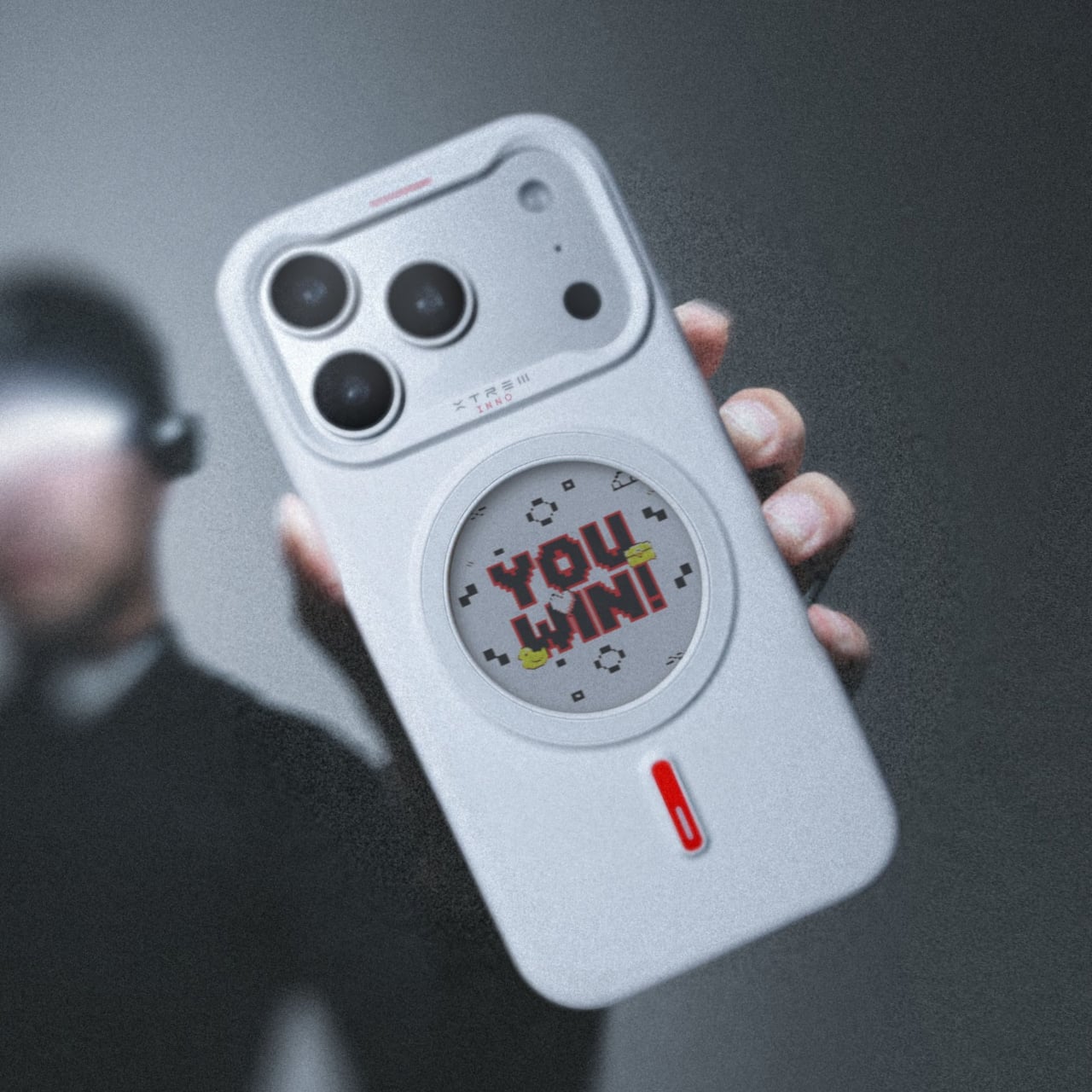
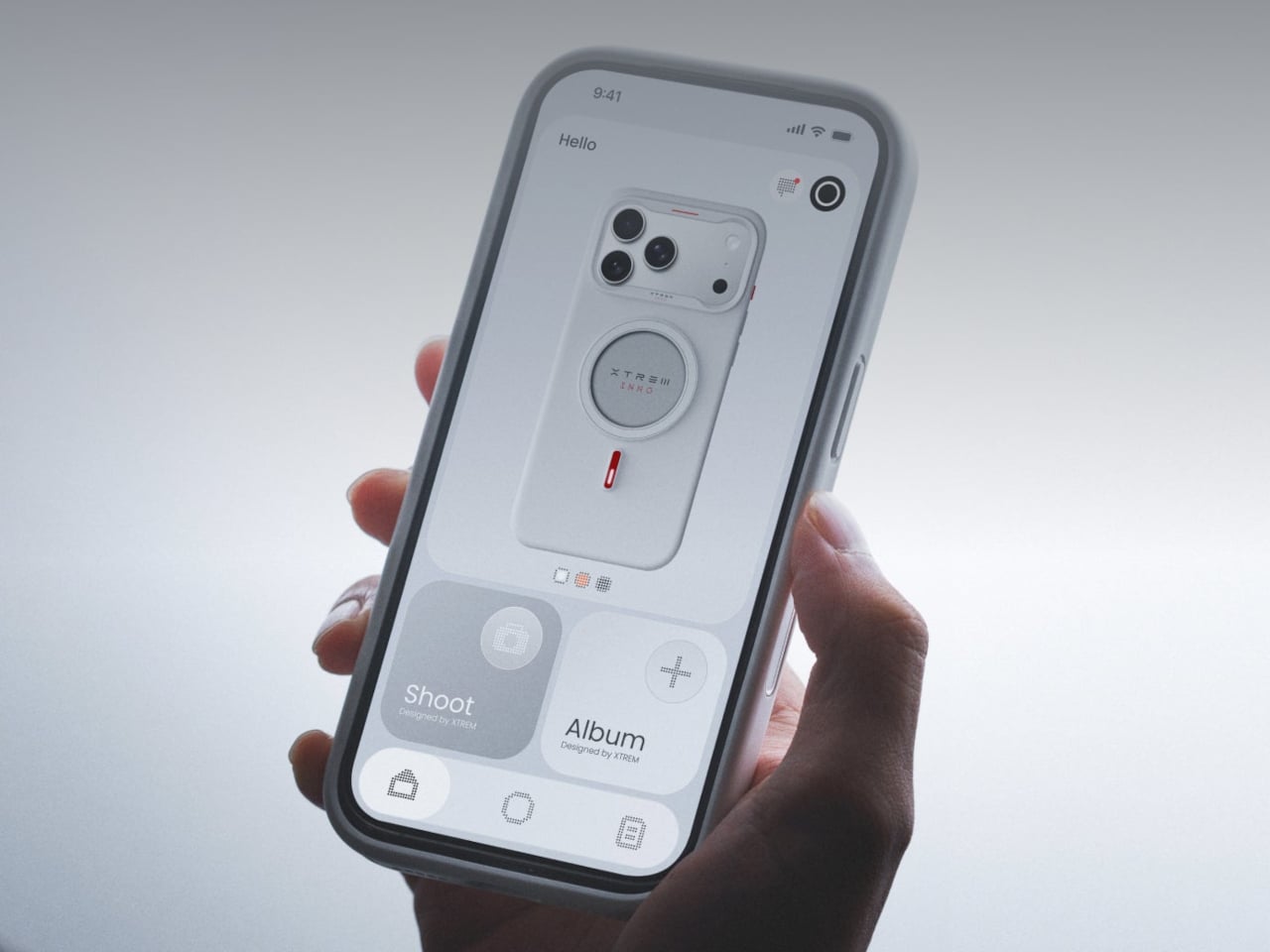
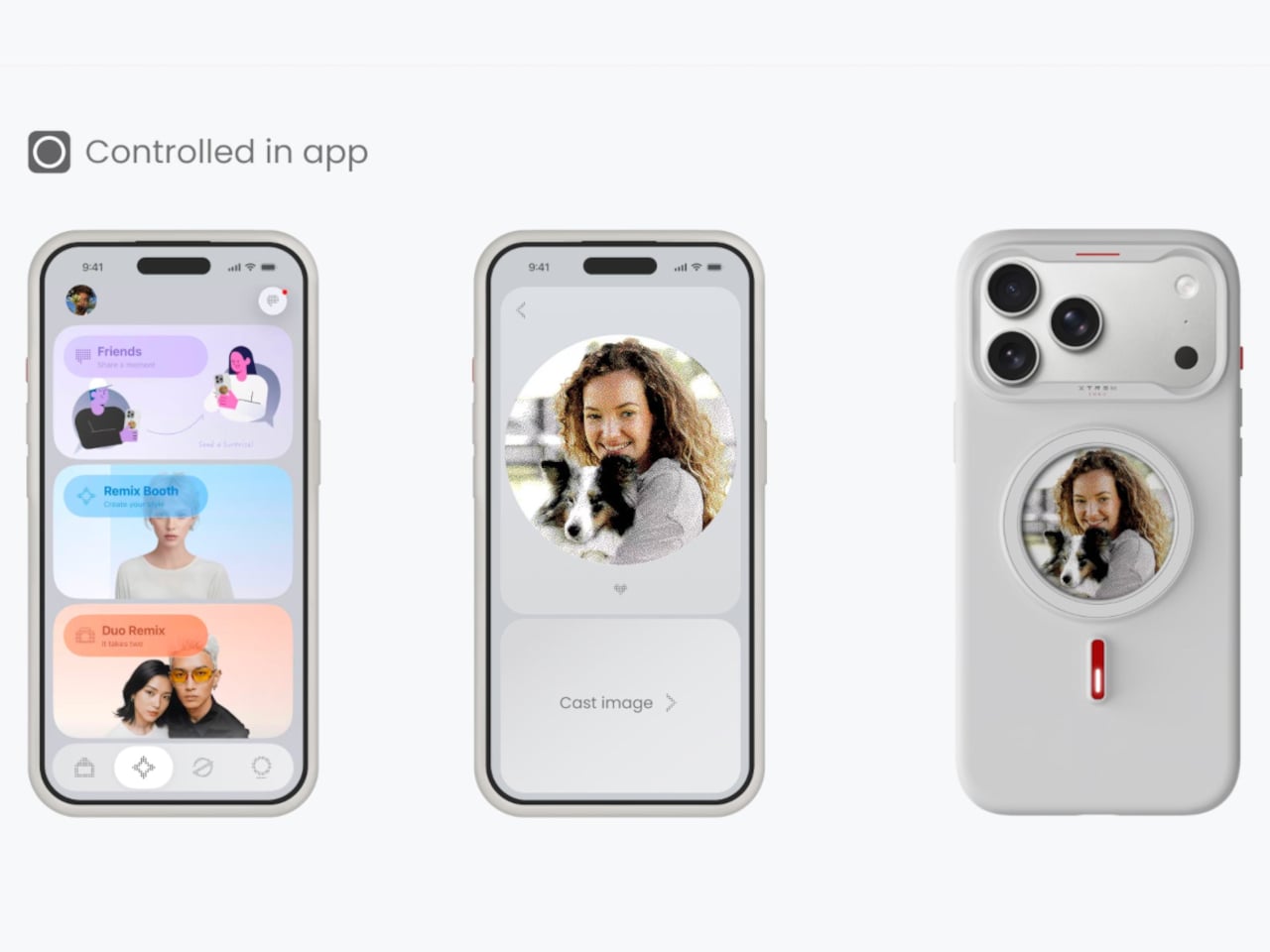
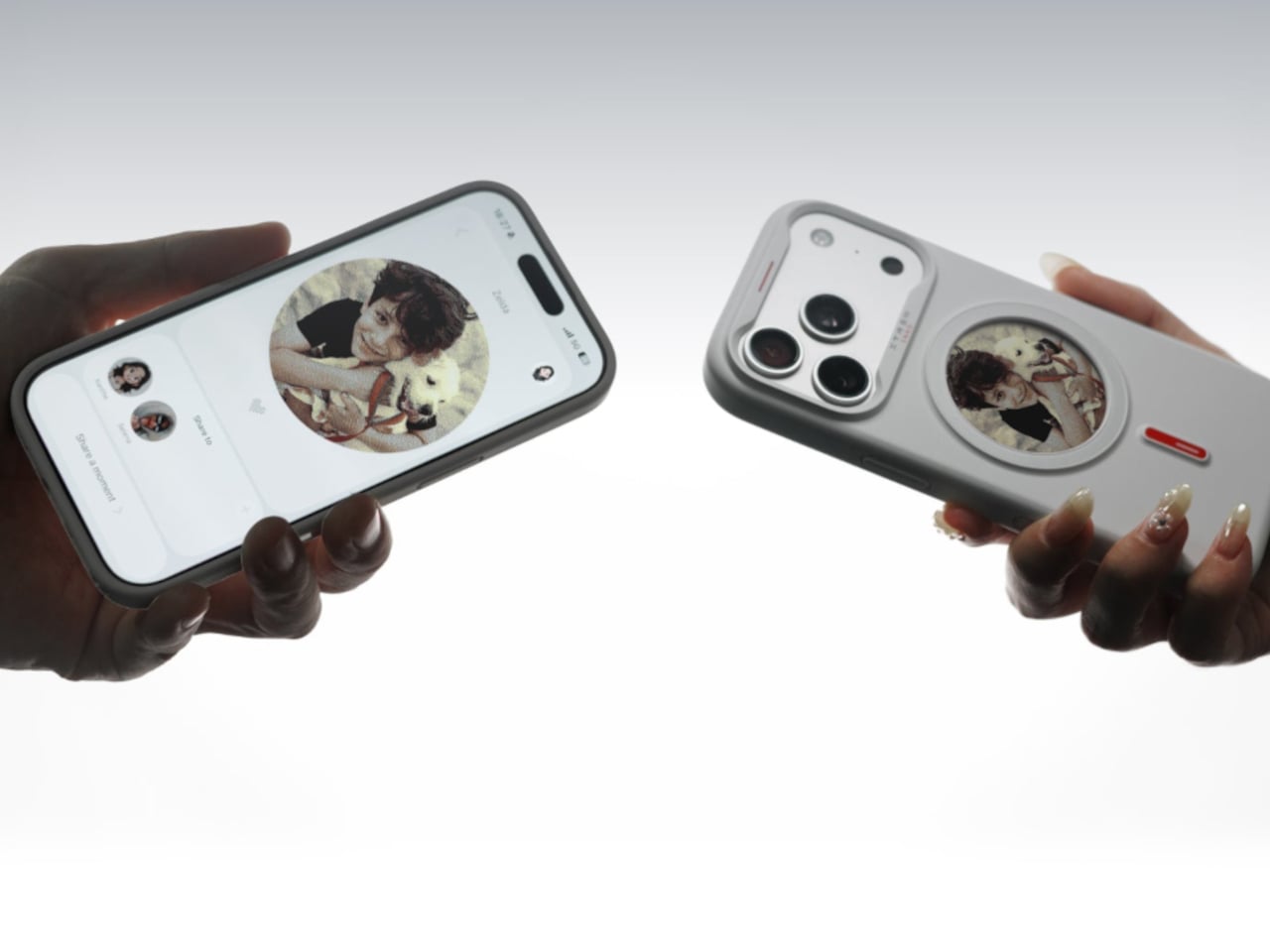
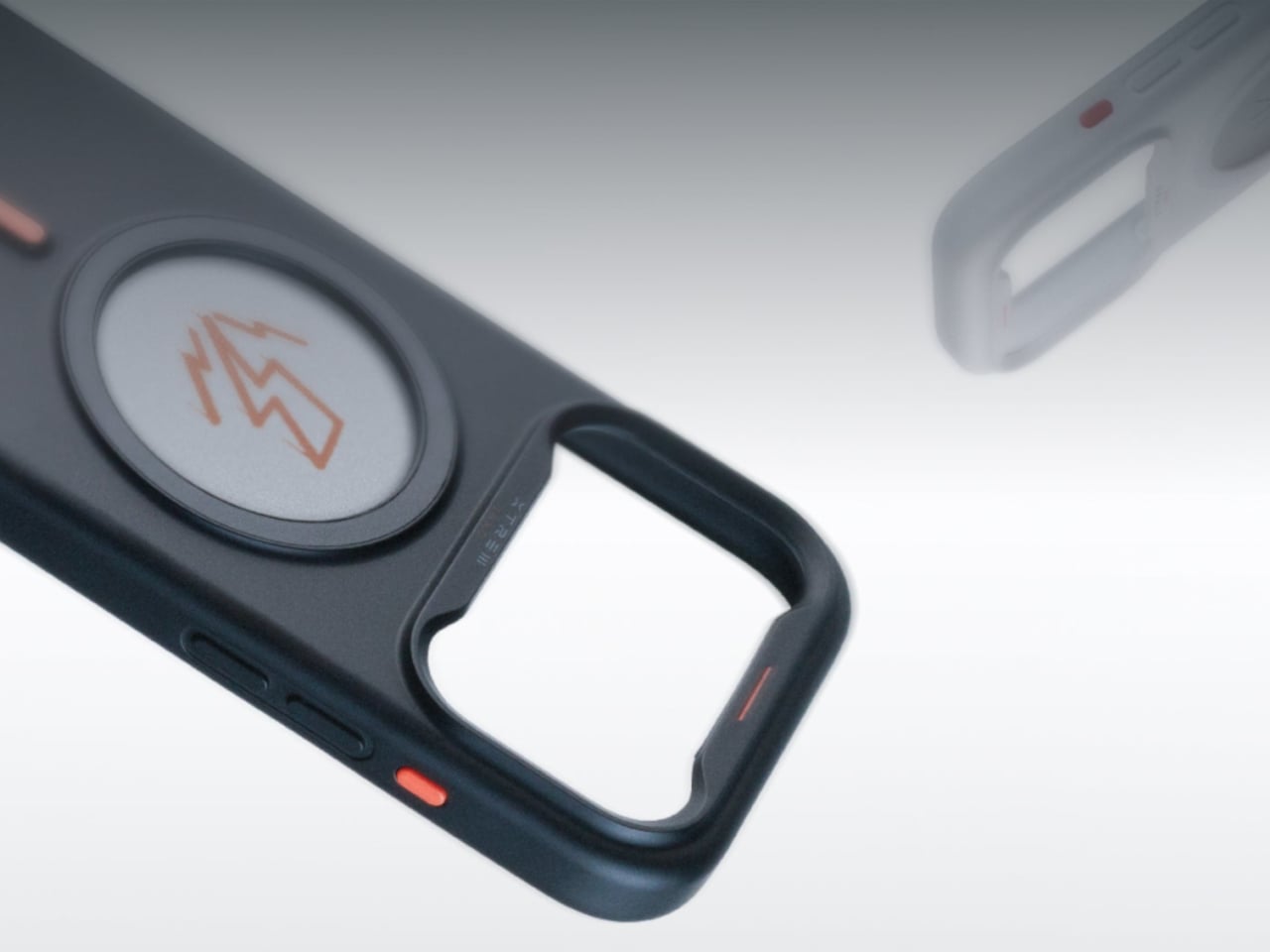
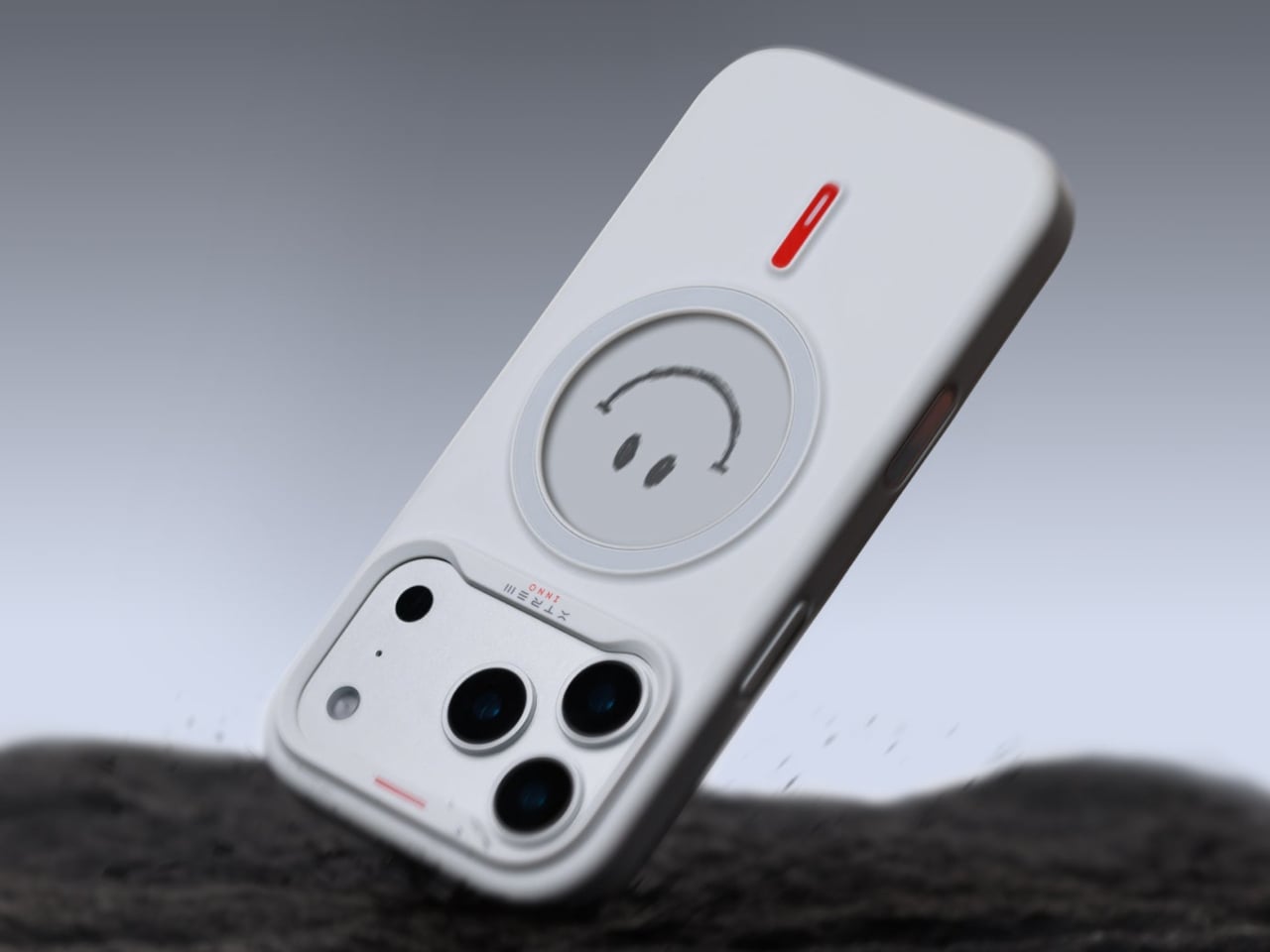
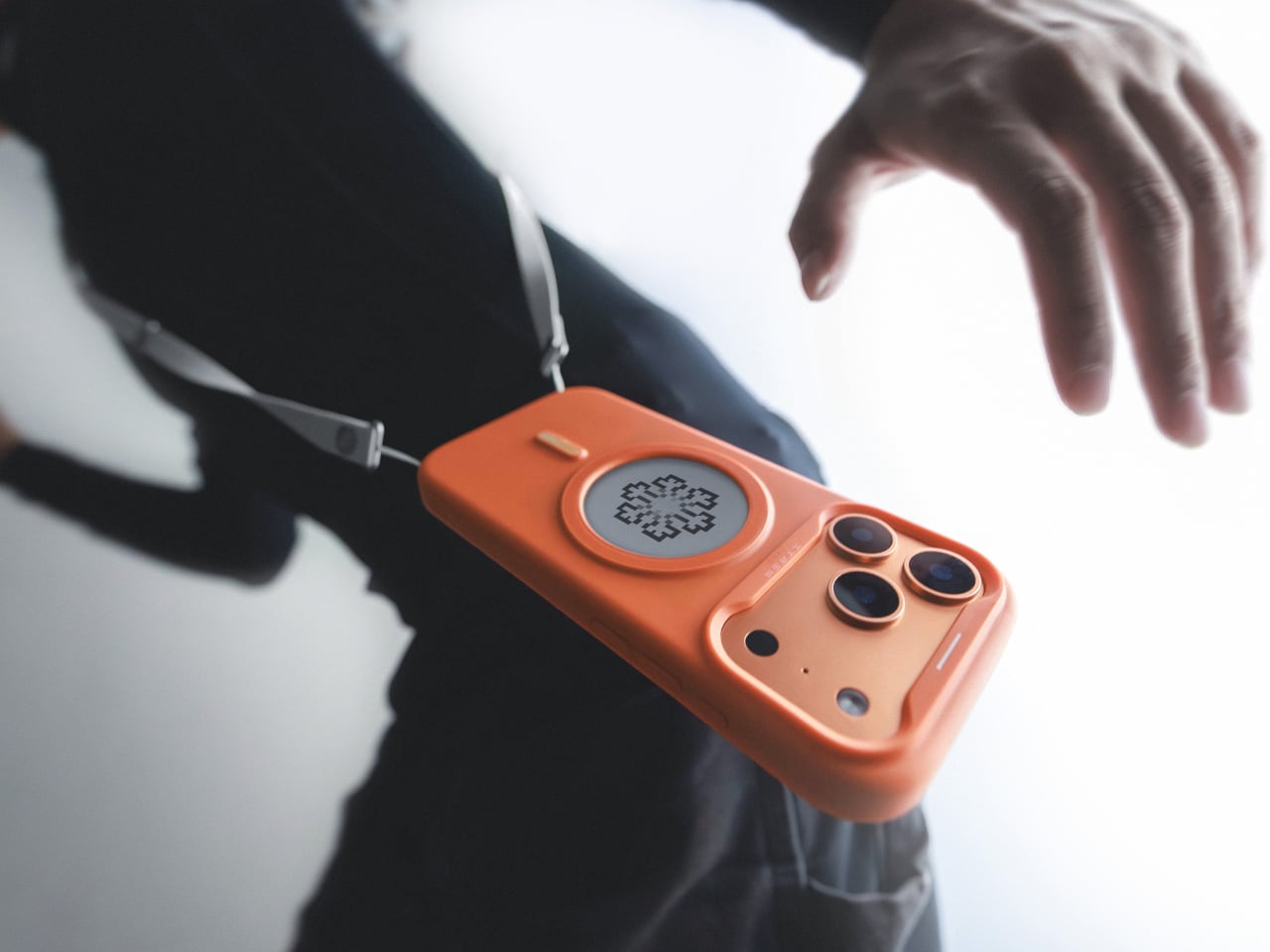
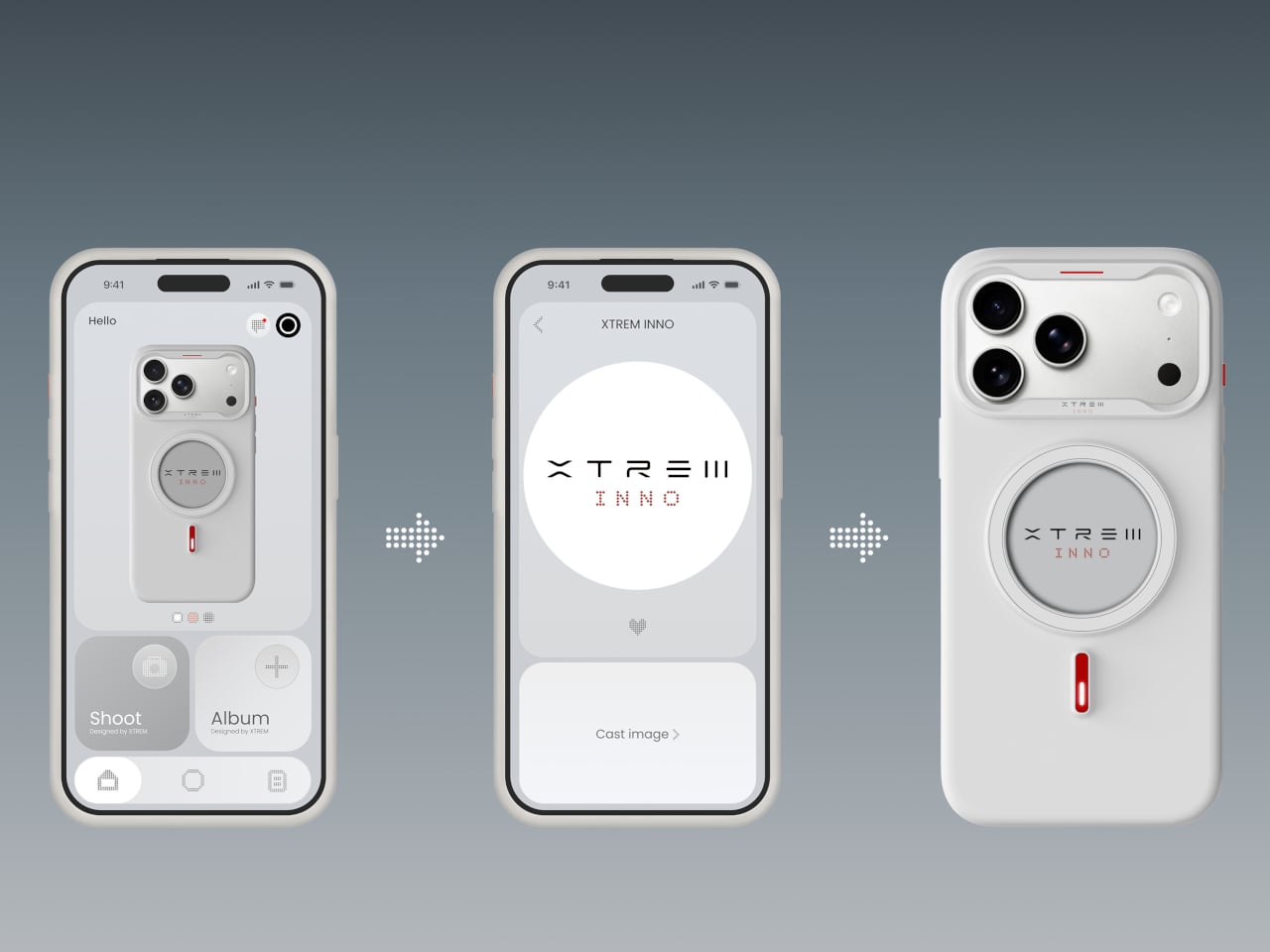
The XTREM INNO Instant Custom Case takes a different approach entirely by putting a live E-Ink display on the back of the case. The circular screen sits on the rear of the case and can be updated anytime using the companion G-SHELL app. Pick a photo from your camera roll, tap “Cast Image,” and within seconds the display updates to show it. No charging cables, no dongle, no separate battery to keep alive.

Designer: XTREM

That last part is the piece worth pausing on. The display uses passive NFC technology, which means the case draws what it needs from the phone only during the update and then holds the image indefinitely using essentially zero power. The photo stays visible even with the phone switched off or the case detached entirely. It doesn’t dim, doesn’t drain the phone’s battery, and doesn’t require any kind of maintenance.

The E-Ink screen itself runs at 212 PPI with a four-color system covering black, white, red, and yellow. That palette is wider than most standard tri-color E-Ink screens, though it’s worth noting the display doesn’t replicate photorealistic color the way a phone screen would. Images take on a quality closer to a printed photograph or a high-contrast graphic, which has its own particular appeal depending on what you’re putting on the case.

A more recent feature lets users link their case with a friend’s and cast photos directly to each other’s displays. Send a selfie, a shared joke, a matching photo, or anything else from your camera roll straight to someone else’s phone case without going through a message thread first. It’s a genuinely odd little communication channel, and a lot more tactile than a reaction emoji.

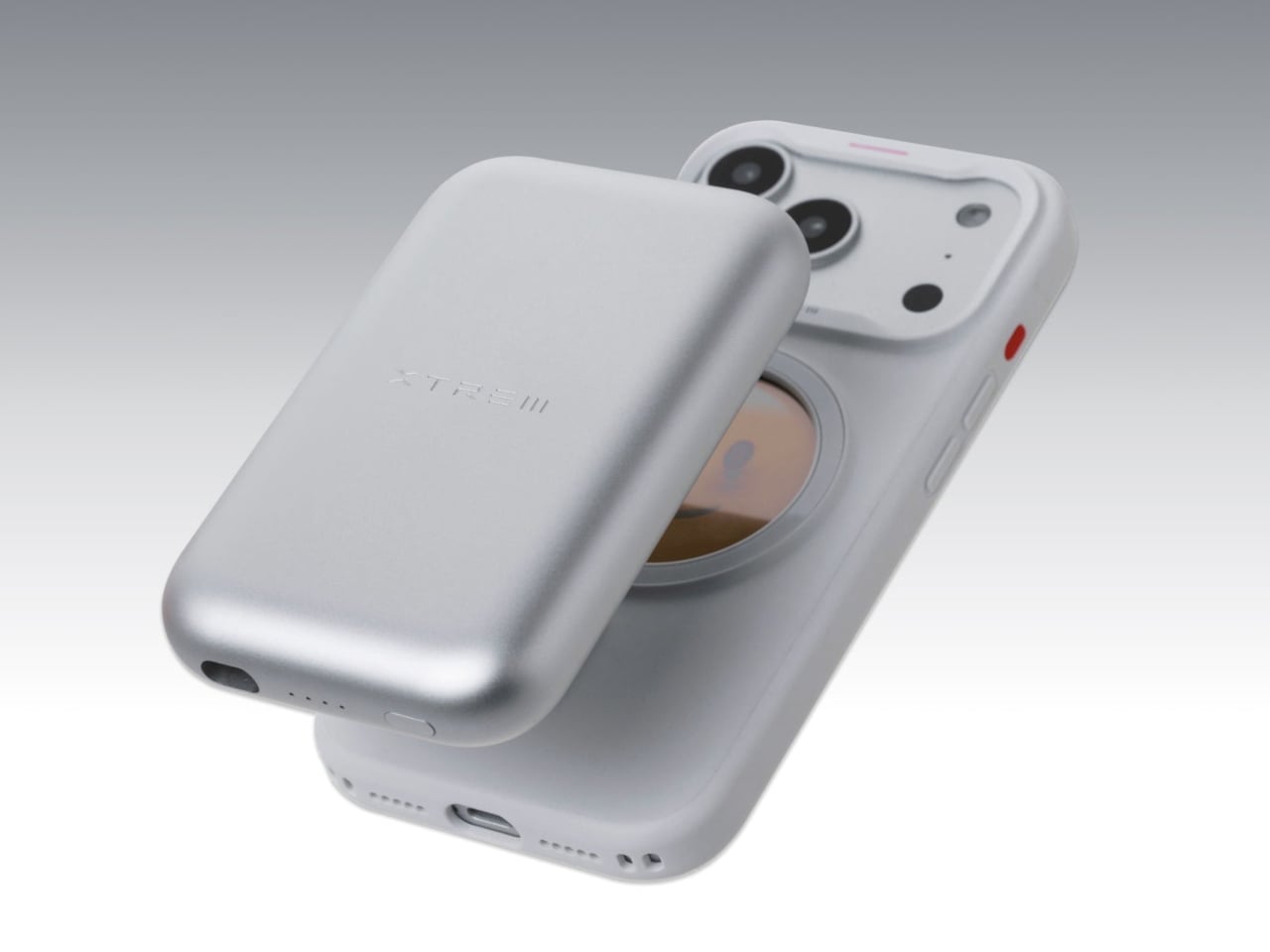
The case itself is built around a sandwich structure that the company says improves wireless charging efficiency and heat dissipation compared to a standard case. It weighs just 40g, clears MagSafe compatibility fully, and has passed drop testing with reinforced corners and a patented frame. The material is treated against yellowing, which is one of the more persistent grievances with transparent cases over time.

Available for iPhone 15 through iPhone 17 models, the XTREM INNO case comes in Nova White, Noir Black, and Cosmic Orange. The circular E-Ink panel is the same across all variants; the color options refer to the frame and body of the case itself. A single case retails at $69.99, which is more than a typical protective case but significantly less than replacing an entire case every time you want a different look.

For people who already change their phone lock screen frequently or rotate between a few different photos they actually care about, the logic of a case that does the same thing doesn’t take much convincing. The technology’s already proven in e-readers; applying it to the back of an iPhone case turns out to be a surprisingly sensible place to put it.

The post This iPhone Case Shows Any Photo You Want, Even With the Phone Off first appeared on Yanko Design.
Uncovering the Best Hidden Gems Found in iOS & iPadOS 27

Uncovering the Best Hidden Gems Found in iOS & iPadOS 27 iOS 27

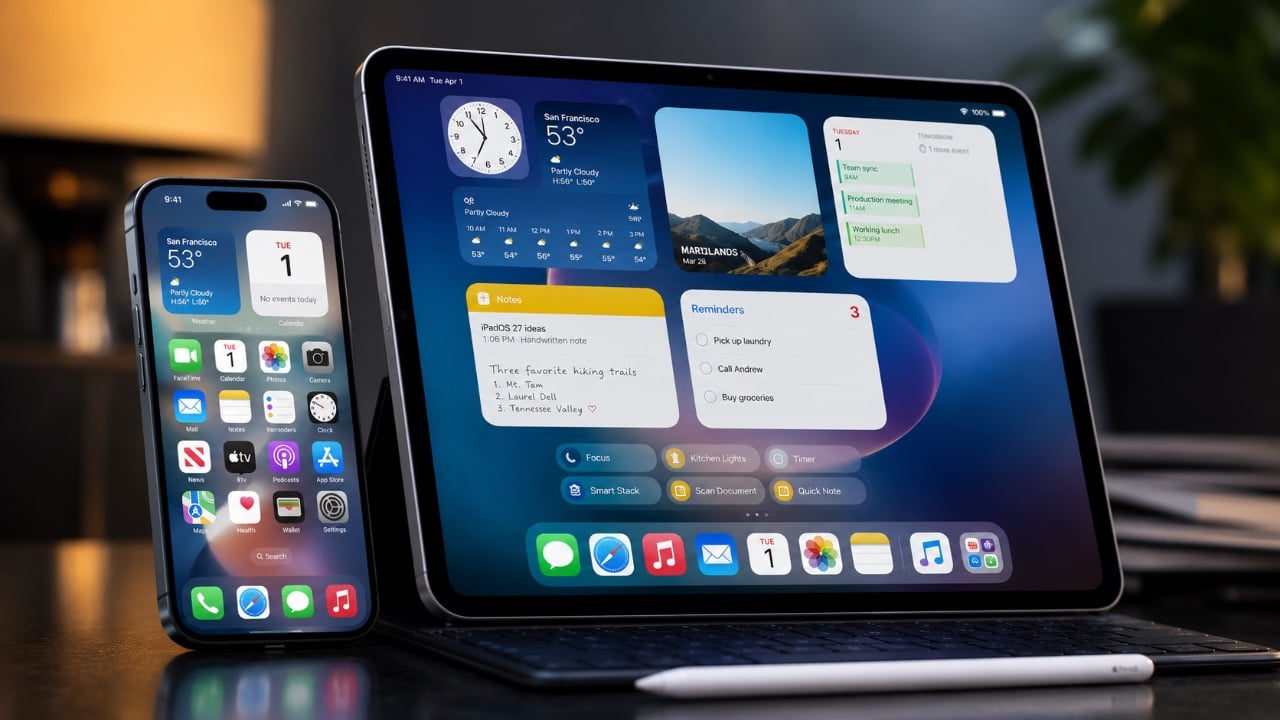
The release of iOS and iPadOS 27 public betas introduces a wealth of features aimed at refining your Apple device experience. With a strong emphasis on customization, productivity, and the seamless integration of advanced technologies like artificial intelligence (AI), these updates are designed to make your interactions more intuitive and efficient. Whether you’re an iPhone […]

The post Uncovering the Best Hidden Gems Found in iOS & iPadOS 27 appeared first on Geeky Gadgets.

Posted in Uncategorized

Claude Opus 5 Delivers Fable 5 Performance at 50% the Cost

Claude Opus 5 Delivers Fable 5 Performance at 50% the Cost Side-by-side performance comparison of Claude Opus 5 and Fable 5.

Anthropic’s Claude Opus 5 has set a new standard by delivering performance on par with Fable 5 at just half the cost. With a 30.2% score on the Arc AGI 3 benchmark, far surpassing Fable 5’s 7.8%—it demonstrates advanced reasoning capabilities while maintaining affordability. As highlighted by Universe of AI, this model is particularly effective […]

The post Claude Opus 5 Delivers Fable 5 Performance at 50% the Cost appeared first on Geeky Gadgets.

Posted in Uncategorized