This Dirt Bike for Children packs a 1000W motor for ‘Parent-Approved’ Biking Thrill

Kids love playing grown-up. You’ve got toy cars, toy mobile phones, and toy bricks that you can build into a variety of things – the world is condensed down into playable toys that help kids learn, grow, and mimic the adults they see on a daily basis. The Z56 isn’t one of those things. Calling the Z56 a toy would be foolish, just because of how incredibly fleshed-out it is. Designed as a proper dirt bike, but for kids, the Z56 isn’t about mimicking grown-ups, it’s about literally stepping into their shoes, or their saddles. Imagined as a ridable vehicle for children aged 6-11, the Z56 is a concept that marries the nostalgia of traditional dirt bike aesthetics with the sleekness of modern design, all packaged into a two-wheeler that’s built for young riding enthusiasts.

Designers: Zukun Design Studio & Matt Barnum

One of the core design philosophies behind the Z56 is its blend of classic motorsport aesthetics with a modern twist. Unlike many futuristic concepts that diverge significantly from traditional design, making them less relatable, the Z56 strikes a balance. It retains recognizable elements of dirt bikes, such as their rugged, adventurous look, while infusing clean, streamlined design elements that are practically synonymous with electric vehicles today. “Current dirt bike design trends seem hell-bent on adding excessive styling lines and graphics, and many future-vision concepts alienate consumers by deviating so far from the norm that they sacrifice reliability,” the designers mentioned, highlighting their objective to stay away from such practices. “By blending classic motorsport style with sophisticated, modern lines and forms, Z56 points toward a cleaner, simpler, and more efficient future.”

At the heart of the Z56 concept lies its 10Ah 56-volt power source, a central feature that’s boldly highlighted rather than hidden, signaling a proud departure from the internal combustion engines of old. This design choice not only emphasizes the bike’s electric nature but also celebrates the shift away from petroleum dependence. The bike’s electric identity is further reinforced by its performance capabilities: equipped with a maintenance-free 1000-watt DC brushless motor, the Z56 promises ample torque and instant acceleration, ensuring a spirited yet manageable ride for young enthusiasts.

The battery life of this conceptual bike is impressive, offering about an hour of riding time on a single charge, with the added convenience of a one-hour recharge period. The possibility of swapping in a second battery for continuous, all-day riding is a thoughtful touch, showcasing the practicality embedded in this futuristic vision. The lightweight lithium pack not only contributes to the bike’s efficiency but also enhances its agility, making it easier to handle and more enjoyable to ride.

The bike operates noiselessly and emission-free, opening up new riding territories previously off-limits to gas-powered bikes. This aspect not only makes the Z56 a more environmentally friendly option but also a more versatile and accessible one, free from the constraints of noise and pollution regulations. The lack of oil and gas requirements further simplifies ownership and transport, underscoring the bike’s user-friendly nature.

The Z56 Dirt Bike Concept by Zukun Design Studio is more than a children’s toy; it’s a glimpse into a future where the thrill of motorsports coexists with sustainability and environmental consciousness. By marrying traditional design elements with modern, eco-friendly technology, the Z56 presents a vision of a world where fun, performance, and responsibility go hand in hand. Sure, it’s merely conceptual for now, but we’d love to see some prototypes test-driven by kids on the slopes. I imagine concerned parents would have an entirely different reaction, though…

The post This Dirt Bike for Children packs a 1000W motor for ‘Parent-Approved’ Biking Thrill first appeared on Yanko Design.

This Dirt Bike for Children packs a 1000W motor for ‘Parent-Approved’ Biking Thrill

Kids love playing grown-up. You’ve got toy cars, toy mobile phones, and toy bricks that you can build into a variety of things – the world is condensed down into playable toys that help kids learn, grow, and mimic the adults they see on a daily basis. The Z56 isn’t one of those things. Calling the Z56 a toy would be foolish, just because of how incredibly fleshed-out it is. Designed as a proper dirt bike, but for kids, the Z56 isn’t about mimicking grown-ups, it’s about literally stepping into their shoes, or their saddles. Imagined as a ridable vehicle for children aged 6-11, the Z56 is a concept that marries the nostalgia of traditional dirt bike aesthetics with the sleekness of modern design, all packaged into a two-wheeler that’s built for young riding enthusiasts.

Designers: Zukun Design Studio & Matt Barnum

One of the core design philosophies behind the Z56 is its blend of classic motorsport aesthetics with a modern twist. Unlike many futuristic concepts that diverge significantly from traditional design, making them less relatable, the Z56 strikes a balance. It retains recognizable elements of dirt bikes, such as their rugged, adventurous look, while infusing clean, streamlined design elements that are practically synonymous with electric vehicles today. “Current dirt bike design trends seem hell-bent on adding excessive styling lines and graphics, and many future-vision concepts alienate consumers by deviating so far from the norm that they sacrifice reliability,” the designers mentioned, highlighting their objective to stay away from such practices. “By blending classic motorsport style with sophisticated, modern lines and forms, Z56 points toward a cleaner, simpler, and more efficient future.”

At the heart of the Z56 concept lies its 10Ah 56-volt power source, a central feature that’s boldly highlighted rather than hidden, signaling a proud departure from the internal combustion engines of old. This design choice not only emphasizes the bike’s electric nature but also celebrates the shift away from petroleum dependence. The bike’s electric identity is further reinforced by its performance capabilities: equipped with a maintenance-free 1000-watt DC brushless motor, the Z56 promises ample torque and instant acceleration, ensuring a spirited yet manageable ride for young enthusiasts.

The battery life of this conceptual bike is impressive, offering about an hour of riding time on a single charge, with the added convenience of a one-hour recharge period. The possibility of swapping in a second battery for continuous, all-day riding is a thoughtful touch, showcasing the practicality embedded in this futuristic vision. The lightweight lithium pack not only contributes to the bike’s efficiency but also enhances its agility, making it easier to handle and more enjoyable to ride.

The bike operates noiselessly and emission-free, opening up new riding territories previously off-limits to gas-powered bikes. This aspect not only makes the Z56 a more environmentally friendly option but also a more versatile and accessible one, free from the constraints of noise and pollution regulations. The lack of oil and gas requirements further simplifies ownership and transport, underscoring the bike’s user-friendly nature.

The Z56 Dirt Bike Concept by Zukun Design Studio is more than a children’s toy; it’s a glimpse into a future where the thrill of motorsports coexists with sustainability and environmental consciousness. By marrying traditional design elements with modern, eco-friendly technology, the Z56 presents a vision of a world where fun, performance, and responsibility go hand in hand. Sure, it’s merely conceptual for now, but we’d love to see some prototypes test-driven by kids on the slopes. I imagine concerned parents would have an entirely different reaction, though…

The post This Dirt Bike for Children packs a 1000W motor for ‘Parent-Approved’ Biking Thrill first appeared on Yanko Design.

EyeLights Rocket One is a futuristic high-performance electric motorcycle with a fighter jet-like HUD

Building a winning motorbike design pretty much always starts off with a well-thought-out concept blueprint. However, taking it to the prototyping stage takes a lot of input. After all, barely a handful of concept designs make it past the blueprint stage and onto to the real deal.

The EyeLights Rocket One is one such successful example of a bike design done right. In fact, it took just three months to take it from a mere sketch to a working prototype. Alan Derosier, the lead designer of this augmented reality-assisted motorbike created for EyeLights SAS, managed to strike the right balance between form and function.

Designer: Alan Derosier

The Rocket One electric bike made its inaugural real-life presence at EICMA 2023 which is not surprising. According to Alan, the bike’s initial design revolved around fine-tuning the proportions and silhouettes. Then the masses and refining of the surfaces was done. That approach is pretty similar to how cars are designed. The result is a performance-oriented ride that houses huge batteries for power delivery and a respectable range.

This powerful bike has the apparent influences of the Lotus bikes, but we dare not call it a copy by any stretch of the imagination. The bike can go from 0-100km/h in just 2.6 seconds, and 1200 Nm of torque on the rear wheel produces 180 horsepower for stunning performance for an electric bike. Add to the mix a more than 400 km of range on a single charge. That is attributed to the large batteries hiding in that sleek body.

While the form factor is something to behold, the real deal is its futuristic augmented reality-aided navigation system. That comes as no surprise as EyeLights specializes in AR applications, and the Rocket One adapts its technologies from what fighter jet pilots use. The HUD of the accompanying helmet has a cluster of vital information displayed in the field of view of the rider.

For now, the bike is on the waiting list for interested buyers and we hope it doesn’t take forever to actually be available for purchase.

The post EyeLights Rocket One is a futuristic high-performance electric motorcycle with a fighter jet-like HUD first appeared on Yanko Design.

Explore the unexplored in the adventure-driven, all-terrain ALD09 camping trailer

Arguably, the traditional image of camping and outdoor exploration is in a relay of evolution, and Georgia-based ROC Trailers is sharing the baton. To that accord, the outdoorsy company has launched its new ALD09 trailer. This innovative camping trailer isn’t just another addition to the market; it represents a leap in eco-friendly, electric vehicle-compatible camping.

Bucking the trend of conventional trailers, the ALD09 replaces old aluminum-skinned wooden structures with an insulated fiberglass-composite design exuding a luxury yacht appearance. The choice of material, ROC shares, not only amplifies strength and durability but significantly reduces the trailer’s weight, facilitating a lighter footprint on outdoor expeditions.

Designer: ROC Trailers

Engineered particularly for rugged off-road escapades, the ALD09 boasts a robust steel frame construction, all-terrain tires with 16-inch steel wheels, and a 2000lb axle-less independent suspension granting an impressive 20-inch ground clearance. Such fortitude promises a journey through diverse terrains without compromising on stability or comfort.

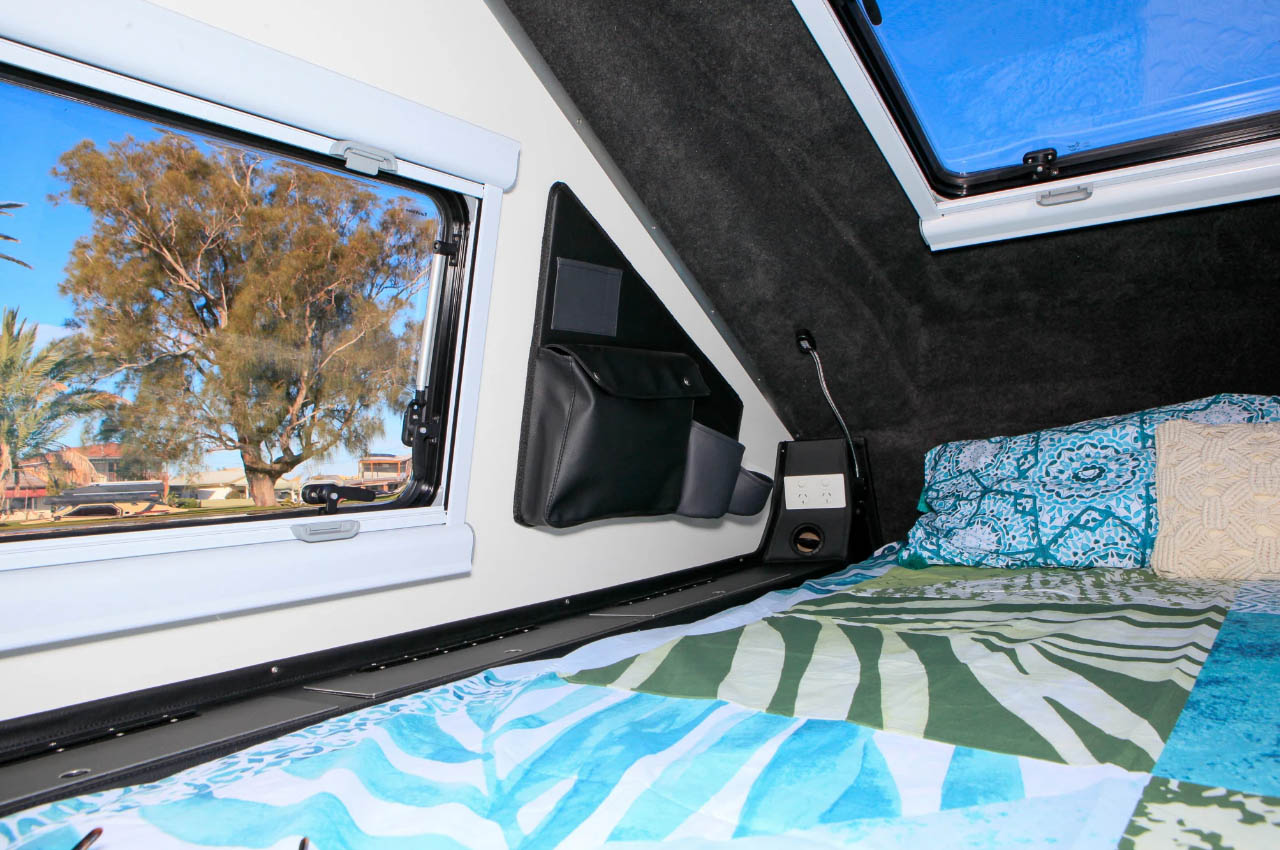
Emphasized by its lighter construction, and a gross weight as low as 2,000 pounds (907 kg), the trailer is extremely flexible in how and with what sort of vehicle you choose to tow it. That said, the interior reflects a classic teardrop-style layout featuring a queen-size mattress, LED lighting, and USB ports. For added space, a shelf next to the foot of the bed transforms into a sleeping platform and is ideal for tucking in a child or a furry friend. This assortment expands the sleeper capacity, without the rooftop tent, which is an optional setting to increase the headroom and provide more ventilation.

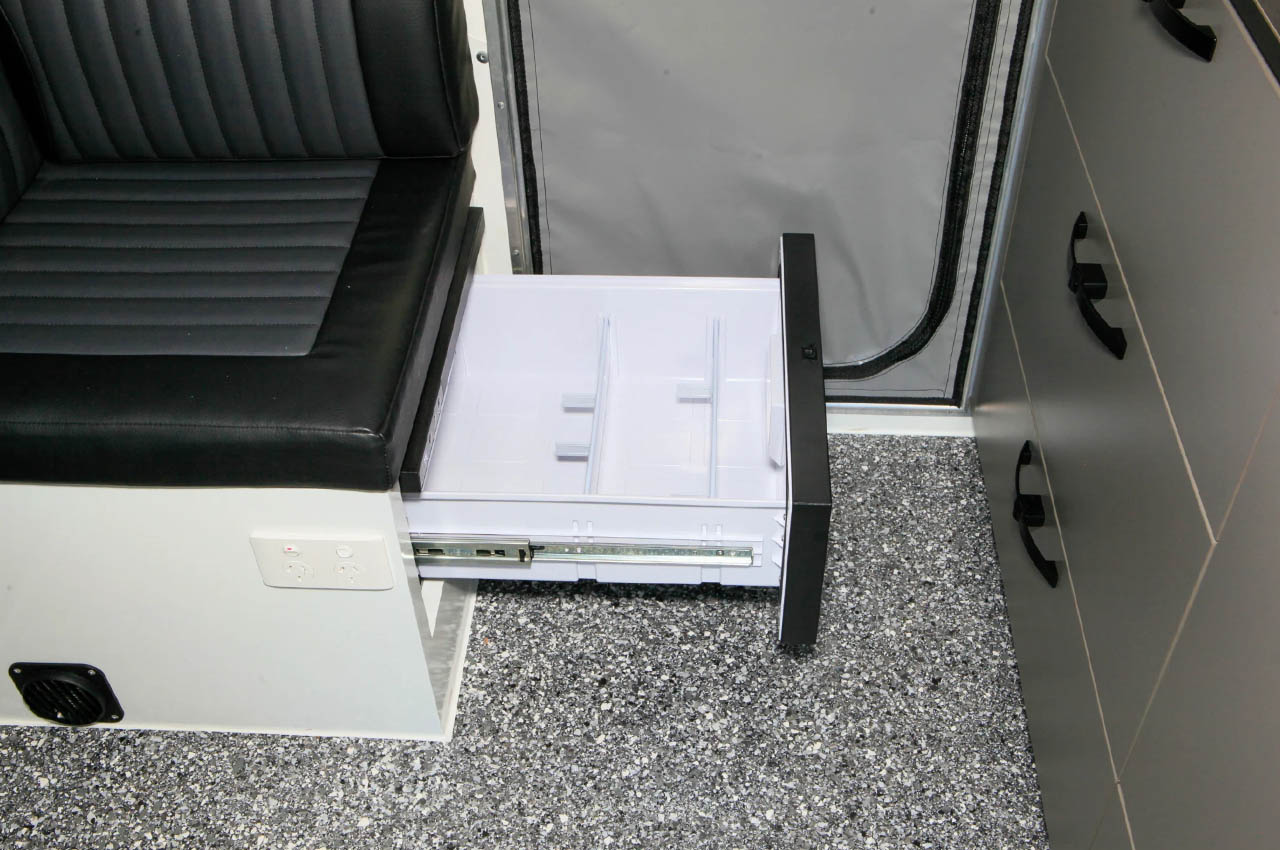
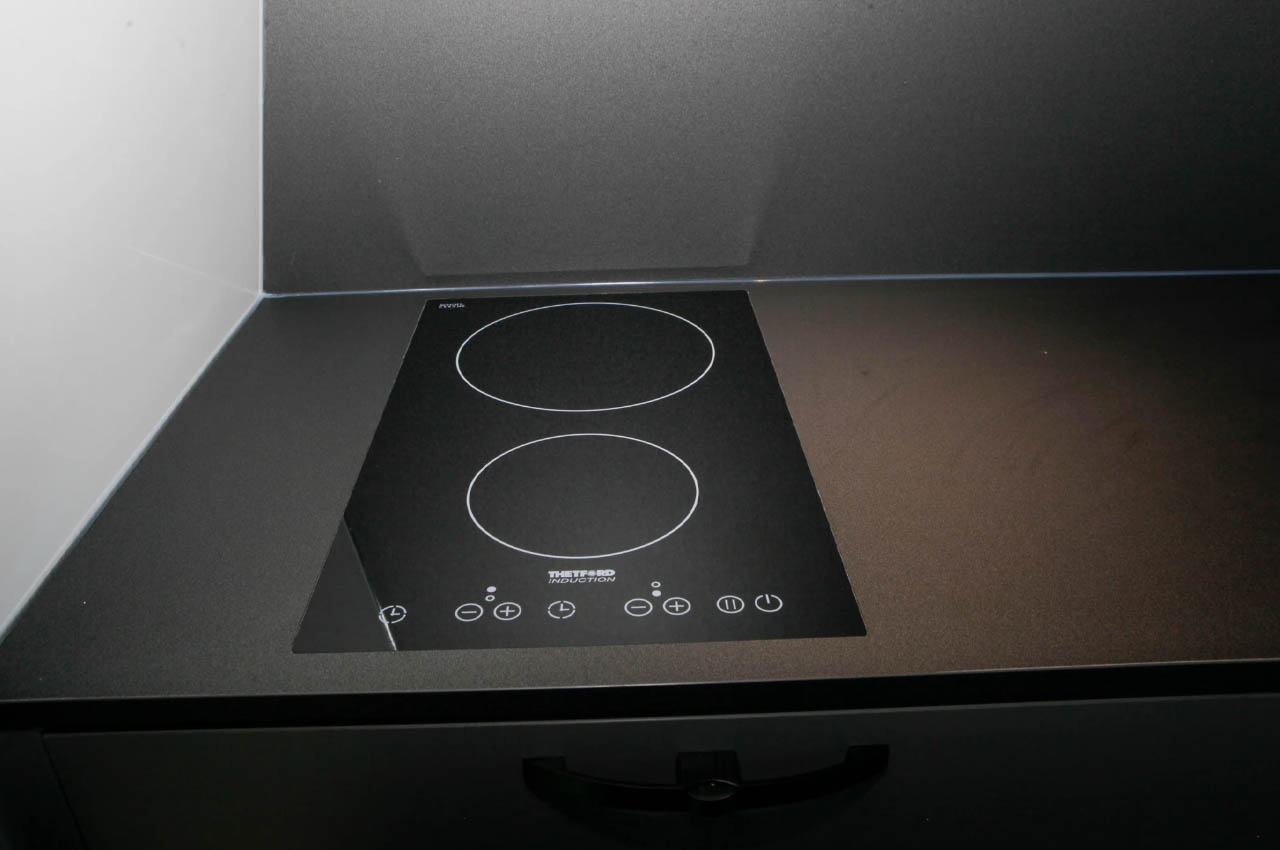
The galley is where the trailer’s heart rests. Here, an efficient kitchen setup includes drawers, cabinets, and an optional sink. To address the challenge of limited space, ROC spreads equipment around, providing a tongue box with a fridge, and a side table ideal for holding a portable stove – all integrated into a flat, tailgate you can flip-open for a satisfying culinary experience on the road.

To make the ALD09 ready for elongated stays in the wilderness, its kitchen is equipped with a 57-liter water tank. The trailer can be retrofitted with a 100-watt solar panel and a 10A Voyager solar controller if required. Starting at a modest $16,999 without the add-ons; if you factor in its lightweight construction and spacious interior, the ROC ALD09 is a modern trailer with environmental responsibility at the back of its mind.

The post Explore the unexplored in the adventure-driven, all-terrain ALD09 camping trailer first appeared on Yanko Design.

Porsche Mission S ‘Boattail’ Concept showcases a Thrilling New Aerodynamic Form

They say the teardrop shape is considered one of the most aerodynamic profiles ever, given how it effortlessly bends the air around it to glide through with minimal drag. The tail of a teardrop plays a crucial role in this process, explaining the importance of tails in birds, planes, and boats. The Porsche Mission S by Zhe Huang brings that feature to automotive design. Created as a hyper-racing MPV, the Mission S recreates the professional racing experience for regular folk with its 911-esque proportions, supercar-esque cockpit, and unique teardrop rear that takes the term ‘boattail’ to new lengths.

Designer: Zhe Huang

The Mission S was designed as a part of Huang’s internship at studiokurbos, Shanghai. Although unaffiliated with the Porsche brand, the Mission S builds on the German marque’s automotive legacy, channeling the same energy that Porsche had when it debuted the Mission X or even the 919. This isn’t your friendly-looking Cayman or 911. It eschews the rounded-headlight curvy design language for something that’s more purpose-built for a racetrack.

The car sports a rather smooth design with flowy surfaces that come together cleanly, instead of being overrun with vents, grooves, and other dramatic details you’d see in overtly aggressive racecars from the likes of Lamborghini. The Mission S doesn’t completely surrender its curves, but rather limits the use of them to the front fenders, keeping its silhouette rather simple. A highlight of its design is its unconventional tail, which tapers off when viewed vertically, resulting in a centrally-located edge-lit taillight. “The design inspiration comes from the waterdrop in ‘Three Body’, which gives the car an extremely dynamic and pure body shape like the Porsche 908 and Porsche Vision Gran Turismo,” Huang says.

The Mission S measures 5.6m (18.3 feet) long and 2.1m (6.8 feet) wide, allowing five passengers including a professional racer to sit inside its cockpit. It stands at 1.26m (4.1 feet) tall, matching the height of the 911, while having the occupants inside sit in a more supercar-esque posture.

Embracing its futuristic demeanor, light-strips make quite an appearance in the Mission S’ design, with their presence on the front in the form of the headlights, as well as the back where the centrally located taillight is also accompanied by lights on each side.

The Mission S experience can be divided between its two variants, rather appropriately named the White and the Black versions. For the faint of heart, the White version prioritizes comfort and friendliness… but if you’re looking to put the pedal to the metal and taste the adrenaline, the Black variant offers faster speeds, a more thrilling experience, and sports a spoiler at the back to maximize downforce for that asphalt-hugging speed experience.

Quite like the Mission X which was revealed in June of this year, it seems like the Mission S concept embraces an electric drivetrain too. It doesn’t discard the venting on the front, which would be a telltale sign of an EV, but rather retains it perhaps for cooling and airflow purposes. One rather elongated door on either side gives access to the Mission S’ interiors, which seat up to 5 people in a 1+2+2 format. The car’s windshield extends all the way from the front to the back, creating a bubble-like effect that is interrupted by the car’s same-color pillars and roof but still strives to offer a panoramic view for its occupants with windows that stretch from the front to the back, and that expansive windshield.

The Mission S aims to deliver the thrill of racing to non-racers with its S trifecta – Speed, Spaciousness, and a Subversive Experience. Although currently just a fan-made concept (with no official endorsement from Porsche), it serves as a great case study for a new car format – with a 5-seater design that doesn’t sacrifice spaciousness… and that gorgeous tail that allows the car to cut through air like a sizzling hot knife through butter!

The post Porsche Mission S ‘Boattail’ Concept showcases a Thrilling New Aerodynamic Form first appeared on Yanko Design.

Experience freedom with PlugVan that transforms small and mid-sized van into adventure haven in 5 minutes

In the adventure community, the allure of the rugged roads steamrolls the idea of having a flexible, easily transformable campervan. And when you cannot find one that is as capable, you need something like the PlugVan: an innovative solution for small van owners looking to unlock the potential of their vehicles for adventure and exploration.

PlugVan gives you the freedom of converting your Mercedes Vito, VW T4, T5, or T6.1 into a fully equipped camper and back to its original state in just five minutes. The PlugVan Small module is the key to turning your ordinary vehicle into a versatile adventure-ready companion. Whether it’s a spur-of-the-moment weekend getaway or a planned road trip, this modular system offers a hassle-free transformation, allowing you to seamlessly switch between everyday utility and a fully equipped camper setup.

Designer: PlugVan

One of the most compelling features of the PlugVan is its adaptability. No modifications to the base vehicle are needed, making it a convenient choice for van owners seeking versatility without sacrificing the integrity of their vehicles. With its compact design, the PlugVan Small measures 200cm long and is adjustable from 122cm to 164cm in width.

The PlugVan Small is crafted to suit various vehicles as its extendable side sections ensure an optimal fit to the width of your van, providing a snug and secure setup. Within this cleverly designed module, you’ll find a swiveling table for indoor and outdoor use, a convenient kitchenette complete with an integrated sink, and a water system for both fresh and wastewater.

Interestingly, the PlugVan also provides a connection for an outdoor shower. Ample storage space is ensured so that all your essentials for the road can be neatly stowed away. 12V light strips illuminate the space within, creating a cozy ambiance for your adventures. The multifunctional design also incorporates a sofa that ingeniously transforms into a comfortable bed, making overnight stays a delight. For those seeking additional amenities, there’s an option for electricity storage and a solar panel.

One of the most appealing aspects of the PlugVan Small is its accessibility. Starting from a reasonable price of 5,880 EUR, this innovative camper module opens up a world of possibilities without breaking the bank. It’s a game-changer for van owners looking to elevate their travel experiences without investing in an entirely new vehicle.

The post Experience freedom with PlugVan that transforms small and mid-sized van into adventure haven in 5 minutes first appeared on Yanko Design.

This electric bicycle turns into a kick scooter but lacks the comfort one would desire

Personal mobility vehicles come in various genres and form factors depending on the specific needs of the user. There is a wide array of options from the upbeat Segway and kick scooters to the more conventional bicycles and unicycles. The creative Asian market in Japan and China is also witness to the more futuristic personal pods that are a cross between a Segway and a scooter.

This electric bicycle further takes the hybrid nature of personal commuters to the next level with Cake bike-inspired aesthetics. The modular nature of this commuter makes it a good option for every kind of user. It can be your scooter, a Cake bike, or an electric ride.

Designer: YU ID

The ride also draws inspiration from everyday gadgets, adapting their sleek form without compromising on the robust aesthetic that’s vital to support the body weight. Talking of supporting the rider’s weight, the saddle takes an awkward-looking shape that’ll not keep the rider comfortable for long. This form factor flows with the slim character of the bicycle but is somewhat of a comfort killer I have to say.

The rear middle section of the Electric Mobility bicycle can be detached for the kick-scooter functionality. A pretty big kick scooter it has to be said, perfect for above-than-average people. Would anyone fancy riding this? Well, this commuter has many bases untouched that should have been taken into consideration while designing the blueprint.

The post This electric bicycle turns into a kick scooter but lacks the comfort one would desire first appeared on Yanko Design.

This Japanese trailer or possible home extension is blank canvas you can shape to your desires

In a captivating unison of innovation and style, reckoned Japanese RV maker, Kworks, has joined forces with Japanese home goods manufacturer Lixil, to birth the Mio Space trailer. This architecturally fascinating trailer rethinks the concept of furnished camping trailers and presents owners with a blank canvas they can furnish to their willingness.

To that accord, Mio Space trailer is a statement of adaptability. Kworks offers it for two possibilities, either it can be used for camping or seamlessly placed to extend the boundaries of your home. As an adaptable trailer, it can thus cater to every day of the year (in your backyard or in the wilderness), with a fascinating design that blurs the line between nature and modern architecture.

Designer: Kworks and Lixil

To start out, the Mio Space trailer captivates with its expansive windows that beckon natural light, complemented by the warm embrace of wooden paneling on the inside and out. The strategic placement of wooden slats from top to bottom not only adds a touch of allure to the interior, it also offers functional spaces to hang furniture, imbuing the trailer with a distinct flexibility.

Arriving in a noticeable rectangular structure, the Mio Space trailer has subtle rounded edges to distinguish its looks. Step inside, and the vast emptiness of the space strikes at first glance. However, Kworks asserts that this deliberate openness embodies a ‘flexible design’ ethos. It allows owners the freedom to shape the space as they desire: whether as a camper’s nest or an additional room that complements one’s home.

While the onus of furnishing the Mio Space trailer falls on its future owners, the clever positioning of slats creates opportunities for storage and a possible kitchen area to make the trailer into a desirable mobile home. If you may, you can pre-order the Mio Space starting summer of 2024. Even though Kworks has kept the features and pricing under wraps for now, we learn Mio Space sales will be confined to Japan, at least initially.

The post This Japanese trailer or possible home extension is blank canvas you can shape to your desires first appeared on Yanko Design.
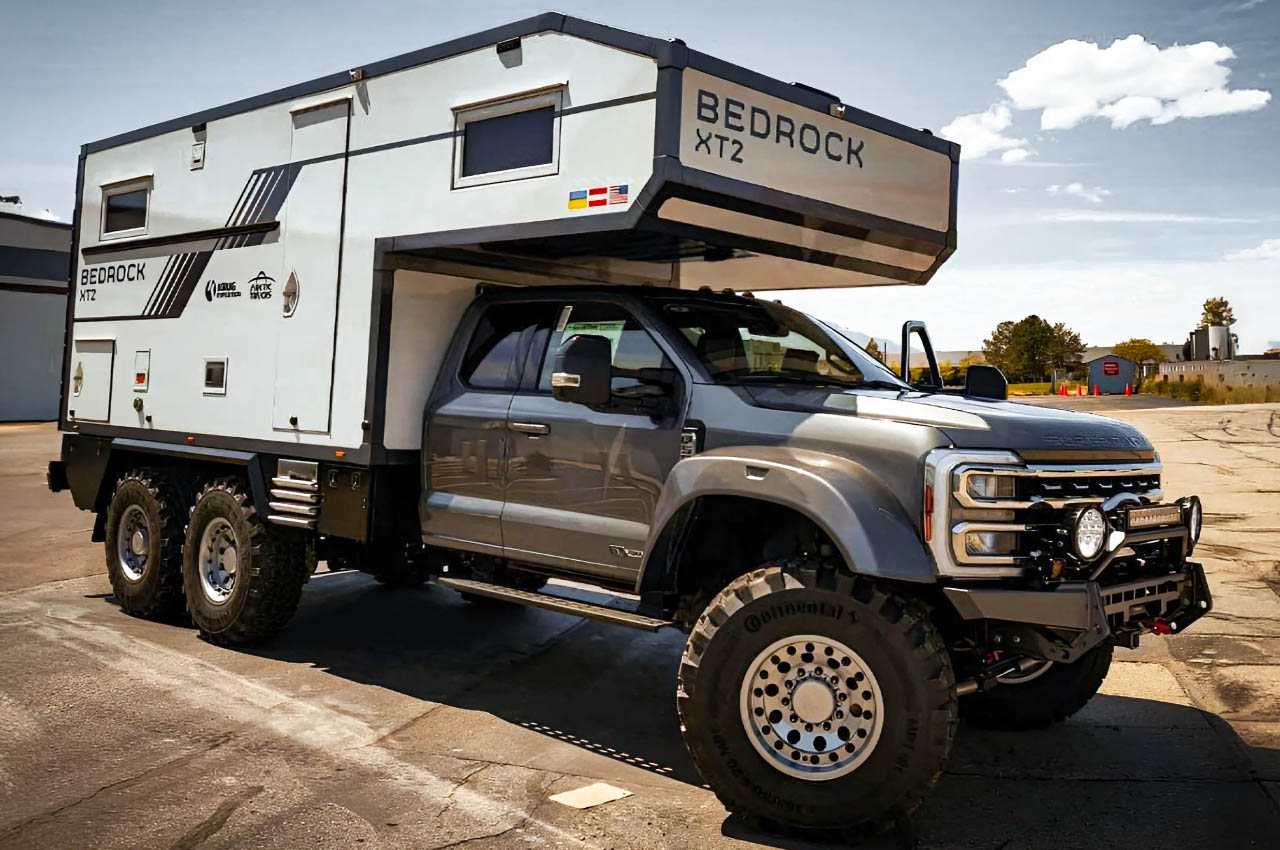
Lexus unveils the futuristic and functional LX 600 overlander for adventure junkies at SEMA 2023

Lexus has once again captured the spotlight at the 2023 SEMA Show with the customized Lexus LX 600. This luxurious, full-size SUV is designed to redefine the boundaries of automotive innovation, showcasing cutting-edge features that make it a standout in the competitive world of SUVs.

One of the most attention-grabbing aspects of the Lexus LX 600 is its stunning color-shifting exterior, a design element that sets it apart from the crowd. This unique feature allows the Overlander SUV to change colors depending on the angle and lighting conditions, giving the vehicle an air of mystique and elegance. It’s a testament to Lexus’s commitment to pushing the boundaries of automotive design and aesthetics.

Designer: Lexus

The LX 600’s interior is where the innovation truly shines. It’s not just an off-roading beast, it’s a mobile luxury kitchen on wheels. Lexus has seamlessly integrated a fully functional kitchen into the rear of the vehicle, making it the perfect choice for those who appreciate the finer things in life. The kitchen boasts top-notch appliances, a spacious countertop, and ample storage space, ensuring that every journey is a culinary adventure waiting to unfurl.

This kitchen setup is an unprecedented addition catering to those who love to embark on road trips and enjoy fine dining while on the go. It transforms the LX 600 into a home away from home, allowing you to prepare gourmet meals without ever leaving the comfort of your vehicle. Under the hood, the Lexus LX 600 doesn’t disappoint either. It’s equipped with a powerful and efficient engine that delivers robust performance and a smooth, comfortable ride. Whether you’re driving on the highway or tackling off-road adventures, the LX 600 offers the versatility to handle any terrain with ease.

In addition to its luxurious features, the LX 600 also offers advanced safety and technology-laden features. It comes with a comprehensive suite of driver-assistance systems that prioritize your safety and the safety of your passengers, making each journey as secure as it is enjoyable. Lexus has truly outdone itself with the LX 600, combining the brand’s renowned commitment to quality with innovative features that set it apart from the competition. The color-shifting exterior and the rear kitchen are not only conversation starters but also practical additions that make the LX 600 an exceptional choice for those seeking luxury and convenience.

The post Lexus unveils the futuristic and functional LX 600 overlander for adventure junkies at SEMA 2023 first appeared on Yanko Design.
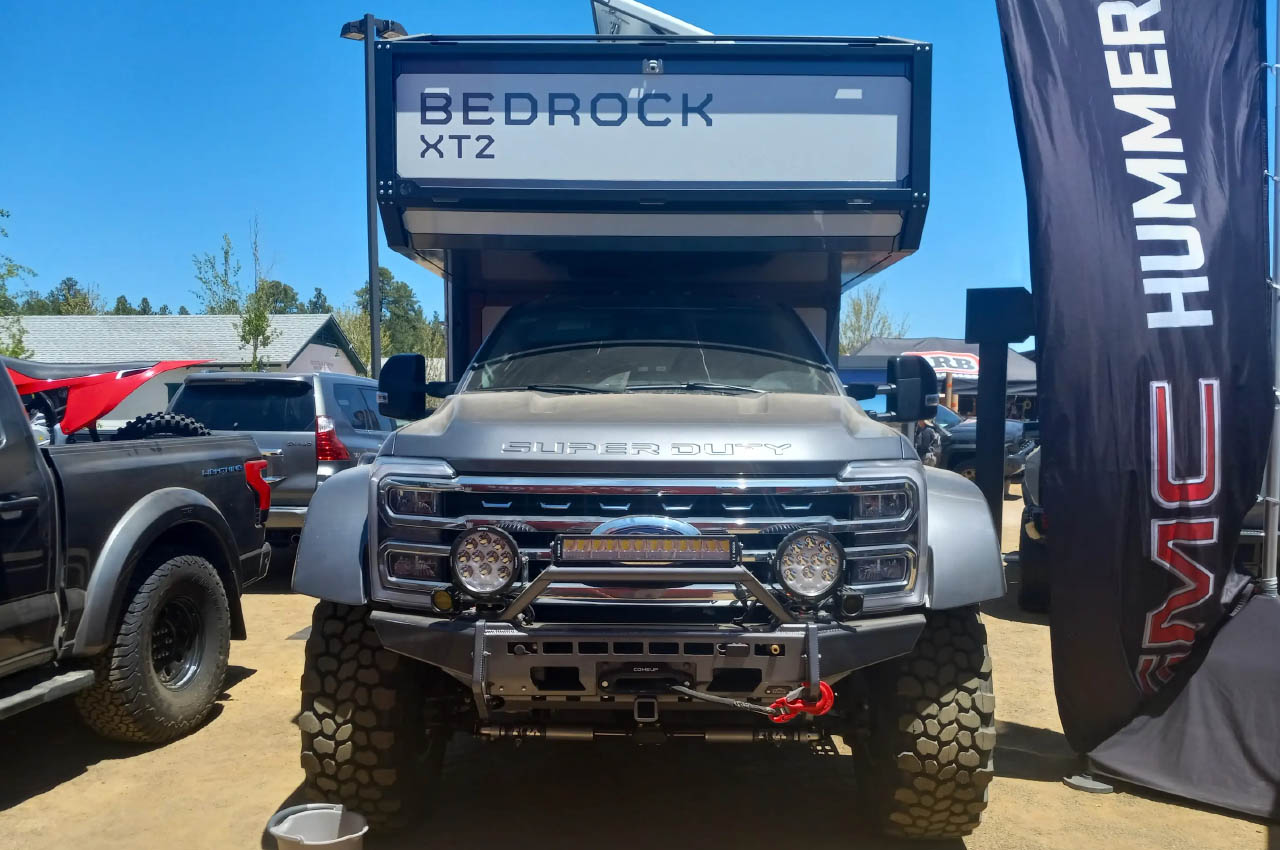
Man builds 13-foot mammoth bumper car which by surprise is street legal

Retirement is often associated with relaxation and leisure. But for Dan Hryhorcoff from Pennsylvania, retirement meant diving into an entirely different realm of creativity: one that involved building extraordinary vehicles that defy traditional expectations.

After years of working on a submarine and various other innovative projects, Dan embarked on an intriguing automotive endeavor during the pandemic and came up with a Bumper car, twice the normal size, but rendered street-legal. Dan’s automotive journey first began with a replica of a vintage Murray General pedal car that he sought to magnify into a larger-than-life fiberglass creation (Dan honed the knack for working with fiberglass through his prior project—a fully functional submarine).

Desginer: Dan Hryhorcoff

However, Dan’s real automotive masterpiece emerges in the form of this gigantic street-legal bumper car. This striking creation measures an astounding 13 feet in length, 7 feet in width, and 5.5 feet in height, doubling the dimensions of a regular bumper car. The inspiration for this colossal bumper car came from a 1953 model bumper car at the Knoebels amusement park in Elysburg, Pennsylvania.

Dan was captivated by its design, reminiscent of a Chevrolet pickup truck from the post-World War II era. Spending meticulous hours at the amusement park, he gathered information and captured every detail necessary to replicate and magnify the charm of the vintage bumper car. Dan’s attention to detail and creativity shone through as he fused elements of a Chevrolet Aveo and a motorcycle wheel into his design, reshaping the traditional bumper car into a unique, functioning vehicle.

With the front of a Aveo integrated into the rear and a motorcycle wheel at the front, his bumper car boasts incredible maneuverability with sharp turning capabilities. The choice of materials was always critical in the construction of this larger-than-life automobile. The exterior, crafted from fiberglass, not only ensures durability but also adds a touch of nostalgia by paying homage to the original bumper car’s design. What truly sets Dan’s creation apart is its ability to be street-legal, a rarity for such unconventional vehicles.
The post Man builds 13-foot mammoth bumper car which by surprise is street legal first appeared on Yanko Design.