The US Food and Drug Administration has approved the first continuous glucose monitor (CGM) people can buy without a prescription. Dexcom's Stelo Glucose Biosensor System has a sensor users are meant to insert into their upper arm, similar to the company's other CGMs that need a doctor's prescription for purchase. It pairs with a smartphone application that can show the user's blood glucose measurements and trends every 15 minutes.
The company designed the device specifically for adults 18 and up who are not using insulin, such as those managing their diabetes with oral medications and non-diabetics making a conscious effort to control their sugar intake. It could be a great tool for people with insulin resistance, including individuals with PCOS and other metabolic issues that heighten their probability of developing diabetes in the future. In general, it could give users the insight to be able to better understand how the food they eat and the movements they make impact their overall health.
While CGMs aren't anything new, they've become a wellness trend on social media last year, and even non-diabetics started using them. By clearing Stelo, the FDA is making the monitors more accessible than before. "CGMs can be a powerful tool to help monitor blood glucose," said Jeff Shuren, MD, director of the FDA's Center for Devices and Radiological Health. "Today's clearance expands access to these devices by allowing individuals to purchase a CGM without the involvement of a health care provide. Giving more individuals valuable information about their health, regardless of their access to a doctor or health insurance, is an important step forward in advancing health equity for U.S. patients."
Stelo will be available starting this summer. Each patch is meant to last for 15 days before users will need to replace it. Dexcom has yet to reveal how much it would cost, but it said Stelo will "provide an option for those who do not have insurance coverage for CGM."
Dexcom
This article originally appeared on Engadget at https://www.engadget.com/fda-approves-the-first-over-the-counter-continuous-glucose-monitor-130008629.html?src=rss
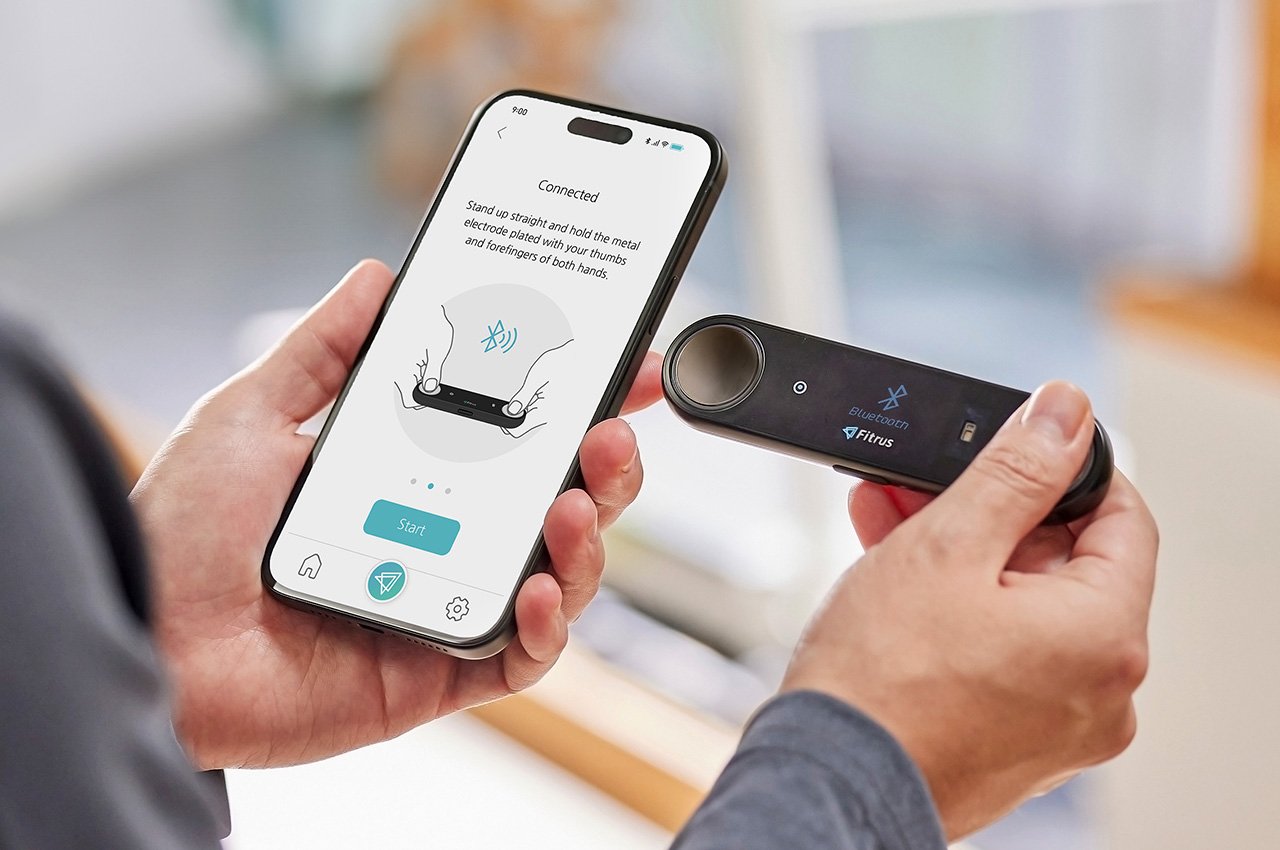
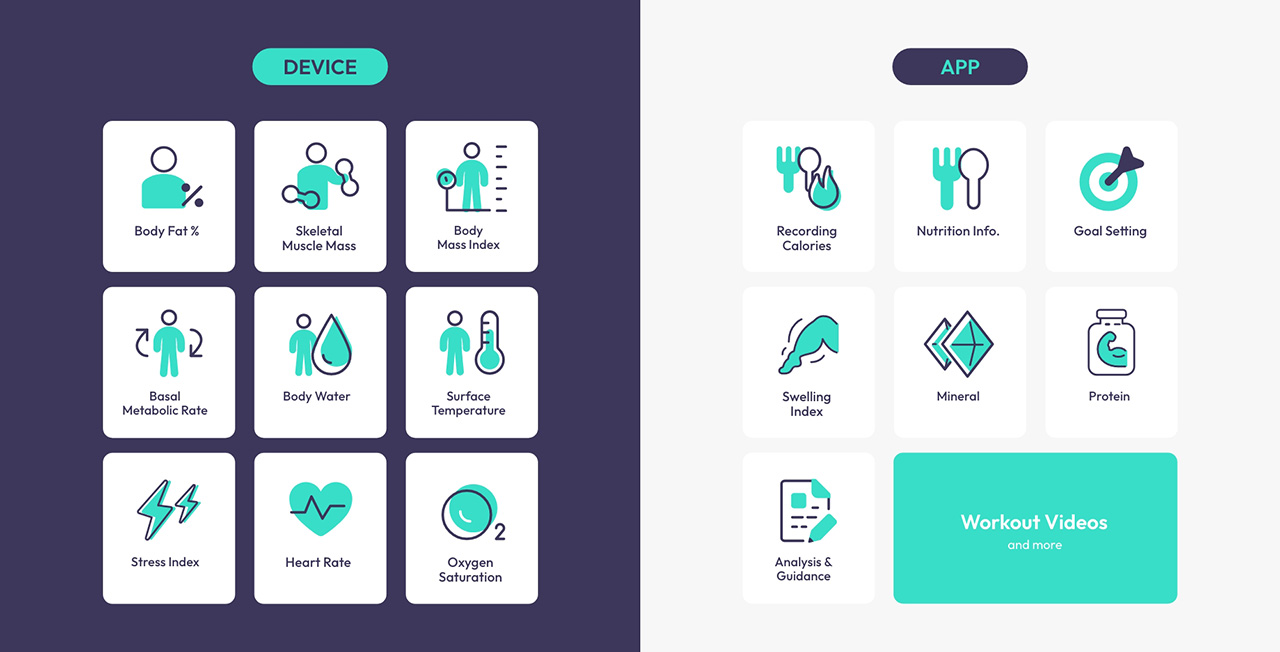
A portable body composition tracker offers detailed health insights anywhere and anytime. The third-generation Fitrus Plus 3.0 retains its portability while introducing numerous upgrades, making it a versatile health companion accessible whenever and wherever needed. It measures body fat, skeletal muscle mass, body mass index (BMI), basal metabolic rate (BMR), heart rate, and body water all at once. This tracker aids in setting attainable fitness goals and tracking progress, which helps maintain motivation and improve health outcomes. Tracking your body’s reactions is crucial for individuals following specific fitness or diet plans. With its portability, the Fitrus Plus 3.0 easily incorporates health monitoring into daily routines, thanks to the additional features of the third generation.
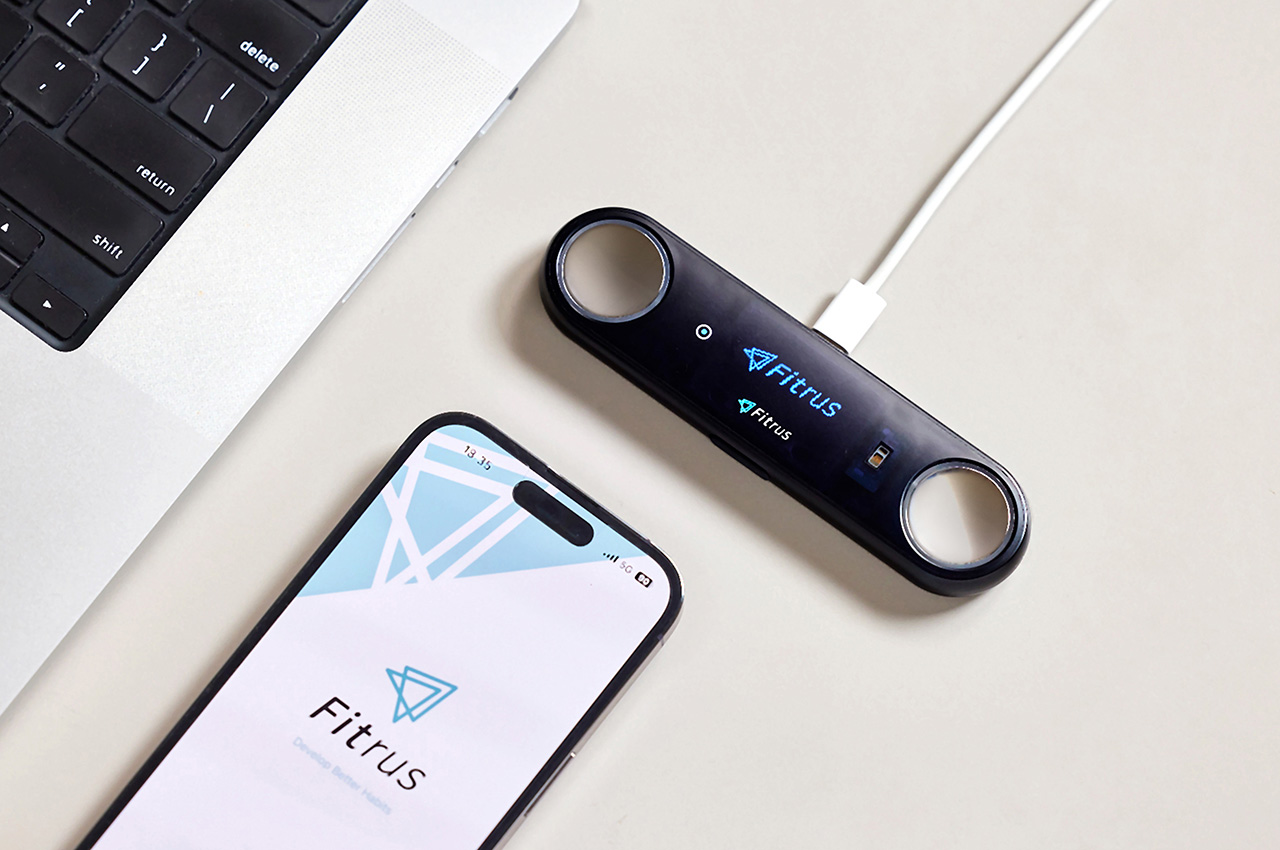
These data are obtained from a physical tracker combined with intelligent software. The new Fitrus Plus 3.0 features a significant improvement in battery life, extending from 4-5 days on the Fitrus Plus 2.0 to 20 days. The charging port has been upgraded from Micro 5-pin to USB Type-C. A full charge takes 3 hours. The device features a 1.3” OLED display with a resolution of 128 x 64 pixels. This makes it easy to read data such as body composition, skin temperature, object temperature, heart rate, stress index, and battery life.
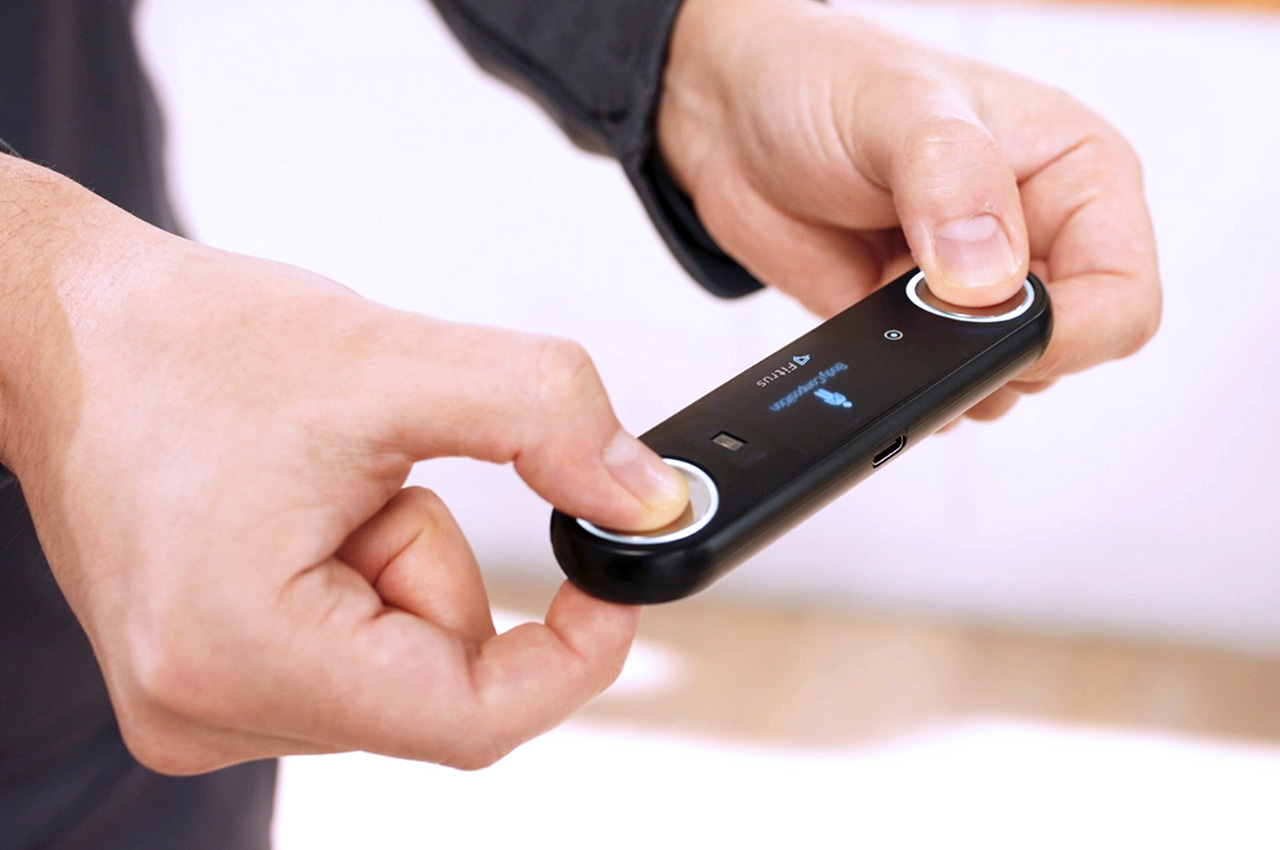
Hold the four electrodes with your thumbs and index fingers, stretch your arms forward. Keeping your elbows straight, and avoid touching your hands together. Wait until the results appears!
The new design is as smooth and user-friendly as the software that powers it. The updated health tracking functions, including protein, mineral, and swelling indexes, make the upgrade from the previous generation worthwhile. These additions allow for a more comprehensive health analysis. Gaining insights into your body’s changes is valuable. However, further benefits can be derived, such as receiving personalized health recommendations for meal plans and workout routines. These are based on the collected and analyzed data. As our bodies change over time, whether we notice it or not, these personalized recommendations continue to adapt, enabling you to achieve your best self.
Like the temperature sensor in the Google Pixel 8, an IR sensor can be used to measure skin temperature without contact. It instantly displays the temperature on the OLED screen, eliminating the need for a smartphone. This device is especially useful for parents with young children, as it can also measure the temperature of soup or milk to prevent burns. Measuring 4.96 inches long, 0.54 inches thick, and 1.34 inches wide, and weighing just 1.41 ounces, the Fitrus Plus 3.0 champions portability. Using the Fitrus is straightforward – hold the four electrodes with your thumbs and index fingers, then extend your arms forward. Ensure your elbows are straight and your hands are not touching. Maintain a straight posture and the results will display. The device automatically turns off after taking the measurement, which adds convenience as you don’t need to turn it off manually.
The Fitrus Plus 3.0 revolutionizes personal health tracking by combining portability with a rich array of health metrics, making it an essential tool for anyone committed to maintaining an active and healthy lifestyle. Its extended 20-day battery life, user-friendly USB Type-C charging, and clear OLED display ensure that users can access detailed insights into their body composition, heart rate, and more anytime and anywhere. With its enhanced features and the ability to provide personalized health recommendations, the Fitrus Plus 3.0 not only tracks health data but also helps users achieve their fitness goals with greater precision and motivation.
The Fitrus Plus 3.0 requires no subscriptions or additional payments. The application for iOS and Android is free, and the company has stated that they have no plans to implement a subscription fee in the future.
Wellness design’ is on the rise, focusing on prioritizing people’s health in the design process by considering factors like lighting, air quality, and connections to nature. As interior design significantly affects mental health, it should also support our health and well-being. Note that incorporating wellness into interior spaces is fundamental to fostering successful and healthy lifestyles where physical, emotional, and aesthetic aspects should be considered, leveraging sensory effects. Wellness entails utilizing sustainable natural materials, optimizing natural light and airflow, judiciously employing artificial lighting, designing layouts for social interaction and private contemplation, enhancing existing pieces through upcycling, and manipulating color to influence mood.
Image courtesy of: wirestock
This holistic approach extends beyond interiors, encompassing the broader environment through mindful material sourcing. Key strategies include optimizing natural light and airflow, fostering tranquil private areas with a connection to nature, employing natural materials, and organizing space effectively for seamless functionality. These considerations contribute to creating environments conducive to overall wellness. Here are key factors to take into account when incorporating wellness into interior design.
Natural Light and Ventilation
Image courtesy of: bialasiewicz
As natural light significantly influences circadian rhythms and boosts serotonin levels, it is important to prioritize maximizing natural light in the interior spaces to support a healthy sleep cycle. Wellness architecture prioritizes healthy airflow and toxin elimination, achieved by allowing rooms to breathe and incorporating features like large windows, high ceilings, and vents. Plants are also essential for cleaning the atmosphere, making greenery a must-have for any space.
Artificial Lighting
Image courtesy of: hemul75
Light plays an important role in wellness design, significantly impacting our daily lives by regulating our wakefulness and sleep cycles. This influence stems from our circadian rhythm, a self-regulatory system. Harsh light disrupts our sleep-wake cycle, while low light levels can induce fatigue.
Thermal Comfort
Image courtesy of: bialasiewicz
As thermal comfort is affected by air movement, temperature, humidity, and human behavior, the building should be oriented according to the position of the sun. Strategic placement of windows, treatments, overhangs, and landscaping can enhance the thermal comfort of your home.
A Clutter-free Space
Image courtesy of: dit26978
A cluttered environment tends to drain our energy and impact our mood negatively. When thinking about interior design and mental health, the best thing is to have a functional layout that is easy to organize and tidy up. Optimize your space with fluid, flexible organization to minimize stress. Conceal necessary but unattractive items while displaying meaningful décor. Close off messy areas behind doors for visual clarity and peace of mind. Invest in furniture pieces that suit your needs or are multifunctional so that they take up less space.
Biophilic Design
Image courtesy of: IrynaKhabliuk
The rise of biophilic interior design taps into nature’s mood-boosting power, integrating these principles for functional and aesthetically pleasing spaces that promote mental health. Scientifically supported benefits of nature, such as stress reduction and improved health, emphasize the importance of incorporating plants and natural elements into interiors. These additions not only enhance air quality but also elevate mood and reduce anxiety. Simple touches like hanging baskets or kitchen herb gardens can effortlessly infuse color and charm into living spaces.
Color and Mood
Image courtesy of: FollowTheFlowStudio
Color significantly influences a room’s mood and emotions where lighter colors create an airy, spacious feel, while darker tones offer intimacy. Neutrals like black, gray, white, and brown balance passive and active colors. Active hues like yellow and pink stimulate creativity, while passive ones like blue and green promote calmness. Personal preferences should guide color choices, as emotional responses vary. Color plays a significant role in shaping mood, impacting the emotional well-being of the end user. Tailoring the color palette to suit the primary function of each room enhances the space’s intended purpose.
Natural Materials
Image courtesy of: FollowTheFlowStudio
To reduce the risk of off-gassing from synthetic fibers in fabrics and paints, avoid manmade materials in your home. Opt for essential oils instead of artificial fresheners to improve air quality. Furnish with natural materials like wood, organic cotton, organic linen, and wool for healthier living spaces. Sustainable organic materials are essential, extending beyond transparency in sourcing to encompass waste reduction, renewability, energy efficiency, and non-toxicity. Note that treated materials, such as chemically stained wood, chemically sealed tiles, flooring with formaldehyde, and fire-retardant fabrics, can release harmful compounds into the air, often unnoticed.
Sleep Well
Image courtesy of: anontae2522
Good sleep forms an important component of wellness and rejuvenation. Additionally, comfort is essential in wellness-focused interior design, with ergonomics ensuring user-friendliness. It encompasses psychological, physiological, and anatomical comfort, alongside efficiency and aesthetic appeal. Neglecting any of these elements renders the space ergonomically incomplete.
Find time to relax and get a good night’s sleep on an ergonomic mattress. Hästens beds epitomize the use of premium natural materials, sustainably and ethically sourced, ensuring their potential for future reuse. Renowned for its exceptional properties, horsehair provides unparalleled support and pliability, augmented by its innate ventilation system. Independently tested for allergens, horsehair remains hypoallergenic, boasting natural antibacterial qualities for a hygienic sleep environment. Processed meticulously since the 1800s, horsehair undergoes rigorous cleaning and disinfection, resulting in a pristine, resilient filling material.
Complementing horsehair, soft cotton facilitates airflow, promoting quicker sleep onset and deeper rest. In contrast, non-porous materials lack ventilation, fostering moisture retention and bed mite proliferation. Selectively sourced and meticulously sorted, horsehair variants ensure consistent quality across all products. Additionally, wool and flax are utilized for temperature regulation, static dissipation, and sound absorption, culminating in a harmonious blend of comfort and performance. Crafted with precision, spring systems, including pocket and Bonnell spiral designs, offer tailored support and longevity, backed by a 25-year warranty.
Sustainability
Image courtesy of: pro_creator
Having sustainability as a wellness focus in the home involves incorporating eco-friendly materials such as linoleum, floral leather, and cork into furniture, as well as utilizing vintage pieces. Additionally, integrating cutting-edge technology helps optimize energy consumption within the spaces. By employing computer simulations to track the sun’s trajectory, one can accurately determine the necessary cooling and heating requirements for each area. Choose green products free of VOCs and harmful chemicals to optimize a healthy environment. Consider materials like wool, stone, bamboo, cork, hempcrete, clay, and other bio-based options. Recycled steel and plastic are great for architecture and furniture design. Buying secondhand items is an effective way to reduce your footprint.
Lighting
Image courtesy of: LightFieldStudios
Light is increasingly pivotal in home design, with spaces crafted around natural light sources and smart lighting systems mimicking daylight. Natural light is central to the discussion, offering significant health and wellness benefits by enhancing productivity, alertness, and mood. It not only influences our day-night rhythm but also impacts our vitamin D balance crucial for bone health. By strategically employing lighting and leveraging cutting-edge technology, we create adaptable lighting schemes that render spaces both versatile and aesthetically pleasing. Customizing lighting to suit each room’s purpose helps regulate mood and enhance productivity. Additionally, minimizing exposure to blue light by reducing screen time before bedtime promotes improved sleep quality and reduces anxiety levels.
Image courtesy of: hemul75
Wellness in design is increasingly prominent across architecture, furniture, and interiors, driven by a growing public awareness. The pandemic has accelerated this trend as people reassess their lifestyles and prioritize mental and physical health. With more time spent at home, there’s a heightened focus on adapting living spaces to accommodate remote work and other needs.
There’s a reason smartwatches haven’t replaced clinically validated gear when you visit the hospital — accuracy and reliability are paramount when the data informs medical procedures. Even so, researchers are looking for ways in which these devices can be meaningfully used in a clinical setting. One project in the UK has explored if a Garmin Venu 2 and dedicated companion app could be used to free up doctors and nurses, six minutes at a time.
The Six Minute Walk Test (6MWT) is used to diagnose and monitor a number of cardiovascular maladies. This includes conditions like Pulmonary Hypertension that, if left untreated, are eventually fatal. “[The test has been] a cornerstone of hospital practice and clinical trials for decades all around the world as [...] a marker of how well the heart and lungs are working,” project leader Dr. Joseph Newman told Engadget. While a change in a blood test marker might be clinically relevant, he said “it’s probably more important to someone that they can walk to the shop and back.”
The test requires a patient walk on a flat, hard surface for six minutes straight, which stresses the heart enough to measure its capacity. A professional tests the patient’s heart rate and blood oxygen levels at the start and end. While it’s simple and reliable, "it’s not perfect,” according to Dr. Newman. “This is why we’ve looked to change it in two important ways," he said, "can we make it shorter [...] and digitize it for remote use?"
After all, six minutes is a lifetime in a clinical setting, and patients dislike having to schlep all the way to their hospital just to walk up and down a corridor. It’s why Newman and Lucy Robertson — both researchers at the Royal Papworth Hospital in Cambridge — began looking for ways to revolutionize the test. They wanted to see if the test could be shortened to a single minute, and also if it could be carried out by a patient at home using a Venu 2.
The watch was connected to a secure and dedicated clinical trial platform built by Aparito – a Wrexham-based developer – for testing. This was then sent out to patients who were instructed to wear the watch and walk outdoors to complete their own tests. “They’re asked to walk on flat, even, dry, relatively straight roads rather than in laps or circuits,” Dr. Newman said, with patients walking at their own natural pace.
“We carried out a product appraisal early on in the research process and were open-minded as to the brand or model,” said Dr. Newman. “Garmin came out on top for a few reasons; we can access raw data as well as Garmin’s algorithmically-derived variables,” he said. Because the research was being funded by a charity, the British Heart Foundation, the watch had to offer good value for money. It helped that Garmin, with its established health research division, gave the team “confidence in the accuracy of the sensors,” not to mention the fact that Aparito feels that “the Garmin SDK is relatively easy to work with,” he added.
But while Garmin is in use right now, there’s no reason this setup couldn’t eventually work with a number of other brands. “As long as the technology works, it’s accurate, reliable and patients accept it, then we’re not tied to any brand,” he said.
There are several benefits in giving patients the ability to run the tests at home: it’s more representative of the demands of their actual life, and patients can retake the test at regular intervals, making it easier to track that person’s health over time. “We can see real value in providing patients with pulmonary hypertension with an app and smartwatch to monitor their progress,” Dr. Newman said. “It’s unlikely to ever fully replace the need for in-person hospital reviews, but it will likely reduce their frequency.”
The results of the study right now suggest cutting the test to one minute has no detrimental effect on its outcome or accuracy, and that patients are far more likely to run the test regularly if they’re able to do so at home. “It’s likely that the upfront costs of wearables [to a hospital] may be offset by the longer term reduction in hospital visits,” Dr. Newman said. If that turns out to be right, it means clinicians can better focus their time and efforts where their expertise is more valuable.
This article originally appeared on Engadget at https://www.engadget.com/dr-garmin-will-see-you-now-160013340.html?src=rss
After designating social media as a "public health hazard" in late January, New York City is now suing Meta, Google, Snap and TikTok for "fueling nationwide youth mental health crisis." Specifically, these companies face three counts in the lawsuit: public nuisance, negligence and gross negligence. The Mayor Eric Adams administration accuses TikTok, Instagram, Facebook, Snapchat and YouTube of "endangering our children's mental health, promoting addiction, and encouraging unsafe behavior."
These are allegedly achieved by way of harmful algorithms, gambling-like mechanisms and manipulation through reciprocity — making the user "feel compelled to respond to one positive action with another positive action." The city believes that there is a correlation between the increase in social media usage and the decline in local youth mental health over "more than a decade."
In response, Google and Meta told CNBC that they have always worked with youth safety experts and provided parental control tools. ByteDance's TikTok also highlighted some of its specific tools to Axios, namely age-restricted features, parental controls and an automatic 60-minute time limit for users under 18. However, none of the tech companies acknowledged the problematic features listed by the Adams administration.
This lawsuit follows a recent Senate hearing on online child safety, in which the CEOs of all the aforementioned tech companies (except Google) were present. In his opening remarks, Senator Lindsey Graham told the tech execs that "you have blood on your hands" — a reference to online child exploitations and cyberbullying that unfortunately led to deaths.
Through this case, the Adams administration wants these tech companies to pay up for the city's youth mental health services, which apparently cost more than $100 million each year. But ultimately, it's about forcing these tech giants to stop manipulating young users into addictive behavior, as well as to make policymakers place new federal laws that safeguard youth mental health on social platforms.
Before this New York City lawsuit, Meta already faces a similar case from 41 states back in October 2023, in which it was accused of misleading the public about the safety of its platform's "addictive" features. Meta, Snap, TikTok and Google were also sued in a multi-district litigation in 2022 for their addictive features that allegedly cause "emotional and physical harms, including death" to adolescents.
This article originally appeared on Engadget at https://www.engadget.com/new-york-city-is-suing-social-media-firms-for-allegedly-harming-the-mental-health-of-children-082524295.html?src=rss
The “P” in HIPAA doesn’t stand for privacy. It’s one of the first things a lot of experts will say when asked to clear up any misconceptions about the health data law. Instead, it stands for portability — it’s called the Health Insurance Portability and Accountability Act —and describes how information can be transferred between providers. With misinterpretations of HIPAA starting with just its name, misunderstandings of what the law actually does greatly impact our ability to recognize how the kinds of data do and don't fall under its scope. That’s especially true as a growing number of consumer tech devices and services gather troves of information related to our health.
We often consider HIPAA a piece of consumer data privacy legislation because it did direct the Department of Health and Human Services to come up with certain security provisions, like breach notification regulations and a health privacy rule for protecting individually identifiable information. But when HIPAA went into effect in the 1990s, its primary aim was improving how providers worked with insurance companies. Put simply, “people think HIPAA covers more than it actually does,” said Daniel Solove, professor at George Washington University and CEO of privacy training firm TeachPrivacy.
HIPAA has two big restrictions in scope: a limited set of covered entities, and limited set of covered data, according to Cobun Zweifel-Keegan, DC managing director of the International Association of Privacy Professionals. Covered entities include healthcare providers like doctors and health plans like health insurance companies. The covered data refers to medical records and other individually identifiable health information used by those covered entities. Under HIPAA, your general practitioner can't sell data related to your vaccination status to an ad firm, but a fitness app (which wouldn't be a covered entity) that tracks your steps and heart rate (which aren't considered covered data) absolutely can.
“What HIPAA covers, is information that relates to health care or payment for health care, and sort of any piece of identifiable information that’s in that file,” Solove said. It doesn’t cover any health information shared with your employer or school, like if you turn in a sick note, but it does protect your doctor from sharing more details about your diagnosis if they call to verify.
A lot has changed in the nearly 30 years since HIPAA went into effect, though. The legislators behind HIPAA didn’t anticipate how much data we would be sharing about ourselves today, much of which can be considered personally identifiable. So, that information doesn’t fall under its scope. “When HIPAA was designed, nobody really anticipated what the world was going to look like,” Lee Tien, senior staff attorney at the Electronic Frontier Foundation said. It’s not badly designed, HIPAA just can’t keep up with the state we’re in today. “You're sharing data all the time with other people who are not doctors or who are not the insurance company,” said Tien.
Think of all the data collected about us on the daily that could provide insight into our health. Noom tracks your diet. Peloton knows your activity levels. Calm sees you when you’re sleeping. Medisafe knows your pill schedule. Betterhelp knows what mental health conditions you might have, and less than a year ago was banned by the FTC from disclosing that information to advertisers. The list goes on, and much of it can be used to sell dietary supplements or sleep aids or whatever else. “Health data could be almost limitless,” so if HIPAA didn’t have a limited scope of covered entities, the law would be limitless, too, Solove said.
Not to mention the amount of inferences that firms can make about our health based on other data. An infamous 2012 New York Times investigation detailed how just by someone’s online searches and purchases, Target can figure out that they’re pregnant. HIPAA may not protect your medical information from being viewed by law enforcement officers. Even without a warrant, cops can get your records just by saying that you’re a suspect (or victim) of a crime. Police have used pharmacies to gather medical data about suspects, but other types of data like location information can provide sensitive details, too. For example, it can show that you went to a specific clinic to receive care. Because of these inferences, laws like HIPAA won’t necessarily stop law enforcement from prosecuting someone based on their healthcare decision.
Today, state-specific laws crop up across the US to help target some of the health data privacy gaps that HIPAA doesn’t cover. This means going beyond just medical files and healthcare providers to encompass more of people’s health data footprint. It varies between states, like in California which provides options to charge anyone who negligently discloses medical information or some additional breach protections for consumers based in Pennsylvania, but Washington state recently passed a law specifically targeting HIPAA’s gaps.
Washington State’s My Health My Data Act, passed last year, aims to “protect personal health data that falls outside the ambit of the Health Insurance Portability and Accountability Act,” according to a press release from Washington’s Office of the Attorney General. Any entity that conducts business in the state of Washington and deals with personal information that identifies a consumer’s past, present or future physical or mental health status must comply with the act’s privacy protections. Those provisions include the right not to have your health data sold without your permission and having health data deleted via written request. Under this law, unlike HIPAA, an app tracking someone’s drug dosage and schedule or the inferences made by Target about pregnancy would be covered.
My Health My Data is still rolling out, so we’ll have to wait and see how the law impacts national health data privacy protections. Still, it’s already sparking copycat laws in states like Vermont.
This article originally appeared on Engadget at https://www.engadget.com/hipaa-protects-health-data-privacy-but-not-in-the-ways-most-people-think-184026402.html?src=rss
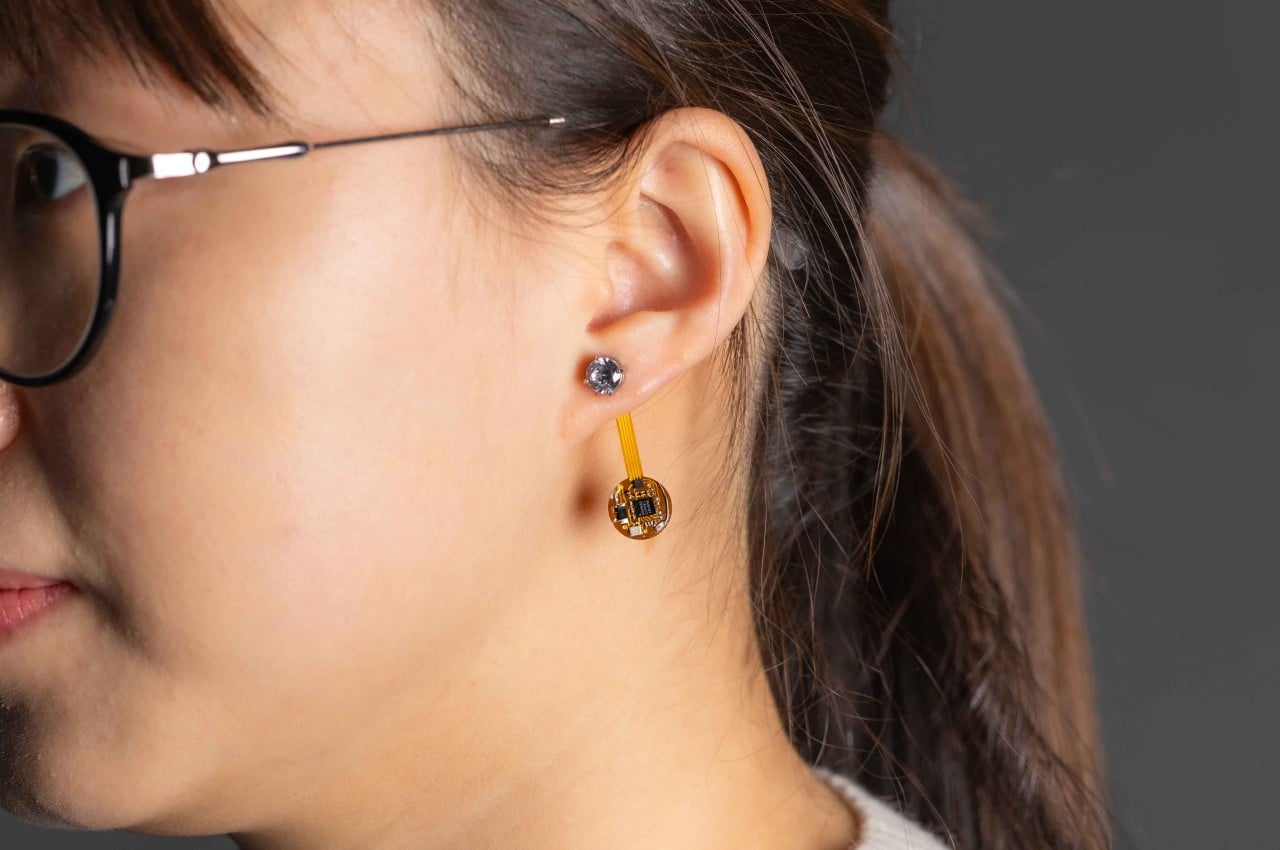
When people talk about wearables or wearable tech, they are mostly thinking of smartwatches and fitness trackers, basically those that are worn on your wrist. Technically speaking, however, any kind of technology that can be worn on your body would qualify as wearables, hence the name, but we have been restrained by the limits of current technologies and design trends. Fortunately, it isn’t a dead end yet, and smart rings are starting to become a viable alternative, allowing some people to still keep track of their health while finally being able to wear their favorite classic watches again. These rings reveal the potential of jewelry that could deliver those same features while allowing you to maintain your fashion sense, like this earring that can read your body temperature, something that is still uncommon even on smartwatches today.
Designers: Qiuyue (Shirley) Xue, Yujia (Nancy) Liu, Joseph Breda, Vikram Iyer, Shwetak Patel, Mastafa Springston (University of Washington)
Our bodies are a treasure trove of data, depending on which part you are observing. Smartwatches try to shed light on our health by literally shining light through the skin on our wrists and down to blood vessels. Smart rings largely do the same, though on your finger, of course. While much of your body’s state can be calculated from these areas, some body parts give more accurate biometrics than others. There might still be some debate about it, but some researchers believe that the ears, particularly our earlobes, are a better source for that kind of information.
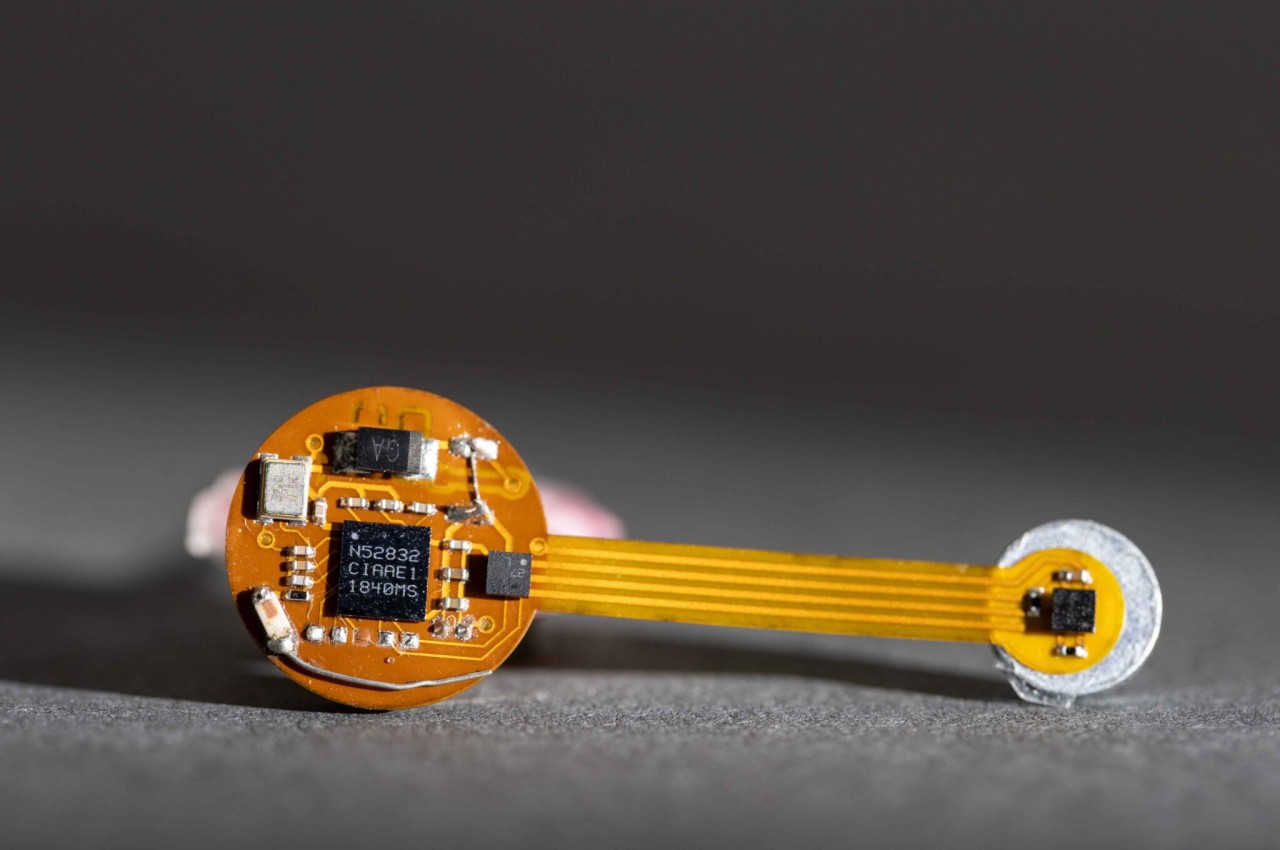
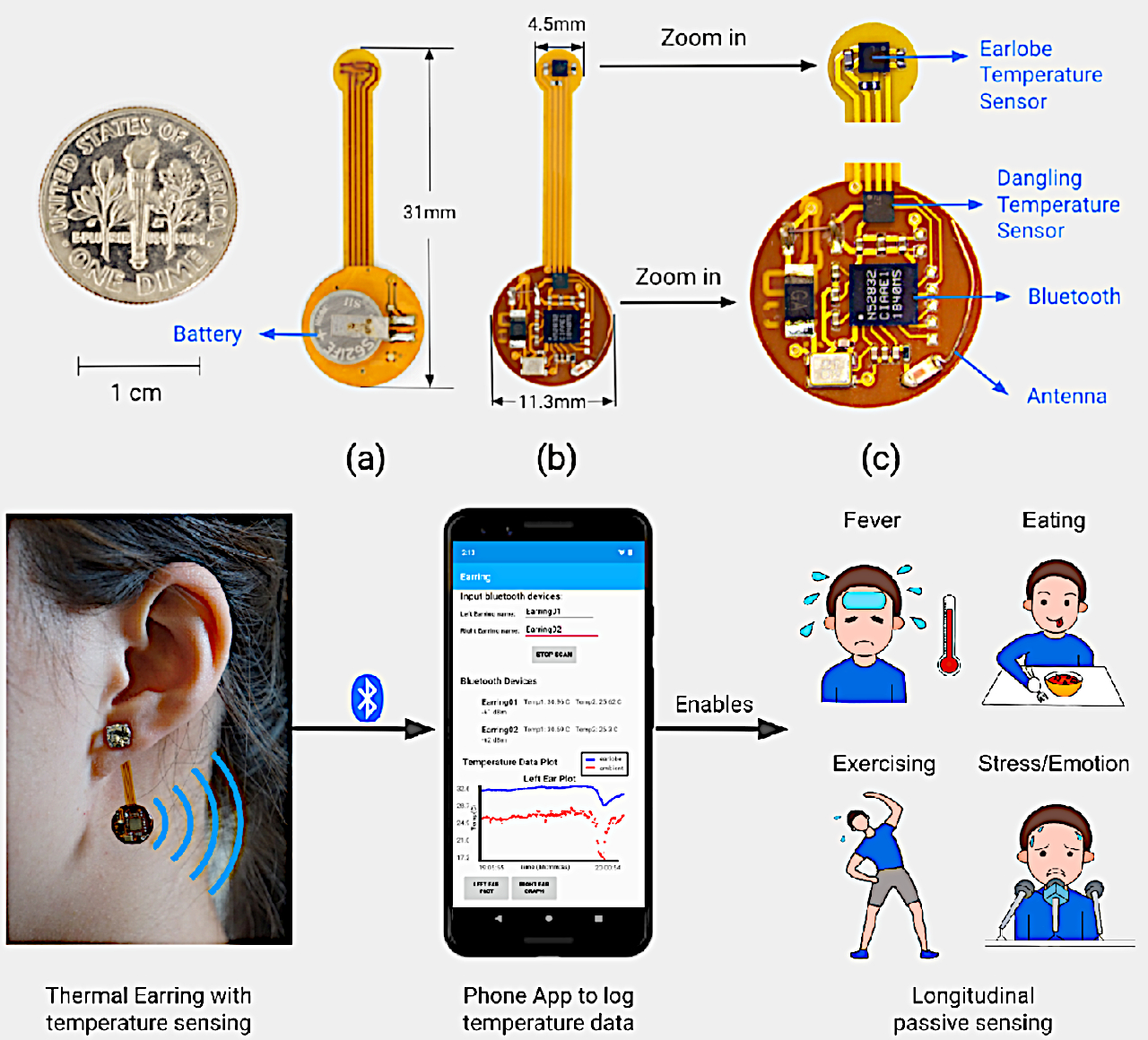
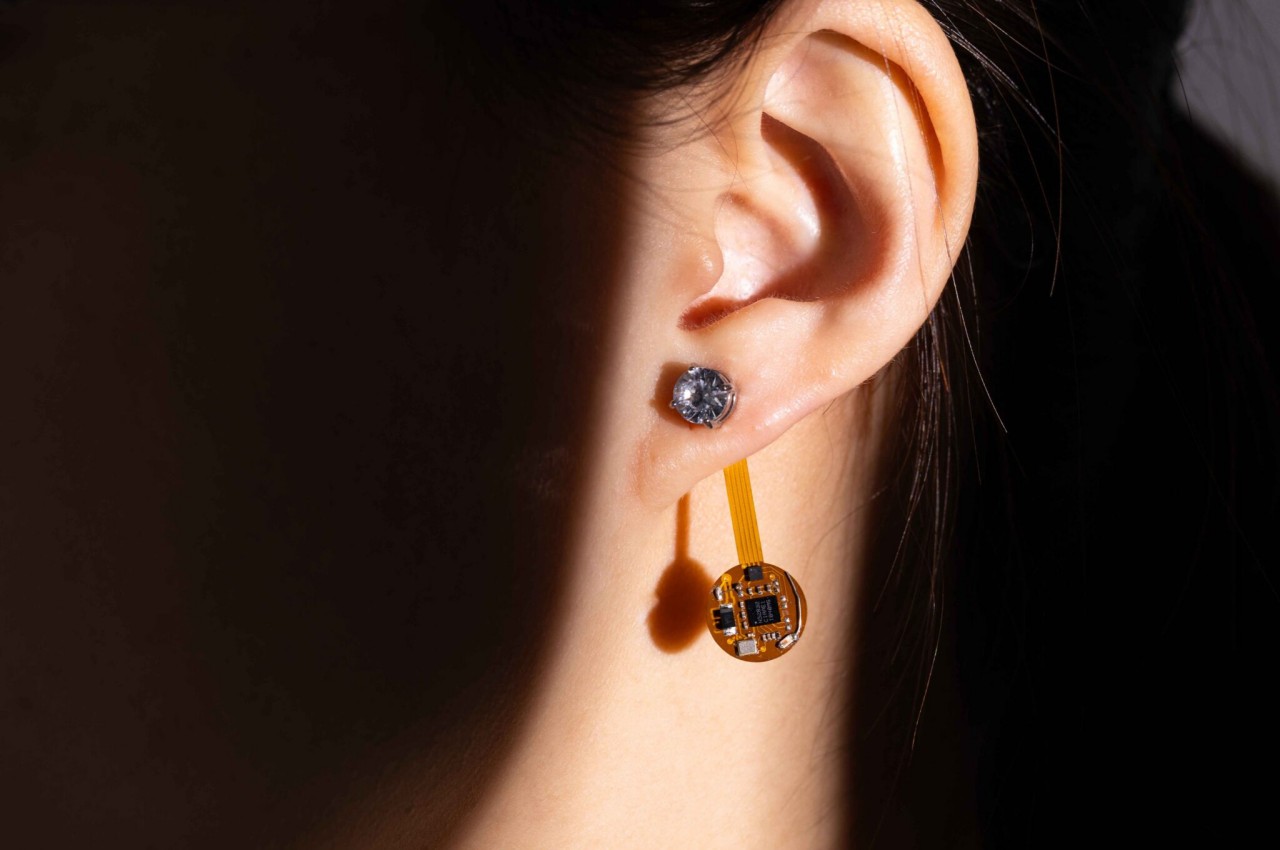
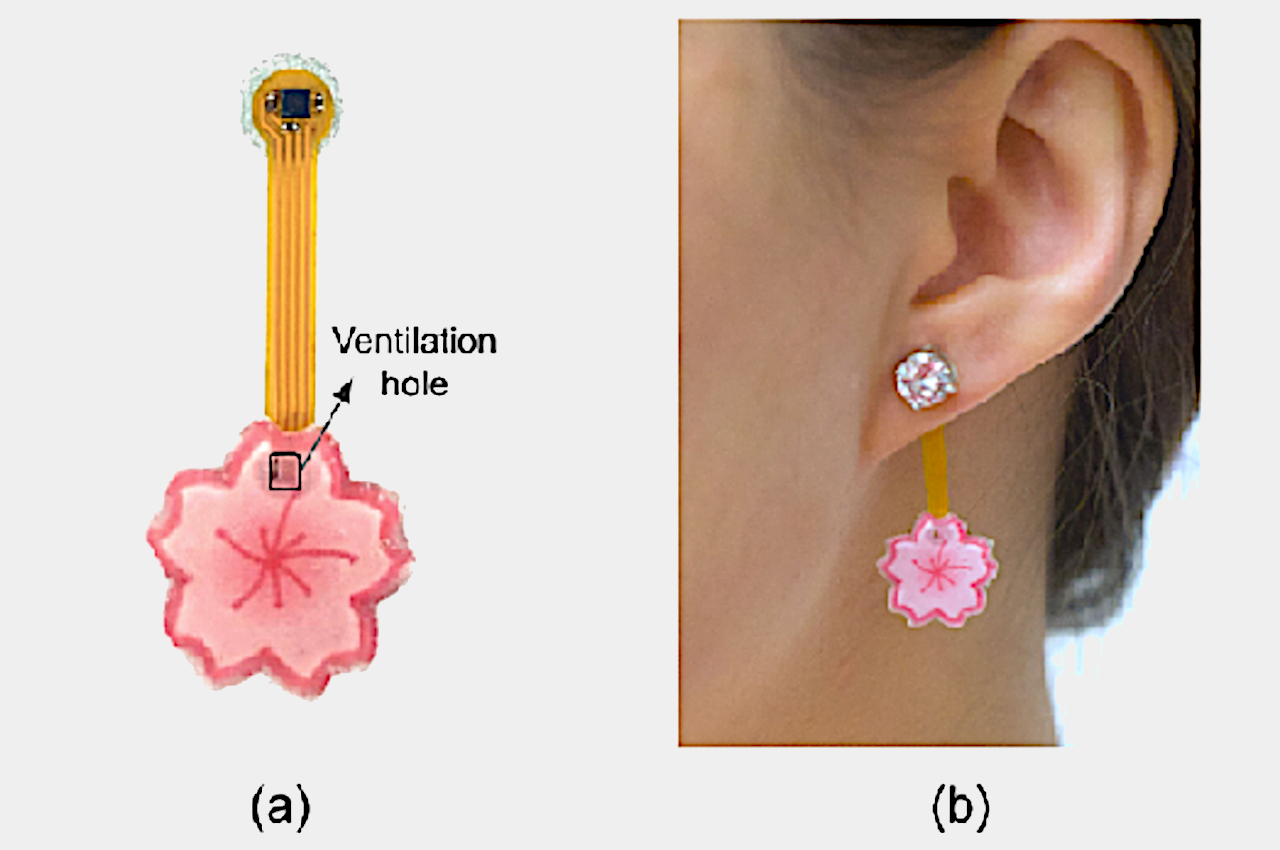
That’s the medical foundation that the Thermal Earrings are based on, a research project that is attempting to create a new wearable that is both functional and potentially fashionable, especially for women. The device uses two sensors, one that magnetically clips to the earlobe and measures body temperature, while another dangles an inch below it to measure room temperature. Comparing data from these two sources yields a more accurate body temperature reading compared to smartwatches that can’t properly differentiate ambient temperature. This accurate reading is crucial not just for knowing your body’s temperature but, for women, also for keeping track of their ovulation and periods.
The Thermal Earrings’ diminutive design presents both a challenge and an opportunity. It uses up very little power and uses low-power Bluetooth to transmit its data to a paired smartphone. In theory, it can be charged with solar or kinetic energy, but implementing a charging system for that is proving to be a bit tricky. And since only one earring is enough to read the wearer’s body temperature, it raises the question of what the other earring would do. Should it be a simple non-smart decoy to pair with the smart earring or can it also be used to read some other biometric as well?
More importantly, however, the Thermal Earrings open the doors to another kind of wearable accessory. Although the current prototype is largely limited by the electronics it uses, it can already be customized with charms and gemstones. More research into different materials and forms can hopefully lead to more chic styles, ones that ladies won’t be embarrassed to be seen wearing.
The Food and Drug Administration has given the green light to a sleep apnea detection feature on Galaxy Watch devices in the US, Samsung has revealed. The company notes this is the first approval of its kind in the US — South Korean officials previously rubberstamped the feature for use in that country.
Samsung plans to add the sleep apnea monitoring tool to compatible Galaxy Watch wearables in the third quarter of this year. It will be available via the Samsung Health Monitor app.
The feature allows those aged 22 and older who have not been diagnosed with the condition to check for signs of sleep apnea using their smartwatch and phone. It looks for signs of moderate to severe obstructive sleep apnea (OSA) over a two-night monitoring period. Users will need to track their sleep for more than four hours twice over a ten-day period to use the feature.
OSA is a common, chronic condition that affects around 25 percent of men and a tenth of women in the US, according to the National Sleep Foundation. Those with the condition tend to stop breathing while they sleep, which can reduce their sleep quality, disrupt oxygen supply and lead to more daytime tiredness. Left untreated, "sleep apnea can compound the risk of cardiovascular diseases such as hypertension, coronary artery disease, heart failure, cardiac arrhythmia and stroke," Samsung notes. The company added that the feature should help more people detect moderate and severe forms of the condition, and for them to seek medical advice when they do.
This article originally appeared on Engadget at https://www.engadget.com/samsung-gets-fda-approval-for-a-sleep-apnea-feature-on-galaxy-watch-172856948.html?src=rss
If there’s one thing we can all agree upon, it’s that the 21st century’s captains of industry are trying to shoehorn AI into every corner of our world. But for all of the ways in which AI will be shoved into our faces and not prove very successful, it might actually have at least one useful purpose. For instance, by dramatically speeding up the often decades-long process of designing, finding and testing new drugs.
Risk mitigation isn’t a sexy notion but it’s worth understanding how common it is for a new drug project to fail. To set the scene, consider that each drug project takes between three and five years to form a hypothesis strong enough to start tests in a laboratory. A 2022 study from Professor Duxin Sun found that 90 percent of clinical drug development fails, with each project costing more than $2 billion. And that number doesn’t even include compounds found to be unworkable at the preclinical stage. Put simply, every successful drug has to prop up at least $18 billion waste generated by its unsuccessful siblings, which all but guarantees that less lucrative cures for rarer conditions aren’t given as much focus as they may need.
Dr. Nicola Richmond is VP of AI at Benevolent, a biotech company using AI in its drug discovery process. She explained the classical system tasks researchers to find, for example, a misbehaving protein – the cause of disease – and then find a molecule that could make it behave. Once they've found one, they need to get that molecule into a form a patient can take, and then test if it’s both safe and effective. The journey to clinical trials on a living human patient takes years, and it’s often only then researchers find out that what worked in theory does not work in practice.
The current process takes “more than a decade and multiple billions of dollars of research investment for every drug approved,” said Dr. Chris Gibson, co-founder of Recursion, another company in the AI drug discovery space. He says AI’s great skill may be to dodge the misses and help avoid researchers spending too long running down blind alleys. A software platform that can churn through hundreds of options at a time can, in Gibson’s words, “fail faster and earlier so you can move on to other targets.”
CellProfiler / Carpenter-Singh laboratory at the Broad Institute
Dr. Anne E. Carpenter is the founder of the Carpenter-Singh laboratory at the Broad Institute of MIT and Harvard. She has spent more than a decade developing techniques in Cell Painting, a way to highlight elements in cells, with dyes, to make them readable by a computer. She is also the co-developer of Cell Profiler, a platform enabling researchers to use AI to scrub through vast troves of images of those dyed cells. Combined, this work makes it easy for a machine to see how cells change when they are impacted by the presence of disease or a treatment. And by looking at every part of the cell holistically – a discipline known as “omics” – there are greater opportunities for making the sort of connections that AI systems excel at.
Using pictures as a way of identifying potential cures seems a little left-field, since how things look don’t always represent how things actually are, right? Carpenter said humans have always made subconscious assumptions about medical status from sight alone. She explained most people may conclude someone may have a chromosomal issue just by looking at their face. And professional clinicians can identify a number of disorders by sight alone purely as a consequence of their experience. She added that if you took a picture of everyone’s face in a given population, a computer would be able to identify patterns and sort them based on common features.
This logic applies to the pictures of cells, where it’s possible for a digital pathologist to compare images from healthy and diseased samples. If a human can do it, then it should be faster and easier to employ a computer to spot these differences in scale so long as it’s accurate. “You allow this data to self-assemble into groups and now [you’re] starting to see patterns,” she explained, “when we treat [cells] with 100,000 different compounds, one by one, we can say ‘here’s two chemicals that look really similar to each other.’” And this looking really similar to each other isn’t just coincidence, but seems to be indicative of how they behave.
In one example, Carpenter cited that two different compounds could produce similar effects in a cell, and by extension could be used to treat the same condition. If so, then it may be that one of the two – which may not have been intended for this purpose – has fewer harmful side effects. Then there’s the potential benefit of being able to identify something that we didn’t know was affected by disease. “It allows us to say, ‘hey, there’s this cluster of six genes, five of which are really well known to be part of this pathway, but the sixth one, we didn’t know what it did, but now we have a strong clue it’s involved in the same biological process.” “Maybe those other five genes, for whatever reason, aren’t great direct targets themselves, maybe the chemicals don’t bind,” she said, “but the sixth one [could be] really great for that.”
FatCamera via Getty Images
In this context, the startups using AI in their drug discovery processes are hoping that they can find the diamonds hiding in plain sight. Dr. Richmond said that Benevolent’s approach is for the team to pick a disease of interest and then formulate a biological question around it. So, at the start of one project, the team might wonder if there are ways to treat ALS by enhancing, or fixing, the way a cell’s own housekeeping system works. (To be clear, this is a purely hypothetical example supplied by Dr. Richmond.)
That question is then run through Benevolent’s AI models, which pull together data from a wide variety of sources. They then produce a ranked list of potential answers to the question, which can include novel compounds, or existing drugs that could be adapted to suit. The data then goes to a researcher, who can examine what, if any, weight to give to its findings. Dr. Richmond added that the model has to provide evidence from existing literature or sources to support its findings even if its picks are out of left-field. And that, at all times, a human has the final say on what of its results should be pursued and how vigorously.
It’s a similar situation at Recursion, with Dr. Gibson claiming that its model is now capable of predicting “how any drug will interact with any disease without having to physically test it.” The model has now formed around three trillion predictions connecting potential problems to their potential solutions based on the data it has already absorbed and simulated. Gibson said that the process at the company now resembles a web search: Researchers sit down at a terminal, “type in a gene associated with breast cancer and [the system] populates all the other genes and compounds that [it believes are] related.”
“What gets exciting,” said Dr. Gibson, “is when [we] see a gene nobody has ever heard of in the list, which feels like novel biology because the world has no idea it exists.” Once a target has been identified and the findings checked by a human, the data will be passed to Recursion’s in-house scientific laboratory. Here, researchers will run initial experiments to see if what was found in the simulation can be replicated in the real world. Dr. Gibson said that Recursion’s wet lab, which uses large-scale automation, is capable of running more than two million experiments in a working week.
“About six weeks later, with very little human intervention, we’ll get the results,” said Dr. Gibson and, if successful, it’s then the team will “really start investing.” Because, until this point, the short period of validation work has cost the company “very little money and time to get.” The promise is that, rather than a three-year preclinical phase, that whole process can be crunched down to a few database searches, some oversight and then a few weeks of ex vivo testing to confirm if the system’s hunches are worth making a real effort to interrogate. Dr. Gibson said that it believes it has taken a “year’s worth of animal model work and [compressed] it, in many cases, to two months.”
Of course, there is not yet a concrete success story, no wonder cure that any company in this space can point to as a validation of the approach. But Recursion can cite one real-world example of how close its platform came to matching the success of a critical study. In April 2020, Recursion ran the COVID-19 sequence through its system to look at potential treatments. It examined both FDA-approved drugs and candidates in late-stage clinical trials. The system produced a list of nine potential candidates which would need further analysis, eight of which it would later be proved to be correct. It also said that Hydroxychloroquine and Ivermectin, both much-ballyhooed in the earliest days of the pandemic, would flop.
And there are AI-informed drugs that are currently undergoing real-world clinical trials right now. Recursion is pointing to five projects currently finishing their stage one (tests in healthy patients), or entering stage two (trials in people with the rare diseases in question) clinical testing right now. Benevolent has started a stage one trial of BEN-8744, a treatment for ulcerative colitis that may help with other inflammatory bowel disorders. And BEN-8744 is targeting an inhibitor that has no prior associations in the existing research which, if successful, will add weight to the idea that AIs can spot the connections humans have missed. Of course, we can’t make any conclusions until at least early next year when the results of those initial tests will be released.
Yuichiro Chino via Getty Images
There are plenty of unanswered questions, including how much we should rely upon AI as the sole arbiter of the drug discovery pipeline. There are also questions around the quality of the training data and the biases in the wider sources more generally. Dr. Richmond highlighted the issues around biases in genetic data sources both in terms of the homogeneity of cell cultures and how those tests are carried out. Similarly, Dr. Carpenter said the results of her most recent project, the publicly available JUMP-Cell Painting project, were based on cells from a single participant. “We picked it with good reason, but it’s still one human and one cell type from that one human.” In an ideal world, she’d have a far broader range of participants and cell types, but the issues right now center on funding and time, or more appropriately, their absence.
But, for now, all we can do is await the results of these early trials and hope that they bear fruit. Like every other potential application of AI, its value will rest largely in its ability to improve the quality of the work – or, more likely, improve the bottom line for the business in question. If AI can make the savings attractive enough, however, then maybe those diseases which are not likely to make back the investment demands under the current system may stand a chance. It could all collapse in a puff of hype, or it may offer real hope to families struggling for help while dealing with a rare disorder.
This article originally appeared on Engadget at https://www.engadget.com/ai-is-coming-for-big-pharma-150045224.html?src=rss
The FDA has provided clearance for a medical device called Osteoboost, a vibrating belt that improves bone density in patients with osteopenia. The device, which was developed by California-based startup Bone Health Technologies and in part with NASA, is the first medical device of its kind to get regulatory approval as a treatment option for postmenopausal women.
One in two older women who have experienced menopause gets osteoporosis (the disease that comes after prolonged and untreated osteopenia), which is characterized by porous bones that can easily fracture. The Osteoboost belt is designed to prevent bone density from reaching that stage through early intervention. It works by mechanically stimulating the strength of the bones in the hips and spine of a wearer and prevents the further progression of bone density disintegration. The blueprint for the technology comes from NASA research that was investigating ways to prevent bone density from weakening in astronauts that work in mostly zero gravity environments where deterioration becomes a concern.
The belt should be worn for 30 minutes every day or at least five times a week for it to fully take effect. It delivers a gentle vibration that makes it easy to be worn pretty much anywhere or at any time, such as during dog walks or while washing dishes. During clinical trials, CT scans showed that following the integration of the belt into a patient’s care plan, bone density visually improved over time. In a study backed by the NIH, women aged 50 to 60 lost 3.4 percent of their bone density by the end of 12 months without any intervention, while patients who wore the belt lost only 0.5 percent of their bone strength.
Current standards of care for preventing osteoporosis during the osteopenia stage are mostly lifestyle suggestions that can be hard to adhere to, such as a well-balanced and calcium-rich diet, frequent weight-bearing exercises and reducing the risk of falls. “Although lifestyle interventions such as exercise and diet are beneficial to bone, the effect is small. The Osteoboost shows promise in slowing the loss of bone density and strength and may fill the treatment gap,” Laura Bilek, a researcher who has studied the belt’s effectiveness said.
Osteoboost is still not yet available for sale, but you can sign up to get notified when the device is released. A company representative said they will begin shipping later this year and will accept pre-orders in the next few months. While the price is also still not disclosed, the representative told Engadget that the belt will be “affordable and accessible to the millions of patients who need it.” To get the device, you will need a prescription from your doctor — so pricing may vary depending on insurers and co-pays. Bone Health Technology said it is currently in talks with insurers regarding coverage for the medical device. While the price projection could have drastically changed, three years ago the CEO Laura Yecies told NS Medical Devices she believed the device could debut for about $800.
This article originally appeared on Engadget at https://www.engadget.com/vibrating-belt-that-treats-low-bone-density-gets-fda-approval-181552362.html?src=rss