Clover Emotion Tracker Turns Small Happy Moments into a Daily Desk Ritual

People are more stressed than ever, yet still find it hard to talk honestly about how they feel, even with therapists or friends. Most mental health tools live inside apps that want you to rate your mood on a slider or fill out forms about your day, which can feel clinical or like homework you forgot to do. Clover is a concept that tries to make emotional check-ins gentler and more tangible, focusing on collecting small moments that went right instead of cataloging everything that went wrong.

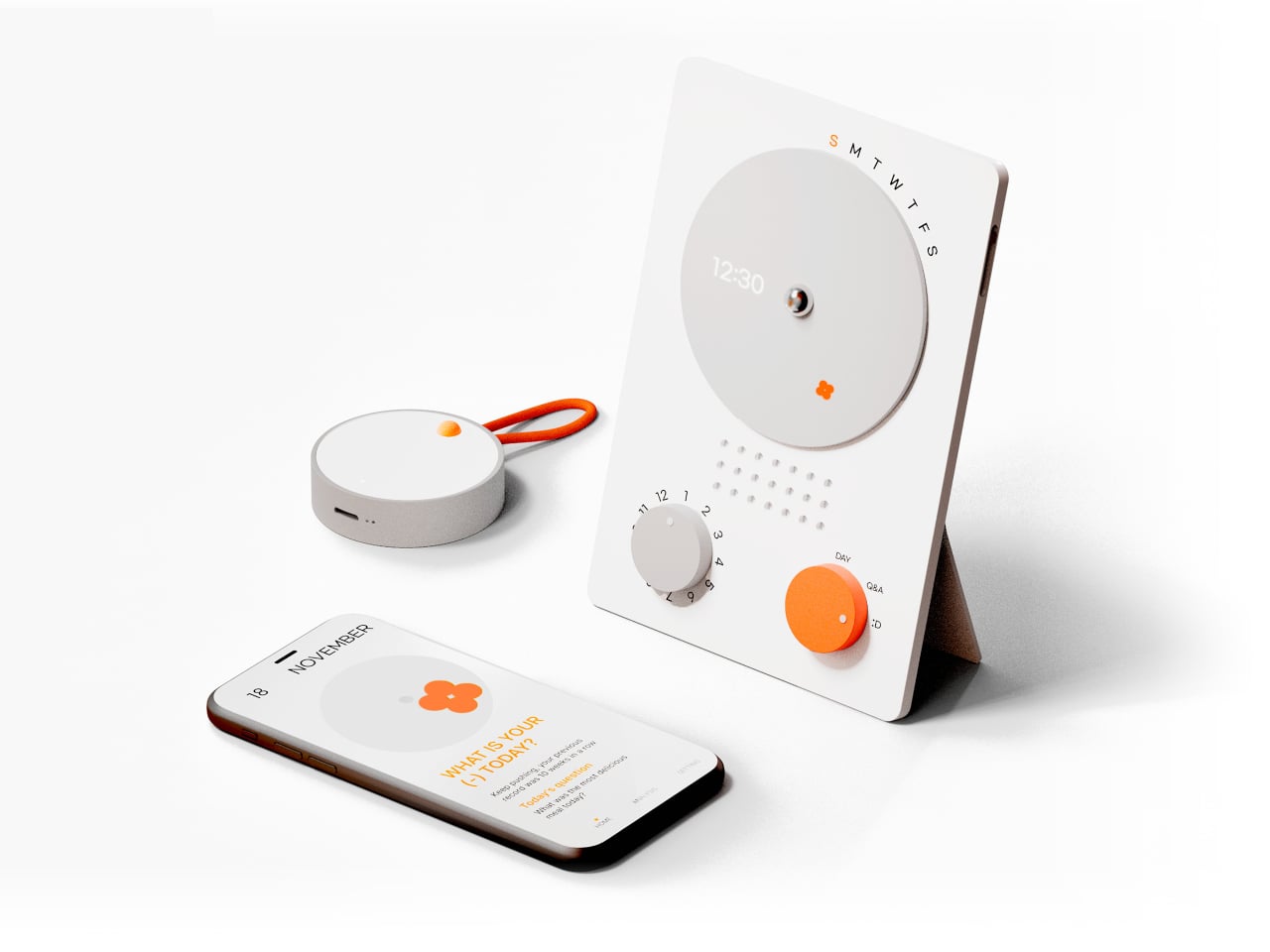
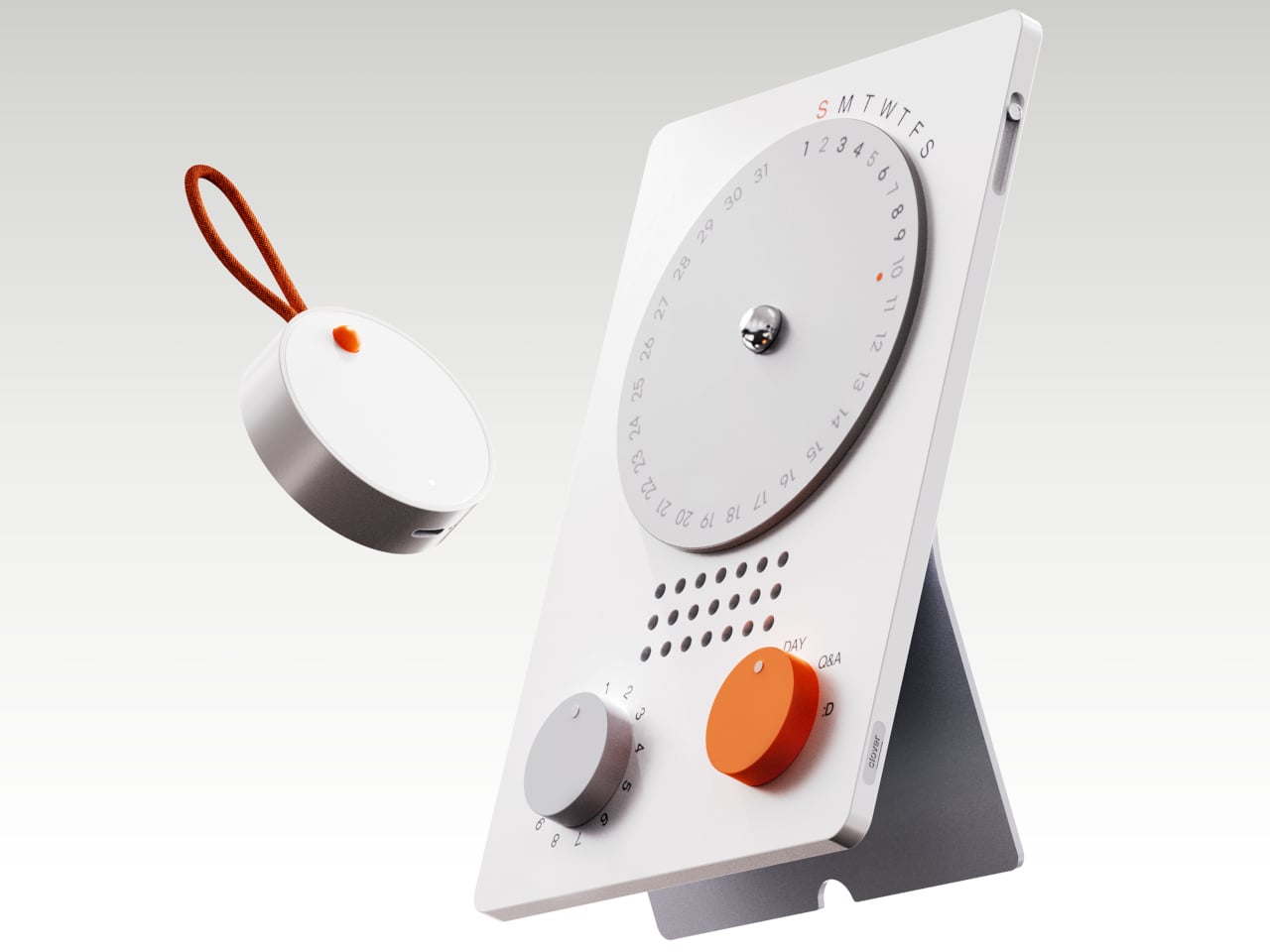
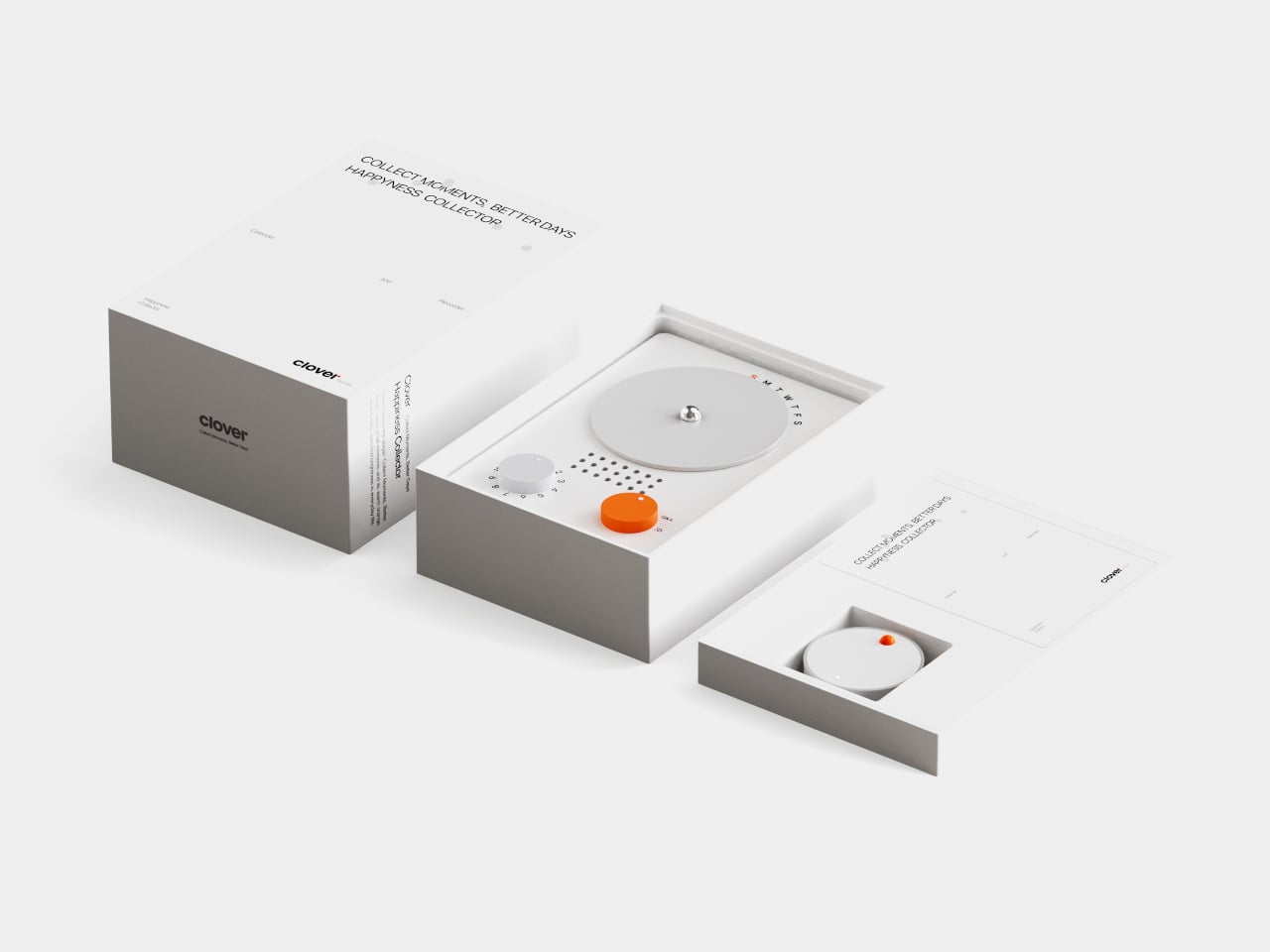
Clover is a small ecosystem built around three pieces: a pocketable voice recorder, a desk-calendar device, and a companion app. Instead of logging stress or symptoms, you press a button and record short voice notes whenever something makes you genuinely happy. Those moments are then visualized on the calendar and analyzed in the app, turning your week into a kind of happiness log that quietly reframes how you see your days.

Designers: Seyeon Park, Bhin Son, Yu Jin Song, Jiwon Park, Jinya Kim

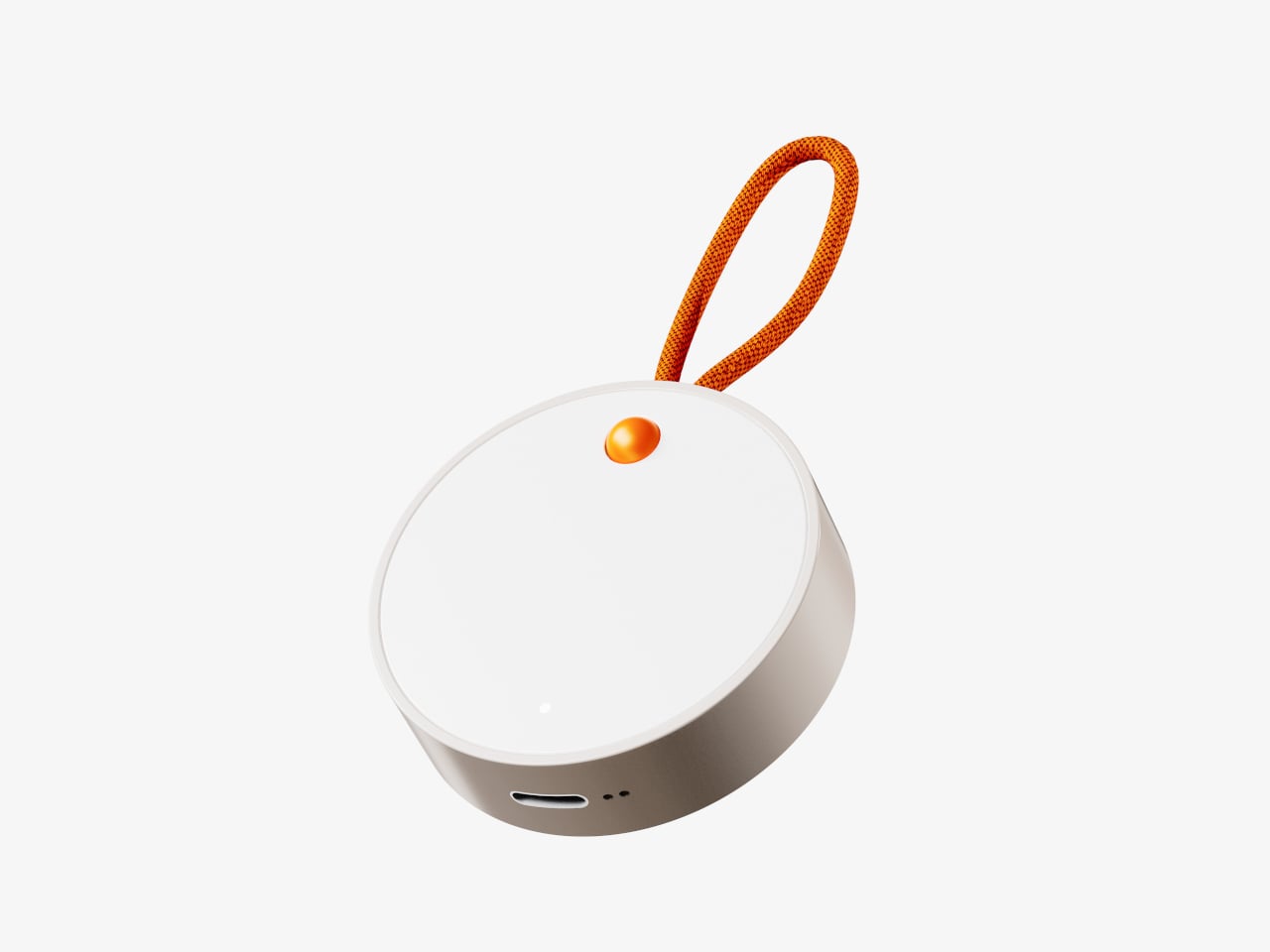
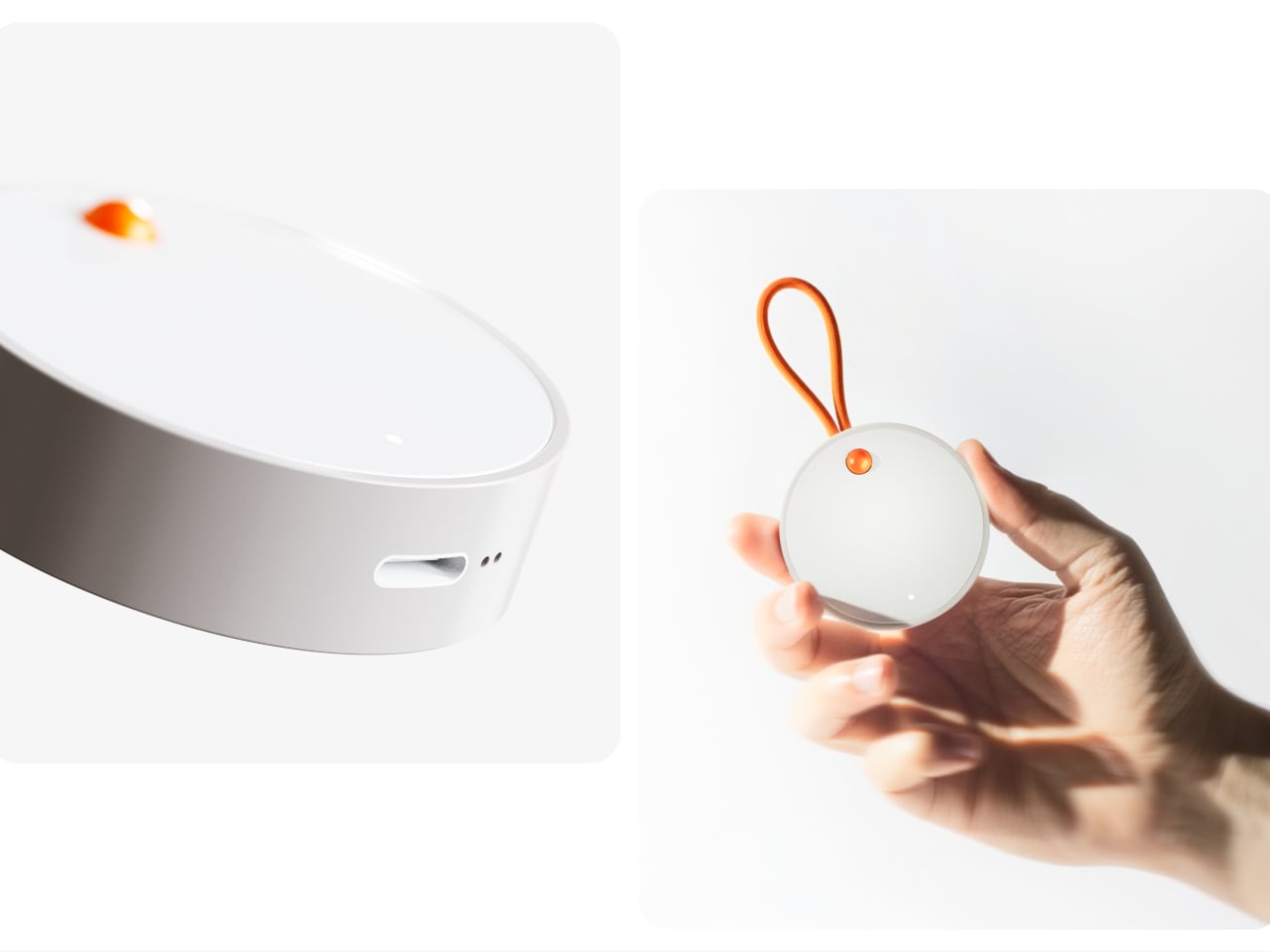
The recorder is a small, circular object with a single orange button and a loop strap, designed to be grabbed and pressed quickly. It is meant for capturing tiny, specific moments, sunlight on your desk, a good cup of tea, a joke from a friend, in your own voice. The goal is to lower the friction so much that recording a positive moment feels as easy as taking a photo, no unlocking, no tapping through screens, just press and speak.

1

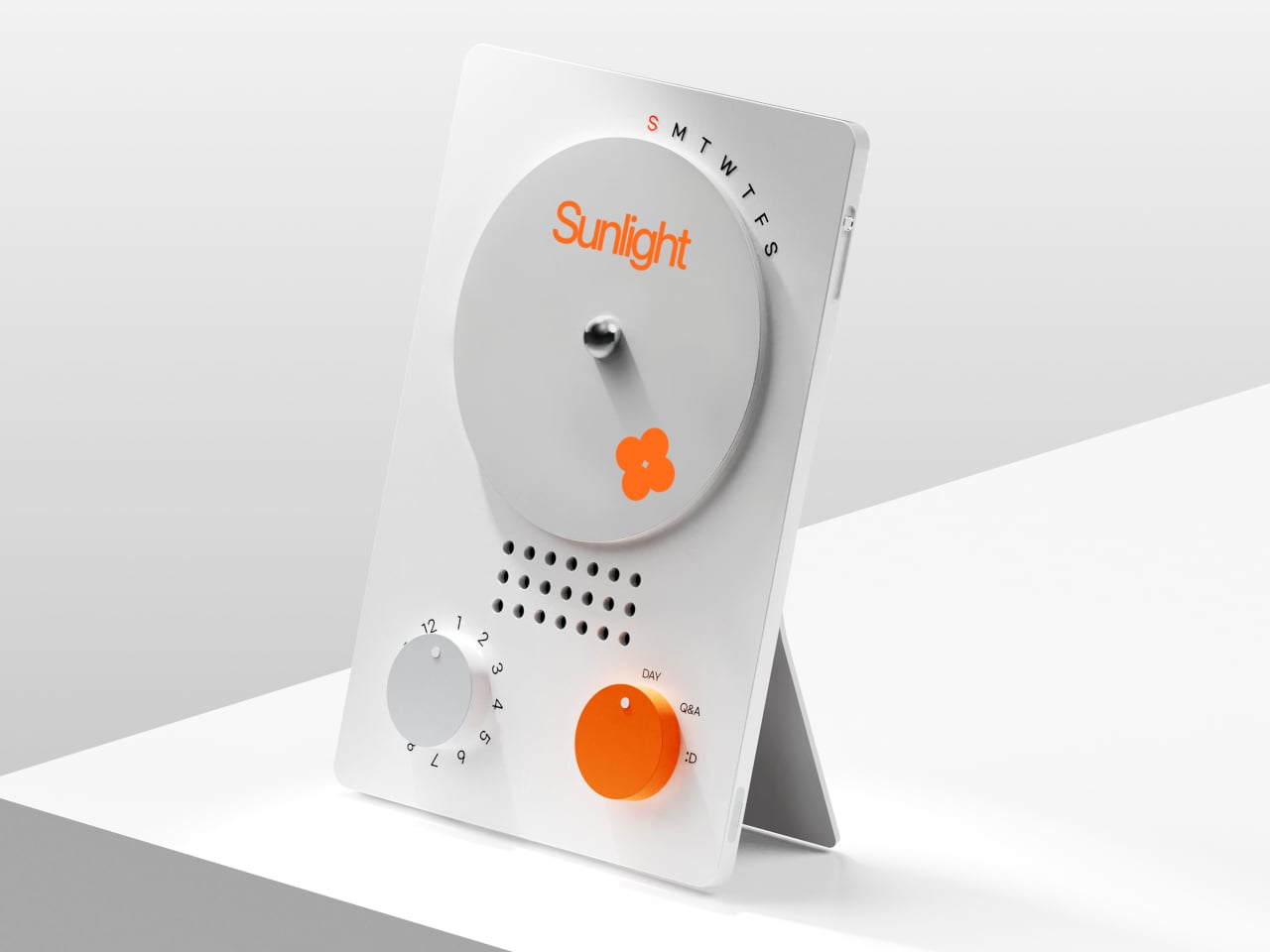
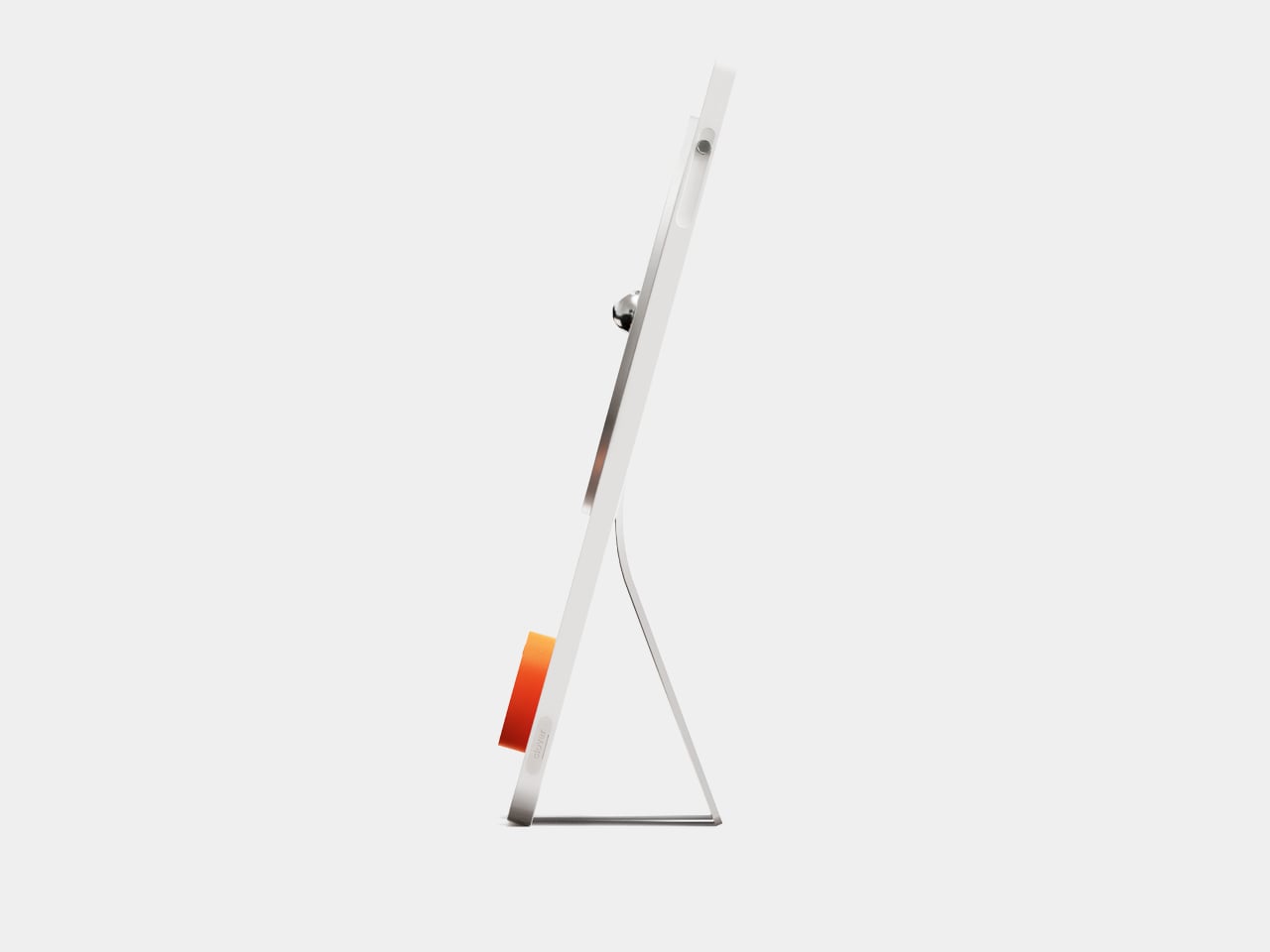
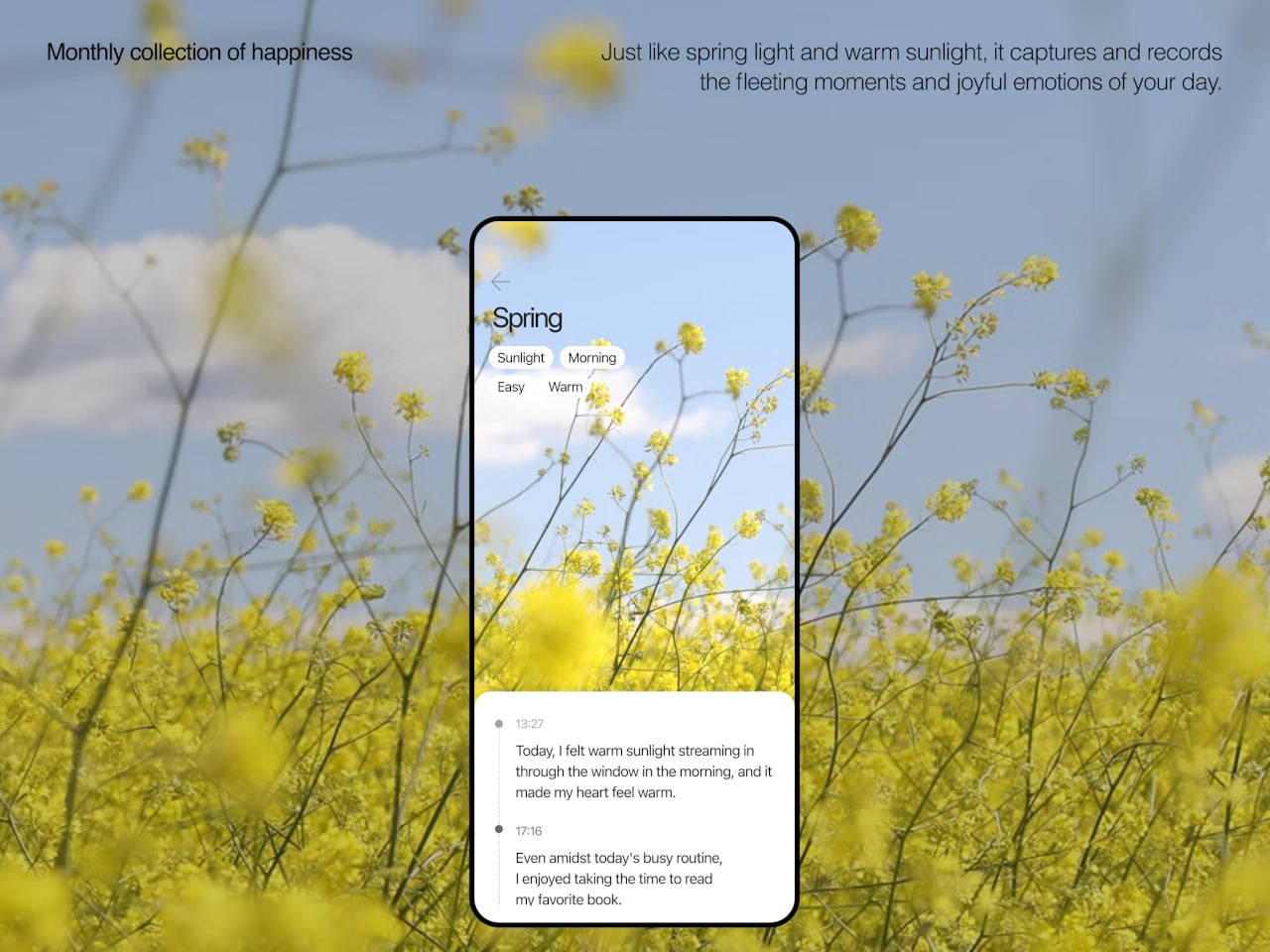
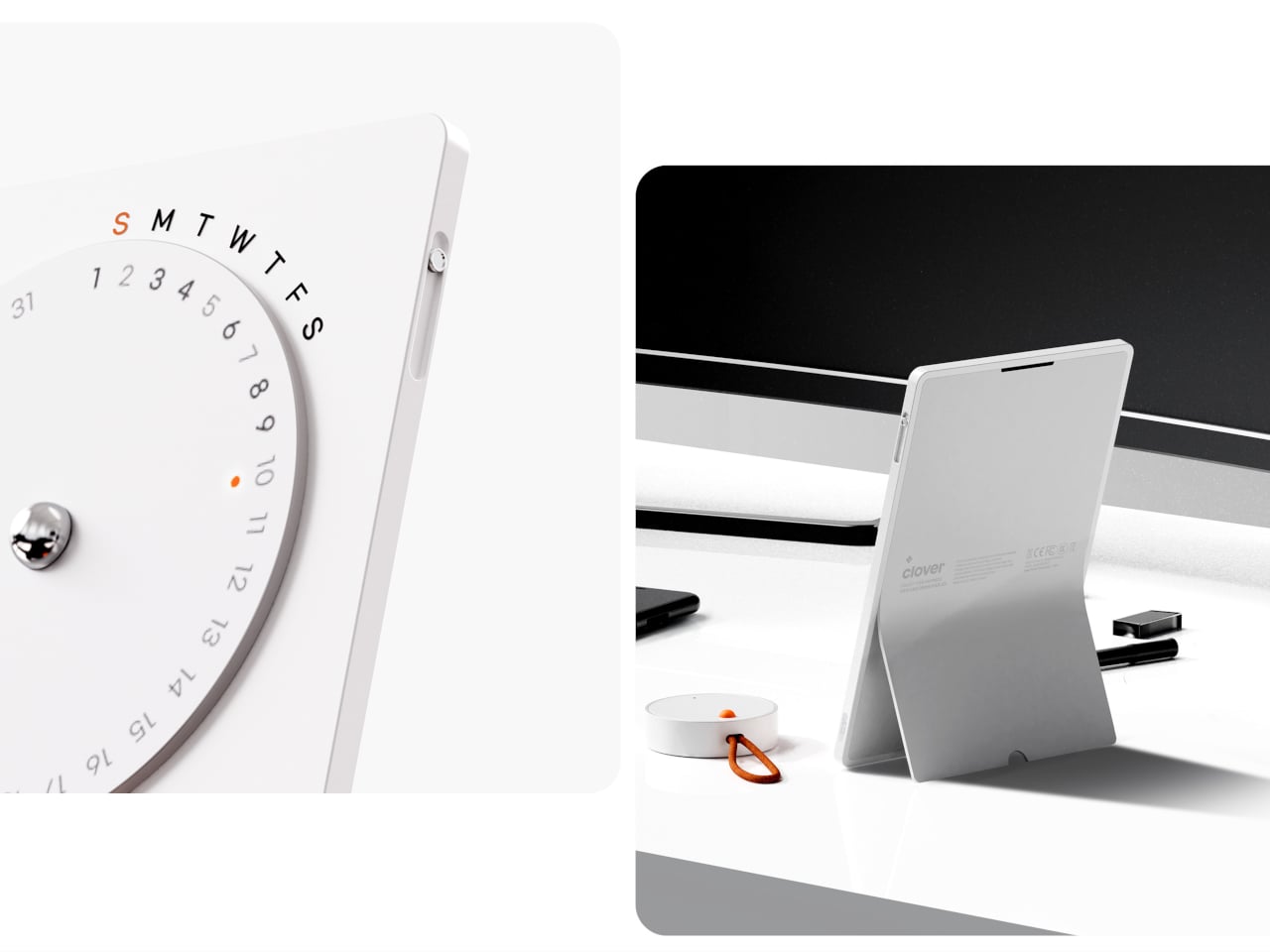
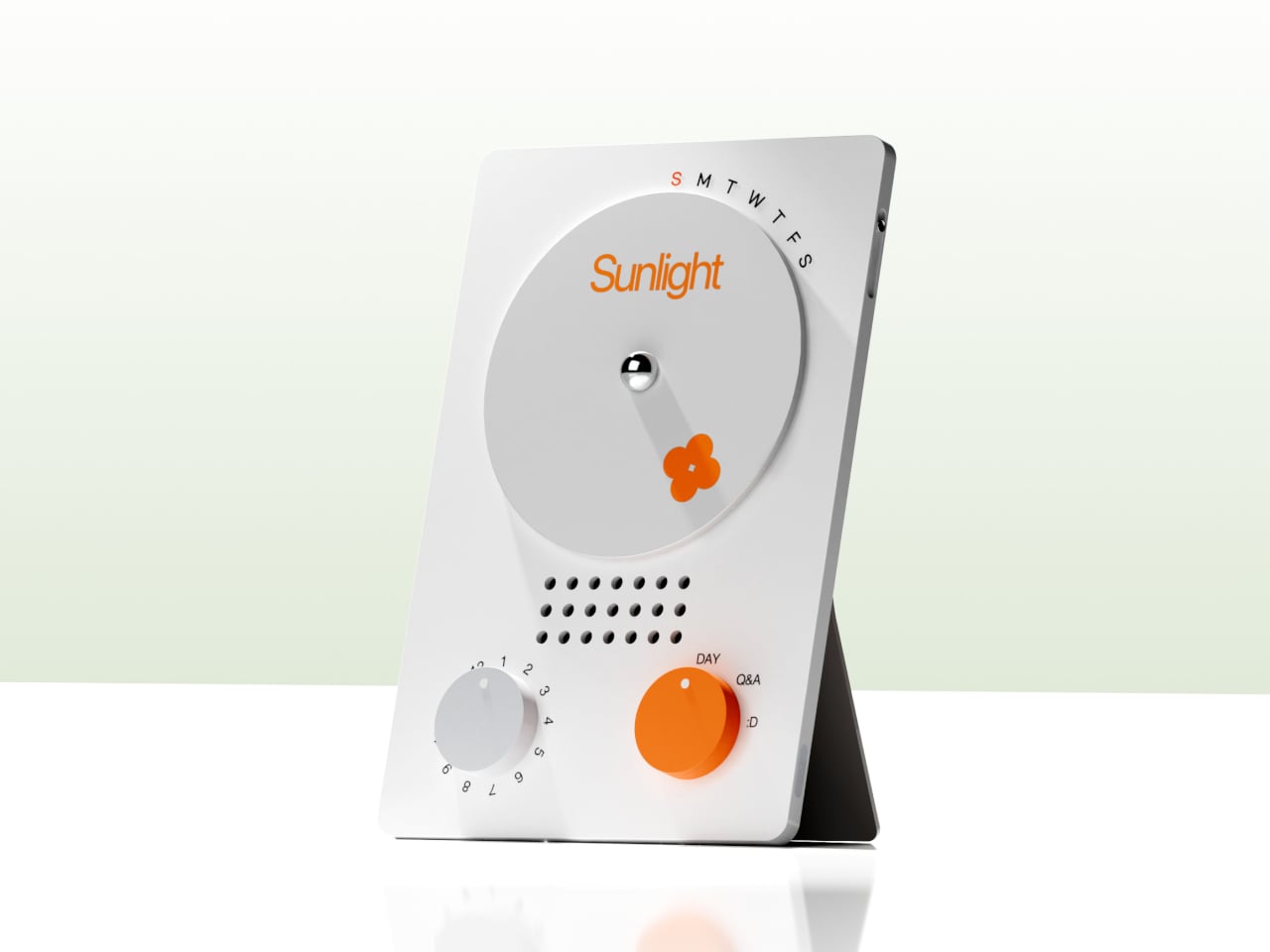
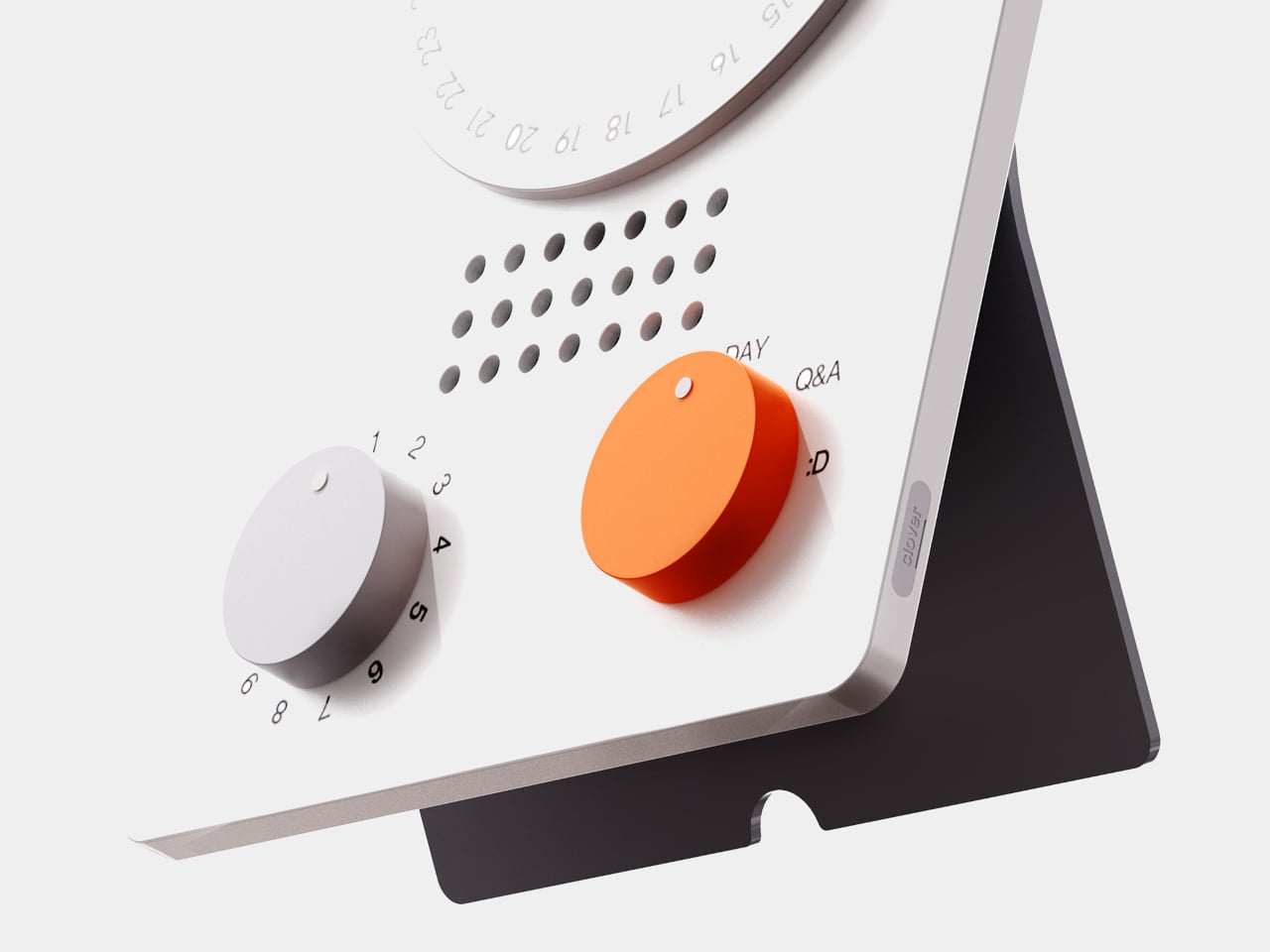
The desk calendar is a tilted white slab with a large circular dial labeled with days of the week and a small screen that displays words like “Sunlight” or “Spring.” It plays back or summarizes your voice recordings by day, and turning the dial lets you move between Day mode, Q&A mode, and long-term overview modes. Checking your emotional log becomes a physical ritual, more like flipping through a calendar than scrolling a feed or staring at another glowing interface.

1

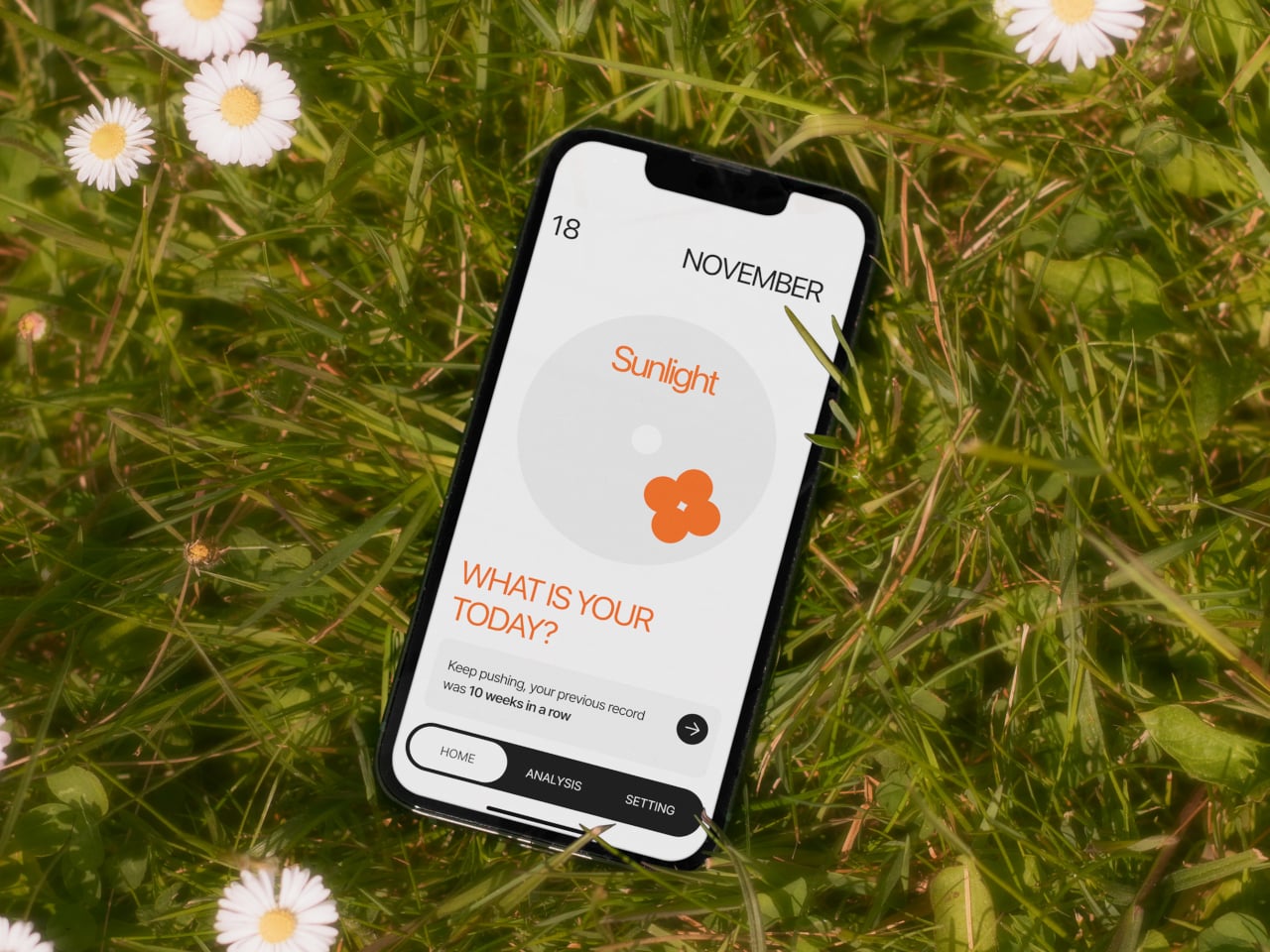
The app brings everything together, with daily cards asking “What is your today?”, weekly and monthly views full of dots and bars, and simple text insights that highlight recurring themes. You can tag entries by time, category, or keywords, and later see which people, places, or activities show up most often in your happiest moments. The analysis stays gentle, showing patterns without drowning you in numbers or making you feel like you failed when a week looks sparse.

1

Clover’s visual language, white and grey surfaces with orange accents, soft typography, and a clover icon that appears on hardware and UI, keeps the system from feeling like medical equipment. The core values, self-honesty, emotional balance, and everyday positivity, are baked into how it looks and behaves. It frames itself as a friendly desk object and app you would not mind seeing every day, not a reminder that something is broken.

Clover quietly flips the usual tracking script. Instead of asking you to monitor symptoms or productivity, it asks you to notice and collect small good things, then shows you that they happen more often than you think. For people who are tired of mood sliders and habit streaks, the idea of a physical recorder and calendar that simply help you remember what felt right might be the most calming part of the concept.

The post Clover Emotion Tracker Turns Small Happy Moments into a Daily Desk Ritual first appeared on Yanko Design.

5 Emotional Design Products Designed to Spark Joy Every Single Time You Use Them

The process of transforming everyday products from mere tools to cherished companions might seem like a grand challenge, but it is surely achievable through the magic of emotional design. Industrial product design shows that when emotion is infused into a product, it can go beyond its basic function. The primary goal of emotional design is to create an experience that resonates with users, making them feel understood, delighted, or even comforted.

Let’s explore how we can design products that truly speak to the heart, turning mundane interactions into memorable moments, making them not just functional but truly loved.

1. The Heart of the Matter: What is Emotional Design?

Emotional design isn’t just about making something look pretty but about crafting an experience that elicits a specific emotional response. Think about products you love, perhaps a sleek coffee maker that brings joy to your morning ritual, or a comfortable chair that offers a sense of calm after a long day. This isn’t accidental but is the deliberate result of designers considering how the product will make you feel. It’s about more than just utility and about evoking positive sentiments and building a connection, turning simple interactions into delightful moments.

This approach goes beyond ergonomics or material science, diving into psychology to understand human needs and desires. For industrial product designers, it means viewing the product not just as an object, but as a catalyst for emotion.

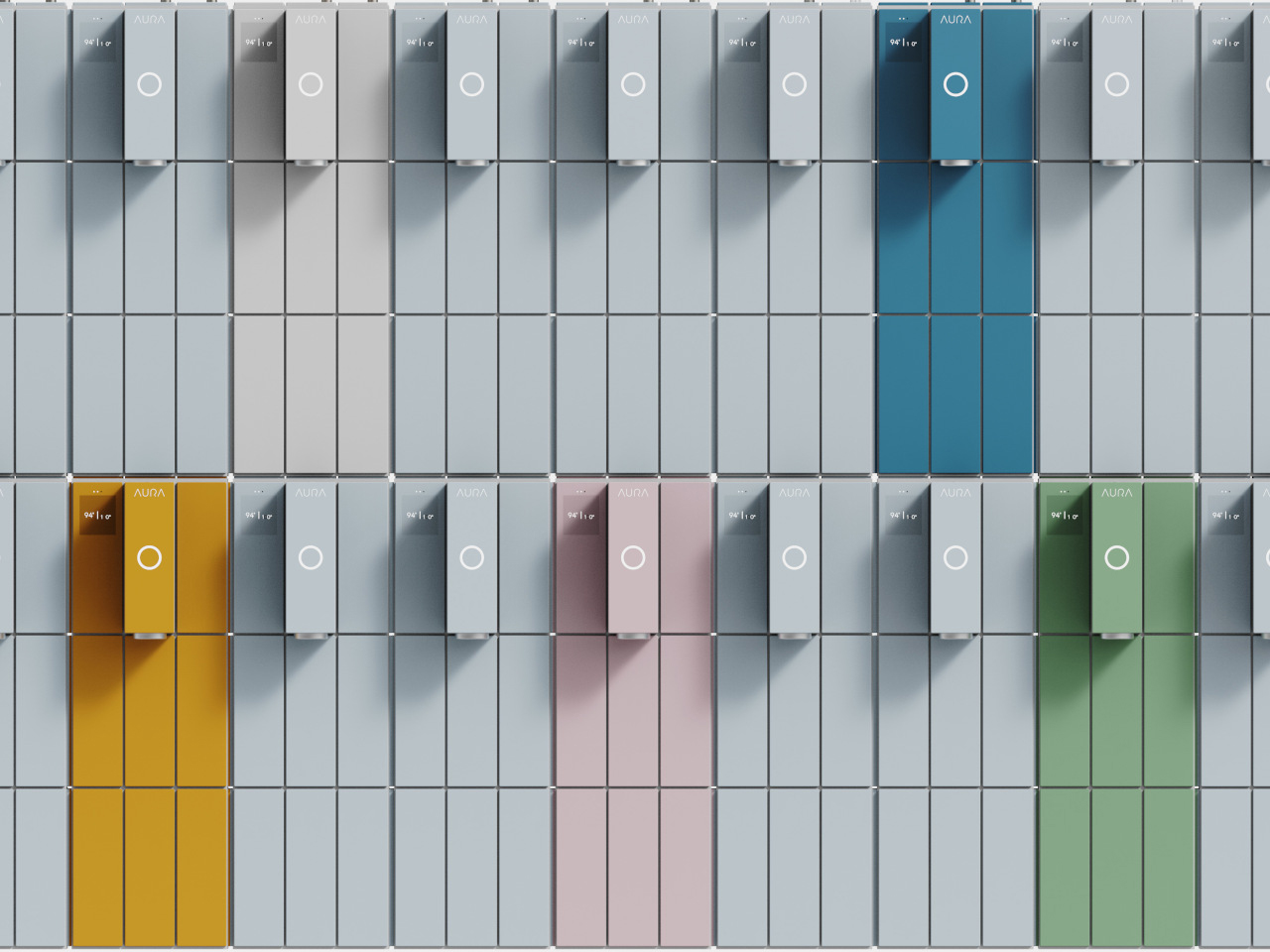
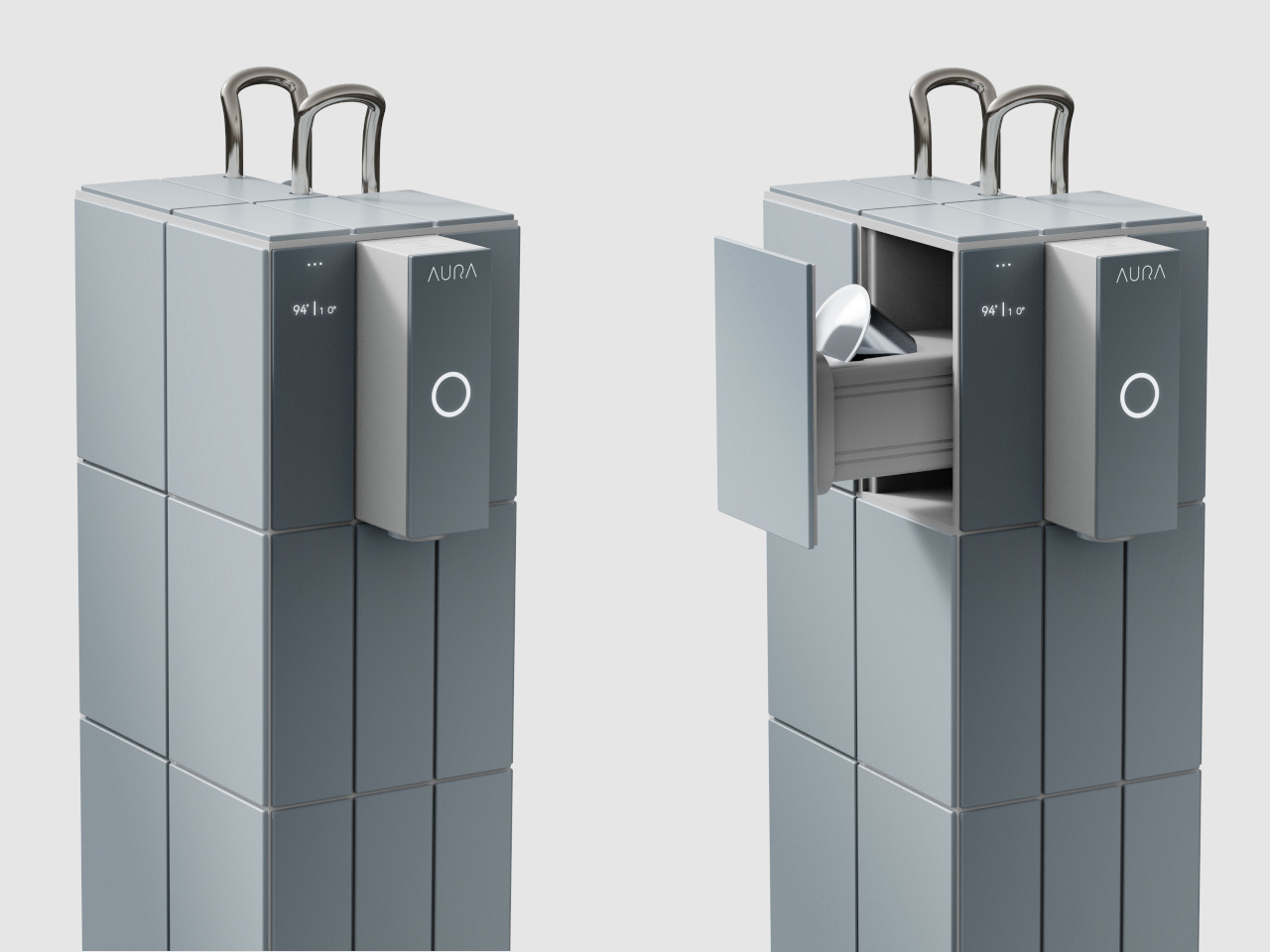
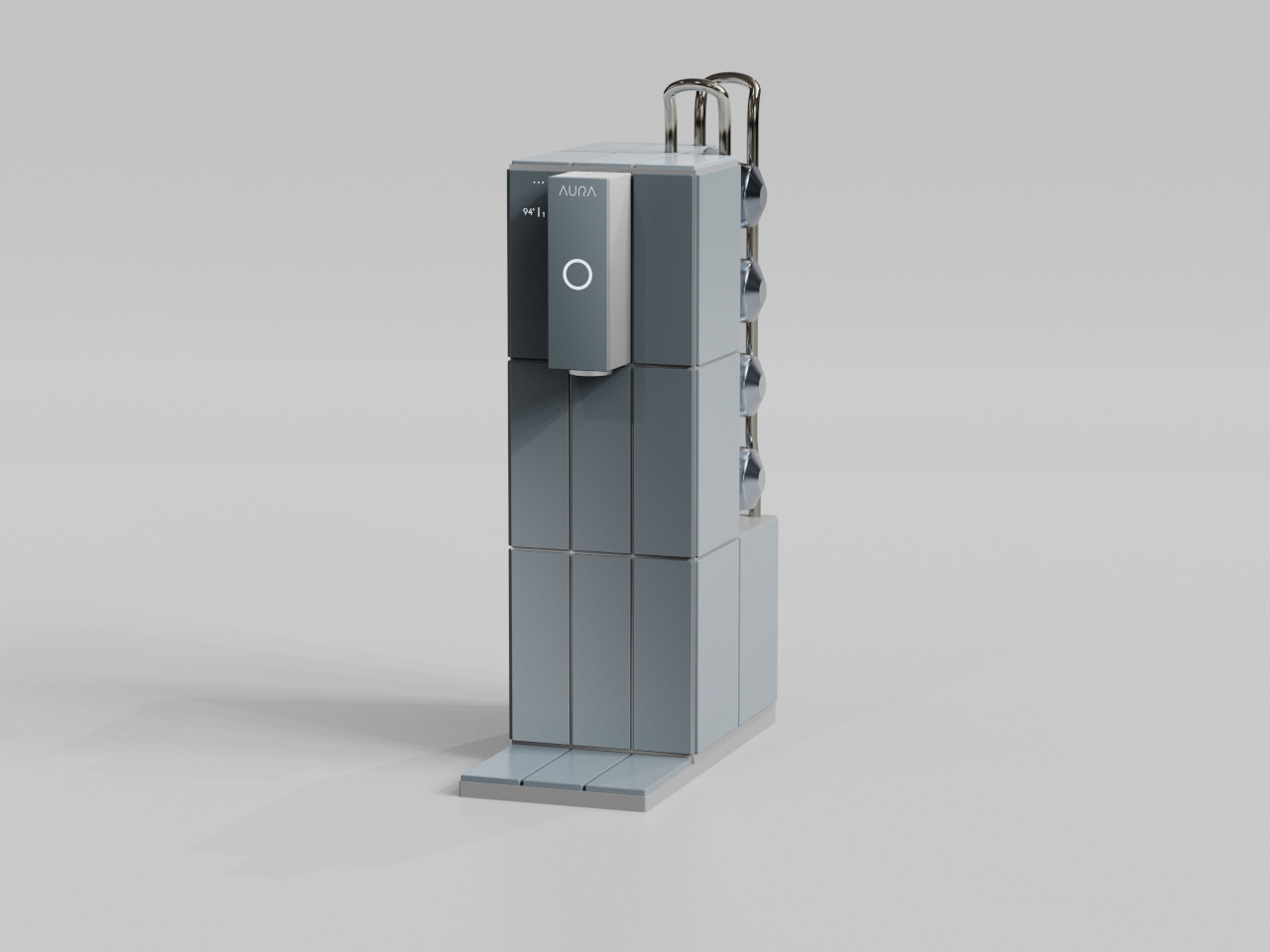
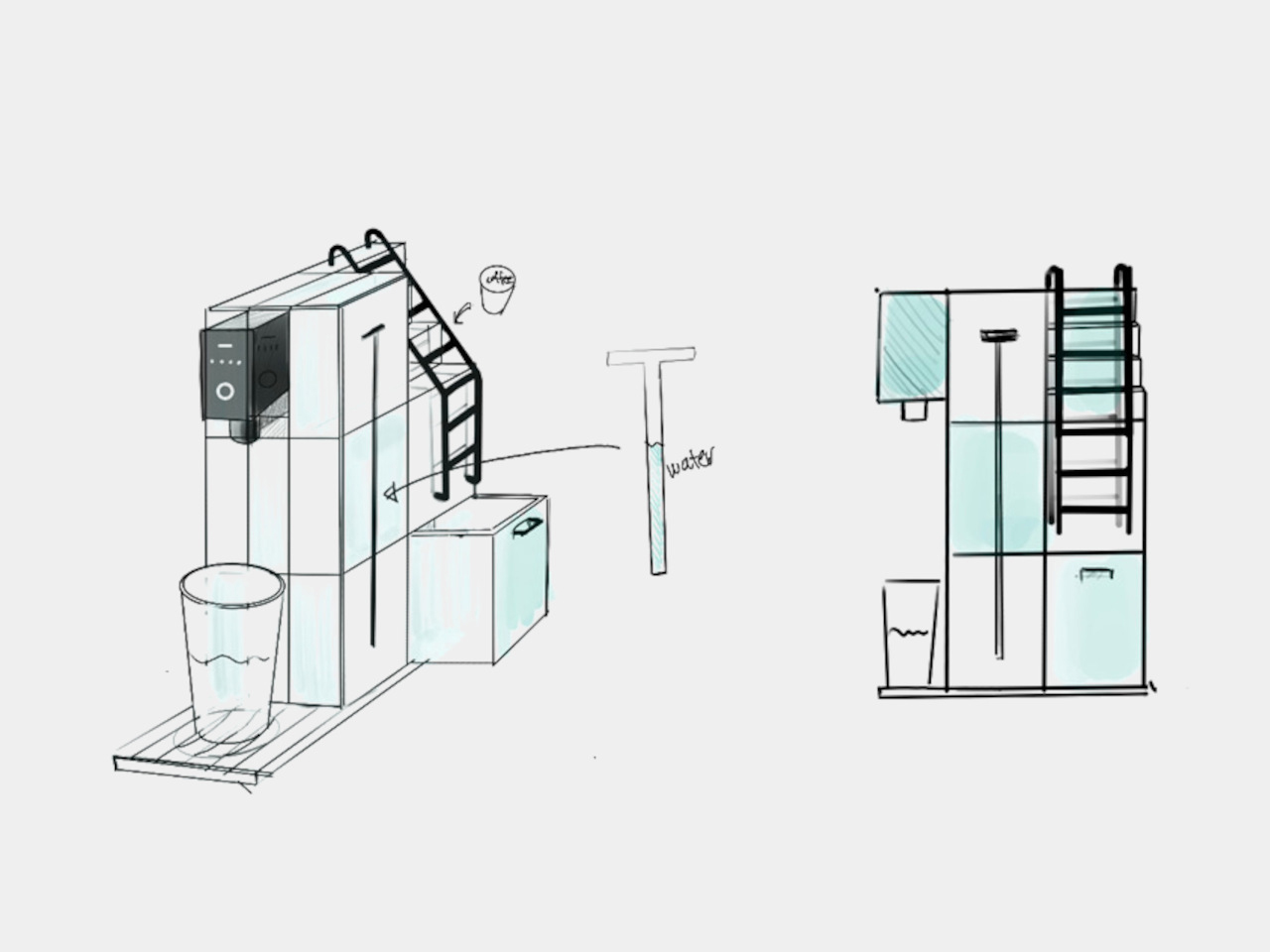
The AURA coffee machine concept reimagines your morning ritual by blending the invigorating experience of swimming with the comfort of coffee. Drawing inspiration from serene blue swimming pools, AURA transforms coffee-making into a sensory experience that awakens the body and mind. More than just a functional appliance, it celebrates the parallels between swimming and coffee, both moments of renewal that prepare you for the day ahead. With visual cues like tile patterns and clever ladder-like capsule holders, AURA brings a splash of joy to your countertop.

What makes AURA stand out is its seamless integration of form and function. The capsule holder, cleverly disguised as a miniature pool ladder, eliminates the need for extra accessories while reinforcing the playful concept. Functional components like the water tank are hidden within the tiled surface, preserving a clean, sculptural look. The result is a beautifully cohesive object that balances practicality with visual delight, turning routine into ritual.

2. Beyond Function: The Power of Form and Aesthetics

The visual appeal of a product is often the first point of emotional connection. Consider the elegant curves of a classic car or the satisfying click of a well-designed switch; these are not just functional features; they’re aesthetic choices that stir feelings of sophistication, reliability, or even playfulness.

Every detail, from color to contour, plays a role in shaping how users perceive and relate to a product. Product designers thoughtfully select shapes, finishes, and hues to communicate the intended personality and purpose. Soft, rounded edges may suggest warmth and approachability, while sharp, angular lines can convey precision, performance, or modernity.

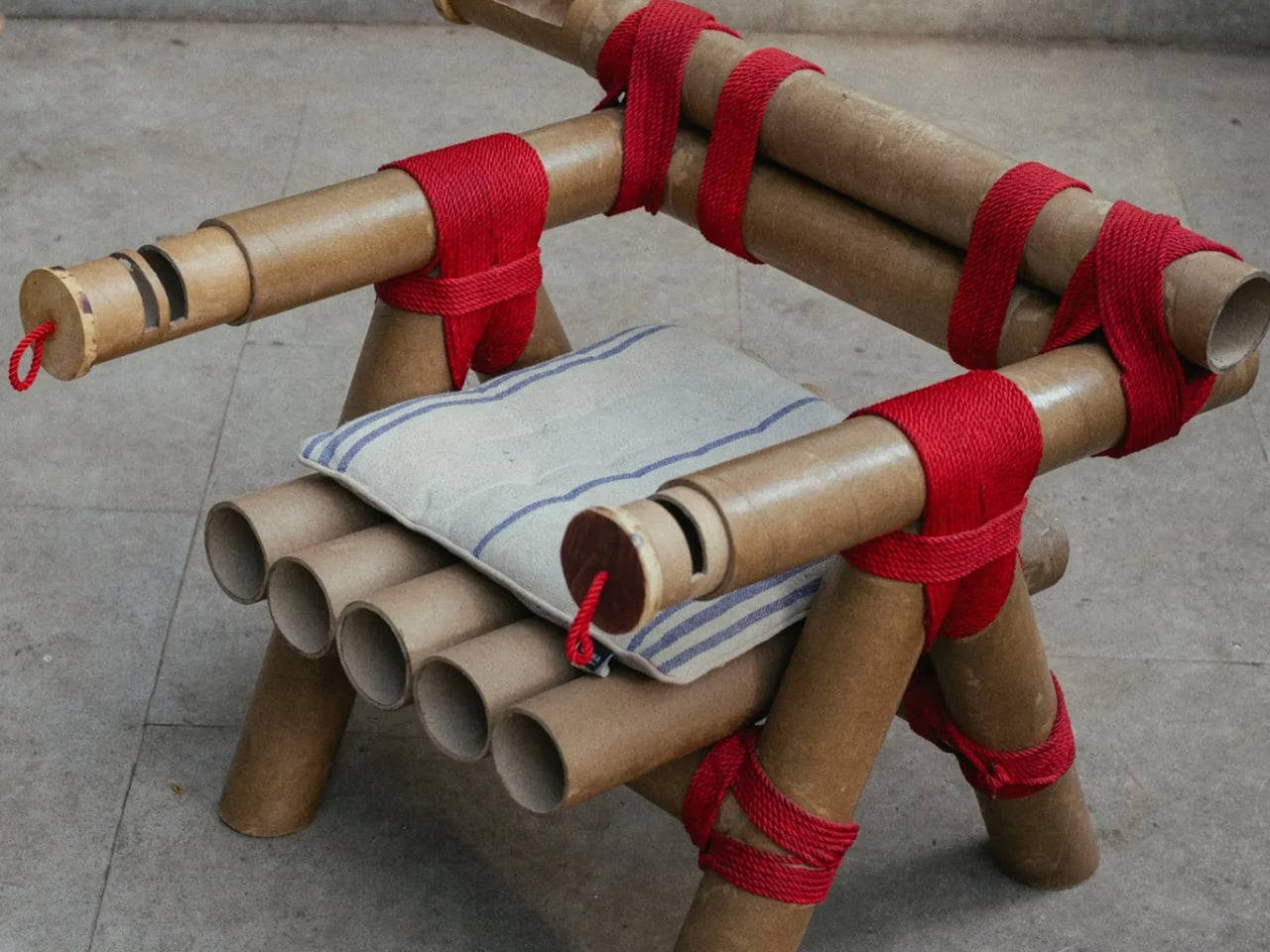
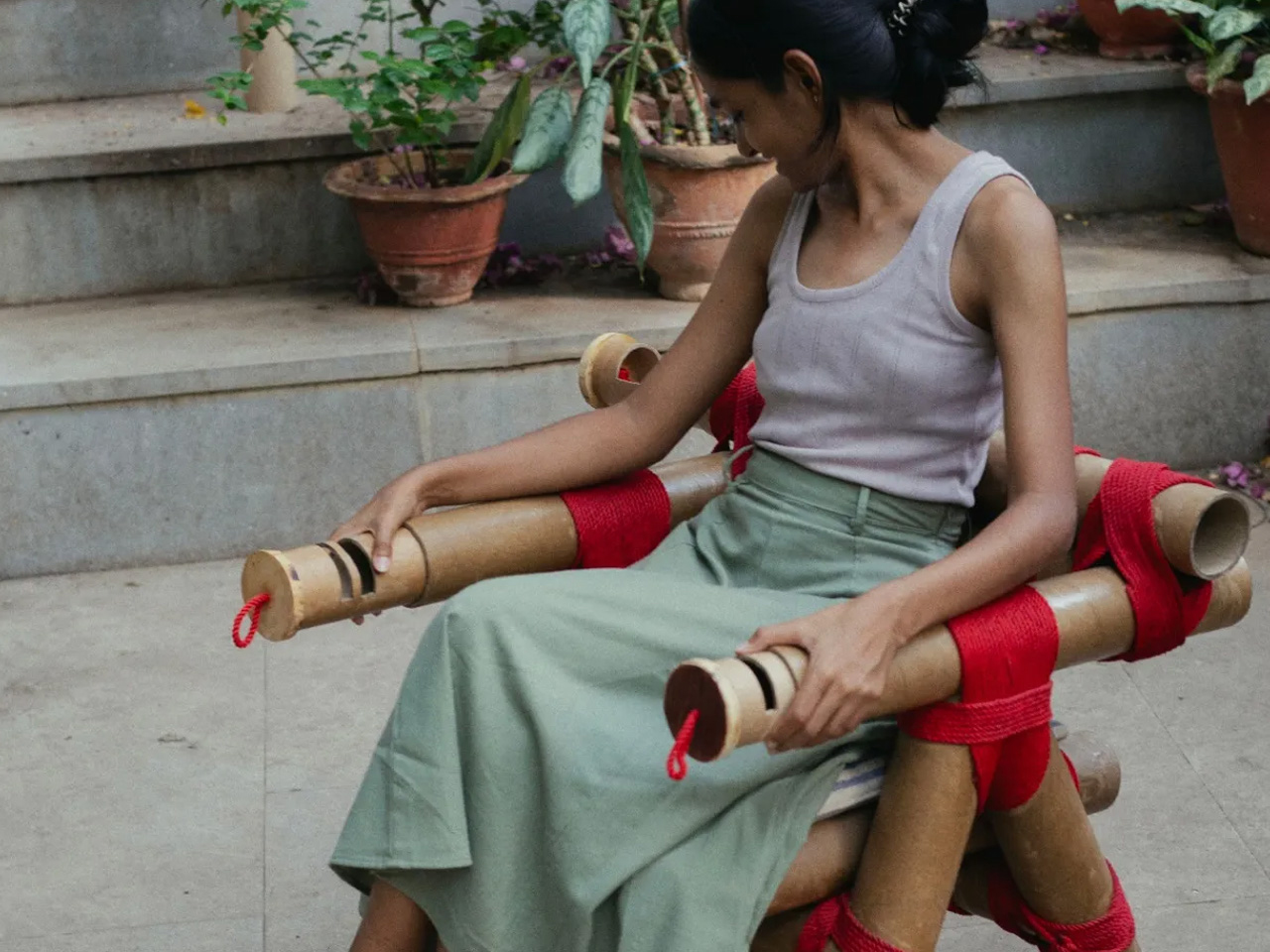
The Paper Tube Chair redefines accessible design by transforming waste into function and form. Created by the Dhammada Collective and founded by Nipun Prabhakar, the chair pays homage to Pierre Jeanneret’s teak library chairs but replaces expensive wood with discarded cardboard tubes. Collected from local print shops, these tubes are cut and assembled using leftover vermilion rope in a figure-eight lashing pattern. This system not only holds the structure together but also allows for flexibility, comfort, and easy repair. The design embodies “joyful frugality,” making quality design available beyond urban centers.

Through trial and error, the team refined the structure by adding smaller tubes at joints and trusting rope tension over adhesives. A light varnish preserves the tubes’ original texture and markings, celebrating their past use. Open-source by intent, the chair requires only basic materials and skills to build—empowering local makers and encouraging replication across diverse contexts. It blends modernist aesthetics with vernacular craft, creating something that is rooted and contemporary.

3. Usability with a Soul: Intuitive and Delightful Interactions

Beyond looks, the way a product feels during use is equally important. An intuitive interface, a comfortable grip, or a seamless user journey can transform a mundane task into a delightful experience. When interaction feels effortless, it fosters a sense of empowerment and deep satisfaction.

For industrial product designers, this means meticulously planning every interaction point. When a product is not only functional but also a joy to operate, it reduces frustration and enhances the overall user experience. This sense of delight often turns users into advocates, eager to share their experiences and strengthen the product’s emotional appeal and a loyal following.

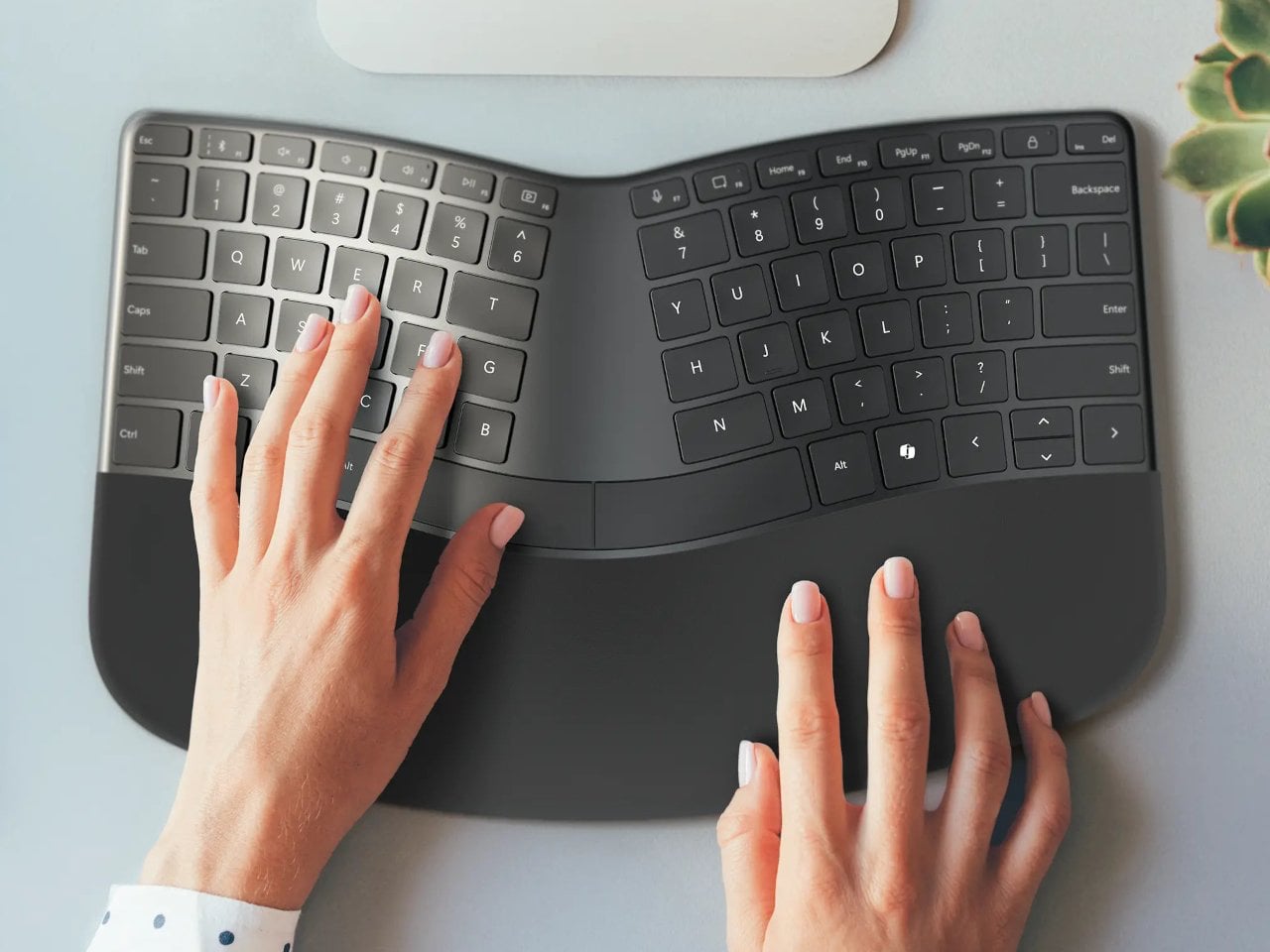
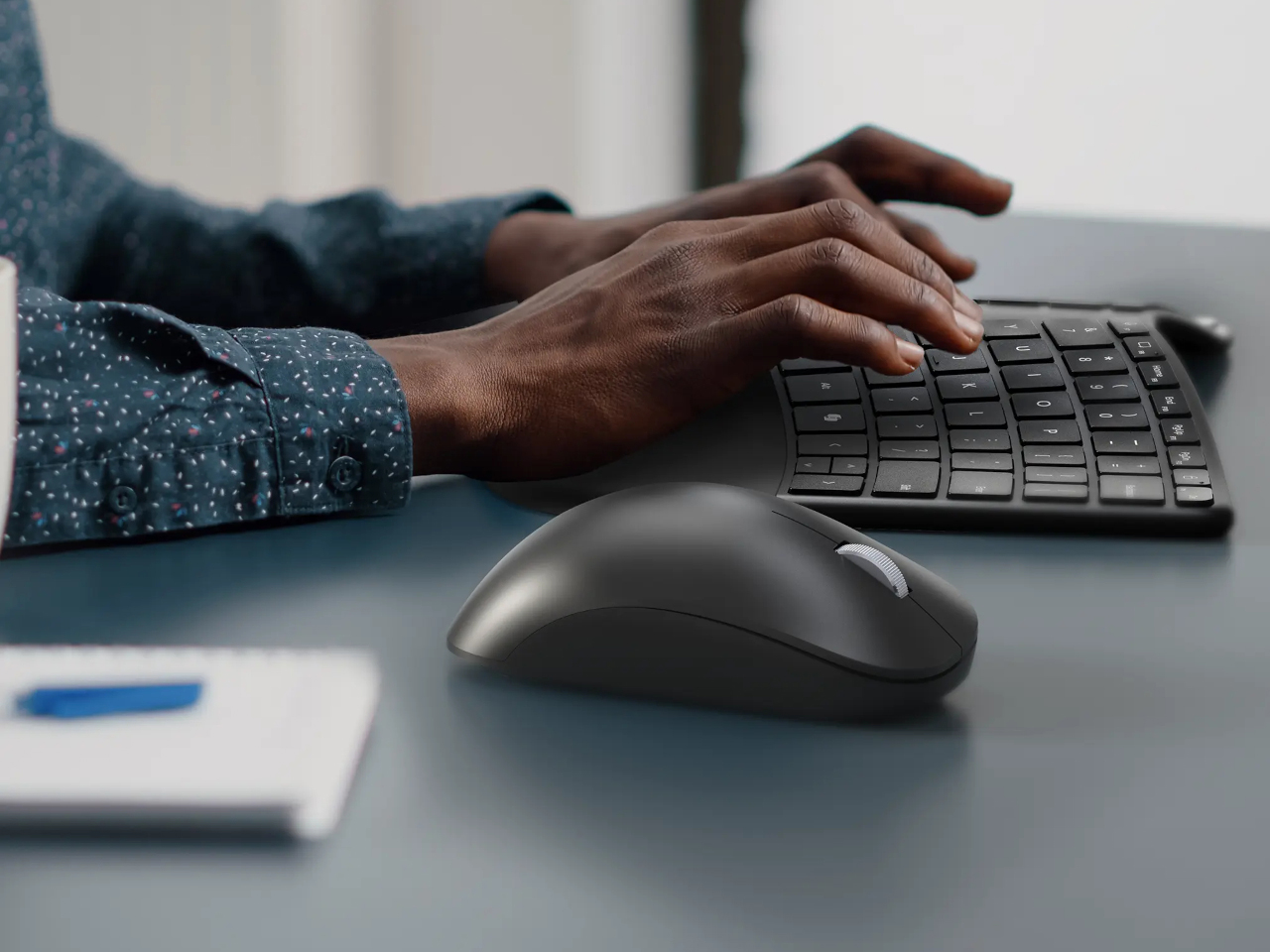
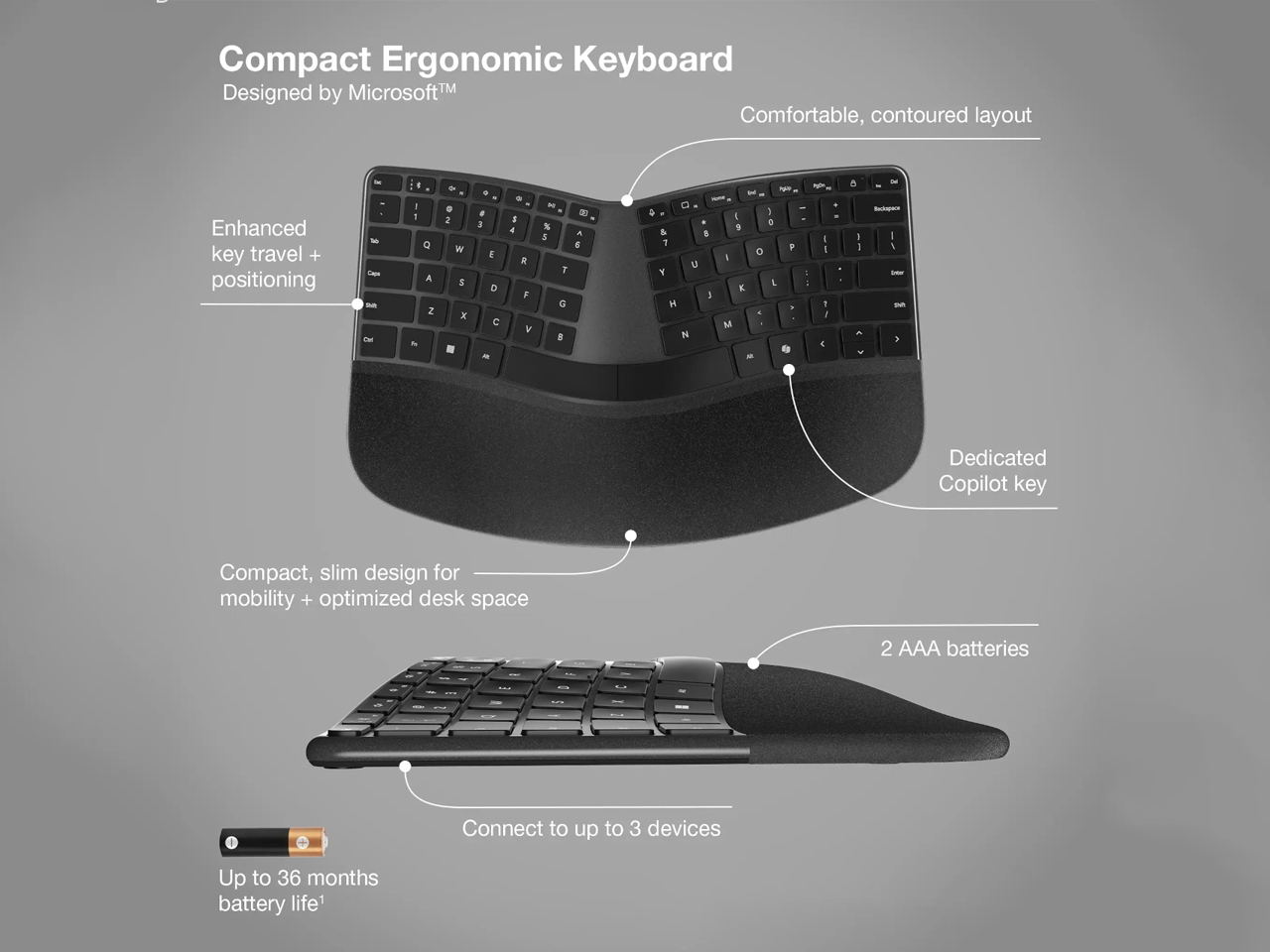
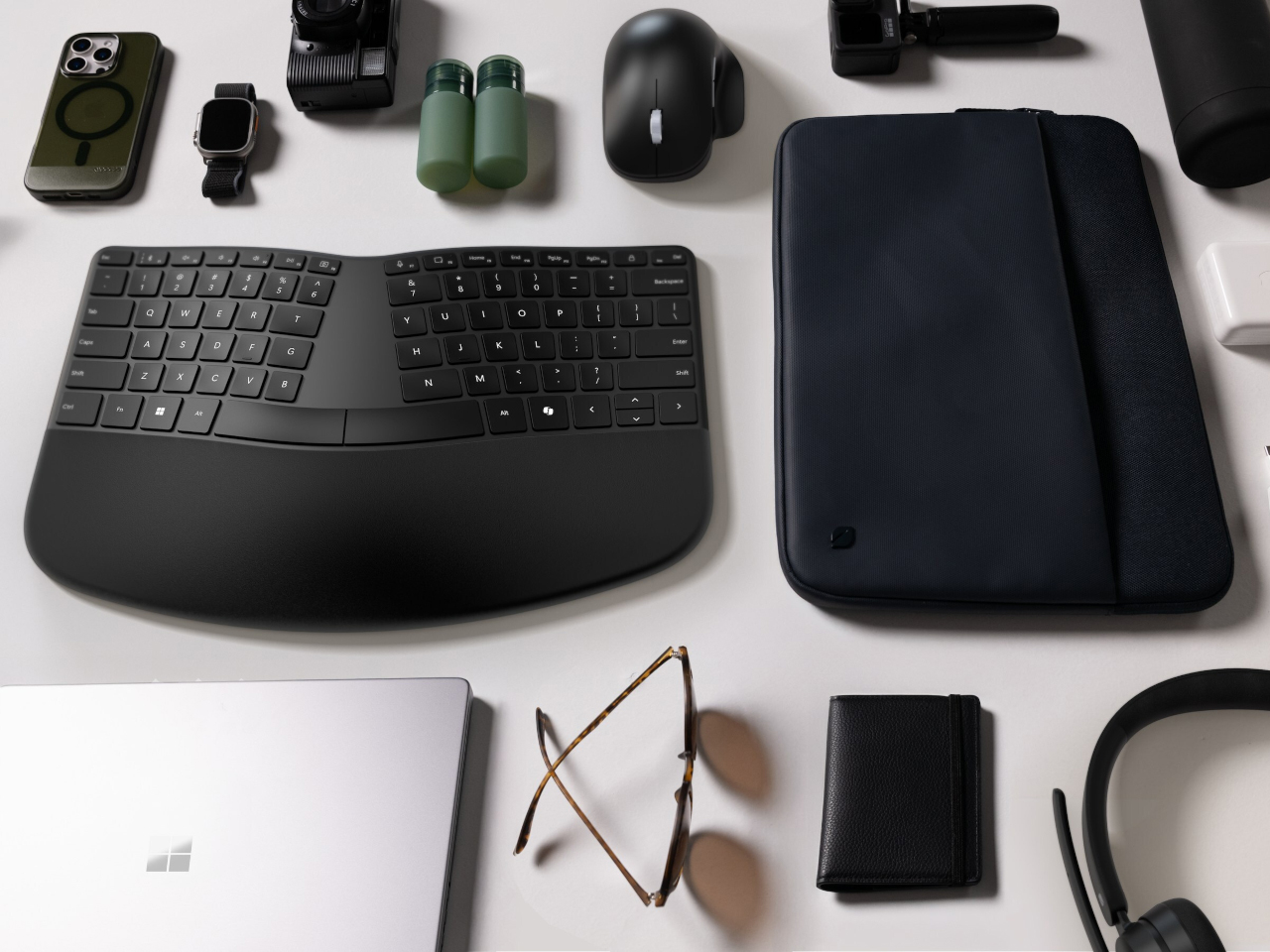
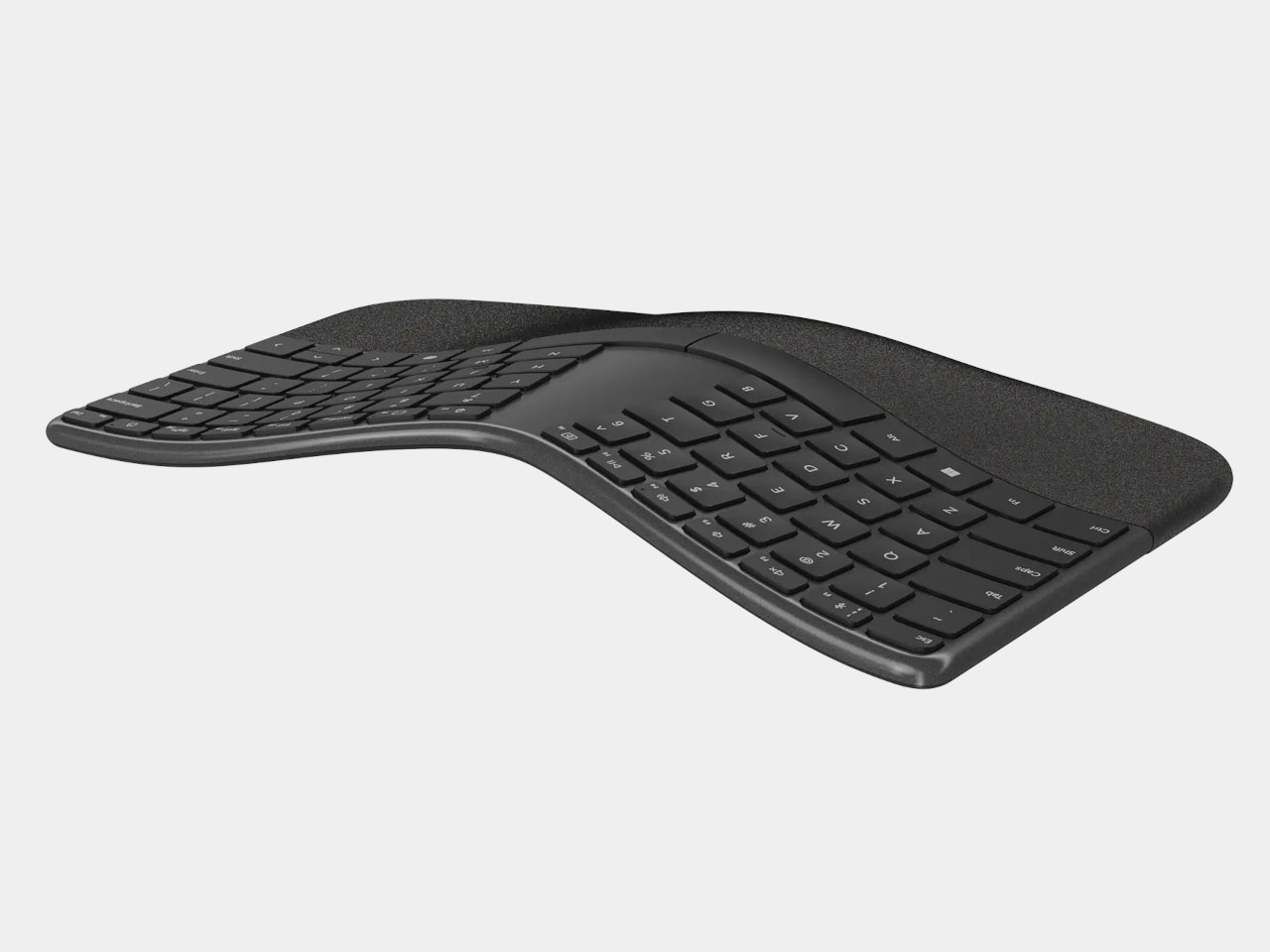
Ergonomic keyboards are a response to the growing need for comfort in long hours of computer use. Designed with a contoured, split layout, this Microsoft keyboards aim to reduce strain on the hands, wrists, and shoulders by promoting a more natural typing posture. The compact form factor of newer designs minimizes desk clutter while still providing essential ergonomic support. Integrated cushioned wrist rests add to the comfort, although their fixed placement means users need to account for extra desk space.

A key feature in many modern ergonomic keyboards is wireless connectivity, often supporting multiple device pairing via Bluetooth. Battery-powered options, such as those running on AAA cells, offer extended usage, sometimes up to 36 months without the need for charging ports or cables. This minimalist approach not only enhances aesthetics but also simplifies user interaction. Combining thoughtful ergonomics with sleek, functional design, these keyboards cater to writers, developers, and anyone seeking comfort and efficiency in daily computing tasks.

4. Storytelling Through Materials and Textures

The materials and textures of a product can tell a powerful story and evoke strong emotional responses. The cool, smooth feel of brushed aluminum might convey a sense of modern sophistication, while the warmth of natural wood can evoke feelings of comfort and authenticity. Even the weight of a product in your hand can communicate quality and durability. These tactile experiences are often subconscious but profoundly impact how we perceive and connect with a product.

In industrial product design, selecting materials isn’t just about performance; it’s about the sensory experience. A durable, robust texture for a piece of industrial equipment might inspire confidence in its strength, while a soft, inviting fabric on a piece of furniture invites relaxation.

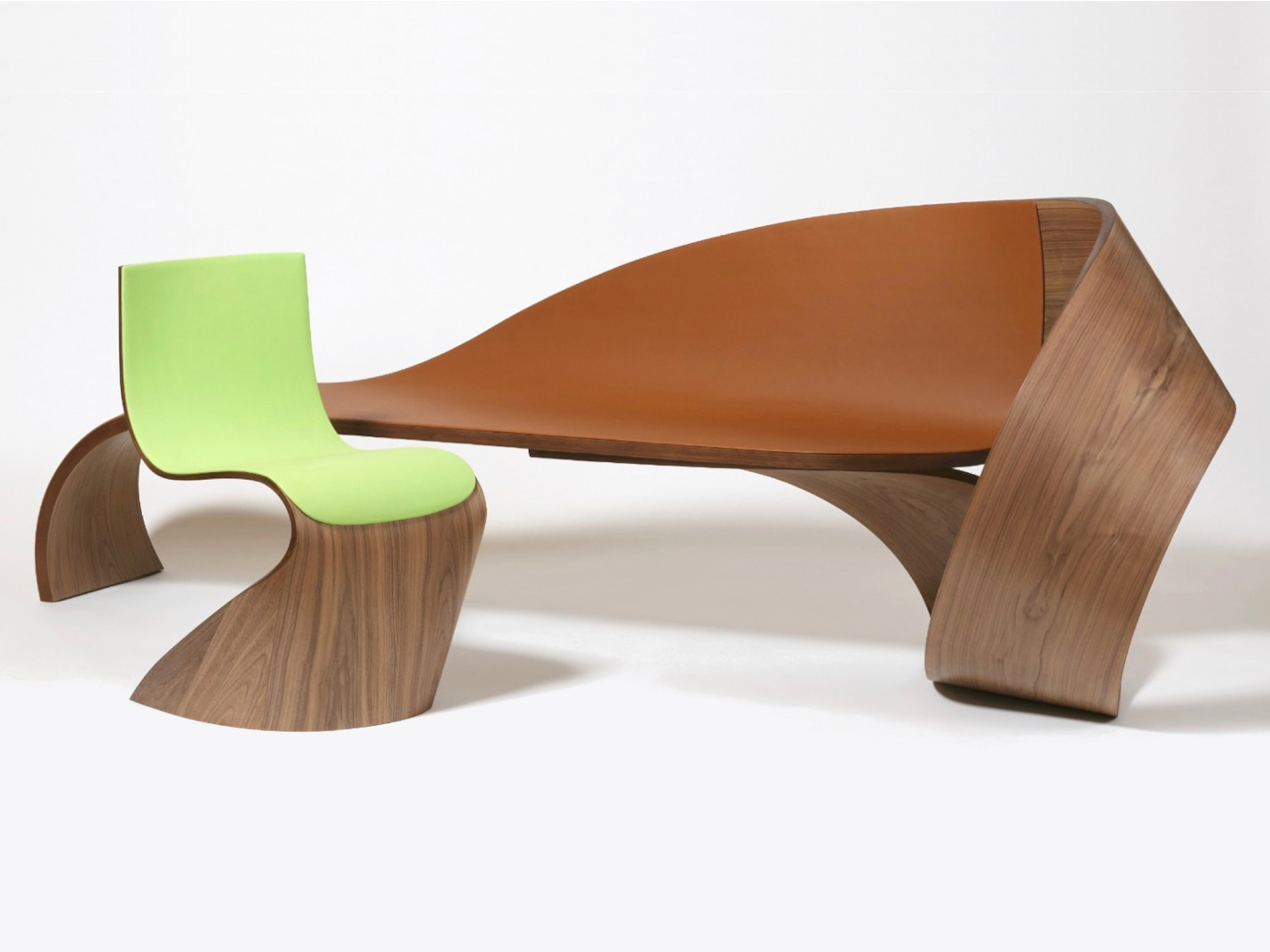
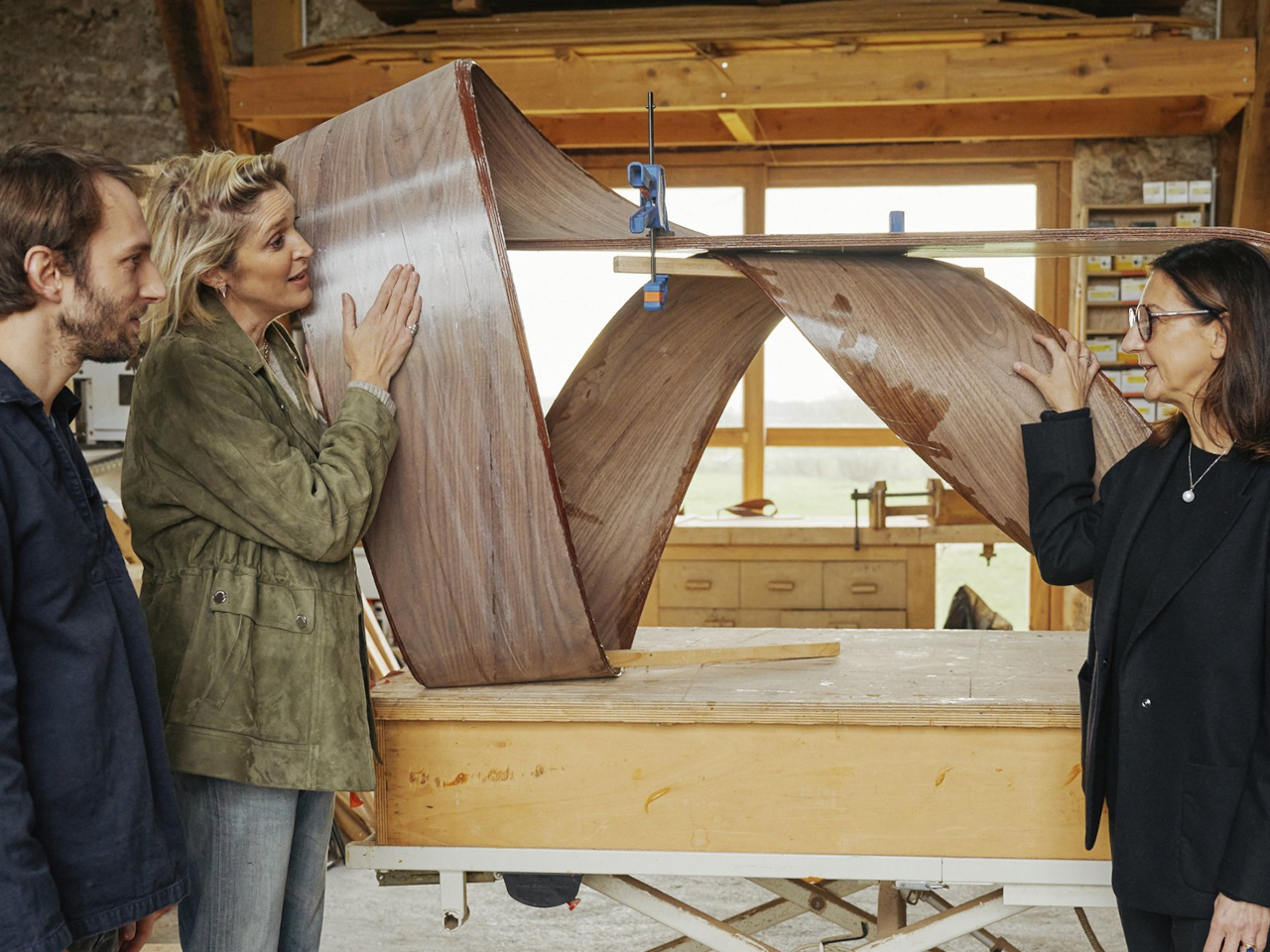
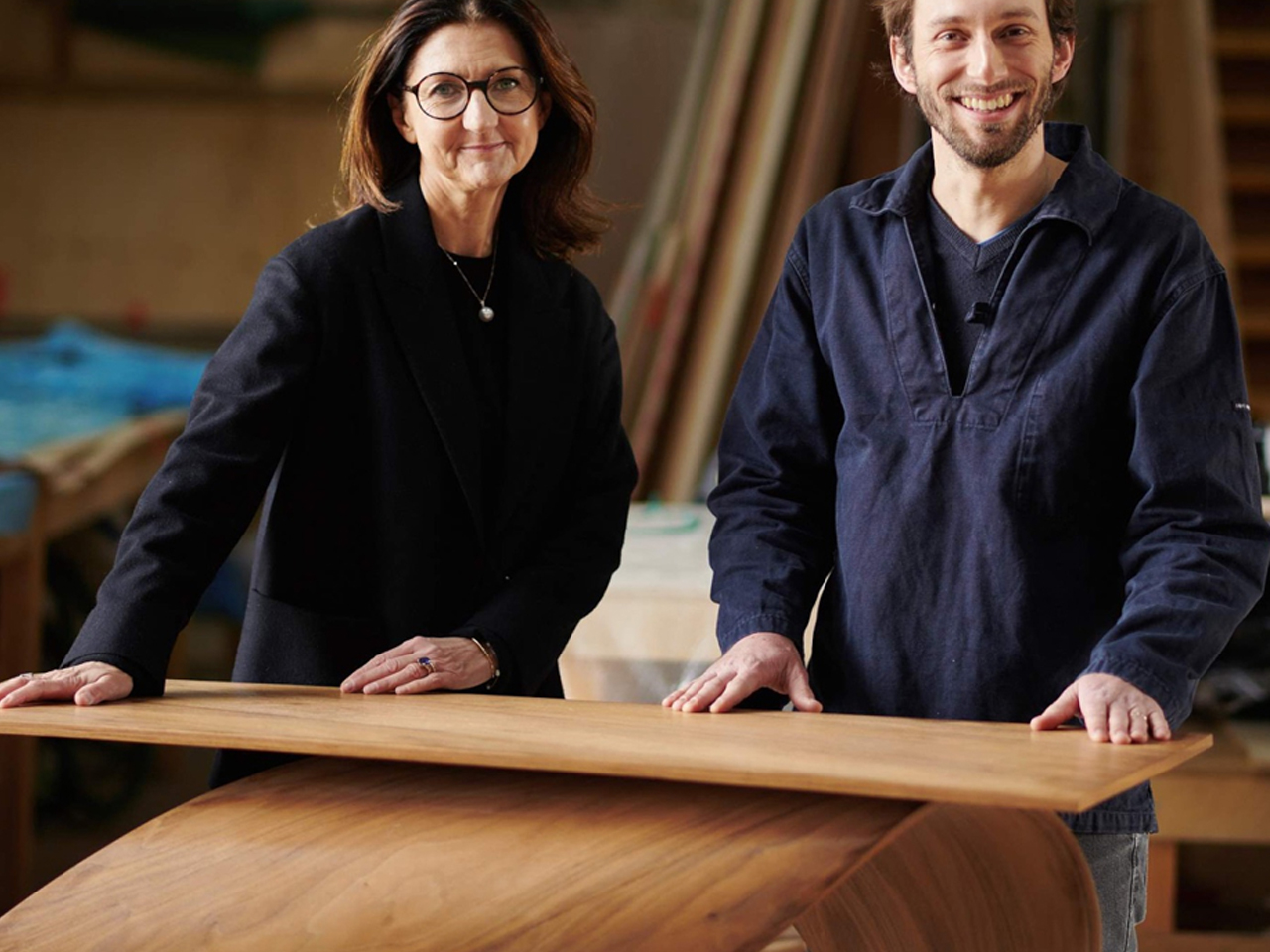
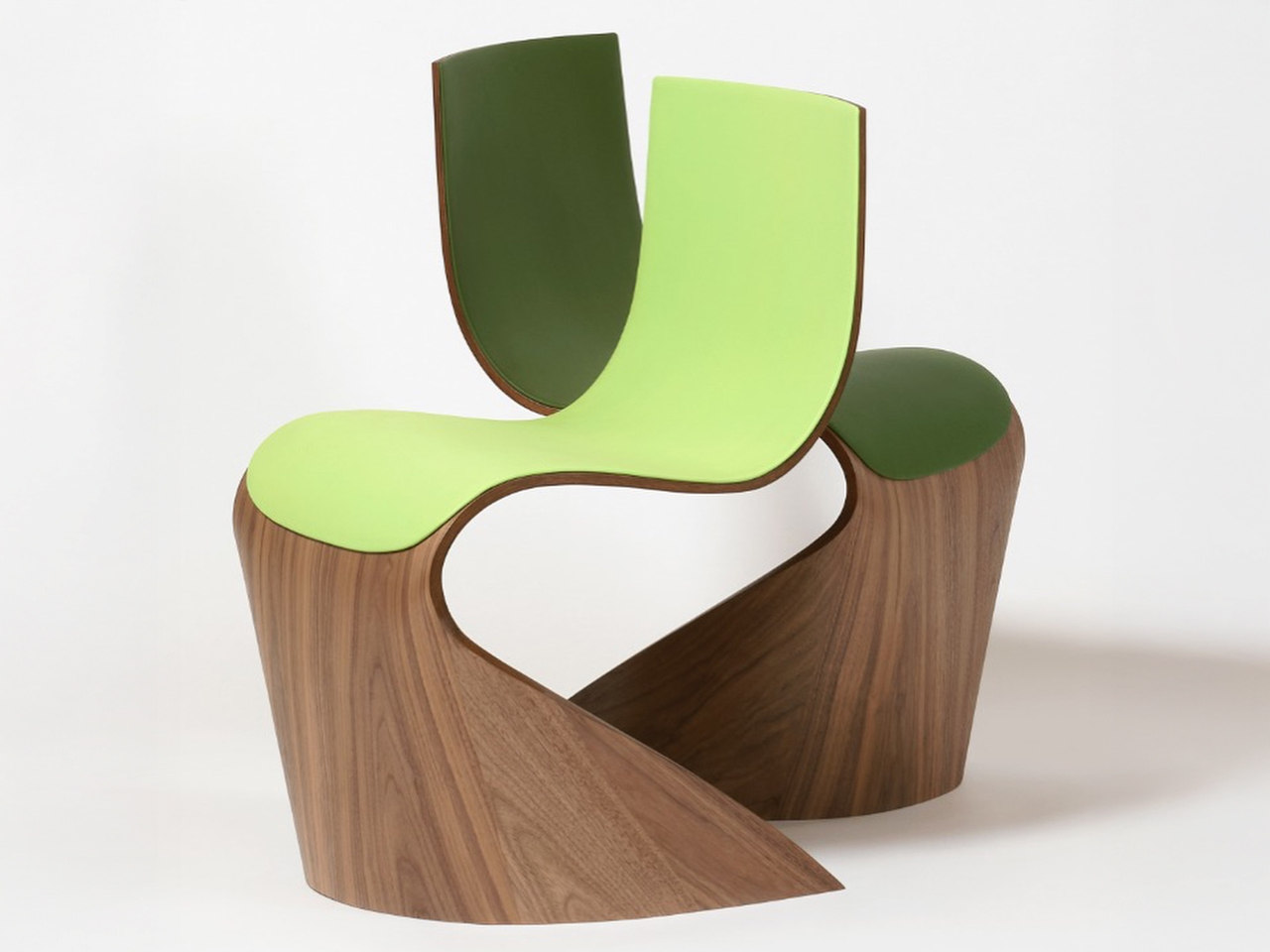
Longchamp collaborates with renowned designer Pierre Renart to bring its legacy of leather craftsmanship into the world of home design. The collection blends Longchamp’s refined aesthetic with Renart’s fluid woodworking techniques, resulting in sculptural pieces that appear to move despite their solid construction. This seamless transition from fashion to furniture reflects a shared philosophy that honours traditional craftsmanship while pushing creative boundaries.

The centerpiece, the Wave bench, is upholstered in supple cashew-toned leather and seems to float above its curved wooden base. Renart’s technique of layering thin wood sheets creates a ripple-like effect, evoking the softness of fabric in motion. Accompanying the bench are the Ruban chairs, featuring leather in eight shades, including Longchamp’s iconic greens, that add depth and rhythm to the design. Each piece stands as a testament to functional art, merging elegance with tactile storytelling.

5. The Long-Term Connection: Building Loyalty and Trust

Emotional design fosters a lasting relationship between the user and the product. When a product consistently delivers positive emotional experiences, it builds trust and loyalty. Think about a brand you consistently return to; it’s because their products consistently make you feel good, whether it’s through reliability, thoughtful features, or simply a sense of consistent quality.

A product that grows with its user and consistently delivers emotional value becomes an irreplaceable part of their life, moving from a mere possession to a trusted companion, fostering a deep and long-lasting connection.

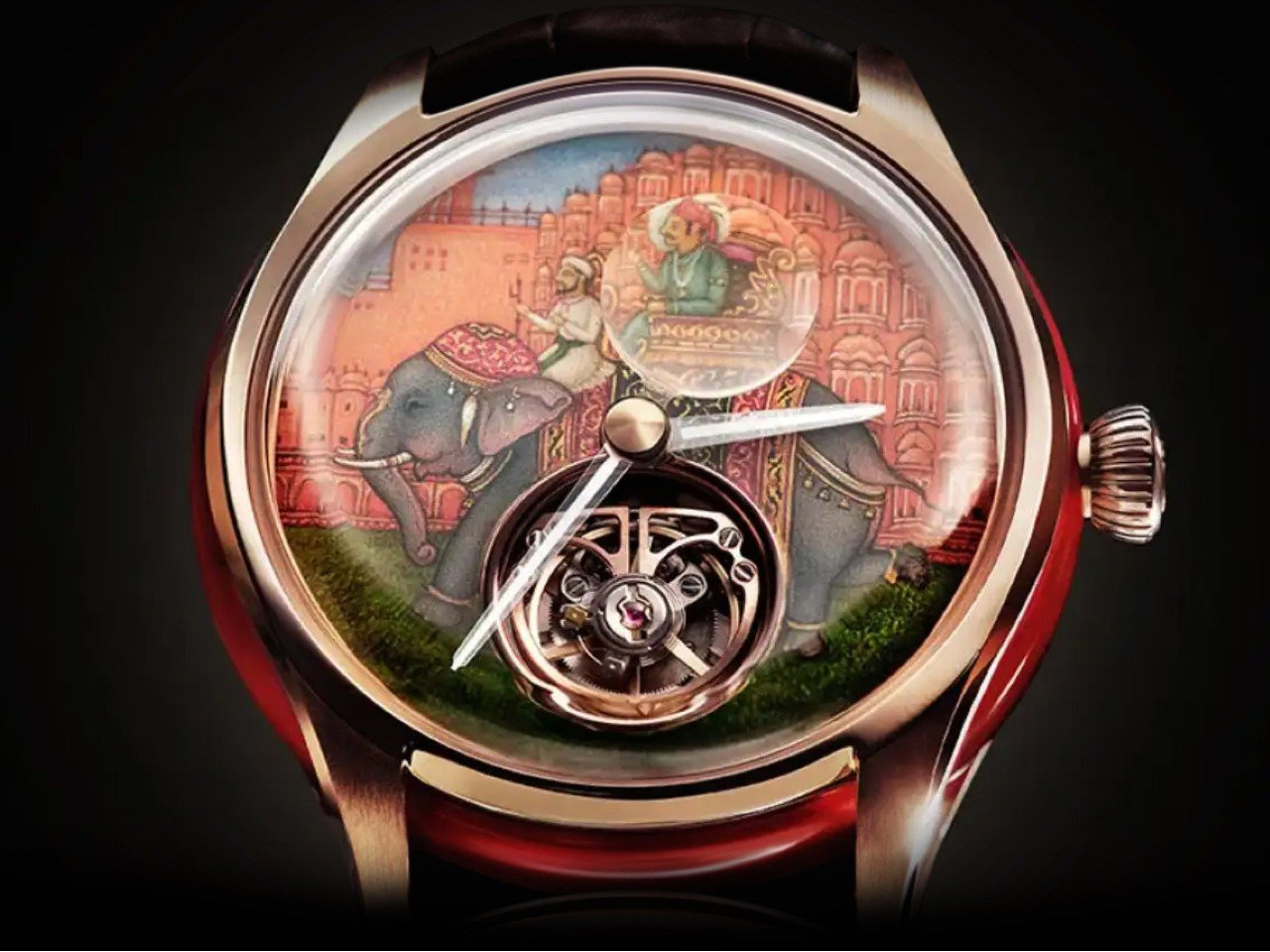
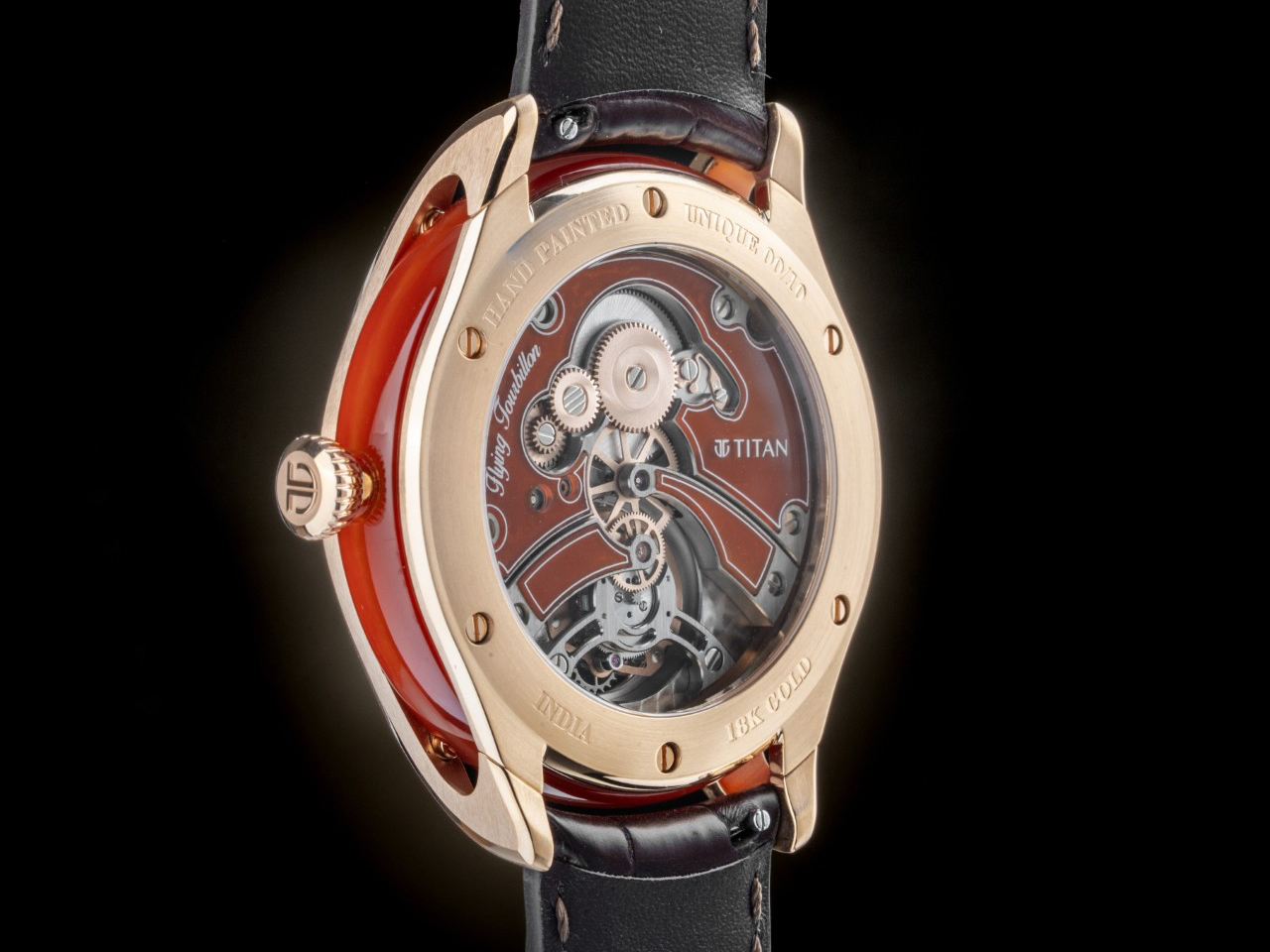
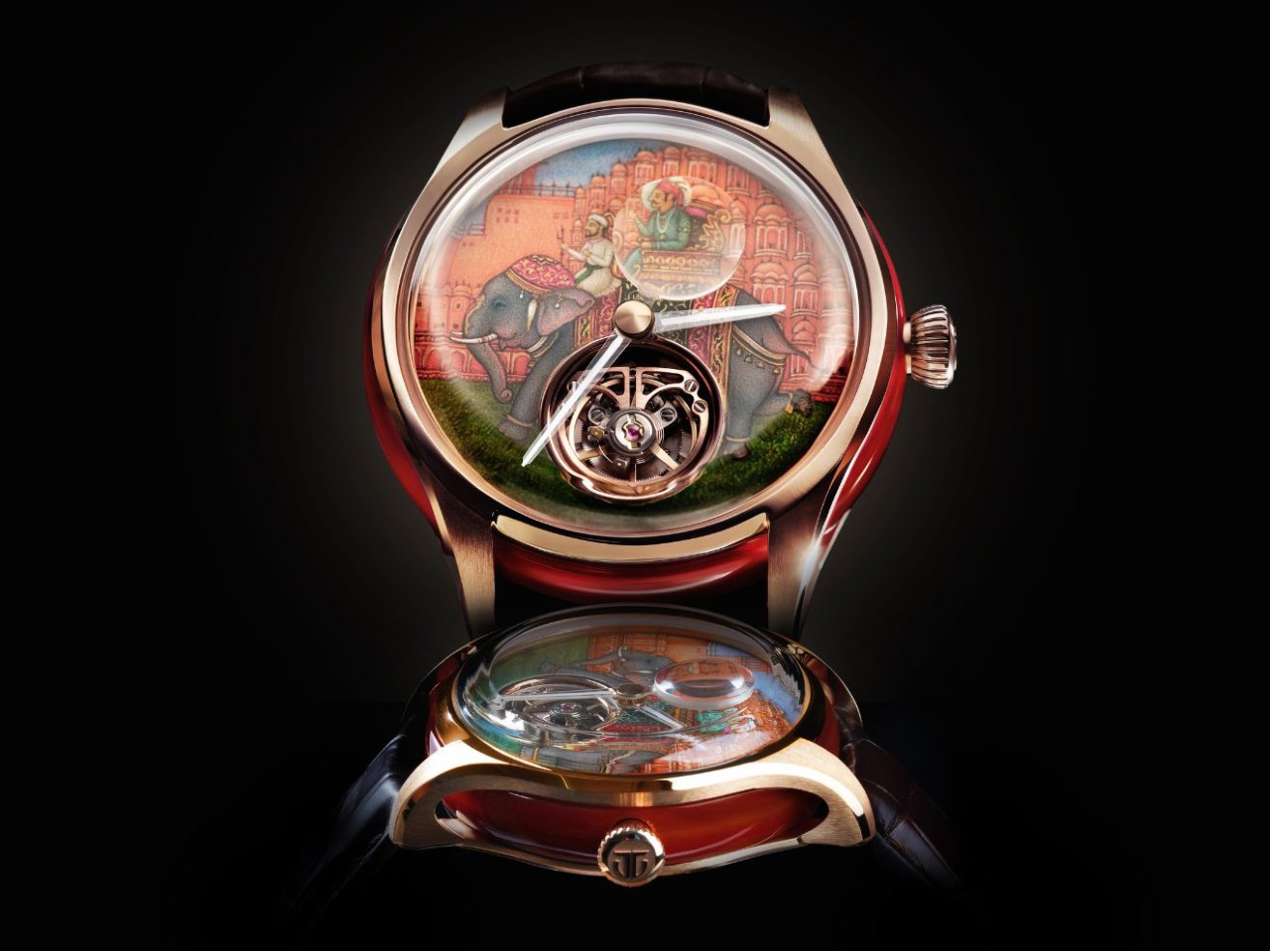
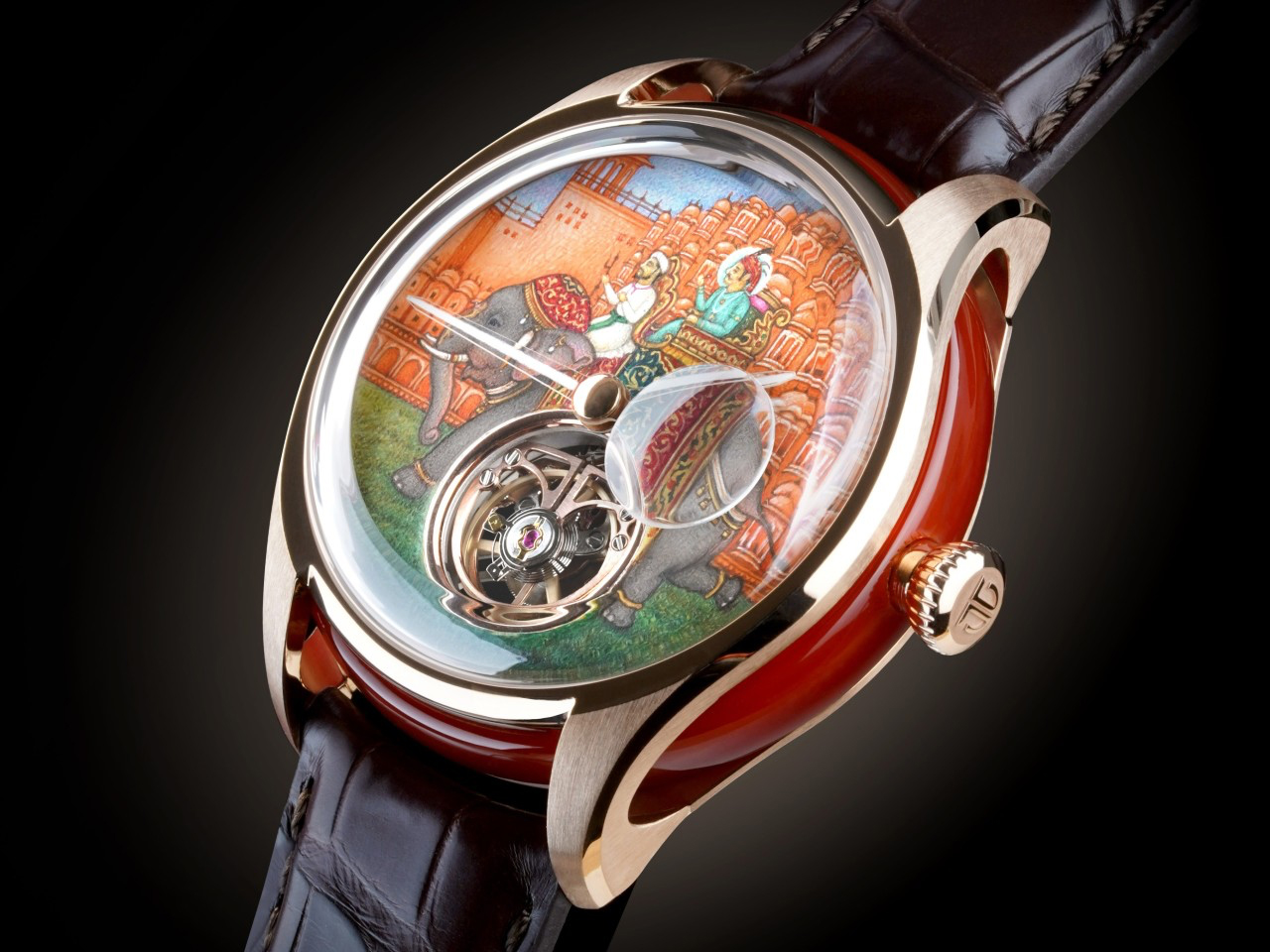
Titan’s Jalsa watch marks a bold leap into haute horlogerie, blending fine watchmaking with deep cultural storytelling. Instead of following Swiss conventions, Titan chose to honor 225 years of Jaipur’s architectural legacy through a hand-painted dial that captures the emotional richness of Indian heritage. Limited to just 10 pieces, Jalsa is India’s second flying tourbillon and the first to carry a miniature painting. More than a technical achievement, it offers a deeply personal connection to India’s artistic traditions, transforming timekeeping into an experience of pride and nostalgia.

Technically remarkable, the Jalsa houses a 144-component in-house flying tourbillon movement within a 43.5mm, 18K rose gold case. The marble dial, painted by Padma Shri Shakir Ali, features a royal procession before the Hawa Mahal, using natural pigments like turmeric, lac, and gold. Floating sapphire hands and red agate accents echo the design’s soul. Every detail invites emotional engagement, blending precision with cultural memory.

Designing products with emotional intelligence means creating more than just objects, as it means crafting experiences that enrich lives. By understanding and embracing the principles of emotional design, product designers can create products that are not just used, but truly loved, becoming indispensable parts of people’s daily lives and building lasting loyalty.

The post 5 Emotional Design Products Designed to Spark Joy Every Single Time You Use Them first appeared on Yanko Design.
Cute fluffy robot pet is designed to provide emotional support

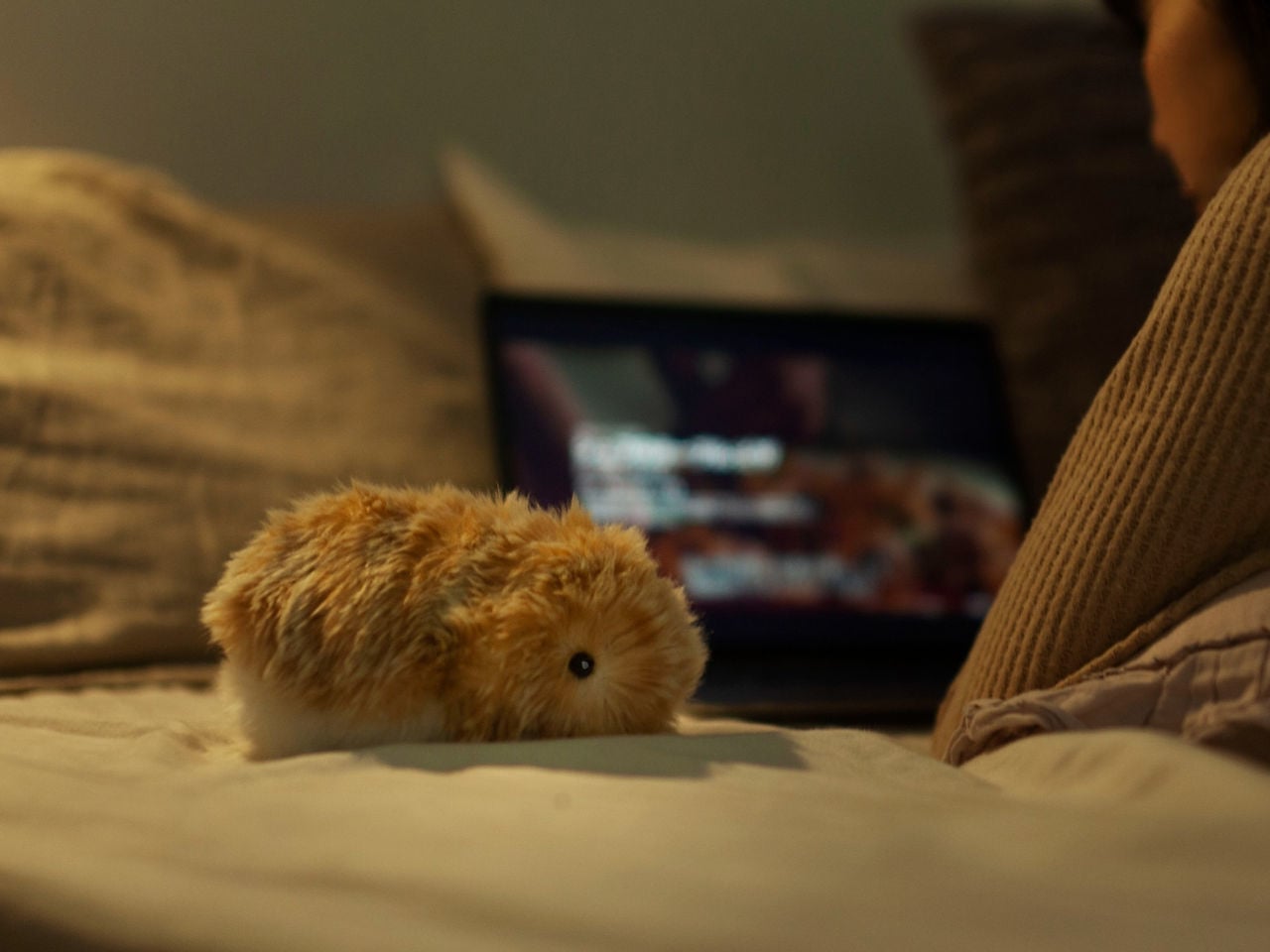
Most of us probably think of robots as industrial arms that assemble cars, rolling discs that clean up floors, or menacing skeletal figures out to destroy humanity. Of course, there are also a growing number of robots that would normally be classified as toys but can actually behave like mechanical pets, down to their adorable and sometimes mischievous behaviors as well. Robot dogs like Sony’s Aibo have made headlines before, and there are some like robot cats recently as well. This particular furry robot, however, eschews typical animal forms to offer a simpler but cuddlier robot that can’t really do much other than make you feel warm and fuzzy inside.
Designer: Casio, Vanguard Industries

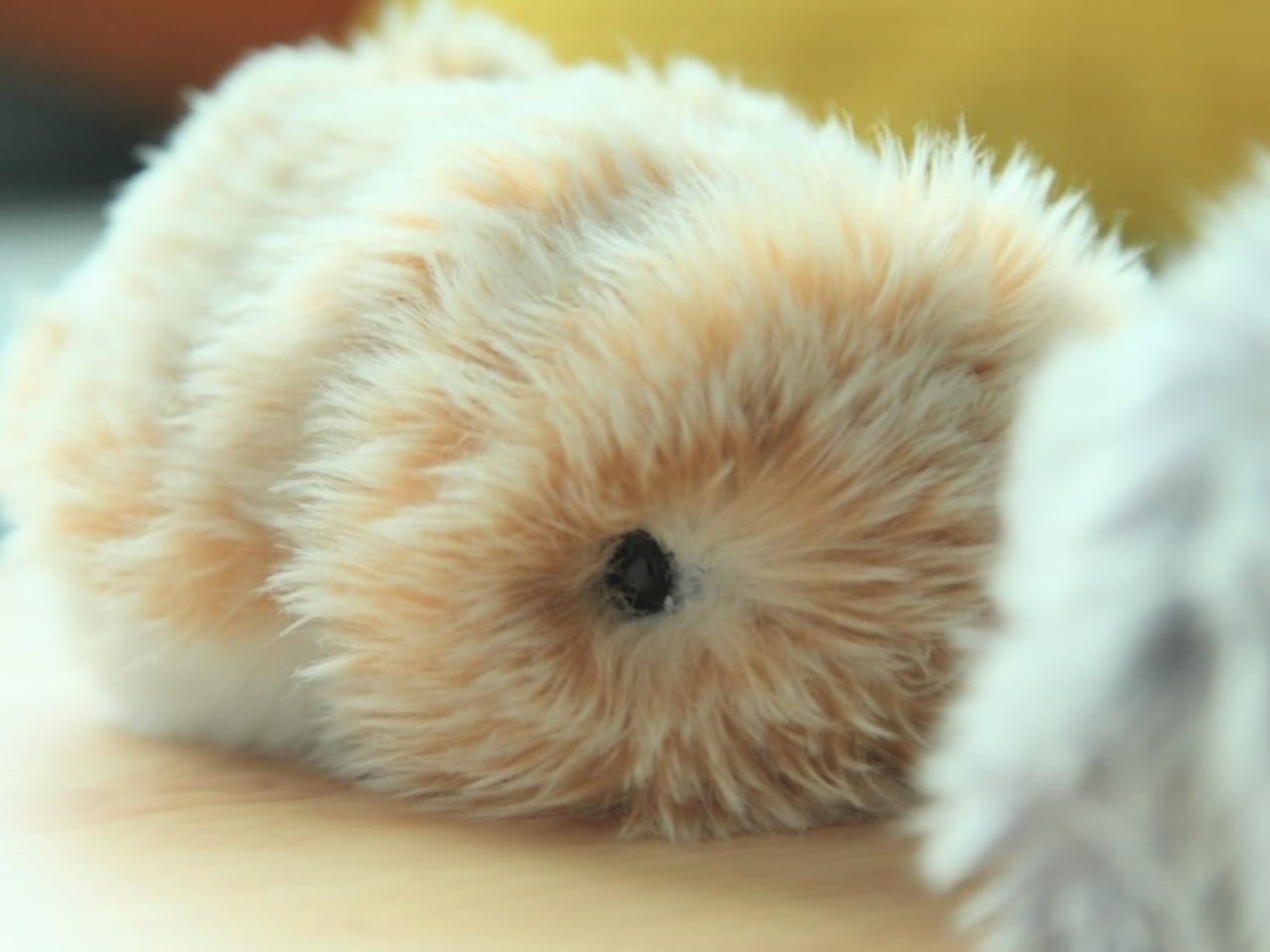
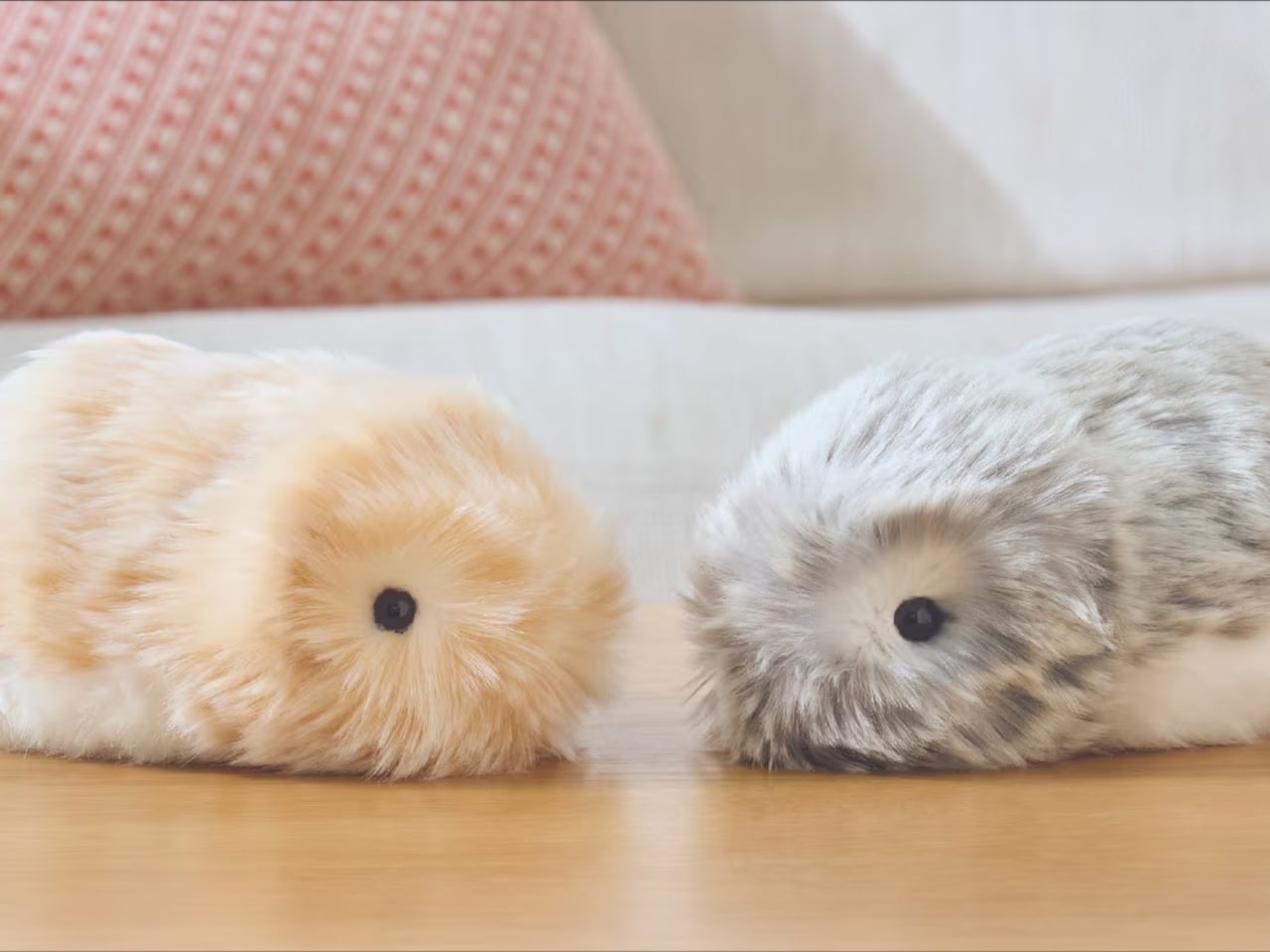
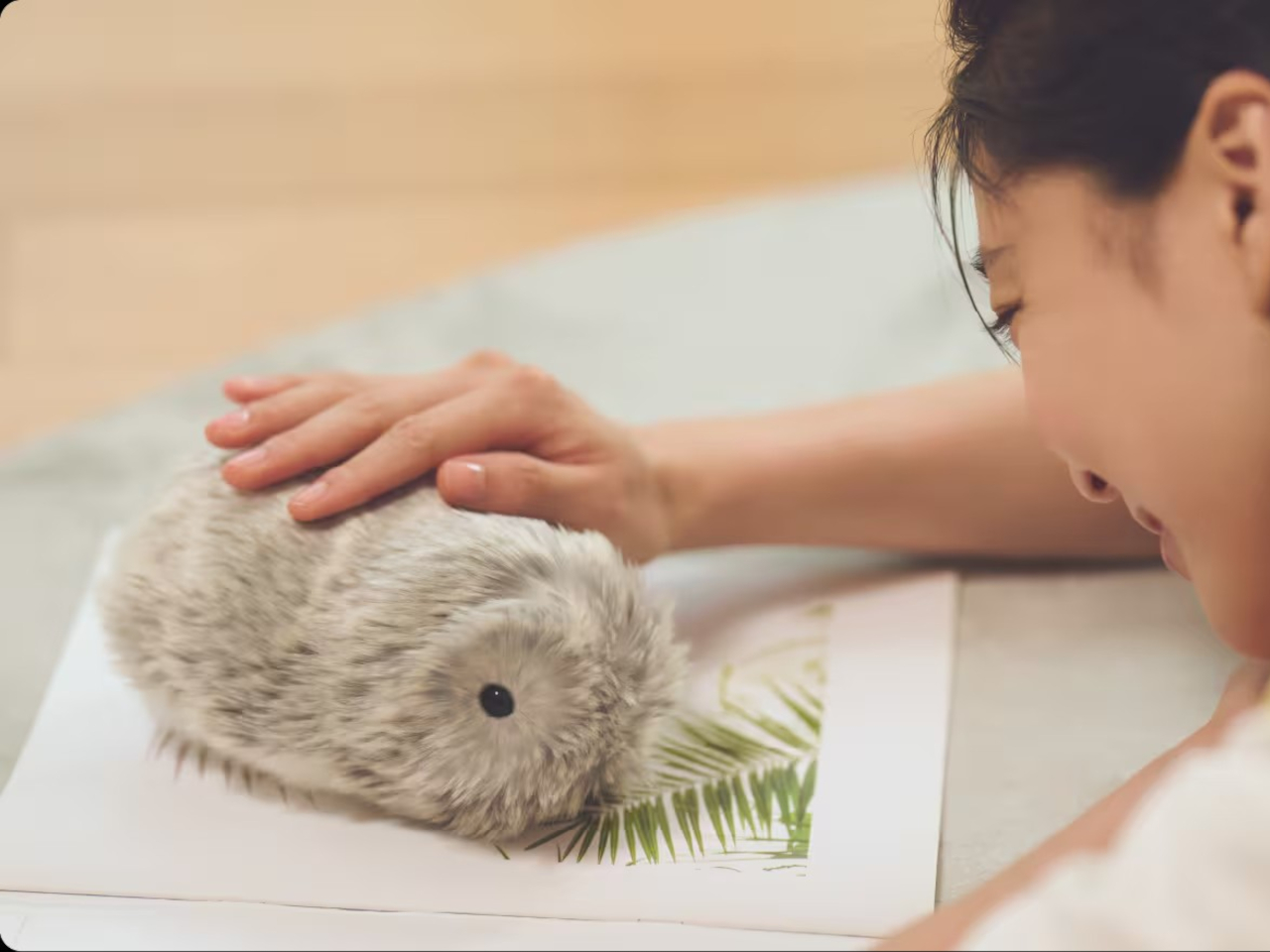
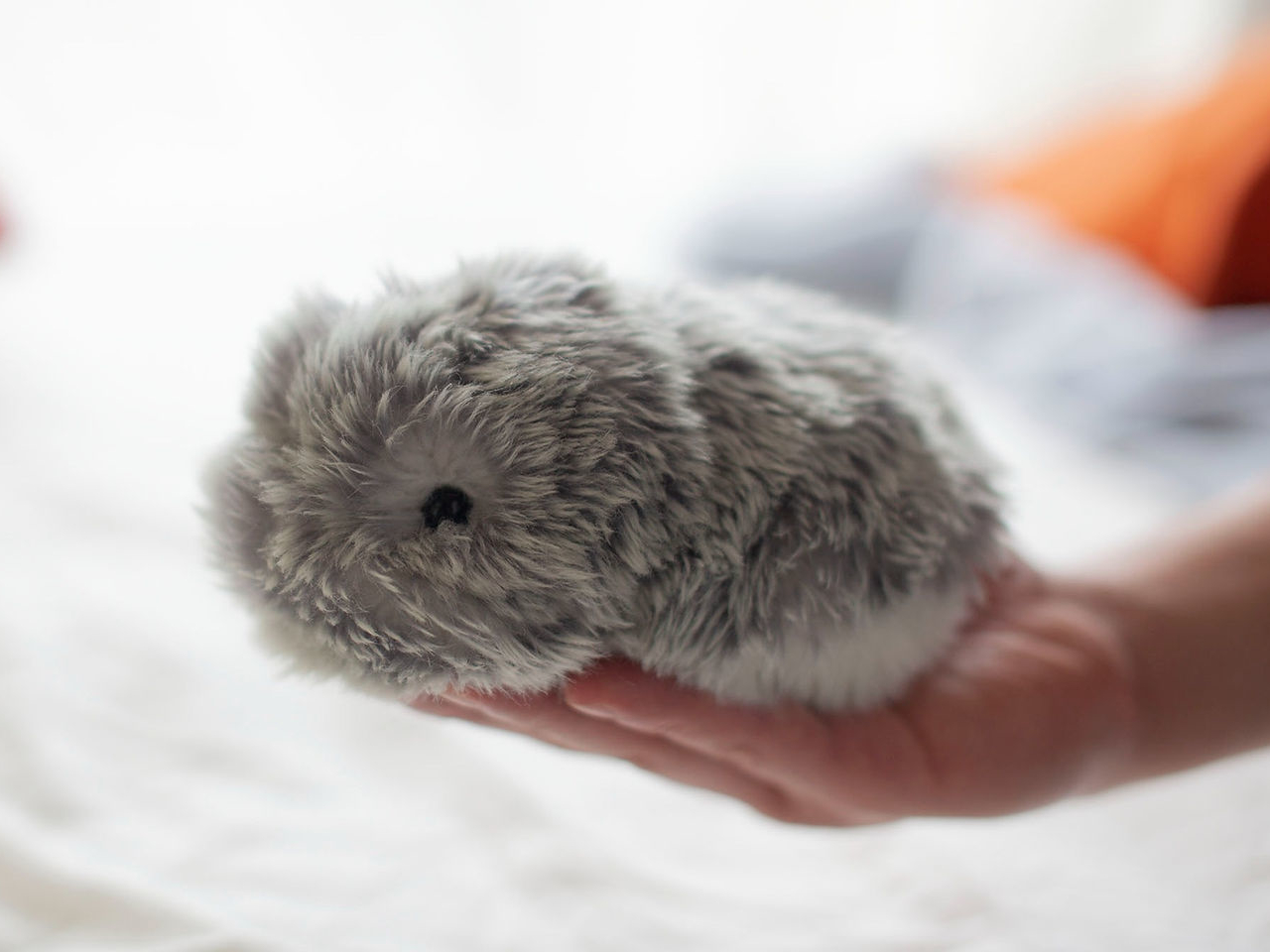
Truth be told, not everyone will find Moflin cute and cuddly. It’s definitely a furry critter, one that’s like a very fat and big hairy caterpillar with two beady eyes or a rodent so fat you can’t even see its legs, which could trigger some people. It even wiggles and curls around like a worm. On the upside, it won’t be going around and tripping up like a dog or cat, so maintenance is simpler as well.

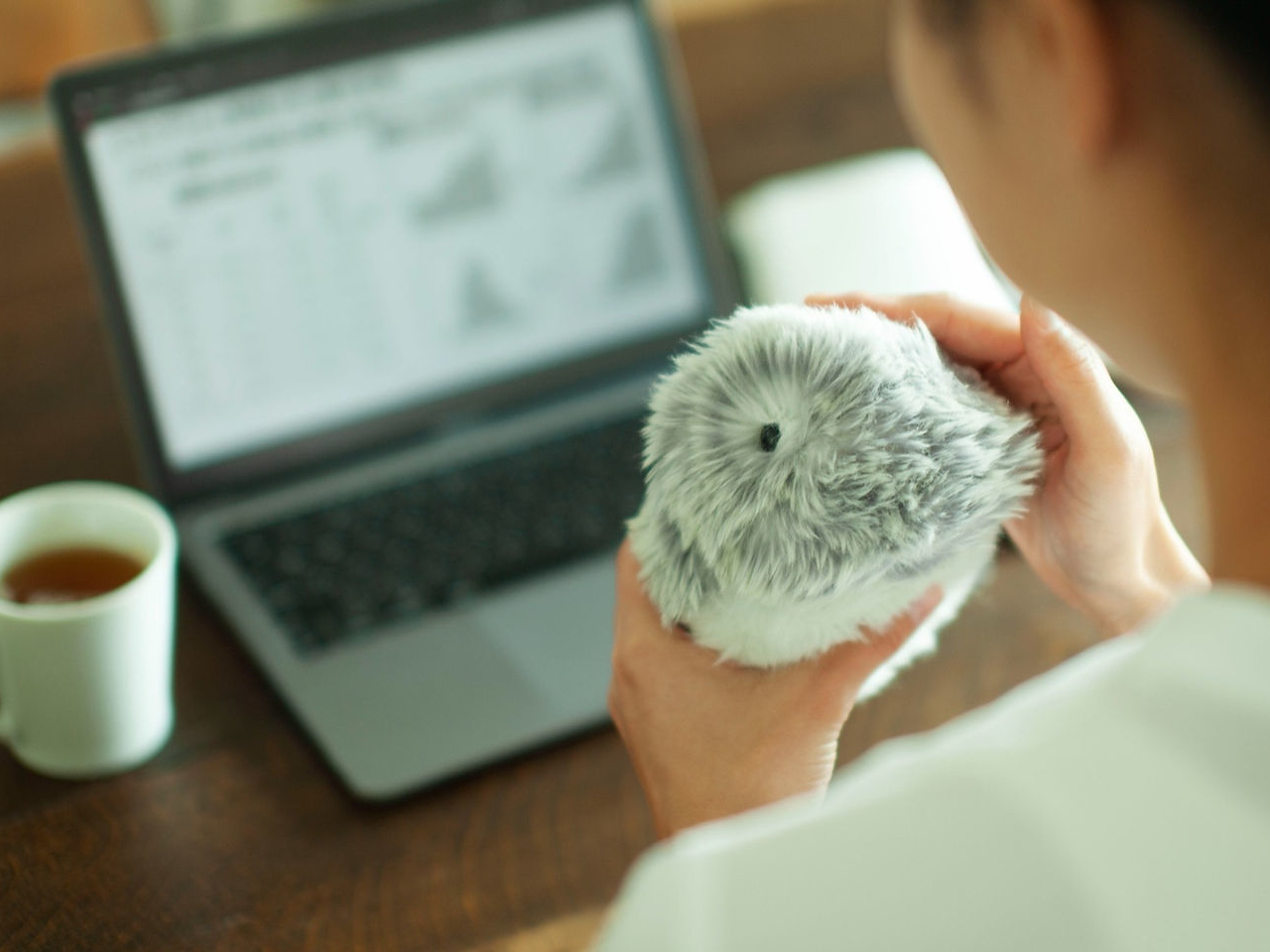
Unlike robot dogs and cats that try to mimic their flesh and blood counterparts, Moflin is meant to just provide joy and comfort with the feeling of something (subjectively) cute and furry cuddling up to you and seemingly responding to your love and care. It’s pretty much similar to having a stuffed toy, except it’s more dynamic and feels a bit more alive, which could actually make some people feel a bit uneasy.

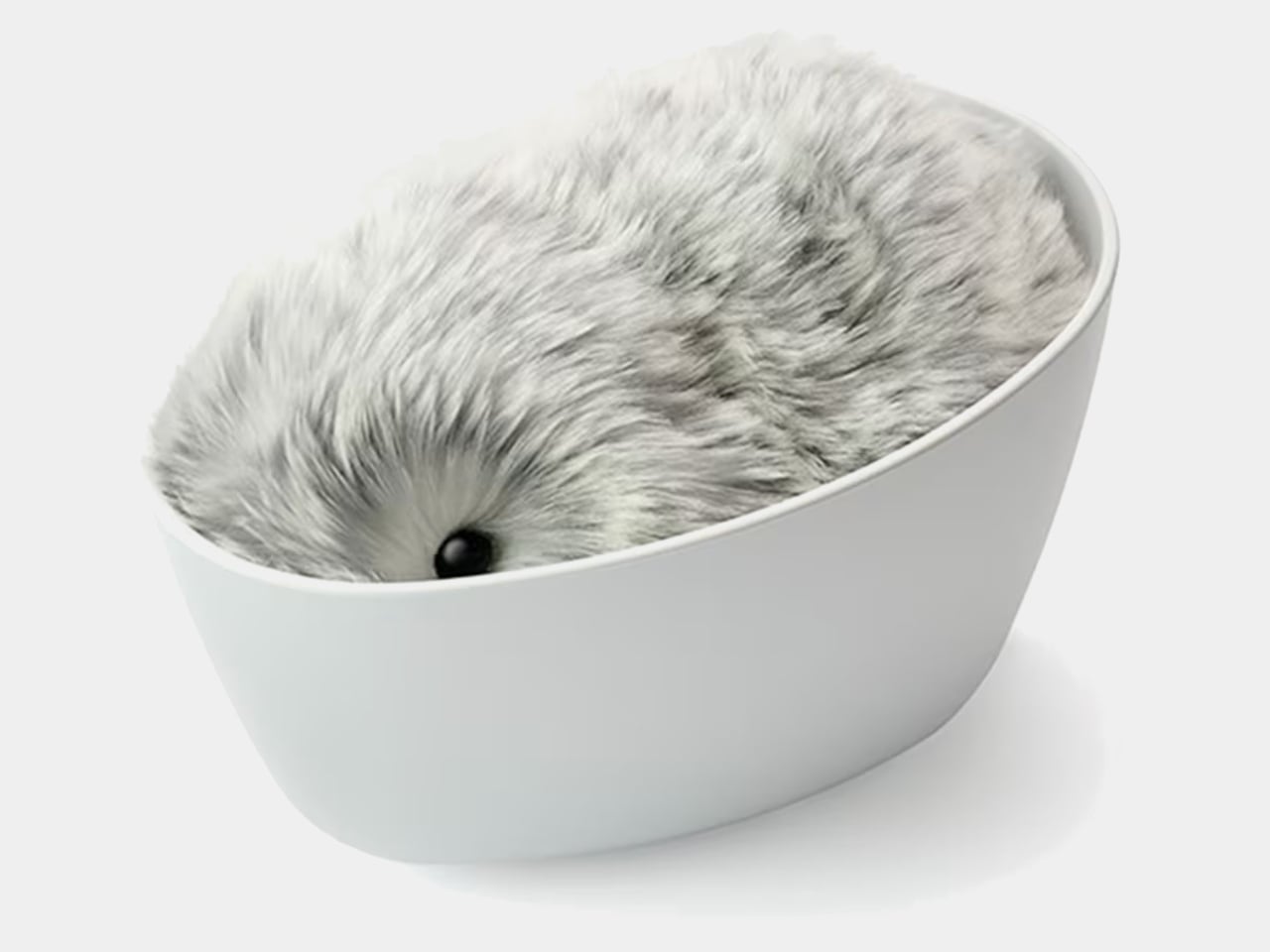
Of course, Moflin has a smidgen of everyone’s favorite AI, and each robot is supposed to have its own unique personality developed through your daily interactions. It also has the semblance of emotions expressed through movement and sounds, such as trembling when stressed or whistling when happy. That said, the actual emotions the robot is “feeling” can only be read through the companion smartphone app. For the sake of immersion, Moflin’s charger isn’t just some cable or wireless charging pad but an oval bowl that looks like a bed made especially for it.

Moflin actually went on crowdfunding back in 2020, but Casio is now making it more generally available for around $400. The catch is that, at least for now, it’s only available in Japan, and there is no word yet on whether it will be wiggling its way into people’s arms globally.

The post Cute fluffy robot pet is designed to provide emotional support first appeared on Yanko Design.