Most phone grips stick around because they work, not because they’re easy to live with. The classic PopSocket has spent over a decade as one of the most recognizable phone accessories around, but its accordion-style pop-up design has always carried a trade-off. That bump on the back catches on every tight pocket, and for a certain kind of user, that’s been reason enough to never bother.
The Low-Pro Grip is PopSockets’ answer to that, but it’s also something more personal than a product update. An ultra-thin grip was actually what the brand’s founder envisioned first, before the accordion design ever existed. He taught himself CAD and printed a flat 2.1mm-thick disk as his original prototype, but it never opened up. That failure became the PopSocket. More than a decade later, the thin version finally works.
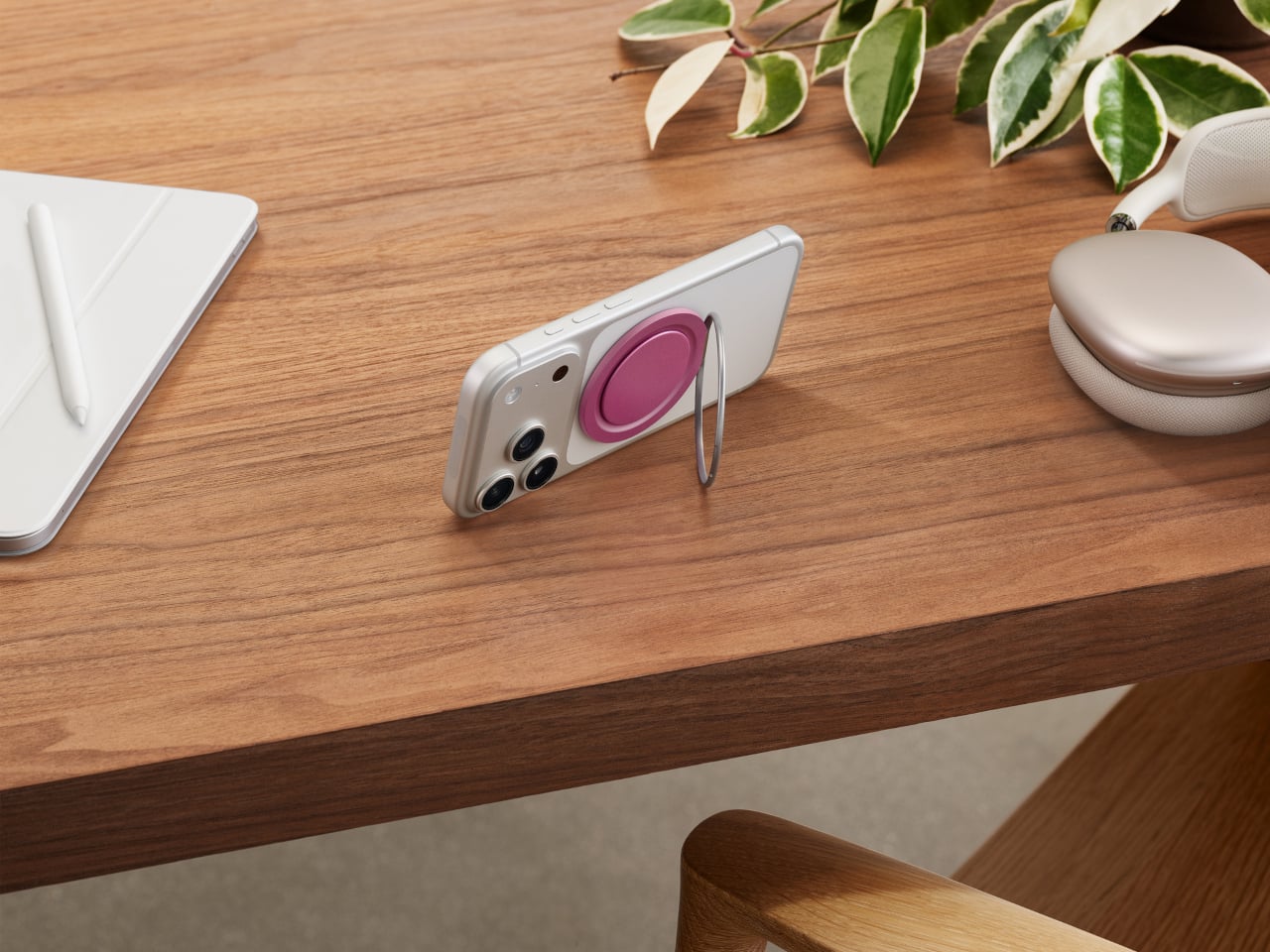
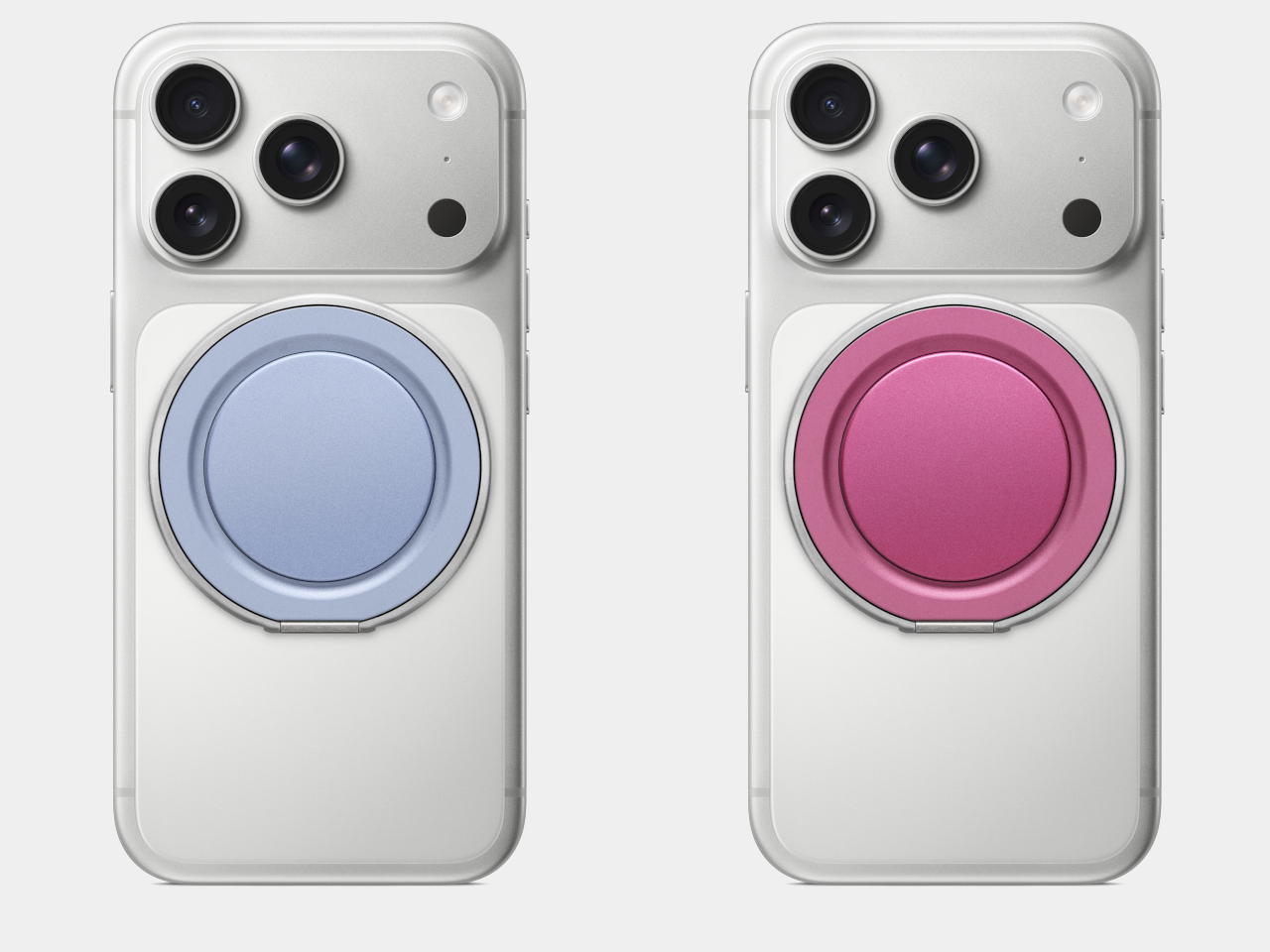
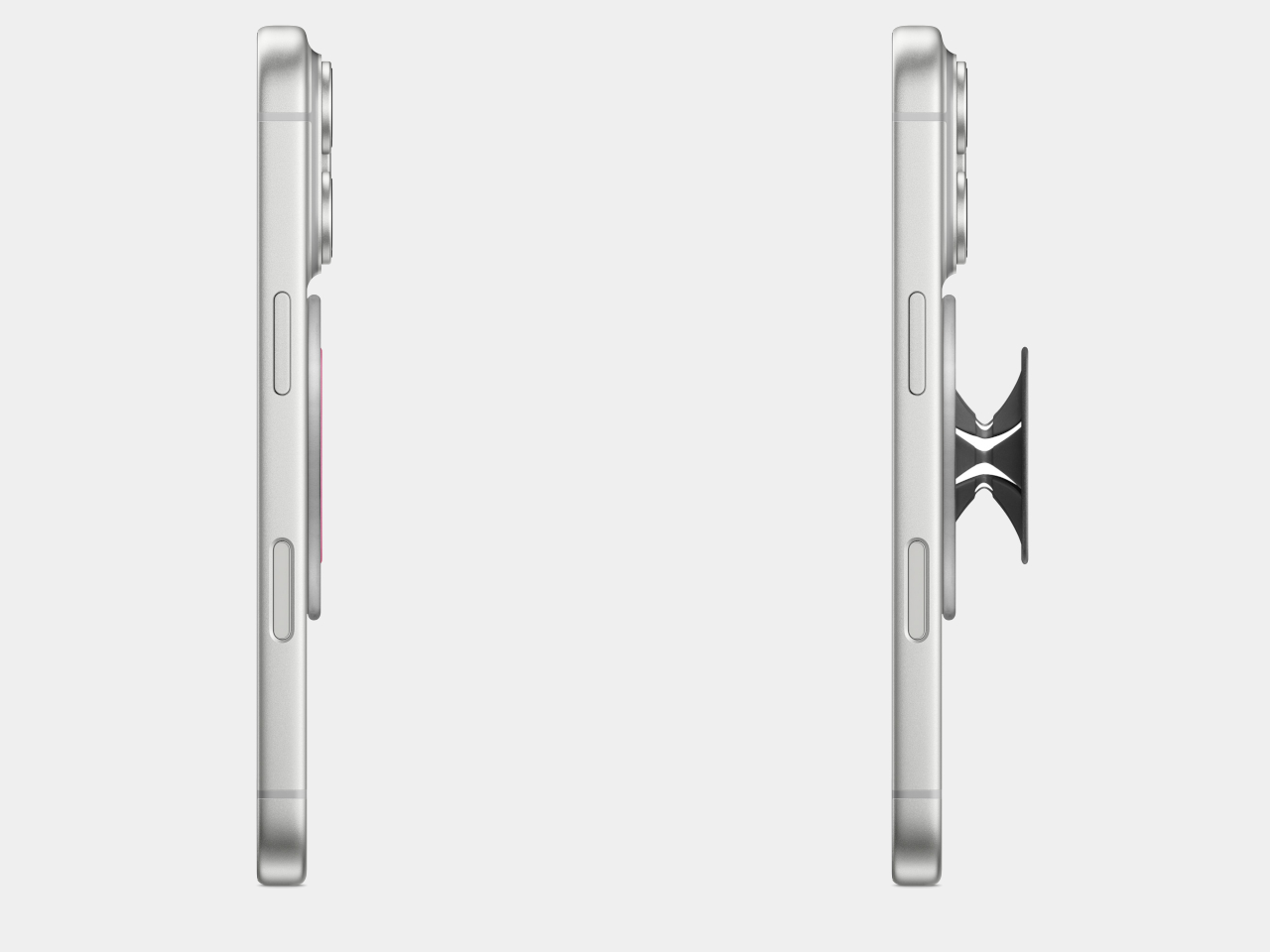
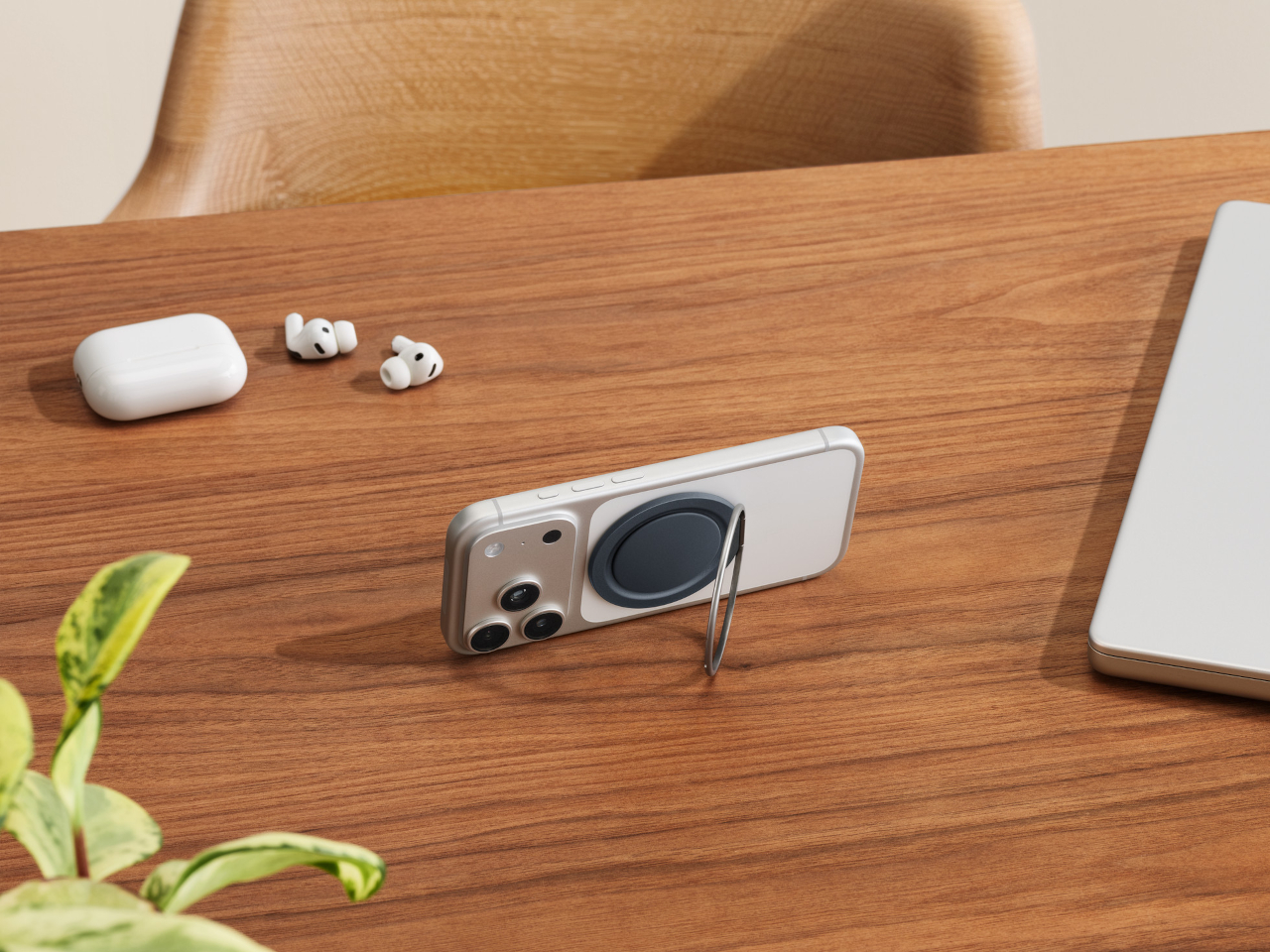
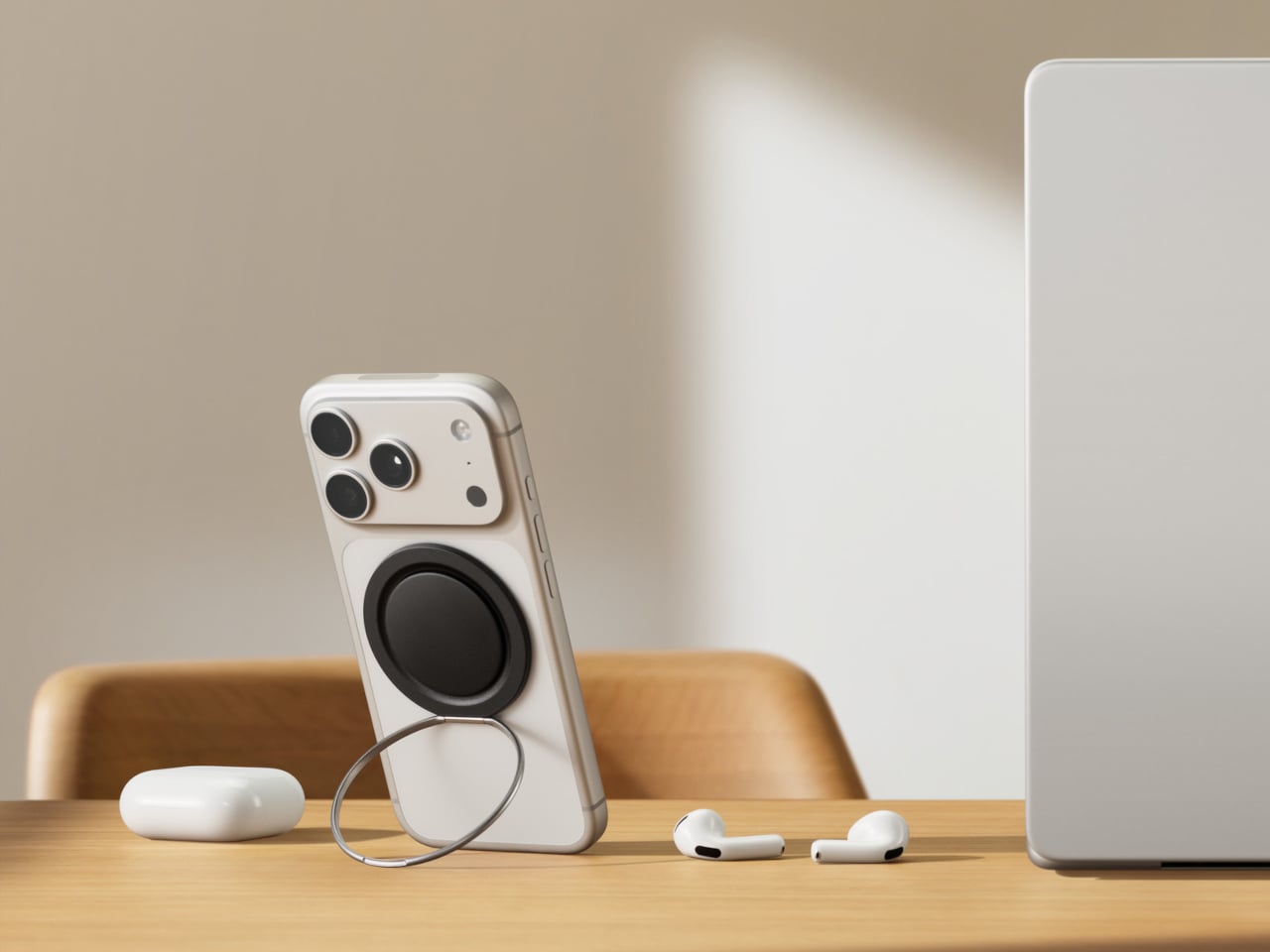
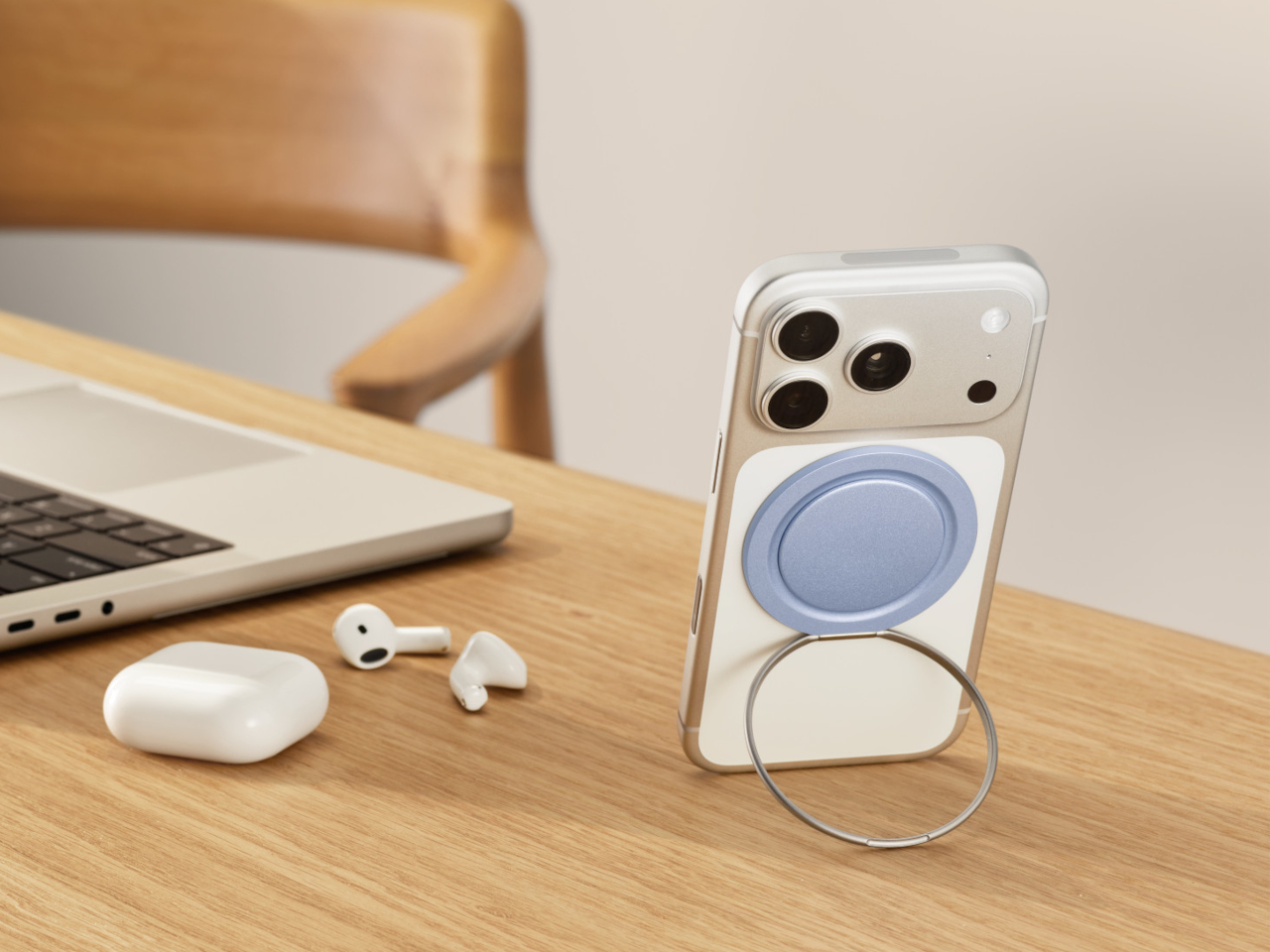
At 2.6mm thick when collapsed, it adds almost nothing to the back of an iPhone and stays below the threshold where most grips start catching on tight pockets. The Low-Pro snaps magnetically onto any MagSafe-compatible iPhone case, so it goes on and comes off without adhesive or any ceremony. The mechanism underneath has also been completely rethought, abandoning the multi-ring accordion of the original entirely.
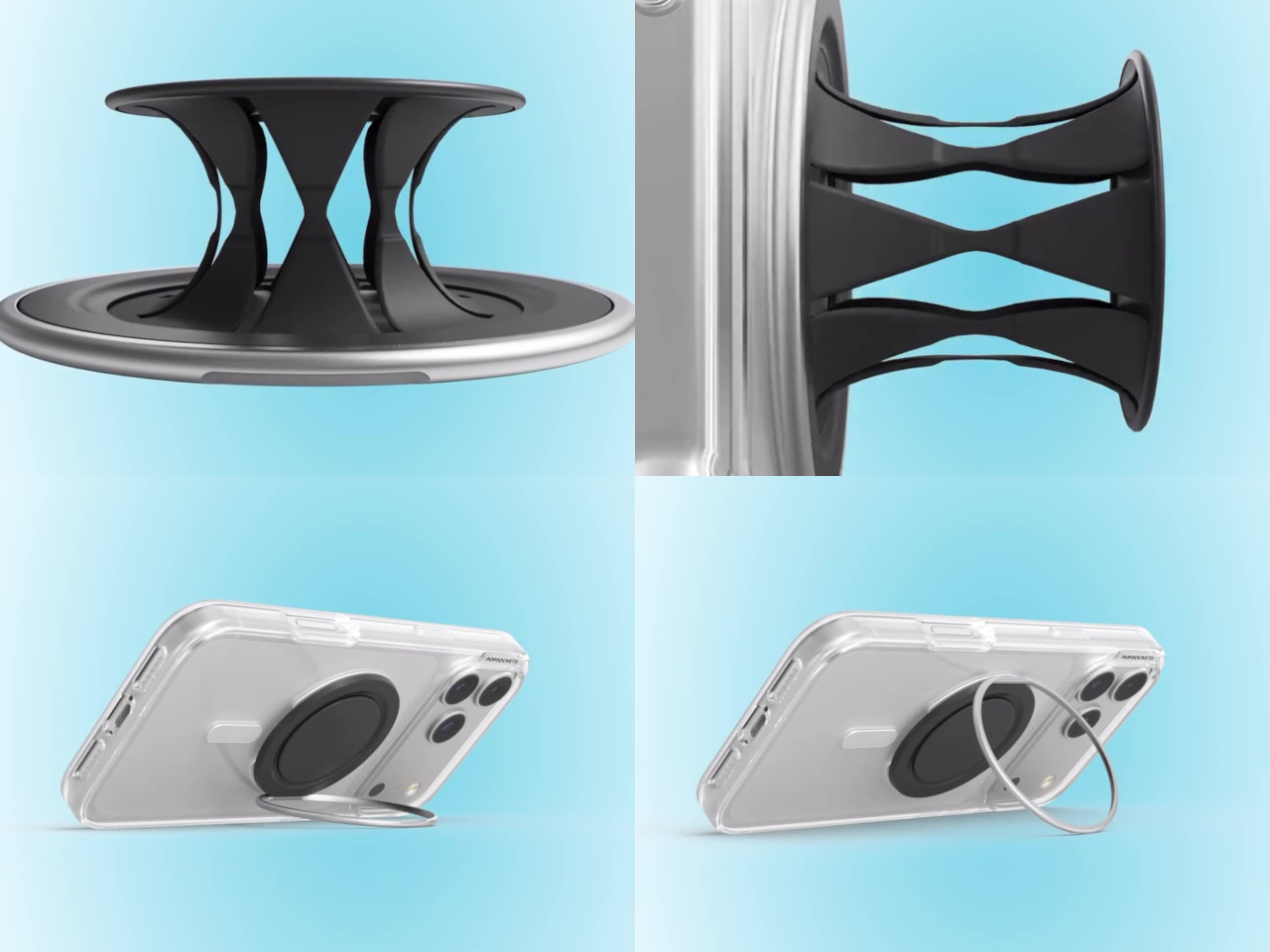
Instead of the familiar two-step expansion, the Low-Pro uses a single piece of flexible polymer that collapses flat and opens with one motion. What feels different about this approach is the texture. Where competitors rely on interlocking rigid arms that can dig into your fingers during long sessions, the softer polymer makes the Low-Pro more comfortable to hold at any angle, something that only becomes obvious after extended use.
The stand function has been redesigned, too. Instead of a button acting as the kickstand, an outer metal ring attached by a hinge folds out at any angle to prop the phone in either portrait or landscape orientation. That’s a meaningful step up from grip designs where the stand only works reliably sideways, and it covers the full range of how people use their phones away from a charging dock.
The magnetic base is strong enough to hold the phone against metal surfaces like a fridge door for hands-free use, and MagSafe wireless charging still works through it, though at reduced speeds. Despite the polymer being tested to withstand 30 lbs of tensile force and cycled open and closed 100,000 times, the Low-Pro is designed to be the PopSocket you can forget is there.
The Low-Pro Grip is priced at $39.99 and is launching exclusively at Apple in six colors, expanding to Best Buy and Target on July 12, and to all other retailers on July 29, when the full lineup of 12 colors will be available. It’s compatible with any MagSafe-compatible iPhone case and works with all existing PopSockets mounts, so it fits into an existing MagSafe setup without needing anything else.
Battery life has always been the quiet asterisk on handheld gaming. The Nintendo Switch 2’s internal battery offers roughly two to six and a half hours, depending on what’s running, which is plenty for a short commute but not enough for a long flight or an afternoon away from an outlet. Most players either play conservatively or keep a cable nearby. Neither approach is especially graceful.
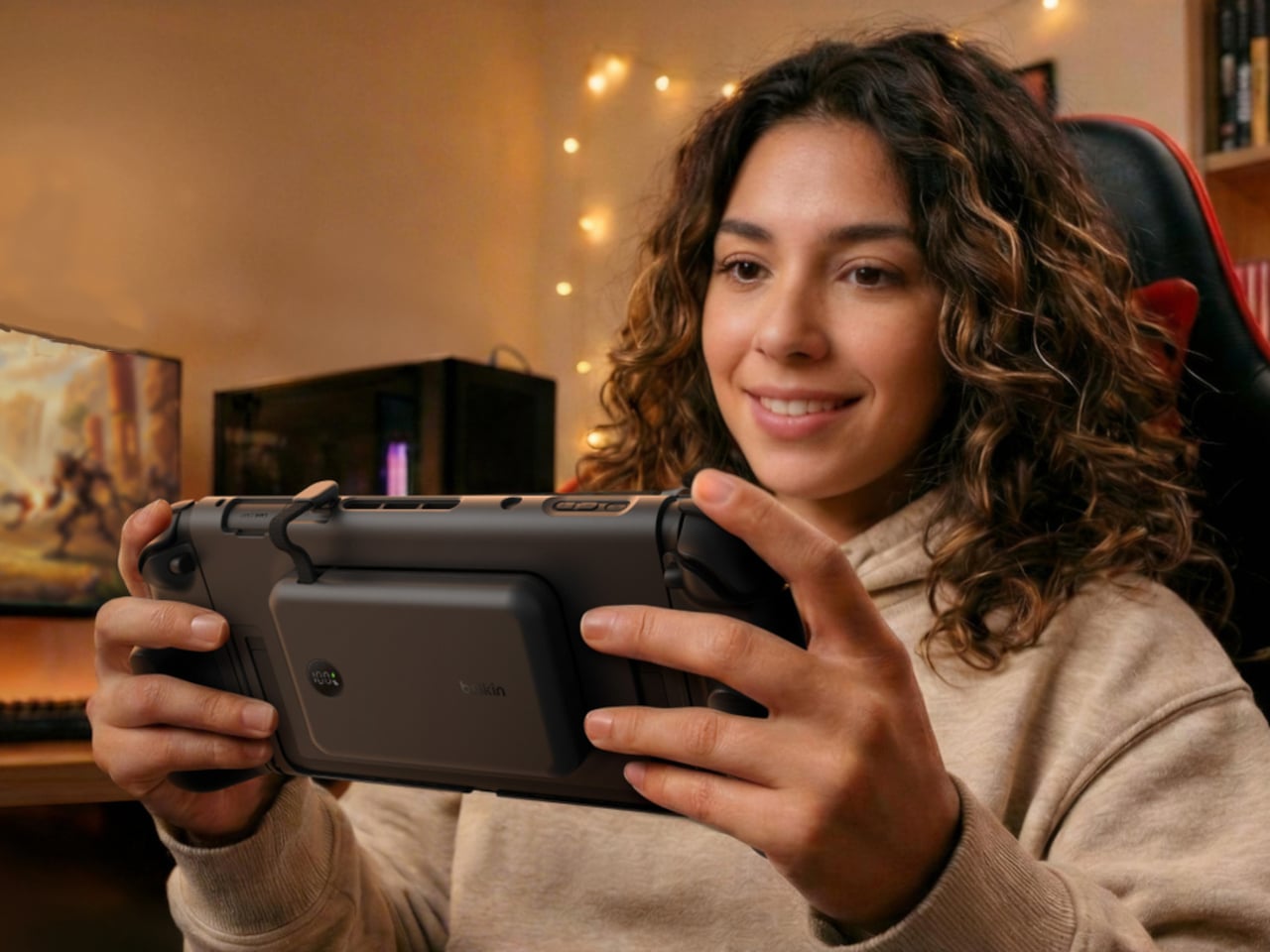
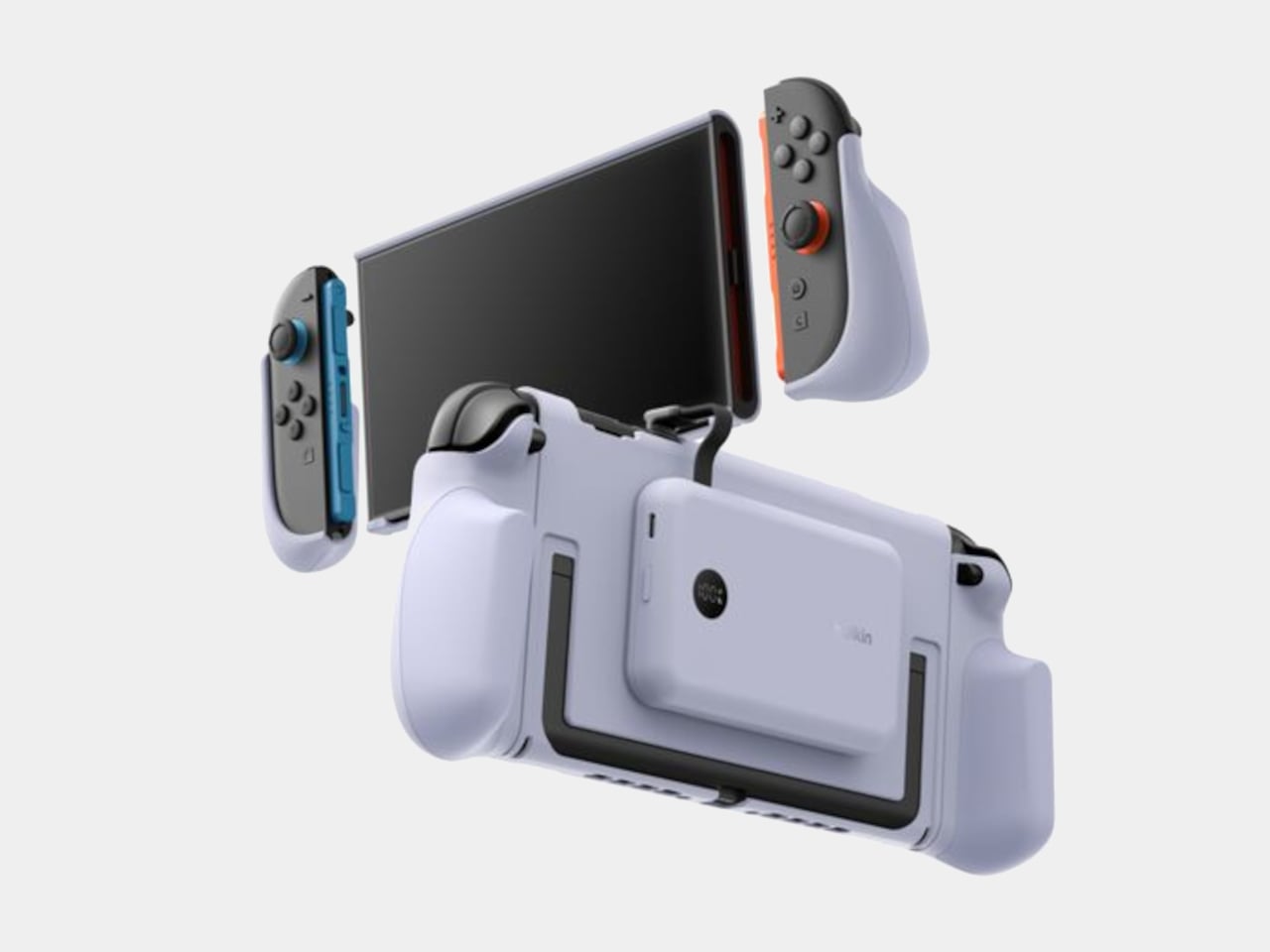
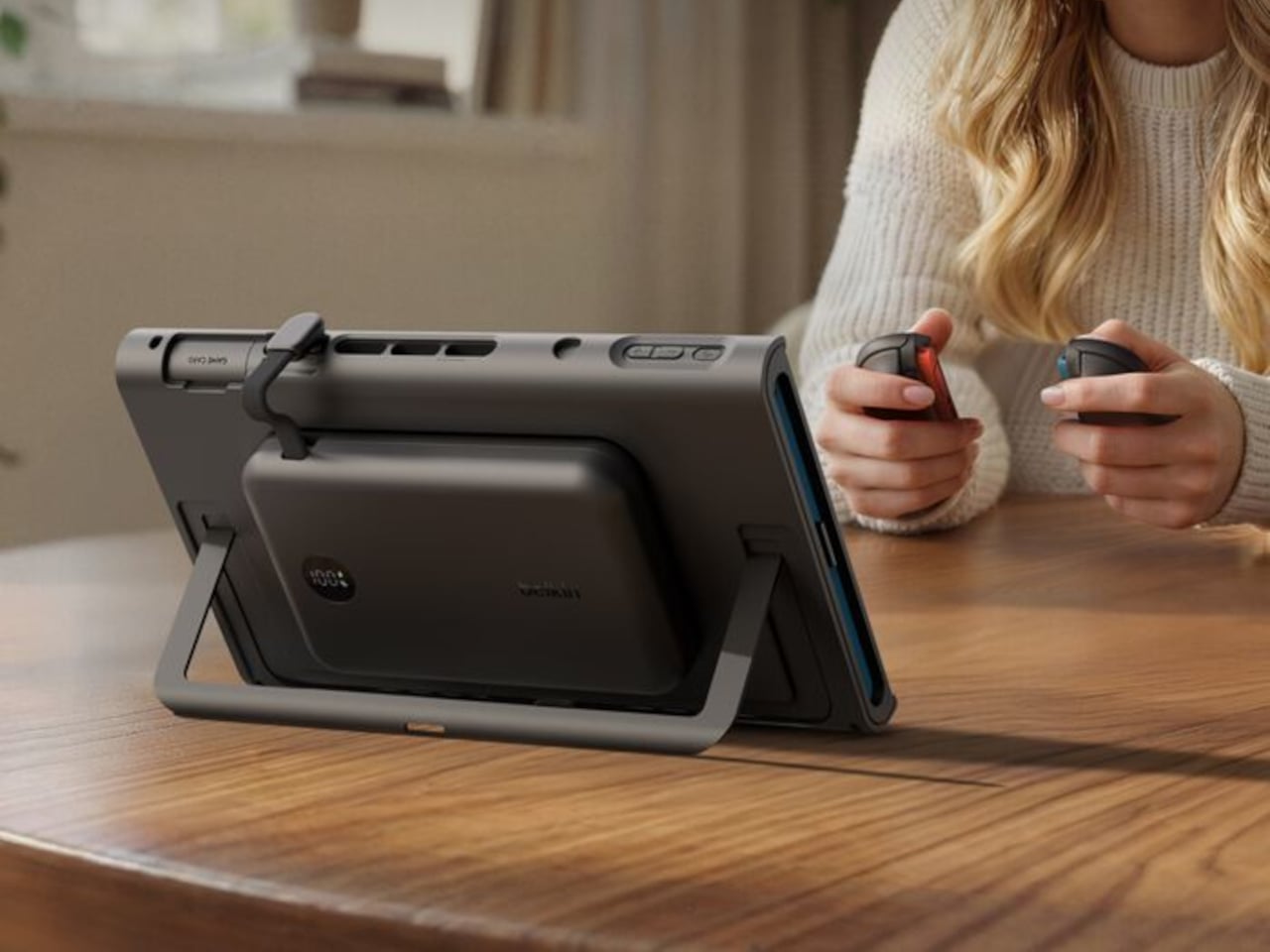
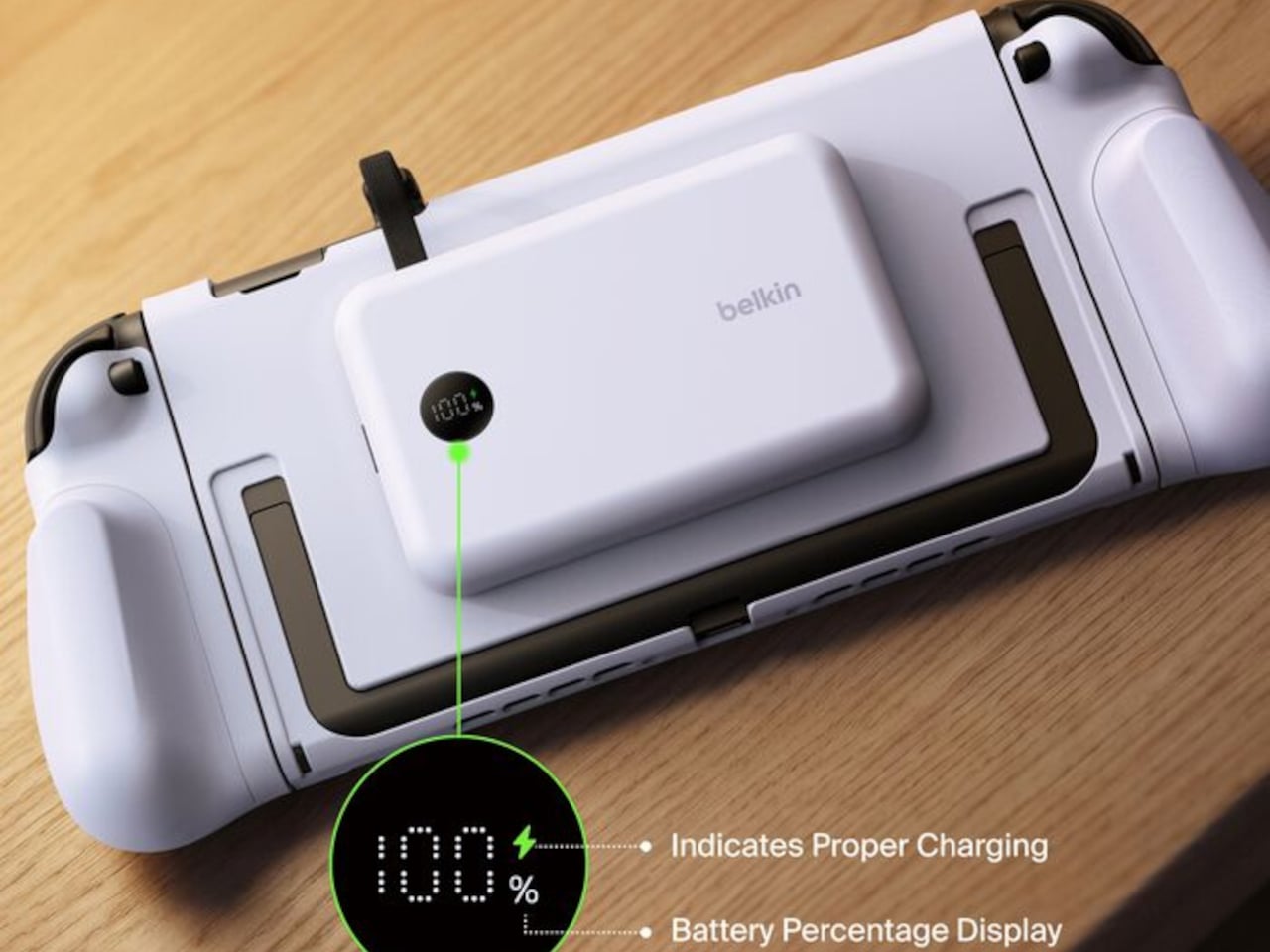
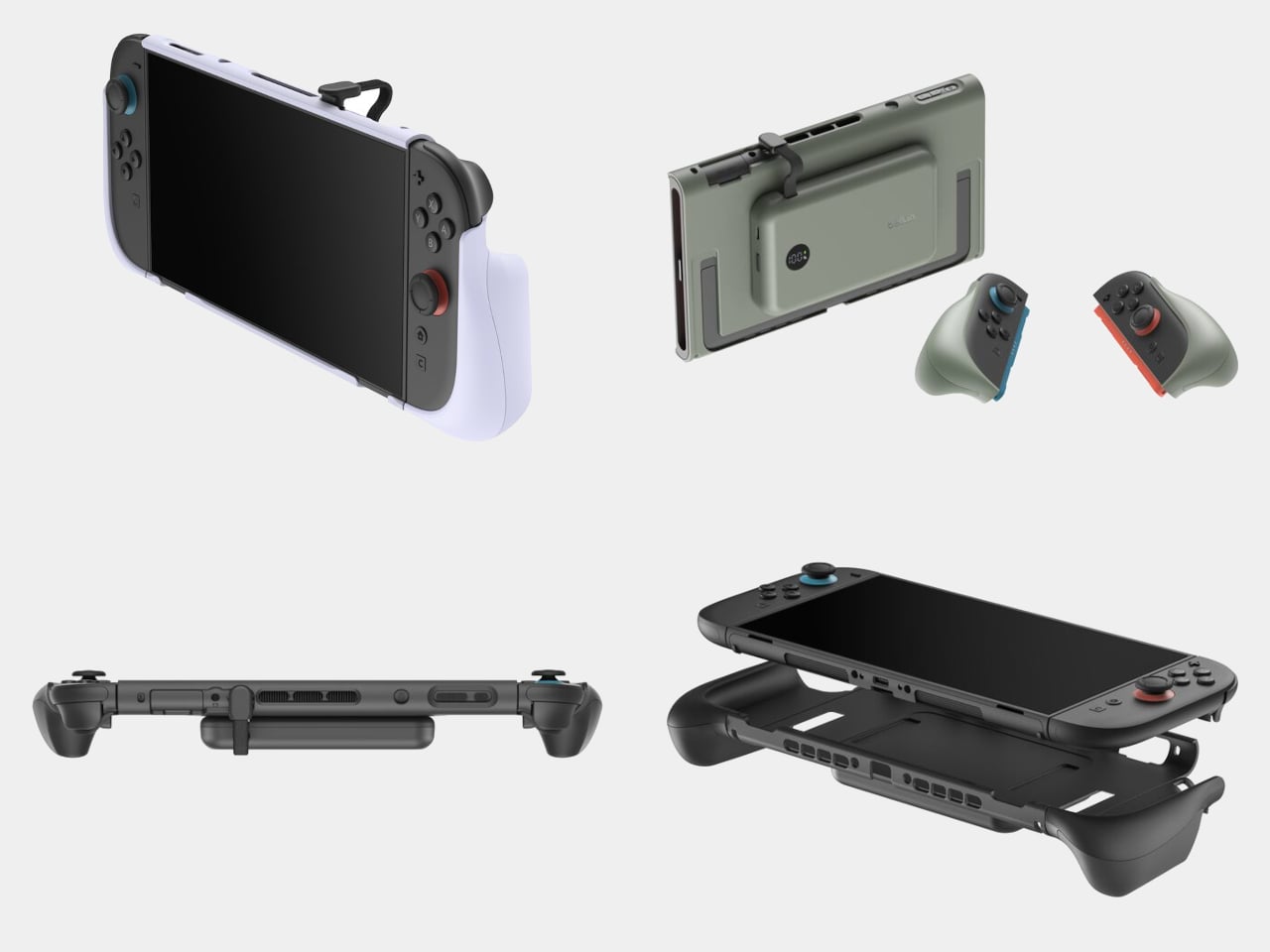
Belkin’s Charging Grip for the Nintendo Switch 2 takes a different approach to the problem. Rather than asking you to stop and plug in, the grip attaches a 10,000 mAh magnetic power bank directly to the back of the console, turning the Switch 2 into a more capable device without fundamentally changing how it feels to use. The power bank snaps on magnetically and charges through a built-in USB-C cable at up to 30W, delivering up to 1.5 times the console’s original battery capacity.
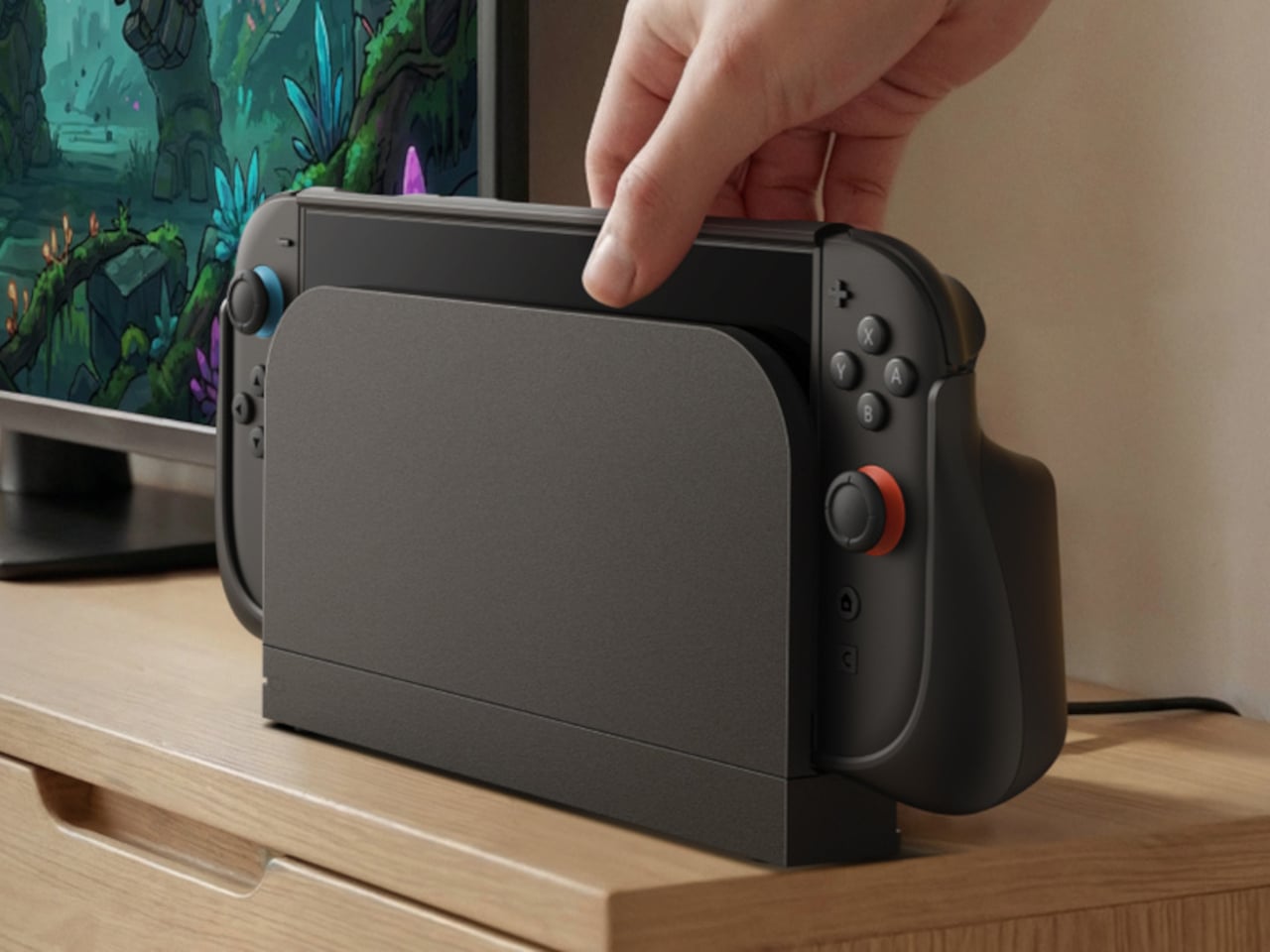
What makes the design considered is what it doesn’t break. Joy-Cons still detach from the console normally without removing the grip first. The Switch 2’s built-in kickstand still deploys. The console still docks without modification. Each compatibility point matters for anyone moving fluidly between handheld play on a train, tabletop gaming across a table, and television sessions on the couch.
The ergonomic side adds something beyond the battery. Handheld gaming on the Switch 2 in its stock form is functional but not generous in how it fills the hands, particularly over long sessions. The Charging Grip’s non-slip handles extend the form to something closer to a conventional controller, distributing the weight more evenly and making sustained play noticeably more comfortable. The ergonomic benefit is there regardless of how much charge the power bank has left.
An LED display on the grip shows the remaining power bank charge, so there’s no guesswork about whether it’s worth detaching before a trip. The power bank itself detaches magnetically when you’d rather not carry the extra weight, which keeps the grip useful on lighter travel days too. Available in Black and Olive, both colorways match the restrained aesthetic of the Switch 2 rather than drawing attention to the accessory.
Belkin made the grip from recycled plastic and ships it in 100% plastic-free packaging, a material decision that adds environmental consideration without affecting physical quality. The 10,000 mAh power bank also works as a standalone unit, giving the grip an afterlife if the console ever changes or needs replacing. It’s one of the quieter but more thoughtful spec decisions in the package.
The Charging Grip for Nintendo Switch 2 is priced at $99.99 and is available directly from Belkin in two colors. For a device whose most consistent criticism is how quickly its battery disappears under demanding games, an accessory that meaningfully extends that runtime while improving ergonomics makes a straightforward case for most people who use their Switch 2 regularly outside the house.
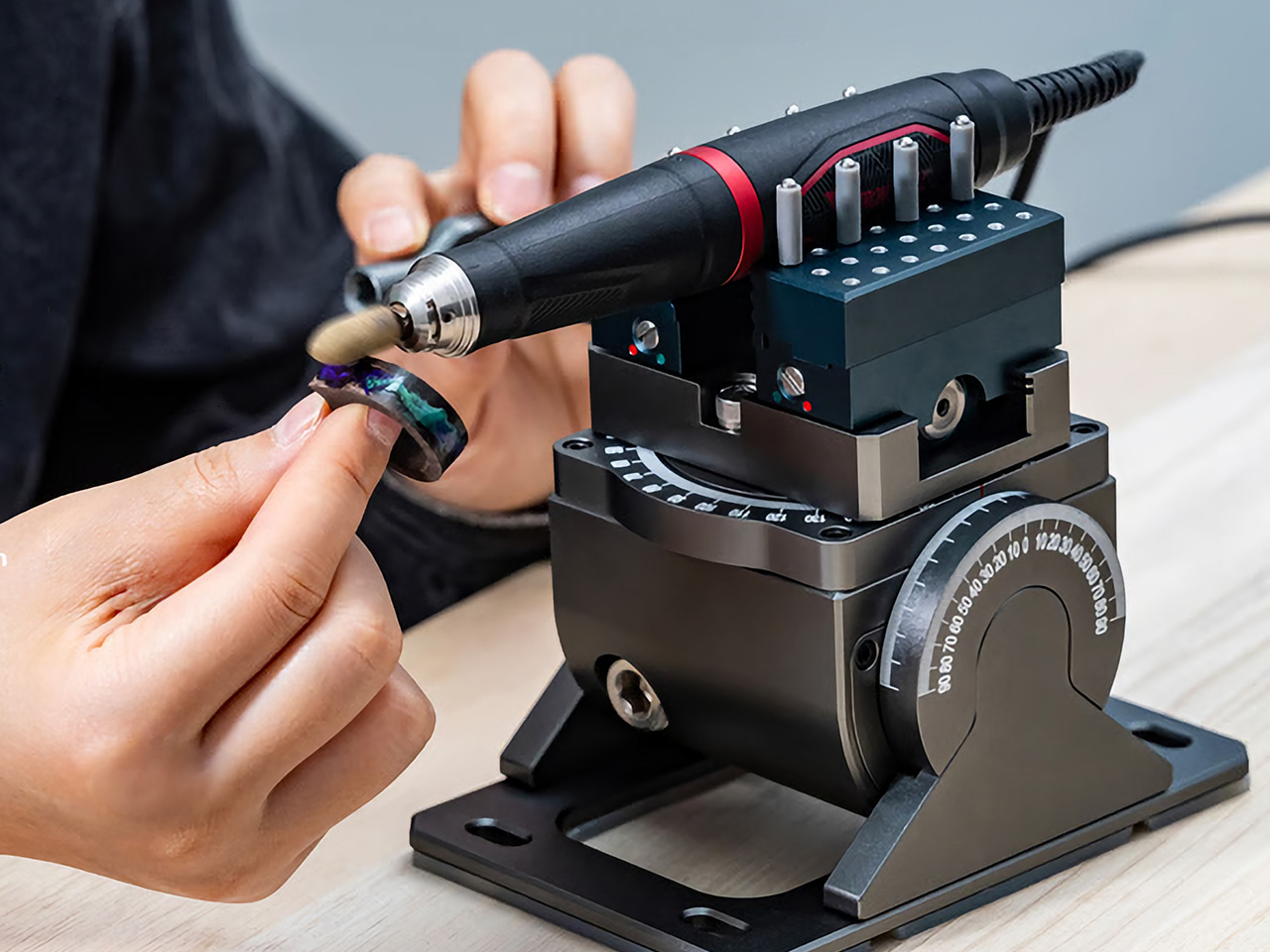
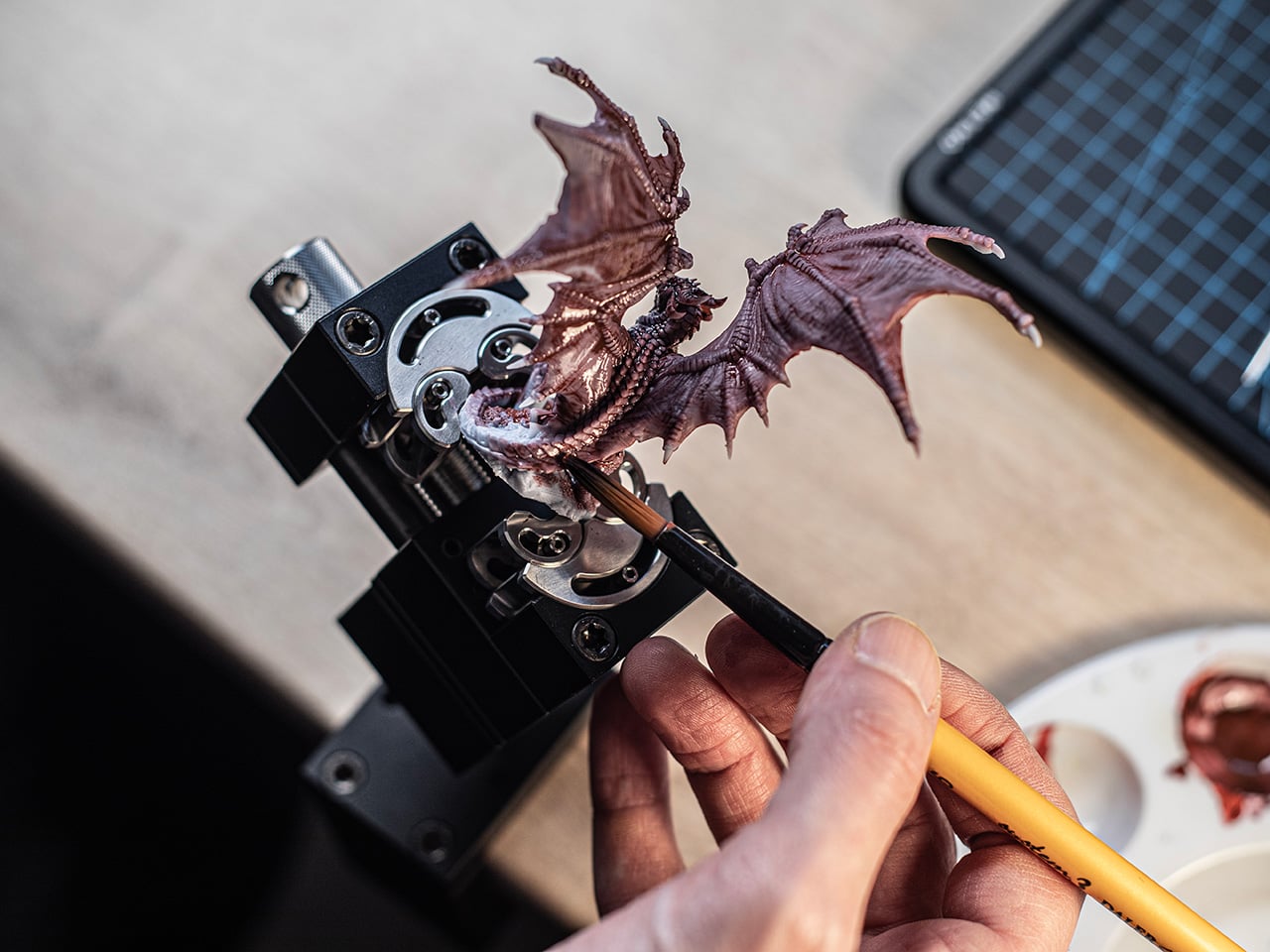
Bench vises have long been built around one assumption: the work stays put, and the maker adapts. AxiGlide inverts that. With full 360-degree rotation paired with a tilt base that moves from horizontal toward vertical, it creates a workspace where the object turns, angles, and aligns with far less interruption. The rhythm of making changes the moment you stop compensating for the tool.
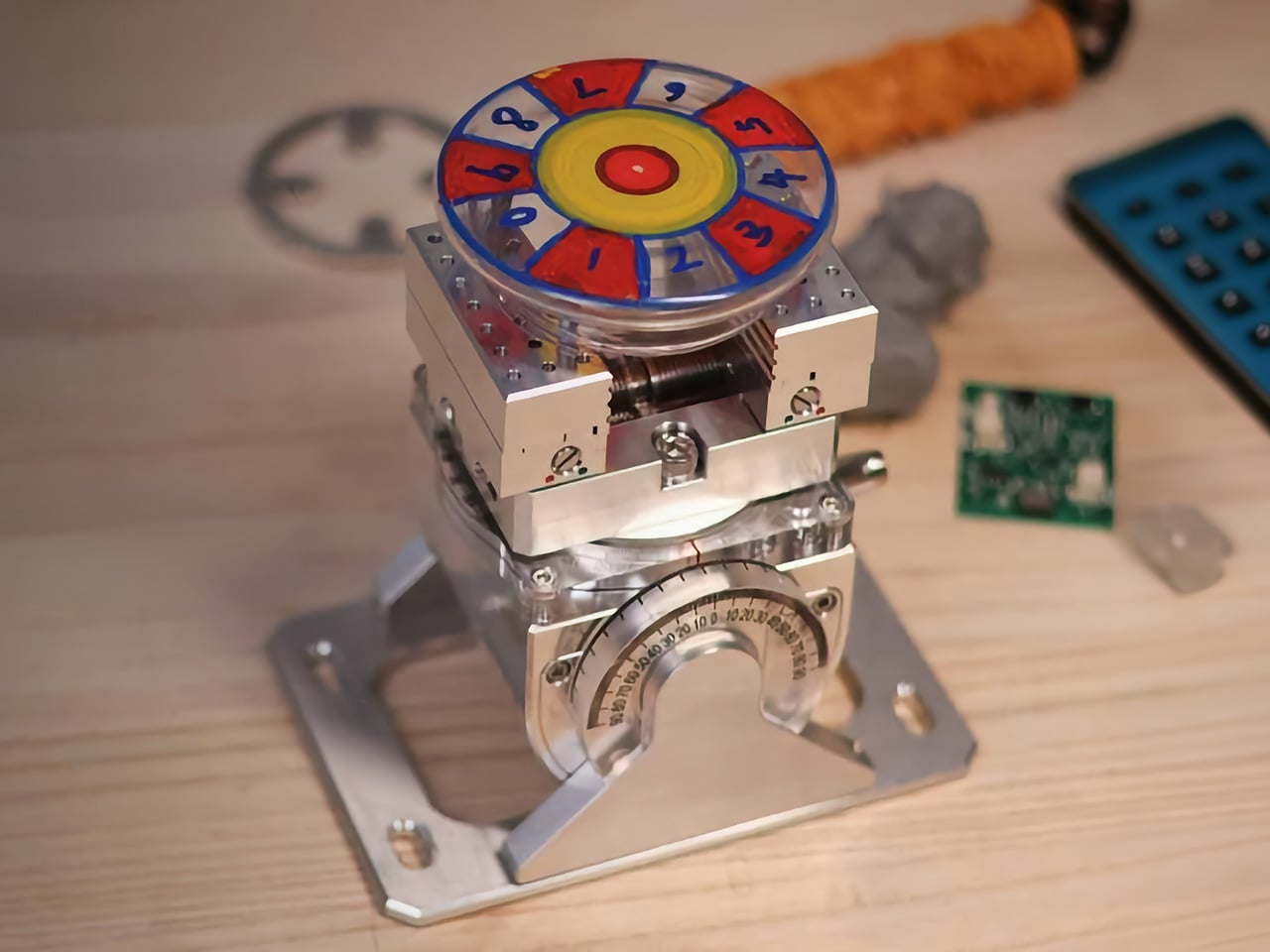
AxiGlide offers free-spin motion for fluid handling, a 60-position indexed system for repeatable 6-degree steps, and a full-lock mode for rigid support during demanding tasks. The modular jaw system adds another layer of versatility, with options for flat, irregular, hard, and delicate surfaces. Starting at $398 for the Standard version and $449 for the Precision model, it positions itself as a serious upgrade for detail-heavy bench work where angle, access, and control define the outcome.
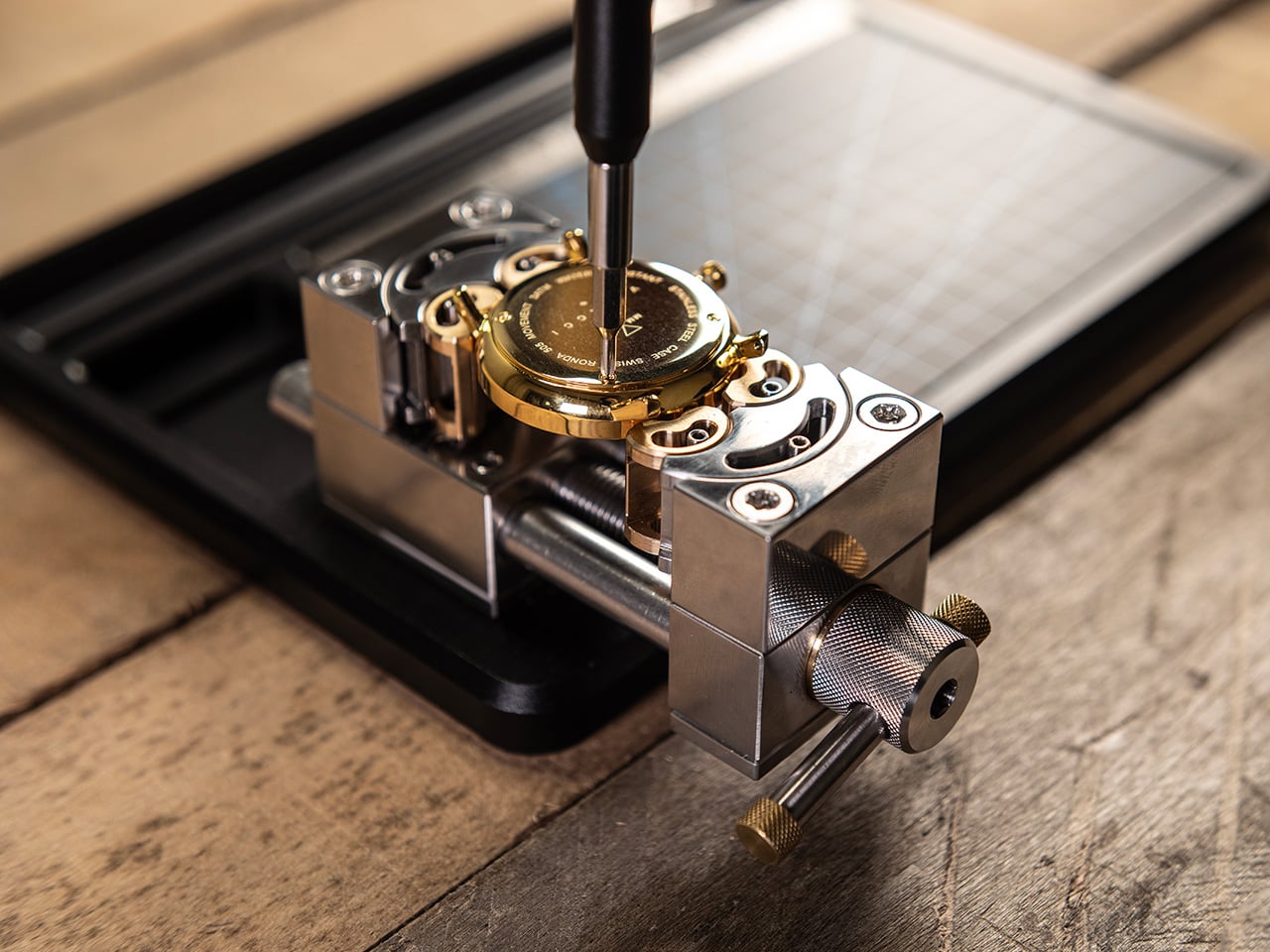
Mode selection is controlled by a three-position switch with spring-loaded detents, and a light flick is all it takes to move between behaviors. Free-spin mode lets the vise flow with your touch, the tilt base housing a precision-machined spindle that allows rotation without directional limits or angular constraints. This makes the AxiGlide a responsive rotary platform, ideal for drawing smooth curves, wrapping, winding, or any continuous motion that benefits from fluid rotation. Set it to a comfortable working incline, secure your workpiece, then rotate it freely back and forth to explore any angle. Whether you’re painting, carving, assembling, or simply inspecting details from different perspectives, the free mode gives uninterrupted access to every orientation.
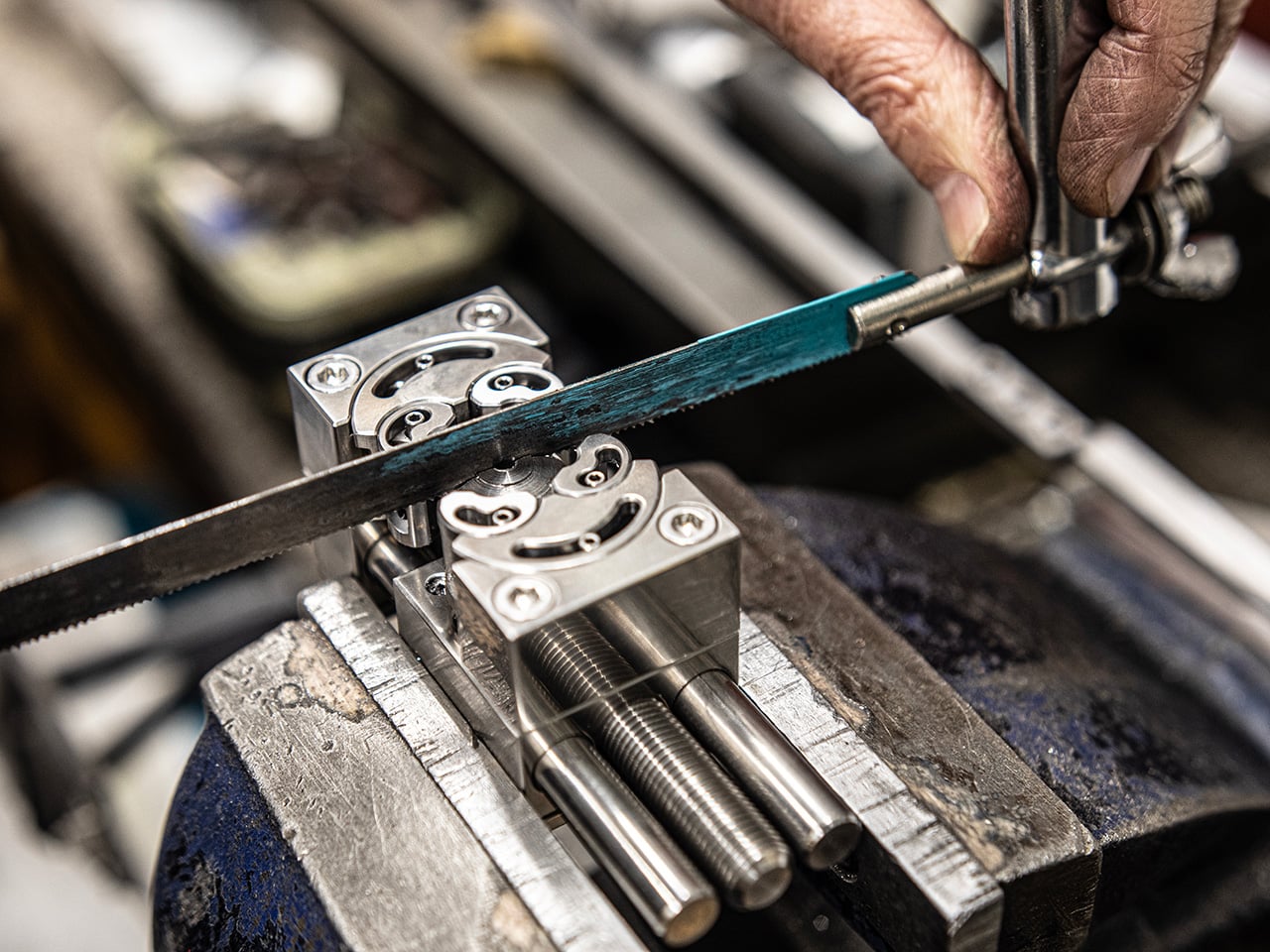
When fully locked, AxiGlide transforms into a fixed vise system, creating a solid, single-position hold that delivers rock-solid stability for demanding tasks. The system can be oriented freely before locking, so you get a way to freeze any chosen angle. Whether it’s angled drilling, off-axis assembly, or precise carving, AxiGlide enables you to secure the workpiece at the position that best matches the task at hand, with uncompromising strength and confidence. VogueMech positions this as the mode for maximum rigidity when force or precision drilling comes into play. Lock the angle you need, apply force, and the vise holds without creep or shift.
Beneath the turntable sits a 60-position indexed disc, dividing the full rotation into precise 6-degree increments and engaging with a spring-loaded column. When the switch is set to the half-locked state, AxiGlide creates consistent tactile detents as you turn it. Each click corresponds to an exact angular step, delivering mechanical precision through touch rather than visual alignment. Precision becomes something you feel, especially in tasks that require repeating orientations, segmentation, symmetry, or mirrored alignment. The half-lock can also serve as a damping support for the turntable, making every adjustment feel controlled with no sudden drops, no jerky motion, and no repeating need to loosen or tighten locks the way ball joints demand.
The tilt axis is equipped with a preloaded brake that applies consistent pressure to the tilt shaft, providing smooth, controlled resistance throughout the tilt motion range. Together, the damping support on both axes makes AxiGlide a reliable third hand to hold something top-heavy while maintaining flexibility, positioned exactly where you need it so it stays there when your hand is off. No loosening, adjusting, and relocking; no interruptions in workflow. Just focus on the minutest details of your workpiece at any critical angle, especially when your hands are occupied with other tools. The tool becomes an extension of your movement rather than a step in the process.
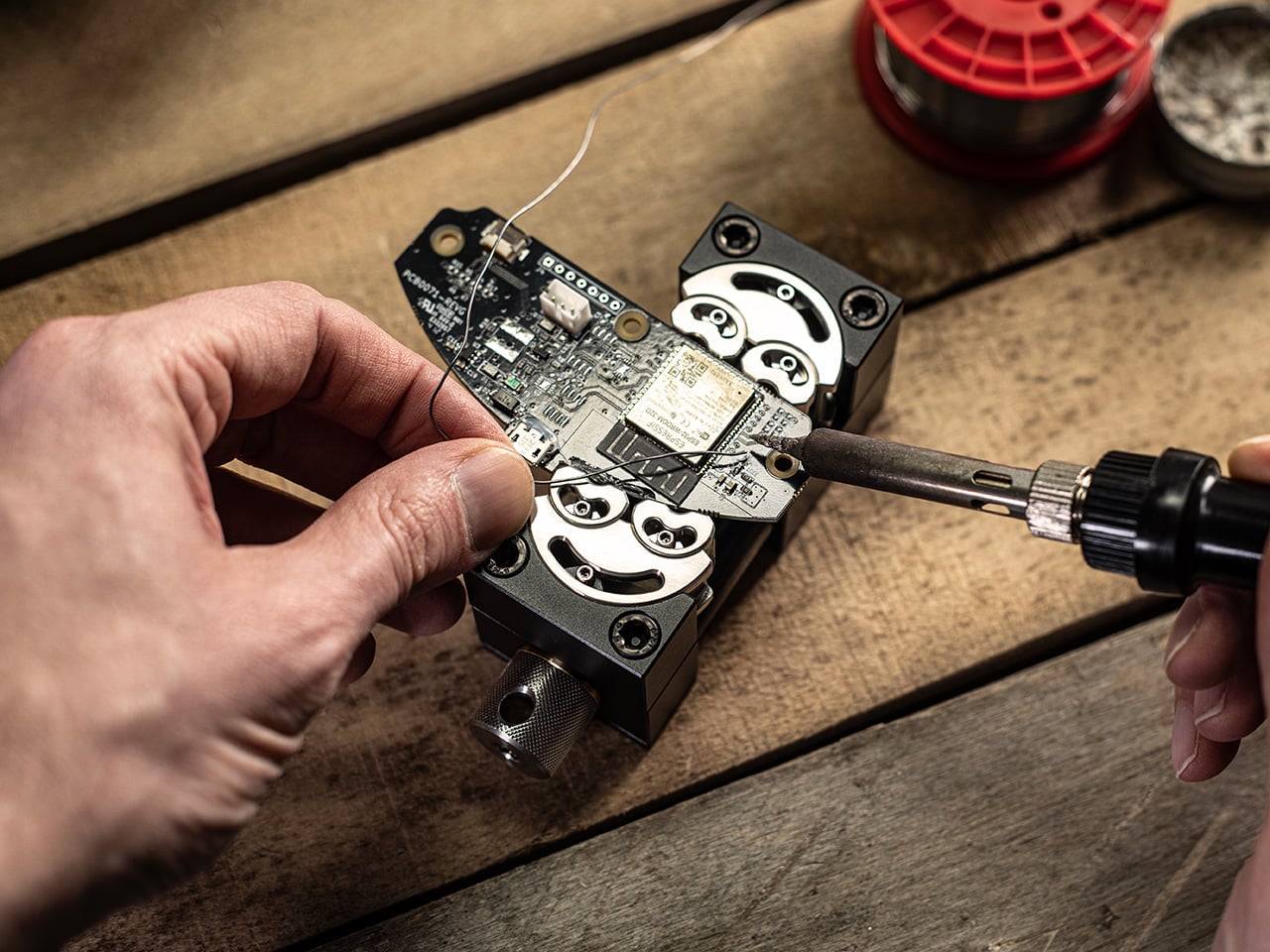
The jaw system is modular and designed to expand the vise’s range across materials and project types. Standard equipment includes pin jaws that can be adjusted and reconfigured to better match the shape and needs of your workpiece. Pins come in three heights (10mm, 15mm, 20mm), each available in sets of eight, and you can place them where you need them for irregular or custom profiles. Add-on jaws are available separately and adapt to different materials and shapes: parallel jaws for flat surfaces, fractal jaws for irregular objects (a nod to MetMo’s influence in the space), aluminum material for hard metal parts, and PEEK panels for delicate parts. With a modular jaw system and possible future expandability, AxiGlide evolves with your projects, giving you one system that can serve jewelry work, hand engraving, circuit assembly, cloisonné painting, filing, model photography, and fine-detail finishing tasks.
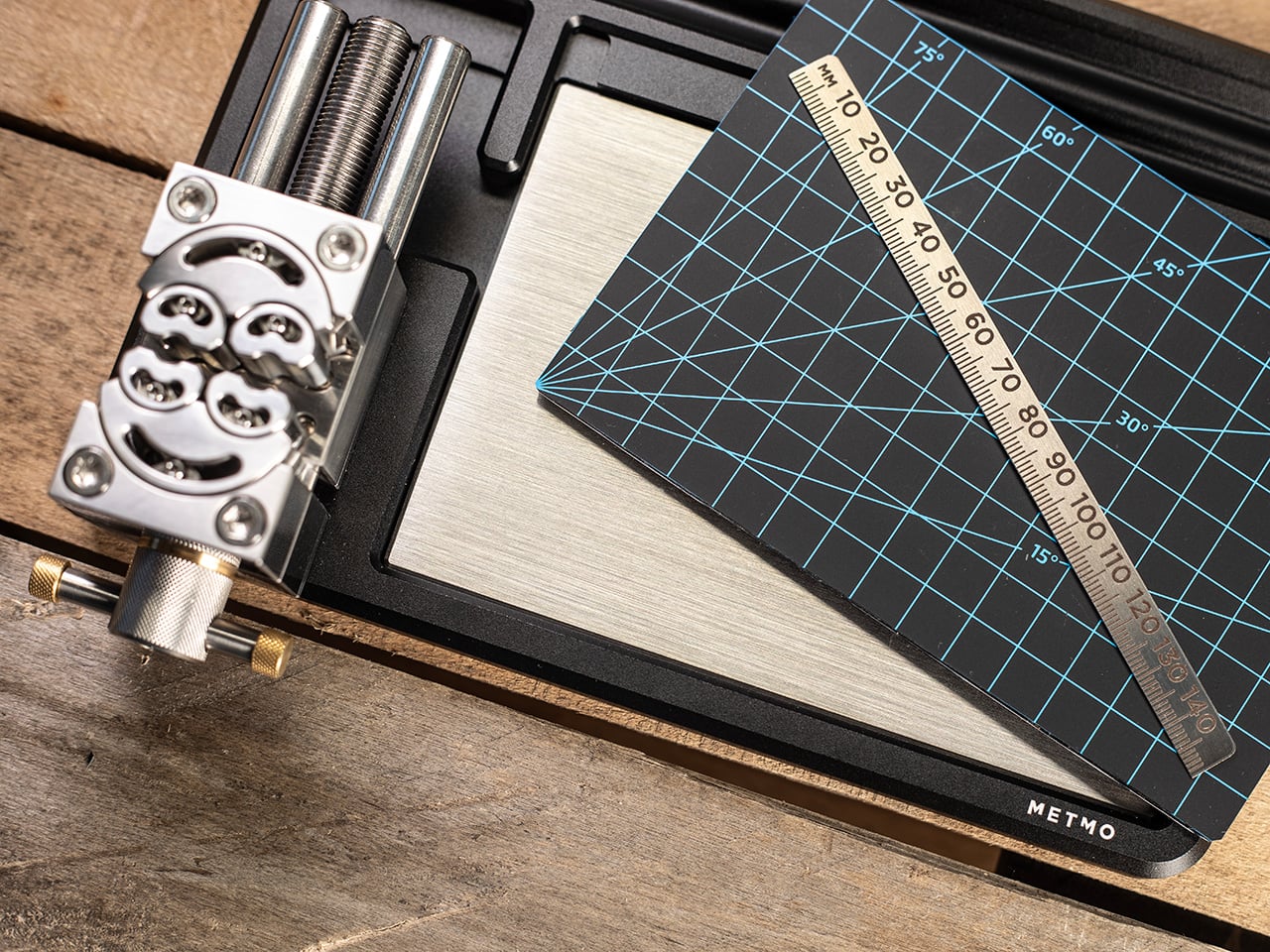
The AxiGlide body is made from 6061 aluminum alloy, while key load-bearing and motion-critical components are made from 410 stainless steel. This combination balances structural strength, functional performance, weight, and manufacturing cost, ensuring the design is practical to manufacture and faithfully deliver in its intended form. The unit weighs 2,200g (4.9 lbs) and measures 150mm wide by 100mm deep at its base, rising to 135mm in height. AxiGlide is available in two versions: Standard and Precision. Both versions share the same material types, use scenarios, jaw options, core machining processes, and overall build quality. The differences come down to several specific upgrades according to VogueMech. The Standard comes in five color options: Gray, Blue, Red, Green, and Metal. The Precision edition is offered in DLC black and matte olive-gray, with additional mechanical refinements that enhance smoothness and tolerances.
The Standard edition starts at a discounted $239 for earlybird backers and includes the vise body, tilt turntable base, pin jaws with sets of 10mm, 15mm, and 20mm pins (eight of each). The Precision edition is priced at a discounted $279 and includes the same package plus a screw rod driver and upgraded internal components. Add-on accessories are available separately, including a screw rod driver for $12, parallel jaws in PEEK material for $24, parallel jaws in aluminum for $24, fractal jaws for $58, and PEEK teeth for fractal jaws at $36. Shipping costs vary by region: $28 for Japan, United States, European Union, United Kingdom, China, South Korea, Canada, and Australia; $45 for other countries and regions. Buyers only pay shipping when the AxiGlide vise is ready, allowing VogueMech to provide accurate rates based on location and selected package. Production begins in July 2026, with all orders expected to ship by September 2026.
Most workshop tools haven’t changed much in decades, and bench vises are a good example of that. They’re big and heavy, and they work well enough when you’re clamping flat stock between parallel jaws. But the moment you try to hold something round, irregular, or fragile, a standard vise quickly becomes more of a problem than a solution, and you’re left wishing for an extra hand.
The maker community has grown considerably over the past decade, pulling in everyone from miniature painters and watch tinkerers to 3D printing hobbyists and electronics enthusiasts. These people aren’t using industrial-grade machine tools; they’re working at a desk, dealing with small parts in odd shapes that standard vises simply weren’t designed for. MetMo’s Fractal Vise feels like it was built specifically with that reality in mind.
The idea behind the Fractal Vise isn’t entirely new. It traces its origins to a patent filed in 1913, though the original concept was built for heavy industrial machinery rather than desktop use. What MetMo has done is take that same engineering principle and scale it down into something compact enough to sit on a workbench or desk without taking over your entire workspace.
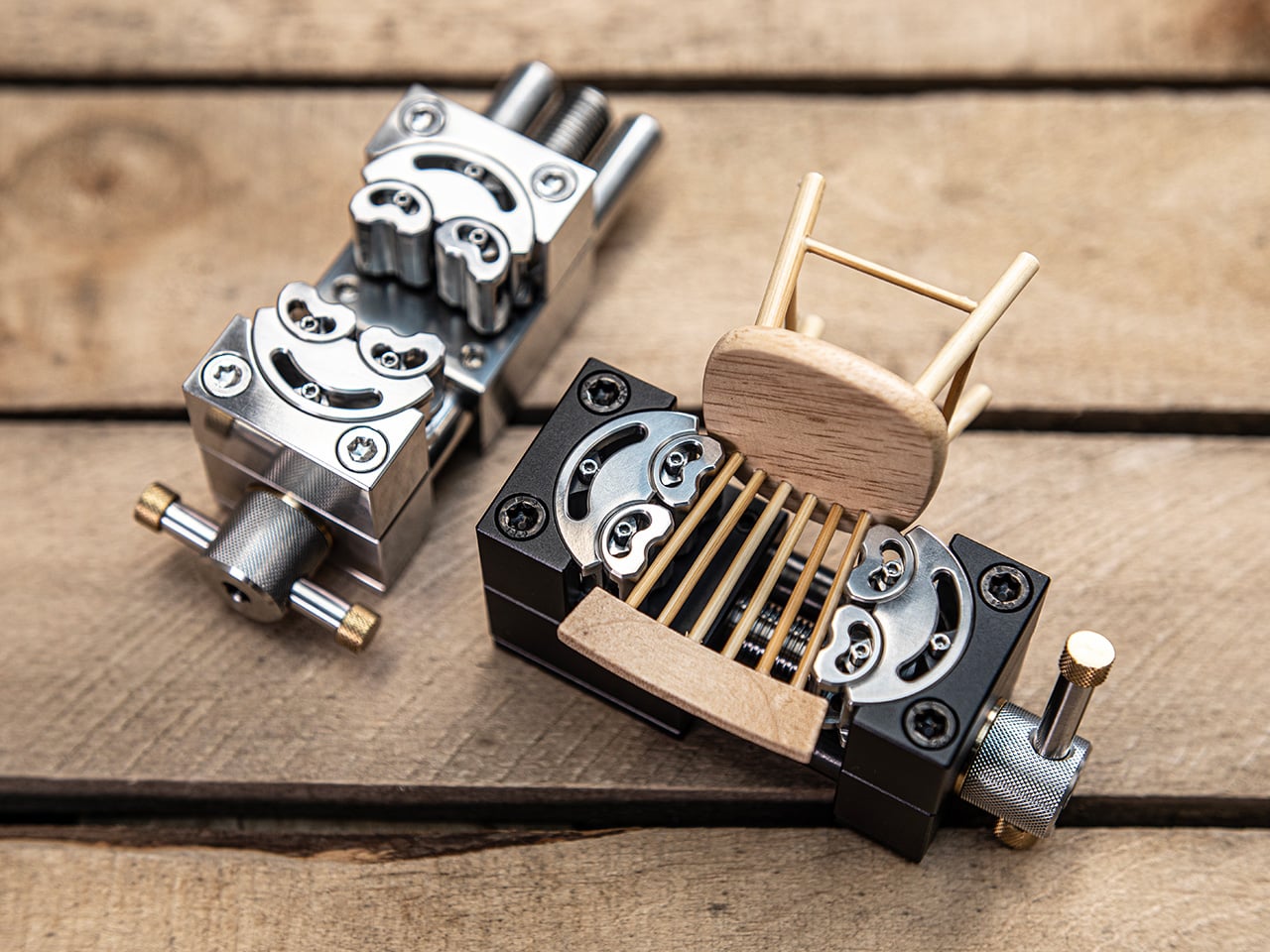
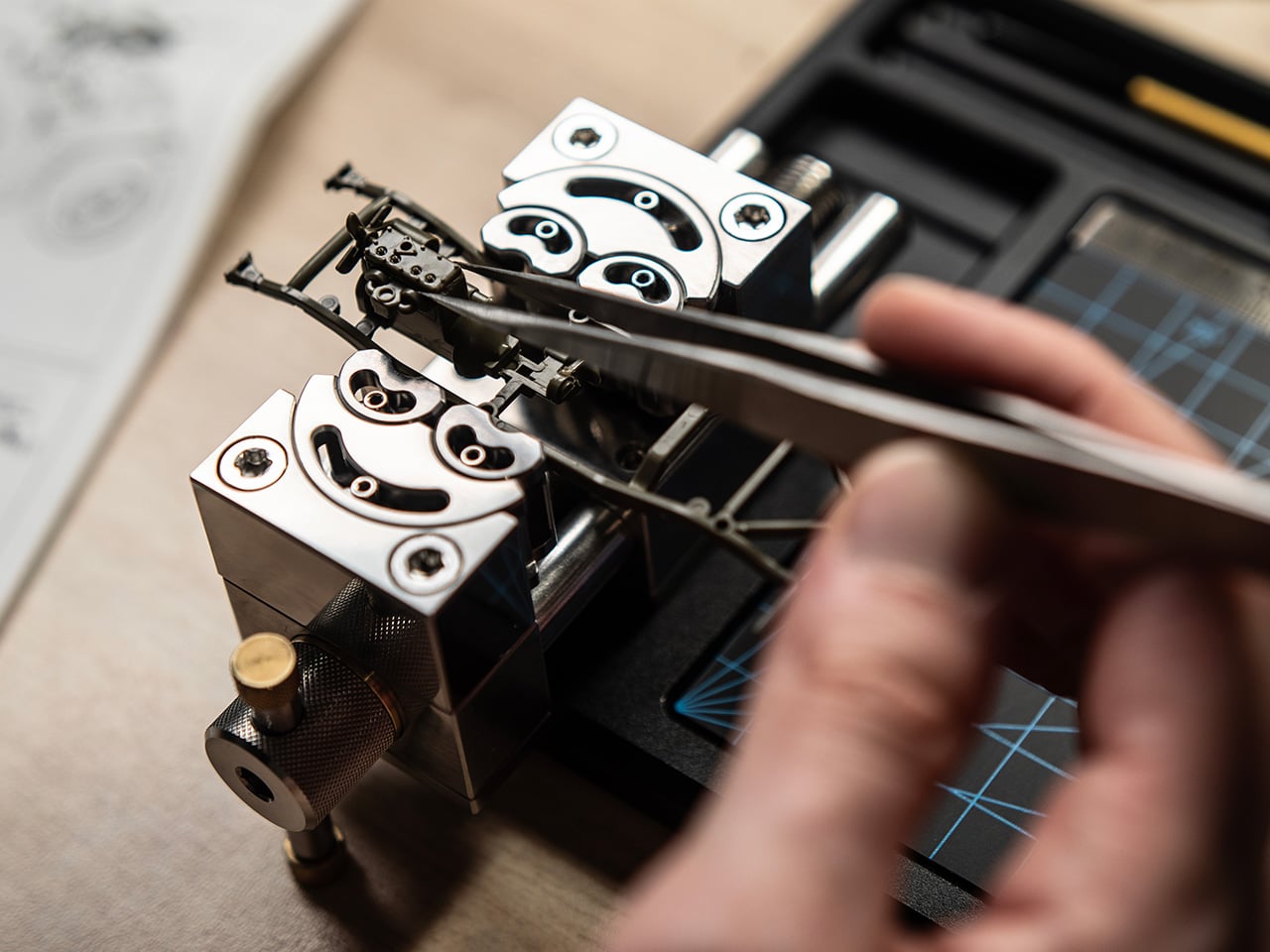
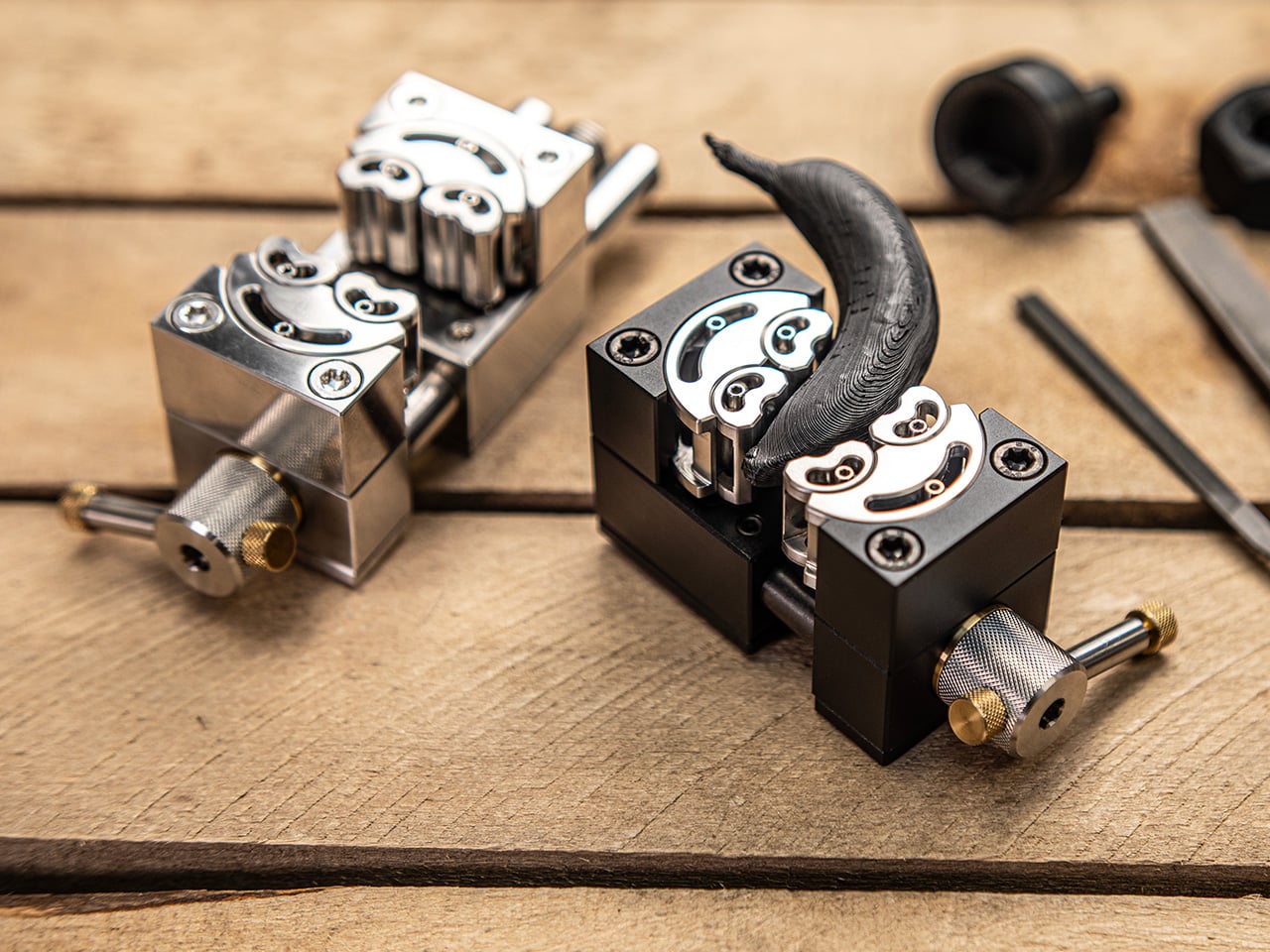
The magic is really in the jaws. Instead of two flat clamping surfaces moving in a straight line, the Fractal Vise uses jaws made up of independently articulating segments, six in total, that shift and pivot as they close around an object. That means it can grip round tubes, tapered forms, and irregular parts just as easily as flat ones.
What makes this even more compelling is how seriously MetMo has approached the construction. The body is machined from aerospace-grade anodized aluminum, the jaws from hardened martensitic stainless steel, and the whole assembly runs on precision-ground linear rails for a backlash-free feel. There’s also a fine-threaded adjuster and a hex drive point for when you need more torque than your fingers can deliver.
The Fractal Vise comes in two sizes, 32mm and 82mm clamping zones, and two material configurations. The Black version uses a hard-anodized aluminum body for a lighter, more portable build that’s ideal for detail-oriented work like model painting, watch repairs, or delicate 3D printing tasks. The aluminum construction keeps it light enough to reposition freely around your desk without feeling like you’re dragging a miniature anchor from one spot to another.
The Stainless Steel Fractal Vise takes a different approach. Made entirely from heavy-duty steel, it offers considerably more mass and stability for tasks that need a firmer base, whether that’s light metalwork, filing, or anything where cutting forces might otherwise shift a lighter tool out of position. It’s the version you’d reach for when the work itself gets a bit rougher.
Beyond straight clamping, the Fractal Vise has a few other tricks. Its jaws are reversible, letting you clamp the inside diameter of hollow objects like glassware or pottery for engraving and painting work. Each face of the body is also precision ground, so you can stand the vise on its end and access a held part from a different angle without disturbing what you’ve already set up.
There’s also a parallel design that lets you drop the Fractal Vise straight into any standard bench vise or machine tool, effectively adding fractal jaw capability to equipment you already own. It’s fully bolted together and serviceable, with removable and reconfigurable parts, all of which says a lot about how MetMo thinks about the long-term life of what it builds.
At its core, the Fractal Vise is what happens when someone decides to stop accepting that a category of tool hasn’t kept up. Not every maker needs one, but anyone who’s spent time trying to keep a round part from rolling away while working on it will understand immediately why this design exists, and why it took this long for something like it to land at desk scale.
Every day balance moments don’t usually look dramatic. Standing up from a low chair after a long meal, stepping off a curb while carrying bags, and steadying yourself in a narrow hallway without anything to grab are the small transitions that feel minor until they don’t. Safety gear tends to be designed for bigger problems, but the real friction lives in these frequent, unremarkable moments that add up over the course of a day.
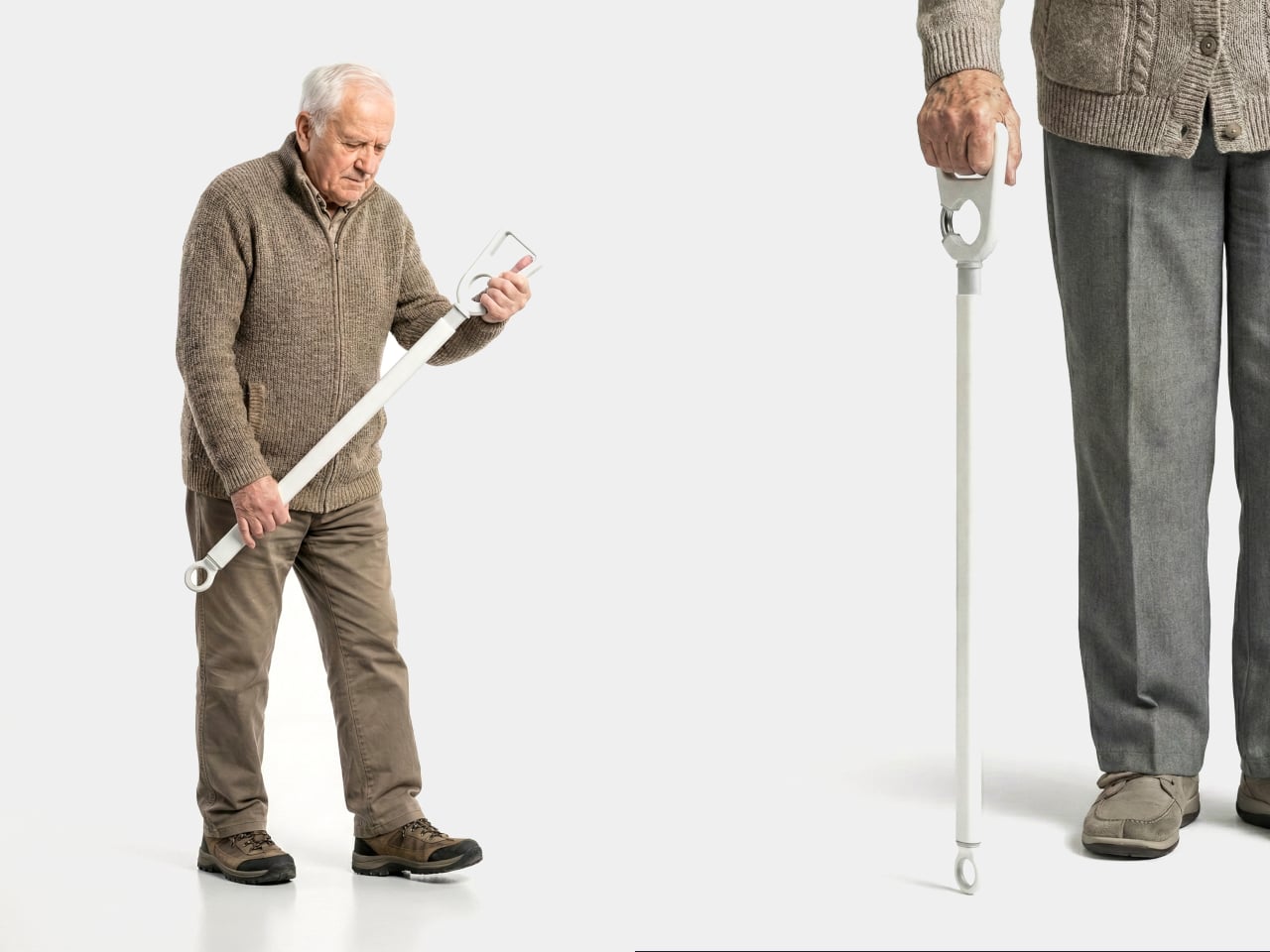
SafeGrip is a modular safety handle designed to offer a versatile solution to exactly those “micro safety issues,” particularly for elderly individuals and anyone who needs balance support in daily life. The tagline is “Grip life with confidence,” and the design backs that up by turning a single compact object into a walking cane, a carry hook, and a furniture anchor point, depending on what the moment requires.
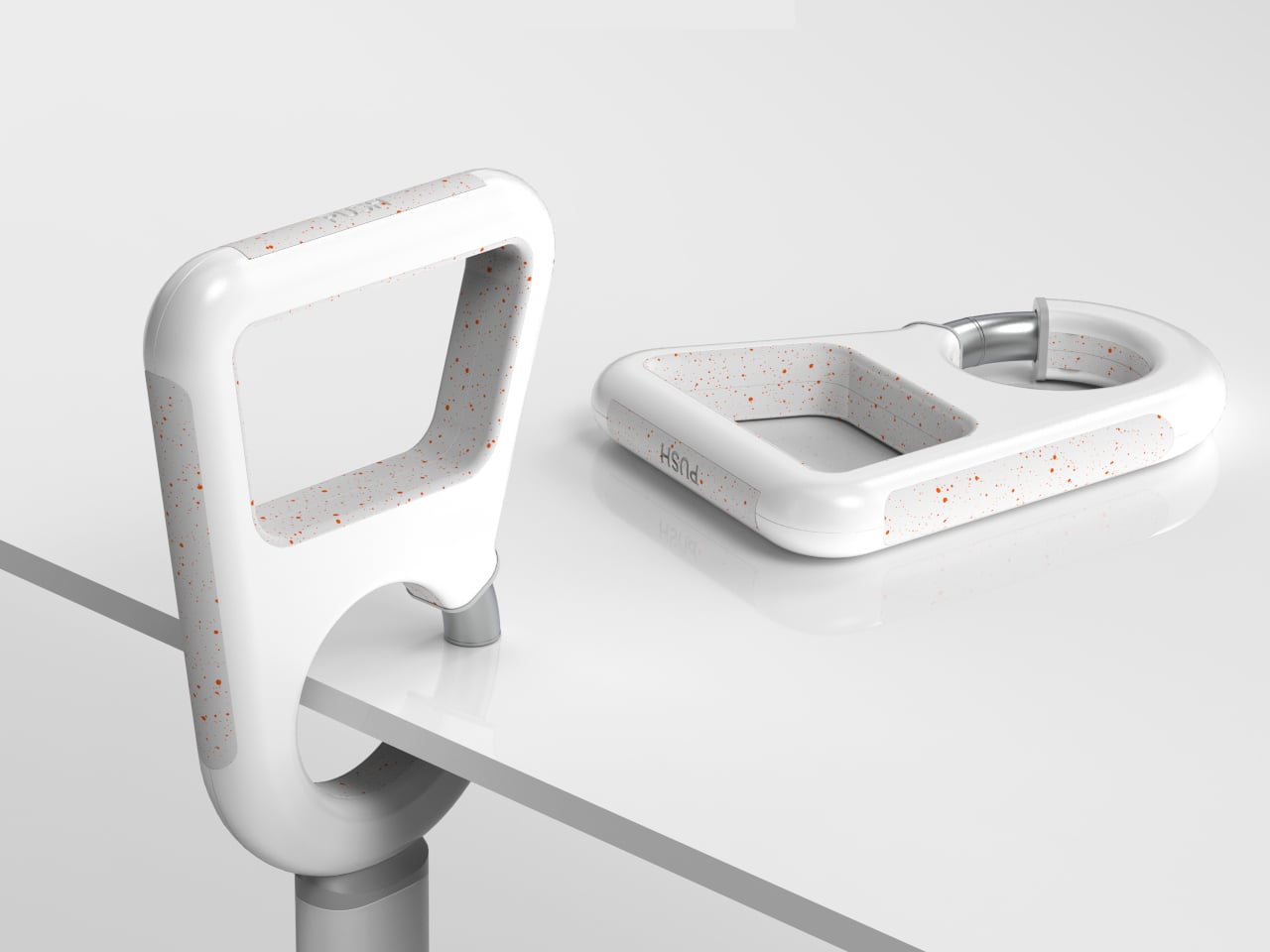
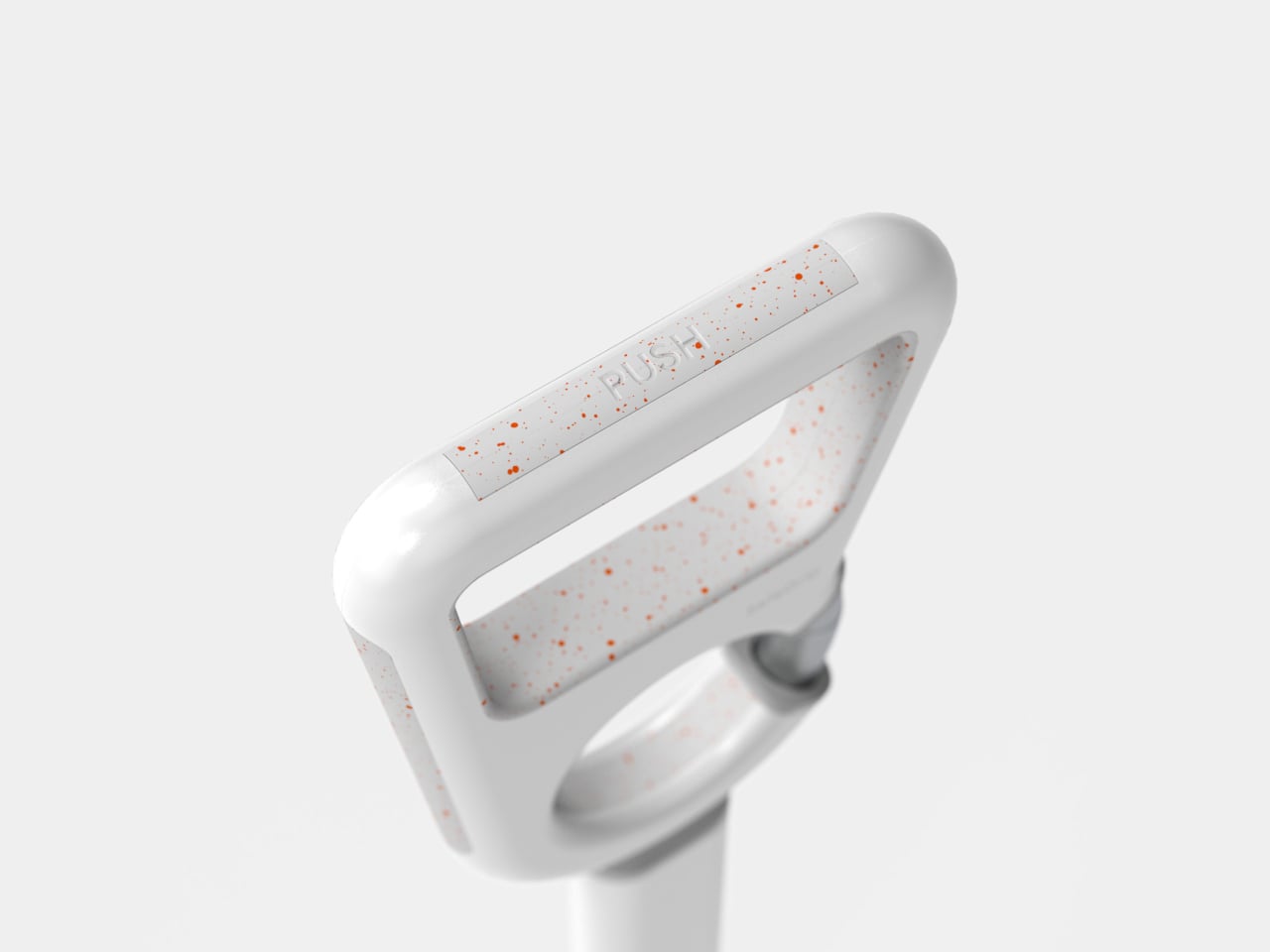
As a cane, the handle shape does a lot of quiet work. The large grip opening and soft, rounded edges allow different hand sizes and grip styles, so it doesn’t demand a precise hold. That gentler geometry reduces pressure on arthritic or tired hands, and the clean, non-clinical look means it’s the kind of thing you’d keep by the door or beside a chair rather than hiding it away, which matters more than most cane designers seem to realize.
Carrying bags while walking is one of those everyday tasks that throws off balance in ways that accumulate slowly. The built-in hook function lets SafeGrip carry shopping loads, taking the pull off the wrist and keeping the user steadier. At a doorway, elevator, or checkout counter, having the bags on the cane instead of dangling from a hand changes how the body distributes weight, even slightly, which counts when stability is already a concern.
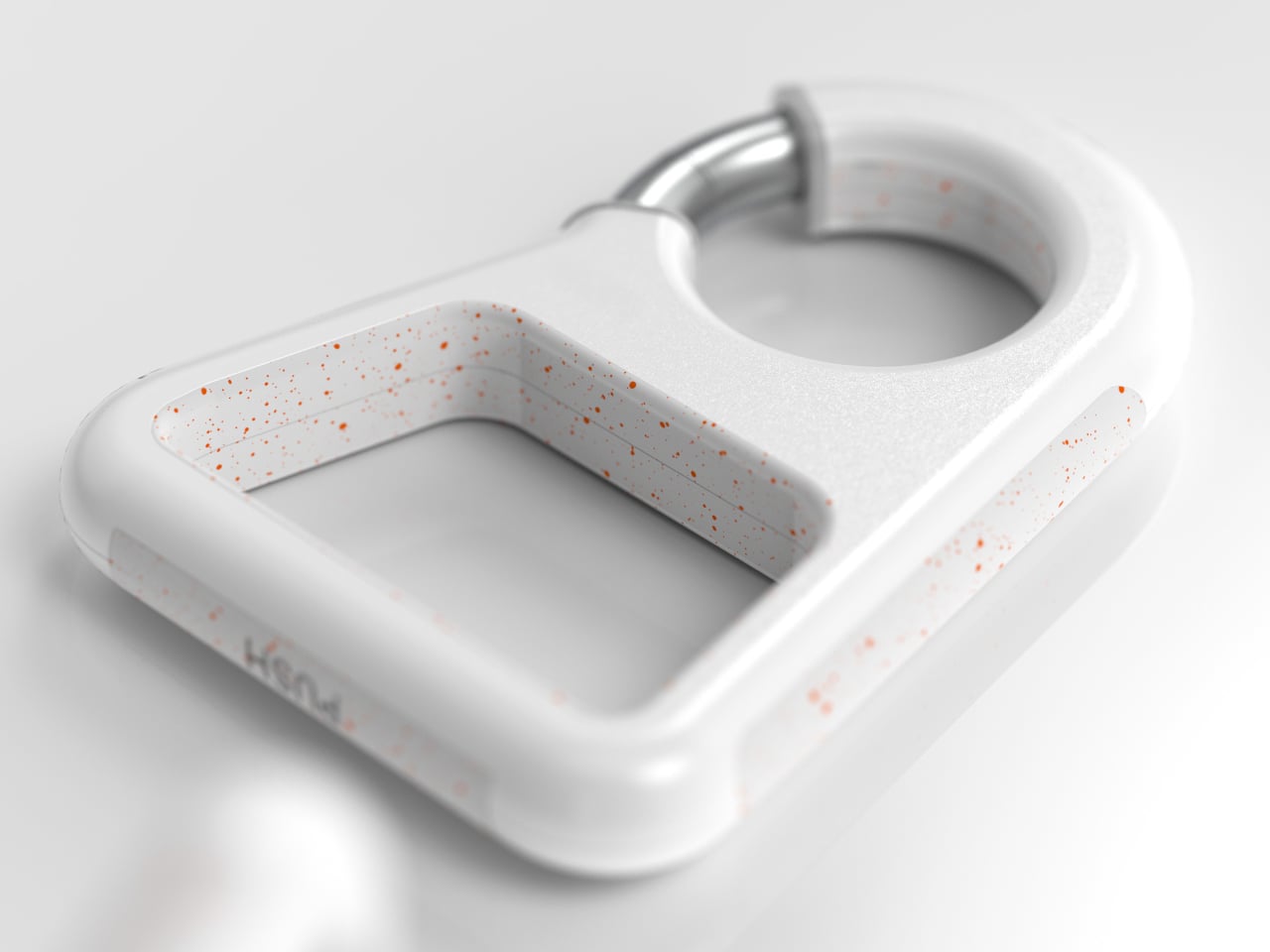
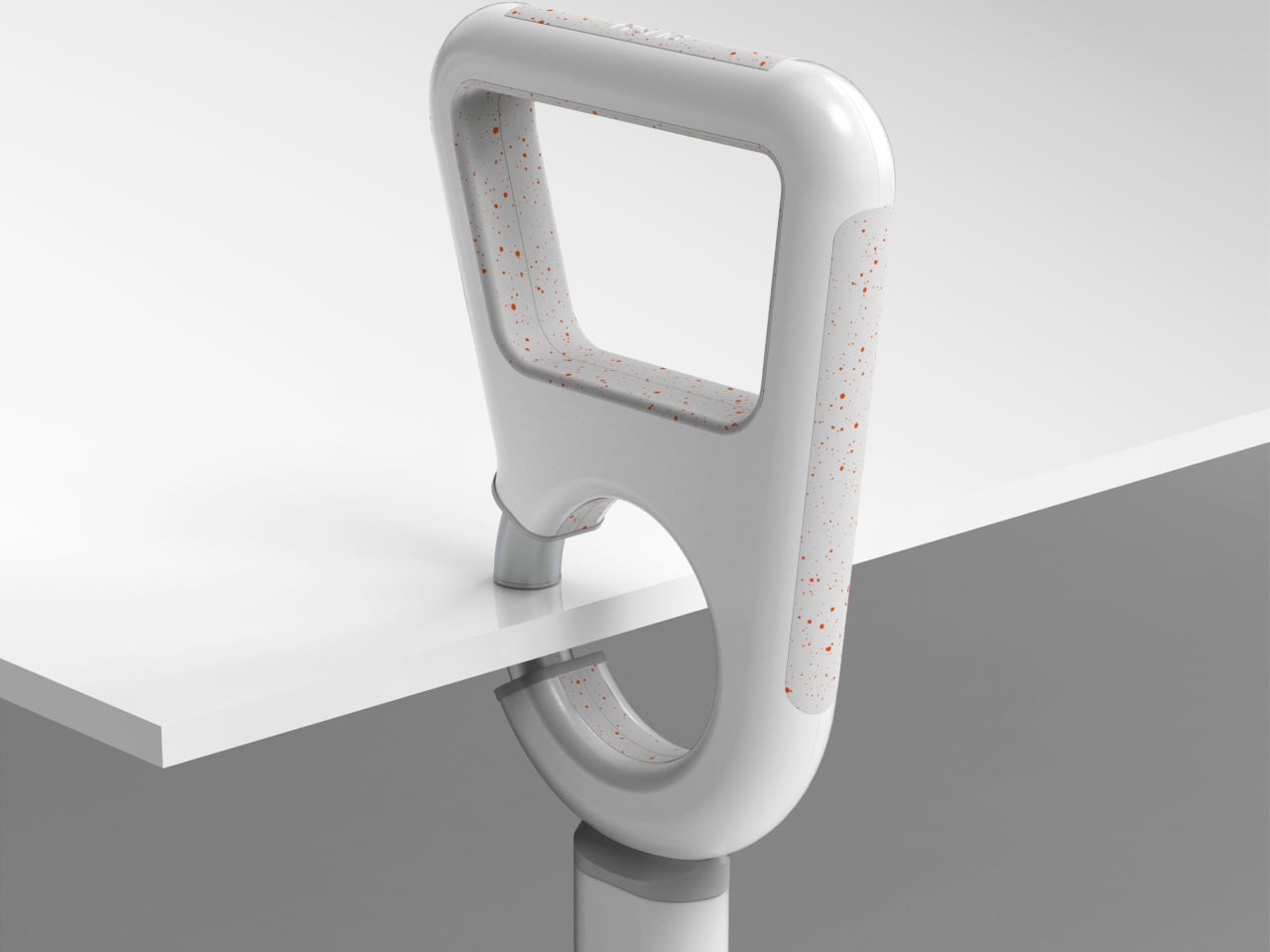
The mechanical retractable ring system is the feature that makes furniture anchoring possible. The ring extends to create a secure loop that can grip onto a table edge or chair, turning the nearest piece of furniture into a temporary grab rail. That makes the sit-to-stand transition, one of the most commonly risky daily movements, feel more controlled without requiring any installed hardware or home modifications.
A telescopic height adjustment mechanism at the neck of the handle allows incremental length changes through nesting profiles, with numbered level indicators so users can identify and return to the right height reliably. That repeatability matters when the cane is used by more than one person or when it’s stored and reset regularly throughout the day.
SafeGrip treats stability as an everyday design problem rather than a medical category. It combines three helpful roles without adding complexity, and it looks like a considered product rather than hospital equipment. The best safety tools are usually the ones people actually keep nearby, and a handle that fits into daily life instead of announcing its purpose makes that a lot more likely.
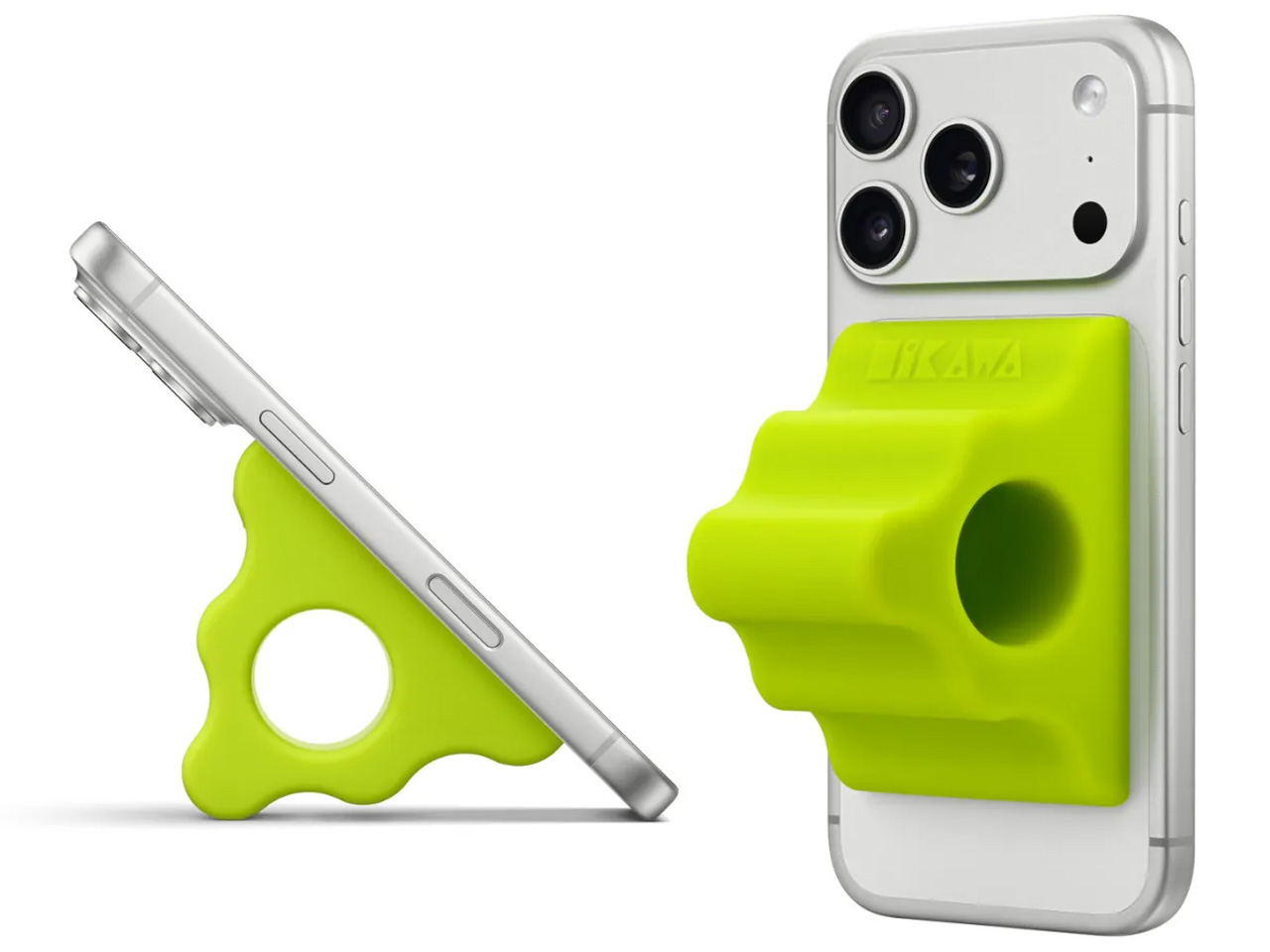
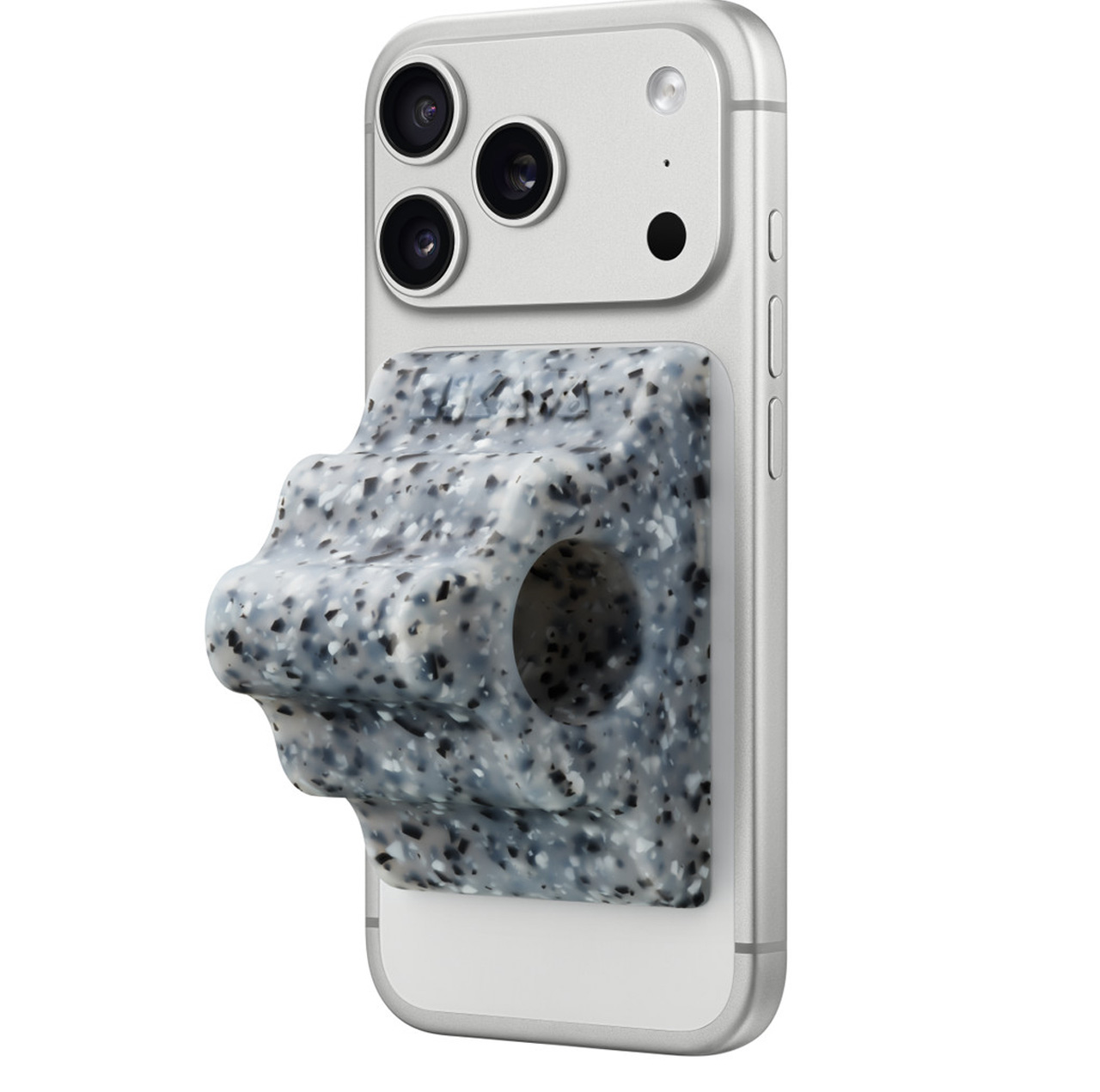
Apple just dropped something unexpected and pretty cool: the Hikawa Phone Grip & Stand, a $69.95 MagSafe accessory that looks more like a piece of modern art than your typical phone attachment. What makes this launch special isn’t just the design, though. It’s Apple’s way of marking 40 years of accessibility work, and honestly, it shows in every curve and ridge of this thing.
Los Angeles designer Bailey Hikawa didn’t just sketch this grip at a design table. She worked directly with people who deal with limited muscle strength, reduced dexterity, and various hand control challenges. That kind of collaboration makes a difference you can actually feel. The triangular silicone form accommodates different grip styles, letting users hold their phones with way less effort than usual. The magnetic MagSafe connection stays secure during use but snaps off easily when you’re done.
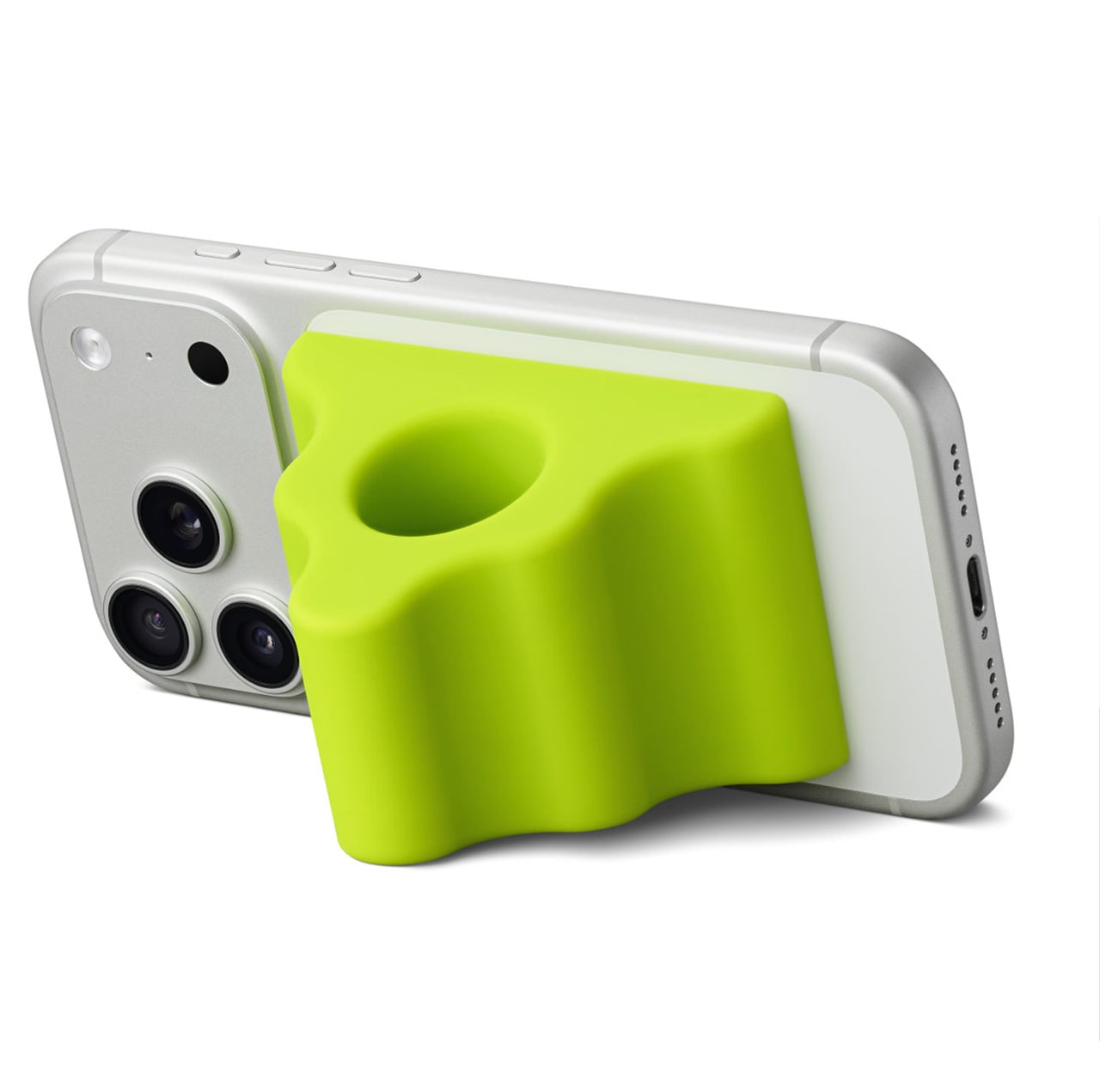
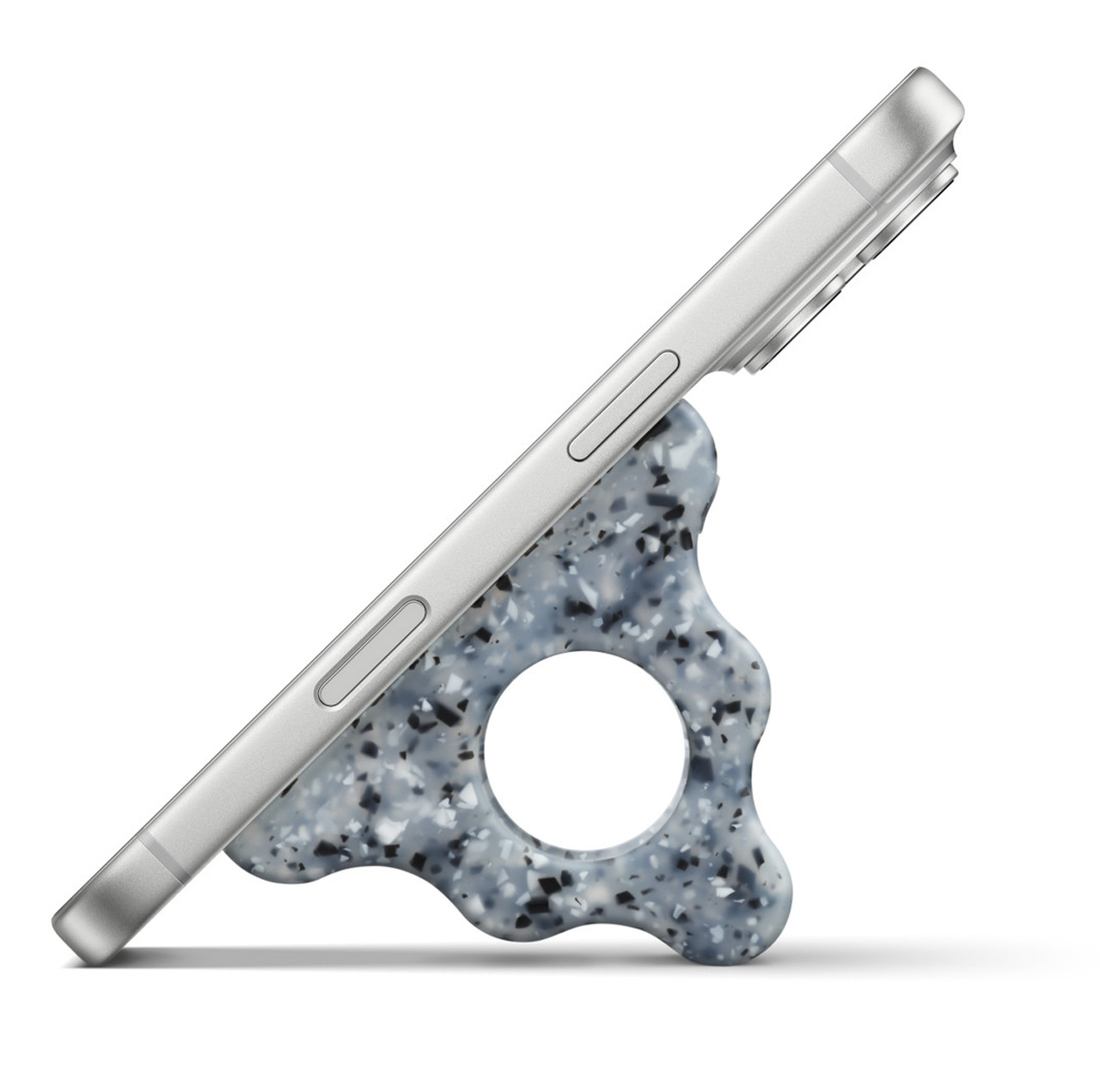
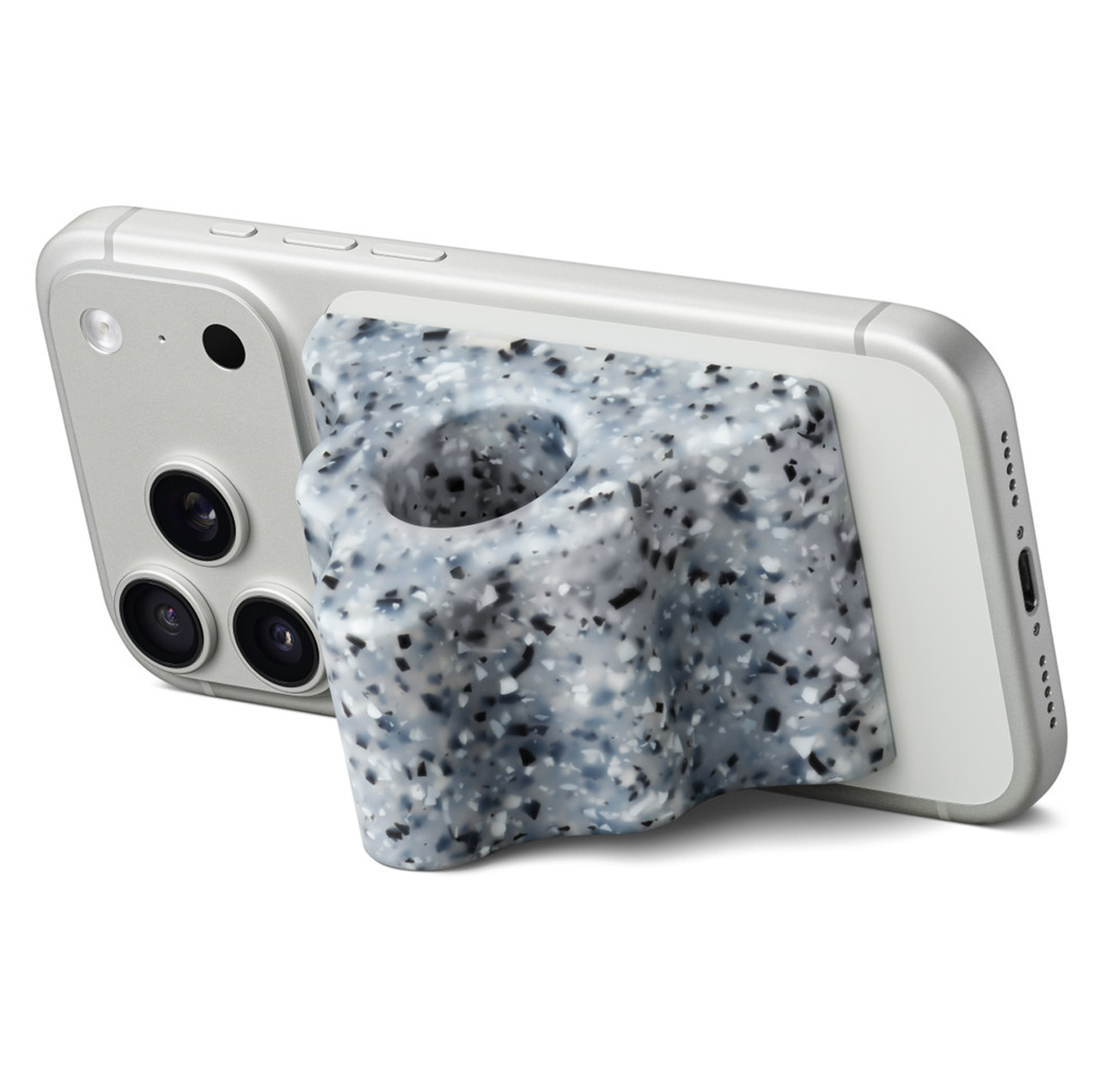
Here’s where it gets practical. The grip doubles as a stand that works in both portrait and landscape modes. Propping up your iPhone for a FaceTime call or binge-watching session suddenly doesn’t require awkward hand positions or makeshift setups. The premium silicone has that soft-touch feel that doesn’t irritate your hands during extended use, which matters more than you’d think.
Hikawa’s artistic background really shines through in the sculptural form. Each grip genuinely looks like something you’d see in a contemporary art gallery. Apple is offering two exclusive colors: Chartreuse, a bold greenish-yellow picked specifically for high visibility, and Crater, a recycled finish with gray, black, and white specks that feels surprisingly sophisticated. At 3.1 by 2.3 inches, it adds just enough bulk to be useful without turning your phone into a brick.
Compatibility spans everything from the iPhone 12 through the upcoming iPhone 17 lineup, including the new iPhone Air. Any MagSafe-enabled device works right out of the box. Sarah Herrlinger, Apple’s Head of Accessibility, made an interesting point about this product. She acknowledged that it’s designed to solve specific problems for certain users, and that’s perfectly fine. Not every accessibility tool needs to appeal to everyone.
This limited edition grip is exclusive to Apple’s U.S. online store, and given how fast their recent iPhone Pocket sold out, you might want to move quickly if it catches your eye. What strikes me most is how Apple’s bringing attention to accessible design without making it feel like charity or an afterthought. The Hikawa grip works because it’s genuinely useful and genuinely beautiful, proving those two things don’t have to be mutually exclusive.
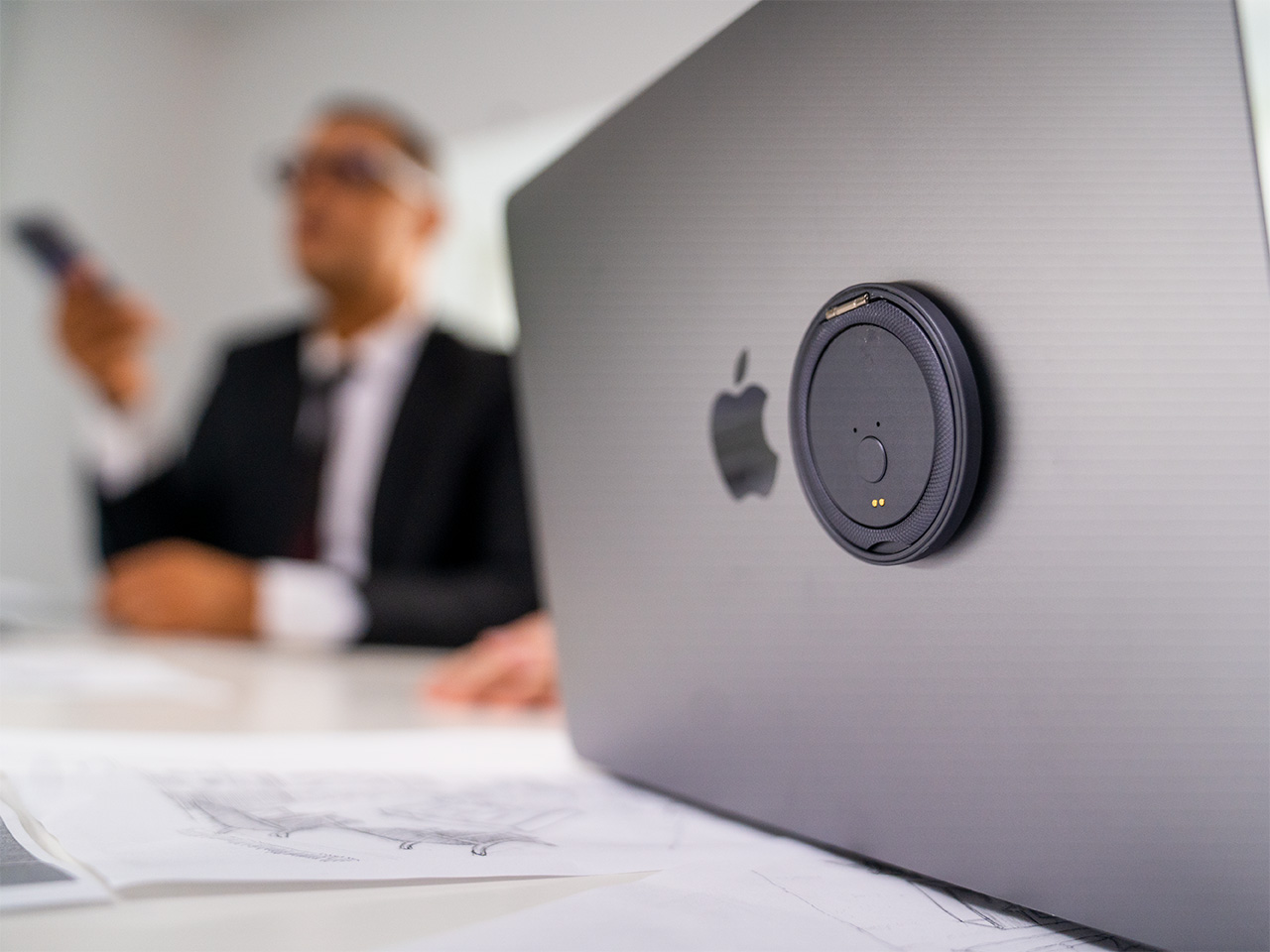
The Internet has made the world a smaller place, but it hasn’t completely taken down the language barriers that divide us. Translation services, both traditional and those now powered by AI try to bridge those gaps, but many of them require fumbling with apps on phones or computers. With more people from around the globe now communicating with each other, whether online or in person, we need a translation tool that isn’t just instant and seamless but also integrates with our modern lifestyles. That’s the value that VocaEase is bringing to the table, offering a slim and compact AI-powered translation device that easily snaps to the back of your phone, translating more than 138 languages with just a press of a button.
Anyone who has worked with languages will know that supporting 138 languages is no easy feat, especially when it also takes into account regional dialects and local expressions. Thanks to ChatGPT, that’s exactly what VocaEase does, providing the speed and accuracy you need to hold a conversation in another language in real time. Whether you’re making friends in other countries, holding an international business meeting, or simply enjoying videos or music in other lanugages, this comprehensive linguistic tool has all your language bases covered.
VocaEase isn’t just some voice translation gadget, though. It can work in different modes, handle languages in different formats, and meet the needs of anyone dealing with both spoken and written languages. Voice and Video Call translation enables smooth-flowing and natural conversations that are automatically transcribed and translated into subtitles. Cross-App translation covers your social media needs, translating text and voice messages with a super-fast 0.5-second response time. VocaEase can also record and translate meeting transcripts that you can share with other people in the team. And with Dialogue Translation, you don’t even have to press the ring’s button and simply touch the voice button on the screen for that same convenient and speedy translation.
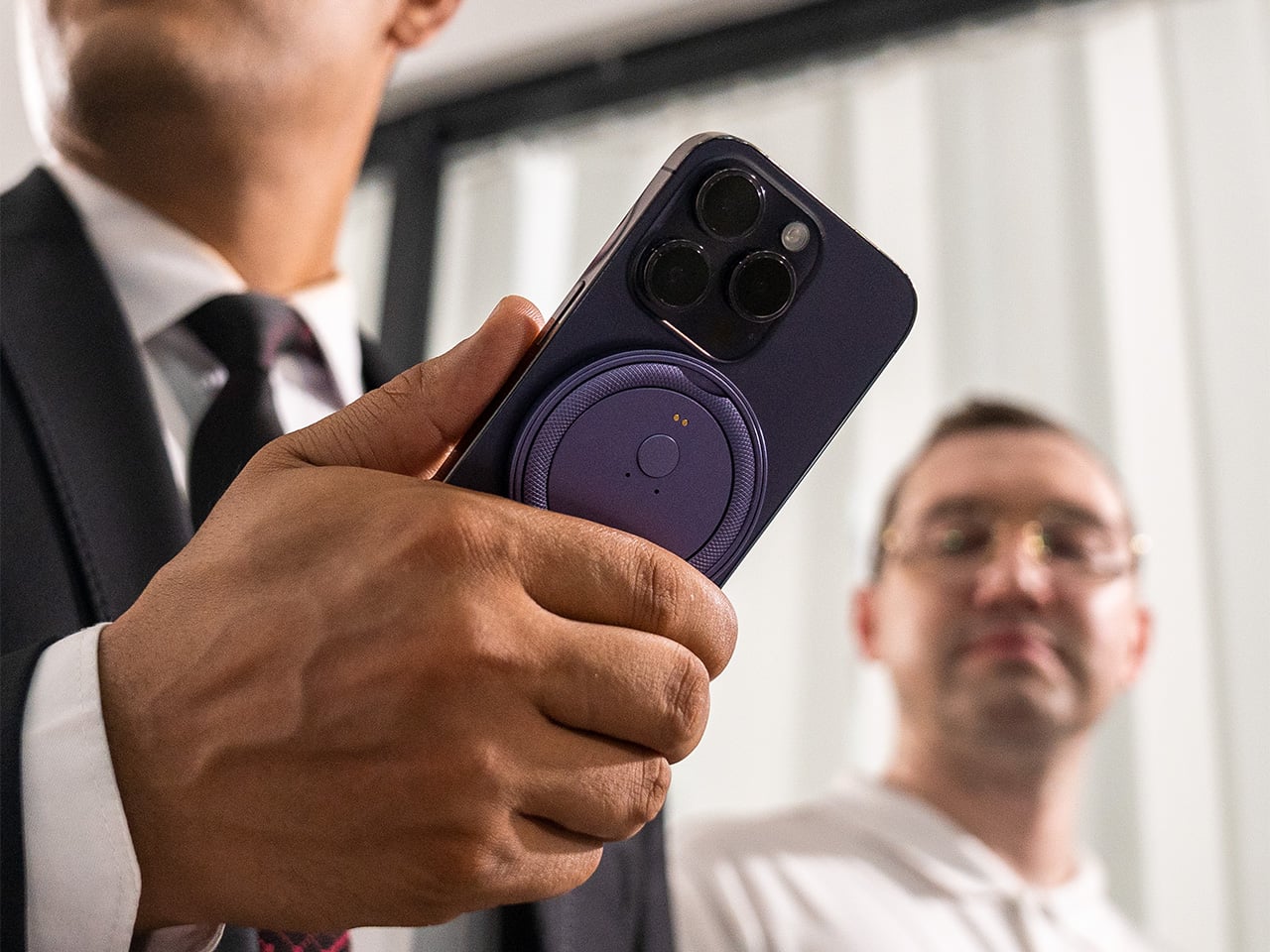
Best of all, you don’t have to bring a bulky and blocky recorder to enjoy all these features. VocaEase comes in the form of a thin magnetic ring that you can stick on the back of phones or even laptops. Constructed using lightweight aluminum alloy, the resilient yet elegant ring can turn 360 degrees to provide your phone with a reliable grip or a stand for watching videos or doing voice calls, maybe in other languages as well. It also boasts an impressive battery life and a 10-minute charge is enough to last up to 30 days on standby.
Say goodbye to the days of manually copying and pasting text between apps or carrying and fumbling with a separate device just for translations. Powered by ChatGPT AI and supporting over 138 languages, this linguistic tool offers fast and accurate translations that keep the conversation flowing. Whether for business, travel, education, or fun, the VocaEase 360° MagSafe AI Translation Ring not only brings people closer together but also delivers a stylish and versatile accessory for your smartphone.