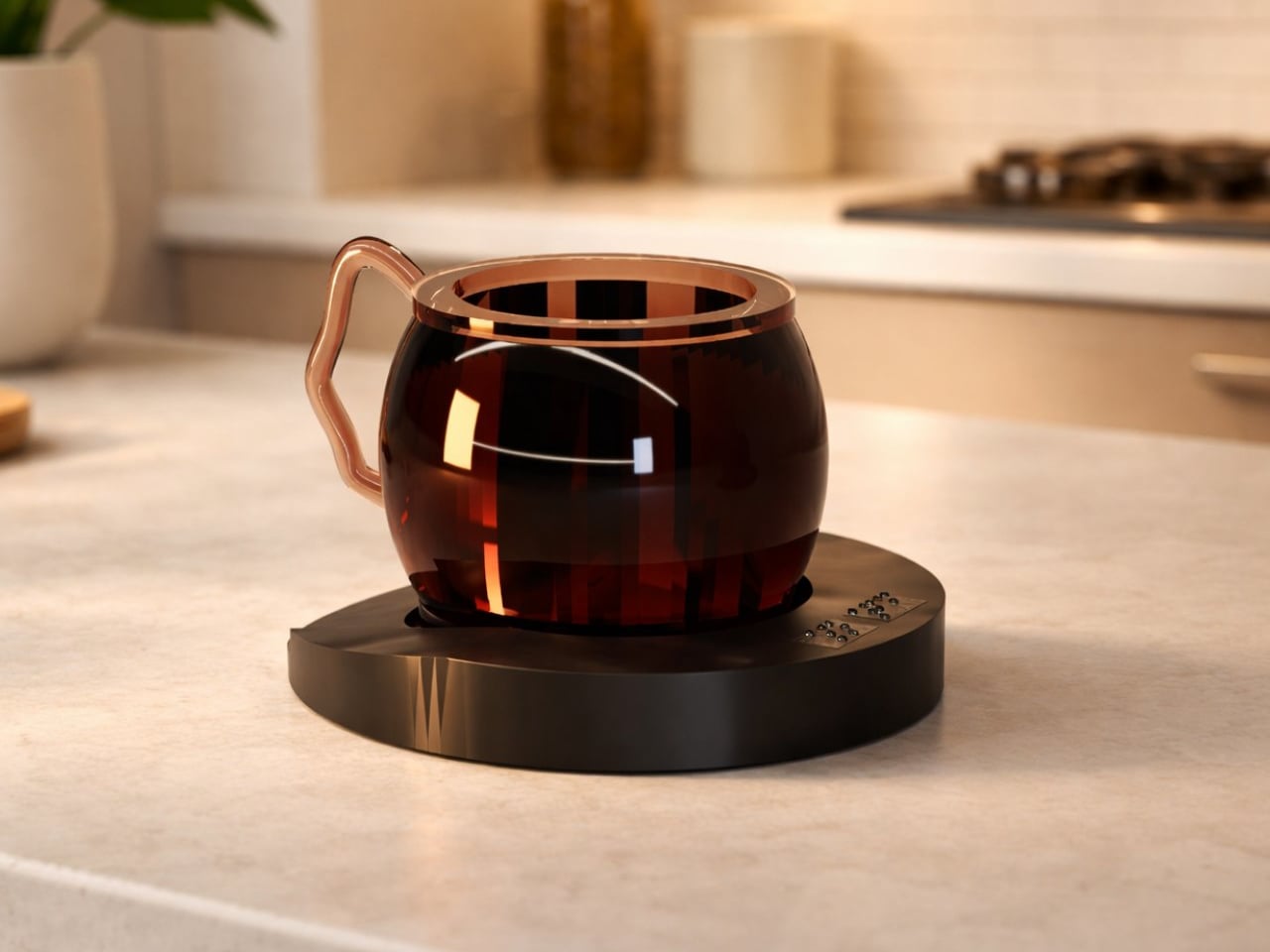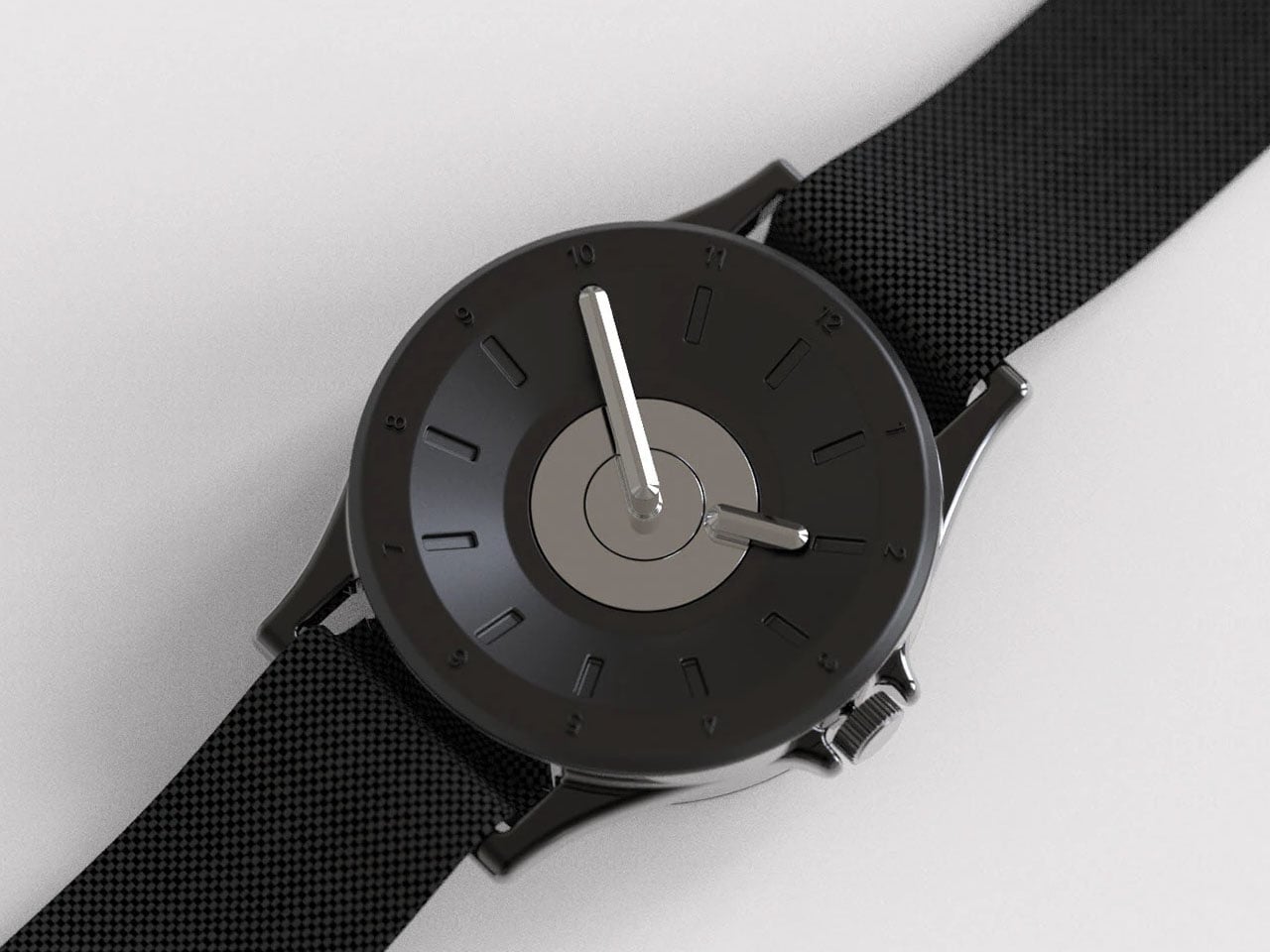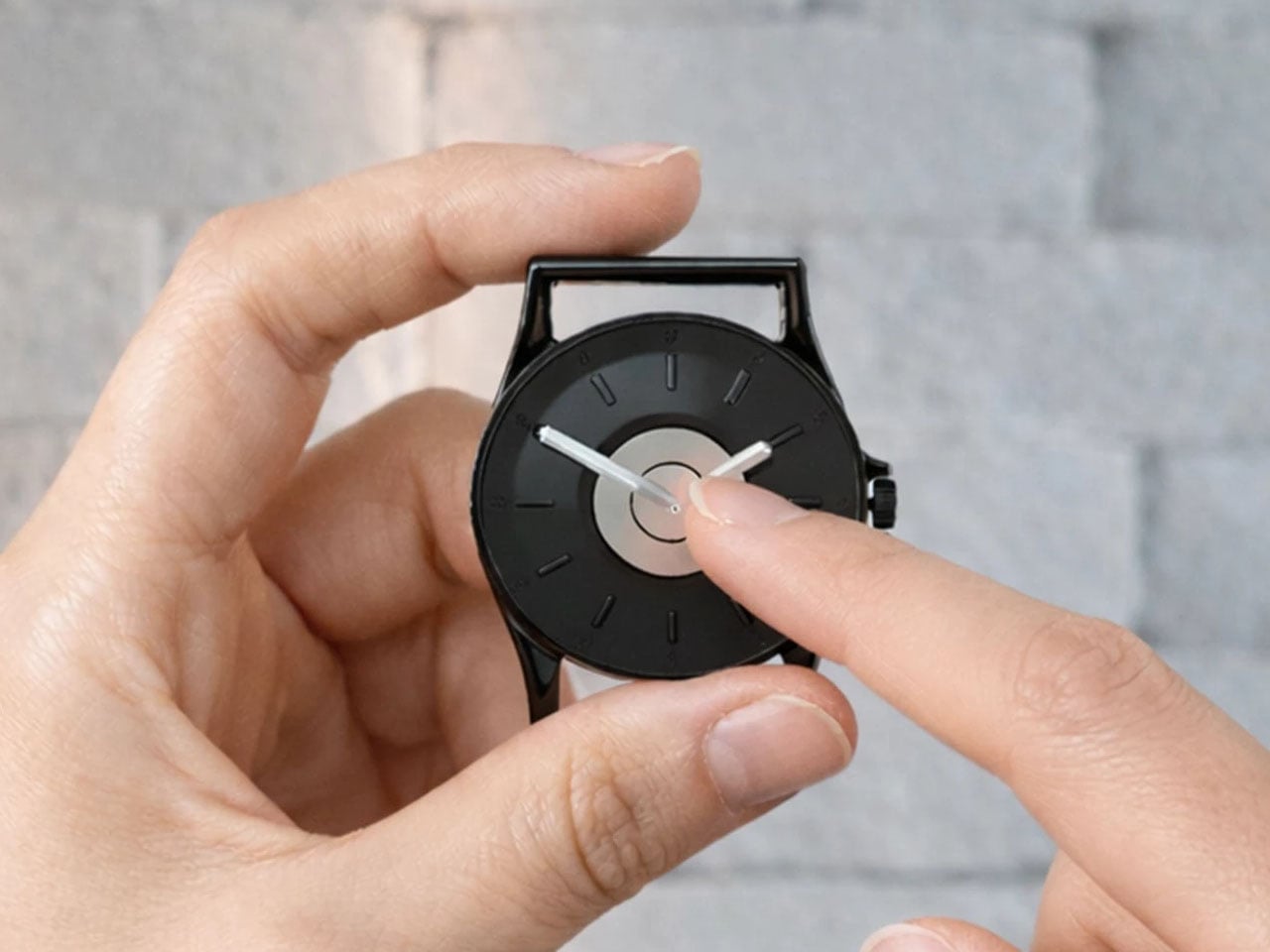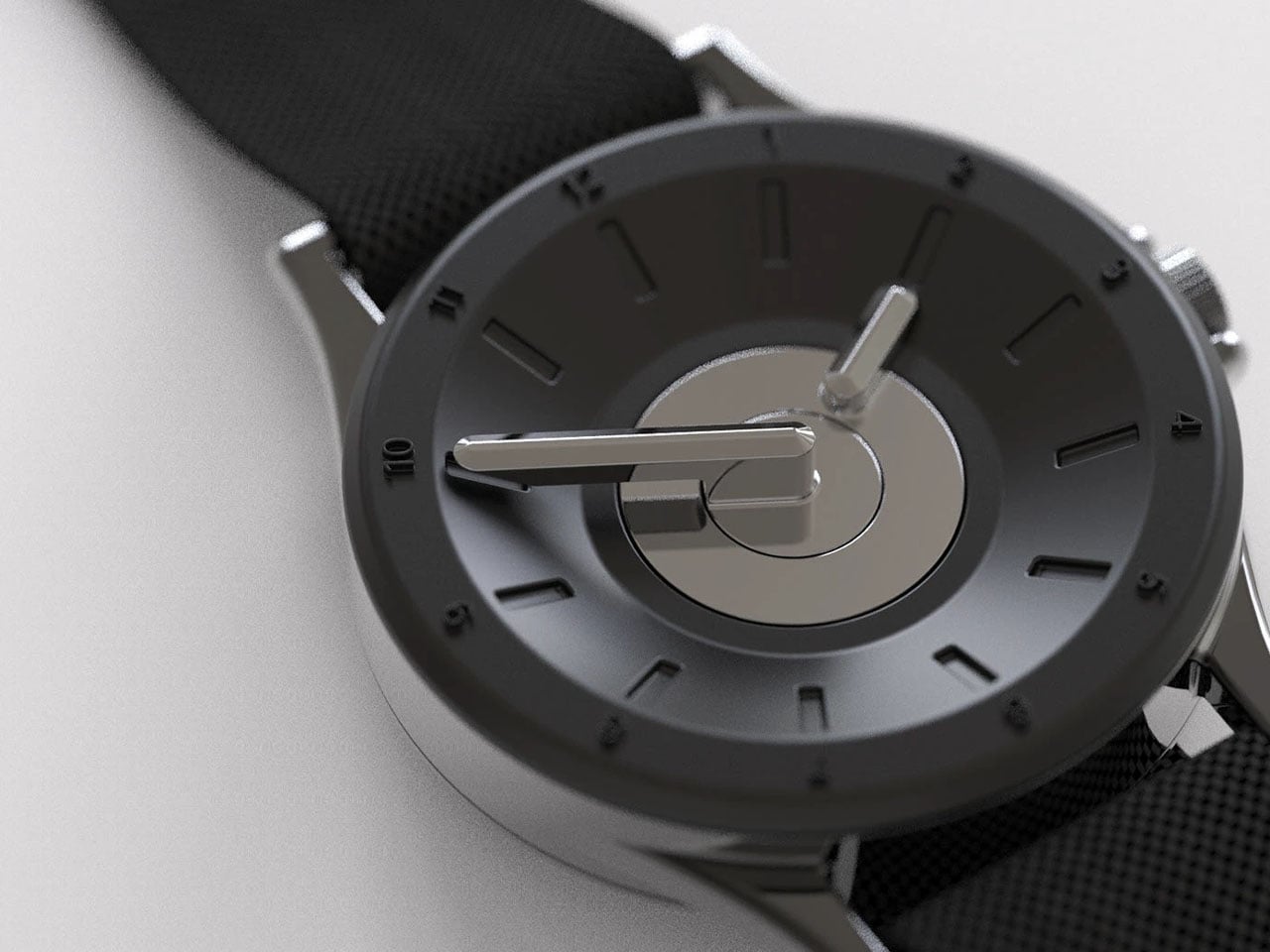
Mechanical Braille Embosser Labels Medicine, Food With No Power

For visually impaired people worldwide, identifying everyday items like medications, kitchen containers, switches, or personal belongings can be a daily challenge that affects independence, safety, and quality of life. Most labeling solutions are either expensive, complicated, or simply not designed with accessibility in mind, forcing users to rely on others or expensive assistive technology for basic organization. Finding a simple, affordable way to create tactile labels remains frustratingly difficult.

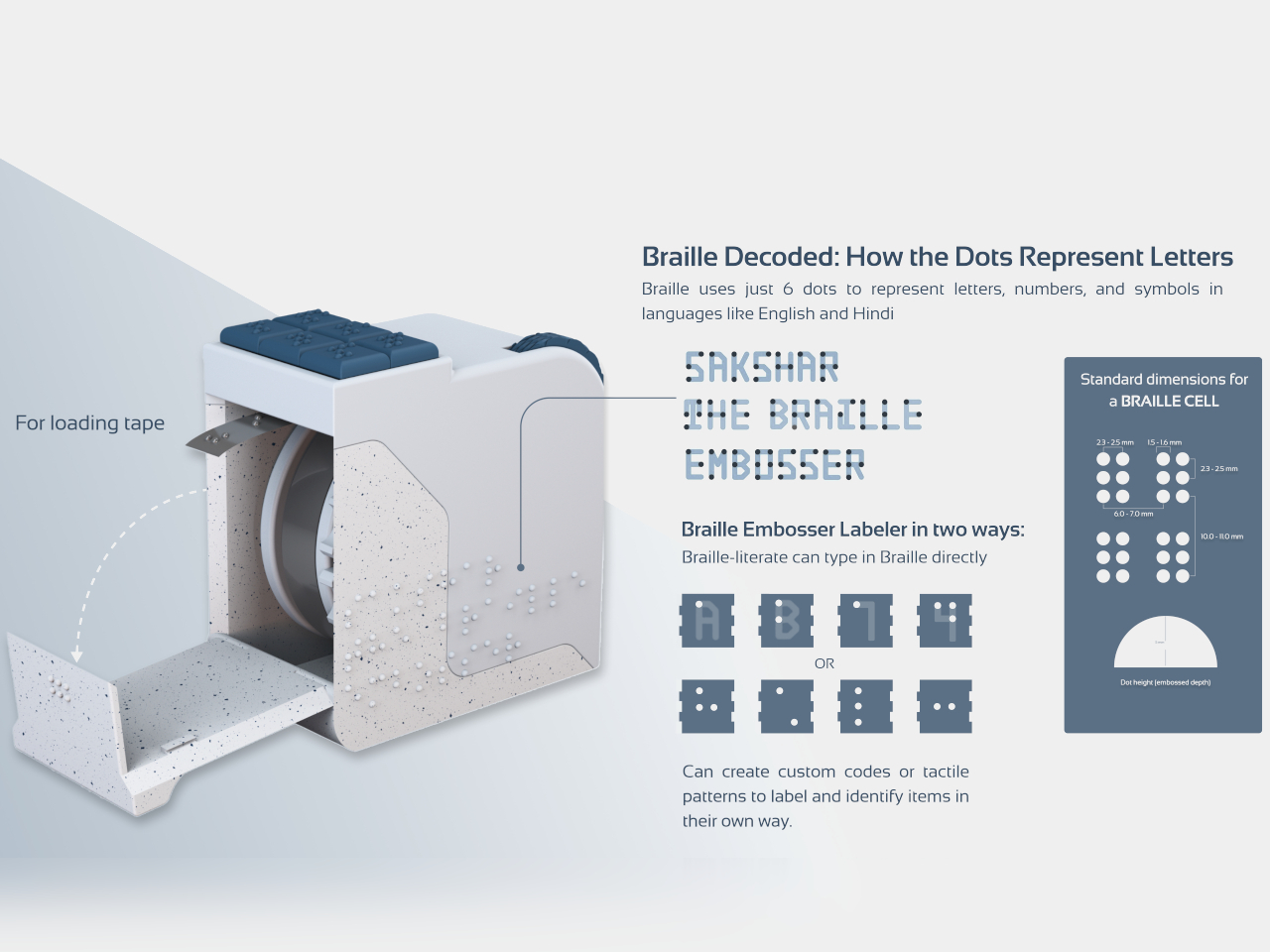
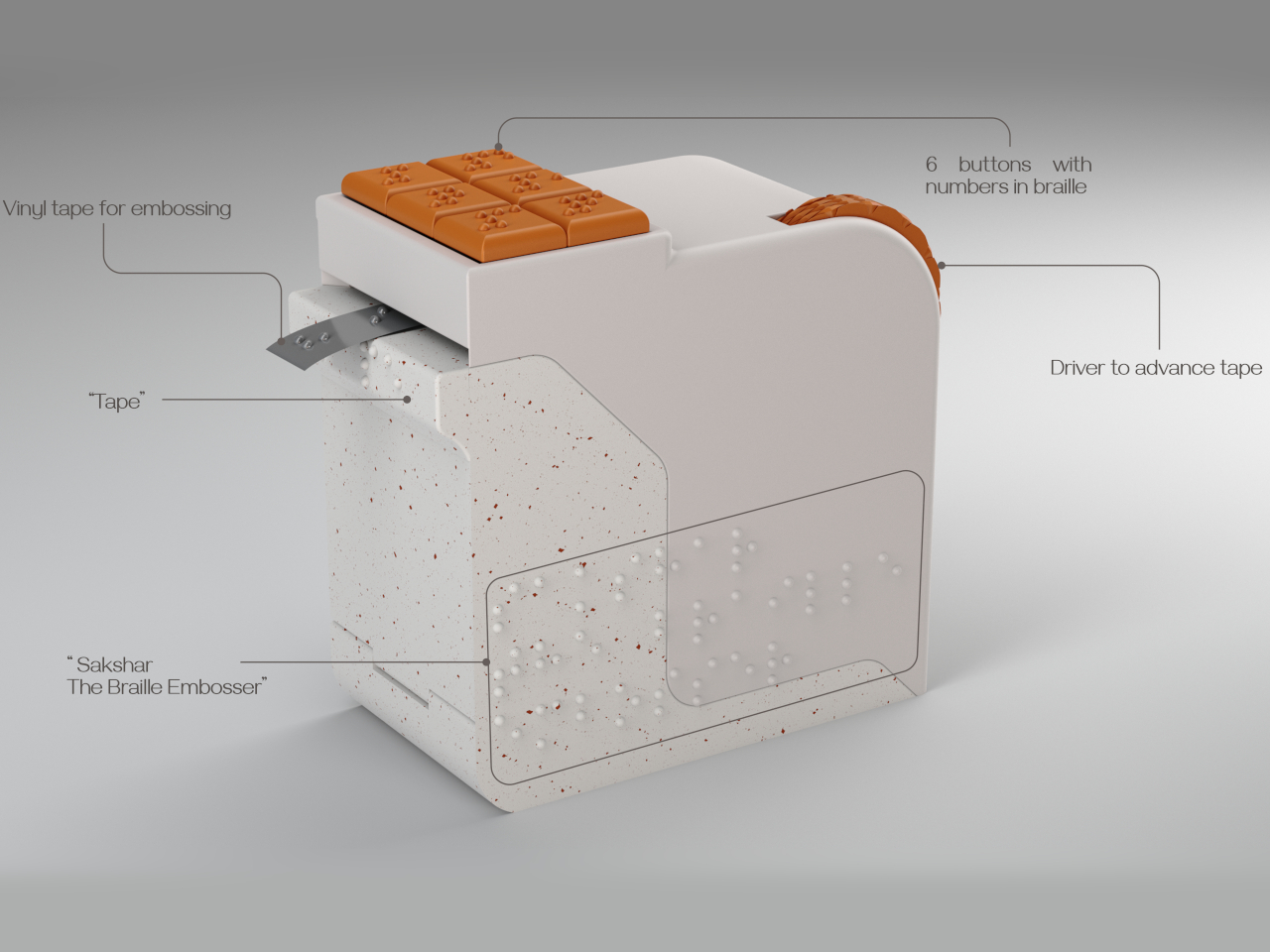
The Sakshar Braille Embosser concept reimagines labeling as a tactile, intuitive experience that anyone can master quickly without extensive training. By combining a mechanical interface with smart ergonomics and careful attention to usability, it aims to bring independence and dignity to visually impaired users everywhere, making Braille labeling a simple part of daily life. Sakshar means “literate” in Hindi, reflecting the concept’s mission to empower through accessible information.

Designer: Shruti Kushwaha

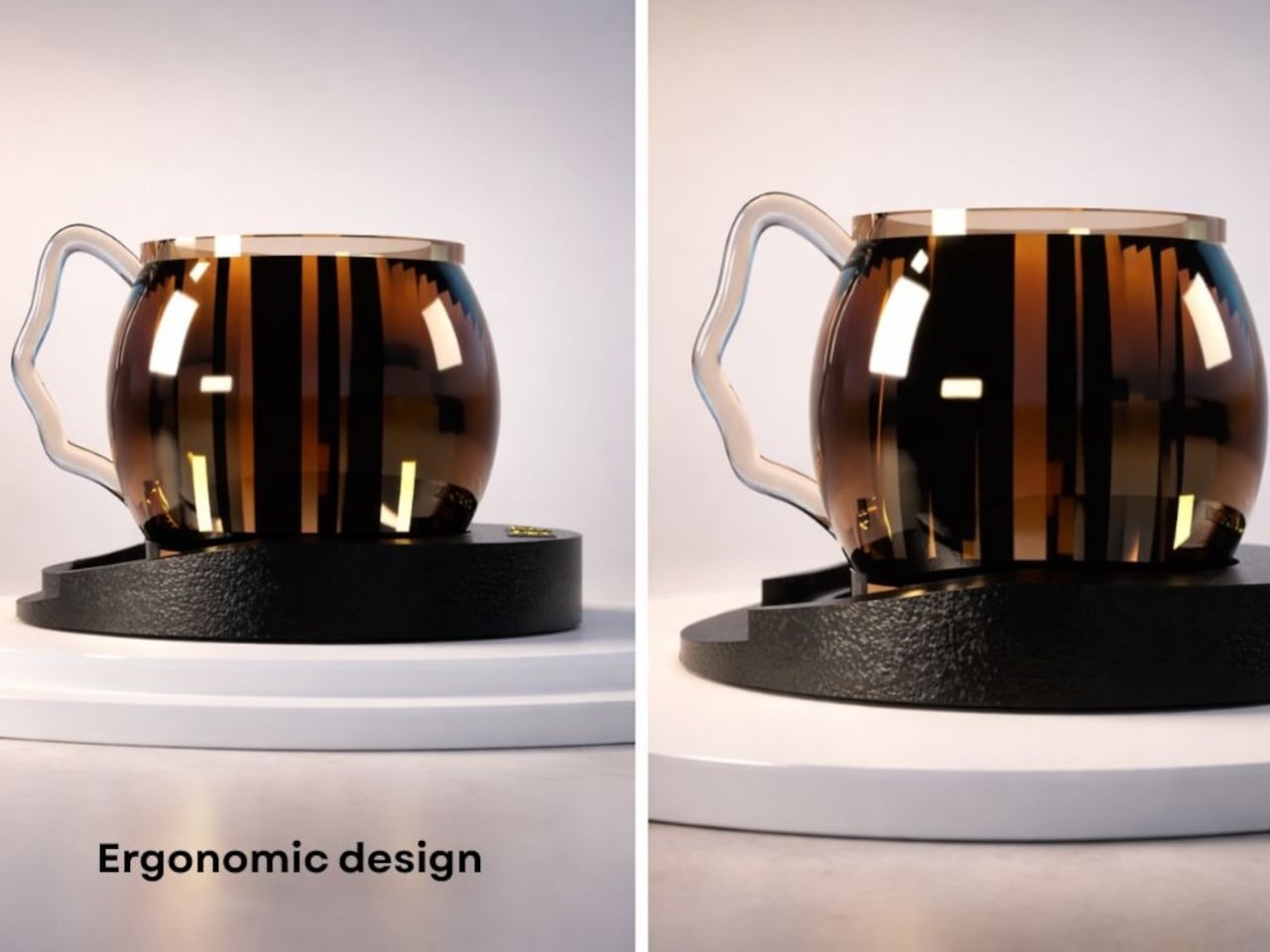
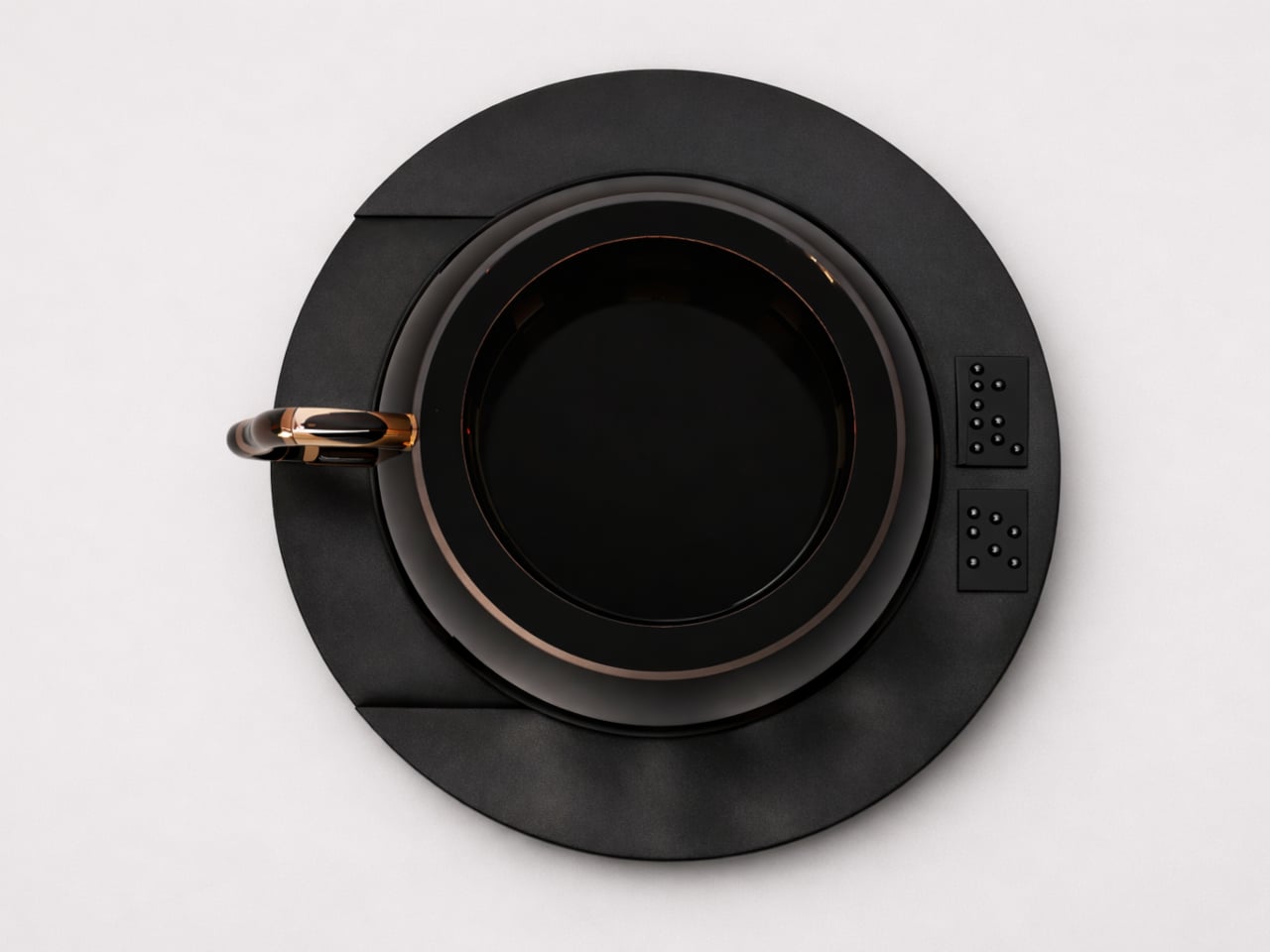
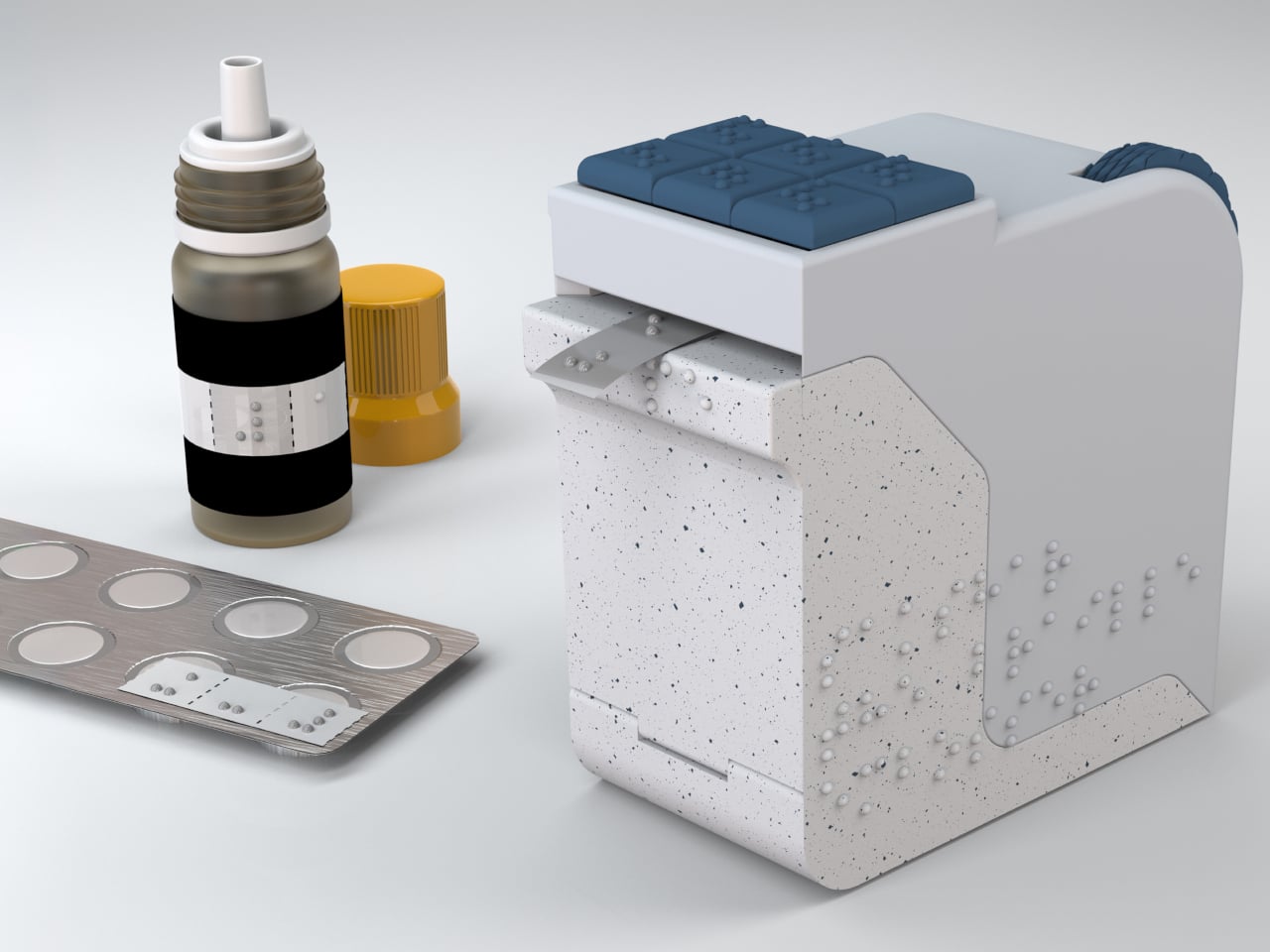
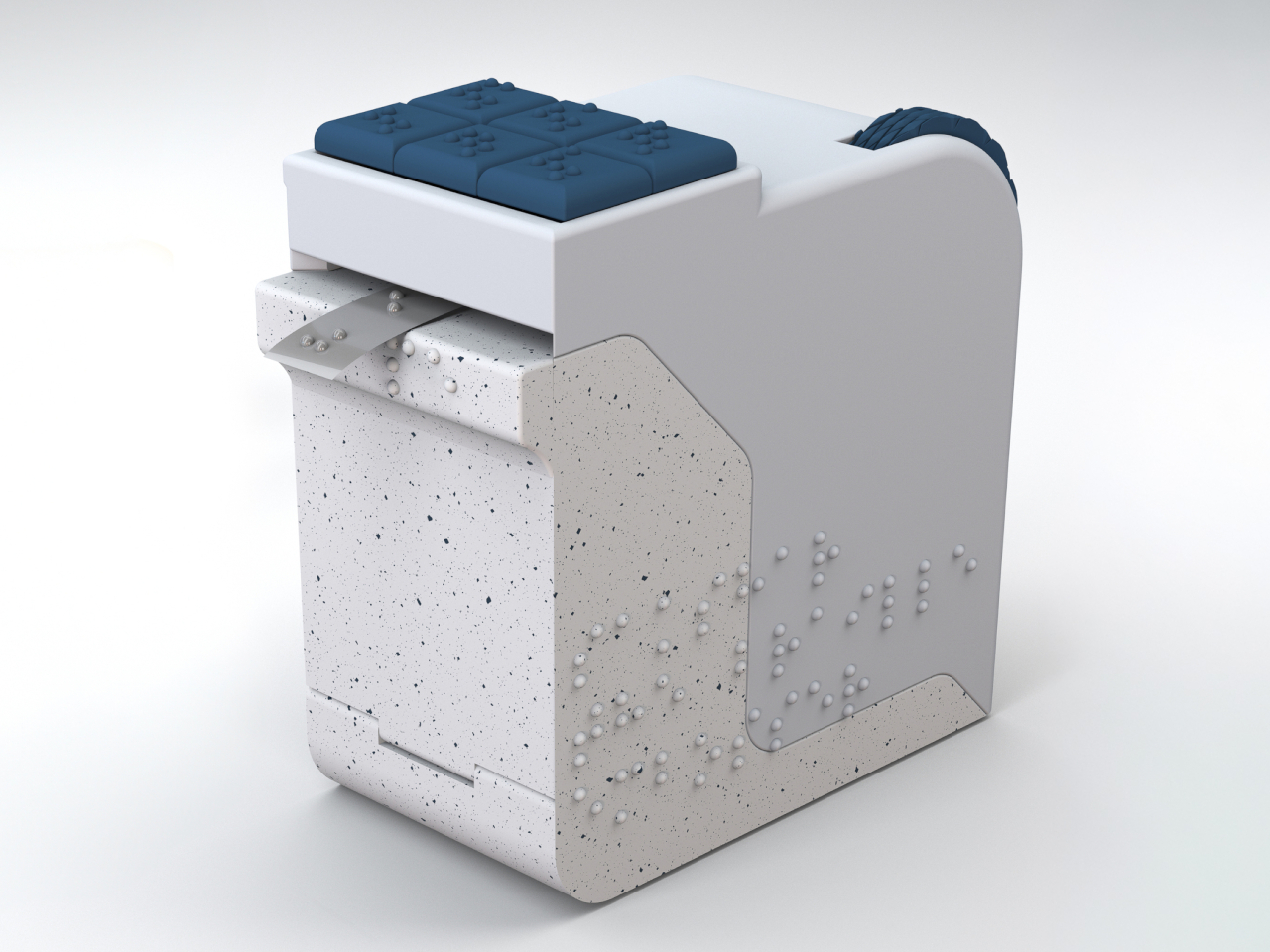
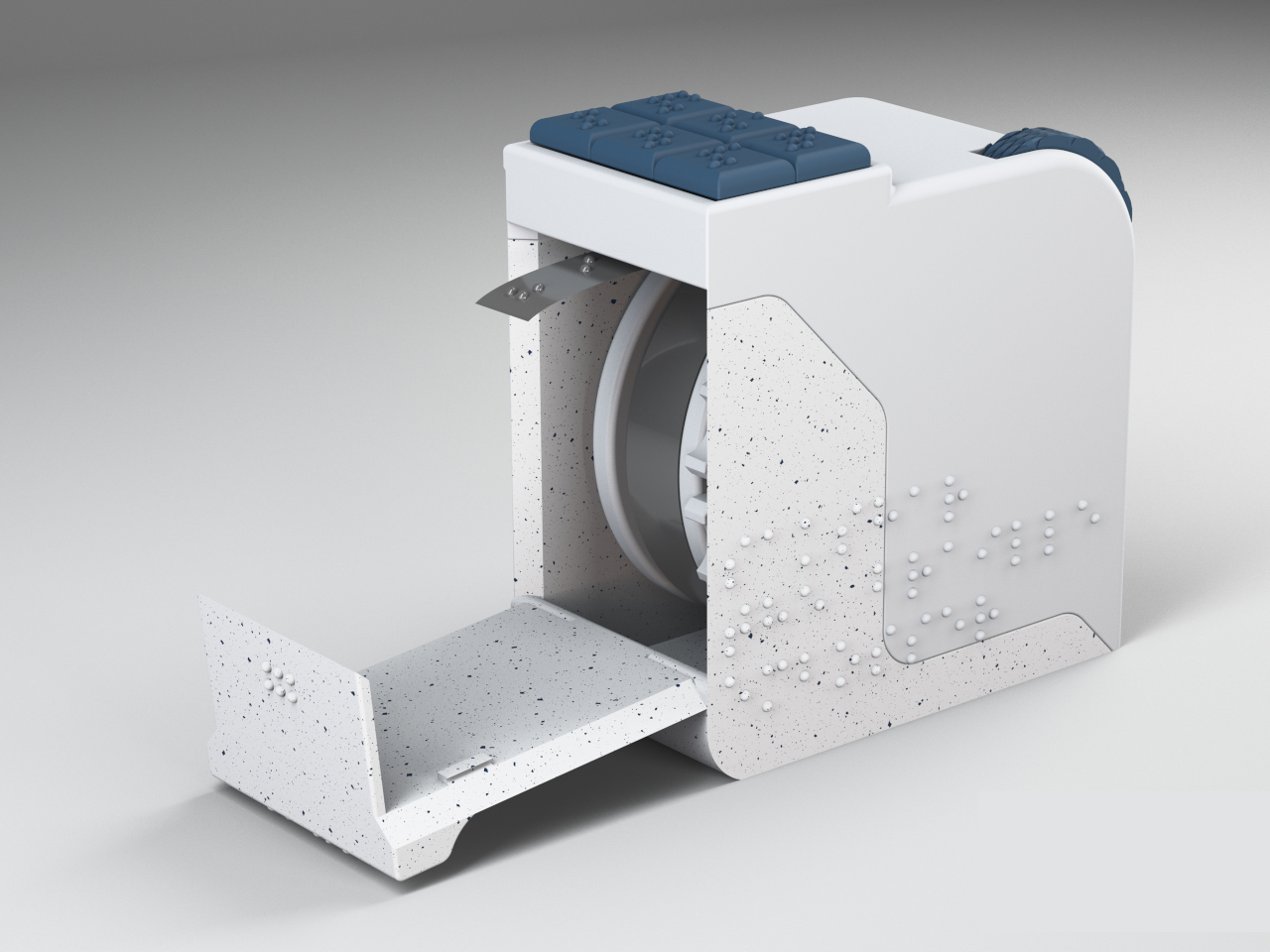
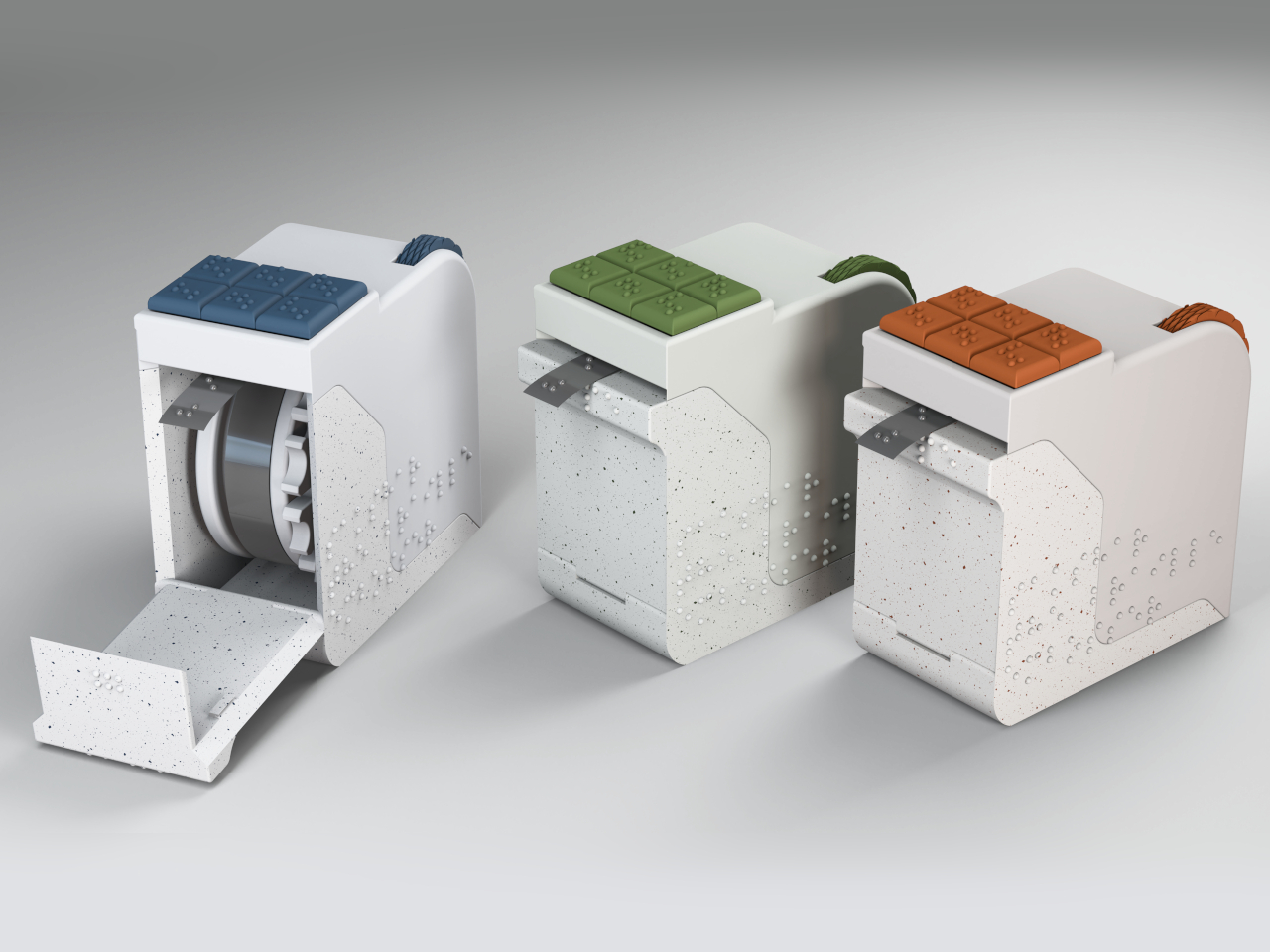
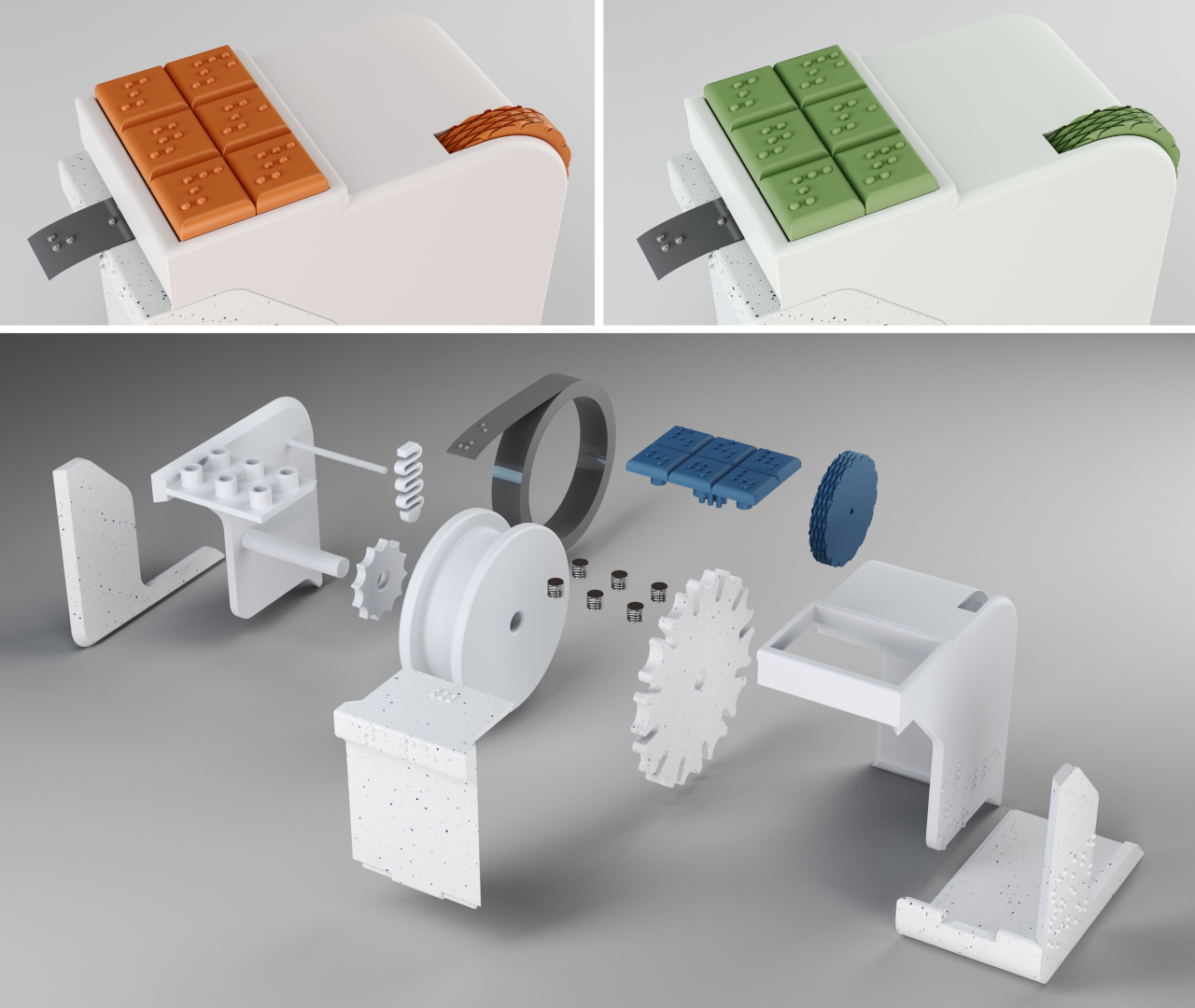
Sakshar’s compact, tabletop form is both modern and approachable, with a rectangular body, rounded edges, and large, raised buttons for Braille dot selection across the top panel. The device is shown in a range of colors, including orange, green, and blue, making it easy to identify by touch or sight for sighted family members. The clean, minimalist aesthetic fits naturally into kitchens, bathrooms, or workspaces.

The tactile interface is designed specifically for comfort and ease during extended labeling sessions, with button spacing and feedback optimized for users with limited dexterity or hand strength. The embosser’s compact size and stable base make it easy to use at home, school, or work without requiring special furniture or a dedicated workspace. The handle makes it portable enough to carry between rooms or take when traveling.

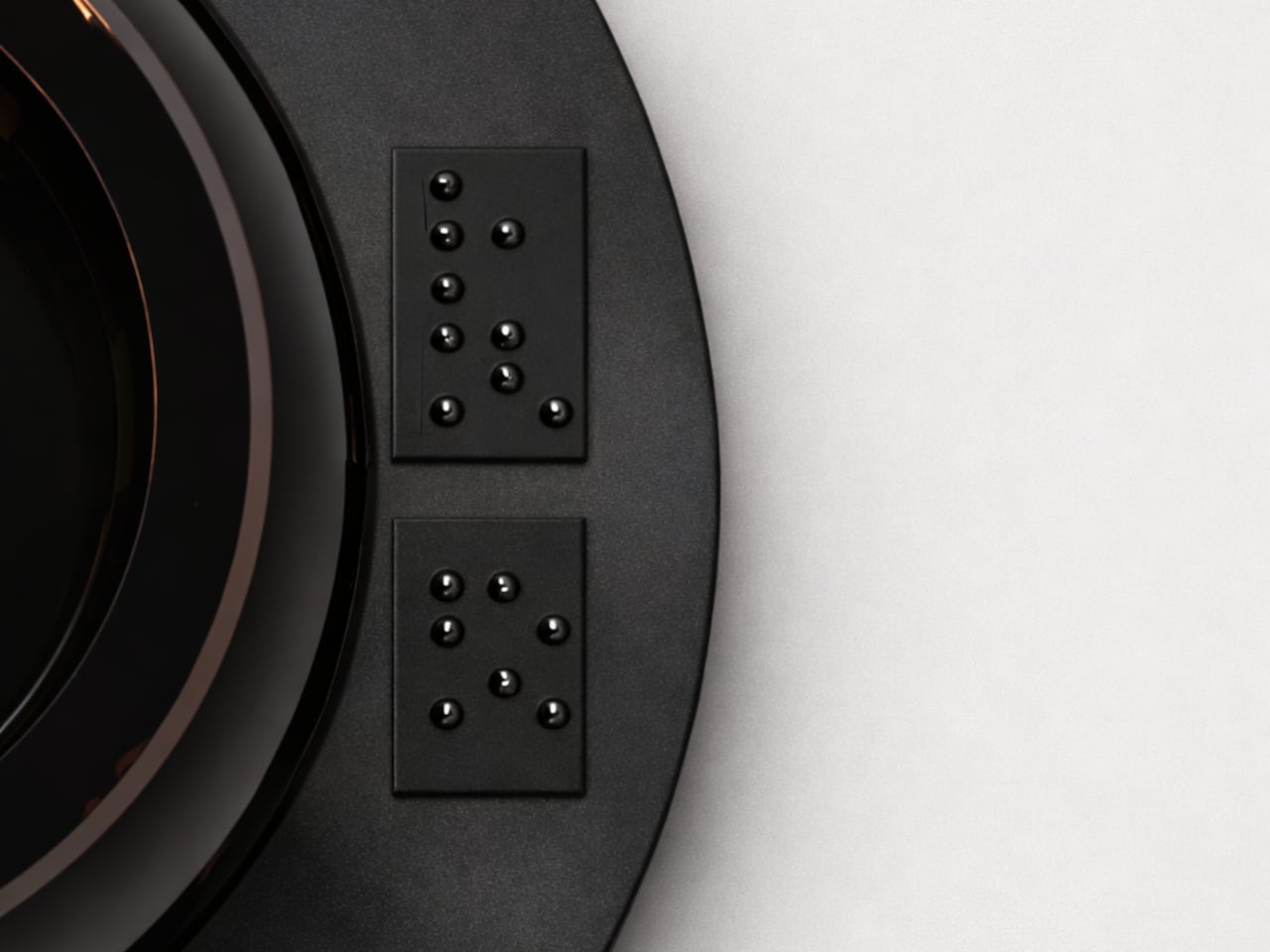
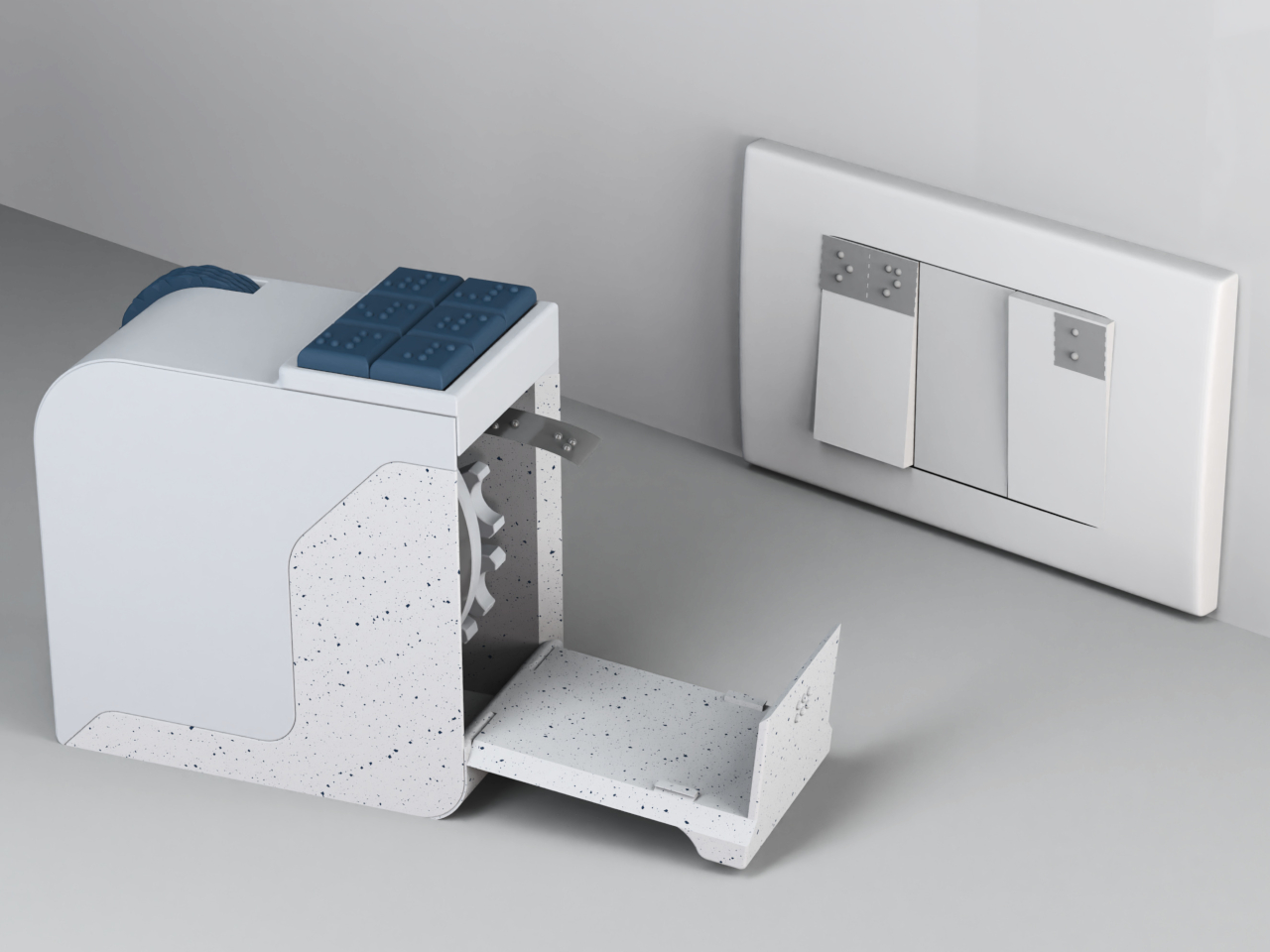
At the heart of Sakshar is a precise Geneva mechanism that advances vinyl tape automatically after each character is embossed, ensuring consistent spacing and proper alignment for readable Braille throughout longer labels. Users simply press the tactile buttons to select Braille dots representing specific letters or numbers, roll the driver to advance the tape forward, and tear off the finished label when complete.

The device is fully mechanical, requiring no electricity or batteries whatsoever, making it reliable and low-maintenance for users in any environment, location, or economic situation. The mechanical operation means there’s nothing to charge, no software to update, and no risk of digital failure when you need to create labels quickly for important items. This simplicity makes Sakshar accessible to users of all ages and technical comfort levels.

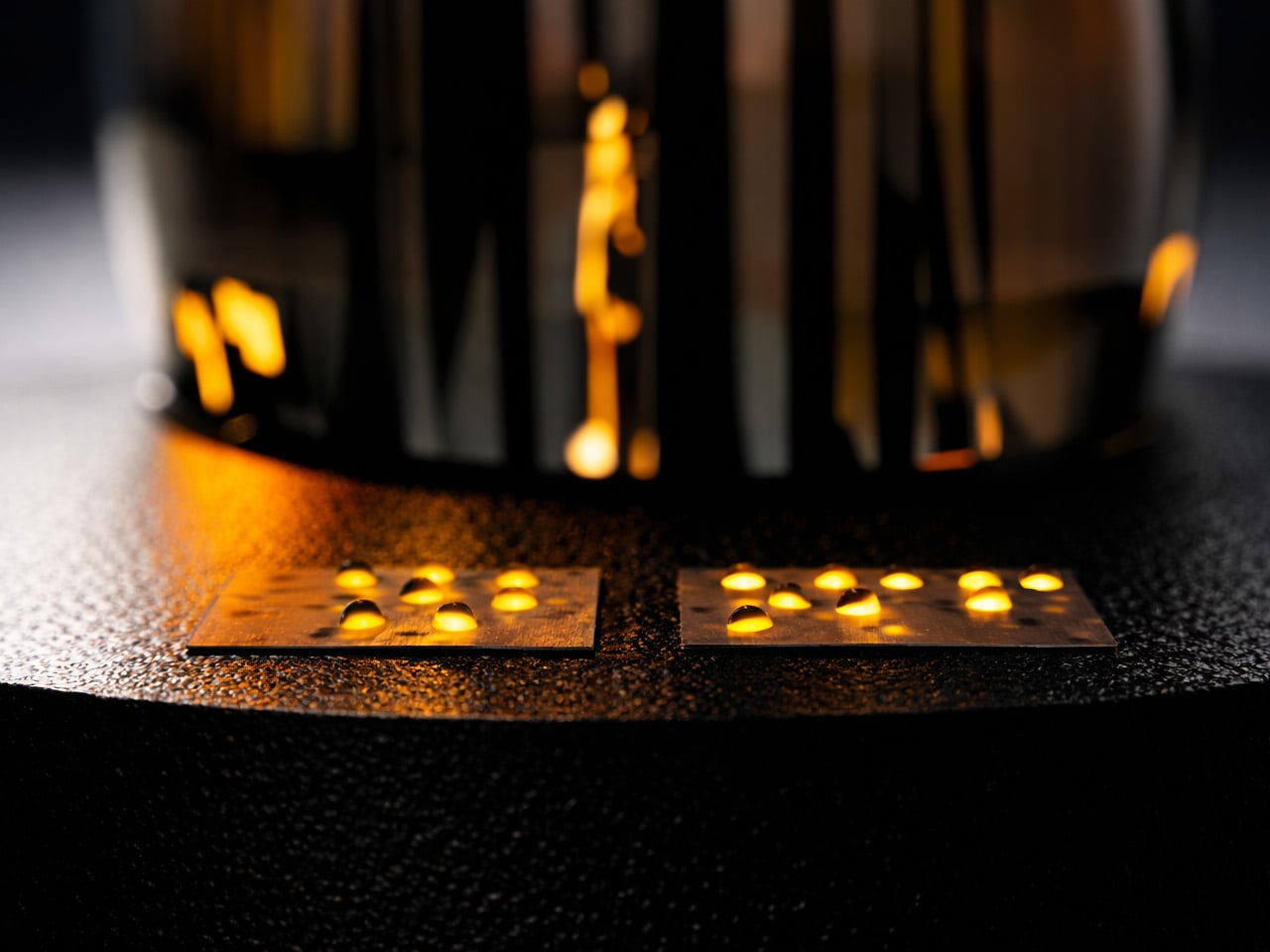
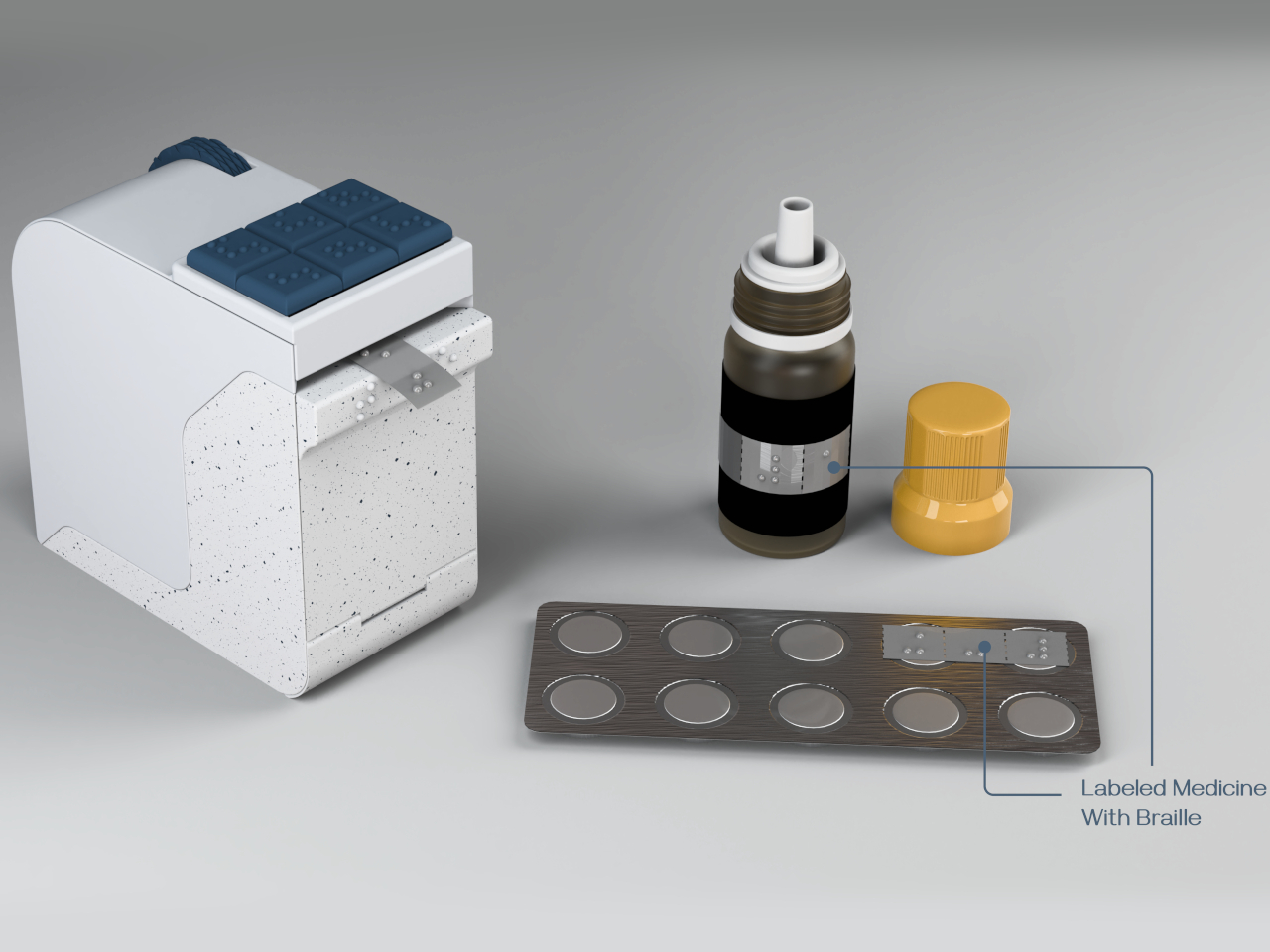
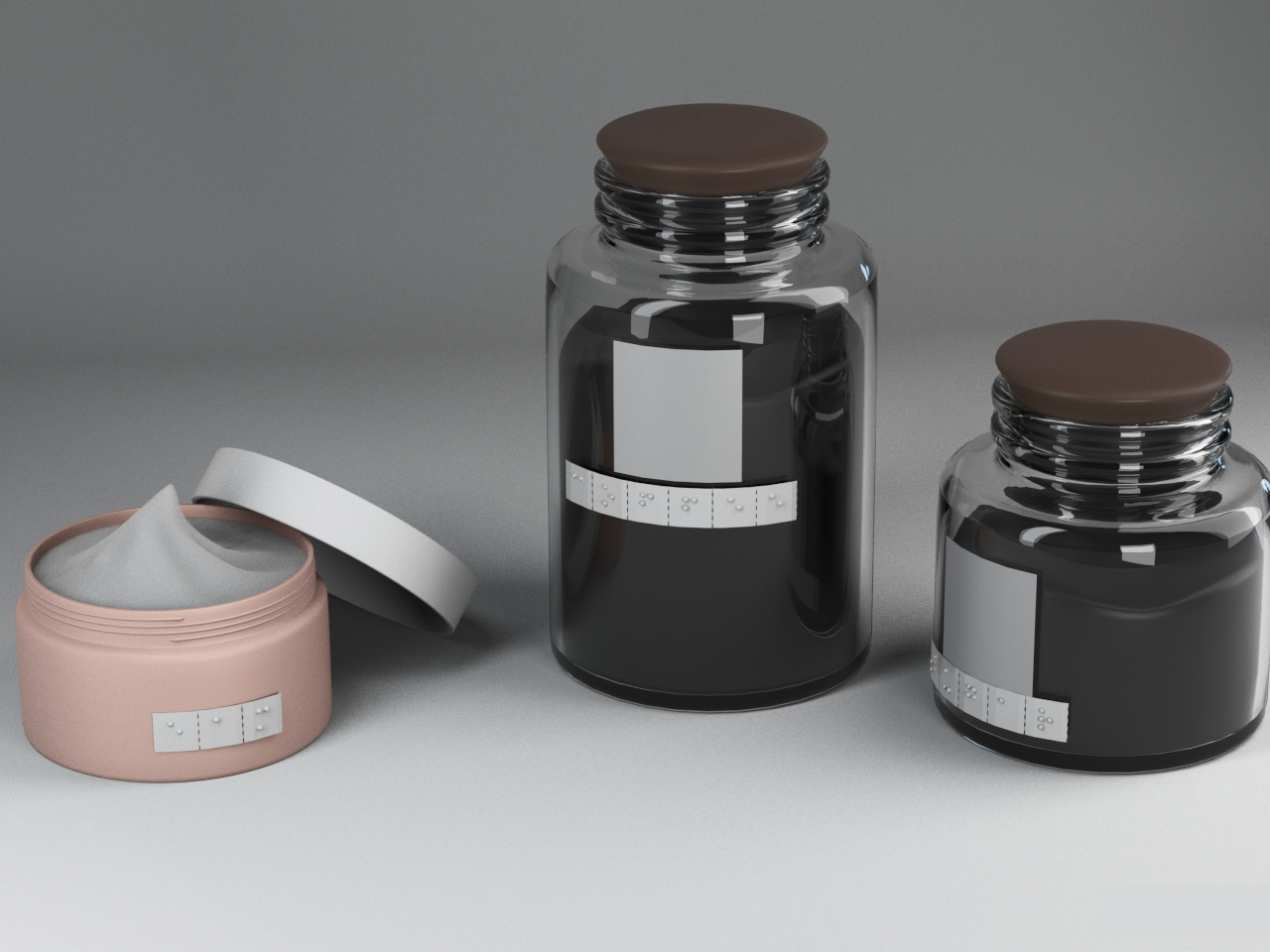
Sakshar is built from durable, easy-to-clean materials designed to withstand daily use in demanding environments, with water-resistant construction for use in kitchens, bathrooms, or medical settings where spills happen regularly. The vinyl tape is strong, self-adhesive, and sticks securely to medicine bottles, pill strips, light switches, storage containers, or any household item that needs identification. The embossed text is concave and convex for enhanced readability and durability over time.

By making Braille labeling accessible, affordable, and intuitive through thoughtful design principles, Sakshar empowers visually impaired users to organize their lives independently without constantly asking for help from family members or caregivers. The concept supports a wide range of ages and abilities, offering tactile feedback and a frustration-free experience that respects users’ autonomy and dignity in managing their personal spaces and belongings throughout daily routines.

The post Mechanical Braille Embosser Labels Medicine, Food With No Power first appeared on Yanko Design.
Electronic 3D book concept helps visually impaired kids feel the magic of fairy tales

Reading is already a difficult task for people with visual impairments, but it’s especially challenging when it comes to material that involves a lot of visual elements. Adults might have not much of a problem visualizing those words in their minds, but children who are still developing their mental libraries will probably have a harder time. Fairy tales and fictional books with fantasy elements are examples of these highly visual materials, and simply hearing the narration or feeling the words through Braille feels rather insufficient to capture the emotions and magic of the stories. This electronic book concept tries to offer an equally magical experience that makes the objects and scenes pop out from the book, almost literally.
Designers: Subin Kim, Yujeong Shin, Seungyeon Lee

It’s pretty amazing how blind and visually impaired people can read a book while sliding their hands across seemingly random dots, almost like magic. But the text on a page doesn’t exactly show the images associated with the words, relying on your imagination to conjure up those associations mentally. Of course, that comes almost like second nature for those with normal eyesight, but the visually impaired, especially younger ones, need a bigger boost to help match words with shapes and objects.

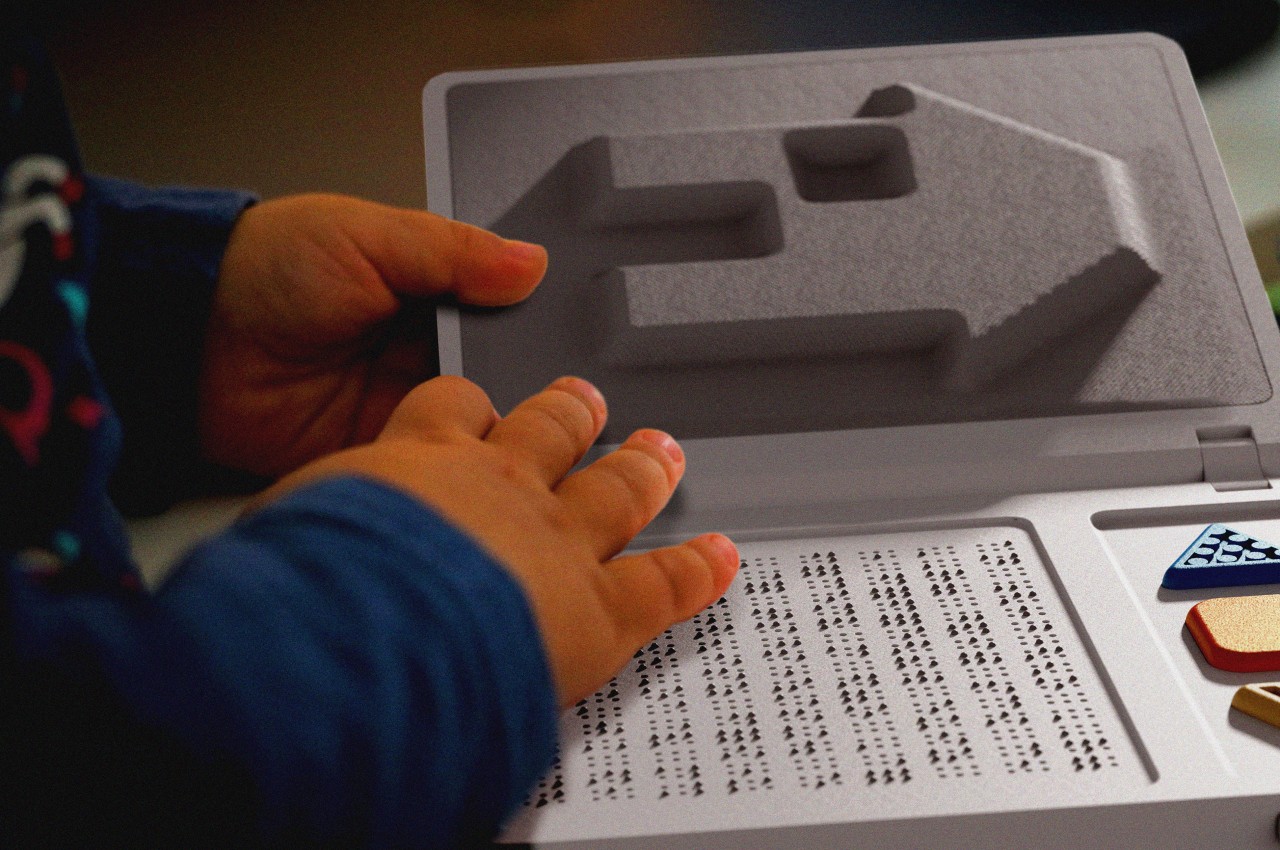
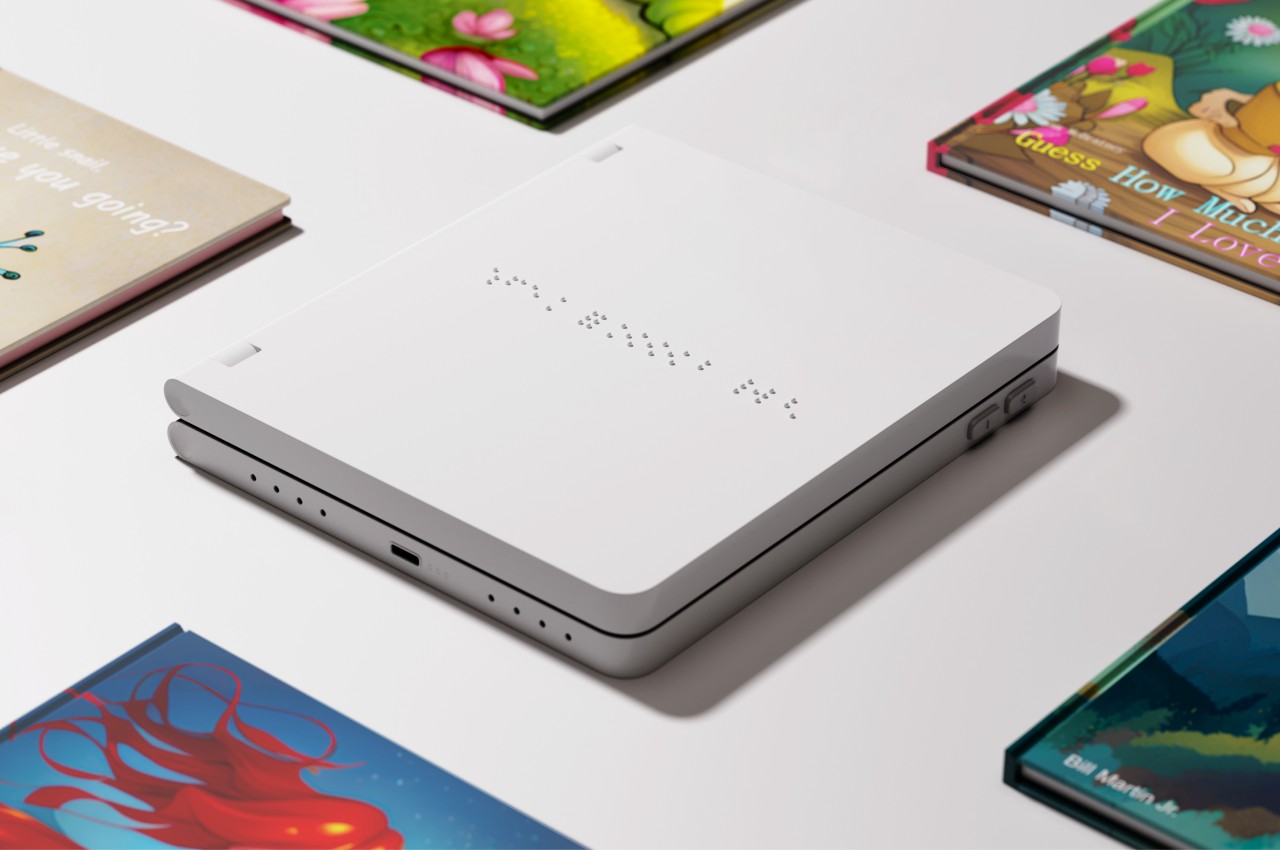
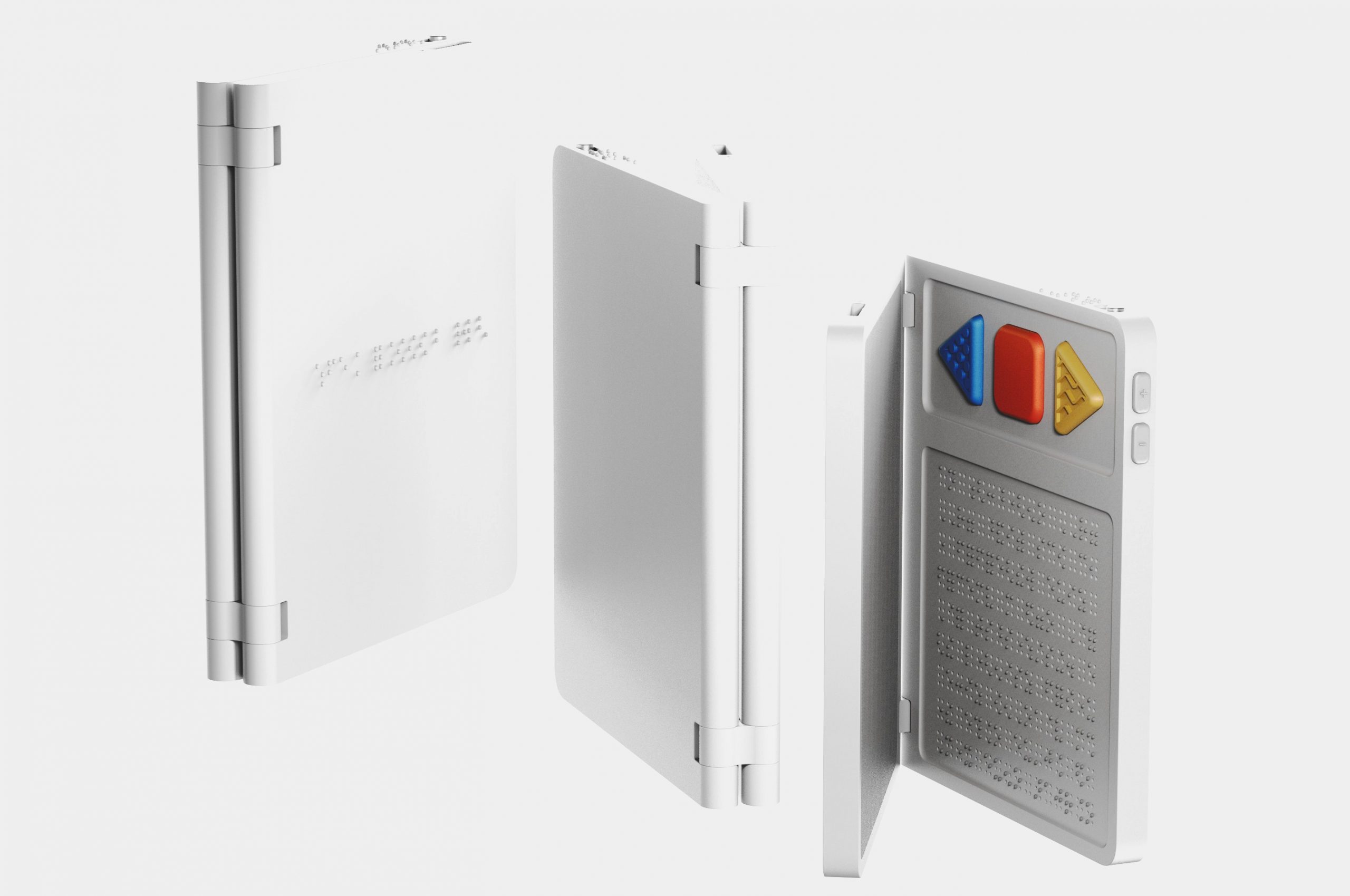
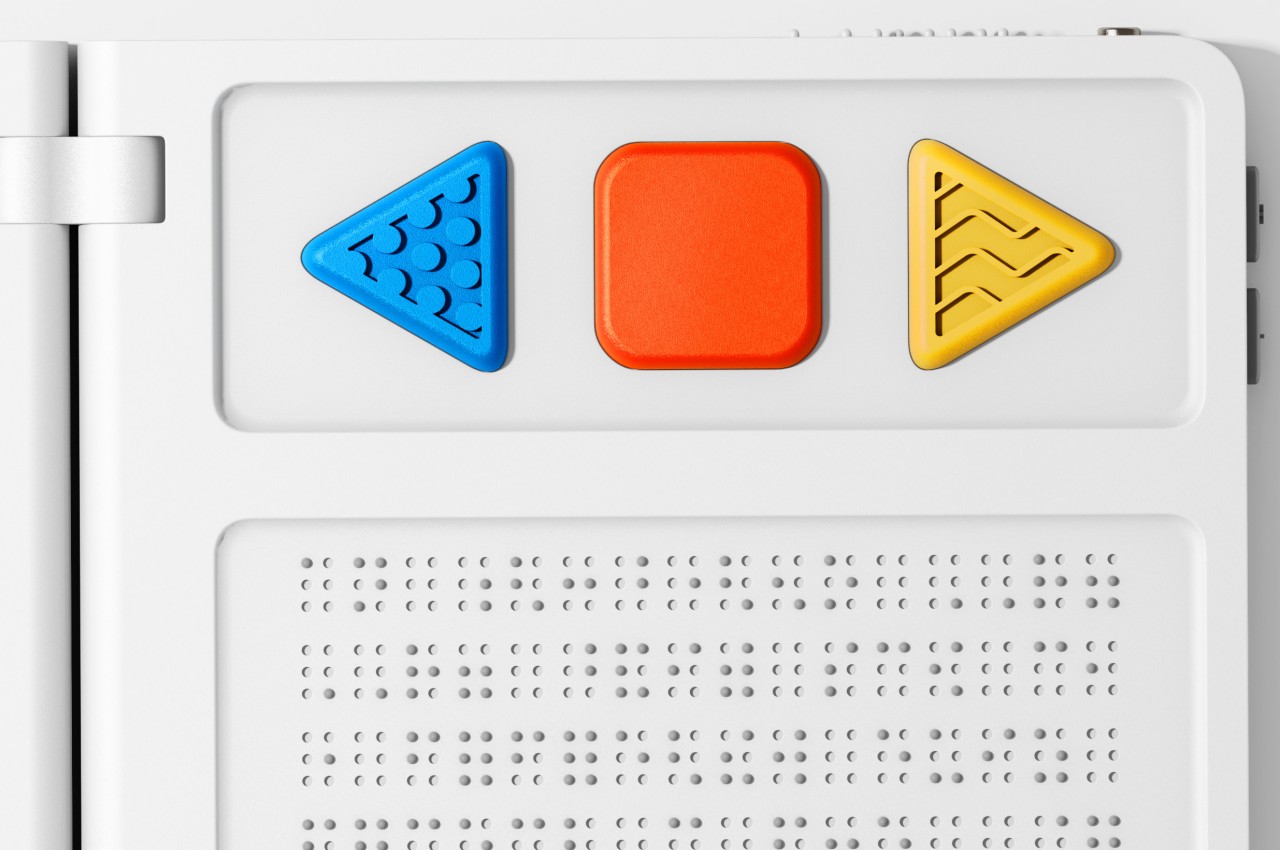
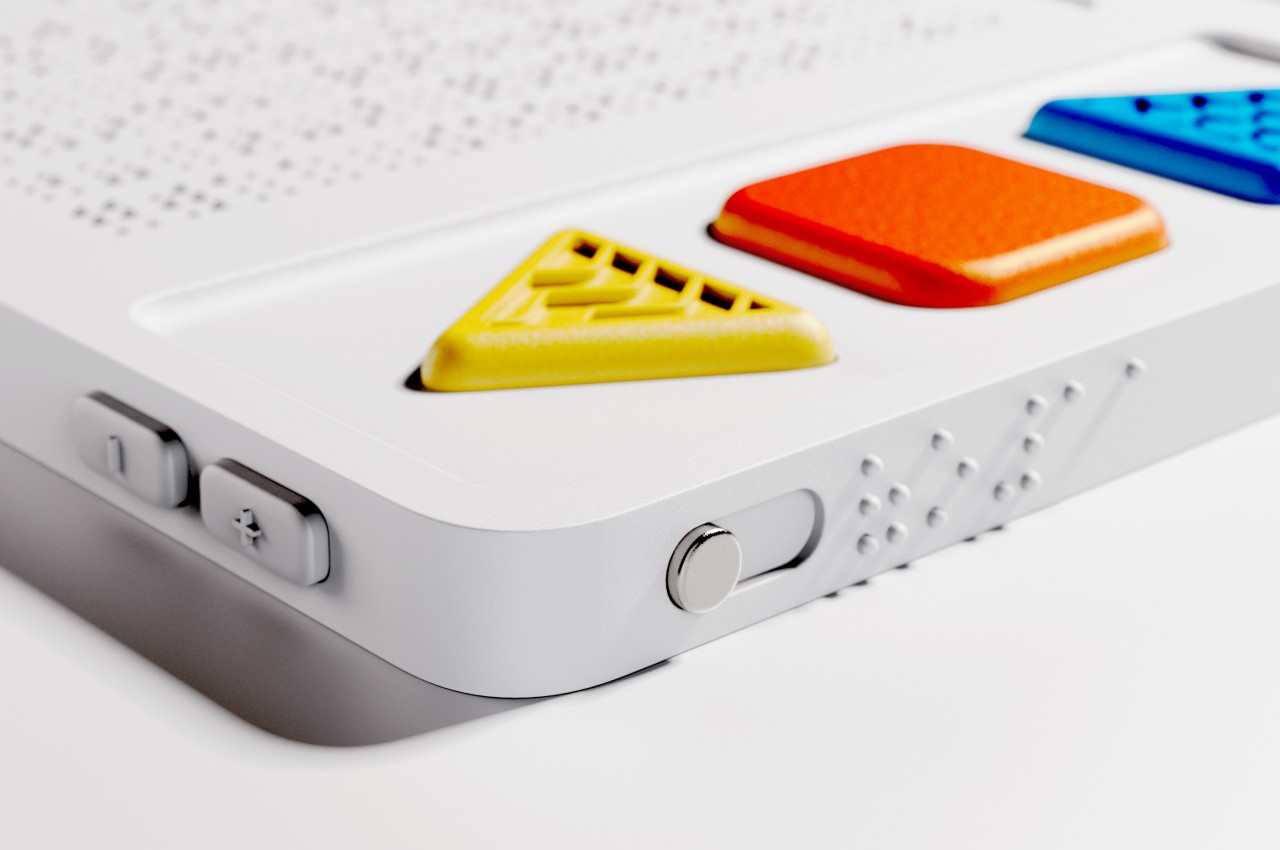
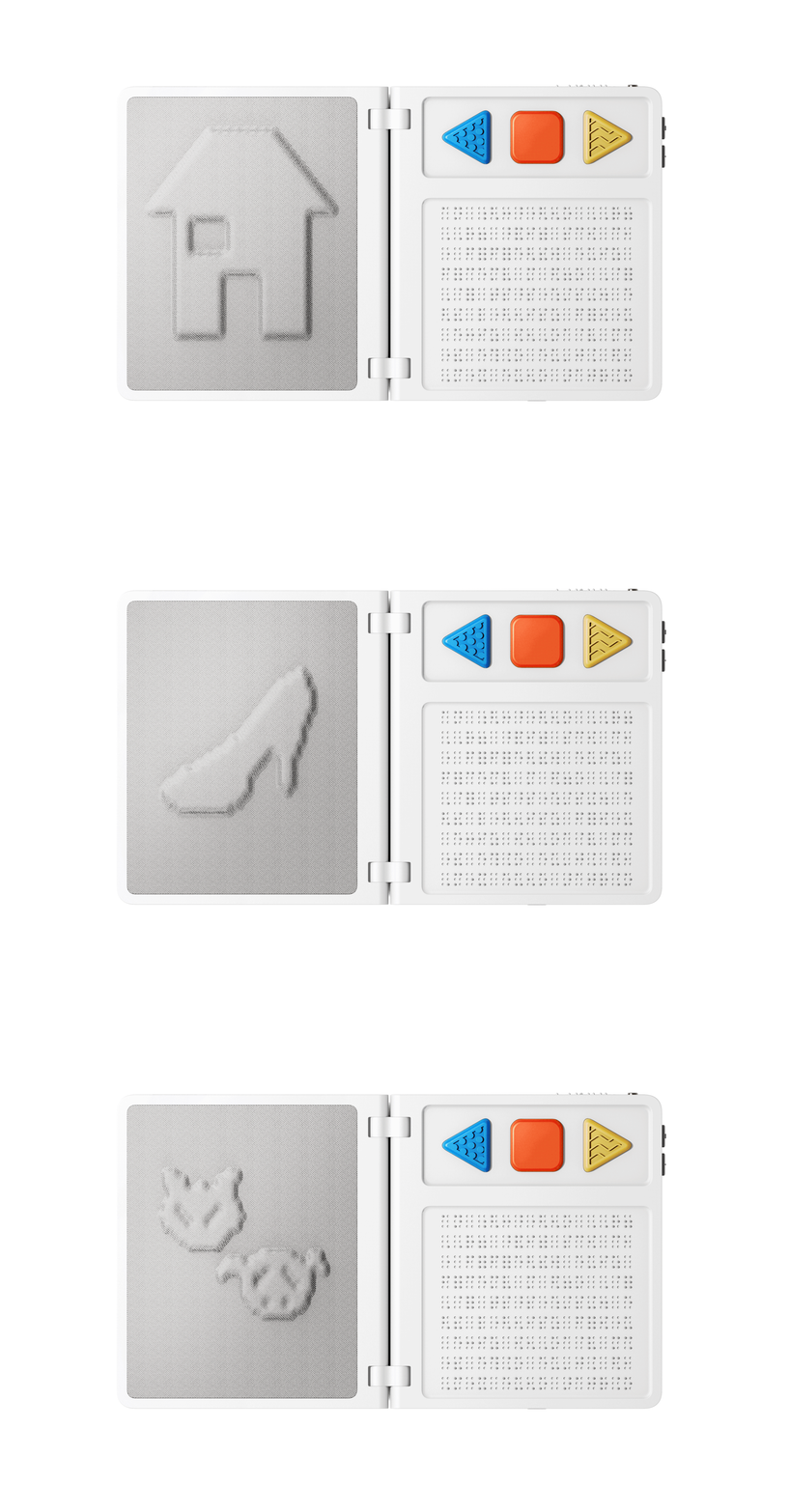
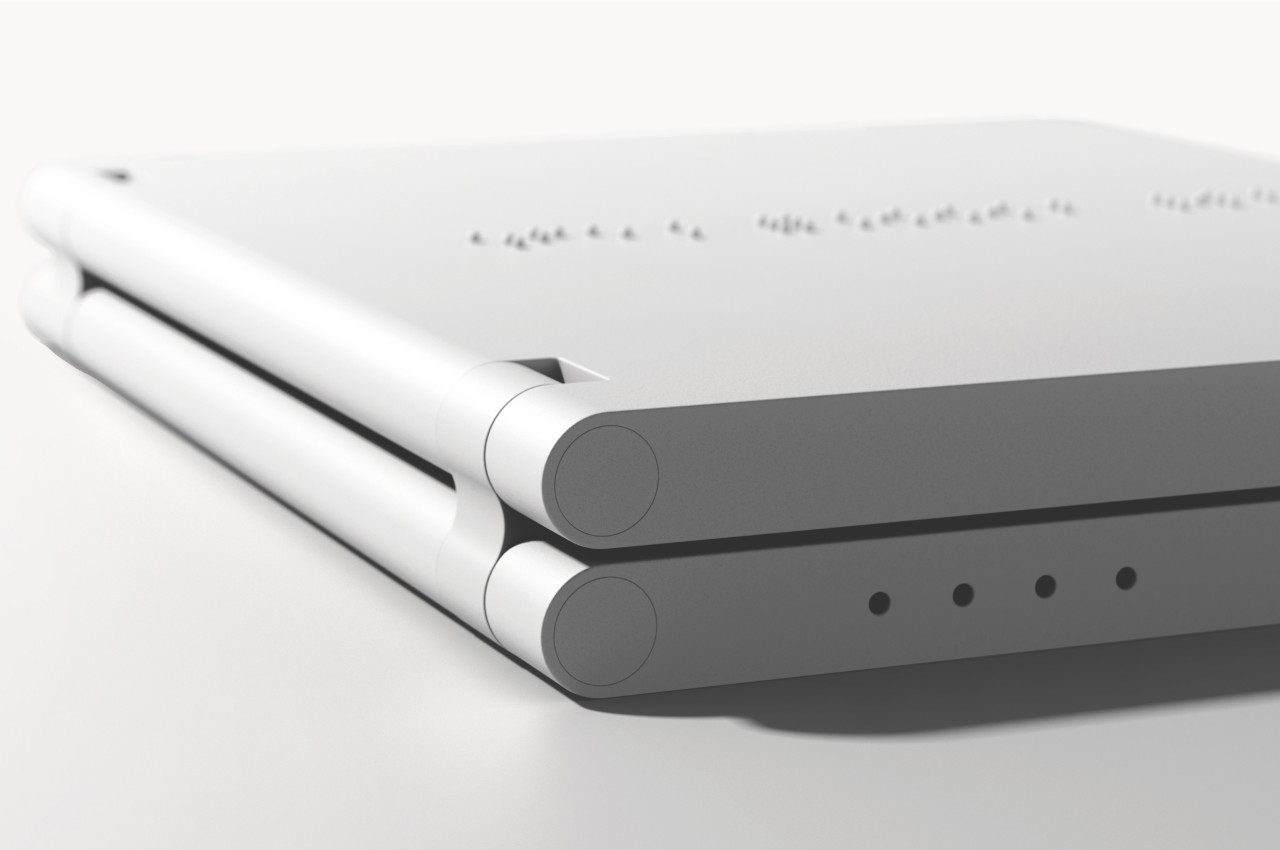
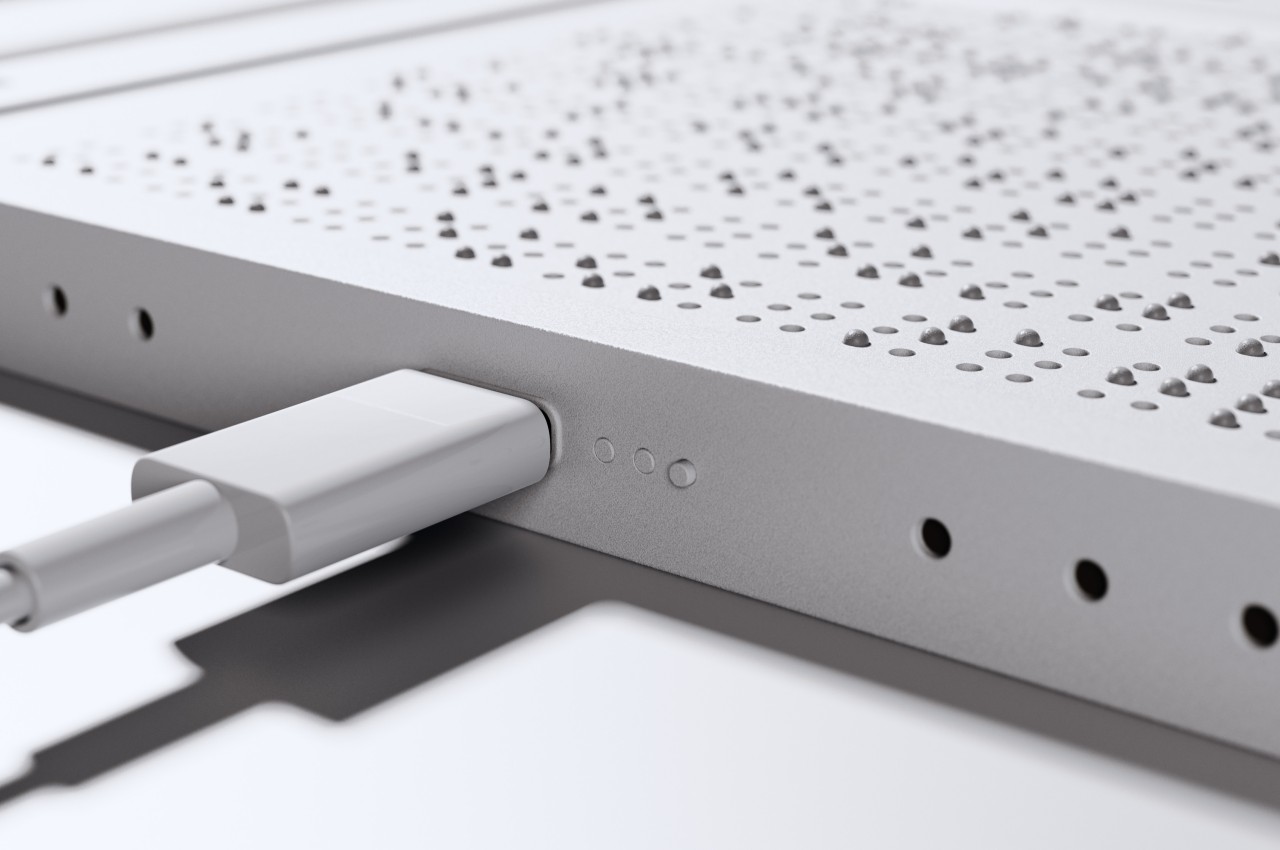
bbook is a concept for an electronic 3D book that provides all the necessary tools for a child with visual impairments to not only make sense of but also enjoy such fantastical books. It has an audio component that reads the book out loud, with large tactile buttons that let the reader skip forward or backward as desired. There’s also a dynamic Braille “page” where dots rise and sink as the words change.

1

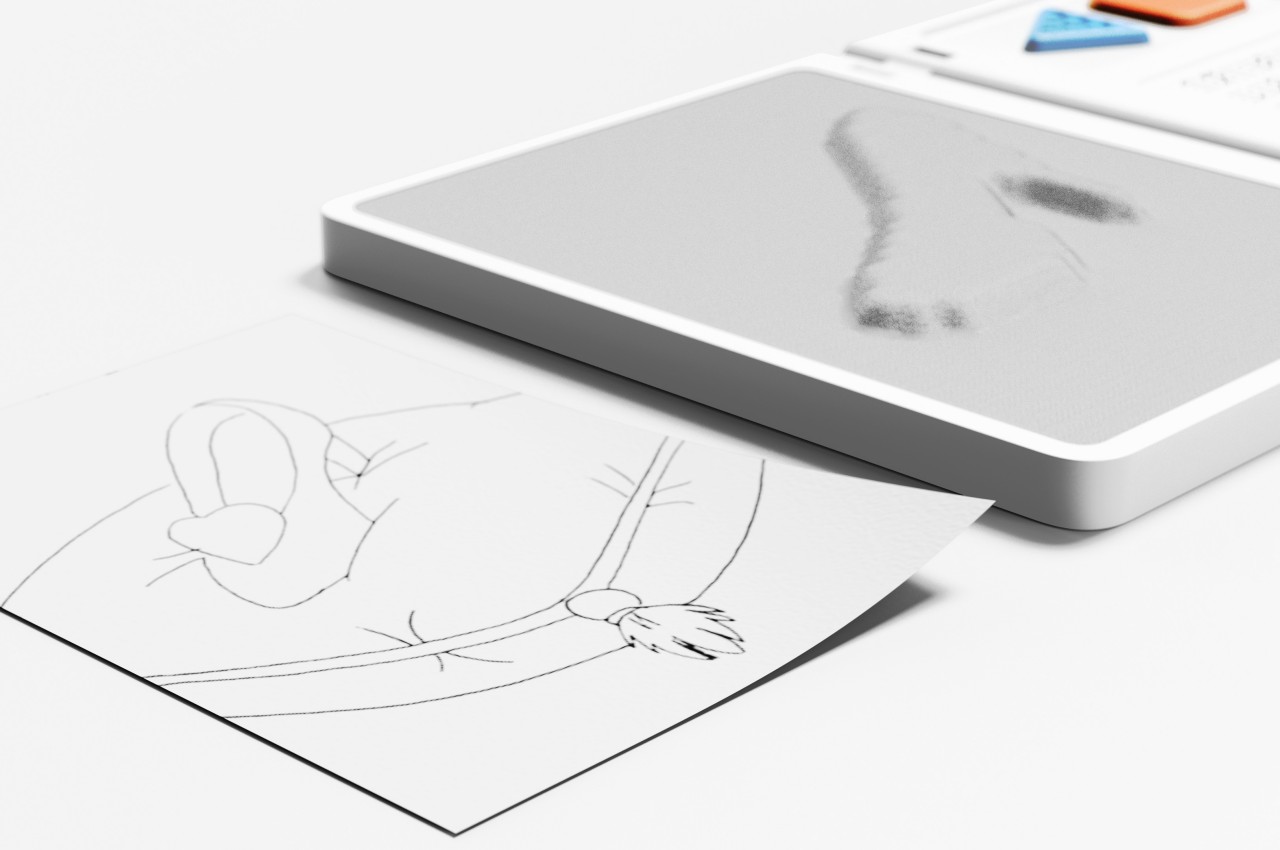
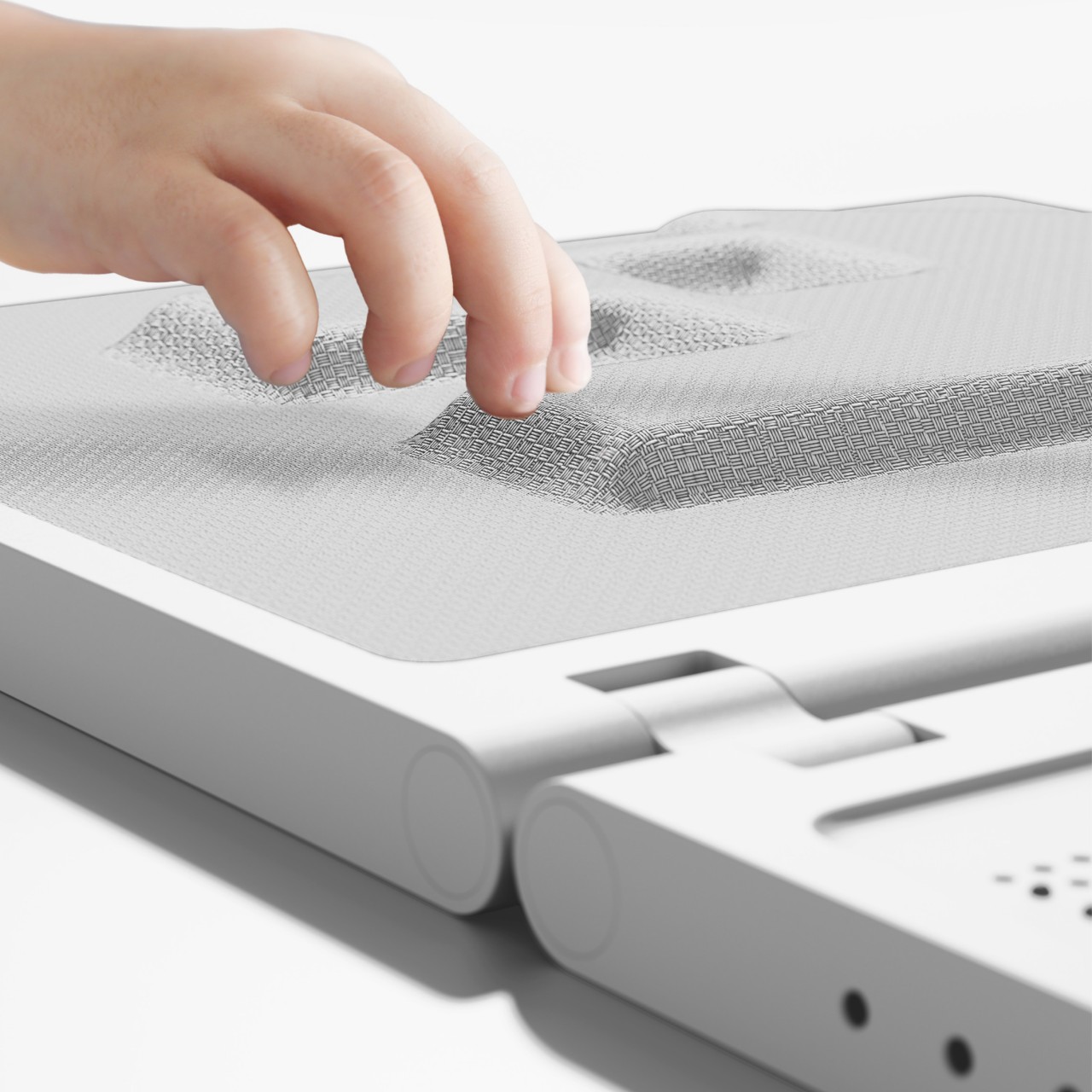
The most interesting part of the book, however, is the fabric-like material on the opposite page. This soft material would also rise to create bumps but not as words in Braille but as actual three-dimensional objects related to the story being told. It could be Snow White’s apple, Cinderella’s glass slipper, or the wolf in Little Red Riding Hood. In addition to the educational value of this feature, it also helps make the story feel even more magical.

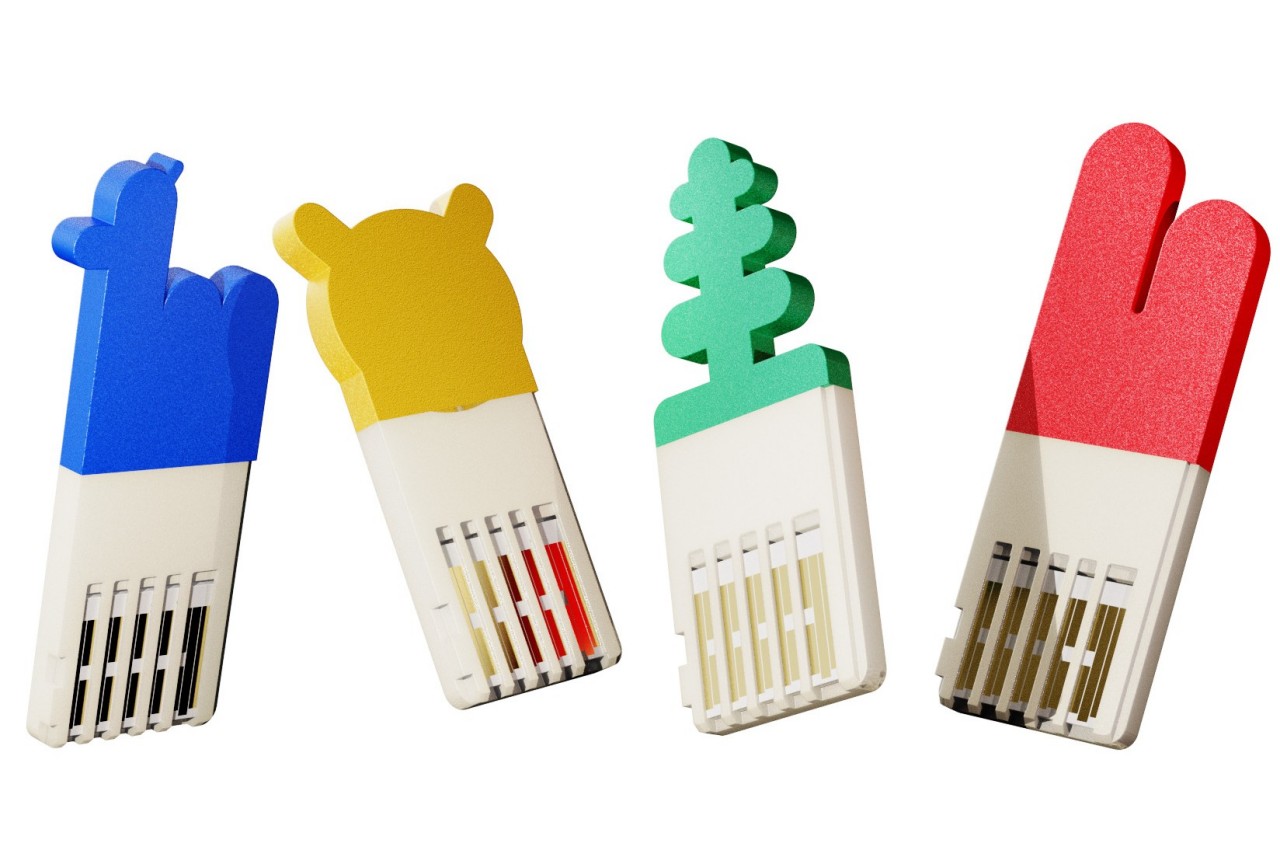
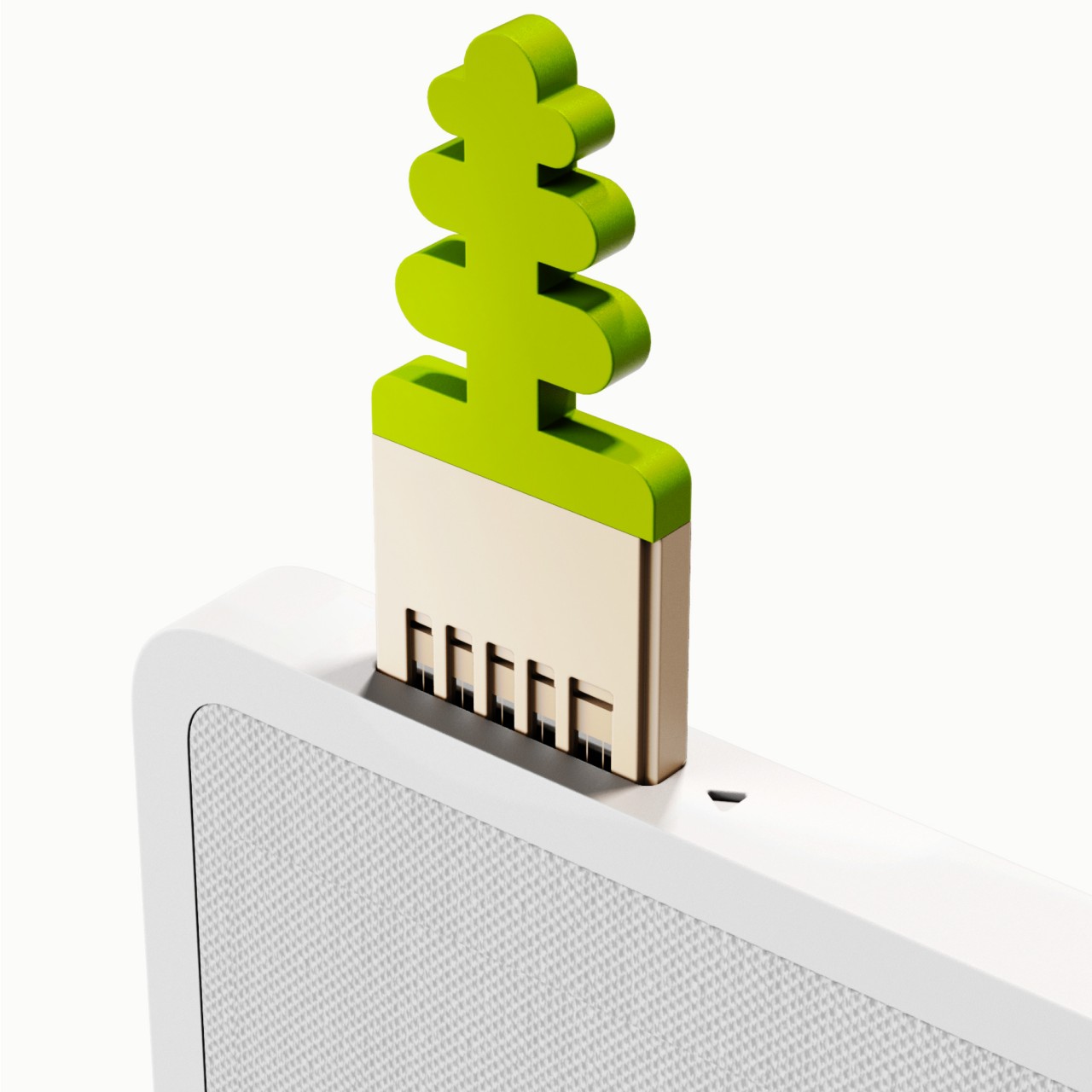
Every part of the 3D book was designed so that a visually impaired individual could use it without assistance. Even the charging indicators are elevating dots rather than LEDs so they can feel how much more time it needs. bbook also has a rather interesting feature where each individual story is inserted into the device like a USB stick, making each tale a memorable and magical experience.

The post Electronic 3D book concept helps visually impaired kids feel the magic of fairy tales first appeared on Yanko Design.