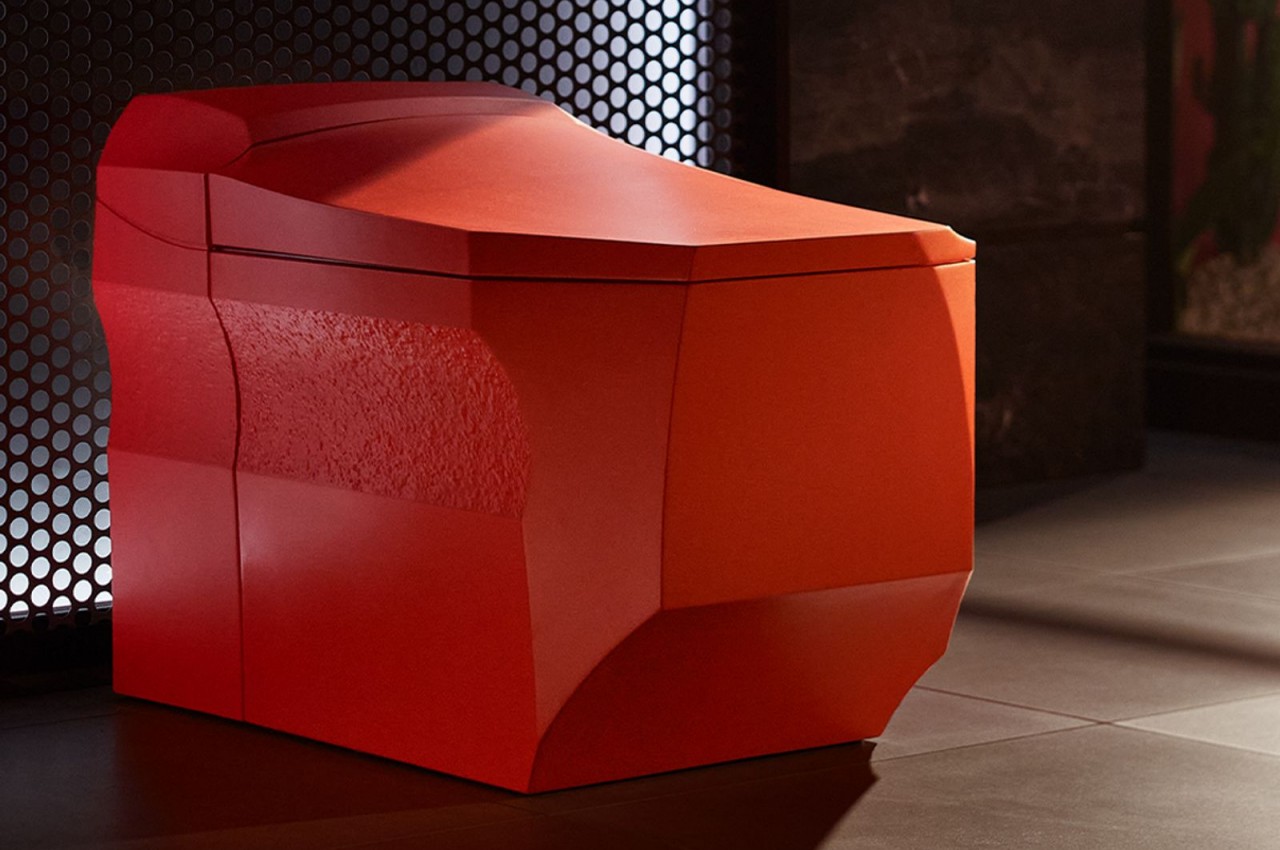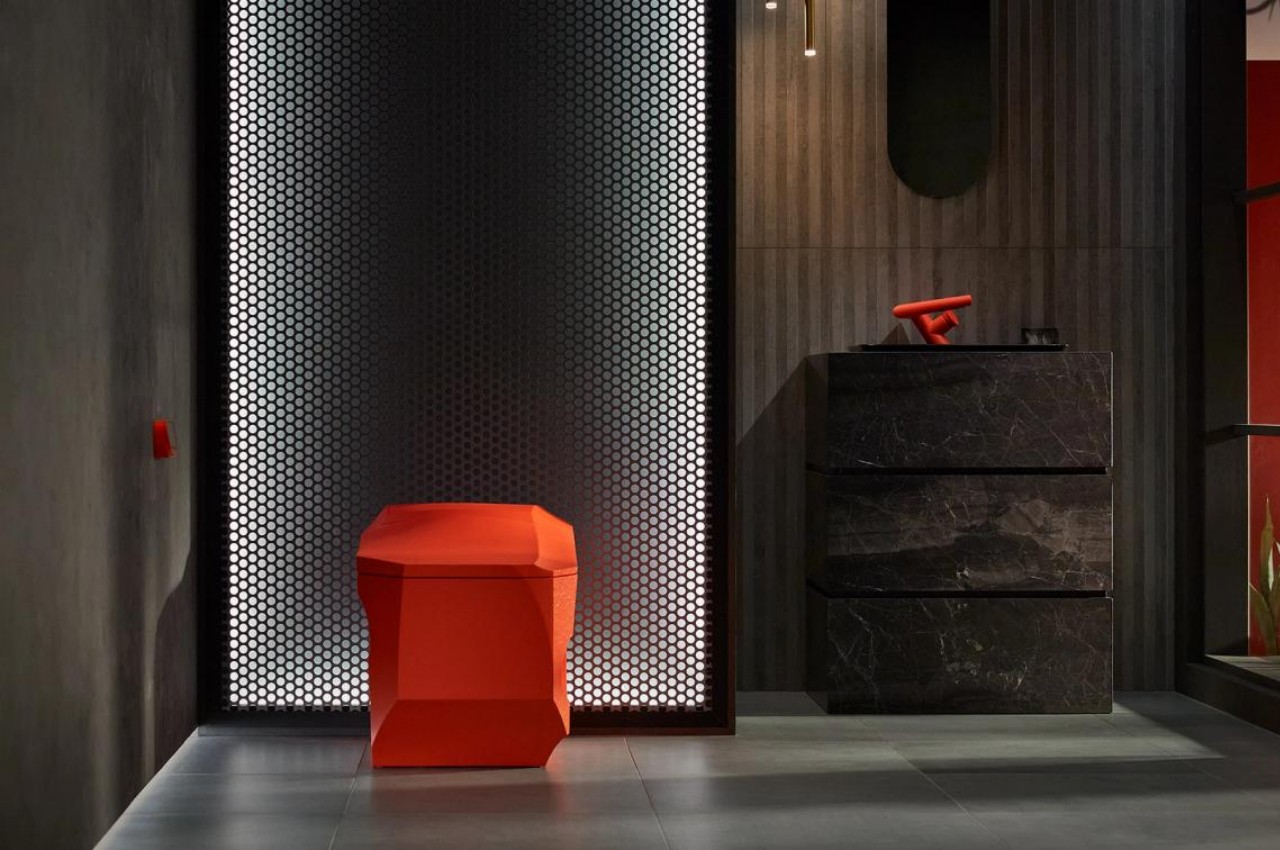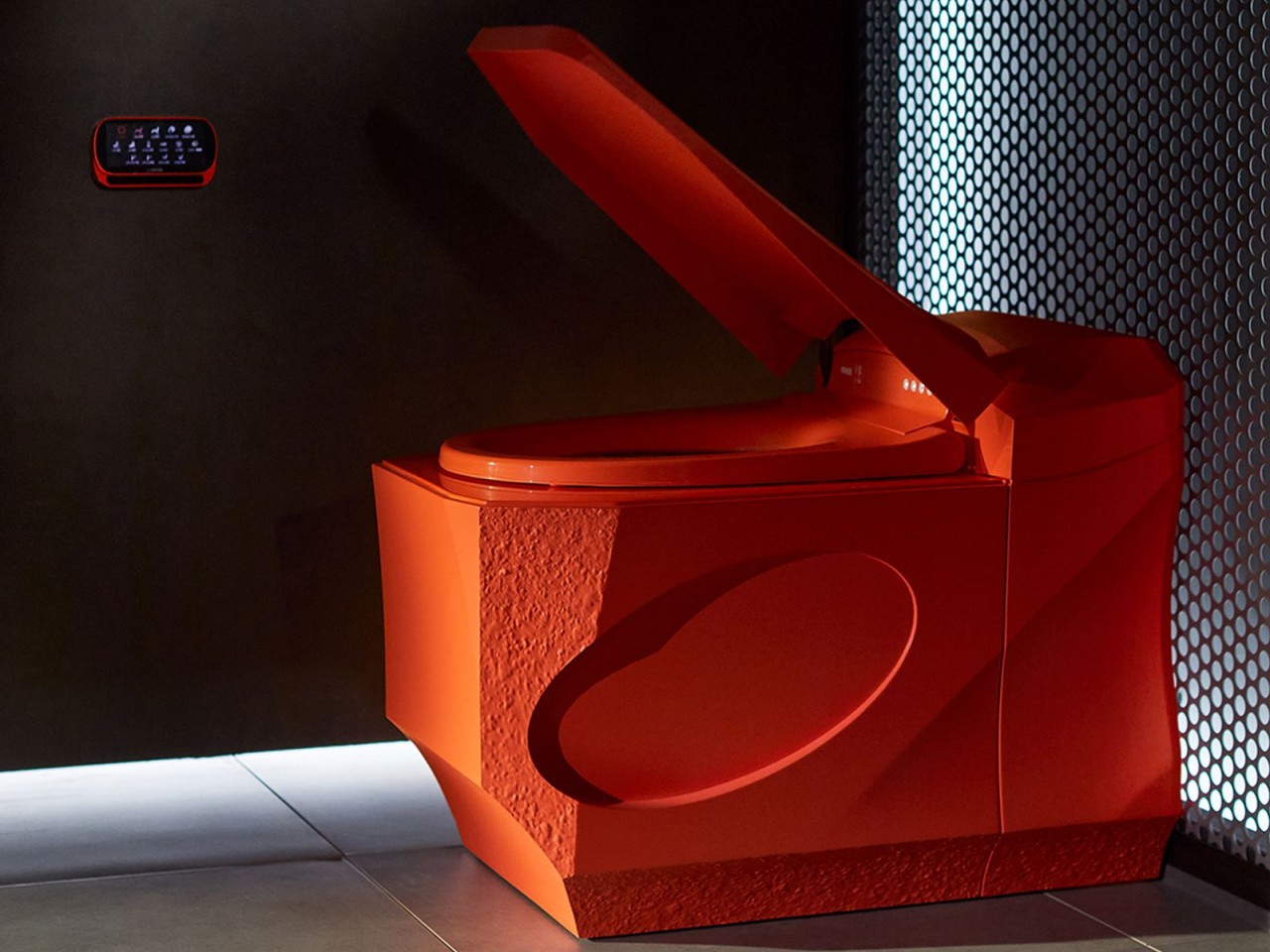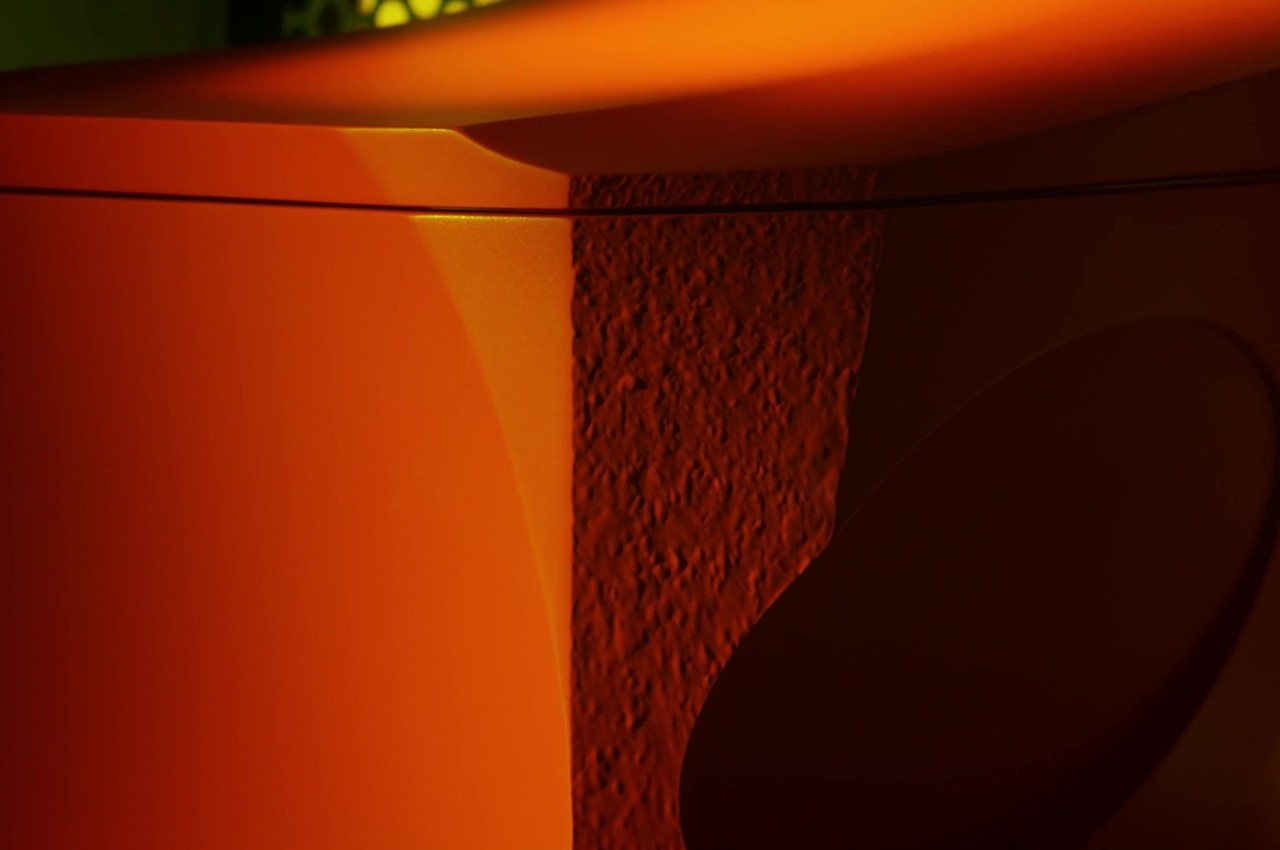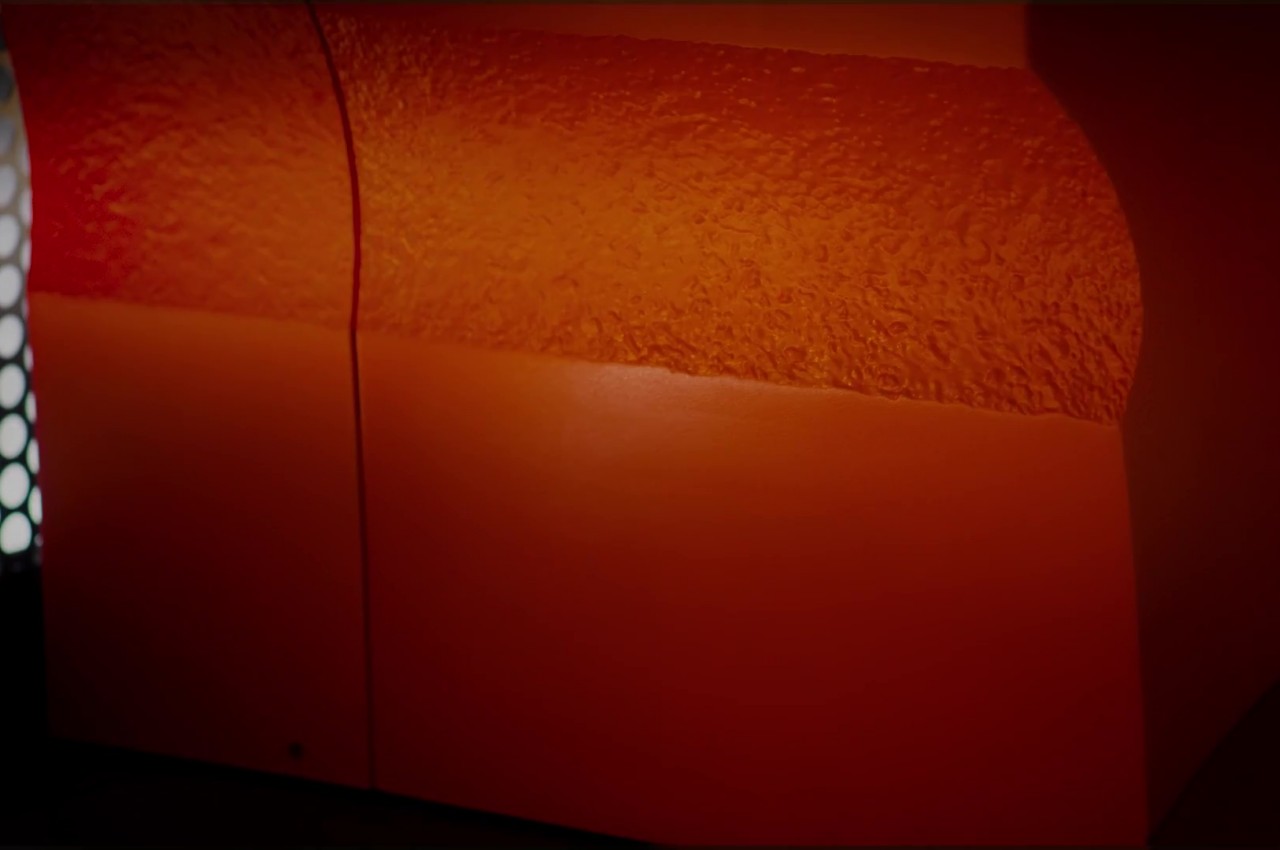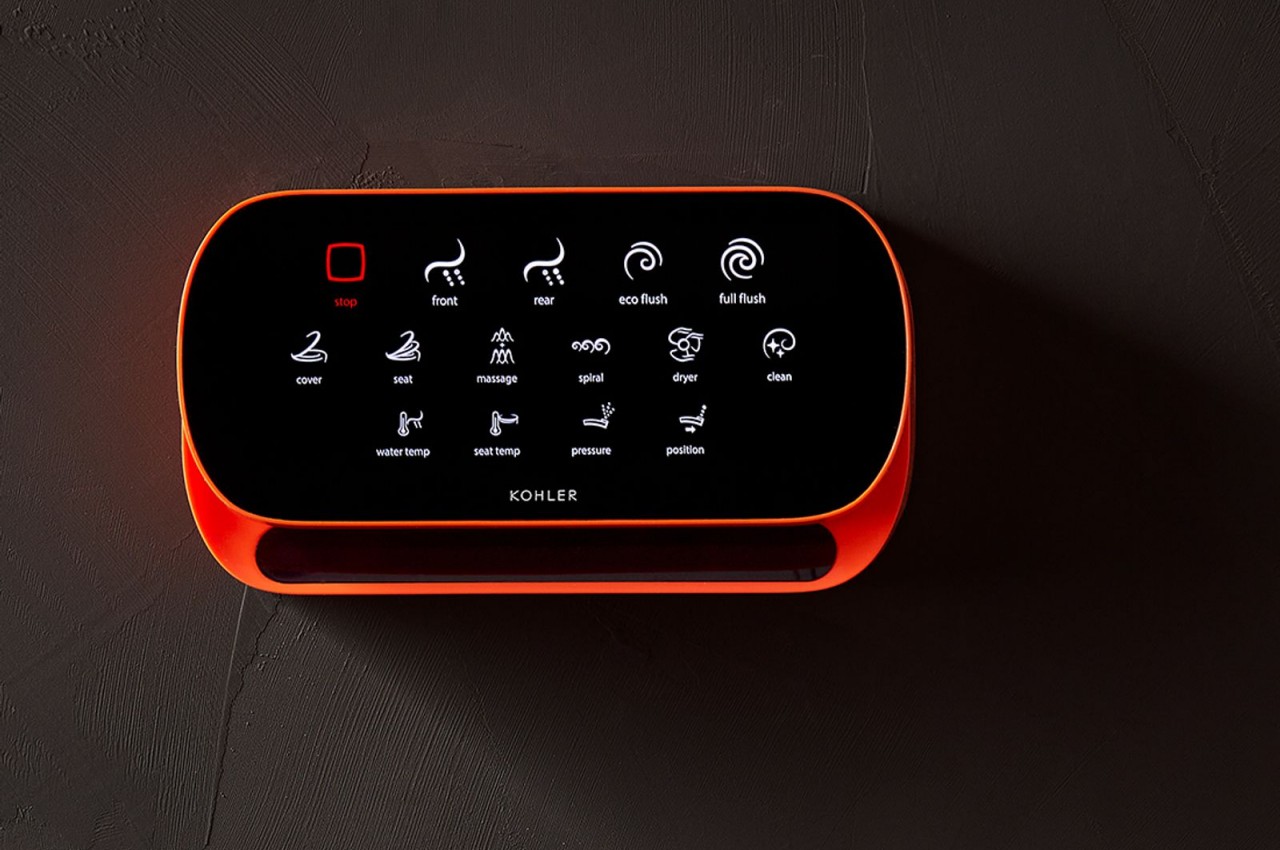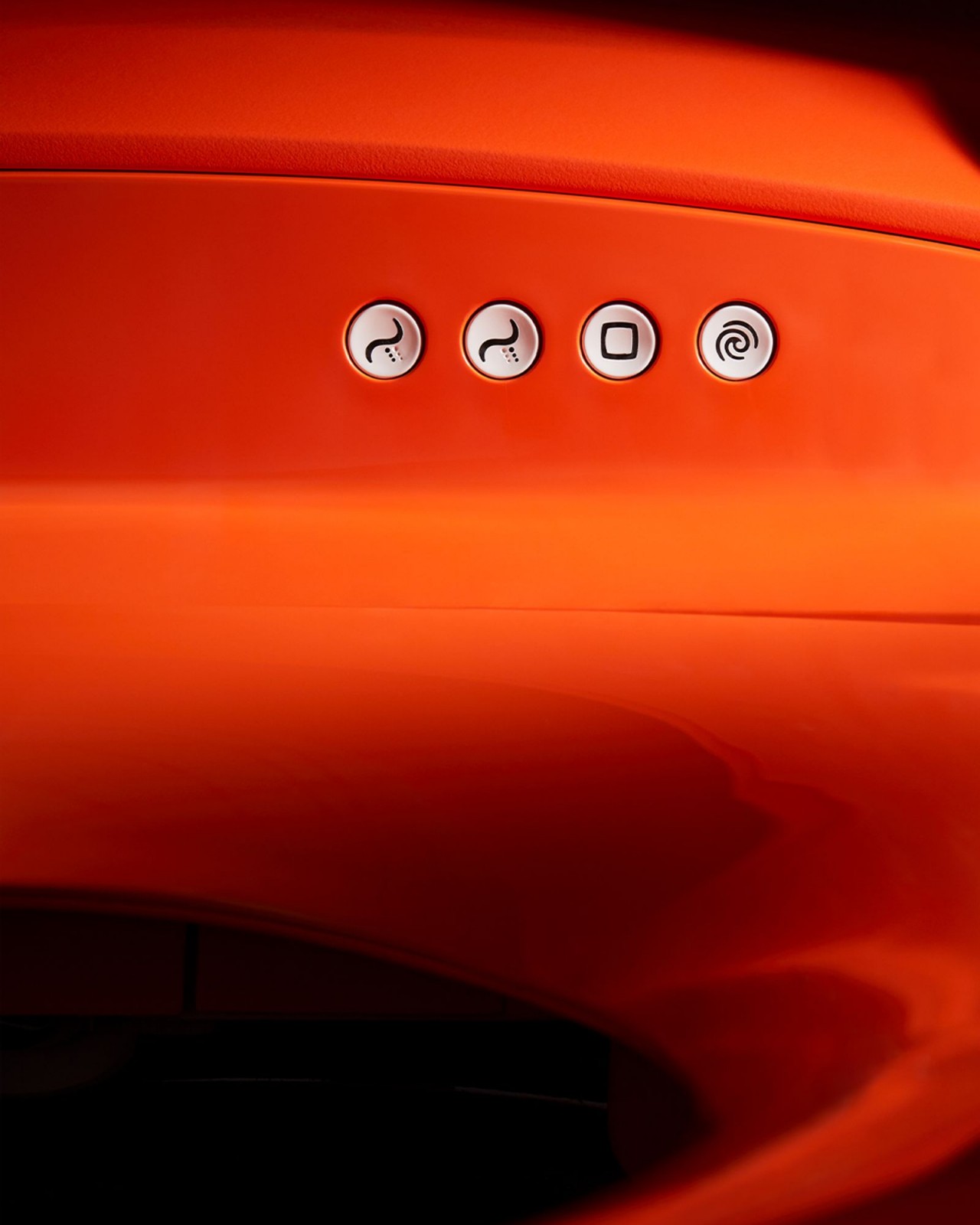
The toilet is one of those objects we use every single day, and yet it has somehow remained completely untouched by the design revolution sweeping through every other corner of our homes. We’ll spend hours agonizing over sofa fabrics and kitchen tiles, losing sleep over the perfect pendant light, and debating grout colours as if our lives depend on it. But the toilet? That’s just functional. It’s white. It flushes. It hides in a corner and we try not to think about it too much. At least, that used to be the prevailing attitude.
Hugo Volpei had a very different idea. The French entrepreneur founded Trone in 2018 after a visit to Sketch, the legendary London restaurant known for its surreal, egg-pod bathroom interiors. Despite the theatrical setting, Volpei noticed the toilets themselves were still the same generic white fixtures you’d find in any ordinary home. It struck him immediately as a missed opportunity, and from that moment, he became fixated on a question most people had never thought to ask: why hasn’t anyone actually designed the toilet?
Designer: Hugo Volpei
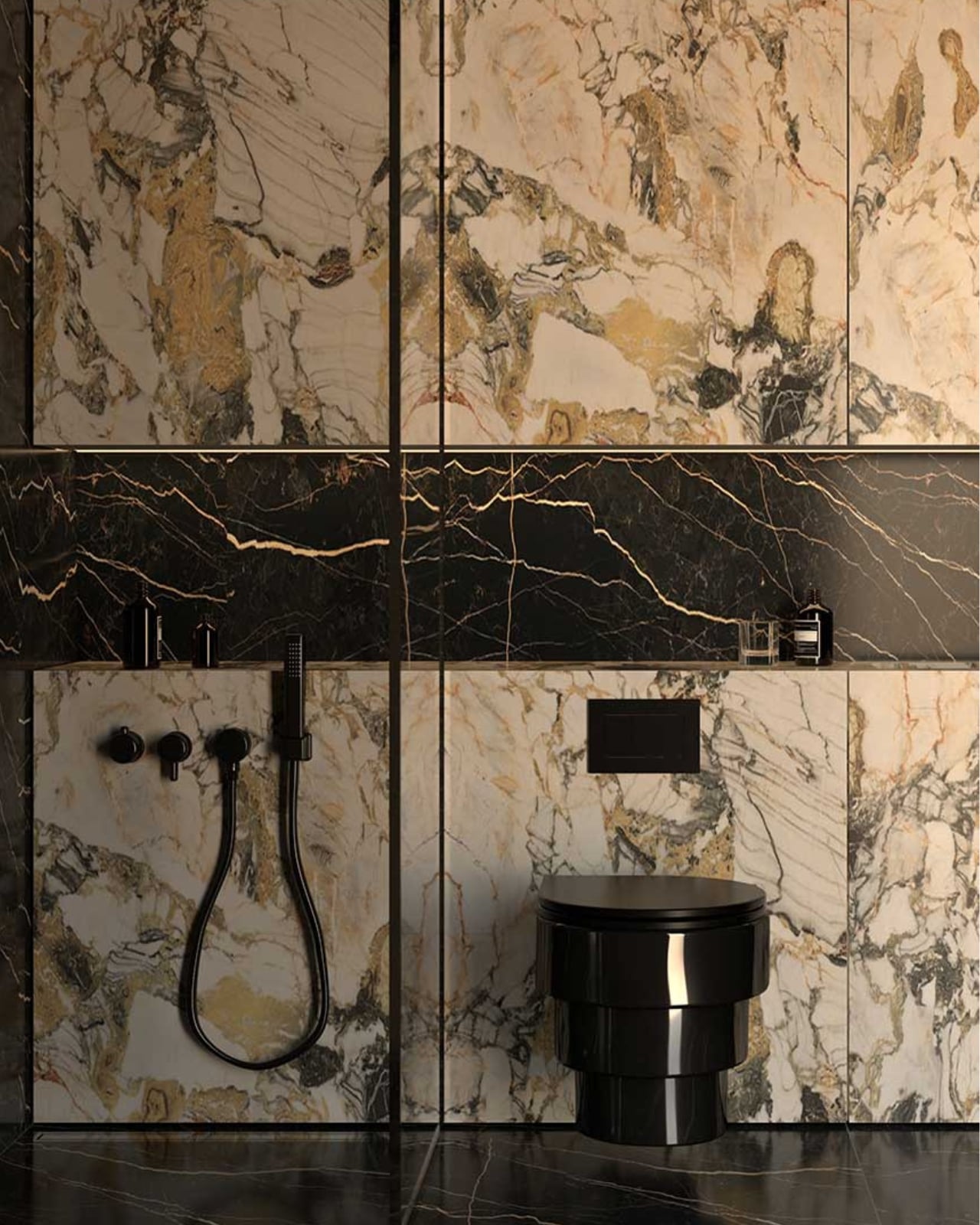
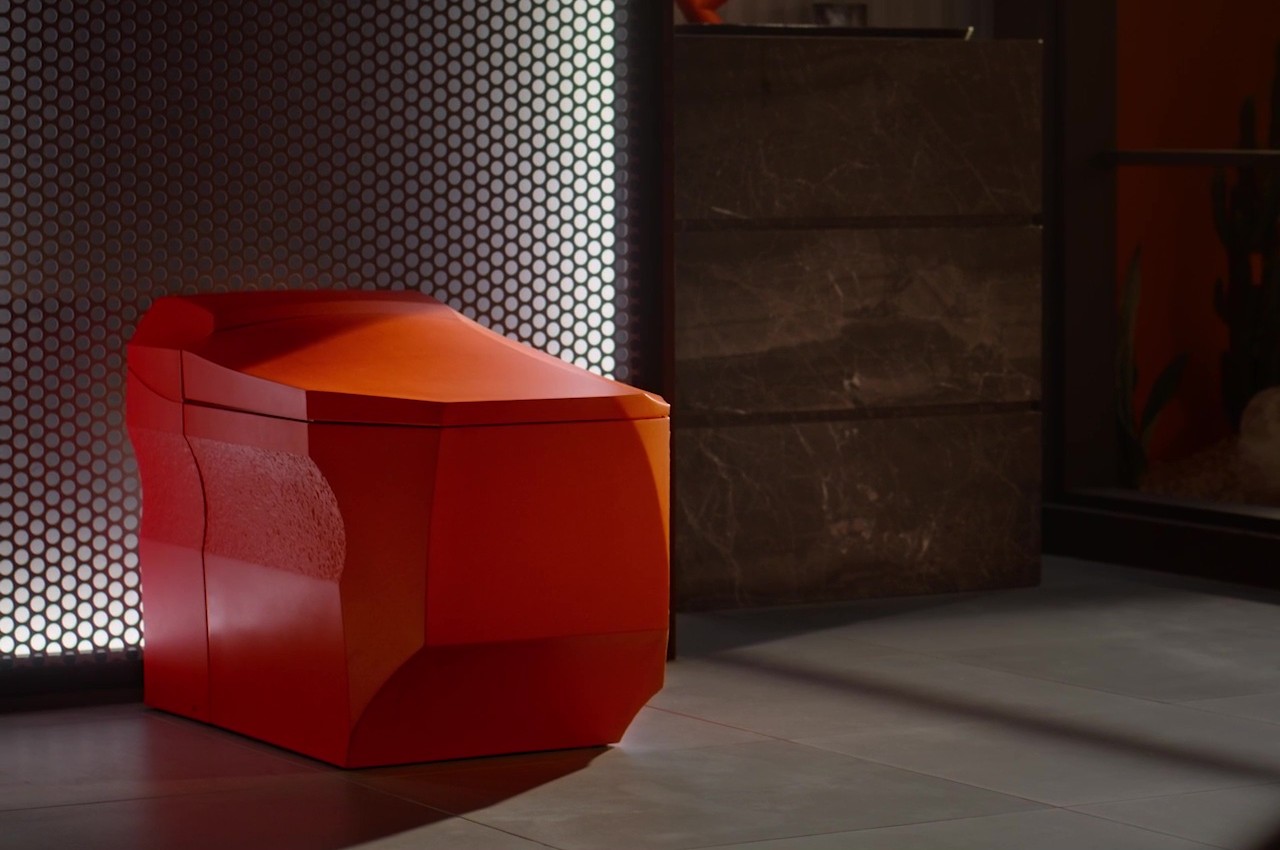
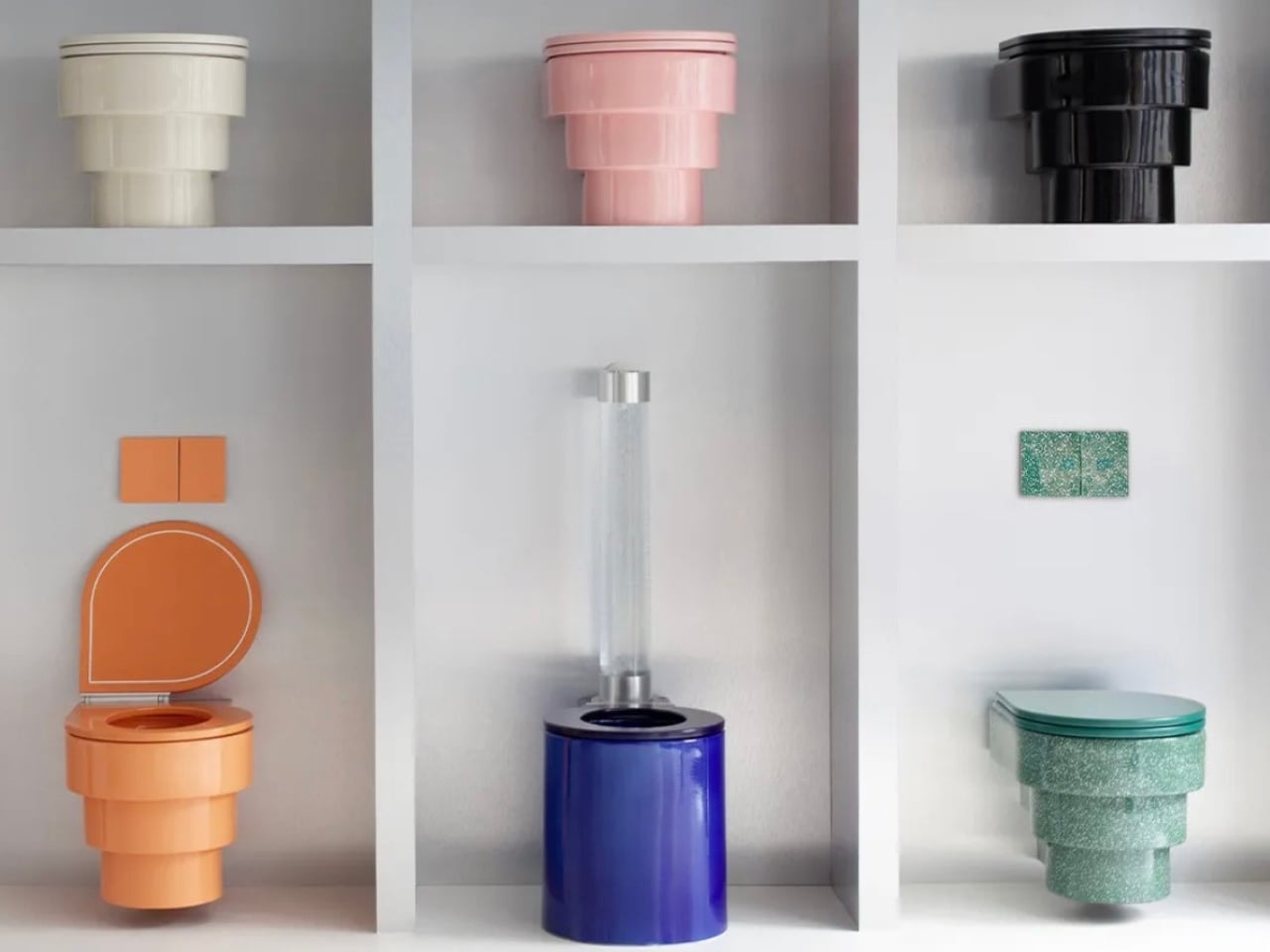
Eight years later, Trone operates in around 30 countries, sells close to 3,000 toilets annually, and has done something that feels genuinely rare in consumer goods: created an entirely new product category. These aren’t toilets with a fresh coat of paint or a few extra features bolted on. They’re sculptural objects, made with the same intentionality you’d give to fine furniture, and offered in bold colours, unexpected finishes, and silhouettes that feel closer to art installations than to anything you’d typically find in a bathroom catalogue.
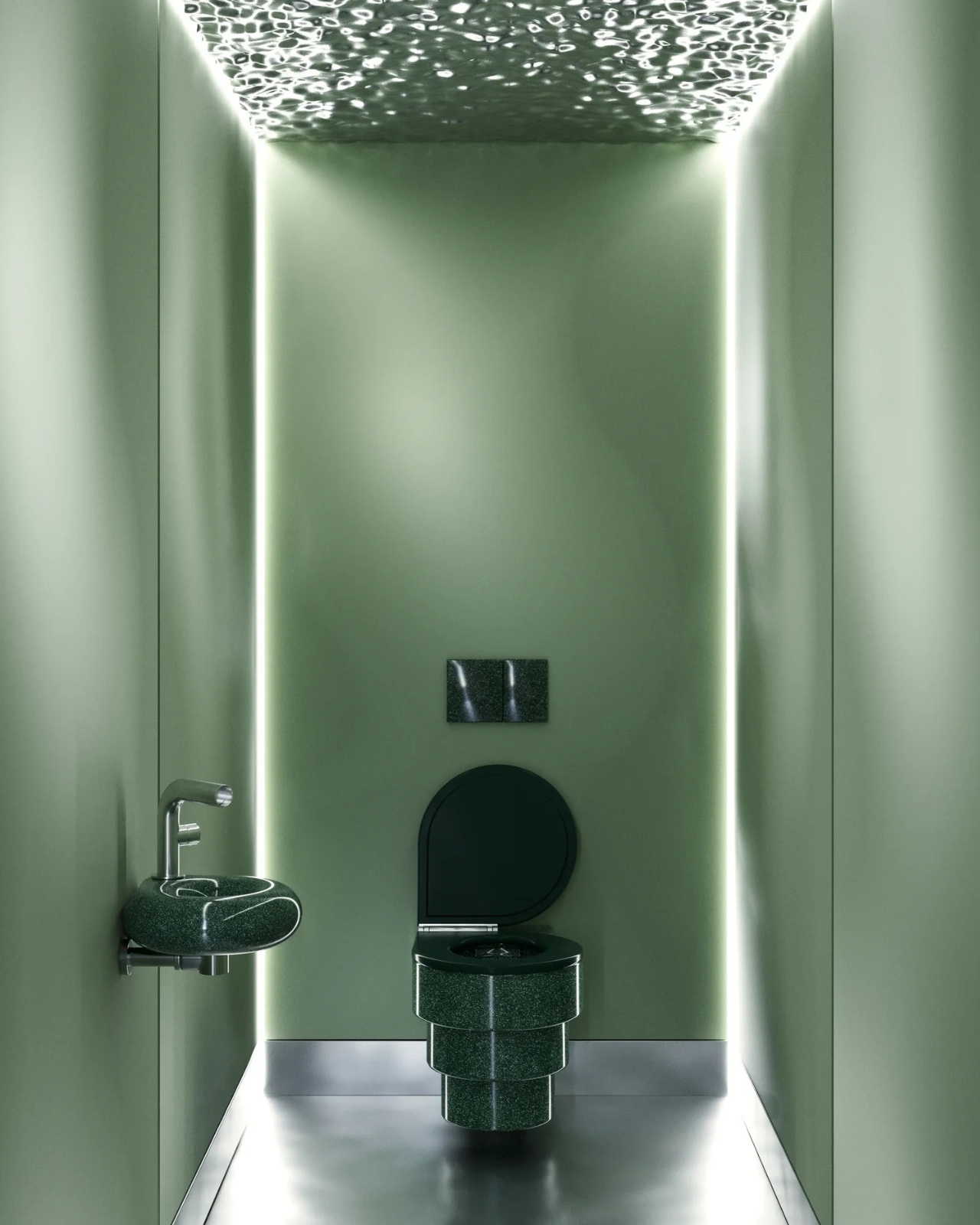
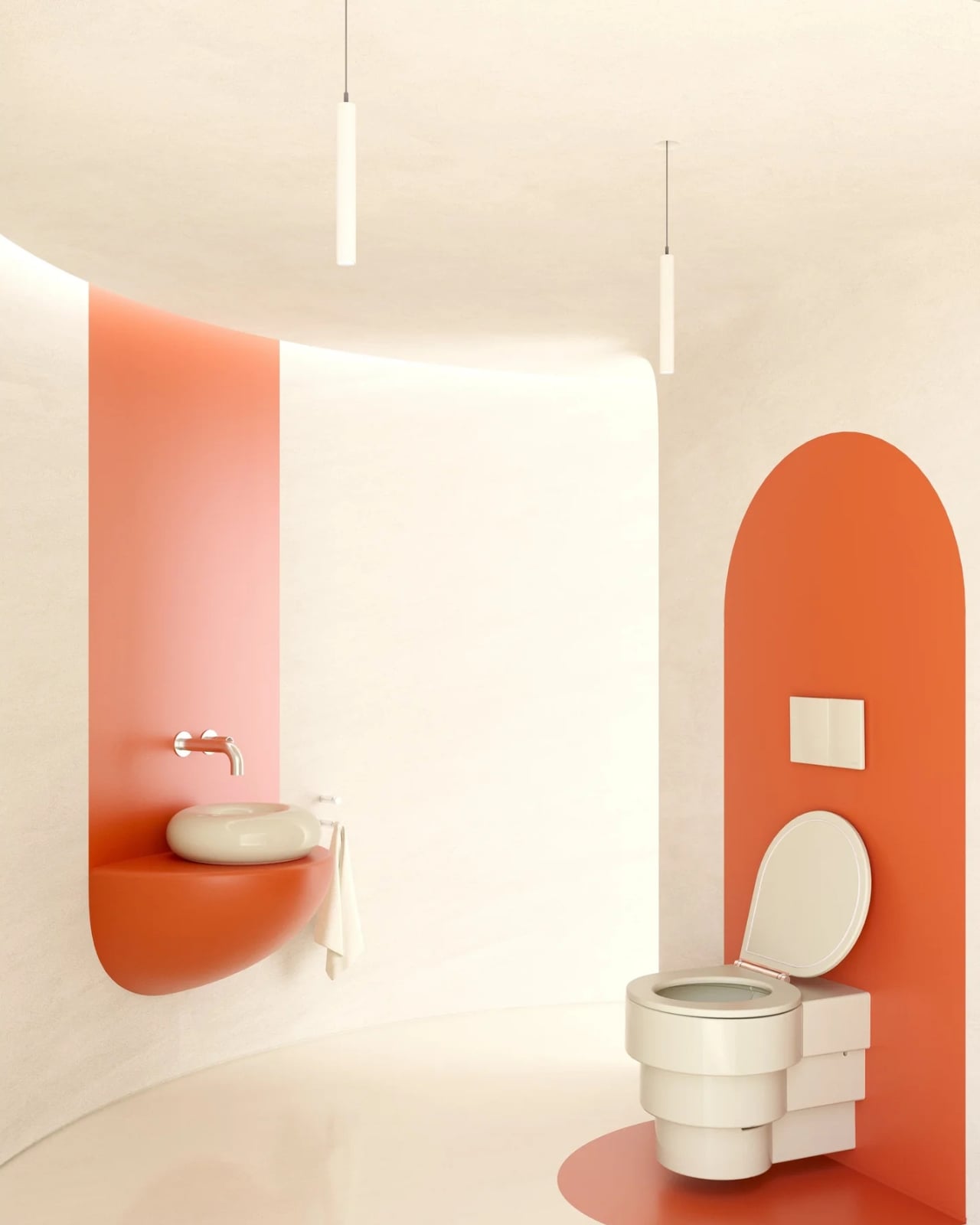
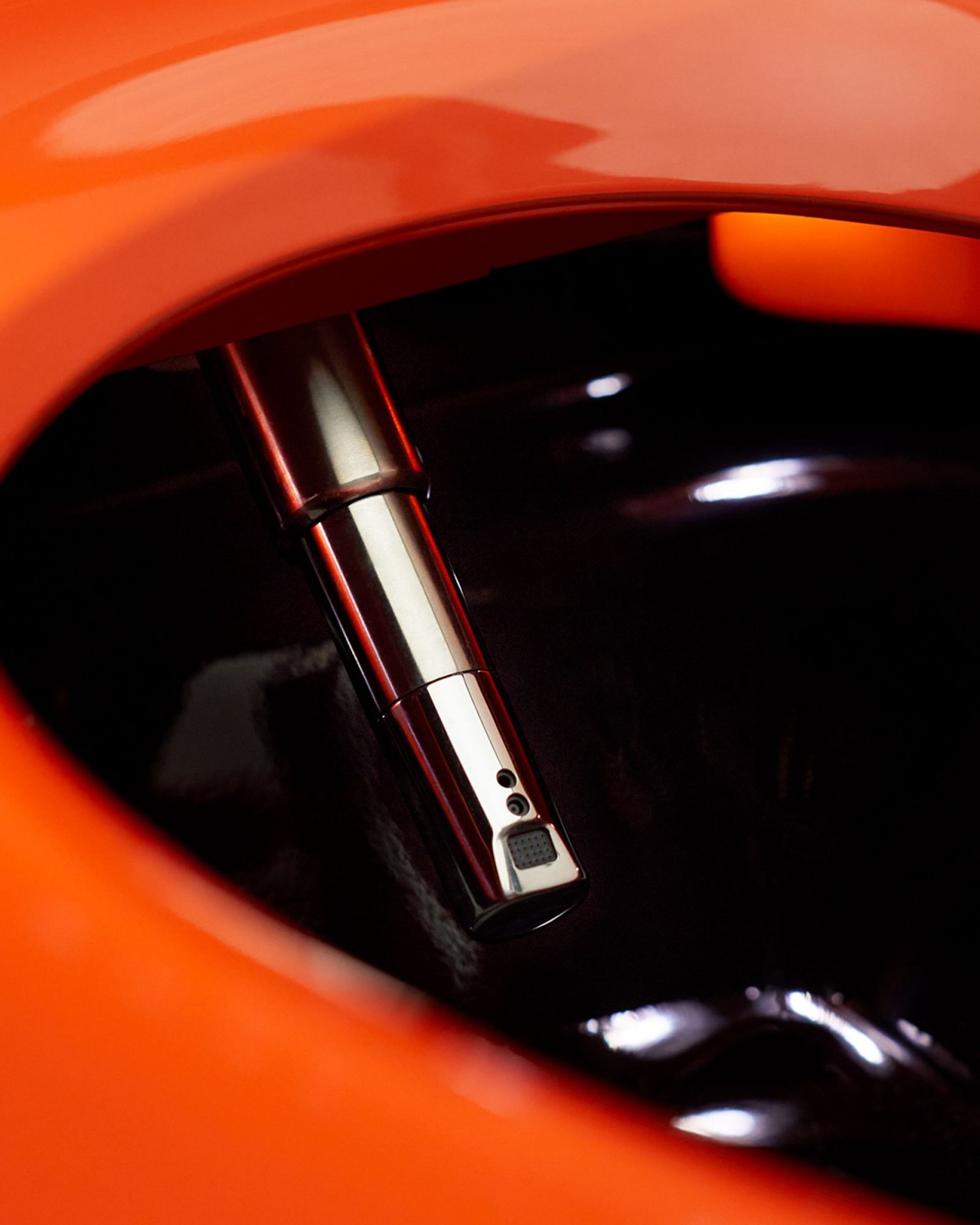
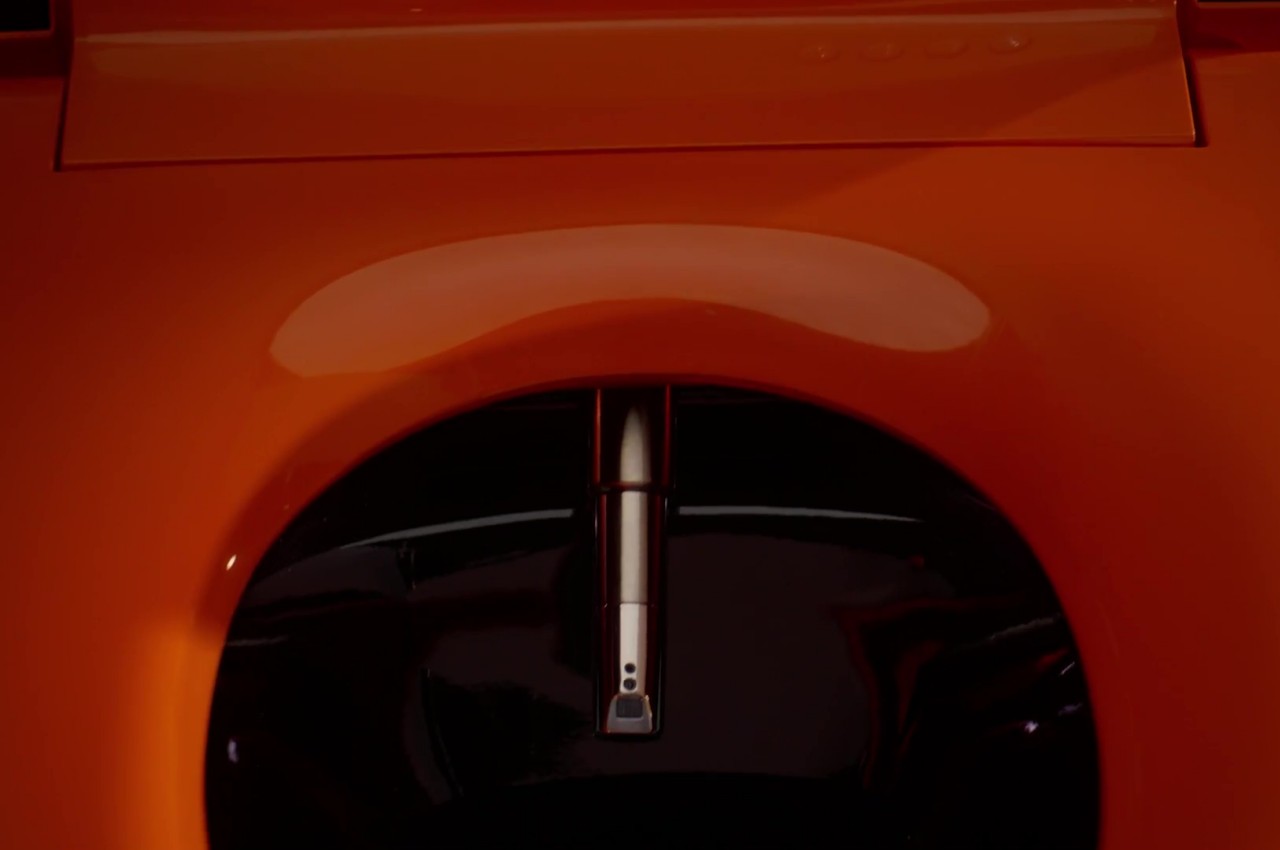
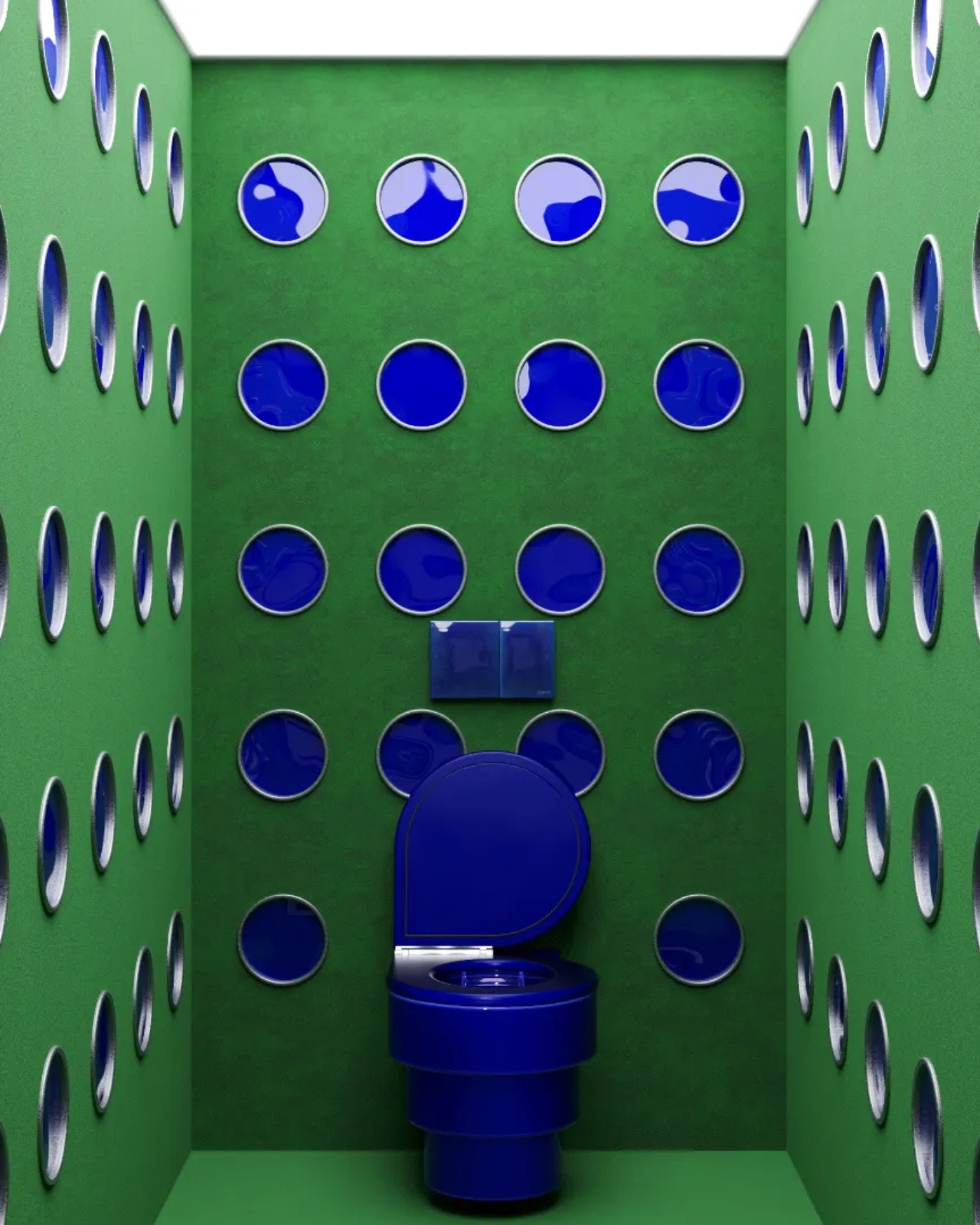
The models themselves are worth lingering on. Icone01 features a striking transparent water tank that stands tall behind the bowl like a glass column, using just three litres per flush. Callipyge has a beautifully rounded, almost architectural form that completely shifts the mood of any bathroom it occupies. Altesse, the smart toilet, has lines so refined it barely registers as a toilet at all. The most recent addition, simply called The Throne, replaces the traditional boxy shape with a tear-drop silhouette and a sliding door that makes the whole thing feel like a piece of furniture. Each piece is produced alongside French and Italian craftsmen, which explains both the remarkable level of finish and the premium price point, and gives Trone a coherent design identity that feels genuinely earned rather than simply claimed.
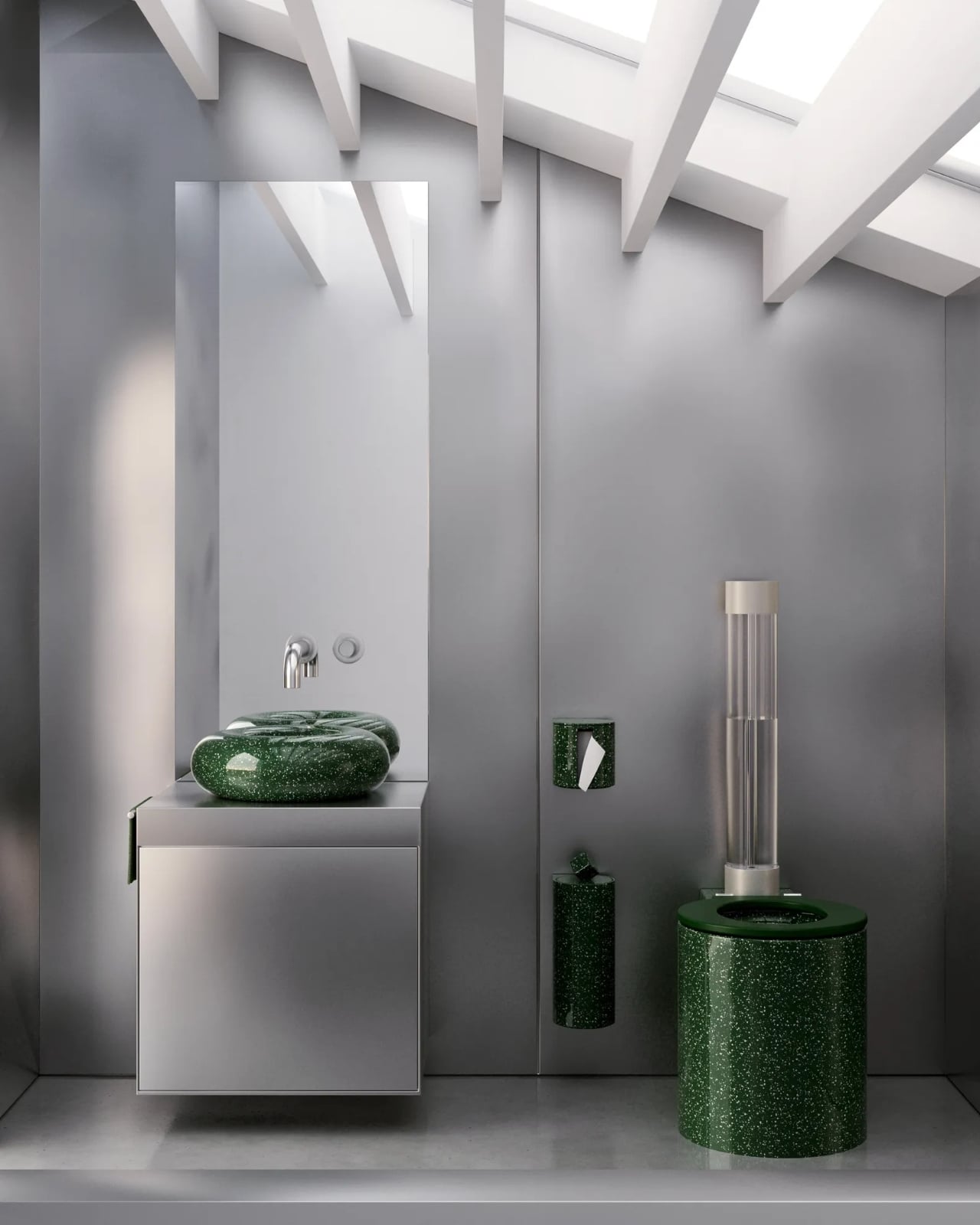
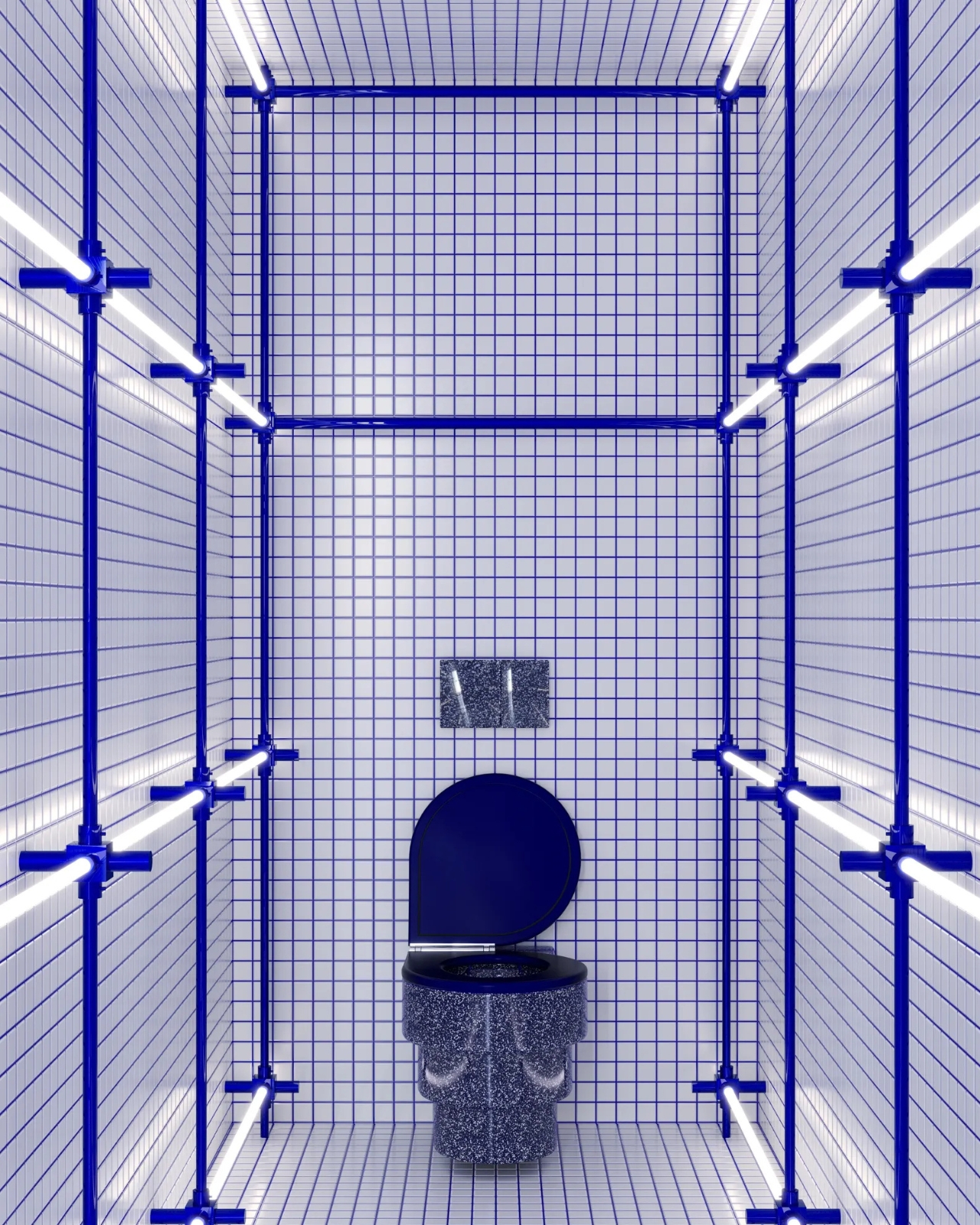
I appreciate that Volpei never tried to rebrand the toilet as something more palatable. He didn’t call it a “wellness station” or bury the product under layers of vague lifestyle marketing. He simply looked at a deeply neglected object and asked why it couldn’t also be beautiful. There’s a refreshing directness to that logic, and it’s one that resonates well beyond the design community. The idea that a toilet could hold its own in a design conversation, let alone lead it, should have seemed like a stretch. With Trone, it doesn’t.
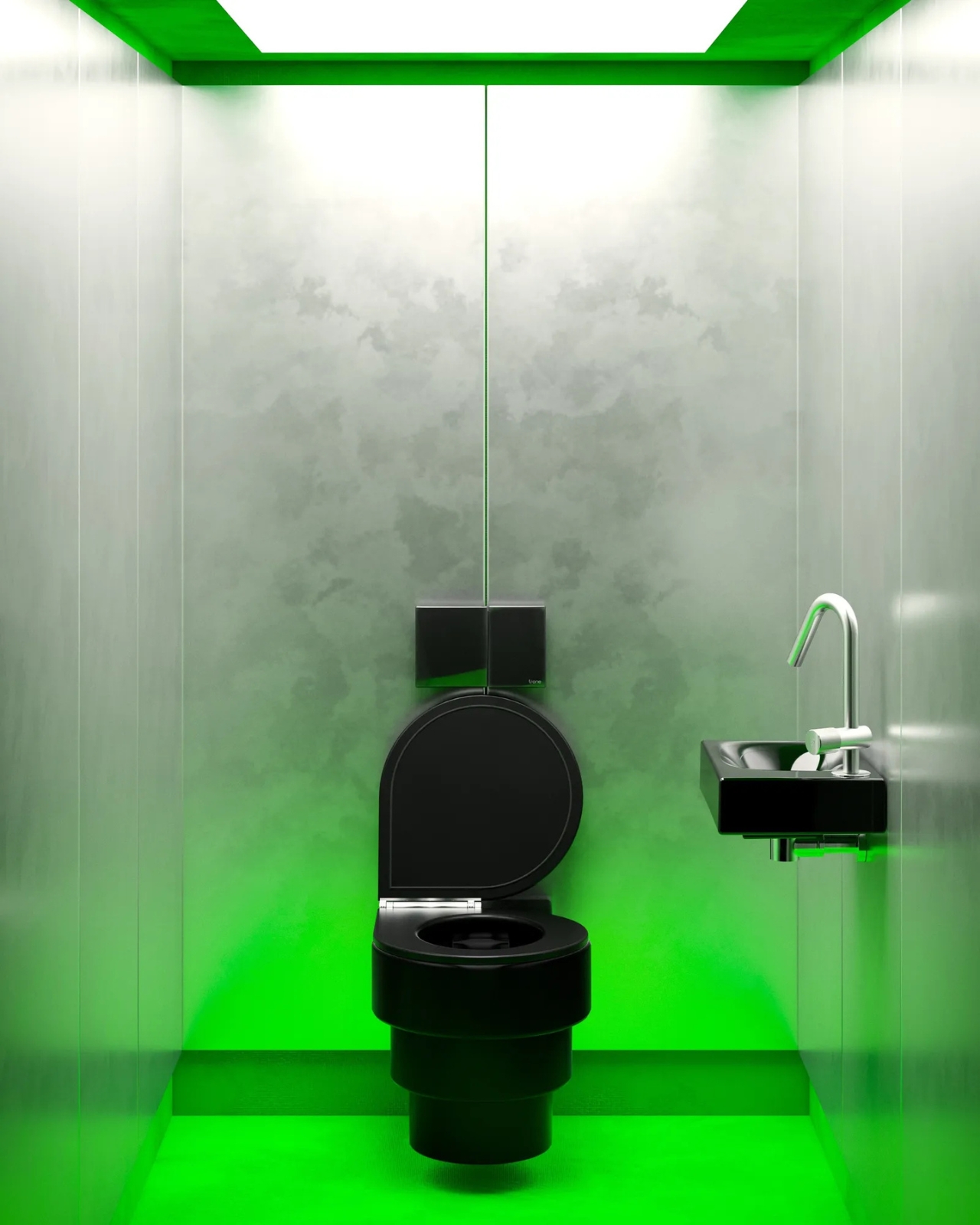
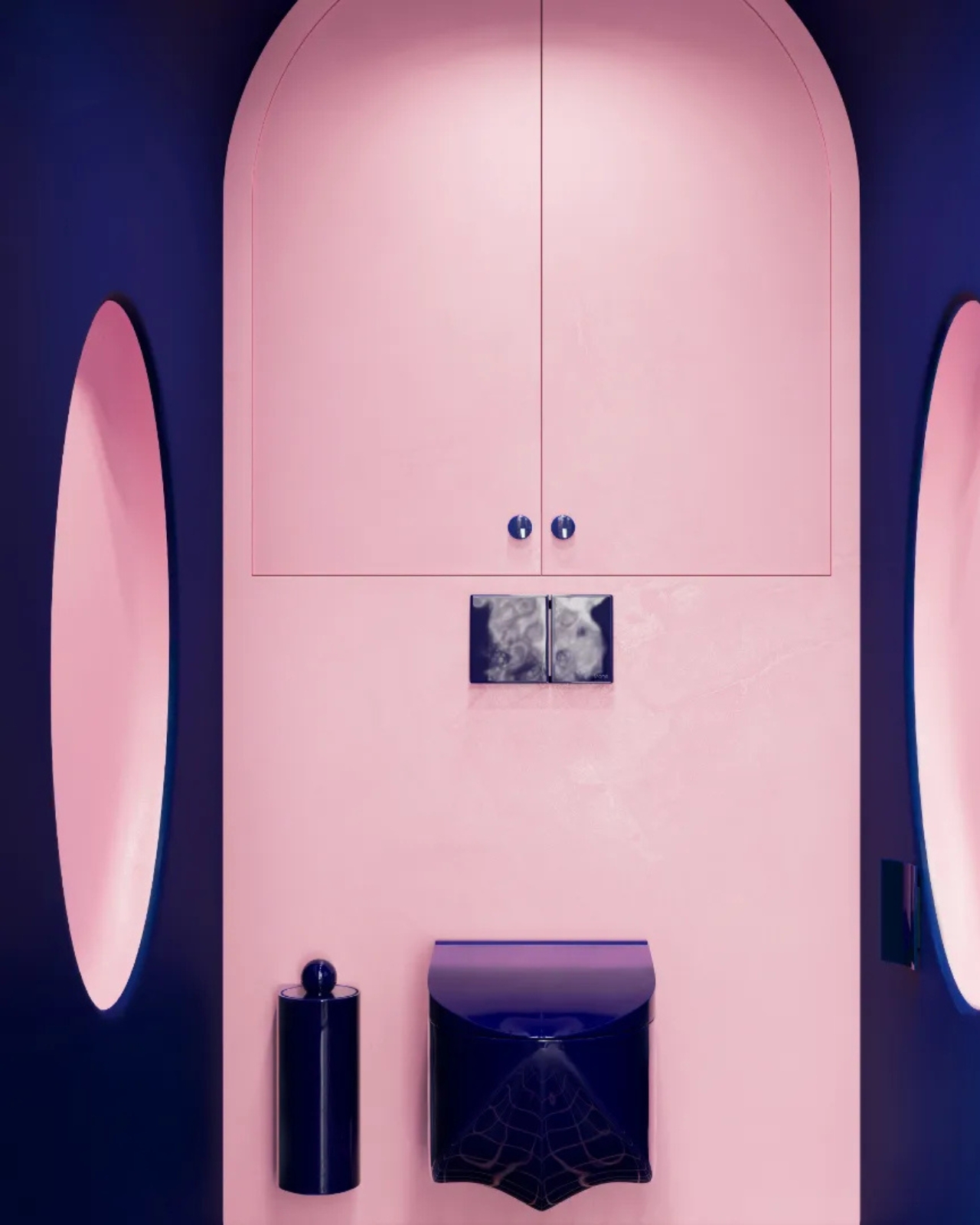
Perhaps the strongest evidence that Trone has genuinely shifted how people think is this: some customers are now adding Trone toilets to their wedding registries and Christmas wish lists. Volpei describes this as “probably the greatest achievement of all,” and it’s hard to argue. Getting people to genuinely want a toilet as a gift requires a fundamental shift in cultural perception, and building that shift from scratch, with no existing market to reference, takes real conviction.
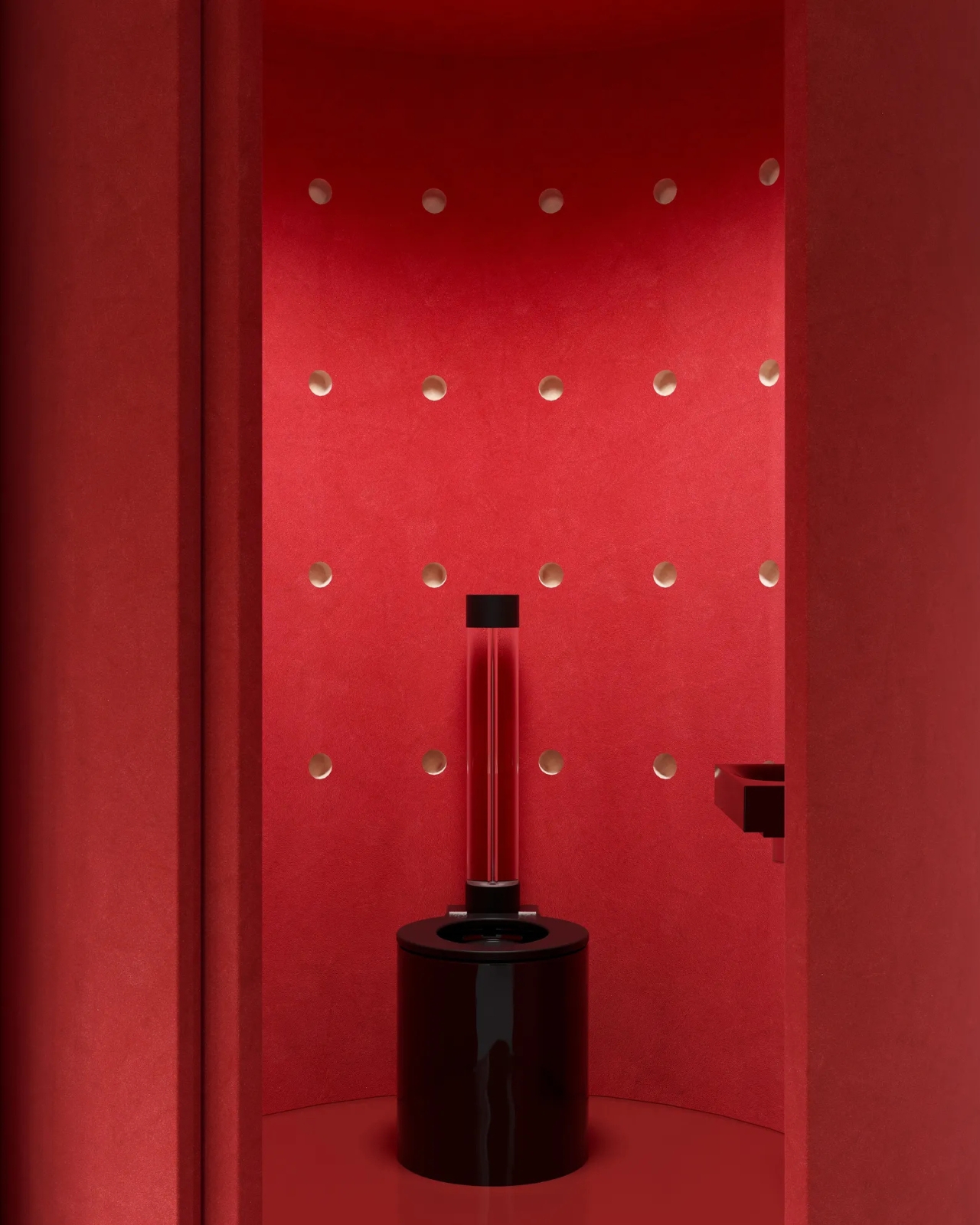
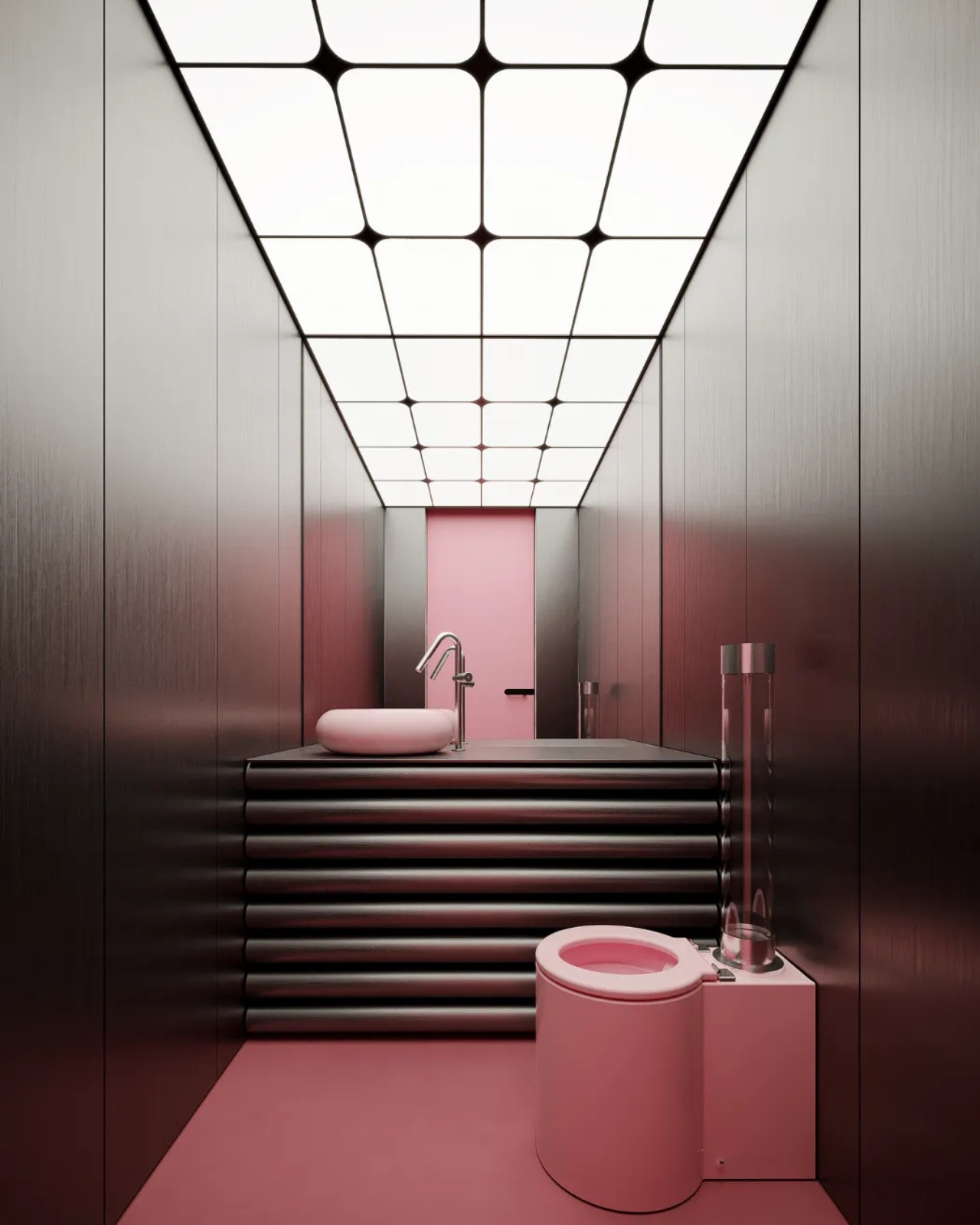
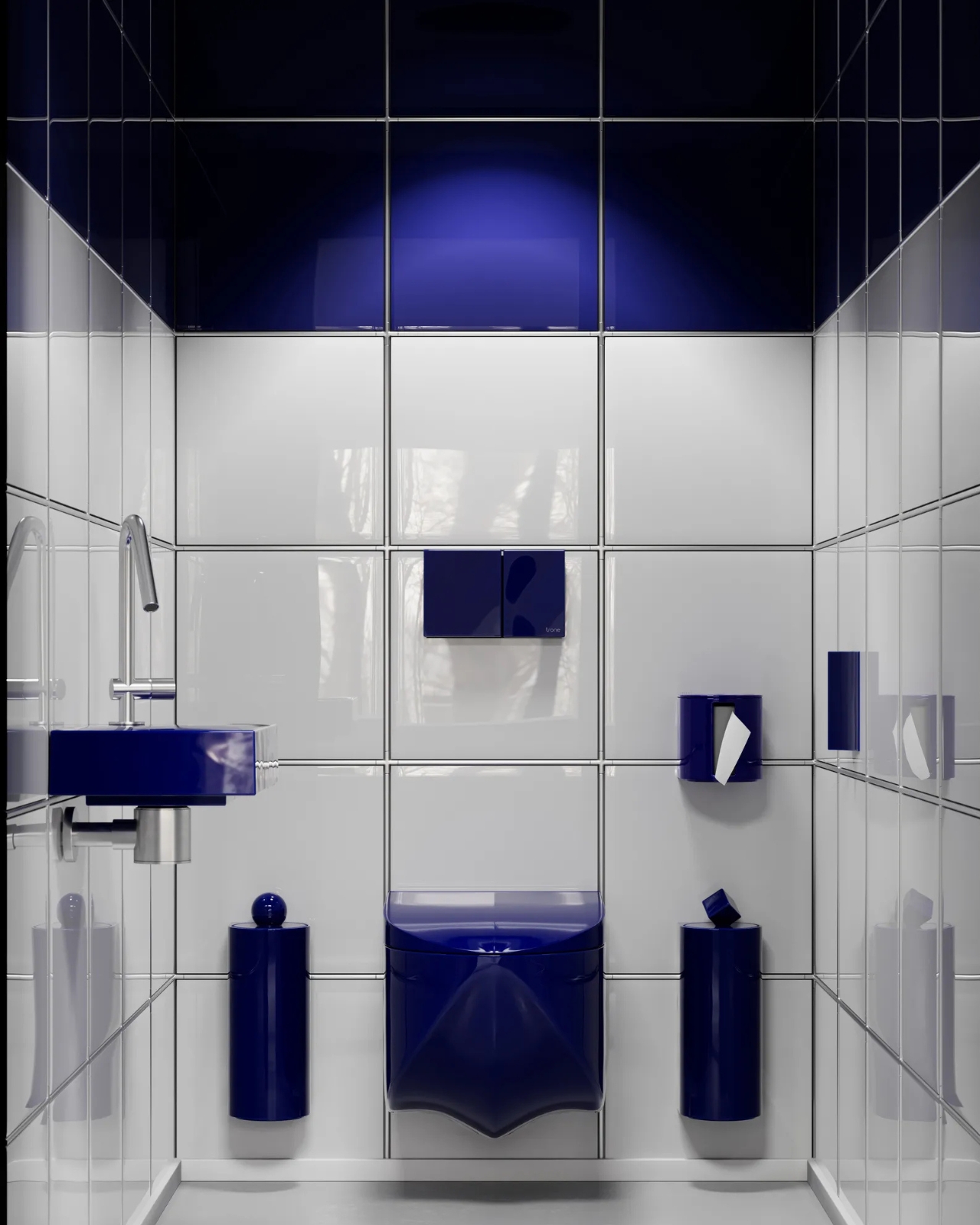
Trone’s clientele now spans restaurants, hotels, and hospitality groups across Europe, including names like Big Mamma and Paris Society. This makes complete sense. A beautifully designed toilet in a well-considered restaurant bathroom is exactly the kind of unexpected detail people photograph and talk about later. Volpei calls the product “an experience,” which sounds almost absurd in this context, until you remember that people are genuinely requesting these for birthdays and anniversaries. The toilet was always going to have its design moment. It just took someone stubborn enough to believe that no object is too humble to be worth caring about.
The post People Are Putting This $3,000 Toilet on Their Wedding Registry first appeared on Yanko Design.