
Banned drones and routers in the US will still get critical updates until 2029
The Federal Communications Commission issued a notice to allow software and firmware updates until January 2029.

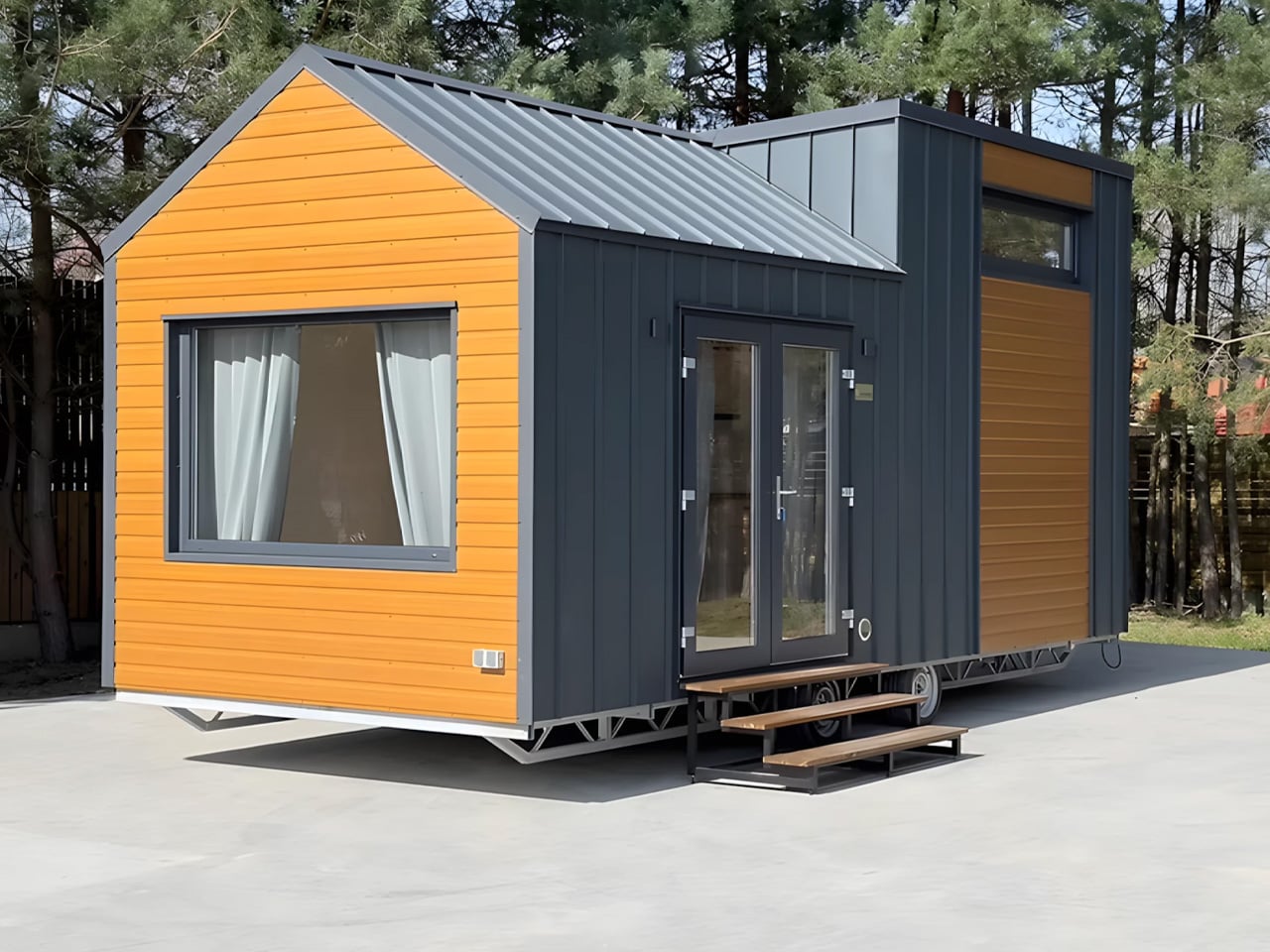
Sweden has long understood that good design isn’t about size. The Smile by Vagabond Haven makes that case better than most — a compact, Scandinavian-built tiny house that lives far larger than its footprint suggests.
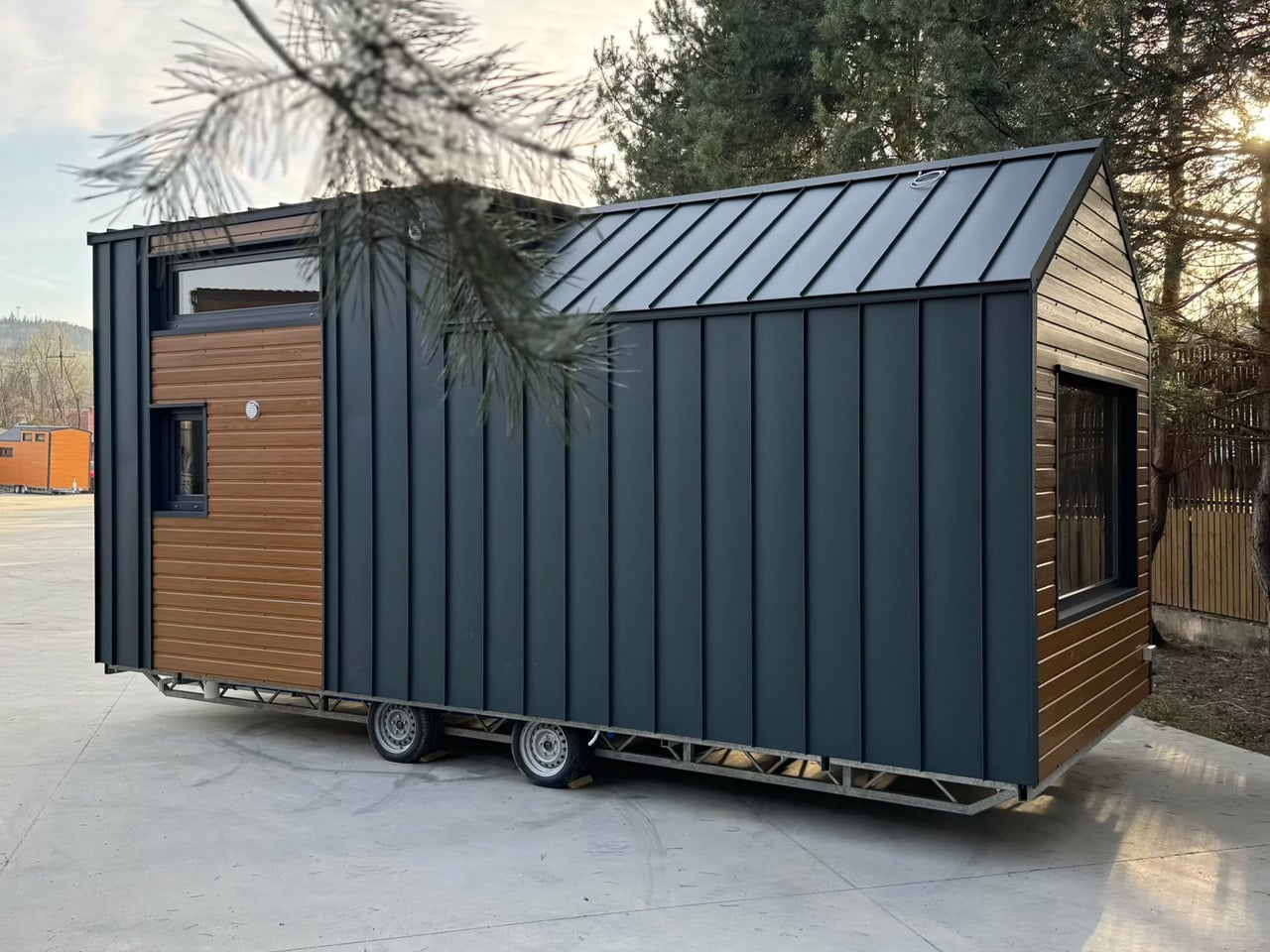
At 25 square metres, the Smile sits at the top of Vagabond Haven’s lineup, classified under their Extra Large category. It measures 7.2 metres in length and 3 metres in width, riding on a steel frame with wheels that allow it to be transported by truck and placed wherever life takes you. That semi-mobile quality is part of the appeal. It’s not a home you’re locked into — it’s one you can genuinely take with you.
Designer: Vagabond Haven
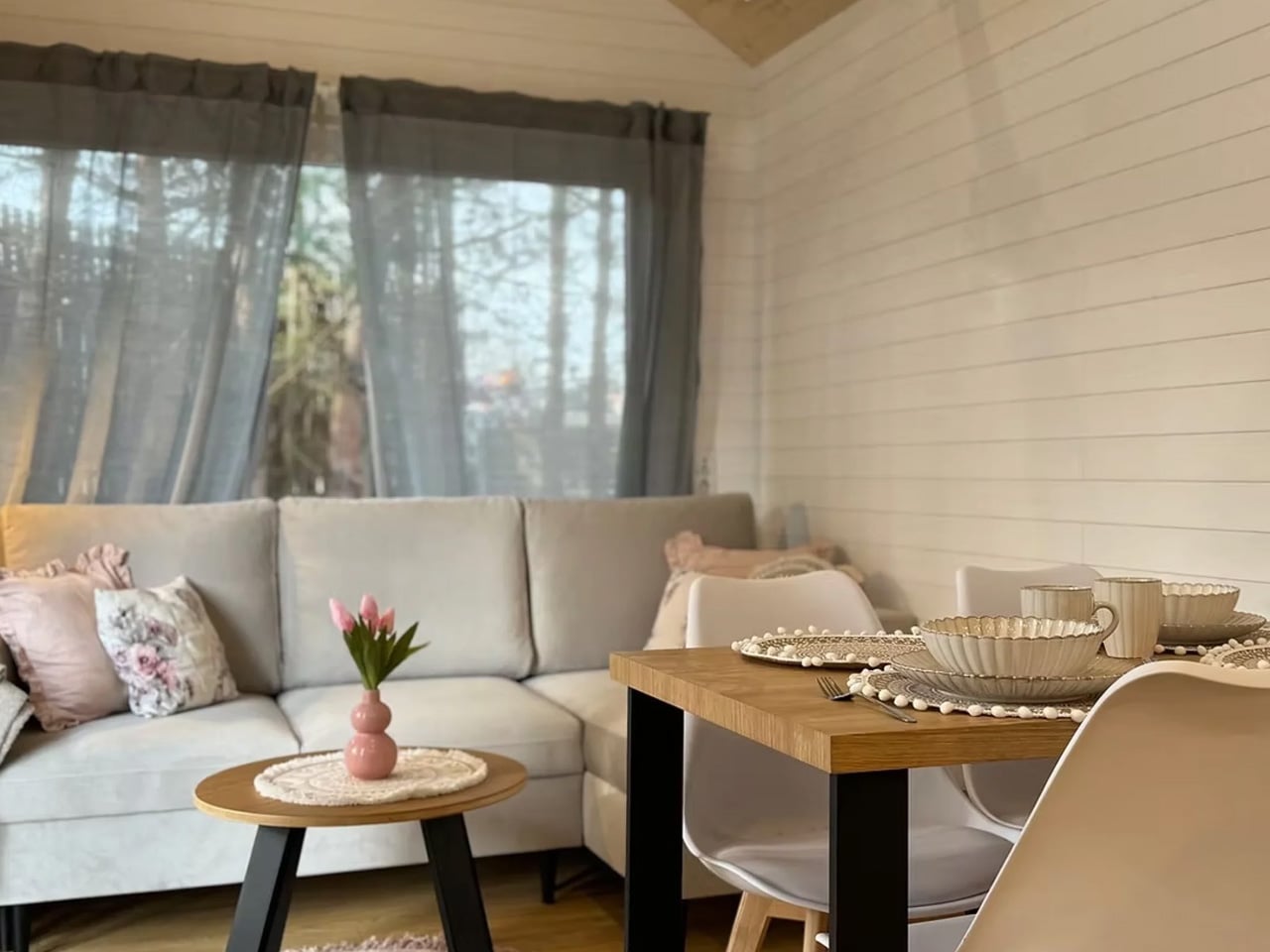
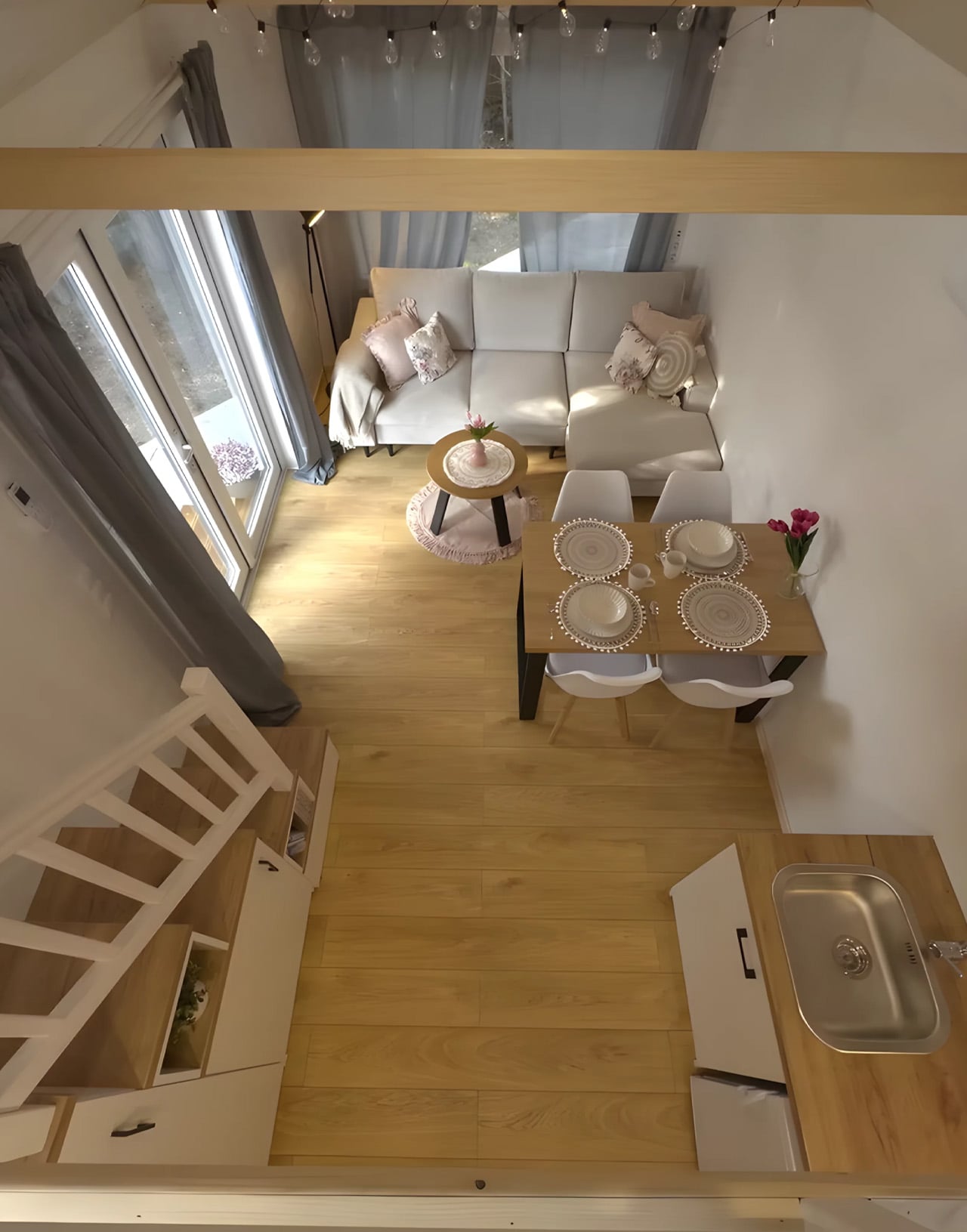
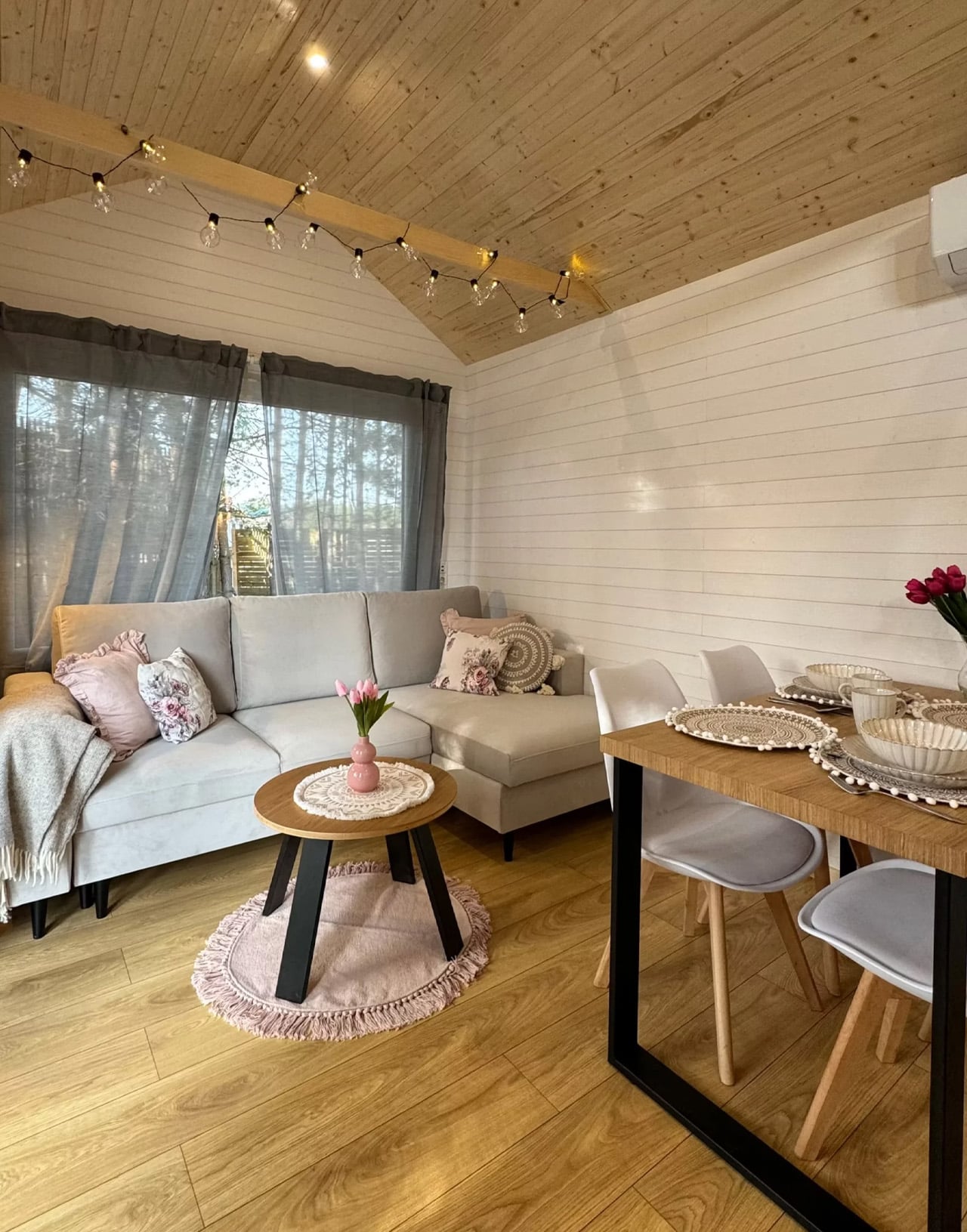
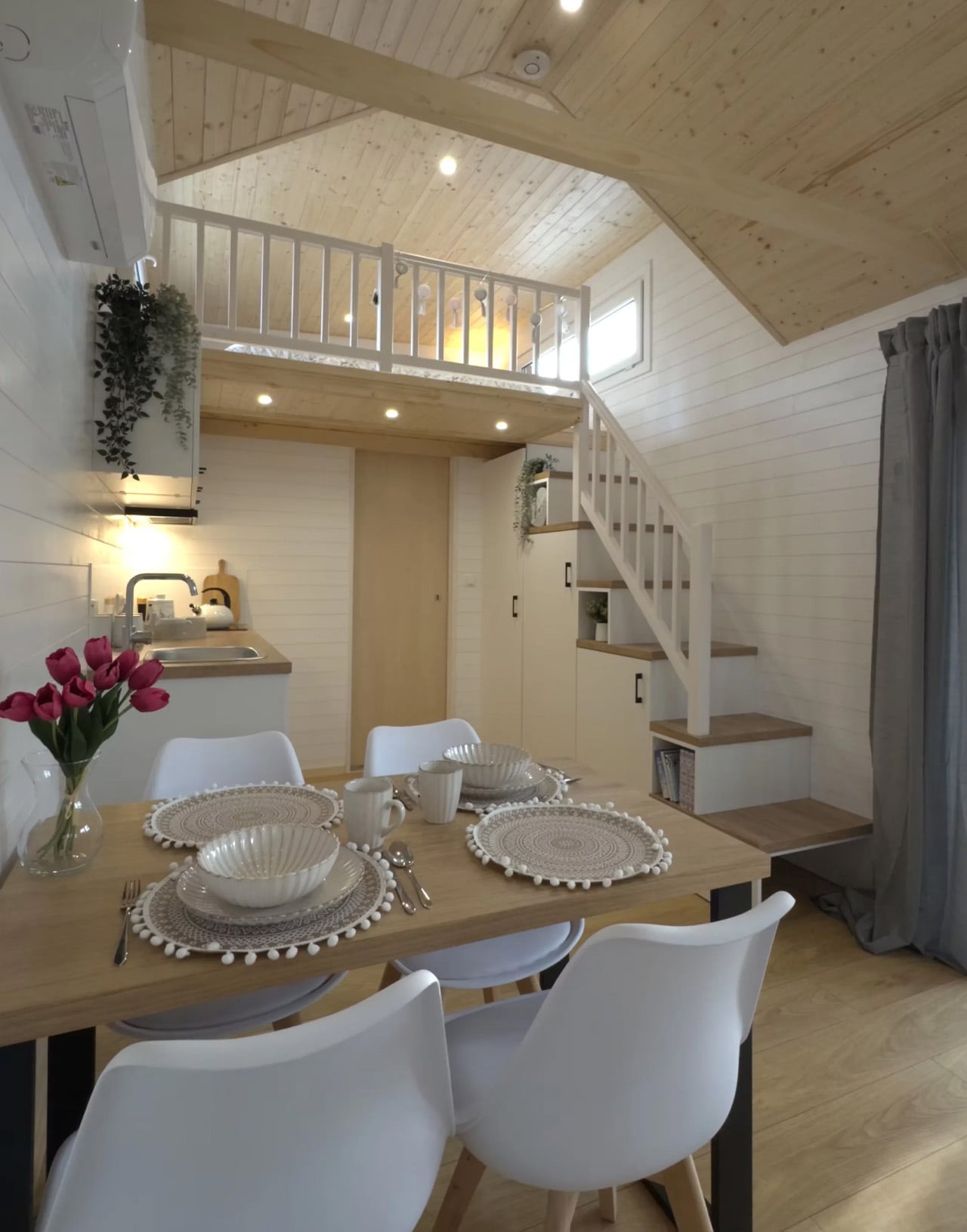
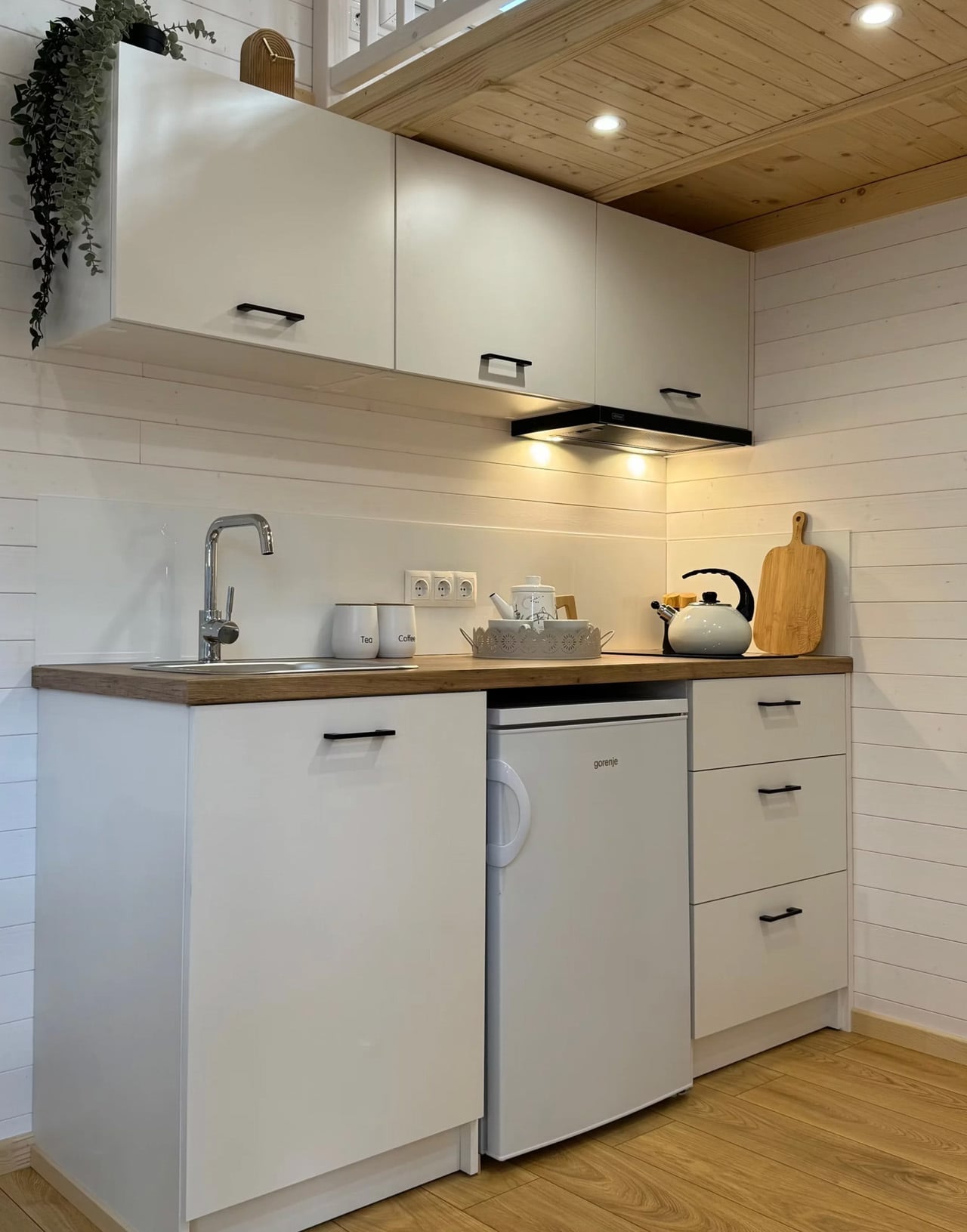
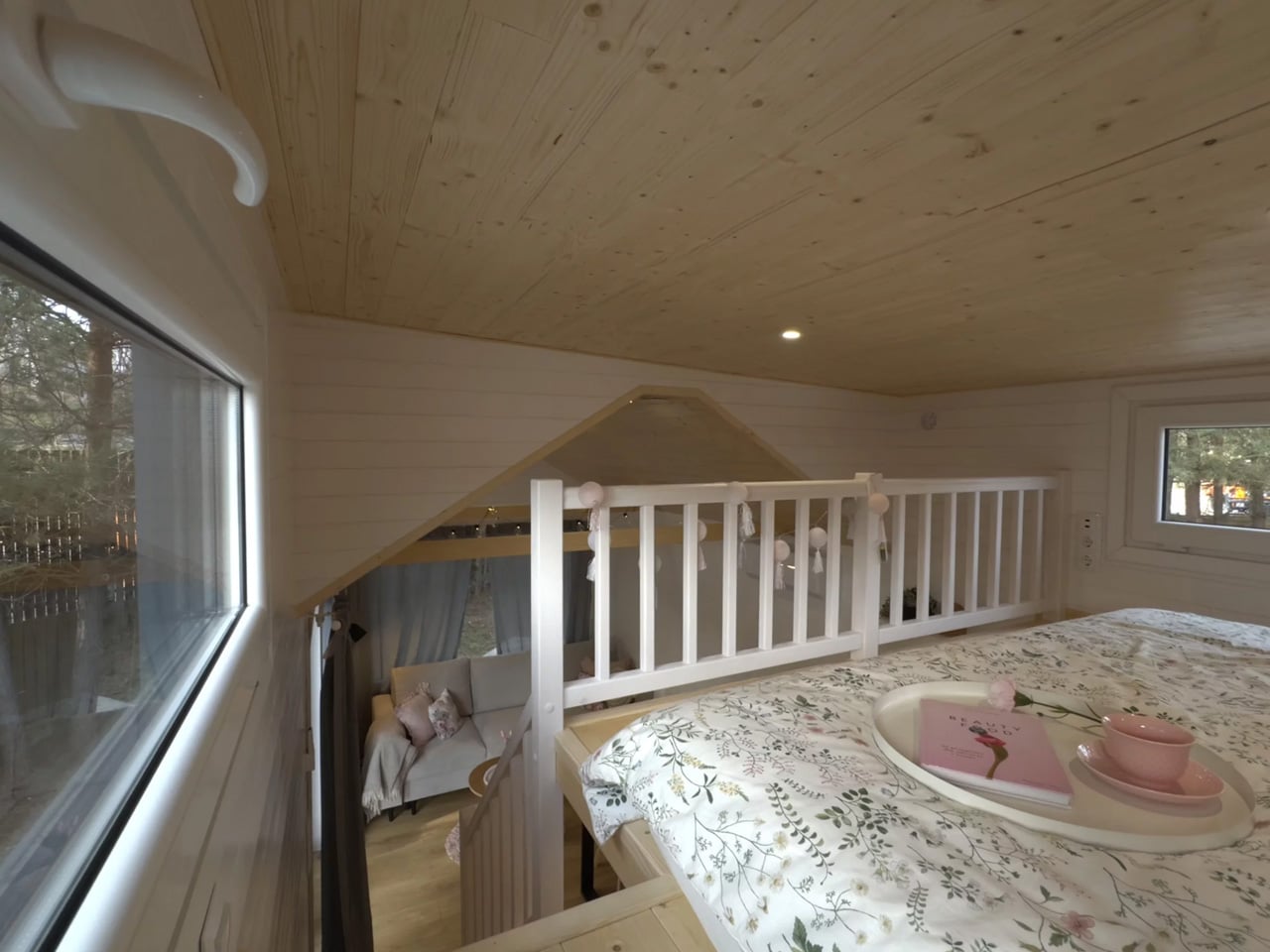
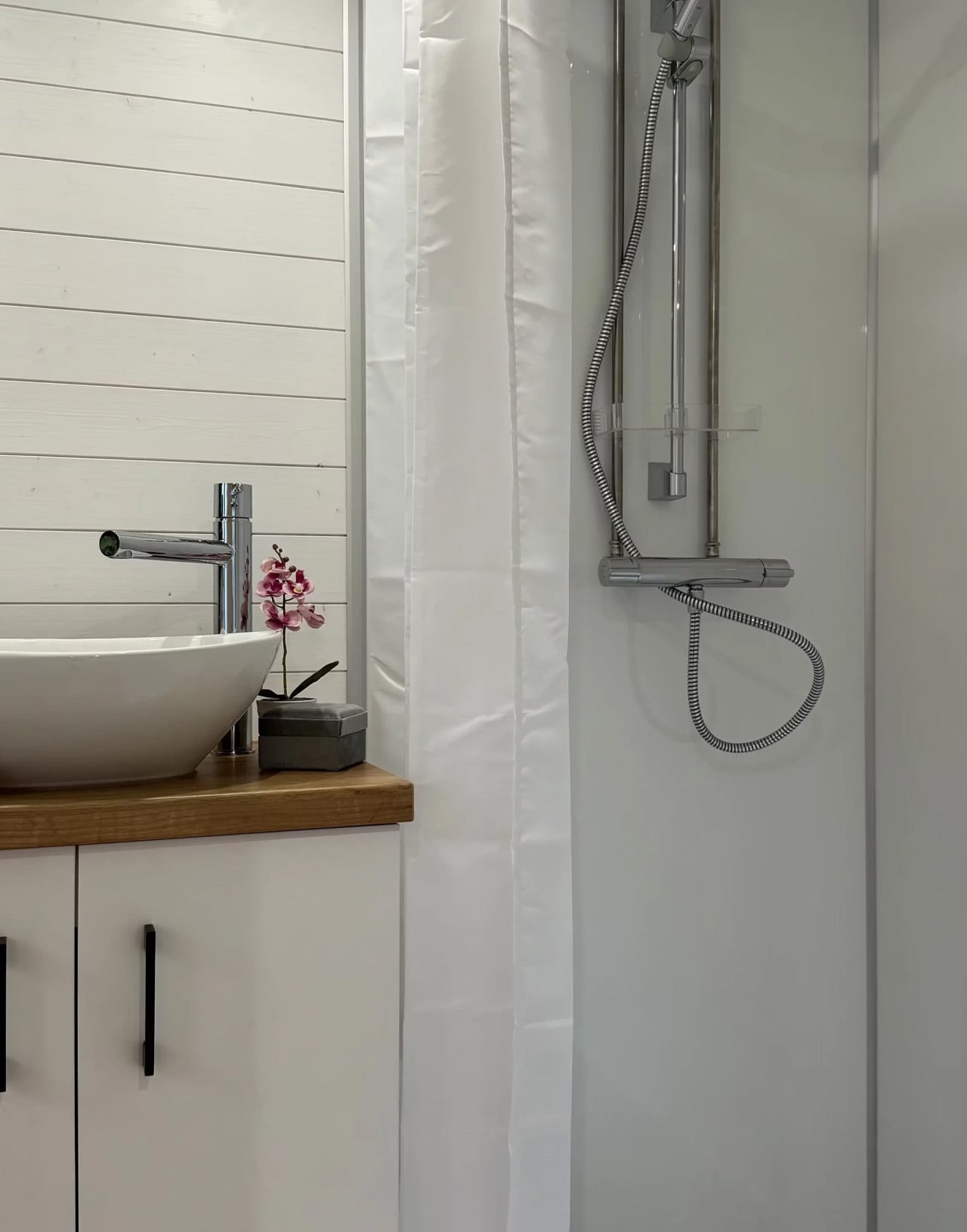
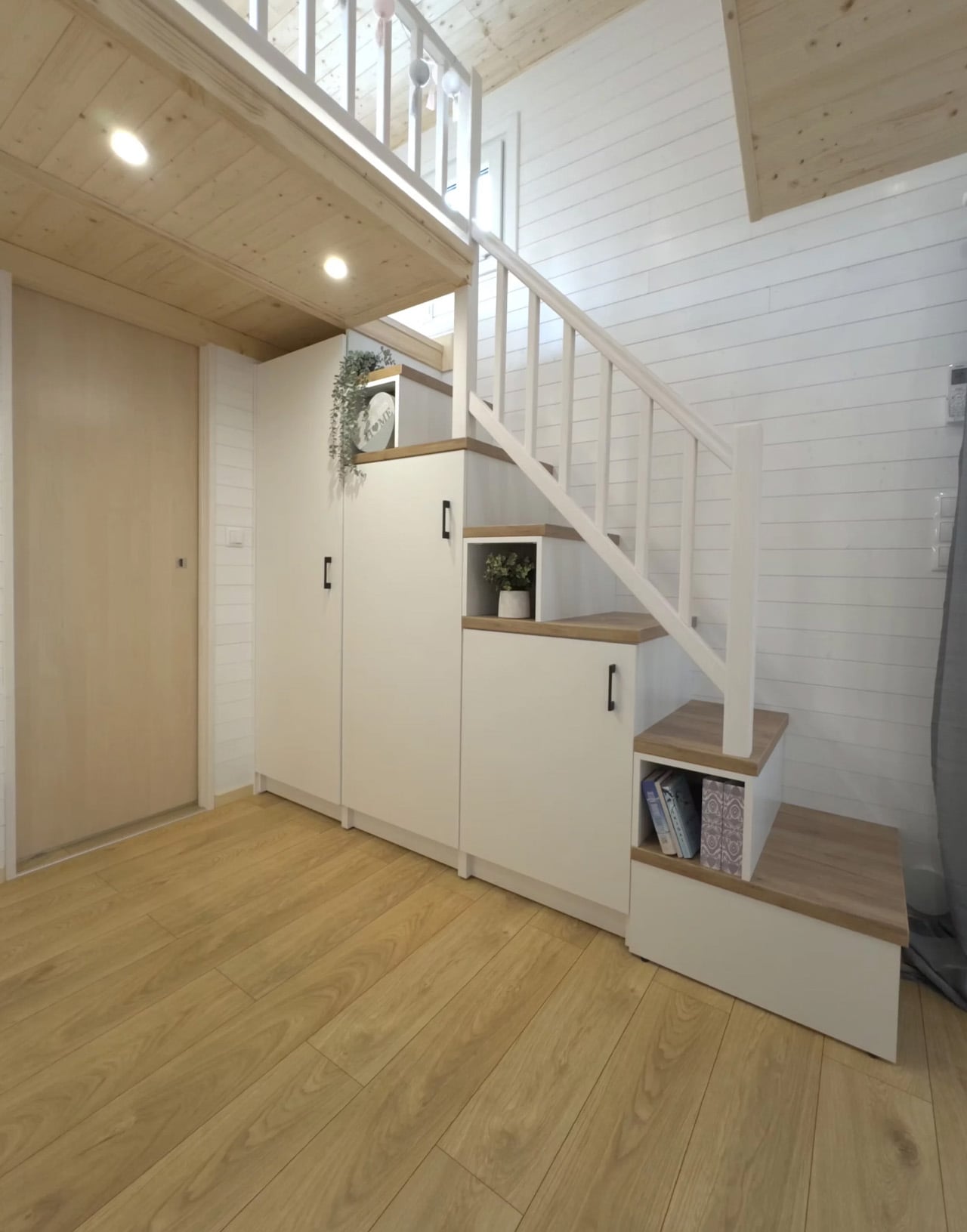
The interior is where the Smile earns its name. High ceilings give the space an airiness that most tiny homes can’t pull off, and large windows flood the living area with natural light throughout the day. The layout is considered and unhurried: a full living room with a sofa and coffee table, a fully equipped kitchen, a spacious bathroom with a shower, and a sleeping loft overhead. Everything has a place, and nothing feels crammed. It reads less like a tiny house and more like a well-edited apartment.
Vagabond Haven’s Scandinavian roots show up in the material choices and the restraint of the overall aesthetic. The interiors lean warm and clean, with a palette that feels calm rather than clinical. There’s a deliberate softness to the design that makes the space feel settled, even when it’s technically on wheels.
Functionality runs deep. The Smile comes equipped with a solar system, a rainwater harvesting setup, a fresh water tank and pump, and an energy-saving electric or gas water heater. Ventilation covers the living room, kitchen, and bathroom, with a recuperator to maintain air quality year-round. Off-grid living isn’t an afterthought here; it’s built into the DNA of the house.
For buyers, Vagabond Haven offers the Smile as a ready-built model available for delivery across Europe within two to four weeks if in stock, or fully customisable in terms of materials, colours, and finishes. A 3D virtual tour is also available for those who want to walk through the space before committing — a small touch that speaks to how seriously the brand takes the buying experience.
The Smile won’t suit everyone. Those expecting the scale of a conventional home will need to recalibrate. But for the person willing to trade square footage for freedom, thoughtful design, and a lighter way of living, it makes a genuinely compelling case.
The post This 25-Square-Metre Tiny House on Wheels Makes Most Apartments Look Like a Waste of Space first appeared on Yanko Design.

The Samsung Galaxy Z Fold 8 Wide and Z Fold 8 are expected to launch soon, along with the Galaxy Z Flip 8. Leaked renders discovered within Samsung’s One UI 9 software reveal a device that emphasizes usability and design refinement. With a wider display ratio, subtle design updates, and a focus on functionality, the […]
The post Samsung Finally Fixed the Fold: First Look at the Z Fold 8 Wide Design appeared first on Geeky Gadgets.

OMLX is a specialized inference engine designed to harness the full capabilities of Apple Silicon for running local AI models. By using Apple’s MLX framework and advanced memory management techniques, OMLX achieves faster processing speeds and smoother multitasking compared to alternatives like LM Studio. For instance, it employs zero-copy arrays to eliminate redundant memory transfers […]
The post Meet oMLX : Apple Silicon’s Fastest Local AI Model Runner appeared first on Geeky Gadgets.
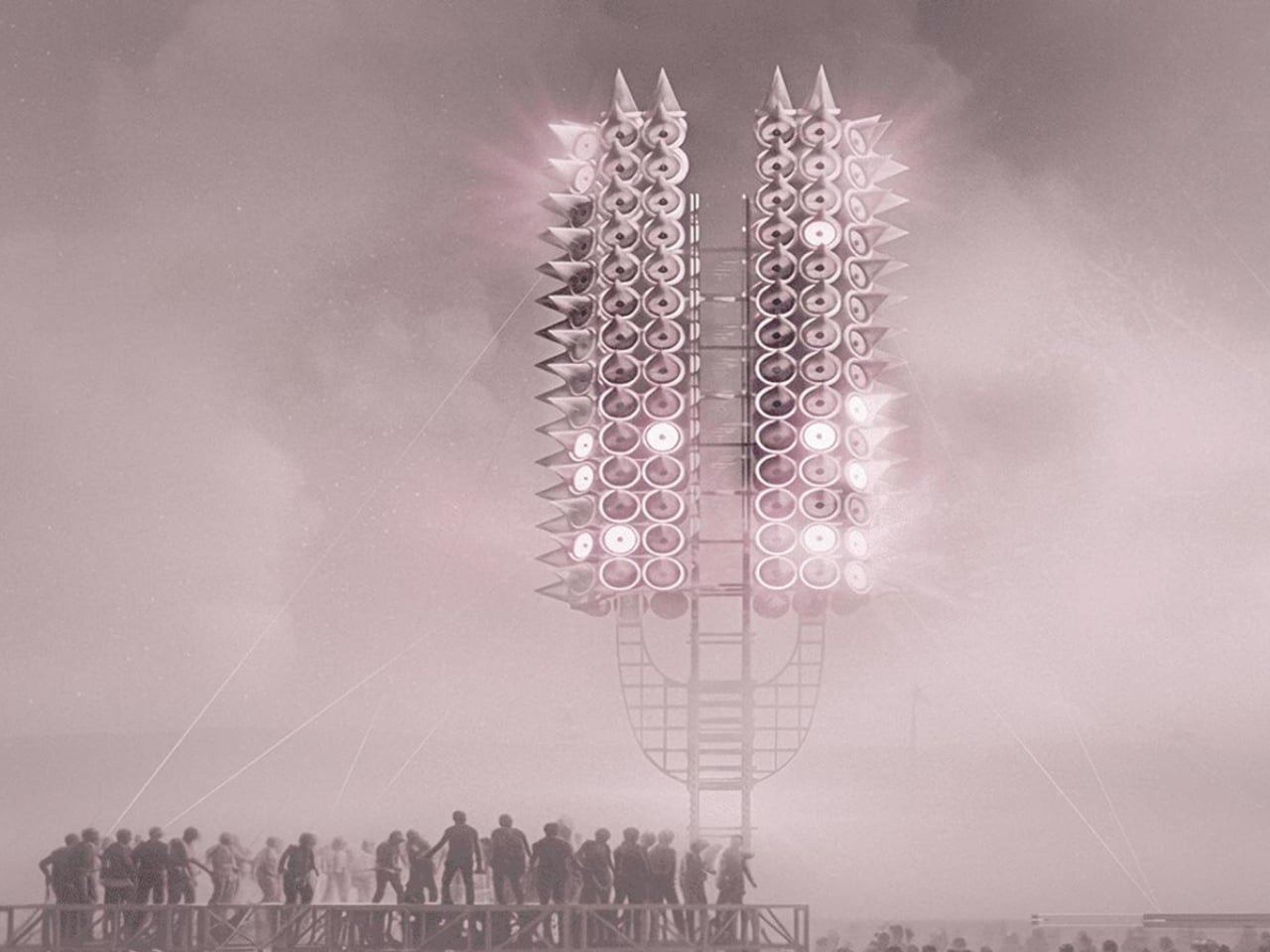
One person shouting into an empty desert doesn’t build much of anything. But what happens when thousands of voices gather around a 12-meter tower made of 300 programmable rings of light, and the structure itself begins to respond? That’s the premise behind Axis Mundi: Resonant Spire, Sergei Konchekov’s installation selected for the 2026 Burning Man Honoraria program, and it might be the most genuinely interesting piece of architecture to emerge this year. Not because it’s the biggest or the most technically complex, but because it actually has something to say.
The concept is both technically precise and philosophically loaded. Konchekov built the tower to translate human voice into a vertical system of light and sound. Speak toward it, and the rings light up. Walk away, and the activation fades. The structure doesn’t generate its own spectacle. It borrows yours. Which sounds like a gimmick when you type it out flat like that, but when you sit with it, it starts to feel like one of those rare design ideas that actually earns its concept.
Designer: Sergei Konchekov
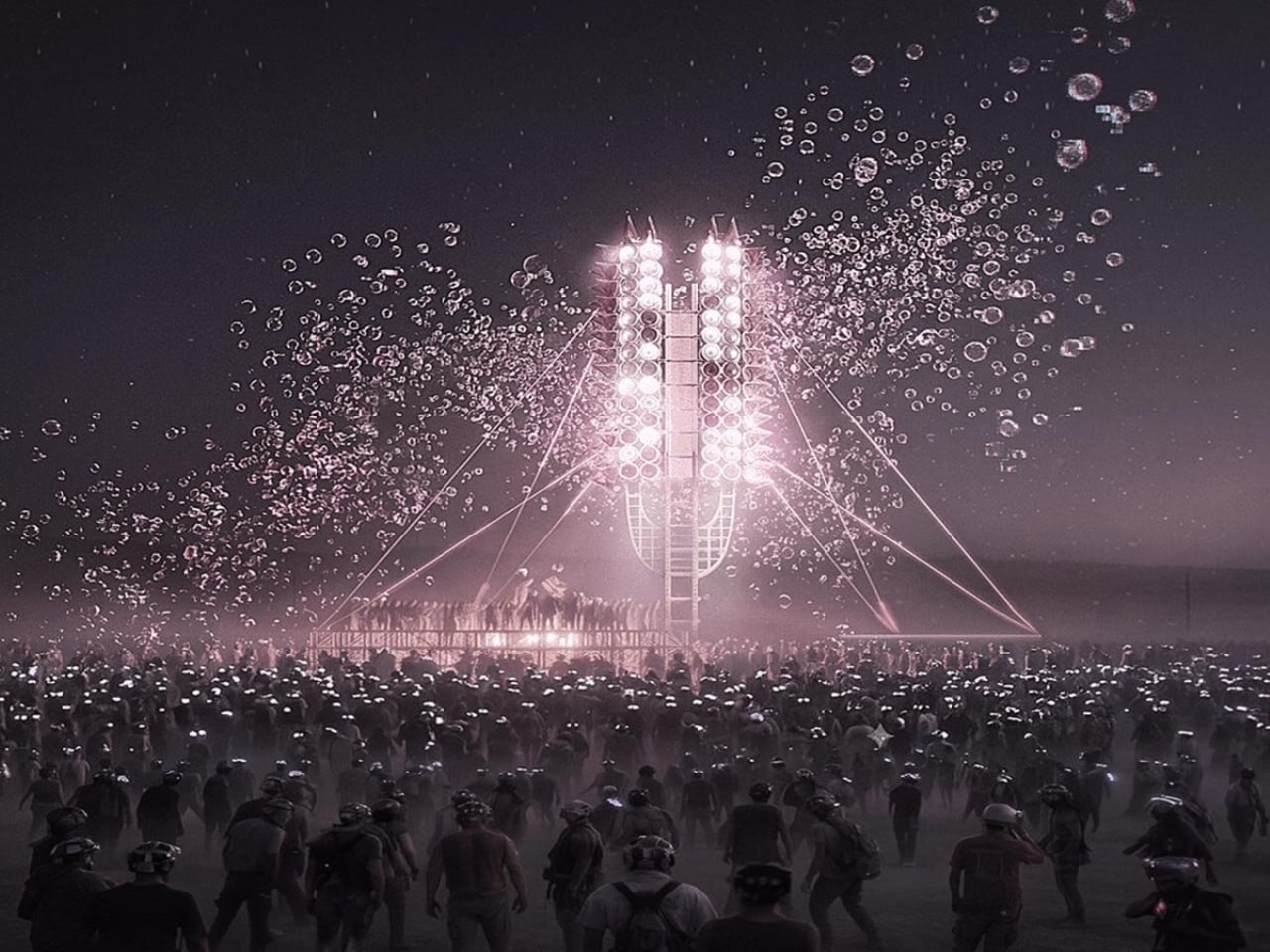
What makes it more than just an interactive light show is the accumulation logic built into its architecture. The 300 rings function as a kind of vertical archive. Lower rings hold stabilized states built up over time, while the upper rings stay live and reactive to current input. So the tower, in a real and structural sense, carries memory. What a crowd did an hour ago is still visible at the base, while what’s happening right now lives near the top. Light doesn’t disappear here. It accumulates. Time, quite literally, becomes physical form.
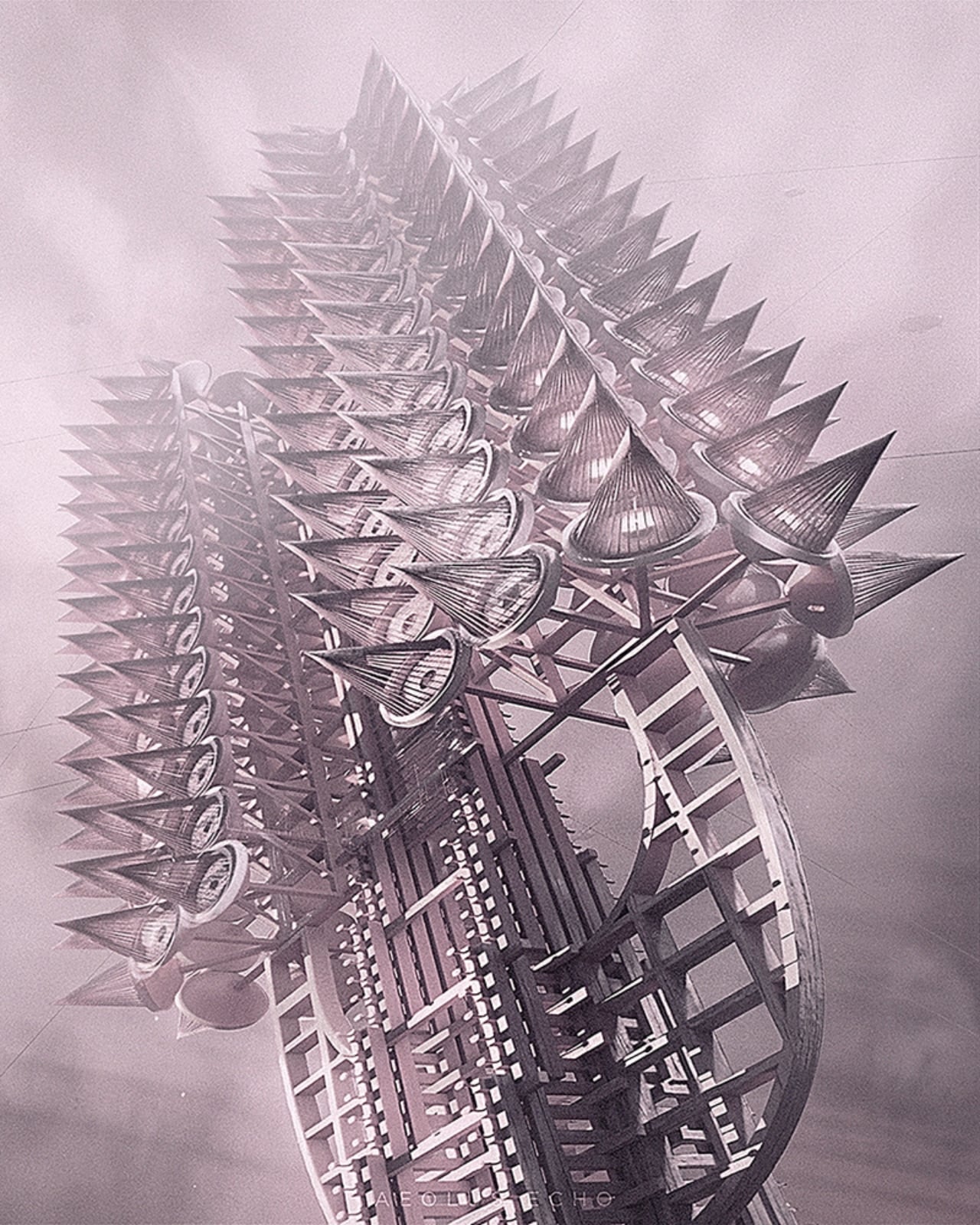
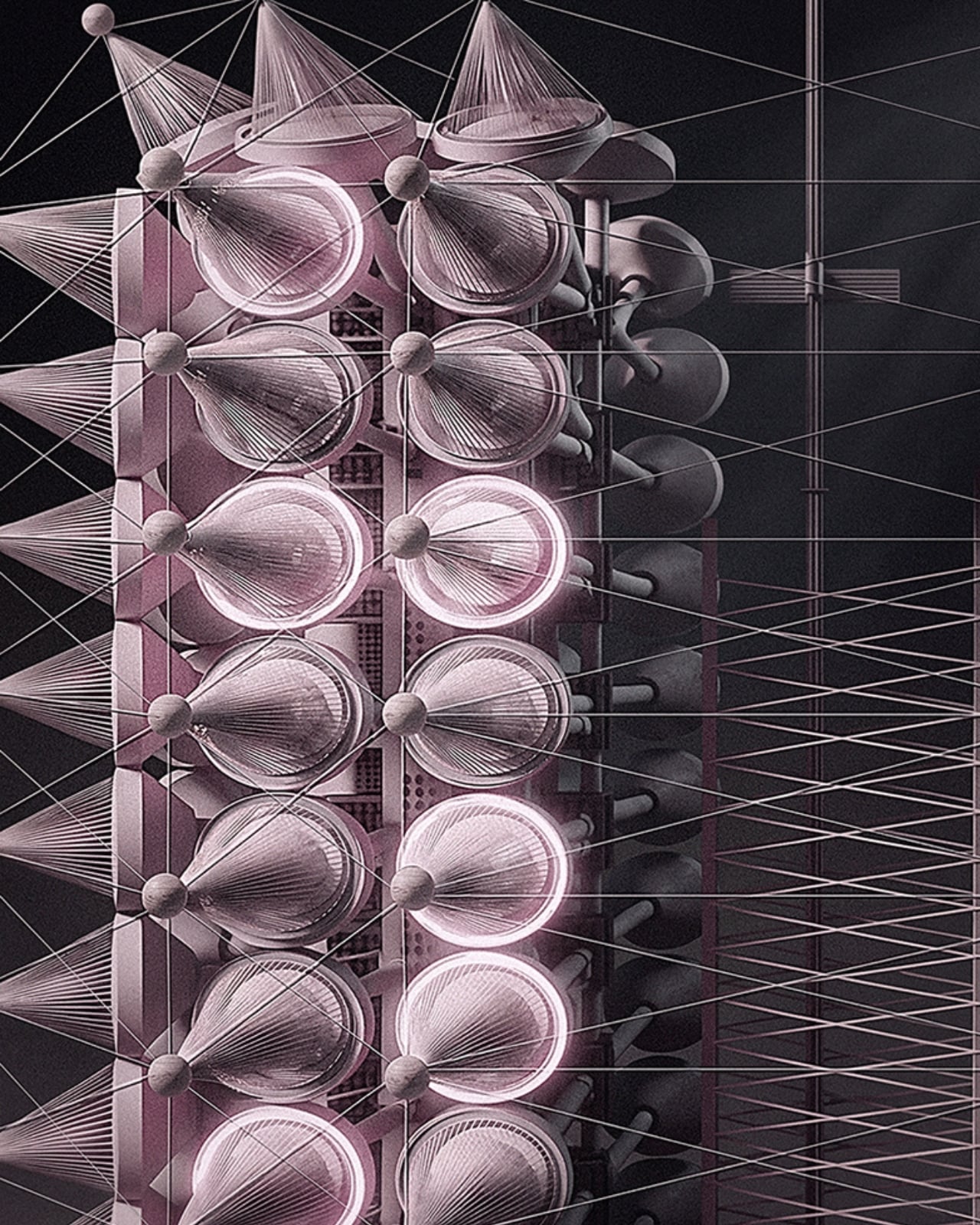
Konchekov developed the project through a methodology he calls COLLIZIUM, which frames architectural form through conflict-based computational processes and collective social input. That might sound like a design school thesis, but the output is something more immediate and tactile than the language around it suggests. The architecture doesn’t exist independently of its participants. It is generated through them. Without the crowd, there is no form. Burning Man’s own listings describe it as “neither monument nor machine, but a living signal,” and that description genuinely holds.
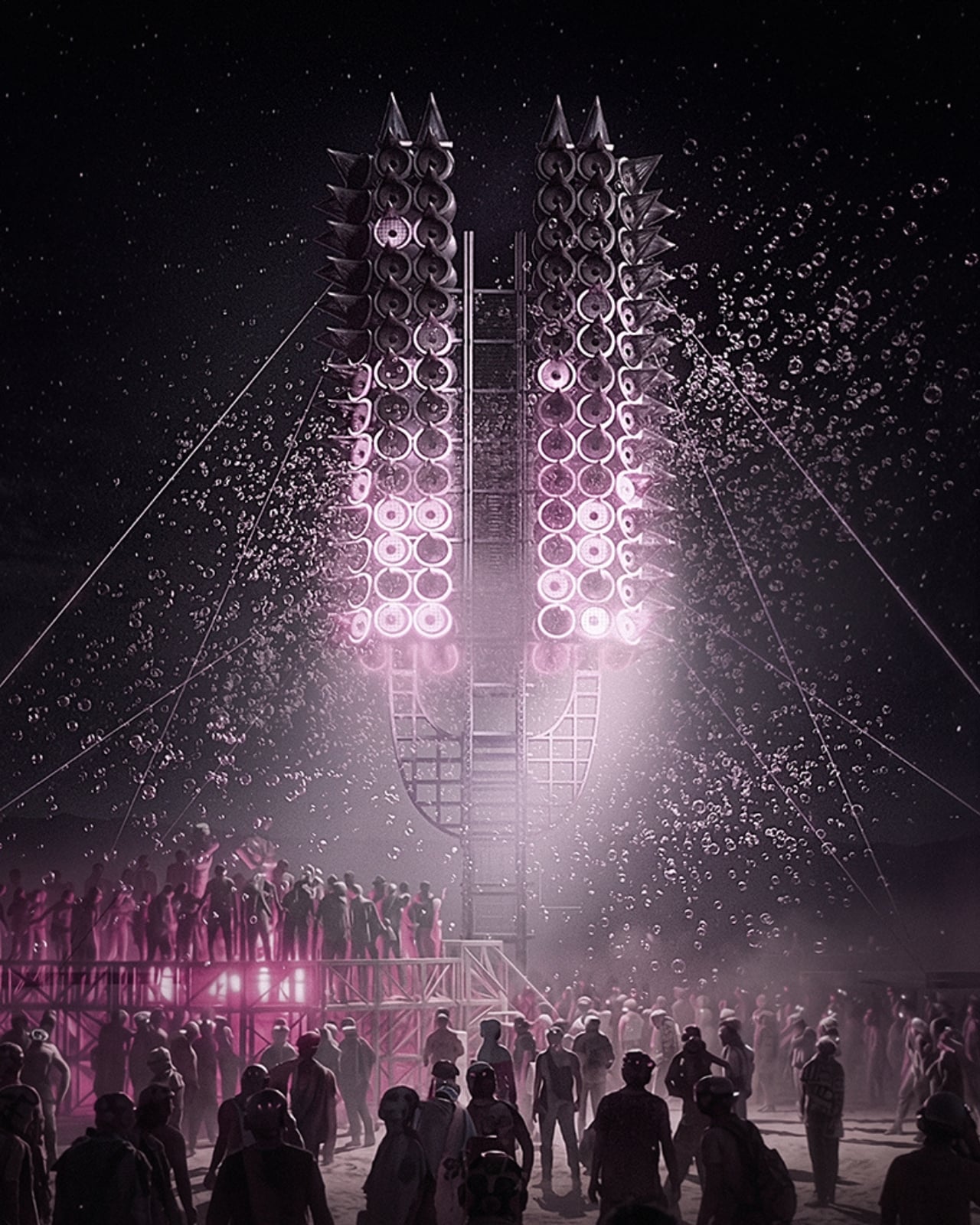

The broader conversation Konchekov is entering with this work feels particularly timely. Digital communication is at an all-time volume and an all-time low for meaning. We post, we broadcast, we react, and somehow the cumulative noise produces very little that resembles actual connection. Resonant Spire offers a different model: collective input that actually converges, that creates something legible and shared and visible. A crowd becomes a coherent structure only because they showed up together. That is not a small idea dressed in a large installation.

It’s also worth noting that Burning Man is arguably the right venue for this, not just for the obvious reasons of scale and spectacle, but because the event itself is predicated on temporary community. The playa is a place where the usual rules about permanence and individual credit get set aside. A tower that only works when people gather around it and offer their voices is not a metaphor at Burning Man. It’s just a description of what’s happening there already. Konchekov is, in some ways, building architecture that matches the culture it inhabits.
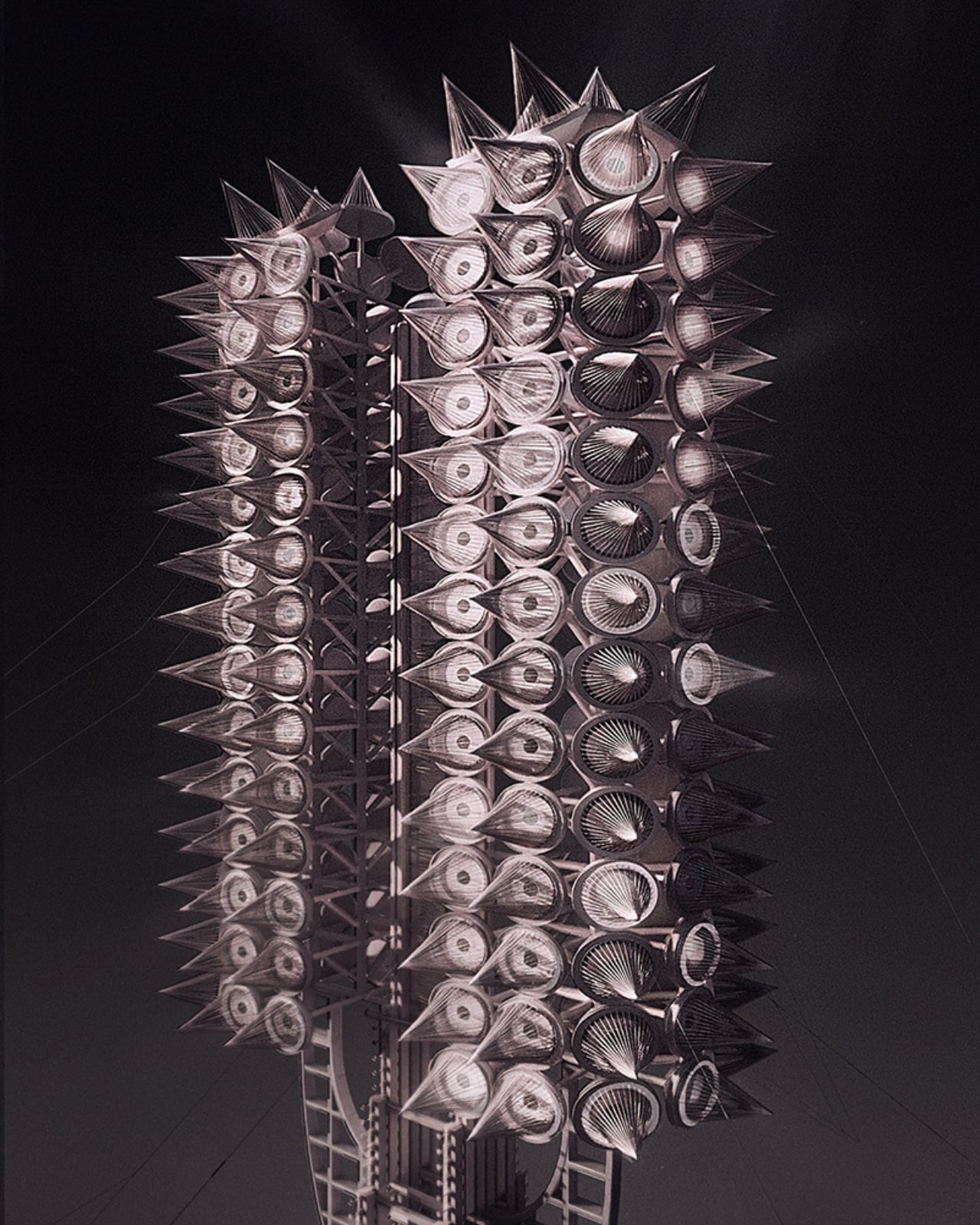
The visual language of the spire draws from ancient and spiritual references, the axis mundi being a cosmological concept found across many cultures, a central pillar connecting earth and sky. Konchekov takes that idea and routes it through a live data feed. The cone-stacked structure rises with phased waves of light traveling upward, in the project’s own words, “like a visible breath.” It is striking, undeniably, but the aesthetic isn’t really the point. The refusal to be passive is. Most architecture asks you to look at it. This one asks you to mean something together before it shows you what you’ve made.
The post Burning Man 2026 Built a 300-Ring Light Tower You Have to Earn first appeared on Yanko Design.

Apple’s iOS 27 update marks a significant step forward, emphasizing performance, stability, and efficiency over introducing an array of flashy new features. This approach echoes the philosophy behind macOS’s “Snow Leopard” update, where refinement and reliability took precedence. Alongside these improvements, Apple is also making a bold move by discontinuing support for older devices like […]
The post iOS 27 Leaks Reveal the End of an Era: Apple’s New Priorities Confirmed appeared first on Geeky Gadgets.


NotebookLM has introduced automation features that work in conjunction with Codex, allowing users to streamline data management and task execution. As noted by Universe of AI, one example is the ability to sync data from Google Sheets or pull updates from APIs directly into NotebookLM using Codex’s Chrome extension. This setup allows users to reduce […]
The post How to Unlock NotebookLM’s Powerful New AI Automations appeared first on Geeky Gadgets.