As a stationery fiend, I always look forward to the second half of the year because most brands announce their lineups for the next year. I also look forward to the collaborations they create with other related (and sometimes completely unrelated) companies, the kind that make me want to support either brand, depending on how I’ll be able to get my hands on the often limited-edition products.
Some collaborations exist purely for hype. They look good in a press release, generate the right amount of social media noise, and then quietly disappear from shelves and memory. The new Starbucks Reserve Roastery Tokyo x Traveler’s Company collection is not that. It’s the kind of collab that makes sense on paper, and even more sense when you actually hold the pieces in your hands.
Designer: Starbucks x Traveler’s Company
For those not already deep in the cult of Traveler’s Company, let me make the introduction. Founded in Tokyo, Traveler’s Company makes handcrafted leather notebooks and stationery that have earned a devoted following among journalers, designers, travelers, and the kind of people who still believe that writing by hand is an act worth protecting. Their flagship Traveler’s Notebook has become iconic in its own quiet way, a slim leather cover held together by an elastic band, designed to age beautifully and accumulate memories over time. It’s the opposite of disposable. Their annual theme for 2026 is fittingly called “Spirit,” inspired by the excitement of when a journey begins and the pleasure of setting off somewhere completely new.
Then there’s the Starbucks Reserve Roastery Tokyo. Tucked into the leafy streets of Nakameguro, it isn’t your average Starbucks. It’s a flagship experience space housed in a building by renowned architect Kengo Kuma, where the coffee is treated more like a craft than a morning routine. Both brands are, at their core, about the experience of being fully present in a moment. So the partnership makes complete sense.
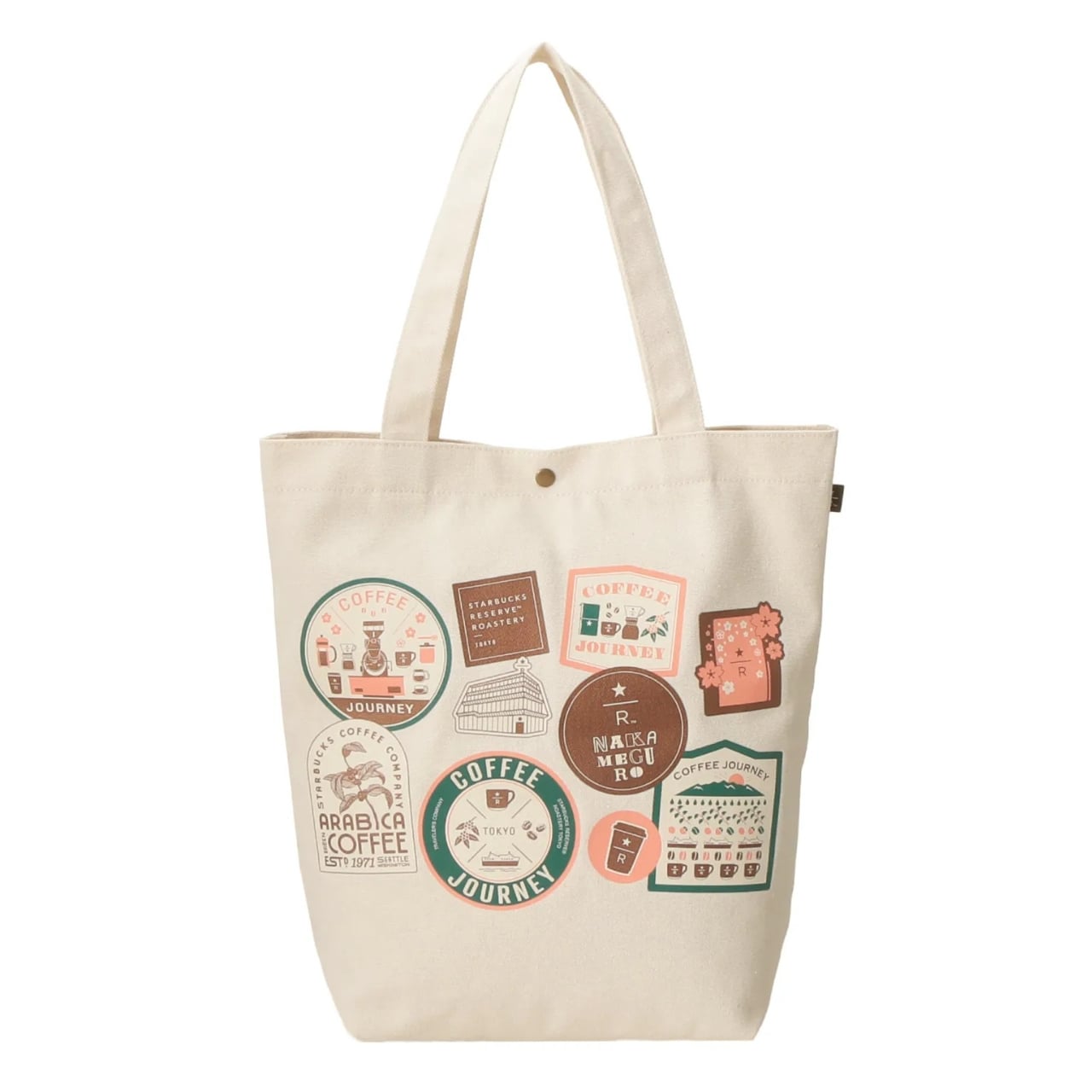
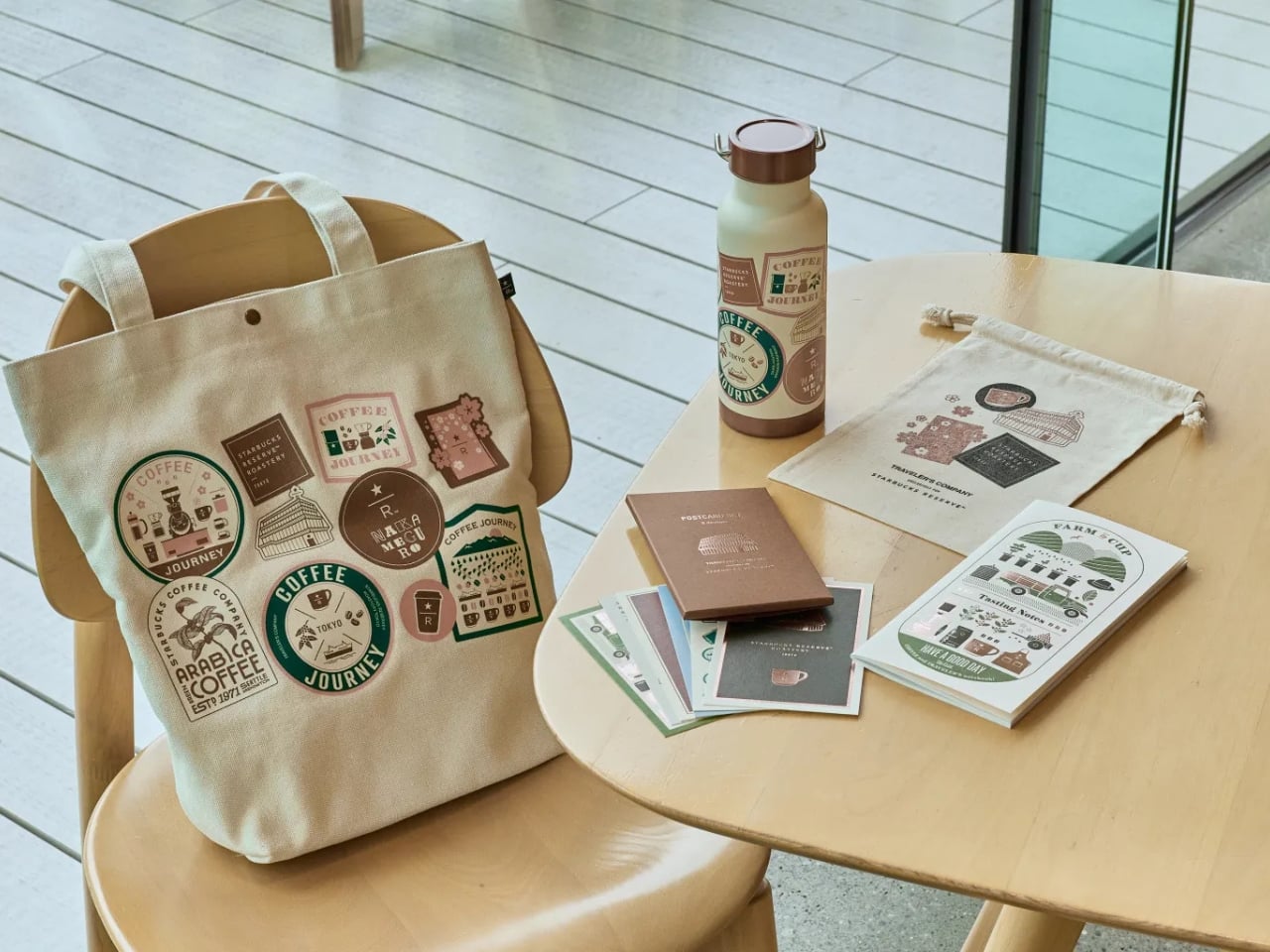
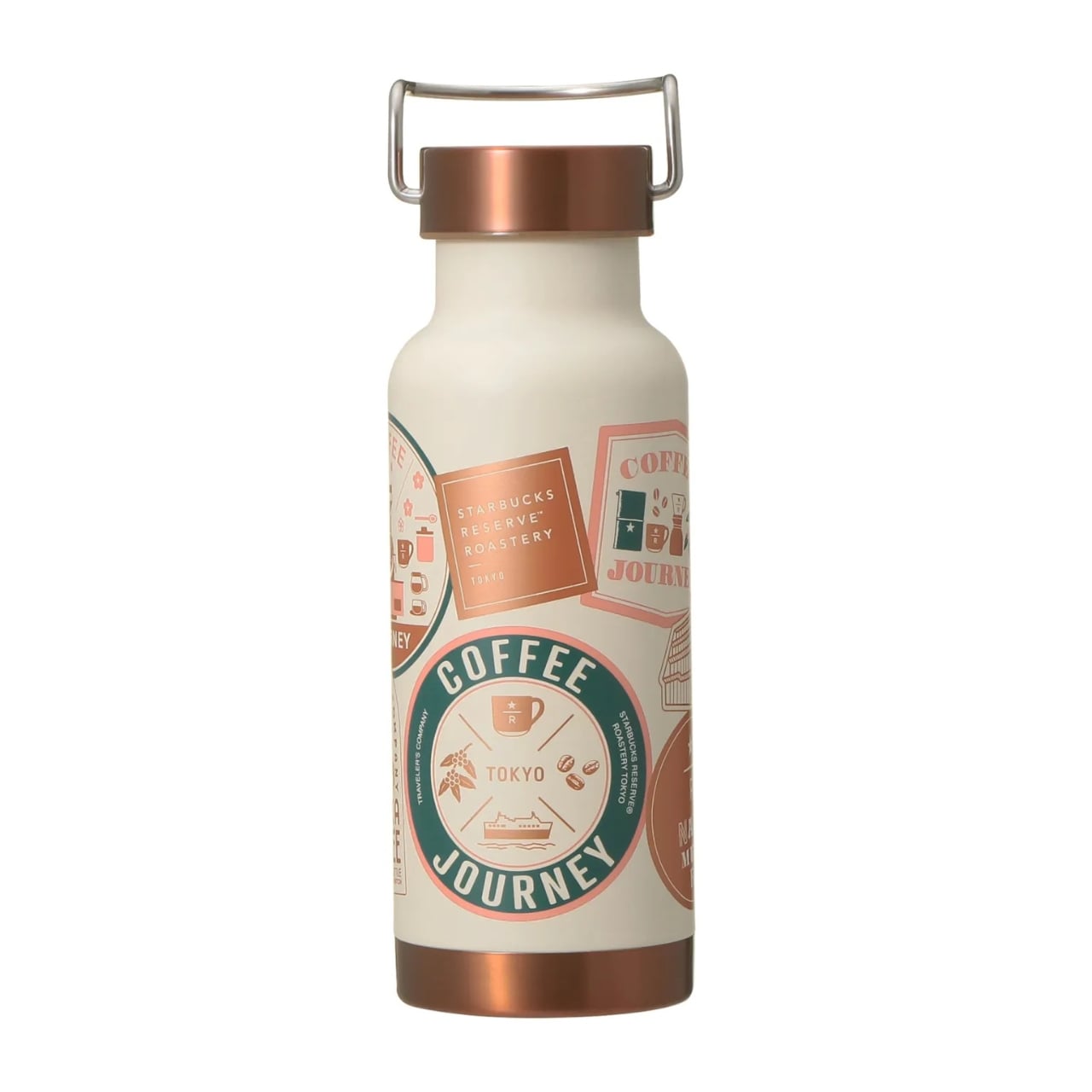
The 2026 collection arrives with a handful of pieces that feel considered rather than rushed. The canvas tote bag is the showstopper. Designed to mimic the look of a well-traveled suitcase covered in destination stickers, with Roastery Tokyo and Nakameguro as the featured stops, it carries the whole spirit of the collab on its exterior. Inside, there’s a pocket sized specifically to hold a Traveler’s Notebook, plus room for a tumbler or bottle and the rest of your everyday essentials. At 5,000 yen, it’s the kind of bag you’d actually reach for daily without feeling like a walking advertisement. It just looks like you’ve been somewhere interesting.
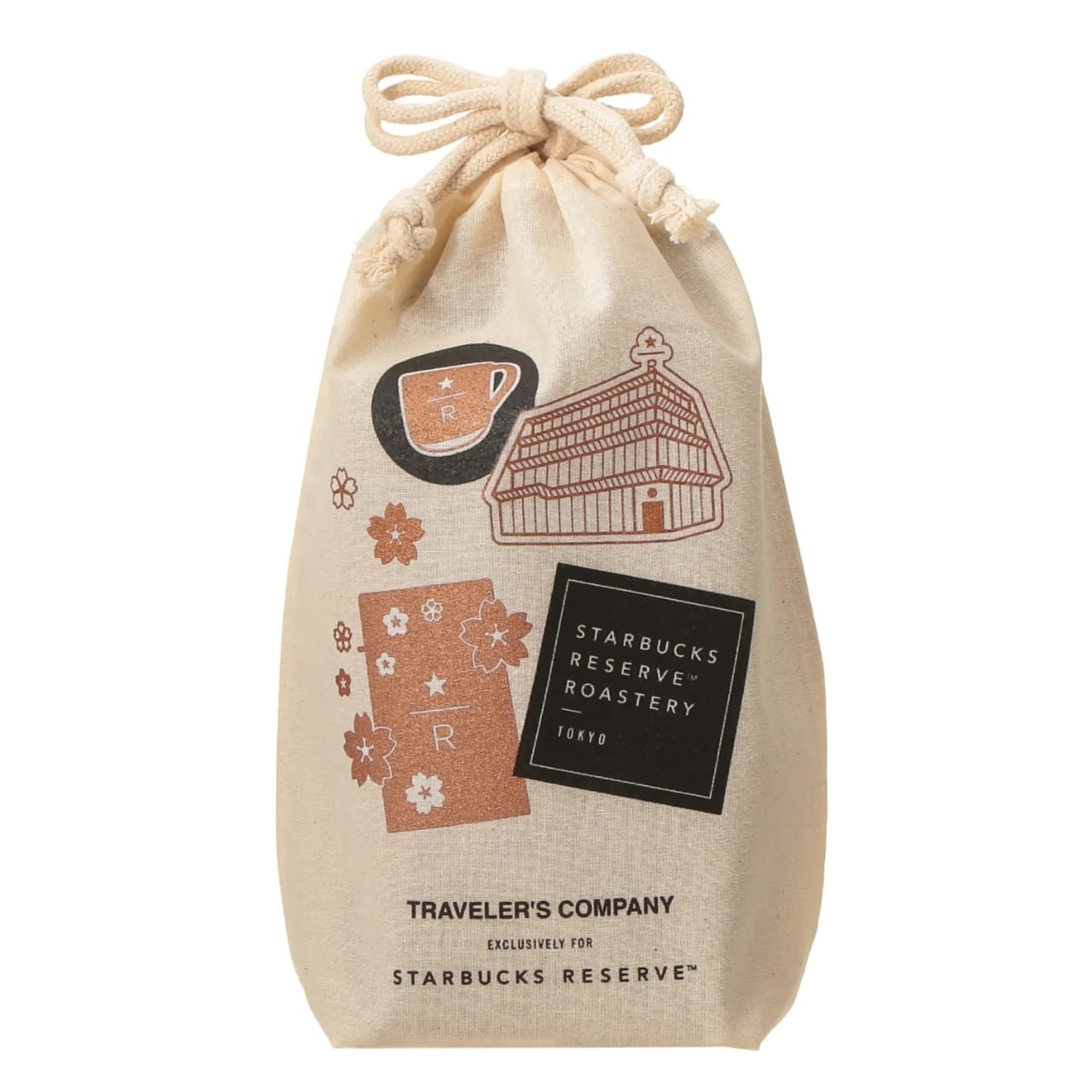
The cotton drawstring bag at 1,800 yen is smaller in scale but just as thoughtful. Designed to hold a bag of coffee beans, it sounds specific until you realize how often people buy coffee as a souvenir and then have absolutely nothing appropriate to carry it home in. It also doubles as an inner bag organizer, which is the kind of practical thinking that elevates a piece from cute to genuinely useful.
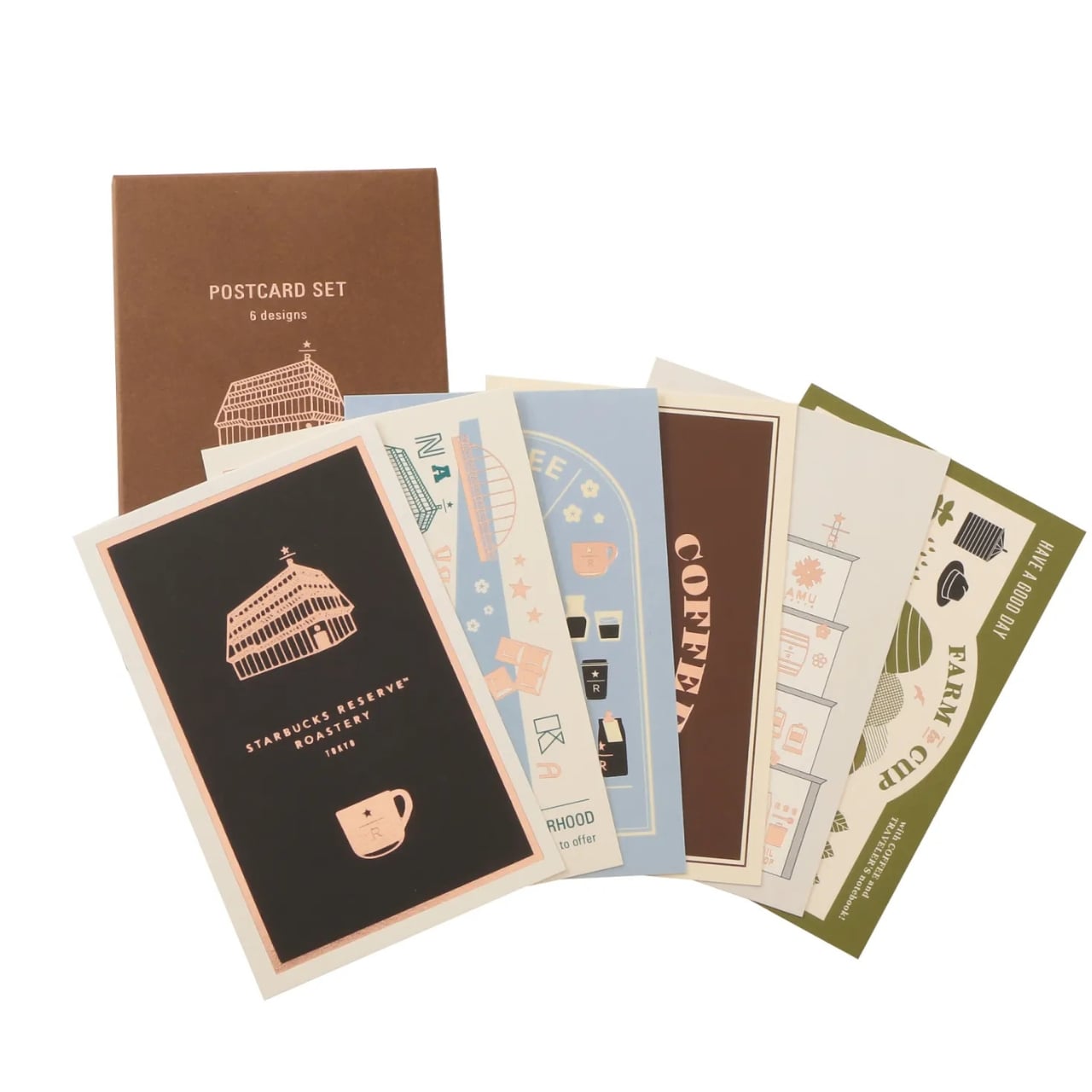
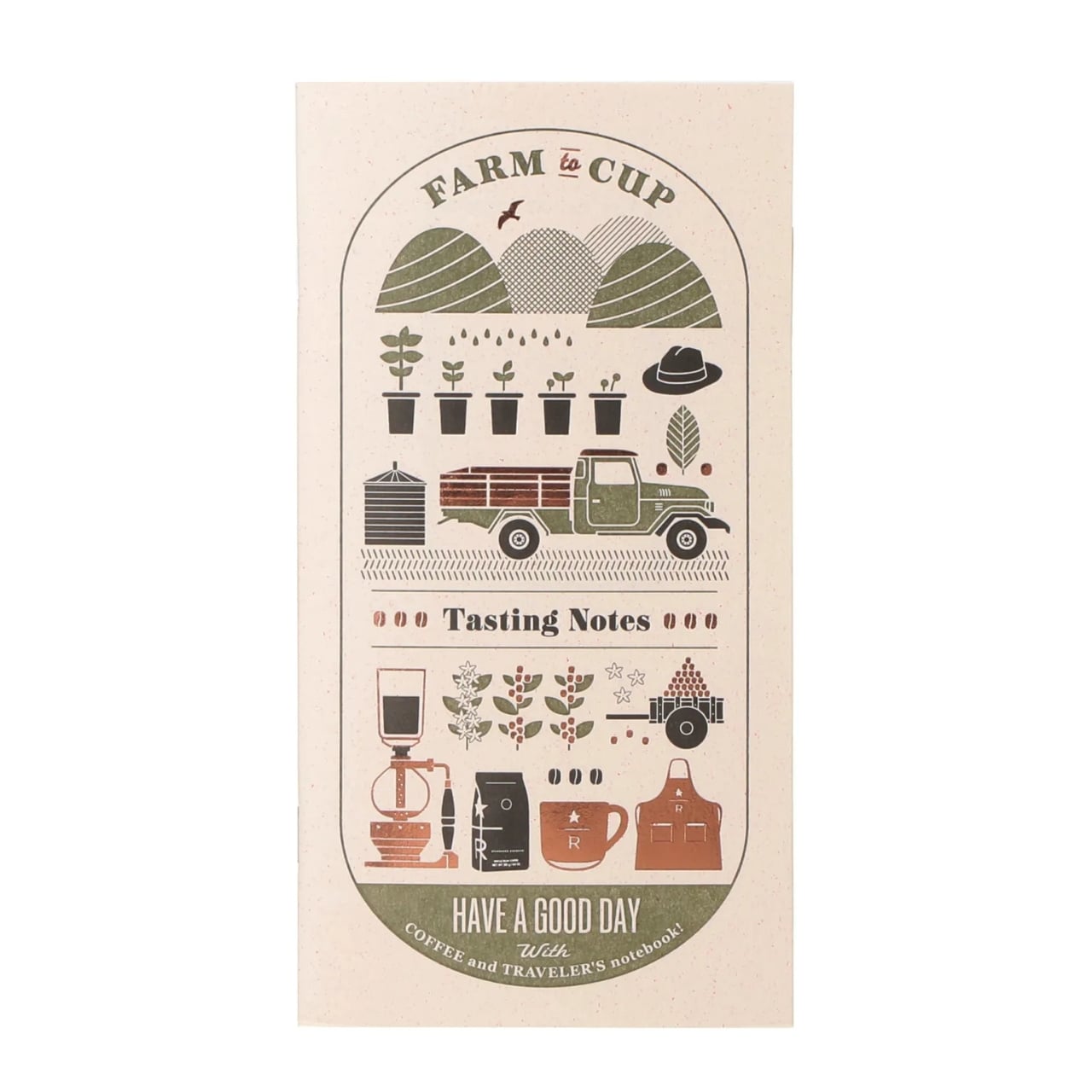
The postcard set is a quiet standout. Six cards featuring original Traveler’s Company illustrations of Roastery Tokyo icons, each printed on a different textured paper. In a moment when even birthday greetings arrive as voice memos, sending something handwritten on paper that was clearly chosen with care feels like a small, intentional act. The collection also includes a notebook set complete with a matching pen, pen loop, and zipper case, the kind of cohesive little kit that looks like it belongs in the bag of someone who has their life meaningfully together.
What makes this collaboration feel different from the average branded merchandise drop is that both parties seem to genuinely understand what the other is about. Traveler’s Company didn’t just place a Starbucks logo on a notebook. The design language is rooted in travel, in coffee as ritual, in the beauty of slow and deliberate moments. Every piece in the collection tells the same story without having to say it outright.
The collection is exclusive to the Starbucks Reserve Roastery Tokyo in Nakameguro, which makes it inherently precious for anyone outside of Japan. The fact that resellers have already picked it up on platforms like Etsy says everything about the demand. For those who can make the trip, the Nakameguro store is worth visiting on its own. That you can leave with a limited-edition collab bag full of coffee and a new notebook is simply a bonus. Some things are made to be used, loved, and carried forward. This collection is exactly that kind of thing.
The post Starbucks x Traveler’s Company Made a Collab Worth Flying to Tokyo For first appeared on Yanko Design.