Nobody Wants This Life Jacket Hidden in a Tote Bag

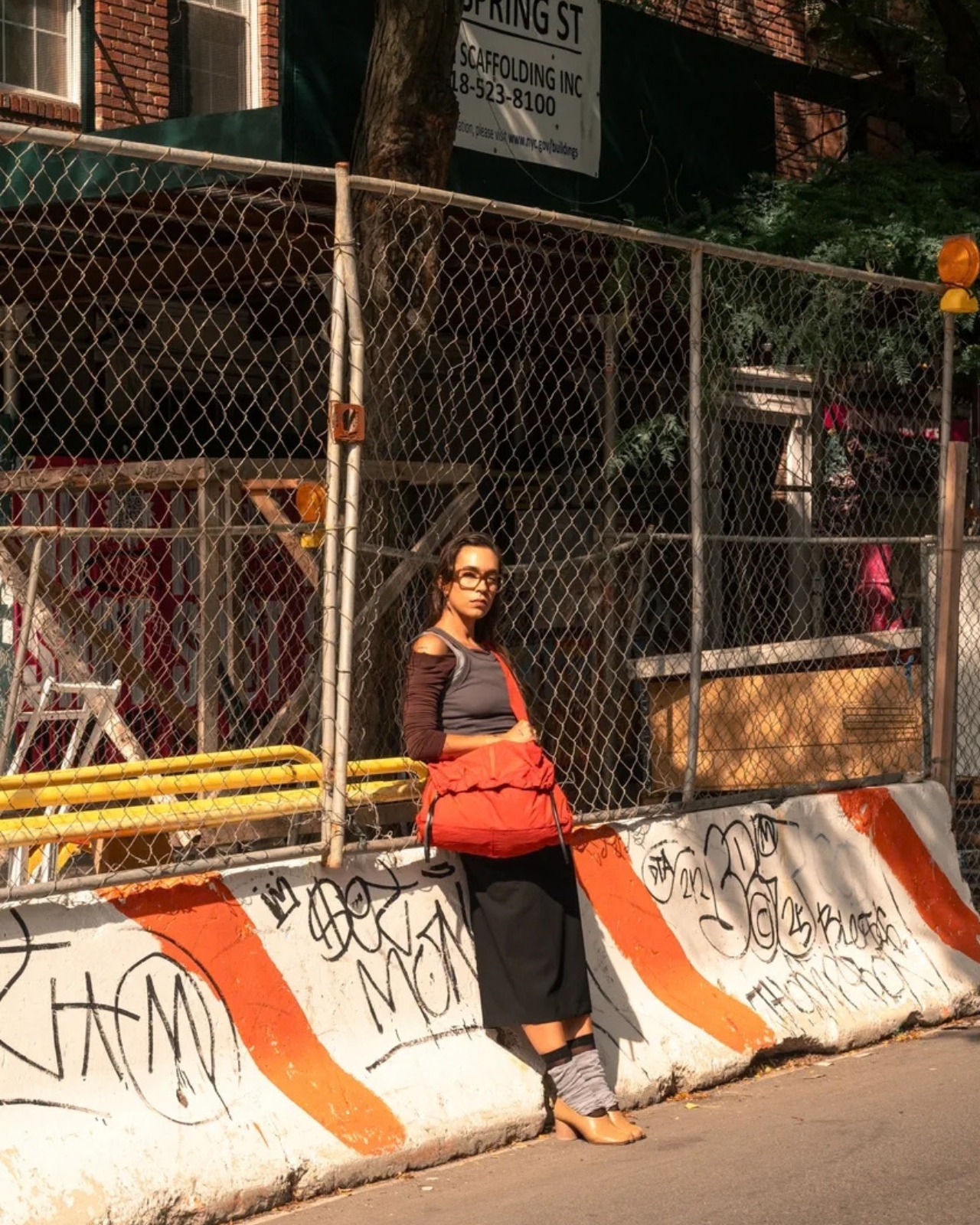
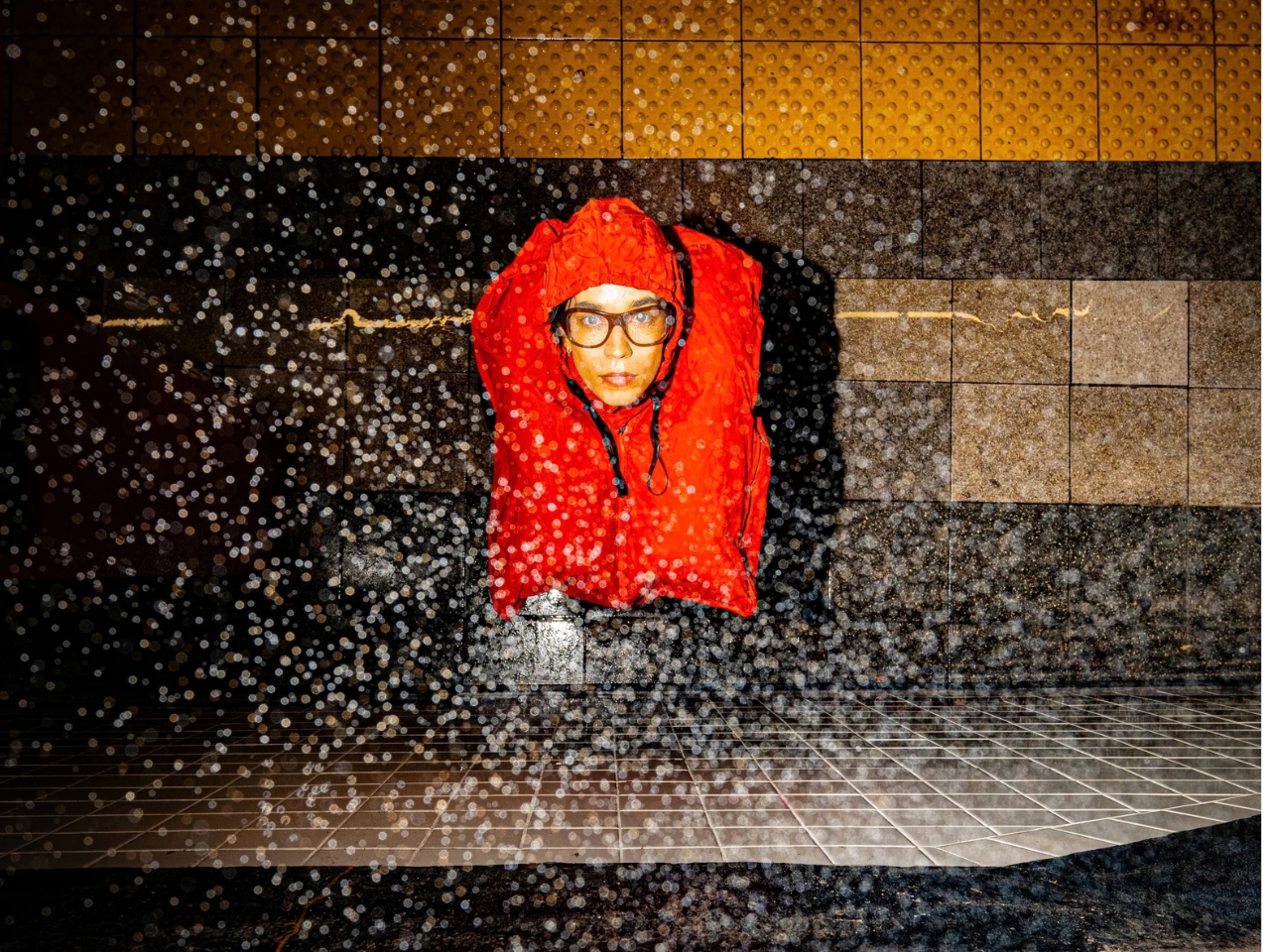
Picture the most unremarkable object you own. A canvas tote, maybe, the kind you grab off a hook without thinking, sling over one shoulder, and forget about until it’s holding your groceries or your gym clothes. Now picture unzipping that same bag, pulling it over your head, and yanking a cord that inflates it into a life jacket, because the subway platform under your feet just turned into a swimming pool. That’s Lifeline, a conceptual piece by New York artists Phil Le Brun and Gabriela Mestriner, and it exists because a very real, very unfunny problem has been building under this city for years.

New York’s subway was engineered to handle a major flood about once every five years. That math stopped working a while ago. Nearly 200 stations have flooded during major storms over the past several years, Hurricane Ida alone dumped more than three inches of rain in a single hour back in 2021, and this past summer the city logged roughly two severe weather warnings a week from June through August. Riders have waded through knee-deep water and clung to walls just to get out of a station. That’s the problem Lifeline is responding to, not with a fix, but with a mirror.

Designers: Phil Le Brun and Gabriela Mestriner
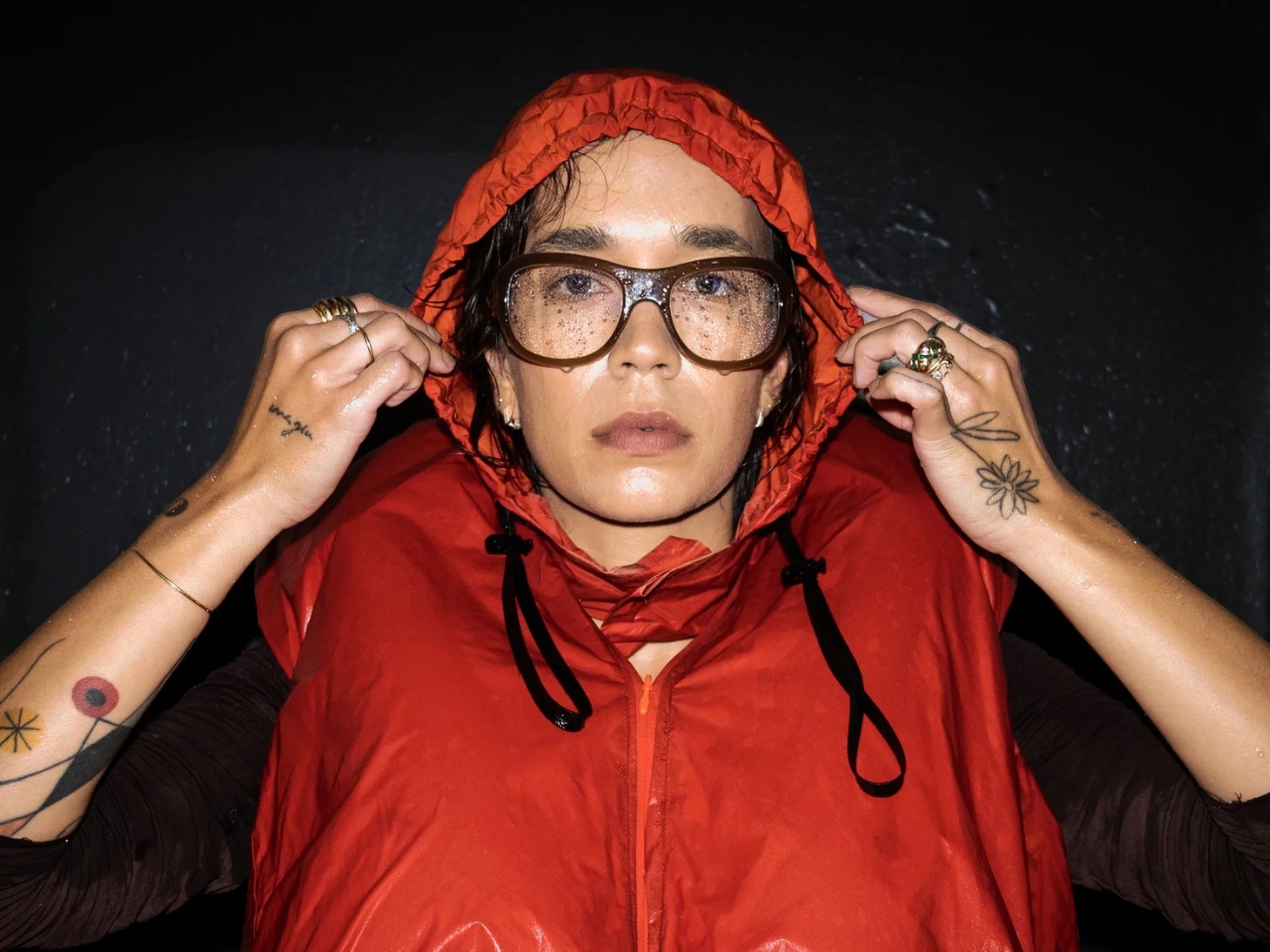
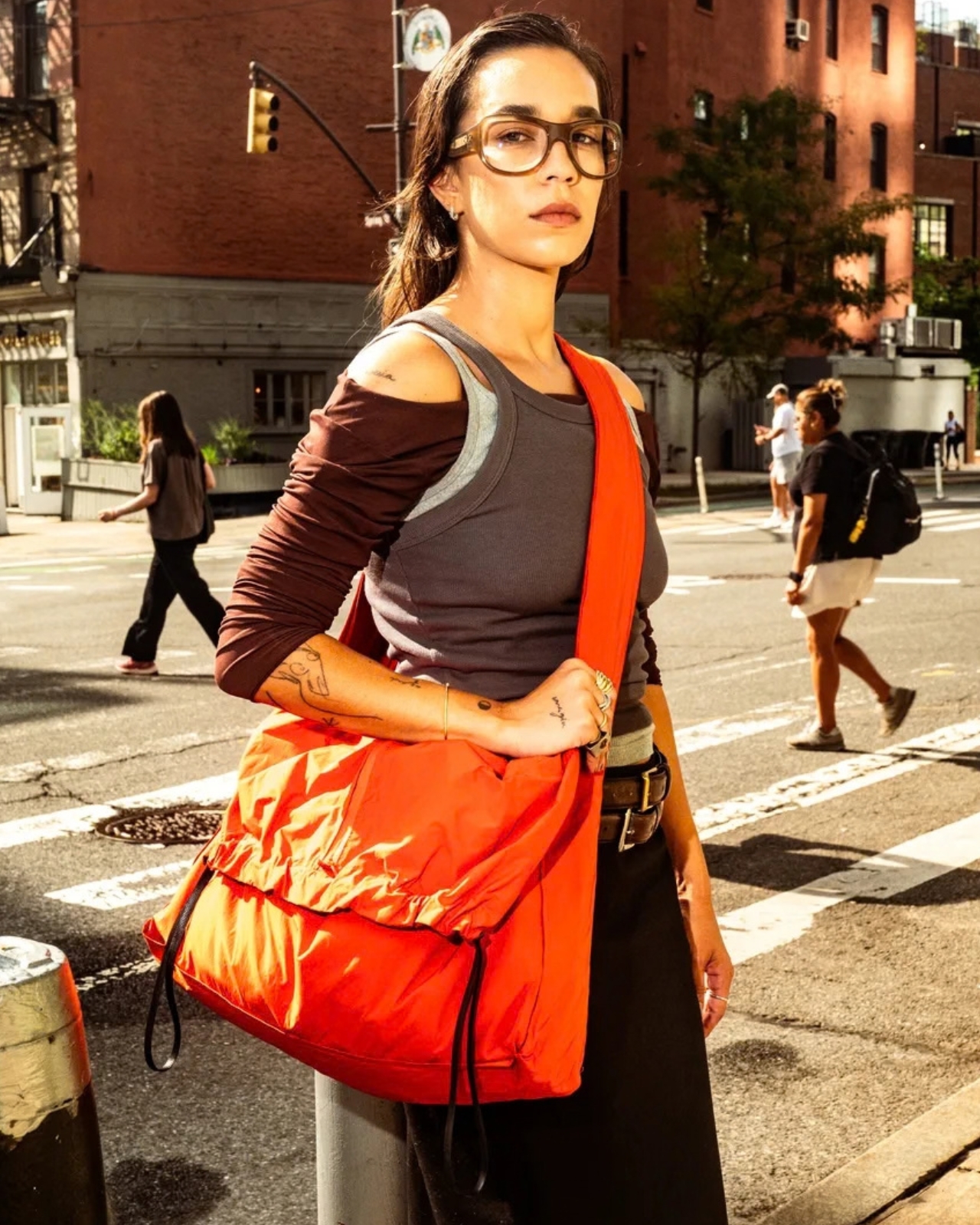
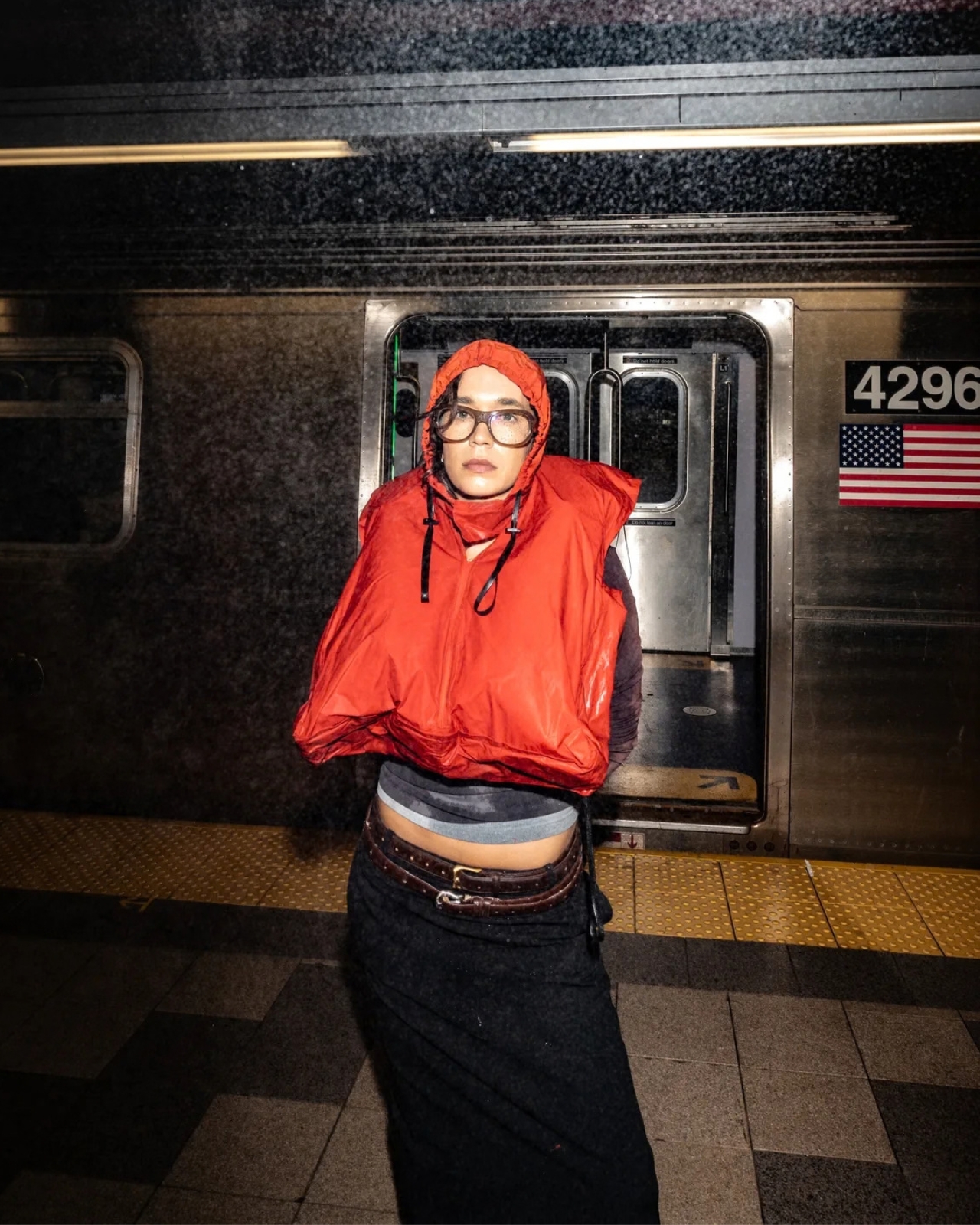
The bag itself is genuinely well made, which is part of what makes it unsettling. Mestriner dismantled a standard nylon life jacket and heat-welded the pieces back together into the shape of a tote, using about three yards of nylon, two polyester zippers, four yards of black cord, and four adjustable metal locks. A zipper runs through the center of the flap and body, wide enough to fit over someone’s head, and there’s a detachable rain hood tucked inside for good measure. Pull the straps and the whole thing inflates in about fifteen seconds. None of this was drafted on a computer first. The team built, tested, took it apart, and rebuilt it by hand until it worked.
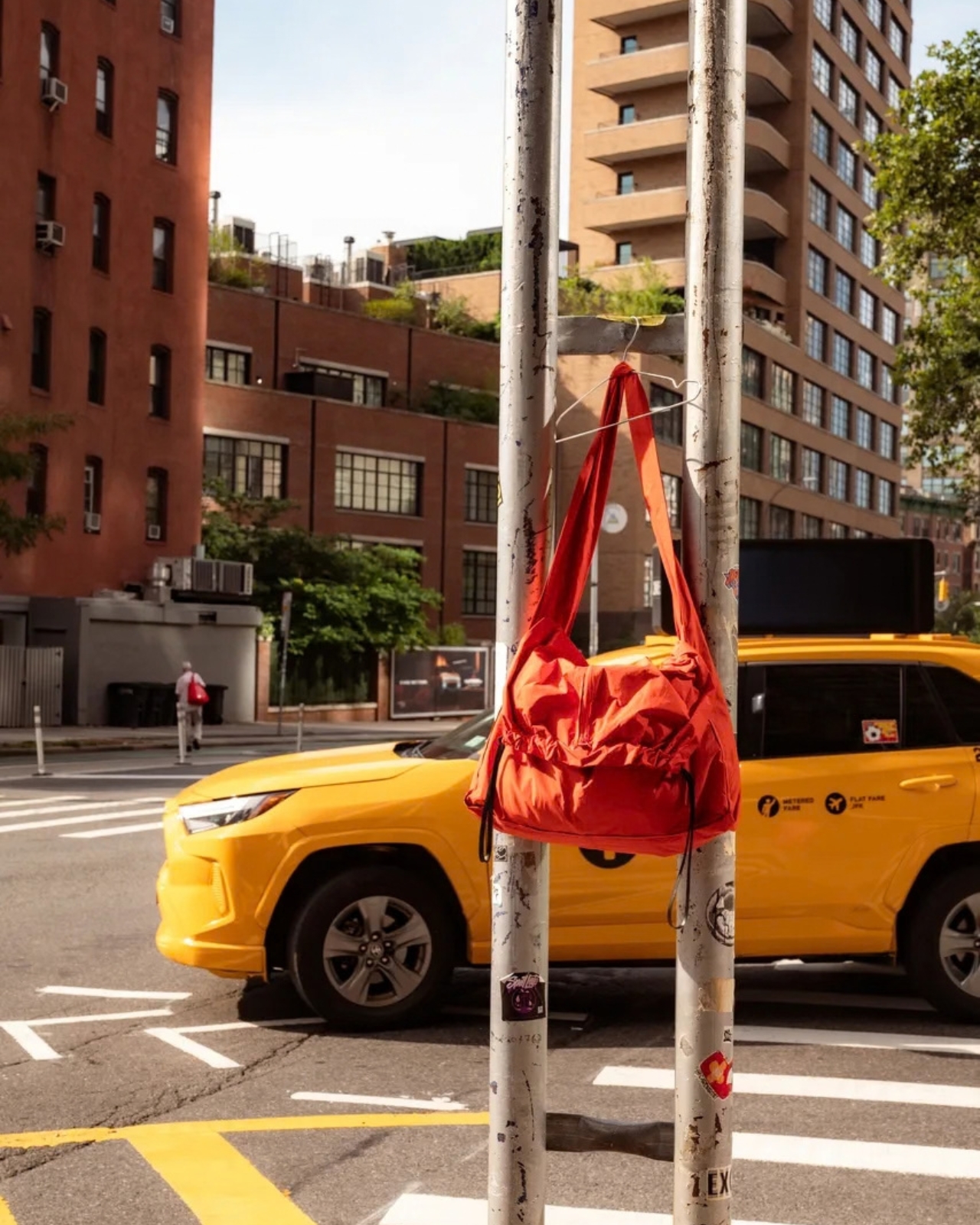
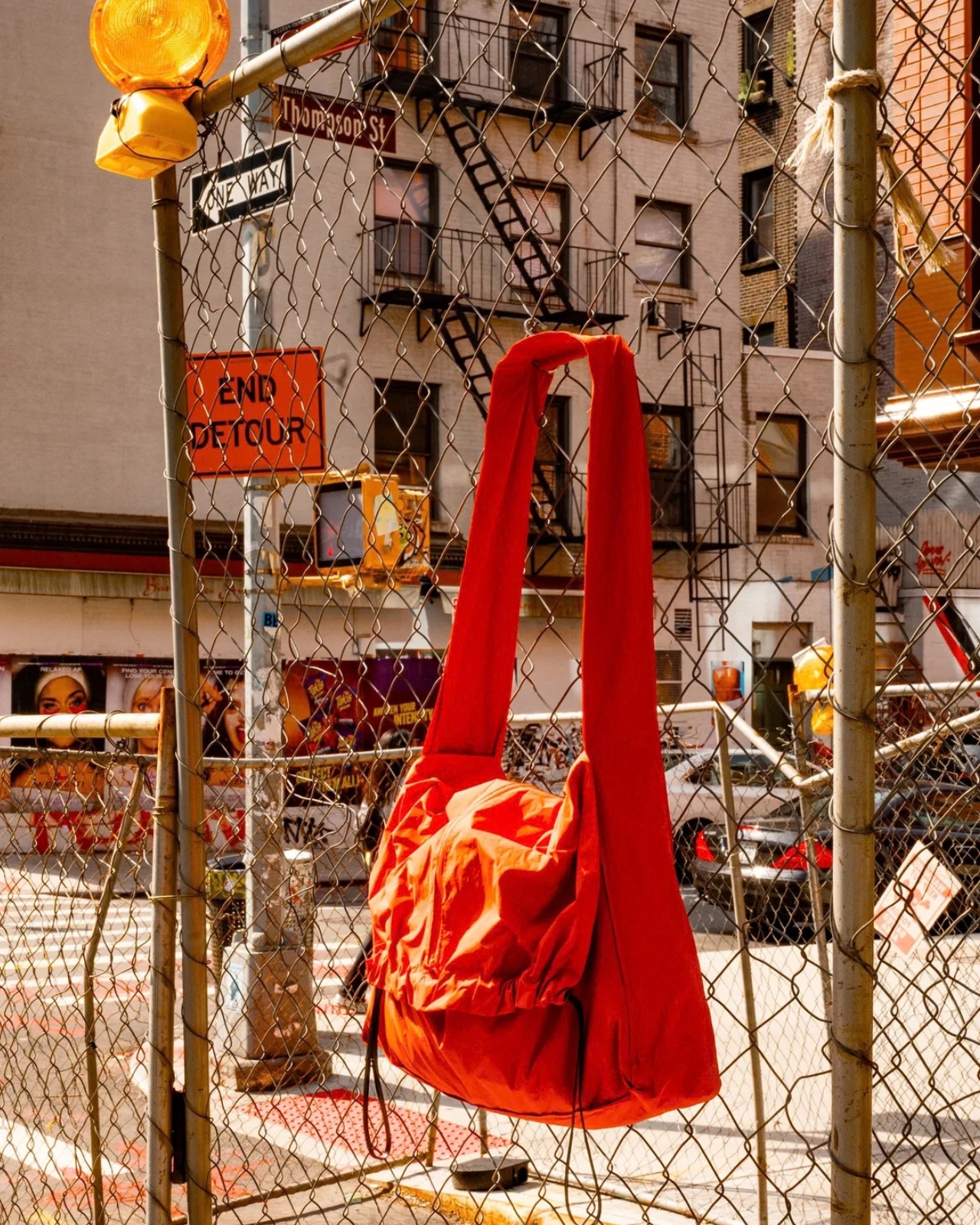
The color is doing a lot of the talking too. Lifeline is a loud, unmissable orange, the same visual language as a highway cone or a hazard sign. Le Brun has called it exactly that, the language of emergency, and it’s a smart choice because it refuses to let the object blend in the way most safety gear quietly does. Life jackets on a plane are tucked under your seat where you never see them until it’s too late to think clearly. This one is worn like an accessory, which is either darkly funny or the most honest design decision in the whole project, depending on your mood that day.
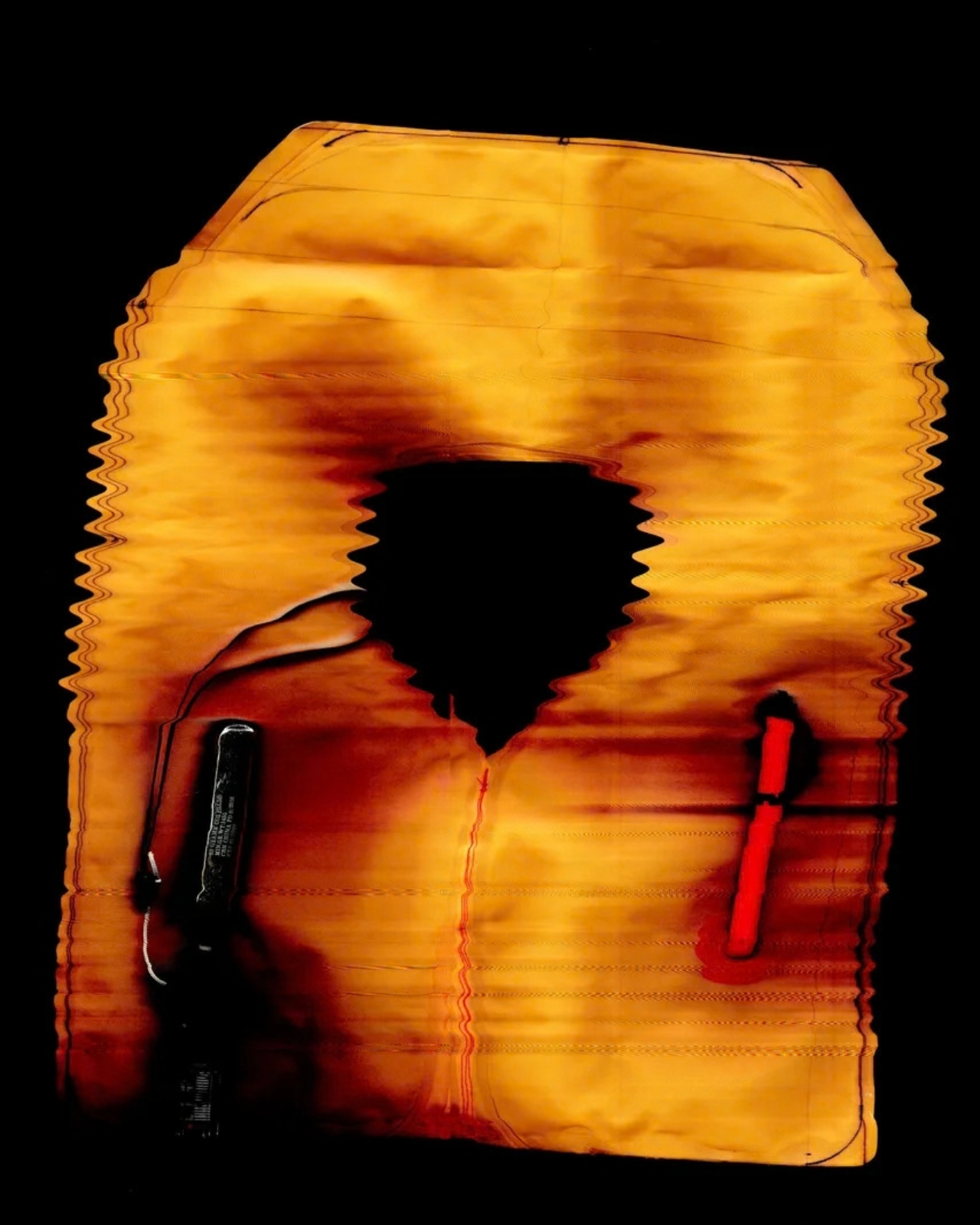
What actually gets me about Lifeline isn’t the engineering, it’s the framing. Le Brun described the whole project as an “essential that shouldn’t exist,” and that phrase does more work than any statistic could. We’ve gotten so used to climate disruption showing up as background noise, a delayed train, a canceled flight, a flooded platform you just have to walk around, that we rarely stop to ask why any of it has become normal enough to accessorize. Mestriner put it well when she talked about the project sitting at the intersection of convenience and emergency, privilege and vulnerability, and how that weight never falls evenly across people or neighborhoods.
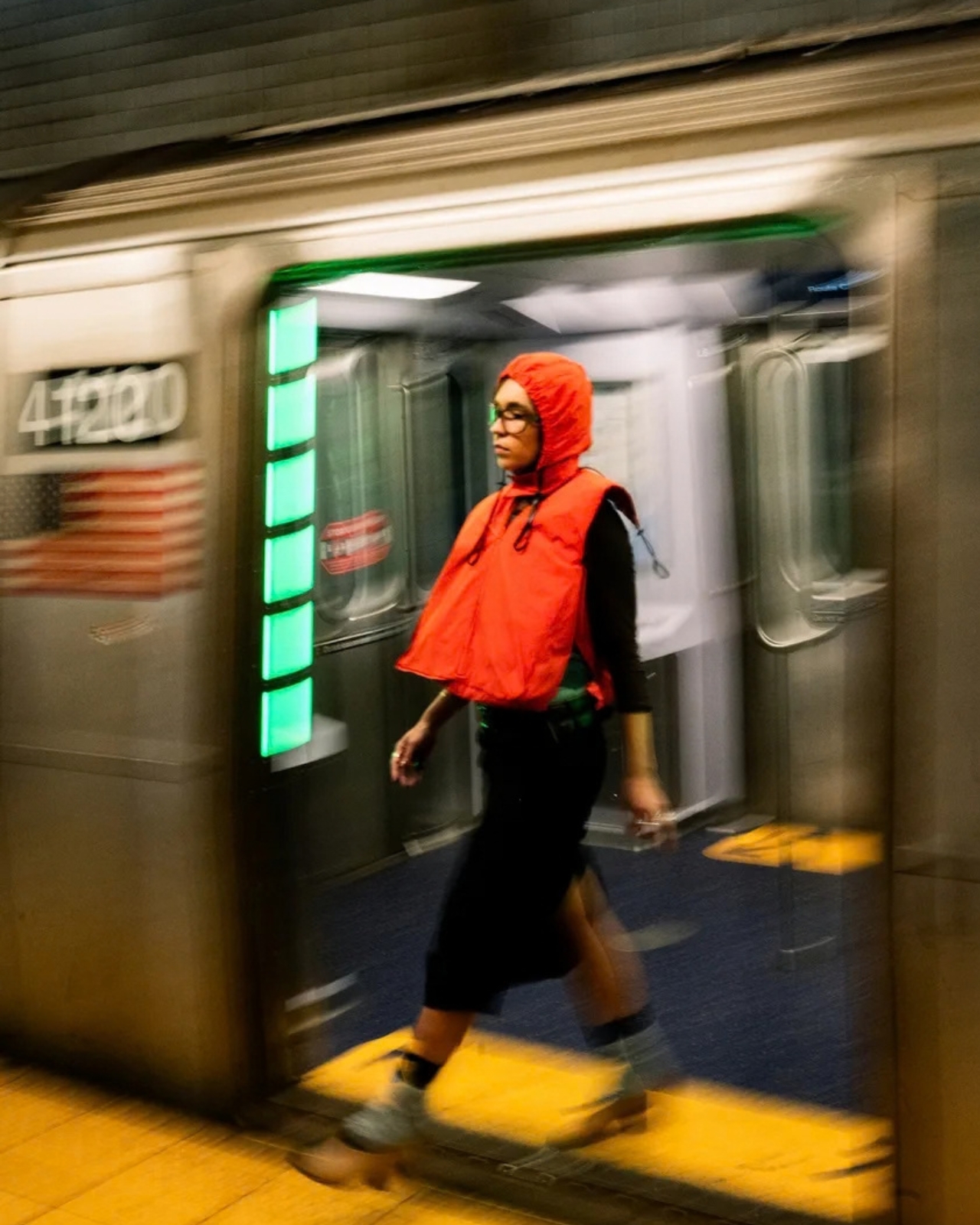
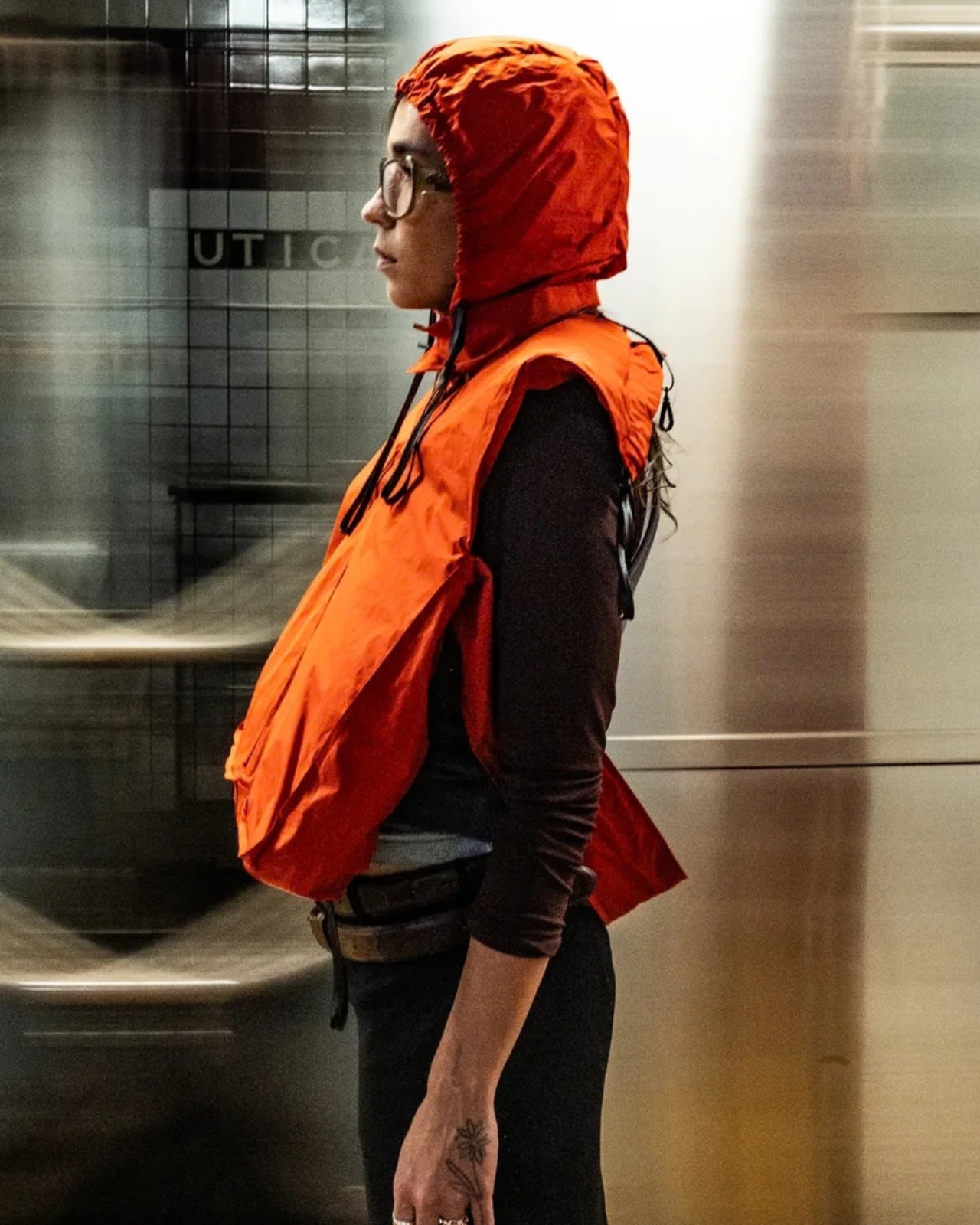
Lifeline isn’t for sale, and it was never meant to be. It launched at the start of Climate Week as what Le Brun calls a narrative object, something built to spark a conversation rather than solve a logistics problem. That’s a fair goal for a five person art collective working with heat-welded nylon in a studio, and I don’t think anyone involved believes commuters should actually be shopping for inflatable totes. But the object does something a chart or a headline can’t quite manage. It takes an abstract, slow moving crisis and makes it wearable, immediate, almost absurdly personal.
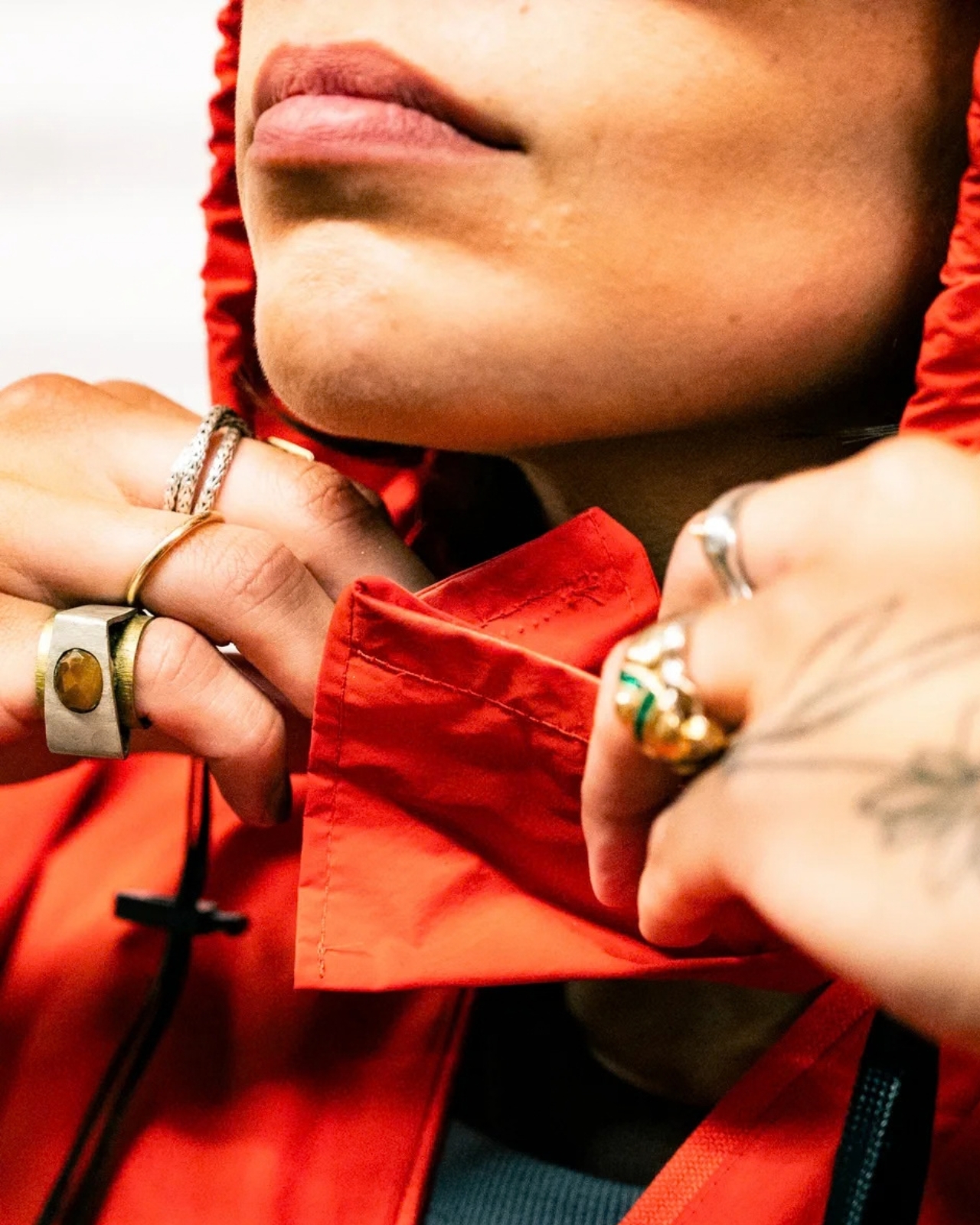
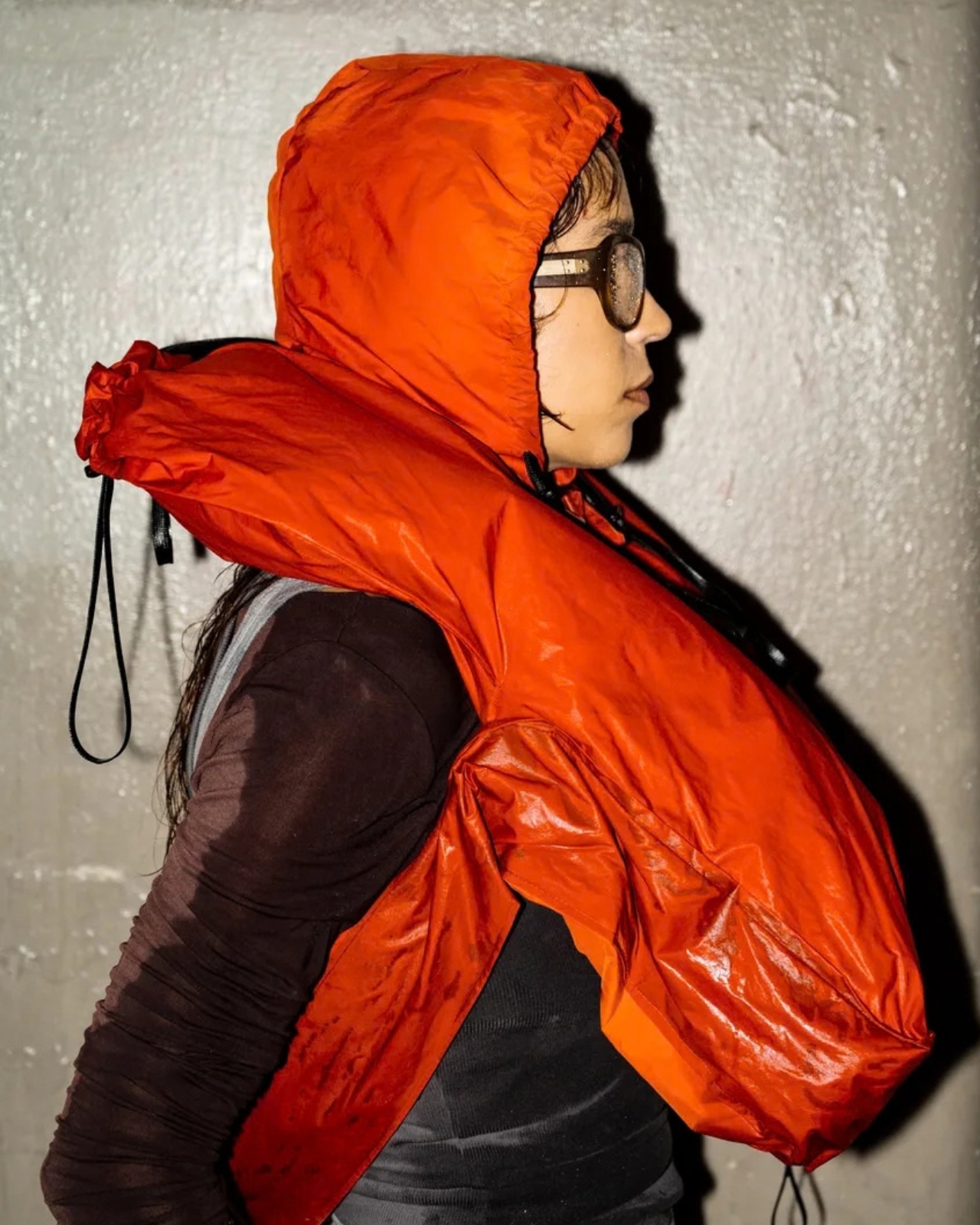
I keep coming back to the photos of the bag being converted into a life jacket inside an actual subway station, styled like a fashion editorial one second and a survival scenario the next. That whiplash is the whole point. New York keeps moving through disruption because that’s what the city does, but Lifeline is a pretty sharp reminder that resilience and denial can look identical from the outside, right up until the water starts rising.
The post Nobody Wants This Life Jacket Hidden in a Tote Bag first appeared on Yanko Design.
Lululemon’s 80L Bag Refuses to Let You Pack Another Tote

I often bring a large bag, or two, when I go out because I always seem to want to bring half of my house with me. There are my journals (yes, that’s plural), stationery supplies, a planner, a book or two, skincare and makeup essentials, my diabetic first aid kit, and various other knickknacks. So yes, I often bring a big-ass bag with me.

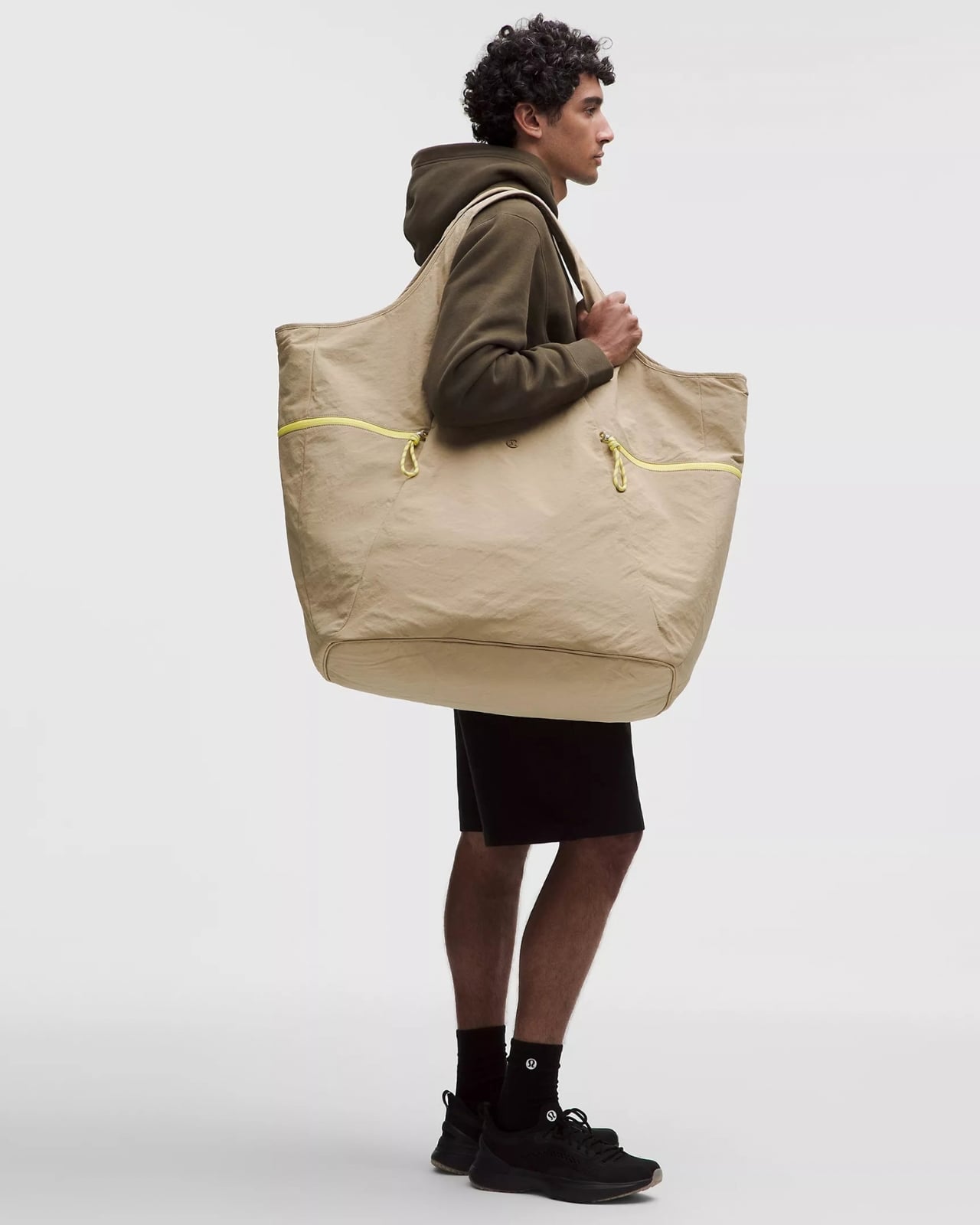
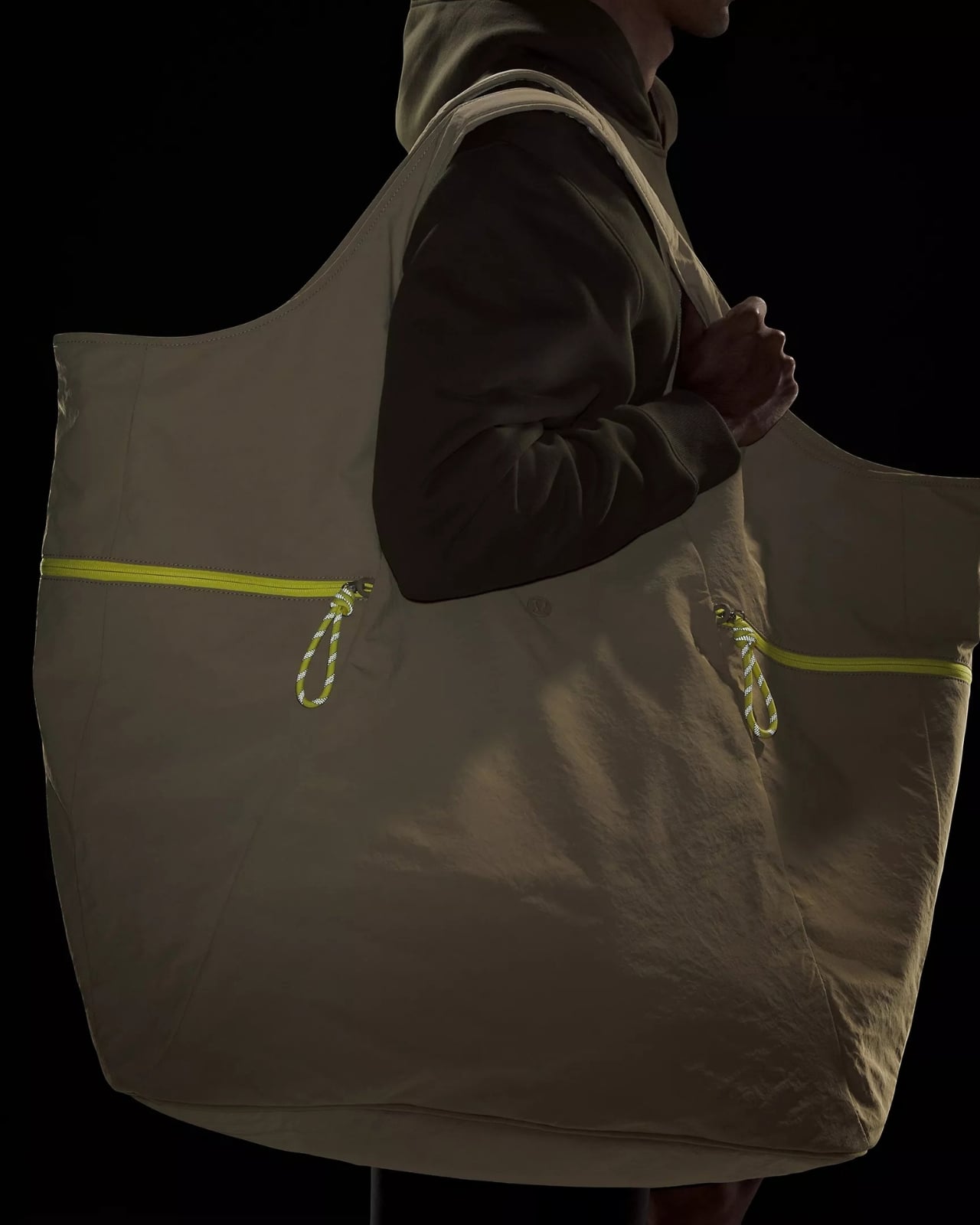
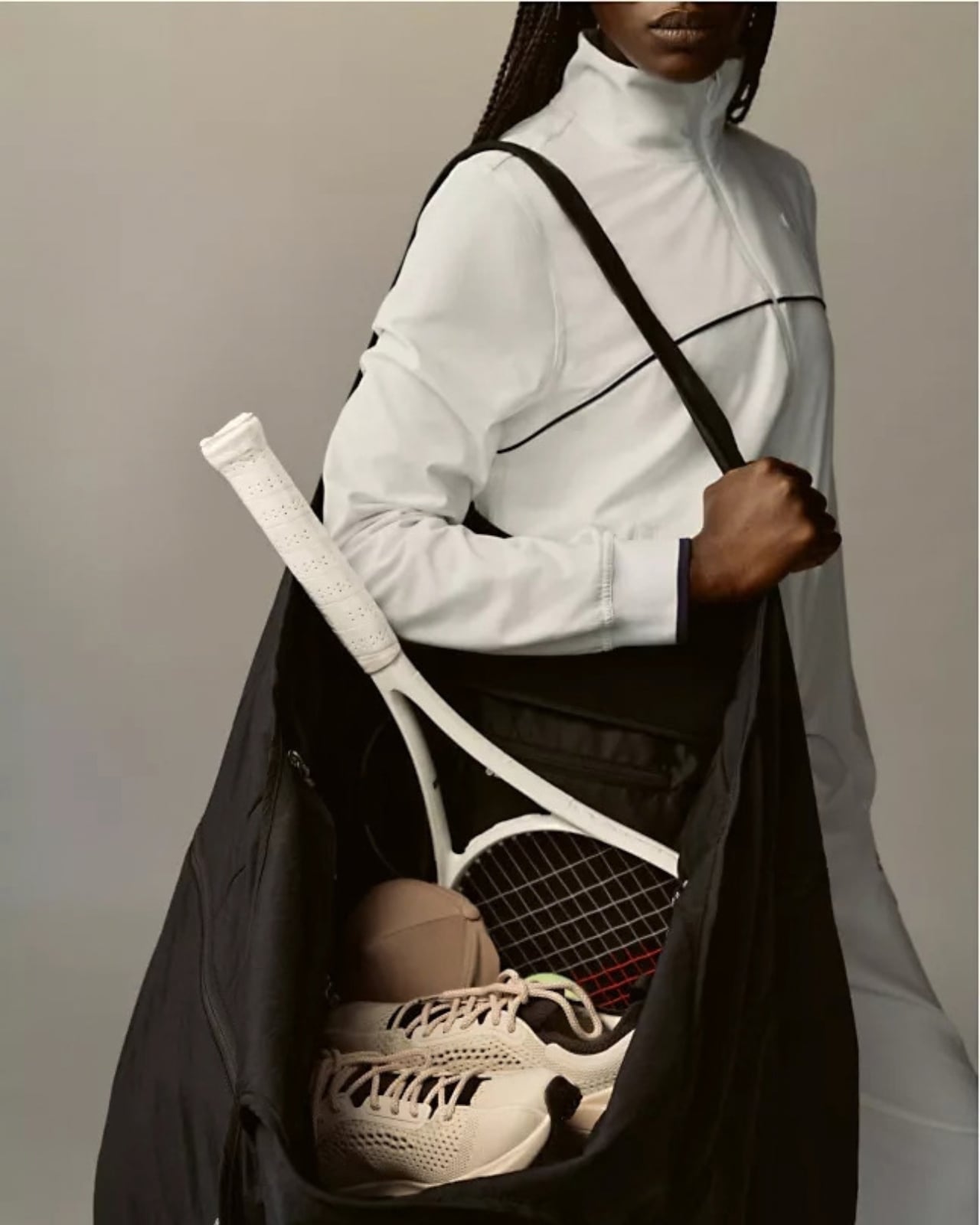
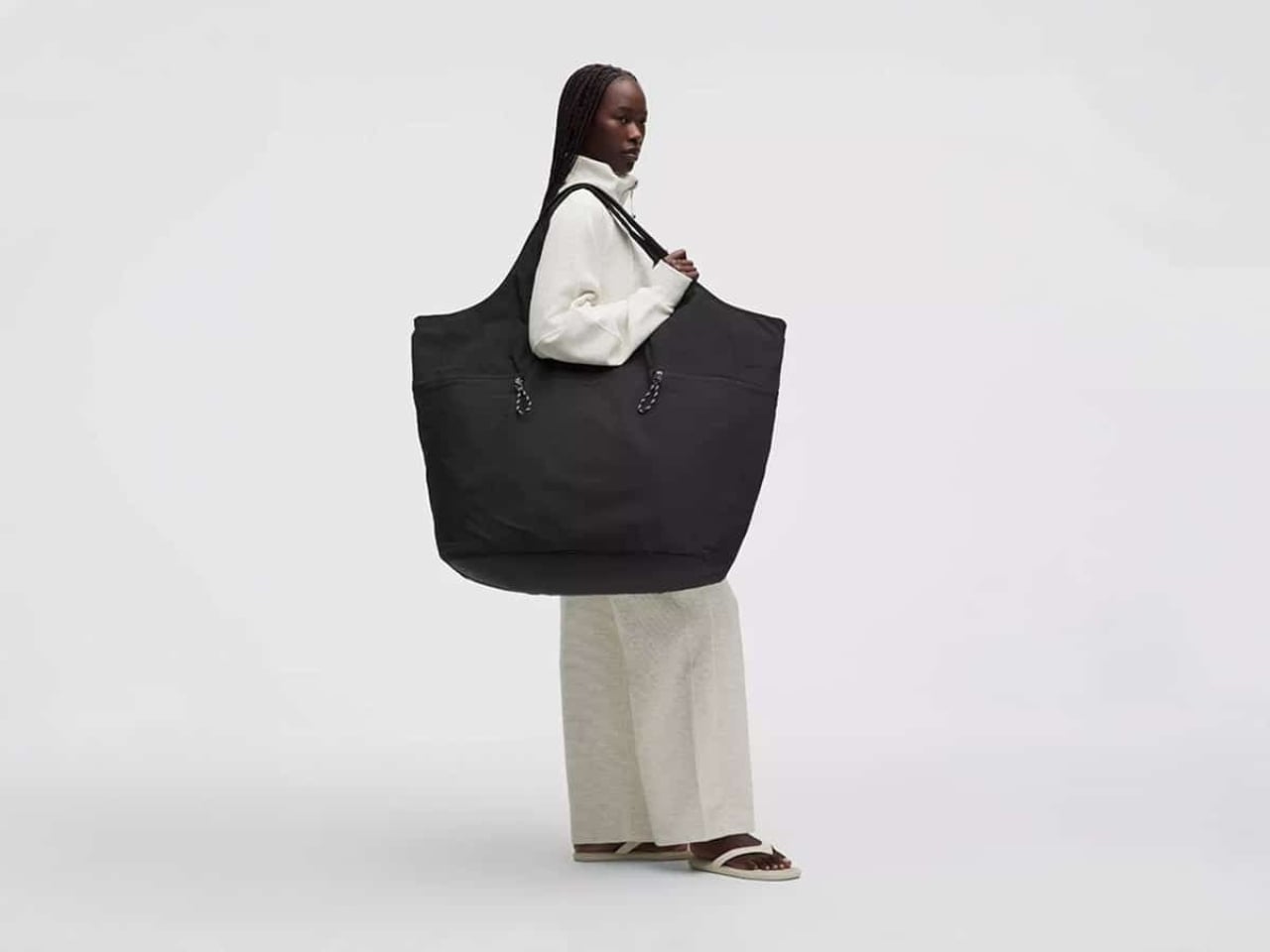
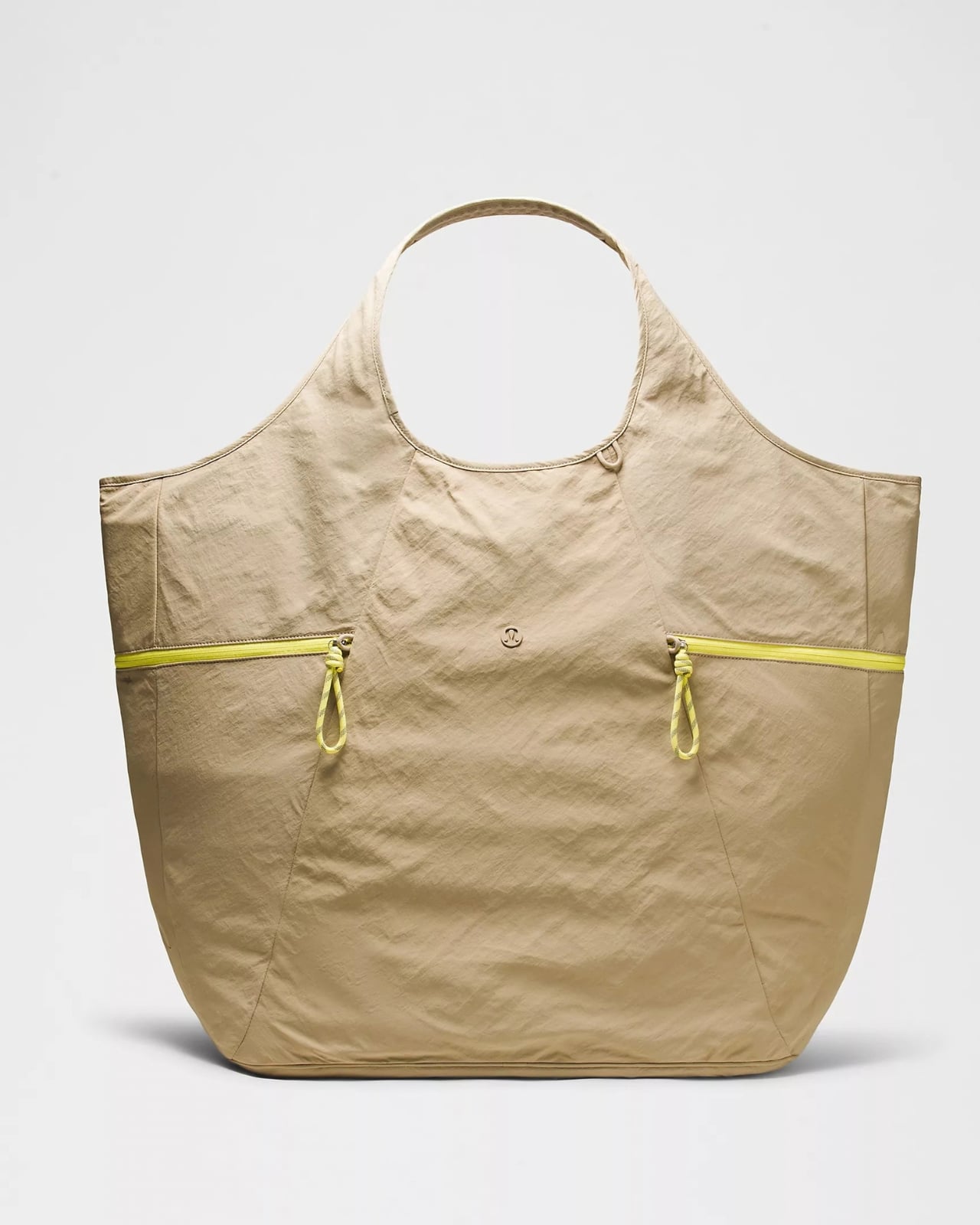
This new release from Lululemon matches my aesthetic perfectly. And yes, it’s actually called the Big-Ass Bag 80L, because how else would you describe it? It has a capacity of, you guessed it, 80 liters, and stands nearly three feet tall. So if you’d rather carry just one bag instead of juggling several, this is probably the biggest and most stylish option out there.

Designer: Lululemon

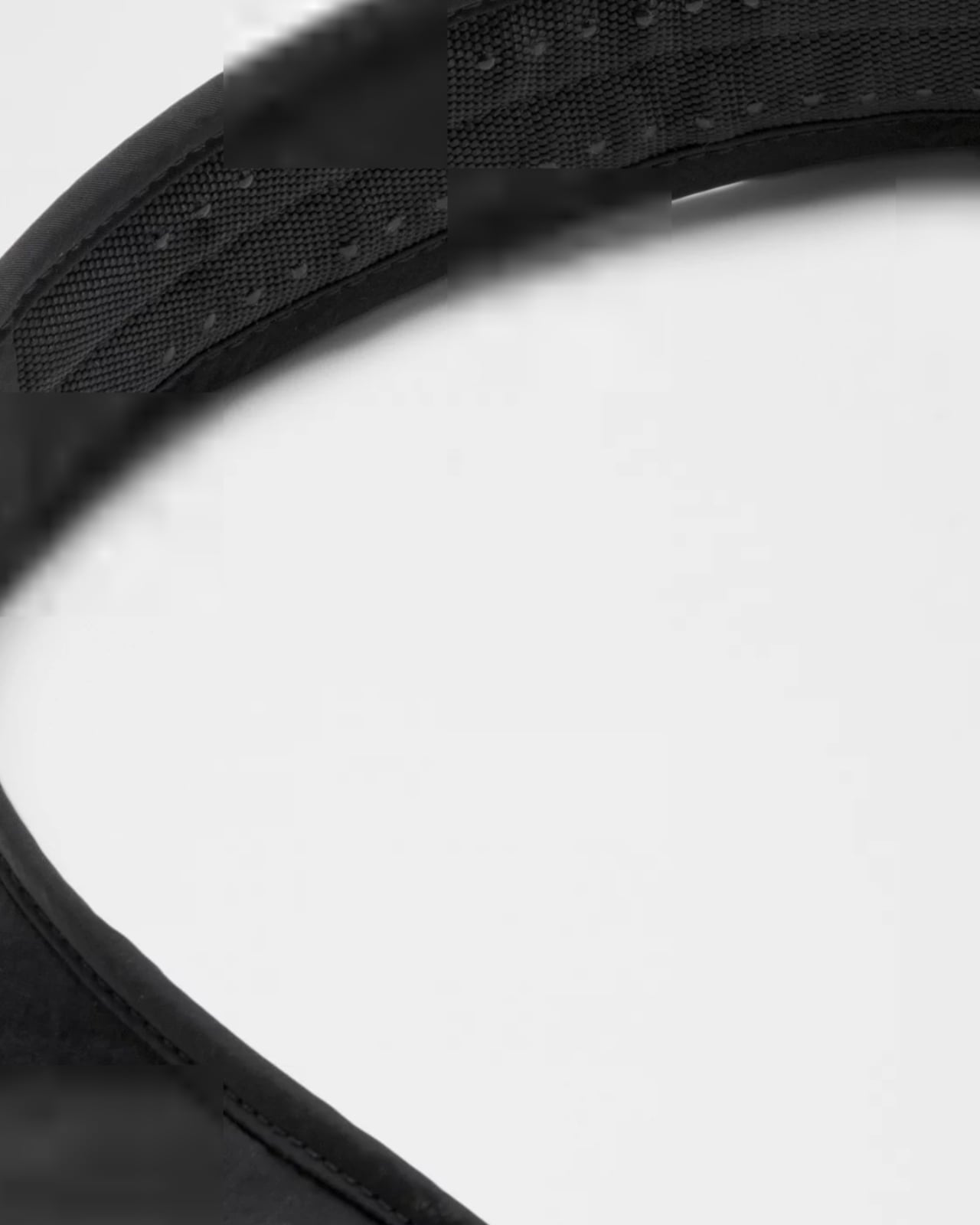
One challenge with big bags like this is that they can get quite heavy and dig into your collarbone. This particular Big-Ass Bag solves that problem with padded shoulder straps. Meanwhile, the integrated silicone grips keep it from sliding off your shoulder, which can be another common annoyance. And believe me, catching an 80-liter bag mid-slip will hurt your fingers and wrist.

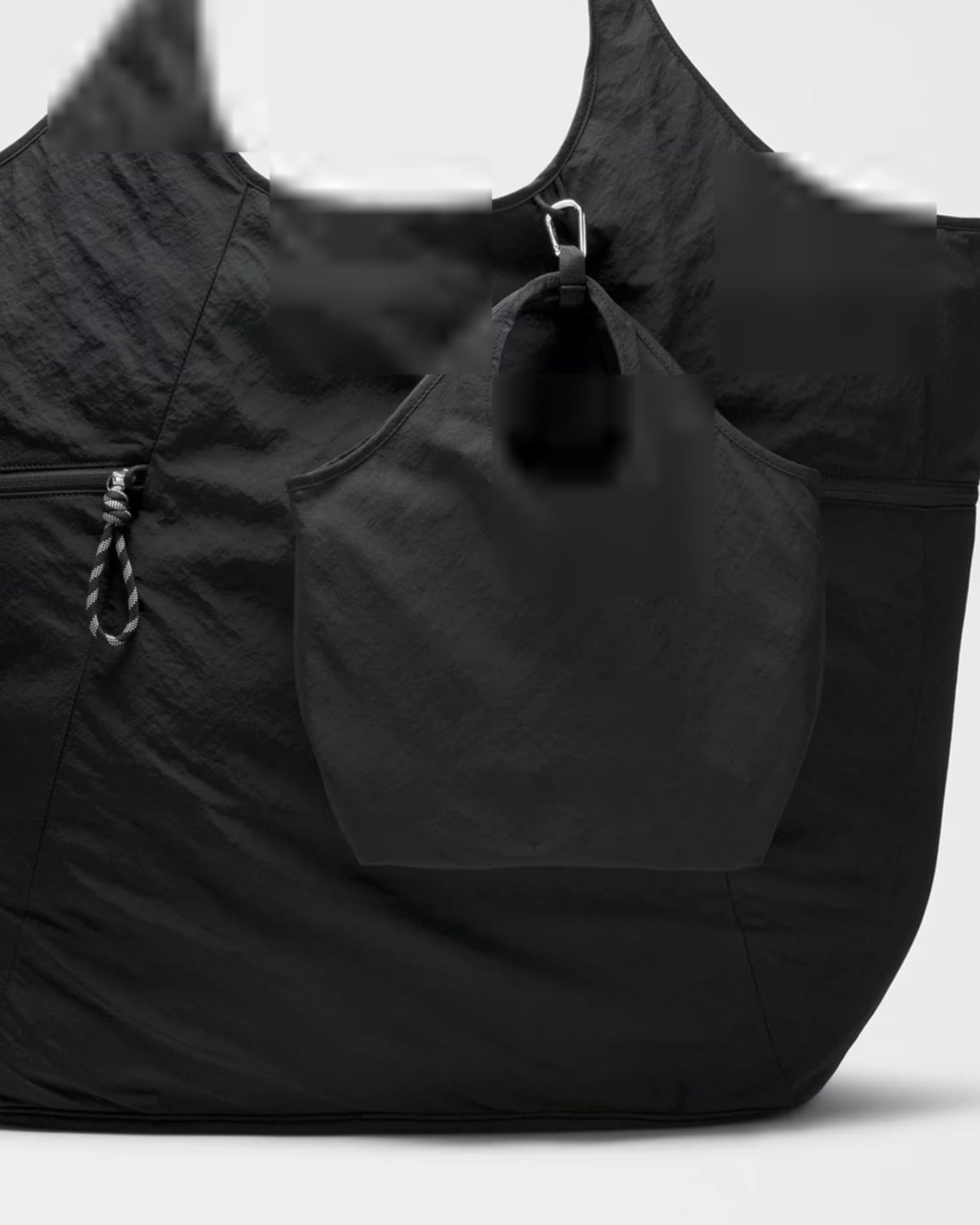
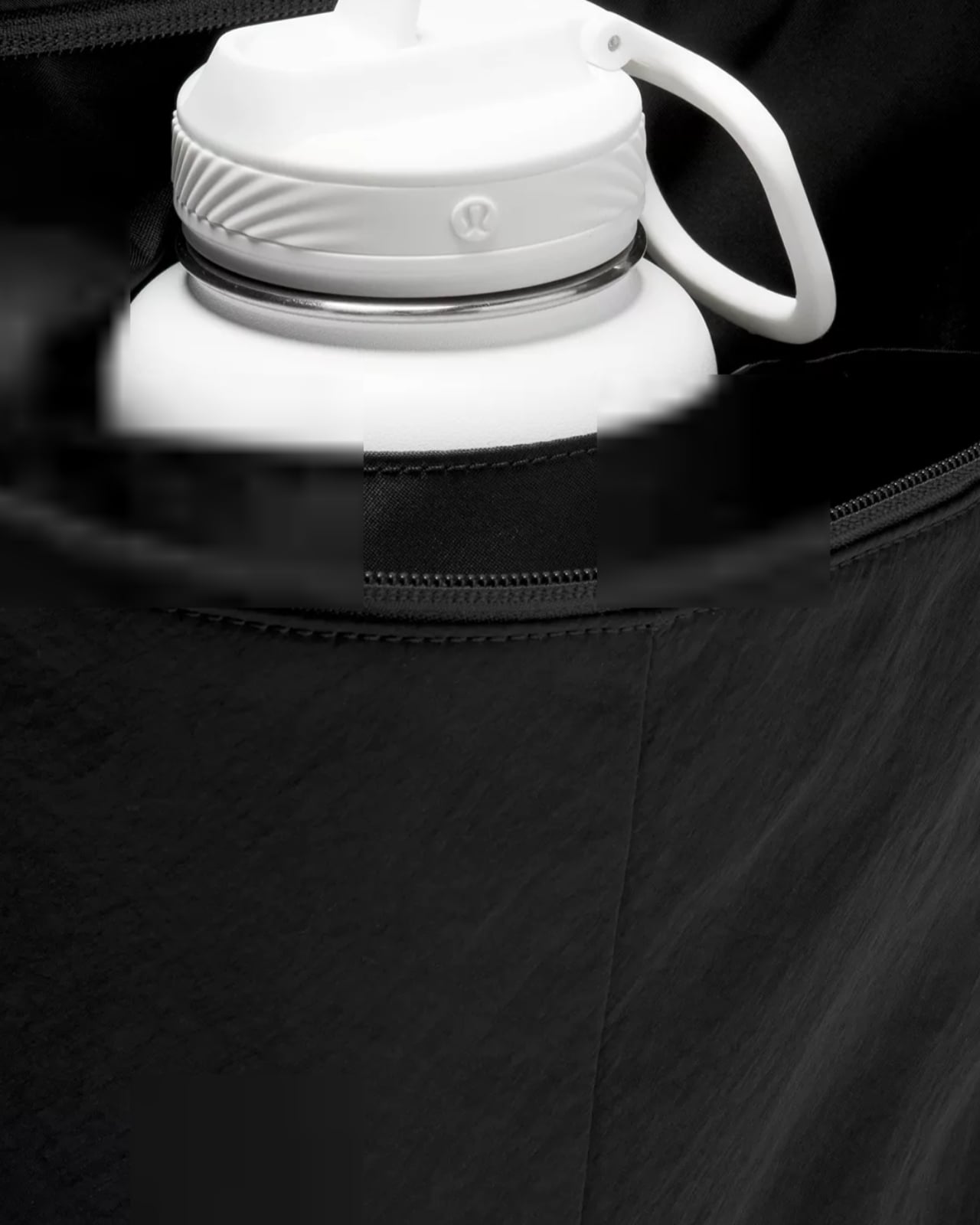
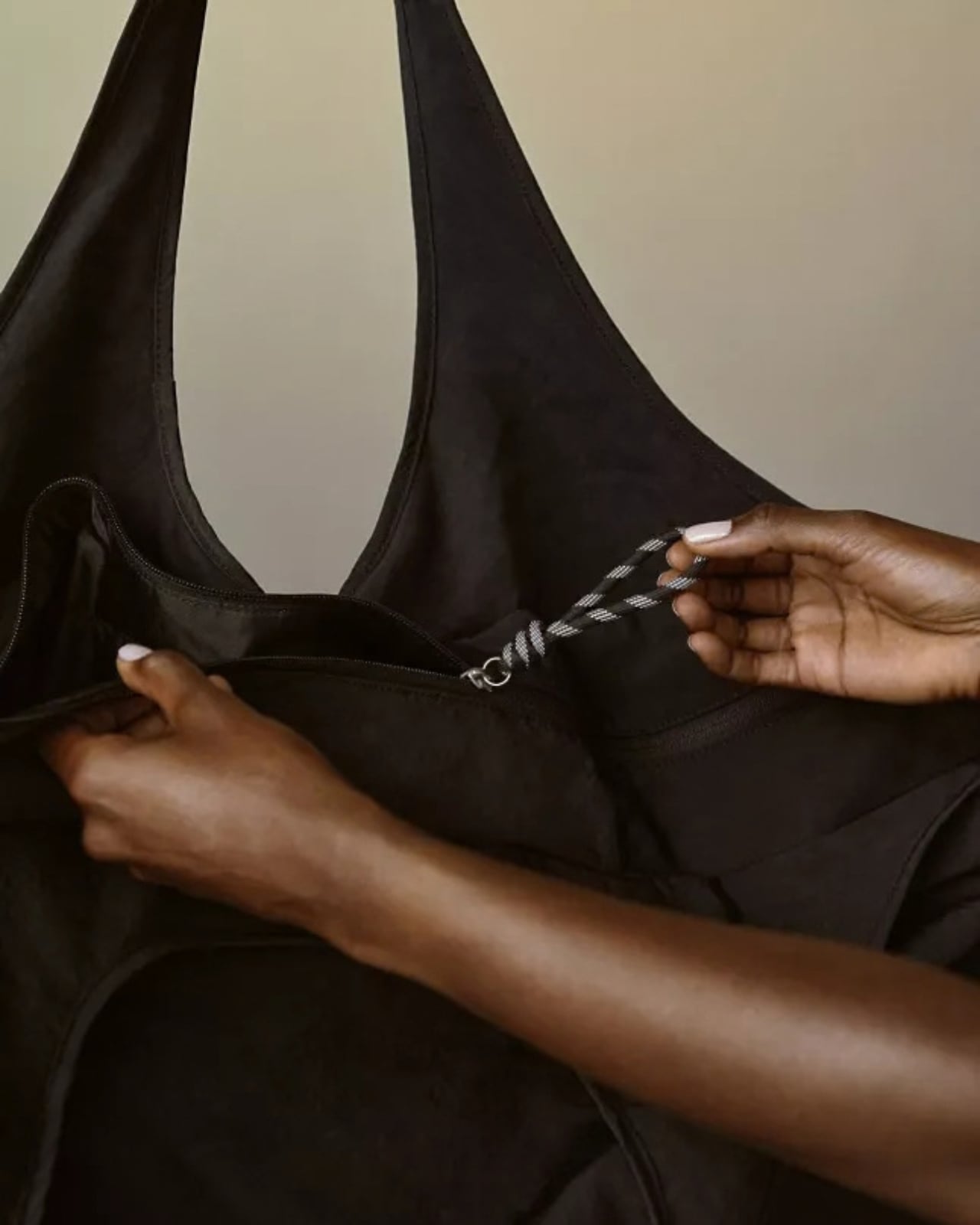
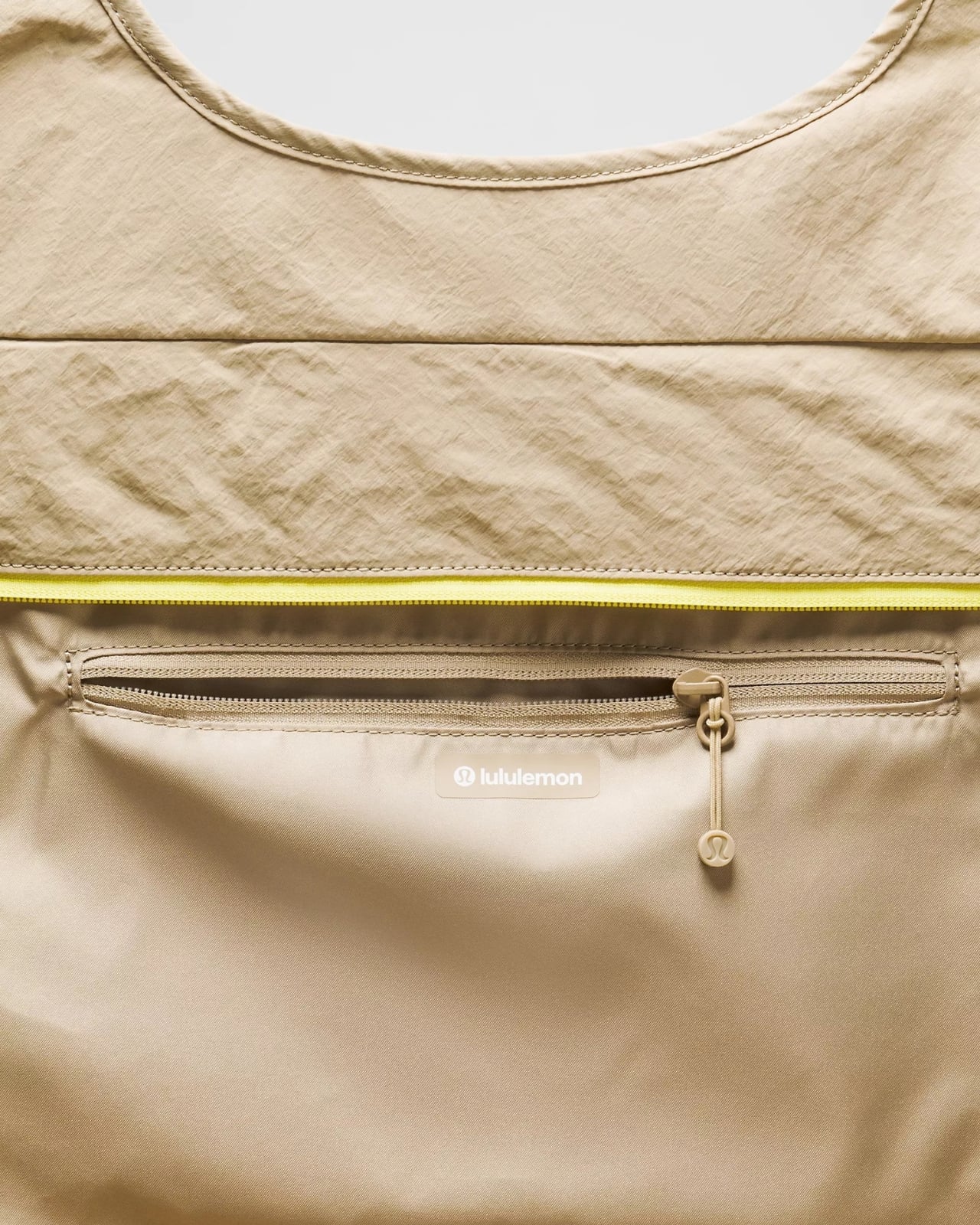
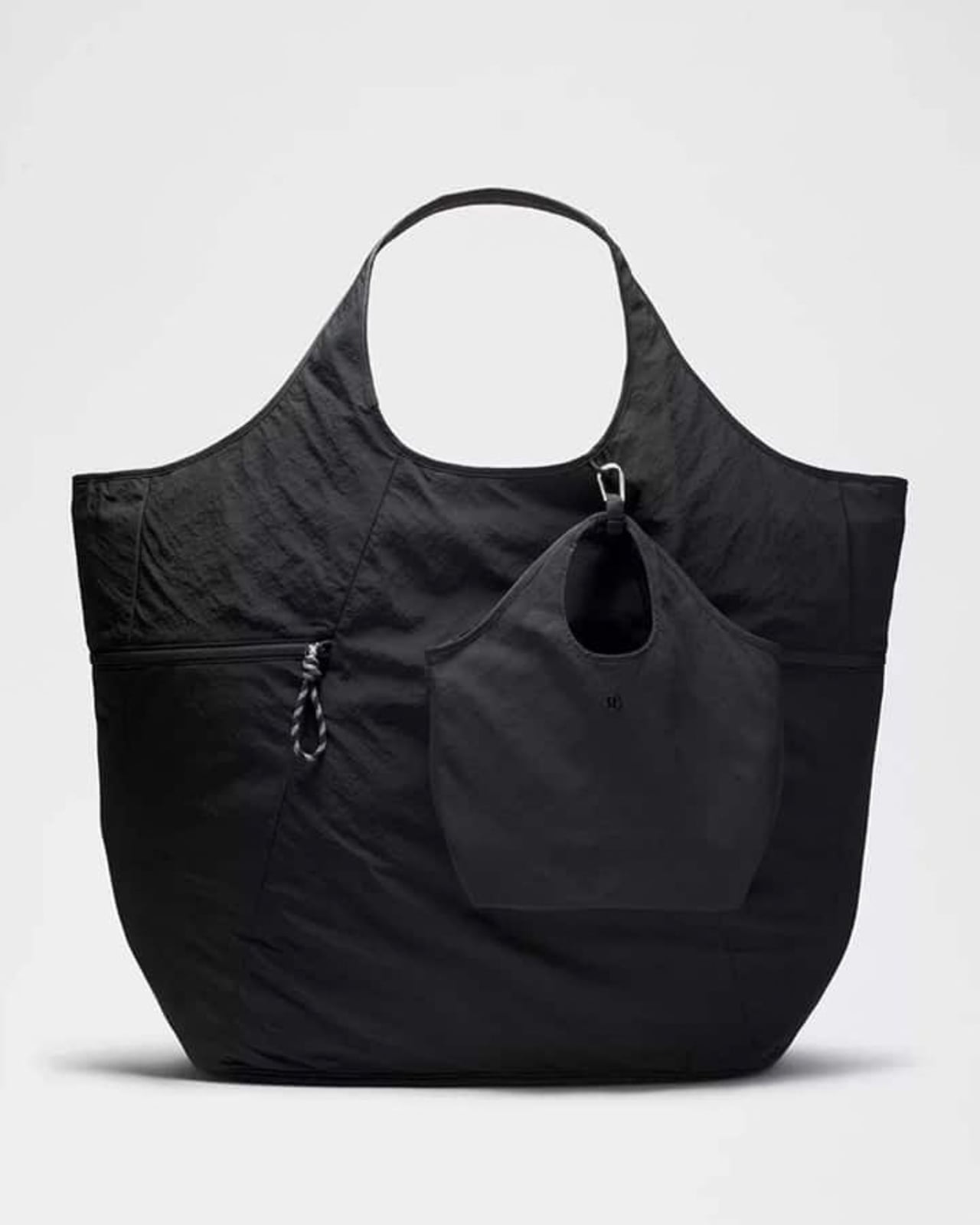
You probably also don’t want everything you packed to shift and roll around inside, making it hard to dig through and find what you need when you need it. This bag comes with several built-in organizational features to prevent that. You get dual exterior zippered pockets, a dedicated water bottle holder, a zippered main compartment, and interior organizational pockets. There’s even a mini tote included for extra storage, in case everything somehow doesn’t fit into your already massive bag.

If you like clipping on photo card holders, plushies, gym tags, keys, or that included mini tote, the bag has a webbing loop attachment point for exactly that. It’s also designed to stand upright on its own, so there’s no danger of everything spilling out the moment you set it down. As for materials, it’s made from 100% recycled nylon and polyester, which fits neatly into the brand’s ongoing sustainability push. At $248, it isn’t cheap, but for a bag this size and this well thought out, it’s a reasonable ask.

So how does the Big-Ass Bag stack up against other giant carriers on the market? The most obvious comparison is Patagonia’s Black Hole Duffel 100L, a longtime favorite among travelers and gearheads. At around $225 and measuring 29 x 15 x 13.3 inches, the Black Hole holds even more volume, and its weatherproof, rugged shell is built to survive baggage handlers and years of rough use. But it’s a duffel, not a shoulder tote, so it’s better suited for trips and gear hauling than for daily errands.

Lululemon’s entry, by contrast, is designed with an upright, structured shape that works more like an oversized tote you can sling over one shoulder and walk into a grocery store or laundromat with. It won’t survive quite the abuse a Black Hole Duffel can take, but it doesn’t need to. This is a bag built for daily life, not base camp. If you want rugged travel gear, Patagonia still wins. If you want something that turns “I need to bring everything” into a single, stylish, over-the-shoulder grab-and-go, the Big-Ass Bag has the edge.

At the end of the day, this bag is proof that sometimes the simplest idea, just make it bigger, is exactly what people didn’t know they needed. It won’t fit in your closet quietly, and it definitely won’t let you forget you own it, but that’s sort of the point. Whether you’re the person who packs a “just in case” version of everything, a parent hauling three kids’ worth of gear, or someone who simply refuses to make two trips to the car, the Big-Ass Bag earns its name honestly. It’s oversized, it’s a little ridiculous, and it’s exactly as practical as it looks. For anyone tired of choosing between style and sheer carrying capacity, Lululemon just proved you don’t have to pick one.

The post Lululemon’s 80L Bag Refuses to Let You Pack Another Tote first appeared on Yanko Design.
Starbucks x Traveler’s Company Made a Collab Worth Flying to Tokyo For

As a stationery fiend, I always look forward to the second half of the year because most brands announce their lineups for the next year. I also look forward to the collaborations they create with other related (and sometimes completely unrelated) companies, the kind that make me want to support either brand, depending on how I’ll be able to get my hands on the often limited-edition products.

Some collaborations exist purely for hype. They look good in a press release, generate the right amount of social media noise, and then quietly disappear from shelves and memory. The new Starbucks Reserve Roastery Tokyo x Traveler’s Company collection is not that. It’s the kind of collab that makes sense on paper, and even more sense when you actually hold the pieces in your hands.

Designer: Starbucks x Traveler’s Company

For those not already deep in the cult of Traveler’s Company, let me make the introduction. Founded in Tokyo, Traveler’s Company makes handcrafted leather notebooks and stationery that have earned a devoted following among journalers, designers, travelers, and the kind of people who still believe that writing by hand is an act worth protecting. Their flagship Traveler’s Notebook has become iconic in its own quiet way, a slim leather cover held together by an elastic band, designed to age beautifully and accumulate memories over time. It’s the opposite of disposable. Their annual theme for 2026 is fittingly called “Spirit,” inspired by the excitement of when a journey begins and the pleasure of setting off somewhere completely new.

Then there’s the Starbucks Reserve Roastery Tokyo. Tucked into the leafy streets of Nakameguro, it isn’t your average Starbucks. It’s a flagship experience space housed in a building by renowned architect Kengo Kuma, where the coffee is treated more like a craft than a morning routine. Both brands are, at their core, about the experience of being fully present in a moment. So the partnership makes complete sense.

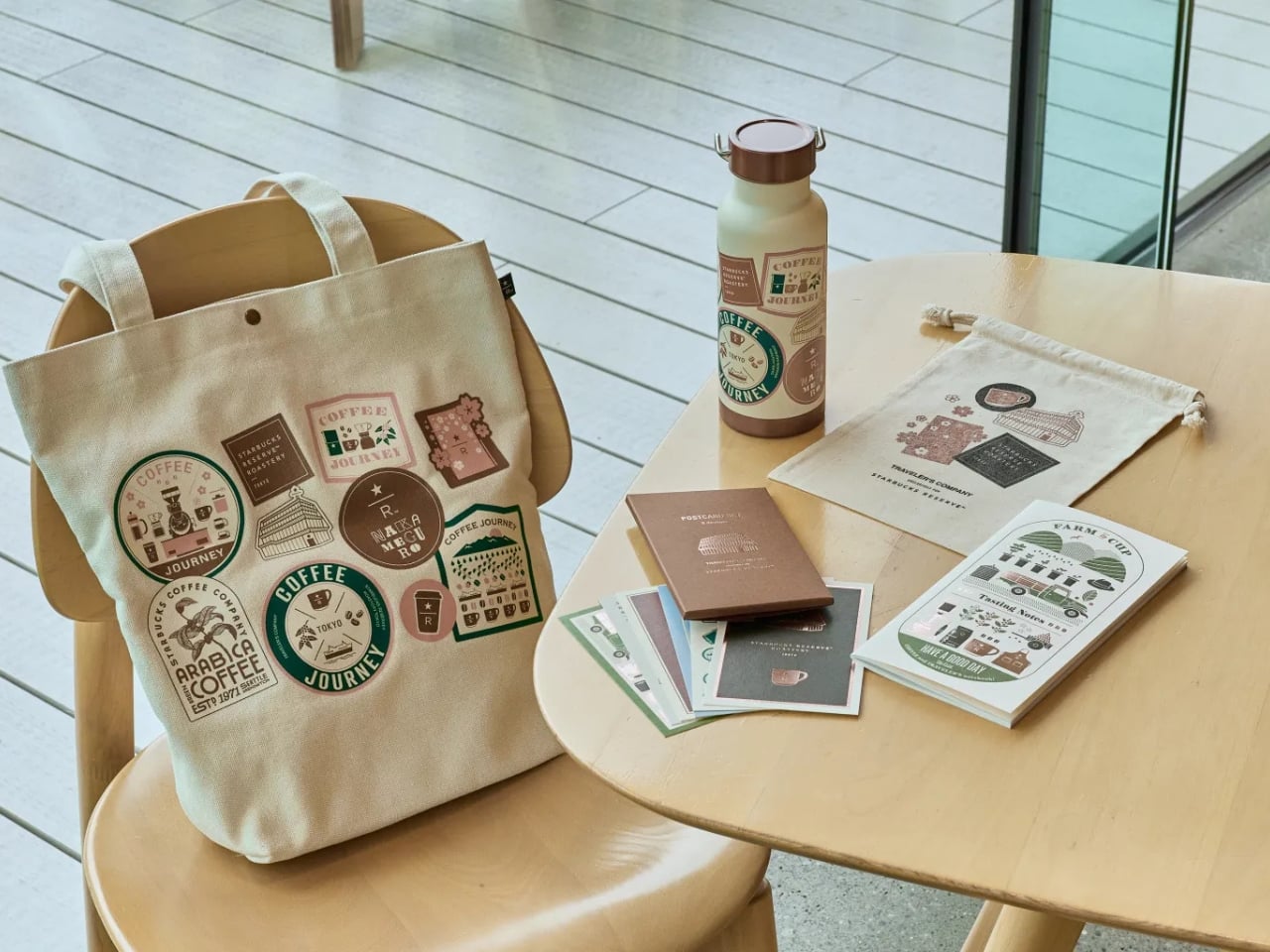
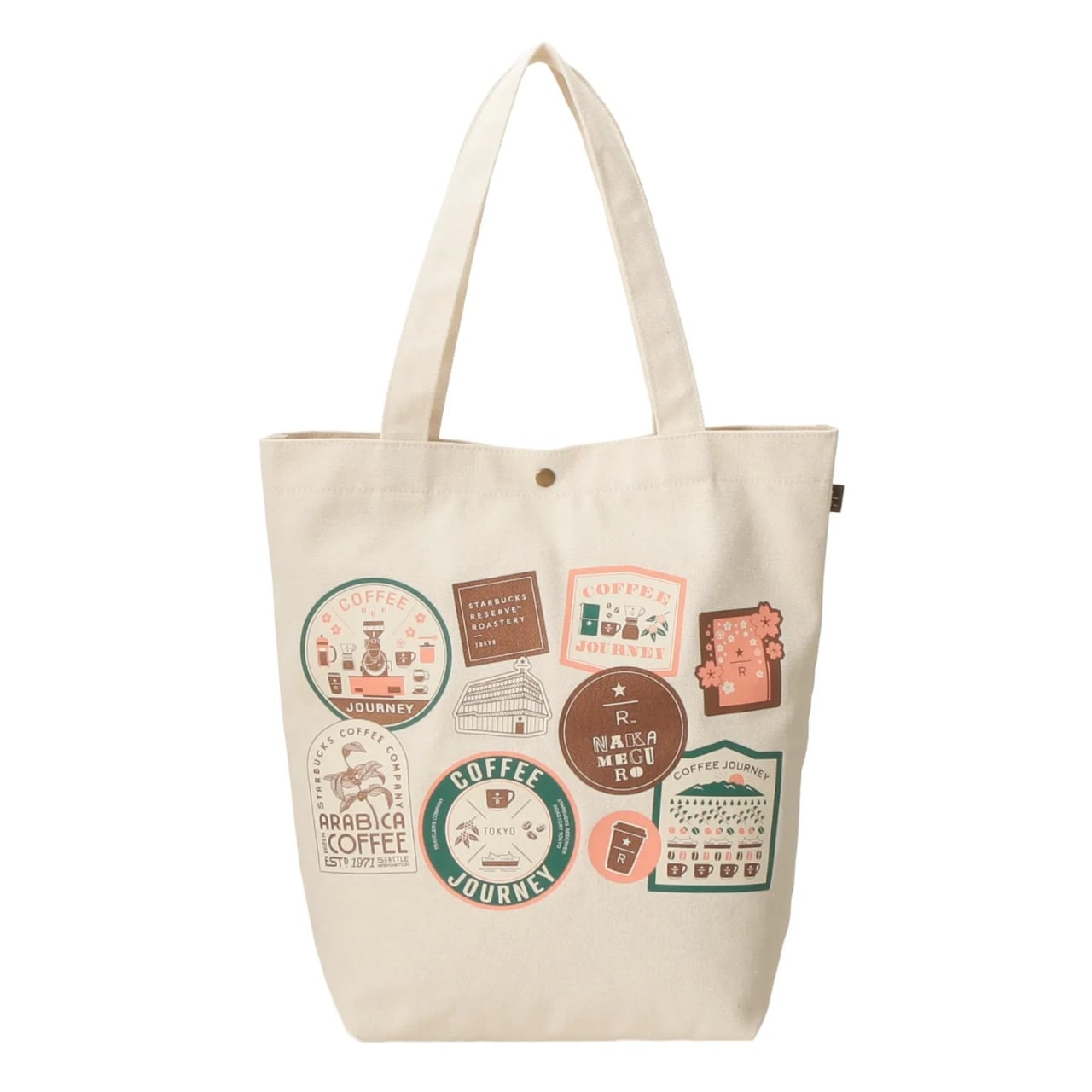
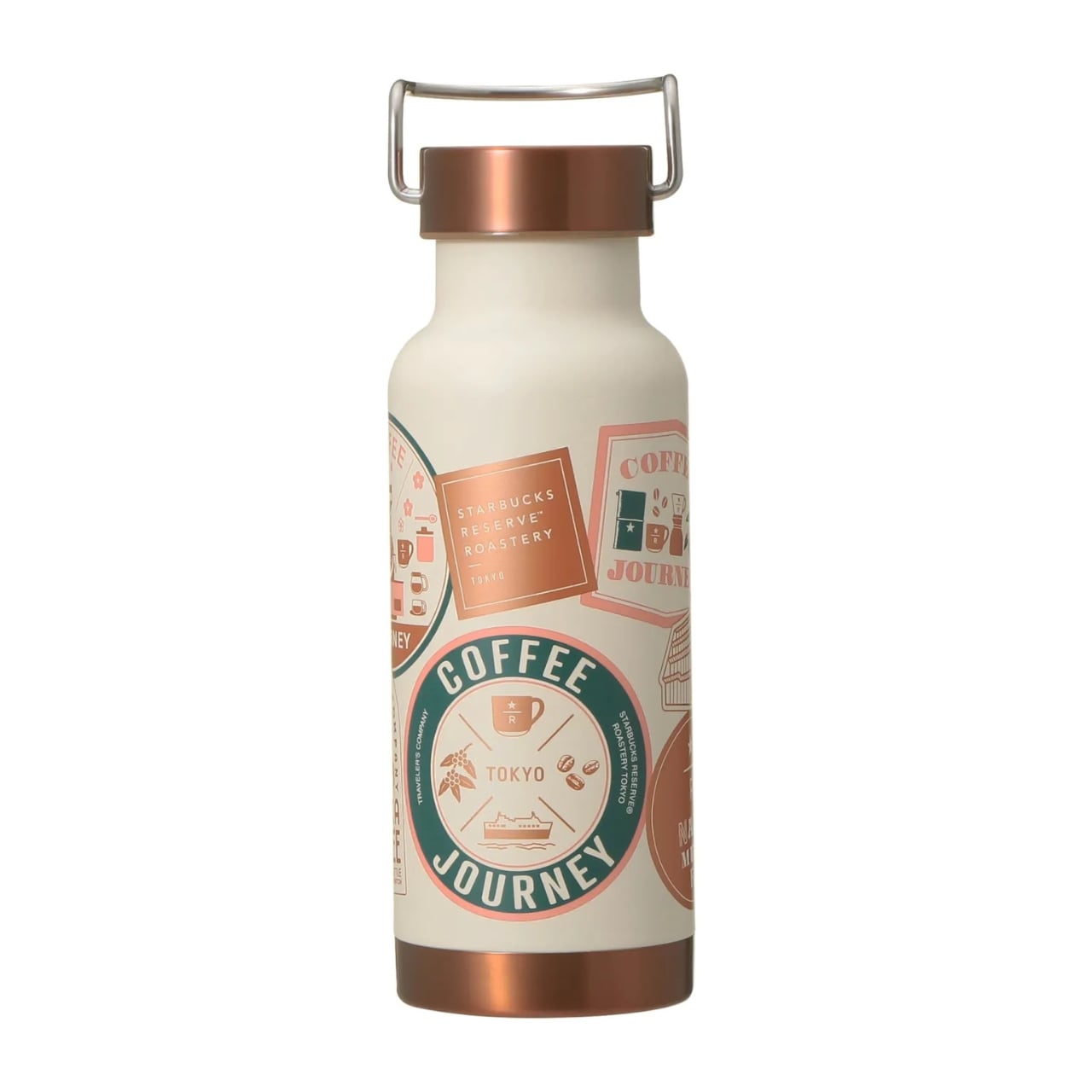
The 2026 collection arrives with a handful of pieces that feel considered rather than rushed. The canvas tote bag is the showstopper. Designed to mimic the look of a well-traveled suitcase covered in destination stickers, with Roastery Tokyo and Nakameguro as the featured stops, it carries the whole spirit of the collab on its exterior. Inside, there’s a pocket sized specifically to hold a Traveler’s Notebook, plus room for a tumbler or bottle and the rest of your everyday essentials. At 5,000 yen, it’s the kind of bag you’d actually reach for daily without feeling like a walking advertisement. It just looks like you’ve been somewhere interesting.

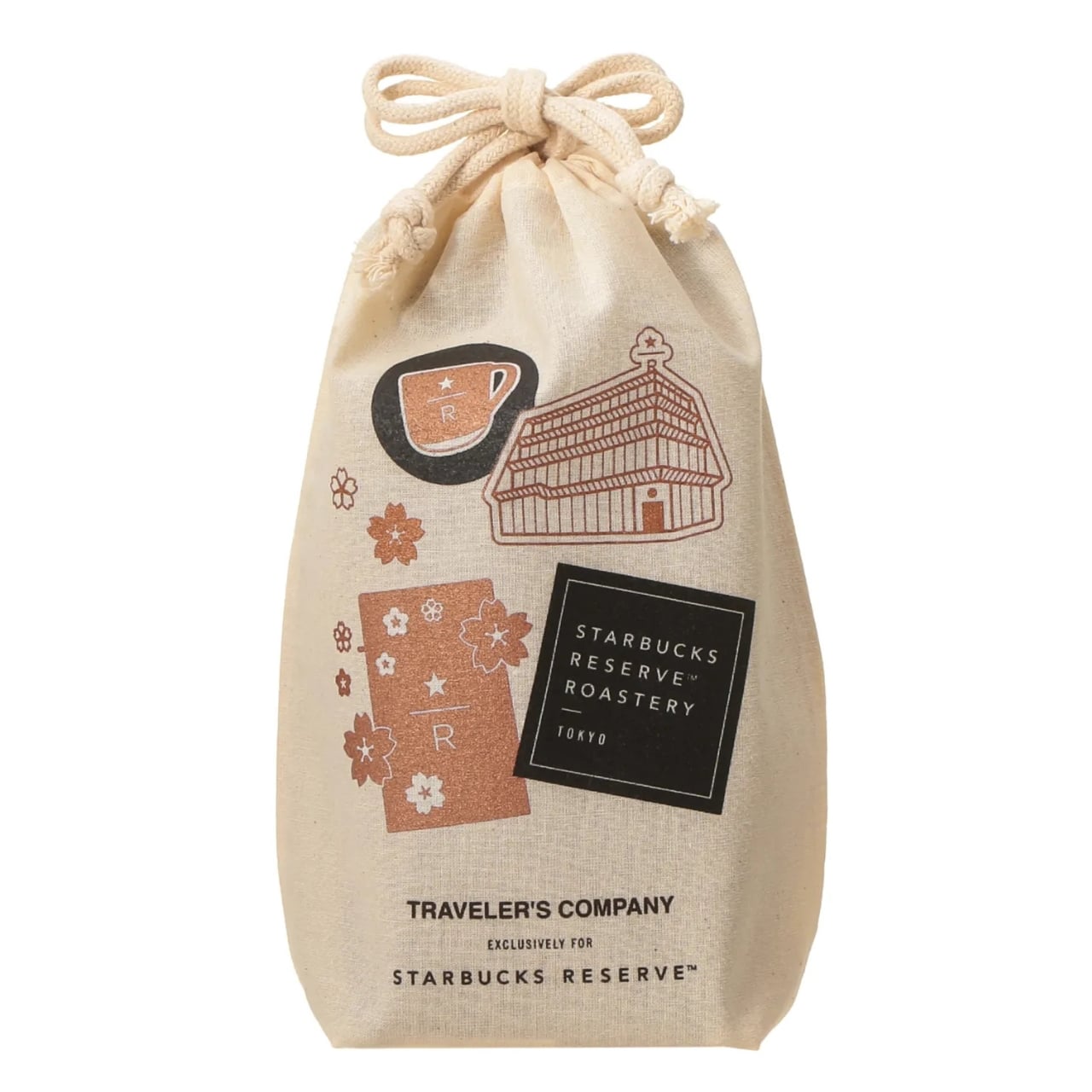
The cotton drawstring bag at 1,800 yen is smaller in scale but just as thoughtful. Designed to hold a bag of coffee beans, it sounds specific until you realize how often people buy coffee as a souvenir and then have absolutely nothing appropriate to carry it home in. It also doubles as an inner bag organizer, which is the kind of practical thinking that elevates a piece from cute to genuinely useful.

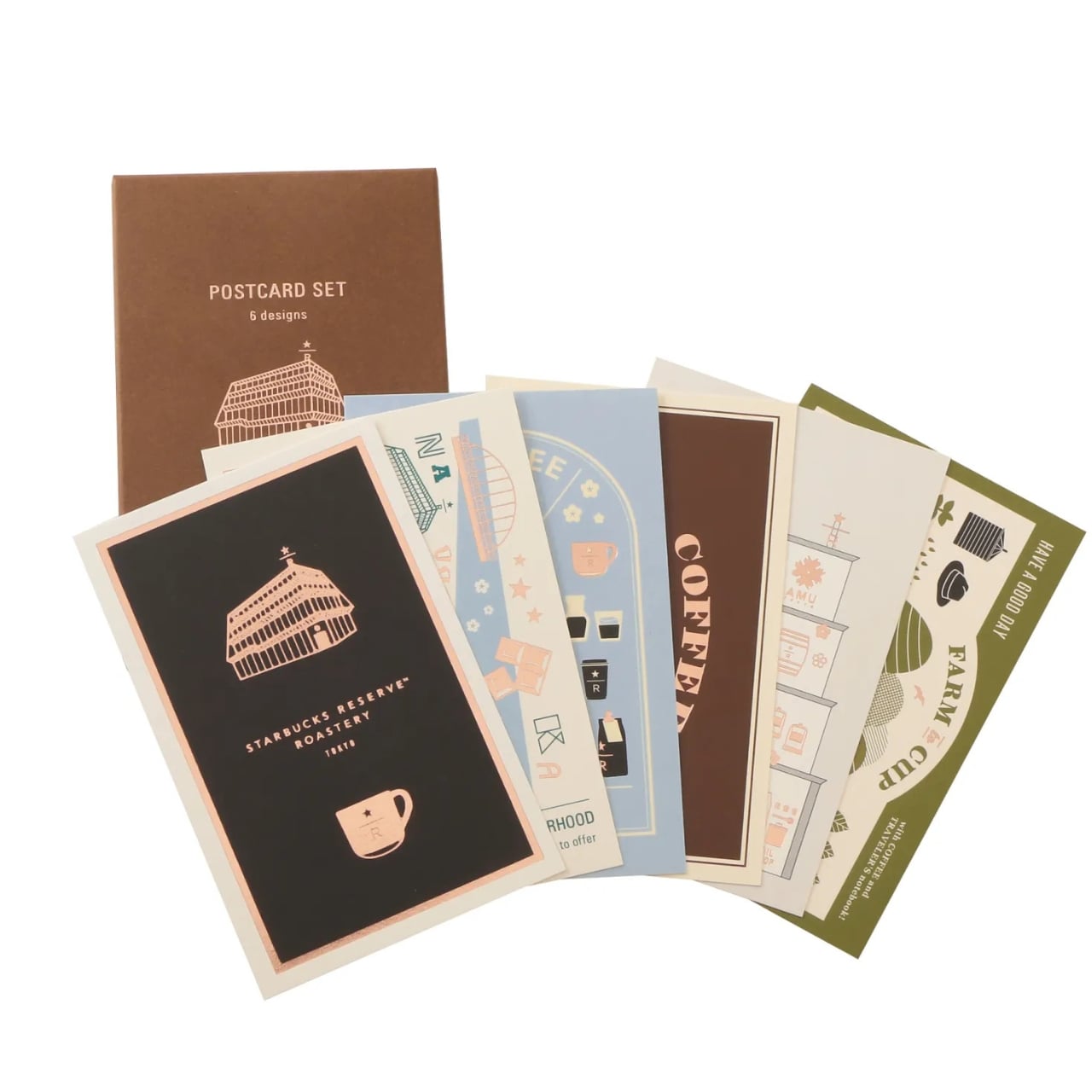
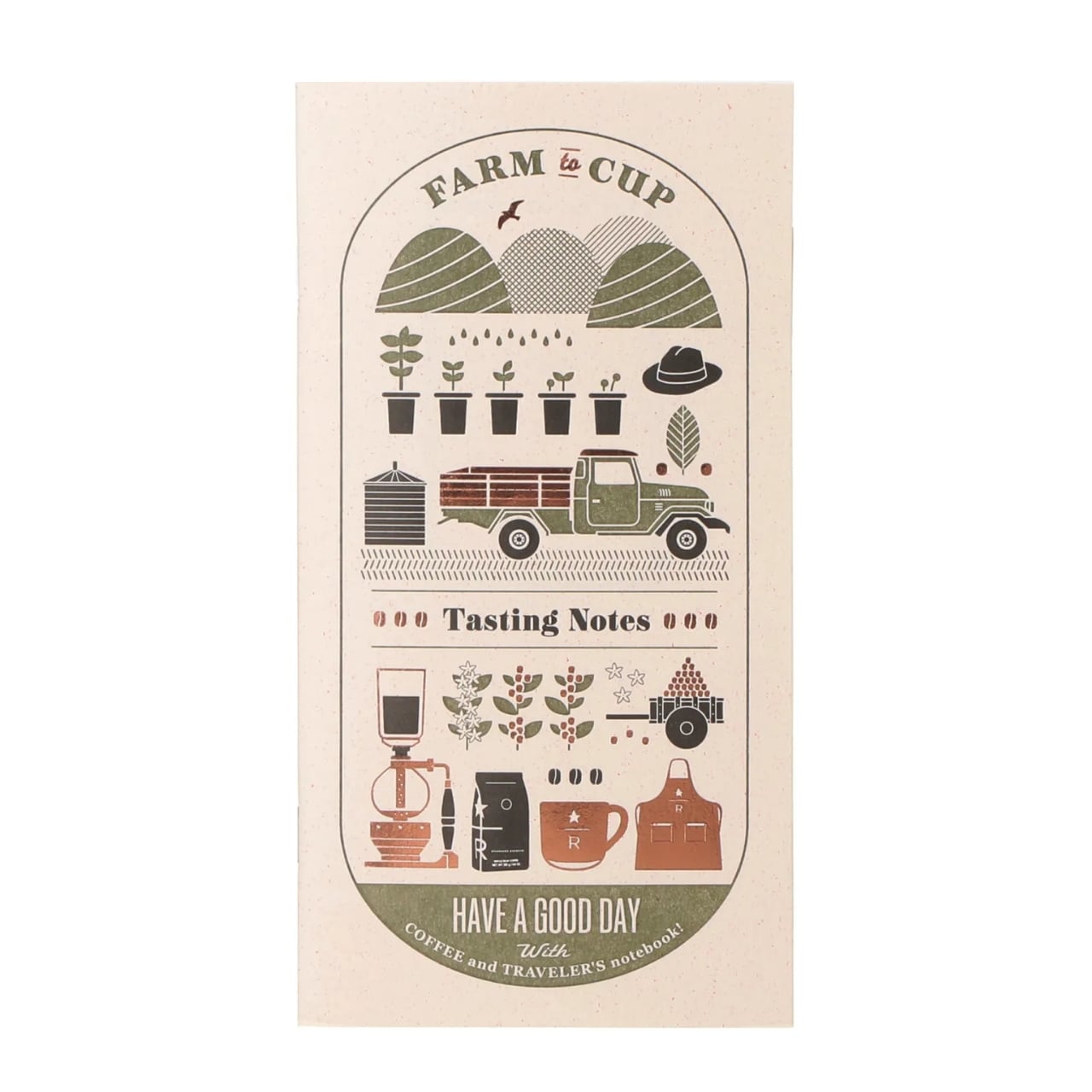
The postcard set is a quiet standout. Six cards featuring original Traveler’s Company illustrations of Roastery Tokyo icons, each printed on a different textured paper. In a moment when even birthday greetings arrive as voice memos, sending something handwritten on paper that was clearly chosen with care feels like a small, intentional act. The collection also includes a notebook set complete with a matching pen, pen loop, and zipper case, the kind of cohesive little kit that looks like it belongs in the bag of someone who has their life meaningfully together.

What makes this collaboration feel different from the average branded merchandise drop is that both parties seem to genuinely understand what the other is about. Traveler’s Company didn’t just place a Starbucks logo on a notebook. The design language is rooted in travel, in coffee as ritual, in the beauty of slow and deliberate moments. Every piece in the collection tells the same story without having to say it outright.

The collection is exclusive to the Starbucks Reserve Roastery Tokyo in Nakameguro, which makes it inherently precious for anyone outside of Japan. The fact that resellers have already picked it up on platforms like Etsy says everything about the demand. For those who can make the trip, the Nakameguro store is worth visiting on its own. That you can leave with a limited-edition collab bag full of coffee and a new notebook is simply a bonus. Some things are made to be used, loved, and carried forward. This collection is exactly that kind of thing.

The post Starbucks x Traveler’s Company Made a Collab Worth Flying to Tokyo For first appeared on Yanko Design.
Parsel EVA Tote: Rigid Shell and Soft Liner You Can Reconfigure

Most bags are single-purpose objects. A tote for groceries, a weekender for travel, a backpack for everything else. Parsel’s EVA East West Tote System treats a bag more like a modular platform, where a rigid shell, soft liner, and strap can be reconfigured for different uses. It’s less about one perfect tote and more about a carry architecture you can tune as your day changes.

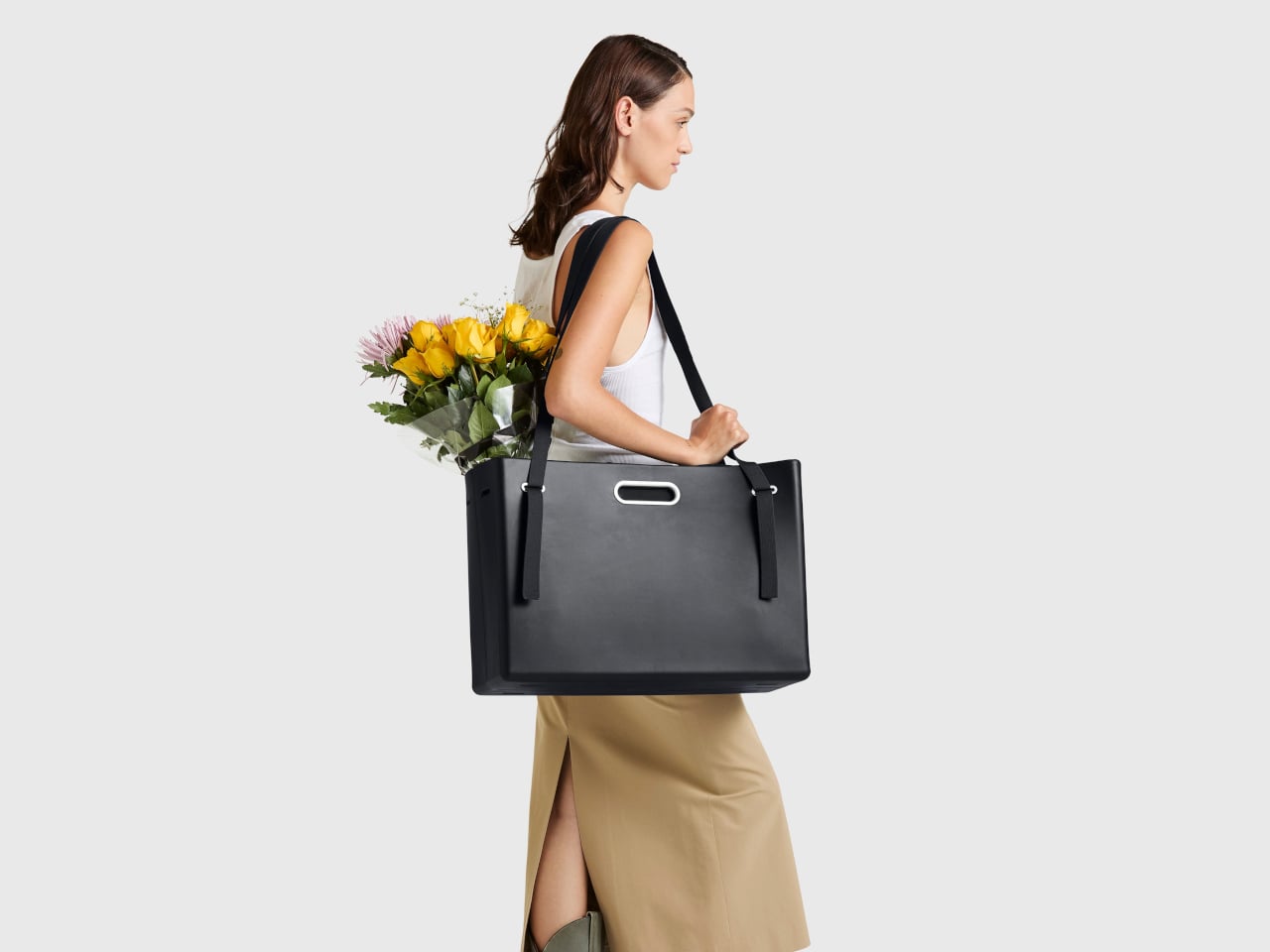
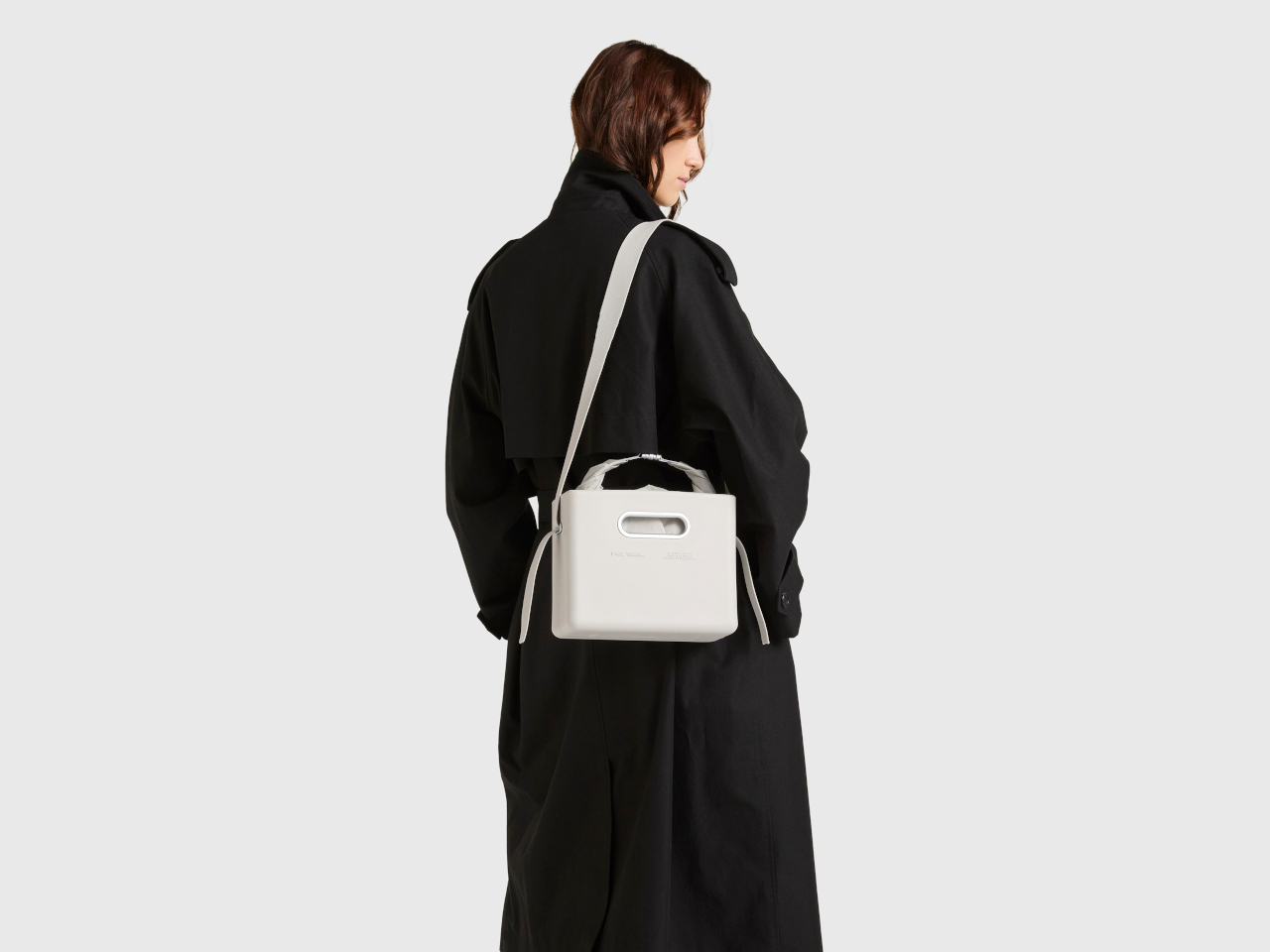
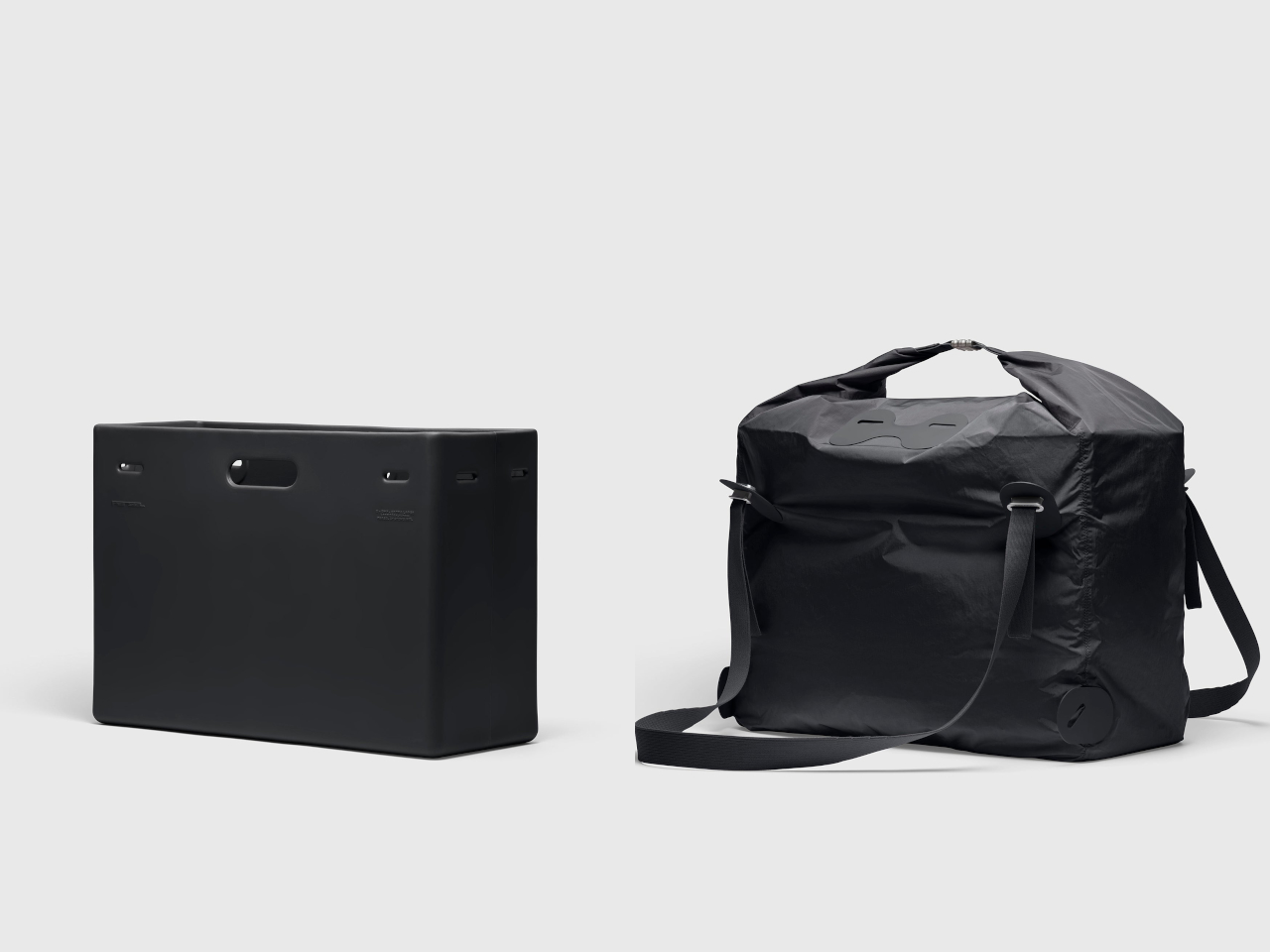
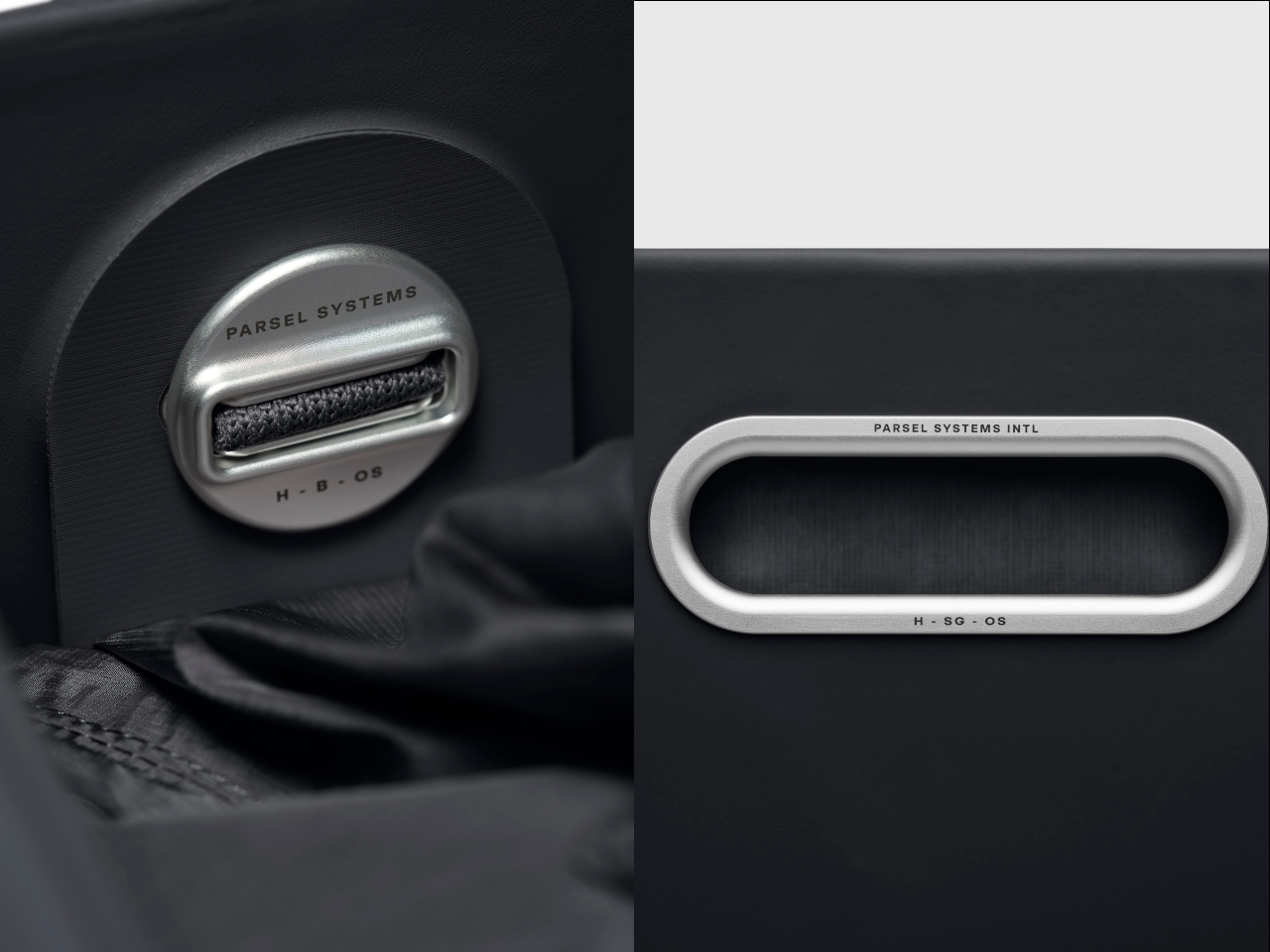
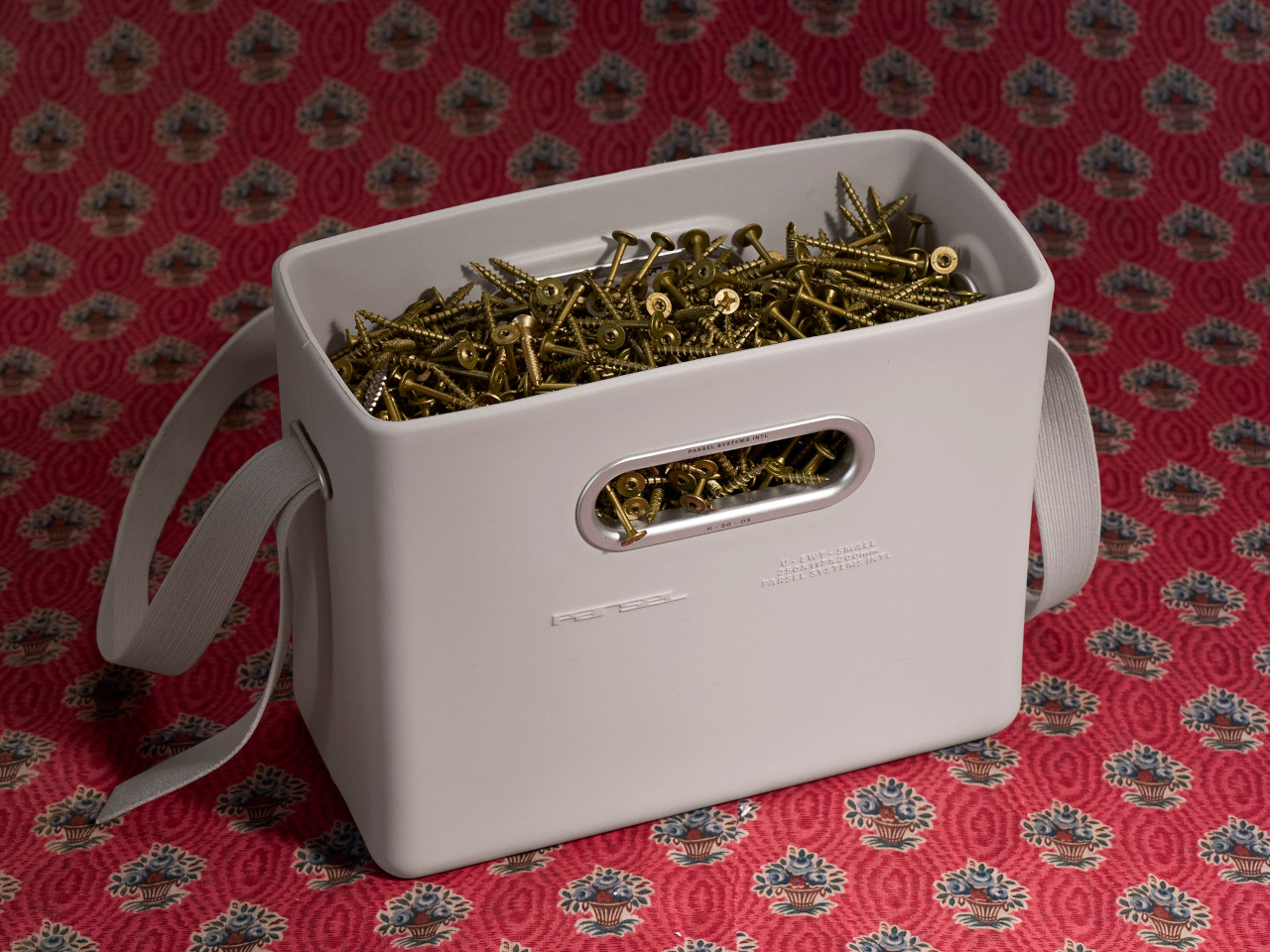
The EVA East West Tote System is a high-density EVA tote available in small and extra-large sizes. Each Unit is an injection-molded shell with integrated handles, paired with a removable roll-top nylon liner and an engineered knit strap. All the hardware is machined from aircraft-grade aluminum, giving the whole thing a gear-like feel rather than a fashion accessory vibe that falls apart after a season.

Designer: Nur Abbas (PARSEL)

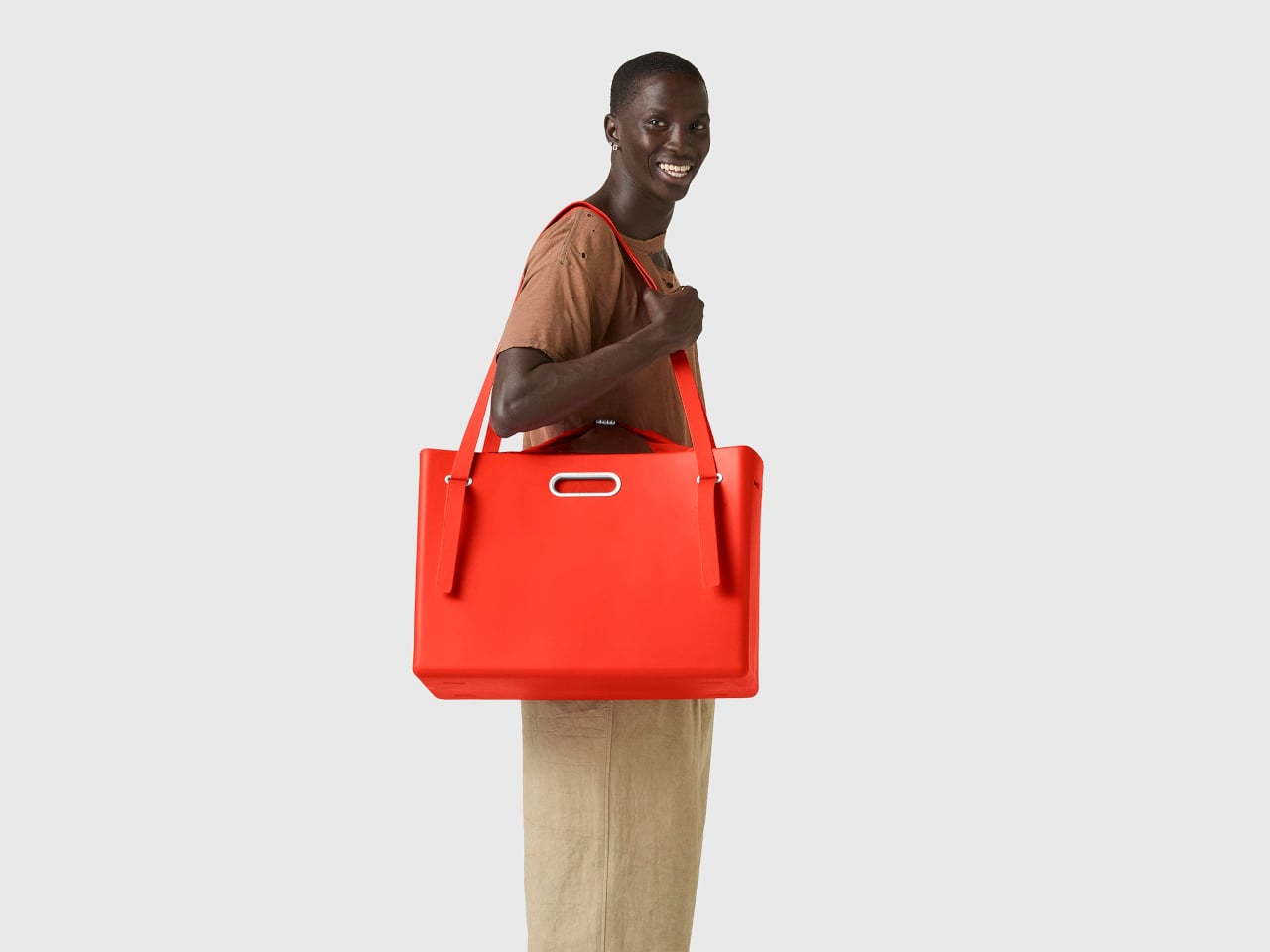
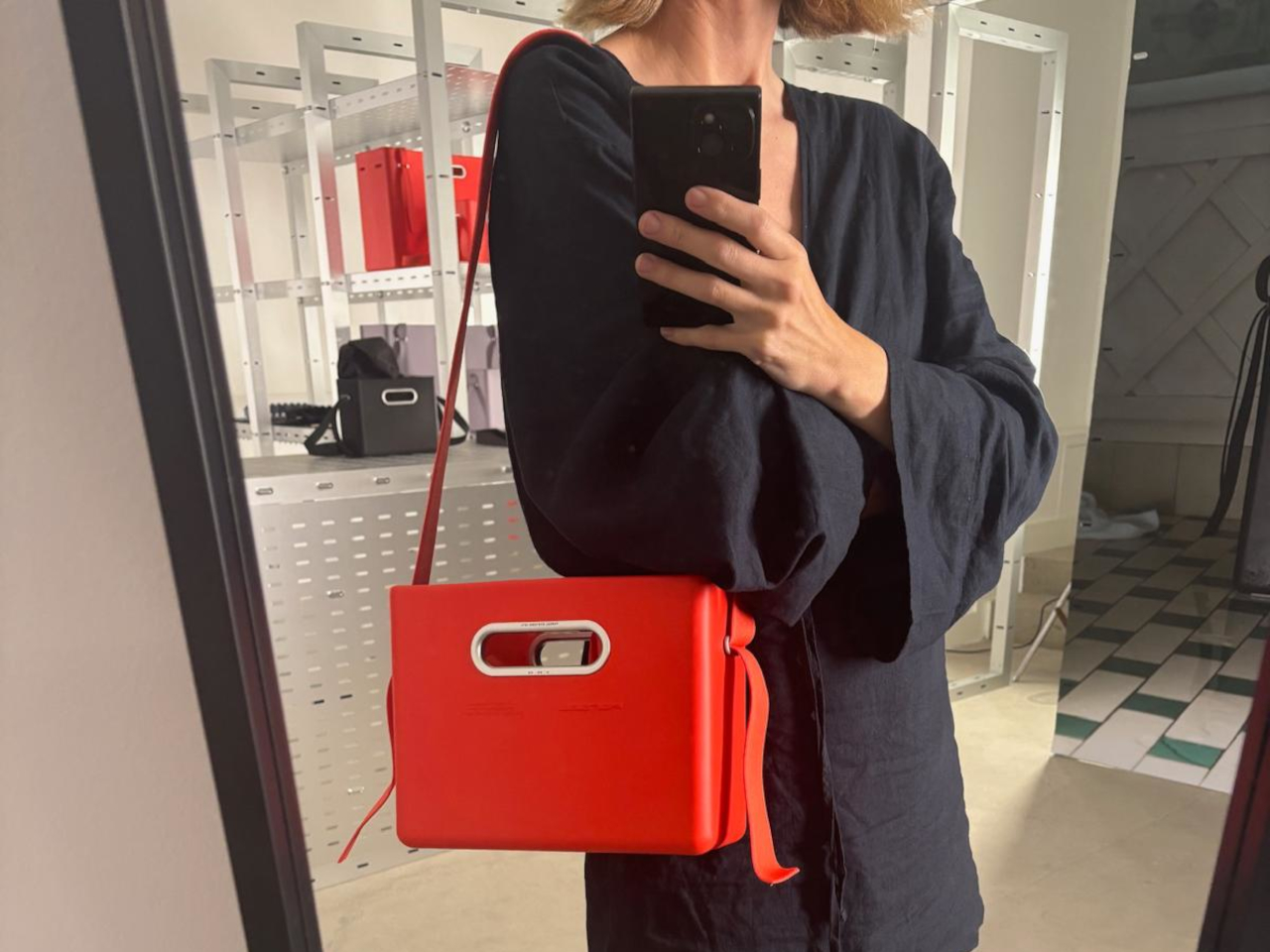
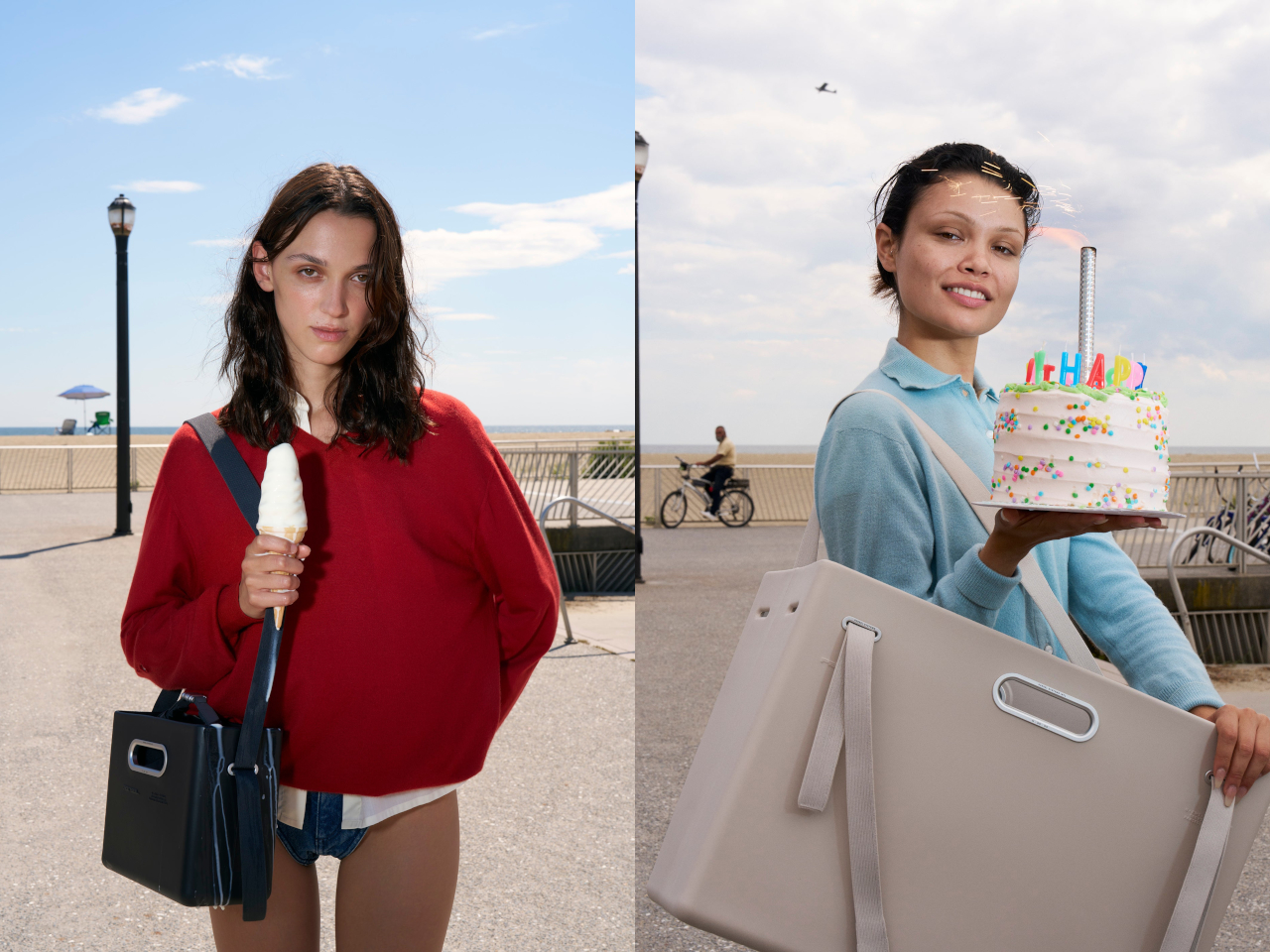
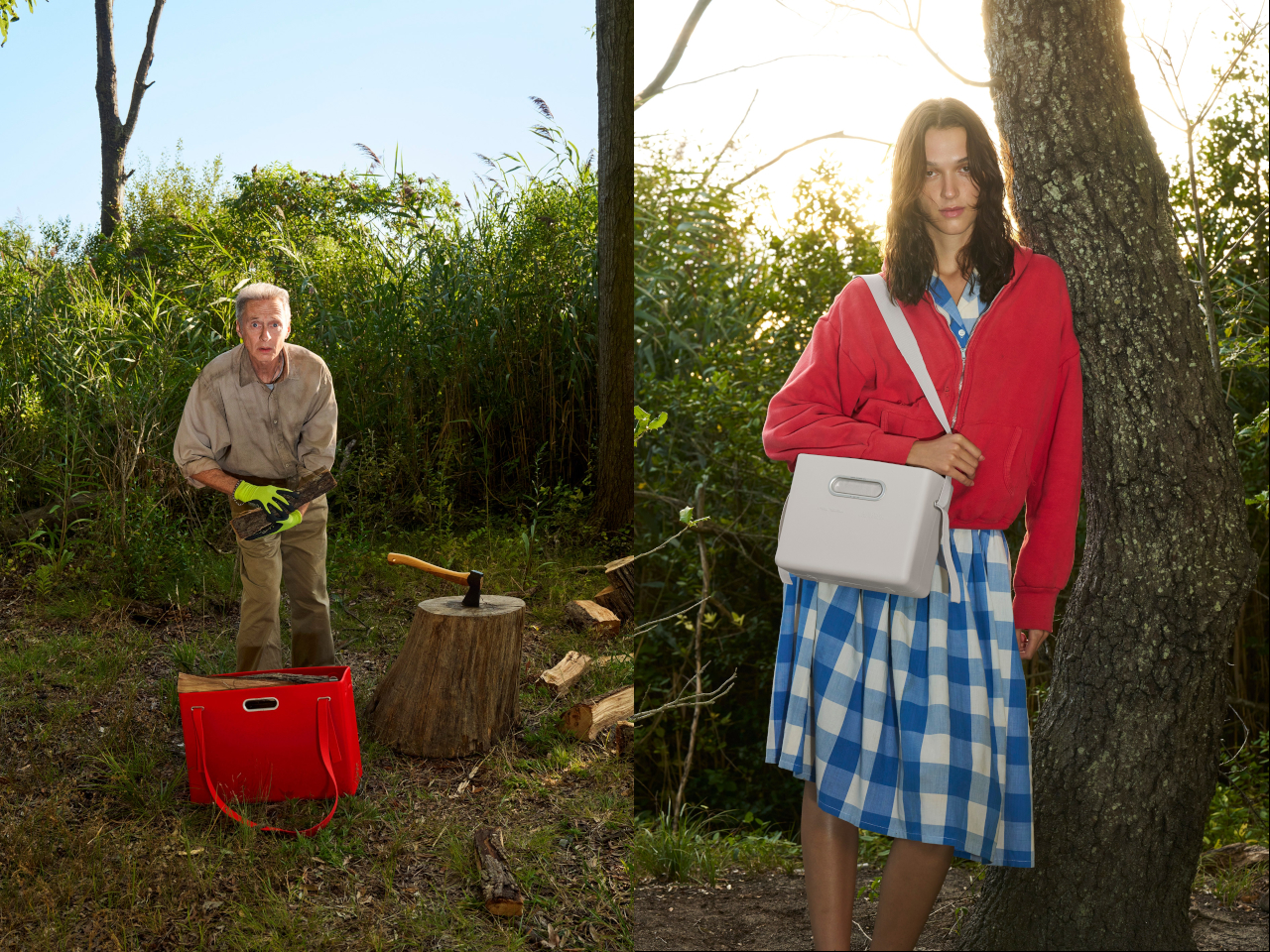
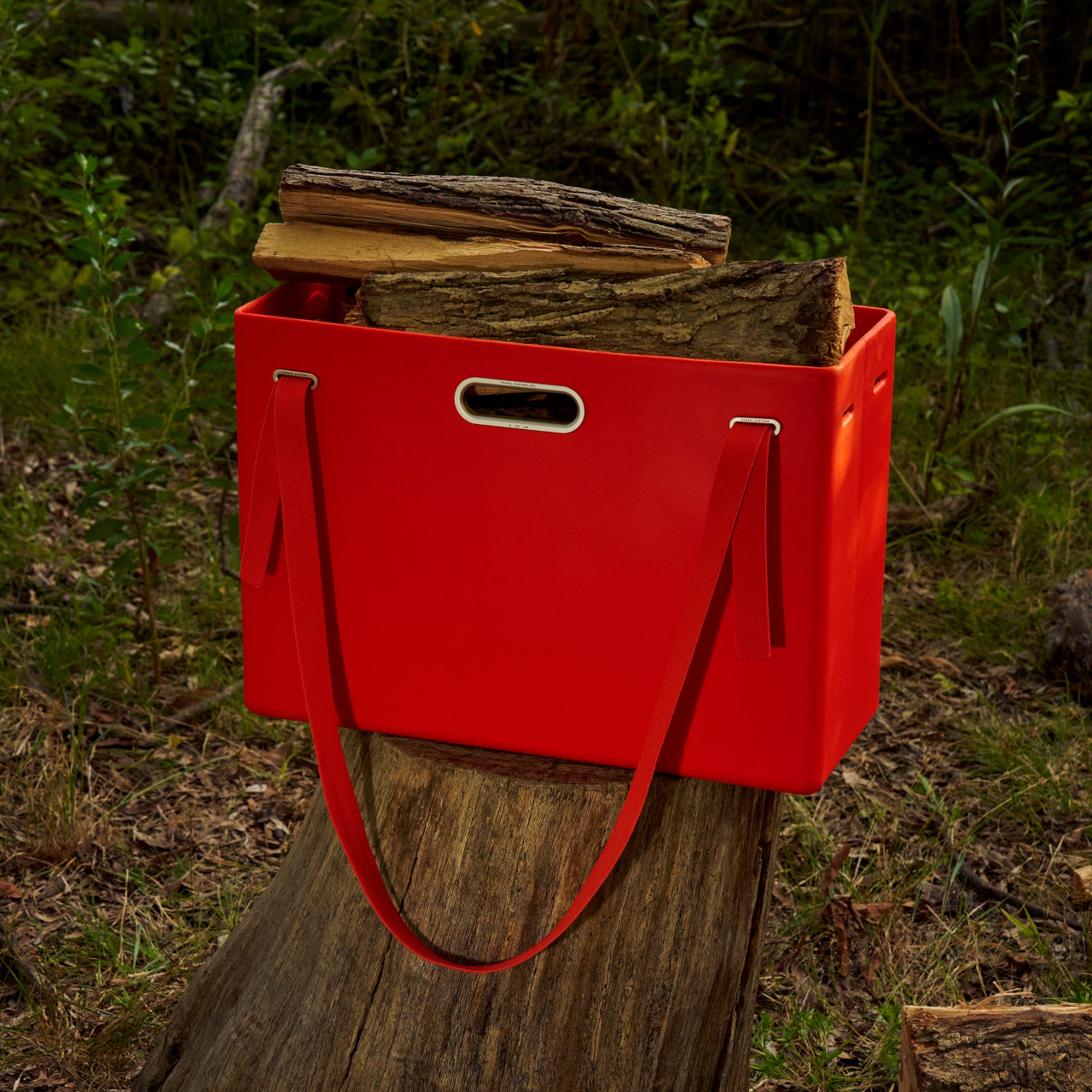
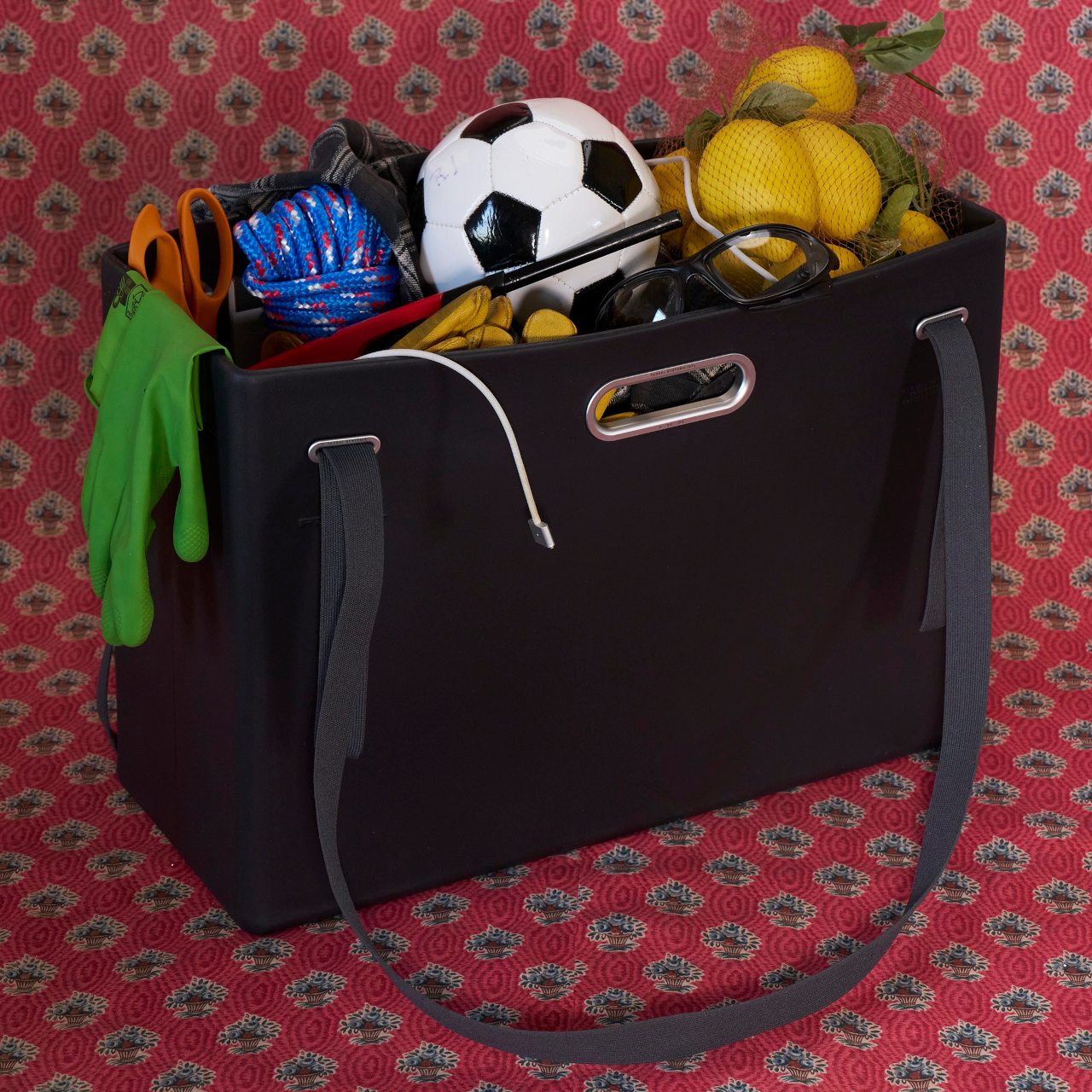
The Unit is a monolithic box with soft radii and an oval handle cutout, rigid enough to protect contents but flexible enough to absorb impact. In its small size, it reads like a compact utility caddy. In the extra large, it becomes a trunk-like tote that can swallow groceries, tools, or sports gear. The clean surfaces and embossed Parsel logo keep it visually quiet and precise.

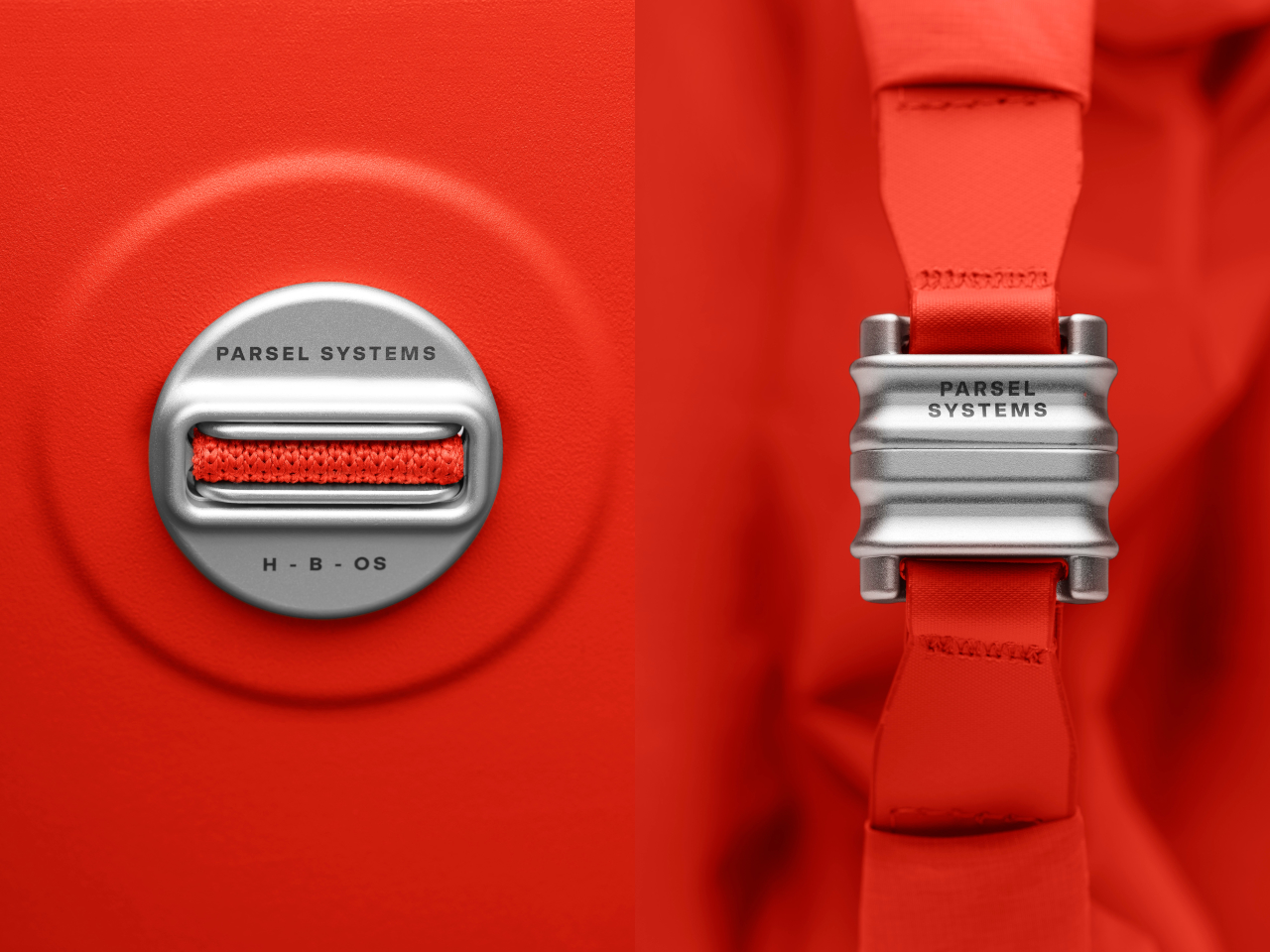
The removable nylon liner has a roll-top with a magnetic closure and can live inside the Unit or be used on its own. The adjustable knit strap stretches slightly for comfort and threads through Parsel’s signature Button, a ribbed aluminum connector that links everything together. That Button is the universal joint of the system, letting the strap move between the shell and liner without extra clips or buckles cluttering the sides.

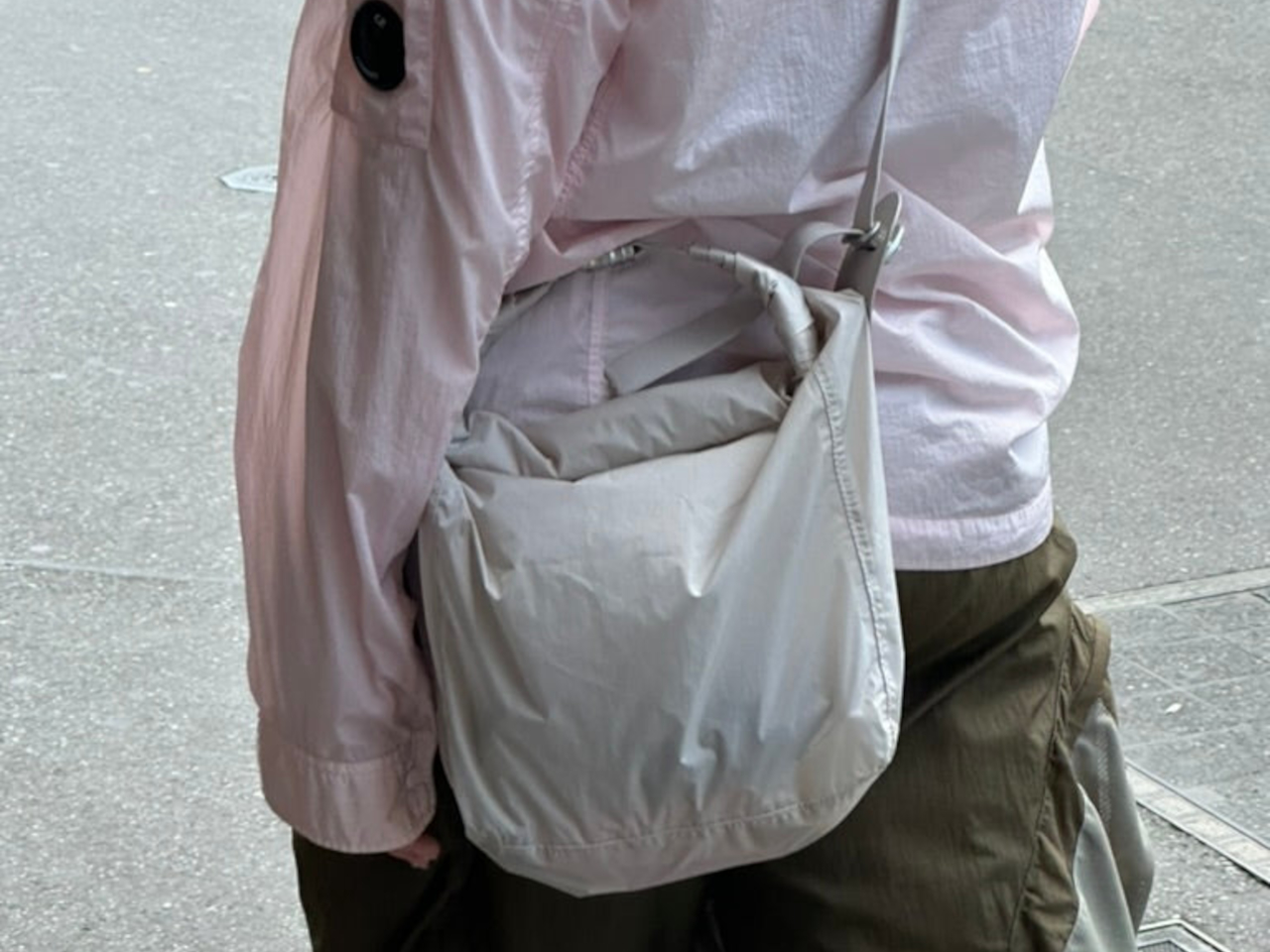
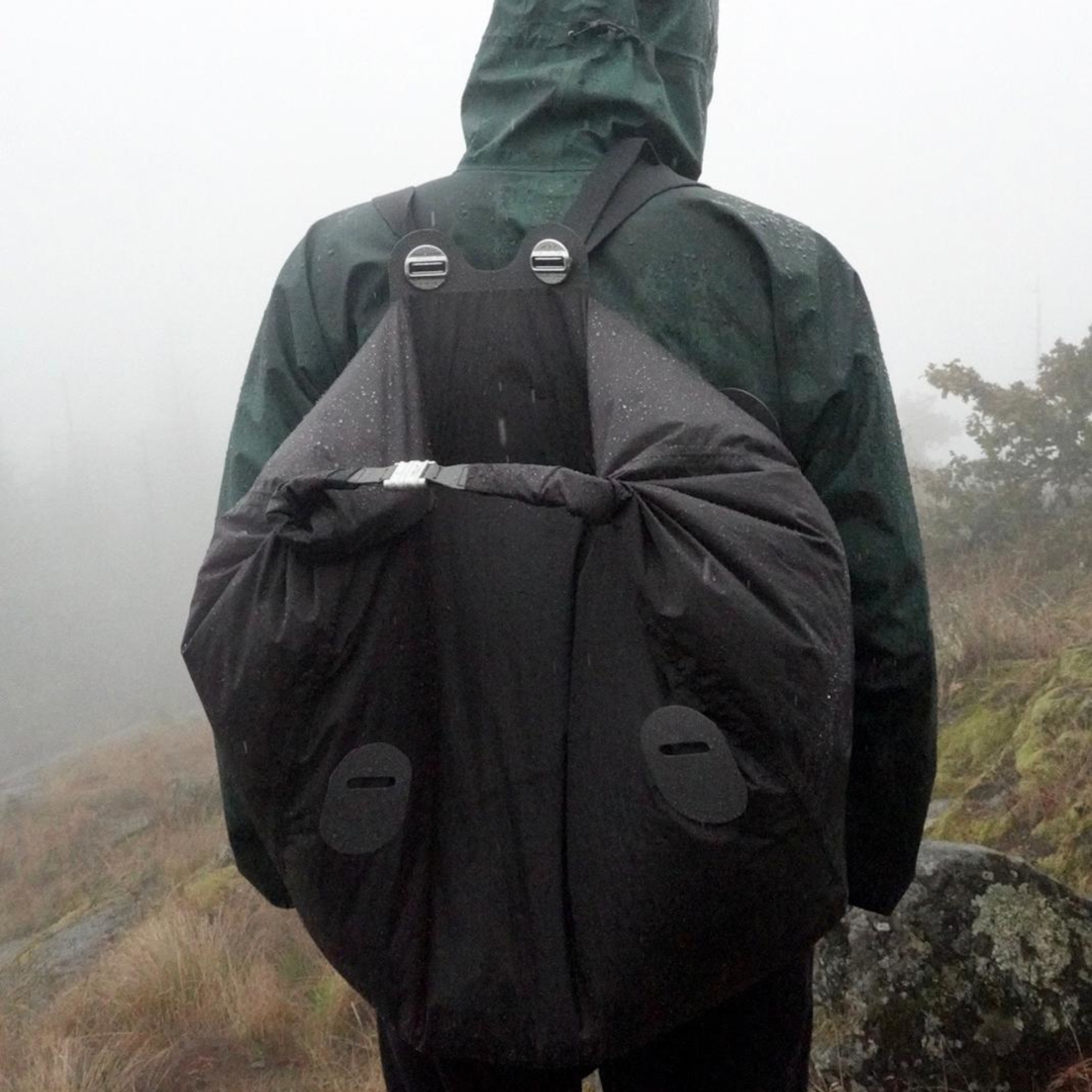
In classic tote mode, the strap attaches to the EVA Unit with the liner inside. For a lighter carry, the liner can be used alone with the strap as a soft shoulder bag. In the extra-large size, the liner can even be worn as a backpack by rethreading the strap through the Buttons. Parsel literally labels this “Play with the system,” inviting users to treat carry as something adjustable.

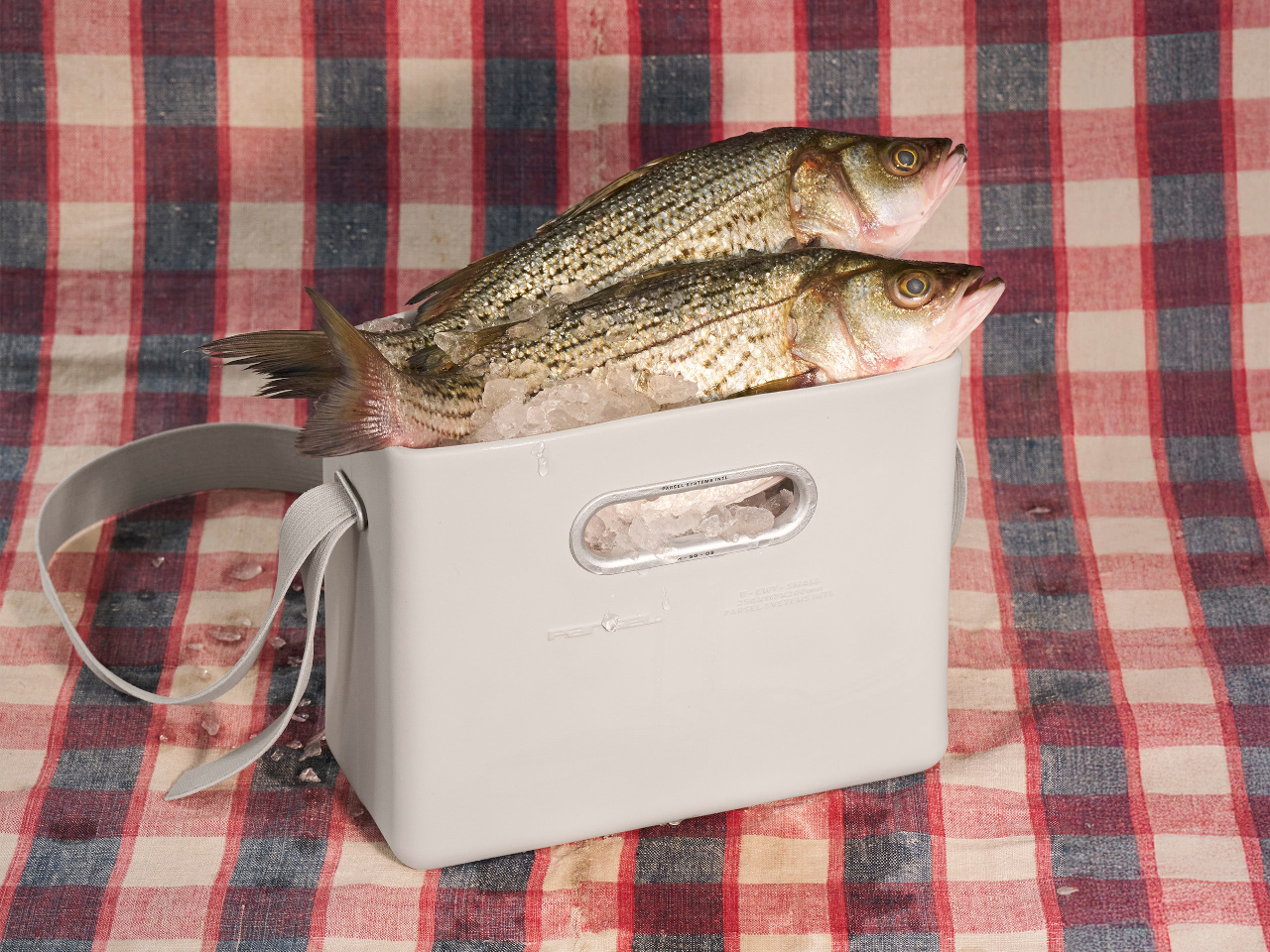
The aluminum handle insert is etched with Parsel Systems Intl around its oval perimeter, while the Button hardware carries the brand name in clean engraving. These details feel more like precision components from outdoor gear than fashion hardware. Colorways like Optic white, Deep black, and Priority orange let the bags shift toward either minimal or high-visibility use, comfortably filled with screws, firewood, fish, or flowers in both workshop and city.

The EVA East West Tote System is a thoughtful attempt to make one bag work across many lives. By separating structure, volume, and carry into distinct parts, Parsel lets you tune how rigid, soft, or hands-free the bag needs to be on a given day. For anyone who likes their everyday carry to feel more like a system than a single fixed object, this EVA tote is worth considering.

The post Parsel EVA Tote: Rigid Shell and Soft Liner You Can Reconfigure first appeared on Yanko Design.