You Still Can’t Buy Airless Tires Even After A Decade… But You Can 3D Print One

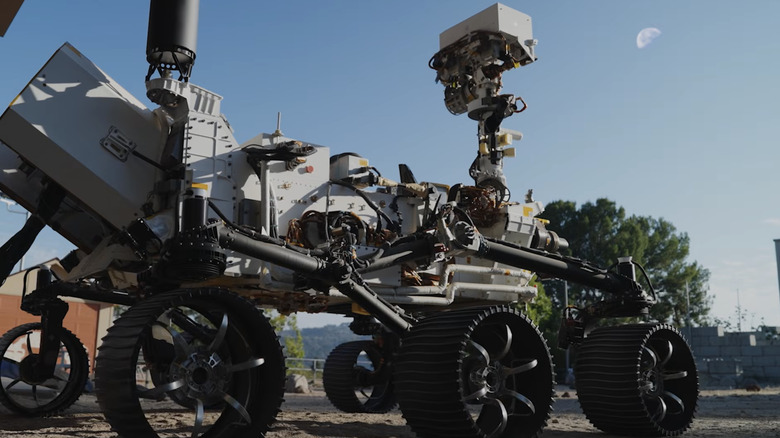
Back in March 2021, we wrote about a bicycle tire that would never go flat, ever, for the entire life of your bike. It was called METL, it was built out of a shape memory alloy that NASA had cooked up for Mars rovers, and it was coming to a bike shop near you in early 2022. Then early 2022 came and went. So did 2023, 2024, and 2025. The tire is now, finally, genuinely orderable, five years after we first got excited about it. Which raises an awkward question about the entire airless tire industry: if the technology has been sitting there this whole time, propped up by NASA and Michelin and Bridgestone, why has it taken this long to reach a single bicycle?

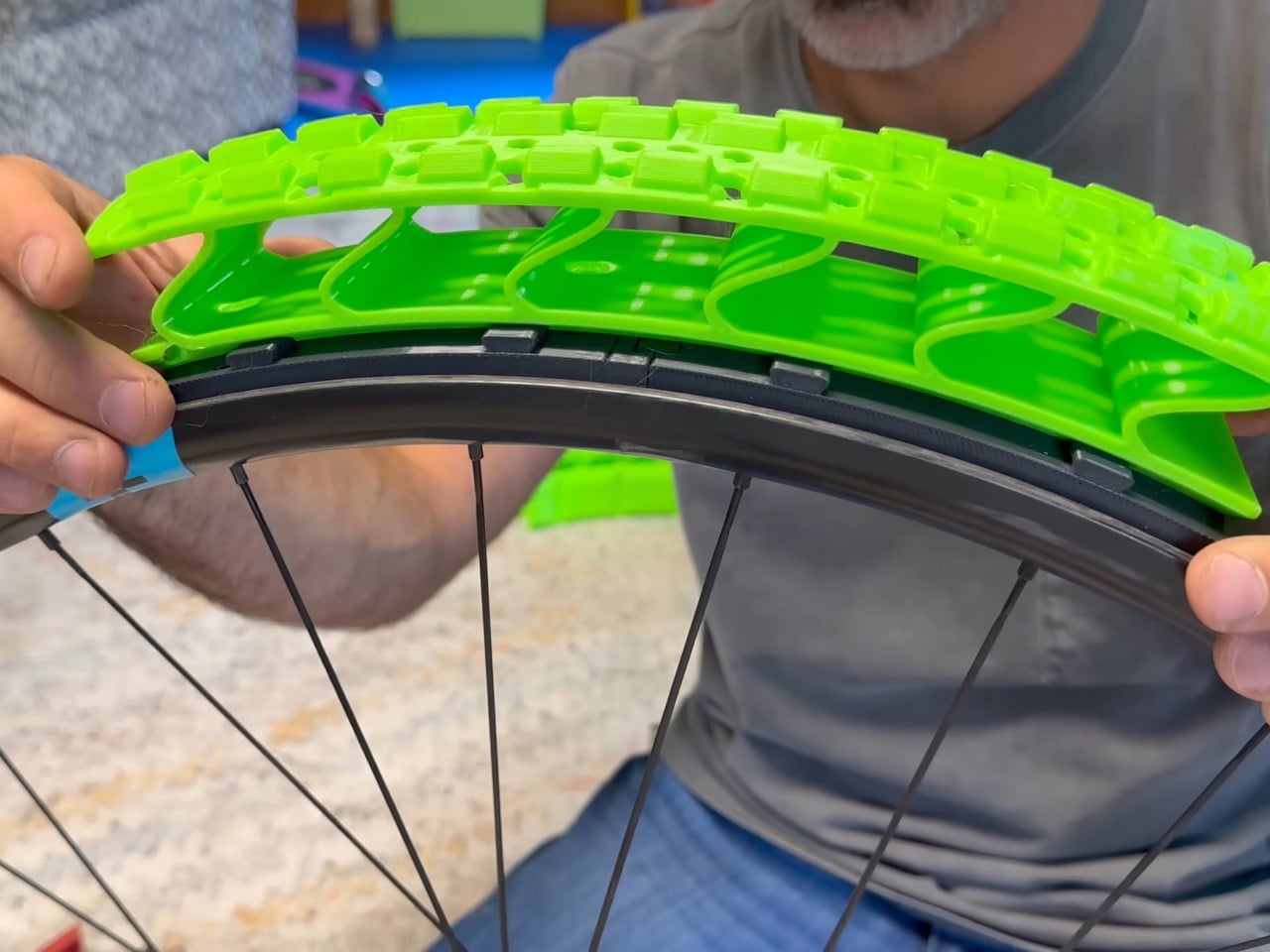
A YouTuber named Berm Peak got tired of waiting and printed his own. The tire comes out in segments, four at a time on a consumer machine, and bolts together into a ring with basic screws and dovetail joints. Flexible TPU for the tread, a stiffer variant for the structure, and eight foot sections to hold the whole thing to the rim. He rode the finished set into a rock garden in a green so loud it counts as a safety feature, and they absorbed bumps like real rubber. Michelin has been showing off airless tires since 2011 and still has not sold you one. A guy with a printer and a garage got there first.

Designer: Berm Peak
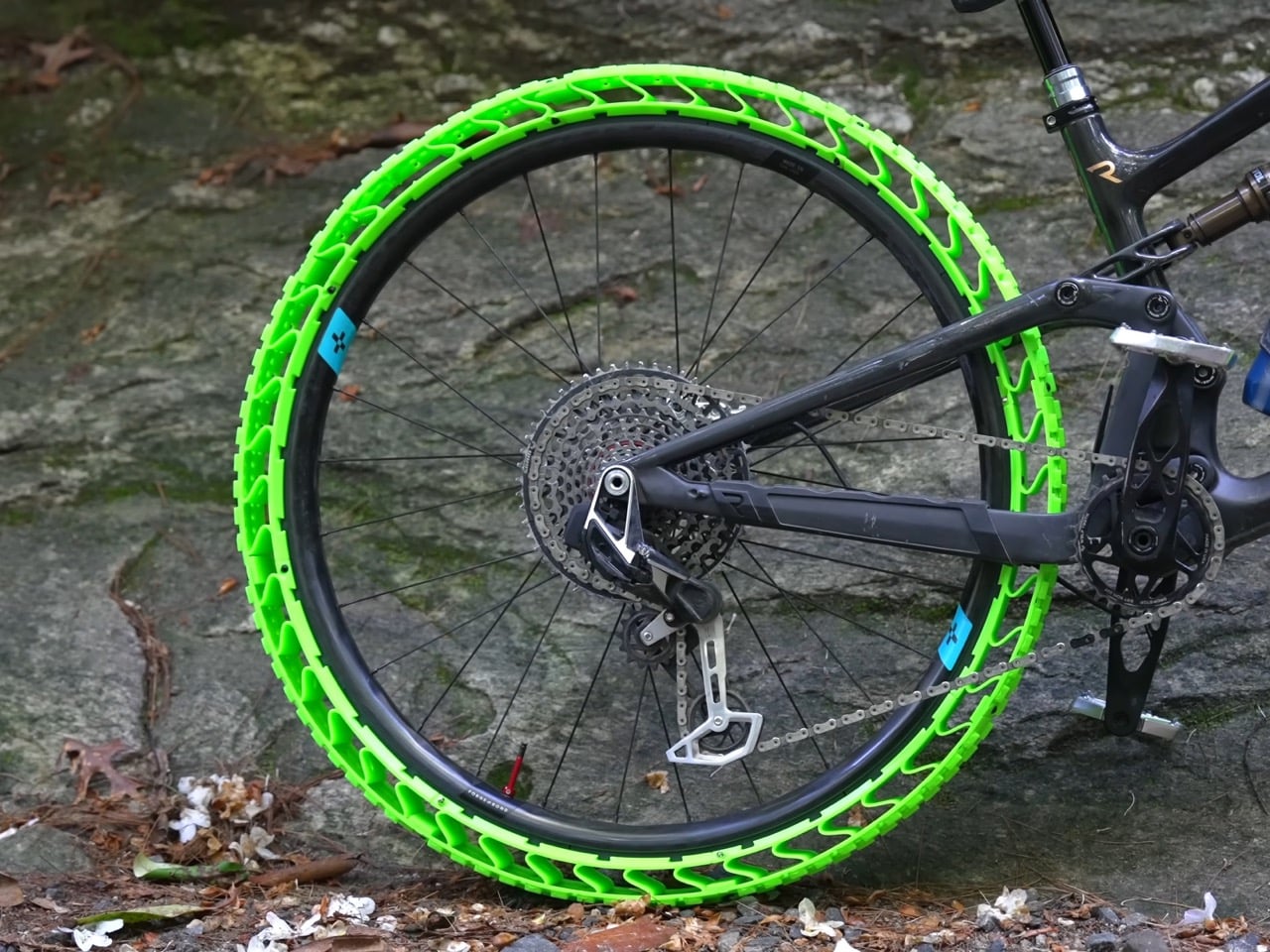
He also had some skin in the game most people wouldn’t. Berm Peak part owns Klik, a valve company, so a viable airless tire flooding the market would technically cost him money too. He didn’t seem too worried about it. He’d already gone through a graveyard of other people’s attempts, including a friend’s genuinely knobby TPU tire that survived real trail abuse, and a completely different build made from sliced up PVC pipe bolted together (which we covered back in 2023). Neither one was quite the science fiction object he had in his head.
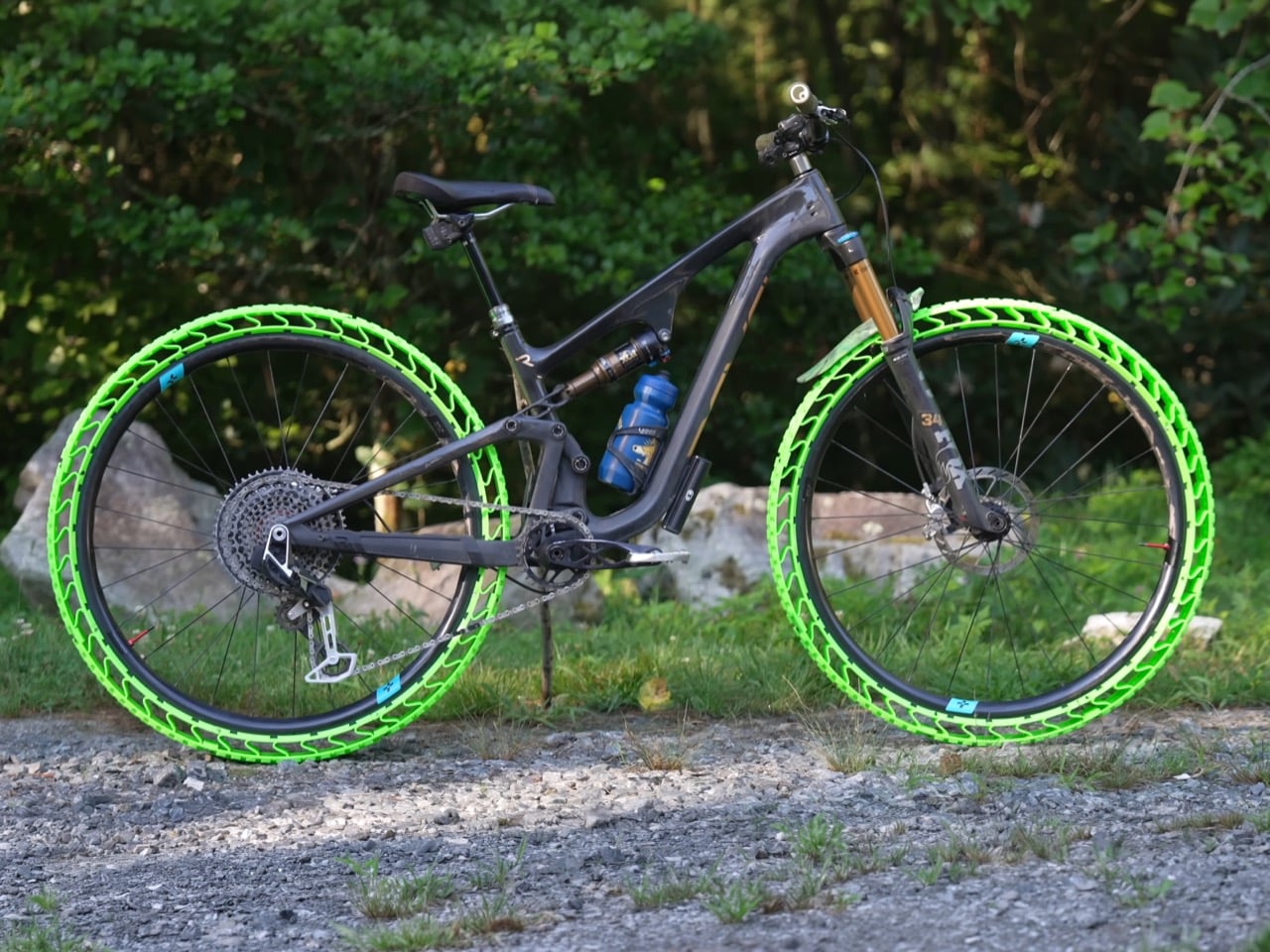
His first working prototype was, in his own words, brutally stiff. He’d used X shapes for the suspension because they were easy to model in CAD, forgetting that X shapes are basically made of triangles, and triangles do not flex. Version two ditched the X’s entirely and dropped the weight in half. That’s the one that ended up on the bike, printed overnight on a Bambu Lab H2D with a support material that peels away clean because it’s chemically allergic to the tire filament sitting right next to it. Genuinely clever trick, and one you’d only think of if you’d already burned a few prototypes finding out the hard way.
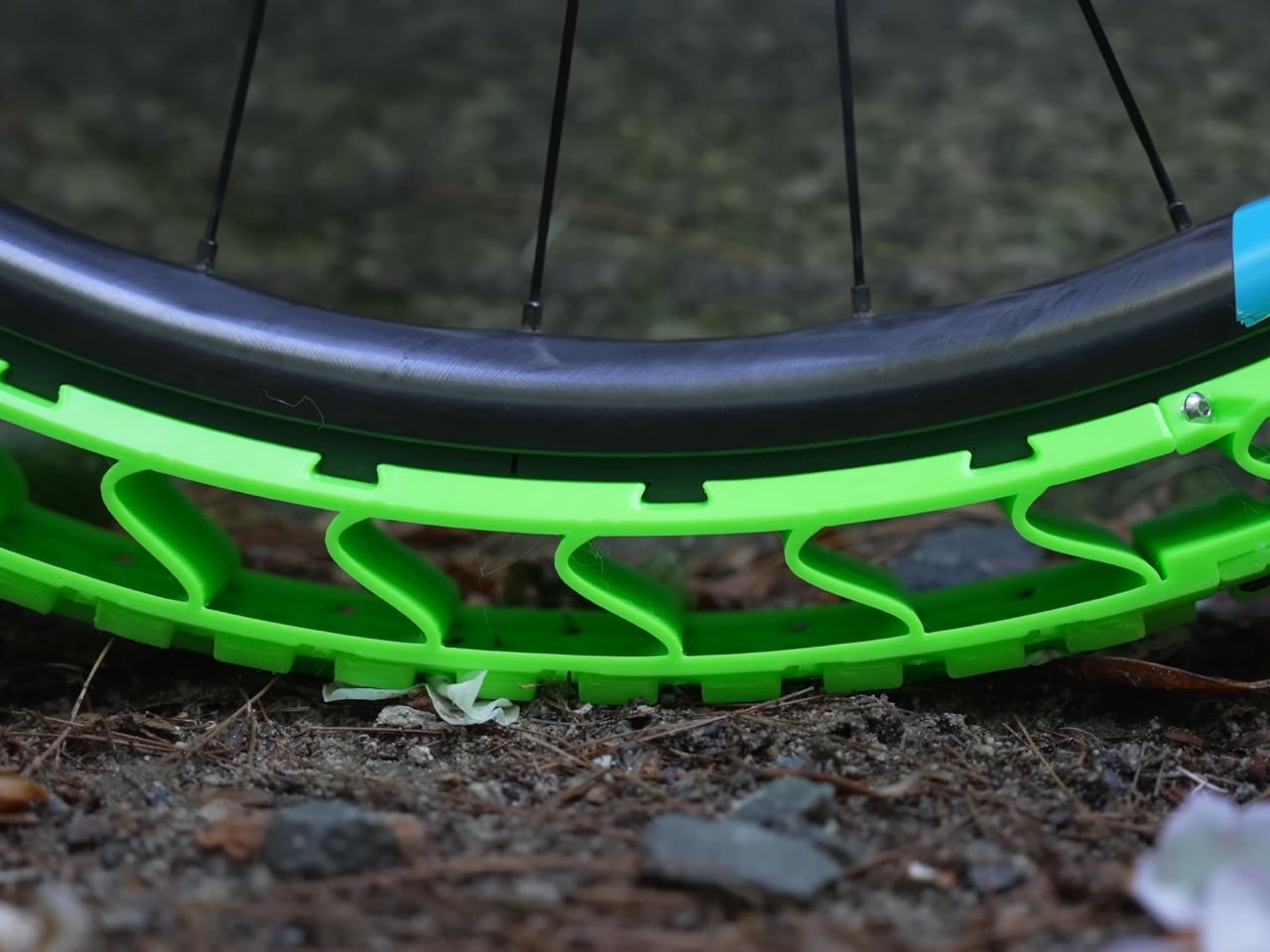
The ride itself proved to be the ultimate trial by fire. Traction was better than expected, especially climbing, to the point where he didn’t feel a single wheel slip on the way up. Then he started pushing harder and the rear wheel began falling apart one segment at a time, cascading into the next joint over, while the front wheel came home completely untouched. That’s not a flaw in the story. That’s the whole story. Rear wheels take more abuse than front wheels on every mountain bike ever made, printed or otherwise, and watching that principle play out in real time on a tire nobody has ever sold you is a pretty satisfying way to spend fifteen minutes.
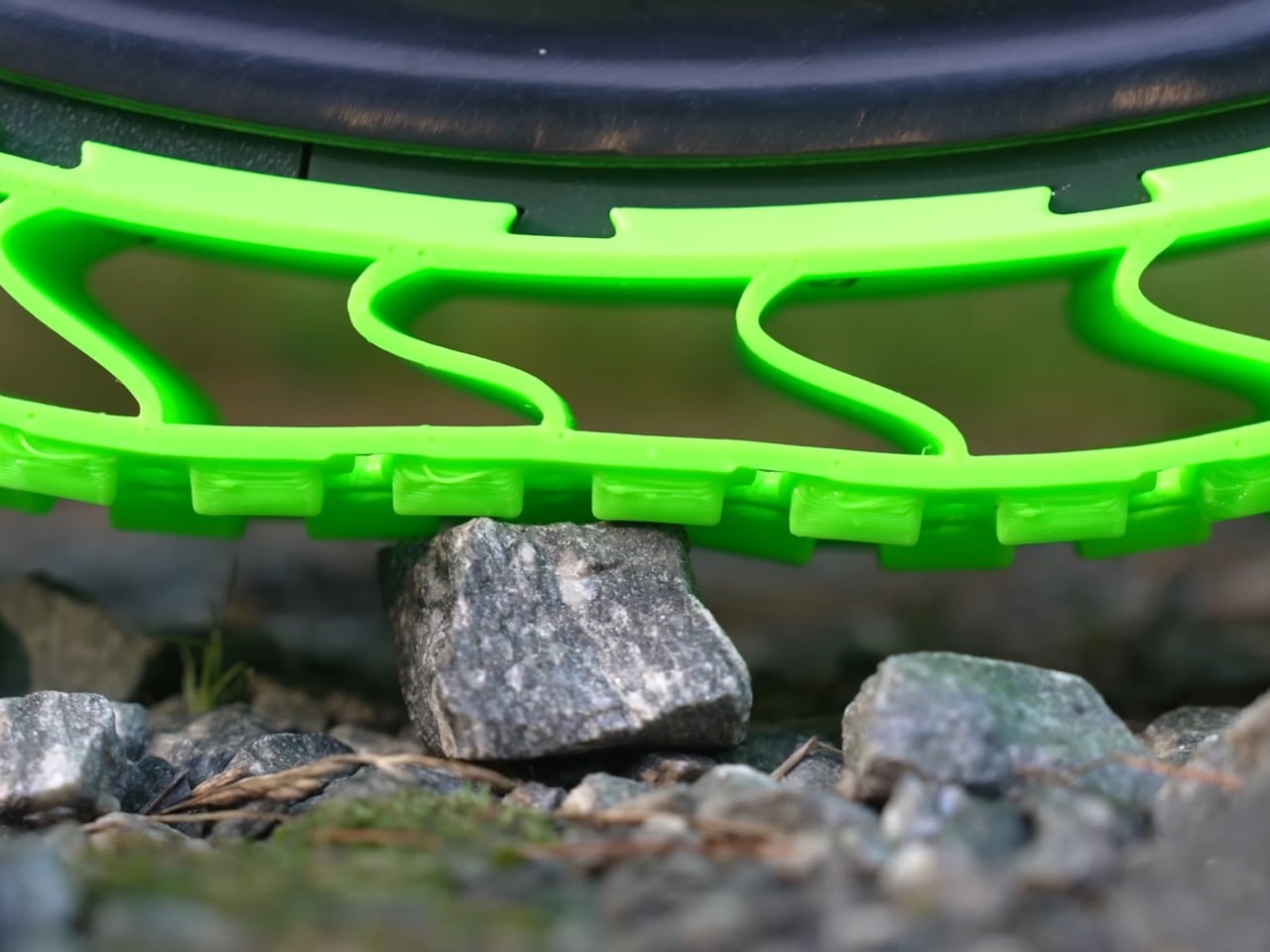
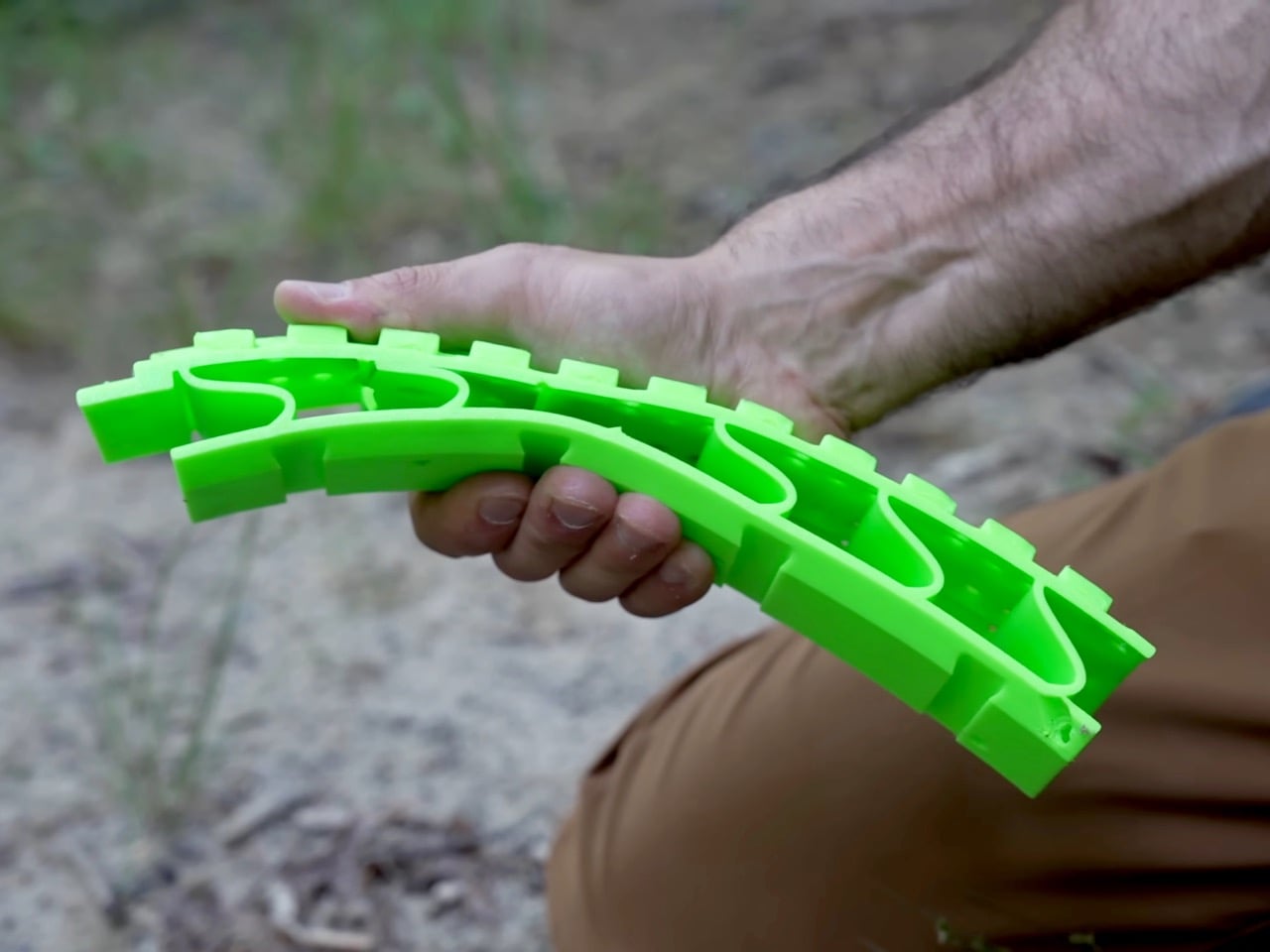
The moral of this story is slightly bleak, but worth knowing if you’re up for the project. Airless tires aren’t the solution, they’re A solution – the problem they’re trying to solve is punctures, and something as stupidly simple as liquid sealant solved that problem years ago. Mountain bikers swear by it, and it sure beats carrying a screw and 3D printed spare parts on your expeditions. There is, however, a certain flair to riding a bike sporting tires as eye-catching as these. Berm doesn’t quite say it outright, but maybe the most obvious solution is to mix and match tires, using airless ones on the front, and something more durable at the back.
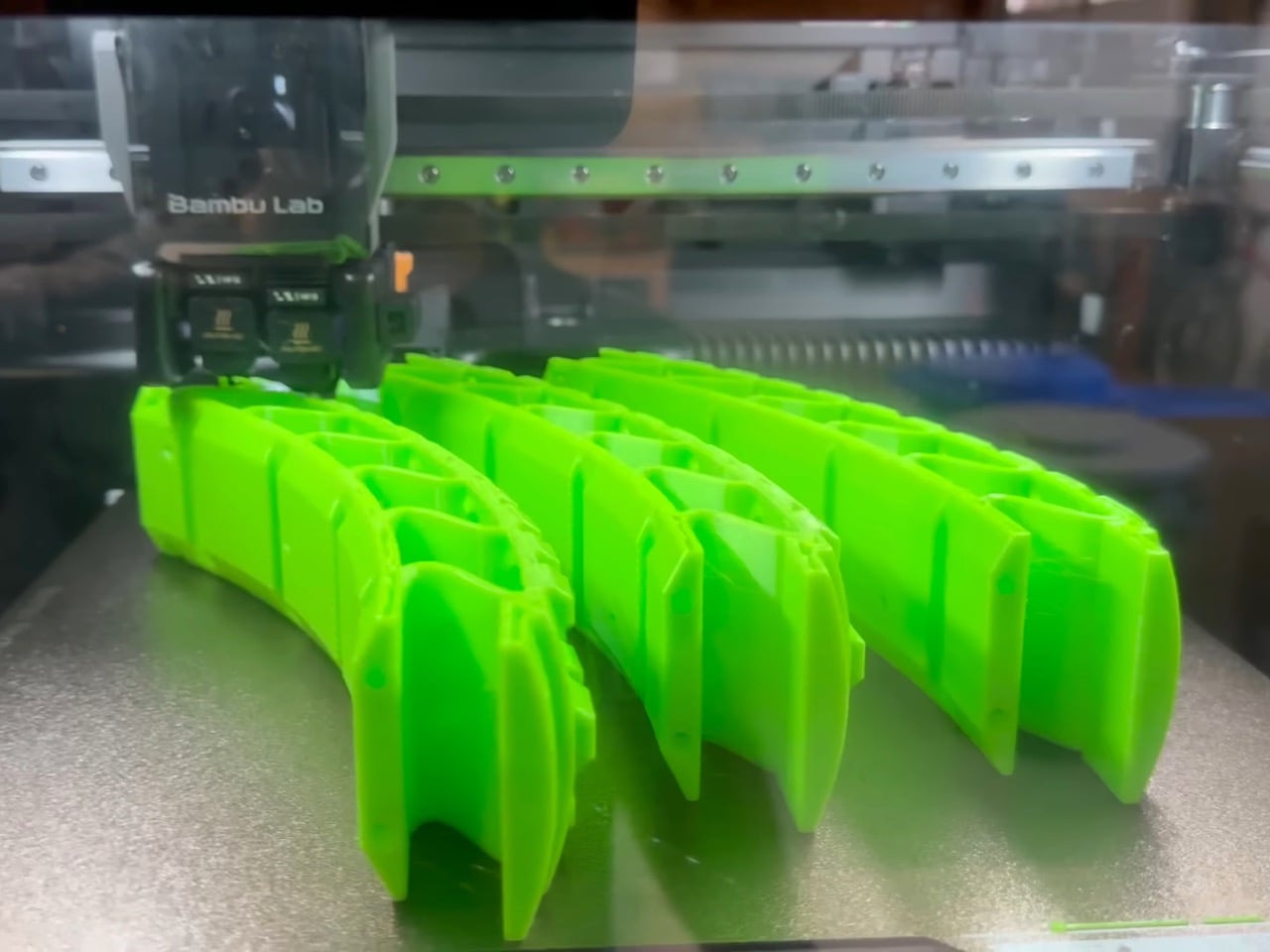
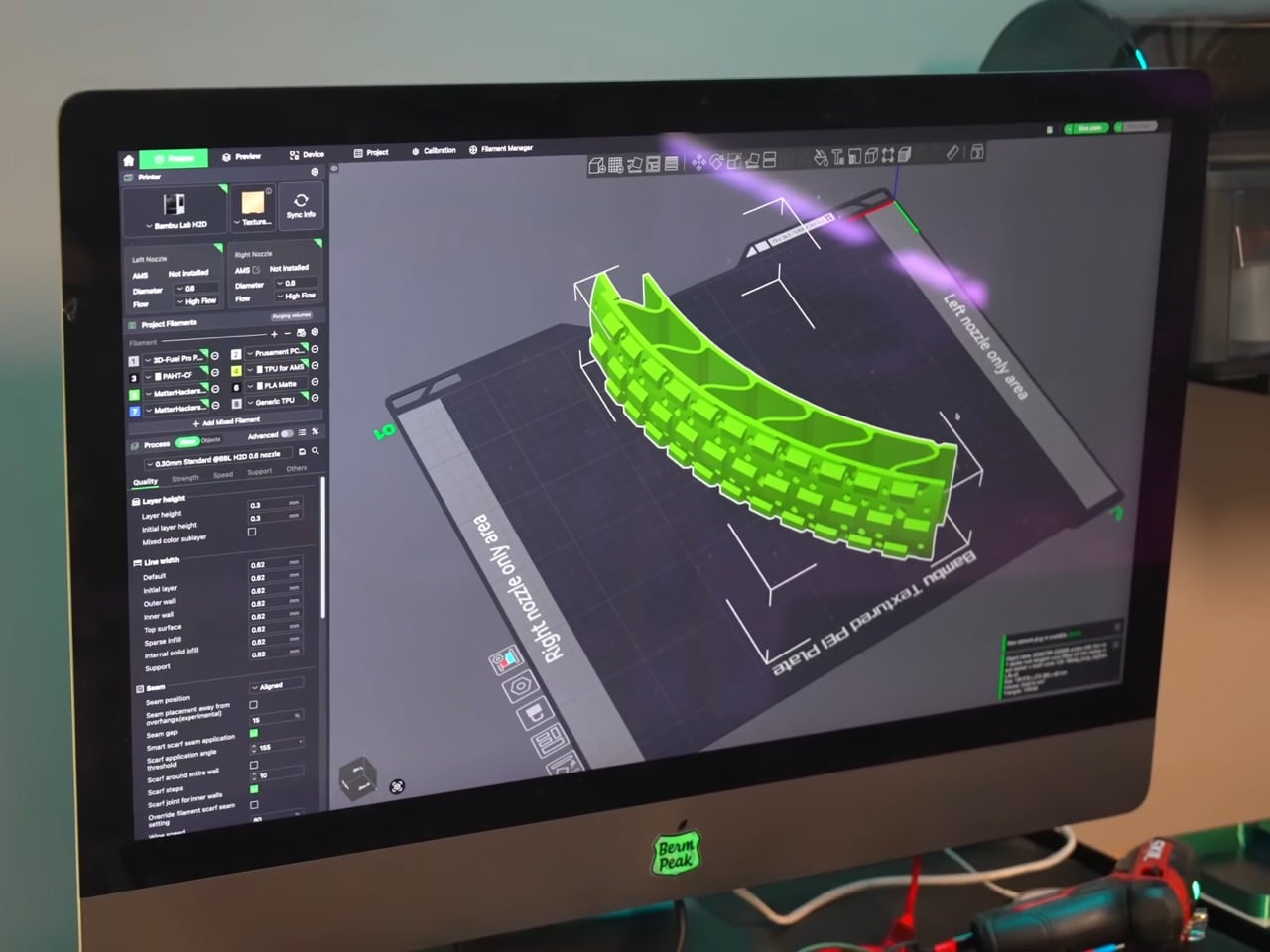
You don’t need a NASA contract to try this yourself, and that’s the part worth sitting with. The file, the printer, and the material all exist right now, sitting in a hobbyist’s garage instead of a corporate lab. Whether that ever turns into something you can buy off a shelf is a separate question. Whether you can print one this weekend is not.

The post You Still Can’t Buy Airless Tires Even After A Decade… But You Can 3D Print One first appeared on Yanko Design.
MVRDV Built a Mountain in the Middle of Rotterdam

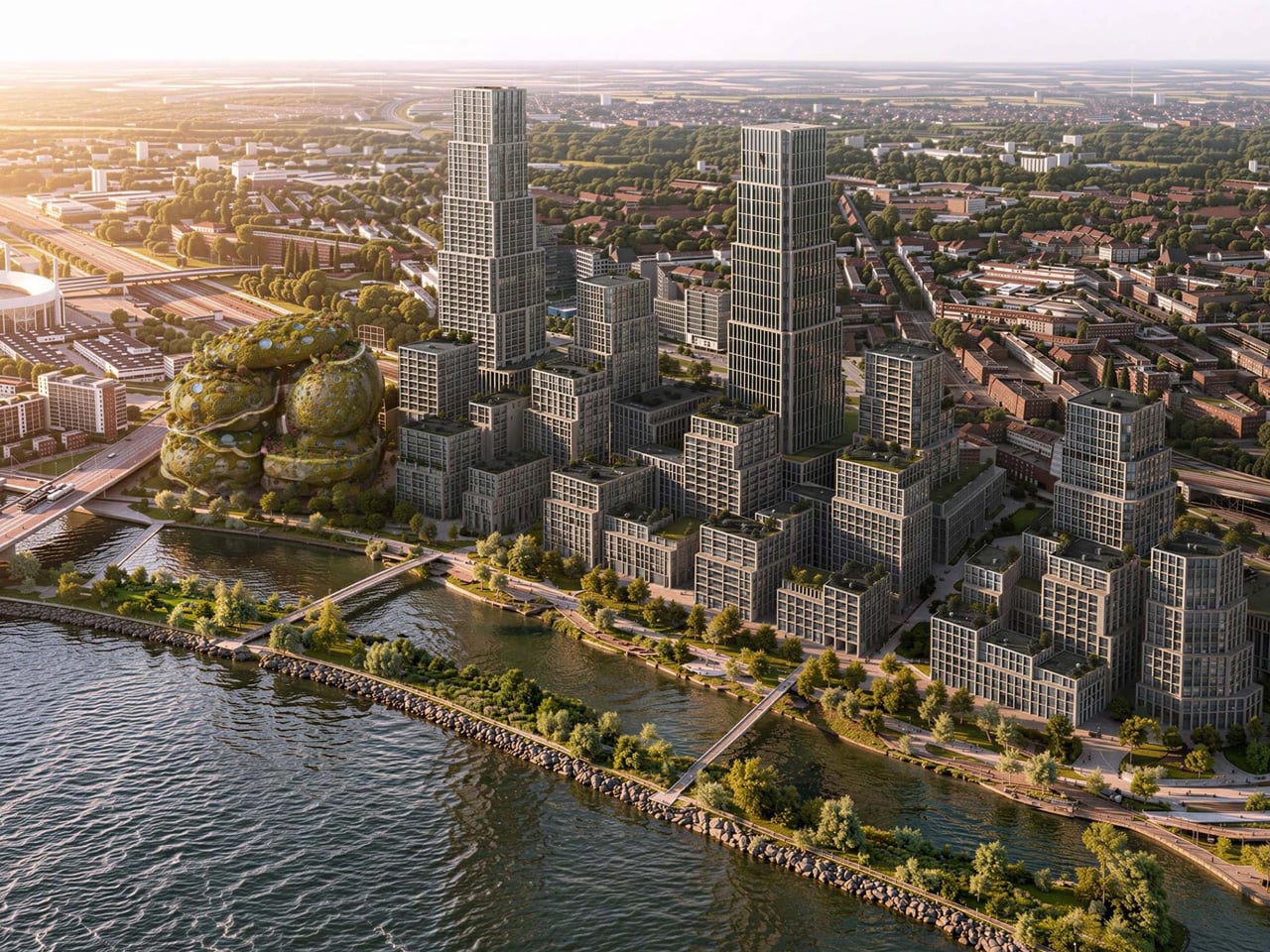
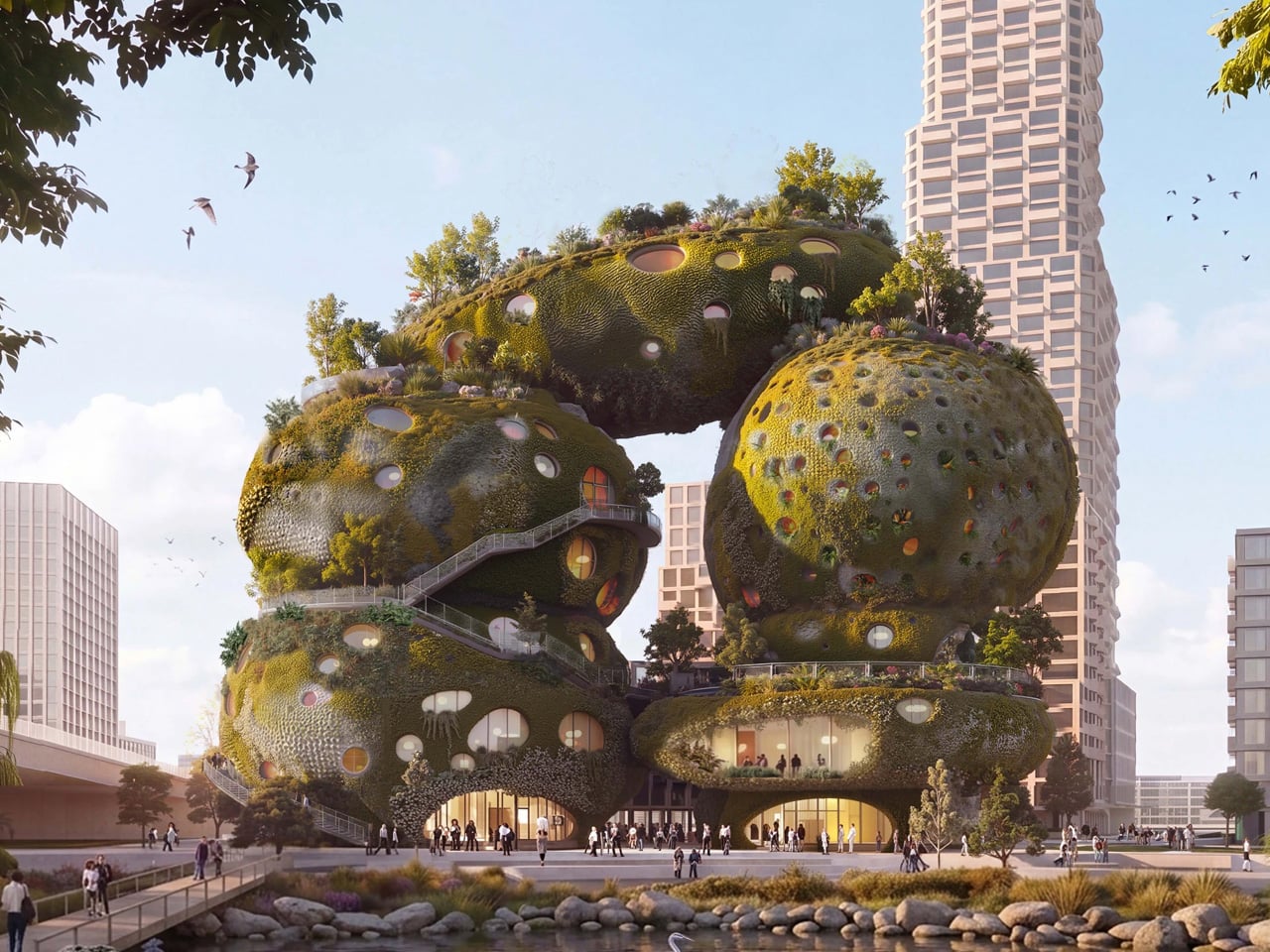
What does a building look like when it’s designed for birds, insects, and plants just as much as people? According to MVRDV, it looks like a mountain that grew out of the Maas riverbank — rough, porous, and unapologetically massive.

Rotterdam ROCKS! is MVRDV’s winning entry in Shift’s international design competition, which called for proposals for a “new world wonder” capable of motivating people to act on the climate and biodiversity crises. The €240 million project beat out a formidable shortlist that included Heatherwick Studio, Mecanoo, Office for Political Innovation, and Ecosistema Urbano. The jury — which included Zaha Hadid Foundation director Aric Chen and UNS founder Ben van Berkel — called the proposal “remarkably bold.”

Designer: MVRDV

That’s an understatement. The design takes the form of seven giant stacked rocks arranged into two towers on the south bank of the Maas, in Rotterdam’s emerging Waterkant district. The district itself is slated to deliver over 3,500 homes alongside schools, offices, and a new train station — Rotterdam ROCKS! is meant to be its cultural heartbeat.

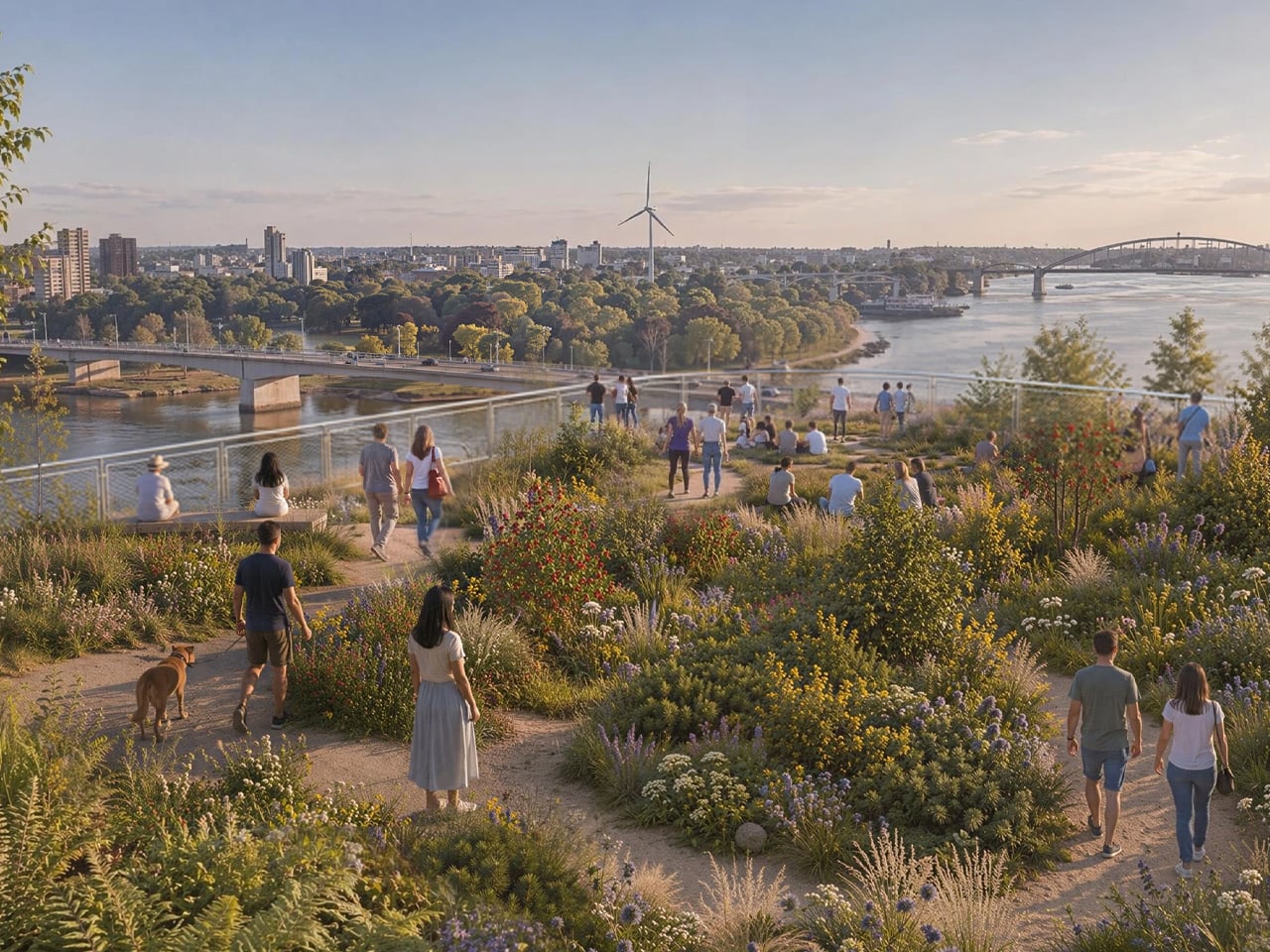
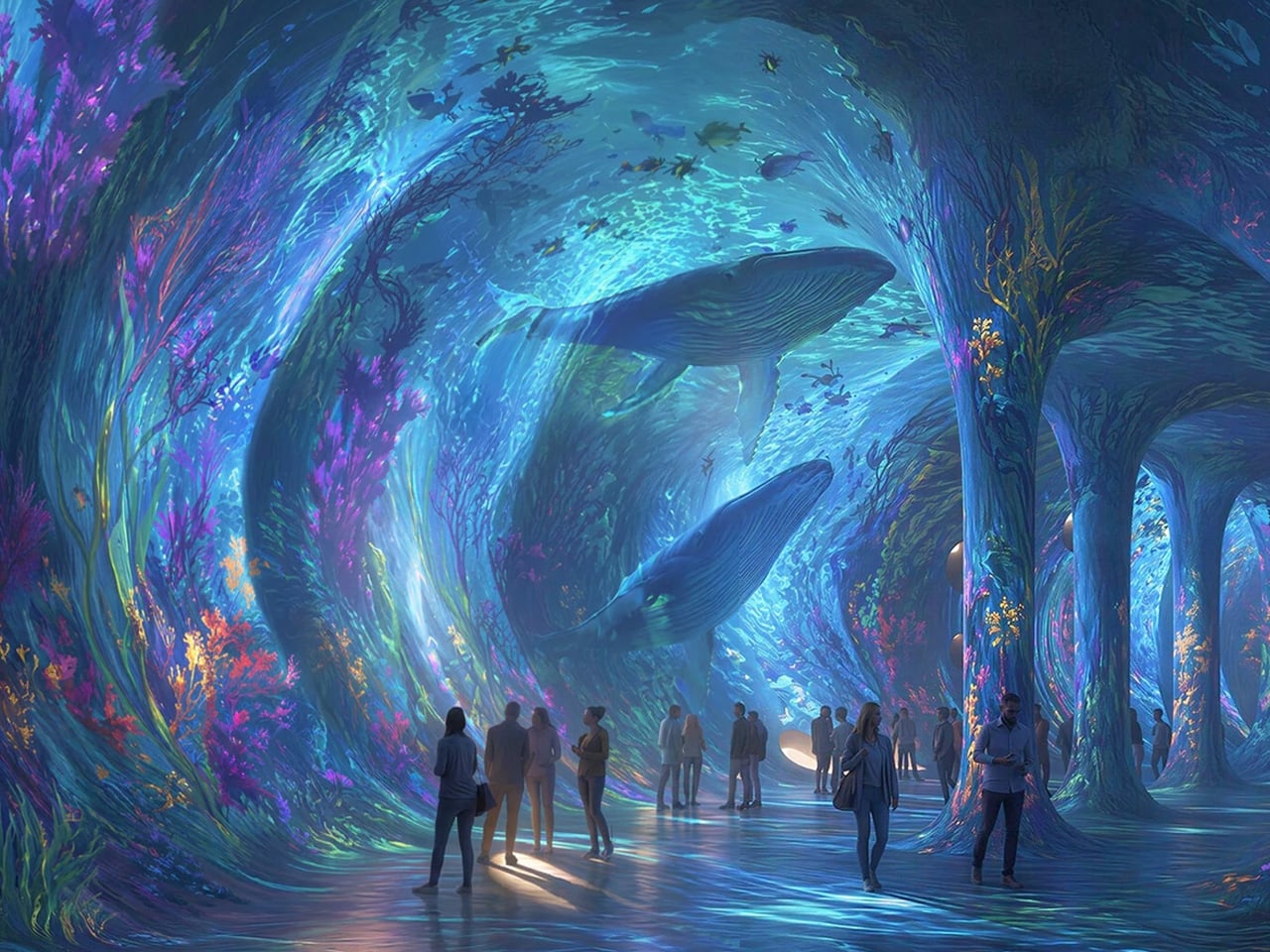
At 30,000 square metres, the building is organized around two internal circulation routes and a series of cave-like exhibition spaces carved into the rock forms. A third route wraps the exterior of the structure, leading visitors through an immersive area called The Elysium before arriving at a viewing terrace overlooking the city. Below that, the program includes a 200-room hotel, a conference centre, a food court, and event spaces — essentially a vertical neighborhood compressed into a geological fiction.

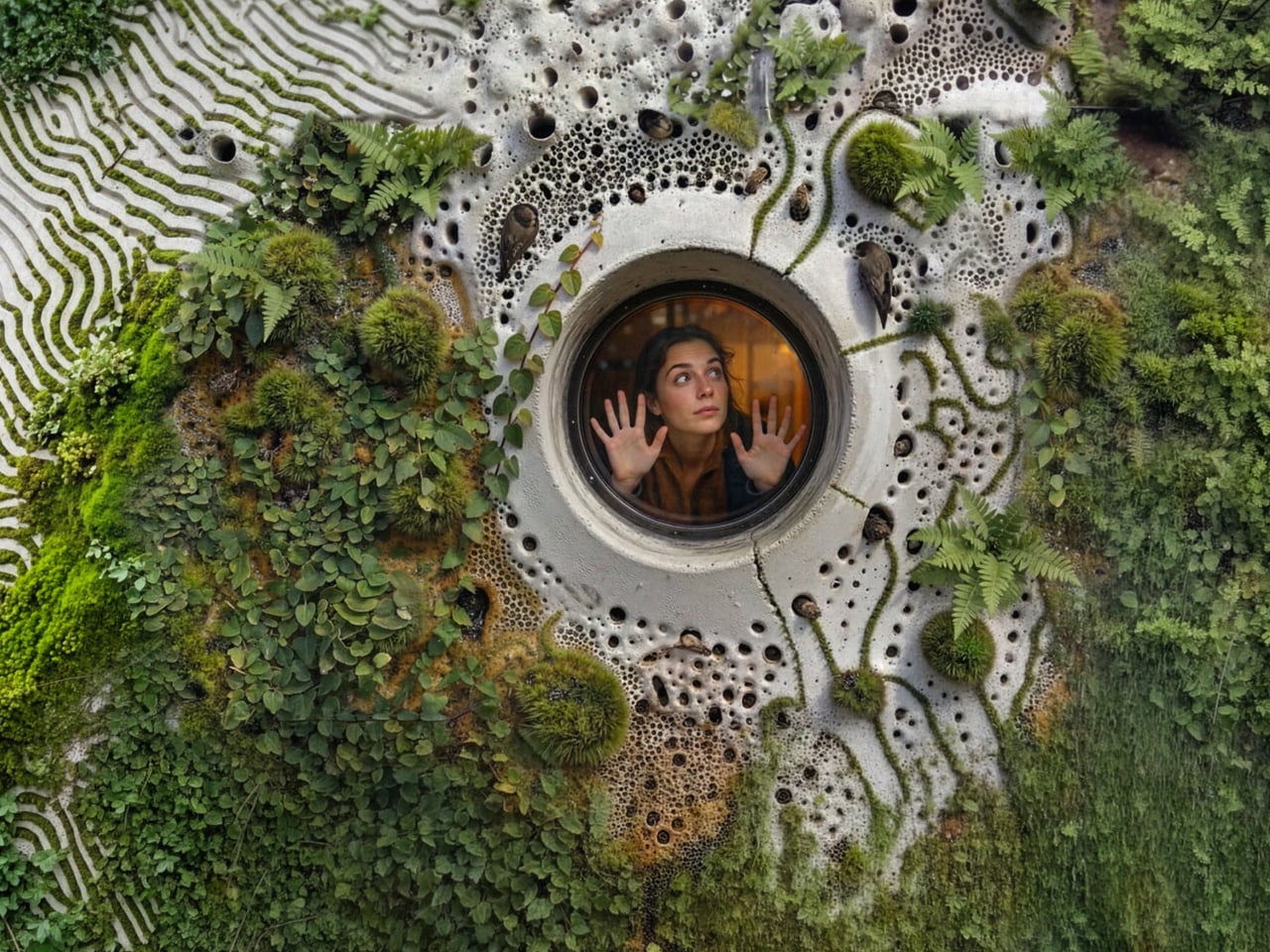
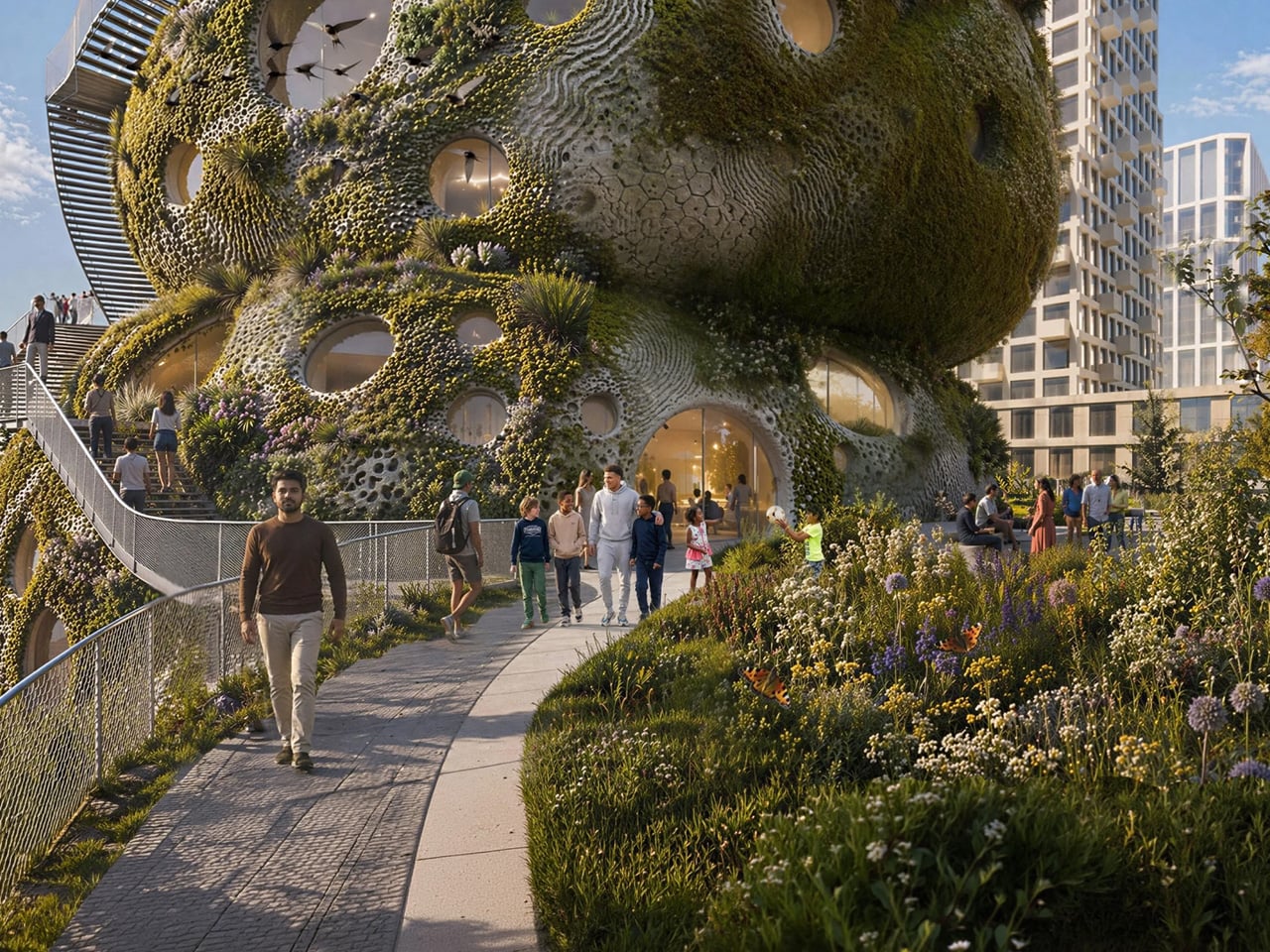
The facade is designed to be genuinely alive. Pockets built into the exterior hold soil, water, plants, and nesting habitats for birds and urban wildlife. MVRDV has said the building will “showcase the latest innovations in low-carbon construction,” though specific materials have yet to be disclosed. Founding partner Winy Maas described the design logic directly: “We need to reduce carbon dioxide emissions and to create inclusive spaces for people, trees, plants, for water, air, and for animal habitats, balancing the need for new built space with new landscapes to compensate our ecological impact.”

The project is the first-ever Shift Embassy — a new typology conceived by the social enterprise as a permanent physical institution for ecological and societal change. Shift is targeting a 2032 launch, which gives the design time to move through further development and public consultation. Rotterdam already has the Markthal, De Rotterdam, and the Cube Houses. It’s building a reputation for architecture that refuses to be quiet. Rotterdam ROCKS! might be its loudest statement yet.

The post MVRDV Built a Mountain in the Middle of Rotterdam first appeared on Yanko Design.
MVRDV Built a Mountain in the Middle of Rotterdam

What does a building look like when it’s designed for birds, insects, and plants just as much as people? According to MVRDV, it looks like a mountain that grew out of the Maas riverbank — rough, porous, and unapologetically massive.

Rotterdam ROCKS! is MVRDV’s winning entry in Shift’s international design competition, which called for proposals for a “new world wonder” capable of motivating people to act on the climate and biodiversity crises. The €240 million project beat out a formidable shortlist that included Heatherwick Studio, Mecanoo, Office for Political Innovation, and Ecosistema Urbano. The jury — which included Zaha Hadid Foundation director Aric Chen and UNS founder Ben van Berkel — called the proposal “remarkably bold.”

Designer: MVRDV

That’s an understatement. The design takes the form of seven giant stacked rocks arranged into two towers on the south bank of the Maas, in Rotterdam’s emerging Waterkant district. The district itself is slated to deliver over 3,500 homes alongside schools, offices, and a new train station — Rotterdam ROCKS! is meant to be its cultural heartbeat.

At 30,000 square metres, the building is organized around two internal circulation routes and a series of cave-like exhibition spaces carved into the rock forms. A third route wraps the exterior of the structure, leading visitors through an immersive area called The Elysium before arriving at a viewing terrace overlooking the city. Below that, the program includes a 200-room hotel, a conference centre, a food court, and event spaces — essentially a vertical neighborhood compressed into a geological fiction.

The facade is designed to be genuinely alive. Pockets built into the exterior hold soil, water, plants, and nesting habitats for birds and urban wildlife. MVRDV has said the building will “showcase the latest innovations in low-carbon construction,” though specific materials have yet to be disclosed. Founding partner Winy Maas described the design logic directly: “We need to reduce carbon dioxide emissions and to create inclusive spaces for people, trees, plants, for water, air, and for animal habitats, balancing the need for new built space with new landscapes to compensate our ecological impact.”

The project is the first-ever Shift Embassy — a new typology conceived by the social enterprise as a permanent physical institution for ecological and societal change. Shift is targeting a 2032 launch, which gives the design time to move through further development and public consultation. Rotterdam already has the Markthal, De Rotterdam, and the Cube Houses. It’s building a reputation for architecture that refuses to be quiet. Rotterdam ROCKS! might be its loudest statement yet.

The post MVRDV Built a Mountain in the Middle of Rotterdam first appeared on Yanko Design.
BRABUS’ first luxury catamaran gives you superyacht comfort with the thrill of a performance boat

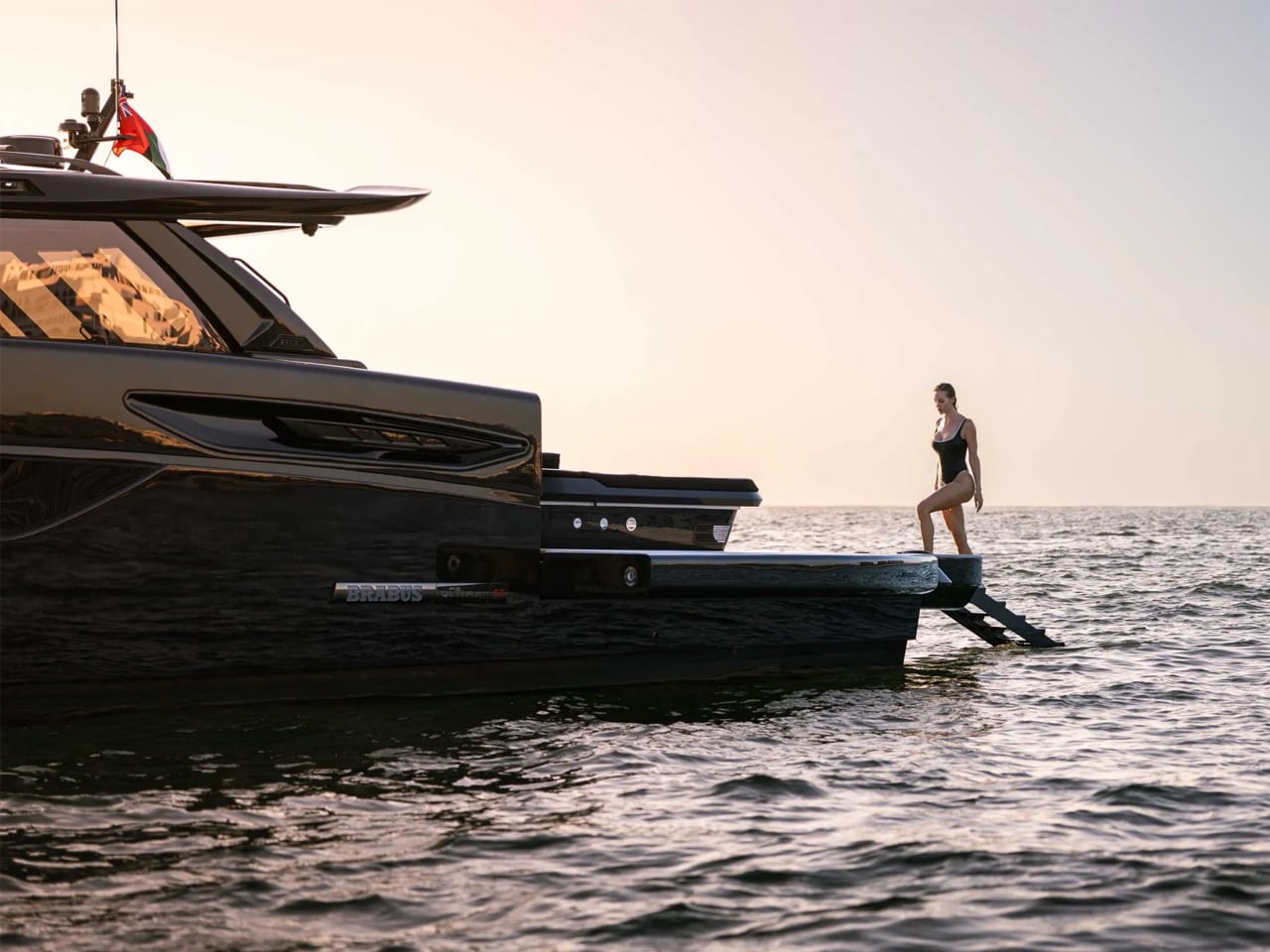
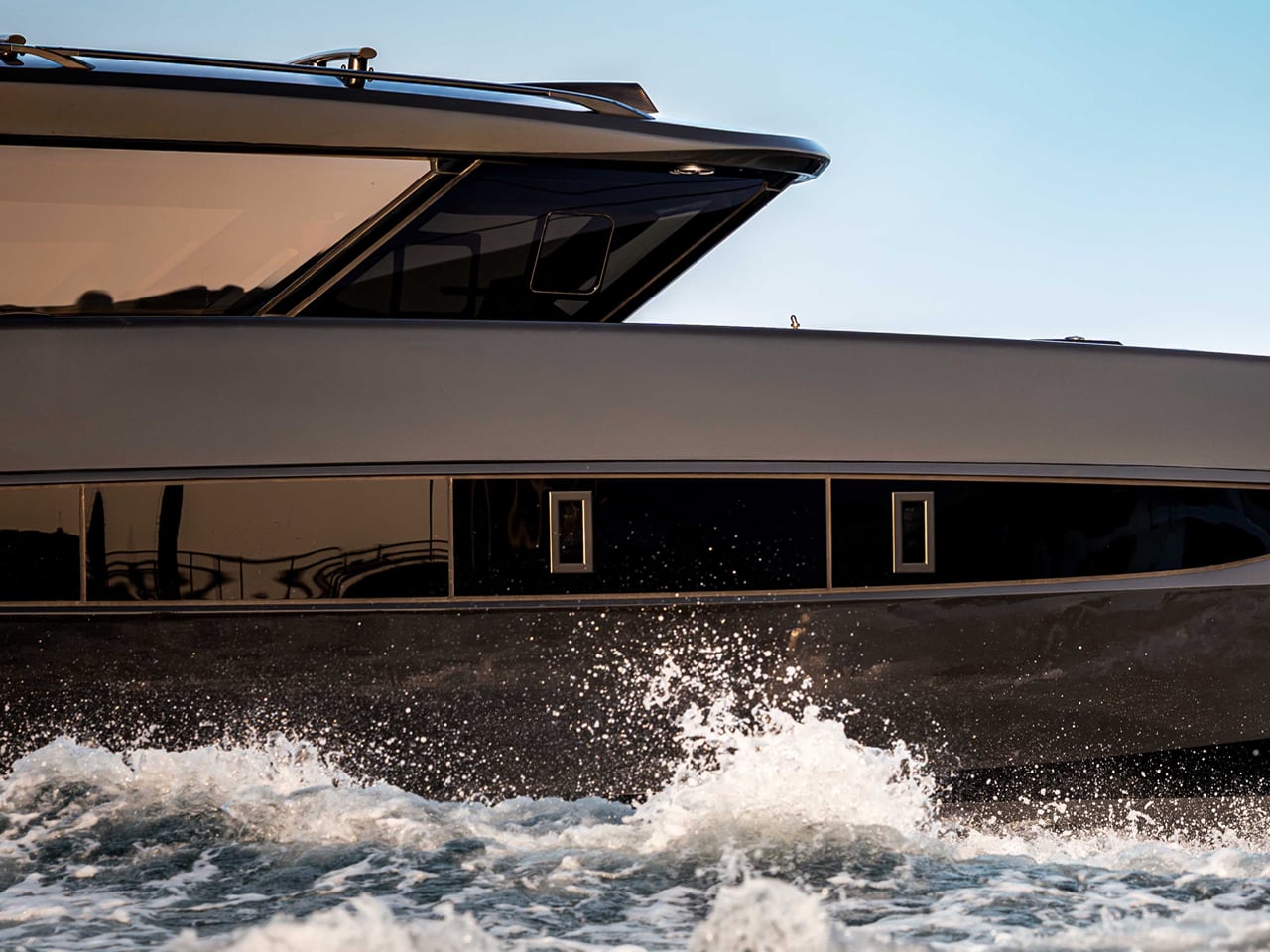
For decades, BRABUS has built its reputation by transforming high-performance Mercedes-Benz vehicles into machines that are as bold in appearance as they are in capability. Carbon fiber, aggressive styling, and immense power have long defined the German tuner’s identity on the road. Now, that same philosophy has found a new home on the water. Partnering with luxury catamaran specialist Sunreef Yachts, BRABUS has unveiled the ULTIMA 55, a vessel that translates its signature design language into a sleek, high-performance yacht without losing sight of comfort or craftsmanship.

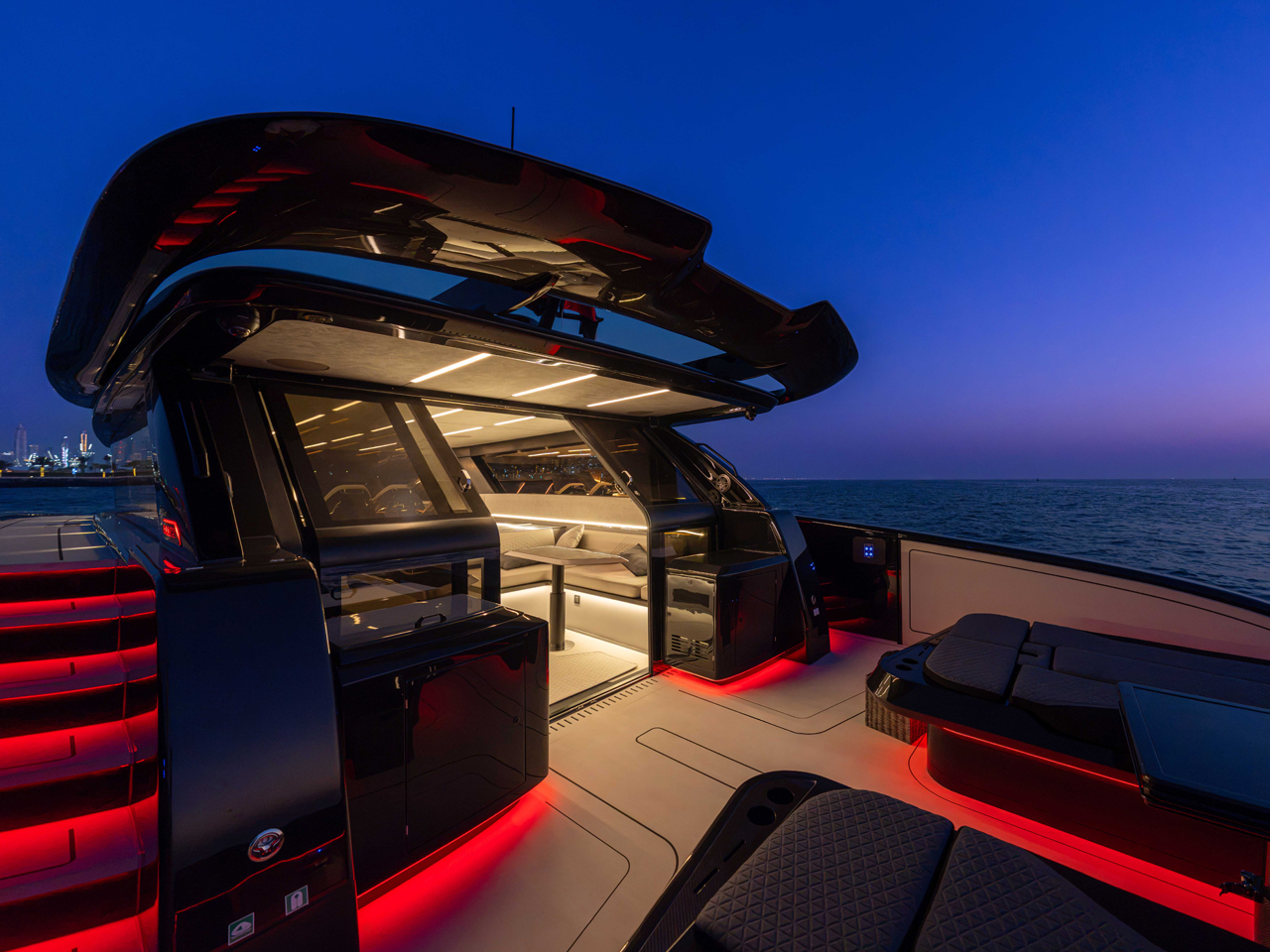
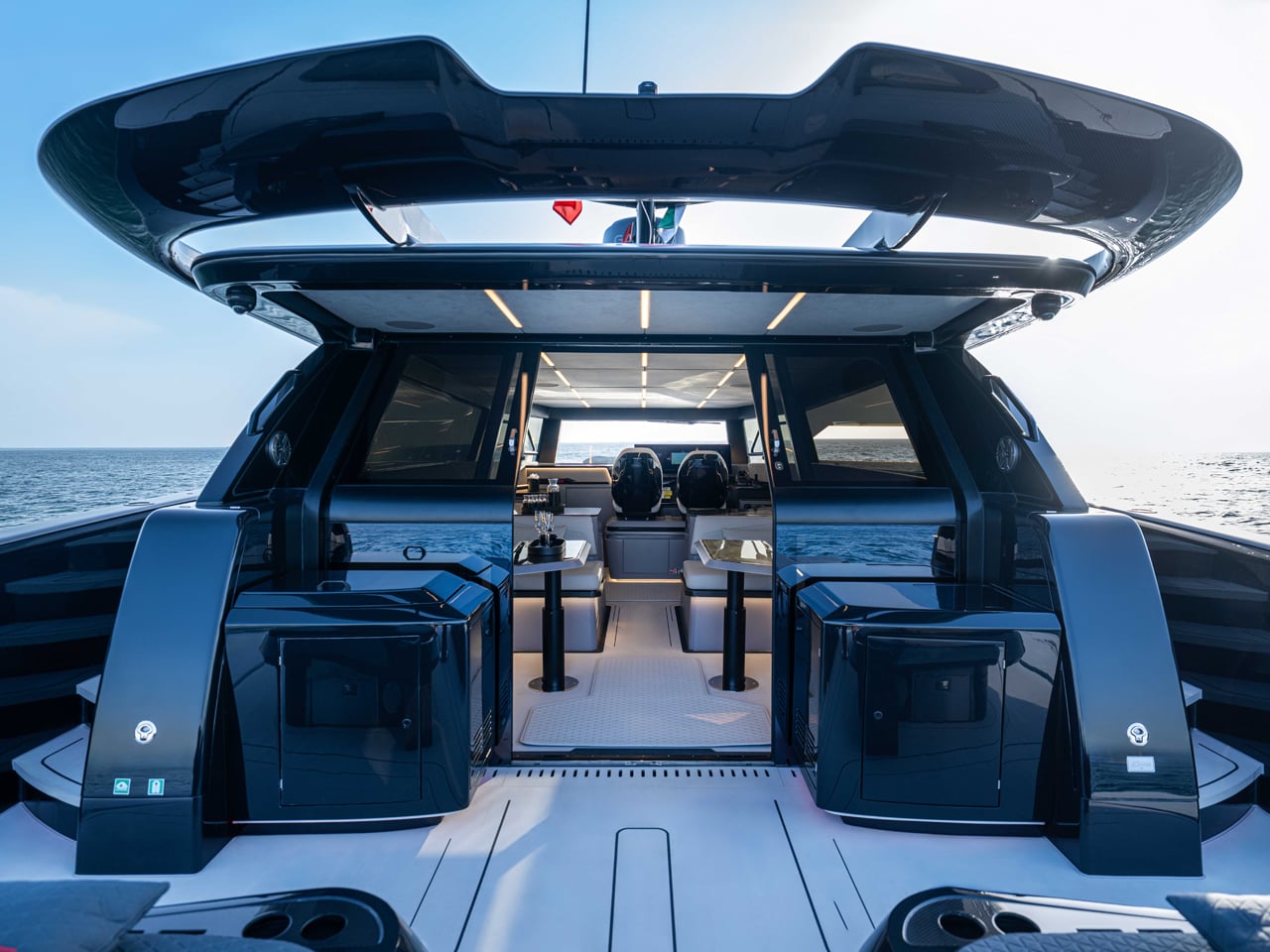
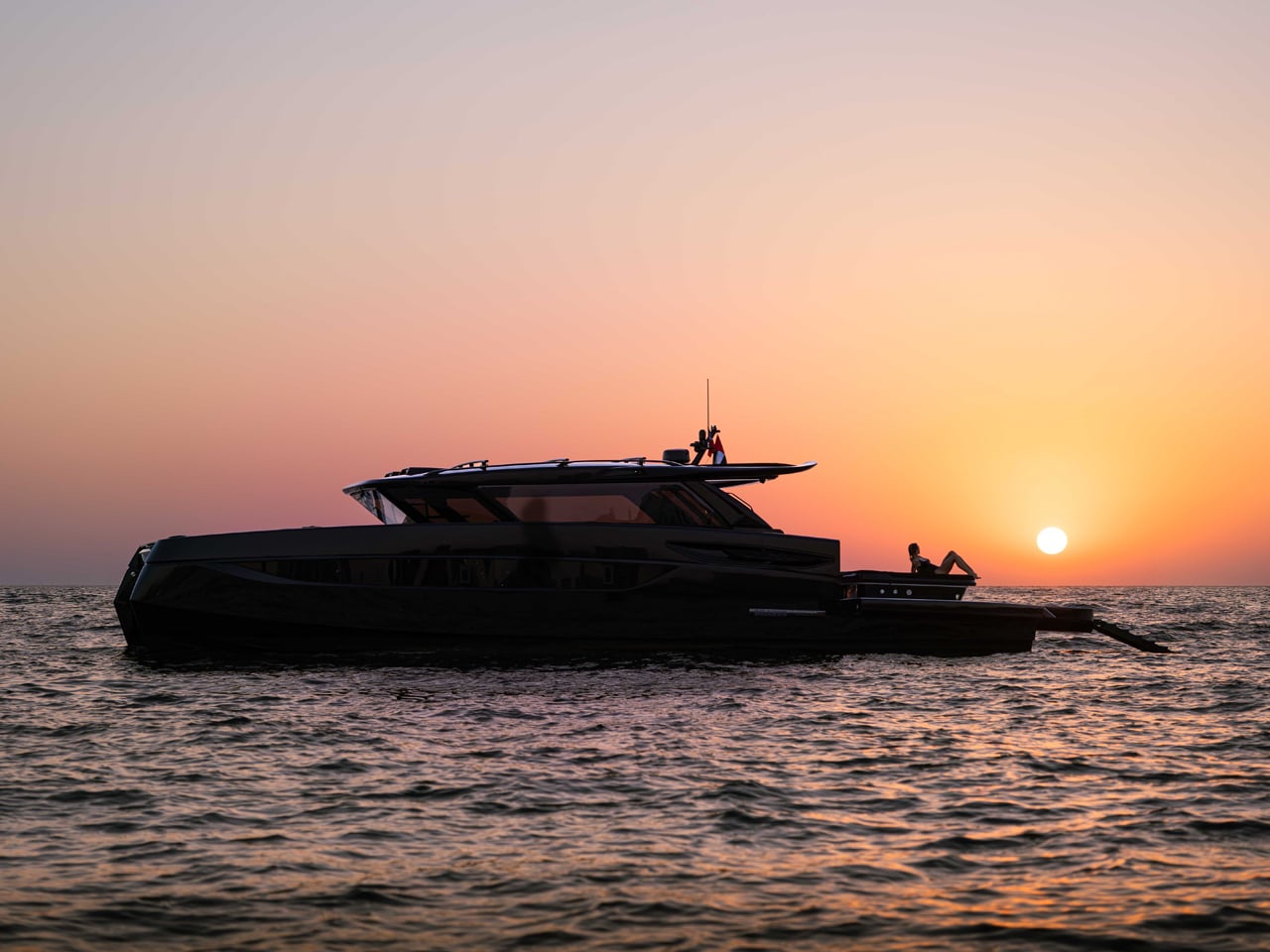
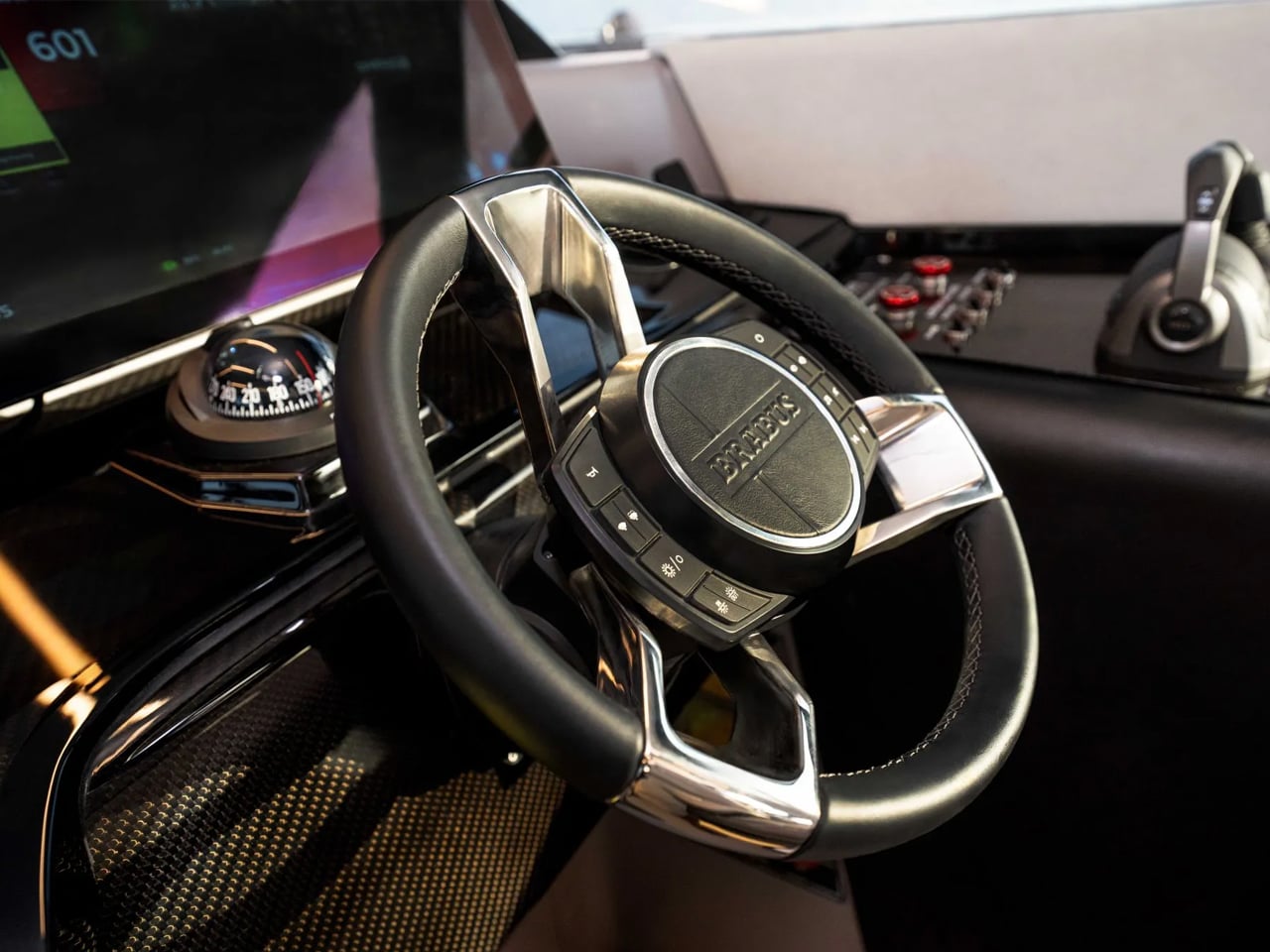
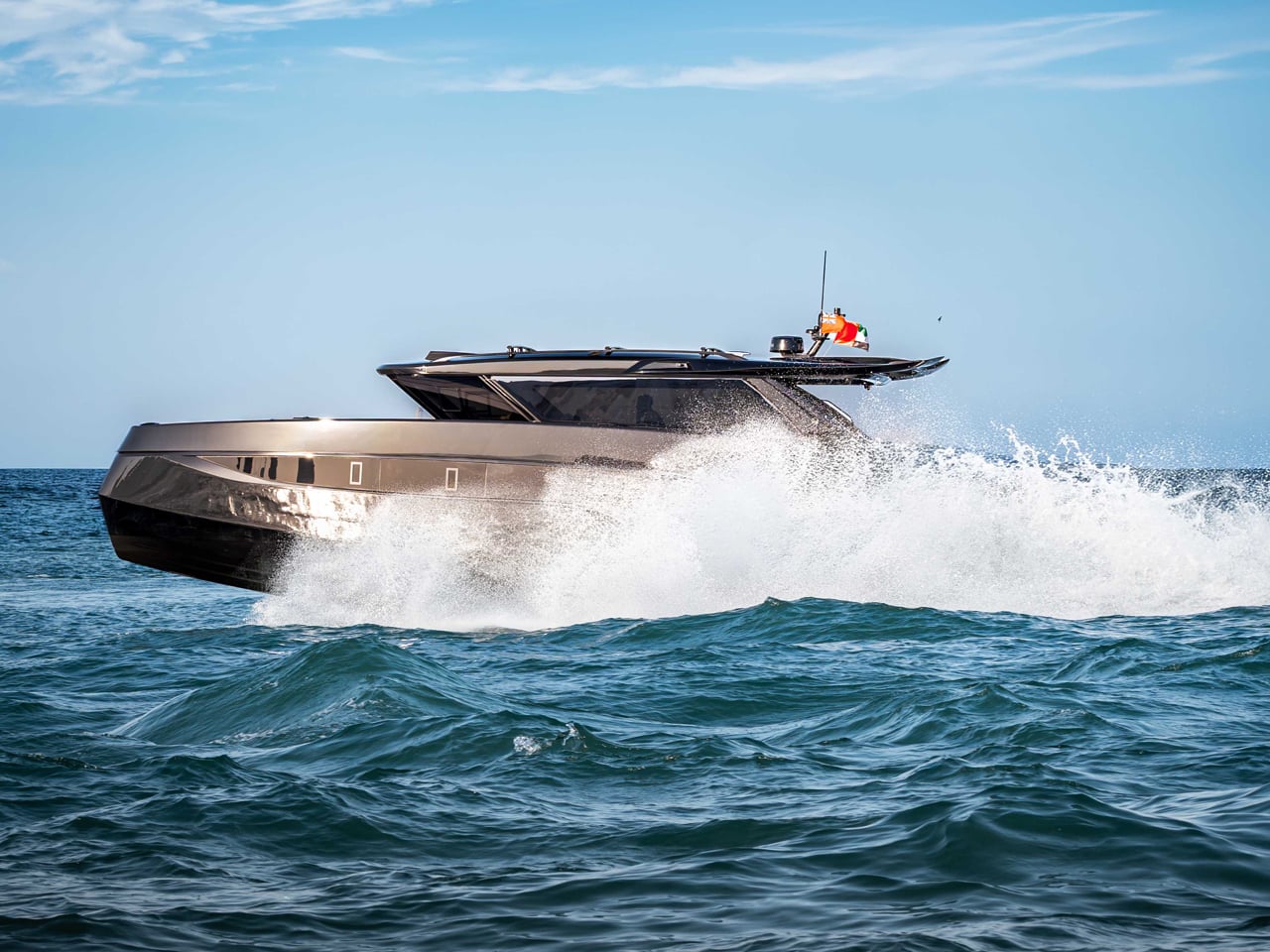
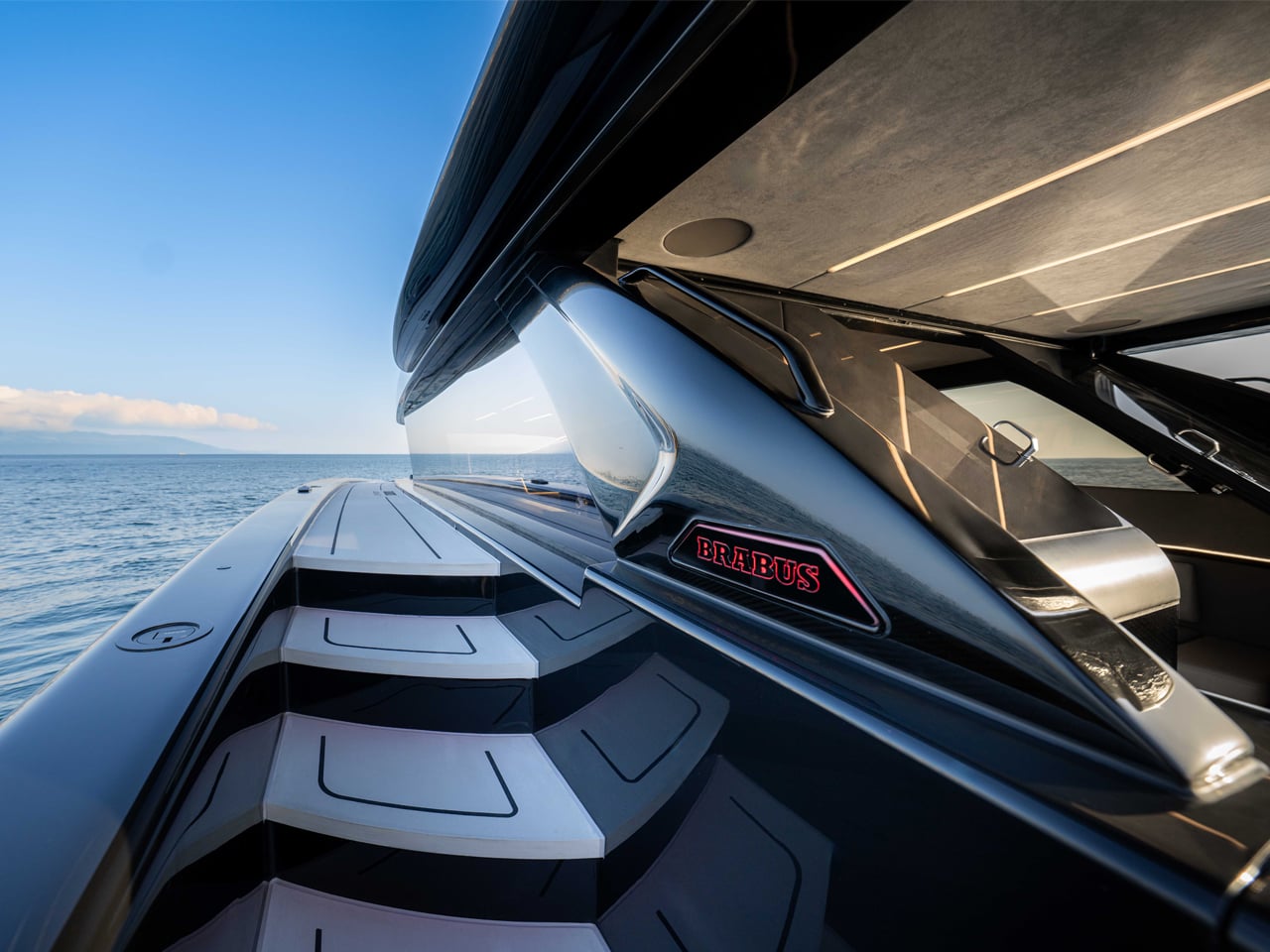
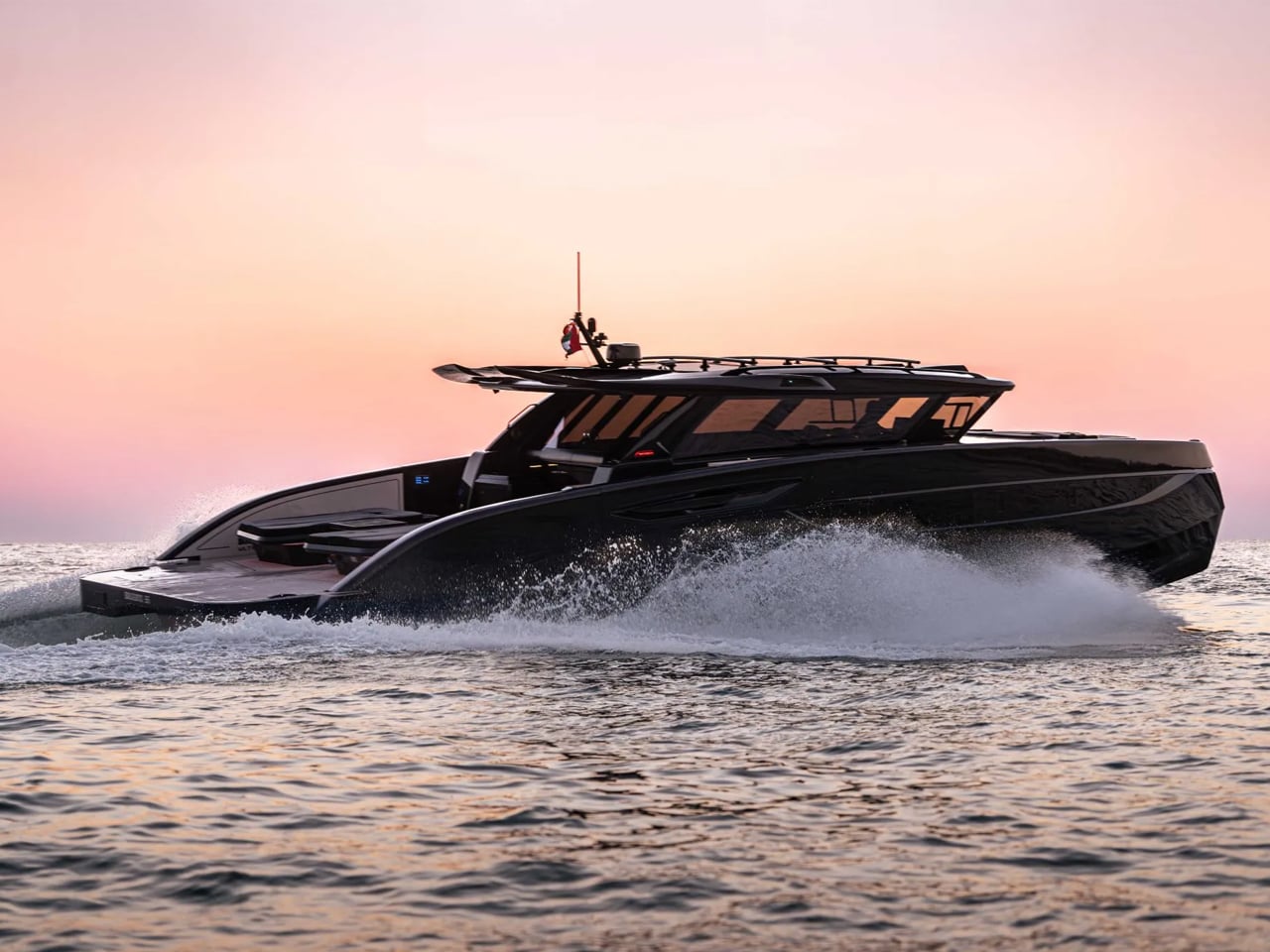
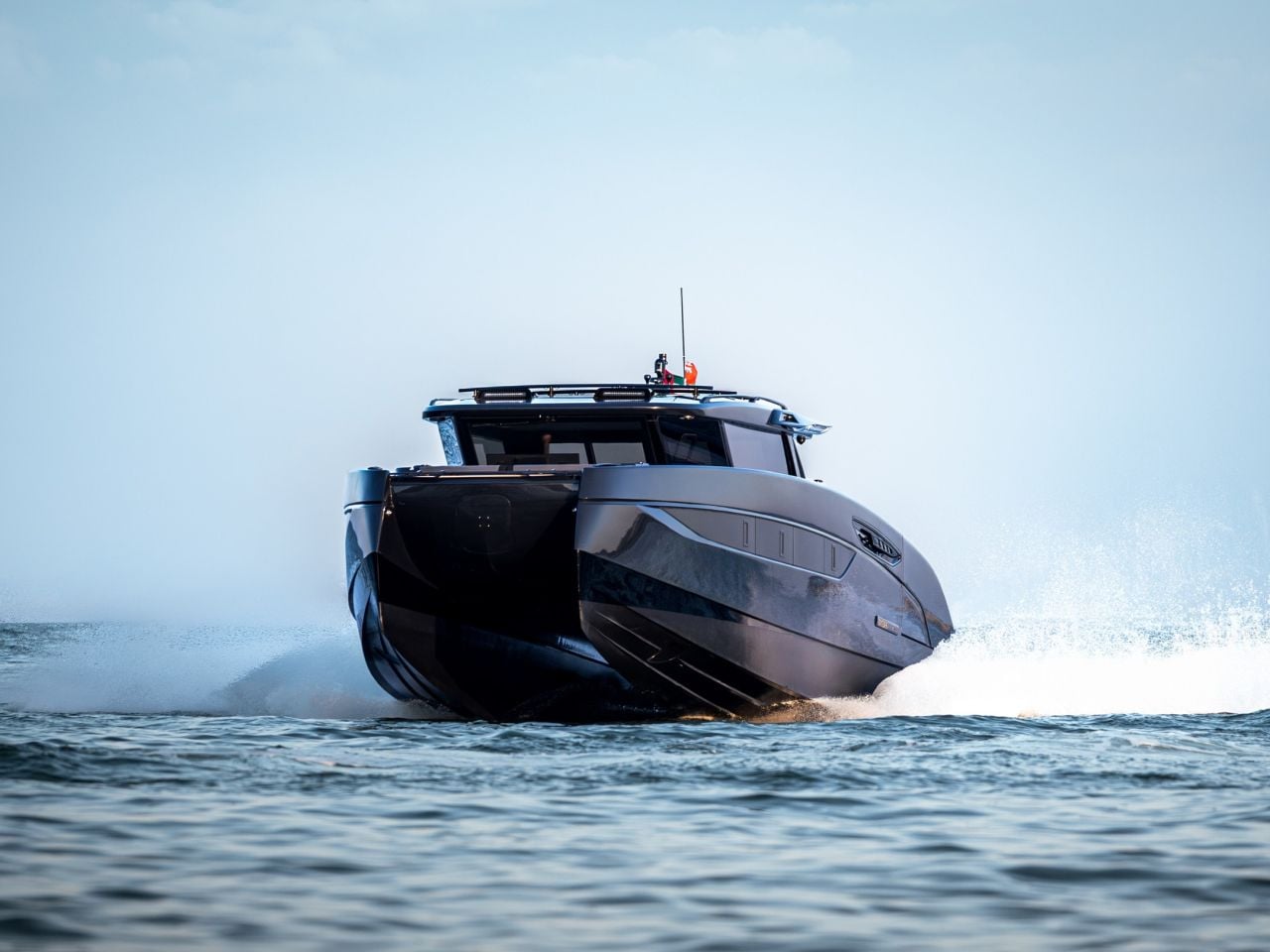
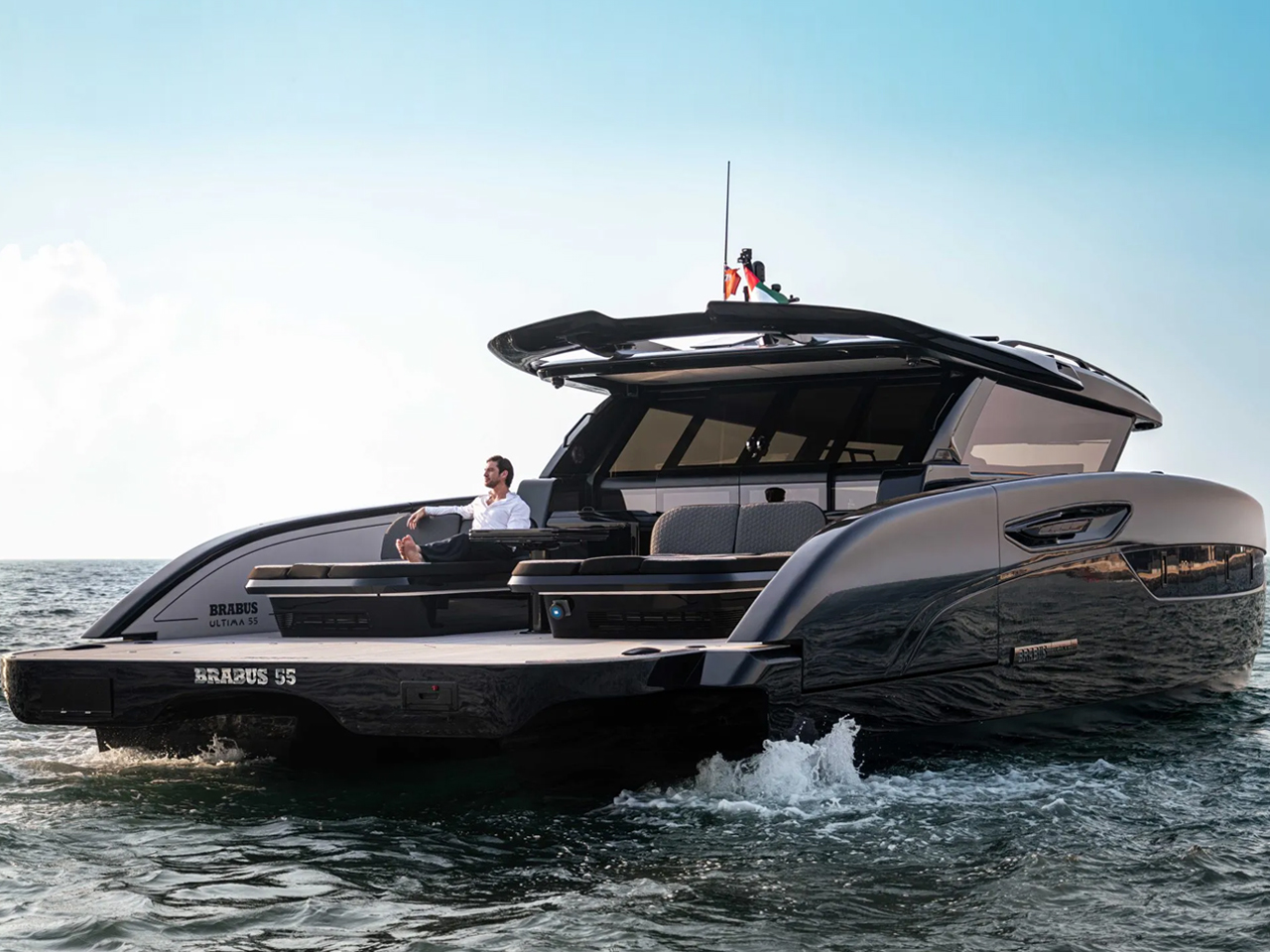
BRABUS has worked closely with Sunreef to reinterpret the ULTIMA 55 platform through its own design lens. The result is a 55-foot power catamaran that carries the unmistakable BRABUS DNA, from exposed carbon-fiber elements and illuminated branding to a monochromatic exterior that feels more like a supercar than a conventional yacht. Every detail, including the custom air vents, sculpted aerodynamic accents, and LED-integrated hardtop, reinforces the brand’s familiar obsession with performance and precision.

Designer: BRABUS and Sunreef Yachts

ULTIMA 55 also challenges the perception that catamarans are designed primarily for leisurely cruising. Powered by twin 725-horsepower six-cylinder engines, it is capable of exceeding 40 knots while maintaining the stability that multihull yachts are known for. A hydrofoil system further enhances the experience by reducing drag and lifting the hulls higher above the water; resulting in improved efficiency, smoother handling, and a more composed ride at speed. It is a combination that allows the yacht to deliver sports-boat excitement without sacrificing long-distance comfort.

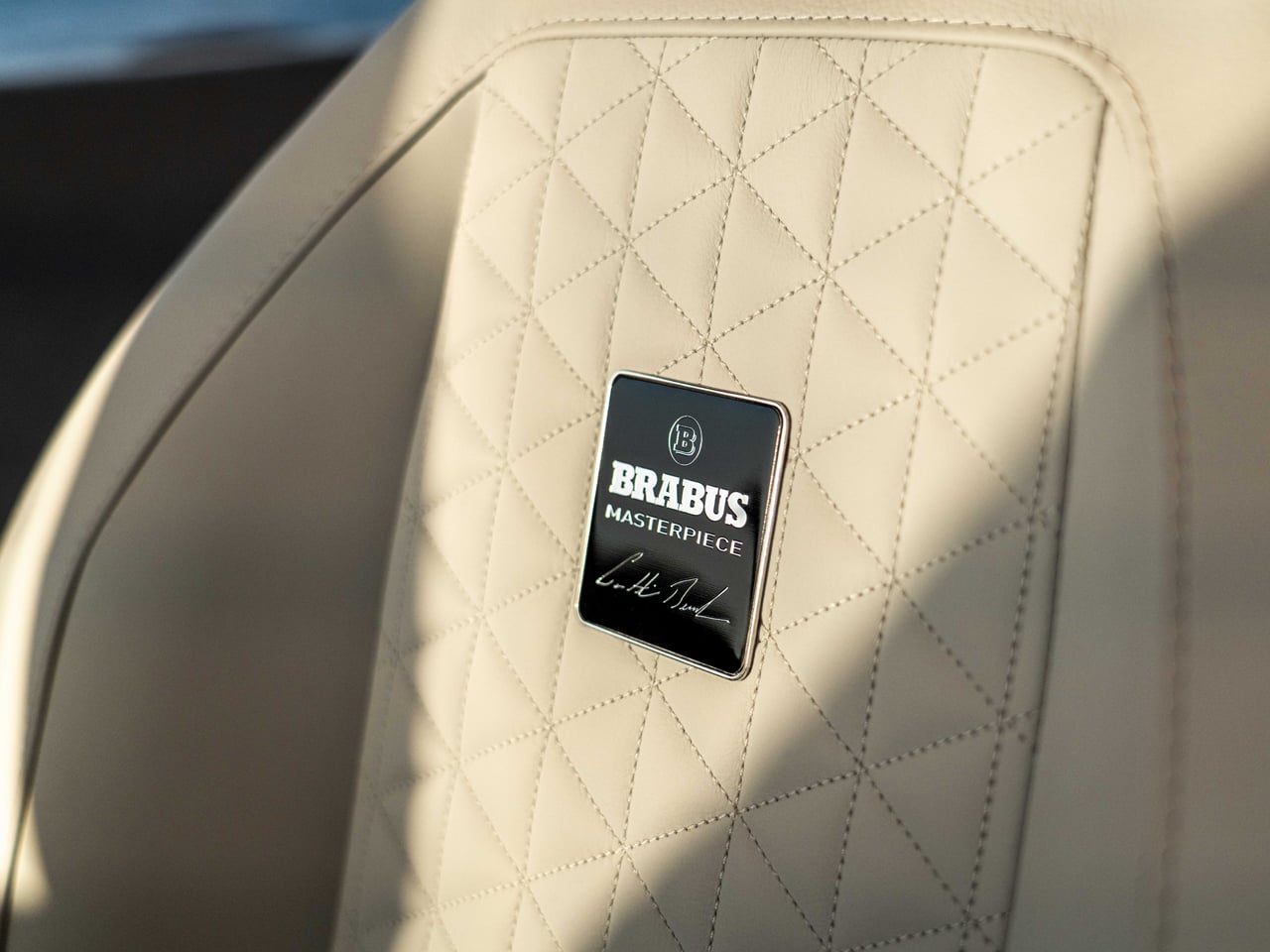
Built with a 16.8-meter hull and a beam of 7.5 meters, the BRABUS ULTIMA 55 offers the generous proportions expected from a luxury catamaran while retaining a streamlined, performance-oriented profile. Buyers can tailor the yacht with a range of BRABUS Masterpiece interior themes, premium upholstery, and exterior color combinations to suit their preferences. The yacht also incorporates advanced navigation and onboard systems designed for extended cruising without compromising everyday usability.

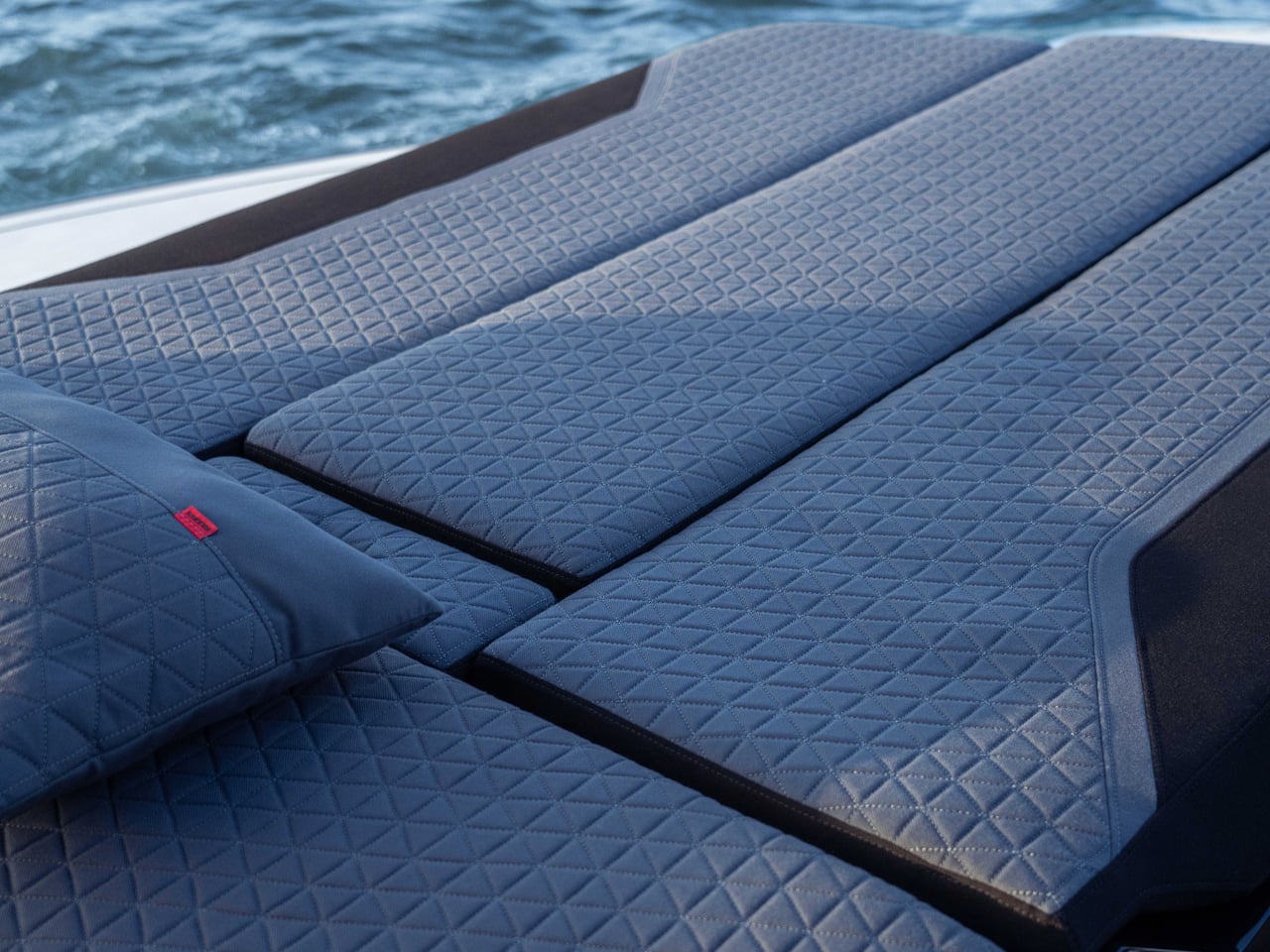
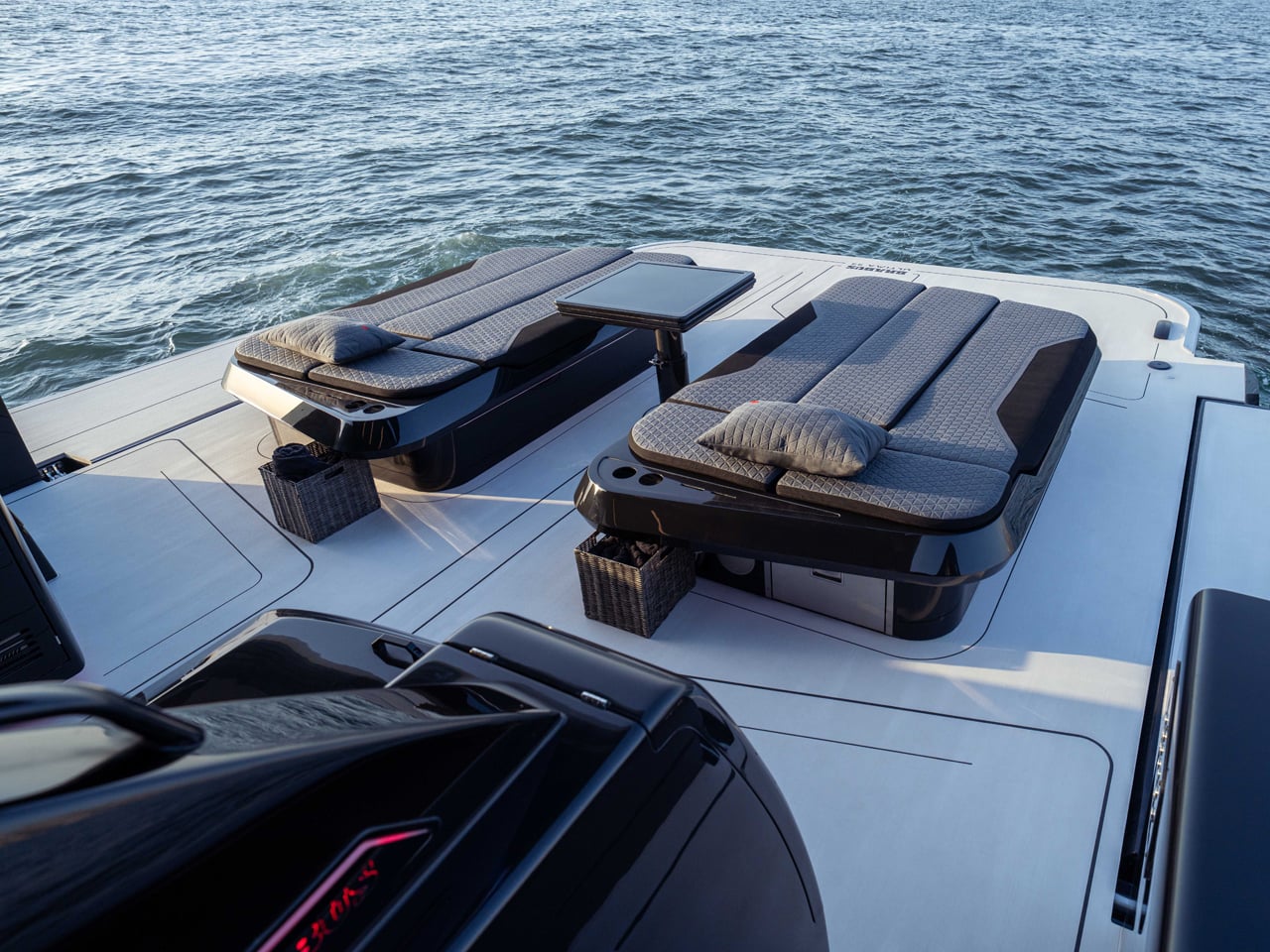
The exterior is designed to encourage life outdoors, with spaces that adapt effortlessly throughout the day. Fold-down side terraces expand the deck when anchored, creating additional room for lounging by the water. Convertible sunpads, a retractable carbon-fiber dining table, a wet bar, and an electric barbecue turn the aft deck into an inviting social space, while an additional sun lounge at the bow offers a quieter place to relax. The flexible layout makes the yacht equally suited for entertaining guests or enjoying a peaceful escape at sea.

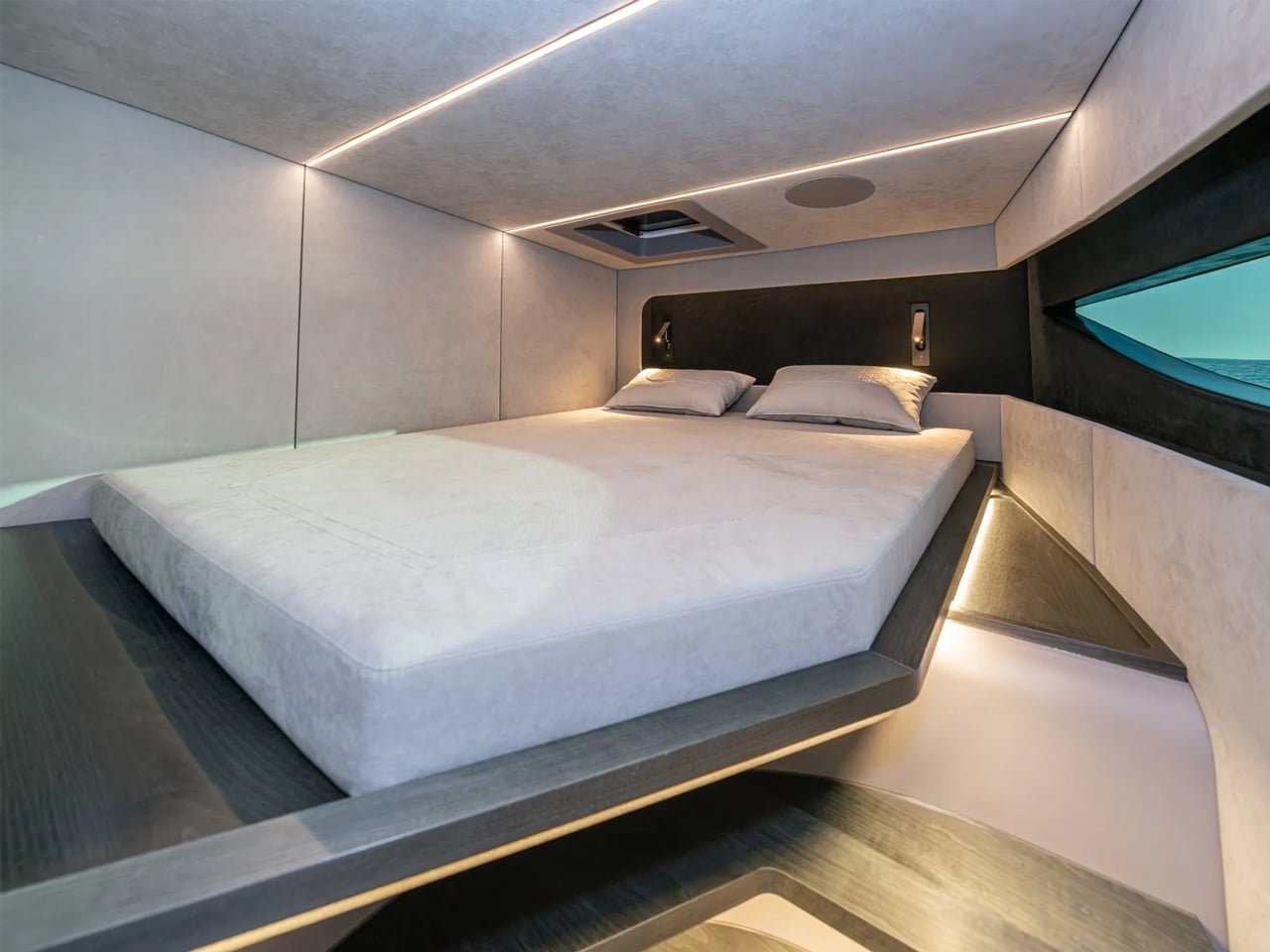
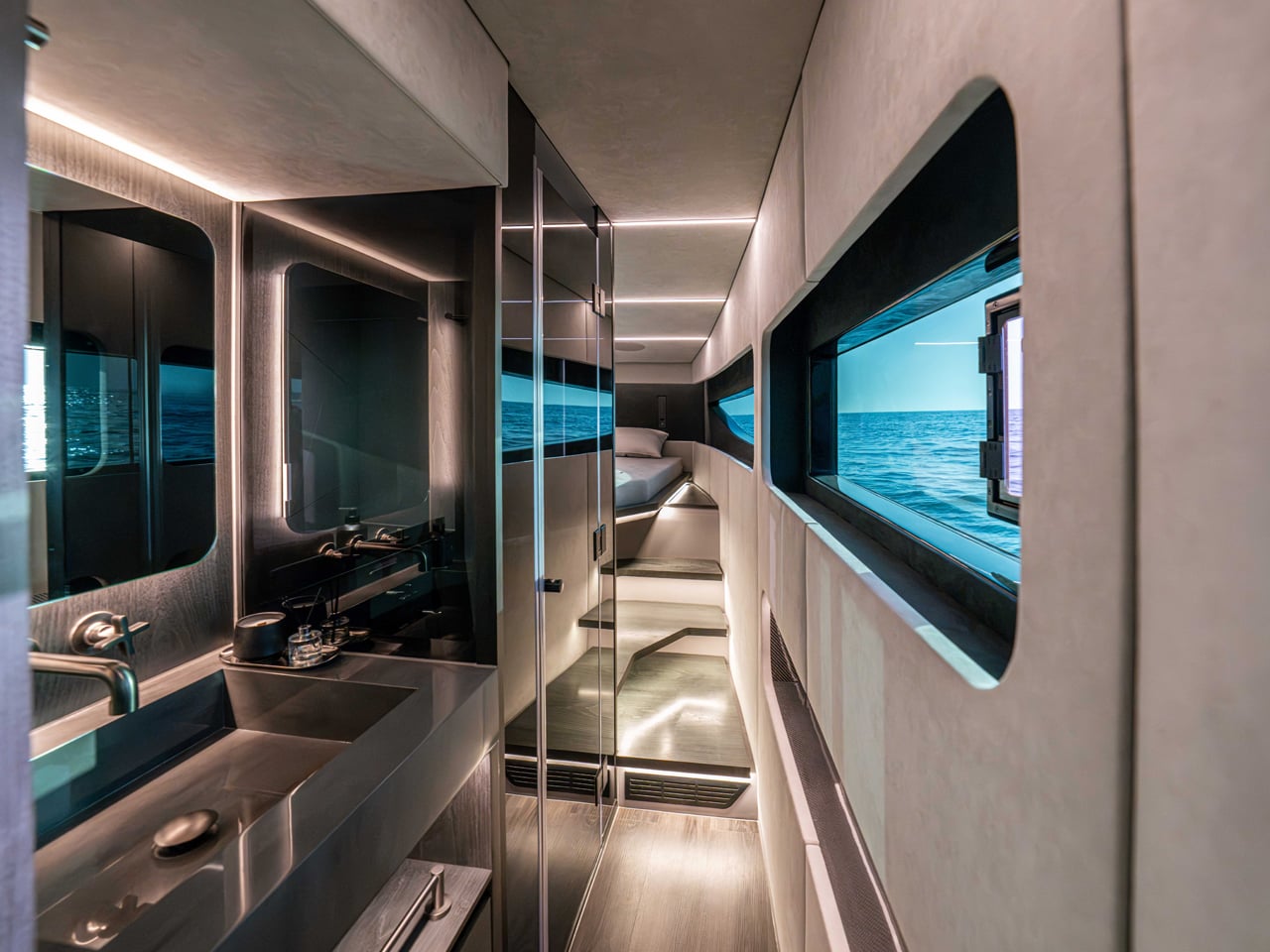
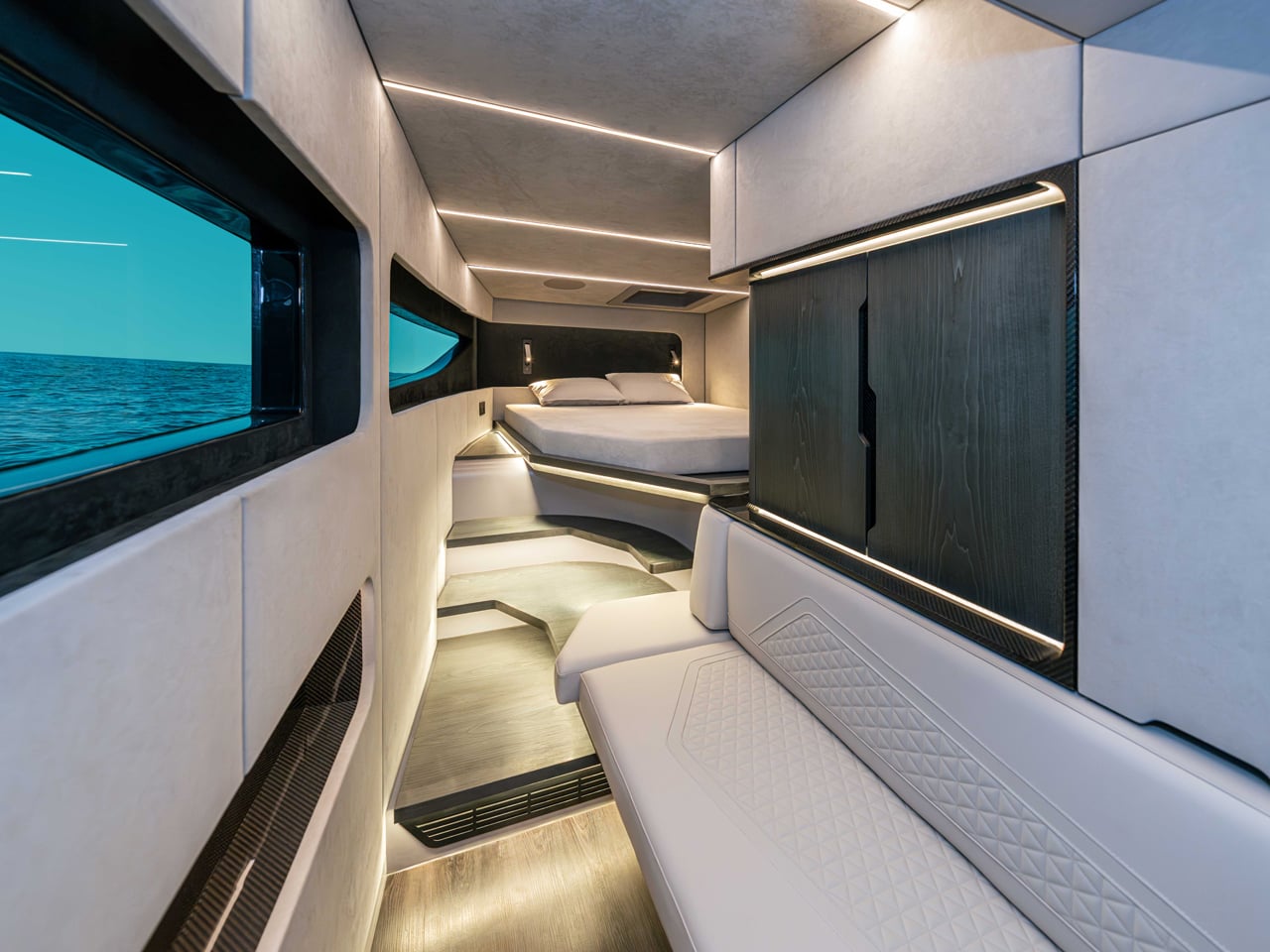
Inside, the atmosphere shifts from sporty to sophisticated. Floor-to-ceiling glazing floods the interior with natural light, highlighting premium wood finishes, carbon-fiber accents, and carefully curated materials that echo BRABUS’ automotive cabins. Owners can choose between a two-cabin configuration with a spacious master suite and VIP cabin or a three-cabin layout that accommodates up to six guests. Both options include dedicated crew quarters, ensuring the yacht balances luxury with practical functionality for extended cruising.

While BRABUS and Sunreef have not disclosed a base price, the ULTIMA 55 is positioned as an ultra-exclusive offering aimed at discerning owners looking for a bespoke blend of performance, design, and luxury, with deliveries expected to be handled through Sunreef Yachts’ global network.

The post BRABUS’ first luxury catamaran gives you superyacht comfort with the thrill of a performance boat first appeared on Yanko Design.