Roland’s Go:Mixer Studio is an affordable but capable mixer for budding recording engineers

Roland just unveiled the Go:Mixer Studio, a powerful entry in the company's line of audio interfaces. This one promises to be a portable and affordable way to create high-quality recordings with a smartphone or PC.

The biggest news here are the 12 input channels and six output channels. This means that users can record multiple instruments at once and even run the signal through outboard gear if so desired. There are two XLR inputs on the back with phantom power, an instrument jack, stereo ¼-inch line-in jacks, an aux input, TRS MIDI ins and outs, two headphones jacks and stereo line outs for connecting monitor speakers.

It records up to 24-bit/192kHz audio, which will certainly get the job done. The device comes with built-in effects for mangling audio on the fly. Each audio input also has a dedicated EQ and compressor directly on the channel.

It connects via an app that's available for iOS, Windows and MacOS. The iOS app actually lets users capture both video and multitrack audio at the same time, which should be a boon for streamers and content creators of all stripes. The Windows and MacOS apps allow for complete control of the mixer remotely.

As for the unit itself, there are several big knobs to adjust parameters and a color display. It's also really small and light, making it easy to pack away in case of an unexpected recording session. The device can even be mounted on a mic stand.

The Roland Go: Mixer Studio is available right now and costs $300. The Roland Go line of audio products has been around for years, but this one seems like a major step up.

This article originally appeared on Engadget at https://www.engadget.com/audio/rolands-gomixer-studio-is-an-affordable-but-capable-mixer-for-budding-recording-engineers-163927262.html?src=rss

This Footstool Finally Fixes WFH Posture by Rocking Like a Toy

We’ve all been there. You’re deep into hour three of sitting at your desk, and suddenly you realize your feet are doing that weird thing where they’re contorted into some unnatural position that definitely wasn’t what your body had in mind. Maybe they’re tucked under your chair at an odd angle, or perhaps they’re desperately stretching for that one sweet spot on the floor that somehow feels less terrible than all the others.

Here’s the thing about traditional footstools: they’re rigid. They sit there in one fixed position, forcing you to adapt to them rather than the other way around. It’s like having a friend who only ever wants to meet at the same coffee shop, never considering that maybe, just maybe, you’d like a little flexibility in your life. Enter OTTO, a footstool by designer Woonghee Ma that takes its inspiration from the most unlikely source: the roly-poly toy. You know the one. That round-bottomed toy from childhood that always bounces back upright no matter how hard you knock it over. In Korea, it’s called Ottogi, which is where this clever little piece gets its name.

Designer: Woonghee Ma

The genius of OTTO lies in its convex base. Instead of planting itself stubbornly on the ground like every other footstool, it rocks. It moves. It responds to the way your body actually behaves when you’re sitting for long stretches. As you shift your weight and adjust your position throughout the day (because let’s be honest, no one sits perfectly still), the footstool moves with you, naturally settling into whatever position feels most comfortable in that moment.

Think about it: your body is constantly making tiny adjustments. Your legs shift, your posture changes, you lean forward to focus on something on your screen, then lean back when you’re thinking. Why should your footstool stay frozen in place while all this is happening? OTTO essentially becomes a dynamic support system rather than a static obstacle.

What really sells this design is how deceptively simple it looks. The structure consists of just four components: a circular table top, plywood legs with organic cutouts, a bowl-shaped footrest, and a bracket to hold everything together. The legs feature these beautiful curved openings that give the piece an almost sculptural quality, like negative space art that happens to be functional furniture. The top and footrest come in a bold coral-red that pops against the natural wood tone of the legs.

Assembly is refreshingly straightforward. Attach the legs to the bracket, set the top plate and footrest in place, and you’re done. No Allen wrenches, no confusing instructions with illustrations that look nothing like the actual parts, no leftover screws that make you question your entire assembly process. It’s designed to be easy to put together and just as easy to move around your space.

But here’s where OTTO gets even more interesting: versatility. Sure, it’s a footstool. But that top surface? Perfectly functional as a side table for your water bottle, phone, or that coffee cup that’s perpetually within arm’s reach. Need to hold some supplies while you’re working on the floor? OTTO’s got you. Want a low stool for kids or a casual seating option when friends come over? It can do that too.

The design speaks to a larger shift happening in how we think about furniture, especially in the work-from-home era. We’re moving away from rigid, single-purpose pieces toward objects that adapt to our needs rather than forcing us to adapt to them. OTTO embodies this philosophy beautifully. It’s not trying to correct your posture through force or rigid positioning. Instead, it works with your natural movements, offering support that feels intuitive rather than prescriptive.

There’s also something deeply satisfying about the aesthetic. The combination of natural plywood and that vibrant coral creates a look that feels both Scandinavian-minimal and playfully modern. It’s serious enough for a professional home office but fun enough that it doesn’t feel stuffy or overly corporate.

We’re now spending more time than ever sitting and staring at screens so maybe what we need isn’t more rigidity. Maybe what we need is furniture that understands that bodies move, preferences change, and comfort isn’t one-size-fits-all. OTTO gets it. And honestly? That roly-poly toy inspiration is pretty brilliant. Who knew the secret to better sitting was something we learned in kindergarten?

The post This Footstool Finally Fixes WFH Posture by Rocking Like a Toy first appeared on Yanko Design.

Hyundai’s STARIA Electric Camper reimagines adventure beyond the grid

Hyundai is serious about its ambitions of providing off-the-grid, liveable mobility for adventure seekers, and that’s proo enough with their latest STARIA Camper concept. Based on the STARIA Electric 11-seater MUV unveiled at the Brussels Motor Show, the zero-emission camper walks right into the trails of the Lightship AE.1 electric travel trailer, Colorado Campworks NS-1 camping trailer, and the Camp365 Model T camper.

The STARIA minivan is the perfect canvas for a camper revamp, as Hyundai wants to cater to the rising demand for electric mobility for living on the road. The concept is a direct invitation for the community of travelers whose feedback will decide the fate of the camper in the European market. Depending on the demand for electric vehicles that can satisfy the everyday usability, loaded with travel amenities, the camper version of the vehicle could make it to the production lines.

Designer: Hyundai

The electrically operated pop-top version of the van will trim down the capacity of the normal MUV to four people, who can comfortably make it their adventure vehicle. The South Korean giant will offer the STARIA with an extendable Fiamma awning that has built-in LED lights. The second row powered seats come with the flexibility to lie flat to make up the sleeping space. During the daytime, the hidden indoor table swings out in front of the second row seats to be used as a place to work offline or have meals.

Further back to the third row, there is another table that slides out to create an outdoor dining area. It resides in the trunk area, which doubles as a storage compartment, and also aids in loading cargo and sliding it further inside. For maximum space utilization, the space behind it hides another compartment that has a detachable shower head for on-the-go showers. On the driver’s side wall holding the kitchen, along with the sink and top-loading fridge. Over this section is a single lid that closes flat to give the riders a continuous shelf to prepare meals. There’s a portable induction cooker or a stove (Hyundai hasn’t specified clearly) that runs on the electric battery, so cooking should be sorted.

The utilitarian approach on the inside continues to the pegboard wall right above the corner section of the worktop. It is used for hanging the utensils and other everyday essentials. This section extends on the corners to make space for storing clothes and other household amenities. The additional power to run all the modern appliances comes from the 520-watt composite solar charging panel, providing 2.6 kWh of electricity. One can operate a 36-liter refrigerator, a portable shower, and the cabin temperature control system for complete autonomy for adventure seekers.

Privacy is a key feature in the STARIA Camper with electronically adjustable smart glass that’s touchscreen controlled via a module for adjusting the amount of tint. To make the vehicle more suited for heavy-duty adventure needs, it’ll have a structurally improved front and rear suspension system and sound-absorbing material. The STARIA Electric has a range of around 400 kilometers, so we can expect the camper version to hit the same numbers, given there is a solar panel that could charge the battery when not utilized by the smart electrical equipment.


The post Hyundai’s STARIA Electric Camper reimagines adventure beyond the grid first appeared on Yanko Design.

Why the Samsung Galaxy S26 is the Ultimate Smartphone Upgrade

Why the Samsung Galaxy S26 is the Ultimate Smartphone Upgrade

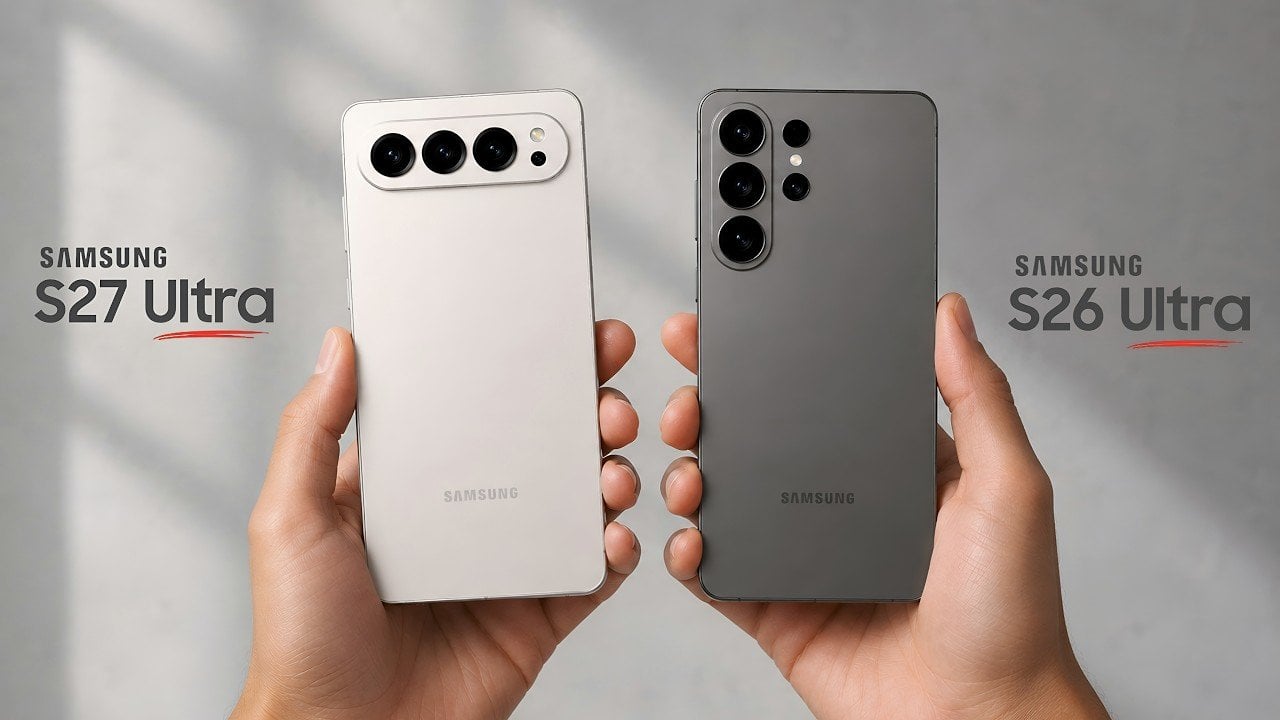
The Samsung Galaxy S26 series has quickly become one of the most anticipated smartphone launches of 2026. With a steady stream of leaks and rumors, excitement is building around its enhanced charging capabilities, display improvements, battery upgrades, expanded color options, and launch timeline. If you’re considering upgrading your smartphone, the Galaxy S26 lineup promises to […]

The post Why the Samsung Galaxy S26 is the Ultimate Smartphone Upgrade appeared first on Geeky Gadgets.

Posted in Uncategorized

Meta’s Oversight Board is looking into transparency around disabling accounts

Meta has a lot of work to do when it comes to limiting hate speech on its platforms. Now, its Oversight Board is looking into the company's decision to ban an account for, among other things, posting visual violent threats and harassment against a journalist — and it wants the public's advice. 

In the year prior to the ban, Meta referred five posts due to violations of its hateful conduct, bullying and harassment, violence and incitement and adult nudity and sexual activity community standards. In addition to the posts harassing the woman journalist, the user also shared "anti-gay slurs against prominent politicians and content depicting a sex act, alleging misconduct against minorities." 

Meta's internal review experts decided to permanently disable the account due to the consistent violations and calls for violence. This action was taken despite the number of strikes not reaching the ban threshold — Meta's guidance states that even seven strikes only get users a one-day ban. However, its account integrity page lays out examples of when it will disable accounts, including violating its community standards through "risk of imminent harm" to an individual. 

The Board is now looking for insight from the public until 11:59PM PT on Tuesday, February 3. The Board is specifically seeking comments from individuals who can "contribute valuable perspectives" on the following topics: 

  • How best to ensure due process and fairness to people whose accounts are penalized or permanently disabled.

  • The effectiveness of measures used by social media platforms to protect public figures and journalists from accounts engaged in repeated abuse and threats of violence, in particular against women in the public eye.

  • Challenges in identifying and considering off-platform context when assessing threats against public figures and journalists.

  • Research into the efficacy of punitive measures to shape online behaviors, and the efficacy of alternative or complementary interventions.

  • Good industry practices in transparency reporting on account enforcement decisions and related appeals.

This instance marks the first time the Board has looked into Meta permanently disabling an account. It stated that this "represents a significant opportunity to provide users with greater transparency on Meta’s account enforcement policies and practices, make recommendations for improvement, and expand the types of cases the Board can review."

This article originally appeared on Engadget at https://www.engadget.com/big-tech/metas-oversight-board-is-looking-into-transparency-around-disabling-accounts-145757717.html?src=rss

Meta’s Oversight Board is looking into transparency around disabling accounts

Meta has a lot of work to do when it comes to limiting hate speech on its platforms. Now, its Oversight Board is looking into the company's decision to ban an account for, among other things, posting visual violent threats and harassment against a journalist — and it wants the public's advice. 

In the year prior to the ban, Meta referred five posts due to violations of its hateful conduct, bullying and harassment, violence and incitement and adult nudity and sexual activity community standards. In addition to the posts harassing the woman journalist, the user also shared "anti-gay slurs against prominent politicians and content depicting a sex act, alleging misconduct against minorities." 

Meta's internal review experts decided to permanently disable the account due to the consistent violations and calls for violence. This action was taken despite the number of strikes not reaching the ban threshold — Meta's guidance states that even seven strikes only get users a one-day ban. However, its account integrity page lays out examples of when it will disable accounts, including violating its community standards through "risk of imminent harm" to an individual. 

The Board is now looking for insight from the public until 11:59PM PT on Tuesday, February 3. The Board is specifically seeking comments from individuals who can "contribute valuable perspectives" on the following topics: 

  • How best to ensure due process and fairness to people whose accounts are penalized or permanently disabled.

  • The effectiveness of measures used by social media platforms to protect public figures and journalists from accounts engaged in repeated abuse and threats of violence, in particular against women in the public eye.

  • Challenges in identifying and considering off-platform context when assessing threats against public figures and journalists.

  • Research into the efficacy of punitive measures to shape online behaviors, and the efficacy of alternative or complementary interventions.

  • Good industry practices in transparency reporting on account enforcement decisions and related appeals.

This instance marks the first time the Board has looked into Meta permanently disabling an account. It stated that this "represents a significant opportunity to provide users with greater transparency on Meta’s account enforcement policies and practices, make recommendations for improvement, and expand the types of cases the Board can review."

This article originally appeared on Engadget at https://www.engadget.com/big-tech/metas-oversight-board-is-looking-into-transparency-around-disabling-accounts-145757717.html?src=rss

realme’s 10,001 mAh Phone Charges in 5 Minutes and Lasts Half a Day

Most people carry a phone and a power bank, nursing battery percentages by dimming screens and closing apps. Every café visit includes checking which table is near a socket, and late nights end early when the battery icon turns red. The ritual of charging overnight is so ingrained that a phone dying before bedtime feels like failure, even though the real issue is that most phones assume you will plug in every 24 hours.

realme P4 Power 5G flips that assumption. The phone is built around a 10,001 mAh Titan battery aimed at week-long endurance, marketed as India’s first smartphone to cross the 10,000 mAh line. realme is leaning into the idea that this pack can replace the power bank in your bag without turning the device into a brick, letting you leave the house without calculating whether you have enough juice.

Designer: realme

Living with 10,001 mAh means you stop thinking about charging for days. You can stream, navigate, and game without constantly checking the percentage. realme’s lab numbers claim over 30 hours of YouTube or double-digit hours of gaming, but the practical benefit is not hunting for outlets or dimming the display just to survive a commute or a long meeting that runs past dinner time.

realme built the battery to last, not just hold a charge. Silicon-carbon anode tech promises three to four times the life cycles compared to graphite, with 1,650 cycles claimed and TÜV Rheinland 5-Star Battery Certification. There is a four-year guarantee that health stays above 80 percent, with free replacement if it drops below that, signaling this is meant to be kept rather than replaced after two years.

Fast charging counters the worry that 10,001 mAh would take forever to top up. realme promises 80 W wired charging, with five minutes delivering roughly half a day’s power when you are rushing out. All-scenario bypass charging lets the phone draw directly from the charger during gaming without stressing the battery, plus 27 W reverse charging turns it into a power bank for earbuds or a friend’s device when everyone else is dead.

At 219 g, P4 Power is in the same weight range as many flagships with half the capacity. realme pitches this as “massive inside, minimal outside,” using the TransView design to keep the aesthetic clean rather than obviously rugged. The trade-off is carrying the equivalent of a phone plus a power bank in one device, but without separate cables, extra charging, or pocket clutter.

realme promises three years of Android OS updates and four years of security patches, aligning with the battery longevity story. P4 Power is one of the few phones explicitly designed to be kept for a full four-year cycle, both in hardware and software. For people tired of juggling chargers and yearly upgrades, that might be the most useful spec, a phone treating endurance and lifespan as features worth engineering around.

The post realme’s 10,001 mAh Phone Charges in 5 Minutes and Lasts Half a Day first appeared on Yanko Design.

Meet Ubiquiti Fabrics : Easier Control, Unifies Devices & Admins at Scale

Meet Ubiquiti Fabrics : Easier Control, Unifies Devices & Admins at Scale

What if managing complex networks didn’t have to feel overwhelming? Ubiquiti takes a closer look at how their new UniFi Fabrics platform is transforming network management by offering a solution that’s both scalable and intuitive. Designed to meet the increasing demands of modern connectivity, UniFi Fabrics eliminates licensing fees while introducing a centralized management system […]

The post Meet Ubiquiti Fabrics : Easier Control, Unifies Devices & Admins at Scale appeared first on Geeky Gadgets.

Posted in Uncategorized

Apple Creator Studio: Game-Changer or Subscription Overload?

Apple Creator Studio: Game-Changer or Subscription Overload?

  Apple has launched its Apple Creator Studio subscription, bundling six professional creative apps with exclusive AI-powered tools and premium content. This offering is designed to provide seamless integration and advanced features, catering to creative professionals and hobbyists alike. However, it also reflects a broader industry trend toward subscription-based models, shifting away from traditional one-time […]

The post Apple Creator Studio: Game-Changer or Subscription Overload? appeared first on Geeky Gadgets.

Posted in Uncategorized

Adobe unveils new AI-powered video editing tools for Premiere

Adobe has announced updates for Premiere and After Effects, including new AI-powered tools that are meant to speed up your video editing tasks. In Premiere, the company’s video-editing software, it has unveiled a new AI-powered Object Mask feature that lets you easily pick and track persons or objects moving through your video clips. You simply have to hover over that object and click to generate a mask overlay in seconds. While the mask is supposed to be accurate from the start, you can adjust and resize it as needed. Adobe says the feature uses its own AI model for the feature and that the processing happens on-device. It also says that it doesn’t use your activities and data to train its models.

The company has also given its Shape Mask tool an upgrade. You can generate its redesigned Ellipse, Rectangle and Pen masks directly from the toolbar. Further, it updated their controls to make moving or adjusting the masks more precise. The masks can now also track objects on your video clips 20 times faster than their predecessors, which means you won’t have to keep such a close eye on the status bar. Another new Premiere update lets you easily bring media from from Firefly Boards, Adobe’s AI-powered digital canvas, into the program. In addition, Adobe Stock is now fully integrated within Premiere.

For After Effects, Adobe has rolled out an update that lets you import SVG files that are commonly used in Illustrator. You can now also build graphics and photorealistic objects inside images with 3D parametric meshes, consisting of cubes, spheres, cylinders, cones, toris and planes, within the visual effects software.

This article originally appeared on Engadget at https://www.engadget.com/ai/adobe-unveils-new-ai-powered-video-editing-tools-for-premiere-140000970.html?src=rss