Nikon Zf Mirrorless Camera Review: Vintage Design, Modern Strengths

PROS:


  • Beautiful vintage design

  • Dedicated Black & White mode switch

  • Fully articulated touch screen

CONS:


  • No proper hand grip

  • Outdated micro HDMI port

RATINGS:

AESTHETICS
ERGONOMICS
PERFORMANCE
SUSTAINABILITY / REPAIRABILITY
VALUE FOR MONEY

EDITOR'S QUOTE:

The Nikon Zf mirrorless camera finally gets the right mix of a classic design that photographers love and the modern performance that photographers need.

The powerful cameras inside our smartphones were touted to spell the end of dedicated cameras, but that couldn’t be farther from the truth. Not only are smartphones severely limited by their sizes, mobile photographers actually graduate into pros and switch to these more powerful and larger cameras. Digital cameras, both DSLR and mirrorless, have also been progressing in their designs, though some seem to have hit a wall in bringing classic aesthetics to present-day specs. Nikon has had a few hits and misses in the past, but that hasn’t stopped it from trying yet again. With the Nikon Zf, the brand makes another attempt at reviving its classic SLR aesthetic for the 21st century, and we give it a good look to see if it manages to finally pull it off.

Designer: Nikon

Aesthetics

Unless you count outliers inspired by Polaroid-style instant cameras, the basic design of cameras hasn’t changed that much in decades. Sure, there are new components like LCD touch screens, D-pads, joysticks, and buttons, but the shape, knobs, dials, and even the location of these elements have mostly stayed the same. There is definitely staying power in the classic camera designs, and Nikon has been trying to bring back those memories and grow a new appreciation for them with the new Nikon Zf, and to much success, we’re happy to say.

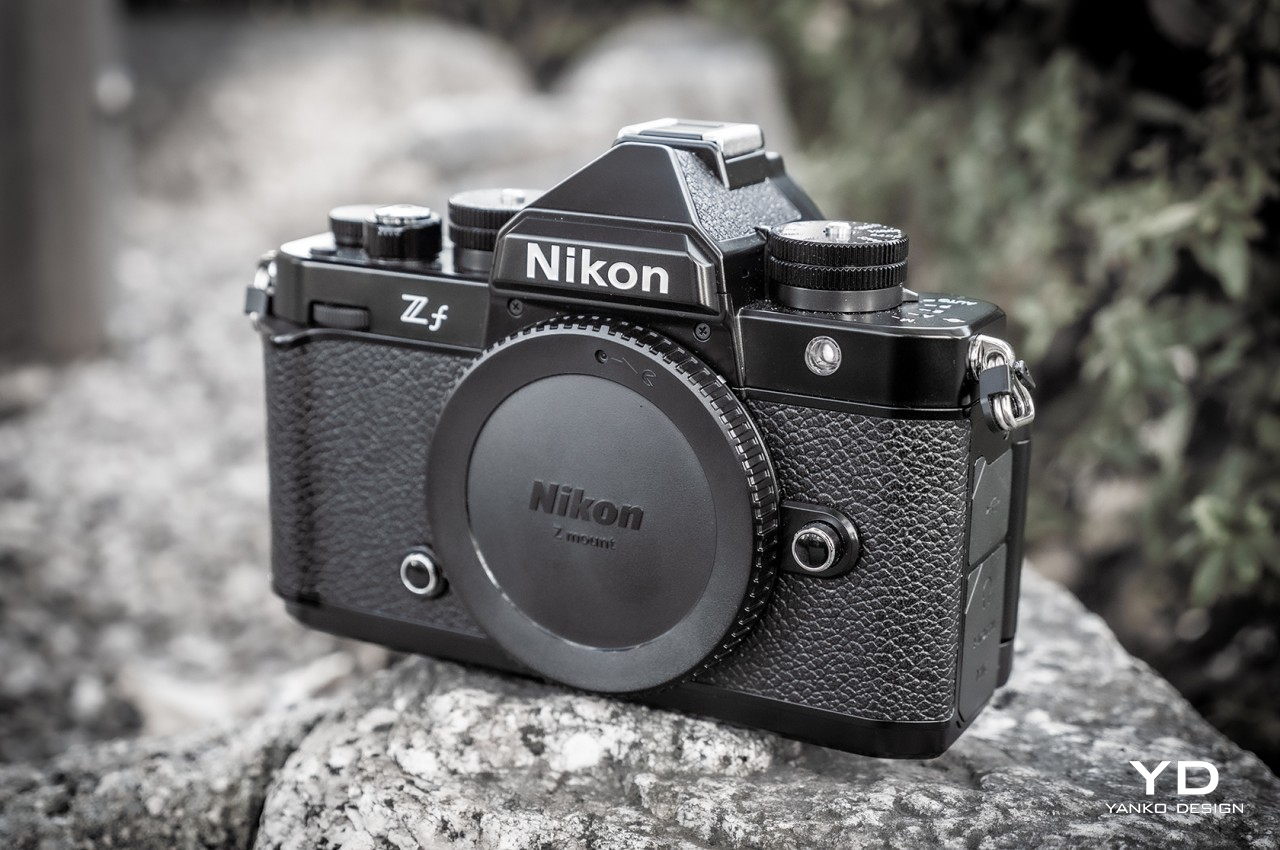
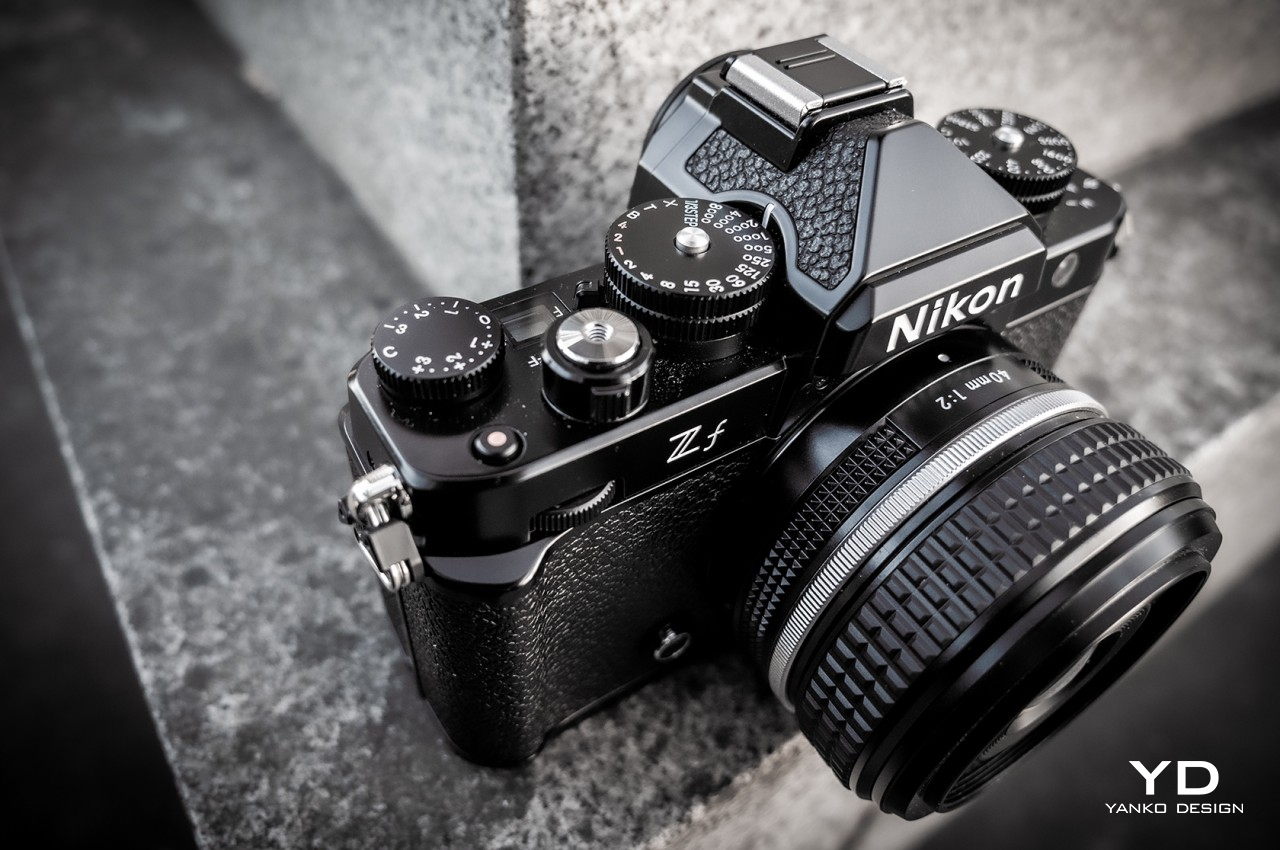
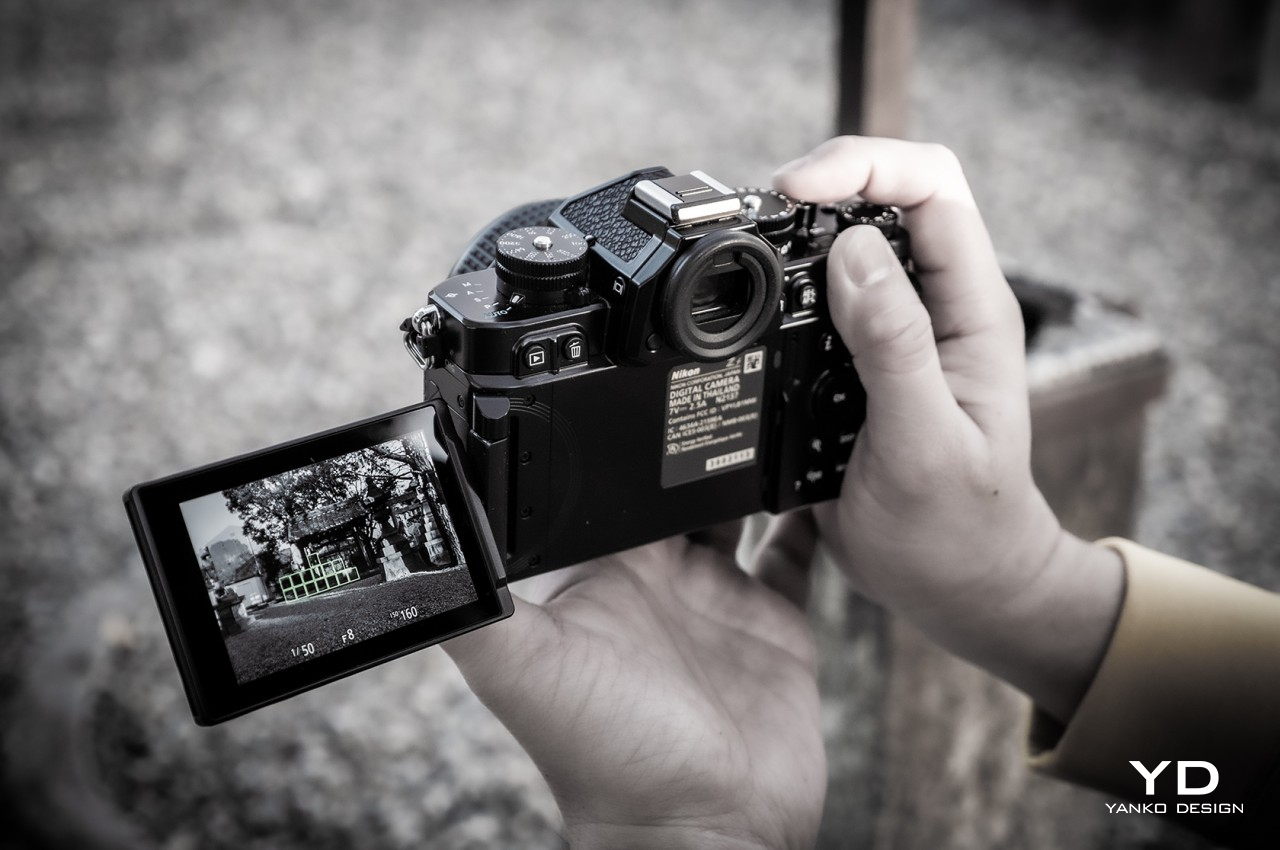
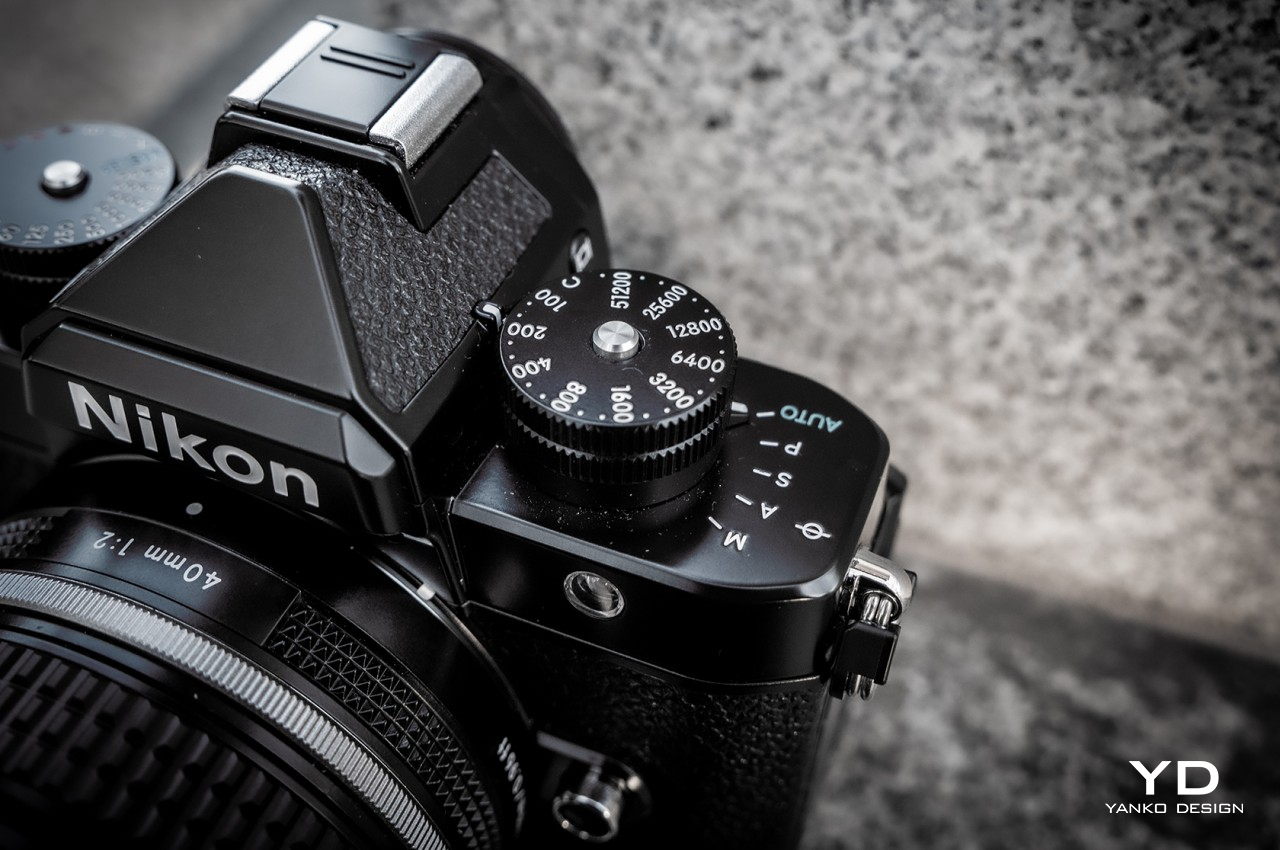
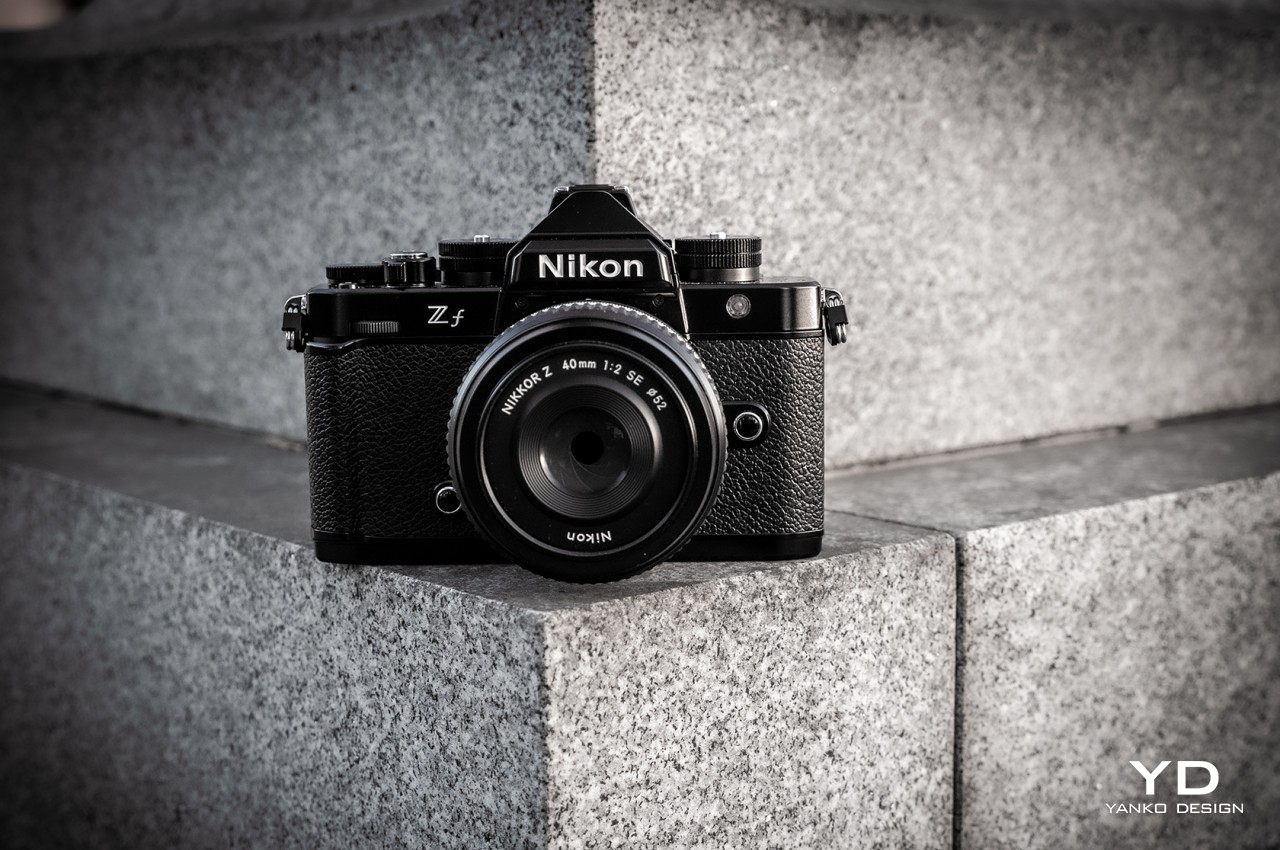
The Nikon Zf accurately captures the look and feel of the brand’s early SLRs almost to a fault. It has that all-black finish on a simple and almost featureless rectangular body, wrapped in leatherette covering, and topped by a collection of chunky dials made from brass. The back does have modern amenities like a touch screen, a directional pad to navigate certain options, and buttons as shortcuts to most-used functions, but the overall look remains classic and vintage to some degree. Unfortunately, Nikon opted to really stick close to the old design of cameras like the 80s FM2 to the point that it barely added a hand grip that has become a necessity in this day and age.

Unlike the camera maker’s previous attempt, namely the Nikon Zfc, the Nikon Zf feels just as premium as it looks. You can definitely feel the magnesium alloy body that gives it a solid build, and the brass controls add more to that heft, for better or worse. Unfortunately, the choice of materials may have limited Nikon’s color options, as there is no combination that uses a silver finish for the top section, though there are other leatherette colors available to match your preferred style.

Ergonomics

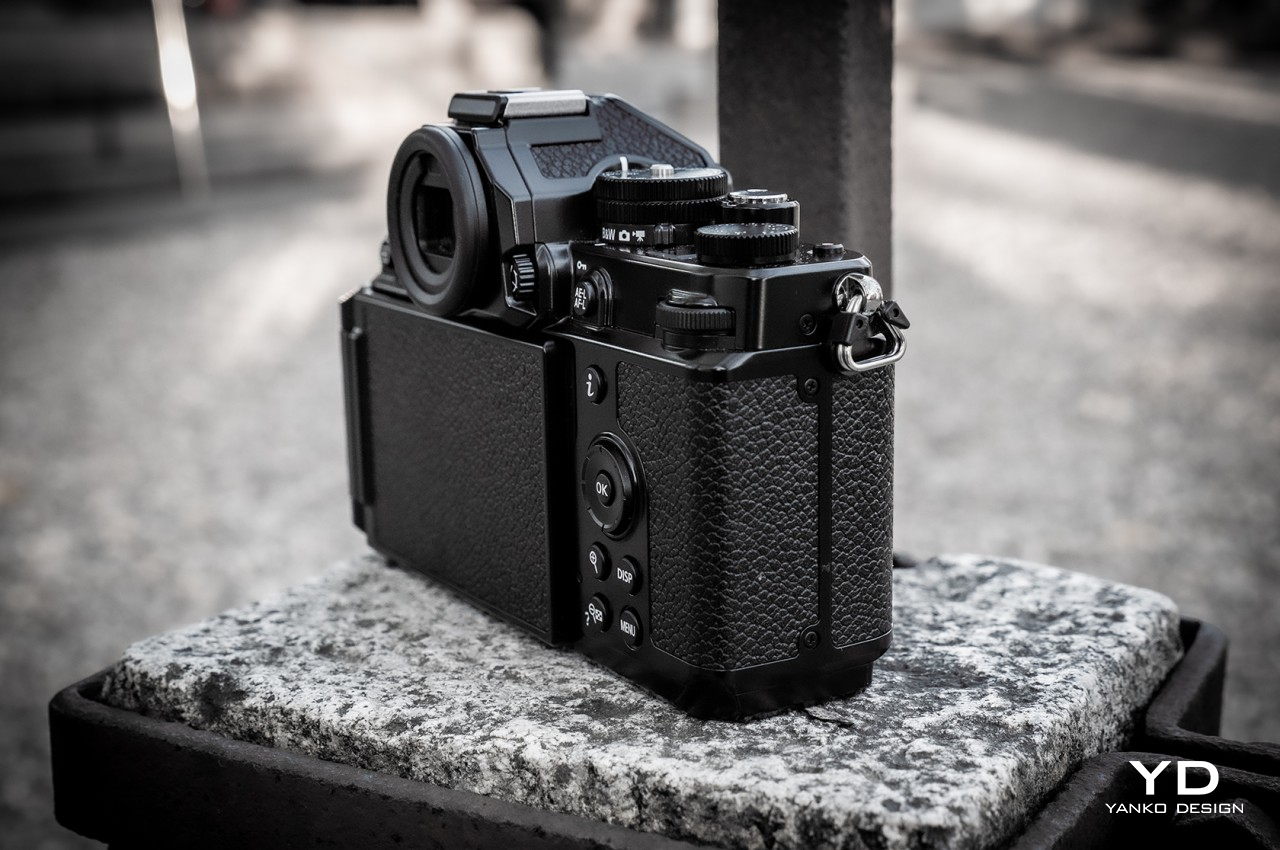
The Nikon Zf’s solid construction helps it feel premium, but that also works against it in one particular manner. The mirrorless camera has quite a bit of heft to it, which wouldn’t be a problem except for one design quirk. Unlike some cameras today, the Nikon Zf doesn’t have a substantial hand grip that would have improved the ergonomics of the design. It does have a small elevation on the right side of the camera body, but not exactly enough to offer confidence and stability. And that’s not even considering the weight of the lenses you will be attaching to the camera.

You can add a hand grip courtesy of an official Nikon accessory, but that’s an added $40 on top of the camera’s already substantial price tag. There are Nikon cameras that do have such a large hand grip built-in, so it’s not like it’s an alien concept for the manufacturer. It just intentionally chose to stick to this old-school design that, unfortunately, didn’t have that kind of focus on ergonomics.

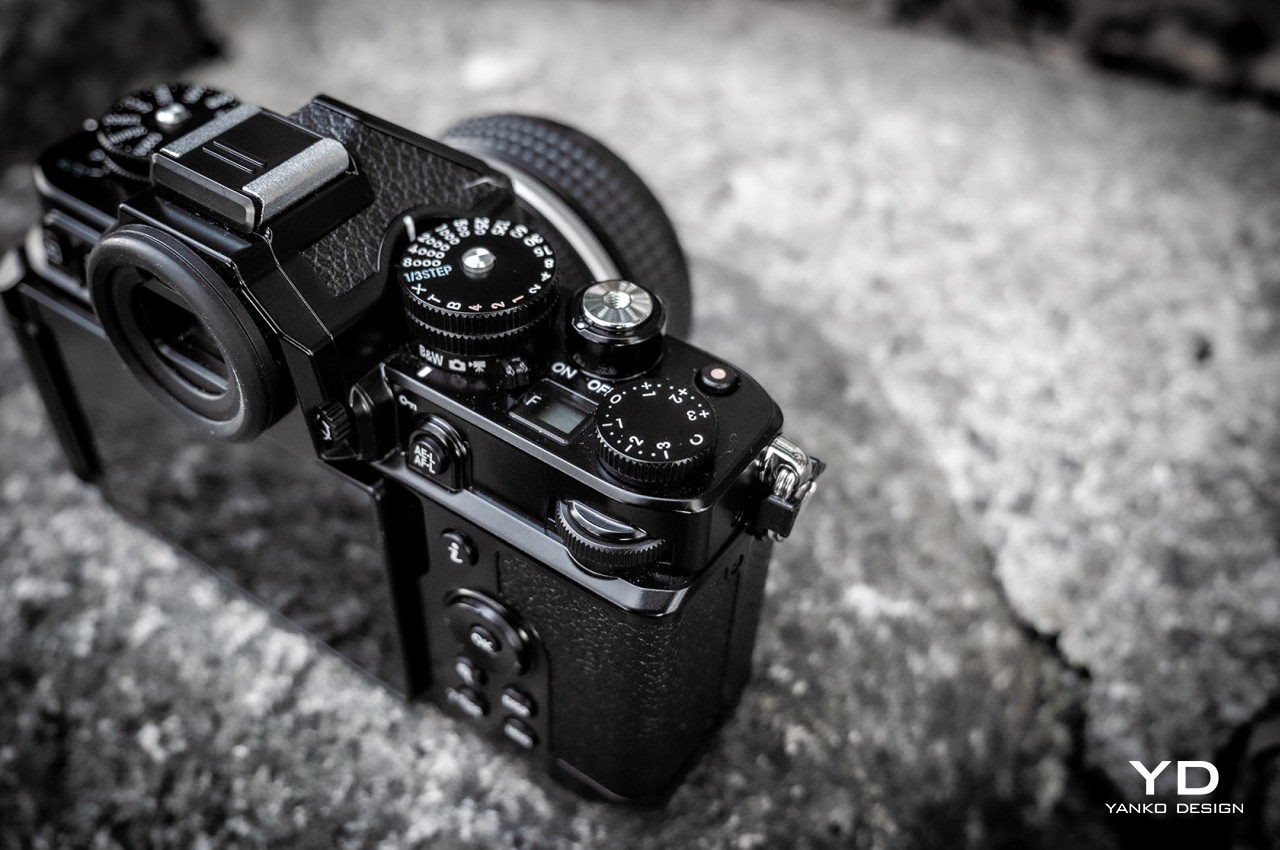
Fortunately, using the Nikon Zf isn’t that much of a difficult chore, with most of the important dials and buttons within easy reach of your right thumb. The analog dials give a satisfying tactile experience while switching modes, ISO levels, and more. The vari-angle LCD screen makes it possible to capture photos and videos even from difficult angles, though the mushy circular directional pad makes it a little less enjoyable to navigate the camera’s menus, at least compared to a joystick.

Performance

It might look vintage, but the Nikon Zf is definitely equipped to handle the challenges of modern photography. In addition to the tried and tested 24MP full-frame BSI CMOS sensor that it has been using on well-received mirrorless cameras, Nikon has installed a newer Expeed 7 processor that opens up more possibilities for photographers, particularly when it comes to subject recognition and object tracking with autofocus. It’s quite an impressive combination that puts the Nikon Zf on par with many modern digital cameras these days. Admittedly, it’s not exactly a revolutionary new feature but at least it won’t be lagging behind its peers.

The images the Nikon Zf produces are definitely no joke, with clear and crisp details matched with accurate colors that are neither too warm nor too cold. The 8-stop in-body image stabilization makes short work of shaky hands, though you’ll still want to grab a tripod for features like pixel-shift multi-mode that composes multiple shots together for a higher-res image, or 14fps continuous shooting. The Nikon Zf has plenty of other interesting modes that let photographers flex their artistic muscles. Black and white modes offer basic Flat or red filter Deep Tone controls, and it even has a dedicated switch on the dial for this mode. You can also record videos, something the original SLRs couldn’t, at up to 4K 30fps (full-frame) or 60fps (1.5x crop).

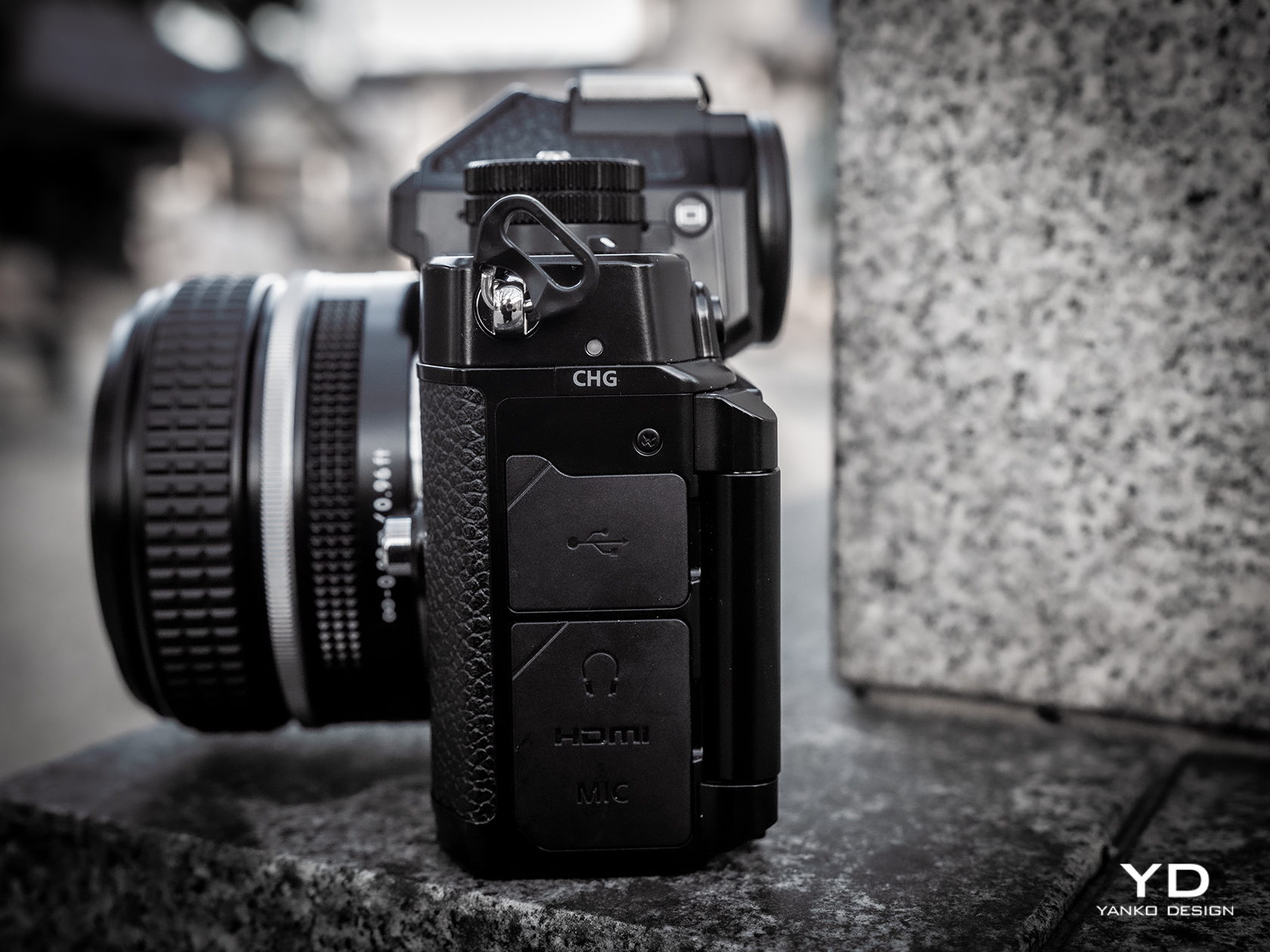
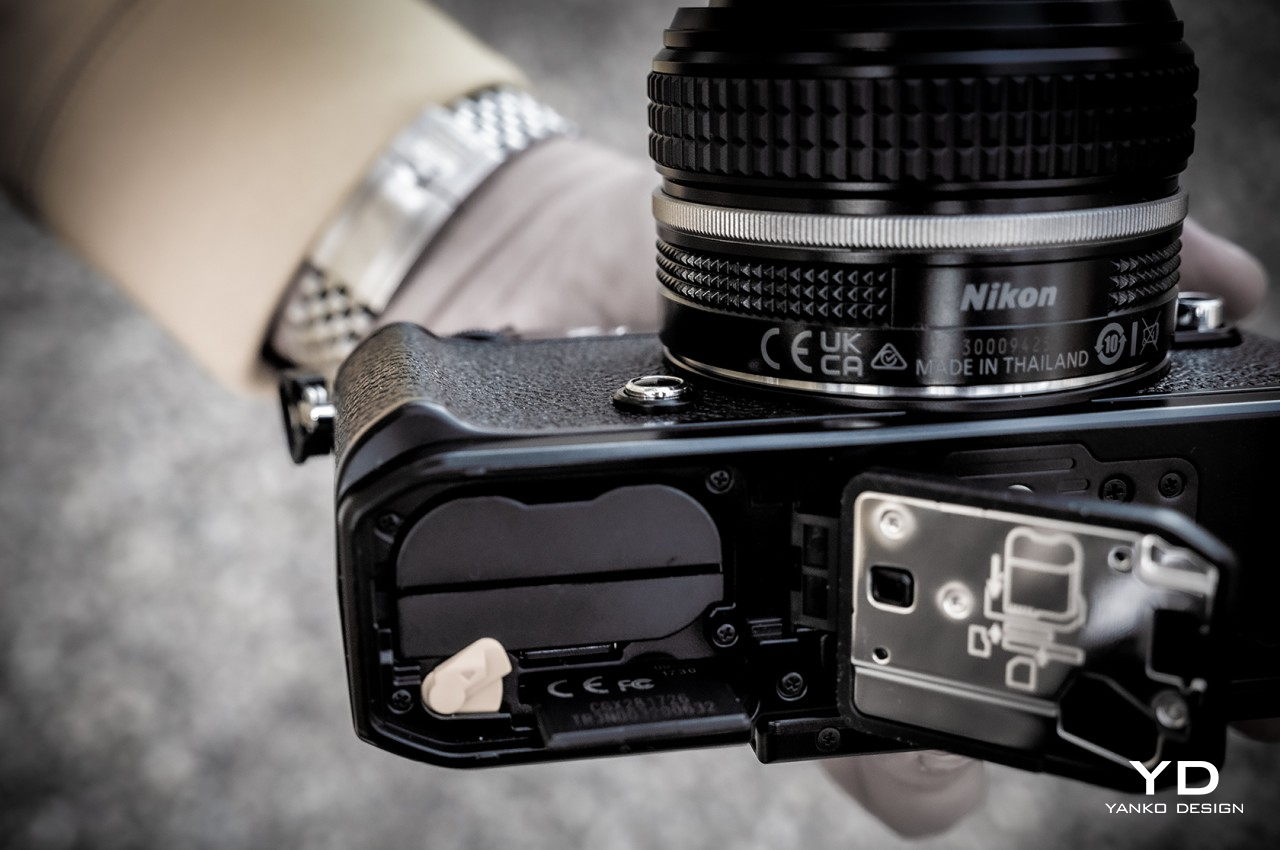
The mirrorless camera, powerful as it may be, also has a few design quirks when it comes to hardware. Some of them look good on paper, while others might leave you scratching your head. There’s a second memory card slot that can be used for backup, for example, but it can only fit a slower microSD card compared to the main UHS-II SD storage. There’s also an HDMI port for an external monitor, but it’s of the older and somewhat rare micro HDMI variety, not even a mini HDMI port. Not exactly deal breakers, but something you might want to keep in mind when buying accessories.

Sustainability

The choice of magnesium alloy for the body and brass for the controls gives the Nikon Zf a bit of an edge when it comes to sustainable materials. Sure, there is still plenty of plastic inside, especially in places where Wi-Fi radio signals have to pass through, but the amount of plastics used is reduced to some extent.

Those materials also help preserve the camera’s longevity and long-term value. The solid construction adds to the product’s durability, while the magnesium alloy shell is advertised to be dust and drip-resistant. The brass metal components also gain character as the surface develops unique patinas over years of use.

Value

One of the biggest hurdles that aspiring photographers have to climb over is the seemingly insurmountable price tag attached to these cameras. You could easily buy two or even three of the most powerful smartphones for the price of a single mirrorless or DSLR camera and you’d be able to use those devices for more than just photography. Of course, this is comparing apples to oranges, but it’s a challenge that all budding photographers will have to overcome someday.

The Nikon Zf, for example, goes for a hefty $1,999.95, and that’s for the camera body alone, which you can’t use as-is. You’ll need to attach a lens, and if you’re scratching from scratch, you’ll need to throw in another $400 or more for a complete kit. Might as well add the $40 SmallRig to get the extension grip that will help prevent accidents that will flush that expensive investment down the drain. In the end, the Nikon Zf is exactly that: an investment. It definitely has the right mix of features that will let you capture stunning and potentially award-winning shots or videos, features that won’t become obsolete in just a few years, unlike smartphones.

Verdict

The digital camera market is far from dead, though some will definitely say it is crawling to a stop. That doesn’t mean there’s no more room or opportunities for improvement, especially when trying to find the right mix of design, performance, and price. We only need to look back to the past to see where we went wrong and what we did right, and the Nikon Zf is definitely putting those hard-earned lessons to heart in order to bring a fusion of the past and the present while looking toward the future.

It’s far from being the best mirrorless camera in town, even among Nikon’s roster, but it strikes a good mix of essential features that photographers from all ranges will be able to appreciate and utilize. It packs those in a design that embraces Nikon’s legacy wholeheartedly, as if trying to prove that those designs are far from being obsolete, even decades later. Sure, there are some things we wished Nikon did differently, especially with the grip, but those don’t detract from the fact that the Nikon Zf is one solid and stylish mirrorless camera that photographers need to take note of.

The post Nikon Zf Mirrorless Camera Review: Vintage Design, Modern Strengths first appeared on Yanko Design.

Tecno’s Future Lens 2023: Impressions on Unveiled Mobile Camera Tech

Tecno just introduced three super cool camera technologies during its Future Lens 2023 event in Shanghai. These innovations are set to change smartphone photography and take it to the next level. The W-shaped Adjustable Physical Aperture, which features a patented artificial cuttlefish lens, is a breakthrough in light management for photography. It effectively eliminates harsh glare, thus resulting in more balanced shots. On the other hand, the Liquid Telephoto Macro Lens is a compact yet powerful innovation that uses voltage-controlled curvature adjustment to enable the camera to adapt lens curvature in real time while maintaining a sleek form factor. Lastly, the Universal Tone multi-skin tone imaging solution uses extensive skin tone spectral data and advanced research methods to offer vibrant and true-to-life portraits and videos. These technologies exemplify TECNO’s commitment to pioneering solutions that improve photographic capabilities and enhance user experience, reflecting a significant step forward in mobile imaging.

Over dinner, sitting next to Laury Longfei Bai, Tecno’s global CMO, provided a deeper insight into Tecno as a company, its vision for the future, and target buyers. Tecno Mobile, a subsidiary of Transsion Holdings, is renowned for its affordable, feature-rich smartphones, primarily targeting emerging markets in Africa and South Asia. The company emphasizes local market needs, offering devices with region-specific features and designs. Known for competitive pricing, Tecno caters to budget-conscious consumers seeking high-quality mobile experiences. The brand has also made notable advancements in smartphone photography, frequently introducing innovative camera technologies in its products.

W-shaped Adjustable Physical Aperture
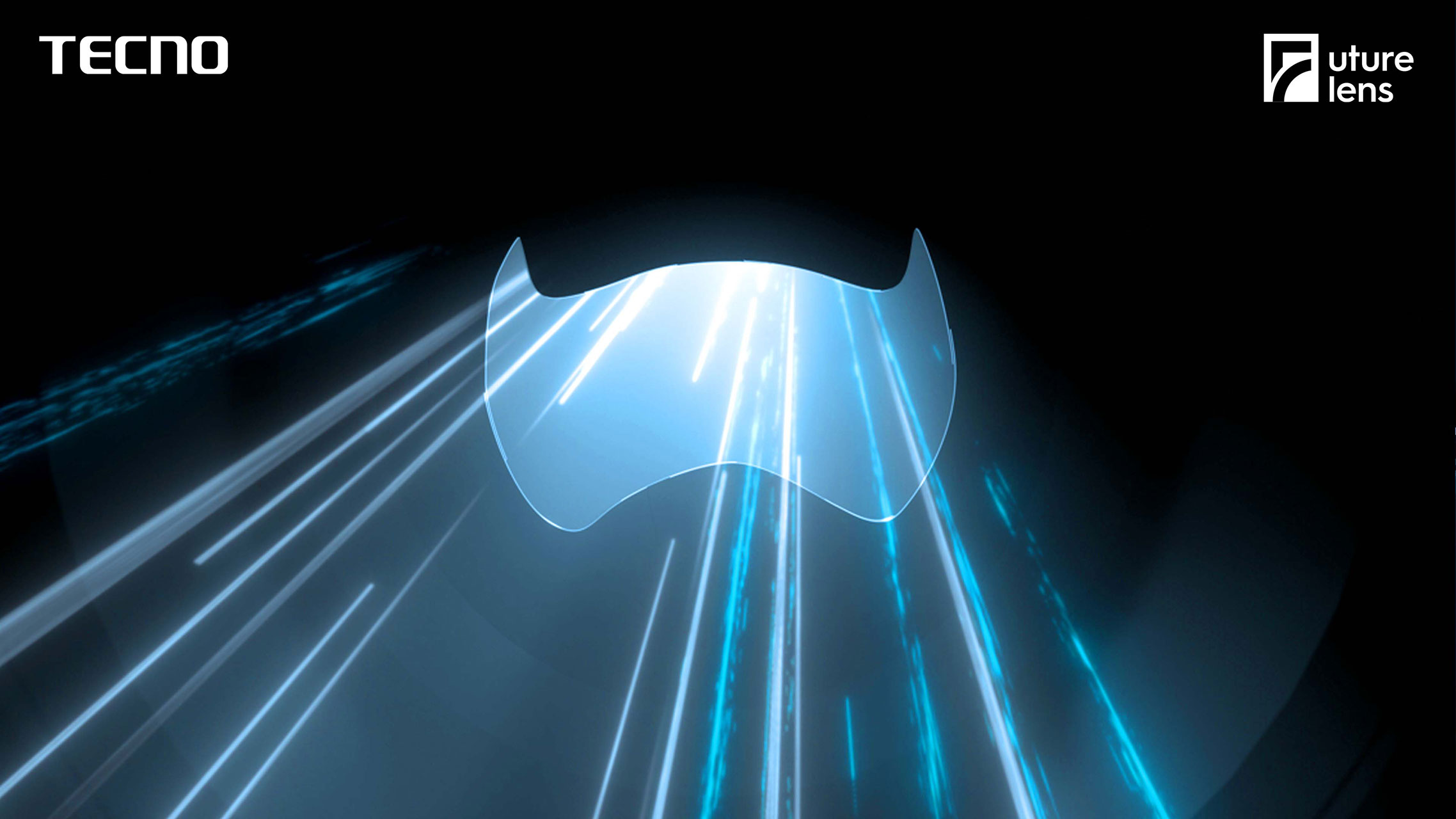
The W-shaped Adjustable Physical Aperture represents a significant advancement in smartphone photography. This ingenious technology addresses common issues associated with backlight photography, such as overexposure and loss of detail.

At its core, the W-shaped Adjustable Physical Aperture functions differently from the fixed apertures typically found in smartphone cameras. A standard fixed aperture limits the light entering the lens, which can be problematic in varying lighting conditions. In contrast, Tecno’s W-shaped aperture is dynamically adjustable, allowing for more precise control over the light that reaches the camera sensor.

This adjustability is crucial for enhancing photo quality in different lighting scenarios. In bright, backlit environments, narrowing the aperture reduces the amount of light entering the lens, preventing overexposure and preserving detail. Conversely, widening the aperture in low-light conditions allows more light to reach the sensor, improving image brightness and clarity.

The W-shaped design is particularly effective because it offers a broader range of aperture sizes compared to traditional circular apertures. This flexibility ensures that users can capture high-quality images regardless of lighting conditions, making it a versatile tool for amateur and professional photographers.

Moreover, the physical nature of this aperture system marks a departure from software-based solutions commonly used in smartphone photography. While software enhancements can improve image quality, they often cannot fully compensate for the limitations of a fixed aperture. Tecno’s approach, combining hardware innovation with software algorithms, provides a more comprehensive solution.

In practical terms, this technology translates to significantly improved performance in challenging photographic situations. Users can expect sharper, more detailed images when shooting against bright backgrounds, such as sunsets or brightly lit windows. Similarly, in dimly lit environments, the technology helps capture clearer, brighter images without the excessive noise often associated with high ISO settings.

The W-shaped Adjustable Physical Aperture is a testament to Tecno’s commitment to pushing the boundaries of smartphone imaging technology. By offering a hardware-based solution to a common photographic challenge, Tecno positions itself as a leader in the field, particularly in emerging markets where smartphone photography is rapidly evolving. This technology enhances the user experience and broadens the creative possibilities available to smartphone photographers.

Liquid Telephoto Macro Lens
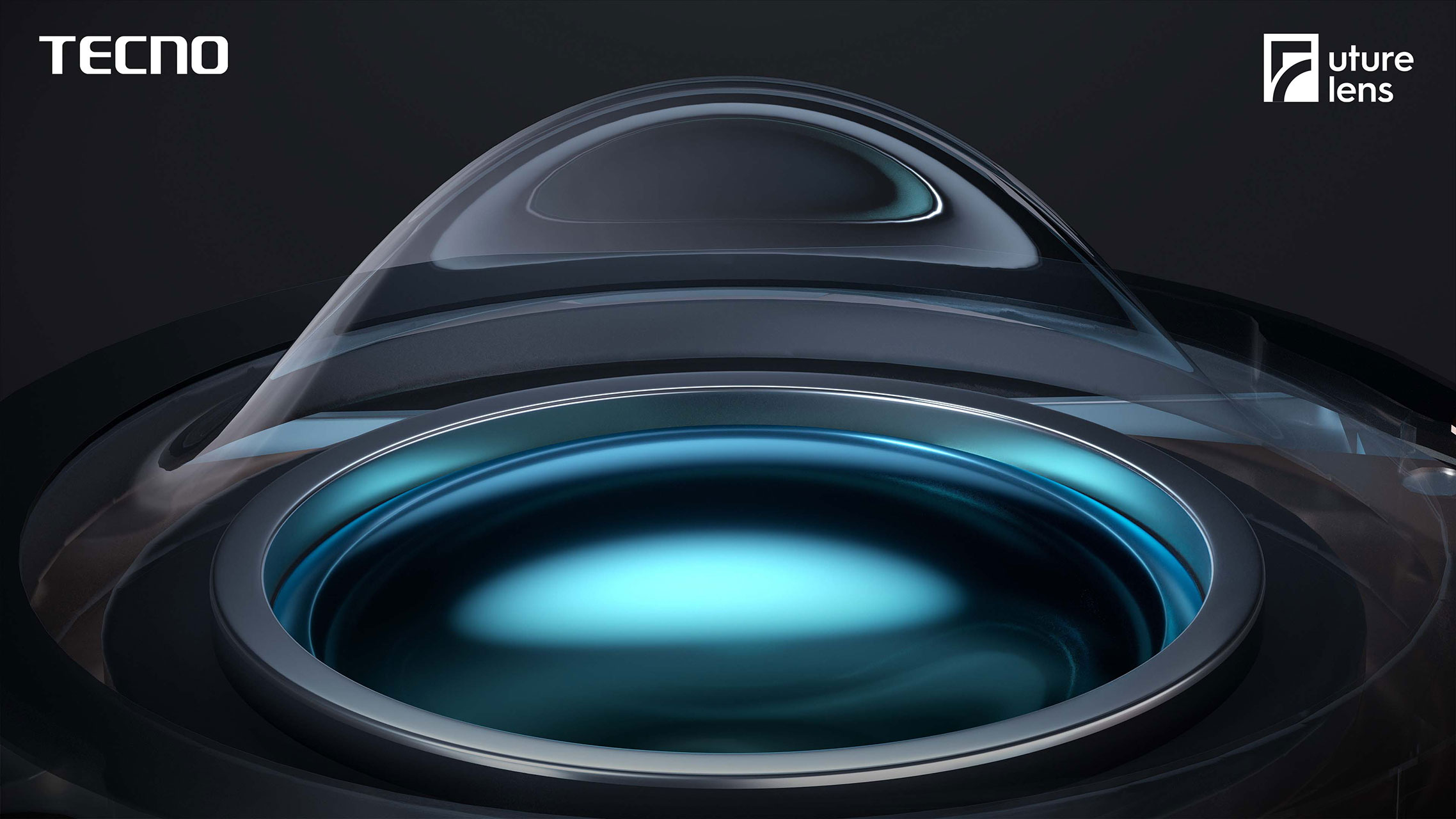
Tecno’s Liquid Telephoto Macro Lens represents a groundbreaking advancement in smartphone camera technology. This lens system is designed to enhance macro photography capabilities, allowing users to capture highly detailed close-up images with greater clarity and precision than traditional smartphone cameras.

The innovation lies in the unique use of a liquid lens, a technology that differs significantly from the conventional solid lenses found in most smartphone cameras. The liquid lens can change its shape dynamically, allowing for rapid and precise focusing at varying distances. This adaptability is crucial in capturing high-quality macro images, where focusing accuracy is critical for detailed and sharp results.

One of the primary benefits of the Liquid Telephoto Macro Lens is its compactness. Traditional telephoto lenses, known for their bulkiness, are often challenging to incorporate into the slim form factor of a smartphone. However, the liquid lens technology enables a much more compact design without compromising on the telephoto capabilities. This allows users to enjoy advanced macro photography features in a portable, user-friendly device.

The functionality of the Liquid Telephoto Macro Lens is based on the principle of electrowetting, where an electrical charge is applied to alter the shape of the liquid within the lens. By adjusting the voltage, the curvature of the liquid lens changes, thus modifying the focal length. This process allows for quick and precise adjustments in focus, essential for capturing the tiniest details in macro photography.

Another advantage of this technology is its versatility. The lens can seamlessly switch between telephoto and macro modes, offering users a range of photographic options. This dual functionality enhances the user experience and expands the creative possibilities available to smartphone photographers.

In practical terms, users can expect to capture stunning close-up images with remarkable detail and clarity. The lens’s ability to rapidly adjust focus ensures that even the smallest subjects, such as insects or intricate patterns, are rendered with exceptional sharpness. Additionally, the telephoto capabilities allow for high-quality zoomed-in shots, making it a versatile tool for various photography scenarios.

So, Mr. Bai told me this new technology is coming out soon. He said it won’t be ready for a couple of years, but he did mention that we’ll be able to try it out at the Mobile World Congress in 2025. How cool is that?!

Tecno has committed to innovation in smartphone imaging with the Liquid Telephoto Macro Lens. This advanced lens technology addresses a common limitation in smartphone cameras, mainly macro photography. By integrating this development, Tecno is enhancing the capabilities of its smartphones and establishing itself as a pioneer in the industry, particularly in markets where mobile photography is increasingly popular.

Universal Tone Technology – UT

Tecno’s Universal Tone technology is a revolutionary multi-skin tone imaging technology, a key highlight of their Future Lens 2023 event. It uses the most extensive skin tone spectral data and rigorous research methods, ensuring vibrant, true-to-life portraits and videos. This technology is particularly beneficial for its ability to produce images that accurately and beautifully represent a wide range of skin tones. It addresses a long-standing challenge in photography of rendering diverse skin colors naturally and attractively.

The technology works by combining three computational engines powered by AI. The Multi-Skin Tone Restoration Engine uses a spectral matrix of skin colors, which has been derived from extensive research on chromatic skin colors. This engine adjusts and calibrates skin tones in portraits to make them appear more natural and harmonious. It is essential to avoid the common issue of inaccurately representing skin tones in photography.

Complementing this, the Local-Tuning Engine plays a vital role in ensuring the portrait harmoniously integrates with its surroundings. It reconstructs image tone mapping and uses an adaptive 3D-LUT (Look-Up Table) algorithm. This approach enables the technology to ensure perfect interaction between the human subject and the environment in the photo, and it can be customized per region or country. This localization aspect is significant, as it considers the diverse aesthetic preferences and cultural contexts of different user bases.

The third component, the AI-Powered Computational Portrait Engine, is designed to craft vibrant, personalized portraits. This engine considers Tecno’s localized aesthetic preferences and cultural nuances, ensuring that the portraits it produces are not just technically proficient but also culturally resonant and aesthetically pleasing.

Tecno’s Universal Tone technology thus represents a significant advancement in smartphone photography, particularly in its capacity to handle diverse skin tones with accuracy and sensitivity. By integrating these three sophisticated AI engines, Tecno has created a system that not only enhances the technical quality of images but also respects and celebrates the diversity of its users. This technology demonstrates their commitment to inclusive and user-centric technology development, setting a new standard in smartphone photography.

Final Thoughts

At Tecno’s Future Lens 2023 event in Shanghai, three groundbreaking camera technologies were introduced, impressing media attendees with their potential to revolutionize smartphone photography. The W-shaped Adjustable Physical Aperture, Liquid Telephoto Macro Lens, and Universal Tone technology showcase innovative approaches to light management, lens adaptability, and skin tone representation, signifying a substantial leap in mobile imaging. These advancements, eagerly anticipated for future experiences, highlight their dedication to pioneering photographic capabilities and enhancing user experiences.

The post Tecno’s Future Lens 2023: Impressions on Unveiled Mobile Camera Tech first appeared on Yanko Design.
This Gorgeous Glowing Crystal Orb Light from TikTok Instantly Sets the Mood of Your Room

If sunset lamps were the hot trend of 2021-22, Gingko’s Amber Crystal Light is what 2023 is all about. Looking like a fortune-telling orb that rests on a wooden base, the lamp comes with intricate designs etched right into the glass orb’s center. When you switch the light on, the etched art scatters light in all directions, creating a wonderful glowing effect that borders on visual magic!

Designer: Paul Sun from Gingko Design

Click Here to Buy Now: $50.15 $59 (Use Coupon Code “YANKO-ACL” for an exclusive 15% off). Hurry, deal ends in 48-hours!

Dandelions: The symbol of hope, love, and happiness, the dandelion motif will bring warmth, beauty, and energy to your space.

Galaxy: The mesmerising stars and galaxies in space will add a touch of cosmic beauty to your space and leave you spellbound.

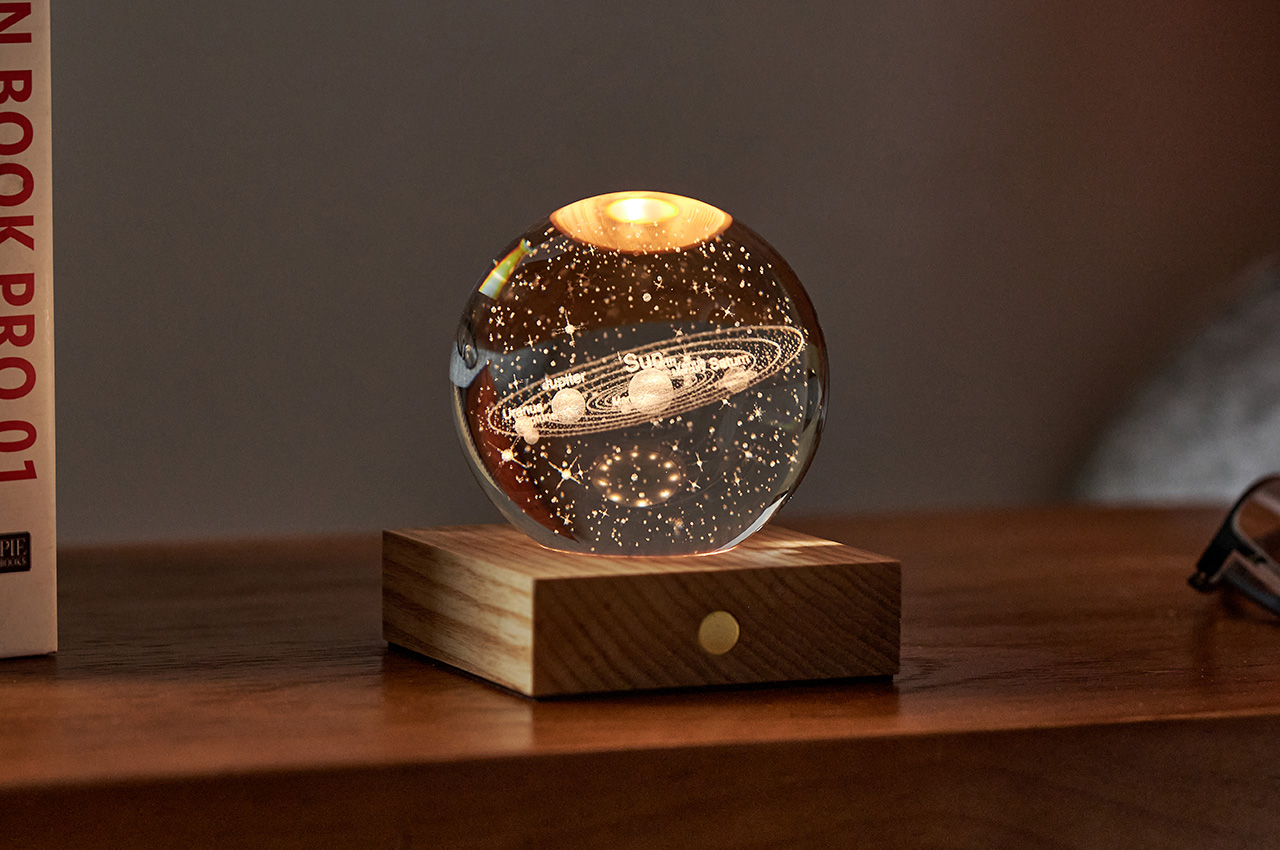
The Amber Crystal Light comes with five different artworks embedded within the crystal orb – a dandelion, a galaxy, the solar system, the planet Saturn, and a motif of Earth as a globe. Each motif captures different emotions, including hope, serenity, curiosity, and a love for nature, space, and science. The intricate dandelions symbolize luck and good wishes, while the galaxy is all about grandiosity. The solar system captures our cosmic home, while Saturn, our distant neighbor with its beautiful rings. The world map is a personal favorite, giving you a glowing globe that you can rotate and admire, while you plan your next international trip to explore this beautiful planet we live on!

Solar System: The intricate design showcasing all the planets will elevate your home decor and make it stand out from the rest. It is sure to make children’s rooms come alive!

Saturn: Packing dominance, power, and change in a crystal ball, this eye-catching motif will take your home’s aesthetics to the next level.

Measuring 12cm in height, the Amber Crystal Light comes with a real crystal ball that sits atop a natural walnut wood base that perfectly complements any interior design. The base features a copper button on the front that allows you to switch between three different light intensity levels, while an array of warm LEDs create a wonderful glow within your interior space. The crystal itself is polished to a high shine, reflecting light and creating a breathtaking effect in any room. All artworks within the crystal are etched using precision lasers, resulting in vivid, three-dimensional, detailed engravings. The walnut base is equipped with a rechargeable battery that can provide up to 16 hours of stunning illumination, and charging is made easy with the USB-C port located on the back.


World Globe: The stunning globe motif makes the lamp look like a work of art and adds a captivating look to the décor.

Lamps remain one of Gingko’s true fortes. The UK-based design studio has enchanted us with some of the most inventive lamps we’ve seen, all with Gingko’s signature use of wooden/natural elements to really make the lamp fit wonderfully into homes. Named after the Gingko Biloba tree (believed to be one of the oldest in the world), the company echoes the tree’s values, prioritizing beauty, longevity, practicality, and a close association with nature. Each Amber Crystal Light is designed in Gingko’s Warwick-based studio, and comes with a 2-year warranty.

Click Here to Buy Now: $50.15 $59 (Use Coupon Code “YANKO-ACL” for an exclusive 15% off). Hurry, deal ends in 48-hours!

The post This Gorgeous Glowing Crystal Orb Light from TikTok Instantly Sets the Mood of Your Room first appeared on Yanko Design.