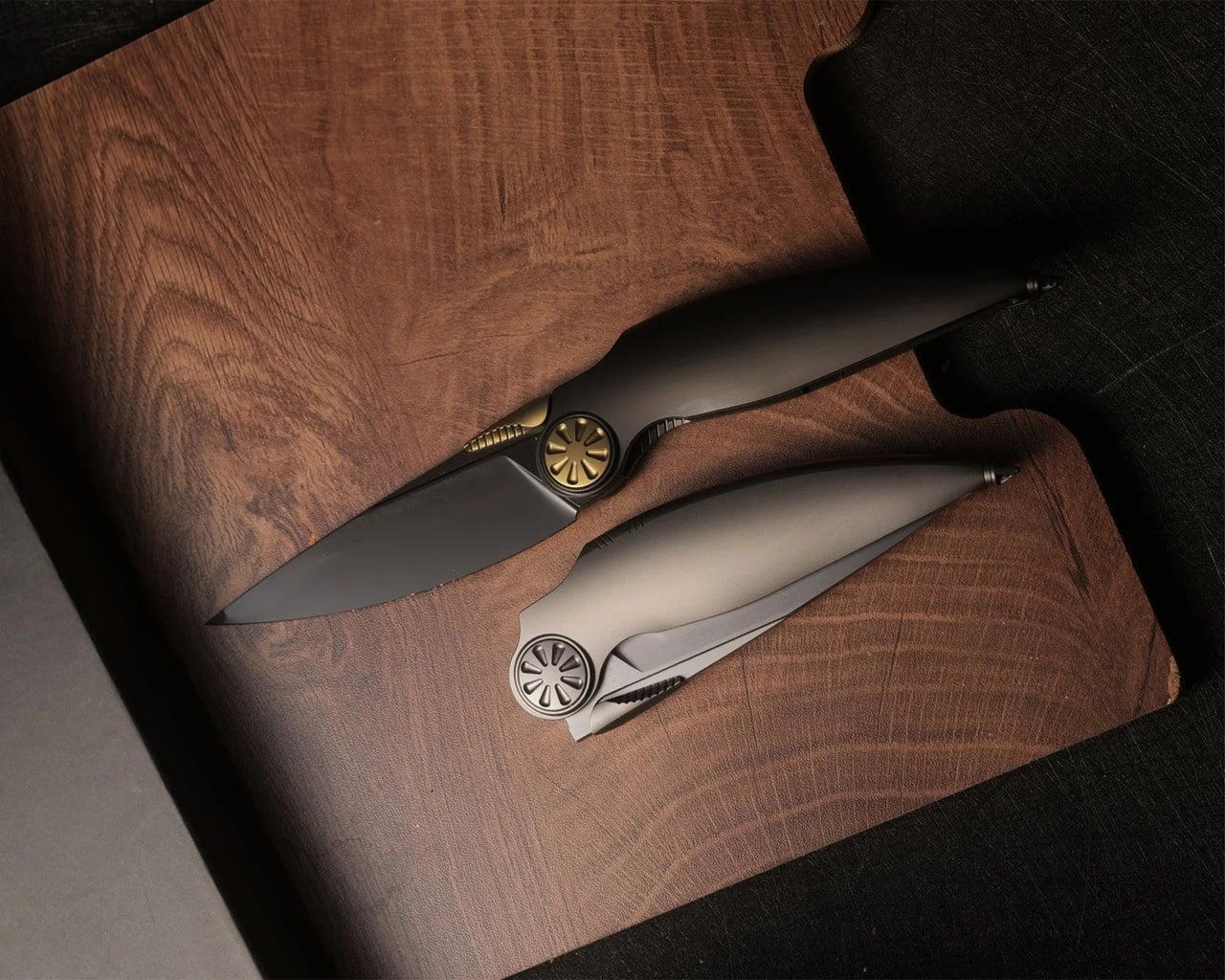
Toyota Walk Me: The Robot Chair That Climbs Stairs and Folds Into Your Trunk

Stairs have long been the nemesis of wheelchair users, turning simple errands into logistical nightmares and limiting access to countless spaces. Toyota’s answer to this mobility challenge doesn’t roll on wheels at all. Instead, the Walk Me concept, unveiled at the Japan Mobility Show 2025, walks on four robotic legs that can climb stairs, navigate uneven terrain, and fold themselves into carry-on luggage when not in use.

Designer: Toyota

A New Kind of Movement

Walk Me replaces traditional wheelchair wheels with biomimetic robotic limbs inspired by goats and crabs, animals known for their sure-footed navigation of challenging terrain. Each of the four independently motorized legs is covered in soft, pastel-colored material that hides the hardware and sensors underneath, making the technology feel approachable rather than clinical. When Walk Me encounters stairs, the front legs test the step height before pulling the chair upward while the rear legs generate thrust and support, creating a smooth climbing sequence that maintains user stability throughout the ascent.

LiDAR sensors and cameras continuously scan surroundings, allowing the chair to navigate obstacles like rug edges, scattered toys, and threshold transitions between rooms. Weight sensors ensure the user remains centered before any major movement, while collision radars stop the chair immediately if something crosses its path. Even when balance shifts unexpectedly, the system automatically widens its stance and adjusts the seat position to prevent tipping.

Comfort, Control, and Autonomy

Walk Me’s seat is designed to adjust to the user’s shape. The curved backrest supports the spine, while small side handles allow for manual steering. Users can twist the handles to turn or press integrated buttons for direction control.

For hands-free operation, voice commands like “kitchen” or “faster” enable the onboard computer to map a path or adjust stride speed. A small display on the armrest shows battery level and distance traveled, keeping essential information at a glance. The system uses smart algorithms and balance control to ensure smooth movement across complex surfaces.

The entire chair operates on a compact battery hidden behind the seat, which provides enough power for a full day of activity. Charging is as simple as plugging it into a wall outlet overnight. Built-in sensors monitor every joint, and if overheating occurs, the chair automatically shuts down and notifies the user.

Compact Design for Daily Life

Perhaps Walk Me’s most striking capability is its folding mechanism. With a single button press, the legs retract telescopically, the knees bend, and the chair compacts itself into carry-on size within thirty seconds. This makes it convenient to store in a car trunk or beside furniture, and when reactivated, the legs extend again while the balance system recalibrates automatically.

The chair’s adaptability extends to vehicle transfers and traditional Japanese living spaces. Walk Me can lift users into vehicles by raising itself on tiptoes, aligning with car doors, and tilting forward to facilitate seamless transfers without assistance or transfer boards. On tatami mats, the legs squat down to lower the seat to mat level, accommodating the floor-sitting culture common in Japanese homes.

Toyota designed Walk Me for practical, real-world use, from Japan’s elevated homes and narrow hallways to outdoor garden paths. The concept addresses the everyday challenges faced by people with reduced mobility, whether climbing stairs, moving over uneven ground, or transitioning into vehicles. By merging robotics, AI, and human-centered design with biomimicry principles, Walk Me represents an approach to assistive technology that prioritizes independence across diverse environments.

Beyond Prototype Status

Walk Me remains a prototype with no announced production timeline. Yet its debut at the Japan Mobility Show 2025 suggests a future where assistive devices are not limited by terrain, architecture, or even wheels. By replacing traditional mobility solutions with intelligent, lifelike motion, Toyota’s Walk Me challenges existing designs fundamentally and offers not just movement, but freedom.

The post Toyota Walk Me: The Robot Chair That Climbs Stairs and Folds Into Your Trunk first appeared on Yanko Design.
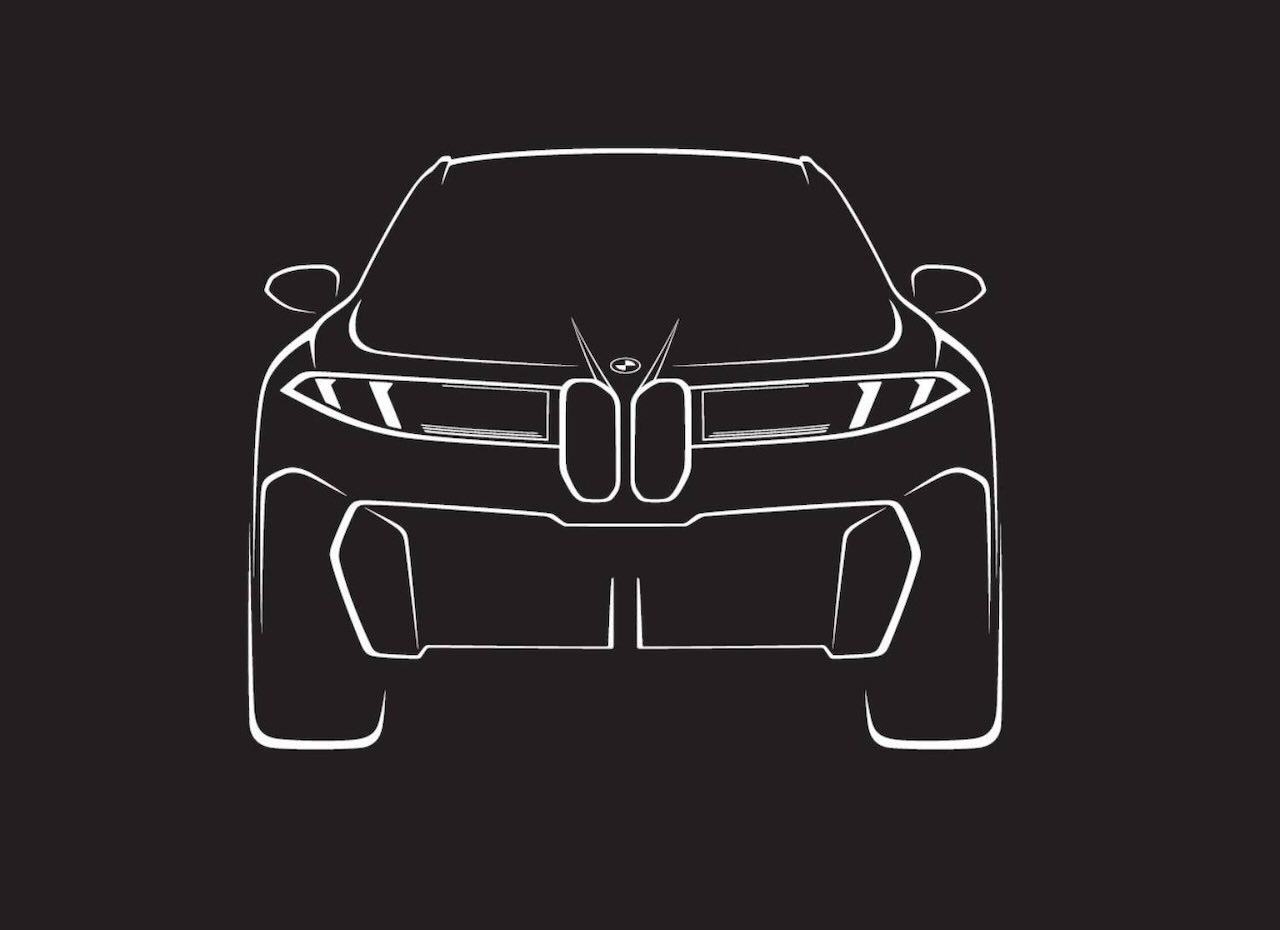
A Documentary Journey Through Frank Lloyd Wright’s Revolutionary Architecture

Frank Lloyd Wright didn’t just design houses. He created living philosophy, spaces where architecture and nature become one seamless experience. These homes represent different chapters in his revolutionary career, each one pushing the boundaries of what residential architecture could achieve.

Designer: Frank Lloyd Wright

Fallingwater: Living with the Waterfall

When Edgar and Liliane Kaufmann commissioned Wright to design their Pennsylvania weekend retreat, they expected a house with a view of their favorite waterfall. Wright had other ideas. He placed the entire structure directly above Bear Run’s cascading waters, explaining simply: “I want you to live with the waterfall, not to look at it.”

Concrete terraces cantilever dramatically beyond their supports, mimicking the natural rock ledges of the stream below. Locally quarried Pottsville sandstone anchors the vertical elements to bedrock, while floor-to-ceiling glass in continuous bands eliminates traditional corners entirely.

A suspended staircase descends from the living room directly to the stream, inviting residents to move freely between architecture and nature. Wright even incorporated the original picnic boulder into the design, making it the hearth of the living room fireplace.

The exterior color came from an unexpected source. Wright selected an ocher shade after finding a dried rhododendron leaf on site during construction. Low ceilings create his signature compression effect before releasing into larger spaces, making the modest square footage feel both intimate and expansive.

Taliesin West: The Desert Masterwork

Wright established his winter home and architectural laboratory in the Sonoran Desert, building almost entirely by hand with his apprentice community. They developed a unique desert masonry technique, setting local boulders and sand into concrete forms to create walls that appear to grow from the Arizona landscape itself. The complex became far more than a residence.

Wright’s private quarters feature a distinctive triangular prow, while the sprawling campus includes a drafting studio, board room, music pavilion, and cabaret theater. The cabaret theater is considered one of Wright’s most accomplished interior spaces. Canvas roofs originally filtered desert light into ever-changing patterns throughout the day, though later replaced with more permanent materials. Wright treated Taliesin West as a living experiment, continuously revising and rebuilding sections each winter until his death.

He even stayed here while overseeing construction of the Guggenheim Museum in Manhattan, and the greenhouse still features scalloped glass windows left over from that famous project.

Ennis House: Hollywood’s Mayan Temple

Charles and Mabel Ennis wanted something extraordinary on their Los Angeles hillside, and Wright delivered his largest textile block experiment. Thousands of patterned concrete blocks rise in stepped terraces like a Mayan ziggurat, each one featuring intricate geometric patterns inspired by Puuc architecture from Uxmal, Mexico. Wright’s revolutionary textile block system wove steel reinforcement through cavities between blocks like threads on a loom, creating both structure and ornament simultaneously.

A loggia runs the length of the house with pairs of textile-block columns, while inside, a bronze hood fireplace features Maya motifs and the only surviving gilded glass-tile mosaic Wright created for his residential work. The fortress-like presence and exotic aesthetic made it a Hollywood favorite.

Blade Runner immortalized the dramatic spaces, using them to create a vision of dystopian futures that somehow felt ancient and advanced simultaneously.

Toy Hill: The Circular Experiment

Sol Friedman, a toy maker seeking a home north of Manhattan, became the client for one of Wright’s most playful geometric experiments. Two intersecting polygons form the main structure, with every element (walls, furniture, even the bedrooms) following strict circular discipline. Radial lines divide the floor into precise geometric sections extending from floor to ceiling.

Built-in furniture incorporates this geometry into every detail, creating what Wright called “pizza slice” bed arrangements with trapezoidal sleeping spaces. Stone walls tilt inward rather than standing vertical, requiring custom cabinetry with irregular drawer shapes. A mushroom-shaped carport supported by a single concrete pillar demonstrates Wright’s structural daring.

Despite the modest budget typical of his Usonian housing vision, the home achieves extraordinary character through geometric innovation and locally sourced materials.

Tirranna: The Guggenheim’s Residential Echo

John and Joyce Rayward commissioned one of Wright’s largest residential projects on their Connecticut estate, which they named using an Aboriginal Australian word meaning “running waters.” The horseshoe design mirrors Wright’s famous Fallingwater in both name and philosophy, positioned near the property’s natural waterfall and pond. Wright worked on Tirranna while simultaneously designing the Guggenheim Museum, and the home became a residential expression of that spiral aesthetic.

Photo: UdorPhotography

Philippine mahogany paneling throughout creates warm interiors, while Cherokee red Colorundum concrete floors provide Wright’s signature accent color. The couple later requested an observatory addition above the master bedroom, and the wine cellar occupies what was originally designed as a bomb shelter. Renowned horticulturist Frank Okamura, credited with reviving the bonsai tradition in America through his Brooklyn Botanic Garden work, transformed the grounds into spectacular gardens.

Landscape architect Charles Middeleer also contributed to the expansive estate design.

Circular Sun House: Wright’s Final Vision

The Norman Lykes House carries profound significance as the last residence Wright designed before his death in the late fifties. His devoted apprentice John Rattenbury completed construction years later, then returned decades after that for extensive renovation that transformed the original design into the luxury residence that exists today.

Wright positioned the home on a Phoenix hillside overlooking Palm Canyon, boldly facing downtown Phoenix rather than turning inward like his other desert houses. Overlapping concentric circles create flowing spaces without traditional hallways, while rose-tinted concrete and steel casement windows frame dramatic valley views. The crescent-shaped pool surrounded by mother-of-pearl tile creates an outdoor space as sculptural as the architecture.

Half-moon lunette windows across the facade and circular cutouts in the courtyard parapet reinforce the geometric theme throughout. Italian rose marble adorns the master bathroom, while Philippine mahogany walls and slate floors create interiors that feel simultaneously ancient and futuristic.

Unity Temple: The First Modern Building

After lightning destroyed Oak Park’s original wood-framed Unitarian church, Wright proposed something revolutionary: a house of worship built entirely from poured-in-place reinforced concrete. Wright himself was a lifelong Unitarian whose uncle served as a distinguished minister. The material was unprecedented for religious architecture.

Wright asked, “Why then the steeple of the little white church? Why point to heaven?” Instead, he built what he called “a temple to man, appropriate to his uses as a meeting place.” The inscription above the entrance declares: “For the worship of God and the service of man.”

The perfect square sanctuary embodies unity, with everyone seated close to the pulpit. Amber-tinted leaded glass skylights flood the space with warm, natural light.

Wright’s compression and release sequence takes visitors through low, dark entry passages before ascending into the bright, soaring sanctuary. Many historians consider this spatial experience the birth of modern architecture.

Wright Home and Studio: Where It All Began

Wright’s Oak Park home served as his personal laboratory and the birthplace of Prairie School architecture. The building evolved continuously as his family grew and his practice flourished, with hundreds of projects taking shape in these spaces over two decades. The playroom addition revolutionized thinking about children’s spaces.

A high barrel-vaulted ceiling with skylight, windows positioned at child height, a built-in piano, and an enormous Arabian Nights mural created an environment specifically designed to nurture young imagination. Wright believed spaces profoundly impact child development and designed accordingly. The studio addition marked Wright’s architectural maturation.

An octagonal library provides unique geometry and natural light, while the drafting room features a balcony suspended by chains from above. This creates a dramatic structural statement. Even the entry sequence shows Wright’s emerging genius, with visitors ascending an elevated terrace before passing through a low covered loggia.

The columns appear to be cast iron but are actually painted plaster, demonstrating Wright’s early experiments with material illusion.

Organic Architecture Philosophy

These homes document Wright’s seven-decade evolution from Victorian-influenced beginnings to radical geometric experiments. His organic architecture unified every project through consistent principles: buildings should grow from their landscape using natural materials, spaces should flow freely rather than being compartmentalized, and every detail must integrate into the total design.

Wright pioneered techniques that transformed American residential architecture. These include cantilevered construction, open floor plans, built-in furniture, radiant floor heating, carports, and corner windows.

His influence shaped California Modernism, mid-century modern design, and contemporary sustainable architecture. Millions have toured these homes since they opened as museums and historic sites. Wright’s vision continues teaching new generations that architecture can enhance human life by connecting us more deeply to nature, to beauty, and to each other.

The post A Documentary Journey Through Frank Lloyd Wright’s Revolutionary Architecture first appeared on Yanko Design.
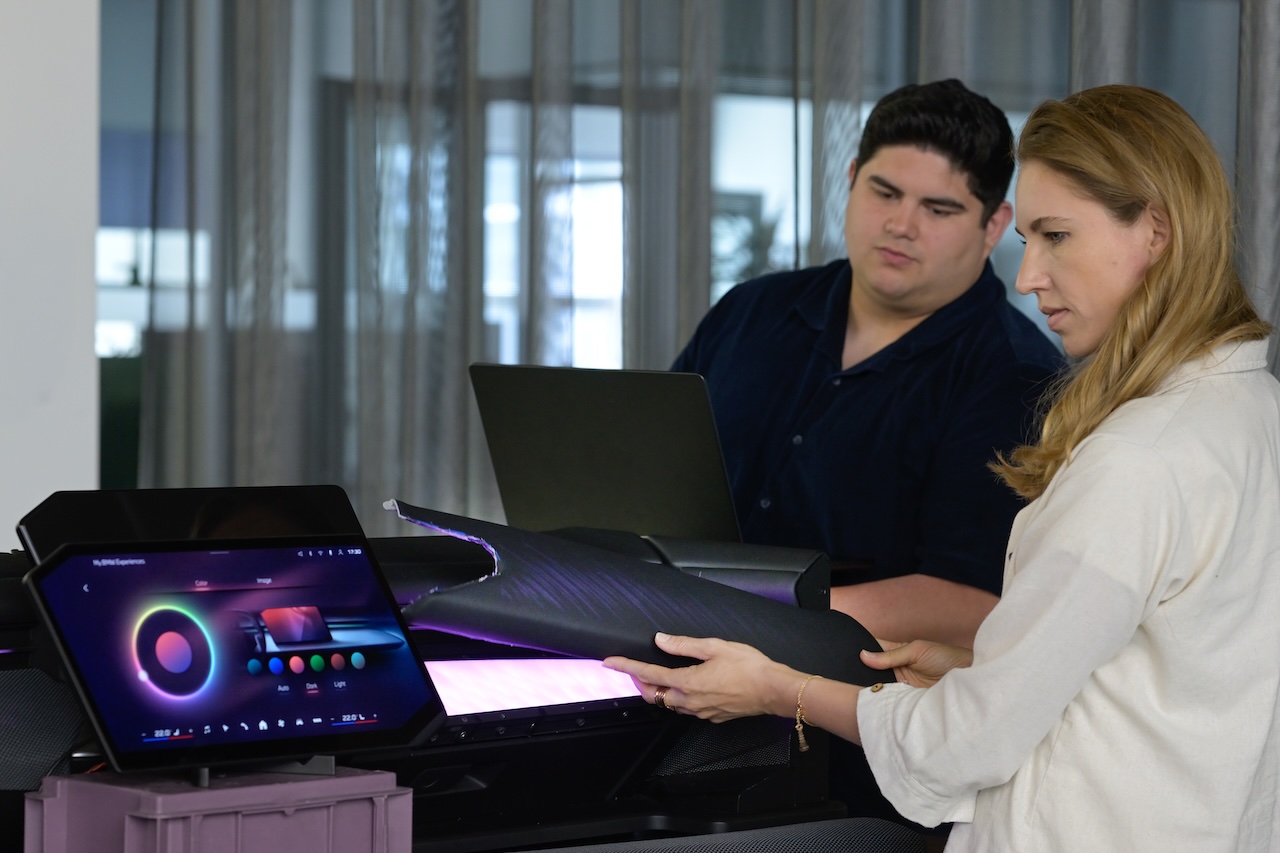
Honda’s EV Outlier Concept Looks Like It Was Poured From Liquid Chrome

At the 2025 Japan Mobility Show, Honda unveiled something that makes every other electric motorcycle look like it’s wearing a costume. The EV Outlier Concept reimagines what happens when you stop thinking about motorcycles as machines you sit on top of, and start thinking about them as machines you become part of.

Designer: Yuya Tsutsumi

Designer Yuya Tsutsumi built the Outlier around what Honda calls “Gliding and Ecstasy” – two contrasting riding sensations that could only exist in an electric motorcycle. “Gliding represents a riding feel with a sense of gliding, leveraging the uniquely smooth power delivery and quietness of an EV,” Tsutsumi explains. “Ecstasy is an emotional riding sensation resulting from the instant responsiveness, acceleration, and immense torque only possible with motor drive.”

These opposing experiences, combined with the ultra-low riding position, form the three pillars driving every design decision on this bike.

Tsutsumi calls it “Precision of Intrinsic Design.” Strip away the philosophy speak and here’s what that means: every curve exists because of what’s underneath. The battery sits in the center, visible through smoked transparent panels. Electronic components separate with surgical clarity. Nothing hides. Everything reveals itself.

This transparency invites you to understand how electric motorcycles actually work. You see the battery. You see where components live. You understand the architecture at a glance. When you can see how something works, you develop a different relationship with it. The engineering becomes part of the experience instead of something hidden behind plastic fairings.

Form That Flows Instead of Attacks

Most motorcycles have faces that glare at you. Sharp angles. Predatory headlight eyes. The traditional motorcycle front end declares dominance over the road.

It’s aggressive design language inherited from decades of combustion engine packaging requirements that no longer exist. The Outlier rejects all of that.

The flowing hood curves over the front like liquid metal frozen mid-pour. It hovers. It glides. Look at how it catches light in those product shots and you’ll see what I mean: this bike looks less like it wants to attack the road and more like it wants to dance across it. The answer is this flowing, organic form that feels more alive than mechanical.

The lightweight mix of metal and plastic creates a structure that looks simultaneously solid and ethereal. Substantial but not heavy. Technical but not cold. The frame uses metal for structural integrity. Body panels use plastic for flexibility and those transparent sections. Everything gets optimized for its specific purpose, creating a bike that feels more like sculpture than machinery.

The smoked transparent panels serve a dual purpose: they create that ethereal aesthetic while letting you see exactly how the bike is constructed. You understand the architecture at a glance. The battery placement. The component separation. The structural logic.

This visual honesty creates a different relationship with the machine.

The Seated Experience Changes Everything

The bucket-style seat merges with what used to be the engine panel, dropping the rider remarkably low. But Honda engineered this backrest for more than comfort.

“This backrest not only absorbs the massive acceleration of the motor drive but also enables a new handling sensation where the rider pivots through corners using their hips as an axis,” Tsutsumi notes.

You’re not just sitting lower – you’re controlling the bike through an entirely different kinematic relationship. It delivers a riding sensation unlike any existing motorcycle, evoking both surprise and excitement. The horizontal suspension system enables this ultra-low positioning while maintaining full travel and control. A singular frame connects the front assembly to the seat, eliminating unnecessary structure.

You sit closer to the pavement. Your center of gravity drops. The bike feels planted and stable without sacrificing agility.

Most motorcycles compromise: you either get low and sacrifice suspension performance, or you get proper suspension and sit higher. The Outlier’s engineering eliminates that compromise entirely.

When your seating position drops this low, the visual experience changes. The horizon line shifts. Objects approach differently. Your peripheral vision processes motion at new angles. These aren’t subtle changes. They fundamentally alter how riding feels, turning every corner into a new sensory experience and every straightaway into a different relationship with velocity.

In-Wheel Motors Rewrite the Physics

The motors live inside the wheels themselves.

Front and rear, the power delivery happens at the contact patch instead of transferring through chains, belts, or shafts. This fundamental architecture change eliminates mechanical loss between power source and road contact. Every watt generated goes directly to moving you forward. Independent control of front and rear torque delivery enables handling dynamics impossible with traditional powertrains.

The system can redistribute power between wheels in real time based on traction, lean angle, and rider input. You get the kind of intelligent power delivery that would require impossibly complex mechanical systems on a traditional bike. Here, it’s just software controlling two motors.

Clearing the entire center section of the bike opens up possibilities beyond just battery placement. That centrally-located battery pack creates ideal weight distribution without compromising ground clearance or aesthetics. The modular body components break apart for maintenance and upgrades. Want to upgrade the battery pack when better cells become available? The modular design accommodates that. Need to service or replace a motor? Pull the wheel assembly.

Honda designed this as a platform for flexible development, not a static concept frozen in show car amber. Honda is testing ideas that could fundamentally change how production electric motorcycles get designed, maintained, and upgraded over their lifespans.

The Digital Interface Eliminates Physical Compromises

Traditional motorcycle mirrors stick out like ears. They catch wind. They vibrate. They show you a blurry approximation of what’s behind you.

The Outlier uses cameras instead, feeding two digital displays with more information than mirrors could ever provide. That thin, wide digital meter replaces side mirrors entirely. The main screen shows speed and essential data. The sub-screen tracks torque delivery, weight balance, and real-time power distribution between front and rear motors.

When you switch riding modes, the lower display shows real-time changes in the drive status and output characteristics of the front and rear motors, letting you experience the distinctive character of electric propulsion. The GUI displays lean angle in real time, shows front and rear wheel movement based on road conditions, and adjusts torque distribution accordingly.

Honda envisions this connecting to riders’ personal data, adapting control systems to individual skill levels and even suggesting destinations based on your schedule and preferences. It’s ambient intelligence applied to motorcycle riding.

The system shows you how the bike thinks and responds to your inputs. You see the torque split. You see the weight transfer. You understand what the machine is doing in real time.

This represents the shift from mechanical feedback to digital augmentation. Traditional motorcycles communicate through vibration, sound, and physical sensation. Electric motorcycles eliminate most of that analog feedback. The Outlier replaces it with visual information that gives you even more insight into what’s happening.

Some riders will hate this. Others will embrace it as evolution.

But you can’t argue with the data density: those screens tell you more about the bike’s behavior than any traditional instrument cluster ever could. The camera feeds provide clearer rear vision than mirrors, especially in rain or at night when traditional mirrors become nearly useless.

The digital meter displays adapt to riding conditions. Bright sunlight triggers high-contrast modes. Night riding shifts to subdued displays that don’t destroy your vision. Track mode emphasizes performance data. City mode prioritizes navigation and traffic awareness. The interface learns from your riding patterns and surfaces relevant information based on context. This kind of intelligent adaptation would be impossible with mechanical instruments.

What This Actually Means

Honda isn’t putting this into production tomorrow.

The EV Outlier serves as a testbed to explore ideas that might show up in future production models. In-wheel motors. Transparent body panels. Ultra-low seating positions. Camera-based vision systems. Modular construction for easy updates. Some of these ideas will make it to showroom floors. Others will evolve into different solutions.

The concept exists to question what becomes possible when you stop trying to make electric motorcycles look and feel like traditional motorcycles.

Most electric motorcycles take existing designs and adapt them for electric powertrains. They preserve the visual language of combustion engines even when those visual cues no longer correspond to physical requirements. You get bikes with fake tanks covering batteries and motors positioned where engines used to live, even though that placement no longer serves any functional purpose.

Honda took a different approach: what if we designed an electric motorcycle from first principles?

Tsutsumi acknowledges the challenge: “For ICE models, there has long been an established theory of beautiful proportions backed by years of motorcycle design experience. The EV Outlier Concept deliberately breaks away from that convention.”

Breaking those proportions wasn’t reckless experimentation – it was necessary to make the unique characteristics of an EV more appealing. The team repeatedly verified the balance of wheelbase and height, exploring new proportions that make electric advantages visible and visceral.

The design process itself reflects this willingness to break conventions. “This project involved not only motorcycle designers in Japan, but also designers from the Power Products division and overseas design members,” Tsutsumi explains. “Centering on the theme ‘What value can only be realized through electrification?’, we thoroughly embraced a Waigaya approach, freely exchanging opinions.”

That cross-functional collaboration – bringing together motorcycle designers, power products engineers, and international perspectives – created a development process unlike typical mass production cycles.

What would it look like if we let the technology dictate the form instead of forcing new technology into old shapes?

The answer flows and curves and reveals its inner workings through transparent panels. It sits low and positions the rider closer to the sensation of speed. It eliminates traditional components like mirrors and visible motors in favor of integrated cameras and in-wheel power delivery.

Whether you love this design or hate it, you can’t ignore what it represents.

Honda is asking what motorcycles become when you stop making them look like motorcycles. That willingness to start fresh, to build from first principles rather than adapt old templates, is what makes the Outlier concept genuinely significant beyond its show car aesthetics.

The post Honda’s EV Outlier Concept Looks Like It Was Poured From Liquid Chrome first appeared on Yanko Design.
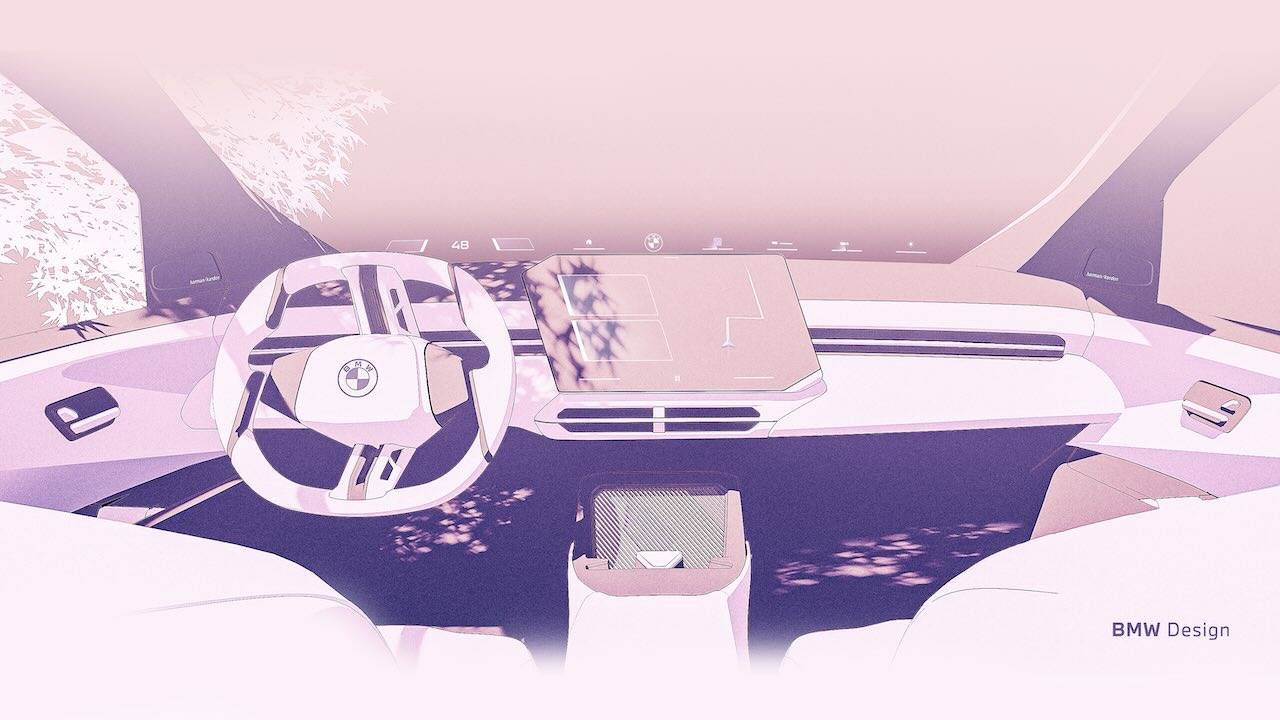
Louis Erard Brings Astro Boy to Swiss Watchmaking

Manuel Emch still remembers rushing home from school to catch the latest Astro Boy episode. That childhood ritual, shared by millions across generations, now finds its way onto your wrist through Louis Erard’s latest collaboration with Tezuka Productions. This isn’t just another licensed character watch. It’s a thoughtful exploration of how nostalgia, craftsmanship, and cultural heritage can coexist on a 40mm canvas.

Designer: Louis Erard x Tezuka Productions

The Dial: Layered Storytelling in Metal and Color

The dial construction here deserves your attention. Louis Erard didn’t simply print Astro Boy’s image and call it done. Instead, the brand created a multi-layered stage where each element exists in three-dimensional space. The base dial carries Metro City’s vertical satin-brushed finish, stamped with the iconic urban backdrop that defined Osamu Tezuka’s futuristic vision. Those parallel lines create texture and depth while staying subtle enough that Astro Boy and the villain read clearly. The stamped buildings and urban elements provide context without becoming busy. This textured foundation provides depth before you even notice the characters.

Astro Boy himself appears as a fully applied element, not a flat print. He bursts from the six o’clock position in full color, captured mid-flight with his signature red boots and determined expression. Behind him, a monochrome robot villain looms in black, creating visual tension between hero and threat. The satin-brushed finish on these applied elements creates distinct shadow lines that change with wrist angle. This isn’t decorative layering for its own sake. Louis Erard built genuine depth into the dial architecture, with the Metro City backdrop recessed, the robot villain raised slightly, and Astro Boy’s appliqué sitting highest. The hands float above all of it without visual interference.

The artwork comes from Tezuka Productions’ archives, based on early illustrations by the manga master himself. A raised circular rehaut frames the scene, printed with a white minutes track and filled with Super-LumiNova C1 for blue nighttime glow.

What makes this dial work is restraint. There are no indexes cluttering the composition. No date window interrupting the narrative. The rhodium-plated hands with diamond-cut edges float above the scene without competing for attention. With Super-LumiNova C1 on just the hands and minutes track, the watch remains legible at night while Astro Boy stays visible in color against the dark dial. If they’d added lume plots or traditional indexes, this balance would collapse into visual noise. The blue glow complements rather than competes with the manga artwork. Louis Erard understood that when your dial tells a story, everything else should step back and let it speak.

The Case: 2340 Architecture Meets Hybrid Materials

The 2340 case represents Louis Erard’s first integrated bracelet design, and it brings legitimate technical interest to the table. The case body uses brushed titanium, keeping weight down to levels that disappear on your wrist. The crown, bezel, and lugs switch to polished steel, creating contrast without the flashy two-tone look that dominated the 1980s.

At 40mm in diameter and 8.95mm thick, the proportions work for most wrists without making compromises. The case shape follows the integrated bracelet design language that’s dominated sports watch design since the Royal Oak rewrote the rules. Louis Erard’s interpretation doesn’t reinvent this formula, but the execution is clean. The transitions from case to bracelet flow smoothly, and the finishing quality on the alternating brushed and polished surfaces shows attention to detail.

The sapphire crystal carries anti-reflective treatment on both sides, which matters more than most people realize. When your dial features this much visual information, glare becomes your enemy. Louis Erard addressed this properly. The caseback features a custom Astro Boy engraving showing him in his classic flying pose with the Louis Erard collaboration text. The engraving quality shows crisp detail with good depth, a nice touch for collectors even if you won’t see it during normal wear.

Water resistance sits at 5 bar (50 meters), which translates to splash resistance in practical terms. This isn’t a dive watch, and the hybrid titanium-steel construction makes that clear. It’s designed for daily wear with careful handling near water.

The Bracelet: Three Years of Development Shows

Louis Erard spent three years developing this integrated bracelet, and that investment shows in the details. The links combine brushed titanium and polished steel in a pattern that mirrors the case treatment. The 2340 case handles the integrated bracelet challenge by echoing the case angles without copying Genta’s Royal Oak geometry. The alternating brushed and polished surfaces on both titanium and steel create visual rhythm down the bracelet, and the link width taper from 28mm at the case to 20mm at the clasp looks proportional rather than forced.

Each link tapers from 28mm at the case to 20mm at the clasp, following the gradual taper that helps a watch hug your wrist naturally. The butterfly folding clasp uses a spring-blade mechanism rather than traditional push-button deployment. This approach provides smoother operation and reduces the number of moving parts that could wear over time. Torx screws handle the bracelet attachment points, signaling serious intent about secure attachment over easy adjustment. You’ll need the proper tool for sizing, but you also get more secure connections than traditional spring bars.

The bracelet length measures 220mm total, accommodating most wrist sizes with proper link removal. The titanium construction keeps overall weight down despite the integrated design’s typically chunky appearance. When you pick up the watch, the lightness surprises you given the visual mass.

What This Collaboration Actually Means

Louis Erard positions this release as more than a one-off character watch. Manuel Emch frames it as the first step in a long-term creative direction, working with cultural references that shaped his generation. The 2340 case becomes a canvas for these collaborations, with Astro Boy leading a planned series that will include video games and other cult icons from collective memory.

The limited production of 178 pieces ties to Astro Boy’s atomic power level in the original manga (100,000 horsepower, which somehow equals 178 pieces in collaboration logic). At CHF 3,990 before taxes, the pricing sits below the CHF 4,000 threshold while delivering legitimate watchmaking through the Sellita SW300-1 élaboré grade movement. That automatic caliber provides 56 hours of power reserve and runs at 28,800 vibrations per hour, which translates to reliable daily performance.

The Design Verdict

This collaboration succeeds because it respects both the source material and the craft of watchmaking. Louis Erard understood that dial storytelling requires hierarchy, contrast, and negative space. They resisted the temptation to fill every millimeter with manga references, keeping the composition focused on Astro Boy’s dynamic pose against a thoughtfully detailed backdrop. Tezuka Productions provided original artwork rather than generic licensing assets. Louis Erard invested in three-dimensional dial construction rather than taking the easier print-and-forget route. The 2340 case architecture provides a solid foundation that could support future collaborations without feeling like a gimmick.

The watch will connect most strongly with the generation that grew up watching Astro Boy, the same people who now have the disposable income to spend four thousand Swiss francs on nostalgia. But even without that emotional connection, the technical execution and finishing quality deliver enough substance to justify the price. The dial craftsmanship alone demonstrates why Swiss watchmaking maintains its reputation, even in an entry-level collaboration piece.

Louis Erard x Astro Boy Ref. 35123TA23.BMT12 arrives as a 178-piece limited edition at CHF 3,990. It launches with the 2340 integrated case in brushed titanium and polished steel, housing a Sellita SW300-1 automatic movement. The applied dial elements create three-dimensional storytelling depth, while the three-year-developed bracelet proves that even character collaborations can demonstrate legitimate horological craft.

The post Louis Erard Brings Astro Boy to Swiss Watchmaking first appeared on Yanko Design.
Lexus LS Goes Bold: Three Radical Concepts Redefine Luxury Space

When Lexus rolled three radically different concepts onto the floor of the 2025 Japan Mobility Show, each wearing the LS badge, the message was clear: the future of luxury isn’t about four doors and a trunk anymore. A six-wheeled van with a convertible day bed in the third row. A single-seat autonomous pod that looks like it escaped from Minority Report. An SUV coupe that might actually see production. These are Lexus’s answers to a market that no longer wants what the LS was built to be.

Designer: Lexus

The context makes the radical pivot necessary. Much like Taylor Swift, the Lexus LS was born in 1989 and went on to redefine its category, but unlike the pop icon, the luxury sedan’s star has dimmed considerably in recent years. The brand sold fewer than 3,000 units annually in the US for the past three years, losing market share even against rivals facing the same headwinds. In September, Lexus announced a “final year tribute” for the existing fifth-generation car, effectively confirming what industry watchers already knew. The sedan era is ending, but the LS name still carries tremendous cachet and brand value as the badge that launched Lexus itself.

Rather than let that heritage fade, Lexus chose to reimagine what “LS” could mean. The three concepts presented in Tokyo replace “Luxury Sedan” with “Luxury Space,” each interpreting that brief in dramatically different ways.

The Six-Wheeled Van That Dares to Dream

The LS Concept, revealed via teaser images a couple weeks before the show, represents the most audacious reinvention of the luxury minivan formula yet attempted. This isn’t a tarted-up people mover with captain’s chairs and a nicer badge. This is a six-wheeled statement piece that looks more like a land yacht than a family hauler, with proportions that dwarf the luxury minivans currently popular in markets like China.

Much of that impact comes from the wheel configuration itself. Four smaller wheels cluster at the rear while two larger ones handle steering duties up front, creating what observers have called a “backwards Tyrell P34 look.” It’s probably the only time a Lexus van will be compared to a 1970s Formula 1 car, but the reference fits. The wheel arrangement does more than look interesting. The additional rear wheels potentially distribute weight more effectively across the long wheelbase required for three comfortable rows, while the larger front wheels maintain steering precision and road presence.

The exposed wheel arches feature chrome or polished metal trim that catches light and emphasizes the mechanical complexity underneath, celebrating the engineering rather than hiding it behind body panels. Sharp character lines run the length of the vehicle’s flanks, creating distinct upper and lower volumes. The greenhouse sits atop a substantial lower body, with blacked-out pillars creating a floating roof effect that’s become common in luxury vehicles but feels fresher here thanks to the unconventional proportions. The front fascia maintains Lexus’s spindle grille signature but stretches it horizontally rather than vertically, creating a wider, more planted stance that suits the van’s substantial dimensions. LED lighting elements integrate into the bodywork with minimal interruption, suggesting a future where lighting becomes part of the surface rather than discrete components bolted to the structure.

Inside, the LS Concept seats six across three rows, with the first row offering a somewhat bench-like layout while the second and third rows feature individual thrones upholstered in what appears to be premium materials. The interior demonstrates a deliberate progression from functional to luxurious as passengers move rearward, with the driver zone maintaining traditional automotive ergonomics while the rear rows transition into lounge-style seating that prioritizes comfort over conventional automotive packaging. The material palette appears to blend warm earth tones in the seating surfaces with cooler metallic accents on structural elements, creating separation between soft touch points and hard architecture.

The third row takes the concept furthest, with armrests that detach to allow the seats to convert into a reclining day bed configuration. The leg rest extends while the seat backs transition closer to flat, creating a genuine rest space rather than the token reclining function found in conventional three-row vehicles. This transformation suggests Lexus studied yacht interiors and private aviation more than automotive precedents, prioritizing the ability to fully relax during extended travel over maximizing passenger count.


The lighting design throughout the cabin uses vertical striping patterns that echo traditional Japanese shoji screens, with illuminated surfaces creating ambient glow rather than point-source lighting. These vertical elements repeat on the exterior as well, establishing a consistent design language that bridges interior and exterior spaces. The dashboard features nested screens in a layered configuration that suggests depth rather than the typical flat panel array, with physical controls integrated around the displays rather than banished to capacitive touch zones. Despite the futuristic styling, this isn’t an autonomous fantasy. The LS Concept features a proper steering wheel flanked by a pair of screens and a pleasing number of actual physical buttons, suggesting Lexus envisions this as something a human would actually drive.

The Micro: When Personal Mobility Gets Absurdly Personal

If the six-wheeled van represents luxury maximalism, the LS Micro swings to the opposite extreme. This single-seat autonomous vehicle exists as pure concept exploration, the kind of mobility solution that automakers love to sketch but rarely build.

The Micro appears to run on three wheels based on the revealed images, with a vertically oriented battery pack or cargo compartment mounted along its spine that can slide out for easy access. This central spine element serves as both functional storage and visual anchor, creating a clear organizational logic for the compact vehicle’s interior packaging. The exterior surfaces flow in continuous curves broken only by minimal character lines, with the transparent canopy creating an almost bubble-like greenhouse that maximizes interior volume perception while maintaining a compact exterior footprint.

The seating position looks genuinely comfortable rather than compromised, with a warm cocoon-like environment and touchpad controls integrated into both armrests in a configuration that recalls Captain Picard’s chair on the bridge of the Enterprise. The seat itself appears to wrap around the occupant in a 270-degree embrace, with padding that extends beyond typical automotive bolstering to create a genuine relaxation space rather than just transportation seating. Lexus even managed to fit multiple cupholders into the compact package, a luxury amenity not afforded to Galaxy-Class starship captains. The material treatment suggests a mix of technical fabrics and soft leather, with the touchpad controls finished in what appears to be brushed metal or high-quality plastic that maintains tactile feedback despite the digital interface underneath.

The color palette inside the Micro stays deliberately neutral, with warm beiges and soft grays dominating to create a calming environment rather than the typical concept car explosion of saturated hues. Ambient lighting appears integrated into the structural ribs of the canopy, washing the interior with indirect illumination that changes the space’s mood without creating harsh shadows or glare. The exterior styling leans heavily into sci-fi territory, with smooth surfaces and minimal details that wouldn’t look out of place in Minority Report, though given that film is now set just 29 years in the future, perhaps that’s less of a compliment than it once was.

Lexus describes the Micro as “micro-mobility that allows you to move freely in small streets and alleys of cities” and “a relaxing space for a new value of private travel experience.” That use case suggests ride-hailing services in dense urban environments rather than personal ownership. Given the autonomous technology requirements and the narrow market appeal, both scenarios remain theoretical for the foreseeable future. The Micro’s compact dimensions and autonomous capabilities could theoretically allow it to access areas traditional vehicles cannot, from pedestrian-friendly zones to narrow historic district streets. The single-seat configuration eliminates the social dynamics and scheduling compromises inherent in shared mobility, offering a middle ground between private car ownership and riding in someone else’s vehicle.

The Coupe: The One That Might Actually Happen

Of the three concepts, the LS Coupe stands the best chance of reaching production. Industry watchers have speculated for more than half a decade that the fifth-generation LS’s successor would take the form of a high-end crossover rather than another traditional sedan, and this concept bears all the hallmarks of that rumored vehicle.

The design melds the elevated seating position and easy entry of an SUV with the flowing roofline and proportions of a sedan, complete with a trunk rather than a hatchback opening, though Lexus describes it more as an extending shelf than a conventional cargo area. Four doors provide access to what appears configured as a four-seat interior, though the rear bench looks like it could accommodate a third passenger without much compromise. In a premium touch reminiscent of Rolls-Royce, the rear doors open backwards for easier entry and exit.

The interior continues design themes Lexus explored in the Sport Concept coupe revealed the same day, with a colorway divided between the driver and passenger areas to create distinct zones within the cabin. The driver side appears finished in darker, more focused tones that emphasize the task of driving, while the passenger side transitions to lighter, more relaxed materials that signal the leisure aspect of luxury travel. This asymmetric approach represents a departure from the typical automotive interior that treats both front occupants identically, acknowledging that driver and passenger have fundamentally different relationships with the vehicle.

The seating surfaces showcase what appears to be a combination of perforated leather in high-wear zones and smooth textile panels in areas that benefit from stretch and comfort. The perforation pattern isn’t just functional ventilation but creates a geometric texture that catches light differently depending on viewing angle, adding visual interest without relying on contrasting stitching or piping. The rear seats maintain the same material approach but appear to offer more adjustment range and cushion depth, confirming this vehicle prioritizes rear passenger comfort despite its four-seat configuration.

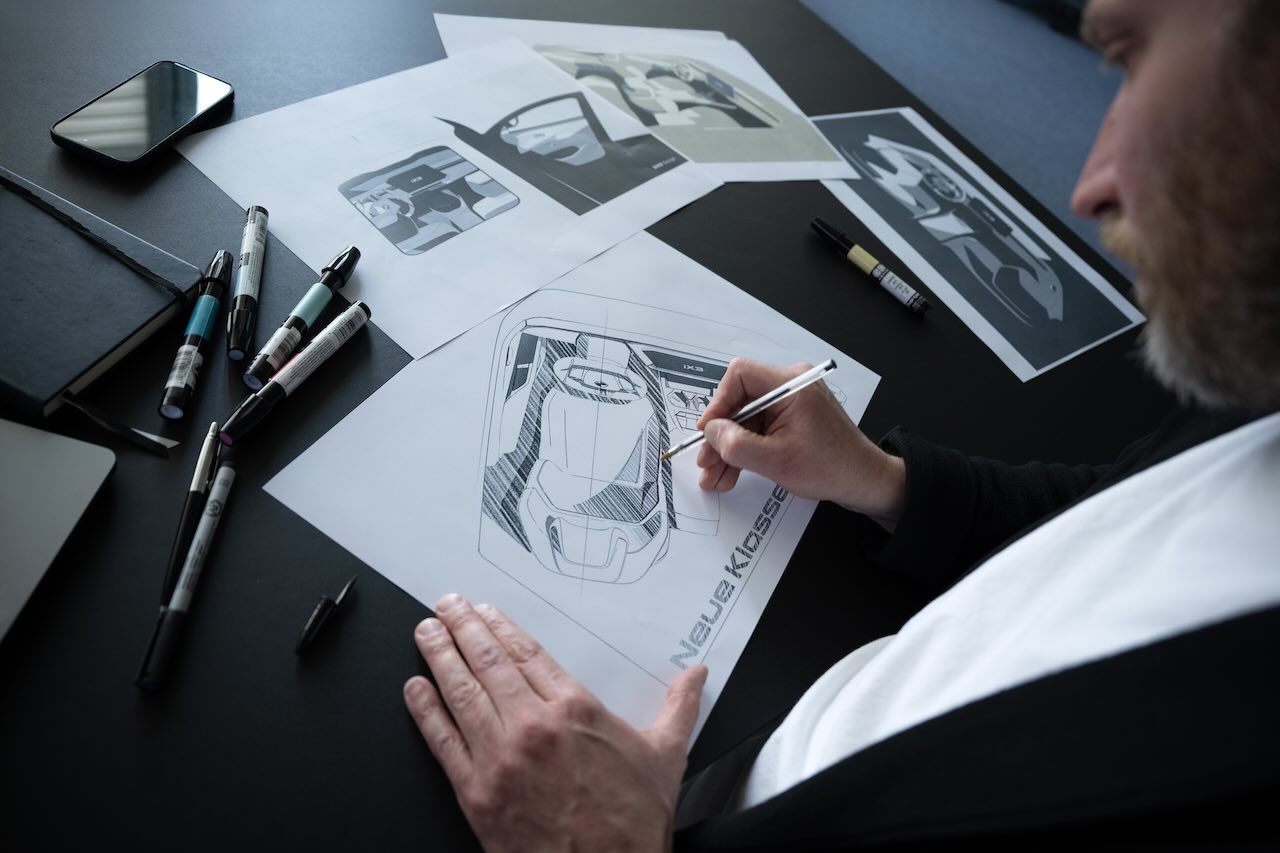
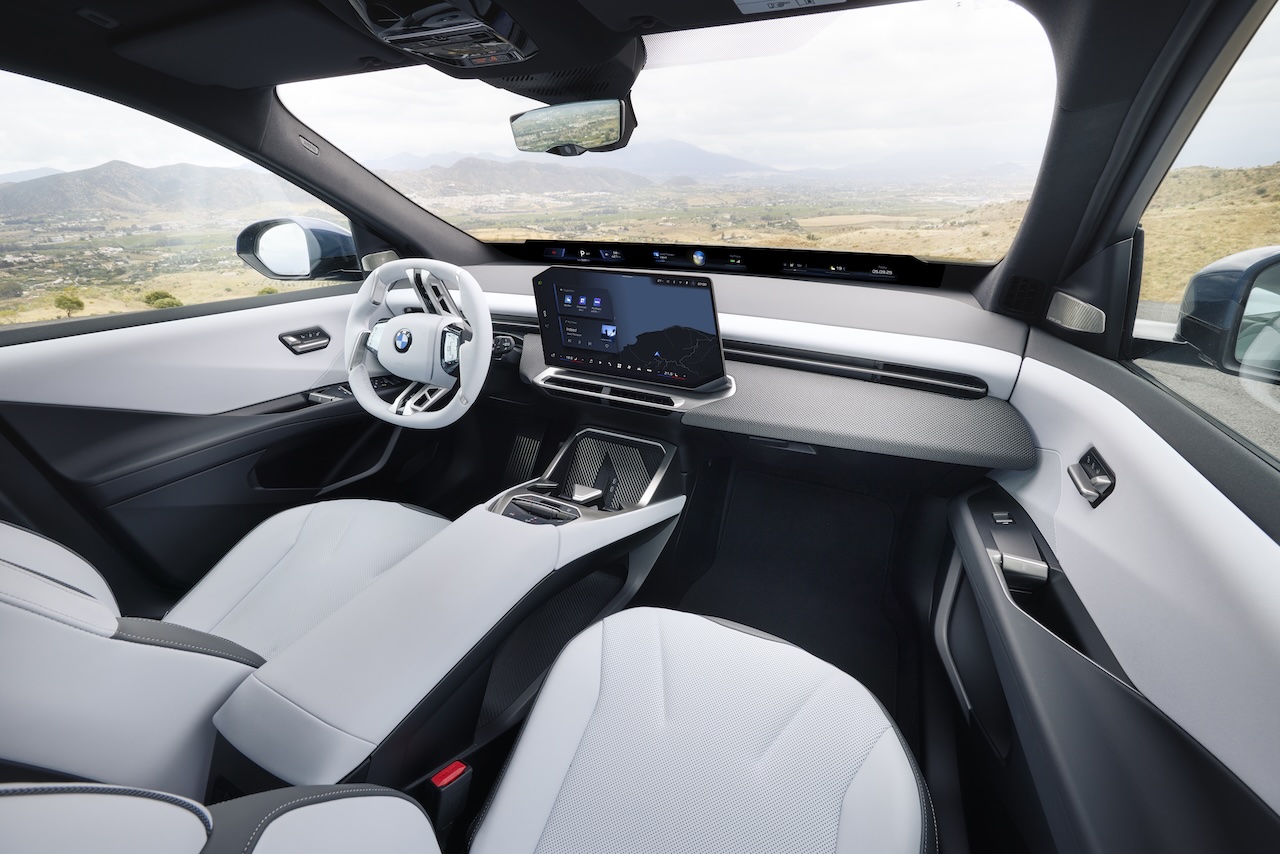
Nested instrument panel screens sit in front of a yoke-style steering control rather than a traditional wheel. The screen configuration potentially hints at a future instrument and infotainment layout designed to rival BMW’s Neue Klasse digital interface approach, though production versions typically dial back the concept car ambition. The layering of these displays creates a sense of depth behind the yoke, with primary driving information appearing to float in the foreground while navigation and vehicle status occupy background layers. Physical controls appear concentrated on the center console and steering yoke spokes, maintaining tactile interfaces for frequently used functions rather than forcing everything through touchscreen menus.

The exterior proportions demonstrate careful attention to the balance between SUV utility and sedan elegance. The roofline starts its descent behind the B-pillar, creating a fastback silhouette that maintains rear headroom while achieving a lower drag coefficient than a traditional SUV profile. The rear haunches swell slightly outward from the cabin, muscular shoulders that suggest performance capability without resorting to aggressive body cladding or fake vents. The wheel arches appear sculpted into the body rather than applied as separate elements, creating a cohesive surface that flows from front to rear without interruption. The strongest indicator of production intent comes from an observation about what the concepts include rather than what they promise. The LS Coupe features visible seatbelts in all the marketing imagery and show floor presentations, a detail neither the six-wheeled van nor the autonomous Micro show.

What Luxury Space Actually Means

These three concepts reveal Lexus’s challenge and opportunity in equal measure. The LS name carries enough brand equity to justify continuation, but the original brief no longer works in a market that has decisively moved away from large luxury sedans.

By reinterpreting the badge as “Luxury Space” rather than “Luxury Sedan,” Lexus creates room to explore what premium personal mobility could mean across multiple form factors and use cases. The six-wheeled van targets the ultra-luxury multi-passenger market that traditional minivans never quite captured, the Micro explores personal urban mobility as a premium experience, and the Coupe directly addresses the luxury crossover segment that has cannibalized sedan sales industry-wide. Whether any of these concepts reach production remains uncertain, but the LS Coupe’s seatbelts and rumors of a high-end crossover successor suggest at least one interpretation of “Luxury Space” will make it to dealerships.

Each concept also reflects different regional market priorities. The six-wheeled van speaks directly to Asian luxury markets where chauffeur-driven vehicles remain popular and rear passenger comfort takes priority over driver engagement. The Chinese market in particular has embraced luxury MPVs in ways Western markets never did, with vehicles like the Mercedes V-Class and Lexus LM commanding premium prices and generating substantial sales volumes. The Micro addresses urban mobility challenges most acute in dense Asian and European cities where parking costs remain prohibitive and congestion pricing schemes make large vehicles increasingly expensive to operate. The Coupe takes the safest bet by pursuing the luxury crossover segment that currently dominates premium vehicle sales globally.

Every luxury brand from Bentley to Rolls-Royce now offers or plans to offer a high-riding crossover, recognizing that buyers want elevated seating positions and practical cargo space more than they want low-slung driving dynamics. The LS Coupe’s sedan-influenced proportions and trunk configuration position it as a more sophisticated alternative to the increasingly common luxury SUV, offering crossover practicality without abandoning the design language that made Lexus sedans distinctive. For a nameplate that once redefined luxury sedans, this evolution from four doors to multiple futures seems fitting.

The post Lexus LS Goes Bold: Three Radical Concepts Redefine Luxury Space first appeared on Yanko Design.
Design Without Compromise: How Samsung Is Rethinking Home Appliances From the Inside Out

During my visit to Samsung’s home appliance R&D facility in Seoul, Jay Yoon, Corporate VP and Head of the Refrigerator R&D Group, explained something remarkable about the development of their AI Hybrid Cooling refrigerator. His team had completely redesigned the refrigerator’s internal layout mid-development, not to fix a problem, but to maximize consumer benefits. The Peltier cooling chip system worked perfectly in its original rear-mounted position. The engineering was sound. But through continued collaboration between Samsung Research and the product development team, they discovered that repositioning the entire cooling system to the top would dramatically improve interior space and thermal performance. “We completely discarded the layout we initially designed,” Yoon explained, describing how the team abandoned months of engineering work to pursue the better solution.

Designer: Samsung

The team wasn’t fixing a problem. They were refusing to settle for “good enough.”

That willingness to abandon comfortable solutions appeared throughout the two-day facility tour. Over presentations, lab tours, and design team sessions, I watched Samsung wrestle with fundamental challenges about how appliances should integrate into modern homes and how global products can feel locally relevant.

From Statement Pieces to Spatial Harmony

Samsung’s design evolution over the past decade reflects a broader shift in how we think about appliances in our homes. The design team traced this progression explicitly during their presentation. “In the past, Samsung refrigerators featured bold contours and glamorous presence that stood out in kitchen spaces,” explained the design team during their presentation. These were appliances that demanded attention, with dramatic lines and high-contrast finishes that made them focal points in any kitchen. The design language spoke loudly: this is premium technology, and you should notice it.

Today, that approach has inverted.

“Today, our designs focus on a flat and geometric look that blends seamlessly with modern interiors,” the design team explained. The Bespoke line exemplifies this shift, offering customizable panels that let consumers match their appliances to their specific aesthetic rather than forcing rooms to adapt to the appliance. As the presentation emphasized, “The Bespoke was the first product tailored to the consumer, rather than led by the manufacturer.”

The evolution makes sense when you consider how kitchens function now. Open floor plans mean appliances sit in continuous sightlines with living spaces. Minimalist interior design emphasizes clean surfaces and reduced visual noise. An appliance that demands attention disrupts the careful balance homeowners work to create. Samsung’s current design language acknowledges this reality, focusing on integration rather than statements.

This shift required the design team to develop new methods for creating visual interest without resorting to dramatic forms. They’ve focused on proportion, material quality, and subtle details. During the product showcase, a designer pointed out their signature element: “This very narrow window is Samsung’s signature design identity.”

The Three-Stage Design Process

Samsung’s design team walked through their development methodology, which operates in three distinct phases. Understanding this structure reveals how they balance innovation with manufacturability, and why certain design decisions take precedence over others.

Advanced Design comes first. “The first stage, called advanced design, is the very early phase where we explore innovative design directions and develop concepts,” explained the design team. “In this stage, rather than focusing on manufacturability, we aim to discover new opportunities through future-oriented challenges.” The team researches global megatrends, tracks generational differences in appliance expectations, and studies post-pandemic changes in home behavior. This phase feeds the innovation pipeline with ideas that might become products in three to five years.

Archetype Design follows. “The second stage is Archetype Design, where we define the core design elements and identities and create prototypes that closely resemble our actual designs,” the team explained. Engineering constraints enter the conversation. Manufacturing realities impose boundaries. Cost structures become factors. The Peltier chip repositioning happened during this phase, when the team realized their initial layout compromised the consumer benefits they were trying to deliver.

Final Design brings everything to market-ready form. “The final phase, where we refine the archetype design into a market-ready form, taking into account feasibility and optimization,” as the presentation described it. The design gets refined for production efficiency, tested for durability, validated through consumer preference studies, and engineered for serviceability. The team emphasized that this isn’t where creativity dies. It’s where creative solutions prove whether they can survive contact with reality.

Some ideas make it through with minimal changes. Others, like the refrigerator layout, require fundamental reimagining even at this late stage.

What struck me about this process is how much research grounds every stage. The team doesn’t rely on designer intuition alone. They conduct extensive consumer preference studies to evaluate design competitiveness. They analyze furniture design trends to ensure their appliances harmonize with what consumers are actually buying for their homes. They run localized projects like their U.S. Laundry Space and Market Trend Sensing study to understand regional differences in how people interact with appliances. Design decisions emerge from this research foundation rather than aesthetic preference alone.

Unibody Express: Washing Machine Minimalism

The washing machine design team introduced their Unibody Express philosophy as a case study in essentialist thinking. The name itself signals the approach: eliminate everything unnecessary until only the fundamental interaction remains.

Their starting point was provocative. Rather than beginning with a washing machine shape and refining it, they asked what the essential form should be. As Sarah Choi, Head of the Living Design Group, explained during the presentation: “We’ve gone back to basics to redefine design and to make people’s lives better. With the design philosophy of Samsung that is essential, innovative, harmonious.” She described stripping away everything extraneous to reach the core: “But rather something fundamental and pure. A single rectangle. This is the essential space where we meet our users.” The presentation showed how they removed decorative elements systematically. “We removed many decorative elements that make up the washing machine. Focused on the fundamental material, the steel.”

What remained was steel, glass, and the pure geometry of the rectangle.

This sounds simple. Executing it proved complex. Removing decorative elements means the fundamental materials and proportions carry all the aesthetic weight. There’s nowhere to hide manufacturing imperfections or component compromises. The team explained they needed higher standards than previous designs required. The steel finish, glass clarity, and panel alignments all had to be essentially perfect since there was nothing else to draw the eye. As the team explained, “This design form allows for effective management of product design variations while enabling efficient operations through part standardization.”

The result aligns with broader movements in industrial design toward essential forms and honest materials. But unlike some minimalist exercises that prioritize aesthetic purity over function, the Unibody Express philosophy emerged from user research. The team studied how people actually interact with washing machines, identified the core interaction space, and designed around that fundamental relationship.

The minimalism isn’t stylistic. It’s structural, based on understanding what matters to someone doing laundry.

CMF: The Language of Premium Materials

Color, Material, and Finish design operates as its own discipline within Samsung’s structure, and watching their CMF team present revealed how much invisible work creates the perception of quality in appliances.

The team expressed particular pride in their black metal work. During the CMF showcase, a designer explained: “Real metal is used by all companies, but we are proud of black metal and have been leading trends in this finish.” Their newest premium direction uses ribbed aluminum. “This is a new material that has not been used much in product design. Aluminum that was used a lot in IT devices,” Oh noted, describing how they applied a ribbed design to create a premium aesthetic for refrigerators in the Korean market.

Glass appears across product categories, from cooking appliances to refrigerators to water purifiers, with the team developing methods to match colors and textures across these different applications. The upcoming ceramic collaboration represents their most ambitious material innovation. During the showcase of unreleased products, Oh explained: “This is ceramic from Italian company Mutina. Ceramic is widely used in furniture and table interiors, but we have applied ceramic CMF to refrigerators for the first time with the technology to apply it to product design.”

What makes CMF design fascinating is how it operates at the intersection of aesthetics and material science. “We continue to study interior design trends across diverse regions, from Asia to the Americas and Europe, through online learning,” explained Oh. “By updating and analyzing the latest trends, we ensure that our home appliances harmonize seamlessly with consumers’ real-life environments.” They create digital twin virtual spaces to simulate how their CMF choices will appear in these real-world contexts. “The CMF combines these elements into two tones, bright and dark, that complement each unique space and its character,” the presentation emphasized.

The team also experiments with perception engineering. “We have the skill to create textures and printing technology that can give a stone feel,” Oh explained during the showcase, demonstrating samples that used glass and coating techniques to simulate stone and ceramic aesthetics without the weight and cost constraints of actual stone or ceramic components.

During the CMF showcase, Oh explained her team’s philosophy of holistic interior integration: “We don’t design products in isolation. We design them to harmonize with furniture, interiors, and fabrics to complete the overall interior mood using these paints and materials.”

Sustainability as Design Constraint

The sustainability integration revealed during the CMF presentation felt refreshingly pragmatic rather than performative.

“All glass samples are made of recycled materials,” Oh explained during the CMF showcase. “Samsung has been working to replace glass products with recycled glass for several years now.” For their premium aluminum products, they’ve adopted a hybrid approach: “The front uses a thin new aluminum layer that can reflect new colors because it needs to express beauty,” while “the base metal behind uses recycled aluminum.” The team was frank about sustainability constraints. When asked about expanding recycled content further, they acknowledged: “It would be most efficient to make suggestions without increasing consumer prices… If there is a need that consumers can tolerate to that extent, we can do it.”

Regional Design: Ergonomics Meets Culture

The most compelling design challenge Samsung faces is creating global products that feel locally appropriate. Refrigerator design makes this visible.

The design team explained: “T-Type is a popular platform here in Asia, whereas the French door type is also preferred in North America.” They detailed the structural differences: “The T-type has segmented freezer box at the bottom, while the French door type uses large capacity freezer drawers, also located at the bottom.” The design presentation emphasized these aren’t arbitrary preferences. They reflect different food cultures, shopping patterns, and kitchen spatial organizations.

The design team explained that understanding these regional differences requires ethnographic research, not just market data. How do Korean families shop for and store kimchi? How do American households manage bulk purchases from warehouse stores? What food preservation expectations exist in European markets with smaller, more frequent shopping patterns? Design decisions about interior layout, drawer sizing, and temperature zone configurations all flow from understanding these cultural contexts.

This regional customization extends beyond refrigerators. Kitchen appliance dimensions differ between markets. During the product showcase, Claire Lee, Head of Kitchen Design Group, explained: “This is a 30-inch wall oven… a product specialized for the North American market,” then showed a contrasting model: “Unlike the North American 30-inch model, this is a 24-inch spec model specialized for the European and Korean markets.” Cooking technology preferences vary too. Lee noted that in North America, “traditionally gas products were common,” but emphasized that “induction products are rapidly expanding” as consumers shift away from gas cooking.

Samsung designs platforms that can accommodate these variations while maintaining design language consistency across regions.

What This Means for Appliance Design’s Future

Samsung’s approach suggests appliance design is entering a more sophisticated phase. The days of technology-first thinking, where impressive specs drove product development and design followed, are giving way to human-centered processes where design insight drives technology application. The Peltier chip repositioning exemplifies this: the technology was ready, but the design team’s understanding of user benefit justified completely reworking the internal architecture.

This shift requires different skills from designers. They need fluency in material science, manufacturing constraints, cultural differences, and sustainability considerations alongside traditional aesthetic capabilities. They need research methodologies to validate assumptions about user preferences. They need collaborative skills to work with engineers who might resist mid-development redesigns.

The Samsung design team’s structure, with specialists in product design, CMF design, design innovation, and design strategy all collaborating, reflects this expanded scope.

The risk in this approach is designing for an idealized user rather than real people. The safety lies in the research foundation. Samsung’s investment in consumer preference studies, localized market sensing projects, and continuous trend analysis keeps their design process grounded in actual behavior rather than designer intuition about what people should want.

Watching their team work through these challenges over two days in Seoul revealed an organization taking appliance design seriously as a discipline. Not as styling applied to engineered products, but as a fundamental methodology for understanding how technology should integrate into daily life.

Whether this produces better appliances remains to be seen. But it definitely produces more thoughtfully considered ones.

The post Design Without Compromise: How Samsung Is Rethinking Home Appliances From the Inside Out first appeared on Yanko Design.
SIHOO DORO C300 PRO REVIEW: HIGH-END Office and gaming chair at An Affordable Price

After spending several weeks with the Sihoo Doro C300 Pro, I confidently conclude it strikes a careful balance between comfort, adaptability, and sleek design. The C300 Pro has been designed to fill your home office – it provides a solution for anyone tired of dealing with the aches and strains from long hours at a desk. The innovative mesh design goes beyond aesthetics – it conforms to my body, providing flexible support that keeps up with every shift and stretch throughout the day. One key feature is the self-adaptive lumbar support, which automatically tracks my movements to provide consistent lower back relief. The 6D coordinated armrests and the flexible headrest also make a real difference, adapting to how I sit, lean, or relax.

PROS:


  • Dynamic Lumbar Support: Automatically adjusts to your movements, providing continuous comfort and helping maintain proper posture without needing constant manual adjustments.

  • 6D coordinated armrests: Provides extensive customization, making it easy to find the perfect position for various tasks, whether gaming, typing, or relaxing.

  • Breathable Mesh Design: Promotes airflow and keeps you cool during long sessions, effectively managing moisture and heat.

  • Comprehensive Reclining Mechanism: With precise recline angles and weight-sensing technology, it provides a smooth reclining experience tailored to different sitting activities.Sophisticated Headrest: Offers highly customizable support for your neck and head, reducing strain during extended work or gaming sessions.

CONS:


  • Armrest Stability: The armrests could be more stable as they tend to shift too easily, which can be distracting during use.

  • Manual Lumbar Depth Adjustment: Adding a manual depth control for lumbar support would provide even more personalized comfort for users with specific back support preferences.

  • Recline Tension Control: Introducing a more easily adjustable recline tension control would allow users to customize their reclining experience more precisely, enhancing comfort.

RATINGS:

AESTHETICS
ERGONOMICS
PERFORMANCE
SUSTAINABILITY / REPAIRABILITY
VALUE FOR MONEY

EDITOR'S QUOTE:

The Sihoo Doro C300 Pro redefines what you expect from an ergonomic chair at this affordable price—delivering premium comfort, dynamic support, and thoughtful customization that outshines much pricier competitors. This chair effortlessly bridges the gap between gaming and productivity, offering a tailored seating experience that meets diverse demands, helping you stay focused or unwind as needed.

What catches my attention is how this chair anticipates my needs. Whether I was knee-deep in work or leaning back to take a short break, the Doro C300 Pro adjusted seamlessly, offering reliable and personalized comfort. Reclining up to 135 degrees, paired with the responsive mesh, makes even long sessions at my desk bearable.

Some things weren’t perfect—for instance, the armrests shifted a bit too easily, and the lumbar support lacked the manual depth control that some users might have preferred. However, these are minor issues when considering the overall ergonomic experience. Finding a chair that genuinely supports the body’s natural movements is absolutely essential.

In this review, I’ll share my experience with the Sihoo Doro C300 Pro and explain why it provides reliable, lasting comfort and ergonomic support throughout long workdays.

Design

The Sihoo Doro C300 Pro chair features a thoughtful blend of ergonomic design and practical engineering. It’s designed to adapt to your body while staying sturdy and visually appealing.

Material Selection and Structural Integrity

The chair’s material choices reflect a deliberate approach to comfort and durability. The breathable mesh backrest serves multiple functions apart from aesthetic appeal – it provides thermal regulation, conforms to body contours, and offers flexible support. The Sihoo Doro C300 Pro’s mesh fabric offers several reasons, which became evident during my time using it.

Sihoo Doro C300 Pro

First and foremost, breathability is a key strength of the mesh design. It allows for excellent air circulation, keeping me comfortable during extended work sessions. This feature was particularly useful in my warm home office environment. The mesh’s conforming support also played a significant role in comfort. The material adapts to the contours of my body, distributing weight evenly and minimizing pressure points. This helped alleviate discomfort in areas like my hips, thighs, and lower back, allowing me to stay focused for longer.

Click Here to Buy Now: $369.99  $699.99 ($330 savings). Hurry, this Black Friday deal ends soon!

Another benefit was the temperature regulation provided by the open weave structure. The mesh effectively dissipates heat, which is crucial for maintaining comfort during long periods of sitting. In addition, the mesh incorporates moisture management properties, drawing sweat away from my body and further enhancing comfort—something that proved invaluable during warmer days.

Sihoo Doro C300 Pro

Another important aspect is the flexibility of the mesh material—it moves with my body, dynamically adjusting as I shift positions. This characteristic contributed to maintaining consistent comfort throughout my day. On top of that, the durability of the mesh should not be overlooked. Made from high-quality synthetic materials, the mesh remains supportive and retains its shape even after continuous use, ensuring long-term value.

The frame construction utilizes high-quality metals and synthetics engineered to support diverse body types with a robust five-star base. This foundation ensures stability while allowing smooth mobility across different floor surfaces. The weight capacity and structural design demonstrate a commitment to accommodating varied user physiques without compromising performance.

Functional Customization

Customization is a cornerstone of the Doro C300 Pro’s design. The 6D coordinated armrests, Bigger Waterfall-Shaped Cushion with Seat Depth adjustment, and 3D mechanical headrest demonstrate a nuanced understanding of individual ergonomic needs. Each adjustment point is engineered to provide precise control, allowing users to create a personalized seating environment that supports their unique body mechanics.

The single control handle elegantly solves complex adjustability, streamlining the user experience. This design choice reduces cognitive load, allowing users to fine-tune their seating position intuitively and quickly.

Aesthetic and Practical Harmony

The chair’s minimalist aesthetic reflects contemporary design principles, where form follows function. The clean lines, breathable mesh, and sophisticated color palette ensure the Doro C300 Pro integrates seamlessly into modern work environments. The chair is available in black and white, and I opted for the white version for my review. This approach treats the chair as a functional object and an integral part of the workspace’s visual and ergonomic setup.

By prioritizing material quality, adaptive support, and user-centric design, the Doro C300 Pro improves upon traditional office chair limitations. It represents a holistic approach to seating that considers physical comfort, workplace productivity, and individual well-being interconnected elements of design excellence.

Ergonomics and Real-World Performance

The Doro C300 Pro’s ergonomics excel in daily use. The design isn’t just about aesthetics—it provides lasting comfort, even after hours of sitting.

Reclining Backrest and Headrest Customization

Sihoo Doro C300 Pro

The Sihoo Doro C300 Pro offers several features that enhance comfort during recline:

Weight-Sensing Technology

The chair incorporates advanced weight-sensing mechanism that automatically adapt to my body mass, delivering perfect tension during reclining. This ensures a smooth and balanced reclining experience regardless of the user’s weight.

Dynamic Support Features

  • Flexible Backrest: The triangular frame design allows the backrest to flex and match body movements, providing continuous support during recline.
  • Synchronized Armrests: The 6D armrests move in coordination with the backrest, maintaining arm support throughout different recline angles.
  • Body Movement Tracking System: The lumbar support dynamically adjusts to follow the spine’s natural curve during reclining.
  • Recline Angle Options

The chair offers precise recline positions:

Sihoo Doro C300 Pro

  • 105° for focused tasks
  • 120° for relaxed working
  • 135° for maximum relaxation

Unique Reclining Mechanism

The Auto-Harmonic Tilt Design ensures the entire chair bends and flexes naturally with body movements. This creates a more organic reclining experience that feels less restrictive and more supportive.

Combining these features creates a responsive reclining experience that adapts to the user’s body, providing comfort and support across different sitting positions.

Sihoo Doro C300 Pro

Ultimately, the true value of the Sihoo Doro C300 Pro’s ergonomic features comes out during those extended work sessions—the times when a lesser chair would leave you feeling fatigued and sore. The adaptive lumbar support, customizable armrests, headrests, and recline all worked together to create a seating experience that didn’t require constant manual adjustments to stay comfortable. Instead, the chair supported me intuitively, allowing me to focus on my work rather than my discomfort. This type of ergonomic intelligence sets the Doro C300 Pro apart in a crowded market of office chairs.

Dynamic Lumbar Support

The self-adaptive lumbar support system is a low-maintenance feature that directly contributes to the chair’s ergonomic strength. Unlike chairs that rely on static or manual lumbar adjustments, the Doro C300 Pro provides dynamic support that adapts as you move.

Sihoo Doro C300 Pro

This means that the lumbar area always felt supported no matter how I adjusted my position—leaning forward to focus or reclining to relax. This type of real-time adjustment helps reduce strain and encourages better posture without the user needing to constantly fiddle with settings.

Ergonomic Mesh Integration

The mesh contributes to the overall ergonomic design of the Doro C300 Pro. It works harmoniously with the lumbar support, which moves with me as I recline, encouraging good posture and reducing strain. These features combine to deliver a seating experience that remains supportive and comfortable, even after hours of use. This premium mesh material creates a microclimate that effectively addresses one of the most common comfort issues in office seating—heat buildup.

However, more granular adjustability for lumbar depth would provide an even more personalized ergonomic experience, addressing a common need for those who prefer more direct control over lower back support.

Headrest Design and Adjustability

The Sihoo Doro C300 Pro features a sophisticated 3D mechanical headrest that brings substantial value to my daily comfort. Its comprehensive customization options allow for precise adjustments, making it adaptable to my specific needs.

Adjustment Capabilities

The headrest provides:

  • Height adjustment to align perfectly with my neck and head.
  • Forward and backward movement to achieve just the right level of support.
  • Rotational positioning for an ergonomic fit.
  • A wider surface area that enhances overall comfort, especially during extended use.

Unique Features

One unique aspect of the headrest is its cradle-like design that follows the natural contours of my neck. It moves independently from the backrest, allowing me to adjust it precisely without affecting my sitting position. The headrest’s ability to rotate and accommodate different sitting positions proved highly valuable whether I was working, gaming, or simply relaxing.

Ergonomic Benefits

The headrest significantly reduces neck strain during extended work sessions, allowing me to lean back comfortably without feeling unsupported. Its design also allows for comfortable side-leaning, which is a relief during those long periods of sitting. It provides reliable support across multiple postures and activities, which is a testament to its thoughtful design.

Material and Construction

Made with premium mesh material, the headrest balances elasticity and structural support. The mesh feels soft against the skin while maintaining enough tension to keep my head and neck in an ideal position. It integrates well with the chair’s overall ergonomic philosophy, creating a cohesive and comfortable sitting experience.

Overall, the headrest exemplifies the Doro C300 Pro’s commitment to personalized comfort, allowing me to fine-tune support for my specific neck and head positioning needs.

6D Coordinated Armrests

The armrests on the Doro C300 Pro are another big plus. The ‘6D’ refers to their six degrees of adjustability, which include height, depth, width, forward and backward movement, and rotation. This level of flexibility makes these armrests superior to the competition, providing support that adjusts to the most intricate preferences and postures. Compared to traditional height-adjustable armrests, which only move up and down, or even 3D and 4D versions, the 6D armrests go further by adding more directional control, making it suitable for different work styles—from typing and writing notes to switching between devices like tablets, keyboards, and mice.

Sihoo Doro C300 Pro

For those unfamiliar with the different types of armrests, height-adjustable armrests are ideal for basic tasks such as typing or general office work, helping maintain a neutral wrist position and reduce shoulder strain. Moving up a level, 3D armrests include height, depth, and rotational adjustments, which are suitable for multitasking or working with different devices. Meanwhile, 4D armrests add width adjustment into the mix, making them excellent for long work sessions or shared workspaces.

The Doro C300 Pro’s 6D coordinated armrests build on all these features, offering an even greater range of customization. This allows users to set the armrests precisely to their individual needs, making them versatile enough for anything from precision work to casual activities. Having armrests that easily adapt to each activity kept me comfortable without unnecessary strain. While the armrests could be more stable to prevent slight shifts, their wide range of adjustability offered the flexibility needed for a comfortable workday.

This is a minor issue, but I hope Sihoo will improve the stability of the armrests in the next iteration. Enhancing their stability would significantly improve the overall experience, ensuring they stay securely in place without unintended movement. These improvements would make the Doro C300 Pro even more adaptable and comfortable for extended use.

Value

The Sihoo Doro C300 Pro is a strong contender if you’re looking for the best value for your money in office and gaming chairs. With features that typically appear on high-end models, like dynamic lumbar support, 6D coordinated armrests, and a sophisticated reclining system, the Doro C300 Pro delivers a premium ergonomic experience without the hefty price tag.

Sihoo Doro C300 Pro

Its versatility shines through its customizable features, allowing it to transition seamlessly between different needs—whether you’re focusing intently on work or leaning back for a gaming session. The chair’s breathable mesh keeps you cool during long hours, while the headrest and adaptive lumbar support are designed to provide comfort exactly where it’s needed.

Click Here to Buy Now: $369.99  $699.99 ($330 savings). Hurry, this Black Friday deal ends soon!

Compared to other chairs in this category, the Doro C300 Pro offers a combination of adaptability, comfort, and thoughtful design—at a more affordable price than other high-end models. Currently available at $399.99 (down from $699.99), it’s a compelling choice for anyone who spends significant time at their desk and wants an ergonomic chair without breaking the bank. If budget is a concern, the basic Doro C300 model, now on sale for $299.99 (originally $399.99), is also a great option within the Doro C Series. If you’re looking for premium features or a budget-friendly choice, these deals offer a great opportunity to upgrade your workspace. Plus, don’t miss out on Sihoo’s free order giveaway event on Instagram.

Overall, the Sihoo Doro C300 Pro delivers a well-rounded, premium experience that meets the needs of both professionals and gamers, making it an excellent investment for lasting comfort.


The post SIHOO DORO C300 PRO REVIEW: HIGH-END Office and gaming chair at An Affordable Price first appeared on Yanko Design.
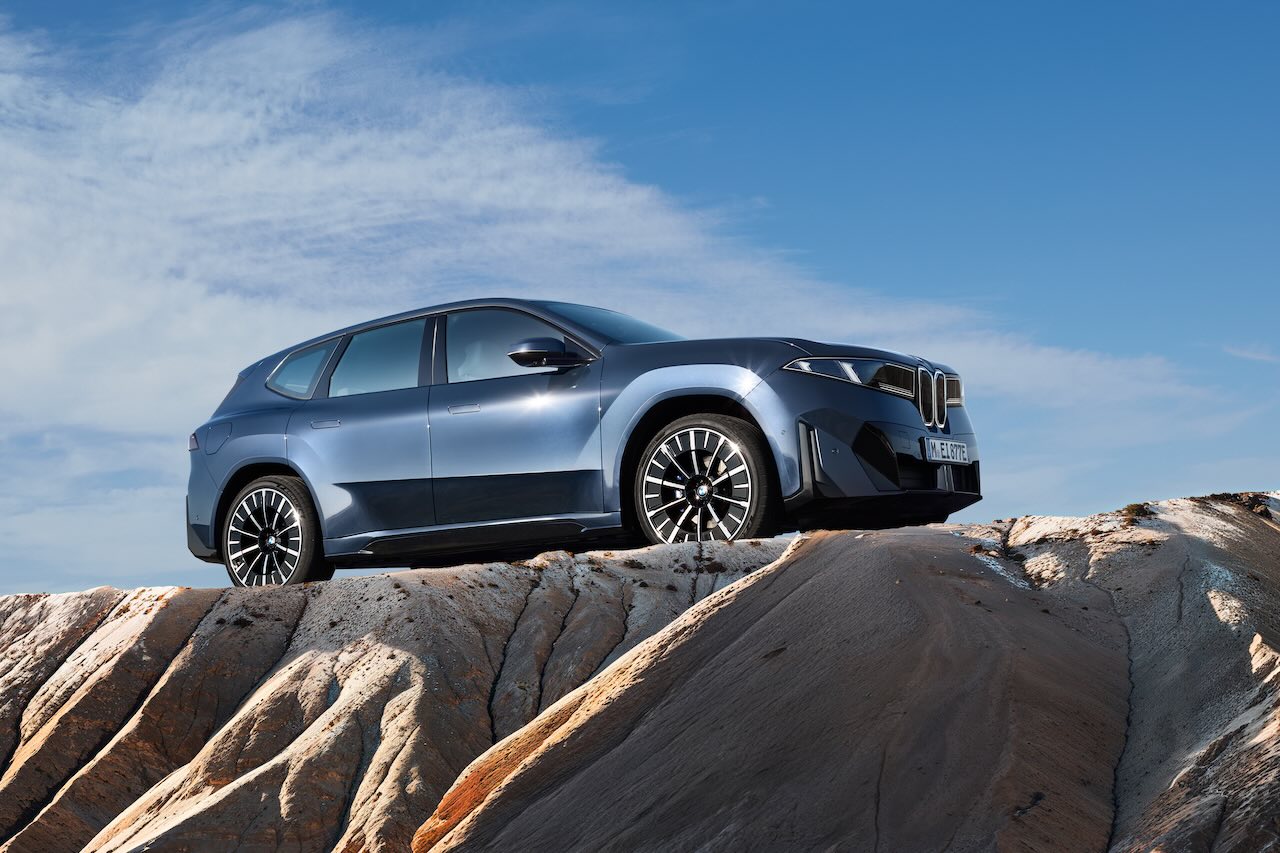
Hands-On with Nano-Texture Display: Why the M4 Pro Chip Makes the MacBook Pro the Best Laptop Yet

When Apple introduced the nano-texture display option, it revolutionized how creators like me interacted with their most crucial tool. Let’s face it, we look at the display on the laptop 100% of the time we use it, so it needs to be as perfect as humanly possible. Until now, despite countless improvements from Apple and others, no display has truly nailed the combination of resolution, quality, accuracy, and glare reduction. This is the first time it genuinely feels like everything has come together perfectly. As someone who frequently battles glare while simultaneously demanding the ideal combination of portability and power, I wholeheartedly believe that the MacBook Pro 14-inch, equipped with the formidable M4 Pro chip, represents a significant improvement that fully satisfies all my creative demands.

Designer: Apple

The Glare-Killing Game Changer: How Does Nano-Texture Technology Work?

The magic lies in microscopic etchings that break down light waves. Instead of applying a coating that dulls the display, Apple precisely alters the glass surface itself. These nanometer-scale etchings scatter ambient light while attempting to maintain the display’s inherent color accuracy and contrast.

The nano-texture display, a $150 upgrade, felt like a luxury at first—until I used it for the first time today. Working outdoors, on airplanes, in cars, or any bright environment is now effortless. Previously, my 16-inch M1 Max MacBook Pro would glare so much under sunlight that I’d have to squint or move indoors. Now, with the nano-texture display, direct sunlight feels irrelevant. I placed both laptops side-by-side during my testing, and the difference was immediate. The nano-texture display stood out, turning a frustrating glare-filled workspace into a productive one.

Apple’s nano-texture technology effectively reduces glare—it’s the closest thing to a paper-like feel I’ve experienced on a laptop screen, offering a unique viewing experience akin to a printed photograph. The etched surface scatters light evenly, making it comfortable to look at for long hours without that usual agony of dealing with glare. The crisp colors and contrast are still intact, which is crucial for my work. The nano-texture display also gives me a genuine sense of immersiveness, drawing me in without distraction, which is particularly beneficial for long sessions of writing, editing images, and videos. Whether I’m writing or editing images or videos, the screen performs seamlessly, with wide viewing angles and consistent quality, regardless of lighting conditions.

Performance Characteristics and Viewing Experience:

  • Glare Reduction: Exceptional, with near-complete elimination of reflections in diverse lighting conditions.
  • Color Preservation: Slightly reduced color vibrancy compared to glossy displays but maintains remarkable consistency across different environments.
  • It feels like viewing a printed photograph
  • Maintains readability in bright sunlight
  • Provides consistent visual performance from multiple angles

Nano-texture is specifically designed for the following professional use cases:

  • Photographers and visual artists
  • Professionals working in variable lighting environments
  • Creators who prioritize consistent display performance over peak color saturation

Portability Without Performance Compromise

For someone who is always on the move, the weight of my gear matters as much as its performance. The M4 14-inch MacBook Pro is incredibly light at 3.5 pounds compared to the 16-inch, which is heftier at 4.7 pounds and almost on par with the 15-inch MacBook Air M3, which weighs 3.3 pounds. This reduction might not sound significant on paper, but it’s transformative in daily use—especially when carrying other essentials.

The smaller display size could seem limiting, but it works perfectly for my needs in real-world use. As an editor and journalist who runs multiple tasks simultaneously—often including working in tight spaces like cafés or planes—the compact form factor fits seamlessly into my workflow without feeling like a compromise. As a one-bag packer, the smaller M4 MacBook Pro fits easily into my backpack, allowing me to travel light without sacrificing capability.

Performance: Effortless Efficiency

Apple Silicon has spoiled me with its reliability. The M4 Pro chip continues the tradition of handling demanding tasks without hiccups. Whether I’m editing a 4K video, running multiple content creation applications, or using a native AI app to transcribe audio to text, the performance is seamless. Efficiency isn’t just about speed—it’s about working without worrying if my machine can keep up.

What’s most surprising is how quiet it remains, even under heavy loads. I’ve been extremely spoiled by the noiseless MacBook Air, thanks to its fanless architecture, so this is a welcome feature during late-night writing sessions or when working in quieter environments. Nano-Texture: The Heart of the Upgrade

This display technology presents the perfect opportunity to upgrade—at this very moment. The nano-texture screen significantly reduced reflections, transforming how I work in mixed lighting conditions. My work remains vibrant and clear in a sunlit office, where glare usually dominates. At the same time, in dimly lit offices, the contrast and color accuracy stay sharp. It feels like the display adapts to me rather than vice versa.

For those already using an M1 Max MacBook Pro, the move to the M4 Pro might feel incremental on paper. But for me, it’s the culmination of subtle refinements: the nano-texture display, compactness of the 14-inch form factor, and even more efficient performance. These changes align perfectly with all my daily needs. It’s about having reliable tools that enhance my workflow and make my day-to-day tasks more efficient.

The M4 14-inch MacBook Pro is a reliable and essential part of how I create, edit, and collaborate every day. This is just a rough hands-on, and the full review is forthcoming. I have a trip to Japan, China, and then Dubai in the next few weeks back to back, and I can’t wait to put it through real-world tests. Starting at $1,999, with the nano-texture display option adding $150, it’s an investment that feels justified every time I power it on. For anyone who demand the best from their gear, this MacBook Pro delivers an experience worth every dollar.

The post Hands-On with Nano-Texture Display: Why the M4 Pro Chip Makes the MacBook Pro the Best Laptop Yet first appeared on Yanko Design.
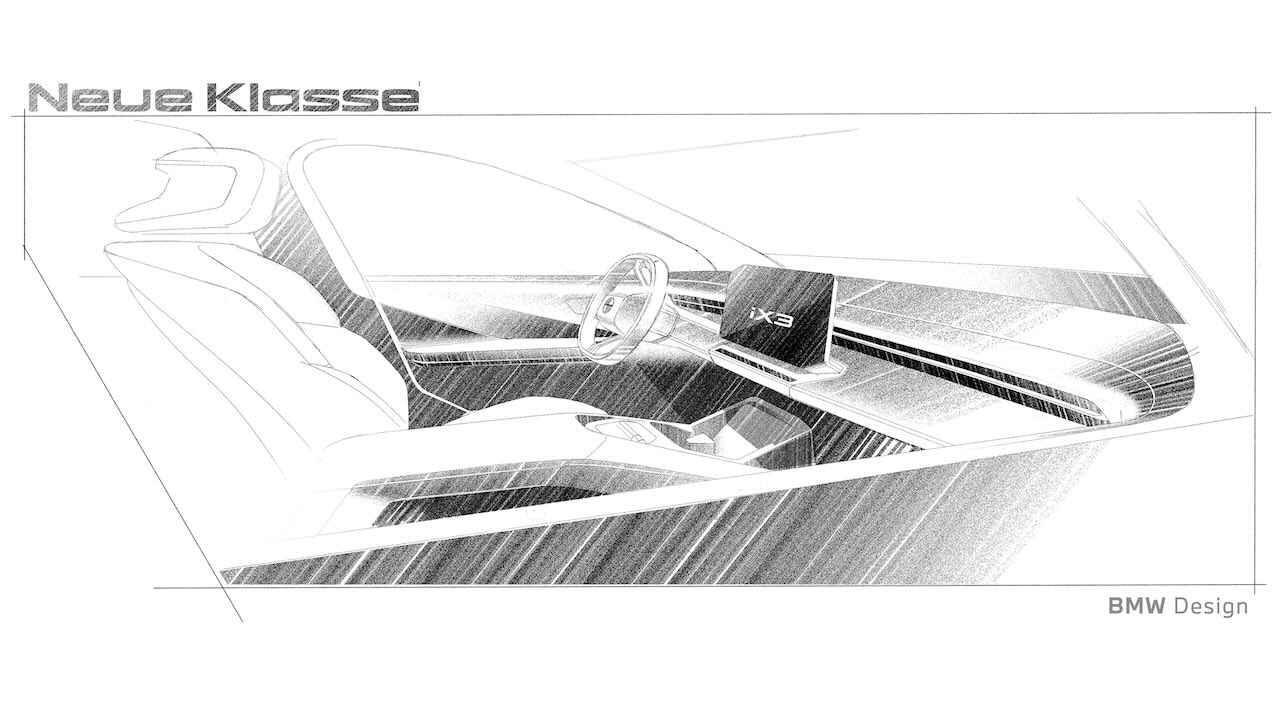
The Goldstein Estate: A Living Sculpture of Architectural Ingenuity

Exploring the Sheats-Goldstein Residence feels like stepping into a space where time, design, and personal vision converge seamlessly. Perched in the hills of Los Angeles, this architectural creation embodies the principles of organic architecture while showcasing decades of meticulous transformation under the stewardship of its visionary owner, James Goldstein. Initially designed in 1961 by John Lautner, a protégé of Frank Lloyd Wright, the residence has evolved beyond its initial purpose, becoming a continually changing work of art.

Designer: John Lautner

A Home’s Humble Beginnings

Helen and Paul Sheats originally commissioned Lautner to create a family home that would integrate seamlessly with its natural surroundings. Lautner took on this challenge boldly, using expansive glass panels and concrete forms that mirrored the rugged hillside. These choices made the house feel like an extension of the landscape. The original structure, built between 1961 and 1963, featured five bedrooms and four and a half bathrooms. The home was constructed using poured-in-place concrete, steel, and wood, built directly into the Beverly Crest neighborhood’s sandstone ledge of the hillside. The original living room was completely open to the terrace, protected only by a forced air curtain. The design emphasized open spaces and connections to the natural environment, typical of Lautner’s organic architecture philosophy.

However, by the time James Goldstein bought the property in 1972, it was severely neglected. The living room lacked walls, utilities were in disarray, and the entire structure needed significant repair and revitalization.

Goldstein went beyond simple repairs, working alongside Lautner and later architect Duncan Nicholson to completely transform the property. Together, they took it far beyond its original state, turning it into an architectural icon that reflected Goldstein’s intense attention to detail. The renovations introduced innovative elements for their time—fully automated windows, integrated furnishings, and open spaces that seamlessly connected indoor and outdoor environments. Goldstein’s modifications included removing dated carpeting and exposing the signature coffered concrete ceiling pierced by 750 skylights made from drinking glasses. In the Sheats-Goldstein Residence, “drinking glasses” refer to a unique architectural feature designed by John Lautner. Specifically, 750 drinking glasses were ingeniously cast into the concrete roof structure of the house, creating an extraordinary skylight system.

Architectural Significance

Lautner intentionally used these drinking glasses to create a remarkable lighting effect in the main living space. When sunlight passes through these 750 tiny skylights, it generates a mesmerizing pattern of light rays that dance across the interior, mimicking the effect of sunlight filtering through a jungle canopy.

Design Philosophy This innovative approach reflects Lautner’s architectural philosophy of creating immersive spatial experiences. The drinking glasses transform the ceiling into a dynamic, light-filled canvas, making the interior feel like a living, breathing environment. As one source describes, the skylights create “the illusion of light penetrating a jungle canopy” and produce the impression of “moving lights on the ground,” giving occupants the sensation of walking through a primeval forest.

The drinking glasses are more than just a functional element; they are an artistic expression that blends architecture, light, and natural experience into a single, breathtaking design feature of the Sheats-Goldstein Residence and redesigning key areas like the fireplace and dining room.

The Master Bedroom: A Sanctuary of Precision

Among the many redesigned parts of the home, the master bedroom stands out as a showcase of Lautner’s forward-thinking vision and Goldstein’s desire for something completely unique. Redesigned to fit Goldstein’s preferences, the room features a concrete lounge that appears to grow from the floor itself, positioned perfectly at a glass corner that disappears at the press of a button. This space is a bedroom reimagined—built with exacting precision to meet Goldstein’s vision.

I had the opportunity to briefly chat with James Goldstein, the owner, and asked him what was the most challenging part about the renovation. He shared that the master bedroom was by far the most difficult aspect, taking him over four years to complete. He mentioned that it took longer than if he had just built it from scratch, reflecting the intricacy and dedication in making this space truly unique.

The master bedroom showcases extraordinary design elements that illustrate this dedication. The triangular day bed is designed to align with the room’s shape, its tip precisely matching the tip of the floor slab. The glass walls can slide away smoothly, connecting indoor and outdoor spaces seamlessly. There are also unique touches, such as an embedded hidden scale within the wood floor, inlaid with marble, and an angular glass sink that, when tapped, reveals a wood deck and hot tub beyond a glass partition. The entire suite was redesigned with every element—floors, cabinets, bed, toilets, and sink to closets—to suit Goldstein’s lifestyle.

Beyond the impressive engineering, every detail within the master bedroom reflects an intentional departure from traditional design. The integrated closets have been carefully designed to eliminate clutter, allowing the room to maintain an uninterrupted flow. The sculptural bathroom fixtures feel like an extension of the room’s architectural lines—nothing was installed without consideration for its function and place in the larger composition of the space. Goldstein’s approach made the master bedroom a living sculpture, where every piece contributes to continuity and immersion.

The Pool: A Redefining Feature of Los Angeles Homes

The pool, an unmistakable highlight of the residence, became an architectural feature that pushed the boundaries of residential design at the time. Originally lined with plaster, the pool was transformed into one of the first infinity pools in Los Angeles. Lautner and Goldstein eliminated the traditional railings, instead designing it to give the impression of water merging into the horizon—a visual trick that made it seem like both the pool and the house were suspended above the city.

This design choice wasn’t purely aesthetic. The pool was constructed with thoughtful details that enhanced the experience of the house as a whole. Three underwater windows, installed within the master bedroom, provide a unique perspective into the pool. Initially conceived as a way for Helen Sheats to keep an eye on her children while they played, the feature now offers a whimsical and unexpected viewpoint, adding an element of surprise to the space. Goldstein’s decision to retain and enhance these elements shows his appreciation for Lautner’s original intent while infusing the house with his own personality.

Concrete and Steel: A Dialogue of Materials

The interior furnishings of the Sheats-Goldstein Residence reflect the same dedication to material innovation and permanence that defines its architecture. Much of the furniture was crafted from concrete and stainless steel and installed as fixed features, blurring the lines between structural elements and decor. The living room furniture, for instance, is integrated into the layout, creating a sense of permanence—as though the furnishings are just as essential to the building as its walls.

The dining room contains a custom-built table that exemplifies the home’s material palette. Its thick, beveled glass surface rests upon two angular concrete pedestals, echoing the same angular forms seen throughout the house. The result is a cohesive environment where each piece of furniture serves its intended purpose while contributing to the larger architectural narrative.

The kitchen was also entirely transformed under Goldstein’s guidance. Gone were the original Formica countertops, replaced with wet-sanded concrete that offered both durability and a refined aesthetic. Stainless steel cabinetry adds a sleek and modern touch, reflecting the daylight streaming through an automated skylight that opens above. Left deliberately exposed, a structural beam was finished in glossy stainless steel, becoming less a structural necessity and more an intentional design statement—a demonstration of the beauty in raw functionality.

An Evolving Legacy

James Goldstein’s dedication to the property extended beyond simple restoration or renovation. In 2016, he took an extraordinary step to ensure the residence’s future, gifting the house to the Los Angeles County Museum of Art (LACMA). This gift wasn’t limited to the structure alone; it included everything from the home’s extensive art collection to the original architectural models used during its conception. Even a 1961 Rolls-Royce Silver Cloud, often seen parked on the property, was part of this bequest—each piece telling a part of the story of the house’s evolution.

The Sheats-Goldstein Residence is not frozen in time; it continues to grow and change. One of the most recent projects includes the Goldstein Entertainment Complex—an addition that includes a nightclub and entertainment spaces that complement the original design without compromising it. Designed to align with Lautner’s original approach, these new elements add functionality while staying true to the home’s aesthetic vision. The property also includes unique features like a tennis court, a James Turrell Skyspace installation, and plans for a guest house that is currently in development. The grounds, now spanning over 1.5 hectares, are a testament to careful curation—hidden walkways snake through lush vegetation, reflecting ponds create moments of calm, and the Skyspace adds an element of quiet reflection that enhances the overall experience of the property.

A Living Collaboration

The Sheats-Goldstein Residence reflects the collaboration between visionary architects and a homeowner committed to pushing the boundaries of what a living space could represent. Each detail speaks to a profound respect for Lautner’s original vision and Goldstein’s unwavering desire to innovate and improve. This home is a feat of design—a structure that moves beyond the traditional concept of a residence, instead becoming a continually evolving expression of design, creativity, and dedication. It is a true partnership between architecture and lifestyle, continually expanding the idea of what a home can become, inspiring all who step into its space.

The post The Goldstein Estate: A Living Sculpture of Architectural Ingenuity first appeared on Yanko Design.
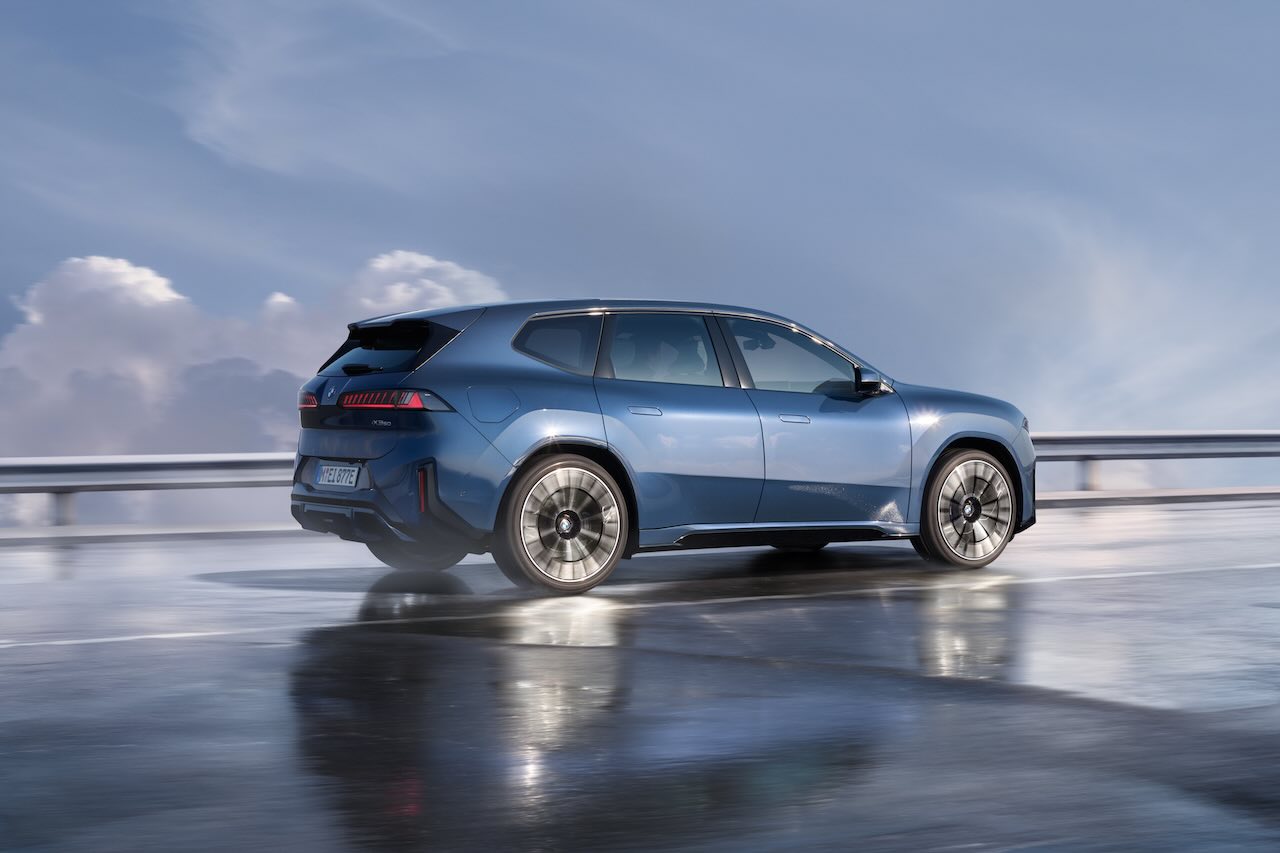
Hyundai Expands IONIQ Lineup with the Innovative IONIQ 9: Big on Space, Bigger on Tech

Hyundai has taken another bold step in redefining electric vehicles with the unveiling of its newest flagship, the IONIQ 9, a three-row electric SUV. This addition to Hyundai’s IONIQ lineup prioritizes expansive space and cutting-edge technology, pushing the boundaries of what customers can expect from an electric SUV. The IONIQ 9 was recently revealed at the iconic Goldstein House in Los Angeles, reflecting Hyundai’s commitment to innovation and progress in the EV market, as well as the company’s goal of a full lineup of 23 EV models by 2030. This venue represents the harmony between timeless architecture and futuristic automotive design, aligning with Hyundai’s vision for an electrified future.

Designer: Hyundai

The IONIQ 9 represents Hyundai’s determination to combine aesthetics, functionality, and electric performance in one sophisticated package. Focusing on the needs of modern drivers, it is designed to offer an unparalleled driving experience that integrates state-of-the-art technology, environmental consciousness, and innovative design language. Its unveiling at the Goldstein House emphasizes the harmony between timeless architecture and futuristic automotive design, encapsulating Hyundai’s vision for an electrified future.

Exterior Design

Hyundai’s ‘Aerosthetic’ design philosophy is prominently displayed in the IONIQ 9, combining aerodynamic innovation with futuristic styling to enhance both form and function. The IONIQ 9’s exterior design is built on the concept of blending form and function to enhance performance and aesthetics. A smooth, curved roofline creates a streamlined silhouette, aiding in the vehicle’s aerodynamic efficiency. Integrated digital side mirrors and a carefully sculpted 3D-shaped underbody cover contribute to the vehicle’s low drag coefficient of just 0.259 Cd. This improves the vehicle’s efficiency and presents a distinct, forward-looking aesthetic.

The Parametric Pixel lamps—a hallmark of the IONIQ series—add a futuristic flair, seamlessly merging into the bodywork to create a unified and distinctive front profile. The vertical headlights accentuate the bold character of the SUV, while the sculpted rear haunches emphasize the strength and solidity of its stance. With its graceful curve and smooth body panels, the roofline contributes to a minimalist yet sophisticated appearance that aligns with Hyundai’s broader design ethos of sleekness and innovation. Incorporating flush door handles further enhances the vehicle’s clean lines, reducing drag and adding to the overall aerodynamic integrity.

Attention to detail in the exterior extends to functional elements like the 3D underbody cover and aerodynamic wheels designed to minimize drag and improve overall efficiency. The hidden antennas contribute to the smooth roofline, ensuring there are no protruding parts that might interrupt airflow. The design also includes a dual-motion active air flap (AAF) system that enhances air sealing, optimizing aerodynamic performance while adding to the sleek visual appeal of the vehicle. The fenders and quarter panels are made of lightweight aluminum, which contributes to overall efficiency but also aids in balancing performance with structural strength.

Interior Design

The interior of the IONIQ 9 is designed to redefine comfort and spaciousness. Featuring a fully flat floor, the interior maximizes available space, making it perfect for families or groups. Hyundai has utilized its Electric-Global Modular Platform (E-GMP) to ensure that the floor remains unobstructed, allowing passengers to move freely within the cabin and making it easier to configure seating arrangements according to specific needs. The cabin is characterized by elliptical design elements and calming tones, which create a lounge-like, serene environment. This emphasis on a calming atmosphere is further accentuated by the expansive Panoramic Sunroof, which floods the cabin with natural light and enhances the open feel of the space.

The IONIQ 9 features Relaxation Seats in the first and second rows, which can fully recline and are equipped with integrated leg rests. These seats are designed to provide comfort during long journeys or while charging, turning the interior into a rest area. s The slidable Universal Island 2.0 console is another standout feature, allowing passengers to easily access storage from different rows and enhancing the versatility of the cabin.

Hyundai has carefully selected materials to emphasize sustainability without compromising on luxury. Using Eco Process Leather, Recycled PET Fabric, and Bio Paint made from recycled tire waste showcases Hyundai’s commitment to eco-friendly material choices. The interior trim options include calming color palettes such as Obsidian Black and unique two-tone combinations like Cognac Brown with Creamy Beige, adding to the cabin’s upscale yet inviting feel. Ambient lighting and slim air vents further enhance the futuristic yet warm atmosphere, blending functionality with a soothing aesthetic.

Special Features

The IONIQ 9 introduces several unique features that enhance its functionality and the overall user experience. One of the most significant elements is the Dynamic Body Care system integrated into the Relaxation Seats. This system uses targeted vibration and pressure to stimulate blood circulation, effectively reducing fatigue on long drives. This feature is particularly useful during charging breaks, allowing passengers to relax and rejuvenate before continuing their journey. The IONIQ 9 also incorporates Hyundai’s Vehicle-to-Load (V2L) capability, allowing users to power external devices using the vehicle’s high-capacity battery—an ideal feature for outdoor enthusiasts and those who enjoy car camping.

The second-row Swiveling Seats are another unique aspect of the IONIQ 9, offering an uncommon interaction level in SUVs. By allowing passengers to face each other, the Swiveling Seats transform the cabin into a space for socializing, whether during a long trip or when parked. The North American market will not have this option available. This focus on communal space is complemented by the slidable Universal Island 2.0 console, which provides ample storage space and is accessible from both the front and rear rows. This console enhances the vehicle’s functionality and ensures that items are within easy reach for all occupants, emphasizing Hyundai’s focus on user-centric design.
Another innovative feature is the Hyundai AI Assistant, an AI-enabled voice recognition system that intuitively controls various in-car functions. By incorporating AI-driven voice commands, Hyundai aims to create a more seamless and convenient driving experience where drivers can manage climate settings, navigation, and infotainment without needing to take their hands off the wheel. The climate control system features a rear-independent function, allowing rear passengers to customize their climate settings. This ensures that everyone in the vehicle remains comfortable, regardless of seating position.

Focus on Ergonomics

Ergonomics have been central to the design of the IONIQ 9, with every aspect of the cabin optimized for comfort and convenience. The Relaxation Seats in the first and second rows provide full recline functionality and integrated leg rests, allowing occupants to relax during charging stops or extended drives truly. The seats are designed with the contours of the human body in mind, providing support where it’s needed most and ensuring comfort over long periods. The Dynamic Body Care system adds another level of ergonomic consideration by actively reducing muscle fatigue and enhancing comfort during drives.

The slidable Universal Island 2.0 console is another example of Hyundai’s ergonomic approach. It is positioned to be accessible from multiple rows, allowing passengers to easily reach items stored within without straining. This enhances the vehicle’s usability and comfort, particularly for passengers seated in the second row. The console’s bidirectional opening design means it can be accessed from both the front and rear, adding to its practicality and underscoring Hyundai’s commitment to a user-centric experience.

The panoramic curved display is strategically positioned to provide the driver with all necessary information without obstructing their line of sight. This contributes to overall driving safety while ensuring that vital data is always within view. The positioning of controls within the cabin is also designed to reduce driver distraction, with intuitively placed buttons and dials that are easy to reach. Hyundai has also integrated a shift-by-wire system positioned on the steering column, freeing up additional space in the center console and improving overall ergonomics.

The climate control system, which includes a rear-independent air conditioning function, is designed to maximize comfort for all passengers. By allowing rear passengers to set their climate preferences, Hyundai ensures everyone in the vehicle enjoys a comfortable ride. This system is particularly beneficial during family trips or long journeys, where individual comfort needs vary. The slim roof air vent works with the Panoramic Sunroof to provide a well-ventilated, comfortable cabin environment that feels open and airy.

Material Choices

Hyundai’s commitment to sustainability is evident in the material choices for the IONIQ 9. The vehicle’s interior features Eco Process Leather, which is treated using a reduced chemical process to minimize environmental impact while retaining the luxurious feel expected in a high-end vehicle. Recycled PET Fabric is used extensively throughout the cabin, giving a second life to plastic bottles and other materials that would otherwise contribute to landfill waste. The use of these recycled materials aligns with Hyundai’s vision of creating a sustainable future without sacrificing quality or comfort.

Bio Paint, made from recycled tire waste, is used on interior trim pieces, adding another layer of sustainability to the IONIQ 9’s design. This innovative paint reduces waste and contributes to a cleaner production process. Hyundai has also utilized Bio TPO/PU Skin and Bio PET/SUEDE Fabric, highlighting its commitment to reducing environmental impact through material innovation. The interior trim options are designed to evoke a sense of tranquility, with a range of colors that promote a calming atmosphere, such as Mud Gray with Creamy Beige and Dark Teal with Dove Gray. These color choices enhance the interior’s aesthetic appeal and create a soothing, lounge-like environment perfect for long journeys.
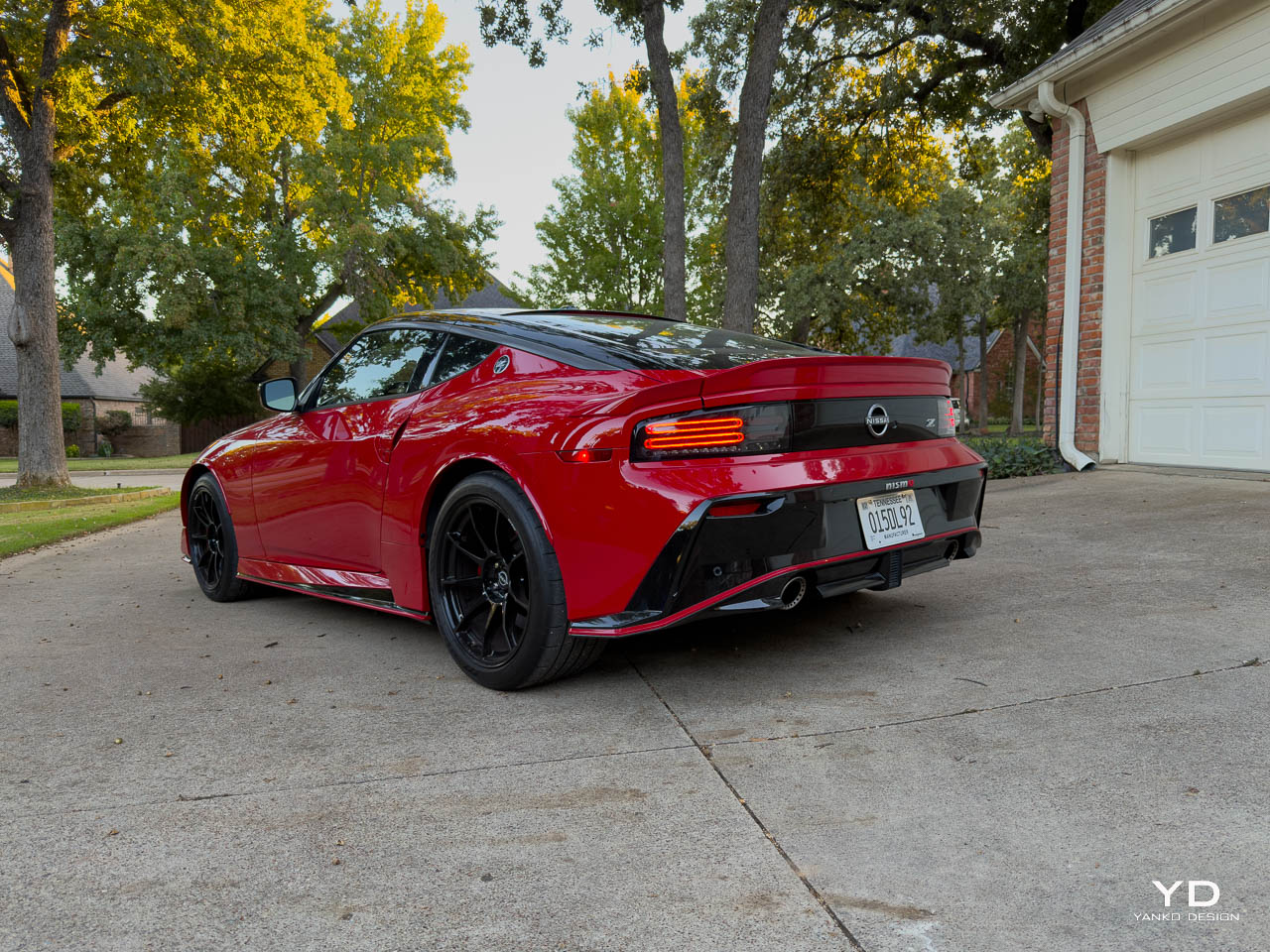
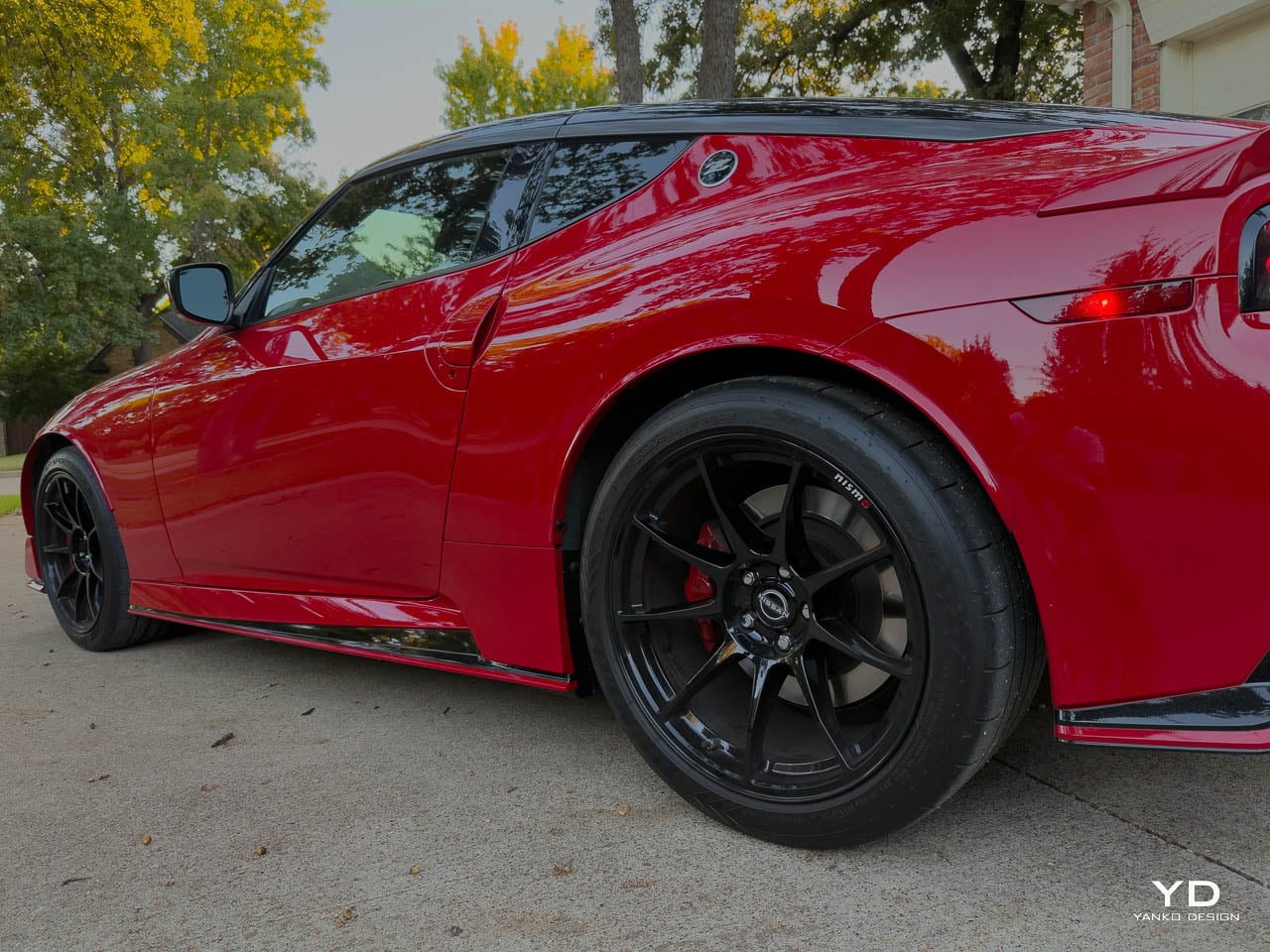
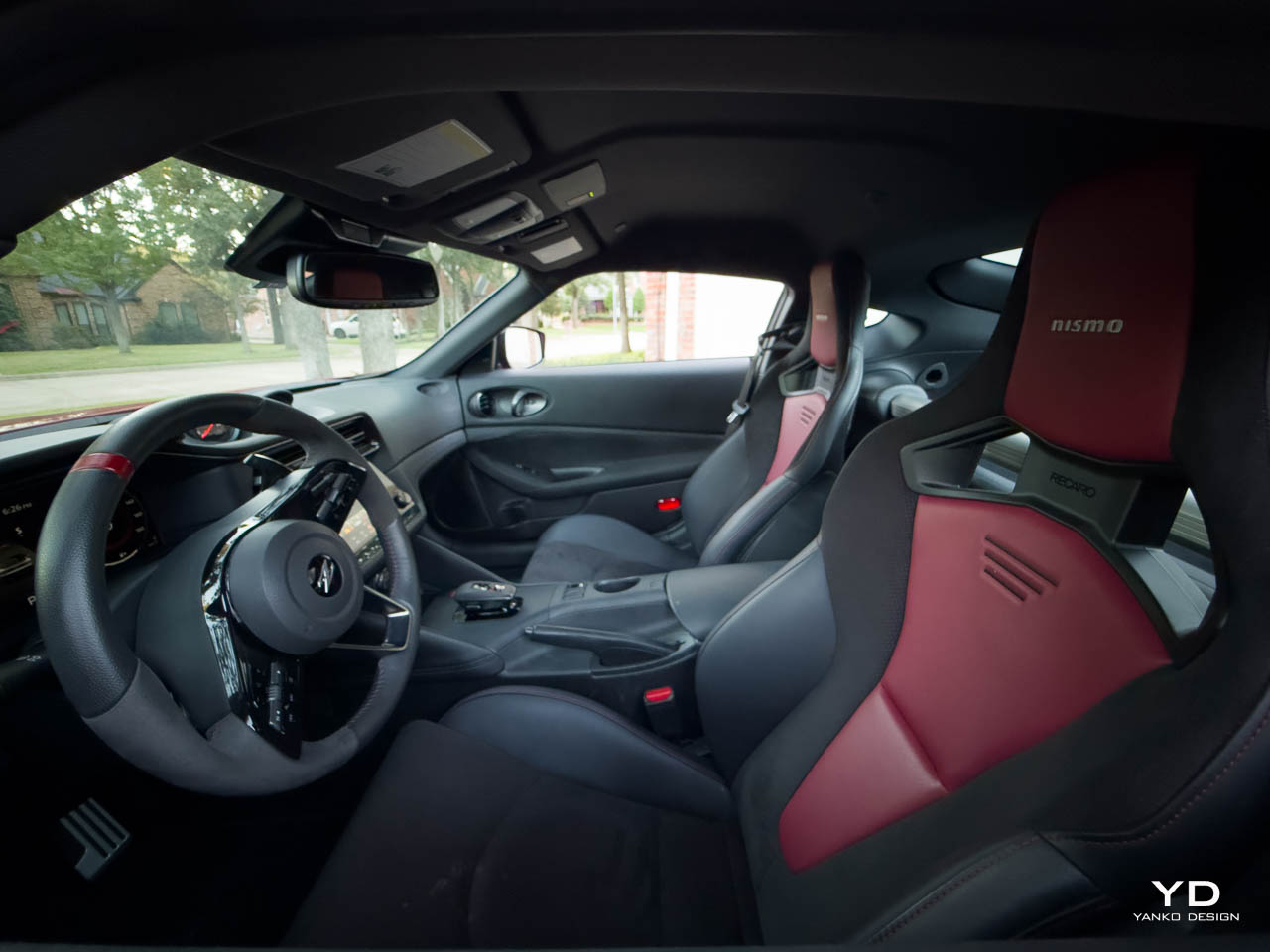
The emphasis on sustainable and premium materials extends to the exterior as well. The aluminum fenders and quarter panels are not only lightweight, helping to improve overall efficiency, but are also durable, ensuring the vehicle can withstand the rigors of daily use. The exterior paint options include several new hues, such as Celadon Gray Matte and Ionosphere Green Pearl, contributing to the IONIQ 9’s sophisticated and distinctive appearance. These carefully selected materials and finishes reinforce Hyundai’s commitment to sustainability while offering customers a premium, thoughtfully designed vehicle.

Have you been waiting for a big, bold, and practical EV?

The IONIQ 9 might be it. Combining advanced ergonomic features, sustainable material choices, and a sleek, aerodynamic exterior, the IONIQ 9 offers a unique blend of technology, comfort, and performance, perfect for modern consumers who value style and sustainability. Hyundai continues to push the boundaries of electric mobility, and the IONIQ 9 stands as a beacon of what the future holds in electric vehicle design and functionality. It offers a unique blend of technology, comfort, and performance, catering to modern consumers prioritizing style and sustainability. As Hyundai continues to push the boundaries of what is possible in electric mobility, the IONIQ 9 stands as a symbol of the future—a future where design and functionality coexist to create truly exceptional vehicles.

The post Hyundai Expands IONIQ Lineup with the Innovative IONIQ 9: Big on Space, Bigger on Tech first appeared on Yanko Design.