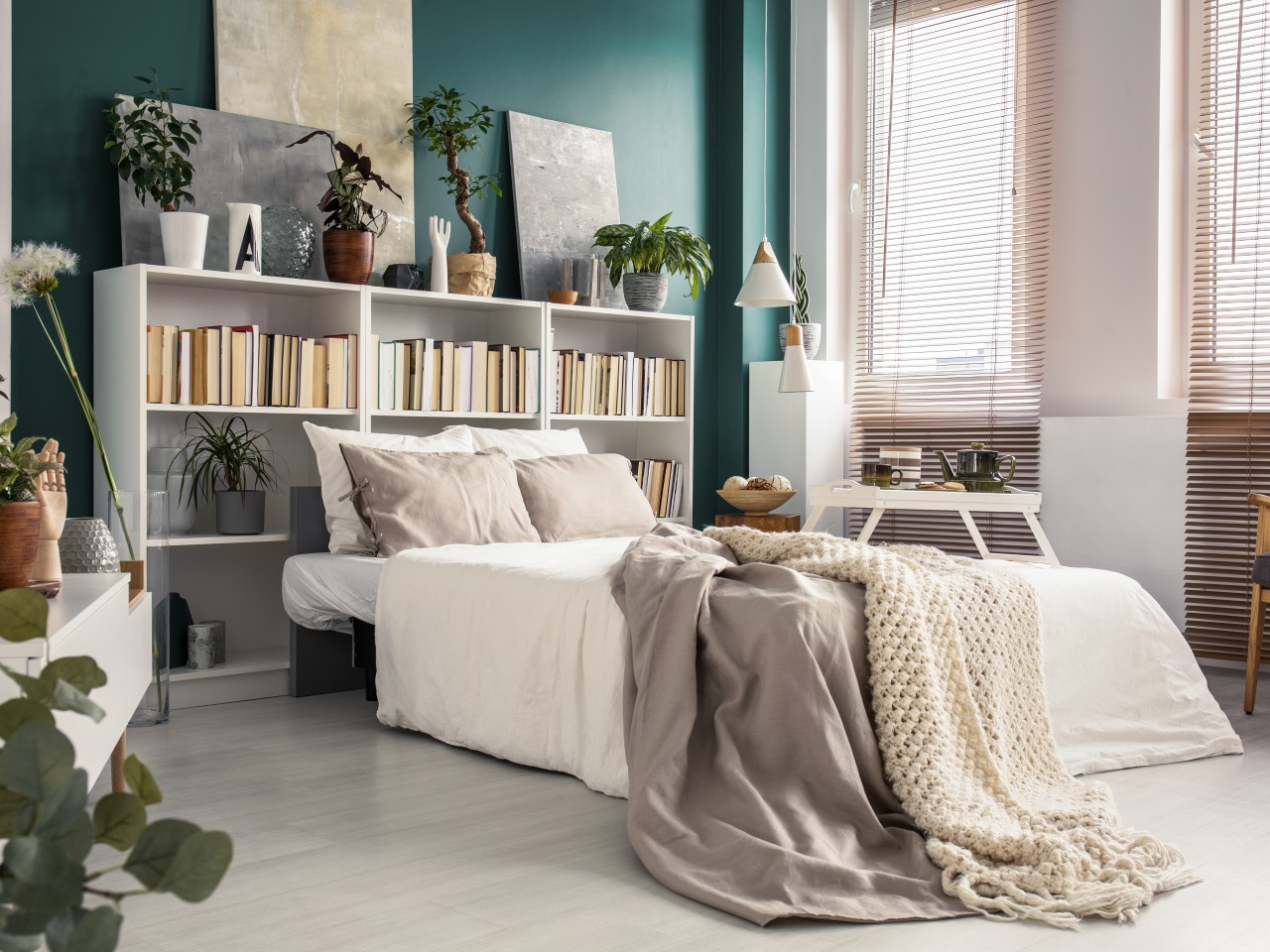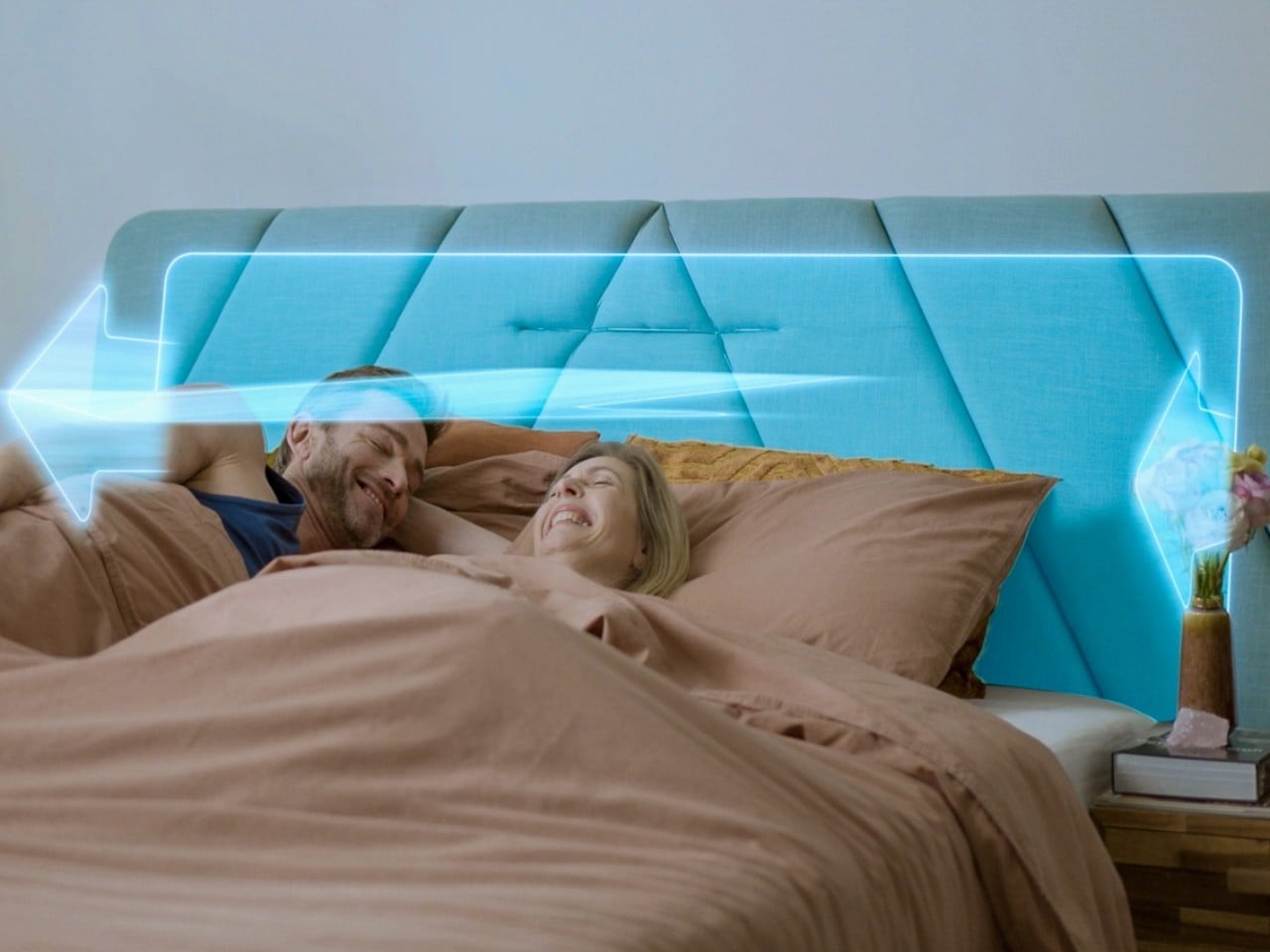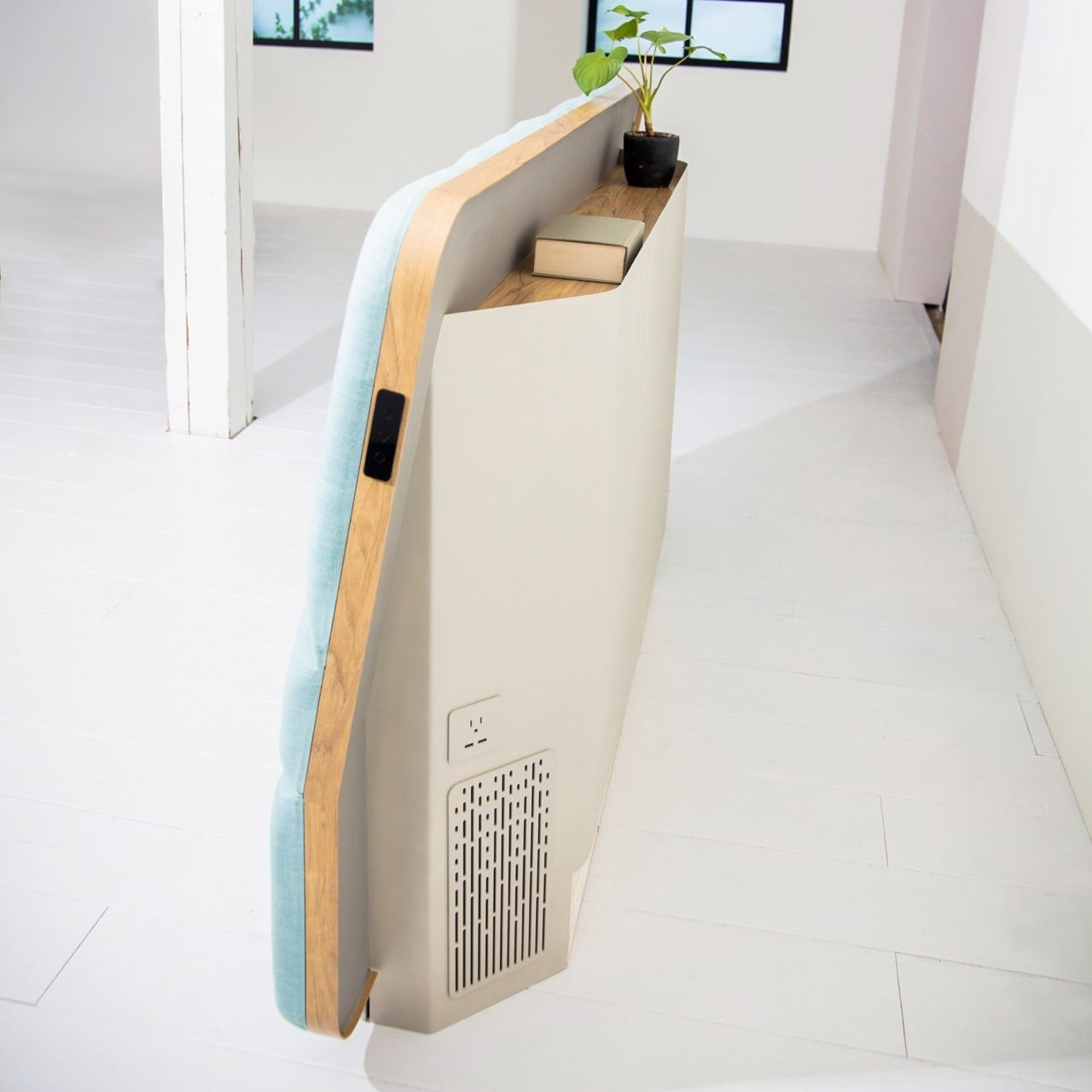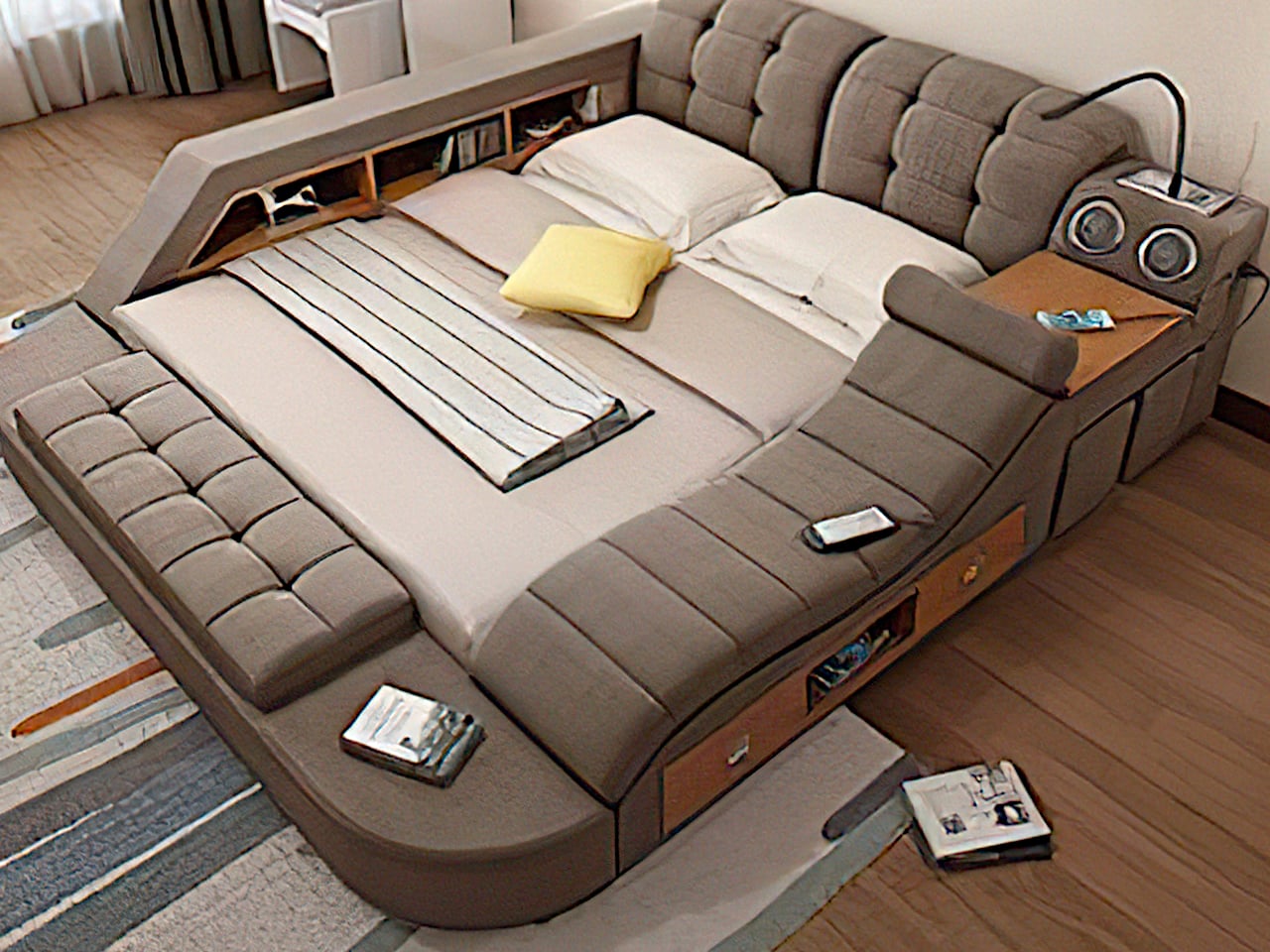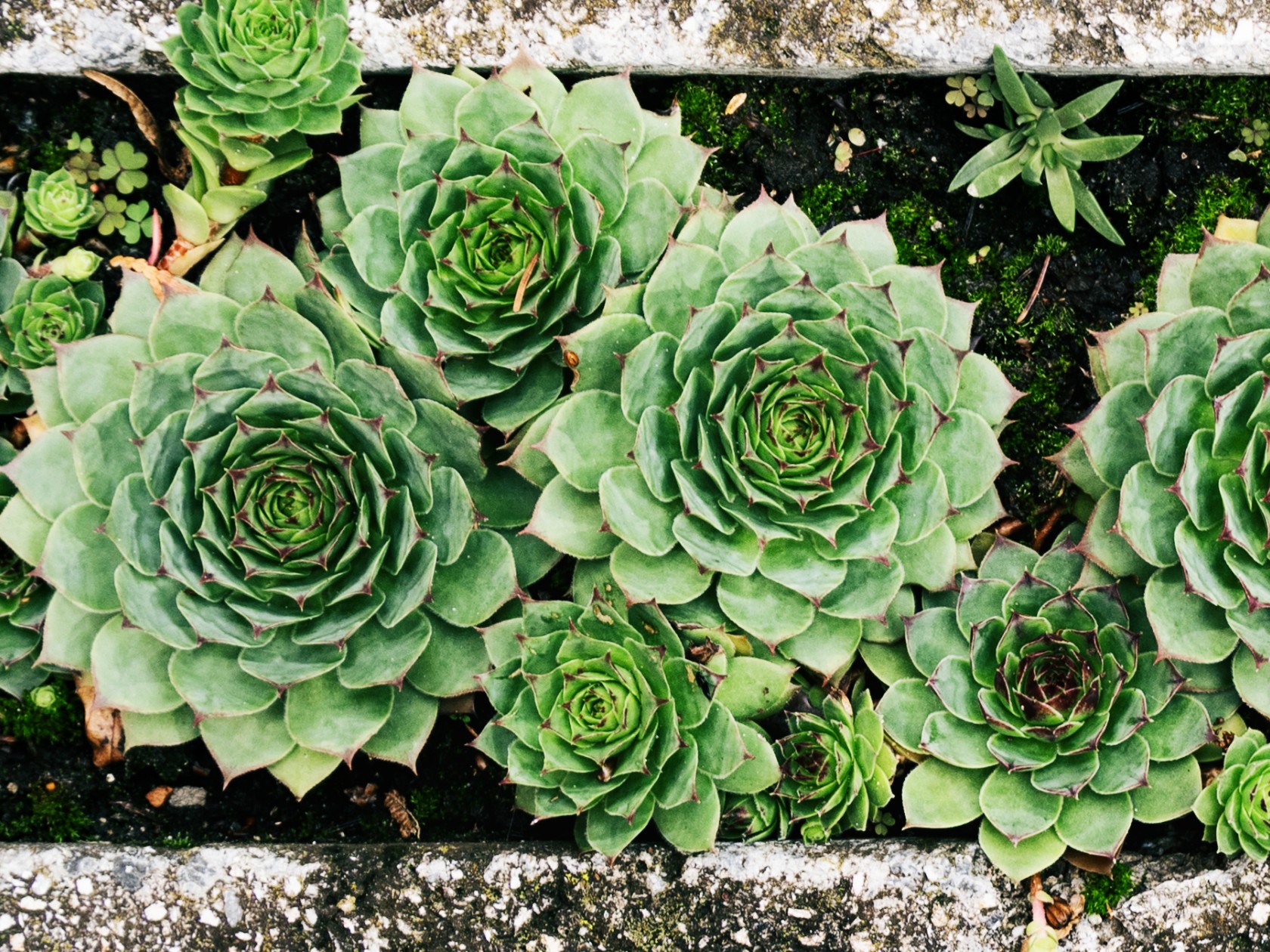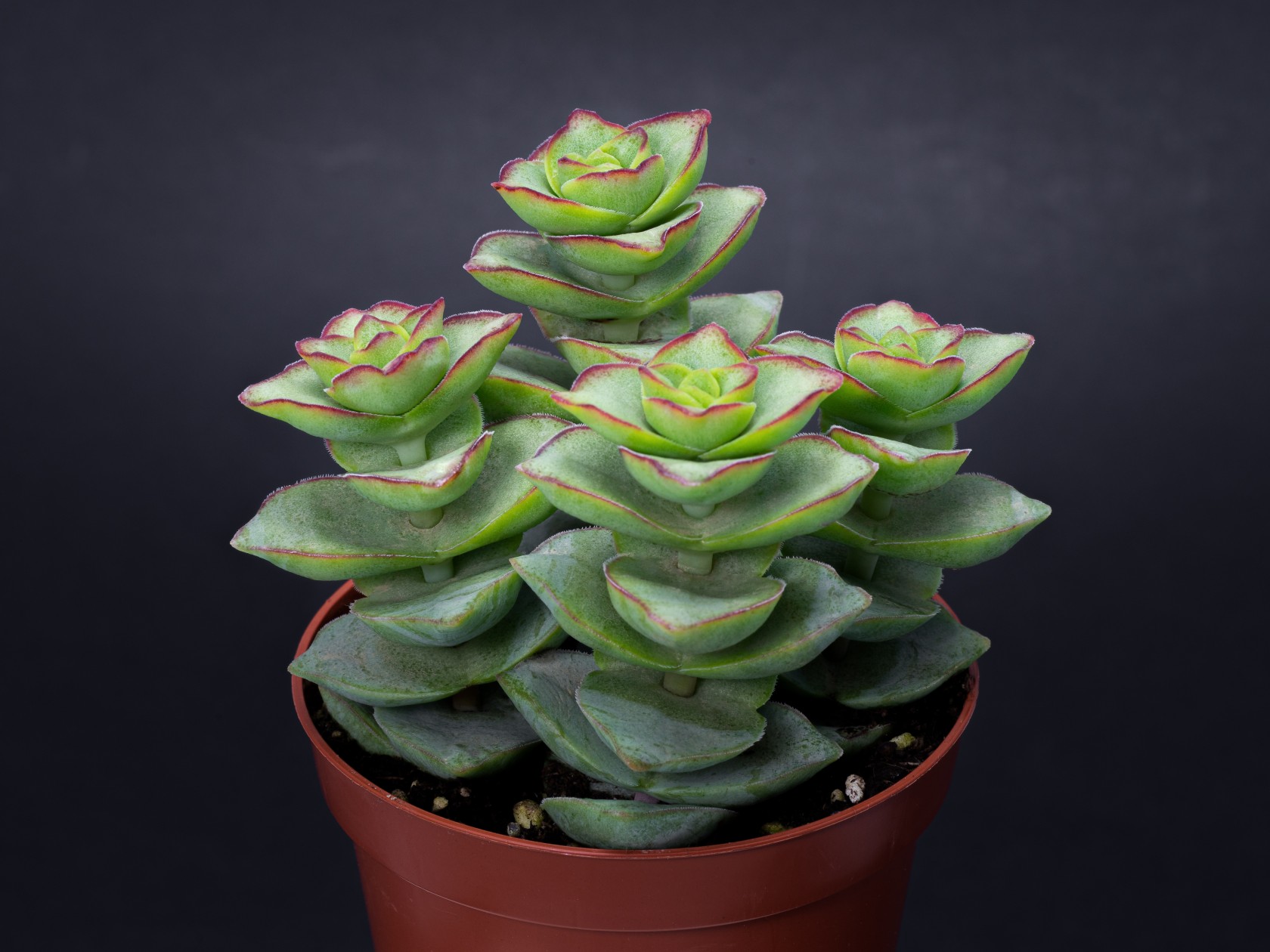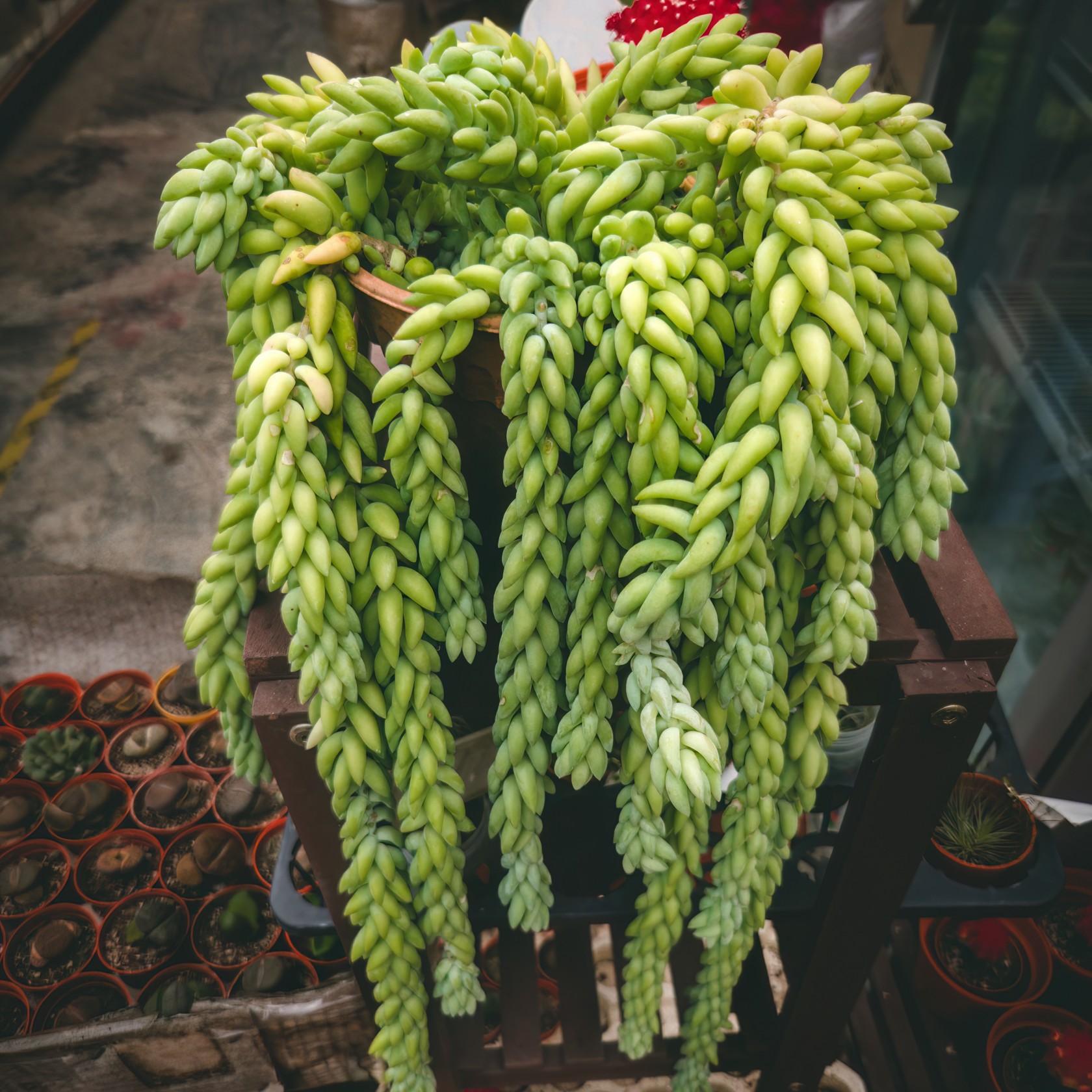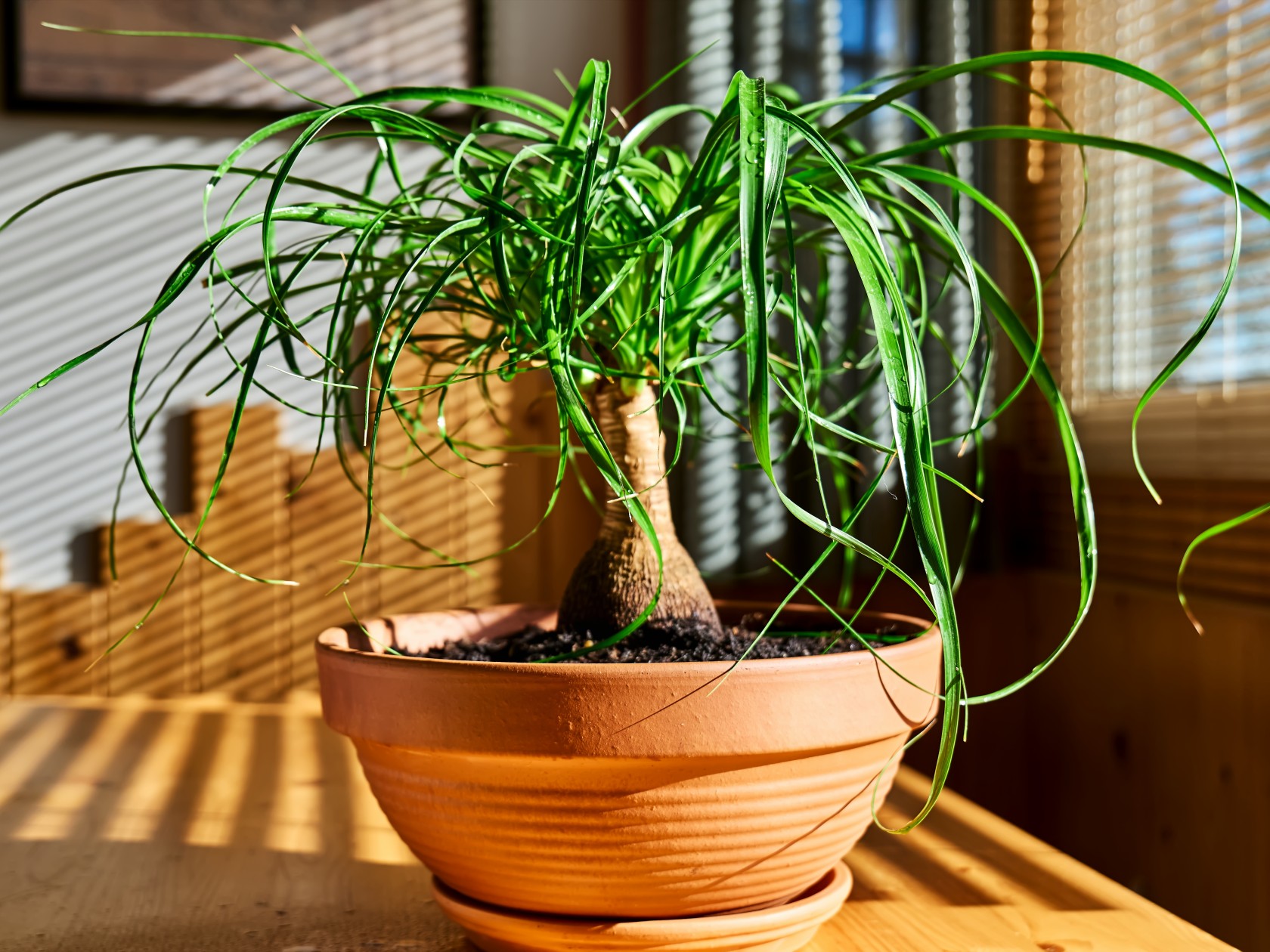
How To Design Your Backyard Garden From Scratch

Starting a garden can be a fun as well as a meditative experience where you care for, nurture, and enjoy watching your plants grow and produce fruits or vegetables. Since starting a garden from scratch can feel overwhelming, let’s simplify it into manageable steps to maximize your space and enjoyment. While gardening fundamentals vary based on location, season, microclimate, soil, and plant preferences, here are some general steps to begin your first garden from scratch.

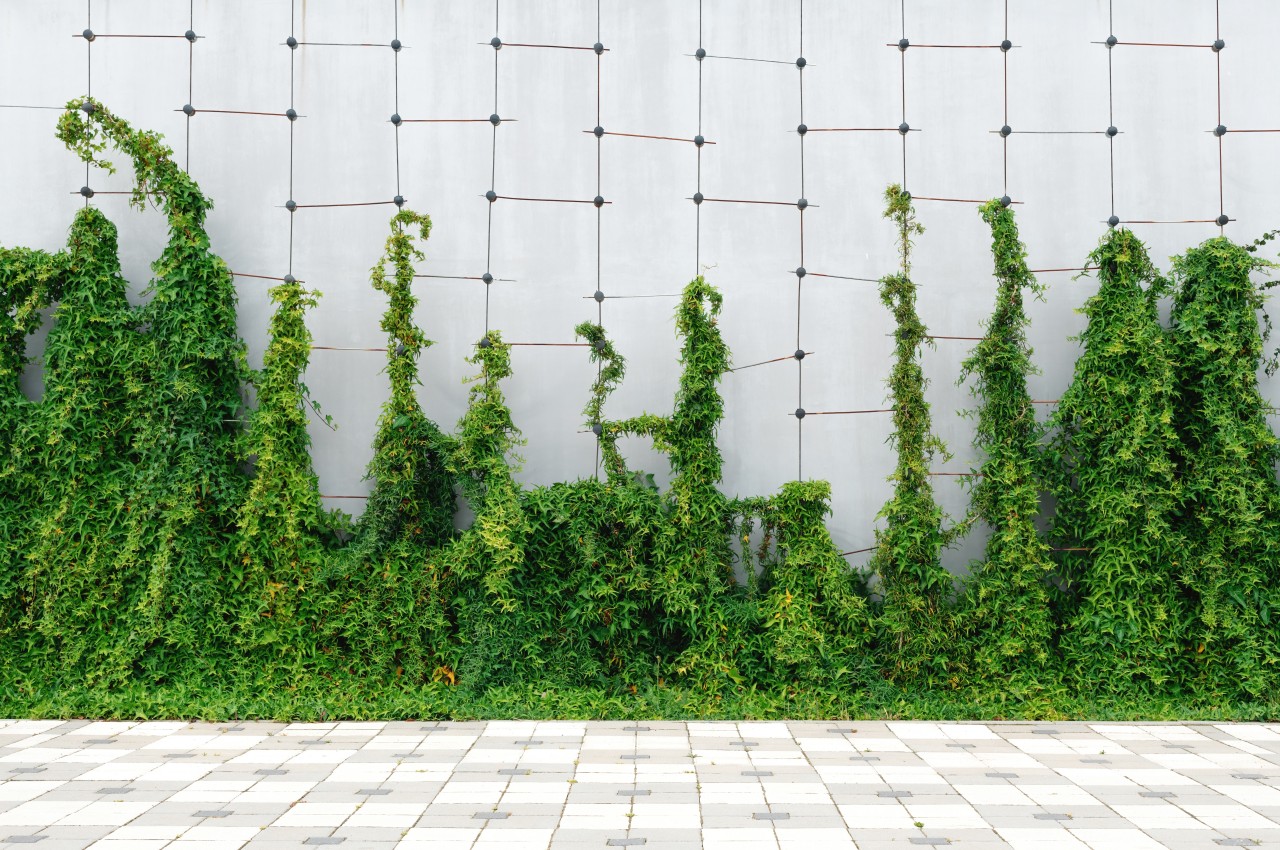
Image courtesy of: kryzhov

1. Consider Your Planting Options

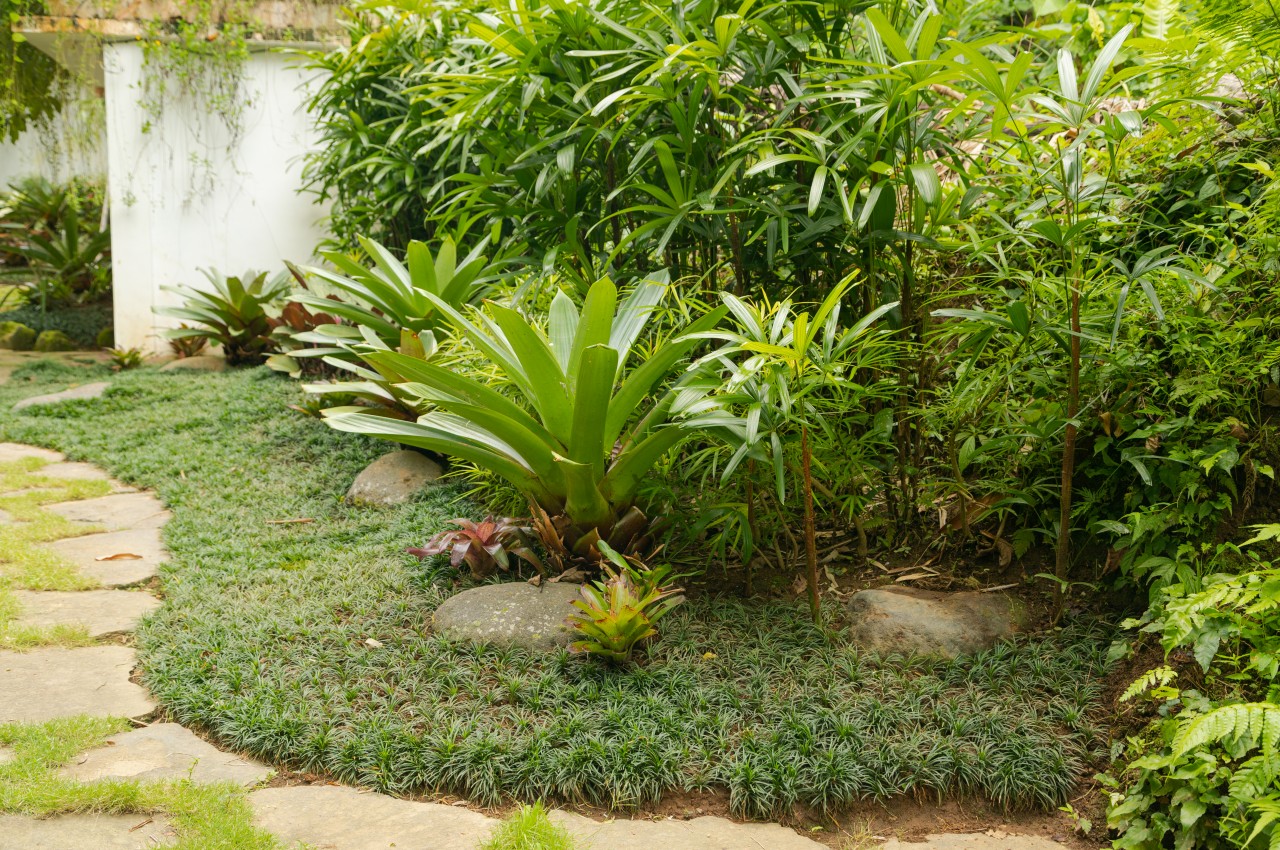
Image courtesy of: pokypkimoi

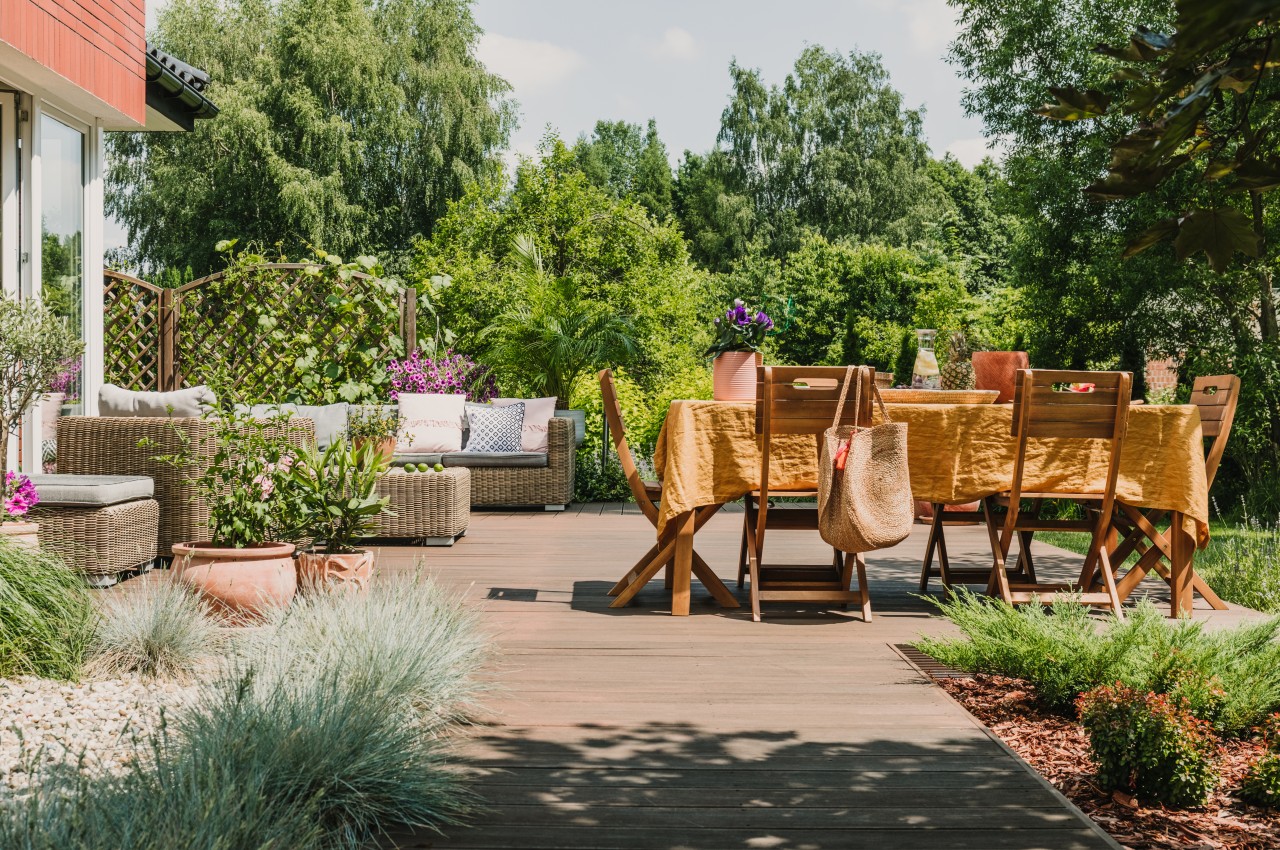
Before starting your journey of creating and nurturing your private garden, it’s important to understand whether you want a vegetable garden, a herb garden, or a flower garden. Whatever you decide, it’s good to grow vegetables your family enjoys, and for flowers, choose between annuals for long blooms or perennials for longevity. It’s always wise to start small and grow gradually until you feel comfortable.

2. Choose a Sunny Spot

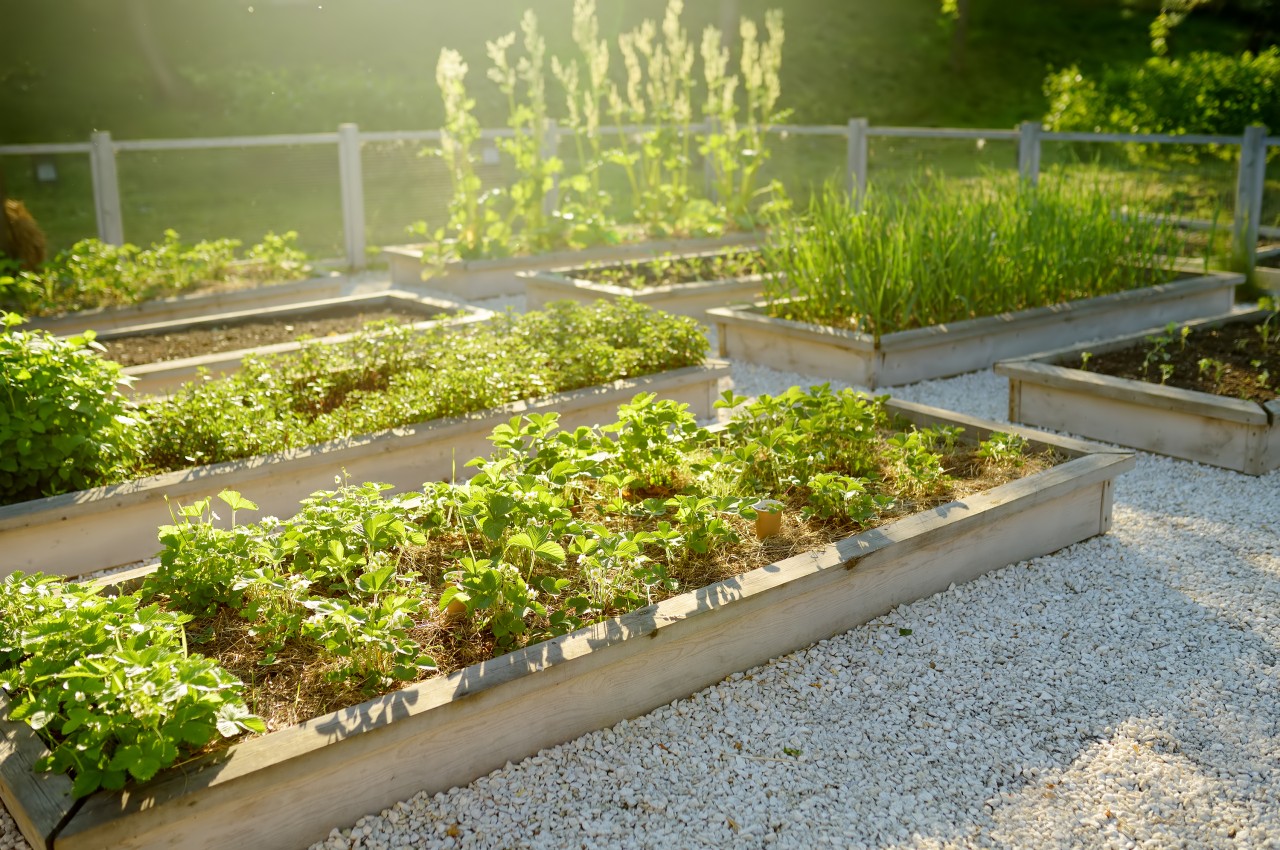
Image courtesy of: uladzimirz

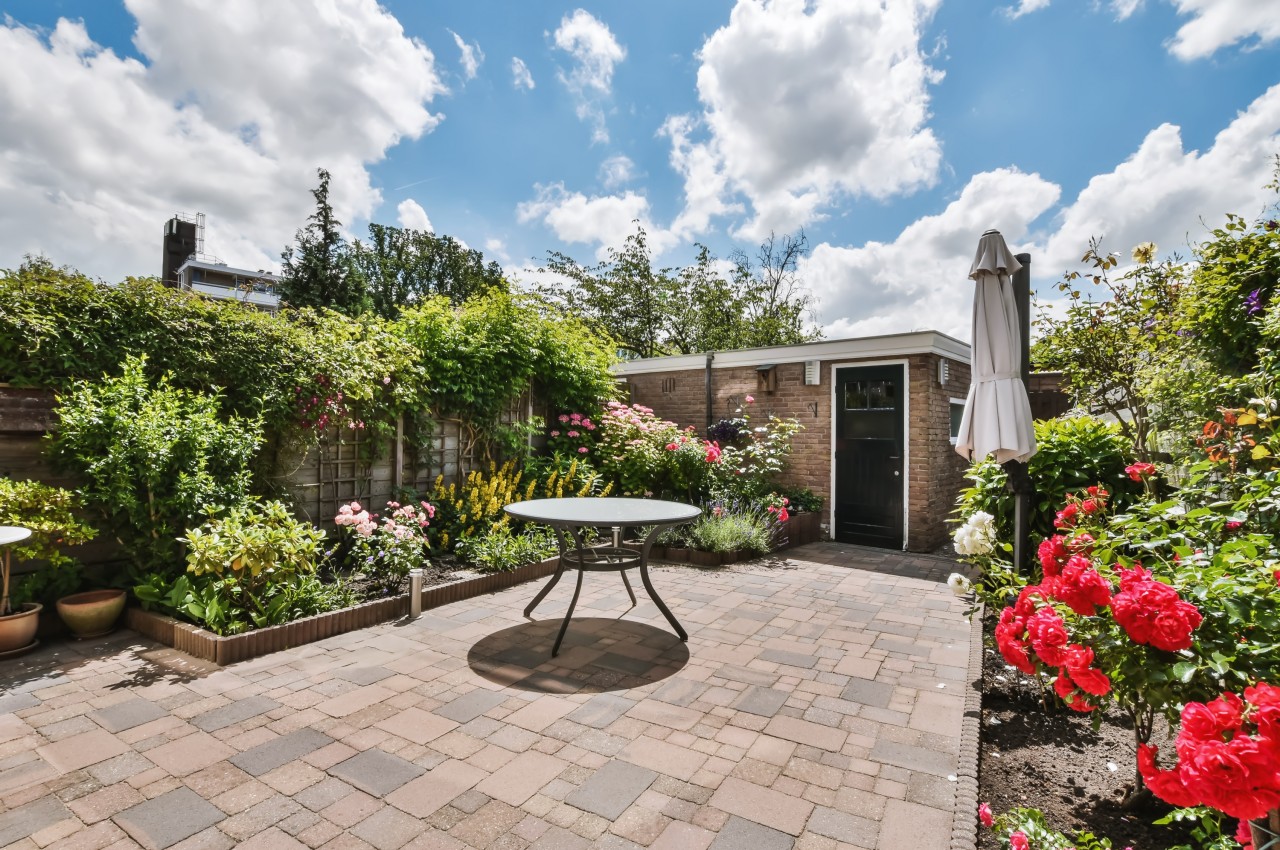
Observe sunlight patterns in your garden to determine plant needs for full sun, part shade, or full shade, and consult online resources for suitable species for your unique conditions. Most vegetables and flowering plants require 6-8 hours of full sun daily, so assess your yard’s sun exposure to identify suitable spots. Even if your yard is mostly shady, certain plants like impatiens and begonias can thrive. Select a flat area for your garden to avoid dealing with slopes, which can be more challenging and costly. Ensure convenient access to a water source for your garden’s requirements and consider the accessibility of your garden space for watering, harvesting, and tending to your plants.

3. Gardening Tools

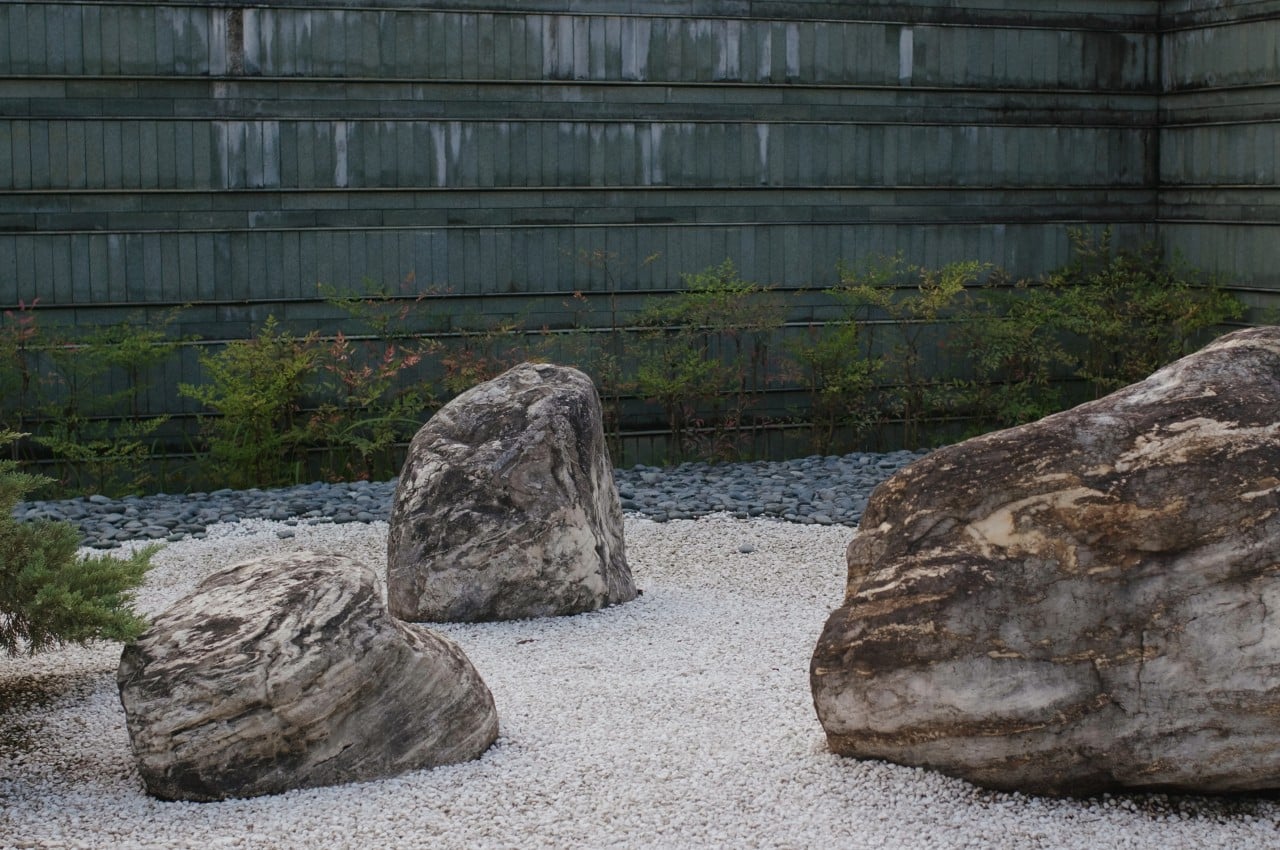
Image courtesy of: duallogic

Essential gardening tools are important to ensure the successful cultivation of plants. Pruning scissors are important for maintaining plant health, enabling precise trimming and removing dead parts. For soil preparation and planting, a spade, trowel, and garden fork are essential, allowing for efficient digging and root clearance. Watering equipment includes a garden hose for larger areas and a watering can for delicate plants, ensuring optimal hydration without damaging young growth. Combatting weeds necessitates tools like a forked trowel and gardening knife, enabling efficient removal to maintain the vitality of the garden.

Image courtesy of: BlackBoxGuild

Start by clearing the area of weeds and sod, which refers to a layer of grass and the soil beneath it that is held together by roots. For quick results, cut out the sod using a spade.

4. Test the Soil

Image courtesy of: jchizhe

Consider a soil test for insights into your soil’s composition, including nutrient deficiencies and recommended remedies, or opt for DIY kits offering basic insights. Based on your soil test results, amend your soil by adding necessary nutrients or adjusting pH levels to create the optimal growing conditions for your plants. Add 2-3 inches of compost to new beds during preparation or apply it to existing beds, allowing earthworms to incorporate it over time, improving soil structure and nutrient availability for plants.

5. Prepare the Planting Bed

Image courtesy of: Simol1407

Loosening the soil in new beds before planting aids root growth and nutrient absorption. Opt for manual digging, especially for smaller beds. Work the soil when moist but not overly wet or dry, about 6-8 inches deep, mixing in organic matter. Note that healthy soil contains numerous bacteria, fungi, and microbes, allowing plant roots to penetrate easily due to their suitable texture and structure, which is determined by the proportions of clay, sand, and silt in the soil.

Another way to garden is called no-till gardening. First, clear away any debris and grass. Then, spread a thick layer of compost over the area, at least four inches deep. If you’re dealing with tough weeds, you can try sheet mulching. This involves using cardboard to compost the weeds while keeping the soil intact. It’s also a good idea to keep your garden beds no wider than 4 feet so you can easily reach the center.

6. Choose Your Plants

Image courtesy of: RossHelen

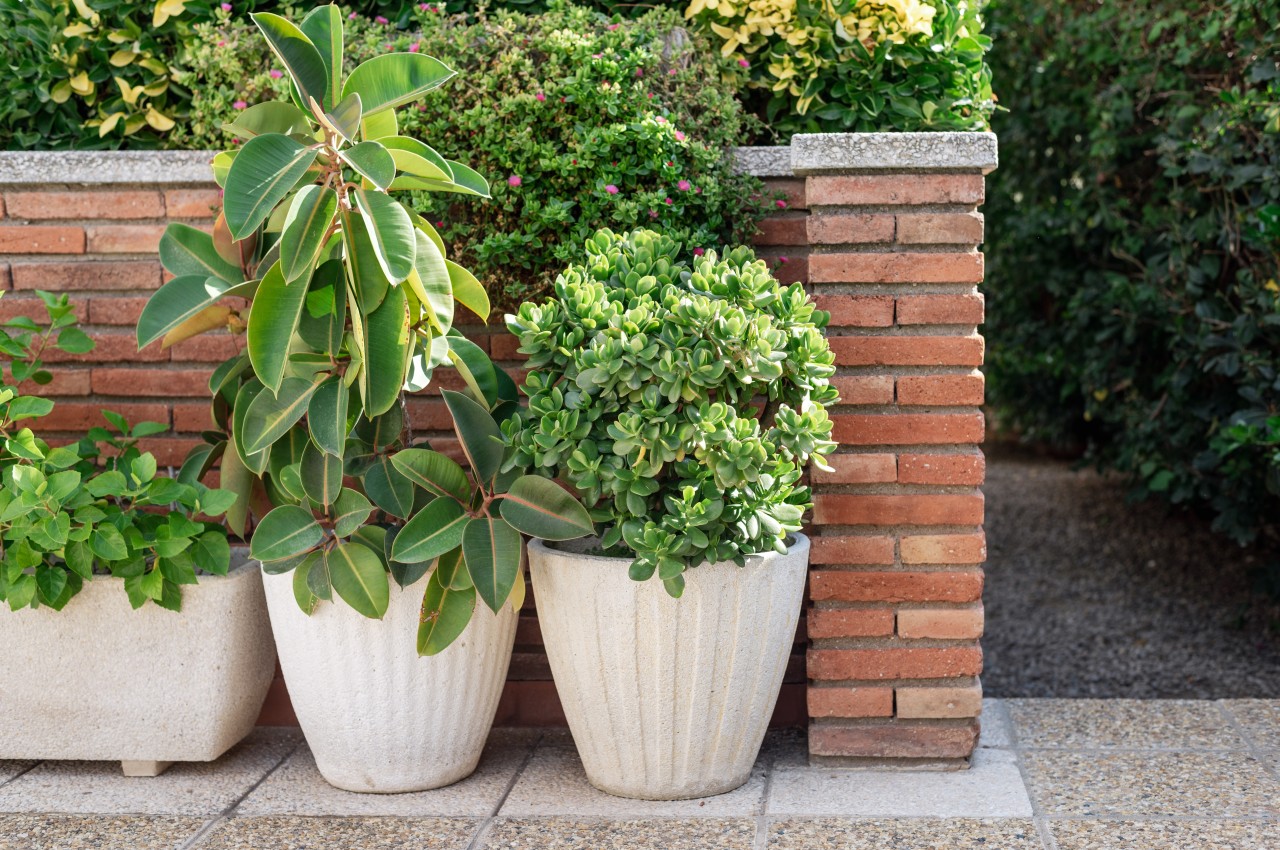
Opt for plants suited to your climate, soil, and sunlight conditions. You can also browse the internet for plant options. Here are a few beginner-friendly choices:

• Annuals: Marigolds, Petunias, Snapdragons, Impatiens, Zinnias, Geraniums
• Perennials: Black-eyed Susans, Daylilies, Hostas, 0Coneflowers (Echinacea), Sedum
• Vegetables: tomatoes, Peppers, Lettuce, Carrots, Cucumbers, Squash (zucchini, yellow squash)

7. Plant with Care

Image courtesy of: RossHelen

Most seed packets and transplant containers come with basic planting instructions. Once you’ve done the groundwork, begin planting. For seeds, follow guidelines such as planting them three times as deep as their diameter or as specified. Be cautious with seeds needing light for germination, ensuring they’re not buried too deeply. Transplants are usually planted at the same depth as in the pot, with exceptions like tomatoes. Wait until the danger of frost has passed to heat-loving plants. Young plants may require protection or hardening off before being planted outdoors.

When planting seeds, sow them at the specified depth on the packet, firming the soil gently, and water when the soil surface dries out. Some plants prefer cooler temperatures and can be planted in autumn or late winter, while others thrive in warmth and should wait until after the risk of frost has passed. Mid-spring and mid-autumn are optimal for planting perennials. Annuals can be directly sown in the garden or started indoors a few weeks before the last frost date. Alternatively, purchase young plants for transplanting into prepared beds and ensure proper watering after planting.

8. Start Watering

Image courtesy of: wirestock

Water seedlings daily to prevent them from drying out, adjusting frequency as they grow. Newly transplanted seedlings need watering every other day until their roots are established. Afterward, water once a week, considering soil type, humidity, and weather conditions. Clay soil retains moisture longer than sandy soil. Test soil moisture by feeling 3-4 inches below the surface; if dry, water slowly and deeply. Water in the early morning to minimize evaporation.

9. Add Mulch

Image courtesy of: larisikstefania

Apply a couple of inches of mulch to the soil for moisture retention and weed suppression, choosing from materials like shredded bark, straw, or river rock. Organic mulches, such as bark or compost, enrich the soil as they break down. Avoid covering seeds you want to grow; opt for quickly decomposing mulches for vegetable gardens, and longer-lasting options like bark chips for perennials. Mulch acts as a protective cover, aiding in moisture retention, soil cooling, and weed suppression, while enhancing the garden bed’s appearance. As organic mulches decompose, they enrich soil fertility. Covering the soil with rocks and organic matter inhibits weed germination and maintains soil moisture and warmth while providing nourishment for beneficial soil organisms. Match the right mulch with each crop: wood chips for fruit trees and shrubs, and lighter options like straw or leaves for delicate vegetables.

10. Maintain the Garden

Image courtesy of: FiledIMAGE

Regular maintenance involves watering plants before they wilt, removing weeds before they seed, and clearing away dead or diseased vegetation. Support tall plants with trellises or stakes, and harvest vegetables promptly when ripe. Garden maintenance follows a seasonal rhythm; for instance, in spring, prevent weeds, while summer requires vigilant watering, and fall is meant for pruning and cleanup. Throughout the growing season, attend to your plants’ needs: remove yellow or deformed leaves, stake plants for support, and prune dense growth to improve sunlight and air circulation.

Happy Gardening!

The post How To Design Your Backyard Garden From Scratch first appeared on Yanko Design.

What Are The 7 Principles Of Interior Design?

Interior design is a creative field that incorporates a variety of principles that combine to create visually appealing as well as functional spaces. These principles form the basis upon which designers create their themed compositions that ensure harmony, balance, and coherence within the interiors and also enhance the quality of life of its occupants. Whether planning a renovation with professionals or embarking on a do-it-yourself project, it is important to understand these principles of interior design. The seven fundamental principles of interior design include Balance, Harmony, Rhythm, Proportion and Scale, Emphasis, Contrast, and Detail.

Designer: Hygge by Kate

1. Balance

Image courtesy of: hemul75

In interior design, balance creates a sense of harmony as it pertains to the visual arrangement of furniture and décor that distributes objects evenly to achieve a sense of equilibrium within the room décor. Achieving balance involves careful consideration of the placement of elements within the space so that it visually stabilizes a space, ensuring no single element dominates in terms of visual weight. A well-balanced room feels calm and comfortable, while imbalance creates discomfort and visual discord. Achieving balance, from managing color and texture to furniture arrangement, can be challenging, therefore well-designed spaces achieve visual balance by harmonizing elements like colors, lines, forms, furniture, lighting, and décor. Balance can be broadly classified into three categories.

Symmetrical Balance

Symmetrical or formal balance is the primary method of achieving balance in interior design as it evenly divides space into mirroring sides. For instance, in a living room, symmetrical balance is achieved with two identical armchairs flanking a coffee table. Similarly, in a bedroom, symmetry is attained with matching bedside tables and lamps. Note that too much symmetry in modern design can create a lack of visual interest.

Asymmetrical Balance

Asymmetrical balance is a contemporary interior design approach that prioritizes flexibility over the replication of identical objects. Instead, it seeks balance through variations in visual weight, shape, dimensions, and size. Unlike symmetry, which imposes uniform order, asymmetry introduces a dynamic, informal atmosphere. Balancing visual elements such as weight, texture, and color becomes pivotal. Despite its challenges, an asymmetrical design can significantly elevate a space.

Radial Balance

Radial balance employs a central focal point from which design elements extend outward or inward. It uses a more intricate approach and revolves around a central focal point, such as a round rug or pendant light fixture, with all other elements arranged symmetrically around it.

2. Harmony

Image courtesy of: bialasiewicz

Harmony in design involves arranging objects and colors in a space to create a unified and cohesive aesthetic. It’s achieved when everything in a room works together to reinforce a common theme or style throughout the space. This might involve using a dominant color or pattern or selecting furniture pieces with similar shapes and textures. Harmony in interior design principles involves seamlessly blending style, theme, or mood to create a sense of unity and belonging in the room’s design. While not every element needs to match, they should complement each other, such as through the use of a consistent color scheme or pattern.

3. Rhythm

Image courtesy of: arina-habich

Rhythm is an important principle in interior design that revolves around the repetition or contrast of design elements to create movement and visual interest. Much like music and poems use repetition to establish rhythm, in interior design, repeating specific elements at regular intervals defines rhythm. This element is crucial for a well-executed design, as it significantly influences both the functionality and aesthetic appeal of a space. Colors, patterns, and textures are employed in rhythm to generate visual interest and guide the eye throughout the space. For example, repeating a geometric pattern across various elements like rugs, throw pillows, and artwork establishes rhythm and cohesion within the overall design. By utilizing these visual techniques, the eye can be directed throughout the space and enhance the room’s overall appeal.

4. Scale and Proportion

Image courtesy of: dit26978

Proportion refers to the relationship between two items, while scale concerns how one object’s size relates to another. For instance, a tiny rug in a spacious living room can appear disproportionate. Conversely, an oversized lamp on a small side table might seem overwhelming in scale. In the industry, both scale and proportion relate to object size. Scale refers to the size of objects to others or the space itself. For example, a bed may be measured in proportion to the average human body. Note that the ancient Greeks unveiled the mystery of proportions through the Golden Ratio, a formula that enhances aesthetic appeal by simplifying proportions into a harmonious equation. This ratio embodies perfect symmetry between two proportions and is not only evident but also widely employed by artists and architects for its profound impact on design.

5. Emphasis

Image courtesy of: hemul75

While balance and harmony are important in interior design, focusing solely on them can result in a lack of dynamism in a space. This is where emphasis becomes crucial as it involves incorporating a focal point, such as a striking piece of art or unique sculpture, to anchor the room. Radial balance complements this concept by directing focus towards the chosen focal point, enhancing its prominence within the space. There are numerous ways to apply this principle, including statement lighting fixtures, bold rugs, or eye-catching architectural features like fireplaces or exposed beams. A focal point catches the viewer’s attention upon entering a room, standing out prominently due to the space’s arrangement. Design elements can highlight a focal point, allowing it to dominate the space and unify the design. Regardless of its nature, a focal point should draw the eye more than other areas of the room. Various techniques, such as the use of color, statement furniture, artwork, or architectural features, can establish emphasis. However, color is a powerful tool for emphasis where using a bold color immediately draws attention, making it effective for highlighting specific areas. Bold patterns can also create emphasis and make a strong statement, while subtle ones add interest without overwhelming the space.

6. Contrast

Image courtesy of: adpephoto

Contrast is a cornerstone of interior design, injecting spaces with visual intrigue and vitality. While harmony is crucial, an excess of uniformity can render a space dull and uninspiring, lacking in distinction. Contrast serves to strike the necessary balance, allowing specific room features or design elements to command attention effectively. Contrast infuses playfulness, drama, and visual interest into space through various means like juxtaposing colors, blending geometric patterns with organic ones, unifying modern minimalism with vintage charm, contrasting textures such as rough and smooth surfaces, and integrating circular forms with angular furniture.

7. Details

Image courtesy of: dit26978

Details, the last fundamental principle of interior design, are of immense importance as they form the essence of design. A room, no matter how well-designed, feels incomplete without attention to these elements. This principle provides an opportunity for personal expression, allowing one to truly customize the space. From selecting unique hardware like drawer pulls and faucets to choosing artwork, plants, and textiles, these small elements imbue the room with character.

Image courtesy of: lytvynliliia

In conclusion, the principles of interior design provide a framework for creating highly functional and aesthetically pleasing spaces. By applying these principles, designers can achieve harmony, balance, rhythm, emphasis, proportion, and unity within interiors. Every aspect of the design contributes to a cohesive and inviting interior environment. Mastering these principles empowers designers to transform spaces into inspiring reflections of both style and purpose.

The post What Are The 7 Principles Of Interior Design? first appeared on Yanko Design.
25 Household Hacks That Make Cleaning A Breeze

Cleaning frequency depends on lifestyle and can feel like a looming task. There’s always a lot of cleaning to be done but with limited time and little desire to spend hours scrubbing after work, an efficient solution is needed. Thankfully, results can be achieved without dedicating hours and using ingredients already on hand, avoiding the need to buy more eco-friendly cleaning products. Here are some tried and tested tips to get you going.

Designer: Roborock

1. Refresh Microwave with Steam

Image courtesy of: leungchopan

Steam-clean your microwave by placing a bowl of lemon juice inside and microwaving it for 2 minutes, or until the lemon juice boils. This trick generates steam that helps loosen any residue clinging to the microwave walls. Afterward, wipe down the interior with a cloth, leaving behind a refreshing citrus aroma.

2. Eliminate Wine Stains on Carpets

Image courtesy of: gcpics

Although wine stains can pose a challenge, there’s a solution with club soda. Start by spraying the stain with club soda, then gently blot it with a microfiber cloth. Repeat this procedure until the stain disappears. Note that rubbing alcohol, clear vodka, and even white wine can be utilized for this cleaning technique.

3. Clean your Ceiling Fan Using a Pillowcase

To clean fans, cover each blade with a pillowcase and wipe. This ensures dust is collected inside the pillowcase instead of settling on your furniture and floors.

4. Clean Blinds with Socks

Image courtesy of: marshmallowbela

Start by placing an old sock on one hand and lightly moistening it with water. Next, grasp each blind panel and glide your hand covered with the sock along the length of the slats, effectively removing dust from both sides.

5. Remove Water Marks with Shaving Cream

Image courtesy of: SkloStudio

Remove water stains from shower glass effectively using shaving cream. Simply apply the shaving cream, let it sit for 15 minutes, then wipe it off.

6. Shine with Lemon Oil and Vinegar

Image courtesy of: LightFieldStudios

Woodwork and wooden furnishings accumulate dust and dirt with time, requiring regular cleaning to maintain their shine. For an eco-friendly and shiny cleaning hack, combine equal parts lemon oil and white vinegar.

7. Eliminate Hard Water Stains

Image courtesy of: Vailery

Remove hard water stains by soaking paper towels in undiluted vinegar, placing them on the buildup overnight, then scrubbing and rinsing.

8. Use Microfiber Dusters

Image courtesy of: towfiqu98

Clean efficiently with microfiber products, which use an electrostatic charge to attract and hold dust. They outperform traditional methods like dry rags and feather dusters. Machine-washable and reusable, they save money over disposable options. Air dry them for continued softness, and avoid bleach or fabric softener to maintain effectiveness.

9. Polish Surfaces Using Olive Oil

Image courtesy of: hannievanbaarle

Buff surfaces, such as stainless-steel pots, pans, and appliances, with olive oil applied on a soft cloth in circular motions to effectively clean and polish them.

10. Freshen your Garbage Disposal with Lemons

Image courtesy of: ThamKC

Freshen and cleanse your garbage disposal by using lemons or limes. Given the regular dirty work it handles, maintaining cleanliness and preventing clogs is crucial. Simply cut the citrus fruit into quarters, and with the water running, insert the pieces one by one into the disposal.

11. Use Rubber Gloves to Eliminate Pet Hair

Image courtesy of: karmanovalive

To tackle pet hair that your regular vacuum may miss, opt for rubber gloves, which effectively gather remaining hair when rubbed against fabric due to their elasticity. Simply slide them on, rub down areas needing extra cleaning, and then rinse the gloves under running water to remove the collected hair.

12. Freshen Upholstery

Image courtesy of: towfiqu98

Banish unpleasant odors from upholstery by blending vinegar, water, and a preferred essential oil like lavender. Pre-test the solution on a hidden spot for colorfastness before applying it to the rest of the upholstery, as it often retains odors. If safe, spray the mixture on the remaining upholstery, then vacuum once dry.

13. Clean the Mattress

Image courtesy of: friends_stock

Refresh your mattress by combining baking soda and vinegar. Spray vinegar on the mattress, sprinkle with baking soda, cover with a towel, and let sit for one to two hours before vacuuming. Another method that can be used for mattress cleaning is to employ a garment steamer to thoroughly treat the top, sides, and box springs, eliminating dust mites. Follow up with your vacuum’s upholstery tool to remove deceased mites. Address stains with a carpet and upholstery cleaner, ensuring not to over-wet the mattress.

14. Clean the Gadgets

Image courtesy of: towfiqu98

Utilize damp microfiber cloths to clean shared tech like TV remotes, keyboards, and game controllers, followed by disinfectant-treated cloths for germs. Make sure to keep surfaces wet for 5 minutes, then wipe dry with a microfiber cloth. Repeat twice weekly. For keyboard crevices, tap gently and use a folded sticky note to remove stubborn dirt

15. Clean the Grout

Image courtesy of: AtlasComposer

Clean grimy grout by making a paste of baking soda and water, applying it with an old toothbrush, spraying vinegar over it to create a bubbling mixture, scrubbing with a brush or old electric toothbrush head, and rinsing tiles well with water afterward.

16. Cut the Dirt

Image courtesy of: Andy_Dean_Photog

To keep dirt out of the house, use a high-quality dirt-trapping doormat. Regularly shake it outside and vacuum it weekly. Check if it’s machine washable, but be cautious as some mats may be heavy when wet.

17. Sparkling Clean Windows

Image courtesy of: Tatiana_Mara

Achieve sparkling windows by spraying a solution of one part distilled white vinegar to nine parts water onto the glass and wiping it with a lint-free cloth. Then, use a chamois leather or glass polishing microfiber cloth to buff them to a brilliant shine.

18. Use Soda Crystals

Soda crystals are versatile cleaners, useful for deodorizing washing machines, removing burnt-on residue from pans, keeping sinks and drains fresh, and clearing moss and algae from patios. To unclog plugholes and drains, pour in half a cup of soda crystals followed by boiling water, but remember to wear gloves as they can irritate the skin.

19. Use Lemon to Clean the Cutting Board

Image courtesy of: BLACKDAY

To freshen up your wooden cutting board, sprinkle salt on it and scrub it with half a lemon. Rinse and repeat if necessary for a clean board.

20. Refresh your Refrigerator

Image courtesy of: davidpereiras

Freshen up your refrigerator with the aroma of coffee. Just place dry ground coffee in a bowl inside the fridge. The coffee grounds will absorb any unpleasant odors, keeping your fridge smelling clean and fresh.

21. Scrub your Cast Iron with a Potato

Image courtesy of: AtlasComposer

Clean your cast-iron skillet with a potato. Sprinkle salt inside, then use a halved potato to scrub in circles. Rinse and dry.

22. Clean the Coffee Maker

Image courtesy of: evgrafovasa

Clean your coffee maker with vinegar. Fill the chamber with equal parts vinegar and water, then run the machine. Flush with water afterward. Repeat until clean.

23. Renew Cloudy Glasses

Image courtesy of: magone

Restore clarity to cloudy glasses by soaking them in white vinegar for five minutes to dissolve hard-water mineral buildup. Hand rinse and dry with a microfiber cloth for sparkling results

24. Make an All-Purpose Cleaner

Image courtesy of: tenkende

Create a versatile kitchen cleaner with this homemade recipe. Mix four tablespoons of baking soda with one quart of warm water in a spray bottle. Apply to surfaces and wipe away messes with a sponge. Rinse with a damp cloth if necessary.

25. Clean your Sponge

Image courtesy of: larisikstefania

Keep your sponge bacteria-free by microwaving it for 30 seconds or running it through the dishwasher. Remember to let it cool before use.

The post 25 Household Hacks That Make Cleaning A Breeze first appeared on Yanko Design.
How To Design For Wellness In Interior Design

Wellness design’ is on the rise, focusing on prioritizing people’s health in the design process by considering factors like lighting, air quality, and connections to nature. As interior design significantly affects mental health, it should also support our health and well-being. Note that incorporating wellness into interior spaces is fundamental to fostering successful and healthy lifestyles where physical, emotional, and aesthetic aspects should be considered, leveraging sensory effects. Wellness entails utilizing sustainable natural materials, optimizing natural light and airflow, judiciously employing artificial lighting, designing layouts for social interaction and private contemplation, enhancing existing pieces through upcycling, and manipulating color to influence mood.

Image courtesy of: wirestock

This holistic approach extends beyond interiors, encompassing the broader environment through mindful material sourcing. Key strategies include optimizing natural light and airflow, fostering tranquil private areas with a connection to nature, employing natural materials, and organizing space effectively for seamless functionality. These considerations contribute to creating environments conducive to overall wellness. Here are key factors to take into account when incorporating wellness into interior design.

Natural Light and Ventilation

Image courtesy of: bialasiewicz

As natural light significantly influences circadian rhythms and boosts serotonin levels, it is important to prioritize maximizing natural light in the interior spaces to support a healthy sleep cycle. Wellness architecture prioritizes healthy airflow and toxin elimination, achieved by allowing rooms to breathe and incorporating features like large windows, high ceilings, and vents. Plants are also essential for cleaning the atmosphere, making greenery a must-have for any space.

Artificial Lighting

Image courtesy of: hemul75

Light plays an important role in wellness design, significantly impacting our daily lives by regulating our wakefulness and sleep cycles. This influence stems from our circadian rhythm, a self-regulatory system. Harsh light disrupts our sleep-wake cycle, while low light levels can induce fatigue.

Thermal Comfort

Image courtesy of: bialasiewicz

As thermal comfort is affected by air movement, temperature, humidity, and human behavior, the building should be oriented according to the position of the sun. Strategic placement of windows, treatments, overhangs, and landscaping can enhance the thermal comfort of your home.

A Clutter-free Space

Image courtesy of: dit26978

A cluttered environment tends to drain our energy and impact our mood negatively. When thinking about interior design and mental health, the best thing is to have a functional layout that is easy to organize and tidy up. Optimize your space with fluid, flexible organization to minimize stress. Conceal necessary but unattractive items while displaying meaningful décor. Close off messy areas behind doors for visual clarity and peace of mind. Invest in furniture pieces that suit your needs or are multifunctional so that they take up less space.

Biophilic Design

Image courtesy of: IrynaKhabliuk

The rise of biophilic interior design taps into nature’s mood-boosting power, integrating these principles for functional and aesthetically pleasing spaces that promote mental health. Scientifically supported benefits of nature, such as stress reduction and improved health, emphasize the importance of incorporating plants and natural elements into interiors. These additions not only enhance air quality but also elevate mood and reduce anxiety. Simple touches like hanging baskets or kitchen herb gardens can effortlessly infuse color and charm into living spaces.

Color and Mood

Image courtesy of: FollowTheFlowStudio

Color significantly influences a room’s mood and emotions where lighter colors create an airy, spacious feel, while darker tones offer intimacy. Neutrals like black, gray, white, and brown balance passive and active colors. Active hues like yellow and pink stimulate creativity, while passive ones like blue and green promote calmness. Personal preferences should guide color choices, as emotional responses vary. Color plays a significant role in shaping mood, impacting the emotional well-being of the end user. Tailoring the color palette to suit the primary function of each room enhances the space’s intended purpose.

Natural Materials

Image courtesy of: FollowTheFlowStudio

To reduce the risk of off-gassing from synthetic fibers in fabrics and paints, avoid manmade materials in your home. Opt for essential oils instead of artificial fresheners to improve air quality. Furnish with natural materials like wood, organic cotton, organic linen, and wool for healthier living spaces. Sustainable organic materials are essential, extending beyond transparency in sourcing to encompass waste reduction, renewability, energy efficiency, and non-toxicity. Note that treated materials, such as chemically stained wood, chemically sealed tiles, flooring with formaldehyde, and fire-retardant fabrics, can release harmful compounds into the air, often unnoticed.

Sleep Well

Image courtesy of: anontae2522

Good sleep forms an important component of wellness and rejuvenation. Additionally, comfort is essential in wellness-focused interior design, with ergonomics ensuring user-friendliness. It encompasses psychological, physiological, and anatomical comfort, alongside efficiency and aesthetic appeal. Neglecting any of these elements renders the space ergonomically incomplete.

Designer: Hastens Beds

Find time to relax and get a good night’s sleep on an ergonomic mattress. Hästens beds epitomize the use of premium natural materials, sustainably and ethically sourced, ensuring their potential for future reuse. Renowned for its exceptional properties, horsehair provides unparalleled support and pliability, augmented by its innate ventilation system. Independently tested for allergens, horsehair remains hypoallergenic, boasting natural antibacterial qualities for a hygienic sleep environment. Processed meticulously since the 1800s, horsehair undergoes rigorous cleaning and disinfection, resulting in a pristine, resilient filling material.

Complementing horsehair, soft cotton facilitates airflow, promoting quicker sleep onset and deeper rest. In contrast, non-porous materials lack ventilation, fostering moisture retention and bed mite proliferation. Selectively sourced and meticulously sorted, horsehair variants ensure consistent quality across all products. Additionally, wool and flax are utilized for temperature regulation, static dissipation, and sound absorption, culminating in a harmonious blend of comfort and performance. Crafted with precision, spring systems, including pocket and Bonnell spiral designs, offer tailored support and longevity, backed by a 25-year warranty.

Sustainability

Image courtesy of: pro_creator

Having sustainability as a wellness focus in the home involves incorporating eco-friendly materials such as linoleum, floral leather, and cork into furniture, as well as utilizing vintage pieces. Additionally, integrating cutting-edge technology helps optimize energy consumption within the spaces. By employing computer simulations to track the sun’s trajectory, one can accurately determine the necessary cooling and heating requirements for each area. Choose green products free of VOCs and harmful chemicals to optimize a healthy environment. Consider materials like wool, stone, bamboo, cork, hempcrete, clay, and other bio-based options. Recycled steel and plastic are great for architecture and furniture design. Buying secondhand items is an effective way to reduce your footprint.

Lighting

Image courtesy of: LightFieldStudios

Light is increasingly pivotal in home design, with spaces crafted around natural light sources and smart lighting systems mimicking daylight. Natural light is central to the discussion, offering significant health and wellness benefits by enhancing productivity, alertness, and mood. It not only influences our day-night rhythm but also impacts our vitamin D balance crucial for bone health. By strategically employing lighting and leveraging cutting-edge technology, we create adaptable lighting schemes that render spaces both versatile and aesthetically pleasing. Customizing lighting to suit each room’s purpose helps regulate mood and enhance productivity. Additionally, minimizing exposure to blue light by reducing screen time before bedtime promotes improved sleep quality and reduces anxiety levels.

Image courtesy of: hemul75

Wellness in design is increasingly prominent across architecture, furniture, and interiors, driven by a growing public awareness. The pandemic has accelerated this trend as people reassess their lifestyles and prioritize mental and physical health. With more time spent at home, there’s a heightened focus on adapting living spaces to accommodate remote work and other needs.

The post How To Design For Wellness In Interior Design first appeared on Yanko Design.

Ten Best Flooring Trends for 2024

The flooring sets the tone for the overall appearance of a space, where material, color, shape, and texture collaboratively contribute to the final aesthetics. For those who aim to craft a contemporary or stylish interior, check out the anticipated flooring trends of 2024 which offer a diverse range of choices that suit various tastes and preferences. With ongoing innovations in the flooring industry, both homeowners and designers have access to an exciting palette of options in 2024.

Designer: Amtico

1. Go for Patterned Flooring

Image courtesy of: pro_creator

Image courtesy of: wanaktek

The flooring design embraces a bold spirit with the resurgence of patterns, as homeowners move beyond conventional options to redefine interior spaces and infuse personality into their homes. As the focus is on making a bold statement with your flooring, you can choose between geometric, checkerboard, chevron, and herringbone patterns. Note that patterned floors serve as a timeless method to make a striking statement in areas like kitchens, living rooms, or dining rooms, offering a distinctive and decorative base for the overall room design. The timeless herringbone pattern is an enduring flooring trend that remains the favored option for a luxurious aesthetic. Infusing elegance and sophistication into any space, the distinctive feature of the herringbone pattern lies in its intricate design, which generates visual interest, depth, and a dynamic sense of movement. It’s not about vibrant pattern designs, but rather the arrangement of tiles and wood planks or a blend of various wood types.

2. Tile Trends

Image courtesy of: bialasiewicz

For 2024, the trends in tile design lean towards warmer tones like cream, beige, and grey, coupled with various large formats and tonalities to craft intricate patterns. Large-format flooring is a trendy choice as it reduces the number of joint lines. Complement them with streamlined furniture and minimalistic decor to achieve a cohesive flow and highlight the tile’s inherent beauty. Checkerboard tiles are a timeless design that has been gradually regaining popularity in recent years in the classic black and white variation along with a range of softer tones as well. Also, mosaic tile is a great choice for adding individuality and charm to your space, ideal for retro or vintage decor.

3. Artistic Carpets and Rugs

Image courtesy of: dit26978

Carpeting is experiencing a resurgence, with the increased time spent at home over the past few years fostering an appreciation for its coziness. Go for a flat loop wool or silk blend carpet in a subtle pattern or a diverse range of colors for bedrooms or family rooms. Consider abstract rugs as they are transformative art pieces that elevate any space into a visually stunning masterpiece with bold colors, unique patterns, textures, and modern designs, adding sophistication and creativity. Versatile enough for both traditional and modern settings, these rugs serve as vibrant accents or focal points, offering diverse styles to complement existing decor.

4. Natural Stone

Image courtesy of: dit26978

Natural stone, including options like marble, granite, travertine, and limestone, brings diversity with unique character, veining, and color palettes to floors, adding individuality. Apart from aesthetics, its exceptional durability makes it well-suited for high-traffic areas and spaces demanding both style and resilience. To ensure your interiors exude timeless style, opt for lighter shades like grey, brown, blue, cream, off-white, and green that create a calm and serene atmosphere.

5. Sustainable Flooring

Designer: Wanaka Flooring Xtra

In 2024, the trend toward sustainable flooring gains momentum as homeowners prioritize eco-friendly options, reflecting a broader awareness of environmental concerns and a commitment to conscious choices for a greener future. Jute, a biodegradable and renewable natural fiber derived from plants, and bamboo silk, known for its silky feel and durability, are popular choices. Recycled materials, such as those from plastic bottles or reclaimed wool, are also gaining popularity, reducing waste while maintaining comfort. These sustainable floor coverings come in various patterns, textures, and colors, catering to diverse interior styles. Cork flooring is making a comeback as a key trend, praised for its sustainability as a recyclable material. With natural thermal properties for heat insulation and sound-dampening capabilities, cork adds warmth to your color scheme while being easy on the joints due to its remarkable elasticity.

6. Rustic Finishes

Image courtesy of: pro_creator

Image courtesy of: aowsakornprapat

Also, the rustic design remains a leading flooring trend, captivating homeowners with its authentic and timeless appeal. Distressed finishes, weathered textures, earthy tones, and reclaimed materials contribute to the charm, creating spaces that impart a lived-in look and tell a story. Additionally, with a growing interest in an organic modern aesthetic and a revived appreciation for traditional elements, terracotta tiles become a versatile solution for diverse design expressions.

7. Luxury Vinyl Tile (LVT)

Image courtesy of: pro_creator

Luxury Vinyl Tiles (LVT) take center stage as a prominent flooring trend due to their versatility and durability, offering a precise replication of natural materials like stone or ceramic. This flexibility allows homeowners to achieve their desired aesthetic without compromising on practicality, making LVT a top choice in the growing demand for resilient and visually appealing flooring solutions.

8. Hardwood Flooring

Image courtesy of: dit26978

Hardwood floors take the spotlight as a classic choice that captivates homeowners, with specific color categories expected to make a significant impact. The resurgence of natural and light wood tones is a prominent trend, with unstained white oaks gaining popularity among homeowners for their neutral adaptability to blend with modern aesthetics and traditional design. Note that wide plank hardwood is also trending as it adds a modern touch. Providing a modern and spacious aesthetic, these flooring options visually expand rooms, aligning with the contemporary desire for open and airy environments, making them sought-after choices for homeowners. Also, the ongoing trend of blending different wood tones in flooring designs allows homeowners to add a personalized and visually striking element to their spaces. The artful combination of diverse wood hues creates a distinctive and dynamic appearance, making the floor both functional and a unique design feature.

9. Terrazzo Flooring

Desginer: eMe Otero Boiro

Terrazzo tiles have made a strong comeback, as the trend continues to gain momentum. These unique tiles, formed by combining marble chips with cement or epoxy resin, create a captivating speckled effect that adds elegance to any space. Their popularity stems from versatility, offering a broad range of colors and patterns to match various design aesthetics. Beyond aesthetics, terrazzo tiles are highly durable, able to withstand heavy foot traffic, and easy to maintain.

10. The Biophilia Trend

Image courtesy of: phoenixproduction

There is a clear desire to reconnect with nature, evident in design choices that effortlessly merge indoor and outdoor aesthetics, creating a feeling of tranquility and harmony within living spaces. In 2024, the rising trend of nature-inspired design choices is evident, with homeowners and designers incorporating materials, colors, and elements that echo the serenity and beauty of the natural world. Organic and earthy materials like wood, stone, and bamboo are gaining popularity, not just for their aesthetic appeal but also for establishing a tangible link to nature, infusing warmth, texture, and timelessness into spaces. The color palettes, featuring tones like forest greens, soothing blues, and earthy browns, create a calming and grounding effect.

With design trends evolving, making thoughtful choices when selecting flooring is crucial as it cannot be changed time and again based on new design trends. Be mindful in choosing the flooring material and design as it serves as a permanent and practical design element of the interior decor.

The post Ten Best Flooring Trends for 2024 first appeared on Yanko Design.
Elements of Interior Design: Lighting

Light forms an important design element in interior design that transforms the space, creates different moods and determines the way we perceive color and texture. Natural light can come in via sources like windows or skylights while the different sources of artificial light include pendant lights, lamps, and sconces to name a few. A well-designed lighting scheme transforms the overall look and breathes life into the interiors. Additionally, lighting adds depth, highlights design features, and creates a fine balance between light and shade to create a rejuvenated atmosphere in architecture and interior design.

Designer: Brand van Egmond

What are the three elements of lighting design?

The Lighting design can be broadly classified into three layers or elements namely ambient lighting, task lighting, and accent lighting.

Image courtesy of: dit26978

Ambient Lighting

Ambient lighting also known as general lighting provides overall basic illumination for a room. It functions as a base layer and factors like the room size, height, aesthetics, and functionality need to be taken into consideration for the lighting design. Ambient lighting, whether from overhead lights like modern pendants or soft sources such as table lamps and wall sconces, forms an essential component of interior design. Some of the common sources of ambient light include natural light and overhead fixtures like pendants, ceiling fixtures, chandeliers, lighting panels, and so on. While essential for illumination, ambient lighting works in conjunction with other layers to create a comprehensive lighting solution. It creates a warm and soothing atmosphere that allows flexibility in illuminating fixtures and determines the room’s ambiance.

Task Lighting

Image courtesy of: CreativeNature_nl

Task lighting combines with ambient illumination to provide focused lighting while eliminating shadows and reducing eyestrain. It can be used for illuminating a kitchen countertop for food preparation, cooking, and cleaning, a study table, or an office workstation for working. Kitchen LED fixtures over the island, provide bright task lighting while enhancing the overall aesthetic of the kitchen, and this stylish yet functional lighting approach is used for bedside tables with reading lights. The different types of light fixtures that are suitable for task lighting include floor lamps, table lamps, bathroom vanity lights, and cabinet lights. The lighting intensity is more and some task lights utilize focused beams to intensify the lighting intensity so that it can cater to specific needs. The combination of ambient and task lighting not only enhances the functionality of the lighting but also provides a decorative look to the interiors.

Accent Lighting

Image courtesy of: Studio_OMG

Accent lighting is the most decorative layer as it complements other design elements and highlights specific architectural features or decorations. This layer allows for customization based on individual preferences and belongings and can be used to highlight columns, wall art, photographs, decorative vases, and sculptures to name a few. Some of the common light fixtures that are used for accent lighting include wall sconces, track lighting, LED tape, and rope lighting. The best part about accent lighting is that it creates a focal point in a room by highlighting specific features, such as a fireplace, paintings, or furniture, through adjustable spotlights and wall lights so that they create visual interest and accentuate the unique characteristics of the home decor.

Natural Light

Image courtesy of: bialasiewicz

Natural light plays a vital role in interior design as it combines with sunlight to influence the mood and overall décor of the home. Note that bright colors are best suited for rooms that receive less natural light and it is highly recommended to go for cool and neutral tones for spaces that receive abundant sunlight.

Natural lighting enters the home through windows, skylights, or mirrors to enhance the overall look of the interiors and create a brilliant connection with the outdoors. As per studies, natural light is important for the well-being of individuals and large windows or skylights create a bright and airy environment that is perfect for relaxation. However, one must make sure to use light-filtering blinds or curtains to regulate the amount of light that enters the interiors.

Image courtesy of: archideaphoto

How to create a layered lighting scheme?

Image courtesy of: hemul75

Different layers of light combine to create a layered lighting scheme. The first layer comprises ceiling lights that provide general illumination and set the overall tone of the interiors. The second layer focuses on specific areas or activities, such as table lamps for reading or under-cabinet lighting for the kitchen countertop. The third layer of light or accent lighting highlights specific features or objects, using elements like track lighting or floor lamps. This layering technique helps to control the light intensity and create a balanced and harmonious environment within the room.

What factors should be taken into consideration in lighting design?

Image courtesy of: Satura_

Various factors should be taken into consideration when designing the lighting for any space. Some of the considerations include determining the functions and activities that will take place within the space, specifying the tasks to be performed, highlighting architectural features, the furniture placement for seating, and establishing the desired mood within the décor.

Color Temperature

Image courtesy of: esspeshal

Light Color Temperature, measured in Kelvin, is crucial for achieving the desired ambiance as lower Kelvins produce warmer light, while higher Kelvins result in cooler light. Hence if you want to achieve a warm temperature, opt for lower Kelvin lights while cooler Kelvins are highly recommended for brighter environments.

Intensity of Light

Image courtesy of: hemul75

Light intensity is as crucial as the color temperature of the lights. The intensity of lights should be adjusted based on the coverage needs to avoid spaces being too bright and unwelcoming causing eye strain, or spaces that are dim and gloomy.

Glare

It is important to manage glare for comfort in homes, offices, and commercial spaces as it might strain the eyes and reduce the overall productivity within the workspace.

Even the Distribution of Light

When lighting any space, make sure that there is an even distribution of light to avoid dark spots and shadows. Keep in mind that adequate illumination is crucial for areas connecting different spaces so that one does not trip while walking.

Image courtesy of: hemul75

How does lighting transform space?

Looks Spacious

Lighting, both natural and artificial, impacts the perceived size of space as well-lit rooms appear larger and more spacious, while darker rooms feel smaller and more confined.

Good Ambiance

Image courtesy of: thananit_s

Interior lighting design shapes a room’s atmosphere by selecting from various color temperatures as lighting shapes our moods and behavior. Note that bright, cool-toned lighting boosts focus, while dimmer, warmer lighting promotes relaxation. Additionally, the cool white lighting boosts productivity in offices, while warm whites create a cozy ambiance in bedrooms and living rooms.

Accents

Lighting design also serves to emphasize specific elements within a room, whether it be a piece of furniture, artwork, or the lighting fixture itself.

Adds Depth and Dimension

Image courtesy of: wirestock

Light creates depth and dimension by highlighting areas and casting shadows. For instance, directional lighting adds drama to a room, emphasizing texture and shape in objects or artwork.

Enhances Texture and Pattern

Lighting enhances textures and patterns by strategically directing accent lights. These lights can highlight feature walls, create an interesting play of shadows, or draw attention to unique textures or patterns that are present in the interiors.

Highlight Color

Lighting significantly enhances a room’s color scheme. Cool-toned lights emphasize blues and greens, while warm-toned lighting highlights yellows, oranges, and reds.

The post Elements of Interior Design: Lighting first appeared on Yanko Design.
Discover Your Ideal Decor Style Through Chinese Astrology

The Chinese zodiac, or shengxiao, consists of 12 animals representing time cycles, with your sign determined by your lunar birth year. Legend has it that only the rat, ox, tiger, rabbit, dragon, snake, horse, goat, monkey, rooster, dog, and pig arrived to bid farewell to a departing god, each earning a place of honor in a year based on their order of arrival. As per studies, one’s personality traits are closely tied to their Chinese zodiac sign and they can influence their individual preferences in home décor. You can explore the colors, materials, and styles aligned with your lunar year to create a living space that resonates with your individuality.

Image courtesy of: GanMed64

YEAR OF RAT

Image courtesy of: bialasiewicz

Birth years: 1936, 1948, 1960, 1972, 1984, 1996, 2008, 2020

Personality: Those born in the year of the Rat exhibit cleverness, charm, and curiosity and they are hardworking with a natural inclination for continuous learning.

Décor Style: They are drawn to objects and colors that ignite their imagination, reflecting their charismatic personalities. Those born in the year of the Rat favor light, airy colors, and a touch of geometric patterns, paying homage to their intellectual nature and satisfying their innate thirst for knowledge, a futuristic home is recommended.

YEAR OF OX

Image courtesy of: archideaphoto

Birth years: 1937, 1949, 1961, 1973, 1985, 1997, 2009, 2021

Personality: Individuals born in the year of the ox are decisive, independent, loyal, and philosophical.

Décor Style: They have a preference for minimalistic designs and traditional aesthetics while the interiors of their home incorporate classic silhouettes, dark neutrals, and a clean and fuss-free ambiance.

YEAR OF TIGER

Image courtesy of: hemul75

Birth years: 1938, 1950, 1962, 1974, 1986, 1998, 2010

Personality: Individuals born in the year of the Tiger are confident, fun, and courageous, characterized by a vibrant and fiery nature with intense passion and emotionality.

Décor Style: Those born in the year of the tiger have a preference for vibrant colors, and abstract paintings, and a fondness for contrasting materials such as glass, clay, fabric, and wood.

YEAR OF RABBIT

Image courtesy of: FollowTheFlowStudio

Birth years: 1939, 1951, 1963, 1975, 1987, 1999, 2011, 2023

Personality: People born in the year of the rabbit are distinguished by their natural compassion, sincerity, and generosity. Recognized for their kindness, care, and loyalty, rabbits tend to exhibit introverted tendencies, often necessitating significant alone time at home for recharging.

Décor Style: They are not fond of a mix of colors or styles but also prefer a monochromatic color palette and comforting textures. Additionally, they opt for a straightforward, clutter-free style that enhances the calming atmosphere.

YEAR OF DRAGON

Image courtesy of: bialasiewicz

Birth years: 1940, 1952, 1964, 1976, 1988, 2000, 2012, 2024

Personality: Despite their outward energy and fearlessness, individuals born in the year of the dragon possess a gentle interior, marked by a warm heart and unwavering loyalty. This gentle demeanor coexists with a dynamic personality that is driven by their perpetual quest for new adventures.

Décor Style: Those under the dragon sign value the idea of home and its comforting aspects. Their aesthetic preferences include bold colors and plush designs. Moreover, the prominent warm colors are believed to inspire a feeling of harmony, as they perfectly complement the Dragon’s strong and vibrant presence.

YEAR OF SNAKE

Image courtesy of: FollowTheFlowStudio

Birth years: 1941, 1953, 1965, 1977, 1989, 2001, 2013, 2025

Personality: Those born in the year of the Snake are charming, clever, and reserved, showcasing intellectual prowess and an observant nature. Also, individuals with this zodiac sign often exhibit wit, sociability, and strong will, reflecting an ambitious nature that inclines them toward a simple, nature-inspired theme to soothe their competitive spirits.

Décor Style: Their décor style reflects their love for bookcases, books, and classic wooden coffee tables. An excellent choice for this is the Japandi interior design style, characterized by clean lines, nature-inspired colors, and bright spaces reminiscent of nature’s soothing qualities to enhance the Snake’s wisdom and intellectual capabilities.

YEAR OF HORSE

Image courtesy of: pro_creator

Birth years: 1942, 1954, 1966, 1978, 1990, 2002, 2014, 2026

Personality: The horse is an extrovert and is defined by energy and independence and the individuals born under the horse sign in the Chinese zodiac are infused with compassion and love.

Décor Style: Individuals born in the year of the horse find an ideal home aesthetic that incorporates mementos from global travels and soft, comforting designs. Opting for muted colors, classic Scandinavian styles with pale woods like ash and beech are particularly suited for creating a calming home environment.

YEAR OF GOAT

Image courtesy of: monkeybusiness

Birth years: 1943, 1955, 1967, 1979, 1991, 2003, 2015, 2027

Personality: Those born in the year of the goat are known as deep thinkers who have a strong appreciation for beautiful things. quiet with gentle, seemingly meek personalities

Décor Style: Create an ideal space for those born in the year of the goat with a decor that encourages creativity, blending a modern and airy ambiance with soft layers and cushions for a hospitable feel. Opt for a warm and inviting aesthetic, like the modern farmhouse style, characterized by natural textures and warm wood tones, to enhance their warmth.

YEAR OF MONKEY

Image courtesy of: bialasiewicz

Birth years: 1944, 1956, 1968, 1980, 1992, 2004, 2016, 2028

Personality: Born under the Monkey sign, individuals exude upbeat, playful, and quick-witted traits, radiating joy in their interactions with others among the Chinese zodiac signs.

Décor Style: Their extroverted natures thrive on social engagements while they enjoy a sunny, natural décor that is adorned with live plants and vibrant colors. To moderate potential prankster tendencies, a decor dominated by wooden tones is the best choice, grounding their lively nature.

YEAR OF ROOSTER

Image courtesy of: FollowTheFlowStudio

Birth years: 1945, 1957, 1969, 1981, 1993, 2005, 2017, 2029

Personality: Hardworking, vigilant, and independent, individuals born under the rooster sign are goal-oriented and find relaxation in environments that enable them to accomplish tasks on their to-do lists and strategize for future successes.

Décor Style: Individuals born in the year of the Rooster should ideally have a home featuring at least one work setup with classic wood materials and neutral colors. A vintage look brings comfort, with aged furnishings creating a reassuring ambiance and serving as a reminder that imperfections are acceptable.

YEAR OF DOG

Image courtesy of: bialasiewicz

Birth years: 1946, 1958, 1970, 1982, 1994, 2006, 2018, 2030

Personality: Individuals born in the year of the dog epitomize loyalty, placing utmost importance on friendships and family within the context of their values.

Décor Style: For those with the year of the dog as their birth year, an ideal home environment is characterized by a contemporary interior style, blending sleek design and clean lines for a sophisticated home that suits both get-togethers and their need for order.

YEAR OF PIG

Image courtesy of: bialasiewicz

Birth years: 1947, 1959, 1971, 1983, 1995, 2007, 2019, 2031

Personality: Born in the year of the pig, individuals naturally appreciate life’s finer aspects without prioritizing material luxury. Easygoing and independent, Pigs can, however, easily feel stressed about life.

Décor Style: They find utmost comfort in designs that are crafted with quality materials, and adorned with a hint of glamorous metallic elements that exude elegance. For a calming haven, they can opt for a classic minimalist home with subdued colors, natural light, and well-organized spaces that perfectly suit the magnanimous nature of Pigs.

The post Discover Your Ideal Decor Style Through Chinese Astrology first appeared on Yanko Design.
Top Ten Bathroom Trends for 2024

In 2024, the bathroom design is a blend of practical features and aesthetic appeal, incorporating natural elements, earthy hues, and a strong emphasis on a clutter-free layout. This year nature-inspired elements and sustainable design features are more dominant than in previous years with rich earth tones taking center stage that create an immersive ambiance. If you are planning a bathroom renovation this year, here are tips to get you going.

1. Timeless Design Style

Homeowners are leaning towards timeless spaces, seeking a style that is characterized by enduring materials. Even modern homes incorporate elements like brick, handmade clay tiles, and rustic wood for a touch of understated luxury into the bathroom decor.

Designer: Agape x Jean Nouvel

Agape, the Italian bathroom brand, collaborates with French architect Jean Nouvel for the Face à Face collection of sinks and baths that emphasizes the materiality and functionality of the products in bathing. The collection features a stunning sink and bathtub with angular designs, showcasing upright marble slabs and a tilted backrest for a distinct aesthetic. Crafted from flat marble sheets, the collection elegantly highlights the stone’s detail and veining.

Image courtesy of: photocreo

Designer: Annabella Hevesi

Sylvia Plath’s ‘The Bell Jar’ inspired a dual-function bathroom accessory. Named after the book, it serves as both a showerhead and bath spout, seamlessly transforming based on preference. With a hidden cable and fixed adaptor, it embodies the book’s themes of the human condition and mental states.

2. Sustainable Design

The new-age bathroom focuses on sustainable design and the importance of features water- and energy-saving fixtures, LED lightbulbs, dimmers, and sustainable bathroom essentials.

Image courtesy of: OleksandrShcherban

Designer: Cloudandco Design Studio

Cloudandco Design Studio introduces a Smart Bathtub, not just for bathing but tailored for automated relaxation and personalized massages. This innovative tub learns your preferences over time, ensuring every bath is a bespoke and blissful experience. The embedded artificial intelligence analyzes past sessions, addressing specific areas of discomfort. Adjustments are easily made via an onboard knob or connected smartphone. This Smart Bathtub redefines comfort and convenience, turning each bath into a customized and delightful ritual with its intelligent design.

Designer: BBDO Guerrero

Dissolving Bottle’s shampoo bars are more than just a practical choice; they symbolize a commitment to a sustainable, plastic-free future. As users lather and wet the Dissolving Bottle, it gradually diminishes until it disappears, eliminating the need for traditional toiletry containers. This innovative approach offers a convenient and eco-friendly solution to daily hygiene, responding to the escalating plastic pollution crisis caused by the personal care industry, which produces over 500 billion single-use plastic items annually.

3. Artisan Touch

Image courtesy of: Lelia_Milaya

Bathrooms are no longer just functional spaces but have emerged into artistic and creative areas that deserve the same attention as prominent spaces like the living room, bedroom, or kitchen. There is an inclination towards handmade details and features, such as handmade tiles, wallpaper, elegant mirrors, customized bathroom vanities, and other bespoke elements that contribute to the overall ambiance of the bathroom.

4. Natural Materials

Image courtesy of: tampatra

Image courtesy of: pro_creator

Vibrant marbles and natural stones emerged as significant bathroom trends post-COVID, and they will still be prominent in 2024. Shades of deep reds and browns, striking veining, and black stones enhance bathroom aesthetics.

Designer: Woodio

Woodio, a Finnish design company, introduced the ‘Block’ toilet, entirely crafted from wood composite. Founder Petro Lahtinen developed the material using 80% wood volume, sourced locally from aspen and Finnish forest industry offcuts. The composite, a mix of fossil-based polyester and bioplastic resins, ensures waterproof and durable properties. Woodio emphasizes sustainability with a claim of 99% fewer emissions during production than ceramics. The innovative approach significantly reduces water and energy usage, circumventing the high heat requirements of traditional ceramic manufacturing. However, emission claims exclude considerations of material sourcing and disposal impacts.

Designer: Marco Carini for Agape

Italian brand Agape’s bathroom seating collection, designed by Marco Carini, prioritizes comfort and sustainability. Featuring two designs crafted from recycled cork, the Vis-à-vis stool serves as a lightweight and sturdy option with a distinctive cylindrical form, while also doubling as a side table. The Rendez-vous bench offers extensive seating, utilizing hand-woven cork ropes wrapped around recycled aluminum tubing. Both designs provide comfortable and inviting spaces for relaxation in the bathroom, combining functionality with eco-friendly materials.

5. Earthy Hues

Image courtesy of: RossHelen

Apart from natural materials, nature-inspired colors, and wall treatments are also on the rise, enhancing the soothing indoor-outdoor aesthetic. Current trends include earth-toned paint colors, plaster, and accent hues.

Image courtesy of: pro_creator

Designer: Lusso

British bathroom brand Lusso has launched the Amore which is a freestanding bathtub made from translucent resin. Designed by the Lusso founder Wayne Spriggs, the choice of material for Amore is truly ingenious which imparts it with a unique appearance and a seductive appeal.

6. Warm Wood Vanity

Image courtesy of: pro_creator

Image courtesy of: wirestock

A natural stone countertop paired with a warm wood vanity in different tones of wood is another emerging trend. As nothing surpasses the beauty and warmth of wood, the wood cabinetry not only enhances storage but also contributes to the aesthetics.

Image courtesy of: vanitjan

7. Integration of Technology

In 2024, the integration of speakers and bathtub trends emphasizes luxury, comfort, and style, seamlessly combining relaxation and rejuvenation. Whether it’s a freestanding tub with smart temperature control or a built-in soaking tub surrounded by mood lighting, bathtubs serve as the foundation for ultimate luxury.

Designer: Lush

Lush’s upcoming “digital bath bomb,” Bath Bot, is set to revolutionize bath time. Resembling traditional bath bombs, it’s a waterproof speaker that can be placed in the bath or near the shower. Offering a 180-degree sound experience, it allows you to enjoy music, audiobooks, or podcasts while bathing. With customizable full-spectrum lights in colors like lavender and pink, Bath Bot creates a spa or rave atmosphere. The compact device also features tiny bubbles for an immersive, multi-sensory experience.

8. Spa-style Bathroom

Over the past few years, the movement to transform primary bathrooms into in-home spas has gained momentum. Steam showers, towel heaters, massaging shower heads, soaker tubs, and heated floors are increasingly sought-after features. The concept of a bathroom being not only aesthetically pleasing and functional but also serving as a personal spa represents one of the latest trends. Additionally, bathrooms are transforming into areas that promote mindfulness and provide moments to unwind and relax after a long day.

Designer: Kohler

Kohler has introduced the ‘future of bathing’ with its Sprig Shower Infusion System. Attachable to any showerhead, it supports ‘Sprig Shower Pods’ for a non-coffee infusion experience. These pods offer therapeutic aromas like eucalyptus, chamomile, rose, lavender, and lemongrass, along with skin-friendly elements such as hyaluronic acid and sodium. Providing infusions for several minutes, the pods bring a spa-like touch to showering. Kohler aims to redefine the bathing experience with this innovative and fragrant solution.

Designer: Gessi

Gessi’s Jacqueline tap, part of the Spa Collection, stands out with its bamboo construction. The bamboo, carefully selected and shaped using hot bending techniques, is transformed into a waterproof faucet with integrated plumbing elements. With ten finish options, including nickel and brass, the spout combines aesthetics and functionality. Unlike traditional materials, bamboo offers sustainability and flexibility. Gessi’s meticulous craftsmanship ensures Jacqueline not only serves a functional purpose but also adds a touch of beauty to bathroom design.

Image courtesy of: bialasiewicz

9. Decorative Light Fixtures

Image courtesy of: Vailery

As bathrooms are usually compact, the lighting serves as a medium to convert functional elements into decorative objects.

Image courtesy of: polga2

10. Bold Countertop

Image courtesy of: pro_creator

Homeowners with a penchant for neutral aesthetics are now embracing bold choices, such as experimenting with colored marble with rich natural vein patterns and opting for waterfall edges, for their bathroom countertops.

The post Top Ten Bathroom Trends for 2024 first appeared on Yanko Design.
How to Design a Children’s Nursery

Creating a nursery can be an enjoyable process for expectant parents but anticipating the needs of a yet-to-arrive child is a daunting challenge. After all, it’s a place where you can unleash your inner child, exploring creative ideas, playful colors, and patterns. Figuring out where to start and what essentials to assemble before the baby comes home can be overwhelming.

Before designing the nursery, make sure that the nursery complements the overall decor of your home and can embrace various styles such as contemporary, minimalist, modern, or a blend of eclectic elements, much like any other room in the house. If you planning to create a nursery at home, here are tips to get you going.

Designer: Amanda Lewis

1. Assess the Space

Begin by assessing the area where you plan to establish the nursery. Is it in proximity to your bedroom? Check the size of the room, the level of natural light it receives, notable features like niches, and the amount of available storage. Also, check whether the room will be shared with a sibling.

2. Design the Layout

Designer: courkylynn

Create an efficient layout by dividing the nursery into sleeping, feeding, and diaper-changing zones. It is important to select the right furniture as baby furniture is available in various sizes and not every piece fits into every home. It is important to measure the space and check the dimensions of the furniture before purchasing it.

3. Make Space for Parents or Caregivers

Designer: Rafaella Grasnoff

The nursery is not just for the baby but also the parents, as they will also be spending maximum time there. It is important to create an atmosphere that is not only pleasing for the baby but also soothing and relaxing atmosphere for the parents as they will be spending sleepless nights there. It is advisable to have a sofa bed to provide a comfortable space for the mom or a caregiver to rest during nap times.

4. Pick a Color Palette

Go through some inspirational photos and choose a color palette for your baby’s nursery. Consider pastel colors like pale pink and soft yellow to create a warm and cozy atmosphere. Note that gender-neutral colors like grey, beige, and white can reflect light and create the illusion of more space. It is highly recommended to achieve a serene and understated atmosphere by adhering to a soft and minimal color palette.

5. Choose a Theme

Designer: La Petite Bebê Boutique

Choose a theme for your baby’s room and consider options like butterflies, flowers, space, nursery rhymes, or animals are endless. Popular decor themes include baby animals, dinosaurs, cartoon characters, or nautical motifs. Opting for a neutral paint color paired with simple decor can create a room your child can ‘age into,’ saving money in the long run.

6. Go for Eco-Friendly Materials

Prioritize your baby’s health over aesthetics and avoid purchasing attractive furniture made from PVC or opting for paint colors with high VOC levels. Note that many new products, including paint, flooring, and furniture, contain harmful toxins.

7. Soft Furnishing

Decorate the space with soft textures and easy-to-maintain natural materials. Opt for a durable, washable rug like wool or short-pile carpet to add flair to the room, providing cushioning for your little one while avoiding potential choking hazards.

8. Add Visual Interest

Designer: bohobraidteacher

Create visual interest in your nursery by incorporating a wallpaper accent wall, providing an opportunity to elevate the room’s appearance and explore various textures and prints. You can also apply wallpaper to the ceiling to introduce a playful element without overwhelming the space, considering that babies spend a lot of time on their backs. If you do not want to commit, opt for removable wallpaper or wall stickers that can be changed as the baby grows.

9. Lighting

Designer: Bebê Casa

Incorporate various lighting elements as nursery lighting plays a vital role, with ceiling lights, floor lamps, and adjustable table lamps being essential options to have distributed throughout the room.

10. Window Treatment

Designer: Cozy Nursery

Select window treatments like blinds, shades, or curtains with blackout features to ensure essential darkness in the nursery for optimal baby sleep. This will manage the level of light entering the nursery and help maintain a regulated temperature in the space.

11. Add Functional Storage

Designer: Rafaella Velasque

Opt for attractive and functional baskets in cute animal designs like elephants, lions, or bears to add texture to your nursery design while serving as storage for diapers, sheets, toys, and other items.

12. Beautify with Plants

Designer: Tracy Danet

In nurseries, incorporating houseplants can contribute to air purification, with non-toxic plants not only promoting clean air but also fostering a serene ambiance.

13. Soft Toys

Designer: Nadine

The nursery will be incomplete with soft toys so utilize stuffed animals as decorative accents that also entertain babies during diaper changes.

14. Storage Solutions

Designer: Scandi Nursery Decor & Toys

Irrespective of your space’s square footage, maintaining organization while preserving style can be challenging. Effective nursery storage is a game-changer so explore storage concepts such as cubbies, shelving, bookcases, and toy boxes.

15. Add a Personal Touch

Bring personal elements into the nursery to craft a space that resonates with your preferences. Contemplate incorporating family photos and cherished heirlooms to add a special and meaningful touch to the environment.

16. Assess the Costs

Planning the design of a nursery is a financial commitment, hence it is advisable to determine your budget for the nursery design before formulating the design plan.

What are the Nursery Furniture Essentials?

When buying nursery furniture, prioritize safety by securely anchoring furniture and safely tucking away cords. Opt for durable, eco-friendly, non-toxic furniture that is responsibly made. Choose materials that are easy to clean and maintain for a more compact and manageable nursery setup.

• The Crib

Designer: Brooke Schultz

Regardless of whether your crib is a standard one or convertible, your baby will spend a substantial amount of time in it. Enhance the environment by adding a mobile featuring felt animals or colorful stars for your baby to play with. Opting for a convertible crib that transforms into a toddler bed or a full-sized mattress ensures longevity as your baby grows. If there’s a worry about your child attempting to crawl out of the crib, investing in a toddler rail can offer added security. You can also consider that are designed with built-in drawers that provide extra storage space for blankets, sheets, baby gear, and toys.

• Diaper Changing Station

Designer: Kelly Foyt

If space permits, you have the option to incorporate a changing table into your nursery. However, many parents opt for changing toppers that can be securely attached to a dresser or choose a combo crib to make the most of the available square footage.

• Introduce a Rocking Chair

You’ll invest a significant amount of time feeding, burping, reading, and bonding with your baby, therefore, comfortable seating is essential. Consider incorporating a spacious, comfortable rocking chair for late-night feedings and a side table with a lamp to enhance the room’s cozy ambiance.

• Add Wall Shelves

Designer: Gemma Deighan

Open shelves provide an excellent storage solution for bedtime storybooks. Wall shelves also serve to store items you want to keep nearby but out of the baby’s reach. Beyond their practicality, shelves offer a wonderful space to enhance the ambiance by adding items like a plant or a small stuffed animal.

By following these tips, nurseries can become memorable spaces where you’ll spend significant time with your baby right from the moment you bring them home to the transition into big kid beds.

The post How to Design a Children’s Nursery first appeared on Yanko Design.
How to Maximize Vertical Storage to Minimize Clutter

In a world where space is at a premium, the focus lies in enhancing the storage with vertical storage offering a plethora of possibilities. Let’s delve into some fantastic vertical storage concepts that can be effortlessly integrated into your space. These ideas not only facilitate efficient storage but also allow you to do so with a touch of style, ensuring you never have to make compromises. Here are tips to get you going.

Designer: Gabriel Contreira

1. Floating Shelves

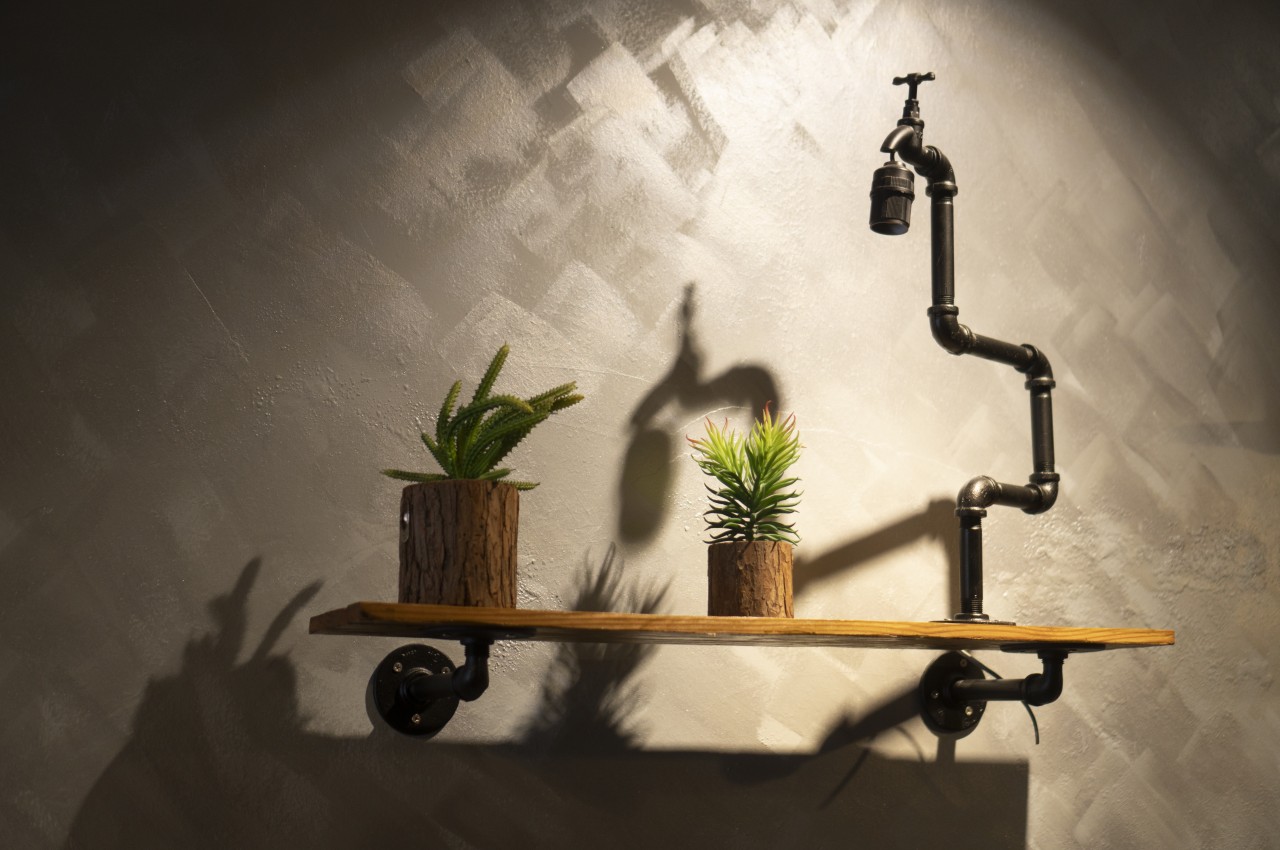
Floating shelves enhance storage efficiency, accommodate various items, and free up precious kitchen and bathroom counter space. The living room can transform into a gallery wall, showcasing beloved photos, travel souvenirs, and more.

2. Introduce Tall Bookshelves

Image courtesy of Decozilla

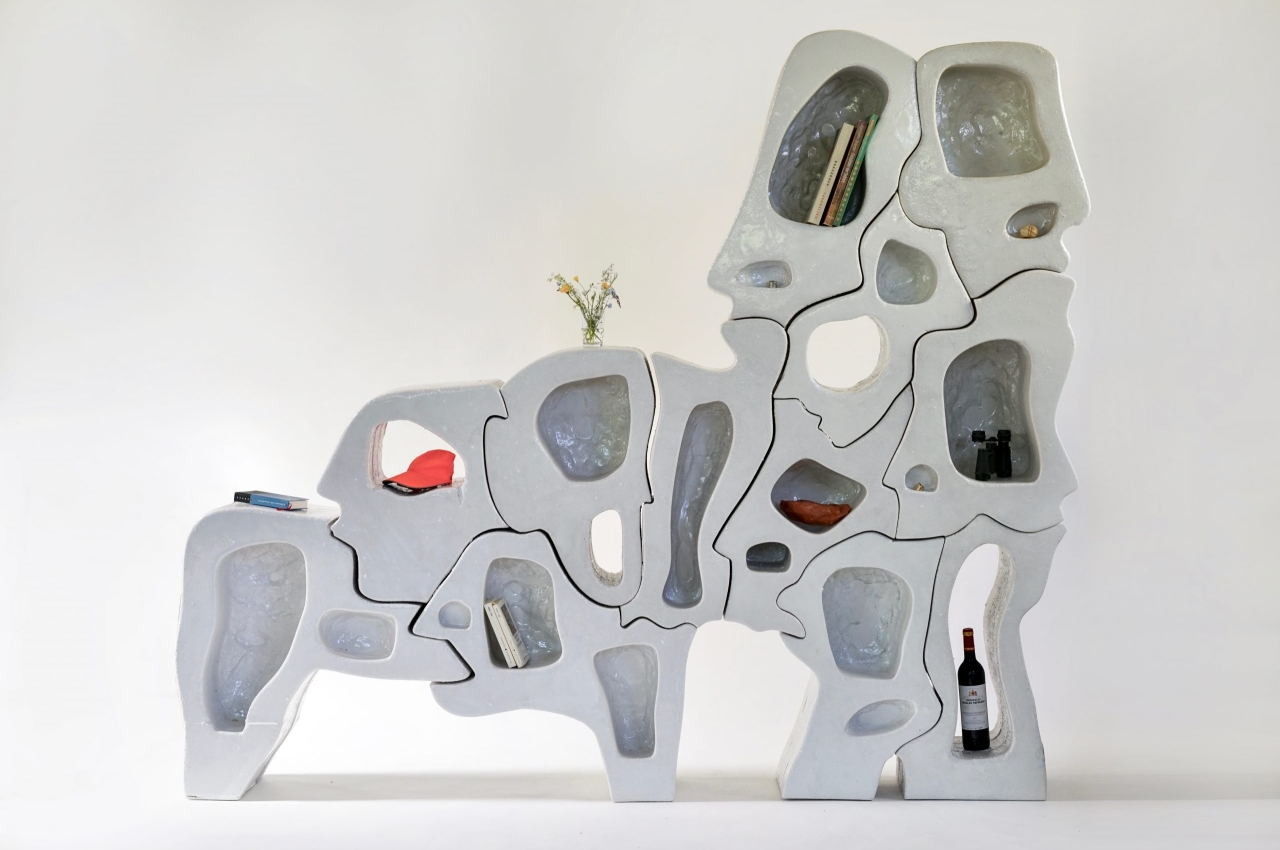
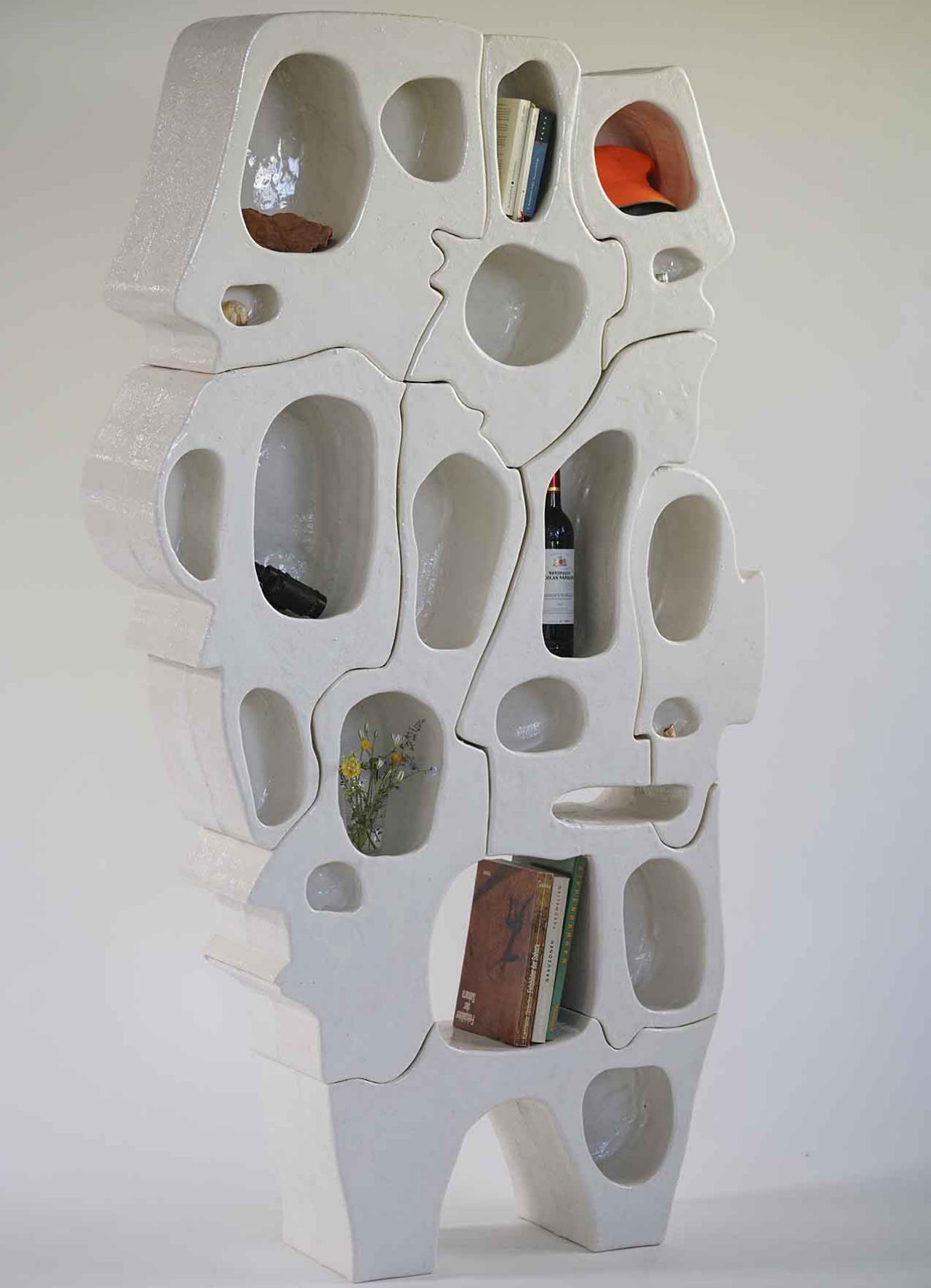
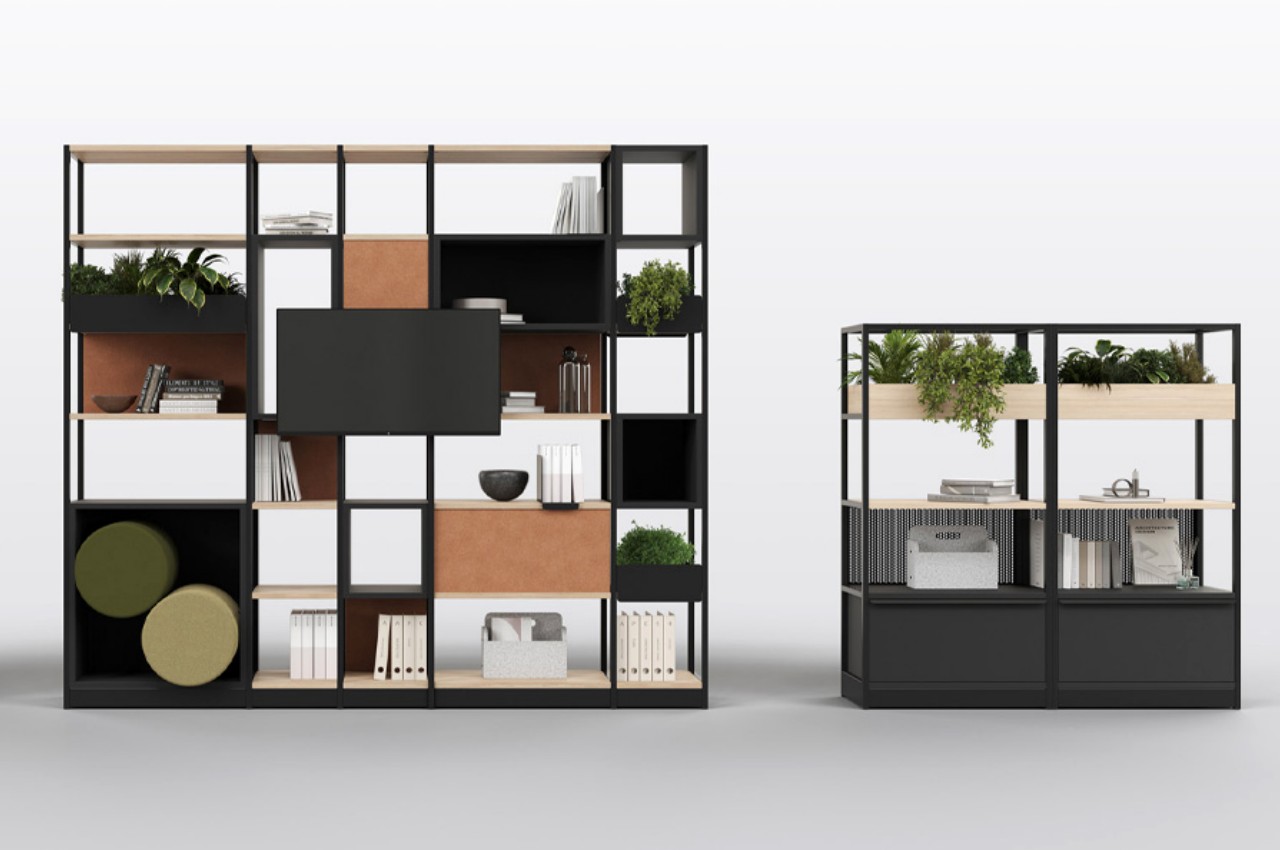
Tall bookshelves are a clever storage solution that provides essential storage and maximizes vertical space. In contrast to wider bookshelves that encroach on room space, tall bookshelves ascend vertically, efficiently using the room’s height. This is especially valuable in small apartments or homes with limited square footage. Opting for height over width optimizes storage without compromising floor space.

3. Optimize Door Storage

Designer: GLAM

Over-the-door storage is a great way to enhance the storage advantage and setting up these hooks or racks provides quick storage and no significant installation. This versatile storage can be used for storing shoes, various household items, and bags so doors maintain their shape. Hooks can also be used for hanging hats, scarves, belts, and jewelry.

4. Ceiling Hanging Storage

Designer: LCYCN

For homes with high ceilings, adding hanging storage can optimize space and elevate your interiors with style. Use the ceiling in the kitchen for displaying pots and cookware in the kitchen, and hang succulents from the ceiling.

Designers: Jorge Álvarez x NOS Design

Wholeder’s storage system employs suction to optimize storage space in every room, and it comes with a clever-sounding name too. The suctioned lid enables easy application on any wall or flat surface, making it functional not only in the kitchen but virtually any room. Wholeder is suitable for stowing away various items for later use, and its compact storage bins are also travel-friendly, available in different sizes to accommodate your specific needs.

5. Vertical Cabinets

Extending cabinetry vertically to the ceiling is a popular trend for maximizing unused spaces and achieving a modern look in kitchens and bathrooms. This approach optimizes storage and enhances aesthetics by eliminating wasted gaps between cabinets and ceilings. In bathrooms, tall cabinets efficiently store essentials without occupying floor space, contributing to a sleek and functional design.
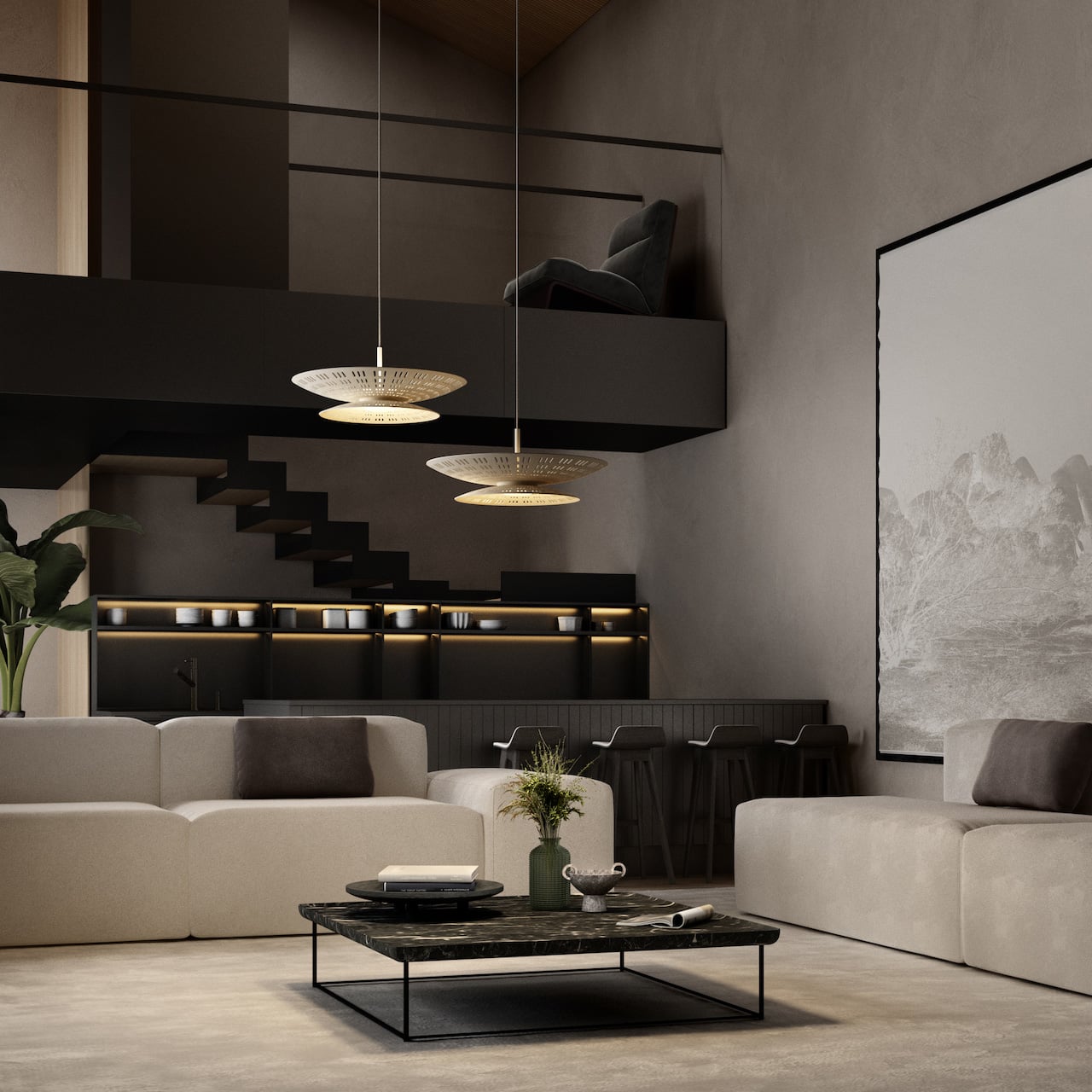
6. Create a Vertical Garden

Designer: Mingzhu Nerval

Instead of purchasing numerous potted plants and placing them in the corners or on windowsills, you can consider vertical gardening. Go for a wall-mounted vertical garden or a hydroponic setup. This will provide a green wall for herbs and small vegetables.

7. Headboard Storage

Designer: Buffets and Cabinets

The headboard presents an opportunity to transform into a fantastic storage space that not only serves a practical purpose but also enhances the overall aesthetic. By incorporating storage with a display in the headboard, you can optimize vertical storage, making it an ideal solution for both small and large spaces.

8. Go for a Murphy Bed

Designer: WWBeds Custom Furniture

Guest rooms are frequently impractical for small spaces; however, a Murphy bed stands out as a brilliant illustration of maximizing vertical space. What may serve as your lounge or study on most days can effortlessly transform into a fully-equipped guest room when needed, all thanks to a bed seamlessly integrated into the wall.

9. Room Divider Storage

Designer: Samana

Many modern designs feature open-plan layouts, seamlessly combining dining and living spaces. Introducing a room divider with storage not only allows you to establish distinct areas but also provides additional functionality for storage and display. Additionally, you can elevate its versatility by incorporating wheels underneath, enabling easy mobility. This way, you can effortlessly shift the divider to either create separation within the space or open it up by positioning it against a wall as needed.

Designer: Jean Couvreur for Kabata

The Fréquence shelf stands out as a minimal and refined shelving design that serves as a versatile piece of modular furniture. With its clean aesthetics in a striking white color, what distinguishes Fréquence is its ability to function as a bookcase, base unit, or room divider. Comprising a set of geometrically shaped modules, it allows for combinations and mix-and-match possibilities, enabling the creation of various designs tailored to your personal taste and your home’s specific requirements.

10. Decorative Shelving

Designer: Maryam Pousti for Studio Pousti

The Cheft Bookshelf is a geometric shelving unit created from interlocking sheets of wood, offering assembly without the need for nails, screws, or glue. In addition to serving as a functional bookshelf, it can double as a room divider or provide shelving for various items in your home. Drawing inspiration from the geometric patterns of traditional Persian architecture, the warm wooden aesthetics of the bookshelf seamlessly blend with the interiors of any modern contemporary home.

Designer: Guille Cameron Mac Lean

Listón is an innovative furniture system that employs cable ties and wooden slats to construct modular storage units. The cable tie system enables users to fashion an array of configurations, varying in sizes and shapes, resulting in essentialist shelving units suitable for any room. This system eliminates the need for traditional hardware and tools, as the cable ties securely fasten each module that comes with Listón.

11. Wardrobes as Bedroom Walls

A smart technique for optimizing vertical storage is to install cabinets that extend continuously from one end to the other, spanning from floor to ceiling.
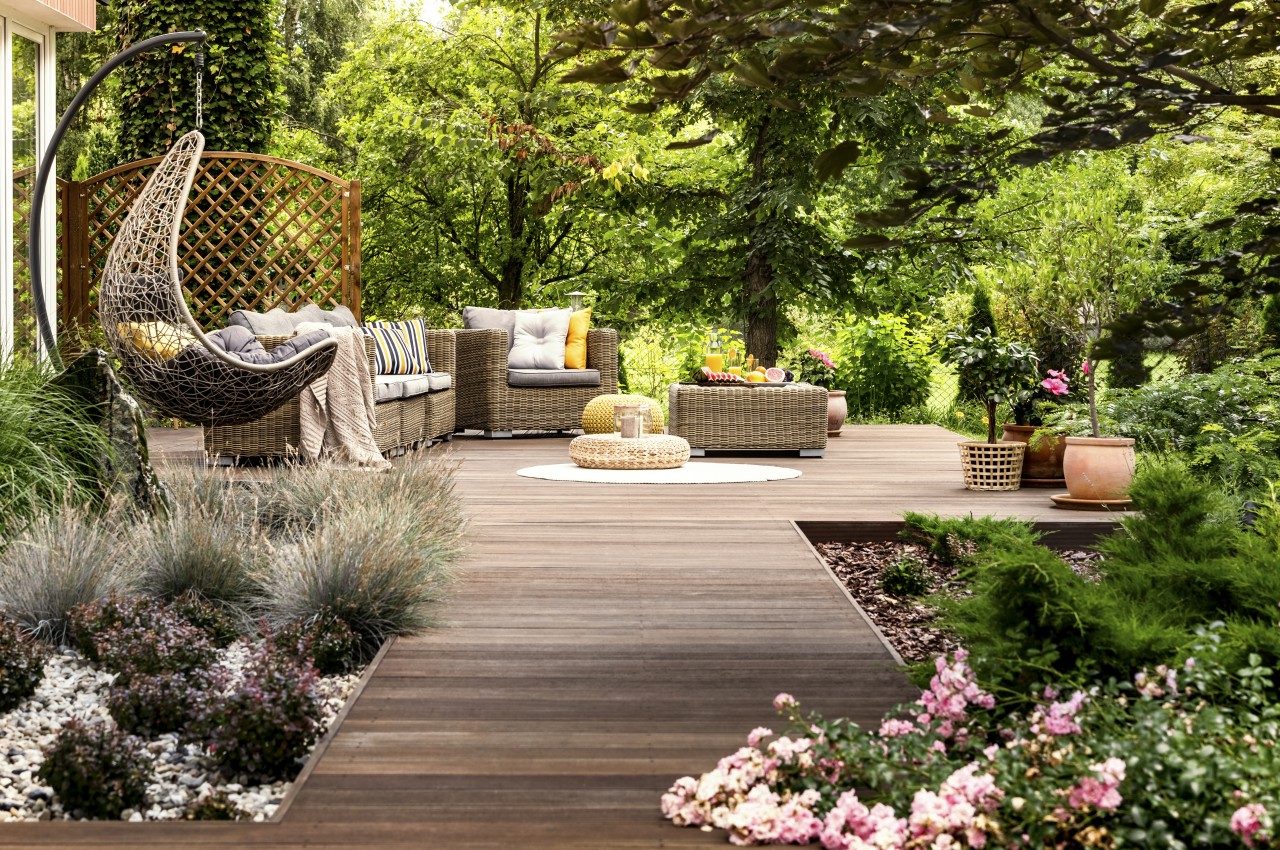
12. Add Wall-Mounted Shelves

Designer: Tomás Alonso

Crafted by Tomás Alonso, this wooden wall system draws inspiration from the ‘Kamoi,’ a wooden rail commonly found around the perimeters of rooms in Japanese homes. This minimal and gentle storage system is versatile enough to accommodate a range of items, from personal belongings to kitchen utensils, depending on its placement. The storage solution’s Japanese aesthetics bring a warm and clean element to any room where it is positioned.

13. Innovative Furniture

Designer: Michael Hilgers for OTTO

The COBBO bed features a minimalist Nordic-inspired design, incorporating solid oak legs and white storage cabinets positioned above the sleeping area. The bed’s subtly tapered design serves a dual purpose, providing both visual and physical lightness to the furniture. The cabinet above the bed is notably slimmer than the bed itself, allowing for the use of slim wooden pillars instead of metal ones to avoid excessive weight. The slender cabinet/shelf is equipped with four doors (two on each side), opening to reveal a neatly slim space for storing items such as books, quilts, throws, and cushions.

14. Multifunctional Furniture

Designer: Alessio Romano

Orte combines a full shelf and a mirror into a single, space-saving unit. With a limestone base supporting a rotating wooden frame, it features a mirror on one side and six hidden shelves on the other. The addition of a vibrant red hue brings a lively touch to the corner, and its elongated shape ensures easy fitting in any space. Orte serves multiple functions, functioning as a dresser, bookshelf, or discreet storage unit for quick-access items without always being on display.

15. Corner Storage

Designer: NOOOK

The Noook Becky Corner Shelf consists of stackable shelves designed to transform otherwise unused corners into practical storage areas. Specifically crafted for bathrooms, this innovative shelving solution maximizes space efficiency.

The post How to Maximize Vertical Storage to Minimize Clutter first appeared on Yanko Design.