Ancient Chinese Tradition of Feng Shui Reimagined To Fit Into The Modern World Of Appliances

Smart technology isn’t a very new concept anymore but with the promise of holistic well-being combined with technology, designer Yoojin Chung takes a satirical swipe at the Western interpretation of feng shui with her ingenious project, “Capturing Qi.” This trio of digital devices, born out of Chung’s critique of the commodification of ancient practices, offers a whimsical take on harnessing positive energy in the modern home.

Designer: Yoojin Chung

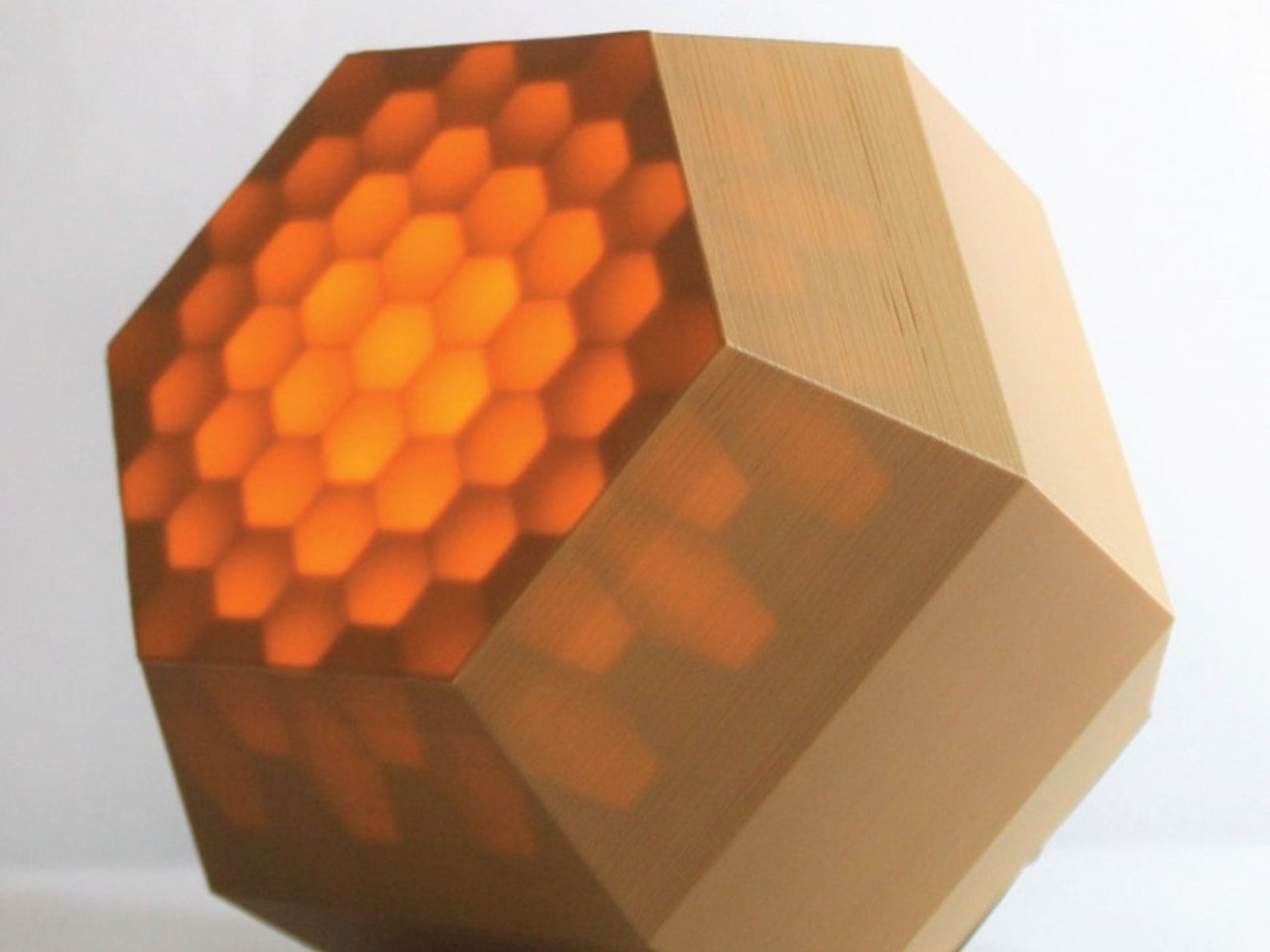
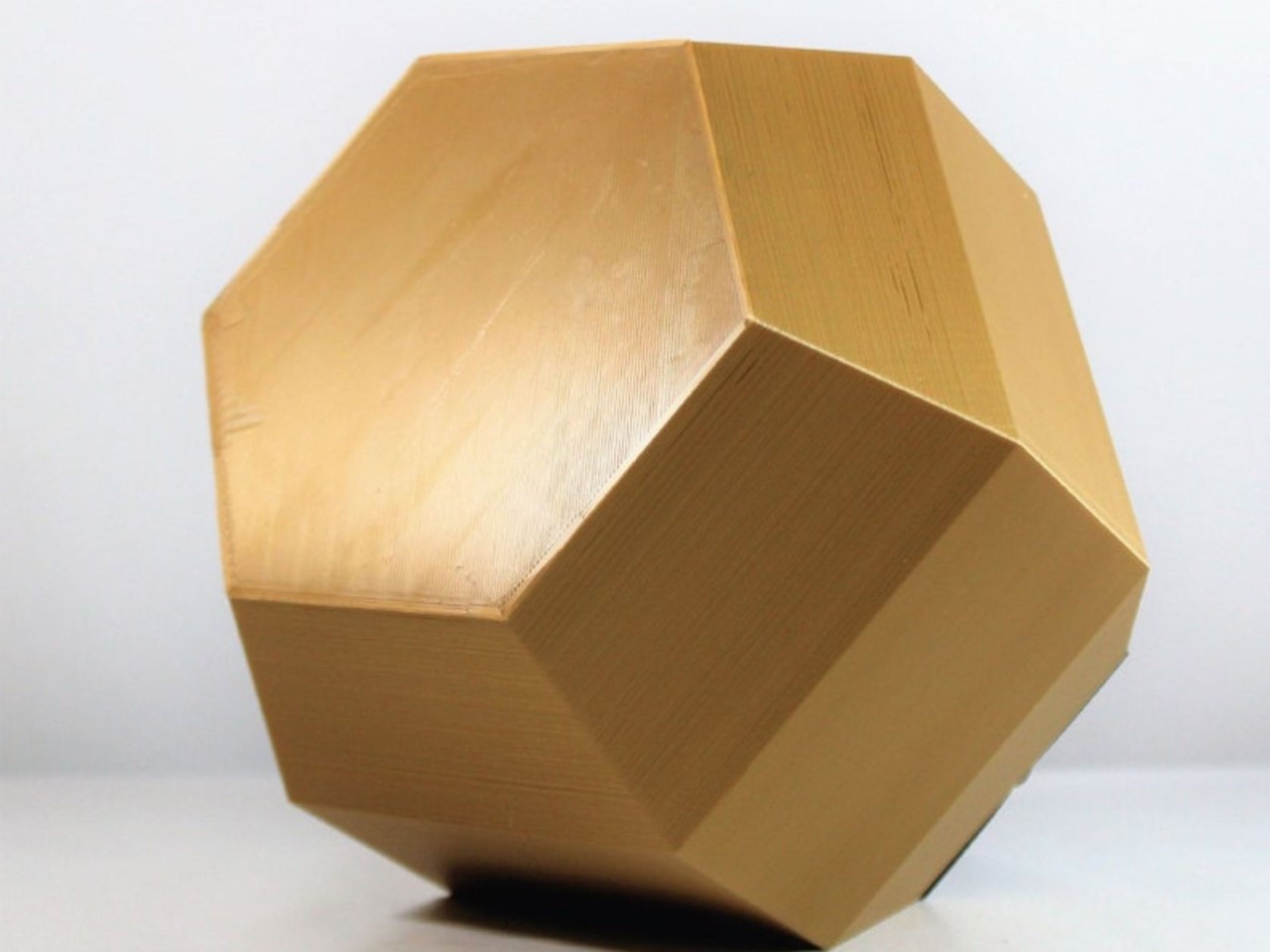
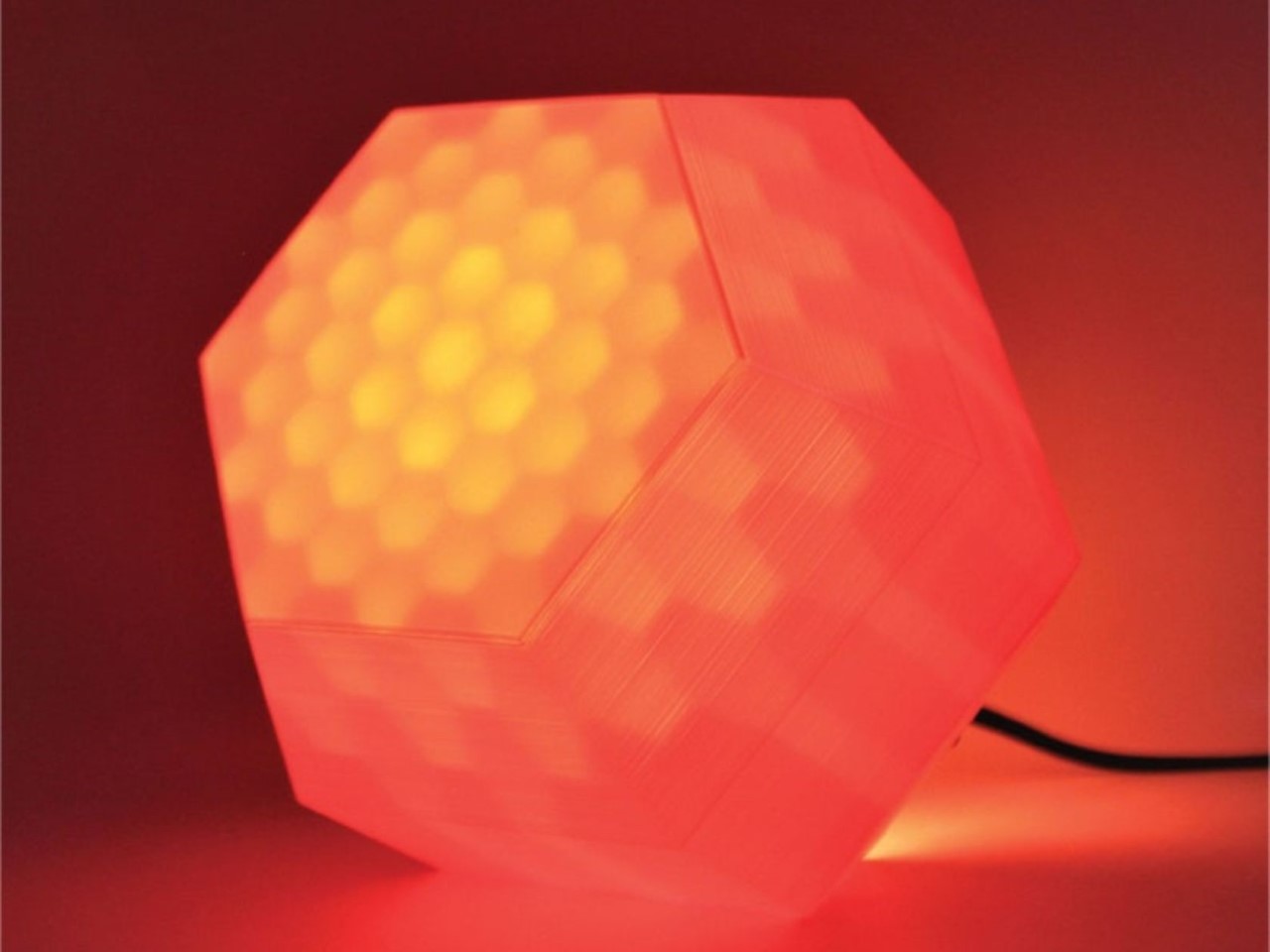
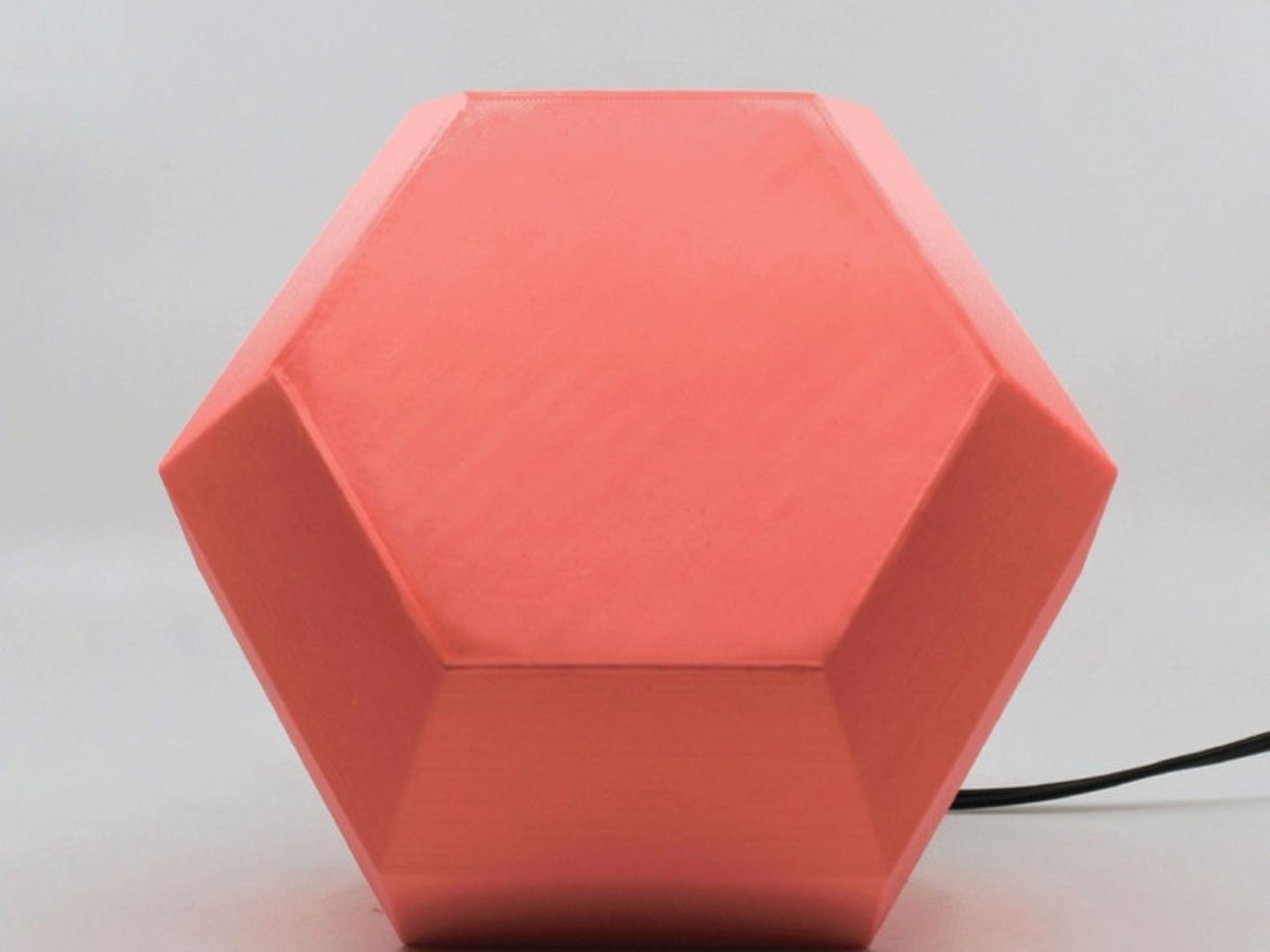
Drawing on her roots in South Korea, Chung’s project serves as a playful commentary on how feng shui, an ancient Chinese practice rooted in the flow of positive energy or qi, has been repackaged into consumer products promising health and fortune. With a keen eye for irony, Chung transforms three iconic feng shui objects – the crystal ball, the wind chime, and the water fountain – into dynamic smart-home devices, all controllable through a smartphone app.

This series of devices blurs the line between tradition and technology, reimagining familiar feng shui elements through a contemporary lens. Each device, whether it’s the spinning crystal, the swaying wind chimes, or the flowing water, creates a visual illusion of energy flow reminiscent of the traditional objects they imitate. Equipped with Arduino circuit boards, these devices seamlessly integrate into the smart home ecosystem, offering users the ability to manipulate their surroundings with just a few taps on their smartphones.

Yet, beneath the whimsy lies a deeper reflection on the human desire for control and success. Chung cleverly infuses her devices with a sense of agency, suggesting that the more one activates them, the greater their chances of success. It’s a nod to our innate yearning for control over our destinies, even as we seek solace in ancient practices like feng shui.

What sets these appliances apart is the thoughtful nod to scientific aesthetics, drawing inspiration from 18th-century scientific apparatus like vacuum chambers. By infusing the devices with the trappings of scientific equipment, it invites users to reconsider their relationship with feng shui in the context of modernity. The wind chime, suspended like a scientific instrument, prompts contemplation on the subtle nuances of object placement and their symbolic meanings in feng shui.

As a graduate of the MA Contextual Design program at Design Academy Eindhoven (DAE), Chung joins a cohort of designers pushing the boundaries of traditional design paradigms. Her work exemplifies the program’s ethos of challenging conventional norms and exploring the intersection of culture, technology, and design. In an era where ancient practices collide with cutting-edge technology, Yoojin Chung’s “Capturing Qi” serves as a poignant reminder of the ever-evolving nature of design and its role in shaping our lived experiences.

The post Ancient Chinese Tradition of Feng Shui Reimagined To Fit Into The Modern World Of Appliances first appeared on Yanko Design.
Ancient Chinese Tradition of Feng Shui Reimagined To Fit Into The Modern World Of Appliances

Smart technology isn’t a very new concept anymore but with the promise of holistic well-being combined with technology, designer Yoojin Chung takes a satirical swipe at the Western interpretation of feng shui with her ingenious project, “Capturing Qi.” This trio of digital devices, born out of Chung’s critique of the commodification of ancient practices, offers a whimsical take on harnessing positive energy in the modern home.

Designer: Yoojin Chung

Drawing on her roots in South Korea, Chung’s project serves as a playful commentary on how feng shui, an ancient Chinese practice rooted in the flow of positive energy or qi, has been repackaged into consumer products promising health and fortune. With a keen eye for irony, Chung transforms three iconic feng shui objects – the crystal ball, the wind chime, and the water fountain – into dynamic smart-home devices, all controllable through a smartphone app.

This series of devices blurs the line between tradition and technology, reimagining familiar feng shui elements through a contemporary lens. Each device, whether it’s the spinning crystal, the swaying wind chimes, or the flowing water, creates a visual illusion of energy flow reminiscent of the traditional objects they imitate. Equipped with Arduino circuit boards, these devices seamlessly integrate into the smart home ecosystem, offering users the ability to manipulate their surroundings with just a few taps on their smartphones.

Yet, beneath the whimsy lies a deeper reflection on the human desire for control and success. Chung cleverly infuses her devices with a sense of agency, suggesting that the more one activates them, the greater their chances of success. It’s a nod to our innate yearning for control over our destinies, even as we seek solace in ancient practices like feng shui.

What sets these appliances apart is the thoughtful nod to scientific aesthetics, drawing inspiration from 18th-century scientific apparatus like vacuum chambers. By infusing the devices with the trappings of scientific equipment, it invites users to reconsider their relationship with feng shui in the context of modernity. The wind chime, suspended like a scientific instrument, prompts contemplation on the subtle nuances of object placement and their symbolic meanings in feng shui.

As a graduate of the MA Contextual Design program at Design Academy Eindhoven (DAE), Chung joins a cohort of designers pushing the boundaries of traditional design paradigms. Her work exemplifies the program’s ethos of challenging conventional norms and exploring the intersection of culture, technology, and design. In an era where ancient practices collide with cutting-edge technology, Yoojin Chung’s “Capturing Qi” serves as a poignant reminder of the ever-evolving nature of design and its role in shaping our lived experiences.

The post Ancient Chinese Tradition of Feng Shui Reimagined To Fit Into The Modern World Of Appliances first appeared on Yanko Design.

Saudi Arabia’s New Luxurious Vacation Spot For Golf Enthusiasts

In the heart of Saudi Arabia’s expansive desert, a groundbreaking venture named Gidori is taking shape, offering a visionary escape for those seeking a blend of modern luxury, stunning landscapes, and outdoor recreation. Envisioned as a futuristic haven, Gidori stands as a testament to Saudi Arabia’s commitment to innovation and excellence in the realm of architecture and leisure.

Designers: Ignacio Gomez and Lama Al Kharboush

Gidori’s masterminds, architects from Aedas, are orchestrating a visual spectacle in the desert. With plans for 200 villas and homes seamlessly integrated into the natural surroundings, Gidori embraces the desert landscape rather than competing with it. At the heart of this ambitious project is the Monolith, an awe-inspiring beachfront complex featuring 190 cantilevering apartments adorned with glass and metallic surfaces. Drawing inspiration from the rugged beauty of natural rock formations, the Monolith is a gravity-defying structure that combines futuristic aesthetics with organic grace. Inside its embrace, residents and visitors can explore dining havens, retail spaces, and lush gardens, creating an immersive experience that blurs the lines between nature and architecture.

Beyond its architectural marvels, Gidori promises a luxurious escape with a carefully curated set of amenities. The boutique hotel, boasting 80 rooms, becomes a sanctuary of comfort and sophistication. Guests can relish the culinary delights of the hotel’s restaurants and unwind in the cozy lounges, ensuring a memorable stay. For golf enthusiasts, Gidori’s 18-hole championship golf course weaves through the low hills and rocky outcrops, challenging players with innovative design, breathtaking coastal views, and cutting-edge technology. The clubhouse mirrors this elegance, offering a refined space for hospitality, while the golf academy caters to traditional and e-sports aficionados alike, ushering in a new era of recreational engagement.

Gidori’s charm extends beyond its architectural grandeur and luxurious accommodations. The project embraces the natural beauty of the surroundings, emphasizing outdoor activities and lush landscaping. Trails for hiking wind through the terrain, offering both relaxed and challenging routes for nature enthusiasts. Cyclists, whether sticking to the road or venturing off the beaten path, will find Gidori a haven for exploration. Along the beach, a tranquil club invites guests to enjoy water sports and unwind in a serene atmosphere. As the sun sets, Gidori unveils observation platforms that provide unparalleled views of the night sky, creating an enchanting space for stargazers.

Gidori’s announcement aligns with Saudi Arabia’s ambitious vision for development, as evidenced by the progress of the 170-km-long Line project and plans for a towering 2-km skyscraper. Together, these ventures showcase the nation’s forward-thinking approach, pushing the boundaries of architectural innovation and sustainable luxury on a global stage.

The post Saudi Arabia’s New Luxurious Vacation Spot For Golf Enthusiasts first appeared on Yanko Design.

This touch-sensitive Terracotta Lamp combines tradition and modernity into one wonderful appliance

Pottery, an ancient art form with roots deep in human history, has evolved from a basic necessity to a therapeutic and artistic expression. In the modern era, there is a growing demand for earthy and handmade interior decor products. However, traditional potters often face challenges in diversifying their product lines to meet contemporary consumer preferences. TerraLume is a table lamp designed to address the needs and challenges faced by experienced potters.

Designer: Yashi Jivnani

Suresh Kumar Jyot, a 43-year-old potter with 27 years of experience, seeks income diversification, skill enhancement, and networking opportunities. Despite his mastery in crafting traditional earthen pots, he faces financial stability issues and competition from four competitors in his village. TerraLume aims to empower artisans like Suresh by offering new opportunities and a broader market beyond the village.

The lamp’s final design focuses on ease of duplication and mass production, incorporating standardization to streamline the manufacturing process. This approach enables potters to efficiently produce TerraLume, fostering local employment generation and contributing to the growth of the pottery craft market.

TerraLume operates on a push-button mechanism with magnetic plates. When pushed, the plates come in contact, completing the circuit and turning on the lamp. Pushing the button again raises the plates, breaking the circuit and turning off the lamp. This simple yet effective design enhances user experience and showcases the fusion of traditional craftsmanship with modern technology.

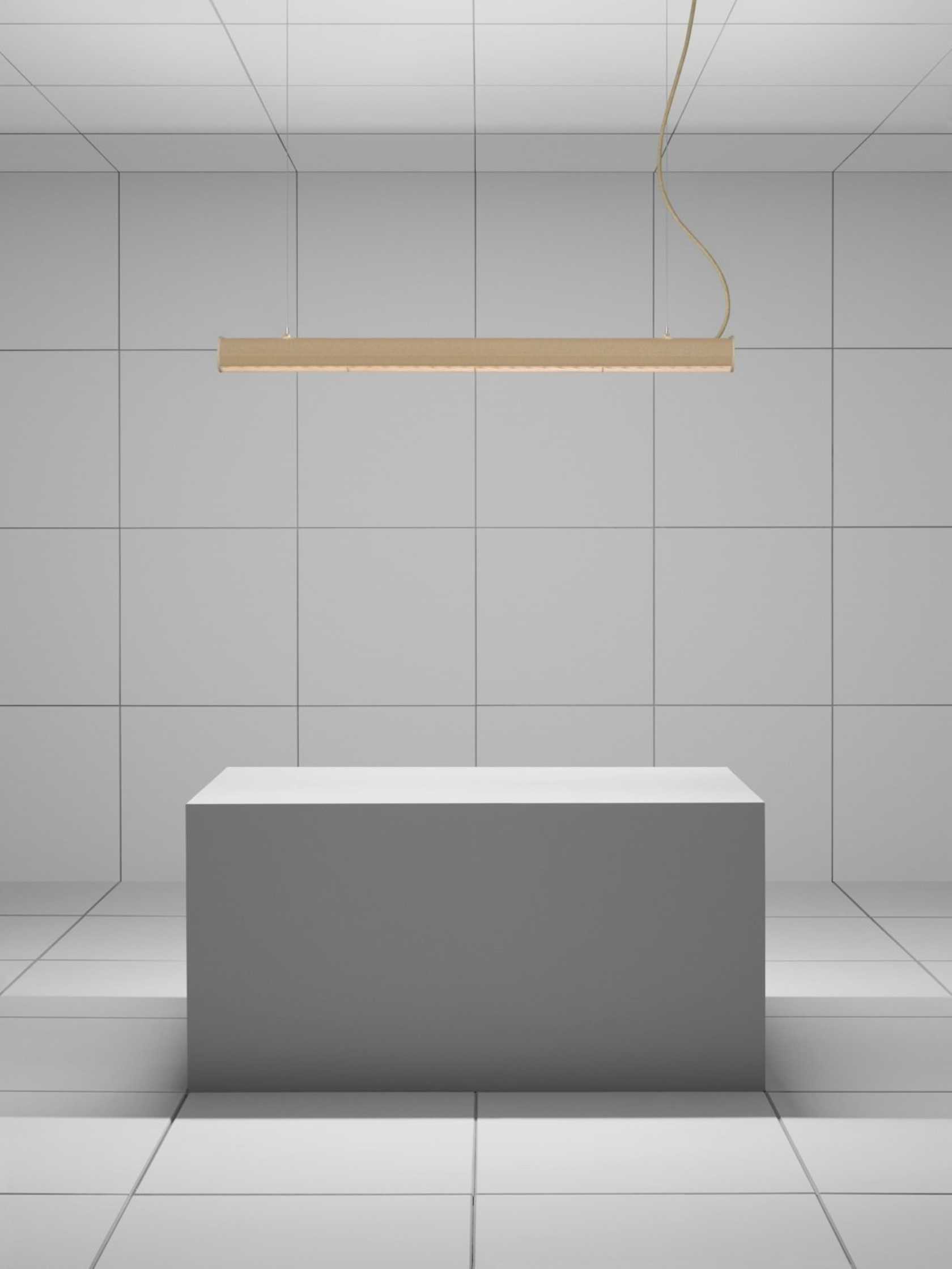
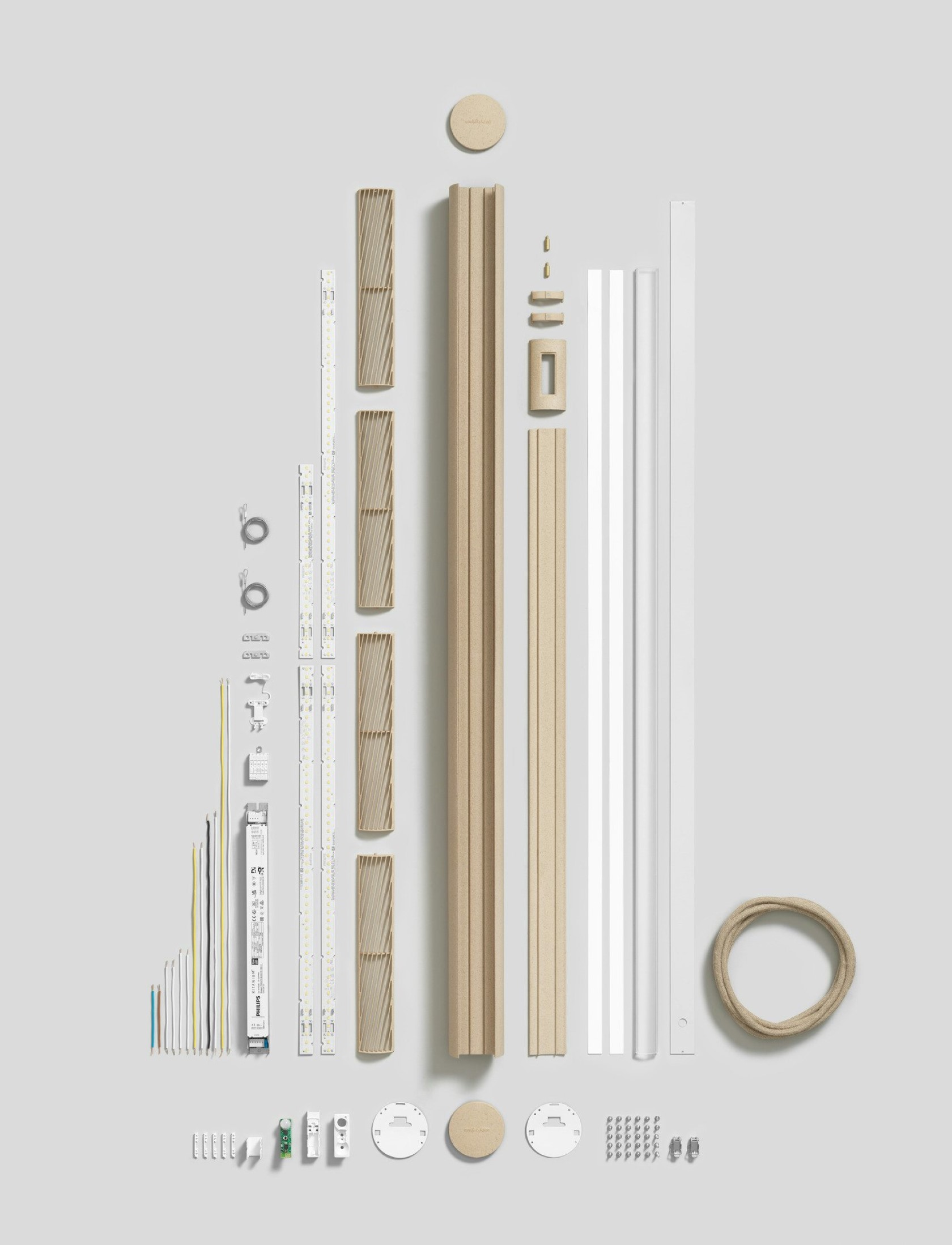
The lamp’s key components include a terracotta disk, steps to secure the acrylic sheet, a terracotta jacket, a terracotta disk with a step for push-lock functionality, a metal contact to complete the circuit, and an LED strip within a tube. The use of terracotta provides earthy tones, natural texture, and tactile qualities, connecting the product to tradition while aligning with sustainable and handmade craftsmanship.

TerraLume taps into the growing trend identified by WGSN, leveraging the healing benefits of earth tones, building an artisanal look for interior spaces, exploring co-designing opportunities, and investing in the craft market.

The lamp’s terracotta components not only showcase earthy tones but also evoke a sense of tranquility, fostering a serene and grounded atmosphere within living spaces. The meticulously crafted design of TerraLume goes beyond functionality, contributing an artisanal aesthetic that injects character and uniqueness into interior decor. In addition to its aesthetic appeal, TerraLume’s thoughtful design opens doors for collaboration between skilled potters and innovative designers. This synergy creates exciting opportunities for co-designing, allowing for the creation of bespoke and personalized pieces that reflect a harmonious blend of traditional craftsmanship and contemporary design sensibilities.

Furthermore, by seamlessly integrating TerraLume into their product lines, artisans like Suresh are poised to meet the surging demand for handmade and artisanal decor products. This strategic move not only enables potters to diversify their offerings but also plays a pivotal role in propelling the overall growth of the craft market. TerraLume stands as a catalyst for empowering artisans, fostering creativity, and contributing to the flourishing landscape of handmade interior decor.

TerraLume represents a successful fusion of tradition and innovation, providing potters with a viable avenue to diversify their product lines and meet the demands of contemporary consumers. Through its co-creation approach, bulk production capabilities, and alignment with market trends, TerraLume empowers artisans to enhance their skills, generate additional income, and contribute to the sustainable growth of the pottery craft industry.

The post This touch-sensitive Terracotta Lamp combines tradition and modernity into one wonderful appliance first appeared on Yanko Design.
The Moka Chair Pays Homage To Italy’s Most Iconic Coffee Brewing Pot

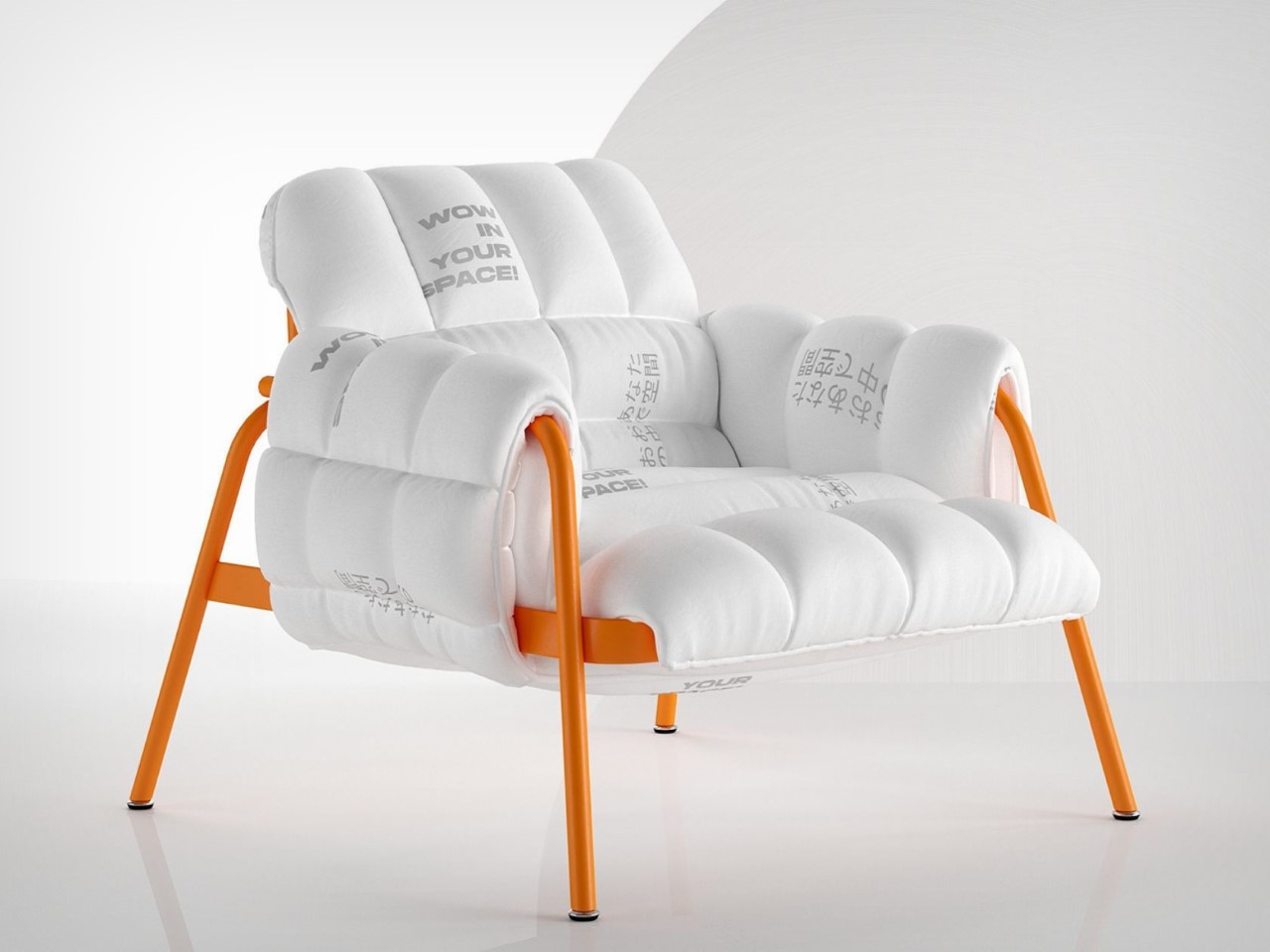
Most people think the furniture design market is saturated but designers always find a unique angle through the most unexpected inspiration sources and create wonders to make our surroundings a tale to narrate. The Moka Chair, a captivating creation is a testament to the innovative fusion of Italian coffee culture and the timeless elegance of the Bialetti Moka Pot. Crafted with the intent to embody the essence of both form and function, this cafe chair pays homage to the rich history and cultural significance of the Moka Pot.

Designer: Aditya Rathod

The designers wanted to create a cafe chair that seamlessly integrates the spirit of Italian coffee culture and the iconic Bialetti Moka Pot while prioritizing exceptional comfort and functionality. The challenge lay in crafting a piece of furniture that not only serves its practical purpose but also becomes a visual representation of the cherished coffee-making tradition.

The Bialetti Moka Pot is the original coffee maker, a symbol of Made in Italy quality, which offers the experience of the true Italian ritual of preparing a delicious original espresso-style coffee. Its unique shape dates back to 1933, when it was invented by Alfonso Bialetti. This distinctive shape and cultural importance served as the primary muse for the designers. The intent was to celebrate and extend the cultural significance of this symbol, transforming it into a functional and aesthetically pleasing chair. The decision to draw inspiration from the Bialetti Moka Pot is rooted in a deep appreciation for its cultural value. Beyond being a mere coffee maker, the Moka Pot holds a special place in the hearts of generations, reflecting Italian coffee culture and heritage. It has become a beloved household item, symbolizing tradition, craftsmanship, and the art of coffee preparation.

The chair transforms into more than just a functional seating option; it becomes a symbol of shared experiences, warm gatherings, and the joy of coffee culture. What better than an object that screams ‘coffee made in Italy’?! The designers wanted to create a tangible connection between people and the cultural legacy embedded in the Bialetti Moka Pot.

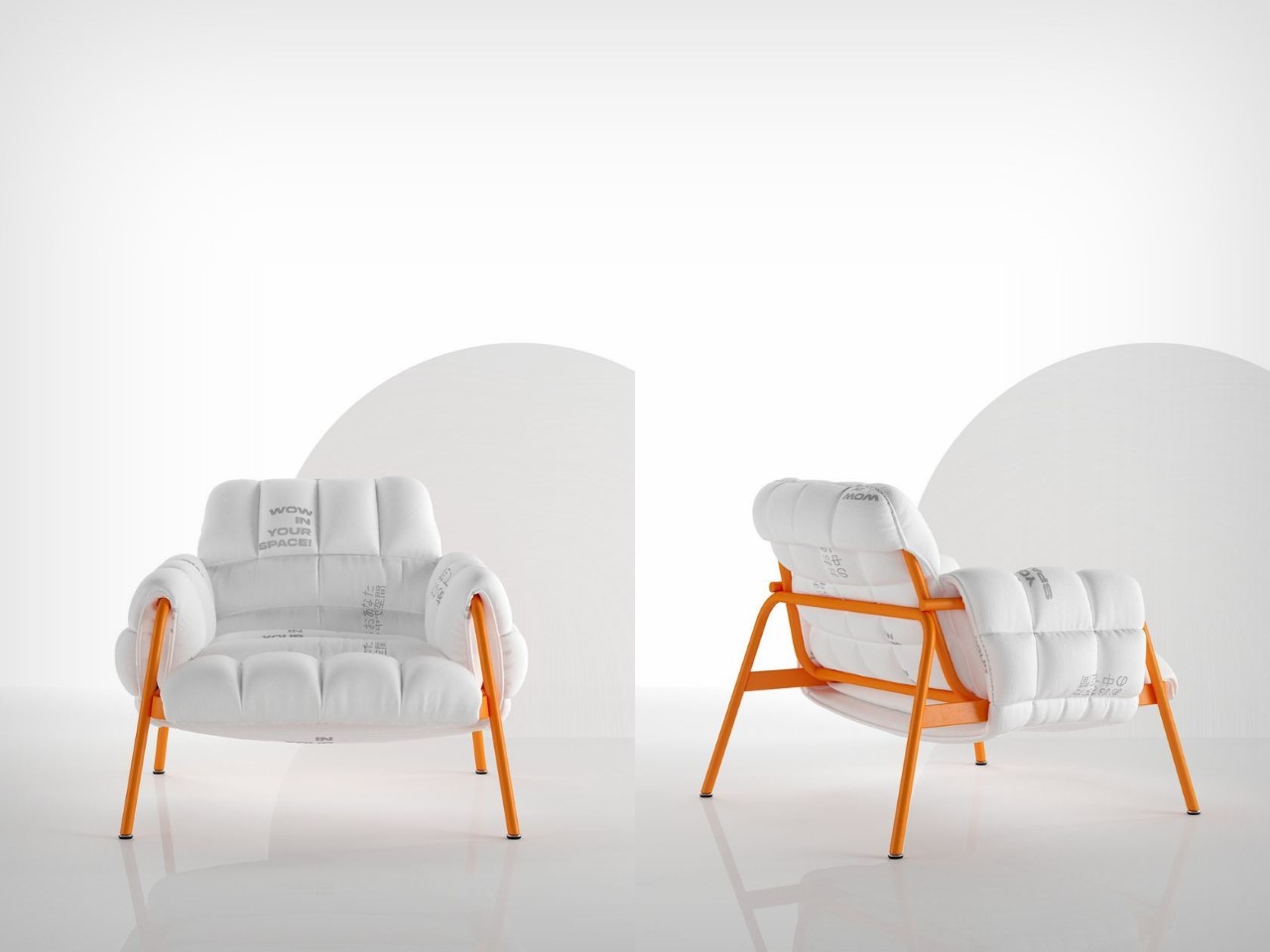
The Moka Chair seamlessly blends form and function, with its design reflecting the curves and lines reminiscent of the iconic Moka Pot. The silhouette of the chair pays homage to the distinctive shape of the coffee maker, creating a visual connection that is both elegant and nostalgic. The use of high-quality materials ensures durability, while the ergonomic design prioritizes comfort for extended periods of use.

The color palette chosen for the chair further enhances its connection to the Pot, with warm tones and subtle metallic accents evoking the rich, aromatic hues associated with the coffee-making process. The result is a chair that not only captures the eye but also invites users to experience the essence of Italian coffee culture in a tangible and comfortable way.

The chair stands as a remarkable example of how design can transcend functionality to become a symbol of cultural heritage and shared experiences. By channeling the essence of the Bialetti Moka Pot into a cafe chair, the designers have successfully created a piece of furniture that goes beyond mere utility. It becomes a celebration of tradition, an ode to the art of coffee-making, and an invitation to savor the warmth of Italian coffee culture in every sitting.

The post The Moka Chair Pays Homage To Italy’s Most Iconic Coffee Brewing Pot first appeared on Yanko Design.
This Rotary-Phone-Inspired Label Maker Is A Nostalgic Blast From The Past!

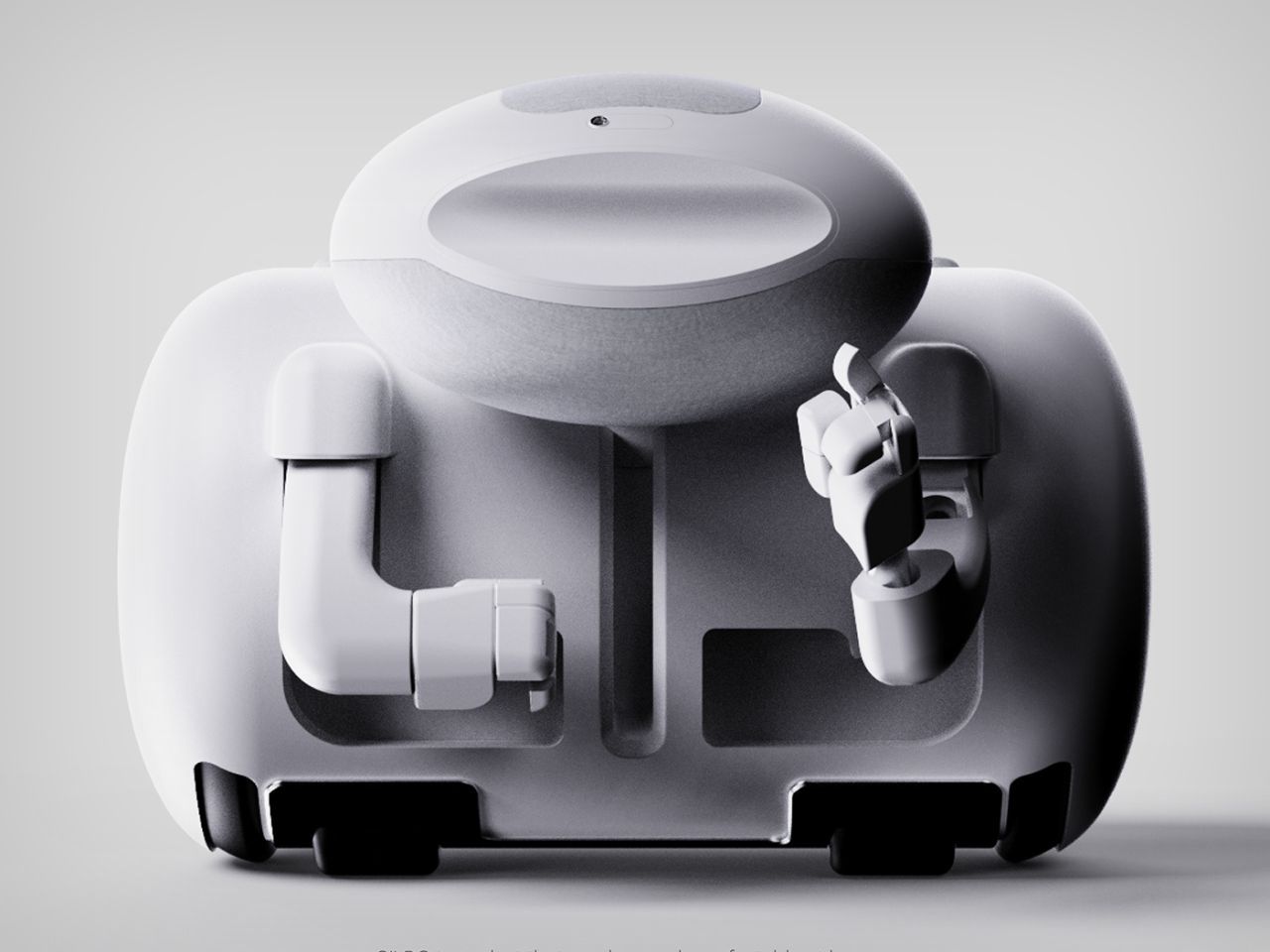
I’m sure I’m not the only one who appreciates the cuteness of small objects, there’s just something special about tiny objects, especially when they mimic bigger stuff. As amusing as the future seems, the retro charm is has a sense of warmth that most of us connect with on some level. Imagine the classic charm of an old-school telephone, but shrunken down and upgraded to handle your modern labeling needs. It’s a journey through time and creativity as one explores the adorable universe of this labeling machine. It’s a small package with a big dose of charm!

Designer: 102 Design Lab

The body of the labeling machine boasts a rounded design, reminiscent of the classic form of retro telephones. However, what truly sets this product apart is the incorporation of the iconic rotary dial as the switch design element. The rotating switch key serves as a metaphorical time tunnel, transporting users back to an era when telephones were more than just communication devices—they were symbols of nostalgia and romance.

As users rotate and slide their fingers across the switch key, a tangible connection to the past is established. The tactile experience evokes a sense of pleasure as if one is traversing through time and reliving the romanticized memories of bygone days. Each turn of the switch key becomes a delightful journey, immersing individuals in the soft embrace of a bygone era.

What adds to the appeal of the Vintage Phone Labeling Machine is its graceful color palette. Available in three distinct colors, the machine is not only a functional tool but also a stylish accessory that effortlessly complements any setting. The attention to detail in the design ensures that the labeling machine becomes a statement piece, blending seamlessly into both modern and vintage environments.

Despite its retro aesthetics, the labeling machine is not just about reliving the past—it also brings a touch of practicality to its users. Although seemingly limited to printing numbers on the telephone, the device excels in its simplicity and functionality. It manages to strike a perfect balance between form and function, offering users a unique and enjoyable experience without compromising on usability.

So if you’re looking for a cozy hug from the past in this contemporary tech world, this vintage phone labeling machine is for you! It’s a nod to the good old days when phones had that classic charm. This labeling machine isn’t just a tool; it’s a trip down memory lane. It lets you feel the nostalgia and romance of the days when phones were more than just devices – they were a whole experience.


The post This Rotary-Phone-Inspired Label Maker Is A Nostalgic Blast From The Past! first appeared on Yanko Design.
A Stationery Collection That Stands Out Through Poetry In the Saturated Market

In contemporary lifestyles dominated by digital communication, stationery remains a tangible and cherished commodity. The OZ Stationery collection is a testament to the creativity that can be put into an often-overlooked market. The journey of creating this unique collection began with a comprehensive study of the stationery market, aiming to find a distinctive niche in an already saturated industry.

Designer: Kashyap Masiwal

Market analysis and a thorough SWOT analysis revealed that the creative stationery market is experiencing rapid growth, with a Compound Annual Growth Rate (CAGR) of 13.8%. Furthermore, individuals associated with creative stationery tend to be the highest spenders on personal stationery. Leveraging this insight, the OZ Stationery collection was designed to cater specifically to the creative demographic.

Extensive research unveiled that stationery is not just a utilitarian item but also one of the most gifted commodities. With this in mind, the creators of OZ Stationery aimed to develop products that not only served practical purposes but also reflected the personality and artistic inclinations of the user.

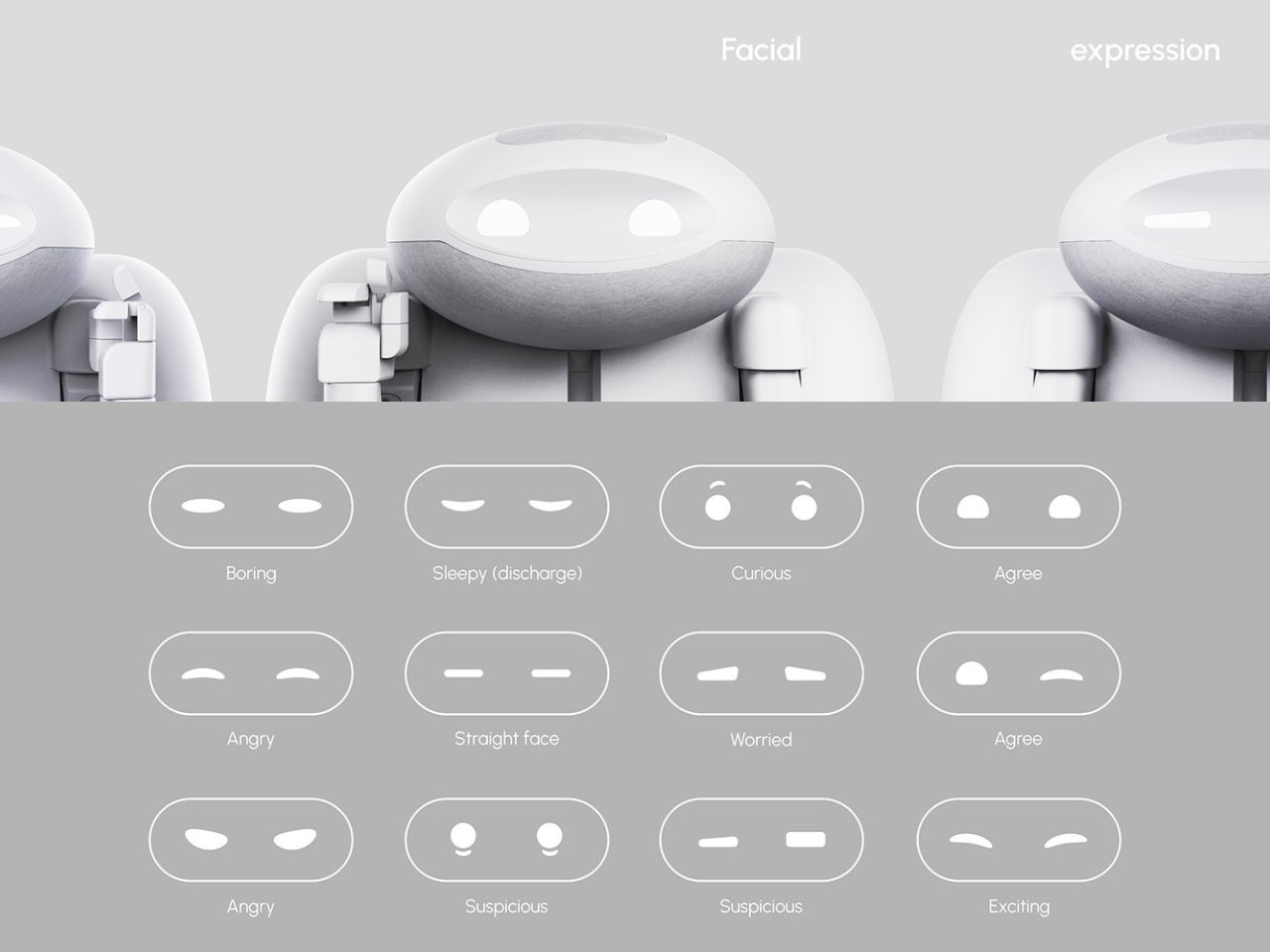
The core idea behind OZ Stationery was to create a series of personal stationery products representing popular art movements and their philosophies. The target audience was identified as creatives who resonate with specific artistic emotions, movements, or artists. This collection serves not only as a means of self-expression for the user but also as a thoughtful and unique gifting option. Choosing conceptual art as the overarching theme, the creators delved into the idea that the concept behind the artwork is more crucial than the finished product. This led to the development of three key concepts for the stationery collection: Clear Ideas, Deconstruction, and Expressions.

Pen: The Mightier Than the Sword

Drawing inspiration from the sword’s swooping motion and the iconic Excalibur (Excalibur is the mythical sword of King Arthur that may possess magical powers or be associated with the rightful sovereignty of Britain.), the pen incorporates a magnetic base and cap, providing a unique and secure closure.
The pen is crafted from aluminum with pattern engraving, emphasizing both form and function.

Inkpot: Ink it Down

Taking inspiration from the cross-section of a pen, the inkpot is designed in a prism shape, harmonizing aesthetics and functionality.

Sharpener: From the First Promethean Ember

The sharpener draws inspiration from the first embers produced by striking stones, utilizing concrete and cloudy plastic materials.
The top part rotates to sharpen a pencil simulating the rubbing of stones, while the bottom container collects shavings resembling embers.

Erasers: Poetic Significance in Every Detail

Soft and hard erasers symbolize the human effort to erase history and the permanence of historical events. Both erasers perfectly fit together, representing the continuous erasure of history.

Ruler: Paramount Structures in Time

Drawing inspiration from pyramids and standing arches, the ruler symbolizes the rulers of history and time. Crafted from plastic, polycarbonate, and copper, the ruler unfolds to reveal various dimensions and curves.

Tape: Joining Broken Pieces

Inspired by joining puzzles, the tape represents the act of connecting fragmented thoughts and ideas. Each product in the OZ collection carries a poetic significance, making it stand out in its uniqueness.

Packaging:
The name “OZ” is derived from the famous poem “Ozymandias,” which explores the theme of time’s relentless passage. This thematic connection is reflected in the packaging, reminding users that time and tides wait for none.

The post A Stationery Collection That Stands Out Through Poetry In the Saturated Market first appeared on Yanko Design.
This 2-in-1 Wireless Speaker + Power Bank Is Your Perfect Travel Buddy For Road Trips and Picnics

Braun has long been celebrated for its minimalist aesthetics and commitment to delivering high-quality consumer goods. From innovative kitchen appliances to iconic grooming devices, Braun products are a testament to functionality, durability, and timeless style. The Audio 1 concept takes inspiration from this legacy, embodying the brand’s principles in a fusion of retro design and contemporary technology.

Designer: Abeer Mahadane

The ideation process of this device posed a meticulous challenge, as Braun’s outwardly simple designs revealed intricate considerations in every measurement. The SK series, known for its retro design, served as a significant muse for the creators. Each element of the device, from the placement of dials to buttons, was carefully thought out, offering a unique perspective on the deliberate reasoning behind its placement.

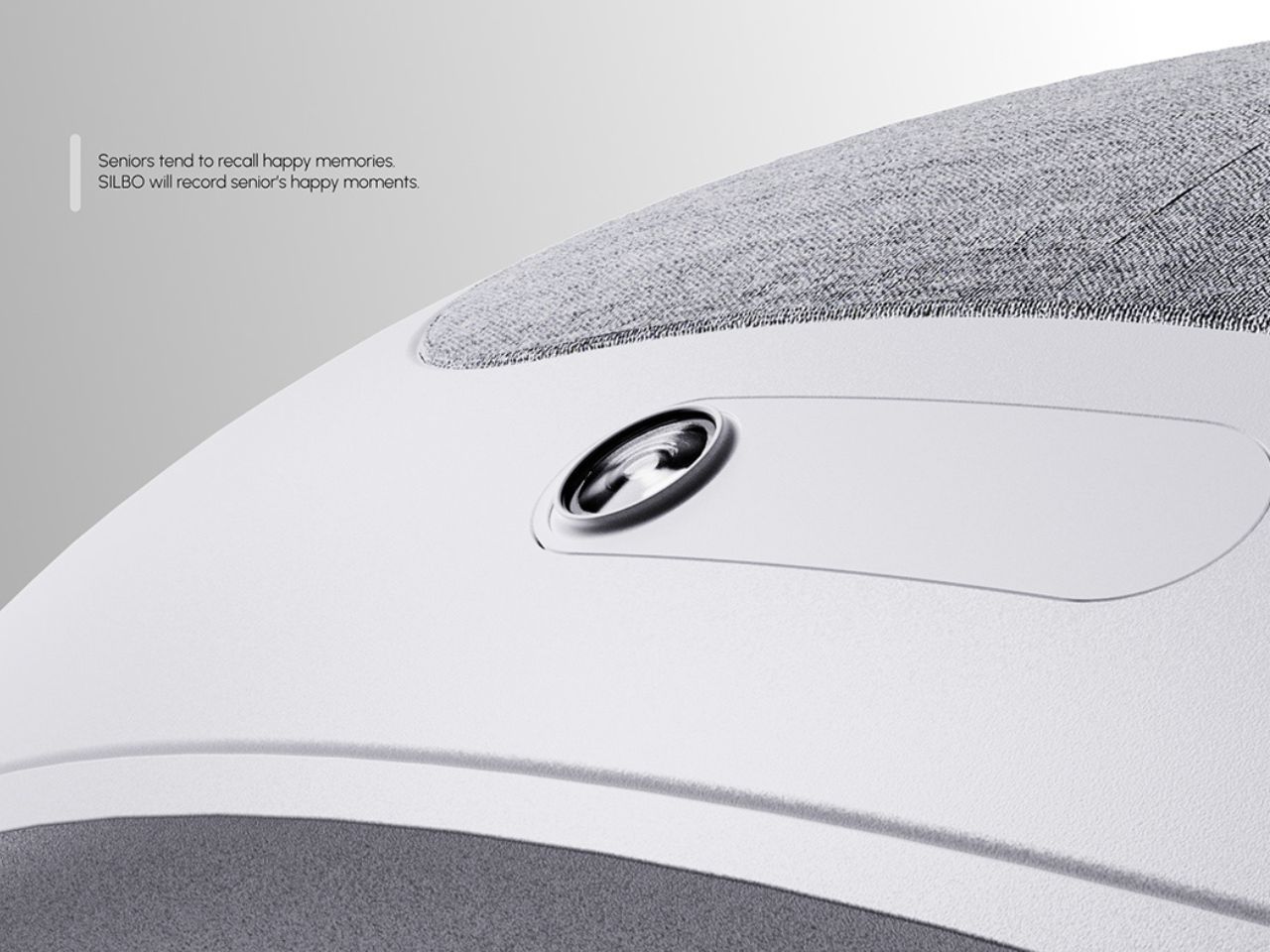
Audio 1 stands out with its thoughtful division into two sides—one dedicated to the speaker functionality, and the other to controls and the integrated power bank. This design choice not only enhances user experience but also reflects Braun’s commitment to reducing clutter and maintaining a clean, organized appearance. Having all controls and inlets on one side ensures easier access, preventing the device from looking like a mess with wires coming out from everywhere. This strategic layout aligns with the brand’s minimalist approach, creating a seamless and aesthetically pleasing device.

Audio 1 goes beyond its elegant design by offering practicality in its compatibility with various wire types. With support for C-type and USB connections, the device caters to the diverse needs of users, ensuring a hassle-free experience and eliminating the need for multiple cables. This feature further enhances the versatility of Audio 1, making it a convenient choice for users with different devices.

Audio 1 represents a harmonious blend of retro design inspiration and modern innovation. Braun’s commitment to meticulous design considerations, minimalist aesthetics, and functionality is evident in every aspect of this innovative device. With its thoughtful division of functionality, reduced clutter, and compatibility with different wires, Audio 1 emerges not only as a stylish audio companion but also as a practical and versatile travel essential.

This is a conceptual product. Any reference to Braun is purely for representational purposes

The post This 2-in-1 Wireless Speaker + Power Bank Is Your Perfect Travel Buddy For Road Trips and Picnics first appeared on Yanko Design.

Aera x Firmship Designs A Special Edition Of Their P-1 Pilot Watch

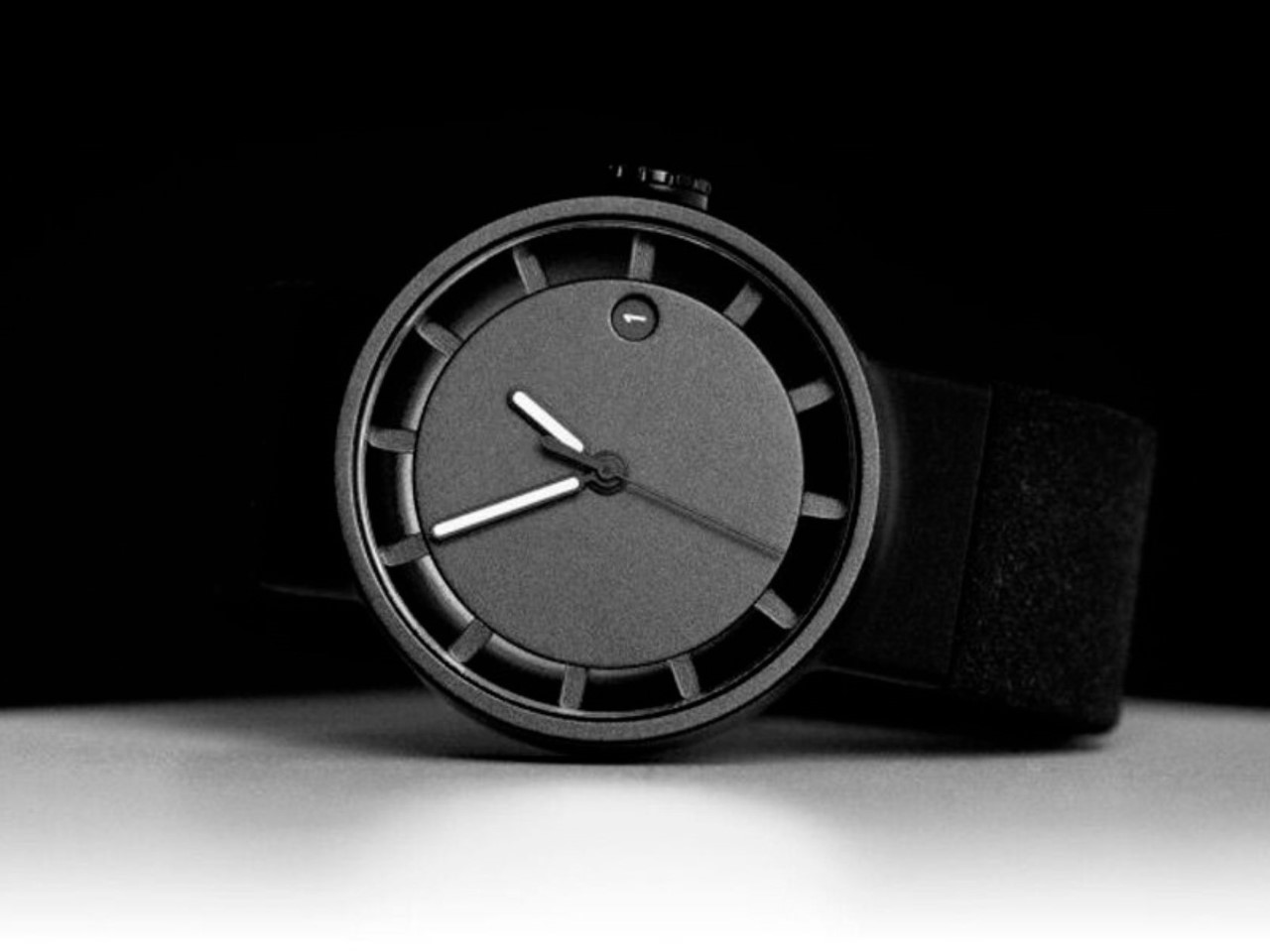
Embark on a journey through time with the Aera x Firmship P-1 Pilot – Titanium Edition, a limited-edition timepiece that’s not just a watch but a dynamic fusion of maritime elegance and contemporary craftsmanship. In a collaboration that transcends design boundaries, Yachtbuilder Firmship and Aera have crafted a timekeeping masterpiece that resonates with minimalist charm and functionality.

Designers: Firmship and Aera

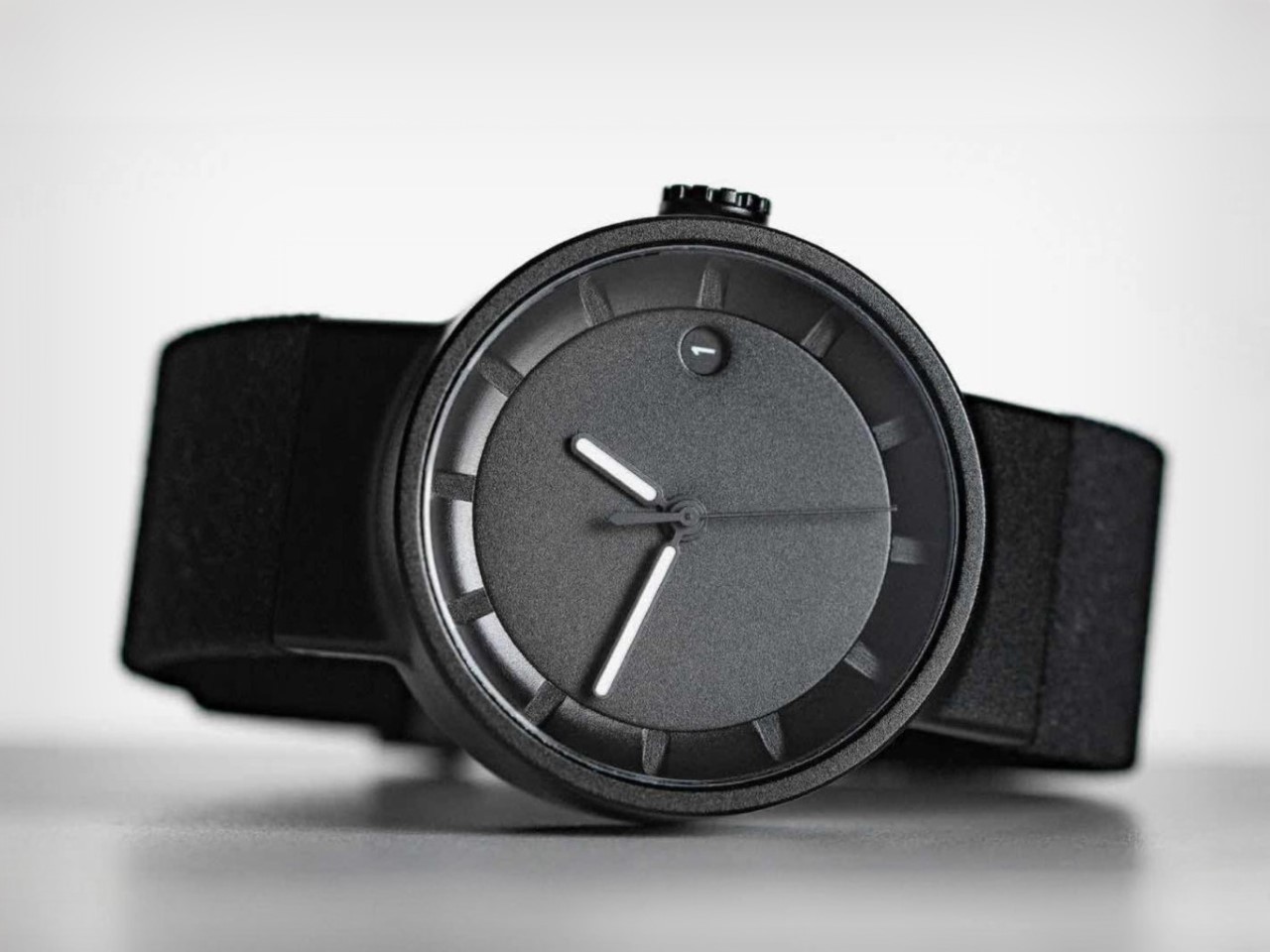
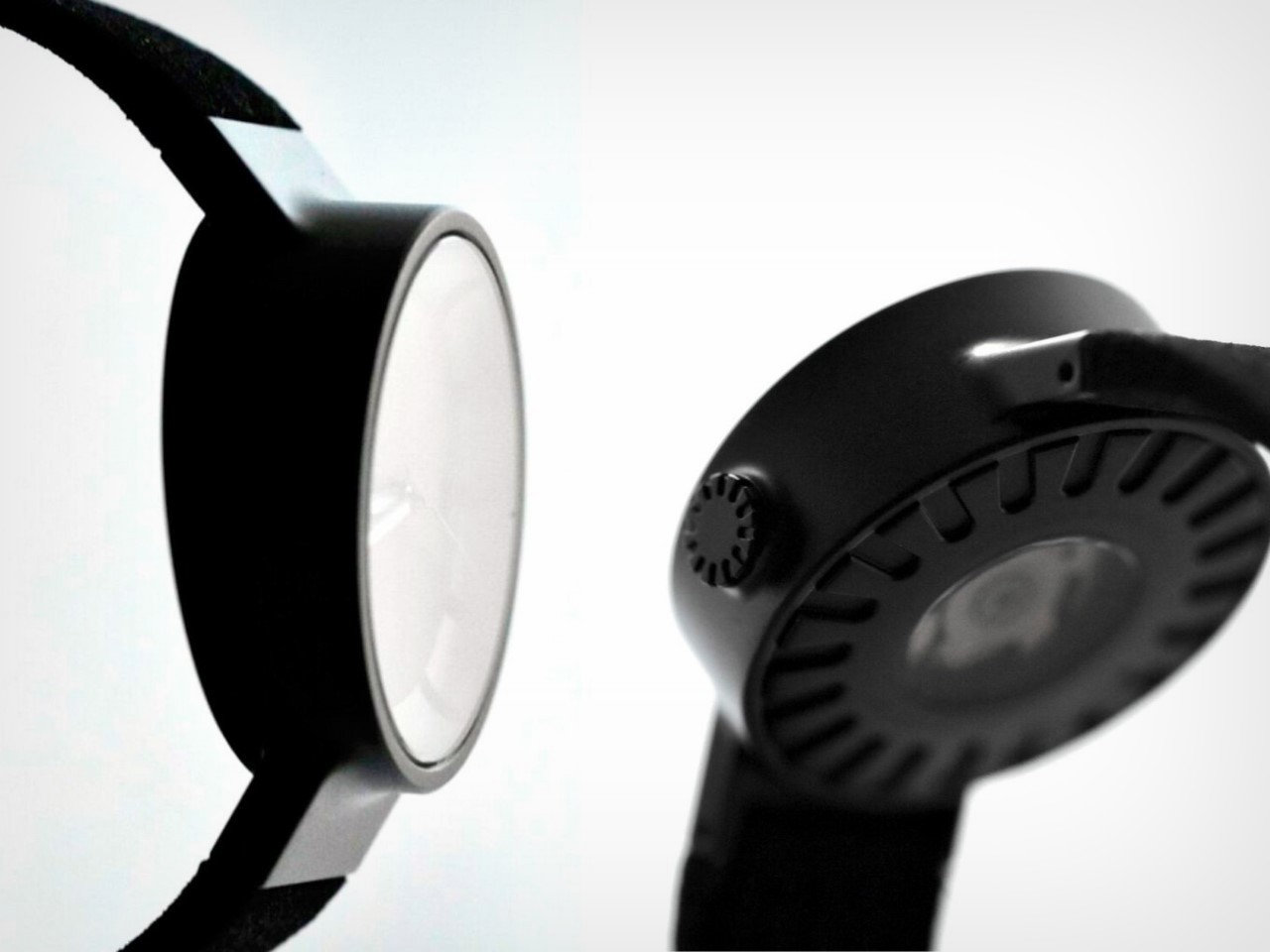
It is a T-5 Titanium case in Firmship’s signature grey, housing a dished dial embellished with a recessed Aero logo. It’s not just a watch; it’s a visual symphony. The watch’s heartbeat is the Sellita SW200-1 Elabore movement, ensuring precision, while the scratch-resistant sapphire domed crystal not only provides a clear view of time but also adds a layer of durability. Sapphire crystal is the most expensive type of watch glass as it is incredibly hard and therefore durable and perfect to protect the watch dial against shock.

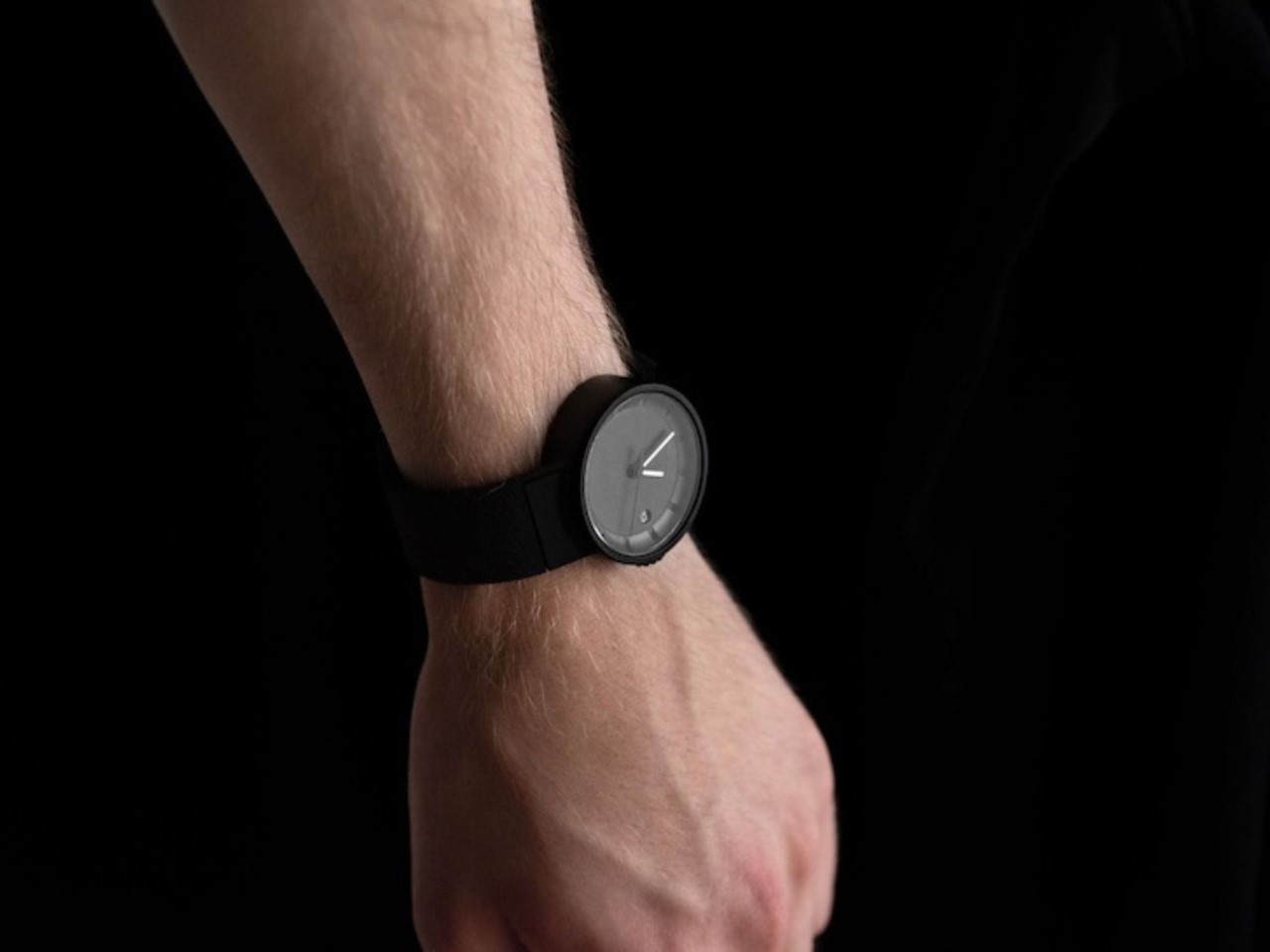
The three-hand display, featuring white Swiss Super LumiNova on the hour, minute hands, and crown, transforms the classic tool watch into a contemporary marvel. This isn’t just a timekeeping device; it’s a wearable work of art.

Behind the creation of this edition are the visionary founders of Aera and Firmship, whose two-decade-long friendship has spawned this exclusive timepiece. More than a watch, it’s a shared commitment to craftsmanship and quality, etched into each piece with a collaborative logo and a unique serial number.

Included with the purchase of every Firmship Land Rover Defender, the watch becomes an integral part of the Firmship experience, harmonizing seamlessly with the silent strength of the vehicle and the sophisticated aesthetics of the Firmship 55 work ship.

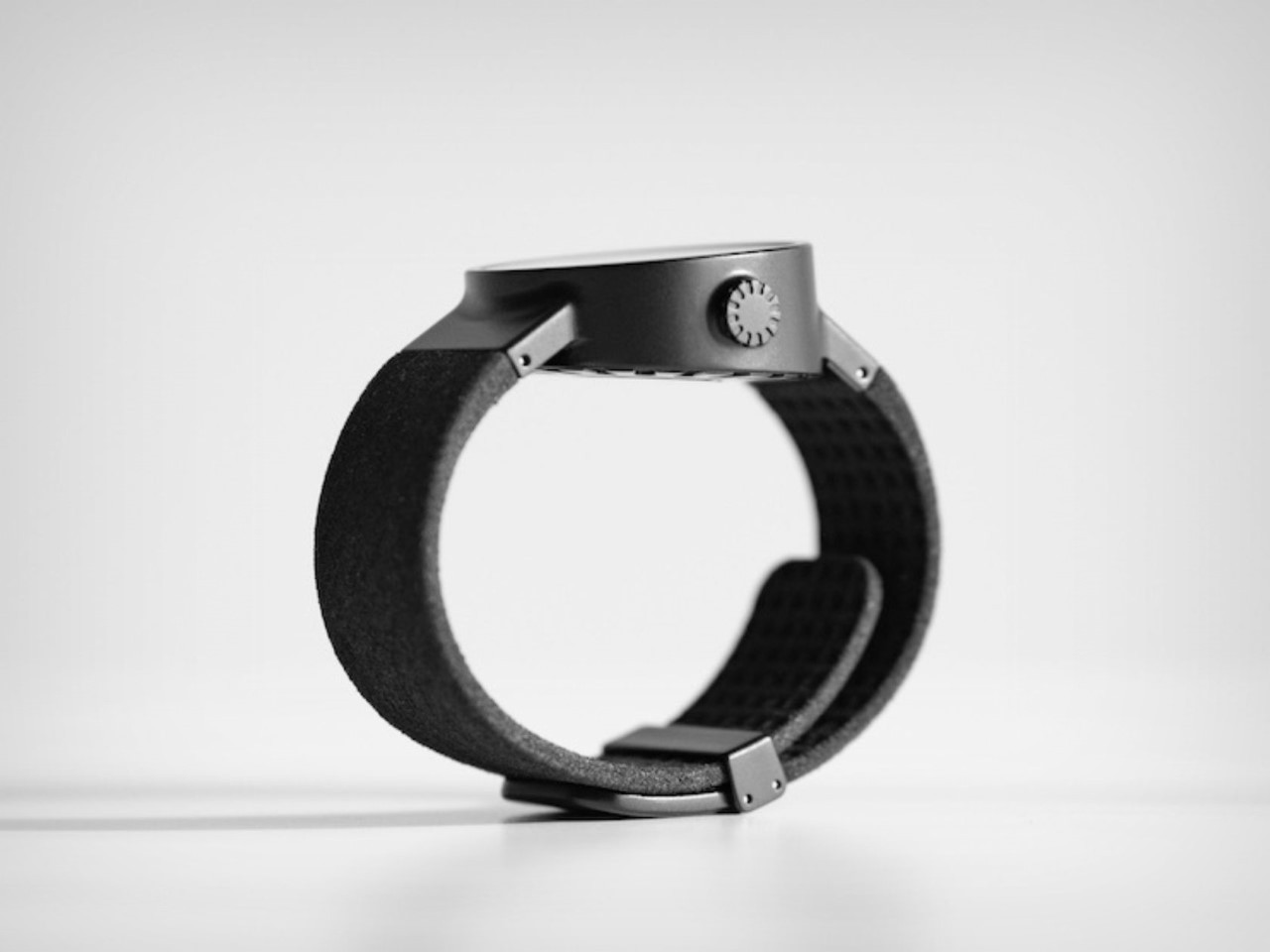
The P-1 Titanium Edition comes not with just one, but two strap options, each telling its own story. The Smooth Mahogany Leather strap, inspired by the Firmship 55 work ship’s wooden decking, exudes elegance. Meanwhile, the Battleship Grey Rubber strap draws inspiration from the Land Rover Defender’s interior, adding a touch of modernity.

The best part is a quick-release function on both straps, allowing you to switch up your style effortlessly. It’s a watch that adapts to your vibe, ensuring compatibility with a full selection of quick-release straps across the Aera range.

The Aera x Firmship P-1 Pilot – Titanium Edition isn’t just a watch; it’s an invitation to sail through time in unparalleled style. As it graces the wrists of Firmship Land Rover Defender owners, it not only tells time but also weaves a narrative of collaboration, craftsmanship, and a shared passion for design. It’s more than a timepiece; it’s a testament to the artistry of Aera and the maritime mastery of Firmship.

The post Aera x Firmship Designs A Special Edition Of Their P-1 Pilot Watch first appeared on Yanko Design.
Kismas Glass Brick Lamps: A Fusion of Vintage Elegance and Modern Innovation

Dive into the world of cool lighting with Kismas, a Lithuanian design studio that’s turning vintage vibes into modern magic. Old-school glass blocks from the Cold War era are getting a fresh lease on life, thanks to Kismas’ playful design spirit. They’ve introduced a dreamy collection of glass brick lamps – the Vintage Line and the Modern Line. It’s like Kismas is playing matchmaker between the past and present, creating a home vibe that’s both nostalgic and cutting-edge. These lamps aren’t just illuminating; they’re time-traveling storytellers, celebrating the cool factor of vintage design. So, if you want your space to be a mix of retro charm and contemporary chic, Kismas has got the perfect lighting symphony for you!
Designer: Kismas

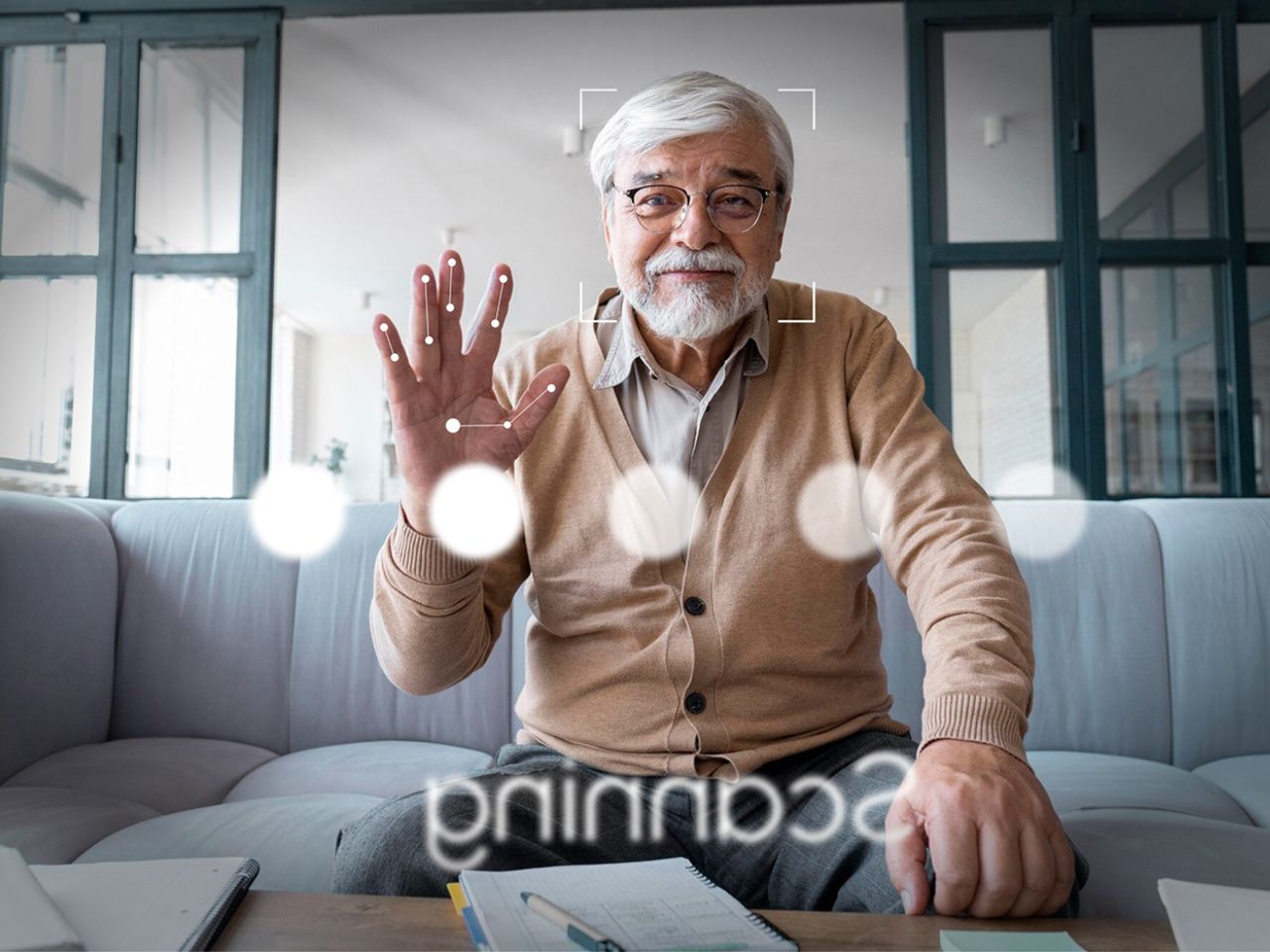
The Kismas Vintage Line brings forth a marriage of minimalist steel bases and reclaimed glass blocks, each with a unique history dating back to the fierce times of the Cold War. Salvaged from various Baltic countries, these original glass elements, deemed “imperfect” by the brand, find a new identity in Kismas lamps. The juxtaposition of sturdy yet subtle dark steel bases with the transparent glass blocks creates a striking visual interplay, emphasizing graphic patterns and corrugated edges.

Rich Green Lamp 01, a standout from the Vintage Line, showcases the deep green color characteristic of blocks used in brutalist buildings in the Soviet Union. Bearing marks, scratches, and small cracks, each lamp becomes a one-of-a-kind piece with a rich history. The Bigger Optical Lamp 01, another Vintage Line gem, features lighter green blocks from the ’70s-’80s in Lithuania, allowing for the use of filters that can change the color of the emitted light.
In the Kismas Modern Line, the design takes a leap forward with glass block lamps crafted by Seves Glass Blocks. Clean lines, bold patterns, and flawless clarity define this collection, paying homage to modernist architecture. The centerpiece, Doric Lamp 01, features a Doric19 glass block inspired by renowned architect Rafael Moneo, while the Linear Lamp 01 and Cross Linear Lamp 01 introduce ribbed patterns and intersecting lines for unique lighting effects. The 80s Dream Lamp 01 and Orbital Lamp 01 round out the Modern Line with a frosted surface and Maison de Verre building inspiration, respectively.

Kismas doesn’t stop at elegant design; it introduces a creative twist with light filters that can instantly transform the ambiance of a room. These easy-to-install filters come in seven hues, from the cinematic Dirty Yellow and Tokyo Blue to the subtly neon Dark Pink and Neon Green. Primary Red adds a vibrant touch perfect for lively gatherings, while Pale Rose and Aprico offer a warm and cozy glow.

The post Kismas Glass Brick Lamps: A Fusion of Vintage Elegance and Modern Innovation first appeared on Yanko Design.