The next Like A Dragon game recasts a series regular as an amnesiac pirate

Update October 17, 1:17PM ET: Ryu Ga Gotoku Studio has dropped a new gameplay trailer that shows some naval combat in Like a Dragon: Pirate Yakuza in Hawaii. It shows off some melee action too, with Majima summoning sharks and large monkeys to help him in battle. You'll be able to try this ridiculous action earlier than expected, as the release date has moved up a week from February 28 to February 21.

Our original story follows below:

Ryu Ga Gotoku Studio simply cannot stop pumping out Like A Dragon (aka Yakuza) games. The studio and publisher Sega have revealed that the next entry will hit PS4, PS5, Xbox One, Xbox Series X/S and Steam on February 21, just 13 months after Like A Dragon: Infinite Wealth debuted. The latest spinoff has a typically kooky twist that’s not exactly kept secret by its title: Like a Dragon: Pirate Yakuza in Hawaii.

A seven-minute announcement trailer shown at the studio's RGG Summit features Goro Majima, a regular of the series, explaining what's been going on with him recently. About six months earlier, Majima washed up on an island near Hawaii with no memory of how he got there, only to be helped out by a child with a pet tiger cub. It didn't take long until Majima ran afoul of some pirates and swiftly became a pirate captain himself.

Pirate Yakuza in Hawaii takes place a year after the events of Infinite Wealth and Ichiban Kasuga's exploits in that game. You'll assemble your crew, upgrade your ship, engage enemy vessels and discover hidden islands. Majima will have two fighting styles that you can switch between on the fly. Opt for the Mad Dog option to vex enemies with "speed, agility and flair," and then switch to Sea Dog to dual wield short swords and "pirate tools," according to a press release. However you slice it, Pirate Yakuza in Hawaii already looks way more fun than the 45 minutes I spent playing Skull and Bones.

While February 21 isn't too far away in the grand scheme of things, there are plenty of other Like A Dragon-related things to help keep you occupied in the meantime. Like A Dragon: Yakuza, a live-action TV show based on the series, will debut on Prime Video on October 24. The franchise is also debuting on Nintendo Switch the same day with a port of Yakuza Kiwami, a remake of the first game.

This article originally appeared on Engadget at https://www.engadget.com/gaming/the-next-like-a-dragon-game-recasts-a-series-regular-as-an-amnesiac-pirate-142935001.html?src=rss

Theater chains will spend $2.2 billlion to lure you back to the movies

The biggest theater chains in the US and Canada are giving their cinemas a major upgrade in hopes of enticing more people to watch movies outside of their homes. According to Variety, they're planning to spend $2.2 billion to modernize 21,000 screens over the next three years — even adding activities audiences can do, like pickleball and ziplining. Michael O'Leary, the president and CEO of the National Association of Theatre Owners (NATO), told the publication that the industry feels it has "turned a corner" and that "audiences are coming back to the theaters." However, they have to do more to make the shared cinematic experience more enjoyable. 

People have become used to waiting for films to come out on streaming over the past years, after all, and they're not going out for movies they don't feel compelled to see as soon as they come out. The total US domestic revenue for this year's summer box office, for instance, is over 10 percent lower than last year's. Variety says AMC, Regal Cinemas, Cinemark, Cineplex, Marcus Theatres, B&B Theatres, Harkins Theatres and Santikos Entertainment have all told NATO that they're investing money to better their facilities. 

The companies are expected to spend their budgets on upgrading their laser projectors and their sound systems, as well as on installing more comfortable seating, better AC, lighting and carpeting. And, yes, they're adding new attractions like pickleball courts, arcades, ziplines and bowling alleys, which could change what it means to go to the movies. The image above is a pickleball court at a B&B Theatre cinema. "This investment of resources is the next step in our industry’s ongoing commitment to ensuring that going to the theater remains a unique and special experience for generations to come," O'Leary said. Whether the strategy works or not remains to be seen, but that these companies are willing to spend a collective amount of $2.2 billion in upgrades signifies that they're at least in a better place than they were in at the height of the pandemic. 

This article originally appeared on Engadget at https://www.engadget.com/entertainment/tv-movies/theater-chains-will-spend-22-billlion-to-lure-you-back-to-the-movies-140054935.html?src=rss

App Control: Lock, Hide, and Unhide Apps on Your iPhone or iPad

iPhone or iPad

With the release of iOS 18 and iPadOS 18 for the iPhone and iPad, Apple has introduced a set of powerful new features designed to enhance your privacy and provide greater control over your app experience. These features allow you to lock apps using Face ID, Touch ID, or a passcode, as well as hide apps from your […]

The post App Control: Lock, Hide, and Unhide Apps on Your iPhone or iPad appeared first on Geeky Gadgets.

Google DeepMind Unlocks the Future of AI Efficiency

Google DeepMind Unlocks the Future of AI Efficiency

Google DeepMind’s recent research offers a fresh perspective on optimizing large language models (LLMs) like OpenAI’s ChatGPT-o1. Instead of merely increasing model parameters, the study emphasizes optimizing computational resources during inference, known as test time compute. This approach could transform AI deployment, particularly in environments with limited resources, by allowing more efficient and cost-effective solutions […]

The post Google DeepMind Unlocks the Future of AI Efficiency appeared first on Geeky Gadgets.

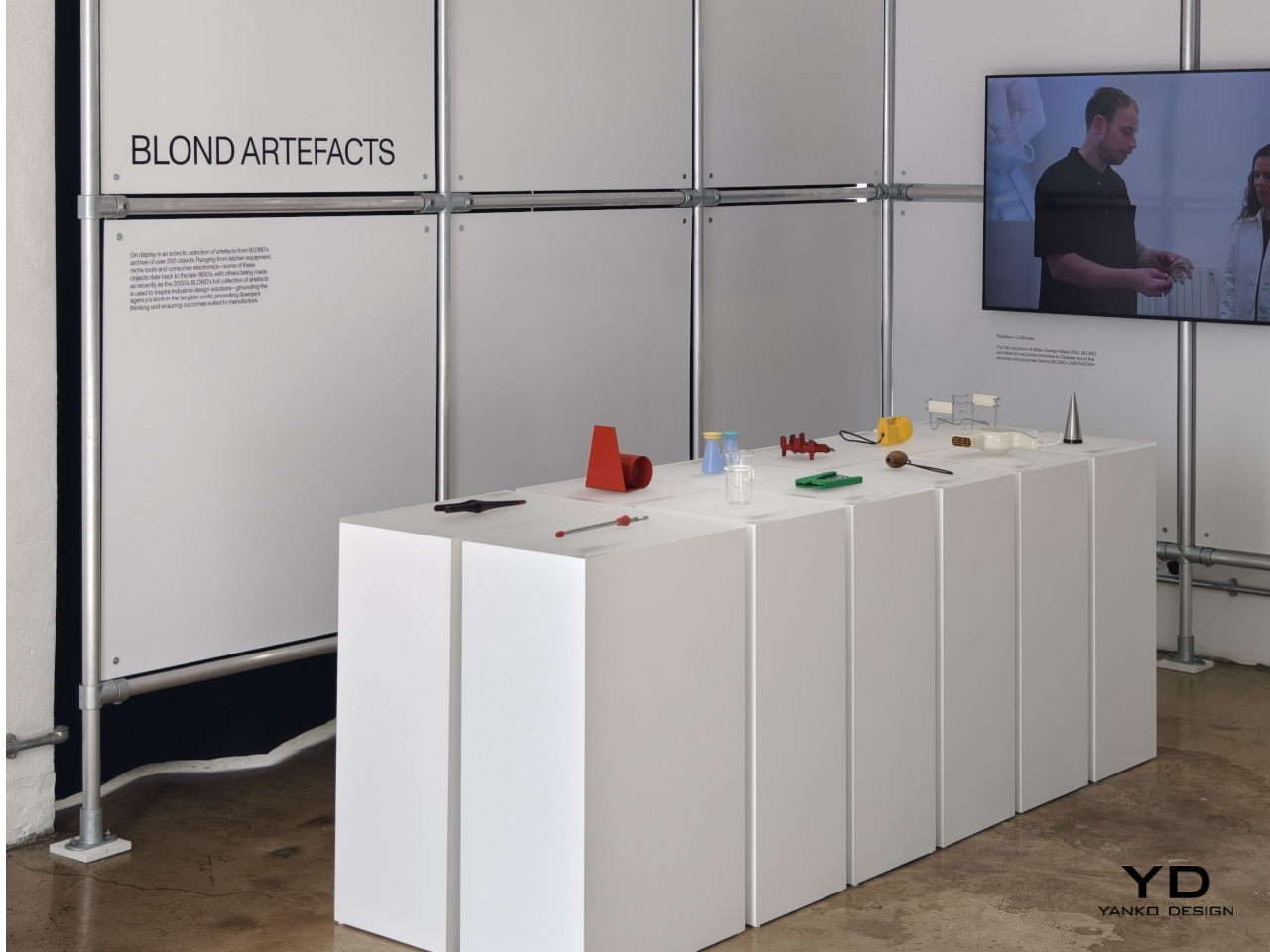
BLOND LABORATORY at London Design Festival 2024 revives old designs in unexpected ways

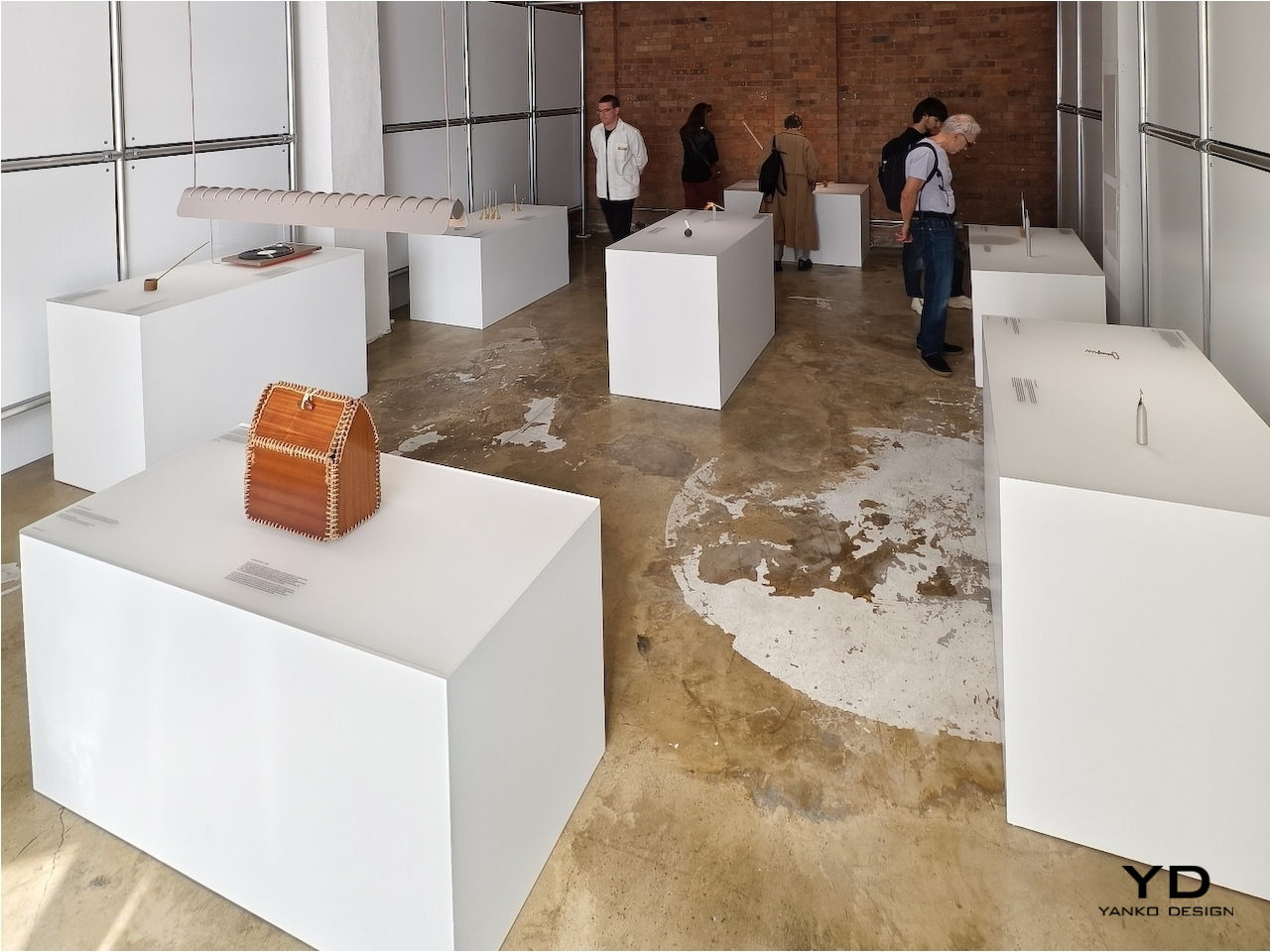
There are plenty of wise sayings about how the past guides our future, and nowhere is that perhaps more evident than in the design and fashion industries. “Retro” might seem like a passing fad, but this isn’t the first time that the design pendulum has swung back to the past for inspiration. This homage to the designs of our predecessors may be the guiding spirit behind famed London-based design studio BLOND’s ARTEFACT initiative, taking objects that are no longer in production or even in use and reimagining them in a completely different light. At the London Design Festival this week, the BLOND LABORATORY challenged a stellar roster of international designers and studios with this quest, and here are the responses that give these “offline” products a new kind of life in this modern world.

Designer: BLOND
From Us With Love: Mallet Flashlight
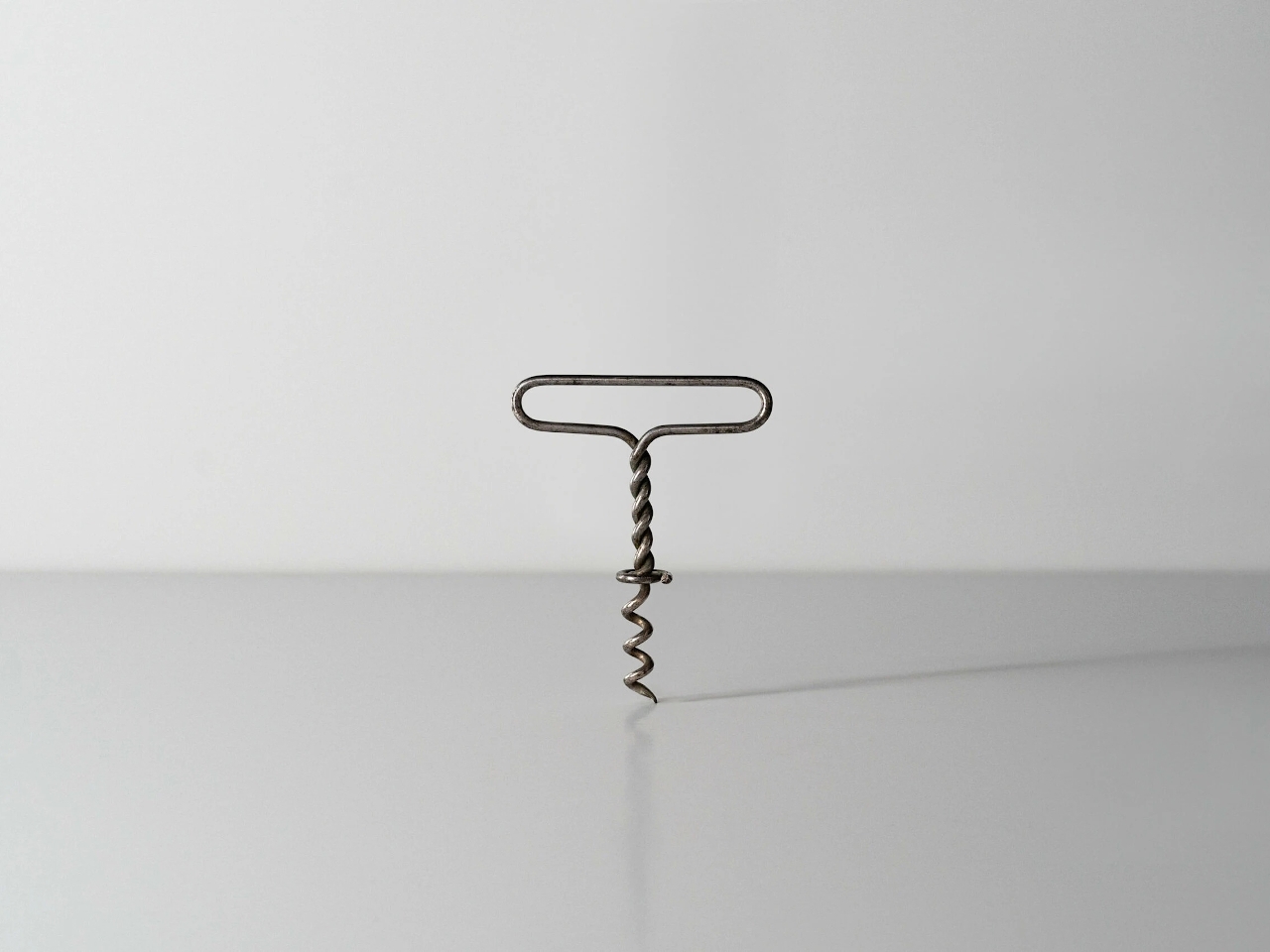
Opening wine bottles today is as easy as turning a cap, but true connoisseurs still prefer the classic cork that is just as difficult to remove as in the old days. Of course, we have it easy today as well with more modern tools, but the traditional corkscrew and its menacing metal spiral has always been the weapon of choice for that task. Even older designs used a single bent rod of metal, which is probably not as comfortable to use as those with wooden or even plastic handles.

Designer: From Us with Love
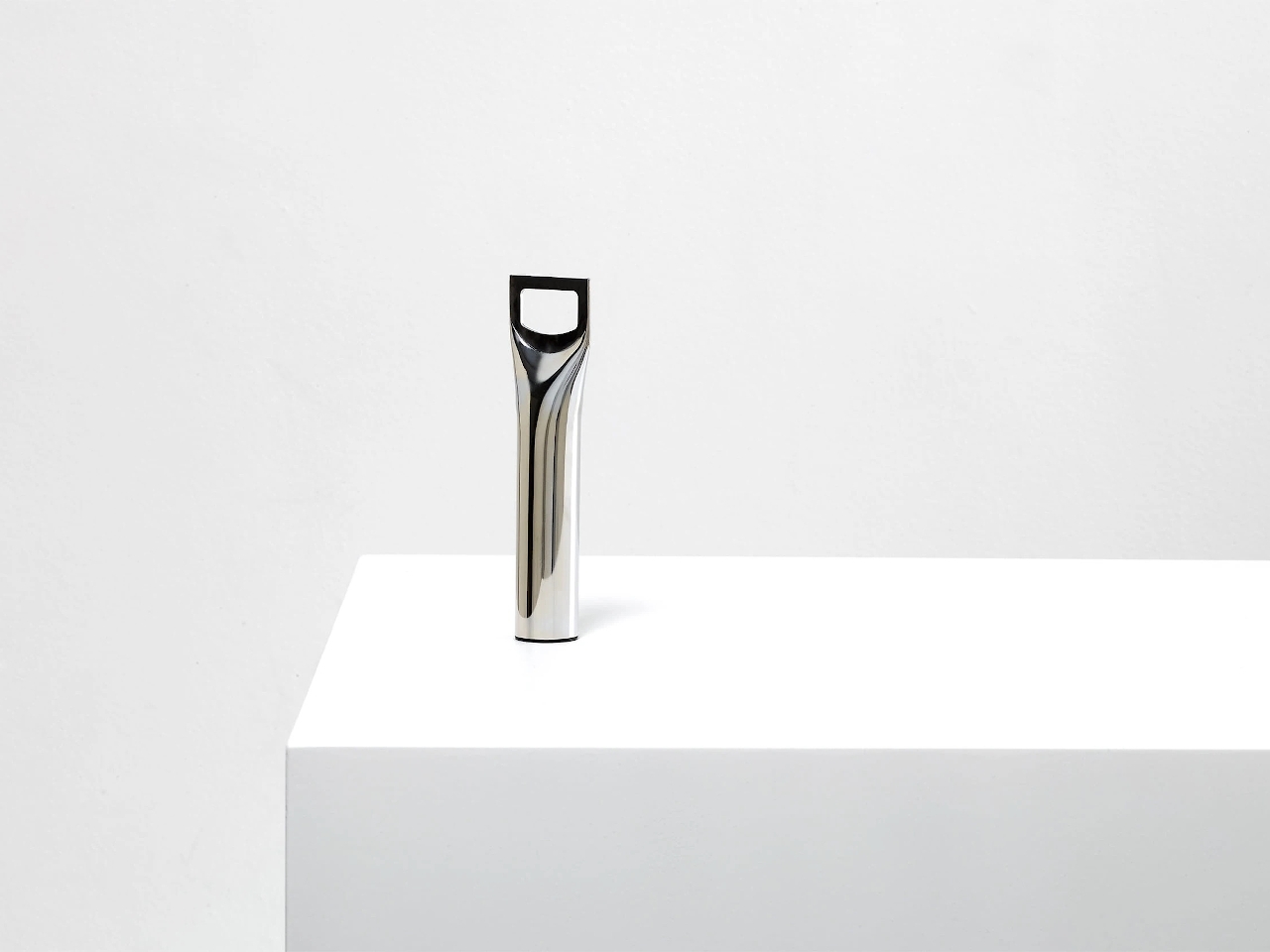
Turning something crude into an art object is the feat that From Us With Love accomplished. Taking a single rod of metal, flattening its top, and cutting out a hole in the middle resulted in a simple yet functional bottle opener. It embraces the functional minimalism of the old-school corkscrew and imbibed with the elegance of modern tools, a true retro design if there ever was one.

Hirotaka Tako: Marking Gauge Ikebana Lamp
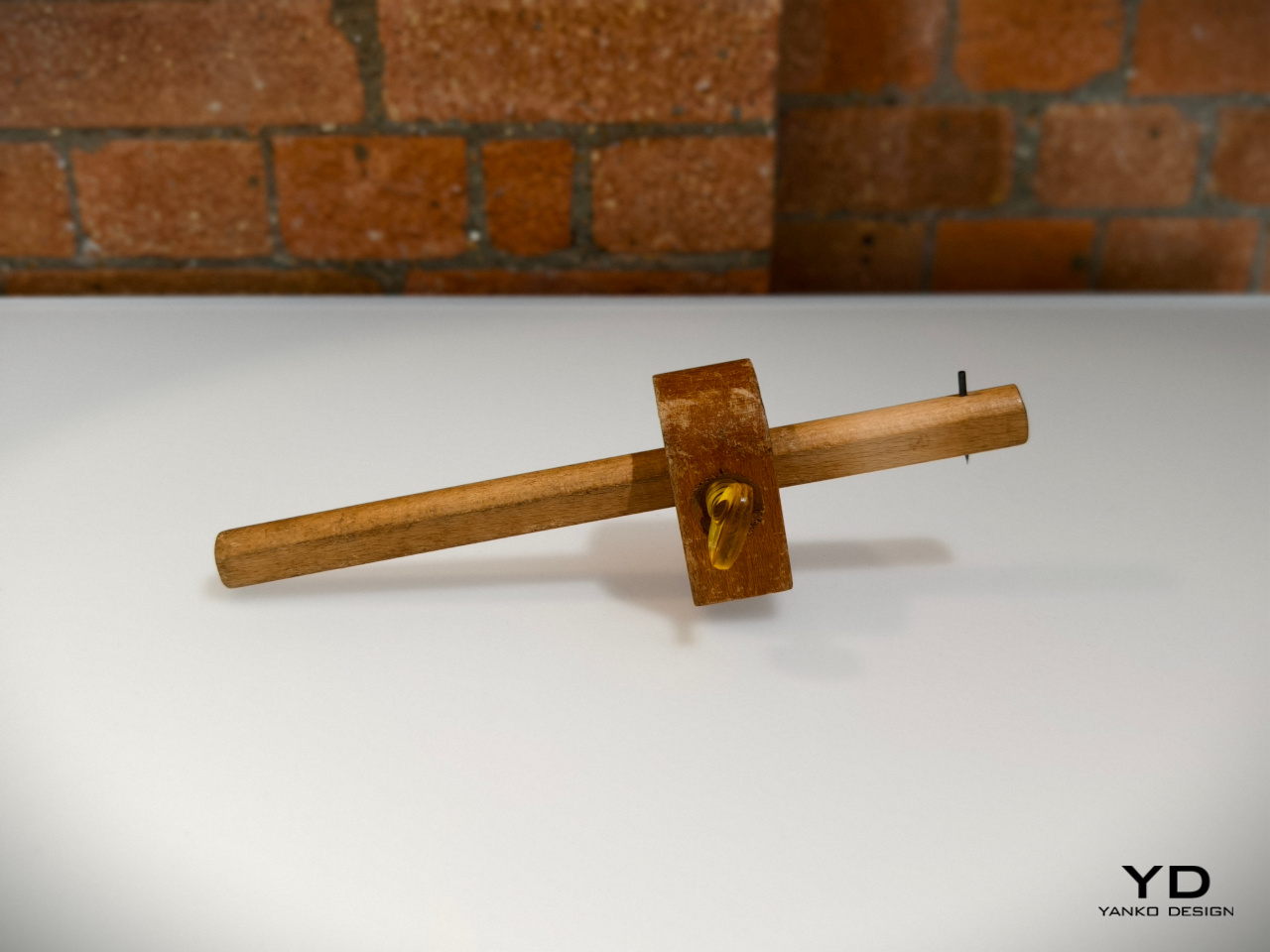
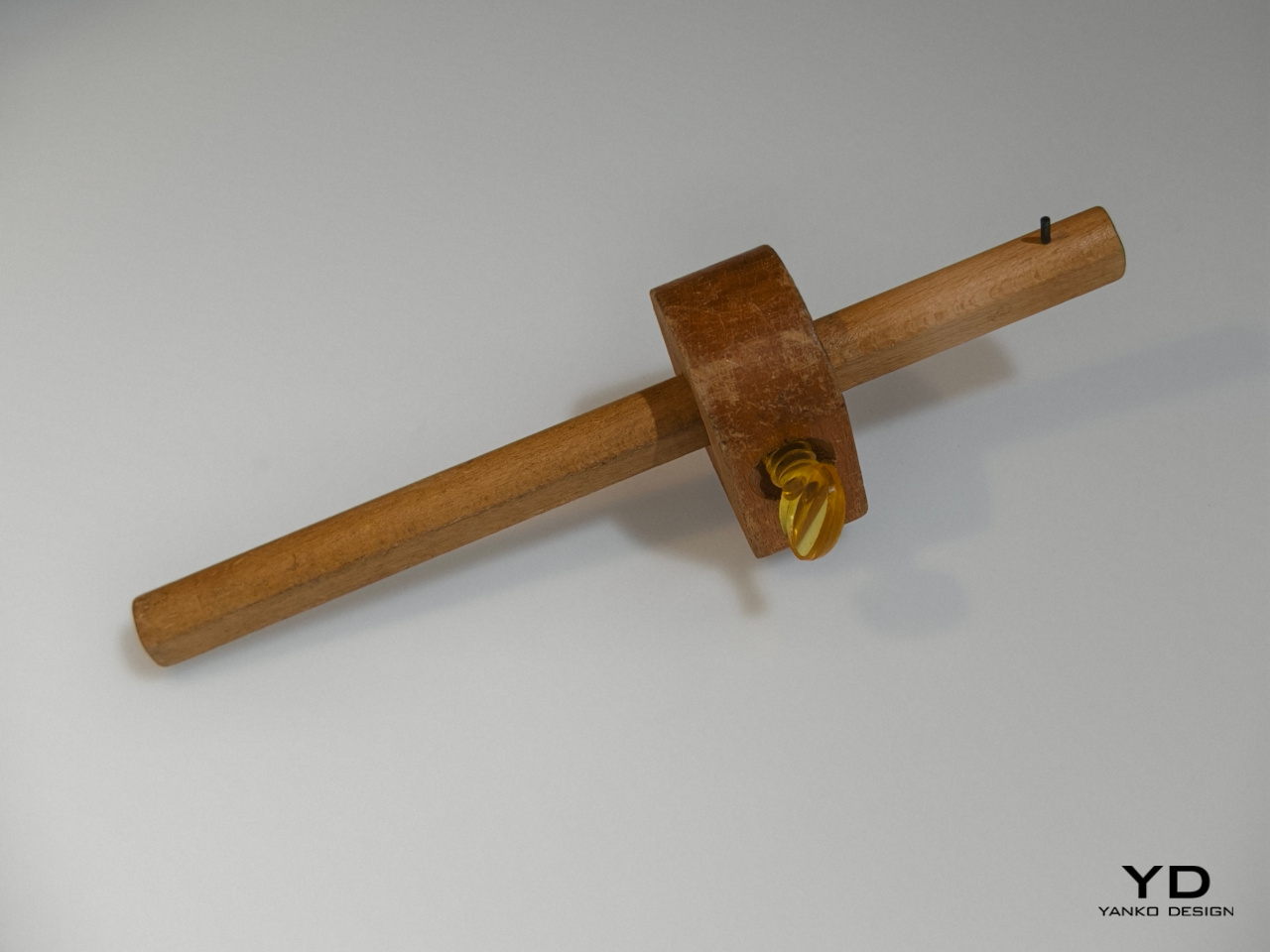
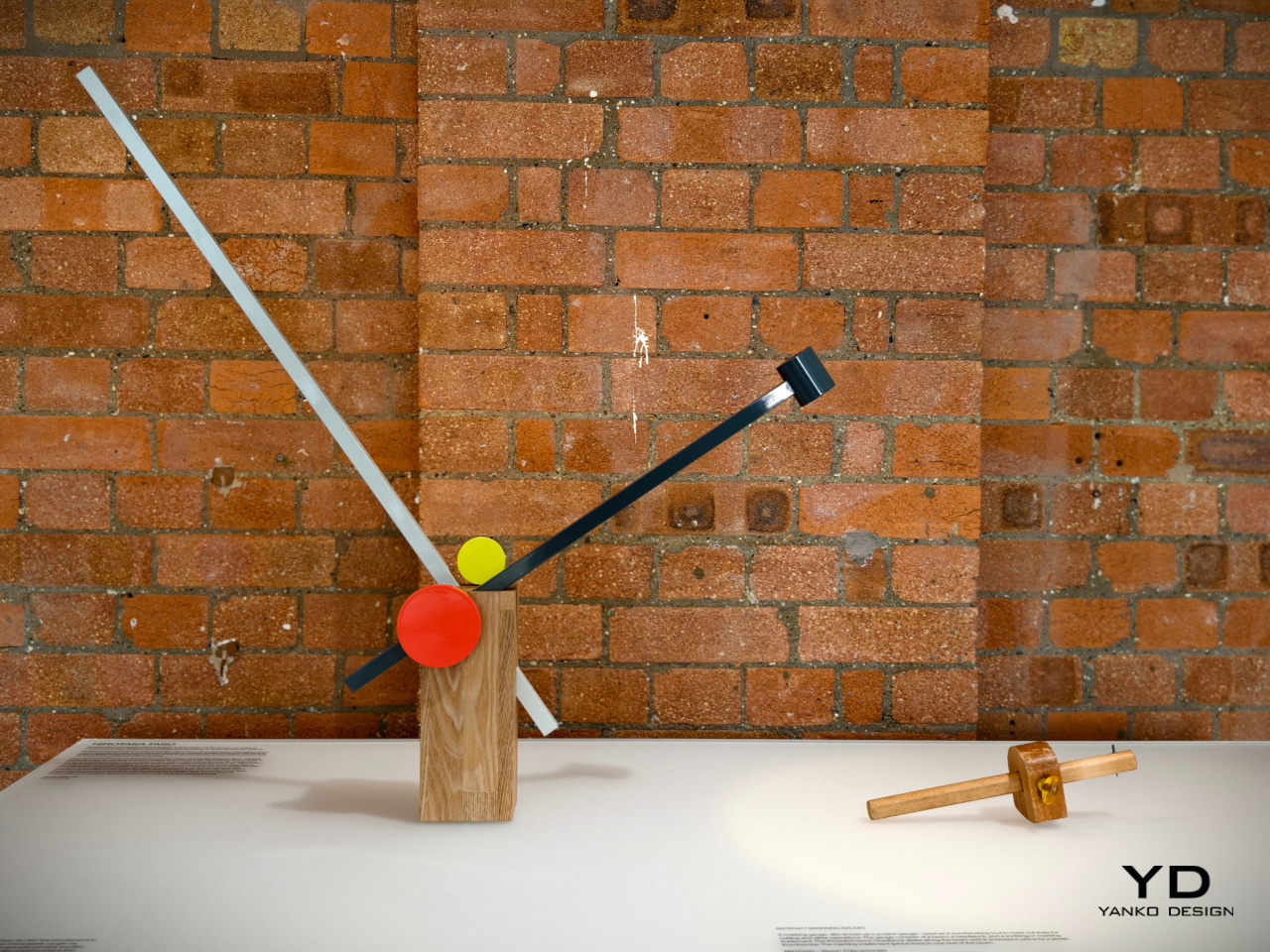
We enjoy a lot of convenient tools today that make it trivial to do things like measuring pieces of wood. In the old days before measuring tapes and meters, however, people had to make use of rather complicated tools that involved a wooden rod sliding inside a a block. This measuring gauge, though crude, created a rather interesting form that was not that different from a piece of art, which is exactly what inspired this rather geometric lamp design.

Designer: Hirotaka Tako
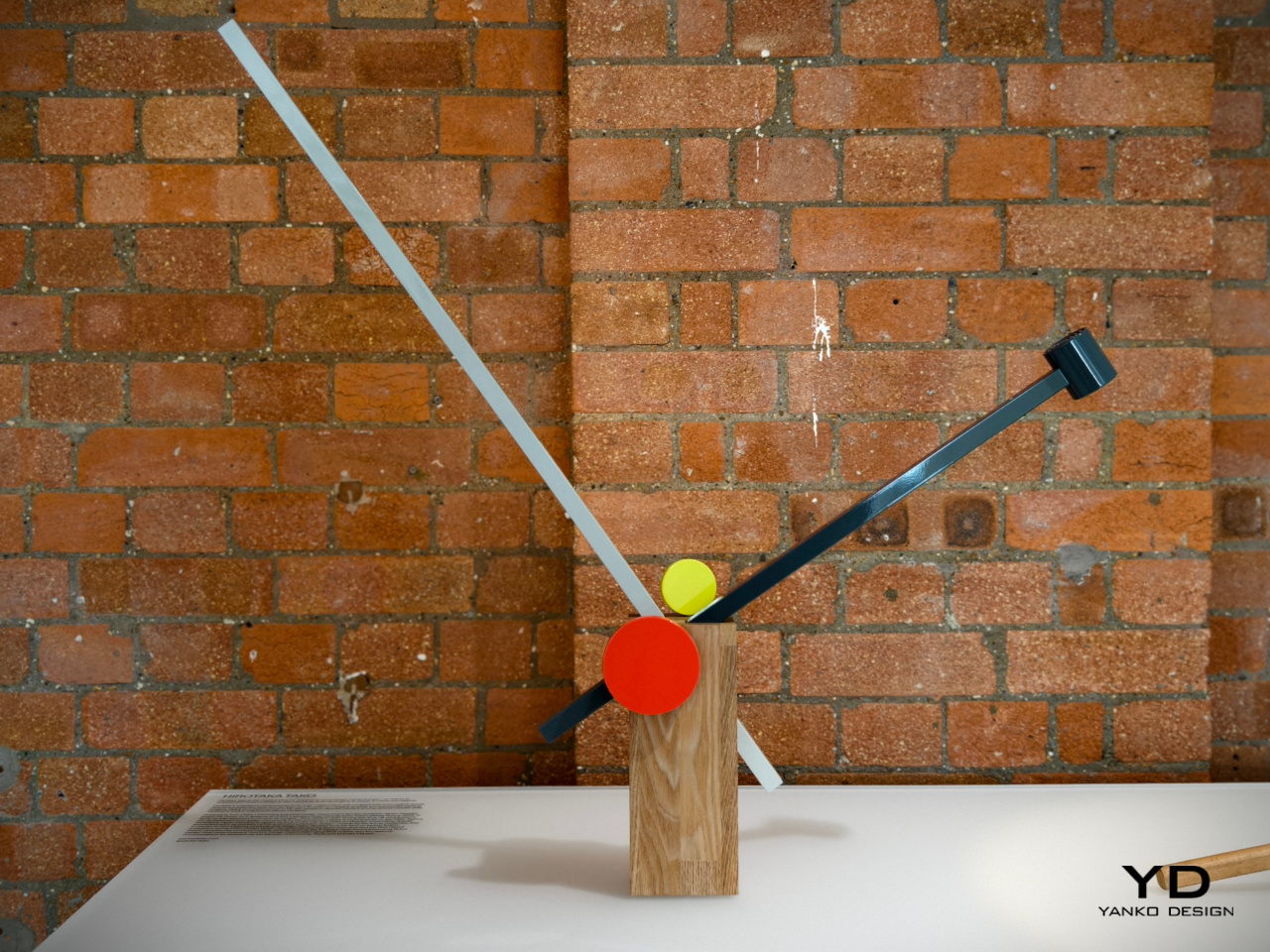
Taking inspiration from both this outdated tool as well as a Japanese art of floral arrangement, Hirotaka Tako designed a table lamp that similarly used the concept of inserting a long thin stick into something bigger. He likened the wooden rods to a flower stem inside a vase, exactly like an Ikebana arrangement. The result is a table lamp that is both functional and artistic, inspired by a tool that was anything but.

James Melia: Timber Basket Pendant Lamp
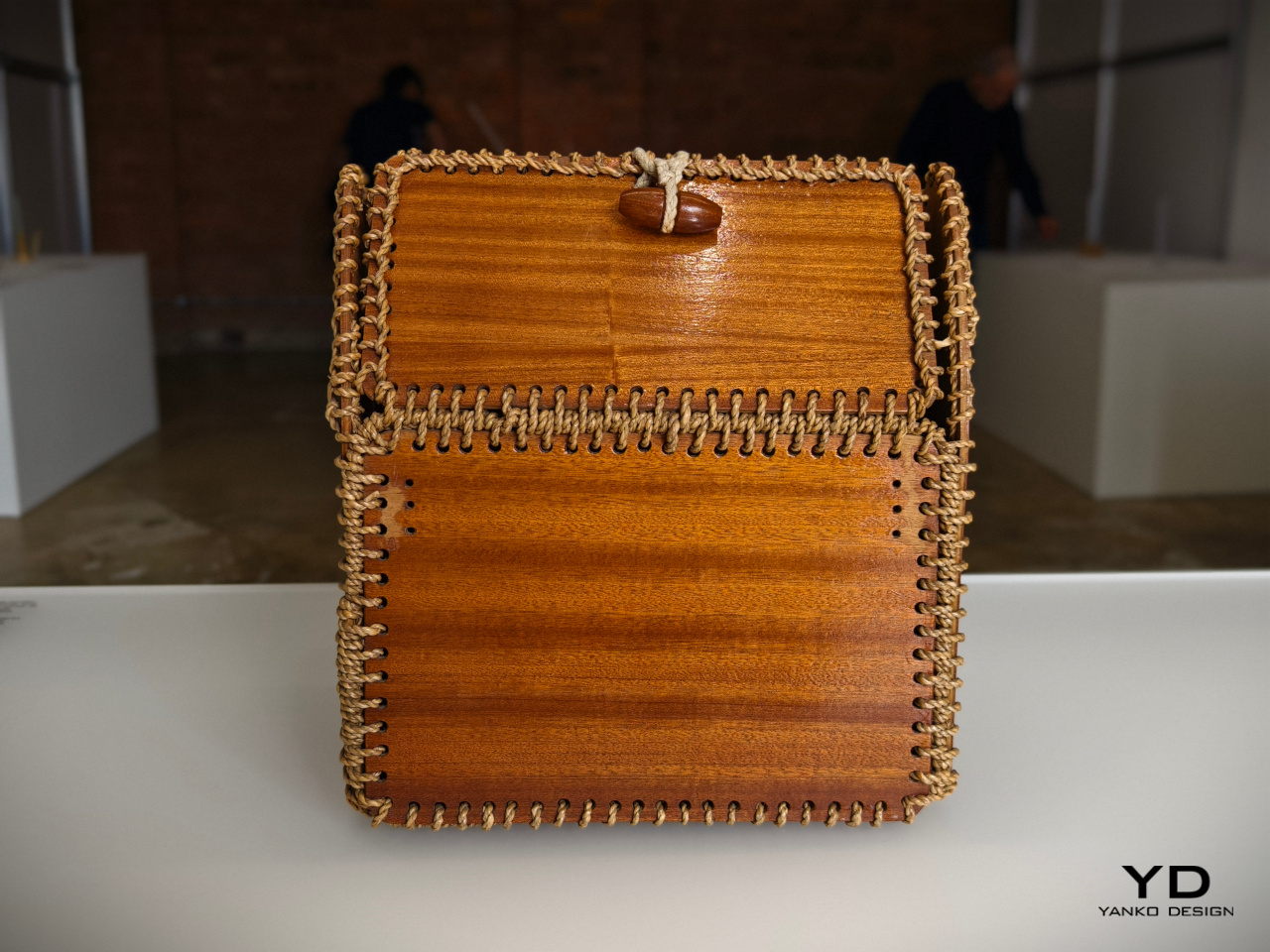
We take for granted the materials used to create modern products these days, not to mention the methods for making them. Today, we have machines that can print almost any shape imaginable, but past generations had to do things by hand, using stubborn and difficult materials. The rope patterns used to keep a timber basket together, for example, offered not only structural stability but also an interesting visual, one that can add a bit of a flair to an otherwise normal object.

Designer: James Melia
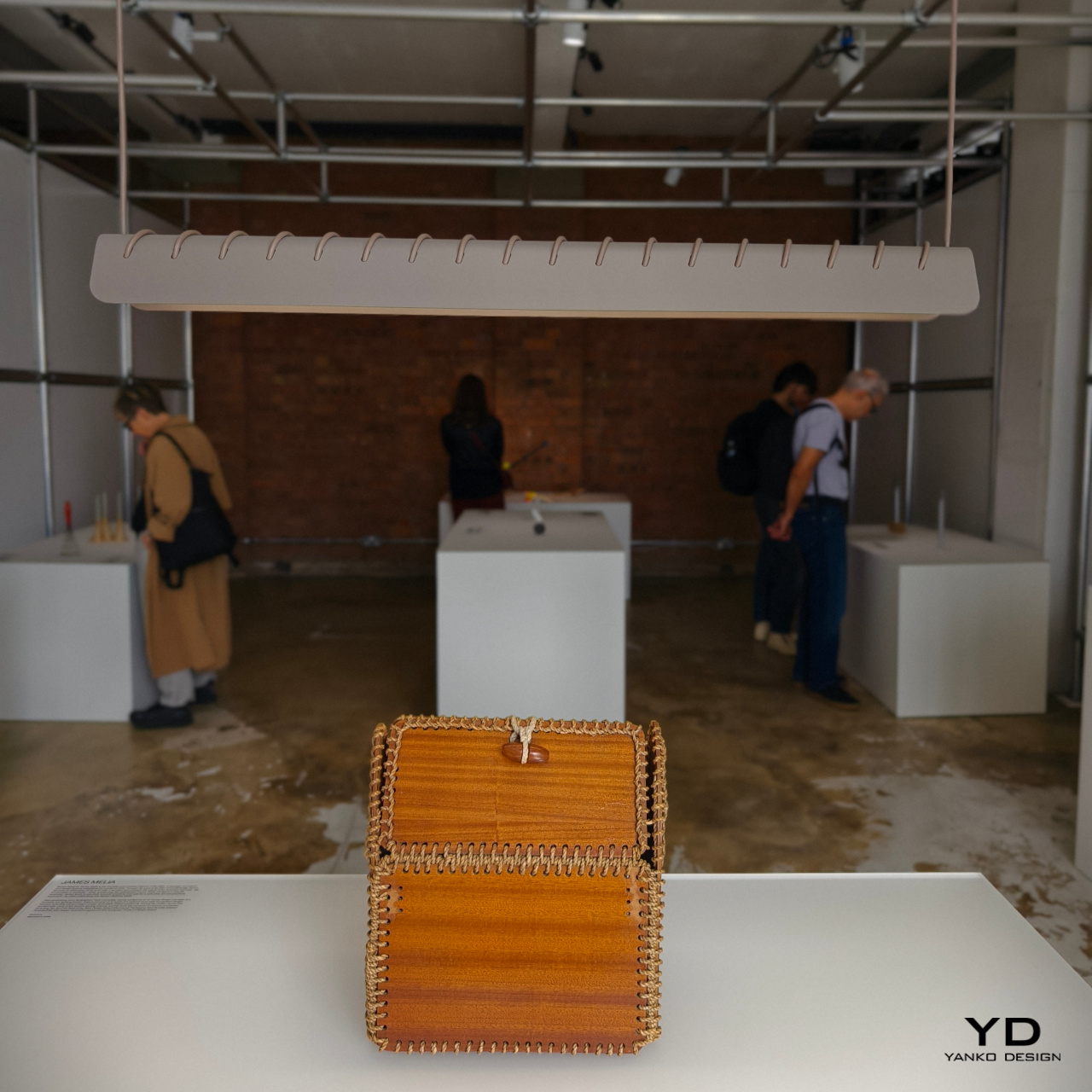
James Melia takes a hanging lamp’s power cord and stitches it along the length of its shade, creating a row of diagonal stripes that turns a plain lamp into an art object. That same cord is used to actually hang the lamp from a ceiling, reducing the number of parts involved in designing the lamp and creating a simpler and more sustainable design.

John Tree and Neal Feay: Tea Ladle Turntable
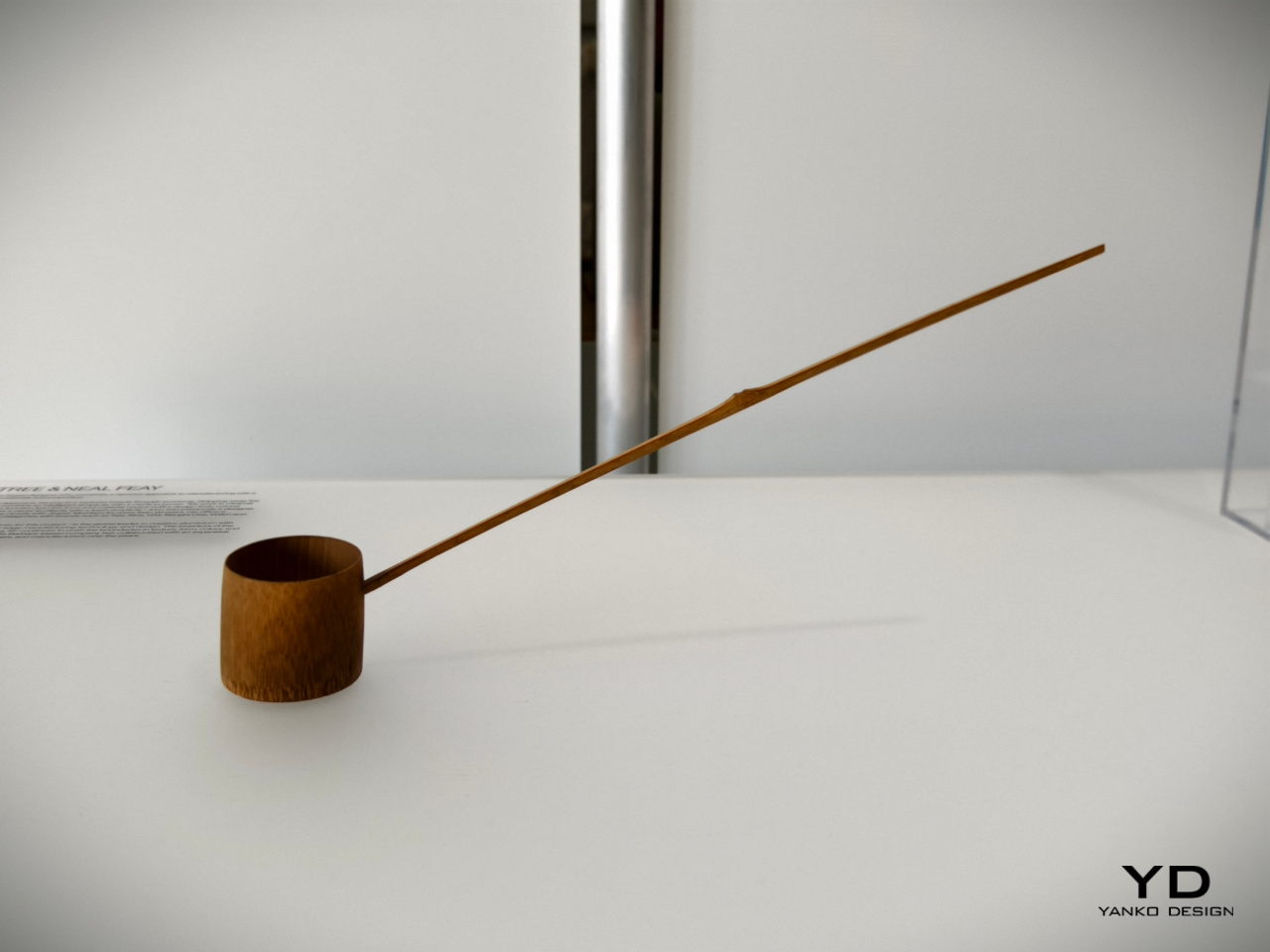
The Japanese are famed for their minimalist tools which are an art form in their own right. A simple scoop for tea powder, for example, takes the form of a bamboo ladle with a distinct charm. Though today’s tea lovers will probably use different tools, this traditional object still remains a staple in Japanese culture today as well as practices that recreate it. To some extent, it’s almost like the venerable turntable that has seen a renaissance and is getting some use even today.

Designer: John Tree x Neal Feay
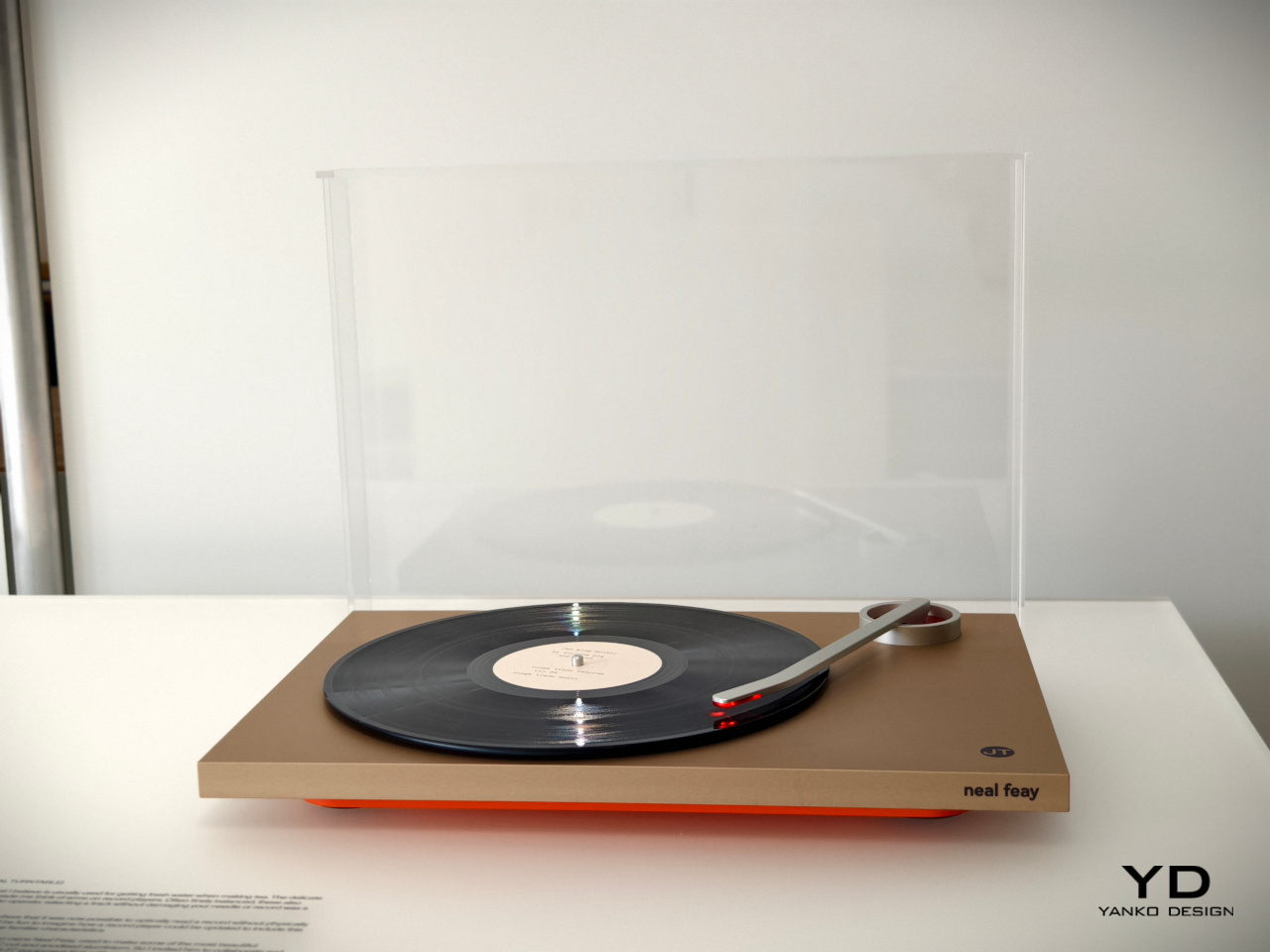
This optical turntable takes that delicate-looking bamboo tea ladle and transforms it into a turntable arm that preserves that spirit of gentleness. Rather than using a sharp pin to read the grooves of the platter, it uses light to avoid any physical contact and help preserve the vinyl material. It’s a gentle and delicate spin on a classic retro design, no pun intended.

Jon Marshall: Whisk Candelabra
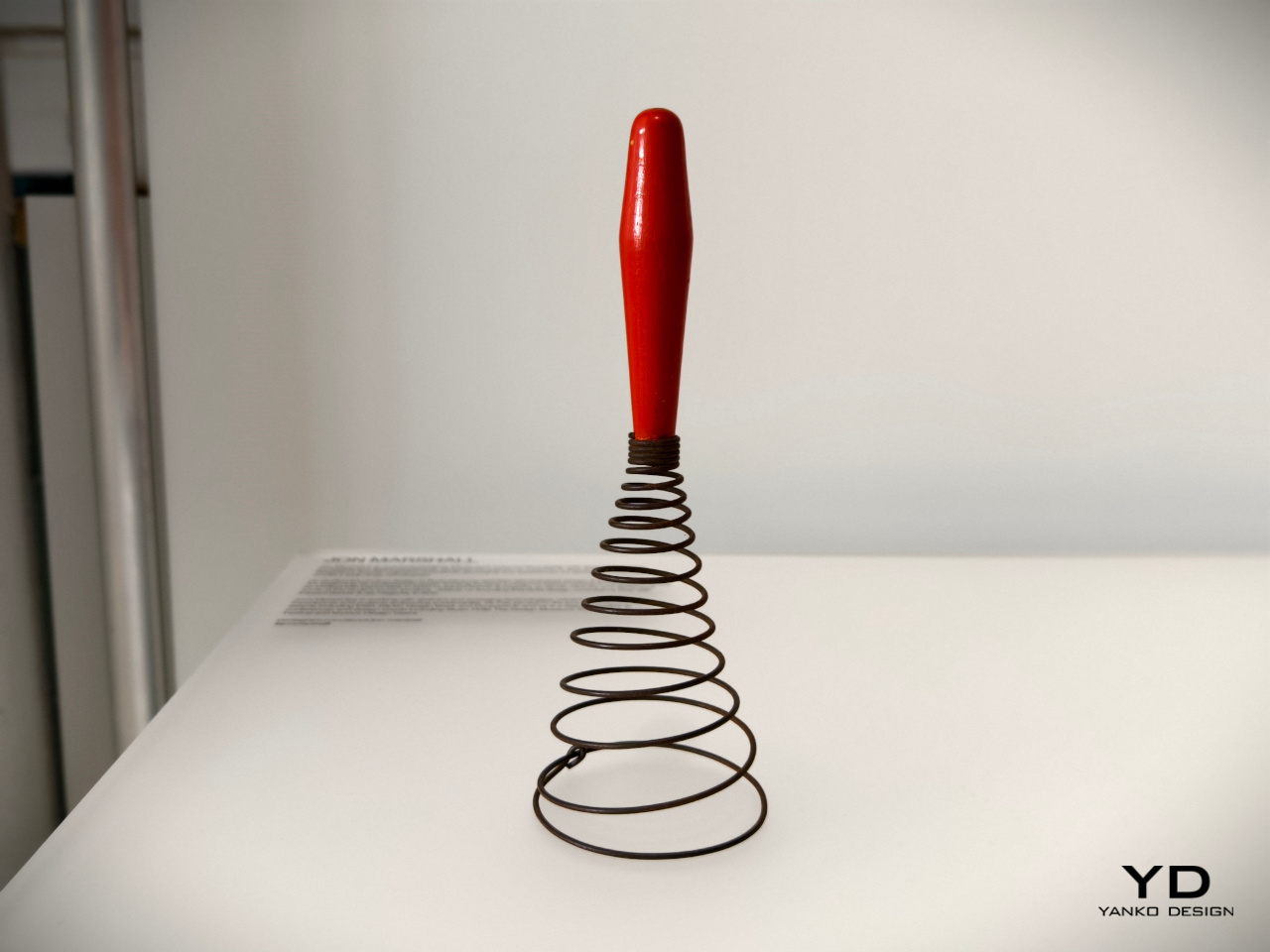
Today’s whisks are light, compact, and handy tools that use a few loops of bendable wire or plastic, a design that’s so far removed from the coiling iron wires of much older versions of the kitchen tool. Looking more like springs or even weapons, this antique whisk form isn’t very efficient at what it’s meant to do, but it admittedly looks novel and interesting to our modern eyes.

Designer: Jon Marshall
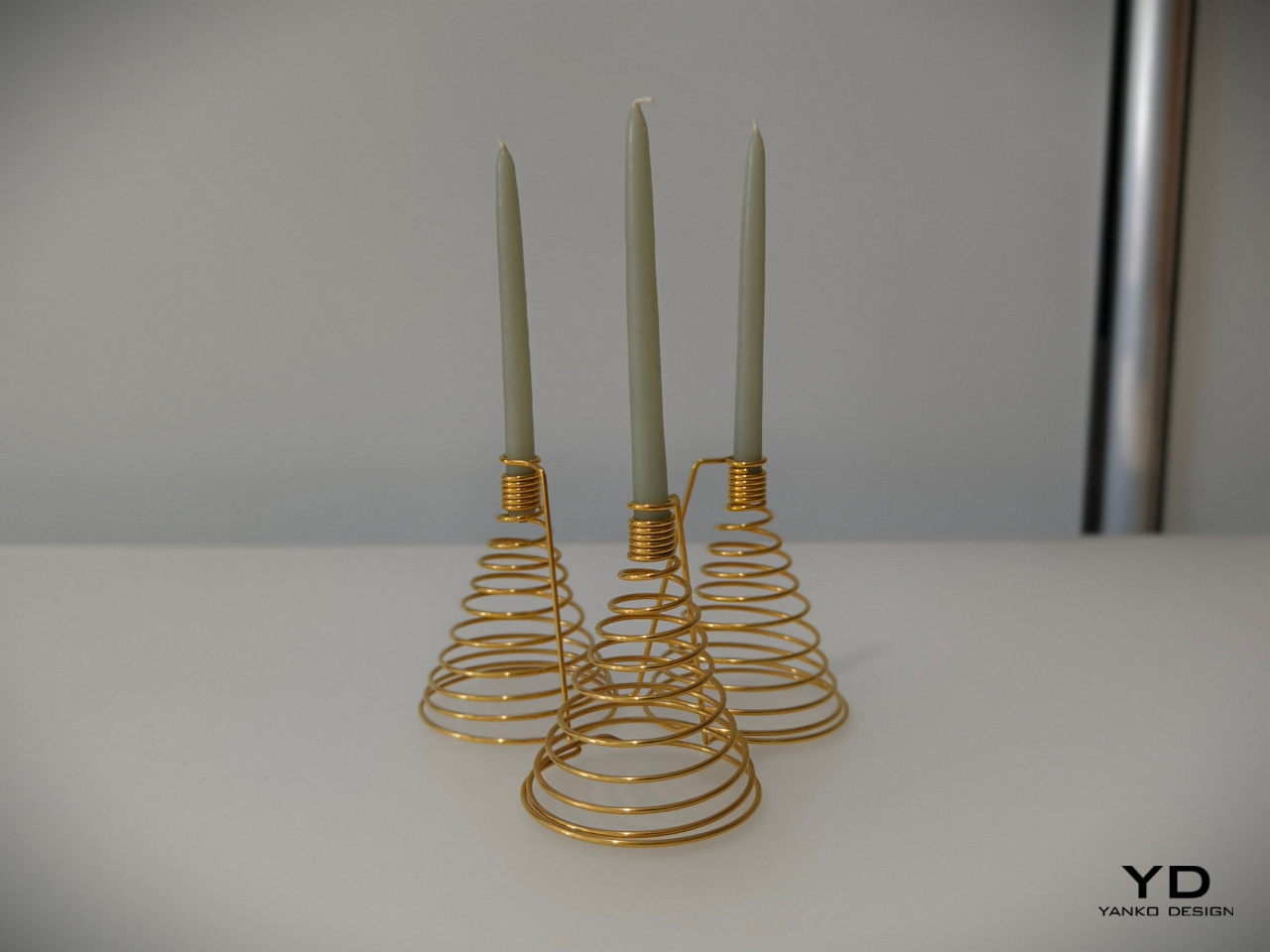
It might not make scrambled eggs, but this candelabra will definitely bring a bit of delight to your dinner table. The spiraling form of the base and the tight coils of the candle holder make for an interesting visual, but it’s when the candles are lit and the shadows dance that this rather luxurious-looking light fixture truly comes alive.

Julie Richoz: Balance Bird Balancing Lighter
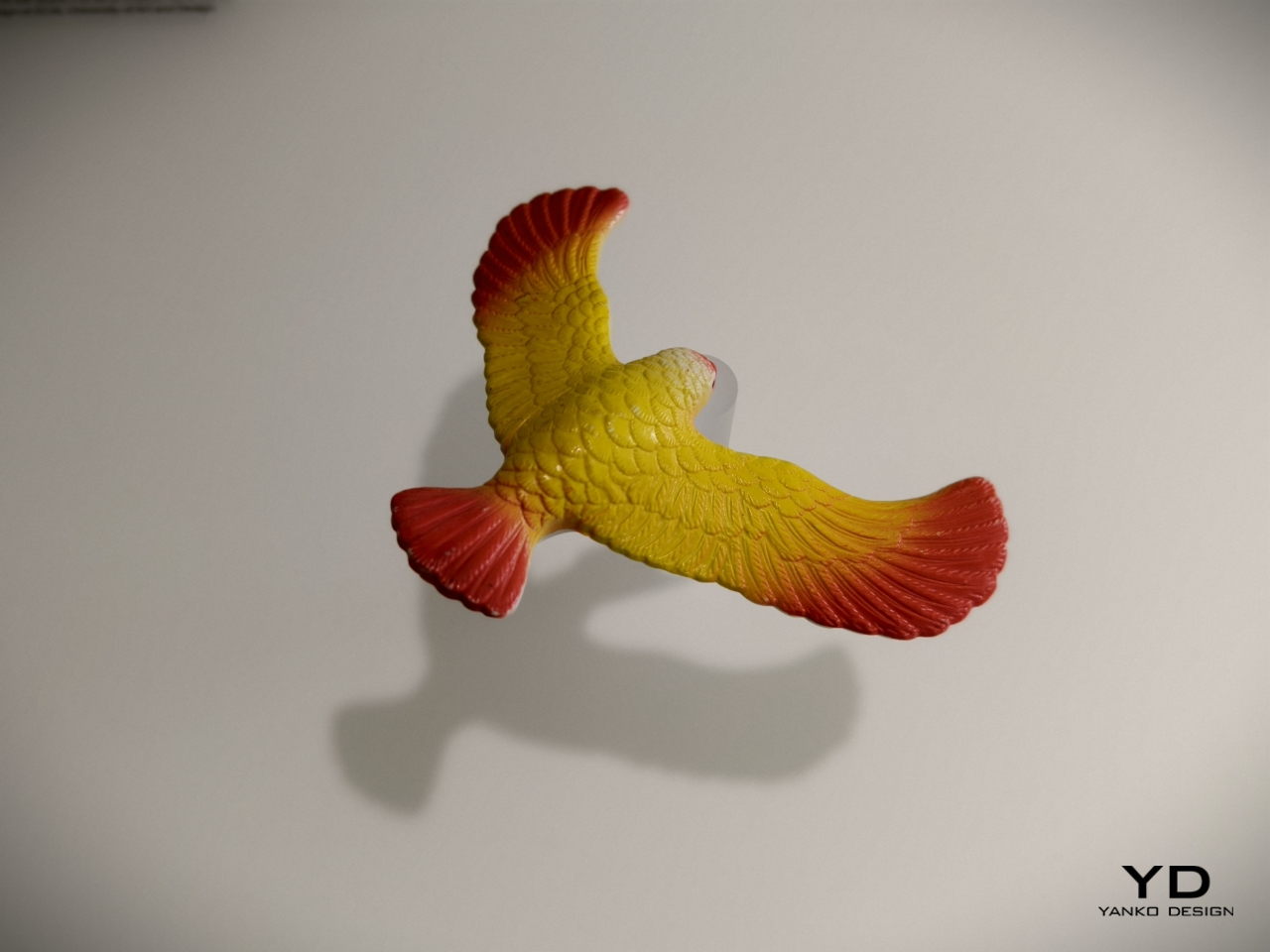
Kids tend to find science and math lessons boring until they encounter puzzles and feats that really blow their minds. Something as simple as a perfectly balanced eagle held up only by its beak is sure to pique curiosity, even those of adults. This ingeniously disguised pendulum is not an uncommon toy or desk ornament, but the same principles can be used to the same effect for other objects, including more utilitarian ones.

Designer: Julie Richoz
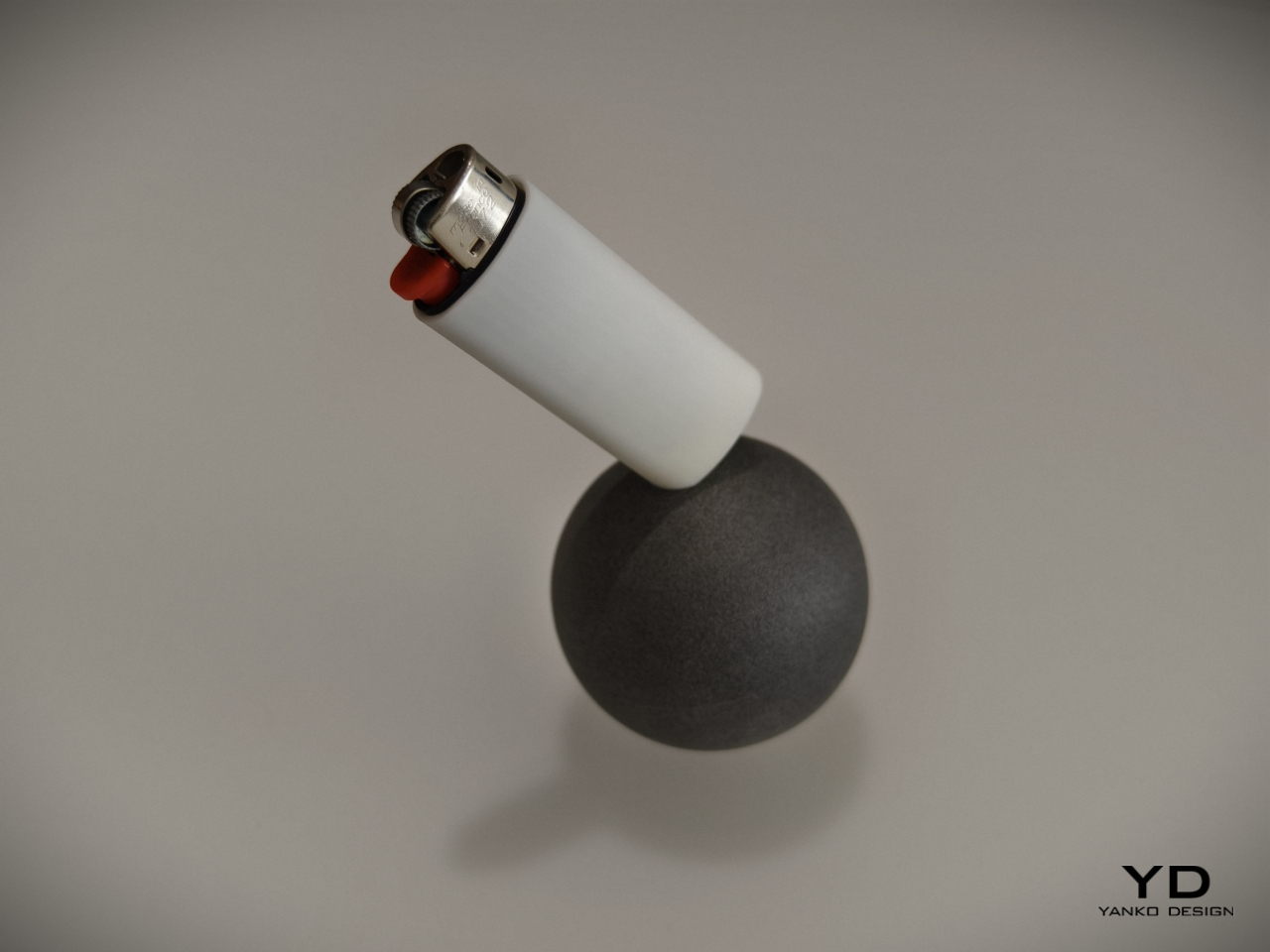
A lighter standing only one of its corners is definitely going to make you the talk of the party, and it provides not only an entertaining piece of decoration but also practical use. It will be easy to see if the lighter is missing from its base, and people who use it will be more likely to put it back on its perch just to marvel at its balancing act. It’s a very simple twist to a simple object but one that has a nontrivial effect on those who see it, all thanks to some inspiration from old objects we have taken for granted.

Maddalena Casadei: Mallet Flashlight
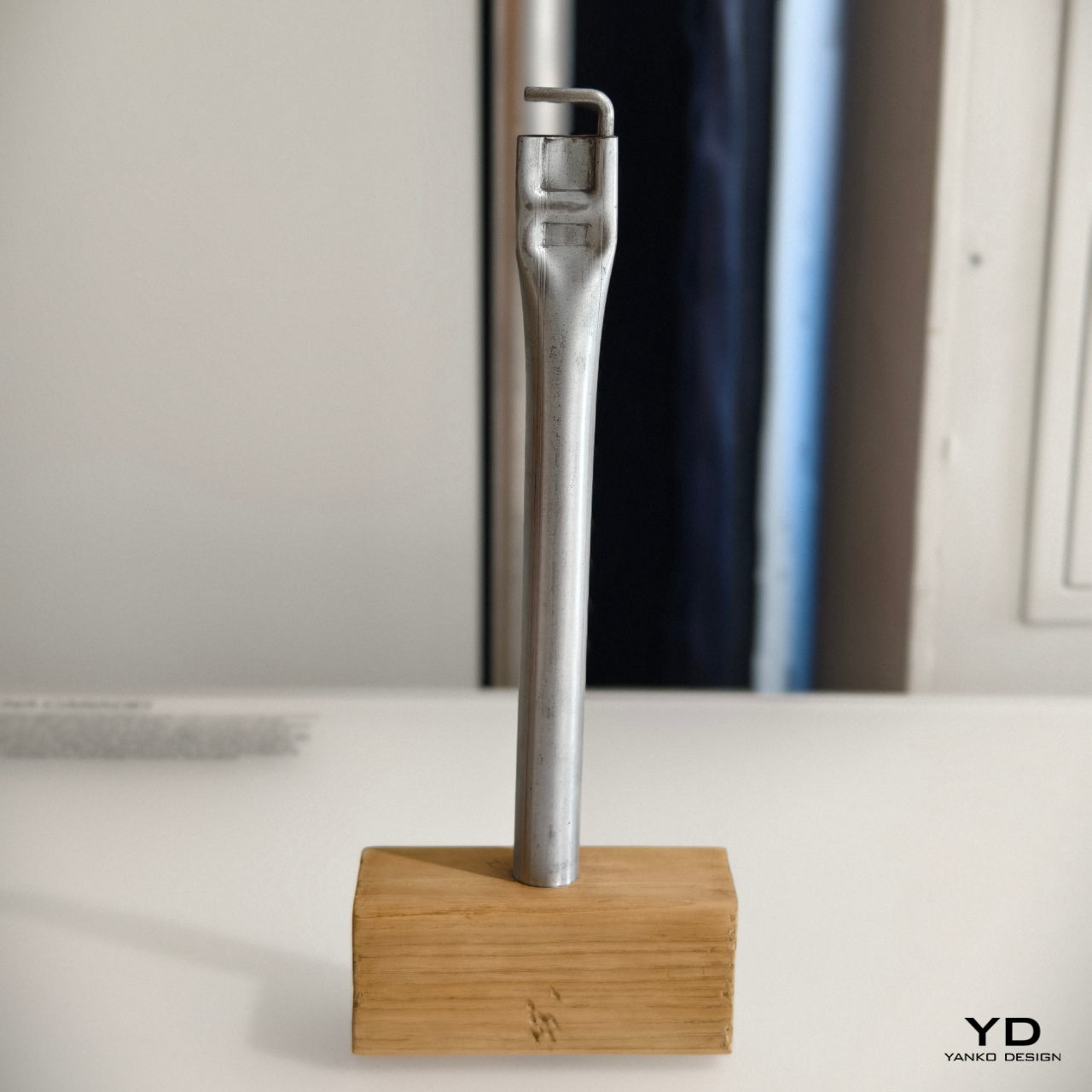
Most of us who have done any sort of handiwork may have used a hammer at one point in time or another. There are different kinds of hammers, of course, and one such type is the mallet. Often made with a heavy head to pound things flat, some old-school mallets would reverse the typical hammer design and use a steel rod handle with a wooden block for the head.

Designer: Maddalena Casadei
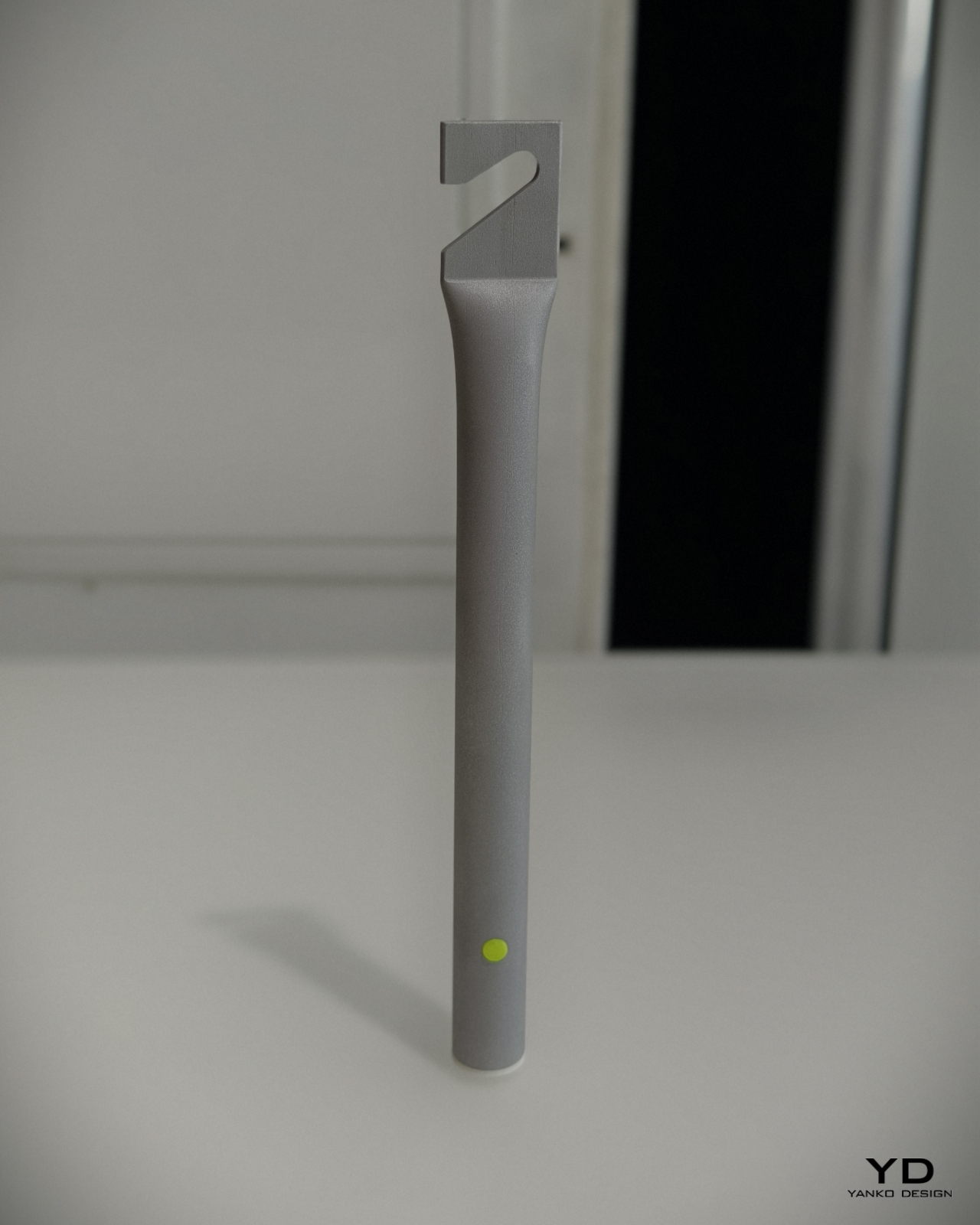
Maddalena Casadei took that raw-looking industrial metal handle to turn it into a cylindrical flashlight with similarly brutalist aesthetics. Instead of the wooden head, it has a small removable cone that serves as a diffuser for the light. On the opposite end is a flattened section with a hook that serves the same purpose as the hammer from decades ago: hanging the tool from walls or rods. It’s a rather interesting depiction of a flashlight that sheds off all the sleek and luxurious designs of its modern equivalents, embracing the utilitarian character of its inspiration.

The post BLOND LABORATORY at London Design Festival 2024 revives old designs in unexpected ways first appeared on Yanko Design.


Affordable, AI-Powered Audio: The Must-Have Wireless Microphone for Creators

AudioIn AI powered wireless microphone

Are you a vlogger, YouTuber, or influencer looking to elevate your audio game? The AudioIn AI powered microphone is here to transform your content creation experience. This compact wireless microphone is designed to provide crystal-clear sound and eliminate background noise, ensuring your voice is always heard loud and clear. Imagine having a microphone that learns […]

The post Affordable, AI-Powered Audio: The Must-Have Wireless Microphone for Creators appeared first on Geeky Gadgets.

iOS 18.1 Beta 4: You WON’T Believe What’s Changed!

iOS 18.1 Beta 4

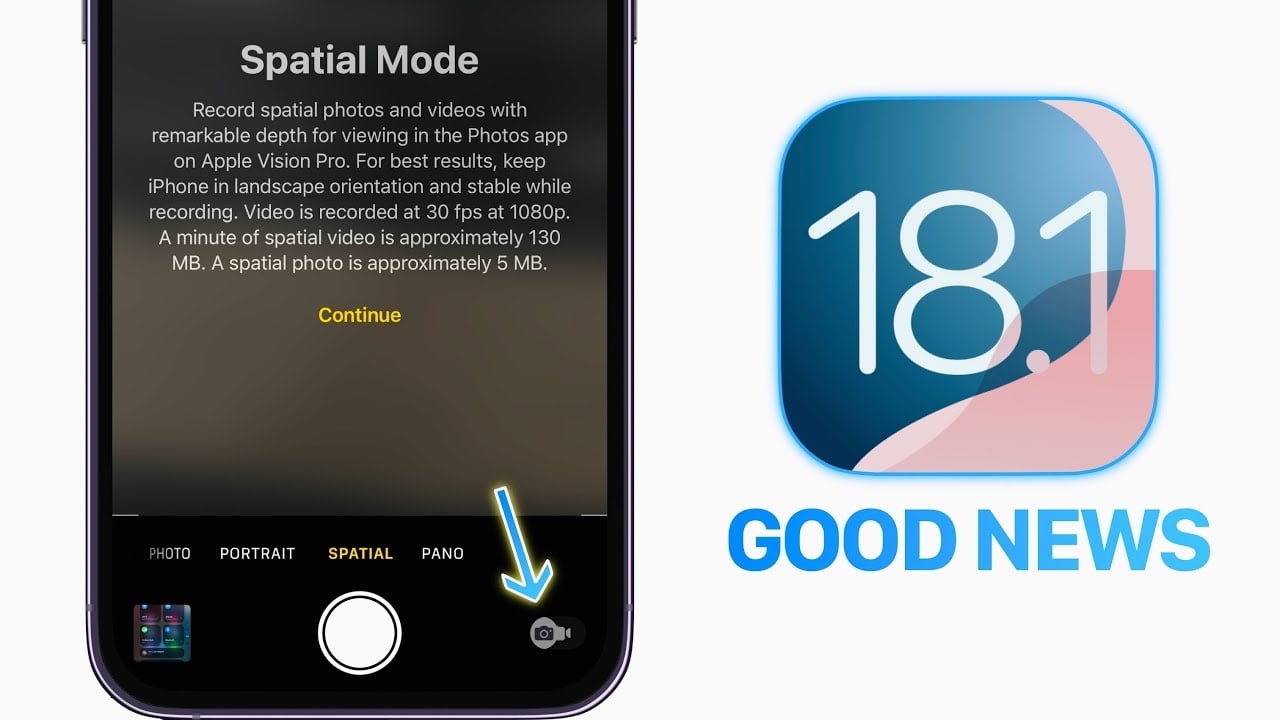
The latest release of iOS 18.1 Beta 4 brings a wealth of exciting features and improvements designed to elevate your iPhone experience. This update focuses on refining existing applications and introducing new functionalities that cater to the evolving needs of users. From significant enhancements to the camera application to the introduction of call recording and transcription […]

The post iOS 18.1 Beta 4: You WON’T Believe What’s Changed! appeared first on Geeky Gadgets.

‘We’ve got to make it happen’: How Apple designed AirPods 4 for effective ANC

The AirPods story actually begins with the iPod.

With Apple’s popular personal music player, the company shipped its first set of earbuds. Sure, they were wired and very basic, but the accessory laid the groundwork for what would eventually become AirPods. Along the way, the EarPods would be bundled with the iPhone in 2007, and a 2012 redesign produced something more akin to what would eventually become the first-gen AirPods in 2016. The work the company did to improve the fit of EarPods continues to pay off as Apple prepares to ship the noise-canceling AirPods 4.

“We had started trying to learn a bit about human physiology and what shapes would fit better in people's ears,” Apple’s Vice President of Hardware Engineering Kate Bergeron told me about those early days. “We started doing some MRI scans and trying to figure out how to gather data, but we didn't have a sense of how many scans we'd be looking for, or how many different kinds of ears we needed.”

Over the years, Apple has developed more efficient methods for gathering data, so it was able to build out its database of ear shapes quicker than in the early days of EarPods. Bergeron explained that she expects the company to be “continuing that journey” forever when it comes to developing new versions of AirPods.

The AirPods 4 have a smaller case than the third-gen version.
Billy Steele for Engadget

During what Bergeron described as “the dark days of COVID,” a small group from the AirPods team was trying to solve a dilemma. They wanted to bring effective active noise cancellation (ANC) to the open design of the “regular” AirPods. The crew had already successfully done so on two models of the AirPods Pro and on the AirPods Max headphones. But this time around, it was essential that the open nature of the AirPods remain while also providing the technology to block out distractions.

So in 2021, over the course of several days, Bergeron and AirPods marketing director Eric Treski met up at one of Apple’s acoustic labs for a demo. At that point, the team was unsure if they had anything viable, but they wanted the executive’s feedback on it nonetheless.

“We were just blown away,” Bergeron recalled. “We said ‘we absolutely have something here, we need to go after this and we’ve got to make it happen.’” Acoustic and computational work that was required for an effective ANC algorithm was happening simultaneously with iterations on improving the fit and overall comfort for the AirPods 4.

After testing the AirPods 4, I can say that the fit and comfort have improved since the third-gen model. But Apple also expanded the earbuds’ capabilities with the H2 chip and microphones from the AirPods Pro 2. This combination of advanced tech enables Apple to continuously monitor fit in a user’s ear, updating the ANC algorithm in real time so that the noise blocking is still effective even as the AirPods move around.

“It’s even computationally more intense in many ways than it is with the AirPods Pro,” Bergeron said. “The ear tip gives you a fit that’s pretty consistent.”

Apple’s journey with ANC began with the development of the first-generation AirPods Pro that debuted in 2019. Effective active noise cancellation was usually more common on over-ear headphones, with a few exceptions, but Apple realized that making a distraction-free listening experience “pocketable” was attractive to its users. Of course, the company would follow up with its own headphones, the AirPods Max, before the powerful second-gen AirPods Pro.

Treski explained that the ANC setup, or the third generation of Adaptive EQ as he described it, is constantly managing and adjusting any equalizers for both active noise cancellation and audio quality at the same time – and in real time. So in addition to the revised shape, the acoustic architecture of the AirPods 4 is also instrumental in providing effective ANC on the open earbuds.

“It’s really, really hard to create this great ANC quality in a non-ear-tip product,” he said. “The power of the H2 allows that, so we’re actually doing a lot with the H2 chip to manage ANC quality and listen from the mics for environmental noise to make sure we’re canceling as much as possible.”

Apple refined the shape on the AirPods 4 for a better fit.
Billy Steele for Engadget

The lack of an ear tip on the AirPods 4 also creates a challenge for transparency mode. Treski noted that it’s “arguably even harder” than mastering ANC on open earbuds since you’re having to blend ambient sound from the microphones with what you’re hearing naturally through your unplugged ears. There’s a perfect mix that will seem real to your brain, but also it has to all be done with extremely low latency so the automatic adjustments don’t lead to any delays in what comes through the AirPods.

The new shape for the AirPods 4 also provided an opportunity to improve overall sound quality on the earbuds. The front end of the buds, which Bergeron revealed the team calls the “snorkel,” is very different from the AirPods 3. Since the previous model was more open, she said, the engineers had more freedom to operate. With the new version, the driver had to be adjusted so that it didn’t reflect sound to the internal microphone that monitors noise inside your ear. That’s why the drivers are now pointed down your ear canal, and why they’re slightly recessed.

“In order to get the improved fit, that necessitated adjusting the driver and the front of the product,” she said. “The mechanical engineers are doing the packaging of the entire product, trying to fit everything in. Acoustic engineers are saying, ‘okay, based on those constraints, this is the best place that we can put the driver.’”

The design overhaul on the AirPods 4 extends to the case as well. Apple was able to slim down the accessory while also simplifying how you interact with it. The end result is “the same magic experience,” Bergeron noted, but the lack of a button allowed engineers to eliminate overall thickness and rely on an accelerometer. Removing the button also gets rid of one place where liquid could potentially get in, so the case has the same IP54 rating as the new AirPods.

“We get a double win there for sure,” Bergeron said.

This article originally appeared on Engadget at https://www.engadget.com/audio/headphones/weve-got-to-make-it-happen-how-apple-designed-airpods-4-for-effective-anc-130008844.html?src=rss

Stay Connected, Not Distracted with the Balance Phone

distraction free mobile phone

In today’s hyper-connected world, finding a balance between staying connected and avoiding digital distractions can be challenging. Enter the Balance Phone, a innovative distraction-free smartphone designed to promote digital well-being. This device offers essential functionalities while blocking distracting applications, allowing you to stay focused and connected without unnecessary interruptions. Balance Phone Key Takeaways Balance Phone […]

The post Stay Connected, Not Distracted with the Balance Phone appeared first on Geeky Gadgets.

From Novice to Pro: The Firstess DP200 Welder Has You Covered

Are you ready to elevate your welding game? The YesWelder Firstess DP200 MIG Welder is here to transform your welding experience, whether you’re a novice or a seasoned professional. This powerhouse machine combines innovative technology with user-friendly features, making it the ultimate tool for a wide range of welding tasks. Imagine having a machine that […]

The post From Novice to Pro: The Firstess DP200 Welder Has You Covered appeared first on Geeky Gadgets.