Nature-Inspired Lighting with Smart Features and Volcanic Design Aesthetics

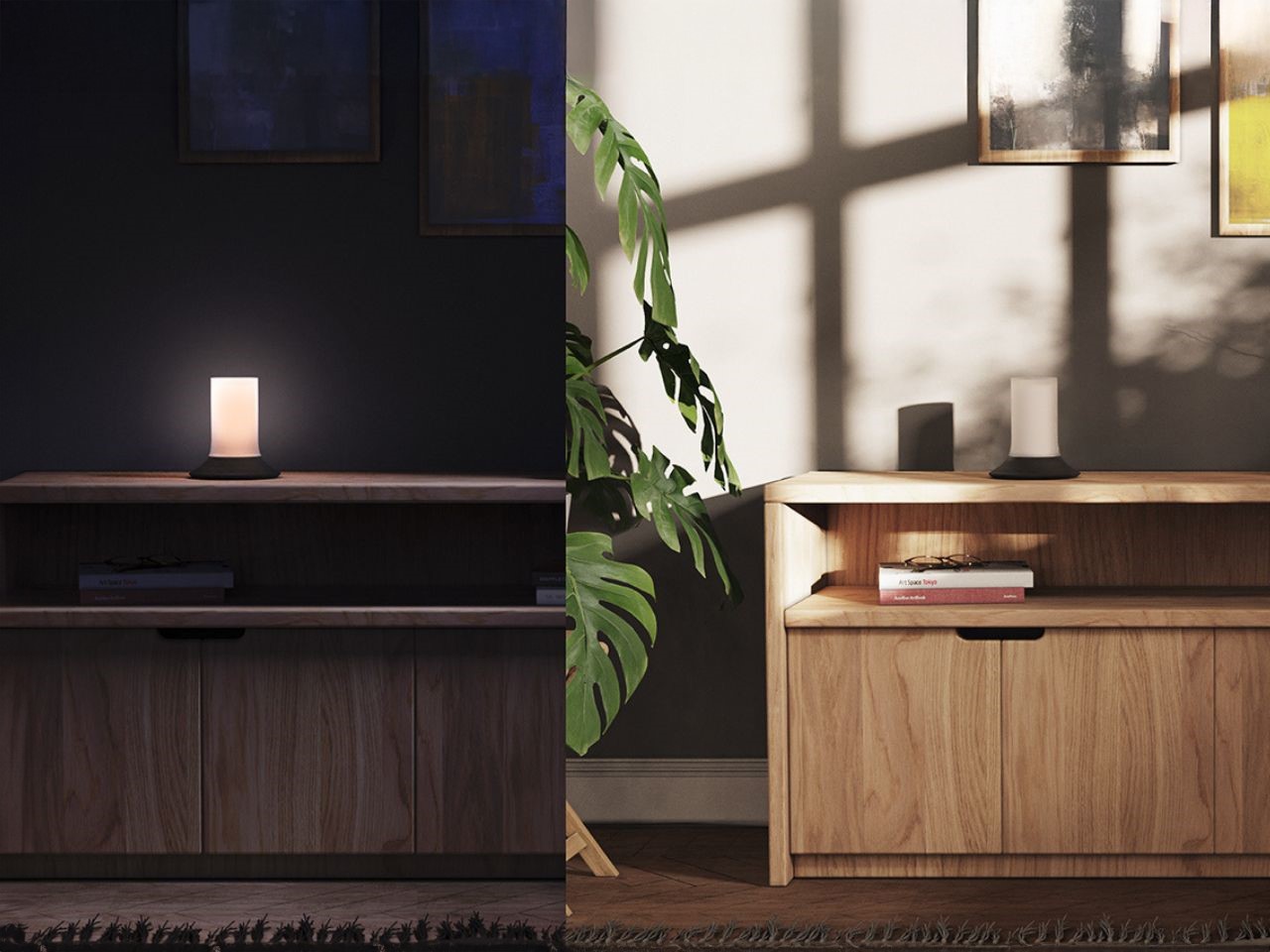
The Magma Ambiance Lamp is a tribute to nature’s raw power, taking inspiration from the magnificent Puu Õõ volcanic cone. With its dynamic yet minimalist design, the lamp encapsulates the essence of an active volcano, allowing users to bring that natural wonder into their homes.

Designer: Zeta ID

The Magma Lamp draws from the striking image of an erupting volcano, with clean, conical lines that reflect the natural geometry of volcanic cones. Its design focuses on simplicity and fluidity, mimicking the flow of molten lava. The lamp’s adjustable lighting settings further enhance this concept, offering an experience akin to the glow of magma, pulsing and radiating from the center outward.

The design process began with a deep dive into geometric exploration, specifically focusing on conical shapes that evoke the majesty of volcanic formations. The goal was to capture a balance between form and function, ensuring that the lamp’s structure would not only serve its lighting purpose but also stand as an artistic piece in any home. Texture and pattern proposals were equally crucial, with radial patterns expanding from the lamp’s core, visually mirroring lava flowing from a volcanic eruption.

The concept of radial patterns became central to the Magma design. By repeating the pattern outward from the center, the lamp visually simulates the flow of molten rock down a volcanic slope, creating a sense of movement and energy.

The first prototype was crucial for refining the lamp’s size, developing an in-house PCB, and testing color and light intensity. While the battery lasted an impressive 18 hours at maximum brightness, the team saw room for improvement. The next iteration aimed to extend battery life and introduced remote intensity control, scheduled on/off options, and synchronization with other Magma lamps to create cohesive lighting atmospheres across different areas of the home.

Building upon its initial success, the Magma lamp underwent a design evolution. The latest version embraces a bolder, more contemporary aesthetic while maintaining its connection to volcanic inspiration. New textures applied along the neck of the lamp simulate the appearance of erupting lava particles, while intensified textures at the base add a sense of movement and dynamism. The placement of the brand’s logo was intentionally unconventional, keeping the lamp free from visible text and maintaining the minimalist aesthetic.

To complement various home interiors, neutral and pastel color options were chosen, ensuring that the Magma lamp could seamlessly integrate into a wide range of settings while still making a bold statement.

The next phase of the Magma Lamp development focuses on integrating smart functionality. The design team plans to introduce mobile app connectivity, allowing users to configure automatic on/off schedules, manually adjust light intensity, and synchronize multiple lamps for a unified experience. Additionally, the battery life will be doubled to provide even greater autonomy, ensuring the lamp can light up your home for extended periods without frequent recharging.
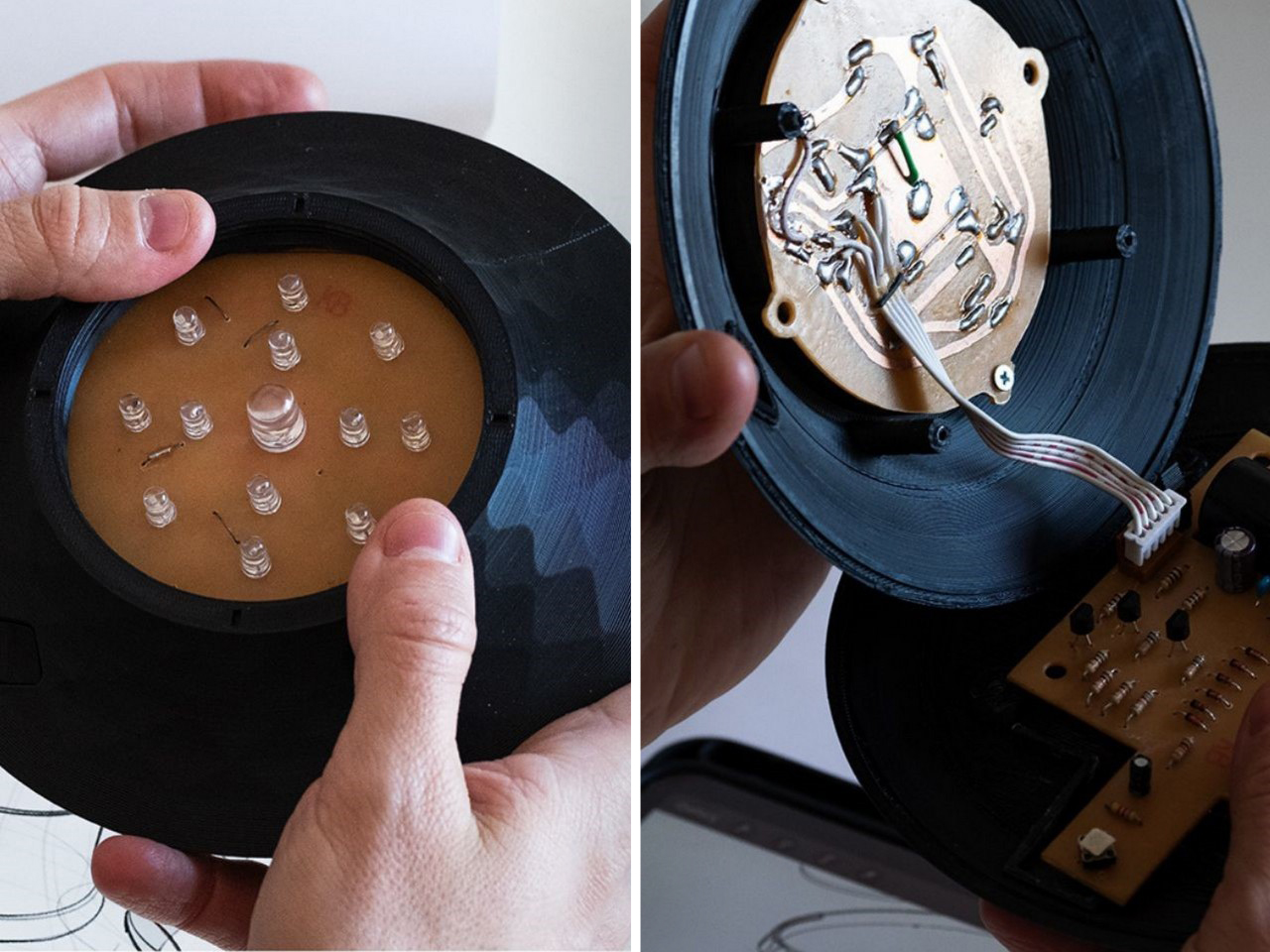
Beyond functionality, the assembly process is also being optimized. The goal is to create a visually clean product with no visible screws or fittings, ensuring that every Magma lamp maintains a polished and elegant appearance.

The Magma Ambiance Lamp is a remarkable blend of natural inspiration and cutting-edge design. It brings the captivating energy of a volcanic eruption into the home, with smart features and a design that elevates any interior space. As it evolves, the Magma promises to continue providing not just light, but a transformative ambiance, creating warm and connected atmospheres that reflect the beauty and power of nature.
The post Nature-Inspired Lighting with Smart Features and Volcanic Design Aesthetics first appeared on Yanko Design.
Google’s Vids AI video maker is rolling out to most Workspace tiers

We’re in a new age of AI now. Google has an AI video maker available on select Workspace editions.

Google Vids runs on Google’s AI model Gemini to create workplace and marketing videos from Google Drive files and descriptions. You can either start a video from scratch or use a pre-made template to get a first draft going. There’s even a “Help me create” option in which Gemini can suggest scripts to get you started on your video.

You aren’t just limited to what’s in the templates. Google Vids allows you to use your own photos and videos. It also has a virtual recording studio so you can add your own photos and videos, record videos of yourself or just make audio tracks of your voice to accompany your video.

Google announced its new AI video making feature in April using the Gemini AI model. Google Vids doesn’t make videos from the ground up like Runway’s Gen-2 or OpenAI’s Sora that created one hell of a creepy Toys ‘R Us origin story movie. Google Vids creates a slideshow of sorts using different types of media and compiles them based on the content of the source documents or the suggestion you type into it. As Google Vids is part of Google Workspace, you can collaborate on a video project in real time with other team members.

Google Vids is coming to Business Standard, Business Plus, Enterprise Standard, Enterprise Plus, Essentials, Enterprise Essentials and Enterprise Essentials Plus members. 

This article originally appeared on Engadget at https://www.engadget.com/ai/googles-vids-ai-video-maker-is-rolling-out-to-most-workspace-tiers-223647949.html?src=rss

Google’s Vids AI video maker is rolling out to most Workspace tiers

We’re in a new age of AI now. Google has an AI video maker available on select Workspace editions.

Google Vids runs on Google’s AI model Gemini to create workplace and marketing videos from Google Drive files and descriptions. You can either start a video from scratch or use a pre-made template to get a first draft going. There’s even a “Help me create” option in which Gemini can suggest scripts to get you started on your video.

You aren’t just limited to what’s in the templates. Google Vids allows you to use your own photos and videos. It also has a virtual recording studio so you can add your own photos and videos, record videos of yourself or just make audio tracks of your voice to accompany your video.

Google announced its new AI video making feature in April using the Gemini AI model. Google Vids doesn’t make videos from the ground up like Runway’s Gen-2 or OpenAI’s Sora that created one hell of a creepy Toys ‘R Us origin story movie. Google Vids creates a slideshow of sorts using different types of media and compiles them based on the content of the source documents or the suggestion you type into it. As Google Vids is part of Google Workspace, you can collaborate on a video project in real time with other team members.

Google Vids is coming to Business Standard, Business Plus, Enterprise Standard, Enterprise Plus, Essentials, Enterprise Essentials and Enterprise Essentials Plus members. 

This article originally appeared on Engadget at https://www.engadget.com/ai/googles-vids-ai-video-maker-is-rolling-out-to-most-workspace-tiers-223647949.html?src=rss

Siri might ignore commands spoken in Apple commercials soon

Voice assistants have a reputation for finicky activation, such as responding to their prompts that are spoken in an ad. Apple may have a fix for that in the works. 9to5Mac spotted this element in the tvOS 18.2 beta. A part of code called AdBlocker appears to use the Shazam API to match audio captured by a device's microphones against audio fingerprints downloaded from Apple. When there's a match, the usual Siri trigger command is disabled. In theory, this means Apple could have devices not react to the "Hey Siri" prompt when it's spoken as part of the company's keynote presentations or TV advertisements.

The publication only found this feature in the current developer beta of tvOS, which it suggests means that HomePod smart speaker will be the first device to potentially ignore those "Hey Siri" commands. However, iOS 18.2 is also in developer beta and is bringing more Apple Intelligence features to Apple's smartphones, as well as possibly integrating ChatGPT subscriptions with Siri.

This article originally appeared on Engadget at https://www.engadget.com/home/smart-home/siri-might-ignore-commands-spoken-in-apple-commercials-soon-220855324.html?src=rss

Siri might ignore commands spoken in Apple commercials soon

Voice assistants have a reputation for finicky activation, such as responding to their prompts that are spoken in an ad. Apple may have a fix for that in the works. 9to5Mac spotted this element in the tvOS 18.2 beta. A part of code called AdBlocker appears to use the Shazam API to match audio captured by a device's microphones against audio fingerprints downloaded from Apple. When there's a match, the usual Siri trigger command is disabled. In theory, this means Apple could have devices not react to the "Hey Siri" prompt when it's spoken as part of the company's keynote presentations or TV advertisements.

The publication only found this feature in the current developer beta of tvOS, which it suggests means that HomePod smart speaker will be the first device to potentially ignore those "Hey Siri" commands. However, iOS 18.2 is also in developer beta and is bringing more Apple Intelligence features to Apple's smartphones, as well as possibly integrating ChatGPT subscriptions with Siri.

This article originally appeared on Engadget at https://www.engadget.com/home/smart-home/siri-might-ignore-commands-spoken-in-apple-commercials-soon-220855324.html?src=rss

EliteMini AI370: The Tiny Windows Mini-PC Built to Outperform Apple’s M4 Mac mini

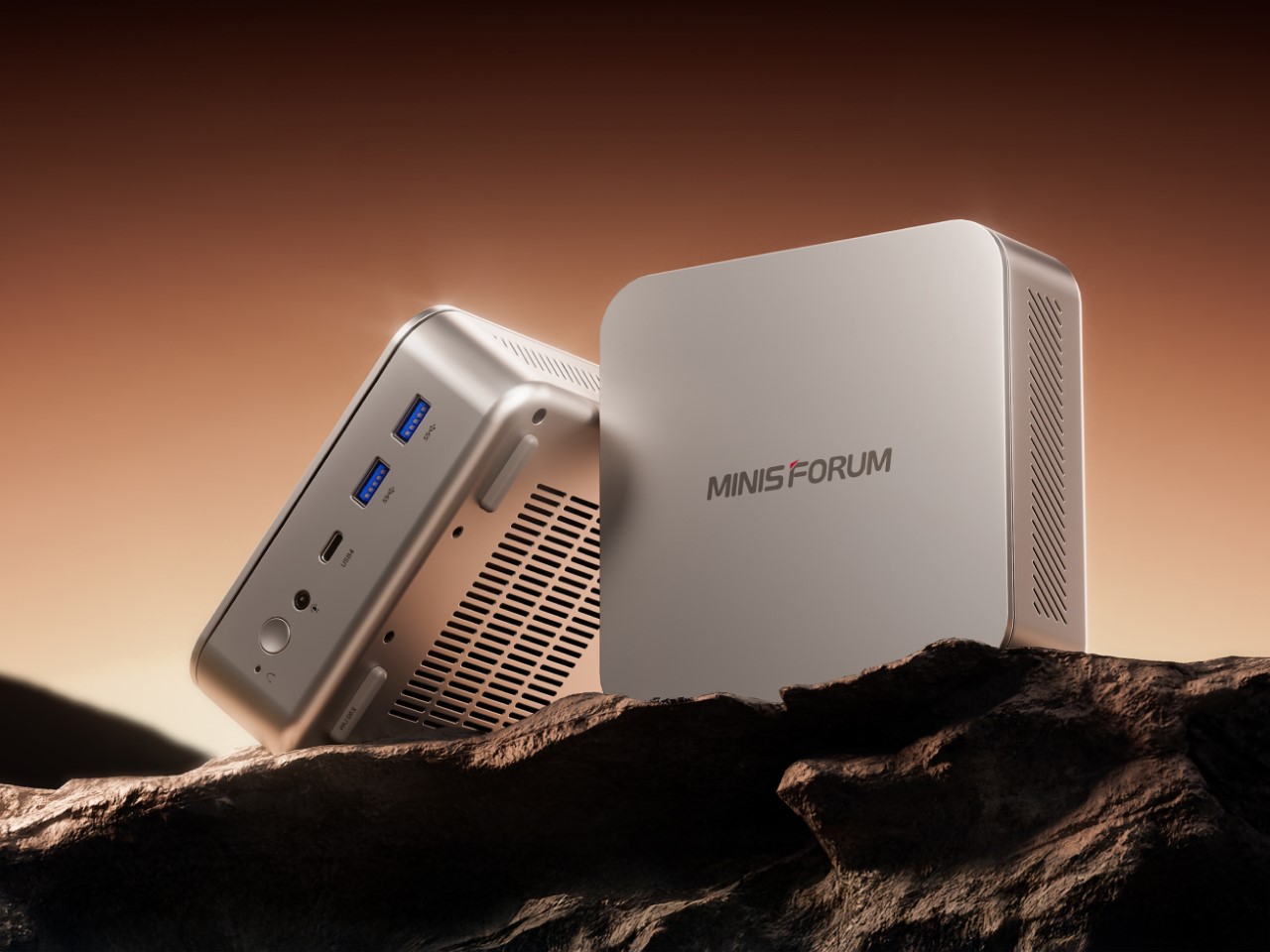
You know how every time Apple launches a feature on the iPhone, Android people rush to point out they did it first, or they did it better? If you’re a Windows fan, this post might just be perfect for you. At the end of last month, Apple debuted the M4 Mac mini, surprising us not with just a chip upgrade, but a size downgrade too. A fraction of its original size, this newer Mac mini was tailored for Apple’s AI (or Apple Intelligence), and was designed to be a functional power-house. Not to be outdone, however… it seems like MiniForum has a Windows-based answer to the new Mac mini.

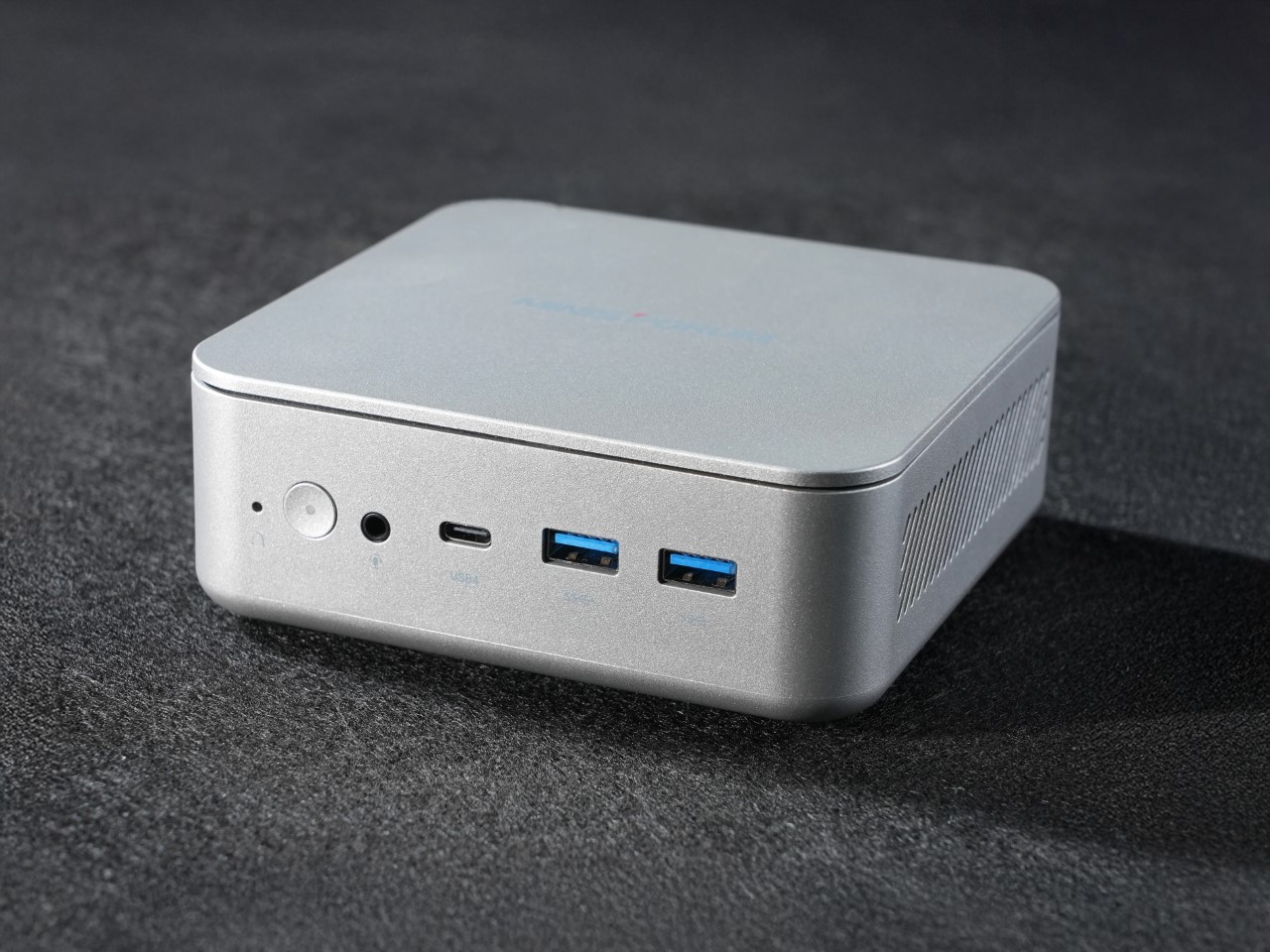
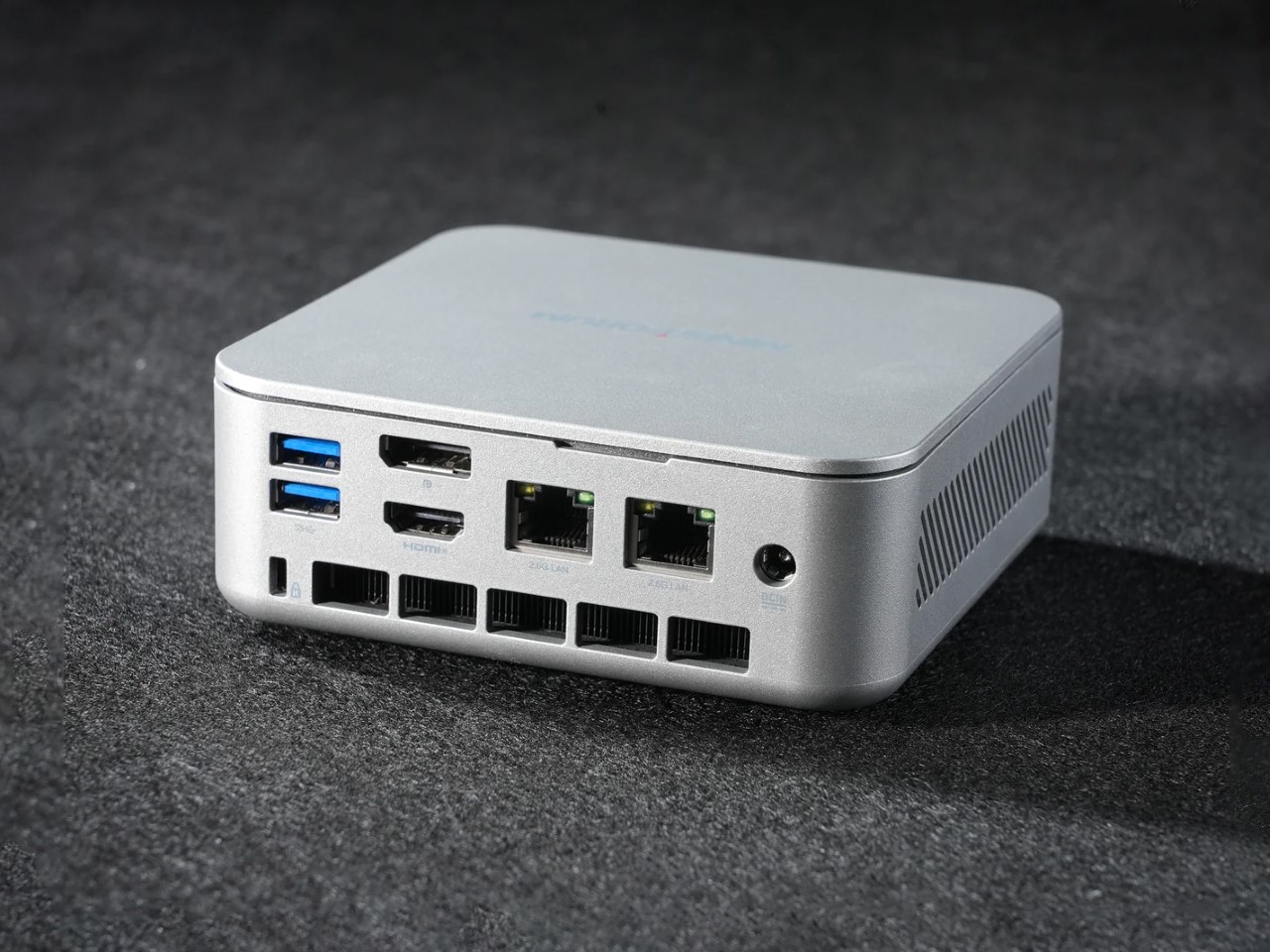
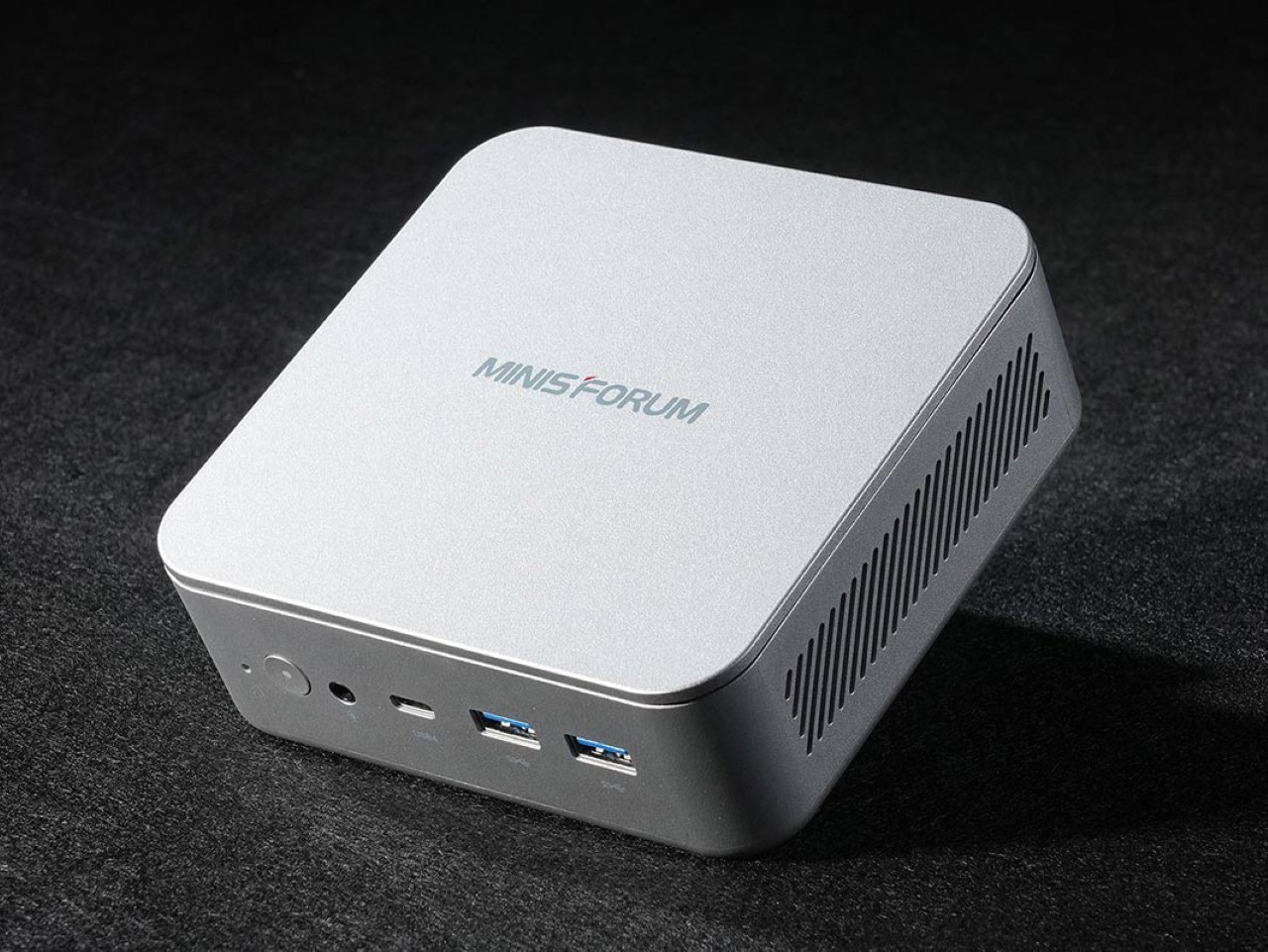
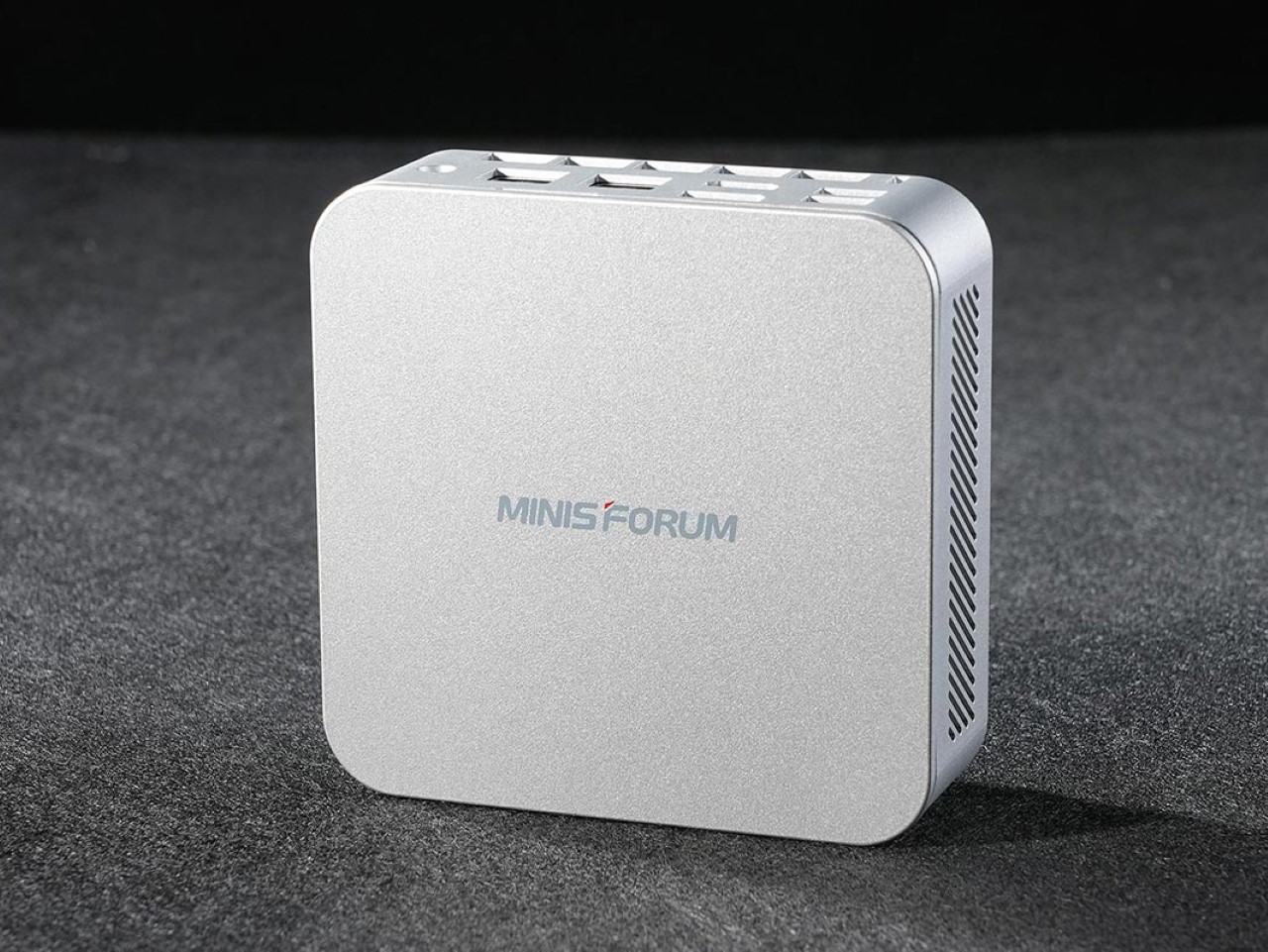
The EliteMini AI370 may be a bit of a handful name-wise, but it’s a handful when it comes to performance, ports, and portability too. Powered by AMD’s latest AI-ready Ryzen processor and the Radeon 890M, the EliteMini has 12 cores, 24 threads, and 50 TOPS of AI processing, ready to easily handle any demanding task from gaming to video editing or even working with AI models without breaking a sweat. The entire device measures just 5 inches across, making it exactly as small as the Mac mini, albeit with way more ports… and perhaps the most important feature – a front-facing power button.

Designer: MinisForum

Under the hood, the EliteMini AI370 boasts AMD’s Ryzen AI 9 HX 370 processor, which makes multitasking a breeze. With 12 cores and 24 threads, this chip is engineered for the heavy workloads you’d typically assign to a full-sized desktop, handling everything from advanced editing to 3D rendering with ease. Thanks to AMD’s XDNA2 architecture, this processor includes a dedicated Neural Processing Unit (NPU), delivering up to 50 TOPS (trillion operations per second) in AI power. If you’re working with AI applications, real-time rendering, or advanced editing software, this kind of performance is a huge asset, enhancing productivity while keeping things running smoothly.

Graphics enthusiasts and gamers will appreciate the Radeon 890M integrated graphics. Unlike many compact PCs that struggle with graphical processing, the EliteMini is geared for high-quality visuals, with frame rates above 60 FPS. This makes it more than capable for gaming and intensive creative applications. Having this level of integrated GPU performance means you won’t need to invest in an external GPU—perfect if you’re tight on desk space or don’t want extra hardware cluttering your setup.

Memory and storage are equally robust in the EliteMini AI370, with 32GB of DDR5 memory clocked at a fast 7500 MHz. This speed is a lifesaver for multitasking, allowing you to work across several applications without stalling. Storage options are equally impressive, supporting up to 4TB of PCIe NVMe SSD. That’s plenty of space for large project files, software libraries, and extensive media, while the SSD’s high-speed access means you won’t be stuck waiting around for files to load. For everything else, there are ports on both the front as well as the back.

All this power and performance gets packed into a compact and accessible device, fitting neatly on any desk setup. The 5-inch form factor is easy to overlook, but don’t let its size fool you—this mini-PC holds its own. For users who need a flexible and minimal setup, the EliteMini offers a front-facing USB-C setup and headphone jack, while ports on the back include three USB 4.0, HDMI, and an Ethernet connection that’s upgradable to 10GbE. As a (probably) unintentional jab to Apple, the EliteMini puts its power button smack-dab on the front of the mini PC too, making it MUCH more accessible than the Mac mini’s awkwardly placed power button.

Of course, all these features come at a price. The EliteMini AI370 starts at an introductory $1,099, with a regular price of $1,399, reflecting the high-end components and capabilities. For comparison, Apple’s Mac Mini M4 starts at $599, but it lacks the EliteMini’s integrated AI capabilities and has fewer configuration options. For Windows users who prioritize performance and customization, the EliteMini’s added capabilities and that compact design make it a perfect alternative to the Mac mini. Besides, if you’re going to be working with AI models, you’d want a computer that’s AI ready too, no?

The post EliteMini AI370: The Tiny Windows Mini-PC Built to Outperform Apple’s M4 Mac mini first appeared on Yanko Design.

Google’s November Pixel update is rolling out

The November update for Google Pixel devices running Android 15 is rolling out now. This batch doesn’t include exciting new features, like the AI-powered theft protection in the October update, but it has bug fixes and the latest security patches to tighten things up.

The new software includes fixes for known intermittent issues with Bluetooth range, camera tilt when zooming between cameras and unexpected flashing or flickering of white dots or screen brightness. It also has fixes for adaptive brightness not activating, the keyboard dismiss button not working correctly and the performance and stability of some UI transitions and animations.

Android 15 arrived last month for Pixel devices, following the Pixel 9 lineup’s debut in August. The annual software jump focuses on security and privacy, like AI-powered theft detection lock and extra authentication requirements for removing SIMs and deactivating Find My Device.

Google says the November Pixel update is rolling out today and will continue in phases over the next week. You should see a notification when it’s ready for your device and carrier.

This article originally appeared on Engadget at https://www.engadget.com/mobile/smartphones/googles-november-pixel-update-is-rolling-out-212243796.html?src=rss

Google’s November Pixel update is rolling out

The November update for Google Pixel devices running Android 15 is rolling out now. This batch doesn’t include exciting new features, like the AI-powered theft protection in the October update, but it has bug fixes and the latest security patches to tighten things up.

The new software includes fixes for known intermittent issues with Bluetooth range, camera tilt when zooming between cameras and unexpected flashing or flickering of white dots or screen brightness. It also has fixes for adaptive brightness not activating, the keyboard dismiss button not working correctly and the performance and stability of some UI transitions and animations.

Android 15 arrived last month for Pixel devices, following the Pixel 9 lineup’s debut in August. The annual software jump focuses on security and privacy, like AI-powered theft detection lock and extra authentication requirements for removing SIMs and deactivating Find My Device.

Google says the November Pixel update is rolling out today and will continue in phases over the next week. You should see a notification when it’s ready for your device and carrier.

This article originally appeared on Engadget at https://www.engadget.com/mobile/smartphones/googles-november-pixel-update-is-rolling-out-212243796.html?src=rss

Seagate’s 2TB Xbox expansion card is down to a record-low price ahead of Black Friday

While Activision has been striving to shrink its notoriously huge Call of Duty games so they take up less storage space, you may still need more room on your console. That's true even if you have the new Xbox Series X with 2TB of built-in storage. Games can quickly fill an internal SSD and if you're an Xbox Series X/S gamer, Seagate's expansion card is perhaps the way to go.

The 2TB variant is on sale at the minute. It has dropped to an all-time low of $200. That's $160 off the regular price.

Look, proprietary storage stinks, but the choice for Series X/S owners looking for more space is largely between Seagate's Storage Expansion Card and WD's Black C50. It's possible to store Series X/S games on a regular external drive, but you'll need to move them to internal storage or an expansion card anyway to actually play them. If you don't want to deal with shifting large files around and waiting for transfers to complete, or you don't want to delete and download games more than is necessary, an expansion card is the way to go.

Seagate's version is one of our picks for the best Xbox Series X/S accessories. The 2TB version should give you ample space — at least until you start filling it up with all of the huge Call of Duty games that have started hitting Game Pass.

Check out all of the latest Black Friday and Cyber Monday deals here.

This article originally appeared on Engadget at https://www.engadget.com/deals/seagates-2tb-xbox-expansion-card-is-down-to-a-record-low-price-ahead-of-black-friday-210647959.html?src=rss

Seagate’s 2TB Xbox expansion card is down to a record-low price ahead of Black Friday

While Activision has been striving to shrink its notoriously huge Call of Duty games so they take up less storage space, you may still need more room on your console. That's true even if you have the new Xbox Series X with 2TB of built-in storage. Games can quickly fill an internal SSD and if you're an Xbox Series X/S gamer, Seagate's expansion card is perhaps the way to go.

The 2TB variant is on sale at the minute. It has dropped to an all-time low of $200. That's $160 off the regular price.

Look, proprietary storage stinks, but the choice for Series X/S owners looking for more space is largely between Seagate's Storage Expansion Card and WD's Black C50. It's possible to store Series X/S games on a regular external drive, but you'll need to move them to internal storage or an expansion card anyway to actually play them. If you don't want to deal with shifting large files around and waiting for transfers to complete, or you don't want to delete and download games more than is necessary, an expansion card is the way to go.

Seagate's version is one of our picks for the best Xbox Series X/S accessories. The 2TB version should give you ample space — at least until you start filling it up with all of the huge Call of Duty games that have started hitting Game Pass.

Check out all of the latest Black Friday and Cyber Monday deals here.

This article originally appeared on Engadget at https://www.engadget.com/deals/seagates-2tb-xbox-expansion-card-is-down-to-a-record-low-price-ahead-of-black-friday-210647959.html?src=rss