The Fitbit Charge 6 drops to a record low of $100 in this Black Friday deal

Thanksgiving might not be here yet, but that’s not stopping retailers from offering early Black Friday promotions. Amazon, for instance, is selling the Fitbit Charge 6 for $60 off its regular $159.95 price. For those wondering, that’s a record low for the fitness tracker. And if you’re looking for a device to record your steps and workouts, it’s hard to go wrong with the Charge 6. In fact, it’s one of our favorite fitness trackers.

The Charge 6 has a few things going for it. With the new model, Fitbit added a more accurate heart rate sensor, the ability to pair with exercise machines over Bluetooth and a physical side button to aid with menu navigation. If you’re a YouTube Music Premium subscriber, you can also use the device to control YouTube Music playback.

Carrying over from older iterations, the Charge 6 offers comprehensive tracking for 20 discrete exercises, with built-in GPS for activities like running and cycling. It also retains the design of the Charge 5, which in this case, is a good thing. The fact it’s not a smartwatch means the Charge 6 is comfortable to wear and offers a battery that will last you for several days instead of just one at most. The full-color AMOLED display is easy to read and looks great, even outdoors. Other notable features include support for contactless payments through Fitbit Pay and Google Wallet.

The only downsides to the Charge 6 are that Fitbit doesn’t offer Apple Health integration and that some data and features are locked behind the company’s premium subscription. However, if you’re looking for a fitness tracker that can basically do it all, the Charge 6 is one of the best options right now.

For those looking to spend less on a fitness tracker, I'll mention that Amazon has also discounted the Inspire 3. It's currently $69.95, down from $99.95. Fitbit's entry-level fitness tracker is a good option for those who don't mind bringing their phone to their bike rides and runs as the device lacks built-in GPS tracking.   

Check out all of the latest Black Friday and Cyber Monday deals here.

This article originally appeared on Engadget at https://www.engadget.com/wearables/the-fitbit-charge-6-drops-to-a-record-low-of-100-in-this-black-friday-deal-171919452.html?src=rss

Black Friday deals bring the price of the Fitbit Charge 6 down to a record low of $100

Black Friday promos are in full swing now, and that’s brought many of our favorite gadgets down to their lowest prices of the year. Case in point, the Fitbit Charge 6, which is down to a record low of $100 right now. It’s a top pick in our best fitness trackers guide in part because of its comprehensive exercise tracking capabilities and its built-in GPS.

The Charge 6 has a few things going for it. With the new model, Fitbit added a more accurate heart rate sensor, the ability to pair with exercise machines over Bluetooth and a physical side button to aid with menu navigation. If you’re a YouTube Music Premium subscriber, you can also use the device to control YouTube Music playback.

Carrying over from older iterations, the Charge 6 offers comprehensive tracking for 20 discrete exercises, with built-in GPS for activities like running and cycling. It also retains the design of the Charge 5, which in this case, is a good thing. The fact it’s not a smartwatch means the Charge 6 is comfortable to wear and offers a battery that will last you for several days instead of just one at most. The full-color AMOLED display is easy to read and looks great, even outdoors. Other notable features include support for contactless payments through Fitbit Pay and Google Wallet.

The only downsides to the Charge 6 are that Fitbit doesn’t offer Apple Health integration and that some data and features are locked behind the company’s premium subscription. However, if you’re looking for a fitness tracker that can basically do it all, the Charge 6 is one of the best options right now.

For those looking to spend less on a fitness tracker, I'll mention that Amazon has also discounted the Inspire 3. It's currently $70, down from $100. Fitbit's entry-level fitness tracker is a good option for those who don't mind bringing their phone to their bike rides and runs as the device lacks built-in GPS tracking.   

Check out all of the latest Black Friday and Cyber Monday deals here.

This article originally appeared on Engadget at https://www.engadget.com/deals/black-friday-deals-bring-the-price-of-the-fitbit-charge-6-down-to-a-record-low-of-100-171919780.html?src=rss

Japanese wooden satellite launched to help curb space trash

The media focus on rocket launches, moon landings, and Internet satellites has inspired many to look to the stars for the future of mankind. There are still plenty of areas on the Earth that can be explored, but our expansion can only expand upward at this point. But even before we get there, we are already filling our outer skies with dozens if not hundreds of small metal objects known as satellites, and their numbers are only expected to grow as we move forward.

Satellites have various applications, from communication to observation, but none of them so far remain in orbit in perpetuity. We are, thus, facing a two-headed problem of a myriad of these objects cluttering the space around our planet as well as plummeting back down, sometimes with disastrous results. To find out if there are more sustainable options, the world’s first wooden satellite just made its extraterrestrial voyage in the hopes of replacing metal with wood in the future.

Designers: Sumitomo Forestry, Kyoto University

Satellites can orbit the Earth for years, but they will eventually be decommissioned and fall back to Earth. Most of their mass will burn up on re-entry, but the burning metal will release dangerous aluminum oxide pollution into the atmosphere. Wood will also burn up, of course, but the effects on the environment will be significantly smaller.

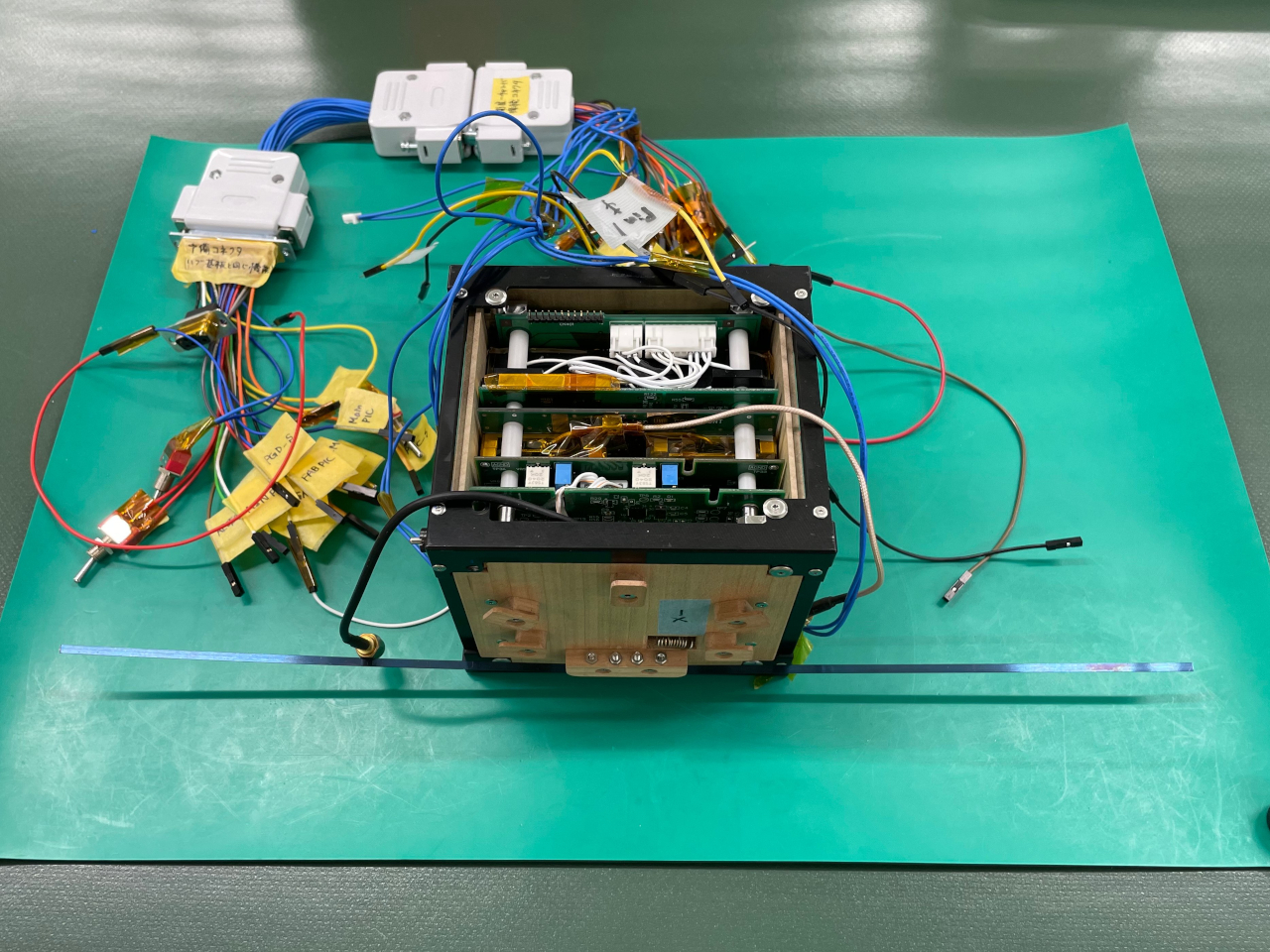
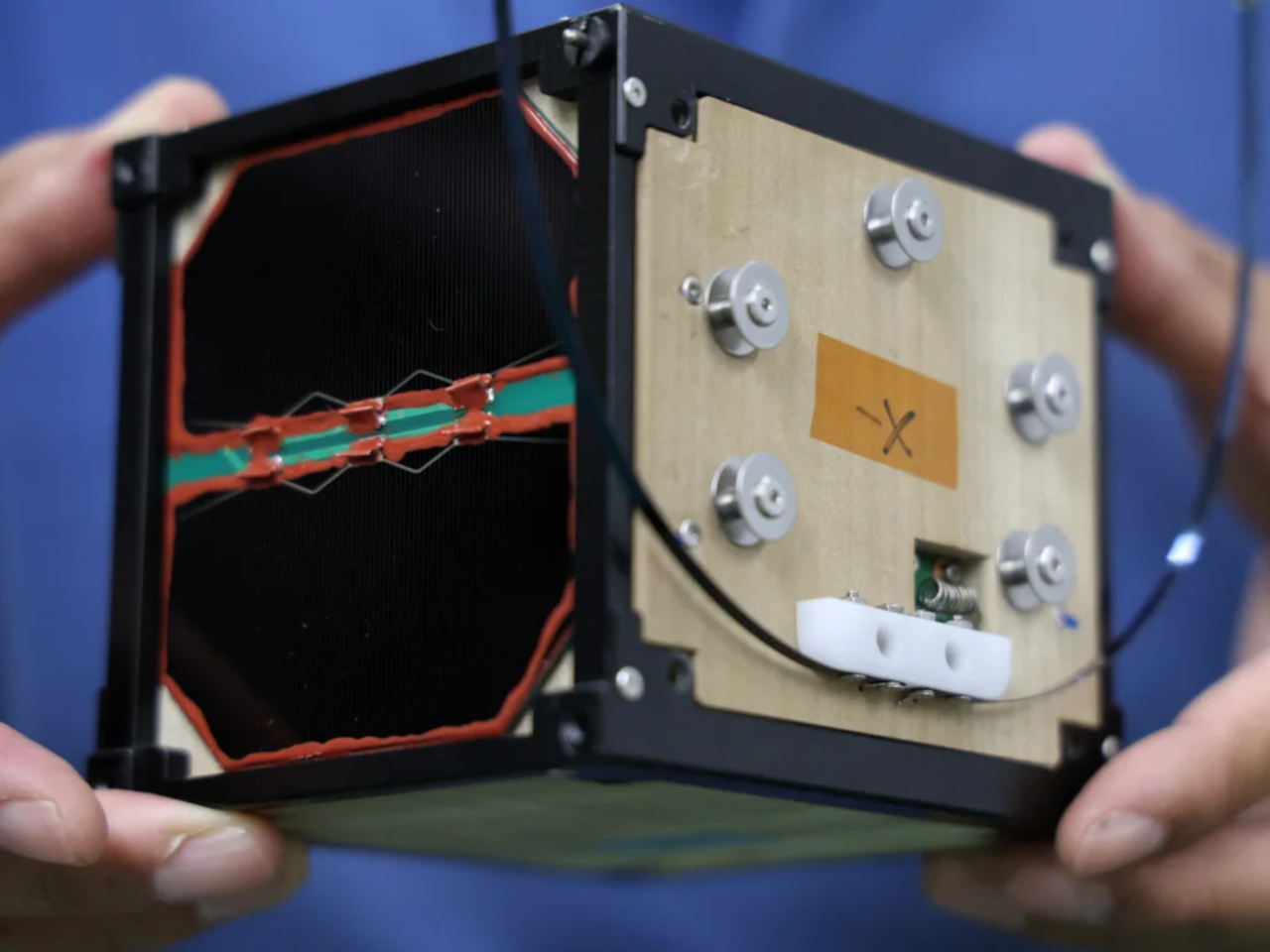
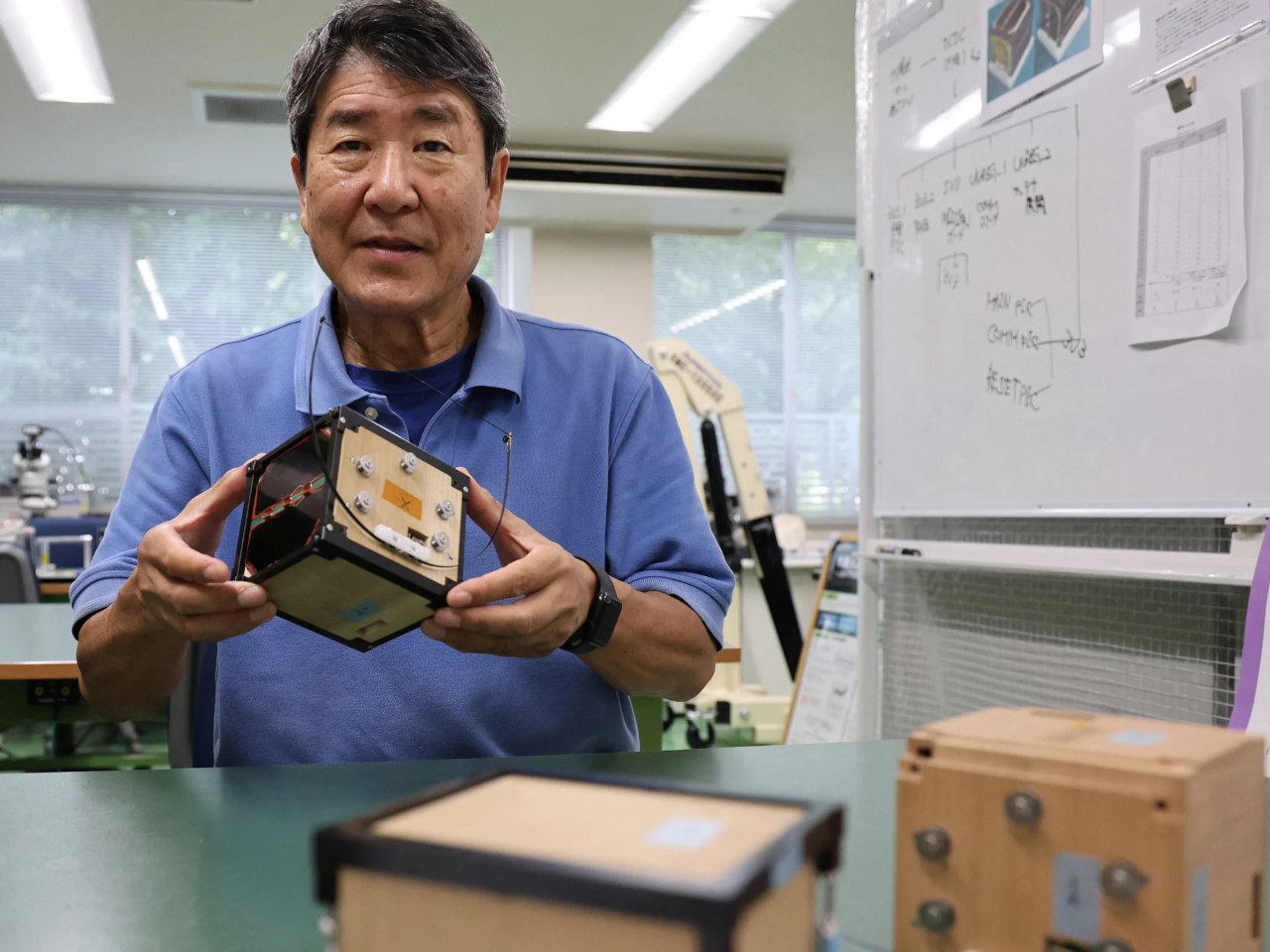
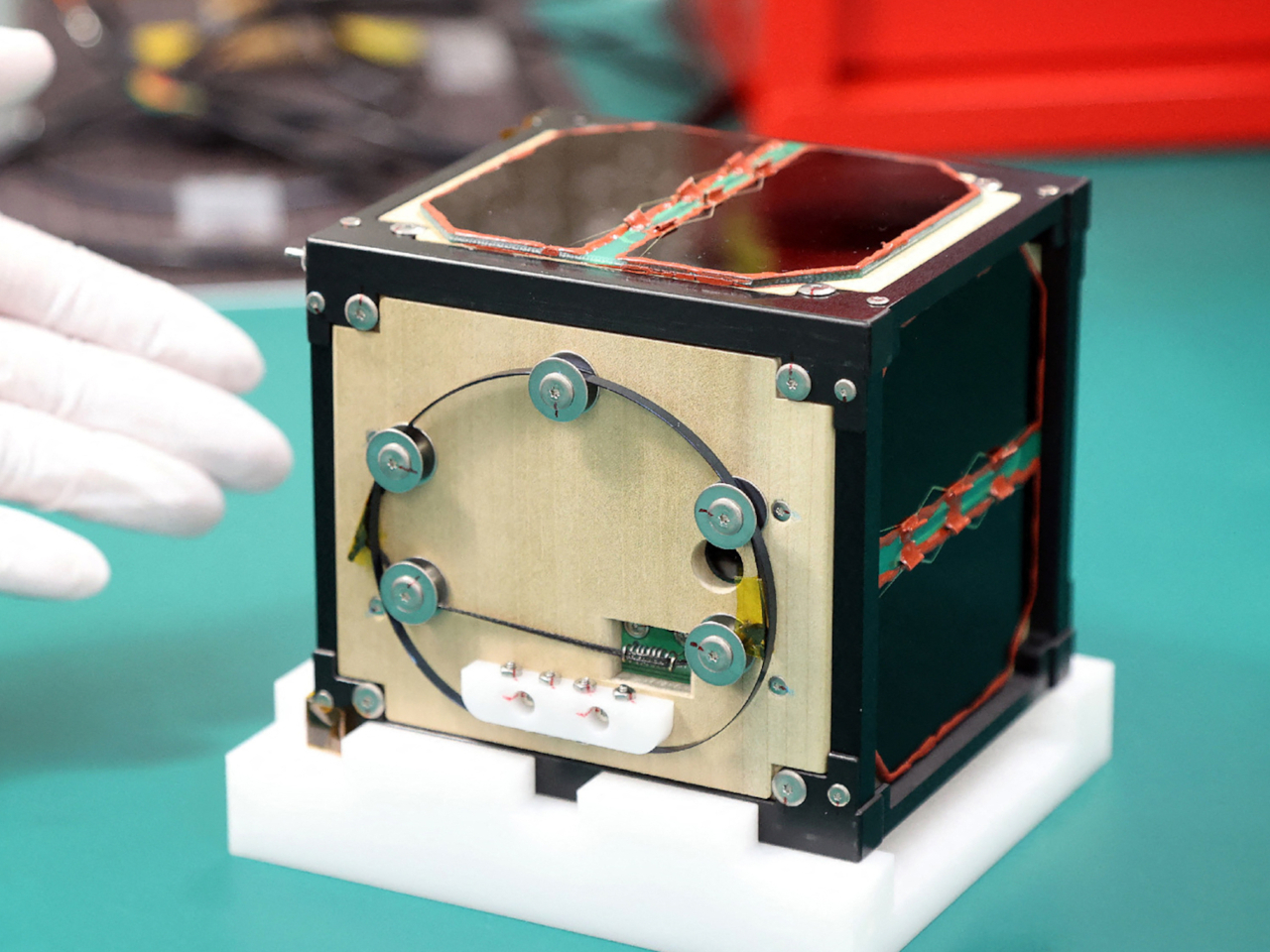
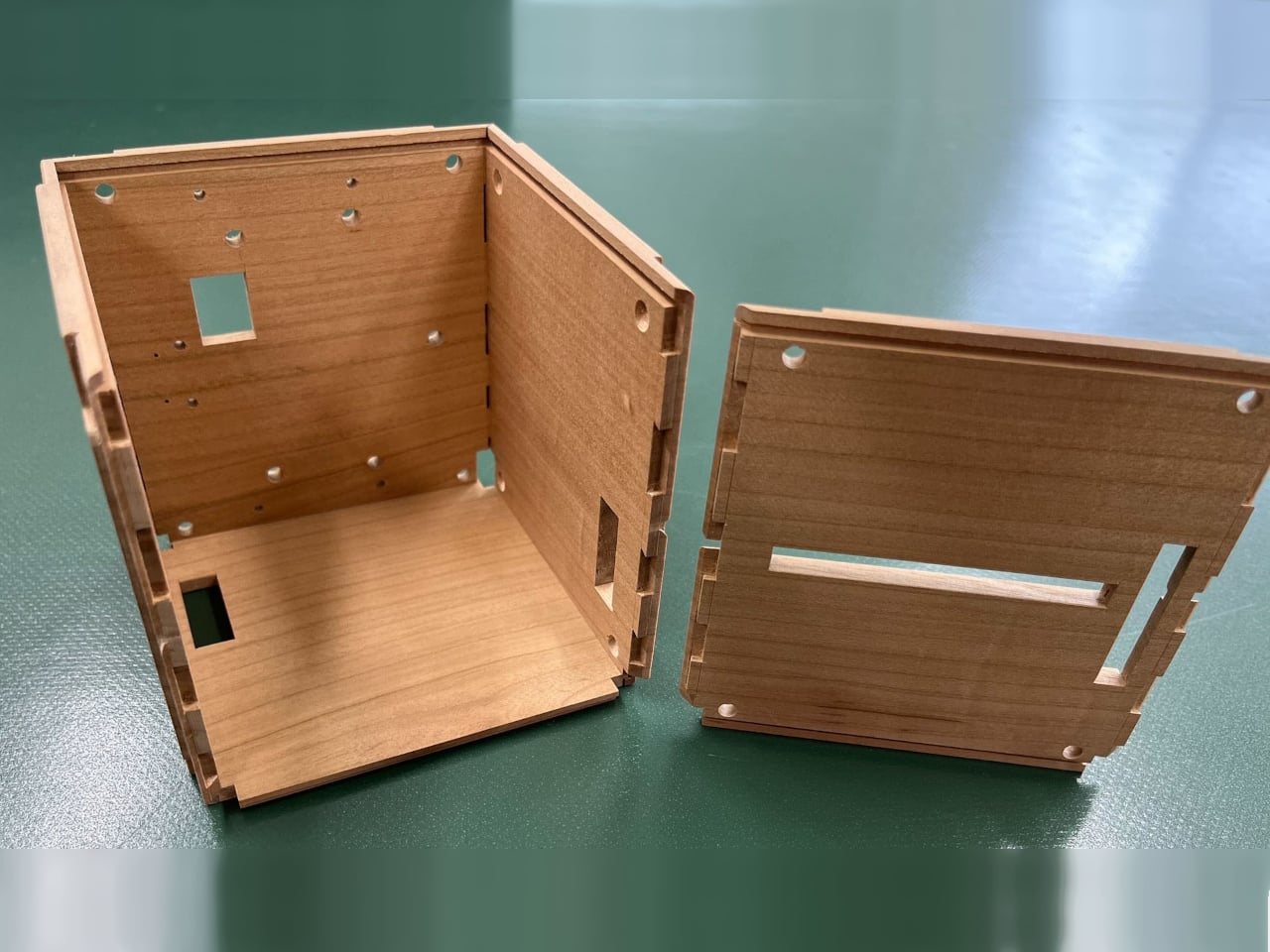
Made from Japanese hinoki or cypress wood, the boxy LingoSat satellite is designed to test the theory of replacing metal satellites with wood-enclosed versions. The sides of the box are held together without screws or glue, using a traditional Japanese craft technique similar to dovetail joints. This method will help minimize the use of metal or potentially toxic materials that would burn in the atmosphere.

The experiment will test how well wood will fare in the harsh environment of space, such as extreme temperature fluctuations, and how well it can shield electronics inside from space radiation. The latter could have useful applications back here on Earth as shielding for semiconductors in data centers. If successful, this design could significantly help solve the problem of space trash and debris falling back down.

The LingoSat wooden satellite launched into space last Tuesday and will be heading to the International Space Station. From there, it will spend six months in orbit at a height of 400km (250 mi) above the Earth. Like any other satellite, it will eventually be decommissioned and fall down but with less fanfare.

The post Japanese wooden satellite launched to help curb space trash first appeared on Yanko Design.

Black Friday deals bring the Google Nest wired indoor camera down to just $70

The Google Nest wired indoor camera is $70 via Amazon as part of an early Black Friday deal. The cam is normally $100, so this represents a savings of 30 percent. This is close to a record low price, which is never a bad thing. The sale includes three colorways, including white, beige and light blue.

The second-gen wired device is designed for indoor use, thus the name, and is capable of capturing 1080p HDR video. It’s motion sensitive and uses a bit of AI trickery to discern between people, animals and vehicles. The camera also includes night vision and an hour of event recording on the device itself, which comes in handy in the case of a Wi-Fi outage.

There’s a two-way audio function, as the camera includes both a microphone and a speaker. People can boot up the affiliated Google Home app to spark up a conversation. This app also lets you instantly call up emergency services if the conversation doesn’t go as planned, though that requires a Nest Aware subscription.

This brings us to a fairly significant caveat, though this one pops up with most modern security cameras. A whole lot of stuff is locked behind that aforementioned Nest Aware paywall, which costs $8 per month or $80 each year. This plan gives purchasers 60 days of video history and the ability to watch live streams on smart displays and even smart TVs. Subscribers will even receive alerts when familiar faces are recognized by the camera.

Check out all of the latest Black Friday and Cyber Monday deals here.

This article originally appeared on Engadget at https://www.engadget.com/deals/black-friday-deals-bring-the-google-nest-wired-indoor-camera-down-to-just-70-160944871.html?src=rss

The Google Nest wired indoor camera is just $70 for Amazon Black Friday Week

If you already have a smart home ecosystem in place, or are looking to build one from scratch, now’s a good time to look for IoT gear on sale during the Black Friday shopping period. One such device is the Google Nest wired indoor security camera, which you can get for $70 right now. That’s 30 percent off its usual price and close to a record low. The sale includes three colorways, including snow, fog and linen.

The second-gen wired device is designed for indoor use, thus the name, and is capable of capturing 1080p HDR video. It’s motion sensitive and uses a bit of AI trickery to discern between people, animals and vehicles. The camera also includes night vision and an hour of event recording on the device itself, which comes in handy in the case of a Wi-Fi outage.

There’s a two-way audio function, as the camera includes both a microphone and a speaker. People can boot up the affiliated Google Home app to spark up a conversation. This app also lets you instantly call up emergency services if the conversation doesn’t go as planned, though that requires a Nest Aware subscription.

This brings us to a fairly significant caveat, though this one pops up with most modern security cameras. A whole lot of stuff is locked behind that aforementioned Nest Aware paywall, which costs $8 per month or $80 each year. This plan gives purchasers 60 days of video history and the ability to watch live streams on smart displays and even smart TVs. Subscribers will even receive alerts when familiar faces are recognized by the camera.

Check out all of the latest Black Friday and Cyber Monday deals here.

This article originally appeared on Engadget at https://www.engadget.com/deals/the-google-nest-wired-indoor-camera-is-just-70-for-amazon-black-friday-week-160944313.html?src=rss

NVIDIA will add a monthly playtime cap to GeForce Now starting next year

Some big changes are coming to NVIDIA’s GeForce Now streaming service. In a blog post published Thursday, the company said it would introduce a monthly playtime allowance. Starting January 1st, 2025, new GeForce Now subscribers will be able to play for up to 100 hours every month before they’ll need to pay for additional playtime. Provided they signed up for the service before December 31, 2024, existing customers won’t see their usage capped until the start of 2026.

NVIDIA is also renaming GeForce Now’s Priority tier. As of today, the new Performance membership offers 1440p streaming, up from 1080p previously, with support for ultrawide resolutions and the ability for users to carry over their graphical settings between sessions. If you’re already paying for the Priority service, you’ll be automatically moved over to the Performance tier. Pricing remains at $10 per month.

A chart showing the different GeForce Now memberships, including the newly announced Performance tier.
NVIDIA

NVIDIA told The Verge the new playtime cap will allow it to avoid raising the price of GeForce Now for “the foreseeable future.” Additionally, the company says 100 hours of monthly usage should “comfortably” accommodate 94 percent of its customers, who typically use the service less. Subscribers can also carry up to 15 hours of unused playtime over to the next month. People who hit the limit and want to continue playing can pay to get an additional 15 hours of access. Performance members will need to shell out $3 for that upgrade, while NVIDIA will charge Ultimate subscribers, who can play games at 4K and 120 frames per second, $6 for the privilege.

If you want to try GeForce Now, NVIDIA is currently offering a 25 percent discount on Performance and Ultimate day passes. Once again, if you decide to subscribe before the end of the year, your playtime won’t be limited until the start of 2026.

This article originally appeared on Engadget at https://www.engadget.com/gaming/pc/nvidia-will-add-a-monthly-playtime-cap-to-geforce-now-starting-next-year-160739646.html?src=rss

NVIDIA will add a monthly playtime cap to GeForce Now starting next year

Some big changes are coming to NVIDIA’s GeForce Now streaming service. In a blog post published Thursday, the company said it would introduce a monthly playtime allowance. Starting January 1st, 2025, new GeForce Now subscribers will be able to play for up to 100 hours every month before they’ll need to pay for additional playtime. Provided they signed up for the service before December 31, 2024, existing customers won’t see their usage capped until the start of 2026.

NVIDIA is also renaming GeForce Now’s Priority tier. As of today, the new Performance membership offers 1440p streaming, up from 1080p previously, with support for ultrawide resolutions and the ability for users to carry over their graphical settings between sessions. If you’re already paying for the Priority service, you’ll be automatically moved over to the Performance tier. Pricing remains at $10 per month.

A chart showing the different GeForce Now memberships, including the newly announced Performance tier.
NVIDIA

NVIDIA told The Verge the new playtime cap will allow it to avoid raising the price of GeForce Now for “the foreseeable future.” Additionally, the company says 100 hours of monthly usage should “comfortably” accommodate 94 percent of its customers, who typically use the service less. Subscribers can also carry up to 15 hours of unused playtime over to the next month. People who hit the limit and want to continue playing can pay to get an additional 15 hours of access. Performance members will need to shell out $3 for that upgrade, while NVIDIA will charge Ultimate subscribers, who can play games at 4K and 120 frames per second, $6 for the privilege.

If you want to try GeForce Now, NVIDIA is currently offering a 25 percent discount on Performance and Ultimate day passes. Once again, if you decide to subscribe before the end of the year, your playtime won’t be limited until the start of 2026.

This article originally appeared on Engadget at https://www.engadget.com/gaming/pc/nvidia-will-add-a-monthly-playtime-cap-to-geforce-now-starting-next-year-160739646.html?src=rss

Death Stranding unexpectedly hits Xbox Series X/S

Xbox Series X/S owners (and Amazon Luna+ subscribers) can now spend dozens of hours scratching their head while playing Death Stranding. Hideo Kojima’s baffling walking sim has just hit those platforms without prior notice on its fifth anniversary.

To mark the occasion, Death Stranding: Director’s Cut is 50 percent off on Xbox, PC, iPhone, iPad and Mac. The discount isn’t available on PlayStation, where the game debuted all the way back in 2019 (Sony is the publisher on PlayStation, while 505 Games handled duties on other platforms). The base game is on the PS Plus Extra and Premium tiers.

Amazon Prime members will also be able to stream the Director’s Cut edition on Luna at no extra cost throughout December. You can keep going on Luna+ in the new year.

In Death Stranding, you play as Sam Porter Bridges, a courier of sorts who aims to reconnect America’s remaining survivors after a cataclysmic event that blurs the plane of existence between the living and the dead. Oh, and Bridges carries around an unborn fetus in a bottle that can detect creatures from the land of the dead. It’s all very strange and still one of the most memorable gaming experiences of the last decade.

Alongside the surprise Xbox (and Luna+ release) and anniversary discount, developer Kojima Productions had some other news about the franchise. It now fully owns the Death Stranding intellectual property. Sony, which financed the original game, previously held a stake and owned the trademark.

A sequel to Death Stranding is in the works. It’ll be a Sony-published PS5 exclusive at the outset and it’s slated to arrive next year (it’s a fairly safe bet that we may see more at The Game Awards next month). A Death Stranding movie is also on the way, while Kojima Productions is working on other games, including Xbox horror title OD and an action-espionage game for PlayStation.

This article originally appeared on Engadget at https://www.engadget.com/gaming/xbox/death-stranding-unexpectedly-hits-xbox-series-xs-153652927.html?src=rss

Death Stranding unexpectedly hits Xbox Series X/S

Xbox Series X/S owners (and Amazon Luna+ subscribers) can now spend dozens of hours scratching their head while playing Death Stranding. Hideo Kojima’s baffling walking sim has just hit those platforms without prior notice on its fifth anniversary.

To mark the occasion, Death Stranding: Director’s Cut is 50 percent off on Xbox, PC, iPhone, iPad and Mac. The discount isn’t available on PlayStation, where the game debuted all the way back in 2019 (Sony is the publisher on PlayStation, while 505 Games handled duties on other platforms). The base game is on the PS Plus Extra and Premium tiers.

Amazon Prime members will also be able to stream the Director’s Cut edition on Luna at no extra cost throughout December. You can keep going on Luna+ in the new year.

In Death Stranding, you play as Sam Porter Bridges, a courier of sorts who aims to reconnect America’s remaining survivors after a cataclysmic event that blurs the plane of existence between the living and the dead. Oh, and Bridges carries around an unborn fetus in a bottle that can detect creatures from the land of the dead. It’s all very strange and still one of the most memorable gaming experiences of the last decade.

Alongside the surprise Xbox (and Luna+ release) and anniversary discount, developer Kojima Productions had some other news about the franchise. It now fully owns the Death Stranding intellectual property. Sony, which financed the original game, previously held a stake and owned the trademark.

A sequel to Death Stranding is in the works. It’ll be a Sony-published PS5 exclusive at the outset and it’s slated to arrive next year (it’s a fairly safe bet that we may see more at The Game Awards next month). A Death Stranding movie is also on the way, while Kojima Productions is working on other games, including Xbox horror title OD and an action-espionage game for PlayStation.

This article originally appeared on Engadget at https://www.engadget.com/gaming/xbox/death-stranding-unexpectedly-hits-xbox-series-xs-153652927.html?src=rss

Modular keyboard concept can help solve a decades-old usability problem

Although we see dozens of computer keyboard designs these days, the basic layout of the device hasn’t changed since the very first model came out. Even if you consider variants of the QWERTY standard like AZERTY or Dvorak, the standard has remained the same over the years, which means carrying over most of the usability and ergonomic problems that were there from day one. The “10 key” numeric keypad, for example, is always on the right side, with a bias towards right-handed people.

That’s not exactly a problem for TKL or “Ten Keyless” keyboards, but that does mean buying a separate numpad that doesn’t integrate well with the rest of the keyboard, both functionally and aesthetically. This keyboard concept takes a shot at solving that long-standing handedness problem and its solution is to let you design your keyboard layout to your needs and preferences.

Designer: Alexey Prokopenko

It’s easy enough to just buy a TKL keyboard and a numpad separately, allowing you to arrange the two as you see fit. That, however, only works for that combination, and even then it’s not always a pretty sight. The visual and functional disconnect between these products can also have a subtle effect on our subconscious, just like how clutter or disjointed styles can trigger our minds in ways we don’t realize.

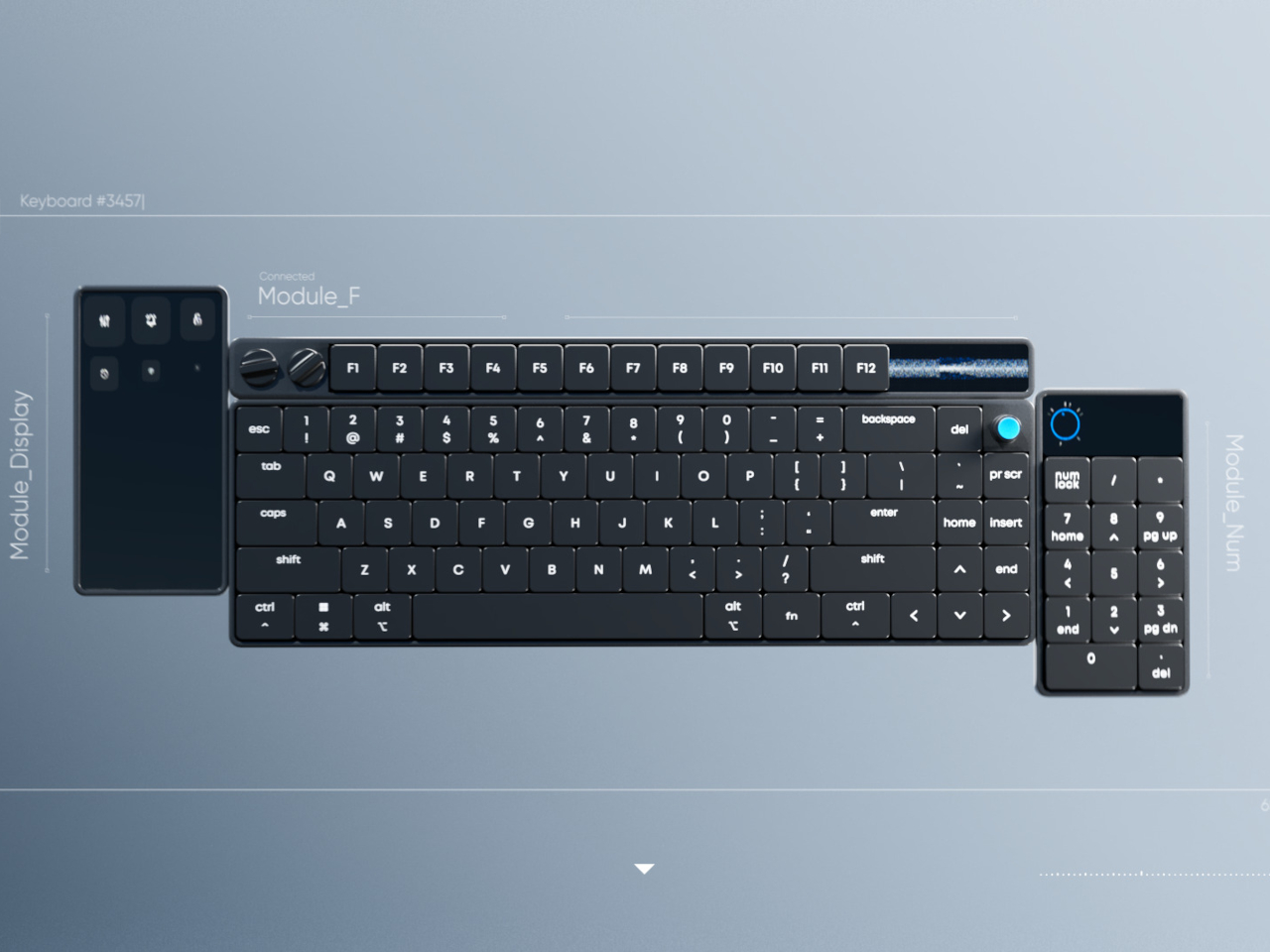
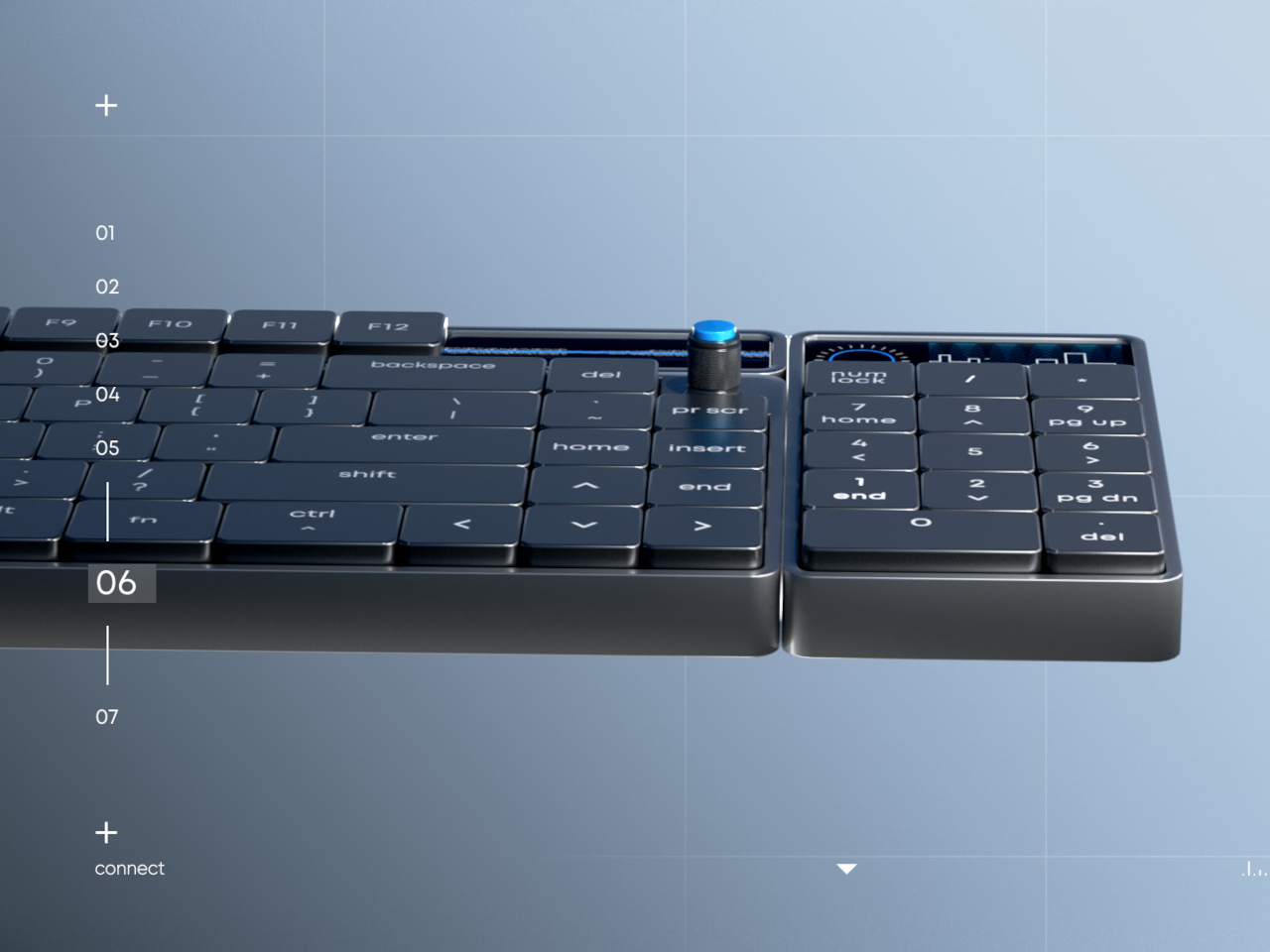
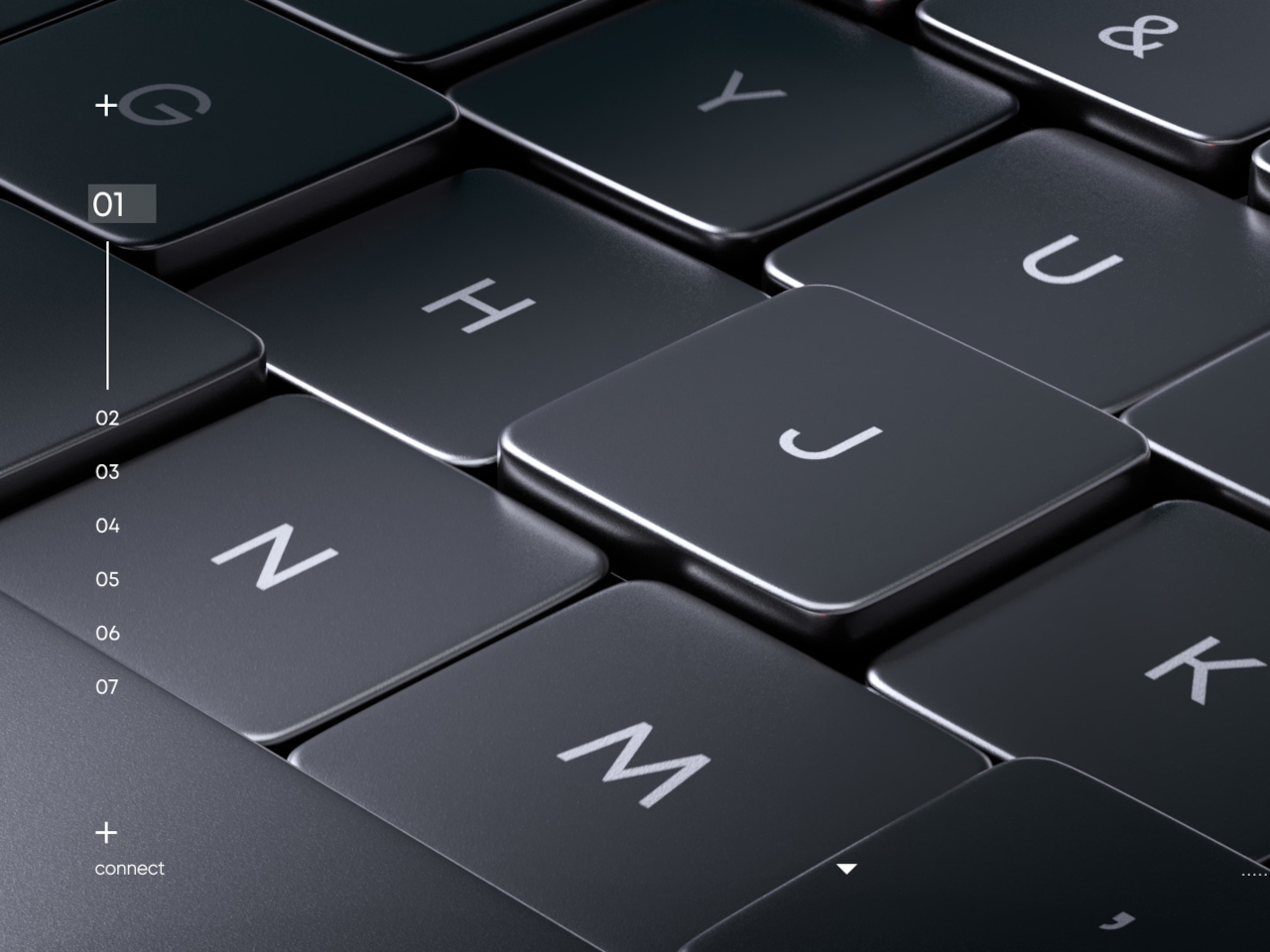
A modular design like the Connect concept helps solve this problem. In a nutshell, you can place a numpad module to the right or left of the “main” TKL keyboard in a way that physically connects the pieces. Since they’re from the same system, they also share the same aesthetic, which is a matte black in this case.

Of course, the beauty of a modular system is the flexibility it offers. Not only can you switch the position of the numpad on either side on a whim, you can also connect something else there or have a different module on the opposite end simultaneously. You can, for example, have a trackpad or a macro keyboard on either side. The choice is totally yours and can be changed dynamically depending on your work, need, or mood.

1

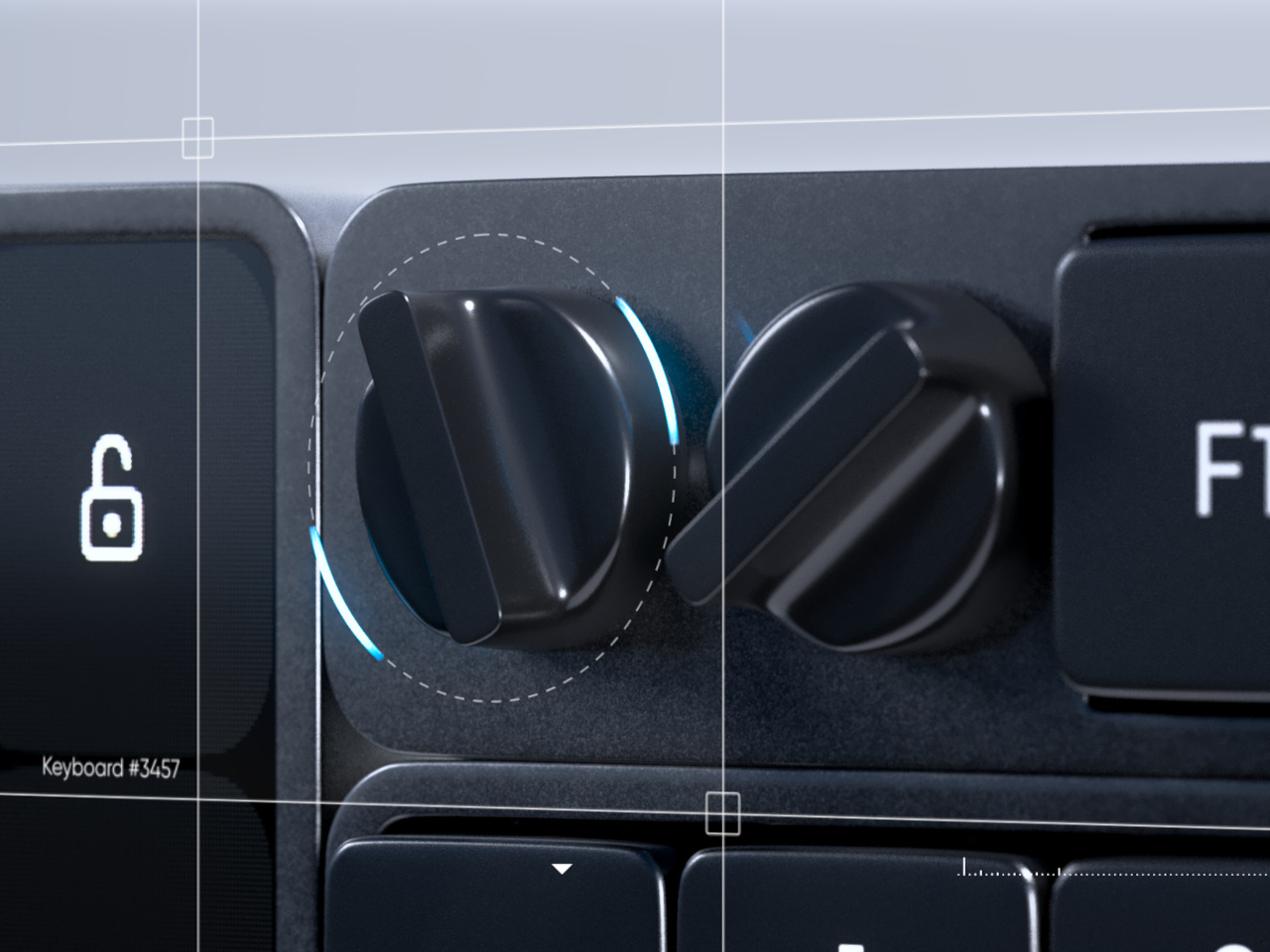
If there’s one oddity to this design concept, it would be that the function key row is also an optional module. Granted, some Bluetooth keyboards actually exclude this row, forcing users to make complicated keystrokes to activate the functions. In this case, however, removing that row would create an imbalance when a module is attached to the left or right side of the keyboard. Most people will probably prefer to have that function row there all the time anyway, making it a bit of an unnecessary design detail.

The post Modular keyboard concept can help solve a decades-old usability problem first appeared on Yanko Design.