EU backs away from requiring tech companies to scan and remove CSAM

EU member states have agreed on a position regarding online child protection legislation that doesn't force global tech companies to identify and remove child sexual abuse materials (CSAM.) This is being seen as a major victory for US tech companies like Google and Meta, according to reporting by Reuters.

This new European Council language contradicts a 2023 position in which the European Parliament would have required messaging services, app stores and ISPs to report and remove CSAM materials and instances of grooming. The proposed legislation doesn't have any of that. 

Instead, it tasks major tech companies with assessing the risk of their services, taking preventative measures as deemed necessary. It leaves enforcement up to individual national governments and not the EU governing body. 

"Member states will designate national authorities ... responsible for assessing these risk assessments and mitigating measures, with the possibility of obliging providers to carry out mitigating measures," the European Council wrote in a statement. "In the event of non-compliance, providers could be subject to penalty payments."

There's no language here regarding the enforced scanning of encrypted materials for CSAM, which was an idea being discussed as recently as last year. However, there is some language that suggests encryption services must be safeguarded. Some detractors, like the Czech Republic, suggest that the Council's idea to allow tech entities to essentially self-police content could actually hurt encryption platforms.

This is "a great disappointment for everyone who cares about privacy," Czech politician Markéta Gregorová wrote in a statement. "The Danish presidency has pushed through a compromise version of the proposal after long negotiations, which, while appearing to be less invasive, actually paves the way for what we have long warned against: the blanket scanning of our private conversations." 

The proposed law does, however, establish something called the EU Center on Child Sexual Abuse. This organization would have a mandate to help countries comply and provide assistance for victims. The European Parliament also recently called on the EU to set minimum ages for kids to access social media, but there's no current law in the works.

All of this isn't a done deal just yet. The Council now must enter into negotiations with the Parliament. 

This article originally appeared on Engadget at https://www.engadget.com/big-tech/eu-backs-away-from-requiring-tech-companies-to-scan-and-remove-csam-173133351.html?src=rss
This Floating Bench Defies Gravity (and Your Expectations)

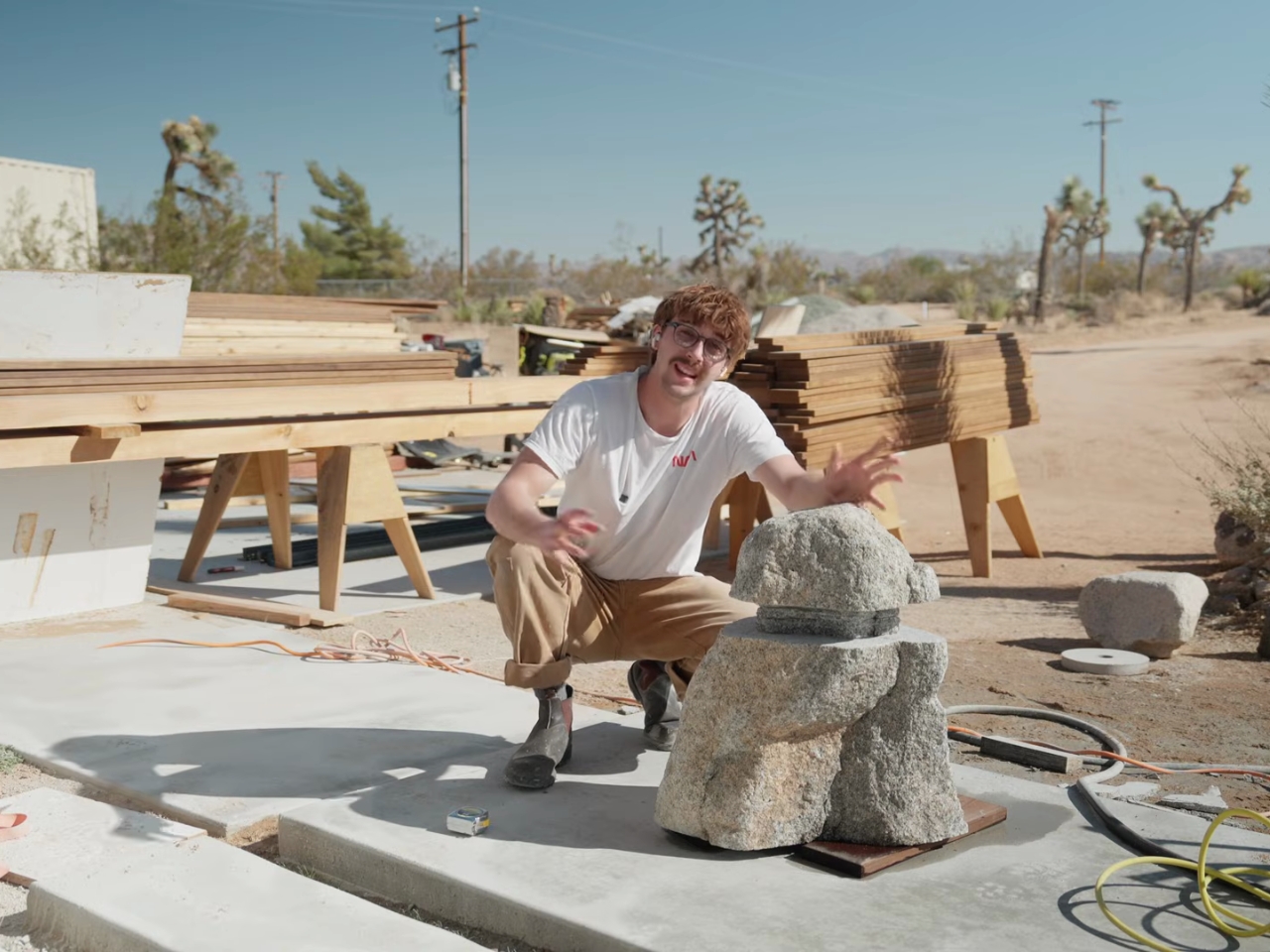
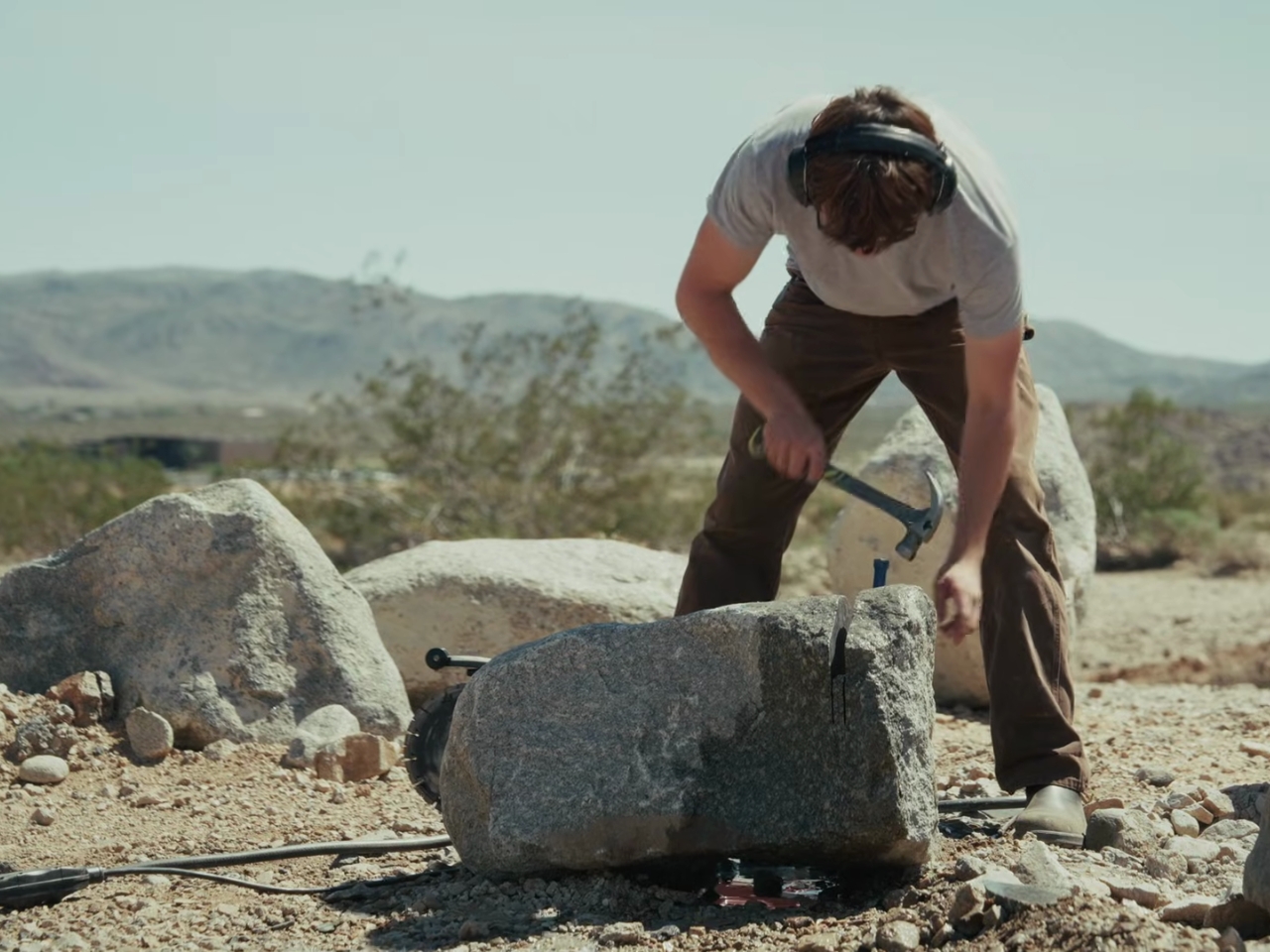
Have you ever looked at a mountain peak piercing through clouds and thought, “I want to sit on that”? Well, Miles Hass from Make With Miles did exactly that, and the result is a piece of furniture that looks like it belongs in a modern art museum but would feel right at home in your living room.

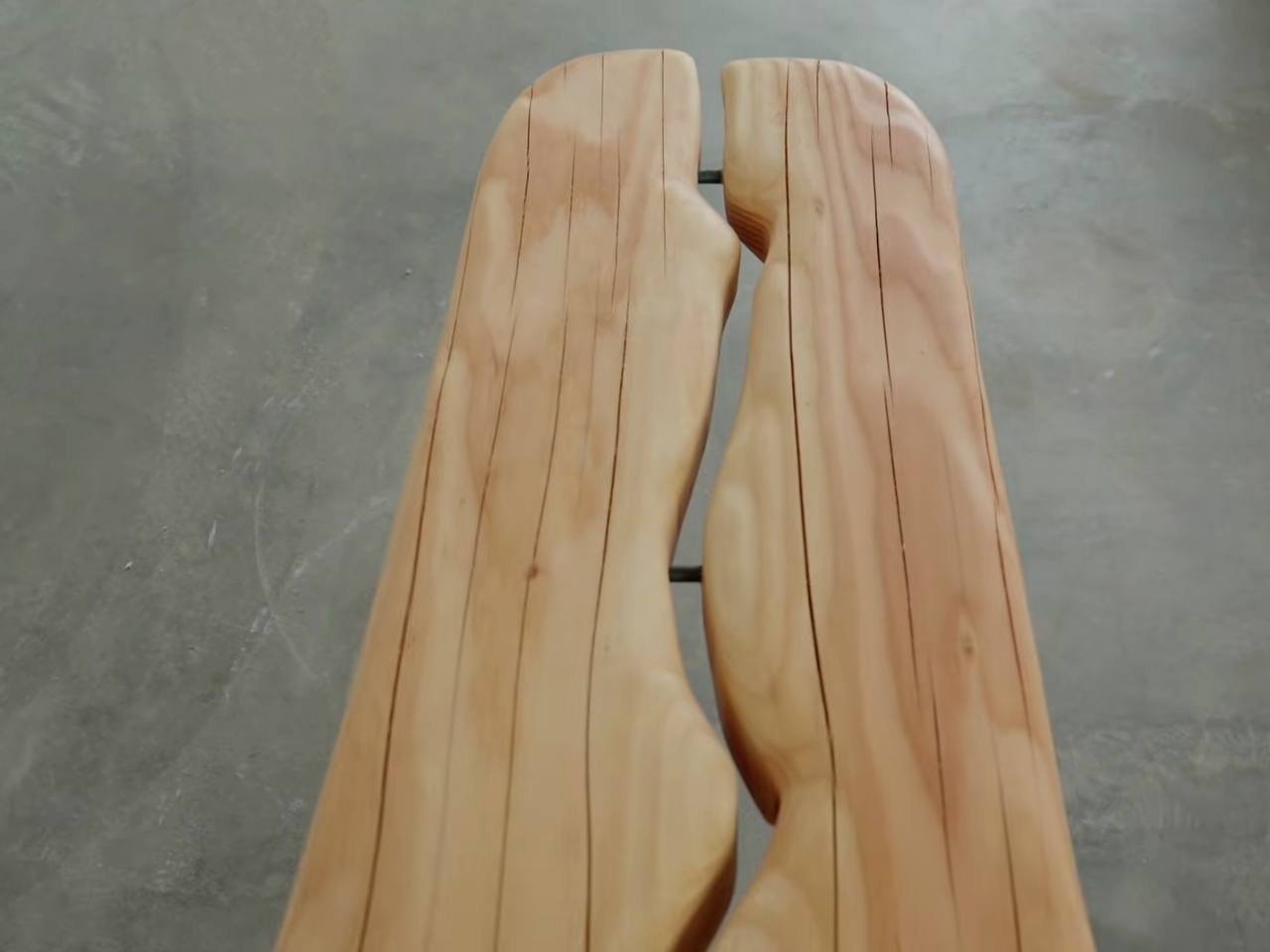
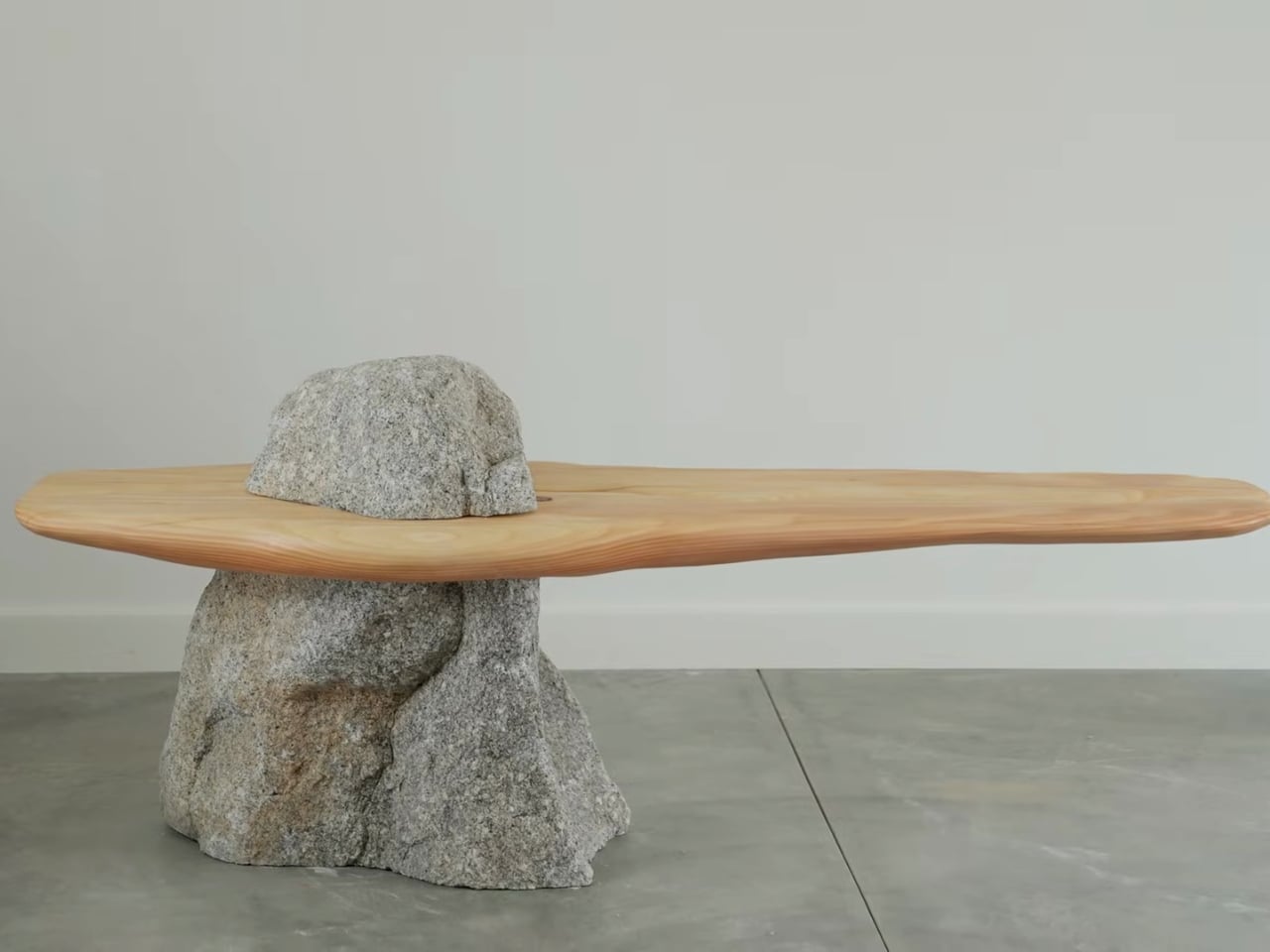
The concept is beautifully simple yet wonderfully complex. A massive rock sits at the base, looking like a mountain rising from the floor, while a wooden bench top appears to float right through it. It’s the kind of design that makes you do a double take because your brain can’t quite process what your eyes are seeing. And that’s exactly the point.

Designer: Miles Hass

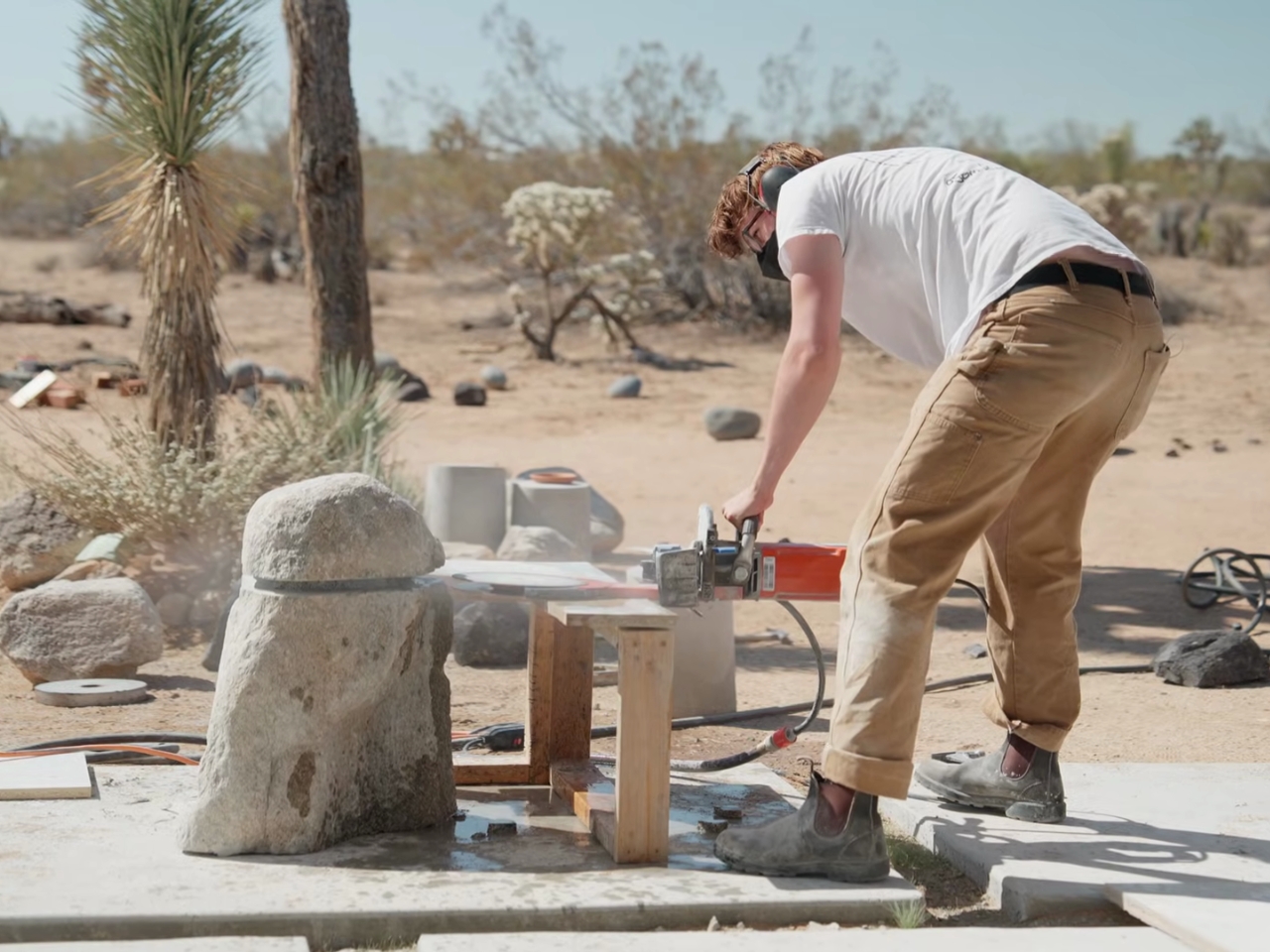
Miles drew inspiration from that dreamy image of mountaintops emerging from clouds, and somehow translated that ethereal feeling into something you can actually sit on. The execution required heading out to Joshua Tree, where he collaborated with fellow maker Ben Uyeda to bring this impossible-looking piece to life. Because apparently, regular furniture shopping was just too easy.

What makes this project particularly fascinating is the challenge it presents. You can’t just slap a piece of wood on a rock and call it a day. The engineering behind making a functional bench that appears to defy gravity while maintaining structural integrity is no small feat. The rock needs to support weight, the wood needs to actually hold someone sitting on it, and the whole thing needs to look effortlessly elegant. It’s like solving a three-dimensional puzzle where one wrong move means your mountain bench becomes a pile of expensive mistakes.

The aesthetic is pure contemporary design poetry. We’re often surrounded by mass-produced IKEA clones so there’s something refreshing about furniture that tells a story. This bench doesn’t just serve a function, it starts conversations. It’s sculptural enough to be art but practical enough to be, you know, an actual bench. That balance is harder to achieve than it looks.

For design enthusiasts, this project represents a growing trend in furniture making where natural elements meet modern sensibilities. We’ve seen epoxy river tables take over Instagram, live-edge everything dominate Pinterest boards, and now we’re watching makers push even further into territory where nature and craft become indistinguishable. The floating bench takes this concept and cranks it up to eleven.

What’s particularly cool about Miles’ approach is that he shares the entire process. We’re used to only being shown the polished final product so watching the actual building process, complete with challenges and solutions, makes the piece feel more accessible. Sure, most of us aren’t going to Joshua Tree to hunt for the perfect mountain-shaped rock and engineer a bench around it, but seeing it done demystifies the creative process and might just inspire someone to try their own impossible project.

The technical aspects are equally impressive. How do you secure wood to rock? How do you ensure the weight distribution won’t cause catastrophic failure when someone decides to plop down with their morning coffee? These aren’t questions with easy answers, and that’s what makes the finished product so satisfying to look at. This bench exists in that sweet spot where art, engineering, and function converge. It’s impractical in all the best ways while still being completely practical. You could put it in your entryway, and it would be the most interesting piece anyone encounters in your home. You could place it in a gallery, and it would hold its own against any contemporary sculpture.

In a design landscape often dominated by minimalism to the point of sterility or maximalism that verges on chaos, Miles’ floating bench offers something different. It’s bold without being loud, natural without being rustic, and modern without feeling cold. And honestly, isn’t that exactly what we want from design? Something that surprises us, makes us think, and still lets us sit down at the end of the day.

The post This Floating Bench Defies Gravity (and Your Expectations) first appeared on Yanko Design.

Apple’s founding document is heading to auction

Exactly how many iPad Pros do you think Apple’s founding document is worth? Quite a lot, by the sound of it. The written agreement that made official the formation of Apple Computer Company — as it was initially known — in 1976 is reportedly going to be auctioned, where it’s expected to fetch up to $4 million.

As reported by Apple Insider, the British auction house Christie’s, which has a number of international salerooms, including one in New York, will feature the three-page document in an auction in early 2026. It features the signatures of Steve Jobs, Steve Wozniak and Ron Wayne, as well as their respective stakes in the company that would go on to become one of the biggest in the world.

While undoubtedly an item of historical significance, the agreement that people will be bidding for was ultimately a short-lived one. By the time Apple Computer Company became Apple Computer, Inc less than a year later, Wayne had already sold his 10 percent share back to his other co-founders. 

In fact, he left the company less than a fortnight after its creation, a decision he insisted he didn’t regret in a BBC interview in 2016, despite the fact that a 10 percent stake in Apple would have been worth around $60 billion at the time (and presumably quite a bit more than that now). He was paid just $1,500 to sign away of all of his remaining business interests in Apple several months later. And to rub even more salt in the wound, Wayne eventually sold his own copy of that original agreement for $500, something the former Atari employee told the BBC he did regret. 

According to Apple Insider, the soon-to-be auctioned Apple agreement is valued at between $2 million and $4 million, and it will feature in the "We the People: America at 250" auction in New York on January 23. It won’t be the first time an important piece of Apple history has been sold off. Back in 2023, an unopened first-generation iPhone fetched $190,000 at an auction, which was around 300 times its original price.

This article originally appeared on Engadget at https://www.engadget.com/mobile/apples-founding-document-is-heading-to-auction-170547522.html?src=rss

Apocalypse ready Hyundai Crater concept SUV maximizes off-roading utility

Hyundai has been keen on the off-roading capability of future vehicles, as evidenced by the revealed cars in their subbrand XRT, launched in 2022. The trend set in motion after the pandemic has not mellowed, and automotive manufacturers are keen to explore adventurous vehicle lines in their fleets. Hyundai is no different as they’ve come up with the Crater Concept off-road SUV to embrace the thrill of exploring the great outdoors.

Revealed during the Los Angeles Auto Show, the next-generation electric concept car is not going to be merely a prototype, according to Hyundai; the vehicle could be tuned into a production car sometime in the future. In fact, Crater is the very first vehicle to be designed at the Sand Box facility in California. The focus of development is on the off-road vehicles, to take forward the gauntlet from the XRT division, which has had successful SUV releases, including the Palisade, Santa Cruz, and Tucson.

Design: Hyundai

Crater is built on a monocoque architecture, featuring a very chiselled, muscular body that complements its persona. The panelled form is complemented by the wheel arches and the wide skid plate for maximum underbody protection. It has a flat fender design and rocker panels that are inspired by the tool protective case design. The EV gets the same “Art of Steel” exterior design influence as the INITIUM fuel-cell electric vehicle. Focus by the South Korean giant on building the vehicle is on compact proportions for hyper manoeuvrability in tight trails, while having an impressive ride height assisted by the 33-inch off-road wheels encapsulating the 18-inch alloys inspired by the “hexagonal asteroid impacting a sheer metal landscape.” This makes the Crater much more capable than the XRT models, which are good for light off-roading.

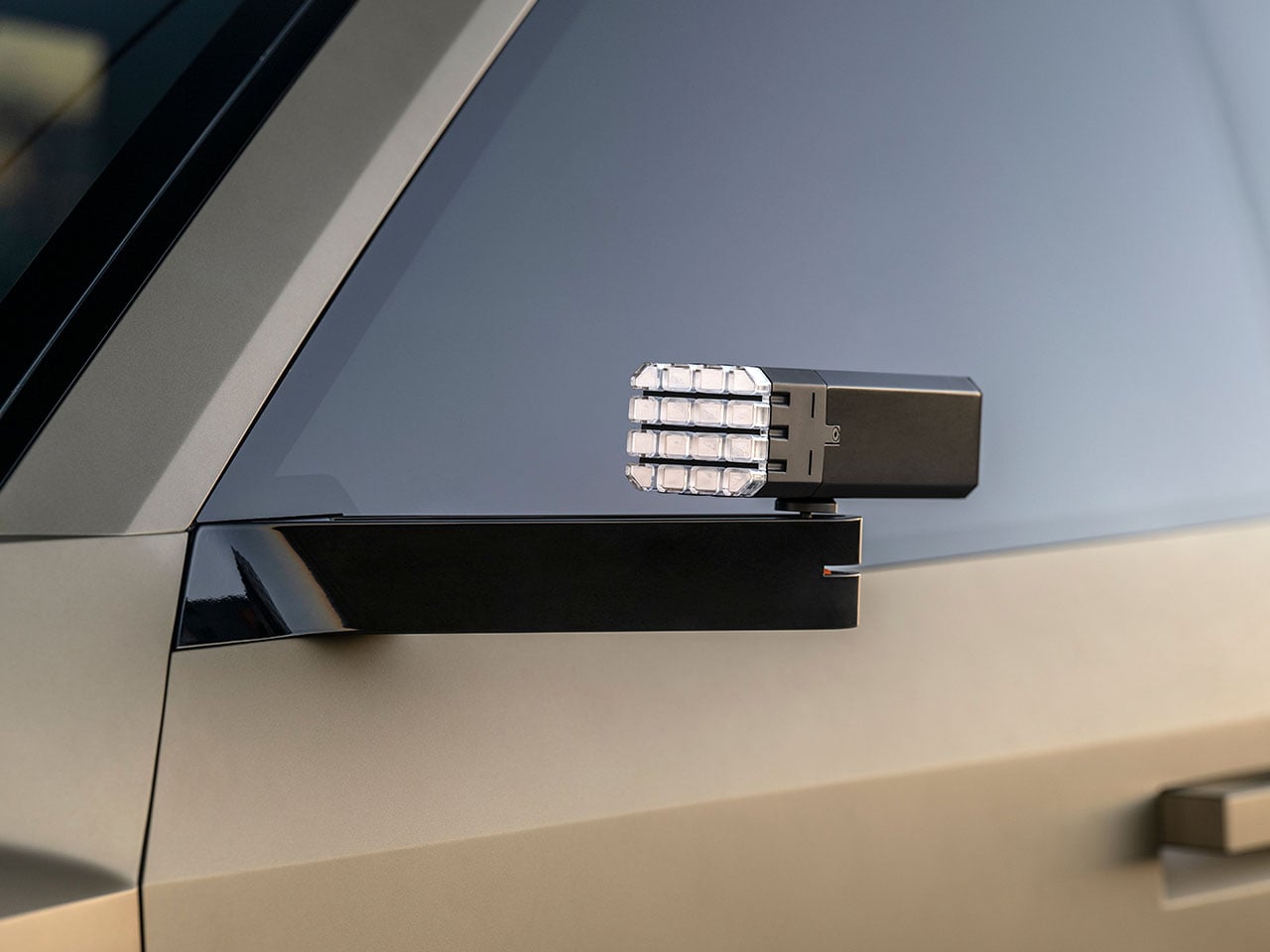
The all-wheel drive electric off-roader is most likely sporting a dual-motor setup (just like the IONIQ 5N), although Hyundai didn’t reveal any details on the powertrain setup. One thing is clear, though: the Dune Gold Matte-skinned vehicle has front and rear locking differentials for superior control on tough terrain. Apocalypse-ready features spice up things here, as the removable side mirror cameras can double as flashlights or recording gadgets, hinged back doors for maximum utility, and the tow hooks that function as bottle openers. The roof of the electric vehicle has a platform for lights, storage space for the equipment, and two wires running down the hood to protect the windshield from hanging branches.

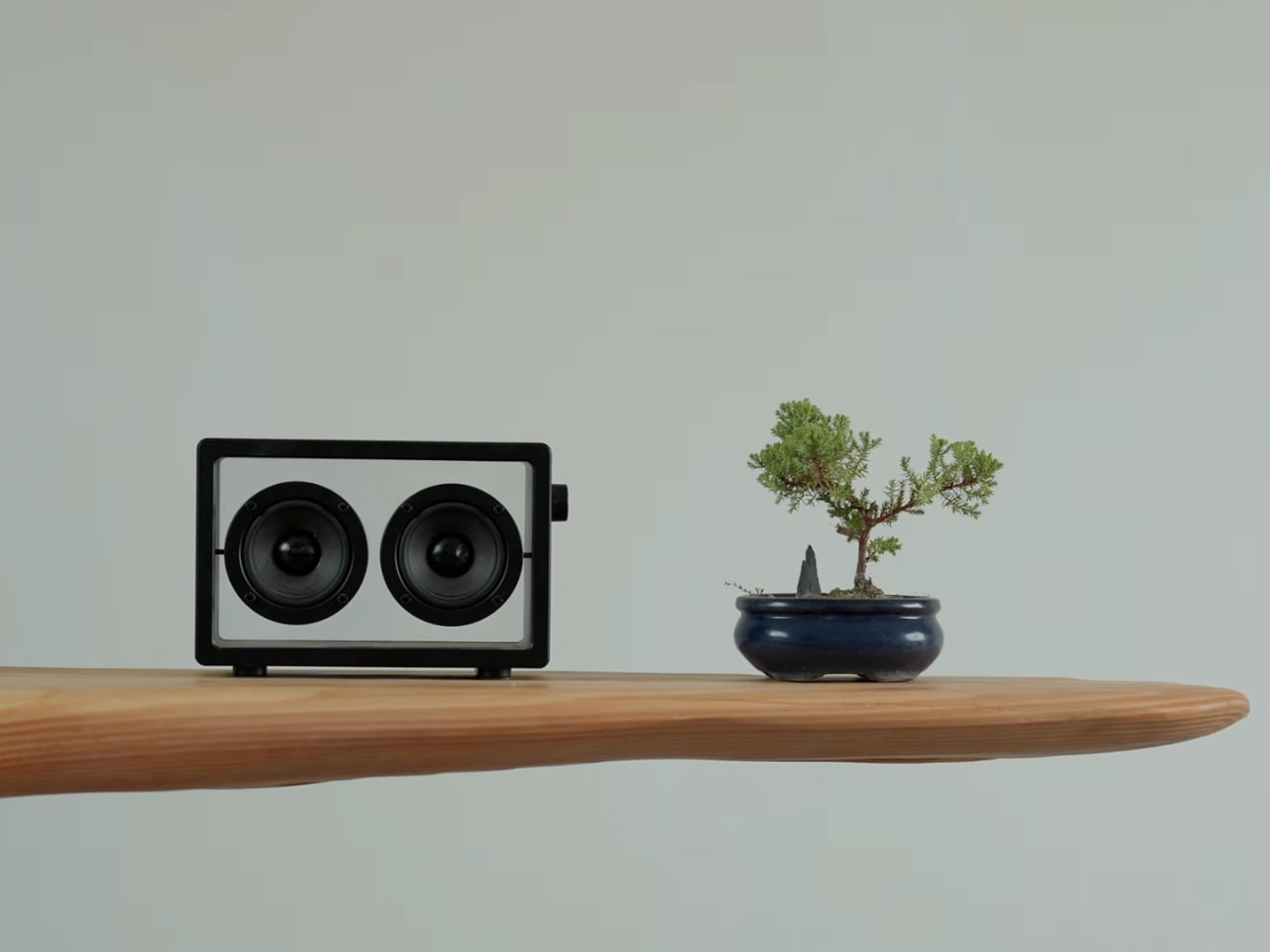
On the inside, the rugged cabin is themed in desert sunset and campfire ambient lighting. The steering wheel gets physical controls to toggle the driving modes: Snow, Sand, Mud, Auto, and XRT. The dashboard has a removable Bluetooth speaker, fire extinguisher, and first aid kit to expand the functional approach.  The lower part of the windshield gets the HUD elements, including the current, speed, hill descent control, compass, and altimeter. The lighting on the exterior and interior carries the pixelated theme that we’ve seen Hyundai fancy in previous designs like the INSTEROID EV. Hyundai has spiced up things with a Crater Man mascot as an Easter egg that appears at multiple hidden locations on the vehicle.


The post Apocalypse ready Hyundai Crater concept SUV maximizes off-roading utility first appeared on Yanko Design.

Beyond the G-Class: The Brabus XL 800 Cabrio

Beyond the G-Class: The Brabus XL 800 Cabrio

The BRABUS XL 800 Cabrio is a groundbreaking addition to the world of off-road vehicles, seamlessly blending uncompromising ruggedness with unparalleled luxury. This limited-edition convertible takes the iconic G-Class silhouette and improves it to new heights, creating a masterpiece of automotive engineering and design. With its open-top design, high-performance engine, and meticulous craftsmanship, the BRABUS […]

The post Beyond the G-Class: The Brabus XL 800 Cabrio appeared first on Geeky Gadgets.

Posted in Uncategorized

IKEA and Teklan Turn Tech Into Eye Candy

You know that weird thing we do with tech products? We buy them, we use them every day, but then we kind of hide them. Tuck the speaker behind the plant. Stash the lamp in the corner. As if apologizing for needing functional things in our homes. IKEA’s new collaboration with Swedish designer Tekla Evelina Severin (known as Teklan) is here to flip that script entirely.

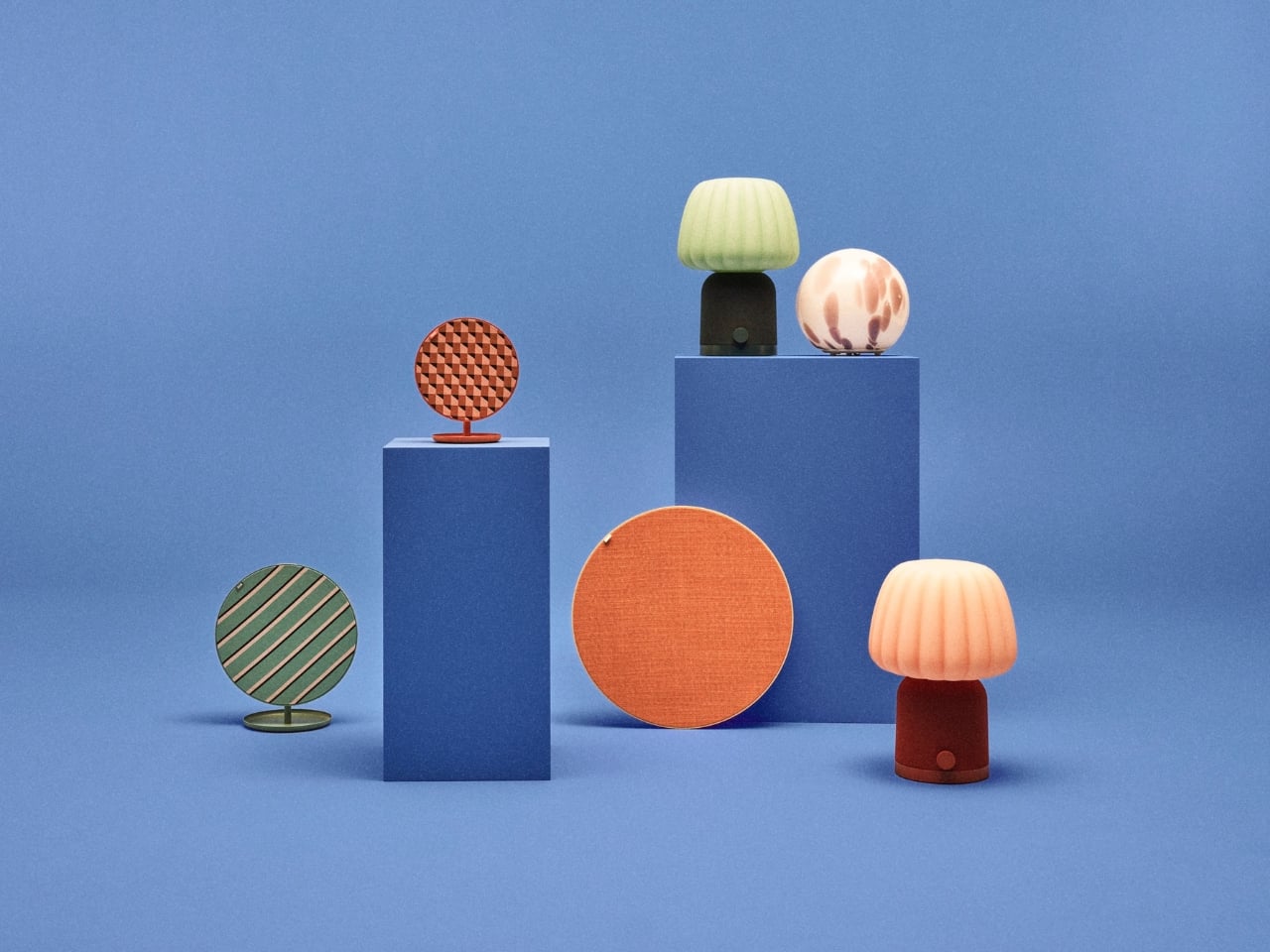
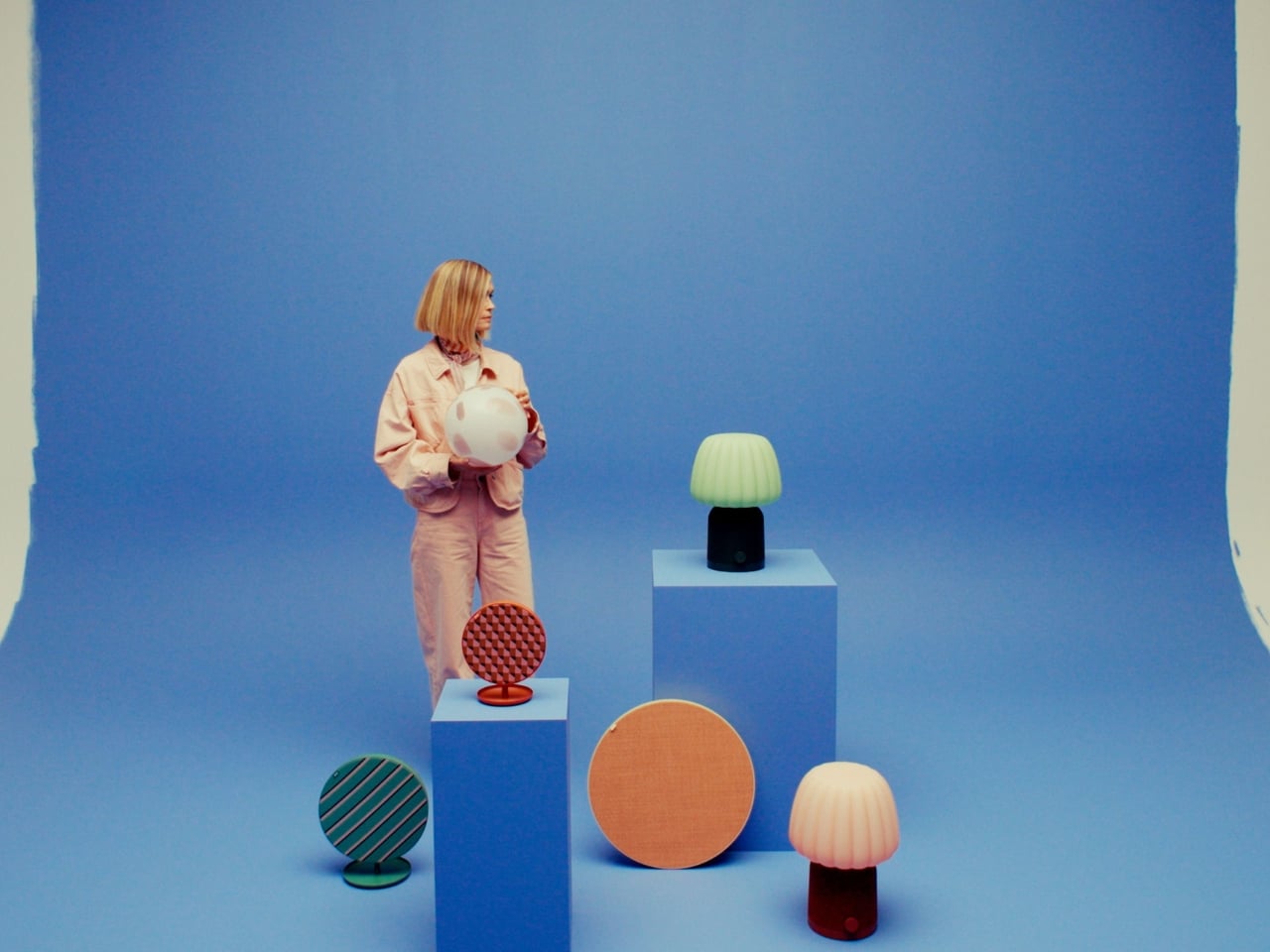
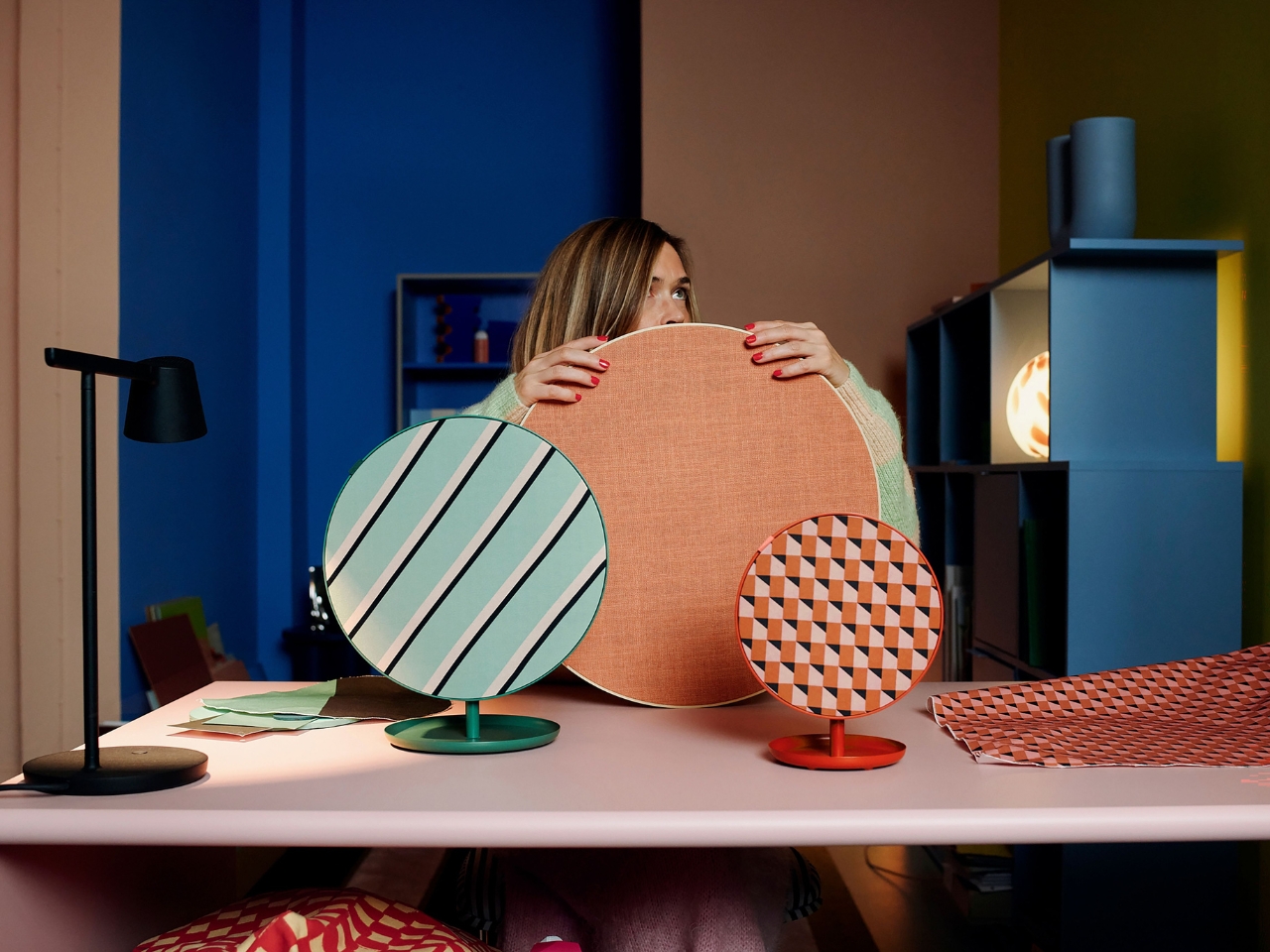
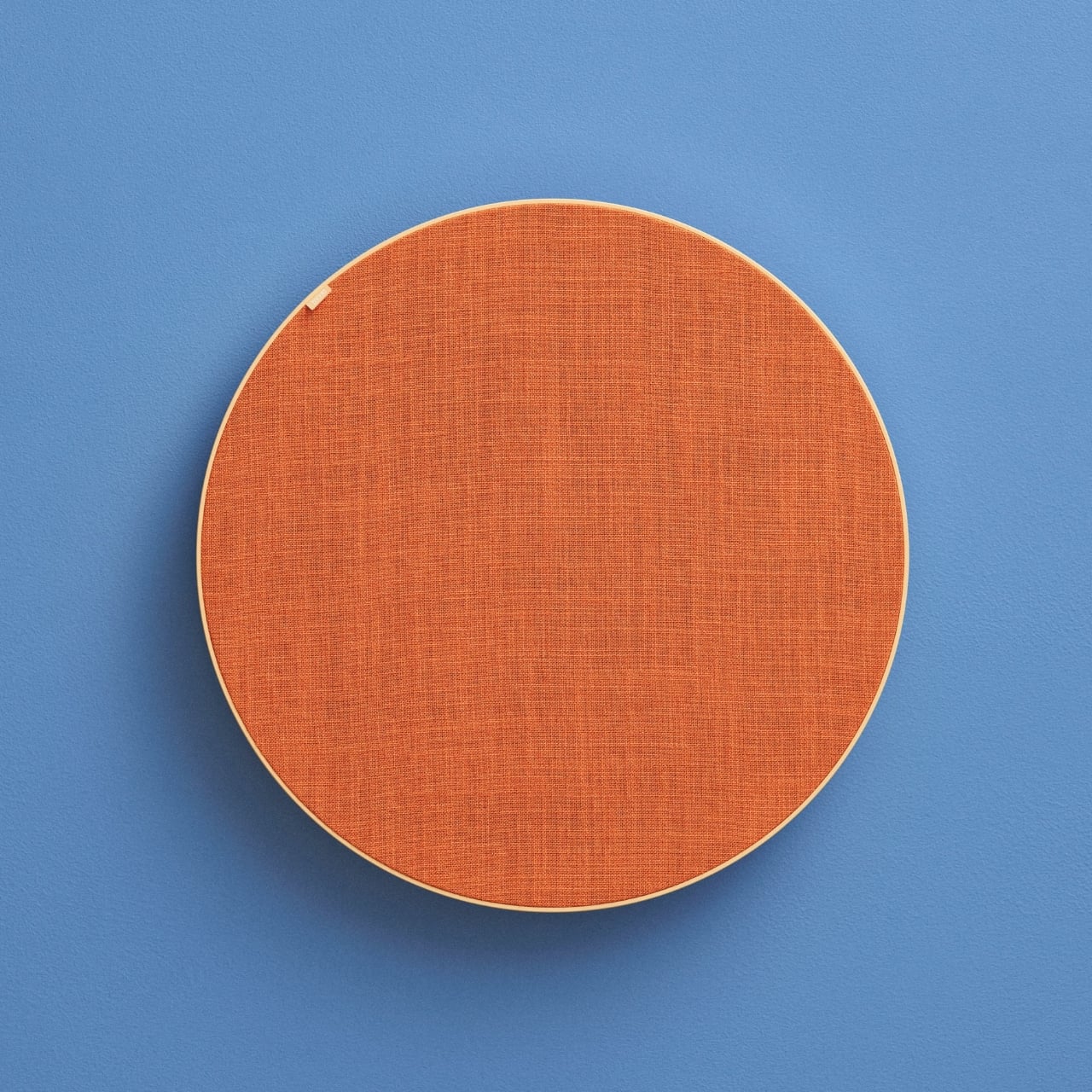
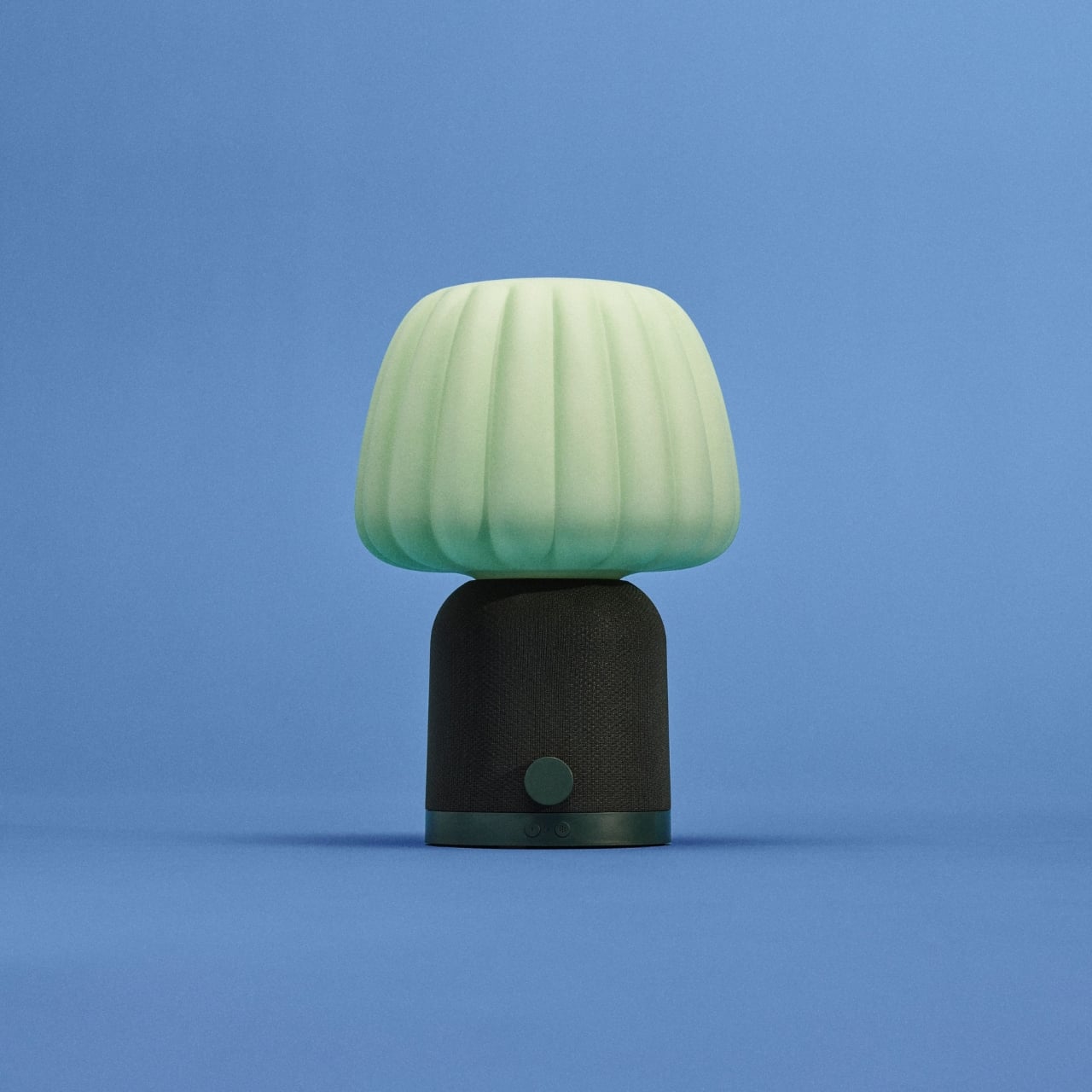
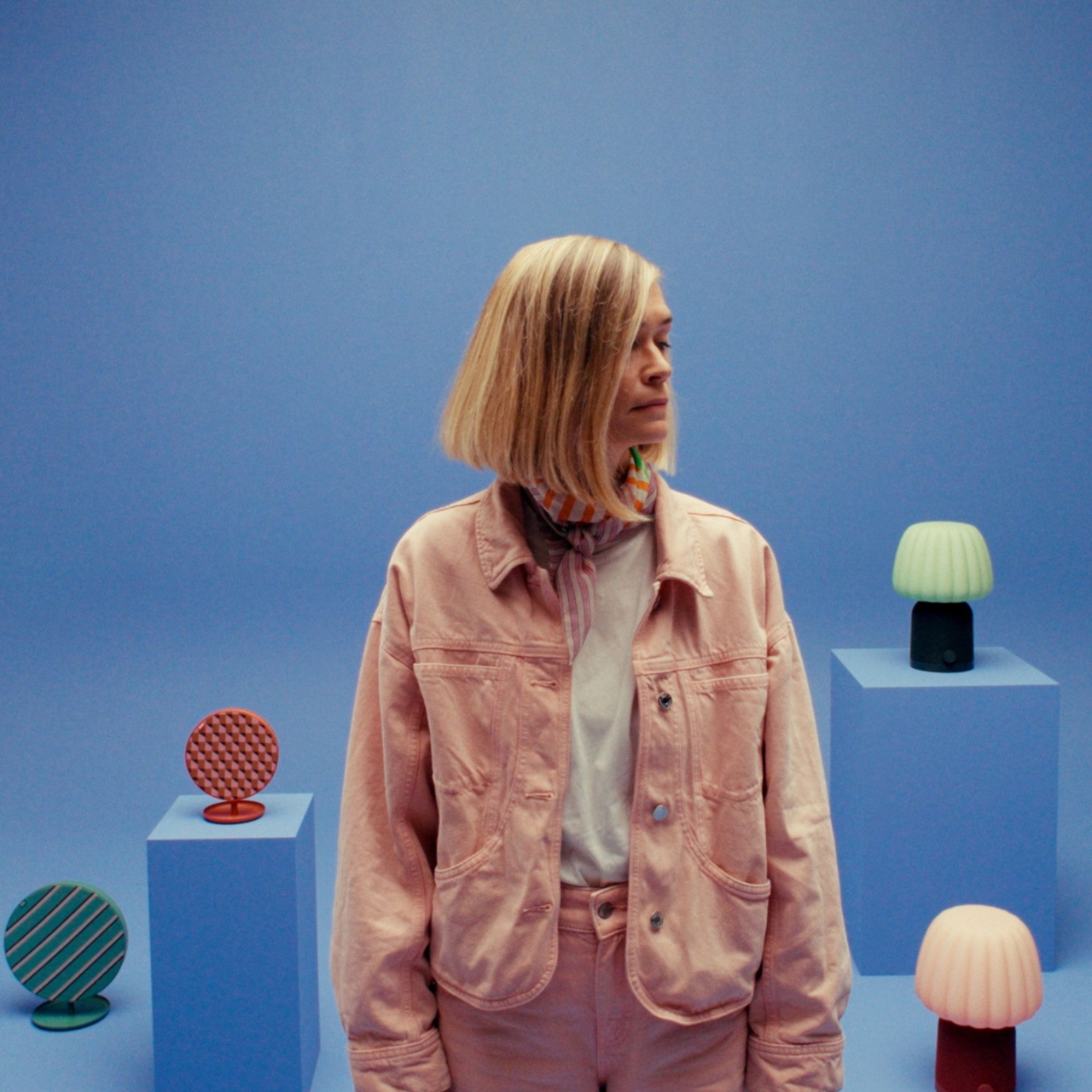
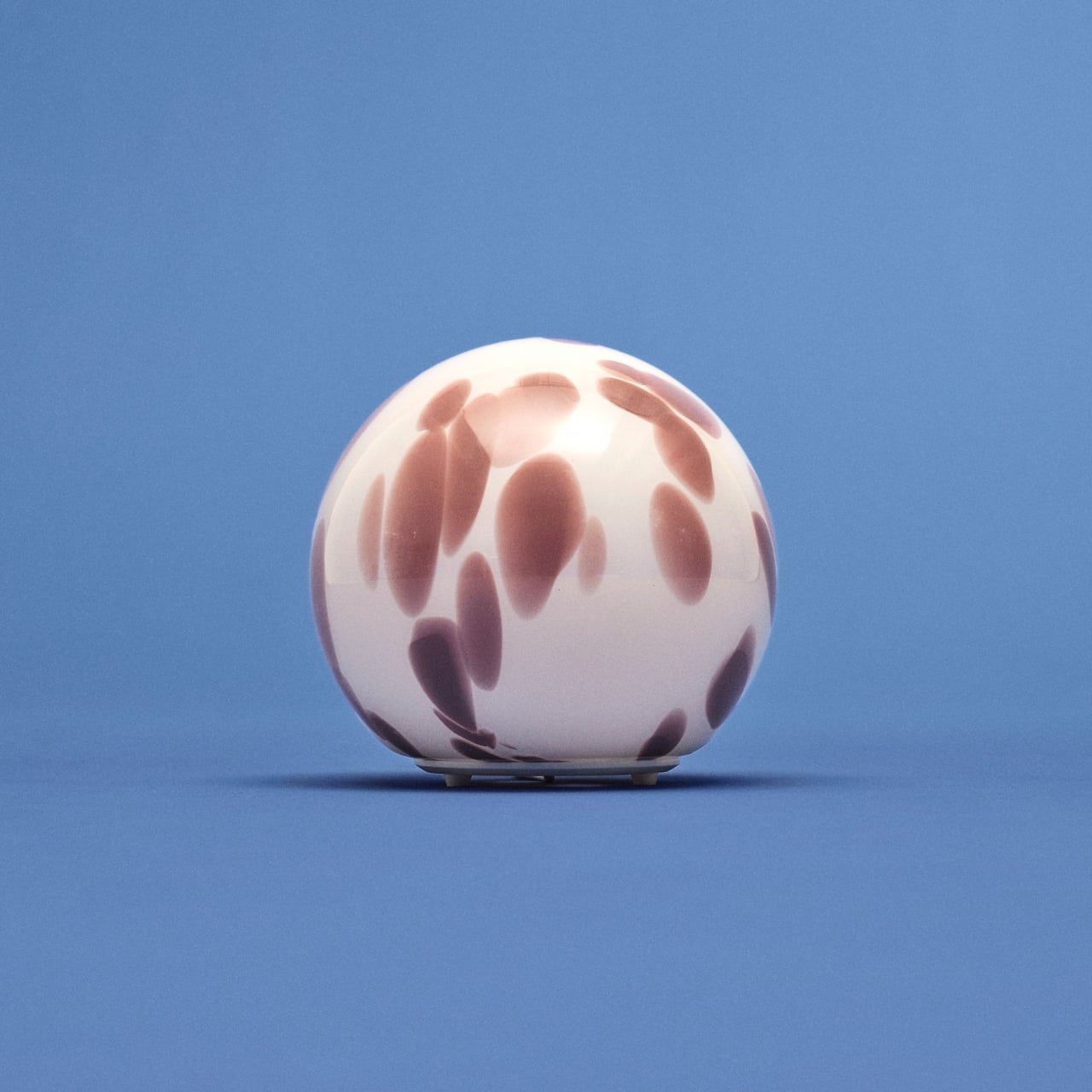
The Teklan collection, which launches globally this December, is all about making your speakers and lamps the main character instead of background extras. We’re talking bold patterns, nostalgic color combos, and shapes that look like they wandered out of a really cool vintage store and somehow learned to play your Spotify playlist.

Designer: Teklan for IKEA

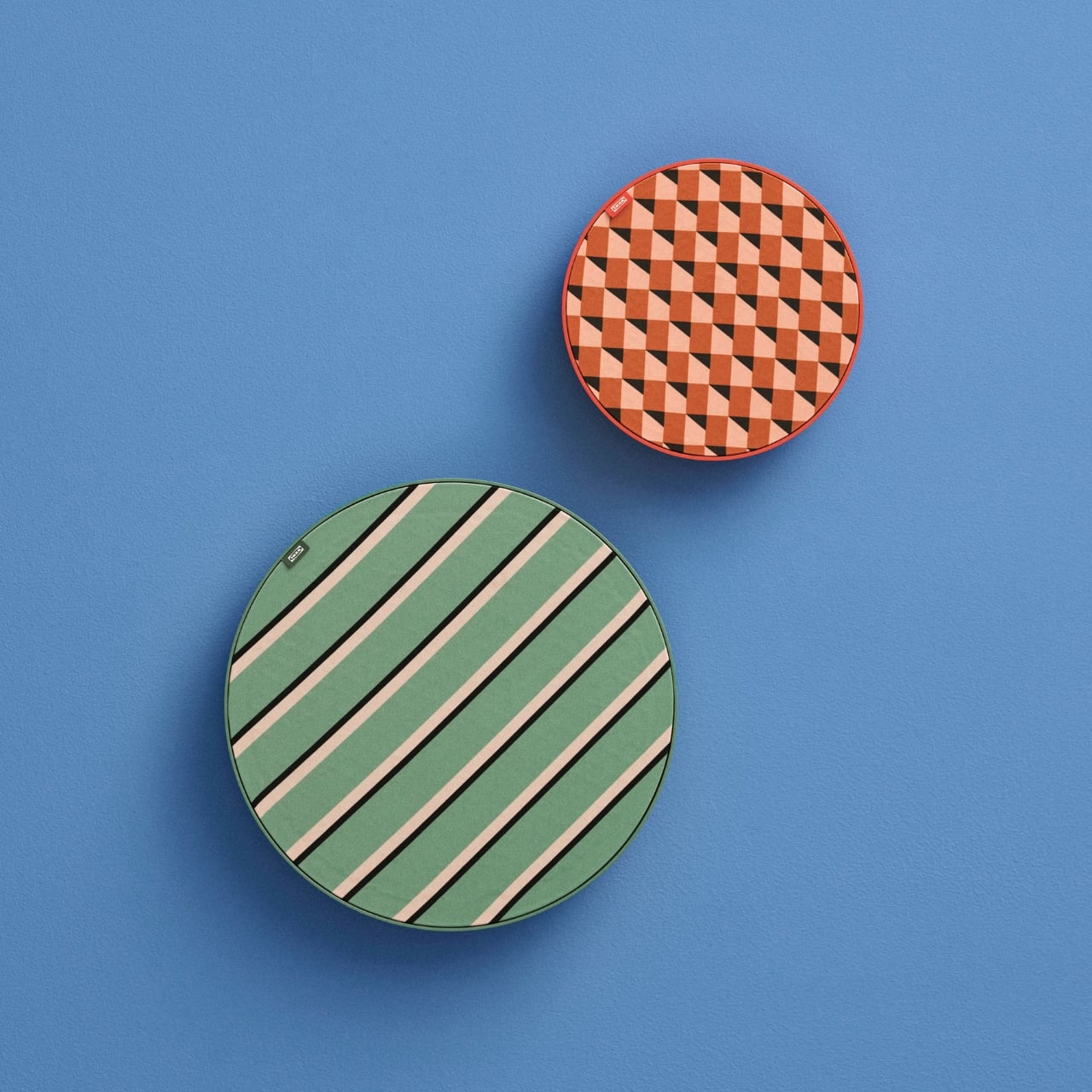
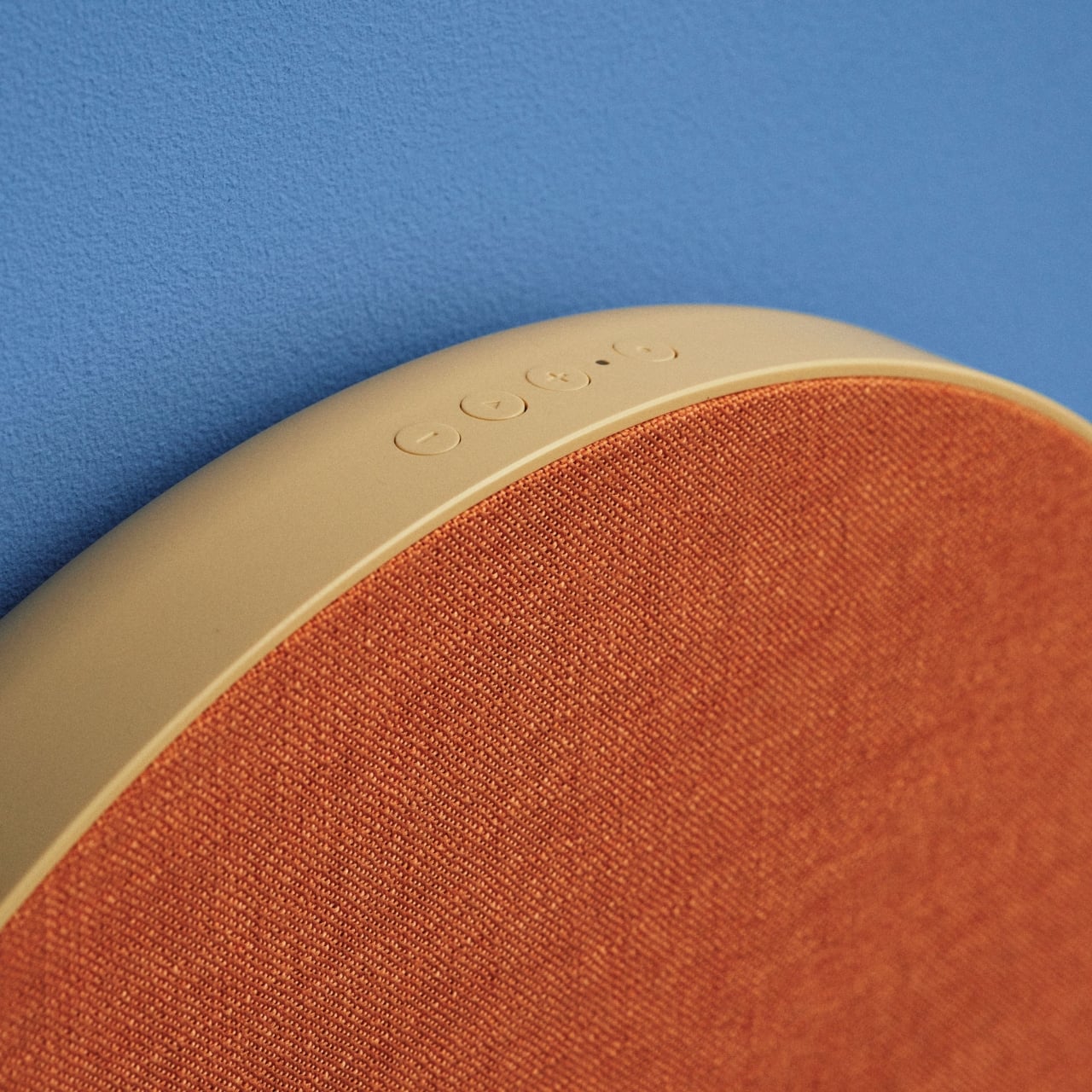
At the heart of the collection is the SOLSKYDD family, a trio of round Bluetooth speakers that refuse to be boring. The smallest is an 8-inch portable speaker in orange with a pattern that practically demands attention. The medium version comes in green with brown and beige diagonal stripes that feel very 70s but in the best possible way. And the largest? An 18-inch wall-mounted beast in textured orange that can even connect to a screen. These aren’t speakers that blend in. They’re conversation starters that happen to have excellent acoustics, designed by Ola Wihlborg to balance form with serious sound quality.

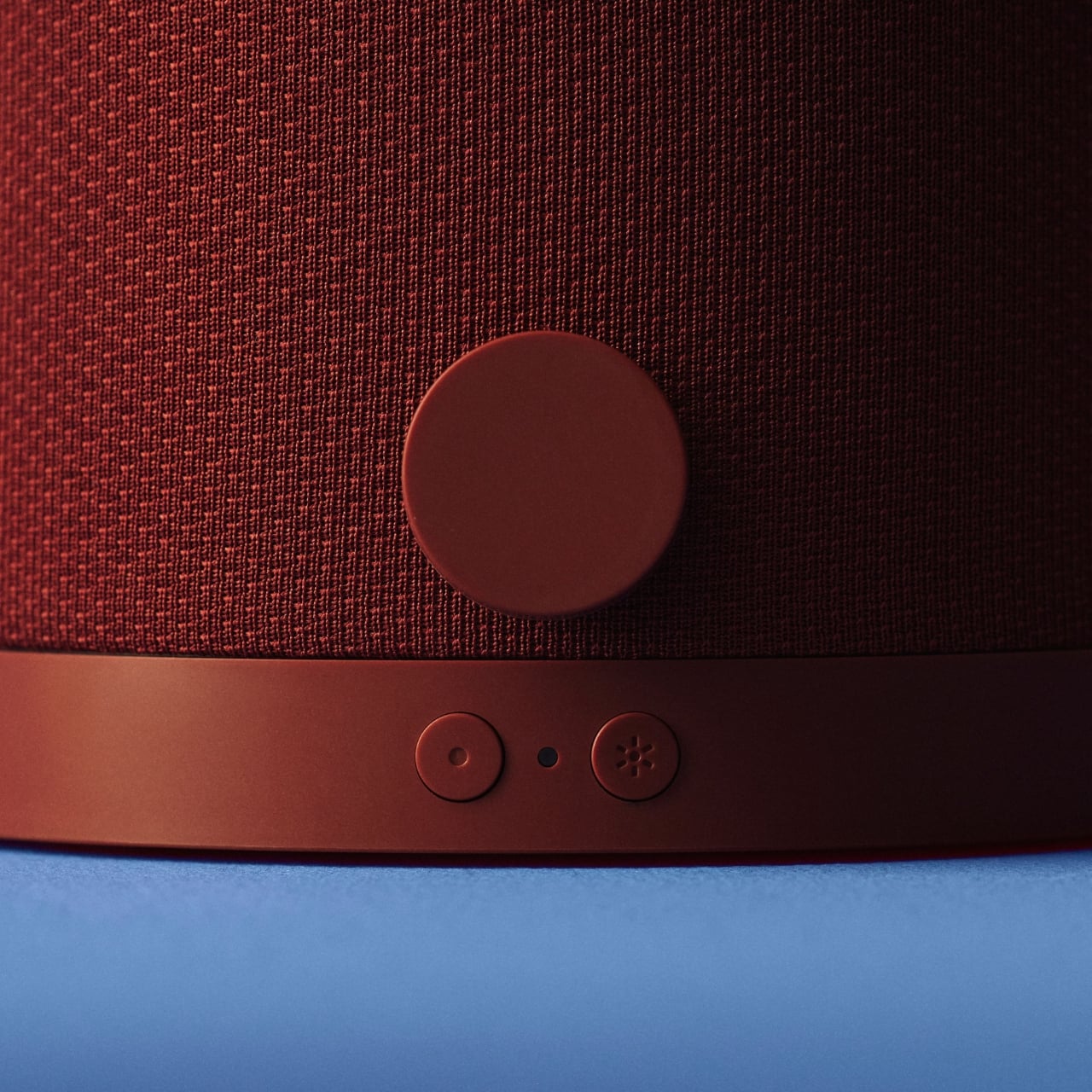
Then there’s the KULGLASS lamp speakers, which might be my favorite thing about this entire launch. Teklan designed them to look like soft-serve ice cream, because why shouldn’t your tech look like dessert? They come in mint green and a red-brown with pink combo, and they work as both lamps and Bluetooth speakers. The built-in volume knob is a nice tactile touch in a world where everything is controlled by tapping a screen.

What makes this collaboration feel special isn’t just the aesthetic, though the colors are definitely doing the heavy lifting. It’s the intention behind it. Teklan literally went to her grandparents’ house to match the exact shade of mint green to an old bar of soap from her childhood memories. That level of personal storytelling in product design is rare, especially for mass-market furniture retailers.

“We wanted to bring that softness and friendliness into technology, to help people see home electronics differently and invite more colour into their everyday spaces,” Teklan explained. And honestly, mission accomplished. These products feel warm and approachable in a way that most tech doesn’t. While the insides are packed with all the technical complexity you’d want from quality speakers, the outsides feel almost playful.

The collection also includes a refresh of IKEA’s cult-favorite VAPPEBY speaker, now decked out in Teklan’s signature colors, plus a whole range of braided charging cables called SITTBRUNN, RUNDHULT, and LILLHULT that are inspired by climbing ropes. Even your charging cables get to have personality now.

All the speakers can connect to each other and other compatible IKEA Bluetooth speakers for multi-speaker mode, and they support Spotify Tap, so you can seamlessly continue whatever you were listening to. The SOLSKYDD also comes in a plain white version if you’re not quite ready to commit to orange geometric patterns (though I’d argue that’s missing the point). Price-wise, we’re still solidly in IKEA territory. The portable SOLSKYDD starts at $80, the medium at $100, and the largest at $140. The KULGLASS lamp speakers are $130. Not cheap for IKEA, but reasonable when you consider you’re getting both form and function wrapped in genuinely unique design.

This collaboration represents something bigger than just pretty speakers. It’s part of a shift in how we think about the stuff that makes our homes work. After years of minimalism telling us to hide everything, make it all white, keep it neutral, there’s this growing appetite for objects with personality. Things that reflect who we are, what we love, the colors that make us happy.

IKEA has been experimenting with this more expressive approach since ending its partnership with Sonos earlier this year. The Teklan collection feels like a confident step into that space, proving that affordable design doesn’t have to mean boring design. The collection starts rolling out in December, with specific dates varying by market, so check with your local IKEA for availability. And maybe start thinking about where you want to display, not hide, your next speaker.

The post IKEA and Teklan Turn Tech Into Eye Candy first appeared on Yanko Design.

Forget the Screen: The Real Samsung Galaxy Z Flip 8 Upgrade is Inside

Forget the Screen: The Real Samsung Galaxy Z Flip 8 Upgrade is Inside

Samsung is making bold strides in the semiconductor and smartphone industries with its new 2nm chip production. This ambitious move not only challenges the dominance of Taiwan Semiconductor Manufacturing Company (TSMC) but also reshapes the competitive landscape of advanced technology. At the forefront of this innovation is the Galaxy Z Flip 8, which is expected […]

The post Forget the Screen: The Real Samsung Galaxy Z Flip 8 Upgrade is Inside appeared first on Geeky Gadgets.

Posted in Uncategorized

How Travelers Can Avoid High Roaming Fees With eSIM

How Travelers Can Avoid High Roaming Fees With eSIM

Staying connected while traveling has become essential, whether for booking a hotel, navigating a new city, posting updates, or staying in touch with loved ones. However, many travelers still face one major problem: expensive roaming fees. Traditional roaming plans can drain your budget faster than you expect, especially when your mobile data consumption increases during […]

The post How Travelers Can Avoid High Roaming Fees With eSIM appeared first on Geeky Gadgets.

Posted in Uncategorized

Shantivale Incense: 5 Plant-Based Blends Mapped to Times of Day

Home scent has spent the last decade in candles and diffusers, often leaning on synthetic fragrance oils and heavy perfume notes that fill a room fast and fade faster. There’s a quiet shift back toward incense now, especially the kind made from ingredients rather than lab blends. Shantivale is a botanical incense brand from Shangri-La, Yunnan, that treats incense as a small architectural gesture instead of a perfumed cloud you spray and forget about.

Shantivale’s core idea is plant-born smoke, not perfume. Each stick is made from ground woods, herbs, and resins, held together with a traditional plant-based binder made from glutinous rice root and Debregeasia orientalis bark. Because even the binder is plant fibre and starch rather than chemical adhesive, the ember burns at a lower, steadier temperature, producing a fine, soft plume instead of thick smoke with sharp edges.

Designer: Shantivale

The sustainability side is straightforward. There are no synthetic fragrance oils or dyes, which means less petrochemical load and less residue floating in the air. The plant-based binder is locally crafted, supporting regional knowledge and reducing reliance on industrial adhesives. The burn is low-smoke, even, and gentle, where the air reads as plants rather than lab-bright perfume. It’s less about masking a space and more about restoring its tone, letting a room feel more like itself.

The blends are informed by classical Chinese herb pairing logic, treated as heritage and craft rather than medicine. Cinnamon twig, dryopteris, artemisia, sandalwood, agarwood, poria, ziziphus seed, and polygala root are culturally associated with warmth, clarity, inward calm, and rest. These references explain why the blends behave like distinct states, such as clarity, focus, warmth, and rest, rather than the usual top-heart-base perfume pyramids you get from synthetic candles trying to smell like fifteen different things at once.

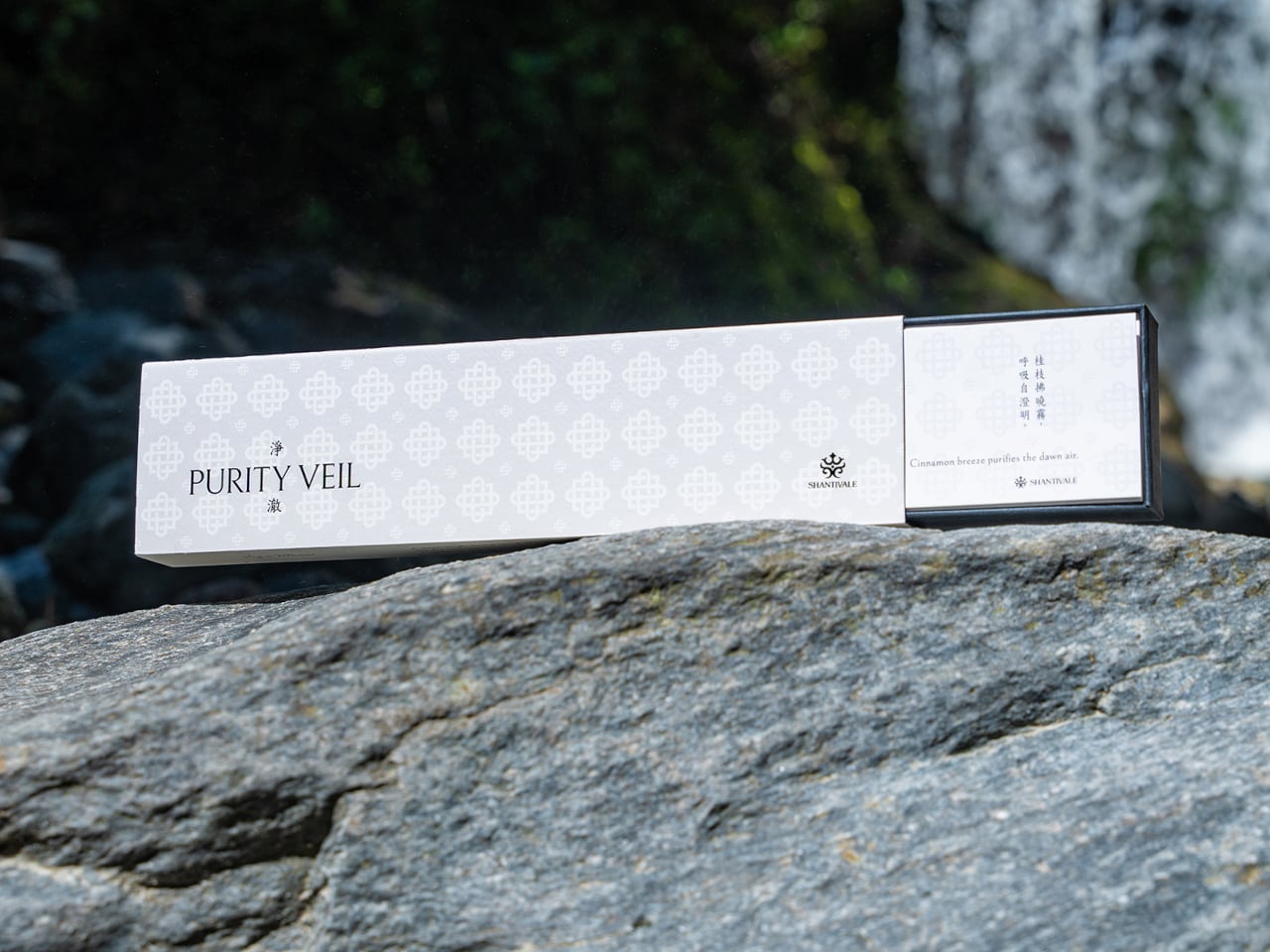
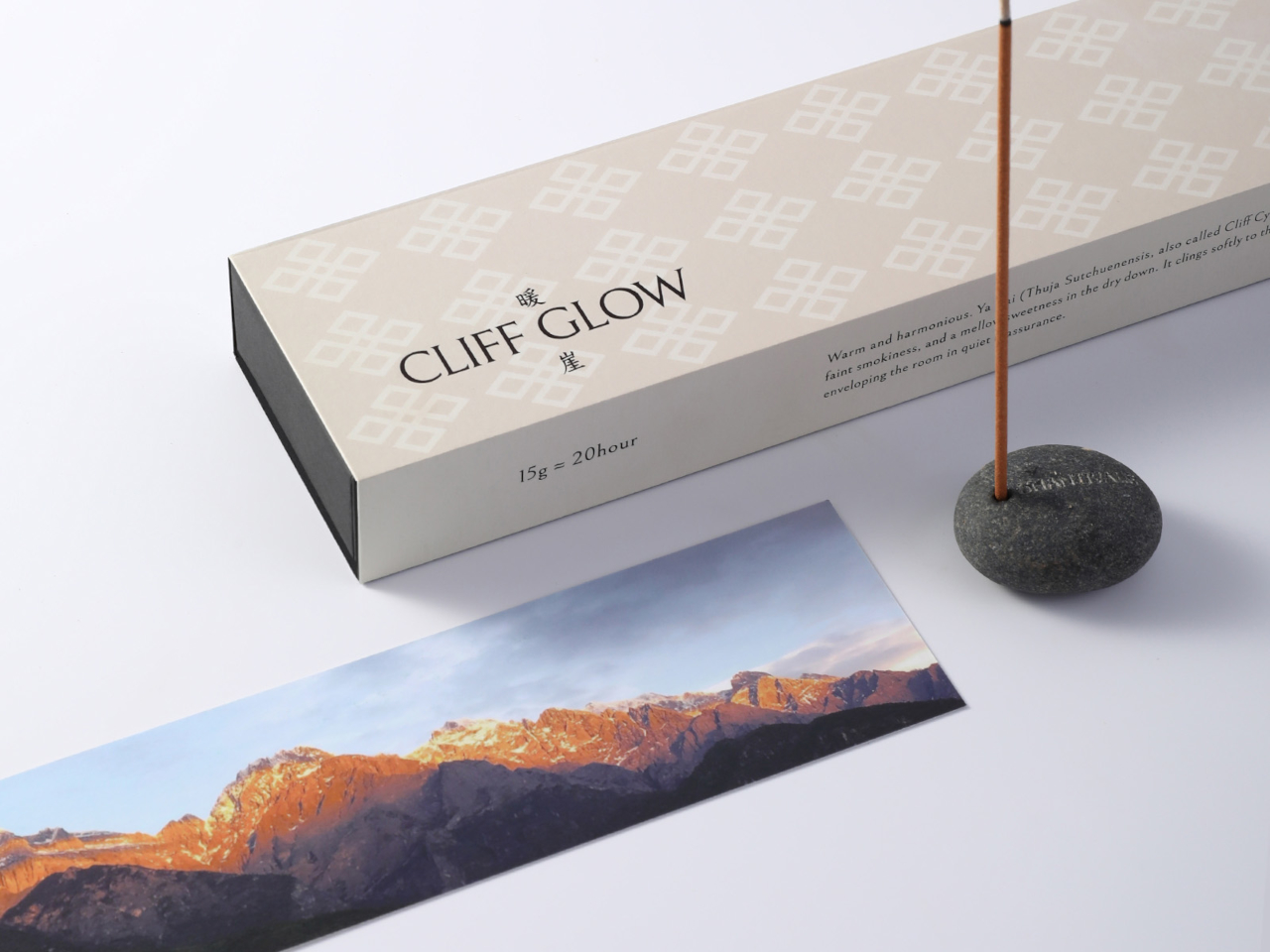
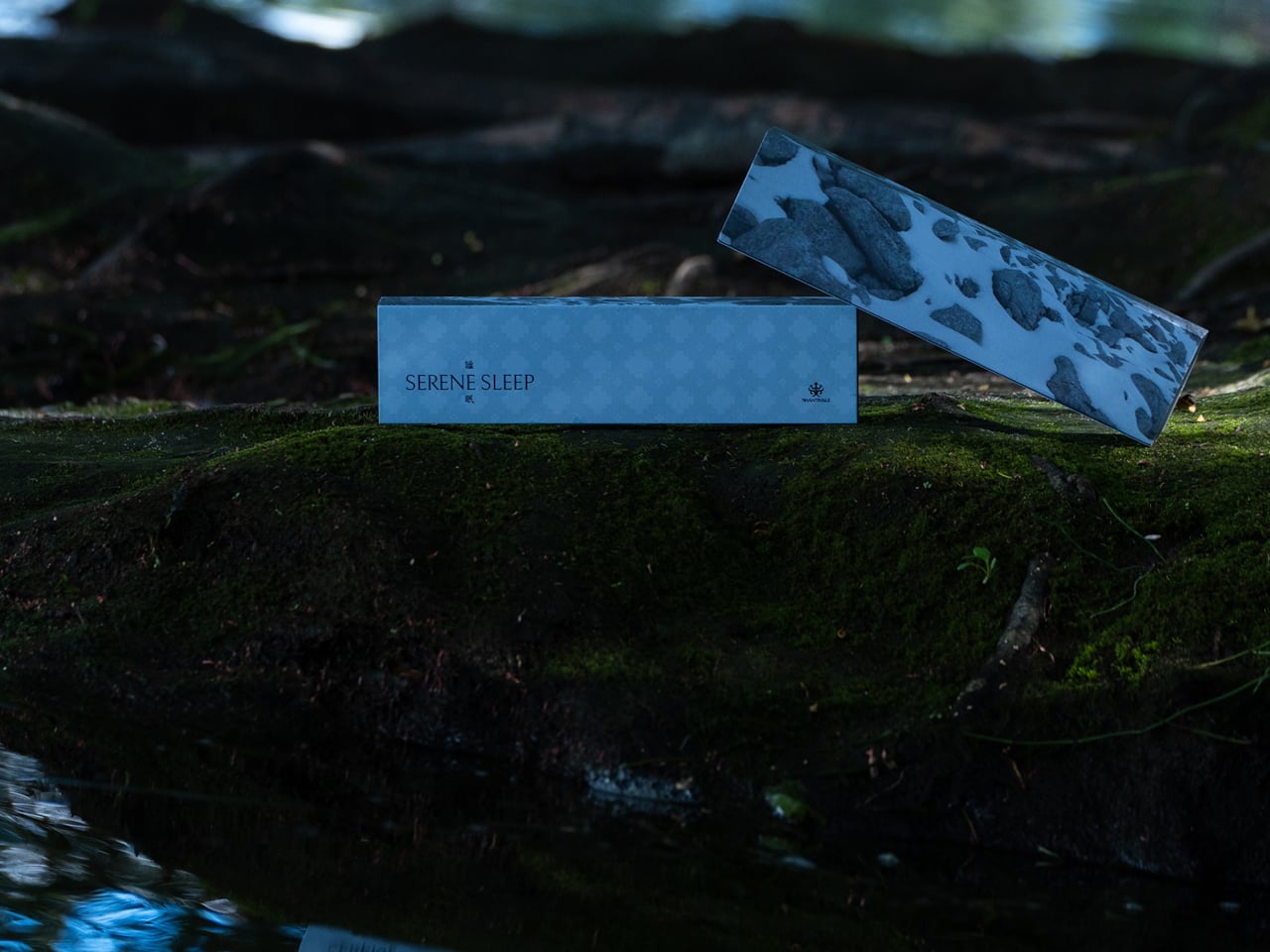
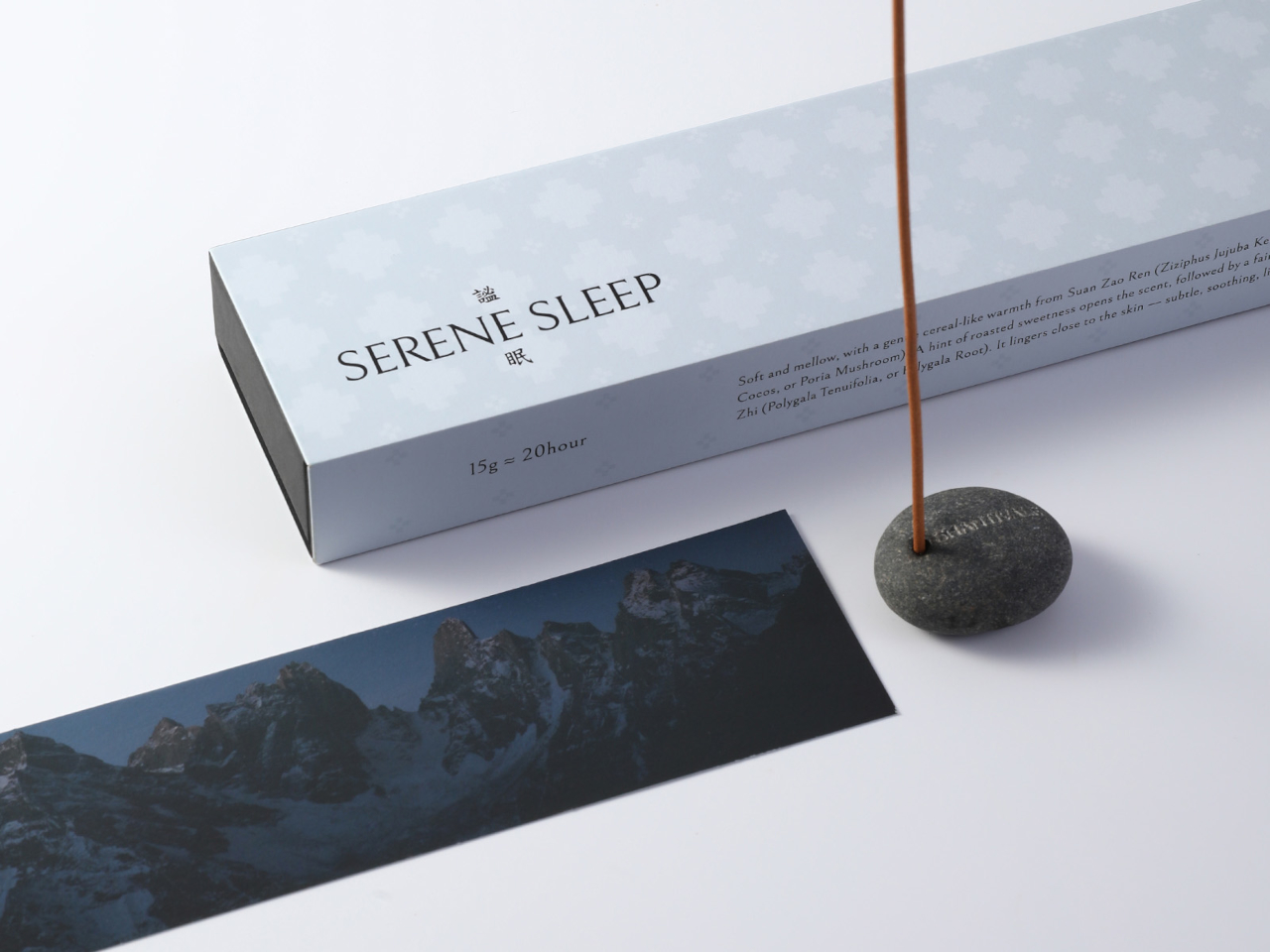
The Tranquil Fivefold kit maps five blends to different moments of the day. Purity Veil behaves like a herbal reset after cooking or between tasks. Dharma Rain is a cooler, contemplative blend for study and focused work. Zen Flow leans warm and inward for meditation or gentle yoga. Cliff Glow is a single-wood cypress stick for rainy windows and unhurried afternoons. Sereni Sleep marks the evening’s descent with grain-warm hush, close and non-intrusive.

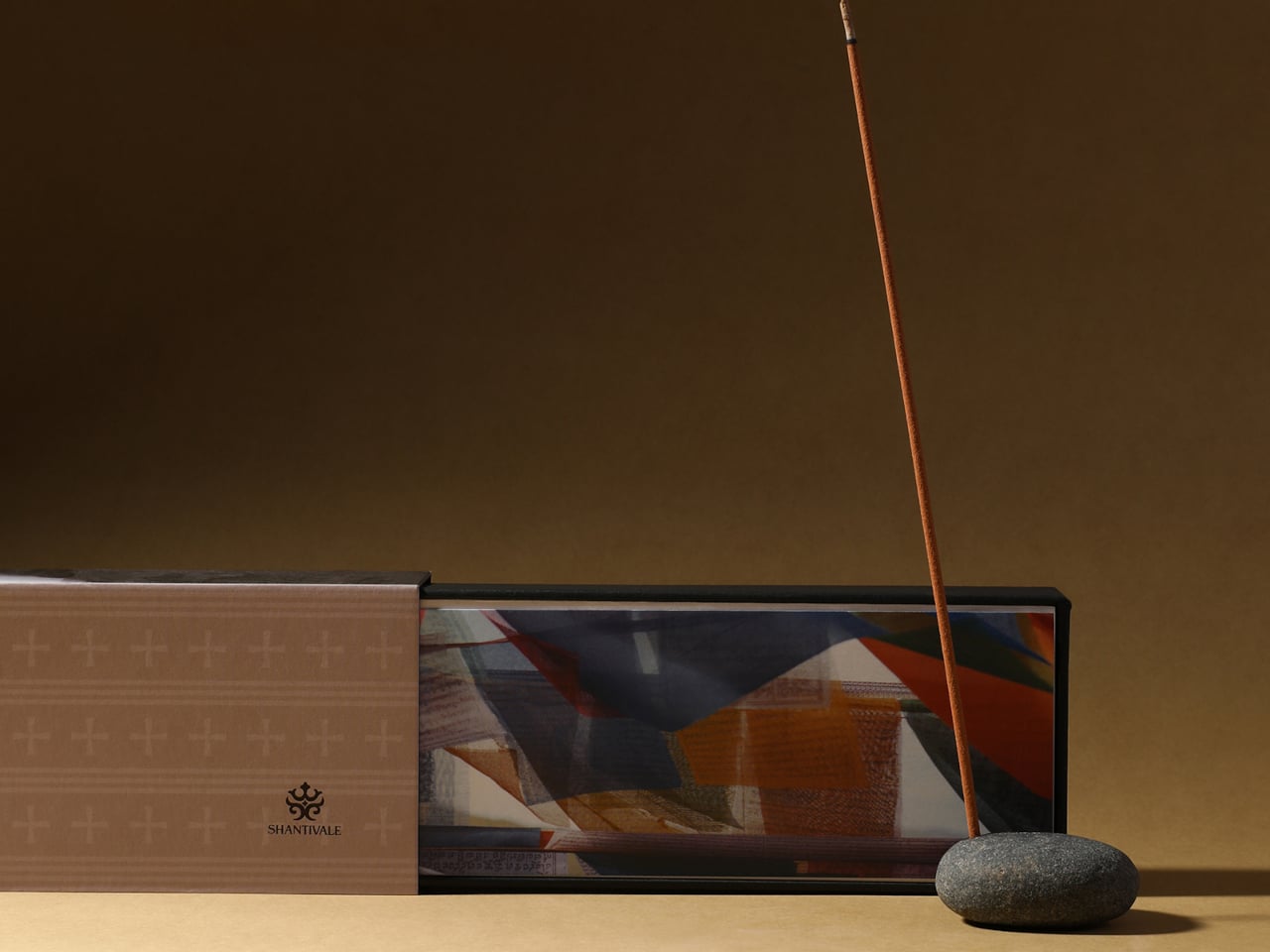
The packaging follows the same restraint. The sticks come in slim boxes wrapped in Xuan paper, echoing Chinese calligraphy and the contemplative flow of ink. Each blend has a bilingual name and a short scent verse, more field guide than vanity jar. The kit includes a carved stone holder inspired by mani stone mounds in the Tibetan highlands, a smooth river stone with a drilled hole that quietly marks faith, time, and the path of smoke.

One stick burns for about forty minutes, long enough to bracket a work sprint, a chapter, or an evening wind-down. You light it, fan out the flame, and let it smoulder. The stick ends itself, and the after-feel lingers. In days that blur together, that small ceremony gives minutes a border and offers a natural signal that re-tunes the room’s field to something more breathable and human.

Shantivale is a simple argument: plant-born smoke, cultural pairing, and a small ritual that turns ordinary transitions into moments that feel distinct. For anyone building a signature mood at home or looking for something thoughtful to gift this season, the Tranquil Fivefold kit is worth picking up. Whether for yourself or someone who could use a quieter kind of scent, it’s an object that lingers long after any wrapping paper.

The post Shantivale Incense: 5 Plant-Based Blends Mapped to Times of Day first appeared on Yanko Design.

Google Gemini 3 Gives You Superpowers : Here’s How to Unlock Them

Google Gemini 3 Gives You Superpowers : Here’s How to Unlock Them

What if you could supercharge your creativity, streamline your workflow, and tackle challenges with the precision of a seasoned expert, all without breaking a sweat? Bold claim, right? But that’s exactly what Google’s latest AI marvels, Gemini 3 and Nano Banana, promise to deliver. These innovative tools aren’t just upgrades, they’re fantastic options, designed to […]

The post Google Gemini 3 Gives You Superpowers : Here’s How to Unlock Them appeared first on Geeky Gadgets.

Posted in Uncategorized