Games Done Quick’s Back to Black event returns in February

Games Done Quick has wrapped up its 2025 events, but a new year of speedrunning for charity is on the horizon. The organization released the schedule for Back to Black 2026 on Tuesday. You can watch the action from February 5 to 8.

As its name suggests, the event celebrates the Black community through the joy of gaming. Organized by Black in a Flash, the event will showcase all-Black speed runs of titles ranging from popular to obscure.

There are plenty of fun runs on the schedule. Someone will take on Hades II, one of the best games of 2025. Then there's Cuphead, an excruciatingly difficult title even when you have all the time in the world. The schedule has some retro games, like Donkey Kong Country, Street Fighter 2 and Sonic Heroes. You'll also find some little-known ones, like the 1996 Sega Saturn weirdfest, Mr. Bones.

This year's shindig will support Race Forward, a nonprofit working toward racial equity. Last year's Back to Black event raised $44,000 for the same charity.

This article originally appeared on Engadget at https://www.engadget.com/gaming/games-done-quicks-back-to-black-event-returns-in-february-201500830.html?src=rss

Fubo accuses NBCUniversal of ‘egregious’ demands amid carriage dispute

Fubo has issued a statement on its latest row with NBCUniversal over a carriage dispute involving NBC's most popular channels. This past Friday, NBCU networks went dark on Fubo across both live and on-demand services. Fubo subscribers trying to watch NBC content were met with a message that read, “We are working hard to bring this channel back. We are currently negotiating with NBCUniversal and are hopeful that we’ll bring this channel back to you soon.”

Today, Fubo said it has been engaged in good-faith negotiations with NBCUniversal to renew a content agreement for its networks. Fubo said that NBCU's demands, however, would harm its customers, and that the streaming company has not agreed to the proposed terms.

"NBCU is spinning off some of their cable networks into a new company called Versant on Jan 1, 2026. Despite them not being worth the cost to Fubo subscribers, Fubo offered to distribute Versant channels for one year. NBCU wants Fubo to sign a multi-year deal — well past the time the Versant channels will be owned by a separate company. NBCU wants Fubo subscribers to subsidize these channels," the statement reads.

The statement goes on to accuse NBCU of discriminating against Fubo and its subscribers by allowing YouTube TV and Amazon Prime Video to integrate Peacock into the popular streaming services, while not extending the same rights to Fubo. In a blog post yesterday, Fubo said the terms on pricing and packaging being offered by NBCUniversal were "egregiously above those offered to other distributors."

"Fubo has chosen to drop NBCUniversal programming despite being offered the same terms agreed to by hundreds of other distributors. Unfortunately, this is par for the course for Fubo — they’ve dropped numerous networks in recent years at the expense of their customers, who continue to lose content," an NBCUniversal spokesperson told Engadget when asked to comment on Fubo's accusations.

The company also pointed to ten major drops that Fubo has incurred over the past five years including Discovery networks and AMC. A full list of channels that are still dark on Fubo can be found here

This article originally appeared on Engadget at https://www.engadget.com/entertainment/streaming/fubo-accuses-nbcuniversal-of-egregious-demands-amid-carriage-dispute-193515241.html?src=rss

How to watch the Thanksgiving Day Chiefs vs. Cowboys game for less with Paramount+

A football lies just short of the goal line.
Ready for some turkey day football? (Getty Images)
saje via Getty Images

The Dallas Cowboys have become as much a part of Thanksgiving Day tradition as turkey and stuffing. The team has played a Thanksgiving game every year since 1978, and this year, they'll be setting the table to host the Kansas City Chiefs at AT&T Stadium. The Chiefs will likely arrive hungry; they haven't appeared in a turkey day game since 2006. The game is set to air on CBS and Paramount+, with kickoff scheduled for 4:30 p.m. ET. If you want to welcome Dak Prescott, Patrick Mahomes and the rest of these two teams into your living room on Thursday (oh, and Post Malone, too — he's performing at halftime), we've got some good news: you can watch the game at a steep discount thanks to an incredible new deal for a subscription to Paramount+.

Starting on November 25 at 12 p.m. ET and running through December 2, you can score either the Paramount+ Essential plan or an ad-free Paramount+ Premium plan for $2.99/month for 2 months. You can use either plan to watch this week's Thanksgiving game, and more than 30 games during the remainder of the season, too.

Here's what you need to know to watch the Chiefs vs. Cowboys Thanksgiving Day game for less on Paramount+.

Date: Thursday, Nov. 27

Time: 4:30 p.m. ET

Streaming: Paramount+

The Chiefs face the Cowboys on Thanksgiving Day at 4:30 p.m. ET/1:30 p.m. PT.

The Thanksgiving Day game between the Chiefs and the Cowboys will be broadcast on CBS, which means you'll be able to stream it on Paramount+. As a general rule of thumb, as long as a game is broadcast on your local CBS station, it will be available in the Live TV section of Paramount+.

There are six weeks left in the NFL season (not including the playoffs). Here's a list of every remaining regular-season game of the upcoming NFL season, with every matchup that will air on CBS and Paramount+ in bold, including this year's Thanksgiving Day matchup between the Kansas City Chiefs and the Dallas Cowboys. Note that NFL on CBS games broadcast by your local CBS station can be streamed live on Paramount+ through the Live TV menu.

WEEK 13 

Thursday, Nov. 27, 2025

  • Green Bay Packers at Detroit Lions (Thanksgiving Day), 1 PM ET

  • Kansas City Chiefs at Dallas Cowboys (Thanksgiving Day), 4:30 PM ET

  • (CBS/Paramount+)*

  • Cincinnati Bengals at Baltimore Ravens (Thanksgiving Day), 8:20 PM ET

Friday, Nov. 28, 2025

  • Chicago Bears at Philadelphia Eagles, 3 PM ET

Sunday, Nov. 30, 2025

  • Los Angeles Rams at Carolina Panthers, 1 PM ET

  • San Francisco 49ers at Cleveland Browns, 1 PM ET (CBS/Paramount+)*

  • Houston Texans at Indianapolis Colts, 1 PM ET (CBS/Paramount+)*

  • New Orleans Saints at Miami Dolphins, 1 PM ET

  • Atlanta Falcons at New York Jets, 1 PM ET

  • Arizona Cardinals at Tampa Bay Buccaneers, 1 PM ET

  • Jacksonville Jaguars at Tennessee Titans, 1 PM ET (CBS/Paramount+)*

  • Minnesota Vikings at Seattle Seahawks, 4:05 PM ET

  • Las Vegas Raiders at Los Angeles Chargers, 4:25 PM ET (CBS/Paramount+)*

  • Buffalo Bills at Pittsburgh Steelers, 4:25 PM ET (CBS/Paramount+)*

  • Denver Broncos at Washington Commanders, 8:20 PM ET

Monday, Dec. 1, 2025

  • New York Giants at New England Patriots, 8:15 PM ET

WEEK 14 

Thursday, Dec. 4, 2025

  • Dallas Cowboys at Detroit Lions, 8:15 PM ET

Sunday, Dec. 7, 2025

  • Seattle Seahawks at Atlanta Falcons, 1 PM ET

  • Pittsburgh Steelers at Baltimore Ravens, 1 PM ET (CBS/Paramount+)*

  • Tennessee Titans at Cleveland Browns, 1 PM ET

  • Chicago Bears at Green Bay Packers, 1 PM ET

  • Indianapolis Colts at Jacksonville Jaguars, 1 PM ET (CBS/Paramount+)*

  • Washington Commanders at Minnesota Vikings, 1 PM ET

  • Miami Dolphins at New York Jets, 1 PM ET (CBS/Paramount+)*

  • New Orleans Saints at Tampa Bay Buccaneers, 1 PM ET (CBS/Paramount+)*

  • Denver Broncos at Las Vegas Raiders, 4:05 PM ET (CBS/Paramount+)*

  • Los Angeles Rams at Arizona Cardinals, 4:25 PM ET

  • Cincinnati Bengals at Buffalo Bills, 4:25 PM ET

  • Houston Texans at Kansas City Chiefs, 8:20 PM ET

Monday, Dec. 8, 2025

  • Philadelphia Eagles at Los Angeles Chargers, 8:15 PM ET

BYES: Carolina, New England, N.Y. Giants, San Francisco    

WEEK 15 

Thursday, Dec. 11, 2025

  • Atlanta Falcons at Tampa Bay Buccaneers, 8:15 PM ET

Sunday, Dec. 14, 2025

  • Cleveland Browns at Chicago Bears, 1 PM ET

  • Baltimore Ravens at Cincinnati Bengals, 1 PM ET (CBS/Paramount+)*

  • Arizona Cardinals at Houston Texans, 1 PM ET

  • New York Jets at Jacksonville Jaguars, 1 PM ET (CBS/Paramount+)*

  • Los Angeles Chargers at Kansas City Chiefs, 1 PM ET (CBS/Paramount+)*

  • Buffalo Bills at New England Patriots, 1 PM ET (CBS/Paramount+)*

  • Washington Commanders at New York Giants, 1 PM ET

  • Las Vegas Raiders at Philadelphia Eagles, 1 PM ET

  • Green Bay Packers at Denver Broncos, 4:25 PM ET (CBS/Paramount+)*

  • Detroit Lions at Los Angeles Rams, 4:25 PM ET

  • Carolina Panthers at New Orleans Saints, 4:25 PM ET

  • Indianapolis Colts at Seattle Seahawks, 4:25 PM ET (CBS/Paramount+)*

  • Tennessee Titans at San Francisco 49ers, 4:25 PM ET

  • Minnesota Vikings at Dallas Cowboys, 8:20 PM ET

Monday, Dec. 15, 2025

  • Miami Dolphins at Pittsburgh Steelers. 8:15 PM ET

WEEK 16 

Thursday, Dec. 18, 2025

  • Los Angeles Rams at Seattle Seahawks, 8:15 PM ET

Saturday, Dec. 20, 2025

  • Green Bay Packers at Chicago Bears, TBD

  • Philadelphia Eagles at Washington Commanders, TBD

Sunday, Dec. 21, 2025

  • New England Patriots at Baltimore Ravens, 1 PM ET (CBS/Paramount+)*

  • Tampa Bay Buccaneers at Carolina Panthers, 1 PM ET

  • Buffalo Bills at Cleveland Browns, 1 PM ET (CBS/Paramount+)*

  • Los Angeles Chargers at Dallas Cowboys, 1 PM ET

  • New York Jets at New Orleans Saints, 1 PM ET (CBS/Paramount+)*

  • Minnesota Vikings at New York Giants, 1 PM ET

  • Kansas City Chiefs at Tennessee Titans, 1 PM ET (CBS/Paramount+)*

  • Atlanta Falcons at Arizona Cardinals, 4:05 PM ET

  • Jacksonville Jaguars at Denver Broncos, 4:05 PM ET

  • Pittsburgh Steelers at Detroit Lions, 4:25 PM ET (CBS/Paramount+)*

  • Las Vegas Raiders at Houston Texans, 4:25 PM ET (CBS/Paramount+)*

  • Cincinnati Bengals at Miami Dolphins, 8:20 PM ET

Monday, Dec. 22, 2025

  • San Francisco 49ers at Indianapolis Colts, 8:15 PM ET

WEEK 17 

Thursday, Dec. 25, 2025

  • Dallas Cowboys at Washington Commanders, 1 PM ET

  • Detroit Lions at Minnesota Vikings, 4:30 PM ET

  • Denver Broncos at Kansas City Chiefs, 8:15 PM ET

Saturday, Dec. 27, 2025

  • Seattle Seahawks at Carolina Panthers**

  • Arizona Cardinals at Cincinnati Bengals**

  • Baltimore Ravens at Green Bay Packers**

  • Houston Texans at Los Angeles Chargers**

  • New York Giants at Las Vegas Raiders**

Sunday, Dec. 28, 2025

  • Pittsburgh Steelers at Cleveland Browns, 1 PM ET (CBS/Paramount+)*

  • Jacksonville Jaguars at Indianapolis Colts, 1 PM ET

  • Tampa Bay Buccaneers at Miami Dolphins, 1 PM ET

  • New England Patriots at New York Jets, 1 PM ET (CBS/Paramount+)*

  • New Orleans Saints at Tennessee Titans, 1 PM ET (CBS/Paramount+)*

  • Philadelphia Eagles at Buffalo Bills, 4:25 PM ET

  • Chicago Bears at San Francisco 49ers, 8:20 PM ET

Monday, Dec. 29, 2025

  • Los Angeles Rams at Atlanta Falcons, 8:15 PM ET

WEEK 18 

Saturday, Jan. 3, 2026, or Sunday, Jan. 4, 2026

  • New Orleans Saints at Atlanta Falcons**

  • New York Jets at Buffalo Bills***

  • Detroit Lions at Chicago Bears**

  • Cleveland Browns at Cincinnati Bengals***

  • Los Angeles Chargers at Denver Broncos***

  • Indianapolis Colts at Houston Texans***

  • Tennessee Titans at Jacksonville Jaguars***

  • Arizona Cardinals at Los Angeles Rams**

  • Kansas City Chiefs at Las Vegas Raiders***

  • Green Bay Packers at Minnesota Vikings**

  • Miami Dolphins at New England Patriots***

  • Dallas Cowboys at New York Giants**

  • Washington Commanders at Philadelphia Eagles**

  • Baltimore Ravens at Pittsburgh Steelers**

  • Seattle Seahawks at San Francisco 49ers**

  • Carolina Panthers at Tampa Bay Buccaneers**    

*During the regular season, consult your local TV listings to see which, if any, NFL on CBS games will be broadcast by your local CBS station. NFL on CBS games broadcast by your local CBS station can be streamed live on Paramount+.
**Time and broadcast assignment TBD.
***Subject to change.

With a Paramount+ Essential plan, NFL on CBS games and UEFA Champions League soccer are both included in the price. If you upgrade to a Paramount+ Premium plan, you'll get access to all CBS sports, including Big Ten Football on CBS, NCAA basketball, golf, rugby, and live channels, including CBS Sports Golazo Network and more.

This article originally appeared on Engadget at https://www.engadget.com/entertainment/streaming/how-to-watch-the-thanksgiving-day-chiefs-vs-cowboys-game-for-less-with-paramount-200535979.html?src=rss

Now you can use ChatGPT Voice without leaving your chat

OpenAI has announced that it's changing how ChatGPT's Voice mode works on the web and inside the company's app. As part of an update, you can interact with ChatGPT Voice directly within your ongoing chat, letting you see a transcript of your conversation with OpenAI's AI model, along with visuals that demonstrate whatever ChatGPT is talking about.

You can start a voice chat just by tapping or clicking on the "waveform" icon next to ChatGPT's text field. Rather than launching into the original orb-filled interface the feature launched as, voice chats now happen in-line with whatever you were previously discussing. In the demo video OpenAI shared alongside the announcement, ChatGPT was able to display a transcript of the conversation, followed by a map listing popular bakeries and photos of pastries sold at Tartine. OpenAI says that if you prefer the original Voice interface, you can switch back to it by toggling on Separate mode under the Voice Mode section of ChatGPT's Settings.

Combining visuals and voice responses together is a natural extension of the multimodal nature of ChatGPT. You can already prompt OpenAI's model with your voice and an image or video, it makes sense that voice responses from ChatGPT should have the same level of detail. Google has explored similar methods for making Gemini Live more expressive during conversations, including letting the AI highlight specific parts of a live video with overlays. This OpenAI feature isn't quite reactive in the same way, but it could make a voice conversation with ChatGPT more informative.

This article originally appeared on Engadget at https://www.engadget.com/ai/now-you-can-use-chatgpt-voice-without-leaving-your-chat-195000538.html?src=rss

You can try Quantic Dream’s upcoming MOBA during a closed beta next week

The upcoming Multiplayer Online Battle Arena (MOBA) game Spellcasters Chronicles will be available to play as a closed beta starting on December 4 until December 8. This is the first closed beta weekend for the free-to-play game and the first online play test, as it was originally announced just a couple of months back.

Spellcasters Chronicles is being developed by Quantic Dream and looks like the company's attempt to compete with big-time MOBAs like League of Legends and Dota. This is a fairly strange title for Quantic Dream, given that the studio is primarily known for narrative games that rely heavily on player choice. The company has been behind games like Heavy Rain and Detroit: Become Human.

In other words, the 3 vs. 3 MOBA with a third-person perspective is an odd duck and we have no idea how it'll play. Luckily, we'll know a whole lot more next weekend. The closed beta takes place on Steam and grants access to six player classes, each with unique abilities. These classes "can summon creatures, cast spells and take fight to command the arena." There's a class called "Swamp Witch" that I'd very much like to play as.

The beta will also unveil a new arena called The Mausoleum and introduce the game's deck-building component. The arena battles will last 25 minutes, with teams being tasked to capture altars to gain enemy territory.

This is just the first closed beta for Spellcasters Chronicles. The developer promises a second beta early next year. That next one will introduce new character classes, arenas, spells and summons.

As for Quantic Dream, it's still developing Star Wars: Eclipse. However, we haven't heard a blip about it in years.

This article originally appeared on Engadget at https://www.engadget.com/gaming/pc/you-can-try-quantic-dreams-upcoming-moba-during-a-closed-beta-next-week-194038411.html?src=rss

You can now watch a Google DeepMind doc for free

Google is making The Thinking Game, a 2024 Tribeca Festival selection about DeepMind, available for free. The nearly 90-minute documentary offers a glimpse into the AI team's background and breakthroughs.

The film, from the same team as the 2017 AlphaGo doc (also on YouTube), was shot over five years. It chronicles Nobel winner Demis Hassabis' beginnings as a chess prodigy and how that shaped his entry into AI. You'll see DeepMind's journey from building AI that (slowly) learned Pong to one that accurately predicted how proteins fold.

You can watch The Thinking Game below or on YouTube.

This article originally appeared on Engadget at https://www.engadget.com/ai/you-can-now-watch-a-google-deepmind-doc-for-free-184911659.html?src=rss

The Paramount+ Black Friday deal is still available: Get either the Essential or Premium plan for only $3 per month for two months

As streaming platforms continue to raise their prices, Paramount+ is offering a more budget-friendly way to catch up on shows and live sports with a Black Friday streaming deal. Thanks to this new deal, you’ll be able to get two months of access for $3 per month, or a total of only $6. The deal applies to both the Essential and Premium plans, letting new users try out the service without committing to a full subscription.

Paramount+ continues to expand its catalog with a mix of current CBS shows, exclusive originals, classic TV and live sports. The service is available in two main tiers: Essential, which includes ads, and Premium, which removes most of them and adds a few key extras like 4K streaming, offline downloads and live CBS access. Both tiers include select Showtime programming, giving subscribers a taste of the premium network’s lineup.

The Essential plan provides access to more than 40,000 episodes and movies, along with live coverage of the NFL on CBS and UEFA Champions League matches. It supports up to three simultaneous streams, making it a practical choice for households that share accounts. The Premium plan builds on that by offering ad-free on-demand viewing (with exceptions for live broadcasts), higher-quality playback and the option to watch CBS live in participating regions.

Paramount+’s growing library combines new releases with well-known favorites, offering titles from across CBS, MTV, Nickelodeon and Comedy Central. Sports fans get live coverage of key events, while movie watchers can find recent cinema releases from Paramount Pictures joining the lineup throughout the year. The inclusion of Showtime series in both plans adds another layer of variety, with dramas and documentaries available alongside the core Paramount+ content.

If you’re keeping an eye on subscription costs, an offer like this is a practical way to test the service without paying full price. It also gives you time to see whether the Essential plan’s ad-supported setup or the Premium tier’s extras are worth the difference.

If you’ve been watching your streaming spend as prices go up elsewhere, this deal from Paramount+ offers a well-balanced opportunity to experience both plan levels at a lower cost. Paramount+ is one of the best streaming services thanks to its vast selection of original shows like Star Trek: Discovery, Ink Master and Frasier. If you’re ready to stream big shows and live events without a heavy commitment this Cyber Monday offer is one to keep in mind.

There are plenty of other Black Friday streaming deals to consider as well. Here are some of the best ones:

  • Disney+ Hulu bundle — $60 for one year: The Disney+ and Hulu (with ads) bundle is on sale for $5 per month for one year (for a total of $60) through December 1. New and eligible returning subscribers can take advantage of this deal, and considering the bundle typically costs $13 per month, this deal represents more than a 50 percent discount on the standard monthly price.

  • Apple TV+ — 6 months for $36: Apple TV+ is offering six months of access for only $36 for Black Friday, which comes out to a discounted price of $6 per month for the six-month period. The deal is live now for new and eligible returning subscribers and runs through December 1, giving you a chance to stream shows like Silo, The Morning Show and For All Mankind for less. The biggest caveat to the deal is that you must subscribe directly through Apple and not through a third-party service.

  • HBO Max — one year for $36: HBO Max's Black Friday deal gives subscribers one year streaming for $36 through December 1. This Black Friday streaming deal is on the ad-supported option, which normally goes for $11 per month. With this discount, you're getting it for $3 per month for one year. You can sign up via HBO Max's website or, if you're a Prime Video subscriber already, via that service as an add-on.

  • Sling TV Orange — day pass for only $1: Sling TV launched Day Passes earlier this year, giving users one-day access to a variety of its packages. This deal cuts $4 off the normal price of a day pass for Sling Orange. With that, you get unlimited access for 24 hours to Orange's more than 30 channels that includes ESPN, CNN, TBS and others.

This article originally appeared on Engadget at https://www.engadget.com/deals/the-paramount-black-friday-deal-is-still-available-get-either-the-essential-or-premium-plan-for-only-3-per-month-for-two-months-183036215.html?src=rss

Huawei’s 8,000-Nit Display Is a Design Statement Disguised as a Spec Sheet

Smartphones have become spec sheet battlegrounds. Bigger megapixels. Faster charging. Higher refresh rates. The numbers climb while the actual user experience often stays flat.

Designer: Huawei

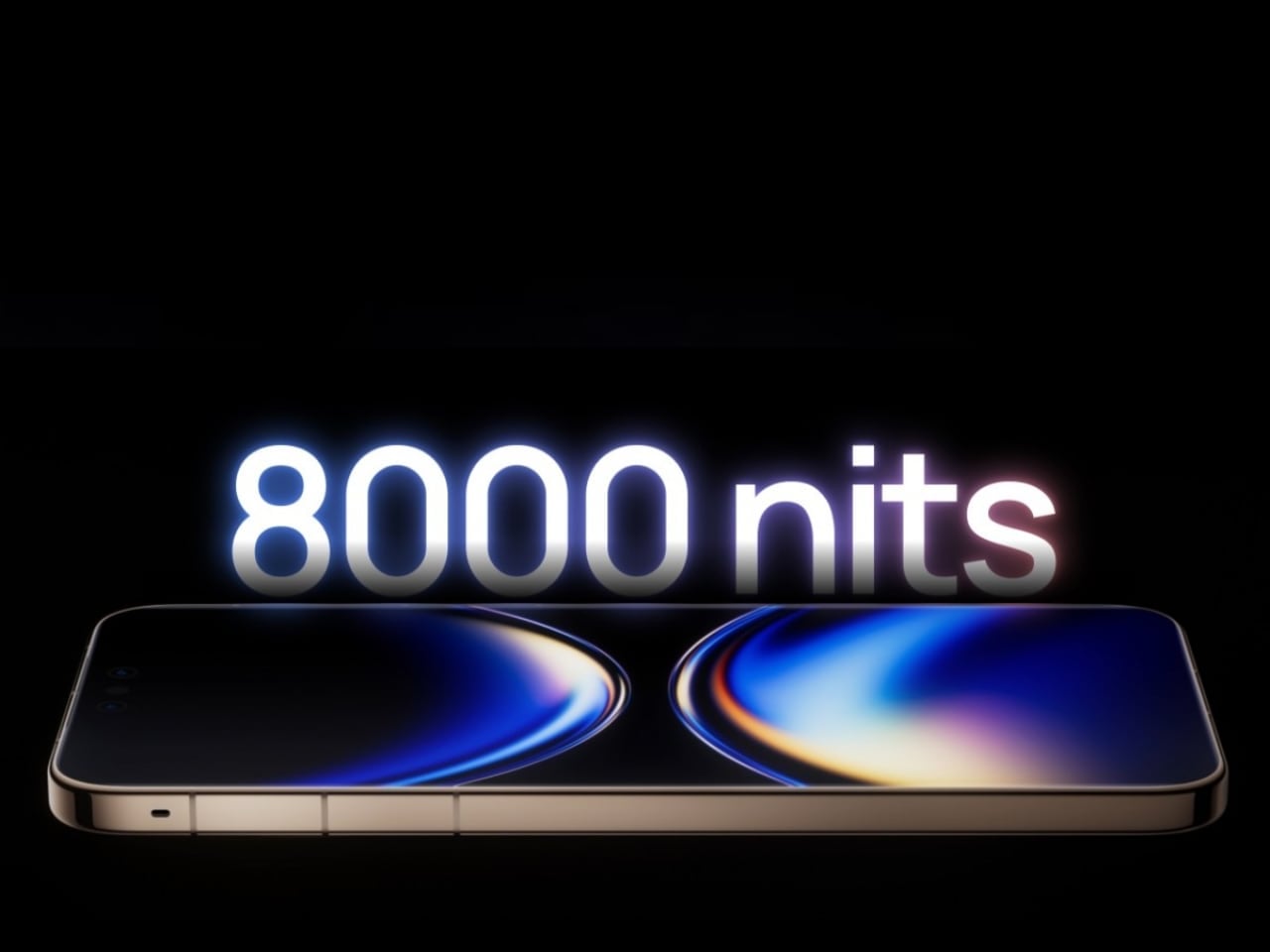
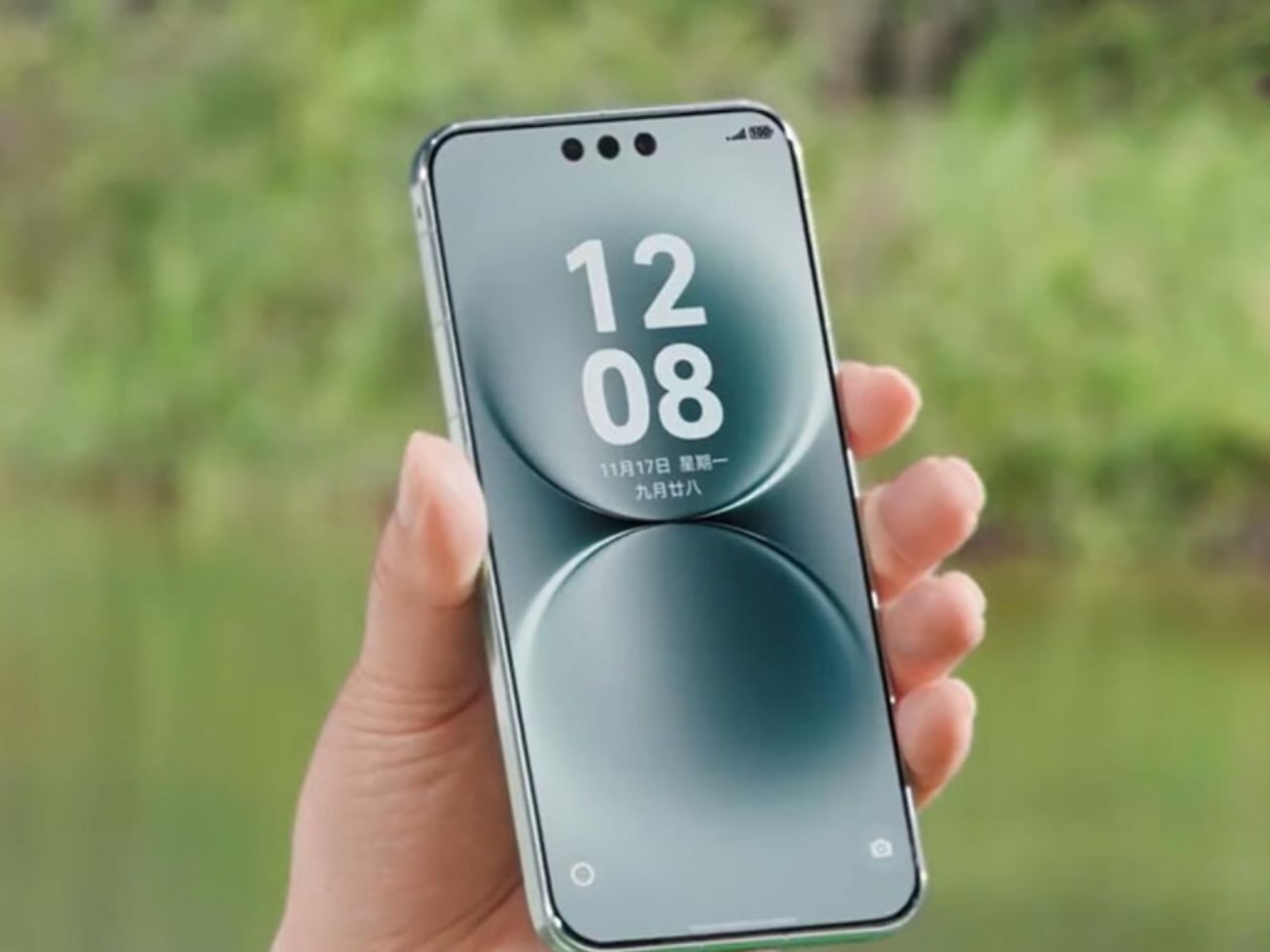
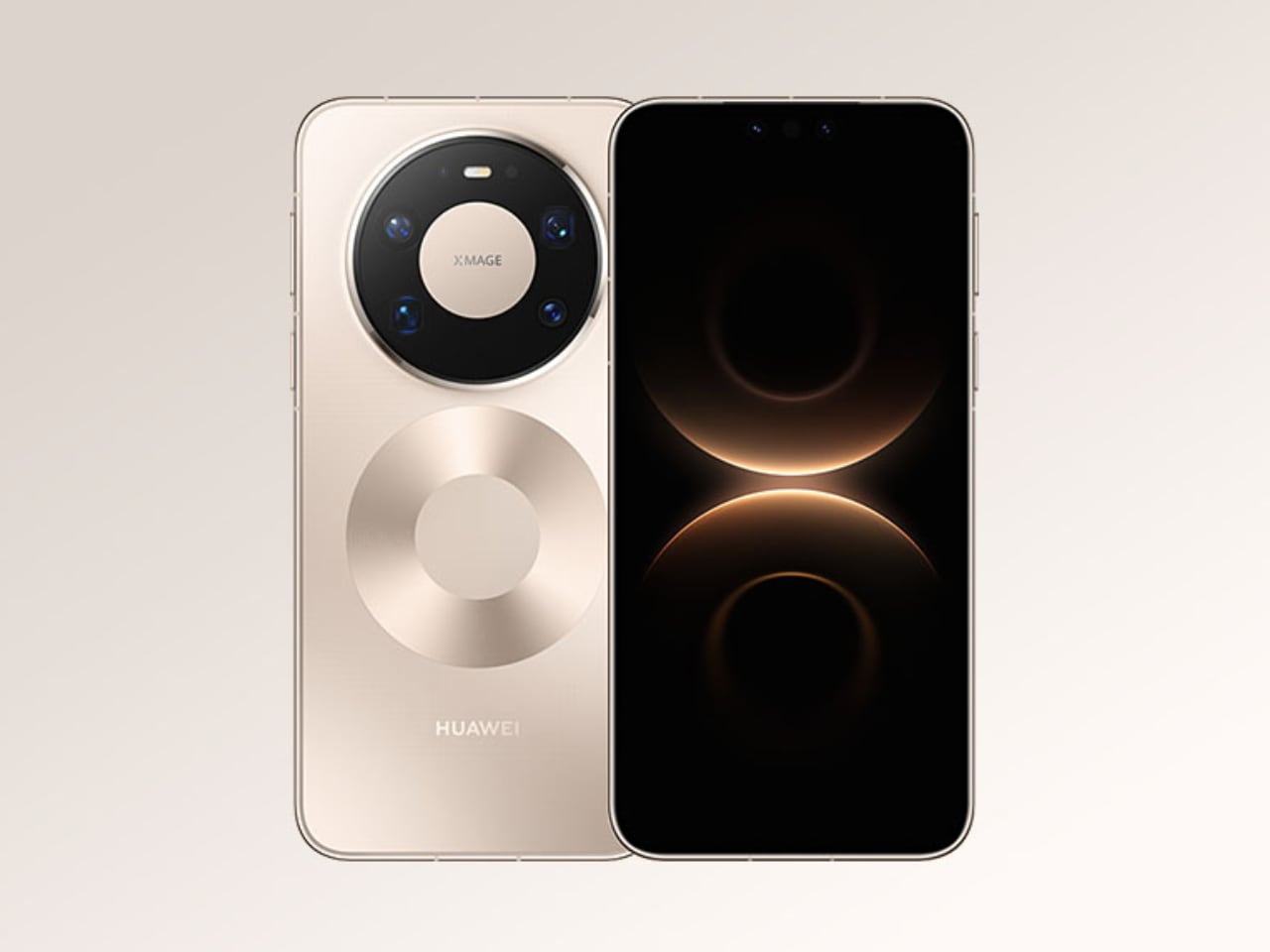
Huawei’s Mate 80 Pro Max arrives with an 8,000-nit peak brightness claim that obliterates every competitor on paper. But peel back the marketing headline and something more interesting emerges: a deliberate design philosophy that treats the display as the phone’s defining character trait, not just another specification to maximize.

When Engineering Becomes Industrial Design

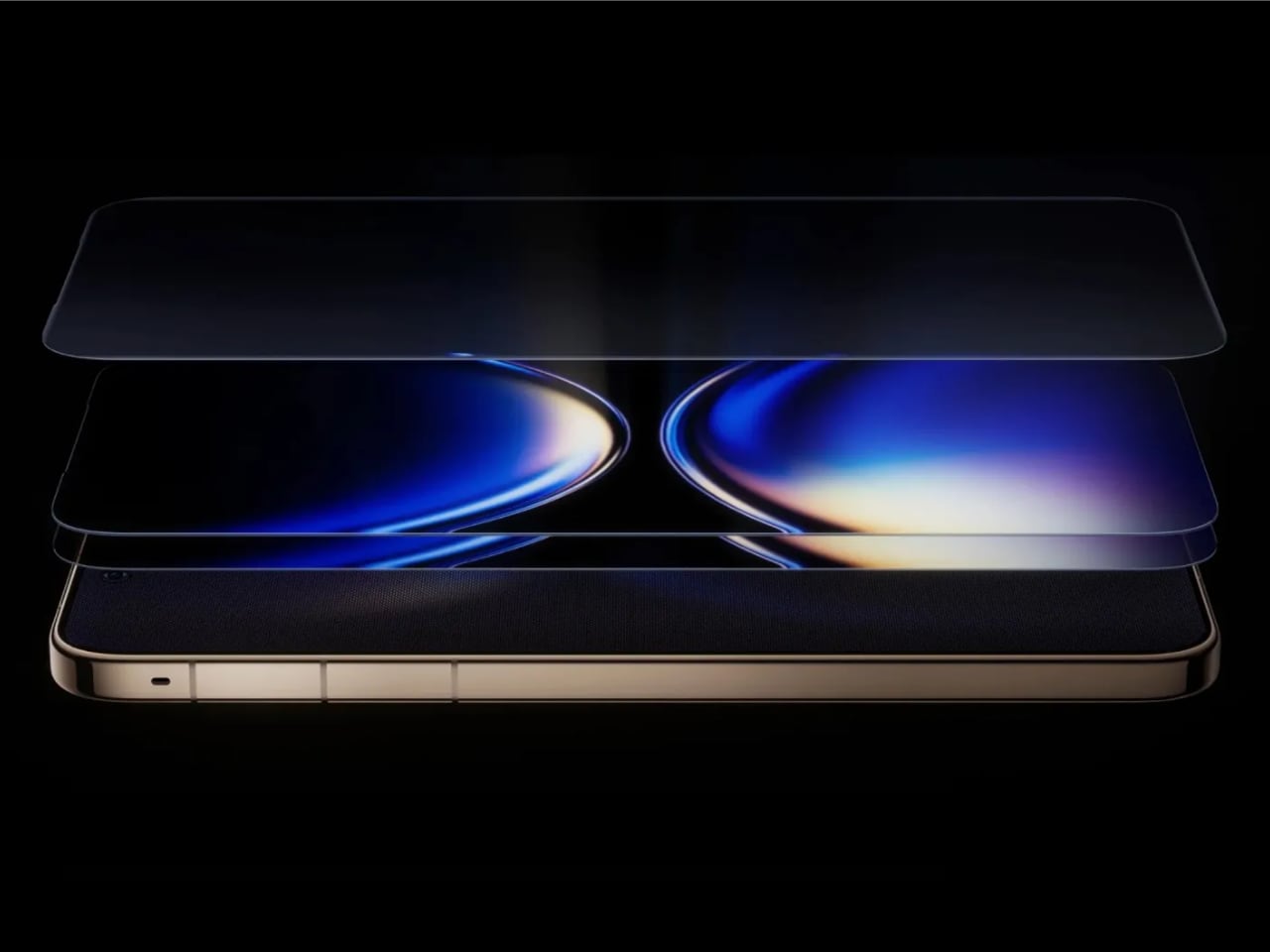
The dual-layer OLED panel represents Huawei’s answer to a fundamental physics problem. Traditional OLED displays push a single emissive layer harder to achieve brightness, generating excess heat and potentially shortening panel lifespan. Huawei’s solution stacks two OLED layers, distributing thermal and electrical load across twice the surface area while hitting brightness numbers that single-layer panels cannot match. The engineering choice has profound visual consequences that extend far beyond the headline specification.

HDR content transforms on a dual-layer panel. Highlights carry genuine intensity while shadows retain depth rather than washing out, creating an almost three-dimensional quality to images that photographers and videographers will immediately recognize. The smartphone has become our primary camera, editor, and viewing screen, and Huawei designed this display to serve all three roles simultaneously.

Eye comfort gets attention too. The 1440Hz PWM dimming rate eliminates the invisible flicker that causes strain during extended low-brightness use, addressing one of OLED technology’s persistent criticisms that cheaper panels still struggle with.

Most users will never consciously notice this detail. Their eyes will thank them anyway.

The “8” That Defines Everything

Huawei’s design team turned the model number into a visual identity, and the boldness of that choice deserves recognition in an industry addicted to safe rectangles and generic camera bumps.

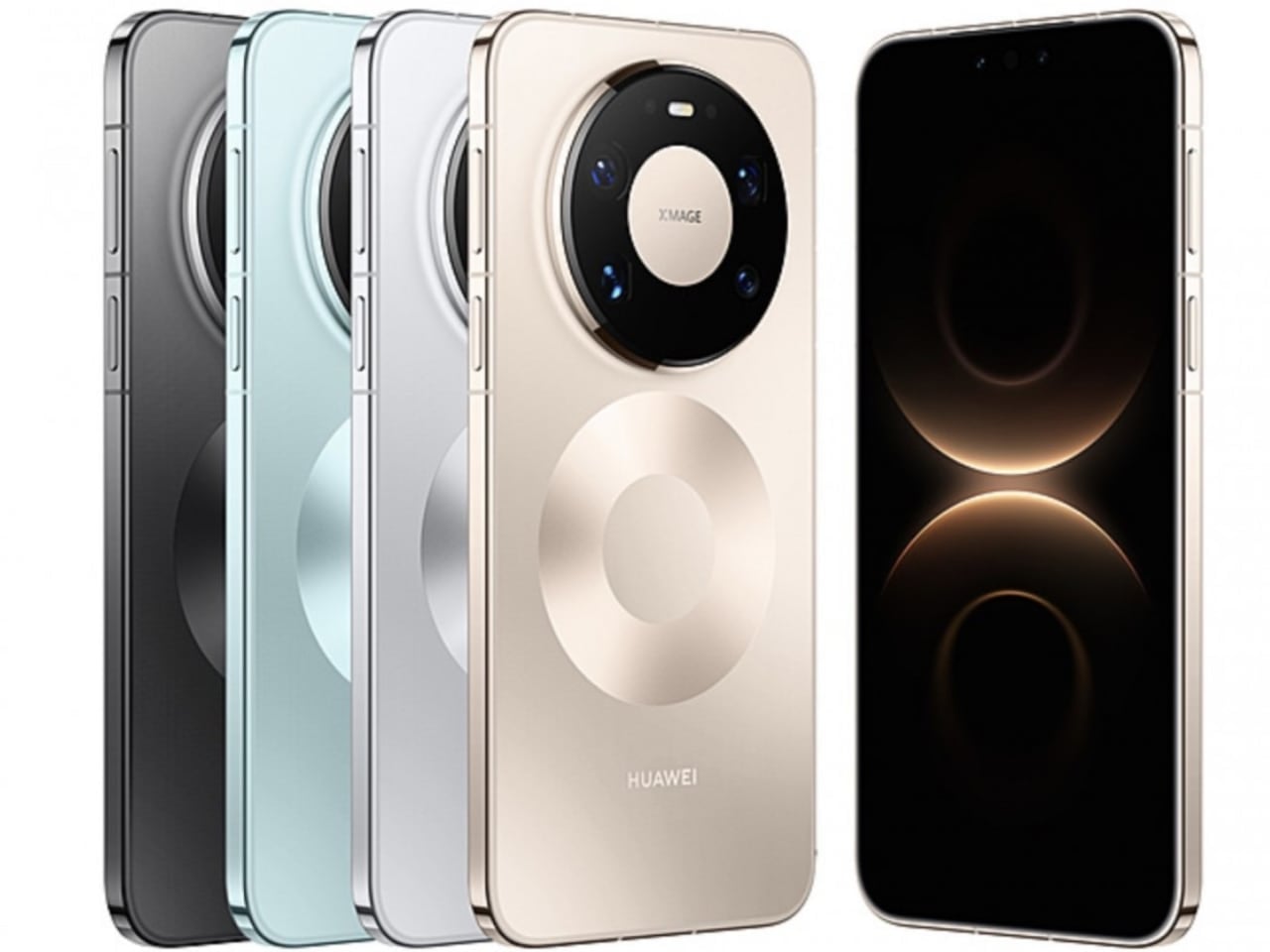
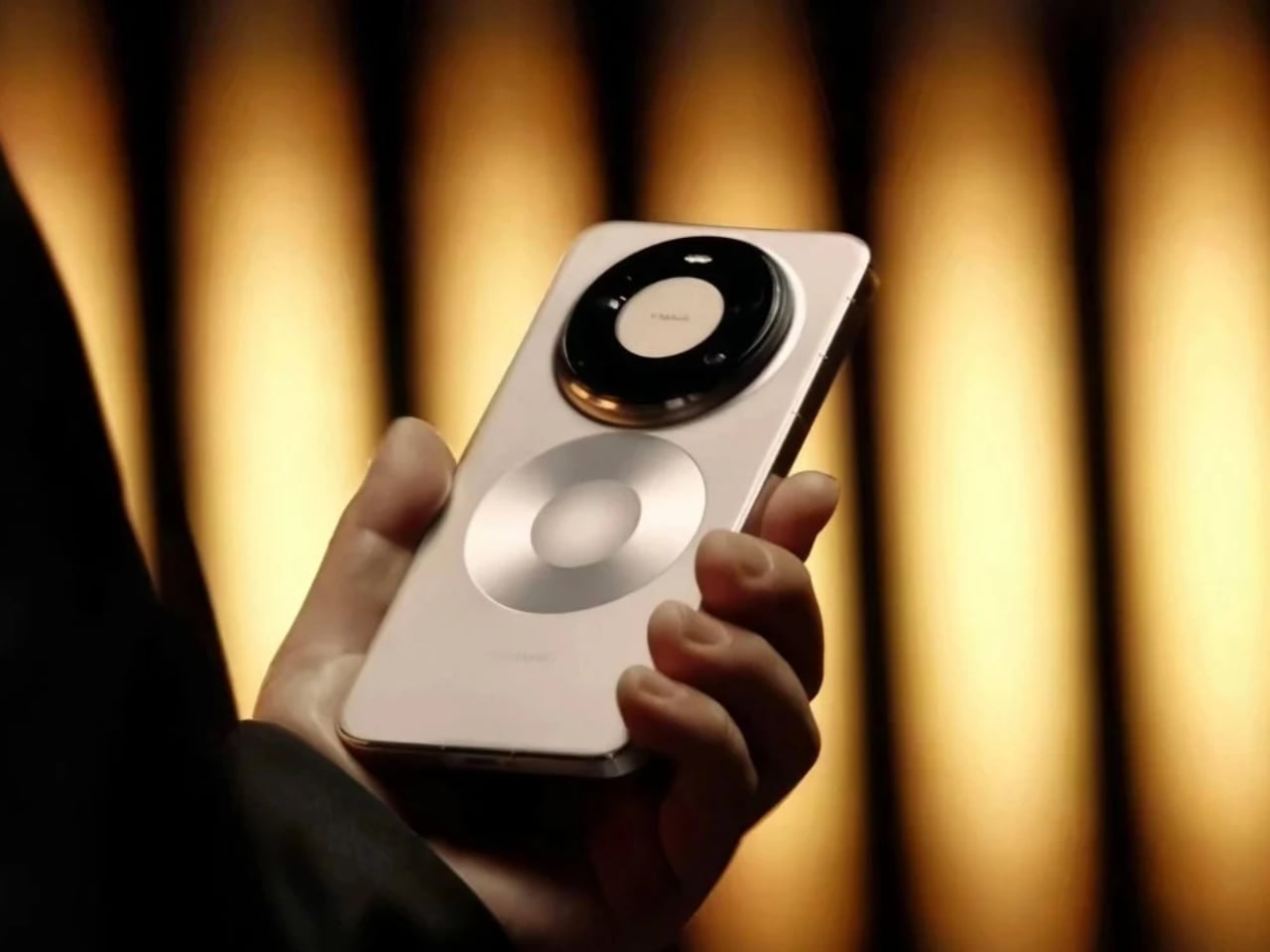
The rear panel features a prominent circle highlighting the wireless charging coils, positioned directly above the circular camera module. Together, these two circles stack vertically to form a figure eight that reads as both functional diagram and brand statement. The phone announces itself at twenty feet. Most manufacturers treat rear panel design as an afterthought, a surface to slap logos onto after engineering finishes the real work. Huawei flipped that relationship entirely, making the wireless charging coils a design feature rather than hiding them under featureless glass.

The flat display edges and squared-off sides follow a broader industry shift away from curved screens. Curves looked elegant but created durability problems and made edge interactions imprecise, and Huawei clearly listened to actual user complaints rather than chasing visual trends. The Mate 80 Pro Max prioritizes function over flowing aesthetics, which reads as mature design confidence rather than trend abandonment.

Materials as Message

Kunlun Glass 2 protects the display. Basalt-infused elements reinforce the frame. Polyamide fiber adds structural rigidity. These materials come from aerospace and automotive applications where failure means more than a cracked screen, and Huawei wants you to know it.

The material palette communicates something specific: this phone is built to survive. Whether the exotic composition actually outperforms conventional aluminum and Gorilla Glass remains unproven through real-world abuse testing, but the conceptual intent lands clearly. Huawei wants buyers to feel they’re holding something more substantial than another fragile glass sandwich that shatters on the first drop.

Competitor Philosophies Compared

Apple’s iPhone 17 Pro Max peaks at 3,000 nits outdoors, emphasizing color accuracy, response time, and ProMotion integration instead. Samsung’s Galaxy S25 Ultra settles at 2,600 nits peak, focusing on S Pen ecosystem integration where stylus latency matters more than brightness records.

Realme’s GT 8 Pro pushed to 7,000 nits before Huawei arrived, representing the aggressive spec-chasing that defines much of the Chinese smartphone market where headline numbers drive purchasing decisions more directly than in Western markets. Different priorities produce different design choices, and Huawei one-upped everyone on brightness while wrapping the achievement in more considered industrial design than the pure spec-chasers typically deliver.

Trade-Offs Hidden in Marketing: 8,000 nits requires power.

More power means bigger batteries, shorter runtime, or aggressive throttling when capacity drops. Huawei’s 6,000mAh battery seems modest against Chinese competitors pushing past 7,000mAh, which suggests either extreme confidence in dual-layer efficiency or accepted runtime compromises that won’t appear until real-world testing begins.

Thermal management creates even thornier long-term concerns that no launch event mentions. Excessive heat degrades organic compounds in OLED panels over time, potentially causing permanent brightness loss and color shift in heavily-used screen areas. The dual-layer architecture should help by spreading thermal load across more surface area, but durability implications won’t become clear for years of actual use. And then there’s the practical question: who actually needs 8,000 nits? Screens above 2,000 nits handle direct sunlight adequately for most tasks, and the extreme peak brightness matters primarily for tiny HDR highlights representing blinding light sources like the sun or reflections.

Real value or marketing trophy? Probably both, depending entirely on how you use the device.

What the Brightness Obsession Reveals

The Mate 80 Pro Max embodies a specific philosophy: the display IS the device, and everything else exists to support the viewing experience. The logic tracks, since smartphones evolved into portable screens that occasionally make calls, and optimizing the primary interaction surface makes intuitive sense. But brightness as the defining metric risks missing what actually makes displays pleasant to use: color accuracy, viewing angle consistency, touch response precision, eye comfort across hours of use. A 2,000-nit panel with superior color science might deliver better daily experience than an 8,000-nit screen with mediocre calibration. Huawei historically nails calibration alongside technical specs, so there’s reason for optimism, but the proof requires hands-on time that marketing materials cannot provide.

For Design-Conscious Buyers

The Mate 80 Pro Max succeeds as a design object beyond its brightness claims. The “8” motif creates genuine visual identity. The material choices communicate premium durability. The dual-layer OLED architecture represents meaningful innovation rather than incremental improvement. HarmonyOS remains the elephant in the room for international users, with no Google Play Services meaning no Gmail, no Maps, no YouTube without workarounds, and limited global availability makes the device theoretical for many potential buyers regardless of how compelling the hardware appears.

For those who can access and actually use the Mate 80 Pro Max within its intended market, the display technology offers real advantages for outdoor use, HDR content, and photography demanding accurate highlight reproduction. The design language makes a statement that Apple and Samsung’s safer approaches simply don’t attempt. The brightness arms race continues, and competitors will push toward and beyond Huawei’s record within months.

What matters more than any single number is whether manufacturers use these capabilities to create genuinely better experiences, or simply chase specifications for their own sake. The Mate 80 Pro Max suggests Huawei understands the distinction, even if the marketing still leads with the biggest number.

Display Technology Comparison

Specification Huawei Mate 80 Pro Max iPhone 17 Pro Max Samsung Galaxy S25 Ultra Realme GT 8 Pro
Peak Brightness 8,000 nits 3,000 nits 2,600 nits 7,000 nits
Display Technology Dual-layer OLED Single-layer OLED Single-layer OLED Single-layer AMOLED
PWM Dimming 1440Hz 480Hz Variable 2160Hz
Refresh Rate 1-120Hz LTPO 1-120Hz ProMotion 1-120Hz LTPO 1-120Hz LTPO
Resolution 1320 x 2848 1320 x 2868 1440 x 3120 1264 x 2780
Glass Protection Kunlun Glass 2 Ceramic Shield Gorilla Armor 2 Gorilla Glass Victus 2
Design Philosophy Brightness as identity Color accuracy first Stylus integration Spec leadership

The post Huawei’s 8,000-Nit Display Is a Design Statement Disguised as a Spec Sheet first appeared on Yanko Design.

Microsoft just released a bunch of software updates for the ROG Xbox Ally

Microsoft just released a spate of software updates for ASUS ROG Xbox Ally and Ally X handheld consoles. Perhaps the most notable feature is the introduction of default game profiles, which are available in a beta mode starting today.

These are performance profiles tailored to specific games so they run perfectly on the handhelds. Once enabled, the software will automatically balance the frame rate and power consumption to strike the perfect balance. This means that players won't have to head into the settings to make manual adjustments.

These profiles are currently available for 40 of the more popular games on the platform, including Fortnite, Gears of War: Reloaded and Hollow Knight: Silksong. Microsoft says that using the default game profile while playing Silksong, for instance, will add an hour of battery life. To that end, the profiles are only used when playing on battery. I hope this becomes a regular part of the Ally experience and comes to many more titles.

There's a new search filter that lists games by how they perform on the device, which is sort of a riff on Valve's "Steam Deck Verified" badge. Microsoft also boasts that gamepad responsiveness has been improved and that game libraries will now load quicker. The company says this is especially noticeable for "players with large game libraries."

The cloud gaming page should now load quicker and be more responsive. Finally, there's the usual array of bug fixes and performance enhancements. This is a nice little batch of upgrades, just in time for the holidays.

For the uninitiated, the ROG Ally and Ally X are handheld gaming consoles that run an Xbox-adjacent version of Windows 11 and can play pretty much any Xbox game. We praised the "top-notch performance" in our official review. These handhelds are the real deal, and consumers agree. Sales have been so robust that ASUS recently began ramping up production.

The success of these consoles should ensure more software updates down the line. Microsoft has already committed to adding game save indicators for crossplay. It also plans on improving sleep and wake reliability and upgrading the formatting options for microSD cards. The more powerful Ally X is getting AI upscaling next year.

This article originally appeared on Engadget at https://www.engadget.com/gaming/xbox/microsoft-just-released-a-bunch-of-software-updates-for-the-rog-xbox-ally-164802697.html?src=rss

Realme GT8 Pro Review: A Flagship You Choose With Your Heart

PROS:


  • Ricoh GR partnership on the main camera

  • Distinctive design with modular camera island

  • Outstanding battery life and charging speed

CONS:


  • Ricoh GR mode is limited to the main camera

  • Ultra-wide and front cameras lack autofocus

  • Software support is good, but not class-leading for the price range


RATINGS:

AESTHETICS
ERGONOMICS
PERFORMANCE
SUSTAINABILITY / REPAIRABILITY
VALUE FOR MONEY

EDITOR'S QUOTE:

This is a phone you pick with your heart as much as your head, because you really have to want that design story and the GR experience.

The announcement of Realme’s partnership with Ricoh was a surprise, and now the highly anticipated Realme GT8 Pro is here with another twist in the form of an interchangeable camera plate on its back. This is not a subtle move, and it signals that Realme GT8 Pro is not trying to be just another sensible flagship. Instead, it arrives as a phone that wants to make a statement the moment you turn it over in your hand.

At the same time, this is still a serious piece of hardware built around the Snapdragon 8 Elite Gen 5, a huge 7000 mAh battery, and a vibrant 6.79-inch display. Realme is clearly aiming to step out of its value-focused comfort zone and into the premium flagship ring, where expectations are much higher, and mistakes are more visible. The real question is whether this bold, personality-heavy approach makes the GT8 Pro a genuinely great all-around phone, or a beautiful experiment that only a certain kind of user will truly appreciate.

Aesthetics
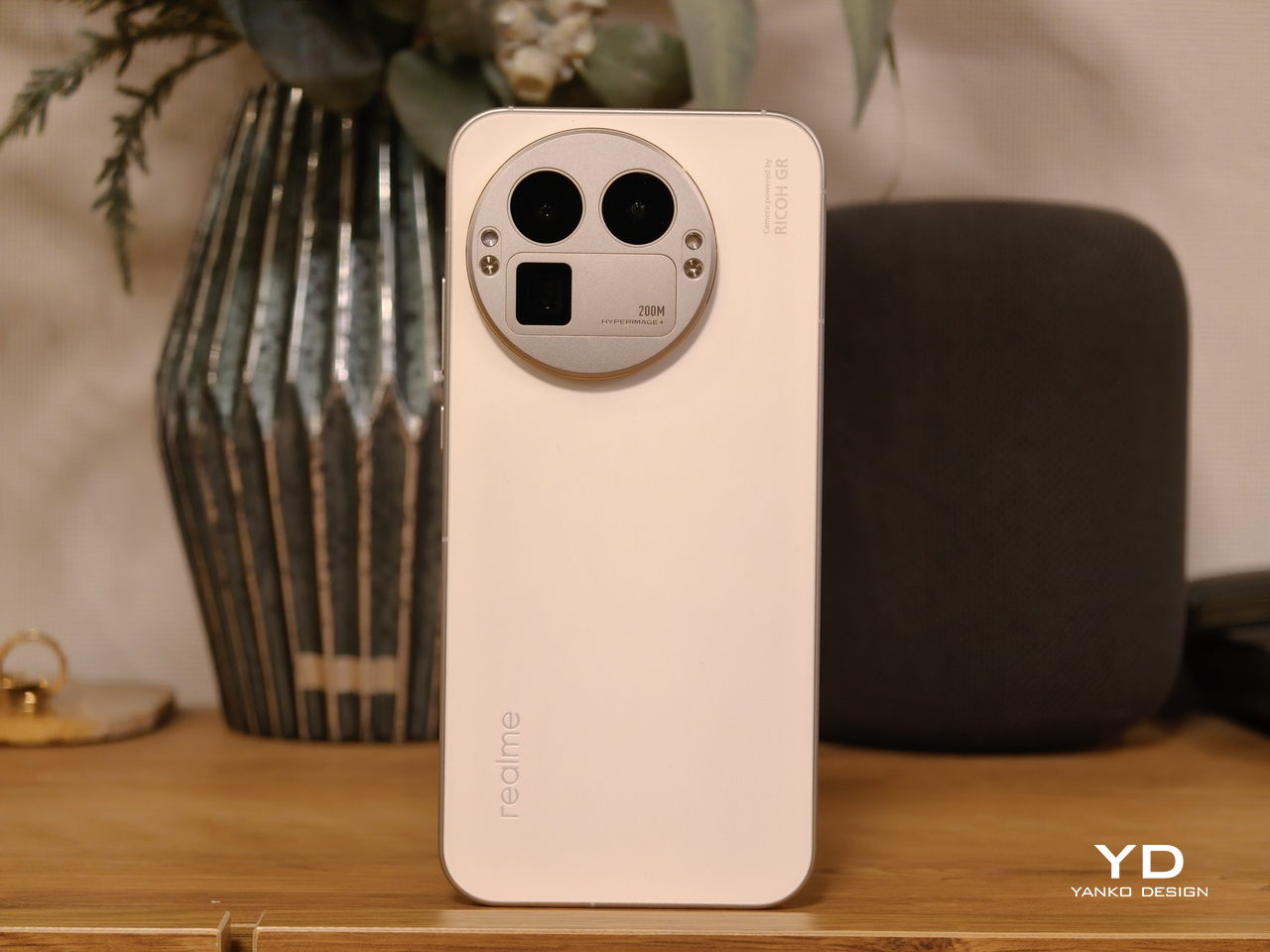
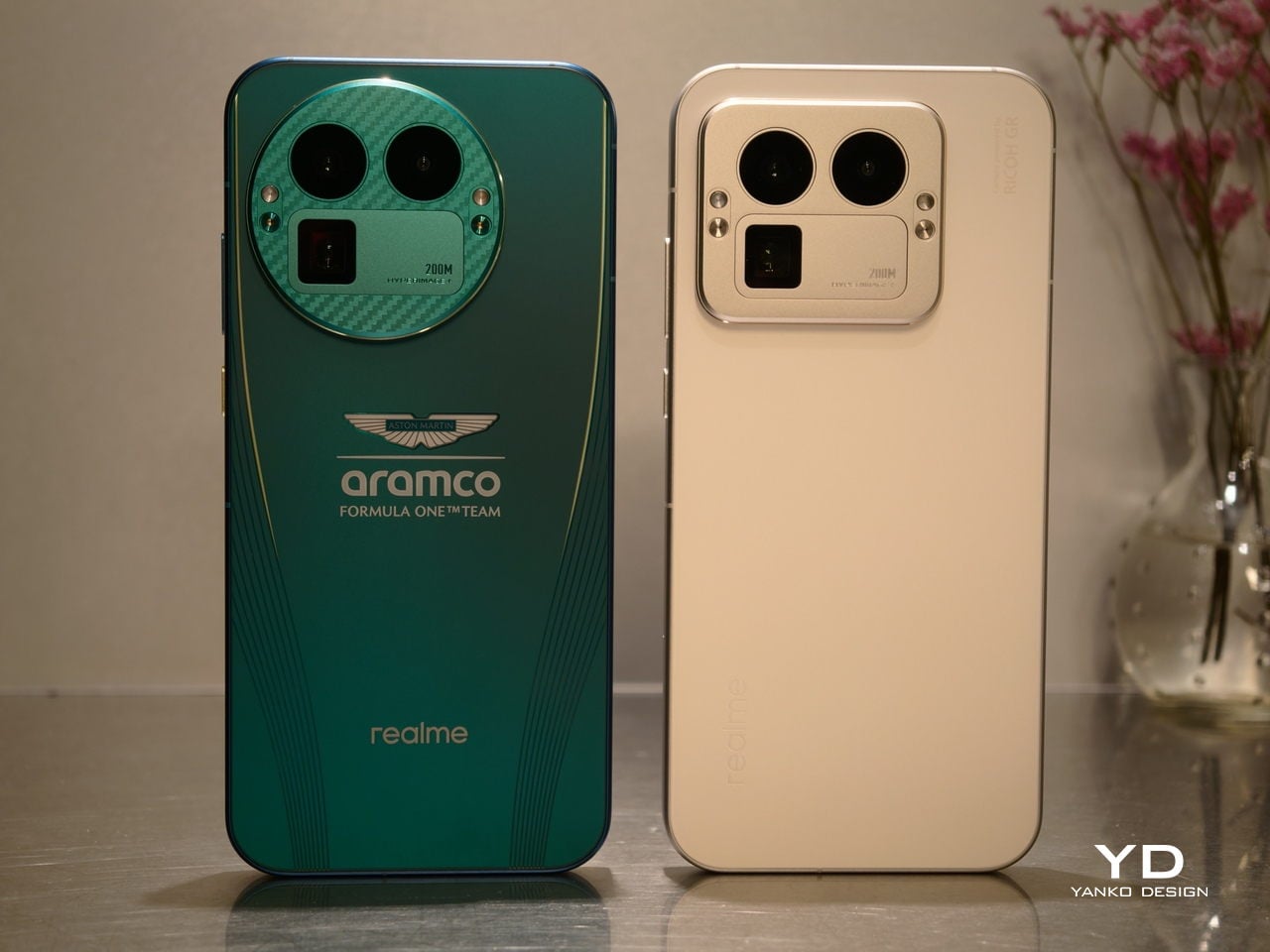
Pick up the realme GT8 Pro, and the first thing your eyes lock onto is the camera island. Realme has turned the rear camera housing into a modular design object that you can swap and restyle. Different camera decoration plates change the shape and graphic language of that camera bump, which means the back of the phone becomes a kind of customizable badge. It feels more like a piece of streetwear design than a typical rectangular slab, and it sends a clear signal that this phone sees photography and personality as central to its identity.

The plate is held in place with two tiny screws. The design that comes with the Diary White colorway we received is a round silver colored plate, and Realme also sent a separate rectangular silver colored plate. Realme has even released the 3D design file to invite people to create their own camera plate designs for the GT8 Pro. It is purely non-functional, and you could easily call it a gimmick, but it is a playful gimmick that fits the character of this phone and gives designers and tinkerers something fun to explore.
Realme keeps the core lineup tight with two main colorways. Diary White pairs the aluminum frame with a glossy glass back panel that catches reflections like a piece of polished ceramic. Urban Blue switches to a vegan leather back panel that brings a more tactile, fashion-focused vibe and feels closer to a premium accessory than a slab of tech. Both finishes are tuned to catch light and attention rather than fade into the background, which reinforces the GT8 Pro’s role as a visual statement.

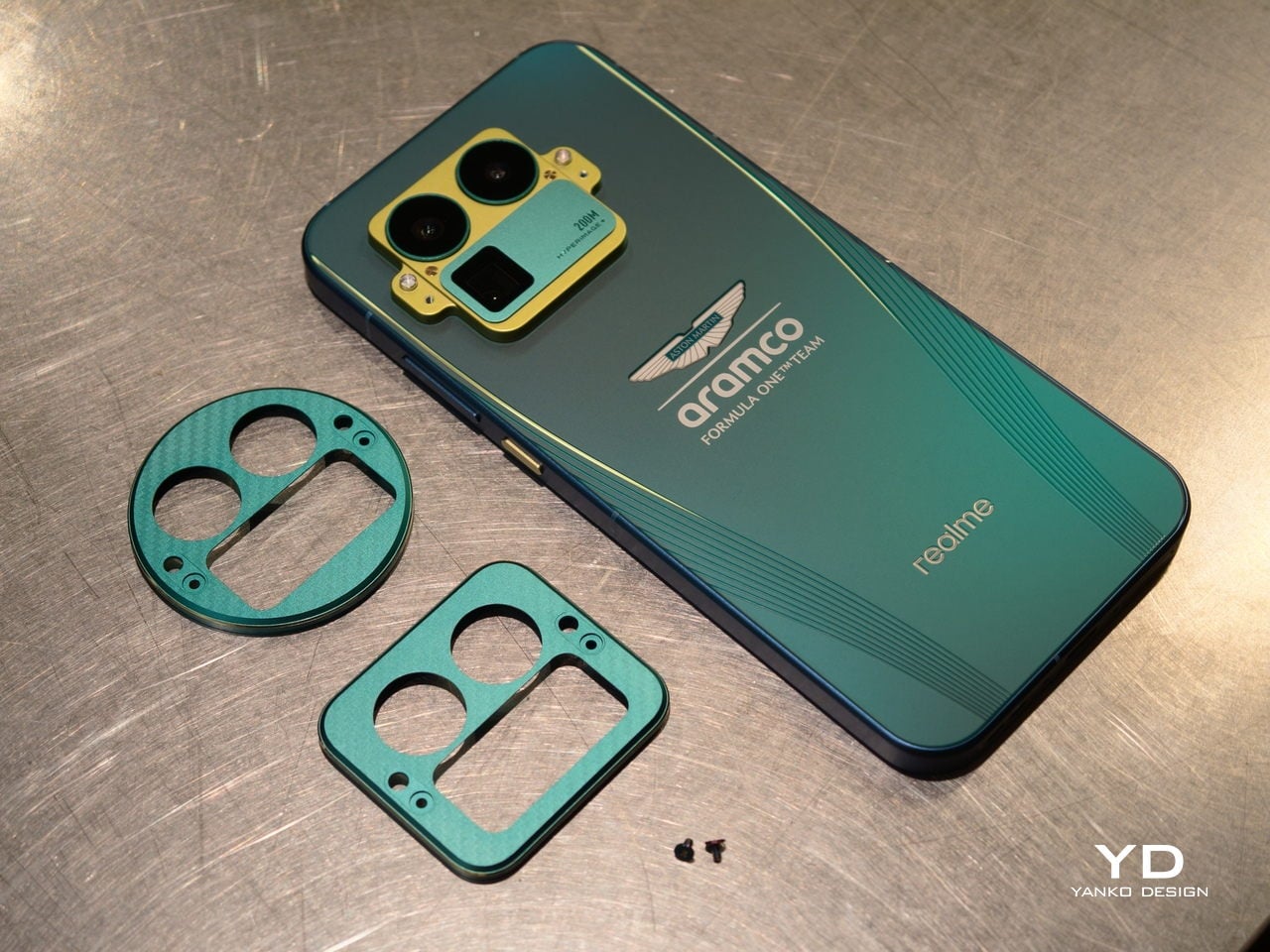
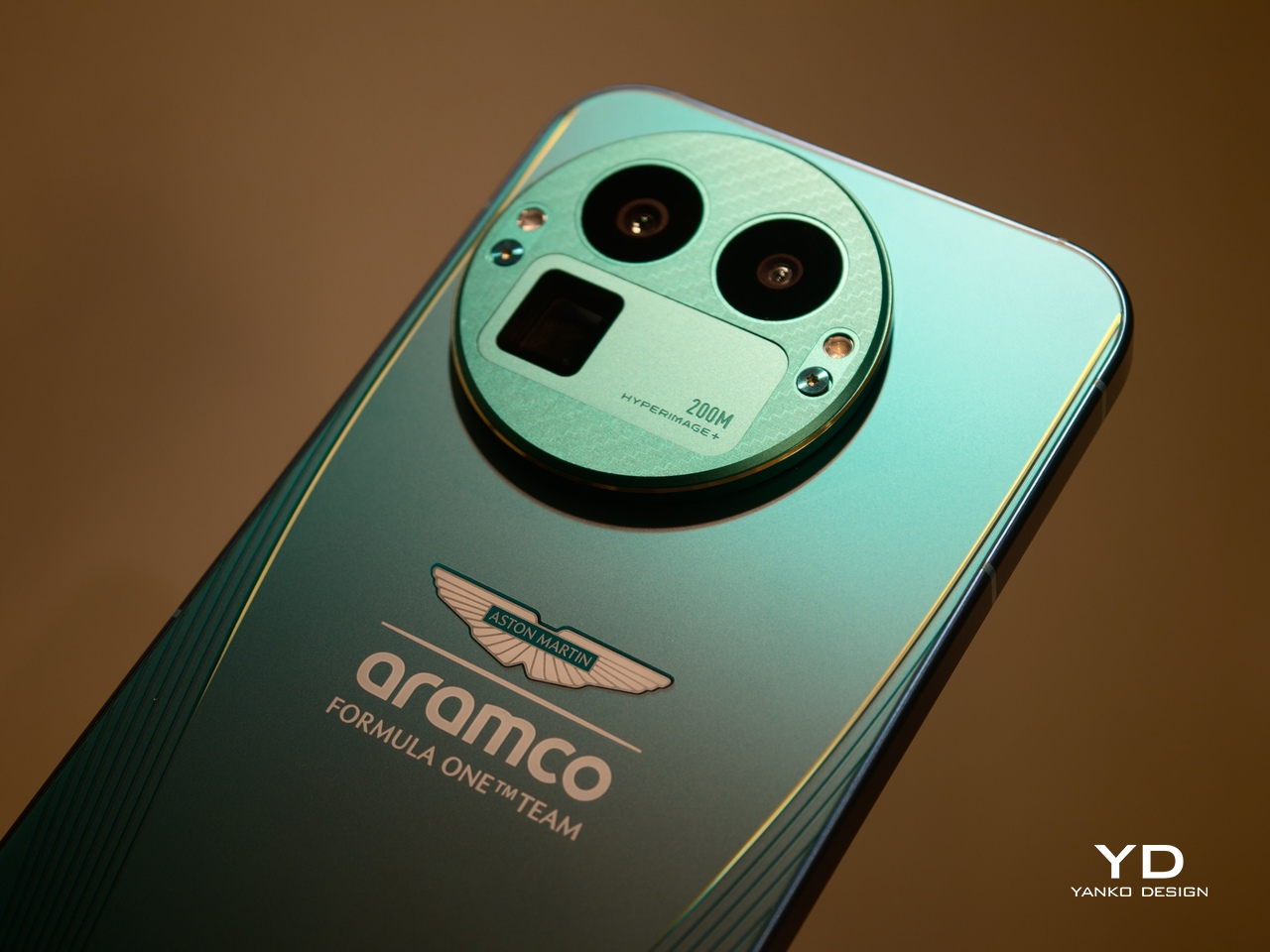
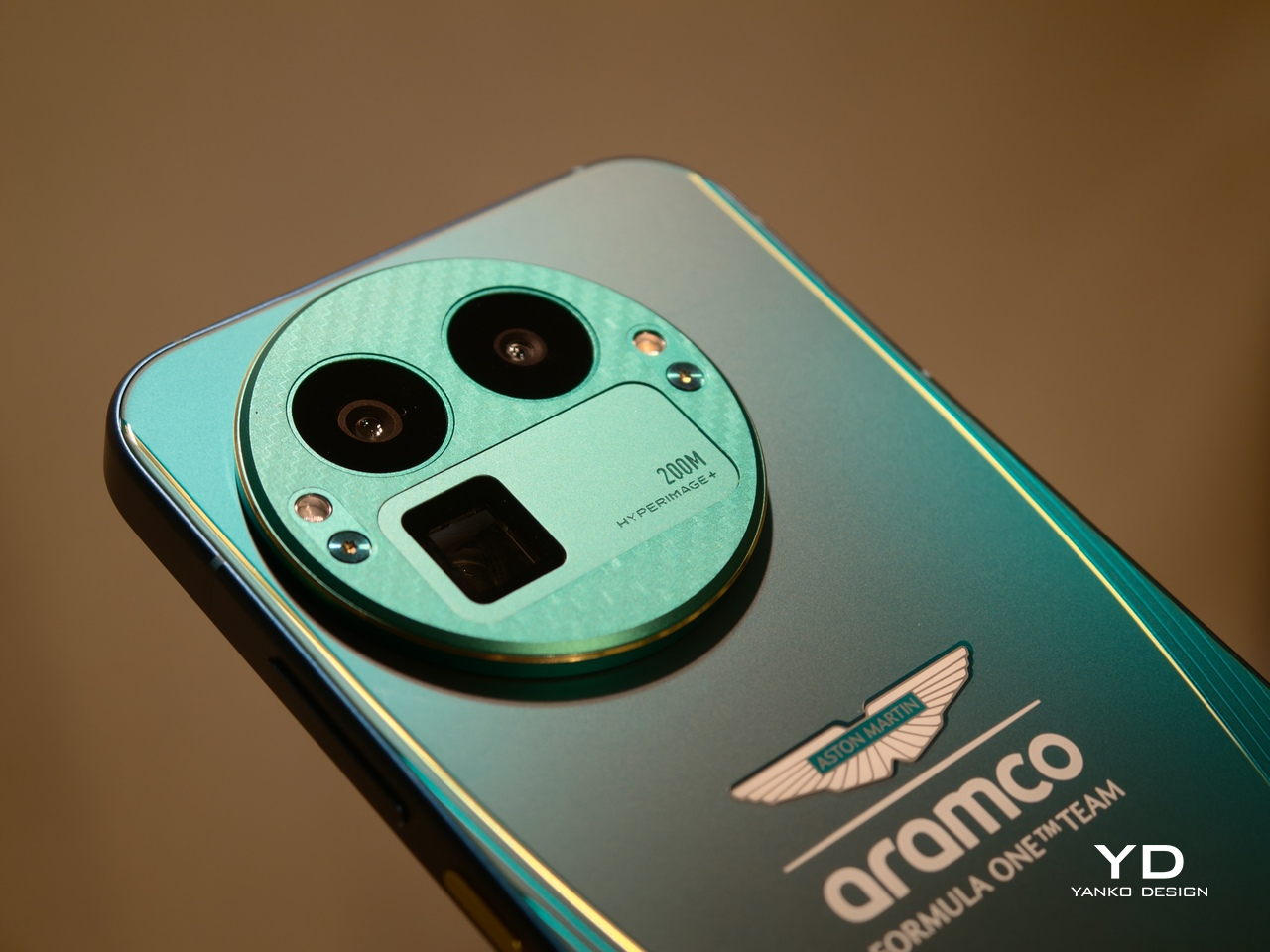
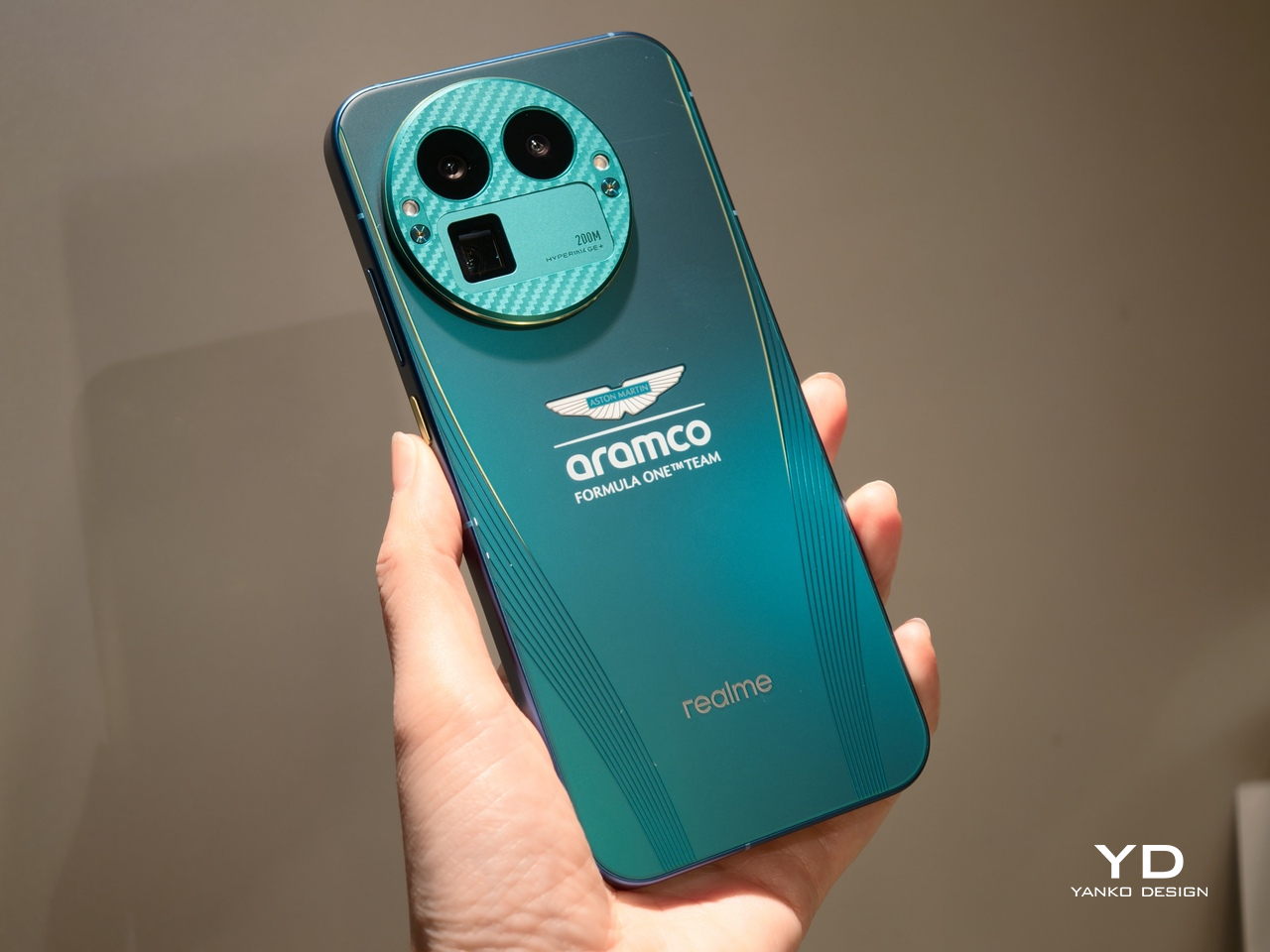
On top of these two color variants, Realme offers the Dream Edition as part of its three-year partnership with the Aston Martin Formula 1 team. This special version comes dressed in Aston Martin Green with yellow accents and an aerodynamic-inspired design. The phone arrives with a round camera decoration plate featuring a carbon fiber finish, which adds a motorsport texture that feels premium.
Inside the special box, you also get the square deco plate, a SIM ejector tool shaped like a racing car, a Torx screwdriver for swapping plates, two phone cases, and a charger. The phone itself comes preloaded with custom Aston Martin Formula 1 team wallpapers and icons, so the collaboration extends into the software experience as well.

Ergonomics

This is a large phone with a 6.79-inch display and a 7000 mAh battery, so it has real presence in the hand. Both colorways share the same footprint at 161.80 x 76.87 mm, which means you are firmly in big phone territory. You feel that size immediately, yet the curved edges and carefully rounded corners do a lot of work to soften the bulk and make it feel less intimidating.
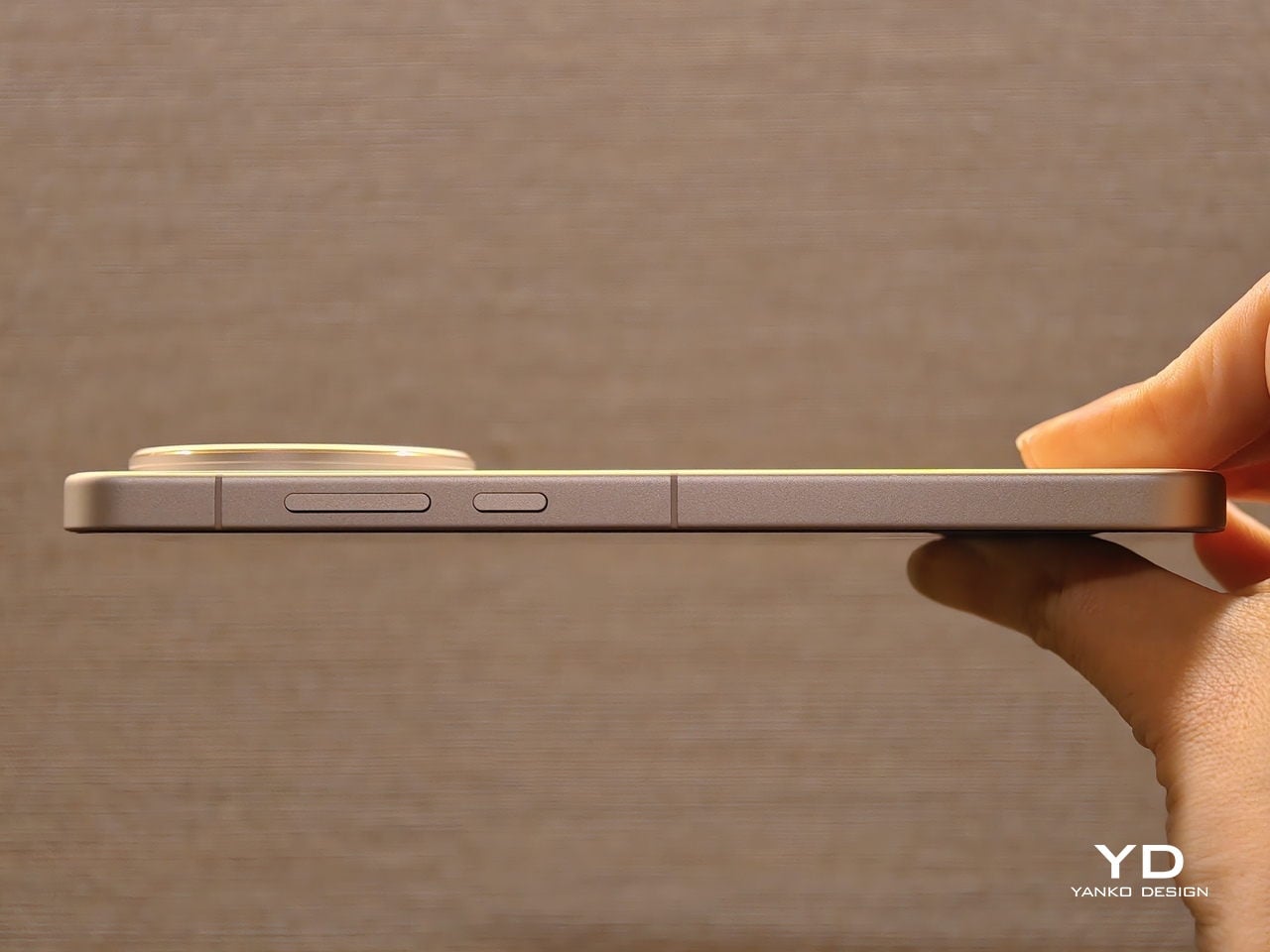
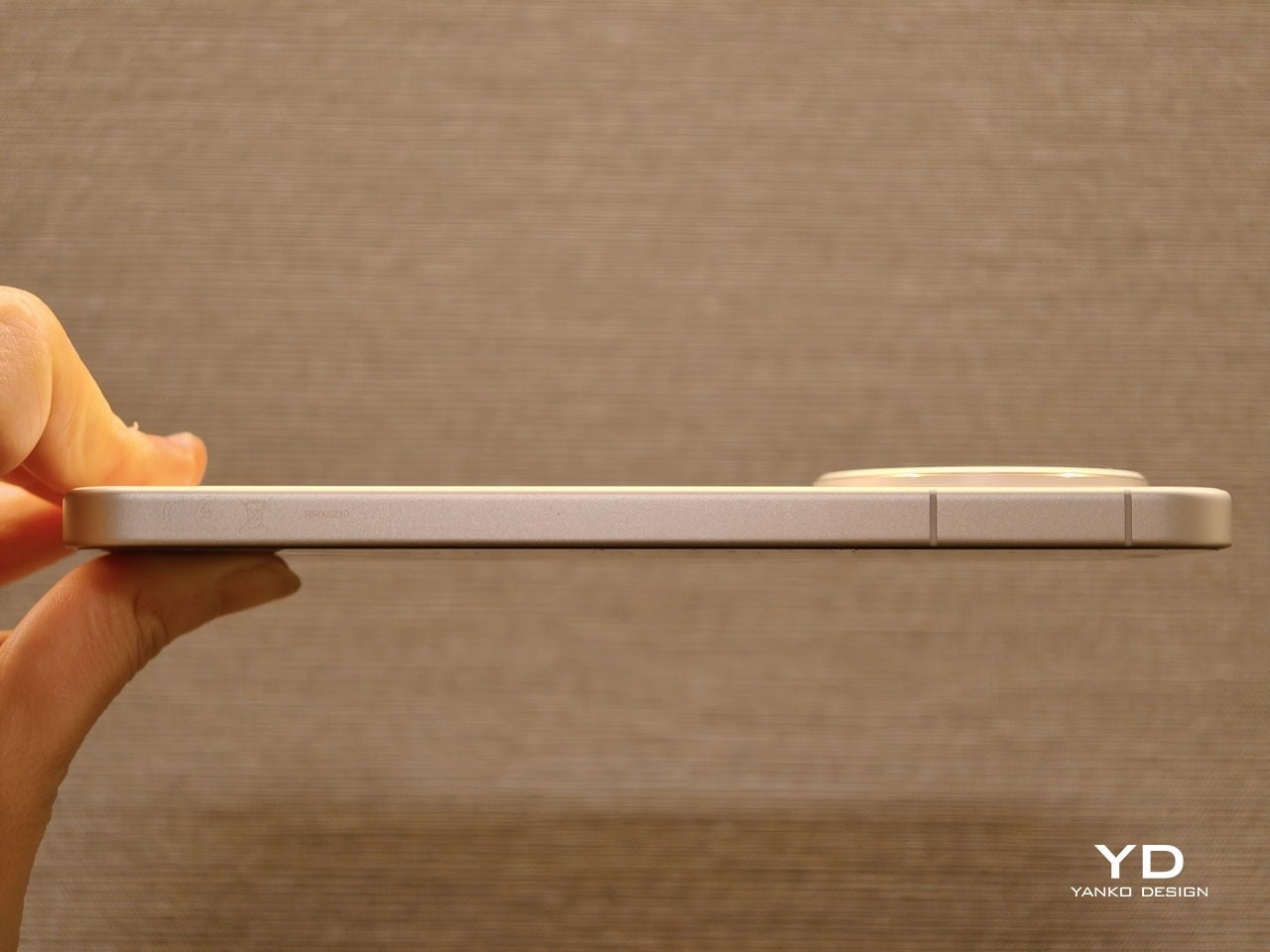
The differences appear when you look at thickness and weight. Diary White comes in at 8.20 mm thick and weighs 218 g, while Urban Blue is slightly thicker at 8.30 mm but actually lighter at 214 g. In practice, these numbers are close enough that you will not notice a dramatic contrast in day-to-day use. Diary White, with its glossy glass back, feels sleek and cool, sliding more easily against your skin and into pockets. Urban Blue with its vegan leather has a paper-like feel with tactile 3D characters, according to Realme, which gives it a more textured, design-forward personality in the hand.
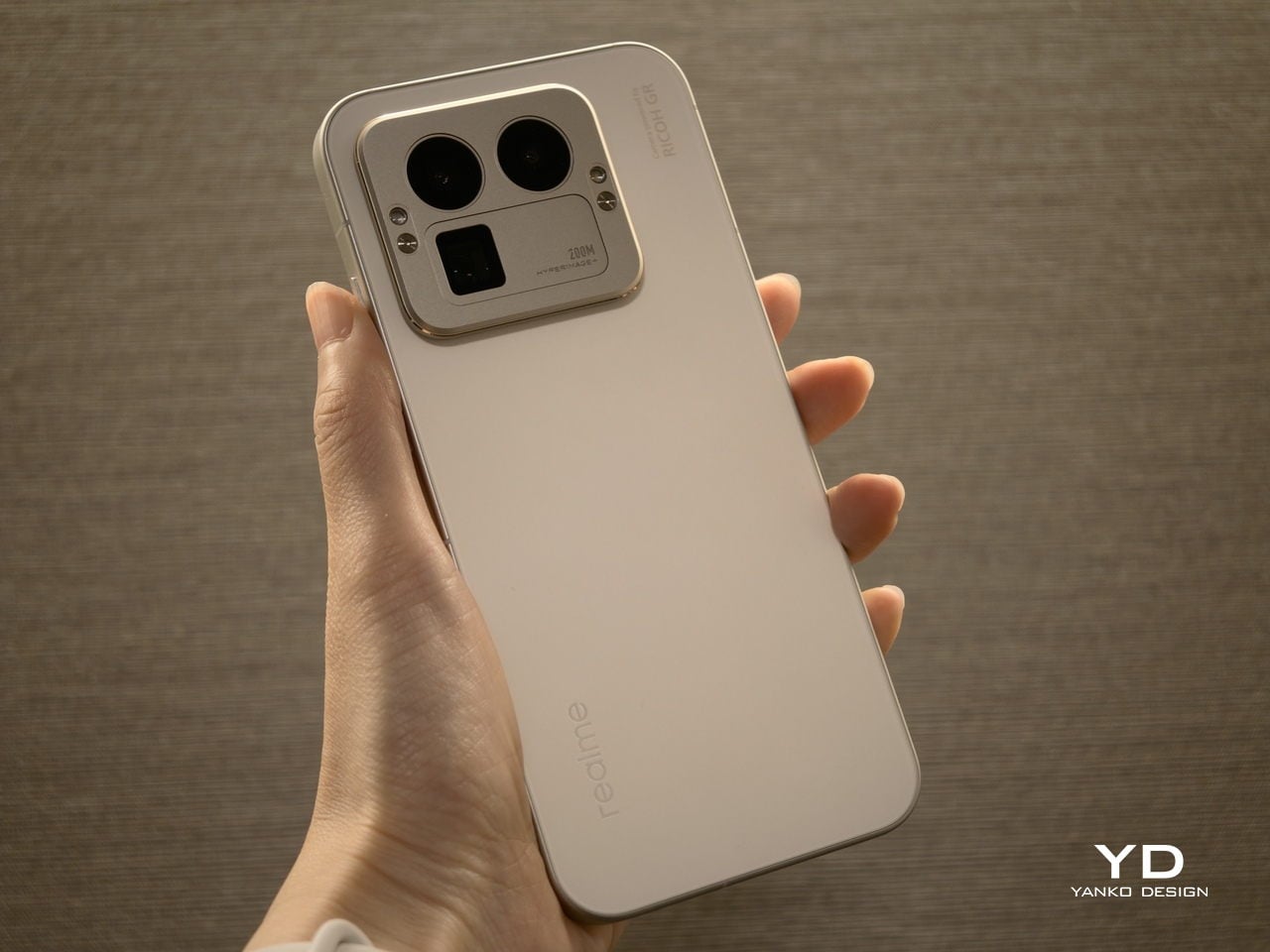
The power and volume keys sit within easy reach on the right side of the frame. Their placement makes it simple to adjust volume or lock the screen without shifting your grip too much, even on this tall device. The fingerprint scanner is located at roughly one-third of the height from the bottom of the display, which makes it easy to unlock the phone and continue straight into navigation with the same thumb movement.

Performance

Inside, the GT8 Pro is powered by the latest Snapdragon flagship chipset, the Snapdragon 8 Elite Gen 5, and that choice sets the tone for the entire performance story. This chip is designed for demanding multitasking, heavy gaming, and advanced AI features, and the phone leans into that with confidence. Realme pairs the main chipset with either 12 GB or 16 GB of RAM, along with 256 GB or 512 GB of fast UFS 4.1 storage, depending on the configuration. On the software side, Android 16 with realme UI 7 sits on top, bringing a colorful, feature-rich interface that still keeps most interactions intuitive and approachable.
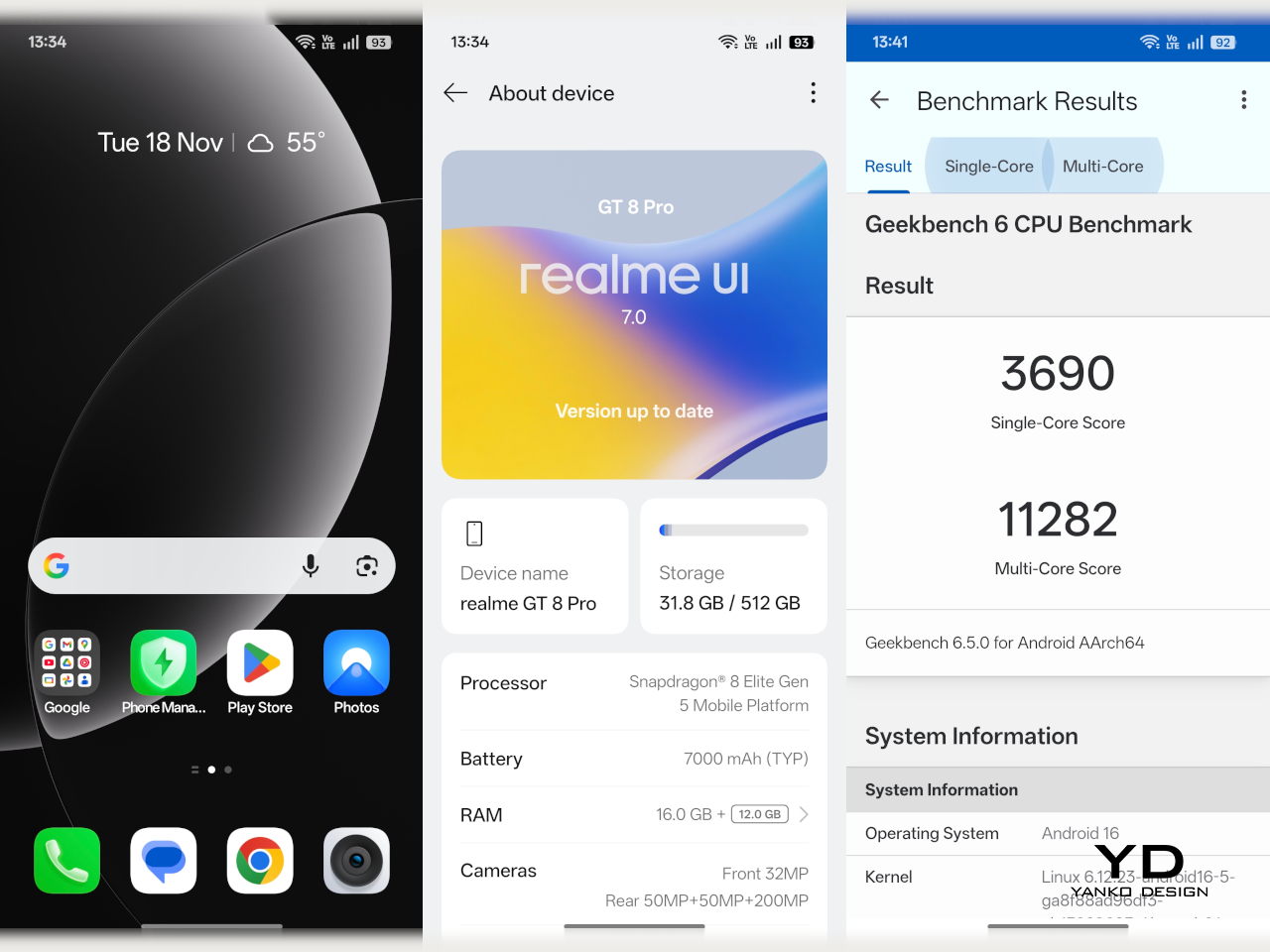
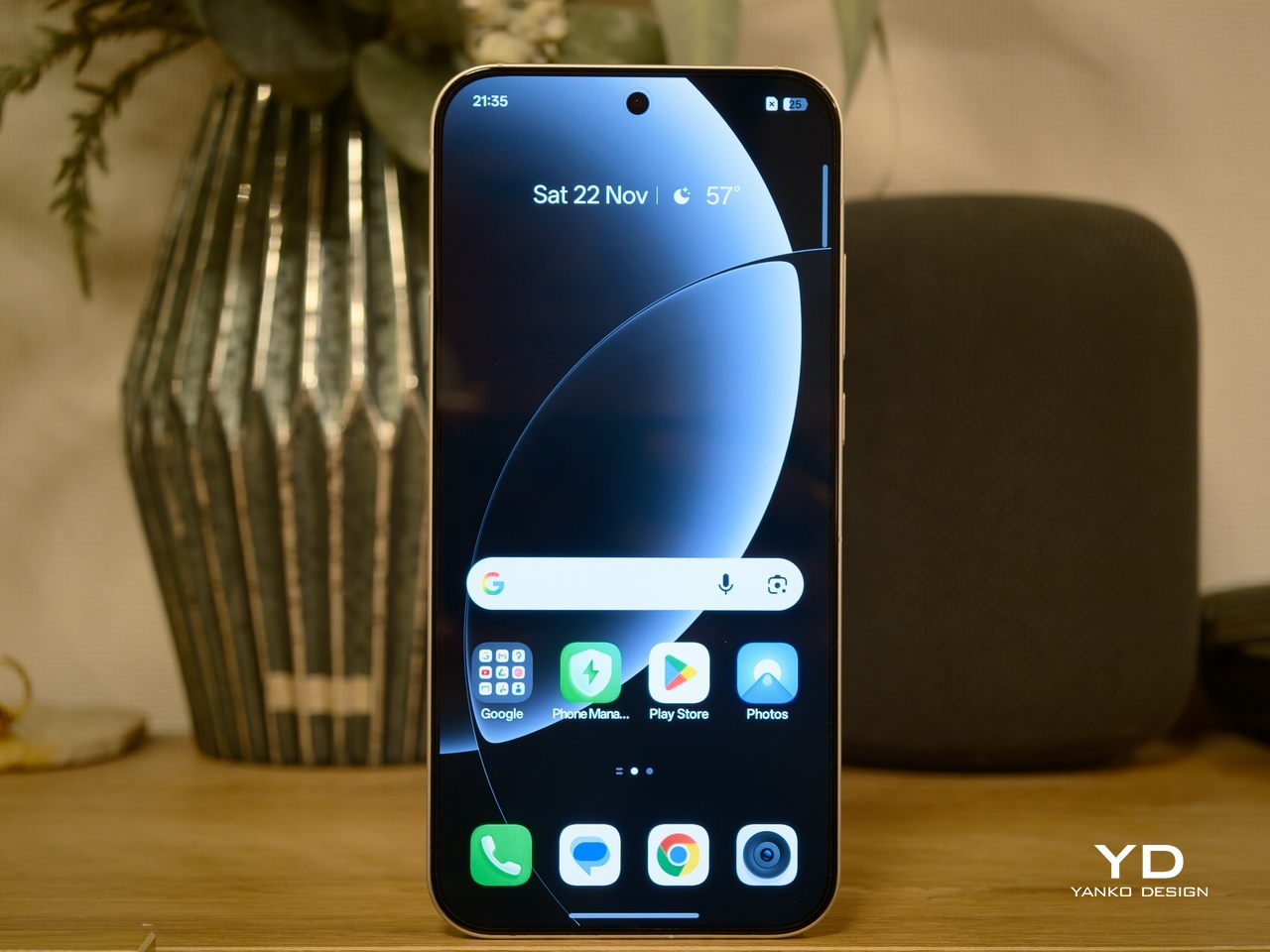
On the front, the GT8 Pro boasts a 6.79-inch LTPO AMOLED panel with a 1440 x 3136 px resolution and a maximum refresh rate of 144 Hz. It supports Dolby Vision, HDR10, and HDR10+, which gives you rich contrast and vivid highlights when watching compatible content. Realme claims a peak brightness of up to 7000 nits and 2000 nits in High Brightness Mode. These numbers are usually achievable only in very specific lab conditions, but in real life, the GT8 Pro display is genuinely very bright and easy to see under strong sunlight. The stereo speakers are loud and clear as well.
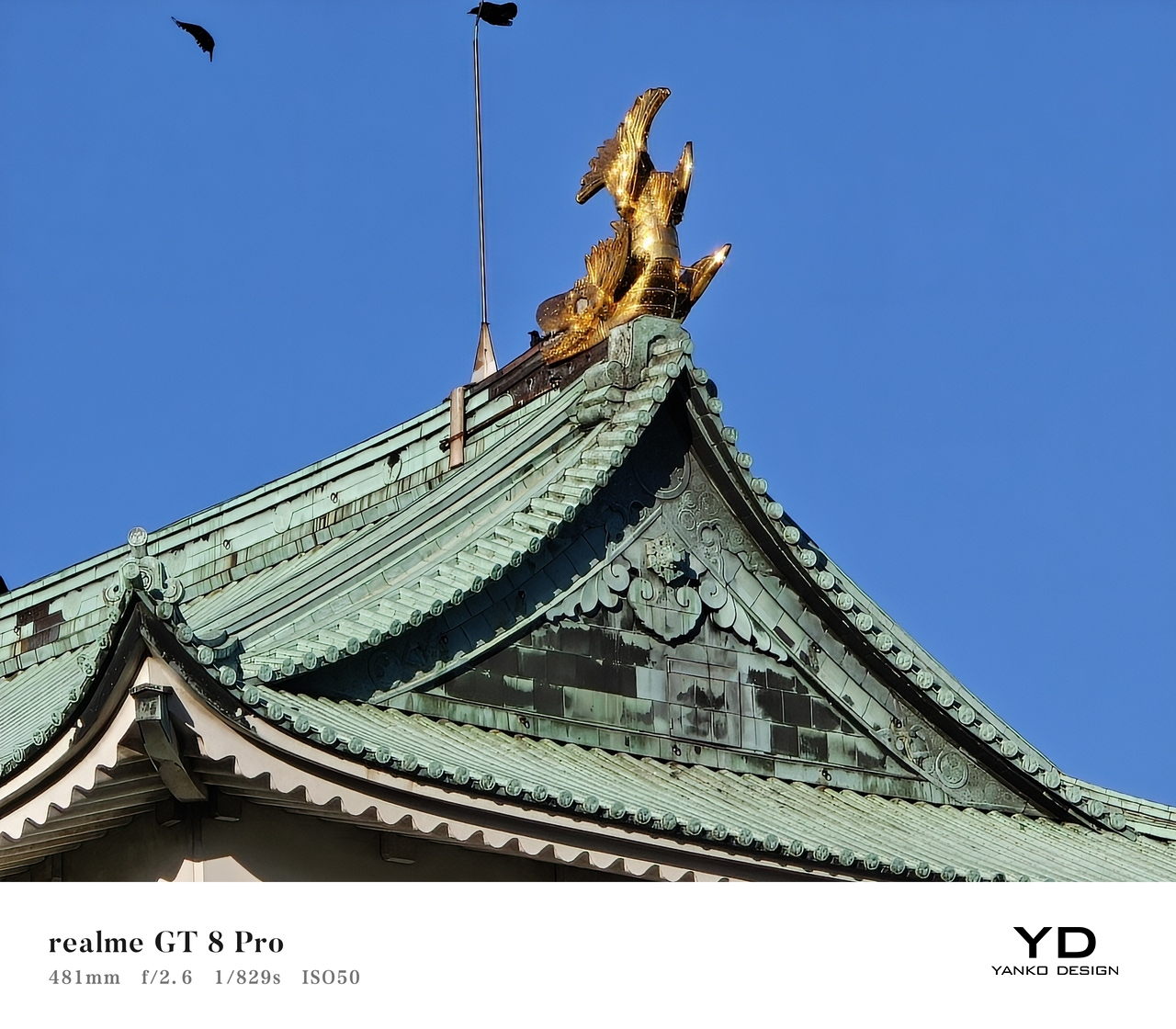
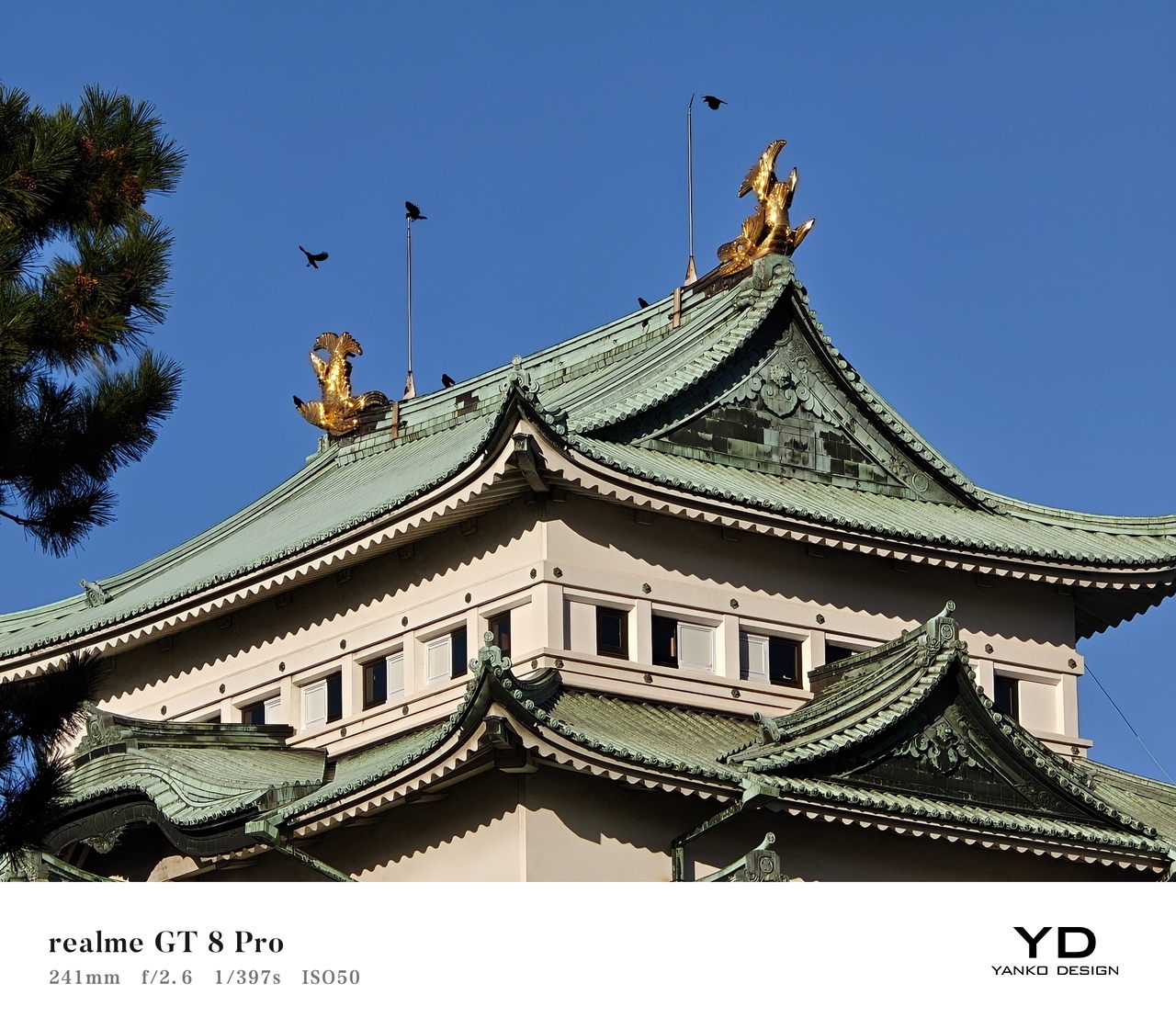
On the back, the Realme GT8 Pro boasts a triple camera system. The main camera is a 50 MP unit with a 1/1.56-inch Sony IMX906 sensor, an F/1.8 aperture, optical image stabilization, and electronic stabilization. The telephoto camera uses a 200 MP 1/1.56-inch Samsung HP5 sensor with an F/2.6 aperture, again with both optical and electronic stabilization. The ultra-wide camera is a 50 MP unit with a 1/2.88-inch sensor and an F/2 aperture.
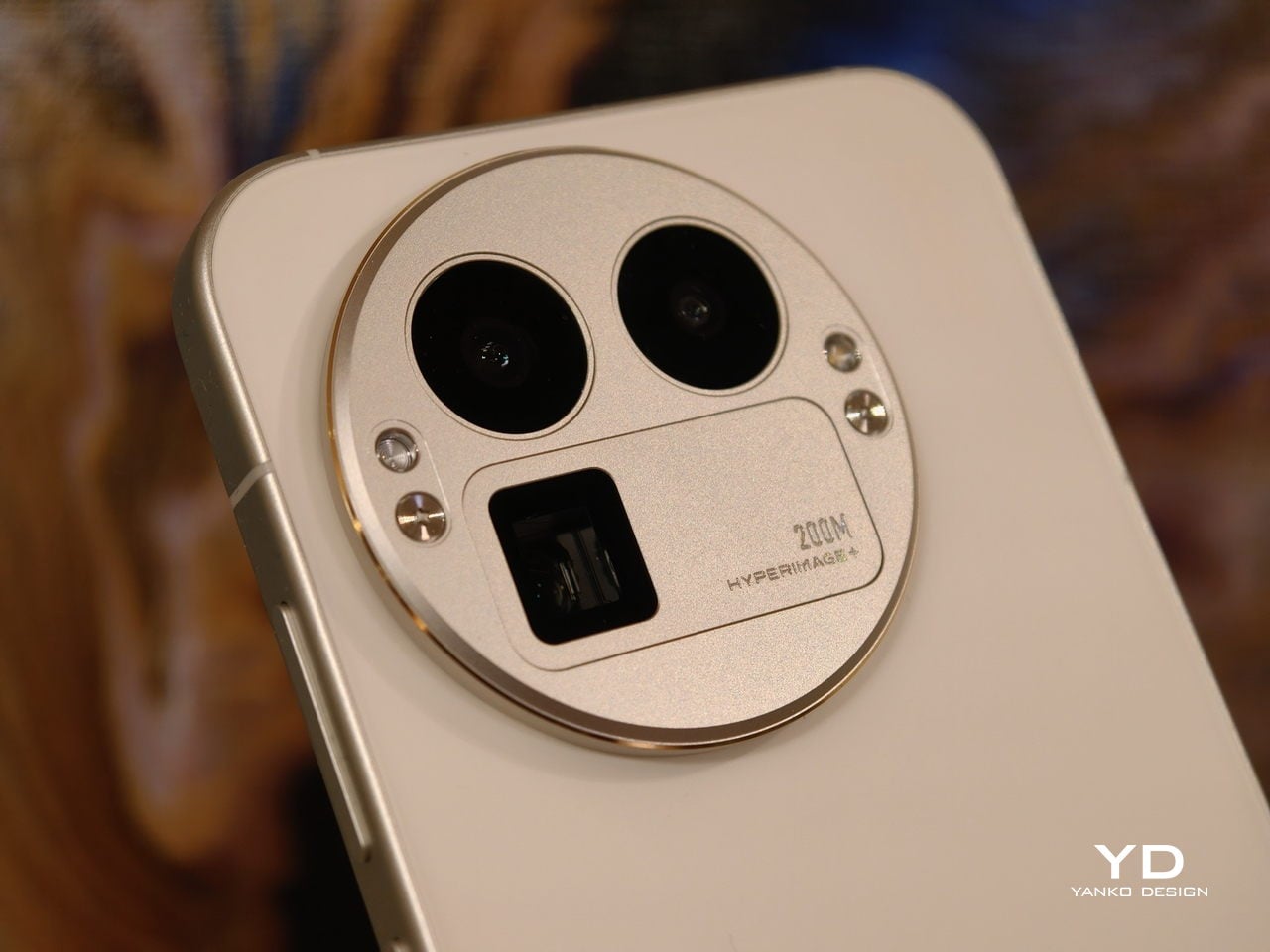
The camera system is where the GT8 Pro tries to carve out a unique identity. Realme has partnered with Ricoh and borrowed the GR branding, a name that carries a lot of weight in the world of street photography. Realme says this partnership has been four years in the making, and that it goes deeper than simply slapping a GR logo on the phone. The goal is to weave Ricoh GR DNA into the GT8 Pro and bring the spirit of GR-style photography into a smartphone.


Ricoh GR mode is limited to the main camera and offers fixed focal length presets at 28 mm, 35 mm, 40 mm, and 50 mm equivalents. As someone who enjoys a good telephoto camera, I was initially disappointed that Ricoh GR mode does not extend to the GT8 Pro telephoto lens. However, the more time I spent with the phone, the more this decision started to make sense. As mentioned earlier, Realme and Ricoh are trying to bring the soul of GR photography into the GT8 Pro, and the GR series is best known as an iconic tool for documentary-style, walk-around shooting.
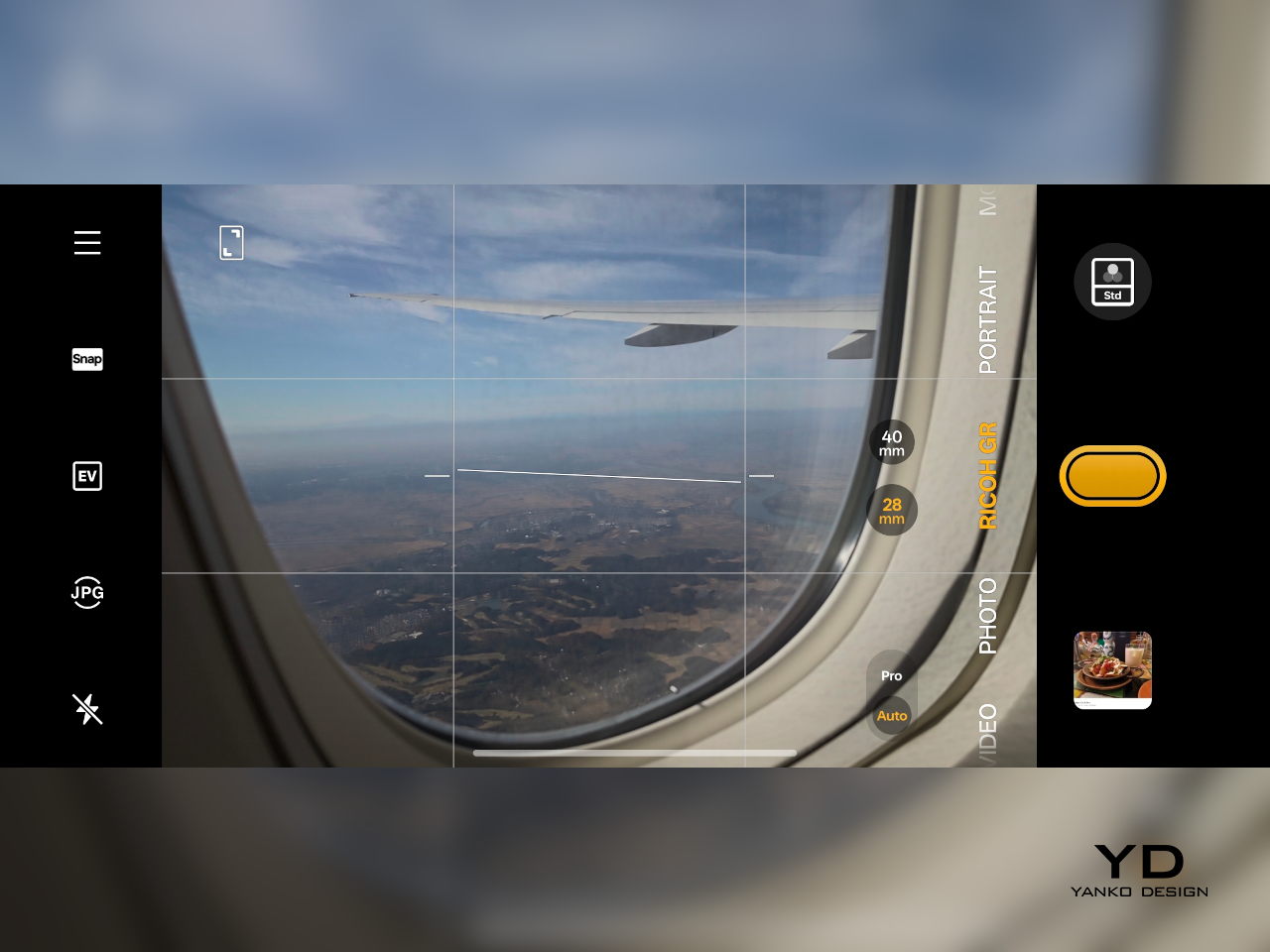

Ricoh GR, Standard

Within GR mode, you get a set of film-inspired looks called Standard, Positive Film, Negative Film, BW, and Hi BW. Each of these can be treated as a starting point rather than a fixed recipe. You can dive in and adjust parameters such as saturation, contrast, sharpness, and grain for each look, then save your tweaks as custom presets, up to six presets in total. It feels very much like building your own GR profiles, which is a big part of the appeal for people who love tuning their cameras and crafting a personal visual style.
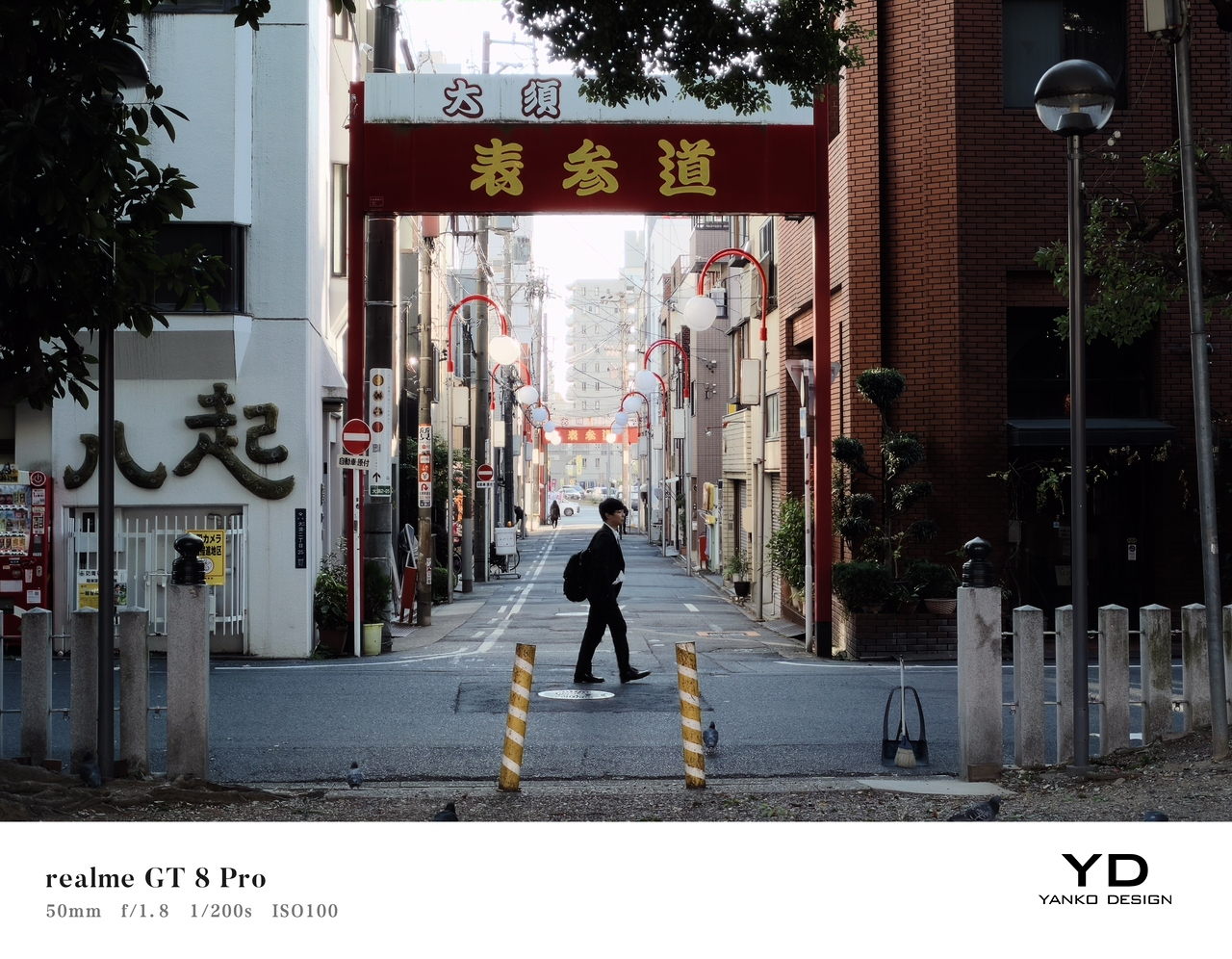
Ricoh GR, Positive Film
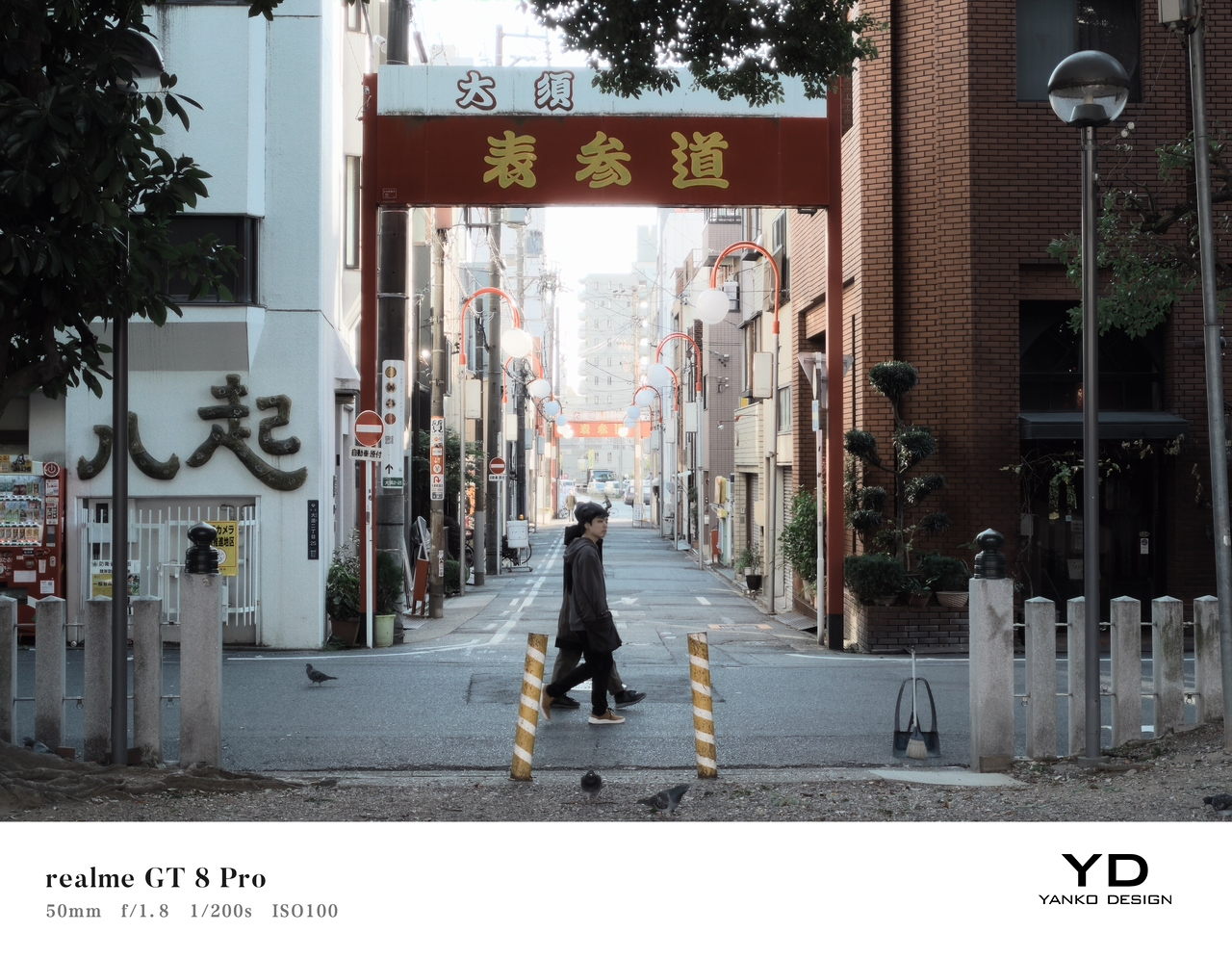
Ricoh GR, Negative Film

Do I still wish for a Ricoh GR mode on the telephoto camera? Absolutely. At the same time, I am quite happy with the Ricoh GR mode on the main camera. The Ricoh GR mode produces photos with a less processed, more natural look, and the ability to fine-tune and save your own presets makes it feel personal rather than generic. There is also a full Pro mode on Ricoh GR mode available if you want manual control, which rounds out the experience and lets you treat the GT8 Pro more like a serious camera than a simple point-and-shoot.

Ricoh GR, B&W
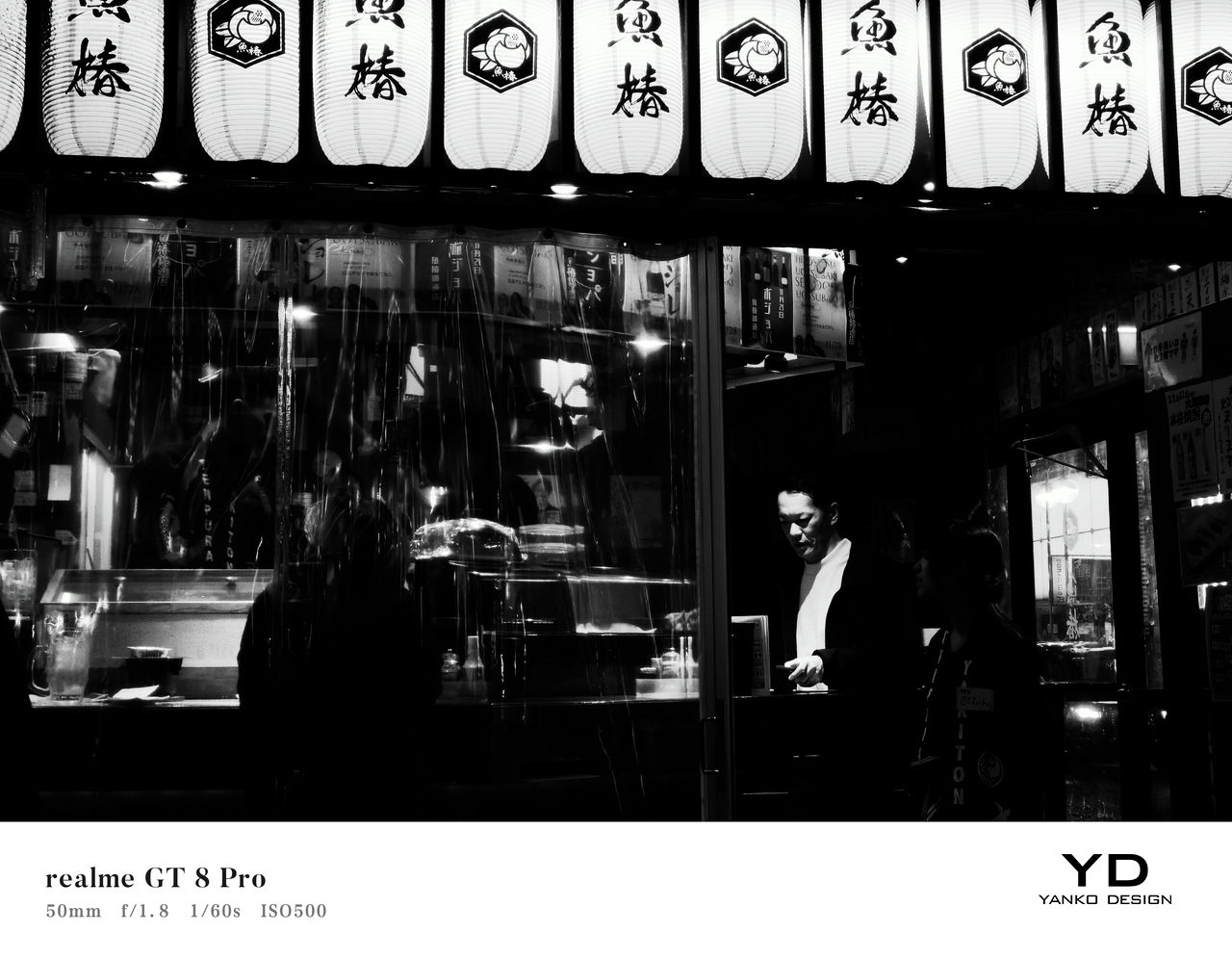
Ricoh GR, High-contrast B&W

Of course, if you just want a quick snap that is ready for social media, the regular photo mode delivers sharp, vibrant images (that could be a bit too much)  with excellent dynamic range. The 200 MP 3X telephoto is excellent too, capturing plenty of detail and holding up well even when you crop in or zoom further digitally. Both the ultra-wide camera and the 32 MP front camera lack autofocus, which is a limitation, but they still produce clean, punchy images.

Video recording is equally ambitious. The main camera and the telephoto camera can both shoot 4K video at up to 120 FPS and 8K video at 30 FPS. The ultra-wide and front cameras can record up to 4K at 60 FPS. The footage looks very good, with solid dynamic range and vibrant color that holds up across different lighting conditions. You can even record Log at 4K 120 FPS, which gives you more flexibility for grading.

Battery life and charging are among the most dramatic strengths of this phone. The GT8 Pro carries a 7000 mAh battery, which translates into serious endurance in real-world use. The 120-watt wired charging, using the proprietary SuperVOOC charger that is included in the box, can refill that huge battery from empty to full in around 45 minutes, which feels almost absurd for this capacity. For the first time on a Realme global phone, you also get wireless charging at up to 50 watts. This combination of a massive battery and very fast wired and wireless charging means battery anxiety becomes a rare feeling rather than a daily concern.

Sustainability

The GT8 Pro quietly builds a solid sustainability story around its bold design. The front is protected by Corning Gorilla Glass 7i, and the body carries IP68 and IP69 ratings, which together help the phone survive drops, scratches, dust, immersion, and even high-pressure water jets. A device that can handle more abuse is a device you are less likely to replace early, which is an underrated part of sustainability.
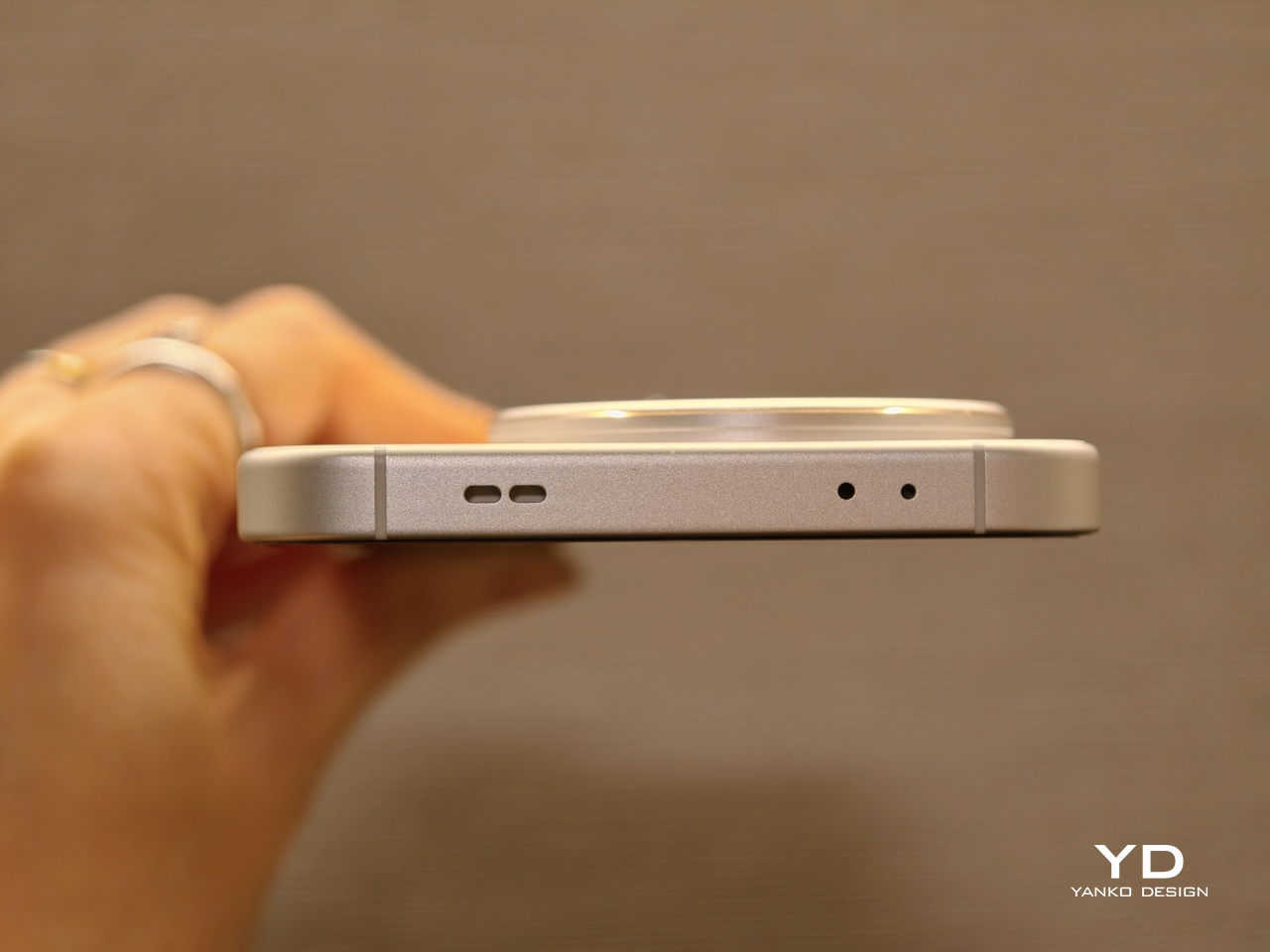
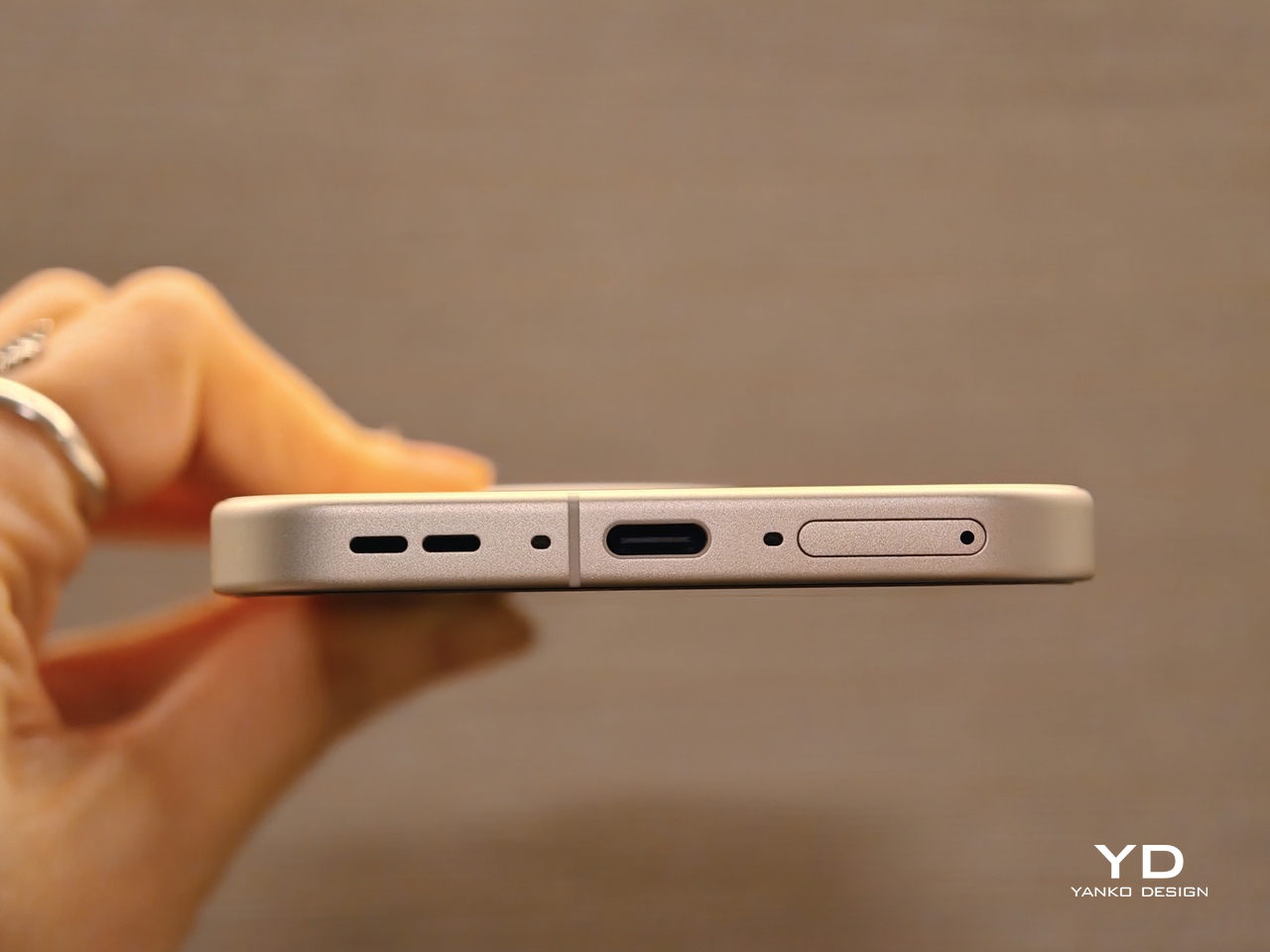
Realme also pays attention to materials. The Urban Blue variant uses a vegan leather style back crafted from a recycled material and natural dye, which gives it both a softer environmental footprint and a more crafted feel in the hand. On the software side, Realme promises four years of Android OS updates and five years of security updates. I do wish Realme offered even longer support at this price range, especially as some rivals are pushing update timelines further. Still, it gives you a reasonable sense of confidence that the GT8 Pro will stay usable and secure for several years.

Value

Realme GT8 Pro is positioned as a proper flagship, and the pricing reflects that ambition. In China, the 12 GB and 256 GB configuration costs 3999 Chinese Yuan, which is roughly $550. In India, the same configuration is priced at 79,999 Indian Rupees, which comes much closer to around $960 at current conversion rates.
That Indian price pushes the GT8 Pro straight into ultra-premium territory. At that level, you are cross-shopping it against flagships from Apple, Google, Samsung, and established Chinese rivals. The hardware feels special, especially with the Ricoh partnership and the modular design, and it ticks most of the boxes for a modern premium flagship. Whether it feels like good value, though, depends a lot on your market and on how much you personally care about the GR experience and the design story.

Verdict

Realme GT8 Pro feels like a flagship that actually wants to be noticed, with its modular camera island and even an Aston Martin Formula 1 edition, yet it backs that flair up with serious hardware. Between the Snapdragon 8 Elite Gen 5, the 2K 144 Hz LTPO display, the Ricoh GR-tuned main camera, and that massive 7000 mAh battery, this is not a phone that cuts corners quietly. It is a device that tries to turn every surface and every spec into a talking point.

That ambition does come with trade-offs. The size and weight will not suit everyone; the GR experience is focused on the main camera rather than the full system, and the pricing in some markets pushes it into direct competition with very established premium players. Still, it feels like a very compelling, characterful choice. In the end, this is a phone you pick with your heart as much as your head, because you really have to want that design story and the GR experience.
The post Realme GT8 Pro Review: A Flagship You Choose With Your Heart first appeared on Yanko Design.