Samsung Galaxy Z Flip 8: Will the Exynos 2600 Revolutionize Foldable Phones?

Samsung Galaxy Z Flip 8: Will the Exynos 2600 Revolutionize Foldable Phones?

Samsung is reportedly preparing to make a bold move with its upcoming Galaxy Z Flip 8 by integrating its in-house Exynos 2600 processor. This decision could signal a fantastic moment for Samsung’s semiconductor division, which has faced challenges in the past. The Exynos 2600, built on Samsung’s advanced 2-nanometer process, is designed to deliver significant […]

The post Samsung Galaxy Z Flip 8: Will the Exynos 2600 Revolutionize Foldable Phones? appeared first on Geeky Gadgets.

Posted in Uncategorized

Build Faster with Auto Claude, Open Source AI That Plans, Codes & Syncs with GitHub

Build Faster with Auto Claude, Open Source AI That Plans, Codes & Syncs with GitHub

What if you could automate the most tedious parts of coding while maintaining full control over your projects? André Mikalsen breaks down how Auto Claude, a free and open source AI coding assistant, is transforming the way developers approach their work. From resolving merge conflicts to generating project roadmaps tailored to your goals, this assistant […]

The post Build Faster with Auto Claude, Open Source AI That Plans, Codes & Syncs with GitHub appeared first on Geeky Gadgets.

Posted in Uncategorized

Why the HomePod mini 2 Leak Isn’t Exactly Good News

Why the HomePod mini 2 Leak Isn’t Exactly Good News

Apple’s internal code has confirmed the development of the HomePod Mini 2, signaling the company’s ongoing commitment to the smart home market. This new iteration highlights a strategic shift in Apple’s hardware approach. Instead of using its custom M1 networking chipset, the HomePod Mini 2 will incorporate MediaTek hardware, reflecting Apple’s broader strategy of balancing […]

The post Why the HomePod mini 2 Leak Isn’t Exactly Good News appeared first on Geeky Gadgets.

Posted in Uncategorized

5 Ways to Use Cloud Dancer, Pantone’s Calming 2026 Color

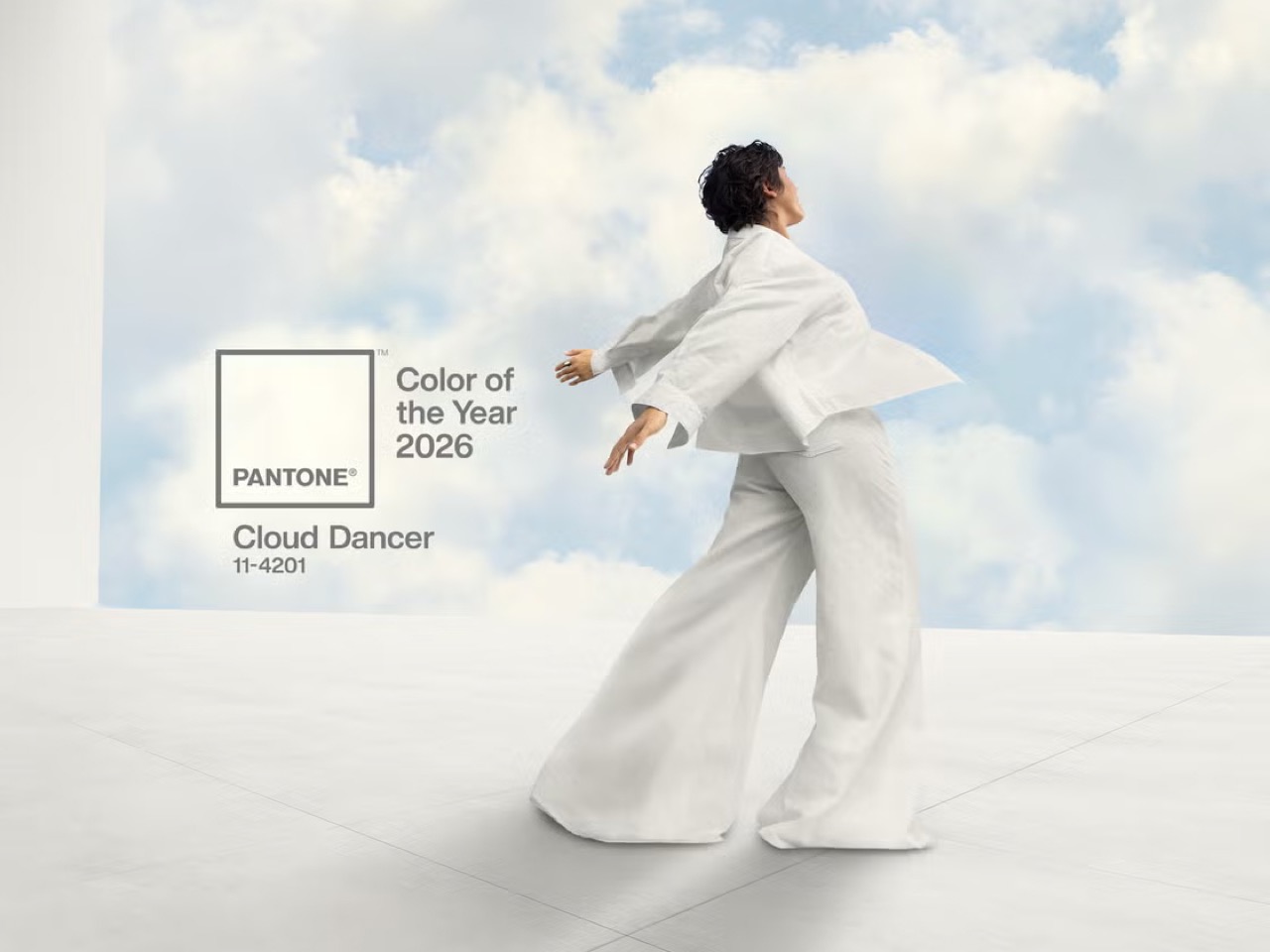
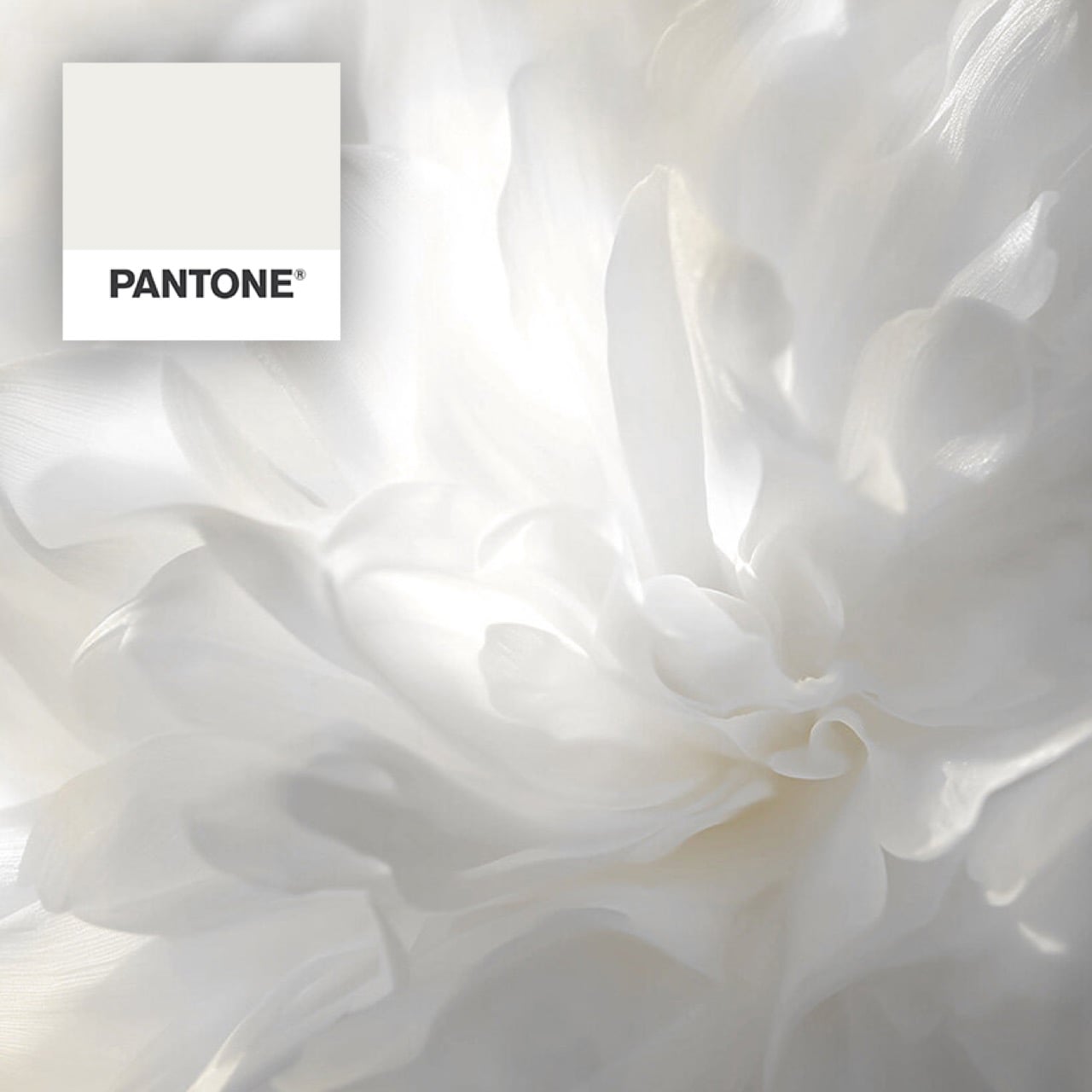
Pantone has taken a surprising turn for 2026, choosing a shade that feels almost weightless, simple at first glance, yet reflective enough to echo every color around it. Cloud Dancer (PANTONE 11-4201), a soft, airy white, emerges as a soothing antidote for a world craving stillness, clarity, and mental reset.

This understated hue speaks to the overstimulation and digital noise of modern life, offering a visual pause amid the chaos. As a trend, Cloud Dancer embodies minimalism with meaning, which is clean, thoughtful, and emotionally grounding. Versatile yet quietly sophisticated, it creates a space for other colors to breathe while making its own serene, modern statement, which is a calm canvas for mindful living. To see how Cloud Dancer’s serene, versatile qualities can transform interiors, here are five key ways to incorporate this calming shade into your home design.

1. Soft-Toned Furniture

Soft-toned furniture in Cloud Dancer, Pantone’s Color of the Year 2026, brings a gentle, modern refinement to any space. Sofas, armchairs, and ottomans in this airy white create a sense of calm while maintaining a contemporary edge. The shade’s soft luminosity helps rooms feel more open, making it ideal for compact spaces or minimalist interiors.

What sets Cloud Dancer apart is its ability to add warmth without heaviness. When applied to upholstered pieces, it softens the architecture of a room and pairs beautifully with natural textures like wood, linen, or stone. The result is a balanced, serene environment that feels both stylish and restorative.

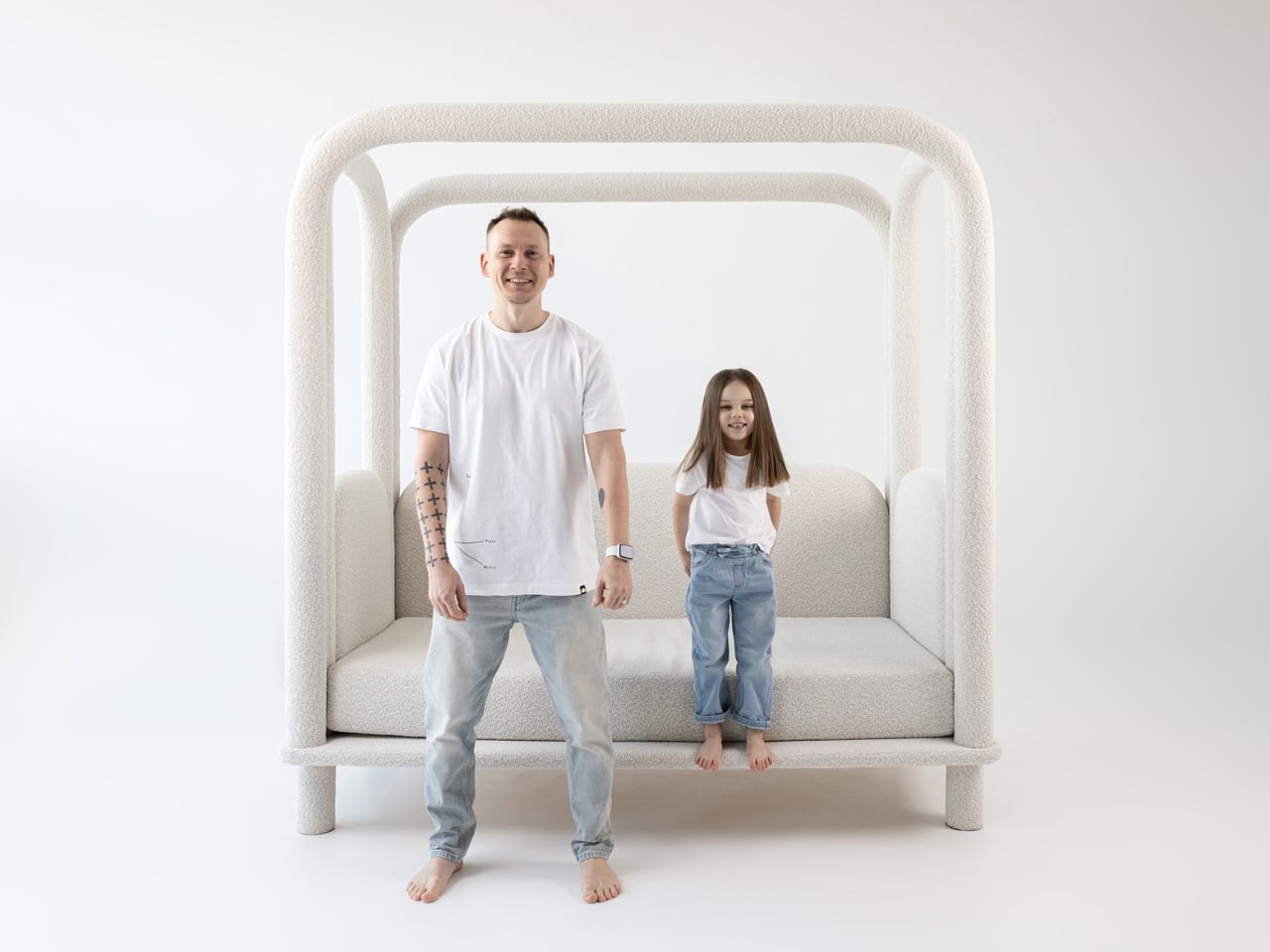
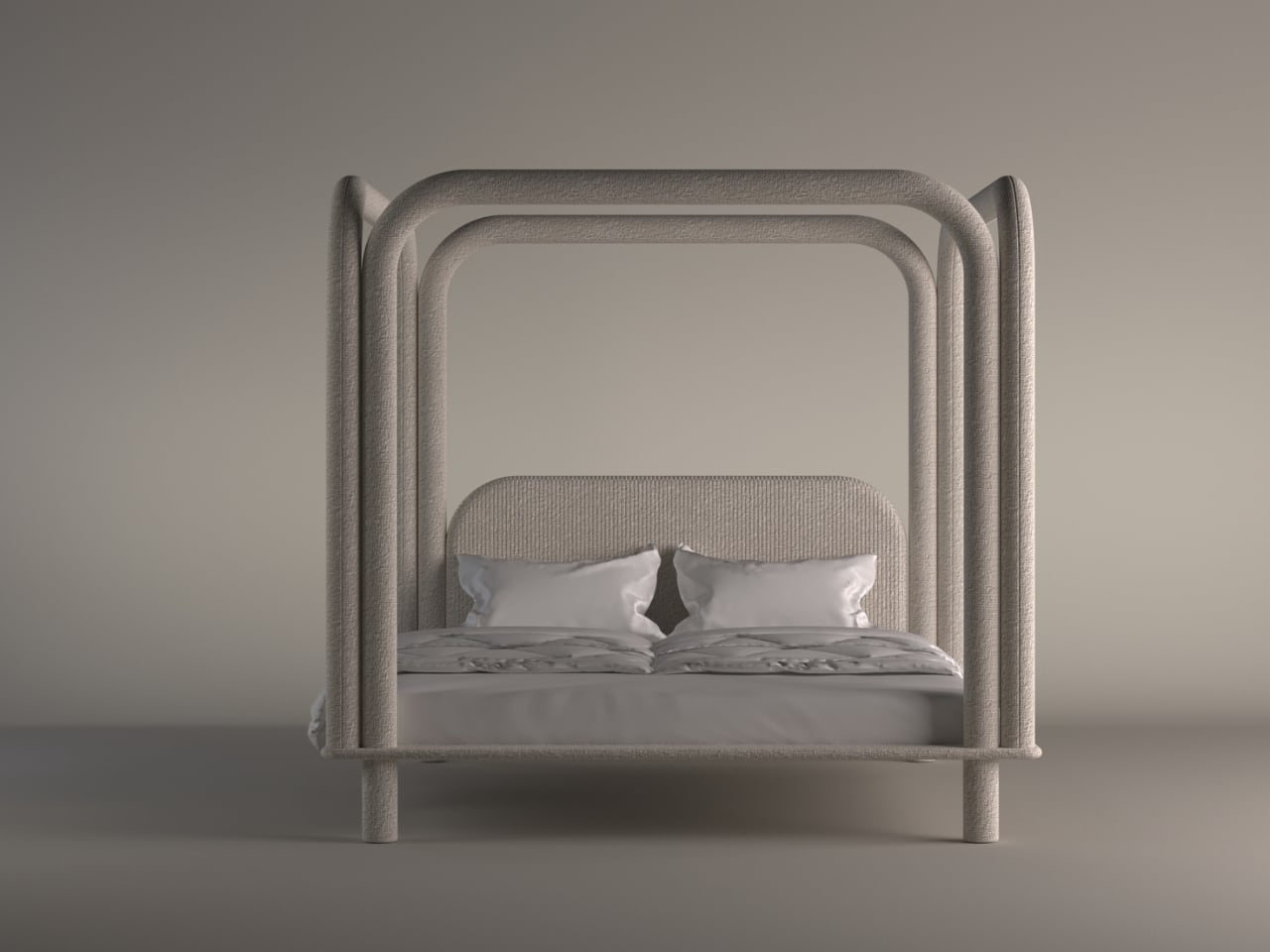
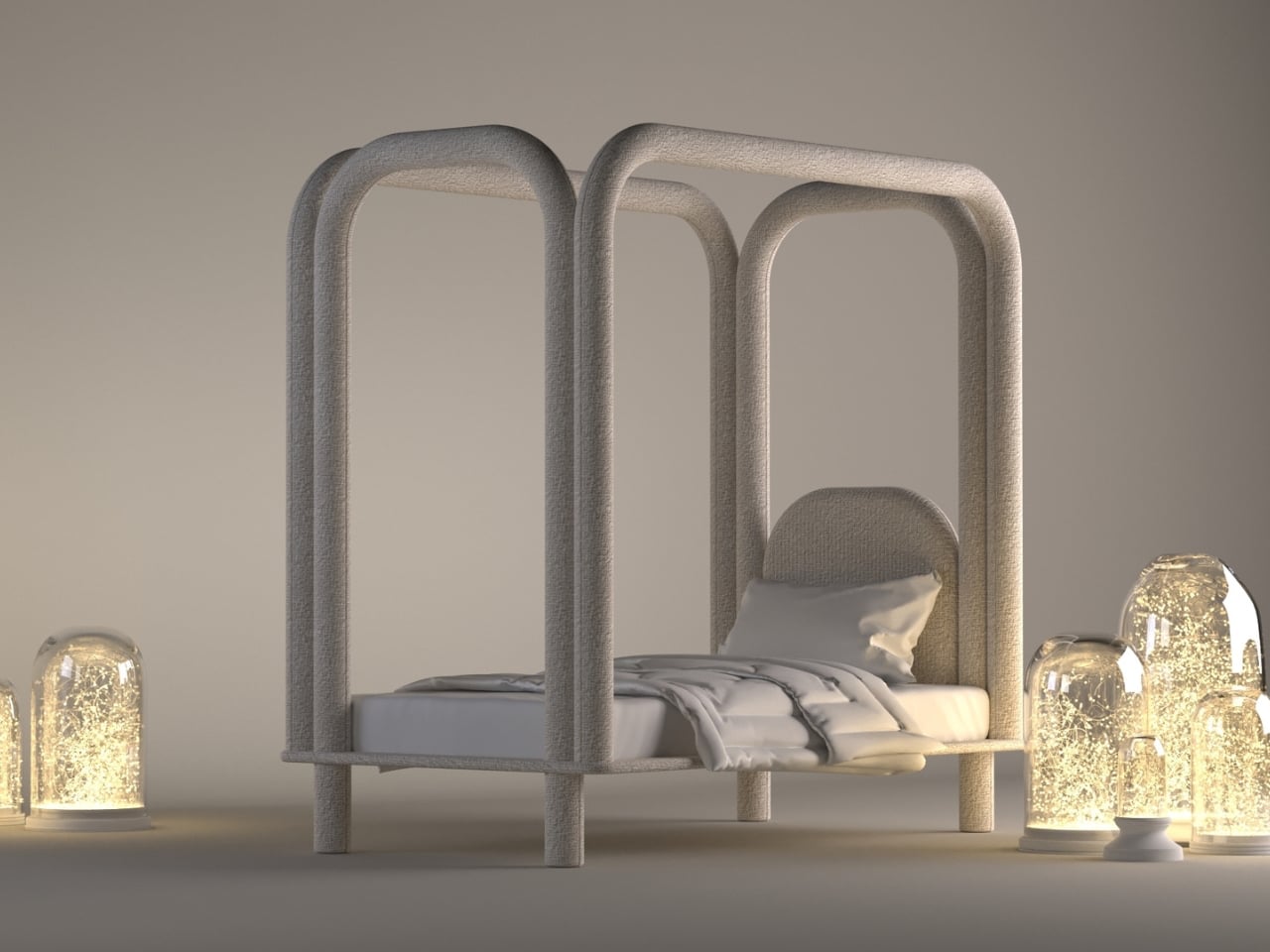
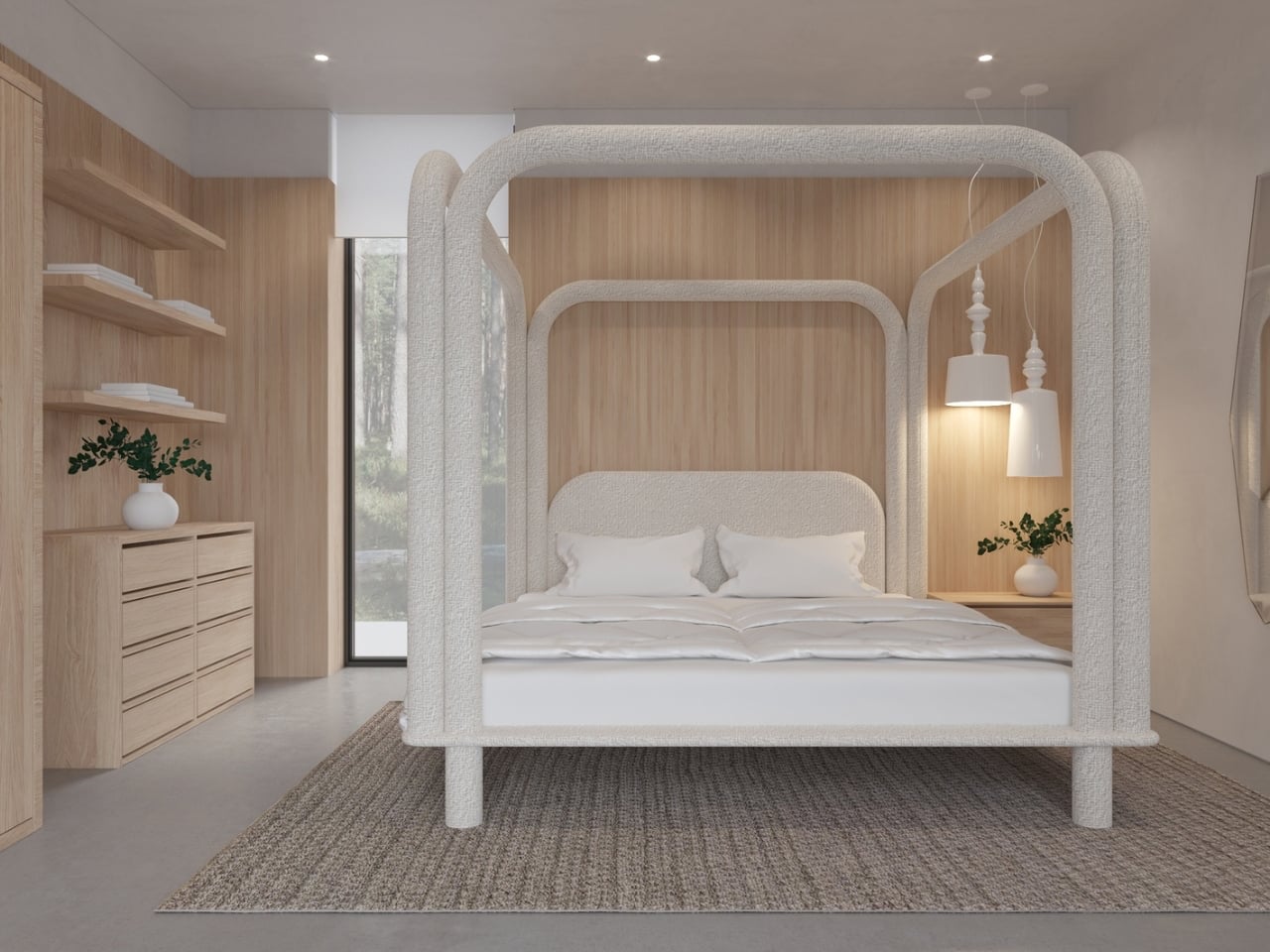
Designers are now treating the bed as a sculptural centerpiece or an element that sets the emotional tone of the entire room. The Roundish Bed captures this shift beautifully. Its creamy palette, rounded silhouette, and sanctuary-like presence reflect the growing preference for softer forms and serene aesthetics. Instead of rigid lines or bulky frames, it introduces a gentle visual language that feels restorative the moment you step into the space.

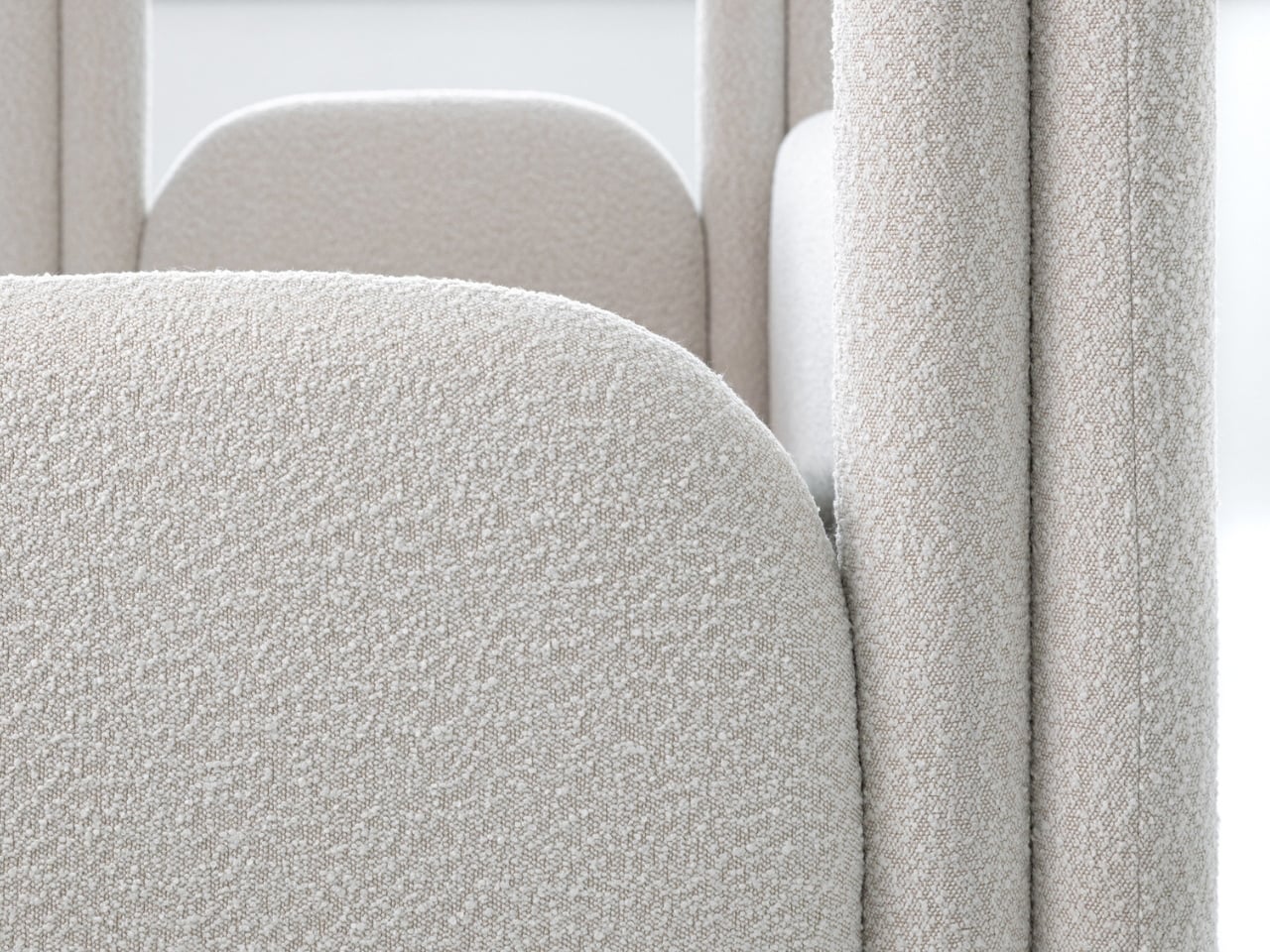
Wrapped in plush foam and tactile textiles, the design creates a cocooning effect that brings quiet sophistication to the bedroom. Every curve is intentional, enhancing both comfort and safety – especially for families. Its popularity even inspired a kids’ version, scaled down yet equally soft and inviting. With its warm geometry and calming simplicity, the Roundish collection shows how gentle neutrals and fluid shapes are reshaping modern living into something more soothing, minimal, and deeply nurturing.

2. Sculptural Lighting

Sculptural lighting becomes even more refined when expressed in Pantone’s Cloud Dancer, which enhances the trend toward quiet, effortless luxury. Whether used on matte ceramic bases or frosted-glass pendants, this shade transforms lighting into a calming focal point. The glow feels diffused and gentle, bringing a sense of balance and serenity to any room.

In contemporary and minimalist interiors, Cloud Dancer allows the form of the fixture to shine without overwhelming the space. Its clean, billowy tone amplifies the artistic quality of sculptural lighting, turning functional pieces into subtle works of design. The result is illumination that feels soothing, modern, and beautifully intentional.

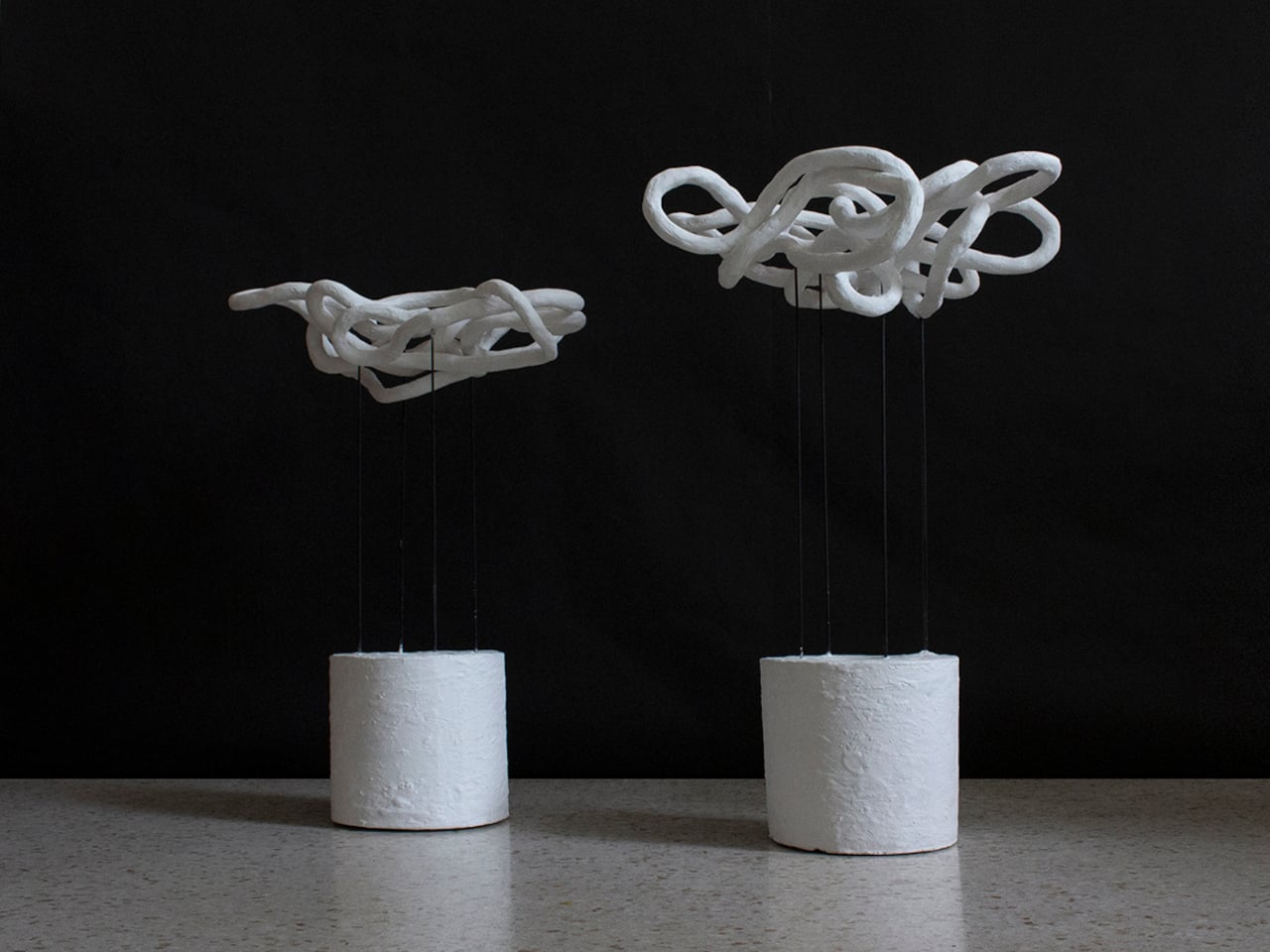
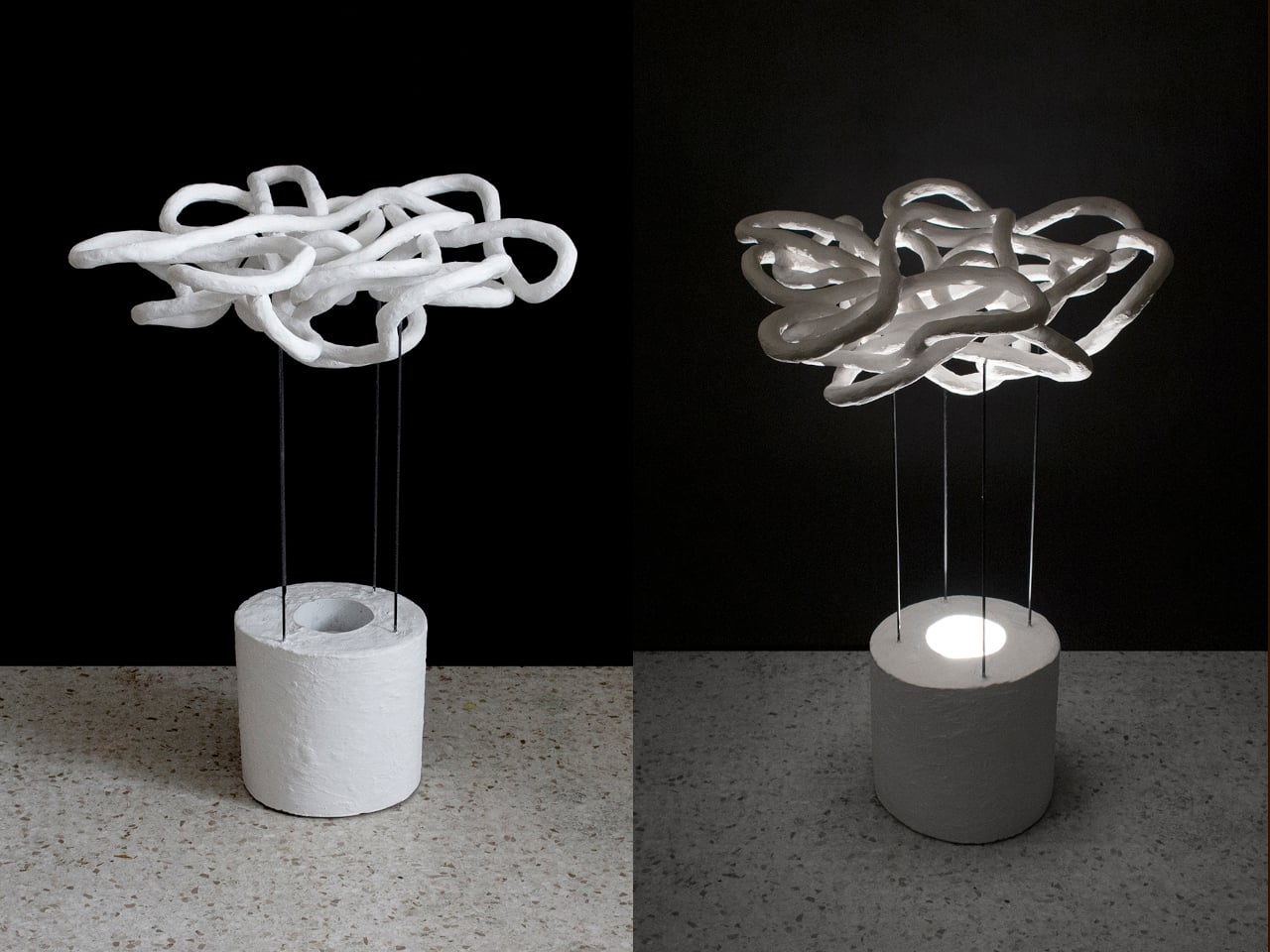
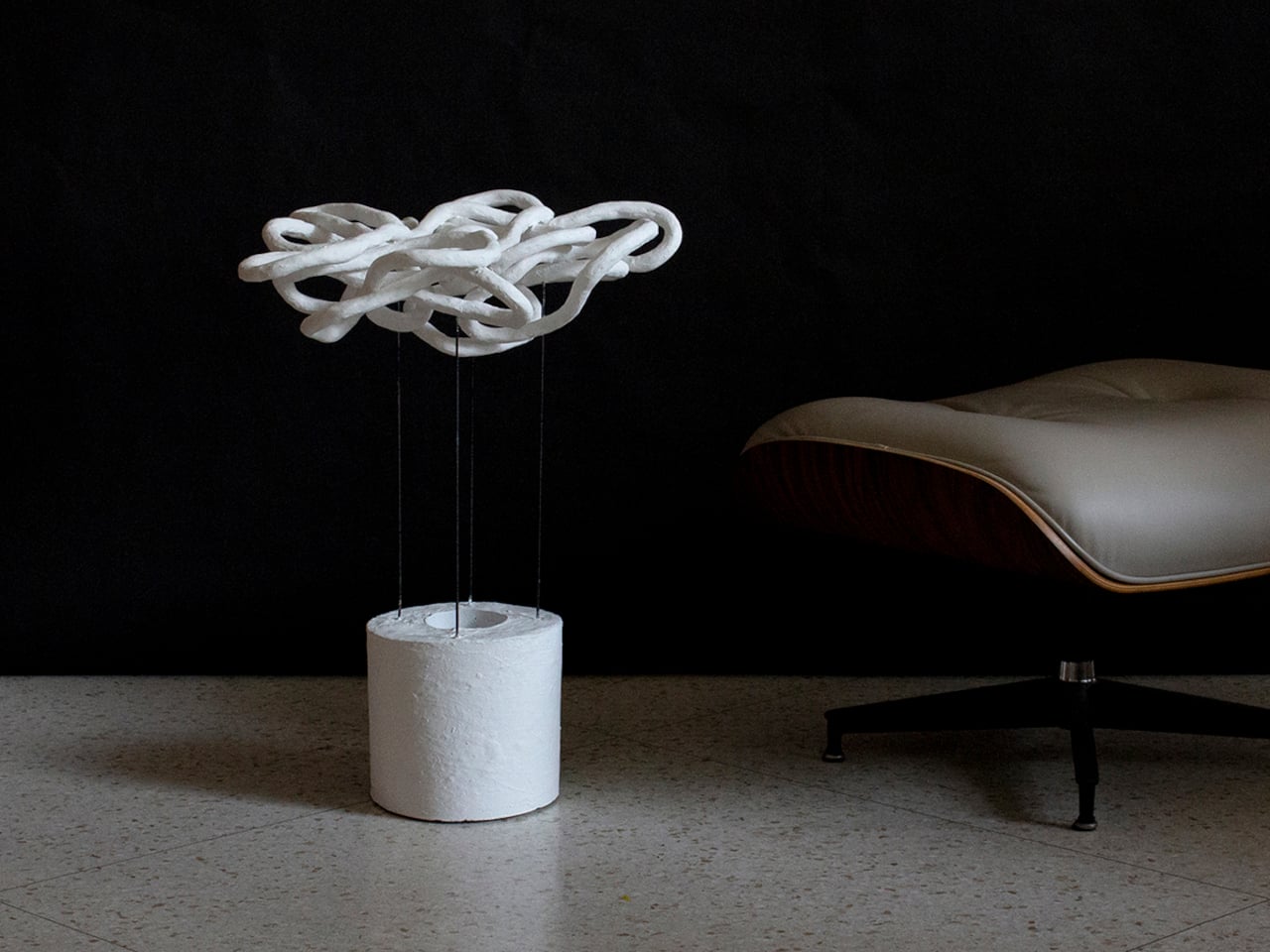
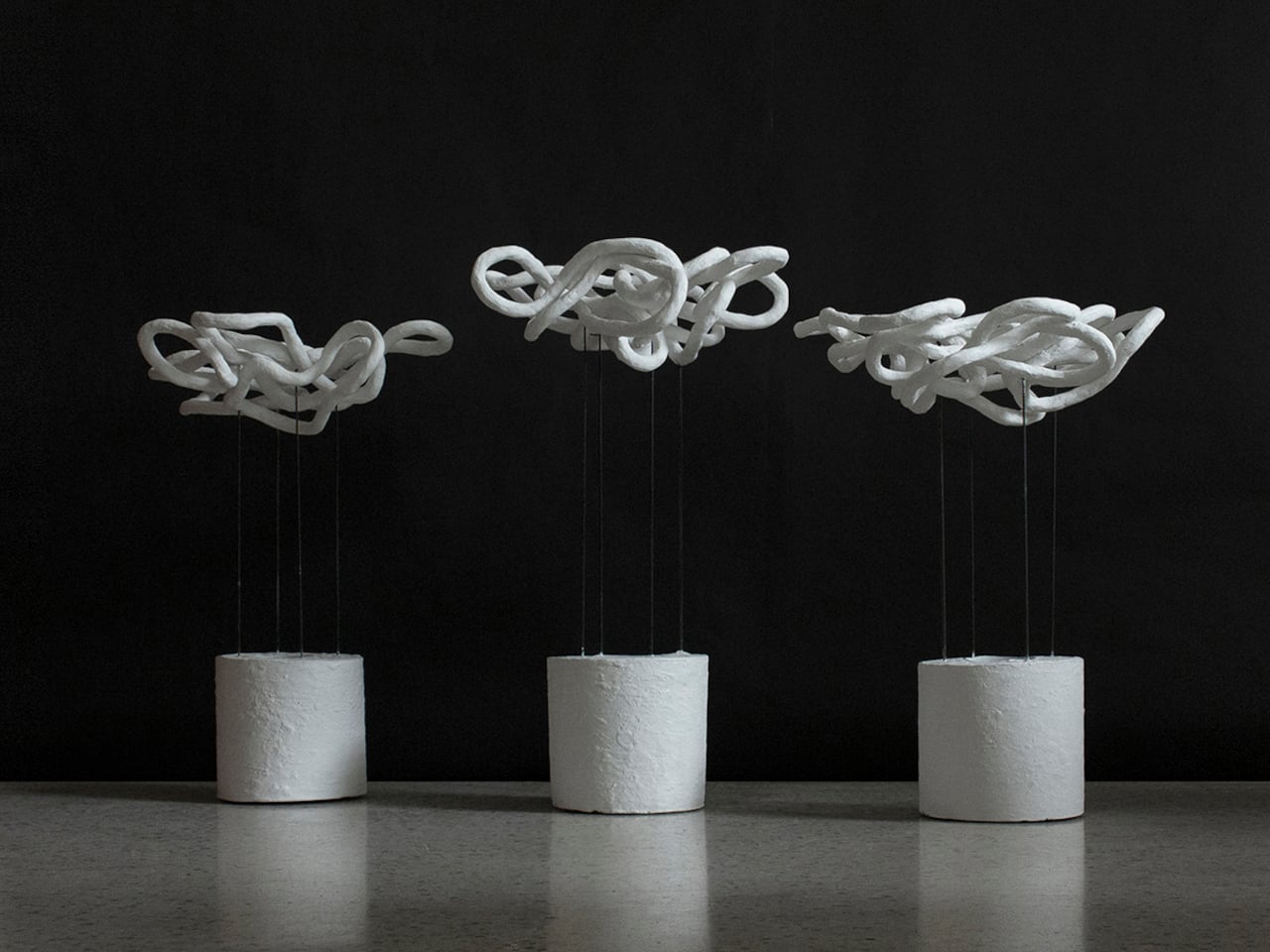
Most lighting fixtures behave predictably, looking the same whether they’re switched on or off. Taeg Nishimoto’s LOOPS lamp breaks that pattern completely. By day, it appears modest and sculptural, but once illuminated, it transforms the room into a canvas of shifting, intricate shadows. Built from simple materials like sisal rope, plaster, concrete, and steel rods, the lamp proves that innovation doesn’t require luxury and is just an intention. Nishimoto forms loose loops from untwisted sisal rope, stabilizes them with fabric hardener, and wraps them in fast-setting plaster, creating surfaces that feel raw, organic, and entirely handmade.

These plastered loops are joined where they naturally touch, forming clusters that resemble natural formations like dunes or coral. Elevated on slim steel rods above a concrete base, hiding the light source, the lamp casts dramatic patterns across walls and ceilings when lit. The effect feels part lighting, part art installation.

3. Decorative Accessories

The color’s soft, airy white finish highlights form over decoration, allowing curves, contours, and textures to take center stage. Whether crafted in matte ceramic, hand-thrown stoneware, or frosted glass, these pieces act as subtle anchors that calm visual pauses within a space filled with color and pattern. Even a single Cloud Dancer vase can add a touch of serene modernity to a console or side table.

In minimalist, contemporary, or Japandi-inspired settings, this gentle hue enhances the sculptural quality of each piece. The neutral tone makes dried florals, branches, and fresh greenery appear more vivid, creating a balanced yet elevated look. These vases don’t just hold arrangements—they shape the atmosphere, reinforcing the 2026 shift toward softer aesthetics, mindful styling, and timeless quiet luxury.

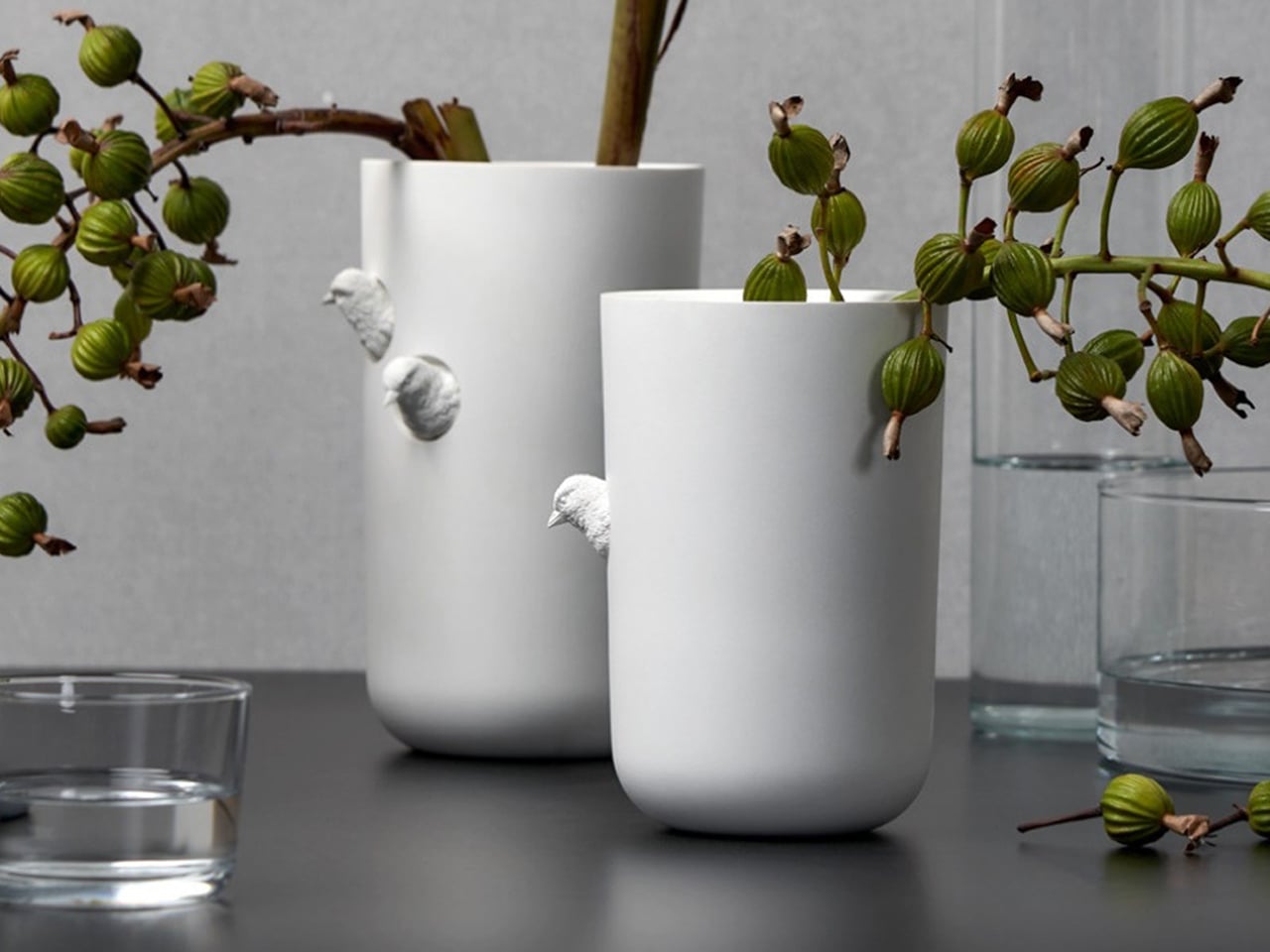
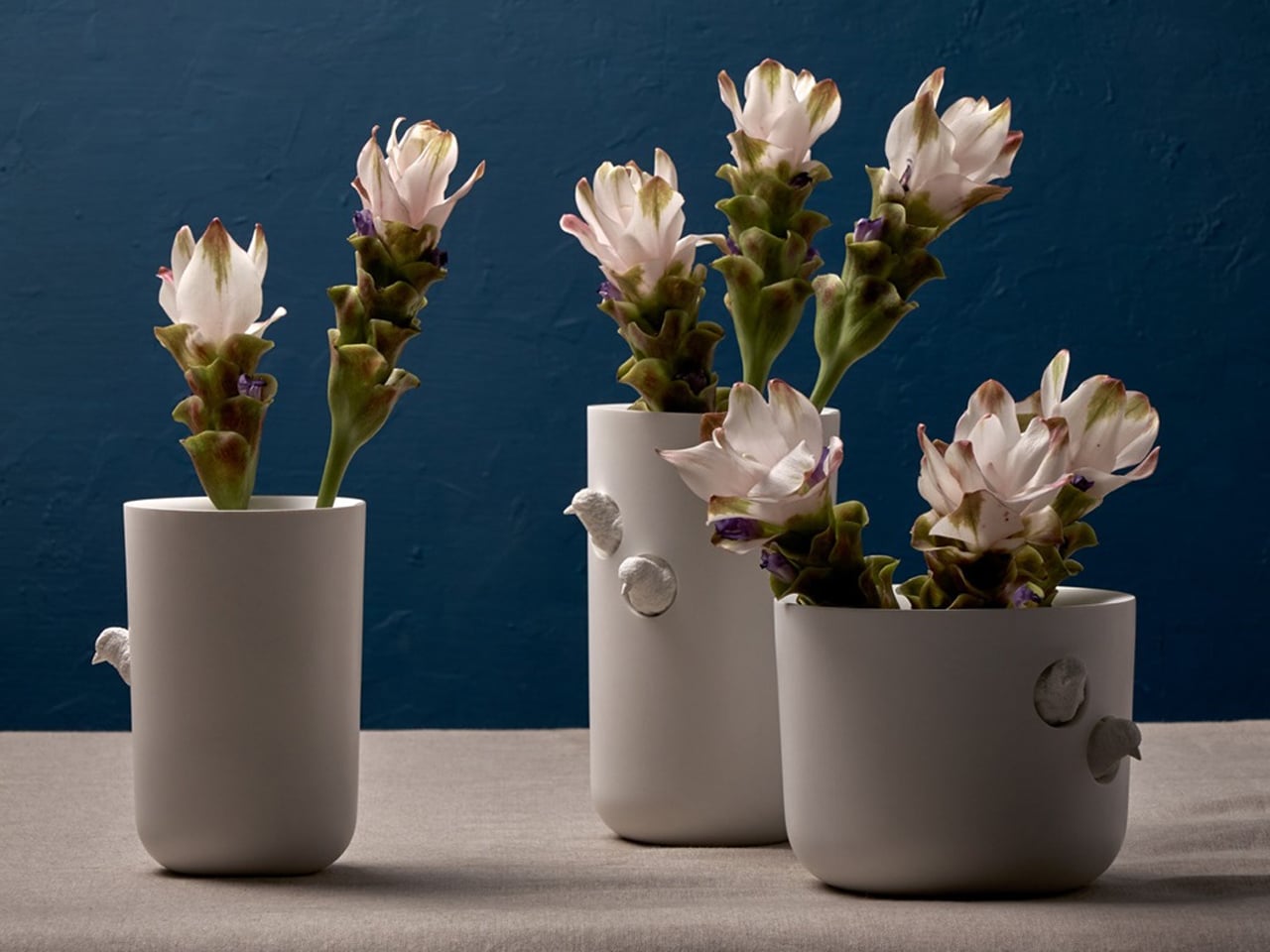
The Sparrow X Vase from Haoshi Design brings an artful twist to a classic silhouette. Its clean, seamless form is gently interrupted by two finely sculpted sparrows that appear to peek out from the vase itself. These curious little birds add a touch of personality and storytelling, turning an otherwise minimalist vessel into a piece that invites a second look.

Their intricate detailing stands in striking contrast to the vase’s smooth, marble-like white surface, highlighting both craftsmanship and restraint. The sparrows not only introduce visual charm but also echo the organic beauty of the blooms placed inside. Together, the form, texture, and sculptural accents create a vase that feels serene, distinctive, and quietly poetic.

4. Bedding, Textiles & Cozy Layers

Soft, white-but-warm bedding instantly transforms a bedroom into a restorative retreat. Linens, duvets, throws, and blankets in gentle, airy tones create a serene foundation, promoting calm and mindful living. Their neutral palette allows the room to feel open and balanced, while adding subtle warmth that makes the space inviting rather than sterile.

When layered thoughtfully, these textiles bring comfort and style. A plush duvet paired with cozy blankets, textured throws, or tactile cushions enhances the sensory experience, making the bed feel luxurious and welcoming. This approach turns everyday bedding into a tool for relaxation, emphasizing softness, simplicity, and a quiet, elevated aesthetic that supports modern mindful living.

With the HILU blanket, getting a good night’s sleep becomes simpler and cooler. This innovative blanket is four times cooler than linen, yet still soft and cozy against your skin. It’s Adaptex CoolWeev fabric, woven from gel‑spun Eco‑cool Polyfibers, pulls warmth away from your body, helping you sleep undisturbed and sweat‑free. Lightweight but sturdy, the blanket works as a duvet, throw, or even a mattress topper—adaptable through all seasons.

Beyond cooling, HILU blankets care for your health and comfort. The fabric is antimicrobial and hypoallergenic, reducing bacteria, odors, and skin irritation. Designed with sustainability in mind, it’s made from OEKO‑TEX-certified recycled materials and built to last.

5. Modern Kitchen Cabinets

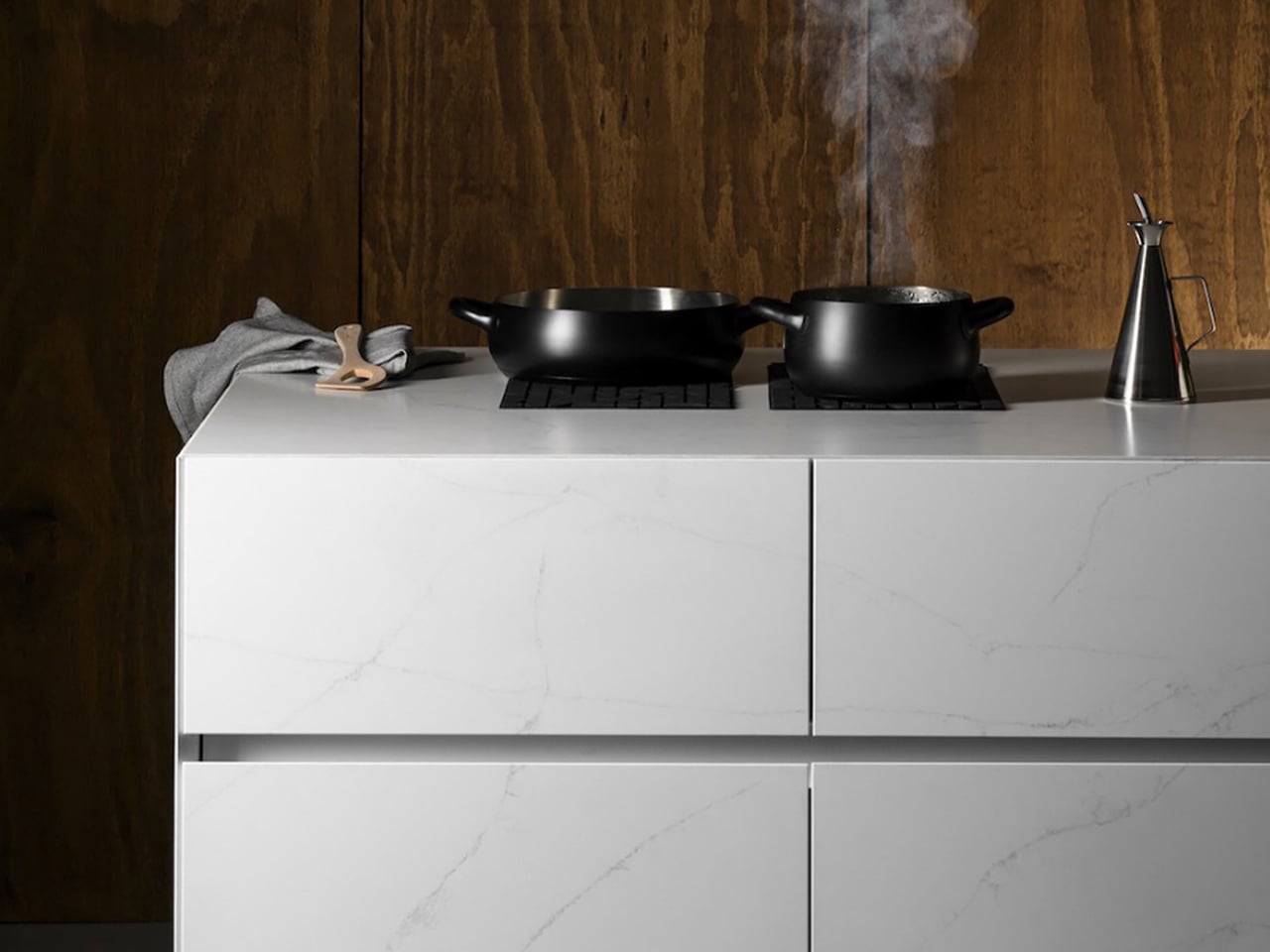
Applying this soft, neutral tone to kitchen cabinetry instantly elevates the space, creating a crisp and refined aesthetic. Its clean, airy quality balances beautifully with warm wooden surfaces, adding depth and sophistication without feeling heavy or overpowering. Whether used on upper cabinets, lower drawers, or full pantry units, the tone brings a timeless, minimalist touch to the kitchen.

Pairing these cabinets with brushed metal handles or sculptural hardware enhances the modern feel while maintaining warmth and tactility. The result is a kitchen that feels light, elegant, and carefully curated, or a space that blends functionality with quiet luxury and makes every culinary experience feel thoughtful and stylish.

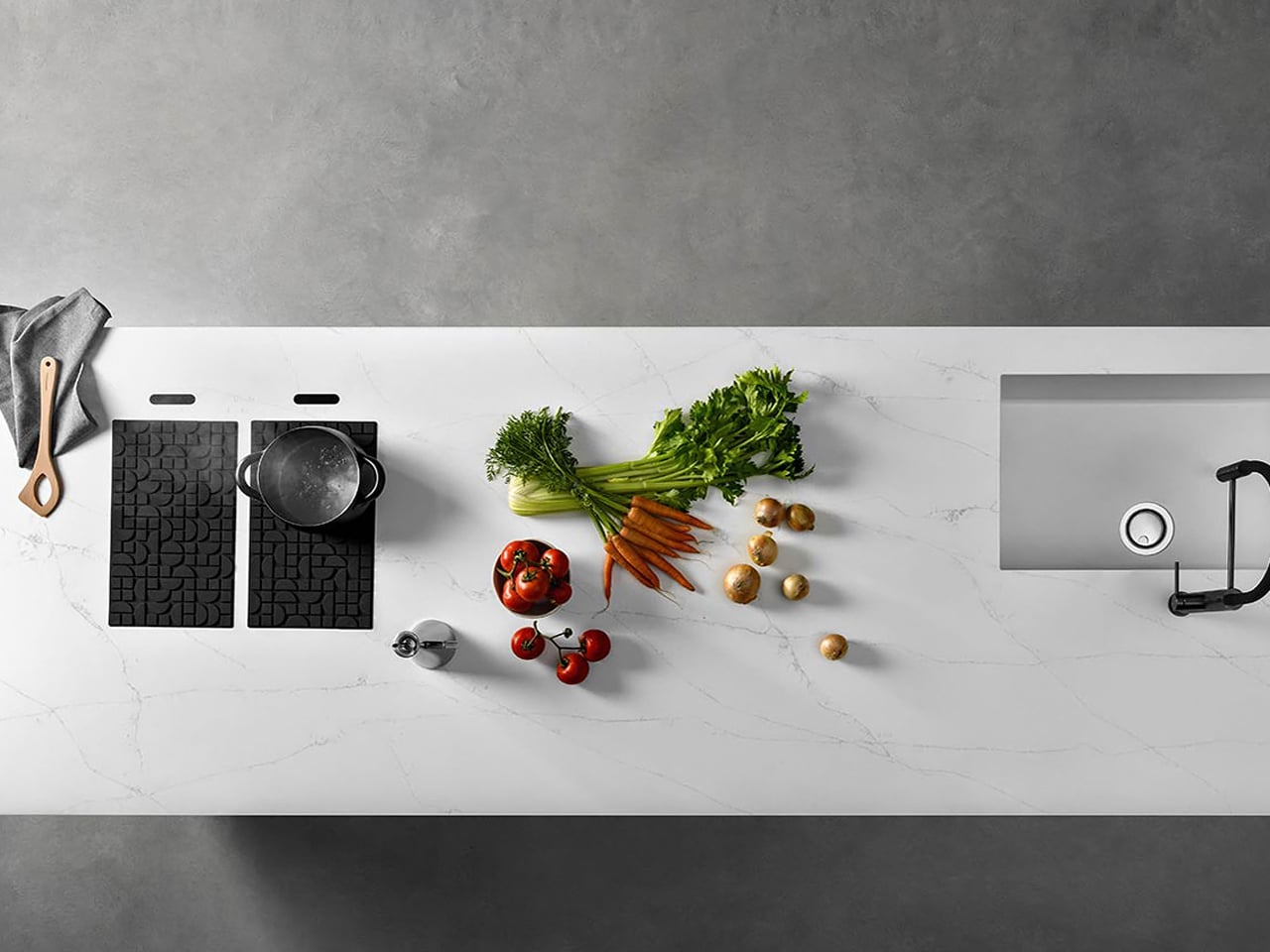
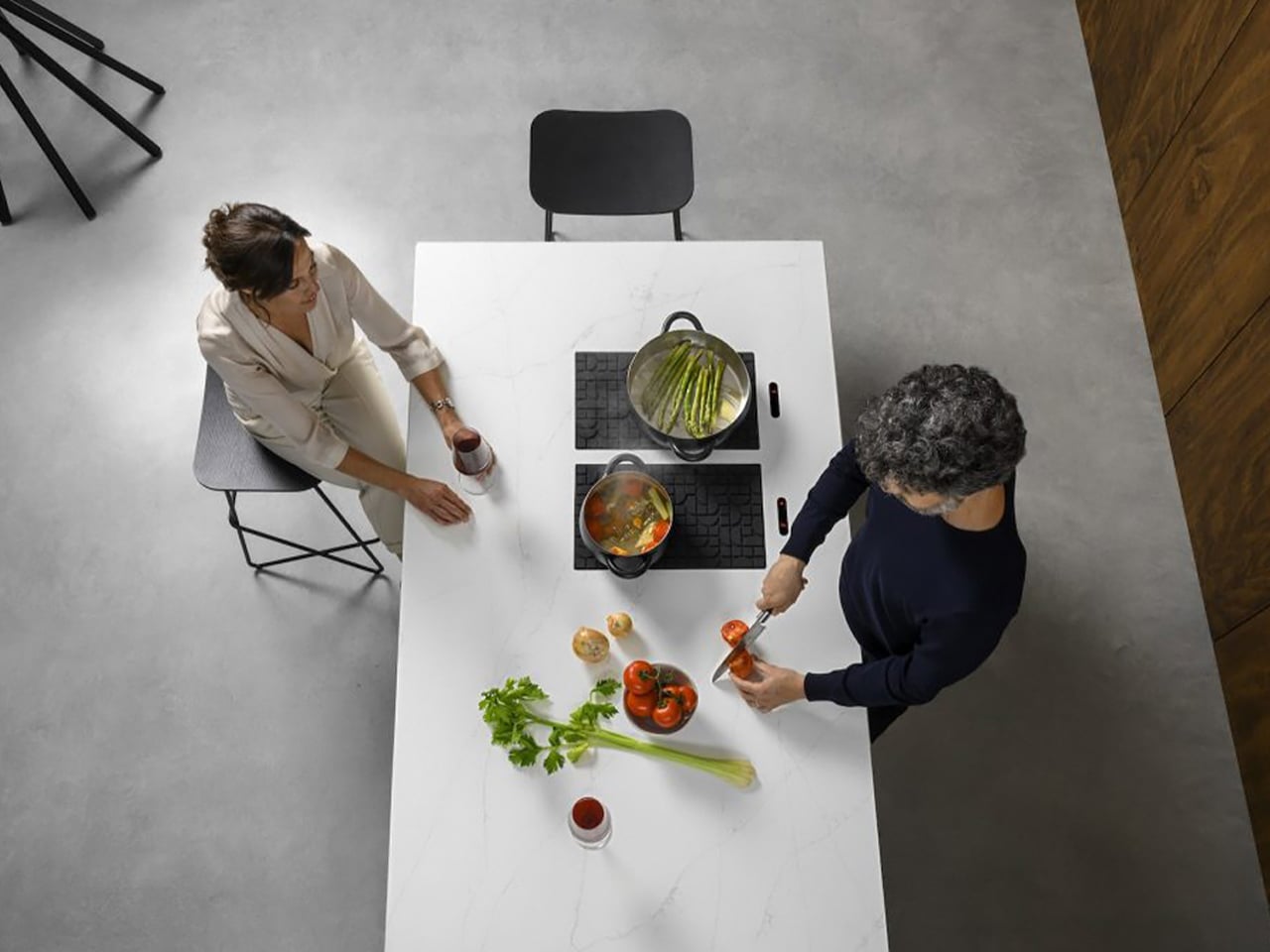
Soft, white tones on kitchen cabinets create a crisp, refined backdrop that instantly brightens the space and highlights the quality of surrounding surfaces. Paired with warm wooden accents or brushed metal hardware, the white cabinetry adds depth and a sense of modern elegance. Complementing this, a high-performance sintered stone countertop in light or neutral shades elevates the kitchen’s aesthetic while offering unmatched durability. The smooth, non-porous surface of Lapitec stone is resistant to stains, chemicals, and heat, making it ideal for both functional and stylish kitchen designs. Its range of finishes allows seamless integration with cabinetry, creating a harmonious, sophisticated environment that feels airy and inviting.

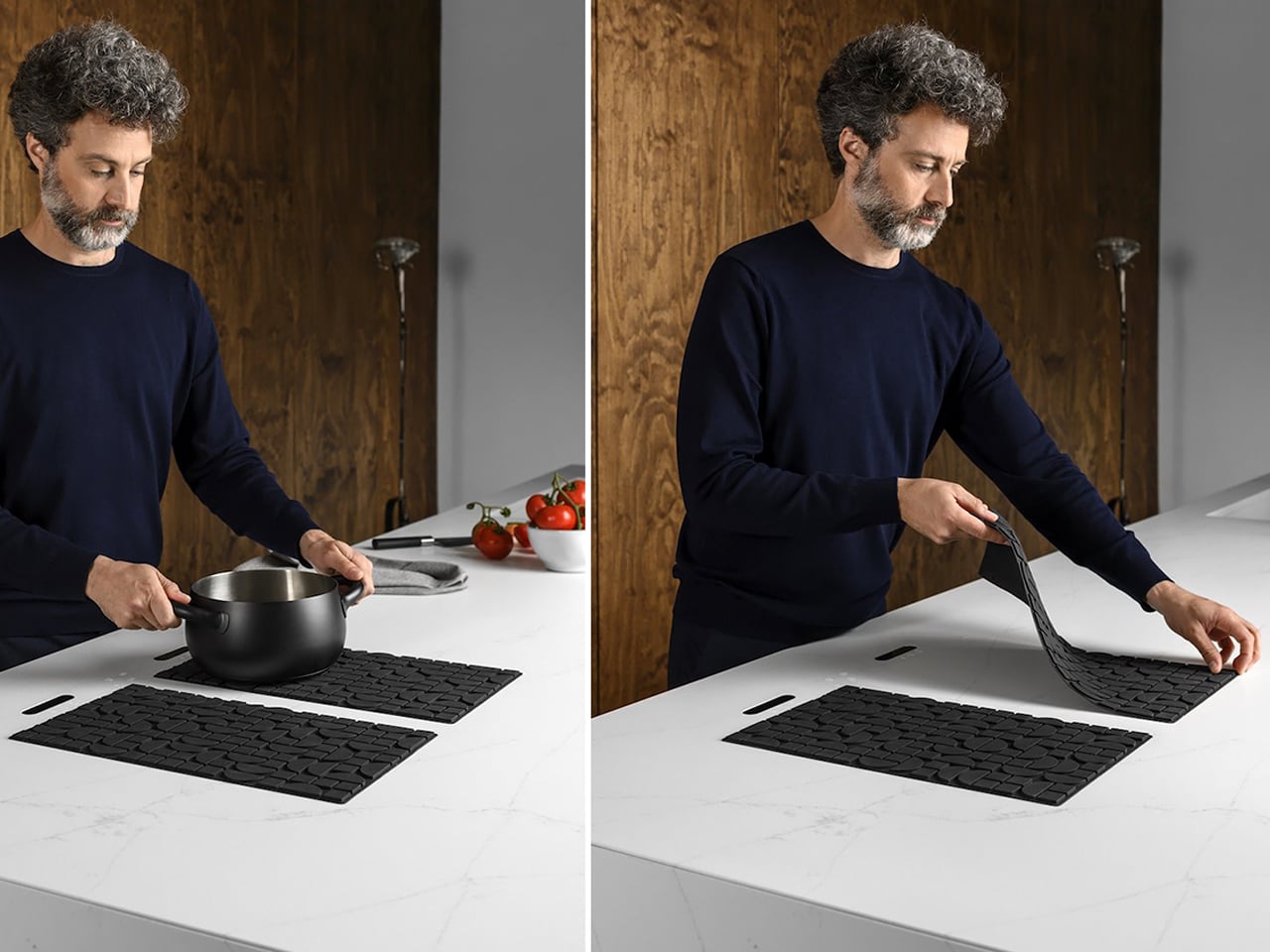
The Lapitec Chef induction system, hidden beneath the countertop, enhances this modern setup. Activated by a silicone mat, it transforms the white countertop into a fully functional cooking surface while keeping the workspace clean and versatile.

As Pantone’s Cloud Dancer ushers in 2026, companies across design, interiors, and lifestyle sectors have a unique opportunity to embrace this soft, airy white as a unifying trend. From furniture and lighting to textiles, vases, and kitchen cabinetry, the shade offers versatility that pairs seamlessly with natural textures, warm metals, and sculptural forms. Brands can experiment with Cloud Dancer in product finishes, packaging, or showroom experiences to convey calm, sophistication, and mindful luxury. Its understated elegance allows other colors, materials, and design elements to shine, making it an ideal foundation for contemporary collections.

By using Cloud Dancer thoughtfully, brands and companies can create products and spaces that resonate with consumers seeking calm, clarity, and modern serenity. This gentle hue supports minimalism with meaning, offering a fresh, timeless canvas that blends aesthetic appeal with emotional well-being, making it a defining trend for 2026 and beyond.

The post 5 Ways to Use Cloud Dancer, Pantone’s Calming 2026 Color first appeared on Yanko Design.

Meet the Ambra: Where Compact Living Meets Genuine Affordability

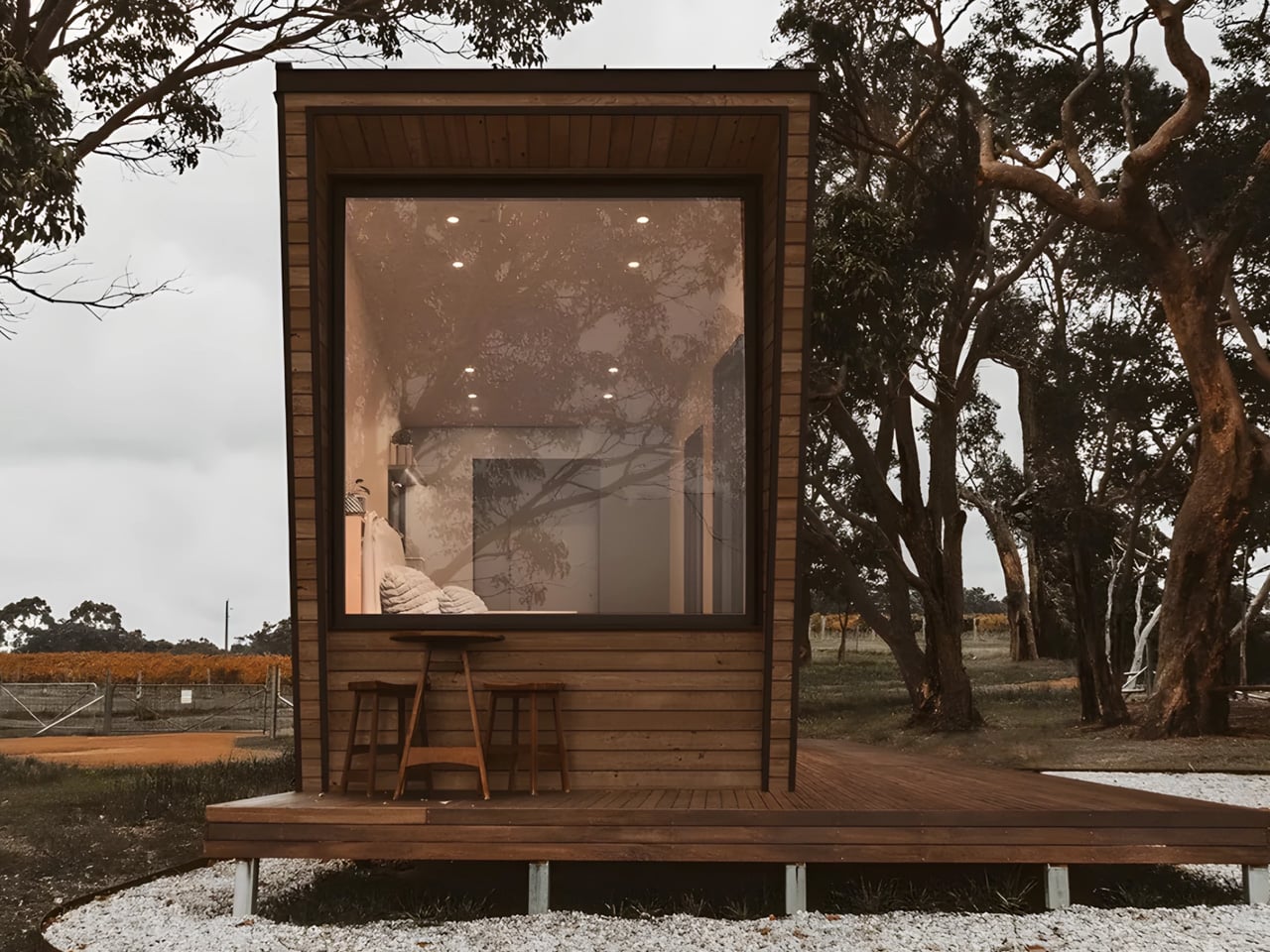
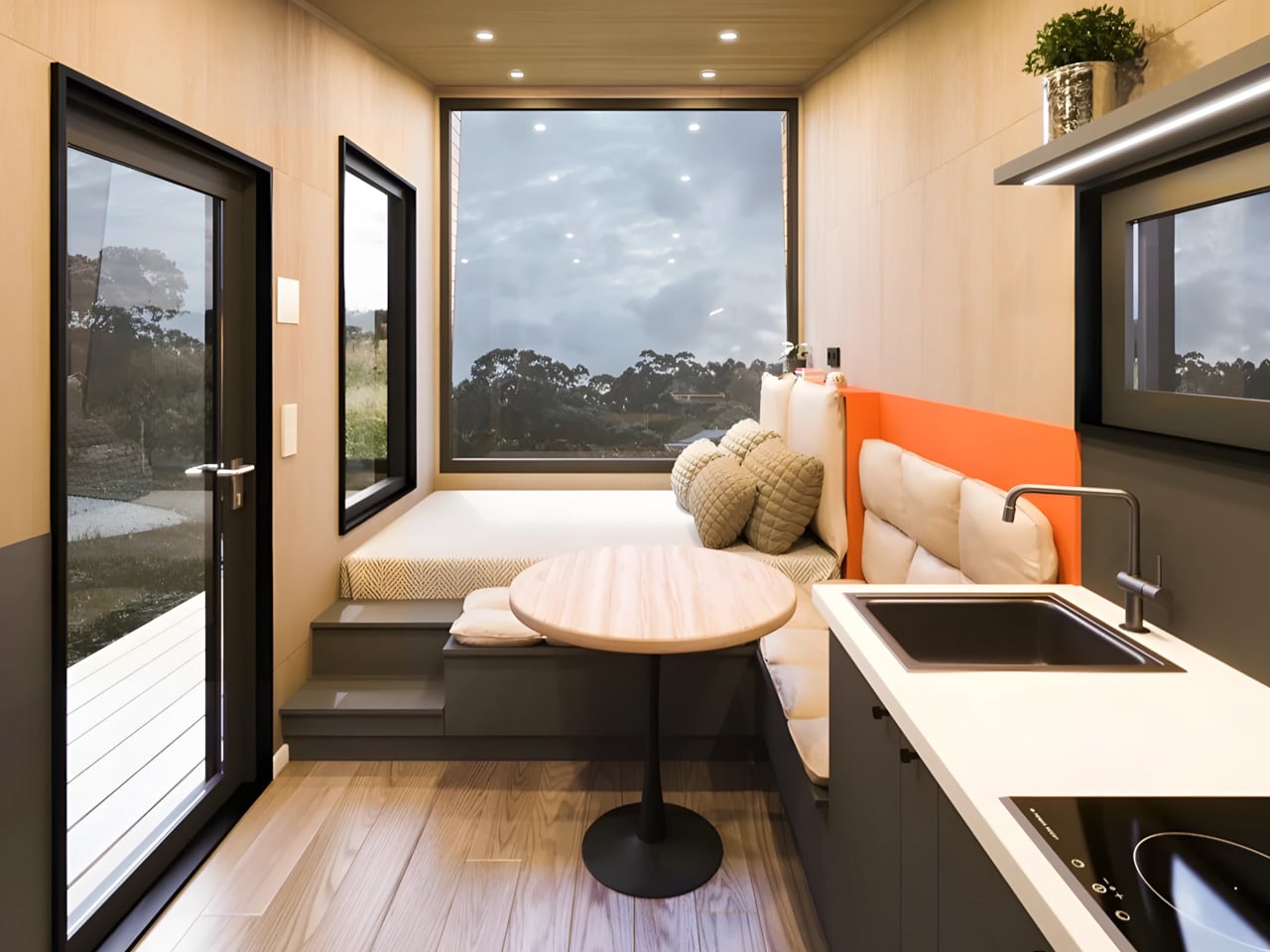
TinyKiwi.house has created something refreshingly honest in the Ambra tiny home. While the tiny house movement has evolved into a realm of increasingly elaborate and expensive builds, this Romanian company took a different approach. Their smallest model strips away the excess and focuses on what matters: delivering a functional, beautiful home for two people in just 161 square feet. The Ambra stands as proof that downsizing doesn’t mean compromising on quality or livability.

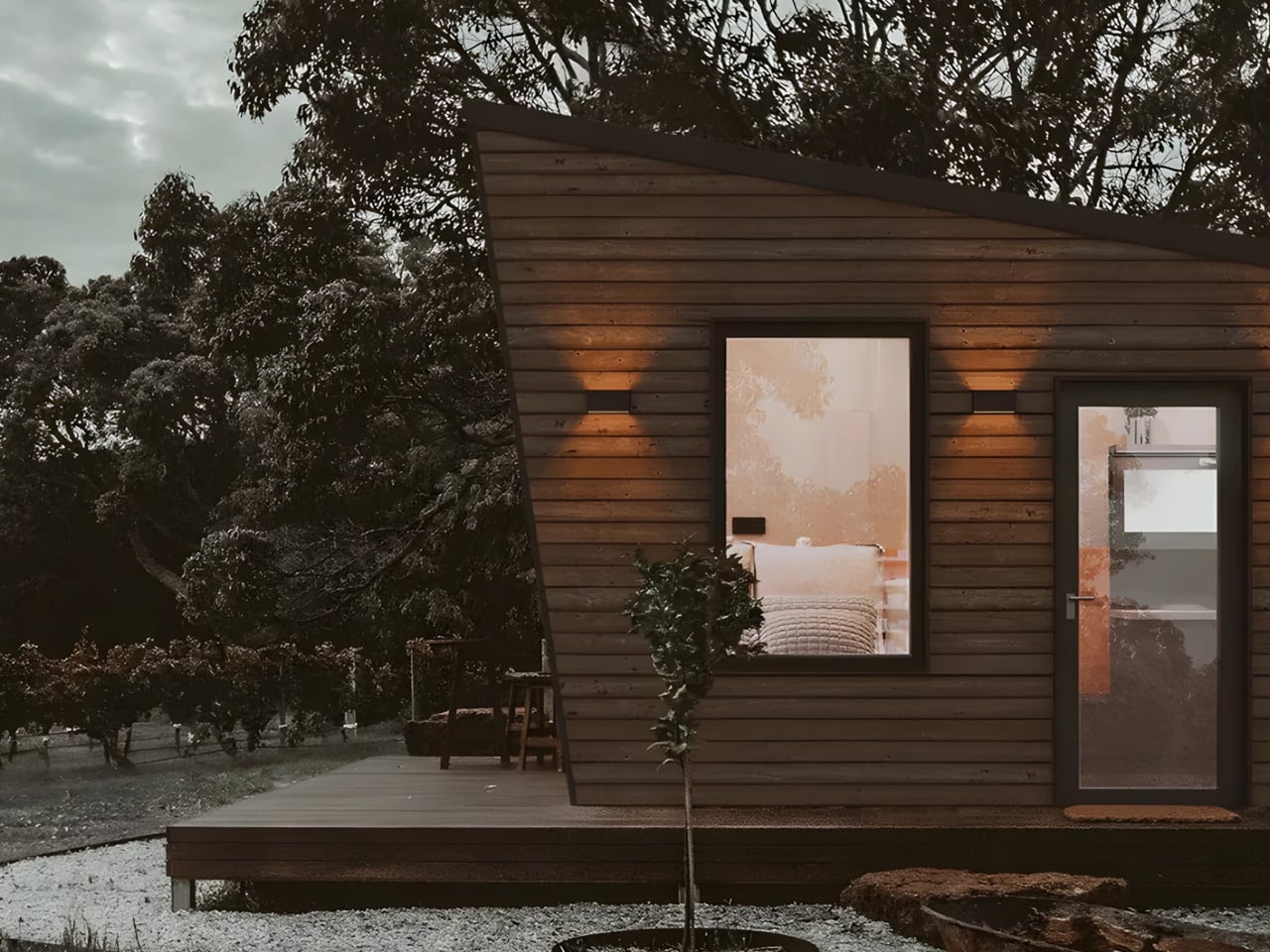
The Ambra’s exterior immediately catches attention with its generous glazing. A panoramic window dominates the facade, flooding the compact interior with natural light throughout the day. This design choice transforms what could feel cramped into an airy, open space that connects occupants with their surroundings. The clean lines and modern aesthetic prove that affordability doesn’t require sacrificing visual appeal. The thoughtful placement of windows creates a sense of spaciousness that defies the home’s modest footprint.

Designer: TinyKiwi.house

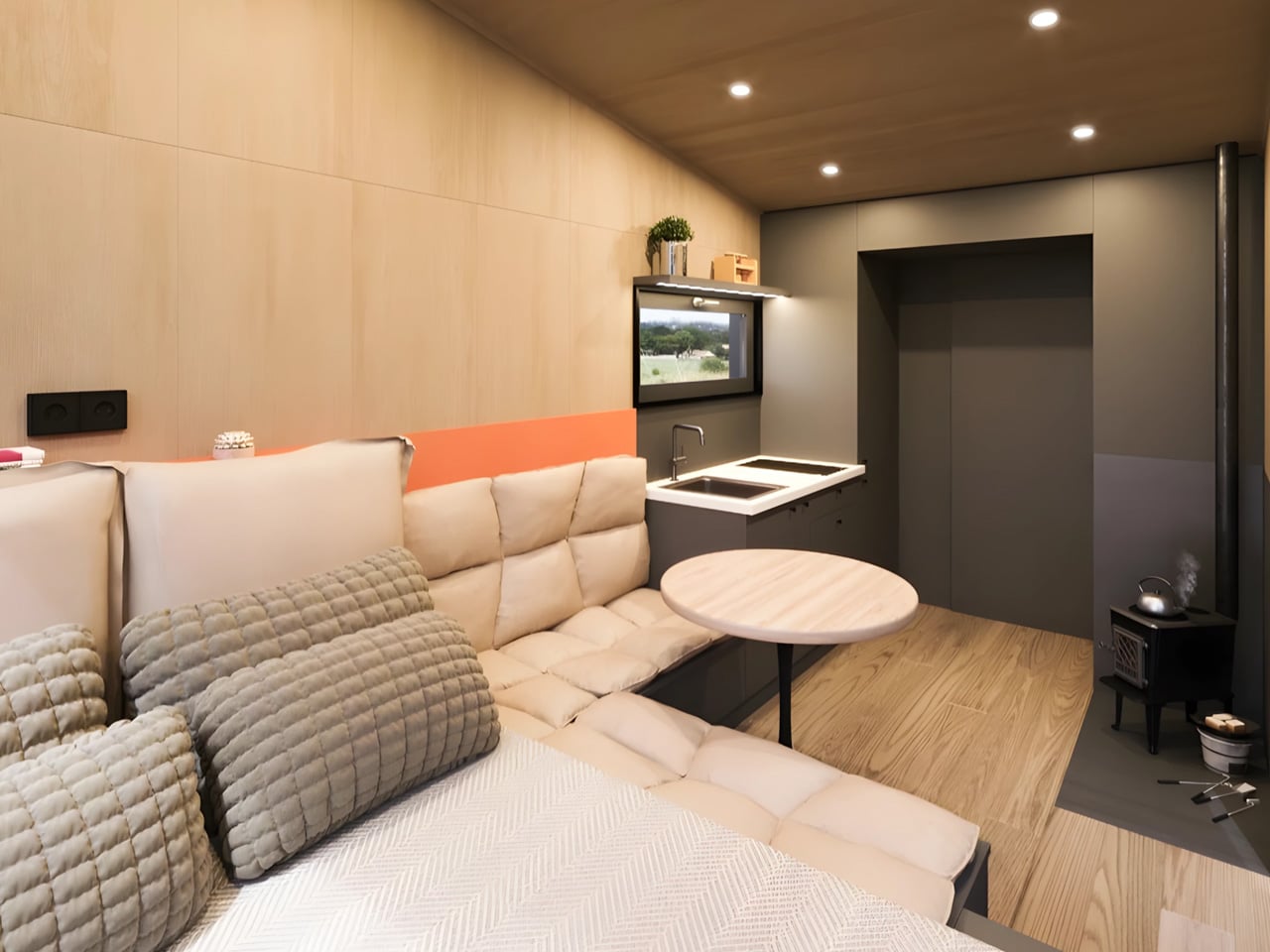
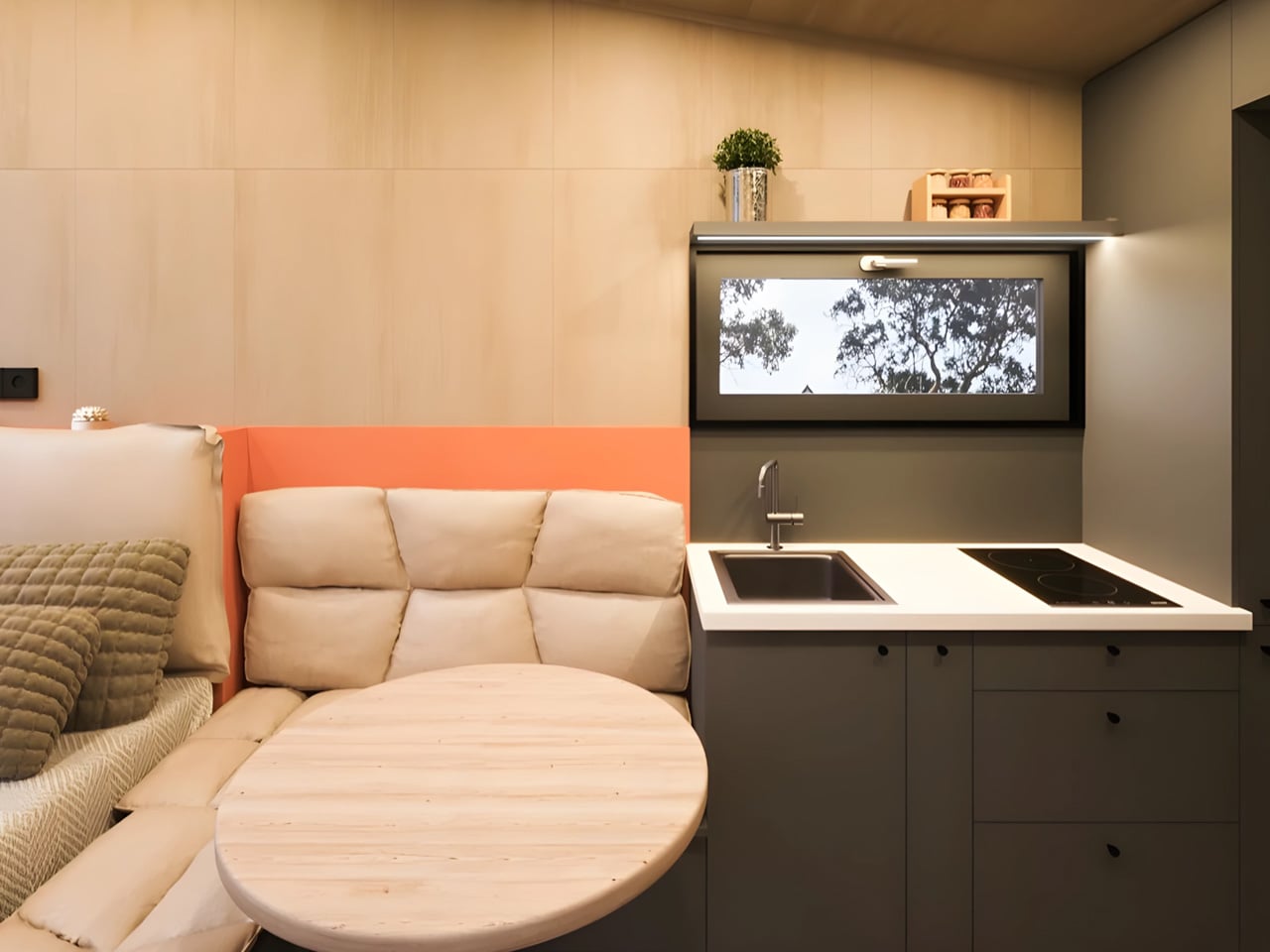
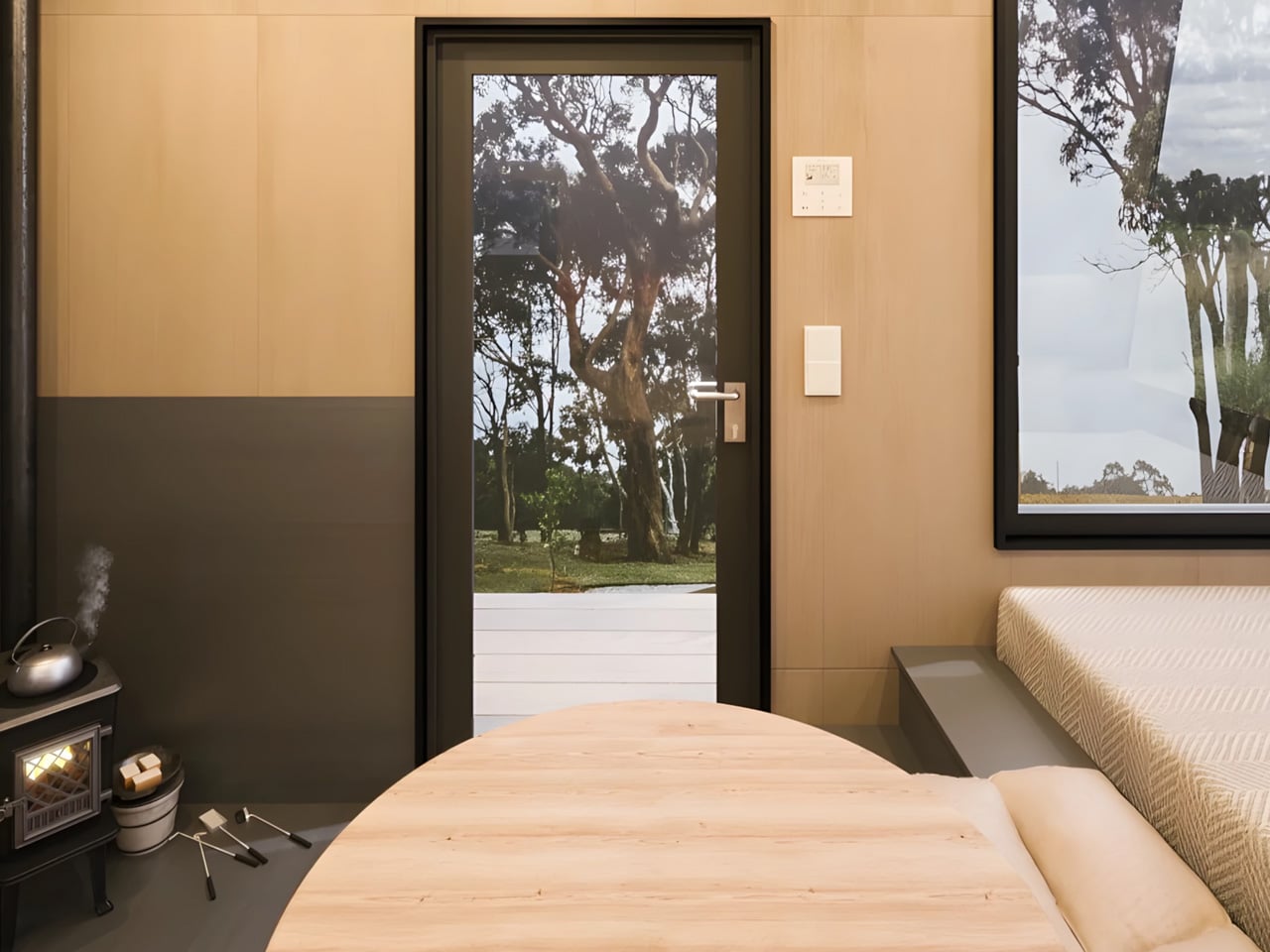
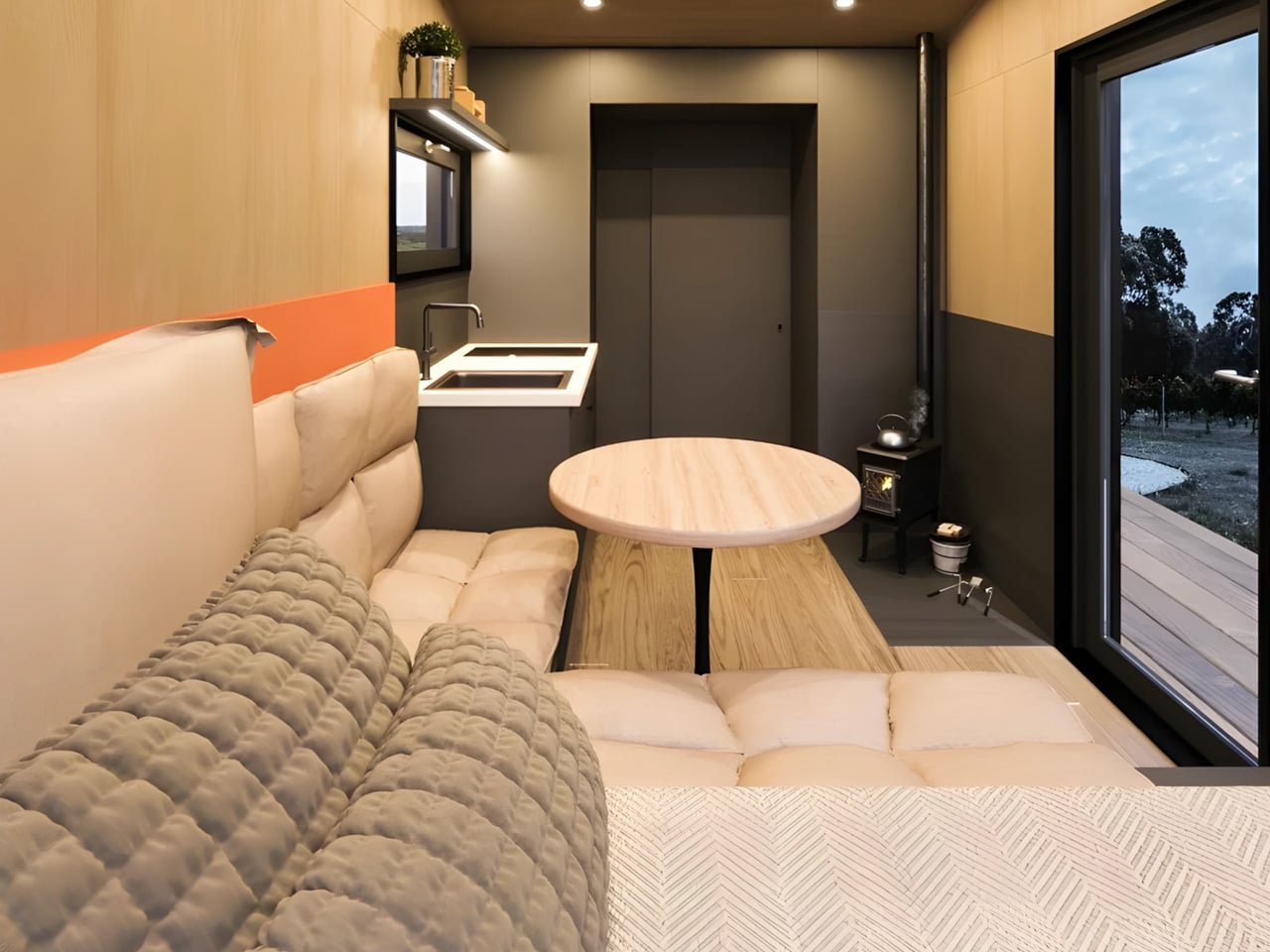
Step inside, and the intelligent layout becomes apparent. Every square inch serves a purpose without feeling cluttered or compromised. The space flows seamlessly from the kitchen area into the living zone, where a double bed anchors the room. A small seating area and dining table provide spots for relaxation and meals, ensuring residents have dedicated spaces for different activities. The bathroom occupies its own discrete section, maintaining privacy within the open floor plan. A wood stove adds both warmth and a cozy focal point that elevates the home beyond basic shelter into genuine comfort.

What sets the Ambra apart is its remarkable versatility combined with professional craftsmanship. Buyers can choose to mount it on a trailer chassis, creating a mobile retreat perfect for those seeking location independence and the freedom to relocate. Alternatively, it works beautifully as a stationary dwelling on a permanent foundation for those wanting a fixed address. TinyKiwi.house brings professional architectural and interior design expertise to each build, with attention to detail showing in the refined finishes and smart space planning. The single-level layout eliminates the loft sleeping arrangements common in many tiny homes, making it more accessible and easier to live in daily. No climbing ladders to bed after a long day.

The price point makes the Ambra particularly compelling in today’s housing market. Starting at €32,000 (roughly $37,000), it delivers move-in ready living at a fraction of what many tiny homes command. The company offers customization options too, allowing buyers to tailor the layout and aesthetics to their preferences while maintaining the core efficient design. This micro-home speaks directly to couples looking to minimize their ecological footprint and embrace a lifestyle centered on freedom and connection with nature. The compact footprint means lower utility costs, reduced environmental impact, and less time spent on maintenance. More time for living, less for managing possessions and space you don’t really need.

The Ambra represents what tiny living should be: accessible, functional, and genuinely small without apology. It’s not trying to be a traditional house shrunk down with all the complexity that entails. Instead, it embraces its compact nature and works with it rather than against it, creating harmony between space and purpose. For anyone feeling overwhelmed by housing costs or the burden of maintaining larger spaces, this tiny home offers a viable alternative that doesn’t feel like settling. TinyKiwi.house proves that beauty, simplicity, and freedom can coexist at an attainable price point, making minimalist living accessible to more people than ever before.


The post Meet the Ambra: Where Compact Living Meets Genuine Affordability first appeared on Yanko Design.

2025 Audi Q5 TFSI quattro Prestige Review: Evolution as a Design Strategy

PROS:


  • Interior material quality exceeds what the segment typically delivers

  • Screen integration feels intentional rather than bolted on afterward

  • Adaptive air suspension transforms ride character between driving modes

  • Acoustic glass creates genuinely quiet cabin at highway speeds

  • Real exhaust outlets signal design honesty throughout the vehicle

CONS:


  • Rearward visibility compromised by styling choices and roofline rake

  • No hands-free liftgate gesture system like competitors offer

RATINGS:

AESTHETICS
ERGONOMICS
PERFORMANCE
SUSTAINABILITY / REPAIRABILITY
VALUE FOR MONEY

EDITOR'S QUOTE:

Evolution as philosophy: when restraint becomes the boldest design choice.

I spent a week with the third-generation Audi Q5 Prestige in Tambora Gray Metallic, and what struck me first was not any single feature but the accumulation of considered choices. Built on Volkswagen Group’s Premium Platform Combustion architecture with a turbocharged 2.0-liter TFSI four-cylinder producing 261 horsepower and 273 lb-ft of torque, this compact luxury SUV occupies familiar territory at $63,290 as tested. The design decisions embedded in its surfaces, proportions, and material selections tell a more nuanced story. The Q5 represents what happens when a manufacturer chooses careful iteration over spectacle.

Designer: Audi

What distinguishes this generation from its predecessor is not a single dramatic gesture but rather an accumulation of details that reveal themselves over days rather than minutes, over highway miles rather than showroom walks, over lived experience rather than specification comparisons. The raked silhouette borrows visual vocabulary from the larger Q7, establishing family resemblance without direct mimicry. Panel gaps have tightened to tolerances that reward close inspection. The decorative exhaust finishers have been replaced with genuine rectangular outlets, a small change that signals larger philosophical shifts about authenticity in automotive design. These aren’t features that demand attention at first glance. They’re details that accumulate into a stance that reads as resolved rather than aggressive, as confident rather than desperate to impress, as the work of engineers and designers who understood that restraint requires more discipline than excess.

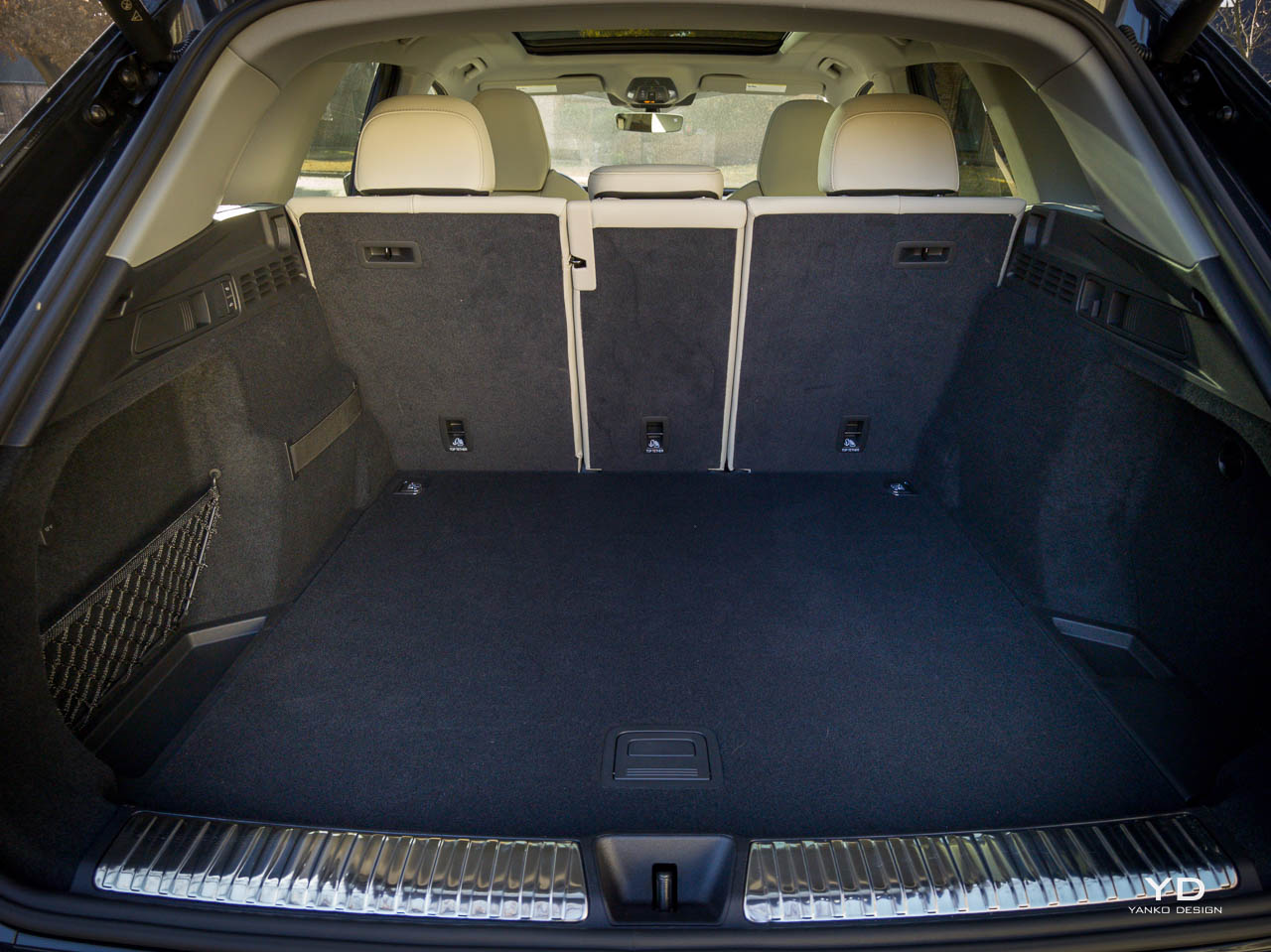
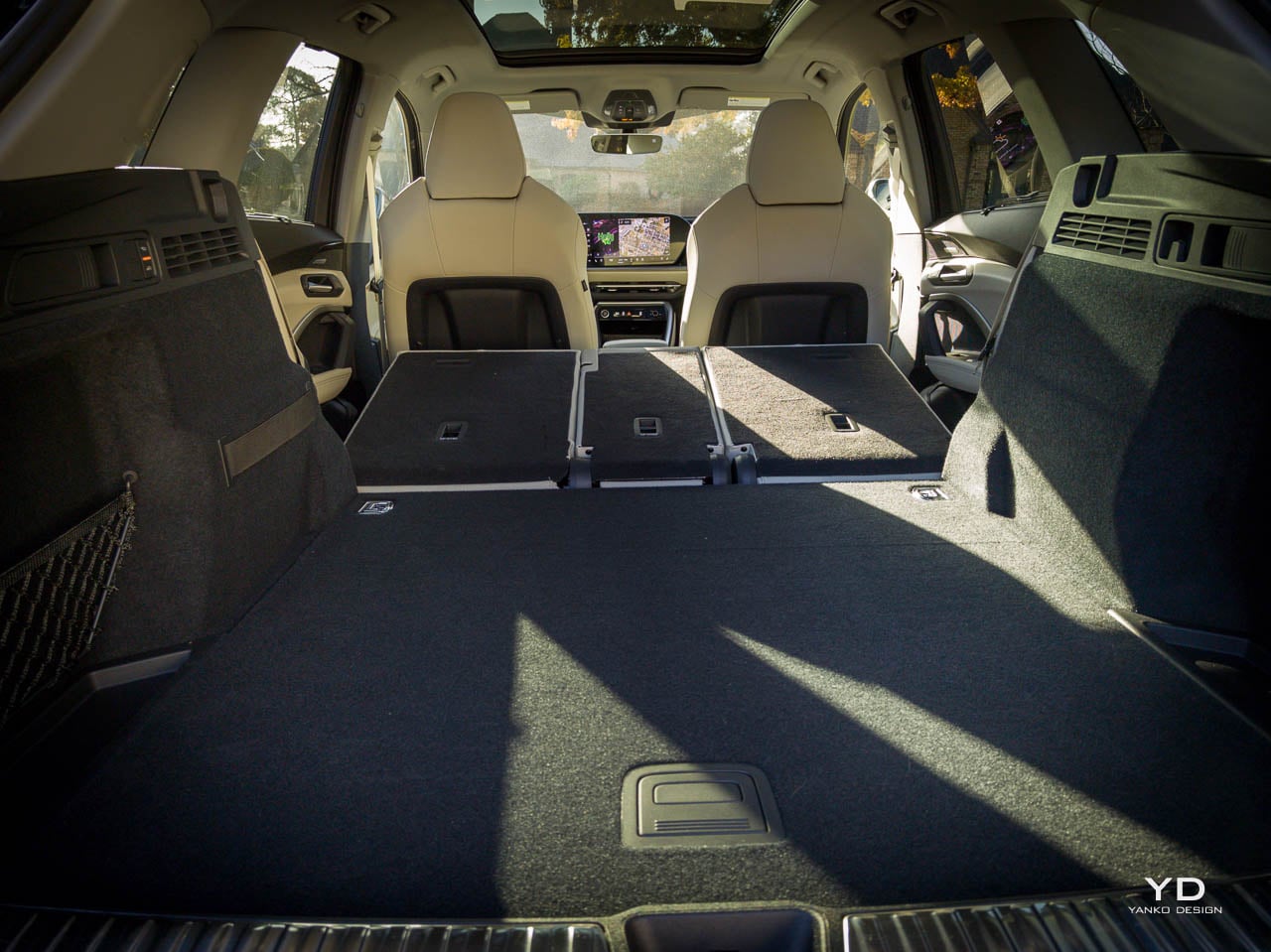
The vehicle’s proportions establish its intent before any specification sheet is consulted. Wheelbase dimensions remain close to the previous generation, but cargo volume has expanded to 56.9 cubic feet with rear seats folded, a gain of 2.8 cubic feet. That’s design as problem-solving.

Exterior Form Language

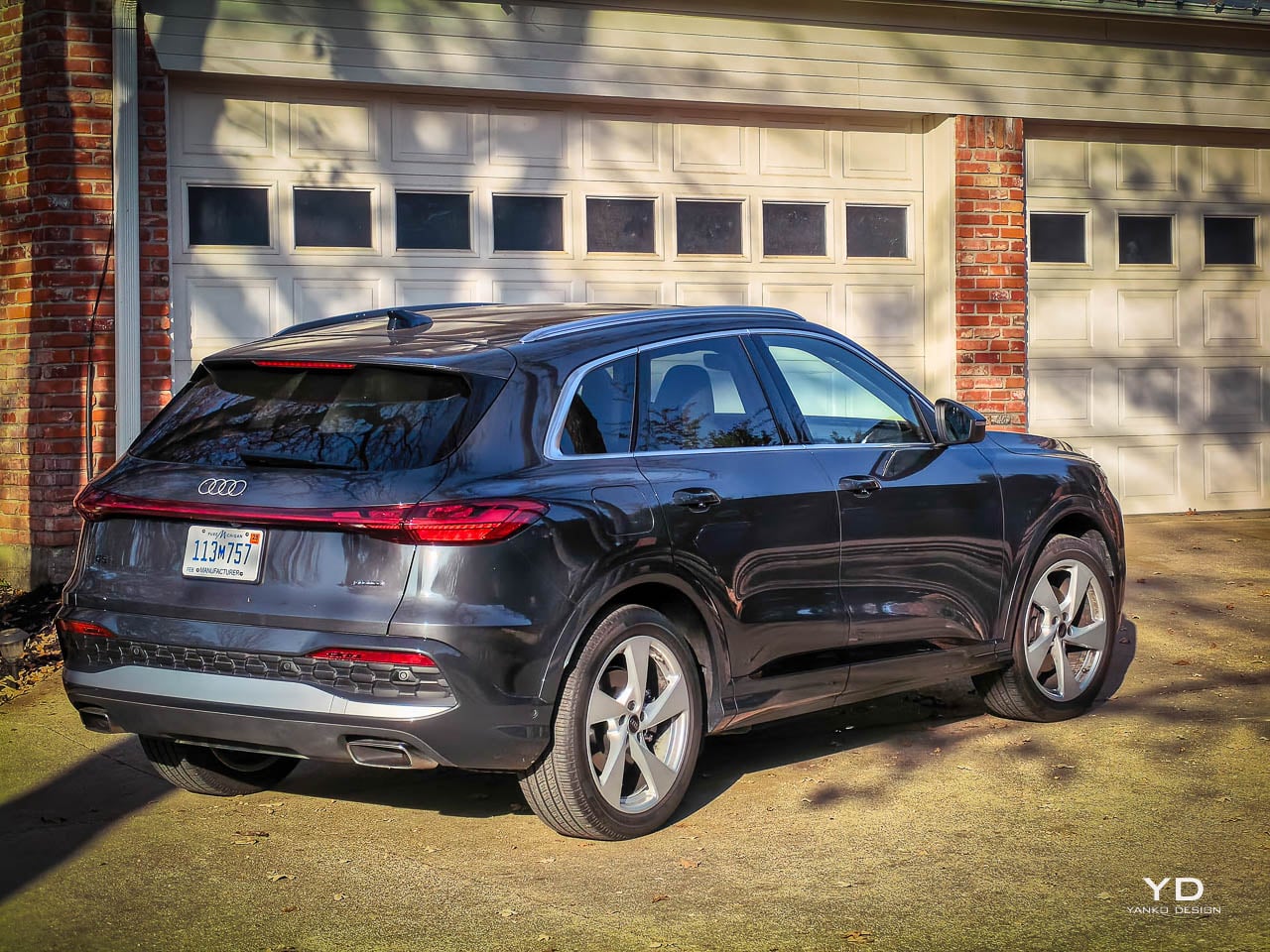
The singleframe grille anchors the front fascia with a presence that has become signature Audi vocabulary, wider and higher than before, flanked by functional air curtains that channel airflow along the body sides, reduce turbulence around the front wheels, and contribute measurably to the 25 mpg combined fuel economy figure while adding horizontal emphasis to the front that grounds the vehicle’s face as the LED lighting signatures lift the eye upward, creating a tension between opposing visual forces that produces dynamism without chaos. In person, the Tambora Gray Metallic finish shifts subtly between cool silver and warm graphite depending on the light, a $595 option that flatters the Q5’s surfacing without demanding attention, revealing the gentle curves of the fender flares and the controlled tension of door panel surfacing in ways that more dramatic colors would overwhelm. I walked around this vehicle at least a dozen times during my week with it, and each angle revealed something slightly different about how Audi’s design team approached the challenge of updating a successful shape without losing what made it work.
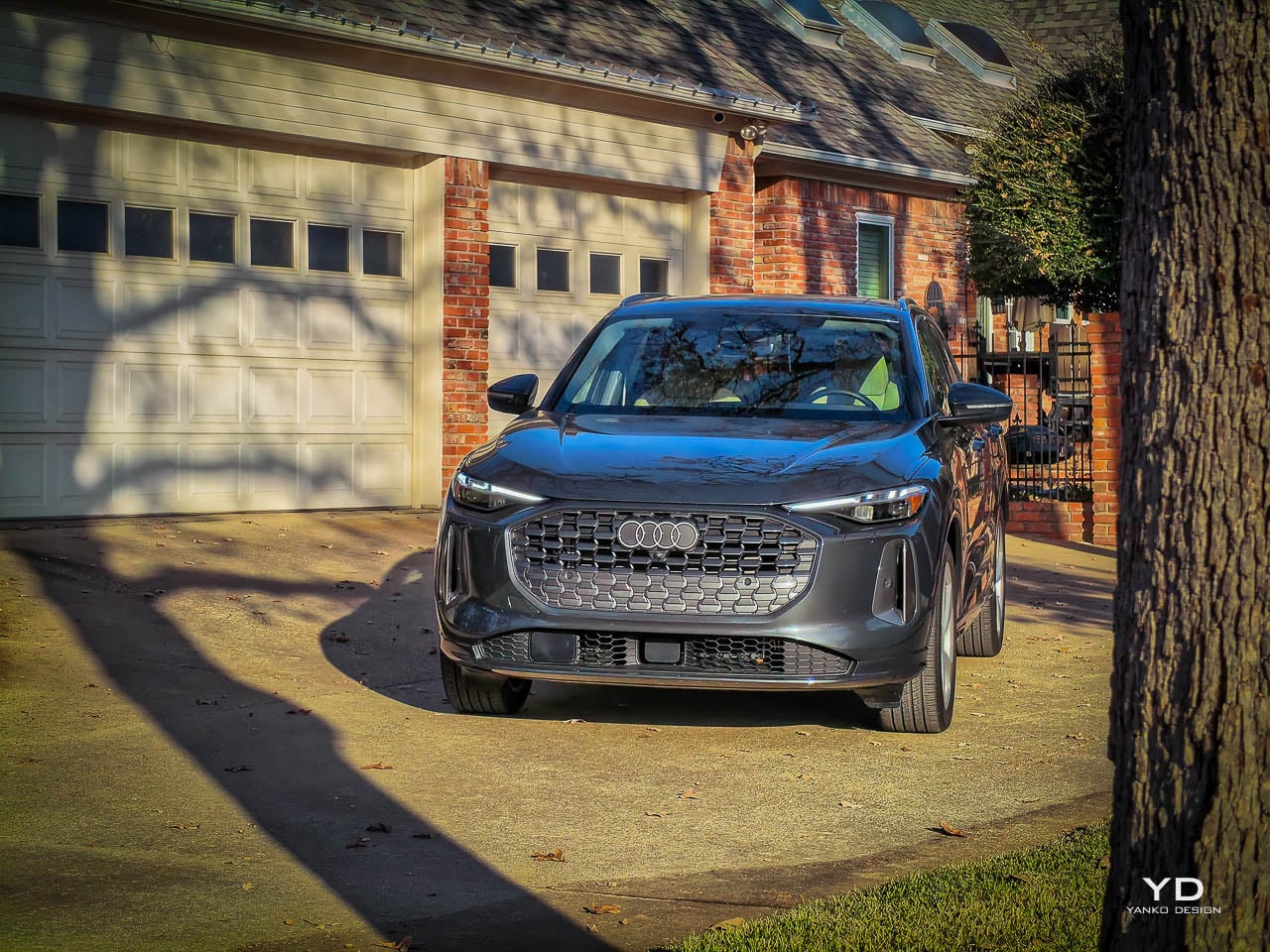
That’s restraint as design strategy.

The Prestige trim’s LED headlights plus with eight digital DRL signatures represent a departure from the notion that headlights are merely functional, allowing personalization within boundaries that maintain brand coherence, while the digital OLED taillights transform the vehicle’s nighttime presence entirely with a full-width light bar and dynamic animation sequences that other drivers will notice before they recognize the Audi badges. Front and rear lighting can now express personality. You can choose character, but the character stays on-brand, never straying into the visual vocabulary of competitors or aftermarket modifications.
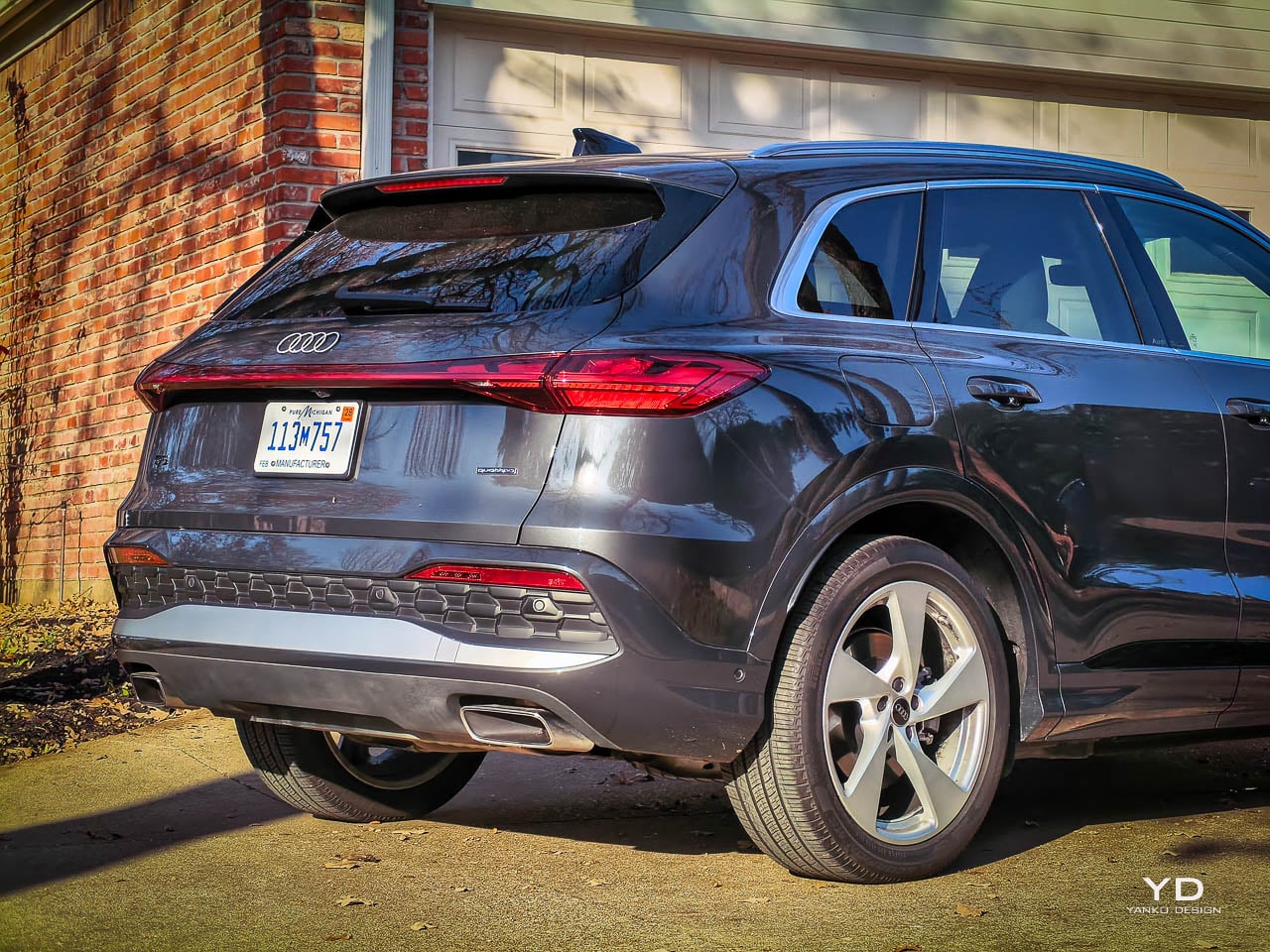
The shoulder line carries through the side profile without interruption, a decision that prioritizes visual length over sculptural drama, that trusts the basic proportions to create interest rather than relying on creases and vents and stamped-in details that would only compete for attention. Where competitors might break this line, the Q5 maintains continuity. The 20-inch 5-arm design wheels from the $800 optional wheel package fill the arches convincingly, and the roofline’s rake creates forward momentum even at rest, suggesting capability without the aggressive stance that defines sportier alternatives.
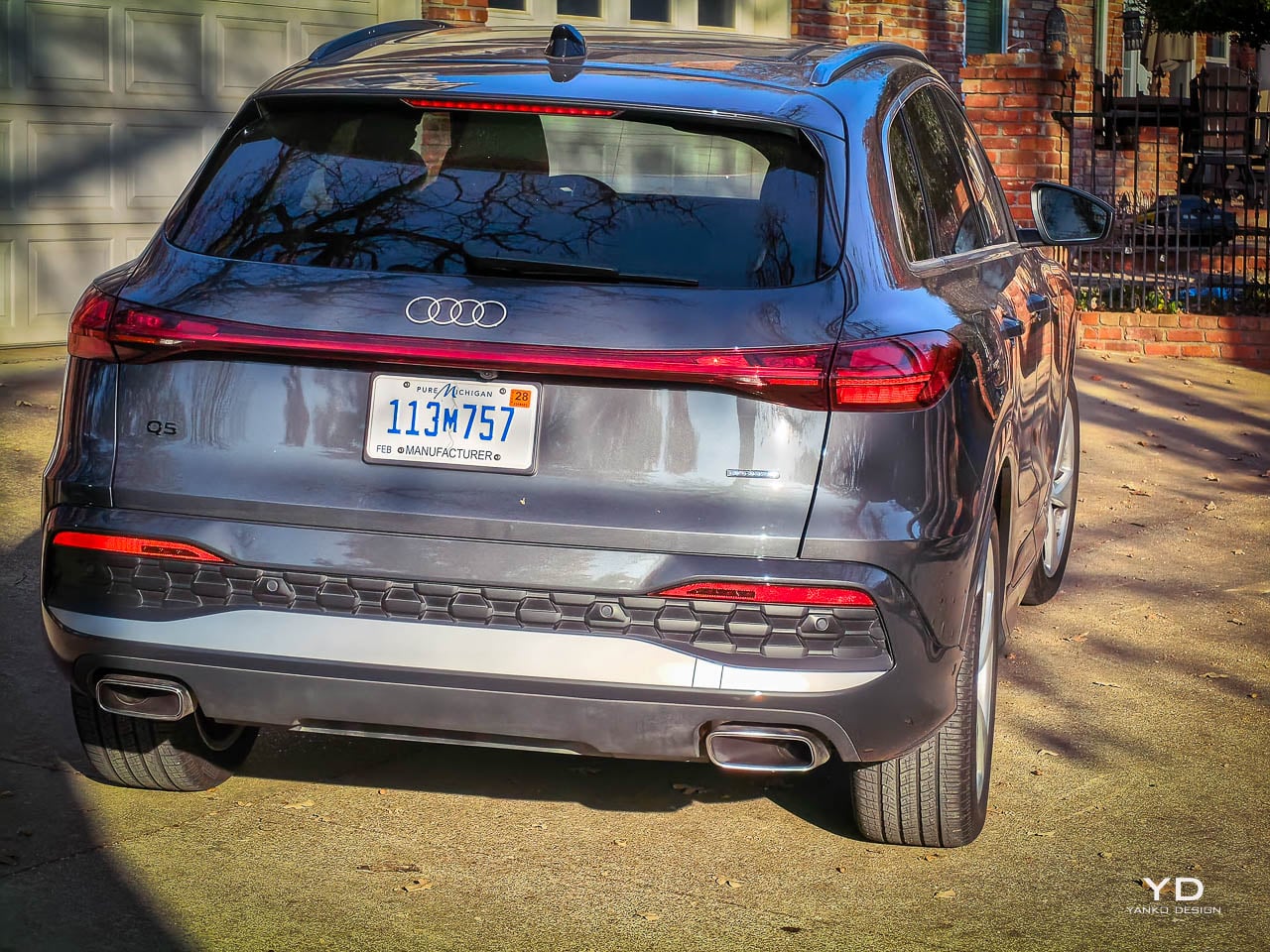
Real exhaust outlets replace the decorative finishers of the outgoing model, communicating mechanical honesty in a market where many competitors still rely on chrome trim pieces that hide the actual exhaust routing somewhere underneath the bumper, a detail that speaks to broader shifts in automotive design thinking about authenticity versus theater, about what we show versus what actually exists, about whether buyers notice or care about such distinctions and what it says about a brand that assumes they do. The previous generation’s false tips suggested performance that the actual exhaust system didn’t support. What you see is what exists. Light catches the fender flares and door panels in ways that reveal gentle curves rather than aggressive angles, while the 12-volt mild hybrid system recovers energy during deceleration invisibly, feeding it back into the electrical architecture that powers the countless systems modern buyers expect, the design absorbing the technology rather than announcing it, integrating engineering advances into surfaces that look simpler than they are.

Interior Architecture

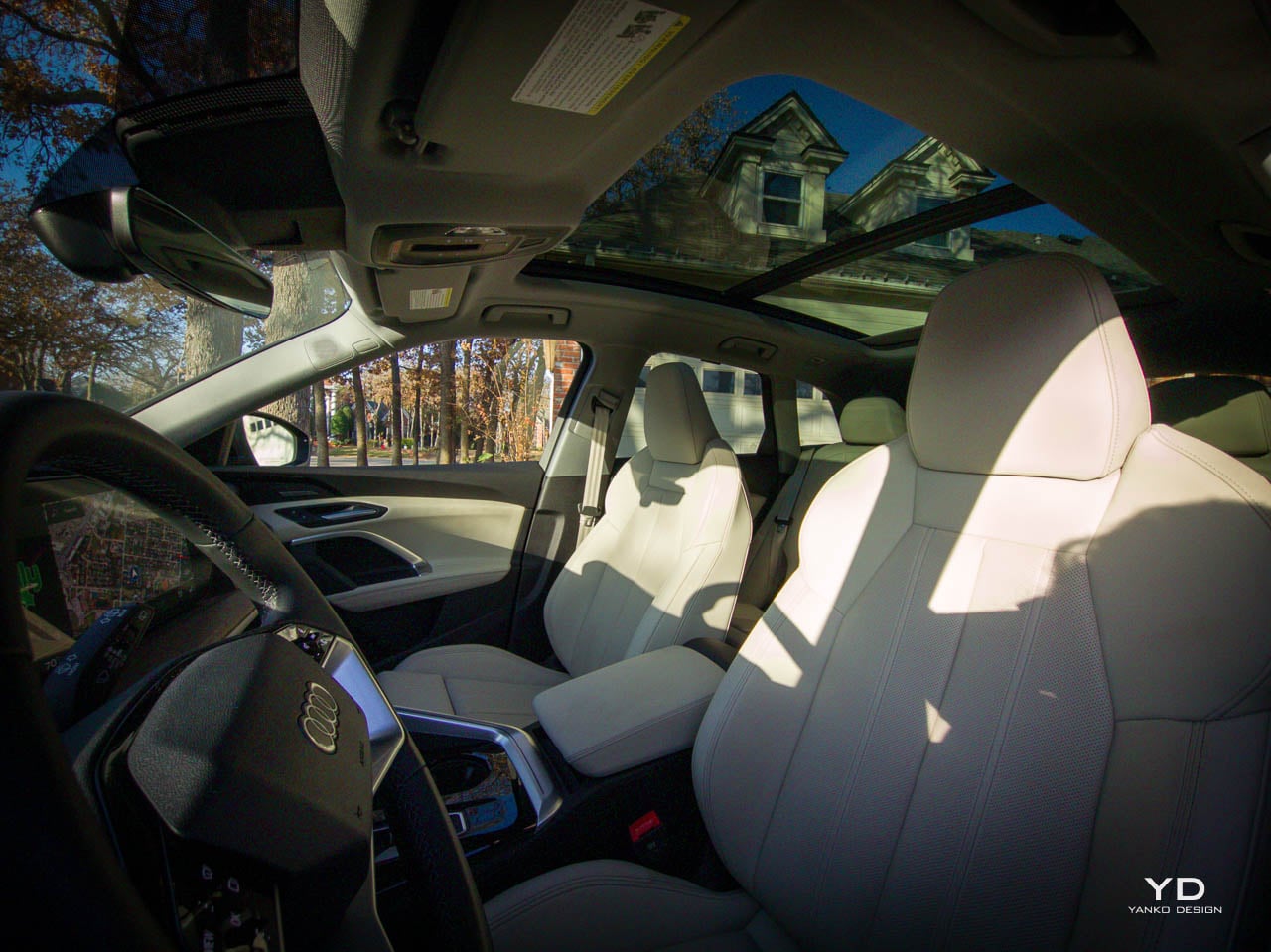
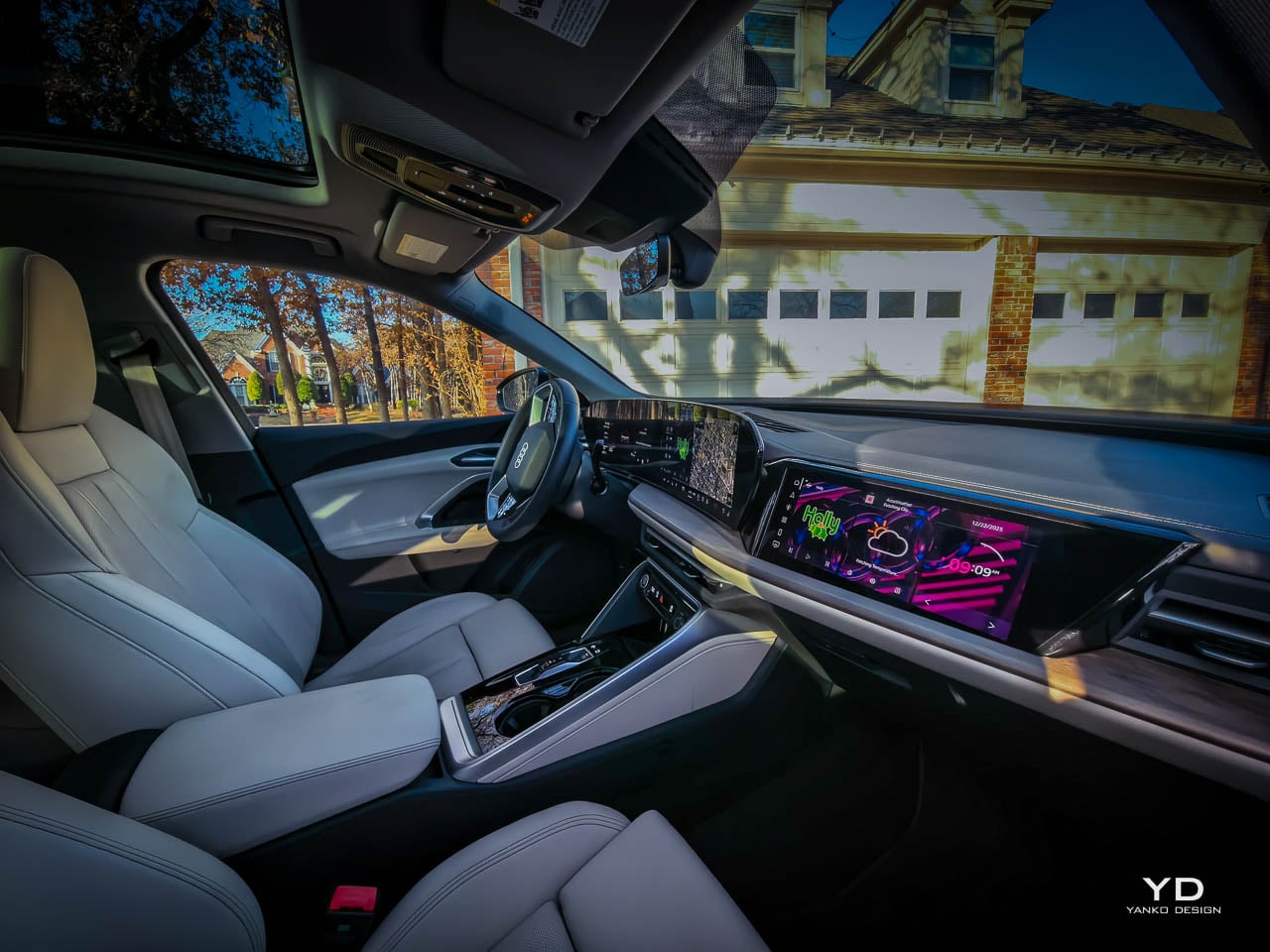
The cabin represents the most significant departure from the previous generation. Sliding into the Pearl Beige interior for the first time, you notice the difference immediately. Where the predecessor was criticized for visual austerity, the new interior addresses this through layered materials and deliberate contrast.
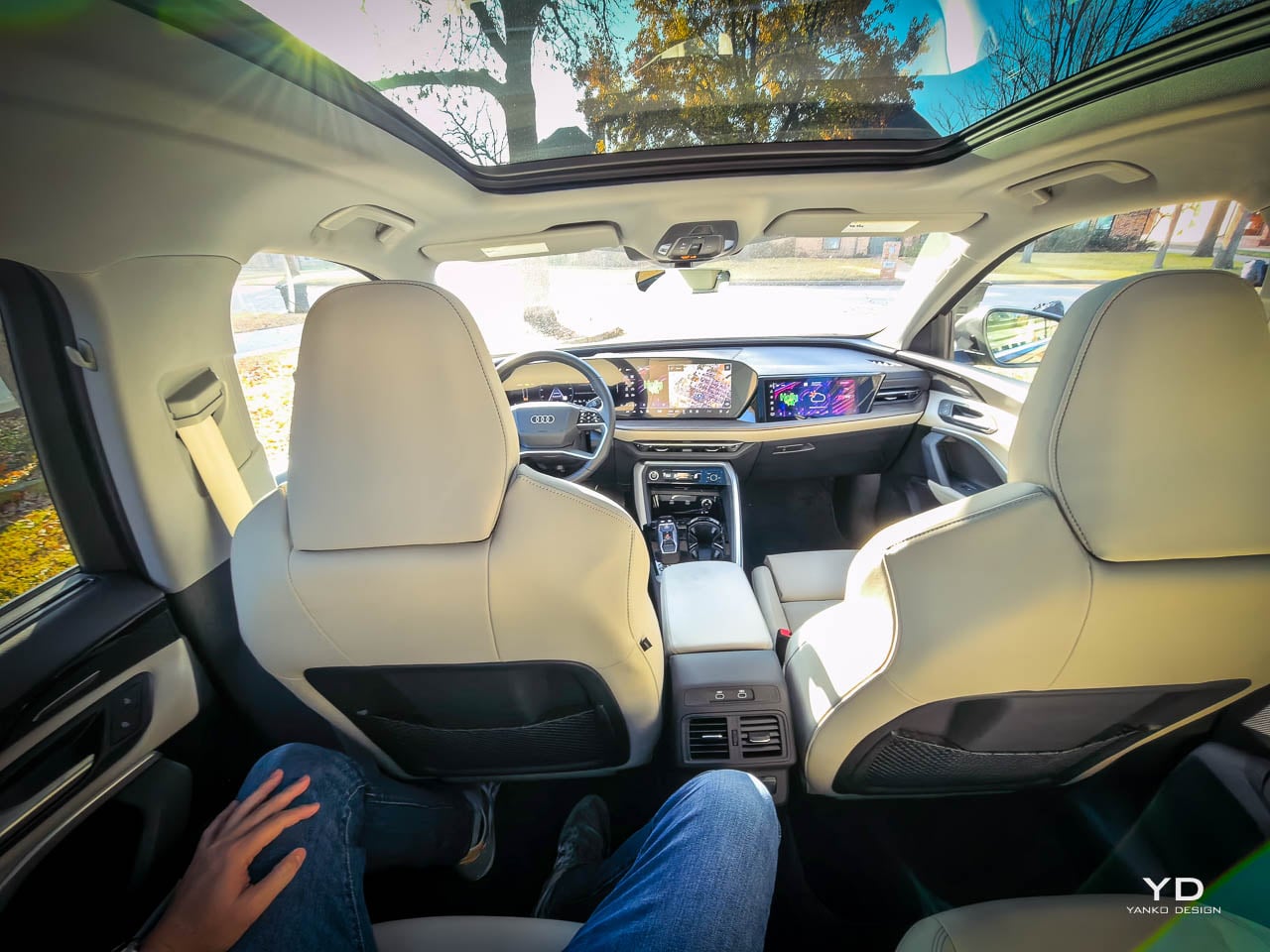
The 14.5-inch MMI touch display dominates the center stack with a presence that might overwhelm in lesser integrations, but here it sits within the dashboard architecture rather than perched atop it like an afterthought, paired with the 11.9-inch Audi virtual cockpit plus that renders navigation and vehicle information with the kind of clarity and customization that once defined luxury flagships, while the Prestige package adds a 10.9-inch MMI passenger display that allows front passengers to manage navigation or entertainment without distracting the driver, though I found myself wondering whether the additional screen complexity serves real needs or simply provides another differentiator on specification sheets that buyers compare without understanding what they actually want. Screen integration matters more than screen dimensions. Too many competitors treat displays as afterthoughts, floating tablets stuck to dashboards designed before touchscreens became standard. Here, the screens belong, and that belonging required more engineering effort than simply making them larger.
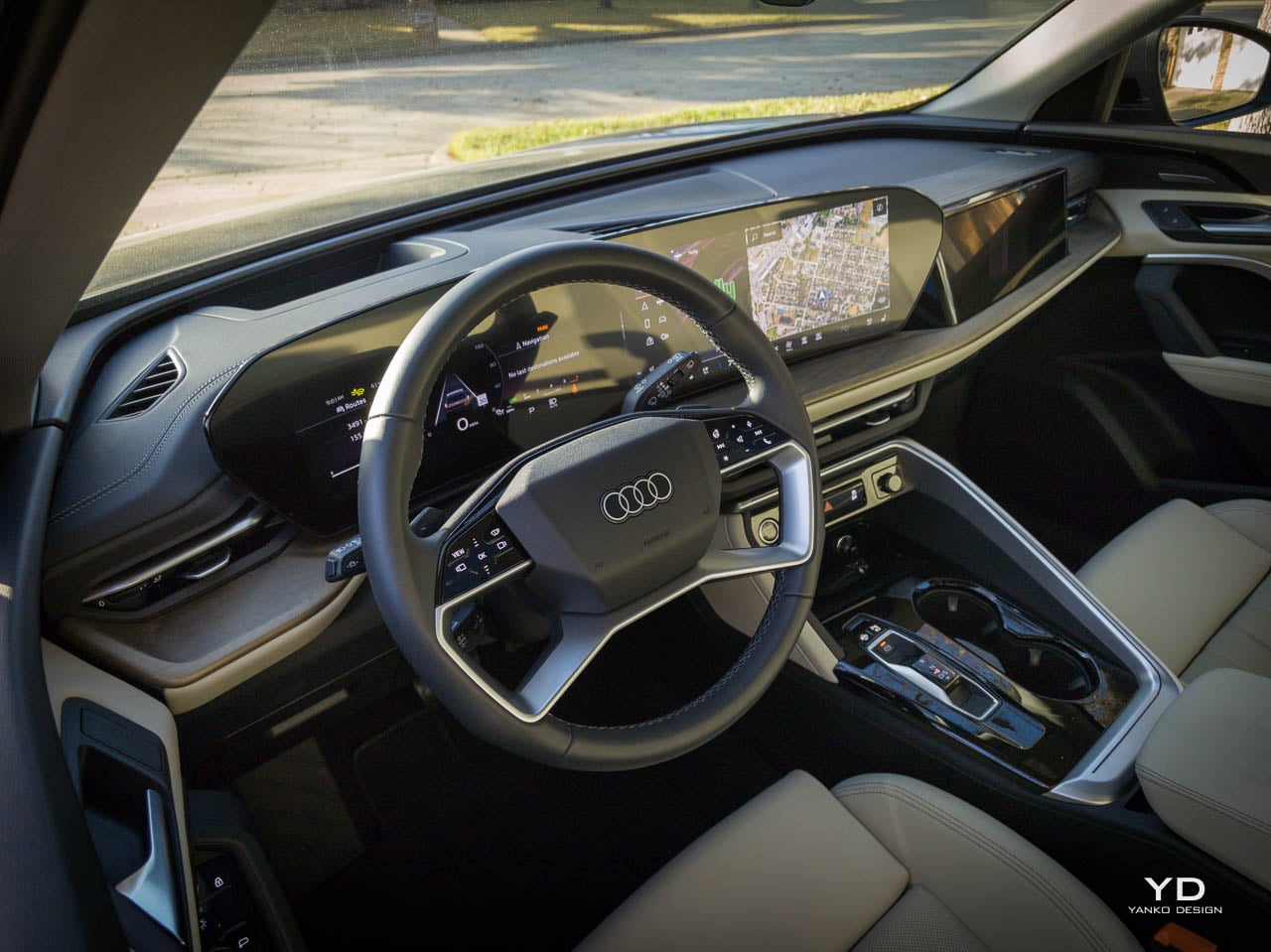
The driver’s position establishes immediate relationship to the controls. Power tilt-and-telescopic steering allows precise positioning. The head-up display projects information directly into the sightline. Tri-zone climate control divides the cabin into manageable thermal territories. These are ergonomic solutions dressed in premium materials.
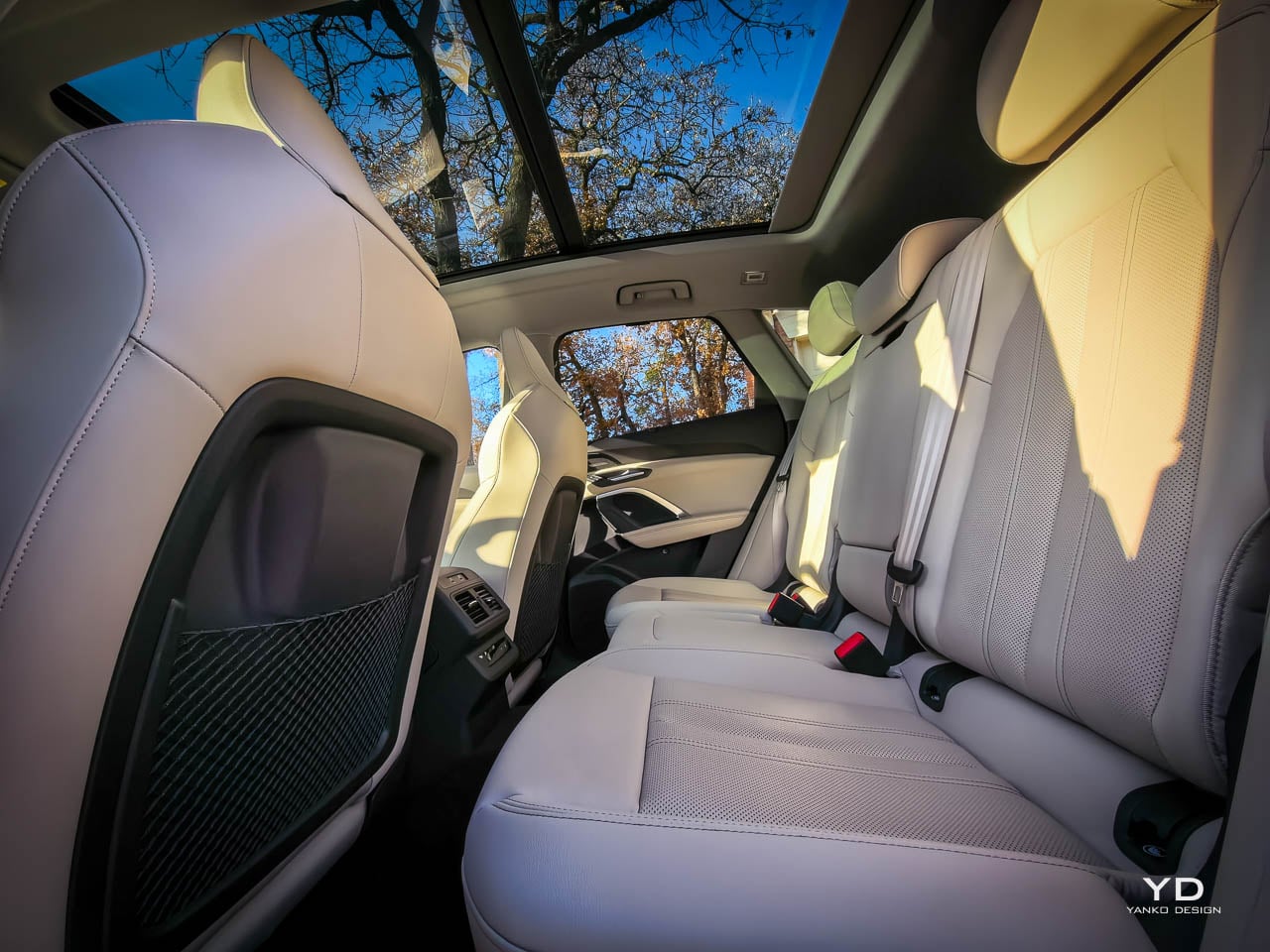
Rear seat architecture employs a 40/20/40 split-folding configuration with sliding capability. The center section folds independently. This configuration solves real-world problems.

Storage solutions throughout the cabin demonstrate attention to daily use patterns, expanding door bins and reorganized center console compartments creating a space that feels designed by people who actually load groceries and manage coffee cups during commutes rather than by stylists optimizing photography angles, while the LED interior lighting pro package adds atmosphere without distraction, touching surfaces that matter at night, transforming the Pearl Beige leather into warmer tones under ambient illumination that makes the cabin feel like a different space after dark, more intimate, more considered, without requiring any adjustment from the driver beyond the simple act of driving into evening.

Material Composition

Material selection in the Q5 follows a hierarchy of touch frequency that allocates budget where it matters most to perceived quality, soft-touch plastics yielding appropriately under pressure on surfaces that hands contact regularly, leather wrapping appearing where fingers rest during normal driving, metal accents providing cool contrast to warmer materials, while lower surfaces that are seen but rarely touched employ more practical materials that clean easily and resist the wear that comes from thousands of entries and exits, from muddy shoes in winter and sandy feet in summer, from the accumulated debris of lives actually lived in vehicles rather than merely photographed in them. This graduated approach represents mature design thinking.
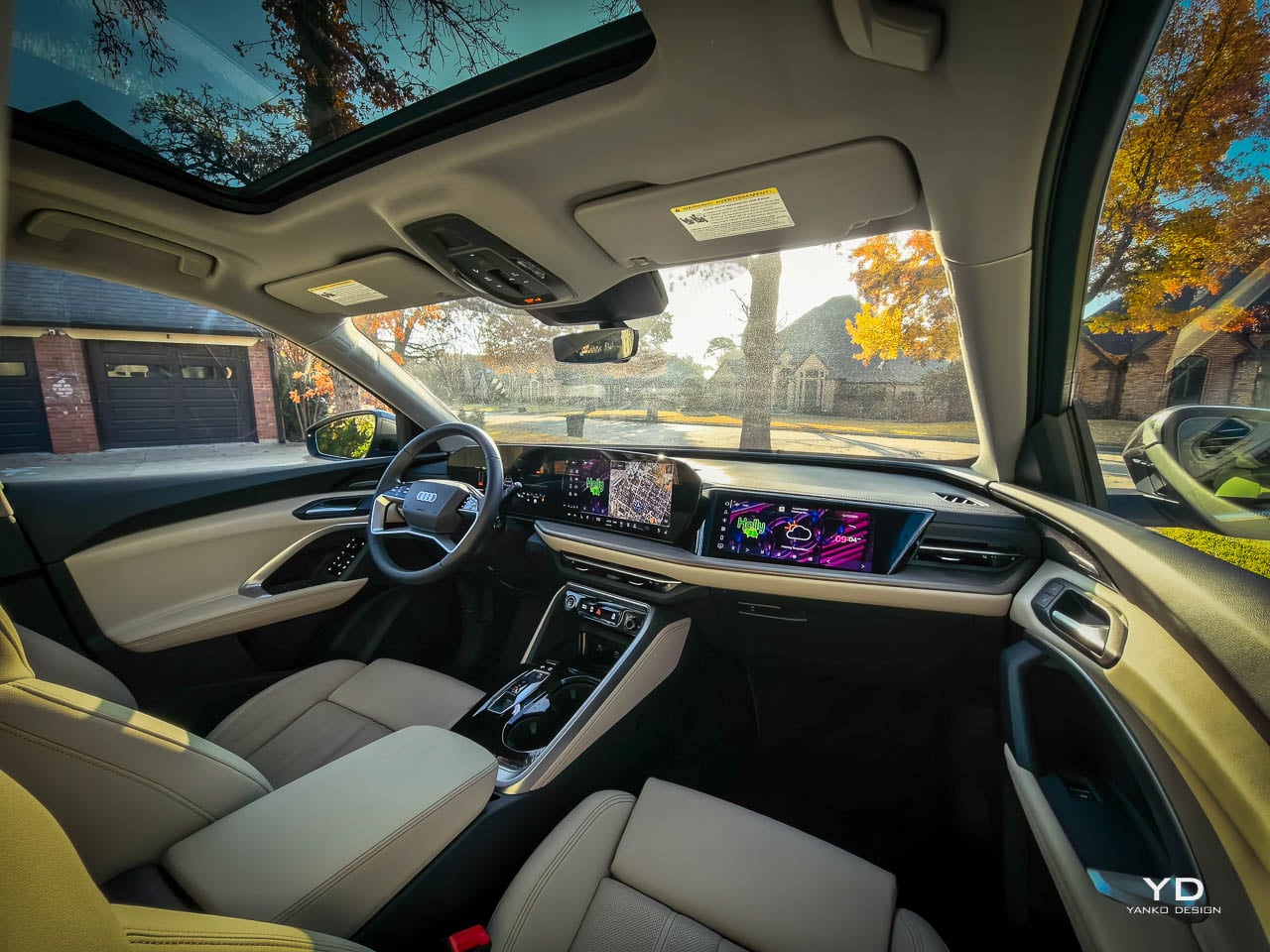
Run a hand across the dashboard, and you feel seams, grain, the subtle undulation of material stretched over structure.

Technology Integration

The MMI interface operates through that 14.5-inch touchscreen with a responsiveness that has improved markedly from previous generations, haptic feedback providing confirmation of inputs, menu structures reorganized to reduce navigation depth for common functions, Apple CarPlay and Android Auto integration appearing as expected equipment alongside smartphone mirroring that handles the connection without the lag that plagues some competitors, while navigation through the MMI Navigation plus system renders on either the center screen or the Virtual Cockpit depending on preference, allowing drivers to keep route guidance in their primary sightline rather than glancing repeatedly toward the center stack. The system works. It doesn’t delight, but it doesn’t frustrate either, which may be the more important achievement.
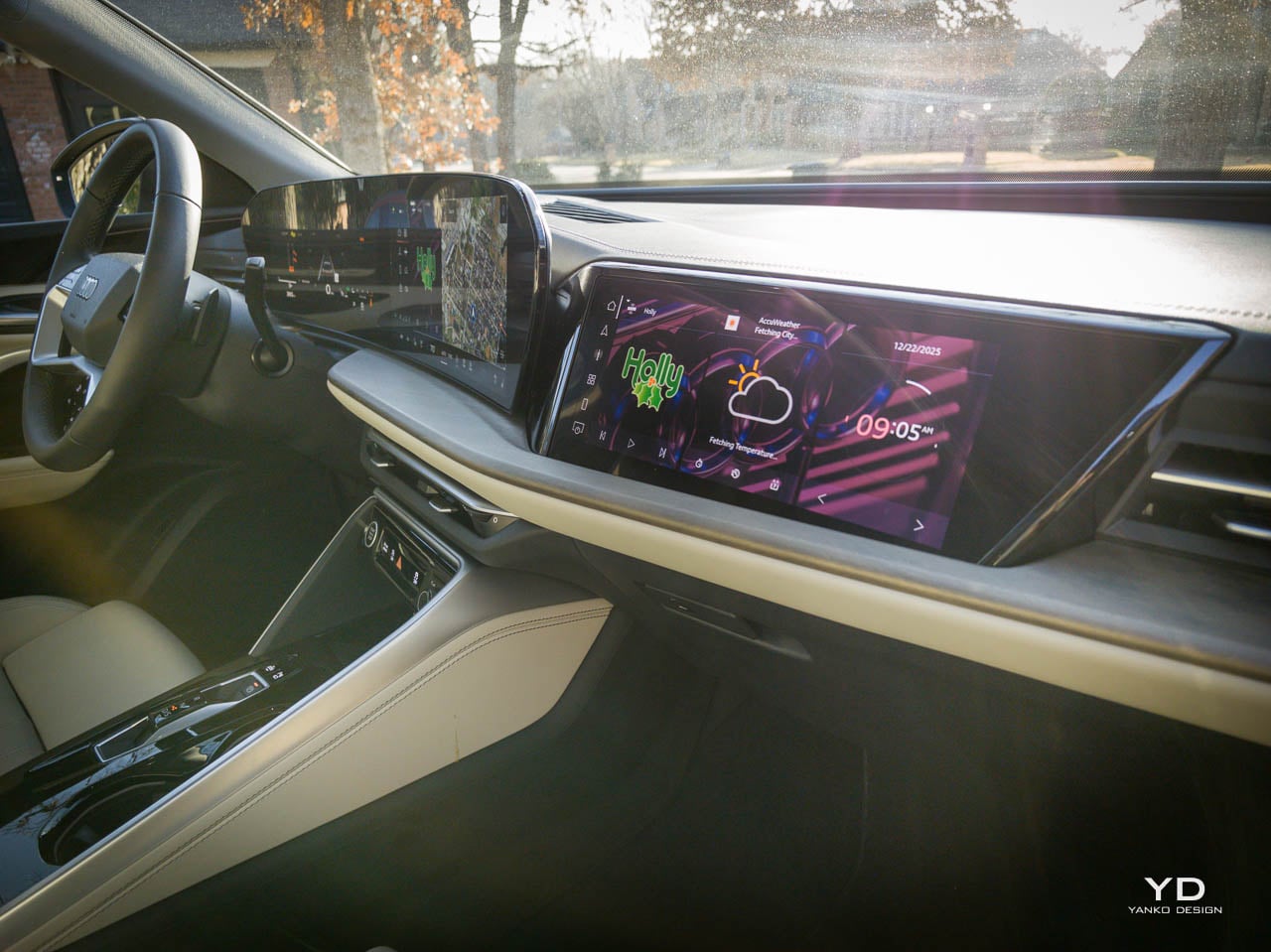
Driver assistance helps without replacing. Adaptive cruise assist maintains distance. Lane-keeping provides gentle input. Blind-spot monitoring illuminates warnings where they belong.

The Bang & Olufsen sound system with 3D sound represents the kind of feature that separates luxury from mainstream, speaker placement optimized for the cabin’s acoustic properties, resulting sound quality rewarding careful listening with spatial depth that the 3D processing enhances without artificiality, dialogue in podcasts and calls maintaining clarity at any volume level, bass response that never overwhelms or distorts, treble that sparkles without harshness, and an overall presentation that treats sound as part of the ownership experience rather than as a checkbox on a features list, though whether the additional cost over the standard Audi sound system justifies itself depends on how much time you spend with music versus podcasts versus phone calls versus the blessed silence that the acoustic front door glass enables.

That’s considered acoustic engineering. Not afterthought. Not badge upgrade.

Powertrain Character

The 2.0-liter turbocharged TFSI four-cylinder delivers 261 horsepower through a seven-speed S tronic dual-clutch transmission with standard quattro all-wheel drive, acceleration to 60 mph arriving in approximately 5.7 seconds. Quick enough to merge confidently. Not so aggressive that the Q5 pretends it’s something else.
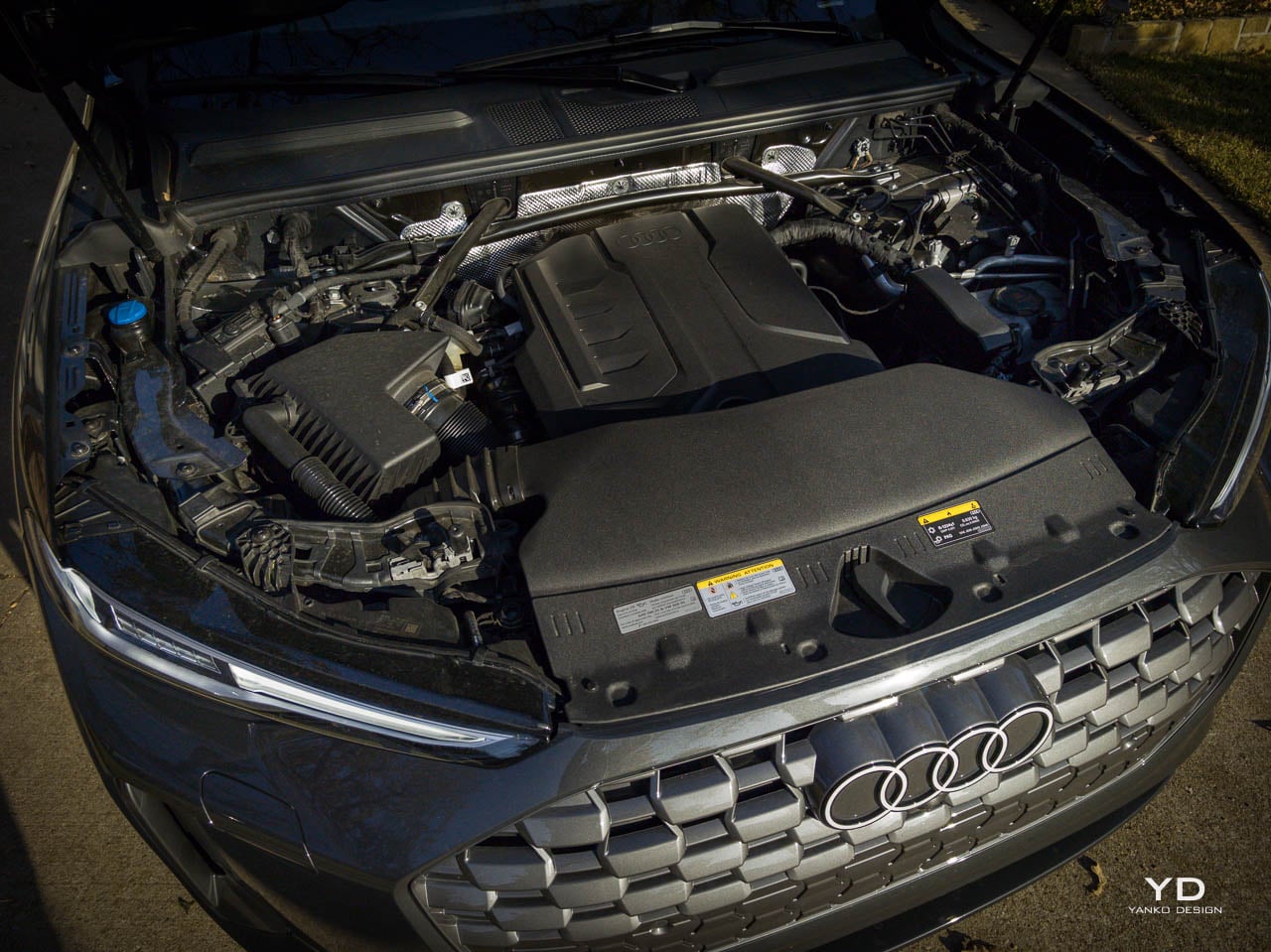
The throttle response sharpens noticeably in Dynamic mode, and you feel the adaptive air suspension firm up within the first few corners, the brake pedal maintaining consistent firmness through repeated stops rather than going soft the way some competitors do when you start pushing harder than normal driving requires, which builds confidence when you find yourself on twisting roads that the Q5 wasn’t explicitly designed for but handles with more composure than its luxury SUV positioning might suggest, the steering weighting up appropriately, the body roll decreasing to levels that keep passengers comfortable rather than alarmed, the overall character shifting from relaxed cruiser to willing partner in ways that feel genuine rather than programmed, the 12-volt mild hybrid system contributing invisibly by recovering energy during deceleration and allowing the engine to shut down earlier during coasting and restart with less perceptible vibration than previous generations managed. Road surface changes come through the floor clearly enough to tell you about grip conditions without intruding on comfort.

Comfort mode isolates. Dynamic mode engages. The vehicle accommodates different moods.

Daily Reality

The quiet cabin emerges from engineering investments that never appear on feature lists, the Prestige’s acoustic front door glass joining sound-deadening materials lining the firewall and floor, upgraded door seals creating tighter barriers against road and wind noise, the panoramic sunroof’s surprisingly effective isolation preventing the drumming that open glass surfaces often produce at highway speeds, all of it combining to create a space where conversation happens at normal volume, where phone calls require no raised voice, where the outside world maintains a respectful distance, where you can think clearly during commutes that would exhaust you in lesser vehicles.
I fit a carry-on, camera bag, and weekend groceries back there without much fuss.

Cargo capacity numbers tell only part of the story, the 56.9 cubic feet available with rear seats folded accommodating large items in theory while the cargo floor’s height and liftgate opening dimensions determine what actually fits in practice, the Q5 managing these secondary measurements well with a floor sitting at reasonable height for loading, an opening wide enough to accept furniture and sporting equipment without excessive maneuvering, a power liftgate that operates with sufficient speed that waiting never feels burdensome, though I wished for a hands-free gesture system that competitors offer, the kind of feature you don’t appreciate until you approach with arms full and discover that someone else’s design team thought further ahead about your actual usage patterns.
The mild hybrid system represents the kind of engineering that never announces itself, recovering energy during deceleration and feeding it back into electrical systems that power climate control, screens, and driver assistance without drawing from the primary powertrain. The 12-volt architecture operates beneath conscious awareness, its presence detectable only in the slightly smoother restart behavior after traffic stops and the fractionally quicker throttle response during initial acceleration. Audi has chosen integration over declaration, embedding efficiency gains into the driving experience rather than celebrating them with dashboard displays or efficiency modes that remind you constantly of their existence.
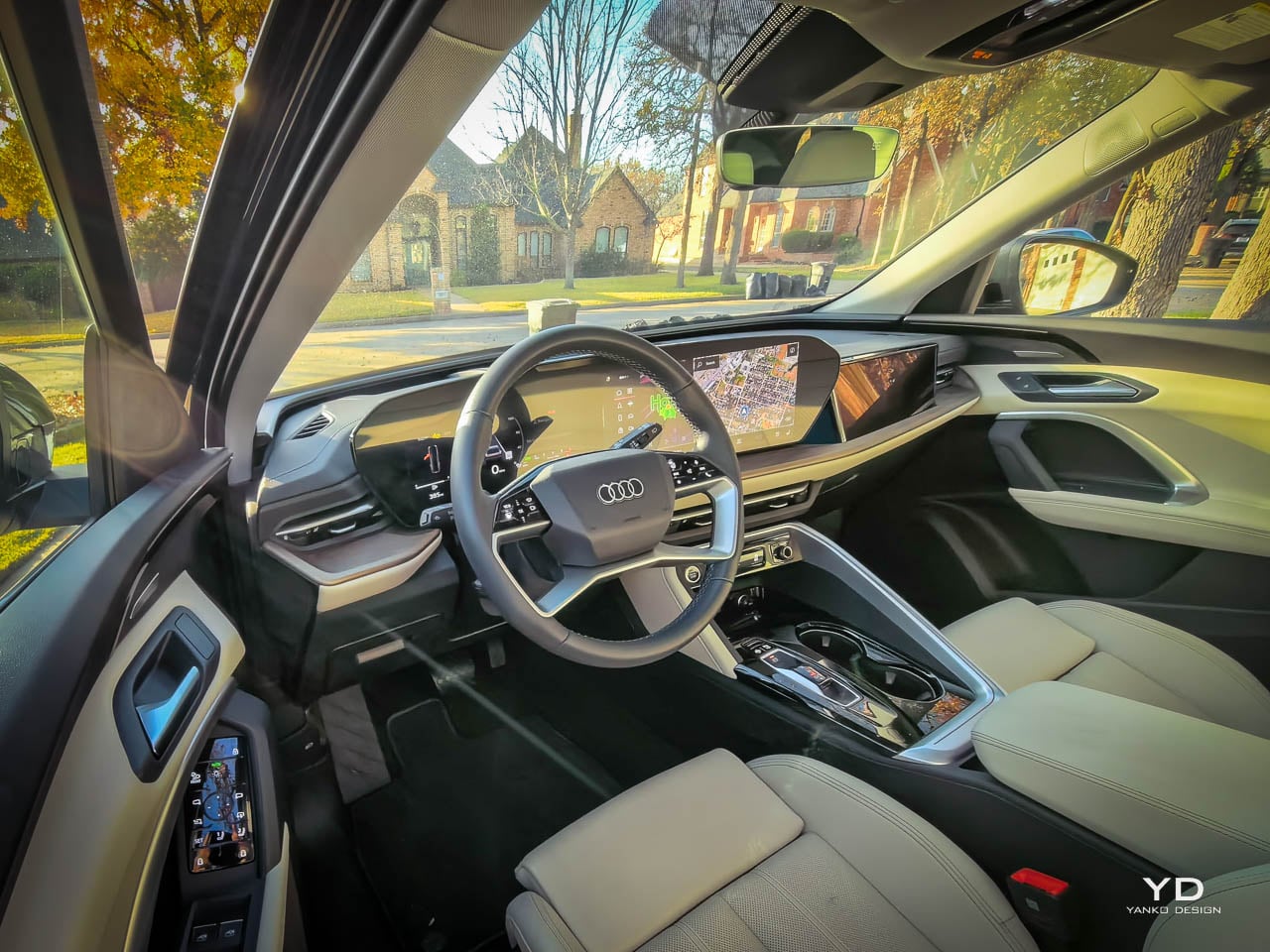
Visibility from the driver’s seat balances the rakish roofline against practical sightline needs, rearward vision compromised somewhat by styling priorities, the top view camera system compensating effectively during parking maneuvers with its overhead perspective, the ventilated front sport seats proving their worth during warmer days, the side mirrors sized appropriately, the A-pillars intruding less than some competitors, the overall sense being adequate rather than exceptional outward vision, a common trade-off in the segment that the Q5 navigates without distinguishing itself positively or negatively, simply accepting the compromise that modern design priorities impose on driver awareness in exchange for the sleeker proportions that buyers say they want when surveyed about preference and prove they want by opening their wallets.

The ventilated seats earned their keep. The head-up display reduced my glances away from the road. The adaptive cruise made highway miles disappear.

Competitive Context

The compact luxury SUV segment has become perhaps the most contested territory in the automotive market, with the BMW X3 emphasizing driving dynamics, the Mercedes-Benz GLC projecting traditional luxury, the Lexus NX offering advanced hybrid technology, and the Volvo XC60 pursuing Scandinavian restraint, all targeting similar buyers with similar vehicles at similar price points, differentiating through philosophy rather than fundamental capability, through brand values rather than objective superiority, through heritage and design language rather than measurable advantages that would make one choice clearly correct and the others clearly wrong.

Buyers who prioritize sharp handling find the BMW more engaging. Those seeking hybrid efficiency examine the Lexus.

At $63,290 as tested, this Prestige-trimmed Q5 with the 20-inch wheel package enters territory where buyer expectations rise accordingly, the base Q5 starting at $52,200 before destination, the $8,400 Prestige package adding adaptive air suspension, head-up display, digital OLED taillights, panoramic sunroof, ventilated seats, and the Bang & Olufsen 3D sound system among extensive equipment, creating a vehicle that competes not only against segment rivals but against entry-level offerings from Porsche and higher-trim vehicles from mainstream luxury brands, forcing buyers to consider what they actually value and whether the Audi badge, the Virtual Cockpit interface, the specific execution of materials and technology justifies choosing this over alternatives that might offer more in one area while offering less in others.

Who Should Buy This

The Q5 Prestige suits buyers who have arrived, not those announcing their arrival. It rewards those who appreciate quality construction over attention-seeking design, who prefer refinement to drama, and who’ll notice the material choices and ergonomic solutions that accumulate into daily satisfaction. This isn’t a vehicle for people still trying to prove something.
If you want sharp handling, the BMW X3 will engage you more directly. If you want the most advanced hybrid technology, the Lexus NX deserves serious consideration. If you want Scandinavian minimalism, the Volvo XC60 delivers that aesthetic more purely. The Q5 Prestige targets those who want competence across all dimensions rather than excellence in any single one, those who value the cumulative effect of many good decisions over a few dramatic gestures.

Design Verdict

Audi has chosen evolution over revolution with this third-generation Q5, and the choice reflects confidence in the existing formula rather than desperation to change perception, the design improvements real but subtle in ways that require time to appreciate fully, better proportions becoming apparent only when parked beside the previous generation, more honest details revealing themselves only to those who look closely at exhaust outlets and lighting signatures and panel fit, richer interior materials rewarding touch rather than just sight, more advanced technology integrated more thoughtfully into an architecture that anticipates where drivers will look and reach rather than simply adding screens to surfaces that accommodate them.
I think the Q5 makes one of the stronger cases in this segment for quiet competence over dramatic gesture. Whether that philosophy connects depends on what buyers seek.

The post 2025 Audi Q5 TFSI quattro Prestige Review: Evolution as a Design Strategy first appeared on Yanko Design.
This Cute AI Robot Just Turned Your Car Into a 4G Hotspot

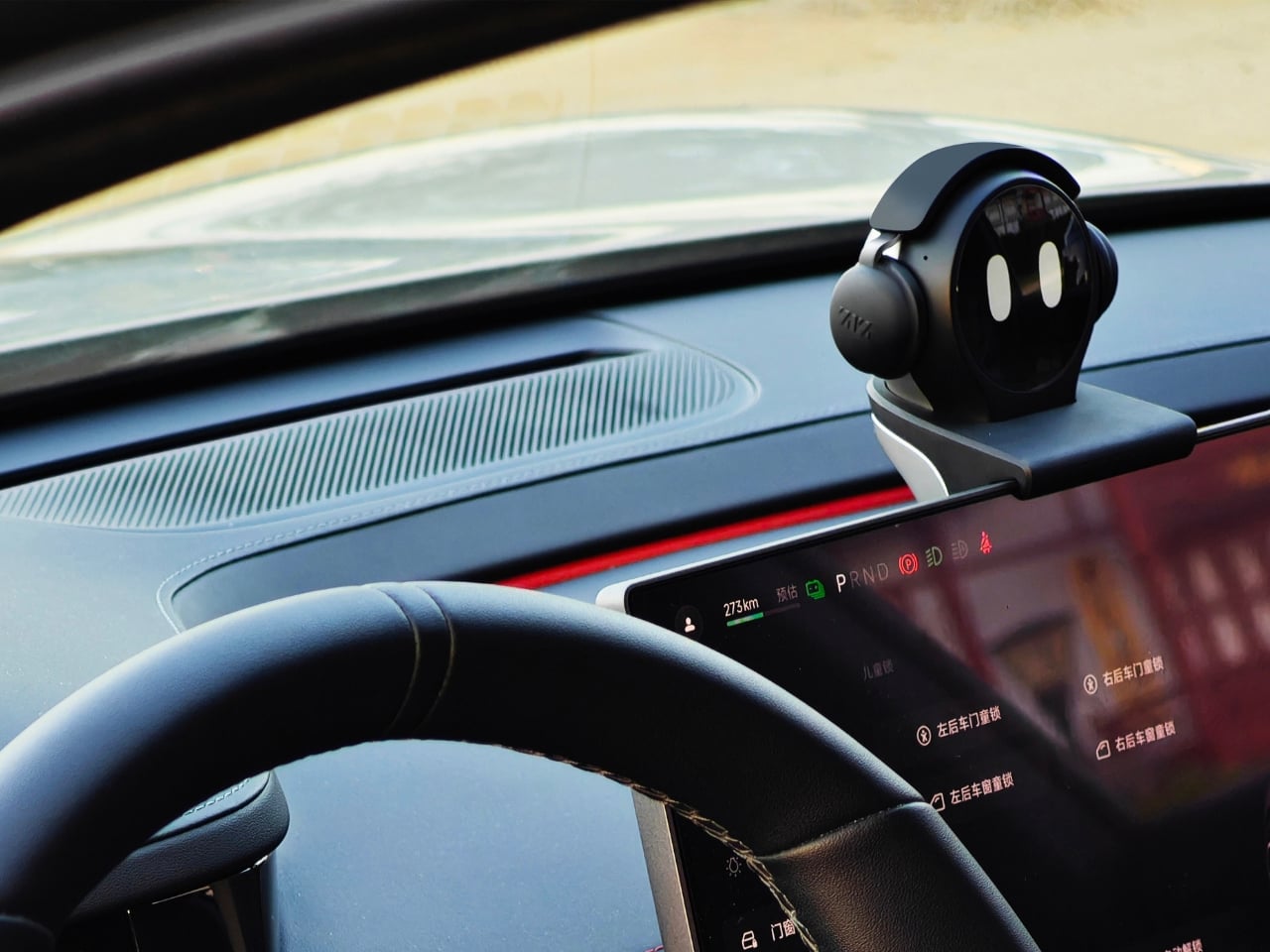
Picture this: you slide into your car, and instead of being greeted by cold, silent technology, there’s a little spherical companion perched on your dashboard, ready to chat. That’s TOOOONY, and it’s rethinking what it means to have tech in your vehicle.

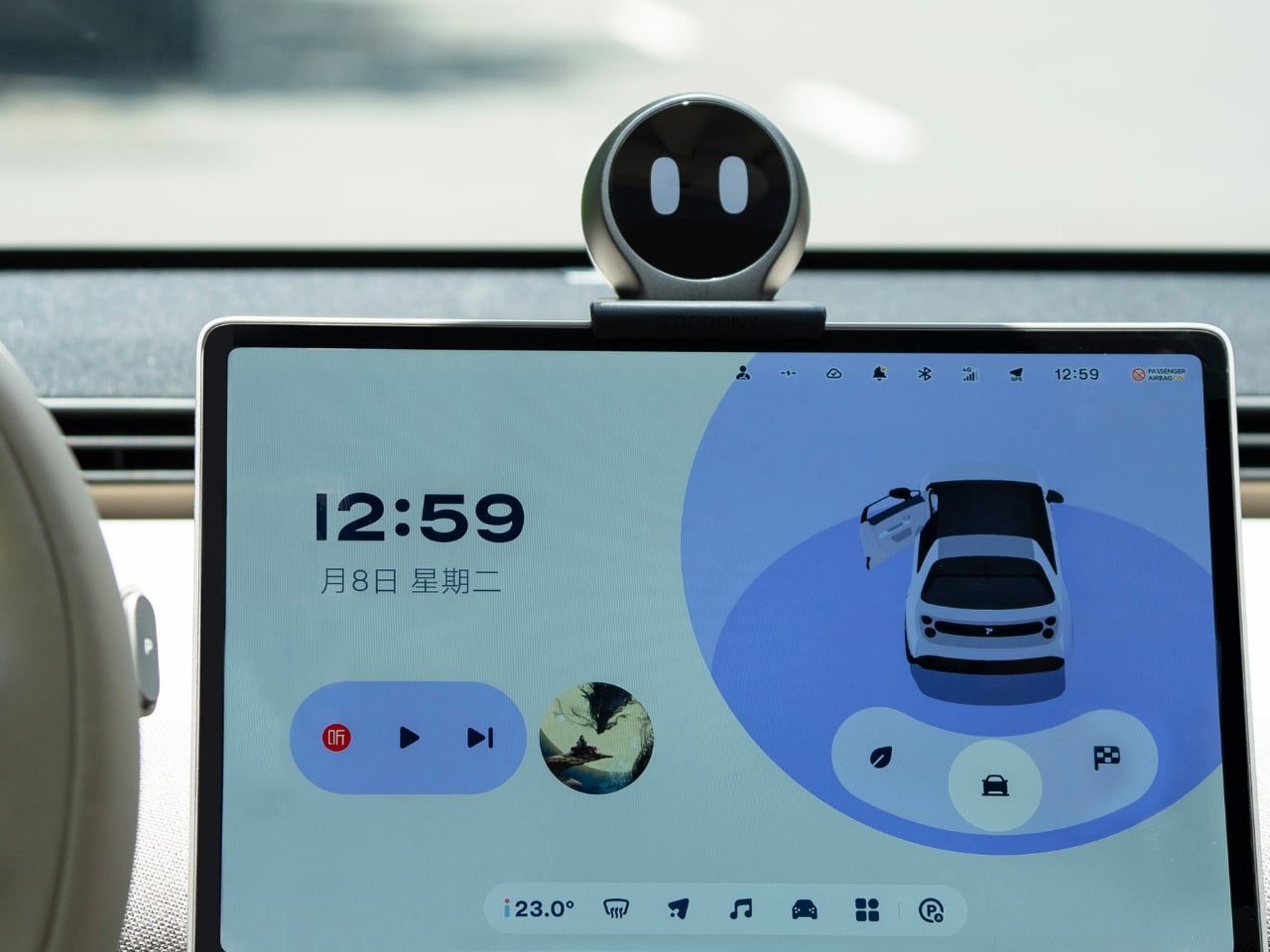
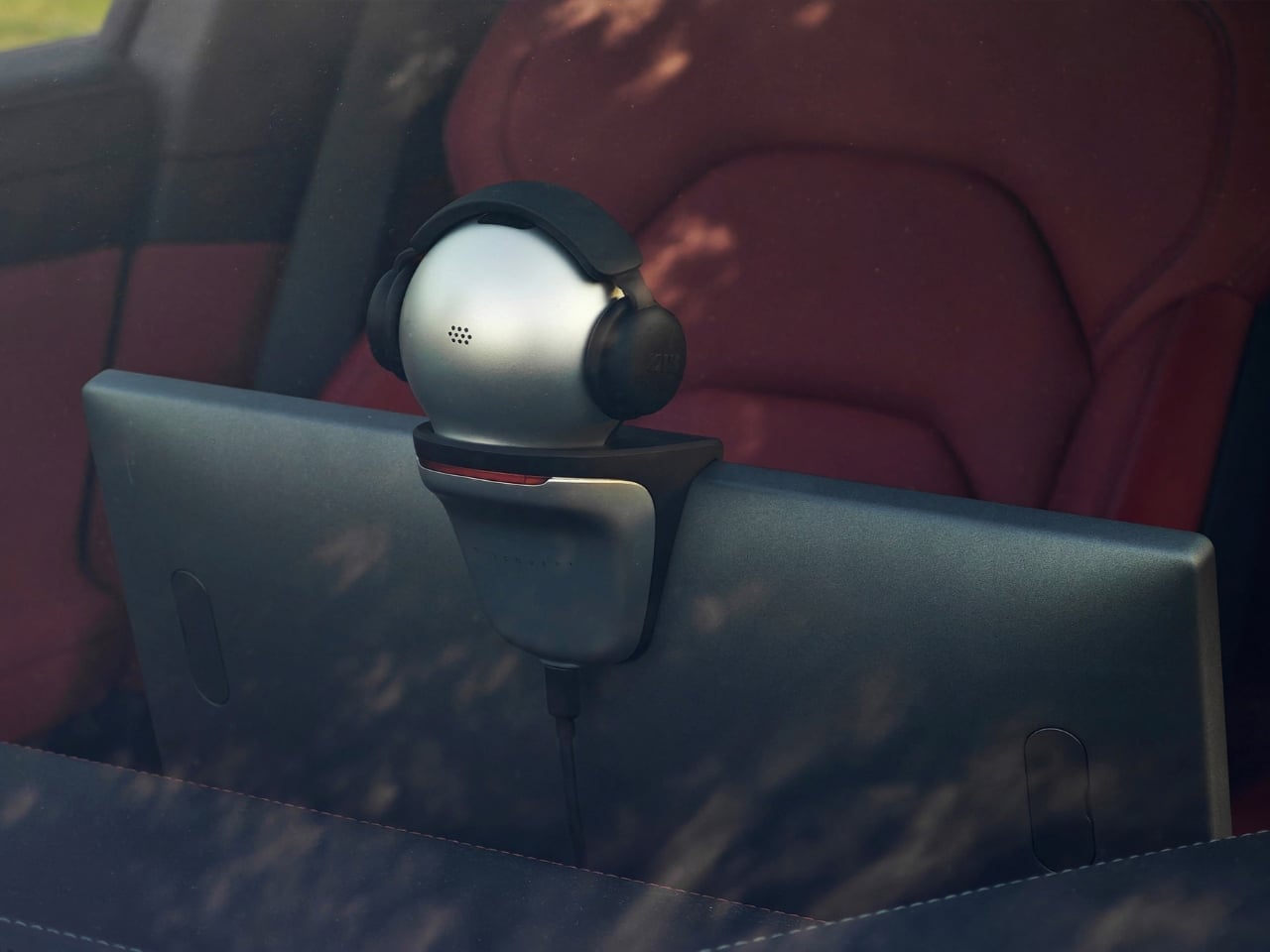
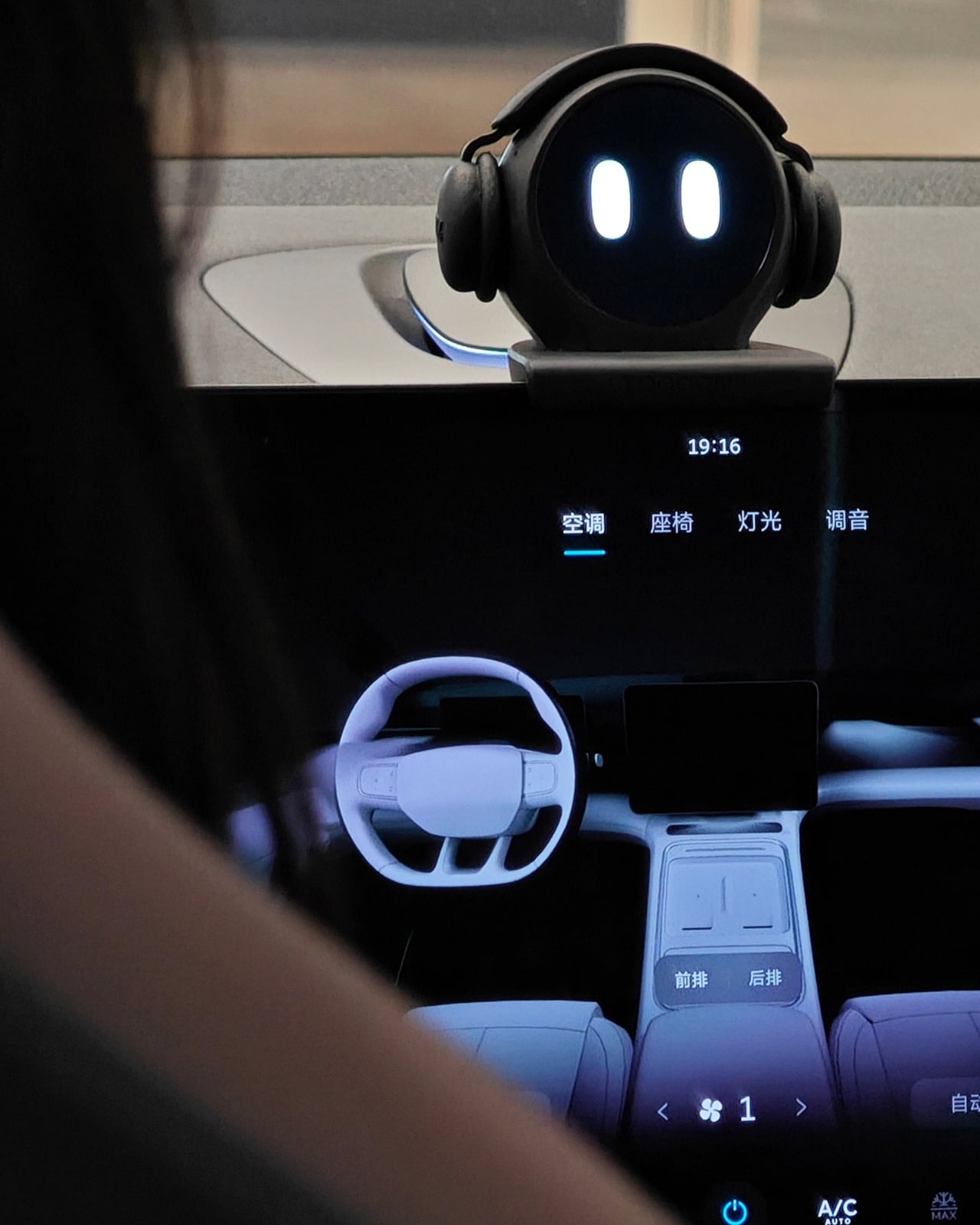
At first glance, Toooony looks like it escaped from a Pixar film. It’s got this perfectly round head with big, expressive eyes that light up on its circular screen, and honestly, you can’t help but smile when you see it. The design team at ZIZ Intelligent Manufacturing, led by Junjia Yang, Yang Shen, Yanan Liu, and Ruilin Niu, clearly understood something crucial: if you’re going to spend hours in your car, your tech companion should feel like an actual companion, not just another gadget bolted to your dashboard.

Designers: Junjia Yang, Yang Shen, Yanan Liu, Ruilin Niu

But Toooony isn’t just sitting there looking cute. This little robot is packed with functionality that genuinely changes how you interact with your vehicle. The anthropomorphic AI dialogue system means you can actually have conversations with it, not just bark commands. It responds to voice, recognizes touch, and here’s where it gets interesting: it features “tap-to-interact” functionality that lets you communicate with other Toooony users on the road.

Think about that for a second. We’ve all had those moments driving where we wish we could easily communicate with another car. Maybe it’s a friendly wave, sharing traffic info, or just acknowledging a fellow road tripper. Toooony makes this possible through LoRa near-field encrypted communication, positioning itself as the world’s first cross-brand non-contact travel social device. You can connect with other drivers without switching car brands or fumbling with apps, all while keeping your communication secure and encrypted.

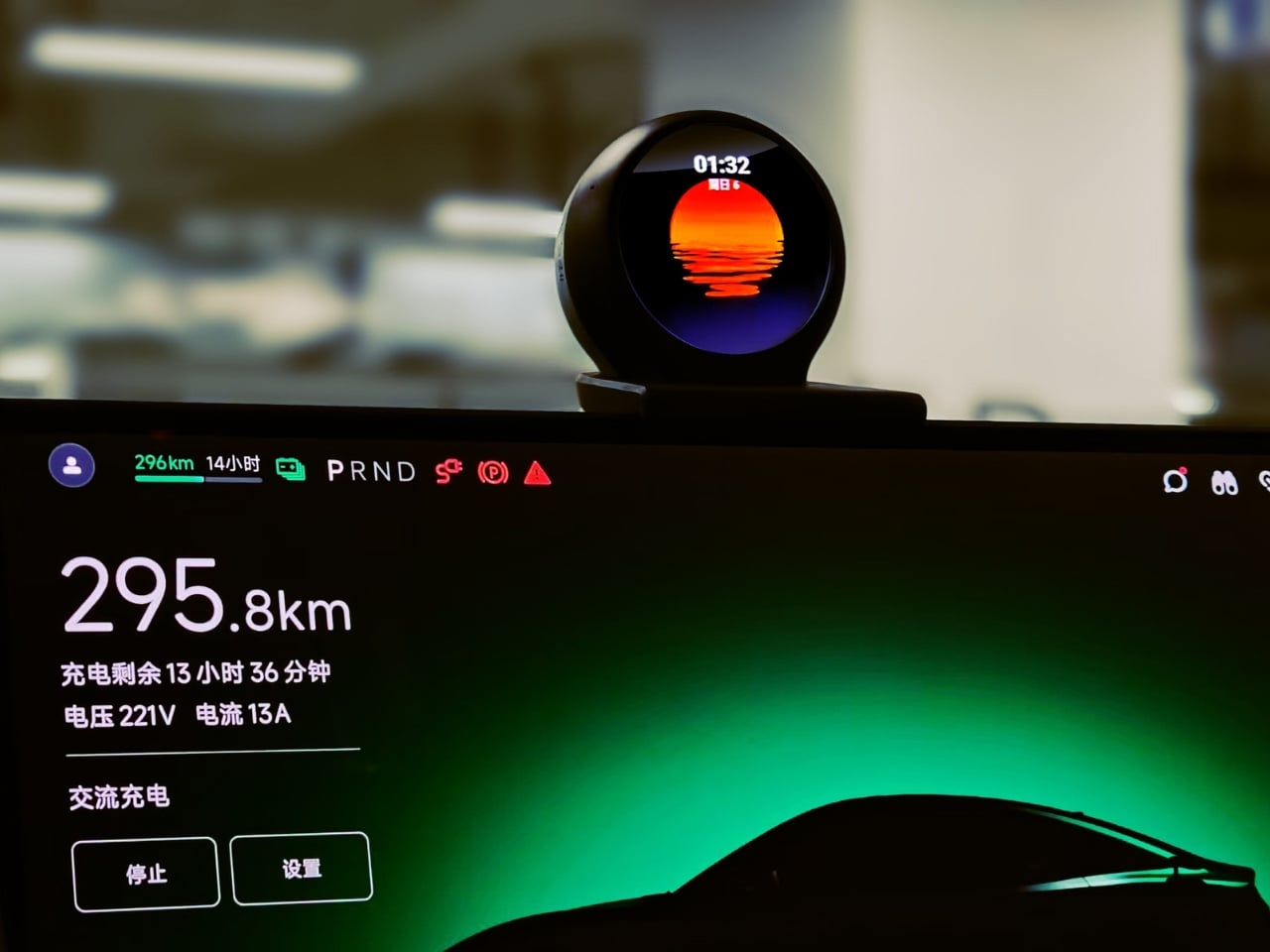
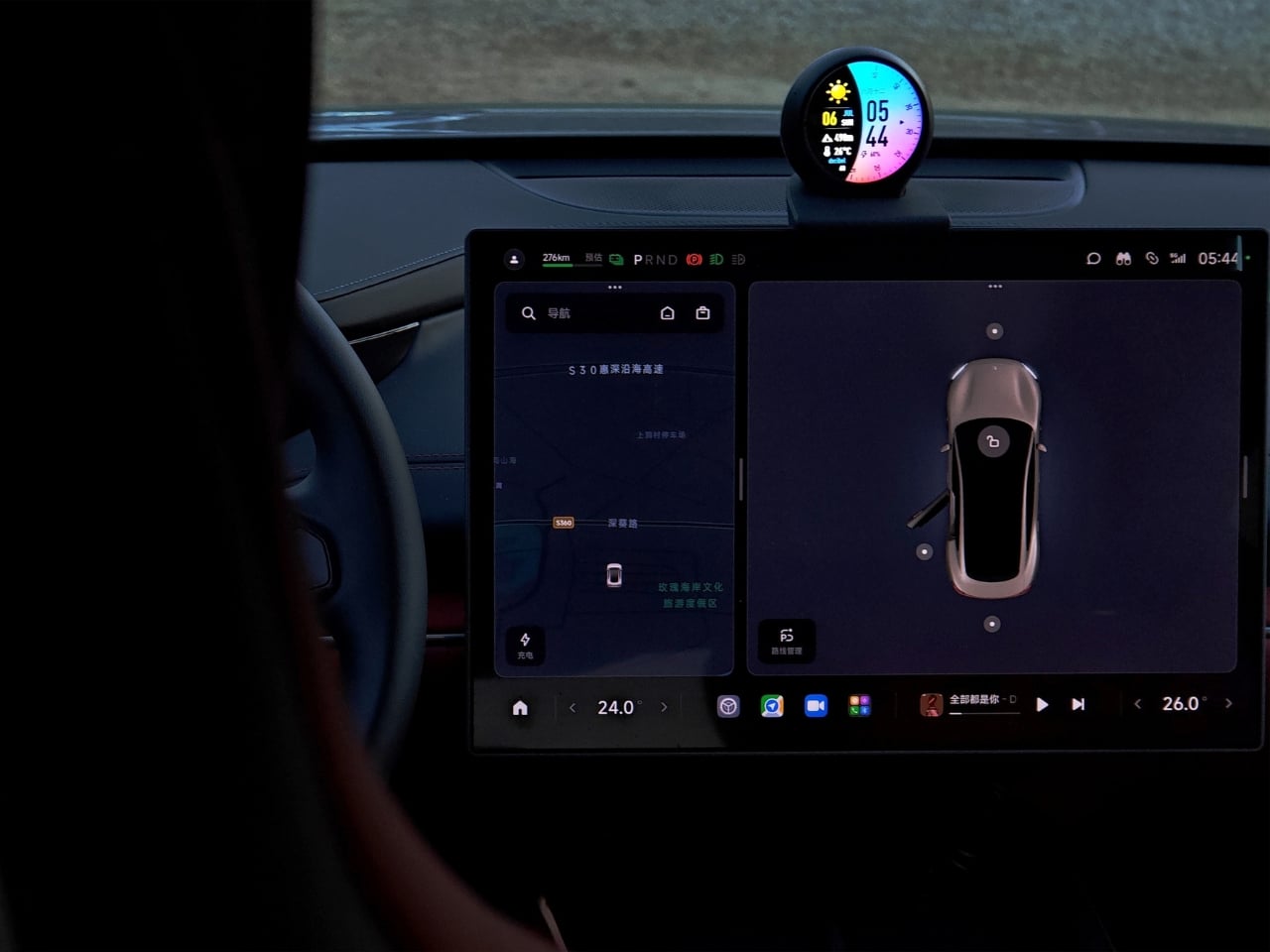
The circular screen serves as Toooony’s face and information hub, displaying a variety of customizable watch faces. One minute it might show you the weather with a sunset reflection, the next it’s displaying your vehicle stats or just giving you those cheerful cartoon eyes that make even traffic jams slightly more bearable. The screen adapts to different contexts, whether you need navigation info, want to control your music, or just need a visual companion during your commute.

What really sets it apart is how it blends personality with practical features. Built-in lighting creates ambiance and provides visual feedback, while the sound system handles everything from navigation prompts to music. The expressions change based on what’s happening, giving you emotional cues that feel natural rather than robotic. When you’re low on battery, the device might look concerned. Hit the road after a long day? It might greet you with a cheerful face that genuinely makes you feel less alone.

Then there’s the connectivity piece. Toooony isn’t just another Bluetooth speaker pretending to be smart. It’s equipped with 4G capability and can transform into a stable mobile hotspot that covers your entire vehicle. This means passengers can stream, work, or browse without draining phone data plans, and the connection stays consistent because it’s not relying on your phone’s tethering. For families on road trips or remote workers who treat their car like a mobile office, this feature alone justifies the device’s existence. The cross-device communication capability extends beyond just car-to-car interaction. It can sync with your other devices, creating a seamless tech ecosystem that follows you from home to vehicle and beyond. That playlist you were listening to in your living room? Toooony picks it up. Calendar reminders? They’ll pop up on that circular screen at the right time.

What makes Toooony particularly clever is that it’s designed as a customizable physical robot. This isn’t one of those “smart assistants” that’s just a speaker with lights. It’s an actual presence in your car with physical character. You can personalize its responses, change its watch faces to match your mood or aesthetic, and over time, it genuinely starts to feel like your driving buddy rather than just another piece of car tech.

The form factor matters too. Toooony sits on your dashboard without being intrusive, positioned where you can see it but it doesn’t block your view. The spherical design with what appears to be little headphone-like elements gives it this endearing character that makes sense in a vehicle environment. It’s friendly tech that doesn’t demand your attention but is there when you need it. The device brings a human touch to the driving experience when usually it seems like it’s designed by engineers for engineers. It’s functional without being cold, smart without being intimidating, and connected without being creepy. Sometimes the best innovations aren’t about cramming in more features but about making technology feel like it actually belongs in our lives. Toooony gets that balance right.

The post This Cute AI Robot Just Turned Your Car Into a 4G Hotspot first appeared on Yanko Design.

New York State will require warning labels on social media platforms

The State of New York will now require social media platforms to display warning labels similar to those found on cigarettes. The bill was passed by the New York Legislature in June and signed into law by Gov. Kathy Hochul on Friday. It will apply to any platforms that feature infinite scrolling, auto-play, like counts or algorithmic feeds. The labels will caution those on the platform about potential harm to young users' mental health.

Social media companies will be required to display these warning labels when a user first interacts with any of the features the state considers predatory. The warning will also be displayed periodically after that interaction. 
"Keeping New Yorkers safe has been my top priority since taking office, and that includes protecting our kids from the potential harms of social media features that encourage excessive use," Gov. Hochul said in a statement. The law will apply when any of these platforms are being accessed from New York. Gov. Hochul also signed two bills into law last year aimed at protecting kids from social media.
Concerns over the mental health effects of social media platforms on younger users have been mounting and government bodies have been increasingly taking action. A bill similar to the one in New York has been proposed in California. This year Australia became the first nation to ban social media for children, with Denmark soon to follow.

Last year the US surgeon general said social media should come with warning labels and highlighted data associating social media use with increased anxiety and depression in youth. The risks of social media use on children's mental health are multifactorial and are still being studied.

We've reached out to Meta, Snap and TikTok for comment and will update if we hear back. 

This article originally appeared on Engadget at https://www.engadget.com/social-media/new-york-state-will-require-warning-labels-on-social-media-platforms-210306716.html?src=rss

This Blade-Like eVTOL Makes the Cybertruck Look Like A Child’s Sketch

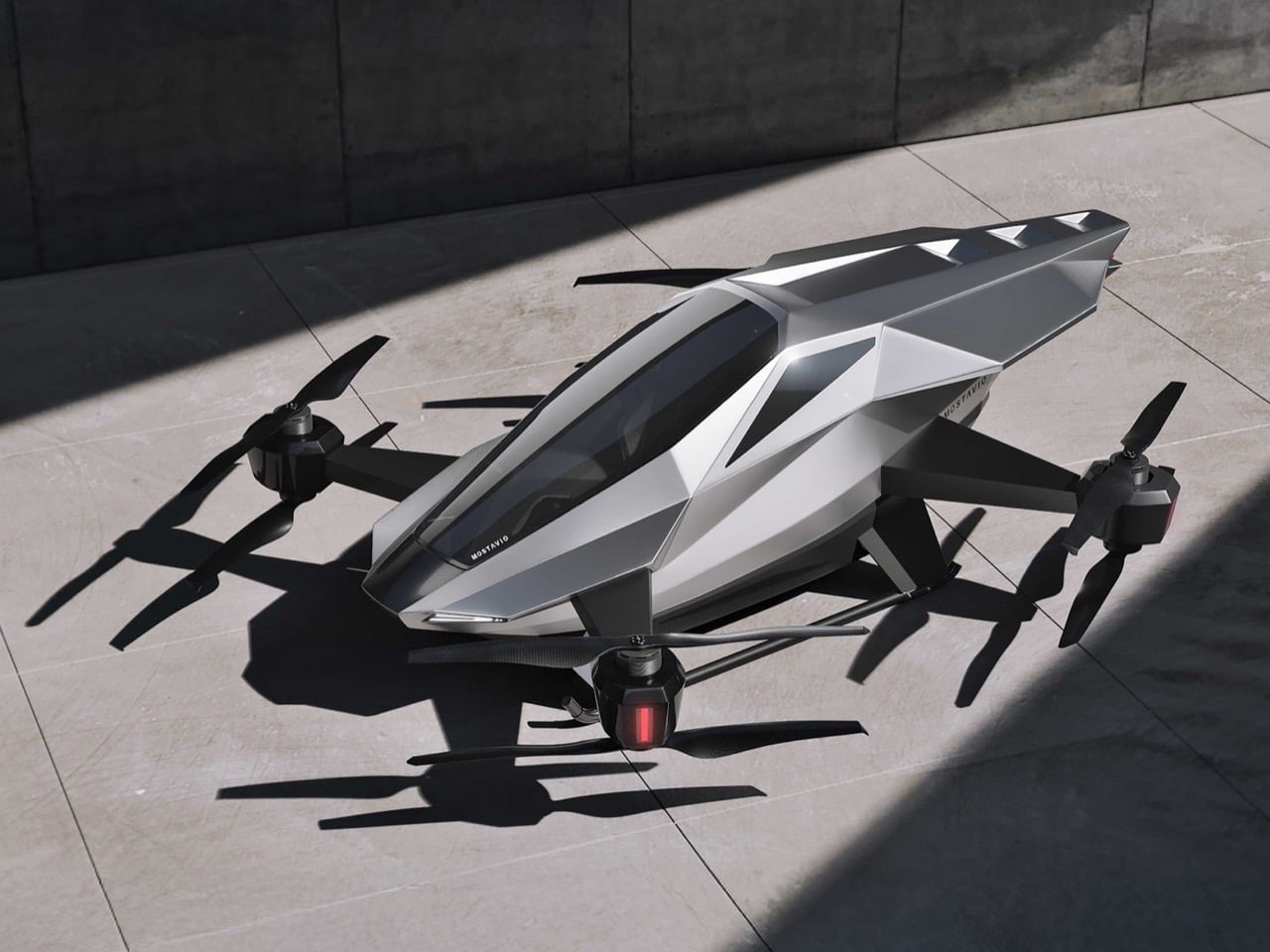
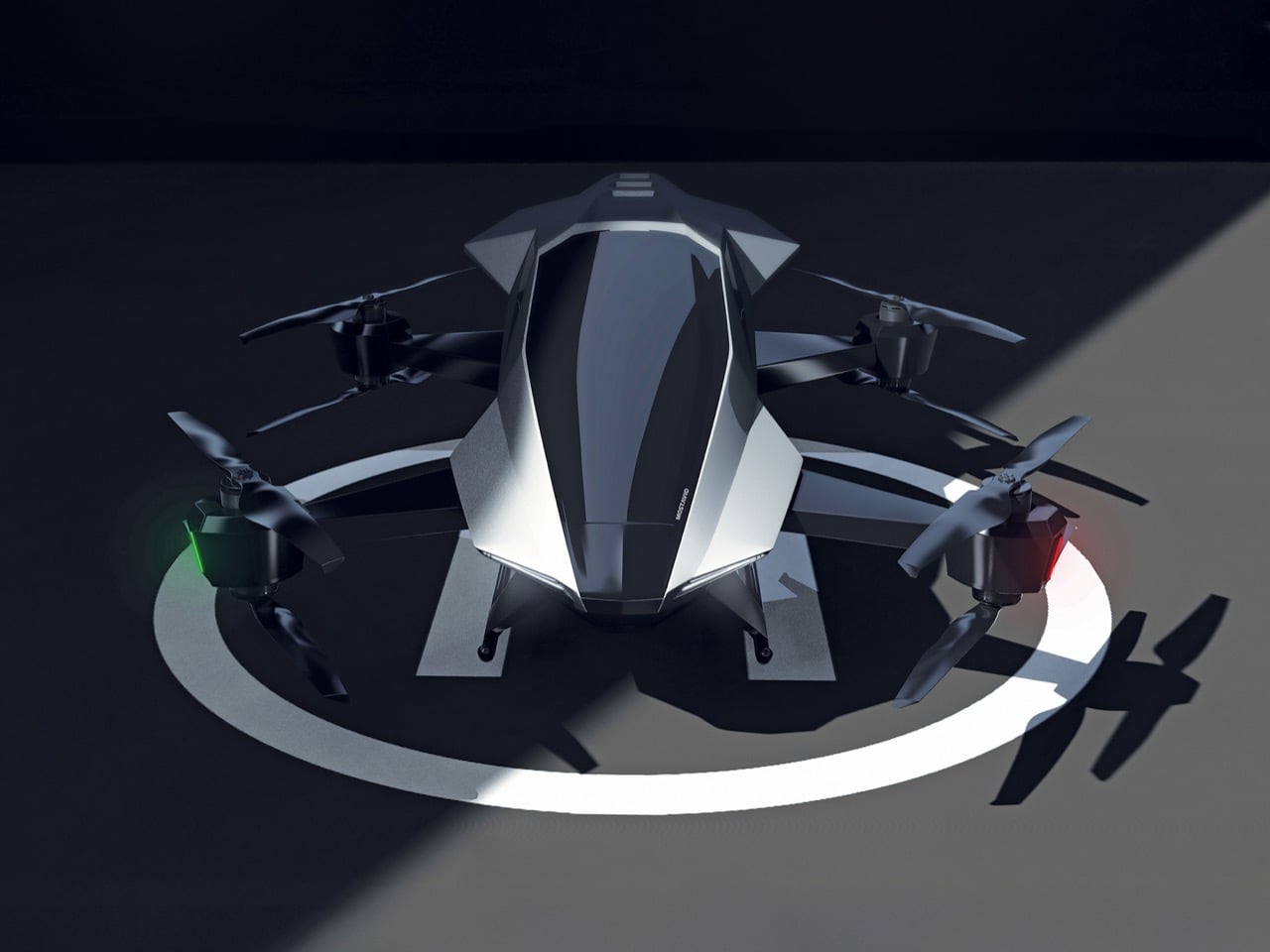
Flying cars have been vaporware for so long that most concepts blur together into the same generic pod-on-rotors aesthetic. Then MOSTAVIO’s MX1 lands in your feed, and suddenly you’re reminded why great industrial design still matters. The angular, almost origami-like bodywork earned this Toronto startup the 2025 Red Dot Award: Design Concept, validating what your eyes already know. Unlike the Cybertruck’s deliberately unfinished brutalism, the MX1 feels thought through to the last crease. Every facet serves both form and function, channeling the legendary design philosophy of masters like Giugiaro and Gandini.

The single-seat cockpit opens like a fighter jet, the panoramic window stretches wide for an unobstructed view, and the whole package sits on co-axial rotors that look more like sculptural elements than utilitarian hardware. MOSTAVIO wrapped these features in composite bodywork that appears to shift in the light, aggressive yet refined. The VR-based autonomous control system means you don’t need a pilot’s license to appreciate what they’ve built here, just an appreciation for design that refuses to compromise. This is what happens when someone actually cares about making future mobility look like it belongs in the future.

Designer: MOSTAVIO

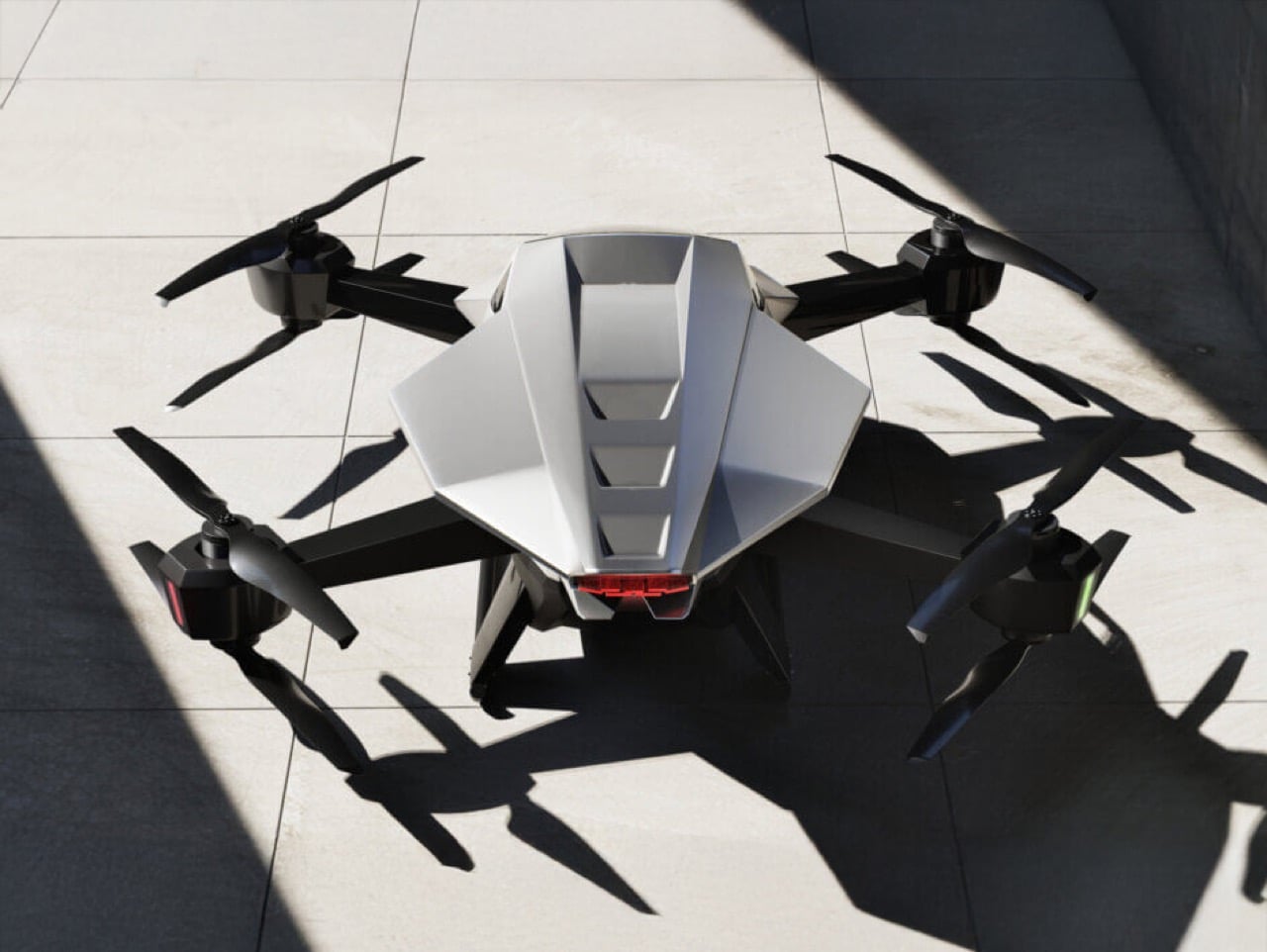
What makes the angularity work here, where other attempts have failed, is the controlled complexity of the surfacing. The body isn’t made of simple, flat planes. Look at the way light travels across the fuselage in the photos; you can see subtle curvature and tension in every facet, creating highlights that define the form. This is sophisticated stuff, the kind of surfacing you see on a Lamborghini, where every crease is intentional and contributes to the whole. It’s a design that looks like it was sculpted, not just extruded. The result is a visual language that feels lightweight, technical, and incredibly sharp, like a high-end piece of architectural hardware given flight.

That design discipline extends to the integration of functional parts. The co-axial rotor arms blend into the body with carefully managed fillets, making them feel like organic extensions of the main form instead of bolted-on appendages. The canopy shut-lines follow the body creases perfectly, and the single rear light is tucked neatly into the tail. This is the hard part of vehicle design, where engineers and designers usually fight to a clumsy compromise. Here, it feels like the designers won. They took the necessary components of a quadcopter and made them integral to the aesthetic, creating a cohesive object that looks right from every angle.

Of course, winning a Red Dot for a concept is the design world’s equivalent of getting a screenplay optioned. It doesn’t mean the movie is getting made tomorrow, but it confirms the script is brilliant. So before you get your wallet out, know that the MX1 is a proof-of-concept. You can’t buy one. Its job is to attract attention, secure funding, and serve as a design study for a future 2-3 passenger vehicle that MOSTAVIO plans to develop. It’s a physical mission statement, a declaration of intent. And as far as intentions go, this one is about as compelling as it gets. We’ll be watching.

The post This Blade-Like eVTOL Makes the Cybertruck Look Like A Child’s Sketch first appeared on Yanko Design.