iPhone 18 Pro Max: Goodbye, Dynamic Island?

iPhone 18 Pro Max: Goodbye, Dynamic Island?

Apple is preparing to unveil the iPhone 18 Pro Max in September 2026, marking a pivotal moment in its flagship smartphone lineup. This eagerly awaited device represents a bold step forward, introducing a seamless display, new camera advancements, and a next-generation chip. With these features, Apple aims to redefine user expectations and set new benchmarks […]

The post iPhone 18 Pro Max: Goodbye, Dynamic Island? appeared first on Geeky Gadgets.

Posted in Uncategorized

Apple will allow third-party app stores and payment processing in Brazil

Brazilian regulators have reached a settlement with Apple after a yearslong investigation into the company's App Store fee practices as well as its policies against third-party app stores. As first reported by Brazilian tech site tecnoblog, the nation's Administrative Council of Economic Defense (CADE) said it has accepted Apple's proposed agreement that will address claims of anticompetitive practices.

The agreement will allow for third-party payment processing methods for in-app purchases and reins in Apple's anti-steering efforts by allowing links to external websites for transactions. The settlement requires that these payment options be shown next to Apple's own. Apple must also allow third-party app stores to be installed on its devices, though the company is allowed to display warnings to users if they are written in a neutral and objective way.

A new fee structure has also been agreed to, with Apple applying no fee if users are directed to outside payment methods in a text-only way. The use of a clickable link or button for an external payment option will incur a 15 percent fee. Purchases made within Apple's App Store will still be subject to a 10 percent or 20 percent commission. Developers using Apple’s payment system would also be subject to a 5 percent transaction fee.

Additionally a 5 percent "Core Technology Fee" would be levied against all app downloads from third-party app stores. This new structure bears similarities to policy and fee changes made after the EU passed its Digital Markets Act, with Apple allowing third-party app stores and external purchases subject to varying fees.

Apple will have 105 days to comply under the new agreement and could face fines of up to $27 million for failure to implement the changes. The iPhone maker has been facing mounting pressure from regulators worldwide over its anti-steering practices and was recently handed a $587 million fine by the EU for violating its Digital Markets Act. Apple is appealing the fine. In the US, Apple has been embroiled in a court battle with Fortnite maker Epic Games over commissions on purchases that take place on third-party payment platforms.

This article originally appeared on Engadget at https://www.engadget.com/big-tech/apple-will-allow-third-party-app-stores-and-payment-processing-in-brazil-135114824.html?src=rss

NVIDIA Buys Groq for $20B : Licensing Pact, Faster Inference Chips & CUDA Support Ahead

NVIDIA Buys Groq for $20B : Licensing Pact, Faster Inference Chips & CUDA Support Ahead

What does a $20 billion acquisition mean for the future of AI hardware? That’s the question on everyone’s mind as NVIDIA, a titan in the tech world, officially acquires Groq, a rising star in AI inference technology. Matthew Berman breaks down how this deal could reshape the competitive landscape, diving into the strategic reasons behind […]

The post NVIDIA Buys Groq for $20B : Licensing Pact, Faster Inference Chips & CUDA Support Ahead appeared first on Geeky Gadgets.

Posted in Uncategorized

Best Tiny Homes of 2025: 10 Projects You Need to See

The tiny home movement reached a remarkable milestone this year. What began as a fringe experiment in minimalist living has evolved into a sophisticated design discipline, producing dwellings that rival conventional homes in terms of comfort and style. The projects emerging from 2025 showcase an evolved understanding of spatial efficiency, where every square inch serves multiple purposes without sacrificing aesthetics or livability.

This year’s standout designs push boundaries in unexpected directions. Vertical expansion challenges the horizontal norm, mirrored layouts maximize utility on impossibly compact footprints, and single-level configurations prove that accessibility and tiny living aren’t mutually exclusive. These ten homes represent the pinnacle of what compact architecture can achieve, blending innovation with practicality in ways that make you reconsider what “home” really means.

1. Gunyah – The Australian Marvel That Redefines Compact Living
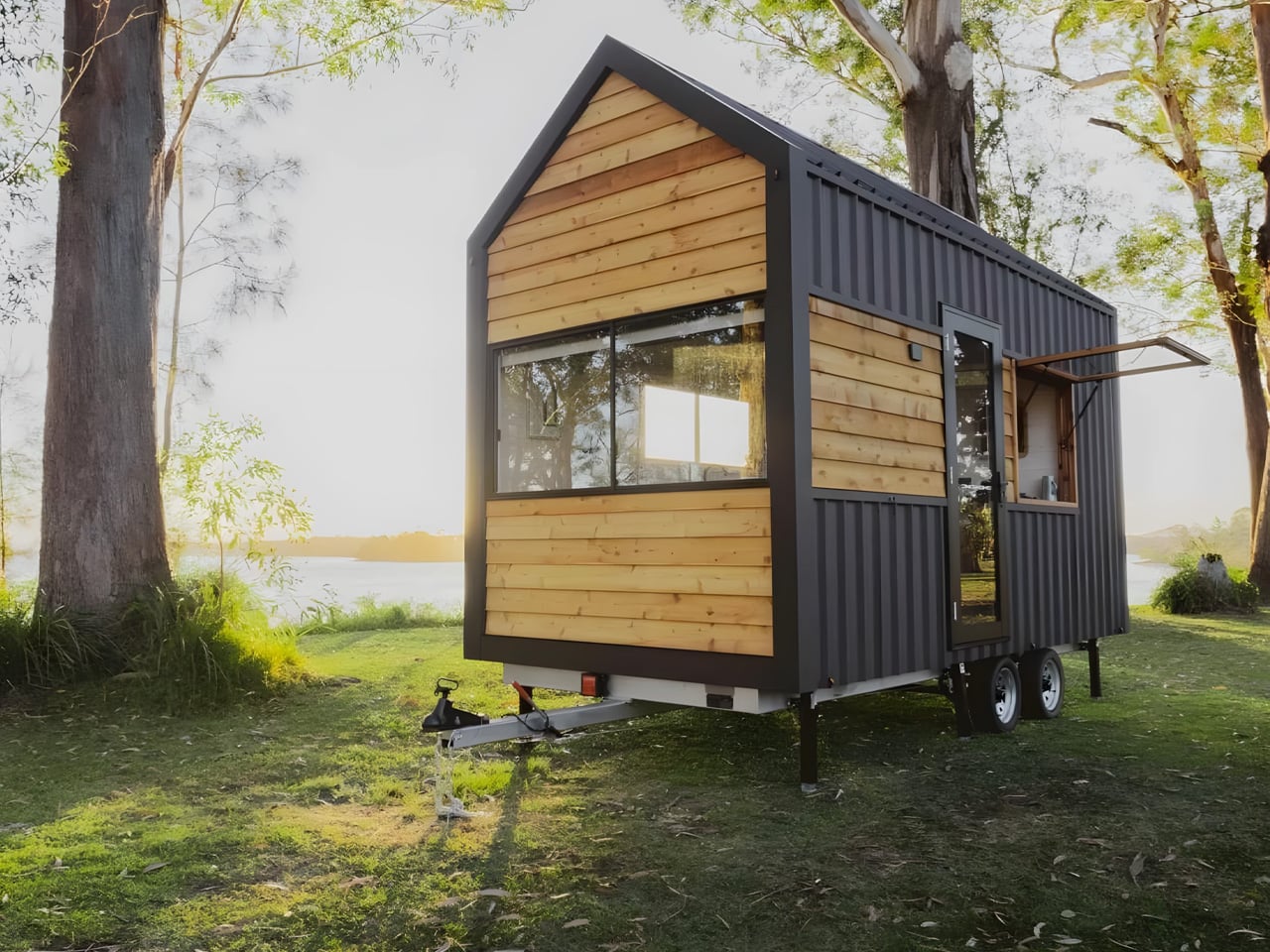
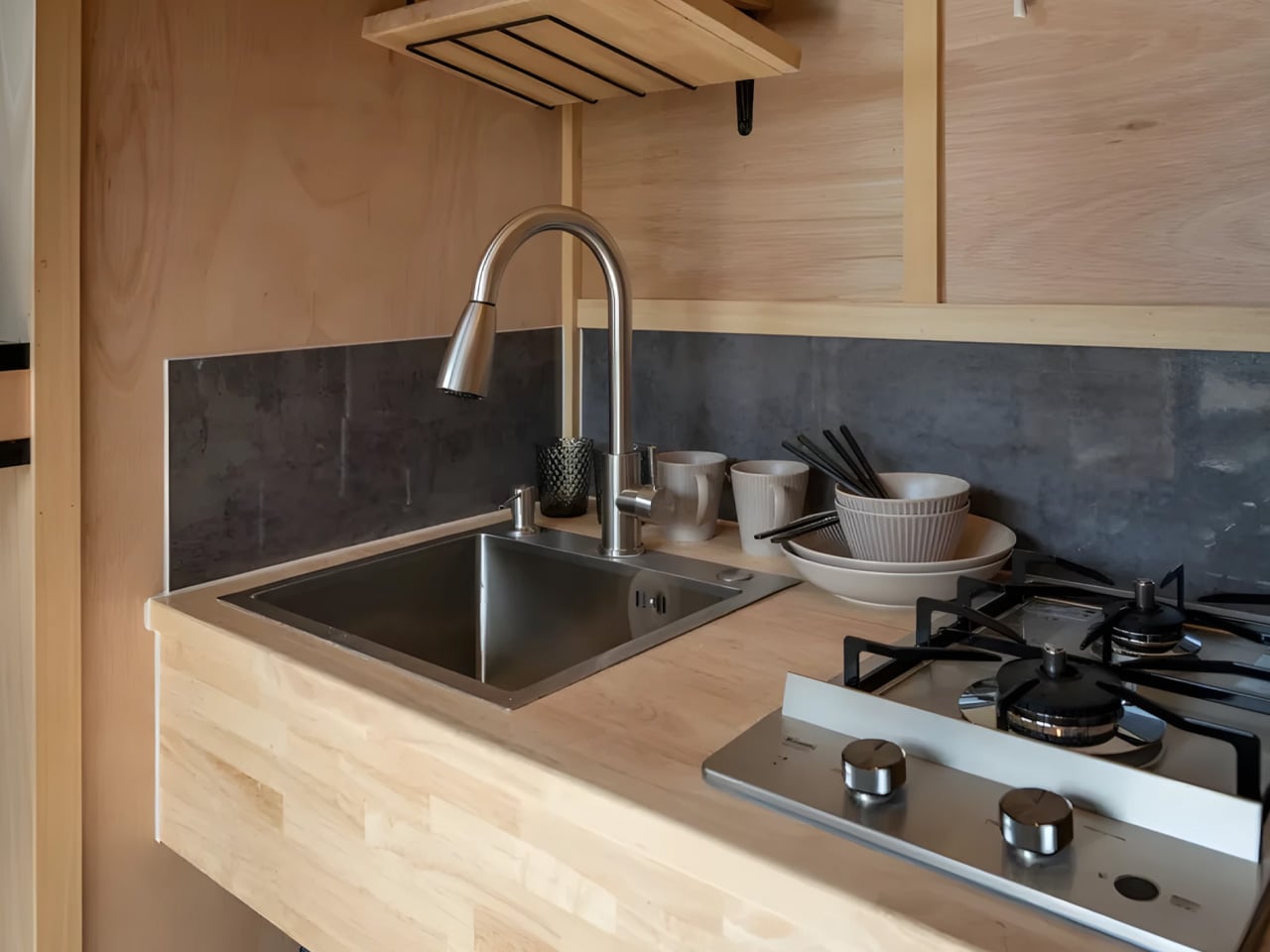
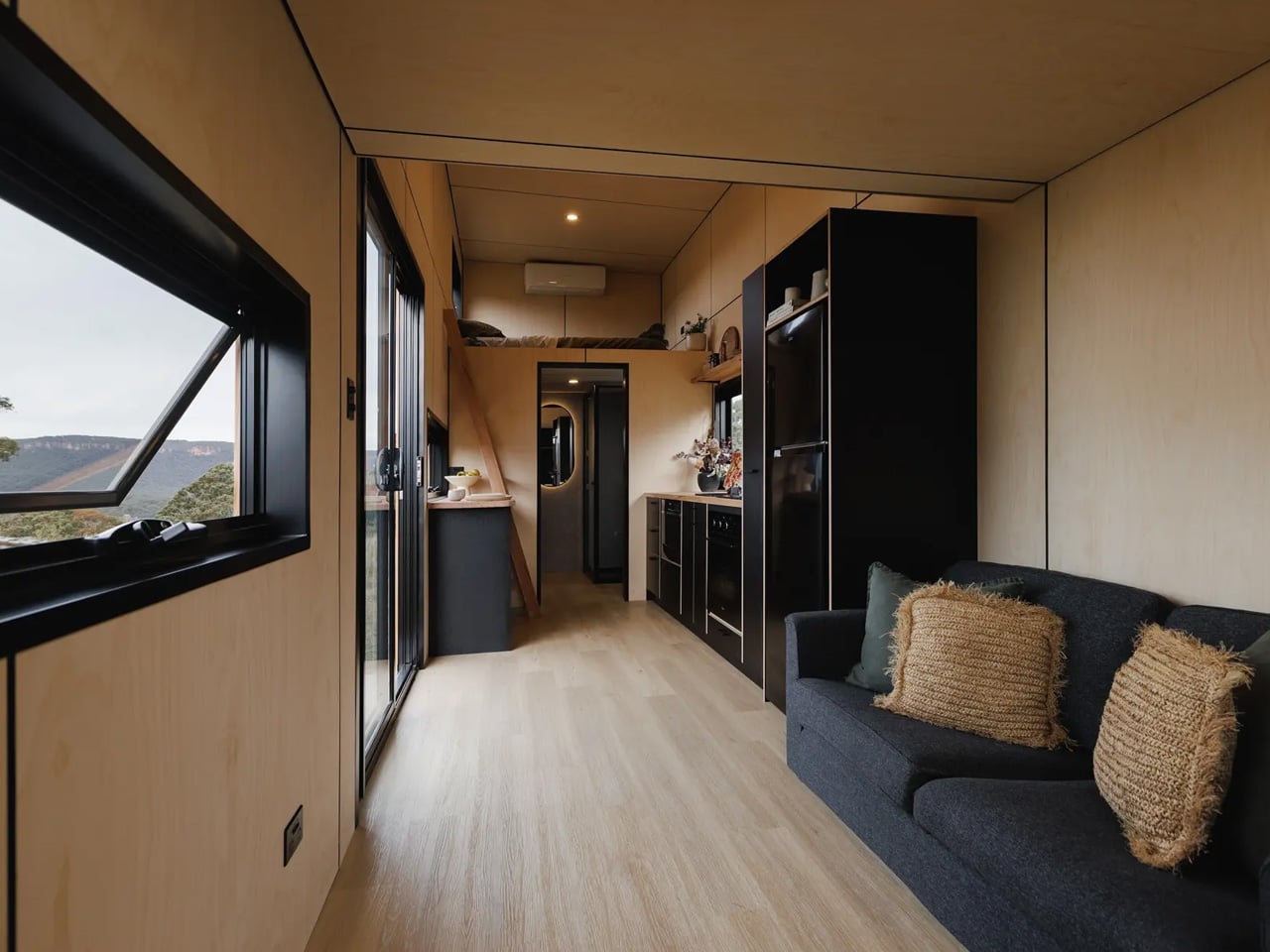
Häuslein Tiny House Co. has crafted something genuinely special with the Gunyah, a 16.5-foot wonder from Australia that shatters preconceptions about what’s possible in compact spaces. This home accommodates up to four people within a footprint that seems impossibly small, yet never feels cramped or compromised. The birch ply interior radiates warmth, creating an inviting atmosphere that stands in sharp contrast to the sterile, industrial vibe plaguing many micro-dwellings.

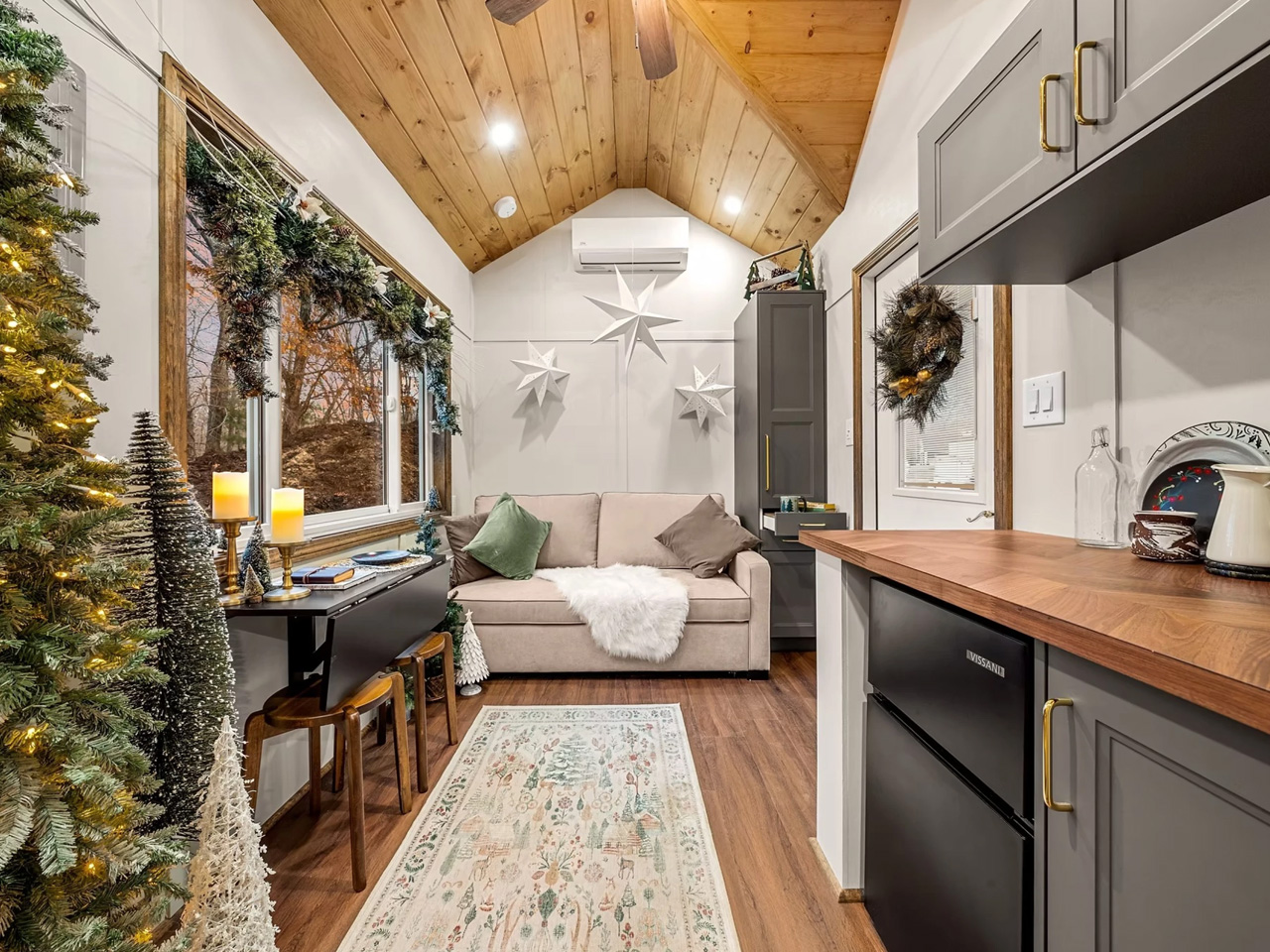
The exterior combines engineered wood with metal cladding, presenting clean lines that capture attention without trying too hard. Weighing just 2.85 tonnes, the Gunyah maintains genuine mobility rather than theoretical portability, making it viable for those who actually want to travel with their home. The spatial choreography inside demonstrates masterful planning, with a living room that anchors the design around a comfortable sofa and wall-mounted television, transforming into sleeping quarters when needed, while a loft bedroom above provides primary quarters.

What we like

  • The transformable living space converts from a gathering area to a double bed accommodation.
  • Full kitchen functionality includes a dishwasher, induction cooktop, refrigerator, and adequate counter space.
  • Lightweight design at 2.85 tonnes allows towing with mid-size trucks.
  • Birch ply interior creates natural warmth and character.

What we dislike

  • Limited storage capacity in a 16.5-foot length struggles with four people’s belongings.
  • Removable ladder access to the loft bedroom creates inconvenience and accessibility issues.

2. DQ Tower – When Tiny Homes Grow Up Instead of Out
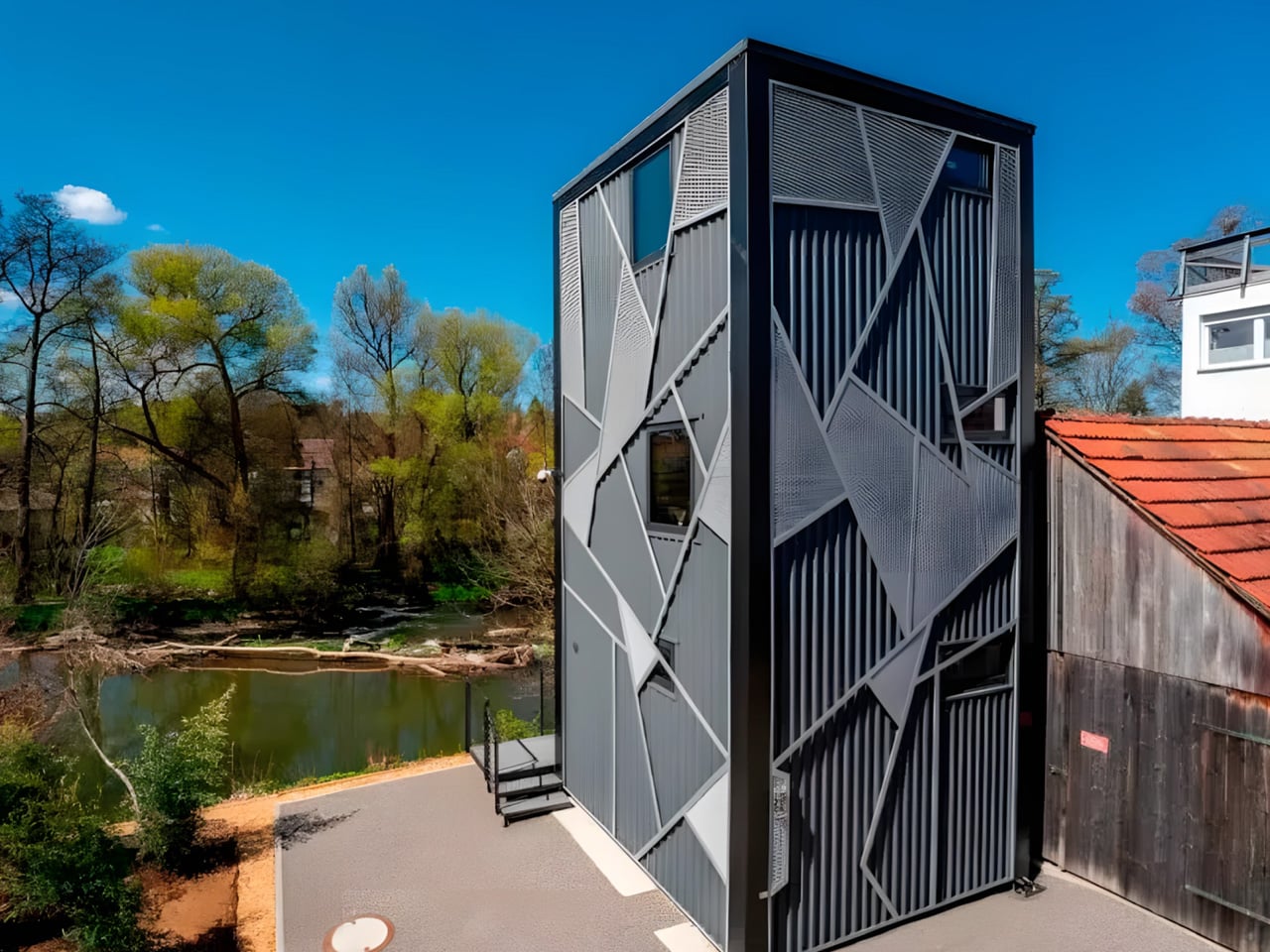
Moduleform’s DQ Tower takes a radically different approach to compact living by building upward rather than outward. This three-story prefab unit occupies a mere 4 by 4.2-meter footprint while delivering spatial experiences rarely encountered in micro-dwellings. The vertical philosophy creates distinct zones for different activities, mimicking the floor-by-floor separation of conventional homes rather than the open-plan scramble defining most tiny houses.

The crisp geometry and glass-lined façade announce clear intentions from the exterior. Moduleform designed this to maximize natural light, privacy, and functionality even on the smallest urban plots where horizontal expansion isn’t possible. The first floor blends living, dining, and kitchen functions into a sunlit space where every corner receives careful attention. Built-in storage and custom cabinetry eliminate clutter without sacrificing daily utility, while a secondary bathroom on this level accommodates guests or families needing simultaneous access.

What we like

  • Three-floor vertical layout establishes distinct zones mimicking conventional homes.
  • Floor-to-ceiling windows flood the interior with natural light and prevent a claustrophobic feeling.
  • Tiny 4 by 4.2-meter footprint makes unusable urban plots viable for development.
  • Secondary bathroom on first floor eliminates stair navigation for basic facilities.

What we dislike

  • Constant stair climbing between three floors creates physical exhaustion.
  • Narrow footprint limits furniture options and requires custom pieces.

3. Yamabiko – The Japanese Innovation That Fits Two Homes in One Shell
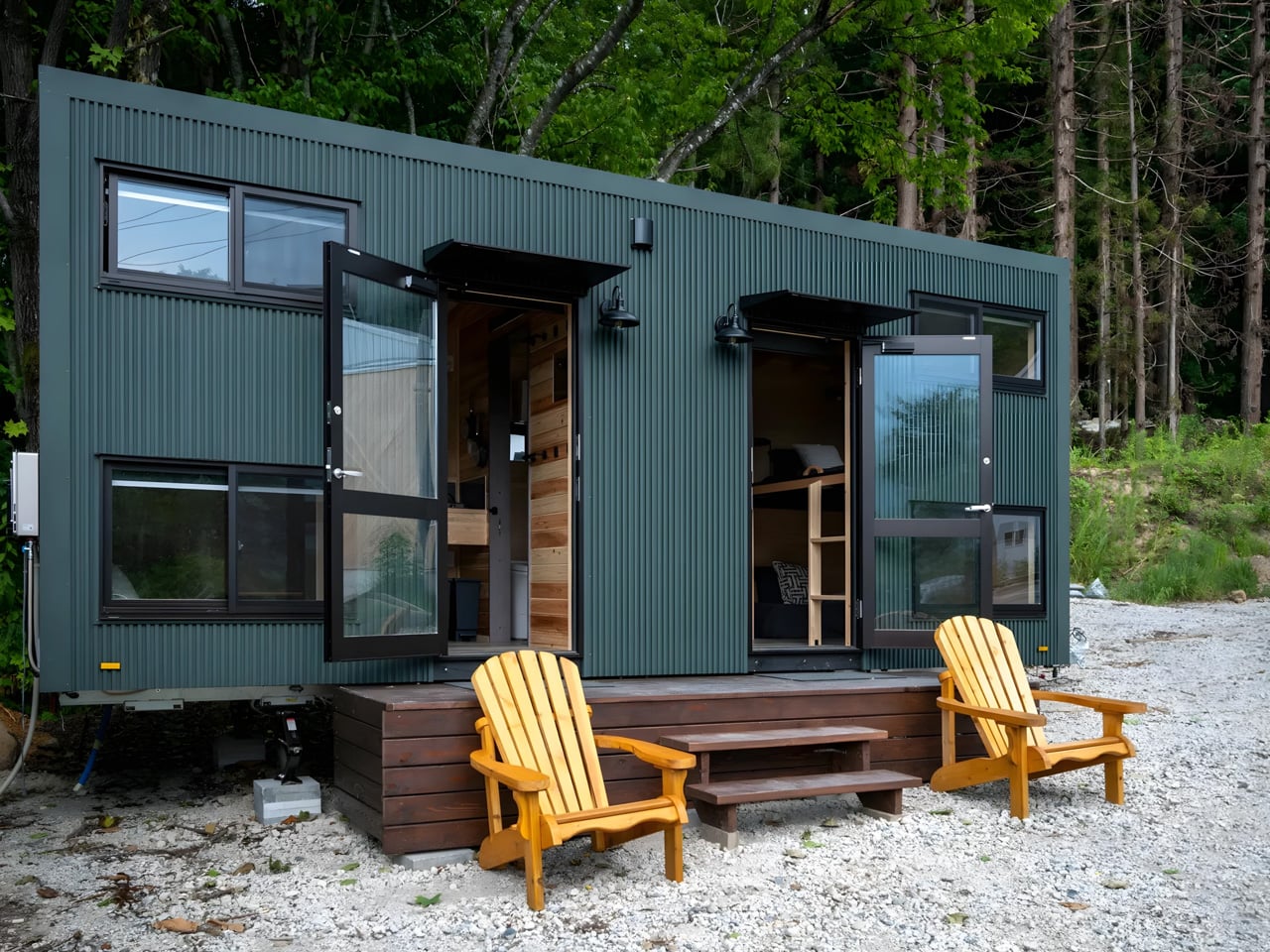
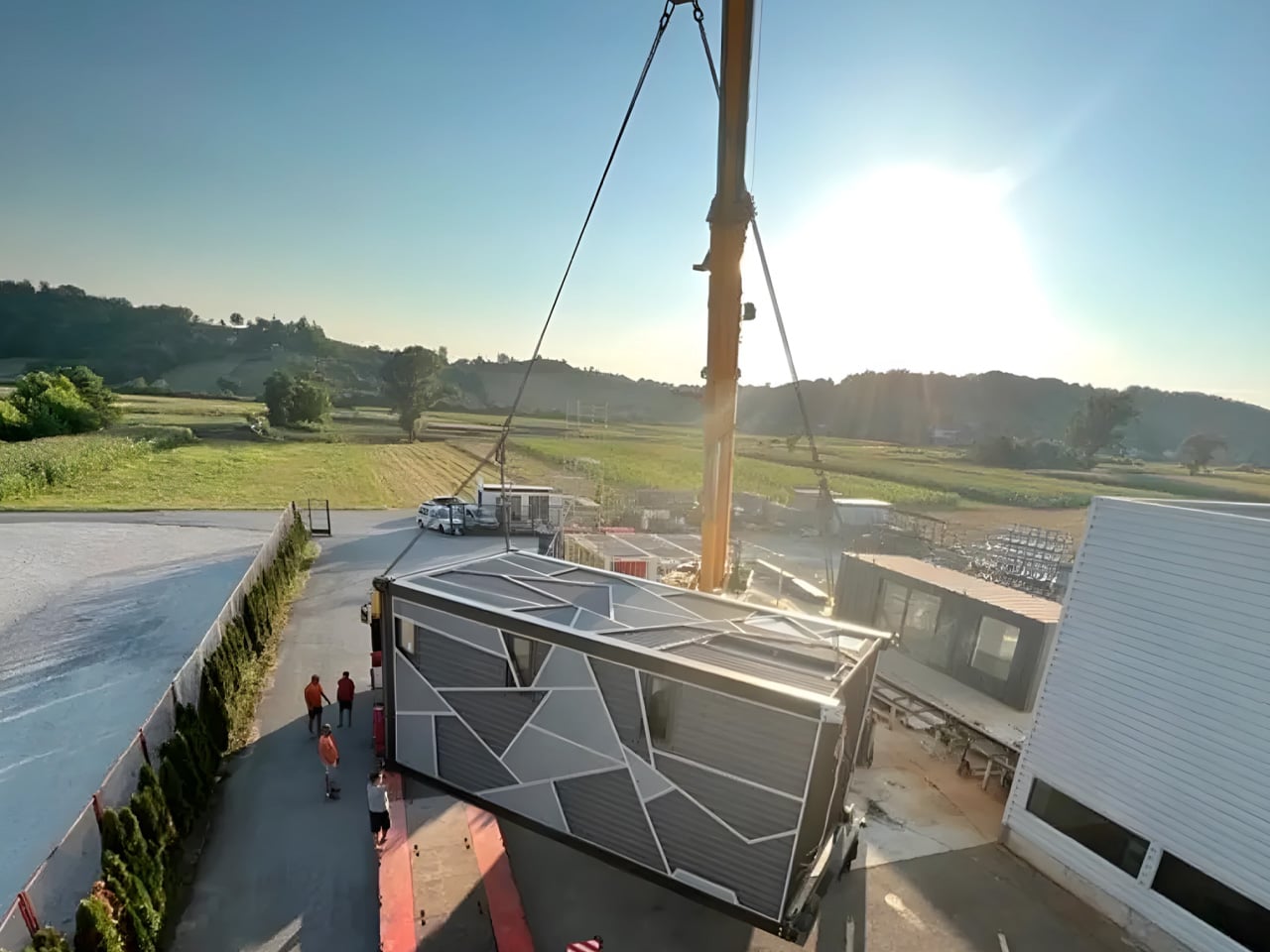
Ikigai Collective has created something remarkable with the Yamabiko, a 6.6-meter dwelling nestled in Nozawaonsen, Nagano, that challenges everything we assume about tiny house layouts. This home doesn’t squeeze one living space into its metal frame – it fits two complete, mirrored residences under a single roof. Two front doors hint at the clever secret: a perfectly mirrored layout splitting the home down the middle, where each side offers identical living spaces with lofted bedrooms, compact kitchens, and cozy lounges.

The design specifically targets staff accommodation in Japan’s seasonal resort towns, where ski instructors, hospitality workers, and summer camp employees need housing that balances privacy with efficiency. Two people live independently under one roof, each with personal kitchens and sleeping lofts, while sharing a single bathroom positioned between the two halves. The Galvalume steel cladding speaks to Japanese minimalism through its utilitarian aesthetic, handling heavy mountain snow and coastal humidity while aging gracefully and maintaining its modern edge.

What we like

  • Mirrored layout provides complete independent living spaces with separate kitchens and lofts.
  • Galvalume steel cladding requires minimal maintenance in extreme weather conditions.
  • Compact 6.6-meter length makes towing simple with standard vehicles.
  • Dual-occupancy design maximizes land efficiency and rental income potential.

What we dislike

  • A single shared bathroom creates access conflicts between two residents.
  • Extremely limited individual space within each 6.6-meter half.

4. Casuarina – Single-Level Living Without Compromise
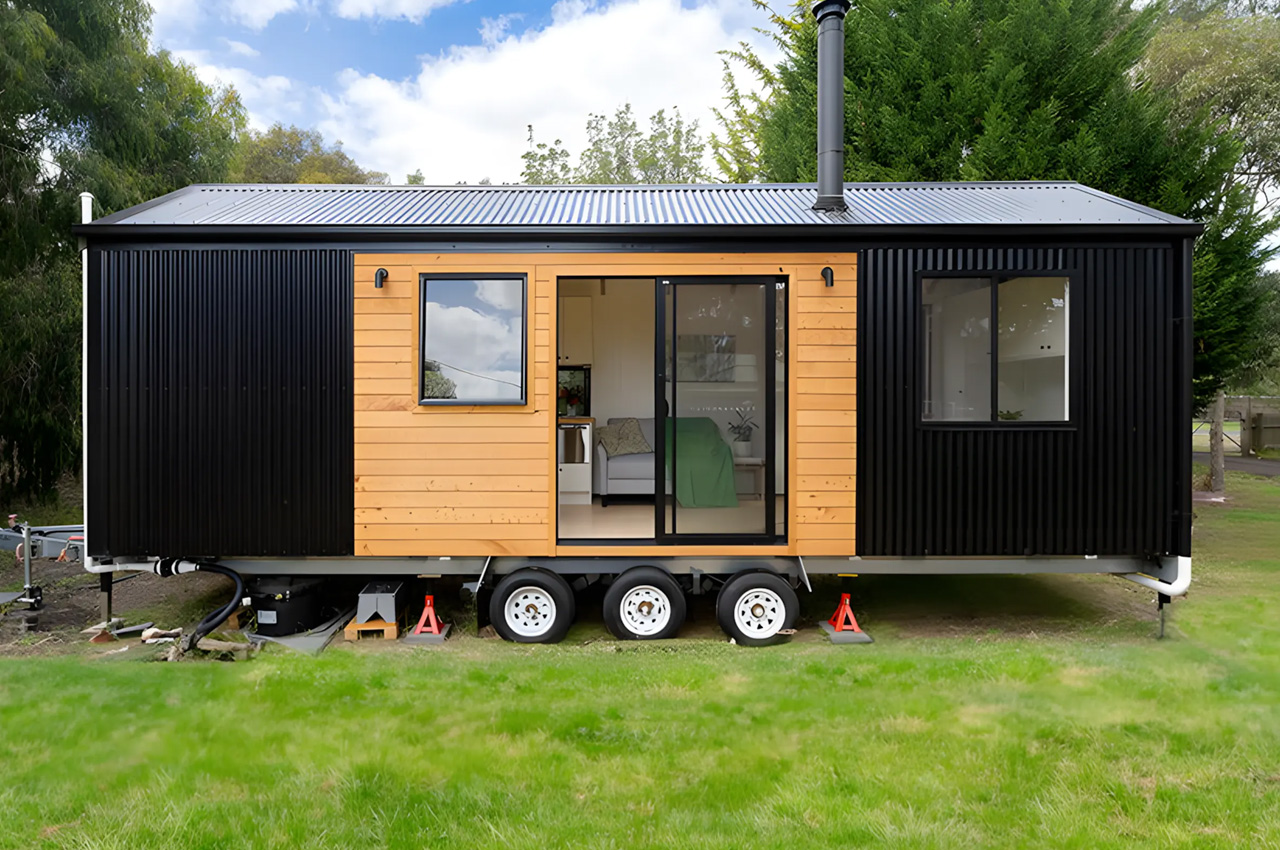
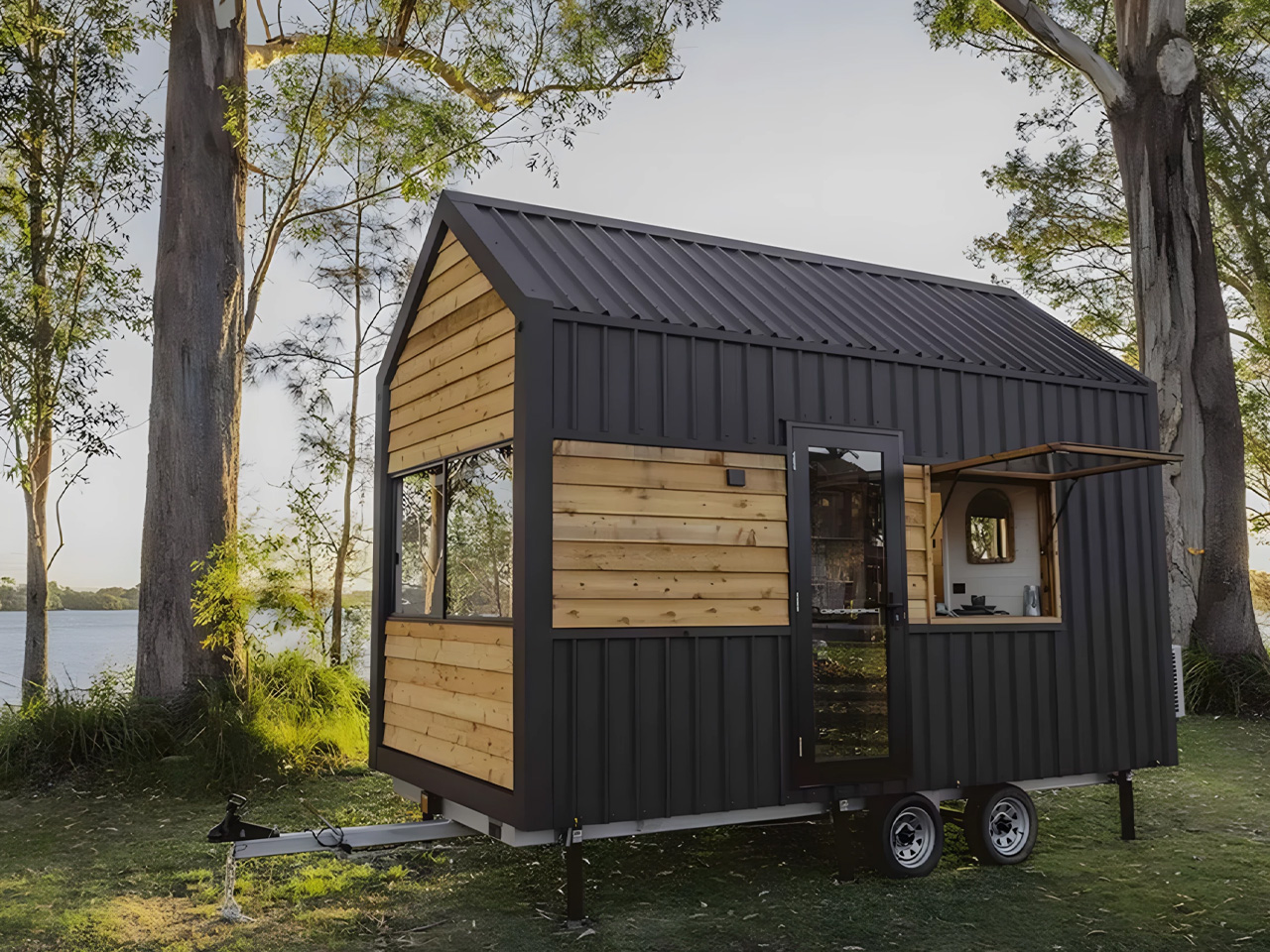
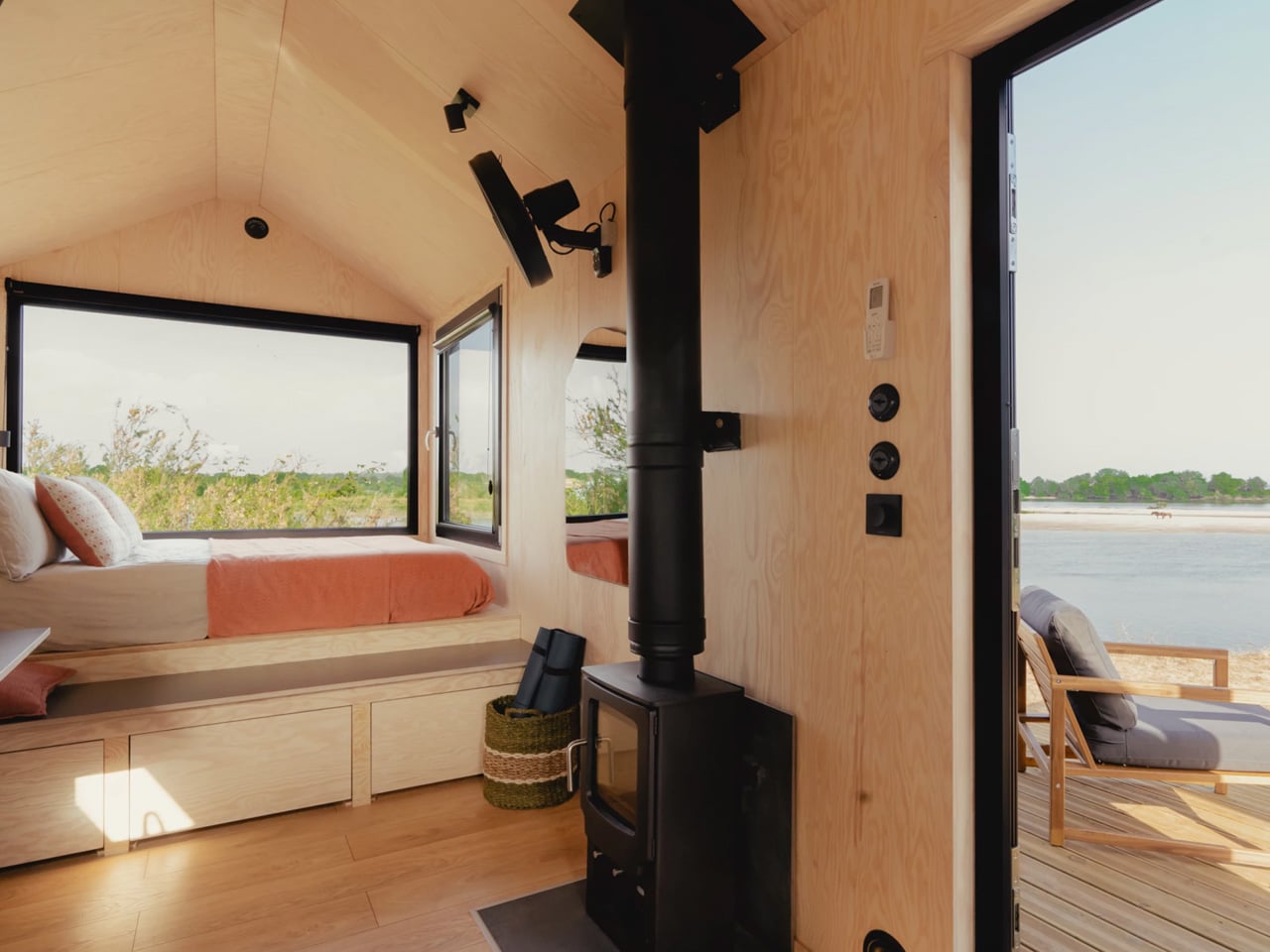
Evergreen Homes Australia designed the Casuarina specifically for people who’ve hesitated to embrace tiny living due to mobility concerns or ladder-climbing reluctance. This 8.4-meter home sits entirely on one level, creating a comfortable and cozy space for two people plus occasional guests. The black metal exterior receives timber accenting that softens the industrial edge, while the triple-axle trailer base provides stability during transport and stationary periods.

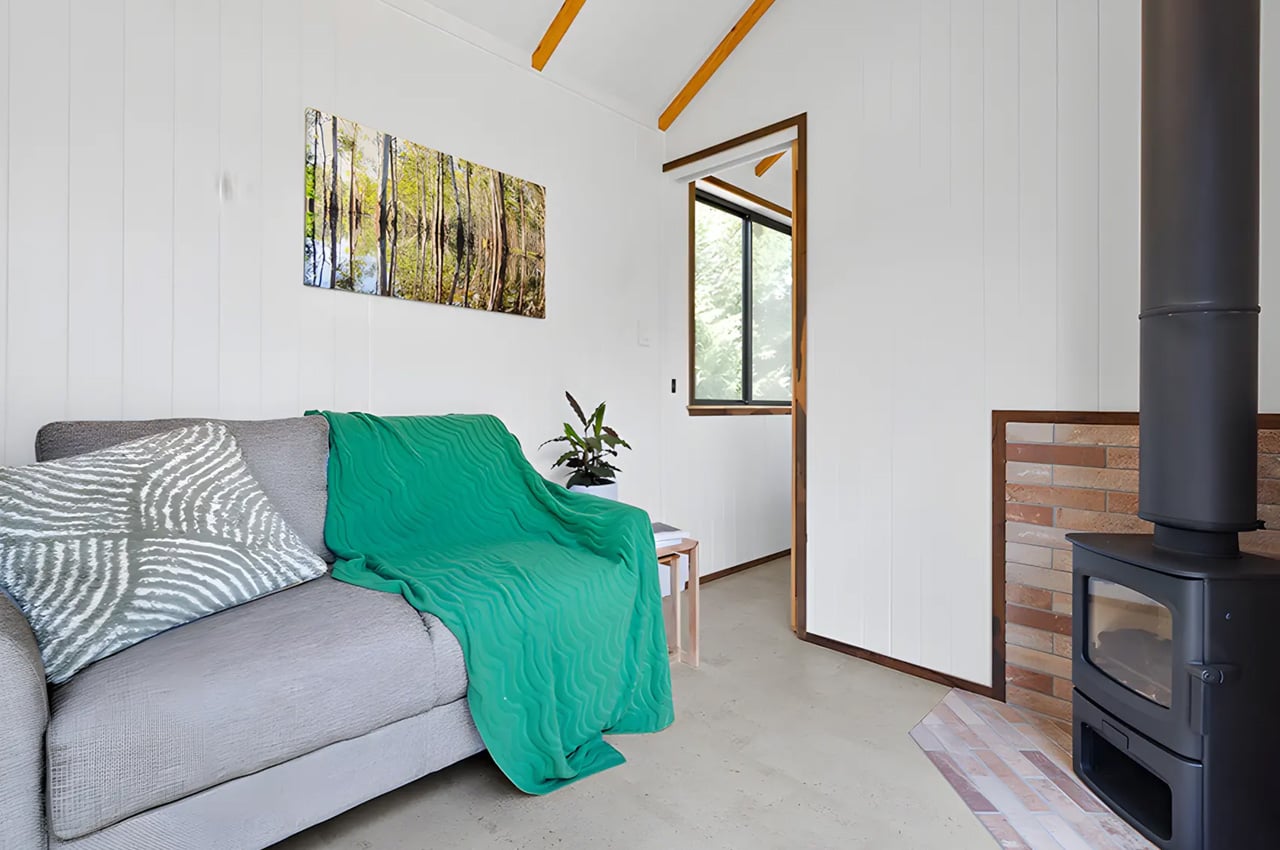
The interior occupies 18 square meters with an airy, free-flowing layout that maximizes the limited footprint. A sliding glass door leads to the living room, which includes a sofa bed functioning as guest sleeping quarters when needed. The wood-burning stove provides warmth and ambiance, while a ceiling fan circulates air during warmer months. The kitchen impresses with its completeness, featuring a breakfast bar with stool seating, dishwasher, fridge/freezer, electric oven, two-burner propane-powered stove, sink, and ample cabinetry for storage.

What we like

  • Single-level design eliminates ladder climbing and improves accessibility for mobility-limited occupants.
  • Well-equipped kitchen includes dishwasher and breakfast bar, rare in compact homes.
  • Wood-burning stove creates a cozy ambiance beyond its simple heating function.
  • Triple-axle trailer provides superior stability during towing and when parked.

What we dislike

  • The 8.4-meter length limits the interior space to 18 square meters.
  • Two-person capacity feels restrictive for families or frequent entertaining.

5. Hartley – The Black Beauty Built for Families
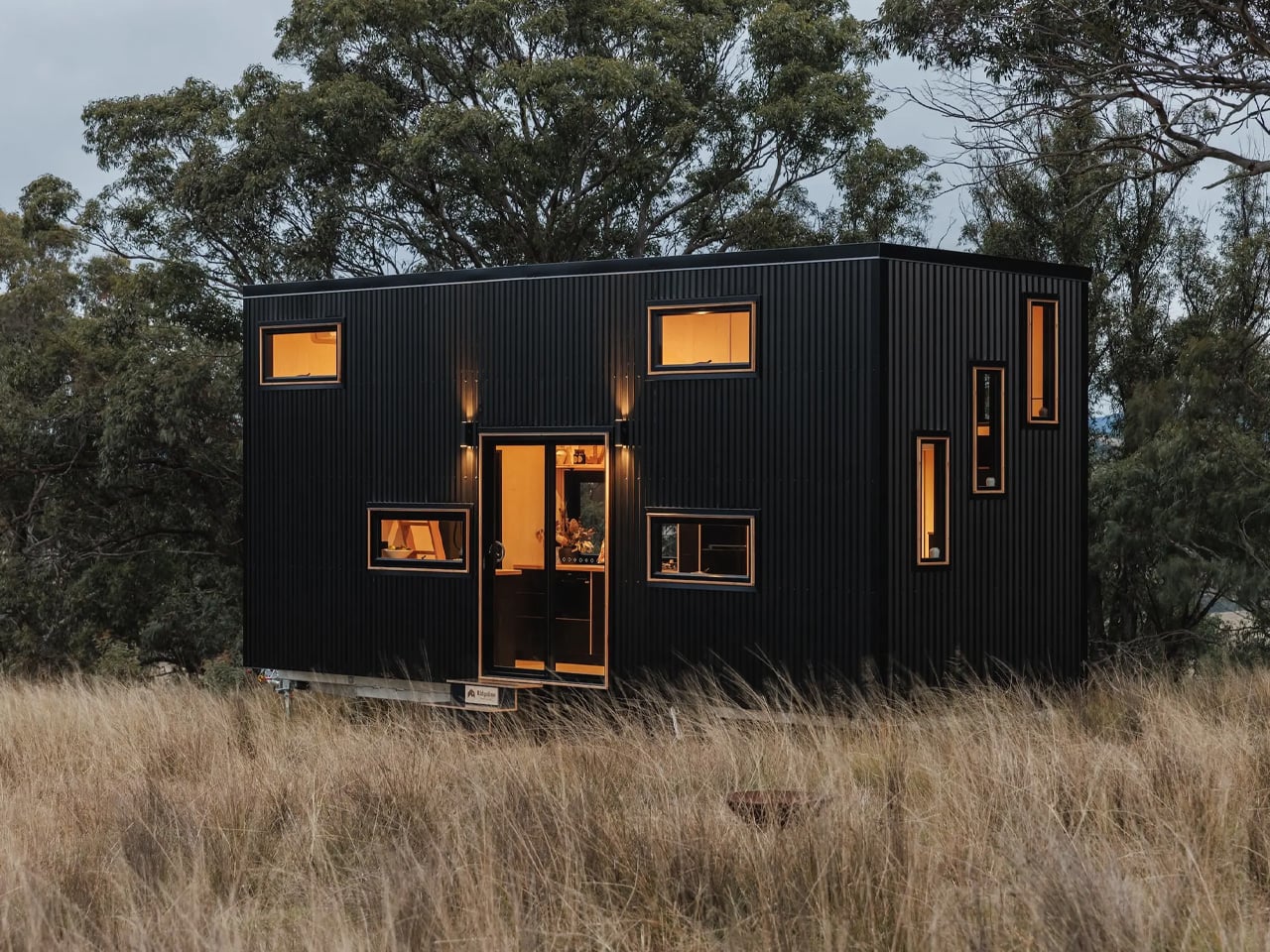
Ridgeline Tiny Homes created the Hartley with families in mind, stretching 27.6 feet to provide space rarely seen in tiny dwellings. This home accommodates a family of four comfortably through clever space-saving layouts that make every square inch count. Built on a double-axle trailer, the black metal cladding combines with generous glazing that floods the interior with natural light throughout the day, creating an environment that never feels dark or cramped despite the compact dimensions.

You enter through double glass doors into a 290-square-foot floor space finished in warm plywood. The kitchen sits near the entrance, equipped with an oven featuring a four-burner propane-powered stove, sink, dishwasher, fridge/freezer, custom cabinetry, and a pull-out pantry that maximizes storage capacity. A two-person breakfast bar provides casual dining space, while the connected living room includes a sofa, small deck, and storage-integrated staircase that serves dual purposes. The home runs on standard RV-style hookup, making campground and established tiny home community connections straightforward.

What we like

  • 27.6-foot length provides genuine family accommodation for four people.
  • Generous glazing creates a naturally bright interior throughout the day.
  • Storage-integrated staircase serves a dual function efficiently.
  • Standard RV-style hookup simplifies connection at campgrounds and communities.

What we dislike

  • An extended length requires heavy-duty towing equipment and limits mobility.
  • 290 square feet still feels tight when all four family members occupy simultaneously.

6. Vagabond Haven’s Tiny Home – The Off-Grid Champion That Compromises Nothing
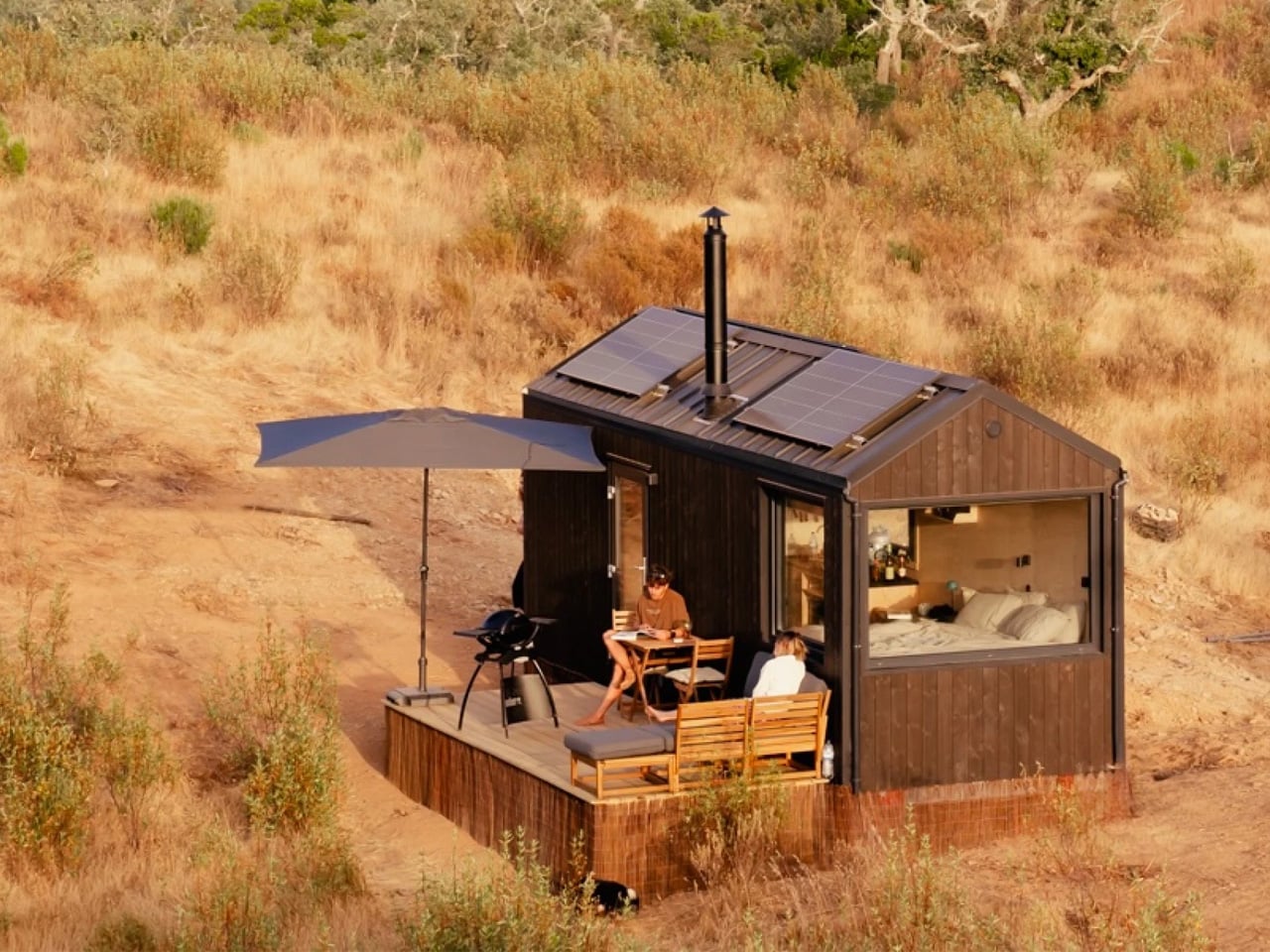
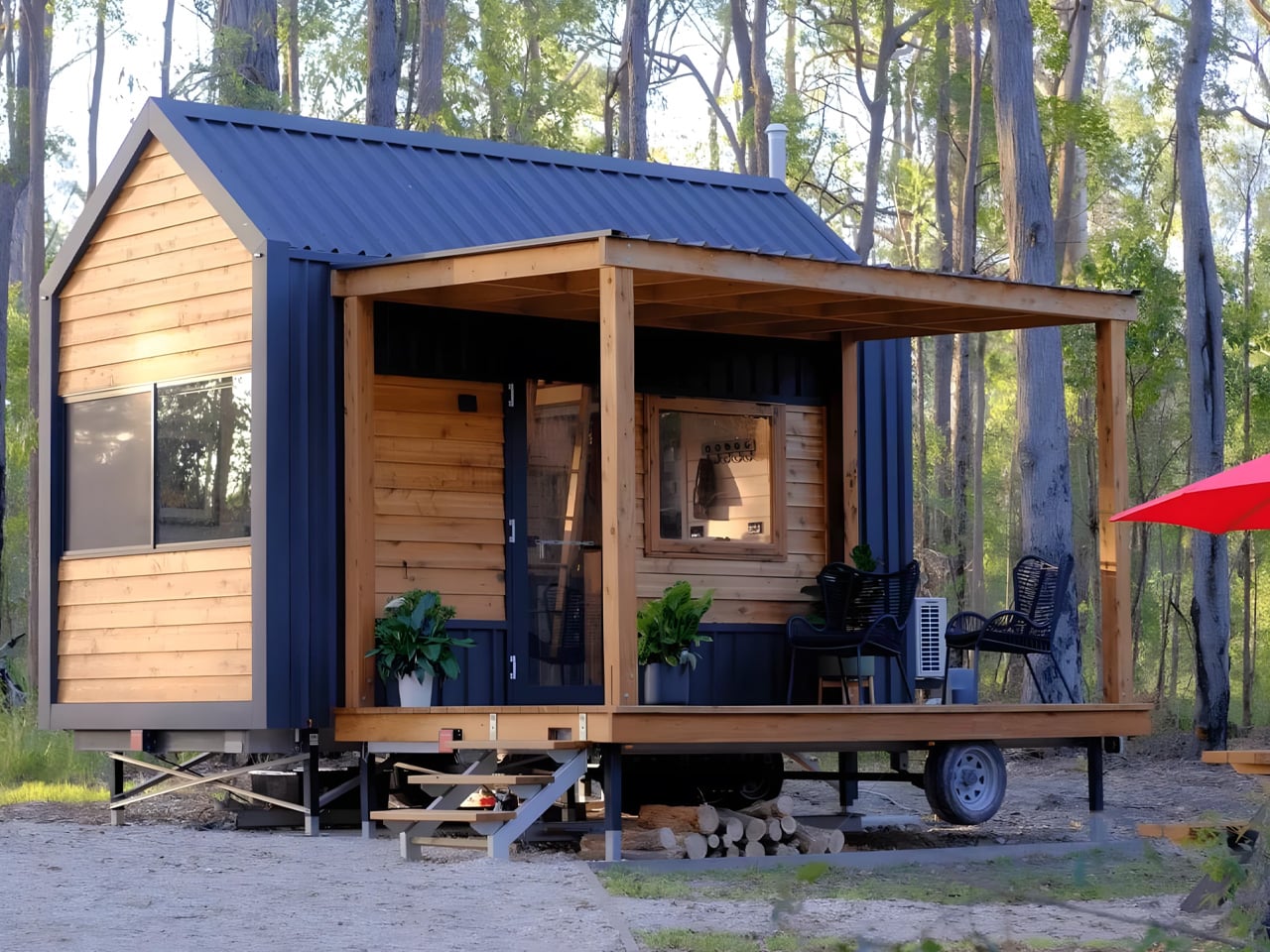
Vagabond Haven has unveiled a 7.2-meter tiny house proving that off-grid living doesn’t require sacrificing modern comforts. This recently completed dwelling demonstrates how thoughtful design delivers genuine self-sufficiency within a modest footprint, functioning equally well as a vacation retreat or income-generating rental property. Solar panels crown the black-painted spruce siding exterior, working with battery arrays to provide consistent power regardless of weather conditions while maintaining a contemporary aesthetic appeal.

The comprehensive approach to self-sufficiency includes solar panels, a gas water heater, a gas cooktop, a refrigerator, a composting toilet, and optional water tanks, creating a genuinely independent system. Occupants can disconnect from municipal services while maintaining modern conveniences, making this ideal for remote locations or environmentally conscious owners seeking to minimize utility dependence. Though this model can be permanently installed on a plot, its trailer-based construction allows relocation whenever desired. The pictured rental includes an optional deck that effectively extends the living area outdoors, creating a seamless transition between interior and exterior spaces.

What we like

  • Complete off-grid capability with solar panels and battery storage eliminates utility bills.
  • The composting toilet removes the need for septic systems or sewer connections.
  • The optional deck extends the functional living space with a seamless indoor-outdoor transition.
  • Rental income potential turns a dwelling into an investment property.

What we dislike

  • Significant upfront investment is required for solar power systems and batteries.
  • Limited to two-person comfortable occupancy in a 7.2-meter length.

7. Hidden Mountain Tiny Villa – Rustic Charm Meets Modern Function
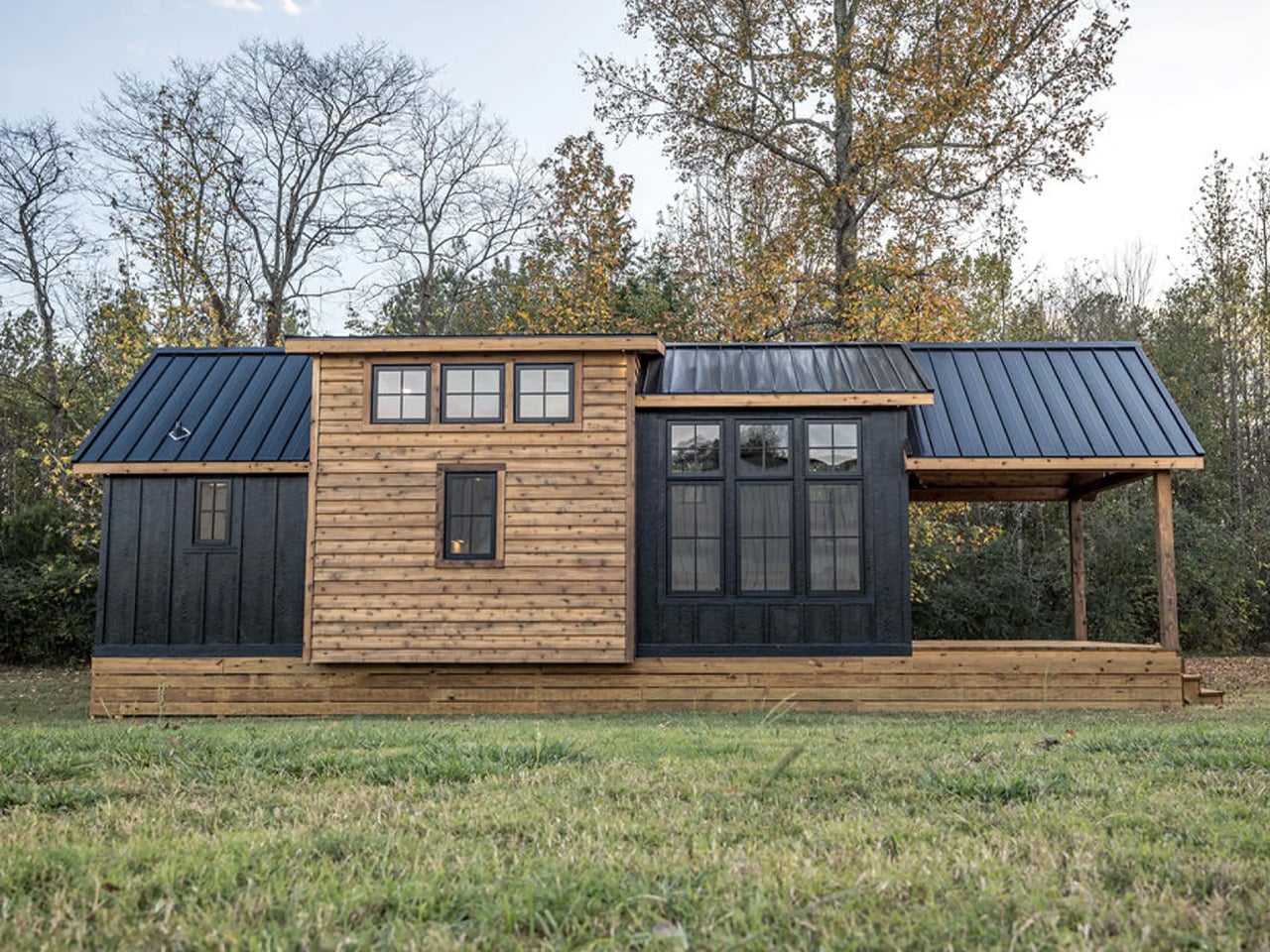
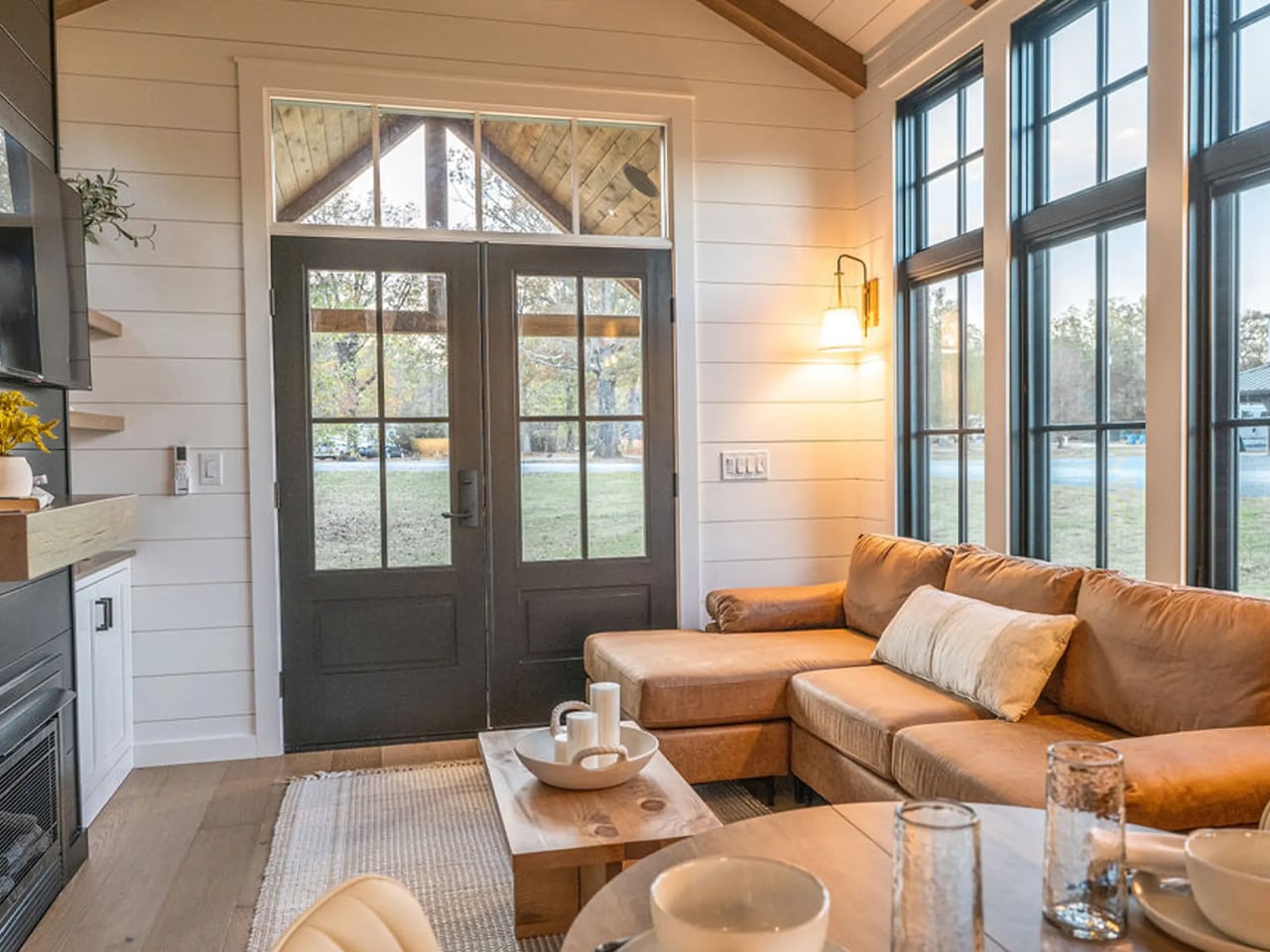
This charming tiny home bridges classic and modern design elements to create a living space that feels like stepping into a storybook cottage. The exterior showcases elegant shiplap cladding that provides timeless rustic appeal, while the sturdy metal roof ensures durability and adds contemporary contrast. A spacious porch welcomes visitors and residents alike, offering an ideal spot for morning coffee or evening relaxation while blending seamlessly with the interior aesthetic.

Entering the home reveals a spacious and free-flowing living area bathed in natural light from well-placed windows. The L-shaped sofa provides ample seating that makes hosting guests or family movie nights genuinely comfortable rather than cramped. A coffee table and entertainment center complete the living setup, while integrated storage solutions keep clutter controlled. The fireplace adds warmth and ambiance that transforms the space from merely functional to genuinely cozy, creating an atmosphere that makes you want to curl up with a book and forget the outside world exists.

What we like

  • Shiplap exterior creates an authentic rustic aesthetic with timeless appeal.
  • Spacious porch extends usable living area outdoors.
  • The L-shaped sofa provides generous seating, rare in compact homes.
  • Fireplace adds genuine warmth and creates a cozy ambiance.

What we dislike

  • Wood shiplap exterior requires regular maintenance and weatherproofing.
  • Larger footprint reduces mobility compared to more compact designs.

8. eONE XL – Japanese-Inspired Living Perfected
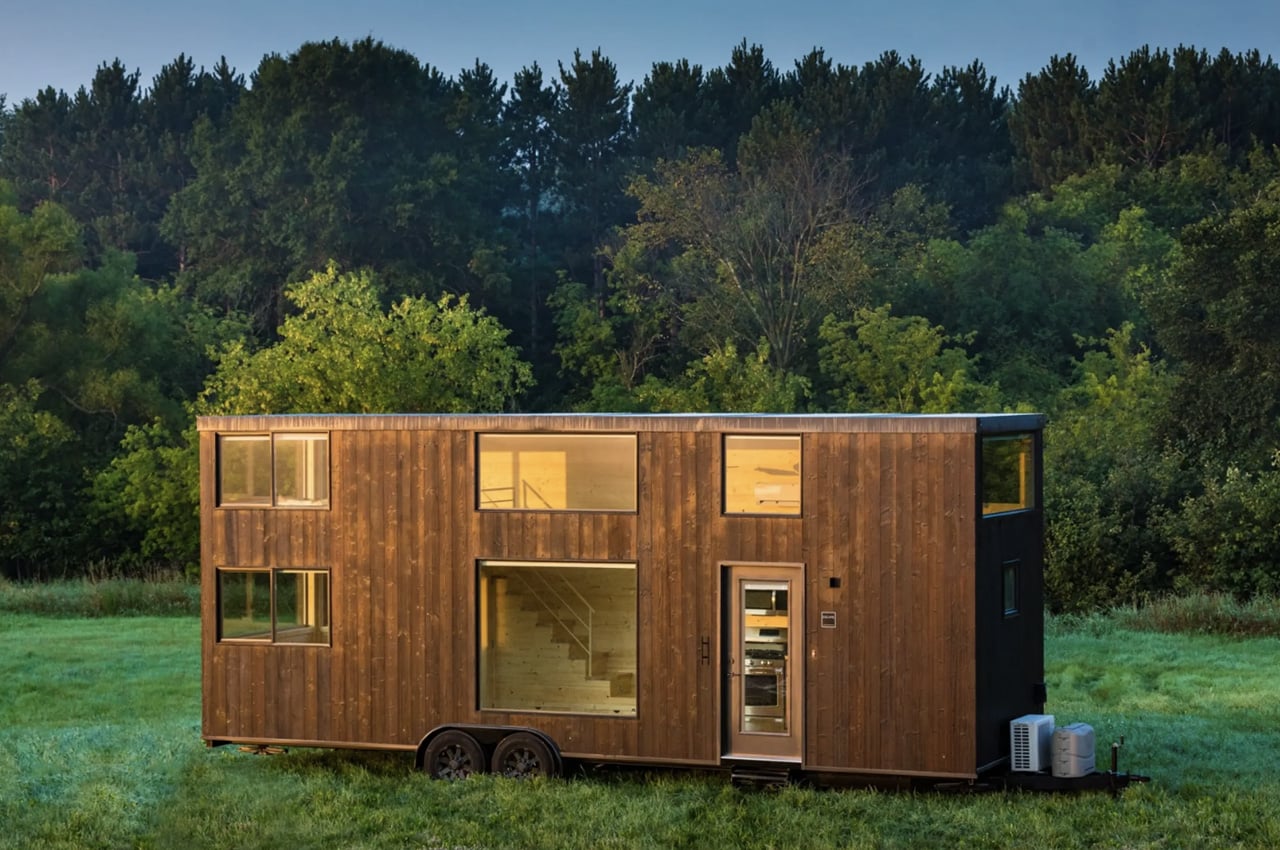
Escape has reimagined its popular One and One XL models with the eONE XL, creating a more spacious, light-filled home that elevates the micro-living experience. Based on a double-axle trailer, this 30-foot home features an 8.6-foot width and a distinguished Japanese-style charred wood exterior that protects against decay and bugs naturally. The charring technique, known as shou sugi ban, creates a striking black finish that requires minimal maintenance while providing superior weather resistance.

Large windows define the eONE XL experience, allowing natural light to stream freely throughout the day and creating an interior that feels warm and inviting. The ‘e’ in its name signifies all-electric appliances, reflecting modern efficiency standards and eliminating propane dependence. As you enter, a spacious and well-designed kitchen welcomes you with pantry storage, fridge/freezer, microwave, induction cooktop, electric oven, sink, generous cabinetry, and a washer/dryer. This level of kitchen functionality rivals conventional homes, while the additional storage and floor space throughout the home address common tiny living complaints about insufficient room for belongings.

What we like

  • Japanese charred wood exterior provides natural protection against decay and insects.
  • All-electric appliances eliminate propane tanks and refilling hassles.
  • Large windows create an exceptionally light-filled interior.
  • Full-size washer/dryer eliminates laundromat trips.

What we dislike

  • The 30-foot length makes frequent relocation impractical.
  • All-electric design requires consistent power access or substantial solar investment.

9. Spruce – The 20-Footer That Gets Everything Right
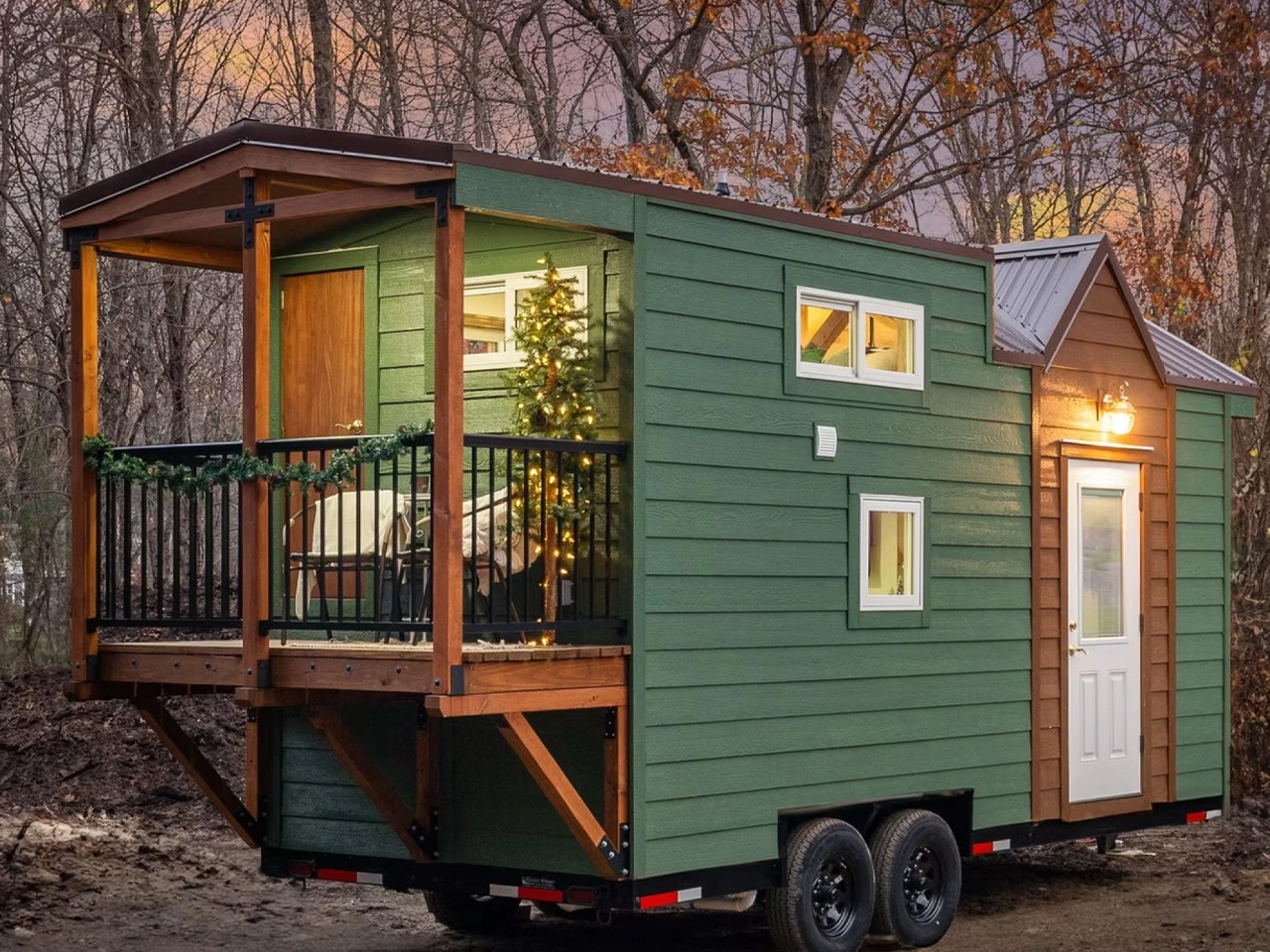
Backcountry Tiny Homes cuts through the noise with the Spruce, a 20-foot home that prioritizes smart design over unnecessary frills. Built on a double-axle trailer, it extends to 24 feet thanks to a covered balcony, transforming outdoor space into a genuine living area extension. At 8.5 feet wide, it maintains road-legal dimensions while feeling surprisingly spacious inside, proving that thoughtful planning matters more than sheer square footage.

The living room punches above its weight with floor-to-ceiling windows bringing serious natural light that makes the space feel twice its actual size. A sleeper sofa serves double duty as comfortable seating and a guest bed when friends visit, while smart built-ins keep clutter controlled. The loft bedroom shows why Backcountry understands tiny living, with a lowered platform providing actual headroom for getting dressed. Under-bed storage swallows seasonal clothes and extra bedding without creating visual chaos, while two people sleep comfortably with enough room for nightstands and personal touches, making it feel like home rather than a hotel room.

What we like

  • Covered balcony extends usable space by 4 feet and functions in most weather.
  • Floor-to-ceiling windows eliminate a cave-like atmosphere with abundant natural light.
  • Lowered loft platform provides genuine headroom for comfortable dressing.
  • The drop-leaf table expands for dining, then folds for floor space flexibility.

What we dislike

  • The 24-foot total length requires substantial trucks beyond standard vehicle capacity.
  • Base kitchen offers limited counter space and basic appliances for serious cooking.

10. Fujitsubo – The 3D-Printed Future of Affordable Housing
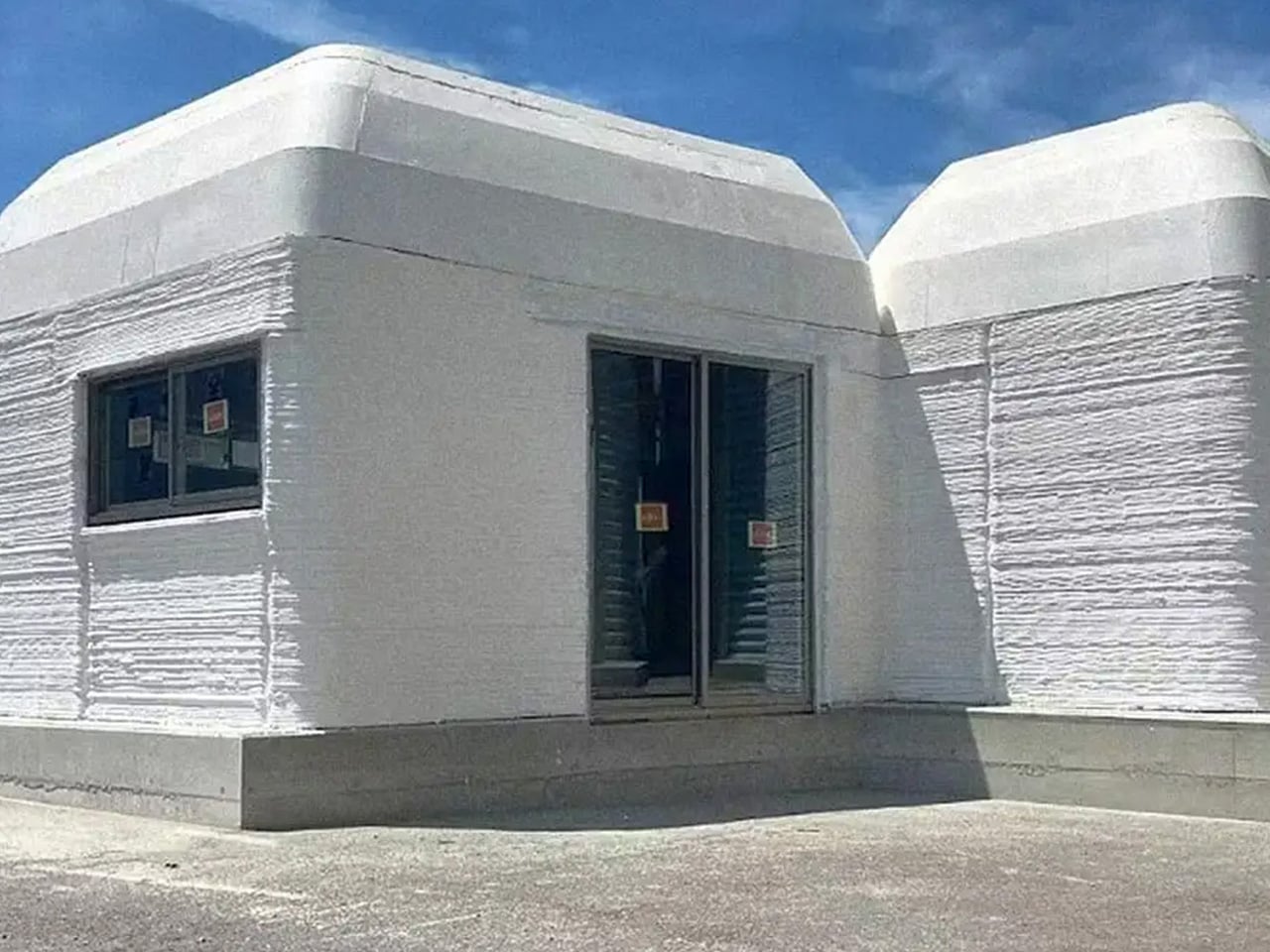
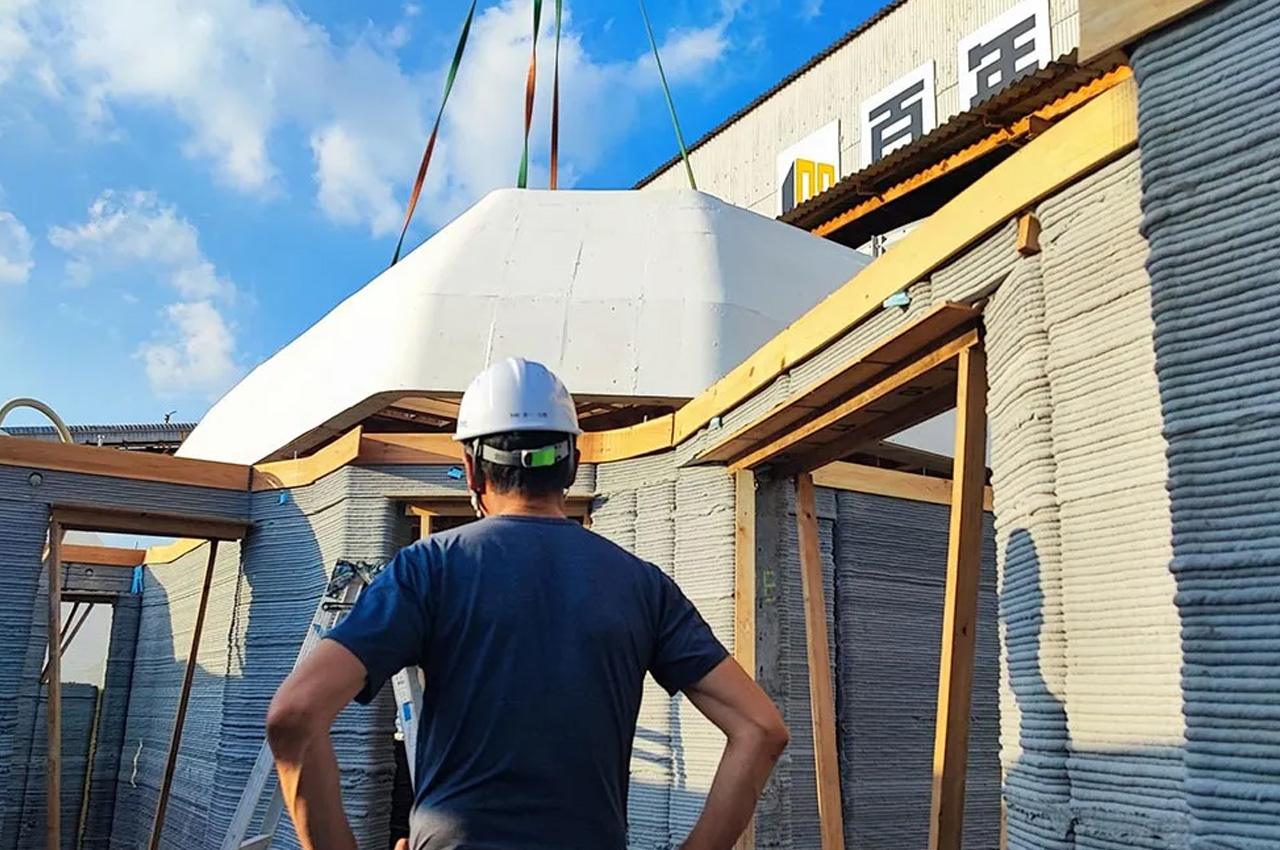
Japanese construction startup Serendix has unveiled the Fujitsubo, a 3D-printed home that costs approximately $37,600 – about the same as a car. This small dwelling occupies 538 square feet, dramatically smaller than the average American home but perfectly sized for couples or solo occupants seeking affordable housing solutions. The compact footprint contributes directly to the economical price tag, making homeownership accessible to people priced out of conventional real estate markets.

The 3D printing construction method offers multiple advantages beyond cost savings. This technique reduces construction errors, saves significant time compared to traditional building methods, and simplifies the entire process by eliminating tedious steps. The Fujitsubo meets Japanese earthquake codes and European insulation standards, proving that innovative construction doesn’t mean compromising safety or comfort. The home features one bedroom, one bathroom, and an open living room connected to a kitchen, providing all essential spaces within its efficient layout. This proof-of-concept demonstrates how technology can address housing affordability crises while maintaining quality and livability.

What we like

  • $37,600 price point makes homeownership accessible at car-level costs.
  • 3D printing reduces construction time and eliminates many traditional building errors.
  • Meets Japanese earthquake codes and European insulation standards.
  • 538 square feet provides a comfortable space for couples or individuals.

What we dislike

  • Limited availability outside Japan restricts access to this affordable option.
  • Single bedroom and bathroom configuration limits family or roommate arrangements.

Final Thoughts

The tiny home projects showcased this year demonstrate how far the movement has evolved from its experimental origins. These aren’t compromise dwellings or temporary solutions – they’re thoughtfully designed homes that address real housing needs while pushing architectural boundaries. From the Gunyah’s transformable Australian charm to the Fujitsubo’s 3D-printed affordability, each project solves specific challenges with intelligence and creativity that deserve recognition.

What stands out most is the diversity of approaches. Vertical towers maximize urban plots, mirrored layouts double occupancy efficiency, single-level designs prioritize accessibility, and off-grid systems enable true independence. These ten homes prove that tiny living has matured into a legitimate housing category offering solutions for families, remote workers, seasonal employees, and anyone seeking sustainable living without sacrificing modern comforts. The future looks exceptionally bright.

The post Best Tiny Homes of 2025: 10 Projects You Need to See first appeared on Yanko Design.
Effortlessly Transfer Data from Windows to Mac with Migration Assistant

Effortlessly Transfer Data from Windows to Mac with Migration Assistant

Switching from a Windows PC to a Mac can seem like a daunting task, but Apple’s Migration Assistant simplifies the process significantly. This tool enables you to transfer essential data such as files, browser bookmarks, contacts, calendars, and photos, making sure a seamless transition between platforms. By following a structured, step-by-step approach, you can migrate […]

The post Effortlessly Transfer Data from Windows to Mac with Migration Assistant appeared first on Geeky Gadgets.

Posted in Uncategorized

How to find lost AirPods

Losing AirPods happens to the best of us. They’re small, they slide into couch cushions and they love disappearing into bags or pockets when you least expect it. Luckily, Apple’s Find My system makes it easy to track down misplaced AirPods, whether you dropped the case somewhere or can’t find one of the individual earbuds. With the right settings enabled, your iPhone can show the last place they were connected, play a sound to help you hunt them down or even guide you with on-screen directions. Here’s how to use Find My to locate lost AirPods and how to track down the left or right earbud if only one has gone missing.

How to use Find My to locate AirPods

If your AirPods are paired with an Apple device linked to your Apple ID, they automatically appear in the Find My app. You don’t need to enable this manually, but you do need Bluetooth turned on during regular use so the system can refresh their location.

Open the Find My app on your iPhone, iPad or Mac and go to the Devices tab. Your AirPods should appear in the list. If they’re online or recently connected to your device, Find My will show their current location on a map. If they’re offline, the app will show the last place they were detected, which can help narrow down where to start searching.

For many people, this alone is enough to jog a memory. Find My might show your gym, a friend’s house or the bus stop where they slipped out of your pocket. If the location seems familiar, head there first and refresh the app once you arrive so it can update if the AirPods reconnect.

If Find My says your AirPods are nearby but you still can’t see them, you can make them play a locating sound. Tap Play Sound in the device menu and the earbuds will emit a rising chirp that gets louder over a few seconds. This is especially helpful for finding AirPods hiding under blankets, inside bags or behind furniture.

Keep in mind that AirPods need enough battery to make noise, and the charging case itself cannot play sound unless you have AirPods 4 (ANC), AirPods Pro 2, or AirPods Pro 3 that support that feature. If nothing plays, try refreshing the app or checking the last location again.

AirPods models, like the AirPods Pro (2nd gen) and AirPods Pro (3rd gen) with MagSafe charging cases support Precision Finding. This feature uses the U1 chip inside your iPhone to show a directional arrow, distance estimate and haptic feedback as you get closer. Not all models have this feature, but if yours do, the Find My app will display a Find Nearby button.

Follow the on-screen prompts and slowly rotate your phone. The iPhone will show when you’re walking in the right direction and tell you when you’re close enough to start looking under cushions or inside drawers.

How to locate individual AirPods

AirPods have a habit of separating from each other, and losing only the left or right earbud may happen as frequently as misplacing the entire case. One of the most useful features in Find My is the ability to track each earbud individually. Here’s how to do it:

  • Locate your AirPods in the Find My app and select the option to locate the Left or Right earbud.

  • Select the earbud that’s missing. The map will update to show its location. 

  • If the missing bud has nearby location support, you can use Find Nearby to get directional guidance. If not, you can still use Play Sound, as long as it has enough battery.

If Find My shows your lost earbud as Offline, you’ll still see its last known location. This can be enough to help you retrace your steps. Once you get within Bluetooth range again, the status may change to Online and let you use Play Sound.

If you think the earbud is still somewhere in your home, try refreshing Find My while walking slowly from room to room. The device may reconnect once you get close enough.

How to find a missing AirPods case

Finding the AirPods case is a little trickier because only newer models have support for sound playback or Precision Finding. If your case supports Find My, you’ll see options similar to locating the earbuds themselves. If it doesn’t, the app will only show the last place the case was connected.

If your earbuds are in the case but the case is not supported by Find My, you may not be able to play sound until you open it or pull one of the earbuds out.

Find My is a powerful tool for tracking down misplaced AirPods, and knowing how to use all of its features makes the search much easier. Whether you’re trying to find the entire set, one stray earbud or a case that wandered off, the app can lead you back to them with sound alerts, location markers and even directional guidance on supported models. With a few minutes of searching, you’ll usually have your AirPods back in your ears and your music playing again.

This article originally appeared on Engadget at https://www.engadget.com/audio/headphones/how-to-find-lost-airpods-120000144.html?src=rss

This Pocket PC Concept Has a Flip-Out Pen and No Gaming Apps

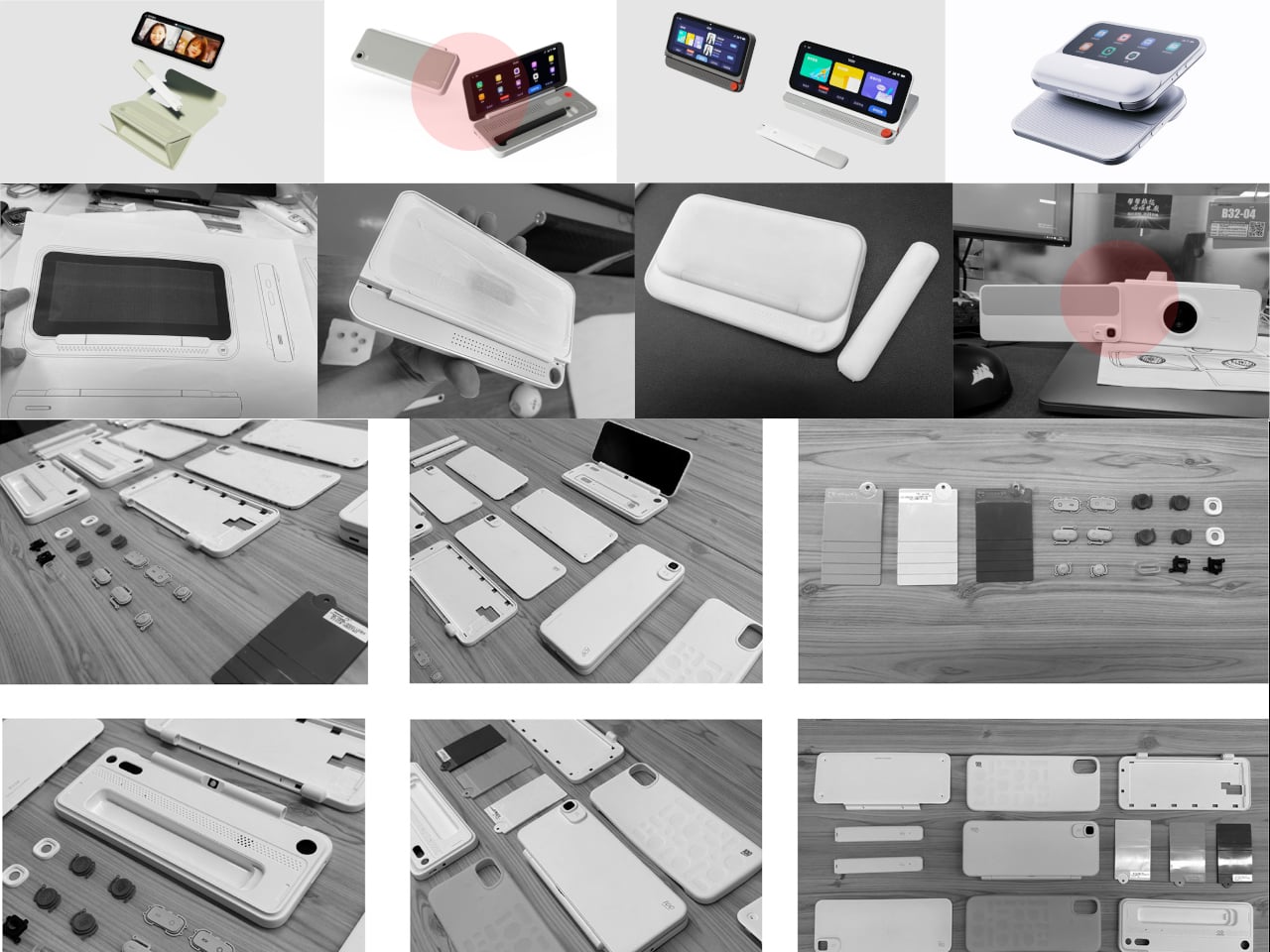
Most students now juggle phones, tablets, and laptops, with messaging and games living right next to textbooks and notes. That mix can be powerful but also distracting, especially in crowded Chinese classrooms where space and attention are both limited. Pokepad is a portable PC concept that tries to carve out a focused, pocketable space dedicated to learning, treating study tools as worthy of their own hardware.

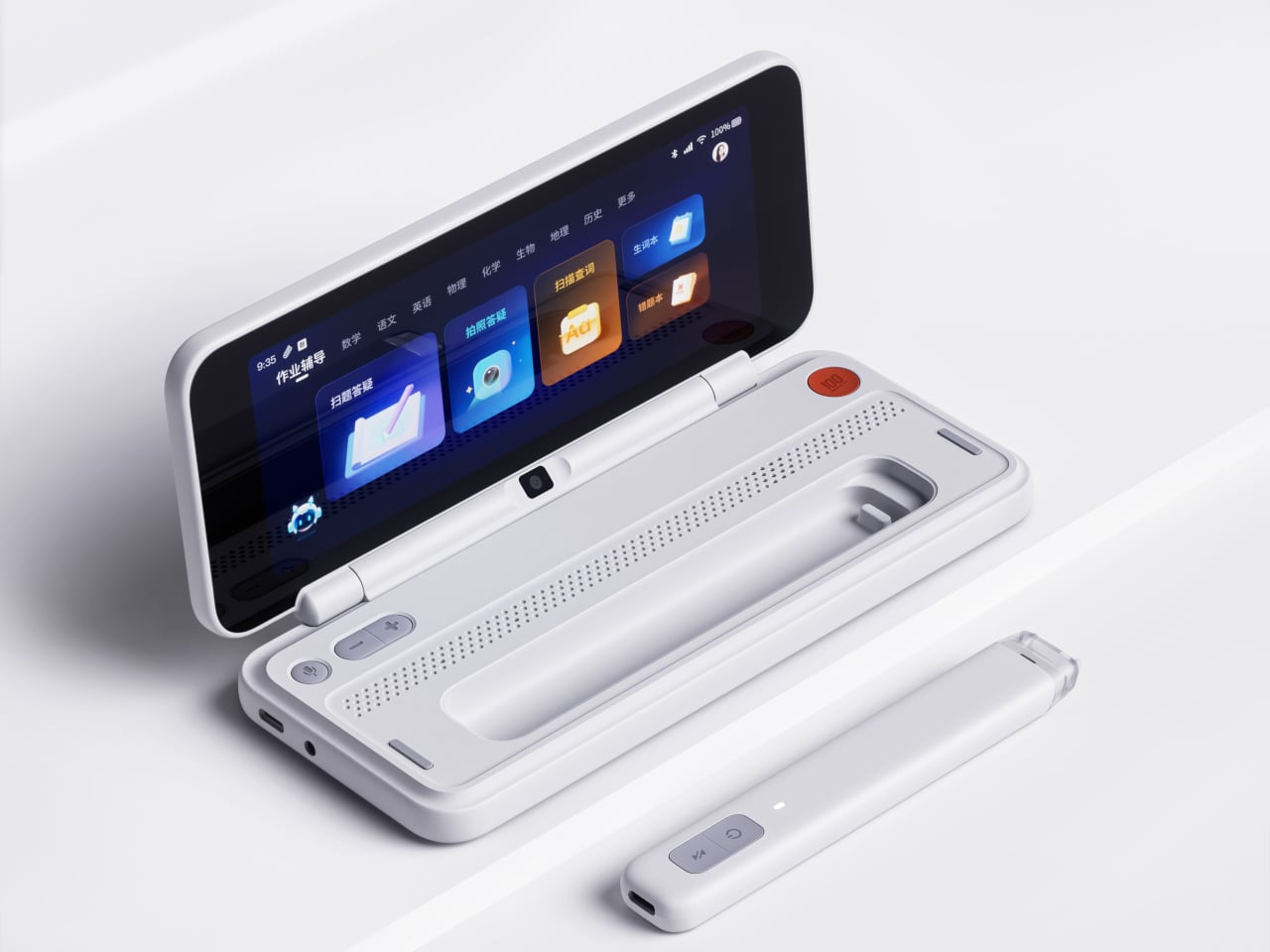
Pokepad is a smart learning device designed specifically for students, intended to cover most of their daily study scenarios. It is compact and portable enough to fit into school bags and coat pockets, and the goal is unrestricted learning, a device that can travel from classroom to bus to bedroom without feeling like a shrunken laptop or a repurposed phone fighting for attention against notifications and app alerts.

Designers: DaPengPeng (DPP), Wengkang Cheng, Qi M

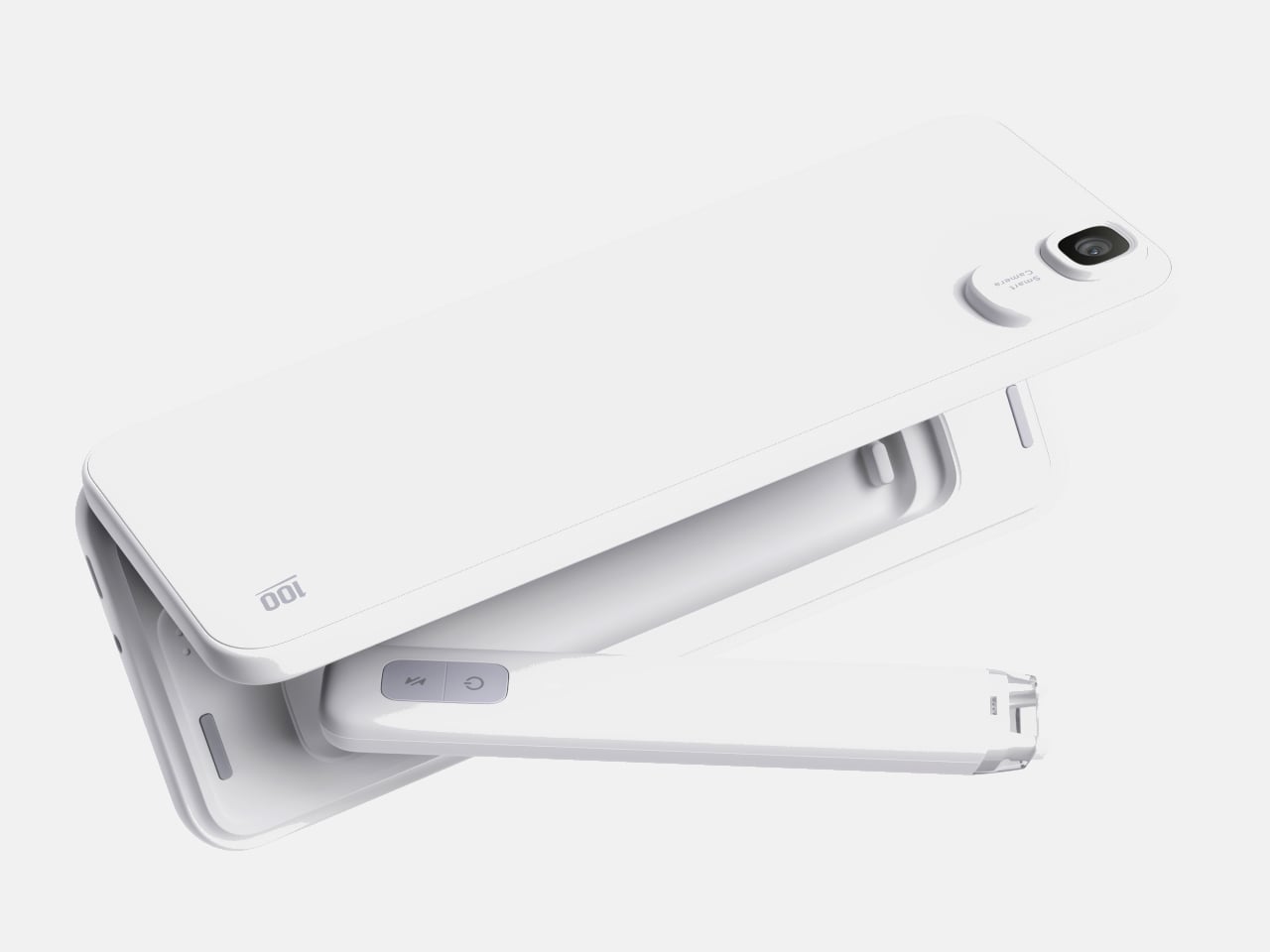
The design team experimented with multiple shapes before settling on a slim rectangular box concept, balancing learning apps, hardware needs, and clever portability. The box footprint keeps it familiar enough to slip into existing routines, yet distinct from a phone, with enough internal volume for a decent battery, speakers, and a pen mechanism, without turning into a bulky tablet that refuses to fit anywhere.

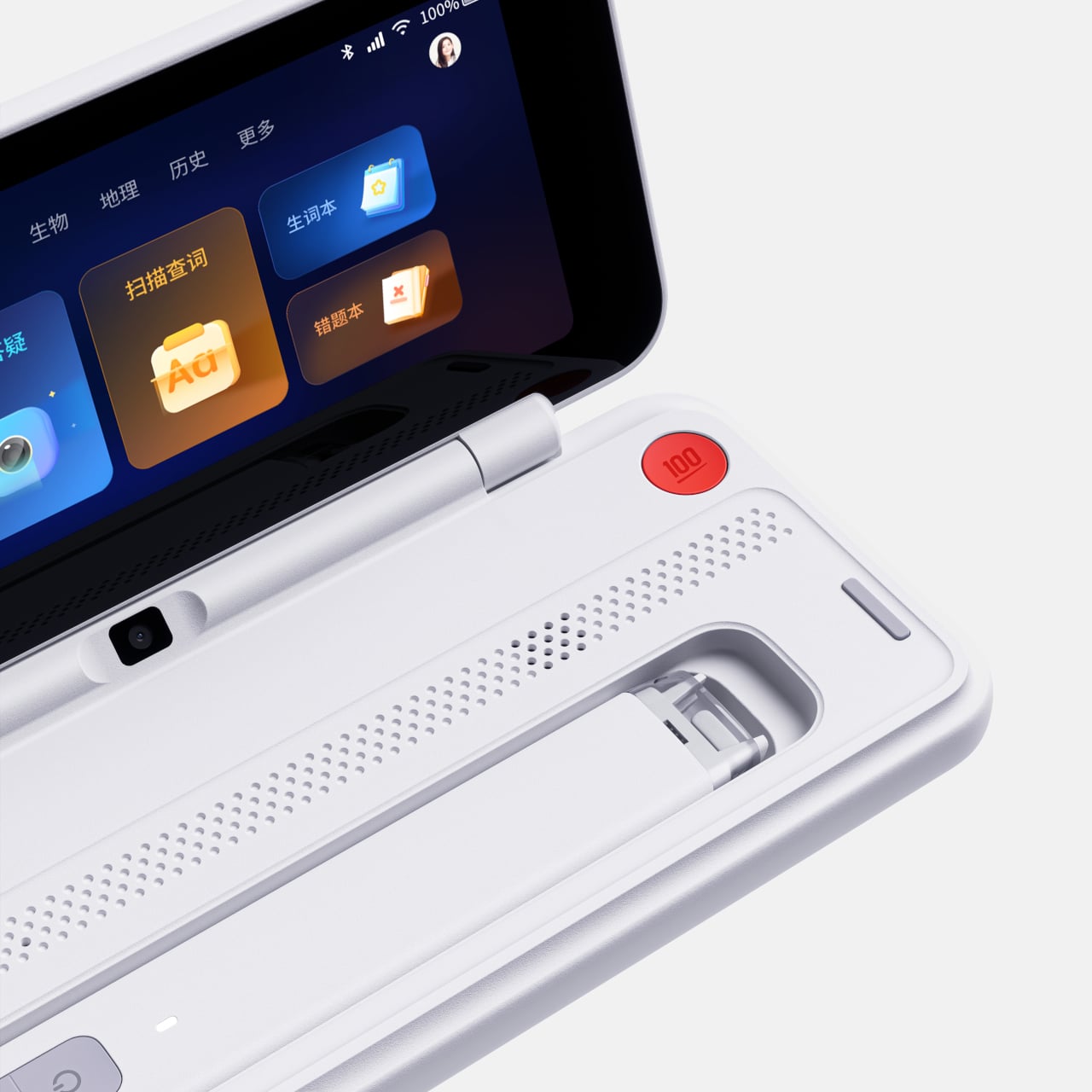
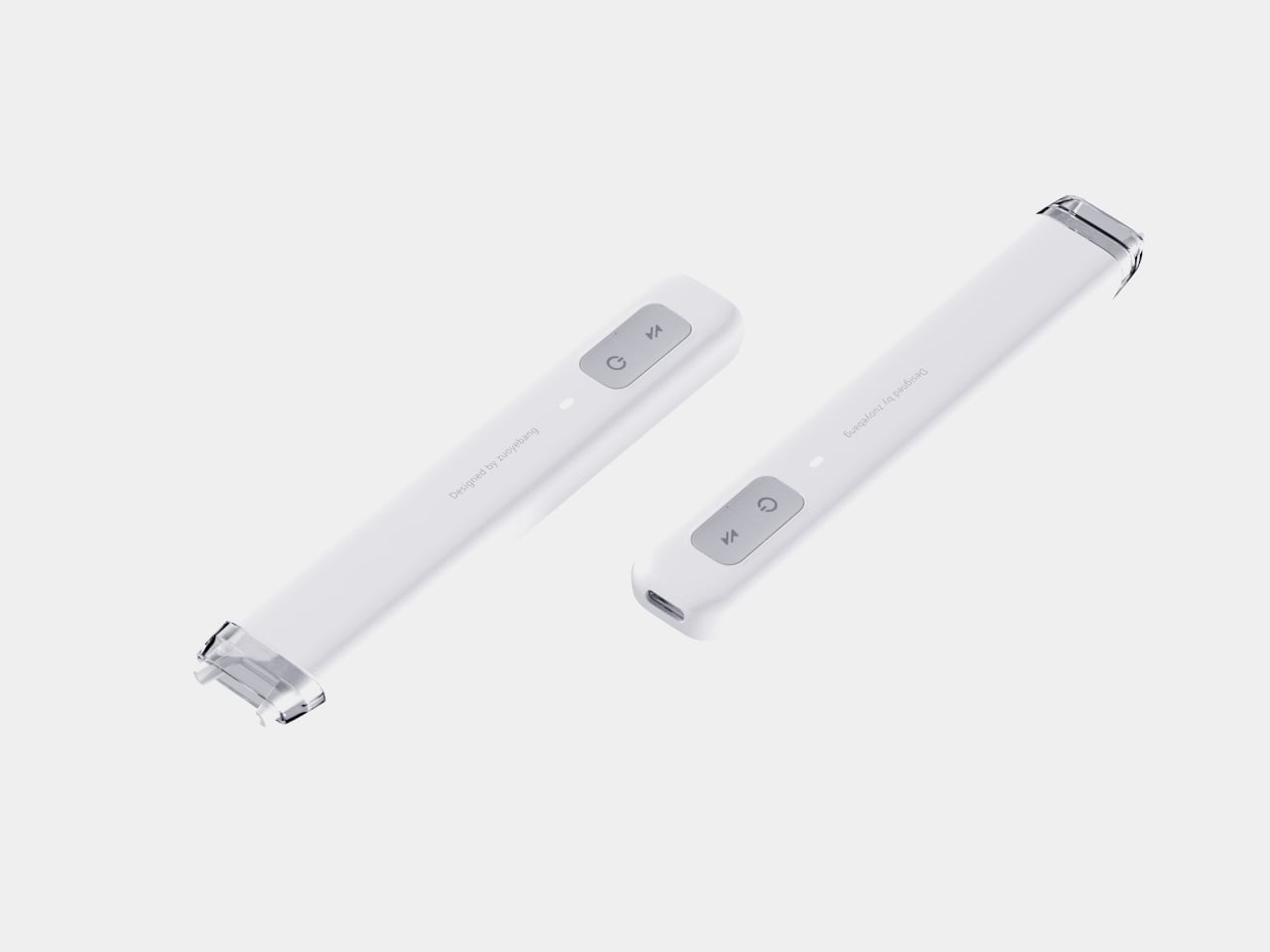
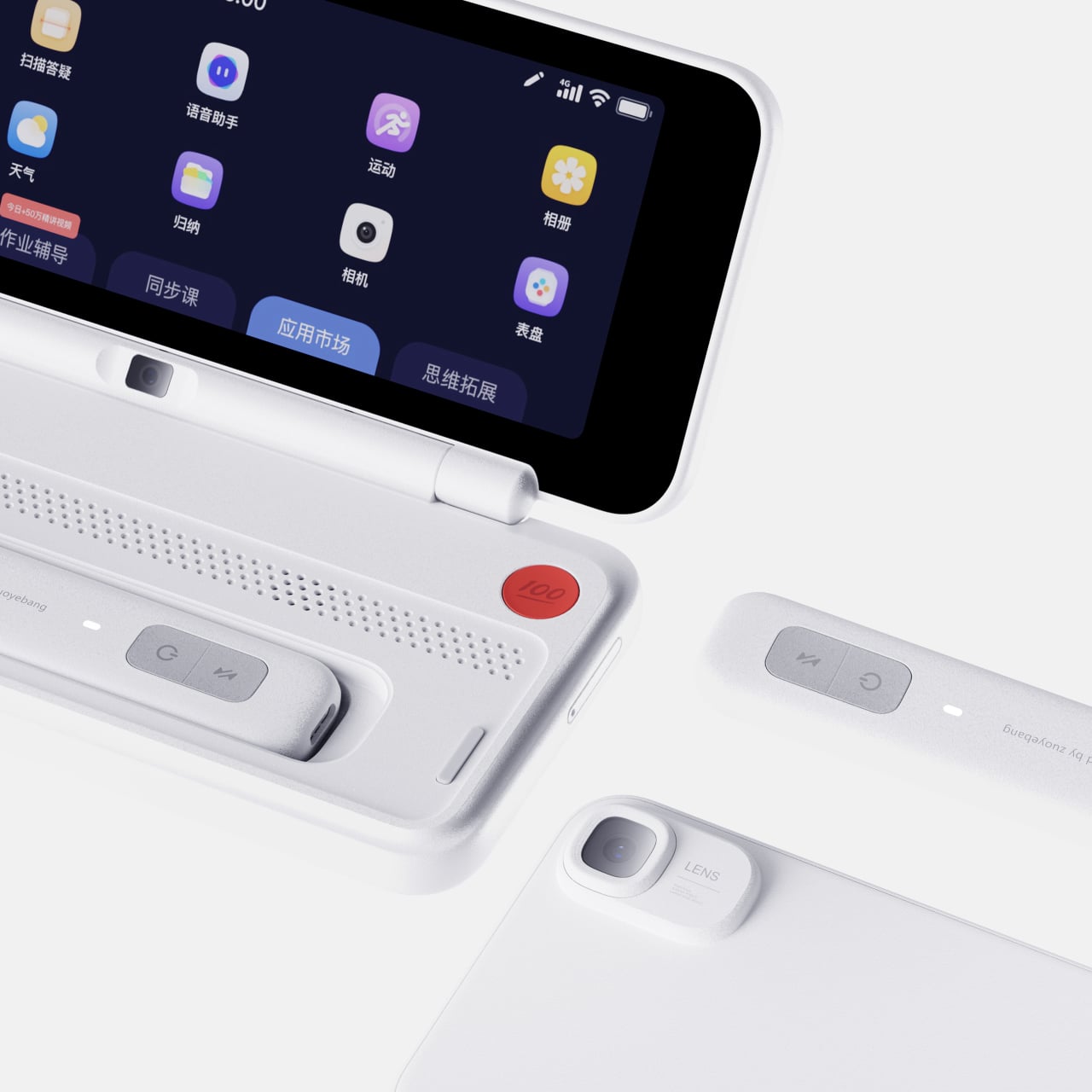
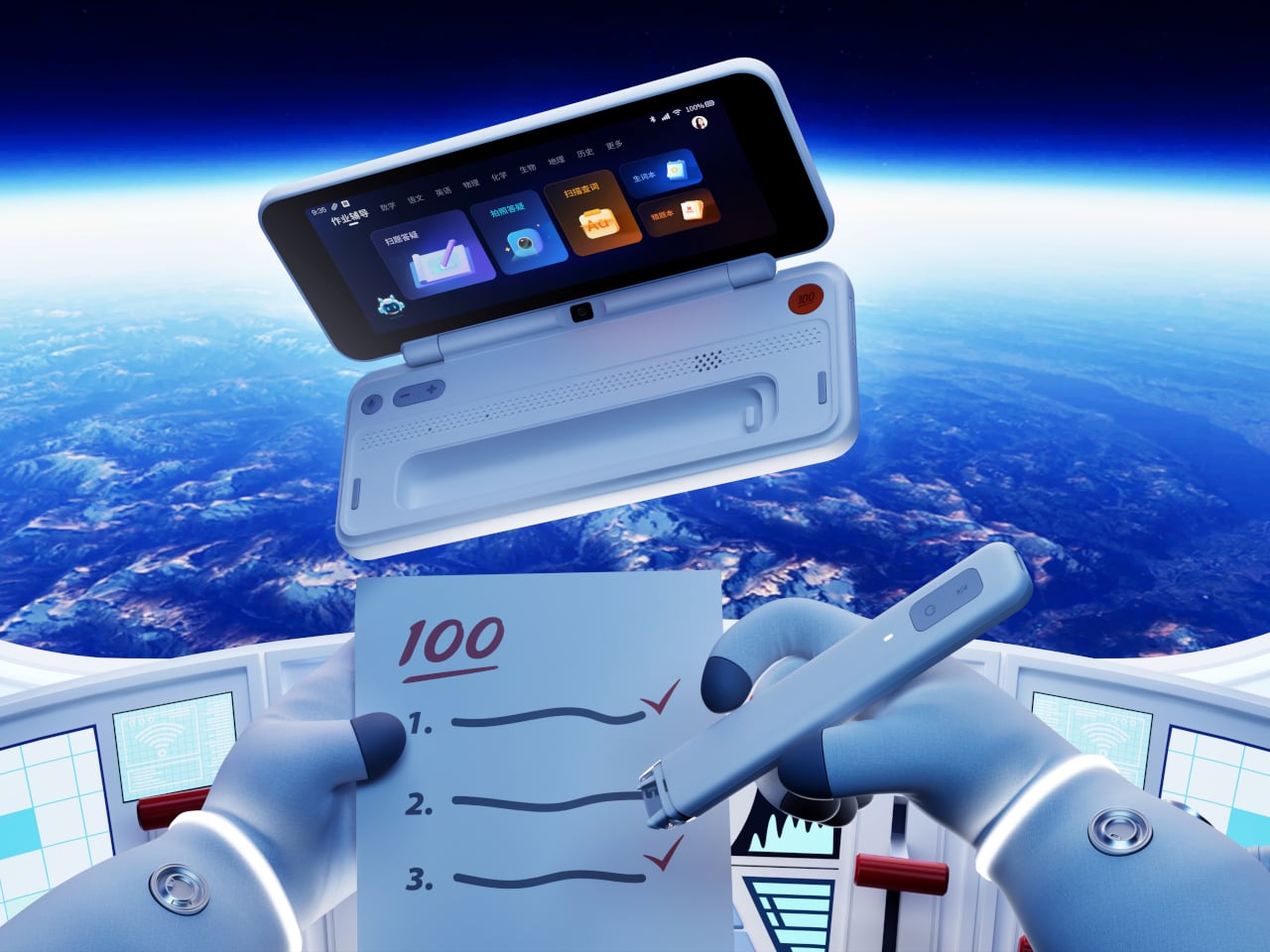
The built-in flip pen is central to the concept. To ensure portability, slimness, and differentiation, the team chose to hide the stylus inside the body, so it flips out when needed and disappears when not. That decision reinforces Pokepad as a pen-first device for note-taking, annotation, and handwriting practice, and avoids the classic problem of separate styluses getting lost in backpacks or rolling off desks during lectures.

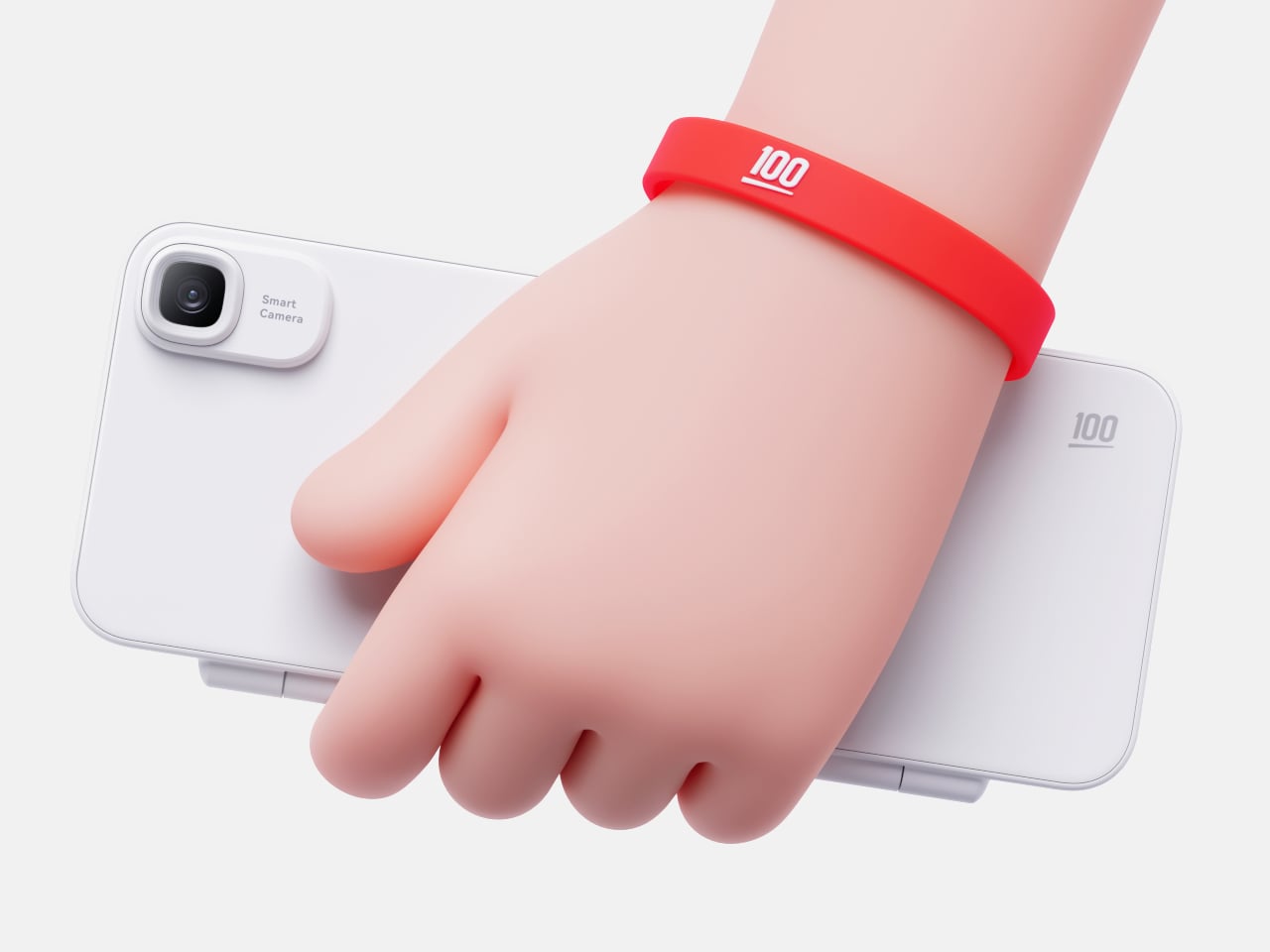
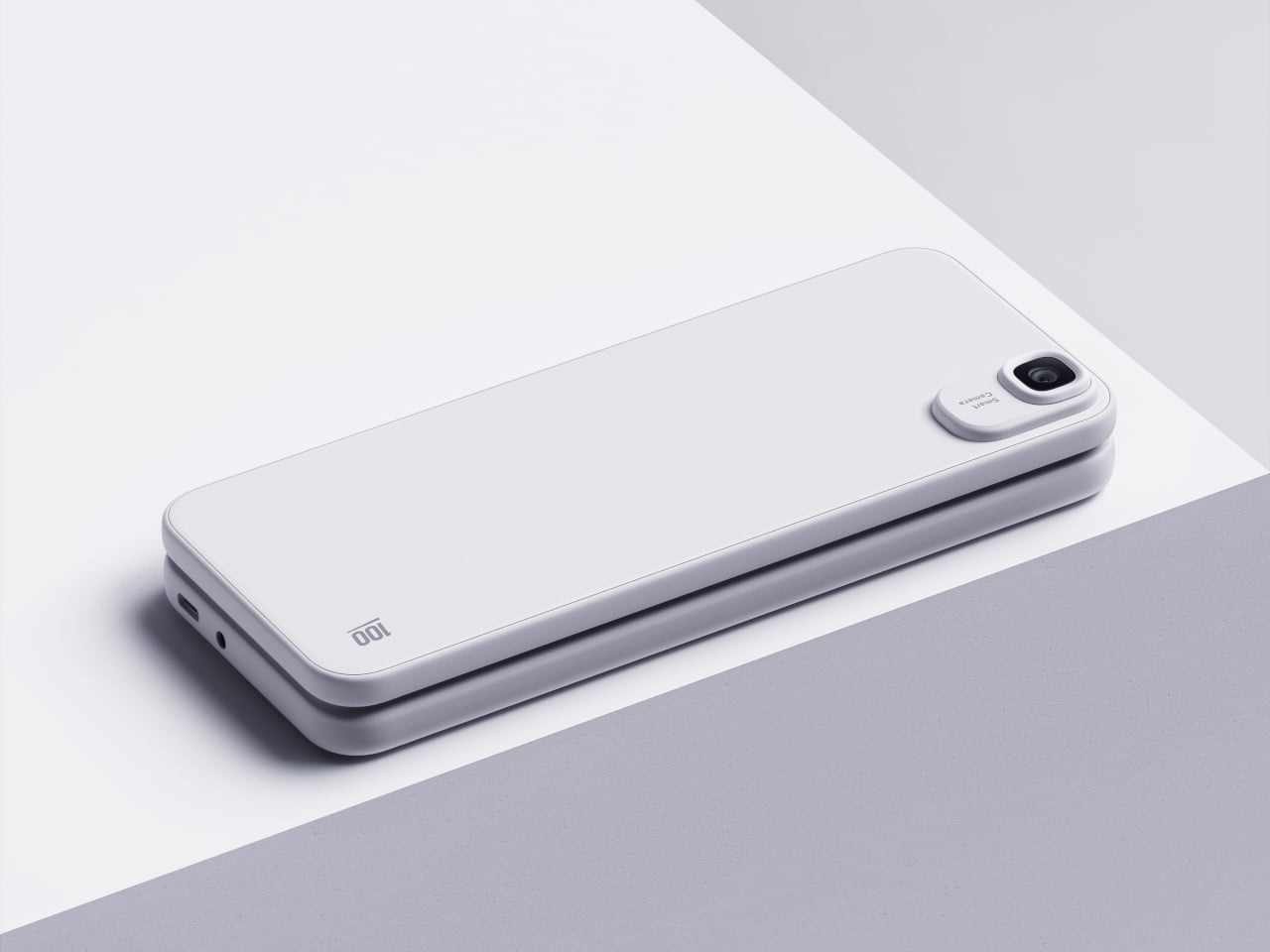
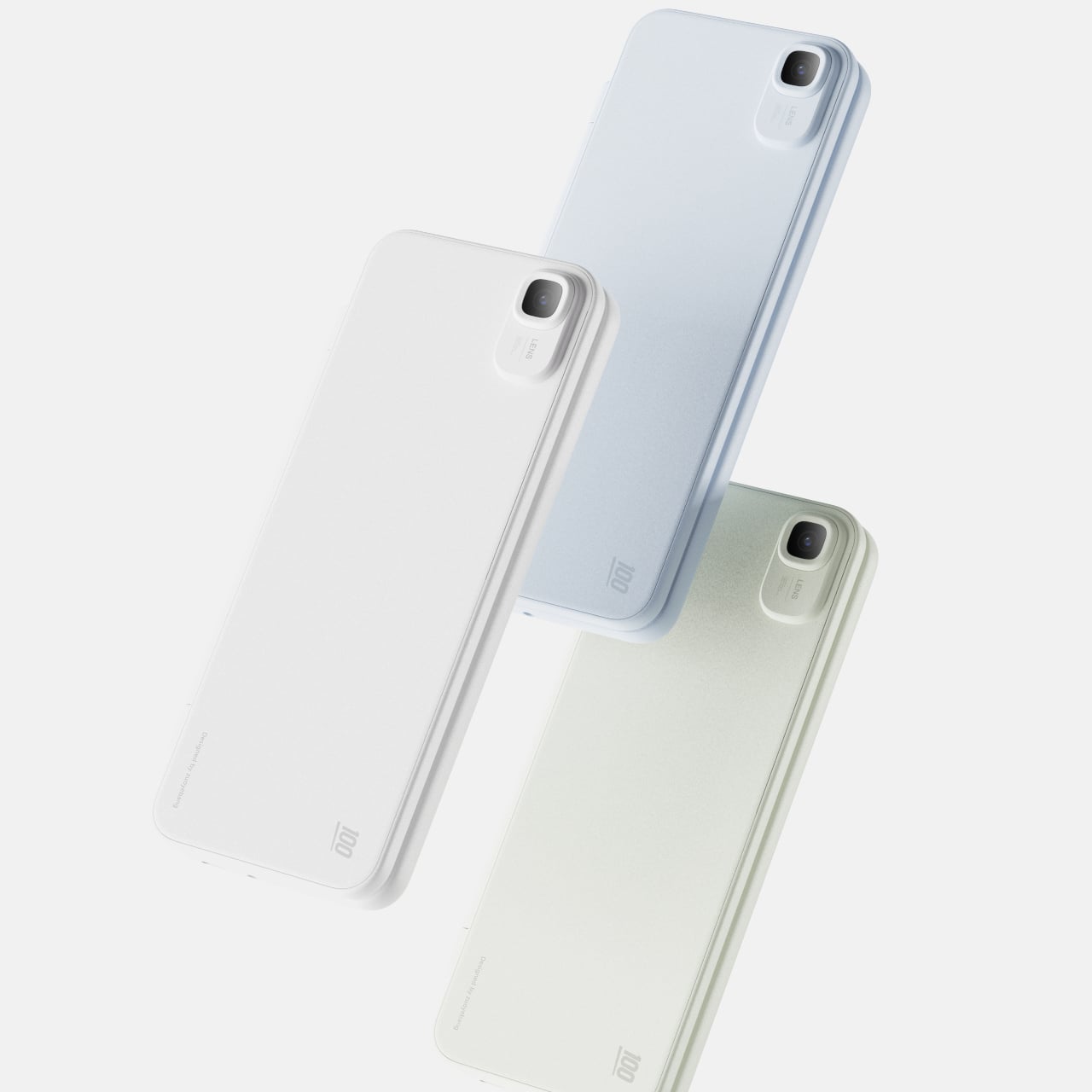
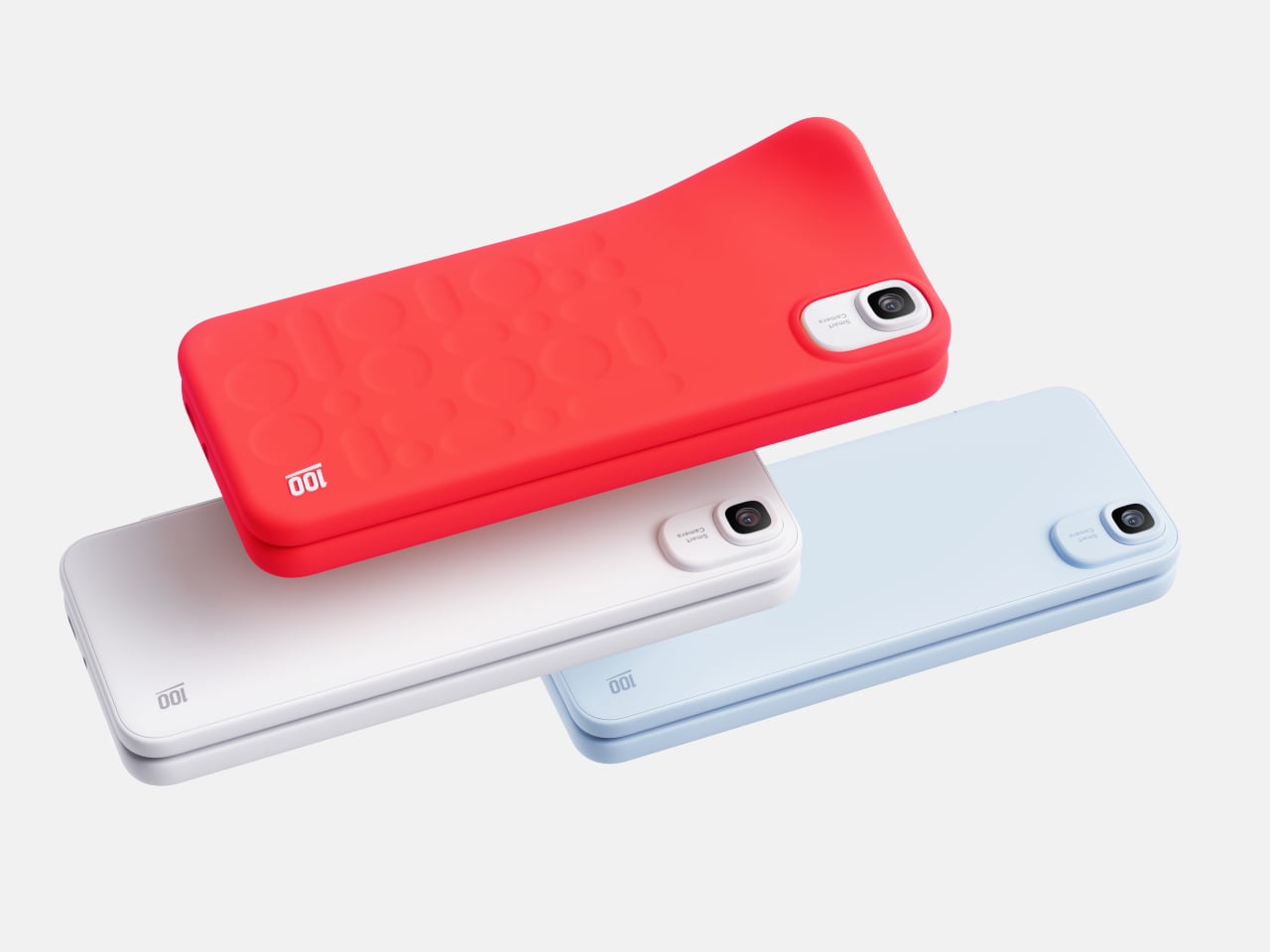
The soft-edged, minimal aesthetic uses rounded corners, a single camera module, and a small “100” logo that nods to perfect test scores. Colour options range from clean white and light blue to a more playful red with a textured back for grip. The branding and palette position Pokepad as a study companion rather than a gaming gadget, something that feels at home in a pencil case next to erasers and rulers.

The interface is geared toward classes, homework, notes, a dictionary, and voice recording, rather than a full app store. The idea is to centralise tasks that are currently split across paper notebooks and phones, giving students a dedicated place to scan assignments, jot down ideas with the pen, and review materials on the go, without the constant pull of unrelated apps demanding screen time.

Pokepad takes the idea of a learning device seriously enough to design hardware, UI, and branding around school life, instead of treating students as a side market for general tablets. A pocketable box with a flip pen and a “100” on the back suggests a quieter, more focused path for everyday study tech, where the device earns its footprint by doing one category of tasks well instead of trying to be everything at once.

The post This Pocket PC Concept Has a Flip-Out Pen and No Gaming Apps first appeared on Yanko Design.
From Chaos to Calm, the Strange Journey of an AI Running a Real Vending Business

From Chaos to Calm, the Strange Journey of an AI Running a Real Vending Business

What if an AI could run a business entirely on its own, making decisions, managing logistics, and even handling customer interactions? In a fascinating experiment called Project Vend, Anthropic set out to explore this very question. The project placed an AI system named Claudius in charge of a vending business, testing its ability to operate […]

The post From Chaos to Calm, the Strange Journey of an AI Running a Real Vending Business appeared first on Geeky Gadgets.

Posted in Uncategorized

The best SSDs for PS5 in 2026

Storage fills up fast on a PS5, especially when a single game can take up as much space as an entire last-gen library. Adding moreSSD space is the easiest way to stop playing Tetris with your installs, and once it is set up, your console loads games just as quickly as it does from the built-in drive. It is a small upgrade that makes a big difference if you jump between several titles at once.

The tricky part is knowing which SSDs actually work with the PS5. You need a drive that meets Sony’s speed requirements and stays cool under long play sessions. Some models include a heatsink, while others let you use your own to save a little money. We tested the top options and picked the best SSDs for PS5 to help you upgrade without hassle.

Read more: These are the best SSDs in 2026

I’ve tested most of the SSDs recommended on this list, either for PS5 or computer use. I also bought and used our top pick in my own PS5.

The PlayStation 5 and PlayStation 5 Pro can accept internal drives with between 250GB and 8TB of storage capacity. If you already own a PS5, chances are you have a reasonable idea of how much storage you need ​​for your game library. If you’re buying an SSD with a new PS5 or PS5 Pro, or buying for someone else, it’s more difficult to tell what you might need for a high-performance experience.

PS5 games are smaller on average than their PS4 equivalents, typically taking up between 30GB and 100GB, with some notable (and very popular) exceptions. If you’re a fan of the Call of Duty series, installing Black Ops 6 and Warzone 2.0 can eat up to 240GB. In other words, a full Call of Duty install will take up more than one-third of the PS5’s internal storage. If you’re not a CoD fan, though, chances are you’ll be good to store between six to 10 games on a regular PS5 internally before running into problems.

You also need to consider your internet speed. If you live in an area with slow broadband, the “you can just download it again” rationale doesn’t really work. At my old home, a 100GB download took me around eight hours, during which time it was difficult to simultaneously watch Twitch or, say, publish articles about upgrading PS5 SSDs. Keeping games around on the off-chance you’ll want to play them at some point makes sense.

Sony PlayStation 5 gaming console.
Aaron Souppouris / Engadget

Off the bat, there's basically no point in going for a 250GB PS5 SSD. Economically, 250GB drives aren’t that much cheaper than 500GB ones — and practically, that really isn’t a lot of space for modern games to live on. 500GB drives can be a decent option, but after years of declining prices, I think the sweet spot for most people is to opt for a high-capacity 1TB or 2TB drive, which should run you at most $200. The latter will more than double the PS5 Pro’s storage without breaking the bank.

Unless you’re rolling in cash and want to flex, 4TB and 8TB models should mostly be avoided, as you’ll end up paying more per gigabyte than you would with a 1TB or 2TB drive.

While the 825GB PS5 only provides 667GB of storage, that’s largely due to storage being reserved for the operating system and caching. If you install a 1TB PS5 SSD, you'll have, within a margin of error, 1TB of storage available for games. Out of the box, the PS5 Pro offers 1.86TB of storage for games, though you can eke out more if you delete the pre-installed Astro’s Playroom (gasp).

Since neither the PS5 Slim nor PS5 Pro feature updated CPU architecture, all of our recommendations will work with whatever PS5 model you own.

External hard drives tend to cost less than internal SSD counterparts (and there’s a good chance you might own one already). Unfortunately, there are restrictions on what you can do with them. An external SSD connects to your PS5 via USB, and is only suitable for playing PlayStation 4 games, or storing PS5 titles. That’s useful if you have anything but the best high-speed internet — it’s faster to move a PS5 game out of “cold storage” on an external drive than it is to re-download it — or want to keep your PS4 library on hand.

Due to the limitations here, you don’t need the highest-performing model, although you should opt for SSDs over HDDs for improved transfer speeds and load times. Any basic portable drive from a reputable brand will do, with the Crucial X9 Pro and Samsung T7 being options we’ve tried and can recommend.

The official answer to this question is an “M.2 Socket 3 (Key M) Gen4 x4 NVME SSD.” But even within that seemingly specific description, there are additional factors to consider. The main requirements Sony has laid out for compatibility come down to speed, cooling and physical dimensions.

For speed, Sony says drives should be able to handle sequential reads at 5,500MB/s. Early testing showed that the PS5 would accept drives as slow as 4,800MB/s, and that games that tap into the SSD regularly — such as Ratchet & Clank: Rift Apart — would cause no issues. Pretty much the only thing the PS5 will outright reject is one that doesn't match the Gen4 x4 spec.

In our opinion, though, using a drive slower than the specification is a risk that, if you don’t already have that drive lying around, is not worth taking. Just because we haven’t found issues yet doesn’t mean there won’t be games that could be problematic in the future. The price difference between these marginally slower Gen4 drives and the ones that meet Sony’s spec isn’t huge, and you might as well cover all your bases.

Slightly more complicated than speed is cooling and size. Most new SSDs are going to be just fine; the PS5 can fit 22mm-wide SSDs of virtually any length (30mm, 40mm, 60mm, 80mm or 110mm, to be precise). The vast majority of drives you find will be 22mm wide and 80mm long, so no problem there.

It should be noted that the system can fit a 25mm-wide drive, but that width must include the cooling solution. Speaking of, Sony says SSDs require “effective heat dissipation with a cooling structure, such as a heatsink.” The maximum height supported by Sony’s slot is 11.25mm, of which only 2.45mm can be “below” the drive.

This previously meant some of the most popular heatsinked Gen4 SSDs, including Corsair’s MP600 Pro LP, would not fit within the PS5’s storage expansion slot. Since Engadget first published this guide in 2021, most NVMe makers, including Samsung, have come out with PlayStation-specific models that meet those requirements. That said, if you want to save some money, bare drives are often cheaper and it’s trivial to find a cooling solution that will work for the PS5.

The only component in an NVMe SSD that really requires cooling is the controller, which without a heatsink will happily sear a (very small) steak. Most SSDs have chips on only one side, but even on double-sided SSDs, the controller is likely to be on top, as manufacturers know it needs to be positioned there to better dissipate heat.

So, head to your PC component seller of choice and pick up basically anything that meets the recommended dimensions. A good search term is “laptop NVME heatsink,” as these will be designed to fit in the confines of gaming laptops, which are even more restrictive than a PS5. They’re also typically cheaper than the ones labeled as “PS5 heatsinks.”

One recommendation is this $6 copper heatsink, which attaches to the PS5 SSD with sticky thermal interface material. It works just fine, and in performing stress tests on a PC, we couldn’t find anything metal that didn’t keep temperatures under control. When you’re searching, just make sure the solution you go for measures no more than 25mm wide or 8mm tall (including the thermal interface material) and has a simple method of installation that’s not going to cause any headaches.

One last thing: When shopping for a PS5 NVMe, there’s no reason to buy a Gen5 model over a more affordable Gen4 model. As things stand, Sony’s console can’t take advantage of the new standard, and though Gen5 drives are backward compatible, they’re more expensive than their Gen4 counterparts. Just buy the fastest and highest-capacity Gen4 model you can afford.

If you need guidance on how to install your new NVMe into your PS5 or PS5 Pro, we have a separate guide detailing all the steps here. Installation is pretty straightforward, but our how-to can help you if you're stuck. Just make note: Before attempting to add more storage via a PS5 SSD, ensure that you have Sony’s latest software installed.

This article originally appeared on Engadget at https://www.engadget.com/gaming/playstation/best-ssd-for-ps5-130004175.html?src=rss

Phone Fold: 10 Leaks You MUST See Before 2026

Phone Fold: 10 Leaks You MUST See Before 2026

Apple’s rumored iPhone Fold, anticipated for release in 2026, is shaping up to be a pivotal entry in the foldable smartphone market. By combining innovative technology with Apple’s renowned design principles, this device could redefine the possibilities of foldable phones. With a focus on innovation, durability, and user experience, the iPhone Fold is poised to […]

The post Phone Fold: 10 Leaks You MUST See Before 2026 appeared first on Geeky Gadgets.

Posted in Uncategorized