Musk claims Tesla will restart work on its Dojo supercomputer

Elon Musk posted on X that Tesla will be restarting work on Dojo3, the third generation of its in-house supercomputer project. The Dojo team had been disbanded last year as the company prioritized the AI chips that run on board Tesla vehicles. Musk said the company is returning to the project "now that the AI5 chip design is in good shape."

The purpose of the Dojo project is to process video recordings and other data from Tesla vehicles and use that to train the "neural net" behind the company's Full Self-Driving software. Last year, however, Musk posted on X that "It doesn’t make sense for Tesla to divide its resources and scale two quite different AI chip designs. The Tesla AI5, AI6 and subsequent chips will be excellent for inference and at least pretty good for training. All effort is focused on that."

The AI chips Musk is referring to are ones developed for running FSD onboard Tesla vehicles and are not optimized for training. The AI6 chips will be made by Samsung in the company's Texas factory, after it struck a $16 billion agreement with Tesla.

Musk has also claimed a lot of things over the years, and many of those assertions either were misrepresentations or simply didn't pan out. Working against this chip project: Musk said that Dojo3 will be "space-based AI compute," as he and others believe that data centers in orbit are a superior alternative to the land-based behemoths currently being built. The idea is that space provides easier access to the sun's energy, and the cold temperatures there might greatly reduce the power needed, among other benefits. While it's an increasingly popular if entirely speculative idea, experts have their doubts.

This article originally appeared on Engadget at https://www.engadget.com/ai/musk-claims-tesla-will-restart-work-on-its-dojo-supercomputer-173127863.html?src=rss

Wear Your Real Watch: This Case Turns Apple Watch into a Mini Handheld

Full smartphones often feel like overkill, but the Apple Watch on your wrist is still awkward for anything beyond quick glances. There’s also the complication of wanting to wear a mechanical or analog watch without giving up notifications, Apple Pay, and quick replies. Stacking both on one arm feels ridiculous, and choosing between connectivity and wearing the watch you actually like is the kind of small annoyance that lingers.

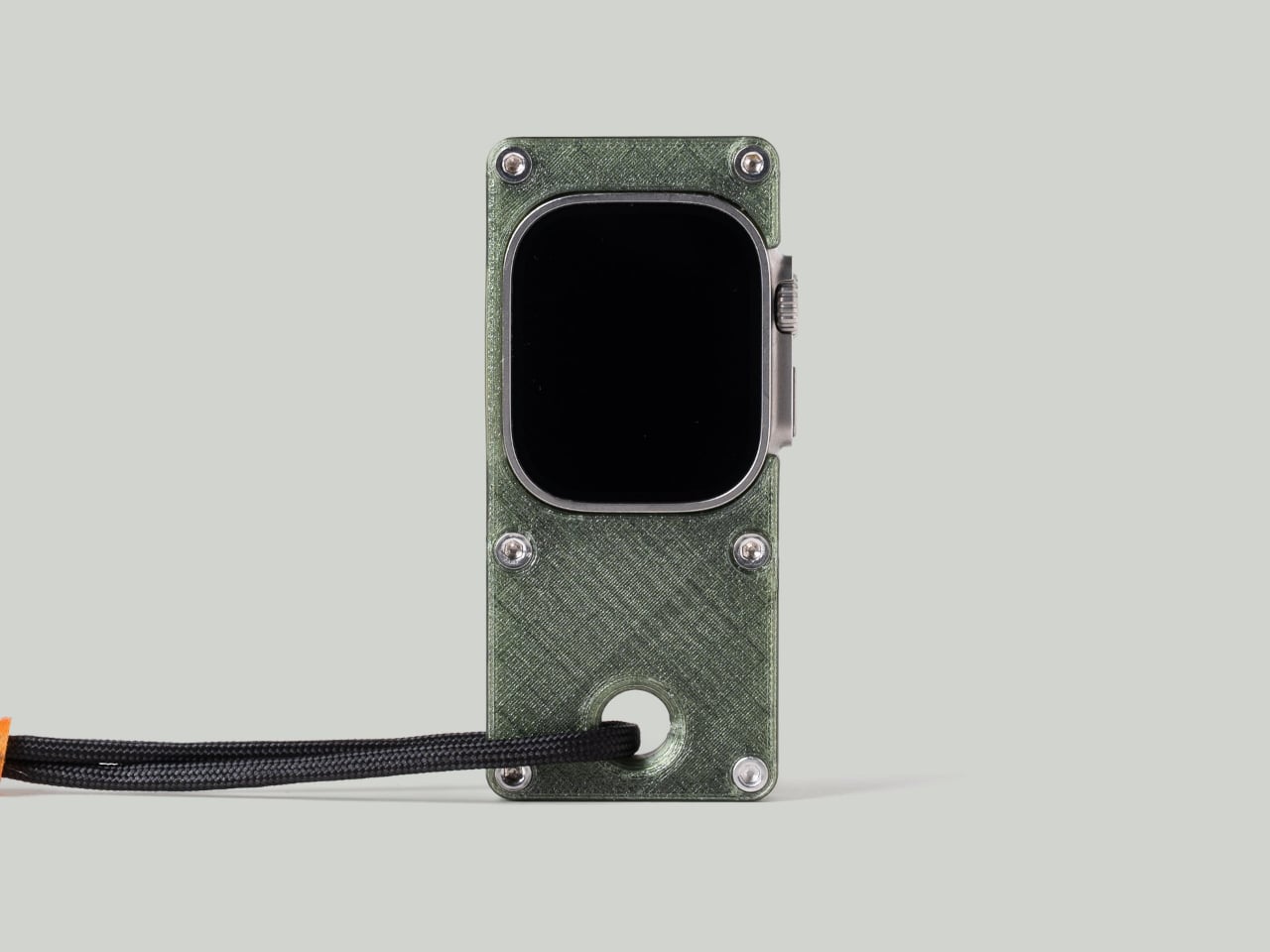
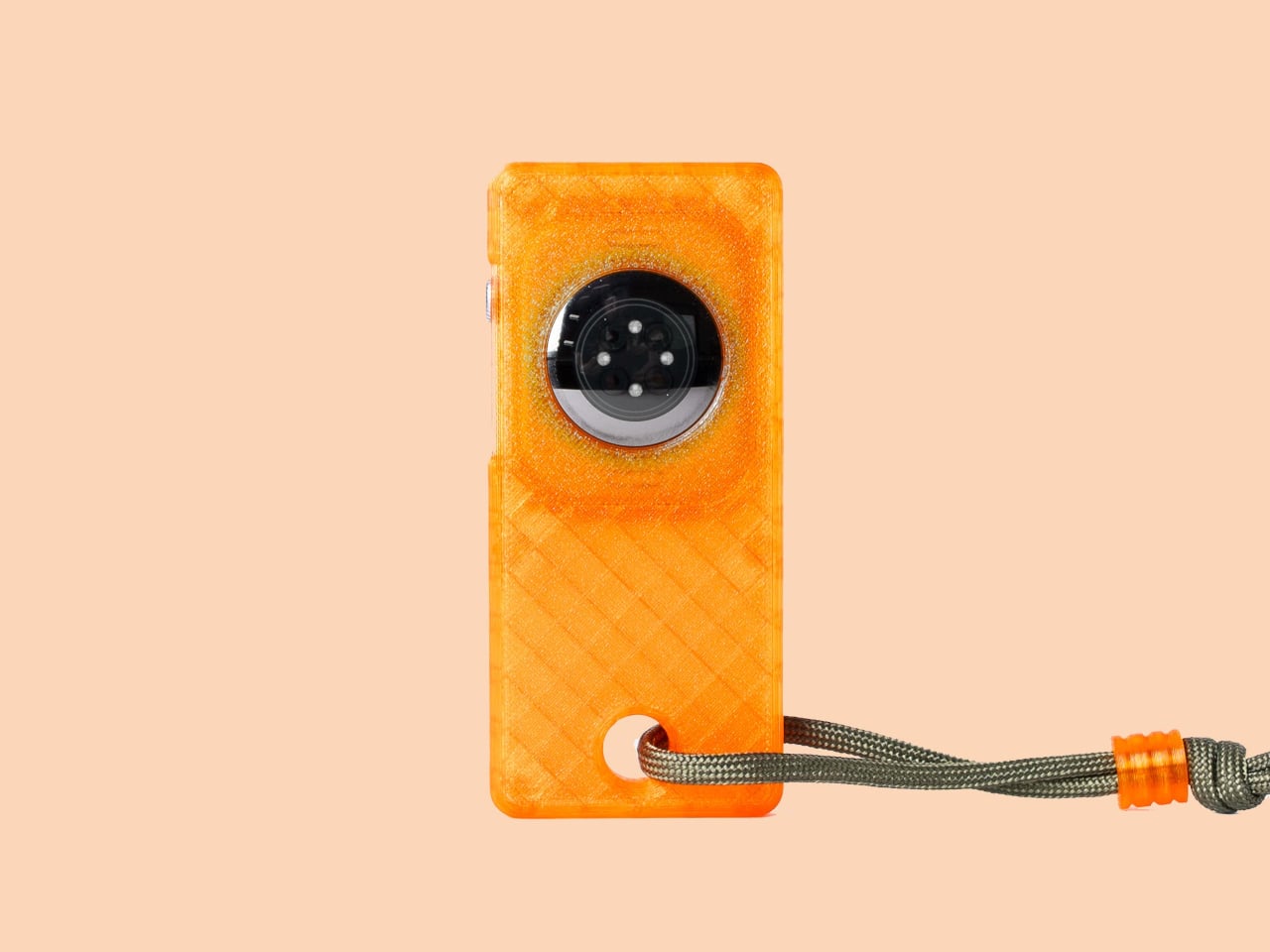
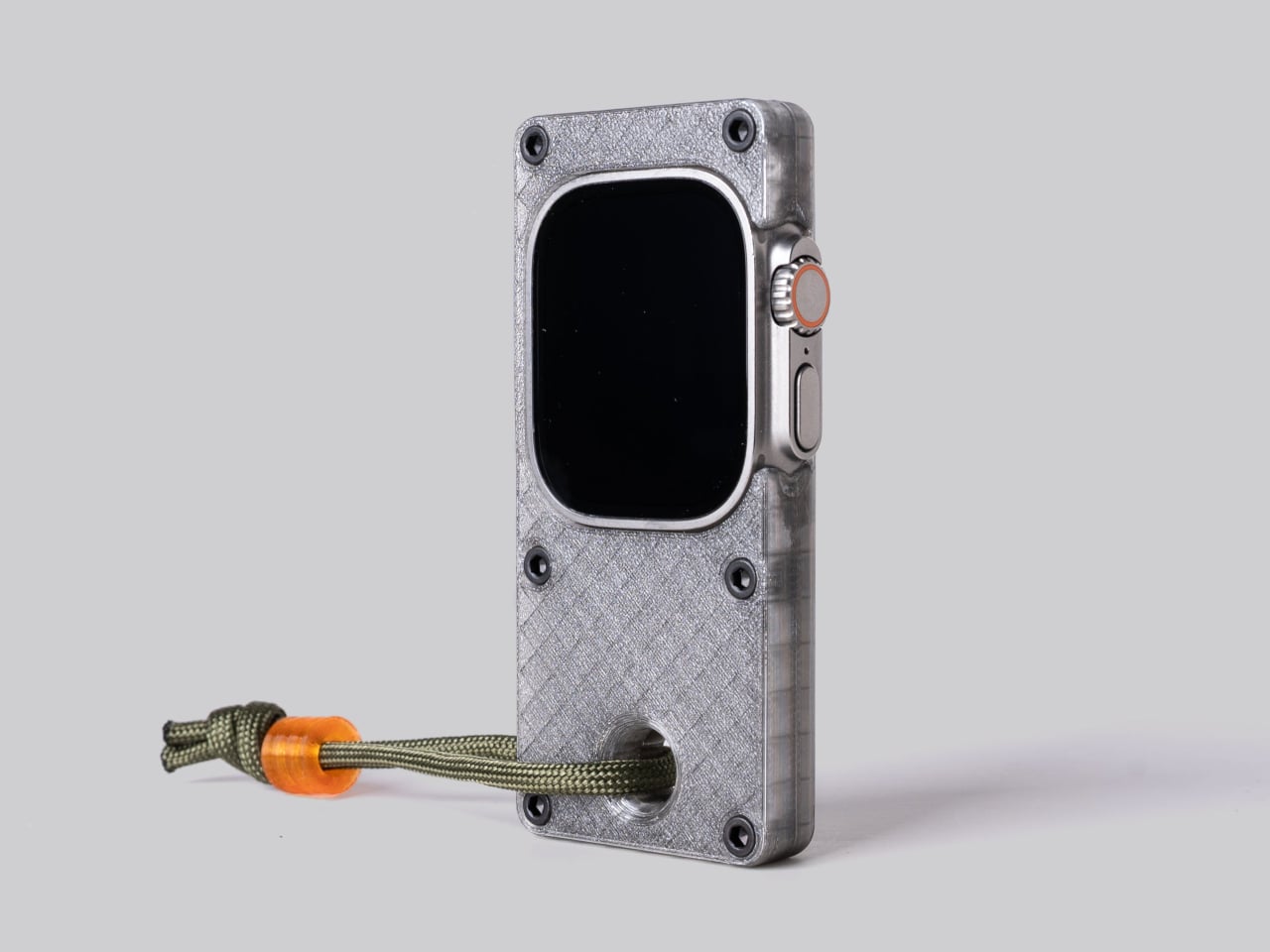
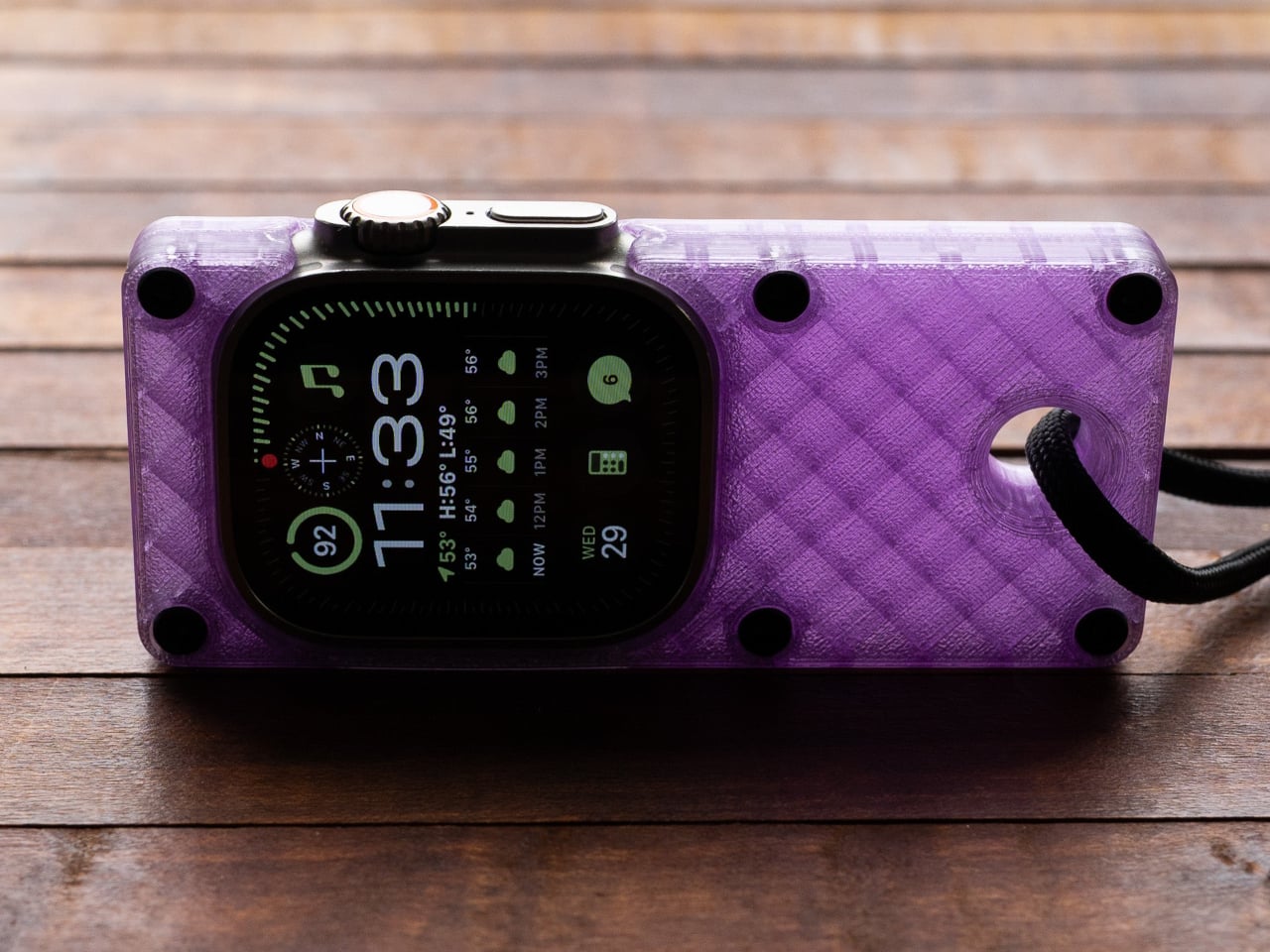
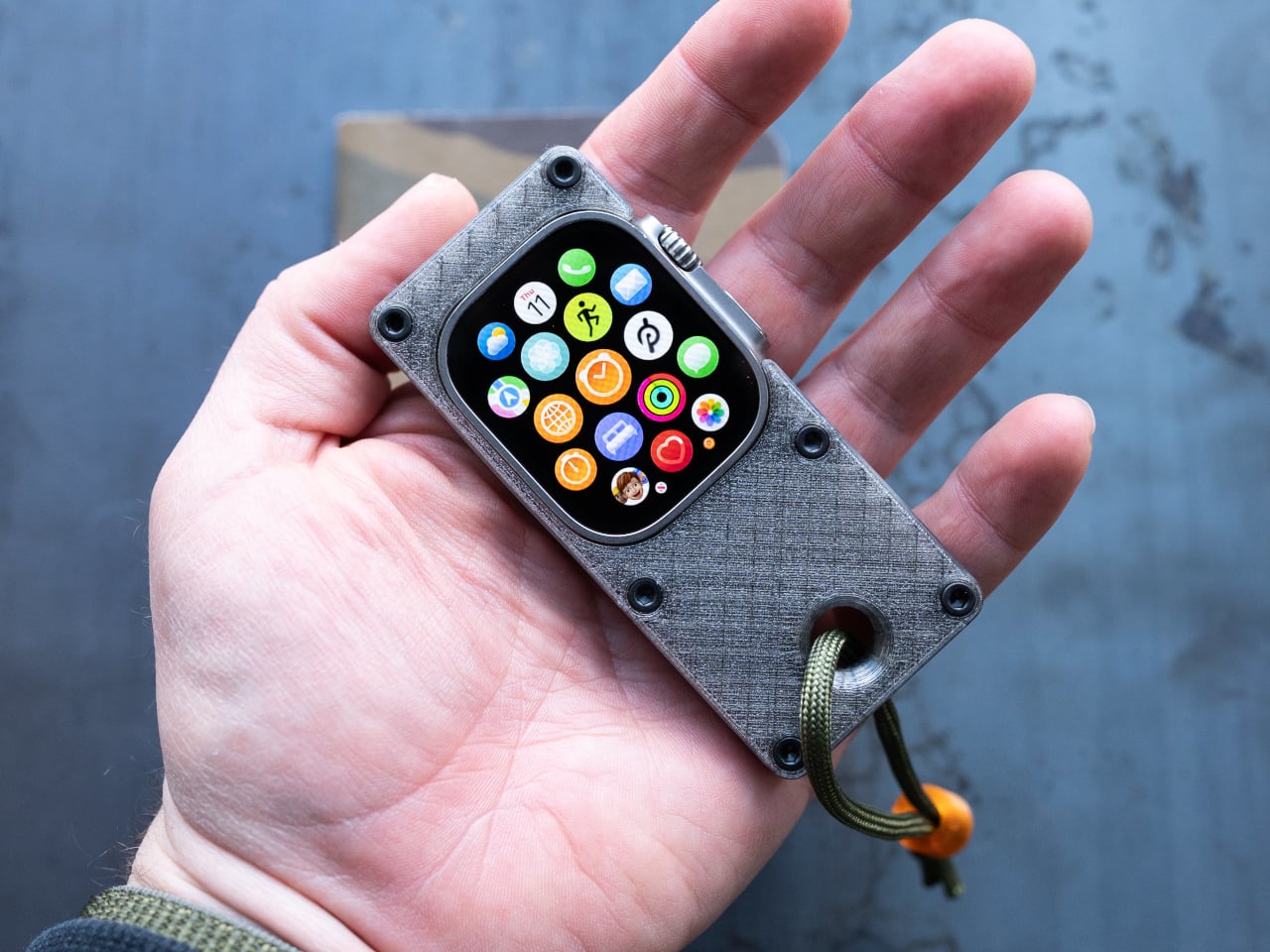
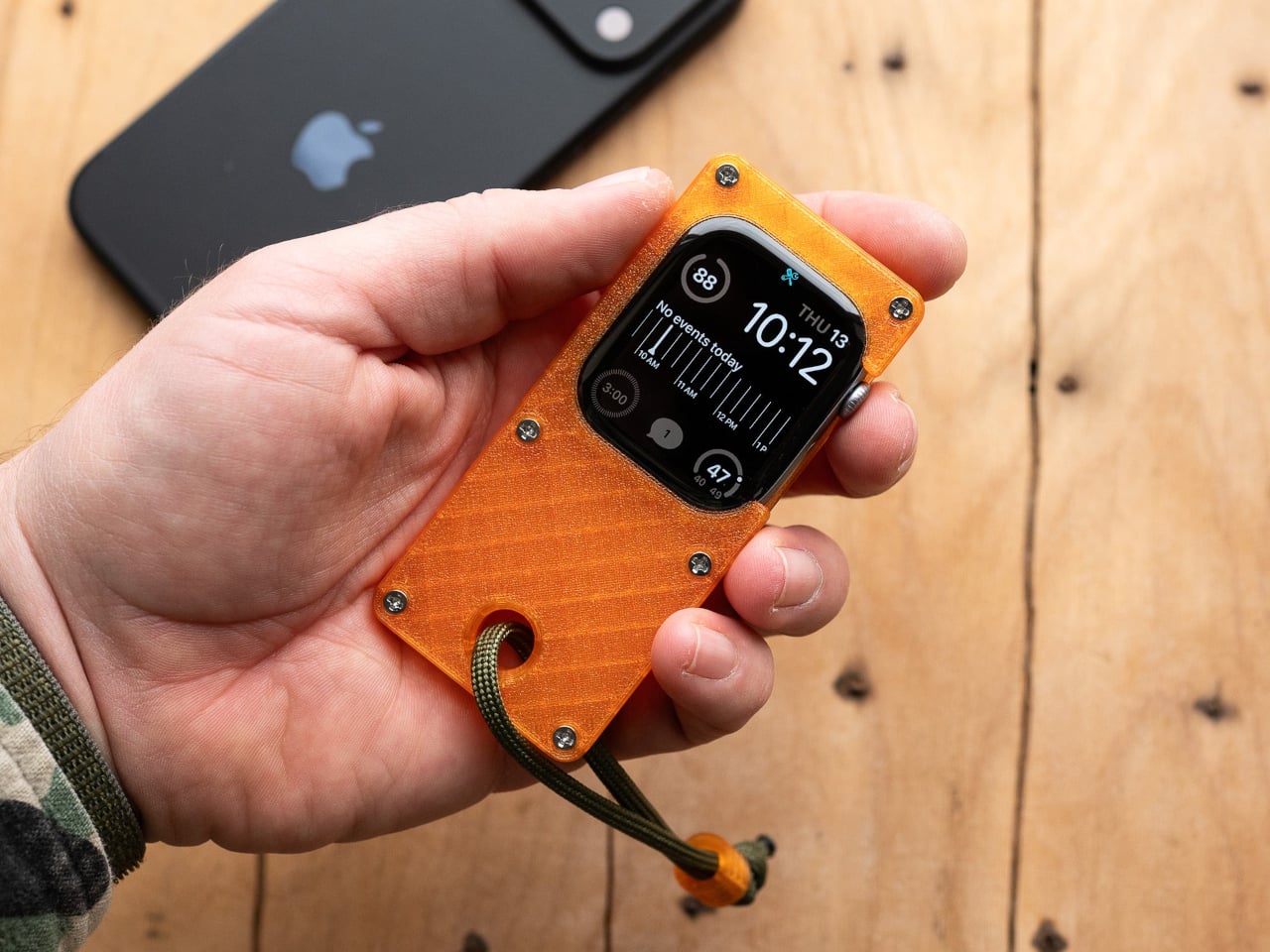
elrow’s miniphone Standard and miniphone Ultra are 3D-printed cases that turn an Apple Watch into a narrow, palm-sized device with a lanyard. The Standard fits the 46mm Series 10 and 11, while the Ultra fits the Apple Watch Ultra 1, 2, and 3. Both are about 95mm tall, with textured translucent bodies, visible screws, and an open back so you can charge without disassembling the case.

Designer: elrow industries

Leaving your iPhone in a bag and carrying the miniphone instead means you still get calls, messages, and Apple Pay, but you are not staring at a six-inch screen every time a notification pings. Holding the watch in a slightly larger body makes tapping icons feel more like using an old iPod than pecking at your wrist, and clipping it to a pocket means it stays out of sight until you need it.

The translucent PLA+ on the Standard and PETG on the Ultra, textured surfaces, and stainless or black-coated steel hardware give the cases a rugged, workshop vibe. The integrated lanyard hole and included paracord with an orange bead make it easy to carry without pockets. It feels more like a small tool than a fashion case, which suits the “tool ↔ watch” idea of keeping your mechanical watch on.

Moving the watch off your wrist means that continuous heart rate, ECG, blood oxygen, and sleep tracking are basically gone. You are also told to turn off wrist detection for better battery and notifications, which changes how Apple Pay, auto-lock, and some security features behave. Activity rings and step counts become unreliable when the watch lives in a pocket or on a lanyard, and fall detection may not work as intended.

WatchOS assumes a wrist, from raise-to-wake gestures to how workouts and reminders work. In a miniphone case, some of that feels off or becomes less useful. You are treating the Apple Watch as a tiny connected widget for notifications and quick controls, not as a health tracker logging your life, which is fine if that is what you wanted in the first place.

The miniphone cases make the most sense if you already use the Apple Watch as a lightweight communicator and remote, not as a medical device. If you love wearing a mechanical watch while still having a pocketable slice of watchOS nearby, or you want less phone without going fully offline, a 3D-printed case that trades sensors for simplicity is a strangely logical, if niche, step.

The post Wear Your Real Watch: This Case Turns Apple Watch into a Mini Handheld first appeared on Yanko Design.

This Brick Light Turns Travel Memories Into Glowing Cubes

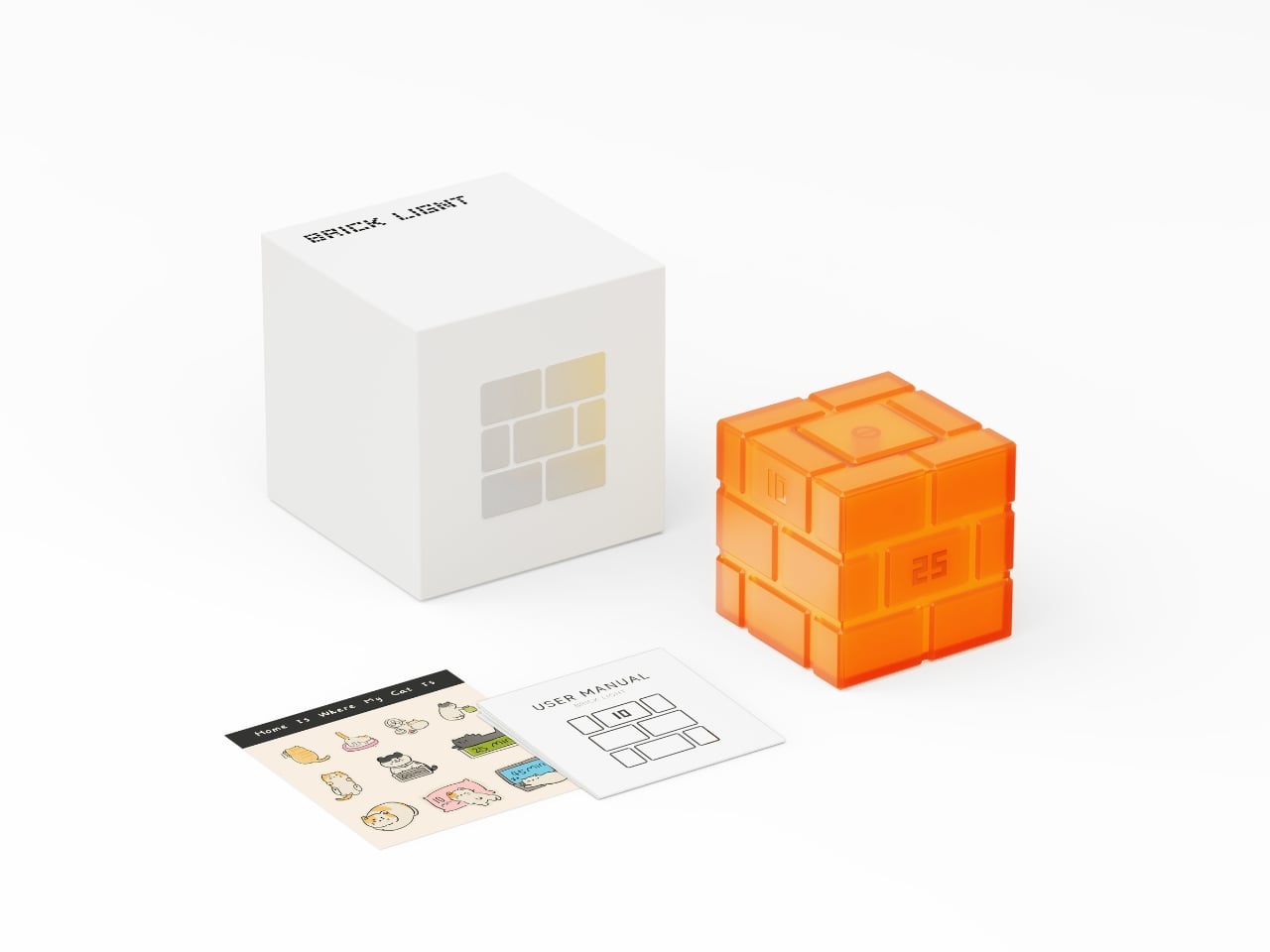
There’s something beautifully honest about a designer who stops creating long enough to actually live. That’s the story behind the Brick Light from O_1 Design, a lamp that feels less like a product and more like a memento brought back from somewhere you can’t quite place on a map.

The designer’s journey reads like a poem. Golden sunlight threading through misty fields. Frost covering endless plains. The physical memory of wind while cycling, of rough rock under climbing fingertips. These weren’t just Instagram moments to be captured and forgotten. They became something tangible, something you can hold in your hand and turn on at night.

Designer: O_1 Design

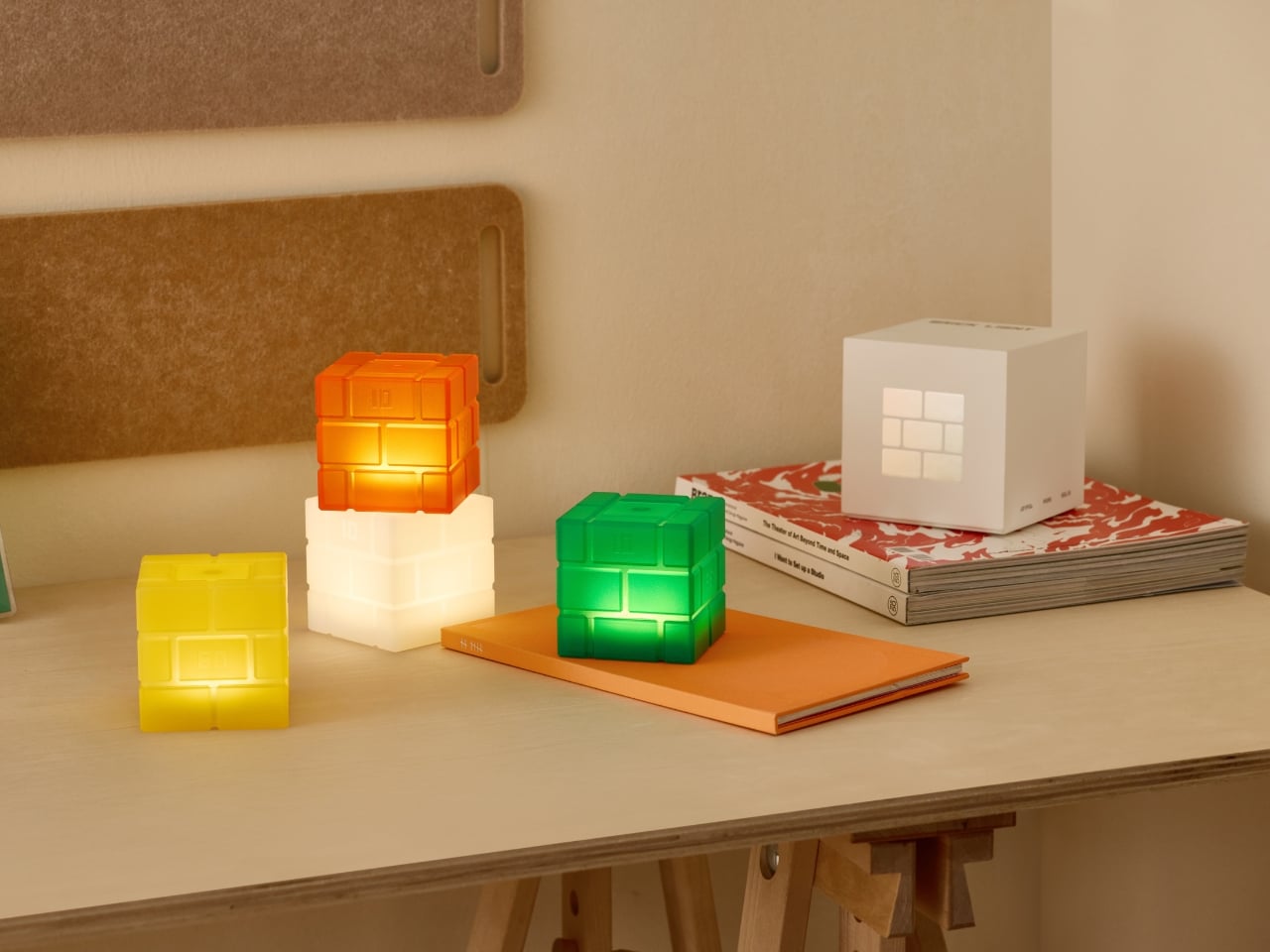
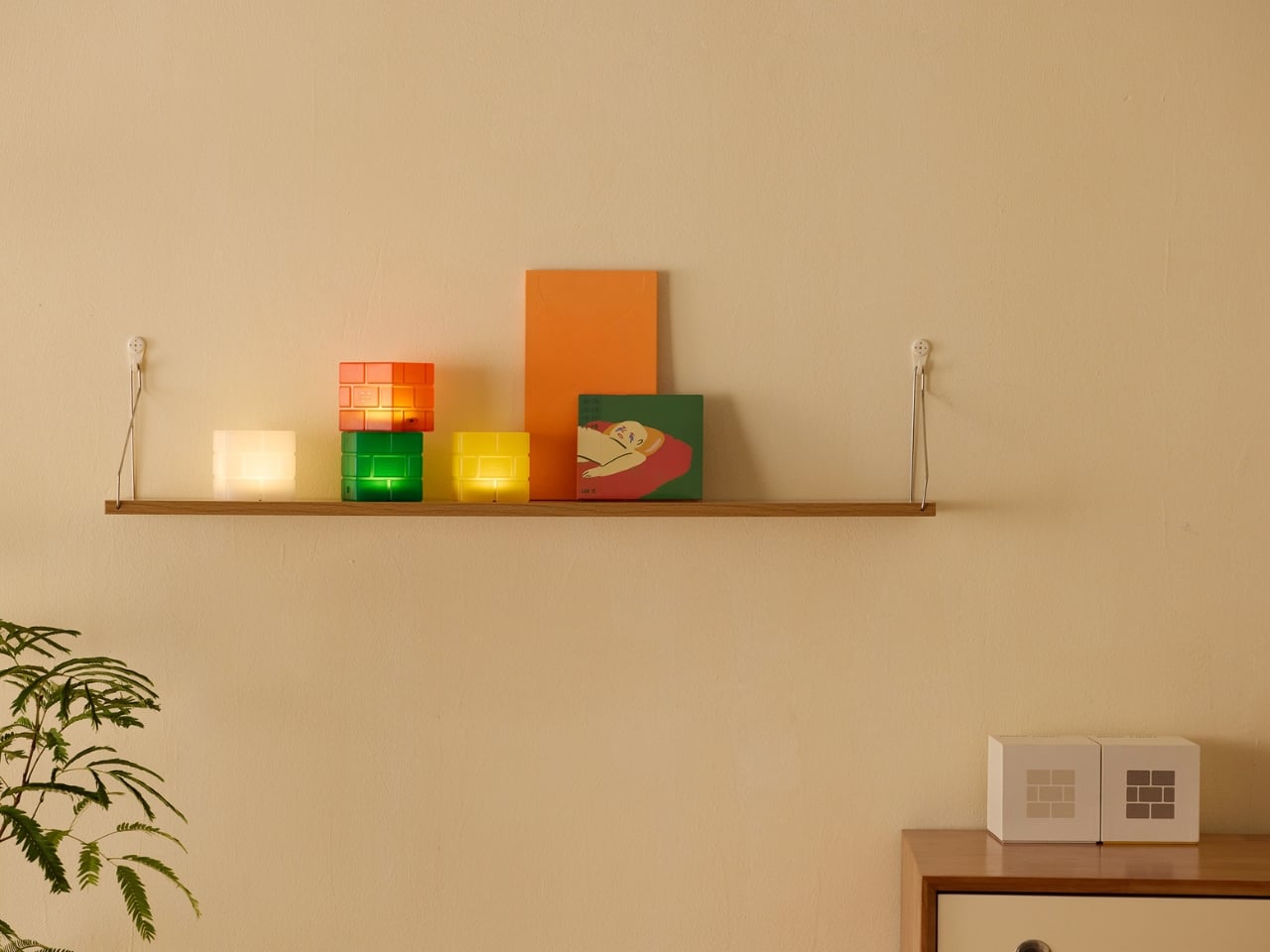
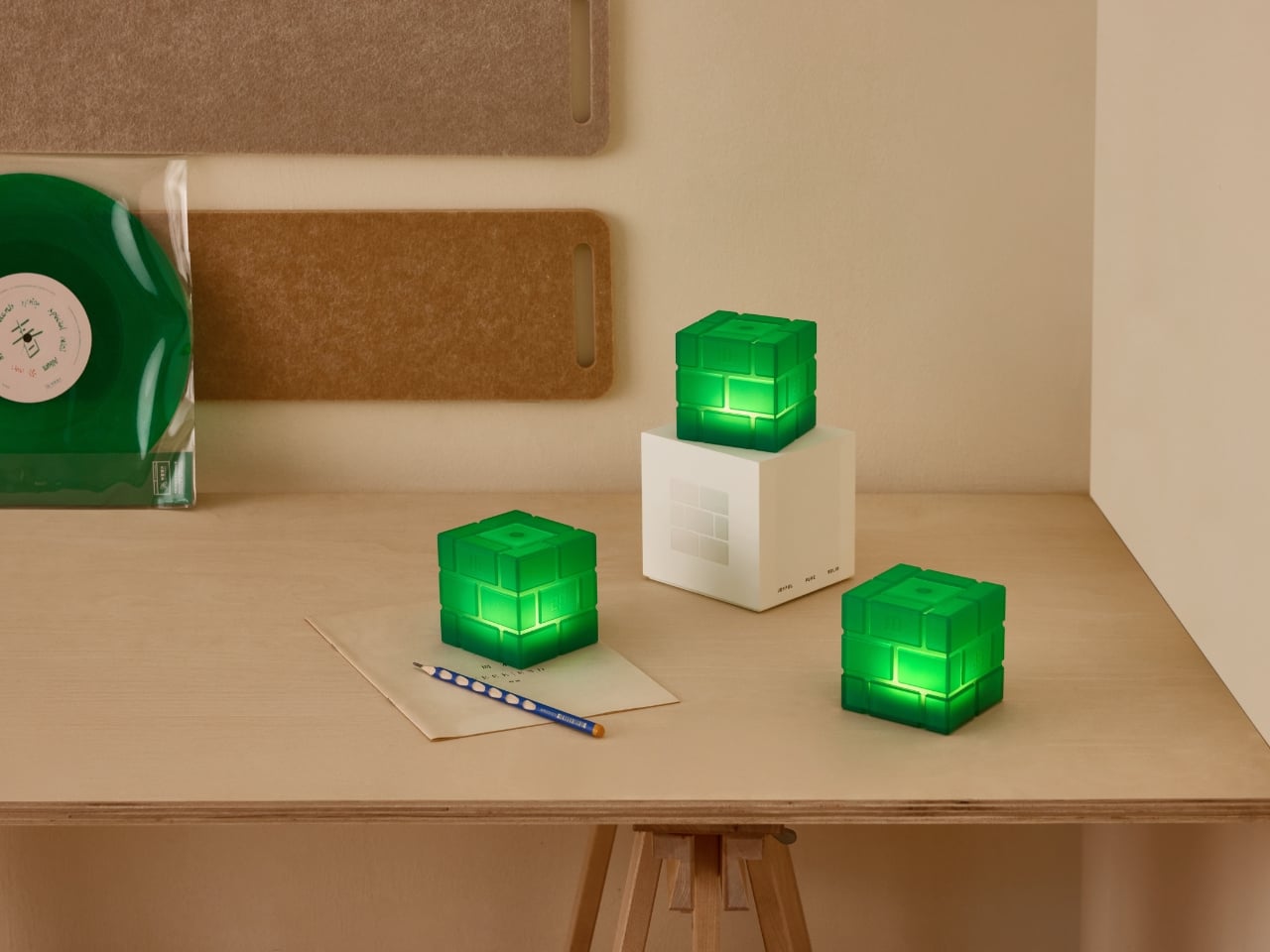
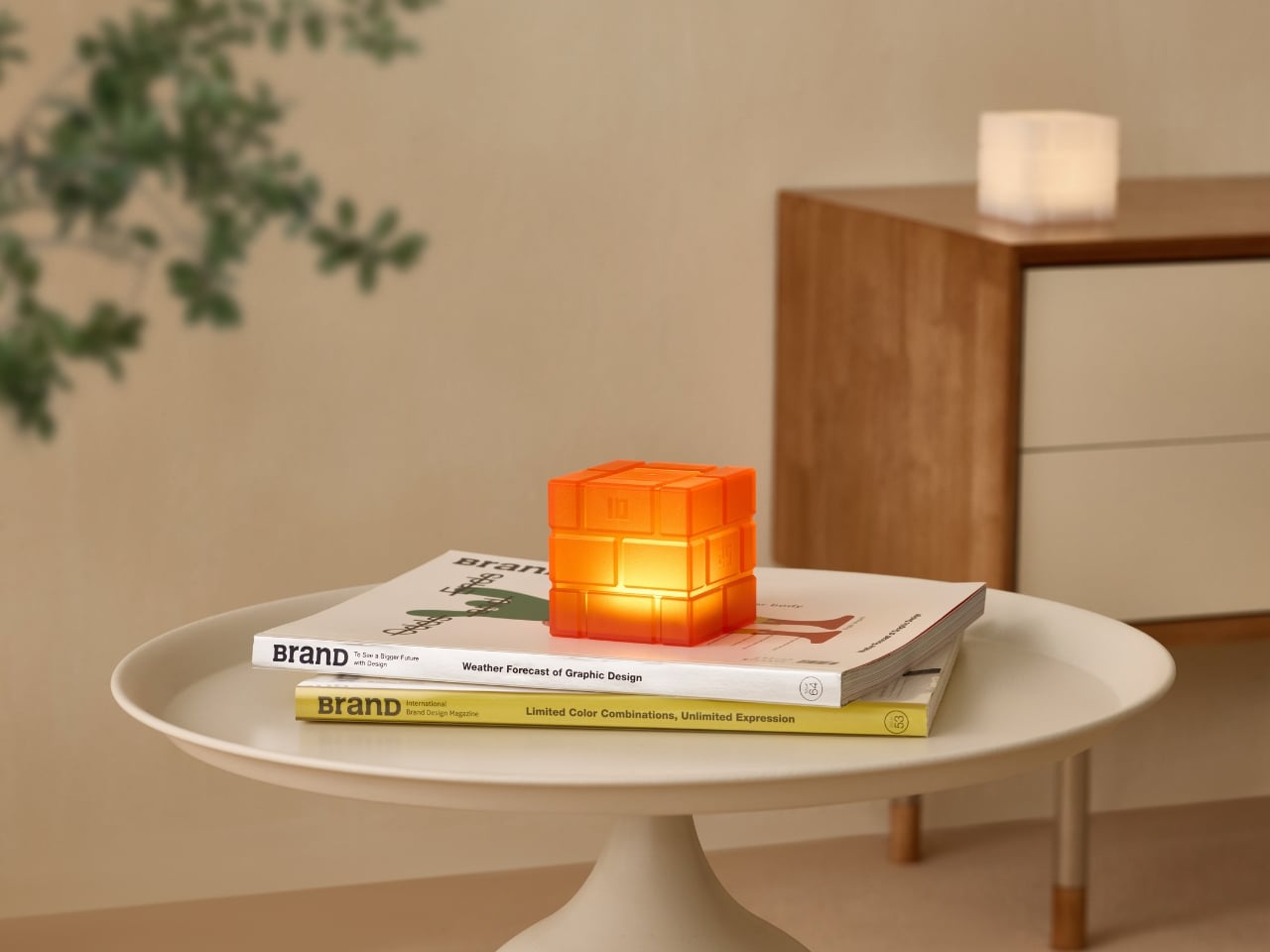
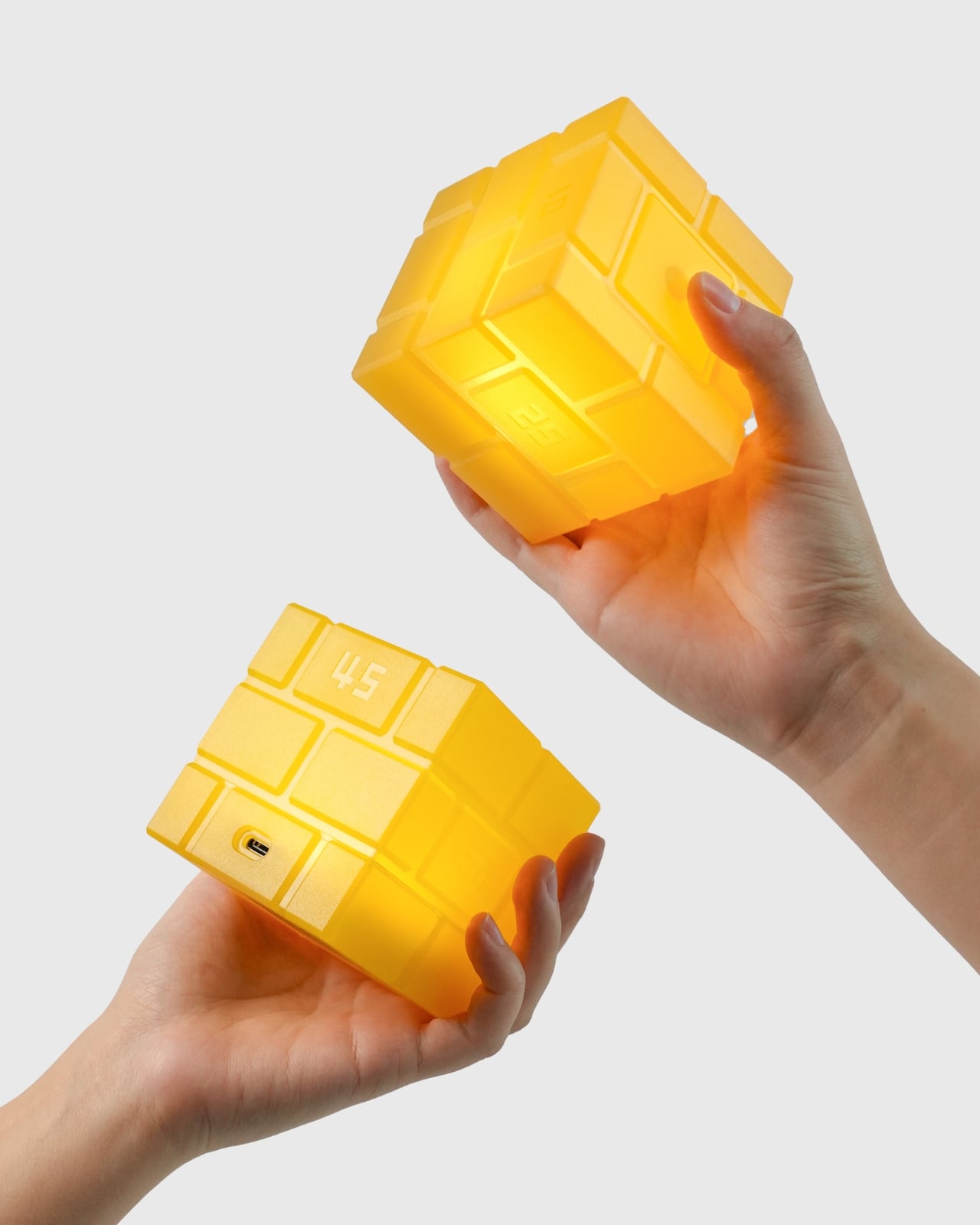
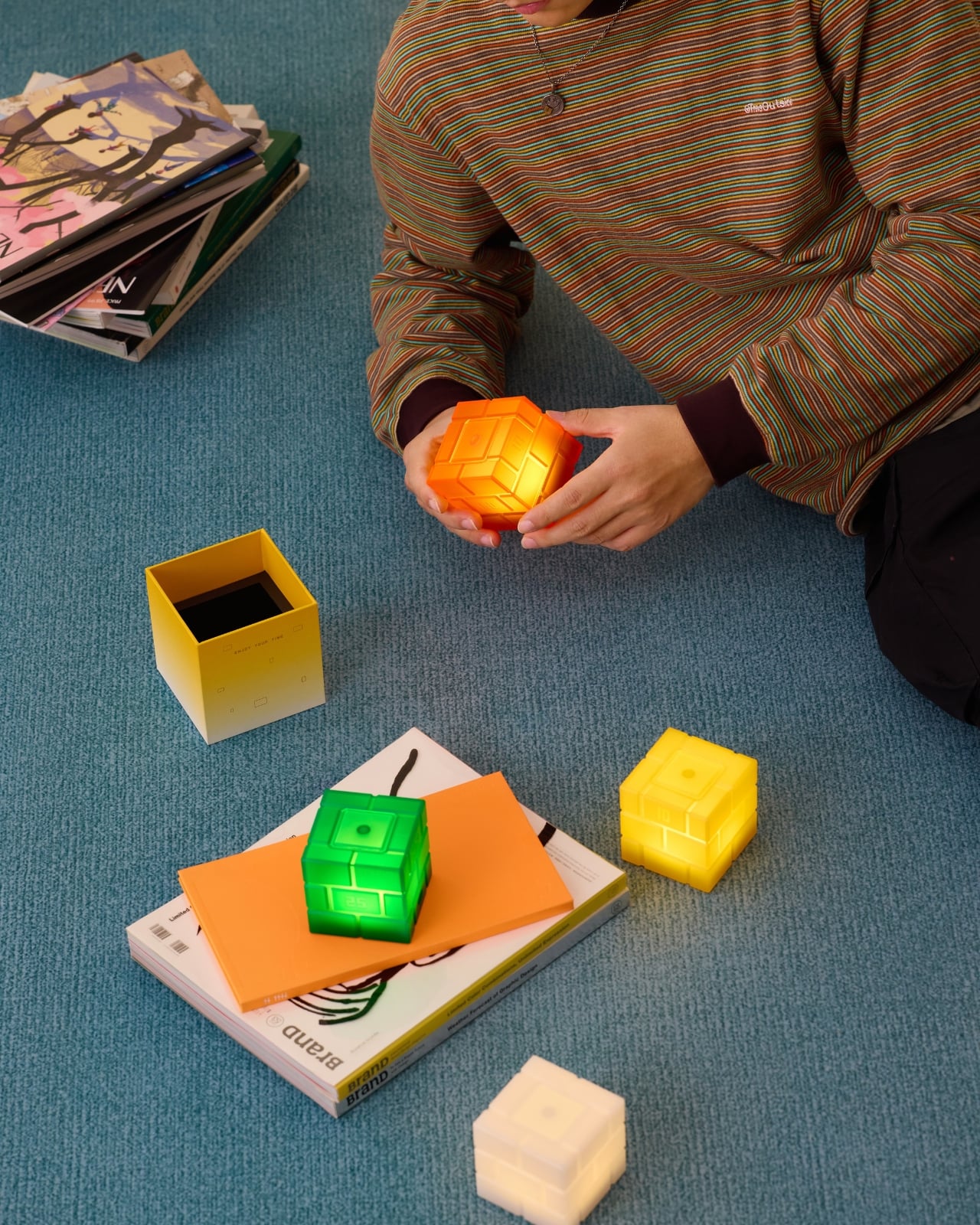
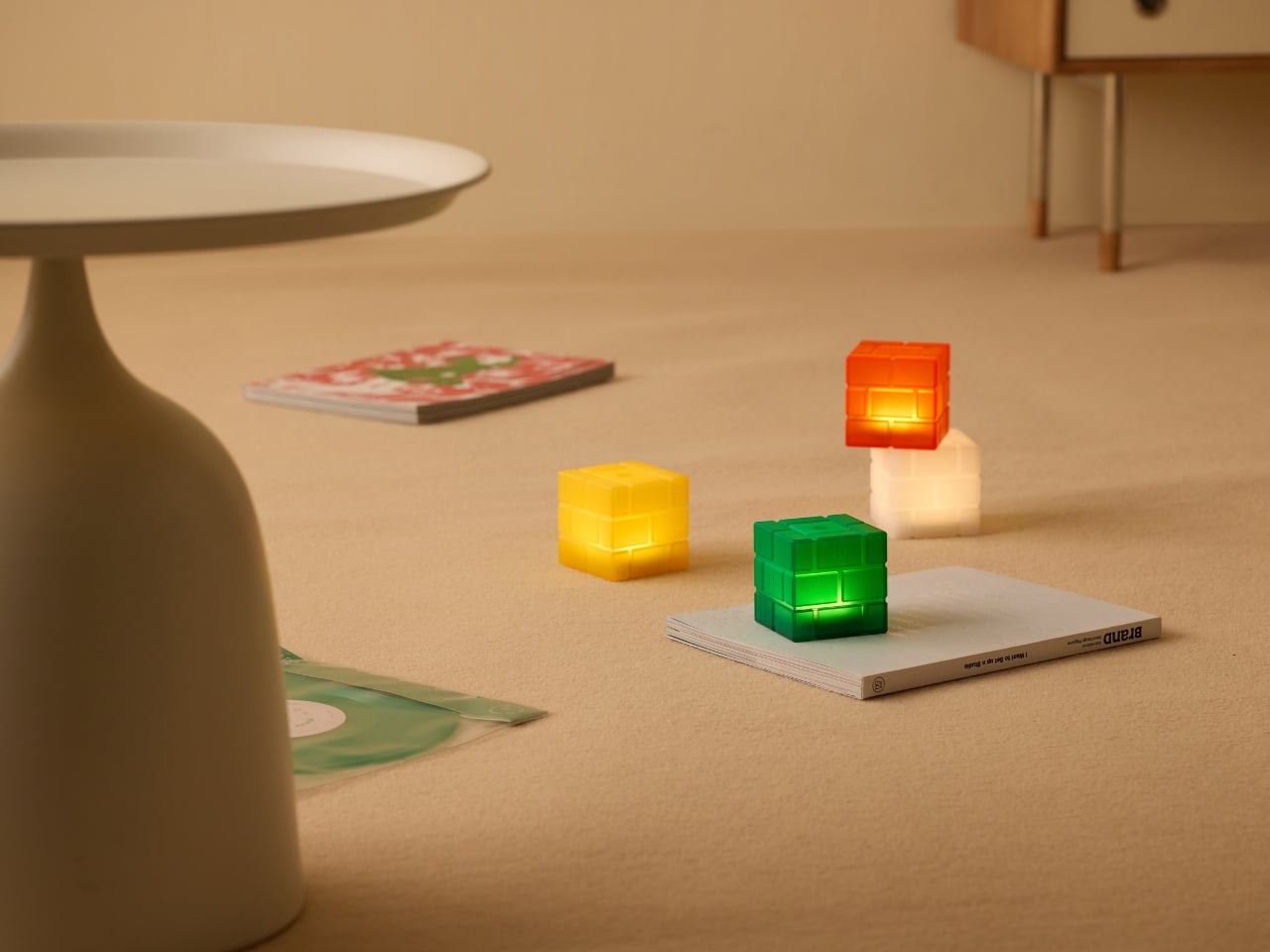
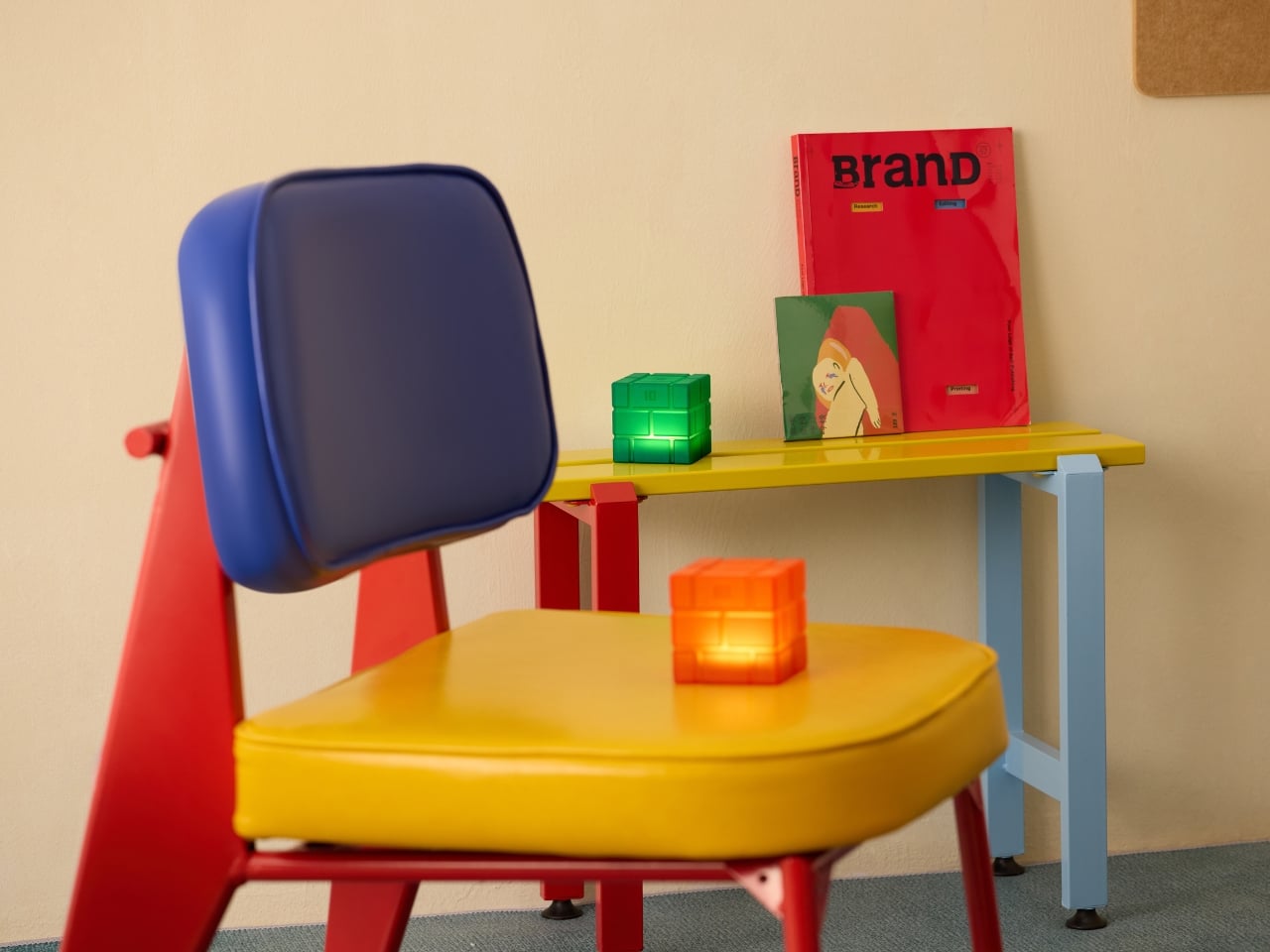
What emerged from all those collected sensations is refreshingly simple: three brick-shaped blocks stacked together, glowing softly from within. It’s the kind of design that makes you wonder why no one thought of it before, which is usually the hallmark of something genuinely clever. The inspiration comes from architecture’s most fundamental building block. Not the sexy, swooping curves of modern design, but the humble brick. The kind of thing that’s built everything from ancient walls to corner shops you pass without noticing. There’s a democratic quality to that choice, a nod to the idea that extraordinary things can come from ordinary elements.

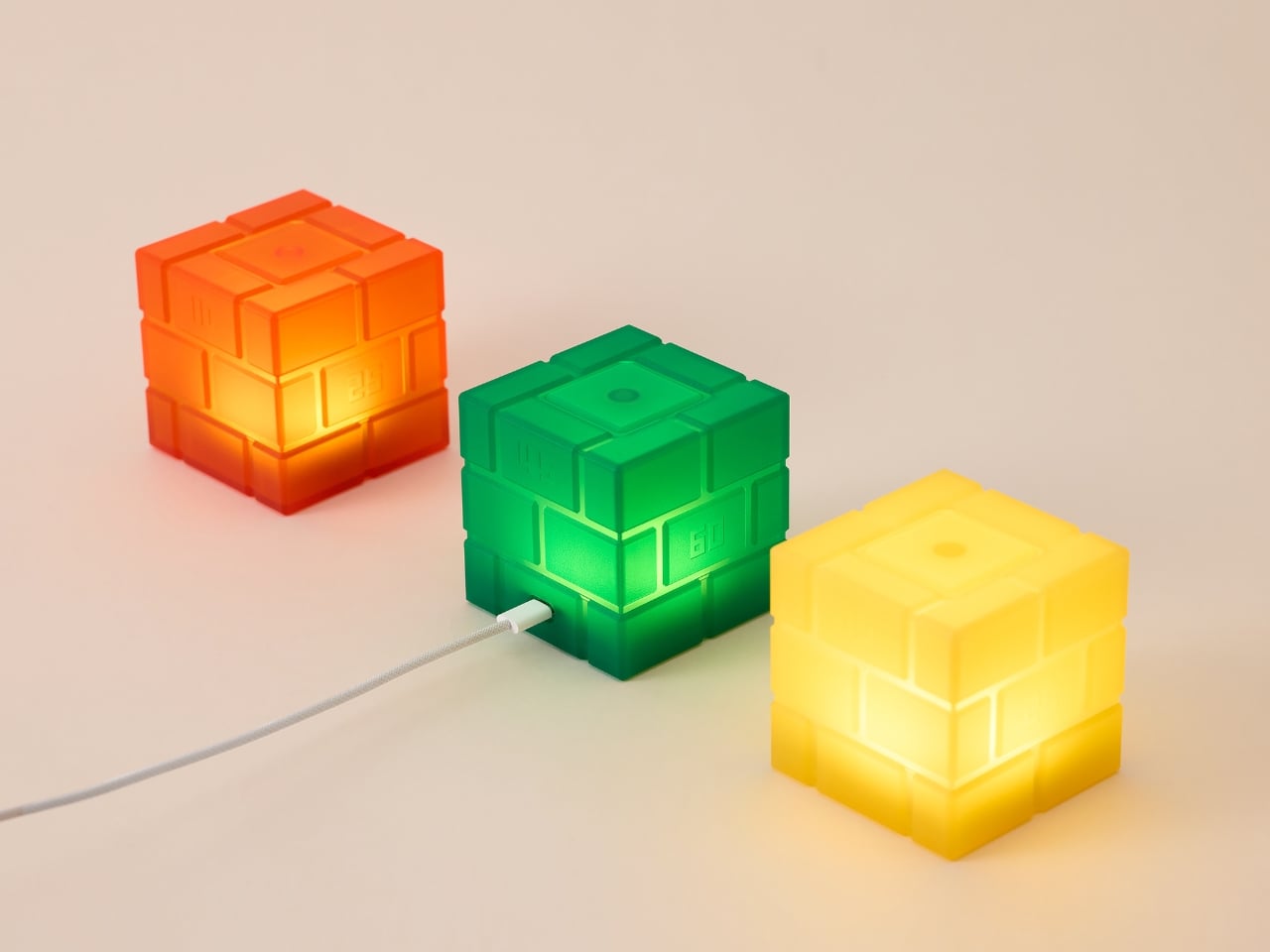
Each segment maintains perfect 1:1:1 proportions, creating a symmetry that feels almost meditative. The surface carries a subtle brick pattern, textured enough to catch your eye but not so literal that it becomes gimmicky. When the light filters through the flame-retardant PC material, it transforms into something between solid and ethereal, like a memory that’s both crystal clear and slightly hazy around the edges.

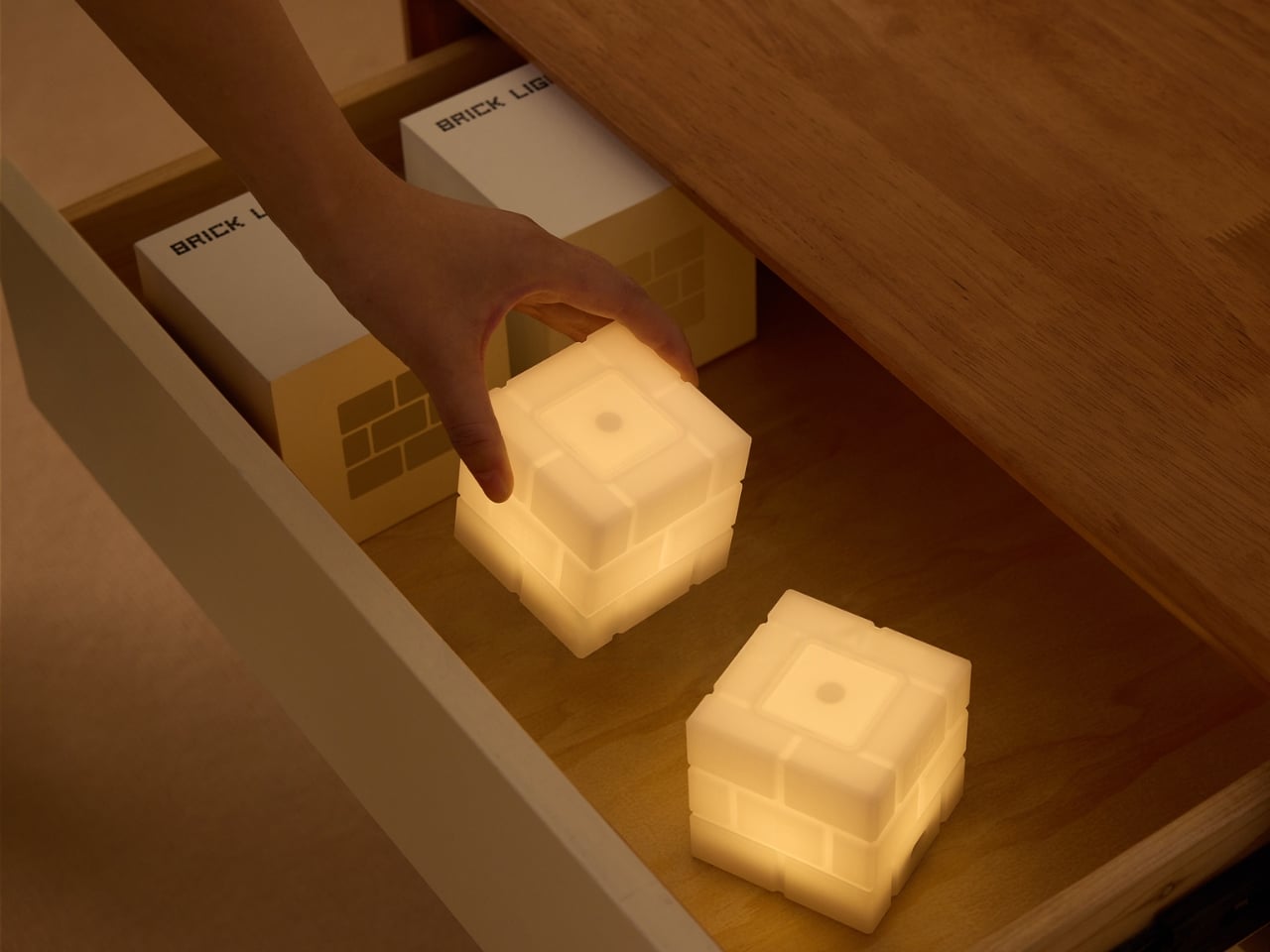
But here’s where things get interesting. This isn’t a lamp you just turn on and off with a boring switch. The Brick Light wants to play with you. Rotate it 90 degrees and you’re setting a sleep timer with options for 10, 25, 45, or 60 minutes. Flip it completely upside down and it begins a gentle fade to darkness, easing you into sleep like a bedtime story that knows exactly when to end. It’s this kind of thoughtful interaction design that separates memorable products from forgettable ones. Anyone can make a lamp. Making a lamp that invites touch, that rewards curiosity, that feels almost alive in its responsiveness? That takes actual imagination.

The technical details matter here too. This isn’t just about aesthetics. The patented internal structure uses a support and suspension system that allows the modular design to work as both form and function. The material choice prioritizes safety with flame-retardant certification, because beautiful things should also be responsible things.

What strikes me most about the Brick Light is how it manages to feel both playful and contemplative. The promotional photos tell this story perfectly. Tiny figurines interact with oversized glowing cubes in miniature worlds ranging from arctic landscapes to desert sunsets to lush green countryside. It’s whimsical without being childish, fantastical while remaining grounded in real materials and honest construction.

In a market saturated with smart home devices that require apps and WiFi and monthly subscriptions, there’s something genuinely refreshing about a light that just asks you to flip it. The analog nature of the interaction feels almost radical in 2026. No voice commands, no connectivity issues, no firmware updates. Just you, the lamp, and the simple pleasure of physical manipulation creating immediate response.

This is design that understands we’re all a little tired of being optimized and connected and notified. Sometimes you just want to hold something real, turn it in your hands, and watch what happens. The Brick Light offers that uncomplicated satisfaction while still delivering genuine innovation in how we interact with everyday objects. Whether it ends up on a nightstand helping you drift off to sleep or on a desk providing ambient lighting while you work, the Brick Light carries with it that original inspiration: the fragments of a journey, the rhythm of experience, quietly glowing.

The post This Brick Light Turns Travel Memories Into Glowing Cubes first appeared on Yanko Design.

This Building Is Designed to Look Like a Molecule Exploding at 100x Scale

Most cutting-edge science happens in anonymous lab buildings that could be anything from offices to data centers. Fields like protein folding, which quietly underpin medicine and biotech, rarely get a public face. Architecture could act as a billboard or sculpture for that work, making invisible processes more legible to everyone outside, but most research centers settle for glass boxes with vague names on the lobby wall.

Michael Jantzen’s Folded Protein Molecule Research and Exhibition Center is part of his Fantasy Art, Architecture, Science series and proposes a facility where scientists researching protein folding could work and exhibit findings. The twist is that the entire complex is shaped like an exploded protein diagram, using the same coils, arrows, and rods that researchers use to visualize molecules. The building becomes its own subject matter, scaled up so you can walk through it.

Designer: Michael Jantzen

Protein folding is how a linear chain of amino acids twists into a three-dimensional structure that lets it function. Scientists represent these structures with bright symbols, coils for helices, arrows for sheets, bent rods for turns. Jantzen takes those flat symbols and imagines walking through them at architectural scale, turning abstract science into something you approach, enter, and move around inside instead of staring at on a screen.

The three black cubes house research spaces, and the large silver sphere forms the exhibition hall, but they sit entangled in bright red arrows, white coils, green spheres, and smaller cubes. The functional rooms are inside these solids while symbolic elements wrap around and pierce them, so the working building is literally knotted up in its own subject matter. You would approach across an open landscape and see a giant folded molecule rising from the ground.

The arrows and coils arch over the complex like a frozen moment in a folding process, creating a canopy you move under. A long ribbon-like path leads toward an opening at the sphere’s base, suggesting a main entrance that feels more like entering land art than a museum. Visitors experience protein folding as a spatial journey, wandering through loops and under arrows before reaching labs or galleries inside.

Portions of the black cubes and smaller cubes attached to arrows are clad in solar panels, helping to power the center. It ties a facility dedicated to molecular science to renewable energy in the landscape. The same surfaces that read as abstract protein domains also quietly collect sunlight, merging symbolism and function in one set of geometric volumes without needing separate infrastructure or signage.

This proposal blurs the line between research campus, sculpture park, and science museum. It is unlikely to be built exactly as shown, but the idea, that a research center could wear its subject matter on the outside and invite people to wander through a giant protein, is compelling. For a field as abstract and important as protein folding, architectural storytelling might be what pulls it out of the lab and into public imagination.

The post This Building Is Designed to Look Like a Molecule Exploding at 100x Scale first appeared on Yanko Design.

16GB RAM for Everyone? Samsung Galaxy S26 Ultra Just Got Serious

16GB RAM for Everyone? Samsung Galaxy S26 Ultra Just Got Serious

The Samsung Galaxy S26 Ultra establishes itself as a flagship device that combines advanced hardware, innovative software, and global accessibility. With features such as globally available high-performance RAM, innovative display technology, enhanced camera systems, and evolving AI policies, this smartphone aims to set new standards in the industry. However, it also raises important questions regarding […]

The post 16GB RAM for Everyone? Samsung Galaxy S26 Ultra Just Got Serious appeared first on Geeky Gadgets.

Posted in Uncategorized

Threads has more global daily users than X on mobile for the first time

Meta’s Threads is pulling further ahead of Elon Musk’s X on mobile, based on recent estimates from analytics firm Similarweb, Forbes reports. In the first stretch of January, Threads averaged roughly 143 million daily active users worldwide on mobile devices, compared with about 126 million for X.

Similarweb’s year-over-year snapshot shows Threads growing sharply, up 37.8 percent year-over-year, while X’s daily mobile audience fell 11.9 percent across the same period. The picture is more mixed in the US, where X still holds a narrow edge on mobile. Similarweb data puts X at about 21.2 million daily active US mobile users in early January versus roughly 19.5 million for Threads.

However, Threads’ US mobile usage has risen substantially faster over the past year, surging almost 42 percent to X's 18 percent. X remains far larger on desktop, where it draws around 150 million daily users or visits worldwide, while Threads’ web presence sits at just 9 million.

Forbes also reported on Similarweb data for Bluesky, another competing text-based platform started by Twitter founder Jack Dorsey. Dorsey left the board in the summer of 2024, later telling Pirate Wires he believed Bluesky was "literally repeating all the mistakes we made as a company," in reference to Twitter. The social network opened registrations in 2024, and sits now with a daily mobile user base of 3.6 million, which Similarweb says is down 44.4 percent year-over-year.

X has found itself in hot water yet again over xAI's Grok chatbot, which was altering pictures of women on the platform to create lewd images at the request of users without the consent of those pictured. In some cases, the chatbot also altered the images of underage girls. The uproar in response led the company to shut off image generation for nonsubscribers and place firmer guardrails on what types of images can be generated. The delayed action came after weeks of Grok creating tens of thousands of these images, and after the Attorney General of California launched an investigation.

This article originally appeared on Engadget at https://www.engadget.com/social-media/threads-has-more-global-daily-users-than-x-on-mobile-for-the-first-time-144936831.html?src=rss

This 1,571-Piece LEGO Set Recreates Harry Potter’s First Adventure

When I realized that the Harry Potter and the Sorcerer’s Stone movie is turning 25 this year, I really felt my bones creak. I still remember the excitement that Potterheads like me felt when our beloved fantasy world came to life on the movie screen like it was yesterday. But apparently we’re old as the first movie in the franchise is already a fully grown adult if it was a person.

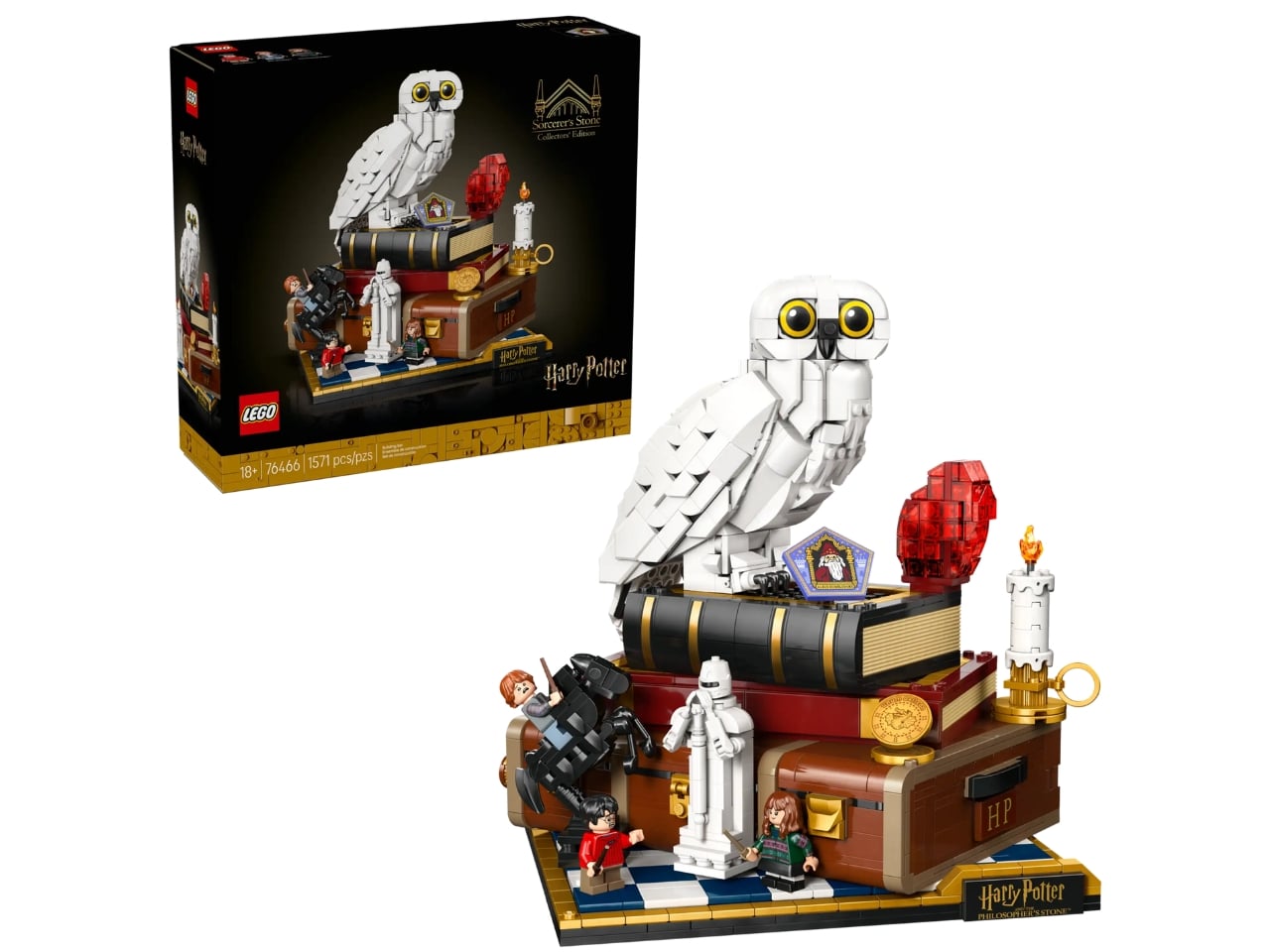
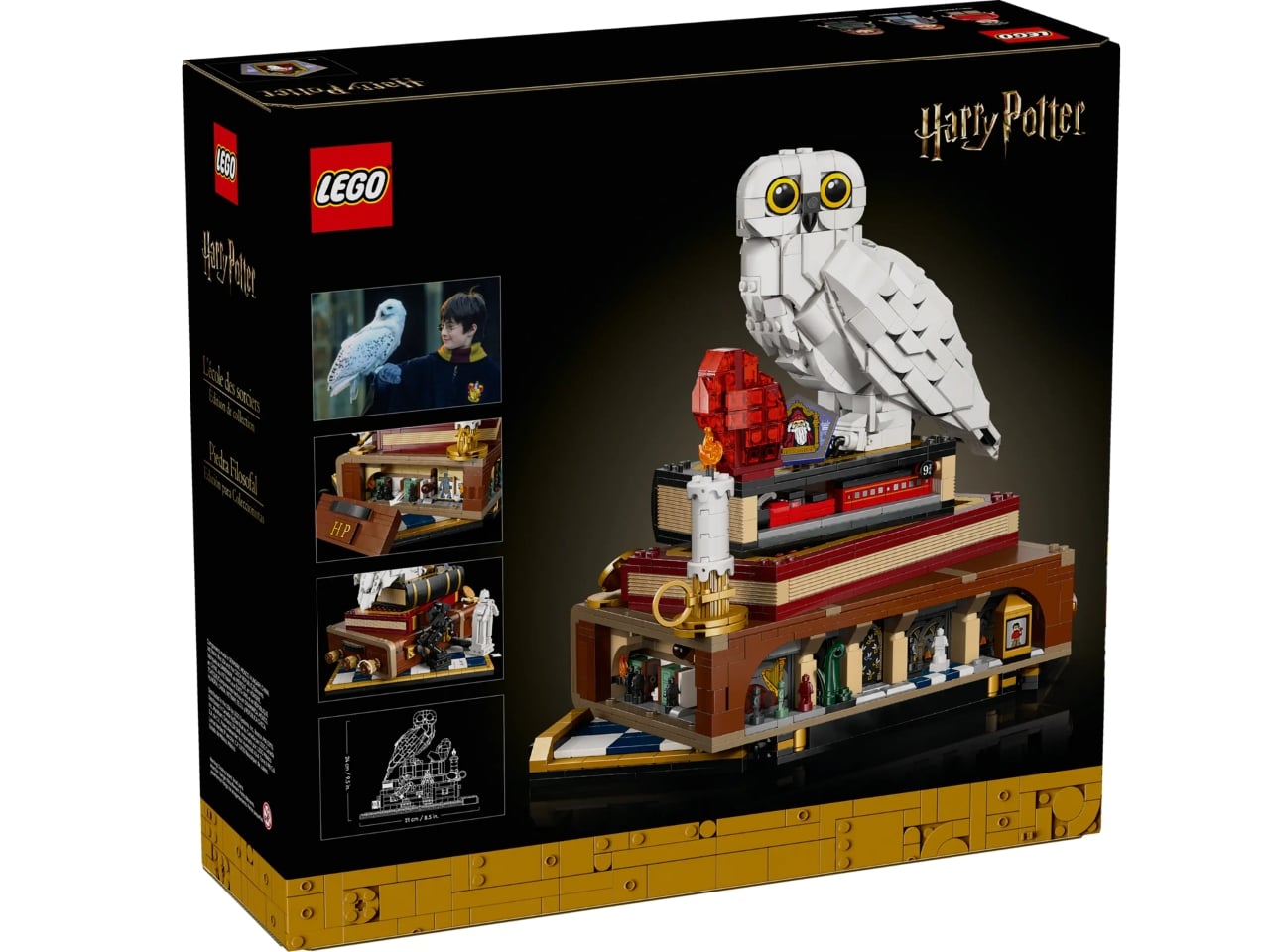
Fully grown adults who want to relive this feeling can enjoy iconic scenes in brick form as LEGO has released the Sorcerer’s Stone – Collectors’ Edition, a 1,571-piece build that is a commemorative piece celebrating a quarter century since this movie enchanted the world. It’s a nostalgic LEGO set tribute that will resonate deeply with those who grew up with the series and also something to excite those that are just discovering this magical movie world.

Designer: LEGO
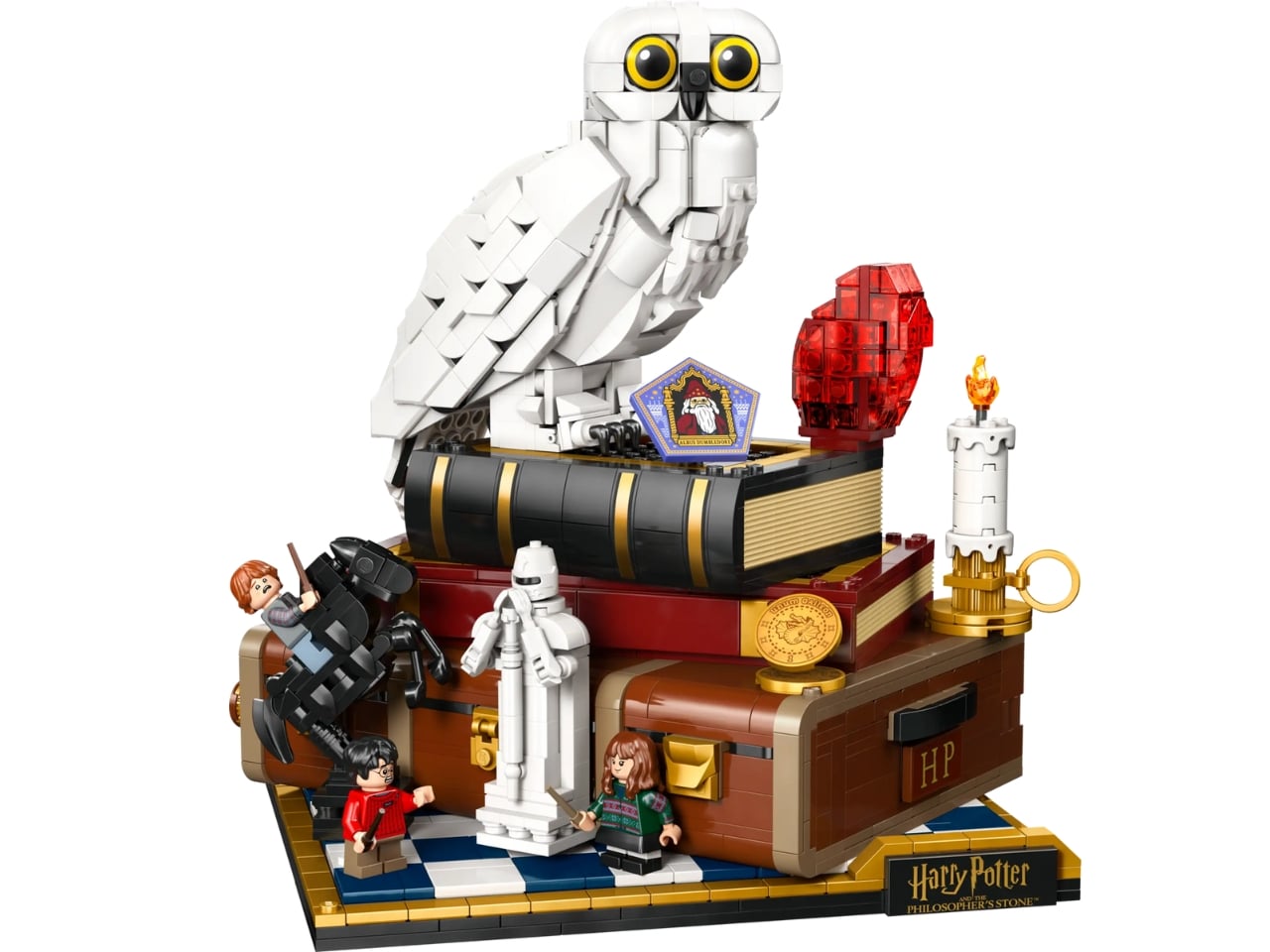
This is the perfect gift for yourself if you’re a Potterhead or for your loved one who loved the movies and/or the books. It’s meant for adults though since there are a lot of pieces and intricate setups needed. It brings to brick life iconic characters and objects from the movie, fun functions hidden in the centerpiece, and microscale versions of some classic scenes that you’d want to relive. This is also the first LEGO set to feature a Hedwig snowy owl figure with closed wings, and you can swivel its head so you get different display angles. This detail makes this particular set truly historic in the LEGO Harry Potter universe.


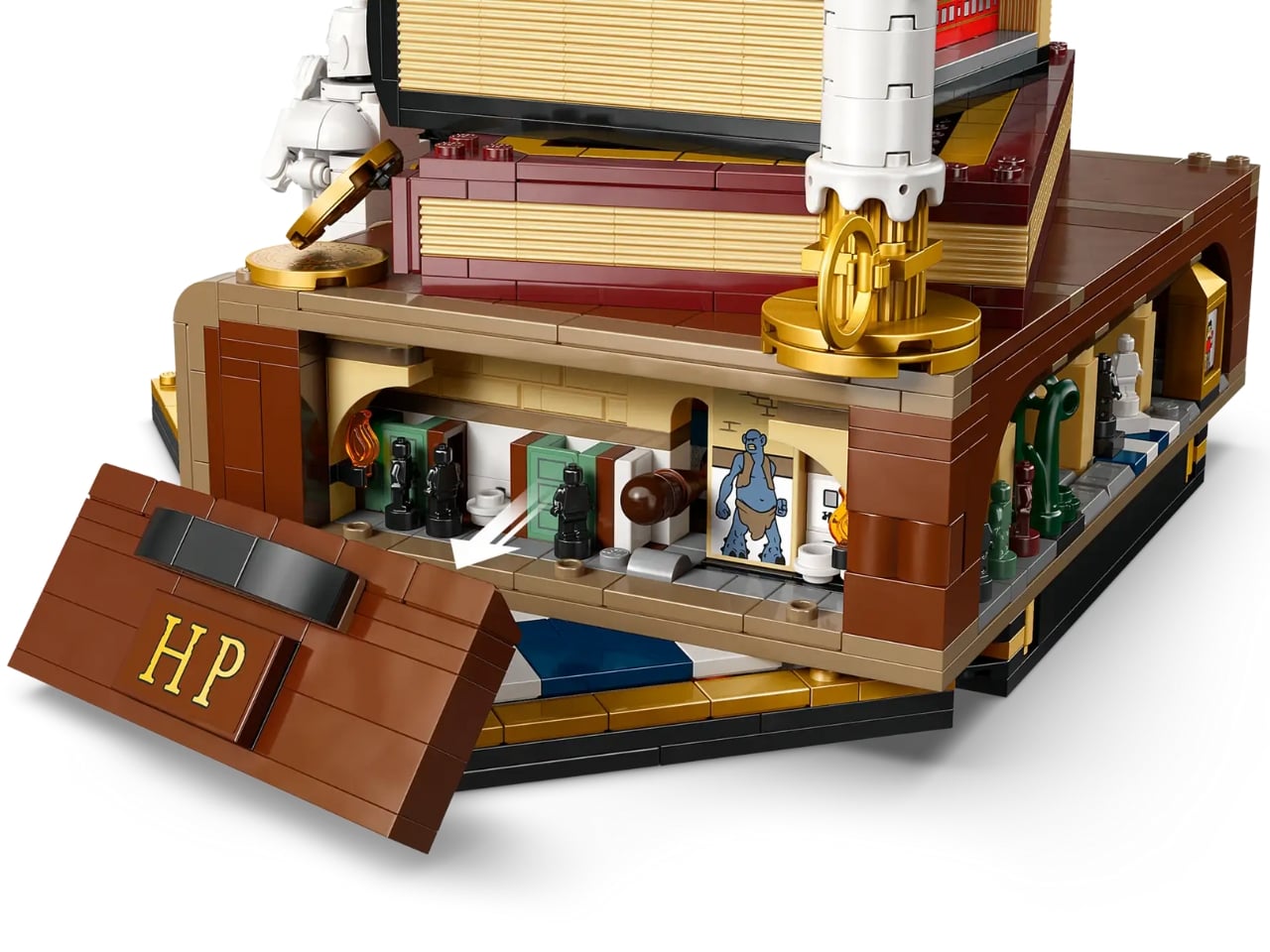
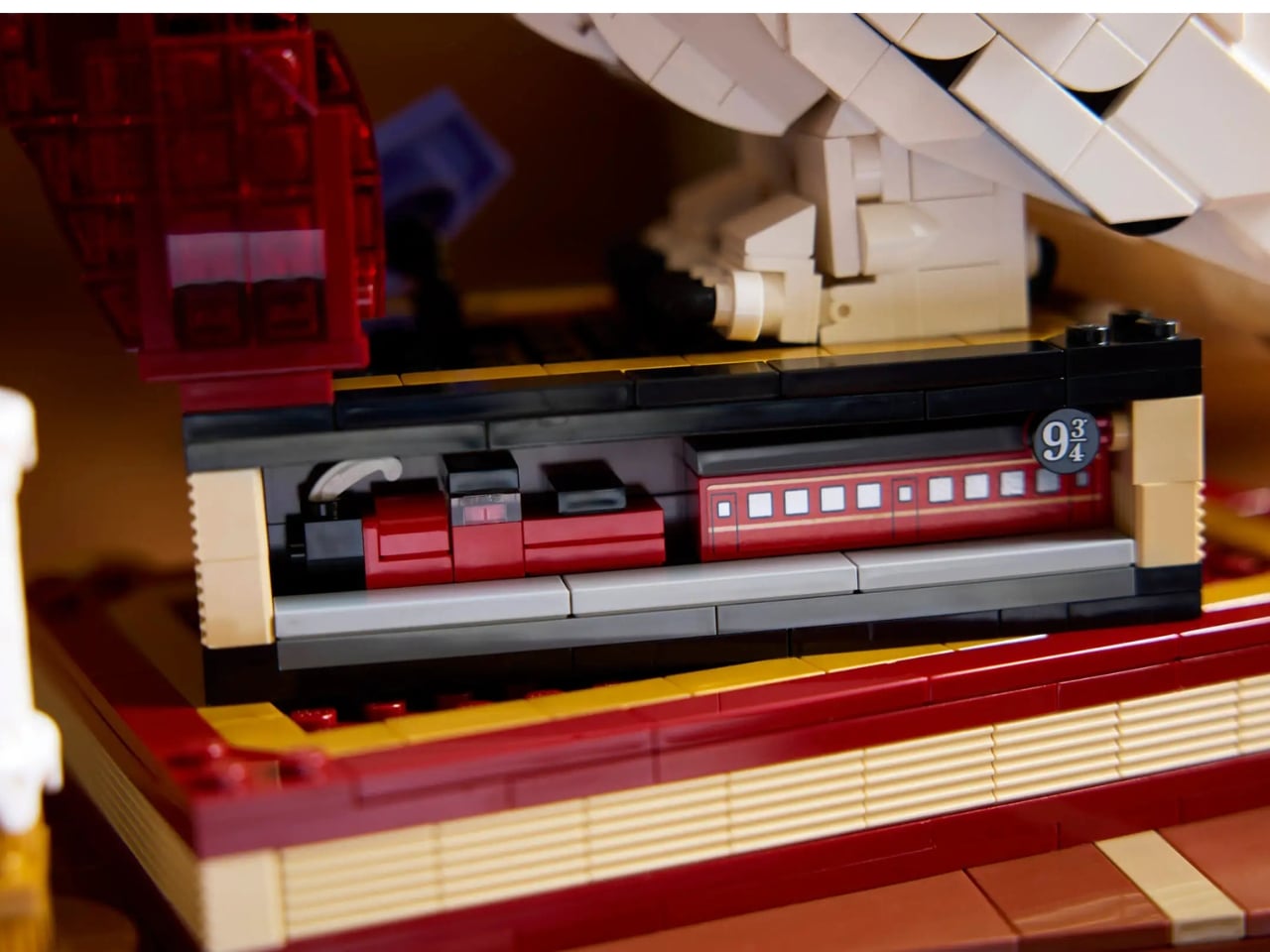
The three main leads of the movie series (Harry Potter, Hermione Granger, and Ron Weasley) get their minifigures so you can recreate those iconic scenes. You even get a Chocolate Frog card featuring Albus Dumbledore himself, and a Wizard Chessboard where you can move the queen piece. You can also blow the side of Harry’s trunk to have a recreation of the attack scene in the bathroom with the mountain troll. You will also see some other microscale scenes from the movie like the Hogwarts Express and 5 of the trials that Harry had to endure to reach the Sorcerer’s Stone.

What really sets this collector’s edition apart is the interactive experience it offers. The three hidden dials aren’t just gimmicks. They’re thoughtfully designed mechanisms that bring the display to life every time you interact with it. Whether you’re showing off your build to fellow fans or just need a moment of magical escapism during a busy day, these features keep the set engaging long after you’ve placed the final brick.
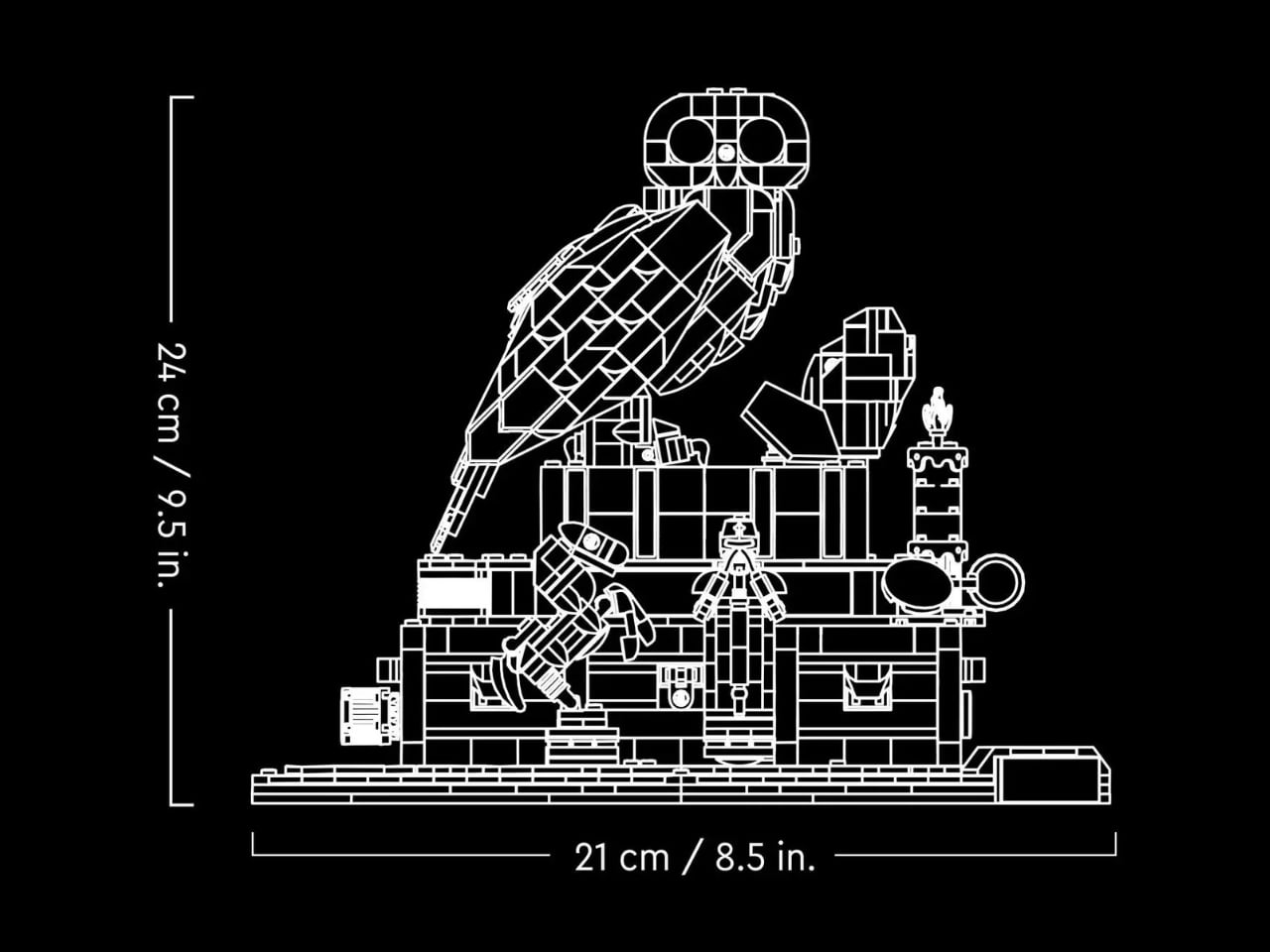
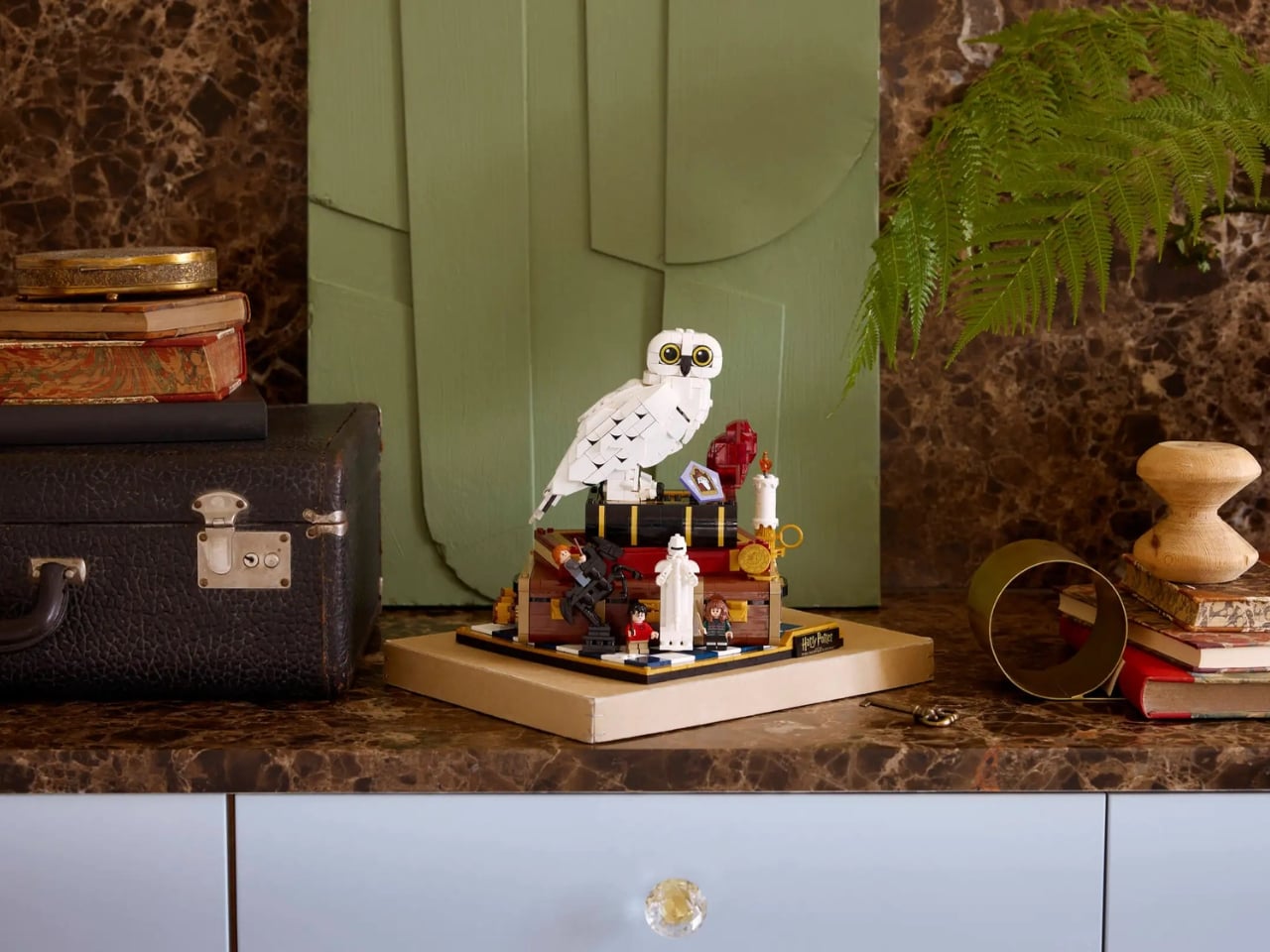
The build itself is designed as a premium experience for adults who appreciate mindful, hands-on creative activities. There’s something deeply therapeutic about losing yourself in a LEGO build, especially when it connects to a story that meant so much to you growing up. At 1,571 pieces, it’s substantial enough to provide hours of satisfying construction without being so overwhelming that it sits unfinished in the box. And when you’re done, you’ll have a conversation-starting display piece that measures 11.5 inches wide, 9.5 inches high, and 8.5 inches deep. It’s the perfect size for a bookshelf, desk, or dedicated display area.

The set also includes the legendary Sorcerer’s Stone itself and two Galleons, adding those little touches of authenticity that collectors absolutely love. Each element has been carefully designed to capture the essence of the film while maintaining that distinctive LEGO aesthetic.
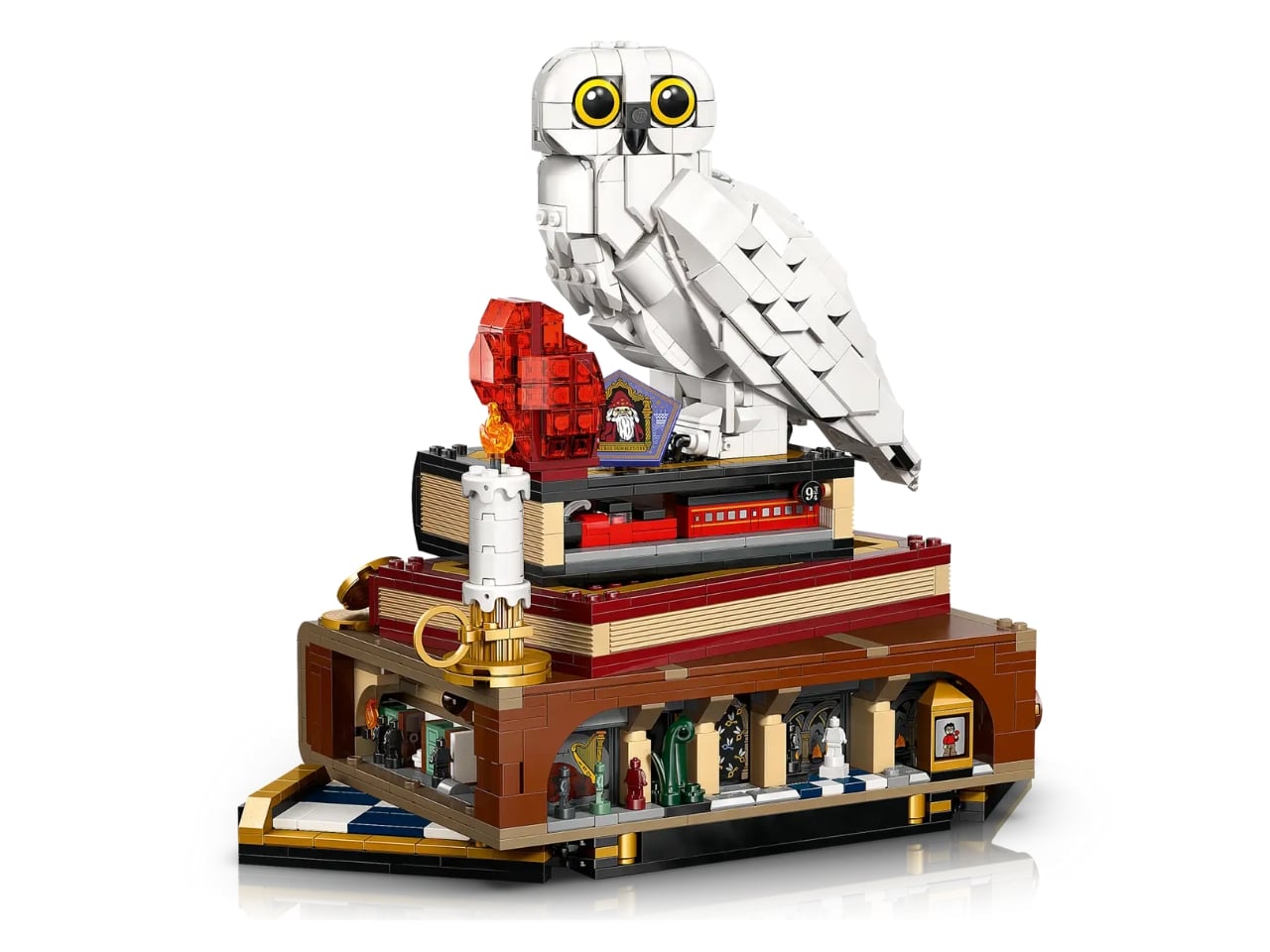
At $169.99, this is actually one of the most affordable Harry Potter Collector’s Edition sets, making it accessible whether you’re treating yourself or searching for that perfect gift for the Potterhead in your life. The set officially released on January 1, 2026, and given its commemorative nature and that groundbreaking Hedwig figure, I wouldn’t be surprised if it becomes harder to find as word spreads among collectors.

Whether you’re a long-time LEGO enthusiast, a devoted Harry Potter fan, or someone who simply appreciates beautiful display pieces with a story to tell, this set offers something truly special. It’s not just about building with bricks. It’s about reconnecting with the magic that made you believe in impossible things all those years ago. And honestly, don’t we all need a little more magic in our lives?

The post This 1,571-Piece LEGO Set Recreates Harry Potter’s First Adventure first appeared on Yanko Design.
Build Reliable n8n Assistants with Clear States, Validation & Escalation Paths

Build Reliable n8n Assistants with Clear States, Validation & Escalation Paths

What if the AI agents you rely on for critical business workflows could be as dependable as your best employee, never skipping steps, losing focus, or making costly mistakes? Below, AI Automators takes you through how to achieve this level of reliability using n8n and state management strategies that transform how AI agents handle complex […]

The post Build Reliable n8n Assistants with Clear States, Validation & Escalation Paths appeared first on Geeky Gadgets.

Posted in Uncategorized

Apple Studio Display 2: 120Hz ProMotion & Mini-LED Finally Confirmed?

Apple Studio Display 2: 120Hz ProMotion & Mini-LED Finally Confirmed?

Apple’s next-generation monitor, potentially named the Studio Display 2, has surfaced in a Chinese regulatory database under the model number A3350. This discovery strongly hints at an imminent release, possibly as early as March or April 2026. With expectations of advancements in display technology, performance, and design, the Studio Display 2 could represent a noteworthy […]

The post Apple Studio Display 2: 120Hz ProMotion & Mini-LED Finally Confirmed? appeared first on Geeky Gadgets.

Posted in Uncategorized