This Concept Smartwatch Detaches Into an AR Monocular, and It Solves a Problem Meta Can’t

Sailors used to carry pocket telescopes. Birdwatchers still carry monoculars. Geologists carry hand lenses. What these instruments share, beyond the obvious optical function, is a deliberate relationship to information: you raise the tool when you choose to engage with it, and the world stays unmediated the rest of the time. That’s actually a pretty sophisticated UX philosophy, and it’s one the entire wearable tech industry has quietly abandoned in favor of always-on overlays, persistent notifications, and the assumption that more access to information is axiomatically better. Yuxuan Hua’s Lens concept is a Silver A’ Design Award winner that makes the counterargument in hardware form.

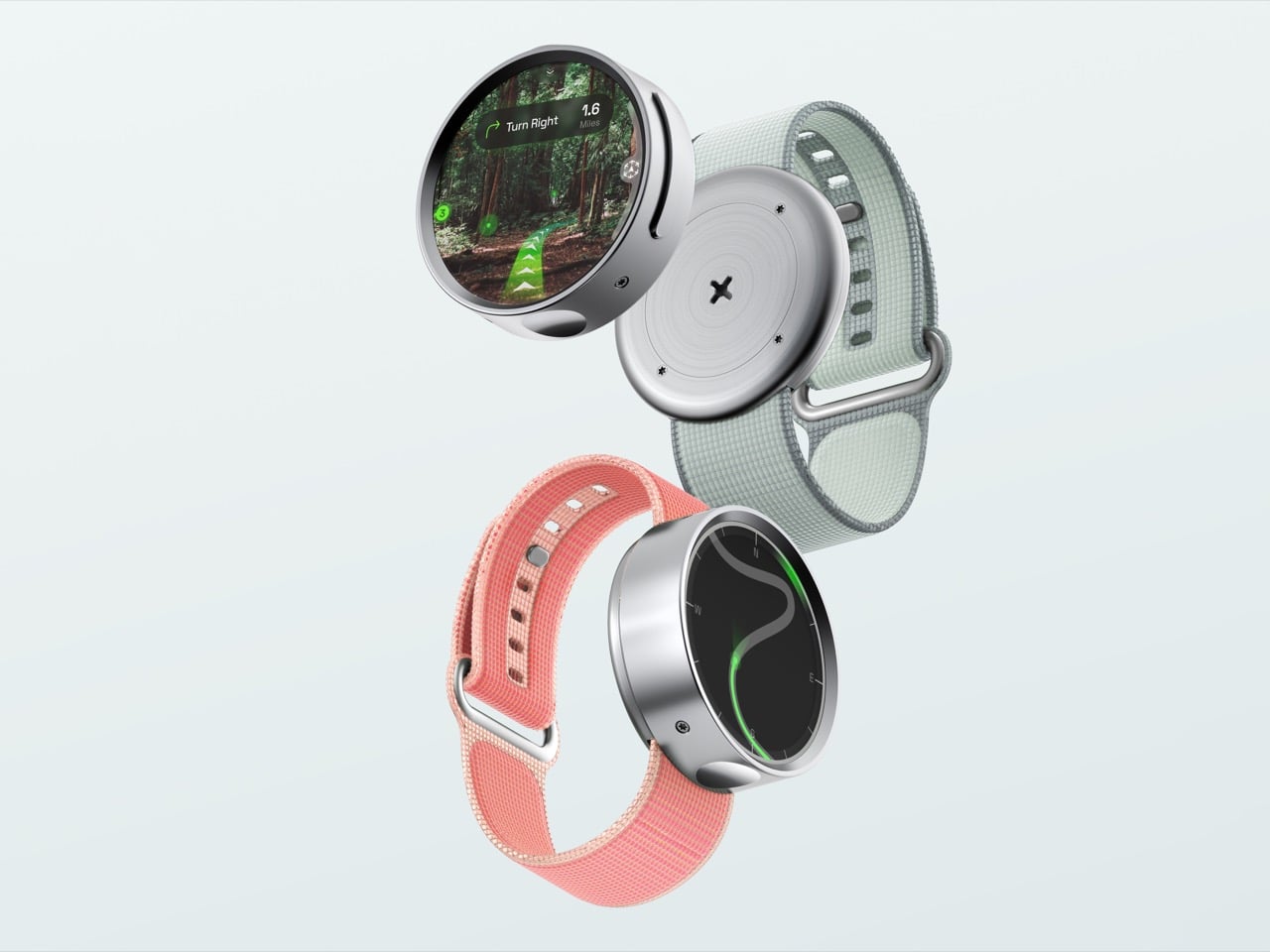
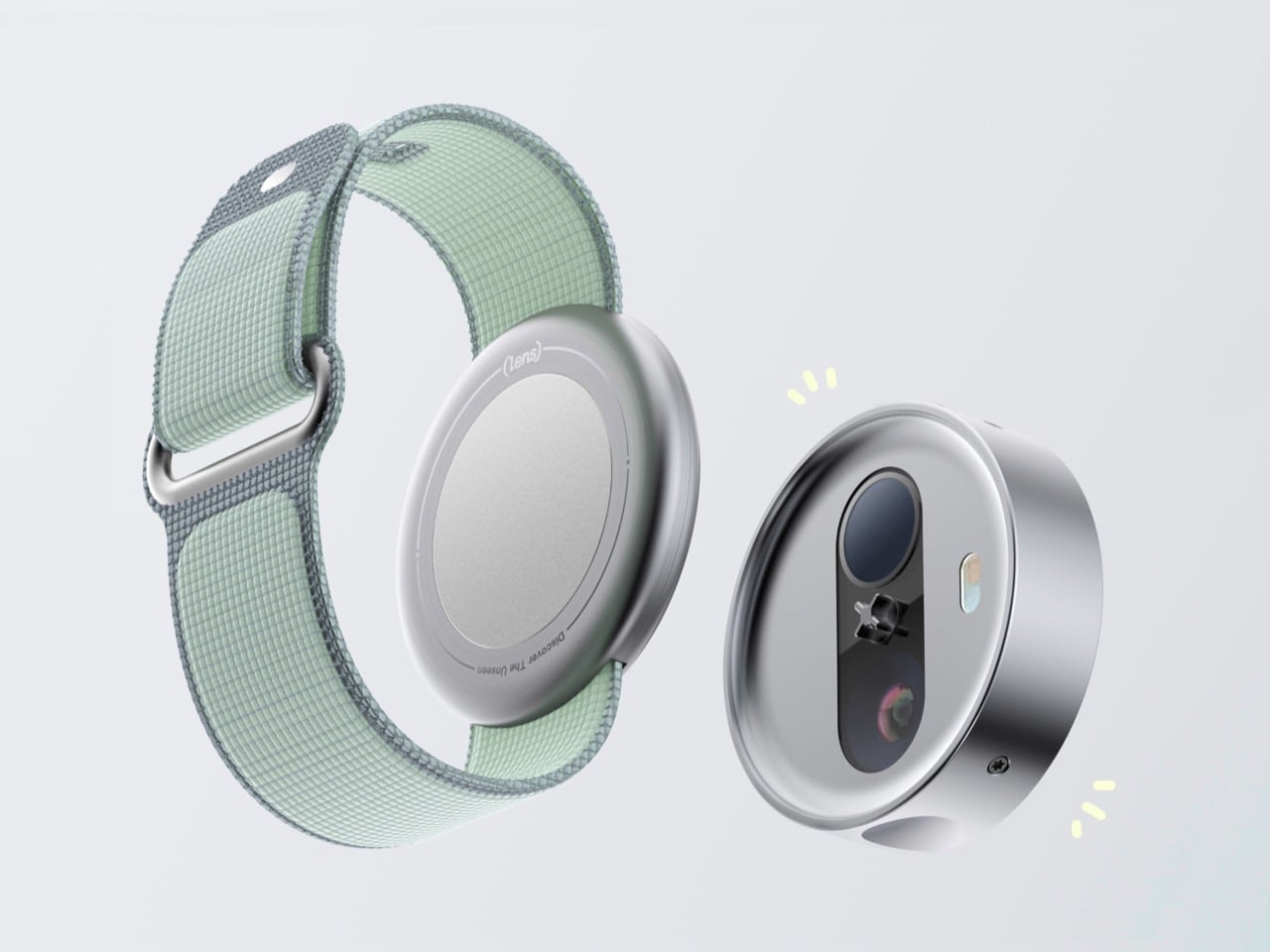
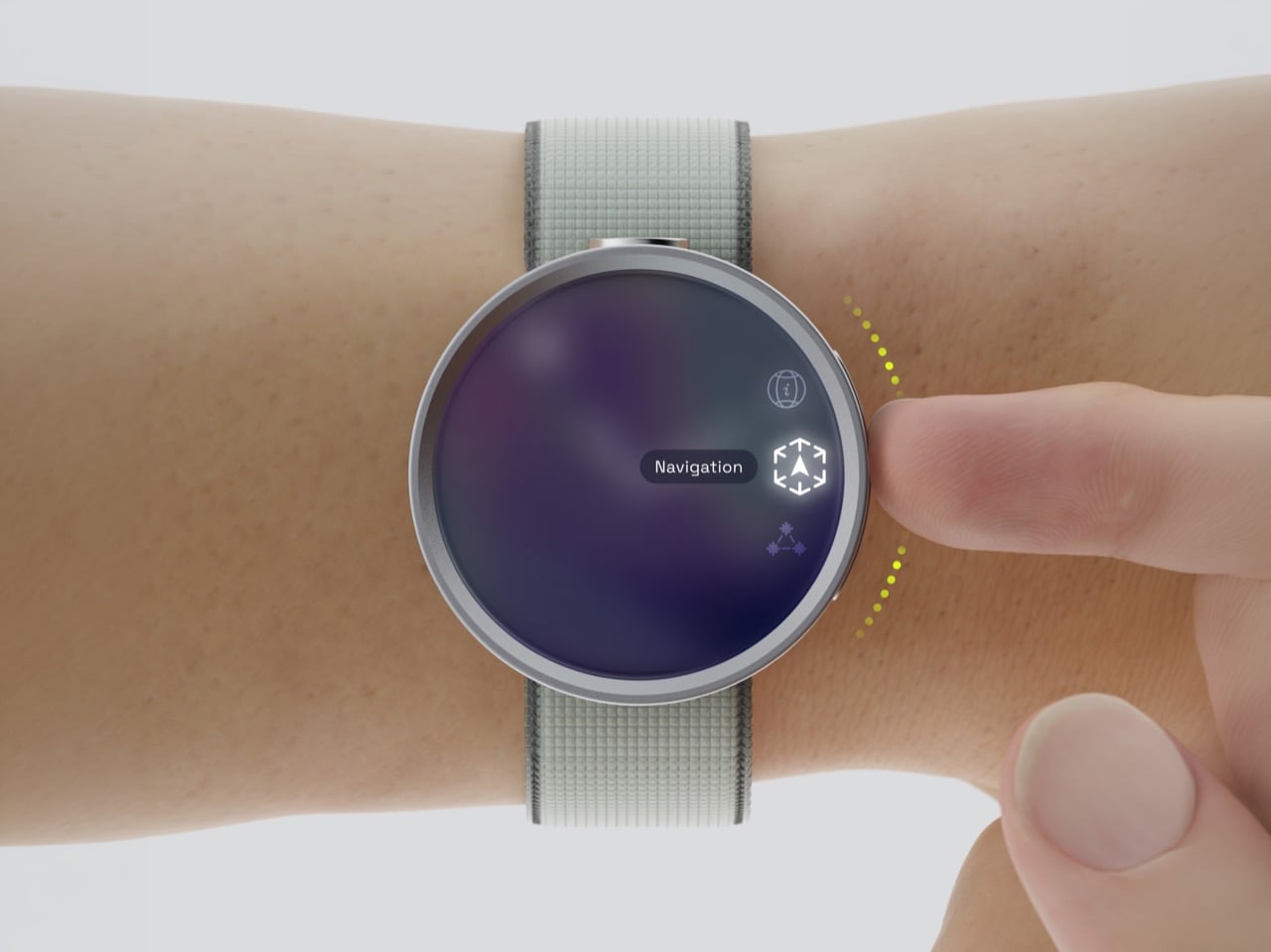
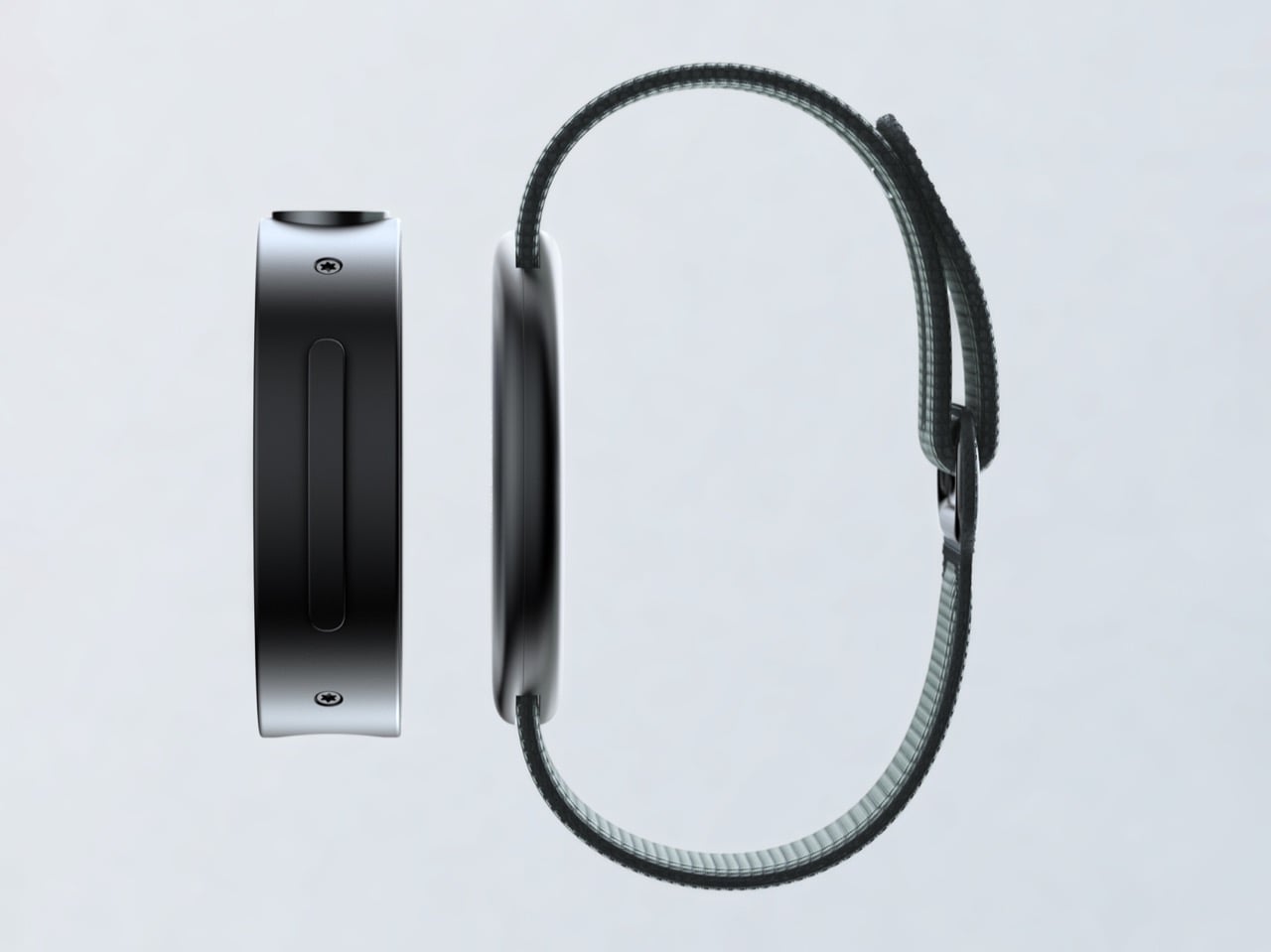
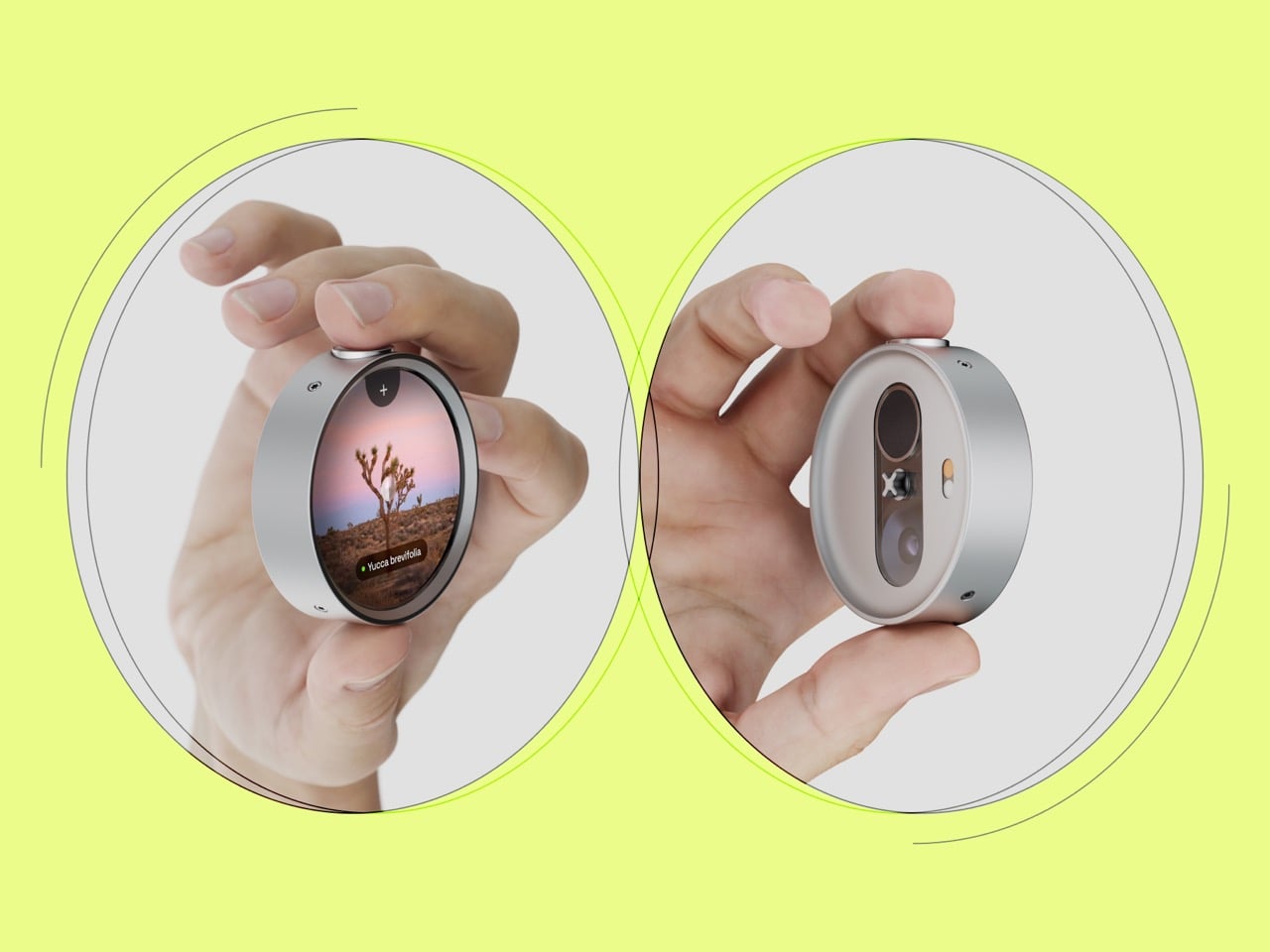
The concept is a detachable AR smartwatch that splits into two objects: a wrist-worn puck for everyday use and a handheld monocular for AR-enhanced outdoor exploration. The back face of the module houses a dual-lens optical array, a wide camera and LiDAR sensor tucked into a vertical pill recess, while the face doubles as a circular display that overlays navigation prompts, species identification, and star charts over a live feed when held up like a field scope. The band itself is Alpine-loop textile, the lug system simple enough to suggest the module can swap across band styles, and the whole thing comes in at 48mm wide and 68g. The rendering detail is strong: the detached module has the cold, machined look of a quality compass or a classic light meter, the kind of object that rewards handling.

Designer: Yuxuan Hua
Hua interviewed hikers, foragers, and stargazers and found three consistent frustrations: devices were too bulky and fragile for rugged environments, and frequent screen interactions broke the rhythm of being outside. The phone-as-field-guide pattern, pull it out, unlock, navigate to the app, wait for it to load, try to hold it steady while pointing at something, is a sequence of six interruptions where you actually wanted zero. Smart glasses solve the unlock problem but introduce the far more annoying problem of a permanent digital scrim between you and whatever you came outdoors to look at. The monocular is the thing you raise when you want to know something and lower when you don’t, which is precisely how attention works when you’re actually engaged with a landscape.
Most AR concept hardware reaches for science fiction: translucent surfaces, glowing elements, the visual grammar of a prop department. Lens reaches instead for the instrument drawer: the detached module has the proportions and material honesty of a quality compass housing or a Leica light meter, machined aluminum with visible fasteners and a lens array that looks like it belongs in an optician’s toolkit. It doesn’t look like the future. It looks like a very well-made tool, which is a significantly harder design target to hit.
Hua began developing Lens in 2021, during the pandemic, which is useful context. Lockdown-era design projects often reveal what designers actually miss about the physical world when it’s taken away, and what Lens mourns, obliquely, is uninterrupted attention. The whole concept is an argument that the best AR device for outdoor use is one that disappears when you’re not using it, one that earns its presence by staying out of the way until the moment it’s needed, then delivers exactly what the moment requires. Whether the engineering can catch up to that vision, packing AR projection, LiDAR, and a wide-FOV camera into a 68g coin of aluminum, is another question entirely. As a design proposition, it’s already done its job.
The post This Concept Smartwatch Detaches Into an AR Monocular, and It Solves a Problem Meta Can’t first appeared on Yanko Design.
AI Earbuds Designed Like Fine Jewelry, Not Consumer Electronics

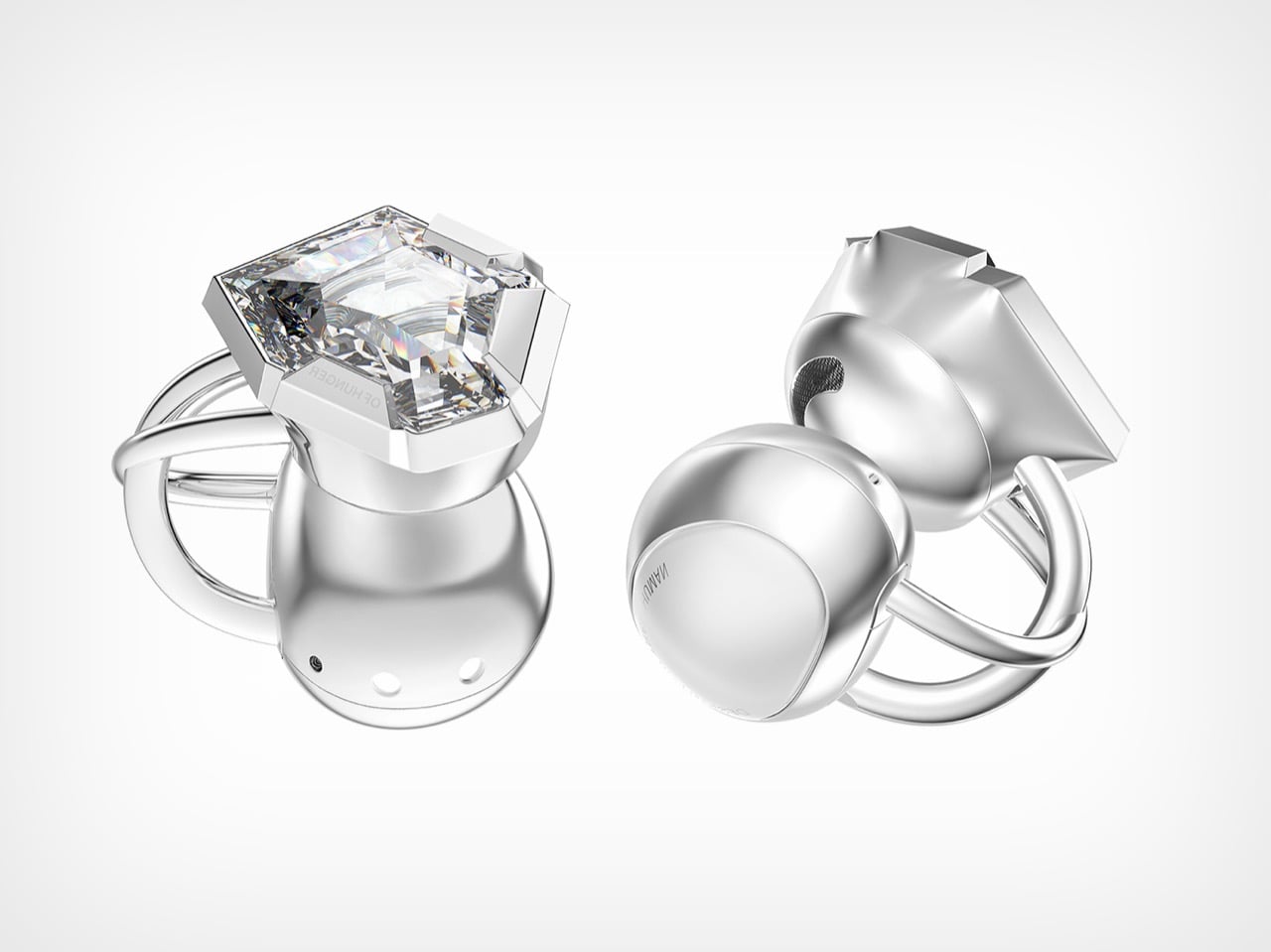
In most cases, wearable technology still announces itself as technology. Plastic shells, visible sensors, and utilitarian forms often make devices feel separate from the way people dress or present themselves. The AI Smart Gemstone Earpiece takes a different path. Instead of asking users to accommodate technology, it integrates technology into the language of personal adornment. Designed specifically with female users in mind, the earpiece approaches wireless audio as something that can live comfortably within fashion, jewelry, and everyday styling.

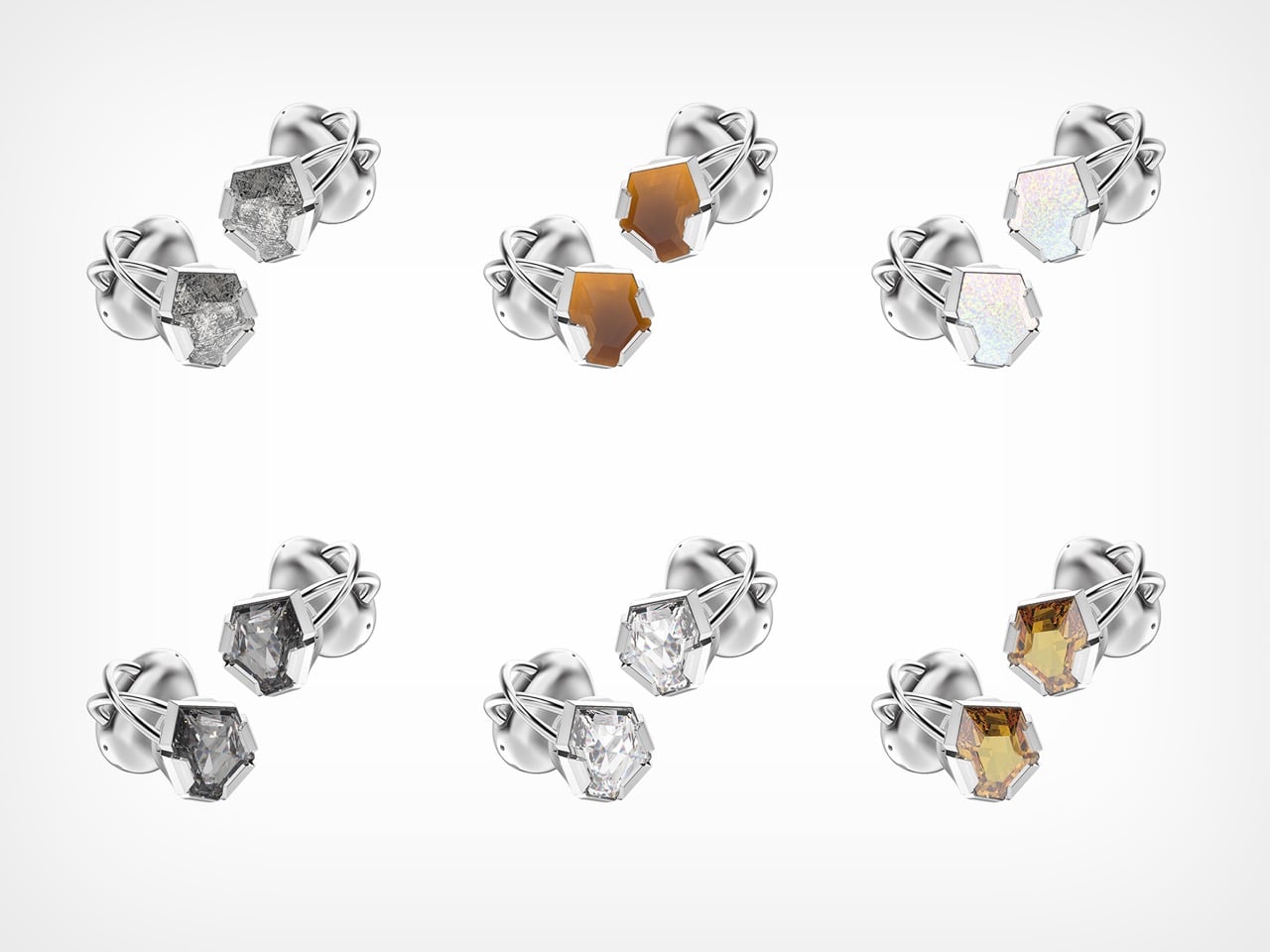
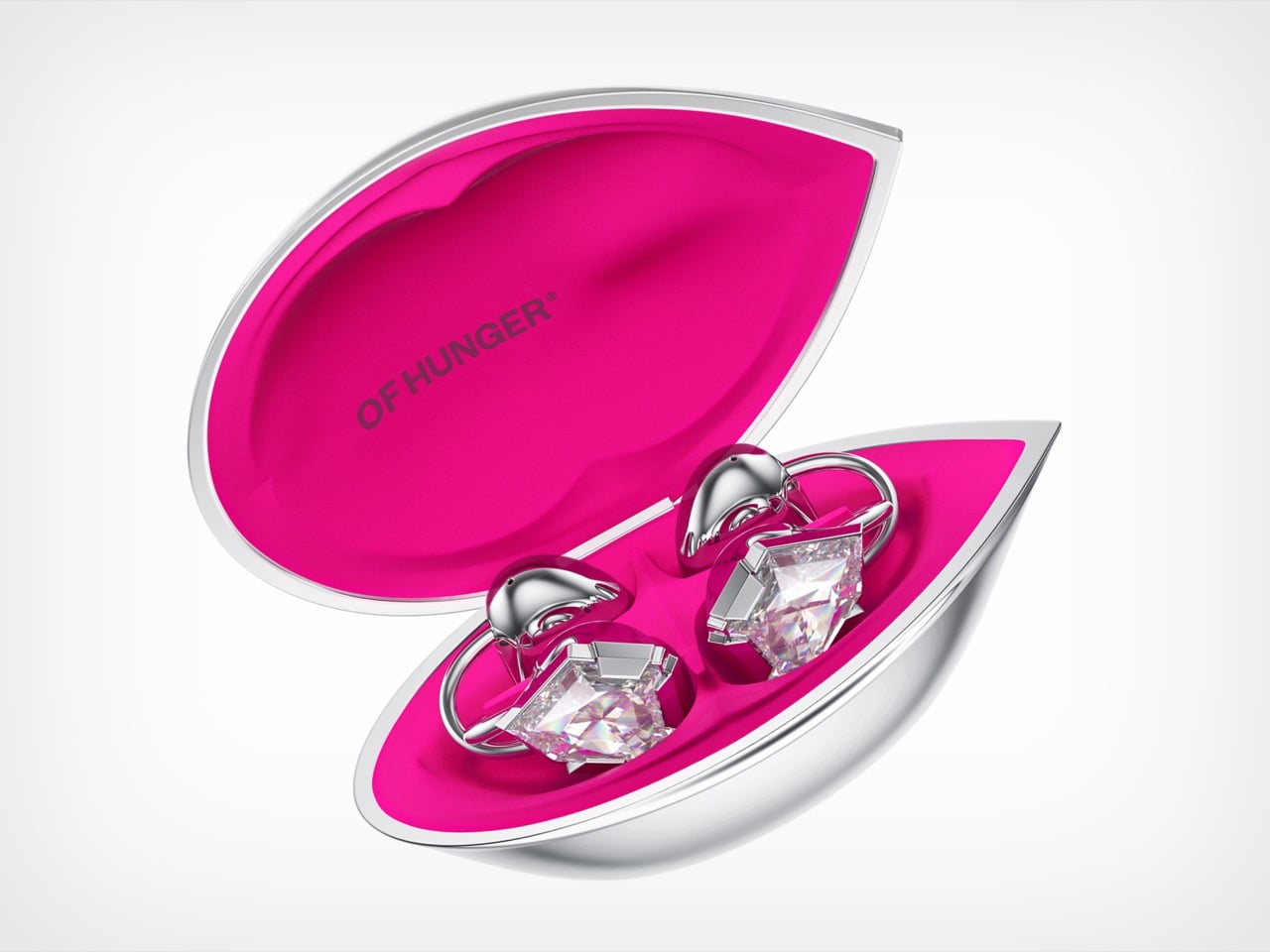
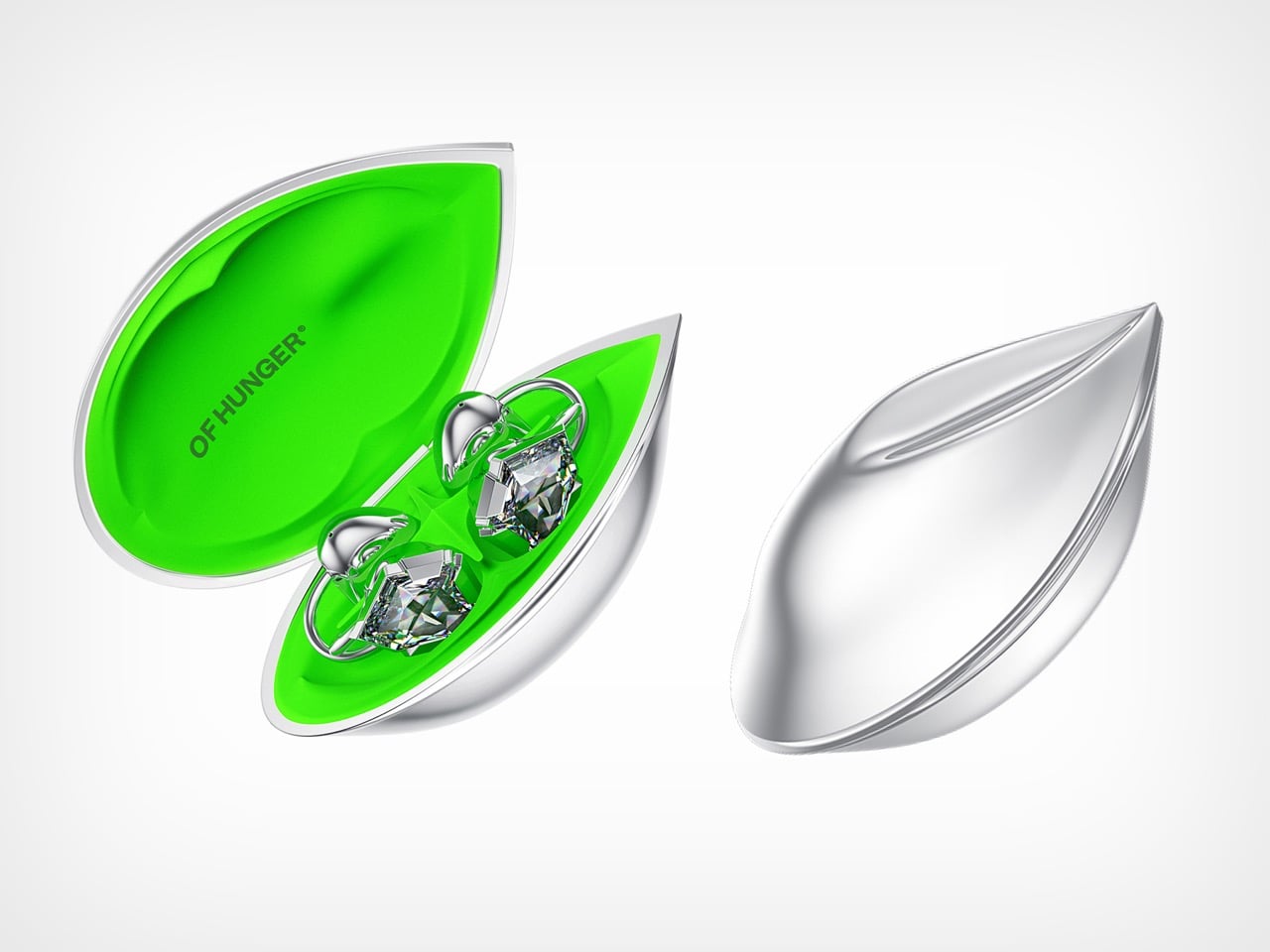
At first glance, the device does not read as a pair of earbuds at all. It looks remarkably similar to earrings. The form, scale, and surface detailing borrow directly from fine jewelry traditions rather than consumer electronics. Each earpiece is constructed from a copper acoustic chamber plated with eighteen karat white gold and inlaid with rare celestial gemstones, including meteorite fragments, tiger’s eye, opal, zircon, and obsidian. These materials introduce depth, color, and subtle light reflections that shift as the wearer moves. The result is a small object that sits on the ear like an accessory rather than a gadget.

Designer: Of Hunger

This shift in visual language matters. For many users, particularly women, accessories are an intentional part of how an outfit comes together. Traditional earbuds often interrupt that balance. They can feel out of place with formal clothing, evening wear, or carefully styled looks. The gemstone earpiece approaches the problem from the opposite direction. Instead of trying to hide technology, it celebrates it through jewelry craftsmanship. The gemstones and polished metal surfaces allow the device to complement clothing choices, hairstyles, and other jewelry pieces. Worn on the ear, it reads as something chosen for style as much as for function.

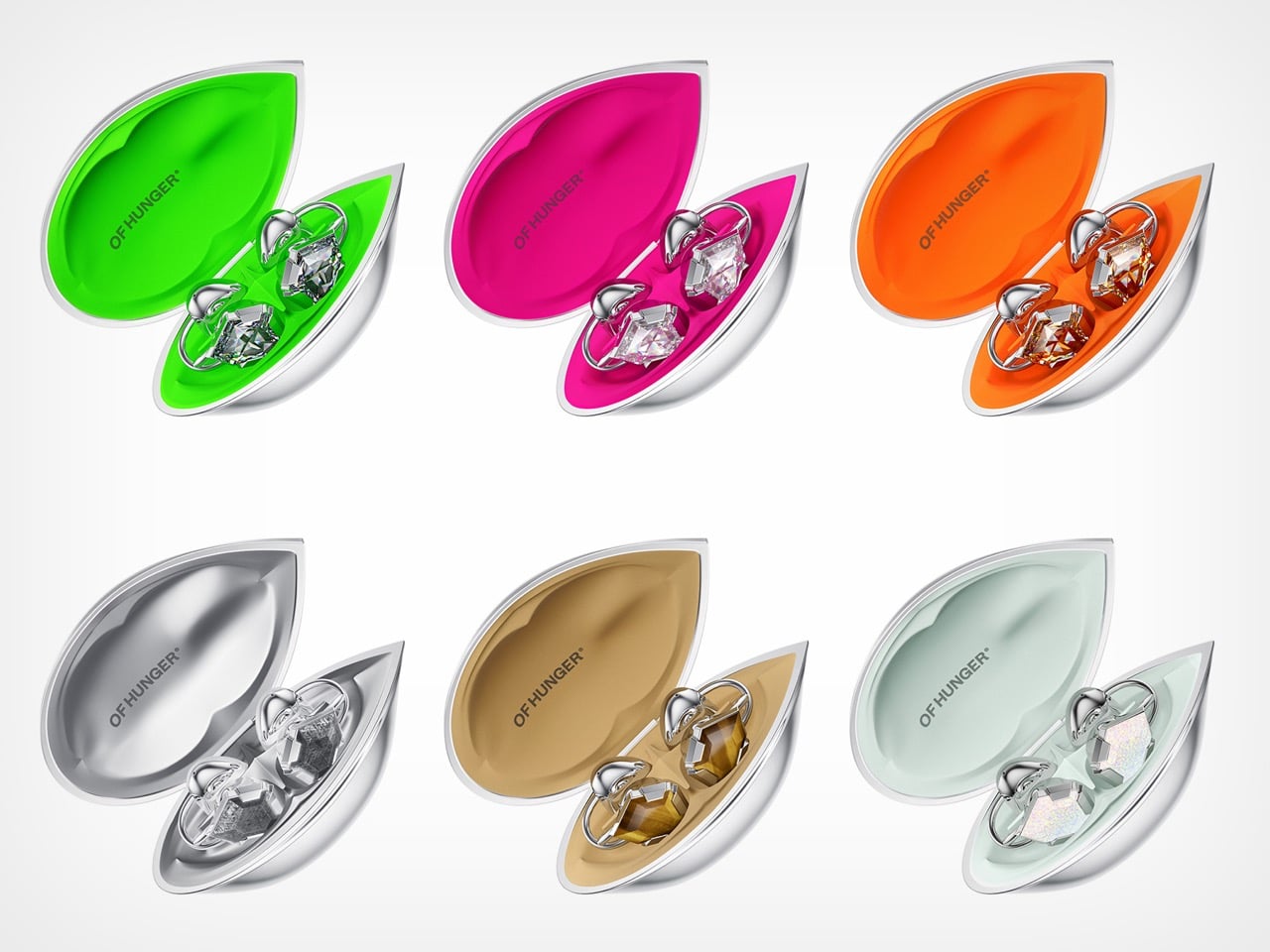
The experience begins even before the earbuds are worn. The charging case is designed to resemble a jewelry box rather than an electronics case. Opening it feels less like accessing a gadget and more like opening a pair of earrings. The earbuds rest neatly inside the case, echoing the presentation of high jewelry. This small gesture transforms a technical action such as charging into a familiar ritual. It reinforces the idea that the device belongs in the same category as personal accessories, objects that people care for and keep close.

Behind this jewelry-like presence lies a sophisticated technological system. The device operates on Qualcomm Snapdragon Sound architecture and uses thirteen millimeter dual magnet dynamic drivers paired with a HiFi grade composite diaphragm. This combination produces clear, balanced audio with a sense of spatial depth. The system also uses Open Wearable Stereo technology and air conduction sound transmission, allowing users to remain aware of their surroundings while listening. A three-dimensional sound field tuned by a professional acoustic laboratory with more than twenty-five years of experience ensures that the listening experience feels expansive and natural.

Interaction with the device remains simple and discreet. A touch-sensitive back panel on each earbud allows users to control playback or activate artificial intelligence features. The earbuds connect instantly through Bluetooth five point three when removed from the charging case. A spring-loaded mechanical structure allows the device to be worn with a single smooth motion, balancing comfort with stability. Each earbud weighs between twelve and fifteen grams, making it light enough for extended wear.

Artificial intelligence is deeply embedded in the experience. The system integrates ChatGPT and DeepSeek as its neural core, enabling functions that go far beyond music. Through the companion application, users can access real-time translation, intelligent conversation assistance, and meeting transcription. The application also allows users to customize acoustic equalization and connect to larger AI computing systems that power these features.

Battery performance supports everyday use without demanding constant attention. The earbuds offer approximately six to eight hours of listening time, while the charging case extends the total usage to around twenty hours. A ten-minute quick charge provides about one hour of playback, making the device practical for fast-paced daily routines.

The product itself emerged through a foresight-driven design process that explored how women might interact with wearable technology in an increasingly AI-supported world. The development team combined expertise in materials science, industrial design, acoustic engineering, and artificial intelligence. Several technical challenges had to be solved along the way, including integrating precious metals and gemstones with miniature electronics, creating an ergonomic wearing structure, and embedding acoustic modules alongside AI chips within a compact form.

Seen through a design lens, the AI Smart Gemstone Earpiece represents a subtle but meaningful shift in wearable technology. It treats personal devices not simply as tools but as objects that participate in how people dress, move, and present themselves. In doing so, it blurs the boundary between jewelry and electronics, suggesting a future where technology becomes something we wear with the same care and intention as the rest of our style.

The post AI Earbuds Designed Like Fine Jewelry, Not Consumer Electronics first appeared on Yanko Design.
Arc Raiders replaced some of its AI-generated voice lines, using professional actors instead

In an unexpected twist, humans have taken some jobs back from AI. Embark Studios' CEO Patrick Söderlund recently told GamesIndustry.biz that the studio "re-recorded" some of the AI-generated voice lines in Arc Raiders with human voices, only after its successful launch in October.

"There is a quality difference," Söderlund told GamesIndustry.biz. "A real professional actor is better than AI; that's just how it is."

With Arc Raiders' player count peaking at nearly half a million users on Steam, the game's breakout success was still marred by its use of text-to-speech AI. While there was no generative AI used for the visuals of the extraction shooter, Embark Studios paid its actors for approval to license their voices for text-to-speech AI, according to Söderlund. Even though Söderlund said that the text-to-speech AI was reserved for lines "that aren't as essential to the immersion of the experience," many players weren't happy with this creative decision.

Responding to the criticism, Embark Studios is seemingly reversing course and relying more on its voice actors. Söderlund said that the studio pays its voice actors for their time in the recording booth and will "continue to bring many of them back as we carry on updating the game." However, it's important to note that Söderlund told GamesIndustry.biz that "some" of the AI-generated lines were replaced by voice actors, which could indicate that the studio isn't looking to completely ditch its text-to-speech AI anytime soon.

This article originally appeared on Engadget at https://www.engadget.com/gaming/arc-raiders-replaced-some-of-its-ai-generated-voice-lines-with-professional-actors-184915627.html?src=rss

This Crumbling Kyoto Home Was Rebuilt as a Wabi-Sabi Sanctuary – and Every Detail Is Intentional

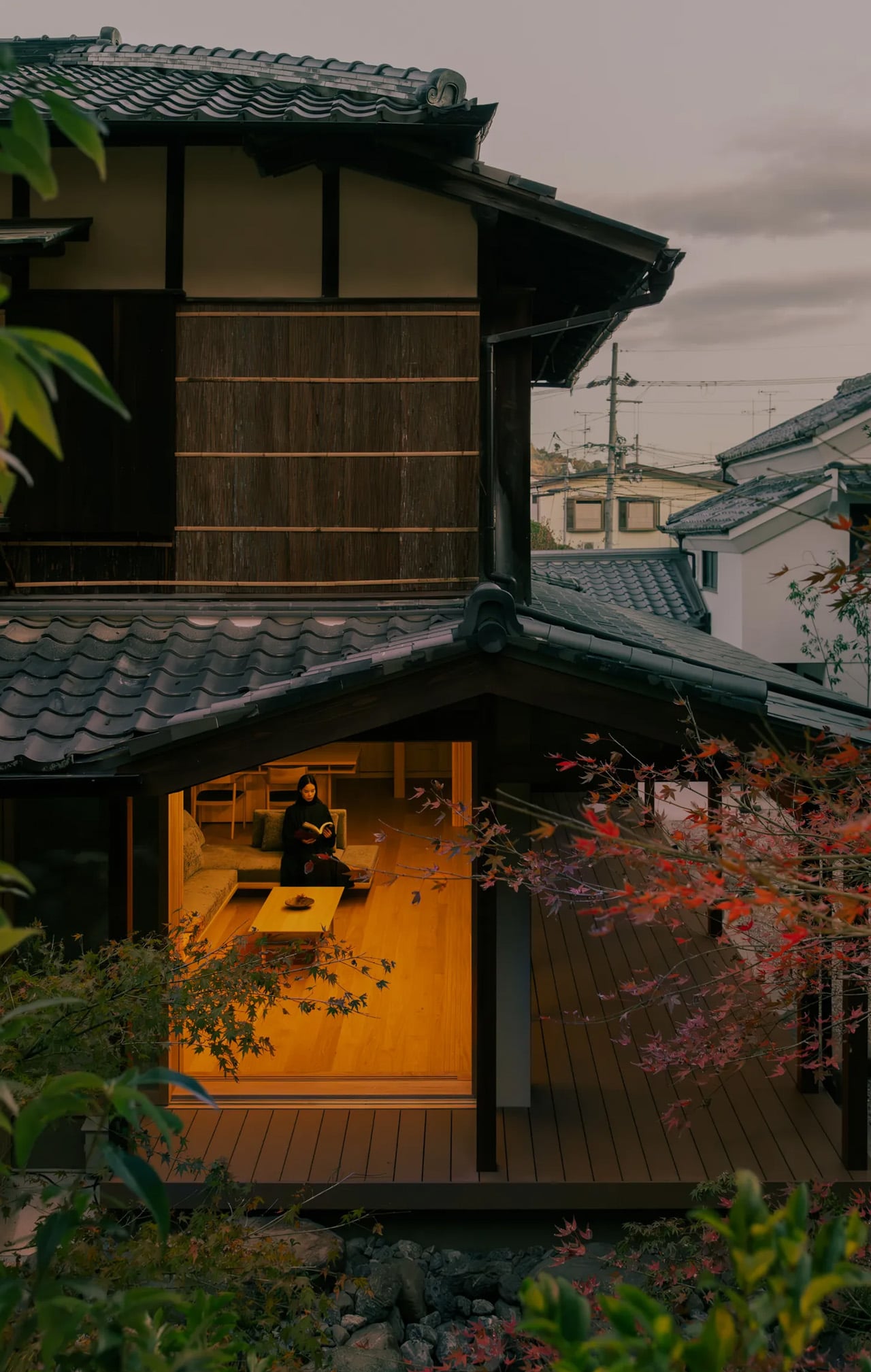
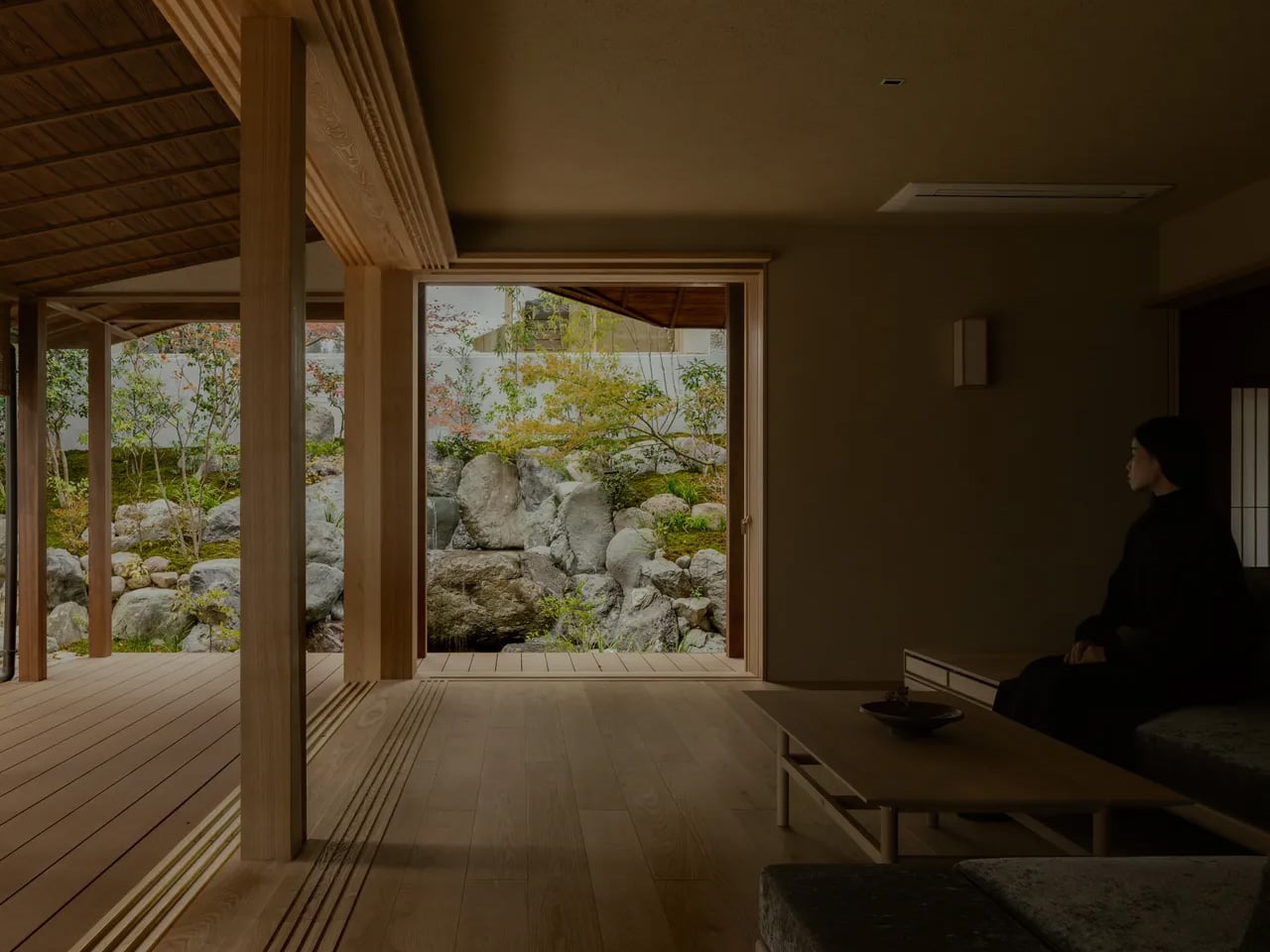
Kyoto’s preservation codes make renovation a negotiation between what a building was and what its residents need it to become. In the Narutaki district, kooo architects recently completed that negotiation on a traditional Sukiya-style residence, stripping back decades of piecemeal alterations to recover the spatial clarity the original structure once had. The result is not a museum piece or a minimalist showroom. It is a home that treats historical material as a living framework rather than a frozen artifact, and the distinction matters more than it might seem.

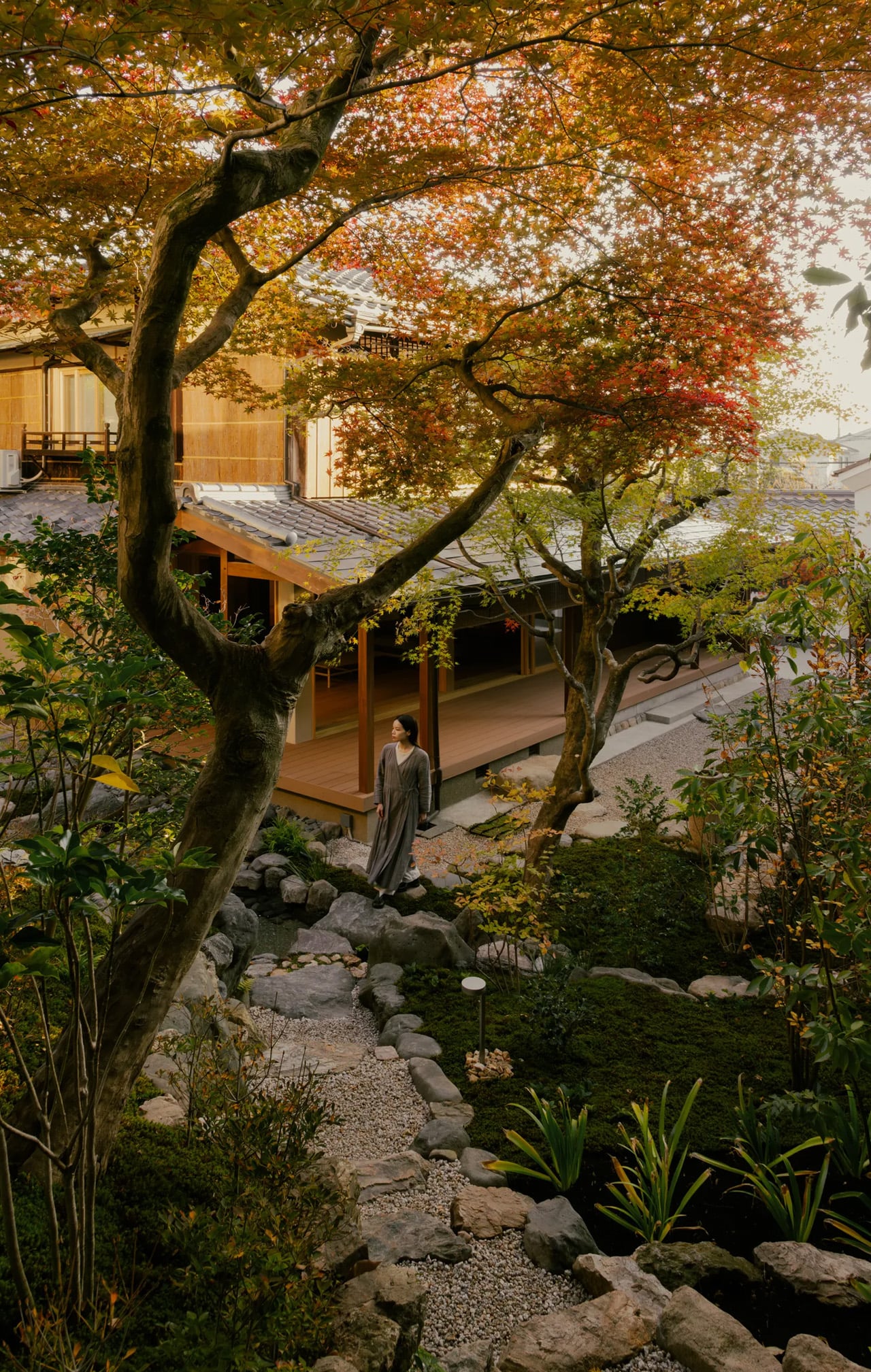
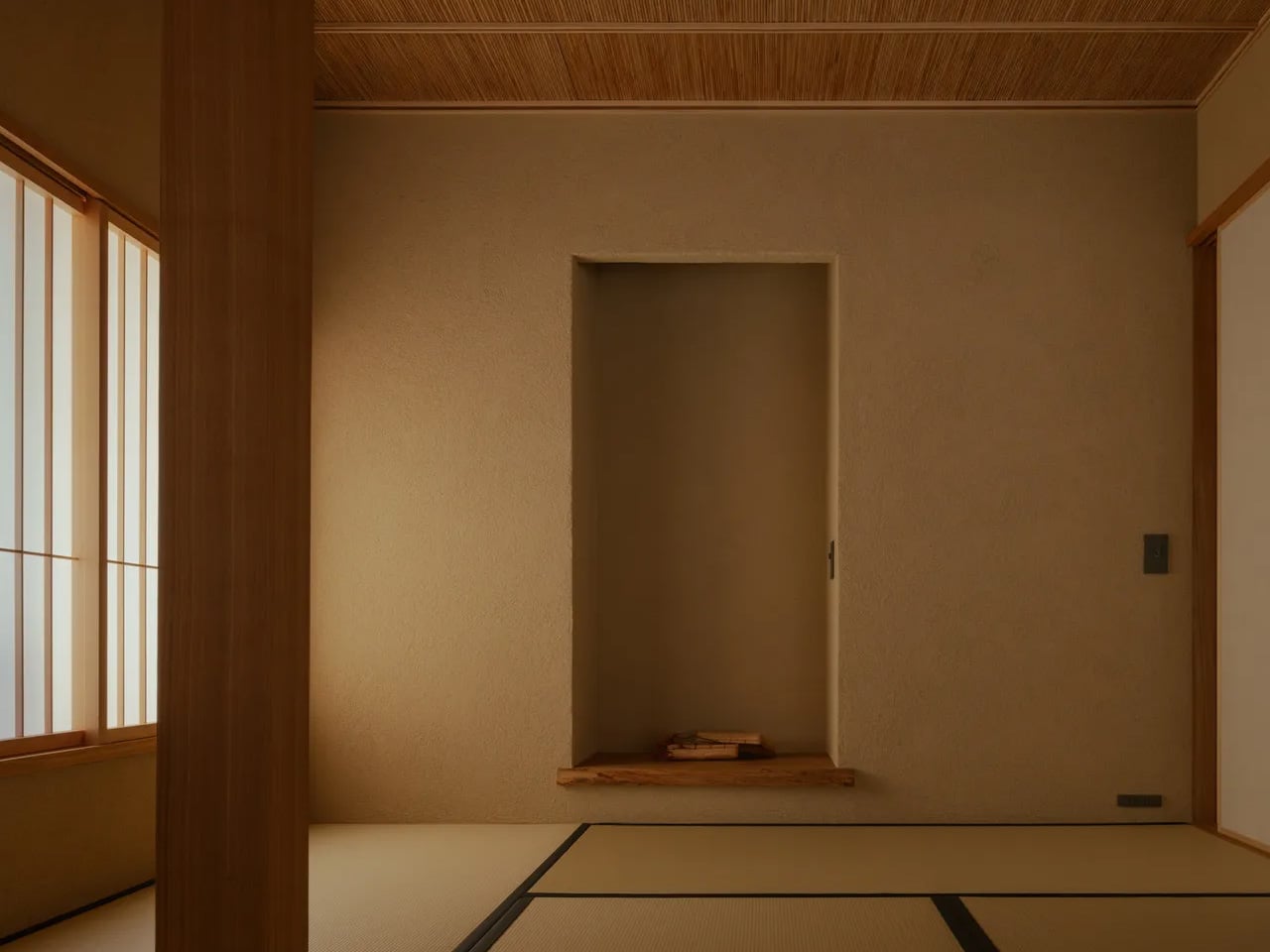
Sukiya architecture grew out of the Japanese tea ceremony tradition, where timber construction, open spatial flow, and natural materials created rooms designed for contemplation rather than display. The original home had lost much of that character over the years as its tatami rooms were modified beyond recognition through successive, uncoordinated changes.

Designer: kooo architects

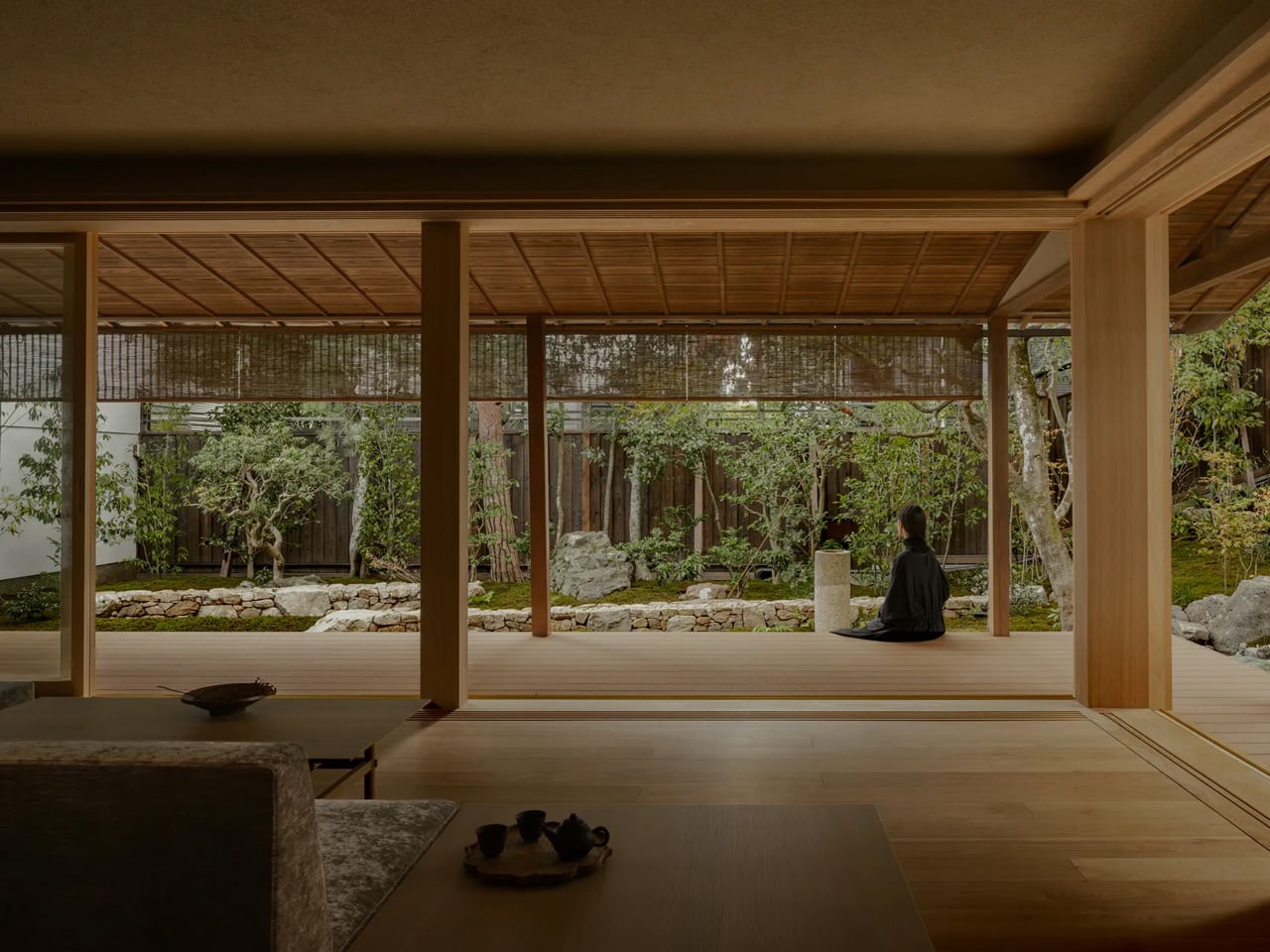
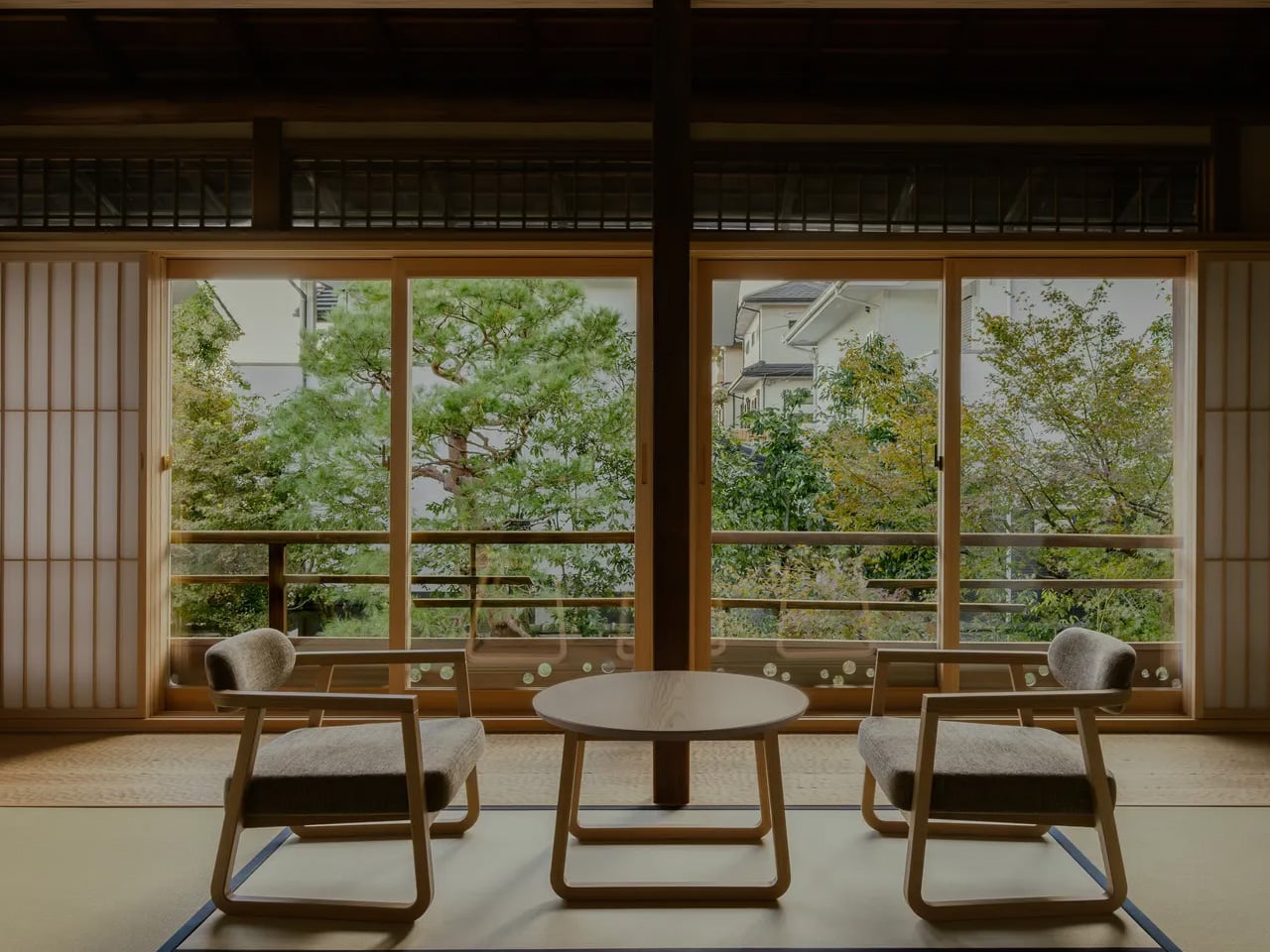
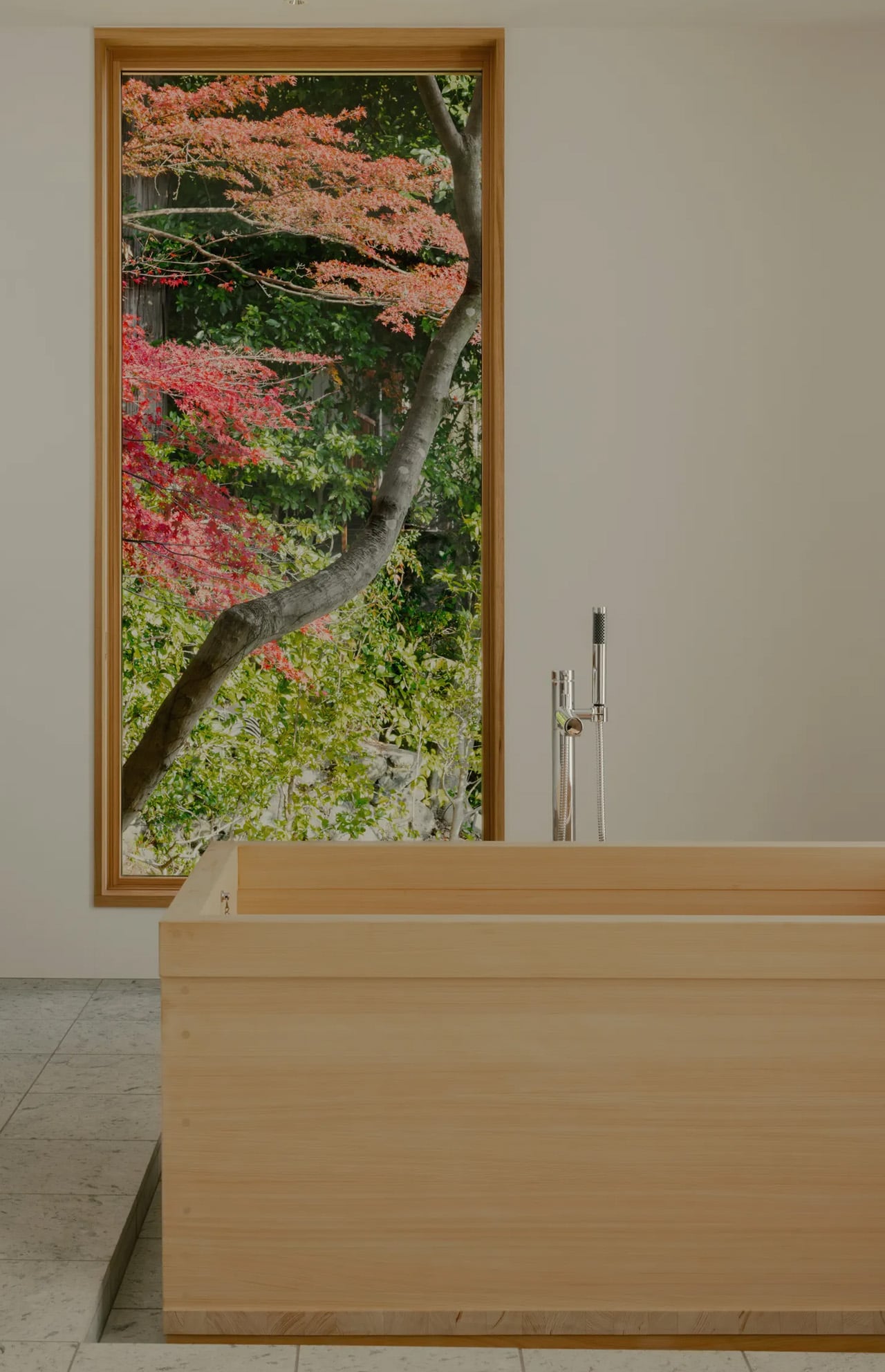
kooo architects responded by reorganizing the interior into three distinct yet connected spaces: an earthen-floored passage linking the main structure’s two wings to a smaller detached annex, a generous reception room, and a dedicated garden room built for nothing more than sitting with the landscape outside. Western Kyoto’s Rakusei area provides long views and mature plantings that shift dramatically with the seasons, and the architects oriented an entire room around the act of watching that change happen. No program, no storage, no secondary function. A room that exists to frame a view is a commitment most residential renovations cannot afford, and its presence here signals that the project’s priorities sit closer to atmosphere than to square-footage optimization.

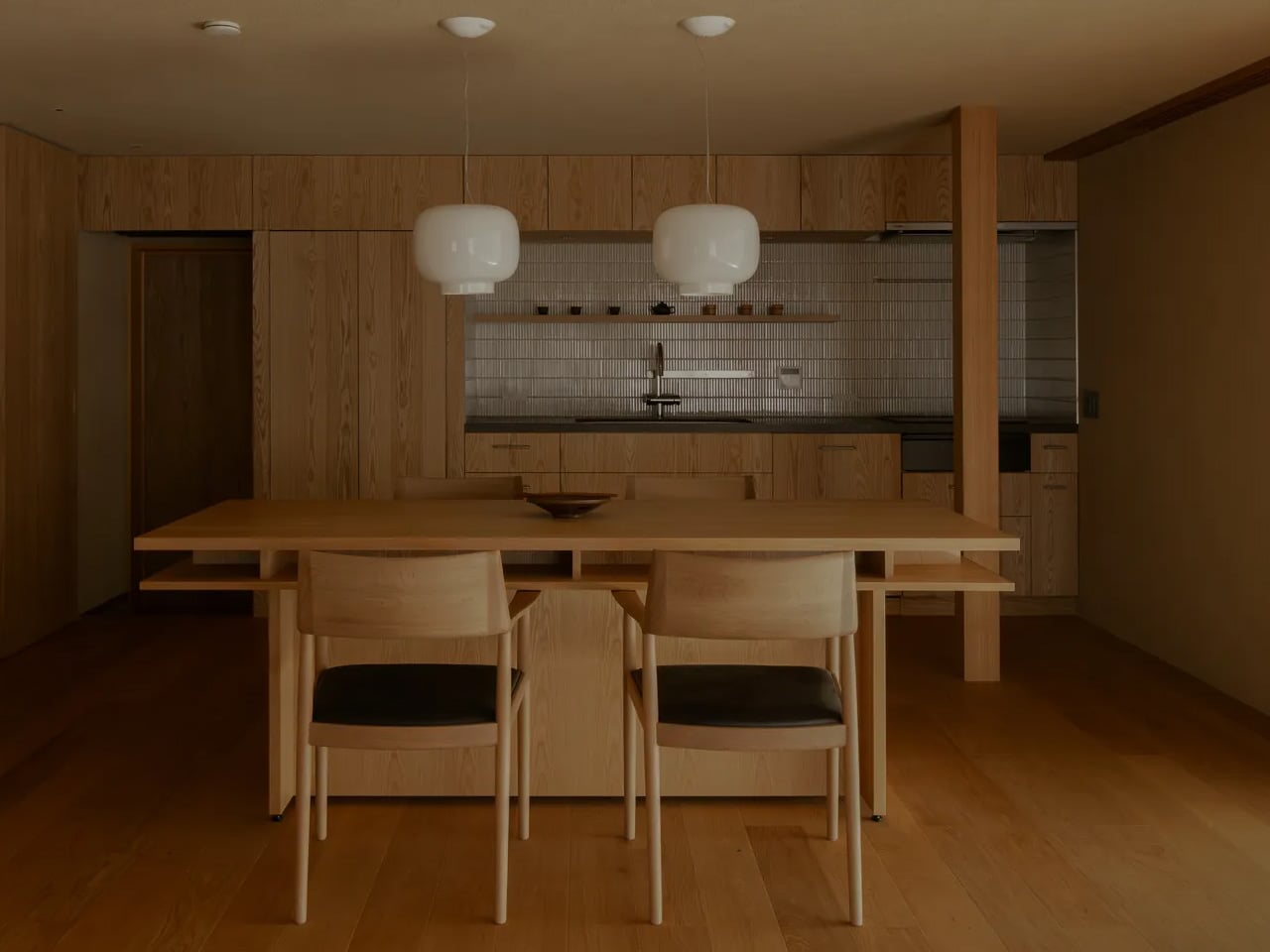
Material choices reinforce the connection to Sukiya tradition without replicating it literally. Exposed cherry wood beams run through the interiors. Juraku plaster, a finish historically associated with Kyoto’s architectural identity, covers walls and ceilings. Fusuma sliding doors crafted by Noda Hanga Studio separate the spaces, and all of this work was executed by local craftspeople rather than standardized contractors.

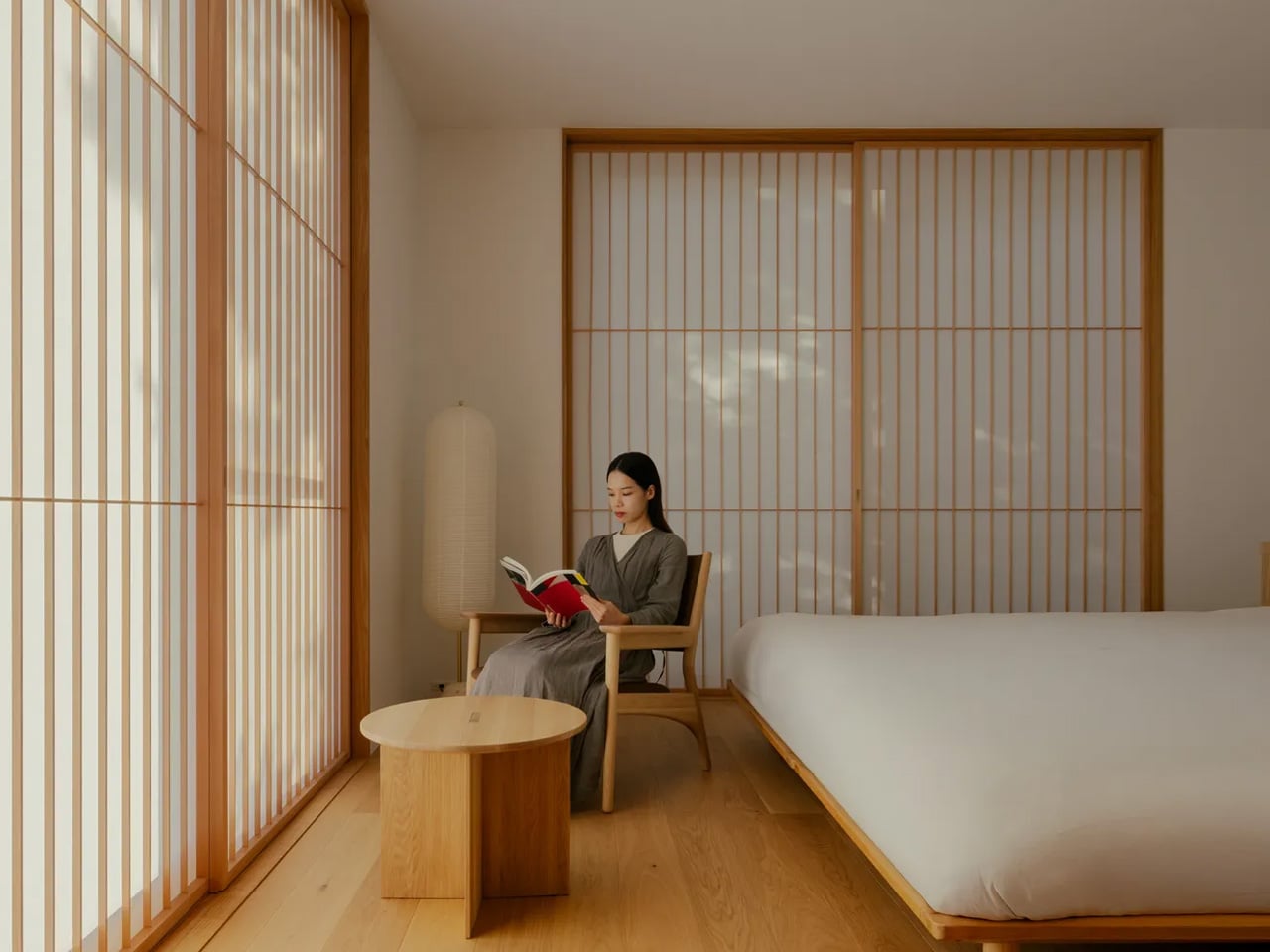
The annex, which is entirely new construction, contains the primary living quarters, including three guest rooms, hinoki wood baths, and translucent window screens that soften incoming light into something closer to atmosphere than illumination. Pairing new construction with a restored historical shell is a familiar strategy, but the success here lies in how seamlessly the two registers communicate across the earthen passage connecting them.

The tension in any heritage renovation sits between preservation and livability, and most projects tip too far in one direction. kooo architects avoided both the replica trap and the gut-renovation impulse. Narutaki’s strict historical context demanded sensitivity, but the home’s new layout reads as contemporary in its spatial logic even while its surfaces and materials carry the weight of a much older architectural vocabulary. Whether the balance holds over years of daily use is a question only the residents can answer, but the framework is sound.

The post This Crumbling Kyoto Home Was Rebuilt as a Wabi-Sabi Sanctuary – and Every Detail Is Intentional first appeared on Yanko Design.
Anthropic is doubling Claude’s usage limits during off-peak hours for the next two weeks

To capitalize on Claude's recent spike in popularity, Anthropic is offering a limited-time promotion that doubles usage limits for anyone using its AI chatbot during off-peak hours. From March 13 to March 27, users on Free, Pro, Max, and Team plans will get double the usage limits in a five-hour window when using Claude outside weekday hours between 8 AM and 2 PM ET. According to Anthropic, the promotion is automatic, and users don't have to enable anything to get the benefits.

Anthropic said that this promotion applies to anyone using Claude on web, desktop or mobile, but also with Cowork, Claude Code, Claude for Excel and Claude for PowerPoint. Previously, Anthropic offered a similar event from December 25 to December 31, doubling usage limits for Pro, Max 5x or Max 20x subscribers. However, Anthropic is targeting an even wider audience with its latest promotion since only Enterprise users are excluded this time around.

Anthropic is marketing the promotion as a "small thank you to everyone using Claude," but it's likely tied to its ongoing battle with the Department of Defense. After refusing to remove certain AI safeguards for the Department of Defense, Anthropic was listed as a supply chain risk and lost its contract with the federal agency. In turn, OpenAI signed a deal with the Department of Defense, leading to many users deciding to boycott ChatGPT in favor of Claude and other AI chatbot options.

This article originally appeared on Engadget at https://www.engadget.com/ai/anthropic-is-doubling-claudes-usage-limits-during-off-peak-hours-for-the-next-two-weeks-163645928.html?src=rss

Apple’s Bold New Look: How iOS 26.4 Changes Every Icon on Your iPhone

Apple’s Bold New Look: How iOS 26.4 Changes Every Icon on Your iPhone Accessibility page highlighting the Reduce Bright Effect option that lowers bright highlights in menus and keyboards.

Apple’s iOS 26.4 introduces a pivotal evolution in its user interface, particularly with the iconic Liquid Glass design. This update brings a host of customization options, accessibility enhancements, and user-focused features, reflecting a shift in Apple’s design priorities. While Liquid Glass has long been a hallmark of Apple’s aesthetic identity, iOS 26.4 redefines its role, […]

The post Apple’s Bold New Look: How iOS 26.4 Changes Every Icon on Your iPhone appeared first on Geeky Gadgets.

Posted in Uncategorized

Mac Neo Concept Imagines a Cheaper, A18 Pro-powered Apple Desktop Built for the OpenClaw Era

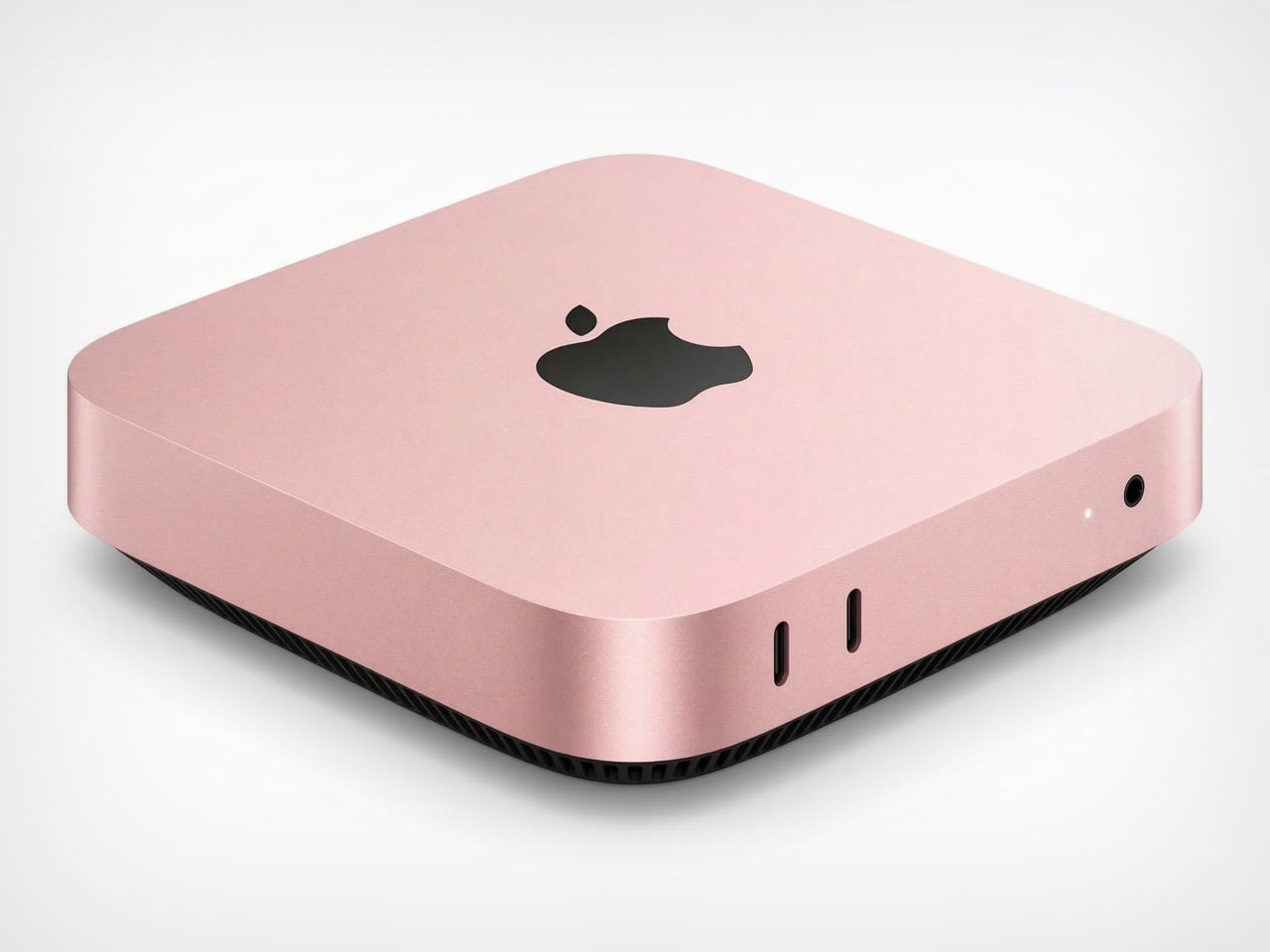
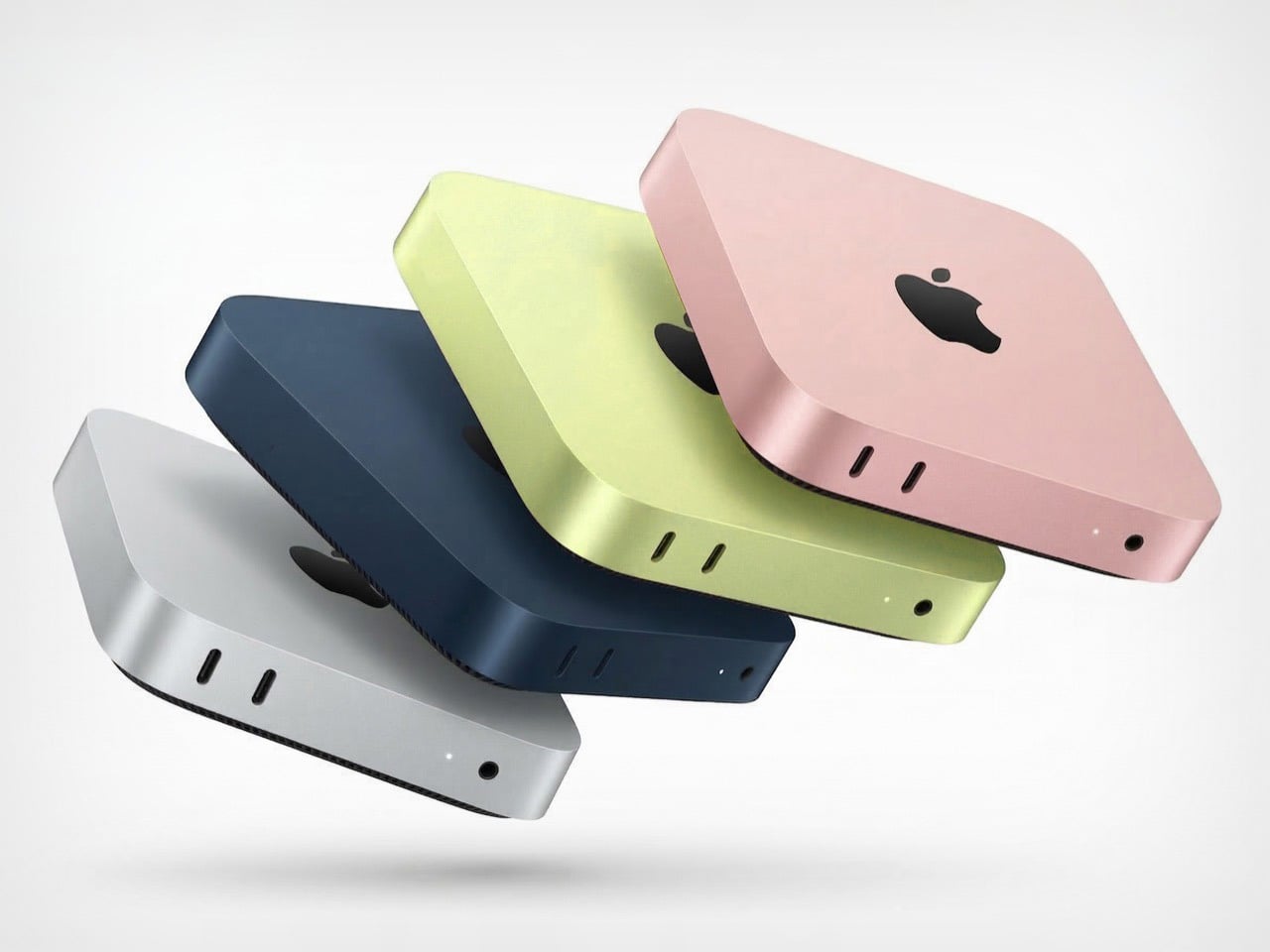
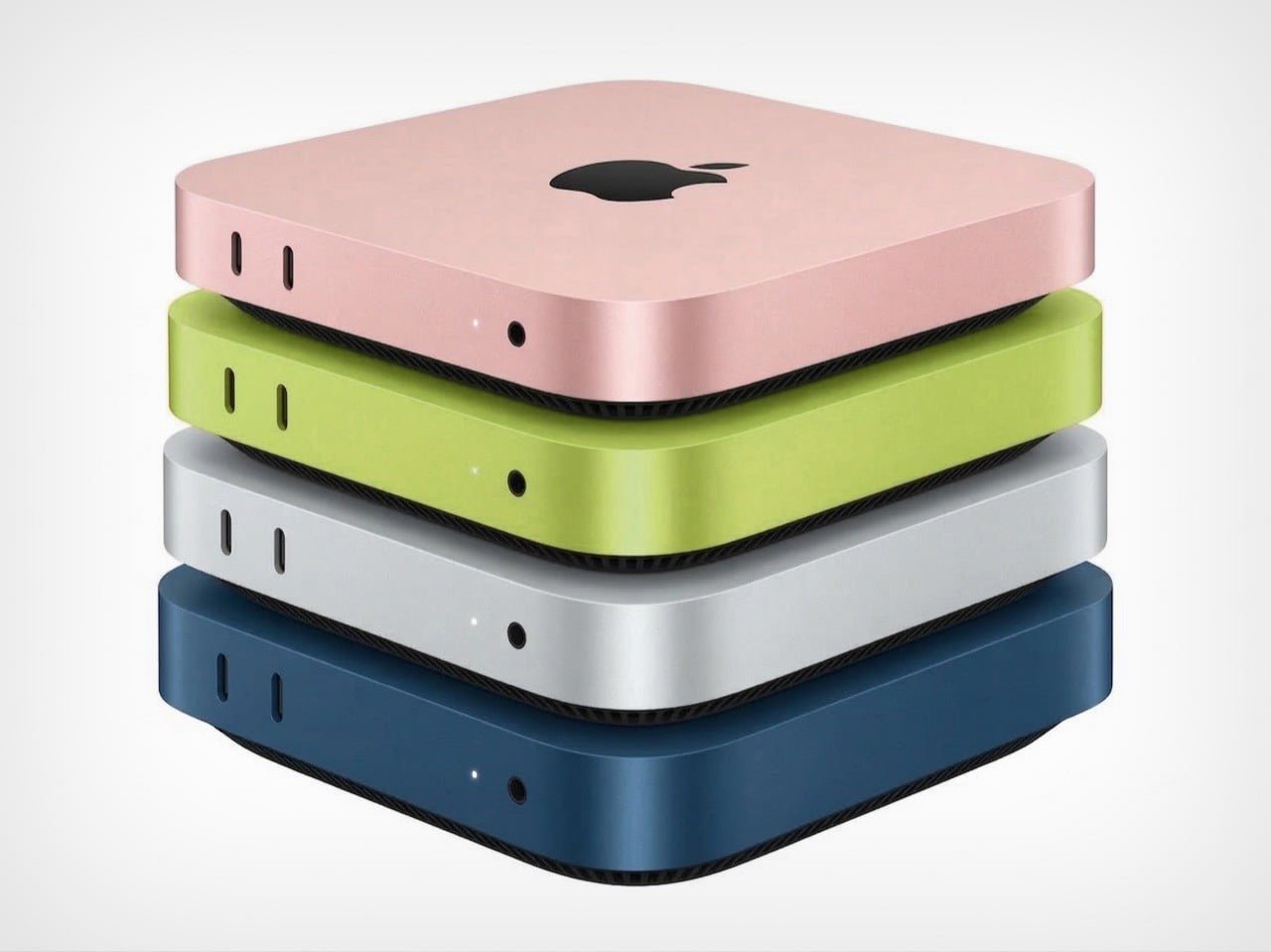
Apple’s MacBook Neo opened the door to a new kind of Mac, one that trades raw power for accessibility, color, and mass appeal. The A18 Pro chip powering it has already proven capable enough for a full laptop experience, which makes the logical next question an obvious one: what happens when that same formula moves to the desktop? The timing couldn’t be sharper. OpenClaw’s rise as a locally-run AI agent has sent Mac Mini demand into a frenzy, with high-memory units backordered for up to six weeks and stock selling out across multiple markets. People clearly want affordable Apple silicon desktops, and supply simply hasn’t caught up.

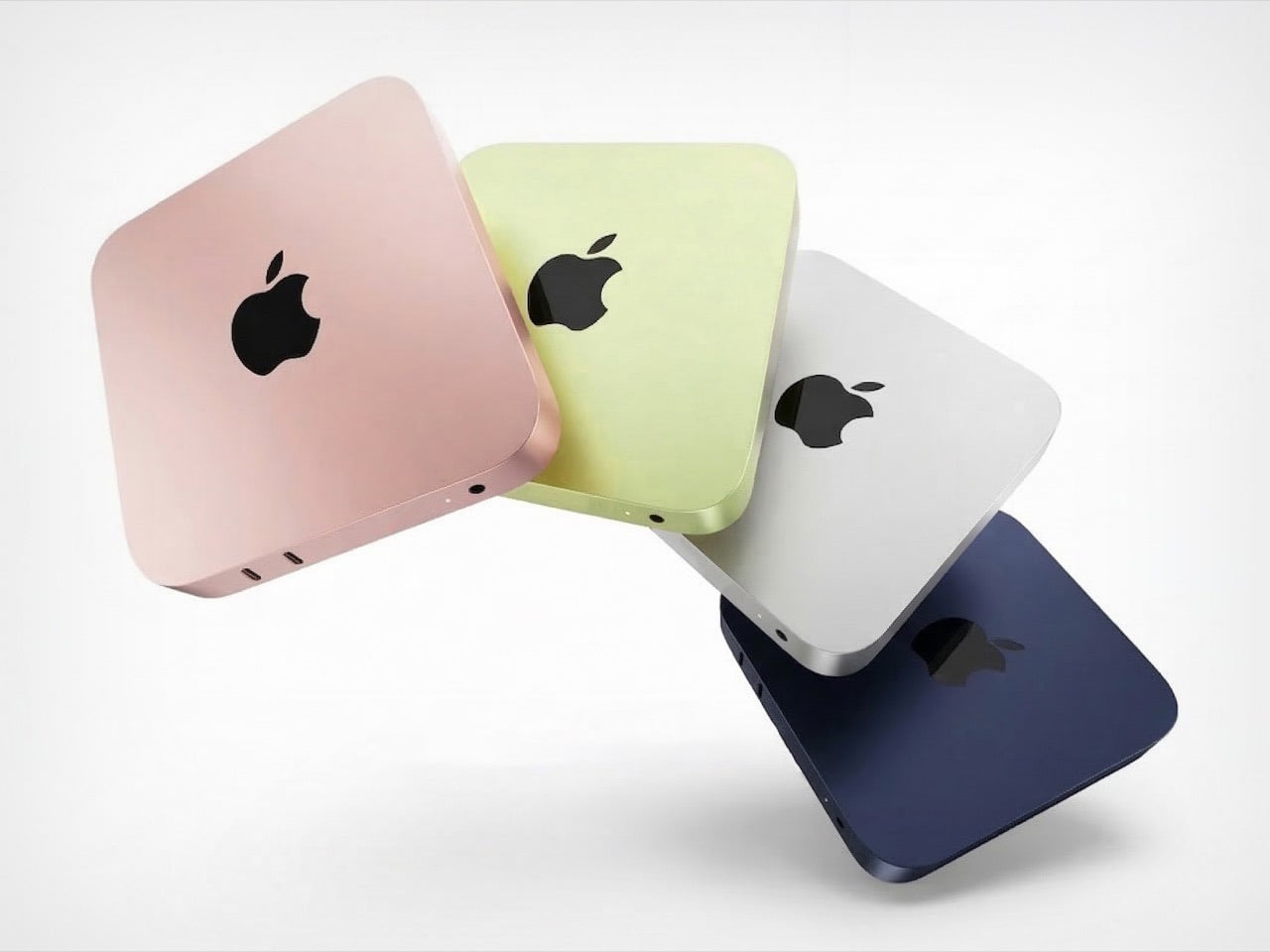
That gap is exactly where a Mac Neo would land. Sitting below the Mac Mini in price while carrying the same cheerful color identity as the MacBook Neo, it fills a slot in Apple’s lineup that currently doesn’t exist but arguably should. Students, first-time Mac buyers, and anyone running lightweight local AI workloads would have a natural home in the Mac Neo. Apple already has the MacBook Neo pulling switchers in from the laptop side, and a matching desktop completes the picture. It carries the MacBook Neo’s spirit forward into the living room, the dorm room, and the home office, completing a product family that right now feels one piece short.

Designer: Apple
Images Created Using AI

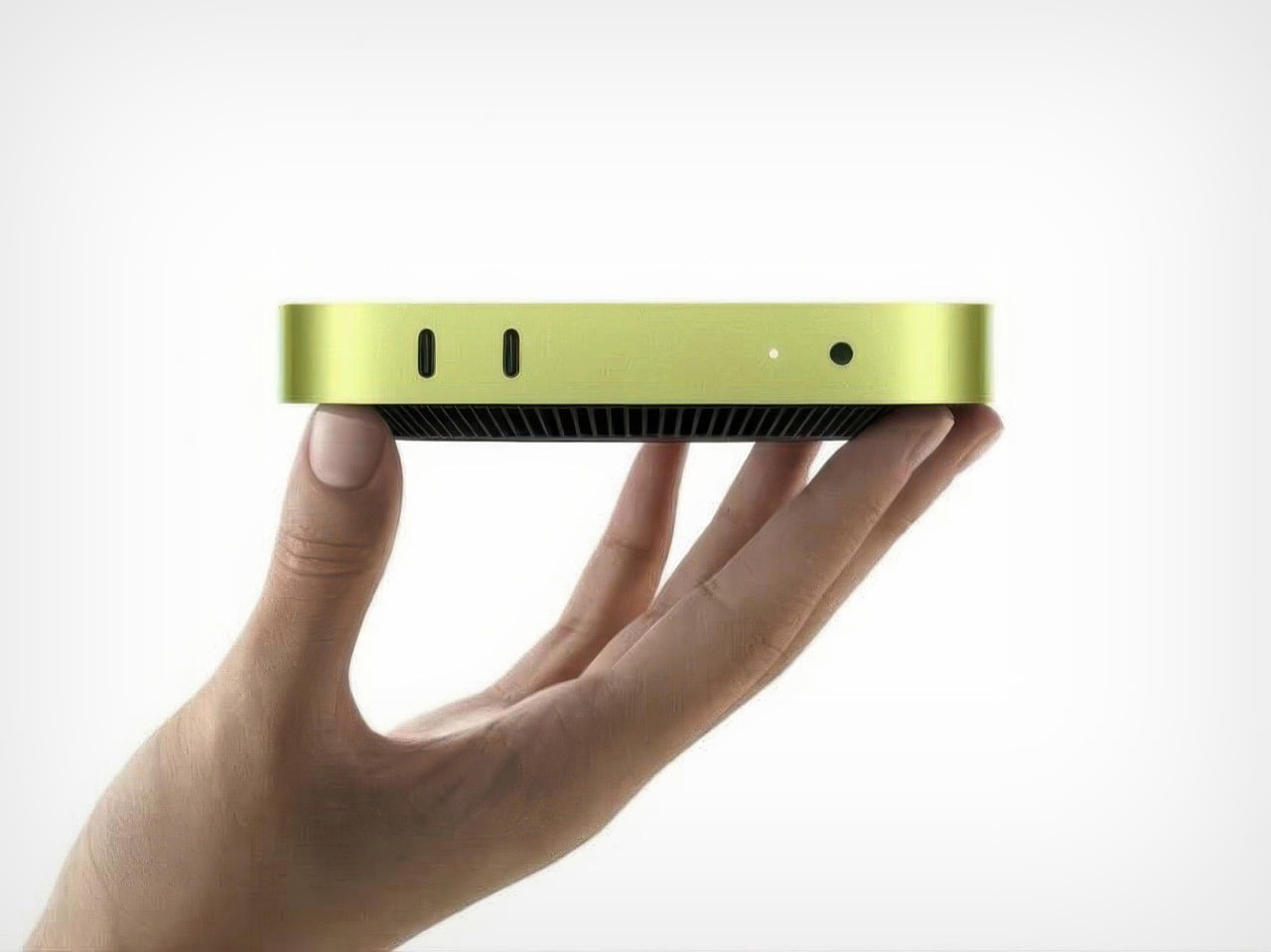
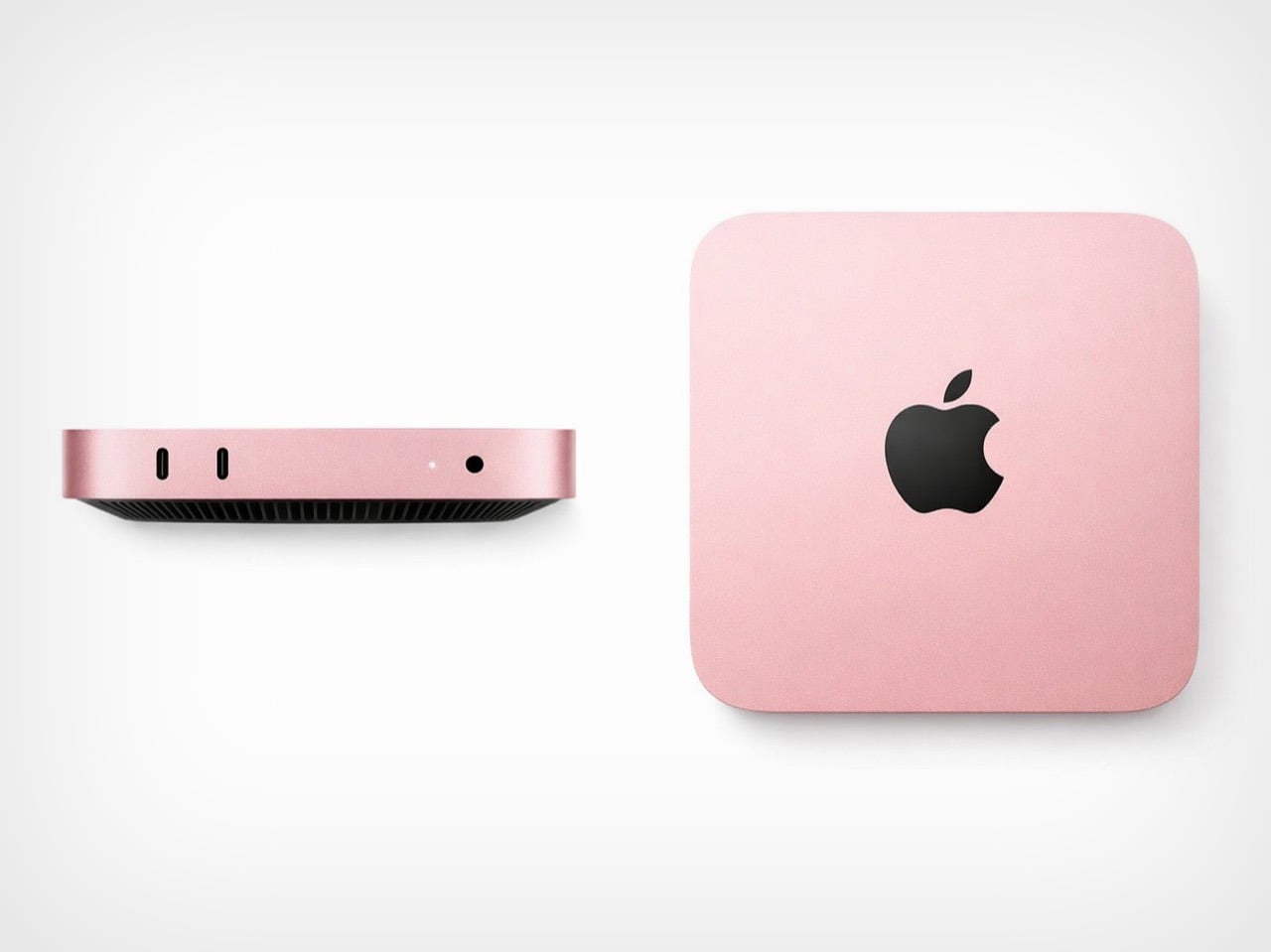
That Mac Mini silhouette in blush pink or citrus yellow feels like the iMac G3’s spiritual successor. The color makes it feel personal rather than utilitarian, which is exactly what Jobs and Ive were aiming for with the iMacs back in the pre-aluminium days. The color-matched aluminum shell mirrors the same four-finish palette as the MacBook Neo, which means Apple could market these as a set to schools and first-time buyers with minimal effort. What’s visually notable is the slim profile, noticeably thinner than the current Mac Mini, which tracks given the A18 Pro runs completely fanless in laptop form. A desktop chassis with even modest passive cooling could push that chip harder and longer than any laptop allows.

The A18 Pro ships with a 6-core CPU, 5-core GPU, and a 16-core Neural Engine on TSMC’s second-generation 3nm process. In the MacBook Neo, it runs completely fanless through photo editing, streaming, and light AI inference. Drop it into a desktop with a real power brick and passive cooling, and the chip gains the thermal headroom to sustain performance a laptop chassis simply cannot hold. Apple’s own benchmarks show the A18 Pro outperforming Intel Core Ultra 5 PCs in the same class, and a desktop form factor with better cooling only reinforces that. Configure it with 16GB of unified memory and you have something that runs local model inference comfortably and covers the full Apple Intelligence feature set.


Apple’s current Mac lineup has no desktop entry below $599, leaving the budget switcher market completely unaddressed. A Mac Neo at $399 puts macOS in the same price bracket as Chromebooks, which have dominated education for over a decade largely because Apple never showed up at that price with a desktop. The OpenClaw surge sharpens the argument: Mac Mini shortages stretching six weeks on high-memory units confirm massive pent-up demand for affordable Apple silicon desktops. These buyers want local AI on hardware they own, and the Mac Mini’s $599 floor prices many of them out. A Mac Neo with 16GB unified memory, Apple Intelligence support, and a $399 starting price addresses all of that and does it in a package that actually looks like it belongs on a desk.


The post Mac Neo Concept Imagines a Cheaper, A18 Pro-powered Apple Desktop Built for the OpenClaw Era first appeared on Yanko Design.
Google Gemini Updates : Docs, Sheets & Slides Receive New AI Tools

Google Gemini Updates : Docs, Sheets & Slides Receive New AI Tools Google Docs draft generated from a template, pulling context from Gmail and matching an uploaded writing tone.

Google has introduced significant updates to its AI ecosystem, focusing on enhancing productivity and creativity across platforms like NotebookLM, Pomelli and Gemini in Google Drive. Paul Lipsky highlights how these updates bring practical improvements, such as NotebookLM’s new ability to shuffle flashcards for varied learning and its support for EPUB uploads, which allows users to […]

The post Google Gemini Updates : Docs, Sheets & Slides Receive New AI Tools appeared first on Geeky Gadgets.

Posted in Uncategorized

Apple’s First Foldable Could Be the Most Expensive iPhone Ever at $1,999

Apple’s First Foldable Could Be the Most Expensive iPhone Ever at $1,999 iPhone Fold

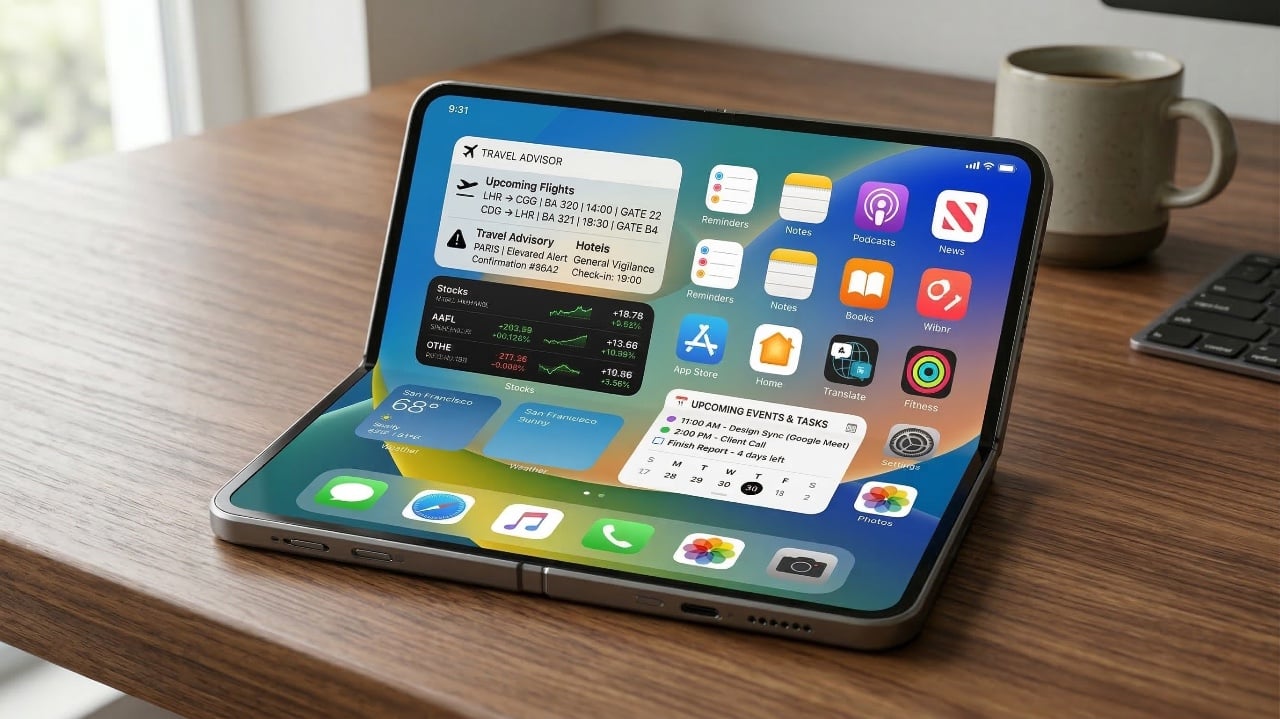
Apple is reportedly gearing up to unveil its first-ever foldable iPhone, potentially named the iPhone Fold or iPhone Ultra, alongside the iPhone 18 Pro and Pro Max models this fall. This highly anticipated device is expected to blend state-of-the-art technology, premium materials and a sleek, innovative design. For those who closely follow Apple’s advancements, this […]

The post Apple’s First Foldable Could Be the Most Expensive iPhone Ever at $1,999 appeared first on Geeky Gadgets.

Posted in Uncategorized

Bentu Just Built Furniture From Cities That No Longer Exist

Every city has its ghosts. Not the supernatural kind, but the kind embedded in the physical memory of places that no longer exist. Buildings torn down, neighborhoods erased, whole communities swallowed by the machinery of progress, or something far worse. Right now, in more places across the globe than most of us are comfortable counting, cities are not being redeveloped. They are being destroyed. And the rubble left behind, whether from a wrecking ball or a warhead, raises the same uncomfortable question: what do we do with what remains?

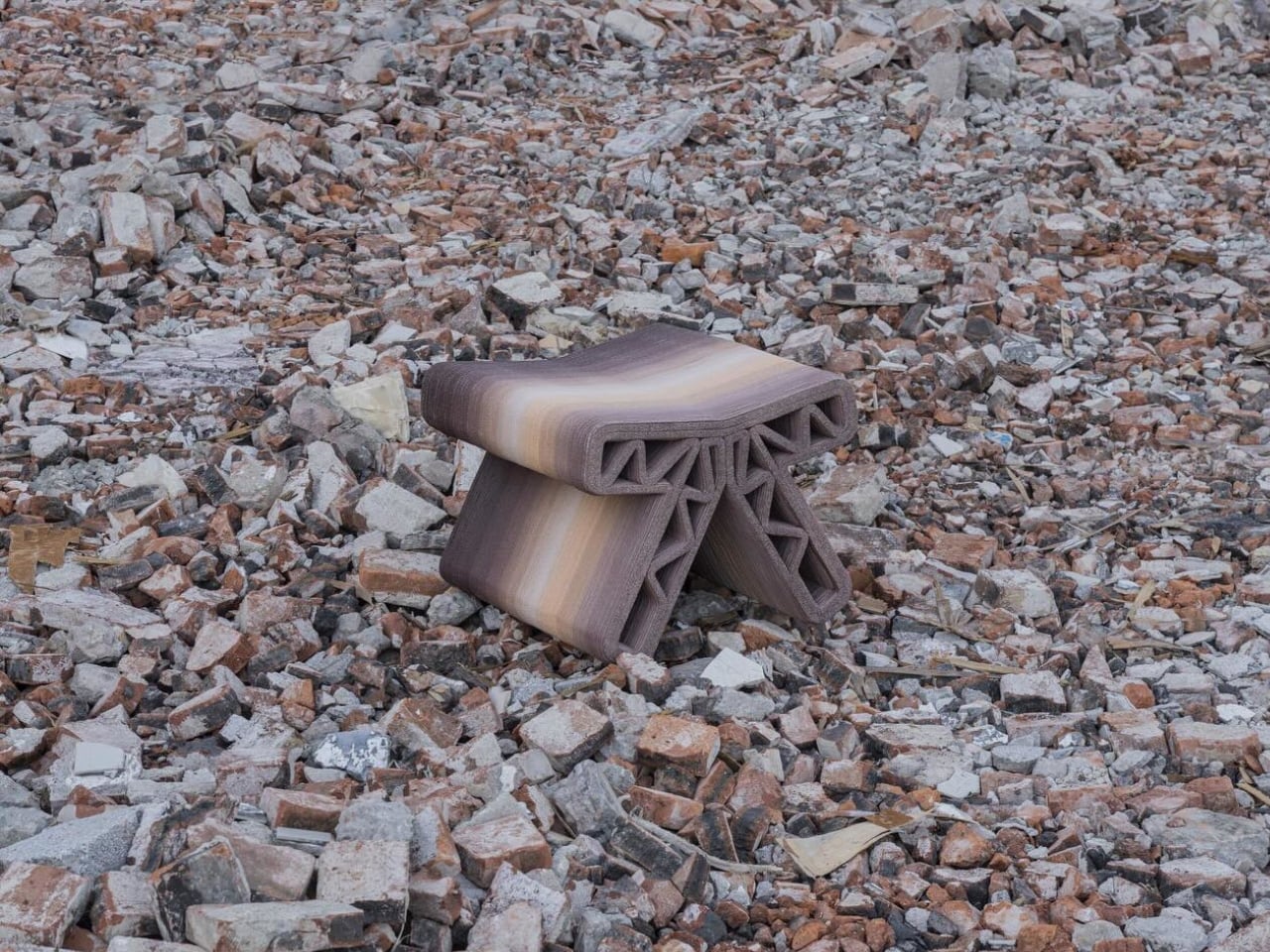
Bentu Design looked at rubble and decided to make furniture. That might sound like an overly romantic read on what is essentially a waste management challenge, but the more you learn about their project “Inorganic Growth: The Regeneration of Urban Village Memory,” the harder it is to dismiss. This is not recycling for recycling’s sake. It is design with a philosophical spine, and right now, that spine feels more relevant than ever.

Designer: Bentu Design

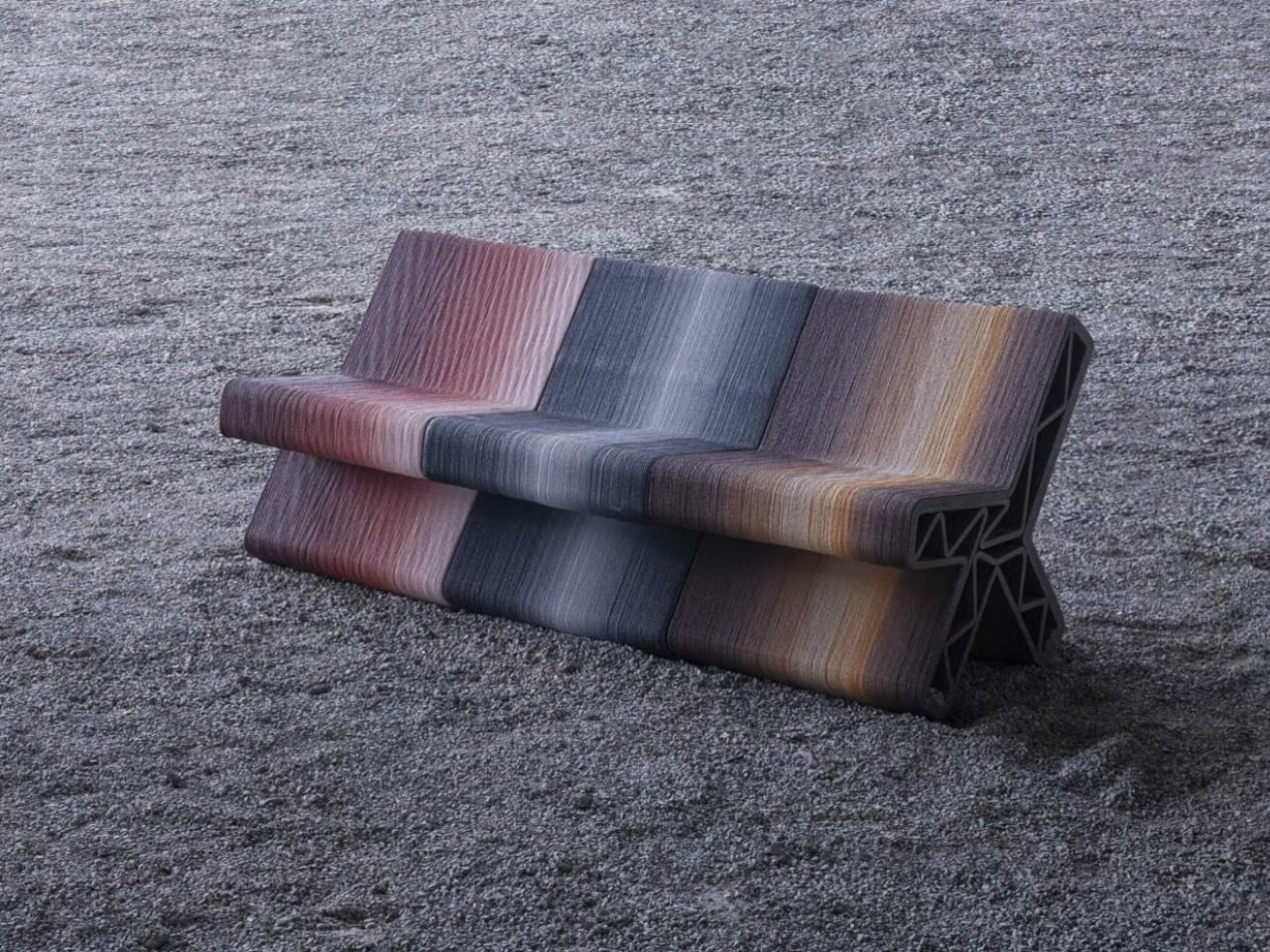
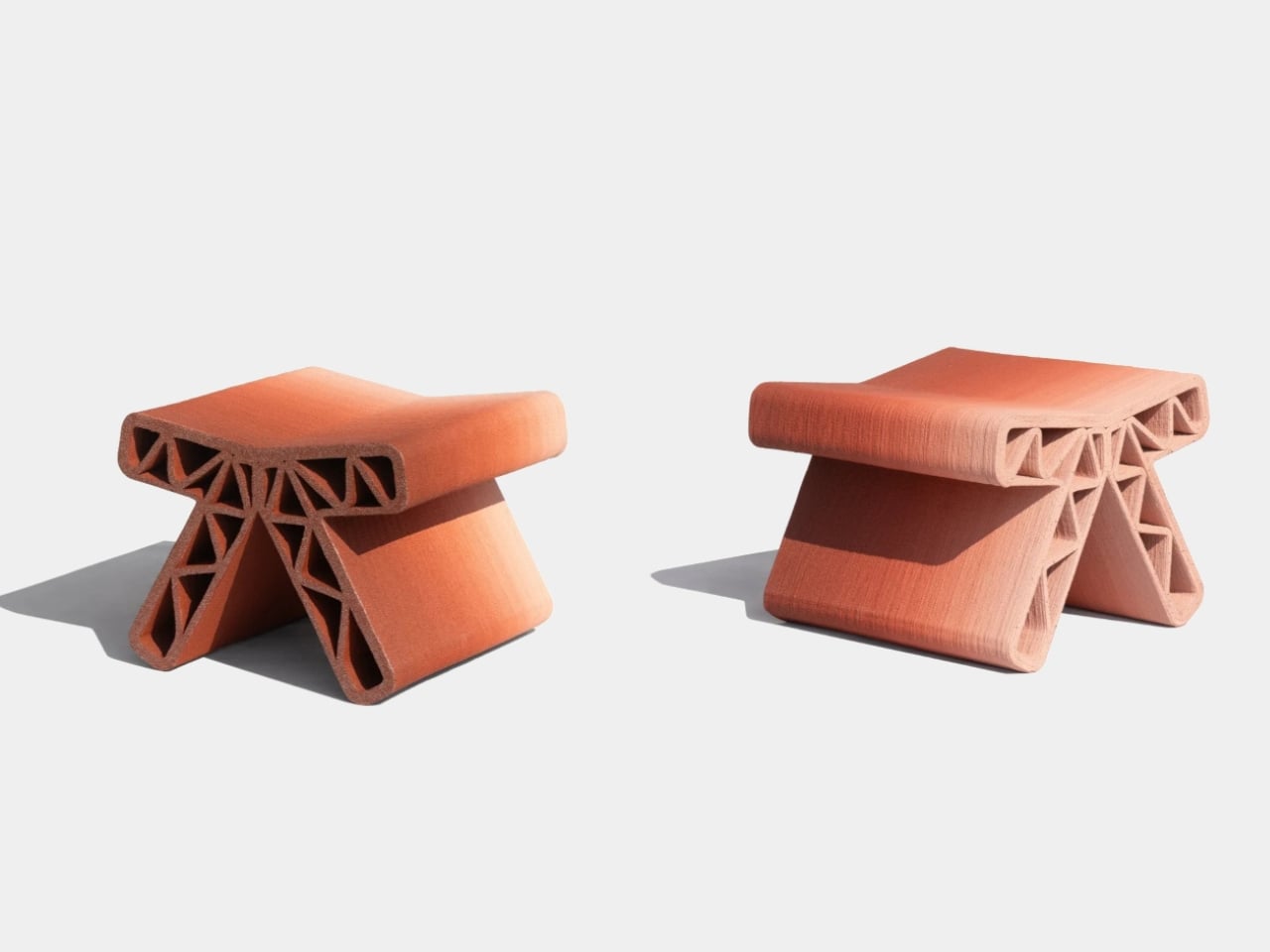
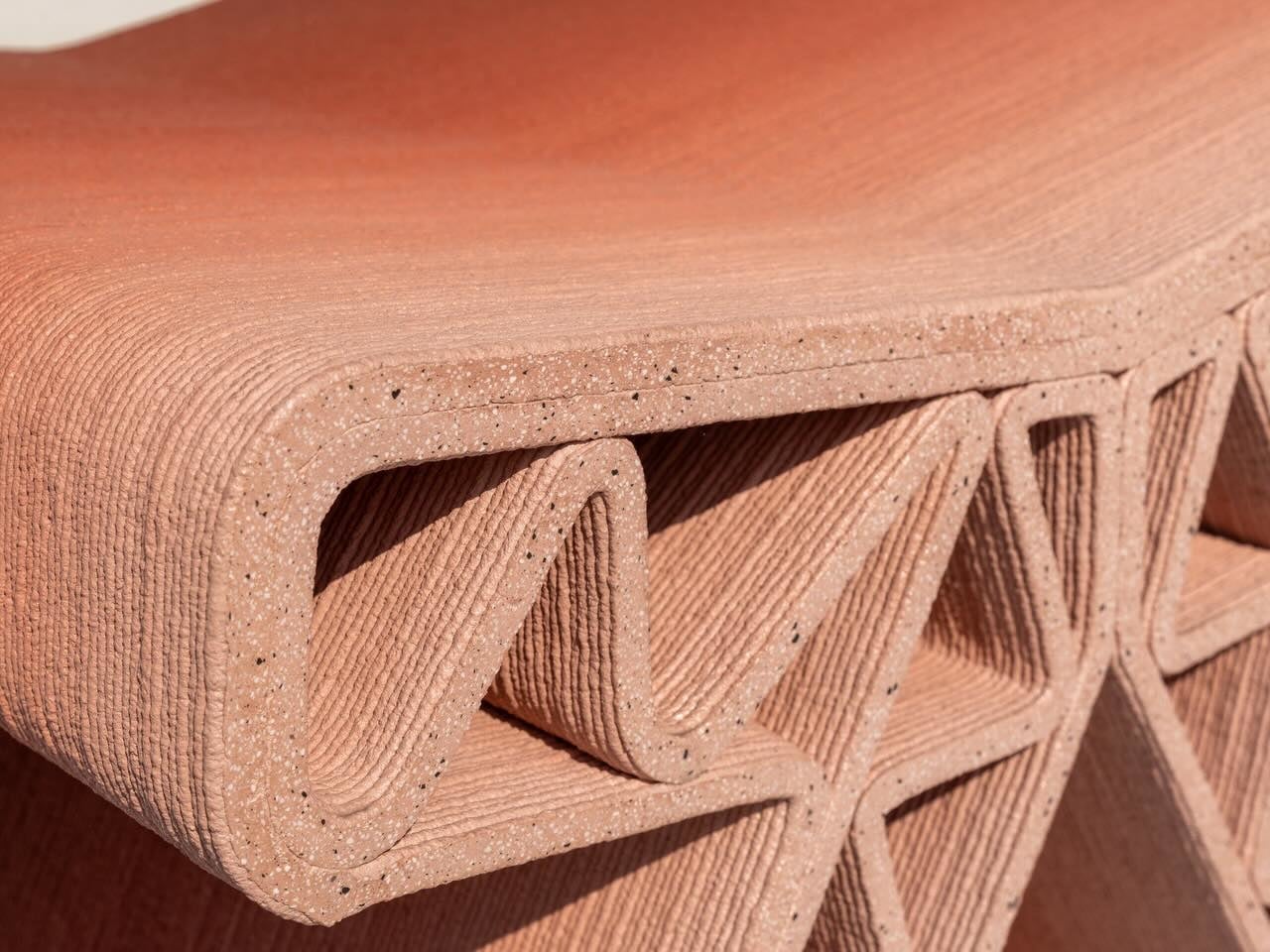
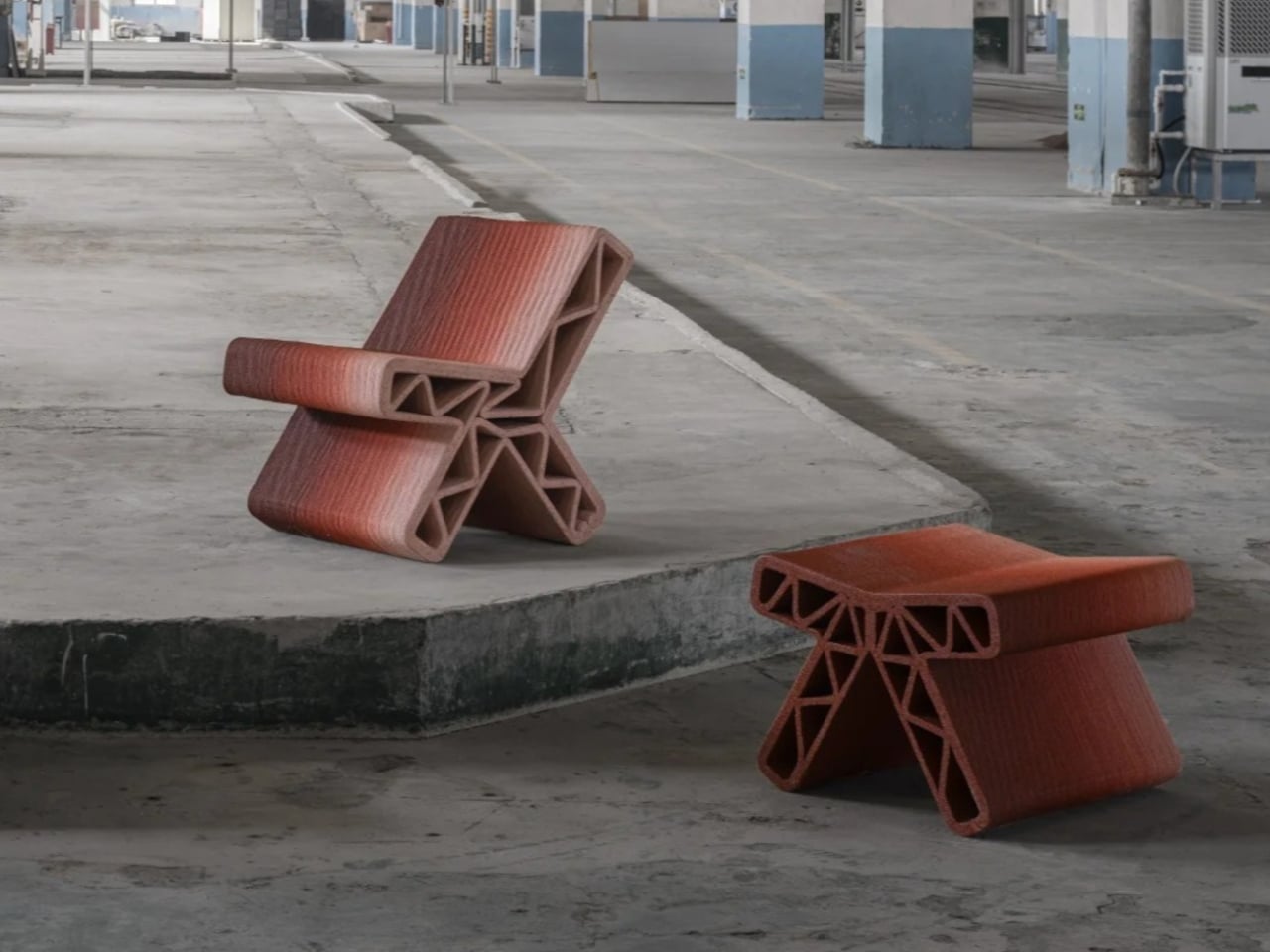
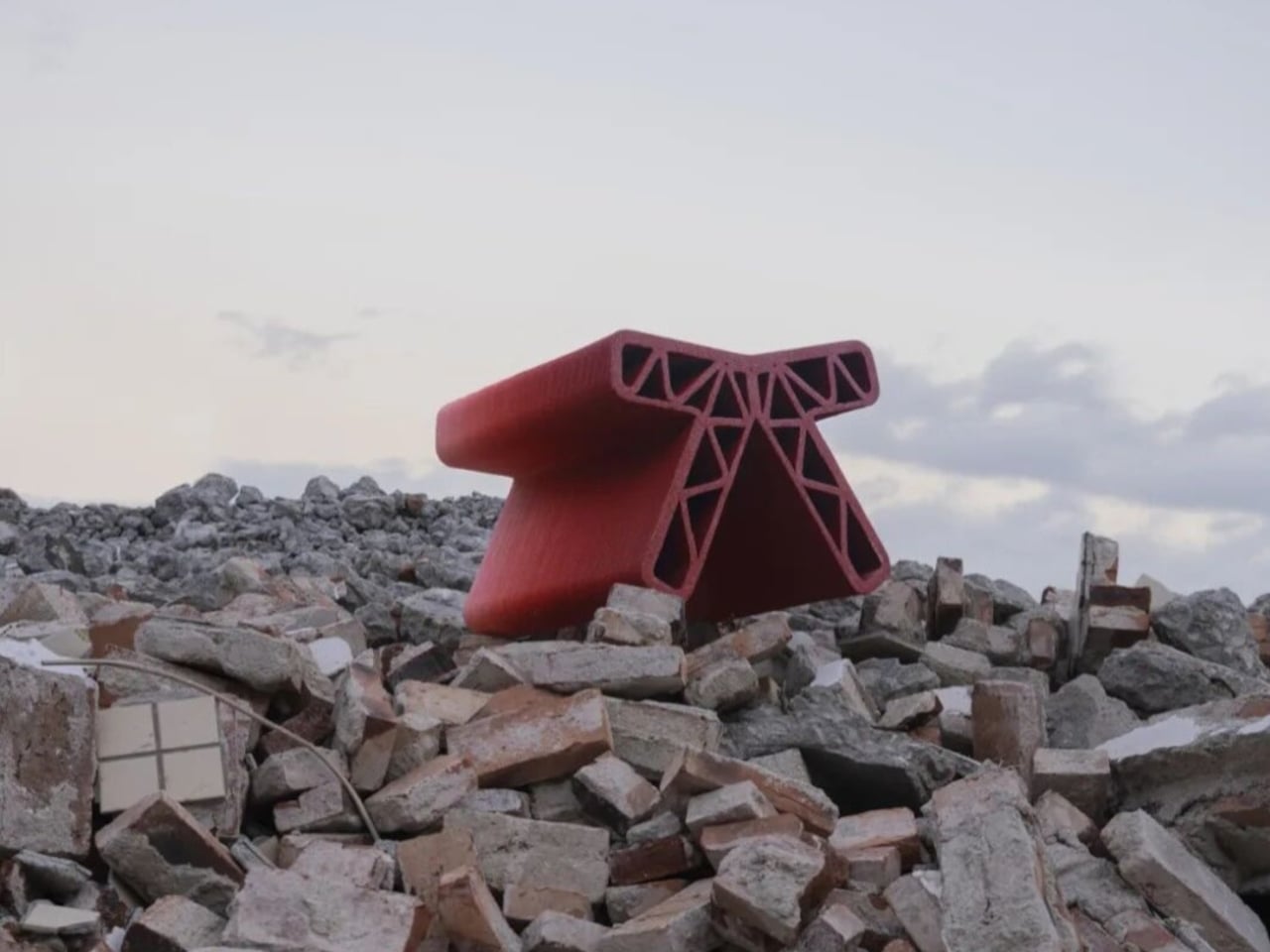
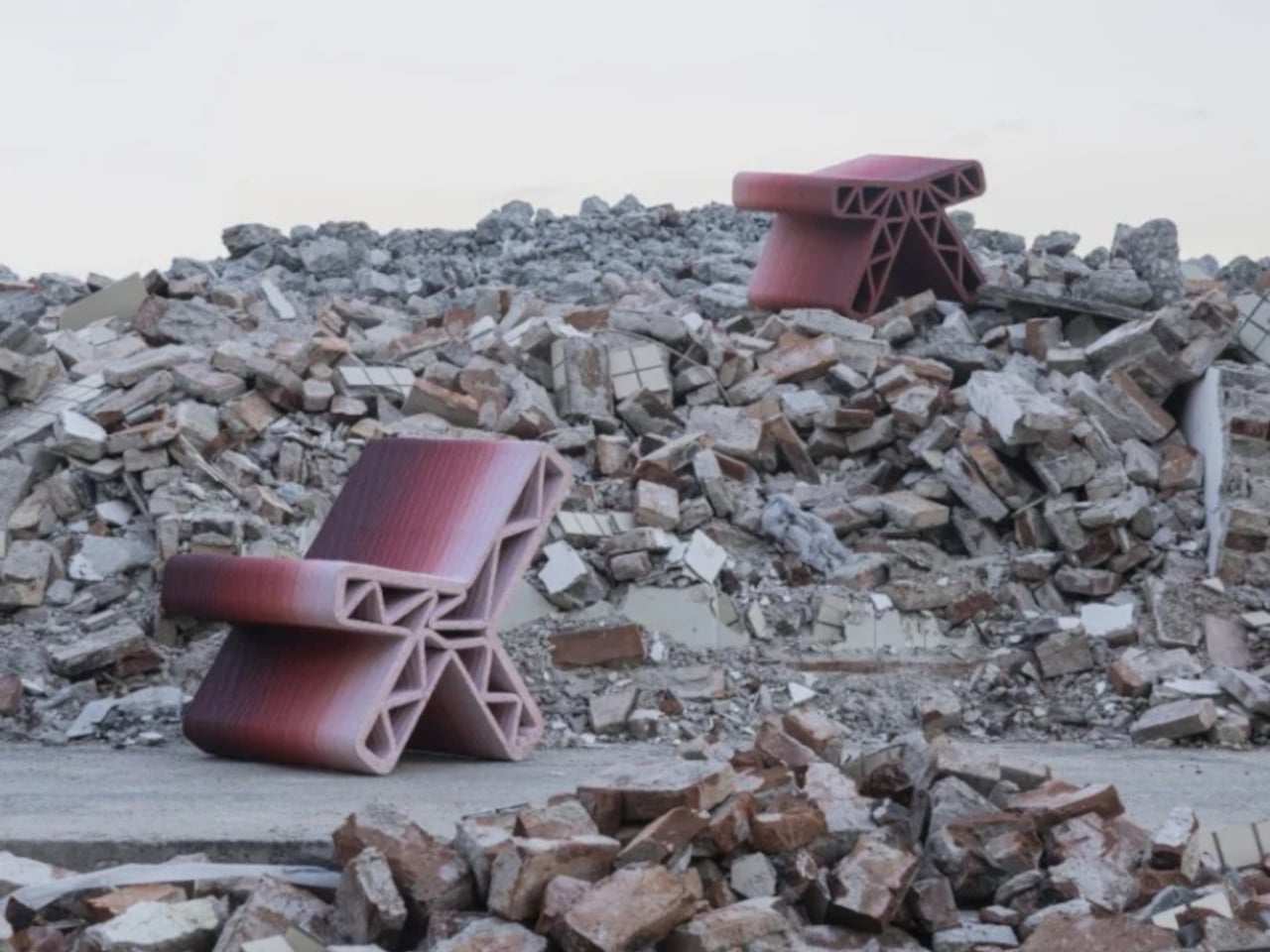
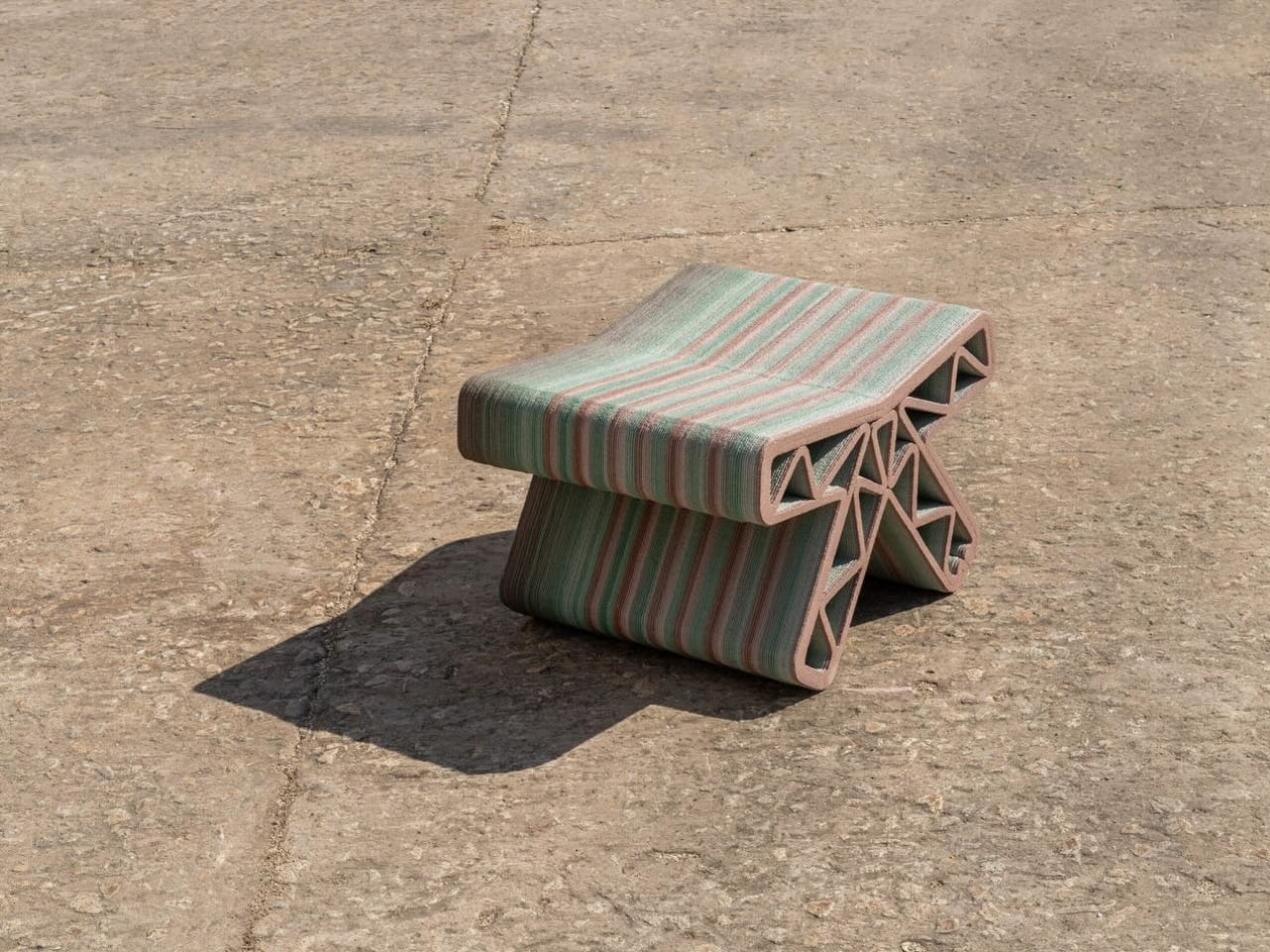
The concept begins with China’s urban village demolitions, where entire communities are cleared to make way for new development. The construction waste left behind, concrete fragments, red brick rubble, mortar dust, all the physical remnants of places that used to be someone’s home, is processed and reactivated into cement-based printable materials. The project achieves an 85% utilization rate of that solid waste. That figure alone is worth pausing on, because most recycled design projects deal in far smaller percentages and still get praised for it. Each piece of furniture is then built up layer by layer through large-scale 3D printing, giving it a textured, almost geological quality.

But the technical achievement is only half the story. Before a village is demolished, the team documents the site photographically. Those images are run through image-processing algorithms to extract the dominant color values of that specific place: the iron-red of old bricks, the cement-gray of crumbling walls, the muted green of weathered surfaces, the faded blue of glazed tiles. Those tones are built into a gradient control system that becomes the visual fingerprint of each piece. Every bench or chair carries not just the material of the place that was, but its palette. A gradient that encodes memory. A piece of public furniture quietly carrying the visual DNA of the neighborhood that once stood there.

Most people walking past it will never know. But the furniture knows. I keep thinking about what this means in the context of the world we are actually living in right now. Mariupol. Gaza. Khartoum. Cities being reduced to the same concrete fragments and red brick rubble that Bentu Design scoops up and turns into something lasting. The scale of destruction happening globally is staggering, and designers are not exempt from sitting with that discomfort and asking what, if anything, we can actually do about it.

We cannot stop wars. We cannot reverse the decisions of governments or the momentum of military campaigns. But Bentu’s work quietly suggests that designers do hold something real: the ability to determine what erasure looks like, and whether it has to be total. There is an argument here that is worth taking seriously. When we choose to carry the material memory of a destroyed place forward rather than simply clearing it away, we are making a statement about whose history counts. That principle scales. It applies to a demolished village in Shenzhen. It applies to a flattened street in Kharkiv.

Design, at its most serious, is always making choices about what to remember and what to let disappear. “Inorganic Growth” chooses remembrance without sentimentality, using technology as the medium and rubble as the message. That feels like the right posture for designers to hold right now: not paralysis, not performance, but a steady insistence on making things that refuse to forget. Some benches just hold your weight. These ones hold an entire neighborhood’s last breath.

The post Bentu Just Built Furniture From Cities That No Longer Exist first appeared on Yanko Design.