OpenAI debuts a Codex plugin for Chrome
The new feature could turn Codex into more than a coding aid.

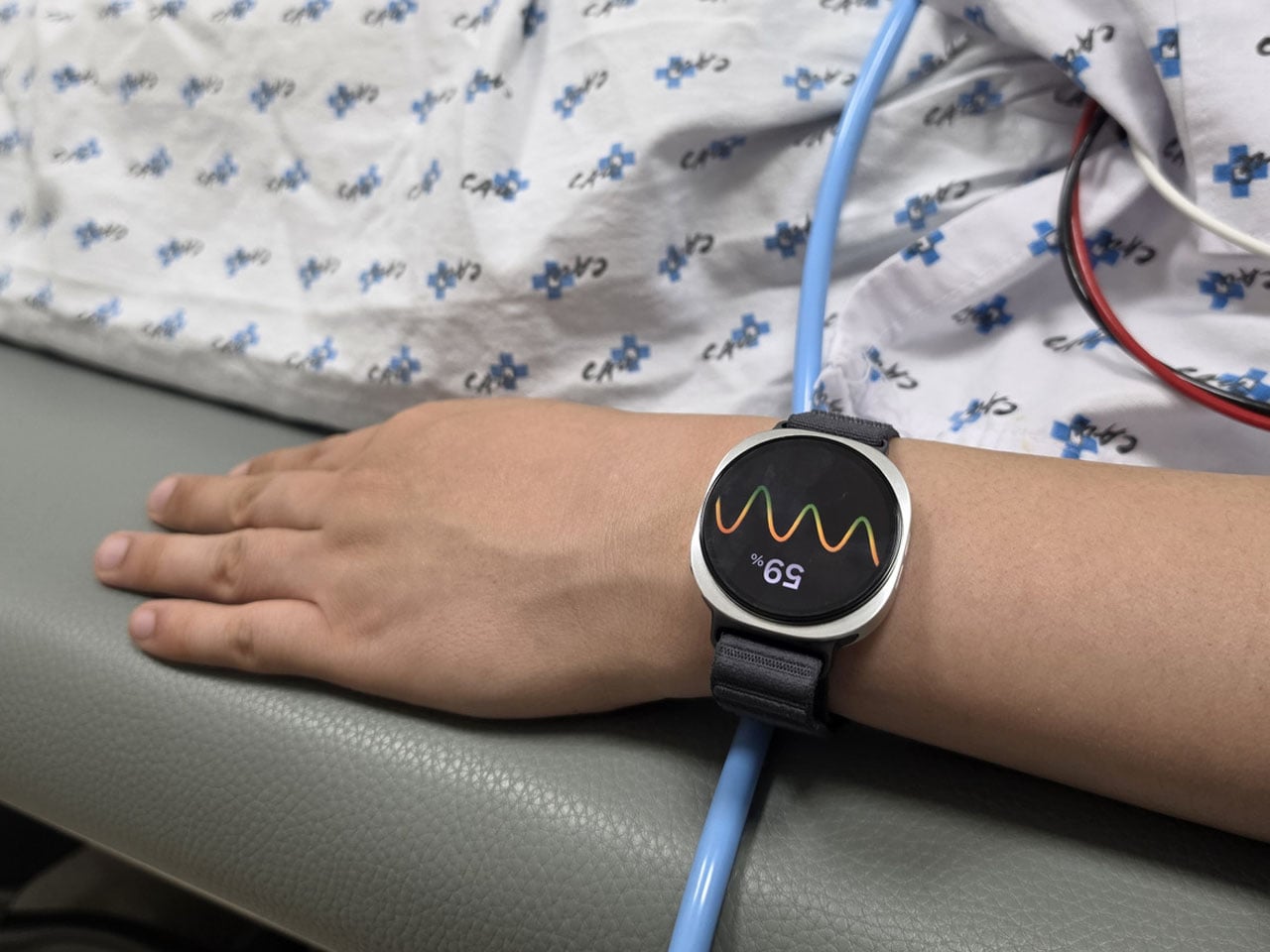
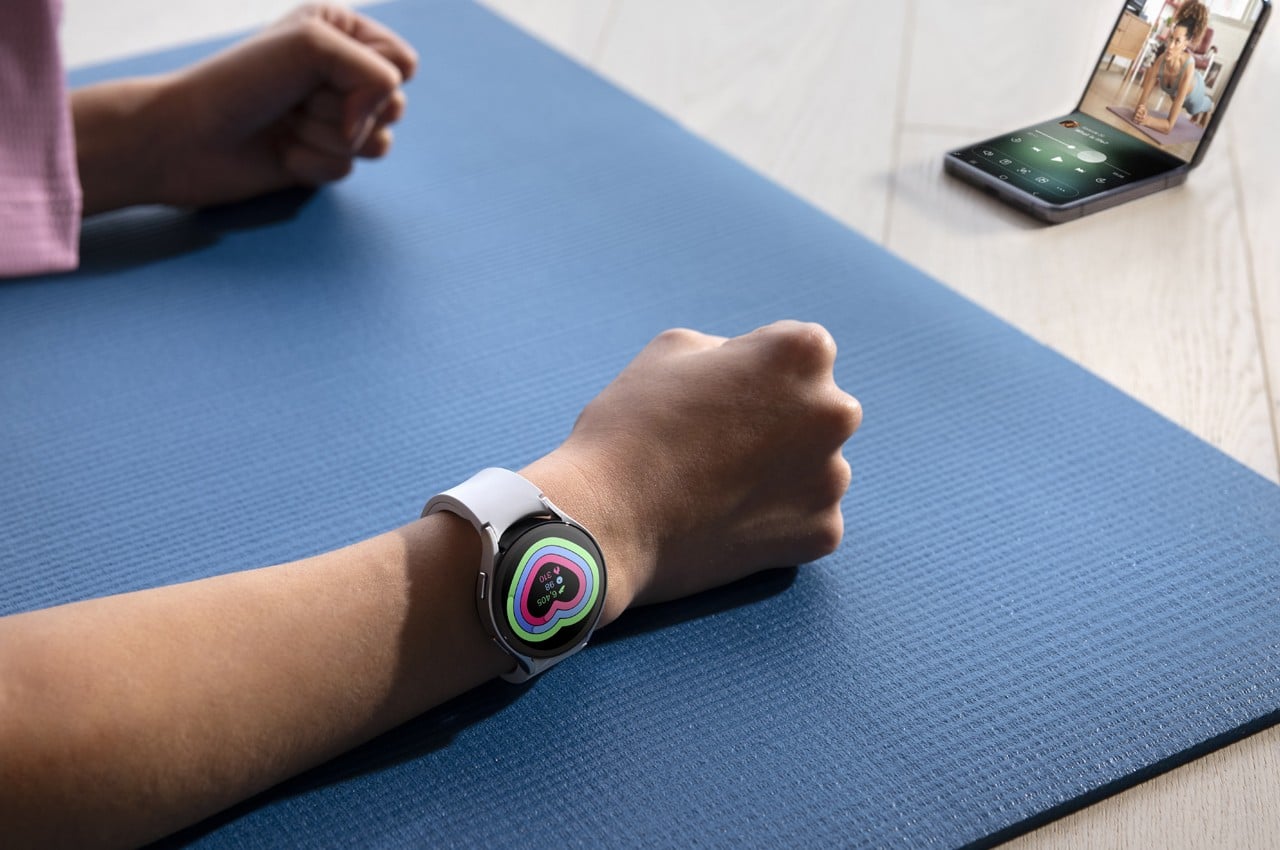
Fitness trackers and smartwatches are great at monitoring various body parameters, so we can learn from the input and take care of our health and lifestyle. While we are on top of the calorie count, steps walked, and stress levels, we are often negligent about how these smartwatches with heart rate monitoring and SpO2 detection can help with preventive care. Alerting us ahead of time when something is not right with the body.
Amid other interesting features like heart irregularity and fall detection, the Samsung Galaxy Watch is now getting another new feature. The Galaxy Watch is tested to be able to predict fainting caused by vasovagal syncope (VVS). A preventive care option that can help up to 40% of people who “experience vasovagal syncope over their lifetime.”
Designer: Samsung
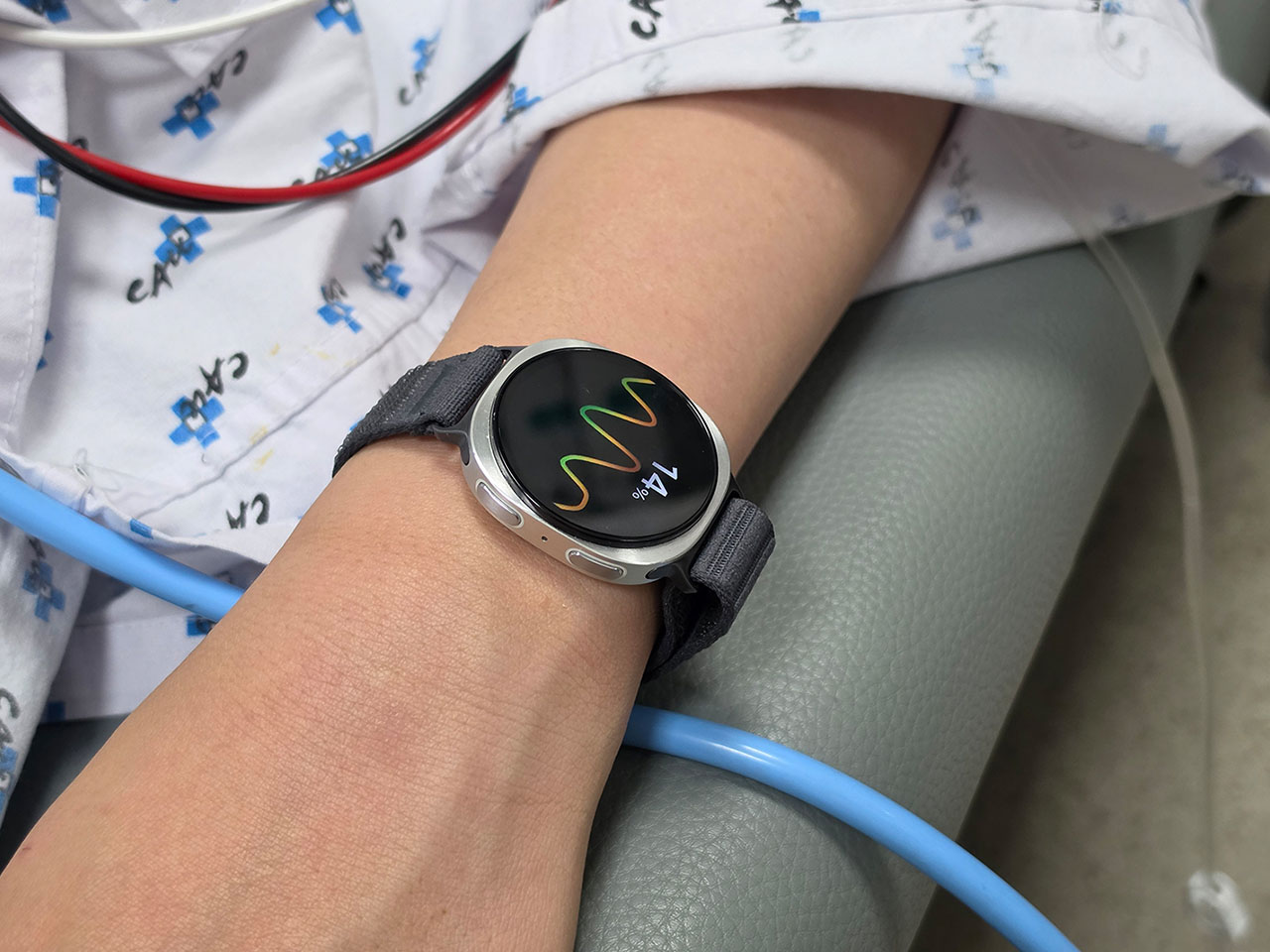
Samsung in a collaborative clinical study with Chung-Ang University Gwangmyeong Hospital in South Korea, has developed a technique to monitor vasovagal syncope with high accuracy. The technique is possible using a Galaxy Watch, which, through the obtained bio-signals, can successfully predict impending fainting episodes up to five minutes in advance with 84.6 percent accuracy, Samsung notes in its press brief.
With its ability to predict fainting episodes before they happen, the Galaxy Watch should be able to offer preventive care to people struggling with vasovagal syncope. VVS is a common condition, and not dangerous in itself, but sudden falls and unattended episodes can leave patients with serious injuries, including a concussion.
Professor Junhwan Cho from the Cardiology department of the participating hospital informs that “Up to 40% of people experience vasovagal syncope over their lifetime, with one-third experiencing recurrent episodes.” If patients can receive early warning signs, they can get to a safe place or call for help. This can help reduce injuries and in cases, even prevent them.
In the collaborative clinical study, a total of 132 patients with suspected vasovagal syncope were tested. VVS fainting generally happens when a person’s blood pressure and heart rate abruptly drop. Reasons for this can be different, but the body’s response is often the same: fainting! The Galaxy Watch, with its photoplethysmography (PPG) sensor, was used to analyze the heart rate variability (HRV) data with an AI algorithm and it was successfully found to predict impending fainting episodes with great accuracy.
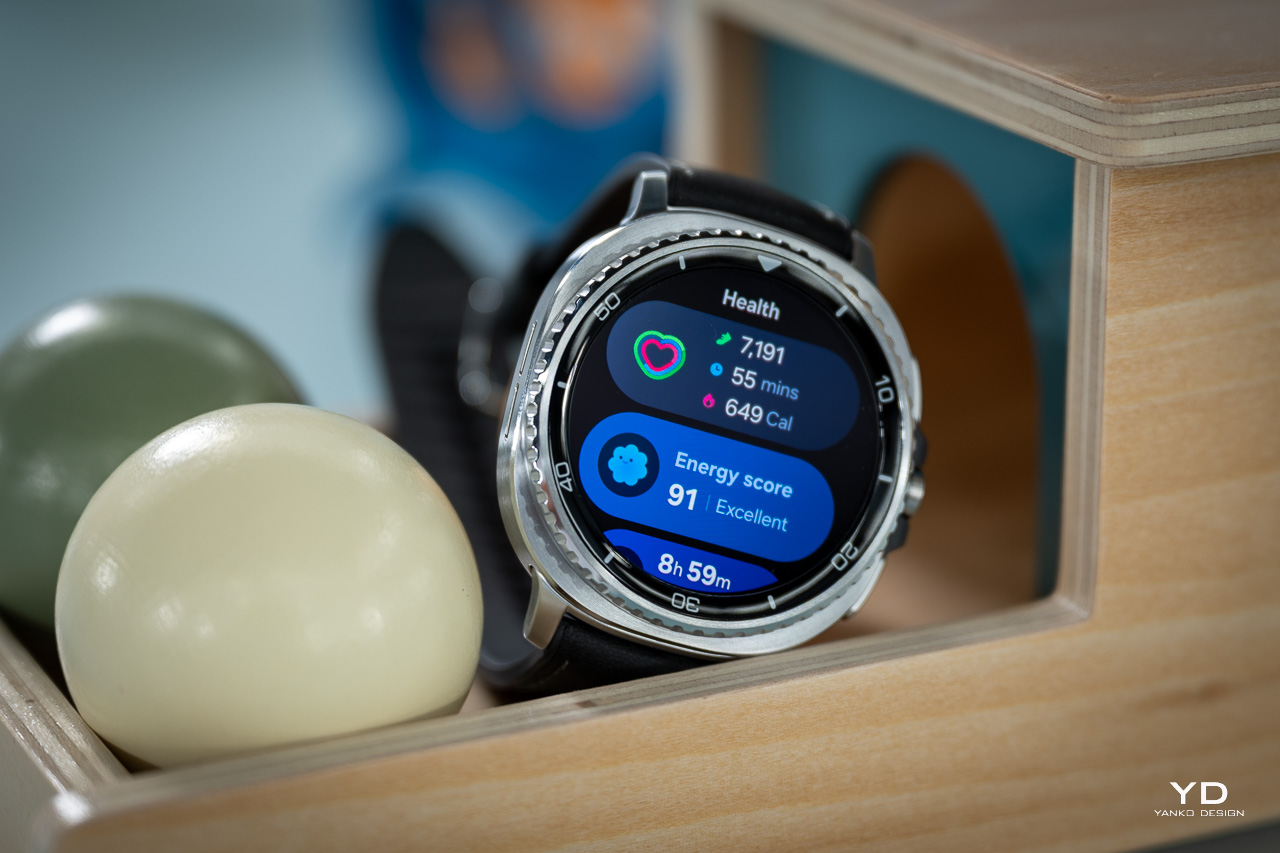
Samsung does not share as to when this feature will be commercially available on its Galaxy Watch series. But we learn via its press release that the Korean tech giant desires to work on “personalized, preventive health solutions,” and enhance the health monitoring capabilities of its wearables (including the smartwatch) through “collaboration with leading medical institutions.”
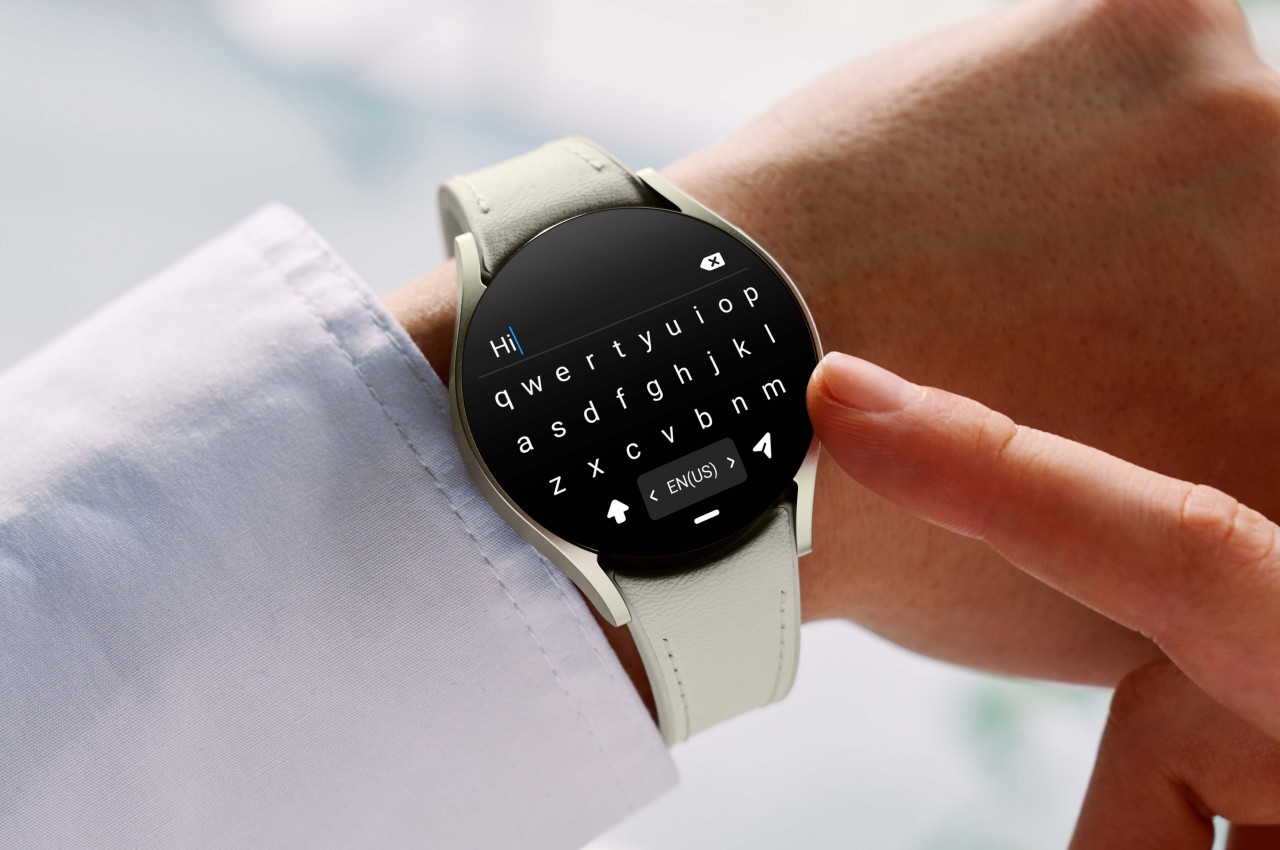
The post Your Samsung Galaxy Watch will soon predict sudden fainting before it happens first appeared on Yanko Design.
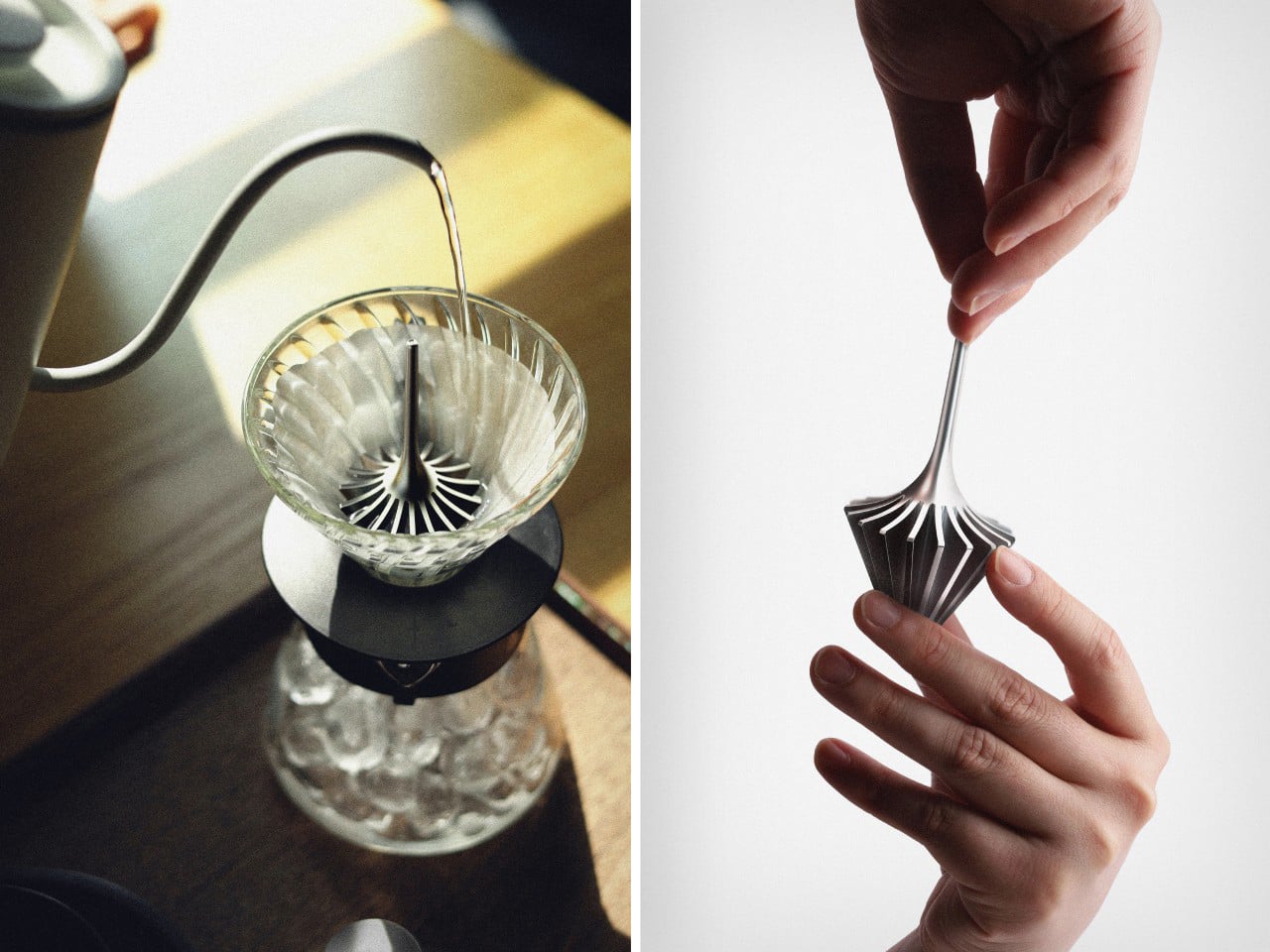
Somewhere between your gooseneck kettle and your burr grinder sits a problem nobody in the coffee gear industry bothered to productize until now. It is not glamorous, it does not involve motors or digital displays, and it will not show up in a roundup of the year’s best brewing hardware from the usual outlets. SAQ design, working out of Seoul, built the Filter Presso anyway, because the problem is real and the existing solution, which is essentially hoping your filter stays put, is not actually a solution. This is a precision metal tool designed to seal your V60 paper filter against the dripper walls before you add a single gram of coffee.
The Presso itself is a fanlike arrangement of metal fins on a tapered handle, angled at exactly 60 degrees to match the V60’s cone geometry. You lower it into an empty rinsed filter, the fins press the paper flush against the dripper walls, and then you add your grounds on top. When a filter loses contact with those walls mid-brew, water bypasses the coffee bed through the gap, extraction goes uneven, and the cup suffers in ways that are genuinely difficult to diagnose through the usual variables. The Presso closes that bypass before the brew begins, and the gaps between the fins keep water moving freely once it does.
Designer: SAQ Design


The specificity of this tool is the whole point. SAQ built it exclusively for the Hario V60, the most widely used dripper in specialty coffee, and that single-platform focus shows in the geometry. A 60-degree fin angle is not a design flourish, it is the V60’s cone angle, and matching it exactly is what makes the seal work. A more generalist tool trying to serve every dripper on the market would have compromised on that precision, and the compromised version would have been considerably less useful. SAQ made a deliberate call to go narrow, and the engineering is tighter for it.
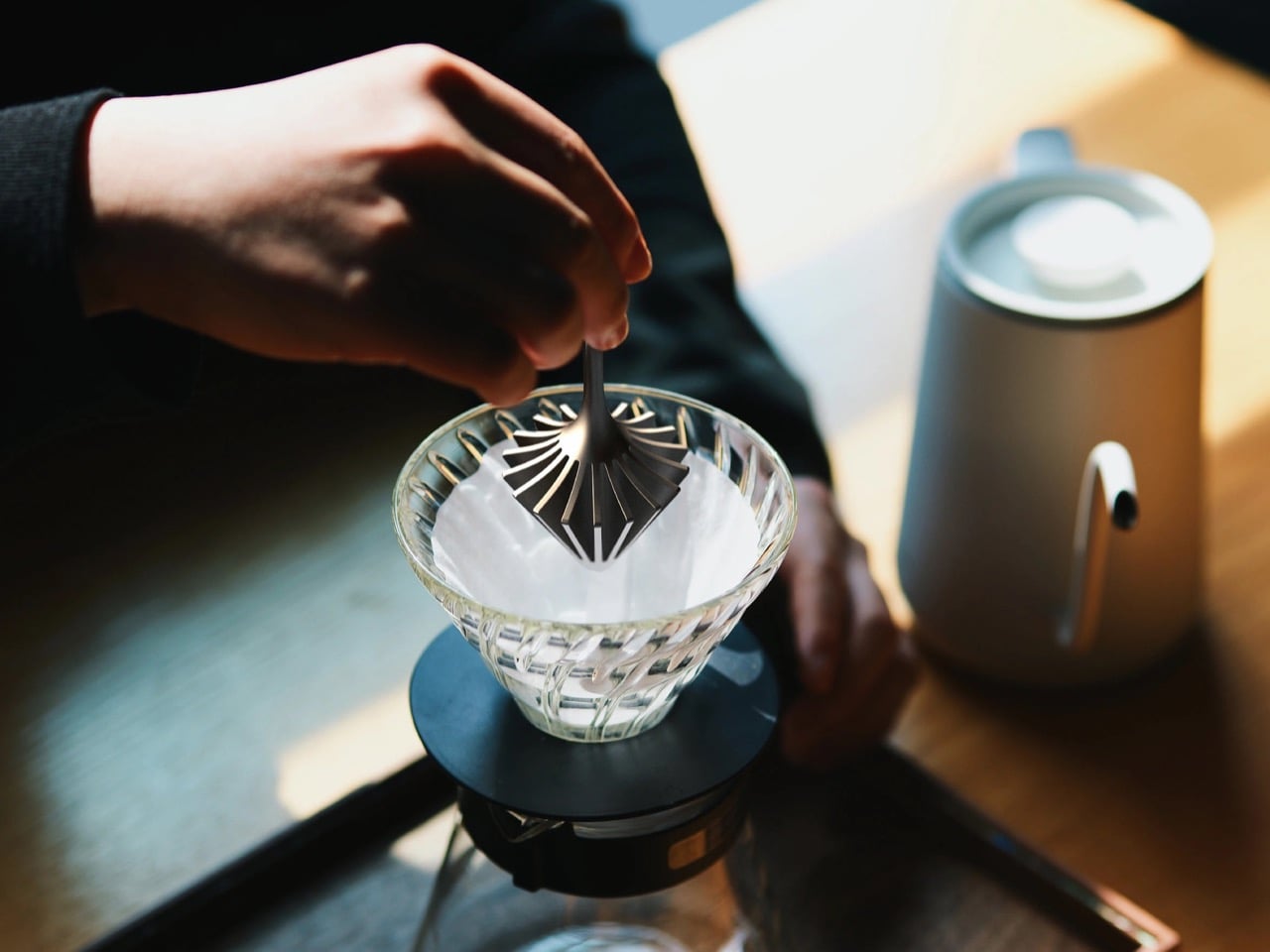
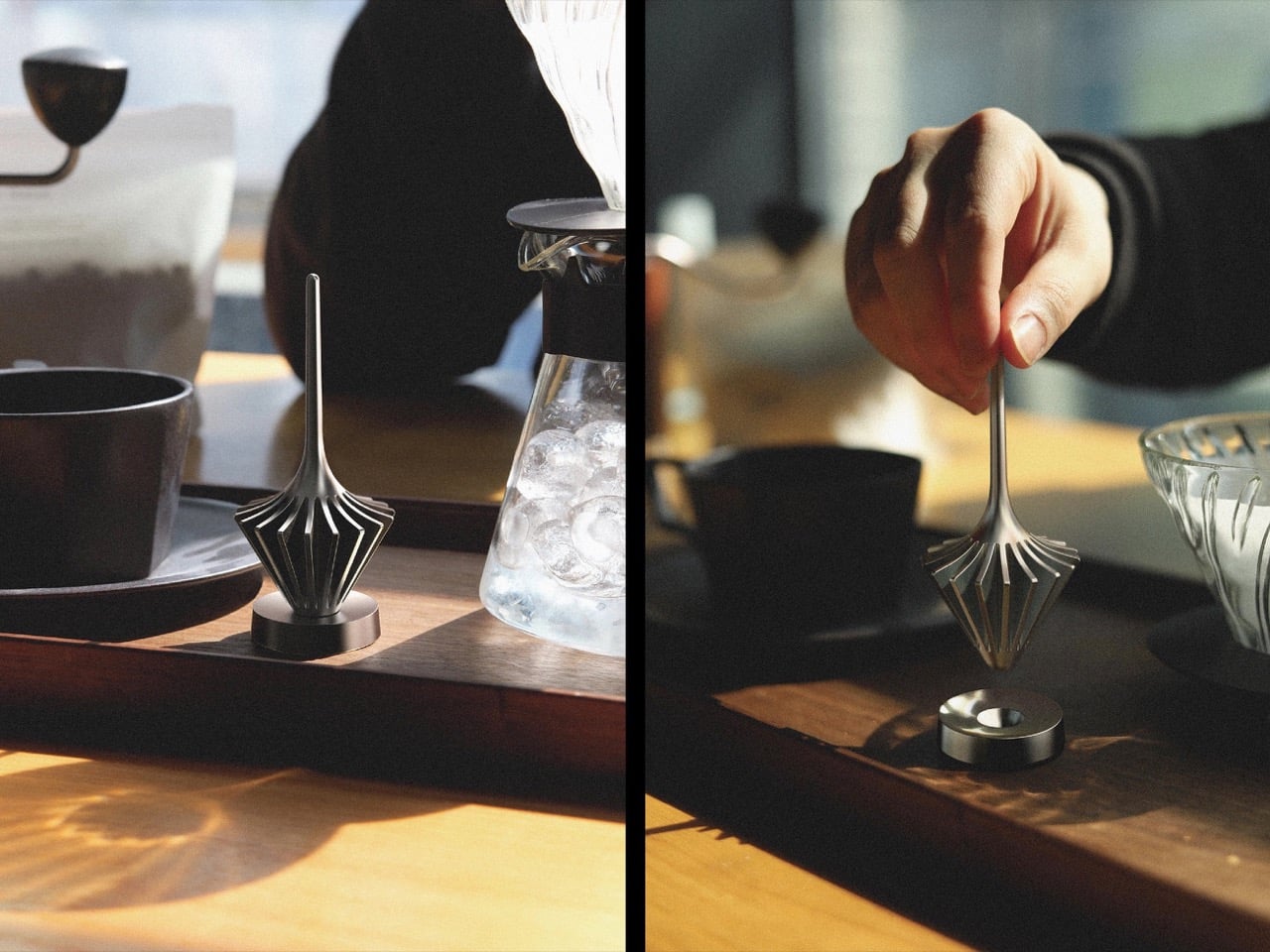
What makes the Presso worth taking seriously as a piece of product design, beyond the functional logic, is the material execution. The fin structure reads as a precision-machined metal object in a way that most coffee accessories do not. Most of what gets sold into this space is either plastic or ceramic, which is fine for the dripper itself but feels like a missed opportunity when you are talking about a tool meant to be handled deliberately as part of a ritual brew process. The Presso has the weight and finish of something you pick up with intention, which fits the V60 context well. Pour-over already attracts brewers who enjoy the process as much as the result, and this slots into that dynamic naturally.
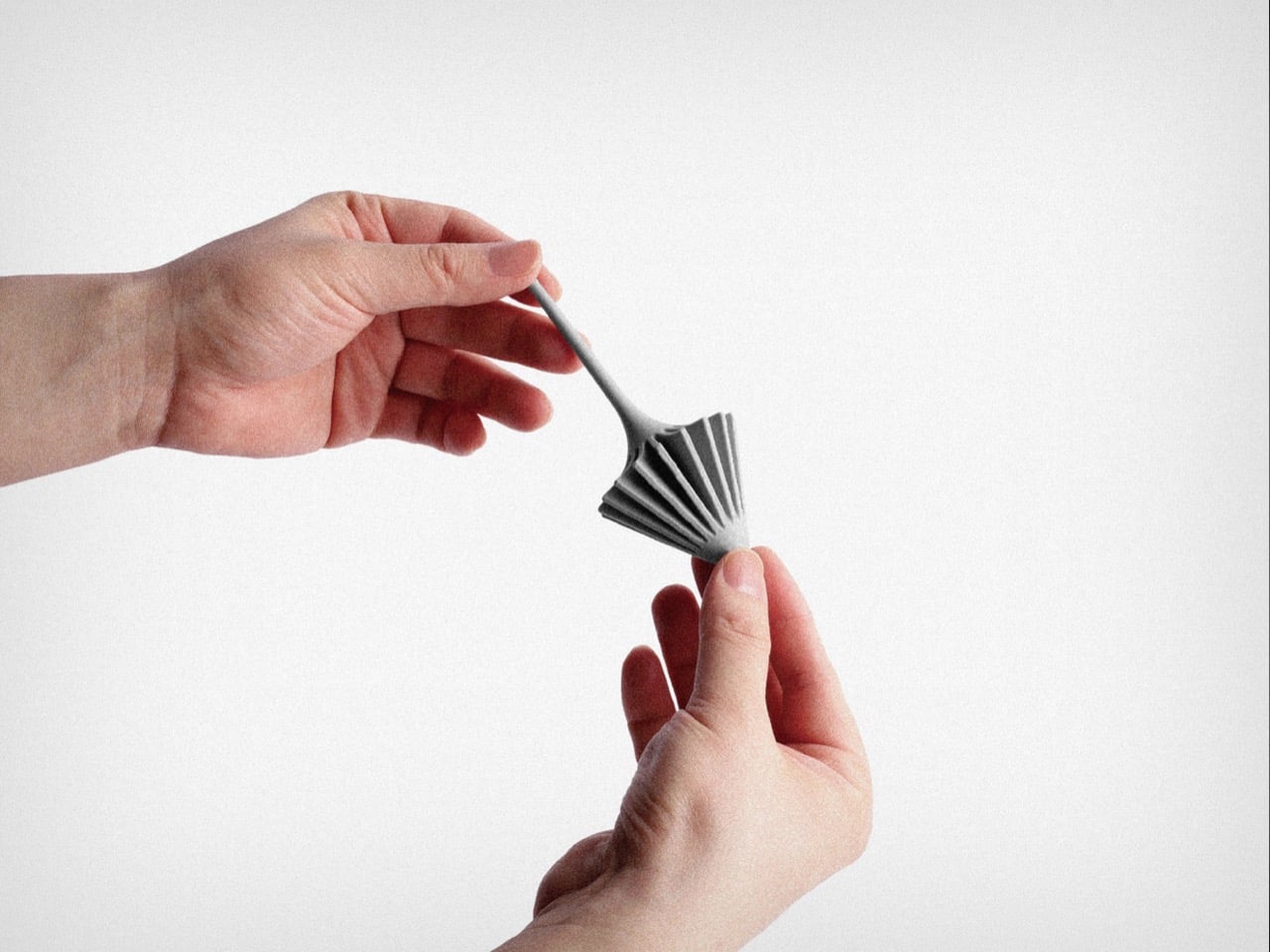
The practical question, as always with a tool this specific, is whether the problem it solves is one you actually experience. If you brew light roasts at finer grind settings, where bed resistance is higher and filter lift-off is more likely, the Presso addresses a real and recurring variable. If you are pulling a medium roast through a coarser grind with a gentle controlled pour, the gap between your current results and what the Presso might deliver is probably narrower. Either way, the underlying engineering is sound.

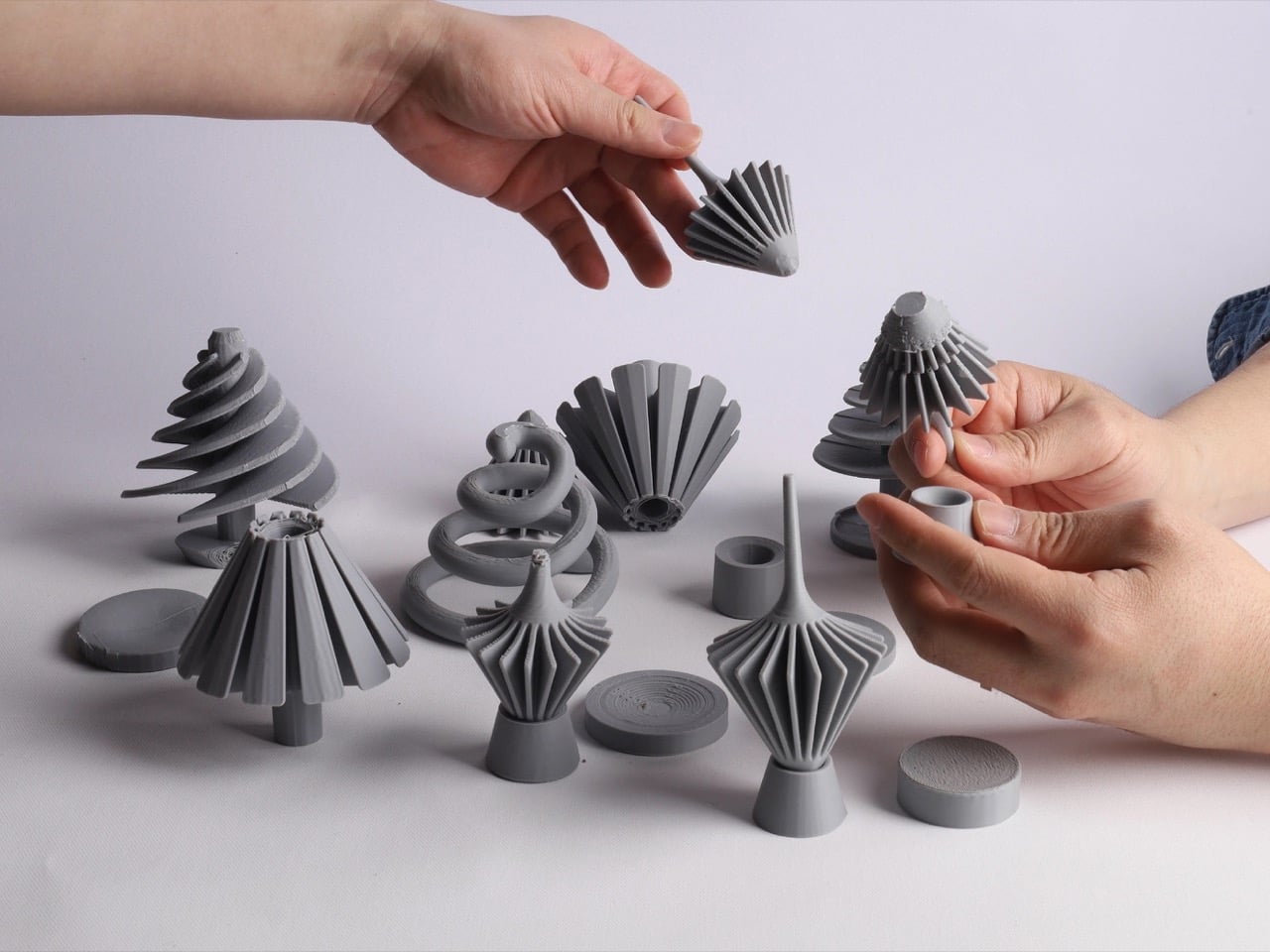
The design went through a serious spread of 3D-printed iterations before landing here, spirals, coiled forms, disc geometries, progressively refined rib configurations, all tested before SAQ arrived at the final fin arrangement. The finished object looks inevitable in the way that well-resolved designs always do, which is usually the clearest sign that the process behind it was anything but.
The post This Little Coffee Tool Fixes a V60 Problem You Didn’t Know You Had first appeared on Yanko Design.


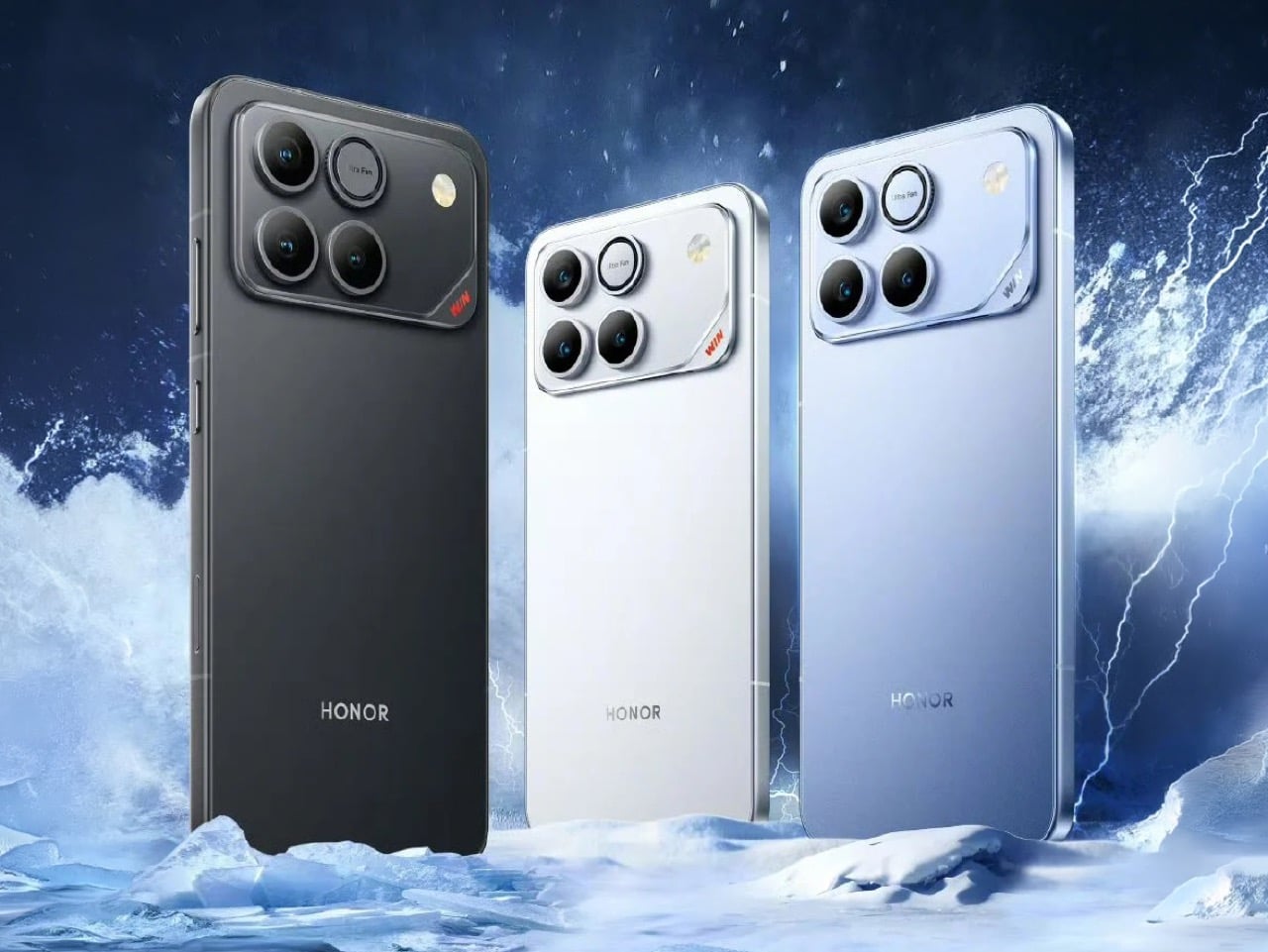
Seven years ago, Energizer walked into MWC 2019 with a phone that weighed as much as a small paperback novel and measured 18mm thick, all in service of an 18,000mAh battery. The P18K Pop became a symbol of the era’s battery ceiling: raw capacity was possible, but only at the cost of a device that felt like a punishment to carry. The engineering logic was blunt and honest. Lithium-ion cells have a fixed energy density, so the only way to scale up capacity was to scale up size. Energizer took that math to its logical extreme, produced a certified brick, and quietly cancelled the phone before it ever hit shelves. The tradeoff felt fundamental, almost physical, like a law of nature. Then silicon-carbon chemistry started rewriting the rulebook.
At MWC 2026, we went hands-on with Honor’s Magic V6 foldable and found ourselves staring at battery layers measuring 0.15mm thick, a silicon content of 32%, and a cell that delivered 6,660mAh inside one of the slimmest foldable phones on the market. That same materials platform is reportedly now scaling toward something significantly larger. A new leak on Weibo suggests Honor is testing a phone with a 12,000mAh battery, a figure that would set a new high-water mark for mainstream smartphones, as part of a pipeline that will reportedly expand the company’s 10,000mAh-plus lineup to seven devices total. The Energizer P18K Pop needed 18mm of thickness to reach 18,000mAh. Honor is apparently aiming for 12,000mAh in a phone you would actually want to carry.
Designer: HONOR
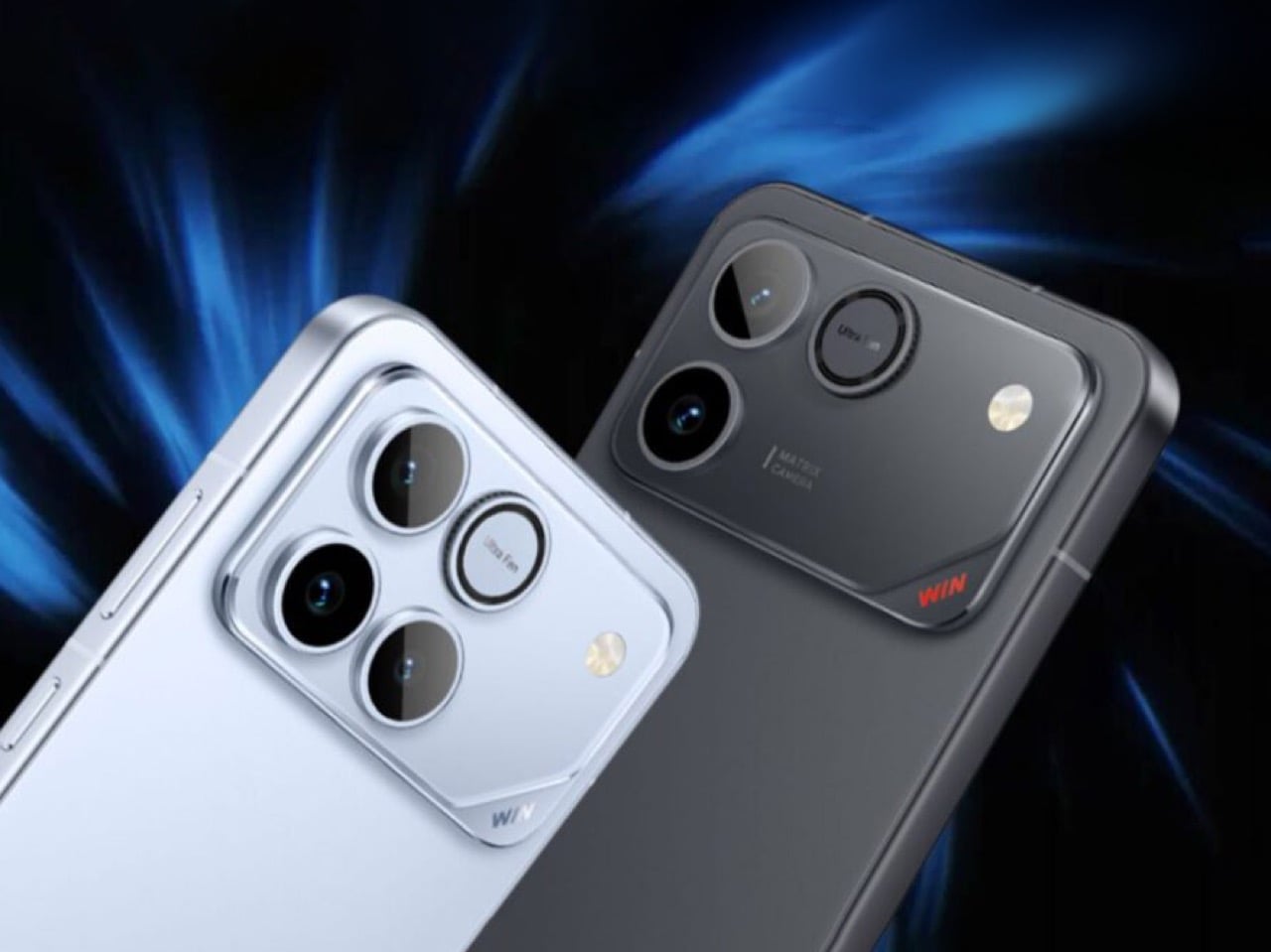
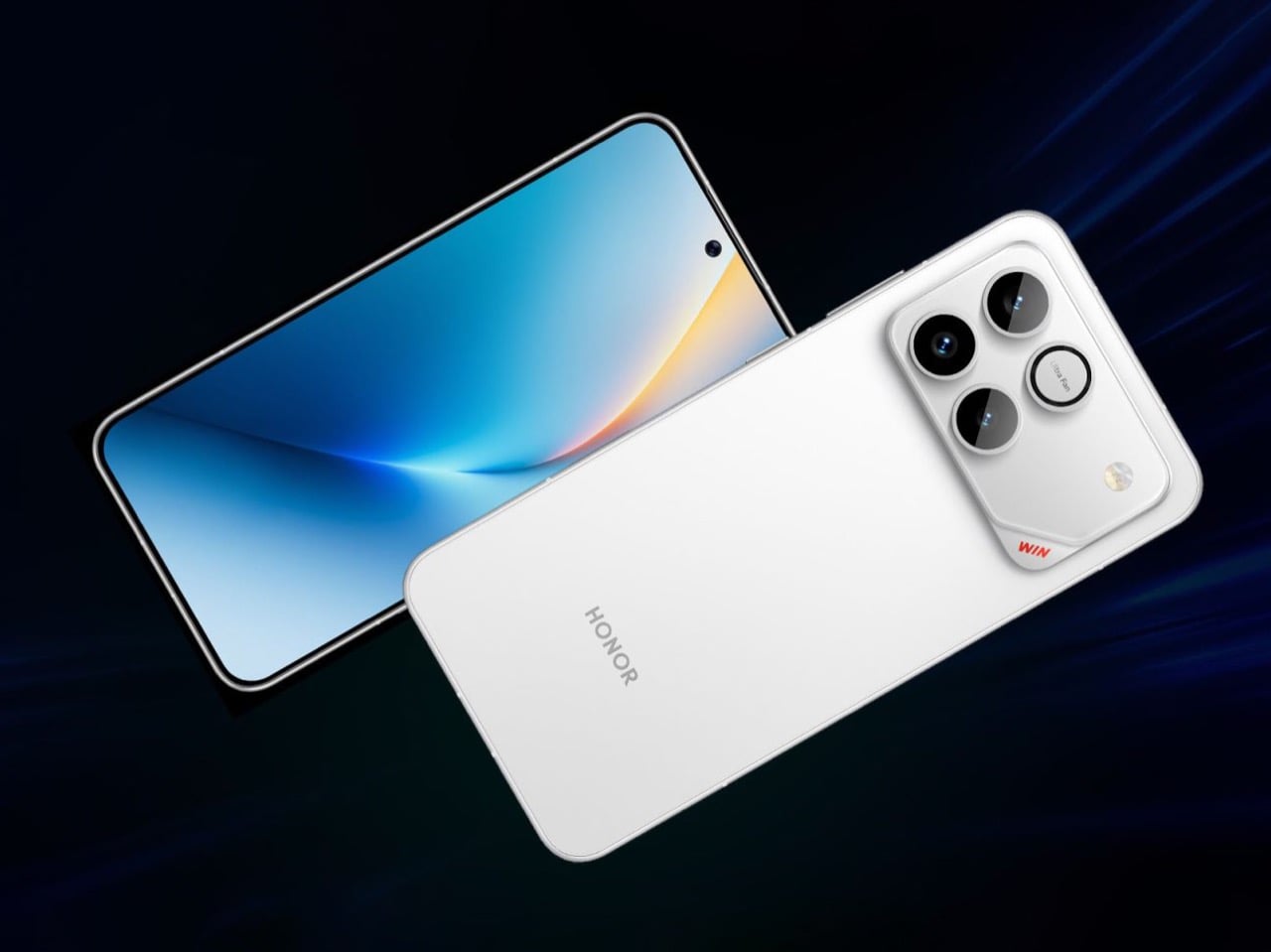
Three of the four existing 10,000mAh-class smartphones on the market already belong to Honor, with the only outsider being Vivo’s Y600 Pro at 10,200mAh. The leak doesn’t confirm product names, but rumors point toward the Honor X80, Honor Power 3, and a new WIN 2 series as likely homes for these big-battery ambitions. Oppo, Xiaomi, and Huawei are all reportedly working on their own large-capacity devices, but the approach is measured, one model each, released cautiously to test market appetite. Honor’s strategy reads differently. Seven phones in a single category is a portfolio play, a deliberate push to own the mental real estate around battery life the way Hasselblad owns it around mobile photography.
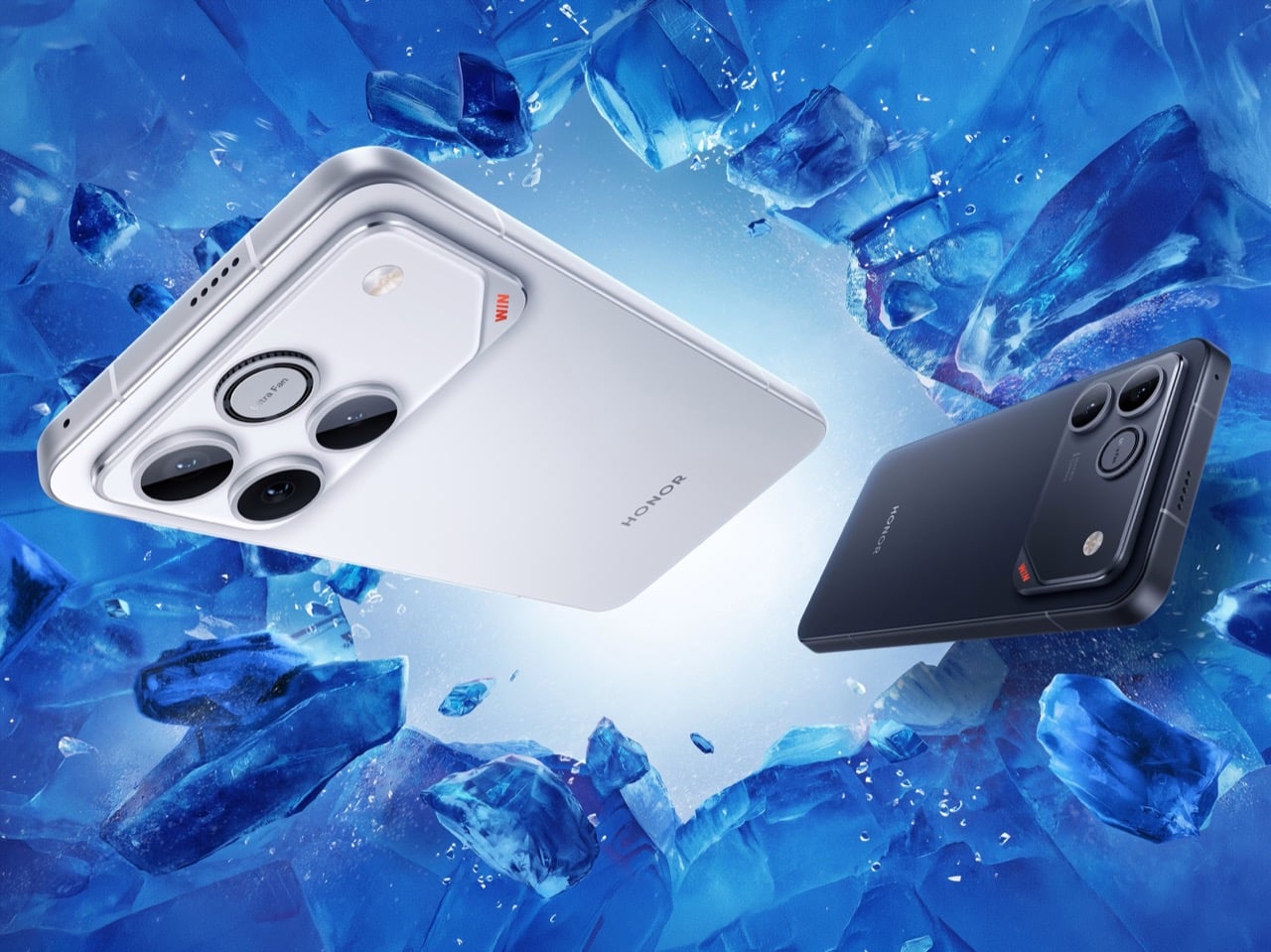
The 12,000mAh figure carries one genuinely hard engineering question: fast charging. A 10,000mAh cell already strains conventional thermal management at 65W or above, and 120W on a cell that size has historically meant a phone that doubles as a hand warmer. The dual-cell design reportedly being tested on a separate 10,000mAh model in this same pipeline is Honor’s likely answer to that problem, splitting the load across two cells to manage heat and charging efficiency simultaneously. Whether that architecture migrates to the 12,000mAh device as well remains unconfirmed, but the fact that Honor is testing both configurations in parallel suggests the company has thought carefully about the thermal math rather than just chasing the headline number. The Energizer P18K Pop chased the number. Honor appears to be chasing the phone.
The post Honor Is Building a 12,000mAh Phone That Proves the Battery-vs-Thinness Tradeoff Was Always a Lie first appeared on Yanko Design.