
Irish regulators are investigating whether Meta is using ‘dark patterns’ to steer people away from non-algorithmic feeds
European law requires large platforms to offer alternative feeds.


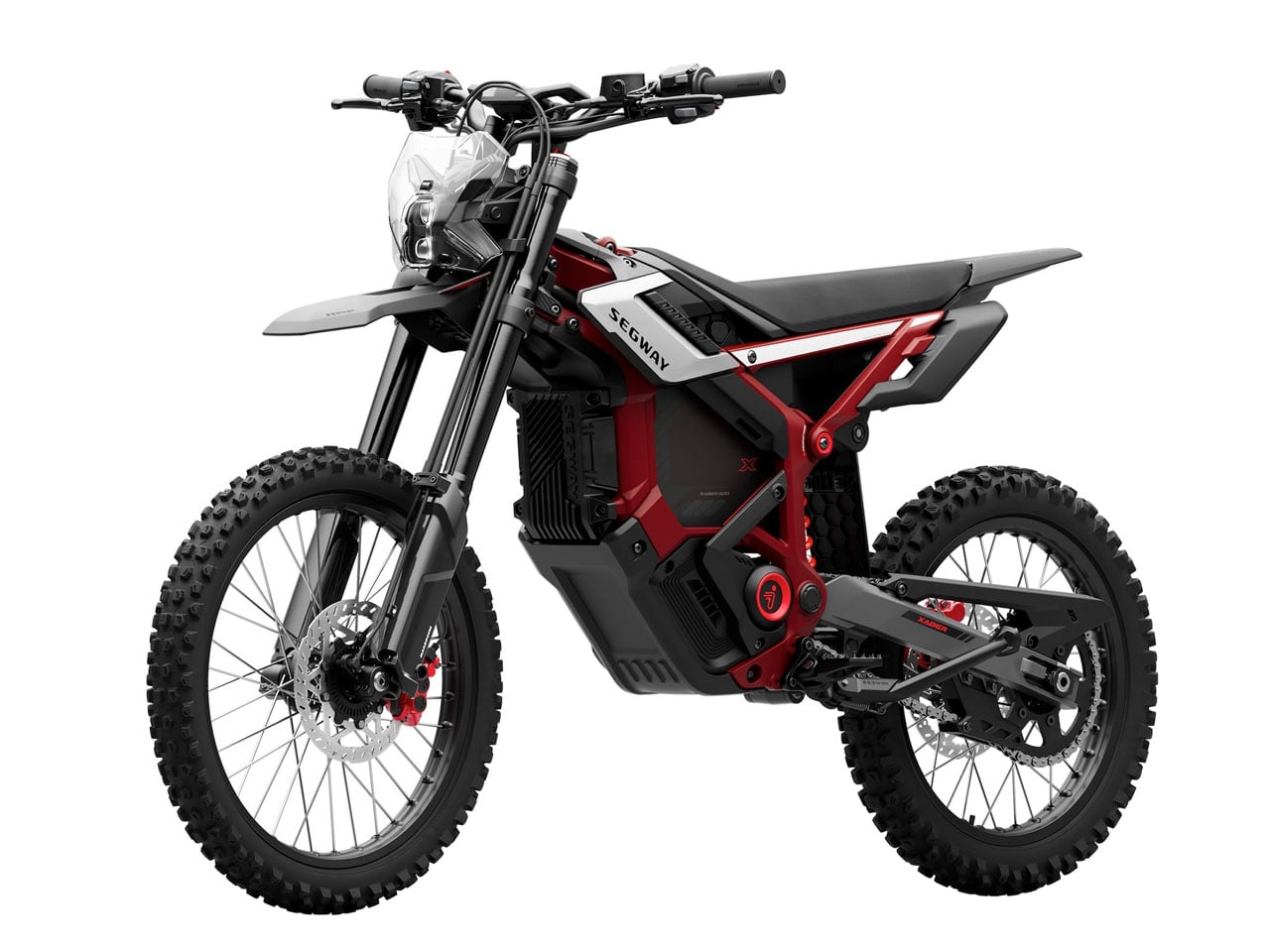
Segway is a name long associated with self-balancing scooters and urban mobility, but the company’s latest release signals a decisive shift into far more serious territory. With the launch of the Xaber 300, Segway enters the electric off-road motorcycle segment with a machine that is less novelty and more legitimate contender. Priced at $5,299.99 and arriving at select U.S. dealers from mid-May 2026, the Xaber 300 is one of the most accessible entries into high-performance electric dirt biking to date.
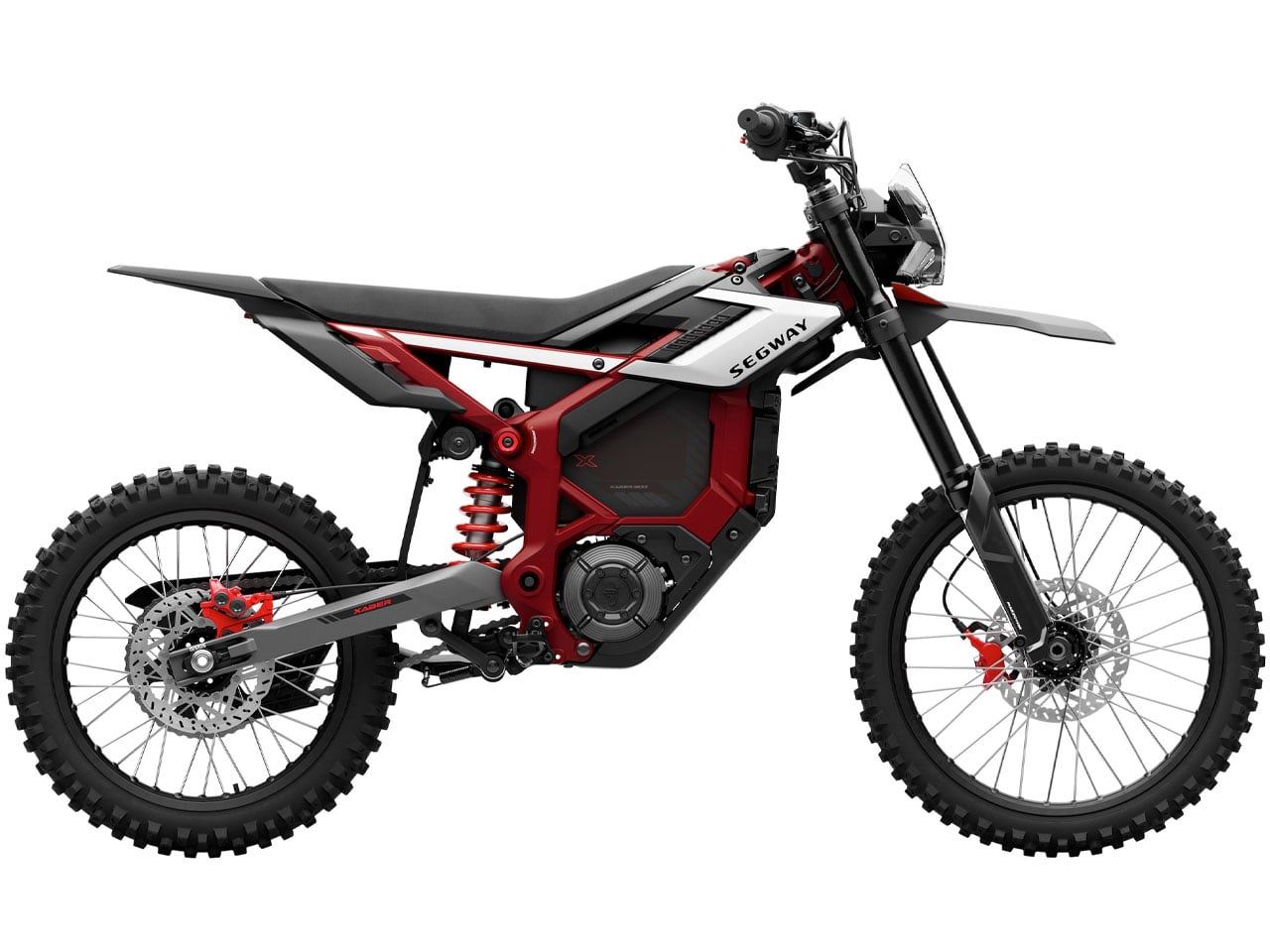
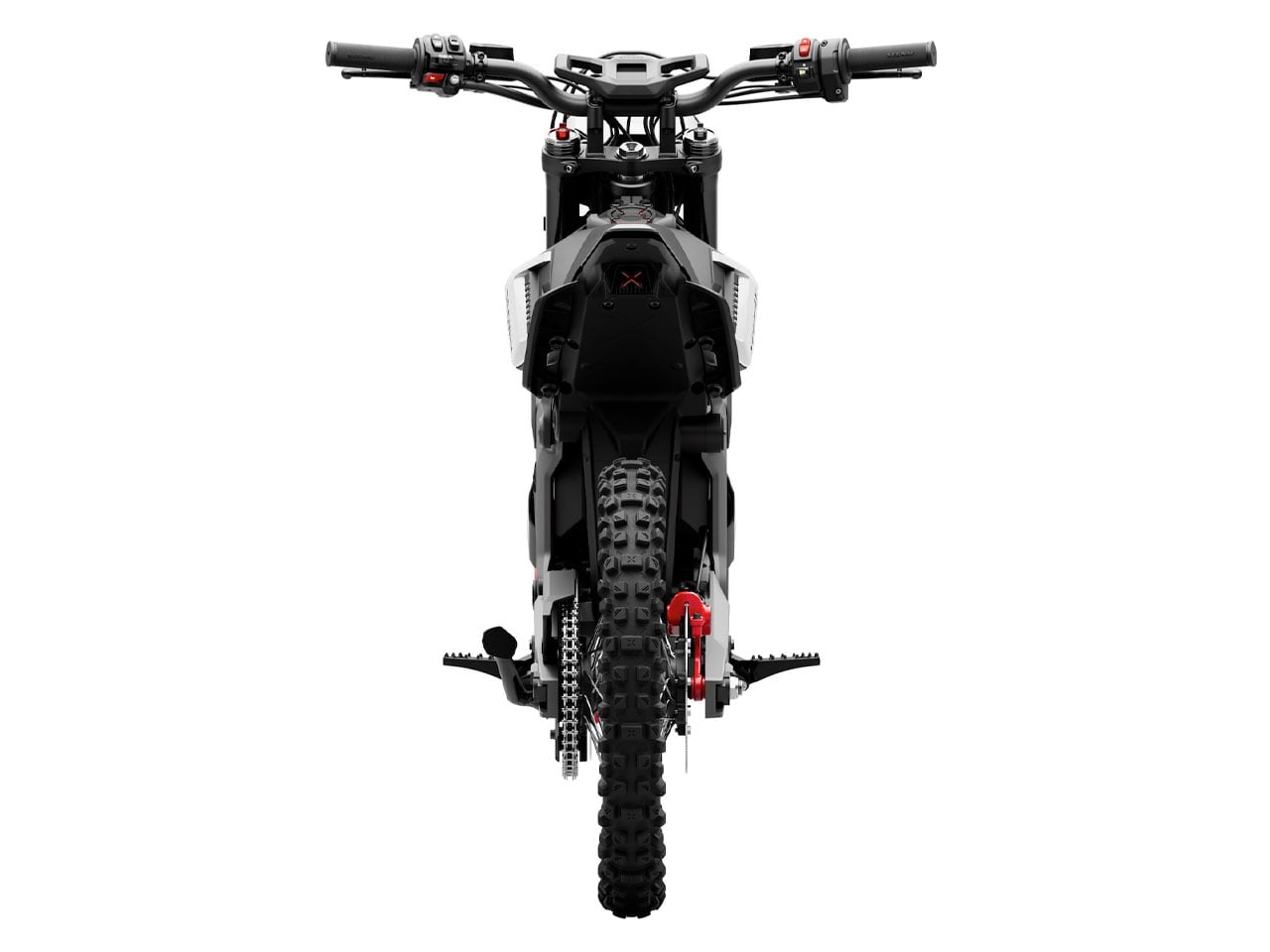
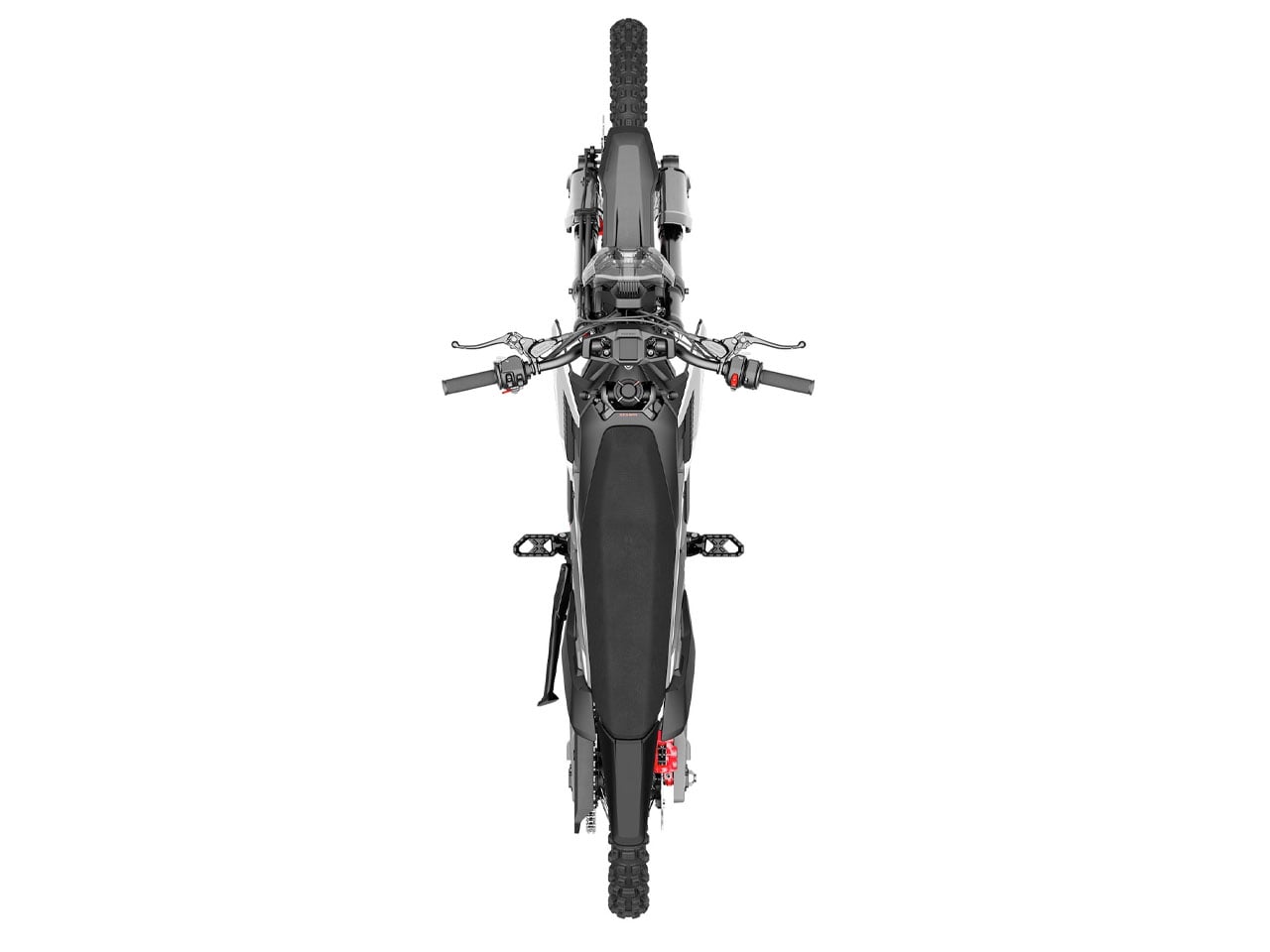
The performance dirt bike is built around a 21 kW mid-drive motor, delivering output that firmly places it beyond the typical e-bike category. With a claimed top speed of around 60 mph, the two-wheeler performs closer to a lightweight motorcycle than a recreational electric bicycle. Its aluminum frame contributes to a total weight of approximately 187 pounds, making it significantly lighter than most traditional gas-powered dirt bikes while still maintaining structural rigidity suited for off-road riding.
Designer: Segway

Moving away from its commuter-focused roots, Segway has given the bike a full enduro-style silhouette with an aggressive stance, long-travel suspension, and proportions aligned with established dirt bike ergonomics. This marks a clear industrial design shift, signaling the brand’s move into performance-oriented territory.
One of the defining technical elements is Segway’s X720 controller, paired with a virtual clutch system. While electric motorcycles typically eliminate gear shifting, this setup mimics aspects of combustion-engine riding by allowing riders to modulate power delivery more precisely. The result is a more engaging experience, especially for those familiar with traditional dirt bikes.


Additional features such as wheelie control and multiple ride modes further enhance the riding experience, blending genuine motorcycle engineering with software-driven refinement. These elements indicate that the Xaber 300 is not just about raw performance, but also about delivering a nuanced and controllable ride.
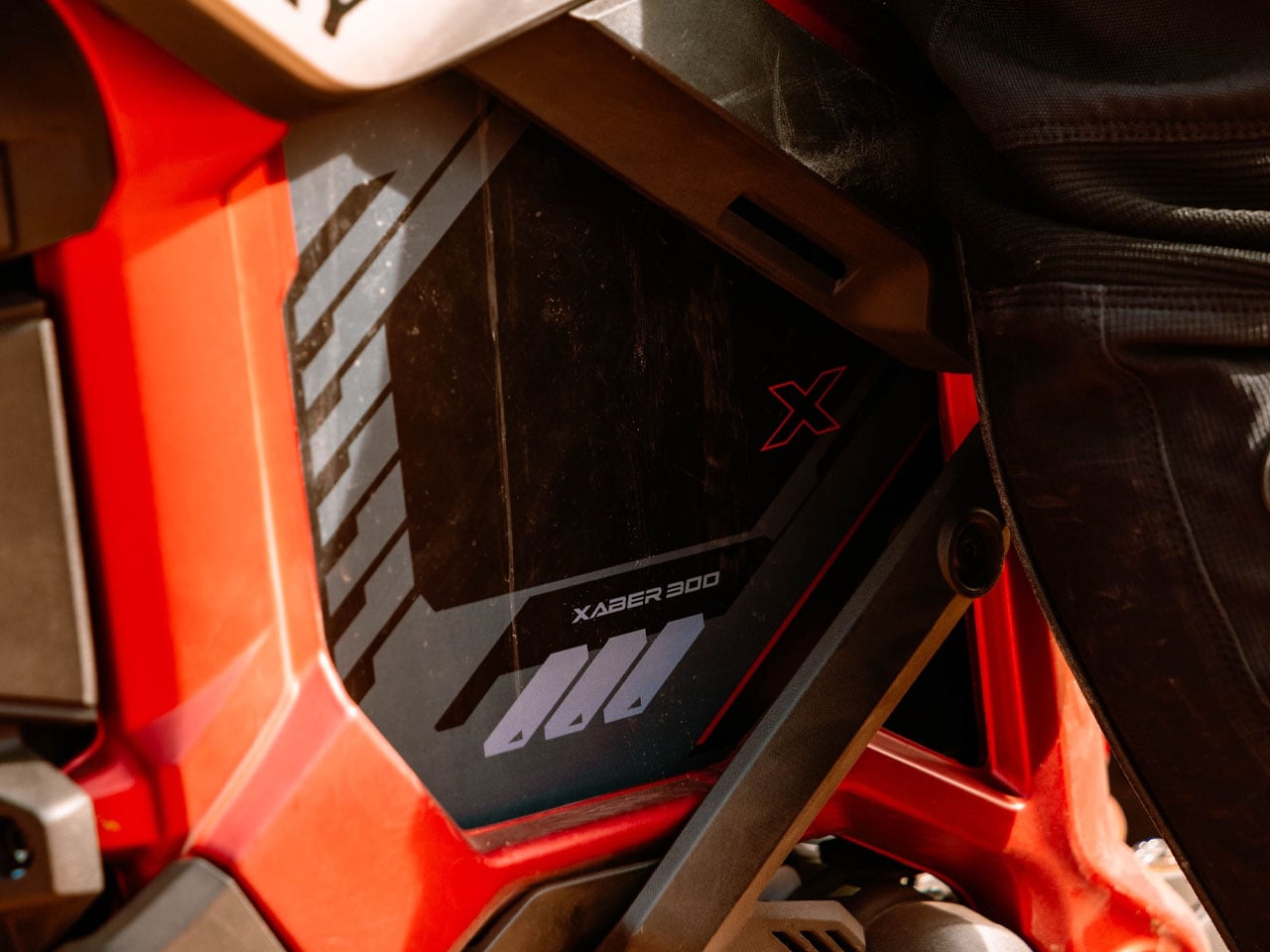
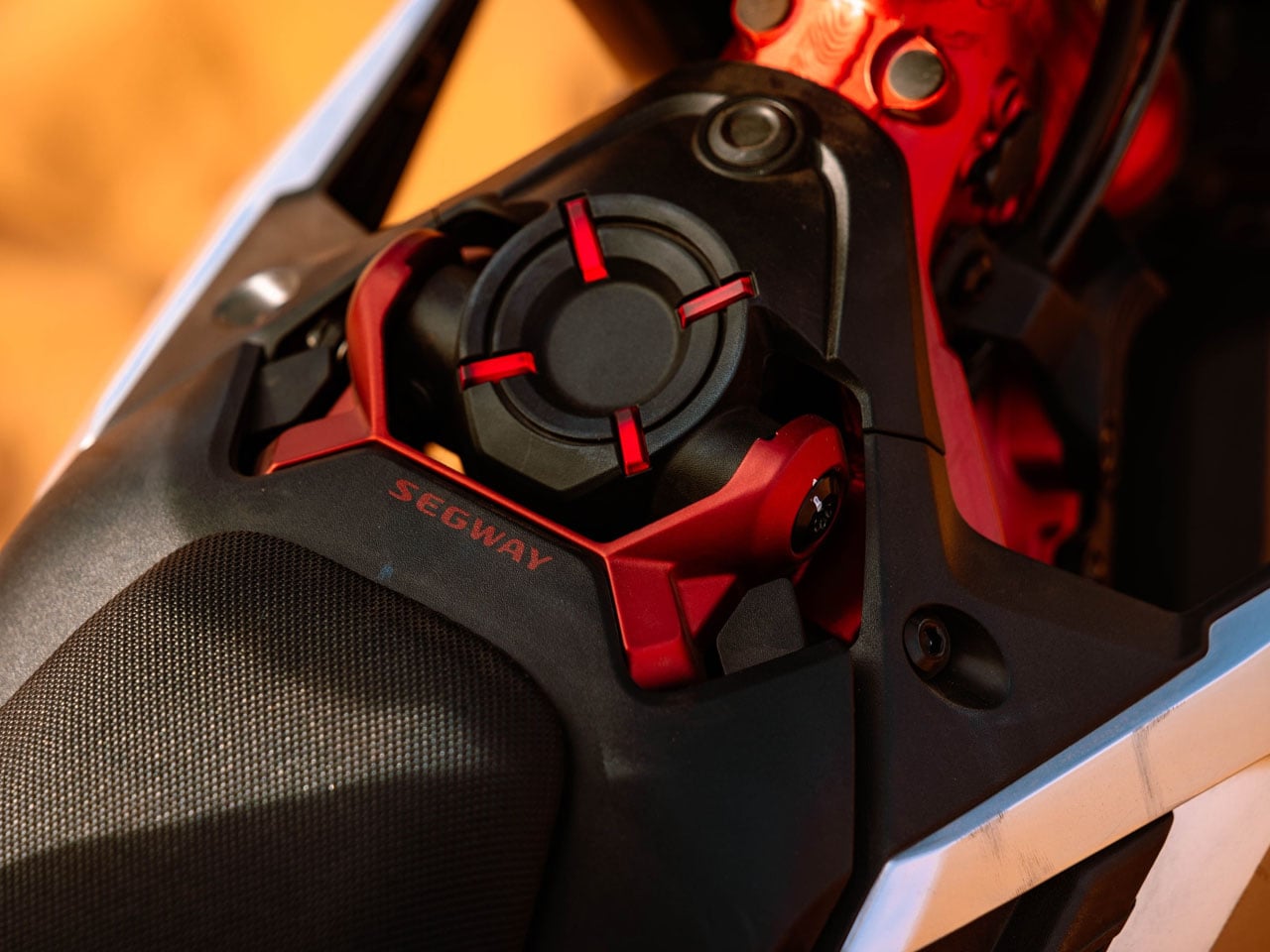
The Xaber 300’s pricing is one of its most disruptive aspects. At $5,299.99, it undercuts many established electric dirt bike competitors like Sur-Ron and Talaria, which typically command higher prices for similar performance levels. This positions the bike as a strong value proposition for both experienced riders and newcomers entering the segment. At the same time, Segway’s move raises questions about brand perception. Known primarily for consumer-tech mobility products, the company is now stepping into a space defined by rugged performance and heritage. Whether the Segway badge can fully resonate with traditional riders remains to be seen, but the product itself demonstrates a serious commitment.


More broadly, the Xaber 300 reflects a shift in the electric motorcycle industry. As technology advances and costs decrease, high-performance electric off-road bikes are becoming more accessible. Segway’s entry into this space highlights how mainstream brands are beginning to reshape the category, pushing it closer to widespread adoption.




The post Get 60 MPH Dirt Bike Performance for $5,299 with Segway’s Xaber 300 Electric Motorcycle first appeared on Yanko Design.






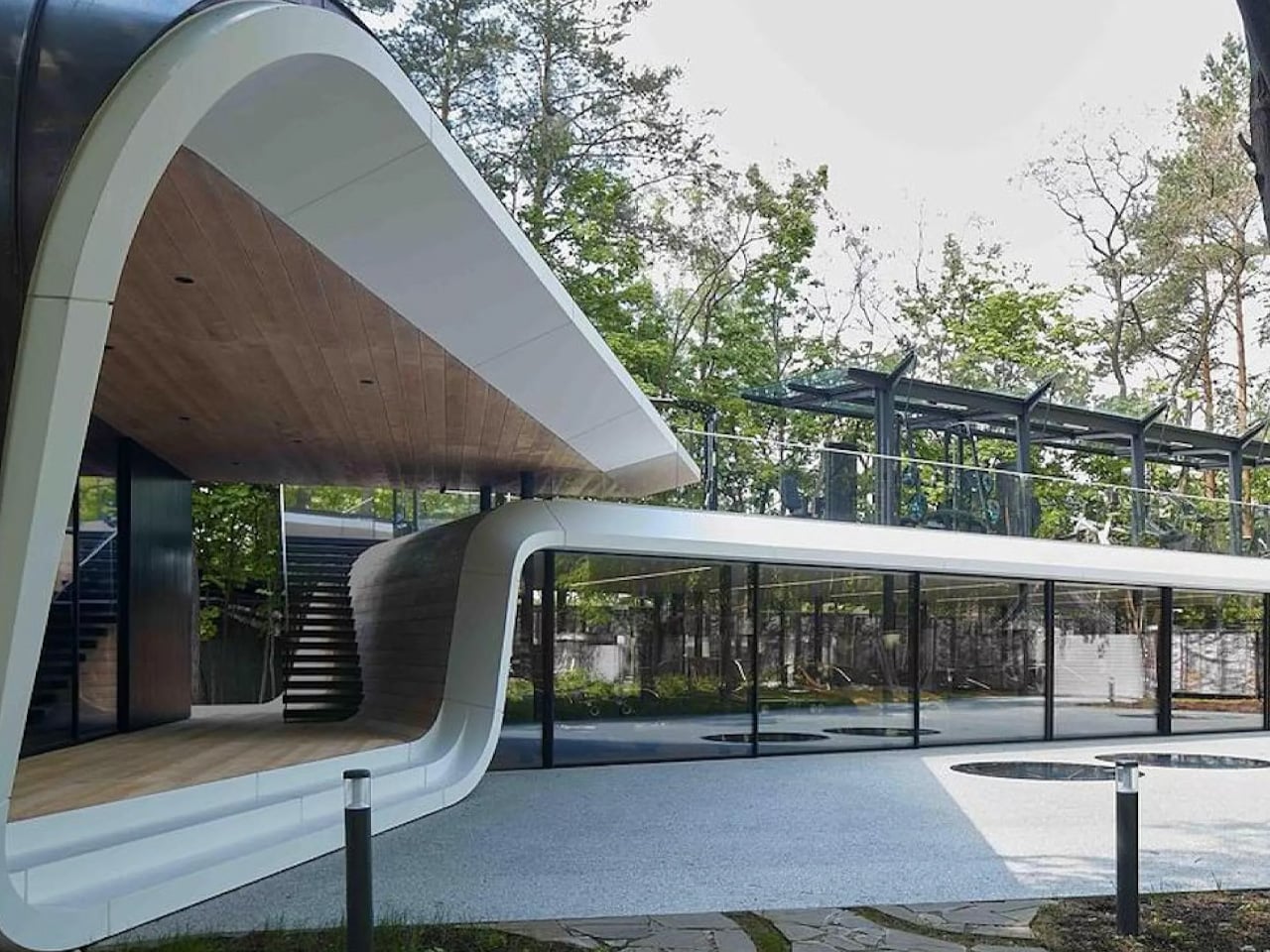
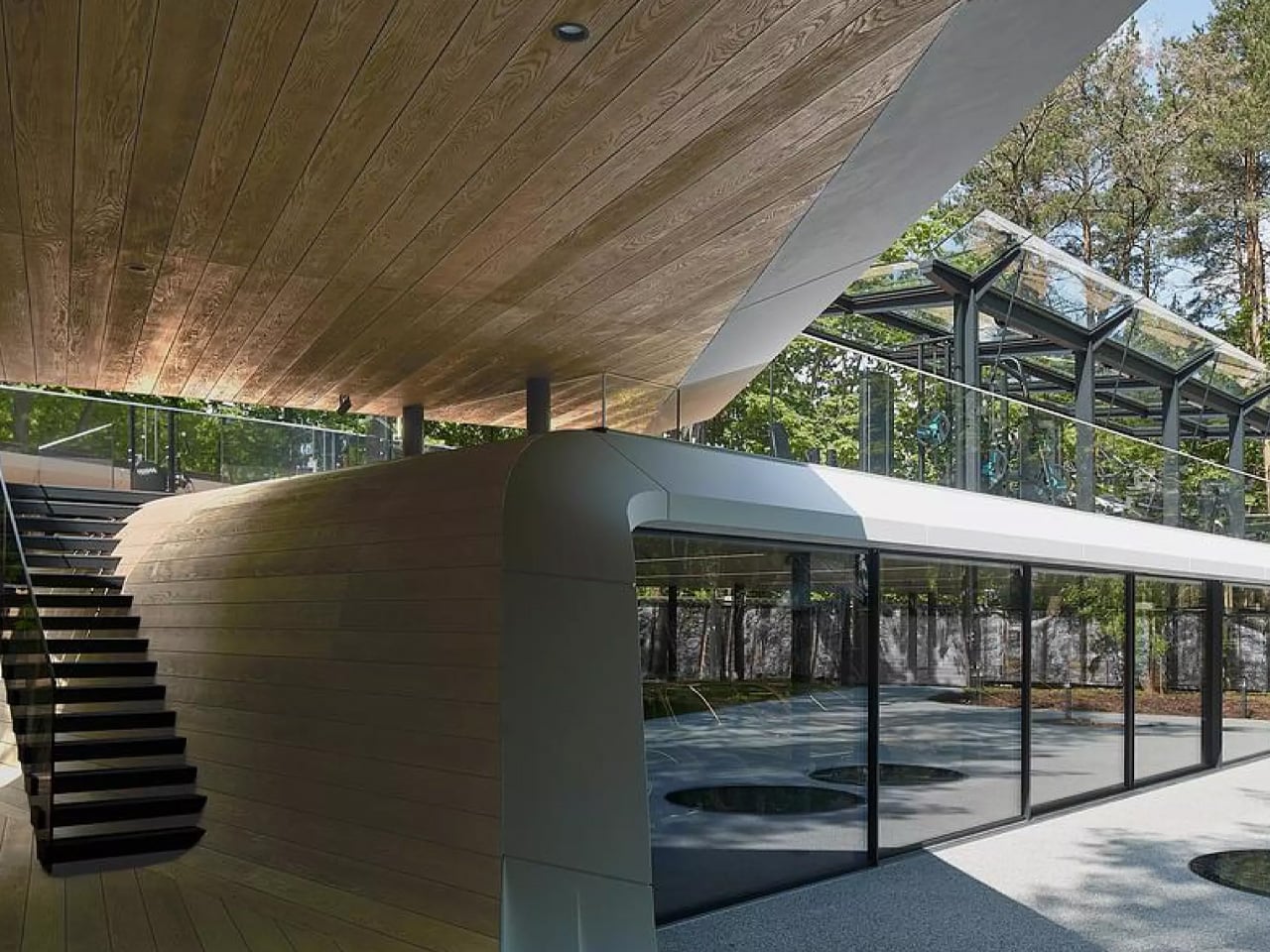
Not every garage is built to store cars — some are built to celebrate them. For them, Russian architecture studio ATRIUM has completed the ‘Garage for Car Collection’— a 200 square meter structure tucked into a wooded private estate on the outskirts of Moscow that treats its automobiles less like machines and more like museum-worthy objects.
The project is the latest addition to a private estate, ATRIUM, originally designed in the early 2000s, which includes a manor house and guest house. Rather than a standalone commission, this garage continues a deliberate architectural lineage — only this time, the brief called for something far more layered. The building doesn’t just store cars. It functions as a curated vehicle gallery, a home gym, a business meeting space, a lounge, a mud room, and even a ski rack room — all unified under a single, fluid envelope.
Designer: ATRIUM
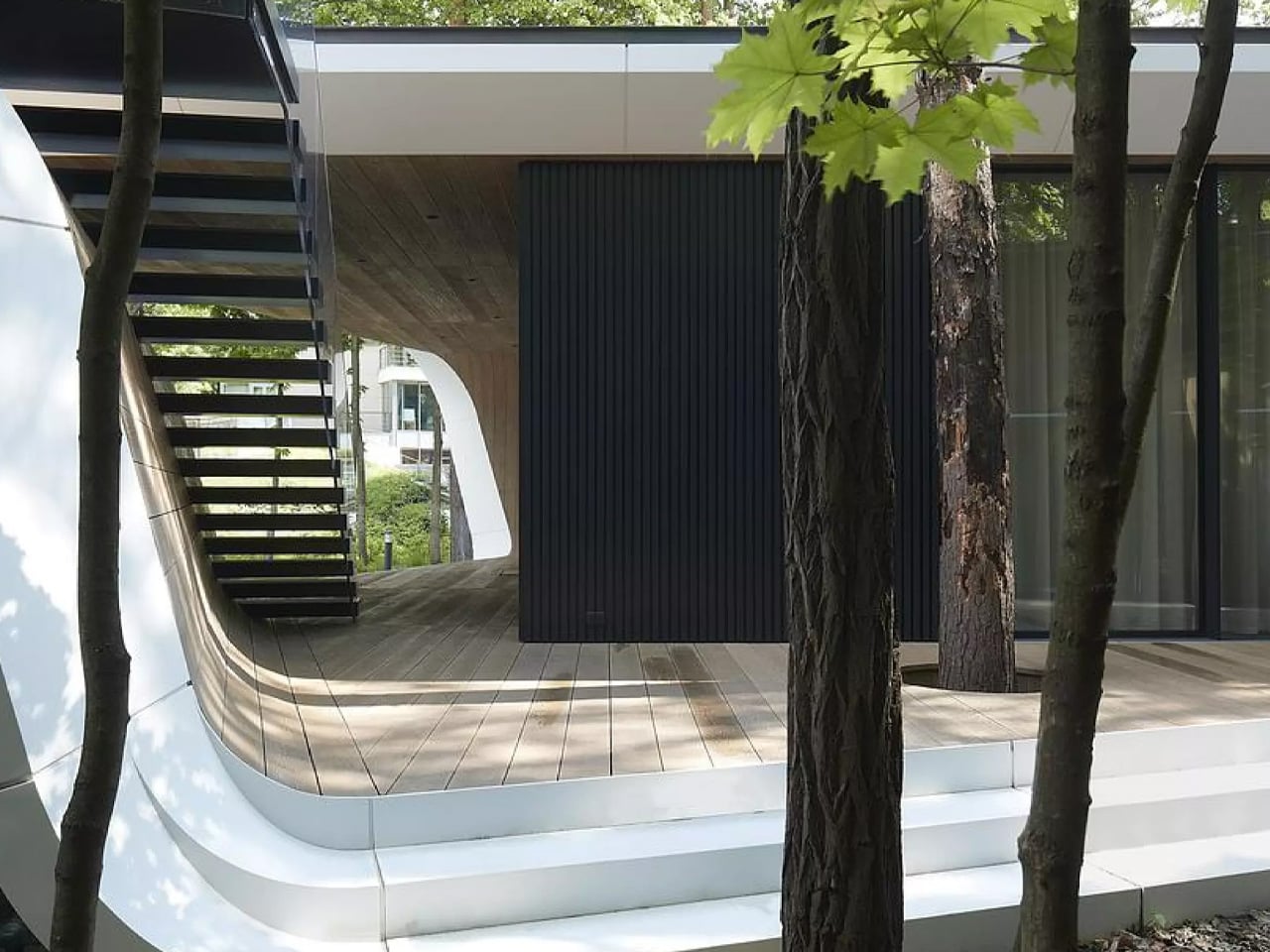
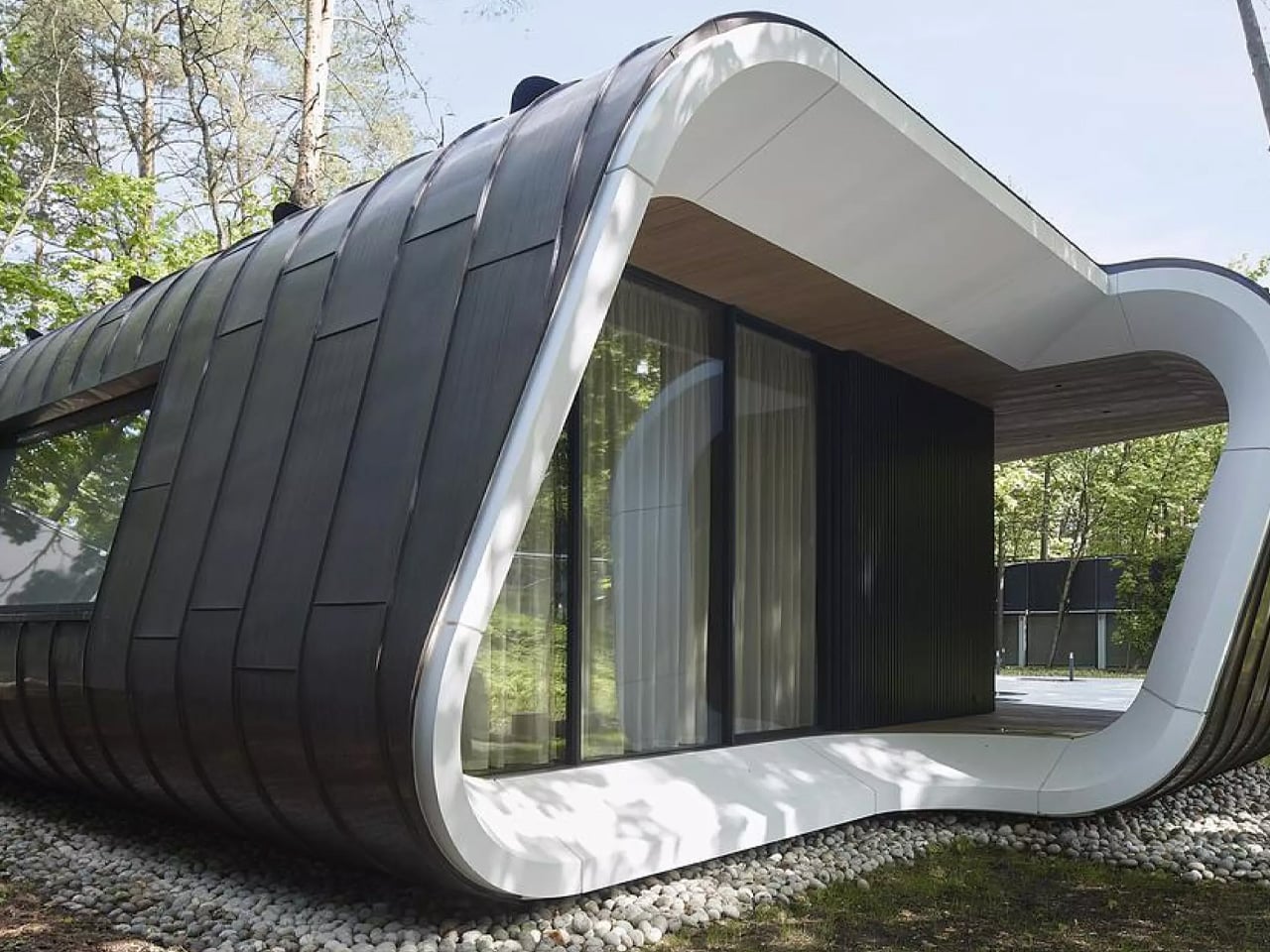
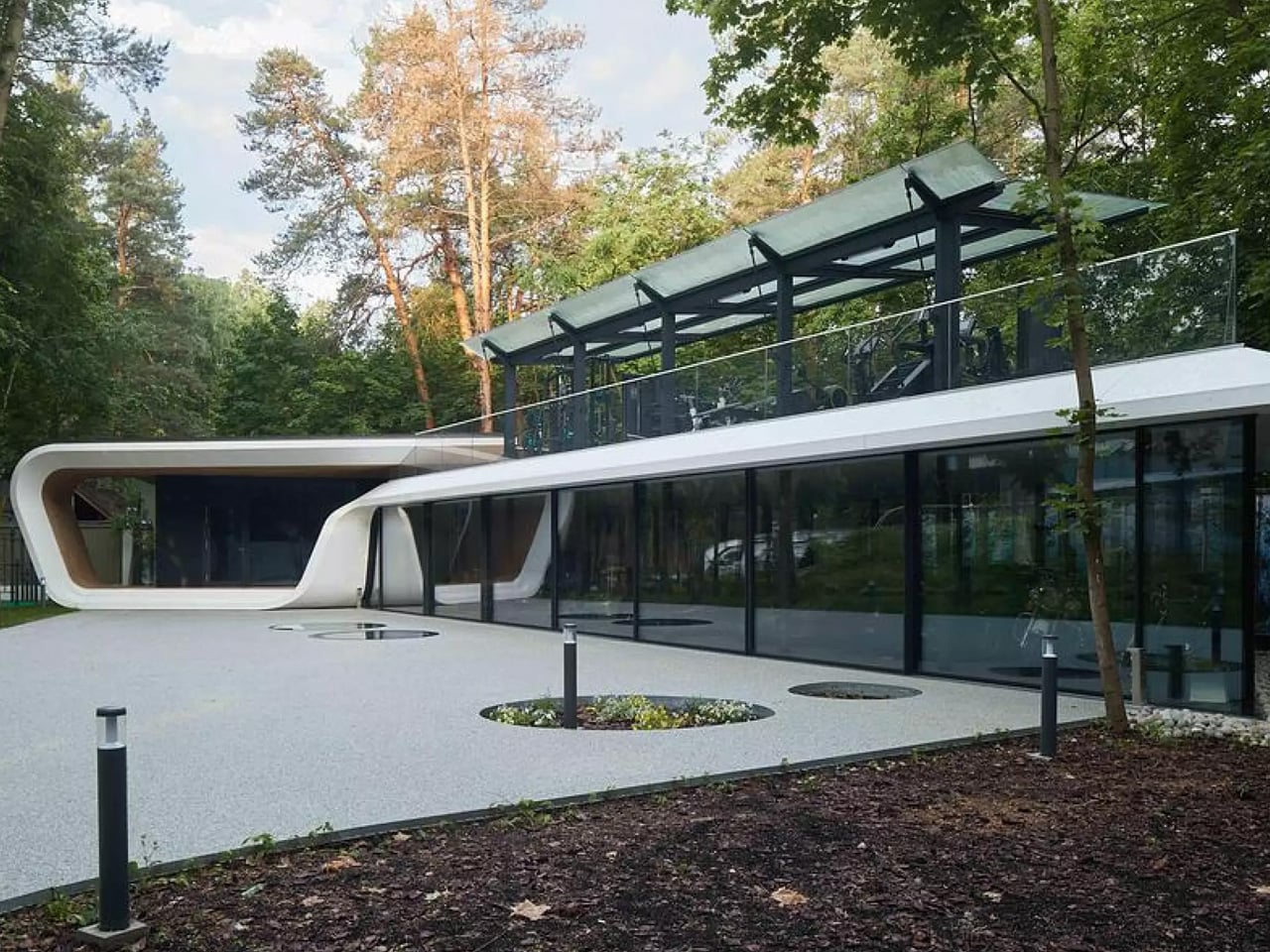
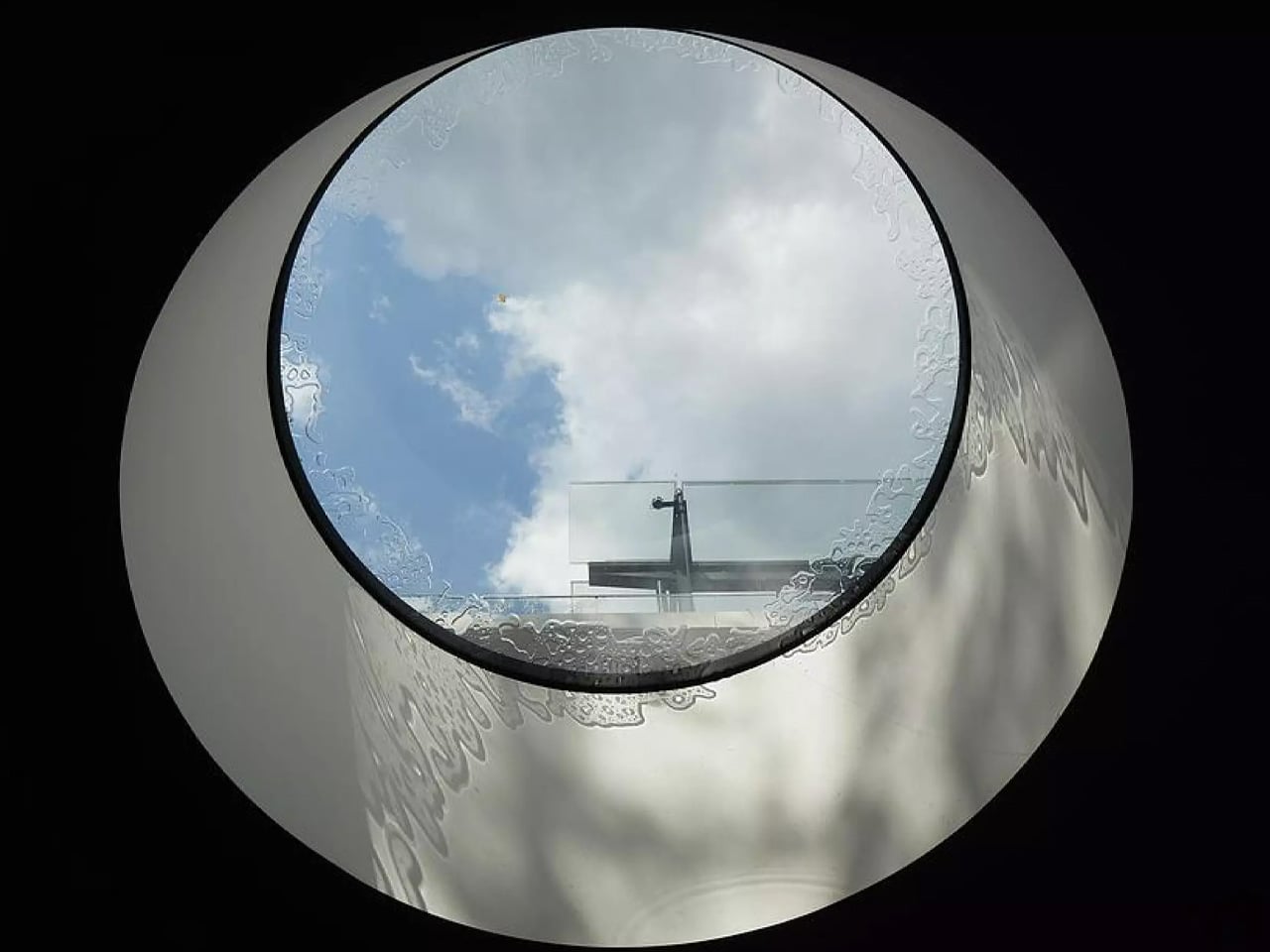
The form that holds all of this together is drawn from the Möbius strip. A continuous ribbon-like gesture wraps around the site, organizing the program across three levels. At ground level, a glazed exhibition space — framed by expansive facades with ultra-thin profiles on the north and south sides — puts the vehicle collection on full display. The ribbon then ascends diagonally to a rooftop outdoor workout terrace, while descending below grade into a gym and office, where discreet ground-level apertures pull in natural light without disrupting the building’s clean exterior reading.
Materiality is where ATRIUM’s precision really shows. The exterior is clad in seamless white Corian — a surface that evokes aerodynamic engineering — while wood and copper warm up the interior spaces. The contrast is intentional: the building reads as something athletic and mechanical from the outside, intimate and refined from within. It’s a space that mirrors the cars it shelters.
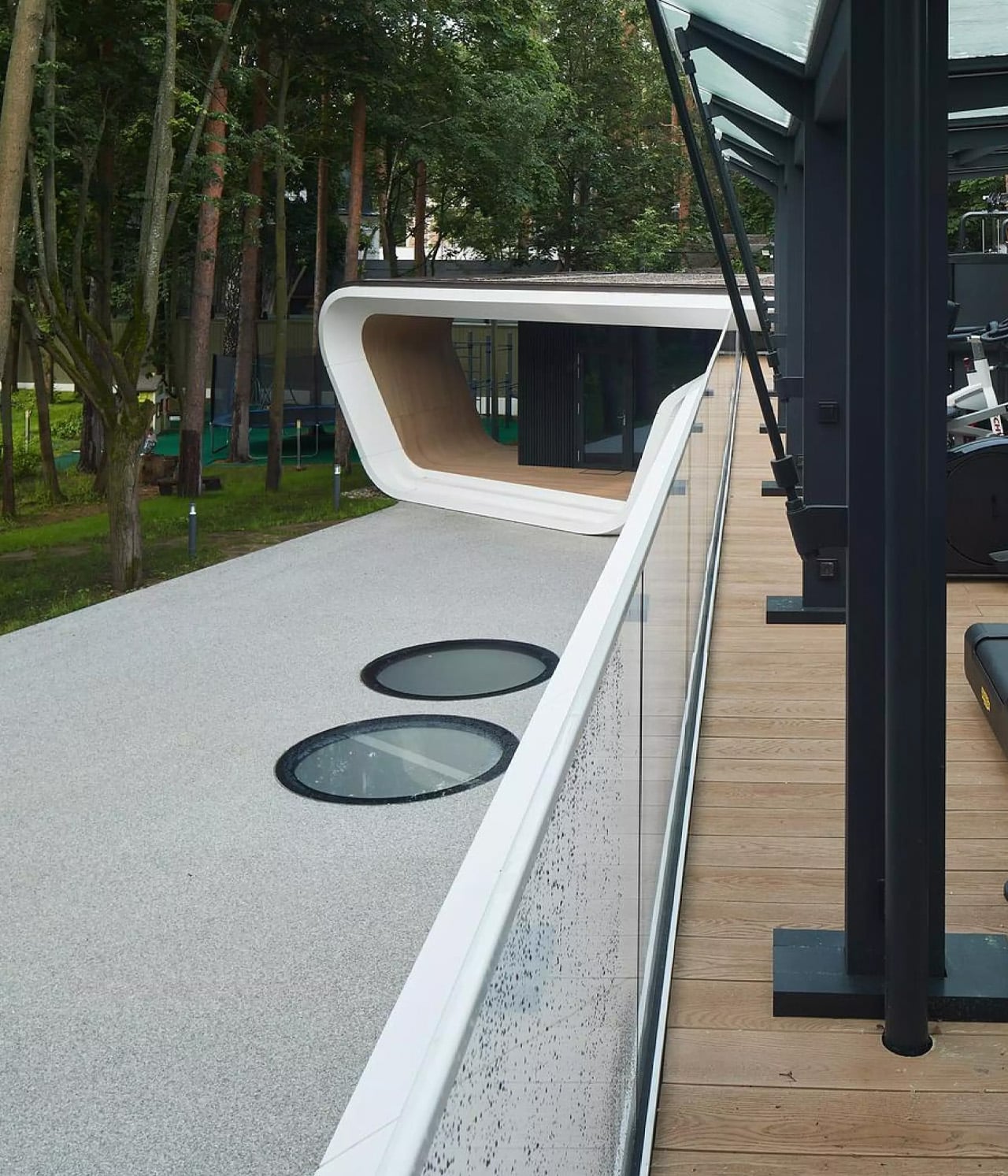

What makes the project genuinely remarkable, though, is what wasn’t touched. Every existing tree on the wooded plot was preserved, with the building’s footprint carefully negotiated around the forest. In a field where development and ecology tend to work against each other, ATRIUM treats the surrounding woodland as a collaborator rather than an obstacle. The underground expansion minimizes the building’s visible impact on the landscape, letting the structure feel as though it surfaced from the forest floor rather than was imposed upon it.
Completed in 2024, the project was designed in 2020 by a team led by Anton Nadtochiy and Vera Butko. It has since been named a finalist at the World Architecture Festival 2025 in two categories: Completed Buildings – Transport, and the Small Project Prize — recognition that confirms what the building itself already suggests: the garage, as a typology, has been quietly, elegantly reimagined.
The post This Moscow Forest Garage Is Really a Sculpture Gallery for Cars first appeared on Yanko Design.