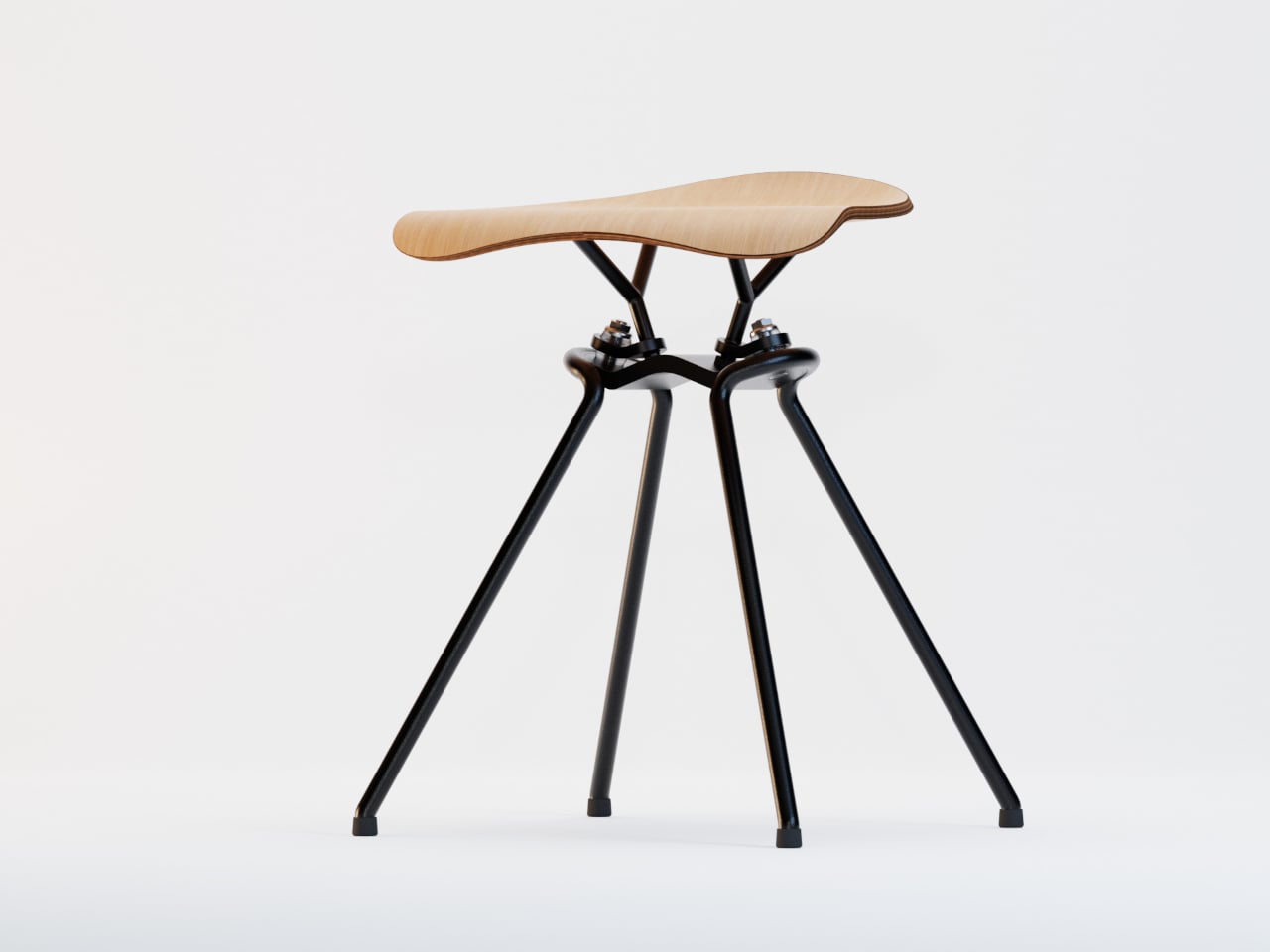
Most Active Stools Just Wobble, but This One Runs on Skateboard Trucks

The active sitting market has been trying to solve the same problem for years by adding instability to an otherwise conventional seat. Balance boards, wobble stools, and kneeling chairs attempt to make sitting less sedentary through varying degrees of discomfort and compromise. Most solutions lean toward one extreme: either too unstable for focused work, or barely different from a regular chair once the body learns to compensate.

Ollie is a concept that emerged during the pandemic, when the question of how to stay physically active without leaving home became unusually pressing. Developed in collaboration with Italian furniture brand Magis, it approaches active sitting from an unexpected direction: the same equilibrium-based mechanism that makes a skateboard respond to a rider’s weight shifts turns out to be an ideal platform for a seat that keeps the body in motion.

Designers: Heitor Lobo Campos, Alessia Pinna
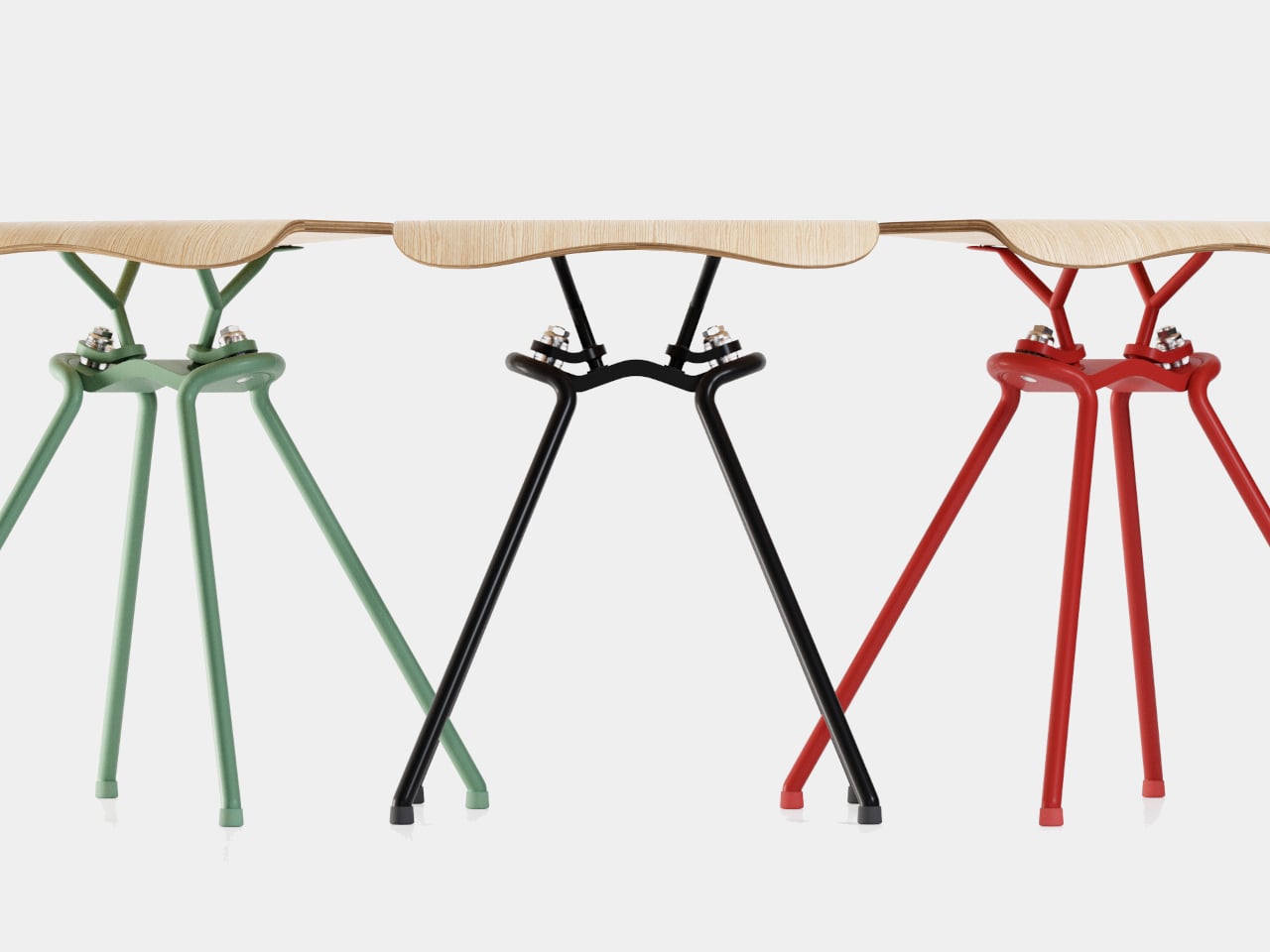
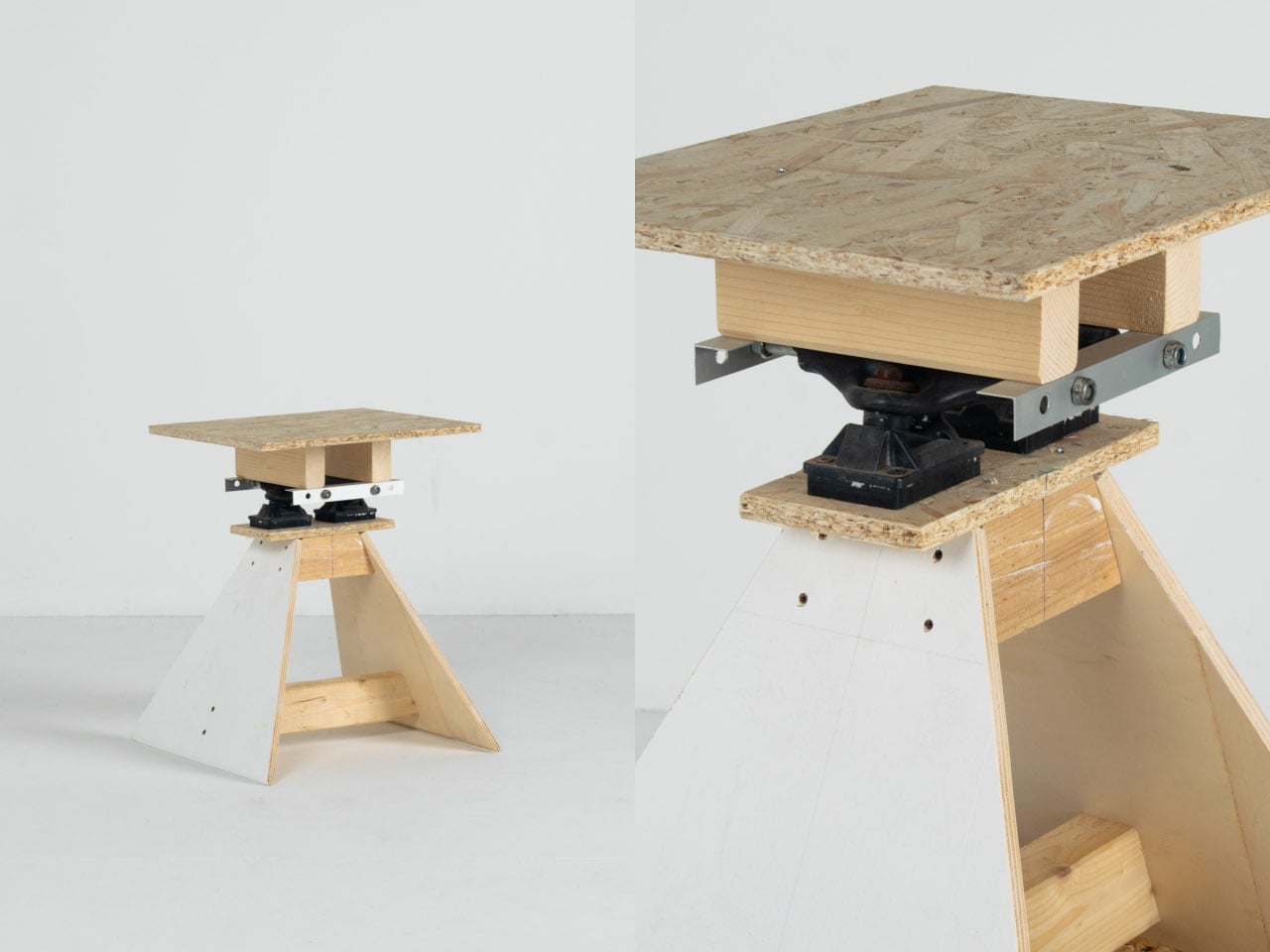
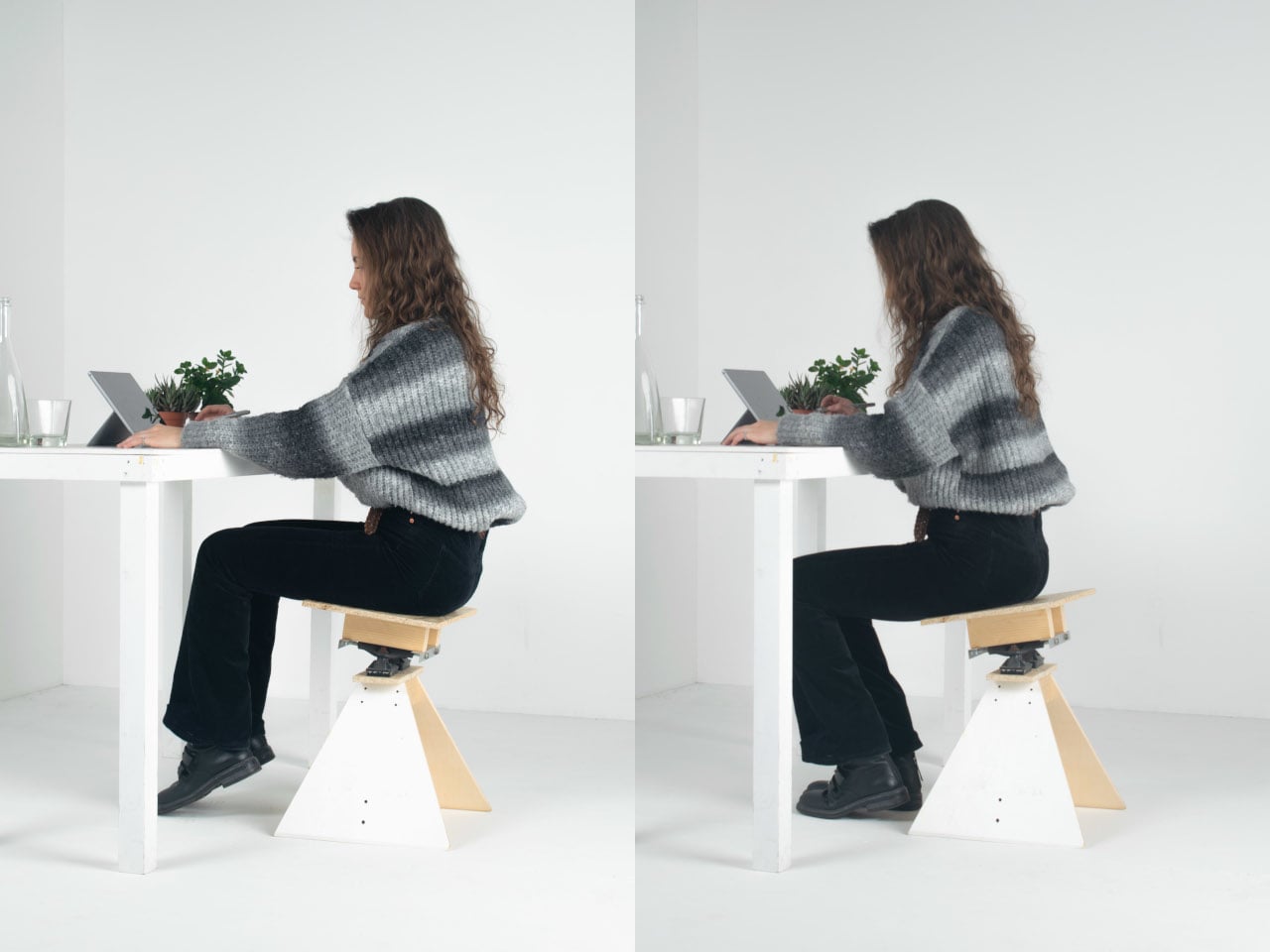
The connection to skateboarding goes beyond metaphor. The mechanism uses two skateboard trucks connected in parallel below the seat, with a central point pivoting on an axis controlled by a bearing. What lets a skateboard maneuver through a turn becomes what lets a seated person shift their weight, tilt, and continuously engage their core without interrupting what they’re working on.
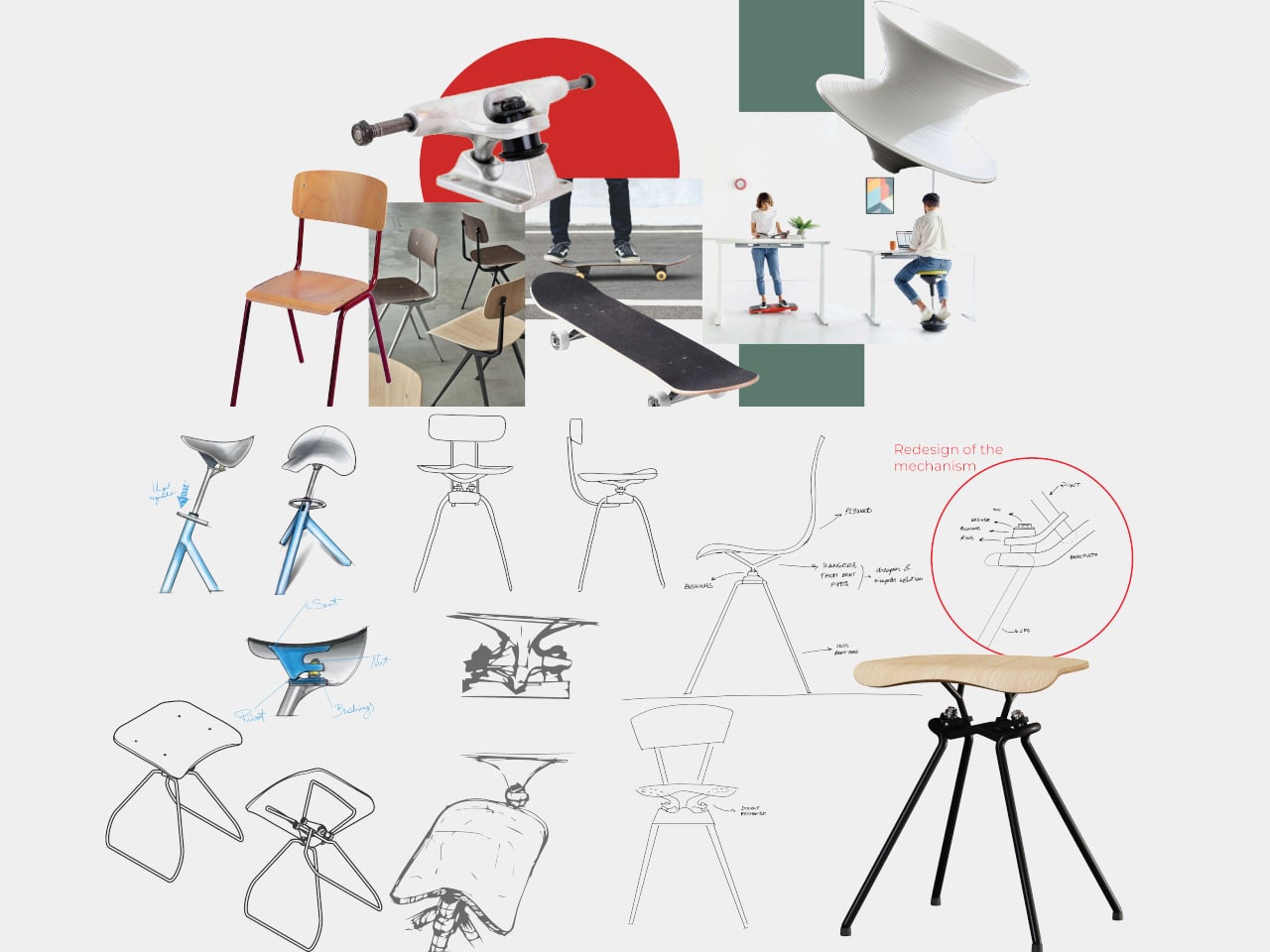
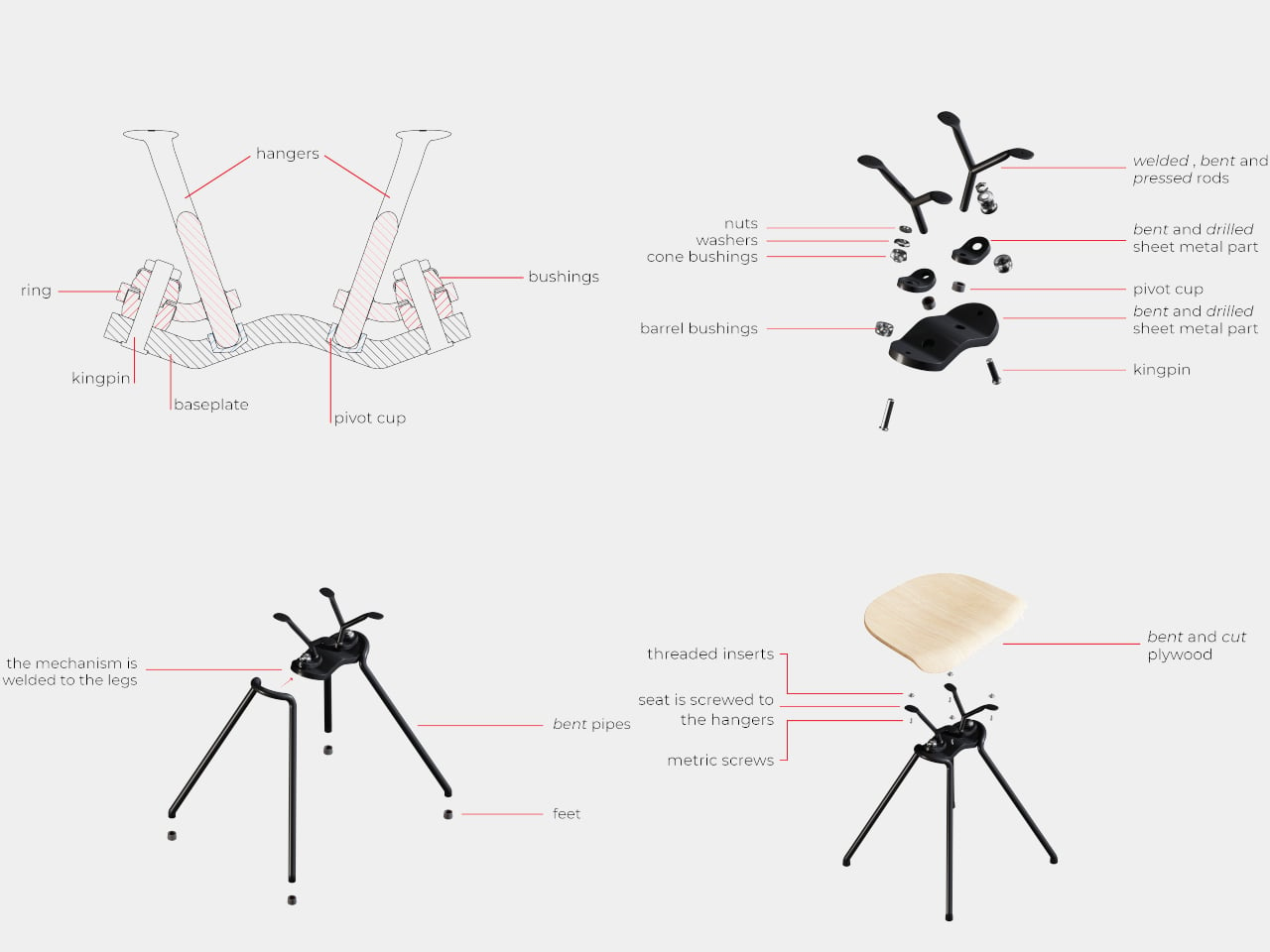
Resistance is tunable. The tightness of the bushings, the rubber rings that skaters adjust to control how stiff or responsive a truck feels, determines how much effort the seat requires to tilt. Tighten them for a more stable platform that still allows movement; loosen them for a seat that demands continuous micro-adjustments. That range makes Ollie adaptable to different users and different tasks without changing anything fundamental about the design.
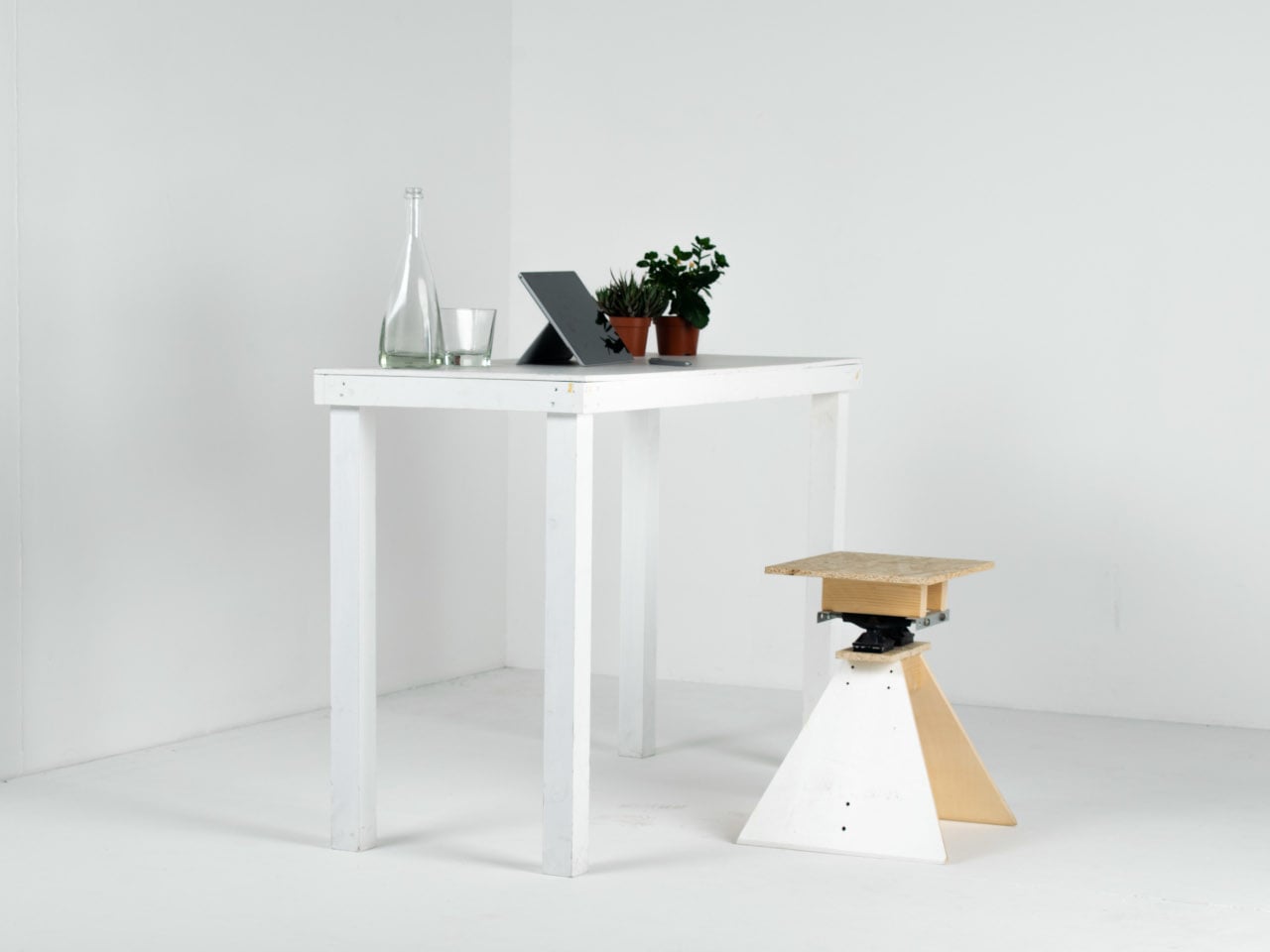
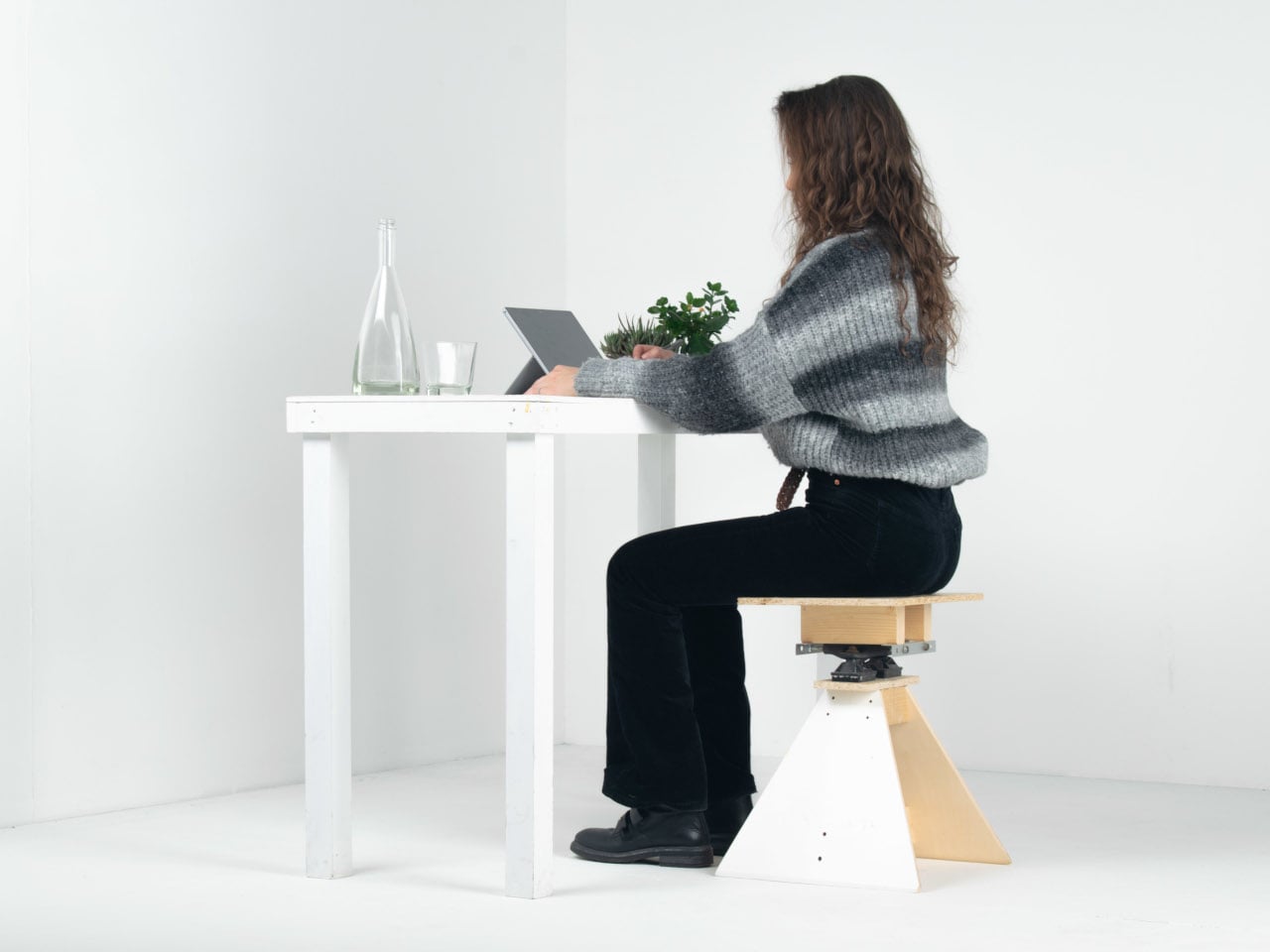
At a standing-height desk, Ollie puts the body in a middle position between sitting and standing, where the core and lower back engage in small amounts of stabilizing work throughout the session. The movement it introduces isn’t dramatic; it’s subtle enough that focus on work isn’t interrupted, but persistent enough that it adds up over the course of a day, particularly for anyone spending several hours at a screen.
The seat is a bent plywood saddle that screws to the truck hangers through threaded inserts, making it removable with standard metric fasteners. The base uses bent steel pipes welded to the mechanism, keeping the frame visually minimal despite the mechanical complexity at its center. Three colorways, green, black, and red, give the frame character that ergonomic seating rarely attempts, preferring to disappear behind neutral plastics and black foam.
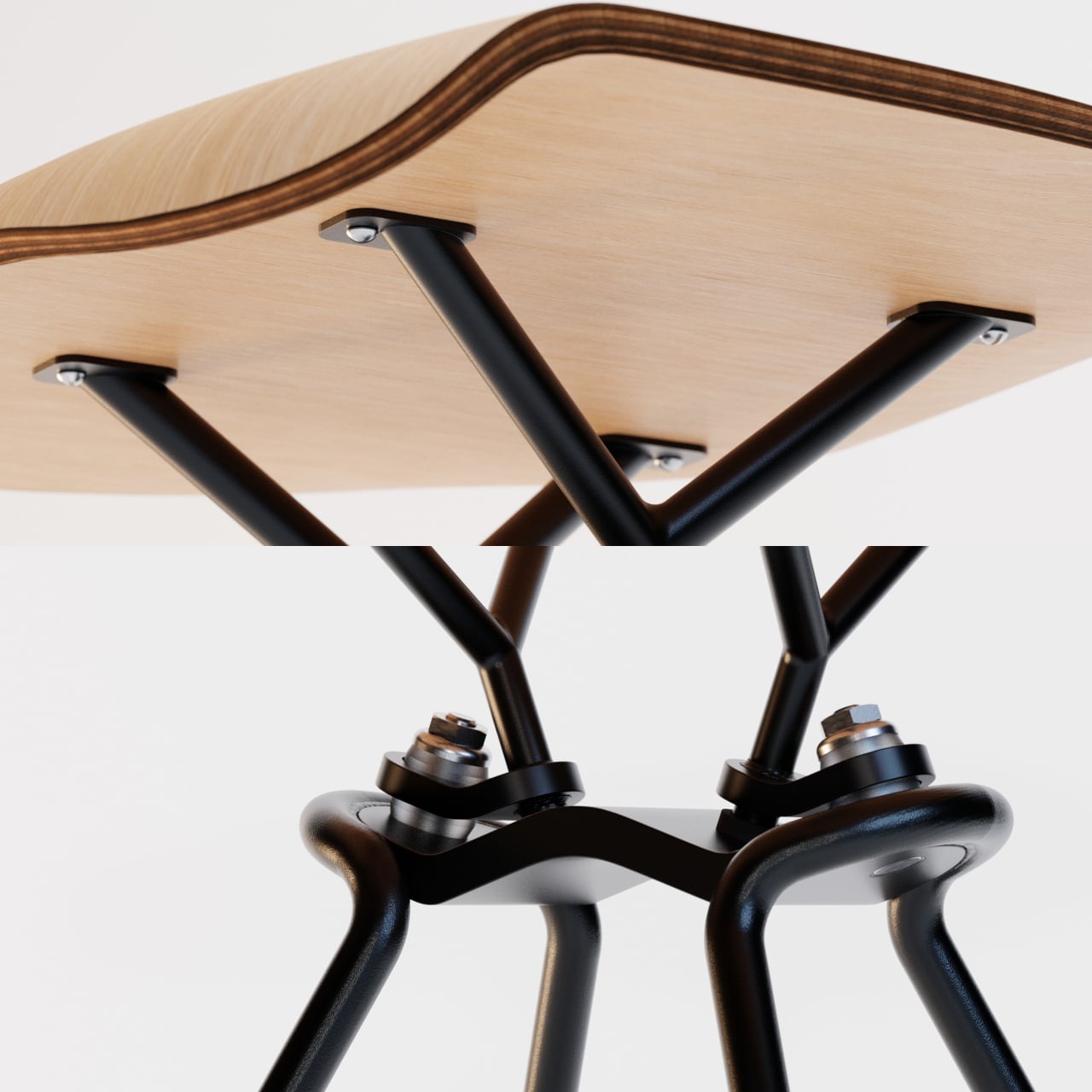
Repairability is a design principle rather than an afterthought. Every component on the Ollie can be removed and replaced individually, mirroring how skateboard culture has always approached maintenance. A worn bushing or a cracked seat doesn’t require replacing the whole stool, only the failed part. That approach extends the product’s useful life considerably without adding design complexity, and keeps manufacturing costs down on components that see the most stress.
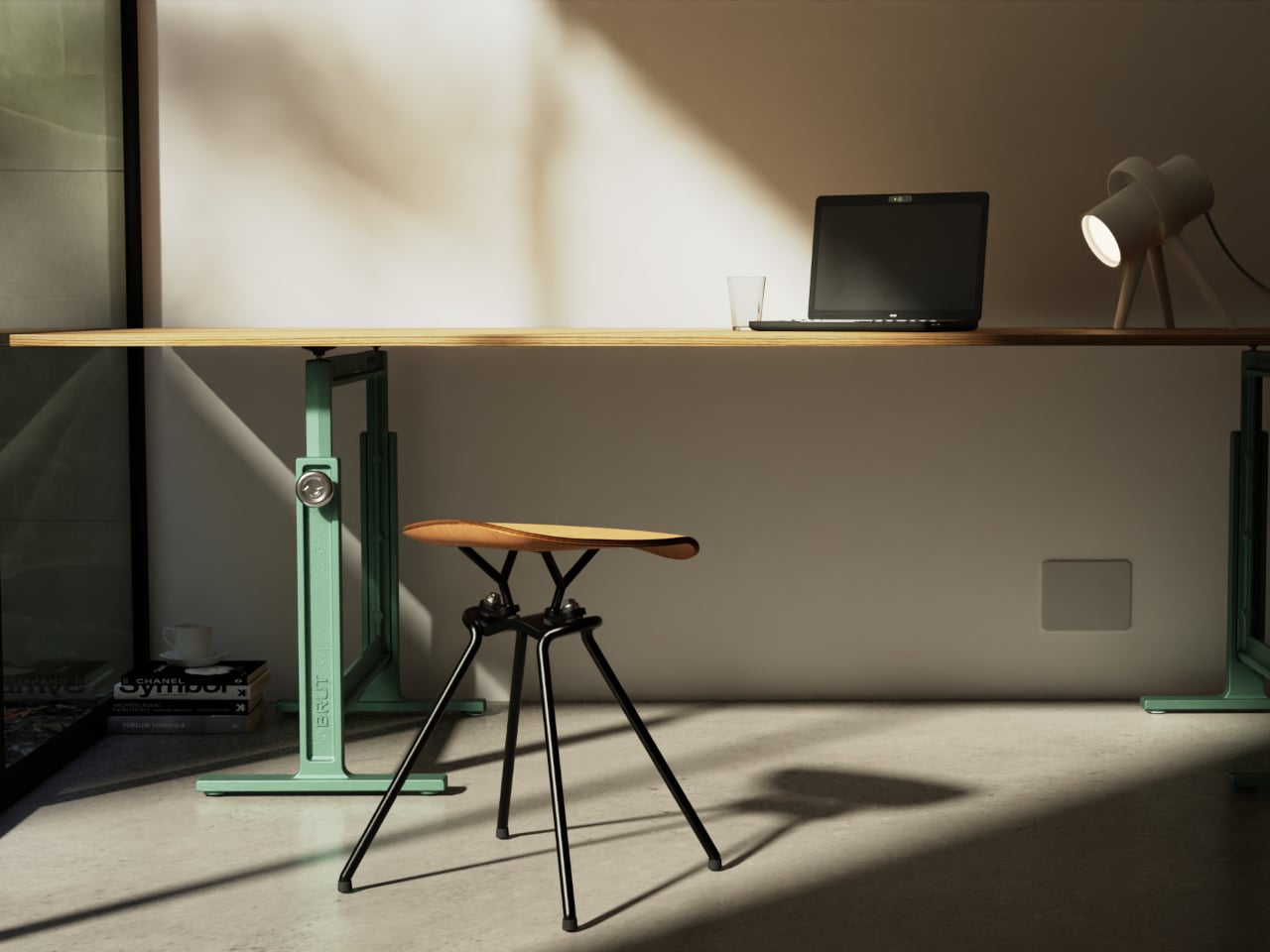
The name explains the concept more precisely than most product names manage. An ollie in skateboarding is the foundational jump, the first trick a skater learns and the prerequisite for everything that follows. The same equilibrium-based logic that gives a skateboard its flexibility in maneuvering gives Ollie its range of active response, which is a more direct lineage than most furniture carries from its sources of inspiration.

The post Most Active Stools Just Wobble, but This One Runs on Skateboard Trucks first appeared on Yanko Design.


These Hidden Apple Maps Settings Will Completely Upgrade Your CarPlay

These Hidden Apple Maps Settings Will Completely Upgrade Your CarPlay Apple Maps on CarPlay

Apple Maps on CarPlay is a feature-rich navigation tool designed to enhance your driving experience. With capabilities that go beyond basic directions, it offers tools to make your journeys safer, more efficient, and tailored to your preferences. However, many users fail to use its full range of features, missing out on opportunities to improve their […]

The post These Hidden Apple Maps Settings Will Completely Upgrade Your CarPlay appeared first on Geeky Gadgets.

Posted in Uncategorized

DJI Osmo 360 II Adds 16K Time-Lapse for Crisp Sequences

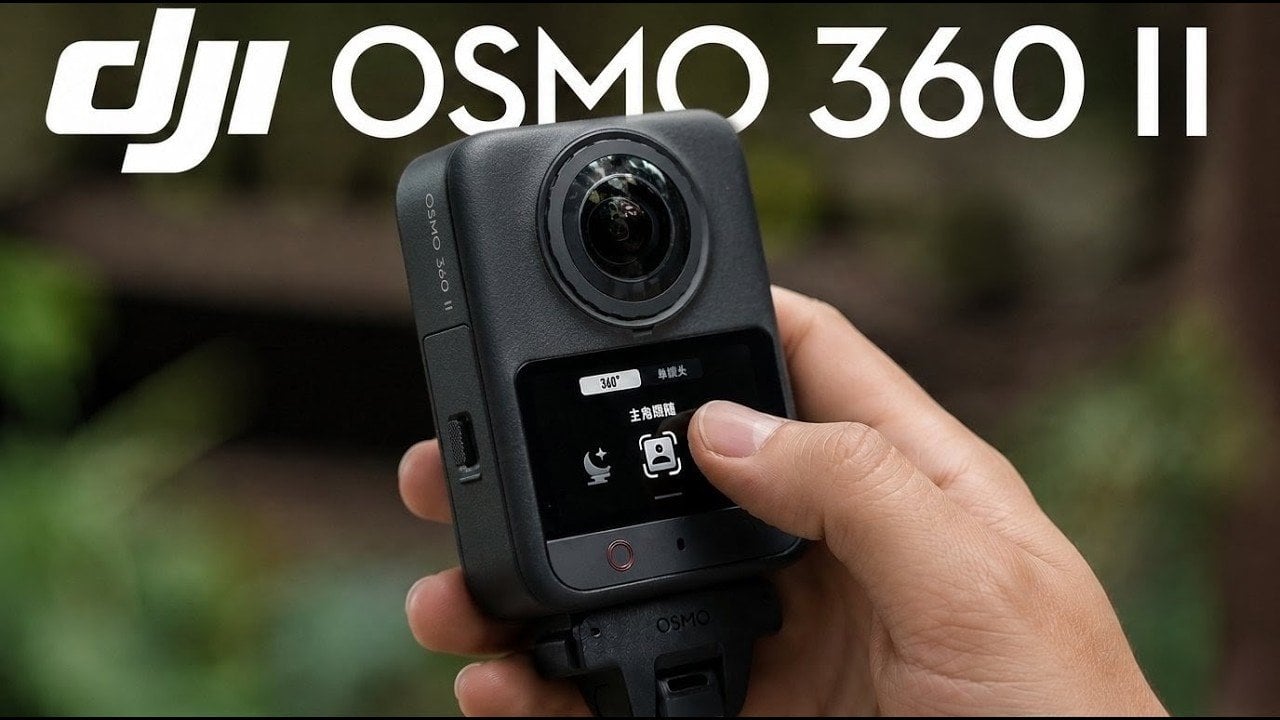
DJI Osmo 360 II Adds 16K Time-Lapse for Crisp Sequences Front view of the DJI Osmo 360 Mark II camera showing the dual lenses

The DJI Osmo 360 II brings a thoughtful mix of upgrades and refinements to the world of 360° cameras, as highlighted by TechAvid. Among its standout features is the introduction of 16K time-lapse recording, which allows for capturing ultra-detailed, immersive sequences with a maximum bit rate of 600 Mbps. Additionally, the inclusion of RAW photo […]

The post DJI Osmo 360 II Adds 16K Time-Lapse for Crisp Sequences appeared first on Geeky Gadgets.

Posted in Uncategorized

The Luna Nook Is a 301-Square-Foot Tiny Home That Somehow Fits a Freestanding Bathtub

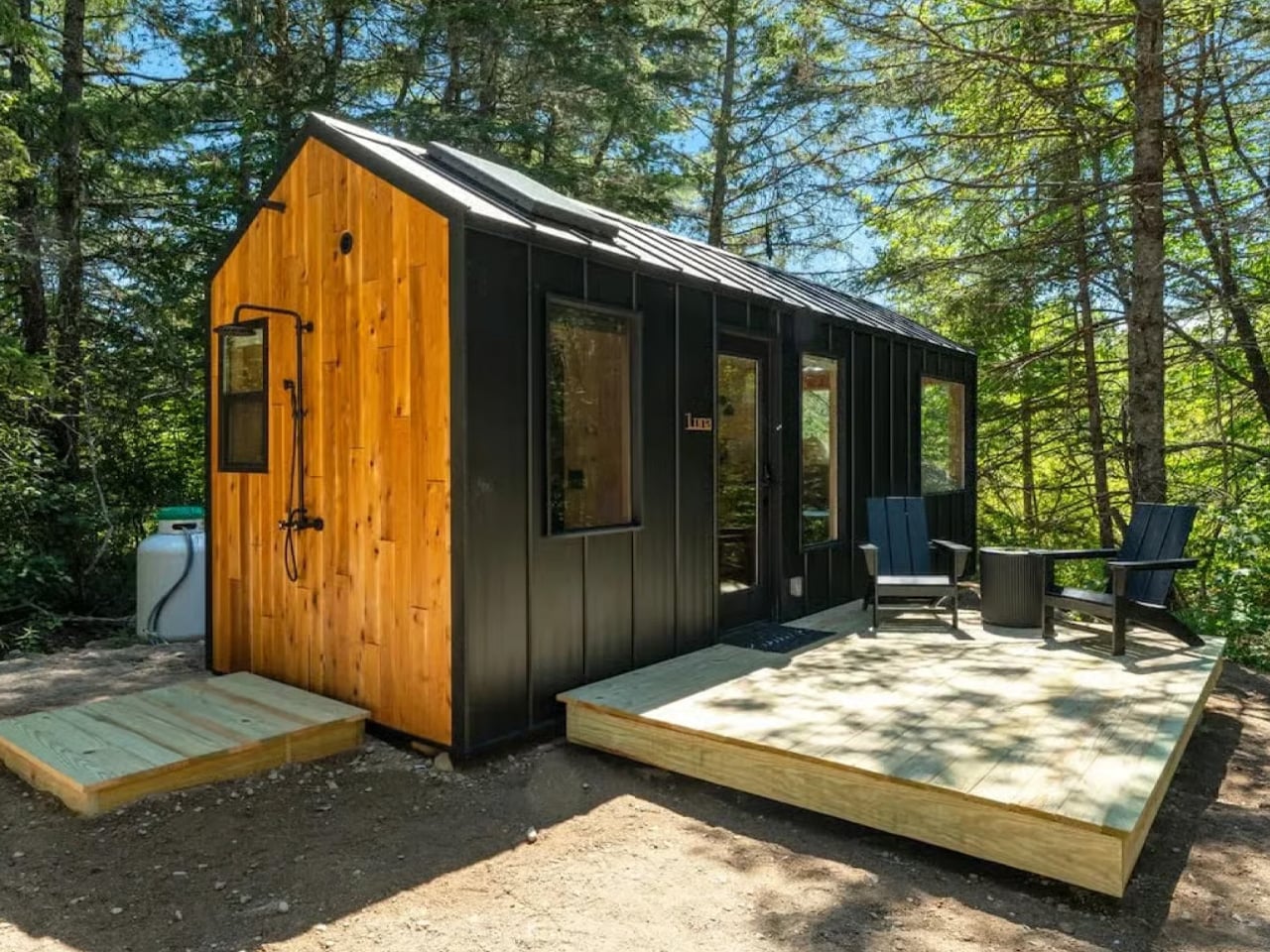
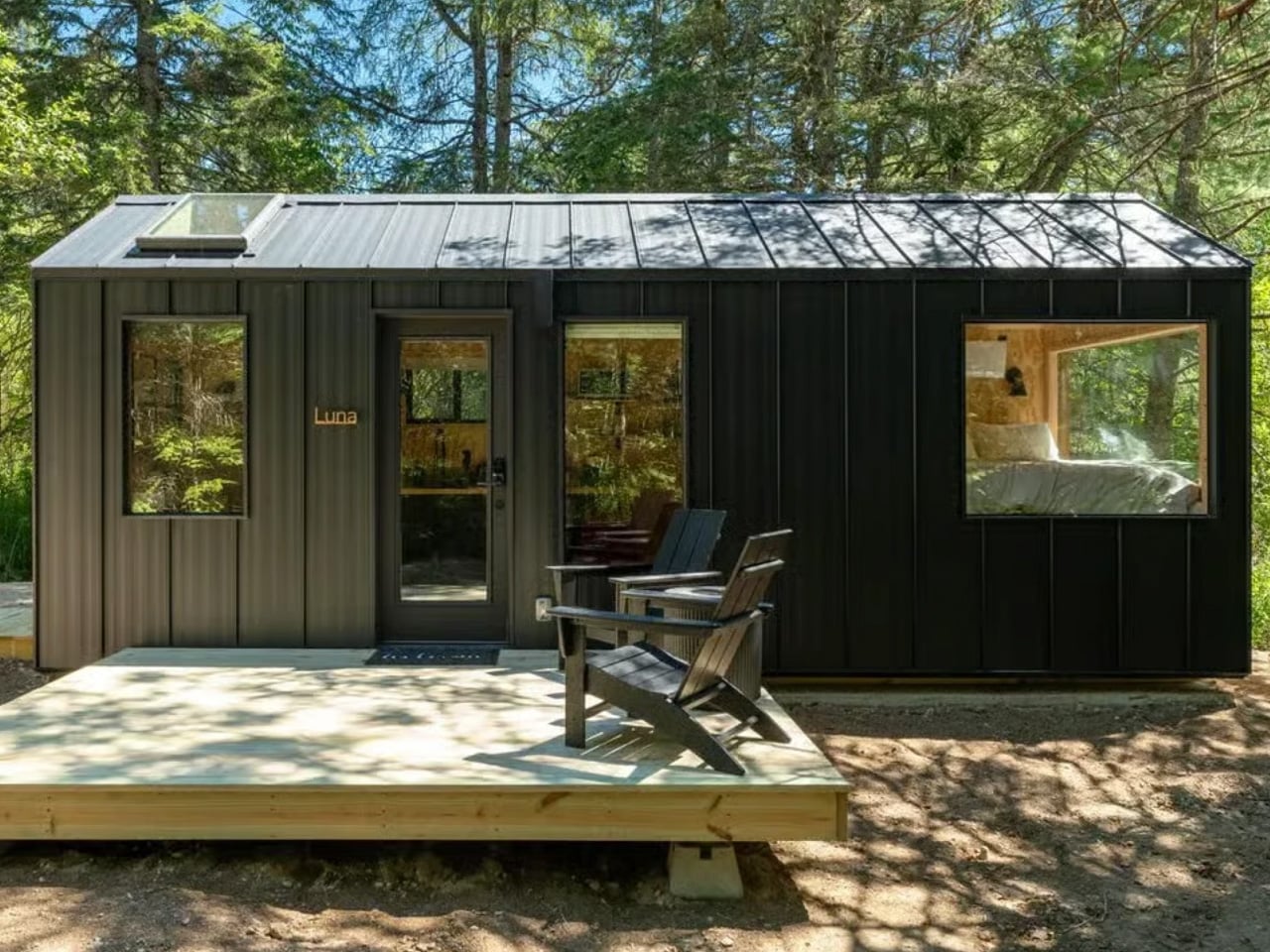
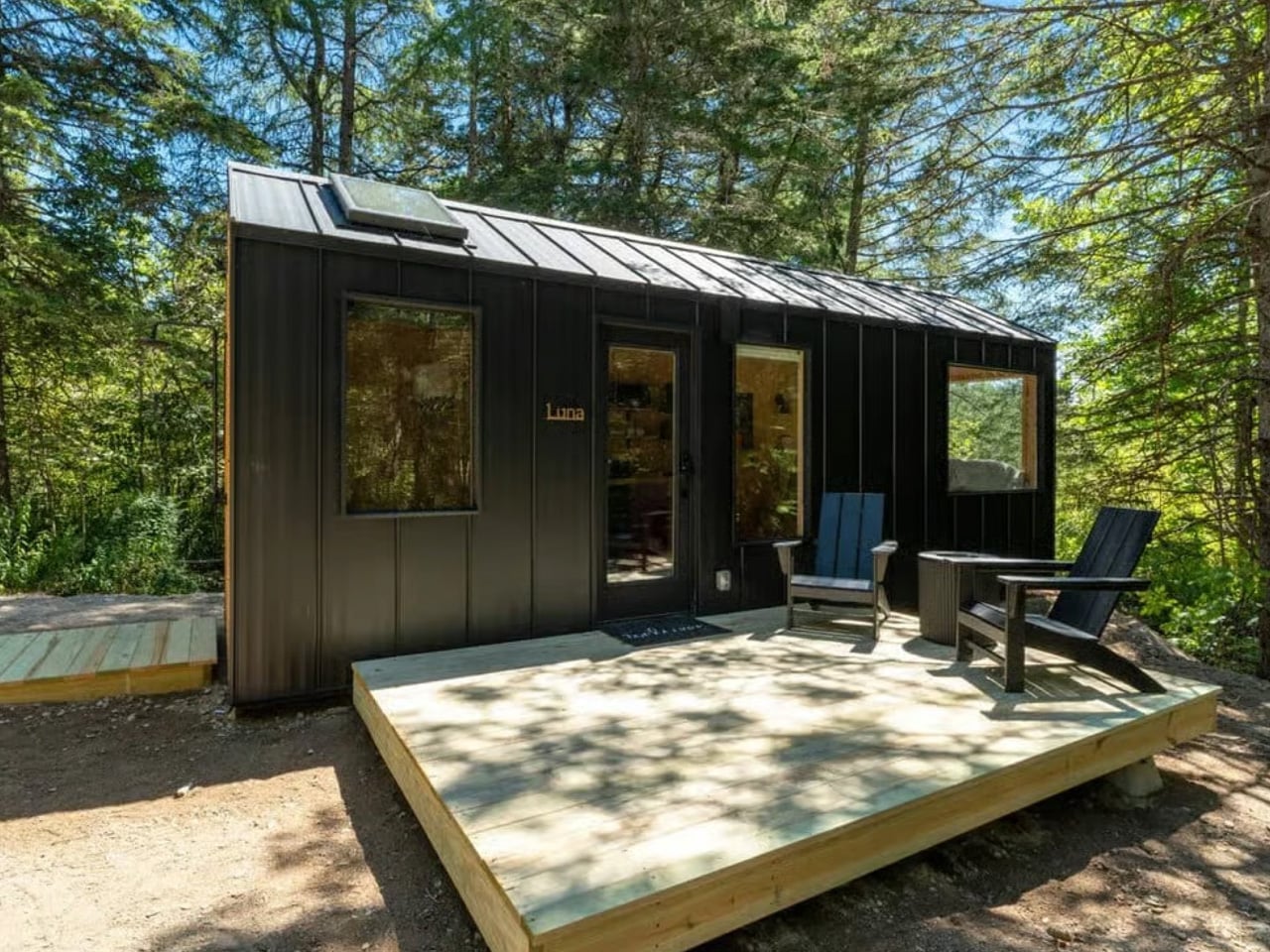
Some small spaces feel genuinely restful the moment you step inside, and the Luna Nook is that kind of space. Tucked into 17 acres of pine and fir trees in Sullivan, Maine, just minutes from Acadia National Park, this 301-square-foot cabin from Nature Nooks is a masterclass in restraint. It doesn’t try to be everything. It tries to be exactly enough, and it pulls it off.

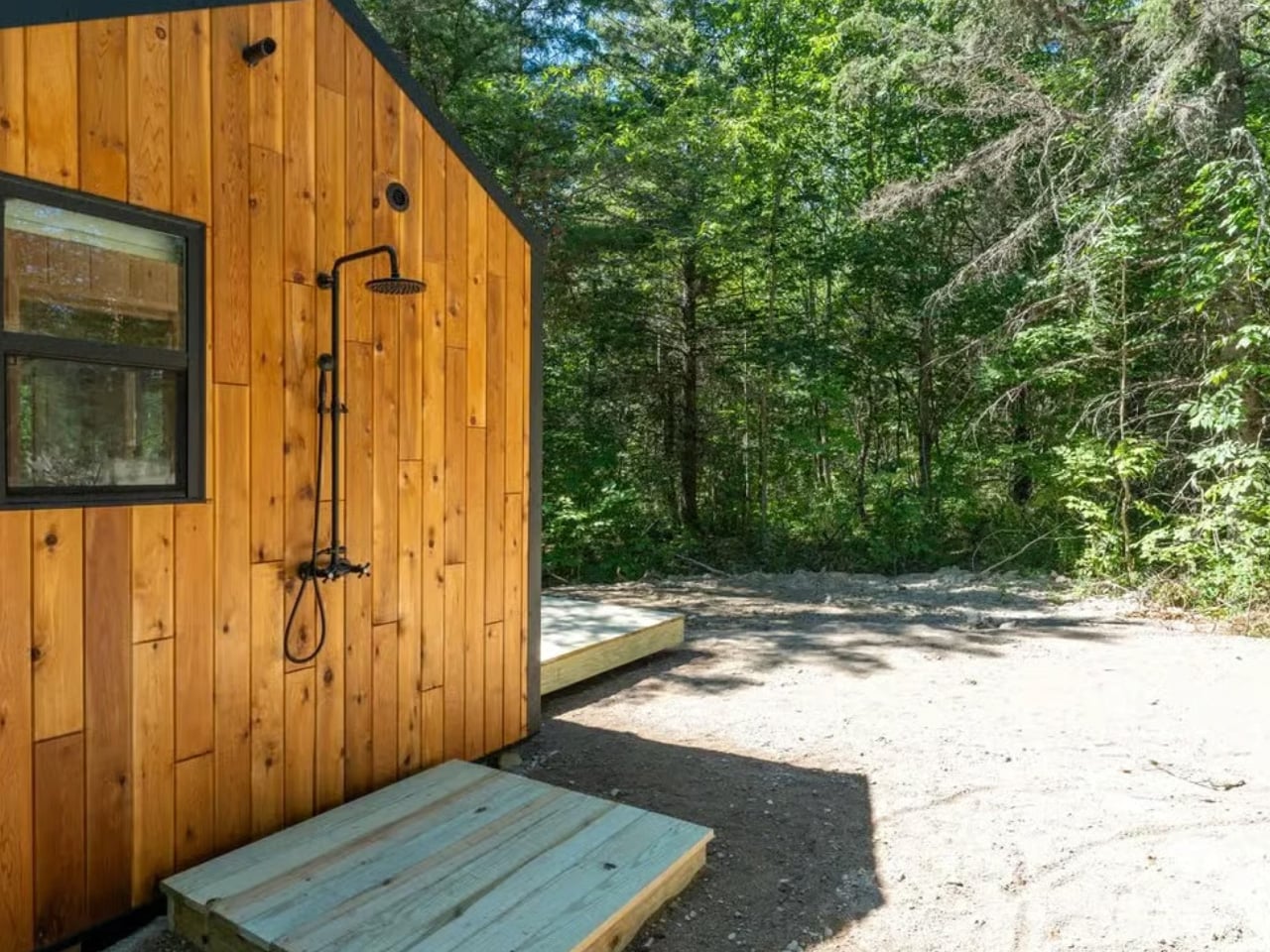
Founder Edoardo Centioni built Nature Nooks after years of travel, drawing from the kind of curated, design-forward stays he encountered everywhere from the Italian Dolomites to the Pacific Coast. The Luna Nook reflects that sensibility directly. The exterior is finished in wood and metal, clean and quiet against the treeline, with a deck, outdoor seating, and an outdoor shower that invites you to stay present with where you actually are.

Designer: Nature Nooks

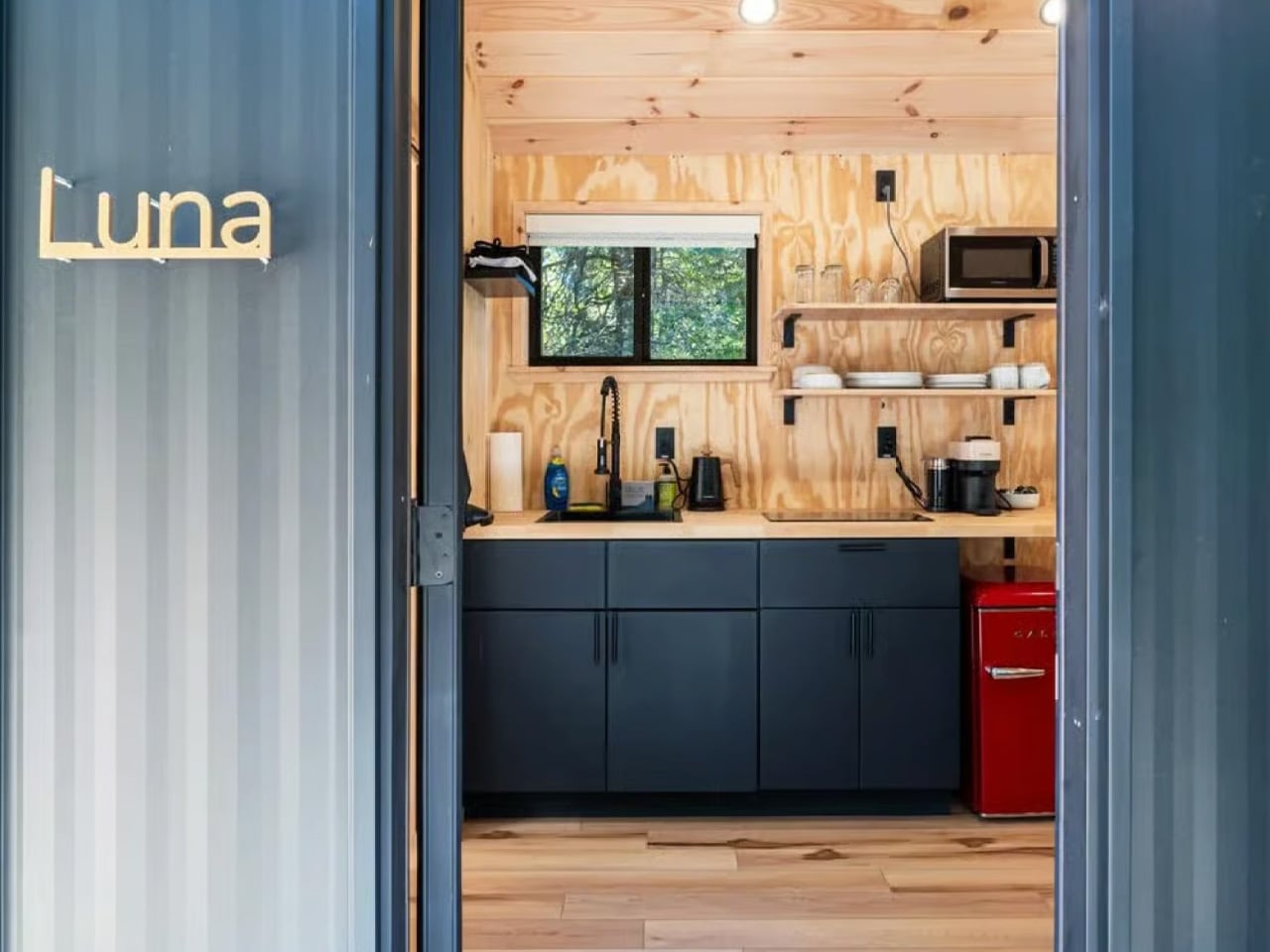
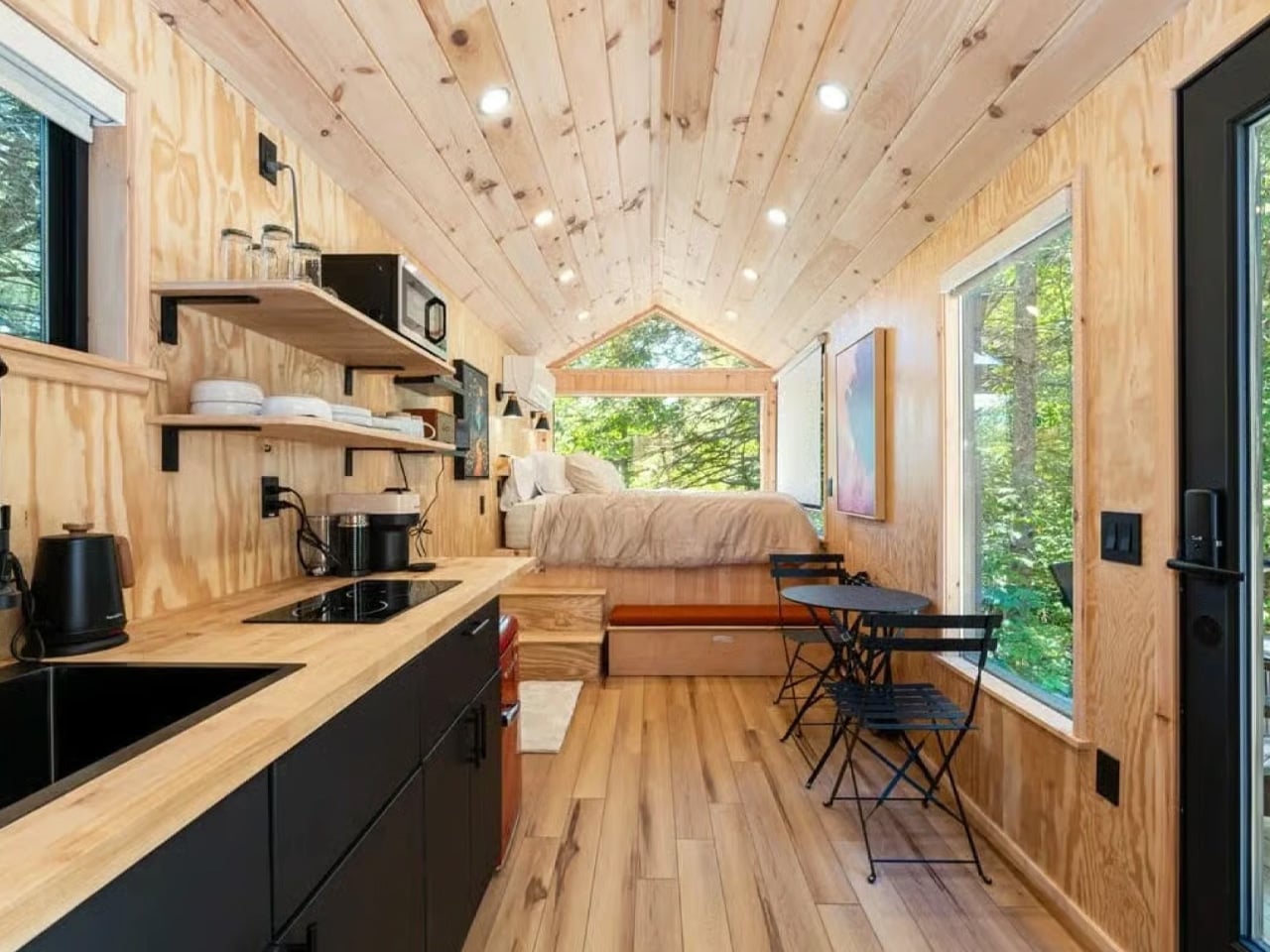
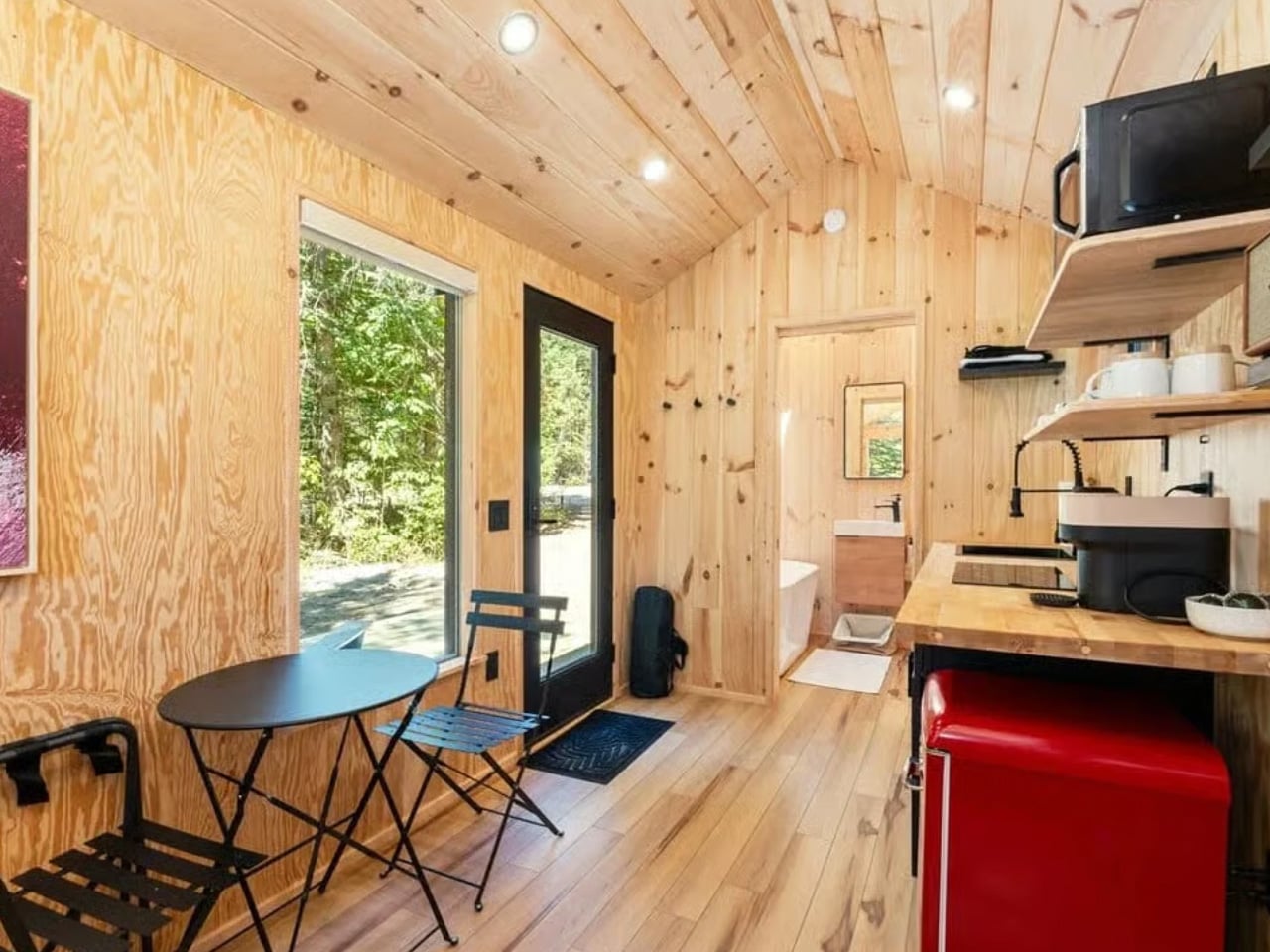
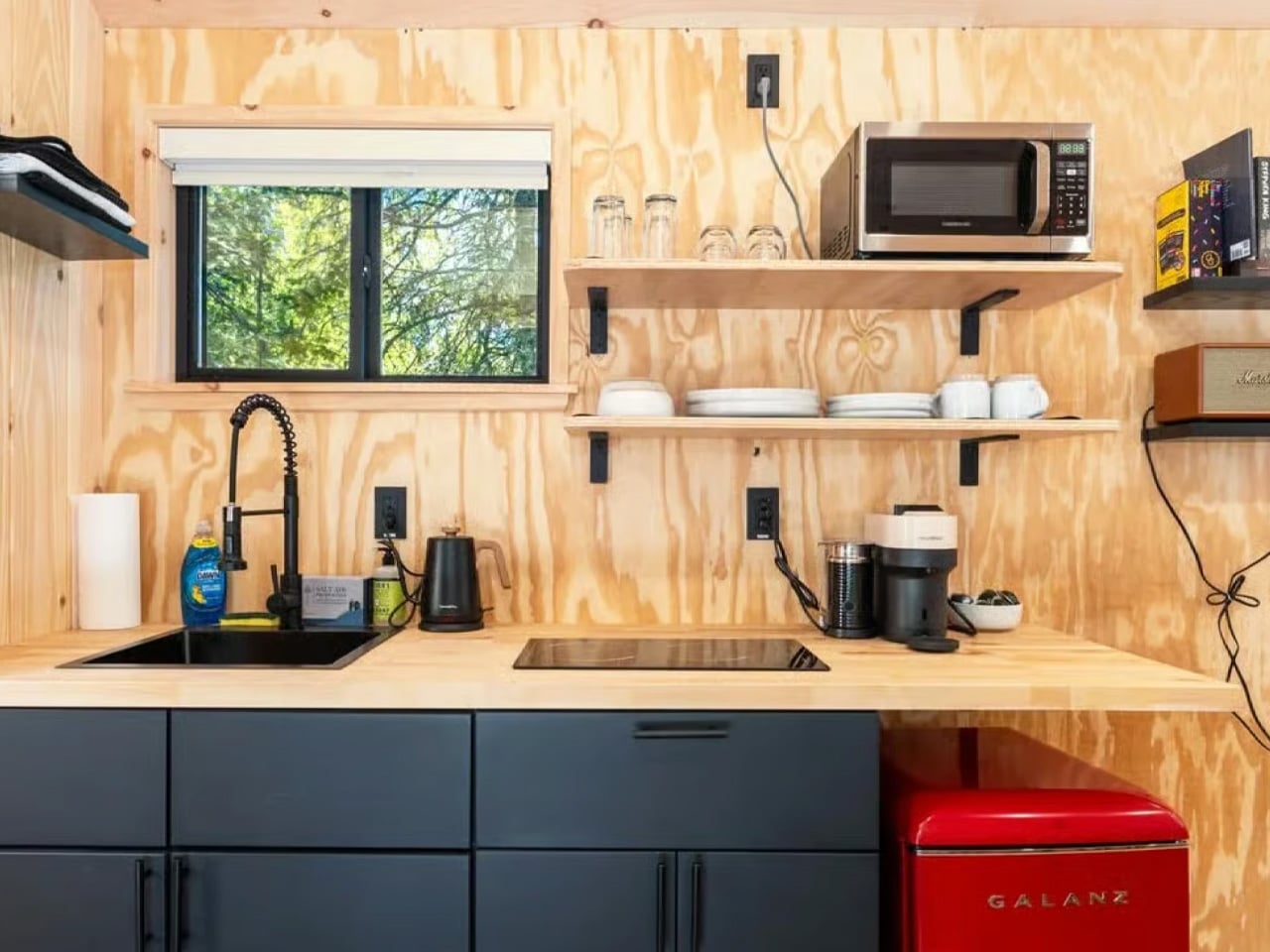
Inside, the single-floor layout reads like Scandinavian minimalism translated into a forest retreat. The kitchen sits closest to the glazed entrance door and is scaled sensibly for its purpose: an induction cooktop, microwave, small fridge, a sink, and enough cabinetry that you won’t feel like you’re cooking in a hallway. A small dining table for two sits nearby, compact but complete. Nothing feels crammed. The generous glazing and a skylight overhead keep the interior bright and grounded in the surrounding landscape.

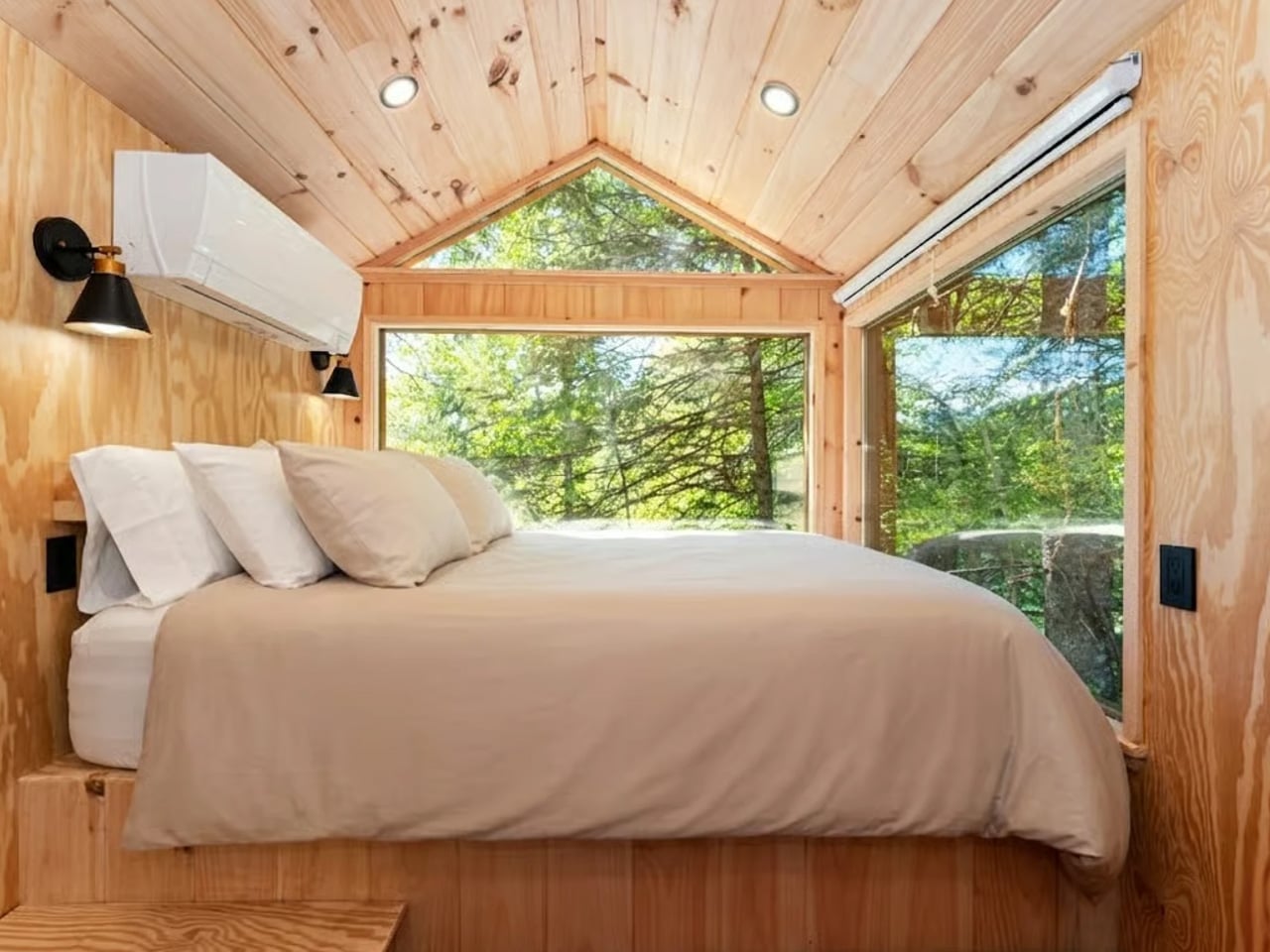
The sleeping area is raised on a platform and accessed by a short set of steps, a clever move that gives the bed its own sense of place within the open floor plan. Large windows frame the treeline from the mattress level, and a pull-out bench adds sleeping capacity for a third guest. A mini-split handles heating and cooling year-round.

What really sets the Luna Nook apart at this scale is the bathroom. A freestanding bathtub, positioned beneath a skylight, turns a bath into something closer to stargazing. A vanity sink and toilet complete the room, but the tub is the detail that lingers. In a 301-square-foot home, committing that much space to something that purely serves atmosphere is a confident design choice, and it pays off.

The Luna Nook is not available for sale. It exists as a vacation rental at Nature Nooks Acadia, available to book through SaltAir Maine. It sleeps up to three guests and comes with a Nespresso machine, a Marshall Bluetooth speaker, a TV projector, a telescope, and walking trails that lead to water access for kayaking and fishing. Some small spaces make you feel the square footage. This one makes you forget it entirely.

The post The Luna Nook Is a 301-Square-Foot Tiny Home That Somehow Fits a Freestanding Bathtub first appeared on Yanko Design.