This New Museum in China Packs 12 Pavilions, a Theater, & a Restaurant Under One Rippling Roof

Suzhou has always known how to make you slow down. The Suzhou Museum of Contemporary Art, completed in 2026 on the edge of Jinji Lake, leans into that instinct entirely. Designed by Bjarke Ingels Group in collaboration with ARTS Group and VIA Inc., the 60,000-square-metre structure doesn’t announce itself with a single bold gesture – it unfolds, pavilion by pavilion, like a sentence you want to keep reading.

The concept reaches back into Suzhou’s centuries-old design vocabulary. The city is synonymous with the classical garden, a typology built on layered views, threshold moments, and the deliberate choreography of movement through space. BIG’s entry point into that language is the ‘lang’ – 廊 – a covered corridor that traditionally traces a path between garden rooms. Twelve interconnected pavilions are unified beneath a continuous, ribbon-like roof whose gentle undulations recall the silhouette of tiled eaves. It’s a translation rather than a quotation, and it lands with precision.

Designer: BIG

Materiality does a significant amount of work here. The façades are clad in rippled, curved glass and warm-toned stainless steel – surfaces that catch light differently across the day and shift the building’s mood with the sky above Jinji Lake. Where traditional garden walls create enclosure to generate intimacy, BIG’s glazed galleries and porticoes create the inverse: transparency that pulls the landscape inside, dissolving the boundary between exhibition and environment. The result is what the practice describes as a Chinese knot – individual pavilions woven together by circulation into a continuous, interconnected whole.

Programmatically, the museum resists the monolith. Four of the twelve pavilions house the primary gallery experience, while the remaining eight accommodate a grand entrance hall, a multifunction space, a theater, a restaurant, and ancillary functions. Visitors arrive at a generous plaza fronting the main entrance before moving inward or drifting outward along walkways that extend directly into the lake. The sequencing feels deliberate – arrival, choice, wandering – mirroring the logic of the classical garden it draws from.


What makes the Suzhou Museum of Contemporary Art worth paying attention to is not the scale, though 60,000 square metres is considerable, or even the formal ingenuity of the ribbon roof. It’s the discipline of restraint. BIG could have imposed. Instead, the practice listened – to the site, to the city’s spatial memory, to the way Suzhou has always understood architecture as something you move ‘through’ rather than simply look ‘at’. That understanding, built across centuries in garden after garden, is alive here on Jinji Lake.


The post This New Museum in China Packs 12 Pavilions, a Theater, & a Restaurant Under One Rippling Roof first appeared on Yanko Design.


Sunseeker Brings Its S7 and S5 Smart Garden Mowers to IFA 2026

Sunseeker Brings Its S7 and S5 Smart Garden Mowers to IFA 2026 Sunseeker

Sunseeker is exhibiting live at IFA 2026 in Berlin from September 4–8, offering visitors an in-person look at its 2027 S-Series robotic lawn mowers and broader Smart Garden platform. The company is presenting the lineup at Messe Berlin, featuring live demonstrations focused on autonomous mapping, obstacle recognition, slope handling, and edge cutting. S7 Leads the […]

The post Sunseeker Brings Its S7 and S5 Smart Garden Mowers to IFA 2026 appeared first on Geeky Gadgets.

Posted in Uncategorized

FITUEYES Brings a Design-First Living Room to IFA 2026

FITUEYES Brings a Design-First Living Room to IFA 2026

IFA is usually a good place to see where consumer technology is heading. This year, FITUEYES is raising a useful question on the show floor in Berlin: why should the television decide how the room works? The audiovisual furniture maker is presenting its “In Between” concept live at IFA 2026 from September 4–8 at Booth […]

The post FITUEYES Brings a Design-First Living Room to IFA 2026 appeared first on Geeky Gadgets.

Posted in Uncategorized

3 Printed Parts That Quietly Replace the Furniture Store

I’ve assembled enough flat-pack furniture to know the drill by heart. You order a piece online, wait for a box the size of a refrigerator, then spend an afternoon matching pre-drilled holes to cryptic diagrams, using an Allen key that will inevitably strip before you finish. What you end up with is furniture designed by someone else, sized for someone else’s room, built from a material you never chose. If it breaks or you move, most of it goes straight to the curb.

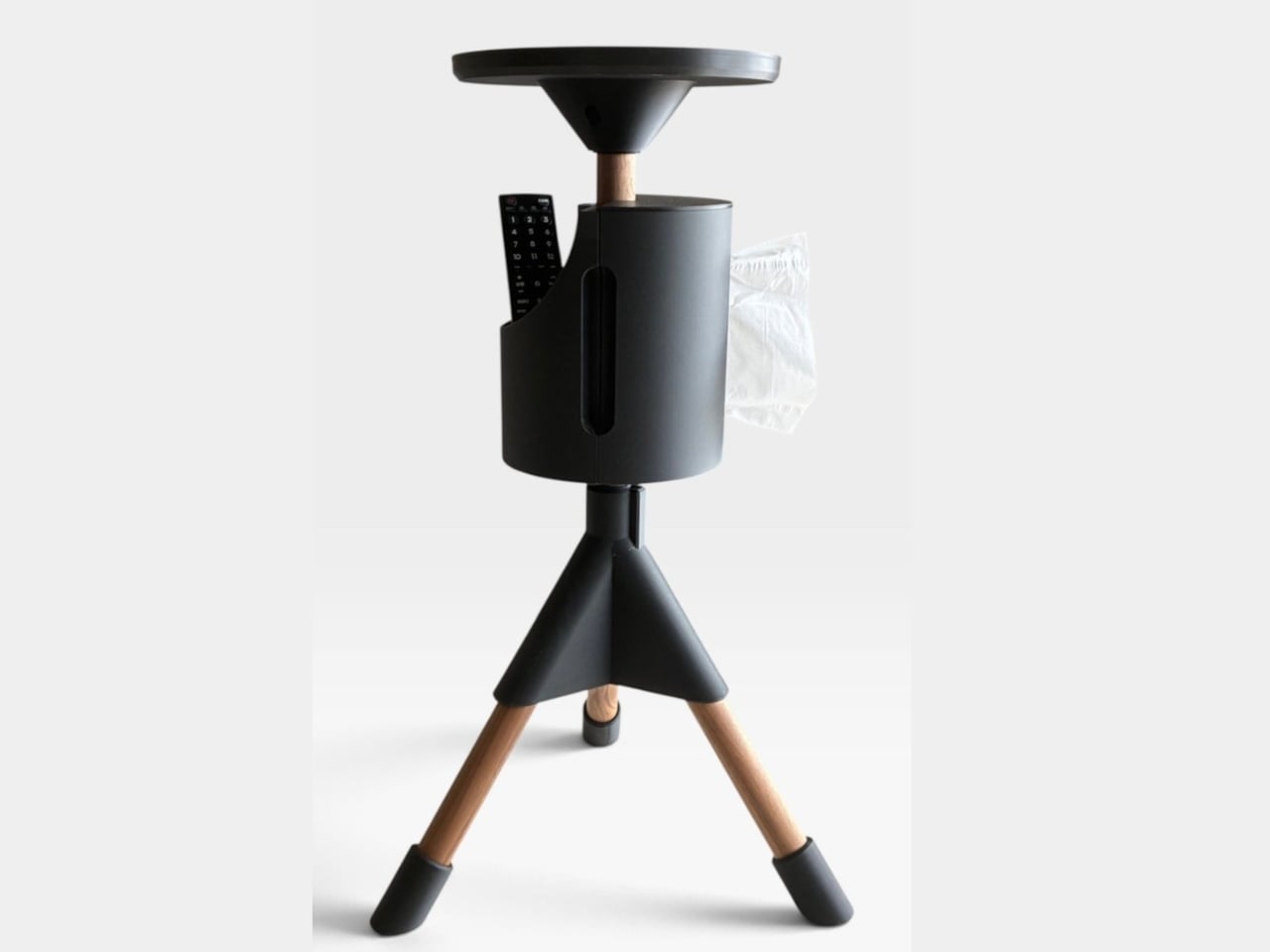
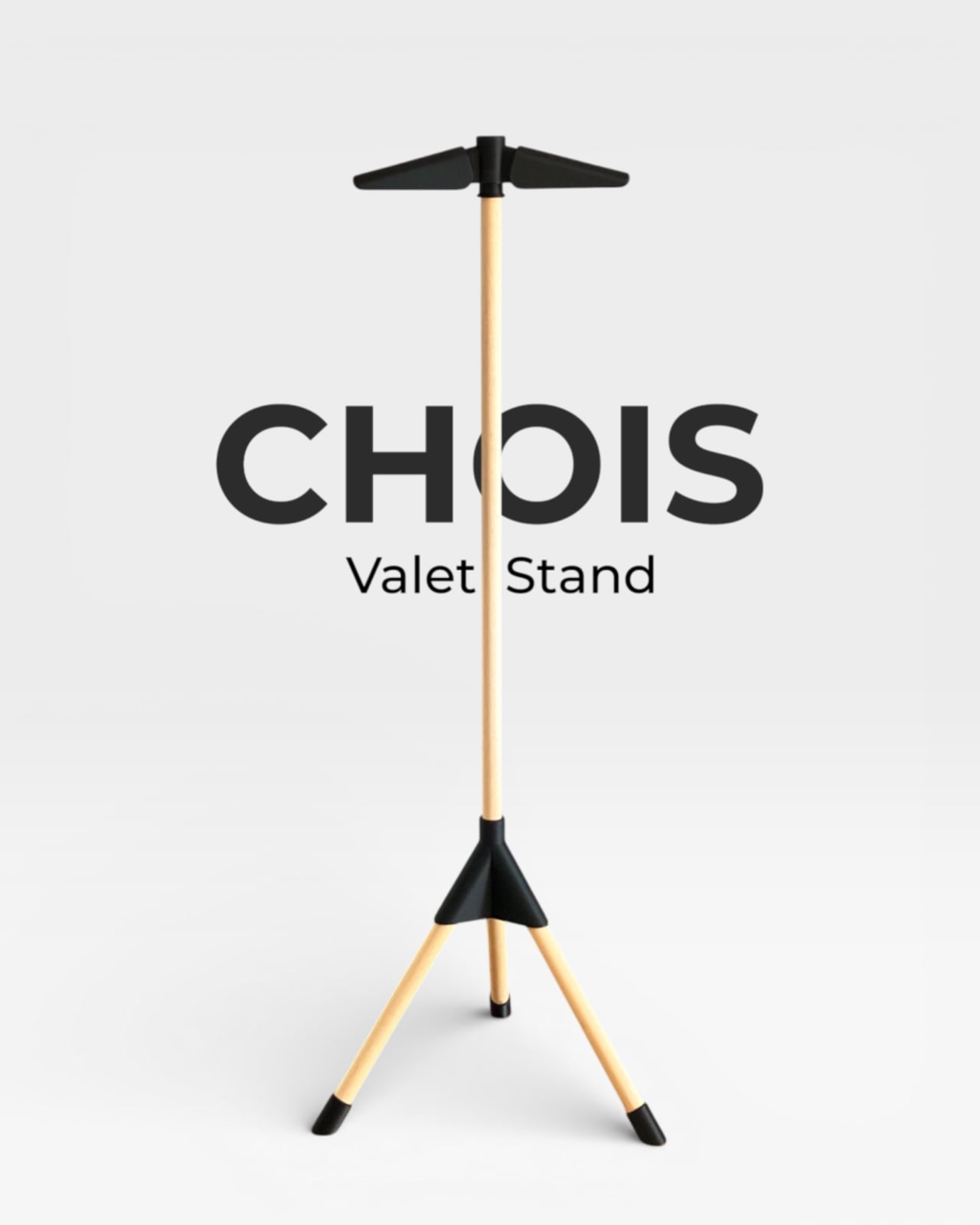
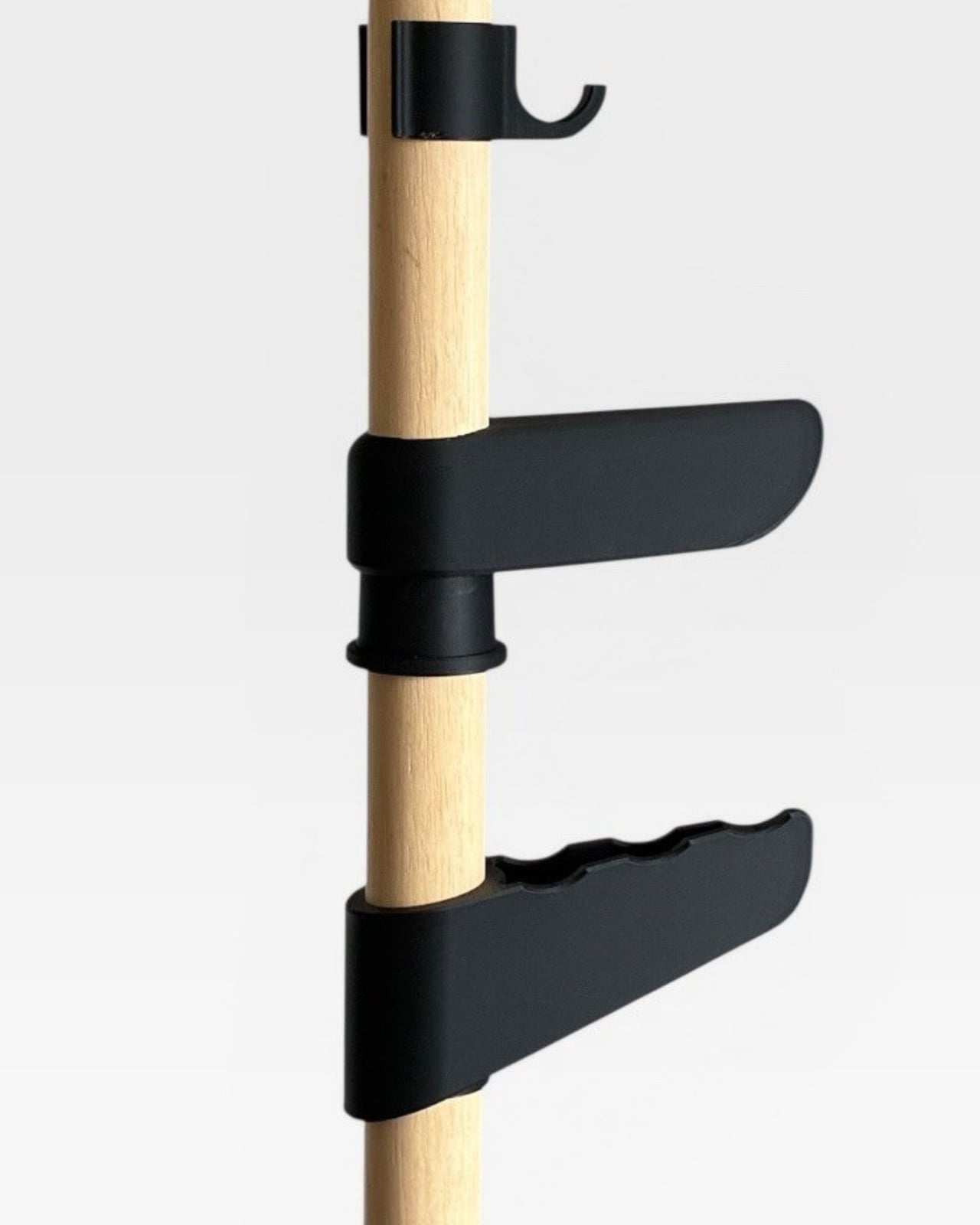
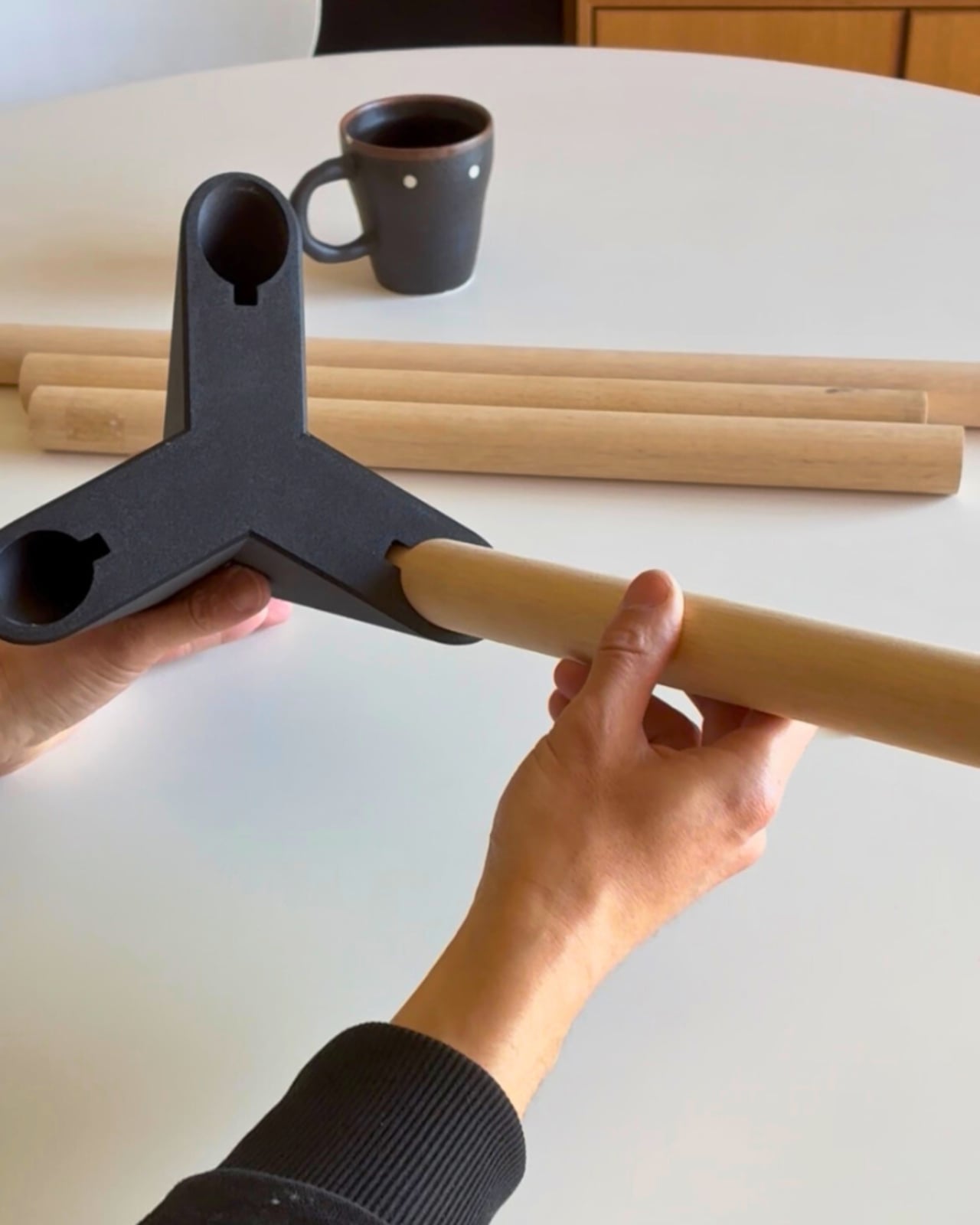
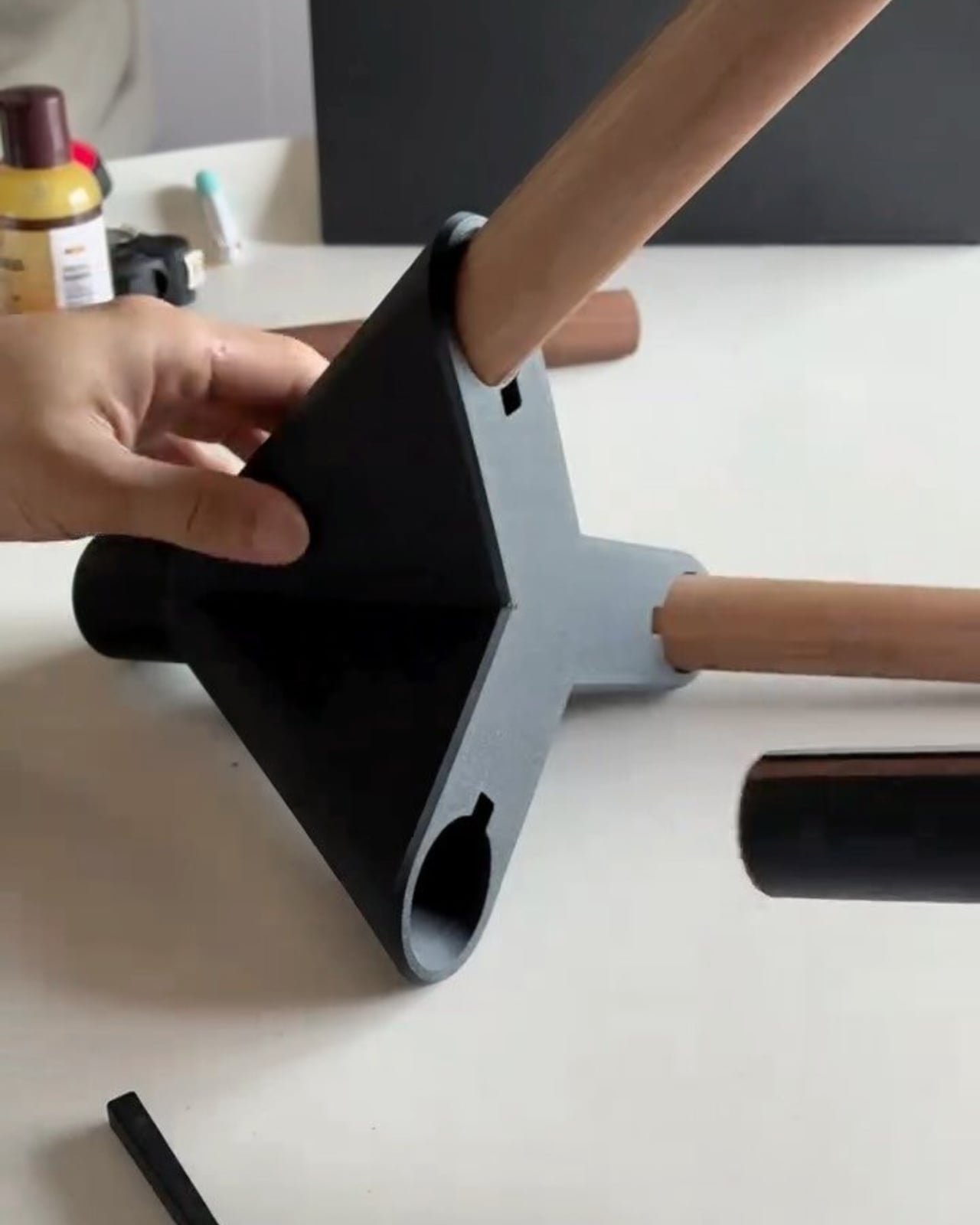
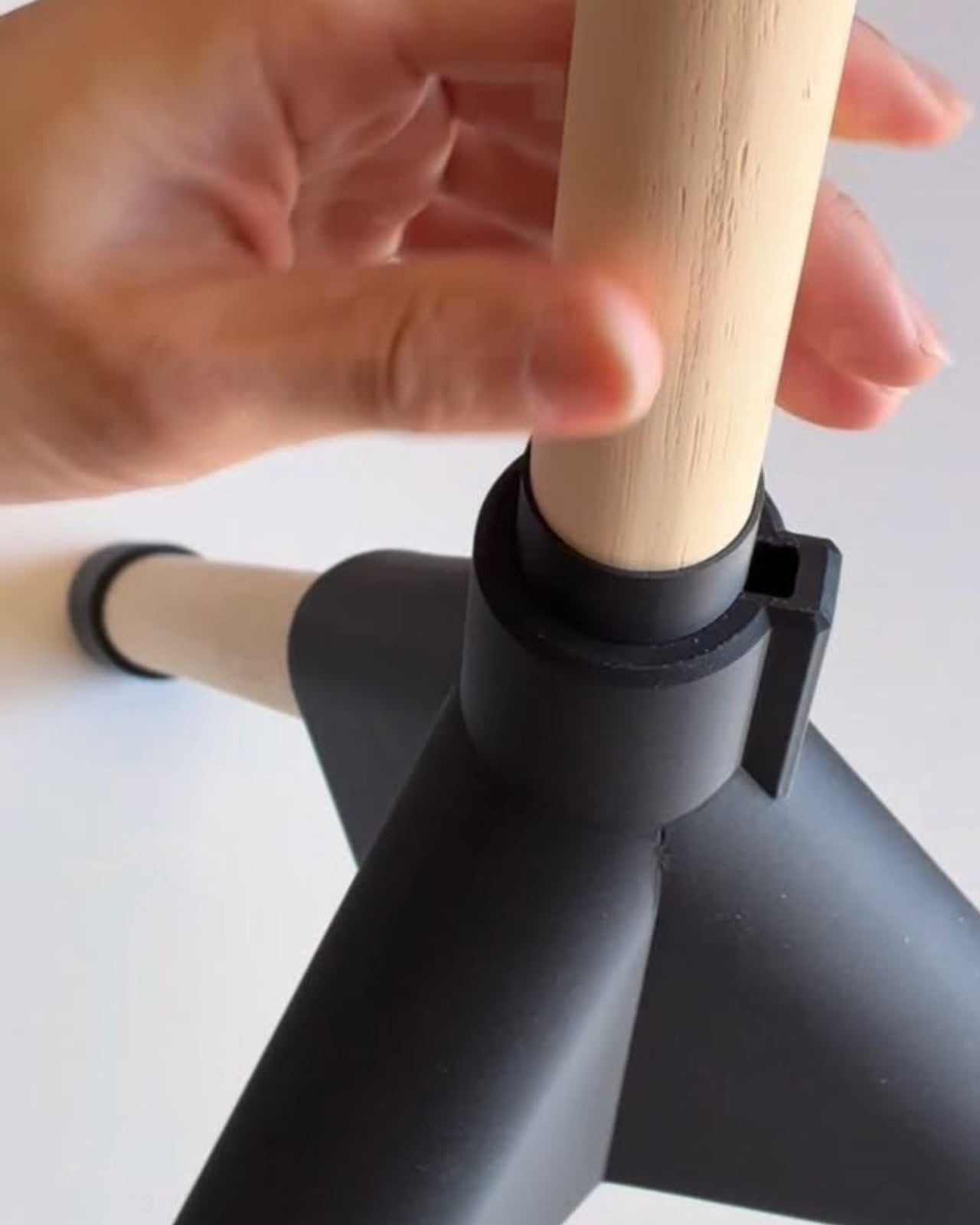
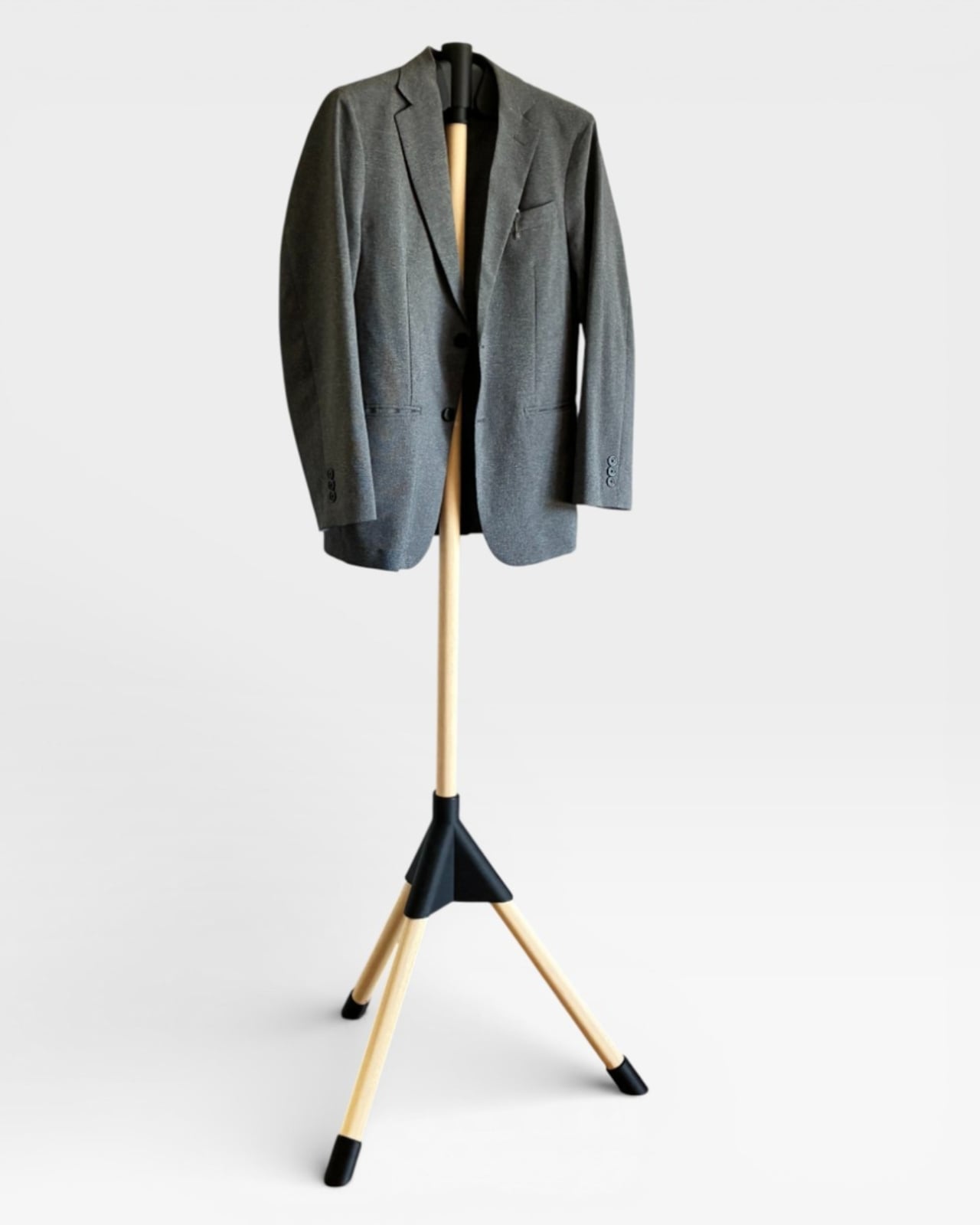
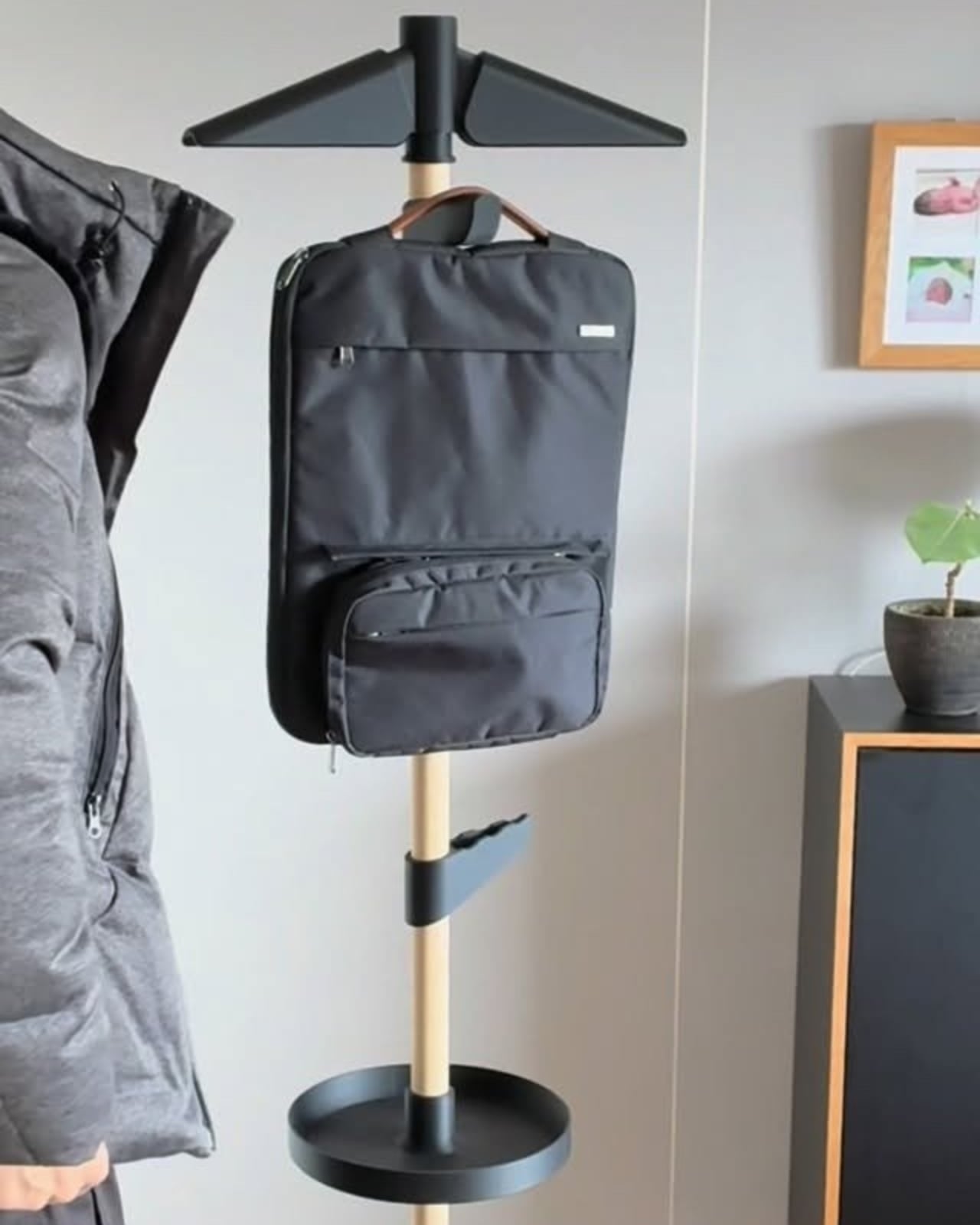
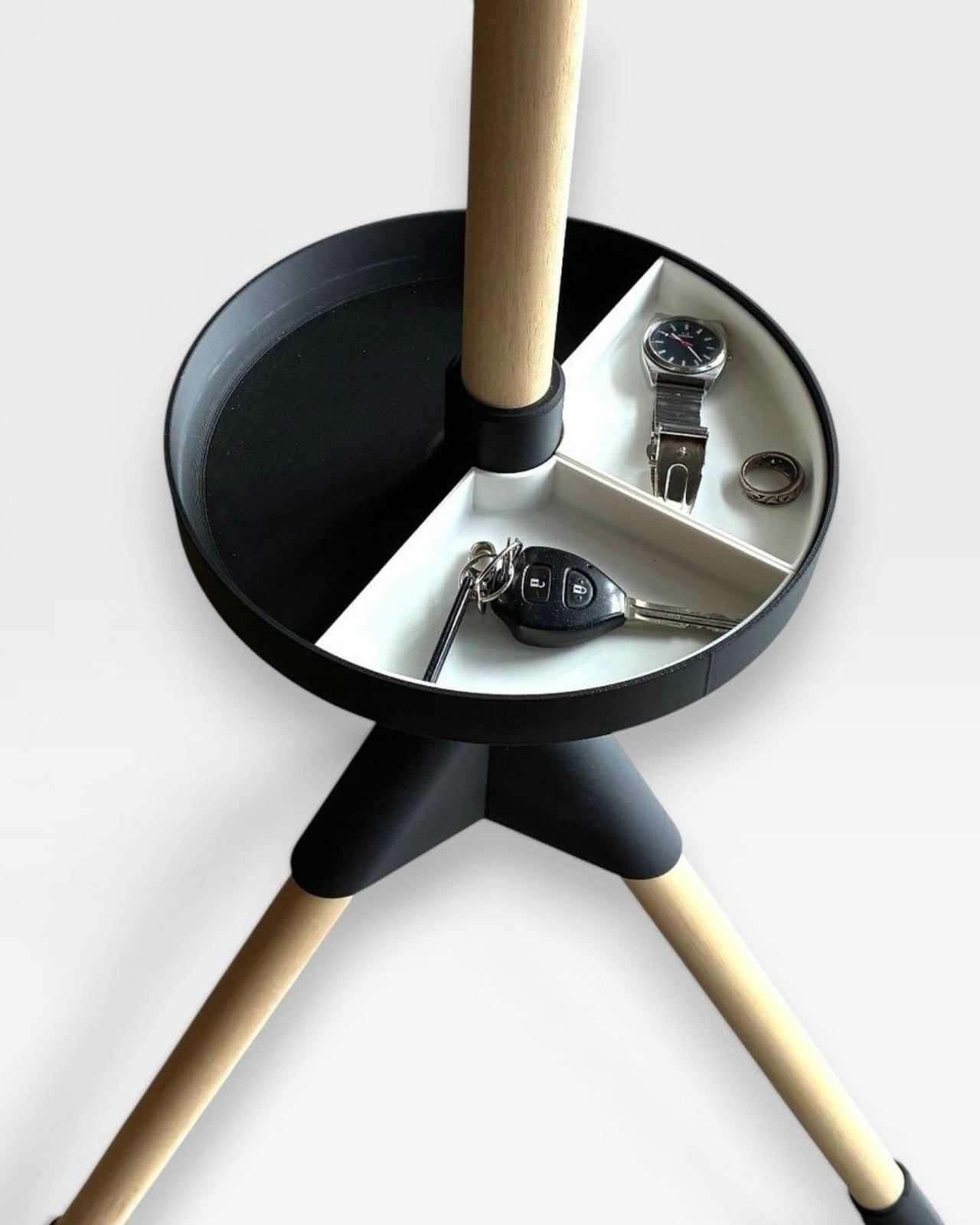
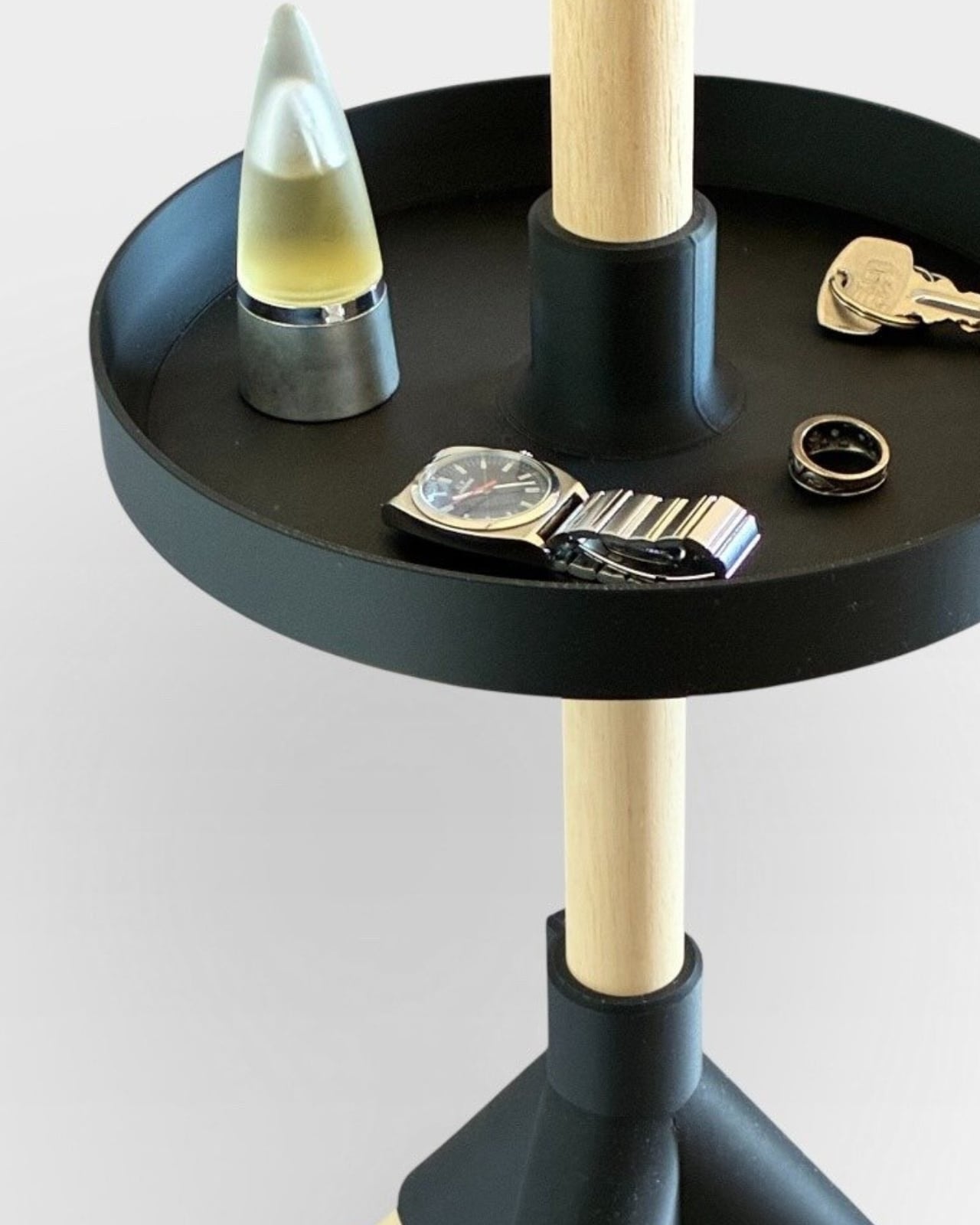
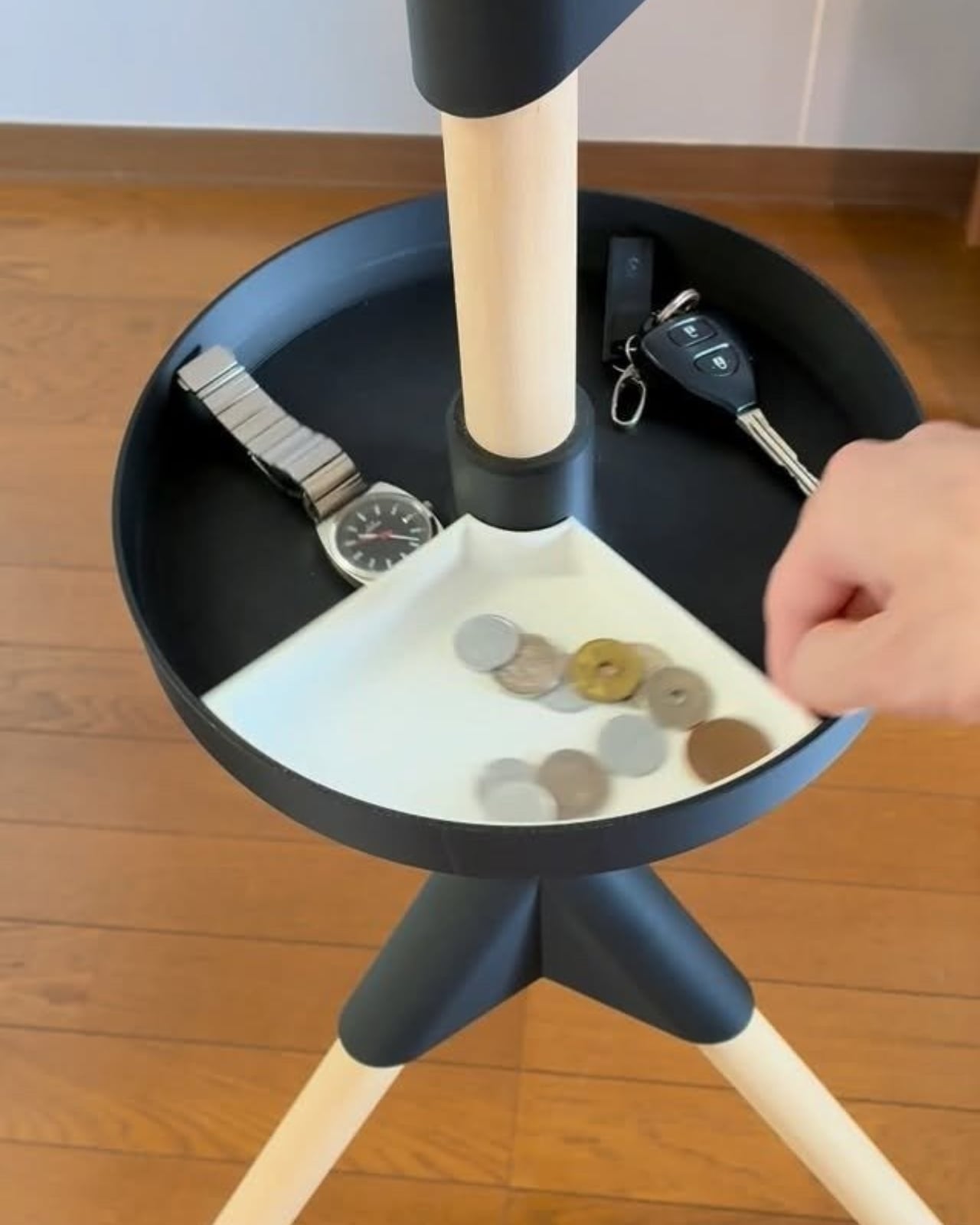
That’s the quiet frustration Japanese designer Nobutsuna Honami, who works under the name Inahono Furniture, seems to be answering with Chois. It’s not a table or a shelf or a coat rack. It’s a small family of 3D-printed joints, and that’s the whole product. You supply the rest yourself, in the form of ordinary wooden dowels you can pick up at any hardware store. Slot the dowels into the printed connectors, and you’ve got a three-legged furniture unit that can become a side table, a valet stand, or a hanging rack, depending on the lengths you cut and the angles you choose.

Designer: Nobutsuna Honami

What gets me about this approach is how little it actually manufactures. A typical furniture company ships you a finished object, or at best a kit of pre-cut parts matched to one specific design. Chois flips that math. The only engineered component is the joint itself, a small piece of plastic that would fit in your palm. Everything else, the length of the legs, the height of the table, the wood species, the finish, is left entirely up to whoever’s building it. You’re not buying a table. You’re buying the idea of a table, and finishing the sentence yourself.

I keep thinking about what this does to the economics of furniture, in a good way. Dowels are cheap, standardized, and available almost everywhere, which means the actual cost of a piece drops to whatever a handful of printed joints run plus a trip to the lumber aisle. There’s no container ship required, no oversized box, no styrofoam corners destined for a landfill. If a leg cracks or you want a taller version for a different room, you don’t throw out the whole piece. You cut a new dowel and keep the joint you already have.

I’ll admit I’m a sucker for design that treats the user as a collaborator rather than a customer. Chois doesn’t ask you to have carpentry skills, which is refreshing, since most modular furniture that promises “you build it” still expects you to own a miter saw and know what you’re doing with it. Here the precision lives entirely in the printed joint. The dowel just needs to be cut roughly to length, and the connector handles the angle and the structural logic. That’s a genuinely clever way to lower the barrier for anyone who wants custom furniture but has never built anything sturdier than an IKEA shelf.

It also fits neatly into where small-scale manufacturing seems to be heading. 3D printing gets a lot of hype for making entire objects, chairs, lamps, whole rooms, but the more interesting use case might be exactly this: printing only the part that actually benefits from precision, and letting cheap, universal materials handle the rest. A dowel is a dowel anywhere in the country. A joint that turns three of them into a stable structure is the clever bit, and it’s the only bit that needs a printer at all.

I don’t know if Chois scales beyond a niche of design-forward DIYers who already own a 3D printer or know someone who does. Access is still the real hurdle for a lot of home-fabrication ideas like this one. But as a proof of concept, it makes a genuinely honest case for furniture that adapts to your space instead of the other way around. Sometimes the most useful design decision isn’t adding more to a product. It’s figuring out the smallest possible thing you actually need to make, and trusting the rest to whatever’s already sitting in a hardware store bin.

The post 3 Printed Parts That Quietly Replace the Furniture Store first appeared on Yanko Design.