Building your own mobile phone might sound like a daunting task, but the MAKERphone 2.0 makes it surprisingly accessible. This DIY kit, highlighted by Kickbooster, allows users aged 9 and up to assemble a fully functional 4G mobile phone without the need for soldering. Featuring components like an ESP32-S3 processor, a 1.77-inch color display and […]
Apple’s debut in the foldable smartphone market with the iPhone Duo has introduced a compelling rival to Samsung’s Galaxy Z Fold 8. With its premium design and innovative features, the iPhone Duo challenges Samsung’s established dominance in the foldable space. However, Samsung’s years of experience and loyal user base provide it with a unique advantage. […]
My camera roll currently sits at just under 44,000 photos. I know this because my phone reminds me constantly, usually right as I’m trying to take one more picture and it tells me storage is full. Somewhere in that pile are sports events, concerts, selfies when I felt cute, and lots of coffee and journaling things. None of them exist anywhere except as pixels I’ll scroll past twice and then never open again. That’s not a personal failing. That’s just what happens to photos now. We take more of them than any generation in history and do less with them than ever before.
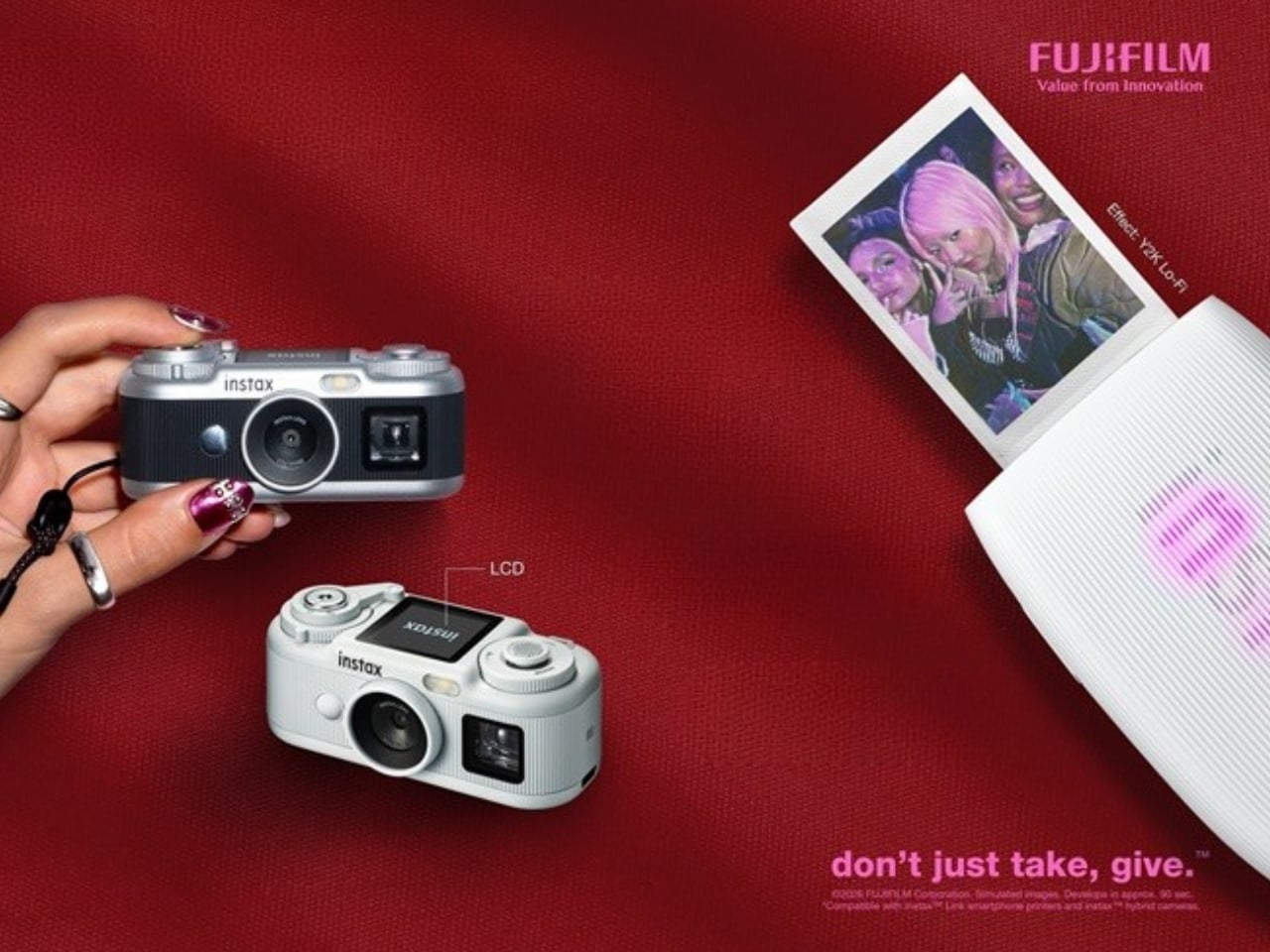
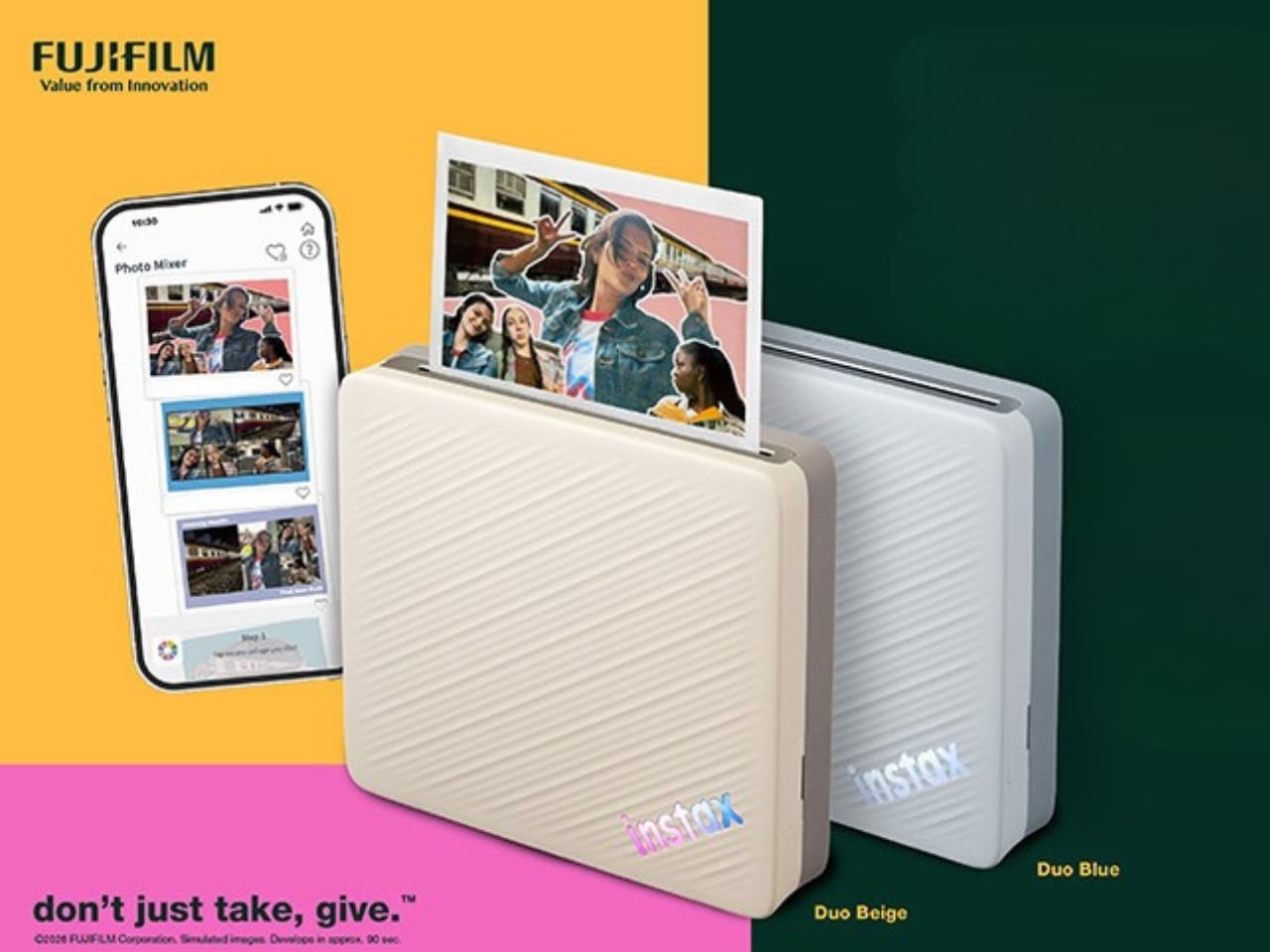
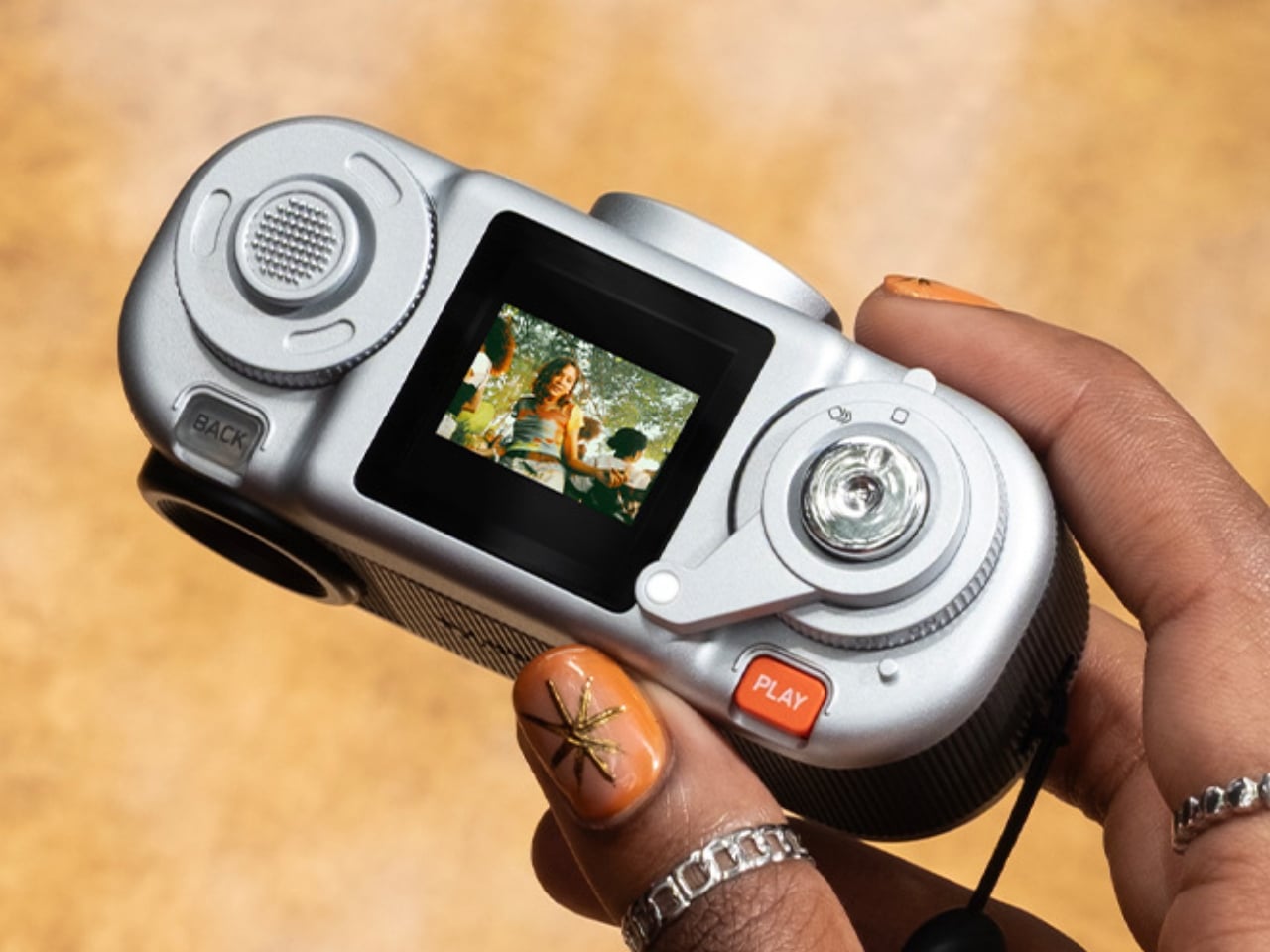
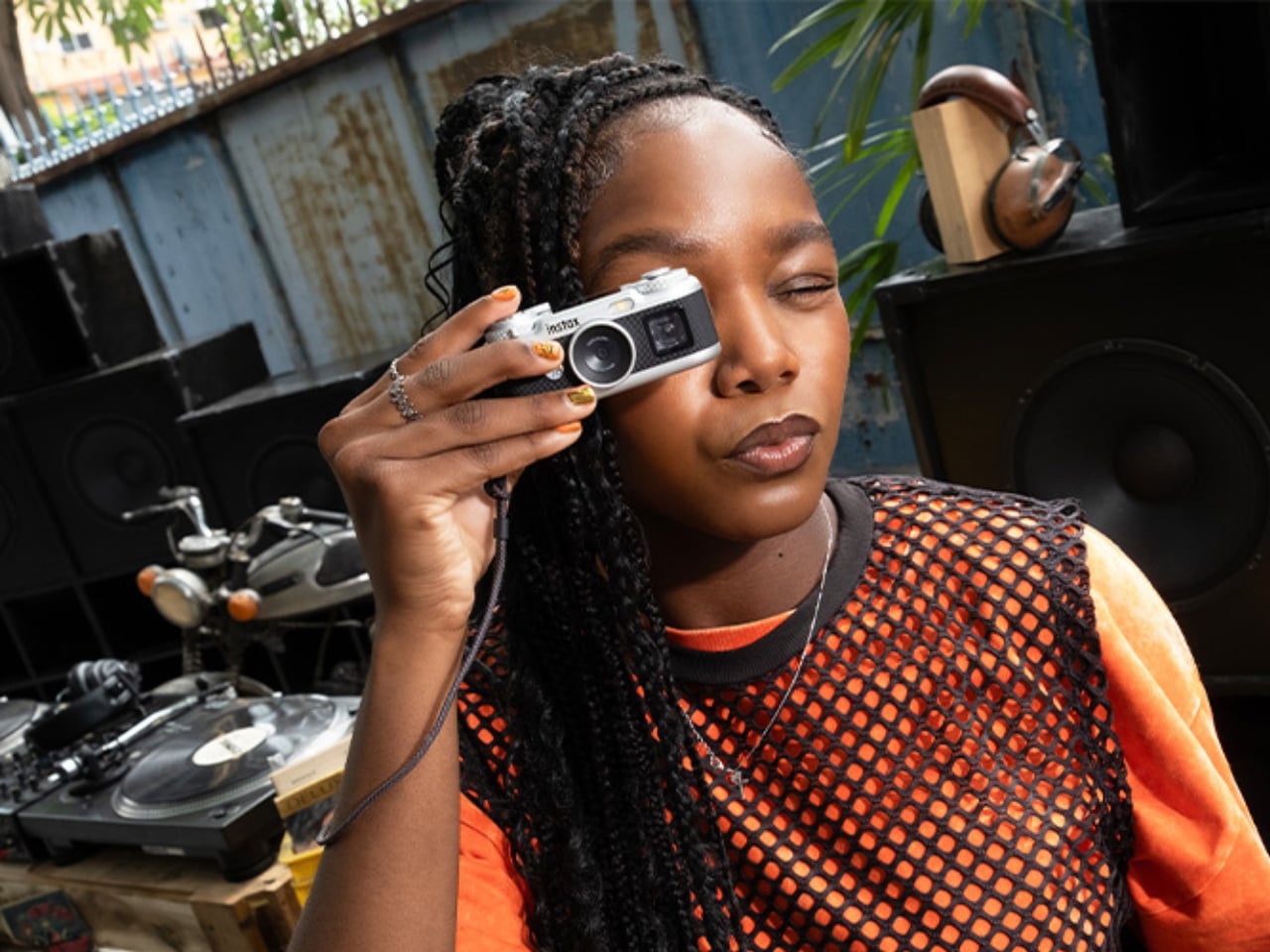
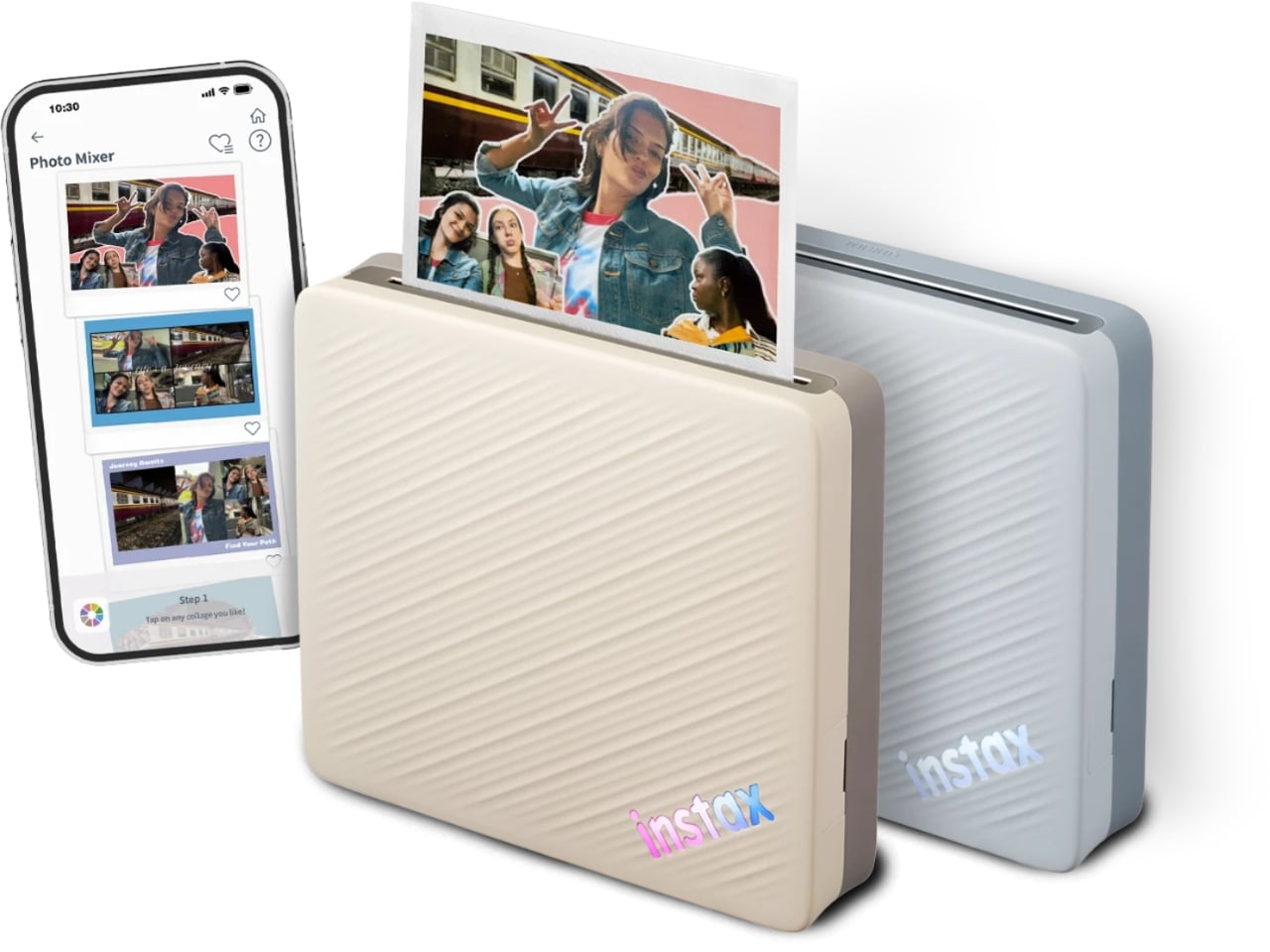
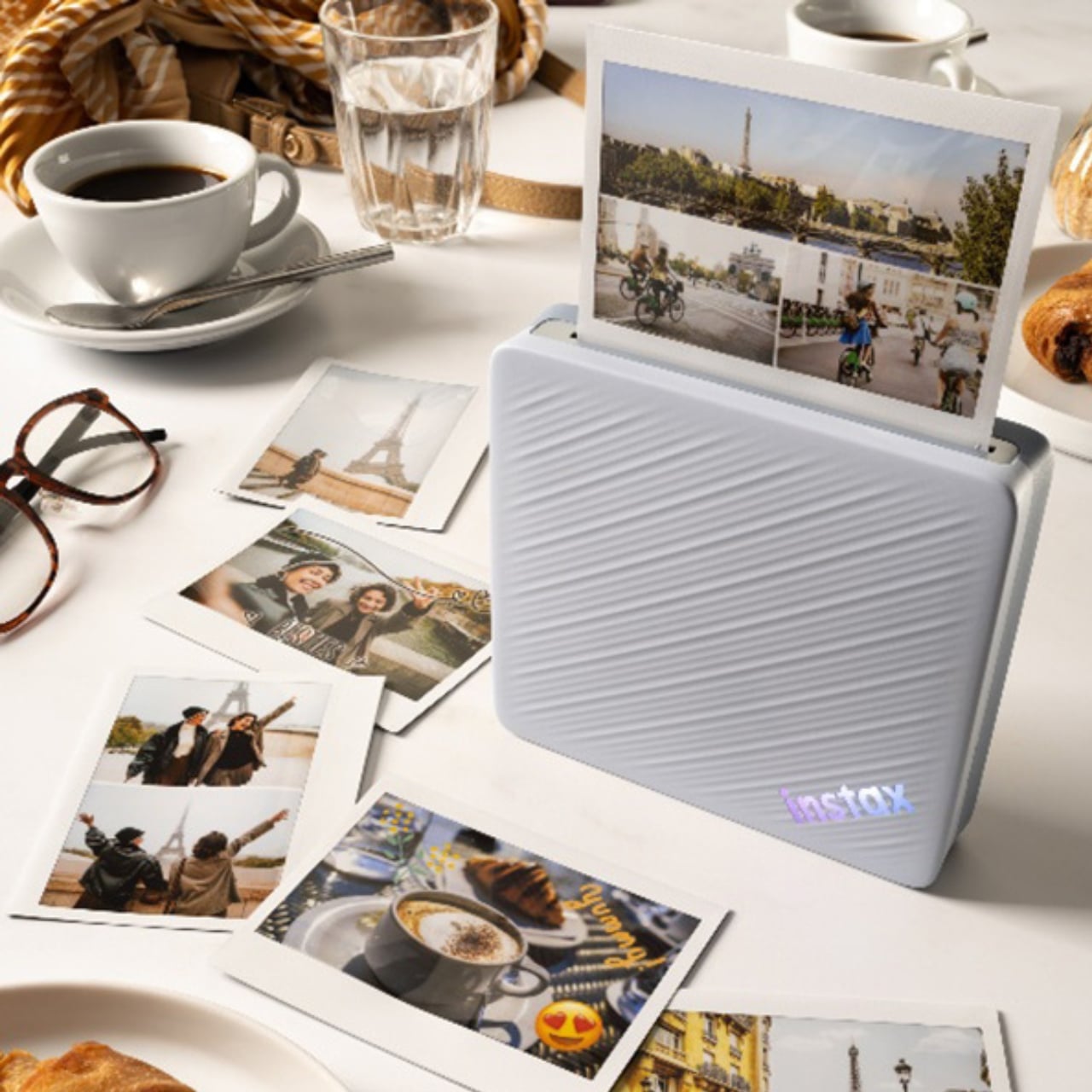
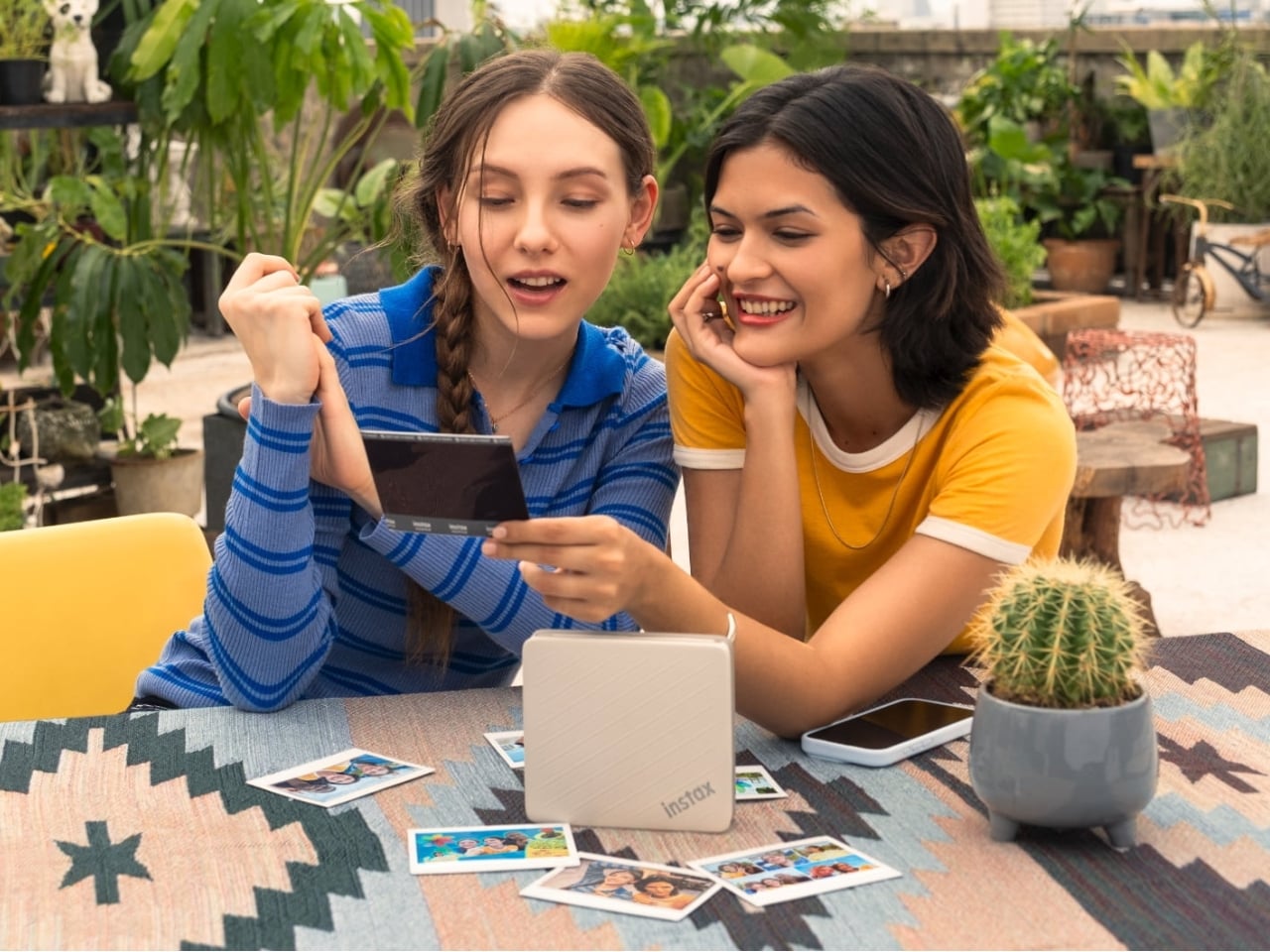
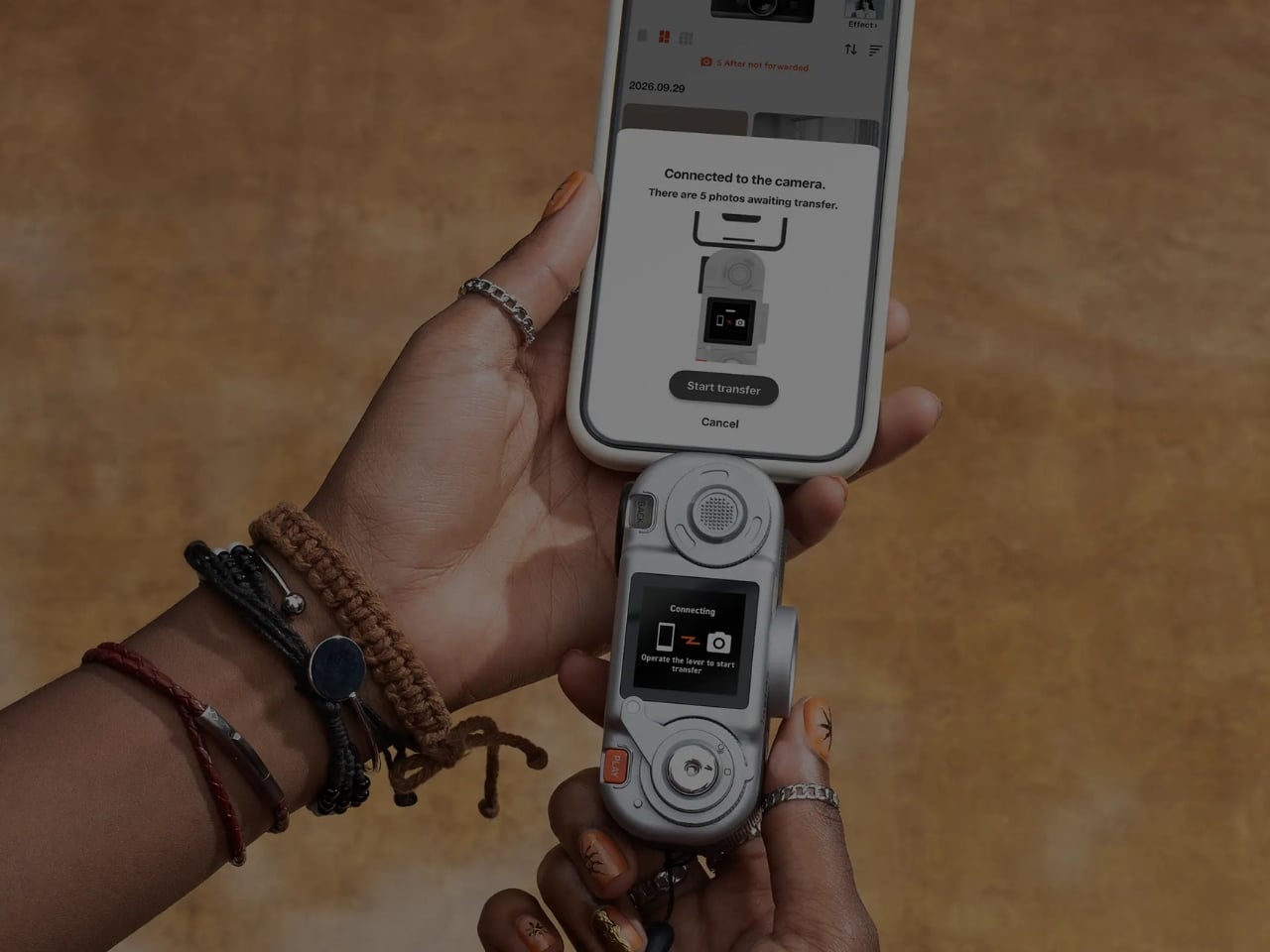
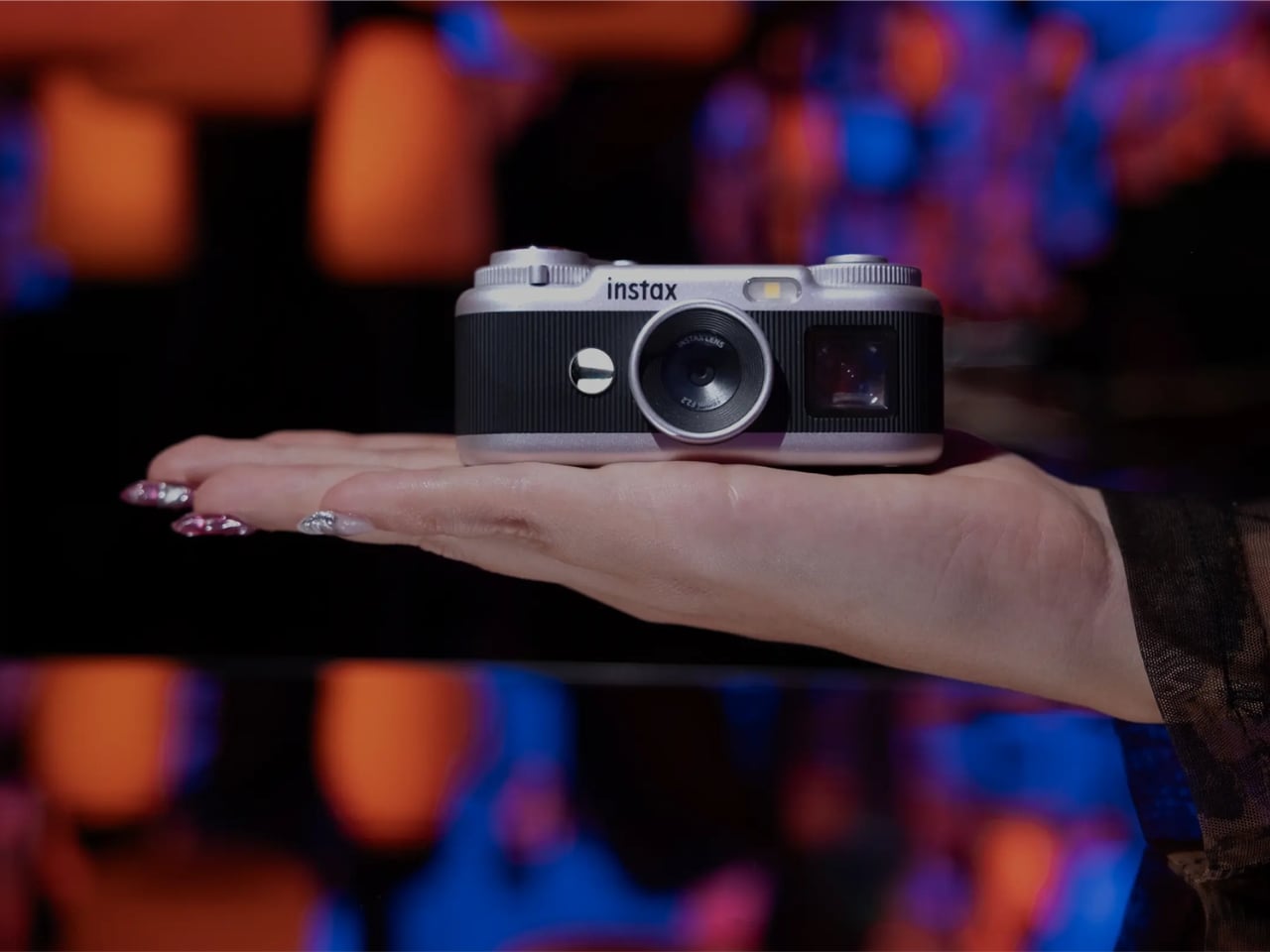
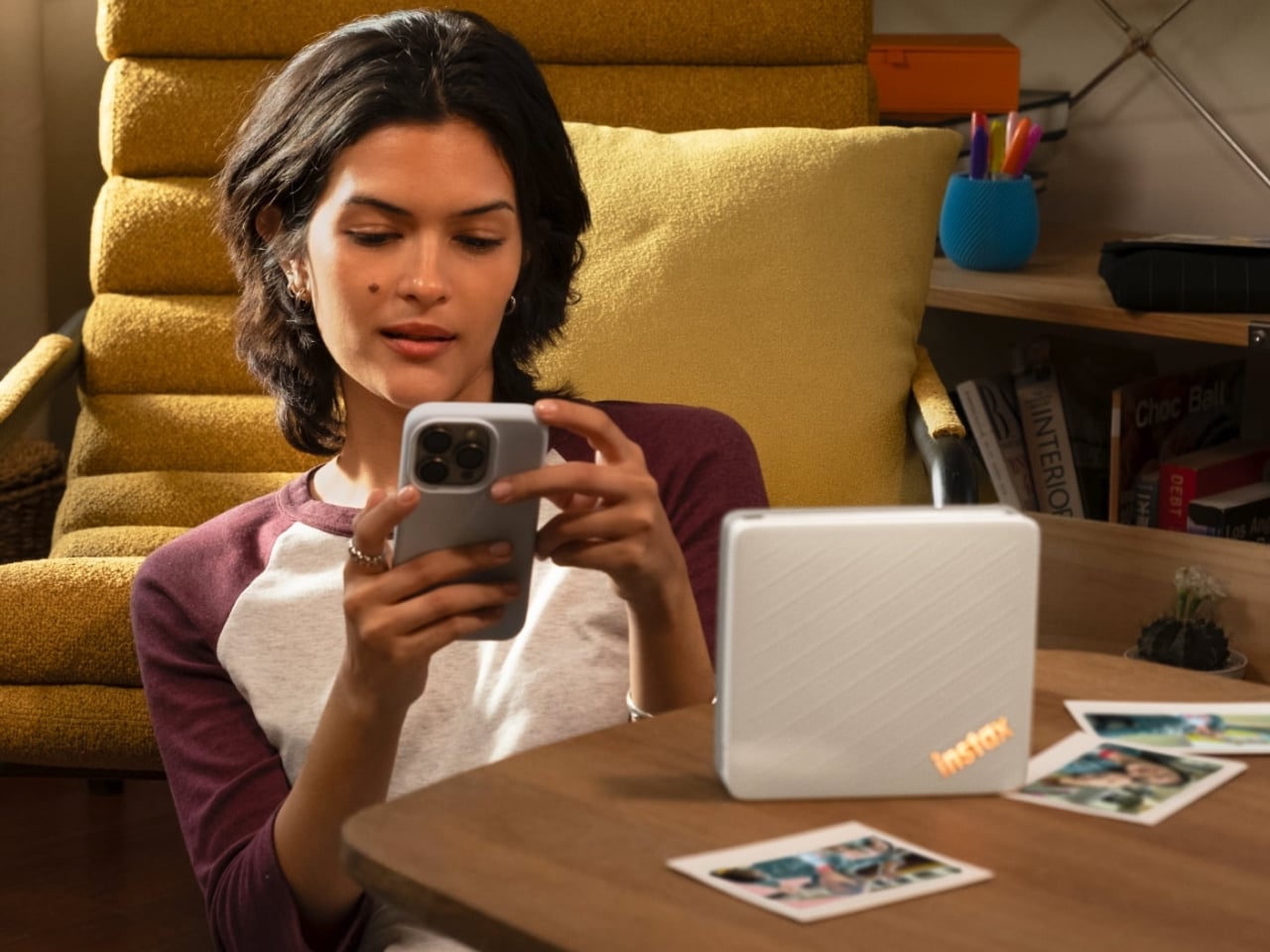
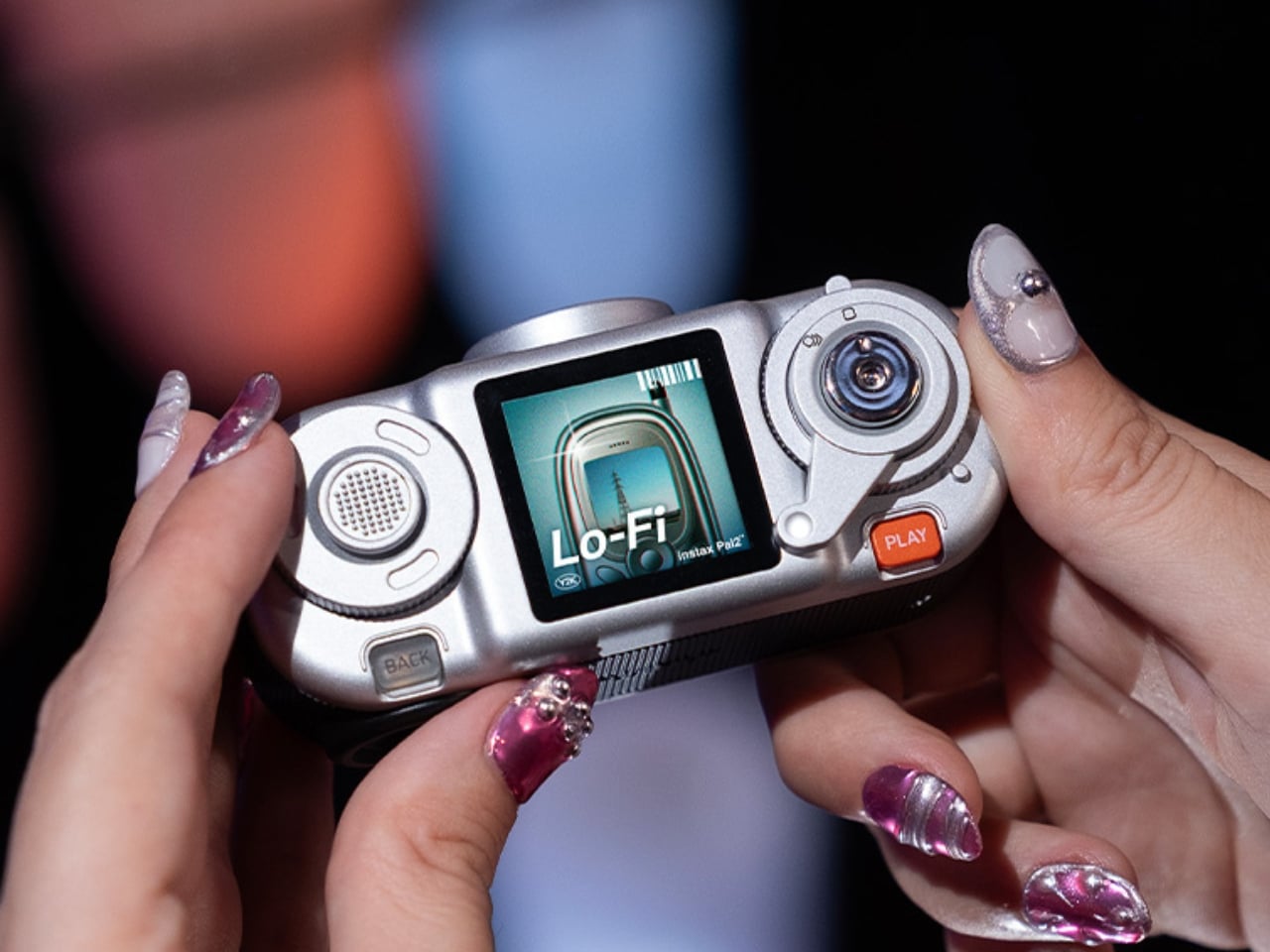
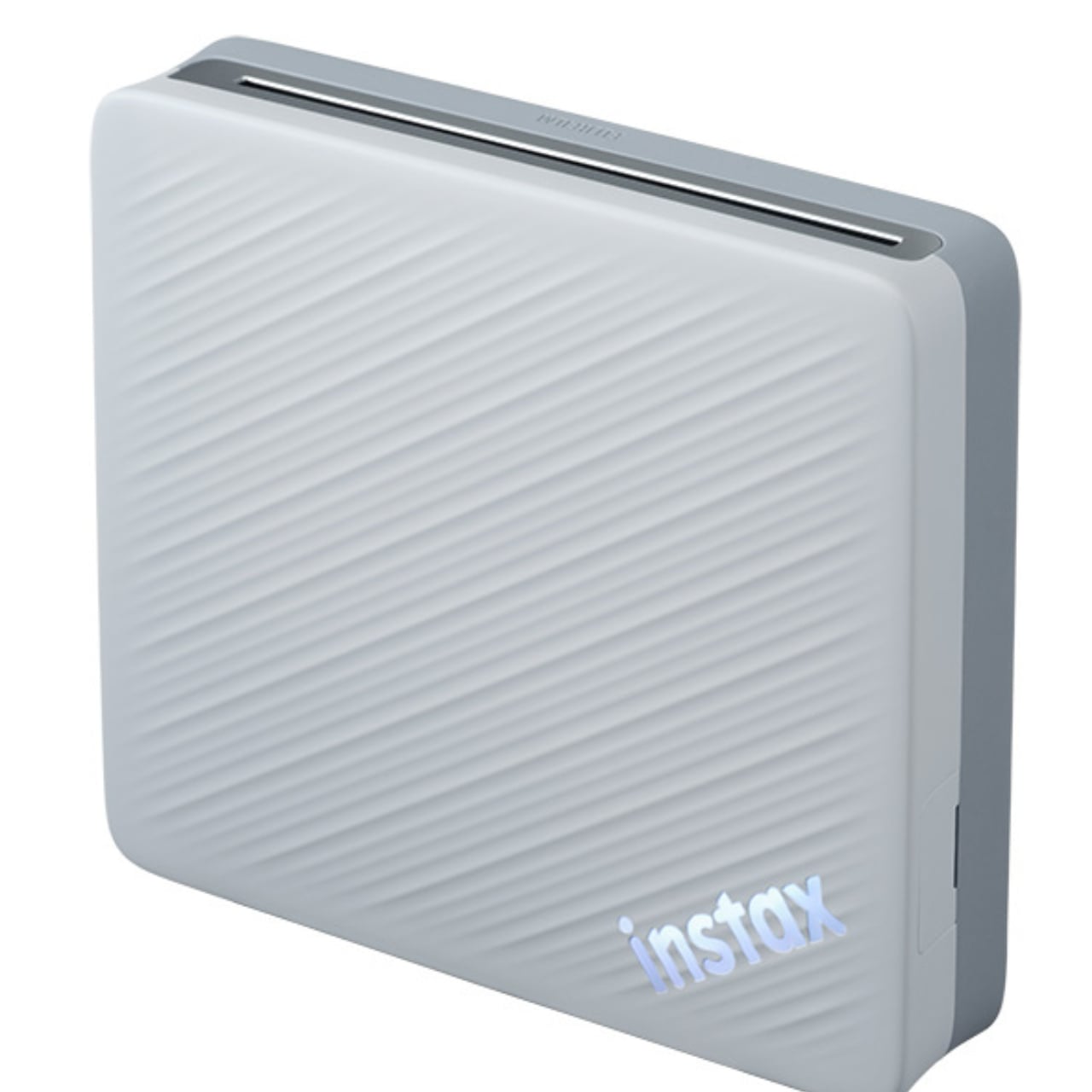
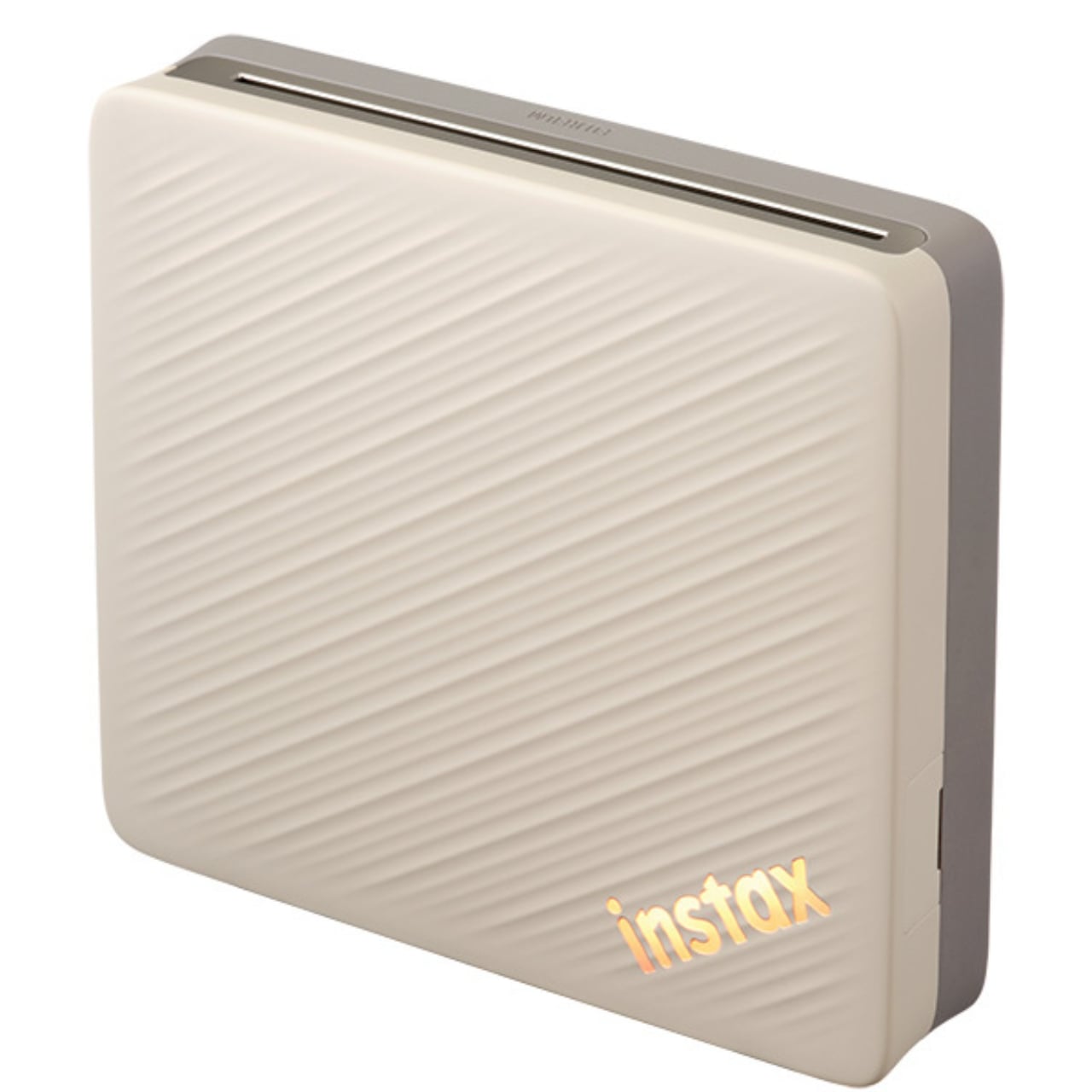
Fujifilm seems to have noticed the same thing, because the two products it just announced, the Instax Pal 2 camera and the Instax Link WIDE 2 printer, are built almost entirely around getting photos out of your phone and into your hands again. Not instead of your phone. Alongside it. That distinction matters, and it’s the smartest thing about this whole release.
Designer: Fujifilm
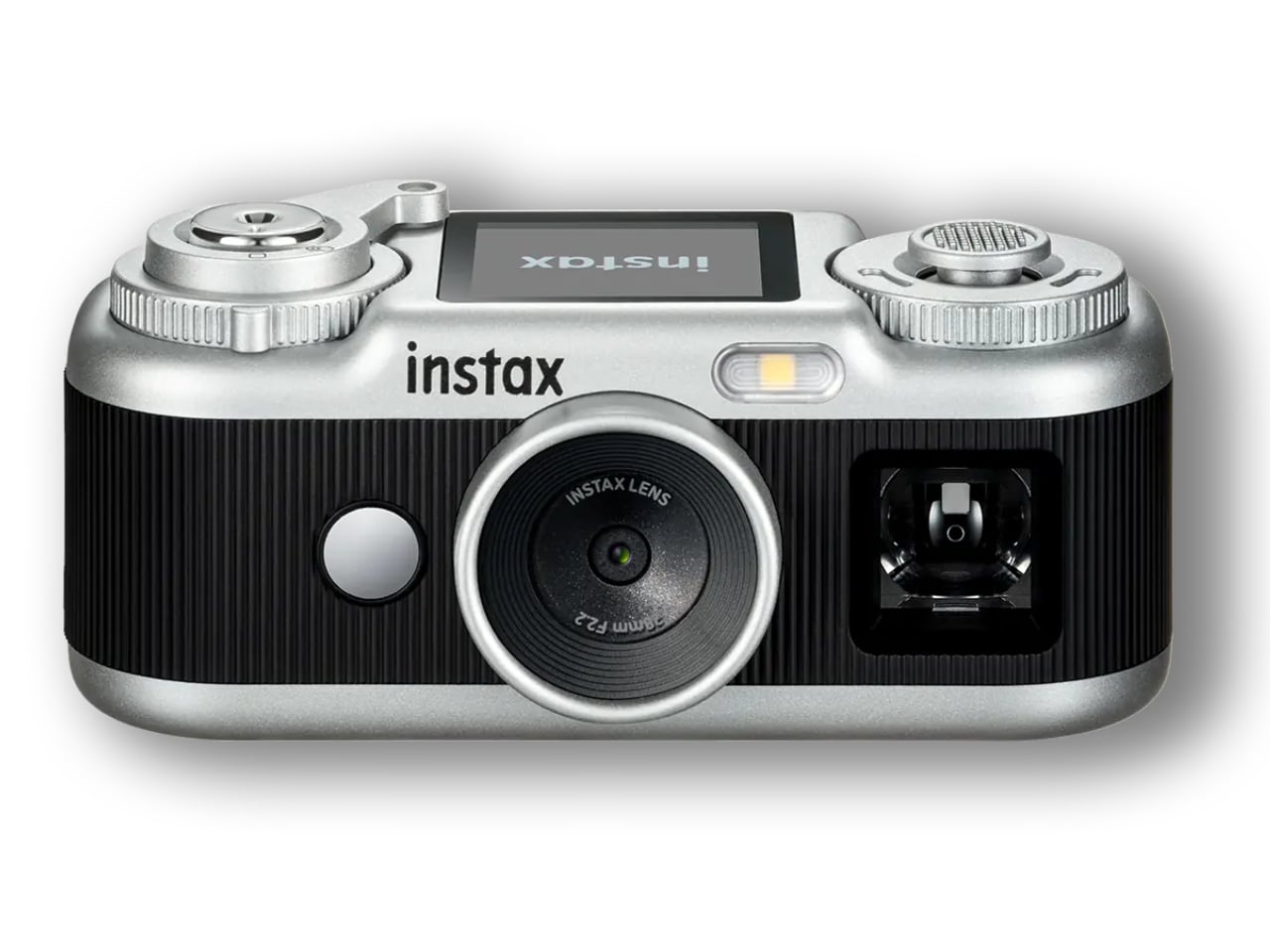
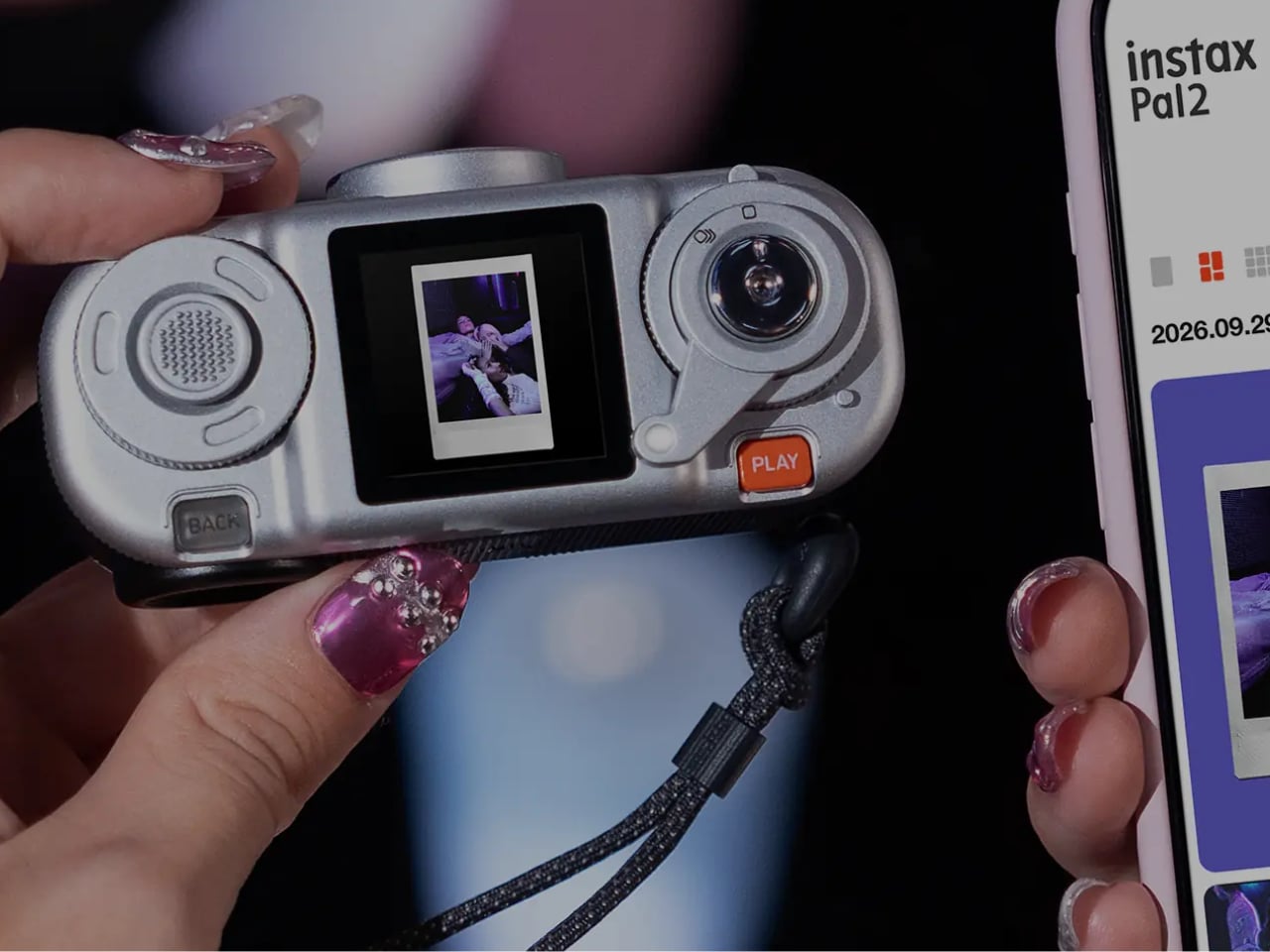
The Pal 2 is the more surprising of the two. It’s a digital camera, not a film camera, which sounds like a strange thing for an instant photo company to make. But that’s kind of the point. It bumps the resolution up to 10 megapixels, adds an actual optical viewfinder the original never had, and gives you a top-mounted screen so you can check a shot the way you’d check a photo on a real camera, not a phone screen. There’s a dial, a lever, a shutter button that clicks with intention. None of this is necessary in a purely practical sense. Your phone already does all of it. But intention is exactly what’s missing from most of our photography lately, and Fujifilm seems to understand that a slightly inconvenient, slightly deliberate process is what makes people actually care about the picture they just took.
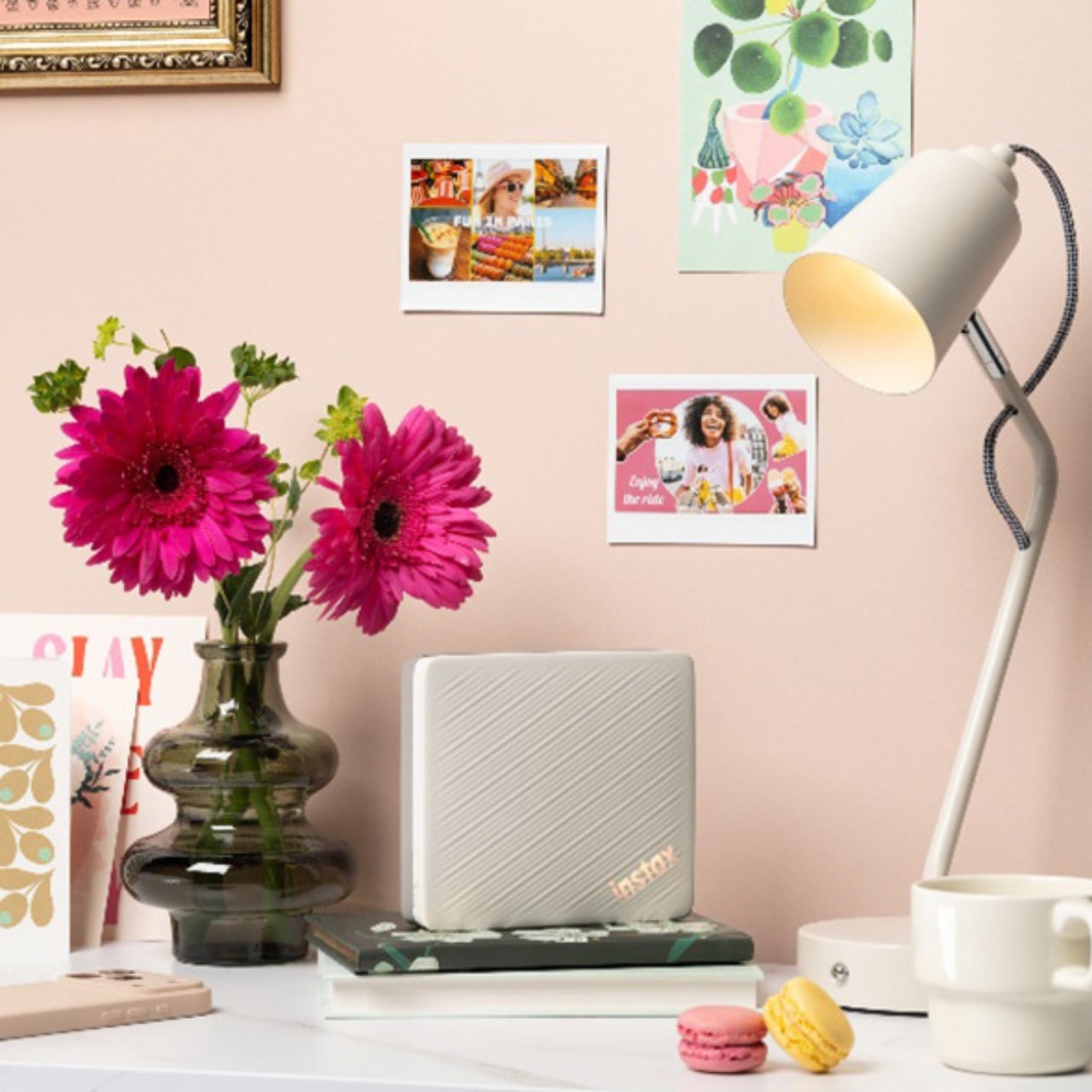
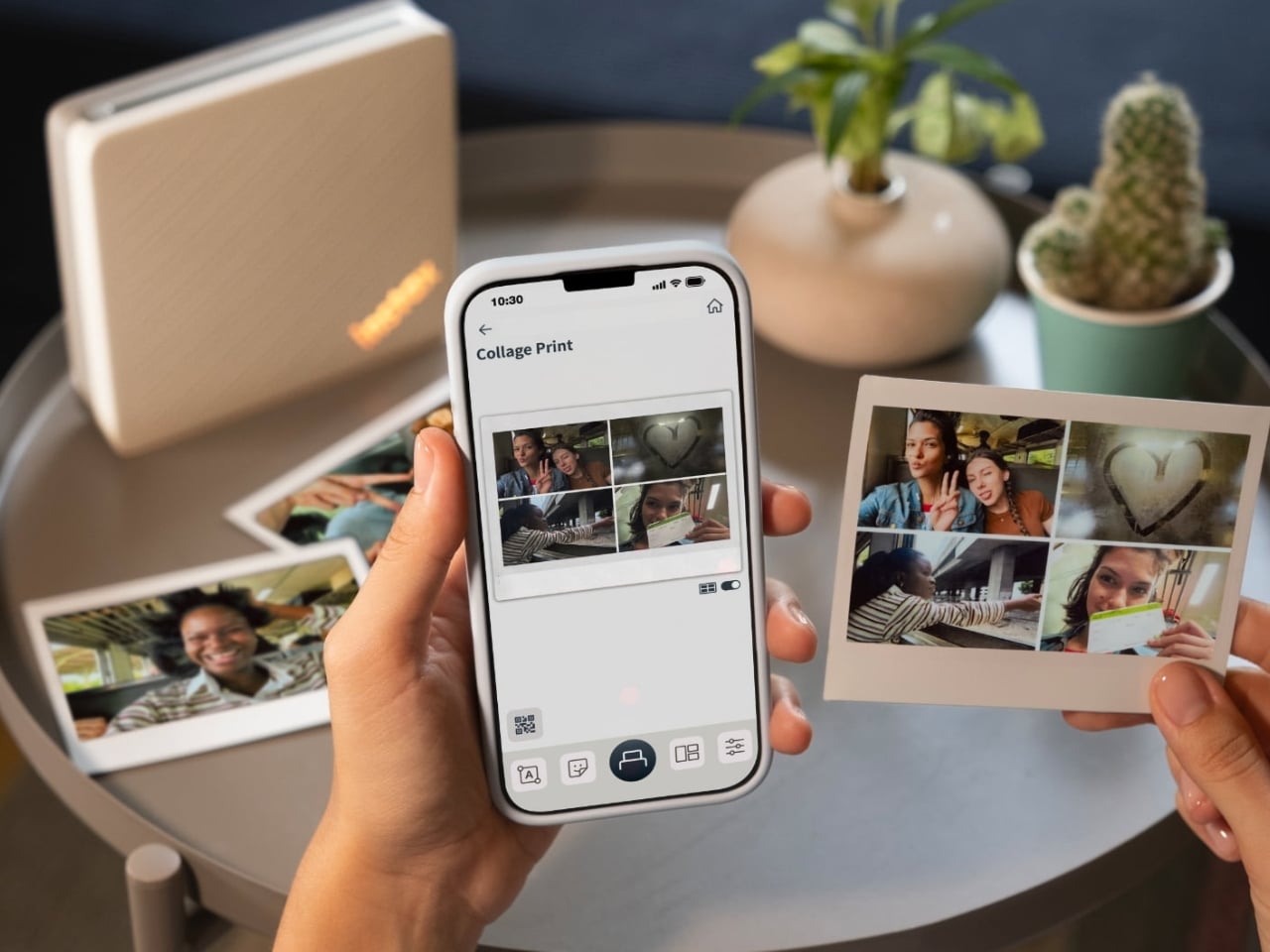
The Link WIDE 2 printer is where the idea gets finished. It prints Instax Wide film, the biggest format in the lineup, and it comes with a feature called Photo Mixer that lets you pull images straight from your phone’s camera roll and turn them into collage-style layouts before printing. You can remix a combination five times before committing. There’s also a QR Print Mode, which lets you tuck a hidden link into the print itself, a voice memo, a location, a note, whatever you want someone to find when they scan it later. It’s a small trick, but it’s a clever one. It turns a static print into something with a little more depth than what’s visible on the surface.
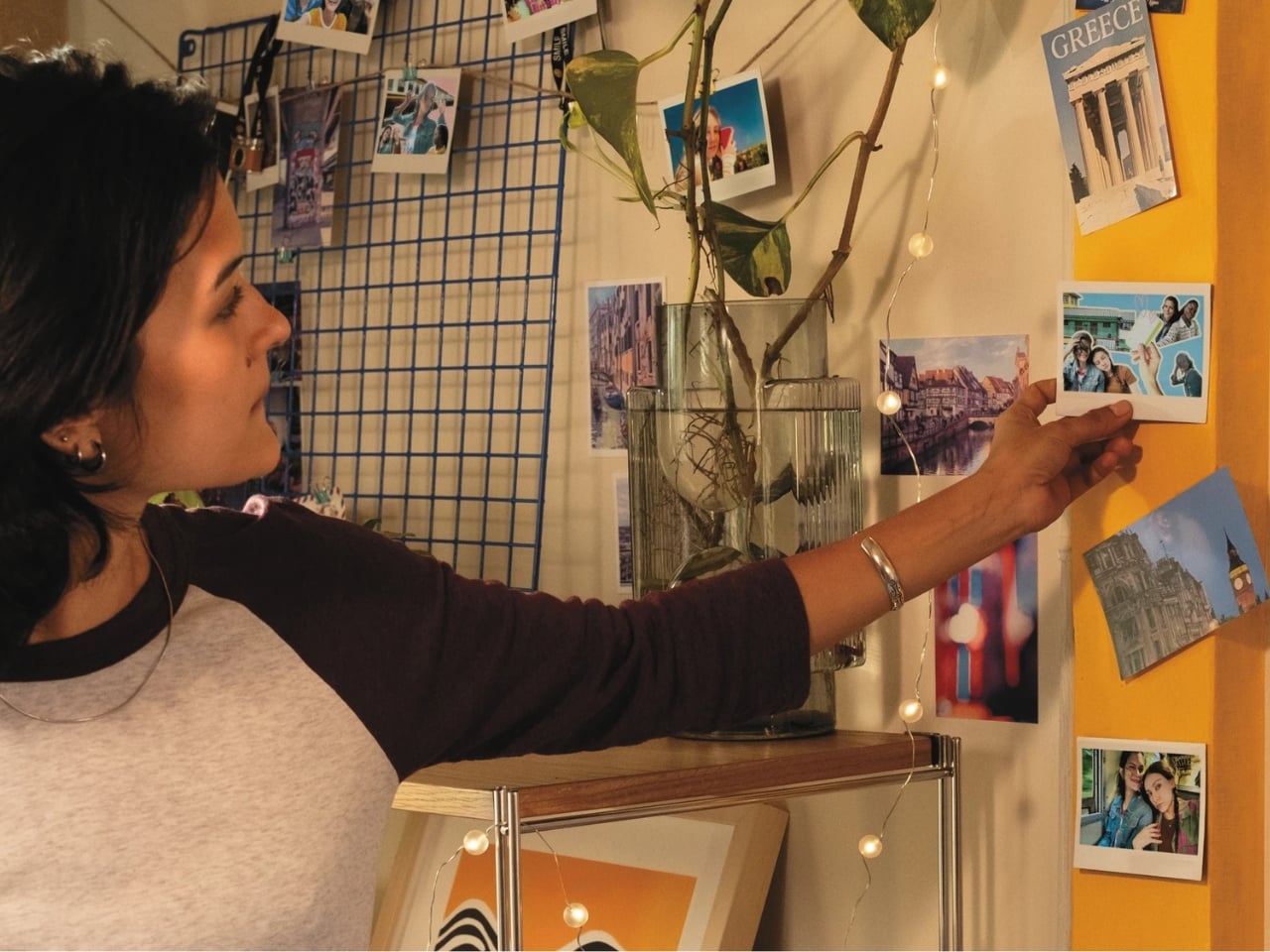
I don’t think either of these products is trying to replace phone photography, and I actually respect that they don’t pretend otherwise. What they’re doing instead is giving people a reason to slow down for the ten seconds it takes to pick one photo out of four hundred and make it real. That’s a small ritual, but rituals are basically what we’re missing. Nobody frames a JPEG. Nobody puts a camera roll on their fridge.
There’s a version of this story where Fujifilm is just capitalizing on nostalgia, riding the same wave that’s brought back film cameras and digital point-and-shoots among people too young to have used them the first time. That’s probably part of it. But nostalgia alone doesn’t explain why the company kept the analog controls, the viewfinder, the tactile dials, on a camera that has no film in it at all. That’s a design choice aimed at the feeling of taking a photo, not just the result.
Both products land in late September, priced at $169.95 for the Pal 2 and $179.95 for the Link WIDE 2. Neither is going to fix the fact that I have 14,000 photos I’ll never look at again. But it might convince me to take one on purpose, print it, and put it somewhere I’ll actually see it. For a photo, that’s the whole job.
Flying drones at night or in dimly lit environments can be a challenging task, but the ViFly spotlight for the DJI Neo 2 offers a practical way to enhance visibility and safety. This lightweight accessory delivers up to 300 lumens of brightness through its four high-intensity LEDs, making sure clear illumination even in complete darkness. […]
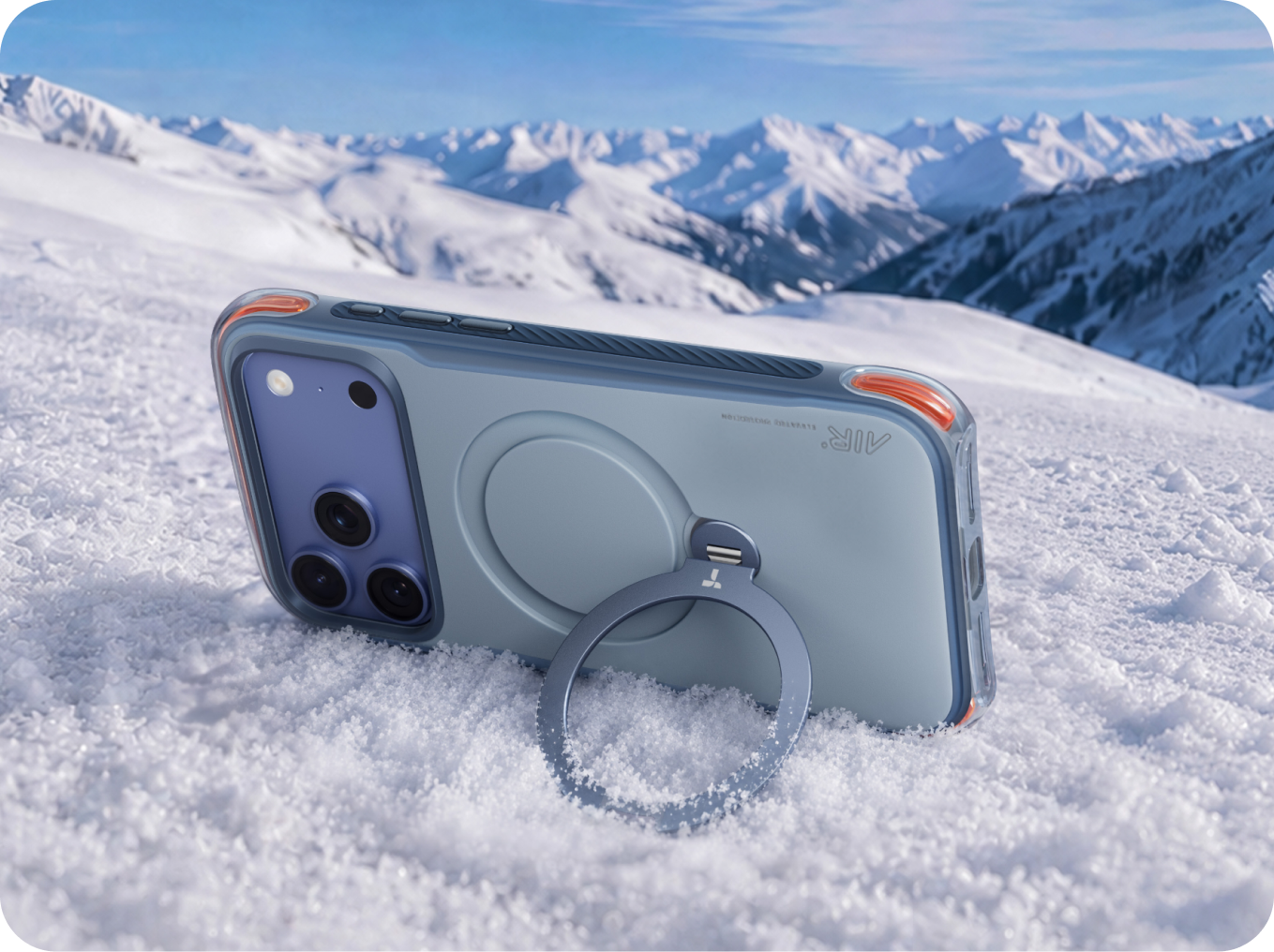
For years, rugged phone cases have followed a simple formula: more protection means more material. Thicker corners, heavier shells, deeper bezels, and bulkier frames have traditionally been used to put more distance between a smartphone and the ground. TORRAS is challenging that brute-force approach with the Ostand Q3 Series. Instead of simply adding material, the […]
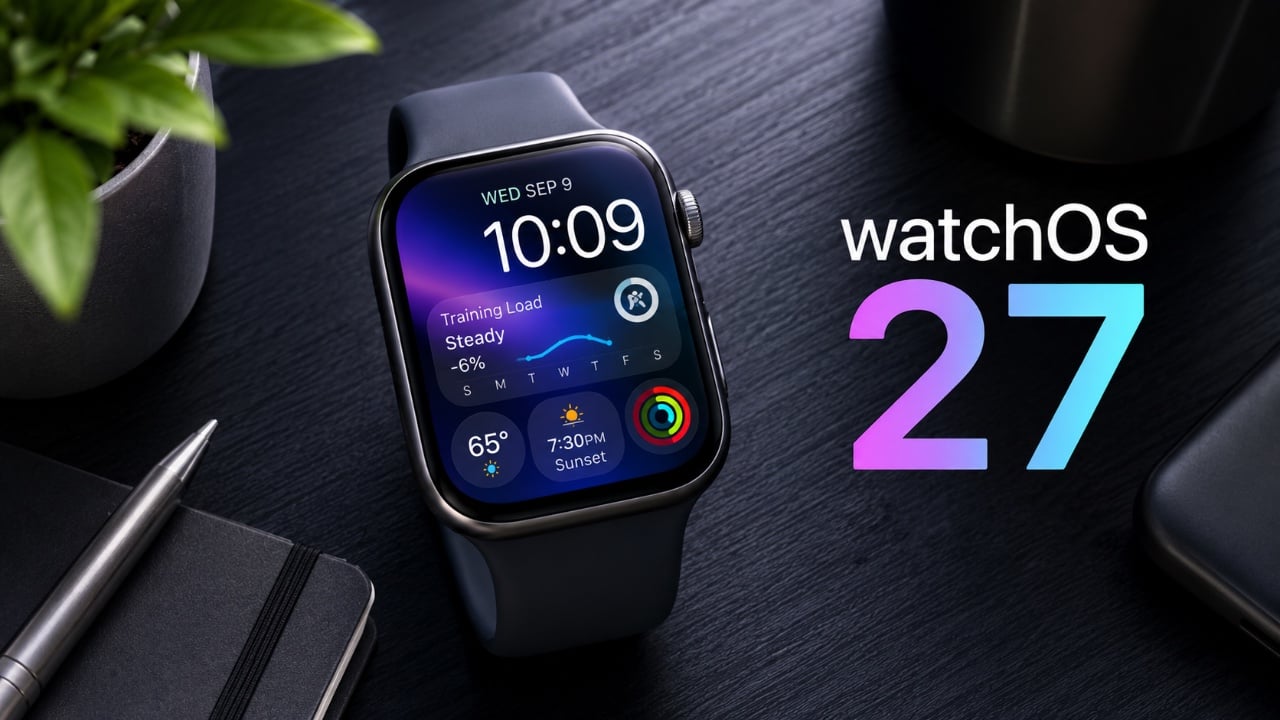
Apple has officially launched watchOS 27, the latest software update for its Apple Watch lineup. This update introduces a range of new features and performance enhancements designed to elevate the smartwatch experience. However, it is exclusively available for Apple Watch Series 9 and newer models, leaving older devices on watchOS 26. The video below from […]
Every themed hotel room I’ve ever stayed in has let me down in the same predictable way. You book something that promises a full transformation and what you actually get is a normal room with a poster taped above the headboard and maybe a branded bathrobe. The fantasy stays exactly that: a fantasy, dressed up just enough to justify the price tag but never committed to.
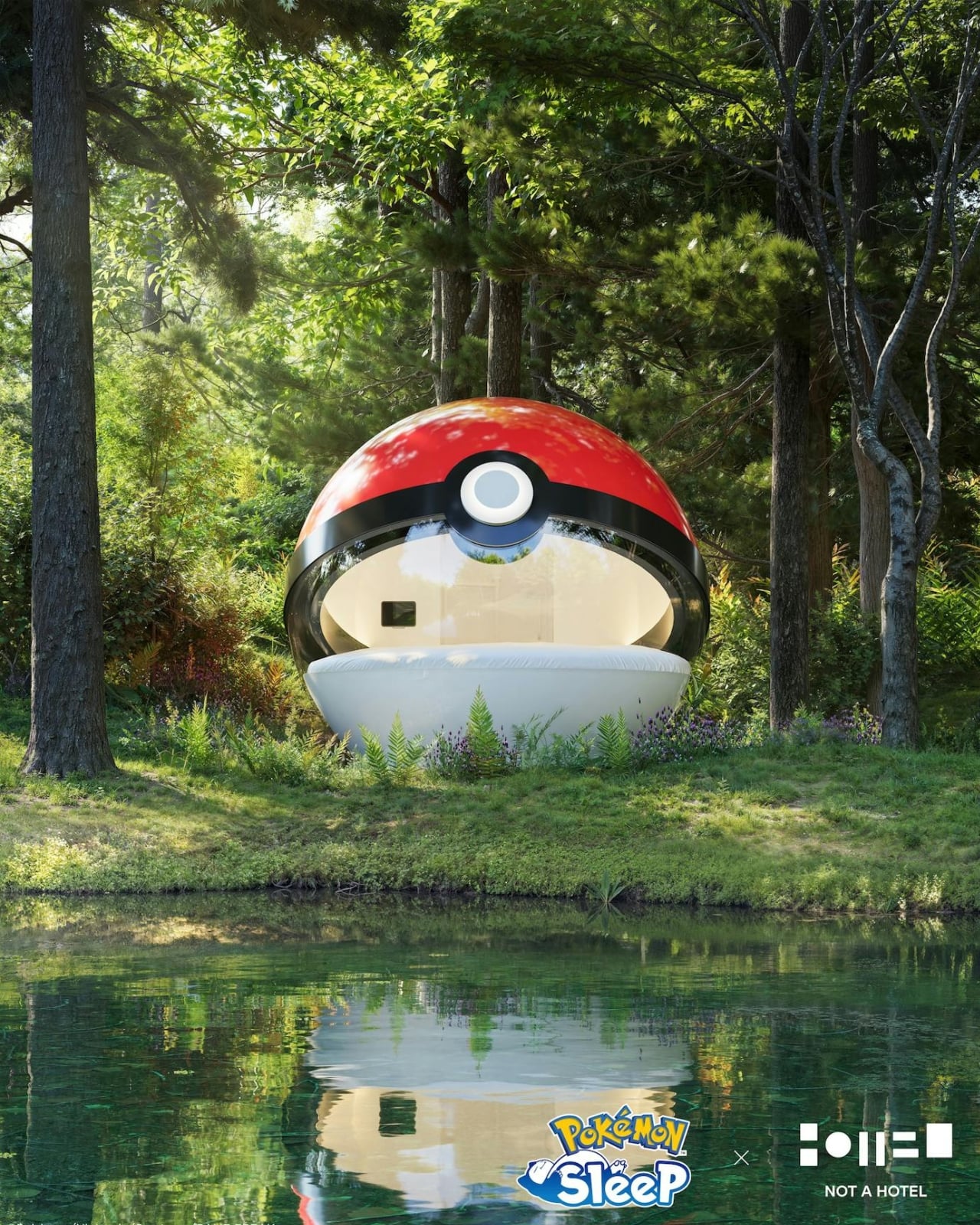
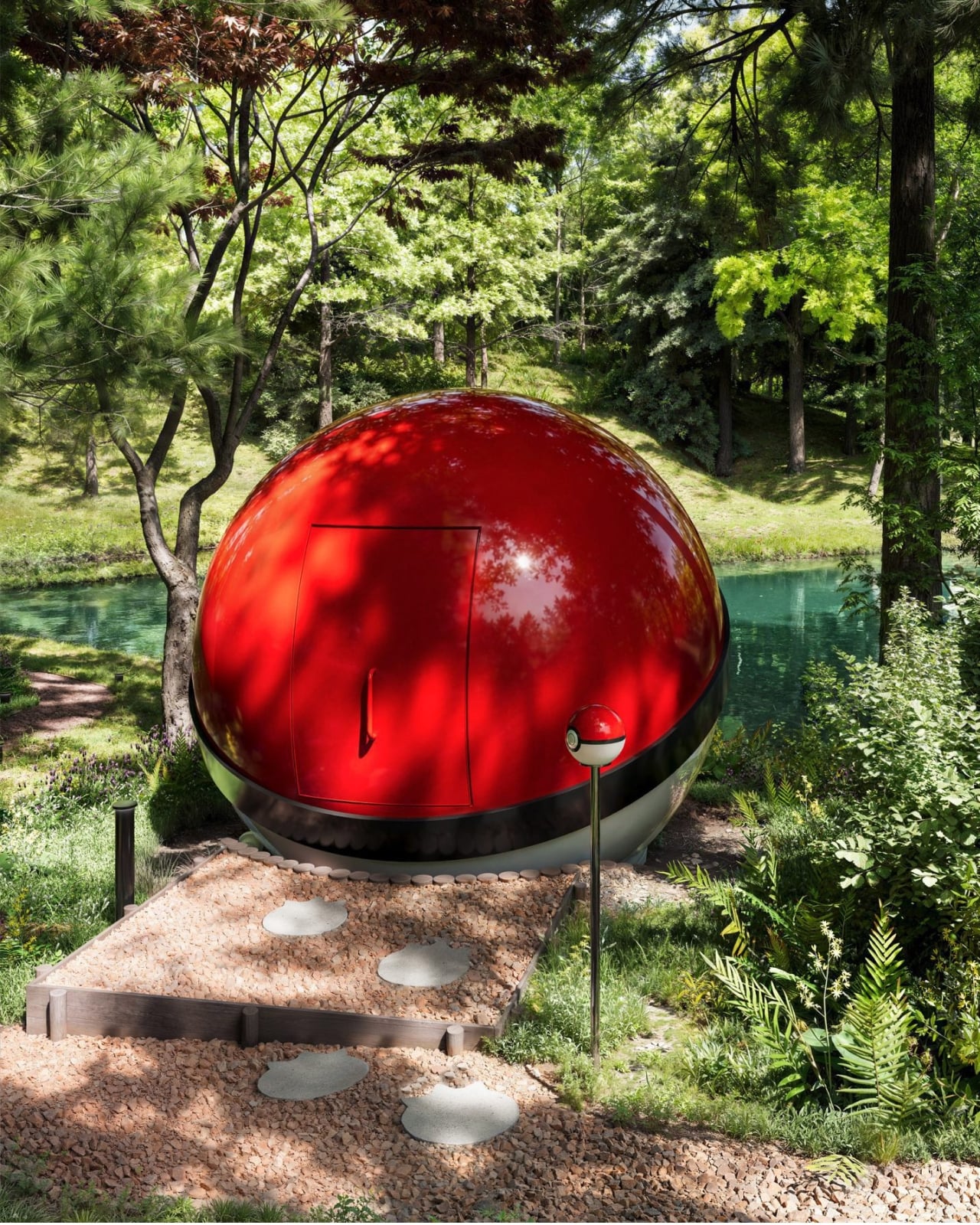
That’s the problem Not A Hotel and Pokémon Sleep just solved, and they did it by refusing to compromise on the one detail that actually matters: scale. When I covered the teaser announcement for this project a couple weeks back, all we had was a mystery location “somewhere in Hokkaido” and a promise that more would come. That promise has now been kept in full, and it turns out the reality is stranger and more specific than the teaser let on.
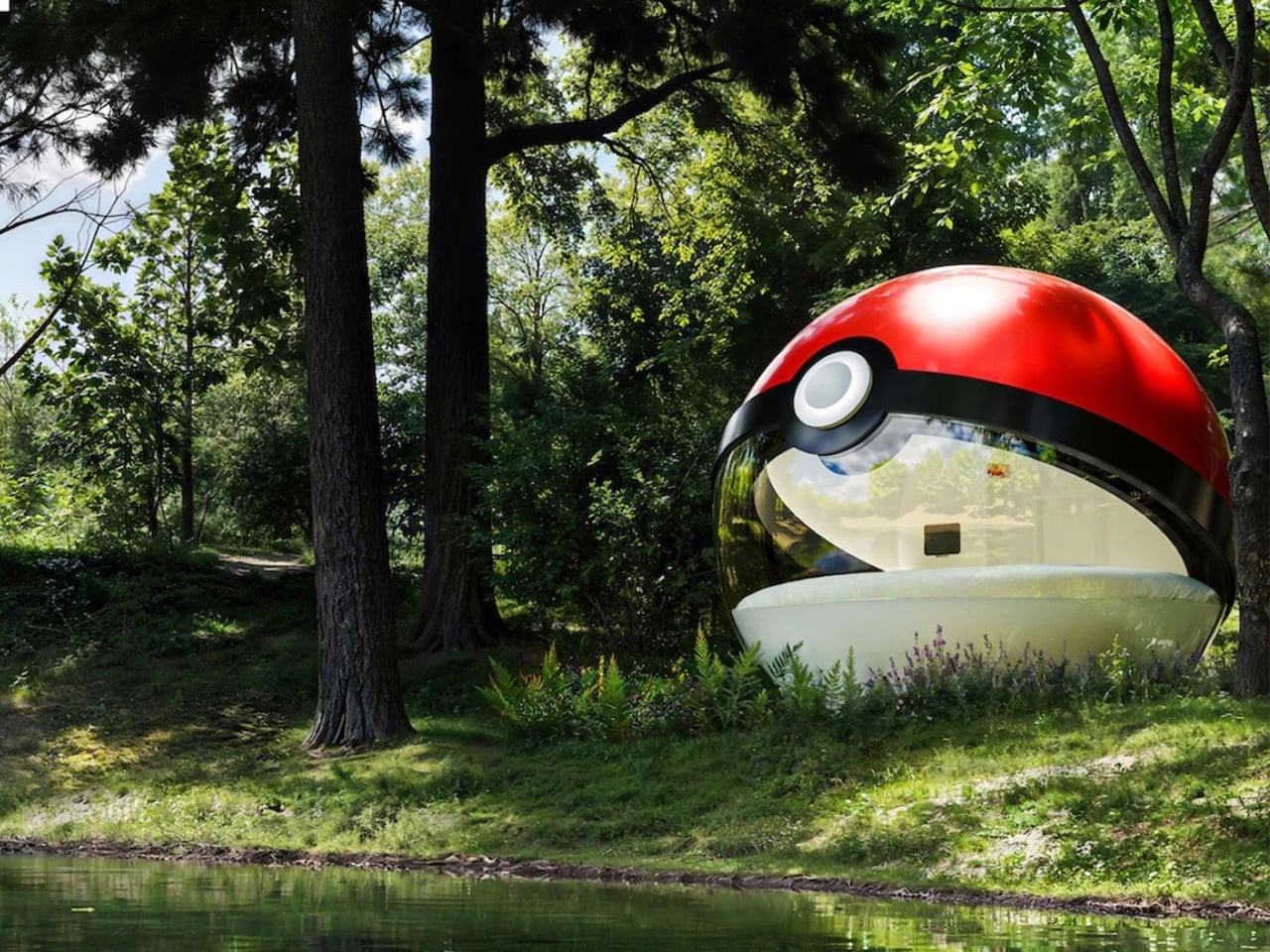
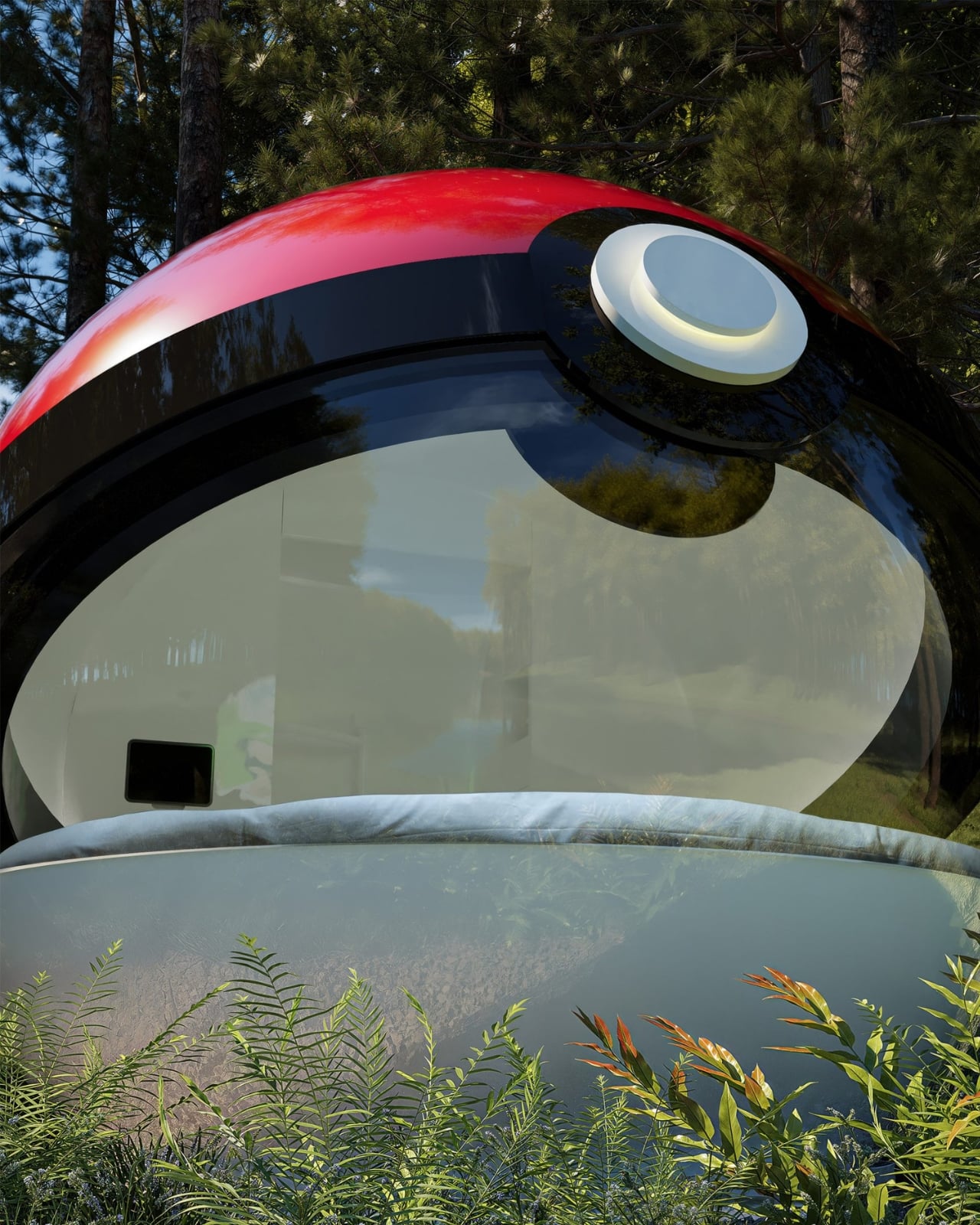
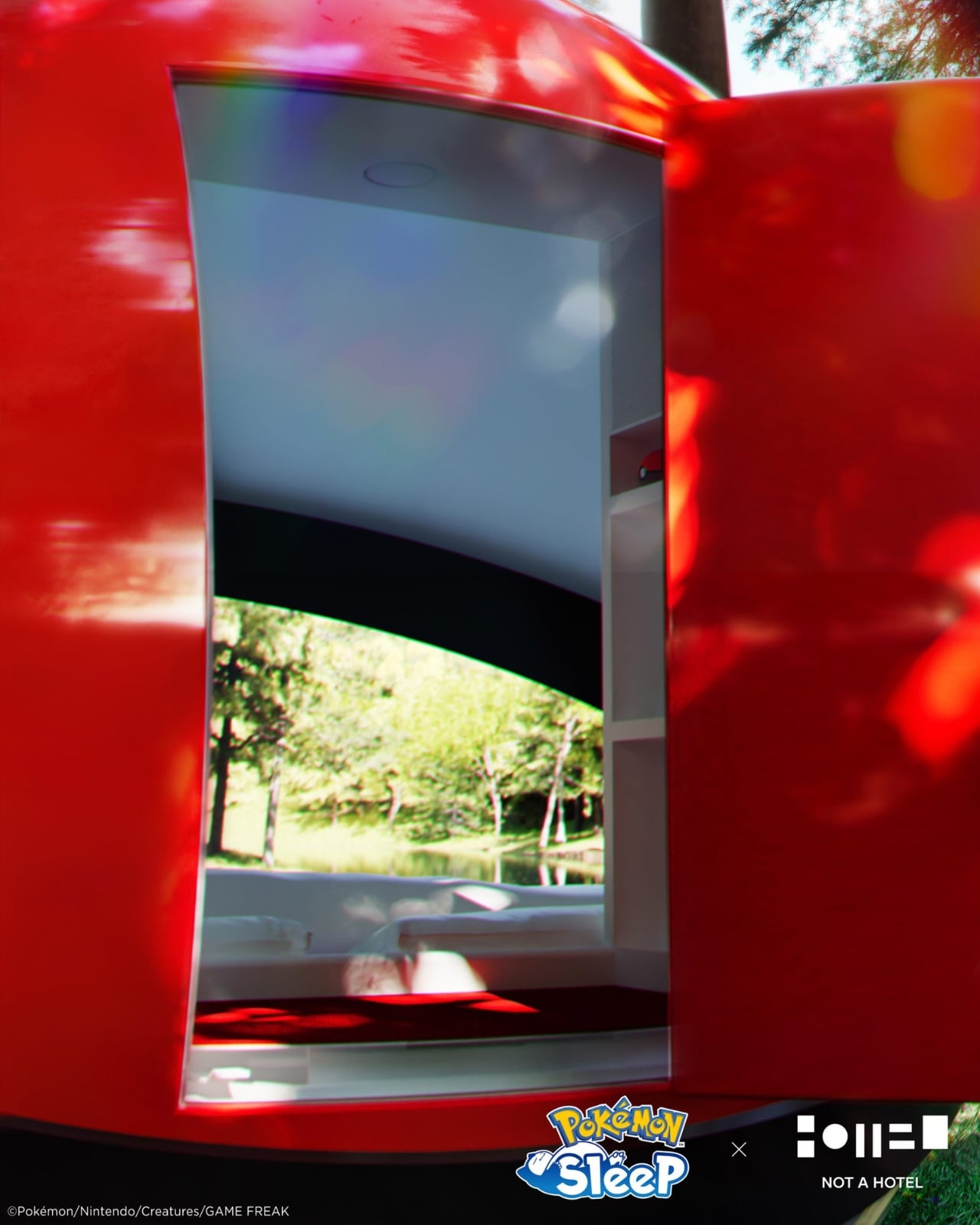
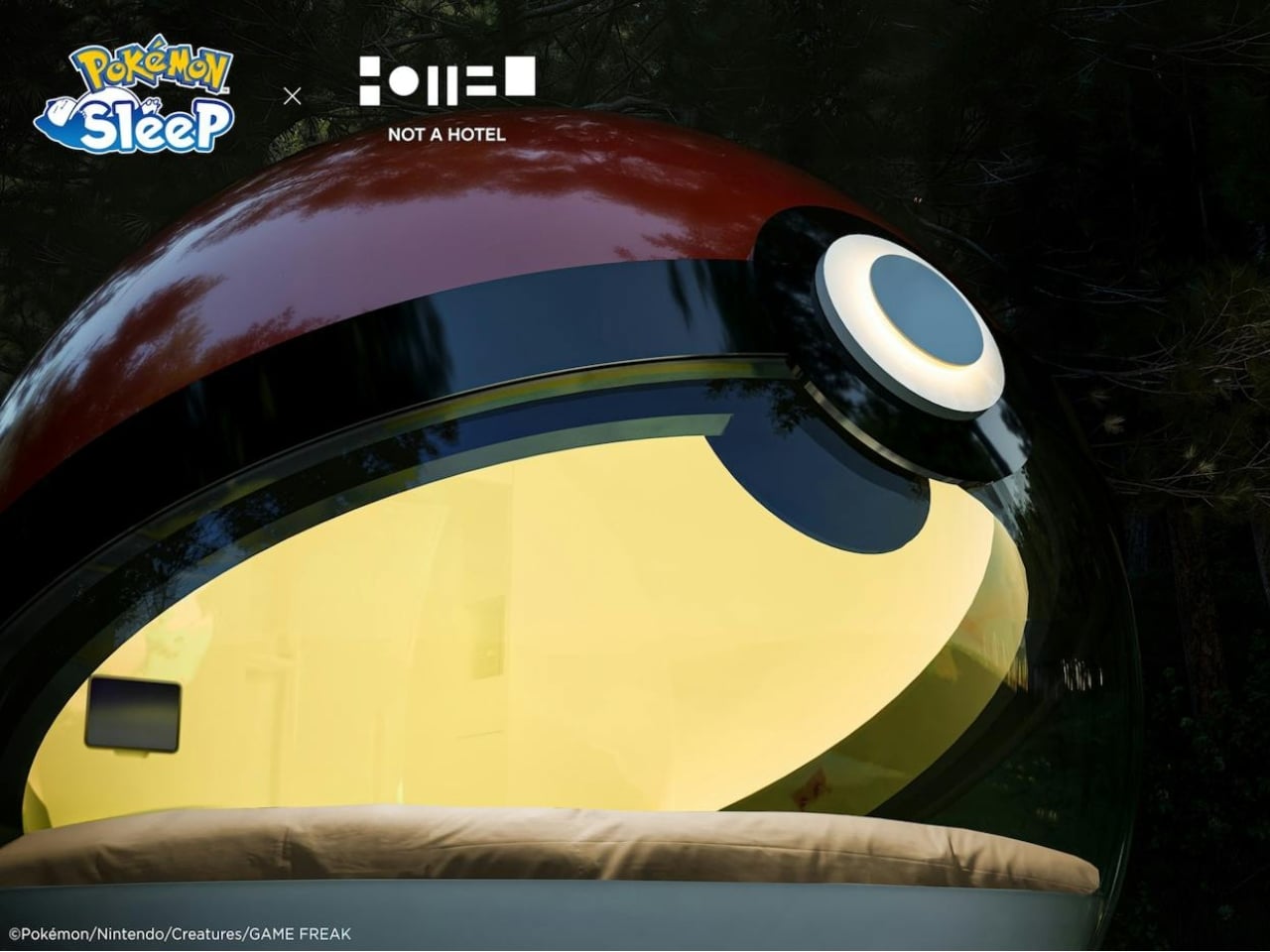
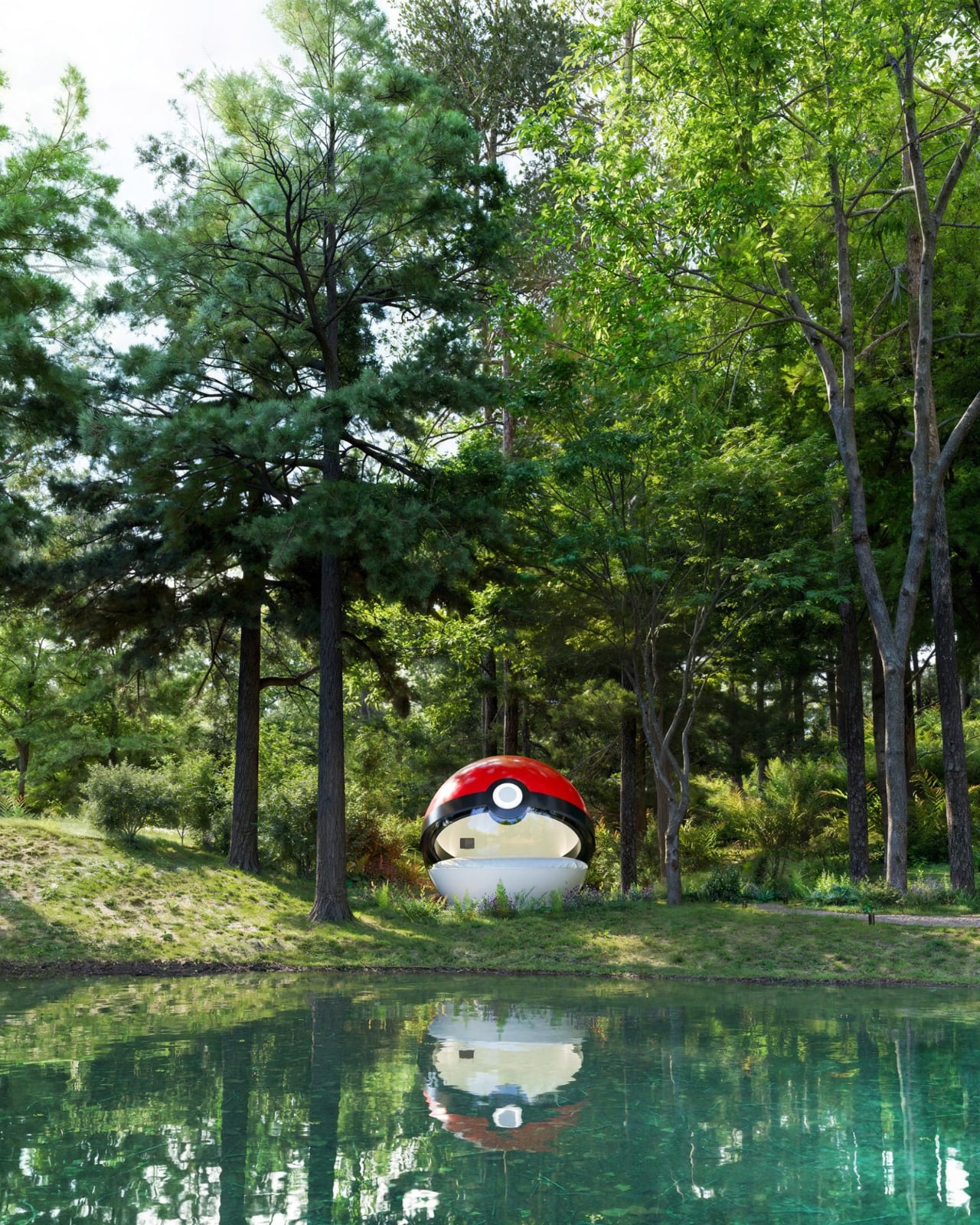
The Poké Ball-Themed Hotel isn’t a room shaped like a Poké Ball. It’s a genuine three-meter sphere, built from molded acrylic hemispheres, sitting on a lakeshore in Tomakomai, Hokkaido. You don’t walk into a themed suite. You walk into the object itself.
Pokémon fans have wanted this since 1996, back when a Poké Ball was just a red-and-white circle you clicked on a Game Boy screen. Thirty years later, someone treated that daydream as an actual architectural brief instead of a marketing bullet point. That distinction matters more than it sounds like it should. Most brand collaborations settle for surface-level nostalgia. This one committed to the geometry, the materials, and the mechanics of the thing fans actually pictured.
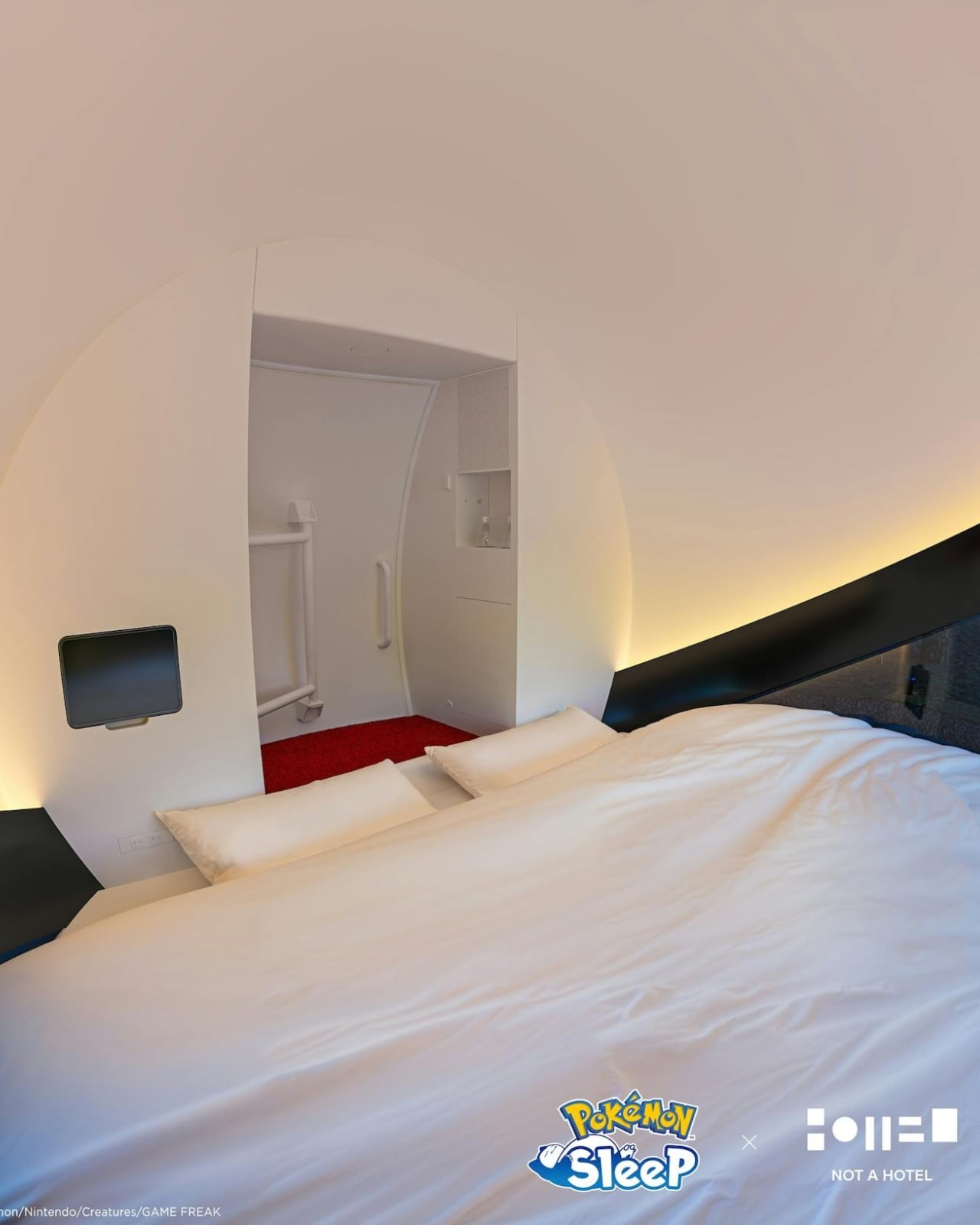
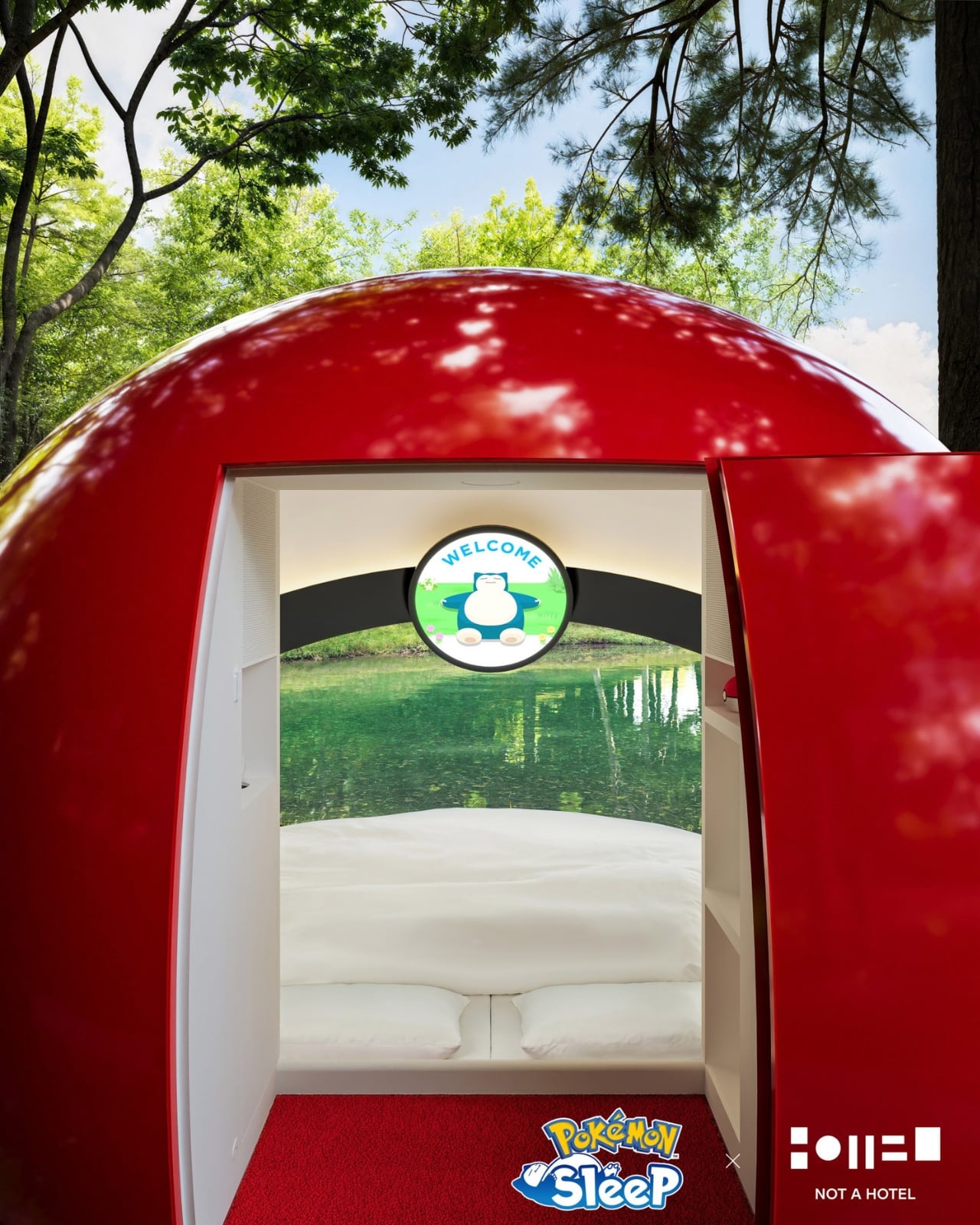
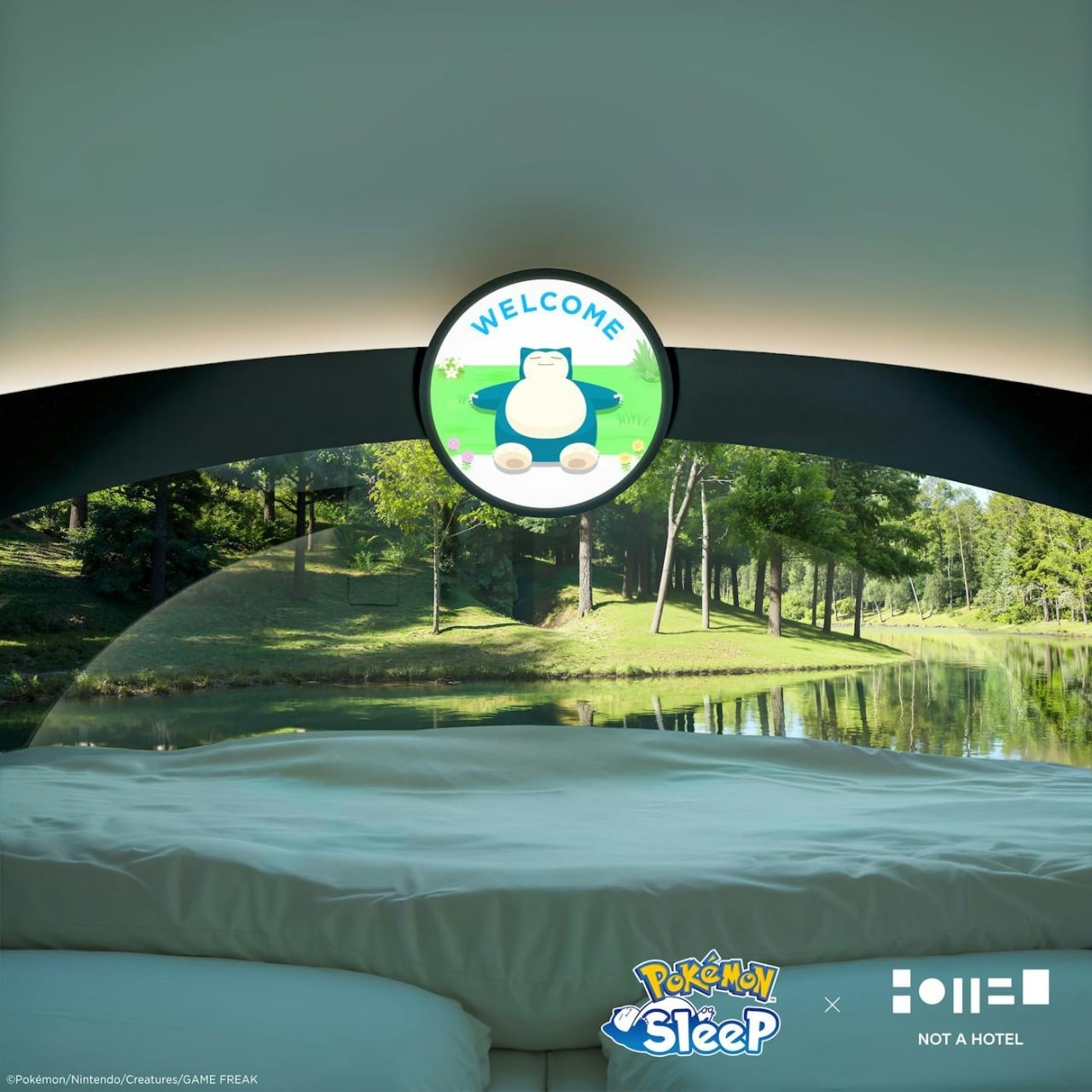
The interior backs that up. A round mattress fills the space under a curved acrylic window that frames the lake outside, which sounds almost too on-the-nose until you remember that’s exactly what people wanted: to look out from inside the ball, not just sleep in a room that name-checks one. The washroom is tiled in colors pulled straight from Snorlax, which is a small touch, but it’s the kind of detail that tells you somebody on this project actually cares about Pokémon lore rather than just licensing the logo.
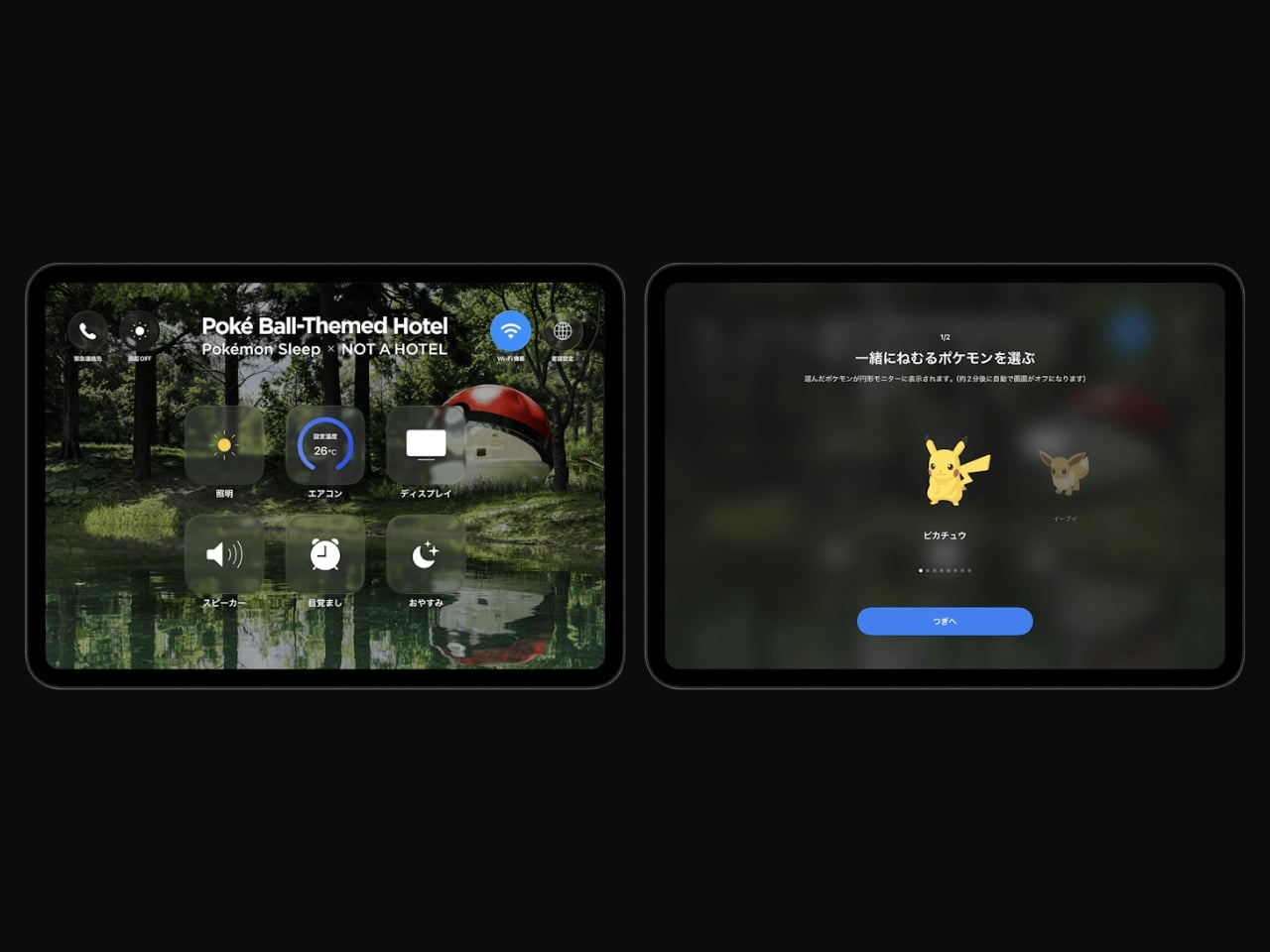
The feature that really makes it stand out for me is the iPad. Guests pick a favorite Pokémon before lights out, and the room’s interior lighting shifts to match that choice once it’s dark. It’s a quiet piece of engineering, but it does something most themed spaces never manage: it makes the experience personal instead of generic. You’re not sleeping in “the Pokémon room.” You’re sleeping in your room, themed around your Pokémon, for one night only.
That personalization lines up with the actual point of Pokémon Sleep, the app this whole thing was built to celebrate alongside the franchise’s 30th anniversary. The app already turns your real sleep data into something like a game, rewarding rest instead of just tracking it. Flipping that idea inside out, so you’re the one visiting the Poké Ball instead of the Pokémon visiting you, is a clever bit of design logic that never feels forced.
Here’s the part that keeps this from being pure hype, though: almost nobody is actually going to stay there. This isn’t a hotel you book. It’s a lottery. Ten pairs of guests, chosen through a campaign on X, will get one free night each between October 8 and 18. You need to be a Japan resident, at least 18, running the Pokémon Sleep app, and willing to follow the account and fill out a survey. Applications close September 30. Everyone else, myself included, gets to look at the photos.
I won’t pretend that scarcity doesn’t sting a little, especially after following this story since the first teaser. But it also protects the thing that makes this project work in the first place. A structure like this, treated as a limited, almost sacred experience instead of a photo-op hotel room anyone can post about for a weekend, keeps the whole idea from curdling into a gimmick. Not A Hotel built something that looks like it was made for one specific kind of joy: the moment a lifelong fan realizes their favorite piece of childhood imagination has real acrylic walls around it now. That’s a strange, small, oddly moving thing to build a hotel around. I respect that they did it without cutting corners.
Desk space can disappear quickly once a monitor, keyboard and speakers enter the picture. Yamaha is aiming its new B200A sound bar at that squeeze, combining Dolby Atmos, a built-in subwoofer and multiple connection options in a 23.5-inch-wide enclosure. The company describes it as its most compact Dolby Atmos model, with bedrooms, apartments and home […]