Rabbit R1’s OpenClaw Update Could Be Its Most Important Moment Yet

There is a version of the Rabbit R1 story that ends in 2024. The device launches to enormous hype off the back of a viral CES presentation, ships to early adopters who find it half-finished and frustrating, earns a wave of scathing reviews, and quietly disappears the way most failed AI gadgets do. Humane’s AI Pin followed that trajectory almost exactly, discontinued in early 2025 after HP acquired the company. The R1 did not follow it, though the reasons why have less to do with any brilliant pivot than with stubbornness, incremental software updates, and a fair amount of luck.

By January 2026, two years of over-the-air updates had produced a device functional enough to sustain a renewed community of users and developers. Then OpenClaw arrived on the R1, and the conversation changed in a way that felt less like a product announcement and more like something clicking into place. OpenClaw, the open-source autonomous AI agent that had exploded from obscurity to 60,000 GitHub stars in 72 hours, had always carried a hardware problem at its core. The R1, as it turned out, had most of the solution already built in.

Designer: Rabbit
OpenClaw (formerly Clawdbot, then Moltbot, changing names three times in a single week) is an open-source autonomous AI agent that exploded from 9,000 to over 60,000 GitHub stars in 72 hours in late 2025. Austrian developer Peter Steinberger built it as a self-hosted agent runtime that connects AI models to your local machine, messaging apps, calendar, email, and file system. You control it by sending messages through WhatsApp, Telegram, Discord, or Slack, like you’re DMing a particularly capable assistant. OpenClaw can browse the web, manage your inbox, schedule meetings, summarize documents, and execute shell commands autonomously, with persistent memory that lets it remember context across weeks. The problem OpenClaw always carried was the lack of native voice interaction on dedicated hardware, and the R1 had exactly that hardware sitting in a drawer gathering skepticism.
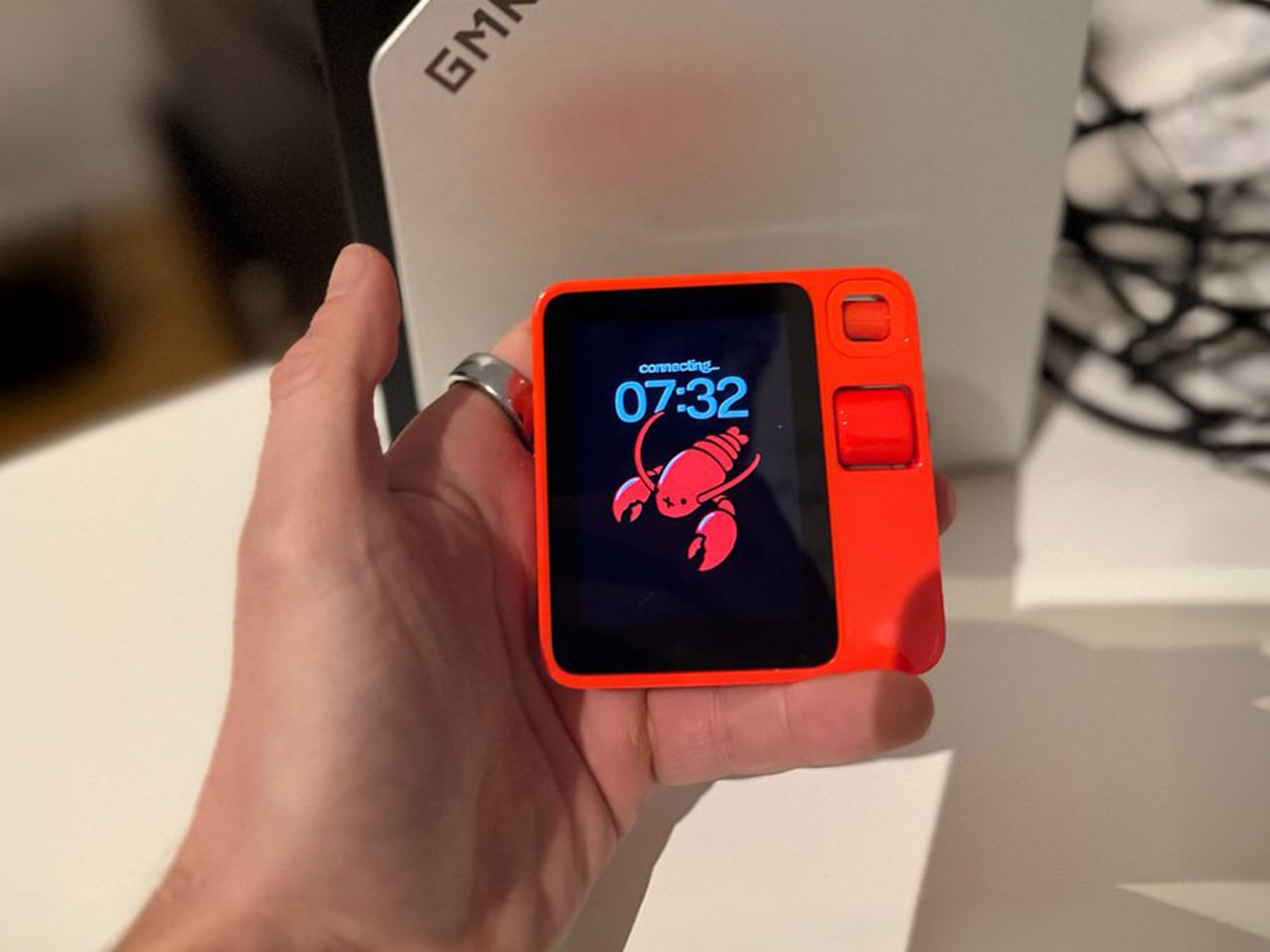
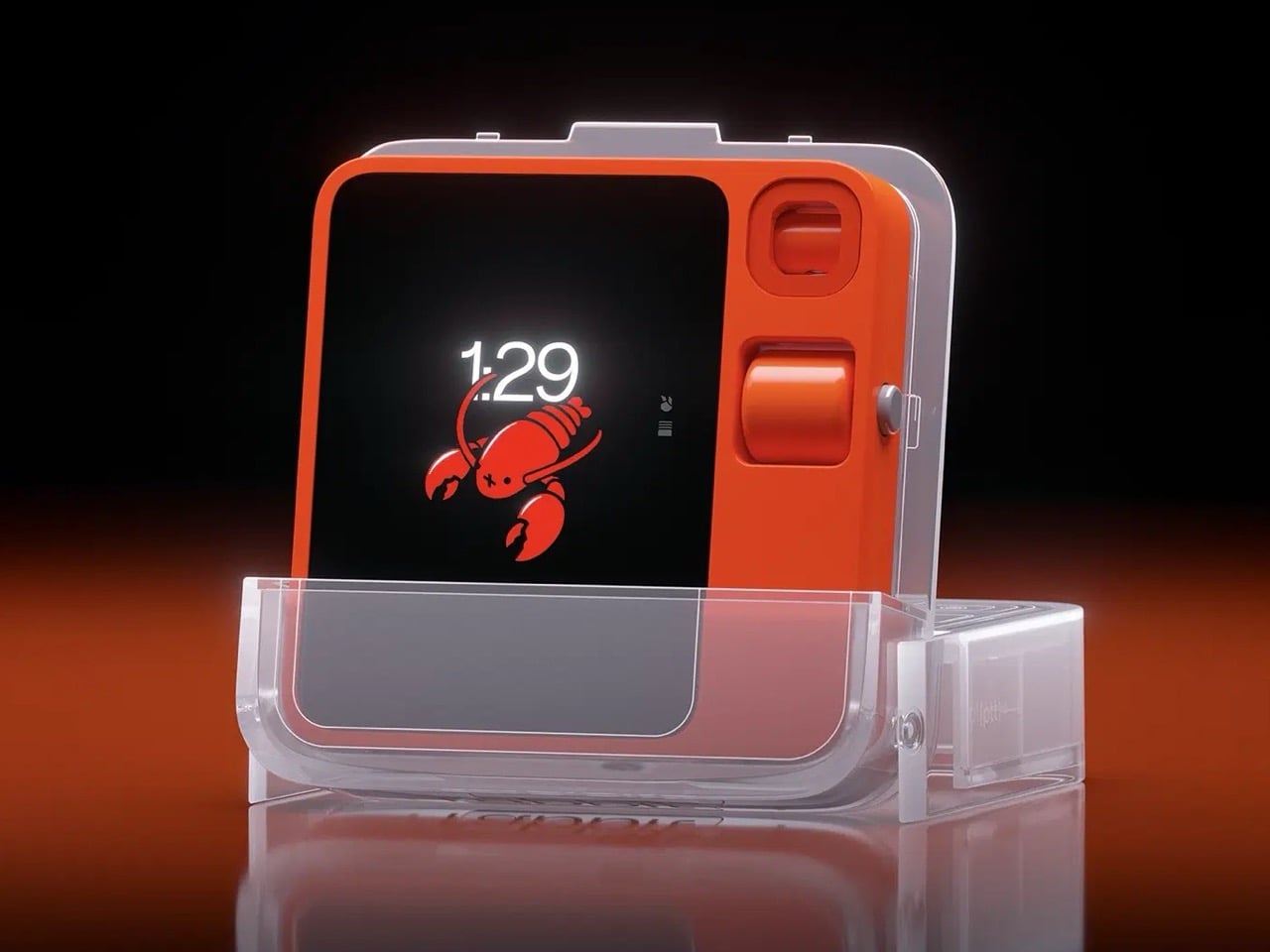
Rabbit integrated OpenClaw in January 2026 as an alpha feature, requiring users to set up their own OpenClaw gateway and connect it to the R1. Push the talk button, speak a command, and OpenClaw executes it through your existing setup. The R1 becomes a voice interface for an agent that can genuinely act on your behalf, making the device something closer to what Lyu promised two years ago. The possibilities depend entirely on how you configure OpenClaw, which can expand through over 100 community-built skills. Security risks are real and well-documented (over 400 malicious add-ons were found on the skill hub in early 2026), but for users willing to manage that complexity, the R1 finally has a use case that feels native to the hardware rather than bolted on.

The post Rabbit R1’s OpenClaw Update Could Be Its Most Important Moment Yet first appeared on Yanko Design.
Claude Code and Cowork can now use your computer

Anthropic announced today that its Claude Code and Claude Cowork tools are being updated to accomplish tasks using your computer. The latest update will see these AI resources become capable of opening files, using the browser and running dev tools. 

When enabled, the Claude AI chatbot will first prioritize connectors to supported services such as the Google workplace suite or Slack, but if a connector isn't available, it will be able to still execute an assigned task. Claude should ask for permission before taking these actions, but Anthropic still recommended not using this feature to handle sensitive information as a precaution.

Claude computer use will initially be available to Claude Pro and Claude Max subscribers on macOS. This feature is still in a research preview, so will continue to be adjusted based on Anthropic's user feedback. It will also support use with Anthropic's Dispatch feature, which allows a person to message the chatbot in a single continuous conversation across phone and desktop. 

Claude Cowork was introduced in January. It's an iteration of the Claude Code AI agent for programmers that is designed for more casual users.

This article originally appeared on Engadget at https://www.engadget.com/ai/claude-code-and-cowork-can-now-use-your-computer-210000126.html?src=rss

TCL Drops Amazing Amazon Tablet Deals

TCL Drops Amazing Amazon Tablet Deals TCL tablets

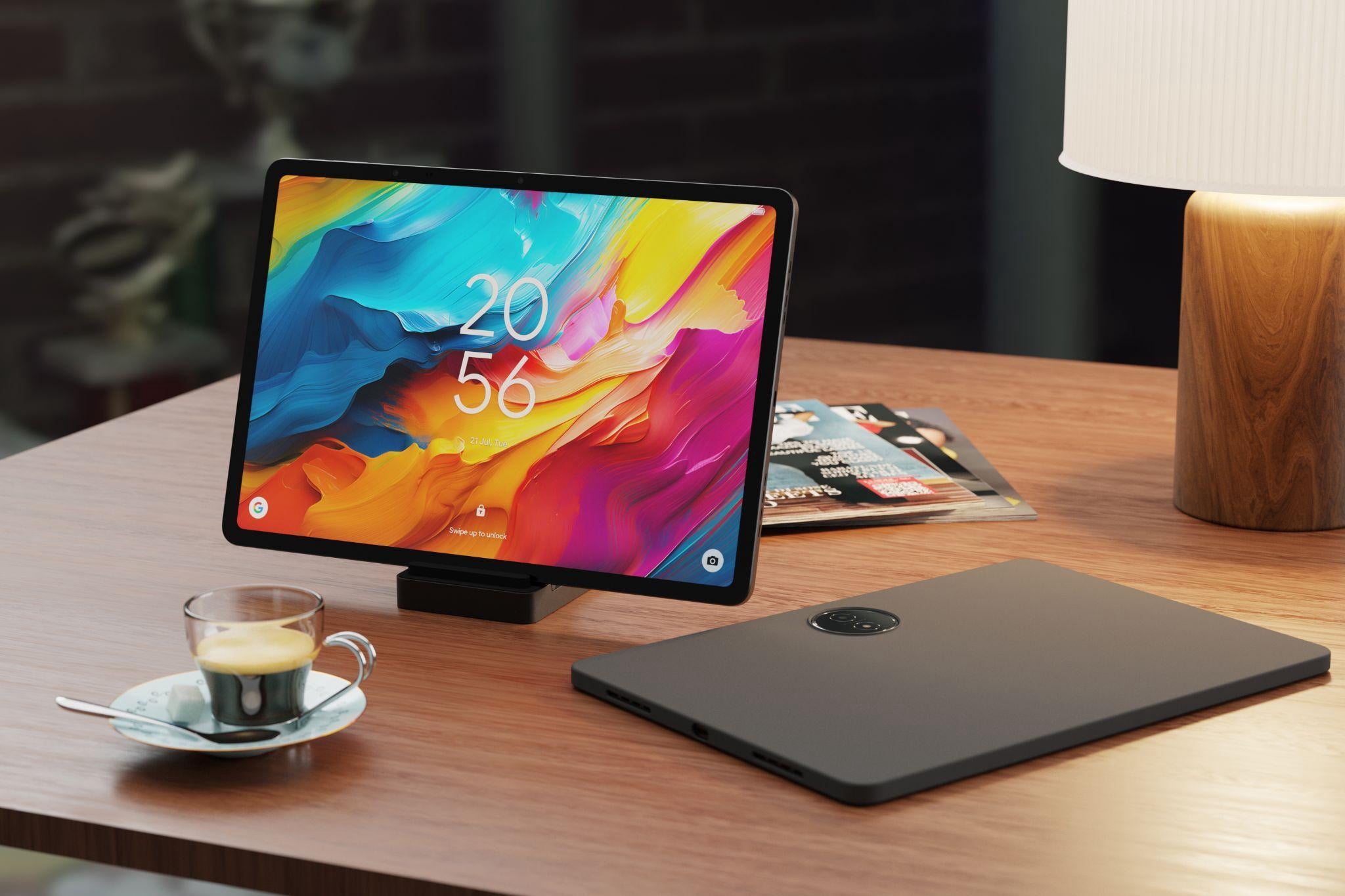
TCL is rolling out a fresh set of Amazon deals across its tablet lineup, including its eye-friendly NXTPAPER series and one of its most affordable everyday tablets. With discounts across multiple models, now’s a great time to upgrade your setup. TCL NXTPAPER 14 $359.99 (was $469.99) TCL’s largest and most advanced NXTPAPER tablet is built […]

The post TCL Drops Amazing Amazon Tablet Deals appeared first on Geeky Gadgets.

Posted in Uncategorized

Minimalist laptop with a secondary display minimizes distractions, maximizes productivity

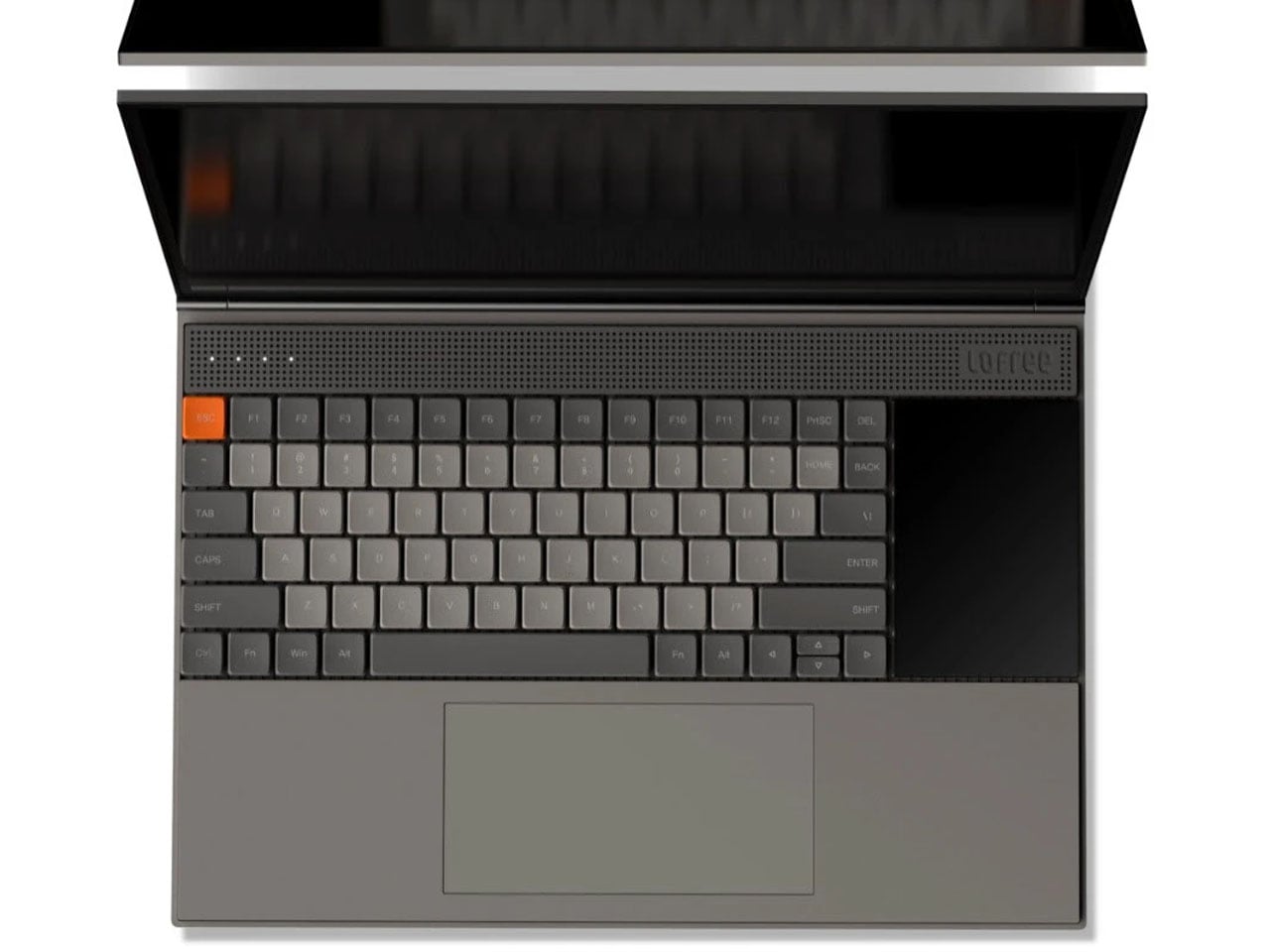
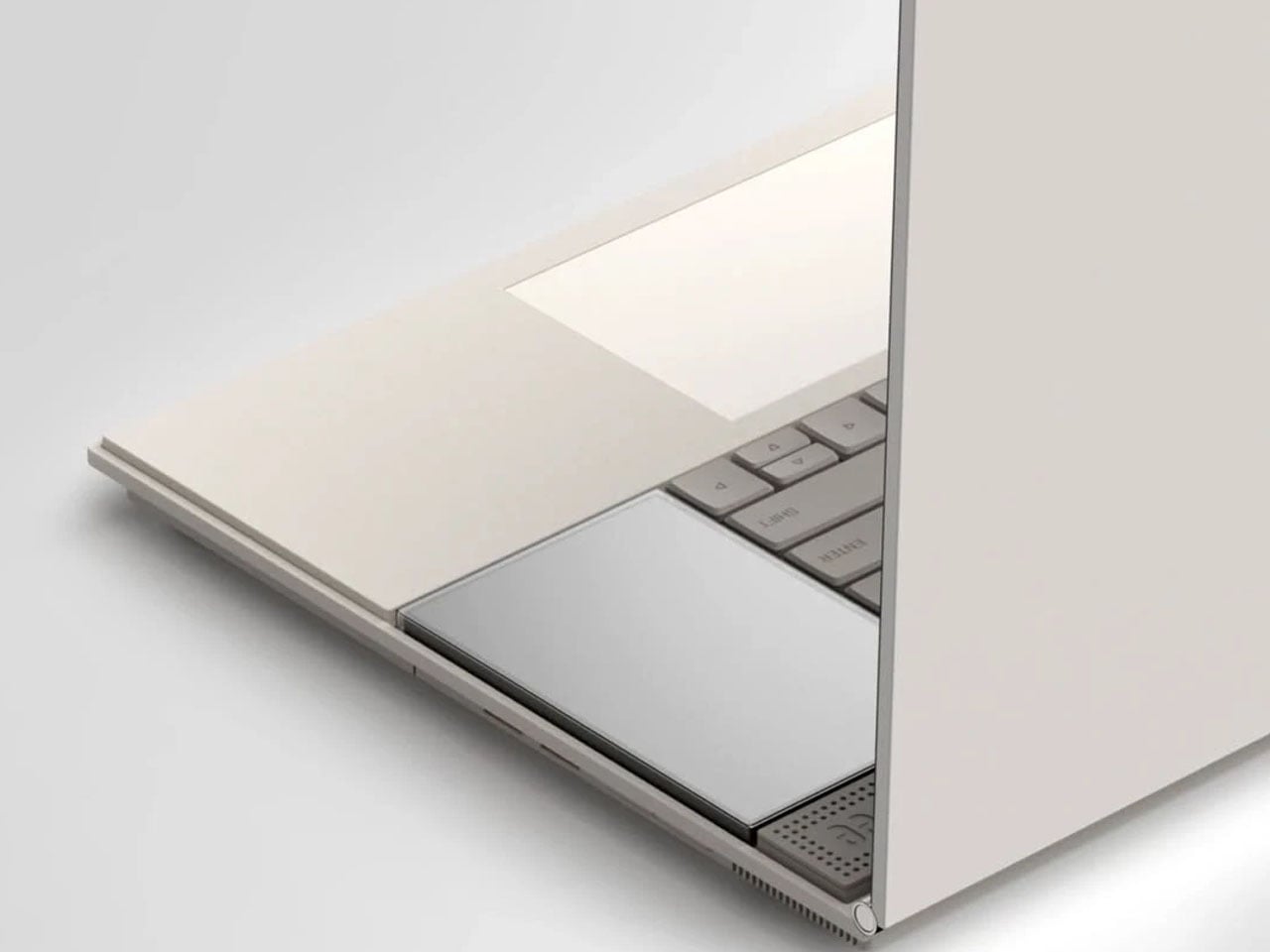
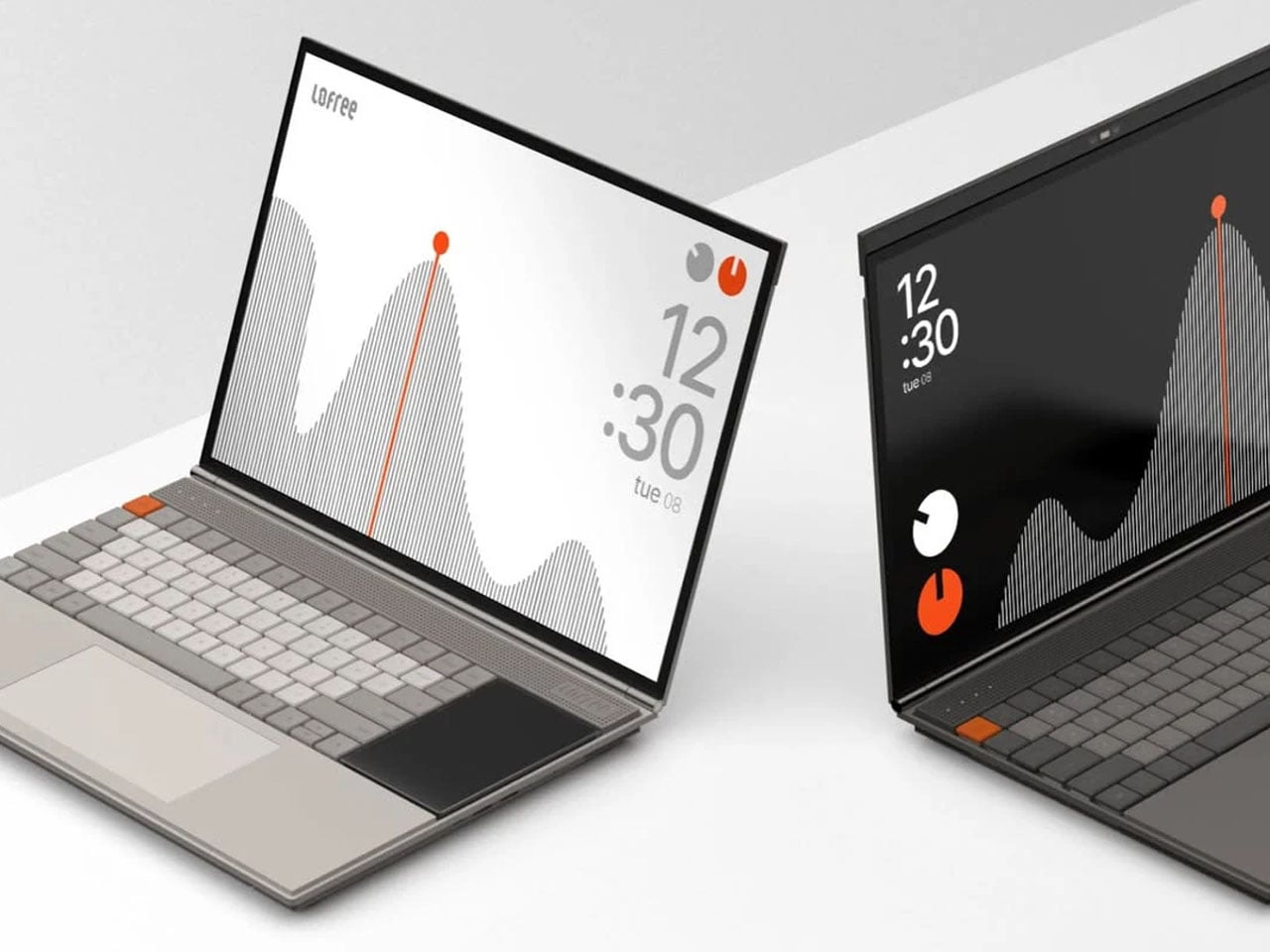
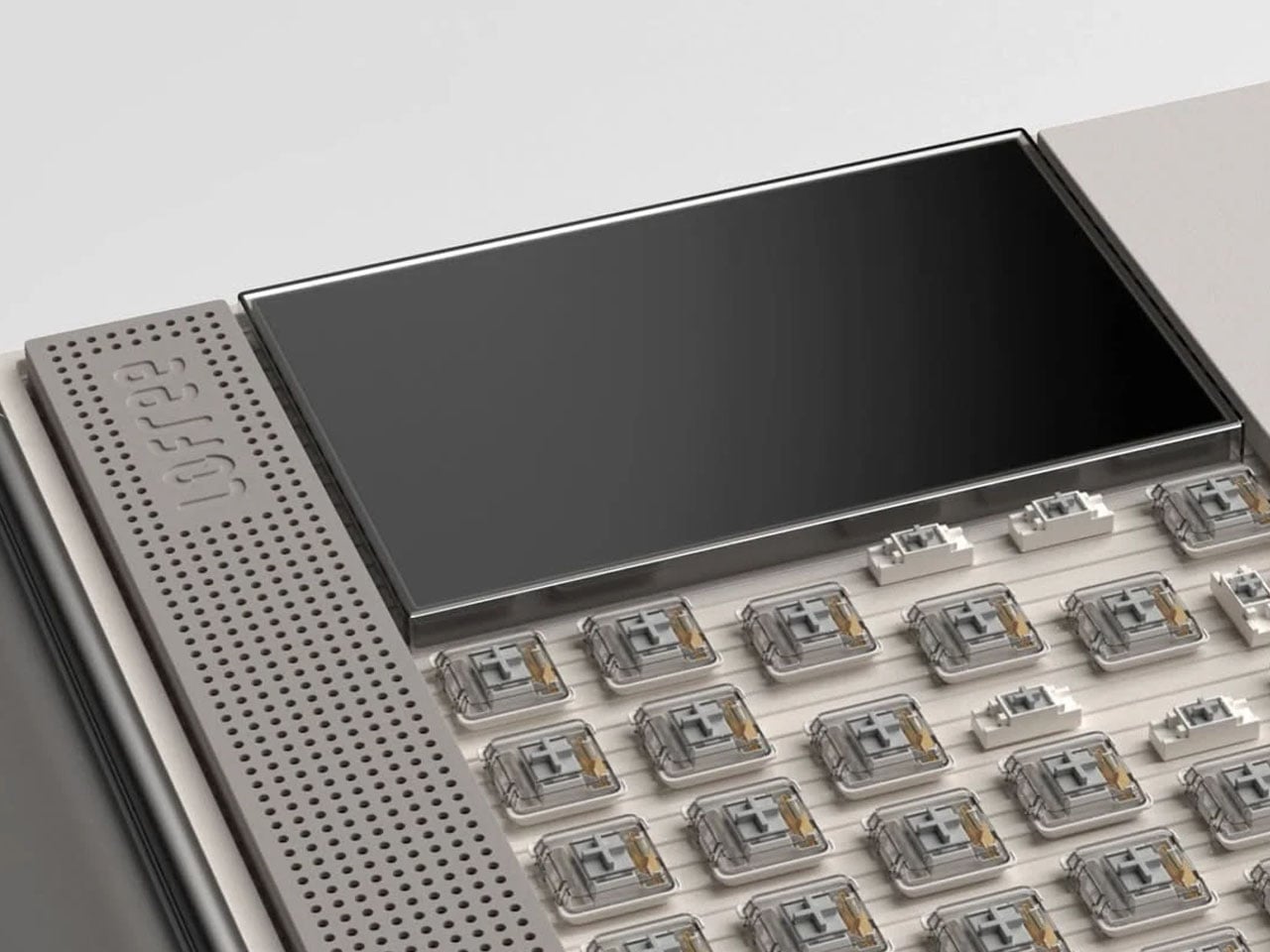
Minimalism in computing interfaces often promises clarity, yet many modern systems still struggle with cluttered notifications, layered menus, and competing visual elements. The Minimal Laptop UI concept explores what a truly distraction-free laptop experience might look like when both hardware and software are designed around the same philosophy. Inspired by the playful yet precise design language of Teenage Engineering, the concept imagines a laptop that feels equal parts creative tool and focused workspace.

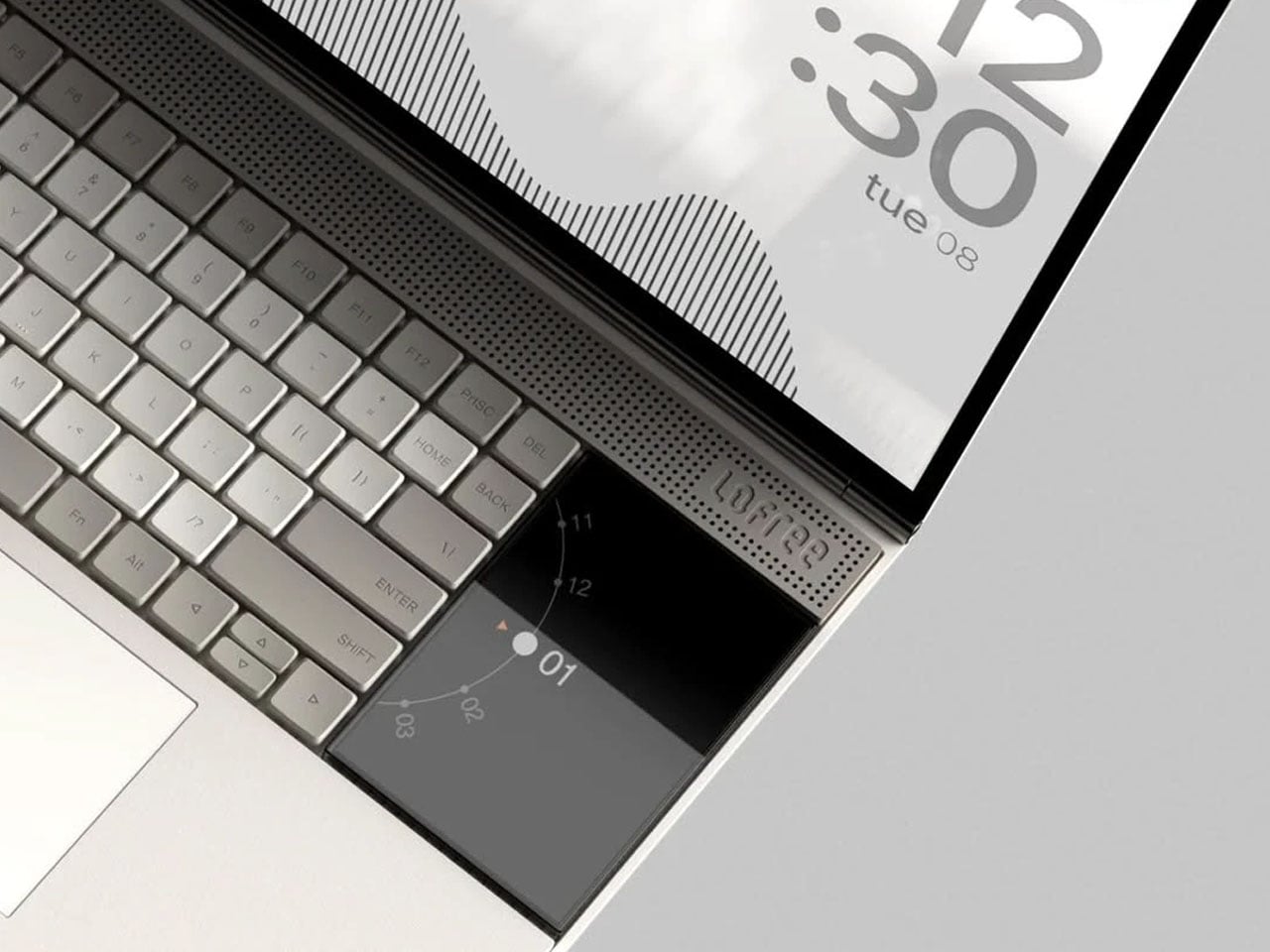
The interface is built around the idea that the screen should serve the task at hand, not compete with it. Instead of filling the display with panels, toolbars, and notifications, the layout relies on strong visual hierarchy and generous spacing. Elements appear only where necessary, allowing content to take center stage. Typography is clean and consistent, icons are reduced to their most recognizable forms, and the overall interface feels calm rather than busy. The result is a digital workspace that encourages focus without sacrificing functionality.

Designer: Nicolas Fred

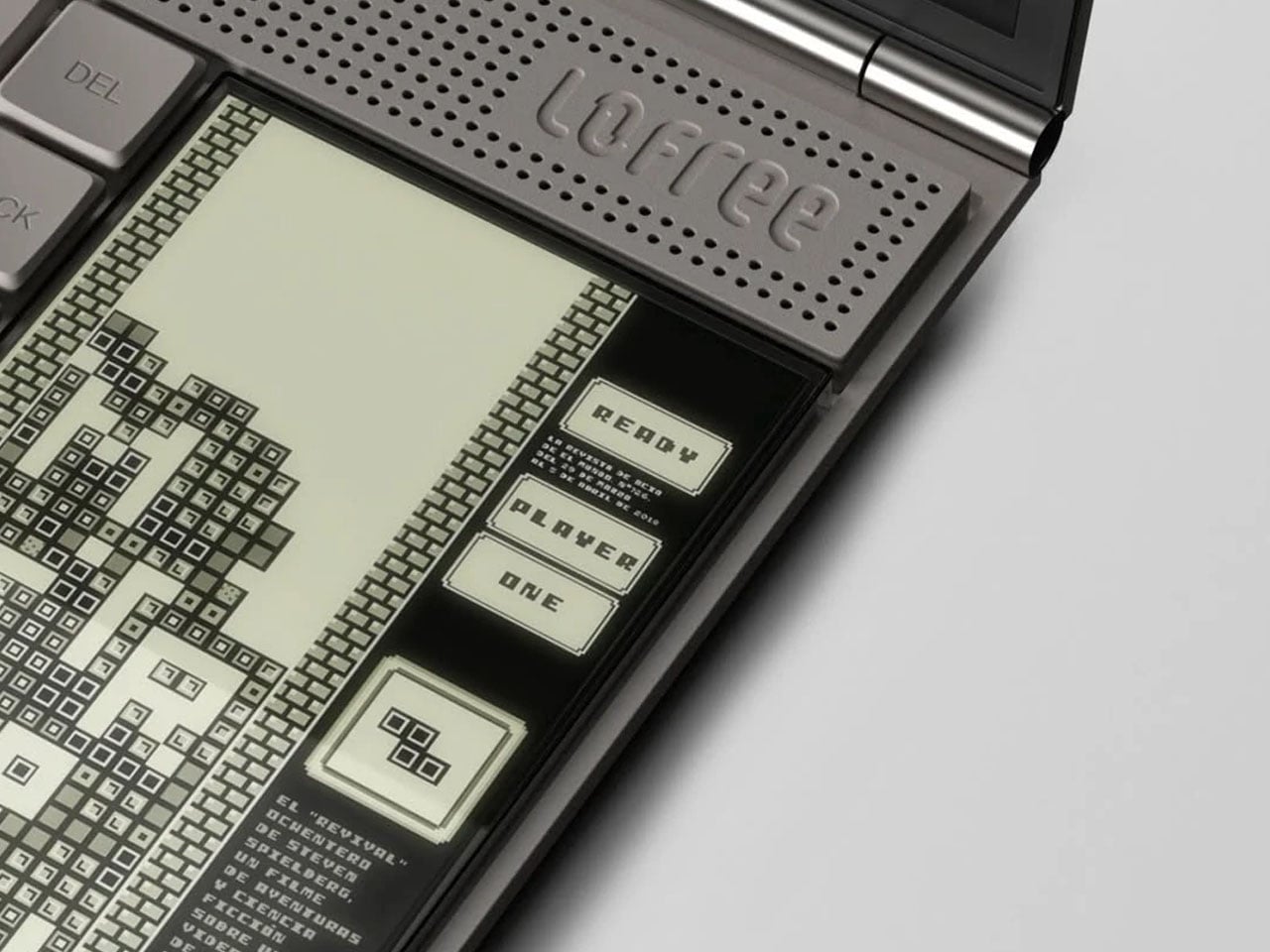
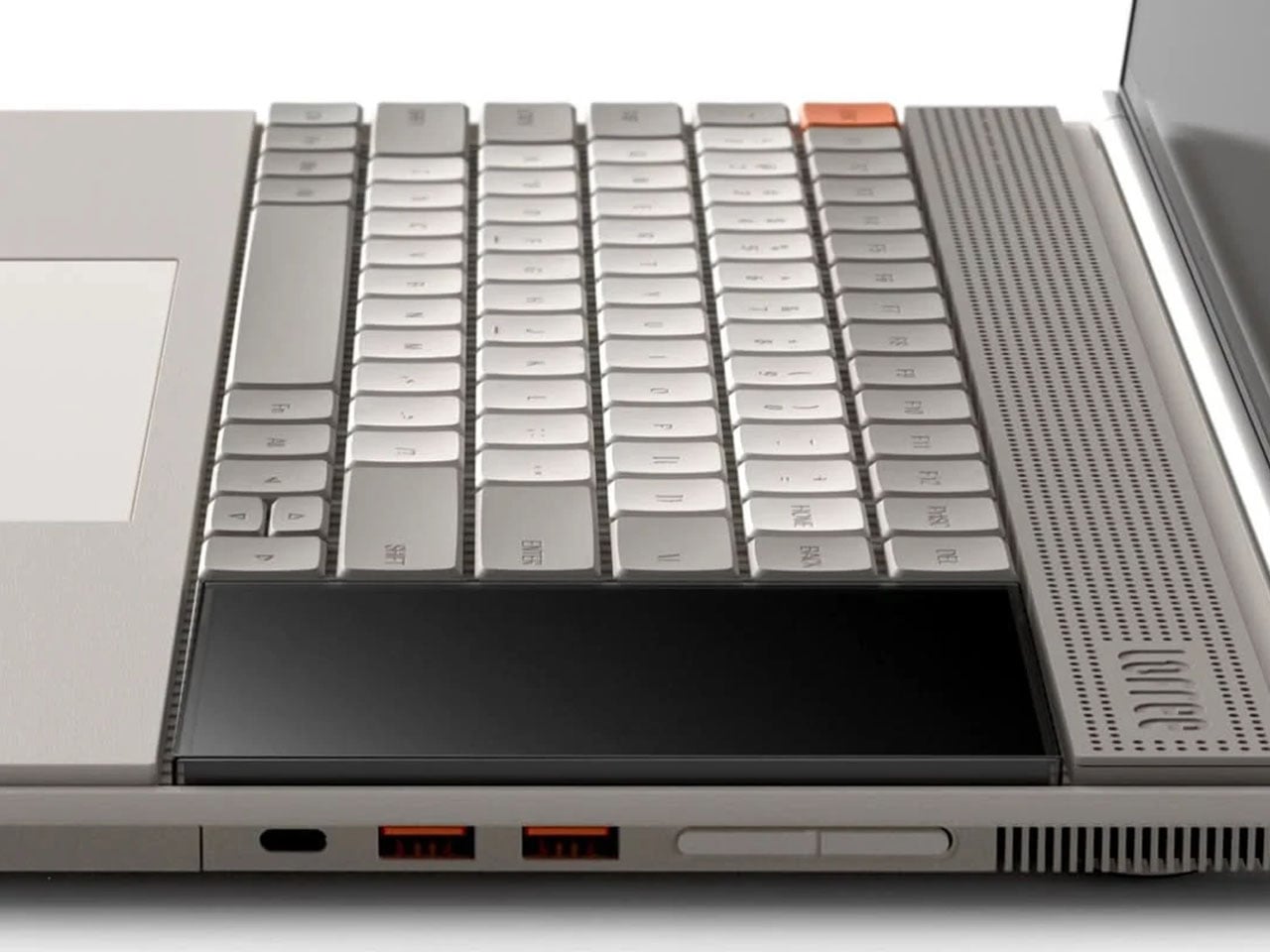
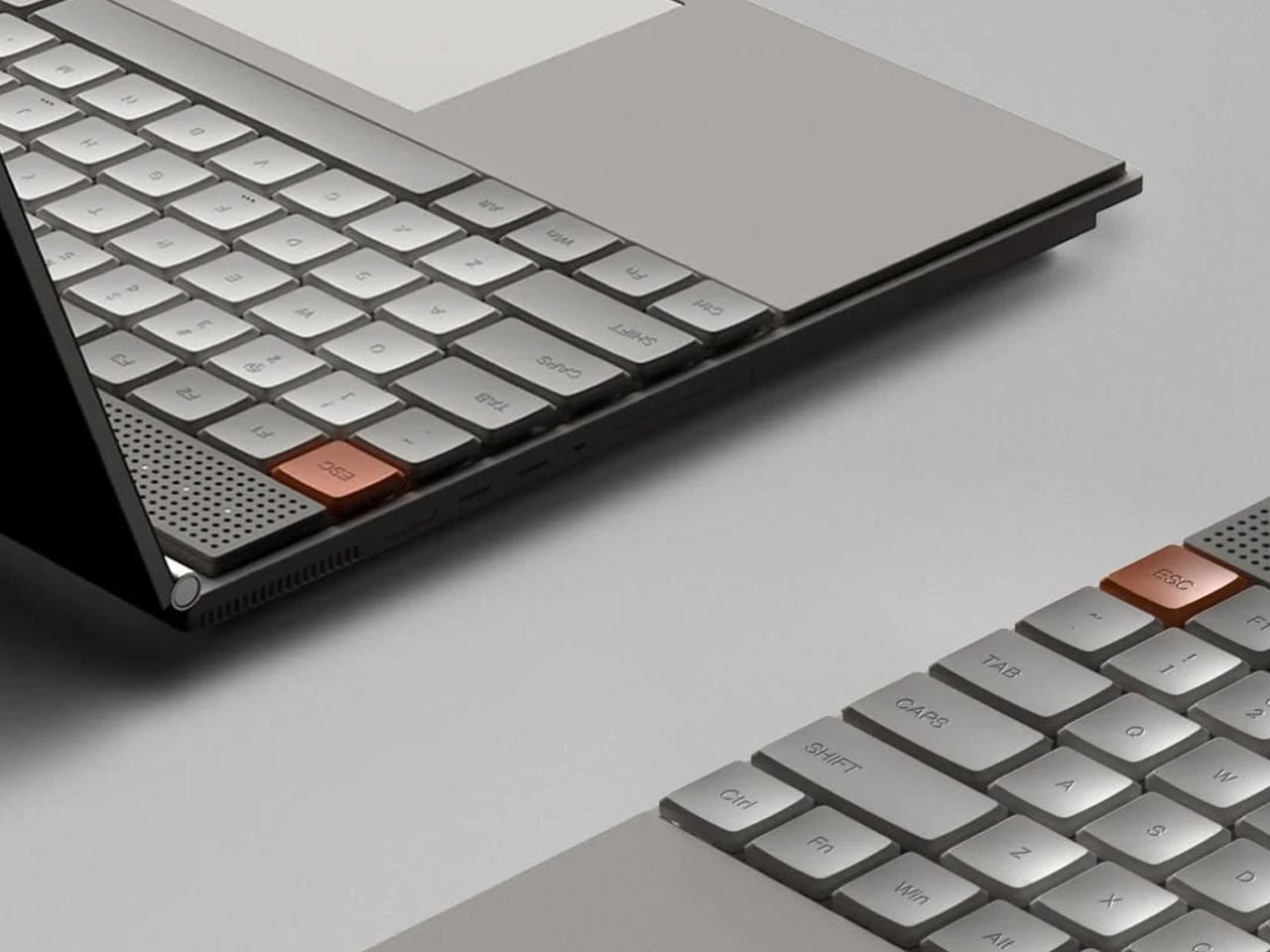
What makes the concept particularly interesting is how it integrates hardware into the experience. Just beside the keyboard sits a secondary display designed to handle the kind of information that typically interrupts the main screen. Notifications, widgets, quick system controls, and small utilities can appear here, keeping alerts visible without pulling the user away from their workflow. By shifting these elements to a separate display, the primary screen remains dedicated to productivity and creative work.

The secondary screen also introduces a playful dimension. Beyond system information and widgets, it can support lightweight interactions such as simple games or quick tools that users can access without minimizing their main task. This layered approach to interaction mirrors the philosophy behind minimal design: instead of removing functionality, it reorganizes it in a way that feels more intentional and less intrusive.

Visually, the laptop reflects the unmistakable influence of Teenage Engineering’s product design. Clean geometric forms, restrained color accents, and carefully balanced proportions give the device a distinctive character. The aesthetic leans toward soft tones and neutral surfaces, allowing subtle interface highlights to stand out without overwhelming the visual environment. It feels modern and creative, yet disciplined enough to support focused work.

Whitespace plays a significant role throughout the interface. Rather than compressing information into dense panels, the layout leaves breathing room around content, improving readability and reducing cognitive load. This approach mirrors principles often used in industrial and editorial design, where space itself becomes an essential component of the experience.


The post Minimalist laptop with a secondary display minimizes distractions, maximizes productivity first appeared on Yanko Design.
EA is nuking Battlefield Hardline on consoles

EA has put another game on the chopping block, or at least the console versions of it. The company says it will delist the PS4 and Xbox One versions of Battlefield Hardline from digital storefronts on May 22, and shut down the online services on June 22. The single-player campaign will remain playable for those who own the game. The PC version of Battlefield Hardline isn’t affected by these changes.

In its announcement on X, EA didn't explain exactly why it's ceasing support for the game on PS4 and Xbox One. It pointed readers to a FAQ on its website that lays out some of the typical reasons why it ends online support for its games. These include factors like declining player bases. 

Battlefield Hardline, which was released in 2015, will still be available on Steam as well as EA's own PC app. The Steam version has a peak concurrent player count of 41 so far this year.  

It's hardly uncommon for a publisher to end online services for games with declining player bases, but it's an issue that's come into greater focus over the last few years thanks in part to the Stop Killing Games movement. EA alone has sunsetted dozens of games. Its website has a full accounting of these, spread across three webpages

This article originally appeared on Engadget at https://www.engadget.com/gaming/ea-is-nuking-battlefield-hardline-on-consoles-193321551.html?src=rss

Researchers turned Sawdust Waste and Watermelon Seeds into Recyclable Fire-resistant Panels

Every sawmill in the world produces it. Every furniture factory, every timber yard, every construction site that cuts wood leaves behind a pile of the stuff, and globally that adds up to hundreds of millions of tonnes of sawdust every year. Most of it gets burned for energy, which is a reasonable enough fate except that burning it releases back into the atmosphere all the carbon the tree spent decades pulling out of the air. It is a material that manages to be simultaneously everywhere and underused, treated as a combustion problem when it is, by the structural logic of its wood fibers, one of the more cooperative raw materials on earth. Firestarter cubes are made from it. Pykrete, the wood pulp and ice composite once proposed as an aircraft carrier hull material, relied on it.

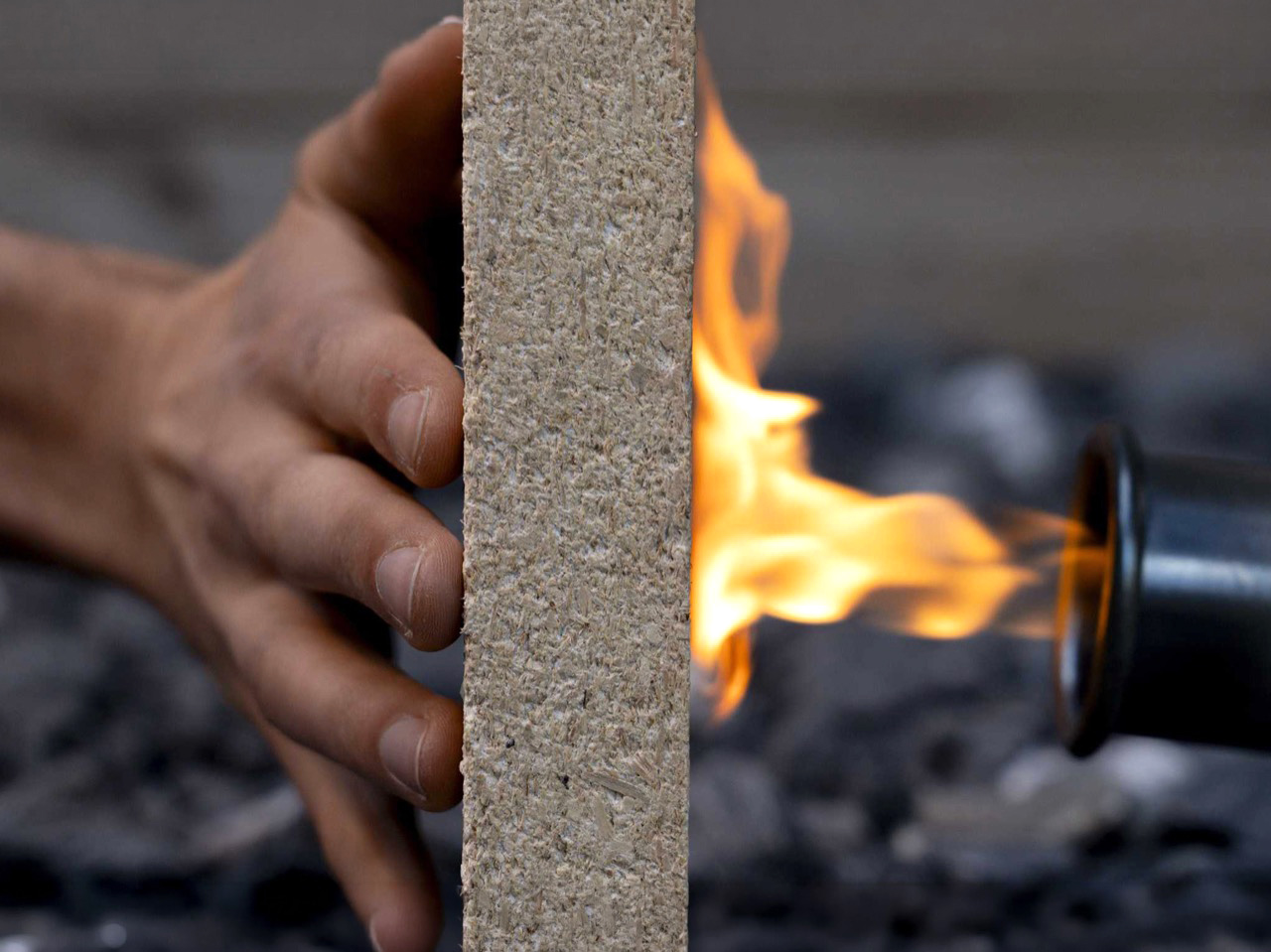
Researchers at ETH Zurich and Empa have now given sawdust another role entirely. Doctoral researcher Ronny Kürsteiner spent his thesis developing a process to bind sawdust particles with struvite, a colorless crystalline mineral composed of ammonium magnesium phosphate, using an enzyme derived from watermelon seeds to control how the crystals grow into the sawdust matrix. What comes out of the mold, after two days of cold-pressing and room-temperature drying, is a composite panel stronger in compression than spruce timber, capable of resisting a direct flame for more than three times as long as untreated wood, and fully recyclable at the end of its service life.

Designer: ETH Zurich

Struvite’s fire-retardant properties have been known for a while; the problem was always crystallization behavior. Conventional precipitation methods produce small, disorganized crystallites that can’t grip wood particles, which is why earlier attempts at this kind of composite fell apart mechanically. The watermelon seed enzyme controls nucleation, producing large interlocking crystals that physically fill the voids between sawdust particles. The binder content sits at 40% by weight. Panels are cold-pressed for two days and dried at room temperature, with no elevated curing conditions required.

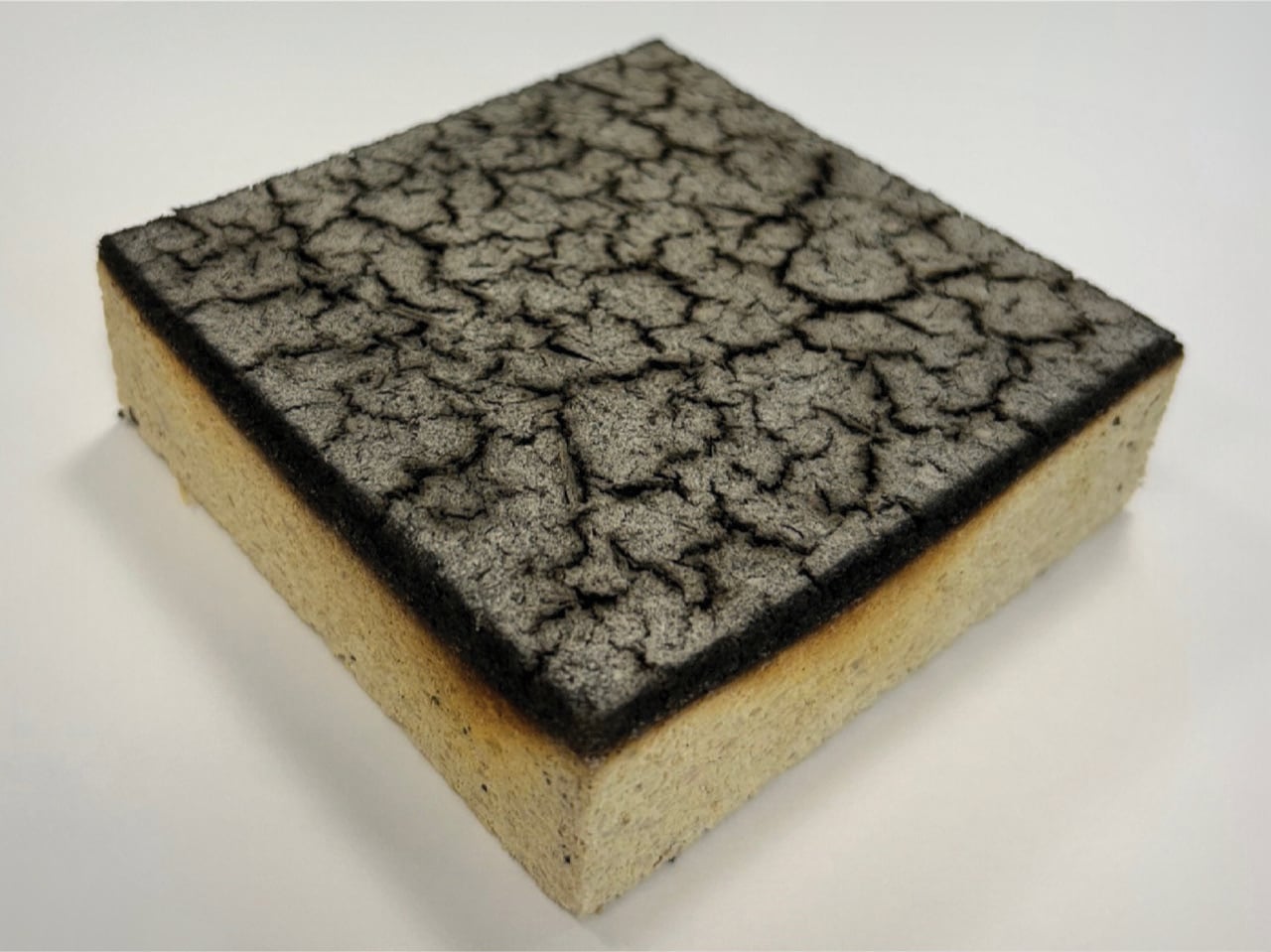
When heat reaches struvite, it decomposes and releases water vapor and ammonia, drawing energy from the surrounding environment. The non-combustible gases displace oxygen, starving the fire and accelerating surface charring; that char layer slows access to unburnt material underneath. Cone calorimeter tests clocked untreated spruce igniting at 15 seconds; the struvite composite takes 45 to 51 seconds. Initial projections put it in the same fire protection class as cement-bonded particleboard, the current default for interior partition applications, though full-scale tests are still pending. Grind the panels at end of life, heat them just above 100 degrees Celsius to release ammonia, and the components separate cleanly for reuse or redirect as phosphorus fertilizer.

The post Researchers turned Sawdust Waste and Watermelon Seeds into Recyclable Fire-resistant Panels first appeared on Yanko Design.
Apple will reportedly start stuffing ads into the Maps app

Apple is reportedly planning on inserting ads into the Maps app, according to Bloomberg's Mark Gurman. An announcement could come as soon as this month, with the ads themselves appearing on iPhones this summer.

This will likely work similarly to ads in Google Maps and Yelp, which lets retailers and brands bid for coverage with particular search queries. I've personally never found the ads in Google Maps to be that annoying, so let's hope Apple's implementation is similar. 

This potential ad revenue could seriously bolster Apple's services business, which currently generates $100 billion a year for the company. This division accounts for around 25 percent of annual revenue but faces challenges in both the short-term and long-term, as regulators around the world push for changes to App Store policies.

Apple has yet to comment on the matter. This idea has been floating around since last year, with rumors going all the way back to 2022. The company already displays ads on the App Store and on the News app, so the jump to Maps isn't coming out of left field.

This article originally appeared on Engadget at https://www.engadget.com/apps/apple-will-reportedly-start-stuffing-ads-into-the-maps-app-182311634.html?src=rss

Wing expands its drone delivery service to the Bay Area

Wing's drone deliveries are coming full circle after adding Bay Area to its service locations. The drone delivery startup has been rapidly expanding to metro areas across the US, but is now targeting the tech-friendly Silicon Valley region.

Going back to its inaugural deliveries, Wing ferried office supplies across Google's Mountain View campus in the Bay Area with its automated drones. It was still a startup out of Google's X, The Moonshot Factory incubator at the time, but early users were already asking for home delivery services, according to Wing. Now, Wing's latest delivery drones can deliver groceries, food, or whatever else fits in a small package weighing up to five pounds in 30 minutes or less to Bay Area residents.

It may not be that common to spot a Wing drone yet, but the company expanded its service to 150 more Walmart locations across the US, including Los Angeles, St. Louis, Cincinnati and Miami, earlier this year. The drone delivery company also extended its hours of operation to 9 AM to 9 PM in its Charlotte and Dallas-Fort Worth metros, with approval from the Federal Aviation Administration. Beyond the recent Bay Area expansion, Wing has previously mentioned Orlando and Tampa as potential markets to enter.

This article originally appeared on Engadget at https://www.engadget.com/transportation/wing-expands-its-drone-delivery-service-to-the-bay-area-175748410.html?src=rss

Rokform Built a $100 Charger That Replaces Your Entire Nightstand Pile

At some point, the nightstand became a charging station. What started as a place for a glass of water and a book has evolved into a tangle of cables, pucks, and adapters competing for the same two outlets. The watch charger is somewhere near the back. The earbuds case is balanced on top of something it shouldn’t be on. And the phone is either plugged in or forgotten, depending on how tired you were when you got into bed.

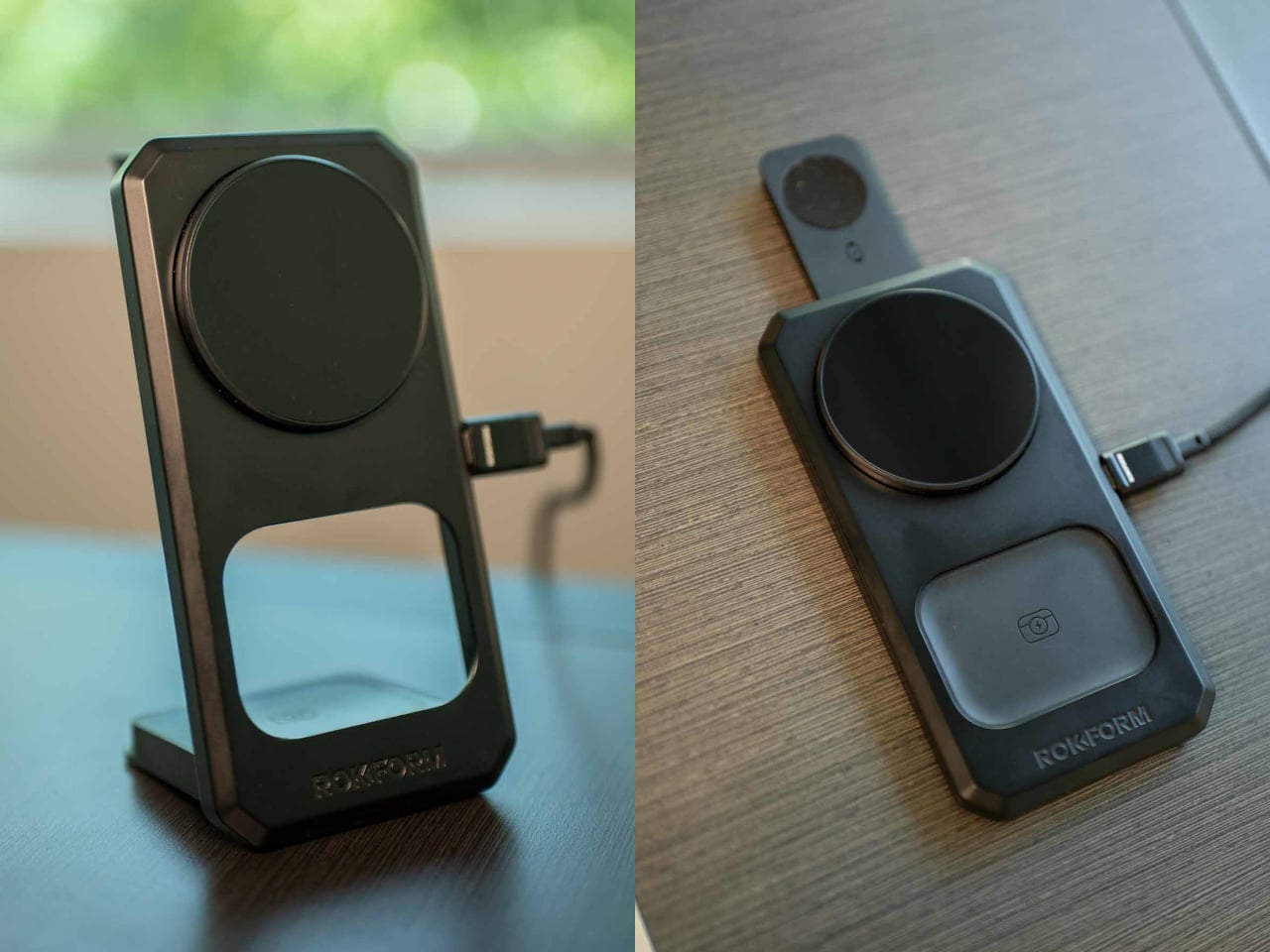
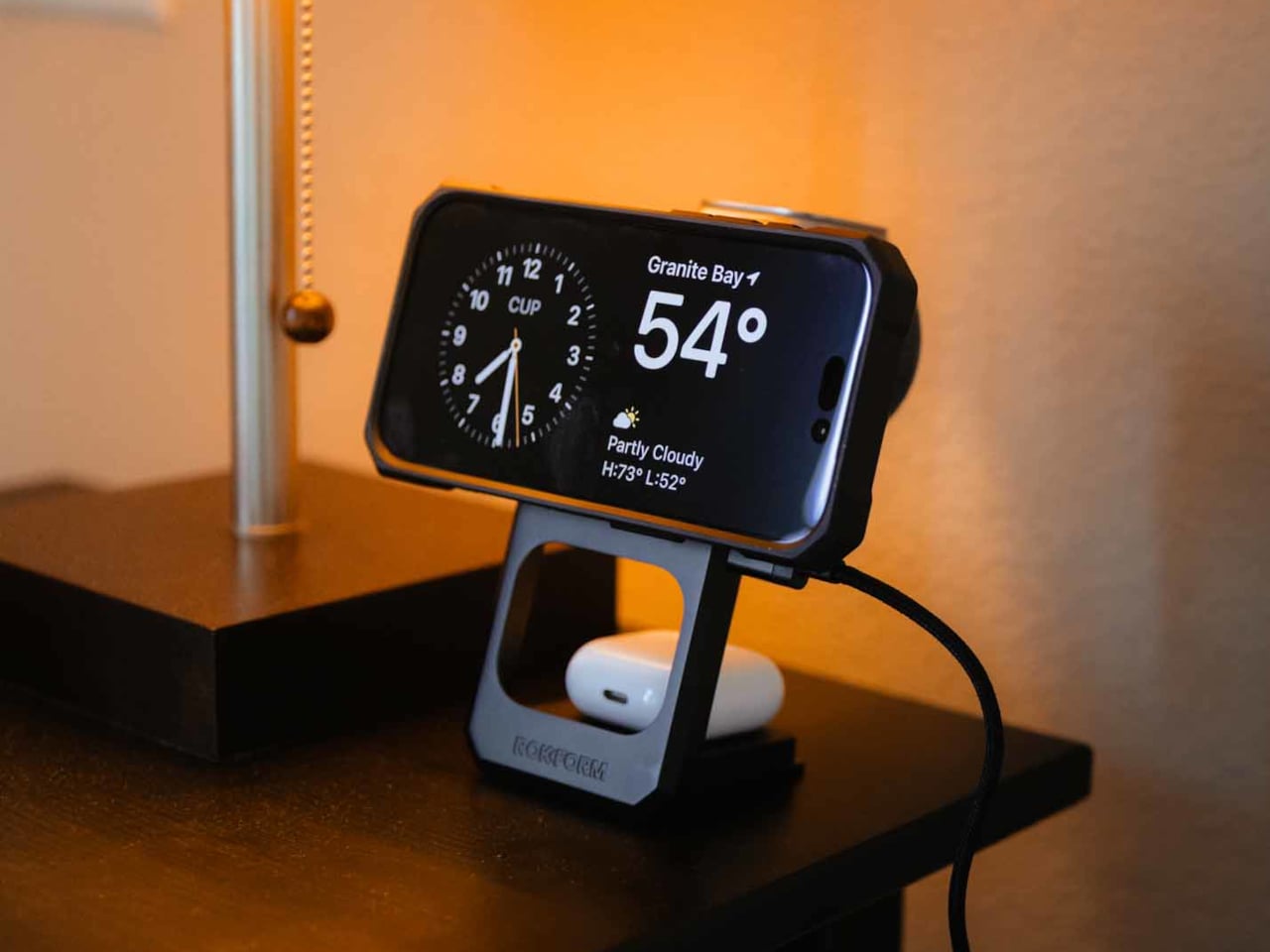
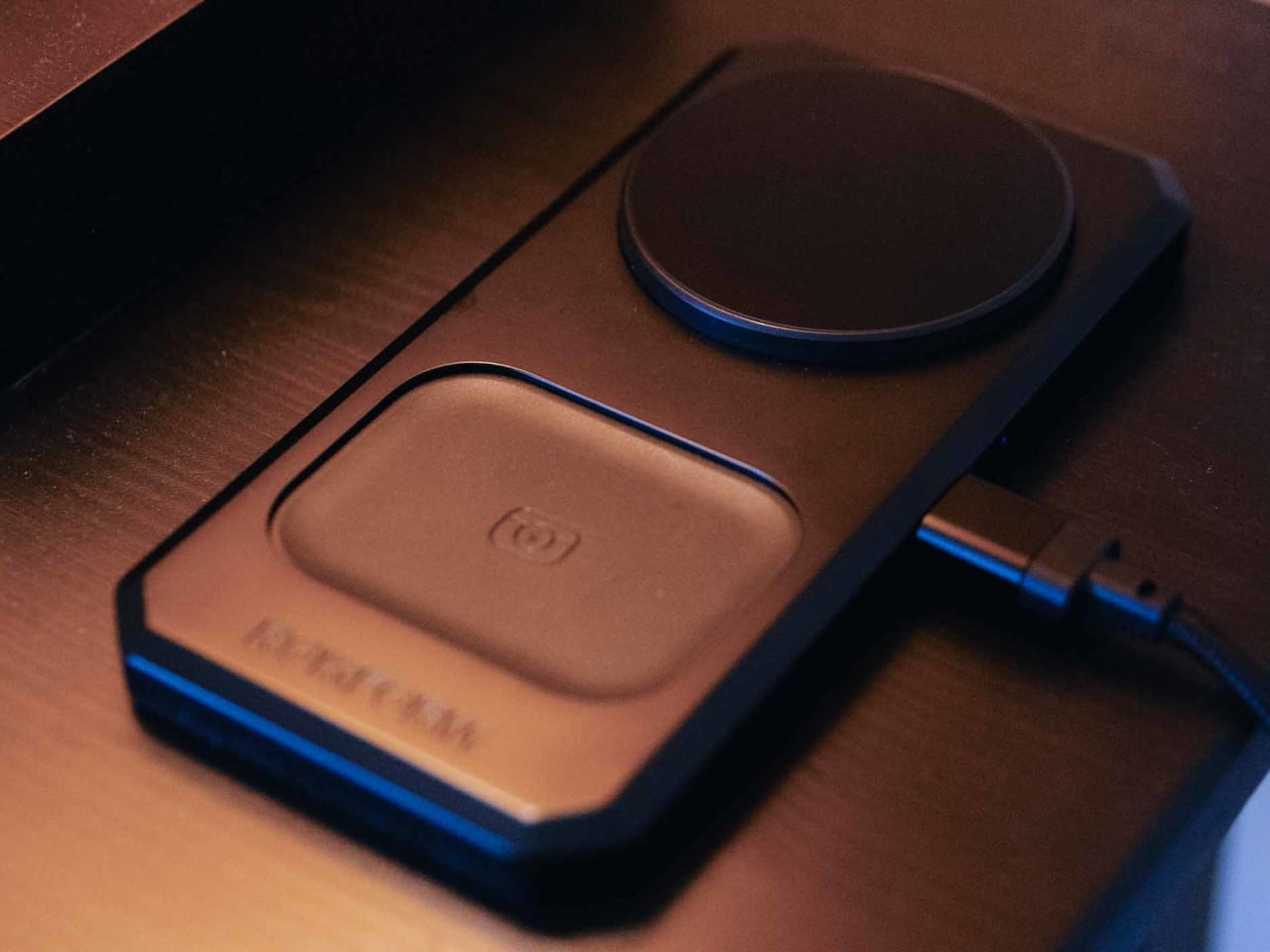
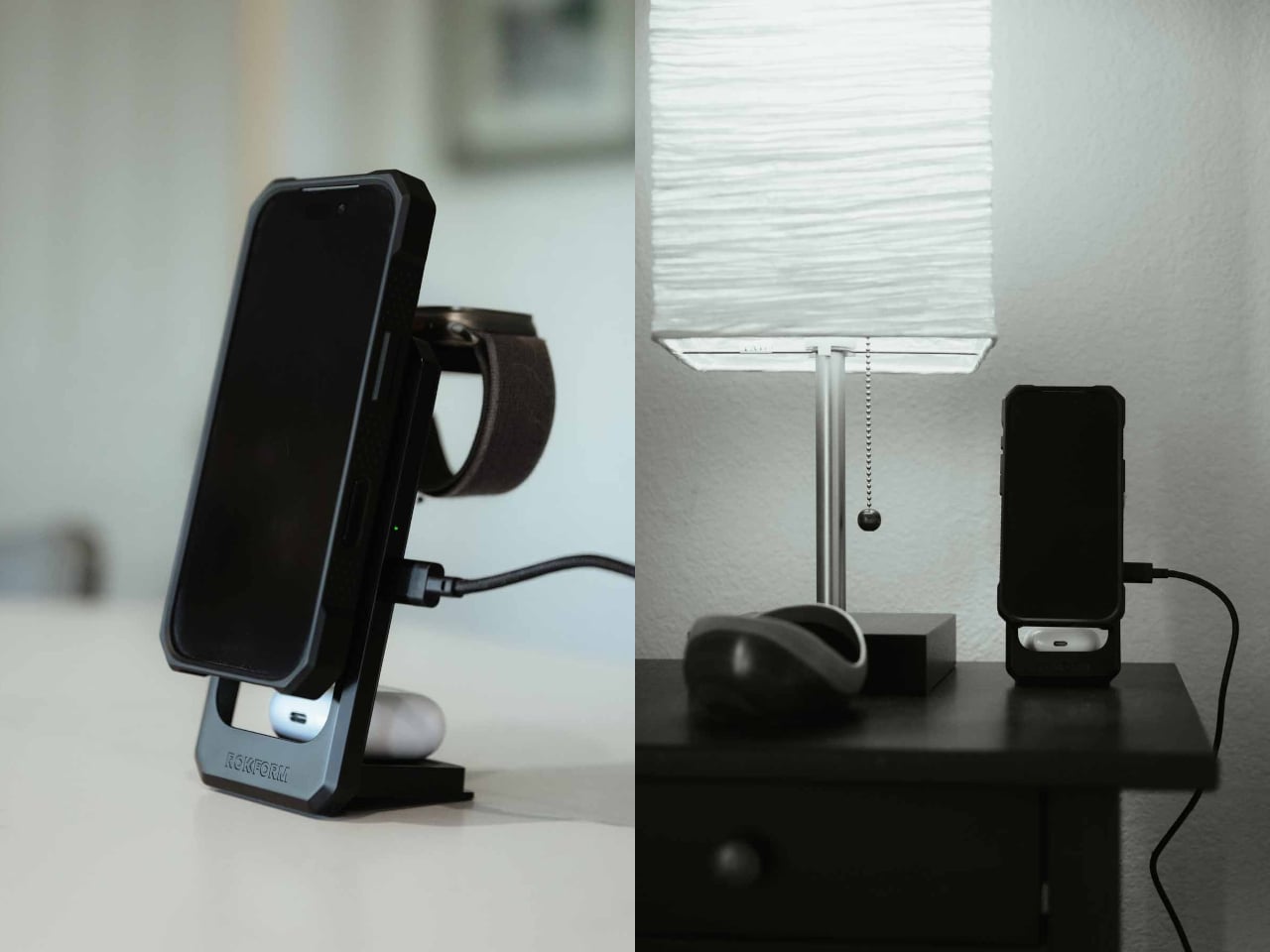
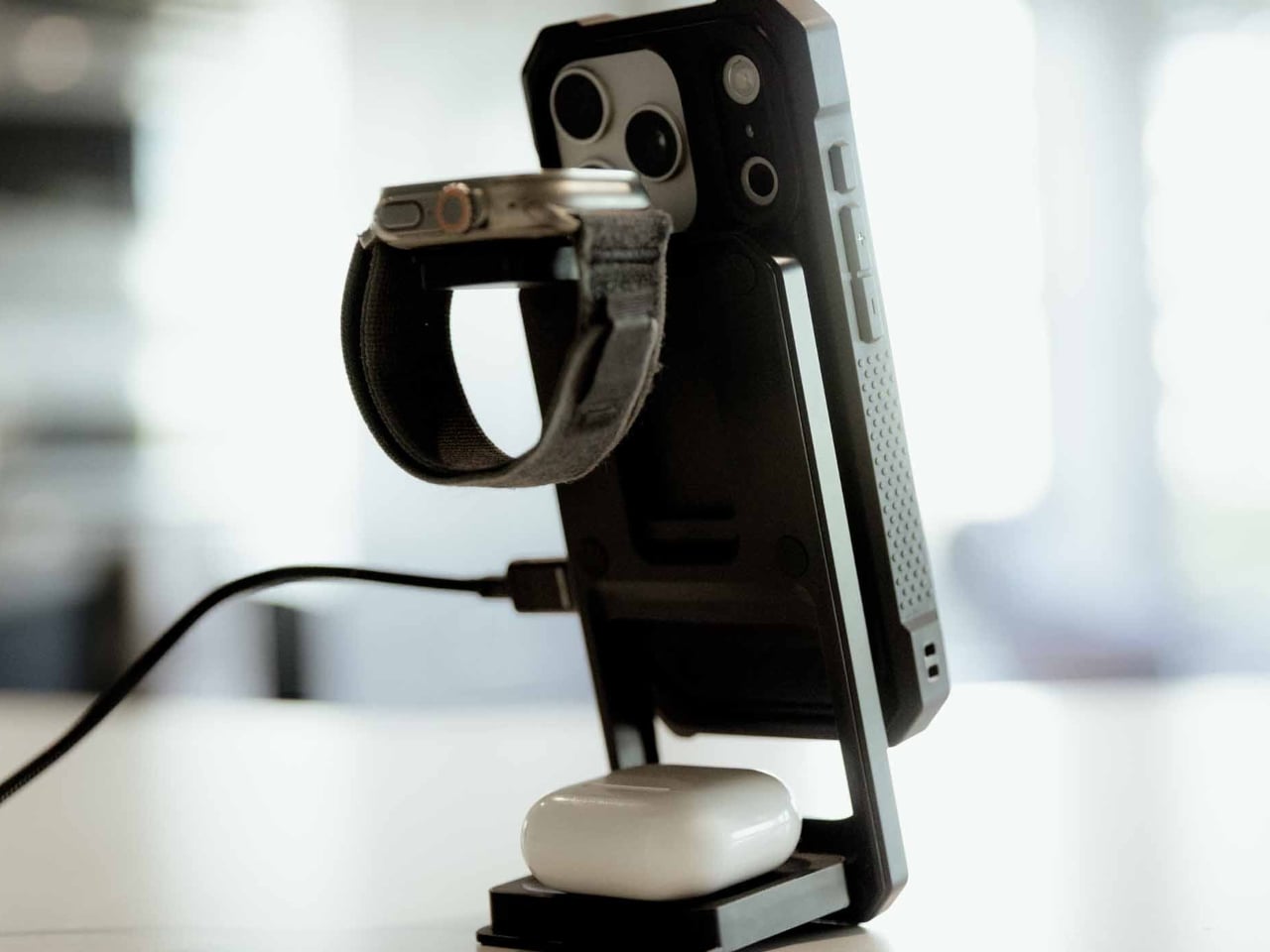
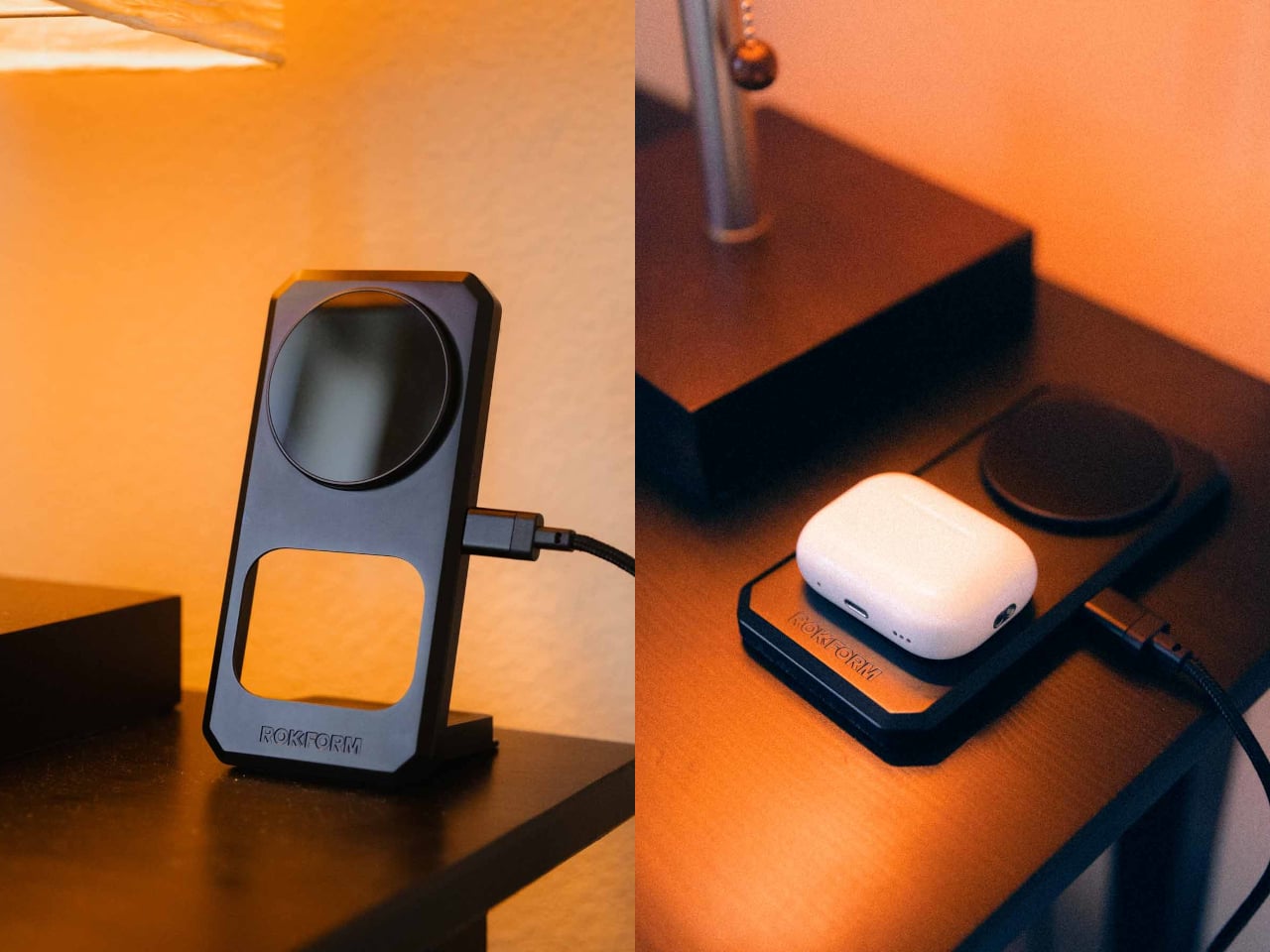
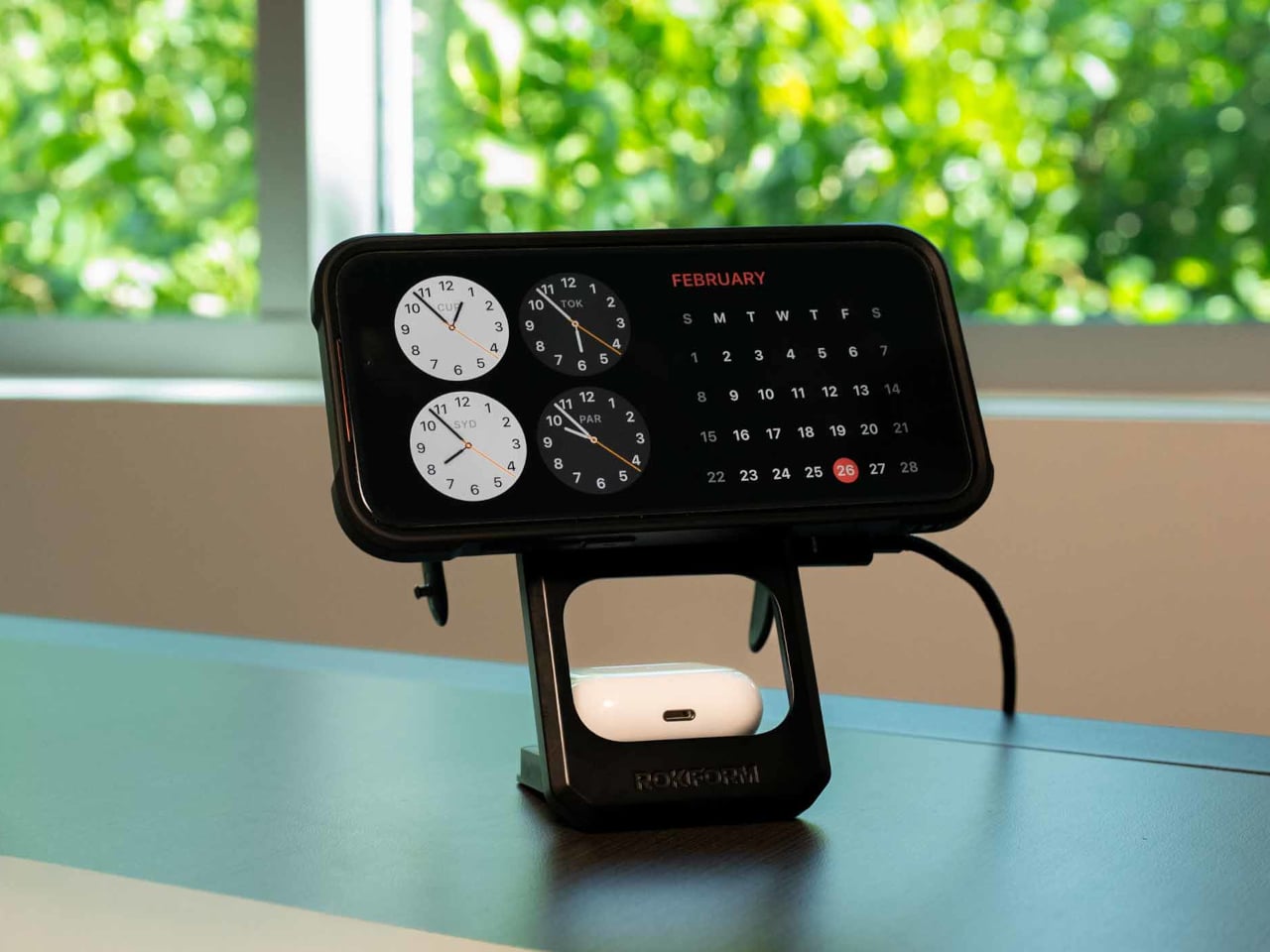
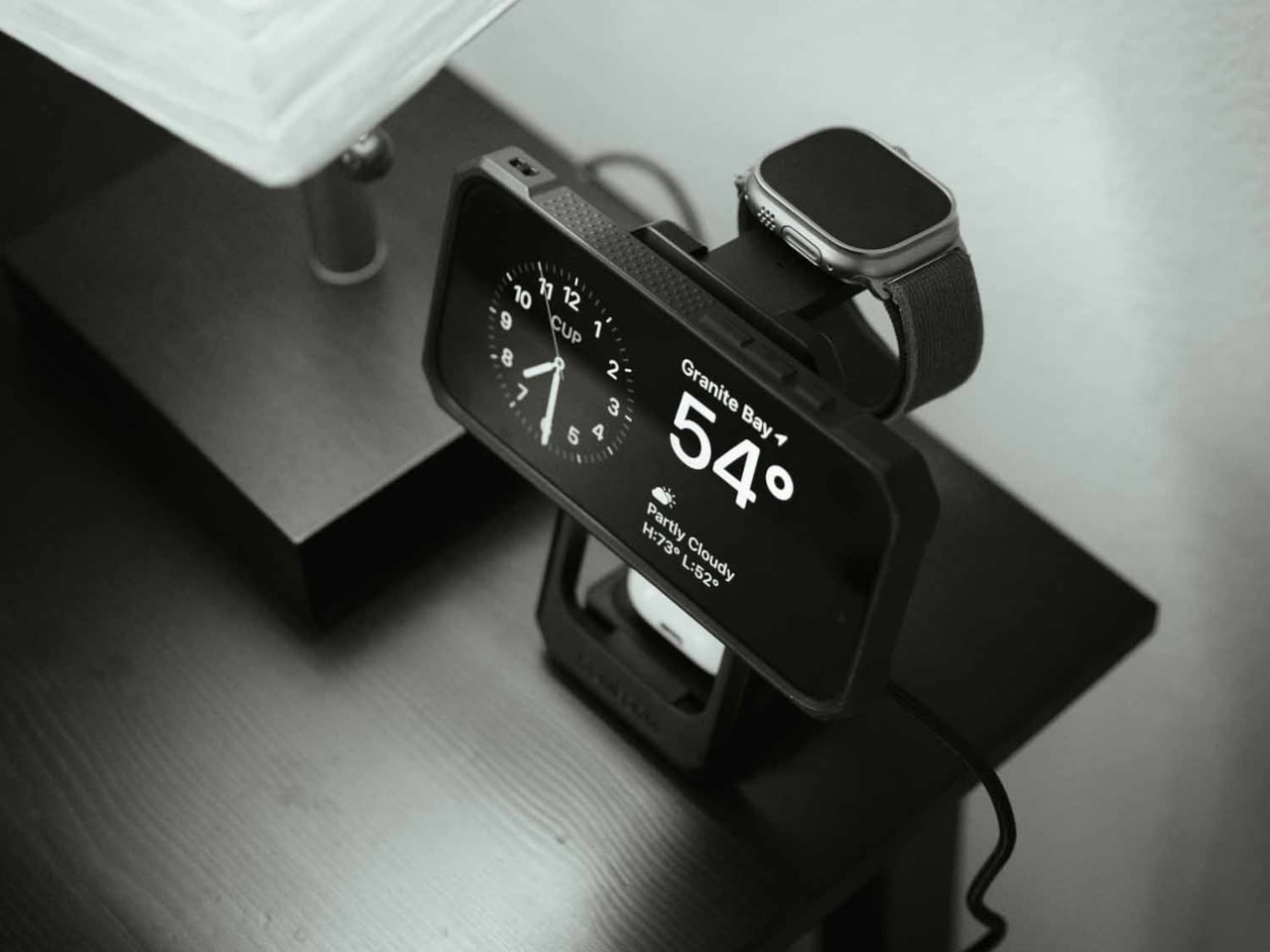
Rokform’s 3-in-1 Foldable Wireless Charging Stand addresses that specific kind of chaos with a single compact unit that charges a phone, an Apple Watch, and wireless earbuds all at once, without any cables beyond the single USB-C feeding the stand itself. The phone pad delivers up to 15W, the earbud pad handles 5W, and the Apple Watch arm tucks out when needed and folds back flat when not. One cable, three devices, done.

Designer: Rokform

The build is zinc alloy and glass, which puts it in different company than the plastic pads that flex slightly when you press on them. That combination reads as dense and grounded, designed to stay in place rather than slide around while you fumble for your phone at midnight. The phone pad adjusts between portrait and landscape, which matters if you use a nighttime clock display or want to follow a recipe without picking the phone up.

The travel argument is where the design earns its $99.99 most directly. The whole unit collapses to just over 15 mm flat, thin enough to slide into a bag without dedicated padding. Anyone who has hunted down enough hotel outlets to charge three separate devices before a morning flight will understand the appeal immediately. One folded stand and one cable replace the whole pile, though a 30W USB-C adapter is required and not included.

That last detail is worth pausing on, because the absence of a power adapter is a legitimate inconvenience. Rokform specifies a minimum 30W USB-C adapter and recommends their own PowerTrip 65W GaN Fast Charger for full performance. That is a reasonable recommendation, but it also means the stand does not actually replace your charging setup on day one without an additional purchase, unless you already own a high-wattage USB-C adapter.

The Watch pad compatibility is Apple Watch only, which Android-primary users will notice immediately. The phone and earbud pads both support Android devices with Qi wireless charging, so the stand is not completely Apple-exclusive. It does, however, skew toward households already invested in the Apple ecosystem, where the combination of iPhone, AirPods, and Apple Watch is common enough that a dedicated three-device stand makes immediate sense.

At that price tag, Rokform is competing against a field of 3-in-1 charging stands from Belkin, Anker, and others at comparable or lower price points. The zinc alloy and glass construction and the sub-16mm folded profile are the real differentiators, neither of which is trivial if you travel frequently or care about what sits on your desk. The premium over a $60 alternative is harder to justify for someone who mostly keeps it plugged in on the nightstand than for someone who packs it every week.

The post Rokform Built a $100 Charger That Replaces Your Entire Nightstand Pile first appeared on Yanko Design.

Apple’s WWDC 2026 is set for June 8-12

Apple announced that this year's Worldwide Developers Conference (WWDC) will take place from June 8-12. The company tends to be consistent with event timing, so it's no surprise that CEO Tim Cook will take the stage for the keynote on June 8, most likely at 1PM ET. 

Much of WWDC will take place online and will be free to attend, though there will be an in-person component for select developers, students and media at Apple Park in Cupertino, California. You'll be able to take in WWDC via the Apple Developer app, website and YouTube channel. It will also be available in China on the Apple Developer Bilibili channel.

What should we expect this time around? This is a software-focused event and all indications point toward a reveal of the upcoming "27" operating systems. This would include iOS 27, iPadOS 27, macOS 27, visionOS 27, watchOS 27 and macOS 27.

We don't know for certain what new features these operating system updates will bring to the table, with Bloomberg's Mark Gurman suggesting that WWDC will be "a fairly muted affair this year." Rumors have indicated that iOS 27 will deliver much-needed improvements to Apple Intelligence along with the delayed Siri overhaul. Reports also suggest the presence of split-pane multitasking, a redesigned Health app and a new battery management system for iPhones. 

In any event, we don't have that long to wait. Engadget will be on hand to report on all of the announcements and reveals.

This article originally appeared on Engadget at https://www.engadget.com/apps/apples-wwdc-2026-is-set-for-june-8-12-171359493.html?src=rss