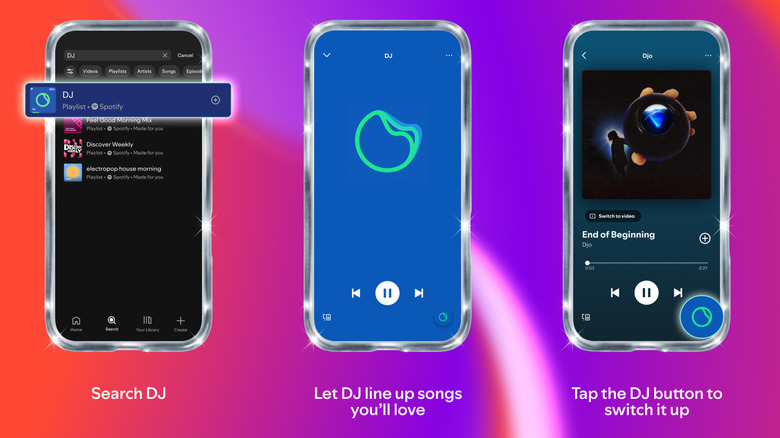
Spotify’s AI-powered personal DJ expands to more languages and countries
Premium users in more than 75 markets will now have access to it.
The smart speaker category has been quietly stagnating. Go ahead and look around your house. Chances are there’s a Nest Audio or an Amazon Echo gathering dust on a shelf, doing exactly what speakers did in 2018 but with a fresh coat of AI marketing layered on top. It still feels like a tech product, which is to say, it still looks like one. Google seems to have noticed.
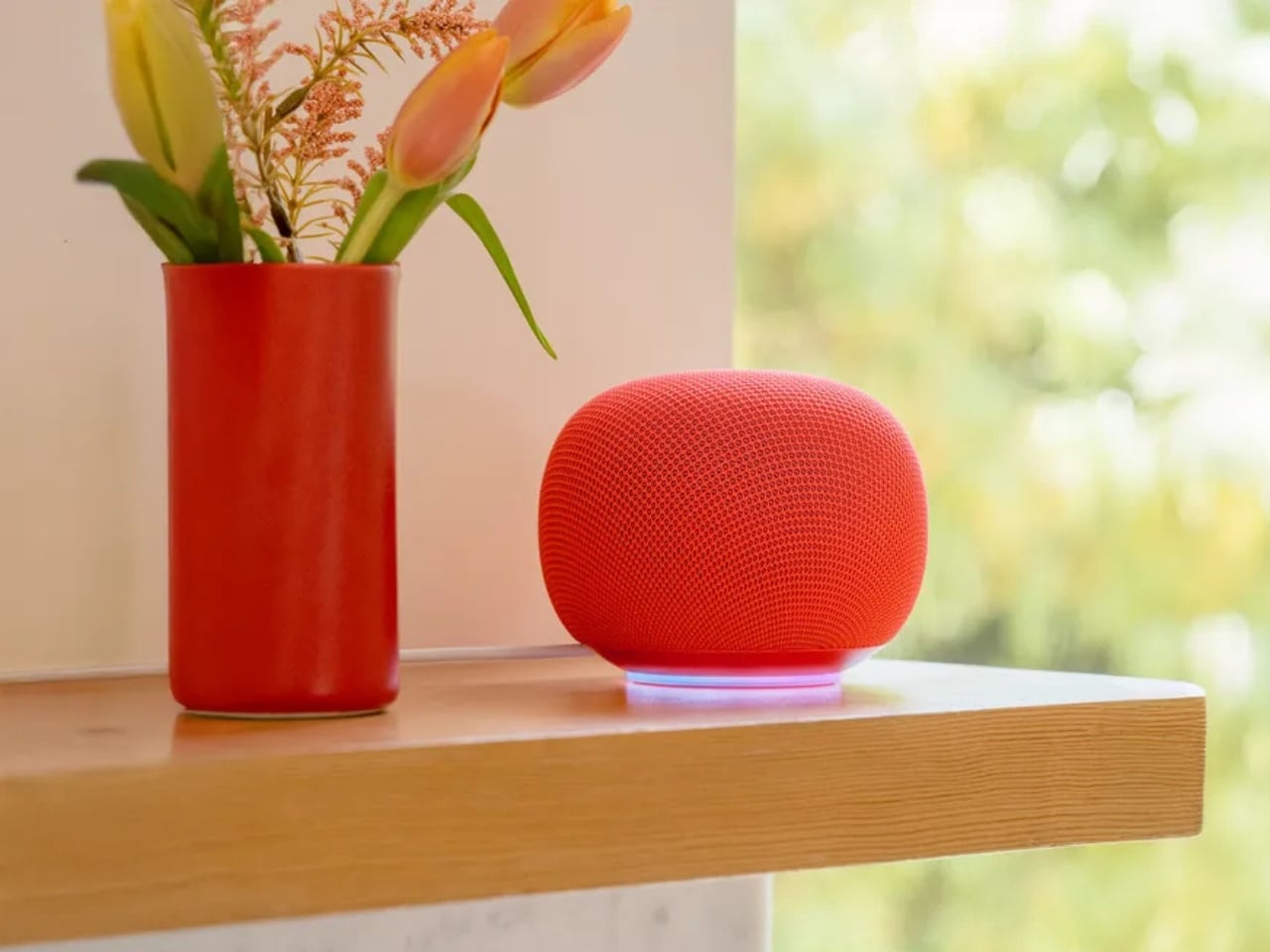
The new Google Home Speaker, officially arriving spring 2026 at $99.99 and heading to 19 countries, is not a Nest. That’s the first thing worth saying. Google dropped the Nest name entirely, and the shape that went with it. The speaker is round, compact, and wrapped in a 3D-knitted eco-friendly fabric that reads less like a gadget and more like something you’d find alongside handmade ceramics and artisan candles on a design blog. Google is calling the colorways Berry, Hazel, Jade, and Porcelain. Those aren’t accident names. That’s homeware language, not consumer electronics language.
Designer: Google
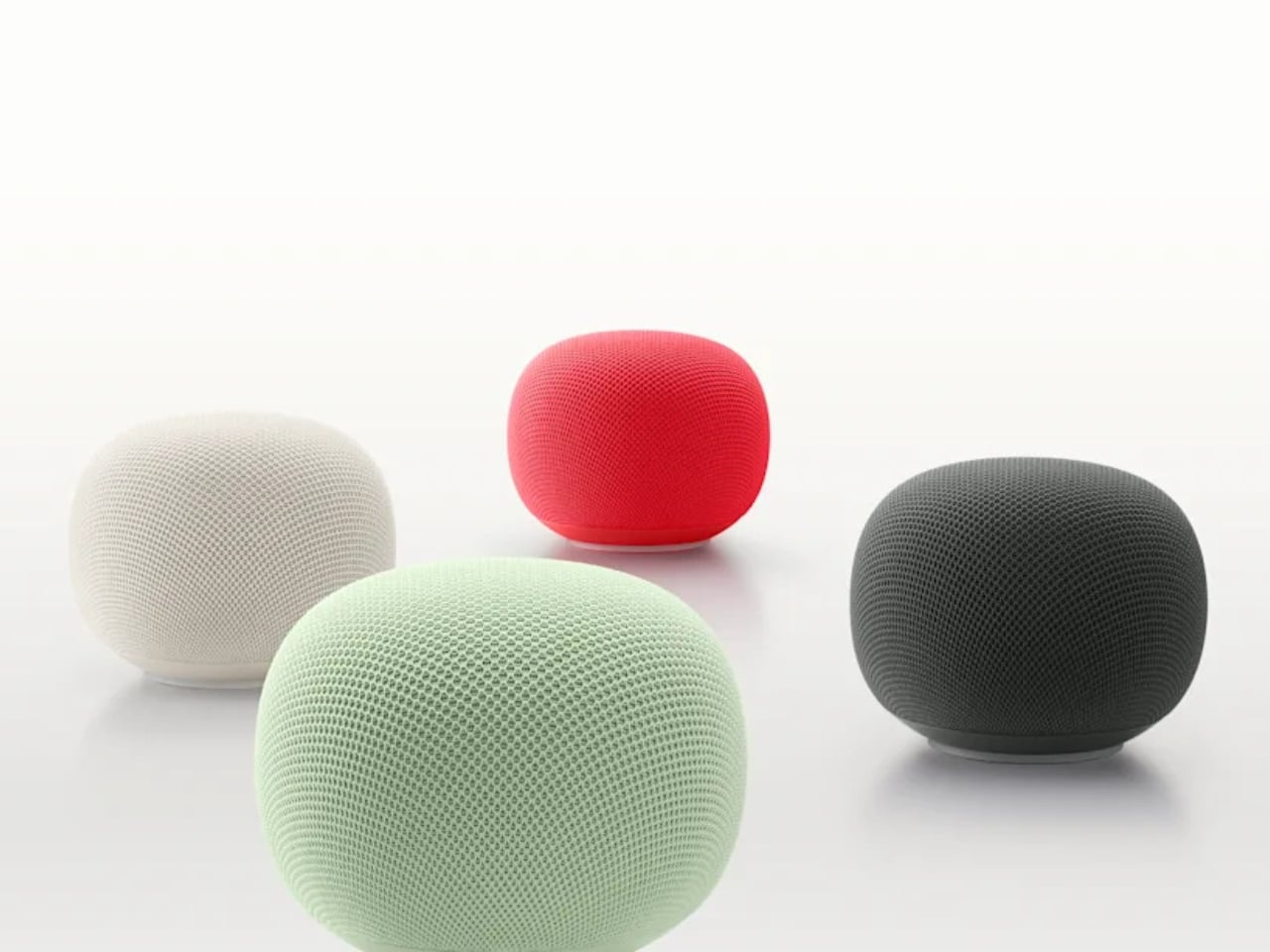
That shift matters more than it might seem. The naming tells you exactly who Google is designing for now, and it isn’t the person who organizes their cable management. Porcelain and Hazel are colors a person picks when they’re thinking about how something looks on a bookshelf, not which one has the best specs. Whether the average buyer consciously registers this or not, the vocabulary of the product positions it closer to a Muji lamp than a mesh Wi-Fi node. For a category that has long been aesthetically stranded, that’s a meaningful move.
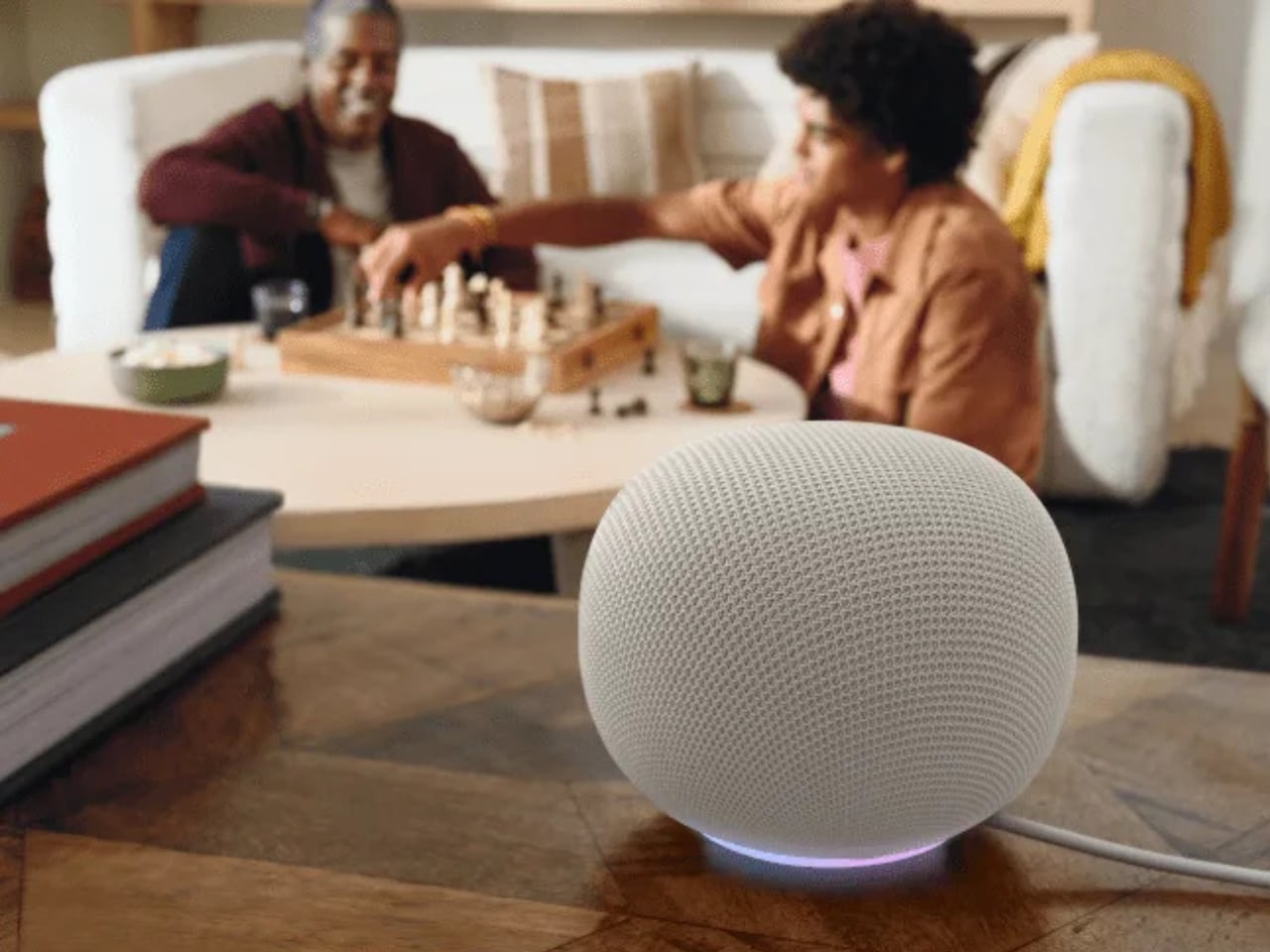
Underneath the fabric, the hardware story is genuinely interesting. The Google Home Speaker is built around Gemini for Home, which means it isn’t running a legacy assistant clumsily retrofitted with new AI layers. It has custom processing designed specifically for Gemini’s computational demands, meant to make conversations feel faster and more natural. A new light ring gives visual feedback as Gemini listens, thinks, and responds. The speaker also delivers 360-degree sound and supports stereo pairing. At $99, that’s a competitive package, especially compared to what Amazon and Apple are currently offering in the same price range, which hasn’t changed much in years.
Here’s the angle that gets underplayed in most coverage: Google built this speaker to coexist in an ecosystem that’s already expanding before the device even ships. Walmart’s Onn smart speaker appeared in CSA Matter filings in early May 2026, suggesting a budget tier of Gemini-compatible hardware is on its way. Google confirmed last October that Walmart’s Onn devices would work within Google Home. A $99 Google speaker alongside a cheaper third-party Gemini option creates a layered ecosystem where entry-level users get into the platform and those who want a more refined experience buy the Google-branded version. That’s a smarter market play than Google has made in this category in years.
What makes me take this launch seriously isn’t the hardware alone. Amazon has Alexa, which has gone through its own AI reinvention but still carries the aesthetic baggage of the cylinder era. Apple’s HomePod is excellent and priced accordingly. Sonos is navigating its own turbulent chapter. None of them are shipping something that looks like a river stone, costs $99, and runs a genuinely current large language model. Google, for once, doesn’t have obvious company in that specific lane.

The question I keep sitting with is whether the design conviction will hold once the product is actually in people’s homes. It’s easy to look good in product shots, and the Nest Audio looked great too. But if Google has genuinely committed to positioning this as a home object first and a gadget second, and if the Gemini experience inside it is as conversational as promised, then spring 2026 could mark something worth paying attention to.
The smart speaker had a moment, then it plateaued. A pebble-shaped $99 AI speaker with pastel names and a language model built for conversation might not sound revolutionary. Compared to what’s been sitting on kitchen counters for the last five years, though, it kind of is.
The post Google’s $99 Gemini Speaker Is About to Land first appeared on Yanko Design.

Samsung has once again demonstrated its commitment to innovation with the Galaxy Z Fold 8 and Galaxy Z Fold 8 Wide. These devices aim to refine the foldable smartphone experience by addressing user feedback and introducing practical, forward-thinking features. With a focus on usability, performance, and innovative design, Samsung continues to lead the foldable smartphone […]
The post Samsung Galaxy Z Fold 8 Surprise: The ‘Wide’ Model is Finally Real appeared first on Geeky Gadgets.


There’s a particular kind of frustration that comes with trying to take notes on a device that also wants to tell you about emails, calendar reminders, and a dozen app updates. A general-purpose tablet is extraordinary for many things, but for someone who simply wants to write, it’s often too much. That gap is exactly where reMarkable has built its reputation, and the Paper Pure is its clearest statement yet.
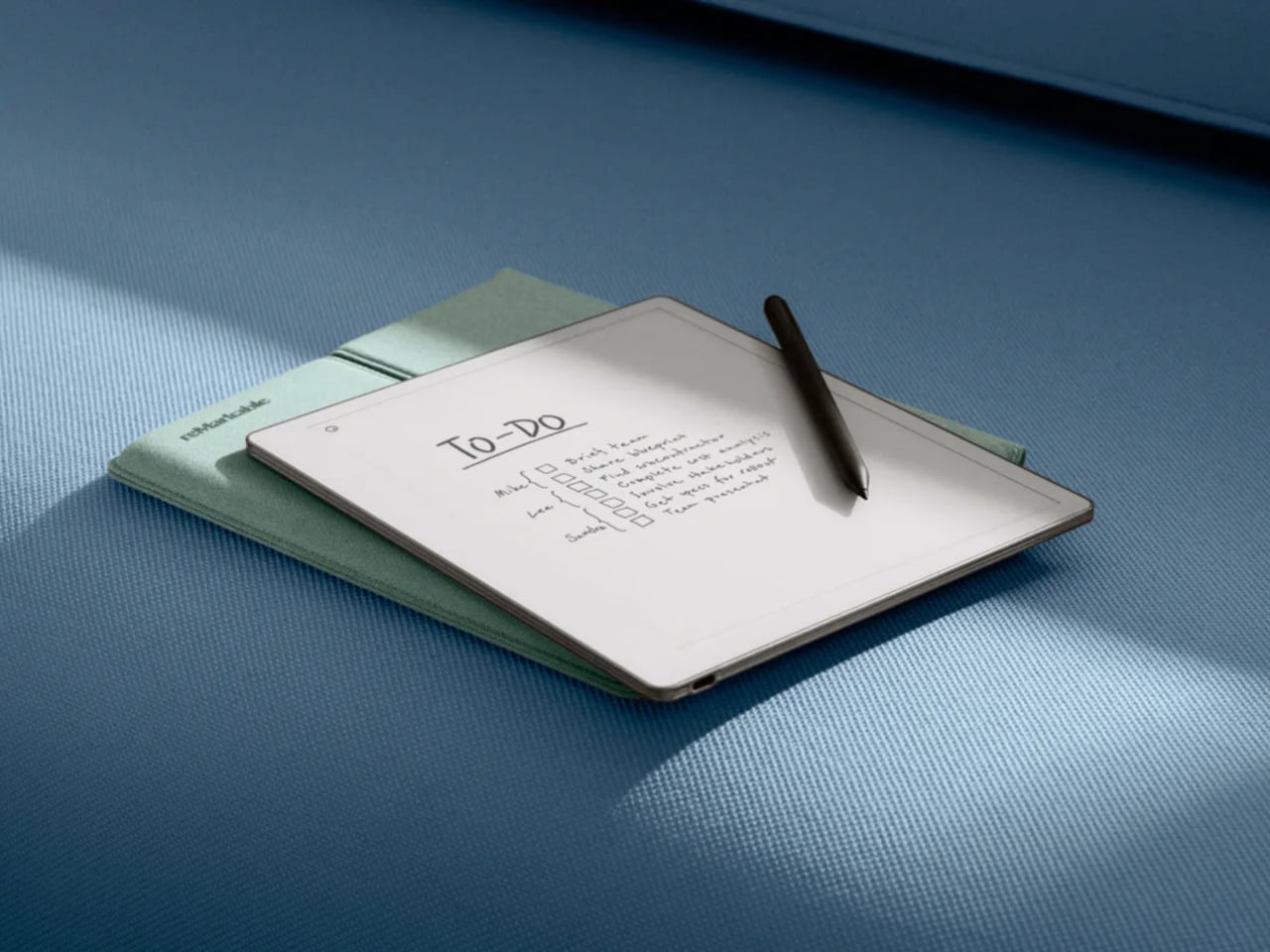
The Paper Pure launched as the direct successor to the reMarkable 2, priced at $399 with a Marker stylus and six replacement tips included. A $449 bundle adds the Marker Plus, which features a built-in eraser, along with a Sleeve Folio for protection. It’s a focused proposition for a focused device: write, read, annotate, and essentially nothing more.
Designer: reMarkable
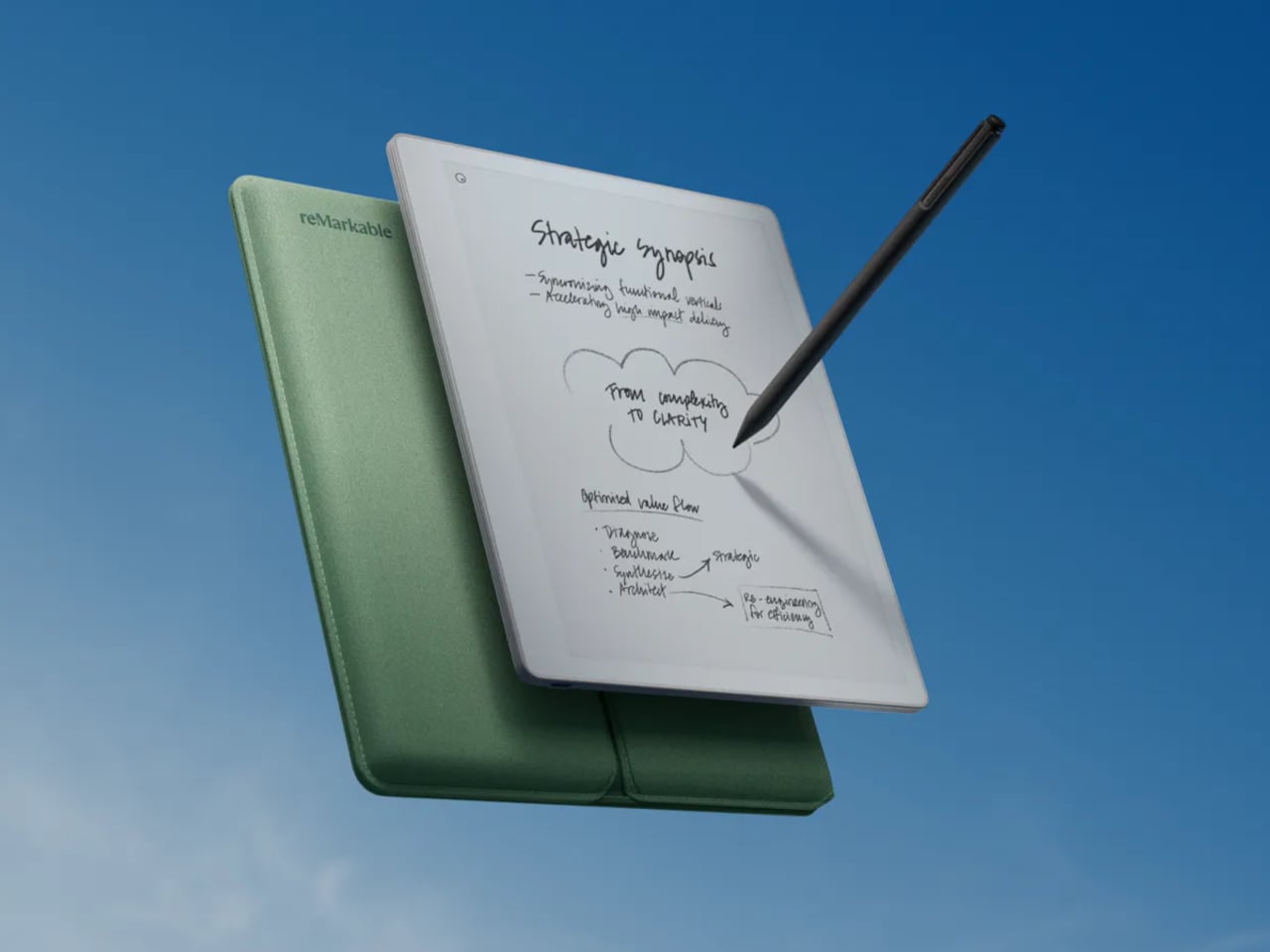

The display is the centerpiece of what’s improved, which reMarkable calls a third-generation Canvas screen, built on E Ink’s Carta 1300 panel and delivering 20% more contrast than the reMarkable 2’s display. Ink promises to appear darker and crisper on a background that reads as noticeably whiter and more paper-like. An adjustable reading light is new to this form factor in the lineup, finally making the device usable in dim rooms.
Writing responsiveness matters as much as display quality on a device like this, and the Paper Pure advertises 21ms of latency. That’s fast enough to feel genuinely natural, especially combined with the textured surface that gives the Marker tip just enough drag to mimic paper. The Marker now recharges magnetically when attached to the side of the tablet, so there’s no separate cable to manage.
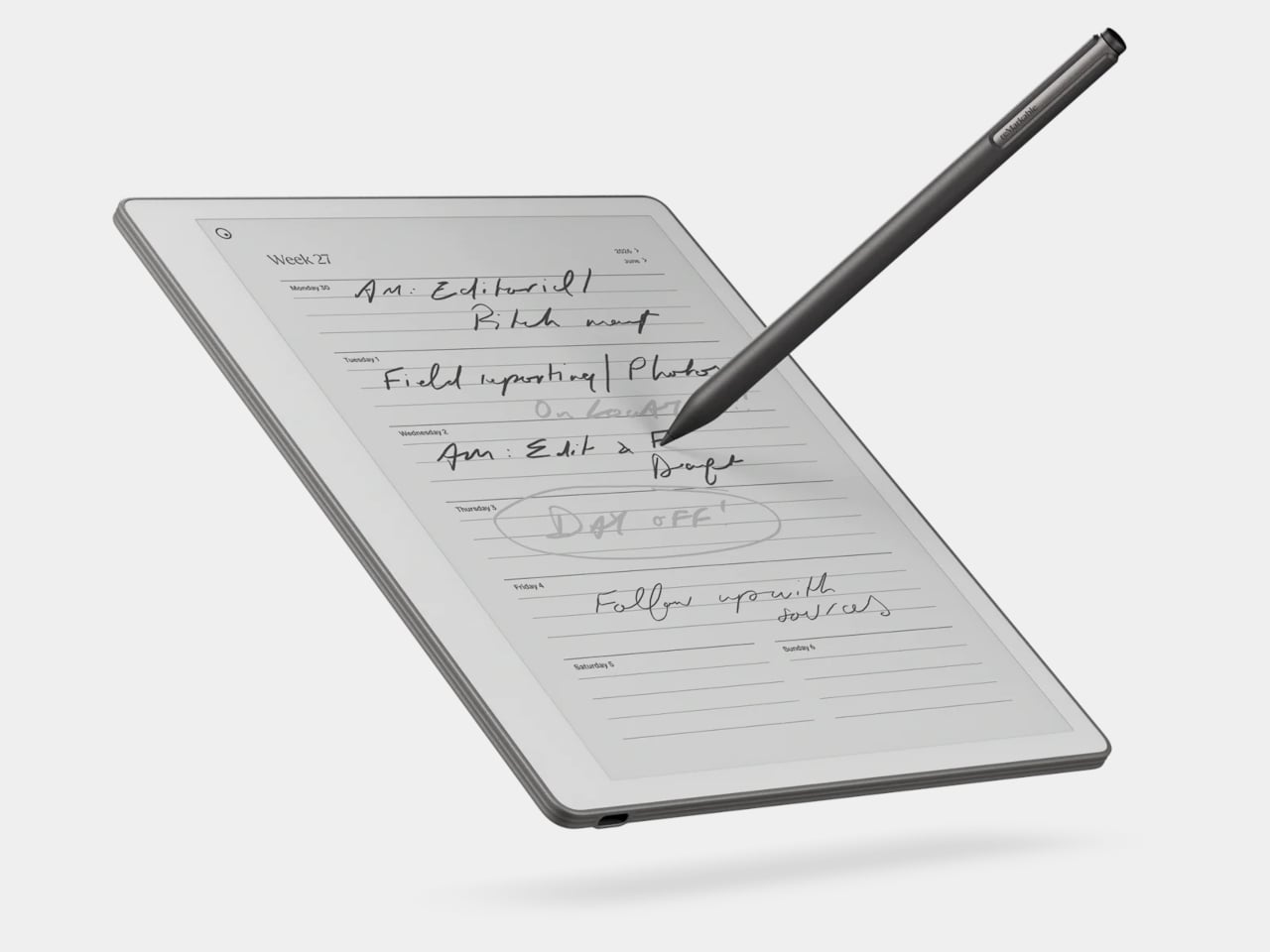

A three-week battery rating changes how you think about the device entirely. You stop treating it like a phone that needs a nightly top-up and start treating it more like a paper notebook you just pick up and toss in a bag. The internal storage also grew from 8GB to 32GB, and RAM doubled from 1GB to 2GB, both contributing to a noticeably snappier experience.
Notebooks sync to your phone or desktop through the reMarkable apps, and a Connect subscription unlocks cloud storage and handwriting-to-text conversion. The operating system stays deliberately out of the way, offering no browser, no email, and no app store. Whatever you write on the Paper Pure stays on the Paper Pure unless you choose to share it, which turns out to be a surprisingly refreshing constraint.
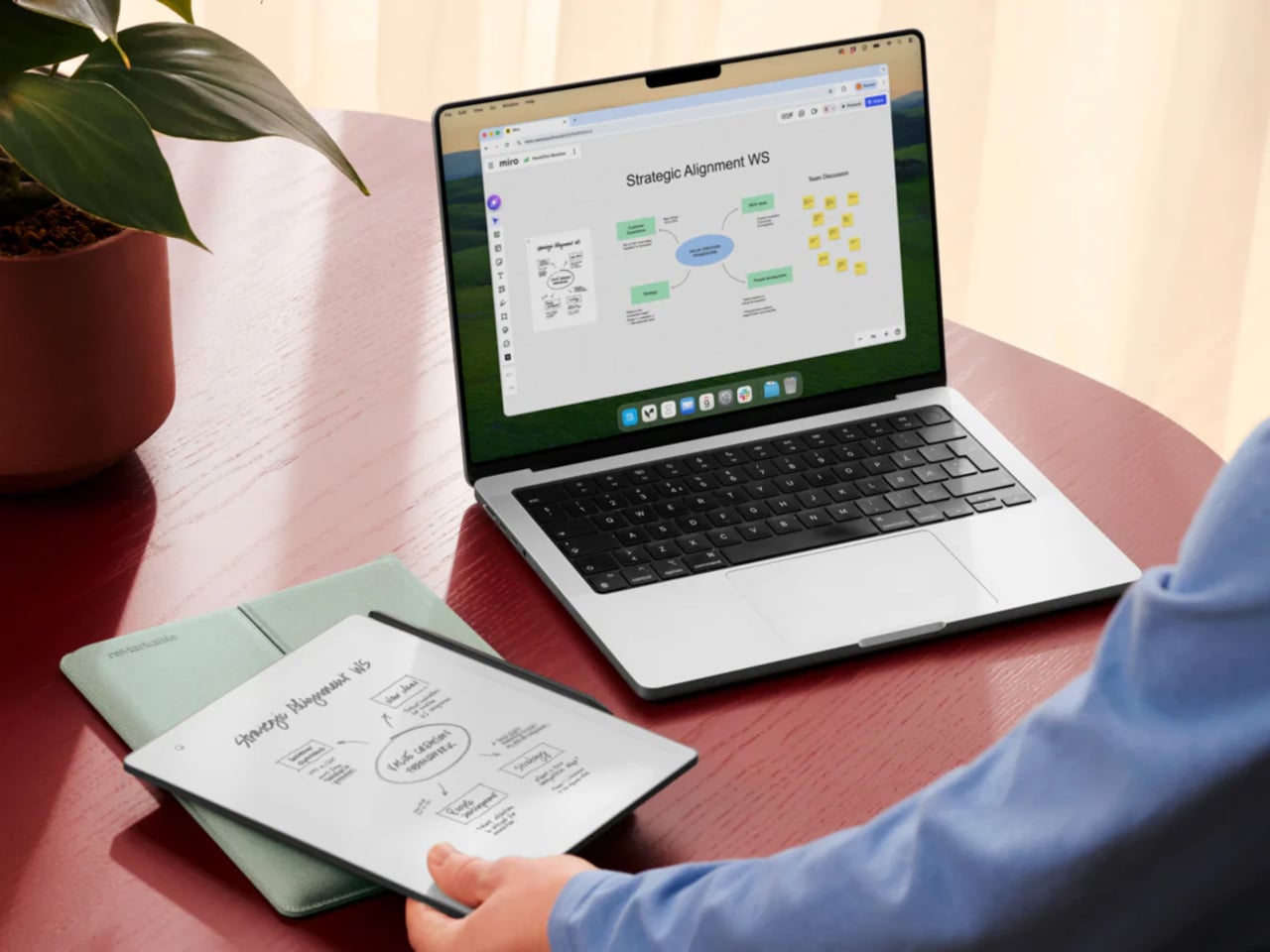

The back panel is now fully plastic, which sounds like a downgrade but actually makes the device more durable in everyday use. It’s also 44g lighter than the reMarkable 2, landing at around 360g total. What’s intentionally gone is support for keyboard accessories and the pogo pins that enabled them; those features belong to the Pro lineup, and the Paper Pure isn’t trying to compete.
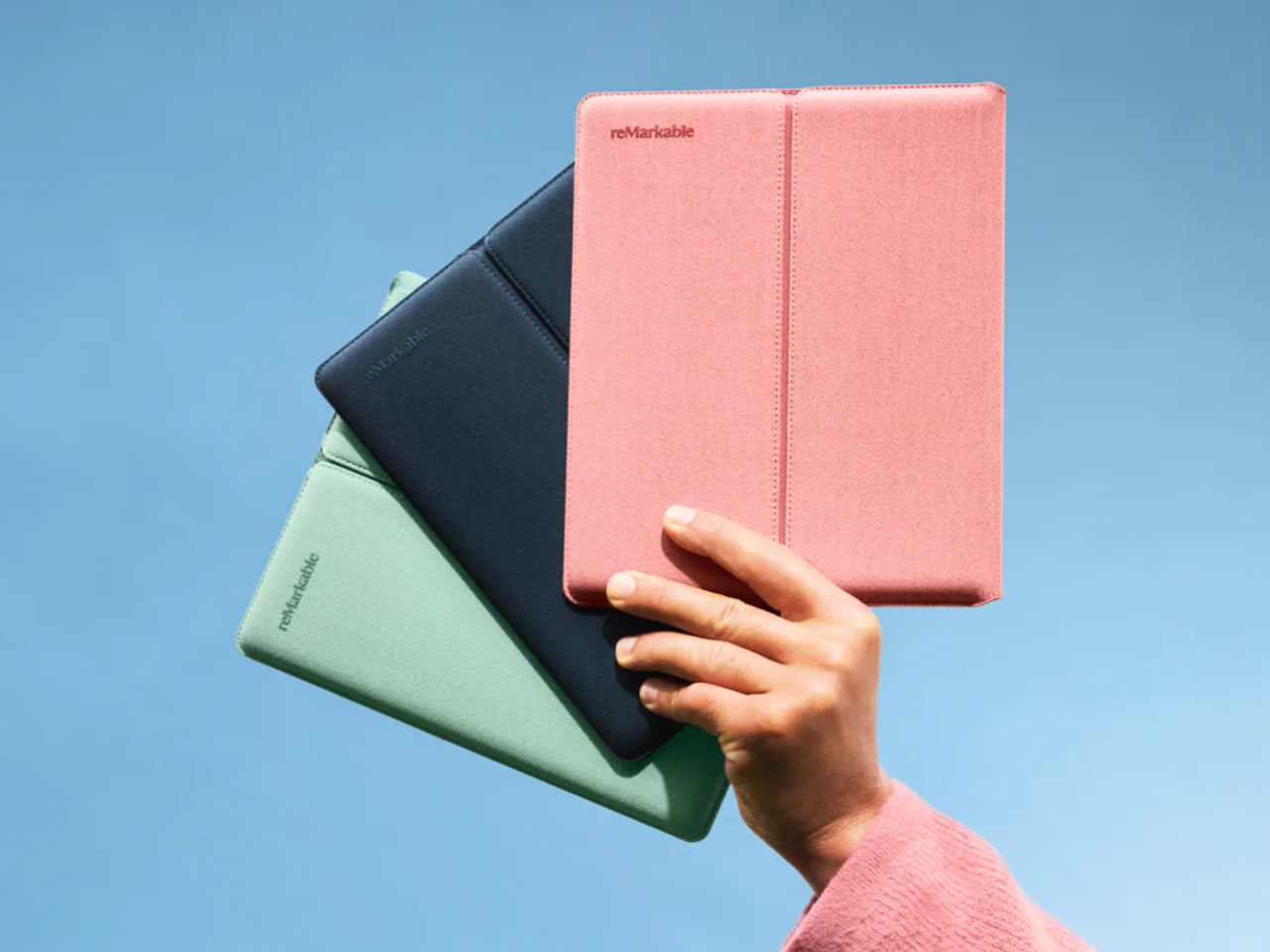
It comes in Ocean Blue, Mist Green, and Desert Pink, three colors with more personality than the reMarkable line has typically offered. Orders opened on May 6, with first shipments expected in early June. At $399, it’s the most accessible entry into reMarkable’s current lineup, and for anyone whose main reason for wanting a tablet was always just to write, it makes a compelling argument for simplicity.
The post reMarkable Just Made a $399 Writing Tablet That Won’t Distract You first appeared on Yanko Design.

Malva AI recently analyzed how Claude, an advanced AI system, supports the creation of structured and professional-quality videos. In one case, Claude was used to develop a complete product launch campaign for a fictional headphone brand, generating visuals, animations and ad copy within a 24-hour timeframe. This example highlighted Claude’s ability to refine creative outputs […]
The post How Claude Built a Full Video Marketing Campaign in Under 24 Hours appeared first on Geeky Gadgets.

Apple’s rumored iPhone 20 is already capturing global attention as the company’s potential 20th-anniversary flagship device. With reports hinting at new design elements and advanced technology, the iPhone 20 could redefine consumer expectations for premium smartphones. However, its ambitious vision raises questions about practicality, durability, and pricing, leaving many to wonder if Apple can successfully […]
The post Forget iPhone 18: First iPhone 20 Leaks Reveal Apple’s Most Radical Design Yet appeared first on Geeky Gadgets.

Artificial intelligence has played a significant role in advancing quantum computing, particularly in addressing challenges tied to encryption. By refining algorithms like Shor’s, AI has reduced the number of qubits needed to perform tasks such as breaking cryptographic codes, making quantum decryption more feasible. As outlined by AI Grid, these advancements underscore the urgency of […]
The post Why AI’s Quantum Computing Leap Has Cybersecurity Experts Alarmed appeared first on Geeky Gadgets.