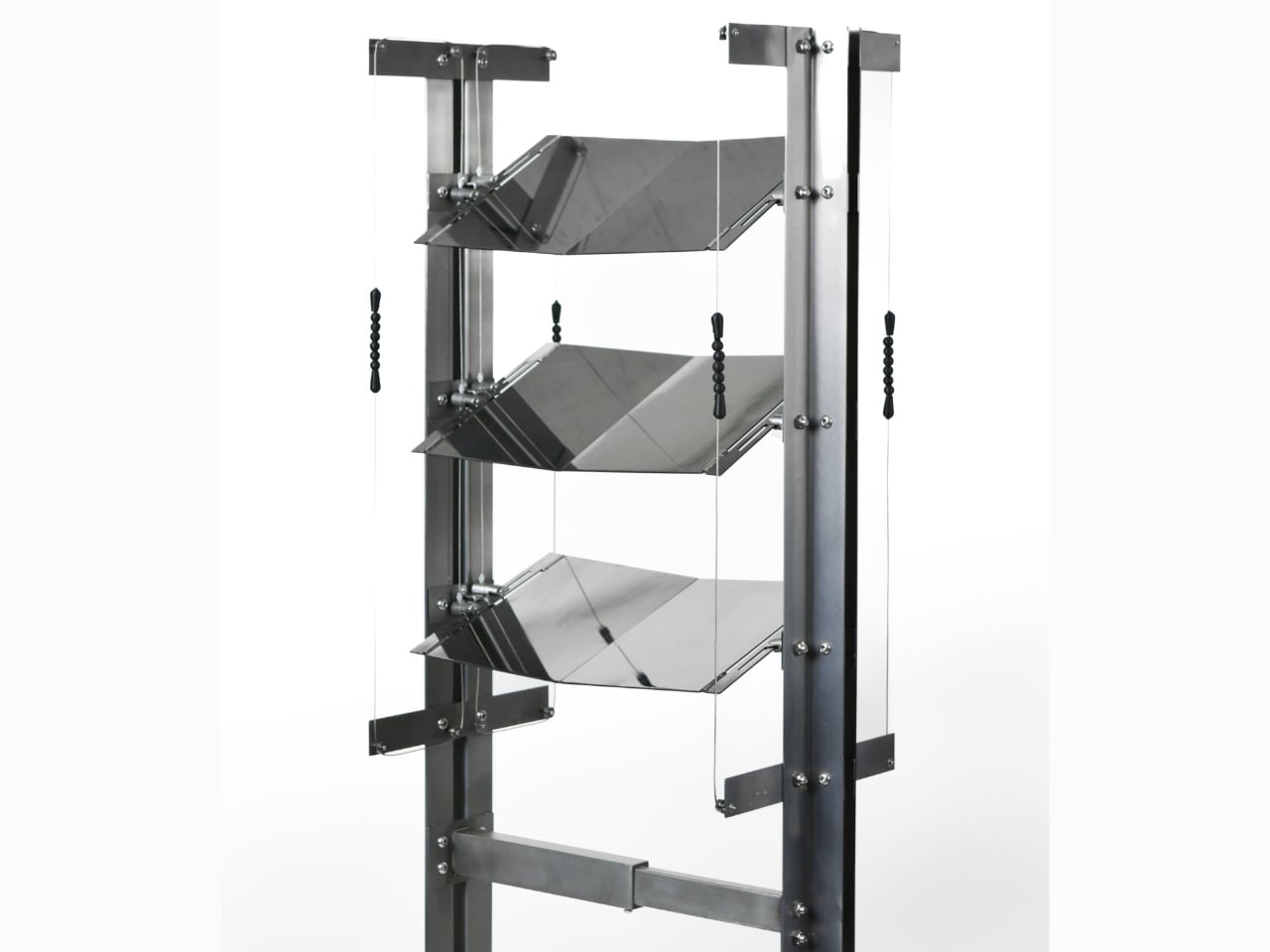
This Korean Partition Uses A Periscope-Inspired Design To Reflect The Sky In Your Room

Most of us living in cities have gotten used to a very particular kind of light. It comes in flat and filtered through glass, bounced off neighboring buildings, and stripped of any real sense of time. Morning looks a lot like afternoon. The sky, if you can see it at all, is a narrow strip somewhere above the roofline. It’s become the default setting of urban life, and most of us have stopped noticing.

That quiet loss is exactly what CHAGYEONG is designed to address. Created by designers SeongJin Hwang (Neo), Soyeon Kim, and Minje Park, this series of metal craft-based living objects isn’t trying to replicate nature or substitute it with some wellness trend. It’s doing something more deliberate than that: it’s pulling an ancient architectural principle out of history and asking whether it still has something useful to say about the way we live now.

Designers: SeongJin Hwang (Neo) / Soyeon Kim / Minje Park
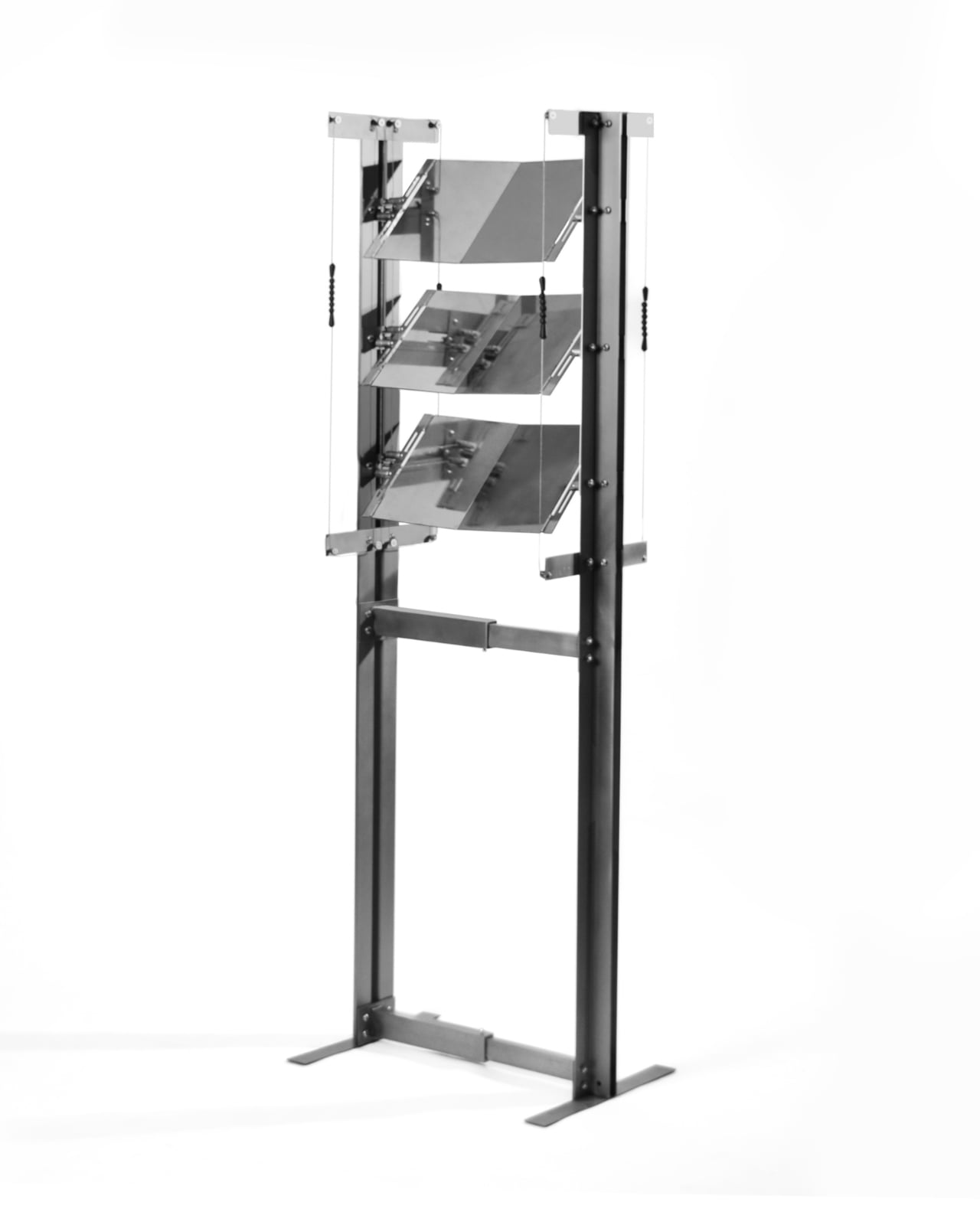
The concept borrowed from (and named after) is chagyeong (借景), a traditional East Asian practice that translates literally to “borrowed scenery.” The idea is that a space doesn’t have to generate its own landscape. It can simply frame, redirect, and invite the one that already exists outside. Korean architects used this principle for centuries, orienting pavilions and residences so that distant mountains, seasonal foliage, or the open sky became part of the interior experience. The environment wasn’t something to block out. It was a resource.
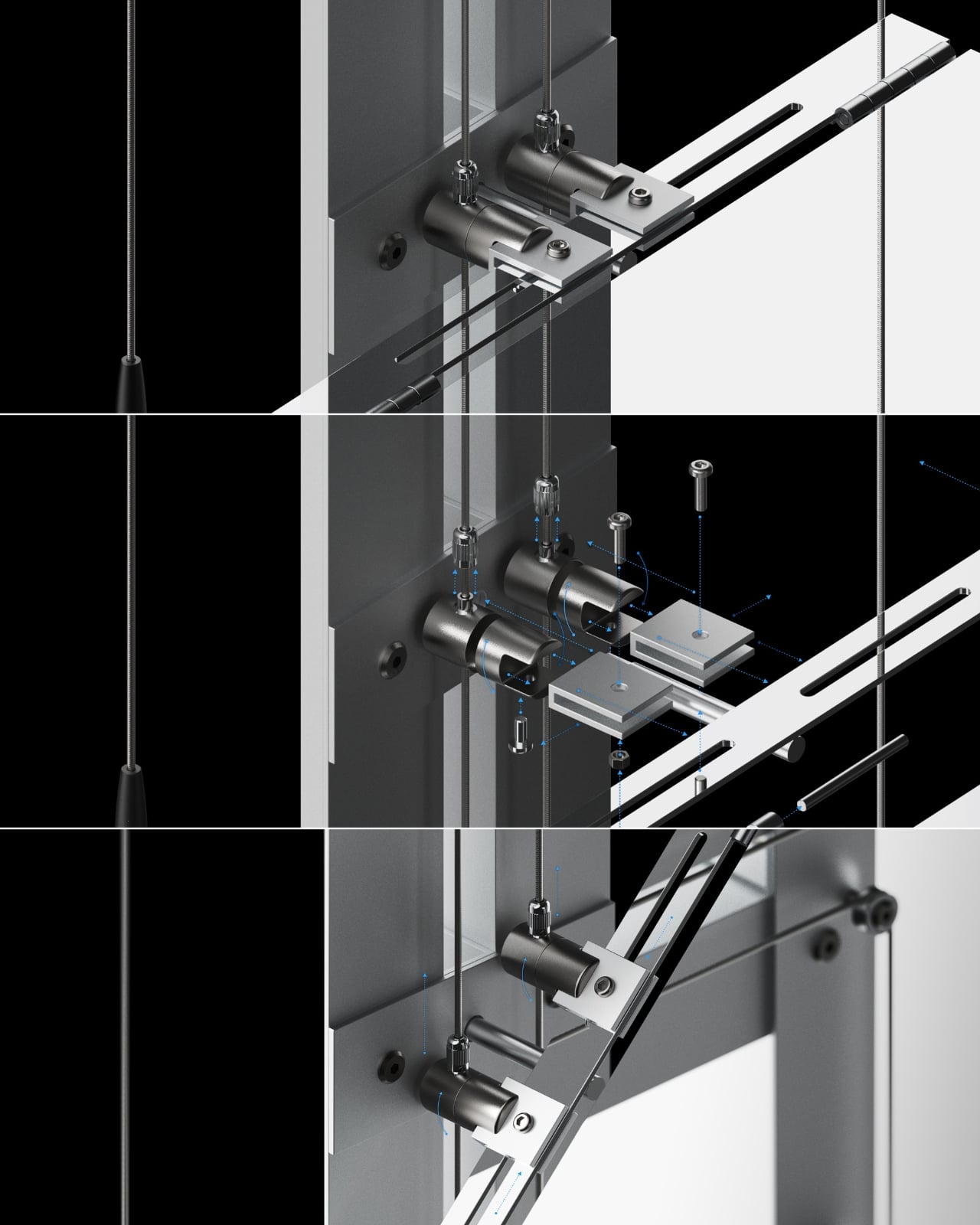
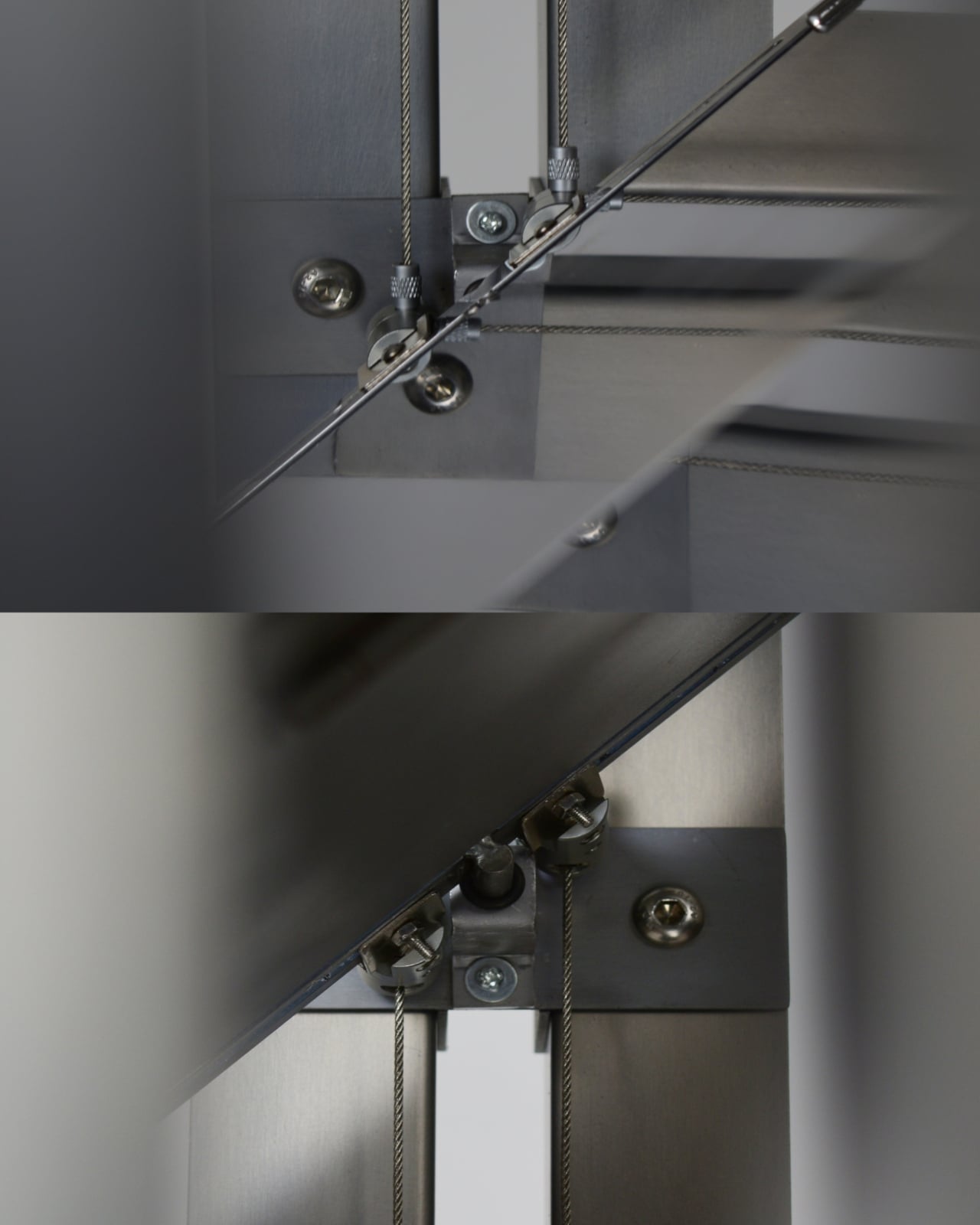
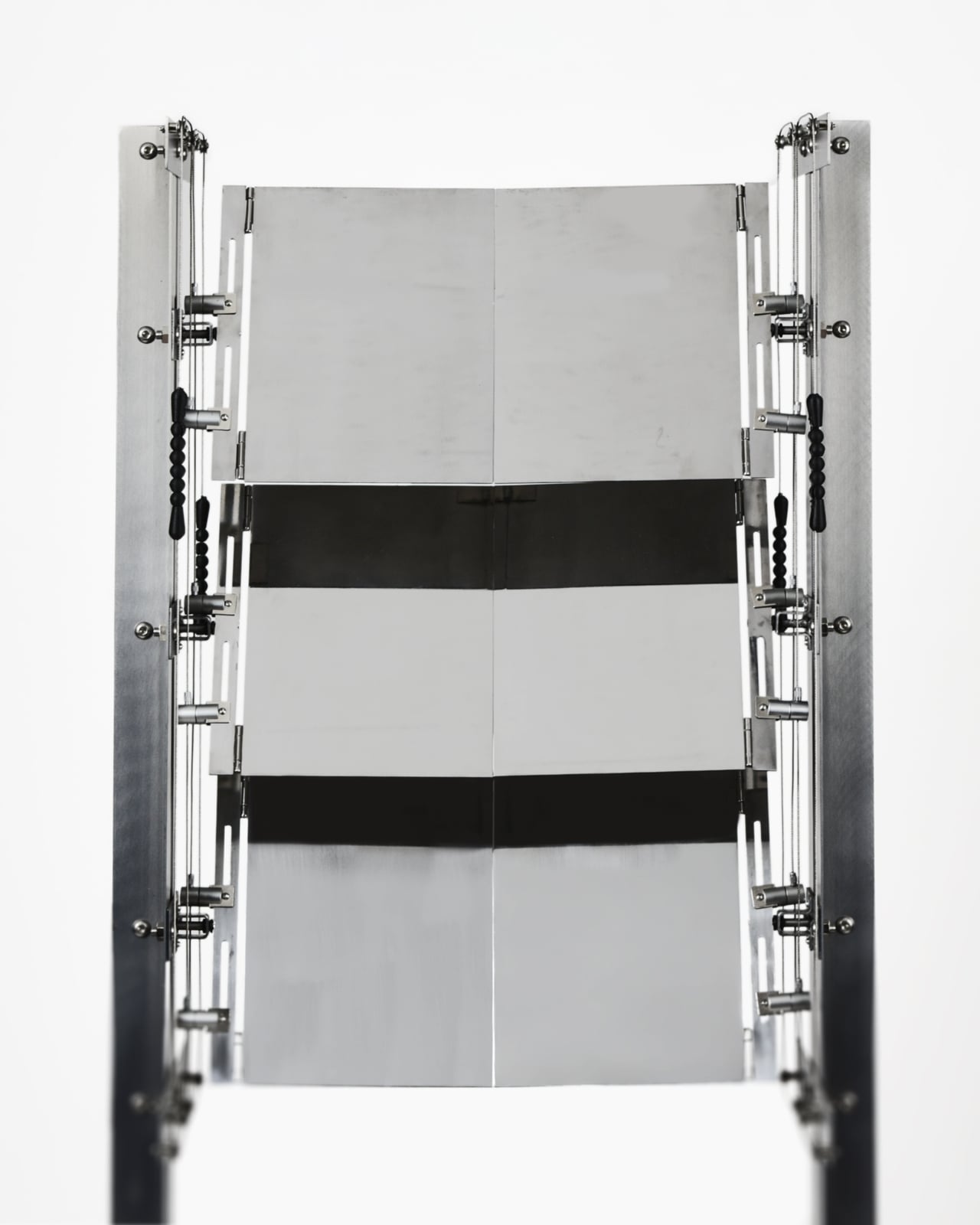
What Hwang, Kim, and Park have done with the CHAGYEONG partition is apply that sensibility to a very specific contemporary problem: urban apartments where privacy and natural light are constantly in tension with each other. The partition sits near a window, and through its rotating mirror-like metal panels, it manages to block direct sightlines from the outside while redirecting the changing colors of the sky inward. You get privacy without the heavy curtain. You get natural light without the exposure. The sky, in a very literal sense, comes inside.
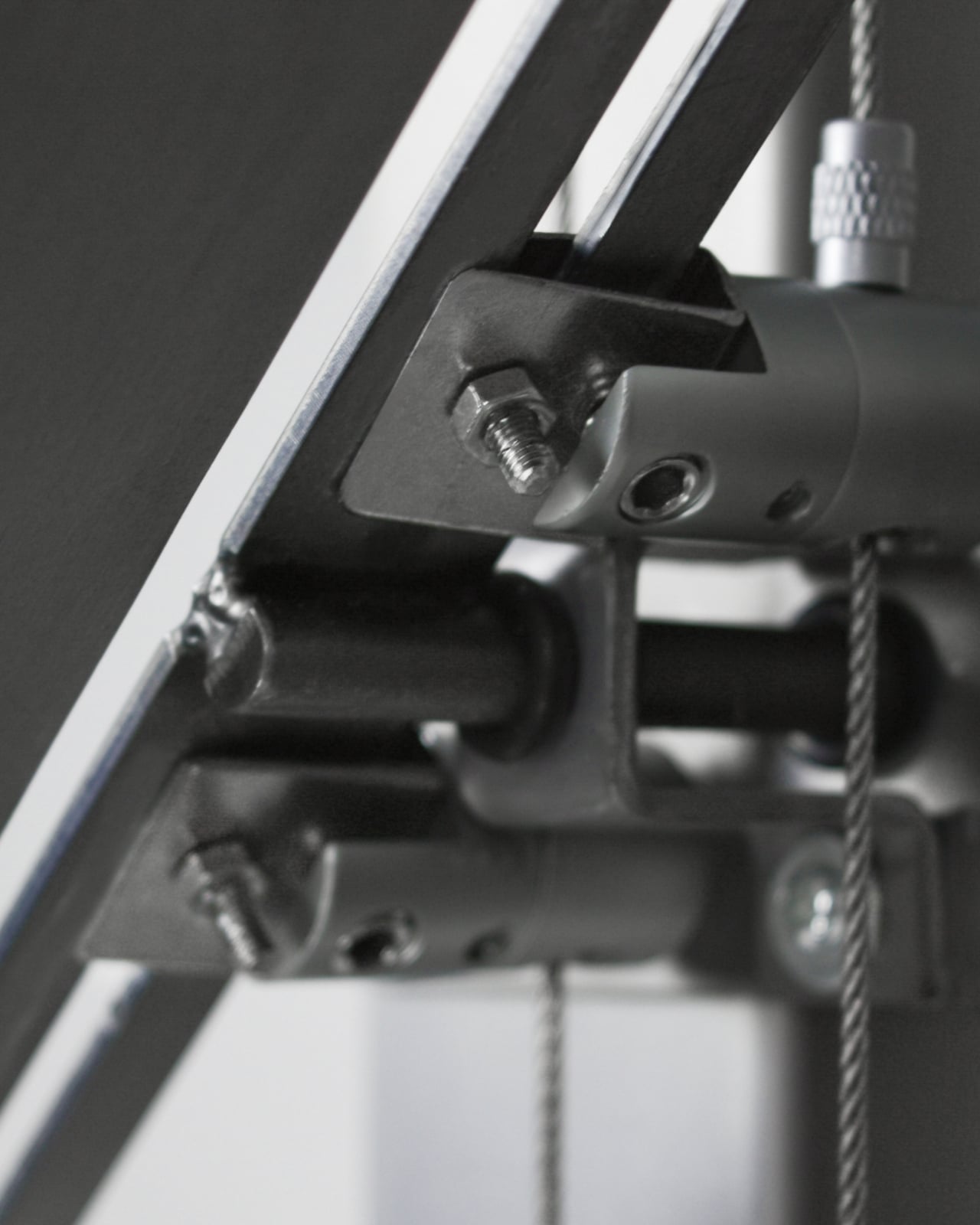
The mechanics of this are more interesting than they first appear. Each reflective metal panel can be angled to adjust the view, which means the object responds to the space rather than dictating to it. The structure is also freestanding, using load distribution instead of wall fixation, so it doesn’t require drilling or permanent installation. This matters more than it sounds. Design objects that require commitment are design objects that most renters never get to own. The flexibility here feels intentional, not just practical.
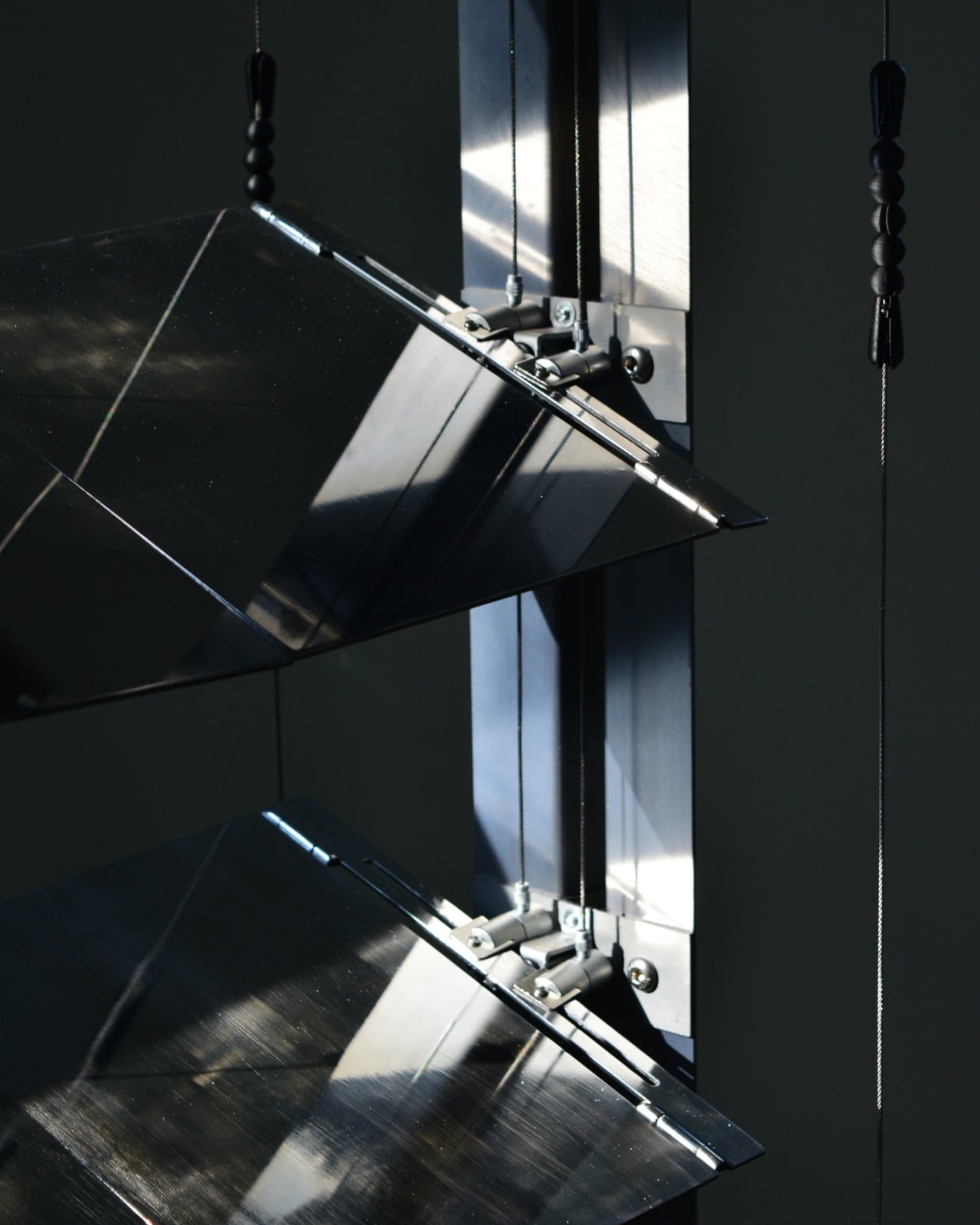
Visually, it reads as sculpture before it reads as furniture. The finely finished metal surfaces, the suspended panels, the small articulated joints and cables connecting everything: it looks like something that belongs equally in a gallery and a living room. That’s a difficult balance to strike, and the team has managed it. The industrial precision of the hardware sits alongside something quieter, almost contemplative, in the overall form.
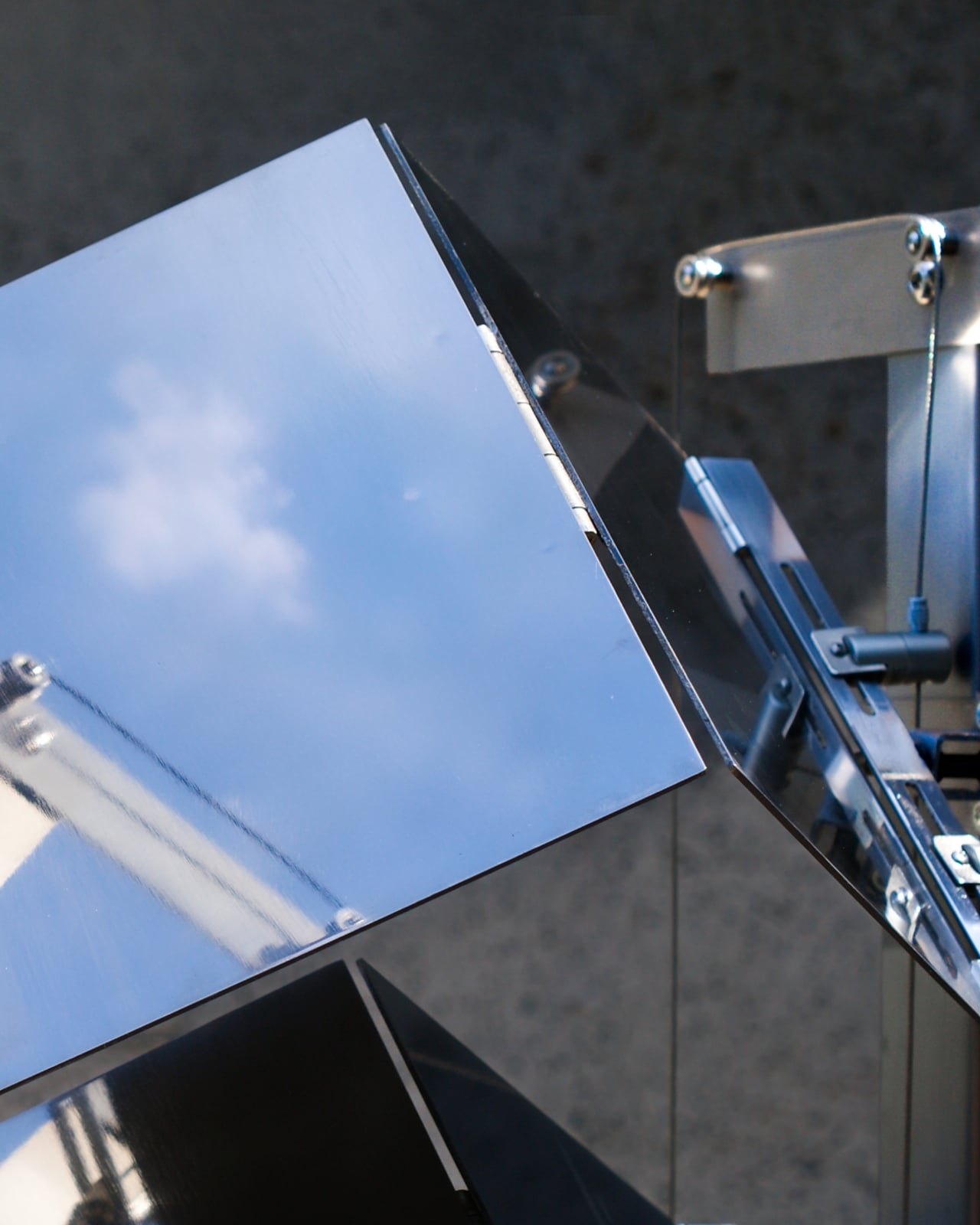
I’ll admit that the first time I looked at it, the engineering detail drew my attention more than anything else. Looking at the close-up images of the rotating joints and the tension cables, you realize how much considered problem-solving sits behind what appears to be a minimalist aesthetic. The freestanding structure, the angled panels, the wire suspension system: none of it is accidental. Everything is load-bearing in the most literal and conceptual sense.
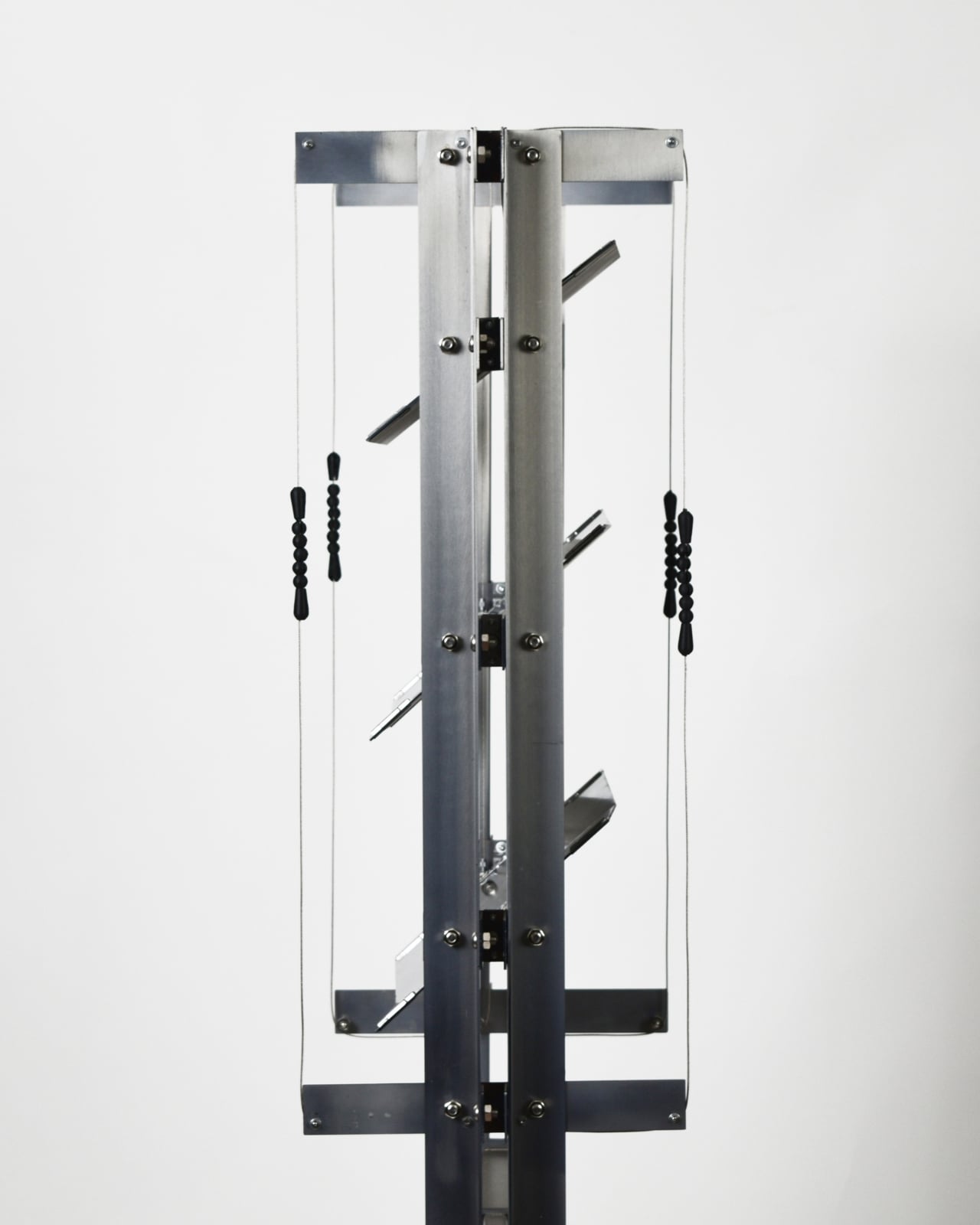
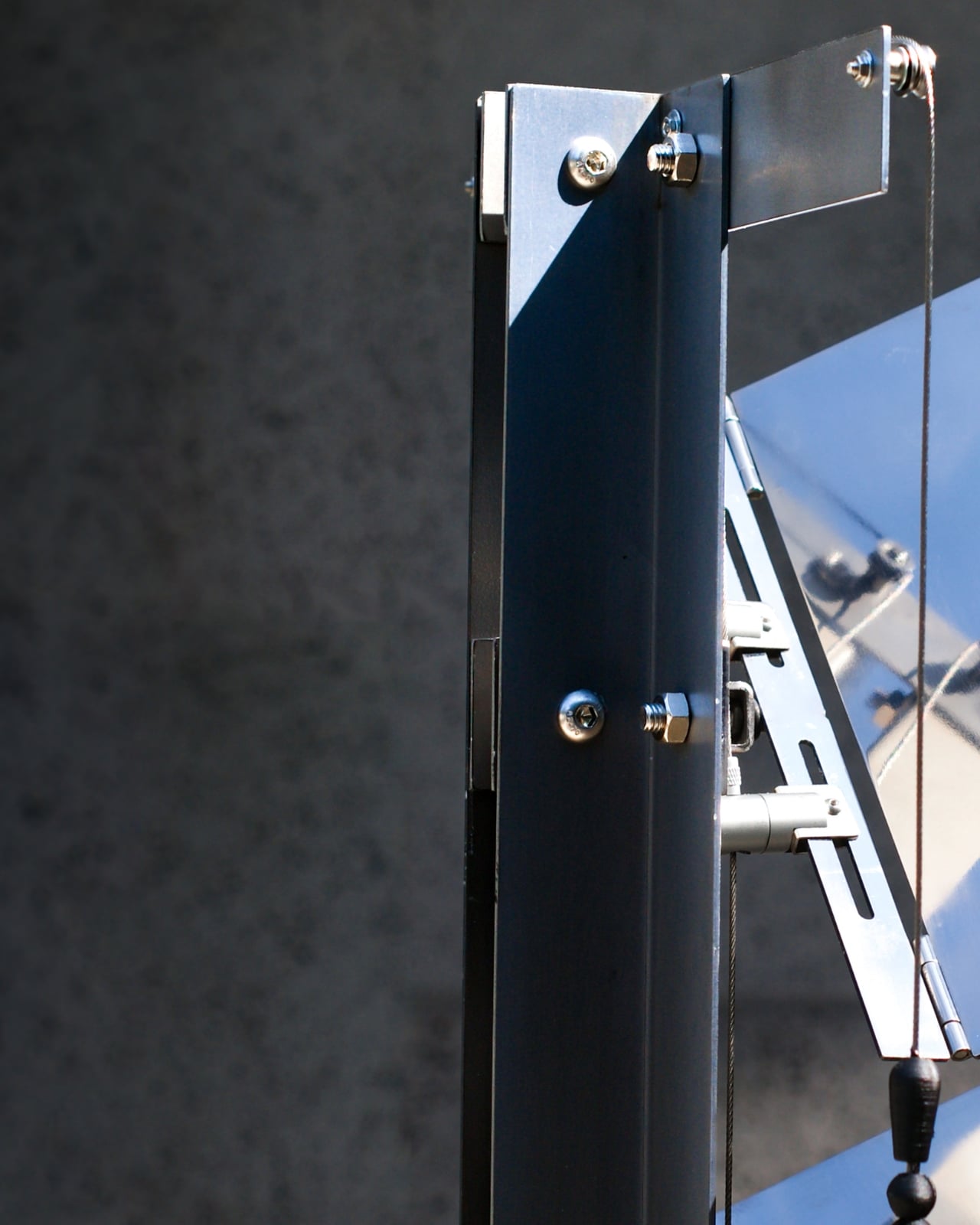
What stays with me, though, is the premise. The idea that a piece of furniture could be designed specifically around giving you back the sky. Not a wellness app, not a daylight lamp, not a houseplant. A metal object, engineered to redirect your attention upward and outward at the part of the world we’ve quietly agreed to stop looking at. Urban living asks us to trade a lot of things in exchange for density, convenience, and connection. Natural time, that slow visible shift from morning to dusk, is one of them. CHAGYEONG is making an argument, calmly and without drama, that the trade doesn’t have to be permanent.
The post This Korean Partition Uses A Periscope-Inspired Design To Reflect The Sky In Your Room first appeared on Yanko Design.

Why DJI Just Called Out the Insta360 Luna Ultra’s Biggest Flaw

Why DJI Just Called Out the Insta360 Luna Ultra’s Biggest Flaw Comparison of skin tones between DJI and Insta360 footage

DJI has highlighted a notable limitation in the Insta360 Luna Ultra, specifically its inconsistent color processing. As reported by Tech Court, early footage from the Luna Ultra shows issues such as uneven highlight control and inaccurate skin tones, which could pose challenges for professional workflows. In comparison, DJI’s Pocket 4 Pro emphasizes color accuracy with […]

The post Why DJI Just Called Out the Insta360 Luna Ultra’s Biggest Flaw appeared first on Geeky Gadgets.

Posted in Uncategorized

The iPhone 18 Series is Insane: 10 Massive Updates Coming in 2026

The iPhone 18 Series is Insane: 10 Massive Updates Coming in 2026 iPhone 18 series

Apple’s iPhone 18 series is redefining expectations in the smartphone industry. With a combination of innovative features and strategic refinements, the lineup introduces significant advancements in camera technology, design, and performance. At the same time, Apple addresses affordability and market competition, making sure the series appeals to a wide range of users. Below is a […]

The post The iPhone 18 Series is Insane: 10 Massive Updates Coming in 2026 appeared first on Geeky Gadgets.

Posted in Uncategorized

Nytrus Reserve Just Put a Meteorite in Your Whiskey Glass

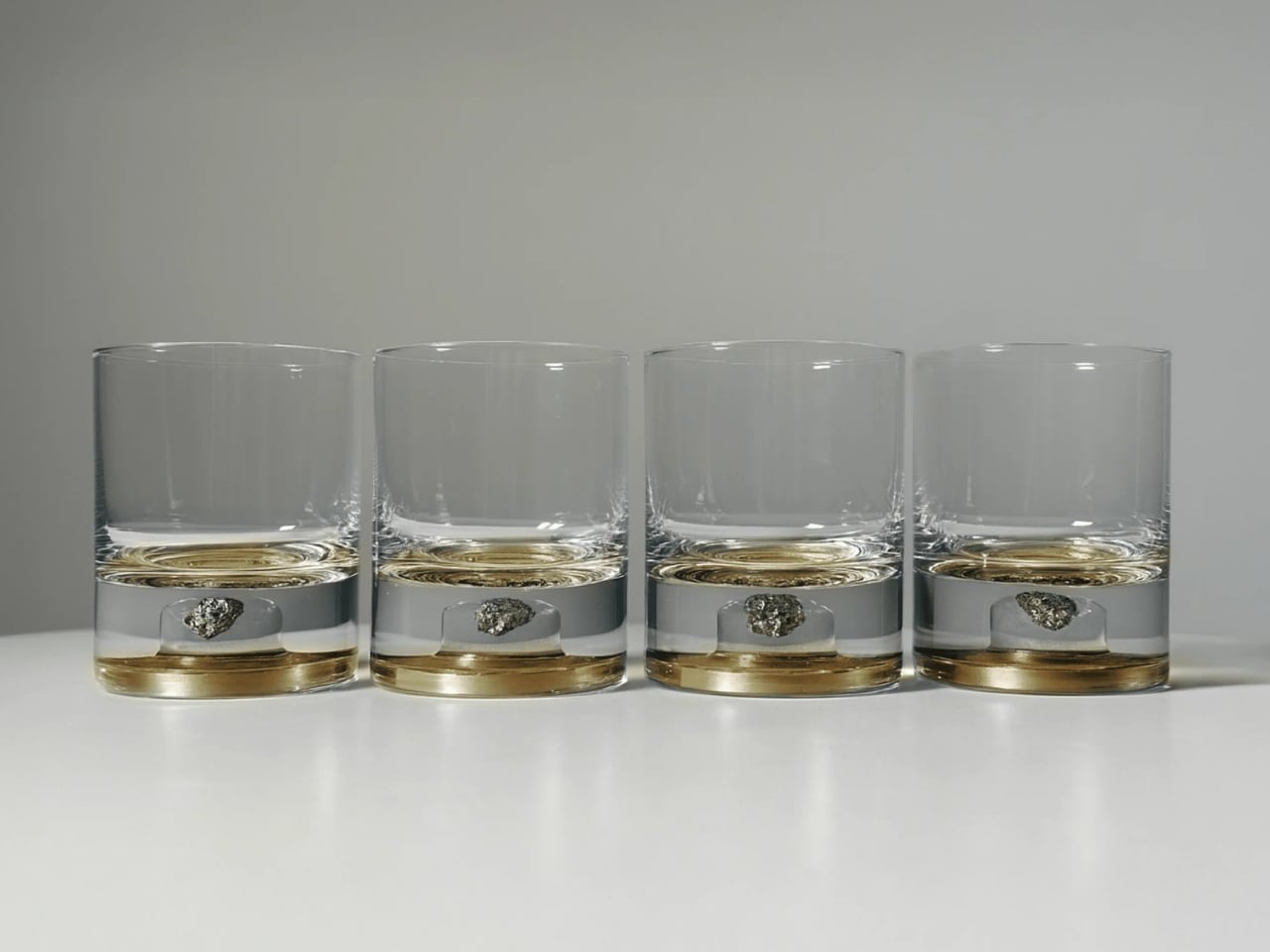
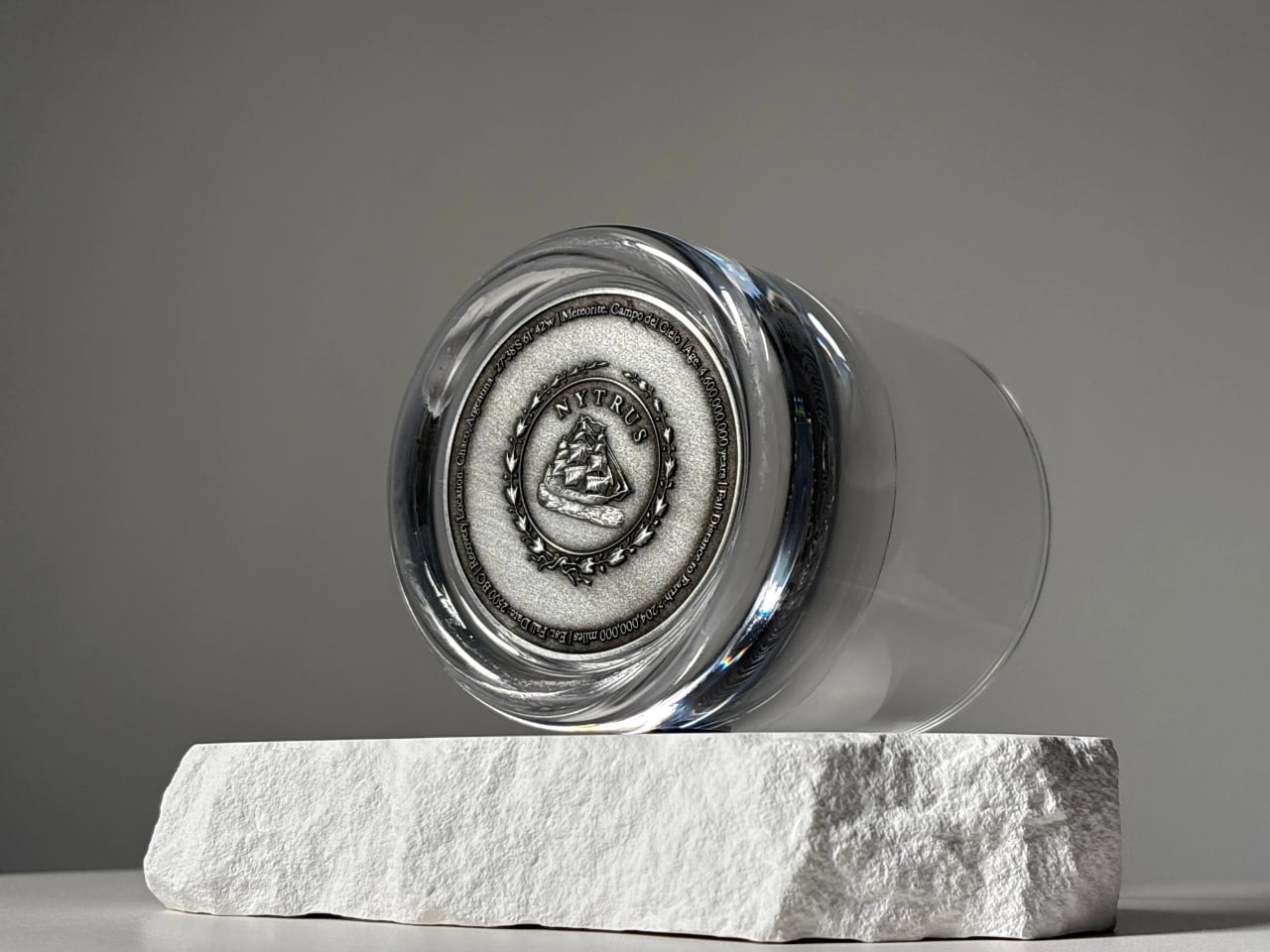
Before we talk about the glass itself, let’s take a moment to appreciate the audacity of the idea. Someone looked at a 4.6-billion-year-old space rock, pulled from the ground in northern Argentina, and thought: what if we put it inside a whiskey tumbler? The result is the Nytrus Reserve Meteorite Tumbler, and I have to say, it’s one of the more genuinely fascinating objects I’ve come across this year.

The Campo del Cielo meteorite has a story worth knowing. It broke apart over northern Argentina around 2500 BCE, scattering across a region now called Chaco. The name itself translates to “Field of Sky,” which feels almost too poetic for something so ancient. It was first mined in 1926, and fragments have since traveled everywhere from museum display cases to private collections. Now, a piece of it lives at the bottom of a crystal tumbler, and I think that’s a fitting next chapter.

Designer: Nytrus Reserve

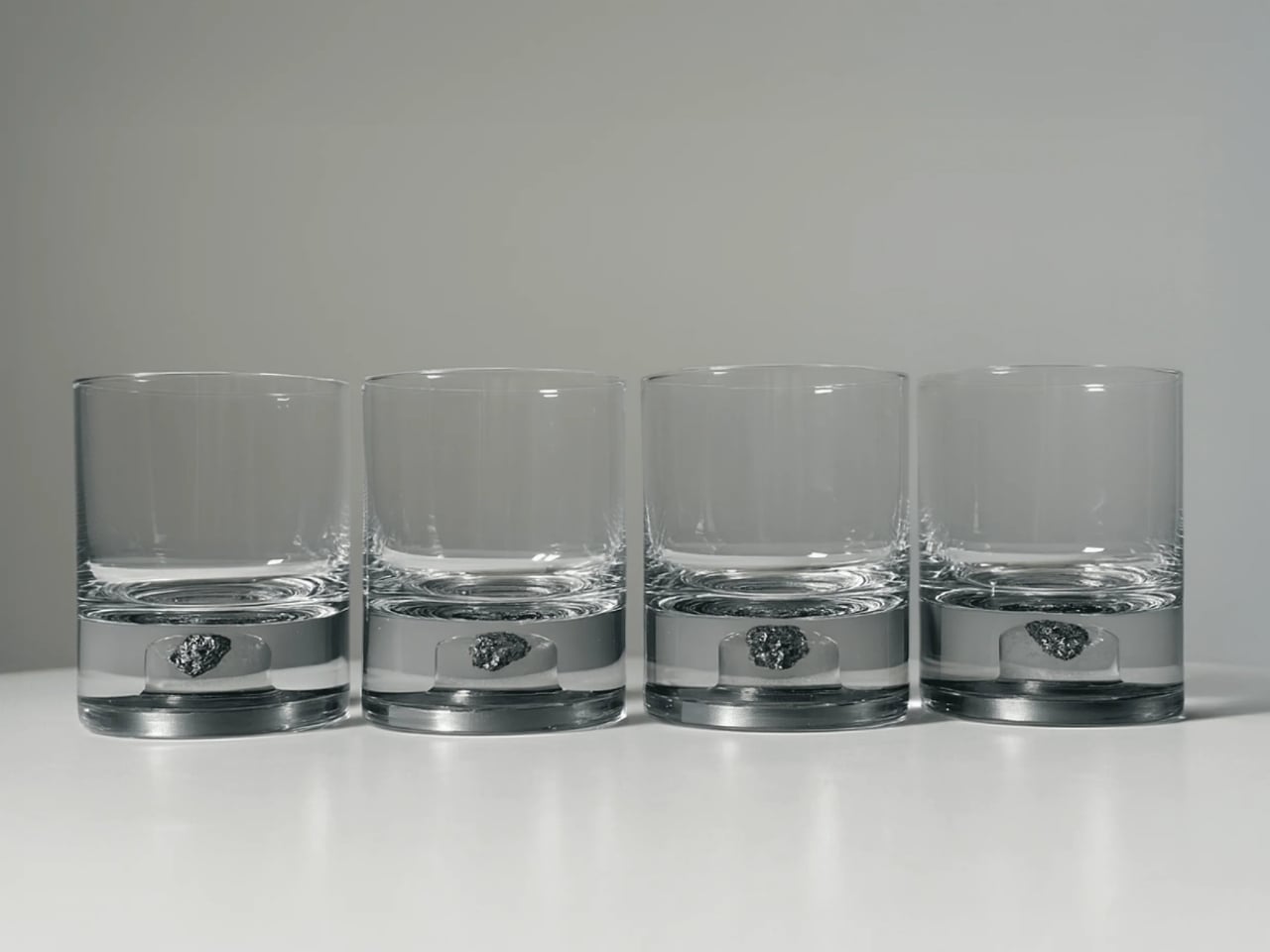
Each Nytrus tumbler is 8.5 oz and hand-blown from high-clarity glass, with the meteorite fragment suspended in the thick base. The design stays clean and minimal so the eye goes straight to the artifact. You can see it from every angle: the rough-edged, ancient rock sitting there like a period at the end of a very long sentence. No two fragments are identical, which means no two tumblers are exactly the same. A Coin of Authenticity sits beneath the fragment as a finishing detail, and it’s the kind of small gesture that signals a brand takes provenance seriously rather than just treating it as a selling point.

The tumbler is available in two finishes: Antique Tin and Amber Gold. Both are understated enough to work across different aesthetics, which matters more than people admit. A beautifully made object still has to fit where you live. The Amber Gold leans warmer, the Antique Tin more cool and contemporary. I’d probably go Antique Tin just for the visual contrast against the darker meteorite fragment, but that’s entirely personal preference.

Nytrus has been releasing these in limited series, each capped at 300 editions. They’re currently on Series IV, and previous series have sold out. That doesn’t surprise me at all. For a product sitting so specifically at the intersection of science, craft, and ritual, that kind of traction makes sense. It’s not trying to be for everyone, and the people it’s for seem to know it immediately.

The weight and presence of the glass is something that comes up again and again in reviews. It feels solid in the hand, which matters when you’re drinking something worth savoring slowly. Luxury drinkware often gets the look right and then fails on feel, so it’s reassuring that the craftsmanship follows through on what the concept promises. Over 1,200 collectors have bought in, with the tumbler holding a 4.9-star rating, which for a product this specific is pretty telling.

I’ll be honest about something. Products pitched as “conversation starters” can sometimes feel like a lazy shortcut for things that don’t have much else going on. But the conversation a meteorite tumbler actually starts is a good one. How did this thing get here? What was happening on Earth when this rock was falling through space? When you can trace a drinking glass back to a fragment that traveled 204 million miles from the asteroid belt, that’s not a gimmick. That’s just a legitimately extraordinary object.

Whether or not you drink whiskey, the Nytrus Reserve Meteorite Tumbler earns its place in a rare category of design objects that justify their asking price through real rarity and genuine craft. The fragment is authentically ancient. The glass is authentically handmade. The scarcity is real. That combination doesn’t come together very often, and when it does, it’s worth paying attention. If you want to feel a little more connected to the universe the next time you sit down with a drink, this is a pretty direct route.

The post Nytrus Reserve Just Put a Meteorite in Your Whiskey Glass first appeared on Yanko Design.
Google Just Dropped Gemini 3 Flash in Arena : Here’s What It Can Actually Do

Google Just Dropped Gemini 3 Flash in Arena : Here’s What It Can Actually Do D model of a PS5 controller created using Gemini AI

Google’s Gemini 3 Flash has emerged as a noteworthy addition to the AI landscape, offering a balance of enhanced performance and cost efficiency. Released for public testing on the “Arena” platform, this model bridges the gap between the base Gemini 3 and the higher-tier Gemini 3.1 Pro. According to World of AI, the Gemini 3 […]

The post Google Just Dropped Gemini 3 Flash in Arena : Here’s What It Can Actually Do appeared first on Geeky Gadgets.

Posted in Uncategorized

Samsung Galaxy S27 Ultra Leak: Major Design Overhaul Revealed

Samsung Galaxy S27 Ultra Leak: Major Design Overhaul Revealed Illustration of internal space changes that could support Qi2 wireless charging in the Galaxy S27 Ultra.

The Samsung Galaxy S27 Ultra is set to make waves in the smartphone industry, blending innovative technology with refined design to deliver a premium user experience. Early leaks suggest that Samsung is focusing on significant upgrades, including a revamped camera system, enhanced hardware and next-generation charging capabilities. At the same time, the device retains hallmark […]

The post Samsung Galaxy S27 Ultra Leak: Major Design Overhaul Revealed appeared first on Geeky Gadgets.

Posted in Uncategorized

Why the New Steam Controller’s Deep Customization Might Overwhelm You

Why the New Steam Controller’s Deep Customization Might Overwhelm You Player adjusting the back buttons on the new Steam Controller

The new Steam Controller, built around the robust Steam Input system, emphasizes customization and adaptability for diverse gaming styles. Retro Game Corps examines how features like per-game configurations and gyro controls enhance gameplay across genres, from first-person shooters to strategy titles. For example, the controller’s trackpad can function as either a joystick or a mouse, […]

The post Why the New Steam Controller’s Deep Customization Might Overwhelm You appeared first on Geeky Gadgets.

Posted in Uncategorized

iOS 27 Leak: Apple to Launch Dedicated ‘Siri Mode’ Inside the Camera App

iOS 27 Leak: Apple to Launch Dedicated ‘Siri Mode’ Inside the Camera App An iPhone camera view showing Siri Mode scanning a receipt and pulling out merchant name and total spend.

Apple is gearing up to redefine the iPhone experience with the highly anticipated iOS 27 update. This release is expected to bring a host of innovative features designed to enhance functionality, customization, and artificial intelligence (AI) integration. Among the most talked-about updates is the rumored “Siri Mode,” a feature embedded within the camera app, alongside […]

The post iOS 27 Leak: Apple to Launch Dedicated ‘Siri Mode’ Inside the Camera App appeared first on Geeky Gadgets.

Posted in Uncategorized

Stop Buying a Separate RV Heater. This 16,000 BTU RV Air Conditioner Does Both

There’s a moment every RV owner knows: you’ve been hiking all day in 95-degree heat, you’re covered in dust and questionable decisions, and you open the door to your trailer expecting relief. Instead, you get a wall of stagnant air that somehow feels hotter than outside. Your rooftop AC has been running for three hours and achieved exactly nothing. The problem isn’t usually the BTU rating on paper. Most 13,500 or 15,000 BTU units can theoretically cool the space. The problem is airflow distribution, compressor efficiency under load, and the reality that your RV is essentially a greenhouse on wheels with minimal insulation and windows everywhere. By the time cooled air reaches the back bedroom, it’s already been defeated by physics.

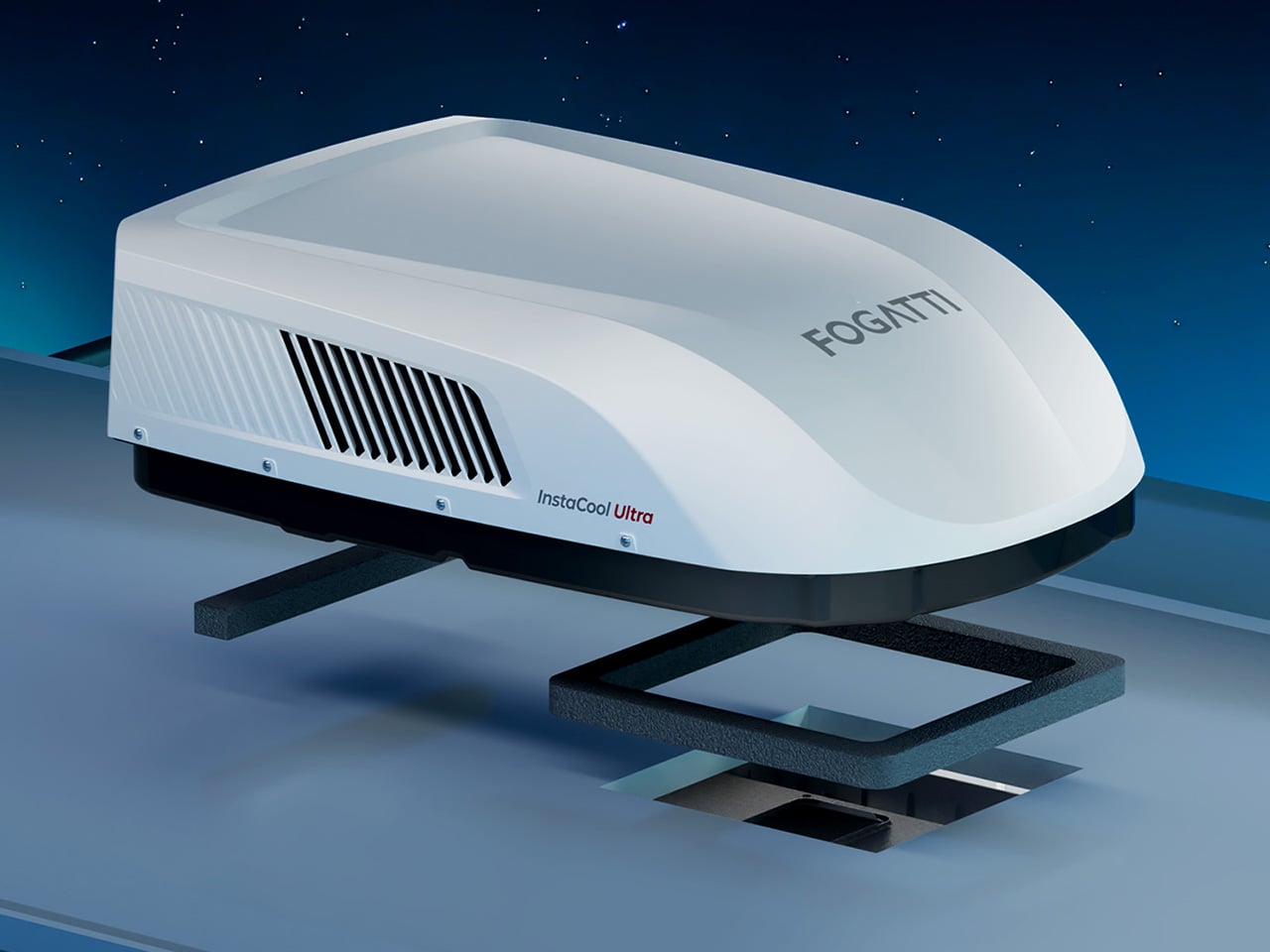
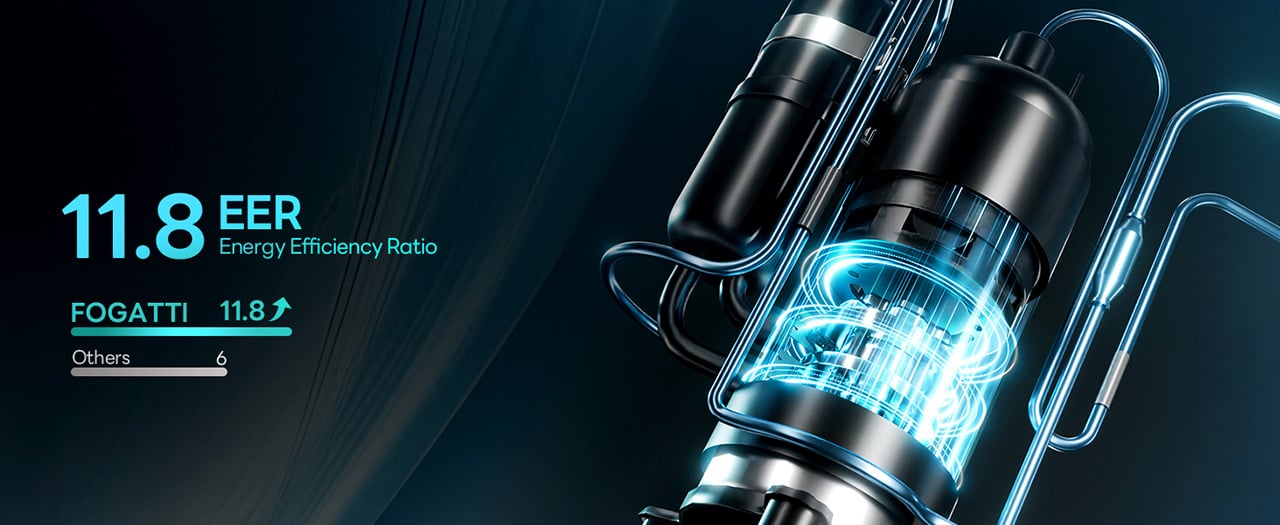
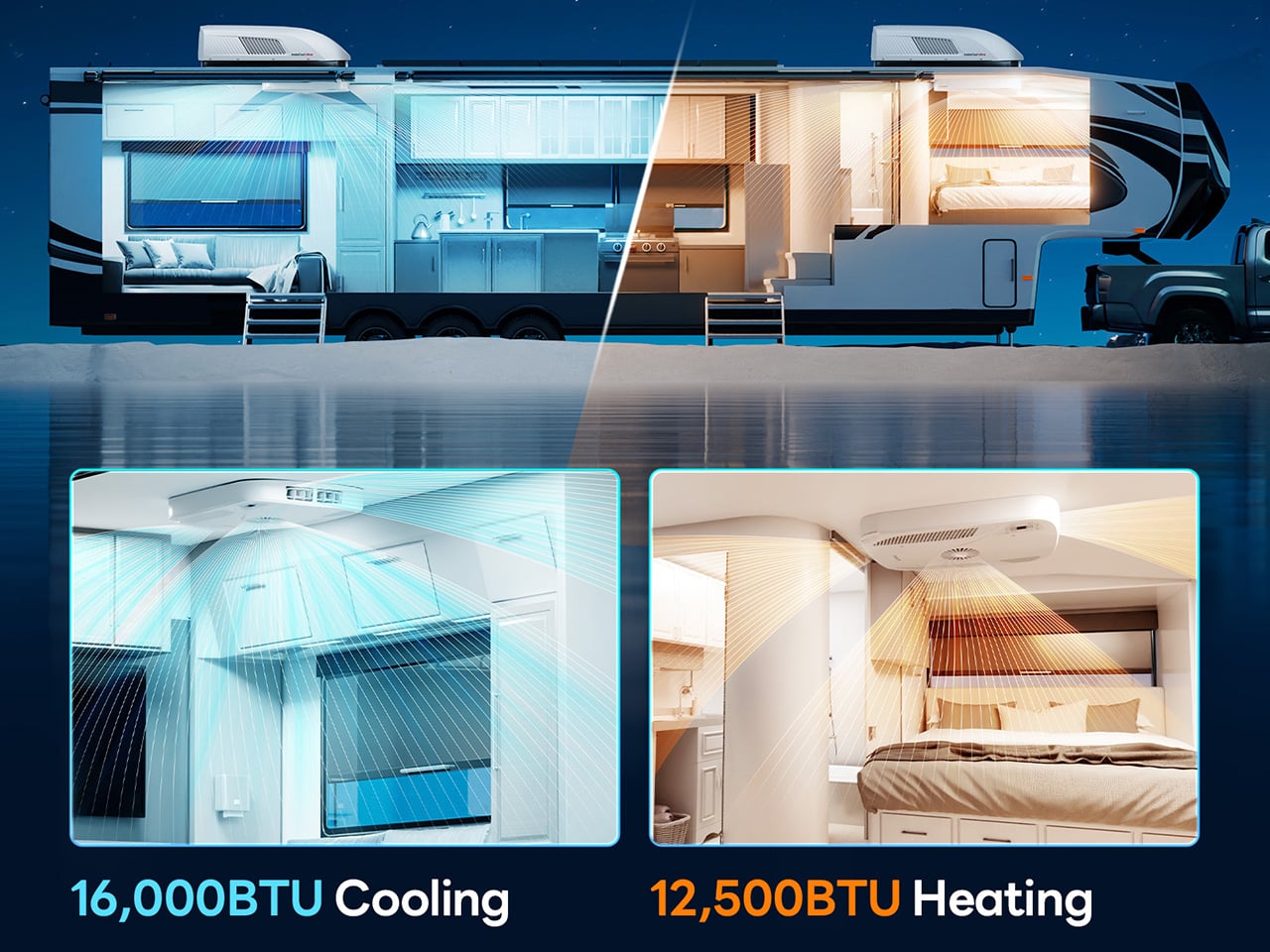
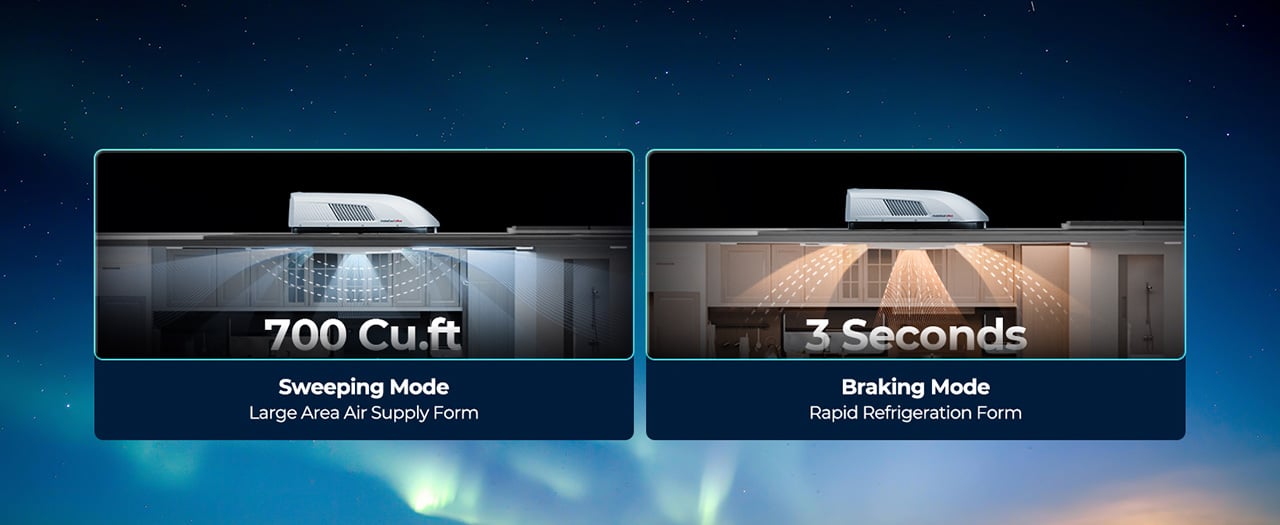
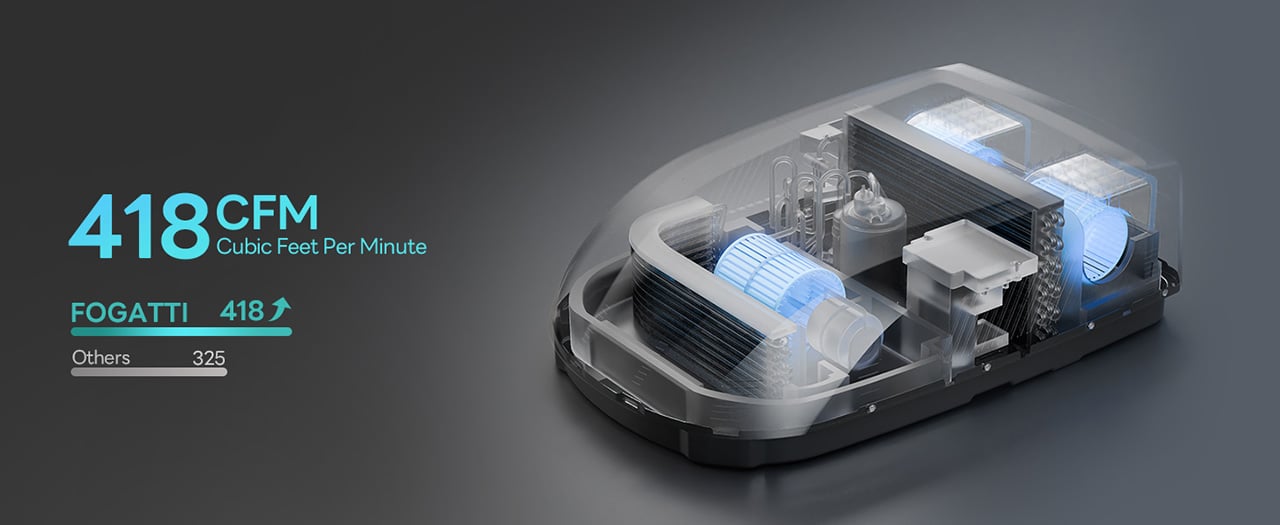
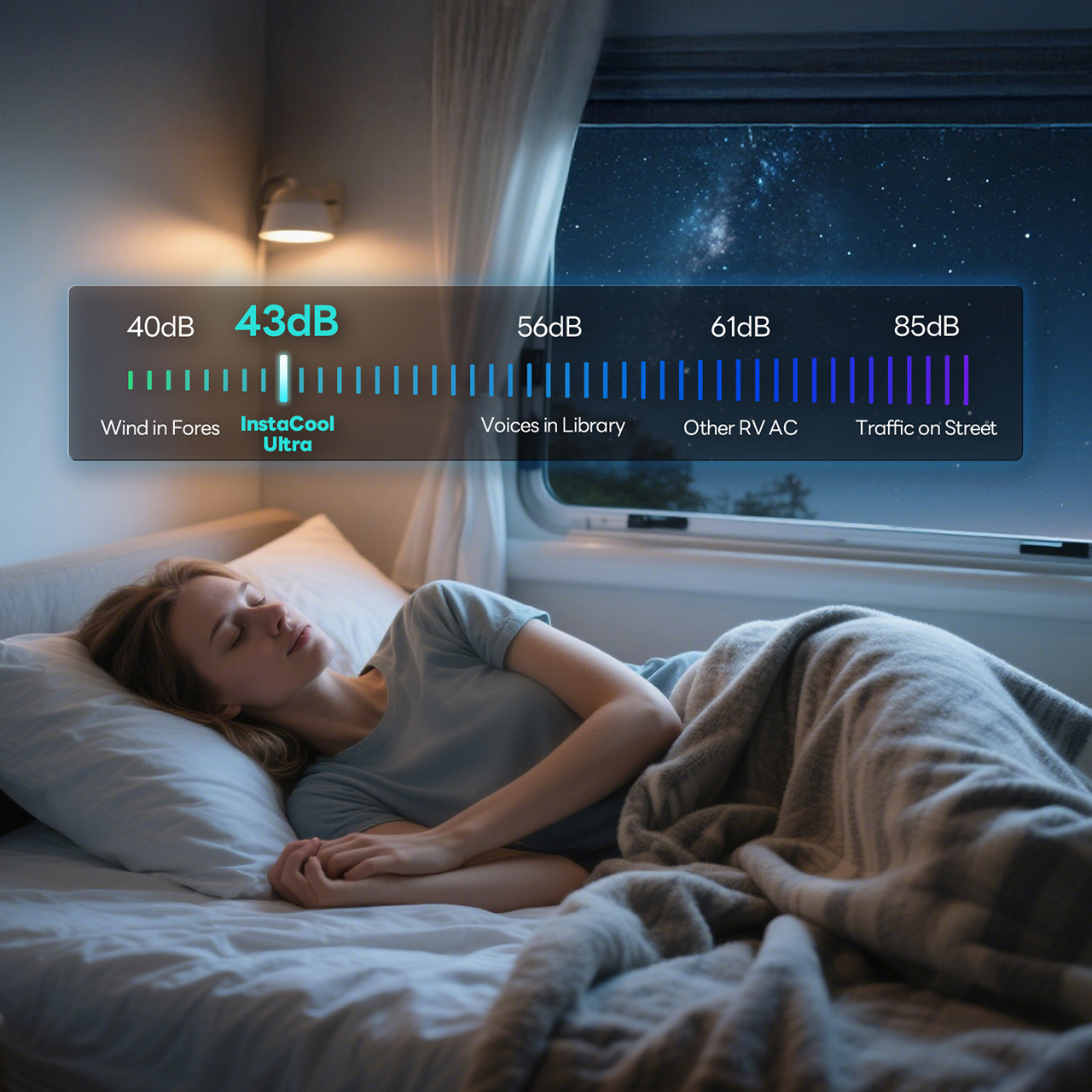
FOGATTI’s InstaCool Ultra approaches this with 418 CFM of airflow pushed through dual synchronous motors that sweep 85 degrees, creating whole-RV coverage in roughly 4 minutes according to the company. The 16,000 BTU cooling capacity targets spaces up to 600 square feet, which translates to RVs up to 36 feet long. The unit doubles as a heat pump delivering 12,500 BTU of warmth, giving it legitimate four-season capability without installing separate heating hardware. Heat pumps move thermal energy rather than creating it, which makes them roughly 3-4 times more efficient than resistance heating. The 9.2cc high-displacement compressor achieves an 11.8 EER rating (the Department of Energy considers anything above 10.7 high efficiency), operates at 43 decibels, and fits standard 14.25-inch roof openings without modification. At $1,399 (down from $1,759), it undercuts premium units while outspeccing budget alternatives.

Designer: FOGATTI

Click Here to Buy Now: $1299.99 $1759.99 ($460 off). Hurry, deal ends in 48-hours! Website Link Here.

The heat pump architecture sits at the center of what makes this unit different from the Coleman-Mach and Dometic systems that dominate most RV roofs. Traditional RV climate control treats heating and cooling as separate problems requiring separate solutions. The InstaCool Ultra runs a reversible refrigerant cycle, which means the same compressor and heat exchanger hardware that cools in July also heats in October. The system operates across an ambient temperature range from 23°F to 115°F, covering most of the continental United States outside of genuine Arctic expeditions or desert extremes that would make you question your life choices anyway.

The airflow system uses dual synchronous motors driving three fans to push 418 CFM through the cabin. For context, most 15,000 BTU RV air conditioners move 325-350 CFM. The extra volume comes from the triple-fan configuration rather than just running the motors harder, which keeps noise down while increasing air circulation. The motors drive an 85-degree sweep mechanism that oscillates the airflow rather than blasting it straight down in a single column. You can also lock the vents in place for targeted cooling when you want maximum airflow in one zone.

The reversible heat pump system automatically switches between cooling and heating modes, using compressor-based thermal transfer rather than combustion-based heating. Five segments run during milder conditions or when you’re just maintaining temperature overnight. This variable output prevents the temperature swings you get with single-stage systems that either blast full power or shut off entirely. The heat pump delivers 12,500 BTU of heating capacity, which sounds less impressive than the 16,000 BTU cooling until you account for the efficiency difference. A heat pump operating at a 3.4 coefficient of performance moves 3.4 watts of thermal energy for every watt of electricity consumed. Resistance heaters convert electricity to heat at a 1:1 ratio.

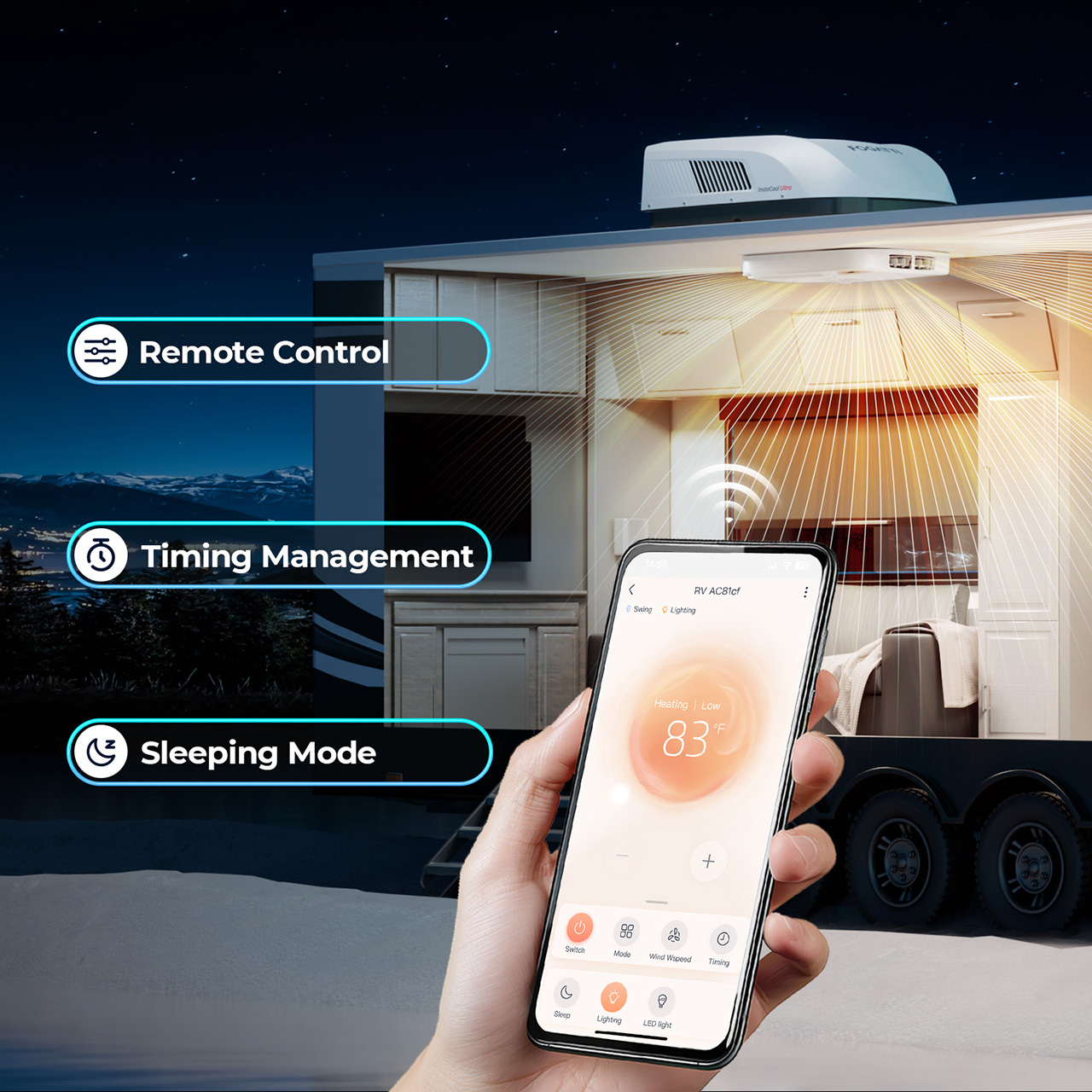
The control ecosystem offers three entry points: a physical remote, a touchscreen ADB panel mounted inside the RV, and a WiFi-connected smartphone app. The app lets you pre-cool or pre-heat the RV before you return from a day hike, which sounds like a luxury feature until you experience stepping into a 72°F trailer after spending six hours in the sun at Arches National Park.

The physical installation targets the standard 14.25-inch by 14.25-inch roof cutout that Coleman, Dometic, and Furrion units use, which means most RVers can swap this in as a direct replacement without modifying the roof structure. The streamlined profile measures 12.2 inches tall, which keeps it in low-profile territory. For comparison, the Dometic Brisk II sits around 14 inches tall, and the Coleman-Mach 15 runs closer to 13.5 inches. Those couple of inches determine whether you clear that 13-foot bridge on the backroad to your favorite dispersed campsite.

The 43-decibel noise rating puts this in the quiet category for RV air conditioners. Coleman-Mach units typically run 65-72 decibels. Dometic’s quieter models hit 50-59 decibels. The InstaCool Ultra’s 43-decibel claim would make it one of the quietest rooftop units available, though that figure likely represents the lowest speed setting rather than full-power operation.

The InstaCool Ultra ships for $1,399, down from the original $1,759 price point. That positions it between budget-tier units from Advent or RecPro (which run $700-900) and premium models from Dometic’s FreshJet or GE’s Profile series (which approach $1,400-1,600). The unit currently ships in white, fitting standard non-ducted installations. What you’re really buying here is year-round climate control without installing two separate systems or draining your battery bank every time the temperature drops. Heat pump, real airflow, quiet operation, and an efficiency rating that lets you boondock longer. For RVers chasing fall colors in the Rockies or spring wildflowers in the desert, that combination finally exists at a price that doesn’t require financing.

Click Here to Buy Now: $1299.99 $1759.99 ($460 off). Hurry, deal ends in 48-hours! Website Link Here.

The post Stop Buying a Separate RV Heater. This 16,000 BTU RV Air Conditioner Does Both first appeared on Yanko Design.

Ideas Are Dead. Why Execution Matters More for Designers in 2026

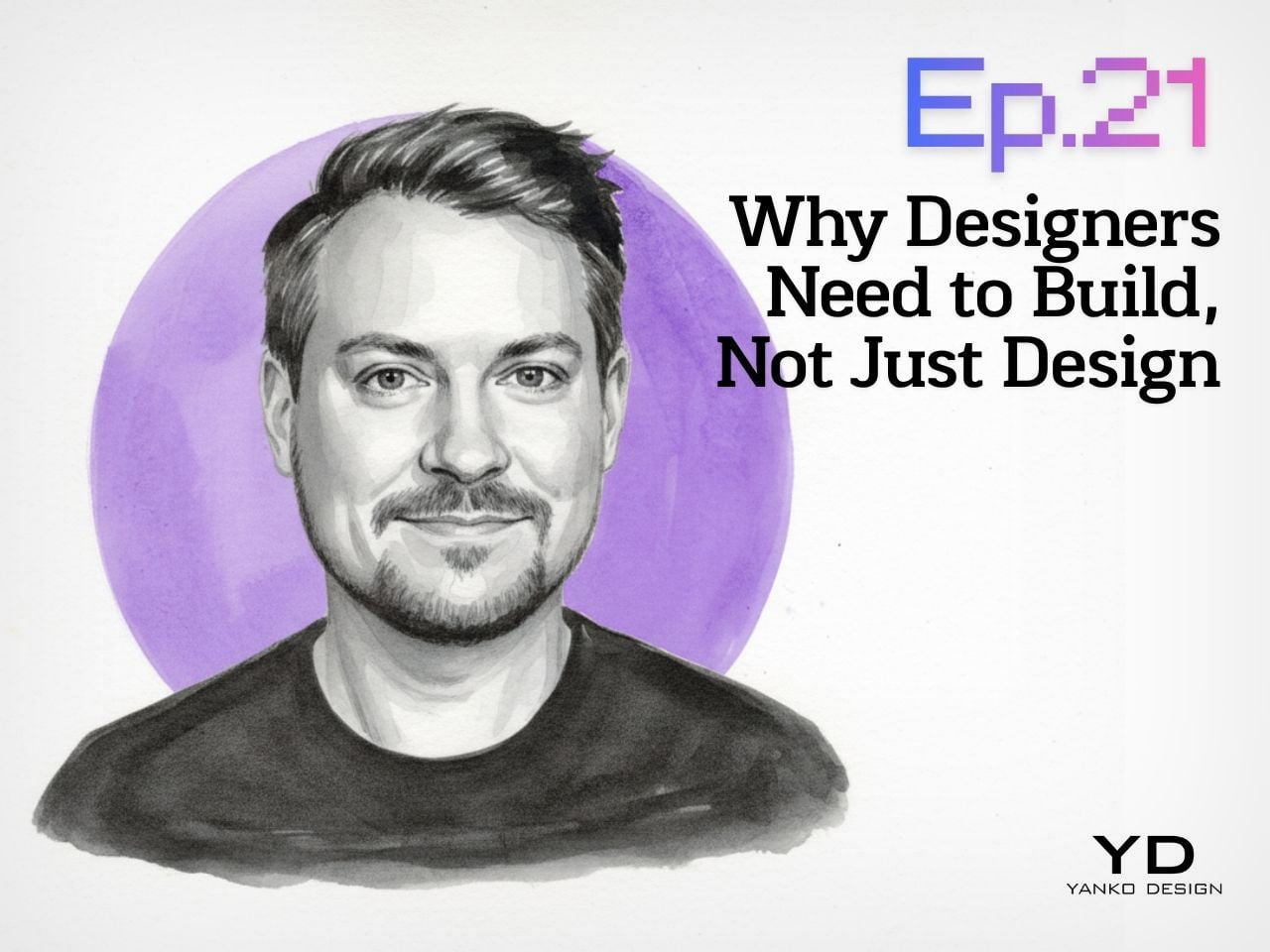
Yanko Design’s Design Mindset, powered by KeyShot, continues to carve out a thoughtful space for conversations around creativity, process, and the way design is evolving in real time. Now at Episode 21, the weekly podcast has become a compelling extension of the publication’s larger design lens, moving beyond products and visuals to focus on the people, principles, and practices shaping the creative world today. Each episode opens up a deeper look at the mindset behind modern design, asking what it really means to create with relevance in a landscape that keeps changing.

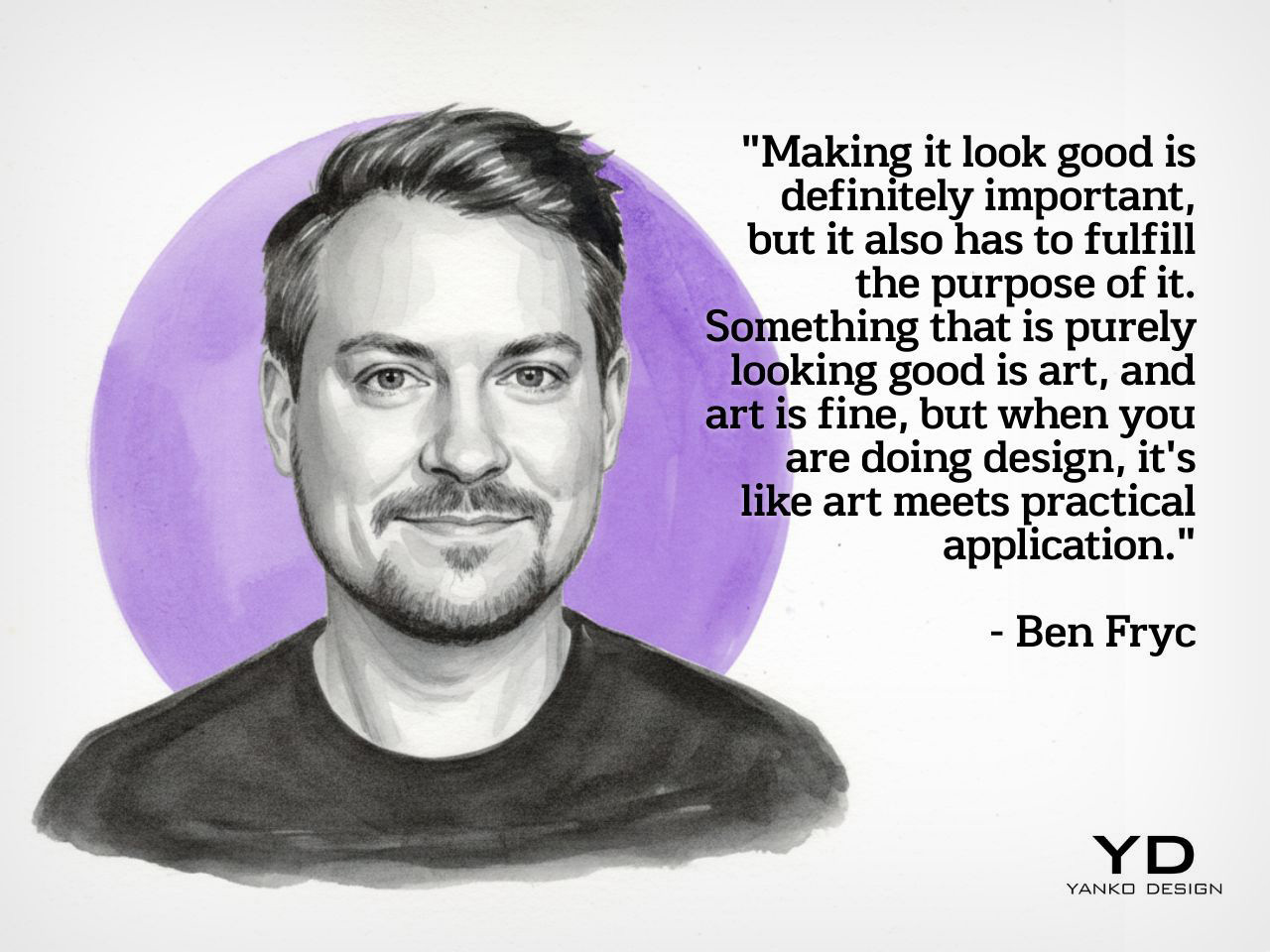
This week’s guest is Ben Fryc of Framer, a creative voice whose work sits at the intersection of storytelling, digital product thinking, and workflow design. In conversation with Radhika Sood, Ben speaks about a shift many designers are already feeling, where the role is expanding from someone who visualizes ideas to someone who can actively bring them to life. The result is a timely discussion about momentum, confidence, tools, and the growing value of designers who know how to build.

Download your Free Trial of KeyShot Here

The Gap Between Taste and Execution

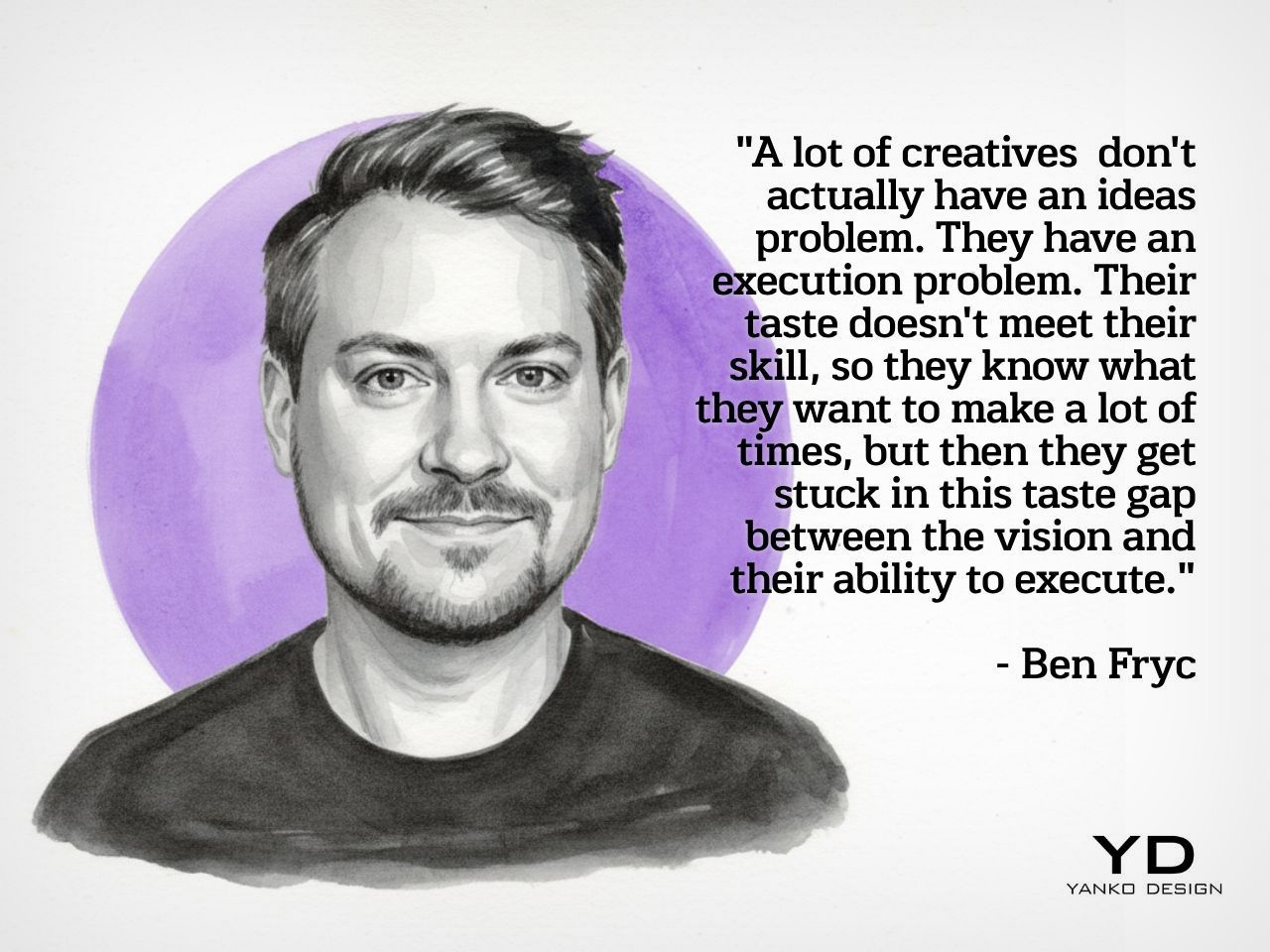
Ben’s central argument lands quickly and stays with you through the rest of the episode: most creatives do not struggle with ideas, they struggle with execution. That distinction gives shape to a frustration many designers know well. The vision is there, the taste is there, and the instinct is often sharp, but the path from concept to finished outcome can still feel longer than expected. Ben attributes that gap to experience, or more specifically, the lack of enough repetition to turn instinct into capability. He speaks candidly about the misconception that strong execution should arrive early, especially for young designers stepping out of school and into the profession.

What makes his perspective resonate is the way he strips away the mythology around creative success and replaces it with something more useful. Good ideas matter, but the people who move forward are usually the ones who learn how to carry those ideas through constraints, revisions, and real-world expectations. Experience becomes the bridge between taste and output, and that bridge is built over time. In Ben’s framing, becoming a stronger designer is less about waiting for talent to click and more about putting in enough cycles of making to close the distance between what you imagine and what you can actually produce.

When Designers Start Becoming Builders

A major theme in the episode is the changing role of the designer, especially in a world where tools have made prototyping, publishing, and testing much more accessible. Ben talks about how the shift often begins the moment a designer starts thinking beyond the static mockup and becomes interested in how something actually works in motion. Once that curiosity enters the process, design starts to feel more active and more complete. The act of building no longer belongs exclusively to another team or another discipline. It becomes part of the designer’s own creative vocabulary.

Ben describes this transition almost like unlocking a new layer of ability, where confidence grows because the work can finally move out of presentation mode and into lived experience. That shift changes more than output. It changes the way a designer thinks about learning, problem-solving, and authorship. Coding, prototyping, 3D modeling, and other adjacent skills begin to feel less like optional extras and more like natural extensions of the design process. What emerges is a broader creative identity, one rooted in agency and in the satisfaction of making something real enough for others to use, experience, or respond to.

Workflow as a Creative Force

One of the most interesting parts of the conversation comes when Ben talks about workflow, not as a backstage concern but as a genuine creative advantage. He pushes back on the idea that workflow is simply a matter of optimization and instead frames it as something that shapes the quality of thinking itself. For him, a smooth workflow creates the conditions for ideas to evolve naturally, especially in projects where the final outcome only becomes clear through the act of making. That kind of process depends on iteration, room for discovery, and enough flexibility to let references, instincts, and experimentation inform the direction of the work.

He also makes an important point about communication, especially in collaborative environments where creative momentum can either build quickly or lose energy just as fast. Sharing work early, being clear about process, and inviting feedback before everything is fully polished all become part of a healthier workflow. Ben’s view is that better work often comes from showing progress sooner rather than later, because feedback strengthens the idea while it is still flexible. In that sense, workflow is not just about personal efficiency. It is also about preserving momentum, protecting creative energy, and giving ideas a better chance to grow into something stronger.

The Tools That Shape Ambition

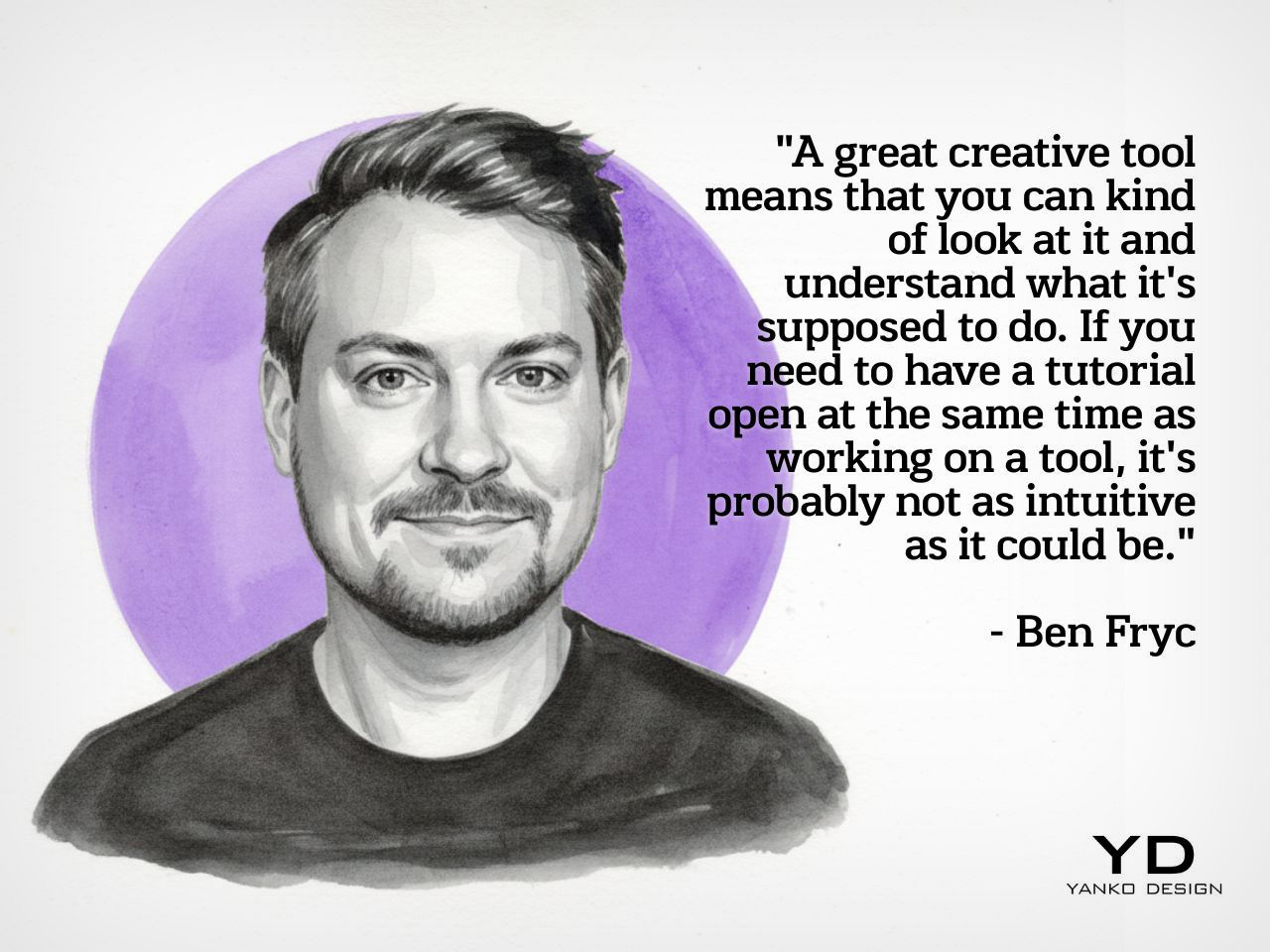
Because Ben works at Framer, the discussion naturally moves into the role of tools, though what makes his take interesting is that he avoids reducing the conversation to features alone. He speaks instead about the feeling of a tool, how quickly it communicates its purpose, how naturally it invites experimentation, and how much friction it introduces between thought and action. In his view, the best creative tools are the ones that feel legible early on, even if they reveal more depth over time. Complexity can have value, but approachability matters because it determines whether someone begins with curiosity or hesitation.

That idea becomes especially relevant in the context of today’s no-code and low-friction creative platforms, which have changed what designers can realistically attempt on their own. Ben notes that when tools lower the barrier to making, people often become more ambitious because the path from idea to execution feels more direct. Instead of getting lost in abstraction, they can start building, testing, and refining with greater immediacy. The result is not just speed for its own sake, but a more intentional creative process where the tool amplifies possibility and supports the designer’s ability to act on instinct while learning along the way.

Why Shipping Changes the Designer

The episode closes on a note that feels especially relevant for creatives who spend too long refining, adjusting, and waiting for the right moment to release something. Ben speaks honestly about perfectionism and how easily it can interrupt momentum, especially when creators become so focused on improving the work that they never let it exist in the world. His answer is not careless speed, but a healthier relationship with progress. Making something real, even in an imperfect form, creates a kind of confidence that reflection alone cannot produce. The act of shipping becomes a turning point because it changes how the creator sees their own role.

That is ultimately what gives this conversation its energy. Ben is not presenting building as a trend layered on top of design, but as a deeper evolution in how designers participate in their own ideas. Once something moves from concept to reality, even on a small scale, it carries a different weight. It becomes proof of capability, proof of momentum, and proof that taste can be translated into action. For a weekly podcast like Design Mindset, that kind of conversation feels exactly on point, because it captures the creative shift defining this moment. Designers today are being asked to do more than imagine. They are being invited to make.

Design Mindset drops every week on Yanko Design. Catch Episode 19 in full wherever you listen to podcasts. For a free trial of KeyShot, visit keyshot.com/mindset.
Download your Free Trial of KeyShot Here

The post Ideas Are Dead. Why Execution Matters More for Designers in 2026 first appeared on Yanko Design.