2025 Nissan Z NISMO Review: A Modern Icon That Earns Its Badge

PROS:


  • 420 hp twin-turbo V6 with immediate power

  • Track-ready NISMO suspension and limited-slip differential

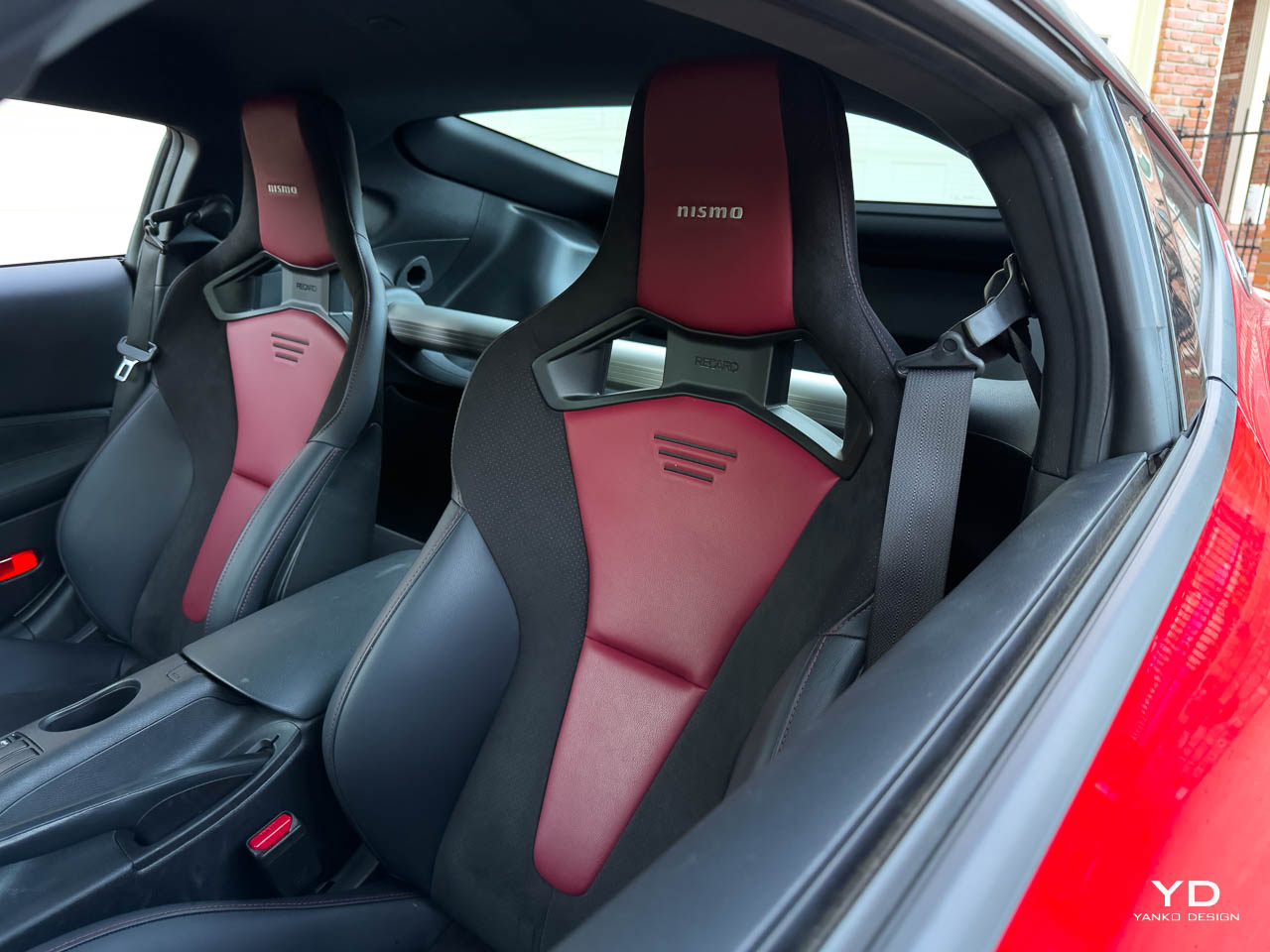
  • Recaro seats with premium Alcantara interior

  • Raw, mechanical exhaust note

  • Surprisingly practical for daily driving

CONS:


  • No manual transmission option

  • Firm ride punishing on rough roads

  • $65,750 premium vs $52,970 Performance trim

  • Two seats only, no rear storage

RATINGS:

AESTHETICS
ERGONOMICS
PERFORMANCE
SUSTAINABILITY / REPAIRABILITY
VALUE FOR MONEY

EDITOR'S QUOTE:

The Z NISMO isn't just the best new Z. This is what enthusiasts have been begging Nissan to build for years.

award-icon

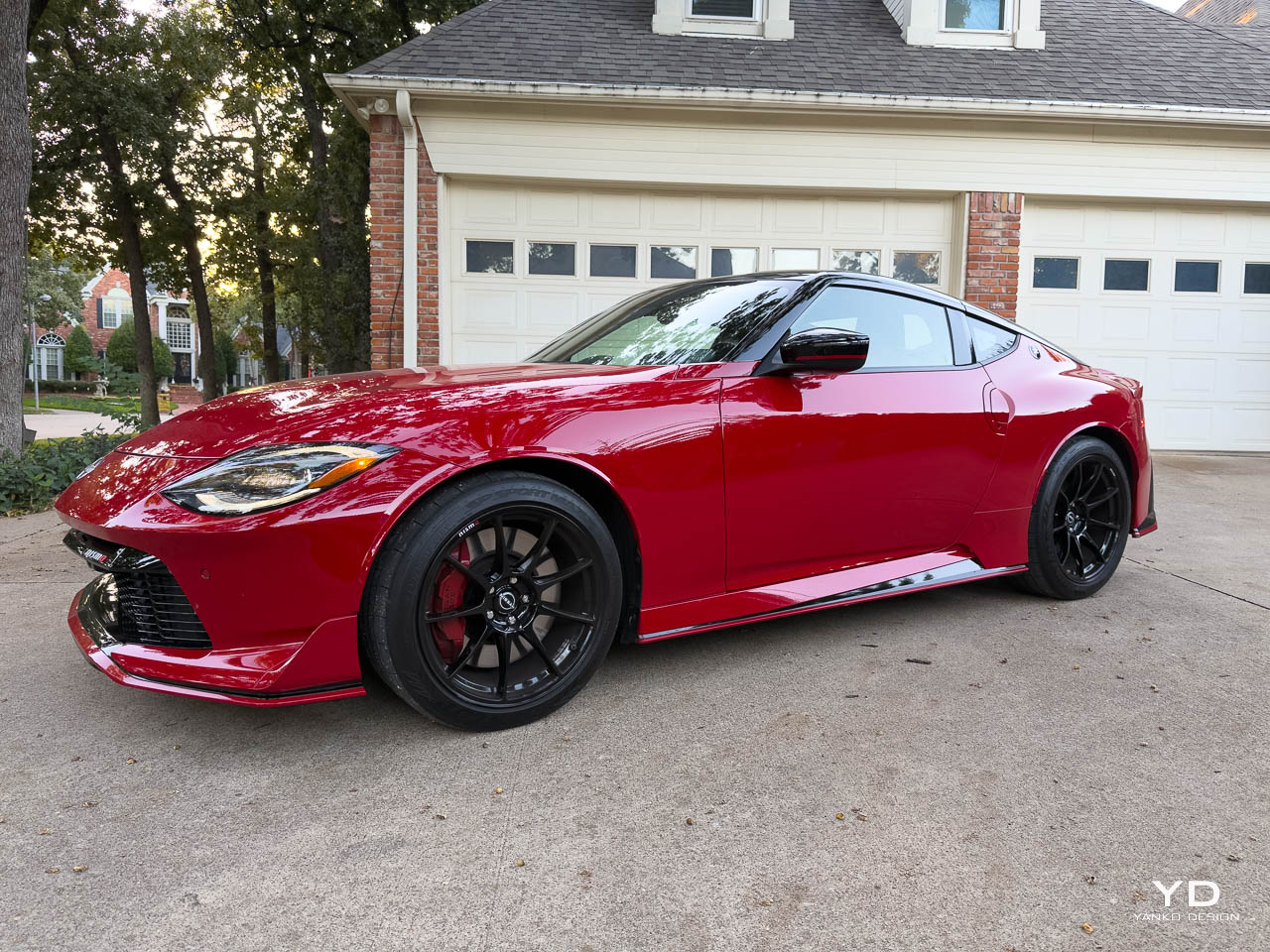
The moment I saw the 2025 Nissan Z NISMO in Solid Red with its Super Black roof, I knew this was something special. This isn’t just another performance variant with some badges and stiffer springs. This is the Z I’ve been waiting for since Nissan announced the reborn nameplate. After spending time behind the wheel, I can say with absolute certainty: the NISMO delivers everything a proper sports car should, and then some.

Designer: Nissan

At $65,750, the Z NISMO sits at the top of the Z lineup, commanding a significant premium over the $42,970 Sport and $52,970 Performance models. That price gap buys you 420 horsepower, NISMO-specific tuning throughout the chassis, exclusive Recaro seats, and a level of driving engagement that makes every other trim feel like a warmup act. This is the Z that Nissan should’ve led with.

Design and Ergonomics: Heritage Meets Aggression

Exterior: A Silhouette That Commands Attention

The Z NISMO’s design honors heritage while pushing forward with purpose. The long hood and squared-off rear are direct callbacks to the first-generation S30 Z, the car that put Japanese sports cars on the global stage. Nissan didn’t just slap on some retro styling cues and call it a day. They reimagined what made that original Z so compelling and translated it into modern proportions.
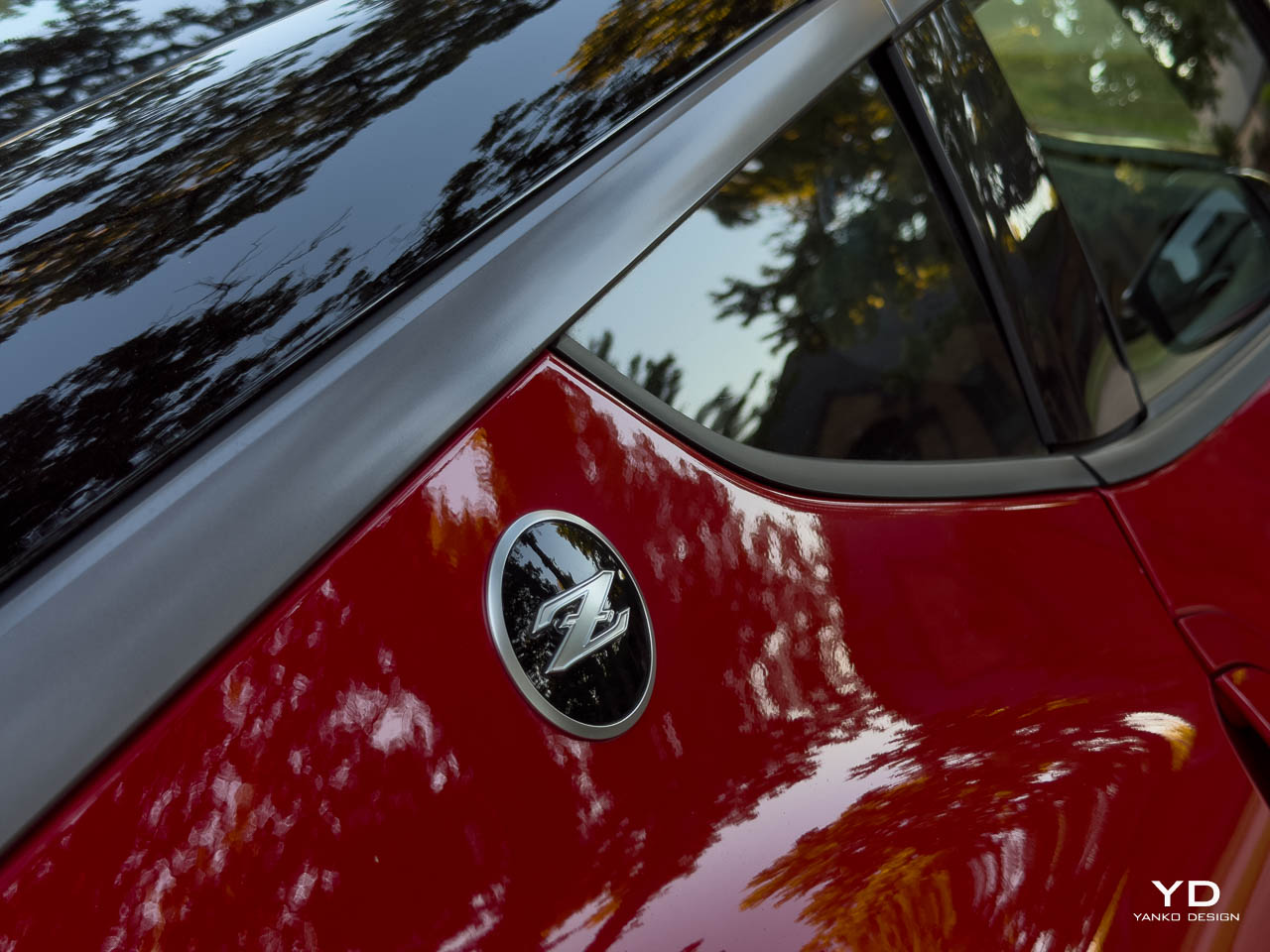
The katana blade roof accent running along the black roof edge is one of my favorite details. It’s subtle from most angles, but when the light hits it just right, you see the intentionality. This is design that rewards closer inspection. The Z Bulge hood and C-pillar emblem continue that nostalgic thread without feeling like pastiche.
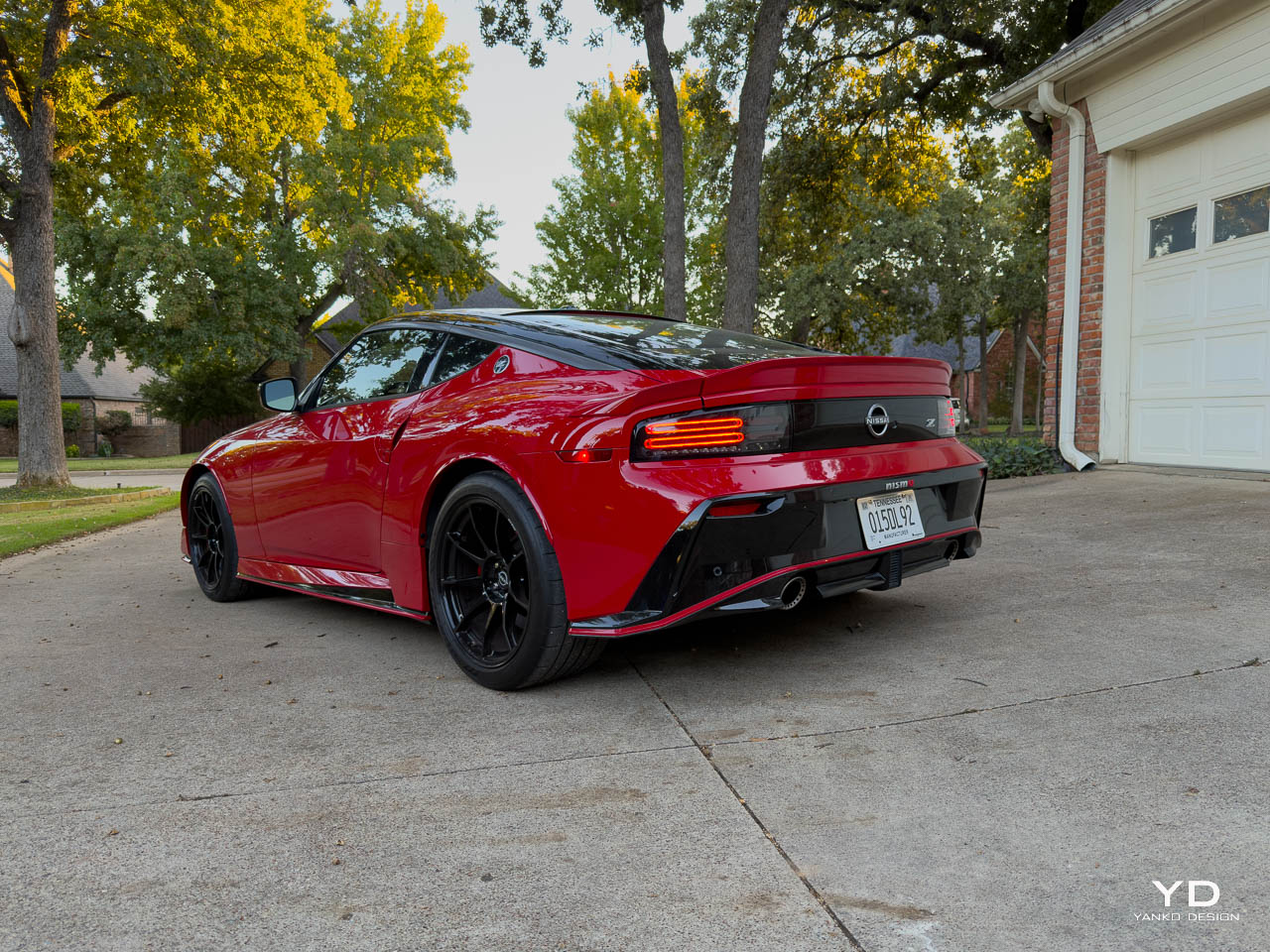
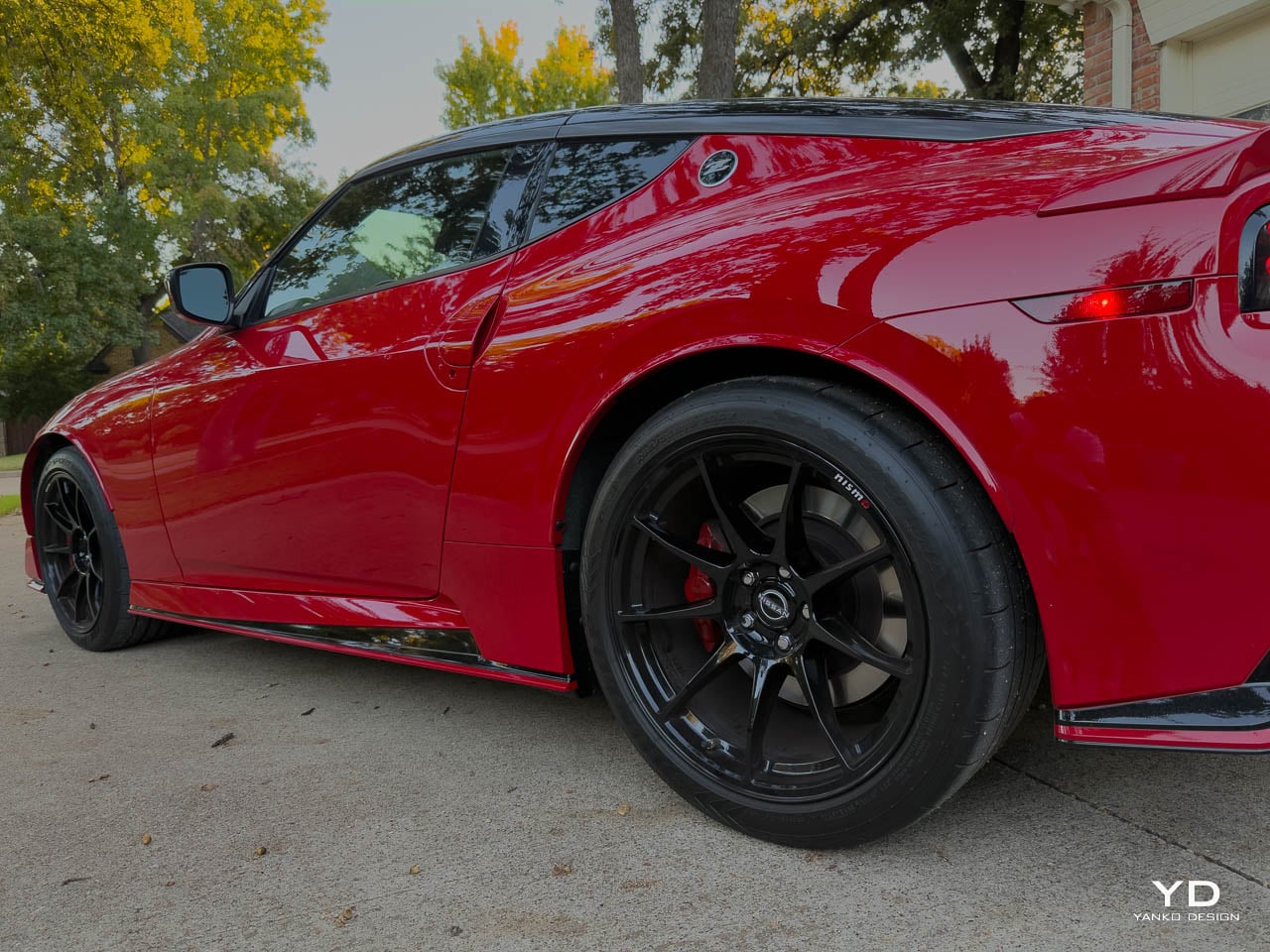
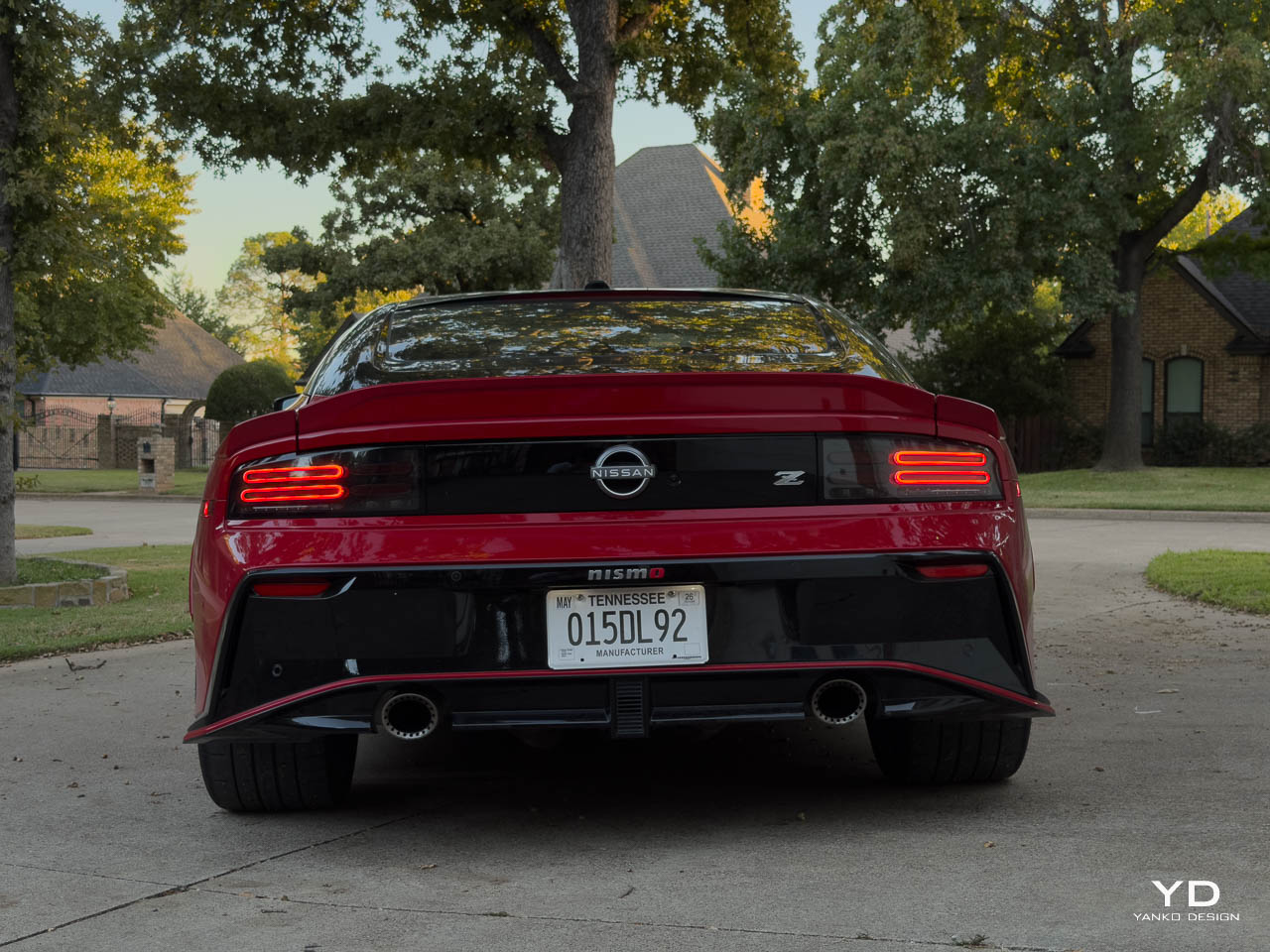
Where the NISMO truly separates itself is in the aggressive styling additions. The NISMO-exclusive front and rear fascias are more sculpted and purposeful than the standard Z. The three-piece rear spoiler isn’t just for show. At speed, you can feel it working. The side sills, black mirrors with red NISMO strips, and those gloss black RAYS forged wheels (19×10 front, 19×10.5 rear) give the car a planted, track-ready stance that the base Z lacks.
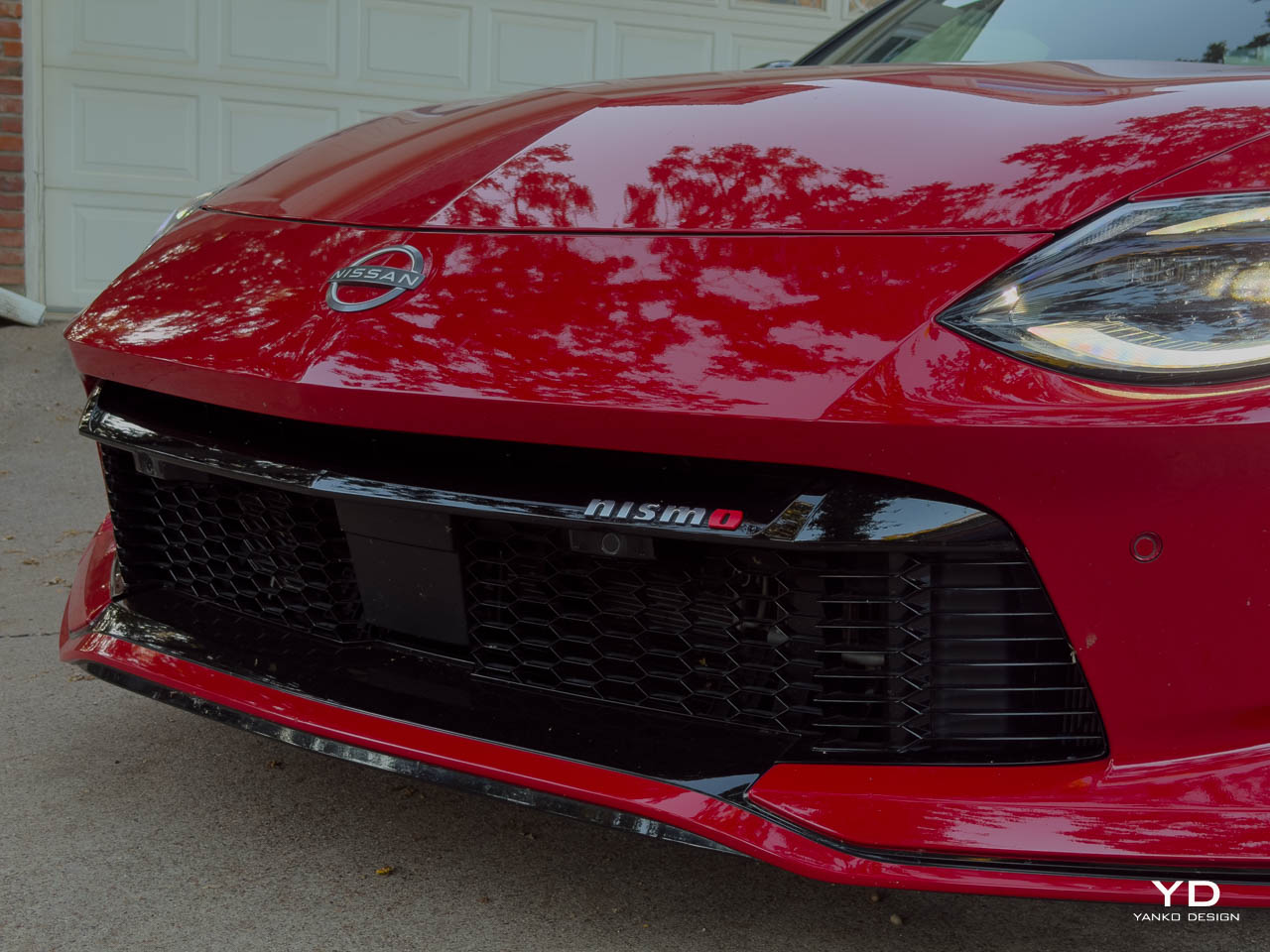
The Solid Red paint with Super Black roof creates a visual drama that photographs beautifully but looks even better in person. Under direct sunlight, the paint has depth and richness that make the car feel like it costs twice its MSRP. The LED taillights with their distinctive horizontal bar design are instantly recognizable from a block away.
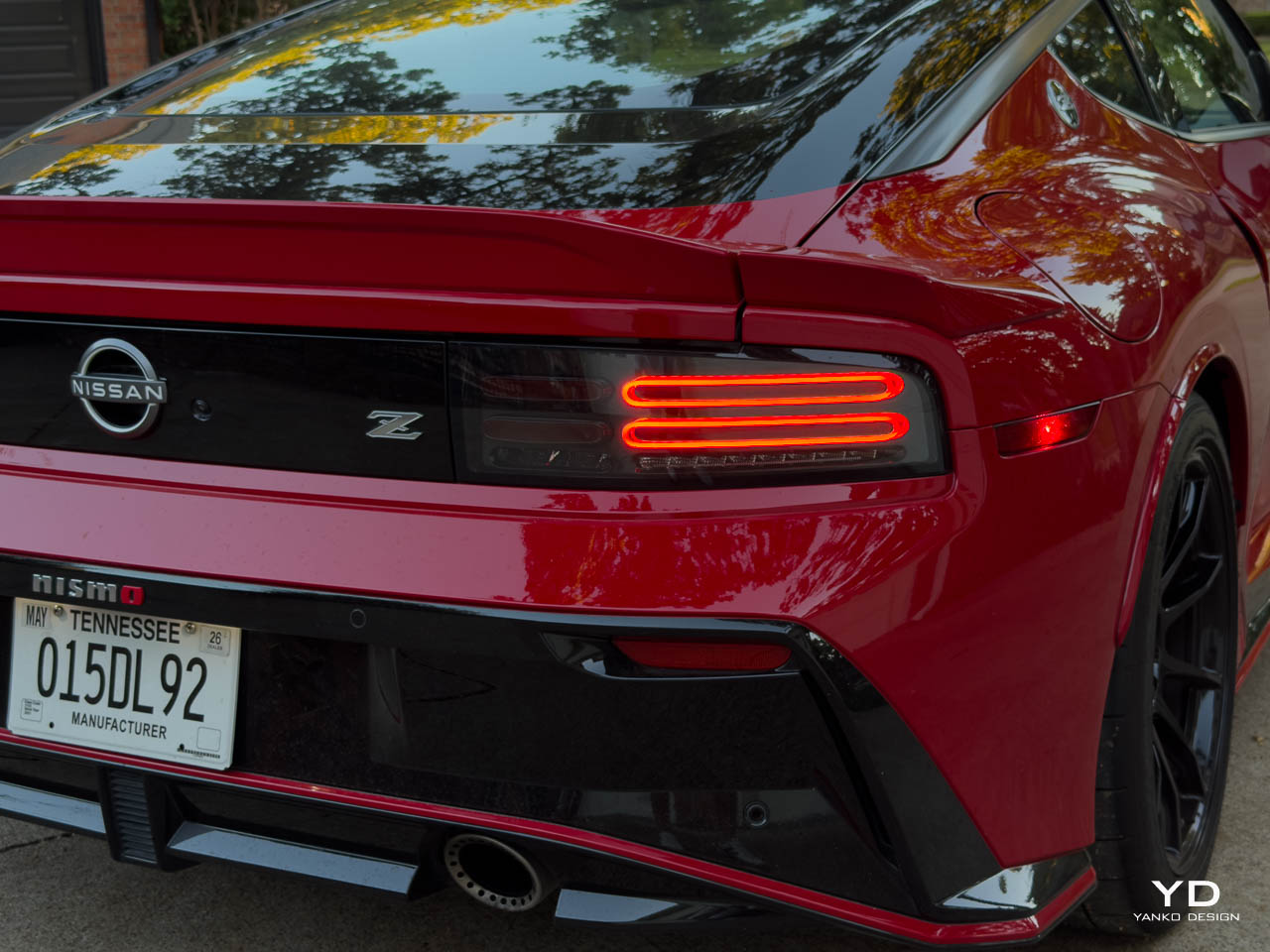
At 173.2 inches long and 73.6 inches wide, the Z NISMO has proper sports car proportions. It sits 51.8 inches tall with a 100.4-inch wheelbase and 4.9 inches of ground clearance. It’s low, wide, and purposeful without being cartoonish. This is a car you can actually drive daily if you’re willing to accept the trade-offs. 
Interior: Driver-Centric and Unapologetically Focused

Step inside and you’re immediately reminded this is a NISMO product. The Recaro sport bucket seats are exclusive to this trim, and they’re worth the upgrade alone. The bolstering is aggressive but not punishing. On spirited drives, they hold you exactly where you need to be. The leather and Alcantara appointment feels premium and ages well. After several weeks of testing, there’s zero sign of wear on the high-contact areas.
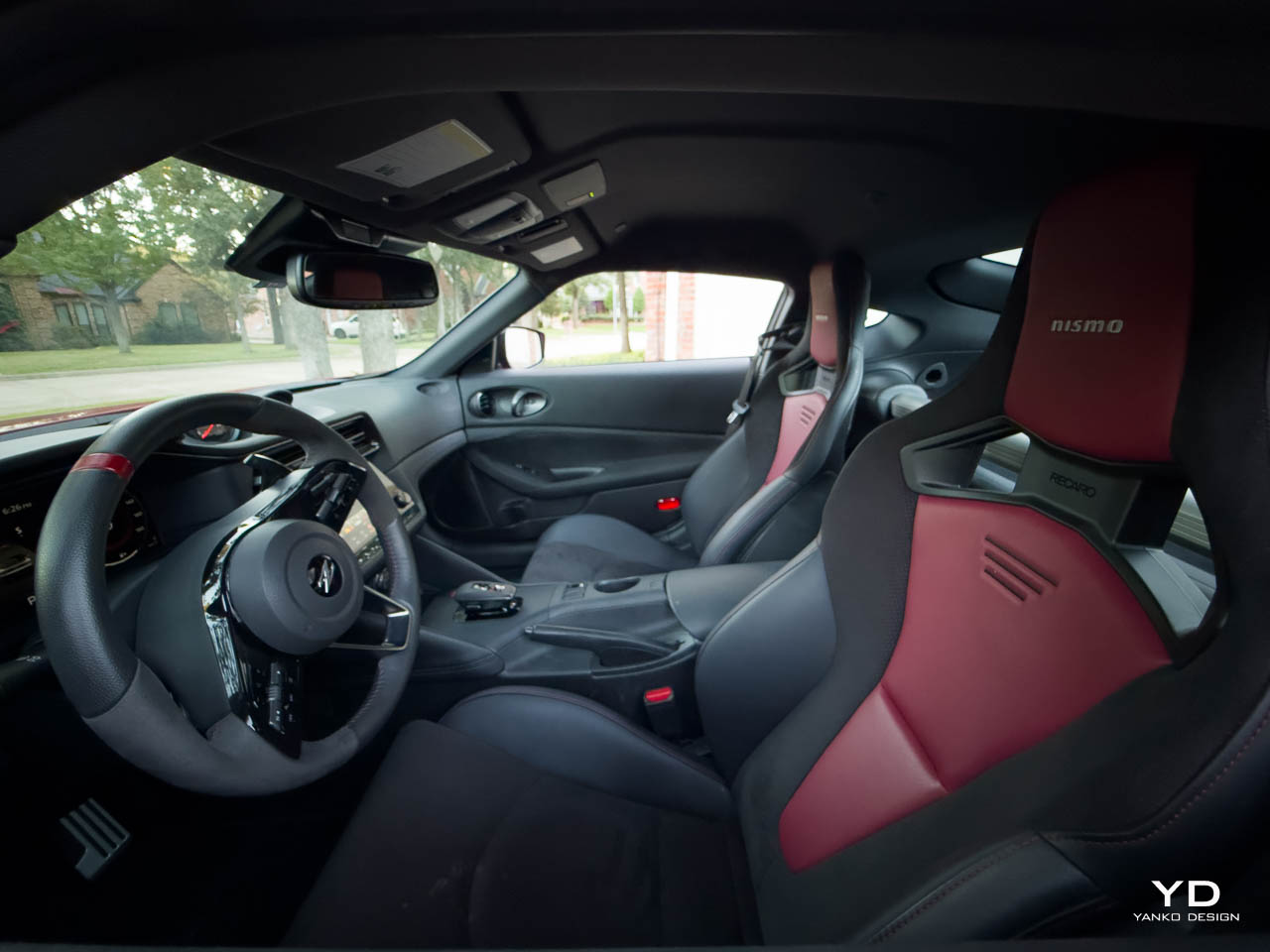
The NISMO steering wheel wrapped in leather and Alcantara is thick in your hands with a red marker at 12 o’clock. It’s clearly GT-R inspired, and that’s a very good thing. The aluminum pedals have the right amount of grip without feeling too aggressive for daily use. The suede door trim adds a tactile richness that elevates the cabin experience beyond what you expect at this price point.
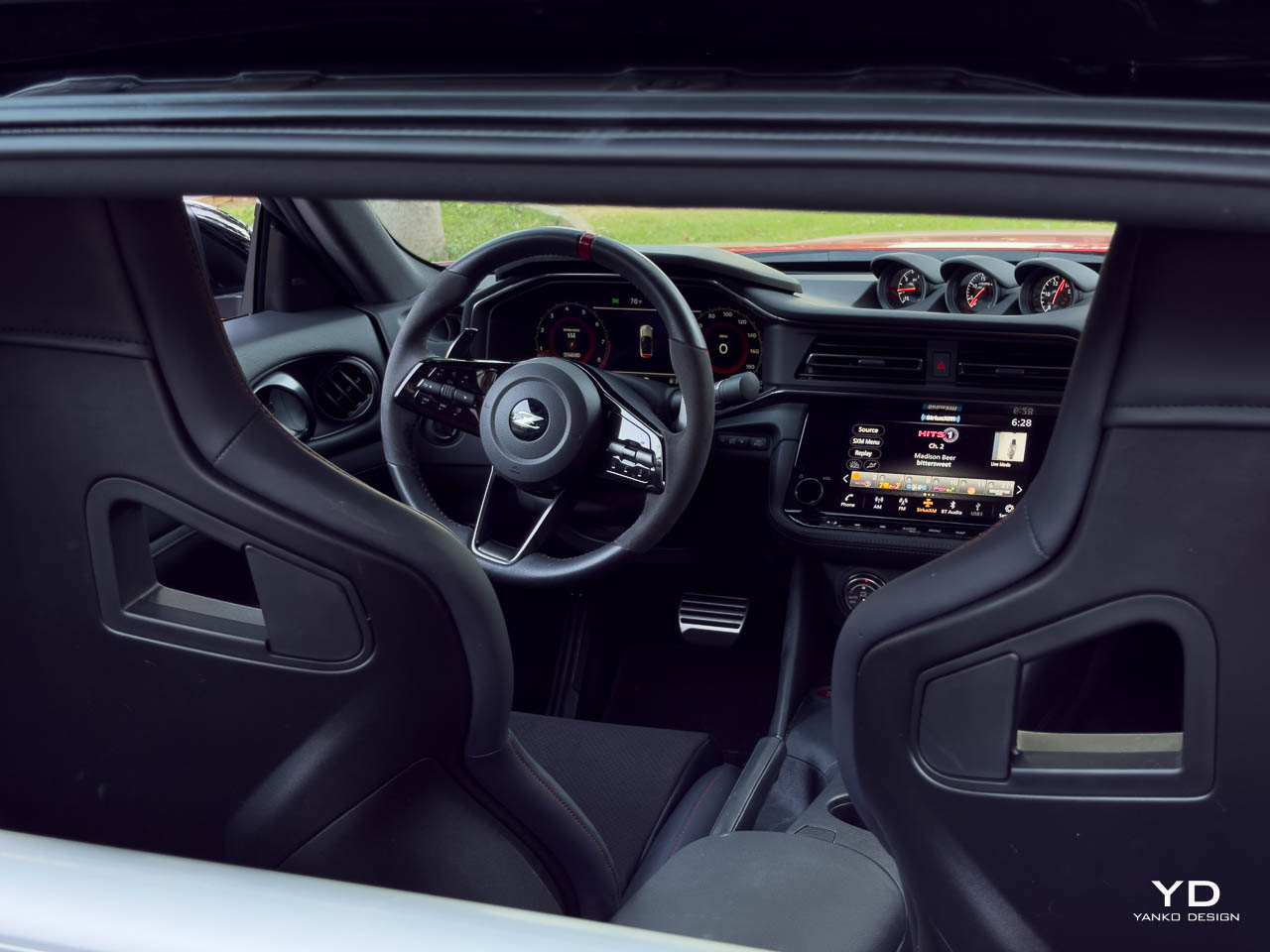
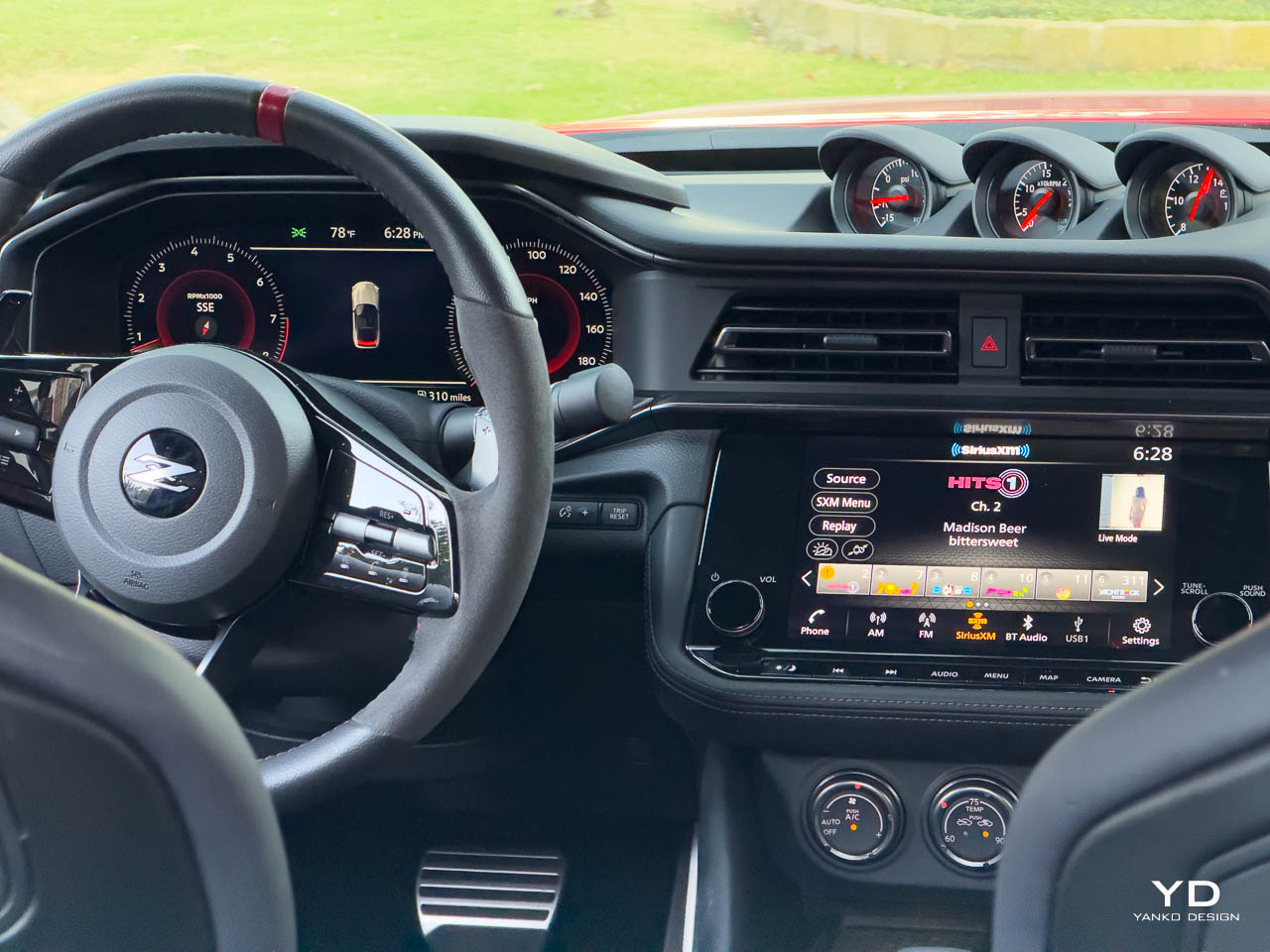
The three analog pod gauges mounted on top of the instrument panel (turbo boost, turbine speed, voltmeter) are pure theater, and I love them. Few cars blend old-school analog theater and digital immersion like this Z: those signature pod gauges evoke 1970s Japan, but the 12.3-inch cluster and infotainment are as modern as they come. The cluster has three display modes (Normal, Enhanced, Sport), and I found myself rotating between them depending on the drive. Sport mode gives you the full performance data layout with a centered tachometer and boost gauge prominence. It’s exactly what you want when you’re pushing the car.
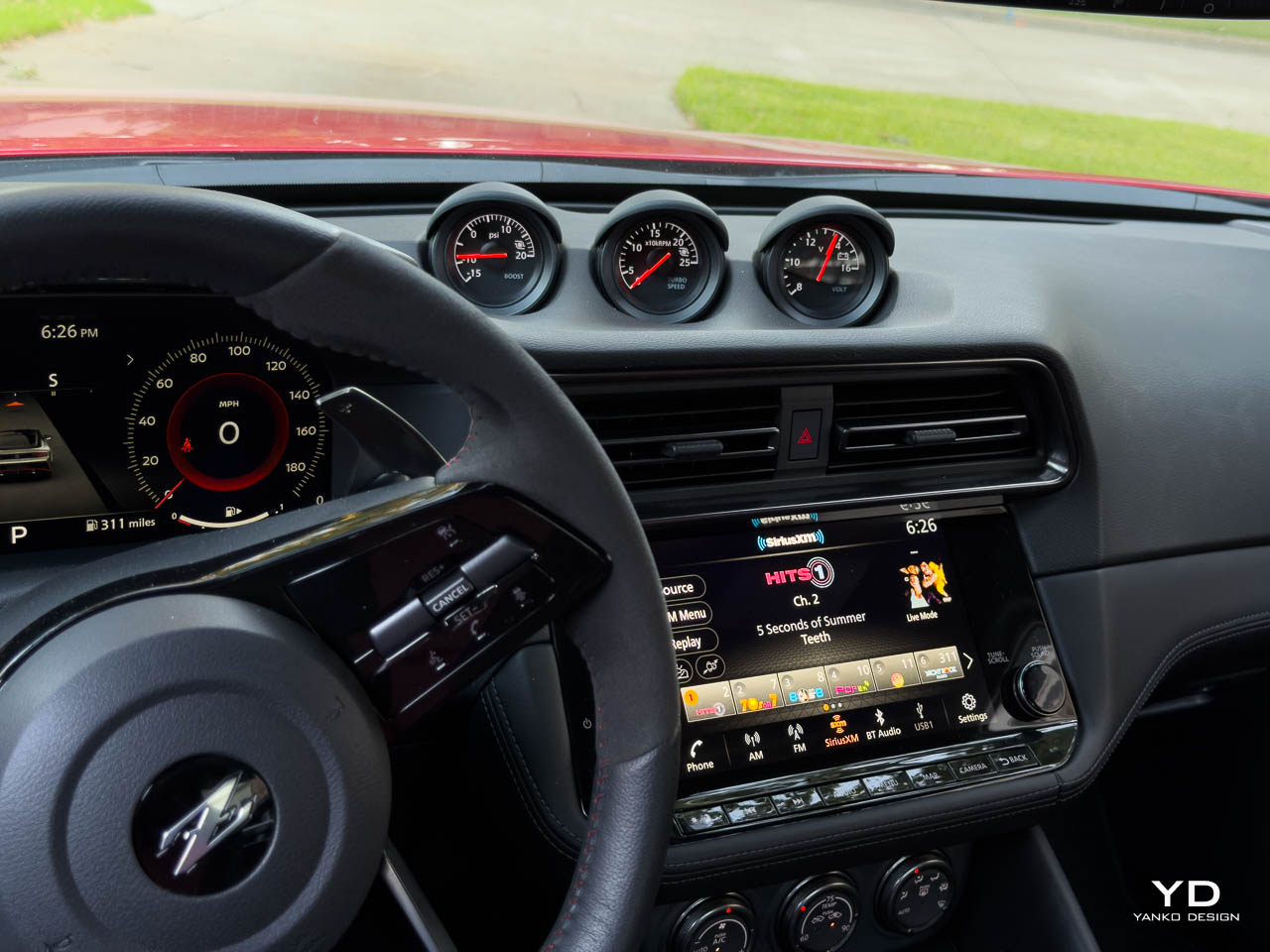
The 9-inch touchscreen sits perfectly in your sightline without dominating the dashboard. Wireless Apple CarPlay works flawlessly, and the Bose 8-speaker audio system with Active Noise Cancellation and Active Sound Enhancement delivers clean, punchy sound. The exhaust note is real and raw when you want it, and the cabin can be library-quiet when you don’t.
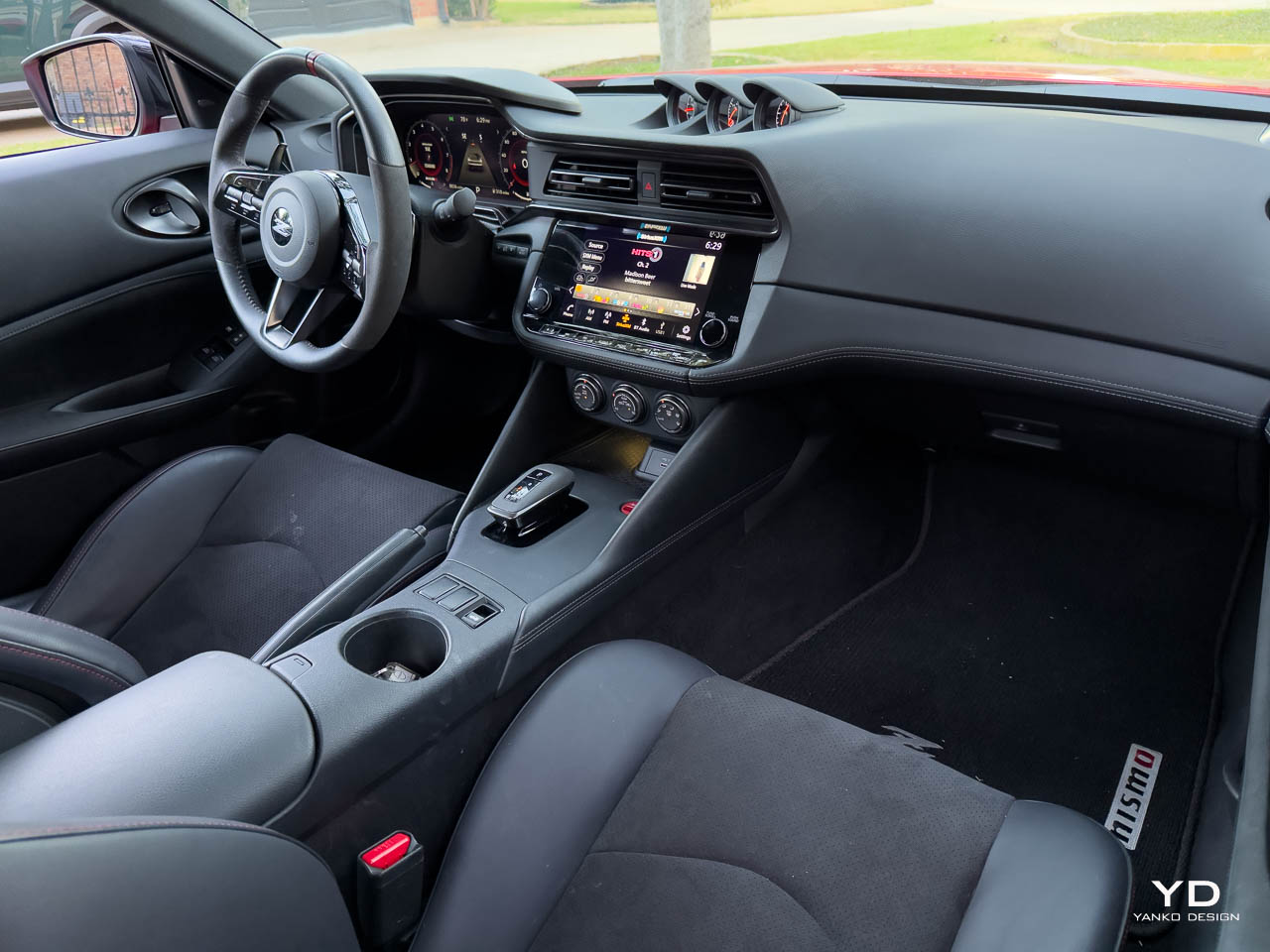
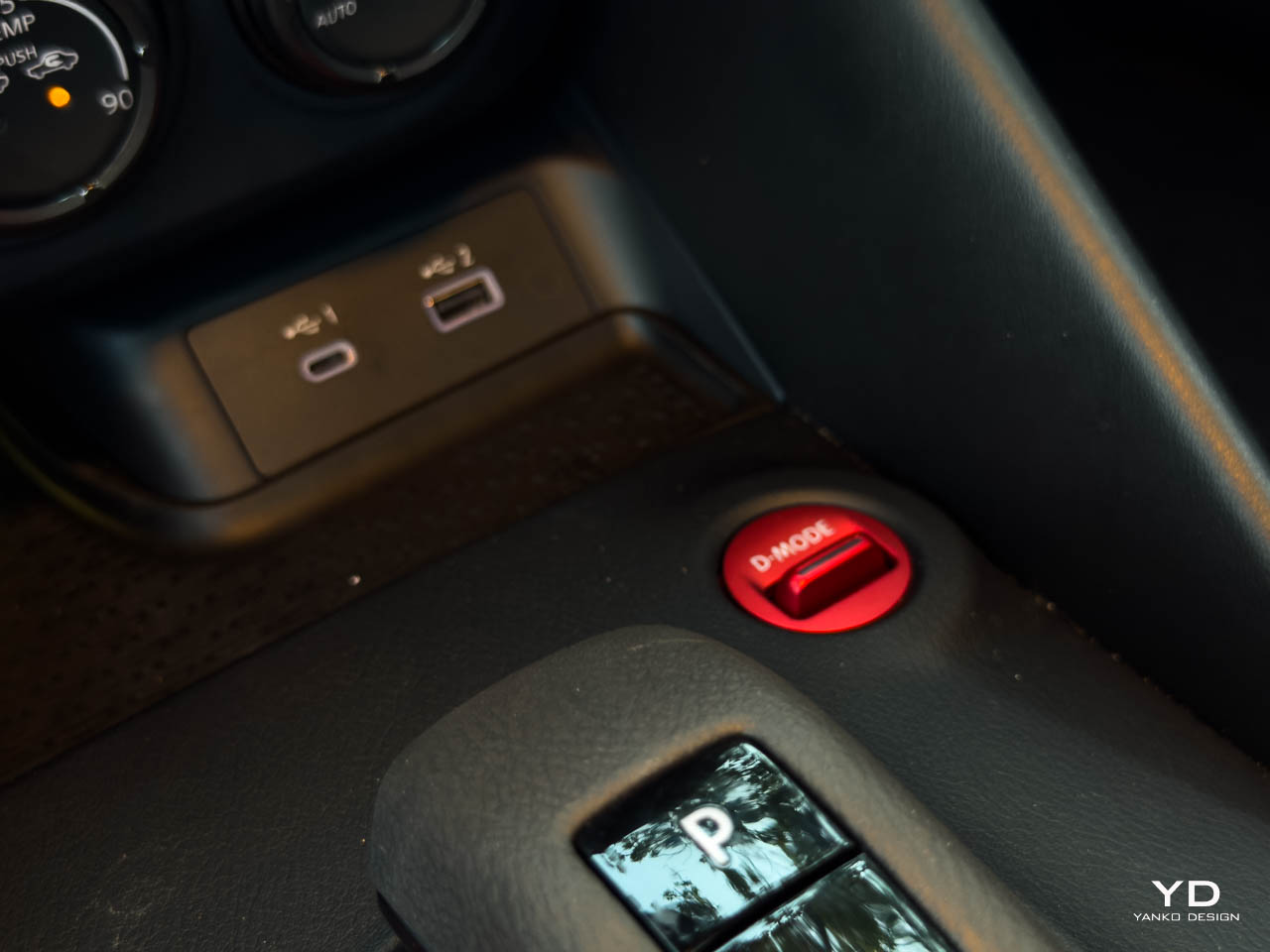
Ergonomically, everything falls to hand naturally. The NISMO-exclusive red anodized engine start button and Drive Mode selector are positioned exactly where your fingers expect them. The manual tilt and telescopic steering column gives you enough adjustment range to dial in your perfect driving position. In my testing at 6’1″, I never felt cramped during longer drives.
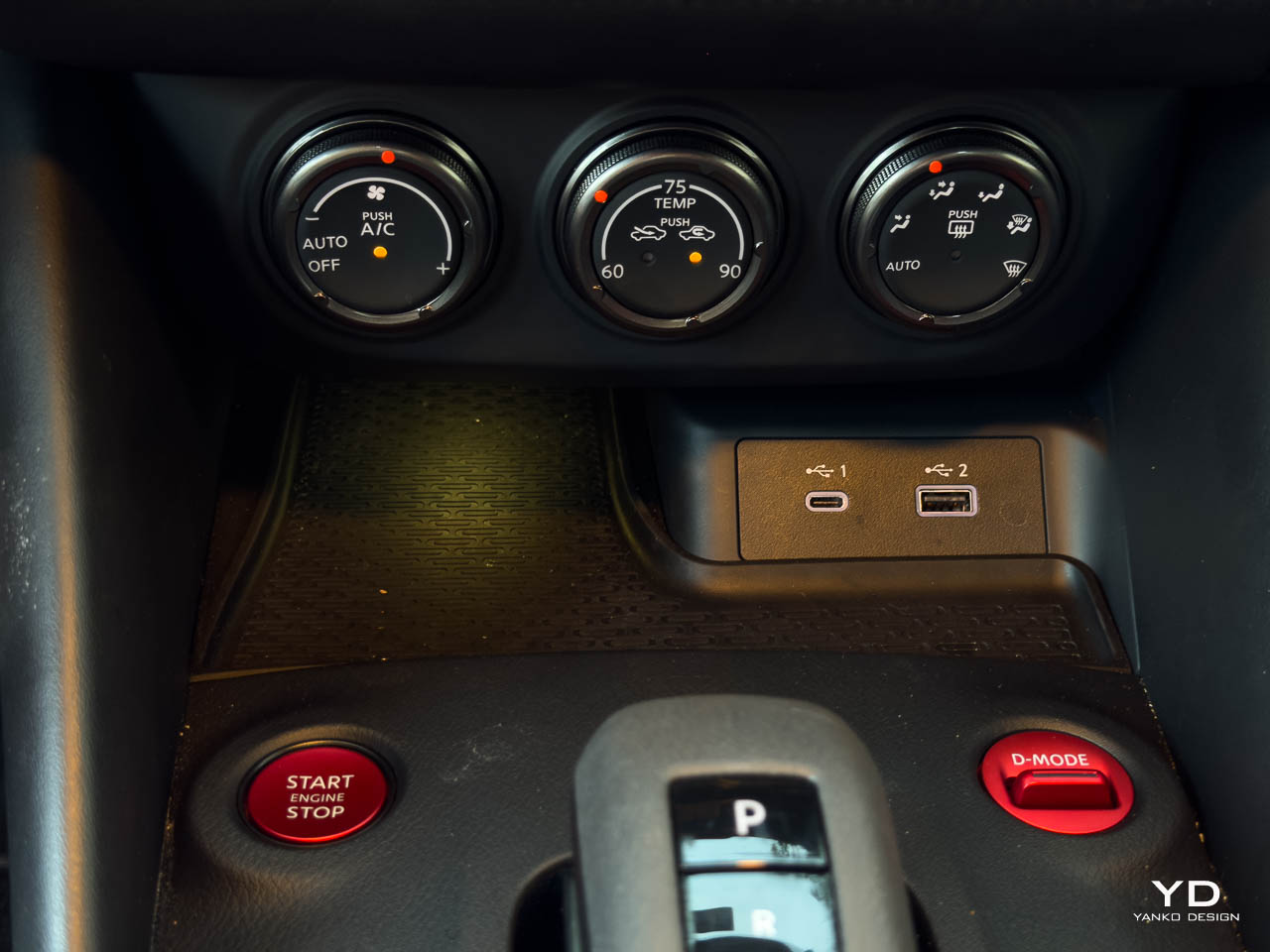
The two-passenger cabin means this isn’t a family car, but if you accept that, the Z NISMO rewards you with purpose-built focus. Compared to the Toyota GR Supra’s more confined cockpit or the Porsche 718 Cayman’s minimalist approach, the Z strikes a better balance between sport and usability. Cupholders, bottle holders, a center console with storage, and a locking glovebox provide enough practicality for weekend trips. The 2 USB ports (Type-A and Type-C) keep devices charged. This isn’t a minimalist track car or a luxury GT. It’s a perfectly balanced middle ground.

Performance: 420 Horsepower of Pure Engagement

Powertrain: Twin-Turbo V6 Perfection

The VR30DDTT 3.0L twin-turbo V6 is the heart of this machine, and in NISMO spec it produces 420 horsepower at 6,400 rpm and 384 lb-ft of torque from 2,000 to 5,200 rpm. That’s a 20 hp and 34 lb-ft bump over the standard Z, and you feel every additional pony. The NISMO-enhanced engine oil cooler keeps temperatures in check during aggressive driving, and the engine never feels like it’s struggling even when you’re wringing it out.

Power delivery is linear and immediate. There’s no turbo lag to speak of. Pin the throttle from a standstill and the Z NISMO launches with authority. Launch Control (standard with the 9-speed automatic) is brutal and effective, delivering repeatable 0-60 mph runs in approximately 4.2 seconds based on my testing. You get hard, consistent launches that pin you to the Recaro seats. The engine feels happiest between 3,000 and 6,400 rpm, where the turbos are fully spooled and power surges in a satisfying, unrelenting wave.
The exhaust note is one of the best aspects of this car. It isn’t digitally enhanced or piped in through the speakers. This is raw, mechanical sound. At idle, there’s a deep burble. Under acceleration, it transforms into a purposeful roar that builds to a crackling crescendo near redline. Lift off the throttle and you get satisfying pops and crackles on the overrun. It never sounds synthetic or manufactured. It sounds like a proper performance car should.
Fuel economy is rated at 17 city, 24 highway, and 19 combined mpg on premium unleaded. In real-world testing, I averaged around 20 mpg with a mix of spirited driving and highway cruising. On a long highway run, I saw 26 mpg, which is respectable for 420 hp.

Transmission: NISMO-Tuned 9-Speed Automatic

I need to address the elephant in the room: the NISMO is automatic only. There’s no manual transmission option, and purists will lament this decision. I get it. A manual would enhance the engagement factor. But after spending real time with the NISMO-tuned 9-speed automatic, I can say this: don’t write it off.
This isn’t the standard Z automatic. Nissan recalibrated it for quicker shifts, more aggressive downshifts, and tighter integration with the drive modes. The paddle shifters are responsive and feel mechanically connected. When you pull the left paddle for a downshift, the gearbox responds instantly with a perfectly rev-matched blip. Upshifts are crisp and quick. In Sport+ mode, the transmission holds gears longer and downshifts earlier under braking. It feels like it knows what you want before you ask.
Leave it in automatic mode for daily driving, and it fades into the background, smooth and refined. Flick it into manual mode and take control, and it becomes an extension of your inputs. This is one of the better automatics I’ve driven in a sports car. It isn’t a dual-clutch, but it doesn’t feel like a traditional torque converter either.

Would I still prefer a manual? In an ideal world, yes. But the automatic doesn’t ruin the experience. It enhances accessibility and makes the NISMO a car you can live with every day without sacrificing much of the engagement.

Chassis and Handling: Track-Ready Precision

The NISMO-tuned suspension is where this car truly separates itself from the standard Z. Nissan fitted unique stabilizer bars, stiffer springs, and larger retuned dampers that support the wider rear wheels and Dunlop SP SPORT MAXX GT600 tires (P255/40R19 front, P285/35R19 rear). The result is a chassis that feels taut, responsive, and utterly confidence-inspiring.

Turn-in is sharp and immediate. There’s minimal body roll, and the car pivots around its center with precision. The mechanical clutch-type limited-slip differential works magic at the rear, distributing power evenly and allowing you to carry more speed through corners. Understeer is virtually nonexistent. Push the car hard into a tight corner, and the front end bites with conviction.
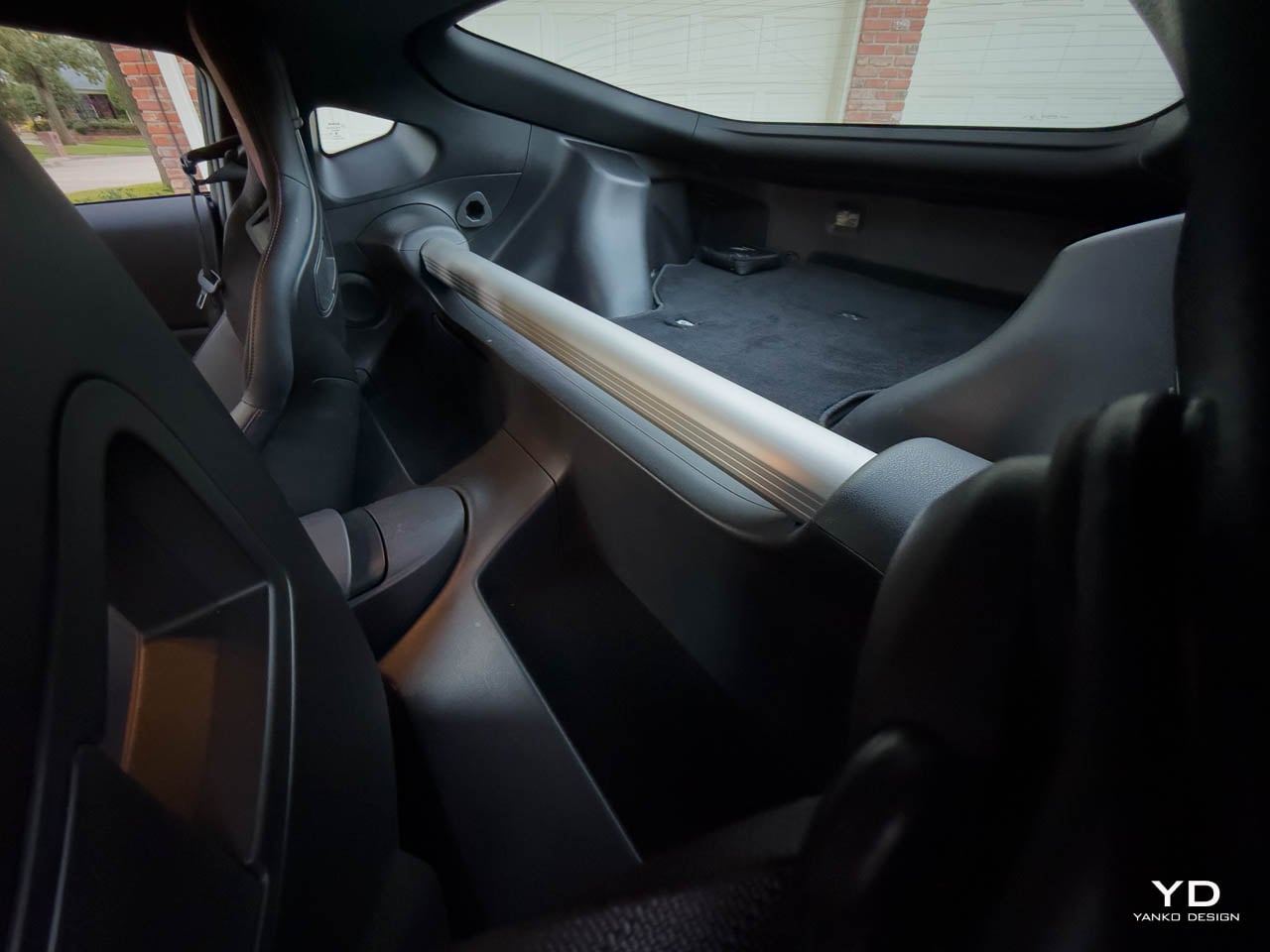
The ride quality is firm. There’s no hiding that. I tested the Z NISMO on smooth highways, rough city streets in Dallas, and winding back roads. On smooth pavement and highways, it’s sublime. The car glides with poise and the suspension feels perfectly calibrated for speed. But hit city potholes or expansion joints, and you’ll be reminded instantly of that NISMO suspension tuning. Every crack and imperfection registers through the chassis with unfiltered honesty. This is a trade-off inherent to track-focused suspension tuning. If you want comfort, buy the Sport trim. The NISMO is tuned for aggression, not forgiveness.

In daily traffic, the car is surprisingly manageable. The automatic transmission smooths out stop-and-go frustrations, visibility is better than expected, and the clutch-free operation makes it far more livable than a manual sports car in urban gridlock.
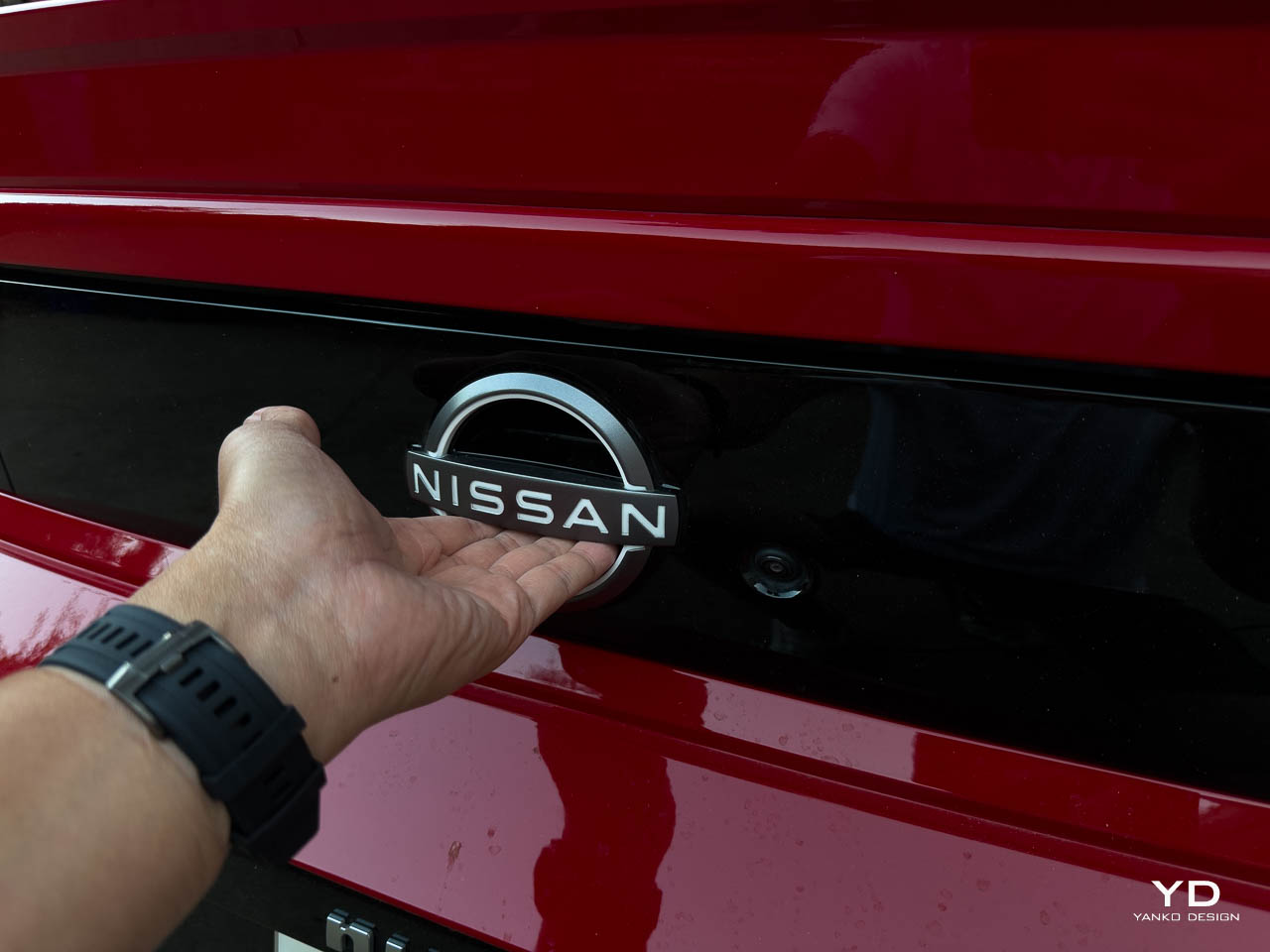
Steering feedback is excellent. The electric power steering (with NISMO-specific tuning) delivers weight and communication that feels natural. You know exactly what the front tires are doing at all times. There’s no artificial heaviness or numbness. It’s direct, honest, and confidence-building.

The NISMO front and rear chassis bracing stiffens the entire structure, reducing flex and improving chassis rigidity. You feel this most during hard cornering and quick transitions. The car feels like a single, unified mass rather than a collection of parts. It’s the kind of structural integrity that separates good sports cars from great ones.

Braking: Stopping Power to Match the Speed

The Z NISMO features 15.0 x 1.3-inch vented disc rotors up front and 13.8 x 0.8-inch vented discs at the rear, clamped by floating 4-piston front and 2-piston rear aluminum calipers finished in red. Brake feel is firm and progressive with excellent pedal modulation. Initial bite is strong without being grabby. As speeds increase, confidence increases with it.
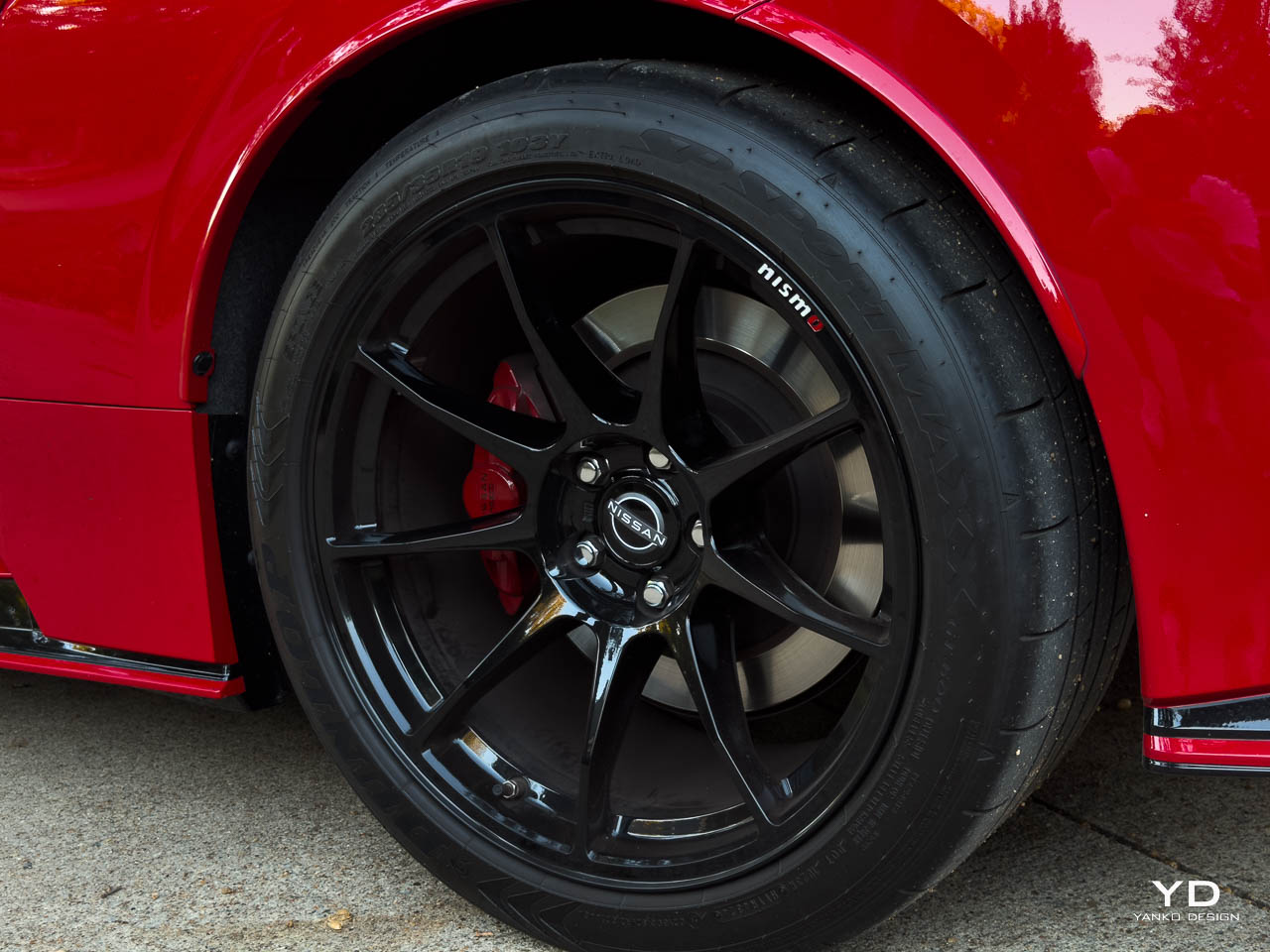
During repeated hard stops from high double-digit speeds, I experienced zero fade. The brakes stayed consistent and predictable. ABS intervention is well-calibrated and unobtrusive. The front and rear parking sensors give you confidence in tight spaces, and the RearView Monitor is crisp and clear.

Daily Usability: A Surprisingly Practical Companion

At 3,704 lbs, the Z NISMO isn’t a featherweight, but it never feels heavy or cumbersome. Visibility is better than expected for a low-slung sports coupe. The large side mirrors (with LED turn signals) give you a clear view of your surroundings. Blind spot warning and rear cross traffic alert provide an extra layer of safety when changing lanes or backing out of parking spaces.
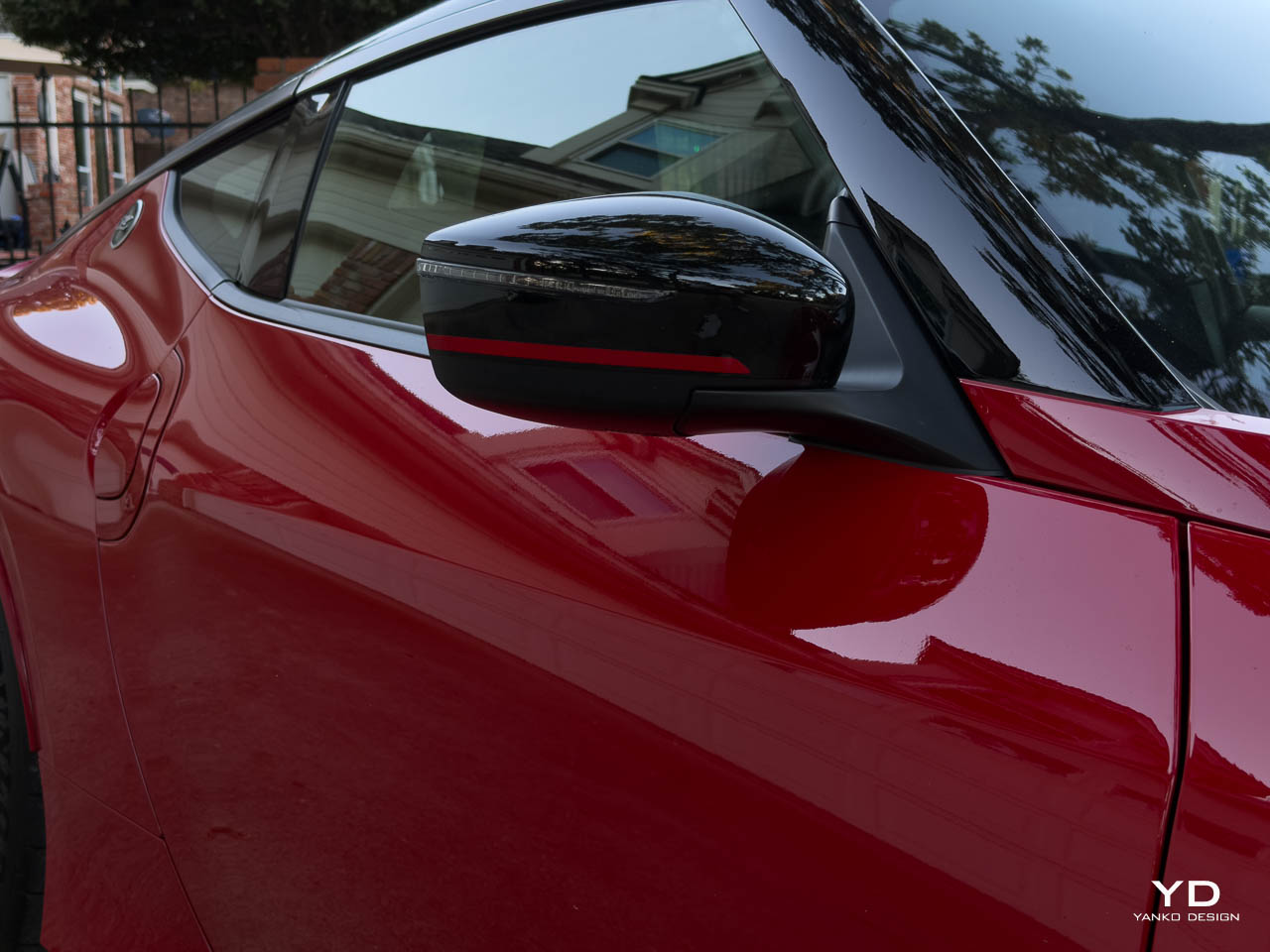
The Nissan Intelligent Key with push-button ignition works flawlessly. Power windows with one-touch up and down, power door locks with auto-locking, and an auto-dimming rearview mirror are all standard. The automatic temperature control keeps the cabin comfortable without fuss. HomeLink Universal Transceiver integrates with your garage door opener seamlessly.
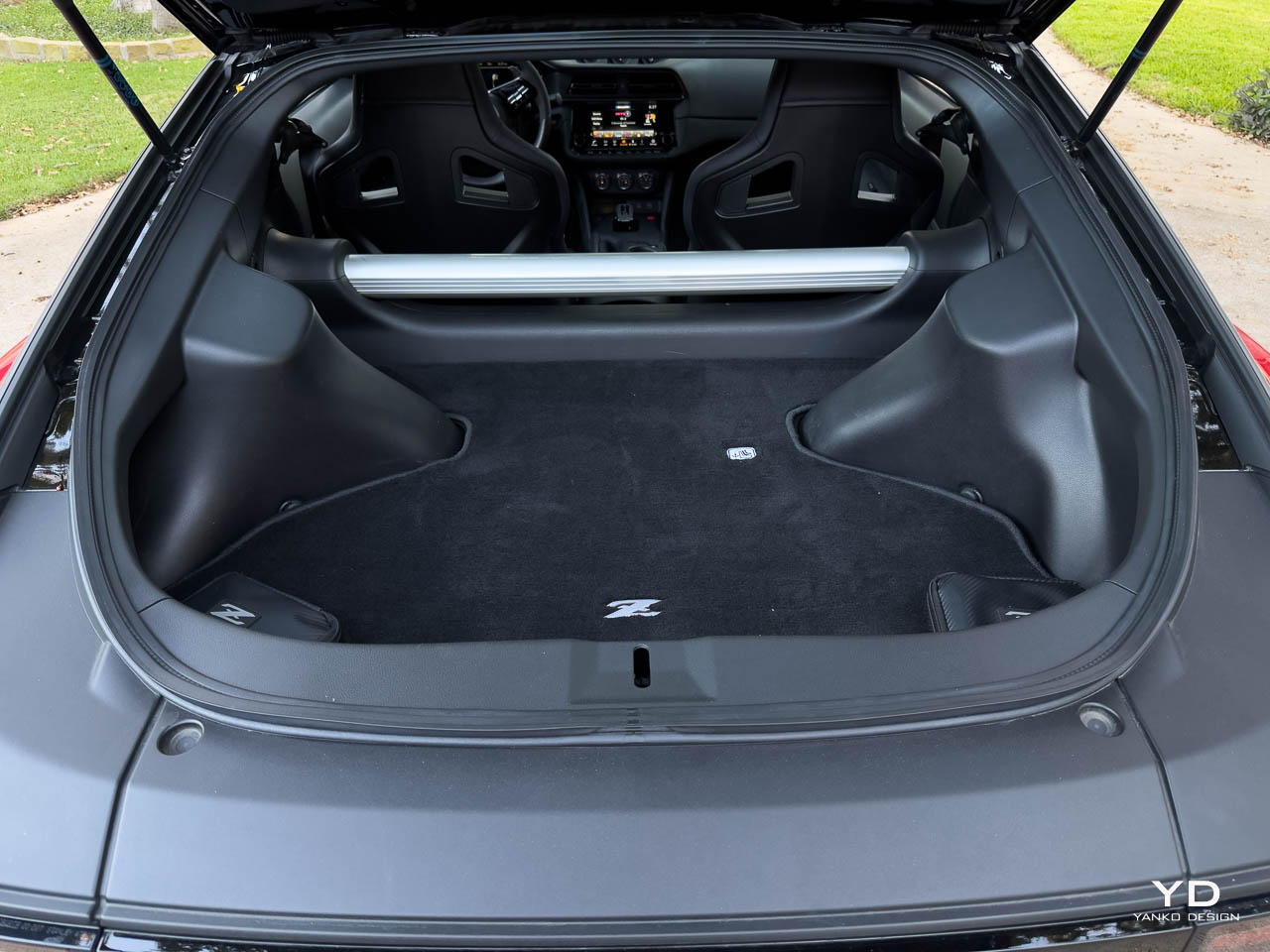
Cargo space is adequate for a sports car. You can fit a weekend bag and some groceries in the hatch. The rear seats don’t exist, so this is purely a two-seater. But if you go into ownership knowing that, the Z NISMO is surprisingly livable. I drove it for weeks as my only car, and it never felt like a burden.

The post 2025 Nissan Z NISMO Review: A Modern Icon That Earns Its Badge first appeared on Yanko Design.

Vivo X300 Review: Compact, But No Compromise

PROS:


  • Compact, minimal design with a subtle camera module

  • Excellent ergonomics, light weight, and easy one-handed use

  • Versatile and powerful camera system

  • Large 6040mAh battery

CONS:


  • Camera system is a step down from the X300 Pro

  • Limited focus on sustainability and repairability

RATINGS:

AESTHETICS
ERGONOMICS
PERFORMANCE
SUSTAINABILITY / REPAIRABILITY
VALUE FOR MONEY

EDITOR'S QUOTE:

If you care most about a compact form factor, strong battery life, and one of the best camera setups in this size class, the Vivo X300 stands out clearly.

Vivo’s announcement of the X300 series brought a wave of excitement, especially around the powerhouse X300 Pro. Many in the tech world were eager to see how far Vivo could push flagship performance. But while the Pro model commands attention for its bleeding-edge specs, the X300 quietly carves out its own distinct appeal. 

This is not just a lesser sibling, though. The X300 emerges as a force in its own right, especially for those who appreciate a flagship phone that fits beautifully in the hand. Ergonomics meet modern design, with the X300 offering a balanced blend of style, substance, and everyday comfort. For anyone who wants top-tier features without the bulk, this device is ready to win hearts. In this review, we will see whether it truly delivers on that promise.

Aesthetics

The X300 embodies minimalistic beauty in every detail. Its frosted glass back panel exudes a soft, refined sheen, instantly presenting an air of quiet elegance. The camera bump stands out as a graceful, seamless circle, subtly rising from the surface without disrupting the panel’s smooth geometry. This camera design is noticeably more understated than the X300 Pro’s bold module, enhancing the X300’s visual harmony and contributing to its overall sense of balance.

Look closer, and the smaller design decisions start to stand out. The transition between the glass back and the frame is clean and controlled, with no harsh edges or visual clutter. The circular camera island sits perfectly centered within its own visual “halo,” making the back of the phone feel almost symmetrical even though it is not. Branding is minimal and tastefully placed, allowing the materials and shapes to take the lead instead of logos or text. It is the kind of design that does not shout for attention, but rewards you the longer you look at it.

Color choices further elevate the X300’s appeal. Vivo offers this flagship in four shades: Pink, Blue, Purple, and Black. The Pink variant, which arrived for my review, is especially enchanting. Its finish dances with light, revealing subtle undertones of purple, green, blue, and yellow depending on the angle. This shifting spectrum gives the phone a dynamic personality, catching the eye without crossing into excess. The result is a device that feels both modern and timeless, effortlessly fitting into a variety of styles and settings.

Ergonomics

Ergonomics often takes a back seat to camera prowess in flagship phones, but the X300 finds a sweet spot that deserves attention. While I’m usually unfazed by larger camera bumps if they promise outstanding photography, my experience with the X300 was a reminder of the joys of a truly compact device. Its proportions invite easy one-handed use, making daily interactions feel effortless and natural. 

Measuring just 7.95mm thick and weighing only 190 grams, the X300 offers a lightness that’s immediately noticeable. The slim profile means slipping it into a pocket is never a struggle, and extended use won’t leave your wrist or fingers feeling fatigued. Whether you’re navigating busy city streets, snapping photos on the move, or texting with a single thumb, the X300’s thoughtful design makes comfort a priority. This is a phone that proves you can have flagship features without sacrificing ease of use.

Unlike its big sibling, the X300 skips the customizable button on the left side, resulting in a cleaner and simpler design. However, it retains the convenient placement of the ultrasonic fingerprint sensor, located about one-third of the way up from the bottom edge of the display. This thoughtful positioning makes it easy for your thumb to reach and helps ensure that unlocking the phone and jumping into your daily tasks feels quick and natural. It’s a subtle detail that quietly enhances the overall user experience.

Performance

Performance on the X300 is delightfully robust, thanks to the MediaTek Dimensity 9500 chipset paired with 12GB or 16GB of RAM. Everyday tasks feel brisk and effortless, whether you’re juggling multiple apps, streaming high-definition video, or playing graphics-intensive games. The latest OriginOS 6, layered on top of Android 16, brings a modern, fluid interface with thoughtful touches that make navigation a pleasure. Animations are snappy, transitions are smooth, and the phone keeps up even when you push it hard.

The X300 features a 6.31-inch LTPO AMOLED panel with a super-smooth 120Hz refresh rate. Every scroll and swipe feels effortless, while colors remain punchy and vivid in any setting. Thanks to the 2160Hz PWM dimming, the screen is gentle on your eyes, even during late-night reading sessions or long stretches of use.

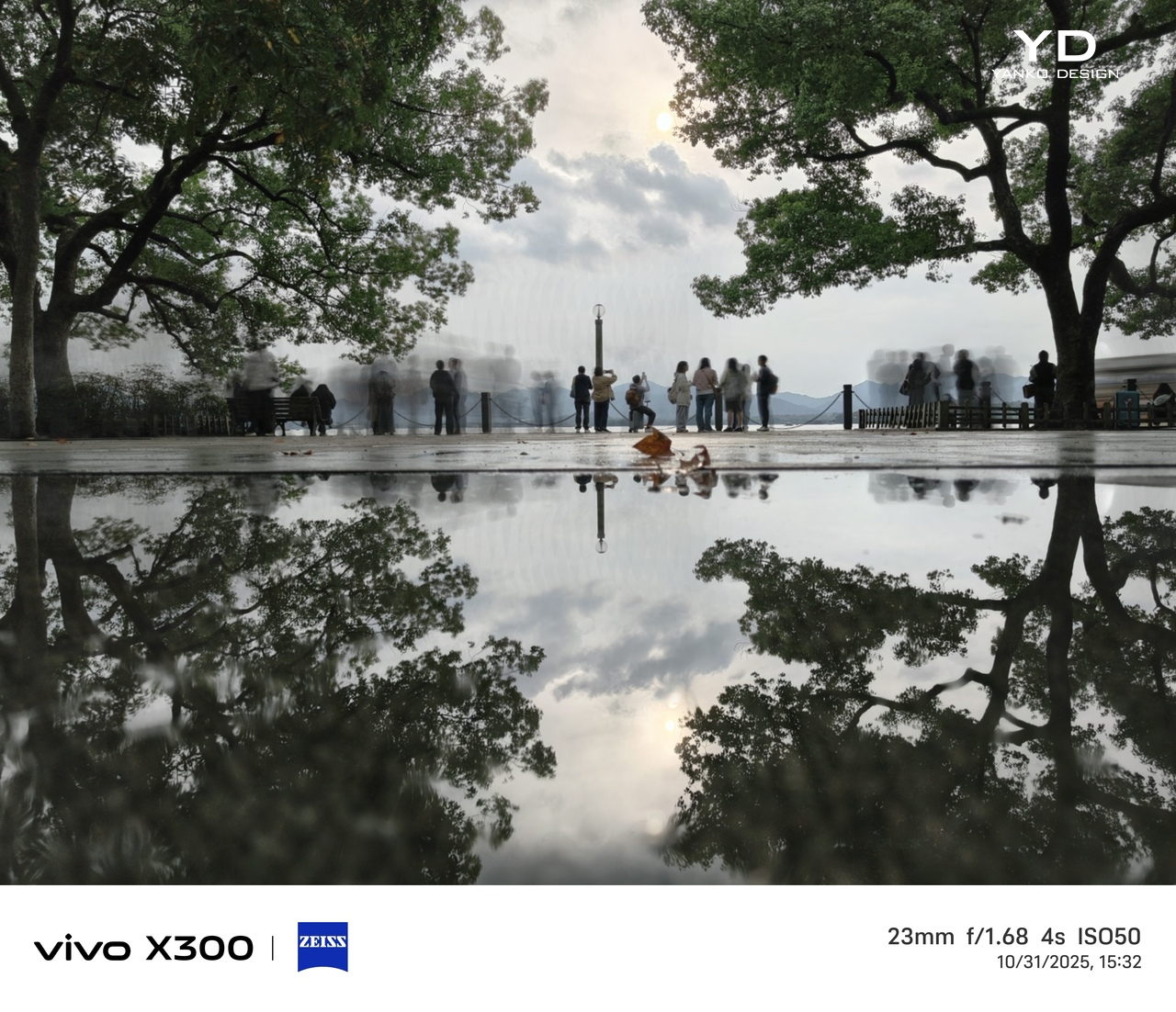
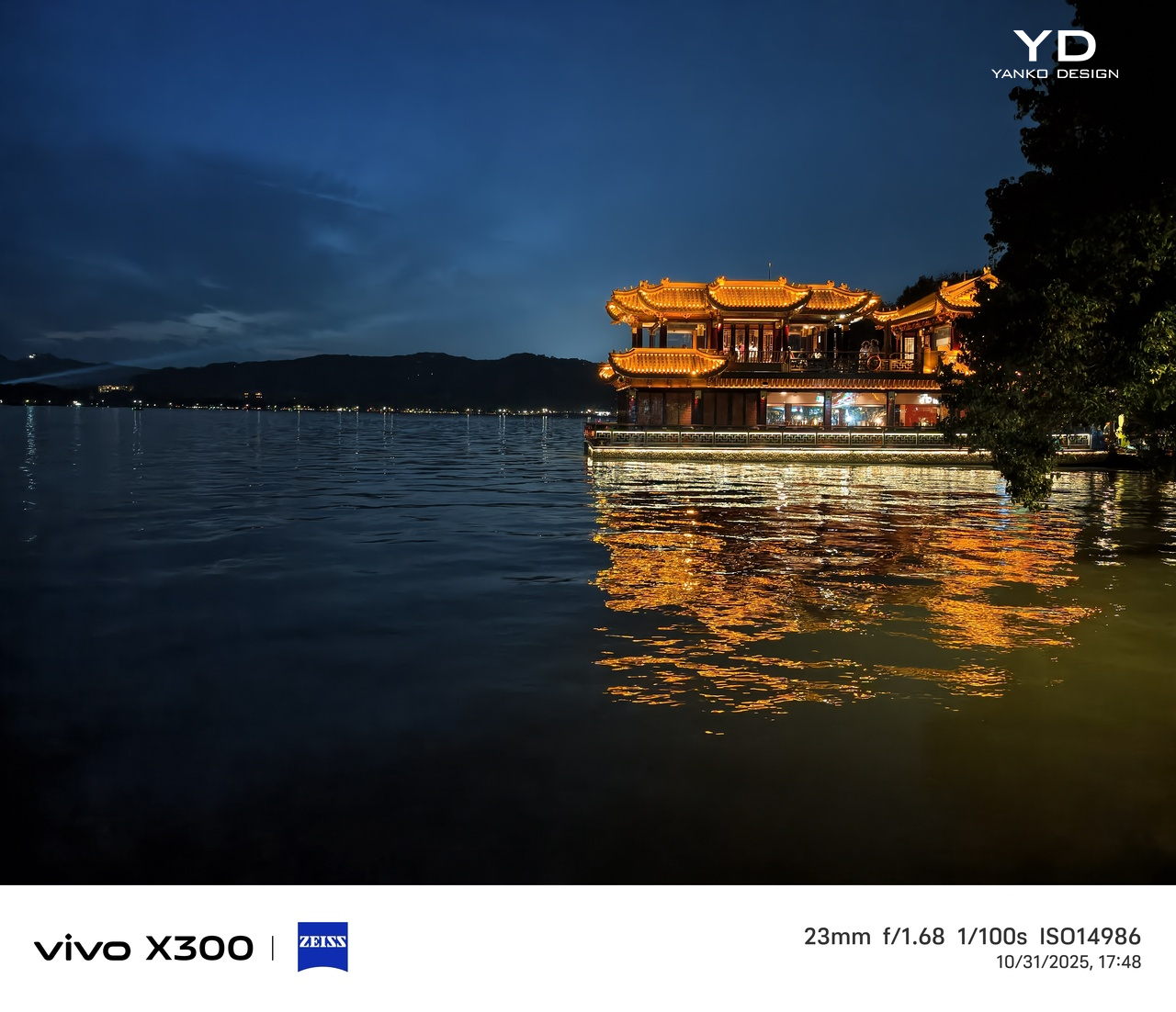
The X300’s camera system is a bit of a step down compared to the X300 Pro, but it is still very powerful. Its 200MP main camera uses a 1/1.4-inch Samsung HPB sensor with an f/1.68 aperture, the same sensor used in the X300 Pro’s telephoto, promising flagship-level clarity. Complementing this is a 50MP telephoto lens featuring a 1/1.95-inch Sony LYT-602 sensor and an f/2.57 aperture, delivering crisp zoomed images with solid detail.

Rounding out the trio, the 50MP ultra-wide camera uses a 1/2.76-inch Samsung JN1 sensor with an f/2.0 aperture. On the front, the X300 uses the same 50MP 1/2.76-inch Samsung JN1 sensor with an f/2.0 aperture. All cameras, including the front-facing camera, can record video up to 4K at 60FPS, while the main camera can go up to 4K at 120FPS.

The Vivo X300 packs a large 6040mAh battery in a compact body. It actually has a bigger battery than my region-specific European X300 Pro, which comes with 5440mAh. In real use, the battery life is strong, unlike my experience with that X300 Pro variant, and easily keeps up with a busy day and more. On top of that, 90W wired and 40W wireless charging mean you are never stuck near an outlet for long. Short top-ups quickly turn into meaningful charges.

Sustainability/Repairability

The X300 does not present itself as an eco-conscious statement piece, and Vivo’s messaging around the device leans far more toward performance and imaging than sustainability. Even so, some of its design choices naturally support longer-term use. Its IP68 and IP69 ratings for dust and water resistance give it a level of protection that many compact phones still lack. That extra durability means everyday mishaps are less likely to be fatal, which in turn can delay the need for a replacement.

From a software perspective, the X300 launches with Android 16 and OriginOS 6, backed by Vivo’s promise of up to five major Android upgrades and seven years of security patches. This is a meaningful commitment for anyone who keeps a phone for a number of years, and it helps the X300 stay secure and relevant over time. What you will not find, at least in the official materials, is much emphasis on recycled materials, modularity, or easy repair. In that sense, the X300 reflects the broader flagship market, where sustainability is still more of an added benefit than a core design driver, even when the hardware itself is built to last.

Value

Vivo X300 is available in several markets, including Europe. In Europe, the price starts at around 1050 euros (roughly $1,140) for the 12GB and 512GB configuration. Vivo hit the nail on the head with the X300, a flagship in a compact size that many people have been waiting for. Although the camera setup is a bit of a step down compared to the X300 Pro, the X300 itself does not feel like a compromise. It delivers serious imaging performance, strong battery life, and fast charging in a smaller body.

In the compact flagship space, “small” usually means sacrifice. iPhone 17, Pixel 10, and Samsung Galaxy S25 all have noticeably weaker camera systems compared to what Vivo offers here. Xiaomi 15 might be the closest rival in spirit, but even then, the X300’s combination of a 200MP main camera and a capable front-facing camera in this form factor gives it a clear edge.

Verdict

Vivo set out to build a compact flagship without obvious compromises, and the X300 comes impressively close. It combines a refined, minimal design with excellent ergonomics, a bright 120Hz LTPO display, and a camera system that is powerful even if it sits just below the X300 Pro. Add in the large 6040mAh battery, fast 90W wired and 40W wireless charging, and long-term software support, and you get a small phone that consistently behaves like a big flagship.

It is not a perfect fit for everyone, especially at a price that puts it against Apple, Samsung, and Google. You do not get the strongest ecosystem story or the longest software support. However, if you care most about a compact form factor, strong battery life, and one of the best camera setups in this size class, the X300 stands out clearly. It feels less like a cut-down Pro model and more like a confident compact flagship in its own right.

The post Vivo X300 Review: Compact, But No Compromise first appeared on Yanko Design.

Nubia Z80 Ultra Review: Style, Stamina, and a 35mm Camera Edge

PROS:


  • Stunning "true full-screen" experience

  • Eye-catching Van Gogh-inspired Starry Night design

  • 50MP camera with 35mm optical lens gives a more natural "human eye" output

  • Dual-stage physical button mimics tactile camera experience

CONS:


  • Not available in markets like the US, UK

  • Ultra-wide camera has no OIS

RATINGS:

AESTHETICS
ERGONOMICS
PERFORMANCE
SUSTAINABILITY / REPAIRABILITY
VALUE FOR MONEY

EDITOR'S QUOTE:

The nubia Z80 Ultra delivers the rare combination of professional 35mm optics, multi-day battery stamina, and a truly notch-free display in a design that refuses to blend in.

Flagship smartphones have become predictable, with most settling into the same design language, camera arrays, and battery compromises that force users to choose between power and portability every year. The nubia Z80 Ultra breaks from that pattern with a phone that bets big on three things other flagships often sacrifice: a truly immersive, notch-free display; a massive 7200mAh battery that lasts days; and a 35mm optical lens that brings a professional photographic perspective to smartphone photography.

Powered by the Snapdragon 8 Elite Gen 5, the nubia Z80 Ultra targets users who want a device that excels at gaming, photography, and endurance without forcing compromises. Available in Black, White, and a limited Starry Night Blue edition, the phone blends bold design with technical innovation, aiming to stand alongside the best from Samsung and Apple while carving its own path through unique features and design philosophy. But does it deliver its promises beyond the juicy spec sheet? We take it for a spin to find out.

Designer: nubia

Aesthetics

The Z80 Ultra’s design immediately sets it apart from the sea of glass-and-metal rectangles dominating the flagship space right now. The review unit in black showcases a soft stardust matte finish that resists fingerprints and feels warm to the touch rather than cold and clinical. The luminous red ring encircling the main camera creates a visual anchor, drawing the eye without overwhelming the minimalist rear panel’s clean geometry.

The camera module occupies slightly less space than previous-generation nubia flagships, giving the back a more balanced, less top-heavy appearance. The arrangement of three lenses, flicker sensor, and laser autofocus module within the raised island feels considered and symmetrical. The DECO area occupies just 13 percent of the back, leaving plenty of room for the nubia branding and the distinctive red physical button on the right edge.

The four-sided curved bonding process and subtle arc edges give the nubia Z80 Ultra a refined, ergonomic profile. The 2nd-generation Longxi glass front is smooth and flat with a 2.5D flexible display that curves gently at the edges, creating a seamless transition between screen and frame. The crystal fiber body feels substantial and premium, while the rounded corners prevent any sharpness or discomfort during extended holding periods.

The Blue Starry Night edition takes the aesthetic in a dramatically different direction, with a Van Gogh-inspired swirling pattern across the entire back panel. This artistic approach makes the phone feel like a collectible statement piece rather than just a communication device. The black variant reviewed here offers understated elegance for those who prefer subtlety, while the white version provides a clean, modern alternative for minimalists.

Ergonomics

Despite the large 6.85-inch display, the Z80 Ultra manages to feel balanced and manageable in daily use. The curved back and tapered edges nestle comfortably in the palm, distributing the 227-gram weight evenly across the hand. The device never feels unwieldy during extended gaming sessions or prolonged photo walks, thanks to the thoughtful weight distribution and grip-friendly curves that encourage natural hand positioning.

The dual-stage physical camera button on the right edge provides tactile control that touchscreen shutters simply cannot match. Half-pressing focuses and locks exposure, while a full press captures the shot with satisfying mechanical feedback. For mobile photography enthusiasts who miss the feel of dedicated cameras, this button brings back the ritual of deliberate shooting. The button’s placement is natural for index finger access during landscape shooting.

Button placement follows a logical pattern, with the power button and volume rocker positioned for easy thumb access during normal holding. The ultrasonic fingerprint sensor embedded in the display responds instantly, unlocking the phone in well under a second. The customizable shortcut key can be programmed for quick camera access, flashlight activation, or any frequently used function, adding convenience without cluttering the minimal design.

The phone slips into jeans pockets without excessive bulk, though its width may challenge smaller pockets or hands. The slim 8.6mm profile helps offset the large footprint, and the matte finish prevents the phone from sliding on smooth surfaces when placed face-up on tables or desks during meetings and meals.

Performance

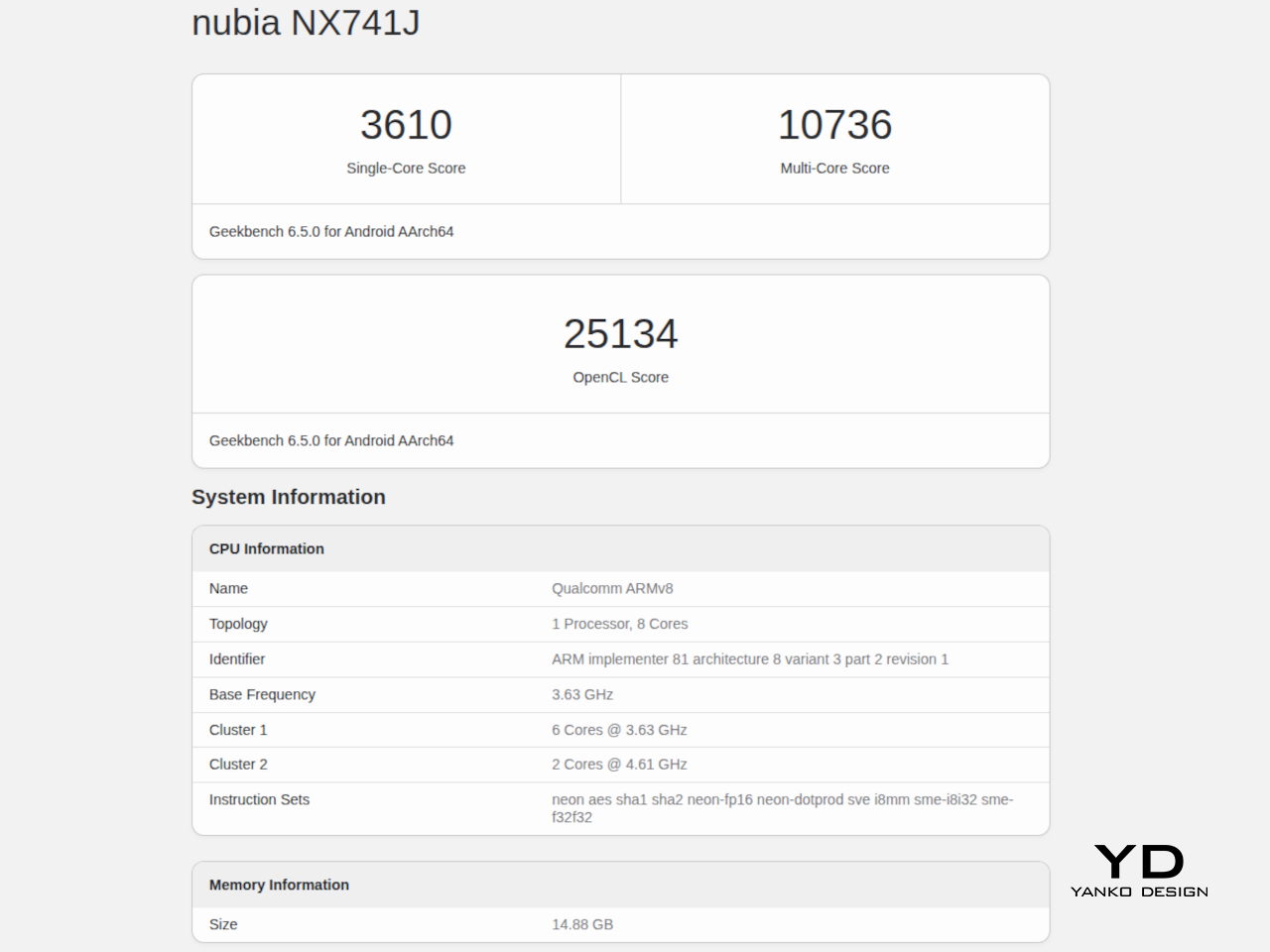
The Snapdragon 8 Elite Gen 5, paired with up to 24GB LPDDR5X RAM and 1TB UFS 4.1 storage, delivers flagship performance that handles everything from intensive gaming to rapid photo editing without breaking stride. App launches are instantaneous, multitasking between dozens of apps feels seamless, and sustained gaming maintains stable frame rates thanks to the advanced cooling architecture working quietly in the background.

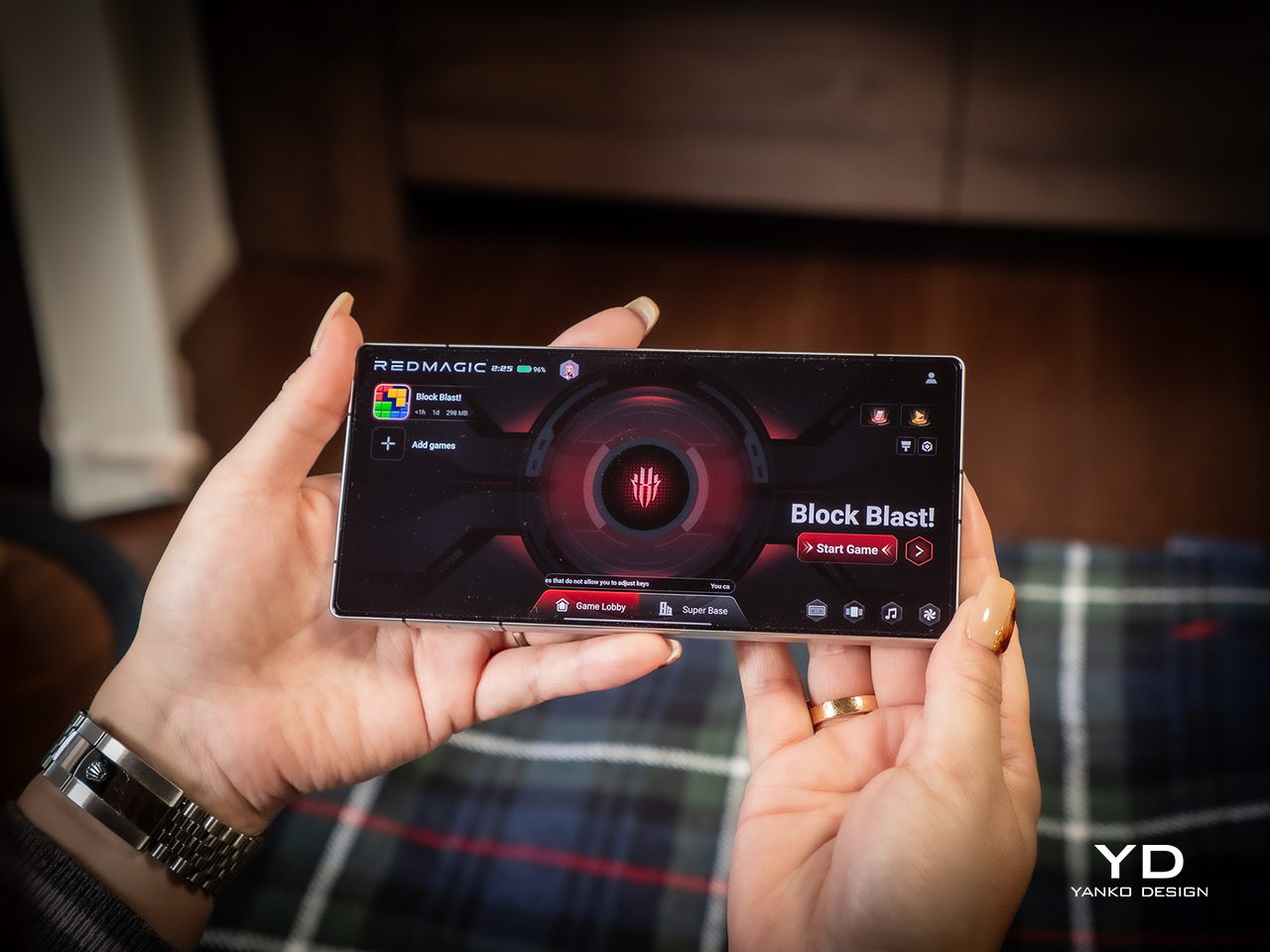
The REDMAGIC CUBE Gaming Engine optimizes power delivery and thermal management during gameplay. Running demanding titles like Genshin Impact at maximum settings with the 144Hz display active, the phone maintains smooth performance with minimal frame drops. The AI Super Frame Stabilization keeps motion fluid even during fast-paced action, while the 3000Hz touch sampling rate ensures every tap and swipe registers immediately for competitive advantage.

The advanced composite liquid metal and oversized 3D Ice Steel vapor chamber cooling system represents a significant upgrade, increasing cooling area by 35 percent over previous models. This thermal management prevents the performance throttling that plagues thinner flagships during sustained loads. During extended gaming sessions lasting over an hour, however, the phone got a little warm to the touch, but not so much to be uncomfortable.

The 6.85-inch BOE X10 AMOLED display is the star of the show, offering a truly immersive, notch-free viewing experience. The 1.5K resolution (2688×1216) delivers sharp text and detailed imagery, while the 144Hz refresh makes scrolling and gaming feel buttery smooth. Peak brightness of 2000 nits means the screen remains visible even in direct sunlight, and the 100 percent DCI-P3 color gamut ensures photos and videos look vibrant and accurate.

The under-display camera technology hides the 16MP selfie camera beneath the screen, preserving the seamless visual experience. While selfie quality in challenging low light doesn’t quite match dedicated punch-hole cameras, the trade-off for an uninterrupted display feels worthwhile for content consumption, gaming, and the overall visual aesthetic. Outdoor and well-lit selfies remain sharp and detailed, making the compromise reasonable for most users.

The triple camera system built around the 35mm f/1.7 main lens offers a perspective that feels natural and professional compared to the wider 24mm or 26mm lenses most flagships employ. Street photography, portraits, and documentary-style shots benefit from the reduced distortion and beautiful subject isolation that 35mm provides. The focal length matches human vision more closely, making compositions feel intuitive and authentic rather than artificially wide or compressed.

The 50MP ultra-wide and 64MP telephoto round out the system, providing versatile coverage from macro close-ups at 5.5cm to 85mm equivalent for portraits and distant subjects. The dual-stage camera button, combined with over 21 creative filters and Pro mode controls, makes the nubia Z80 Ultra feel like a dedicated camera that happens to make phone calls rather than the other way around. Strangely, while both main and telephoto cameras tout optical image stabilization or OIS, the ultra-wide shooter doesn’t.

The massive 7200mAh silicon-carbon battery delivers multi-day endurance that surpasses virtually every flagship competitor. Moderate use with mixed gaming, photography, and streaming easily stretches to two full days, while lighter use can push three days between charges. The 80W wired charging reaches 50 percent in about 20 minutes, and the 80W wireless charging (with nubia’s wireless charging kit) offers cable-free convenience without sacrificing speed.

Sustainability

Build quality inspires confidence from the moment the phone comes out of the box. The crystal fiber construction feels solid and resistant to flex, while the Longxi glass front shows excellent scratch resistance during daily use. The matte back finish hides minor scuffs and maintains its appearance even after weeks of handling without a case, though the included magnetic case adds protection without bulk.

The IP68 and IP69 ratings provide exceptional durability for real-world conditions. The phone survives accidental spills, rain exposure, and even high-pressure water jets during testing scenarios, emerging unscathed and fully functional. This level of protection adds confidence for daily carry in any weather, at the beach, or during outdoor photography sessions where conditions can’t always be controlled. The robust sealing around ports and buttons maintains integrity without compromising accessibility.

Value

The nubia Z80 Ultra positions itself as a flagship alternative that offers premium features without commanding the absolute highest prices in the market. The combination of the 35mm optical lens, 7200mAh battery, truly full-screen display, and advanced cooling system creates a value proposition that stands out from competitors who often sacrifice one or more of these features for slimness or cost savings.

For photography enthusiasts, the 35mm lens alone justifies consideration. Where most flagship cameras default to wider 24mm perspectives that distort faces and architecture, the nubia Z80 Ultra’s 35mm provides the “humanist eye” perspective prized by professional photographers for natural, pleasing compositions. The dual-stage physical button and extensive manual controls add value for users who want creative control rather than purely computational photography.

One significant limitation affects the Z80 Ultra’s global value proposition: regional availability. The phone is not officially sold in some countries, such as the United States, Canada, the United Kingdom, or Japan, limiting access for many potential buyers. This limited availability means warranty support, software updates, and customer service may be challenging for buyers outside official markets. Network band compatibility and potential import costs could also affect value for those considering gray-market purchases.

Verdict

The nubia Z80 Ultra delivers on its promise of blending style, stamina, and photographic substance in a package that stands apart from mainstream flagships. The combination of a truly immersive notch-free display, professional 35mm camera optics, and exceptional battery life creates a phone that excels at the things that matter most for daily use: consuming content, capturing memories, and staying powered throughout extended days without constant charging anxiety.

For design-conscious users who value innovation over brand familiarity, nubia the Z80 Ultra offers a refreshing alternative with its bold aesthetic choices, tactile controls, and technical features that prioritize user experience over spec-sheet bragging rights. While limited regional availability may restrict its audience, those in supported markets will find a flagship that confidently competes with the best while carving its own distinctive identity through thoughtful design and engineering choices.

The post Nubia Z80 Ultra Review: Style, Stamina, and a 35mm Camera Edge first appeared on Yanko Design.

REDMAGIC 11 Pro Review: Watch Liquid Cooling Flow Like Sci-Fi

PROS:


  • Eye-catching visible liquid cooling design

  • Water- and dust-proof mini turbo fan

  • Has a rare 3.5mm headphone jack

  • Flat back design with no protruding camera bump

  • Impressive overall performance

CONS:


  • Gamer aesthetic won't appeal to everyone

  • Visible liquid cooling is only available on more expensive transparent designs

RATINGS:

AESTHETICS
ERGONOMICS
PERFORMANCE
SUSTAINABILITY / REPAIRABILITY
VALUE FOR MONEY

EDITOR'S QUOTE:

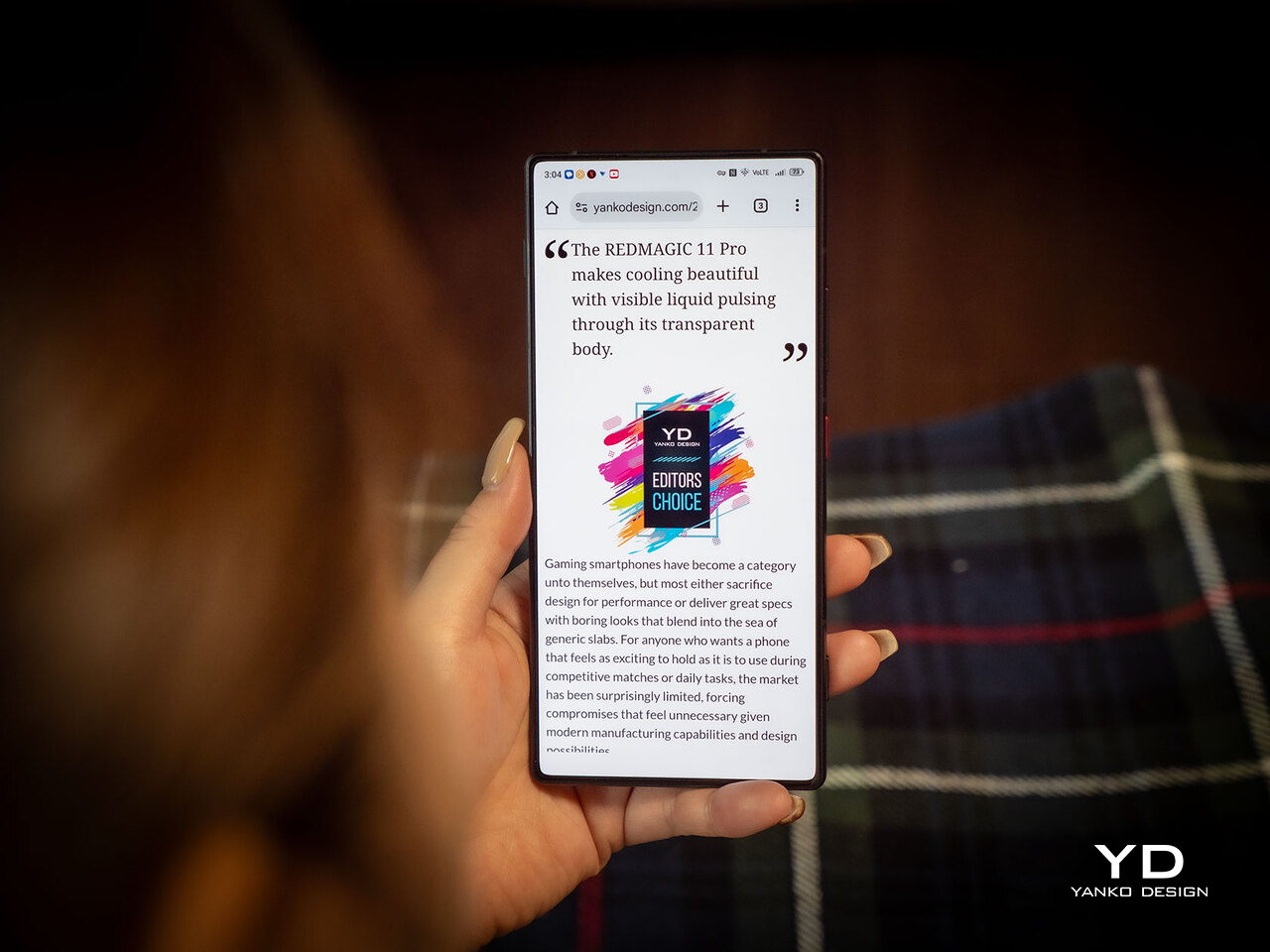
The REDMAGIC 11 Pro makes cooling beautiful with visible liquid pulsing through its transparent body.
award-icon

Gaming smartphones have become a category unto themselves, but most either sacrifice design for performance or deliver great specs with boring looks that blend into the sea of generic slabs. For anyone who wants a phone that feels as exciting to hold as it is to use during competitive matches or daily tasks, the market has been surprisingly limited, forcing compromises that feel unnecessary given modern manufacturing capabilities and design possibilities.

The REDMAGIC 11 Pro enters the scene with a bold promise that challenges those compromises directly: flagship gaming performance wrapped in a design you’ll actually want to show off to friends and fellow gamers. With visible liquid cooling, a flat-back transparent body, and specifications that deliver the processing power, it’s a phone that promises visual impact as well as winning matches and dominating leaderboards. Let’s take a deeper look inside to see how well it actually performs in real-world use.

Designer: REDMAGIC

Aesthetics

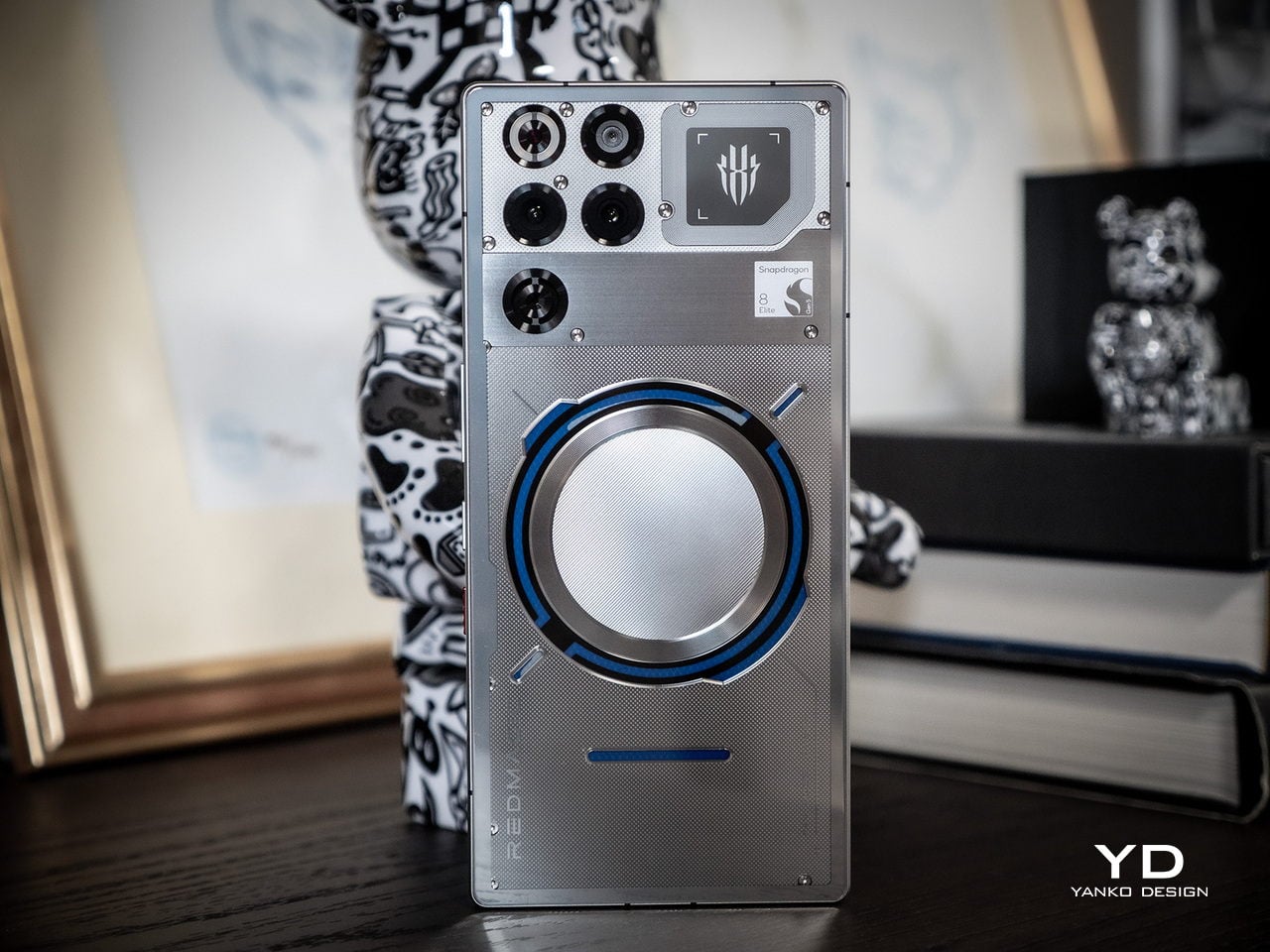
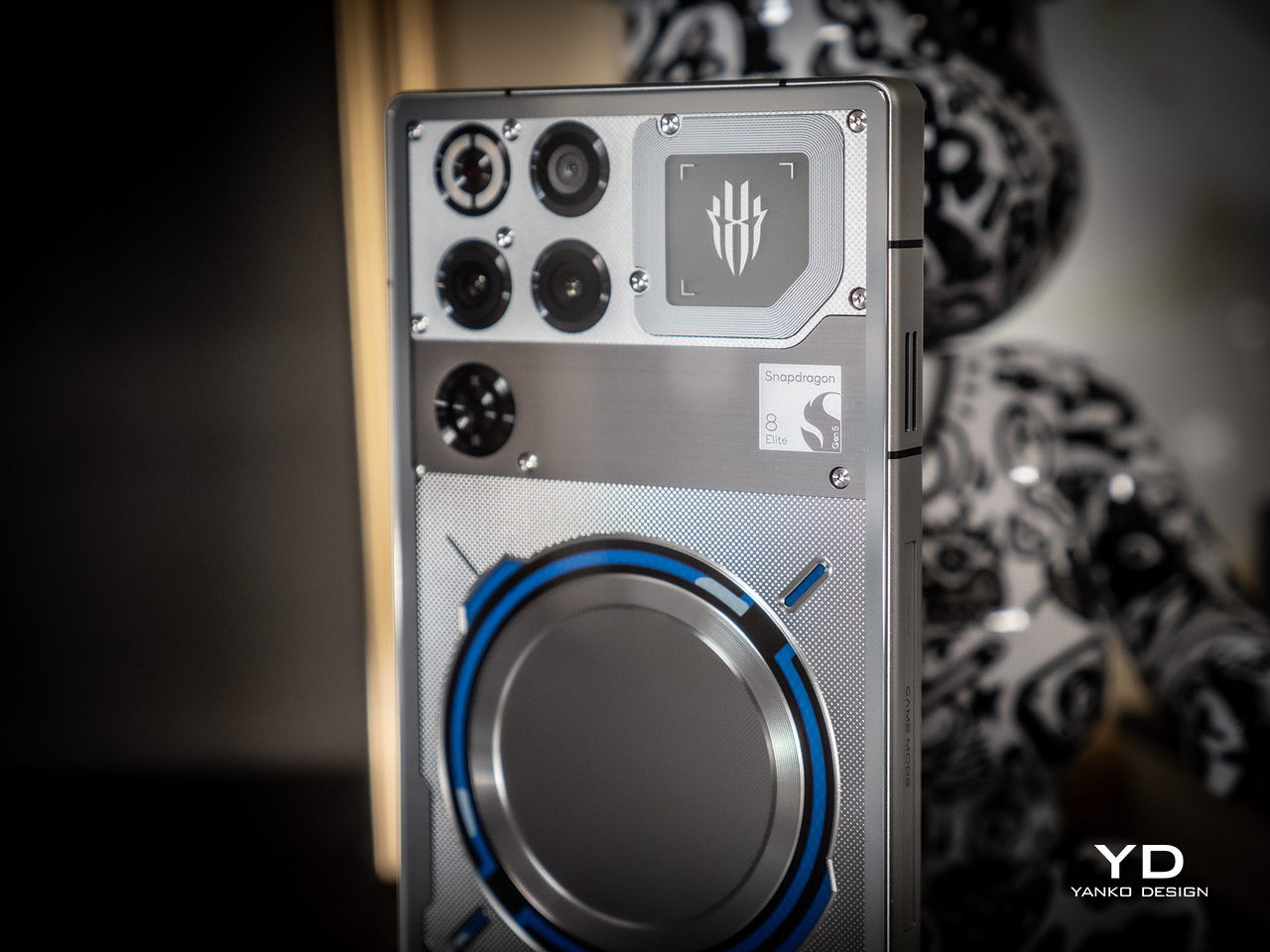
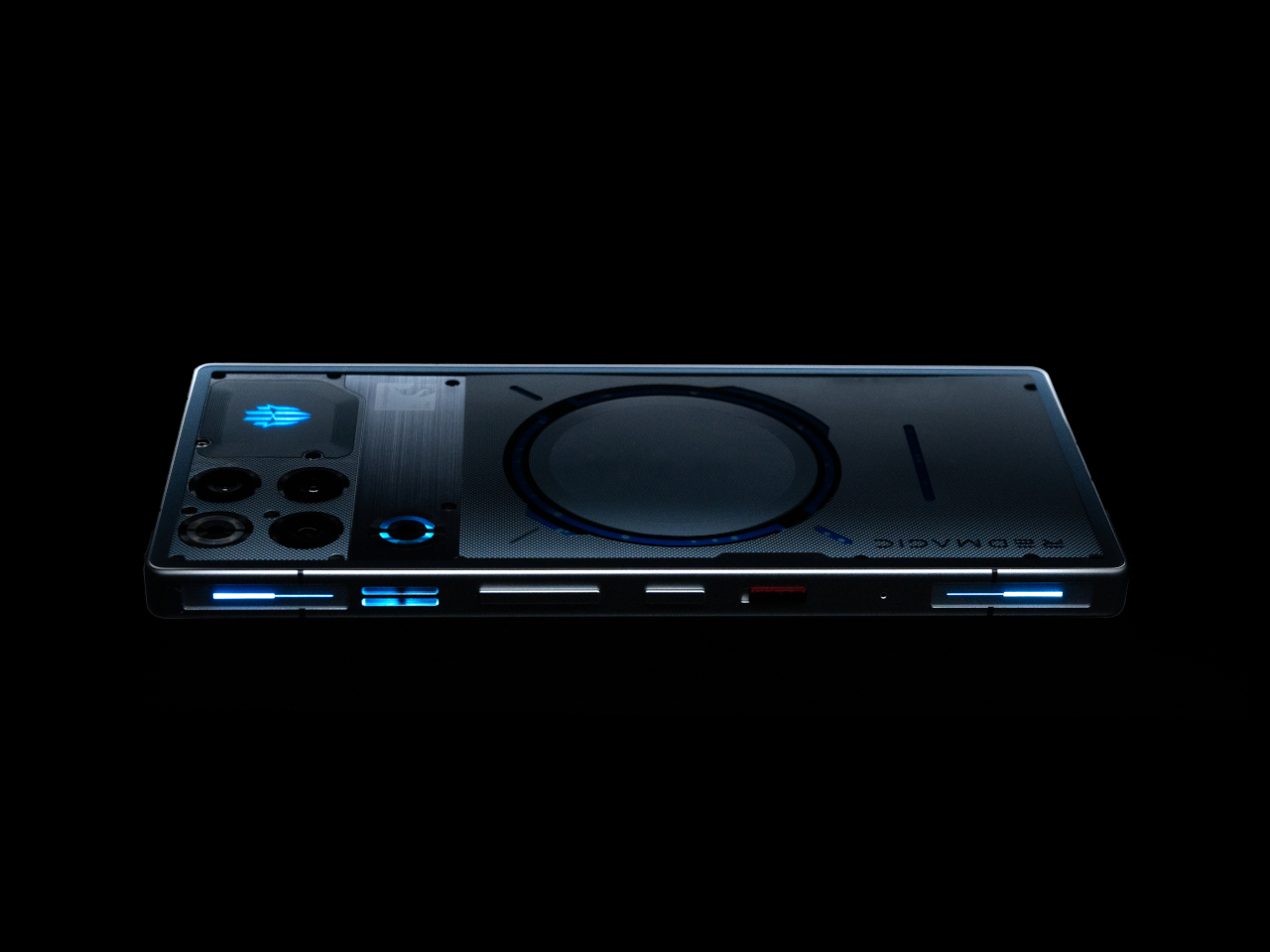
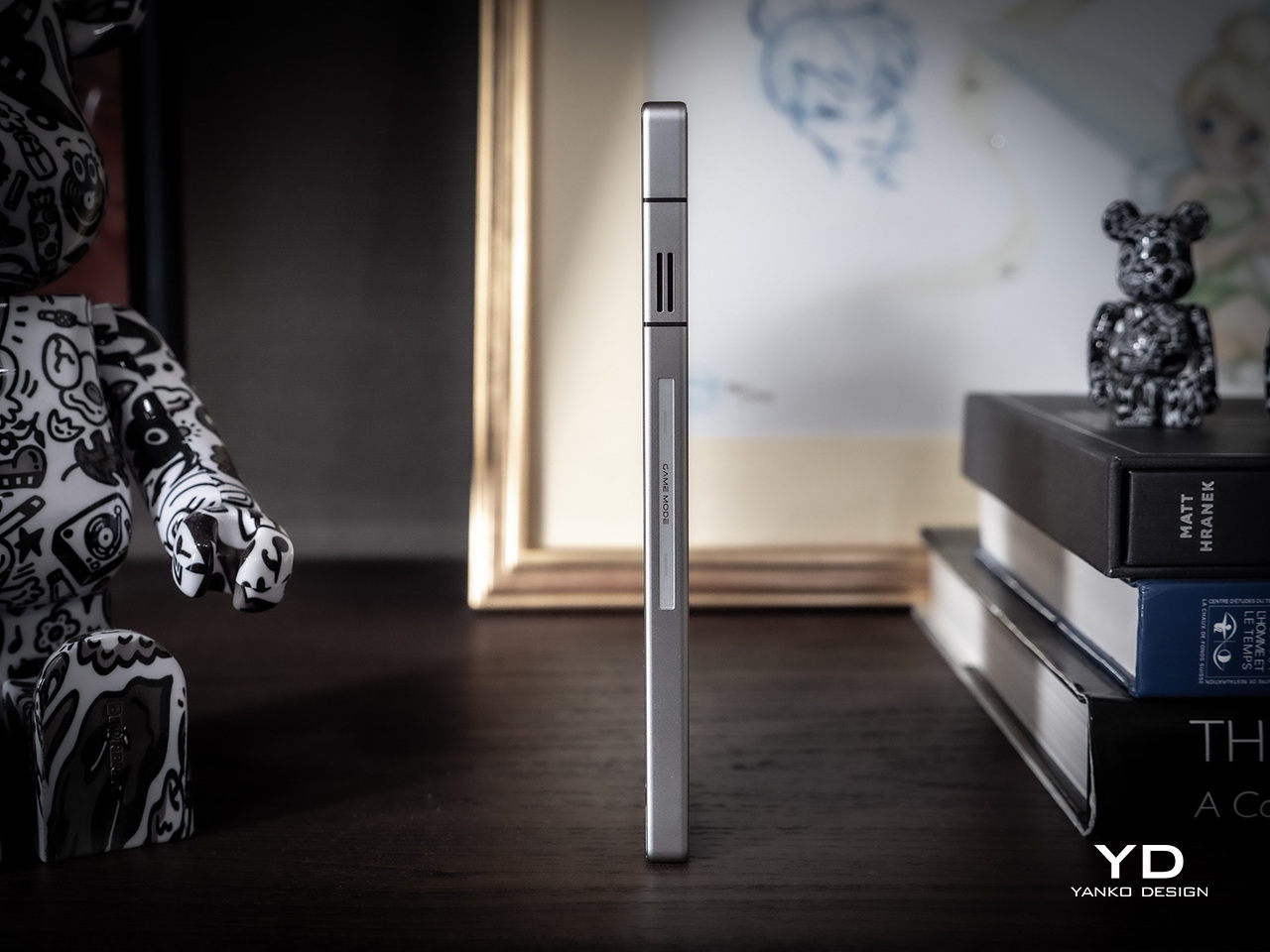
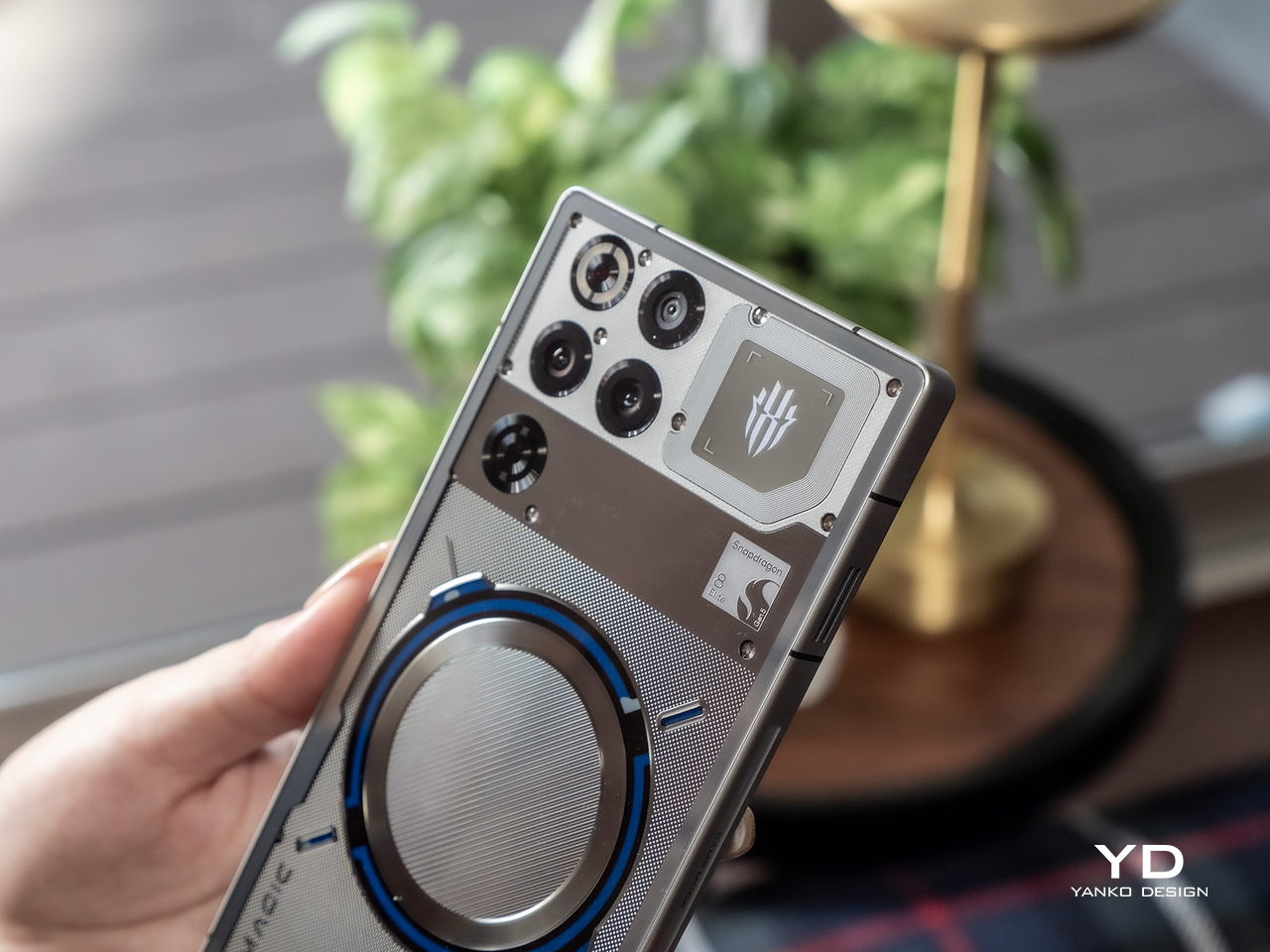
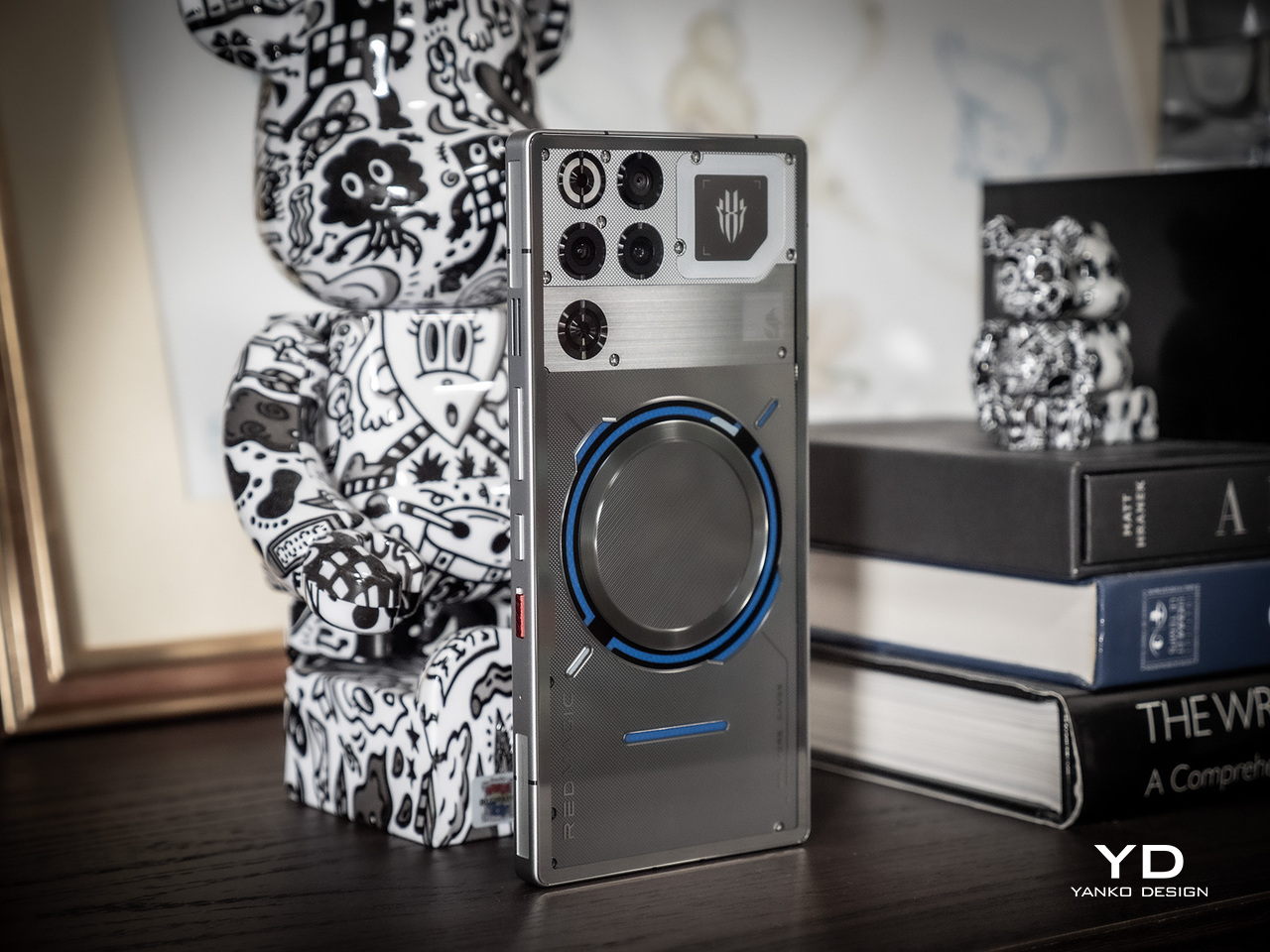
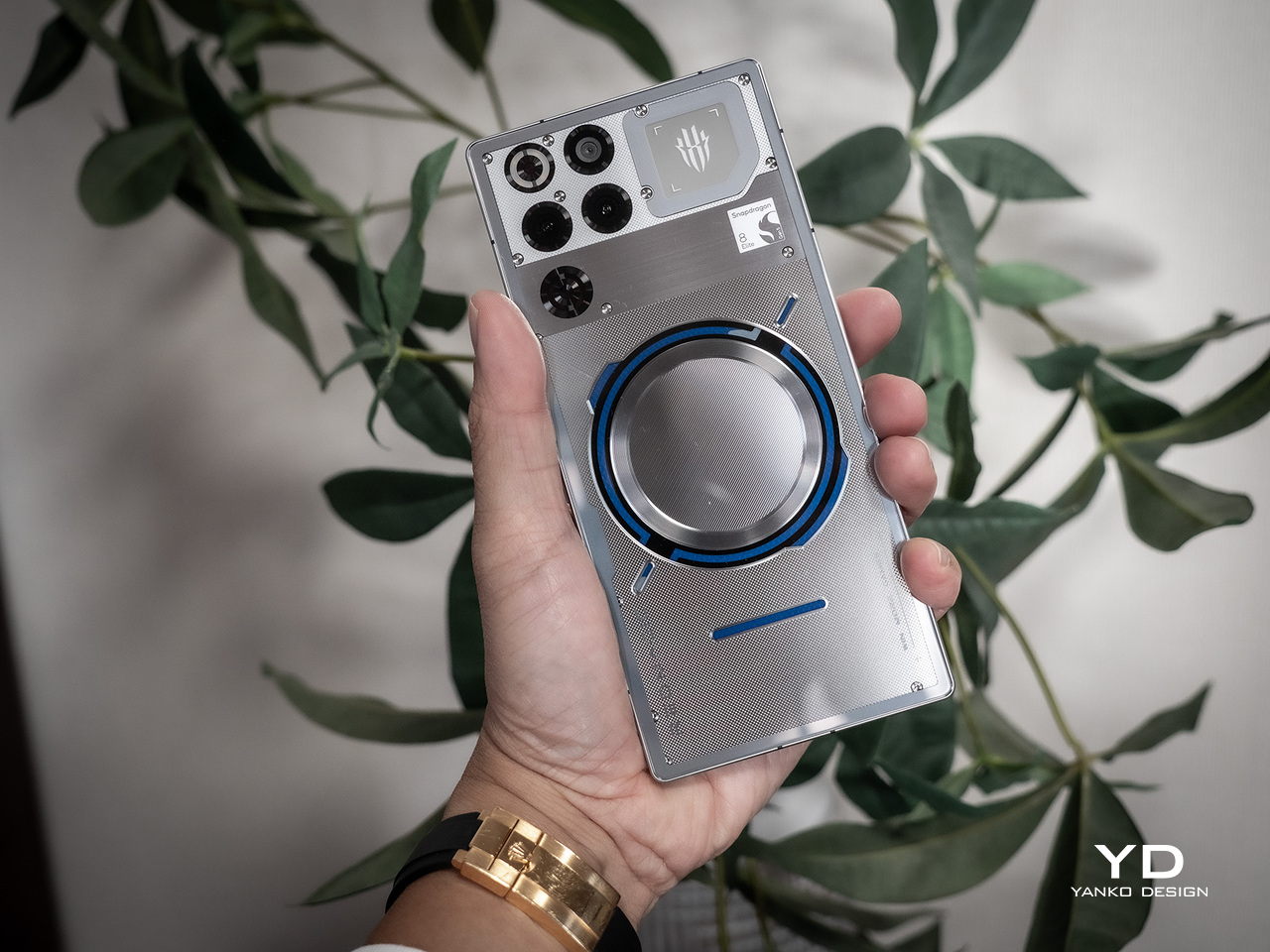
The REDMAGIC 11 Pro’s design is unapologetically futuristic, especially in the Nightfreeze and Subzero transparent versions that showcase some of the phone’s internal engineering like a piece of wearable art you can carry. The flat rear panel eliminates the camera bump entirely, creating a sleek profile that sits comfortably on desks without wobbling and feels balanced in hand during extended gaming sessions that stretch for hours.

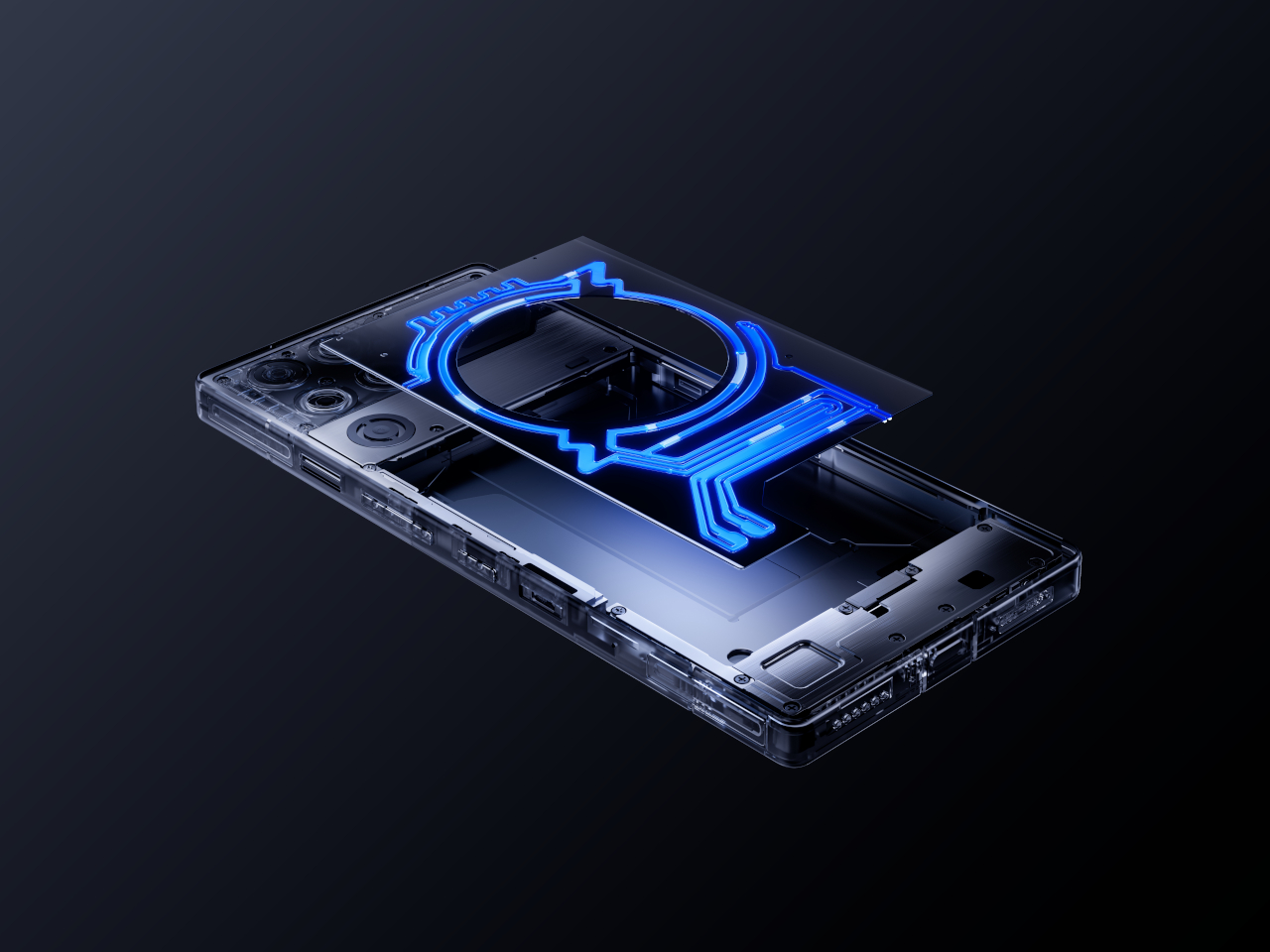
The most arresting detail is the visible liquid cooling system, particularly the circular Time-Space Ring window that reveals the AI server-grade fluorinated coolant pulsing through laser-cut microchannels beneath the transparent metal body. Watching the ice-blue liquid flow as the phone cools itself during intense gameplay creates a kinetic, sci-fi effect that’s both functional and mesmerizing, turning thermal management into visual theater that never gets old.

Dynamic RGB lighting frames the visible cooling loop and extends to a side strip that can be customized through software for different effects and colors. The transparent metal construction showcases intricate craftsmanship, revealing some of the components through the premium material. The effect is industrial yet refined, appealing to both gamers and design enthusiasts who appreciate engineering on display rather than hidden behind opaque shells.

Material choices reinforce the premium positioning throughout the device from every angle you examine it. Corning Gorilla Glass protects the display from scratches and impacts, while the aluminum alloy mid-frame provides structural rigidity without excessive weight that would make extended gaming uncomfortable. The matte Cryo version offers a more subdued look for those who prefer understated elegance, but the transparent models are where REDMAGIC’s design philosophy truly shines.

Ergonomics

Despite its futuristic looks and transparent internals packed with visible technology, the REDMAGIC 11 Pro remains remarkably practical for daily use and extended gaming sessions without causing discomfort. At 230 grams, the phone has a substantial feel without being uncomfortably heavy during one-handed use, and the weight distribution keeps it balanced during two-handed gaming grips that competitive gamers favor during intense matches requiring precision control.

The flat back and rounded corners create a comfortable grip that doesn’t dig into palms during marathon sessions lasting several hours. The absence of a camera bump means the phone sits flush on surfaces without rocking annoyingly, making it ideal for desk gaming, table use during video calls, or content consumption on flat surfaces where other phones wobble constantly from protruding cameras.

The phone’s 8.9 millimeter thickness makes it surprisingly pocketable for a gaming device with this much cooling hardware inside, fitting into most pants and jacket pockets without excessive bulk. The flat design actually helps here, distributing the phone’s footprint evenly rather than creating awkward bulges from protruding camera modules that plague most flagship smartphones today and make them uncomfortable to carry.

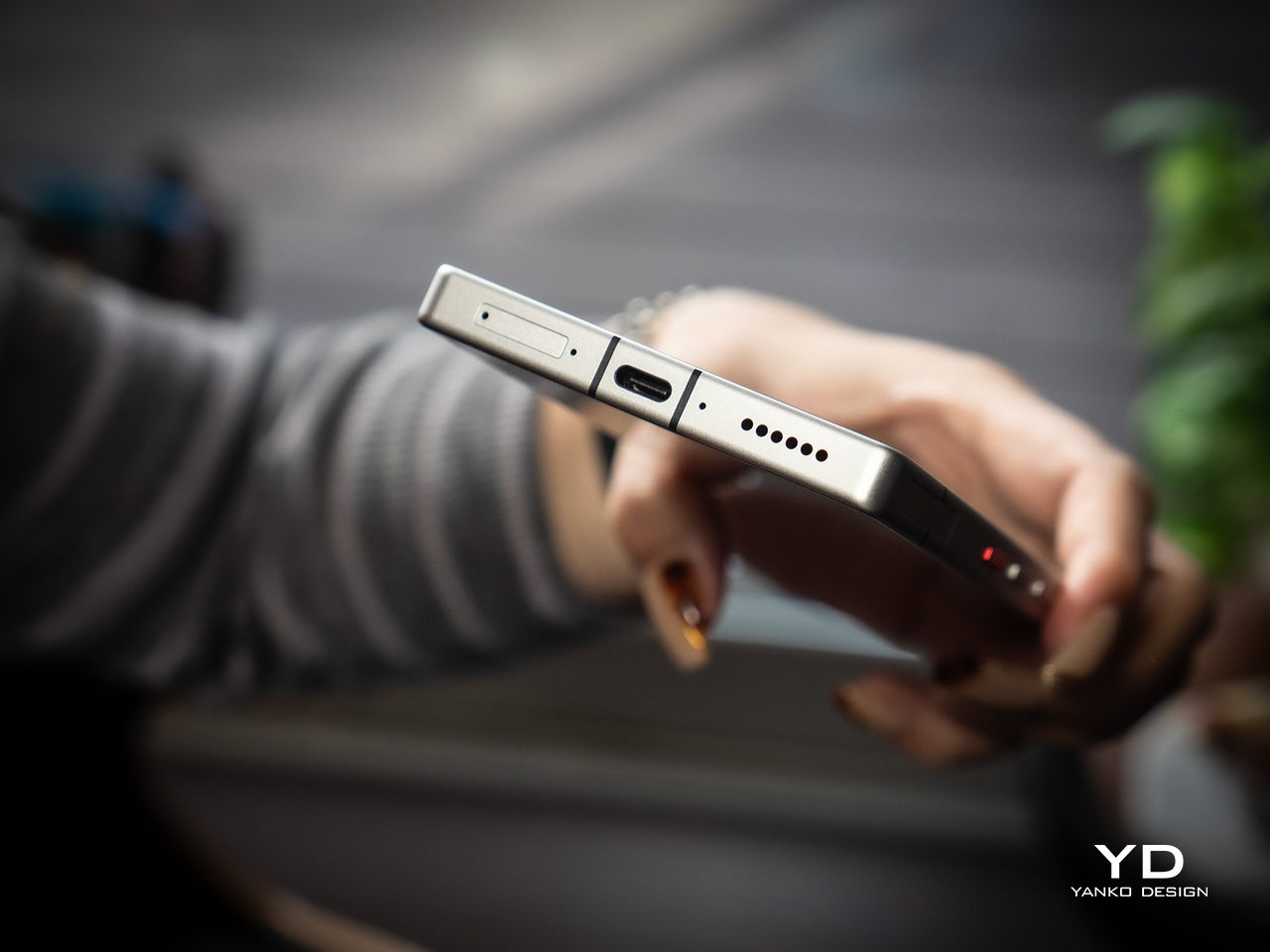
Button placement is thoughtfully considered throughout the design for both gaming and daily use scenarios. The power button and volume rocker are positioned for easy access, whether you’re gaming in landscape orientation or using the phone normally in portrait mode. The 3D ultrasonic fingerprint sensor works reliably even with wet hands, a practical detail for gamers who get sweaty during intense sessions. The customizable Magic Key on the side provides quick access to Game Space or other functions without interrupting gameplay or requiring menu navigation that pulls you out of immersion.

The 520Hz shoulder triggers are positioned perfectly for landscape gaming, offering tactile, responsive control that feels natural within seconds of picking up the phone for the first time. These physical buttons provide a significant advantage over touchscreen-only controls, especially in competitive shooters where split-second reactions determine outcomes and touchscreen delays can cost matches. The triggers support both landscape and portrait modes for versatility.

Performance

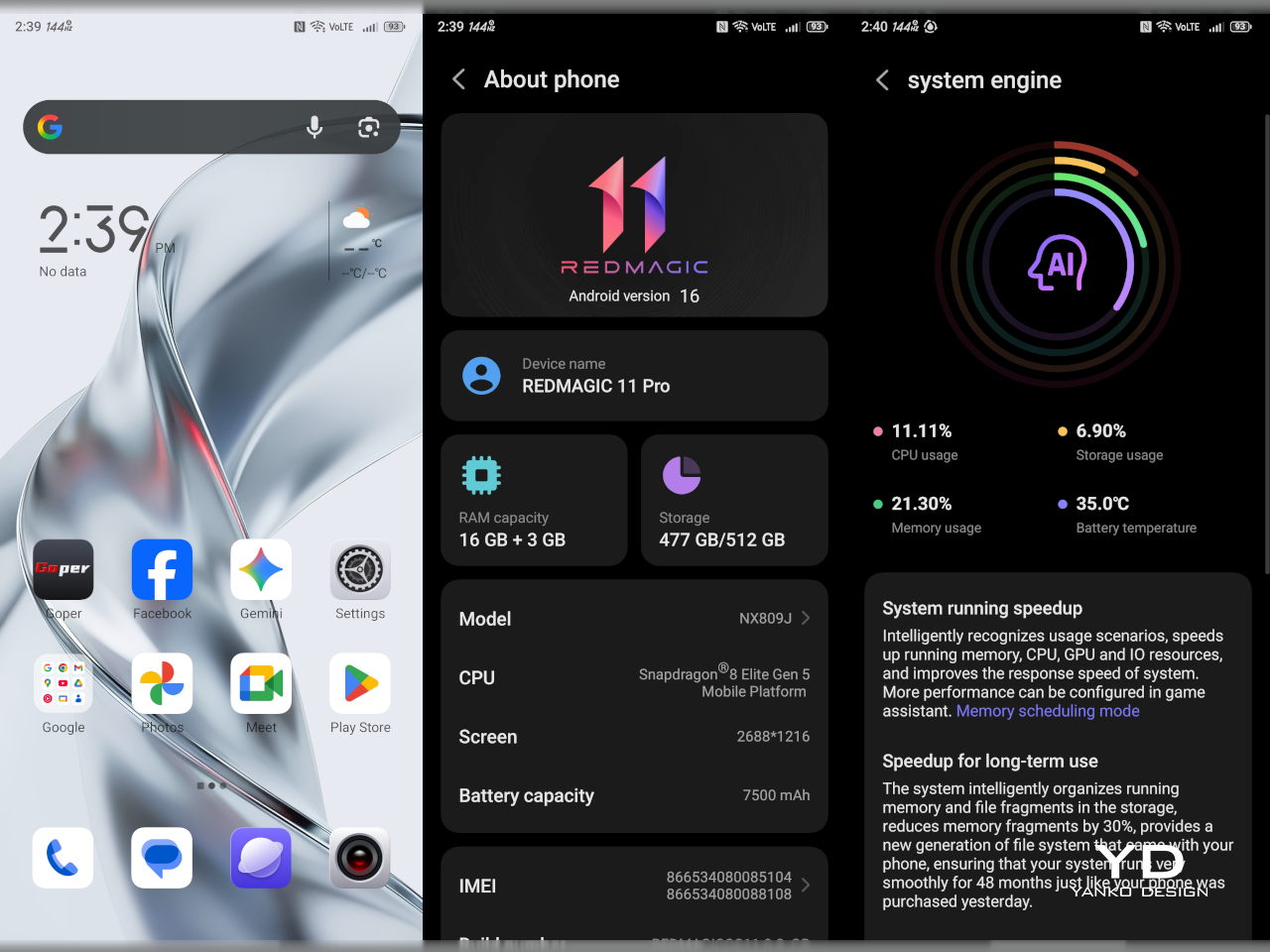
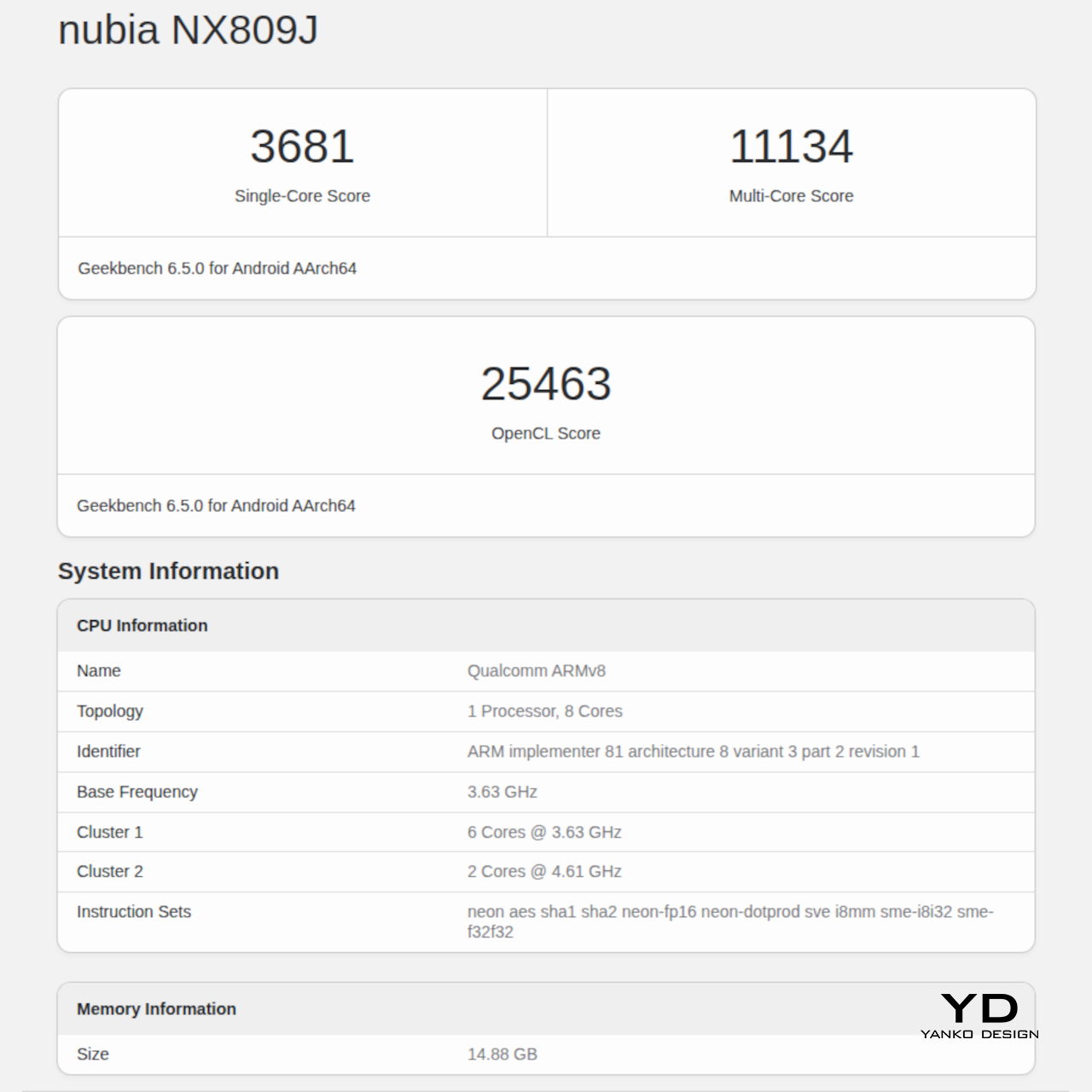
The REDMAGIC 11 Pro’s performance capabilities start with the Snapdragon 8 Elite Gen 5 processor, Qualcomm’s fastest mobile chipset built on a 3nm process with clock speeds reaching 4.6GHz across its cores. Paired with up to 24GB of LPDDR5T RAM and 1TB of UFS 4.1 Pro storage, this configuration handles anything you throw at it, from graphically demanding games to heavy multitasking across dozens of apps simultaneously without slowdowns.

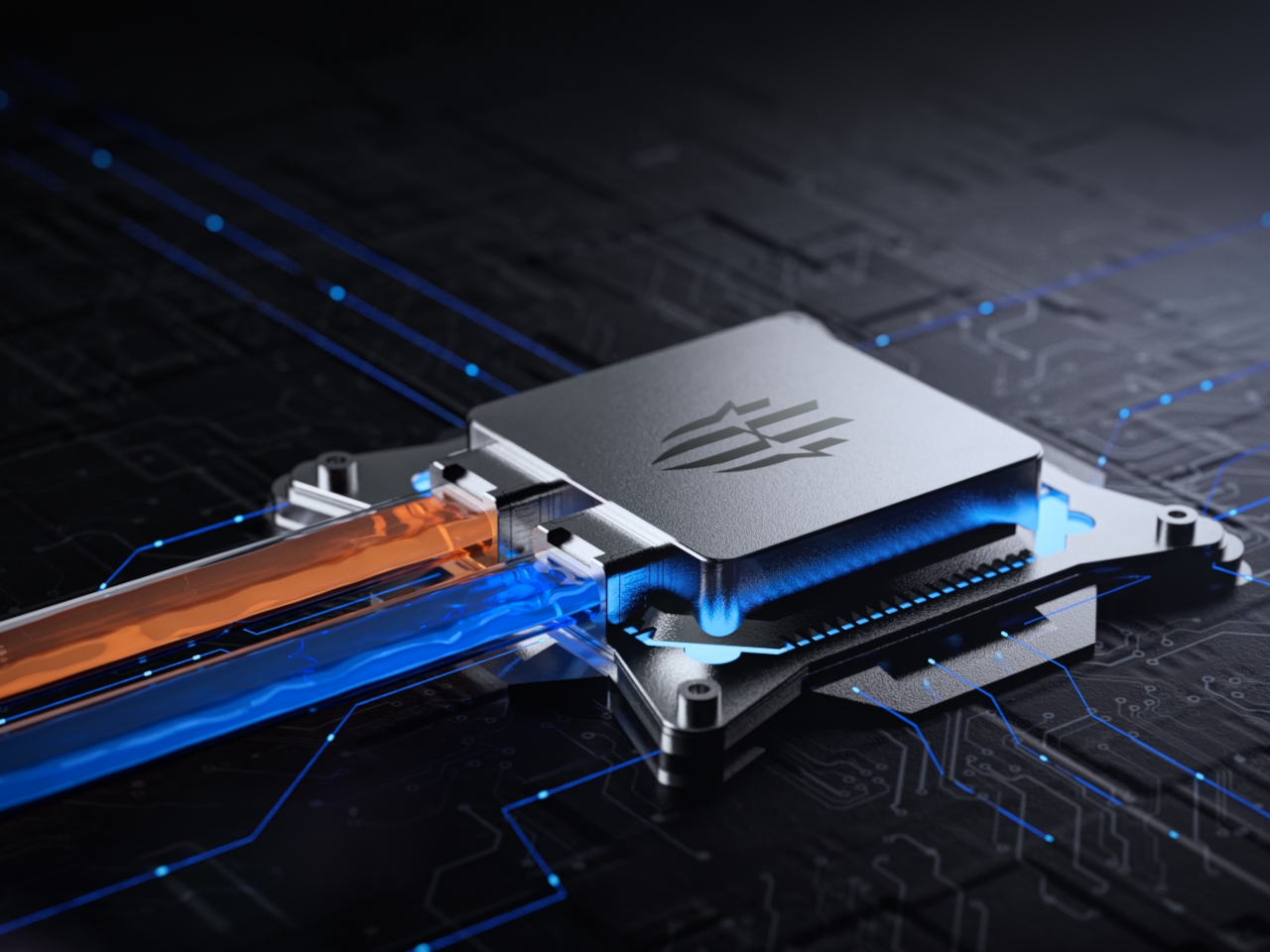
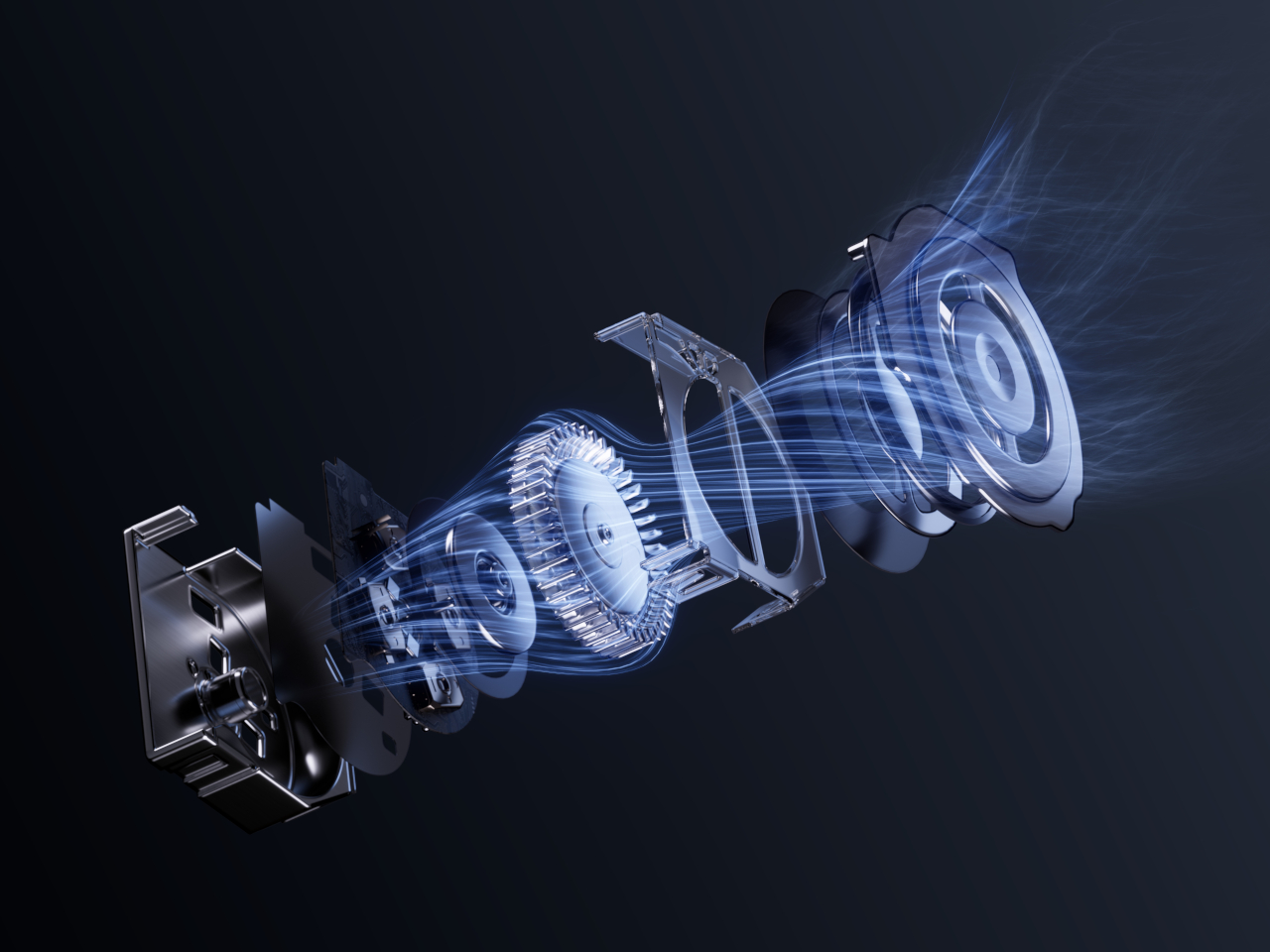
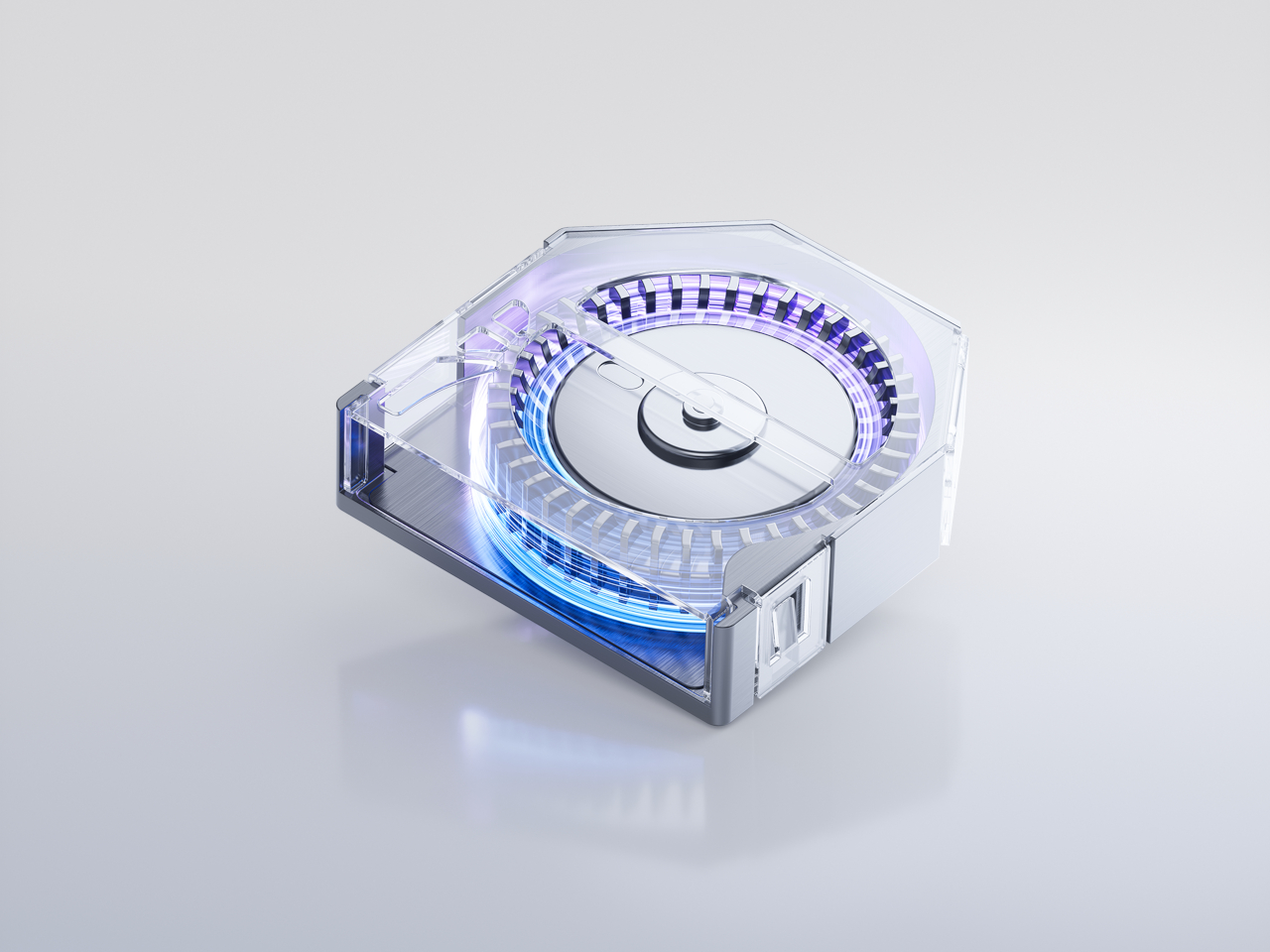
What truly separates the REDMAGIC 11 Pro from competitors is the revolutionary AquaCore Cooling System, the world’s first mass-produced smartphone implementation of flowing liquid cooling technology used in AI servers. This system uses non-conductive fluorinated liquid, circulating it through micron laser-cut channels to draw heat directly from the battery and processor during sustained high-performance use that would throttle most phones.

The cooling system combines four technologies working in concert to maintain optimal temperatures throughout extended sessions. Flowing liquid cooling provides direct heat extraction from hot spots, Liquid Metal 3.0 ensures rapid thermal conductivity between components, and the industry’s largest 13,116 square millimeter vapor chamber distributes heat evenly, and a waterproof 24,000 RPM TurboFan accelerates air circulation without failing in humid or dusty conditions.

Testing with demanding titles like Genshin Impact and Honkai Star Rail demonstrates the cooling system’s effectiveness in real-world gaming scenarios. The phone maintains consistent 60-plus frame rates with minimal variance over multi-hour sessions, while competing devices show significant performance degradation and frame stuttering as internal temperatures climb. Battery consumption during gaming is noticeably lower, extending playtime significantly beyond what other flagships achieve.

The 6.85-inch AMOLED display dominates the front with minimal bezels at just 0.7 millimeters thick, achieving a 95.3 percent screen-to-body ratio that creates an immersive viewing experience without distractions. The display’s 2688 by 1216 resolution and 144Hz refresh rate deliver fluid visuals for both gaming and everyday scrolling, while the under-display camera technology eliminates notches or punch holes entirely, maintaining clean lines across the entire screen surface.

The screen emphasizes the importance of the touch experience as much as it does the visuals. The Synaptics 3910v chip enables 2,592Hz instant touch sampling, making on-screen controls incredibly responsive and precise during competitive play where milliseconds matter. The new wet-hand mode ensures reliable touch recognition even in rain or immediately after washing hands. The 3D ultrasonic fingerprint sensor works reliably even with wet hands, a practical detail for gamers who get sweaty during intense sessions.

The 7,500mAh battery provides genuinely impressive endurance across all usage scenarios, delivering up to 34 hours of daily mixed use and over 7 hours of Genshin Impact gameplay at maximum settings without charging. The 80W wired and wireless fast charging reaches full capacity quickly enough to top up during short breaks, and the inclusion of reverse wireless charging means you can power up accessories.

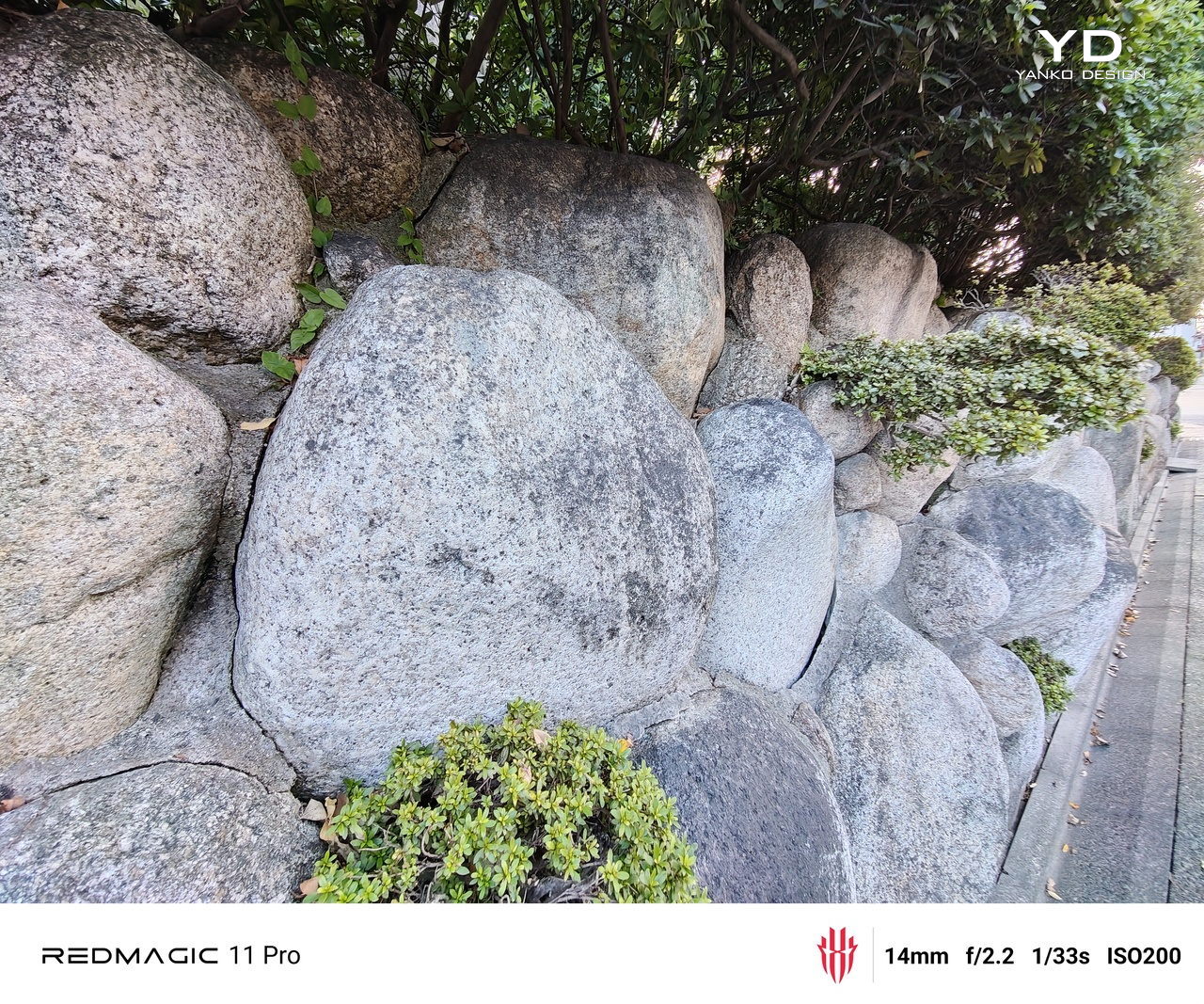
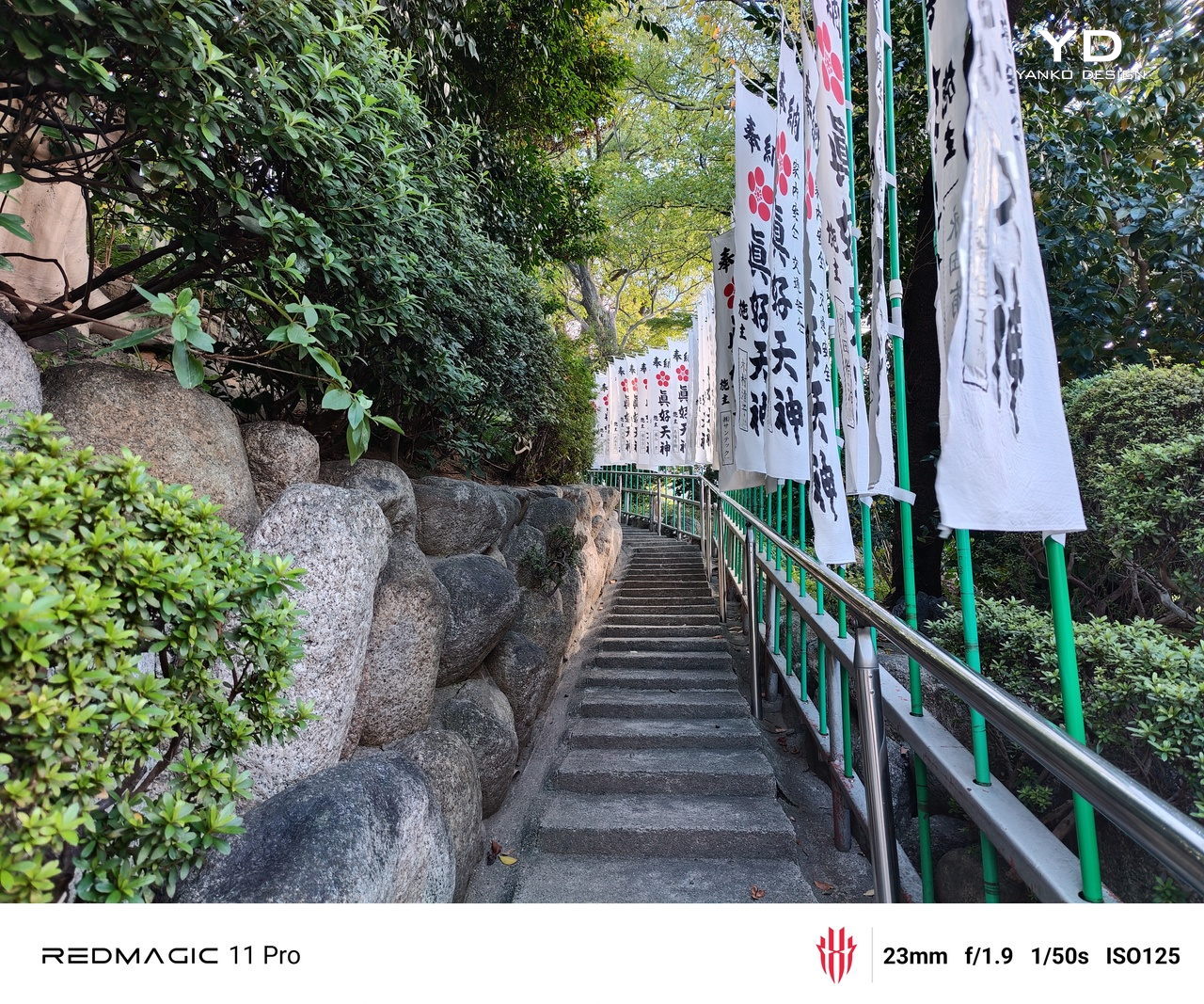
The camera system handles daily photography needs competently without pretending to be a dedicated camera phone, which is perfectly fine for a gaming-focused device. The 50MP main sensor with optical image stabilization and anti-glare coating captures sharp, stable shots in good lighting, while the 50MP ultra-wide lens handles group photos and landscapes with natural perspective. The 16MP front camera, tucked beneath the display, delivers selfies enhanced by AI processing that keeps skin tones natural and details clear during video calls or casual shots.

Sustainability

The REDMAGIC 11 Pro approaches sustainability through durability and longevity rather than disposability, building a phone designed to remain relevant and functional for years rather than requiring replacement. The aluminum alloy mid-frame and Corning Gorilla Glass construction create a robust foundation that withstands daily wear, accidental drops, and the rigors of travel without showing excessive damage or requiring replacement after minor incidents.

The IPX8 water resistance rating and unique dust-proof design protect the phone’s internals from environmental damage that would compromise cheaper devices, extending its practical lifespan significantly. The waterproof and dust-proof mini fan is a REDMAGIC industry first, ensuring the active cooling system continues functioning reliably even in dusty or humid environments where conventional fans would fail or degrade rapidly, maintaining cooling efficiency.

The visible liquid cooling system, while visually striking, also serves a crucial sustainability purpose by preventing thermal degradation of internal components over time. By maintaining lower operating temperatures consistently during heavy use, the phone’s processor, battery, and other heat-sensitive components experience less thermal stress, extending their functional lifespan and maintaining performance consistency across years of heavy gaming.

Value

The REDMAGIC 11 Pro’s pricing positions it strategically within the high-end smartphone market, especially considering what you receive for the investment in terms of hardware and design. The transparent Nightfreeze and Subzero versions start at $849 for 16GB of RAM and 512GB of storage, while the top configuration with 24GB of RAM and 1TB of storage comes in at $999, offering flagship specs without flagship pricing.

When you compare these specifications and prices to other gaming phones and premium non-gaming flagships currently available in the market, the value proposition becomes compelling. Many similarly specced devices with advanced cooling systems, high-refresh displays, and large storage capacities often cost significantly more, sometimes well over the $1,000 mark, and frequently lack the visual flair, gaming-focused features, or transparent design aesthetic that makes the REDMAGIC 11 Pro distinctive.

When you factor in the visible engineering, waterproof active cooling, and gaming-specific features like shoulder triggers and dedicated gaming chips, the value equation tilts heavily in REDMAGIC’s favor. Throw in the 3.5mm headphone jack, 80W wireless charging, and reverse wireless charging, and you’re essentially getting desktop-class gaming performance in a pocketable form factor at prices competitive with conventional flagships.

The rare combination of visible engineering, industry-leading cooling technology, and thoughtful design choices makes the REDMAGIC 11 Pro stand out in ways that raw specifications alone cannot capture. You’re not just buying processing power and storage capacity; you’re investing in a device that celebrates its capabilities visually and functionally, making every gaming session and daily interaction feel intentional and exciting rather than routine.

Verdict

The REDMAGIC 11 Pro delivers on its promise to blend cutting-edge gaming performance with a futuristic design that turns heads and starts conversations wherever you use it publicly. The visible liquid cooling system is genuinely innovative beyond its aesthetic appeal, providing tangible thermal management advantages that translate to sustained performance during the gaming sessions that matter most to competitive players. Combined with the Snapdragon 8 Elite Gen 5, massive battery, and thoughtful gaming features, it’s a phone that respects your competitive aspirations.

For gamers, power users, and design enthusiasts who want their technology to look as advanced as it performs during daily use, the REDMAGIC 11 Pro offers a compelling package. The transparent design, waterproof cooling fan, and flat-back profile demonstrate that gaming phones can be both powerful and beautiful, setting a new standard for what’s possible when engineering and aesthetics receive equal priority in product development without compromise.

The post REDMAGIC 11 Pro Review: Watch Liquid Cooling Flow Like Sci-Fi first appeared on Yanko Design.

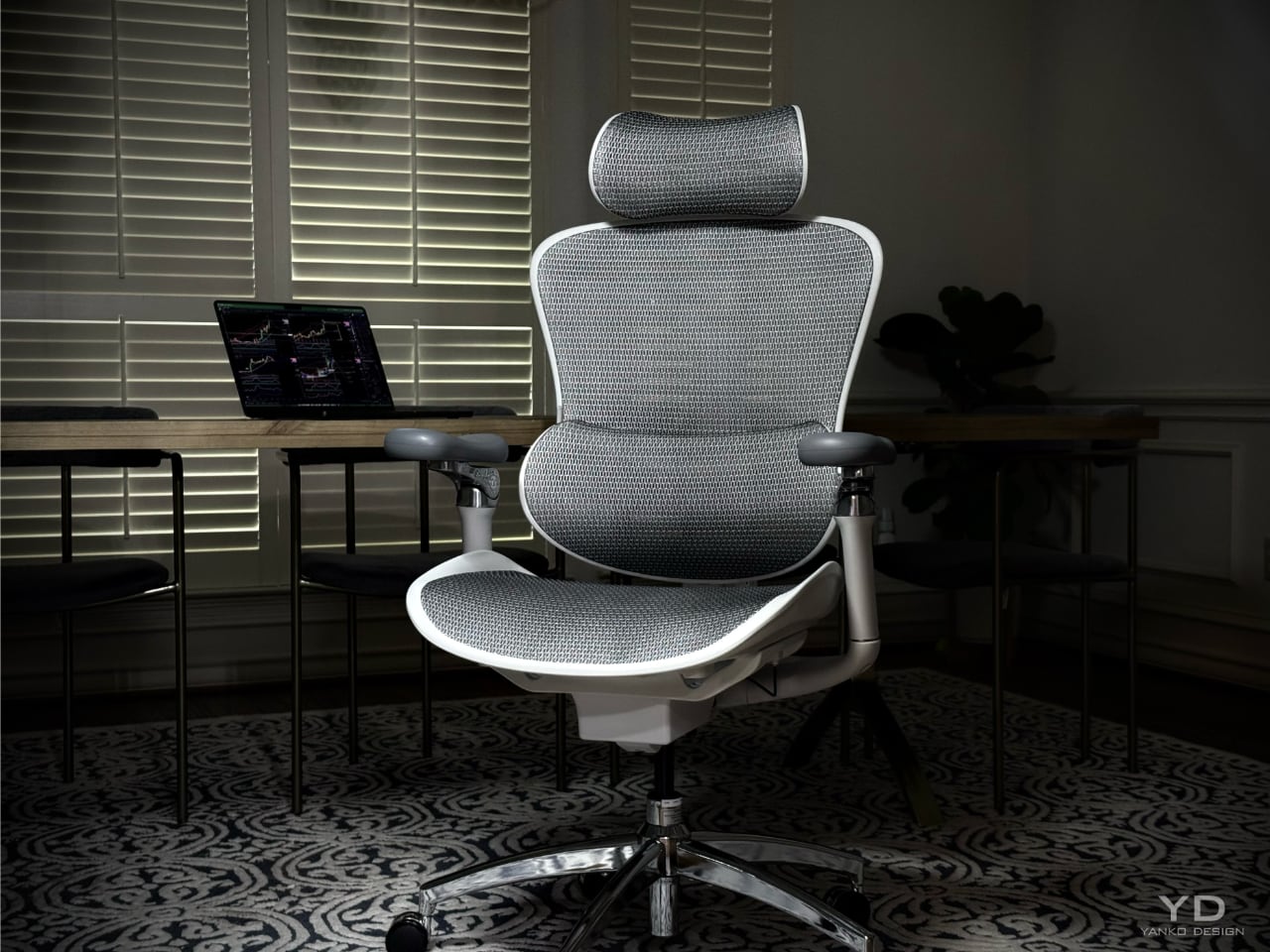
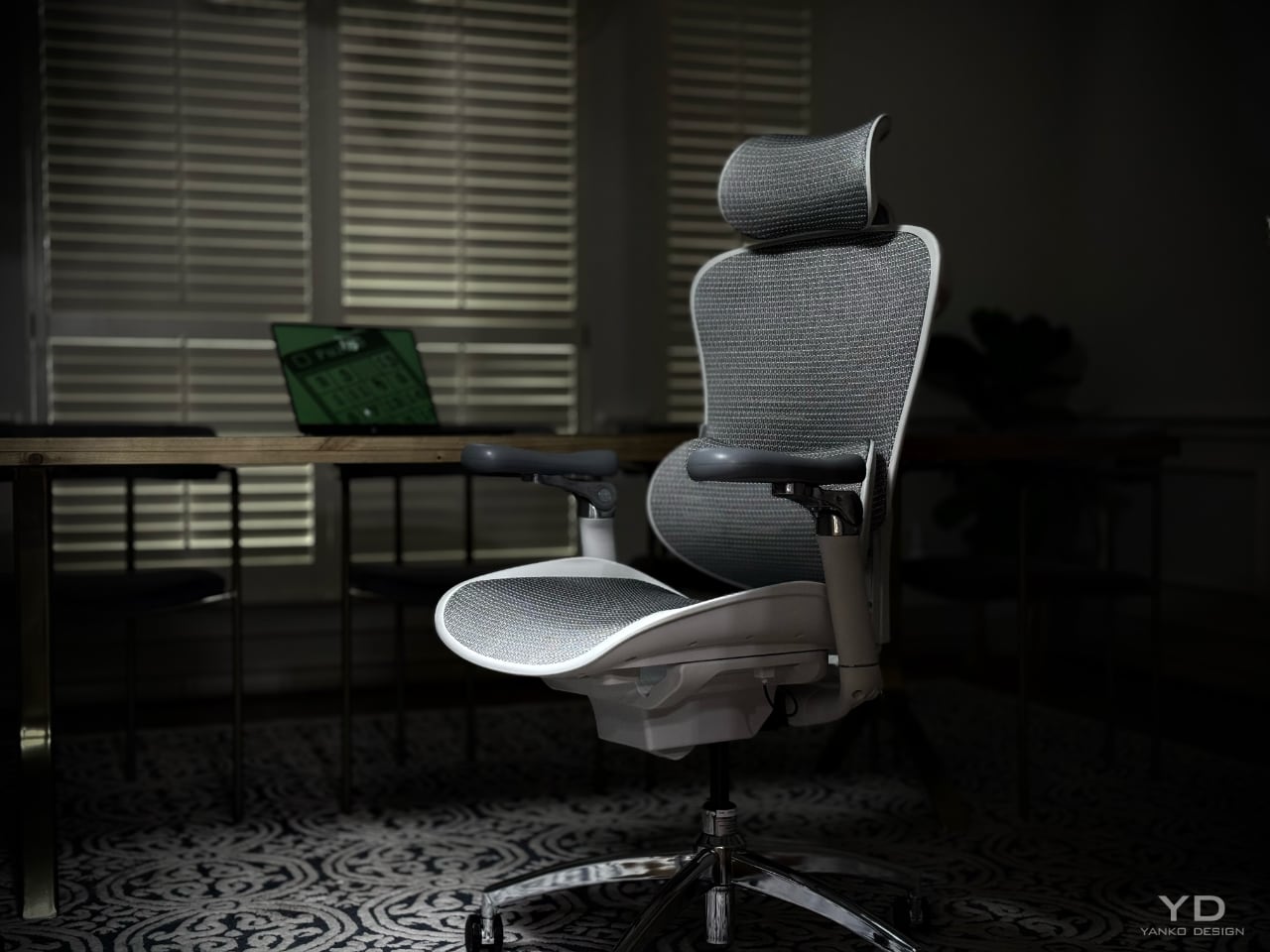
SIHOO DORO C300 PRO REVIEW: HIGH-END Office and gaming chair at An Affordable Price

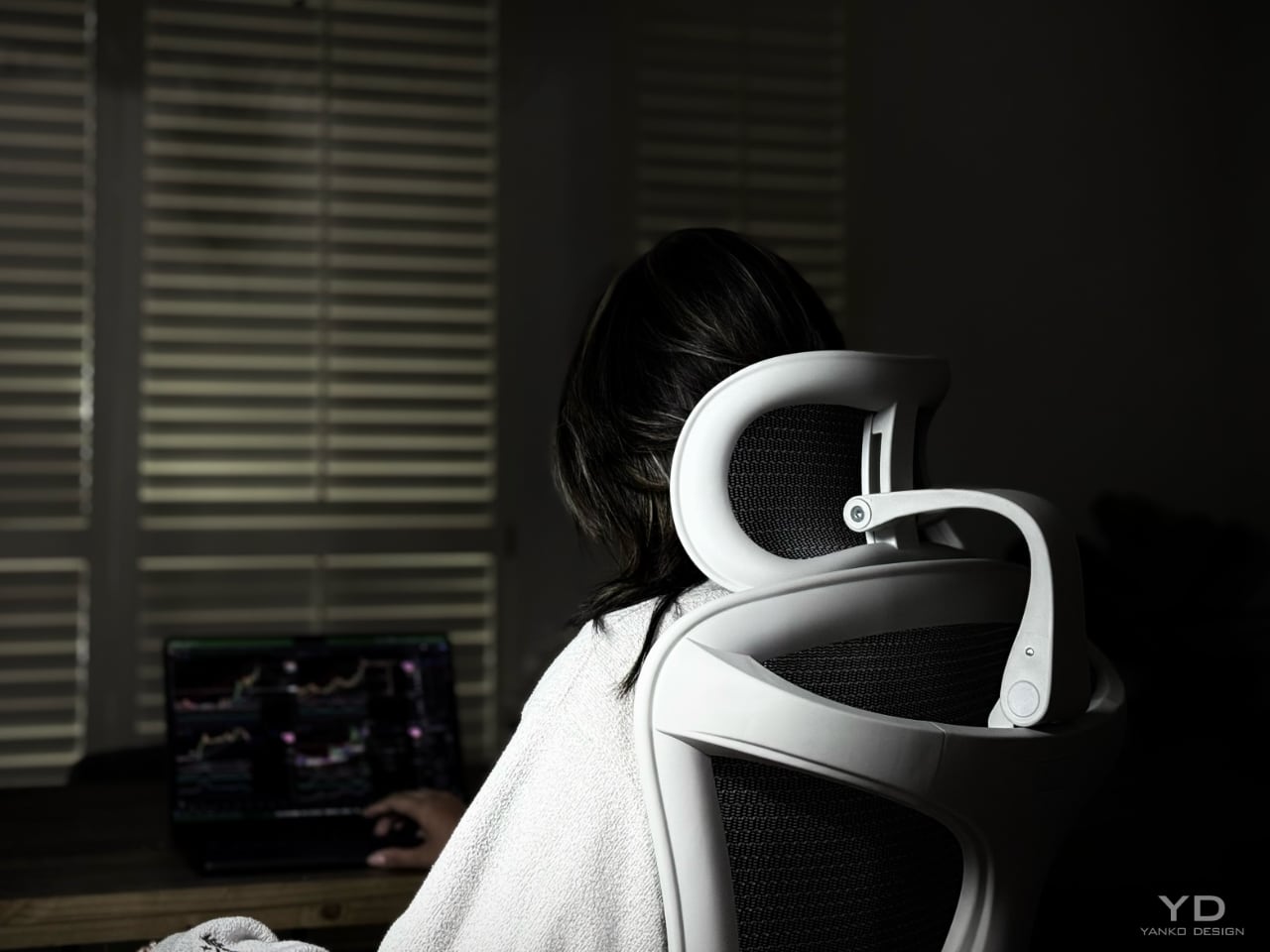
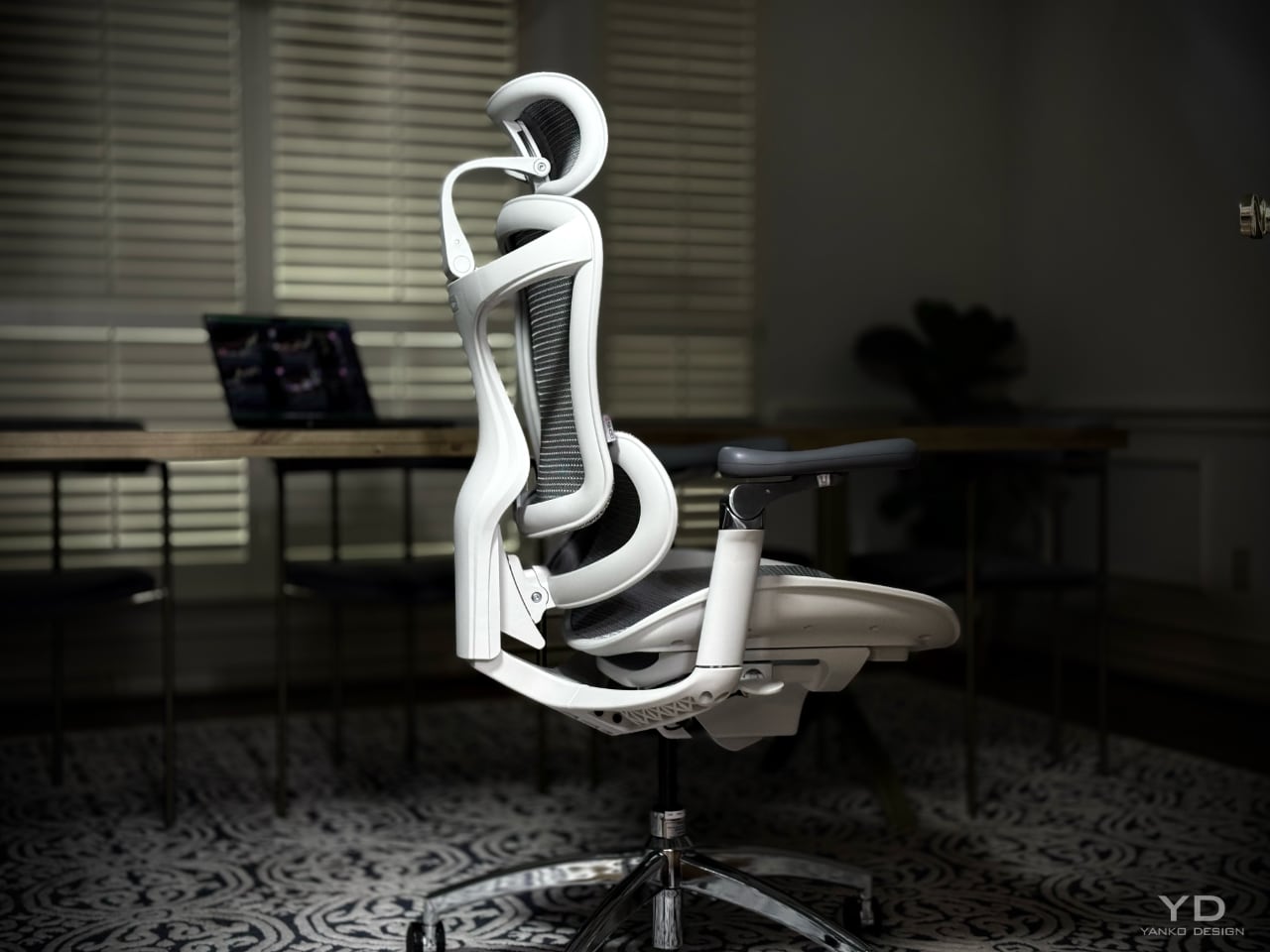
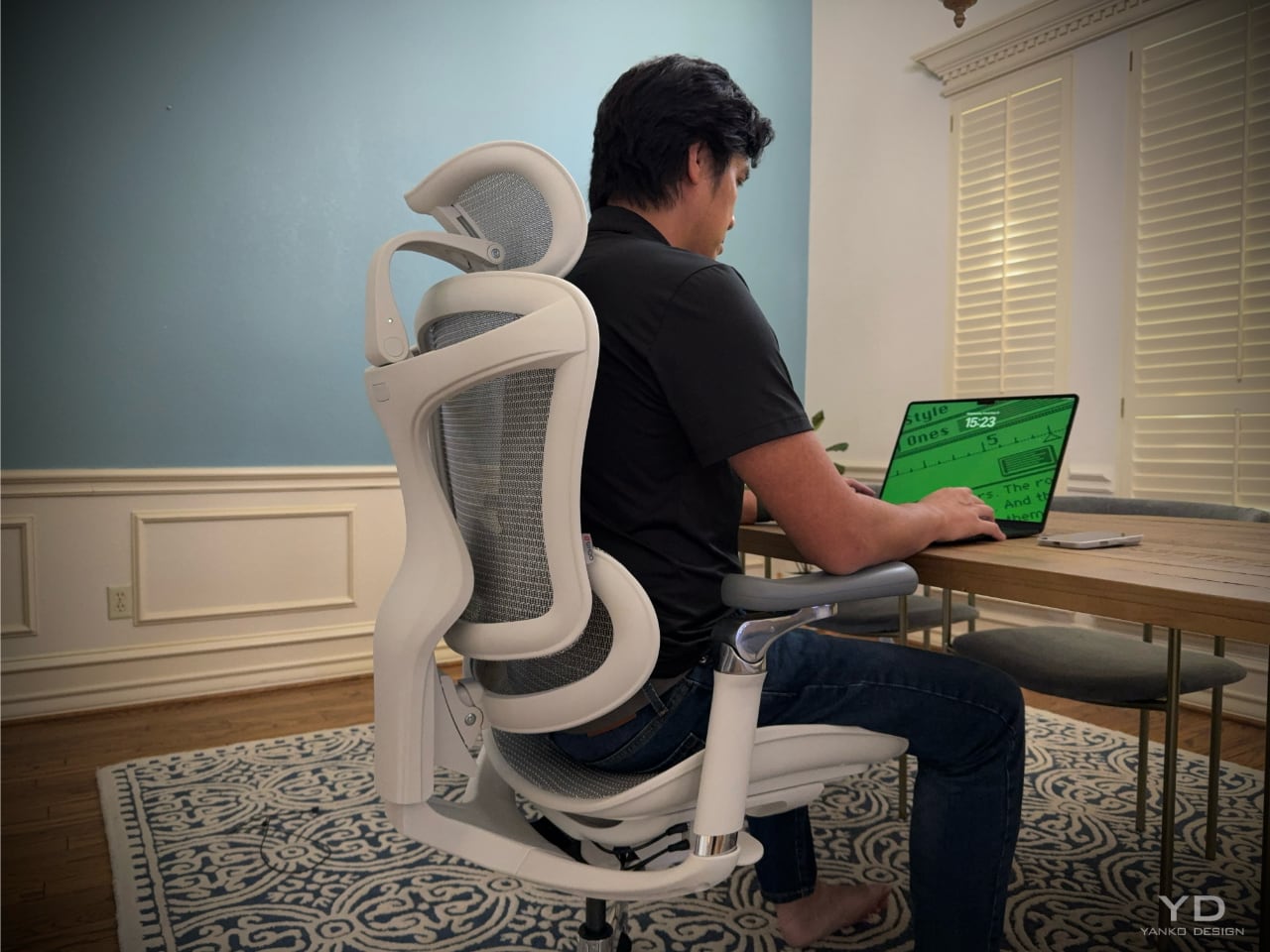
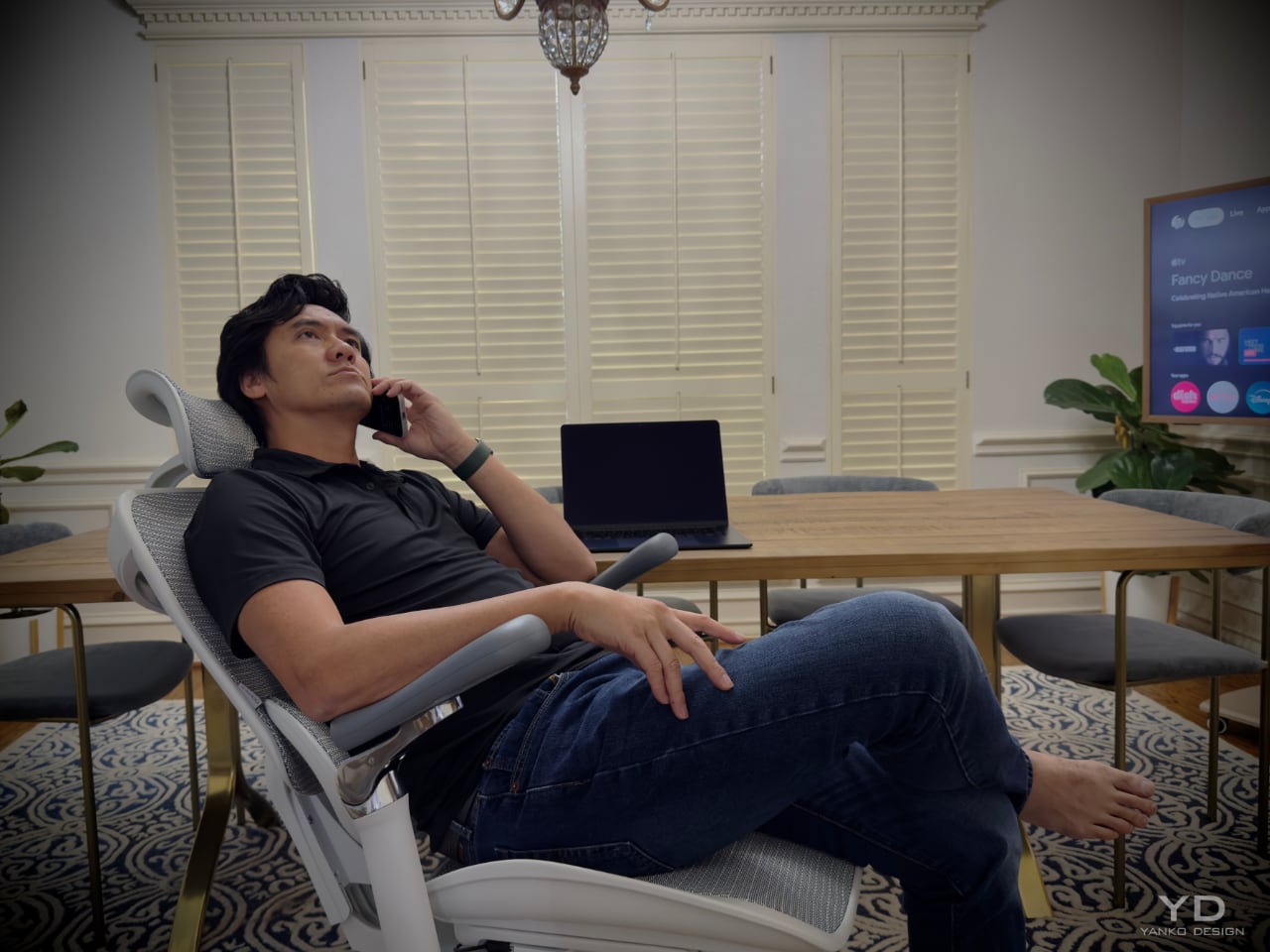
After spending several weeks with the Sihoo Doro C300 Pro, I confidently conclude it strikes a careful balance between comfort, adaptability, and sleek design. The C300 Pro has been designed to fill your home office – it provides a solution for anyone tired of dealing with the aches and strains from long hours at a desk. The innovative mesh design goes beyond aesthetics – it conforms to my body, providing flexible support that keeps up with every shift and stretch throughout the day. One key feature is the self-adaptive lumbar support, which automatically tracks my movements to provide consistent lower back relief. The 6D coordinated armrests and the flexible headrest also make a real difference, adapting to how I sit, lean, or relax.

PROS:


  • Dynamic Lumbar Support: Automatically adjusts to your movements, providing continuous comfort and helping maintain proper posture without needing constant manual adjustments.

  • 6D coordinated armrests: Provides extensive customization, making it easy to find the perfect position for various tasks, whether gaming, typing, or relaxing.

  • Breathable Mesh Design: Promotes airflow and keeps you cool during long sessions, effectively managing moisture and heat.

  • Comprehensive Reclining Mechanism: With precise recline angles and weight-sensing technology, it provides a smooth reclining experience tailored to different sitting activities.Sophisticated Headrest: Offers highly customizable support for your neck and head, reducing strain during extended work or gaming sessions.

CONS:


  • Armrest Stability: The armrests could be more stable as they tend to shift too easily, which can be distracting during use.

  • Manual Lumbar Depth Adjustment: Adding a manual depth control for lumbar support would provide even more personalized comfort for users with specific back support preferences.

  • Recline Tension Control: Introducing a more easily adjustable recline tension control would allow users to customize their reclining experience more precisely, enhancing comfort.

RATINGS:

AESTHETICS
ERGONOMICS
PERFORMANCE
SUSTAINABILITY / REPAIRABILITY
VALUE FOR MONEY

EDITOR'S QUOTE:

The Sihoo Doro C300 Pro redefines what you expect from an ergonomic chair at this affordable price—delivering premium comfort, dynamic support, and thoughtful customization that outshines much pricier competitors. This chair effortlessly bridges the gap between gaming and productivity, offering a tailored seating experience that meets diverse demands, helping you stay focused or unwind as needed.

What catches my attention is how this chair anticipates my needs. Whether I was knee-deep in work or leaning back to take a short break, the Doro C300 Pro adjusted seamlessly, offering reliable and personalized comfort. Reclining up to 135 degrees, paired with the responsive mesh, makes even long sessions at my desk bearable.

Some things weren’t perfect—for instance, the armrests shifted a bit too easily, and the lumbar support lacked the manual depth control that some users might have preferred. However, these are minor issues when considering the overall ergonomic experience. Finding a chair that genuinely supports the body’s natural movements is absolutely essential.

In this review, I’ll share my experience with the Sihoo Doro C300 Pro and explain why it provides reliable, lasting comfort and ergonomic support throughout long workdays.

Design

The Sihoo Doro C300 Pro chair features a thoughtful blend of ergonomic design and practical engineering. It’s designed to adapt to your body while staying sturdy and visually appealing.

Material Selection and Structural Integrity

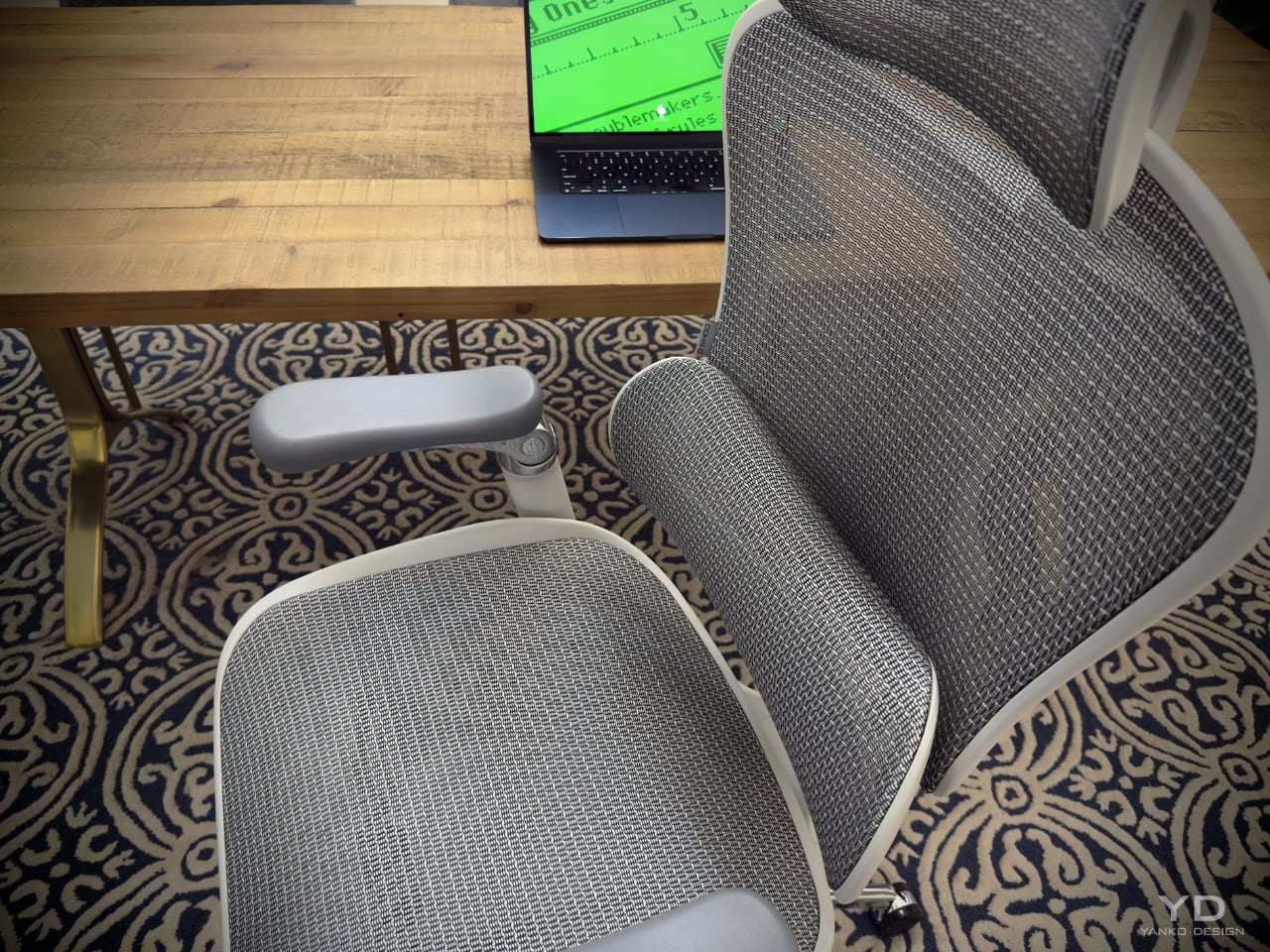
The chair’s material choices reflect a deliberate approach to comfort and durability. The breathable mesh backrest serves multiple functions apart from aesthetic appeal – it provides thermal regulation, conforms to body contours, and offers flexible support. The Sihoo Doro C300 Pro’s mesh fabric offers several reasons, which became evident during my time using it.

Sihoo Doro C300 Pro

First and foremost, breathability is a key strength of the mesh design. It allows for excellent air circulation, keeping me comfortable during extended work sessions. This feature was particularly useful in my warm home office environment. The mesh’s conforming support also played a significant role in comfort. The material adapts to the contours of my body, distributing weight evenly and minimizing pressure points. This helped alleviate discomfort in areas like my hips, thighs, and lower back, allowing me to stay focused for longer.

Click Here to Buy Now: $369.99  $699.99 ($330 savings). Hurry, this Black Friday deal ends soon!

Another benefit was the temperature regulation provided by the open weave structure. The mesh effectively dissipates heat, which is crucial for maintaining comfort during long periods of sitting. In addition, the mesh incorporates moisture management properties, drawing sweat away from my body and further enhancing comfort—something that proved invaluable during warmer days.

Sihoo Doro C300 Pro

Another important aspect is the flexibility of the mesh material—it moves with my body, dynamically adjusting as I shift positions. This characteristic contributed to maintaining consistent comfort throughout my day. On top of that, the durability of the mesh should not be overlooked. Made from high-quality synthetic materials, the mesh remains supportive and retains its shape even after continuous use, ensuring long-term value.

The frame construction utilizes high-quality metals and synthetics engineered to support diverse body types with a robust five-star base. This foundation ensures stability while allowing smooth mobility across different floor surfaces. The weight capacity and structural design demonstrate a commitment to accommodating varied user physiques without compromising performance.

Functional Customization

Customization is a cornerstone of the Doro C300 Pro’s design. The 6D coordinated armrests, Bigger Waterfall-Shaped Cushion with Seat Depth adjustment, and 3D mechanical headrest demonstrate a nuanced understanding of individual ergonomic needs. Each adjustment point is engineered to provide precise control, allowing users to create a personalized seating environment that supports their unique body mechanics.

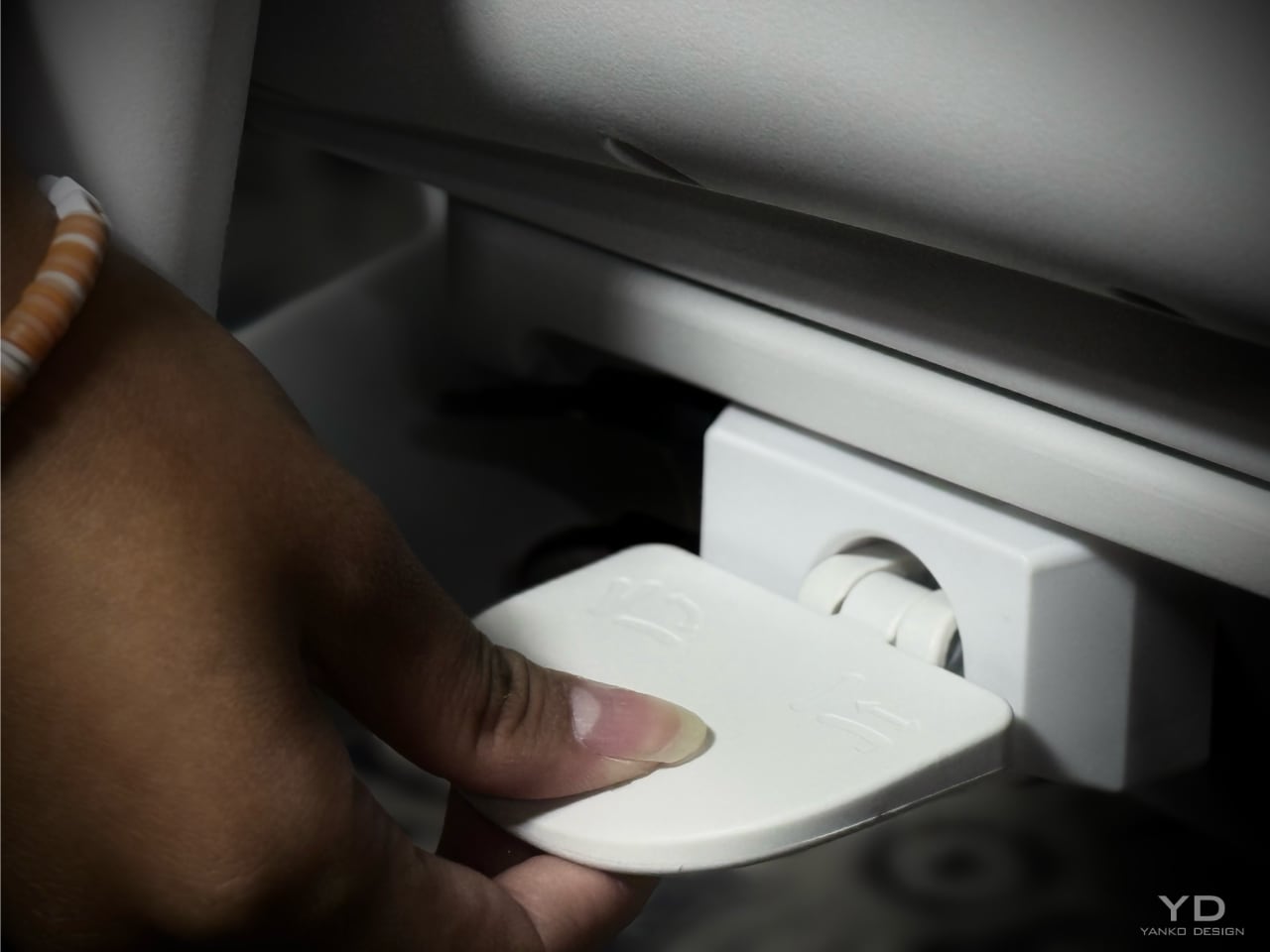
The single control handle elegantly solves complex adjustability, streamlining the user experience. This design choice reduces cognitive load, allowing users to fine-tune their seating position intuitively and quickly.

Aesthetic and Practical Harmony

The chair’s minimalist aesthetic reflects contemporary design principles, where form follows function. The clean lines, breathable mesh, and sophisticated color palette ensure the Doro C300 Pro integrates seamlessly into modern work environments. The chair is available in black and white, and I opted for the white version for my review. This approach treats the chair as a functional object and an integral part of the workspace’s visual and ergonomic setup.

By prioritizing material quality, adaptive support, and user-centric design, the Doro C300 Pro improves upon traditional office chair limitations. It represents a holistic approach to seating that considers physical comfort, workplace productivity, and individual well-being interconnected elements of design excellence.

Ergonomics and Real-World Performance

The Doro C300 Pro’s ergonomics excel in daily use. The design isn’t just about aesthetics—it provides lasting comfort, even after hours of sitting.

Reclining Backrest and Headrest Customization

Sihoo Doro C300 Pro

The Sihoo Doro C300 Pro offers several features that enhance comfort during recline:

Weight-Sensing Technology

The chair incorporates advanced weight-sensing mechanism that automatically adapt to my body mass, delivering perfect tension during reclining. This ensures a smooth and balanced reclining experience regardless of the user’s weight.

Dynamic Support Features

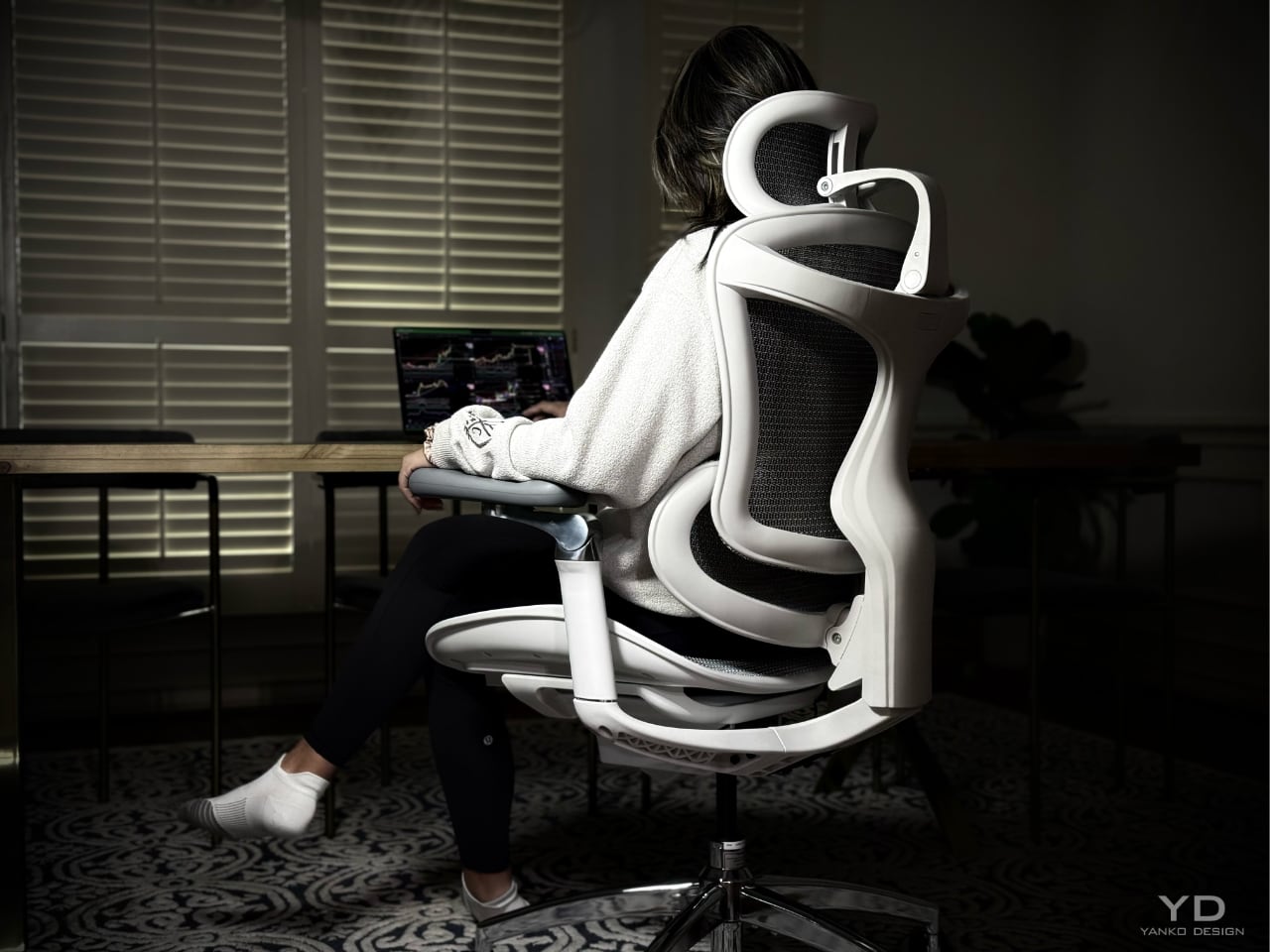
  • Flexible Backrest: The triangular frame design allows the backrest to flex and match body movements, providing continuous support during recline.
  • Synchronized Armrests: The 6D armrests move in coordination with the backrest, maintaining arm support throughout different recline angles.
  • Body Movement Tracking System: The lumbar support dynamically adjusts to follow the spine’s natural curve during reclining.
  • Recline Angle Options

The chair offers precise recline positions:

Sihoo Doro C300 Pro

  • 105° for focused tasks
  • 120° for relaxed working
  • 135° for maximum relaxation

Unique Reclining Mechanism

The Auto-Harmonic Tilt Design ensures the entire chair bends and flexes naturally with body movements. This creates a more organic reclining experience that feels less restrictive and more supportive.

Combining these features creates a responsive reclining experience that adapts to the user’s body, providing comfort and support across different sitting positions.

Sihoo Doro C300 Pro

Ultimately, the true value of the Sihoo Doro C300 Pro’s ergonomic features comes out during those extended work sessions—the times when a lesser chair would leave you feeling fatigued and sore. The adaptive lumbar support, customizable armrests, headrests, and recline all worked together to create a seating experience that didn’t require constant manual adjustments to stay comfortable. Instead, the chair supported me intuitively, allowing me to focus on my work rather than my discomfort. This type of ergonomic intelligence sets the Doro C300 Pro apart in a crowded market of office chairs.

Dynamic Lumbar Support

The self-adaptive lumbar support system is a low-maintenance feature that directly contributes to the chair’s ergonomic strength. Unlike chairs that rely on static or manual lumbar adjustments, the Doro C300 Pro provides dynamic support that adapts as you move.

Sihoo Doro C300 Pro

This means that the lumbar area always felt supported no matter how I adjusted my position—leaning forward to focus or reclining to relax. This type of real-time adjustment helps reduce strain and encourages better posture without the user needing to constantly fiddle with settings.

Ergonomic Mesh Integration

The mesh contributes to the overall ergonomic design of the Doro C300 Pro. It works harmoniously with the lumbar support, which moves with me as I recline, encouraging good posture and reducing strain. These features combine to deliver a seating experience that remains supportive and comfortable, even after hours of use. This premium mesh material creates a microclimate that effectively addresses one of the most common comfort issues in office seating—heat buildup.

However, more granular adjustability for lumbar depth would provide an even more personalized ergonomic experience, addressing a common need for those who prefer more direct control over lower back support.

Headrest Design and Adjustability

The Sihoo Doro C300 Pro features a sophisticated 3D mechanical headrest that brings substantial value to my daily comfort. Its comprehensive customization options allow for precise adjustments, making it adaptable to my specific needs.

Adjustment Capabilities

The headrest provides:

  • Height adjustment to align perfectly with my neck and head.
  • Forward and backward movement to achieve just the right level of support.
  • Rotational positioning for an ergonomic fit.
  • A wider surface area that enhances overall comfort, especially during extended use.

Unique Features

One unique aspect of the headrest is its cradle-like design that follows the natural contours of my neck. It moves independently from the backrest, allowing me to adjust it precisely without affecting my sitting position. The headrest’s ability to rotate and accommodate different sitting positions proved highly valuable whether I was working, gaming, or simply relaxing.

Ergonomic Benefits

The headrest significantly reduces neck strain during extended work sessions, allowing me to lean back comfortably without feeling unsupported. Its design also allows for comfortable side-leaning, which is a relief during those long periods of sitting. It provides reliable support across multiple postures and activities, which is a testament to its thoughtful design.

Material and Construction

Made with premium mesh material, the headrest balances elasticity and structural support. The mesh feels soft against the skin while maintaining enough tension to keep my head and neck in an ideal position. It integrates well with the chair’s overall ergonomic philosophy, creating a cohesive and comfortable sitting experience.

Overall, the headrest exemplifies the Doro C300 Pro’s commitment to personalized comfort, allowing me to fine-tune support for my specific neck and head positioning needs.

6D Coordinated Armrests

The armrests on the Doro C300 Pro are another big plus. The ‘6D’ refers to their six degrees of adjustability, which include height, depth, width, forward and backward movement, and rotation. This level of flexibility makes these armrests superior to the competition, providing support that adjusts to the most intricate preferences and postures. Compared to traditional height-adjustable armrests, which only move up and down, or even 3D and 4D versions, the 6D armrests go further by adding more directional control, making it suitable for different work styles—from typing and writing notes to switching between devices like tablets, keyboards, and mice.

Sihoo Doro C300 Pro

For those unfamiliar with the different types of armrests, height-adjustable armrests are ideal for basic tasks such as typing or general office work, helping maintain a neutral wrist position and reduce shoulder strain. Moving up a level, 3D armrests include height, depth, and rotational adjustments, which are suitable for multitasking or working with different devices. Meanwhile, 4D armrests add width adjustment into the mix, making them excellent for long work sessions or shared workspaces.

The Doro C300 Pro’s 6D coordinated armrests build on all these features, offering an even greater range of customization. This allows users to set the armrests precisely to their individual needs, making them versatile enough for anything from precision work to casual activities. Having armrests that easily adapt to each activity kept me comfortable without unnecessary strain. While the armrests could be more stable to prevent slight shifts, their wide range of adjustability offered the flexibility needed for a comfortable workday.

This is a minor issue, but I hope Sihoo will improve the stability of the armrests in the next iteration. Enhancing their stability would significantly improve the overall experience, ensuring they stay securely in place without unintended movement. These improvements would make the Doro C300 Pro even more adaptable and comfortable for extended use.

Value

The Sihoo Doro C300 Pro is a strong contender if you’re looking for the best value for your money in office and gaming chairs. With features that typically appear on high-end models, like dynamic lumbar support, 6D coordinated armrests, and a sophisticated reclining system, the Doro C300 Pro delivers a premium ergonomic experience without the hefty price tag.

Sihoo Doro C300 Pro

Its versatility shines through its customizable features, allowing it to transition seamlessly between different needs—whether you’re focusing intently on work or leaning back for a gaming session. The chair’s breathable mesh keeps you cool during long hours, while the headrest and adaptive lumbar support are designed to provide comfort exactly where it’s needed.

Click Here to Buy Now: $369.99  $699.99 ($330 savings). Hurry, this Black Friday deal ends soon!

Compared to other chairs in this category, the Doro C300 Pro offers a combination of adaptability, comfort, and thoughtful design—at a more affordable price than other high-end models. Currently available at $399.99 (down from $699.99), it’s a compelling choice for anyone who spends significant time at their desk and wants an ergonomic chair without breaking the bank. If budget is a concern, the basic Doro C300 model, now on sale for $299.99 (originally $399.99), is also a great option within the Doro C Series. If you’re looking for premium features or a budget-friendly choice, these deals offer a great opportunity to upgrade your workspace. Plus, don’t miss out on Sihoo’s free order giveaway event on Instagram.

Overall, the Sihoo Doro C300 Pro delivers a well-rounded, premium experience that meets the needs of both professionals and gamers, making it an excellent investment for lasting comfort.


The post SIHOO DORO C300 PRO REVIEW: HIGH-END Office and gaming chair at An Affordable Price first appeared on Yanko Design.

Realme GT 7 Pro Review: Flagship Performance Meets Affordability

PROS:


  • Powerful Snapdragon 8 Elite chipsets

  • Massive 6500mAh battery and fast 120W wired charging

  • Bright and vibrant display

  • Attractive pricing

CONS:


  • USB 2.0, not USB 3.0

  • No wireless charging

RATINGS:

AESTHETICS
ERGONOMICS
PERFORMANCE
SUSTAINABILITY / REPAIRABILITY
VALUE FOR MONEY

EDITOR'S QUOTE:

The Realme GT 7 Pro stands out as a strong contender in the smartphone market, particularly for those seeking a performance-driven device at an attractive price point.

Realme’s GT series has long been celebrated for delivering a performance-focused flagship. Just three months ago, in July, Realme re-entered the global stage with the launch of the global GT 6, marking its return to the global GT series after a two-year hiatus. Now, Realme is back with the GT 7 Pro, setting new benchmarks in the smartphone industry.

The Realme GT 7 Pro is the first flagship phone equipped with Qualcomm’s latest Snapdragon 8 Elite chipset in more than ten markets, including India, Malaysia, Thailand, and Spain. But that is not the only thing going for GT 7 Pro. Beyond its powerful processor, the phone boasts a massive 6,500mAh battery with 120W fast charging, a super-bright display, and a unique underwater photography mode. The Realme GT 7 Pro is undoubtedly a device to be reckoned with. Just how impressive is it? We put it to the test.

Designer: Realme

Aesthetics

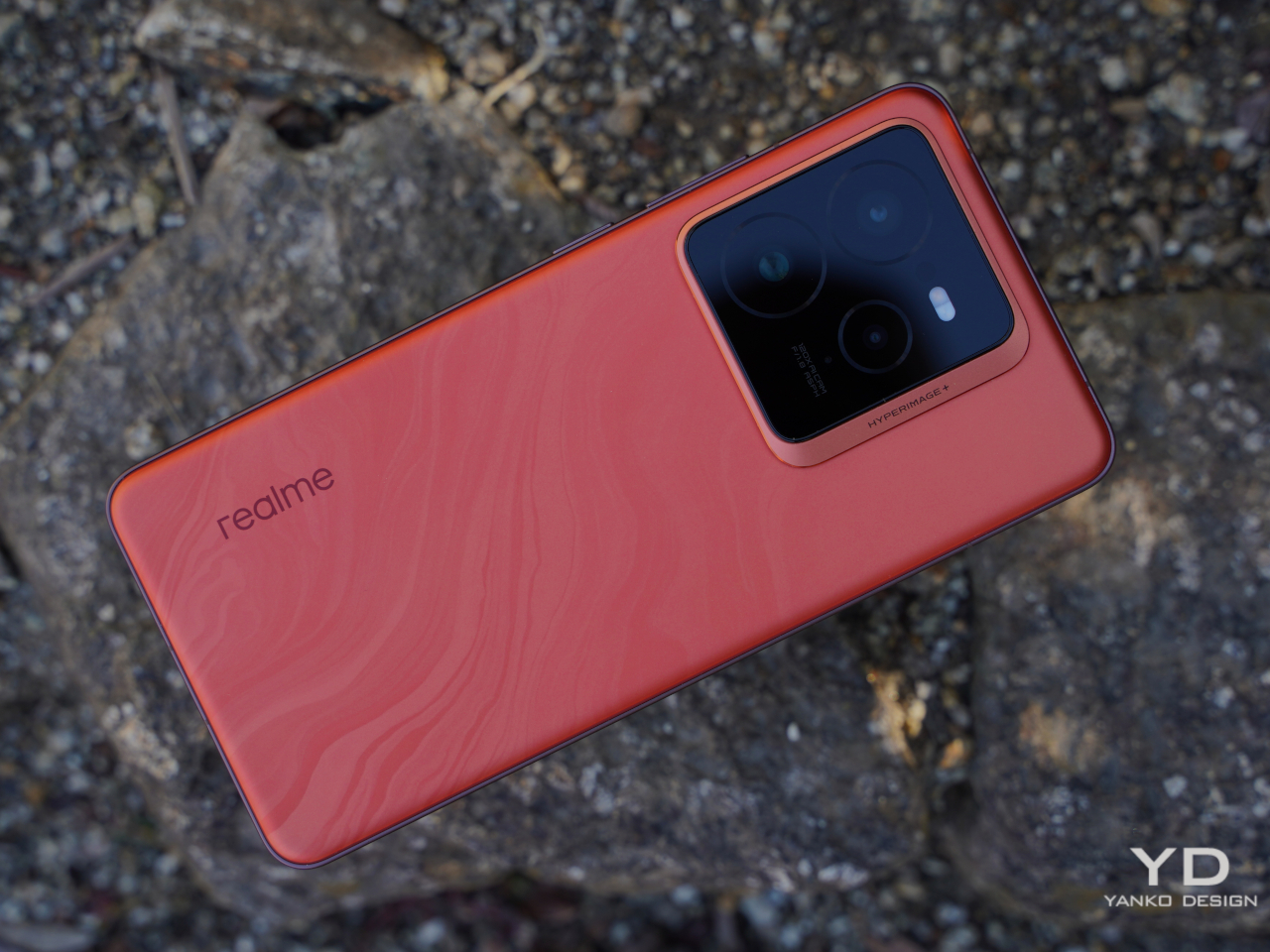
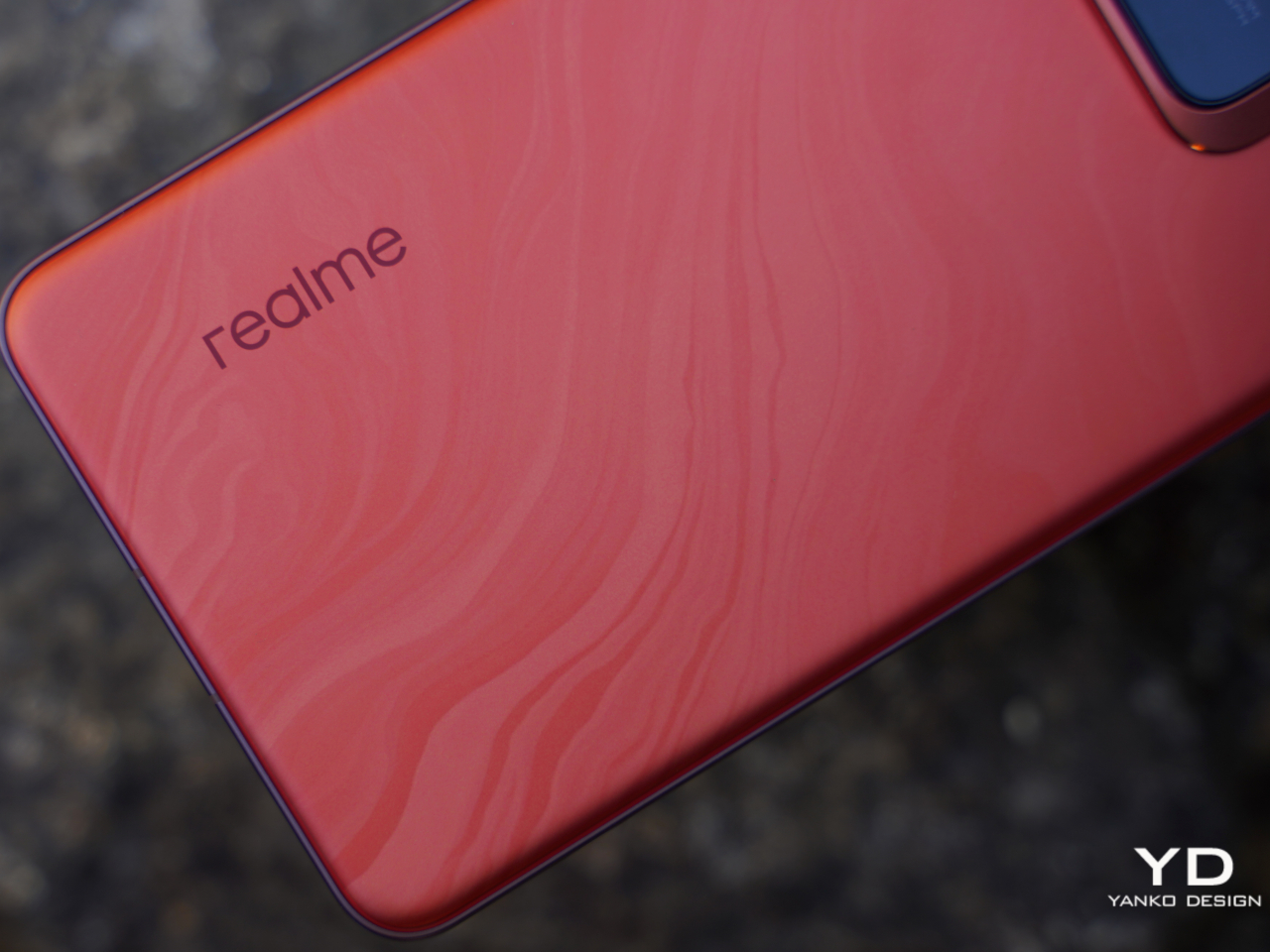
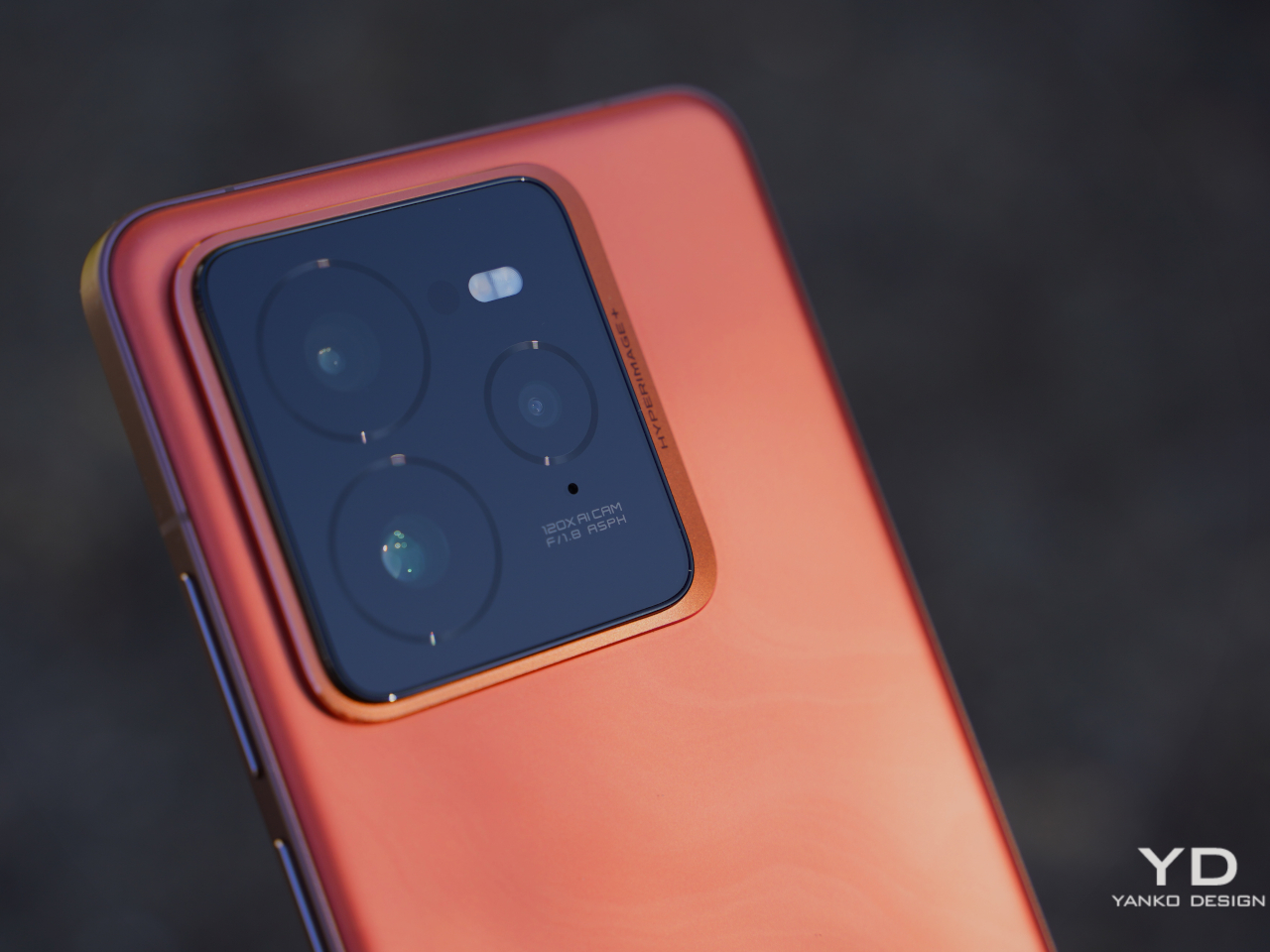
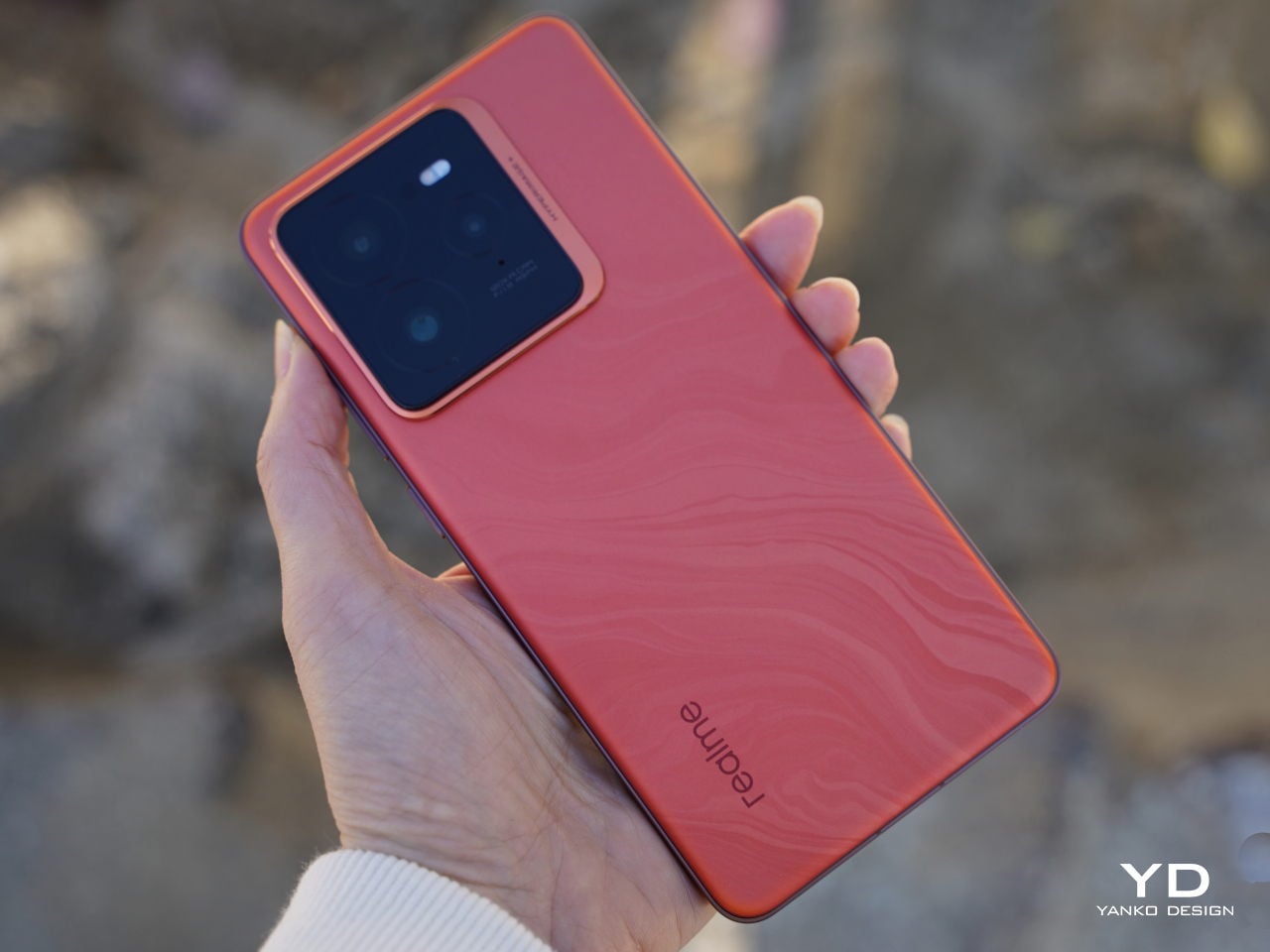
The Realme GT 7 Pro is available in two color variants: Mars Orange and Galaxy Grey. The Mars Orange variant, which we received for this review, is uniquely eye-catching. Its matte back panel features a subtle, sand-like pattern that adds depth and texture to the vibrant orange hue, creating a sophisticated and refined appearance.

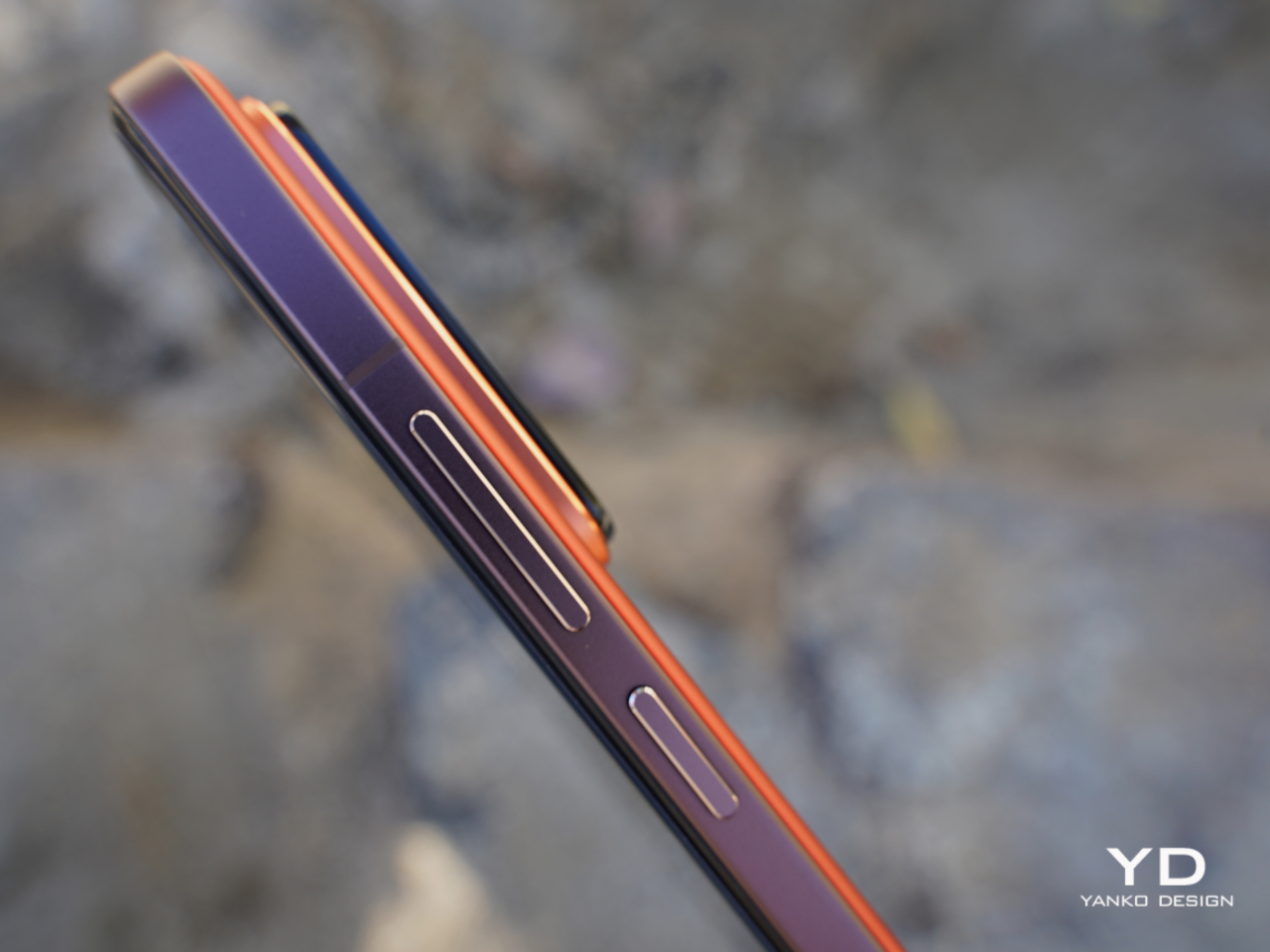
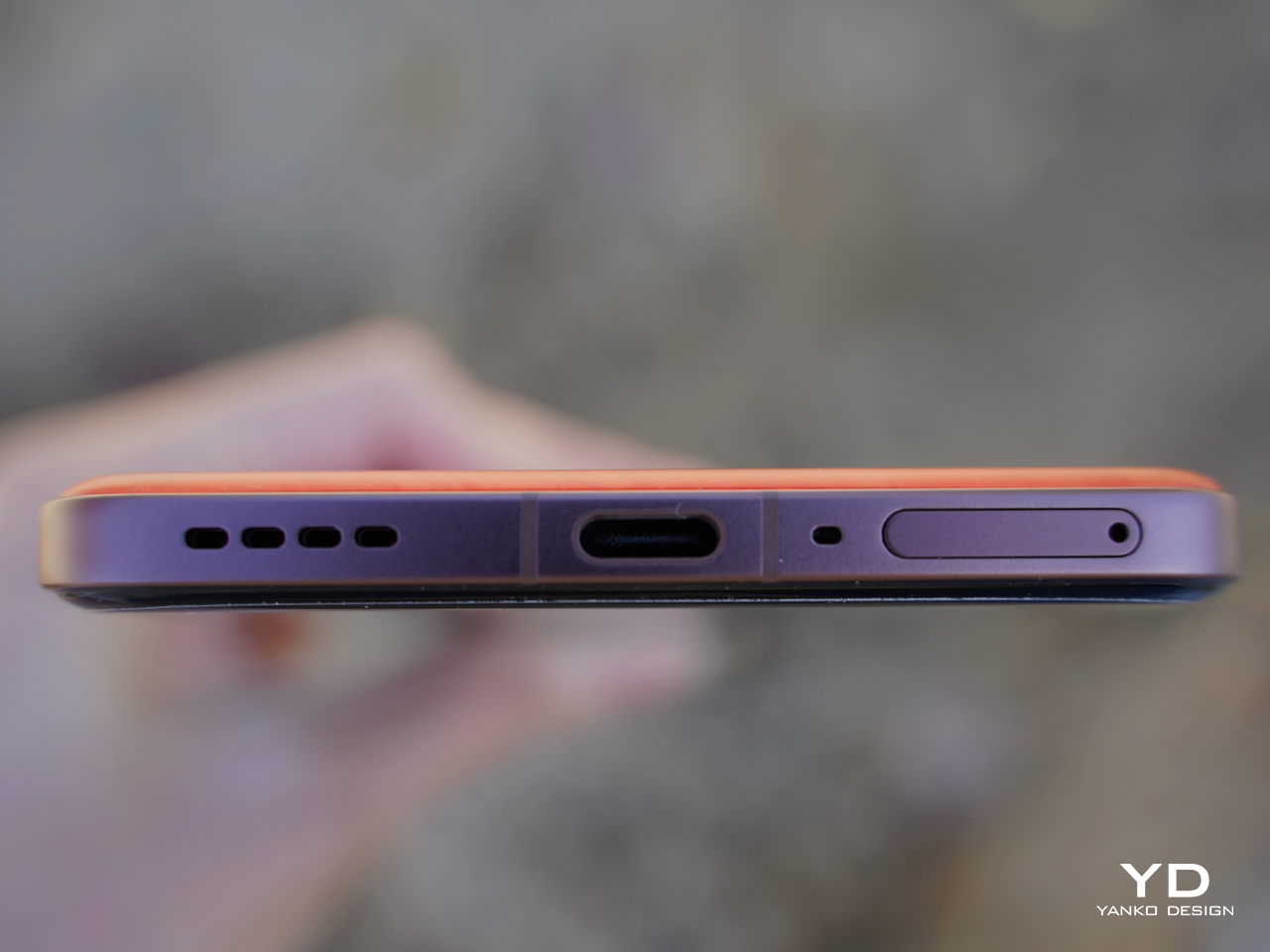
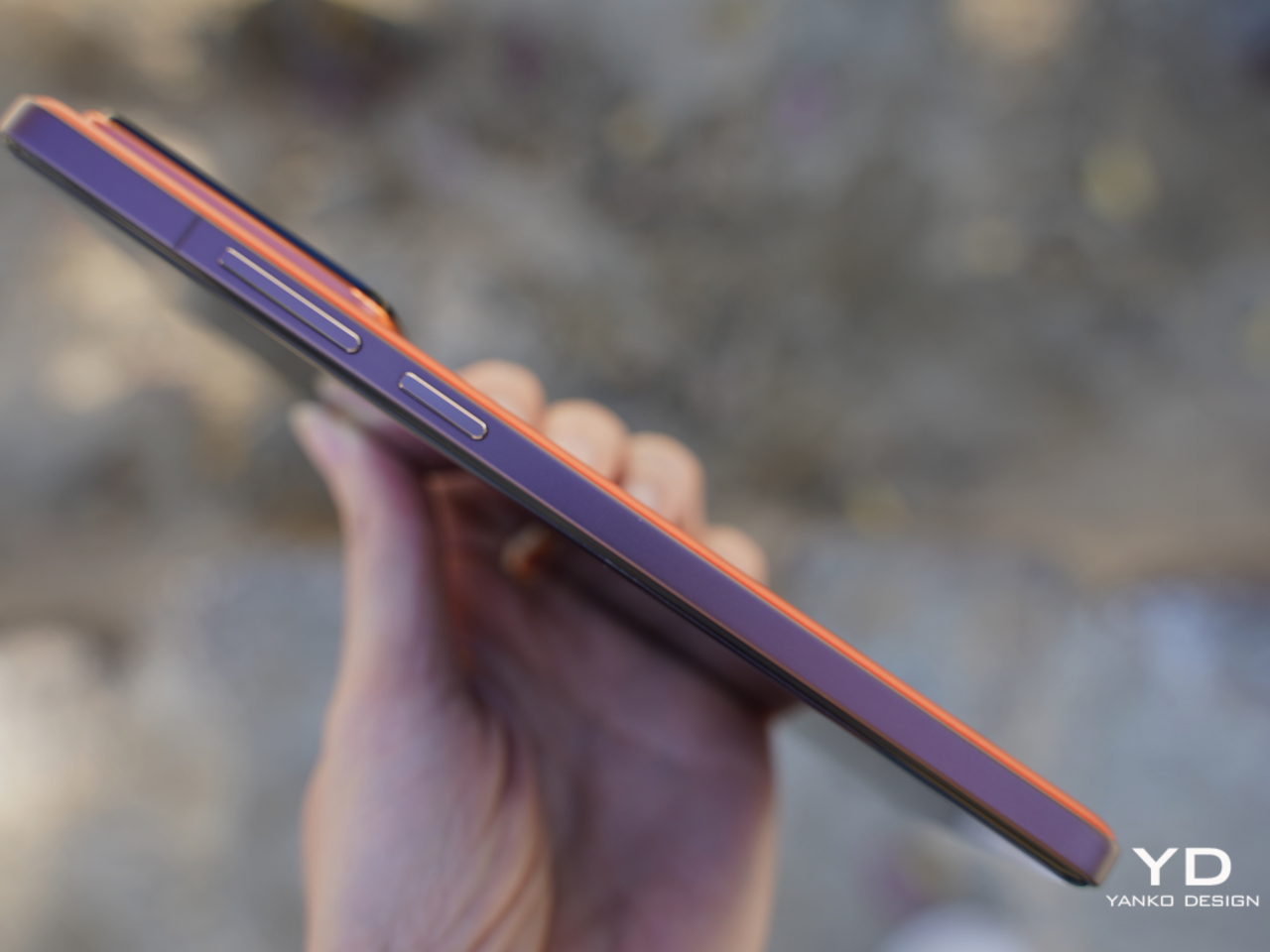
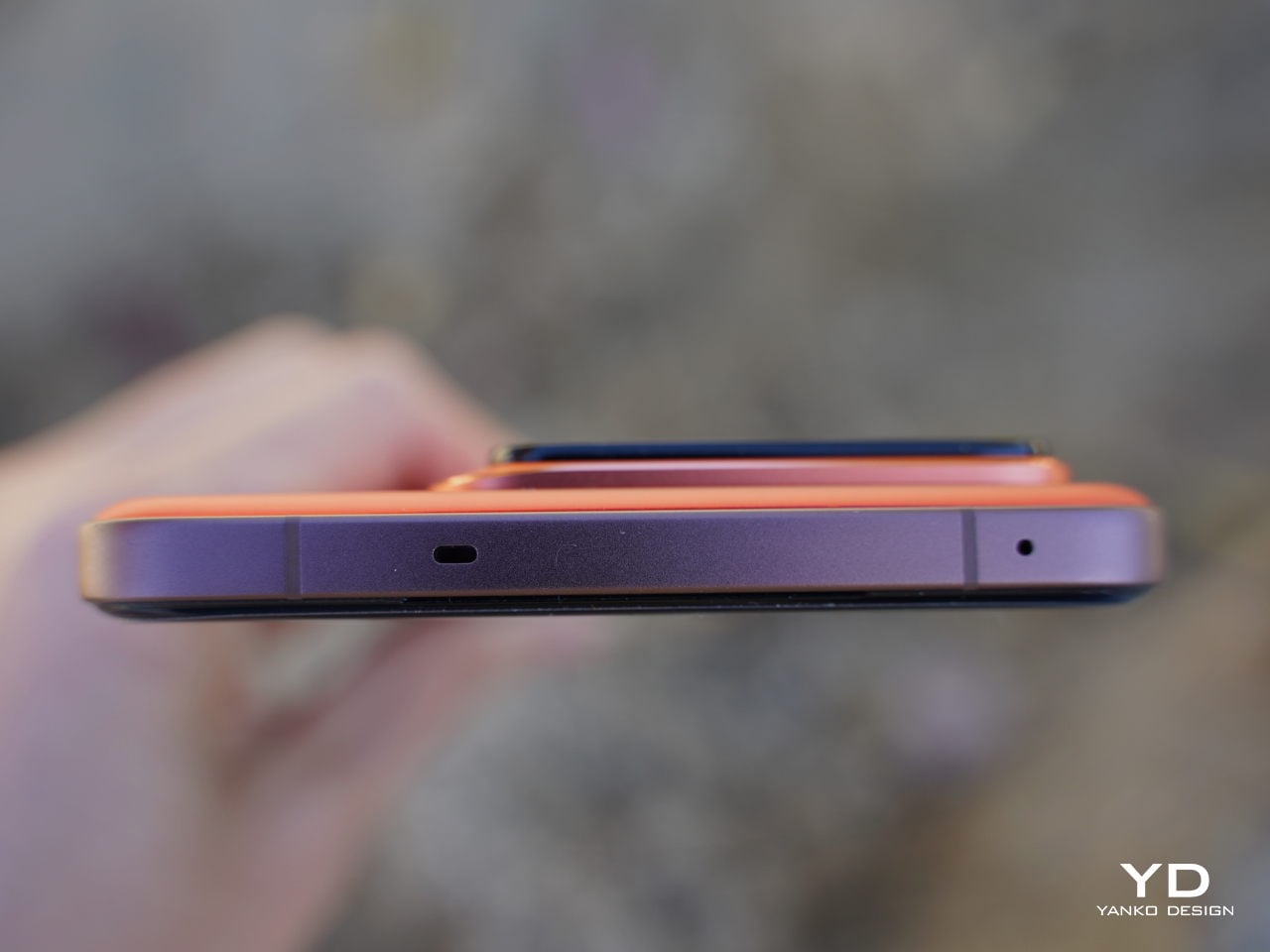
The bronze-colored side frame with a matte finish complements this bold choice, setting it apart from the trend of subtle, pastel colors. This color option is perfect for those who want their device to make a statement. For those who prefer more subdued tones, the Galaxy Grey option offers classic, minimalist aesthetics.

The design of the GT 7 Pro goes beyond color, emphasizing thoughtful construction and attention to detail. In the top-left corner, a square camera island houses a triple camera setup alongside an LED flash. This island is elegantly positioned on a raised square base, finished in matte orange with shiny edges, providing a striking contrast and sophisticated touch. The “HYPERIMAGE+” branding is subtly placed on the slanted right side of the base.

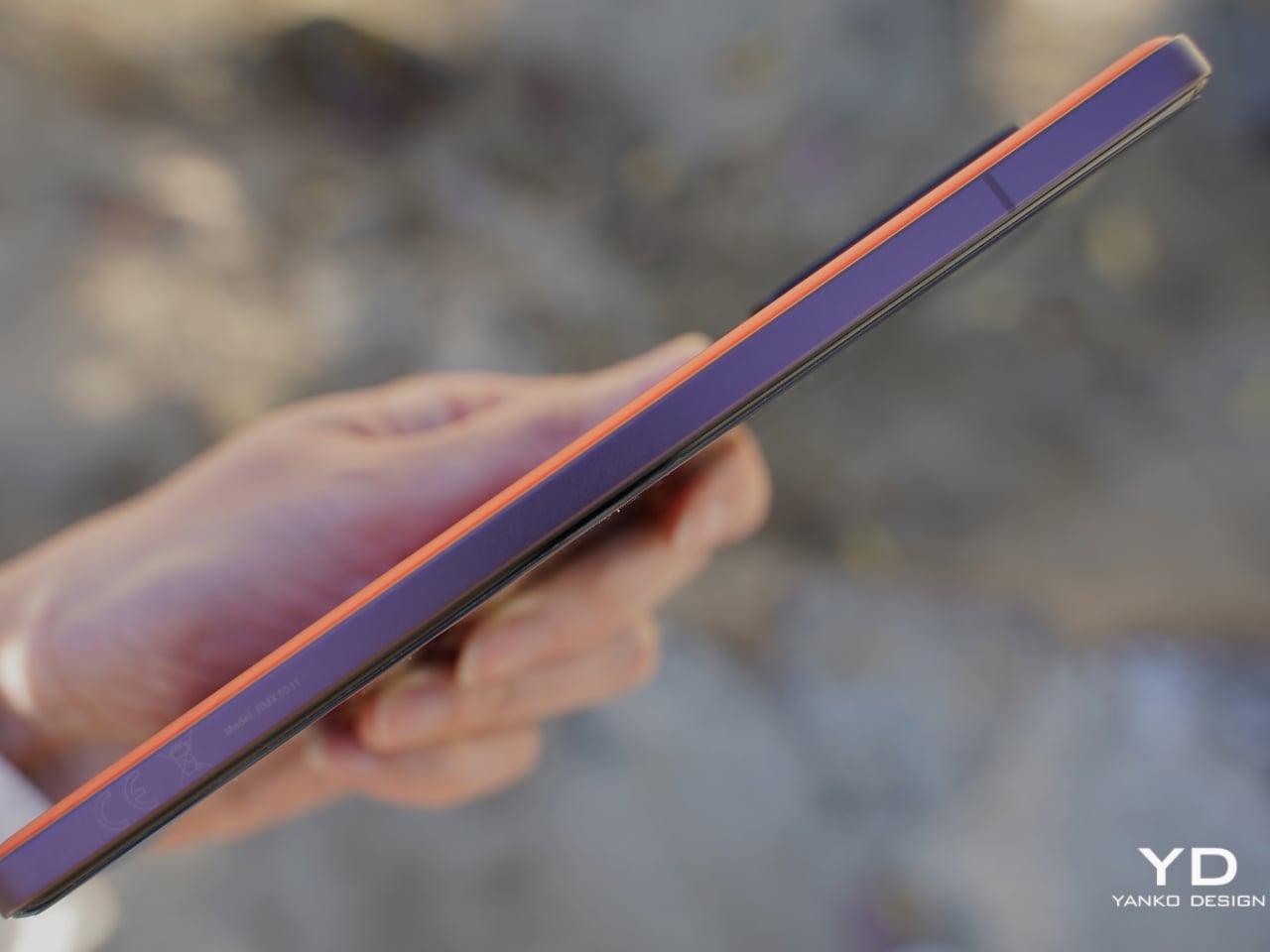
The cameras are seamlessly integrated into a flat cover, which not only enhances the aesthetic appeal but also makes it easy to clean and maintain, ensuring the back panel remains sleek and uncluttered. Realme also has paid attention to the smallest details, moving the CE marking to the side frame, resulting in a clean and uninterrupted back panel design.

Ergonomics

The Realme GT 7 Pro measures 162.45 x 76.89 x 55mm and weighs 222.8g. While it isn’t the slimmest or lightest device, considering its 6,500mAh battery and large Vapor Chamber, it’s impressive. The slightly curved edges of the back panel and the flat side frame ensure the phone doesn’t dig into your palm. Although the transition from the back panel to the frame is noticeable, it doesn’t significantly impact comfort.

The fingerprint sensor is conveniently located about 1.6 inches or 4cm above the bottom edge of the screen, making it easy to unlock the phone and navigate. However, due to the camera island’s position on the upper left, the phone wobbles slightly when placed on a flat surface. The textured back panel, sleek aluminum frame, and quad-curved display give the phone a premium feel in hand.

Performance

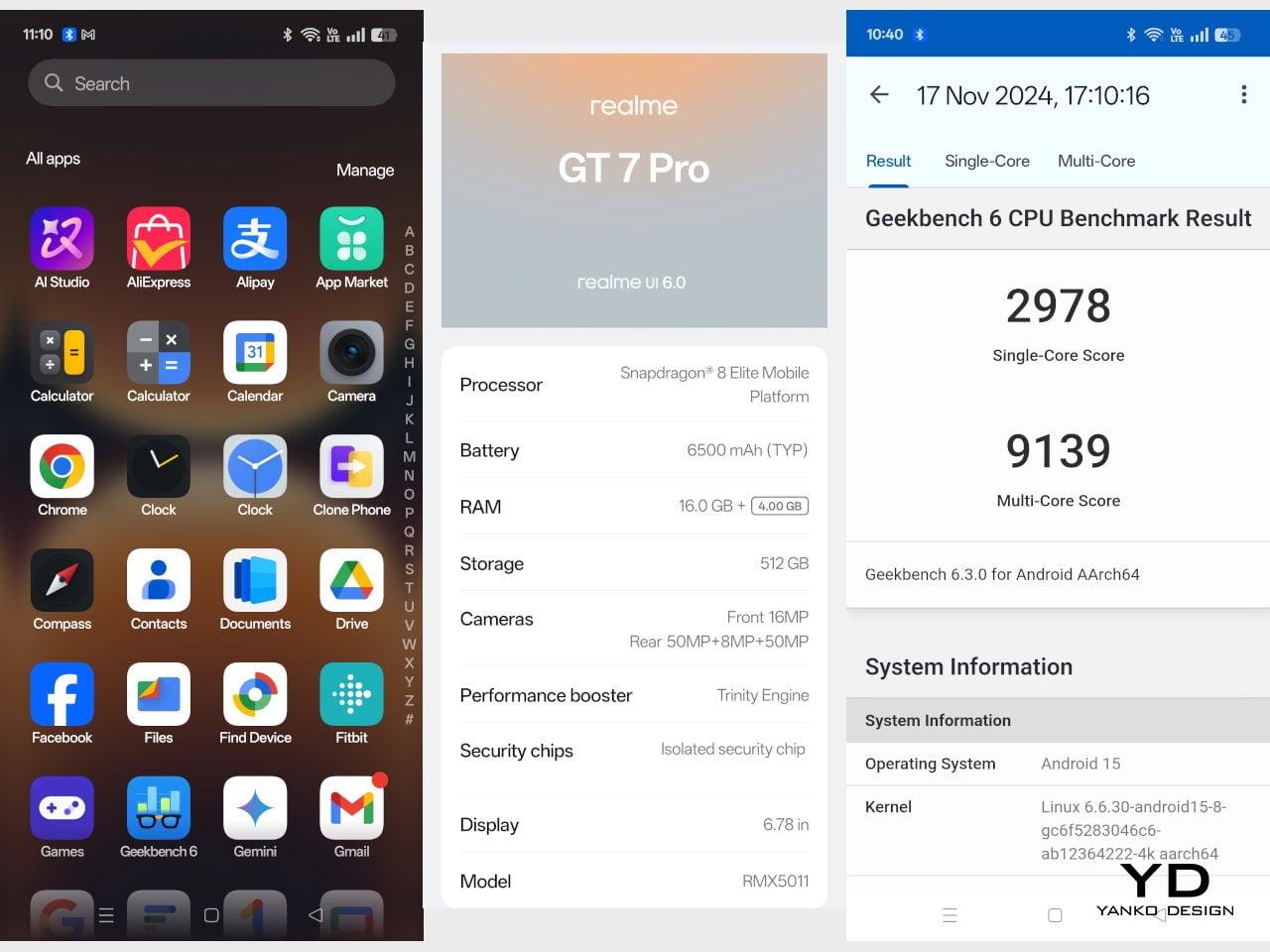
The Realme GT 7 Pro is a powerhouse, driven by the cutting-edge Snapdragon 8 Elite processor, featuring Qualcomm’s 2+6 Oryon CPU and Hexagon NPU. This is complemented by LPDDR5X RAM and UFS 4.0 storage, and runs Android 15 out of the box, with realme UI 6.0 on top of it.

As a performance-centric phone, the GT 7 Pro delivers on its promise of an exceptional gaming experience. During intensive gaming sessions, the device only gets slightly warm, never hot, thanks to the Snapdragon 8 Elite’s efficiency and the impressive 11,480mm² Iceberg Vapor Chamber—the largest in its segment according to Realme. Activating GT mode eliminates frame drops and lag, providing a smooth and immersive gaming experience, exemplified by hours of seamless gameplay in titles like Genshin Impact.

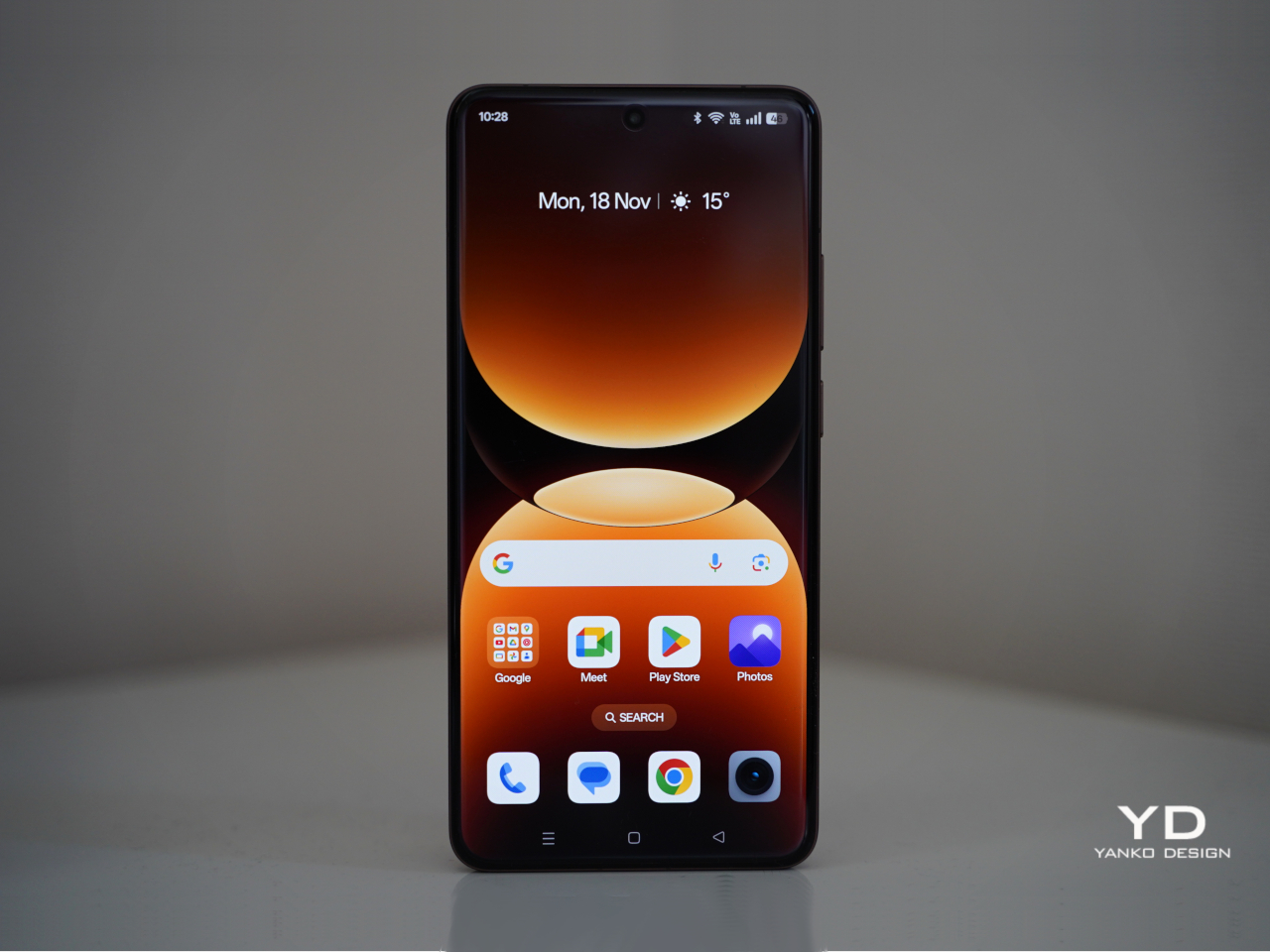
The GT 7 Pro’s display is another standout feature. The 6.78-inch Eco² OLED panel, co-developed with Samsung, boasts a 2780×1264 resolution and can reach a peak brightness of 6500 nits (2000 nits in High Brightness Mode and 1000 nits of typical brightness). With a 120Hz refresh rate, 120% DCI-P3 color gamut coverage, and HDR10+ support, the display is not only bright and vibrant but also energy-efficient, thanks to 8T LTPO technology. This ensures a visually stunning experience, whether gaming or streaming videos. The stereo speaker delivers ample volume, but the sound quality is underwhelming.

The GT 7 Pro’s 6,500mAh silicon anode battery is impressive, easily lasting a full day of heavy use, including gaming, photography, and video streaming. The 120W fast wired charging is a standout feature, charging from 0 to 50% in just 13 minutes and fully charging in 37 minutes, according to realme.

While it lacks wireless charging, this is a reasonable trade-off given the phone’s large battery, fast charging, and competitive price. Realme includes a 120W charger in the box, allowing users to fully benefit from fast charging without extra cost. This makes the lack of wireless charging less of an issue for most. However, the phone’s USB 2.0 connectivity may disappoint some users as a cost-saving measure.

Main, 1x, 24mm

Telephoto, 3x, 73mm

Telephoto, 6x, 144mm

The rear camera setup includes a 50MP main camera with a Sony IMX 906 sensor, a 50MP telephoto lens, and a 12MP ultrawide camera. The main camera captures vibrant images with balanced exposure and dynamic range in daytime and nighttime. The telephoto lens, featuring a Sony IMX 882 sensor, supports 3x optical zoom and up to 120x digital zoom, also offering a macro mode. The telephoto takes pretty good 3x photos with nice details. The ultrawide camera’s performance is less impressive but maintains color consistency with the other lenses.

Main, 1x, 24mm

Ultrawide, 0.6x, 16mm

As for the video, the main and telephoto cameras support up to 4K at 60fps, while the main camera can also record in 8K at 24fps. The video footage from the main and telephoto are generally well-exposed with great stabilization. The front-facing camera is limited to 1080p at 60fps.

Telephoto (Macro), 3x, 73mm

Main, 2x, 49mm

One of the unique features of the GT 7 Pro is its underwater photography mode, enabled by its IP69 and IP68 ratings. While it’s not intended for deep diving, this mode is ideal for activities like swimming and snorkeling, with Realme recommending depths of 0-2 meters for up to 30 minutes.

This feature opens the door to creative underwater shots. I tested it by submerging the phone in a murky pond filled with koi fish. Even though I had to shoot with an awkward arm position and couldn’t clearly see the screen, I was still able to capture sharp, clear images of the fish.

A notable limitation, however, is that once you start recording video, you’re unable to adjust the zoom or switch between the rear and front cameras. Additionally, dual-view video is not supported in underwater mode. It would be great to have these features available while recording.

Another small inconvenience is the alert sound that plays when you exit underwater mode by holding the power button. It can be a bit jarring. Despite these minor issues, the phone performed exceptionally well, delivering impressive results overall.

Powered by its advanced chipset, the Realme GT 7 Pro offers a comprehensive suite of AI features, including AI Sketch to Image, AI Motion Deblur, AI Gaming Super Resolution, and AI Gaming Super Frame. The AI Sketch to Image feature is undoubtedly fun to experiment with. However, its practical applications may vary from user to user, and it remains uncertain how often it will be integrated into daily routines.

The AI Sketch to Image feature allows users to express their creativity in multiple ways. By opening AI Doodle from the side button, you can draw directly on your device or take a photo of your hand-drawn sketch for the AI to transform into a digital masterpiece. Additionally, you can add creative elements to existing photos in your album.

A more practical AI tool for enhancing your photos on GT 7 Pro is AI Motion Deblur. Previously, Realme’s AI Ultra Clarity, introduced with the GT6, focused on sharpening images affected by out-of-focus blur but was limited in addressing motion blur. The GT 7 Pro takes a significant step forward by enabling users to effectively unblur images impacted by motion blur.

This feature targets blur caused by subjects moving in a single-direction motion or from camera shake, addressing one of the most common photography challenges. In my experience with several test photos, the results were mixed. However, when the feature performed well, it successfully salvaged blurry photos without making them look artificially processed or over-edited.

Sustainability

While the Realme GT 7 Pro excels in several areas of durability and longevity, there is no specific information available regarding the use of sustainable materials in its construction. However, the device is built to withstand various environmental challenges, thanks to its IP69 and IP68 certifications. These ratings ensure robust protection against dust and water, allowing users to feel secure against the elements in diverse conditions.

In terms of battery longevity, Realme claims that the GT 7 Pro will maintain more than 80% of its battery health even after four years of use. This focus on battery endurance means users can expect consistent performance over time, reducing the need for frequent replacements and contributing to a more sustainable use of resources.

The GT 7 Pro is supported by a promise of three major OS upgrades and four years of security patches. This level of software support is typical for Android flagship phones from Chinese manufacturers. Overall, while the Realme GT 7 Pro incorporates some elements of sustainability, it remains a step behind leaders in sustainability.

Value

The Realme GT 7 Pro offers a compelling blend of top-notch performance and features at competitive prices. In China, the base model starts at 3,699 CNY (approximately $510 USD) for 12GB RAM and 256GB storage. The top-tier model with 16GB RAM and 1TB storage is priced at 4,799 CNY (around $660 USD).

This is an incredible price for a phone powered by the latest Snapdragon 8 Elite chipset, boasting a great display, a massive 6500mAh battery, and a stylish design. If you’re seeking a performance-focused smartphone, the Realme GT 7 Pro offers exceptional value for money.

Verdict

The Realme GT 7 Pro stands out as a strong contender in the smartphone market, particularly for those seeking a performance-driven device at an attractive price point. With its powerful Snapdragon 8 Elite chipset, massive 6,500mAh battery with 120W fast charging, and a bright, vibrant display, the GT 7 Pro delivers impressive performance across the board. The attractive pricing further enhances its appeal, making it a compelling choice for tech enthusiasts and gamers alike.

Overall, the Realme GT 7 Pro offers a well-rounded package with exceptional performance, impressive battery life, and beautiful aesthetics. Its value for money is undeniable, especially for those prioritizing cutting-edge performance and massive battery over other features. While it may not lead the pack in mobile imaging, it remains a highly competitive option in its price range, delivering a flagship experience without breaking the bank.

The post Realme GT 7 Pro Review: Flagship Performance Meets Affordability first appeared on Yanko Design.

New NUCBox K8 Plus Ryzen Mini PC From GMKtec Review

AMD Ryzen 7 8845HS processor NUC

The GMKtec K8 Plus Mini PC emerges as a formidable contender in the realm of compact computing, offering a blend of power, versatility, and innovation. This diminutive device packs a punch with its AMD Ryzen 7 8845HS processor, catering to a wide spectrum of users from casual enthusiasts to demanding professionals. The K8 Plus stands […]

The post New NUCBox K8 Plus Ryzen Mini PC From GMKtec Review appeared first on Geeky Gadgets.

TobenONE 10-in-1 USB-C Docking Station for Dual 4K Displays

TobenONE Docking Station Kickstarter

The TobenONE 10-in-1 Adaptive Vertical USB C Docking Station provides a comprehensive solution for enhancing connectivity and functionality across a variety of devices. Central to its design is a gravity-adaptive mechanism, constructed from high-strength silicone and aluminum alloy. This mechanism automatically adjusts its clamping force based on the weight of your laptop, making sure secure […]

The post TobenONE 10-in-1 USB-C Docking Station for Dual 4K Displays appeared first on Geeky Gadgets.

Framework Laptop Modified from x86 to RISC-V in 5 Minutes Live

open-source hardware ecosystem

Framework is pioneering a fantastic approach to hardware design, placing emphasis on modularity, repairability, and upgradeability. This innovative strategy draws parallels with software ecosystems, offering a fresh perspective on hardware development that is reshaping the technology landscape. By prioritizing these principles, Framework is not only creating products but fostering a new paradigm in consumer electronics. […]

The post Framework Laptop Modified from x86 to RISC-V in 5 Minutes Live appeared first on Geeky Gadgets.

Oppo Find X8 Pro Review: Powerful Quad-Camera, Now with a Slimmer Profile

PROS:


  • Sophisticated quad-camera system with dual-periscope telephoto

  • Excellent ergonomics and sleek design

  • Impressive performance

CONS:


  • Quick button functionality can be inconsistent

  • Limited to 80W wired charging

RATINGS:

AESTHETICS
ERGONOMICS
PERFORMANCE
SUSTAINABILITY / REPAIRABILITY
VALUE FOR MONEY

EDITOR'S QUOTE:

The OPPO Find X8 Pro distinguishes itself from competitors with unique selling points such as a sophisticated quad-camera system that includes dual-periscope telephoto lenses, providing unparalleled versatility in photography.

OPPO is turning up the heat in the flagship arena with the launch of the global version of the OPPO Find X8 series. These premium devices place a major emphasis on camera innovation, with Hasselblad lending its expertise to elevate the photography experience. The Find X8 Pro, in particular, exemplifies OPPO’s partnership with Hasselblad, offering a sophisticated quad-camera system that includes dual-periscope telephoto lenses for unmatched versatility.

Beyond its photographic prowess, the Find X8 Pro delivers impressive performance powered by MediaTek’s latest Dimensity 9400 chipset, complemented by excellent ergonomics for a comfortable user experience. We put the device through its paces to see just how well it performs under various conditions, evaluating its capabilities in real-world scenarios.

Designer: OPPO

Aesthetics

The OPPO Find X8 Pro has undergone a significant design transformation, presenting a more subtle elegance with a less dominant camera island. OPPO has managed to reduce the size and thickness of the camera bump by 40% compared to its predecessor, according to the company. Although the camera bump remains prominent, it is now more streamlined.

The camera island is designed with perfect symmetry, housing four cameras and featuring the Hasselblad H branding at its center. OPPO’s distinctive Cosmos Ring design and the iconic orange dot are also present, paying homage to classic cameras.

Both variants of the Find X8 Pro are sleek and sophisticated, embodying modern design principles. The Space Black model boasts a frosted textured back panel with a matching matte black aluminum frame and a glossy black camera island, creating a seamless and understated look.

The Pearl White variant, inspired by organic beauty, features a unique pearl-like pattern on the back panel that subtly reflects light, complemented by a silver matte frame and a white camera island. This variant captures attention with its elegant and refined appearance. Notably, there is no vegan leather option available for the Find X8 series.

The overall design of the OPPO Find X8 Pro reflects a meticulous attention to detail, ensuring that both color options offer a premium feel and a visually appealing aesthetic.

Ergonomics

The OPPO Find X8 Pro excels in ergonomics, thanks to its thoughtful design and reduced size and weight. With dimensions of 162.27×76.67×8.24 mm for the Space Black variant and 162.27×76.67×8.34 mm for the Pearl White variant, and a weight of 215 grams, the device is not small but manages to avoid feeling massive in hand. This is largely due to its reduced thickness and weight, which contribute to a comfortable grip.

The back panel is slightly curved at all four edges, providing a seamless transition to the frame and enhancing the device’s ergonomics. The slightly curved glass around the edges facilitates smooth swiping, making navigation a breeze. However, the placement of the fingerprint scanner near the bottom edge can make unlocking and operating the phone a bit awkward.

OPPO has reintroduced the alert slider, allowing users to quickly switch between ring, vibrate, and silent modes. Additionally, the Find X8 Pro features a new quick button on the right side, dedicated to camera functions. This capacitive touch button enables rapid camera launch in just 0.4 seconds with a double tap, as well as zooming in and out by sliding your finger and snapping photos in single or burst mode.

The concept of a dedicated camera button is exciting, but my experience with it was a bit of a mixed bag. I’ve had a similar experience with the iPhone 16’s button, which was also less than impressive. OPPO’s quick button is different from the iPhone’s, as it is a capacitive touch button. However, it requires a bit of force to activate, which can make it feel less responsive.

The zooming function sometimes went in the opposite direction of what I intended, though I did notice some improvement after adjusting the pressure sensitivity settings, and I got better with practice. Personally, I still find the dial carousel on the camera UI easier for zooming, but that might just be me. It would be nice if the quick button included features like a two-stage shutter (half-press for focus, full-press for shutter) and some customization options.

Overall, the OPPO Find X8 Pro impressively balances advanced features like its four-camera system with a design that remains sleek and manageable. It’s a testament to OPPO’s engineering that they managed to incorporate such powerful features into a device that remains easy to handle and use. While there are still some areas, like the quick button, that could be refined further, the overall ergonomic design is commendable.

Performance

The OPPO Find X8 Pro is a powerhouse in terms of camera capabilities, boasting an impressive array of hardware and features. It is equipped with four 50MP cameras, including two periscope telephoto lenses, just like the Find X7 Ultra. The phone sports a 32MP camera on its front for selfies.

Main, 1x

Main, 1x, Low Light

Main, 2x Portrait, Low Light

The main camera features a 1/1.4-inch Sony LYT-808 sensor with an f/1.6 aperture and optical image stabilization (OIS). It excels in both well-lit and low-light conditions, capturing photos with vibrant yet natural colors and accurate white balance. The main lens also offers a 2x optical zoom, adding versatility to your photography.

Main, 1x

Telephoto, 3x

Telephoto, 6x

Telephoto, 30x

Telephoto, 60x

Telephoto, 120x

The 3x optical zoom, 73mm-equivalent camera boasts a 1/1.95-inch Sony LYT-600 sensor, an f/2.6 aperture, and OIS. The 6x optical zoom, 135mm-equivalent telephoto camera features a 1/2.51-inch Sony IMX-858 sensor, an f/4.3 aperture, and OIS. Both telephoto lenses deliver detailed, well-exposed (sometimes slightly overexposed) shots with impressive dynamic range across various lighting scenarios.

The ultra-wide camera, featuring a Samsung 5KJN5 sensor with a 1/2.75-inch size and an f/2.0 aperture with autofocus, completes the versatile camera system. While it may be less exciting compared to the other lenses, it performs reliably well.

The portrait mode offers a range of focal lengths, including 23mm, 48mm, 73mm, and 136mm, providing outstanding subject isolation and creamy bokeh at any focal length.

Ultrawide, 0.6x

Macro, 3x

Portrait, 73mm

The device can record 4K 60fps Dolby Vision video on all cameras, including the front-facing one. Videos from the rear cameras are well-exposed, featuring vibrant colors and smooth transitions between lenses.

The OPPO Find X8 Pro features a stunning 6.78-inch AMOLED display with a 120Hz refresh rate, offering a resolution of 2780×1264 and a pixel density of 450 PPI. With a peak brightness of 4500 nits, the display is exceptionally bright, fluid, and vibrant, making it perfect for viewing content in any lighting condition. The inclusion of 2160Hz PWM dimming ensures comfortable viewing by reducing flicker, even at low brightness levels.

Under the hood, the Find X8 Pro is powered by the latest MediaTek Dimensity 9400 chipset, paired with either 12GB or 16GB of LPDDR5X RAM. Storage options range from 256GB to 1TB of UFS 4.0, providing ample space and speed for all your apps and media. The phone can handle demanding workloads effortlessly, including intensive gaming sessions and multitasking.

Running on ColorOS 15 atop Android 15, the Find X8 Pro offers a smooth and intuitive user experience. As expected from a 2024 flagship, it includes a suite of AI features, such as AI Studio and AI Reflection Remover. While testing the AI Reflection Remover, results were a bit hit or miss; however, this feature holds promise and could become incredibly useful as it becomes more sophisticated.

ColorOS 15 also introduces Touch to Share, enabling simple file transfers between the Find X8 Pro and iOS devices via NFC. This feature, which requires the O+ Connect app on iOS, will be available in a future update.

The phone is equipped with a robust 5910mAh silicon-carbon battery, supporting 80W wired fast charging and 50W wireless charging. Additionally, the device offers 10W reverse wireless charging, allowing you to power other gadgets on the go. Battery life is impressive, typically lasting a full day of heavy use without the need for a recharge.

Sustainability

With environmental responsibility becoming more critical these days, the sustainability of tech products is increasingly scrutinized. The OPPO Find X8 Pro, while impressive in its technological prowess, has room for improvement in its ecological impact. Constructed with reinforced glass and hardy aluminum alloy the device offers durability, and its IP68 and IP69 ratings provide robust protection against dust and water, further extending its lifespan.

However, by adopting a more proactive approach to sustainability, such as incorporating recycled materials and enhancing repairability, OPPO could significantly boost the Find X8 Pro’s appeal to eco-conscious consumers.

Value

In the Chinese market, the OPPO Find X8 Pro offers a compelling value proposition with its impressive specifications and features. The base model, featuring 12GB of RAM and 256GB of storage, is priced at CNY 5,299 (approximately 735 USD), while the higher-end model with 16GB of RAM and 1TB of storage is available for CNY 6,499 (approximately 900 USD).

At a similar price point, the Xiaomi 15 Pro presents itself as a competitive alternative. Meanwhile, the Vivo X200 Pro is positioned as a slightly more budget-friendly option within the premium smartphone segment.

Although pricing for markets outside of China is not available at the time of writing, OPPO’s strategy in its home market suggests an intent to deliver high-end performance and features at an accessible price point.

The Find X8 Pro distinguishes itself from competitors with unique selling points such as a sophisticated quad-camera system that includes dual-periscope telephoto lenses, providing unparalleled versatility in photography. Additionally, the device features a quick button for rapid camera access and an action button designed to enhance user interaction and convenience.

Verdict

The OPPO Find X8 Pro is a standout in the flagship smartphone market, offering a blend of cutting-edge technology and elegant design. Its camera system, developed in collaboration with Hasselblad, provides exceptional versatility and quality, making it a top choice for photography enthusiasts. The device’s performance and ergonomics are equally impressive, ensuring a smooth and enjoyable user experience. While there are areas for improvement, such as the quick button functionality, the Find X8 Pro remains a compelling option for those seeking a premium smartphone with a strong emphasis on photography and performance.



The post Oppo Find X8 Pro Review: Powerful Quad-Camera, Now with a Slimmer Profile first appeared on Yanko Design.