5 Best Gaming Concepts To Revolutionize Gaming In 2026

Gaming hardware has reached an inflection point where pure performance no longer separates the exceptional from the ordinary. Today’s players demand experiences that merge technical capability with thoughtful design, creating tools that feel intuitive, personal, and genuinely innovative. The concepts emerging from design studios around the world reflect this shift, prioritizing clever form factors, sustainable interaction models, and aesthetics that challenge gaming’s aggressive visual language.

These five gaming concepts push beyond incremental improvements to reimagine how we hold, power, display, and interact with gaming hardware. From ultra-compact controllers that defy ergonomic conventions to coin-operated mechanics that transform strategy itself, each design addresses real friction points while offering fresh perspectives on what gaming equipment can become when liberated from market expectations.

1. ONO Compact Controller
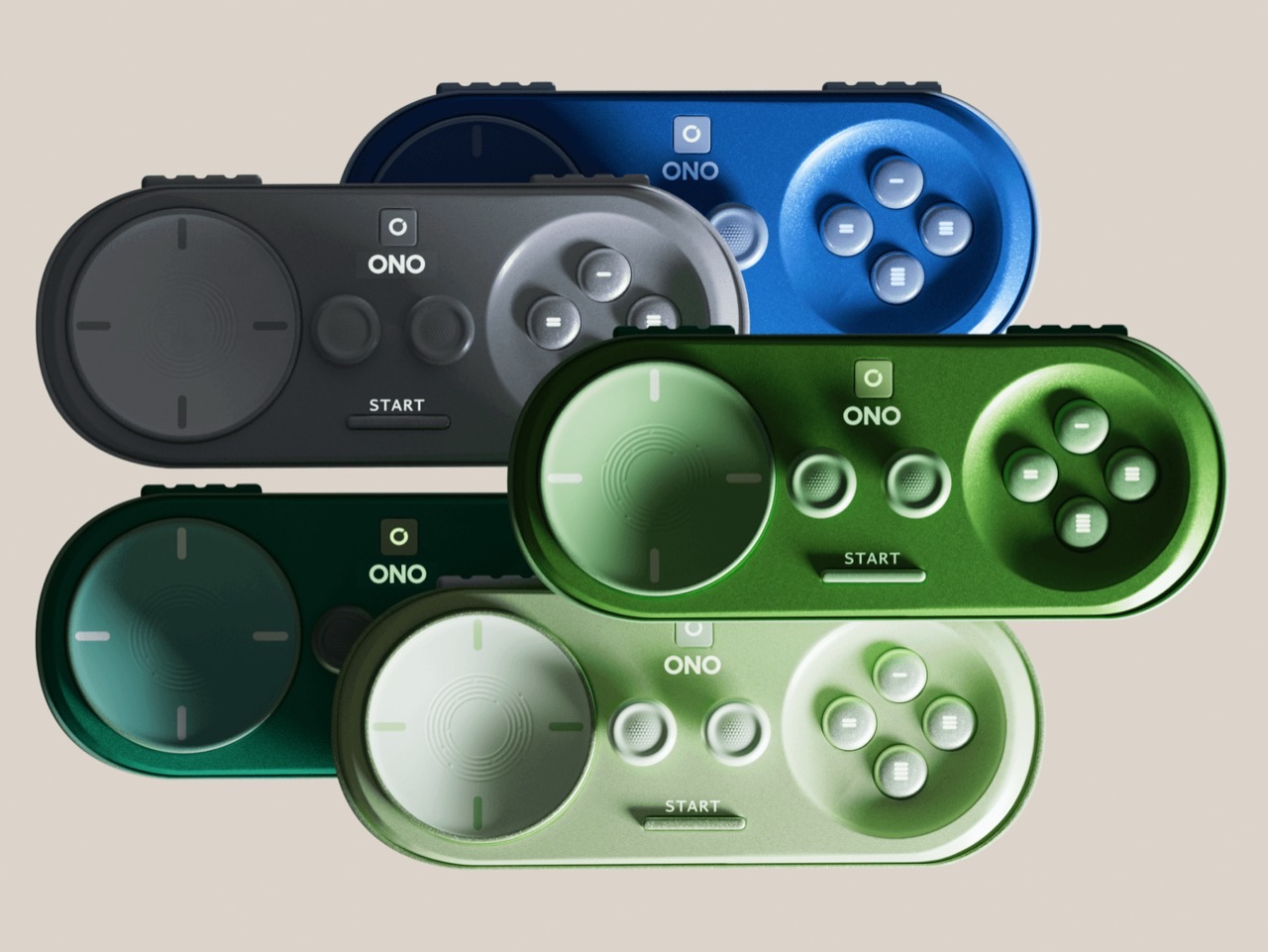
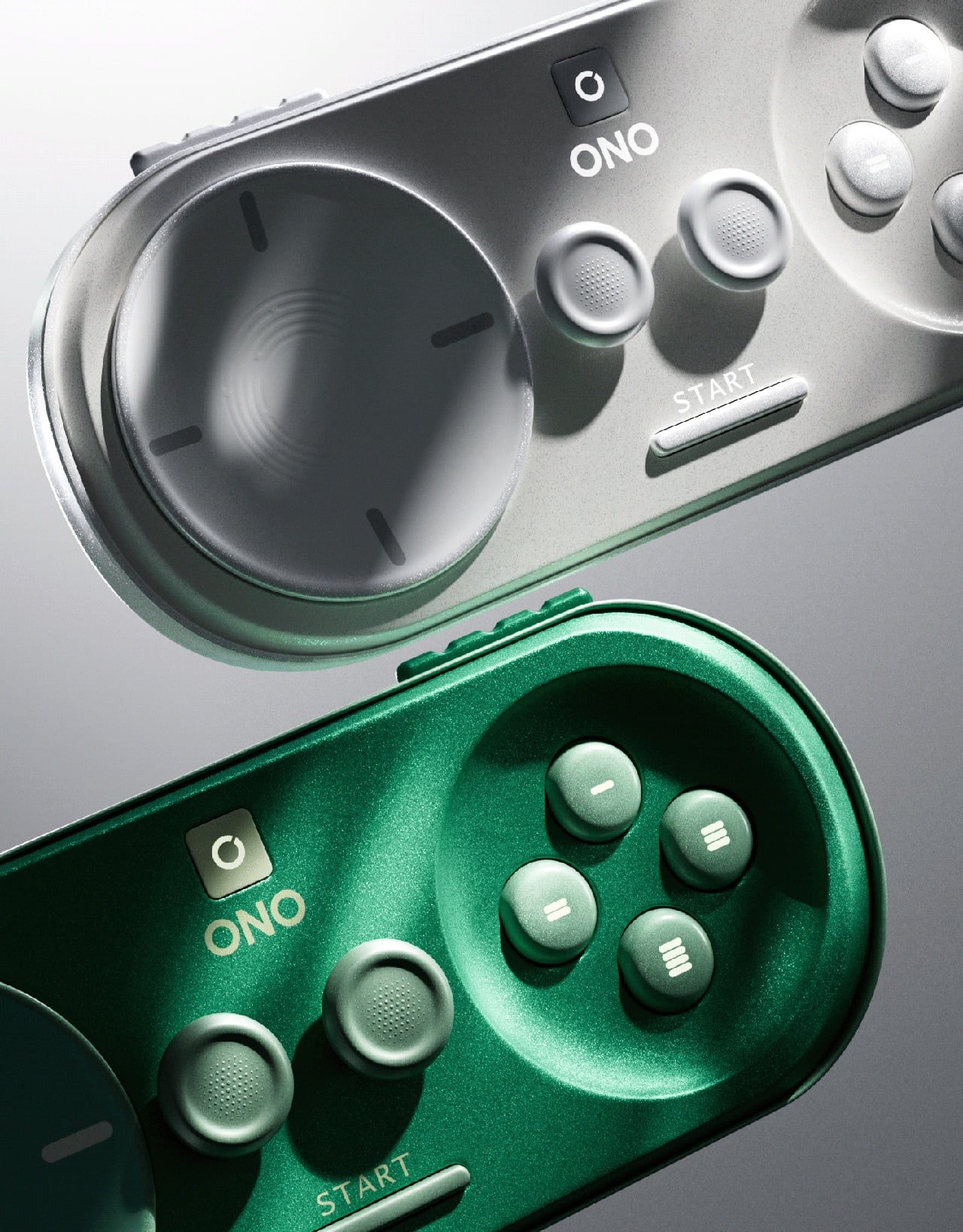
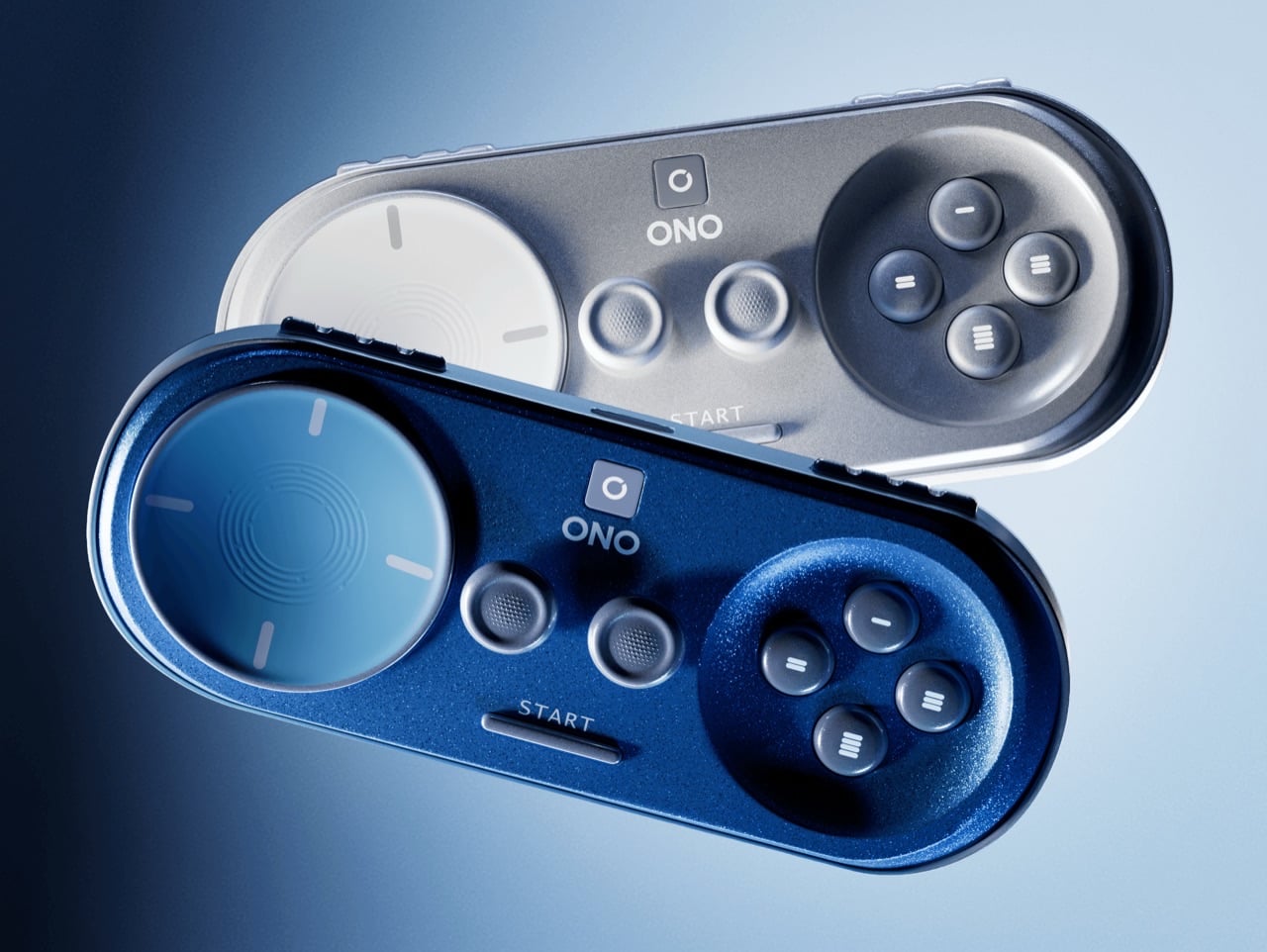
The gaming controller has ballooned in size over successive console generations, growing ever more complex with paddle buttons, touchpads, and haptic motors layered beneath increasingly aggressive shell designs. Alban Contrepois challenges this evolution with the ONO, a capsule-shaped controller that condenses every essential input into a device barely larger than a smartphone. The design philosophy centers on radical simplification without functional sacrifice, proving that ergonomics need not require bulk when the fundamentals are properly considered.

What makes the ONO particularly compelling is its platform-agnostic approach to button labeling and connectivity. Rather than PlayStation symbols or Xbox letters, the action buttons feature abstract geometric shapes, allowing the controller to work seamlessly across mobile, console, and cloud gaming platforms without visual confusion. The rounded capsule form sits naturally in palms without requiring the exaggerated wing grips found on conventional controllers, while dual analog sticks and shoulder buttons maintain full modern functionality. Contrepois even offers the 3D files freely, inviting makers to fabricate their own working prototypes and experiment with personal modifications.

What We Like

  • Genuinely pocket-portable form factor solves real mobility challenges for travelers and commuters
  • Platform-neutral button design eliminates ecosystem lock-in and branding conflicts
  • Free 3D files democratize access and encourage community iteration
  • Minimalist aesthetic appeals to players seeking less visually aggressive hardware

What We Dislike

  • Compact size may create hand cramping during extended gaming sessions
  • Lack of haptic feedback or adaptive triggers limits next-generation console compatibility

2. Goo-Inspired Sony Controller Concept
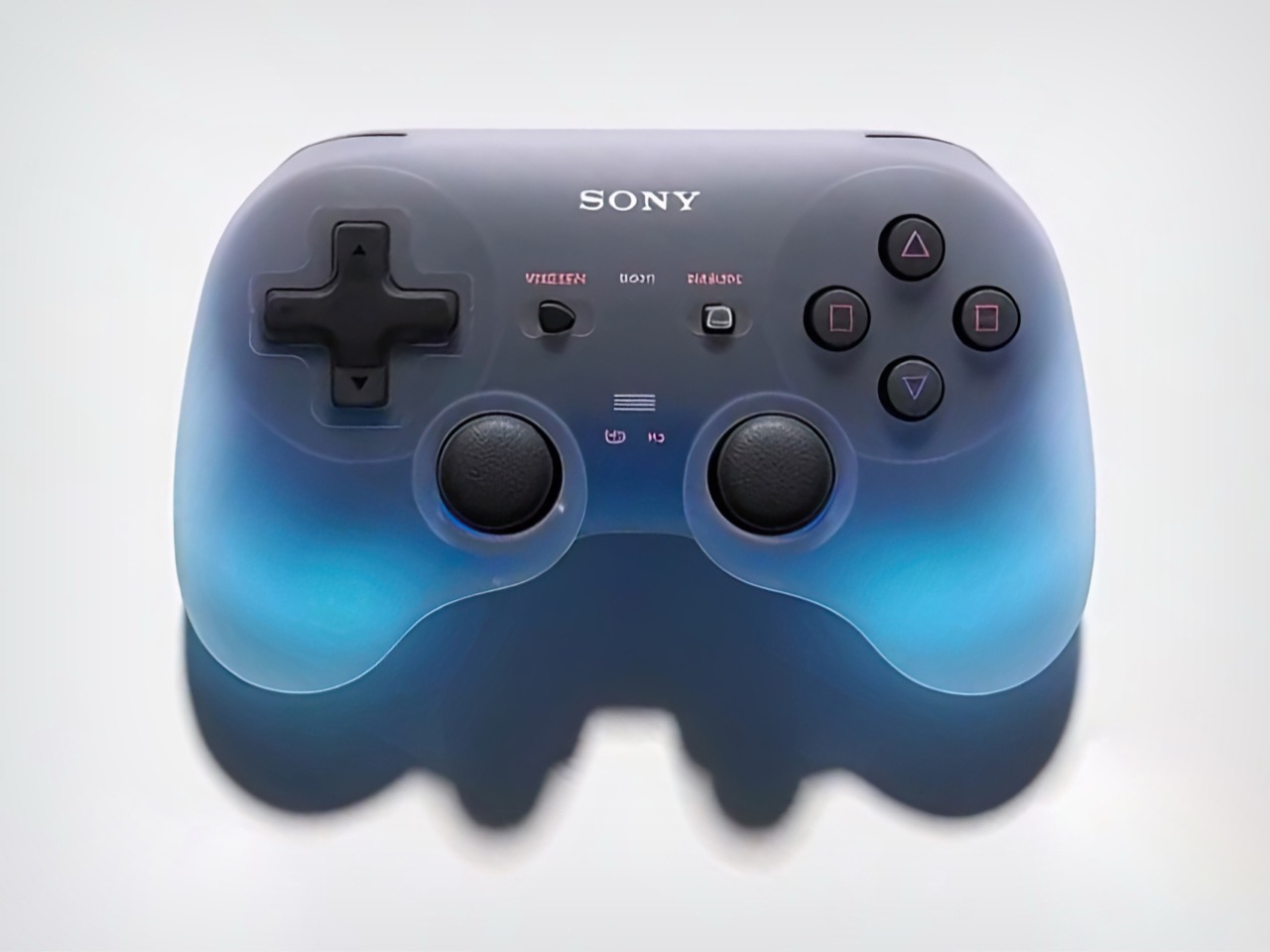
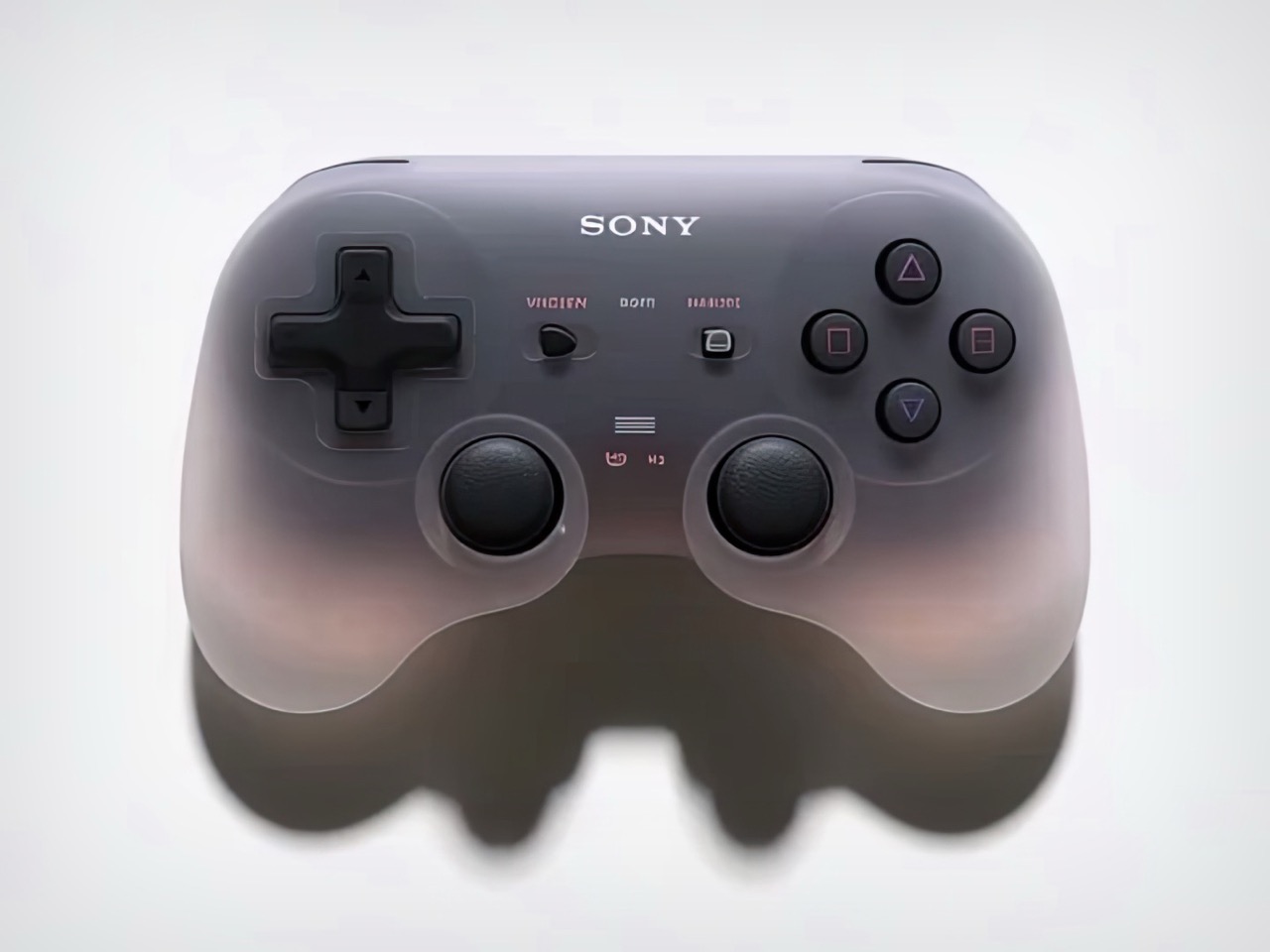
Gaming peripherals have long treated controllers as utilitarian plastic shells, functional objects devoid of personality or emotional resonance. This translucent controller concept rejects that paradigm entirely, transforming the gaming peripheral into a living entity that breathes alongside your gameplay. The bulbous form draws inspiration from the Switch Pro controller’s compact proportions while introducing cloudy black plastic construction that appears deceptively ordinary in its dormant state. Power activation unlocks the controller’s true character as mesmerizing internal illumination floods through the translucent shell.

The controller’s arms pulse rhythmically like breathing lungs, creating an organic connection between player and hardware that traditional rumble motors can only hint at. This breathing illumination responds dynamically to gameplay, intensifying during combat sequences and softening during exploration moments. The translucent construction allows internal LED arrays to project mood-responsive visuals that serve as ambient feedback, communicating game states through color shifts and pulsation patterns. The design treats controllers as character-driven accessories rather than sterile tools, acknowledging that gaming hardware can enhance immersion through visual poetry as effectively as through haptic precision.

What We Like

  • Breathing illumination patterns create an organic emotional connection between the player and the hardware
  • Cloudy translucent construction offers visual intrigue without an aggressive gamer aesthetic
  • Mood-responsive lighting provides ambient gameplay feedback beyond traditional rumble
  • Compact bulbous ergonomics maintain comfort during marathon gaming sessions

What We Dislike

  • Continuous lighting effects may prove distracting during competitive gameplay, requiring total focus
  • Translucent materials reveal fingerprints, smudges, and internal dust accumulation over time

3. Braun-Inspired Minimalist Controller

Gaming controllers have descended into a visual arms race where aggressive angles, neon lighting, and textured grips compete for shelf presence in increasingly chaotic ways. Mark Moes’s Braun-inspired controller concept offers a deliberate counterpoint, channeling Dieter Rams’ “less but better” philosophy into a design that prioritizes calm functionality over visual stimulation. The result feels refreshingly restrained in a market drowning in aesthetic noise.

The controller’s soft rectangular form features gentle curves and a balanced symmetry that prioritizes long-session comfort without resorting to exaggerated ergonomic flourishes. A matte finish in off-white, gray, and black creates visual breathing room, while subtle orange accents on key buttons provide functional highlights without devolving into RGB chaos. The design strips away the threatening visual language that dominates contemporary gaming hardware, instead offering an aesthetic that could comfortably sit on a minimalist desk alongside Braun audio equipment or carefully chosen office accessories.

What We Like

  • Minimalist aesthetic creates a calming alternative to gaming’s visual aggression
  • Thoughtful color choices and material finishes demonstrate timeless design principles
  • Design proves gaming hardware can achieve sophistication without sacrificing functionality
  • Subtle orange accents provide necessary visual guidance without overwhelming the composition

What We Dislike

  • Understated design may lack shelf presence in retail environments dominated by flashy competitors
  • Premium materials and finishes could drive manufacturing costs beyond mass-market viability

4. X-Cube Gaming Mini PC
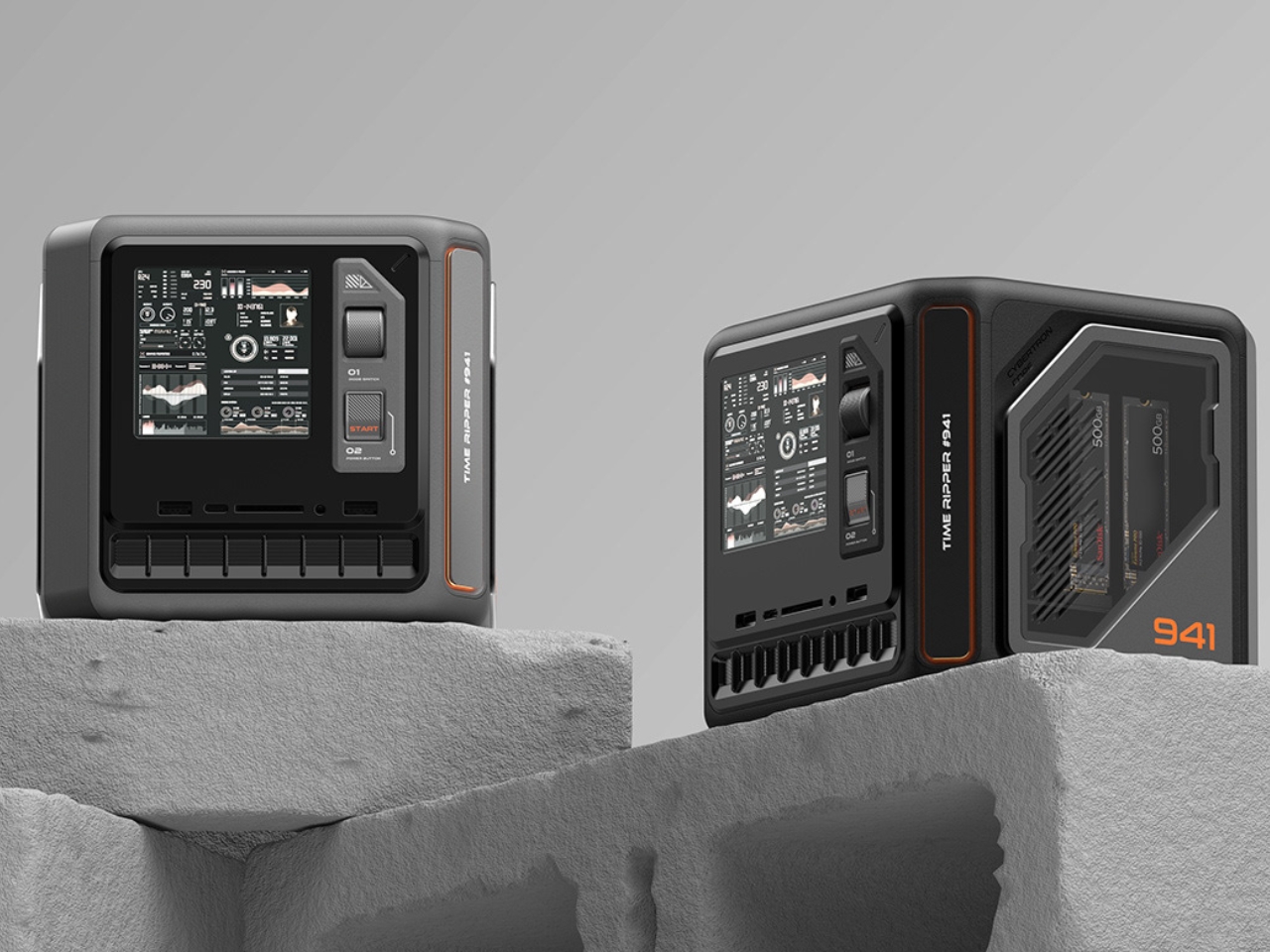
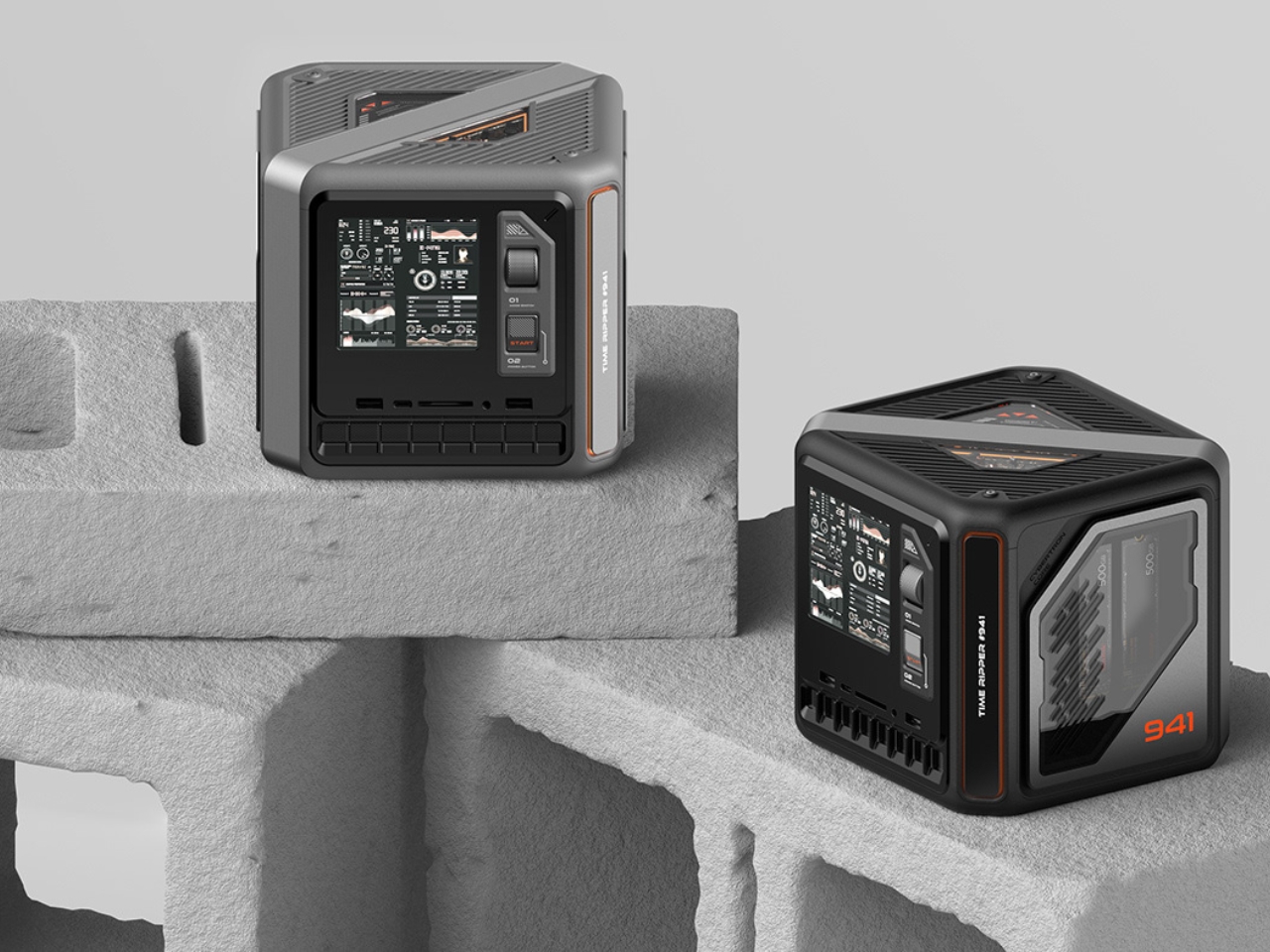
The gaming PC market has polarized into either massive RGB-laden towers or anonymous black boxes that hide their capabilities behind conservative shells. KiwiDesign’s X-Cube Gaming Mini PC embraces a third path with its cyberpunk-inspired aesthetic that treats internal components as design features rather than elements to conceal. Equipped with an Intel 14-core i9 processor and NVIDIA 4060 GPU, the X-Cube delivers flagship AAA gaming performance wrapped in a form factor that celebrates technical complexity rather than minimizing it.

The cubic design showcases internal components through transparent panels that transform technical infrastructure into a visual spectacle, creating an industrial aesthetic that aligns with cyberpunk’s machine-worship sensibility. A 4-inch front-mounted display provides real-time performance monitoring while offering customizable interface options for personalization. Multi-faceted air intake grilles ensure adequate thermal management during demanding gaming sessions while reinforcing the mechanical design language. The X-Cube targets enthusiasts who view their gaming hardware as centerpiece objects deserving architectural prominence rather than discrete appliances hidden beneath desks.

What We Like

  • Transparent design celebrates technical components as aesthetic features worth displaying
  • The integrated performance monitoring screen provides useful real-time system information
  • Compact mini PC form factor delivers flagship performance without requiring massive tower footprints
  • Cyberpunk aesthetic offers clear differentiation in a homogenized mini PC market

What We Dislike

  • Transparent components showcase dust accumulation and cable management challenges
  • Bold aesthetic may alienate players preferring understated hardware that blends into living spaces

5. CoinPlay Handheld Console
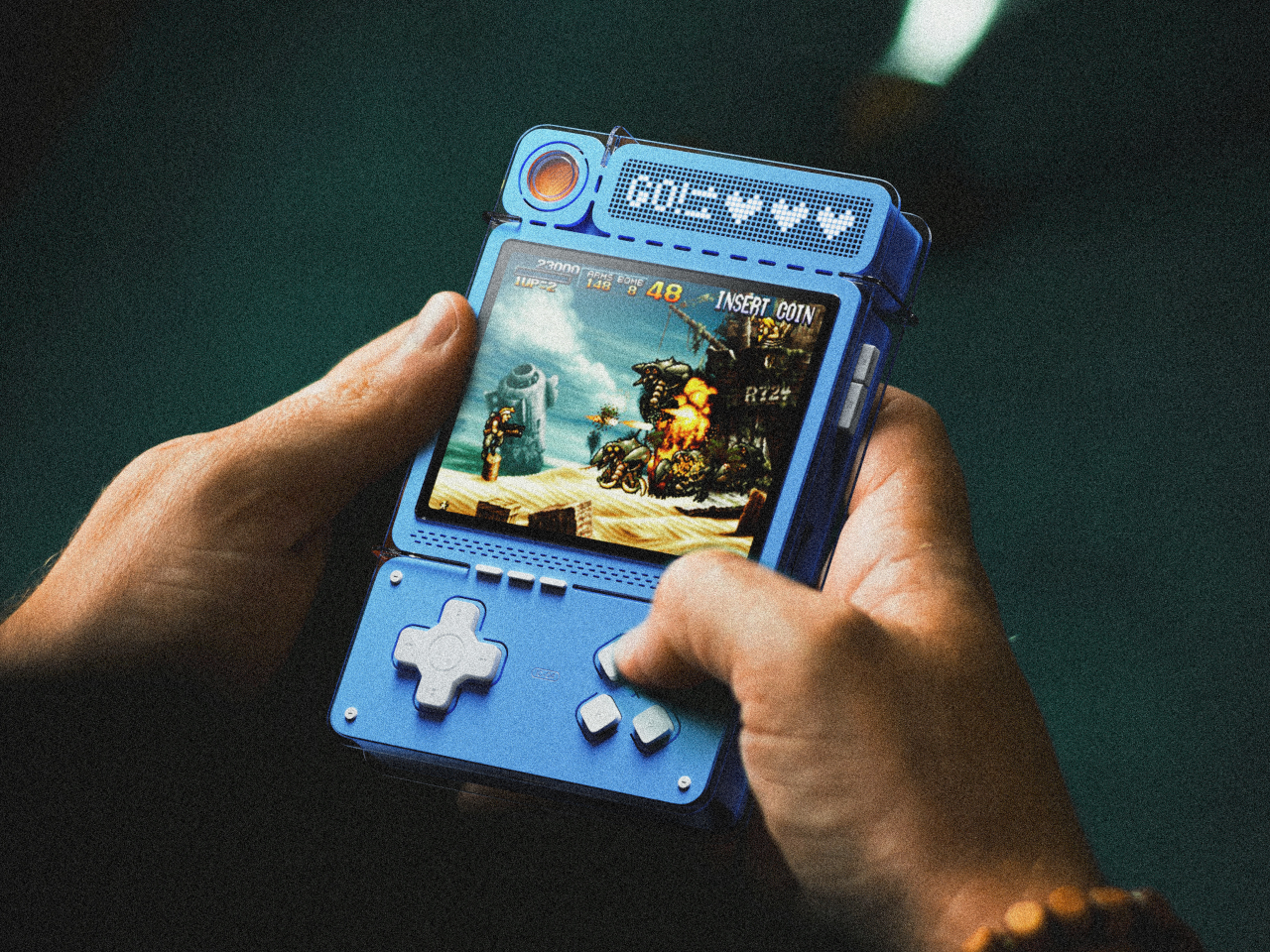
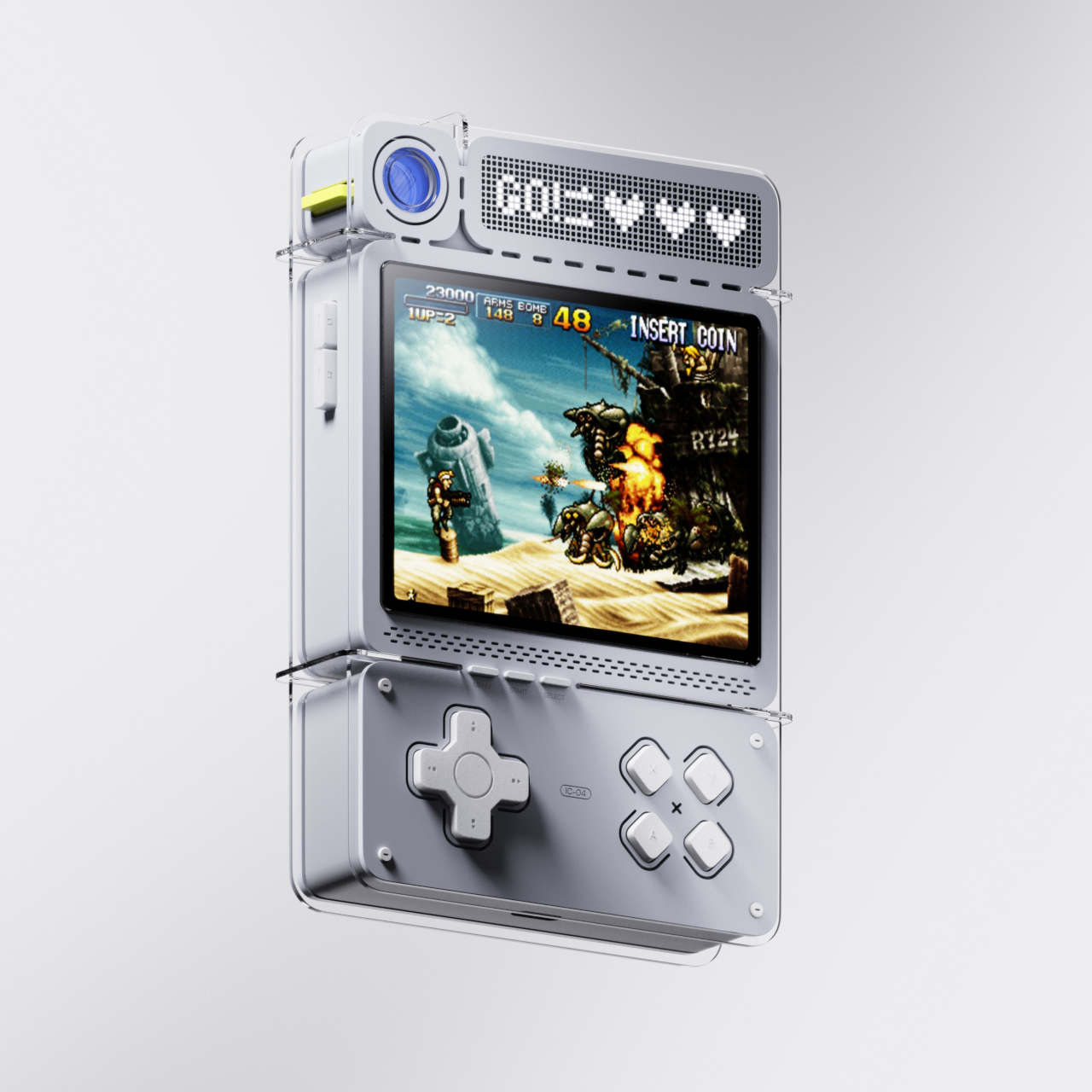
Retro gaming handhelds typically rely on nostalgia as their primary selling proposition, recreating classic form factors without reimagining the interaction model itself. The CoinPlay concept disrupts this pattern by incorporating coin-operated mechanics directly into gameplay, transforming limited-use power-ups into physical objects that demand strategic consideration. Rather than endless continues and infinite lives, CoinPlay restricts powerful abilities to physical coins that must be carefully deployed at crucial moments.

The handheld features a top-mounted coin slot that accepts special power-up tokens in different colors, each providing distinct in-game advantages. Blue coins might restore health or grant extra lives, while red tokens could unlock weapons or essential items. Orange coins might boost attack power or strengthen defenses. The physical limitation creates genuine strategic tension absent from conventional handheld gaming, forcing players to weigh when deploying their finite resources will provide maximum advantage. The design evokes Game Boy DMG proportions with standard D-pad, face buttons, and shoulder controls, ensuring compatibility with classic arcade-style titles where strategic power-up deployment feels most natural.

What We Like

  • Coin-operated mechanic creates genuine strategic depth through resource scarcity
  • Physical power-up tokens provide tactile interaction missing from digital-only interfaces
  • Design successfully modernizes arcade coin-op nostalgia without requiring actual payment
  • Limited resources encourage thoughtful gameplay rather than brute-force repetition

What We Dislike

  • Physical coin requirement creates potential loss and replacement headaches
  • The chunky form factor may prove uncomfortable during extended gaming sessions

Looking Forward

These five concepts share a common thread beyond their innovative approaches to gaming hardware. Each design challenges assumptions about what gaming equipment must look like, how it should function, and who it serves. The ONO proves that portability need not sacrifice functionality. The Nintendo Switcher demonstrates that gaming design language can transcend its category. Mark Moes’ minimalist controller shows restraint as a viable alternative to visual aggression. The X-Cube celebrates technical complexity as an aesthetic virtue. And CoinPlay reimagines digital scarcity through physical objects.

What makes these concepts particularly valuable is their willingness to question established patterns rather than simply iterating on existing templates. As gaming continues expanding beyond traditional demographics and use cases, hardware design must evolve to serve increasingly diverse needs and aesthetic preferences. These concepts point toward futures where gaming equipment embraces portability, sustainability, sophistication, transparency, and strategic physicality as core values worth pursuing.

The post 5 Best Gaming Concepts To Revolutionize Gaming In 2026 first appeared on Yanko Design.

Samsung Galaxy S26 Ultra: The ‘No More Excuses’ Flagship

Samsung Galaxy S26 Ultra: The ‘No More Excuses’ Flagship

The Samsung Galaxy S26 Ultra represents a pivotal moment in the evolution of premium smartphones. By combining innovative technology with thoughtful design, Samsung has crafted a device that appeals to both tech enthusiasts and everyday users. With a focus on innovation, practicality, and user-centric features, the S26 Ultra positions itself as a leader in the […]

The post Samsung Galaxy S26 Ultra: The ‘No More Excuses’ Flagship appeared first on Geeky Gadgets.

Posted in Uncategorized

Highguard, a hyperpop arena shooter and other new indie games worth checking out

Welcome to our latest roundup of what's going on in the indie game space. There are tons of interesting games out this week. But first, there's been some discourse around the Nintendo Switch version of Dispatch, which arrived this week as well.

On other platforms, there's an option to censor genitalia and other explicit content, but that's not present in the Switch version. Instead, such content is censored by default, with black rectangles covering up characters' bits and someone flipping the bird. Noises that suggest sexual pleasure are said to be toned down too.

"We worked with Nintendo to ensure the content within the title met the criteria to release on their platforms, but the core narrative and gameplay experience remains identical to the original release," developer AdHoc told EuroGamer. Nintendo later said in a statement to GoNintendo that it "requires all games on its platforms to receive ratings from independent organizations and to meet our established content and platform guidelines. While we inform partners when their titles don’t meet our guidelines, Nintendo does not make changes to partner content. We also do not discuss specific content or the criteria used in making these determinations." 

There are other games available for the Switch and Switch 2 that feature nudity and explicit content. There have long been hentai games on the eShop, while mainstream games like The Witcher 3 and Cyberpunk 2077 (we know all about the dongs in that one) still include explicit content on Nintendo platforms. So it's a bit of a strange one, and AdHoc and Nintendo didn't exactly clear things up with their statements.

There's been speculation that AdHoc censored the game to comply with rules in Japan (Cyberpunk 2077 is censored there too) and that it opted to have just one version of the game available globally on Nintendo platforms. All the same, it's a curious situation that's resulted in a lot of discourse. But there's been another indie game that's been a source of even more chatter this week...

Highguard is a 3v3 raid shooter from Wildlight Entertainment, a team that includes a bunch of former Apex Legends and Titanfall developers. It broke cover at The Game Awards in December when it was the final reveal of the night but that first trailer wasn't great.

As it turned out, TGA creator and host Geoff Keighley was a friend of the devs and after trying Highguard, he wanted to include it in the show. Wildlight cobbled together a trailer, but that disrupted the studio's long-standing plans to reveal and release the game simultaneously — a strategy that worked wonders for Apex Legends (though that game had the might of EA behind it).

After revealing Highguard, Wildlight effectively went radio silent until a release day showcase on Monday to detail just what the game is and how it works. That seems to have been a mistake given the review bombing and strange vendetta some developed against it. Highguard went live on Monday and Wildlight published a whole bunch of YouTube videos revealing the game's features. Spreading those out between TGA and this week could have tempered expectations.

In any case, I've played a few rounds of Highguard and mostly enjoyed my time with it so far. It's a blend of hero shooter and MOBA. As you might expect for a game from Apex and Titanfall veterans, the weapons feel well-tuned and the gunplay is snappy. There’s a lot going on and the maps are far too big for just six players. It's fun enough, but I don't think it's a game that's going to break my Overwatch obsession. Riding into battle on the back of a bear feels pretty great, though. You can play Highguard for free on Steam, PS5 and Xbox Series X/S.

I really wanted to like Don’t Stop, Girlypop! more than I did. I'd been looking forward to it for a while, as the promise of a Doom Eternal-style arena shooter with chaotic hyperpop-inspired visuals seemed like a great blend. Don't get me wrong, I adore the aesthetic and the soundtrack is spot on thanks to some cracking songs from Sarah Wolfe, Xavier Dunn and Candice Susnjar. I just wish it was as fun to play as it is to look at and listen to.

The visual clutter and fast pace sometimes makes it hard to spot enemies and the narrative doesn't really hang together, as much as the developers have salient points to make about the exploitation of finite resources. The core gameplay idea here is that the faster you move, the more damage you deal and more you heal. The game has its own take on a bunny hop called a wave hop that boosts your speed, but felt like it slowed me down because of the complex combination of inputs (jump, ground pound, jump, dash). That also caused my hand to cramp up very quickly. 

I do love the customization here. Slapping rhinestones and baby sharks onto my weapons was delightful. The game's take on a gravity gun is fun too. So while Don't Stop, Girlypop! — from Funny Fintan Softworks and publisher Kwalee — didn't fully land for me, there are some aspects I like a whole lot. It's out now on Steam for $20 (there's a 10 percent launch discount until February 5).

We're been looking forward to Cairn for a while around these parts, so it's heartening to see that it debuted to broadly positive reviews. This one from The Game Bakers is the latest in a string of climbing adventures, such as the lovely Jusant. So if Alex Honnold's recent free solo climb up a skyscraper has inspired you to ascend something very large without really posing a risk to your wellbeing, Cairn might be what you're looking for. 

Cairn is out now on PS5 and Steam for $30. There's a 10 percent launch discount on Steam until February 12, and until February 13 on PS5 if you're a PS Plus member.

Every trailer I've seen for Steel Century Groove has made me smile, so you can bet I'll be jumping into this when I have a chance. It's a rhythm game with Pokémon-style RPG elements in which you take control of a robot in dance battles. There's some original and licensed music to boogie along to and you can load in your own MP3s (you can bank on me loading some Electric Callboy tracks into this game). Steel Century Groove will create procedurally-generated choreography and charts for your custom songs. You can manually adjust the BPM too.

This debut title from solo developer Sloth Gloss Games is out now on Steam for $20. There's a 10 percent launch discount until February 11. There's a demo available, and progress from there carries over into the full game.

Rosday's Wanderling is a roguelike platformer with no combat. You have eight attempts to acquire the gear and learn the knowledge you need to pass each dungeon. Scour for loot and buy upgrades from the shop before night falls to help you on your way. You can place markers to help you remember where you've been. 

Runs are said to be short at between 20 and 30 minutes. The visuals remind me a bit of Celeste too. You can check out Wanderling on Steam now for $8 (a 10 percent discount brings the price down to $7.20 until February 2).

I can't help but admire Strange Scaffold (Clickolding, I Am Your Beast, Co-op Kaiju Horror Cooking) and the rate at which it releases games. The latest one is Space Warlord Baby Trading Simulator. 

It's a stock market sim in which you speculate on the future success or failures of the "simulated lives of babies." You can "short that baby" if you choose as you try to make gains. In a timeline where prediction markets allow you to speculate on just about anything (listen to this week's episode of the Engadget Podcast to learn more about that), gambling on the future of babies doesn't seem that farfetched.

Space Warlord Baby Trading Simulator — which is set in the same world as Space Warlord Organ Trading Simulator — is out now on Steam. It'll normally cost $20, but there's a 15 percent discount until February 12. Strange Scaffold is also bringing the game to Xbox Series X/S in the near future.

I Hate This Place is an isometric survival game based on the eponymous comic book series by Kyle Starks and Artyom Topilin. The game retains a comic book aesthetic and it has '80s horror movie-style inflections.

The way that noise is visualized is pretty interesting here. Onomatopoeic words will pop up and you'll see color-coded footsteps — useful when you're trying to be stealthy. Crafting is a key aspect of the game as well.

I Hate This Place — from Rock Square Thunder, Broken Mirror Games and Skybound Entertainment — is out now on Steam, PS5, Nintendo Switch and Xbox Series X/S. The regular price is $30 and there's a 20 percent launch discount on some platforms. 

I can't find a trailer for this on YouTube, unfortunately, but Rebadge caught my eye this week as well. It's a puzzle platformer from Yuumayay, who appears to be a 17-year-old solo developer. Your character carries badges that allow them to carry out actions like moving and jumping. Other badges include "affected by gravity" and "destroys on contact." Here's the trick: you can throw a badge and lose the associated ability, but then you can apply the trait to something else in the world.

It's a neat idea that draws from the playbooks of games like Baba Is You. Rebadge typically costs $8, but there's a 15 percent launch discount.

Moon Beast Productions is a studio formed by several of the creators of Diablo and Diablo II. This week, it revealed gameplay for its first title, Darkhaven, which is a fantasy isometric action RPG in the vein of (you guessed it) Diablo. You'll be able to play this one solo or with friends, and there are PvP elements. Darkhaven has procedurally generated, destructible worlds along with "massive events that threaten your entire world."

The gameplay shown in the trailer looks a bit rough, but it's still early days. In fact, Moon Beast is planning a Kickstarter campaign for Darkhaven. There's no release window as yet, but you can wishlist it on Steam.

Box or Void is a puzzle game that clearly takes some inspiration from Sokoban and Snake. Here, though, gameplay takes place across two planes. You'll switch between positive and negative space — obstacles on one side turn into pathways on the other. You'll alter the level layouts by pushing boxes. 

This one from Dumen Games has an intriguing premise. There's no release date as yet for Box or Void, but a demo with 32 levels (about a fifth of what will be in the full game) dropped this week on Steam.

If there's a game that's billed as Dredge meets Wall-E, that's going to be enough to sell me. Describe it as a "petroidvania" and call it Good Boy, and I'm definitely in.

This is a creature-collecting Metroidvania from Observer Interactive and publisher Team17 in which pups are reincarnated as space rovers. I could not dig that premise more. Good Boy is expected to hit Steam later this year.

This article originally appeared on Engadget at https://www.engadget.com/gaming/highguard-a-hyperpop-arena-shooter-and-other-new-indie-games-worth-checking-out-120000874.html?src=rss

Meta’s Limited Wayfarers Make Smart Frames Look Like Classic Shades

Meta’s Limited Wayfarers Make Smart Frames Look Like Classic Shades

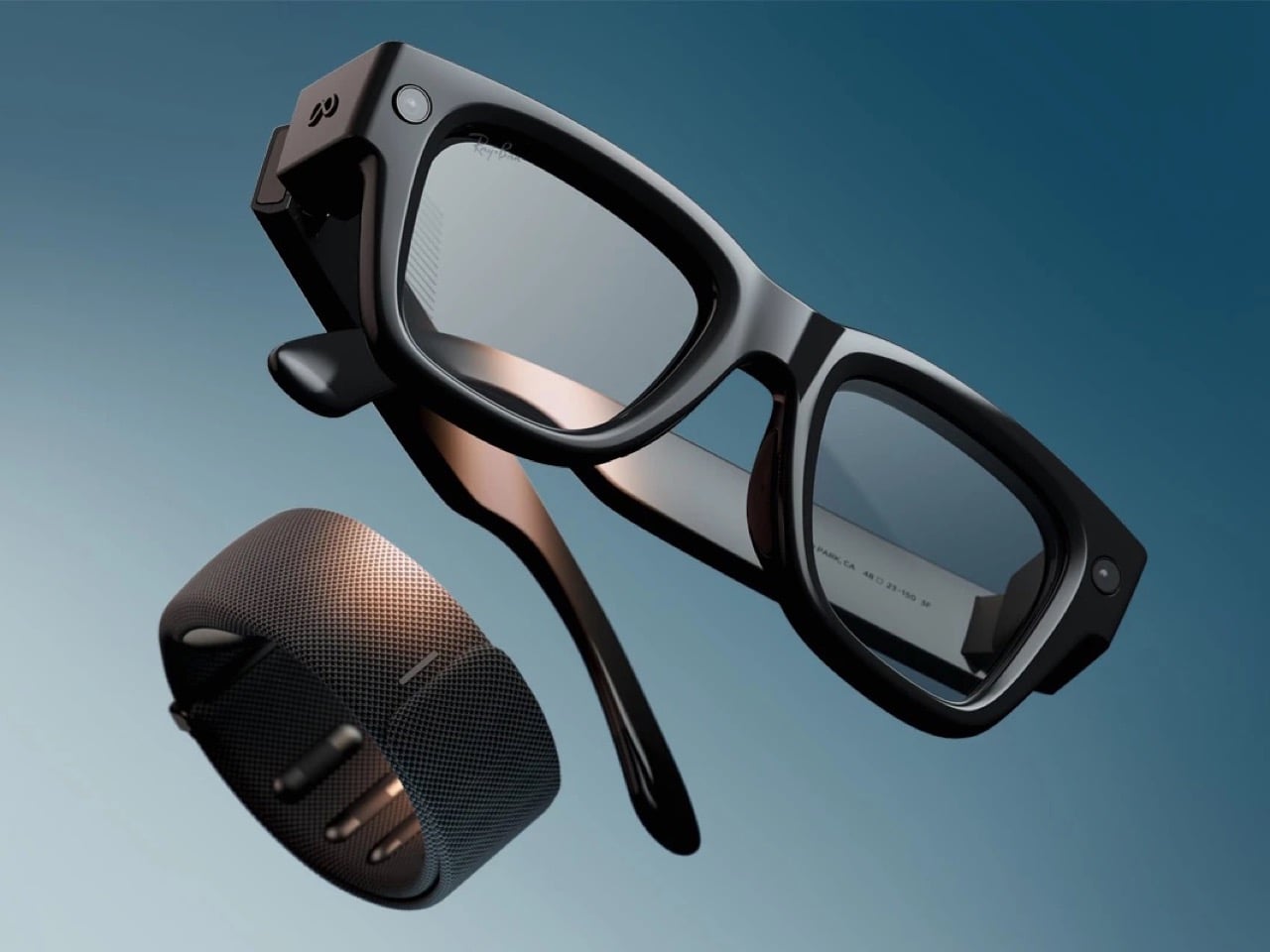
What happens when timeless design meets innovative innovation? Phones & Drones takes a closer look at how the Ray-Ban Meta Wayfarers Gen 2 Limited Edition smart glasses redefine wearable technology. With only 7,500 pairs available worldwide, these glasses are more than just a gadget, they’re a statement of exclusivity and sophistication. Featuring a matte transparent […]

The post Meta’s Limited Wayfarers Make Smart Frames Look Like Classic Shades appeared first on Geeky Gadgets.

Posted in Uncategorized

Apple’s High-End M5 MacBook Pro Delay: The Real Reason Behind It

Apple’s High-End M5 MacBook Pro Delay: The Real Reason Behind It

Apple has delayed the release of its highly anticipated high-end M5 Max and M5 Pro MacBook Pro models, initially expected to arrive in late 2025. These laptops, powered by the advanced M5 Pro and M5 Max chips, are now scheduled for launch on February 5, 2026. While delays are rare for Apple, this decision appears […]

The post Apple’s High-End M5 MacBook Pro Delay: The Real Reason Behind It appeared first on Geeky Gadgets.

Posted in Uncategorized

Steam Machine Makes Couch Co-Op Feel Fresh Again : Proton, Lepton & FEX Support

Steam Machine Makes Couch Co-Op Feel Fresh Again : Proton, Lepton & FEX Support

What if one device could redefine how you experience gaming, whether you’re a retro enthusiast, a couch co-op champion, or a 4K graphics aficionado? Below, Deck Ready takes you through how Valve’s Steam Machine has carved out a unique space in the gaming world, blending versatility with innovative performance. This isn’t just another gaming PC, […]

The post Steam Machine Makes Couch Co-Op Feel Fresh Again : Proton, Lepton & FEX Support appeared first on Geeky Gadgets.

Posted in Uncategorized

Samsung’s Galaxy Z Fold 8 Wide is the iPhone Fold’s Worst Nightmare

Samsung’s Galaxy Z Fold 8 Wide is the iPhone Fold’s Worst Nightmare

Samsung is poised to make a significant impact in the foldable smartphone market with the highly anticipated Galaxy Z Fold 8 Wide, set to debut during its Galaxy Unpacked event in Q3 2026. This device introduces a broader aspect ratio and enhanced usability, directly addressing critiques of earlier foldable models. Positioned as a mainstream product, […]

The post Samsung’s Galaxy Z Fold 8 Wide is the iPhone Fold’s Worst Nightmare appeared first on Geeky Gadgets.

Posted in Uncategorized

Travel Isn’t Guesswork Anymore, AI Turns Daily Journeys into Clear, Culture-Rich Moves

Travel Isn’t Guesswork Anymore, AI Turns Daily Journeys into Clear, Culture-Rich Moves

What if planning your dream vacation could feel as effortless as scrolling through your favorite app? In this overview, Olivio Sarikas explores how AI is transforming travel, turning once-daunting tasks like itinerary planning and cultural immersion into seamless, personalized experiences. Imagine discovering hidden gems tailored to your interests, navigating unfamiliar cities with confidence, or even […]

The post Travel Isn’t Guesswork Anymore, AI Turns Daily Journeys into Clear, Culture-Rich Moves appeared first on Geeky Gadgets.

Posted in Uncategorized

Meta Misread the Future Twice. Now They’re Sitting on a Golden Egg, But Don’t Know It

Mark Zuckerberg changed his company’s name to Meta in October 2021 because he believed the future was virtual. Not just sort-of virtual, like Instagram filters or Zoom calls, but capital-V Virtual: immersive 3D worlds where you’d work, socialize, and live a parallel digital life through a VR headset. Four years and roughly $70 billion in cumulative Reality Labs losses later, Meta is quietly dismantling that vision. In January 2026, the company laid off around 1,500 people from its metaverse division, shut down multiple VR game studios, killed its VR meeting app Workrooms, and effectively admitted that the grand bet on virtual reality had failed. Investors barely blinked. The stock went up.

The official line now is that Meta is pivoting to AI and wearables. Zuckerberg spent much of 2025 building what he calls a “superintelligence” lab, hiring top-tier AI talent with eye-watering compensation packages that are now one of the largest drivers of Meta’s 2026 expense growth. The company released Llama models that benchmark decently against OpenAI and Google, embedded chatbots into WhatsApp and Instagram, and talks constantly about “AI agents” and “new media formats.” But from a product and profit perspective, Meta’s AI strategy looks suspiciously like its metaverse strategy: lots of spending, vague promises, and no breakout consumer experience that people actually love. Meanwhile, the thing that is quietly working, the thing people are buying and using in the real world, is a pair of $300 smart glasses that Meta barely talks about. If this sounds like a pattern, that’s because it is. Meta has now misread the future twice in a row, and both times the answer was hiding in plain sight.

The Metaverse Was a $70 Billion Fantasy

Reality Labs has been hemorrhaging money since late 2020. As of early 2026, cumulative operating losses sit somewhere between $70 and $80 billion, depending on how you slice the quarters. In the third quarter of 2025 alone, Reality Labs posted a $4.4 billion loss on $470 million in revenue. For 2025 as a whole, the division lost more than $19 billion. These are not rounding errors or R&D investments that will pay off next year. These are structural losses tied to a product category, VR headsets and metaverse platforms, that the market simply does not want at the scale Meta imagined.

The vision sounded compelling in a keynote. You would strap on a Quest headset, meet your coworkers in a virtual conference room with floating whiteboards, then hop over to Horizon Worlds to hang out with friends as legless avatars. The problem was that almost no one wanted to do any of that for more than a demo. VR remained a niche gaming platform with occasional fitness and entertainment use cases, not the next paradigm shift in human interaction. Zuckerberg kept insisting the breakthrough was just around the corner. He was wrong, and the January 2026 layoffs and studio closures were the formal acknowledgment that Reality Labs as originally conceived was dead.

The irony is that Meta actually had a potential killer app inside Reality Labs, and it murdered it. Supernatural, a VR fitness game that Meta acquired for $400 million in 2023, was one of the few pieces of Quest software that generated genuine user loyalty and recurring revenue. People who used Supernatural regularly described it as the most effective home workout they had ever done, combining rhythm-based gameplay with full-body movement in a way that treadmills and Peloton bikes could not replicate. It had a subscription model, a dedicated community, and real retention. In January 2026, Meta moved Supernatural into “maintenance mode,” which is corporate speak for “we fired almost everyone and it will get no new content.” If you are trying to prove that VR has mainstream utility beyond gaming, fitness is one of the most obvious wedges. Meta had that wedge, and it chose to kill it in the same round of cuts that shuttered studios working on Batman VR games and other prestige titles. The message was clear: Zuckerberg had lost interest in Quest, even the parts that worked.

The AI Bet That Looks Like the ‘Metaverse Bust’ 2.0

After spending years insisting the future was virtual worlds, Meta pivoted hard to AI in 2023 and 2024. Zuckerberg now talks about AI the way he used to talk about the metaverse: with sweeping language about paradigm shifts and transformative platforms. The company stood up an AI division focused on building what it calls “superintelligence,” hired aggressively from OpenAI and Anthropic, and made technical talent compensation the second-largest contributor to Meta’s 2026 expense growth behind infrastructure. This is not a side project. Meta is spending billions on AI research, training, and deployment, and Zuckerberg expects losses to remain near 2025 levels in 2026 before they start to taper.

From a technical standpoint, Meta’s AI work is solid. The Llama family of models is legitimately competitive with GPT-4 class systems and has found real adoption among developers who want open-source alternatives to OpenAI and Google. Meta’s internal AI is also driving real business value in ad targeting, content ranking, and moderation. Those systems work, and they contribute directly to Meta’s core revenue. But from a consumer product perspective, Meta’s AI feels scattered and often unnecessary. The company has embedded “Meta AI” chatbots into WhatsApp, Instagram, Messenger, and Facebook, none of which feel like natural places for a chatbot. Instagram’s feed is increasingly stuffed with AI-generated images and engagement bait that users actively complain about. Meta has launched character-based AI bots tied to influencers and celebrities, and approximately no one uses them. The gap between “we have impressive models” and “we have a product people love” is enormous, and it is the exact same gap that sank the metaverse.

What Meta is missing, again, is product intuition. OpenAI built ChatGPT and made it feel like the future because the interface was simple, the use cases were obvious, and it delivered consistent value. Google integrated Gemini into Search and productivity tools where users were already working. Meta, by contrast, seems to be throwing AI at every surface it controls and hoping something sticks. Zuckerberg talks about “an explosion of new media formats” and “more interactive feeds,” which in practice means more algorithmic slop and fewer posts from people you actually know. Analysts are starting to notice. One Bernstein note from early 2026 argued that the “winner” criteria in AI is shifting from model quality to product usage, which is a polite way of saying that having a great model does not matter if your product is annoying. Meta has a great model. Its products are annoying.

The financial picture is also murkier than Meta would like to admit. Reality Labs is still losing close to $20 billion a year, and while AI is not a separate reporting segment, the talent and infrastructure costs are clearly rising. Meta’s overall revenue growth is strong, driven by advertising, but the company is not yet showing a clear path to AI profitability outside of ‘ad optimization’. That puts Meta in the awkward position of having pivoted from one unprofitable moonshot (metaverse) to another potentially unprofitable moonshot (consumer AI products) while the actual profitable parts of the business, social ads and engagement, keep the lights on. This is a pattern, and it is not a good one.

The Smart Glasses Lead That Meta Is Poised to Lose

Meta talks about the Ray-Ban smart glasses constantly. Zuckerberg calls them the “ultimate incarnation” of the company’s AI vision, and the pitch is relentless: sales more than tripled in 2025, the glasses represent the future of ambient computing, this is the post-smartphone platform. The problem is not that Meta is ignoring the glasses. The problem is that Meta is about to squander a massive early lead, and the competition is closing in fast. 2026 is shaping up to be a blockbuster year for smart glasses. Samsung confirmed its AR glasses are launching this year. Google is releasing its first pair of smart glasses since 2013, an audio-only pair similar to the Ray-Ban Meta glasses. Apple is reportedly pursuing its own smart glasses and shelved plans for a cheaper Vision Pro to prioritize the project. Meta dominated VR because it was early, cheap, and had no real competition. In smart glasses, that window is closing fast, and the field is getting crowded with all kinds of names, from smaller players like Looktech and Xgimi’s Memomind to mid-sized brands like Xreal, to even larger ones like Google, TCL, and Xiaomi.

The Ray-Ban Meta glasses work because they are simple and focused. They take photos and videos, play music, make calls, and provide real-time answers through an AI assistant. Parents use them to record their kids hands-free. Travelers use them for translation. The form factor, actual Ray-Ban Wayfarers that cost around $300, means they do not scream “I am wearing a computer on my face.” This is the rare Meta hardware product that feels intuitive rather than forced, and it is selling because it solves boring, everyday problems without requiring users to change their behavior.

Then Meta made a critical mistake. To use the glasses, you have to route everything through the Meta AI app, which means you cannot just power-use the hardware without engaging with Meta’s AI-slop ecosystem. Want to access your photos? Meta AI. Want to tweak settings? Meta AI. The app is the mandatory gateway, and it is stuffed with the same kind of algorithmic recommendations and AI-generated suggestions that clutter Instagram and Facebook. Instead of letting the glasses be a clean, utilitarian tool, Meta is using them as another vector to push its AI products. Google and Samsung are not going to make that mistake. Their glasses will integrate with Android XR and existing ecosystems without forcing users into a single AI app. Apple, if and when it launches, will almost certainly take a similar approach: clean hardware, seamless OS integration, optional AI features. Meta had a head start, Ray-Ban branding, and a product people actually liked. It is on track to waste all of that by prioritizing AI evangelism over product discipline, and the competition is going to eat its lunch.

What Happens When You Chase Narratives Instead of Products

The pattern across metaverse and AI is that Meta keeps betting on big, abstract visions rather than iterating on the things that work. Zuckerberg is a narrative-driven founder. He wants to define the future, not respond to it. That impulse gave us Facebook in 2004, when no one else saw the potential of real-identity social networks, but it has led Meta astray repeatedly in the 2020s. The metaverse was a narrative, not a product. The idea that billions of people would strap on headsets to work and socialize in 3D was always more science fiction than product roadmap, but Zuckerberg committed so hard to it that he renamed the company.

AI feels like the same mistake. The narrative is that foundation models and “agents” will transform every part of computing, and Meta wants to be seen as a leader in that transformation. The actual products, chatbots in WhatsApp and AI-generated feed content, do not meaningfully improve the user experience and in many cases make it worse. Meanwhile, the thing that is working, smart glasses, does not fit cleanly into the AI or metaverse narrative, so it gets less attention and investment than it deserves. Meta’s 2026 strategy, “shifting investment from metaverse to wearables,” is a tacit admission of this, but it is couched in language that still emphasizes AI rather than the hardware itself.

The other pattern is that Meta is willing to kill its own successes if they do not fit the broader narrative. The hit VR fitness game on Meta’s Horizon, Supernatural, was working. It had subscribers, retention, and cultural momentum within the VR fitness community. It was also a relatively small, specific product rather than a platform play, and that made it expendable when Meta decided to scale back Reality Labs. The same logic applies to Quest more broadly. The headset had carved out a niche in gaming and fitness, and with sustained investment in content and ecosystem development, it could have grown into a meaningful adjacent business. Instead, Meta is deprioritizing it because Zuckerberg has decided the future is AI and lightweight wearables. That might turn out to be correct, but the way Meta is executing the pivot, by shuttering studios and putting products in maintenance mode rather than spinning them out or finding partners, suggests a lack of product discipline.

Why Smart Glasses Might Actually Be the Next Facebook

If you step back and ask what Meta is actually good at, the answer is not virtual reality or language models. Meta is good at building social products with massive scale, capturing and distributing content, and monetizing attention through ads. The Ray-Ban Meta glasses fit all of those strengths. They make it easier to capture photos and video, which feeds into Instagram and Facebook. They use AI to provide contextual information, which ties into Meta’s model development. And they are a physical product that people wear in public, which is a form of distribution and branding that Meta has never had before.

The bigger story is that smart glasses as a category are exploding, and Meta happened to be early. It is not just Samsung, Google, and Apple entering the space. Meta itself is expanding the Ray-Ban line with Displays (which adds a heads-up display) and partnering with Oakley on HSTN, a sportier model aimed at action sports. Google is teaming up with Warby Parker for its glasses, which gives it instant credibility in eyewear design. And then there are the startups: Even Realities, Xiaomi, Looktech, MemoMind, and dozens more, all slated for 2026 releases. This feels exactly like the moment AirPods sparked the true wireless earbud movement. Apple defined the format, then everyone from Samsung to Sony to no-name brands flooded the market, and now you can buy HMD ANC earbuds for 28 dollars. Smart glasses are following the same trajectory, which means the form factor itself is validated, and Meta’s early lead matters less than whether it can keep iterating faster than everyone else.

The other underrated piece is that having an instant camera on your face is genuinely useful in ways that VR headsets never were. People are using Ray-Ban Meta glasses as GoPro alternatives while skateboarding, cycling, and doing action sports, because POV capture without holding a phone or mounting a camera is frictionless. Content creators are using them to shoot hands-free B-roll at events like CES. Parents are using them to record their kids playing without the weird “I am holding my phone up at the playground” vibe. Pet owners are capturing spontaneous moments with dogs and cats that would be impossible to get with a phone. These are not sci-fi use cases or metaverse fantasies. They are boring, real-world problems that the glasses solve immediately, and that is why they are selling. Meta has spent a decade chasing grand visions of the future, and it accidentally built a product that people want right now. The challenge is whether it can resist the urge to over-complicate it before Google, Samsung, and Apple catch up.

The Real Lesson Is About Focus

Meta has spent the last five years oscillating between grand visions, metaverse and AI, and neglecting the products that actually work. The Ray-Ban Meta glasses are proof that when Meta focuses on solving real problems with tangible products, it can still build things people want. The metaverse failed because it was a solution in search of a problem, and the AI push is struggling because Meta is shipping features rather than products. Smart glasses, by contrast, are succeeding because they make everyday tasks easier without requiring users to change their behavior or buy into a futuristic narrative.

If Zuckerberg can internalize that lesson, Meta might actually have a shot at owning the next platform. But that requires a level of product discipline and restraint that Meta has not shown in years. It means resisting the urge to turn every product into a platform, admitting when a bet has failed rather than pouring another $10 billion into it, and focusing on iteration over narration. The irony is that Meta already has the right product. It just needs to stop looking past it.

The post Meta Misread the Future Twice. Now They’re Sitting on a Golden Egg, But Don’t Know It first appeared on Yanko Design.
This palm-sized desktop vacuum combo keeps your setup squeaky clean

Believe you me, desk setups look amazing when you have all the gadgets and accessories in place. Some days down the line, that squeaky clean look fades away as dust settles in, food crumbs scatter around, water spots look ugly, and human skin and hair shed. That isn’t a very pretty sight when you kick off your work in the morning. Not for me atleast, as I like to clean my desk first thing before starting off my creative journey.

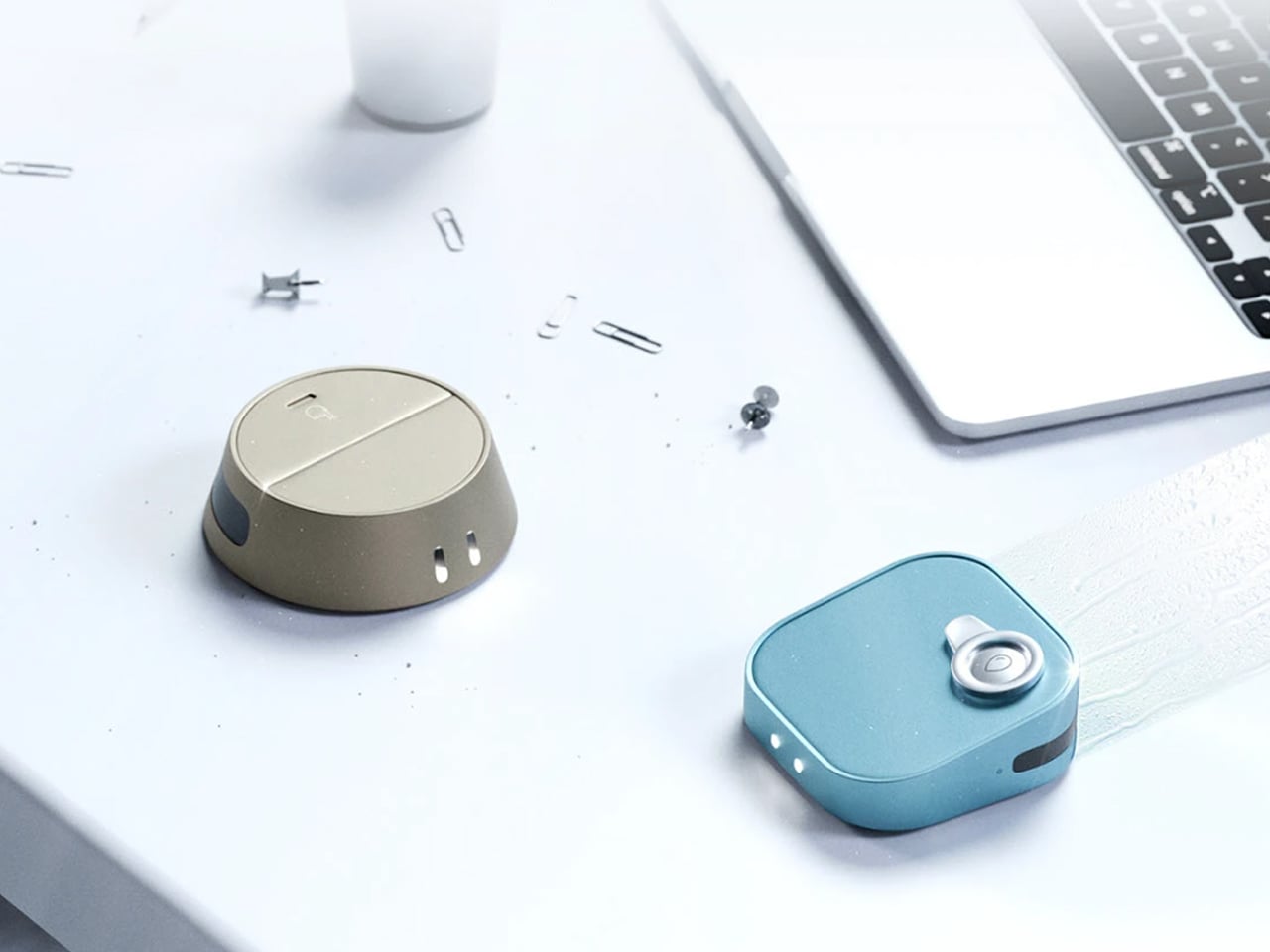
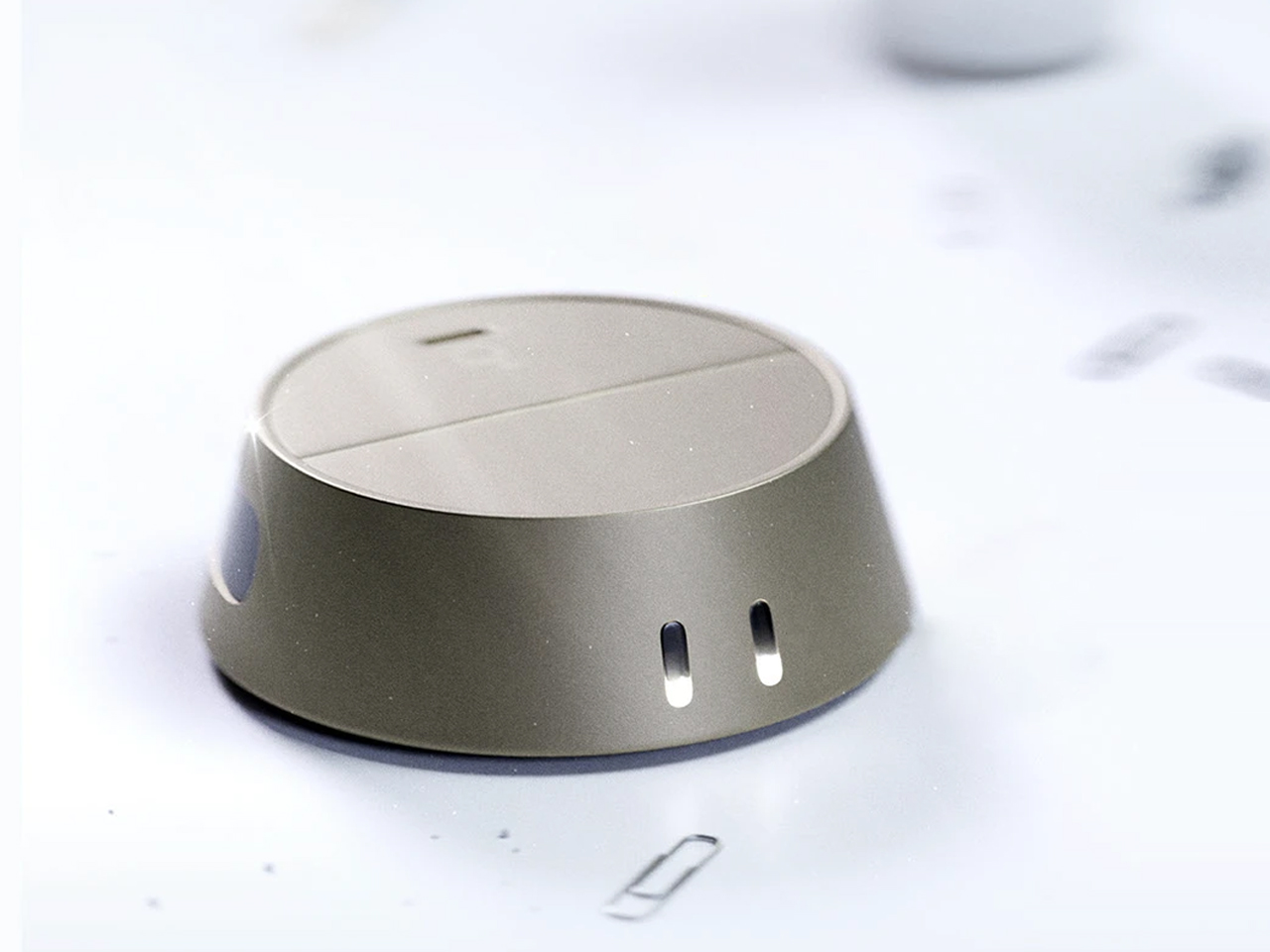
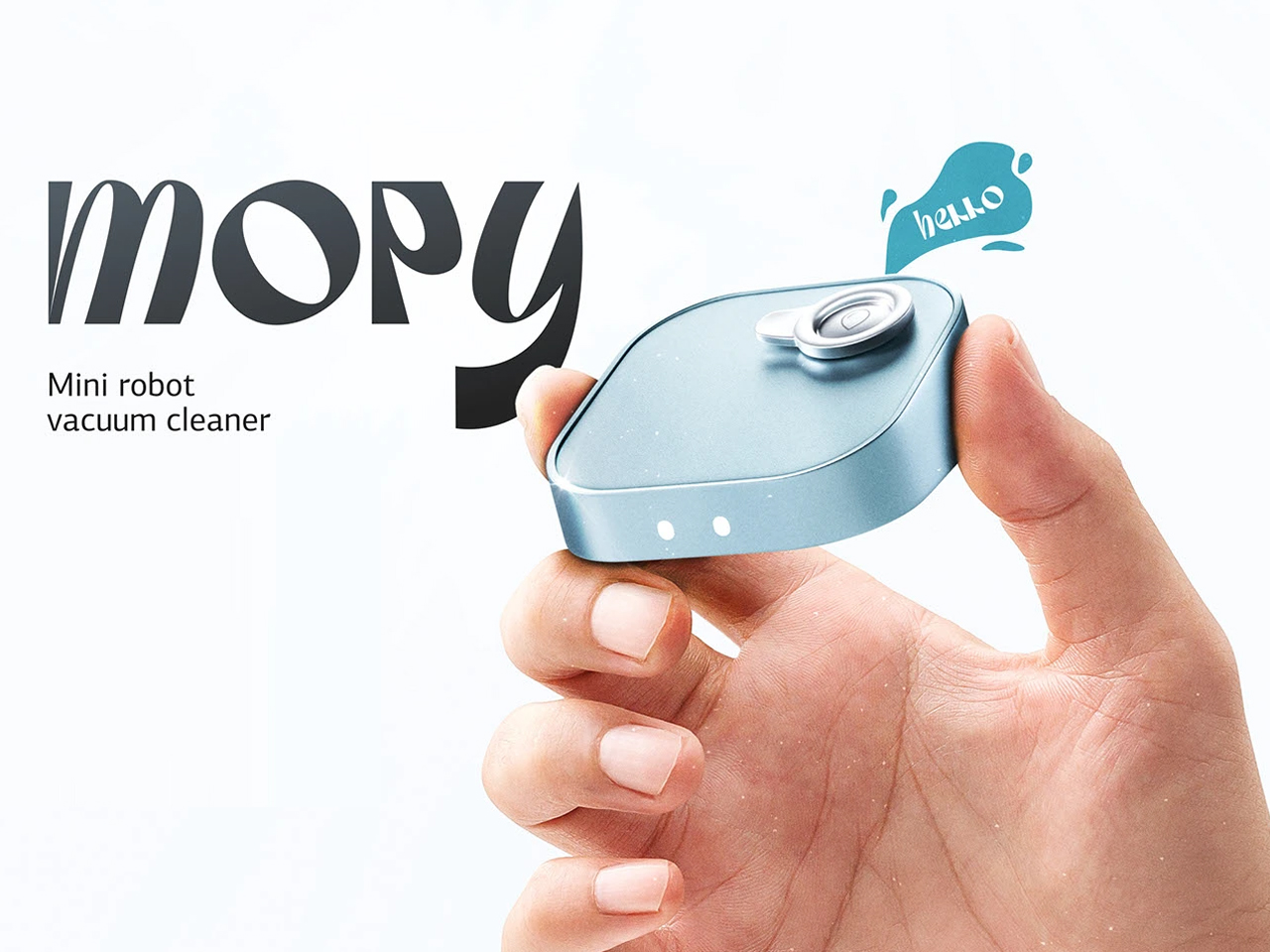
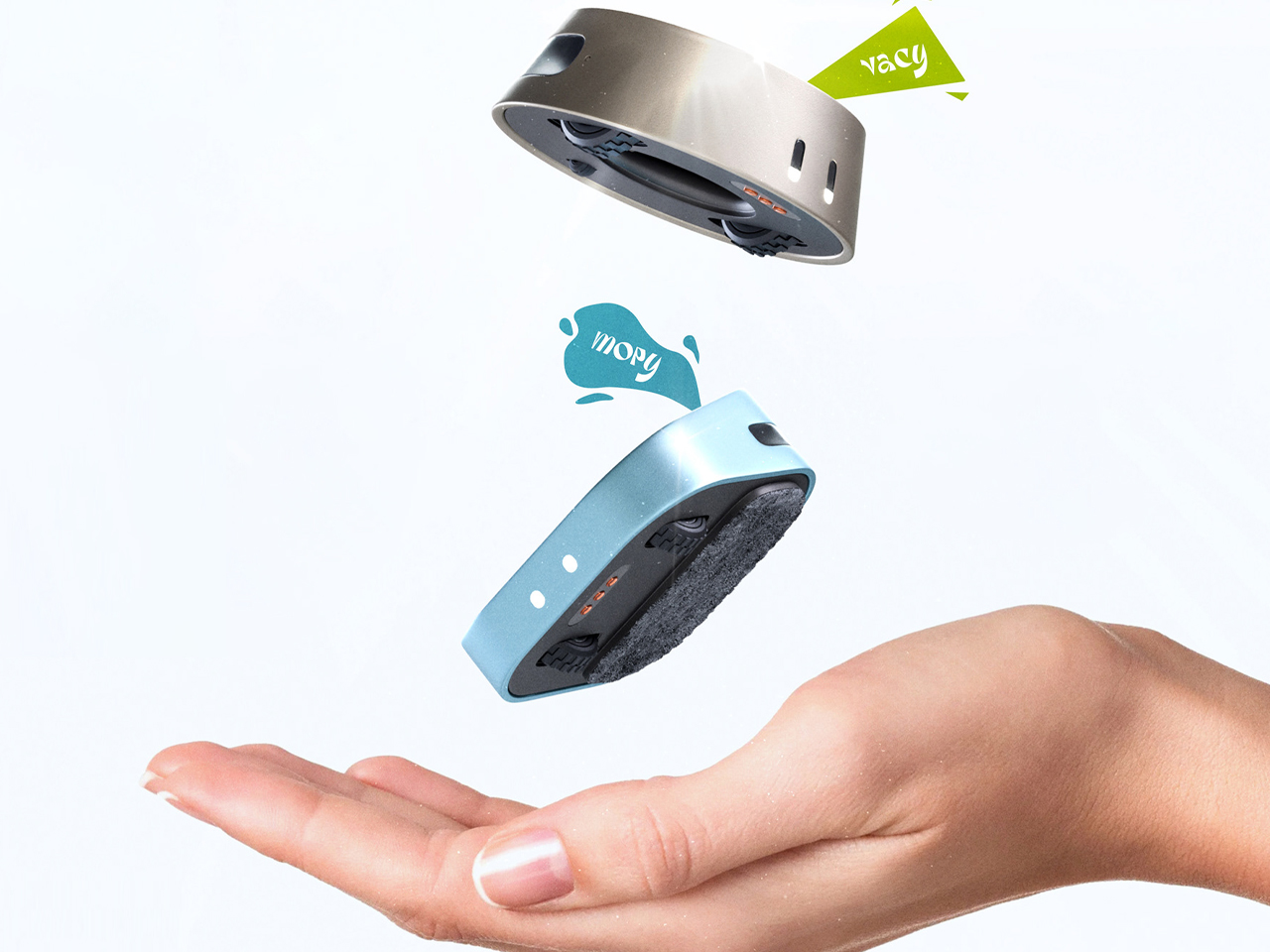
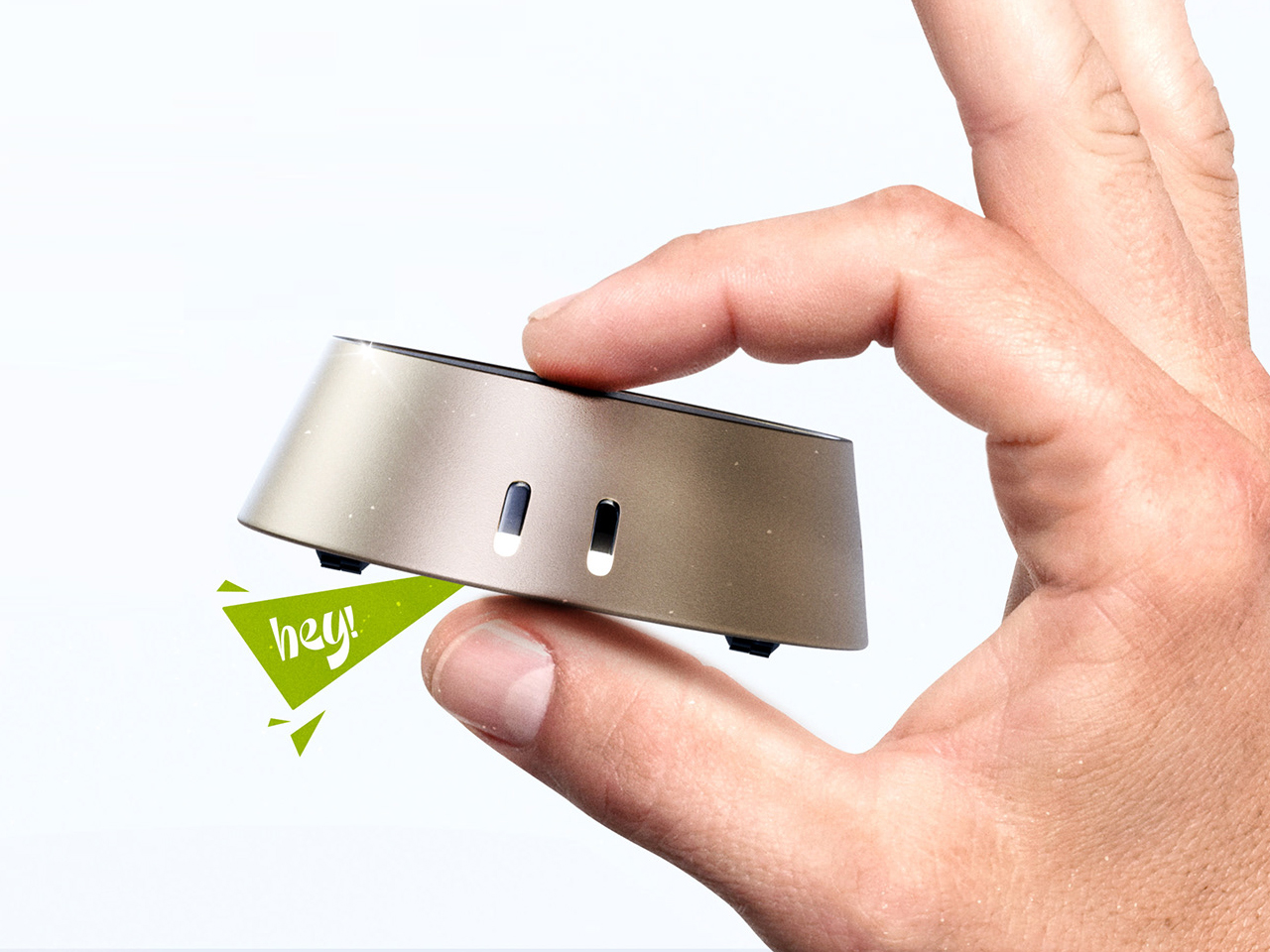
A small gadget that can automate that cleaning regime is a welcome addition, getting things ready even before you get up in the morning. Meet Vacy, a desktop vacuum cleaner designed to be a palm-sized accessory, working in stealth mode to get your desktop setup in pristine condition every single day without any fails. If that’s not enough, the Mopy mini robot washer gives a second treatment of cleaning, just like your home floors do each day.

Designer: Aleksandr Misiukevich

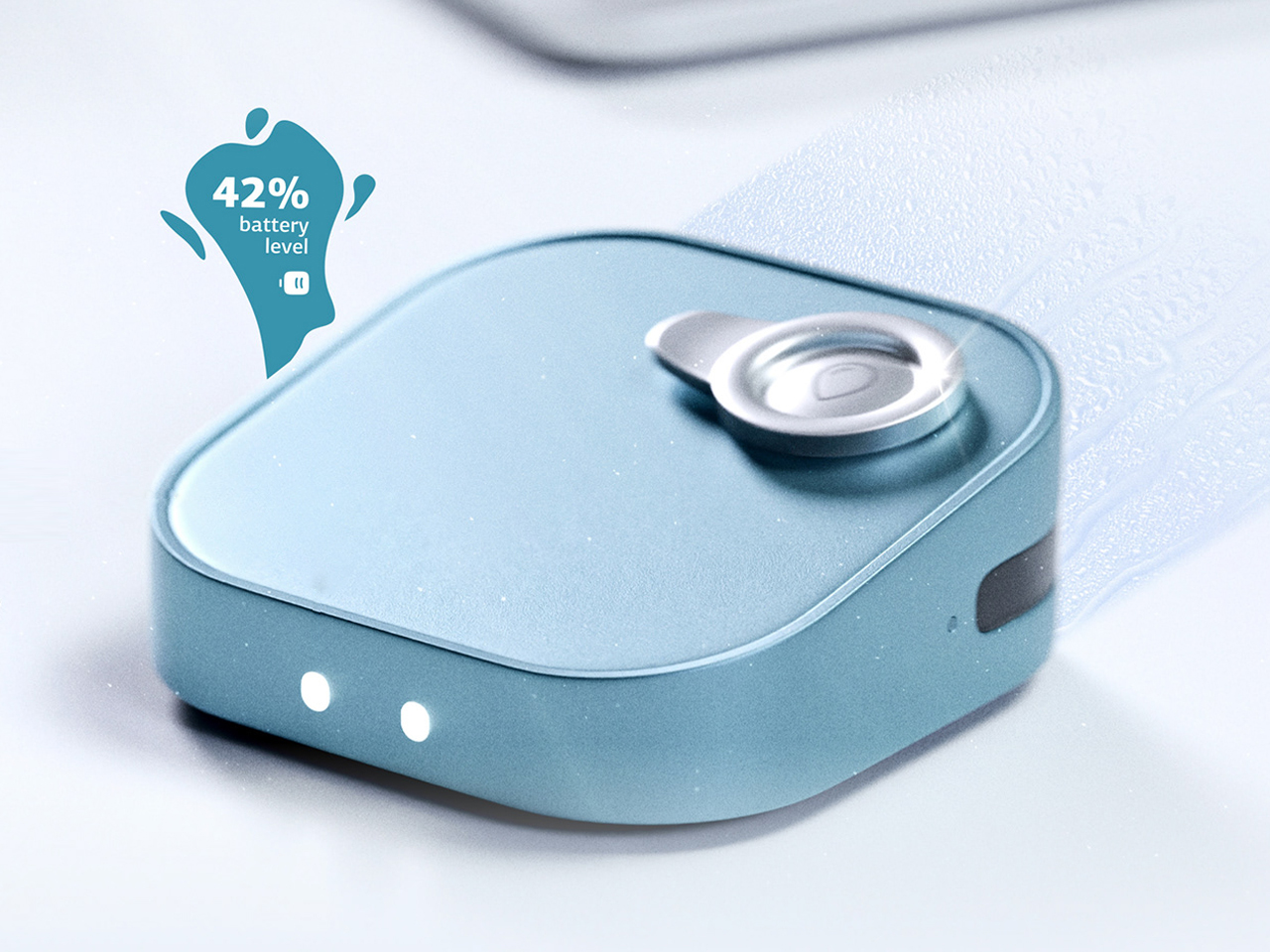
Both pocketable accessories can be carried along easily for portability and deployed on demand. For a guy like me who works in multiple work setups, that is a good feature to have. The Vacy vacuum cleaner sucks debris from the bottom and collects it inside the safe compartment. Once full, you can push the lid to take out all the trash. The indicators on the top show the current battery level, and once the battery level drops below 20 percent, the palm-sized vac returns to the charging dock. The edges of the desk are no problem, as the robo vac comes with a Cliff sensor to stop and turn in the other direction. Vacy can suck objects smaller than 2 cm; meaning hair, crumbs, pet fur, and office stationery like pins get sucked right in.

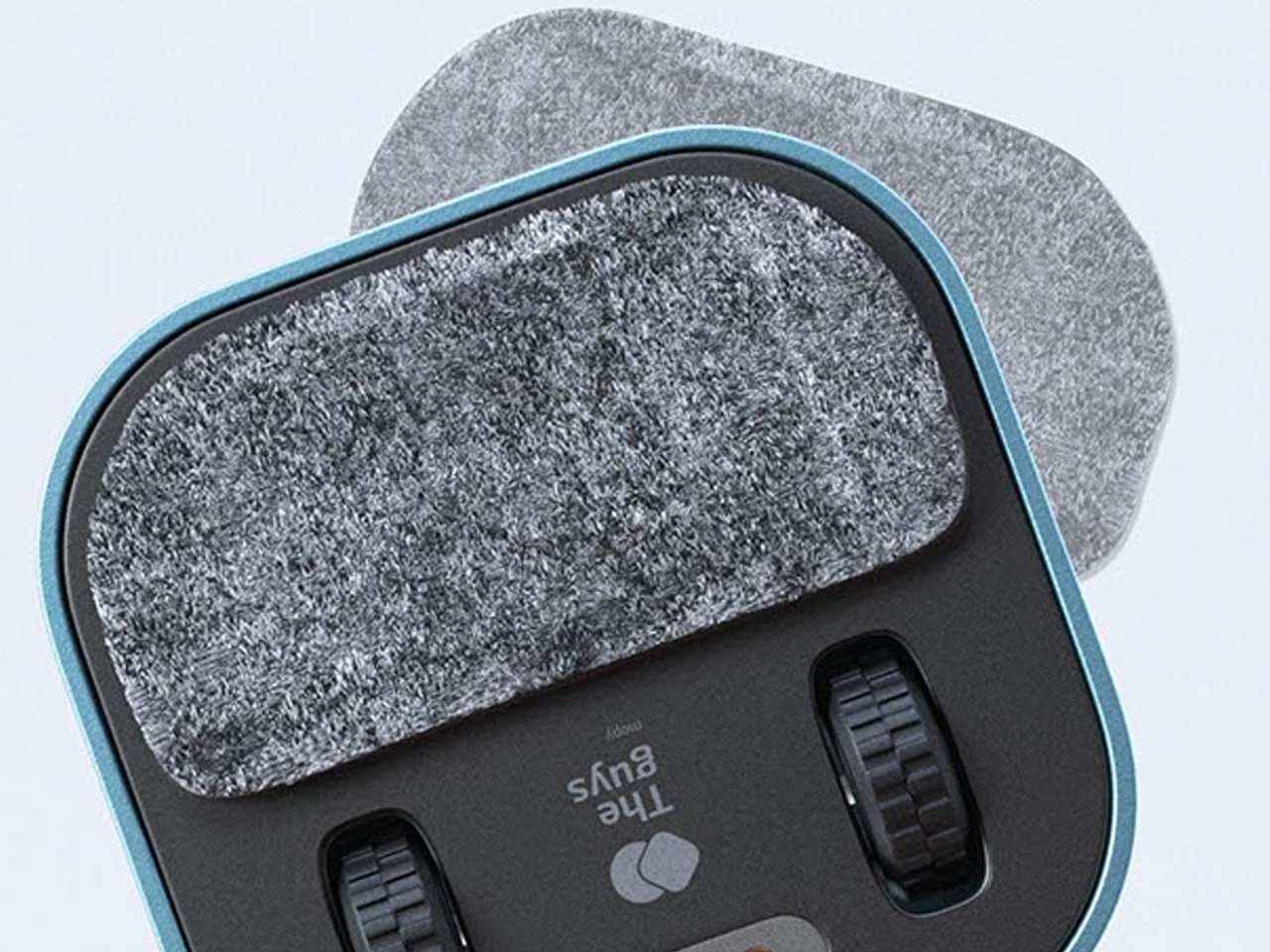
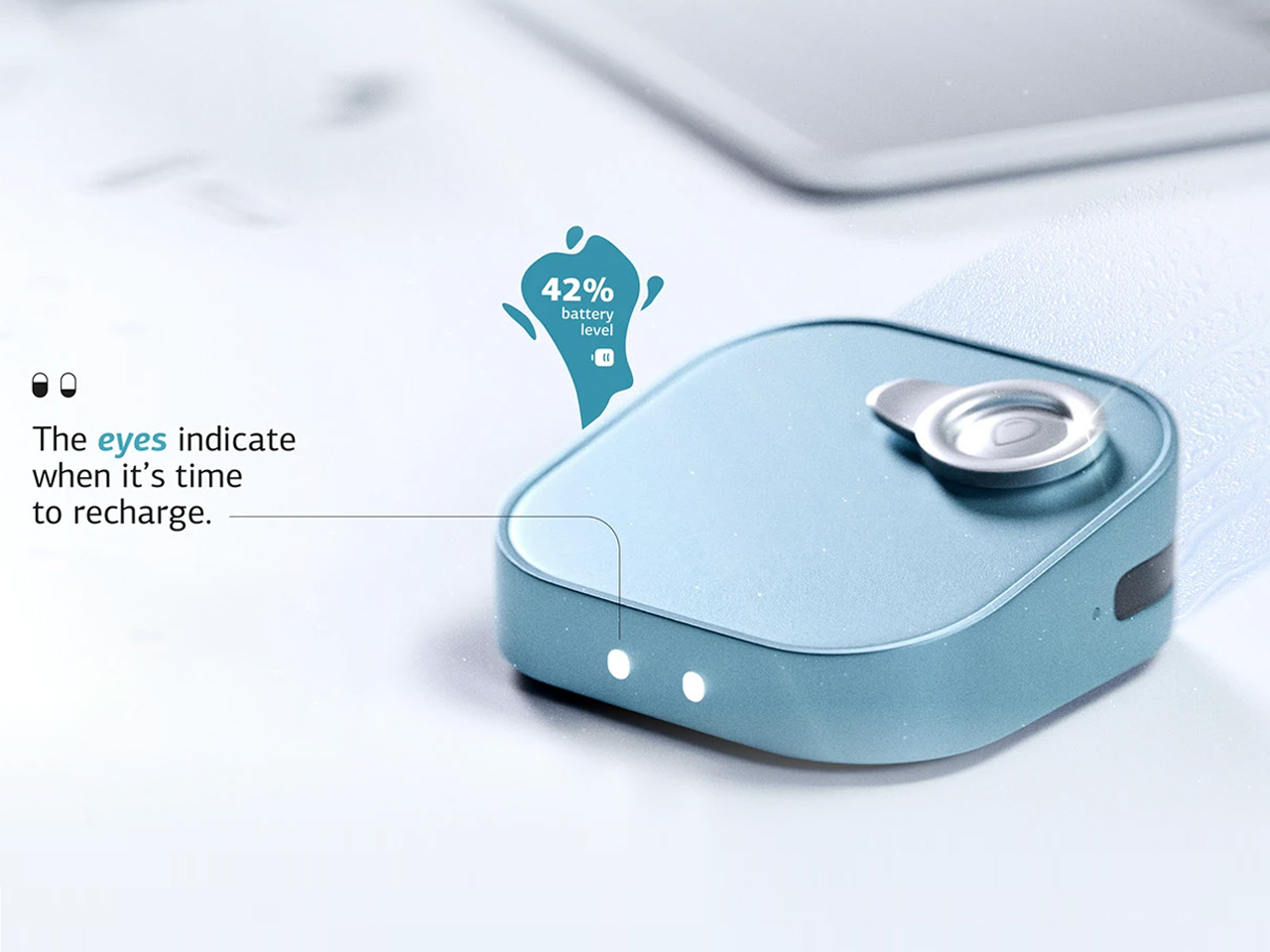
The second one is my favorite, just because of the unique idea. Mopy mini robot vacuum cleaner gets rid of all those pesky spots on the surface for an instant fresh look. It has an opening on top to fill the water compartment and a long-pile cleaning replaceable pad at the bottom to get the job done. Just like its brother Vacy, the mopping vac returns to its charging dock once the charge levels drop below 20 percent. Be it water droplets, coffee stains, sugary liquids, or fine dust crumbs; the vac makes quick work of everything.

In tandem, the robot vacs clean the nooks and corners of your desk, normally left unattended by the normal cleaning. The concept sounds interesting, but would it have many takers? I’m not sure everyone has an obsessive-compulsive disorder for cleanliness.

The post This palm-sized desktop vacuum combo keeps your setup squeaky clean first appeared on Yanko Design.