Thunder Duo Max Brings 5.1.2 Atmos to Your Desk With Just 4 Speakers

Most gaming setups lean on either a soundbar under the monitor or a headset clamped to your head. Soundbars are convenient but flatten the sense of space, especially when games and films are mixed for surround and height. Headsets can isolate better, but they get warm after a few hours and cut you off from the room entirely. Thunder Duo Max tries to bring full Dolby Atmos to a desk or living room without turning the space into a speaker warehouse.

Thunder Duo Max is the top configuration in a modular series, built around a pair of compact bookshelf speakers that handle the front channels and height effects. The system is a true 5.1.2-channel Dolby Atmos rig, not a virtual surround bar, and the bookshelf format unlocks larger drivers, fuller bass, and a flexible layout that can expand or tighten the soundstage depending on how you arrange it, making it comfortable on a desk or beside a TV.

Designer: OXS

Click Here to Buy Now: $569 $849 ($280 off). Hurry, only 105/200 left! Raised over $73,000.

The dual upward-firing Sky Channels built into each speaker send sound toward the ceiling to create a real overhead layer. That matters in games where helicopters, rain, or footsteps above you become easier to place, and it adds a vertical dimension to films and music that most desktop setups ignore. This is certified Dolby Atmos performance, with decoding handled by one of the system’s two dedicated DSPs, so height effects come from actual audio processing rather than software tricks.

1

The 5.1.2-channel layout breaks down into front left and right from the speakers, a phantom center between them, a low-frequency channel anchored by the main drivers and sub, and rear channels handled by a wireless satellite neck speaker. The neck speaker solves the usual problem of rear-speaker placement in small rooms, putting true rear channels on your shoulders instead of mounting boxes behind your chair or running cables across the floor.

1

The low end gets handled by the wireless Thunder Sub, using a 5.25-inch driver and 80 W RMS output to extend bass down to 35 Hz. The full Thunder Duo Max system delivers 110 W RMS and 270 W peak, with total harmonic distortion under 0.5 percent, so explosions, engines, and music cues hit hard without turning into muddy rumble. The goal is to feel weight and impact without sacrificing the clarity that makes dialogue and footsteps legible.

1

Thunder Duo Max plugs into different parts of a setup without picking favorites. HDMI 2.1 and HDMI eARC handle PS5, Xbox Series consoles, and high-frame-rate PC output at 4K 120 Hz. USB-C connects Switch, Steam Deck, and mobile devices. Bluetooth 5.3 adds low-latency wireless audio. Input switching happens on the system itself, so you can move between PC, console, and streaming without re-cabling every time you sit down or swap between desk and couch modes.

1

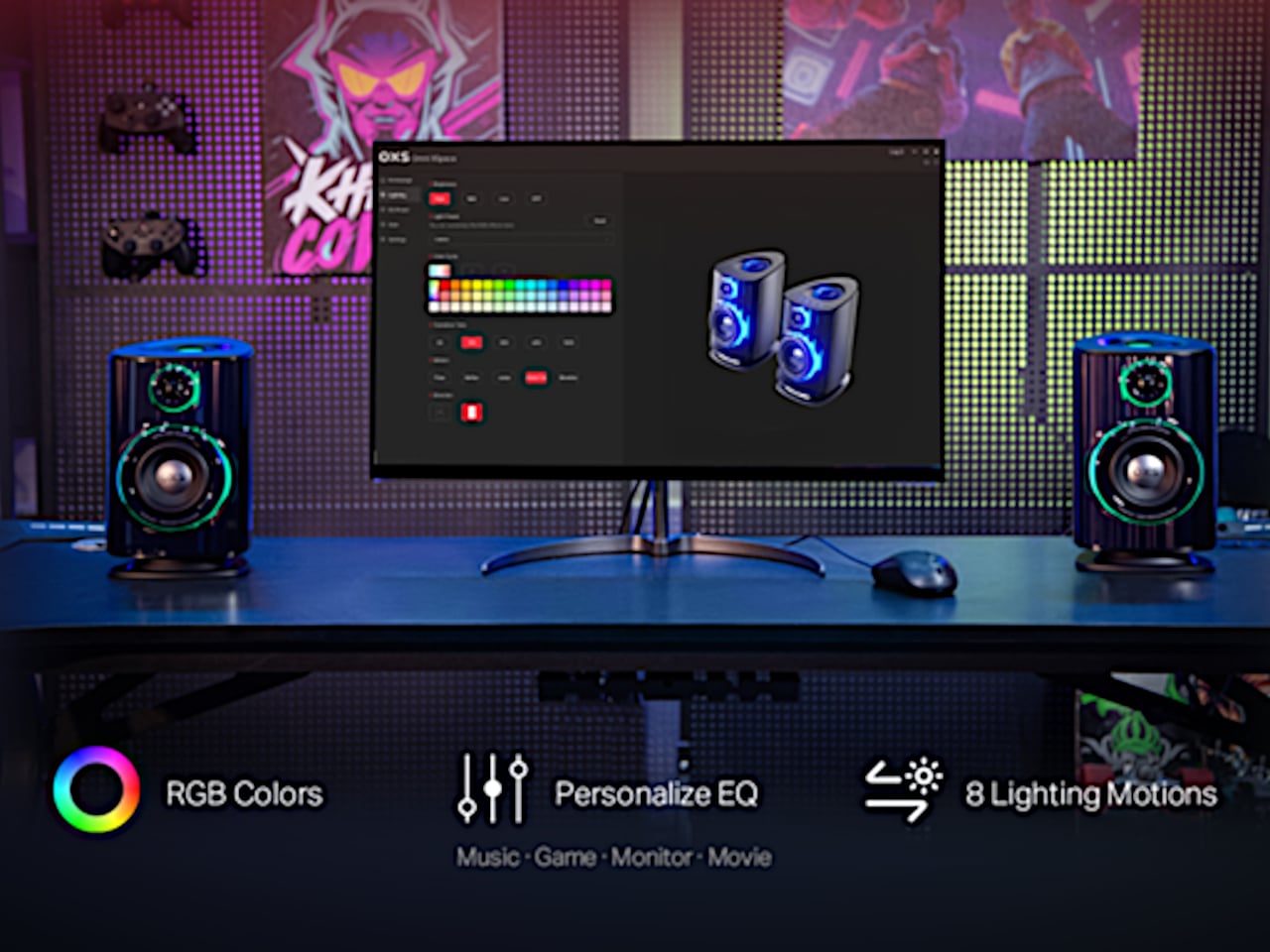
The system uses dual DSP architecture, combining Dolby Atmos decoding with OXS’s own Xspace spatial algorithm, and it has been tuned in a dedicated acoustic lab for a studio-level frequency response. The software side includes per-channel EQ, six-ring RGB lighting with multiple motions and 50 colors, and a desktop app that lets you dial in both sound and lighting, so the system fits the room rather than shouting over it with blinking lights you cannot turn off.

Living with a system like this changes how games, films, and music feel. Instead of sound sitting in a flat line in front of the screen, it wraps around you, with height, rear, and sub channels giving every explosion, ambient loop, and soundtrack a real sense of space. The neck speaker and wireless sub make full surround possible in spaces that could never handle a traditional 5.1.2-channel layout. For people who care about audio as much as frame rates, Thunder Duo Max reads less like a peripheral and more like a small, flexible sound studio that happens to sit next to a monitor.

Click Here to Buy Now: $569 $849 ($280 off). Hurry, only 105/200 left! Raised over $73,000.

The post Thunder Duo Max Brings 5.1.2 Atmos to Your Desk With Just 4 Speakers first appeared on Yanko Design.

Thunder Duo Max Brings 5.1.2 Atmos to Your Desk With Just 4 Speakers

Most gaming setups lean on either a soundbar under the monitor or a headset clamped to your head. Soundbars are convenient but flatten the sense of space, especially when games and films are mixed for surround and height. Headsets can isolate better, but they get warm after a few hours and cut you off from the room entirely. Thunder Duo Max tries to bring full Dolby Atmos to a desk or living room without turning the space into a speaker warehouse.

Thunder Duo Max is the top configuration in a modular series, built around a pair of compact bookshelf speakers that handle the front channels and height effects. The system is a true 5.1.2-channel Dolby Atmos rig, not a virtual surround bar, and the bookshelf format unlocks larger drivers, fuller bass, and a flexible layout that can expand or tighten the soundstage depending on how you arrange it, making it comfortable on a desk or beside a TV.

Designer: OXS

Click Here to Buy Now: $569 $849 ($280 off). Hurry, only 105/200 left! Raised over $73,000.

The dual upward-firing Sky Channels built into each speaker send sound toward the ceiling to create a real overhead layer. That matters in games where helicopters, rain, or footsteps above you become easier to place, and it adds a vertical dimension to films and music that most desktop setups ignore. This is certified Dolby Atmos performance, with decoding handled by one of the system’s two dedicated DSPs, so height effects come from actual audio processing rather than software tricks.

1

The 5.1.2-channel layout breaks down into front left and right from the speakers, a phantom center between them, a low-frequency channel anchored by the main drivers and sub, and rear channels handled by a wireless satellite neck speaker. The neck speaker solves the usual problem of rear-speaker placement in small rooms, putting true rear channels on your shoulders instead of mounting boxes behind your chair or running cables across the floor.

1

The low end gets handled by the wireless Thunder Sub, using a 5.25-inch driver and 80 W RMS output to extend bass down to 35 Hz. The full Thunder Duo Max system delivers 110 W RMS and 270 W peak, with total harmonic distortion under 0.5 percent, so explosions, engines, and music cues hit hard without turning into muddy rumble. The goal is to feel weight and impact without sacrificing the clarity that makes dialogue and footsteps legible.

1

Thunder Duo Max plugs into different parts of a setup without picking favorites. HDMI 2.1 and HDMI eARC handle PS5, Xbox Series consoles, and high-frame-rate PC output at 4K 120 Hz. USB-C connects Switch, Steam Deck, and mobile devices. Bluetooth 5.3 adds low-latency wireless audio. Input switching happens on the system itself, so you can move between PC, console, and streaming without re-cabling every time you sit down or swap between desk and couch modes.

1

The system uses dual DSP architecture, combining Dolby Atmos decoding with OXS’s own Xspace spatial algorithm, and it has been tuned in a dedicated acoustic lab for a studio-level frequency response. The software side includes per-channel EQ, six-ring RGB lighting with multiple motions and 50 colors, and a desktop app that lets you dial in both sound and lighting, so the system fits the room rather than shouting over it with blinking lights you cannot turn off.
Living with a system like this changes how games, films, and music feel. Instead of sound sitting in a flat line in front of the screen, it wraps around you, with height, rear, and sub channels giving every explosion, ambient loop, and soundtrack a real sense of space. The neck speaker and wireless sub make full surround possible in spaces that could never handle a traditional 5.1.2-channel layout. For people who care about audio as much as frame rates, Thunder Duo Max reads less like a peripheral and more like a small, flexible sound studio that happens to sit next to a monitor.

Click Here to Buy Now: $569 $849 ($280 off). Hurry, only 105/200 left! Raised over $73,000.

The post Thunder Duo Max Brings 5.1.2 Atmos to Your Desk With Just 4 Speakers first appeared on Yanko Design.
Thunder Duo Max Brings 5.1.2 Atmos to Your Desk With Just 4 Speakers

Most gaming setups lean on either a soundbar under the monitor or a headset clamped to your head. Soundbars are convenient but flatten the sense of space, especially when games and films are mixed for surround and height. Headsets can isolate better, but they get warm after a few hours and cut you off from the room entirely. Thunder Duo Max tries to bring full Dolby Atmos to a desk or living room without turning the space into a speaker warehouse.

Thunder Duo Max is the top configuration in a modular series, built around a pair of compact bookshelf speakers that handle the front channels and height effects. The system is a true 5.1.2-channel Dolby Atmos rig, not a virtual surround bar, and the bookshelf format unlocks larger drivers, fuller bass, and a flexible layout that can expand or tighten the soundstage depending on how you arrange it, making it comfortable on a desk or beside a TV.

Designer: OXS

Click Here to Buy Now: $569 $849 ($280 off). Hurry, only 105/200 left! Raised over $73,000.

The dual upward-firing Sky Channels built into each speaker send sound toward the ceiling to create a real overhead layer. That matters in games where helicopters, rain, or footsteps above you become easier to place, and it adds a vertical dimension to films and music that most desktop setups ignore. This is certified Dolby Atmos performance, with decoding handled by one of the system’s two dedicated DSPs, so height effects come from actual audio processing rather than software tricks.

1

The 5.1.2-channel layout breaks down into front left and right from the speakers, a phantom center between them, a low-frequency channel anchored by the main drivers and sub, and rear channels handled by a wireless satellite neck speaker. The neck speaker solves the usual problem of rear-speaker placement in small rooms, putting true rear channels on your shoulders instead of mounting boxes behind your chair or running cables across the floor.

1

The low end gets handled by the wireless Thunder Sub, using a 5.25-inch driver and 80 W RMS output to extend bass down to 35 Hz. The full Thunder Duo Max system delivers 110 W RMS and 270 W peak, with total harmonic distortion under 0.5 percent, so explosions, engines, and music cues hit hard without turning into muddy rumble. The goal is to feel weight and impact without sacrificing the clarity that makes dialogue and footsteps legible.

1

Thunder Duo Max plugs into different parts of a setup without picking favorites. HDMI 2.1 and HDMI eARC handle PS5, Xbox Series consoles, and high-frame-rate PC output at 4K 120 Hz. USB-C connects Switch, Steam Deck, and mobile devices. Bluetooth 5.3 adds low-latency wireless audio. Input switching happens on the system itself, so you can move between PC, console, and streaming without re-cabling every time you sit down or swap between desk and couch modes.

1

The system uses dual DSP architecture, combining Dolby Atmos decoding with OXS’s own Xspace spatial algorithm, and it has been tuned in a dedicated acoustic lab for a studio-level frequency response. The software side includes per-channel EQ, six-ring RGB lighting with multiple motions and 50 colors, and a desktop app that lets you dial in both sound and lighting, so the system fits the room rather than shouting over it with blinking lights you cannot turn off.

Living with a system like this changes how games, films, and music feel. Instead of sound sitting in a flat line in front of the screen, it wraps around you, with height, rear, and sub channels giving every explosion, ambient loop, and soundtrack a real sense of space. The neck speaker and wireless sub make full surround possible in spaces that could never handle a traditional 5.1.2-channel layout. For people who care about audio as much as frame rates, Thunder Duo Max reads less like a peripheral and more like a small, flexible sound studio that happens to sit next to a monitor.

Click Here to Buy Now: $569 $849 ($280 off). Hurry, only 105/200 left! Raised over $73,000.

The post Thunder Duo Max Brings 5.1.2 Atmos to Your Desk With Just 4 Speakers first appeared on Yanko Design.
Thunder Duo Max Brings 5.1.2 Atmos to Your Desk With Just 4 Speakers

Most gaming setups lean on either a soundbar under the monitor or a headset clamped to your head. Soundbars are convenient but flatten the sense of space, especially when games and films are mixed for surround and height. Headsets can isolate better, but they get warm after a few hours and cut you off from the room entirely. Thunder Duo Max tries to bring full Dolby Atmos to a desk or living room without turning the space into a speaker warehouse.

Thunder Duo Max is the top configuration in a modular series, built around a pair of compact bookshelf speakers that handle the front channels and height effects. The system is a true 5.1.2-channel Dolby Atmos rig, not a virtual surround bar, and the bookshelf format unlocks larger drivers, fuller bass, and a flexible layout that can expand or tighten the soundstage depending on how you arrange it, making it comfortable on a desk or beside a TV.

Designer: OXS

Click Here to Buy Now: $569 $849 ($280 off). Hurry, only 105/200 left! Raised over $73,000.

The dual upward-firing Sky Channels built into each speaker send sound toward the ceiling to create a real overhead layer. That matters in games where helicopters, rain, or footsteps above you become easier to place, and it adds a vertical dimension to films and music that most desktop setups ignore. This is certified Dolby Atmos performance, with decoding handled by one of the system’s two dedicated DSPs, so height effects come from actual audio processing rather than software tricks.

1

The 5.1.2-channel layout breaks down into front left and right from the speakers, a phantom center between them, a low-frequency channel anchored by the main drivers and sub, and rear channels handled by a wireless satellite neck speaker. The neck speaker solves the usual problem of rear-speaker placement in small rooms, putting true rear channels on your shoulders instead of mounting boxes behind your chair or running cables across the floor.

1

The low end gets handled by the wireless Thunder Sub, using a 5.25-inch driver and 80 W RMS output to extend bass down to 35 Hz. The full Thunder Duo Max system delivers 110 W RMS and 270 W peak, with total harmonic distortion under 0.5 percent, so explosions, engines, and music cues hit hard without turning into muddy rumble. The goal is to feel weight and impact without sacrificing the clarity that makes dialogue and footsteps legible.

1

Thunder Duo Max plugs into different parts of a setup without picking favorites. HDMI 2.1 and HDMI eARC handle PS5, Xbox Series consoles, and high-frame-rate PC output at 4K 120 Hz. USB-C connects Switch, Steam Deck, and mobile devices. Bluetooth 5.3 adds low-latency wireless audio. Input switching happens on the system itself, so you can move between PC, console, and streaming without re-cabling every time you sit down or swap between desk and couch modes.

1

The system uses dual DSP architecture, combining Dolby Atmos decoding with OXS’s own Xspace spatial algorithm, and it has been tuned in a dedicated acoustic lab for a studio-level frequency response. The software side includes per-channel EQ, six-ring RGB lighting with multiple motions and 50 colors, and a desktop app that lets you dial in both sound and lighting, so the system fits the room rather than shouting over it with blinking lights you cannot turn off.

Living with a system like this changes how games, films, and music feel. Instead of sound sitting in a flat line in front of the screen, it wraps around you, with height, rear, and sub channels giving every explosion, ambient loop, and soundtrack a real sense of space. The neck speaker and wireless sub make full surround possible in spaces that could never handle a traditional 5.1.2-channel layout. For people who care about audio as much as frame rates, Thunder Duo Max reads less like a peripheral and more like a small, flexible sound studio that happens to sit next to a monitor.

Click Here to Buy Now: $569 $849 ($280 off). Hurry, only 105/200 left! Raised over $73,000.

The post Thunder Duo Max Brings 5.1.2 Atmos to Your Desk With Just 4 Speakers first appeared on Yanko Design.
Thunder Duo Max Brings 5.1.2 Atmos to Your Desk With Just 4 Speakers

Most gaming setups lean on either a soundbar under the monitor or a headset clamped to your head. Soundbars are convenient but flatten the sense of space, especially when games and films are mixed for surround and height. Headsets can isolate better, but they get warm after a few hours and cut you off from the room entirely. Thunder Duo Max tries to bring full Dolby Atmos to a desk or living room without turning the space into a speaker warehouse.

Thunder Duo Max is the top configuration in a modular series, built around a pair of compact bookshelf speakers that handle the front channels and height effects. The system is a true 5.1.2-channel Dolby Atmos rig, not a virtual surround bar, and the bookshelf format unlocks larger drivers, fuller bass, and a flexible layout that can expand or tighten the soundstage depending on how you arrange it, making it comfortable on a desk or beside a TV.

Designer: OXS

Click Here to Buy Now: $569 $849 ($280 off). Hurry, only 105/200 left! Raised over $73,000.

The dual upward-firing Sky Channels built into each speaker send sound toward the ceiling to create a real overhead layer. That matters in games where helicopters, rain, or footsteps above you become easier to place, and it adds a vertical dimension to films and music that most desktop setups ignore. This is certified Dolby Atmos performance, with decoding handled by one of the system’s two dedicated DSPs, so height effects come from actual audio processing rather than software tricks.

1

The 5.1.2-channel layout breaks down into front left and right from the speakers, a phantom center between them, a low-frequency channel anchored by the main drivers and sub, and rear channels handled by a wireless satellite neck speaker. The neck speaker solves the usual problem of rear-speaker placement in small rooms, putting true rear channels on your shoulders instead of mounting boxes behind your chair or running cables across the floor.

1

The low end gets handled by the wireless Thunder Sub, using a 5.25-inch driver and 80 W RMS output to extend bass down to 35 Hz. The full Thunder Duo Max system delivers 110 W RMS and 270 W peak, with total harmonic distortion under 0.5 percent, so explosions, engines, and music cues hit hard without turning into muddy rumble. The goal is to feel weight and impact without sacrificing the clarity that makes dialogue and footsteps legible.

1

Thunder Duo Max plugs into different parts of a setup without picking favorites. HDMI 2.1 and HDMI eARC handle PS5, Xbox Series consoles, and high-frame-rate PC output at 4K 120 Hz. USB-C connects Switch, Steam Deck, and mobile devices. Bluetooth 5.3 adds low-latency wireless audio. Input switching happens on the system itself, so you can move between PC, console, and streaming without re-cabling every time you sit down or swap between desk and couch modes.

1

The system uses dual DSP architecture, combining Dolby Atmos decoding with OXS’s own Xspace spatial algorithm, and it has been tuned in a dedicated acoustic lab for a studio-level frequency response. The software side includes per-channel EQ, six-ring RGB lighting with multiple motions and 50 colors, and a desktop app that lets you dial in both sound and lighting, so the system fits the room rather than shouting over it with blinking lights you cannot turn off.

Living with a system like this changes how games, films, and music feel. Instead of sound sitting in a flat line in front of the screen, it wraps around you, with height, rear, and sub channels giving every explosion, ambient loop, and soundtrack a real sense of space. The neck speaker and wireless sub make full surround possible in spaces that could never handle a traditional 5.1.2-channel layout. For people who care about audio as much as frame rates, Thunder Duo Max reads less like a peripheral and more like a small, flexible sound studio that happens to sit next to a monitor.

Click Here to Buy Now: $569 $849 ($280 off). Hurry, only 105/200 left! Raised over $73,000.

The post Thunder Duo Max Brings 5.1.2 Atmos to Your Desk With Just 4 Speakers first appeared on Yanko Design.
This Designer Turned Road Material Into Stunning Furniture

When you think of asphalt, furniture probably isn’t the first thing that comes to mind. More likely, you’re picturing roads, parking lots, or maybe the smell of fresh pavement on a hot summer day. But designer So Koizumi is flipping that association on its head with a new collection that’s making us completely rethink this humble material.

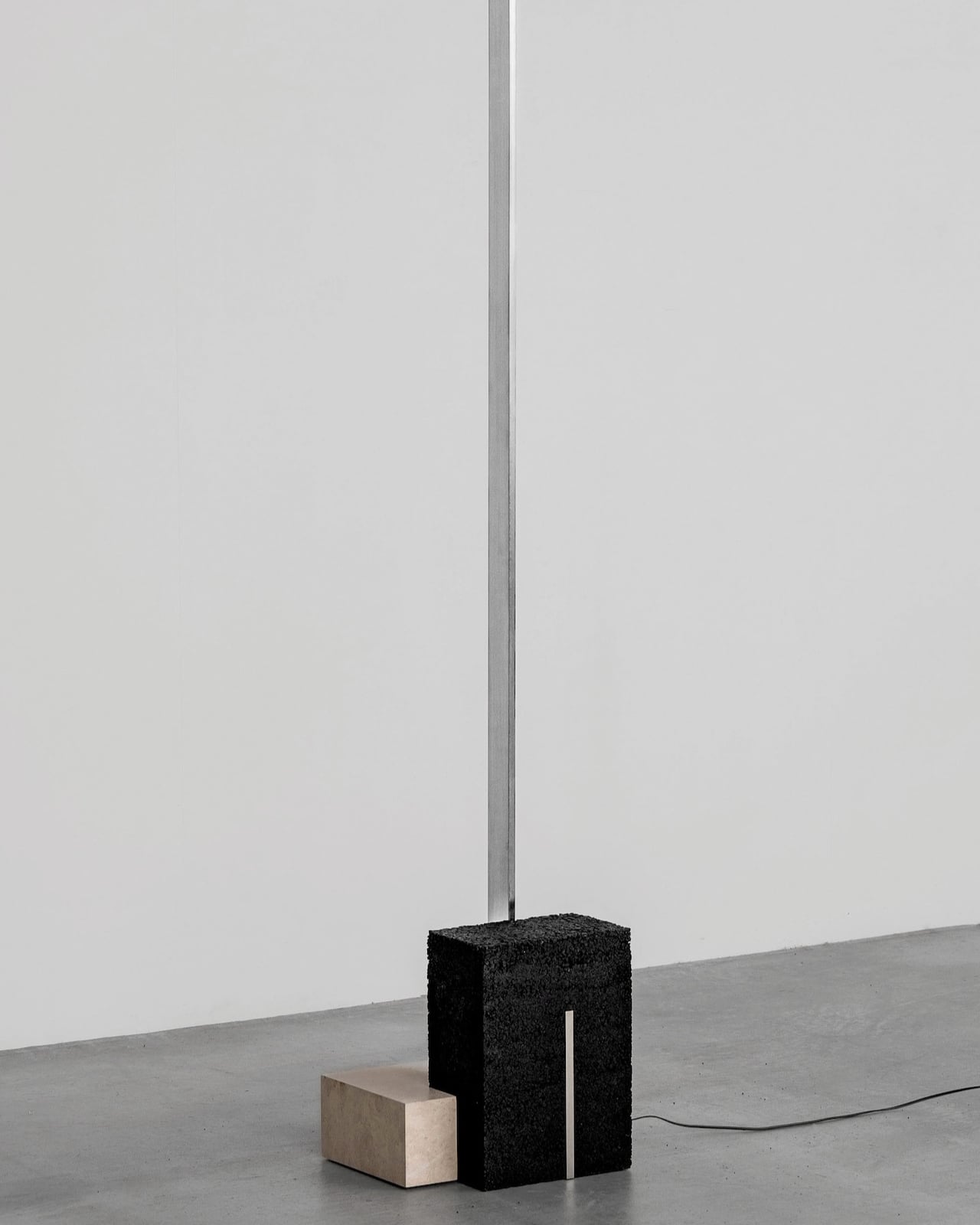
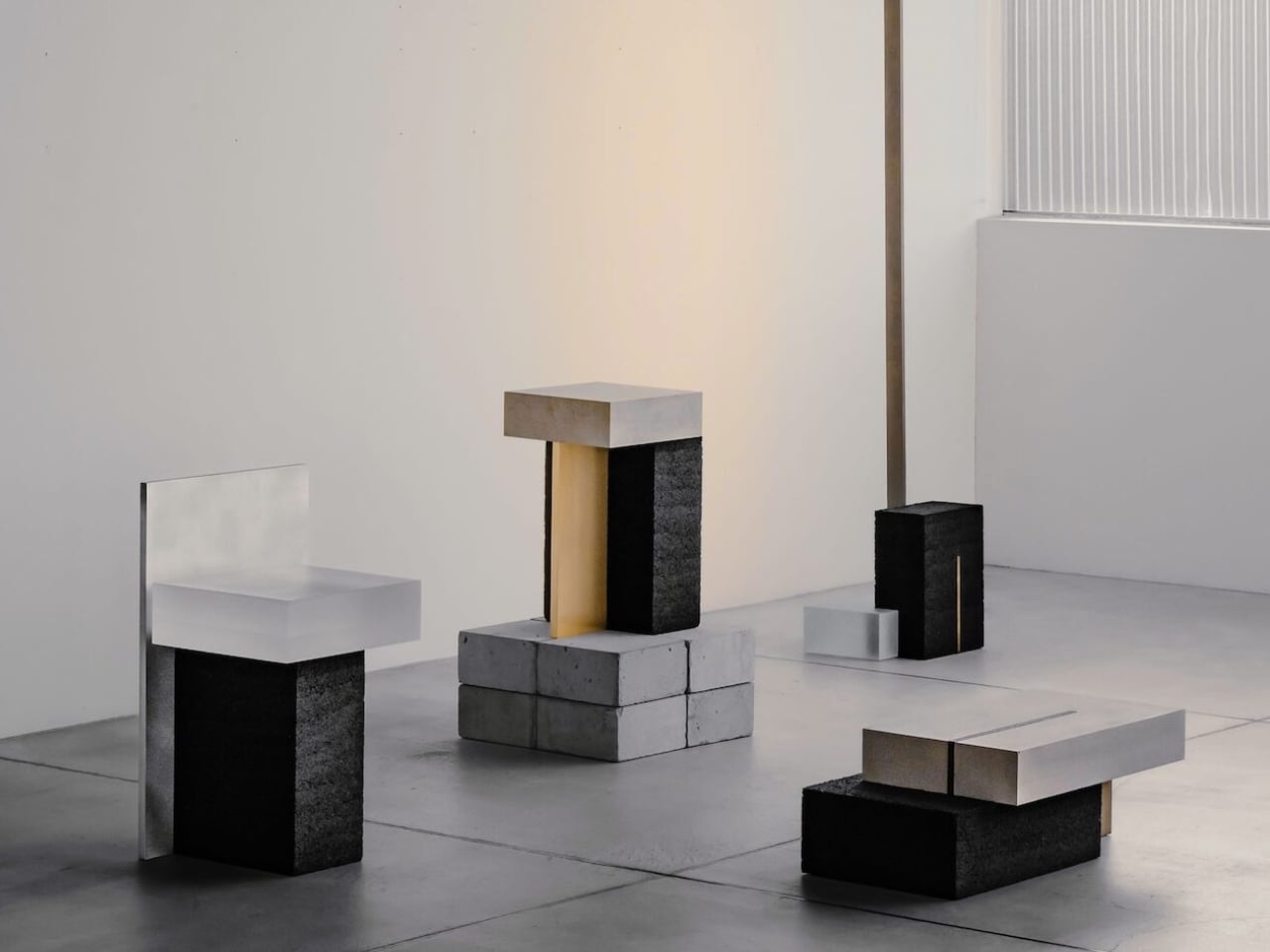
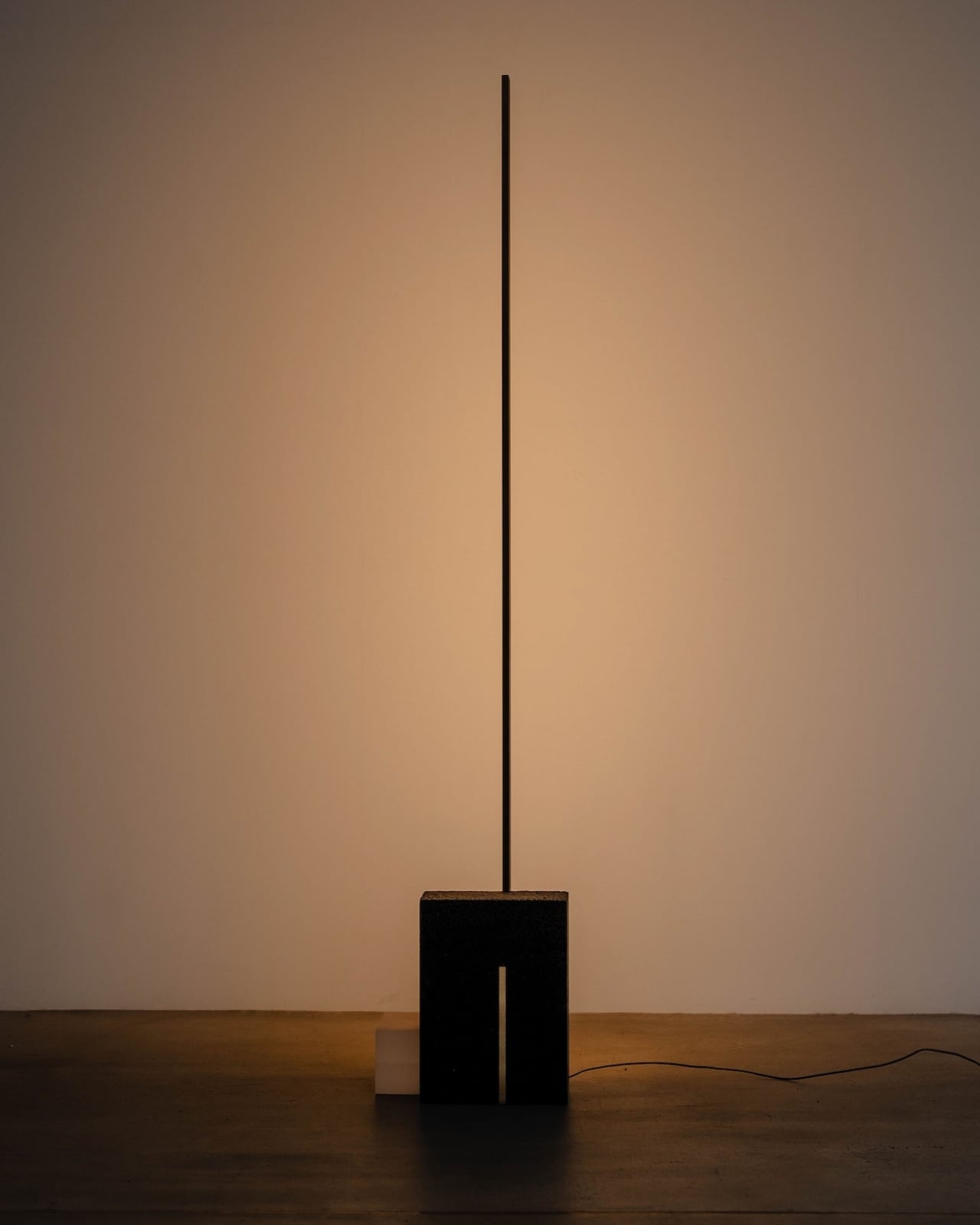
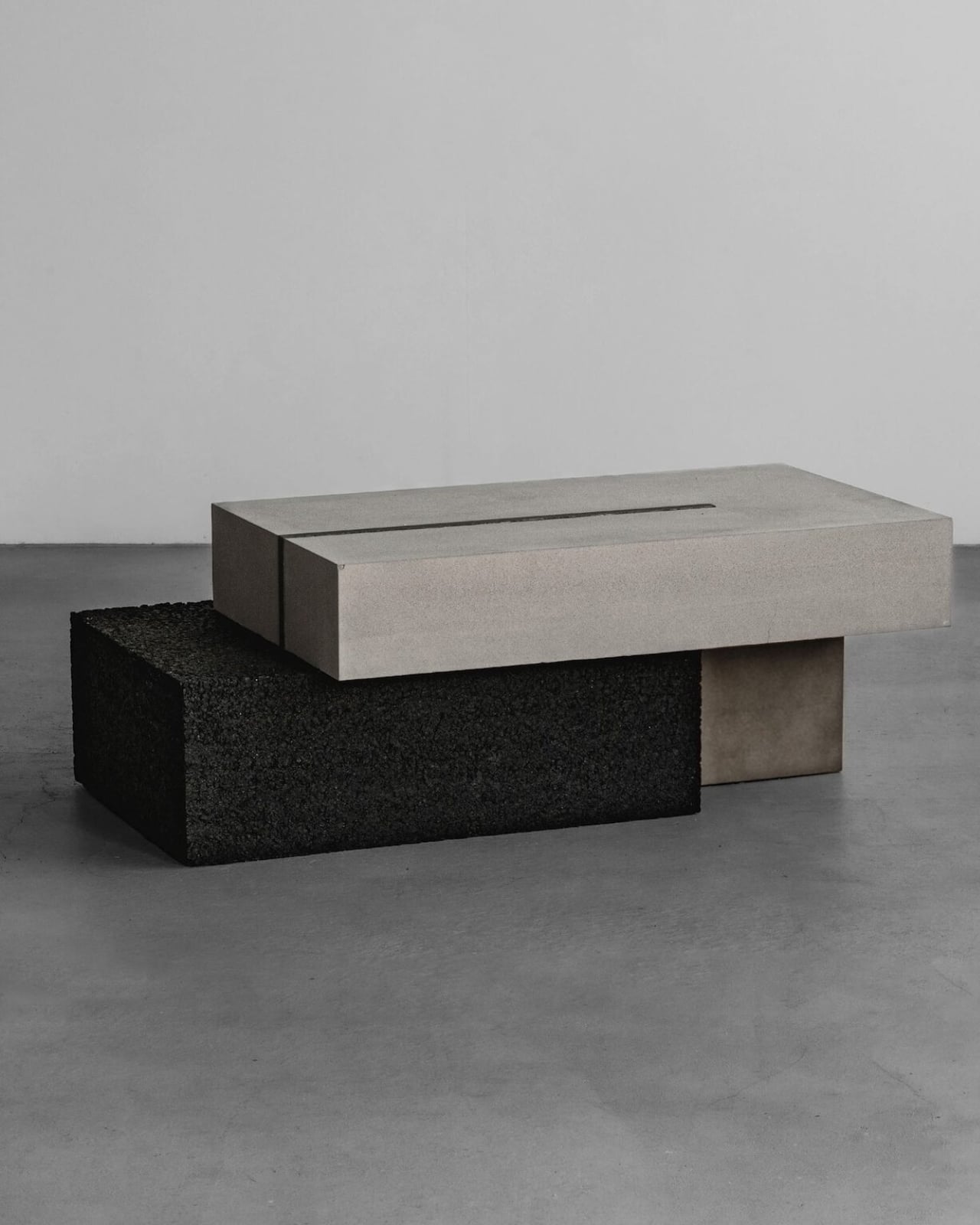
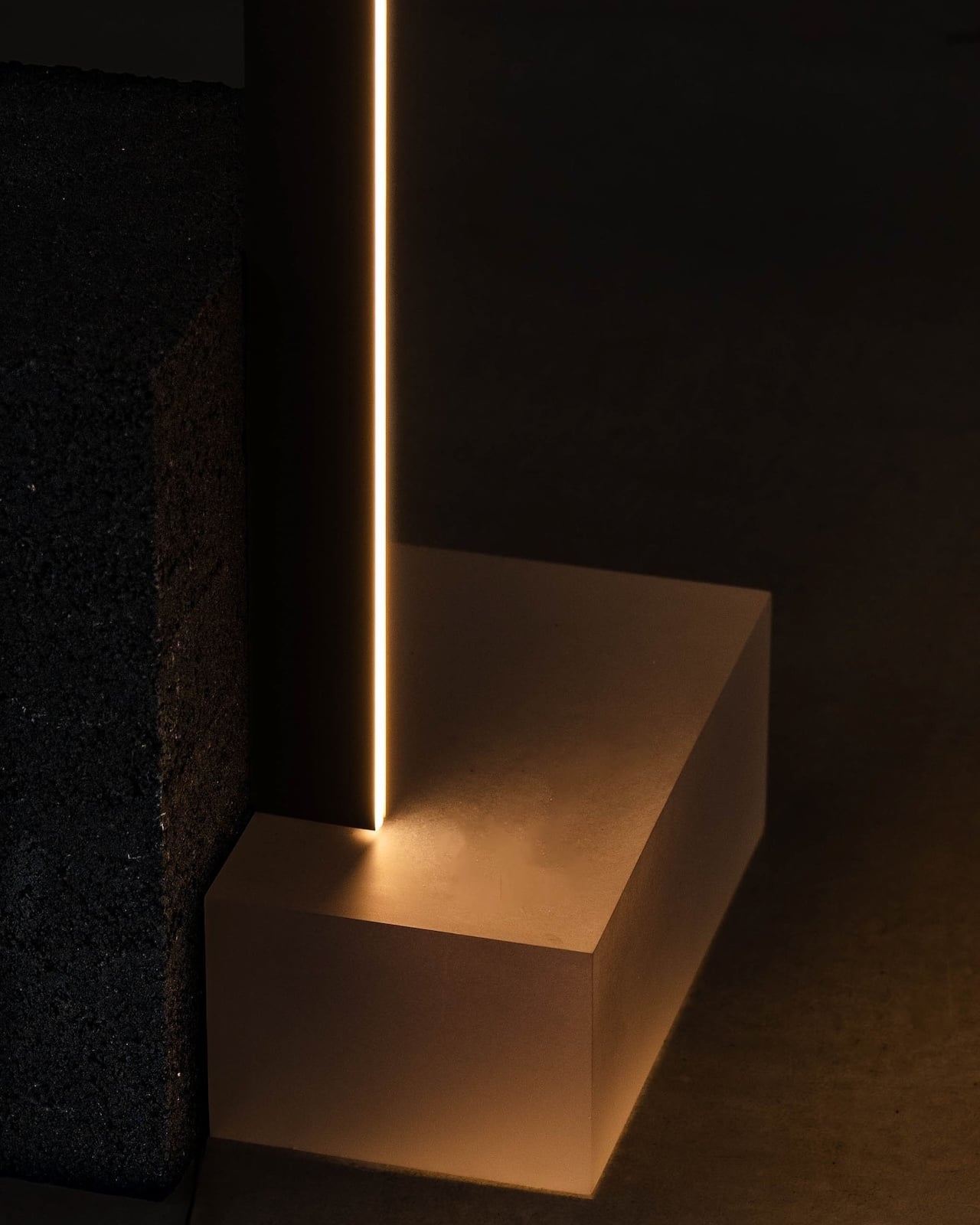
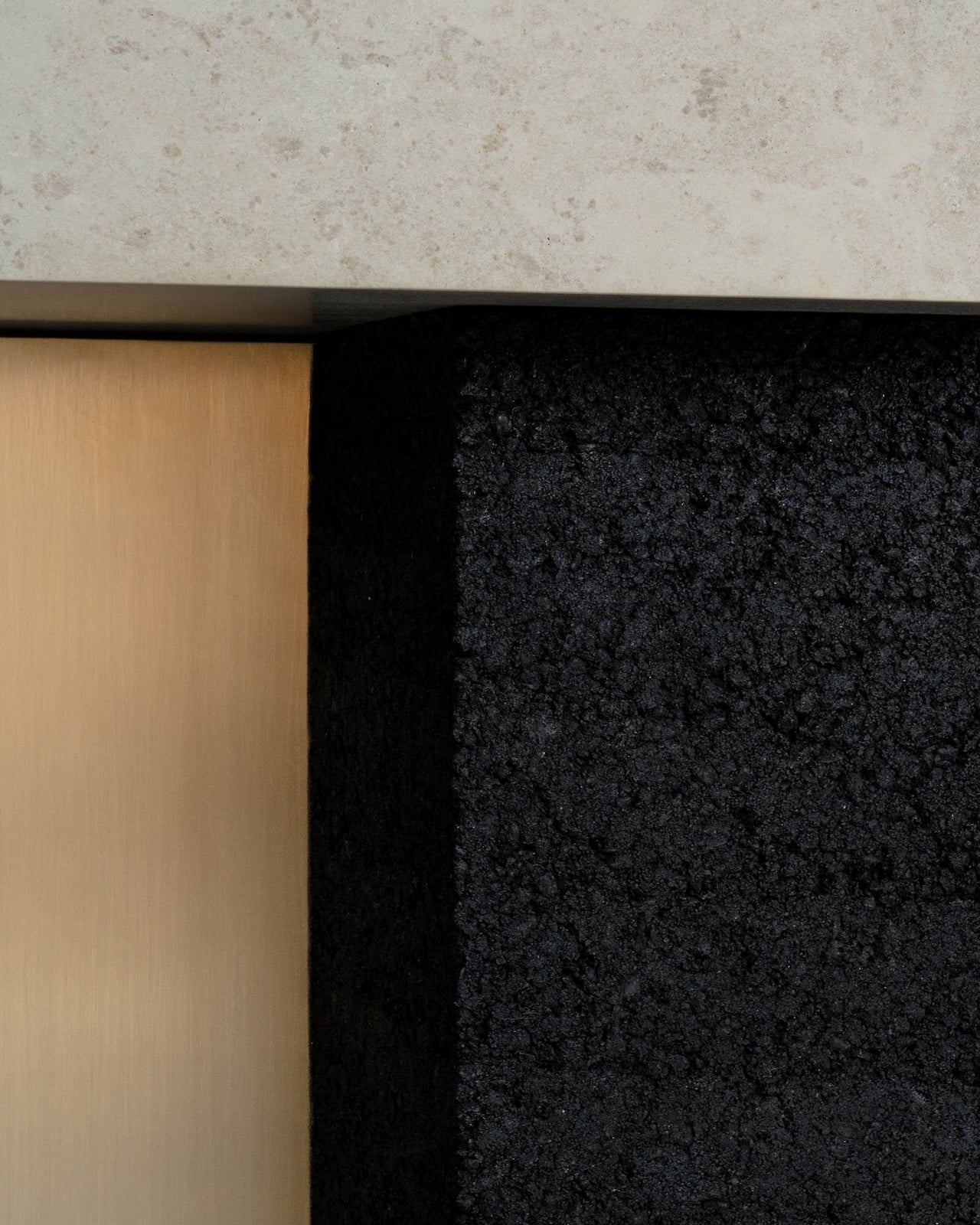
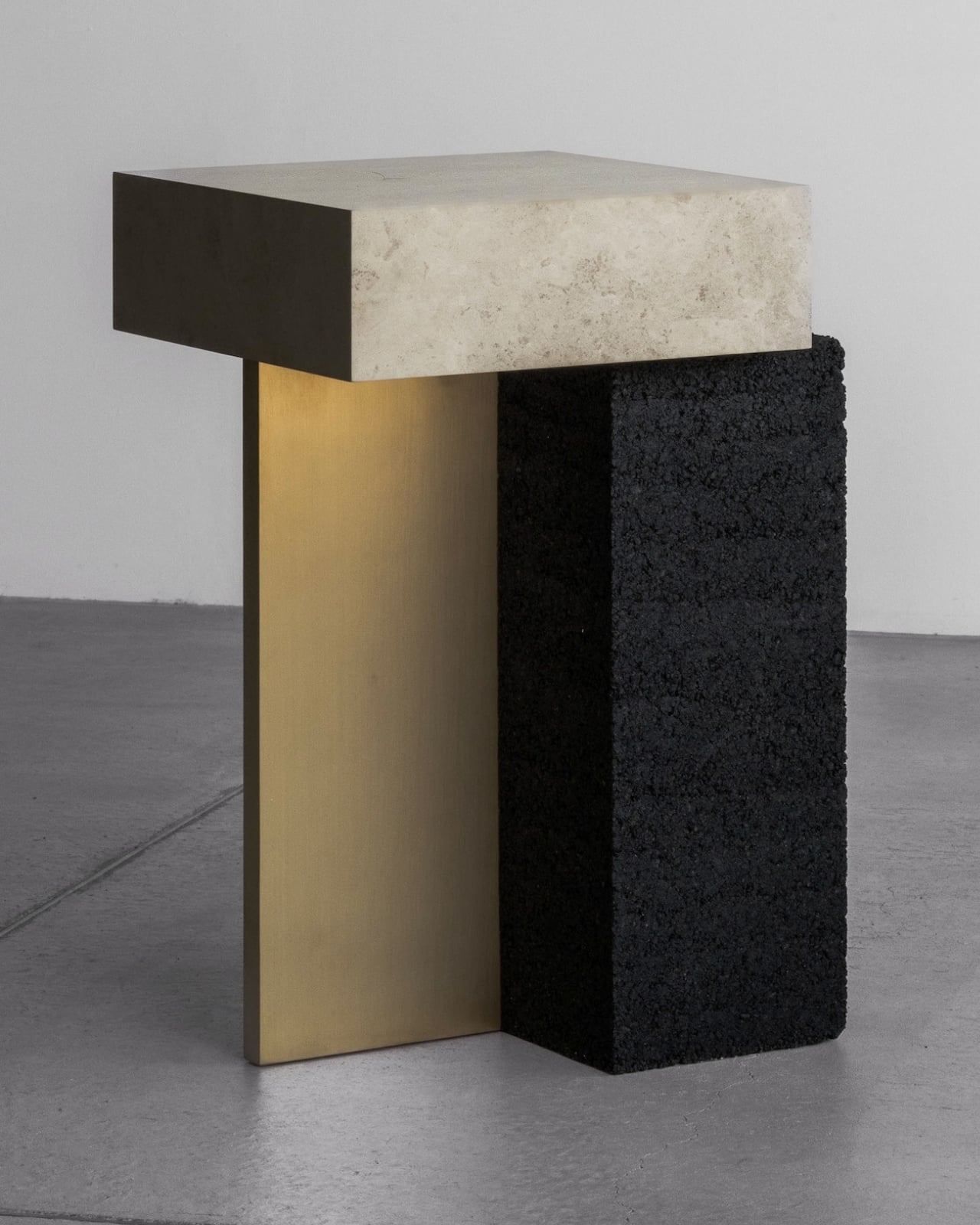
The series, simply called “As,” takes asphalt back to its roots. Long before it became synonymous with infrastructure, asphalt was actually used as a binding agent, bringing different materials together. Koizumi taps into this ancient purpose and transforms it into something unexpectedly beautiful: stools, side tables, lighting fixtures, and wall-mounted objects where asphalt serves as the glue holding together metal, stone, and resin.

Designer: So Koizumi

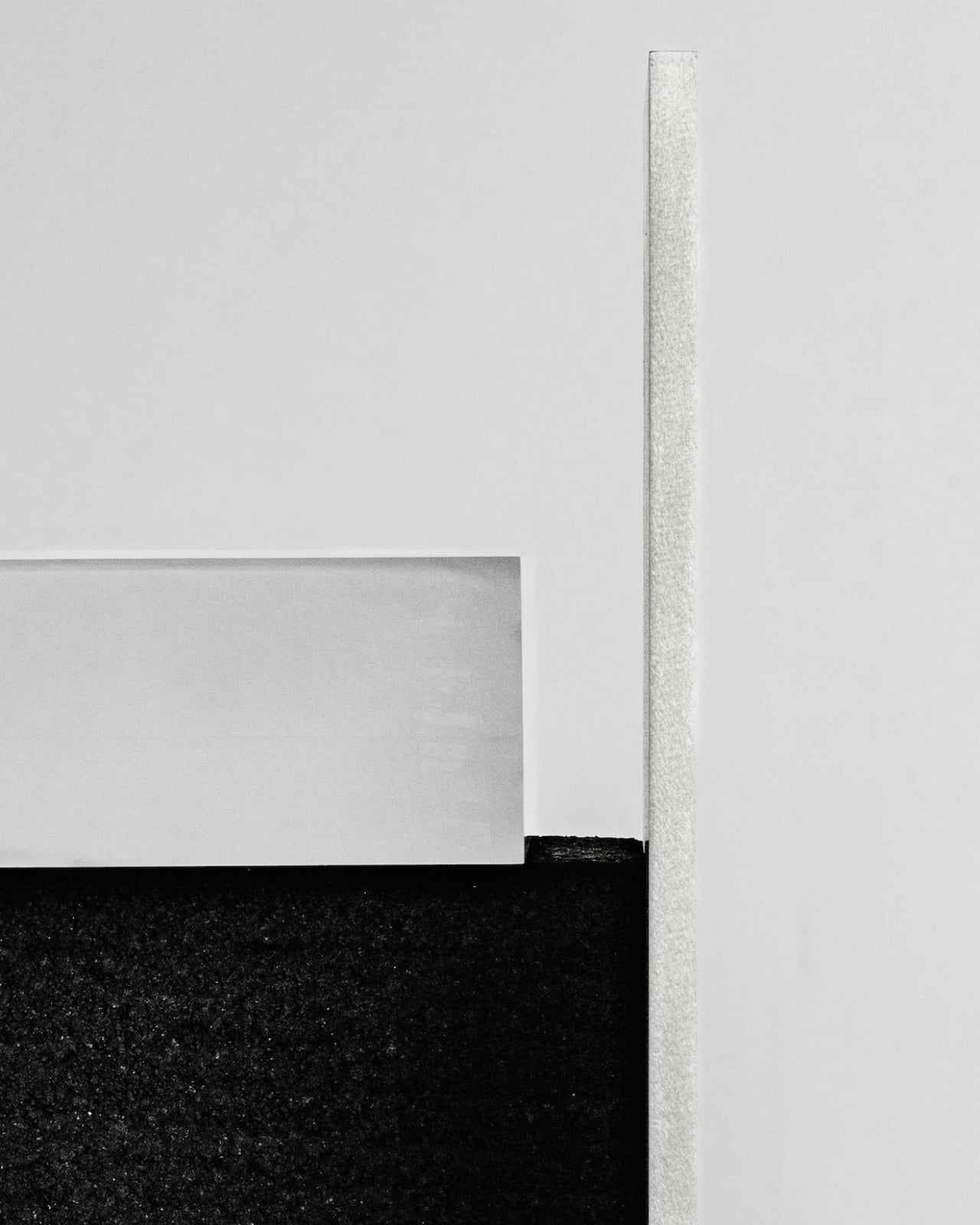
What makes this collection really interesting is how Koizumi approaches the material itself. This isn’t some off-the-shelf, industrial-grade asphalt. Instead, each piece involves hand-shaping and finishing, with the texture and density changing based on what each object needs structurally and aesthetically. It’s a hands-on process that involves experimenting, testing, and refining until the materials play nicely together.

Think about it for a second. Asphalt is typically something we walk or drive on without a second thought. It’s functional, forgettable, purely utilitarian. But here, it becomes the star of the show, or at least a co-star alongside the metals and stones it connects. The collection treats asphalt not as a surface layer you slap on top, but as a structural intermediary, forming cores that support and anchor everything else.

The result is furniture that feels almost sculptural. These aren’t your typical mass-produced pieces that roll off an assembly line. Each object has its own character, its own story of how different materials came together through this unexpected mediator. There’s something deeply satisfying about seeing such disparate elements (industrial metal, natural stone, synthetic resin) united by something as overlooked as asphalt.

From a design perspective, what Koizumi is doing speaks to a bigger movement we’re seeing right now. Designers are increasingly interested in material honesty, in celebrating what things are actually made of rather than hiding it behind veneers and polish. They’re also looking at waste materials, industrial byproducts, and overlooked substances with fresh eyes, asking what else they could become.

The “As” series fits perfectly into this ethos. It challenges our preconceptions about what materials belong where. Why shouldn’t asphalt have a place in your living room? Why can’t something designed for roads also work as a elegant side table or atmospheric lighting? These questions might sound cheeky, but they’re actually at the heart of innovative design. There’s also something poetic about the concept. Asphalt connects places in our cities, quite literally paving the way from point A to point B. In Koizumi’s hands, it connects materials instead, creating little ecosystems where metal meets stone meets resin, all held together by this dark, textured binding agent. The furniture becomes a metaphor for connection itself.

What’s particularly cool is how this collection sits at the intersection of art and function. Yes, these are usable pieces. You can sit on the stools, set your coffee on the tables, light your space with the fixtures. But they’re also conversation starters, objects that make you pause and reconsider your assumptions. They blur the line between furniture and sculpture in the best possible way.

For anyone who loves design that takes risks and challenges norms, the “As” collection is definitely worth checking out. It’s not trying to be trendy or follow what everyone else is doing. Instead, it carves out its own weird, wonderful niche by asking a simple question: what if we used asphalt differently? The answer, as it turns out, is pretty compelling. Sometimes the most innovative ideas come from looking at the most ordinary materials with extraordinary imagination.

The post This Designer Turned Road Material Into Stunning Furniture first appeared on Yanko Design.
This Monument-Inspired Speaker Concept Stands Tall on Your Shelf

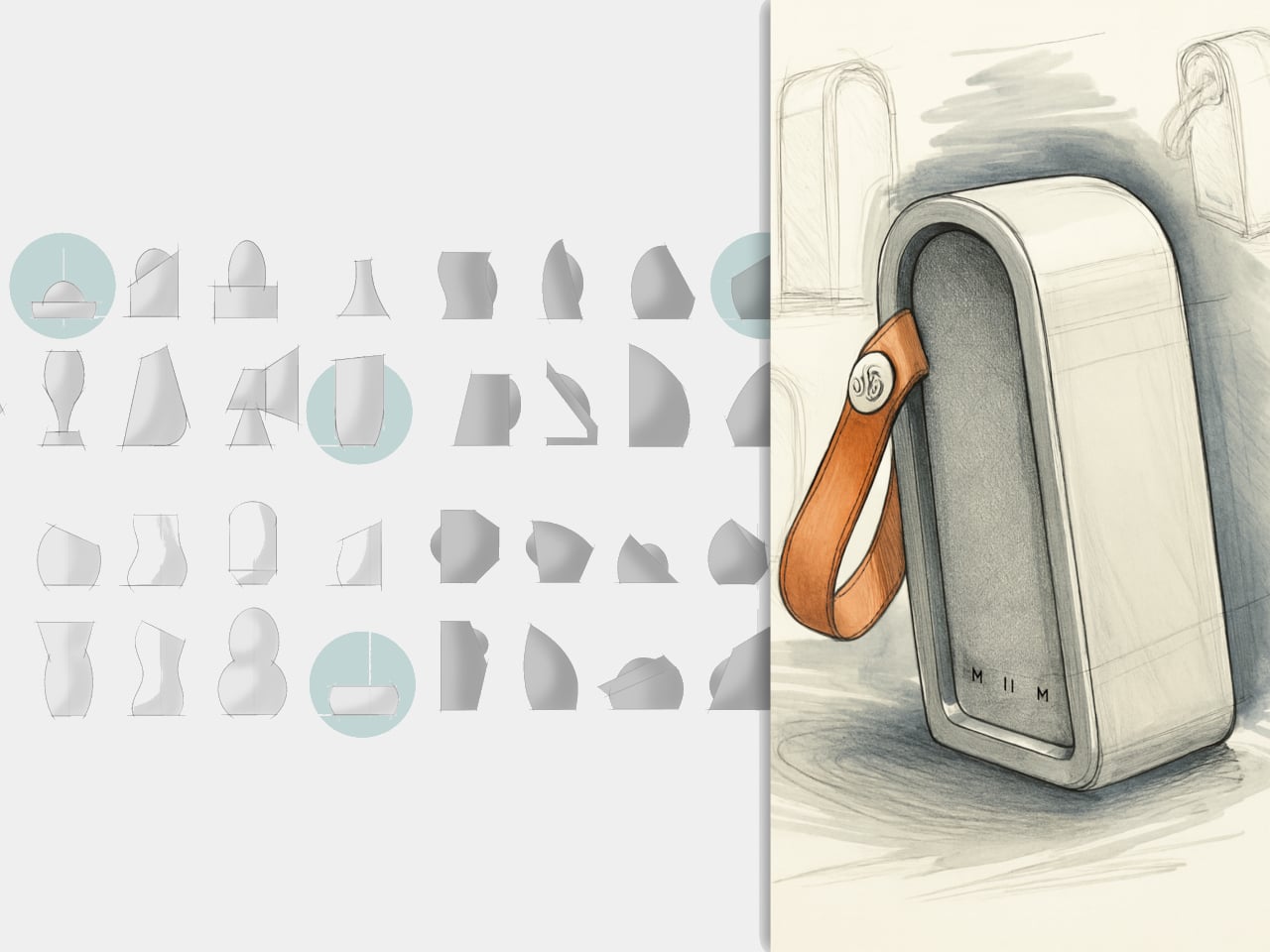
Most wireless speakers fall into two visual camps: squat cylinders that look like tech, or anonymous black boxes that try to disappear. There is a third path, treating a speaker like a small piece of architecture in the room, something that stands tall and holds its ground even when it is silent. Sonique is a vertical aesthetic speaker that leans into that idea, more road sentinel than soda can, more monument than gadget.

Sonique is a speaker inspired by global monuments, aiming to embody the idea of a road sentinel that seamlessly integrates artistry and functionality. The form language borrows from tall, narrow towers and arches, and the goal is to create an object you would be happy to leave on a shelf even when it is off, because it reads as a small, calm monolith rather than a piece of hardware waiting to be told what to do.

Designer: Eshaan Gupta

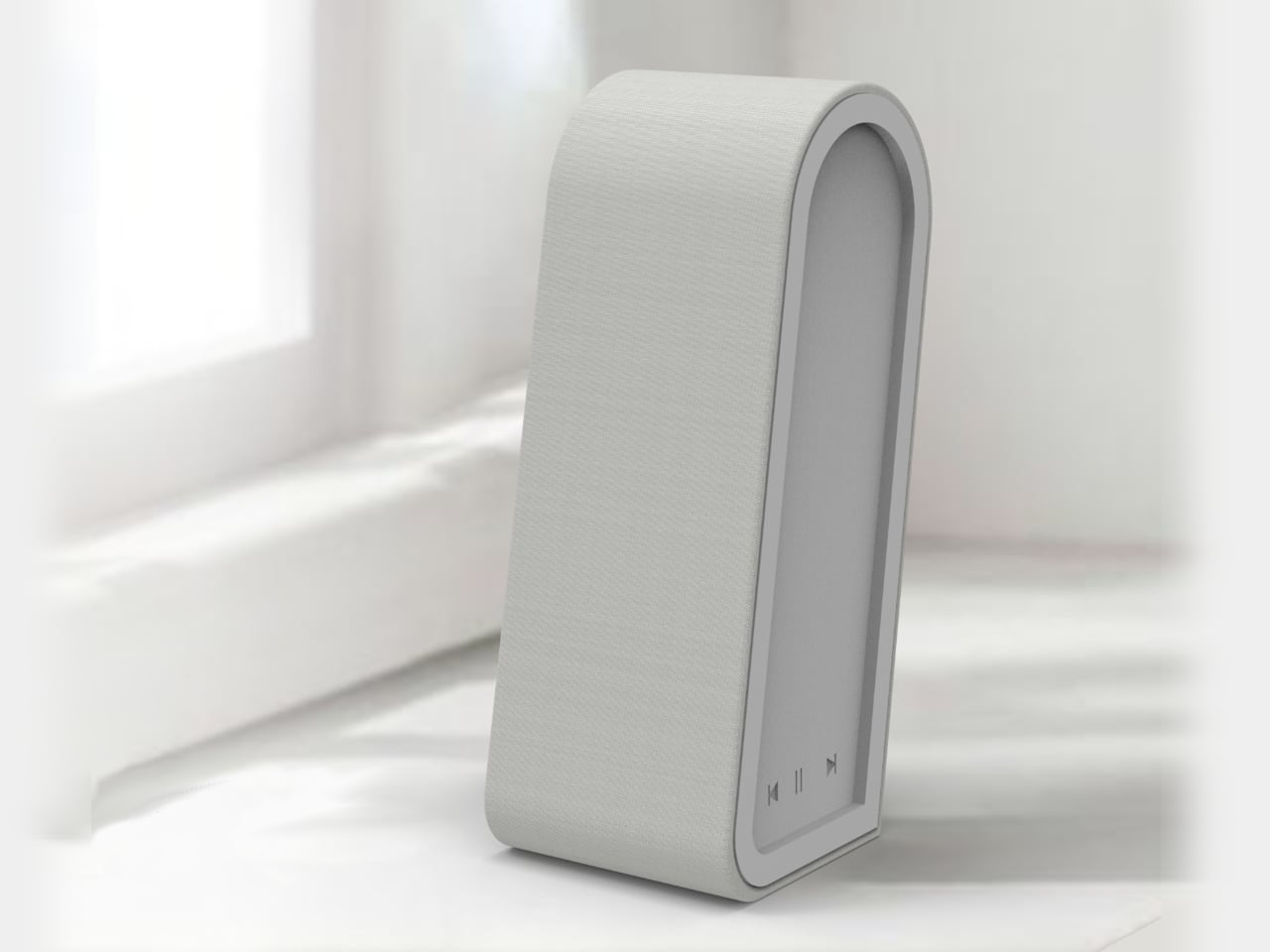
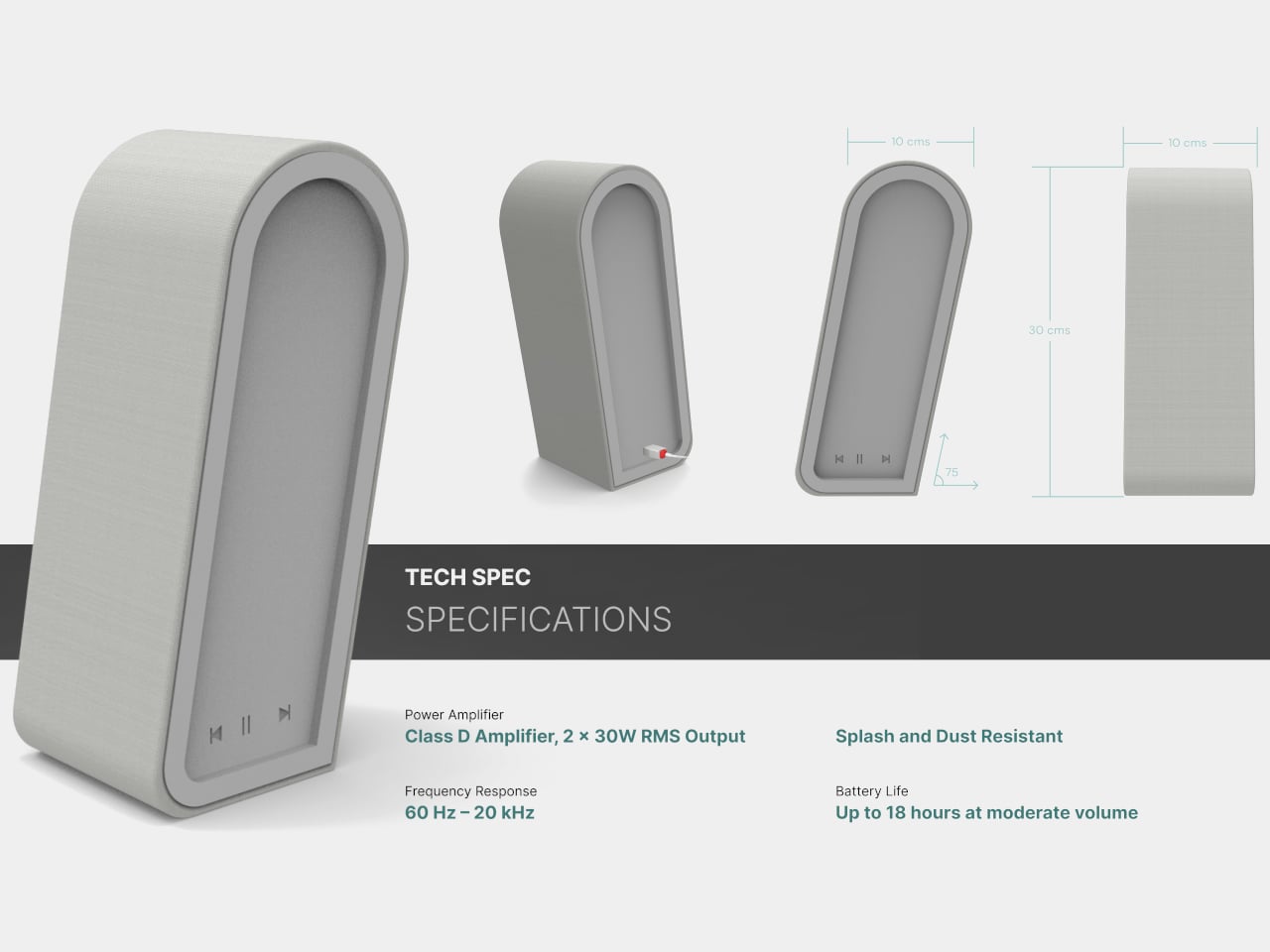
The basic form is a tall, rounded-top shell with a recessed fabric front and a small control strip at the bottom. The vertical posture lifts the drivers and makes the speaker feel more like a portal or doorway than a box. The controls are reduced to a simple strip with minus, play/pause, and plus, integrated into the front plane, so they do not break the silhouette or shout for attention when you are not using them.

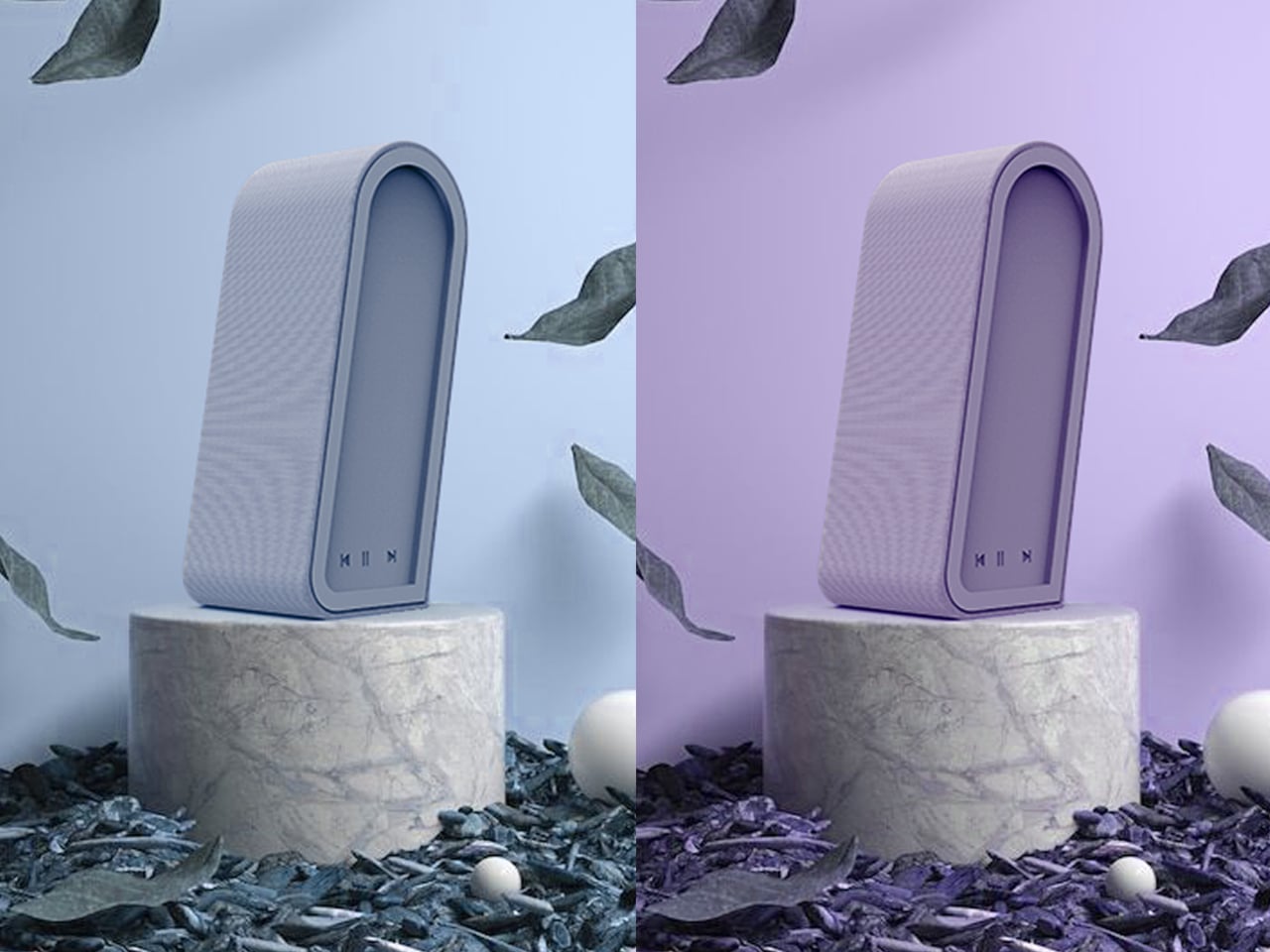
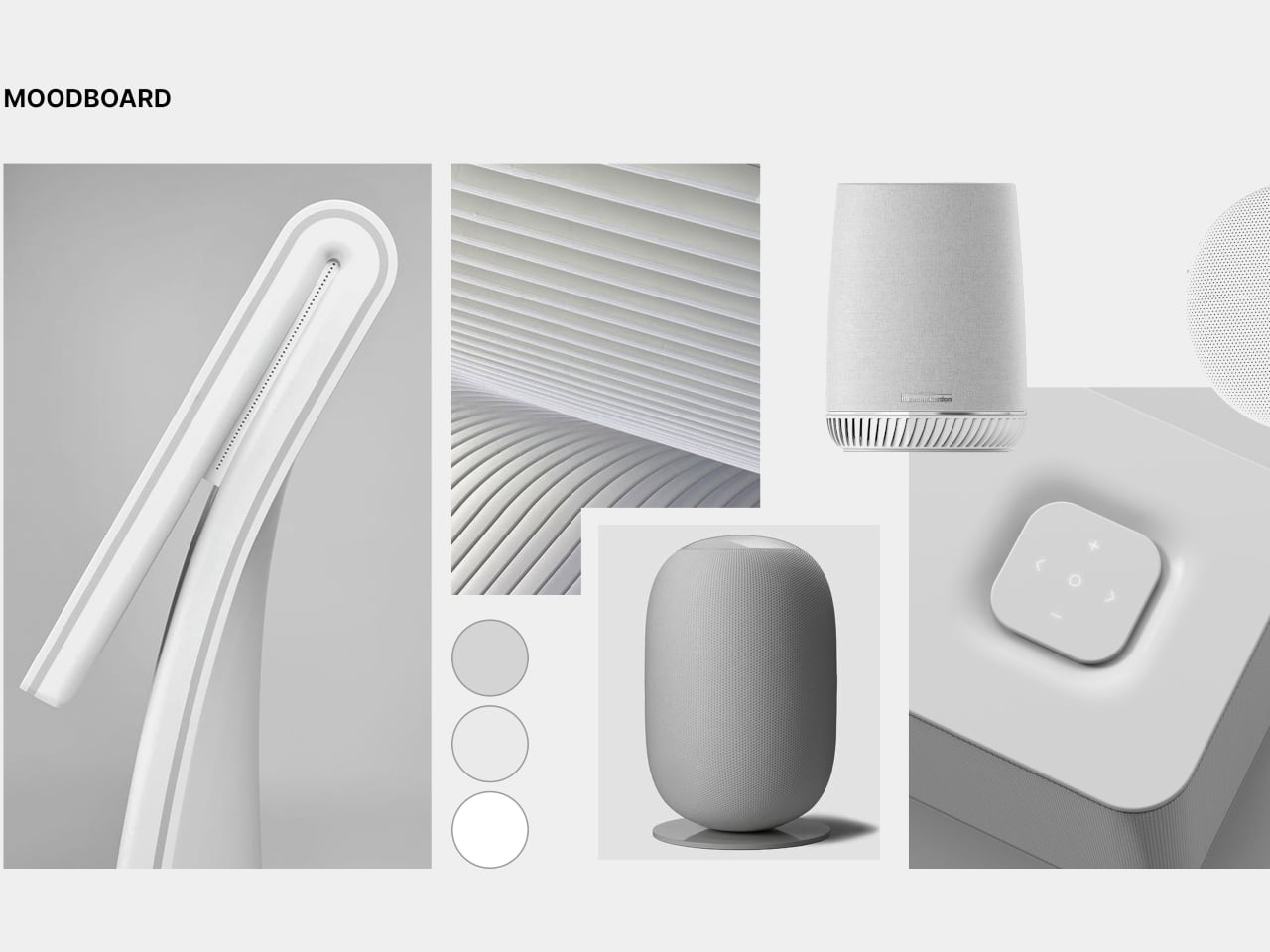
The inspiration keywords, unbalanced, monolithic, and timeless, show up in how Sonique stands in a room. Unbalanced in its narrow footprint, tall stance, and slight backward lean that creates an asymmetrical, deliberate posture. Monolithic in the continuous outer shell, timeless in the fabric and soft grey palette, avoiding obvious tech trends. The speaker is meant to be a quiet marker in a space, a little tower of sound.

The technical block lists a Class-D amplifier with 2 × 30 W RMS output, a 60 Hz–20 kHz frequency response, splash and dust resistance, and up to 18 hours of playback at moderate volume. This puts it in the realm of a capable, battery-powered home speaker, with enough low-end extension for most music and enough stamina to move around the house without living on a charger or needing to stay tethered to an outlet.

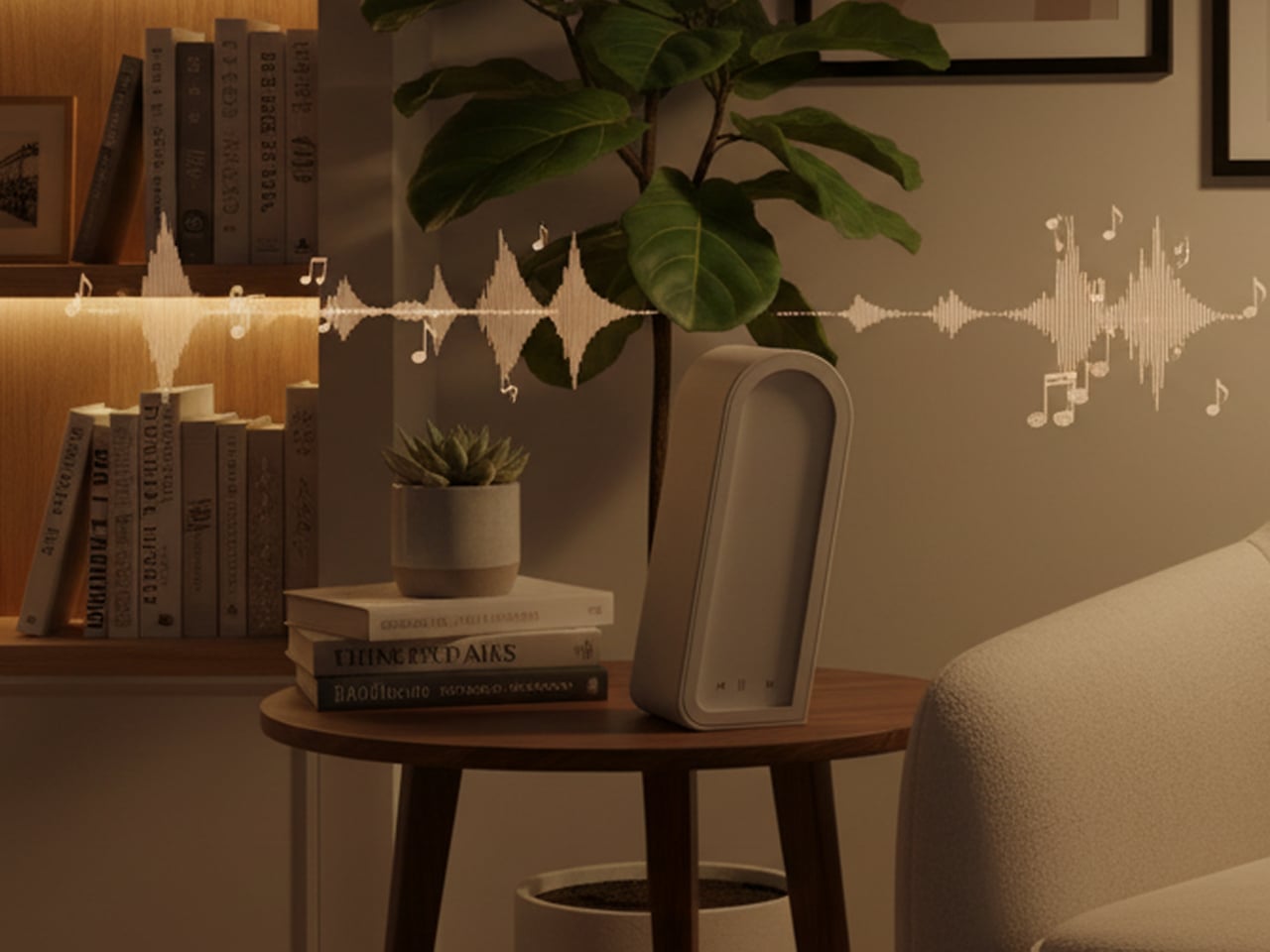
Sonique fits into everyday scenes, on a bookshelf in a reading corner, on a sideboard in a living room, or on a desk as a vertical counterpoint to a monitor. The combination of fabric, soft light, and vertical form makes it feel more like a small lamp or sculpture than a piece of audio gear. The splash resistance hints at kitchen or bathroom use, where a bit of steam or a stray splash should not be a problem or an excuse to hide it away.

Treating a speaker like a road sentinel nudges the object out of the black box category and into the realm of things you curate in a room. Sonique suggests that you can have a plausible, battery-powered Class-D speaker that also behaves like a small monument on your shelf, a reminder that sound hardware does not always have to look like sound hardware to do its job well, and that a speaker can hold space in a room the way architecture does, vertical, quiet, and present.

The post This Monument-Inspired Speaker Concept Stands Tall on Your Shelf first appeared on Yanko Design.
Governor Hochul signs New York’s AI safety act

New York governor Kathy Hochul signed legislation on Friday aimed at holding large AI developers accountable for the safety of their models. The RAISE Act establishes rules for greater transparency, requiring these companies to publish information about their safety protocols and report any incidents within 72 hours of their occurrence. It comes a few months after California adopted similar legislation. 

But, the penalties aren't going to be nearly as steep as they were initially presented when the bill passed back in June. While that version included fines of up to $10 million dollars for a company's first violation and up to $30 million for subsequent violations, according to Politico, Hochul's version sets the fines at up to $1 million for the first violation, and $3 million for any violations after that. In addition to the new reporting rules, a new oversight office dedicated to AI safety and transparency is being born out of the RAISE Act. This office will be part of the Department of Financial Services, and issue annual reports on its assessment of large AI developers. 

Hochul signed two other pieces of AI legislation earlier in December that focused on the use of the technology in the entertainment industry. At the same time, President Trump has been pushing to curb states' attempts at AI regulation, and signed an executive order this month calling for "a minimally burdensome national standard" instead.

This article originally appeared on Engadget at https://www.engadget.com/ai/governor-hochul-signs-new-yorks-ai-safety-act-220503930.html?src=rss

MVRDV’s Timber Pavilion Revives a City’s Forgotten Identity

There’s something magical about architecture that doubles as a love letter to a place. MVRDV just pulled this off in Chiayi, Taiwan, with a temporary pavilion that’s less about showing off and more about remembering what made this city special in the first place.

Picture this: Chiayi is celebrating its 321st birthday, and instead of a generic party tent, the city gets a timber structure that tells the story of its forgotten identity as Taiwan’s wood capital. Over 6,000 historic timber buildings still dot this city, remnants of an era when Chiayi thrived on forestry and woodcraft, yet most residents have lost touch with that heritage.

Designer: MVRDV (Photos by Shephotoerd)

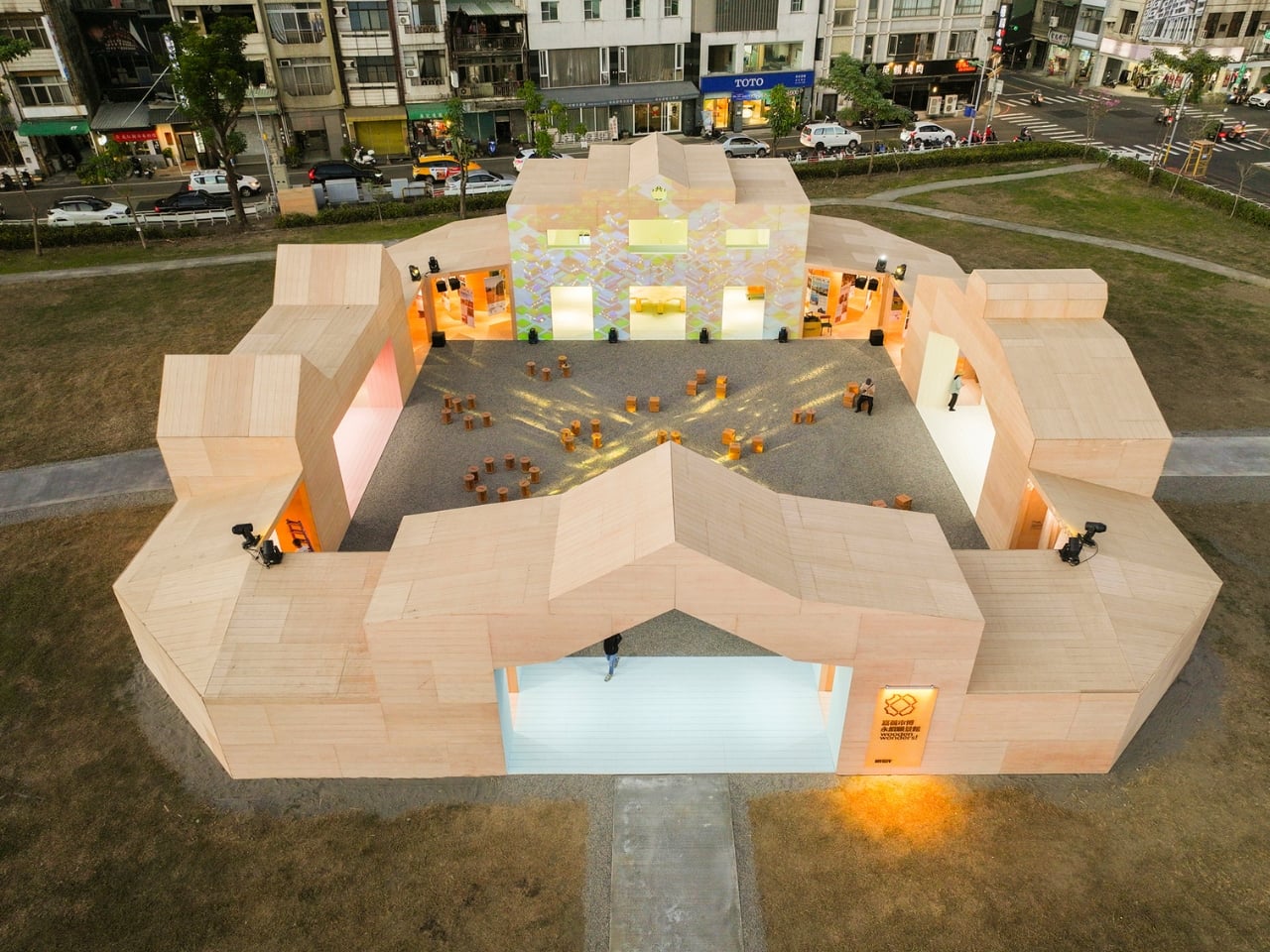
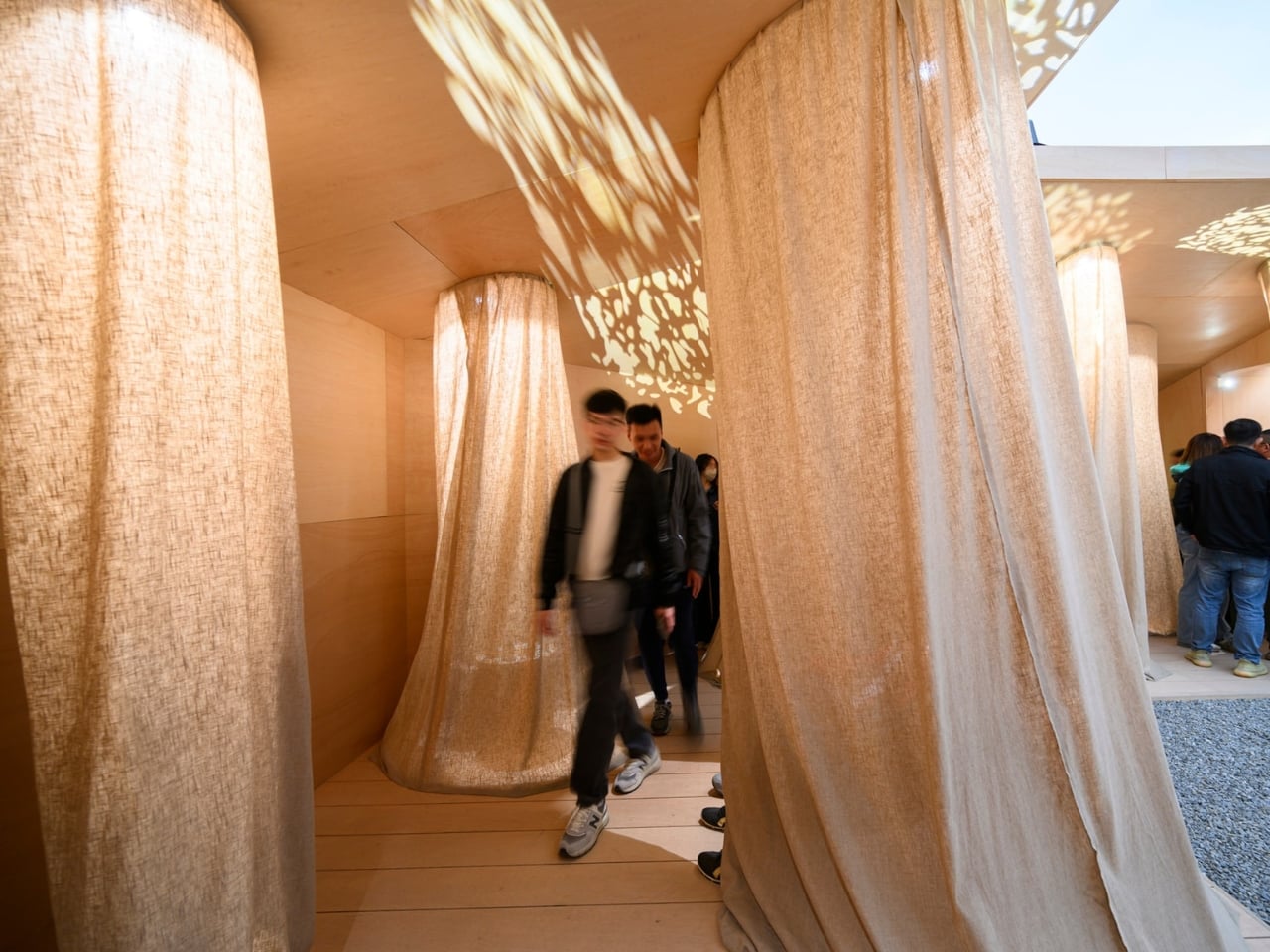
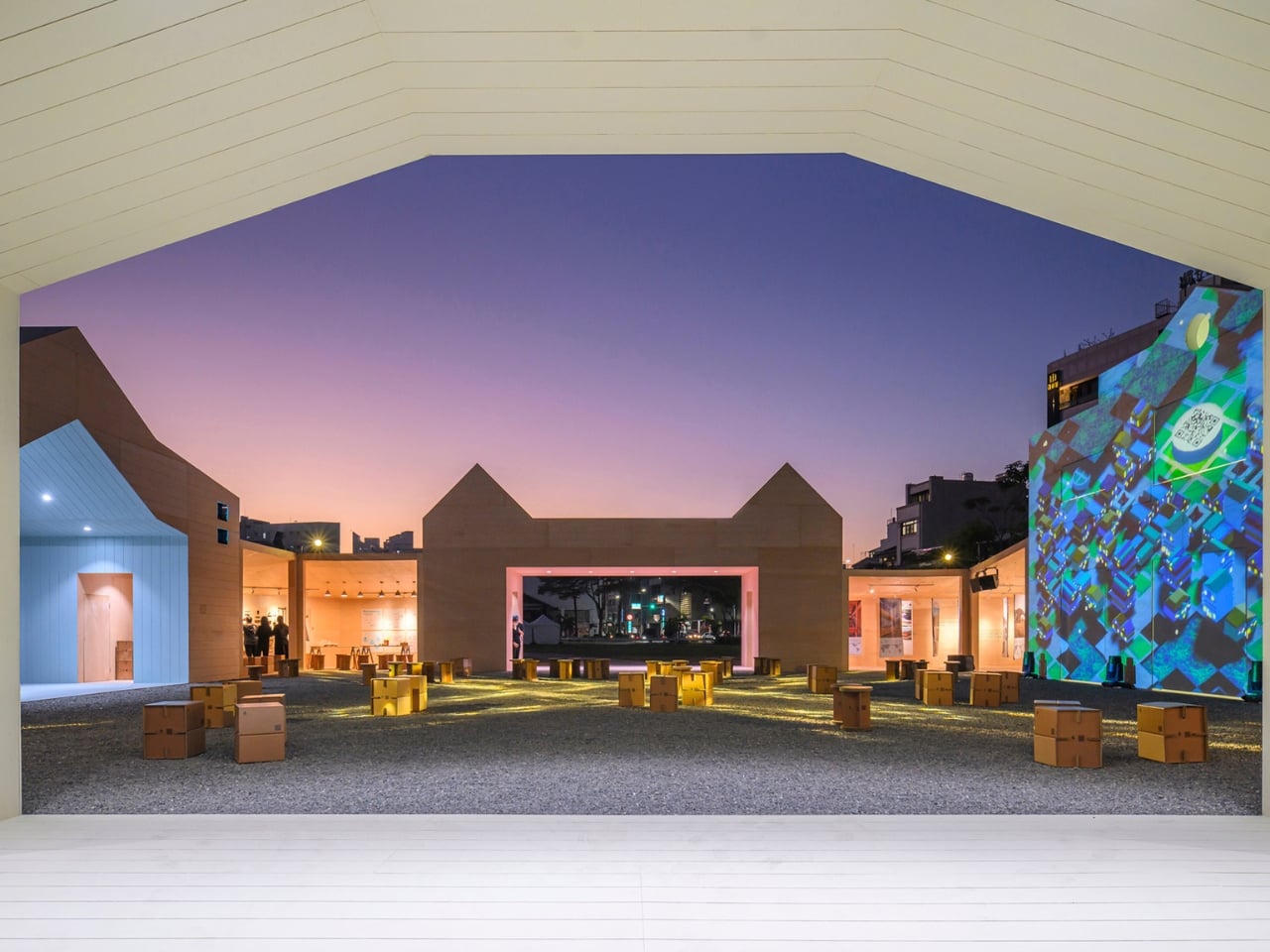
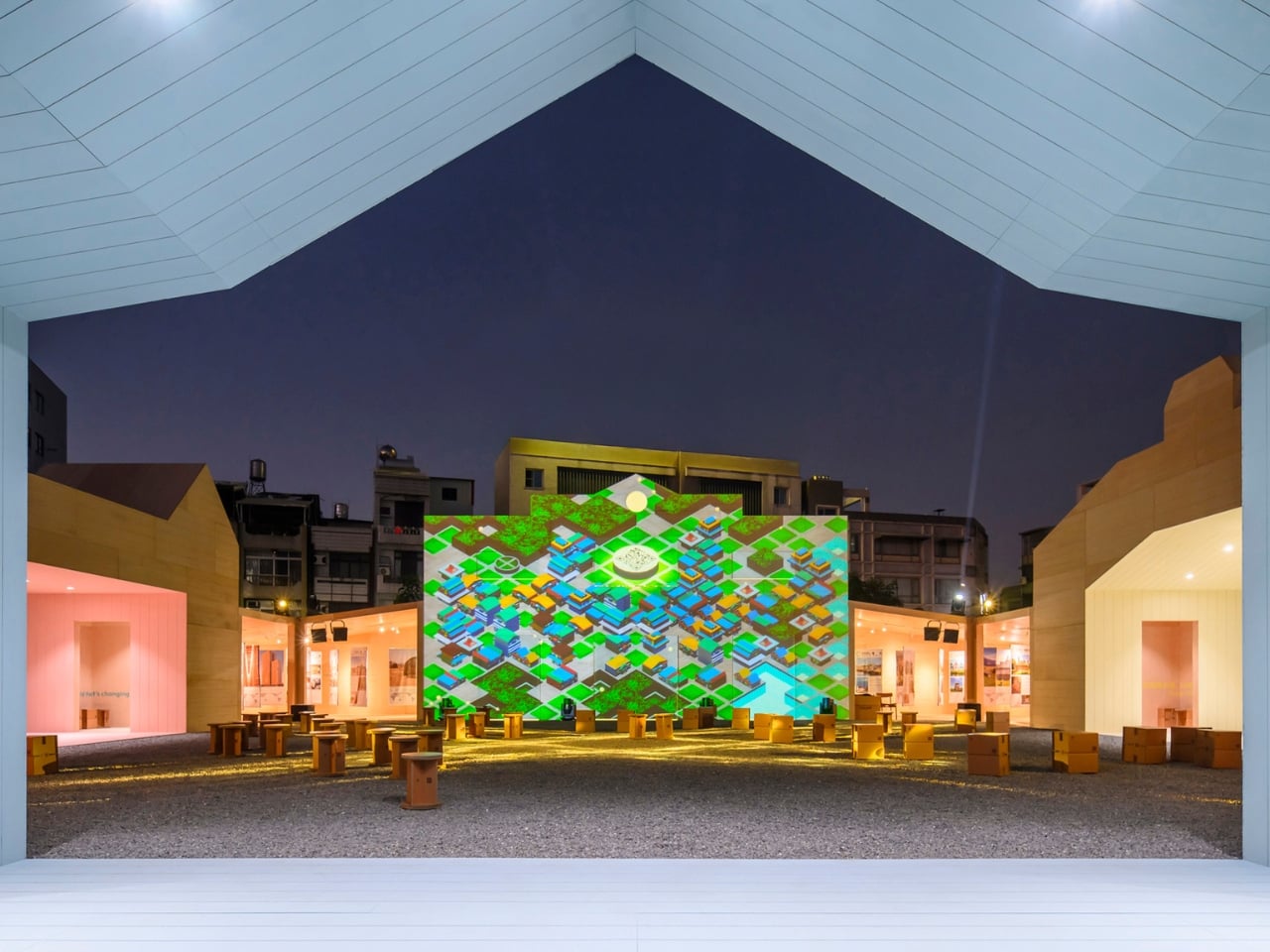
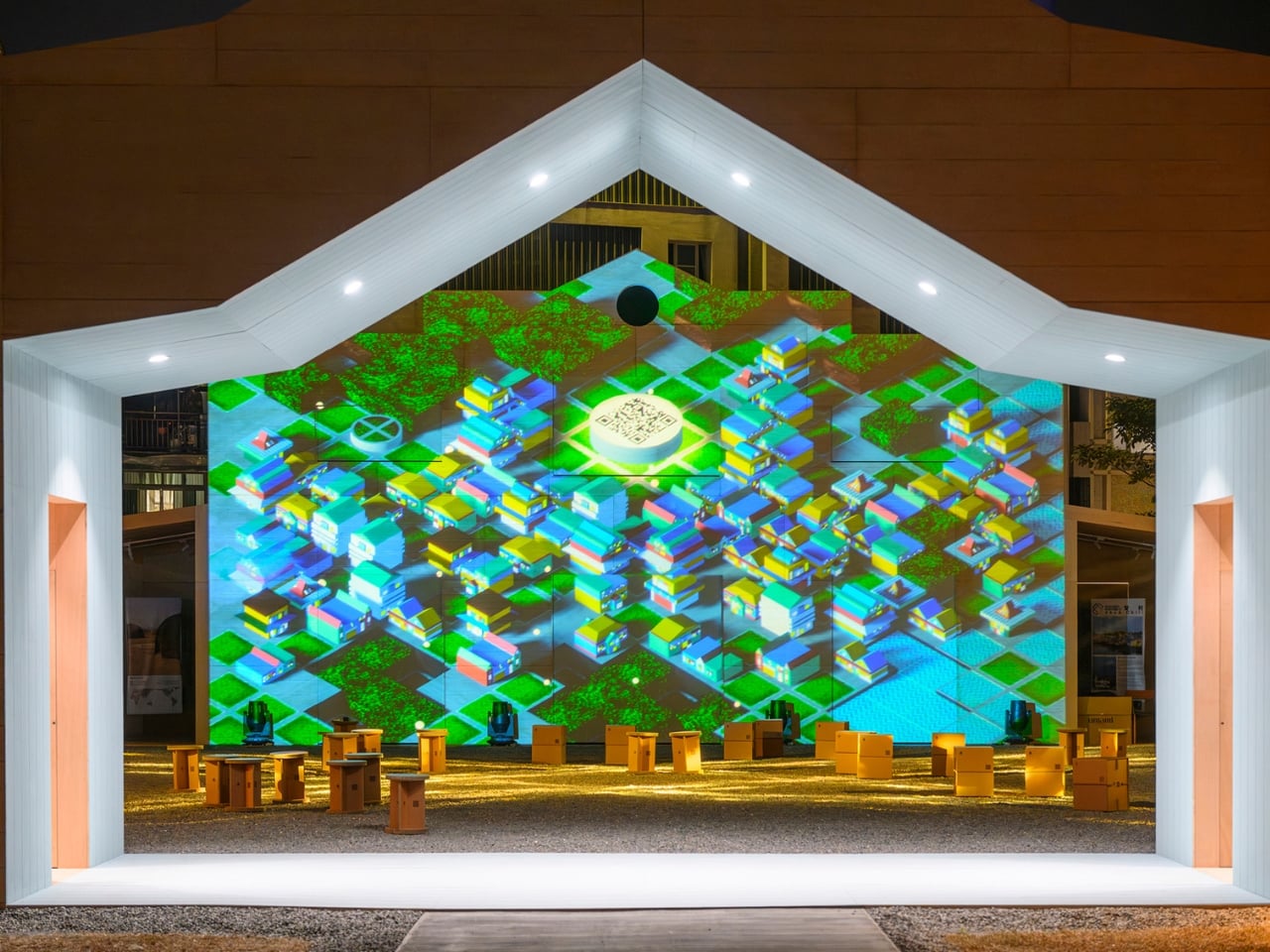
Enter Wooden Wonders, a pavilion that sits right across from city hall and functions as what the architects call an “urban living room.” It’s an apt description. The structure wraps around a central courtyard, creating an intimate gathering space that feels both public and personal. Think of it as the architectural equivalent of pulling up a chair and asking someone to tell you their life story.

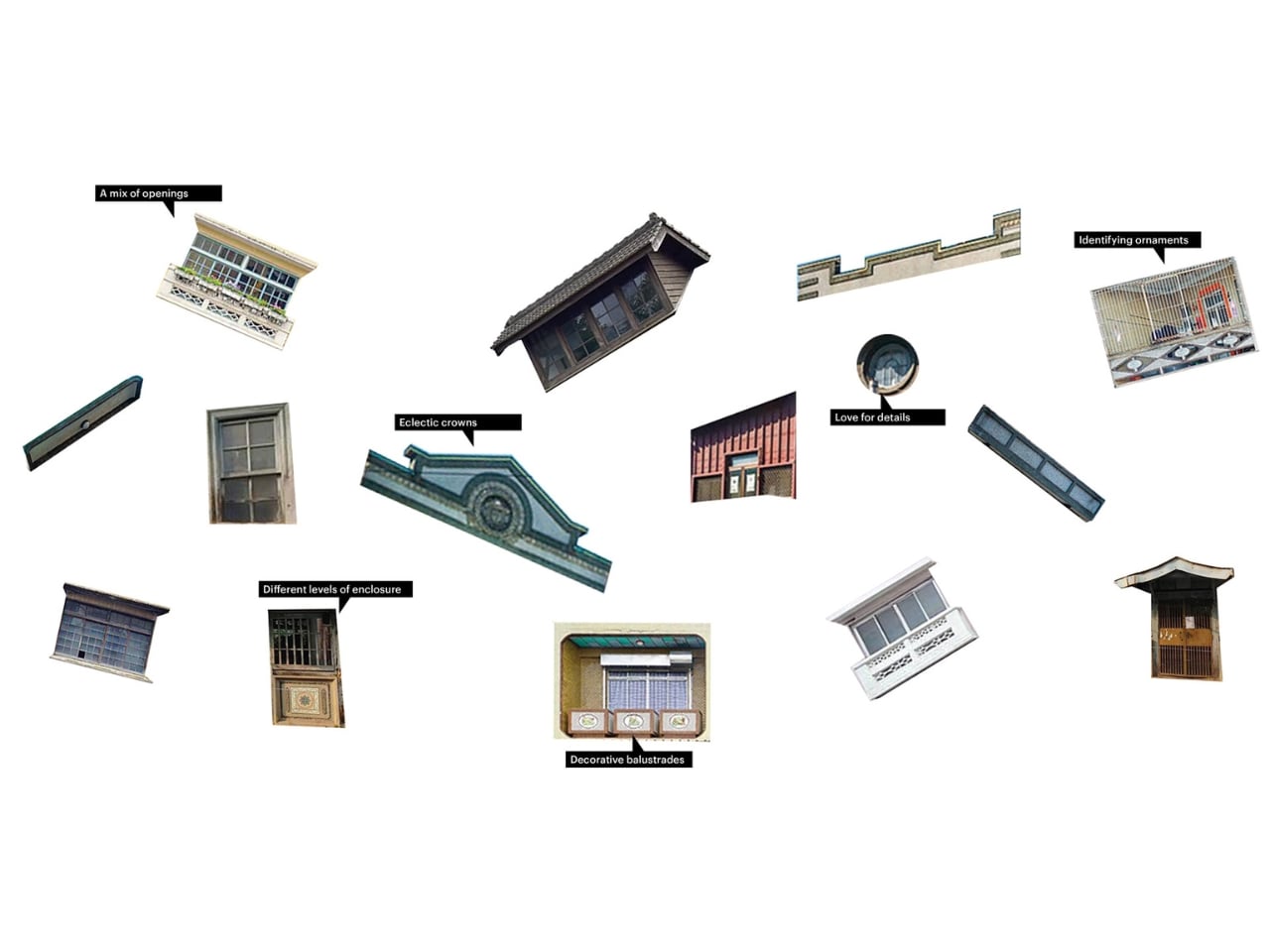
What makes this project fascinating is how MVRDV approached the design. Instead of imposing their signature style, they went full detective mode, studying the city’s existing timber buildings to understand the local architectural DNA. What they found was beautifully eclectic: diagonal cuts that emphasize street corners, ornamental rooflines with decorative flourishes, a mix of time periods and influences all woven together. These elements became the blueprint for the pavilion’s perimeter structure, making the new building feel like it grew organically from Chiayi’s architectural family tree.

Inside, the exhibition takes visitors on a journey through wood’s past, present, and future. Pastel-colored gateways (a softer touch than you’d expect from an architecture exhibition) guide people through different zones. There’s a forest-themed area exploring how timber is grown and harvested, and “the workshop,” which celebrates the historic craftsmanship that once defined the region. The exhibition doesn’t just look backward, though. It also positions Chiayi alongside global timber leaders like Norway and New Zealand, showing how engineered timber can bridge traditional culture and contemporary construction.

The timing of this project couldn’t be more relevant. MVRDV founding partner Jacob van Rijs nails it when he says Chiayi’s timber story mirrors a global shift in how we think about building materials. Wood went from practical and abundant to “old-fashioned” when concrete and steel took over. But the climate crisis has flipped the script again. Wood stores carbon; concrete and steel release massive amounts of it into the atmosphere. Add decades of innovation in engineered timber techniques, and suddenly wood isn’t just nostalgic, it’s the future.

In Taiwan specifically, this conversation takes on extra weight. Many people there view timber as less reliable or reputable compared to modern materials, and seismic regulations make working with existing buildings challenging. So this pavilion isn’t just celebrating heritage, it’s making a bold argument about sustainability and what’s possible when you look at old materials with new eyes. The two-story main hall on the north side is where this vision gets practical. Visitors can contribute ideas for Chiayi’s urban development and its potential future as Taiwan’s “Wood Capital.” It’s participatory architecture at its best, a space that doesn’t just talk at people but invites them into the conversation about what their city could become.

What I love about Wooden Wonders is how it manages to be both specific and universal. Yes, it’s deeply rooted in Chiayi’s particular history and architecture. But it also speaks to something bigger: how cities can honor their past while building a more sustainable future. How materials that were once dismissed can become solutions to our most pressing problems. How good design can create space for community and conversation.

The pavilion is only up through December 28, making it a fleeting moment in the city’s long history. But maybe that’s fitting. Sometimes the most powerful statements are temporary ones, just present long enough to remind us what we’ve forgotten and inspire us to imagine what comes next.

The post MVRDV’s Timber Pavilion Revives a City’s Forgotten Identity first appeared on Yanko Design.

Sony’s first EV with Honda will let you remotely play PS5 in your car

Faraway road trips just got a lot easier, at least for the passengers. Sony Honda Mobility, the joint venture between the two Japanese conglomerates created to produce electric vehicles, announced that its Afeela EV will come with PS Remote Play. While playing video games in a car may be a niche feature, it means drivers will have something to do when parked, and passengers can chip away at their favorite RPGs during long drives.

According to the announcement, the Afeela will be able to run your PS5 and PS4 consoles remotely through the infotainment system's integrated display. You can even grab your DualSense controller from home and get right back into the game after jumping in your Afeela. Sony Honda Mobility said a 5Mbps broadband connection is required to play, and a 15Mbps rate will deliver a smoother experience.

It's not the first time we're hearing about PS Remote Play in an EV. The joint venture previously showed off the Afeela 1, which is set for its first deliveries in 2026, and its ability to remotely play PlayStation titles at CES 2024. As for gaming in EVs overall, Tesla famously offered Steam support for its Model S and X, but later removed this feature.

This article originally appeared on Engadget at https://www.engadget.com/transportation/evs/sonys-first-ev-with-honda-will-let-you-remotely-play-ps5-in-your-car-202359091.html?src=rss