The latest PlayStation update made PSSR 2.0 the default for PS5 Pro owners
Your PS5 Pro will now automatically make supported games look even better without you having to dig into menus for an obscure toggle.
Last year, around the same time, H. Moser & Cie introduced the Streamliner Alpine Mechanics Edition for the Spanish GP, a watch designed around the mechanics working in the paddock. Now the Swiss watchmaker is revisiting the idea with a standalone timepiece that takes the concept in a more unconventional direction.
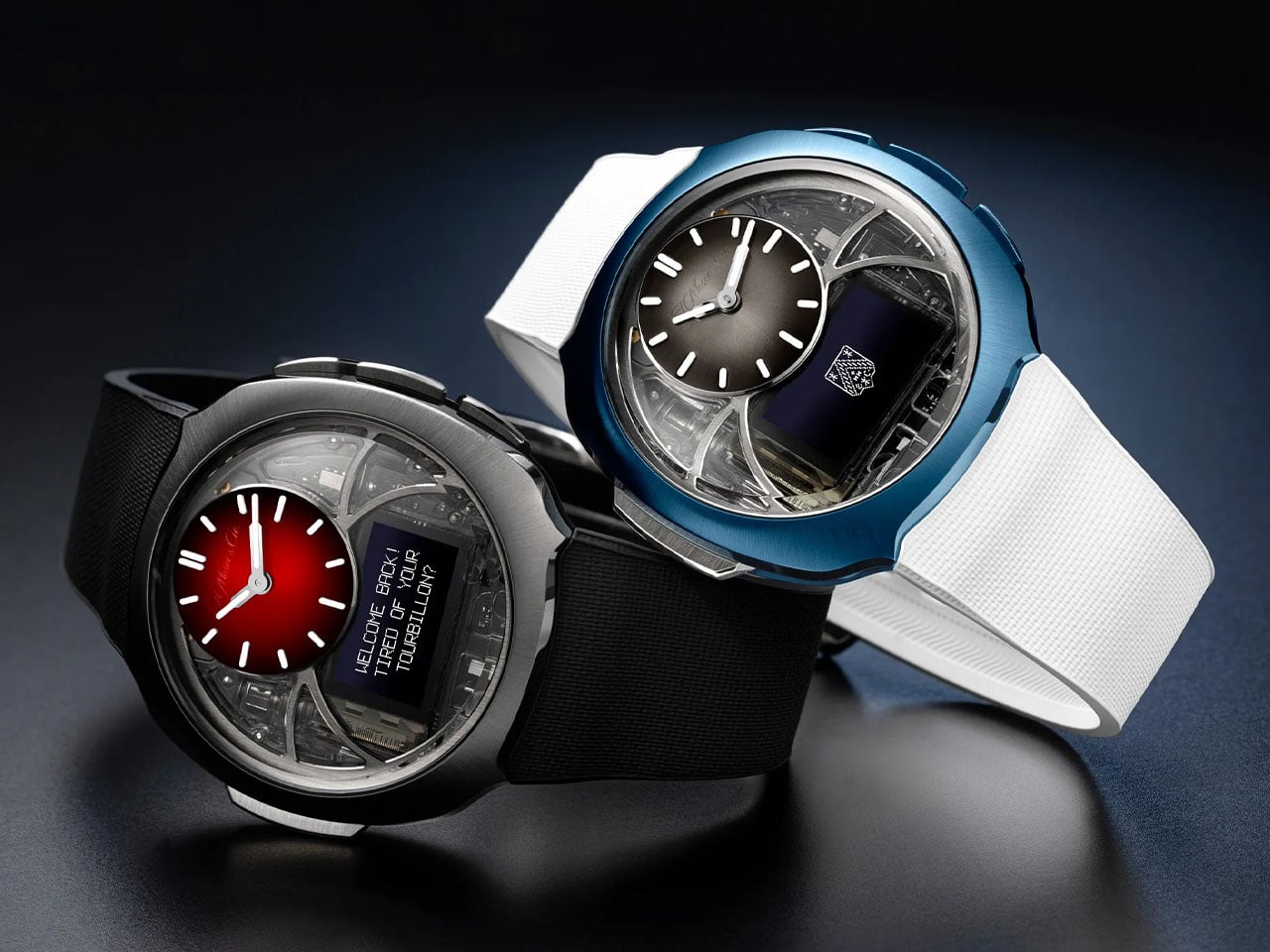
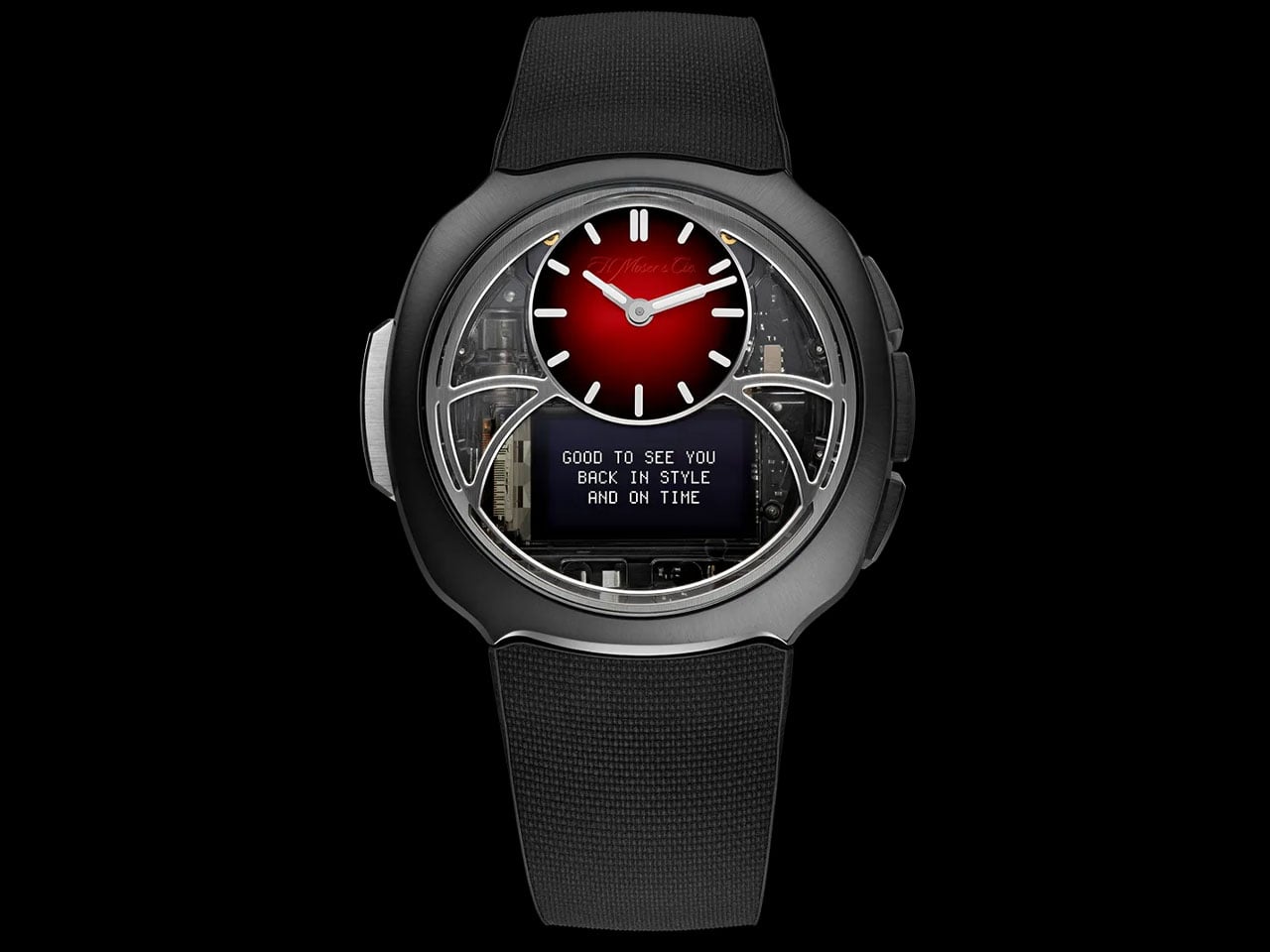
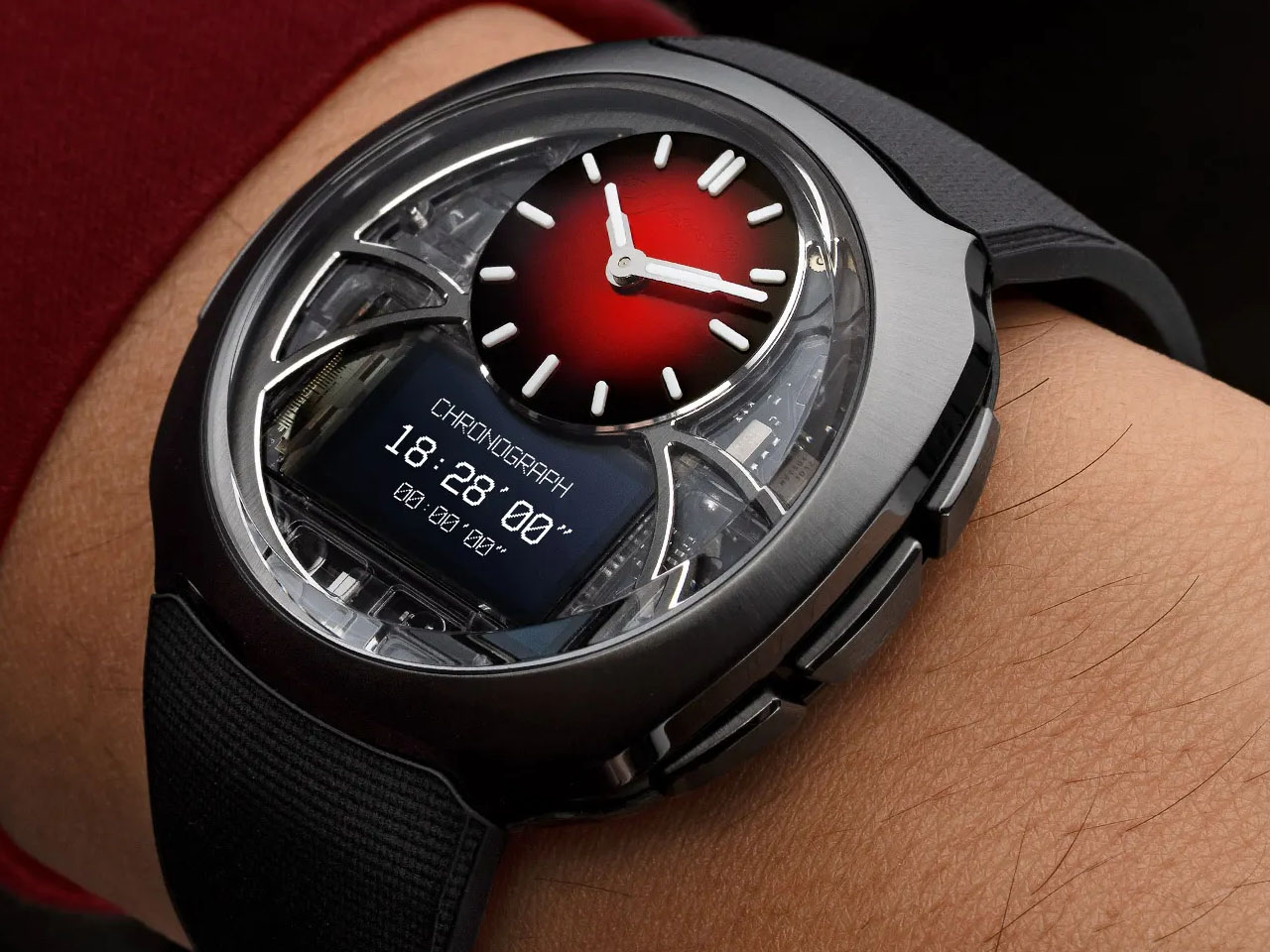
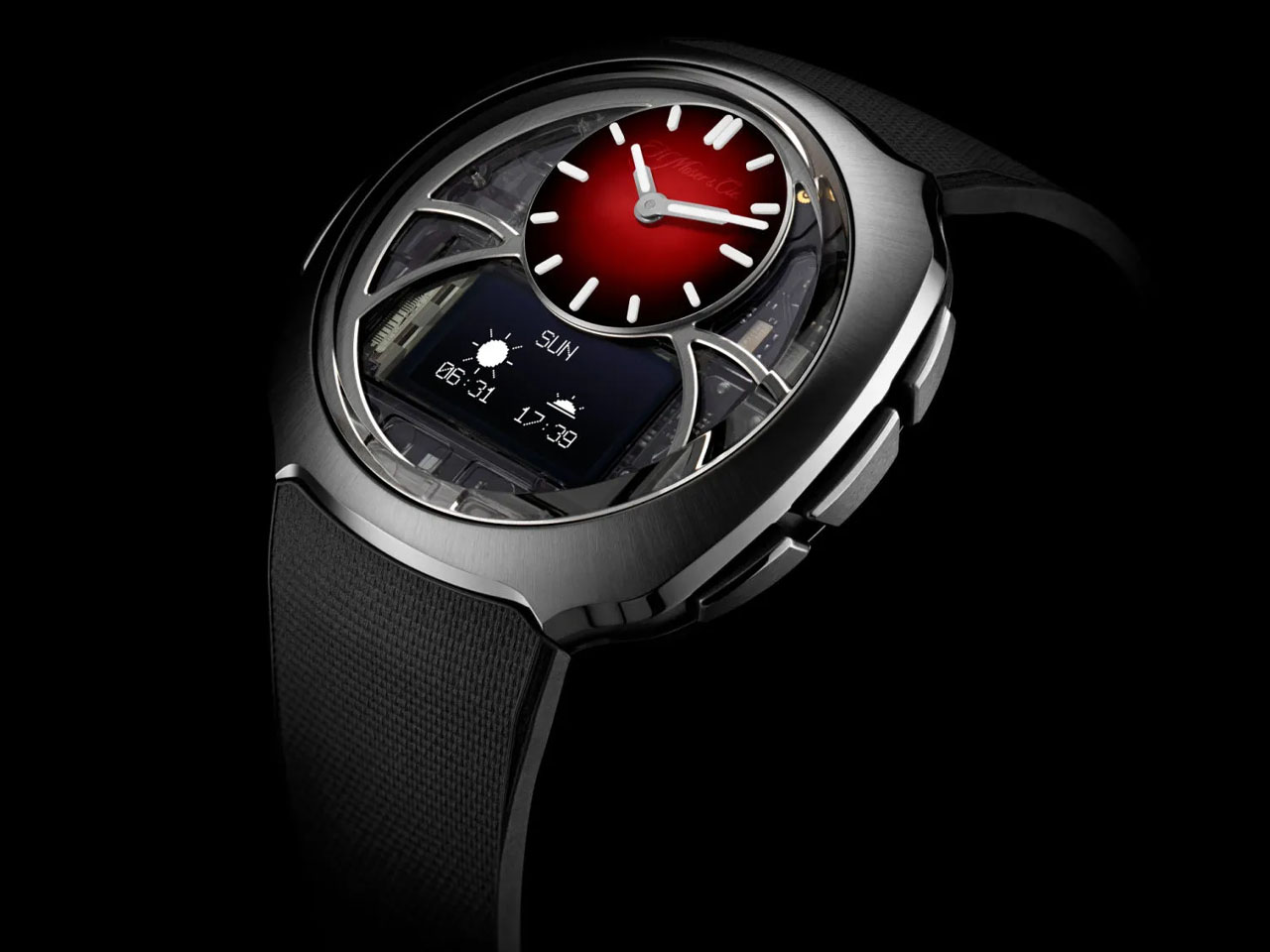
Meet the Streamliner Off-Grid, a digital-analog hybrid descended from the Alpine Mechanics Edition and built around the design language of Moser’s mechanical Streamliner collection. Its cushion-shaped case measures 42.6mm across and 14.4mm thick, with a skeletonized dial revealing circuitry beneath the traditional-looking watch face. This is an unusual combination, but one that makes the technology feel like an integral part of the design.
Designer: H. Moser & Cie
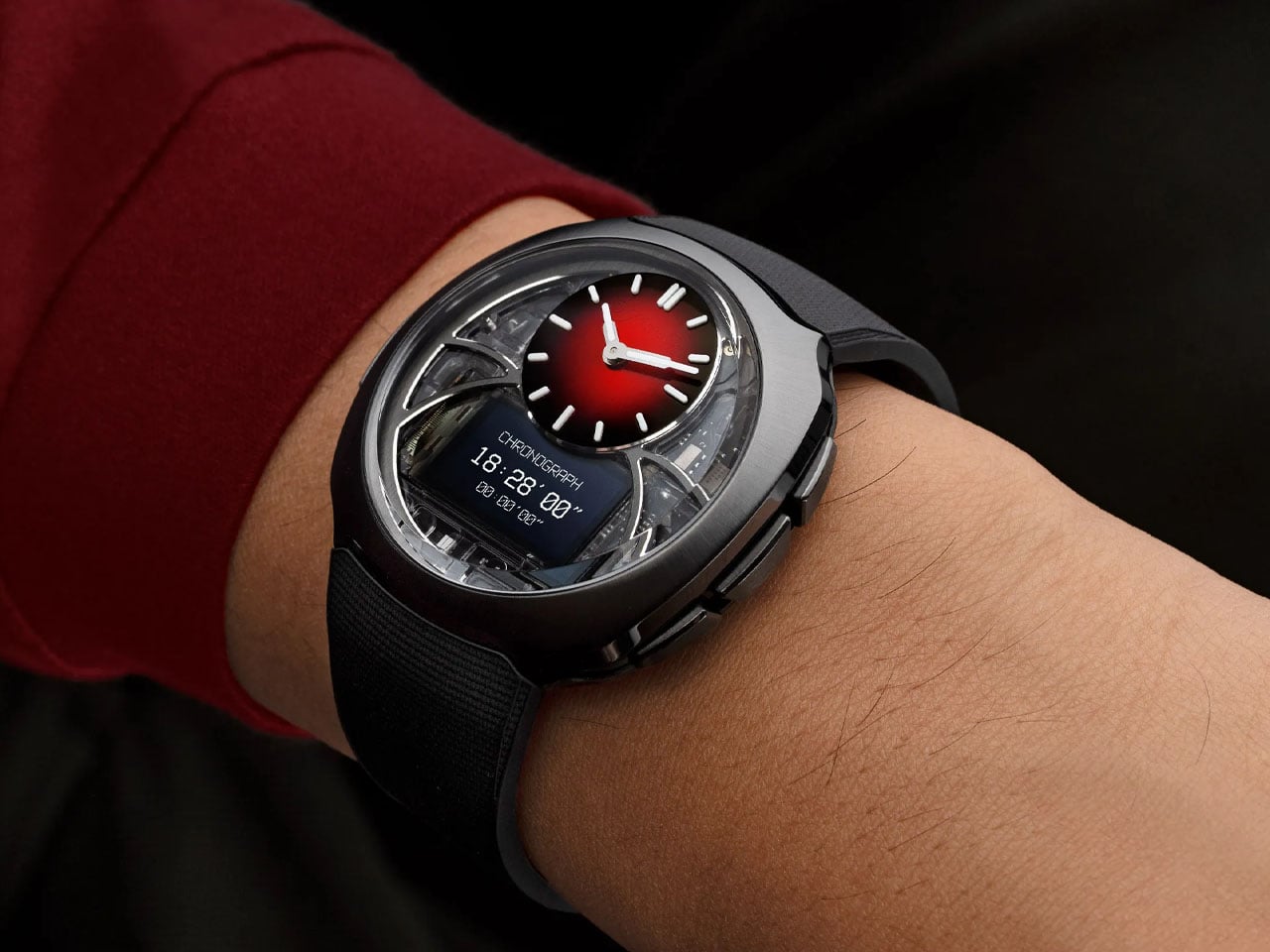
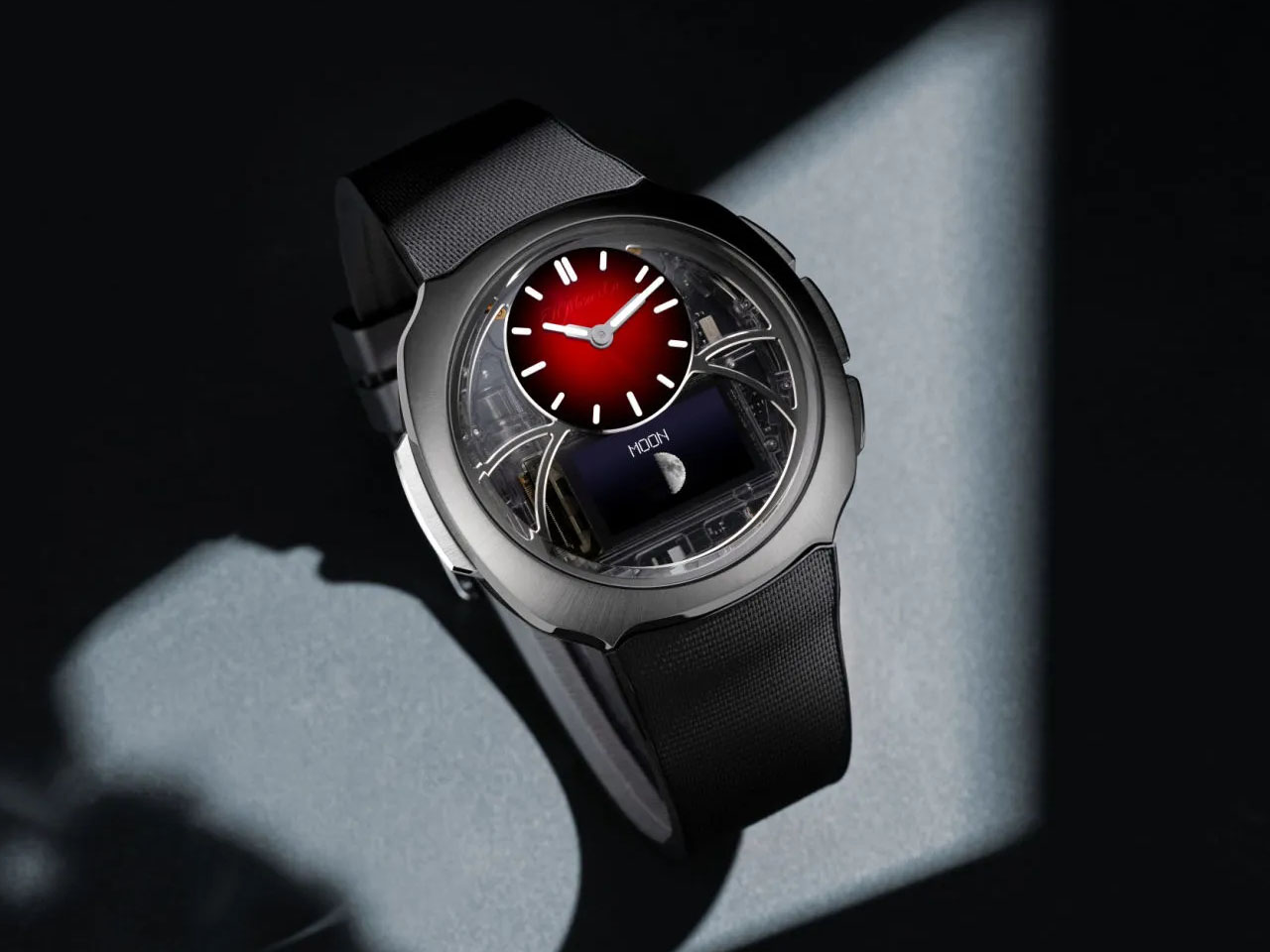
The upper portion of the dial retains Moser’s familiar minimalist treatment. A small domed analog display sits at 12 o’clock, finished in the brand’s characteristic fumé style and available in either red or Blackor. Globolight ceramic indices and hands provide the time, while the rest of the dial exposes the electronics underneath. Moser has deliberately stopped short of turning the Off-Grid into another wearable. There is no heart-rate sensor, fitness tracking, or stream of notifications. Instead, the digital display handles functions more traditionally associated with serious watchmaking, including a perpetual calendar, GMT, split-seconds chronograph, timer, vibrating alarm, moon phase, and sunrise/sunset information.
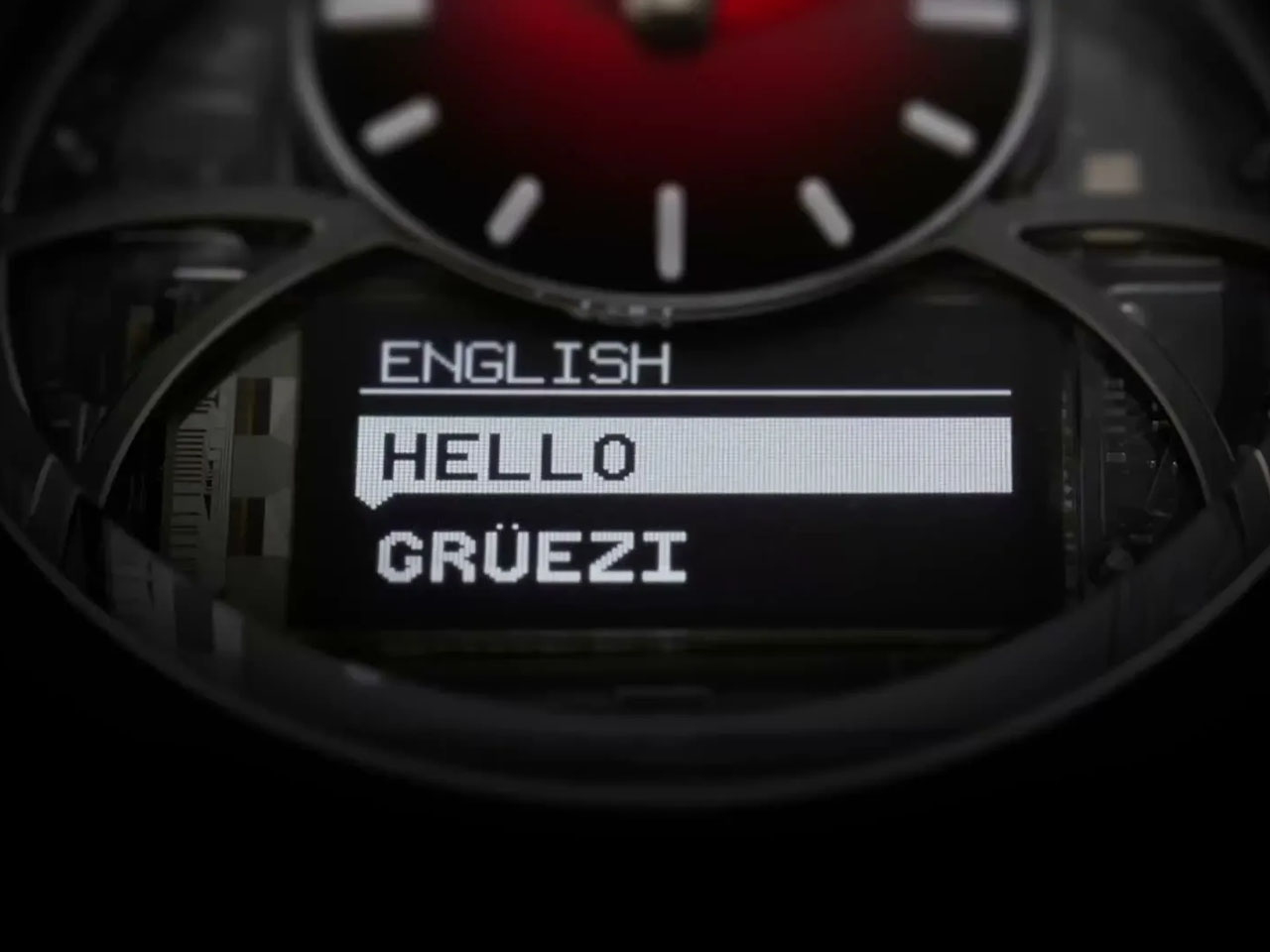
The watch can connect to iOS and Android devices via Bluetooth and a companion app, although most of its functions can be configured directly from the watch. A large pusher at 9 o’clock is the most distinctive control. Called the Off-Grid selector, it replaces the F1 mode selector used on the Alpine Mechanics Edition. Pressing it brings up a country selector and a small built-in dictionary containing 10 useful words or phrases translated into 21 languages. It is a surprisingly simple idea for a watch that otherwise looks deeply technical, giving the digital side a practical travel function without requiring the wearer to reach for a phone.
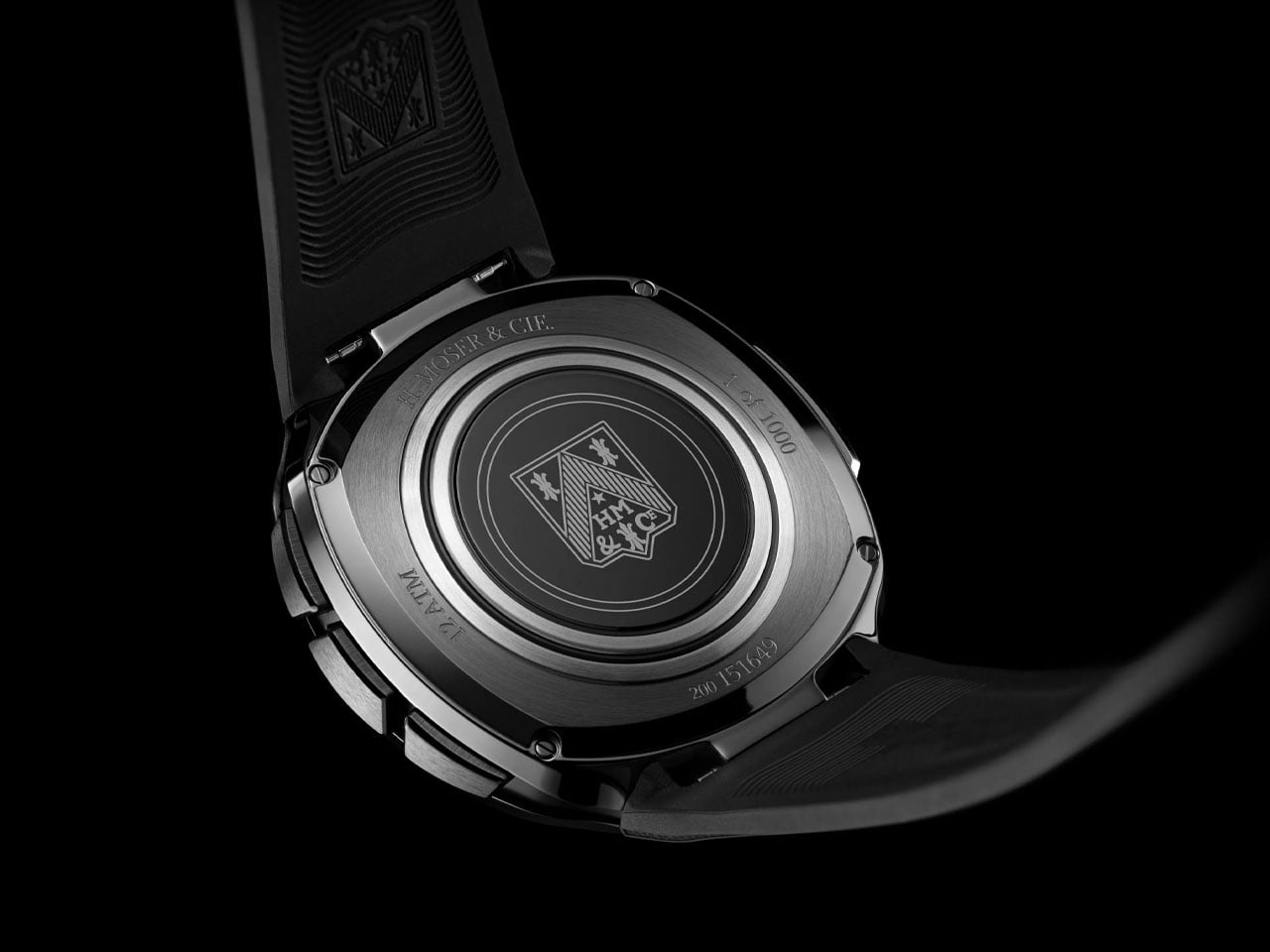
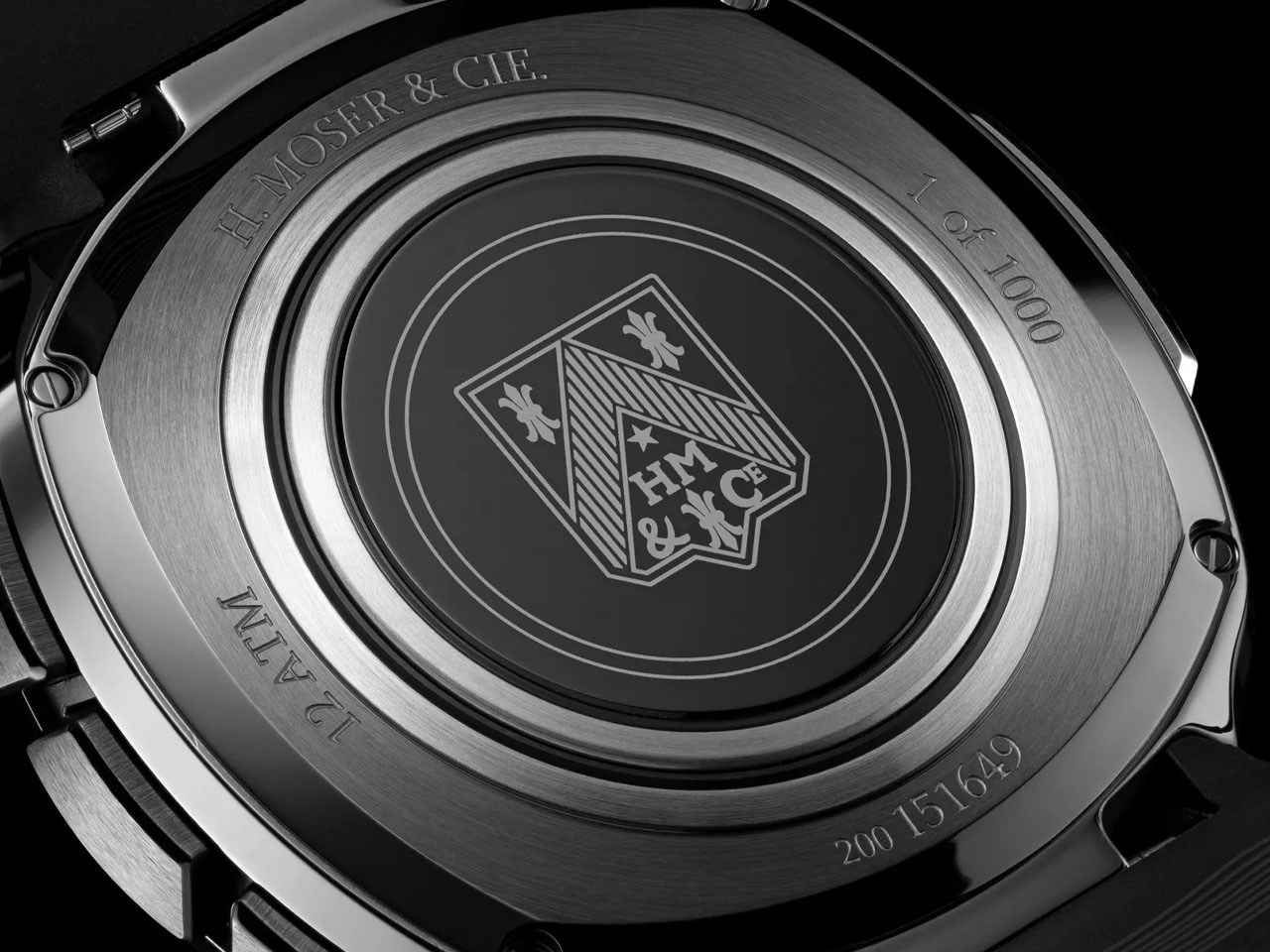
Powering everything is the Calibre D10, developed with Swiss technology company Sequent. The digital movement comprises 186 components and operates at 32,768 vibrations per second, with a stated accuracy of ±0.3 seconds per day. Battery life depends heavily on how the watch is used. According to Moser, there are more than 12 months in timekeeping mode, while extensive use of the digital functions reduces that considerably. The battery is recharged wirelessly through the sapphire caseback, and the watch is water-resistant to 120 meters.
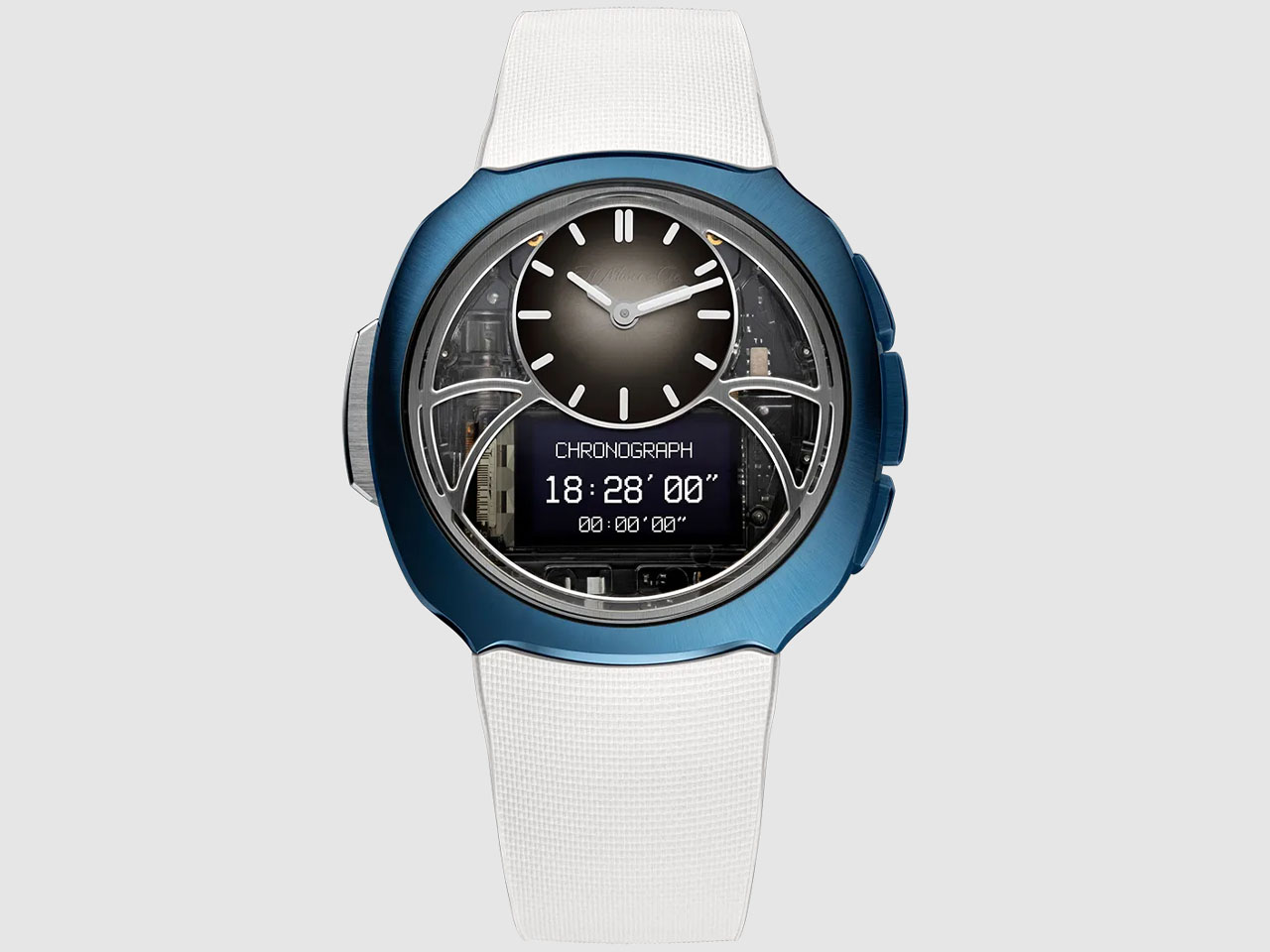
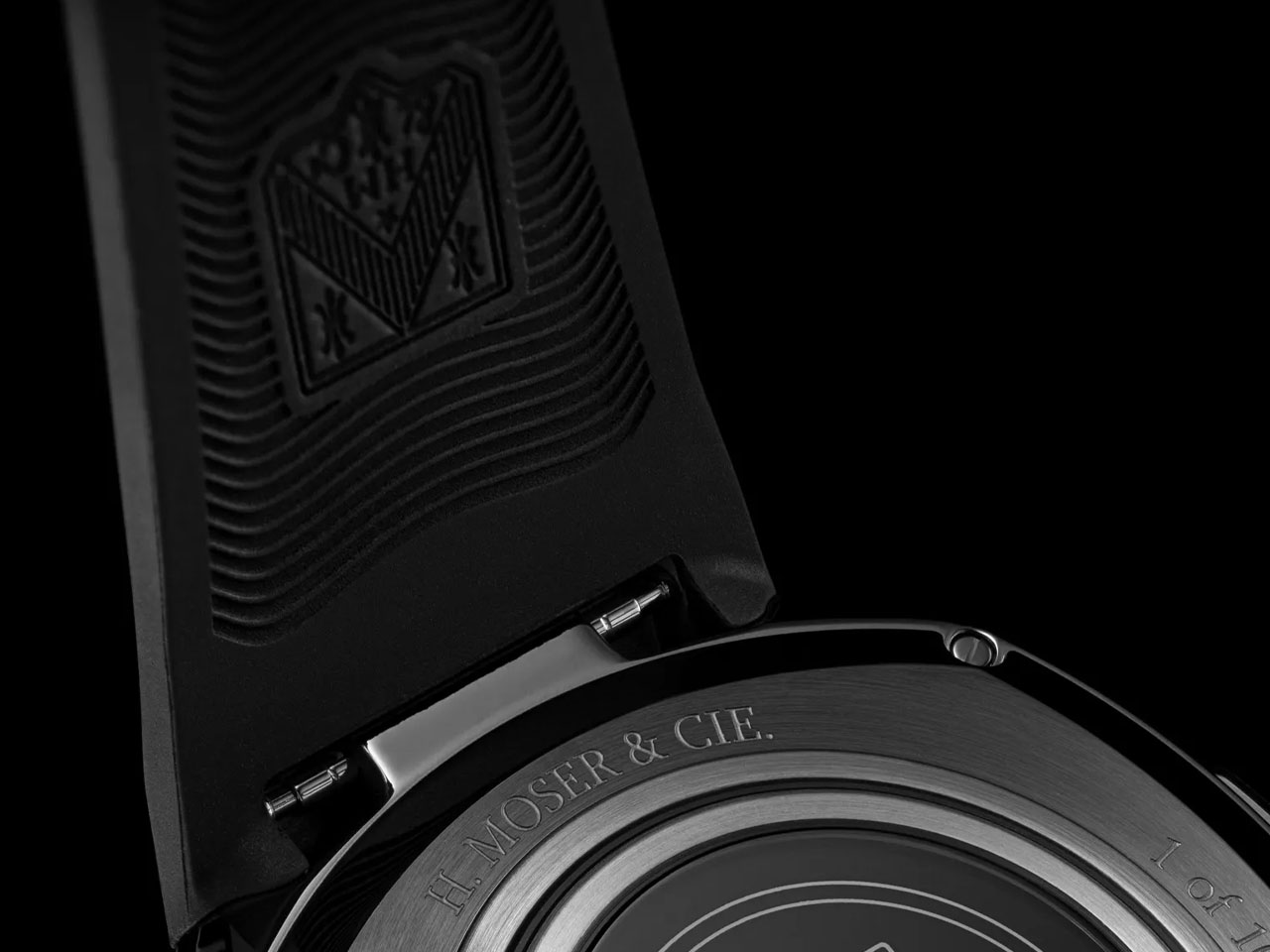
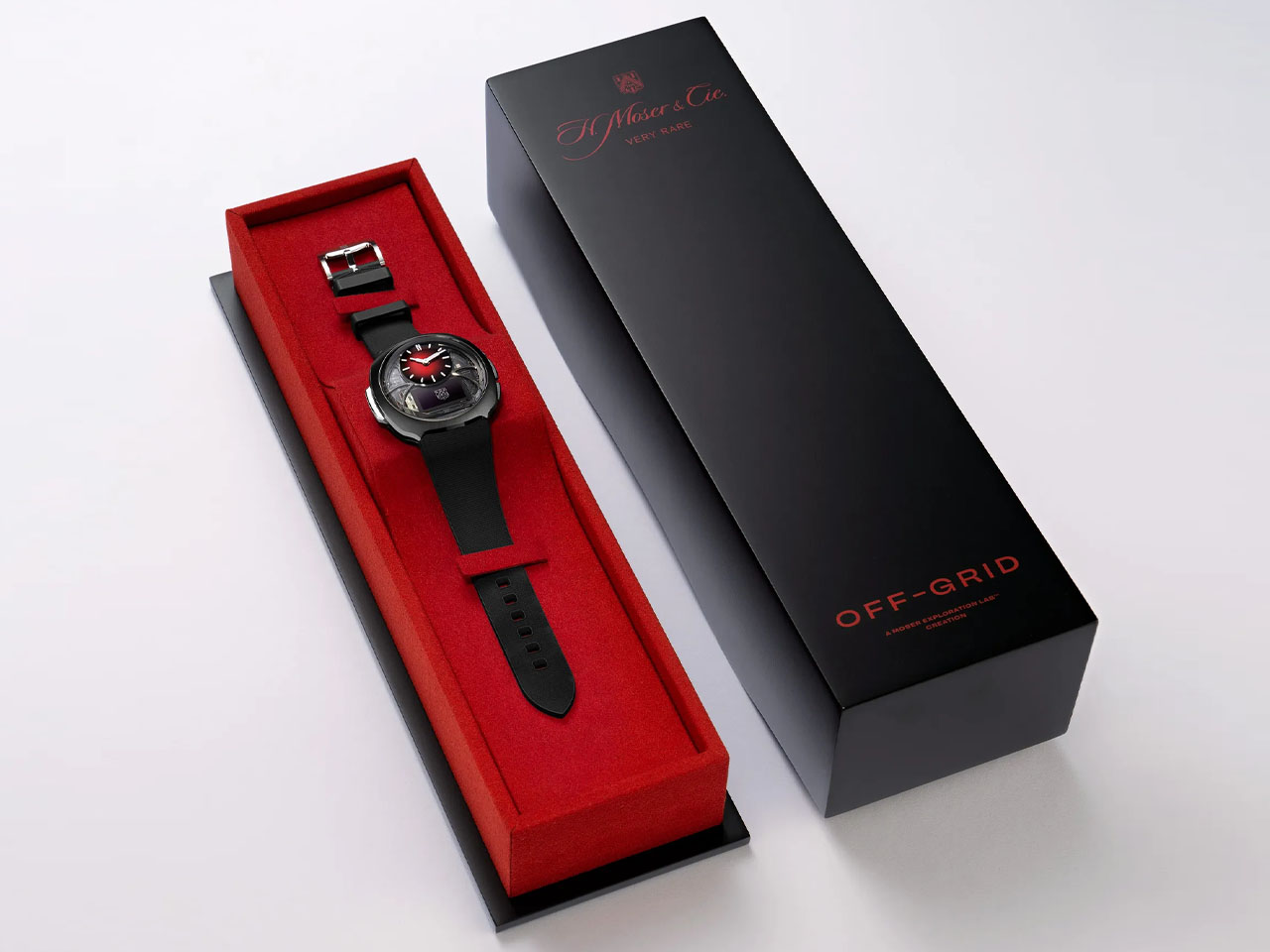
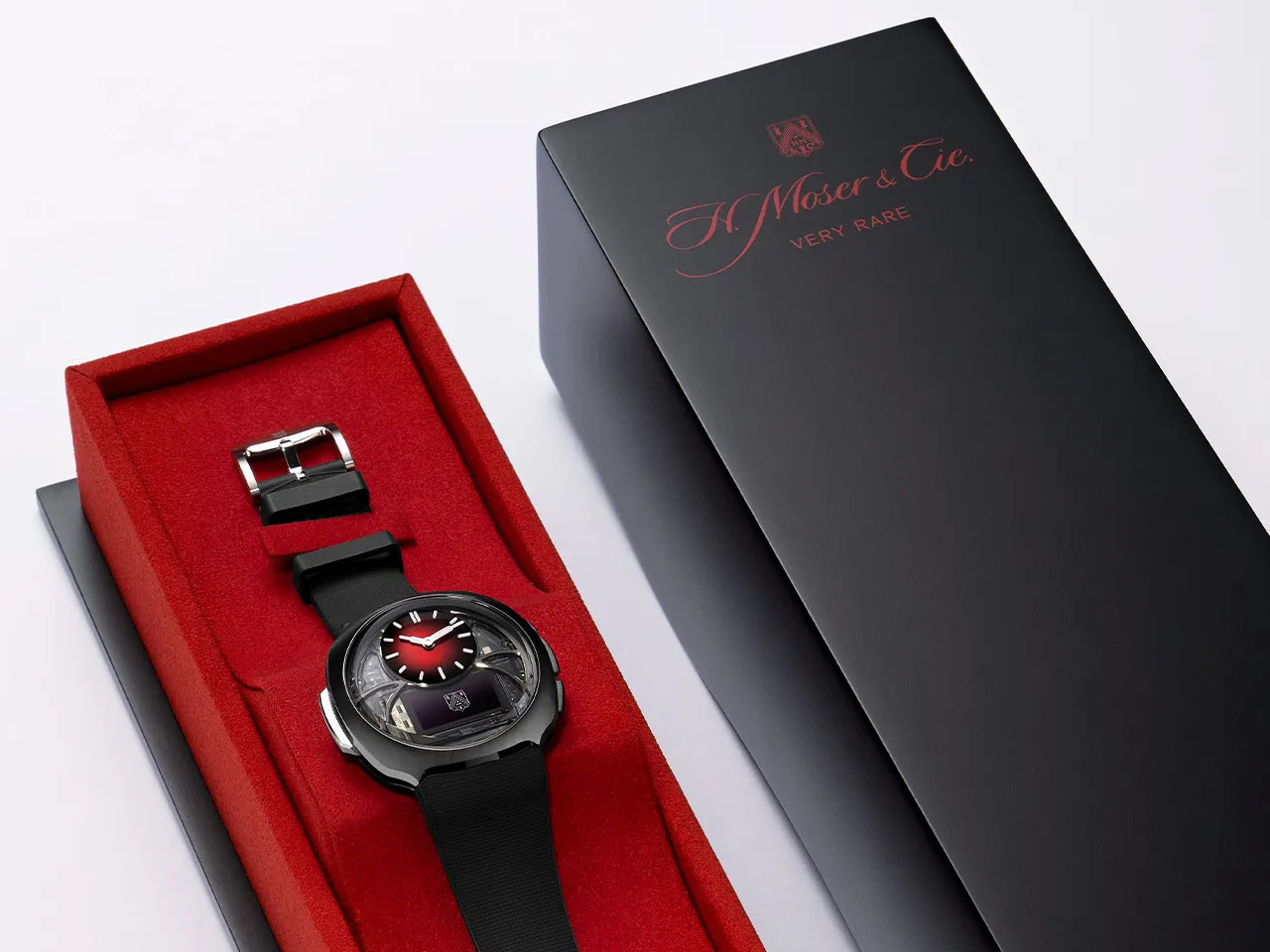
There are two versions of the Off-Grid: blue PVD-treated steel with a Blackor fumé dial and white integrated rubber strap, or black PVD-treated steel with a red fumé dial and black strap. Both are limited to 1,000 pieces. Priced at CHF 3,900 (approximately $4,800), the Off-Grid is Moser’s most accessible entry point by a significant margin. That is enticing since it still retains the Streamliner’s fumé dial treatment and integrated rubber strap. For now, the F1-inspired watch is only available for purchase by existing Moser customers till 23 September. After that, anyone will be able to buy this one until October 5, provided they can last the limited edition stock.
The post H. Moser’s Off-Grid watch limited to just 1,000 examples has minimalist smart features under the surface first appeared on Yanko Design.

Washington Dulles International Airport has long been a study in contradiction — one of the most architecturally significant airports on the planet, home to Eero Saarinen’s sweeping, gravity-defying terminal, and yet one of the most frustrating to actually travel through. That’s about to change in a big way.
On July 29, 2026, the Trump administration unveiled a $22.5 billion plan to transform Dulles into what officials are calling a premier international gateway. The announcement, made alongside U.S. Transportation Secretary Sean Duffy, United Airlines, and the Metropolitan Washington Airports Authority (MWAA), represents one of the largest airport overhauls ever proposed in the United States. Less than a month later, the MWAA board voted to approve a $19.9 billion funding package, with construction on the main terminal expected to begin in late 2027 and the full project set to wrap by 2034.
Designer: United Airlines


The scope is staggering. The plan calls for five million square feet of new and renovated terminal and retail space, four entirely new linear concourses, a redesigned U.S. Customs facility passengers can walk directly to, and a dramatically expanded AeroTrain system threading beneath the airport via new underground tunnels. Gone, finally, are the mobile lounges — the lumbering, bus-like “people movers” that have been shuttling passengers since 1962 and have become arguably the airport’s most universally loathed feature. In their place, a new underground U-shaped AeroTrain loop and moving sidewalks will connect travelers efficiently across all concourses.
Saarinen’s iconic main terminal — its dramatic hyperbolic paraboloid roof still one of the most celebrated works of mid-century modernism — will be preserved. The interior, though, gets a full refresh: an open foyer, new airline check-in kiosks, and the kind of breathing room the existing space has never had. The parking situation, long a source of frustration for departing passengers, is also being addressed, with lots repositioned closer to the main terminal and plans for a garage that would rank among the world’s largest, with 32,000 spaces.


The bulk of funding will come from approximately $14.2 billion in new municipal bonds issued by the airport authority, with airlines and the federal government contributing the remainder. Dulles saw passenger numbers grow 6.4% last year to 29 million travelers — making it the fastest-growing large U.S. airport — which makes the timing feel less like political ambition and more like long-overdue infrastructure reality. When complete, Dulles could finally become what it was always designed to be: a gateway that matches the weight of the city it serves.


The post The $22.5 Billion Plan to Turn Washington’s Most Frustrating Airport Into Its Most Impressive first appeared on Yanko Design.



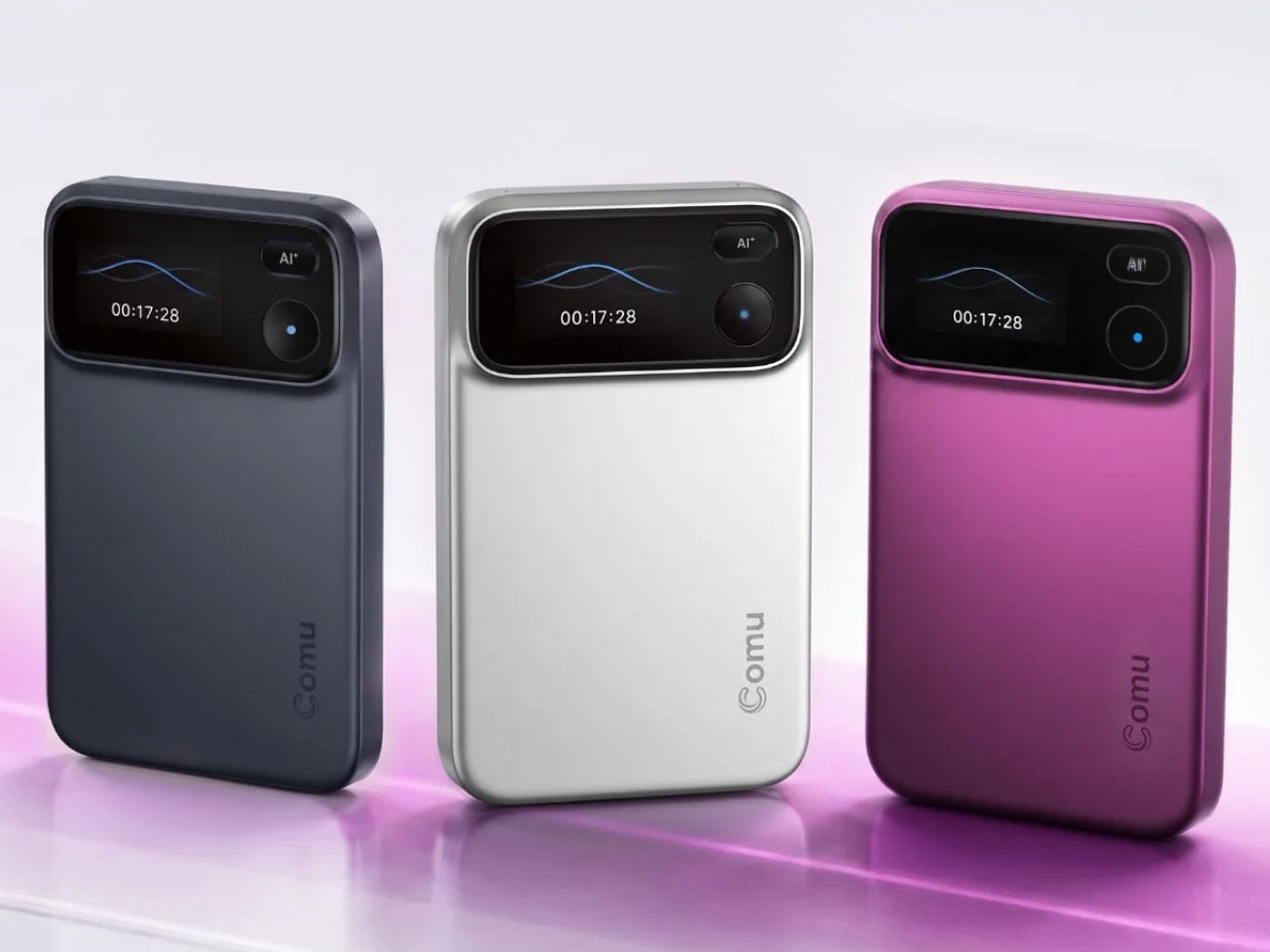
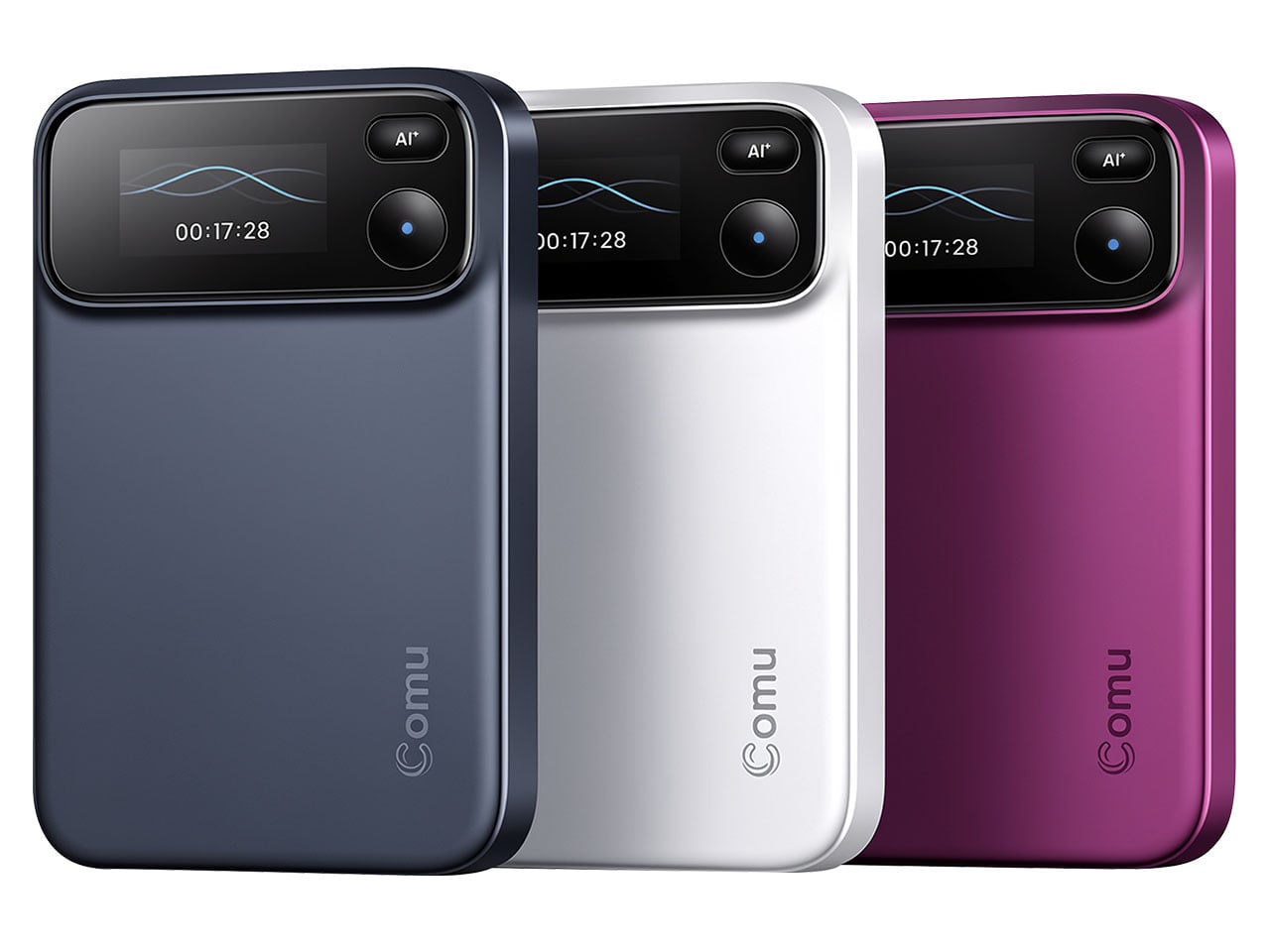
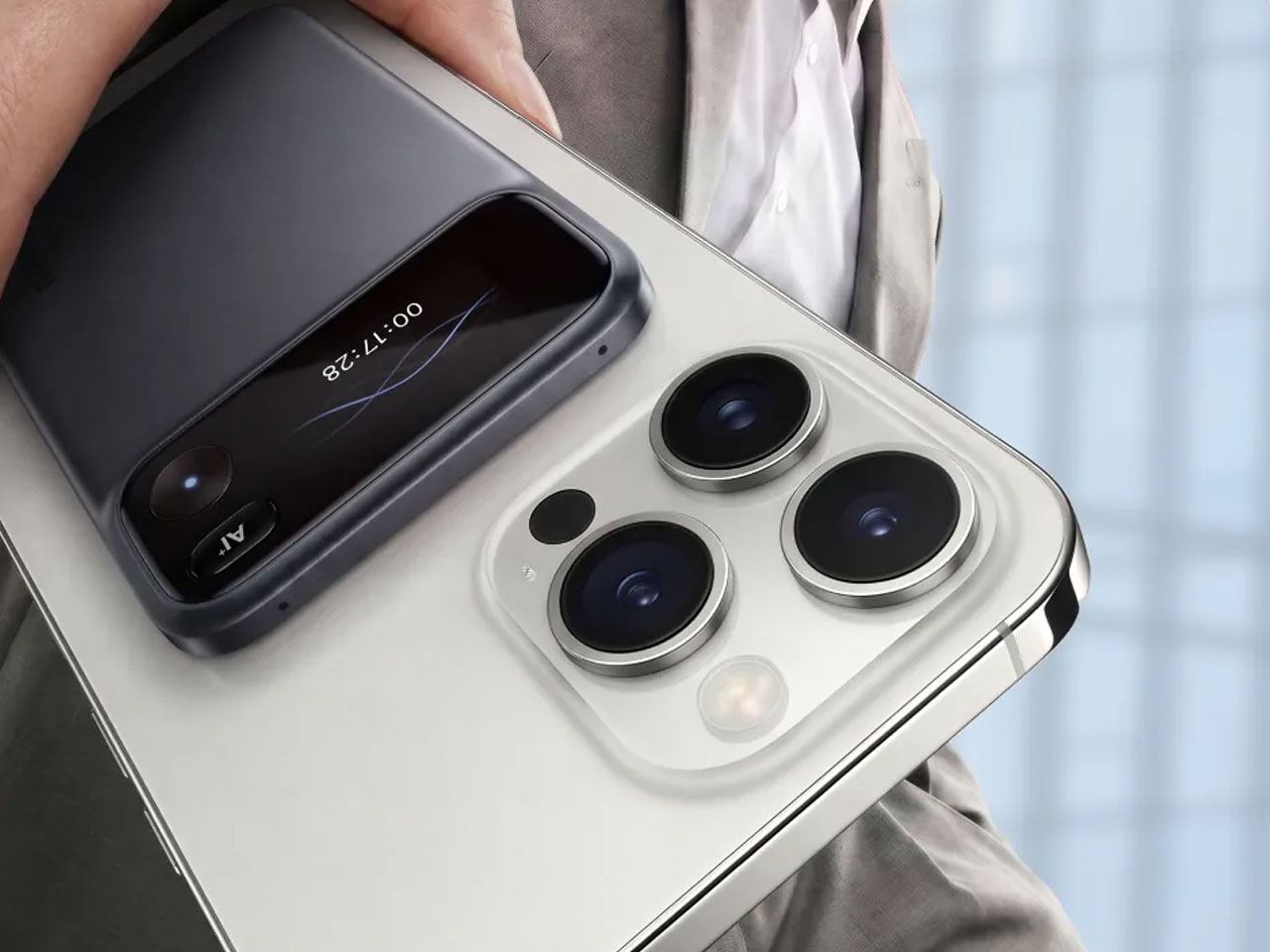
A meeting recorder usually sits on the table and captures what people say. The Comu Action Pro does exactly that, but its 7mm-thick body feels more like something that belongs beside a phone than a traditional piece of note-taking equipment. The gadget can sit flat on a table, slip into a pocket, or attach magnetically to the back of a compatible smartphone.
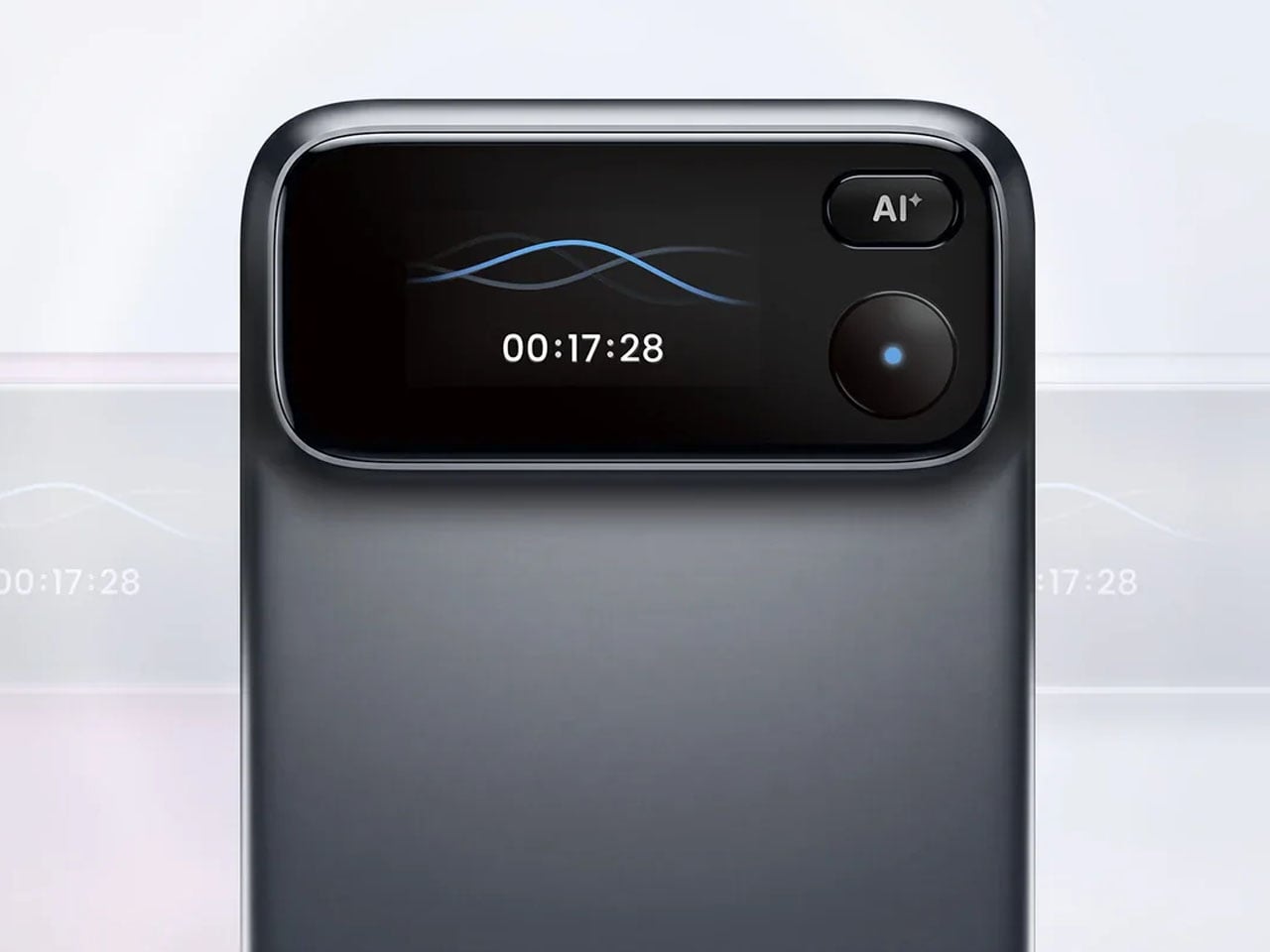
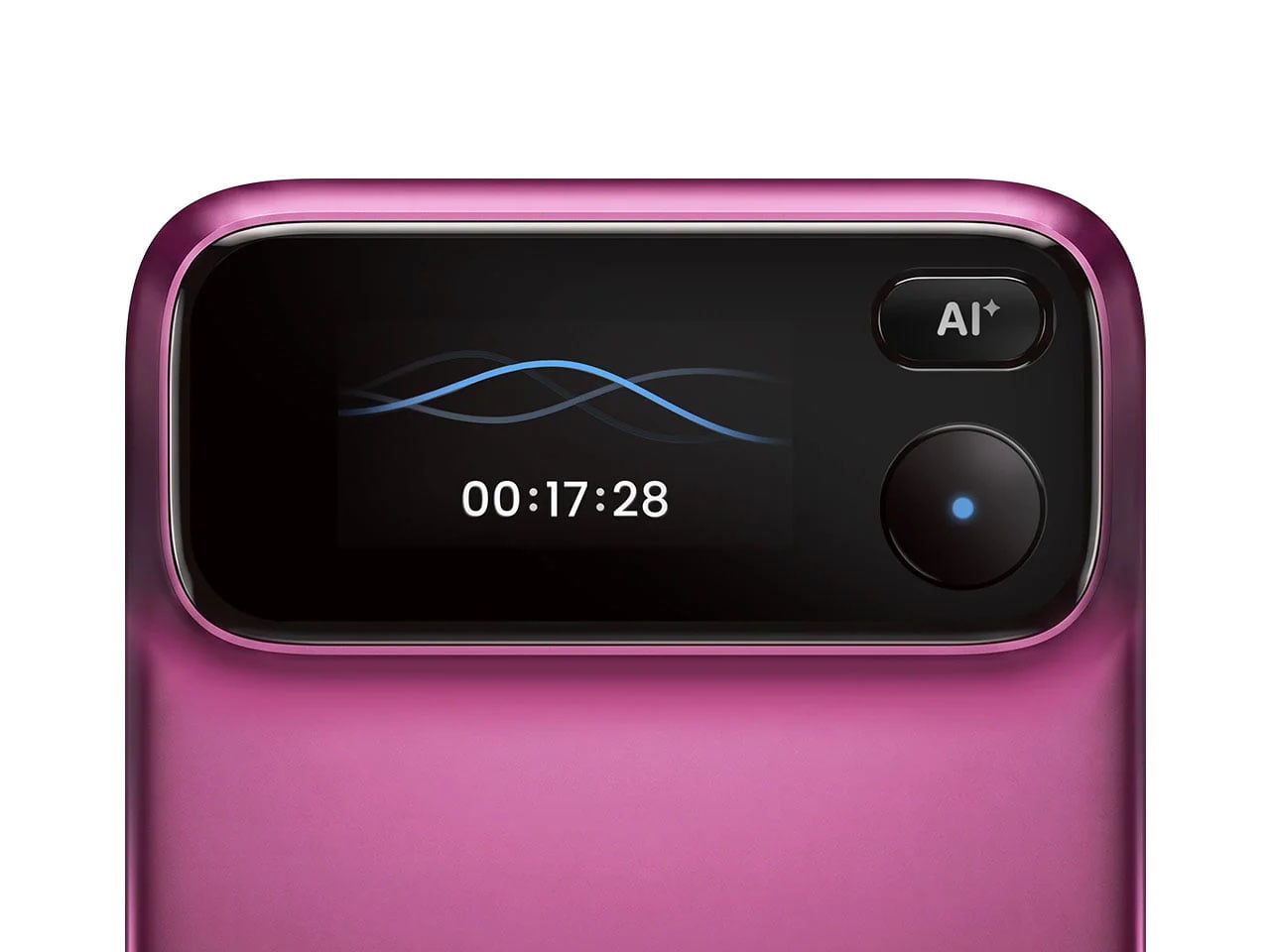
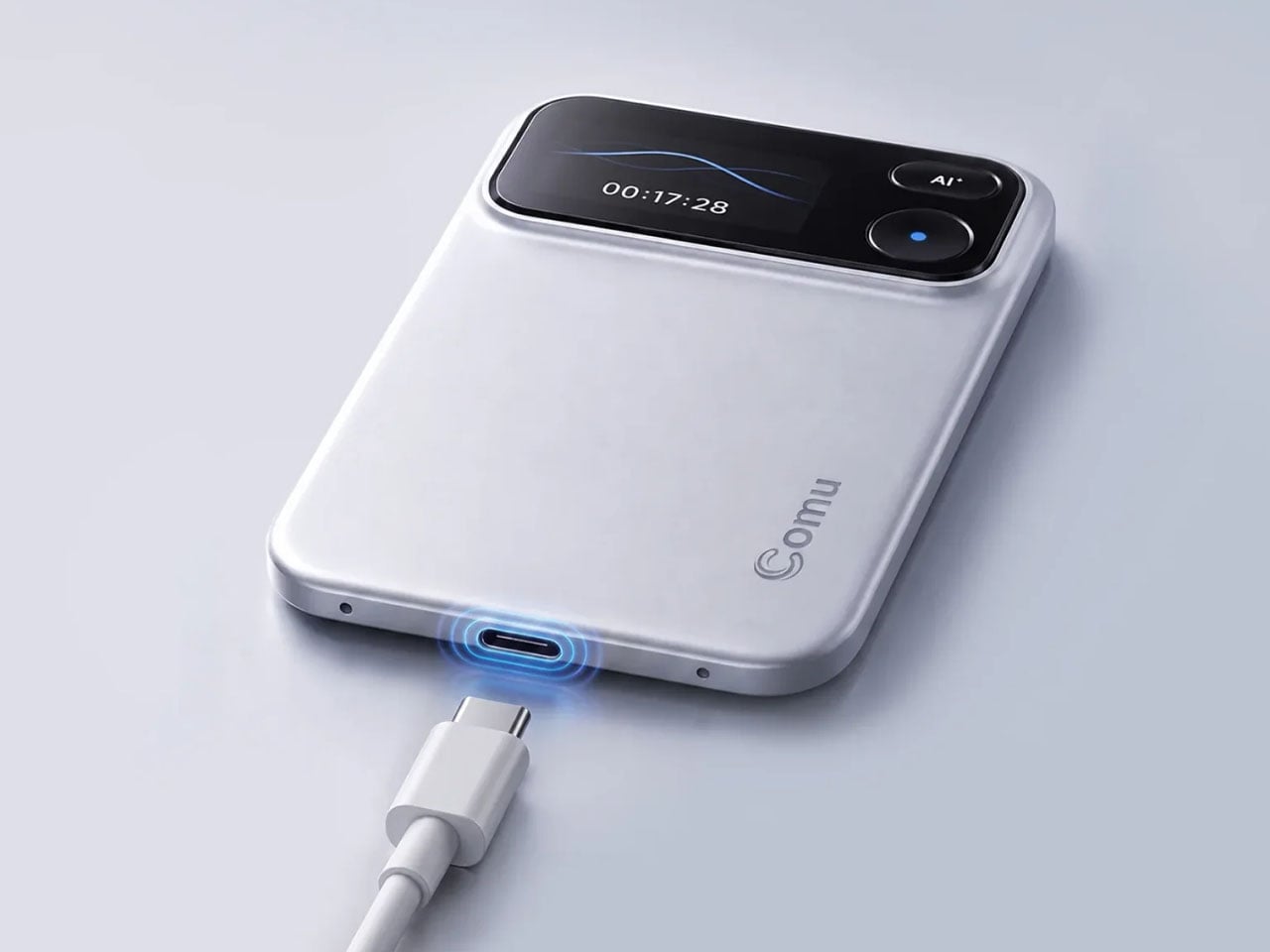
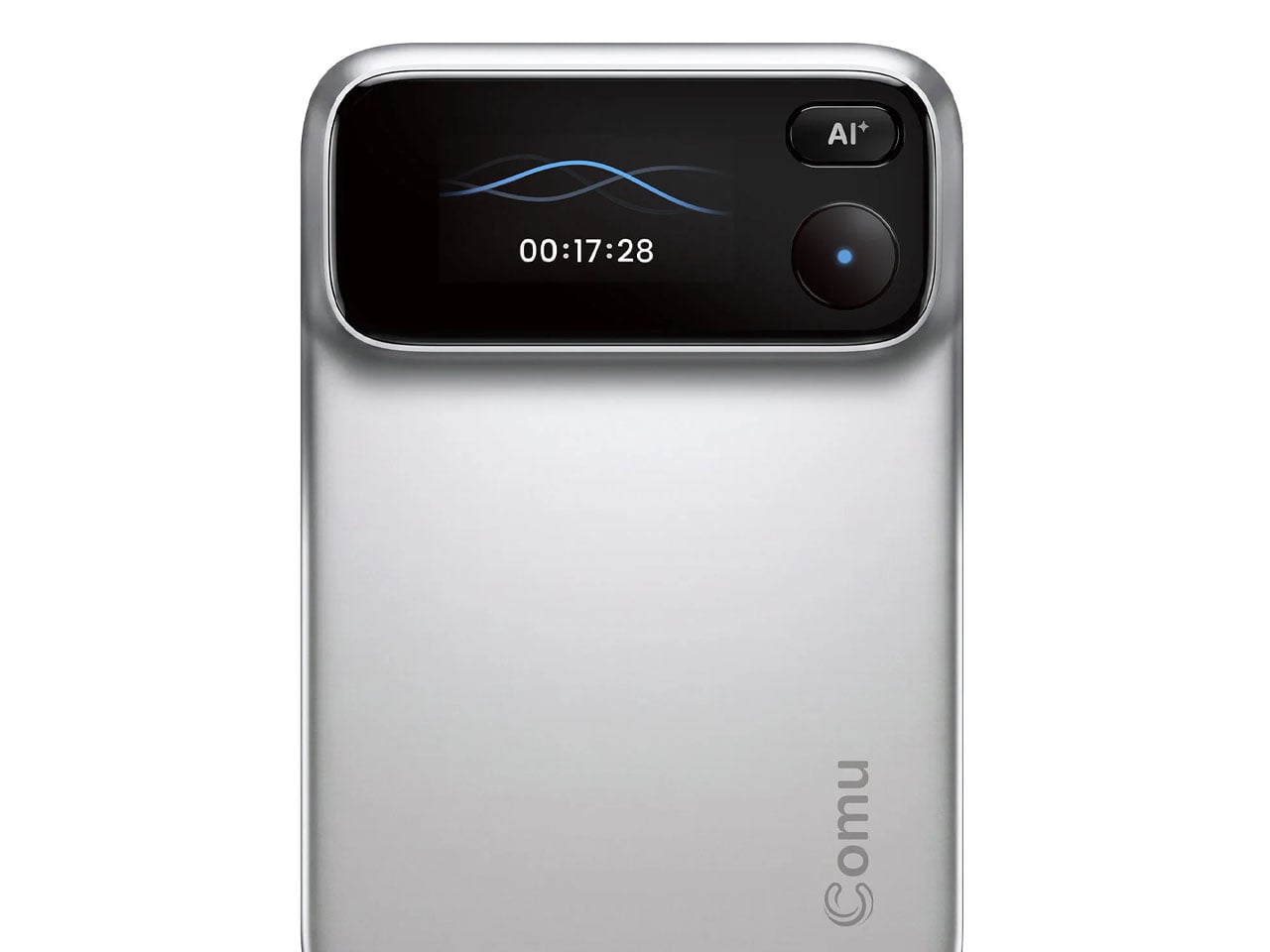
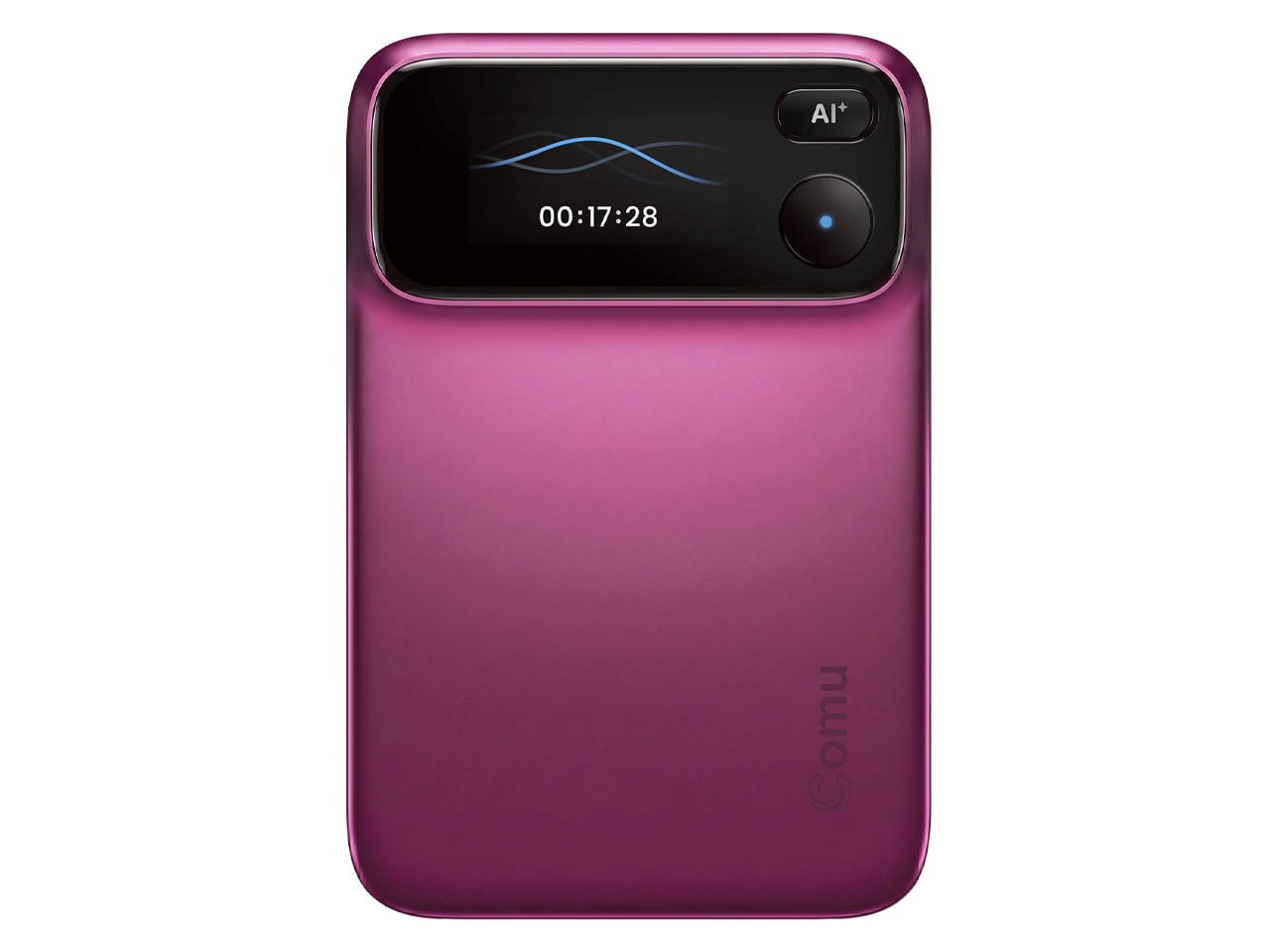
The magnetic connection is particularly useful when moving between meetings. The recorder can stay with the phone instead of becoming another small device to remember. Comu also includes a magnetic ring for phones without a compatible magnetic system. The Action Pro comes in black, silver, and cherry red, with a small OLED display on the front and a simple physical layout that keeps most of the controls out of the way.
Designer: Comu


There is a practical reason for making the recorder separate from the phone. A long meeting can keep a smartphone recording for hours, draining the battery while also preventing it from being used normally. With the Action Pro handling the audio, the phone remains free for calls, messages, presentations, or simply checking something during the conversation. It is a small distinction, but one that makes sense in an everyday work setting.


The recorder uses six far-field microphones that pick up voices from as far as 7 meters away, according to Comu. It also includes noise reduction, voice enhancement, and speaker recognition to help make recordings easier to work with afterward. Battery life is rated at up to 70 hours of continuous recording, and charging is handled through USB-C. Most of the Action Pro’s more interesting functions happen after the actual recording. AS Comu likes to call it “The 30 Minutes After.” Conversations can be transcribed and summarized, with support for 113 languages. The software can also identify speakers, translate conversations, search through recordings, and turn discussions into things such as emails, documents, presentations, and task lists.


There is a physical button specifically for its AI functions, which keeps some of this interaction away from the phone. After a meeting, for example, a user can ask the recorder to pull out the action items or turn the discussion into a follow-up email rather than going through the recording manually. That combination of simple hardware and more involved software is what defines this AI notetaker. In fact, this gadget itself does not demand much attention. You can put it on a table, start recording, and leave it alone. The real work happens later, when the audio is converted into text and organized information.

A 9to5Google review found the Action Pro effective at capturing and processing meetings, although it also pointed to limitations in the companion app, web experience, and some of the AI features. That leaves the hardware as one of the more straightforward parts of the product. It is small, unobtrusive, easy to carry, and designed around a very specific task: recording the conversation without asking the phone to do it.

Comu sells the Action Pro for $179.99, as recording, transcription, and basic summaries are included without usage limits, while more advanced AI functions require a subscription. Premium costs $10 per month when billed annually, while the Elite plan is $29.99 per month on annual billing. For people who regularly sit through meetings, interviews, or conversations where taking notes gets in the way, that simple separation may be the most useful thing about the Comu Action Pro.

The post This slim AI note-taker lets you stay focused in meetings without tying up your Phone first appeared on Yanko Design.