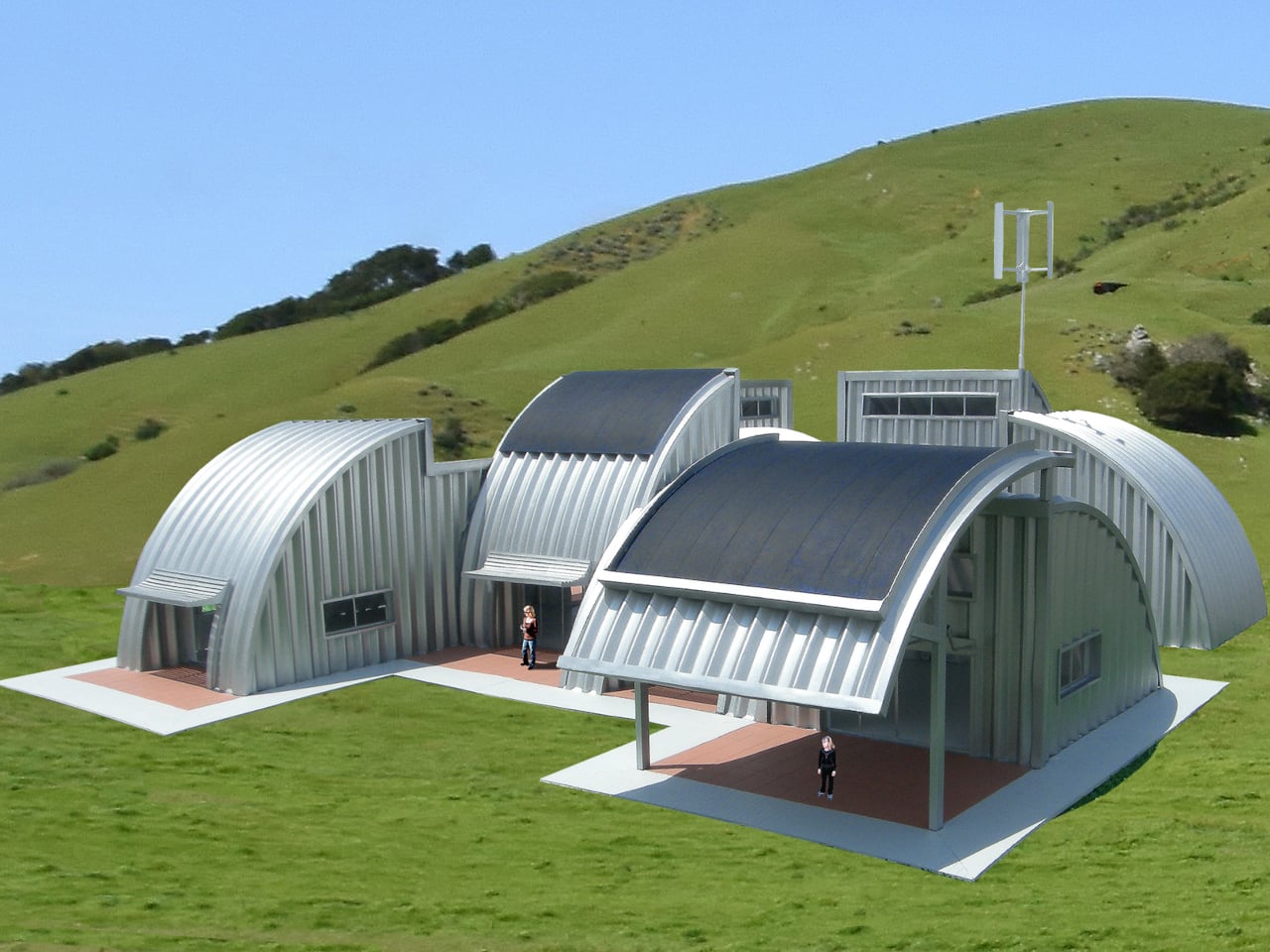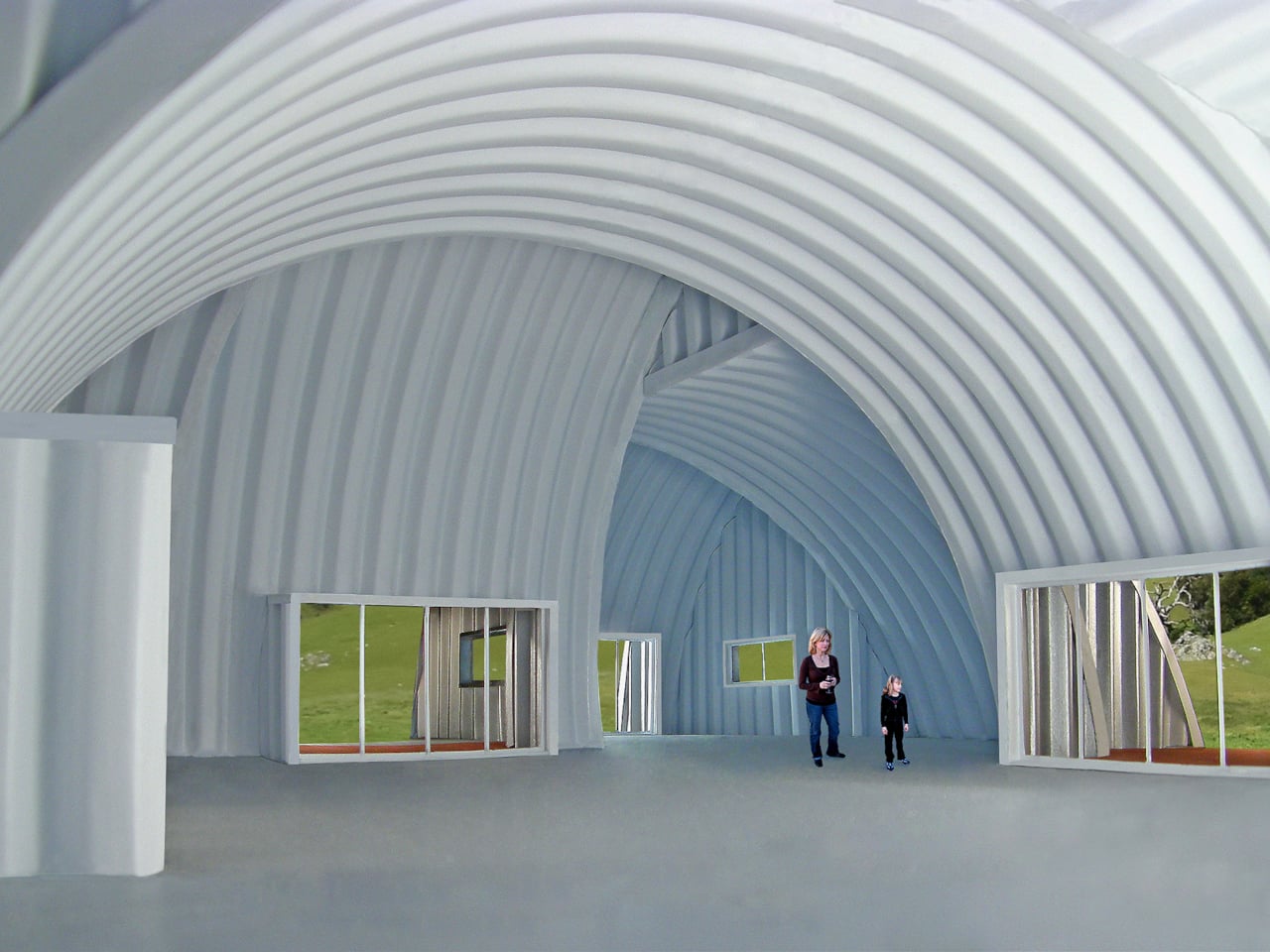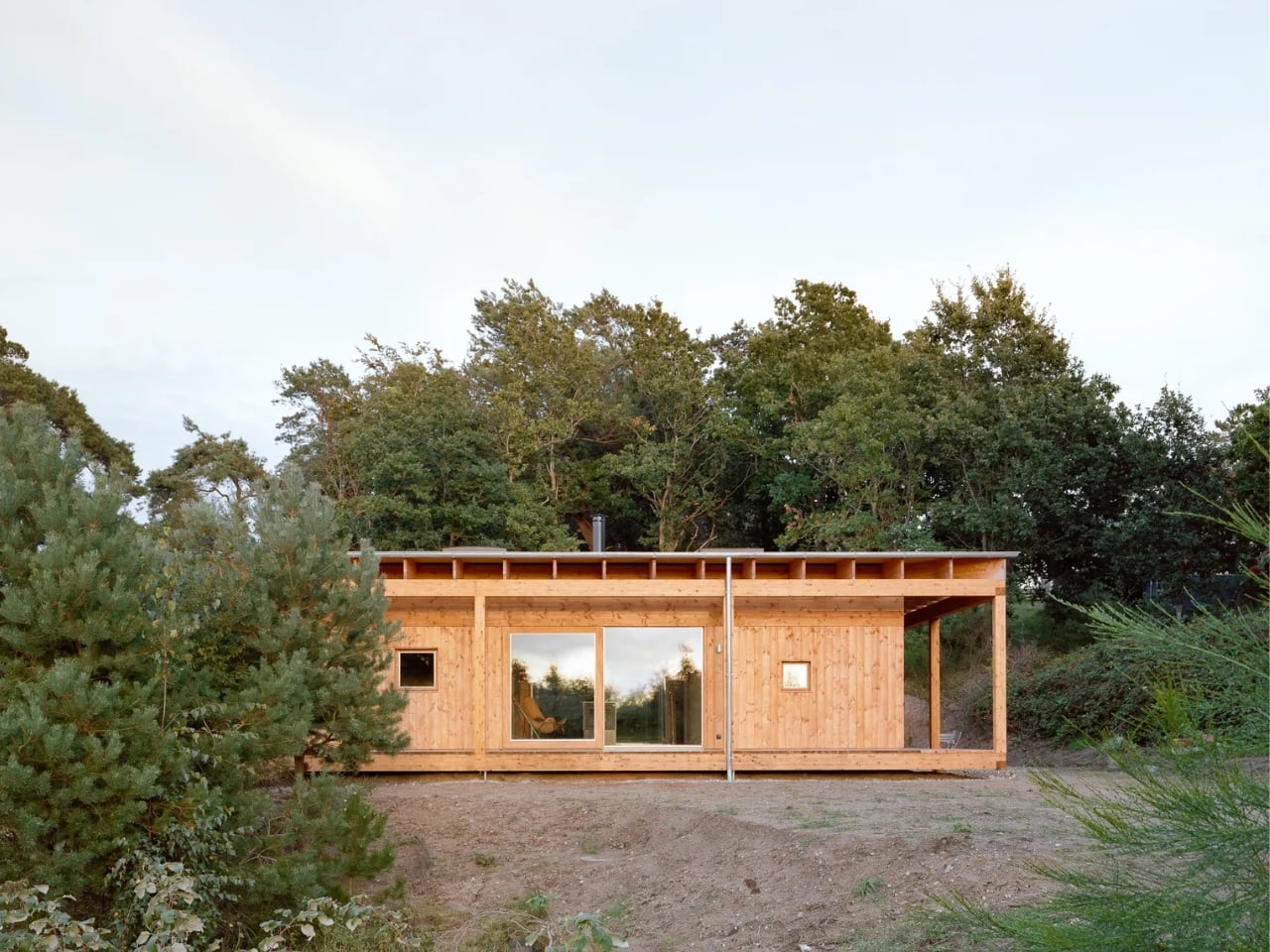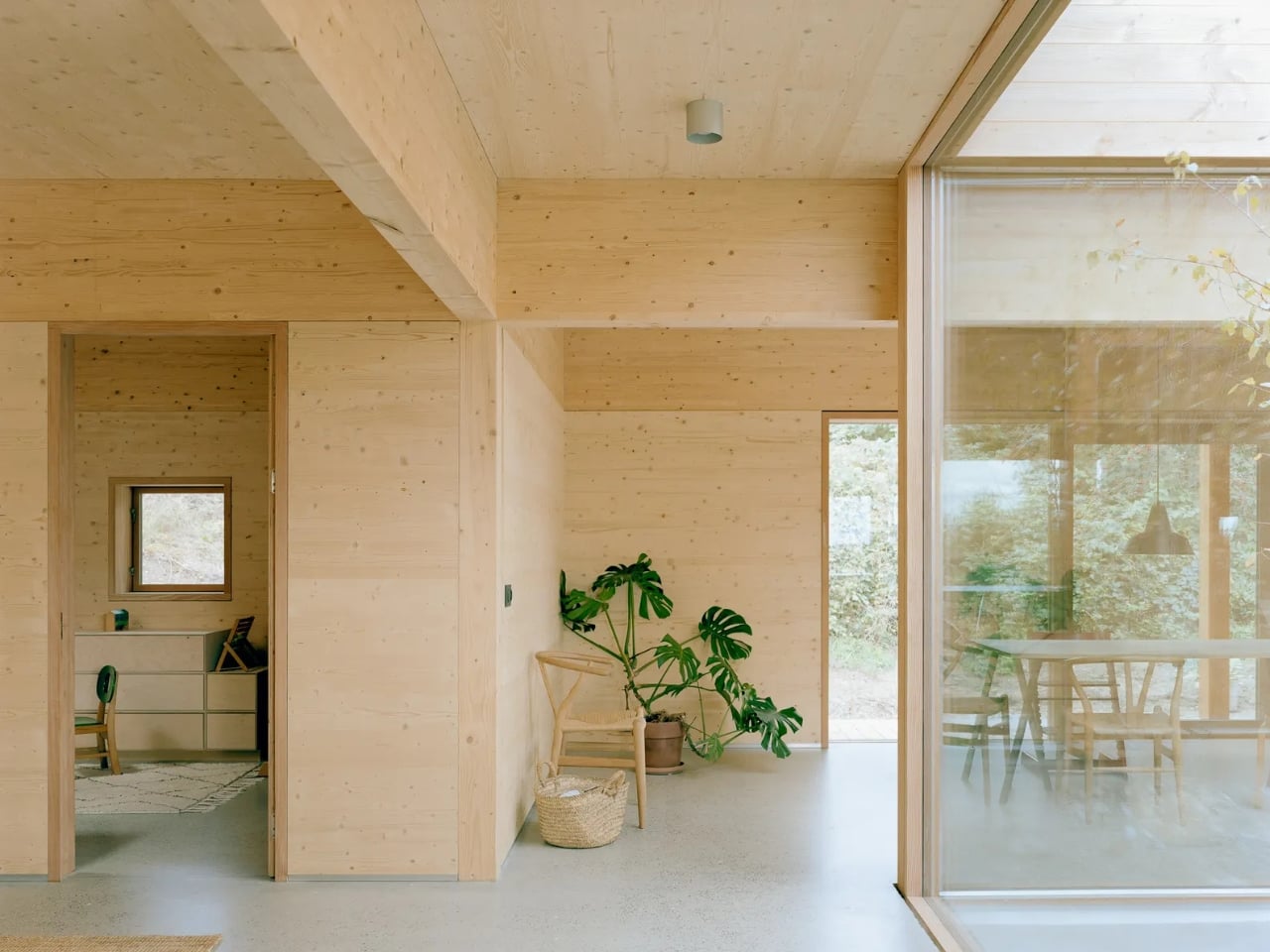
Rewild Homes Just Built the Sustainable House Eco-Buyers Always Wanted

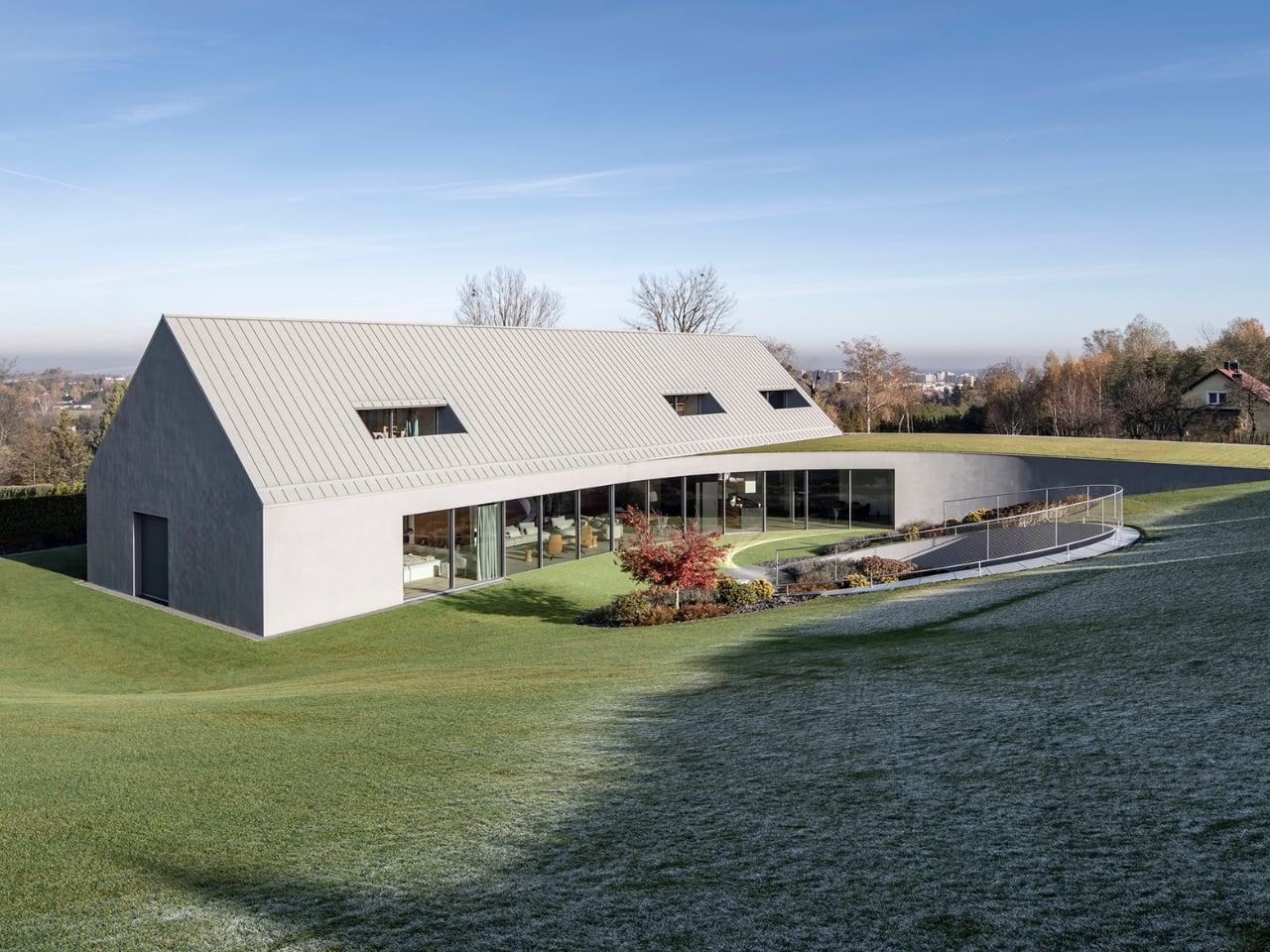
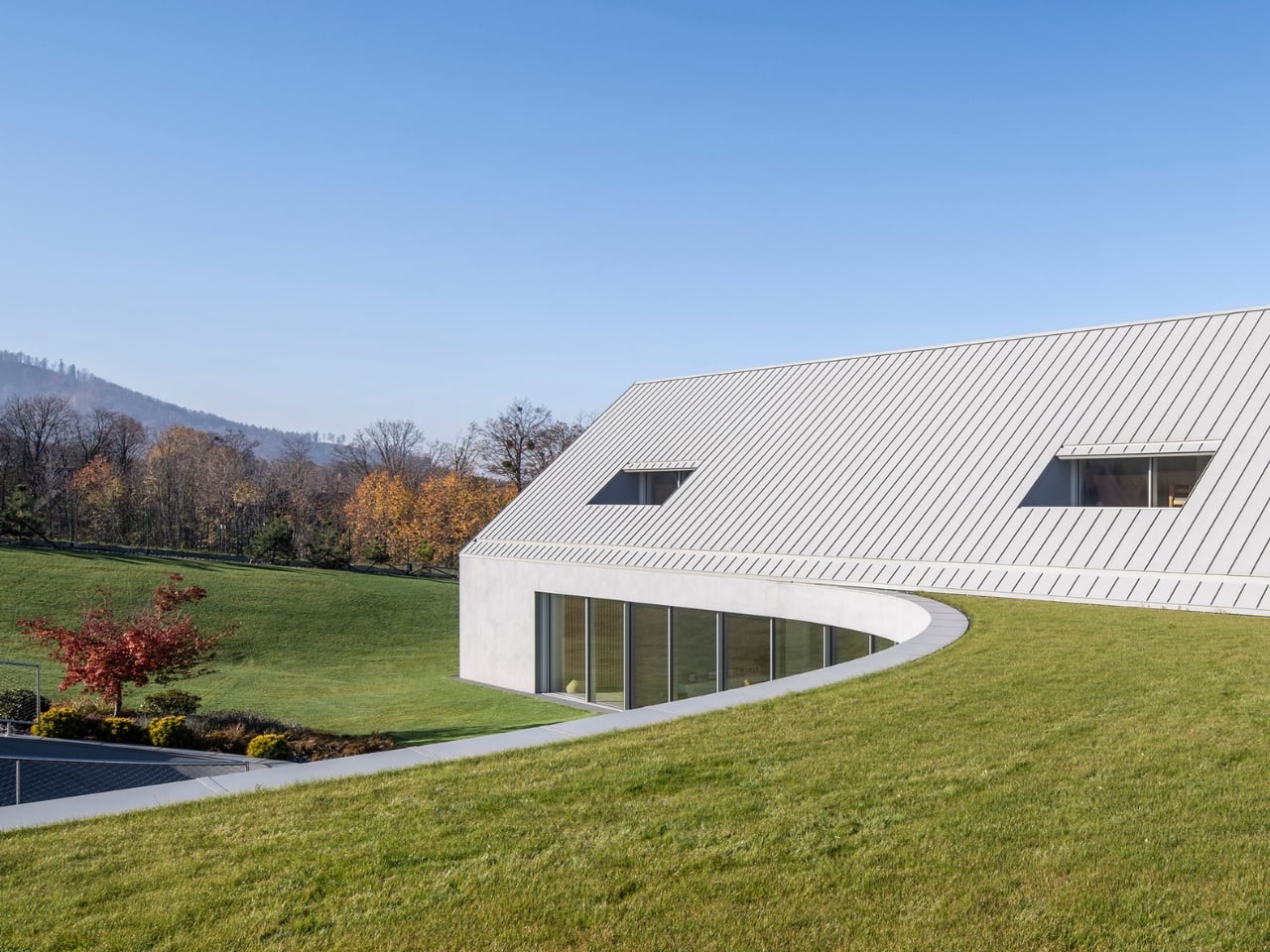
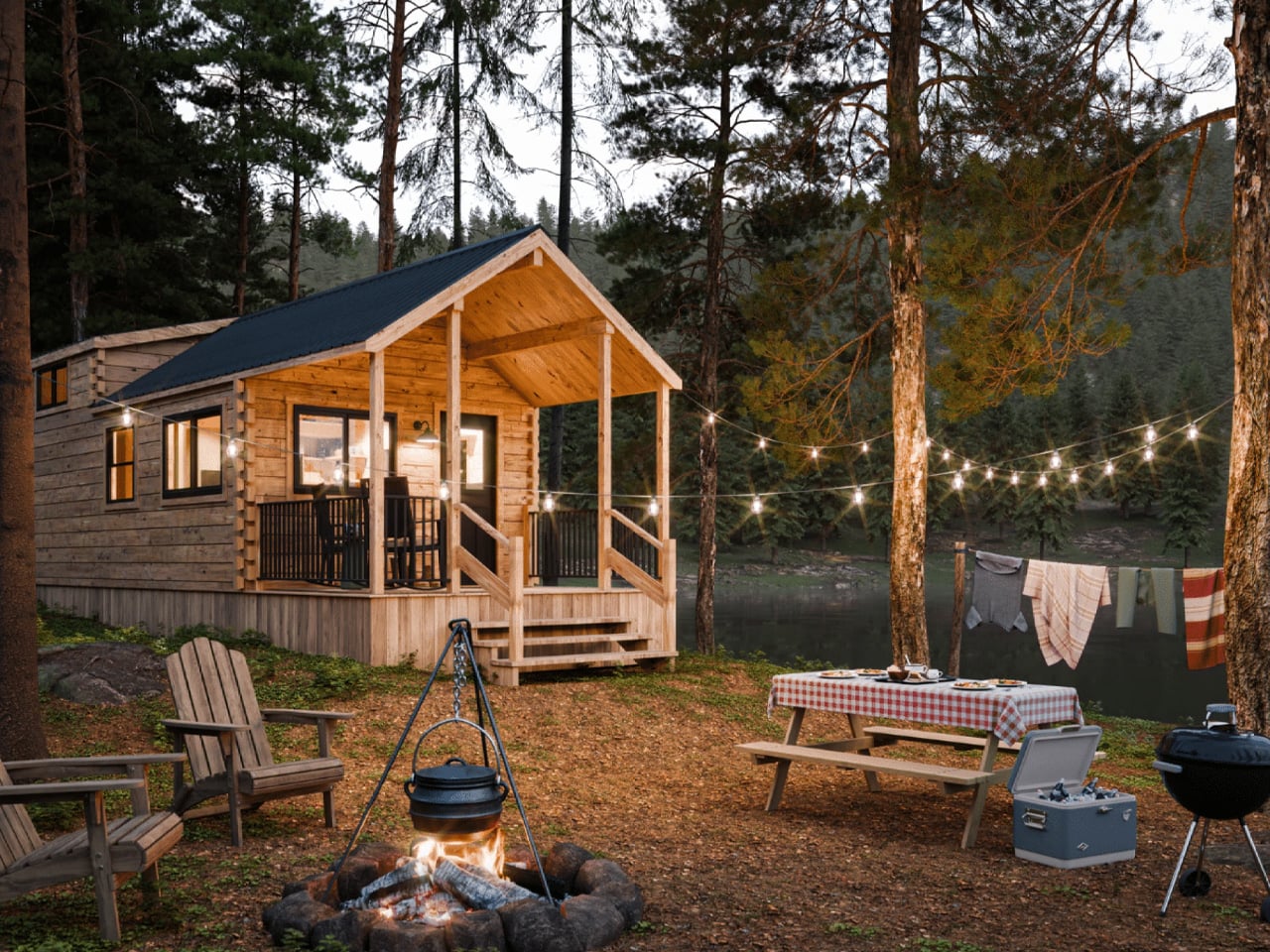
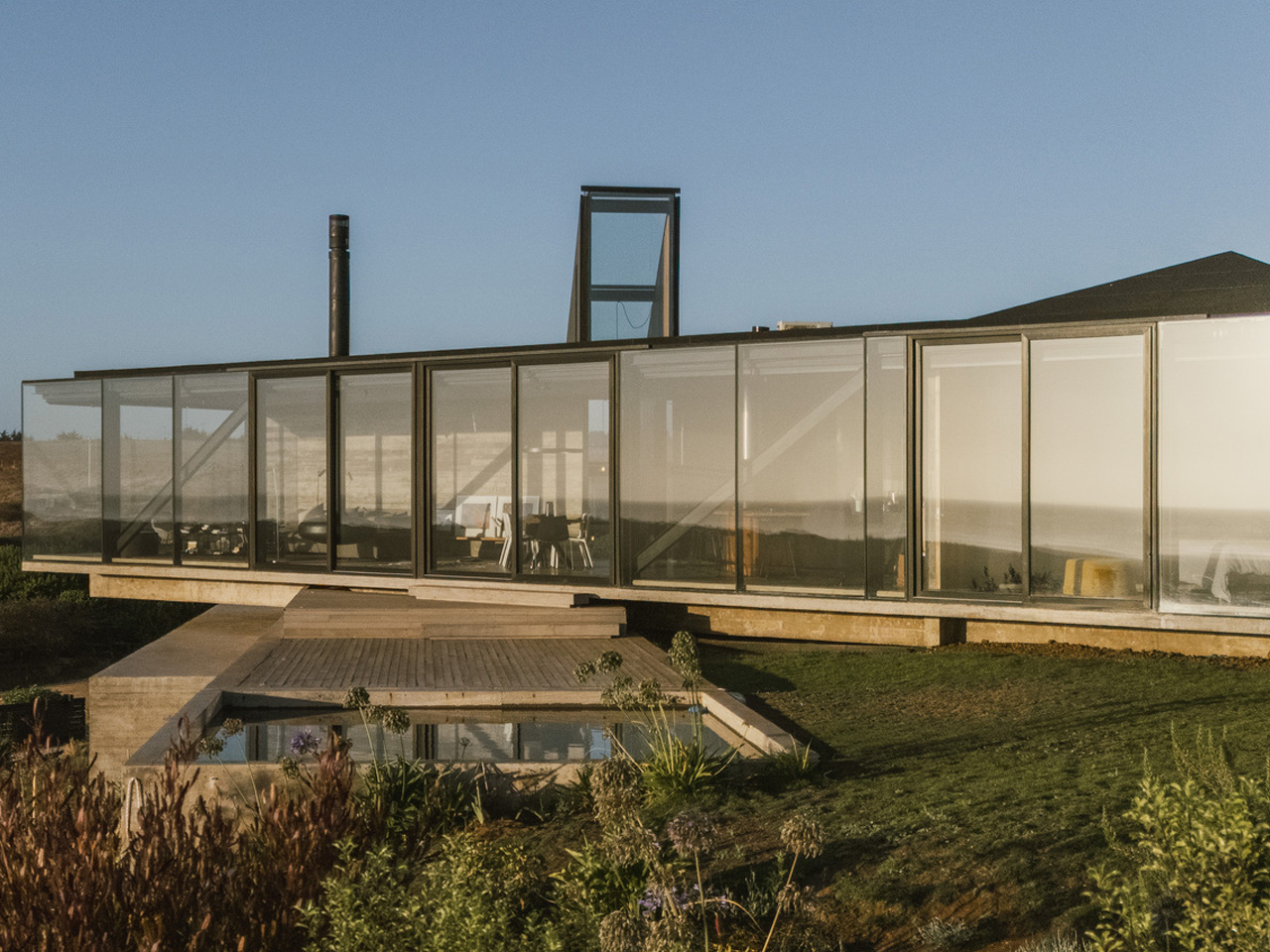
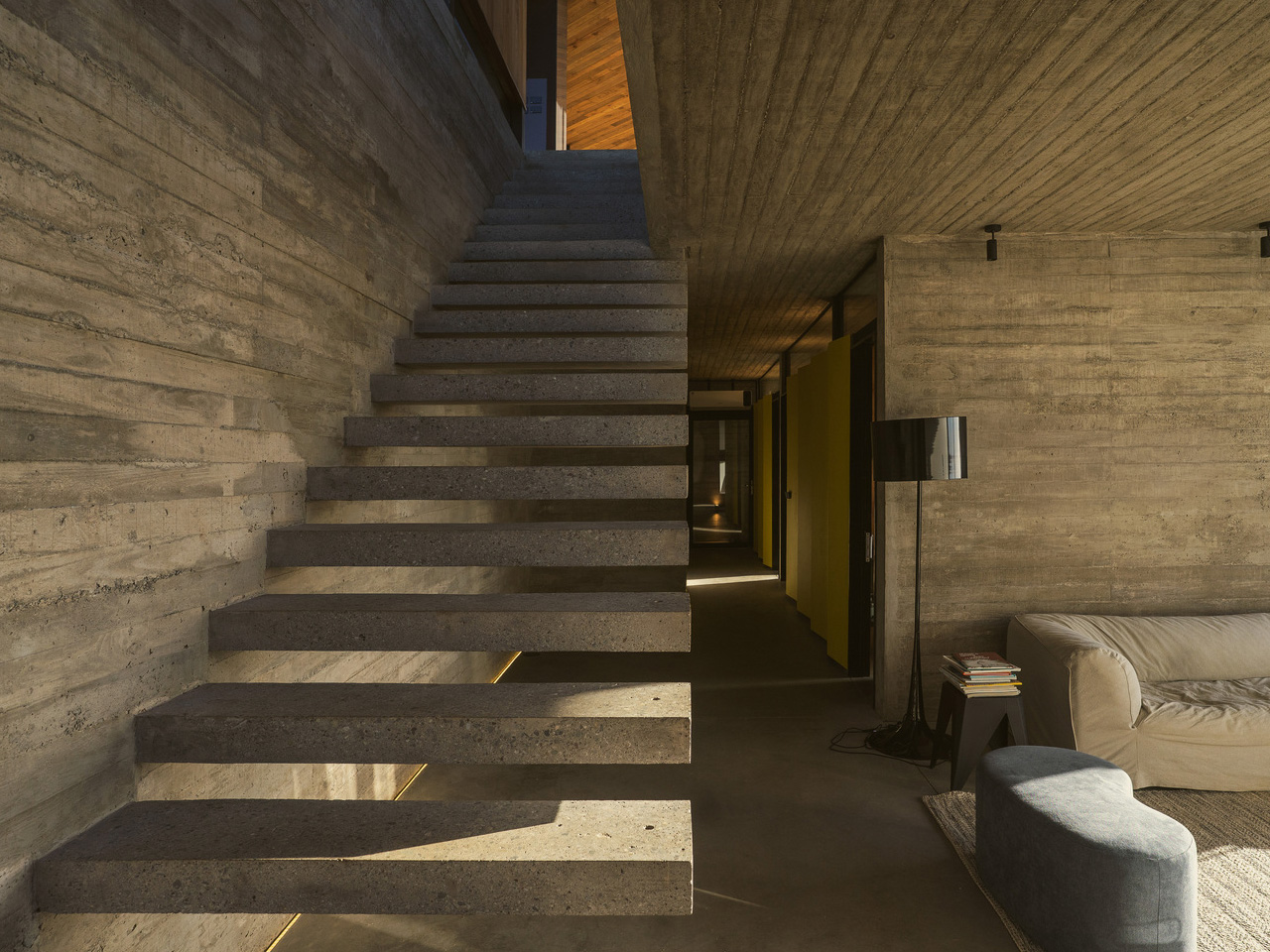
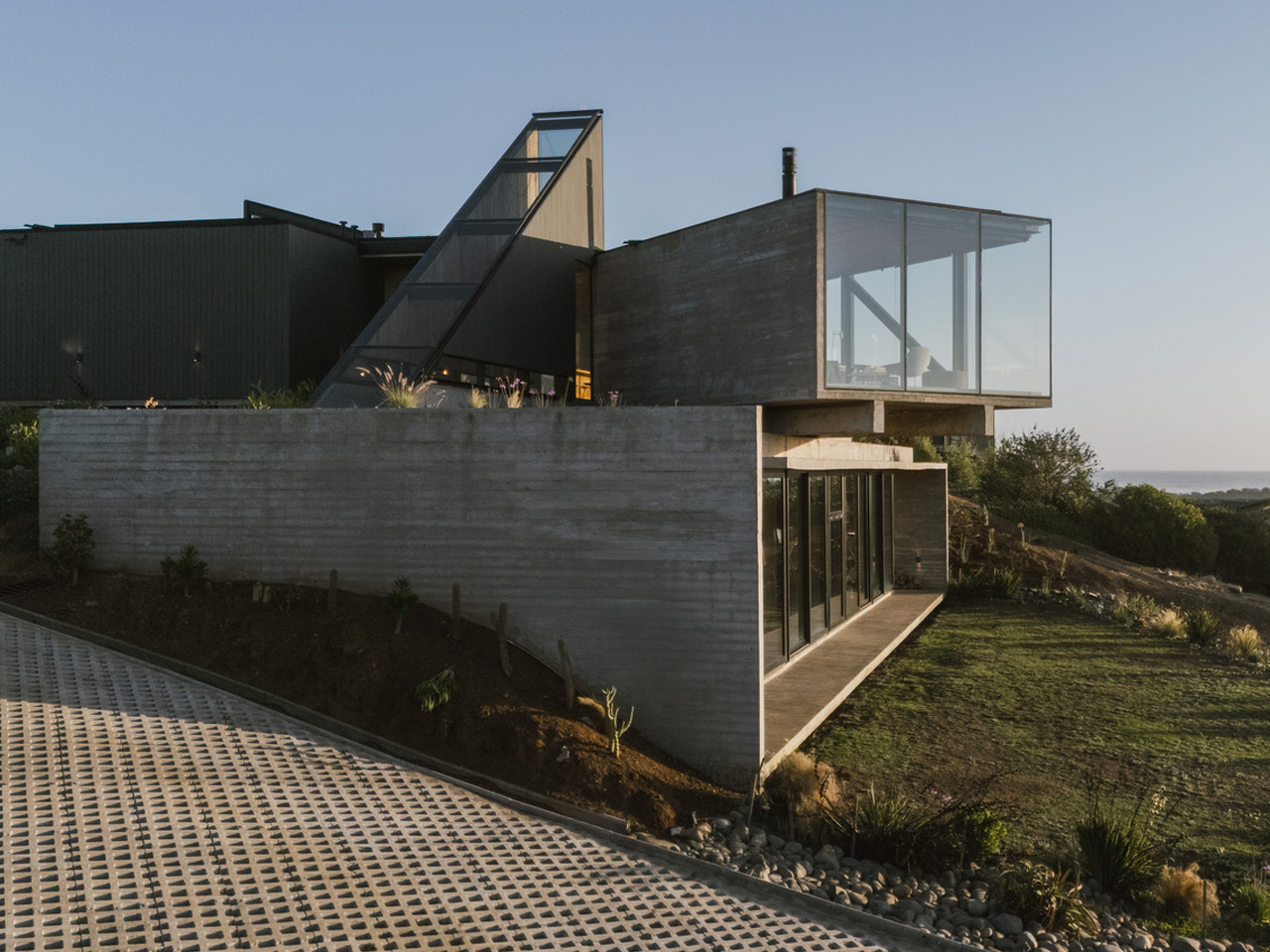
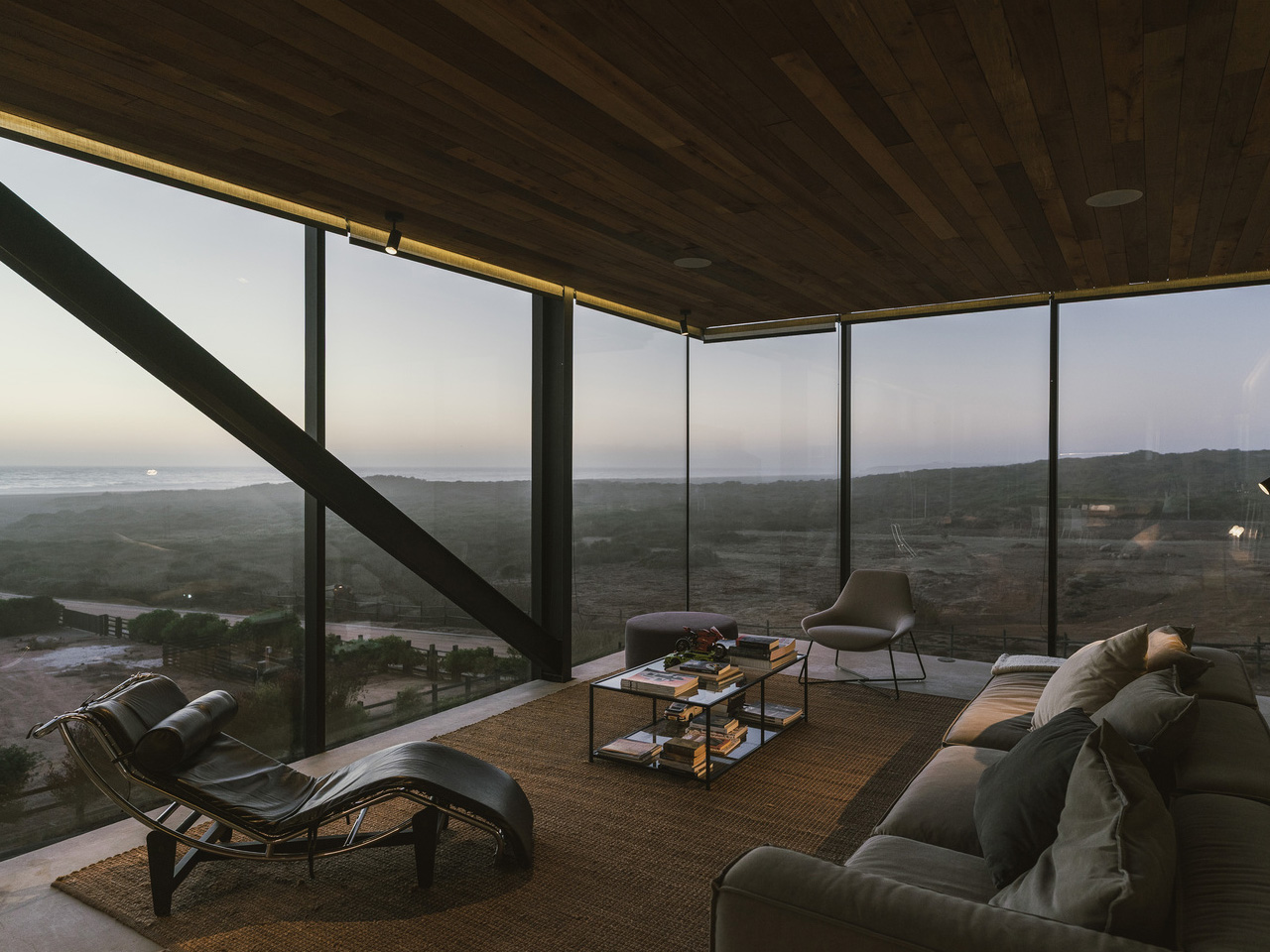
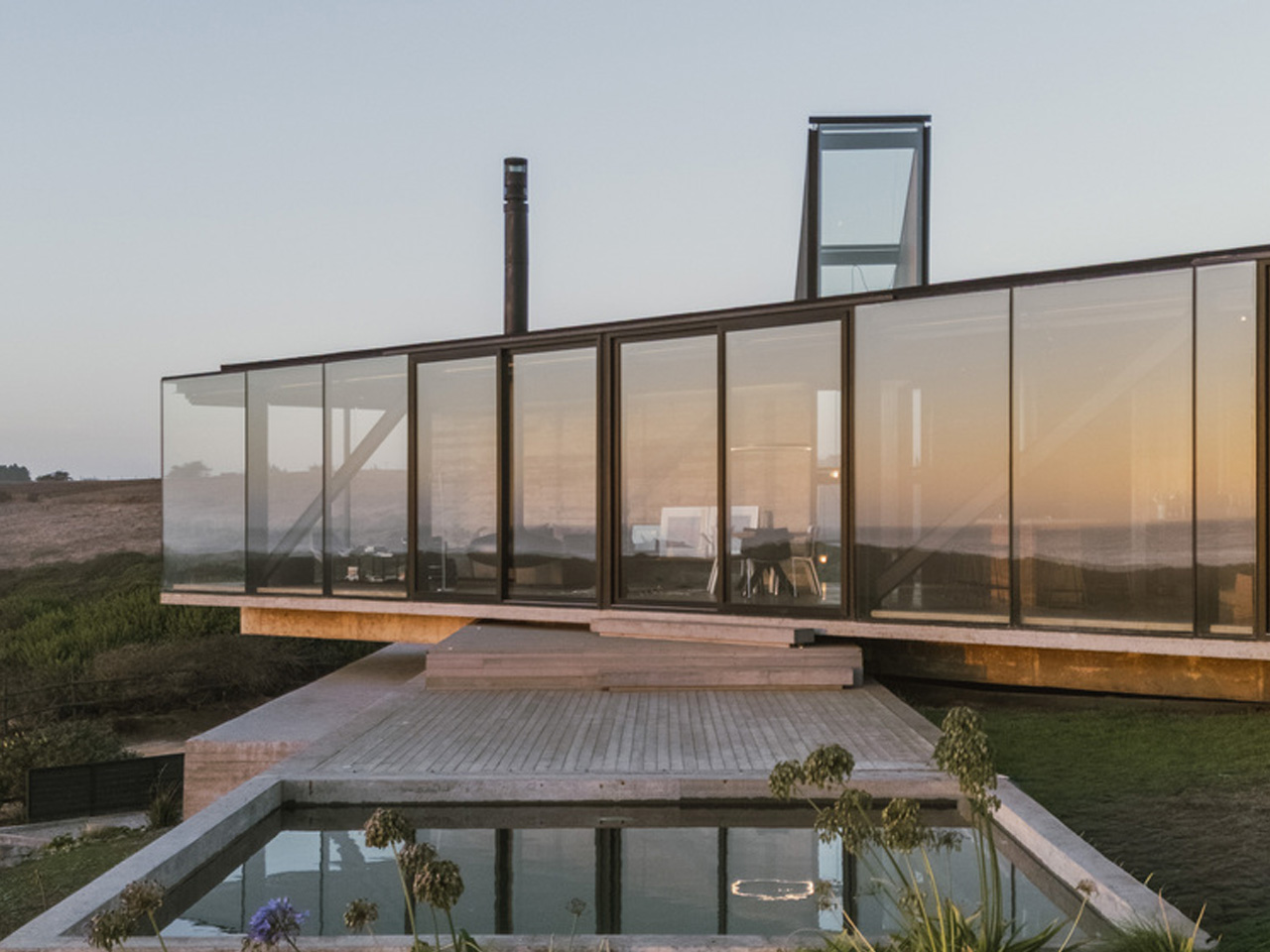
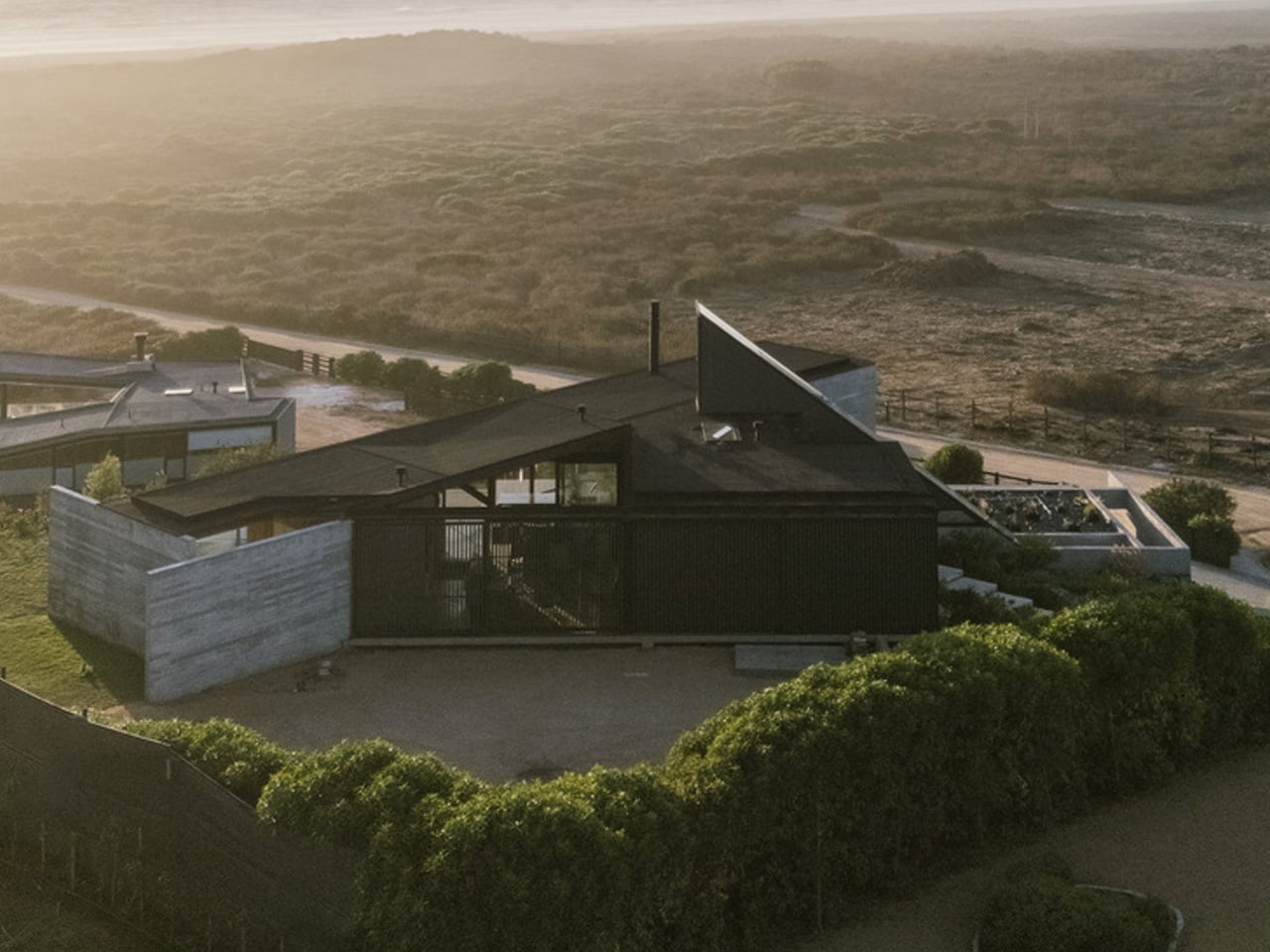
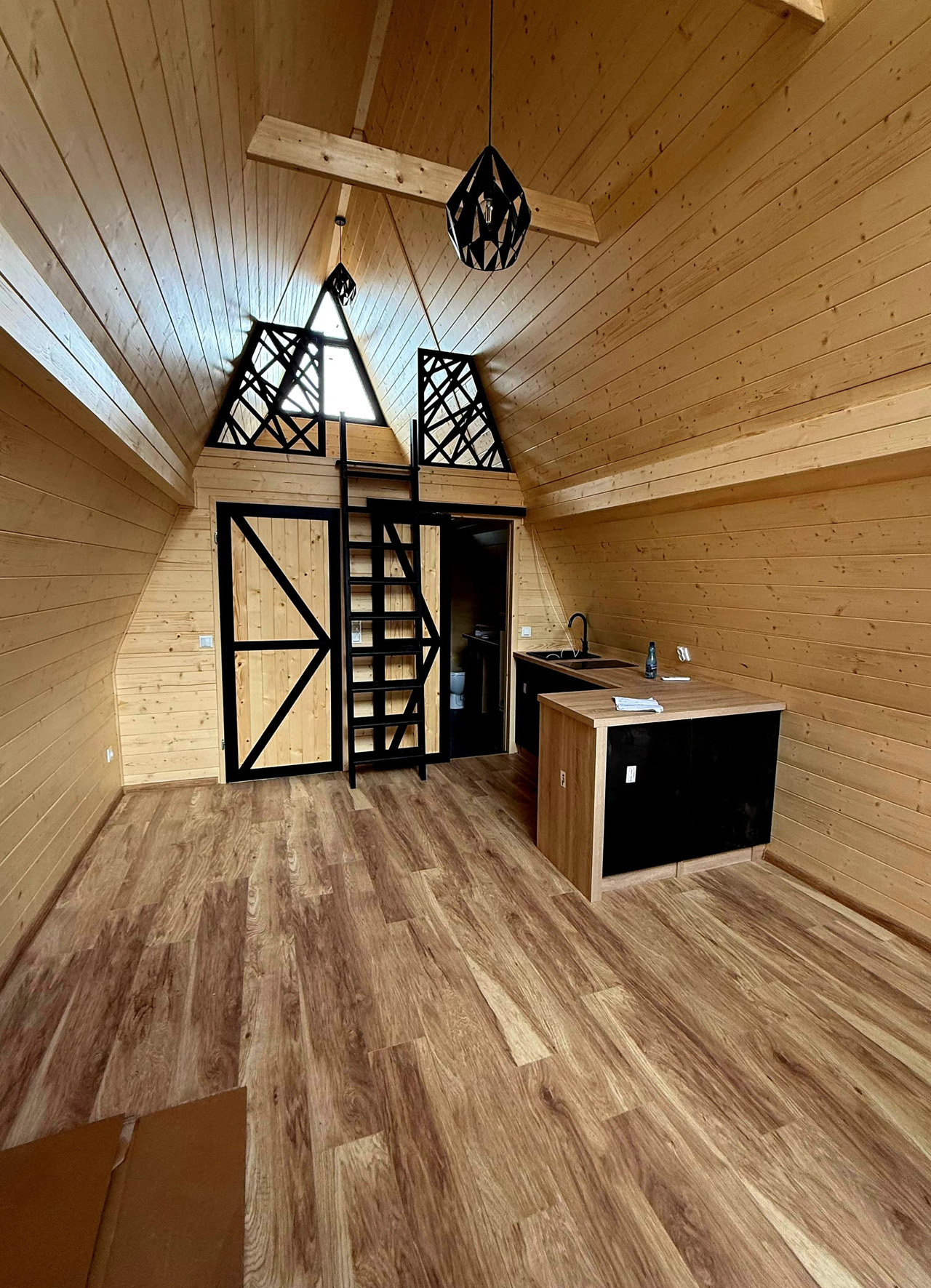
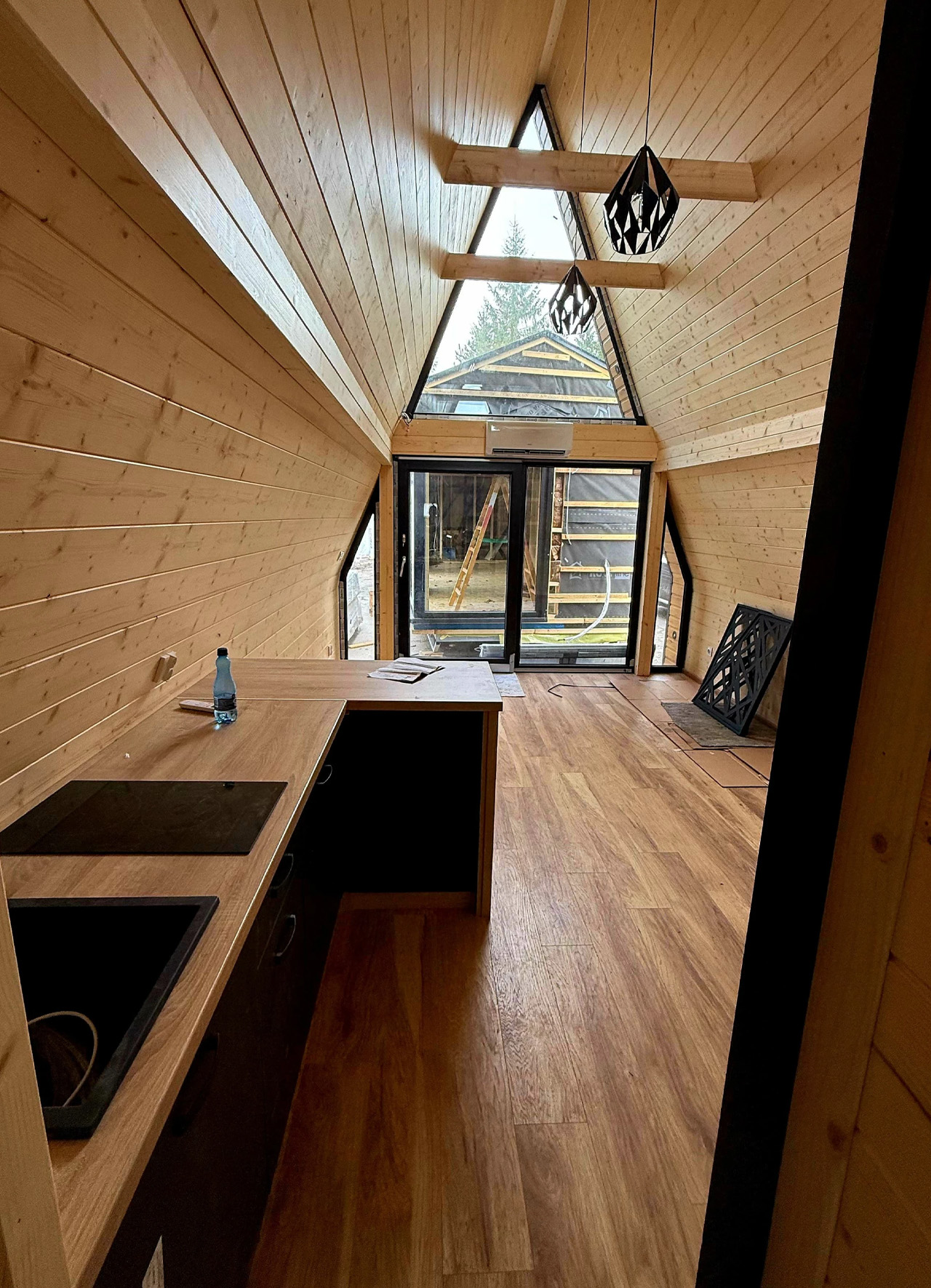
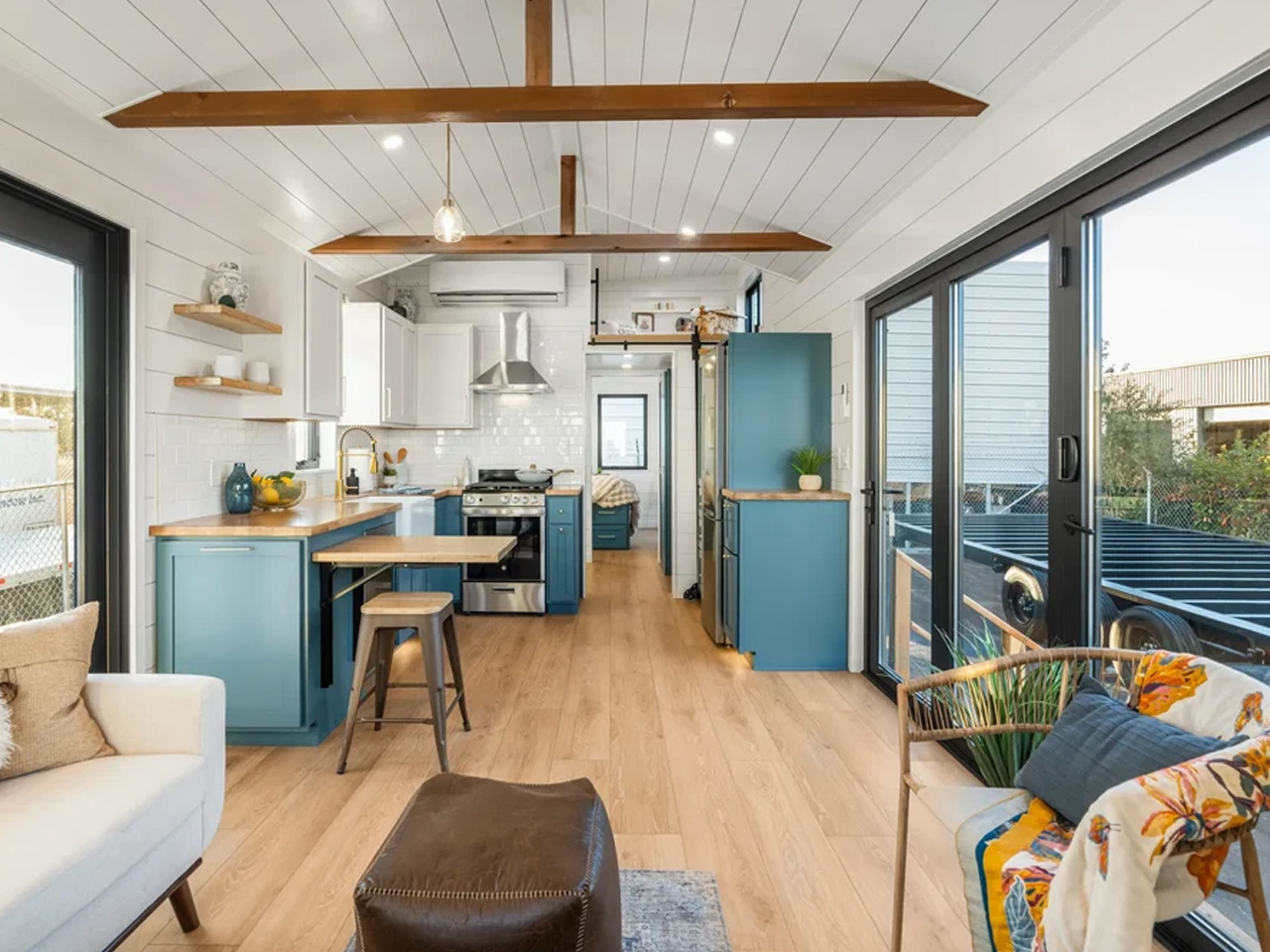
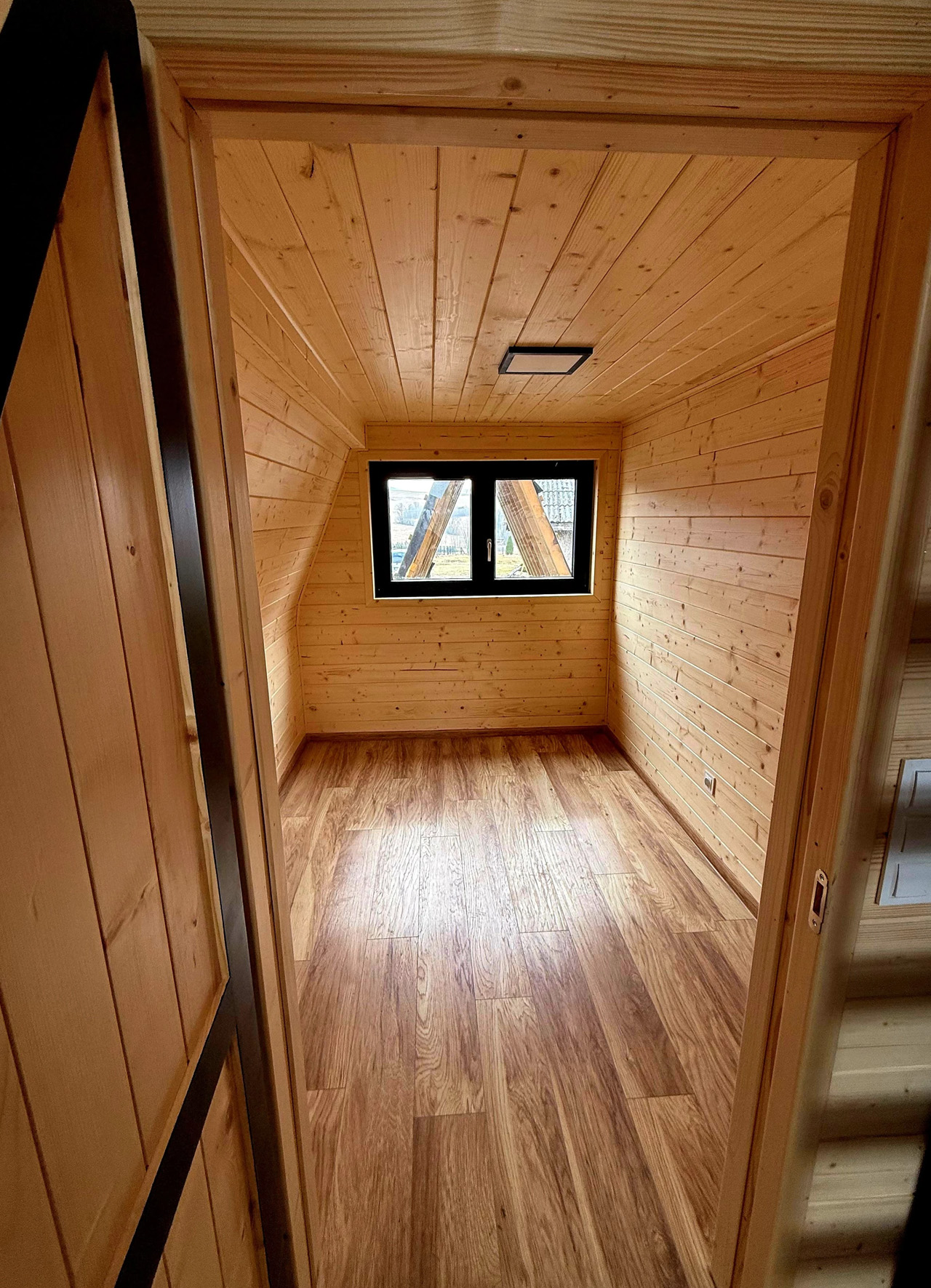
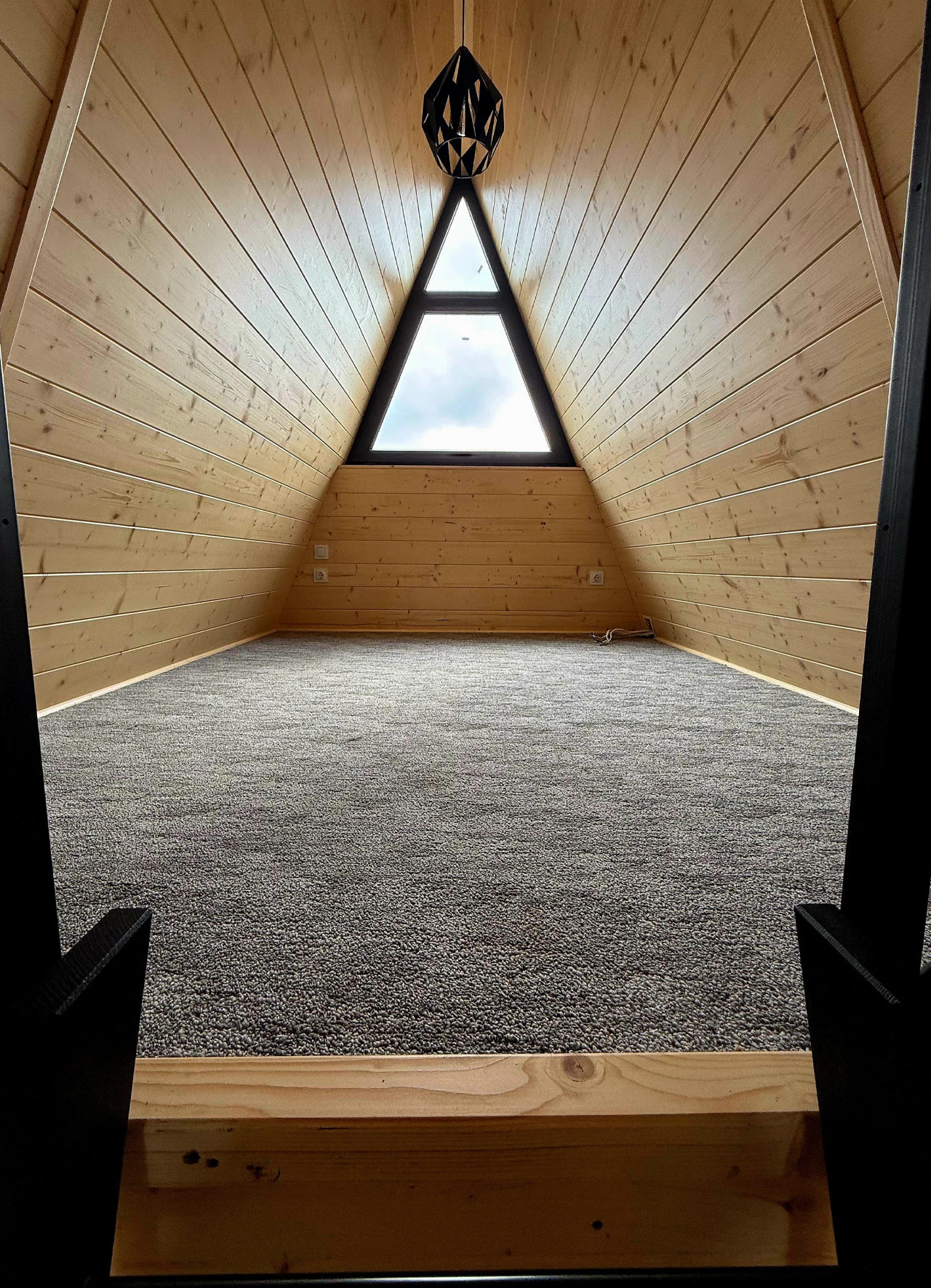
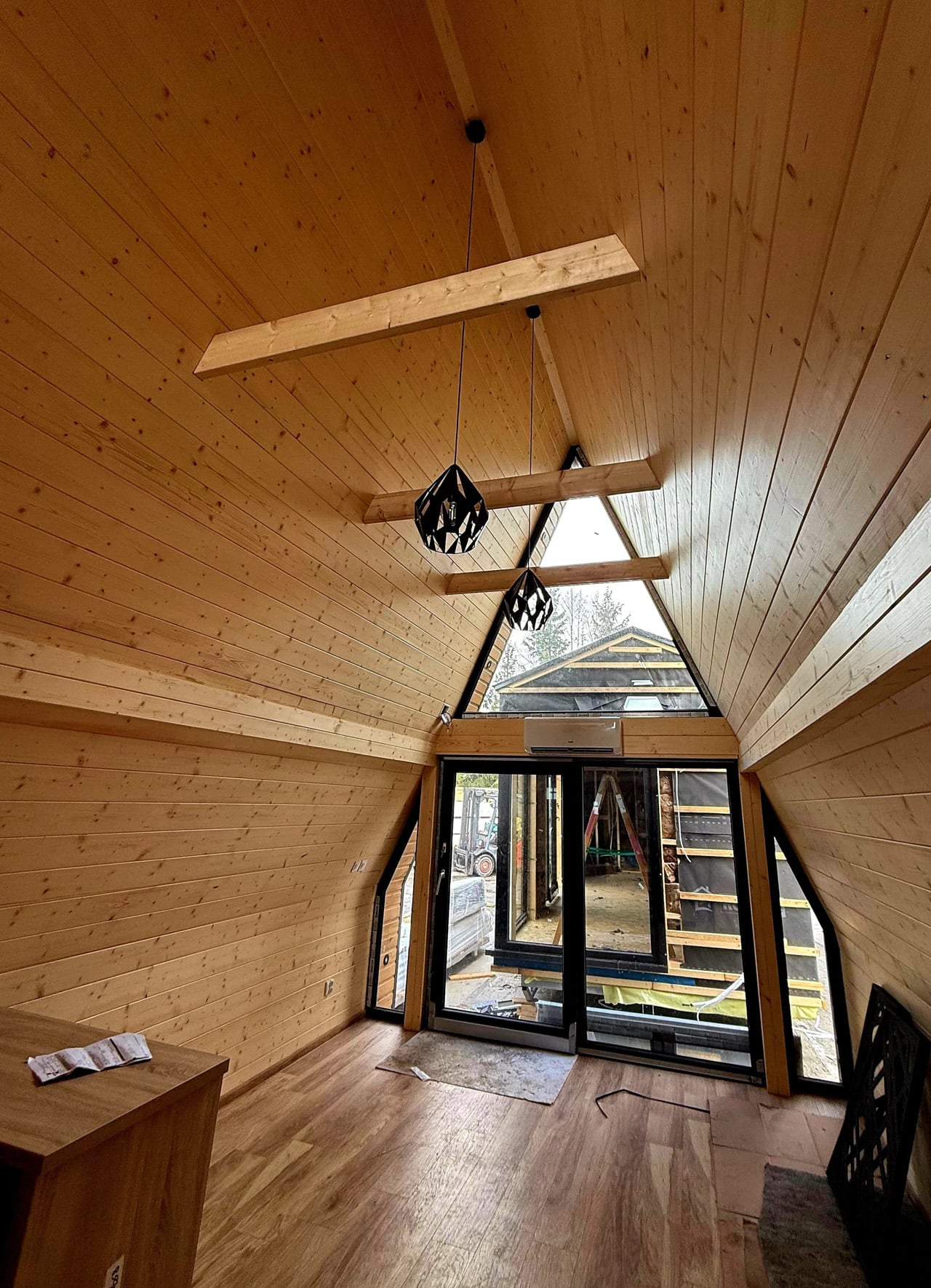
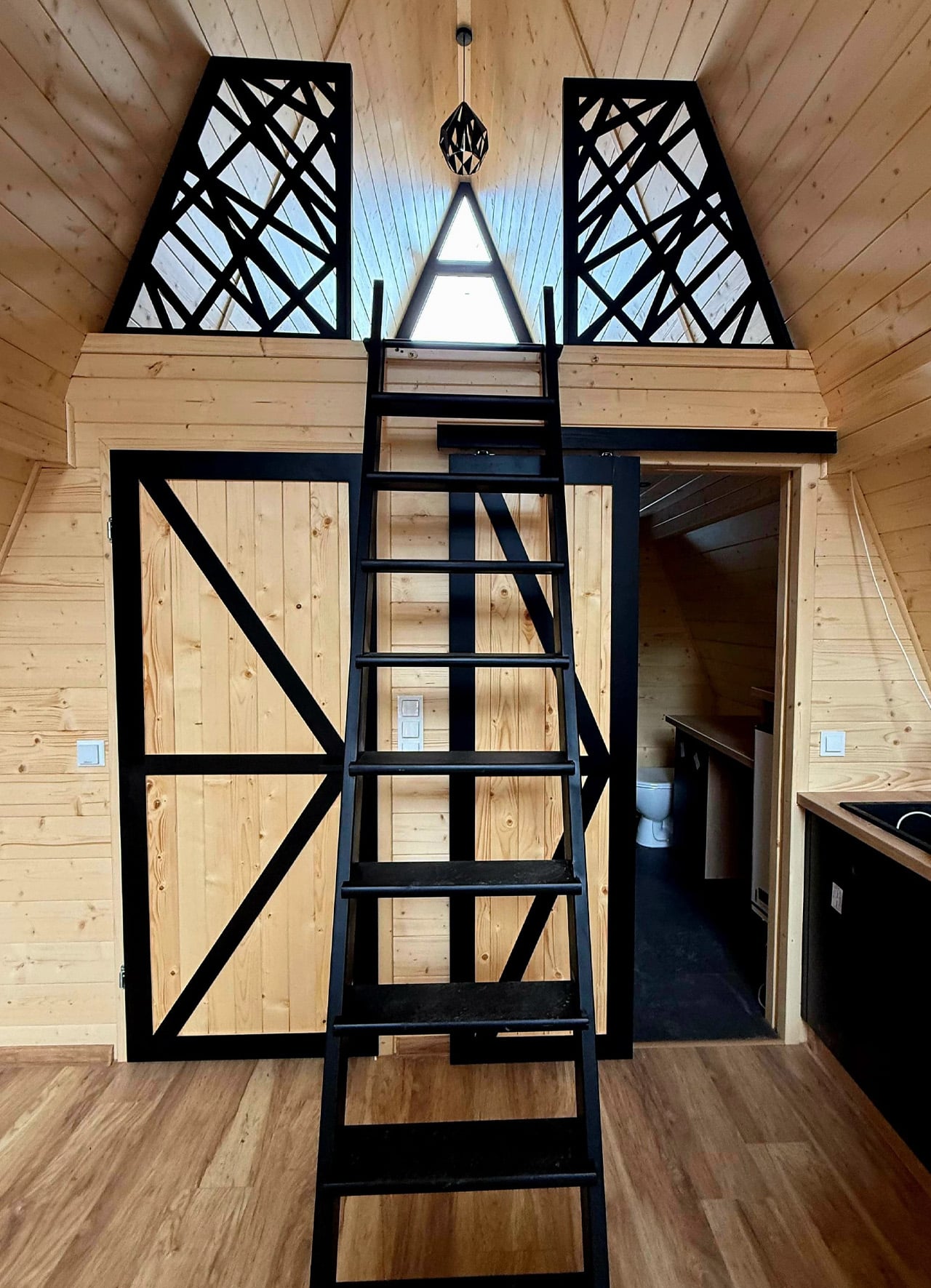
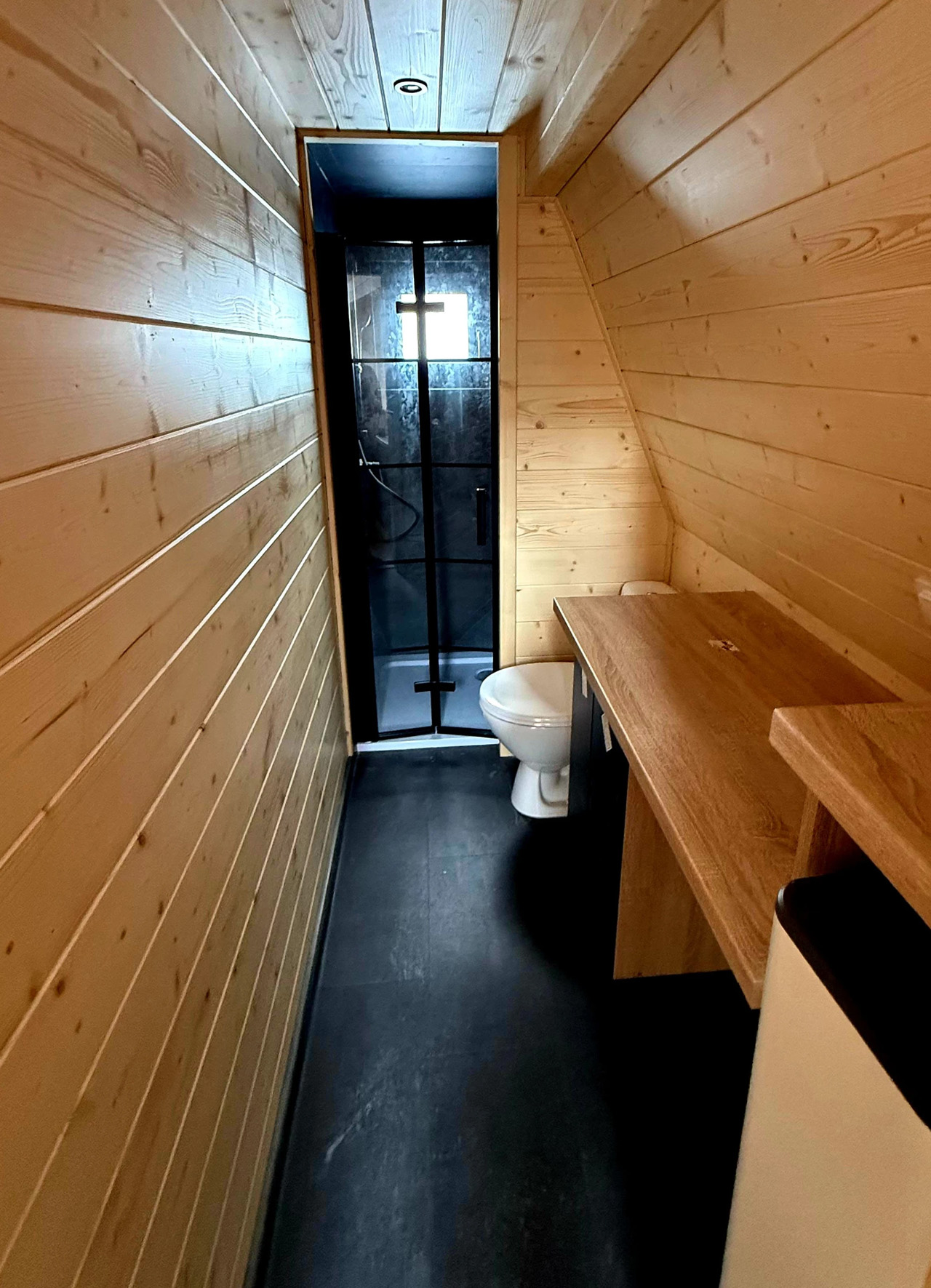
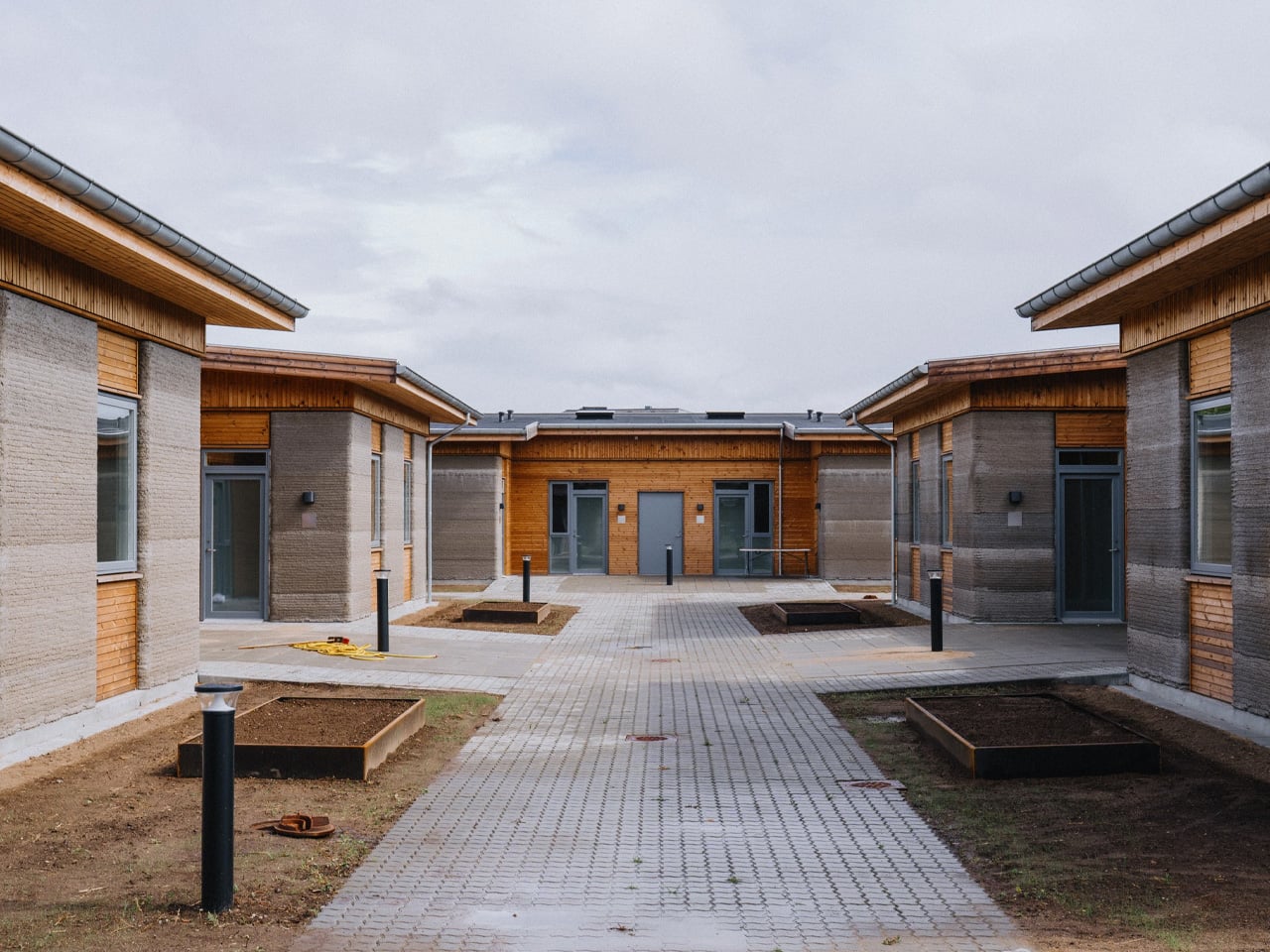
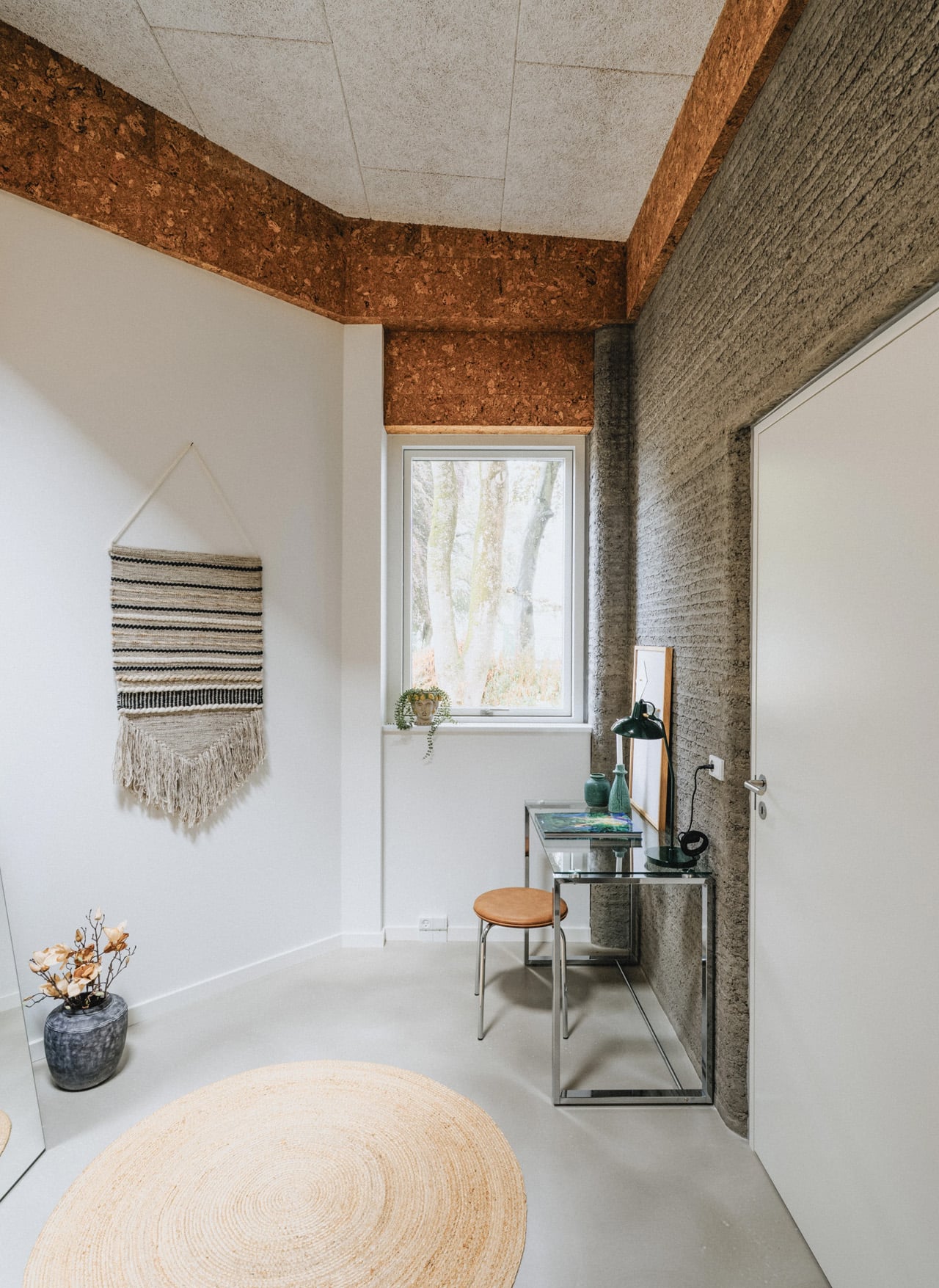
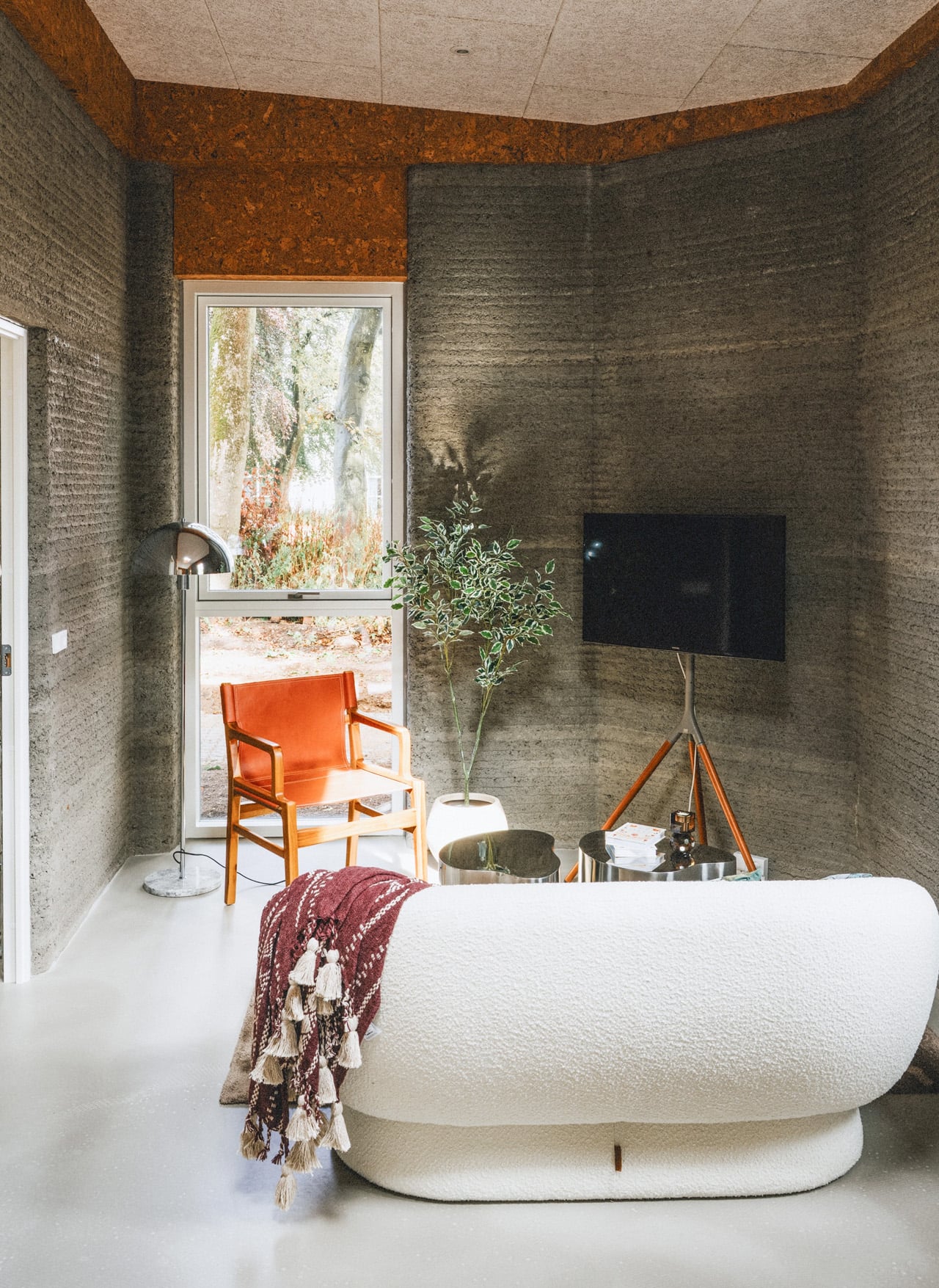
Nestled away in Priors Hall, Corby, The Thicket by Rewild Homes is doing something different with sustainable housing. This Northamptonshire development isn’t trying to be just another eco-project with a few solar panels slapped on the roof. The name itself comes from the woodland character that shaped the entire design, which tells you something about how seriously they’ve taken the environmental angle here. It’s part of a broader movement in the area, but The Thicket stands out for actually following through on its green promises.

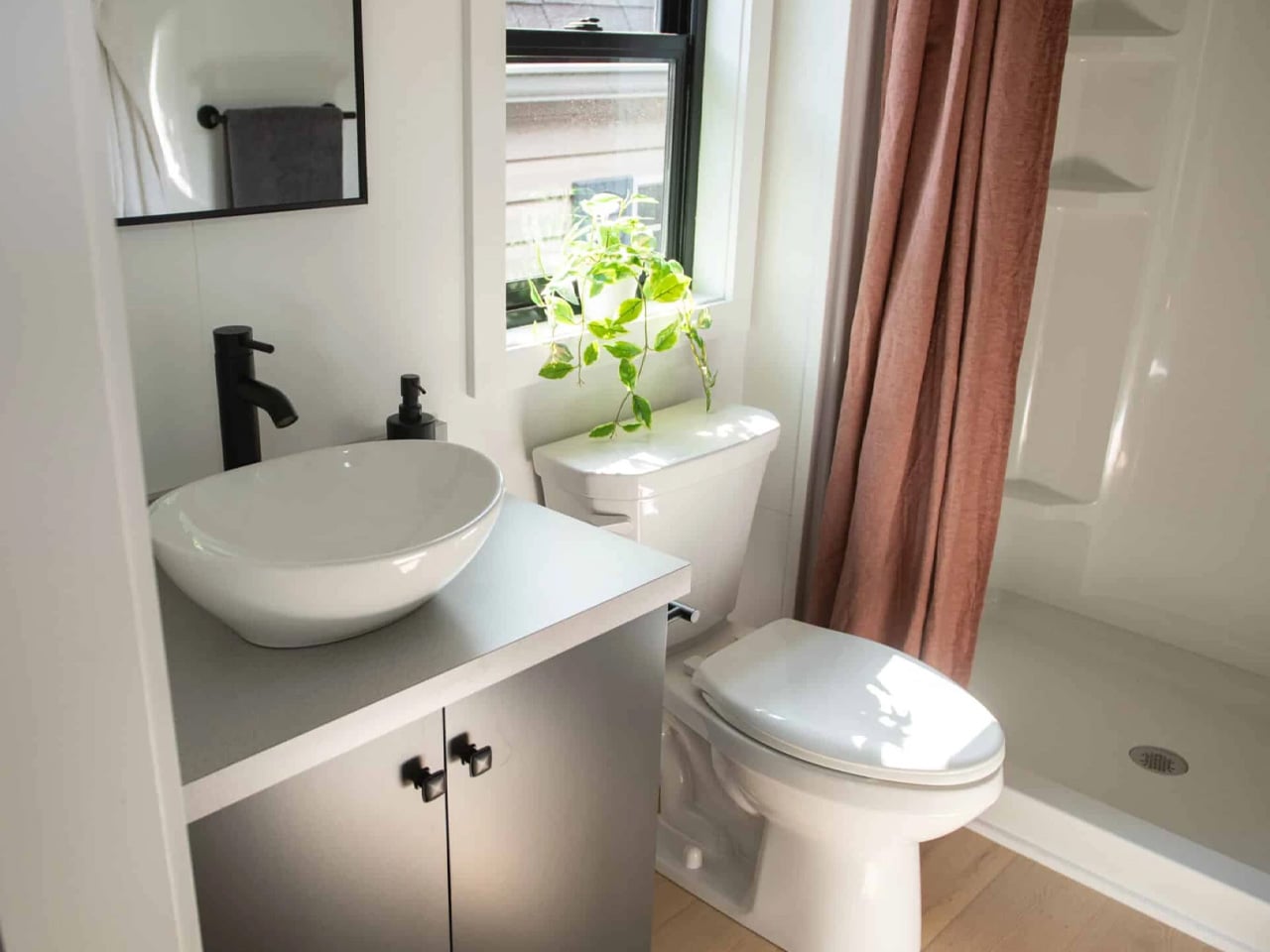
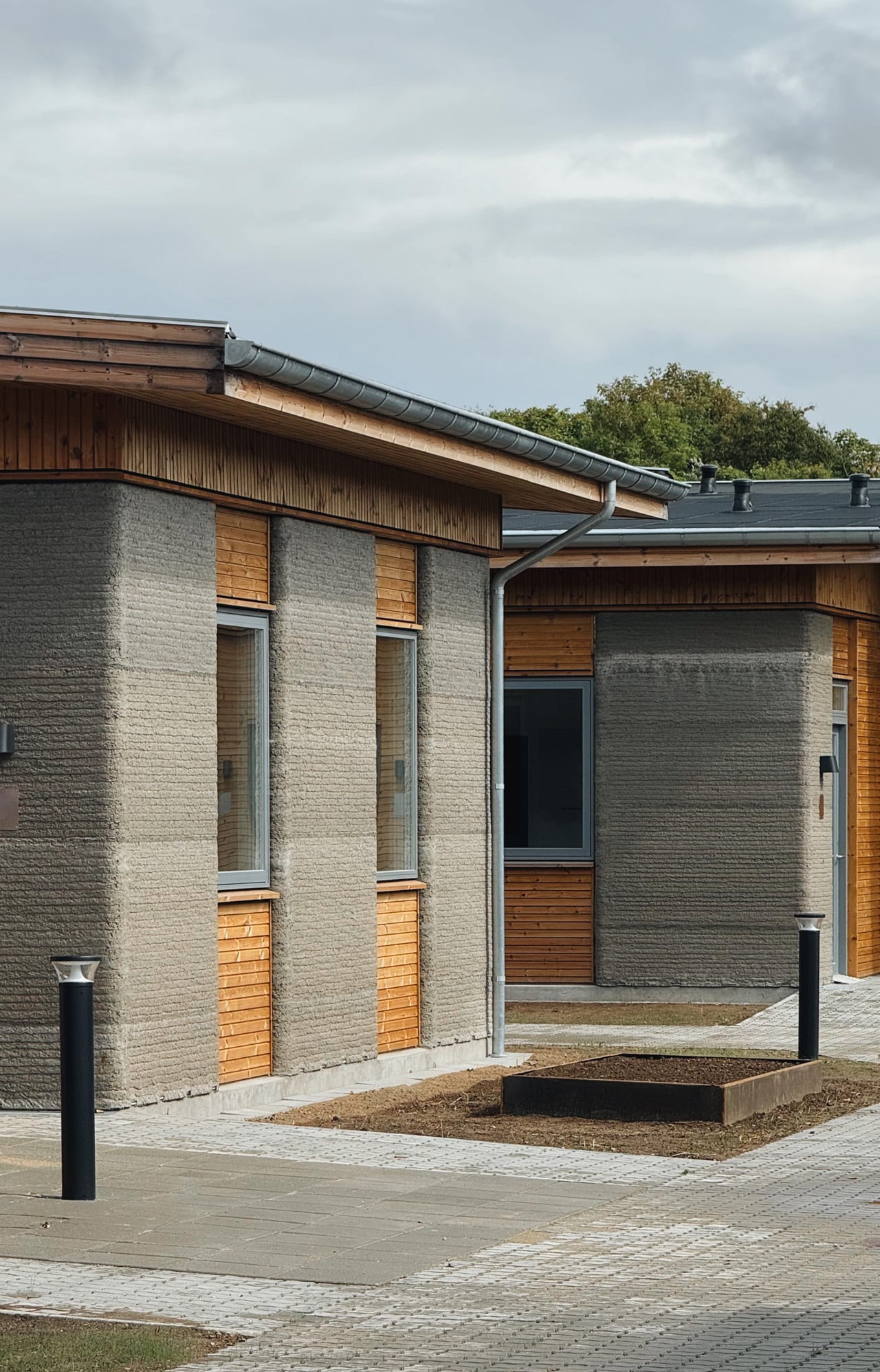
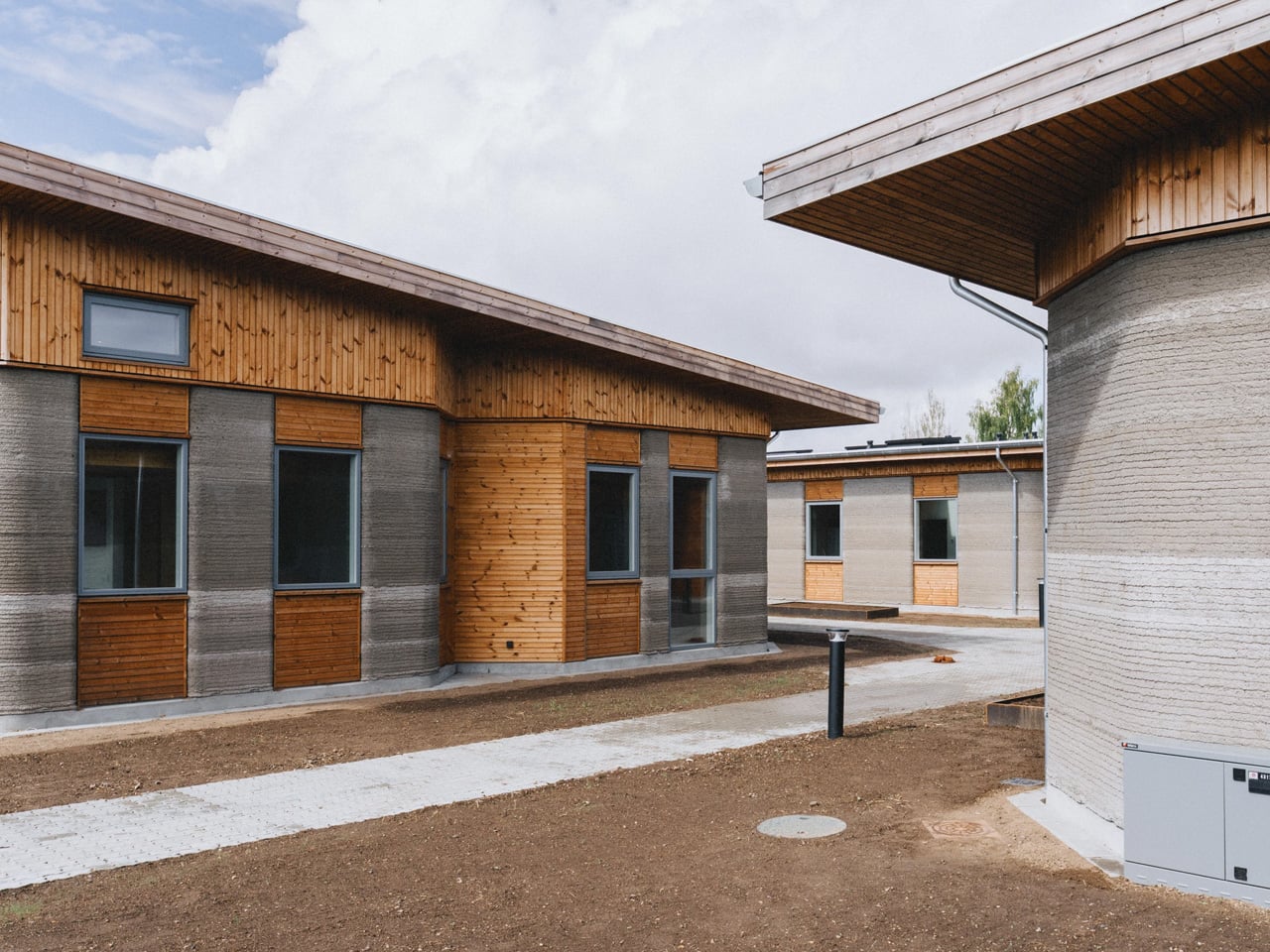
Rewild Homes has built its reputation on refusing to choose between sustainability and livability, and you can see that playing out across this development. The homes manage to be energy efficient and environmentally responsible without feeling like you’re camping indoors or sacrificing modern conveniences. They’ve used sustainable materials and construction methods throughout, but not in that performative way some developers do when they’re really just ticking boxes for marketing purposes. The approach here feels more genuine, like someone actually thought about how these choices would affect daily life.

Designer: Rewild Homes

The location in Priors Hall puts residents in the middle of a community that’s become something of an experiment in sustainable urban planning. Corby isn’t exactly where you’d expect to find cutting-edge green development, which makes The Thicket more interesting. The area gives you access to shops, schools, and everything else you need without bulldozing every tree in sight. There’s a balance here between practical living and maintaining the natural features that make the place feel less like a housing estate and more like somewhere you’d actually want to spend time.

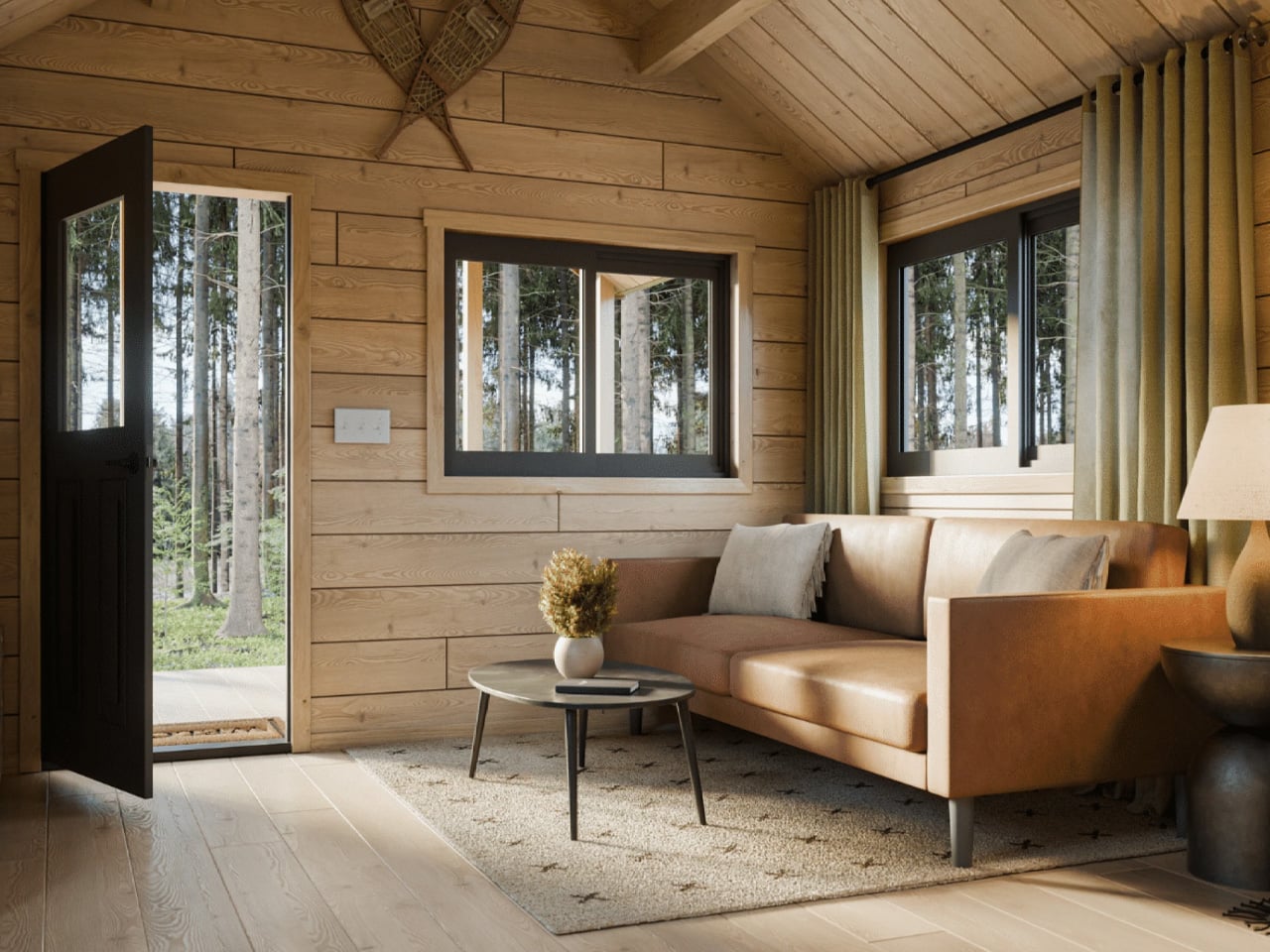
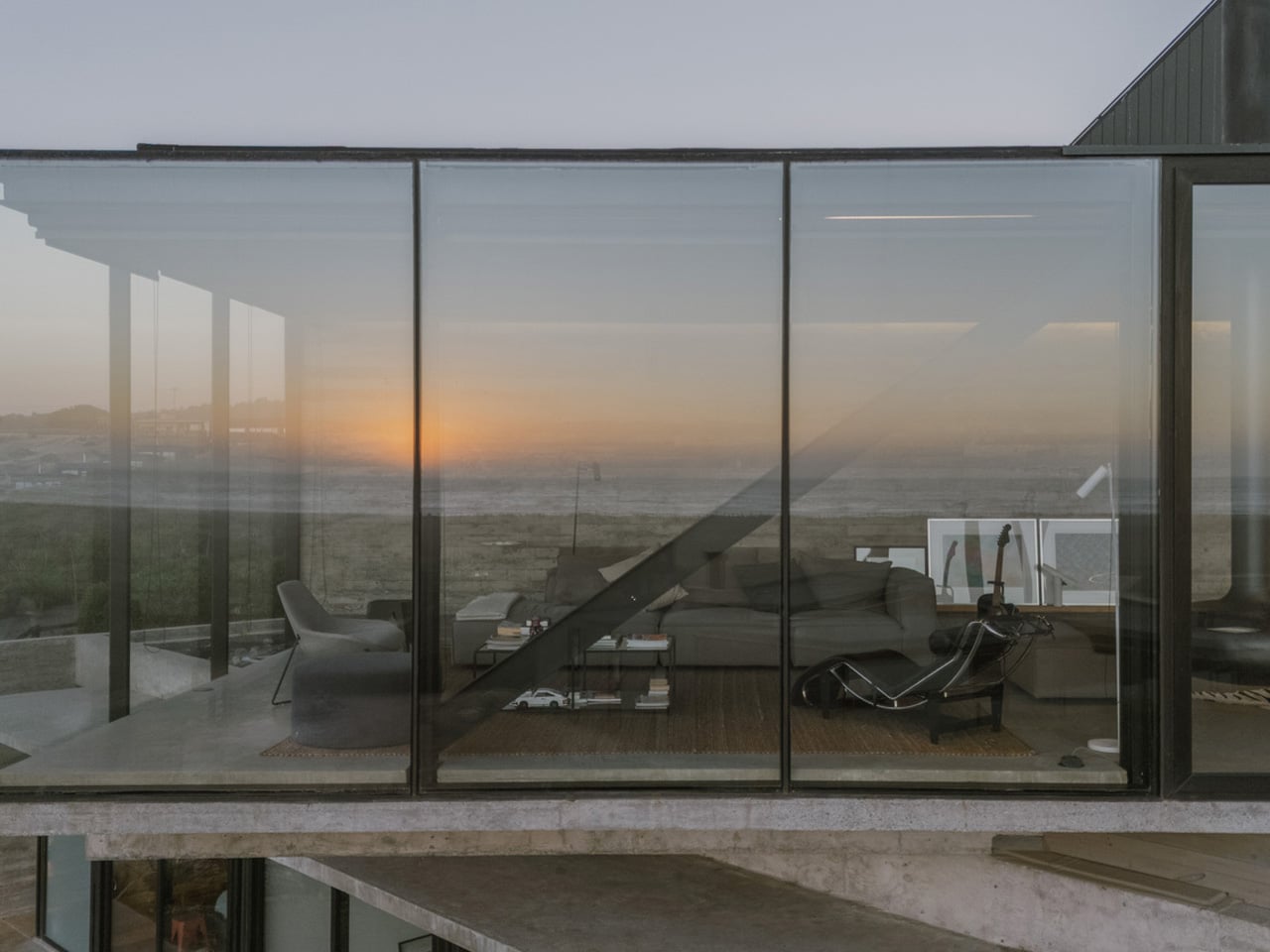
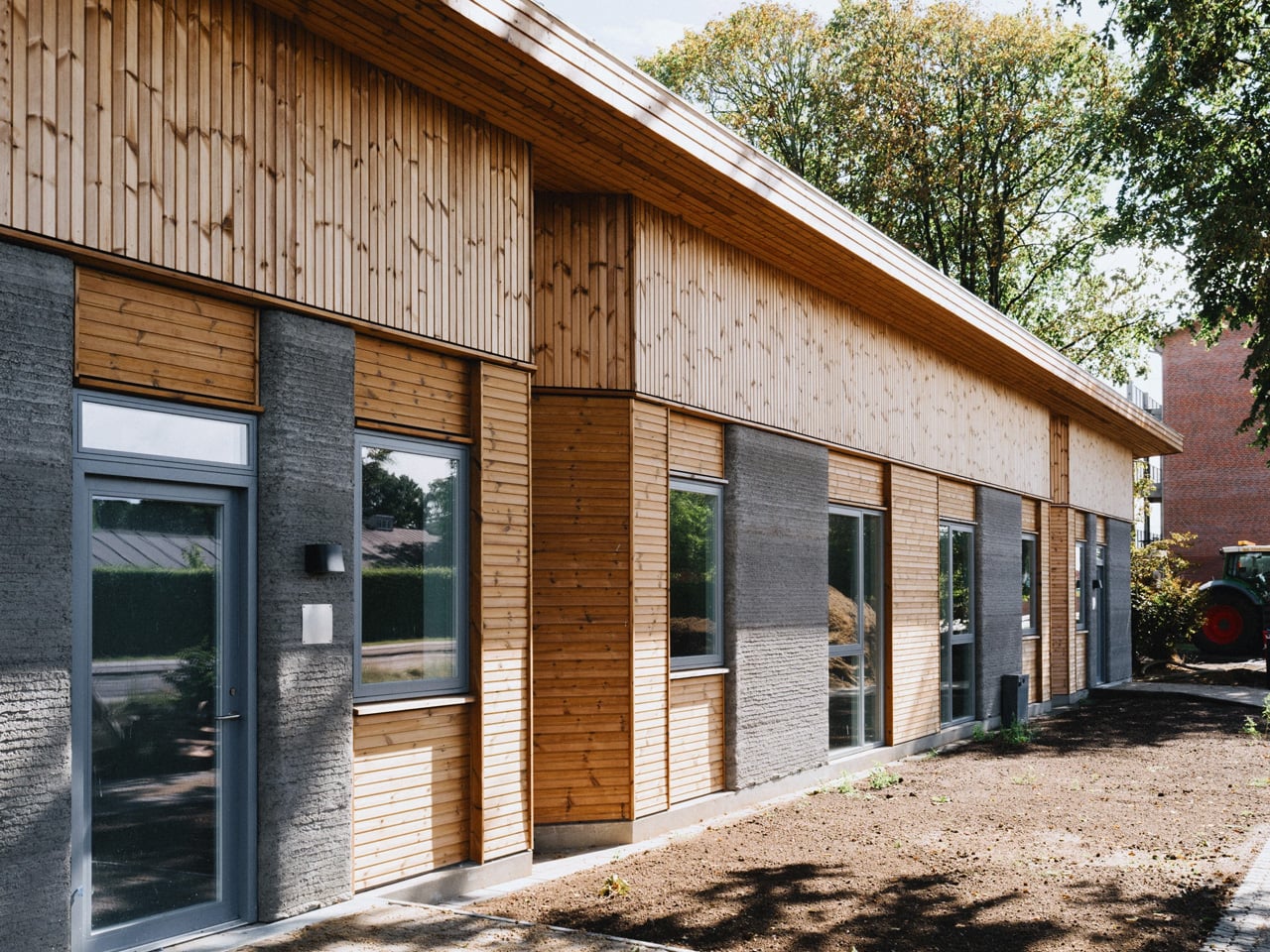
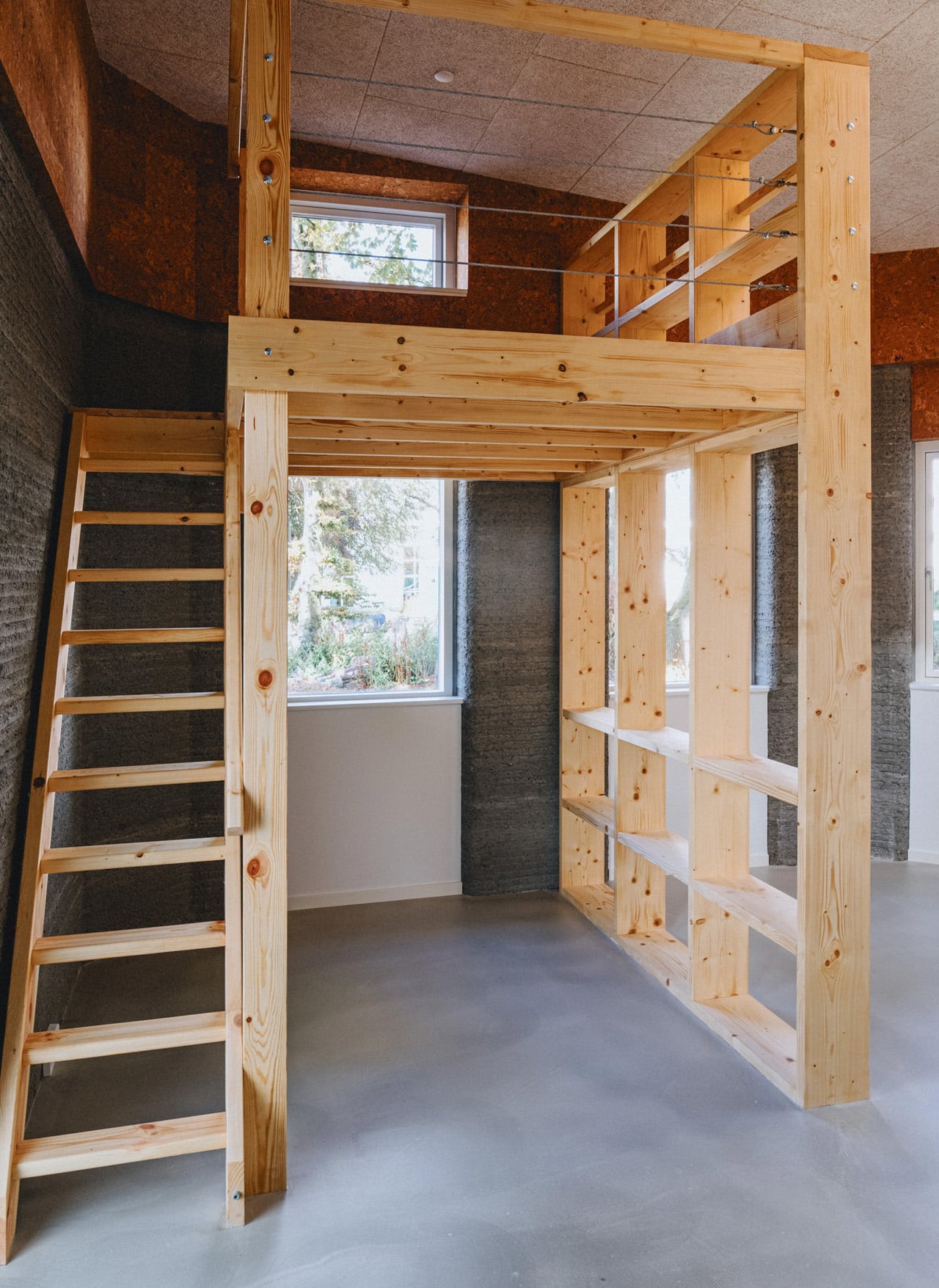
What makes The Thicket work is that sustainability isn’t an afterthought. Large windows bring in natural light so you’re not constantly flipping switches during the day. The homes are positioned to take advantage of natural heating and cooling instead of relying entirely on mechanical systems. Materials were chosen for durability and low environmental impact, creating spaces that look contemporary without feeling like they’ll be dated in five years. These aren’t revolutionary ideas individually, but together they add up to homes that function differently from standard new builds.

The woodland aesthetic goes beyond surface decoration. The designers preserved existing natural features and integrated them into the development instead of clearing everything and starting from scratch. This creates an actual connection to the surrounding landscape rather than the token green space most developments offer. Walking around The Thicket, you get the sense that someone understood sustainable living means more than reducing emissions—it’s about creating environments where people can live comfortably alongside nature instead of constantly working against it.

For buyers trying to square environmental concerns with practical housing needs, The Thicket offers a legitimate option. It’s aimed at people who want to make better choices but aren’t willing to compromise on quality of life to do it. As more homeowners factor climate impact into their decisions, developments like this prove there’s real demand for innovation beyond greenwashing. Rewild Homes has positioned itself to meet that demand, and The Thicket shows they understand how to deliver sustainable housing that people actually want to live in, not just admire from a distance.

The post Rewild Homes Just Built the Sustainable House Eco-Buyers Always Wanted first appeared on Yanko Design.
This 21-Story Tower Has 104 Green Balconies Inspired by Gaudí

Taichung’s skyline is about to get a dramatic new addition. MVRDV has secured construction permission for The Island, a 21-story residential tower that reimagines urban living through organic curves, ceramic artistry, and an ambitious vertical garden system. Rising where the city’s North and Beitun districts meet, the project stands in stark contrast to Taiwan’s typical boxy residential architecture. The façade takes direct inspiration from Antoni Gaudí’s mosaic techniques, wrapping white ceramic tiles of varying sizes around flowing curves. Larger pieces cover flat surfaces while finer, granular patterns smooth out tighter bends. This careful choreography maintains continuity across every undulation, creating a sculptural presence that shifts in the light and glows against the surrounding commercial blocks.

The Island earns its name through sheer commitment to greenery. The 9,000-square-meter development packs in 104 private balconies with planted areas, five communal three-story balconies, and 38 standalone façade planters. Street-level planting connects the building to the ground, while a rooftop garden terrace crowns the structure. The plant selection mirrors the biodiversity of Taichung province, turning the tower into a living catalog of regional flora. Each communal balcony carves out a three-story recess that brings depth to the façade while offering planted terraces with sweeping views over the city.

Designer: MVRDV

The green ambition responds to Taichung’s liveable building regulations, which push developers toward outdoor space and vegetation. The site tells its own story of rapid urban transformation. Once positioned near the city’s edge, it now sits deep within a densely packed commercial neighborhood following Beitun District’s explosive 21st-century growth. The Island offers a counterpoint to this density, creating an oasis of planted terraces that rise through the urban fabric. The organic presence softens hard edges that define the surrounding blocks.

MVRDV founding partner Jacob van Rijs frames the design challenge plainly: residential buildings in Taiwan must follow standardized, efficient layouts. Character has to come from details rather than radical spatial experiments. The Island finds its identity through soft curves, the Gaudí-inspired finish, and greenery integrated as part of an organic system rather than stuck on as decoration. Van Rijs describes bringing a soft touch to a city full of boxes, with the building’s character emerging from careful attention to craft and natural integration. Curvature becomes the organizing principle that determines how outdoor rooms and planted pockets arrange themselves along the façade.

Seventy-six apartments sit above two floors dedicated to commercial space and communal amenities, including dining rooms, lounges, and karaoke spaces. The focus on community living targets middle-class buyers and young couples. Shared spaces recognize that urban liveability stretches beyond individual units to encompass social interaction and collective experience. The five communal balconies distributed throughout the building’s height create gathering points that encourage resident interaction while providing access to outdoor planted areas at multiple levels. These shared terraces function as vertical parks, bringing ground-level public space up into the residential floors.

Sustainability reaches beyond visible greenery to encompass broader environmental considerations. The project addresses carbon emissions alongside biodiversity goals, positioning itself within larger ecological conversations about dense urban development. The Gaudí-inspired ceramic technique provides aesthetic distinction while ensuring a durable, easy-to-maintain exterior that will age gracefully. The Island represents MVRDV’s ongoing investigation into how residential towers can soften cities dominated by right angles and glass boxes. Through historical reference, material craft, and environmental integration, the project suggests that density and nature need not exist in opposition. It offers instead a model where urban living and ecological consciousness merge into a single architectural expression.

The post This 21-Story Tower Has 104 Green Balconies Inspired by Gaudí first appeared on Yanko Design.
This 23-Foot Tiny House Packs Full Kitchen, Bath, & Solar Power

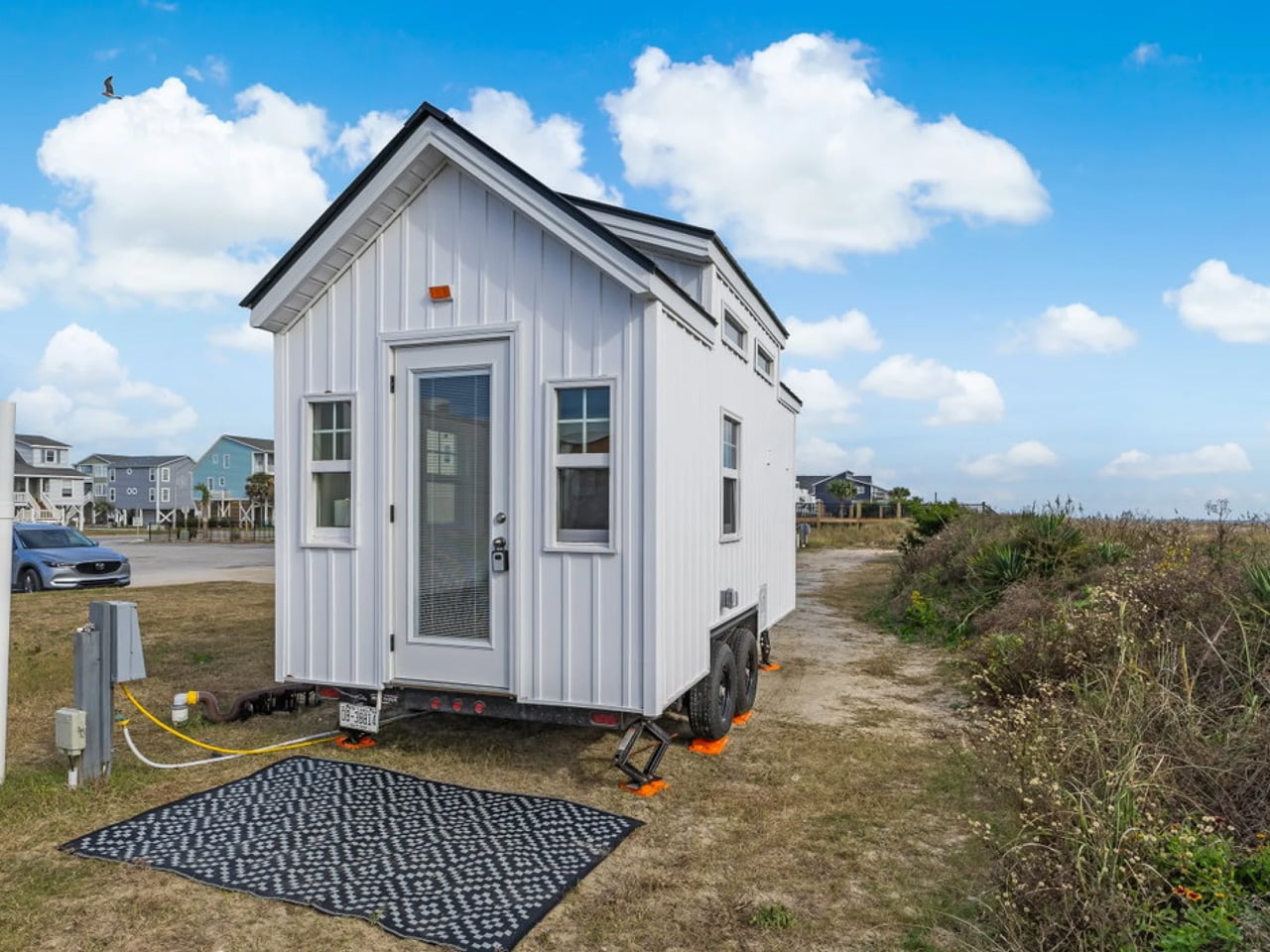
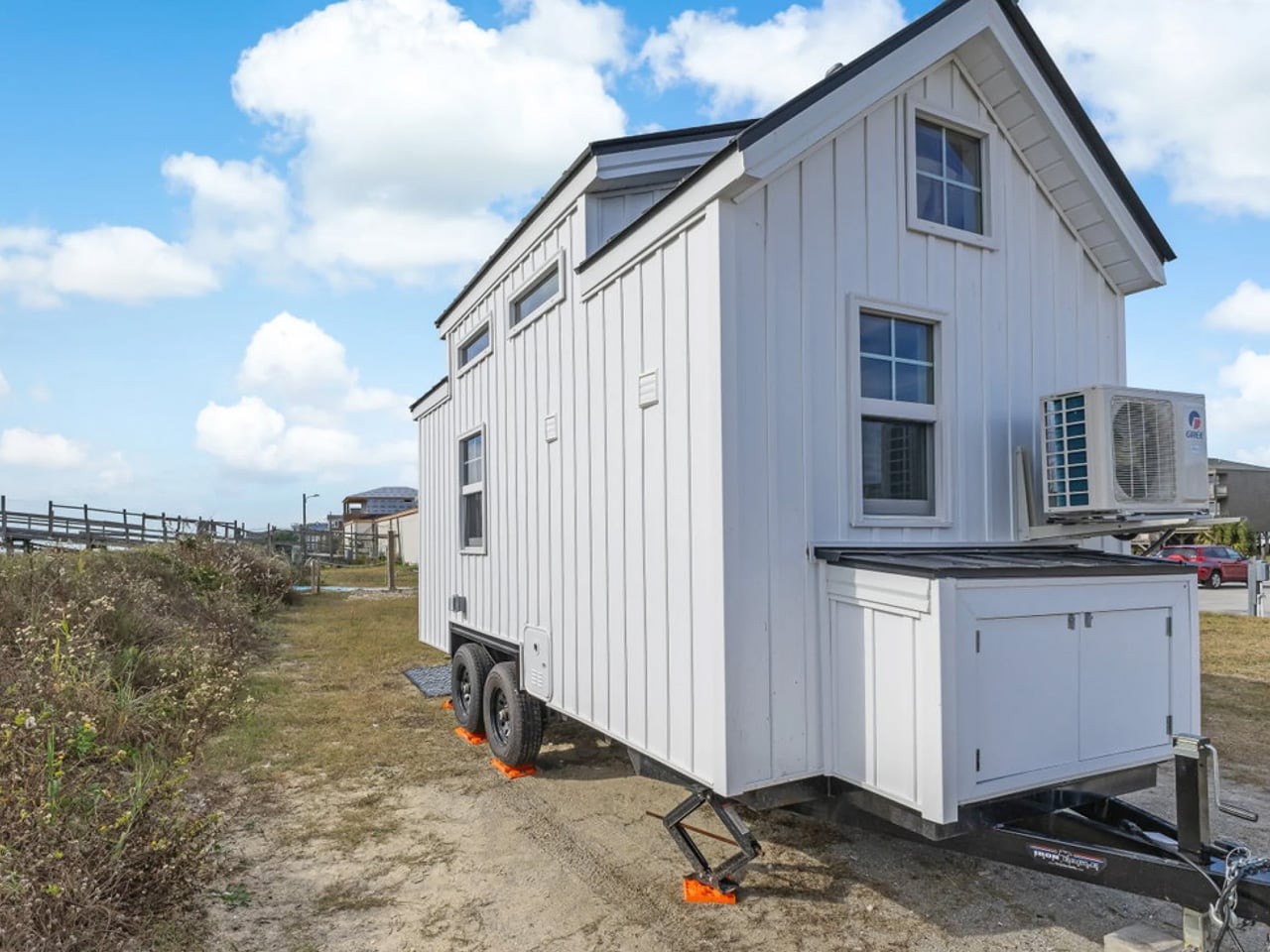
Vagabond Haven has unveiled a tiny house that challenges the notion that small spaces require compromise. This recently completed dwelling demonstrates how thoughtful design can deliver full off-grid capability and genuine comfort within a modest 7.2-meter footprint. Built to accommodate two people, the home functions equally well as a vacation retreat or income-generating rental property. The exterior showcases black-painted spruce siding that gives the structure a contemporary edge while maintaining natural appeal. Solar panels crown the roof, working in tandem with a battery array to provide consistent power regardless of weather conditions. Though the model can be permanently installed on a plot, as shown in the featured version, its trailer-based construction allows for relocation whenever desired. The pictured rental includes an optional deck that effectively extends the living area outdoors, creating a seamless transition between interior and exterior spaces.

It includes solar panels, a gas water heater, a gas cooktop, and a fridge, a composting toilet, and the option to add water tanks, plus a full kitchen and bathroom, making it a self-sufficient retreat, and a place to escape for days or weeks at a time, while enjoying true off-grid comfort without sacrificing any of life’s little pleasures. This comprehensive approach to self-sufficiency means occupants can genuinely disconnect from municipal services while maintaining modern conveniences. The integration of multiple power sources and water management options ensures the home can function independently for extended periods, making it ideal for remote locations or environmentally conscious owners seeking to minimize their utility dependence.

Designer: Vagabond Haven

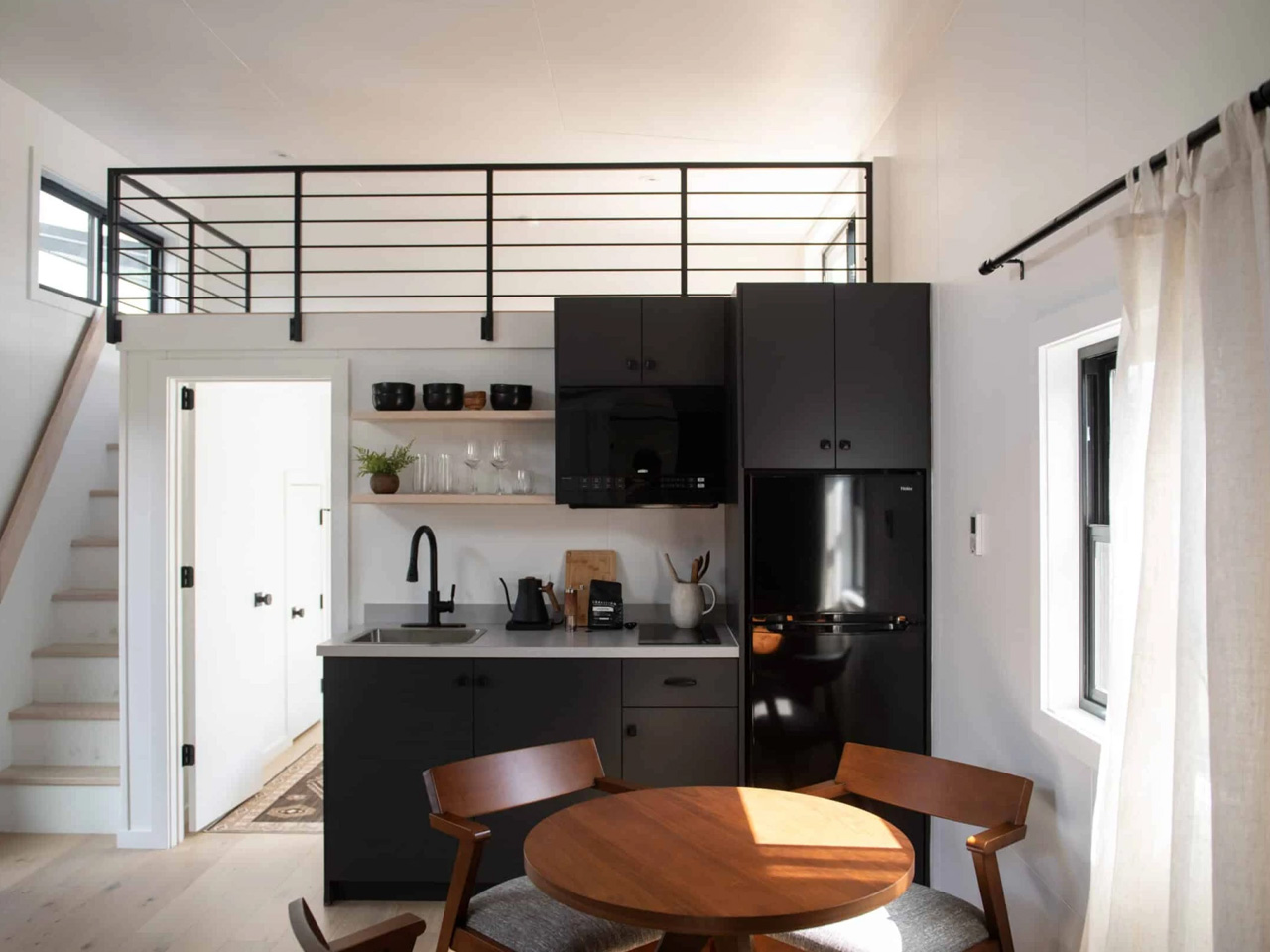
The single-level interior layout makes intelligent use of every available inch. Plywood finishes create warmth throughout the open-plan space, where natural light floods through the glazed entry door. The kitchen occupies the central position, acting as the home’s functional heart. Designed for efficiency rather than elaborate meal preparation, it features a two-burner propane stove, sink, refrigerator, and thoughtfully arranged cabinetry. The compact configuration proves perfectly suited for short stays, providing everything needed to prepare satisfying meals without overwhelming the limited square footage.

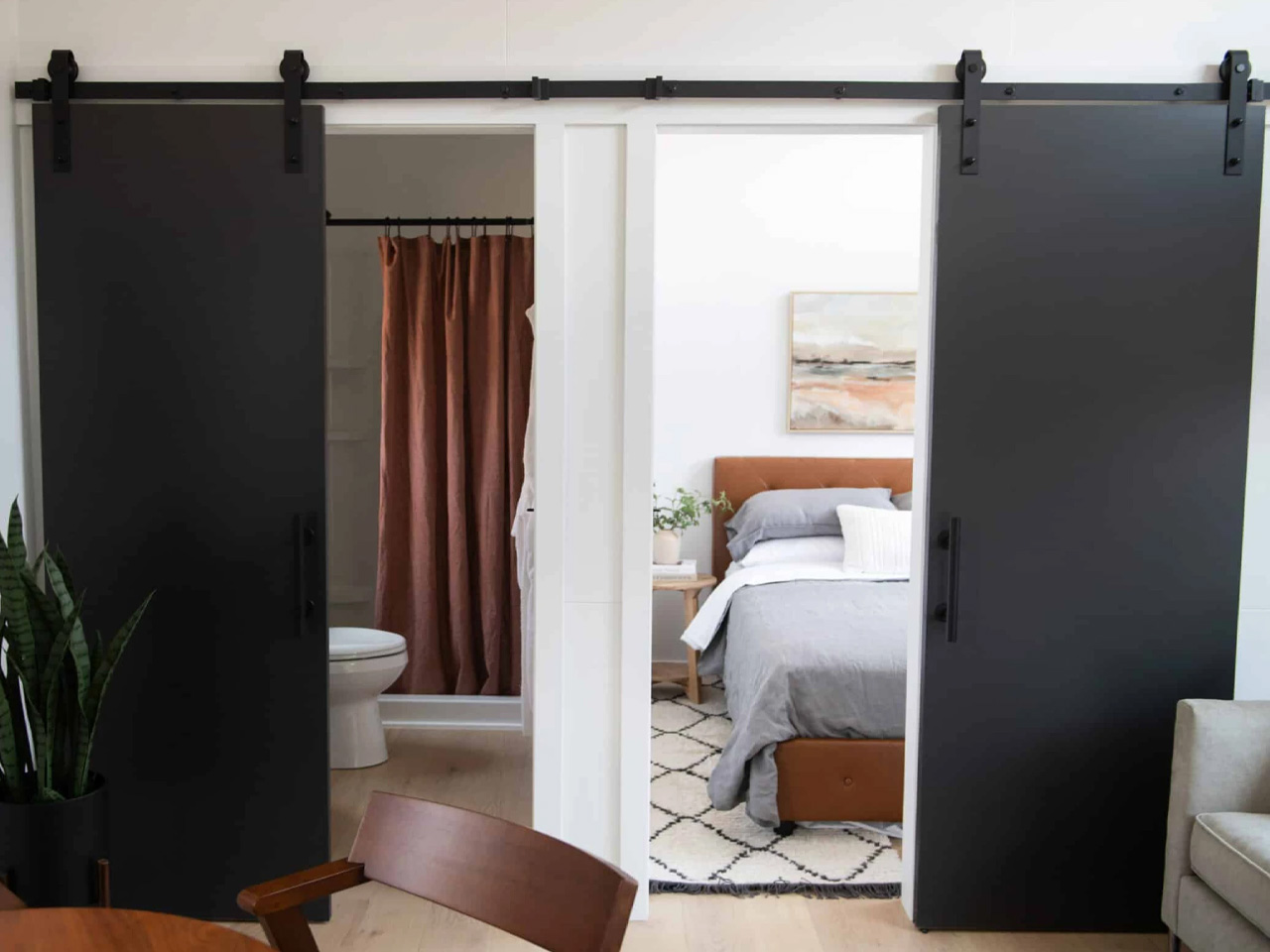
A wood-burning stove provides cozy warmth during colder months, positioned near the kitchen to maximize its heating efficiency throughout the main living area. A mini-split air-conditioning unit handles cooling needs, ensuring year-round comfort regardless of the climate. The bathroom maintains the home’s ethos of compact functionality. Despite its modest dimensions, it includes all essential fixtures: a shower, vanity sink, and composting toilet. The space proves that small bathrooms can still feel complete when properly planned, with each element carefully selected to balance practicality and comfort.

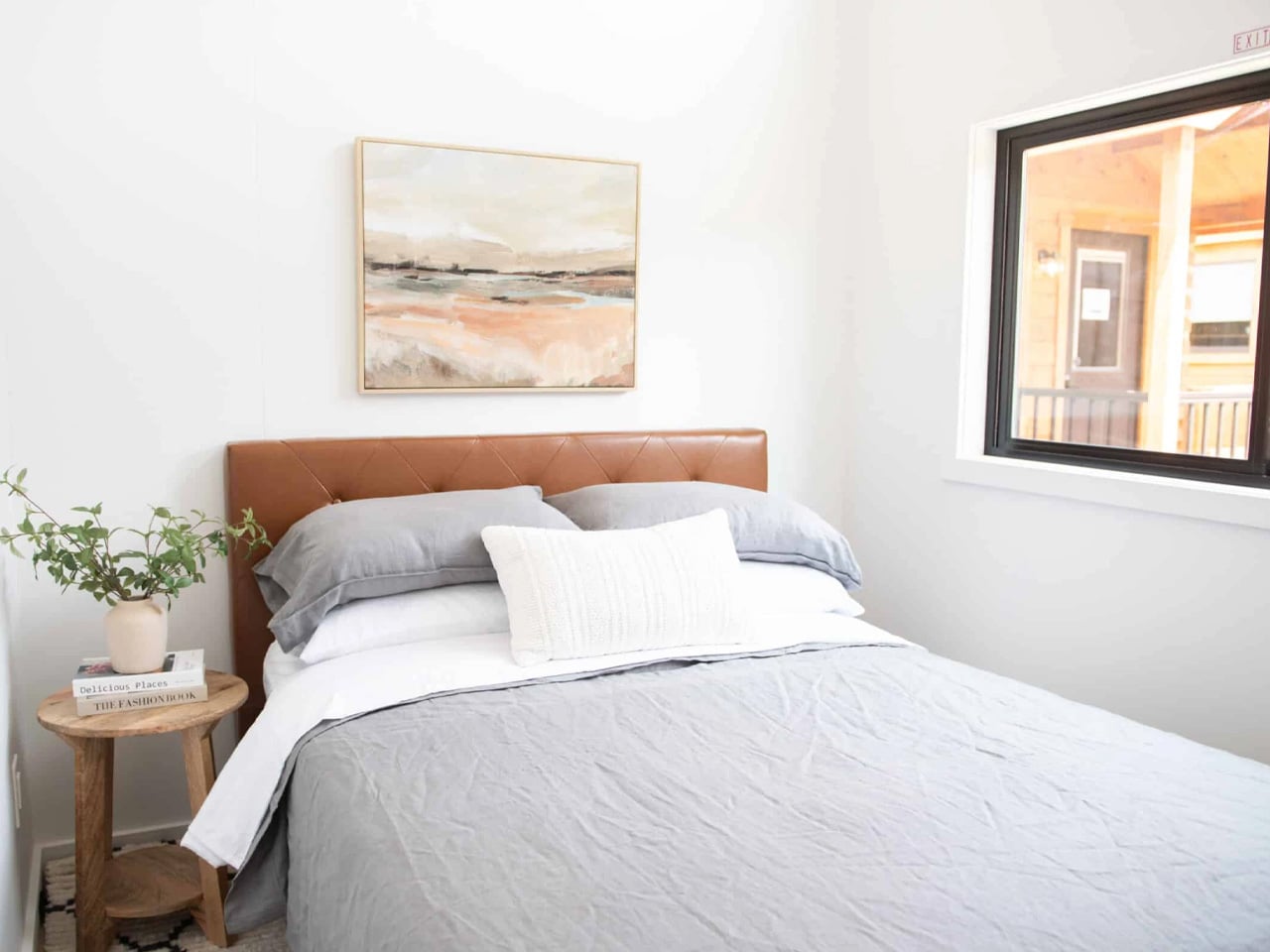
The bedroom takes inspiration from Escape’s Vista model, featuring an elevated double bed that serves dual purposes as both sleeping quarters and a daytime lounging area. Storage units built beneath the raised platform ensure belongings have designated homes, preventing the clutter that can quickly overwhelm tiny spaces. This arrangement recognizes that multipurpose furniture is essential in compact dwellings, where every piece must justify its footprint by serving multiple functions. The elevated position also creates visual interest and helps define separate zones within the open layout.

Vagabond Haven’s design makes no pretense about hosting large gatherings or accommodating families. Instead, it focuses on what it does best: providing a well-appointed sanctuary for couples seeking temporary escape or a sustainable downsizing option. The home delivers on its promise of off-grid capability through carefully integrated systems that work together seamlessly. For those drawn to minimalist living or seeking a low-impact vacation property, this tiny house offers a compelling blueprint that prioritizes quality over quantity.

The post This 23-Foot Tiny House Packs Full Kitchen, Bath, & Solar Power first appeared on Yanko Design.
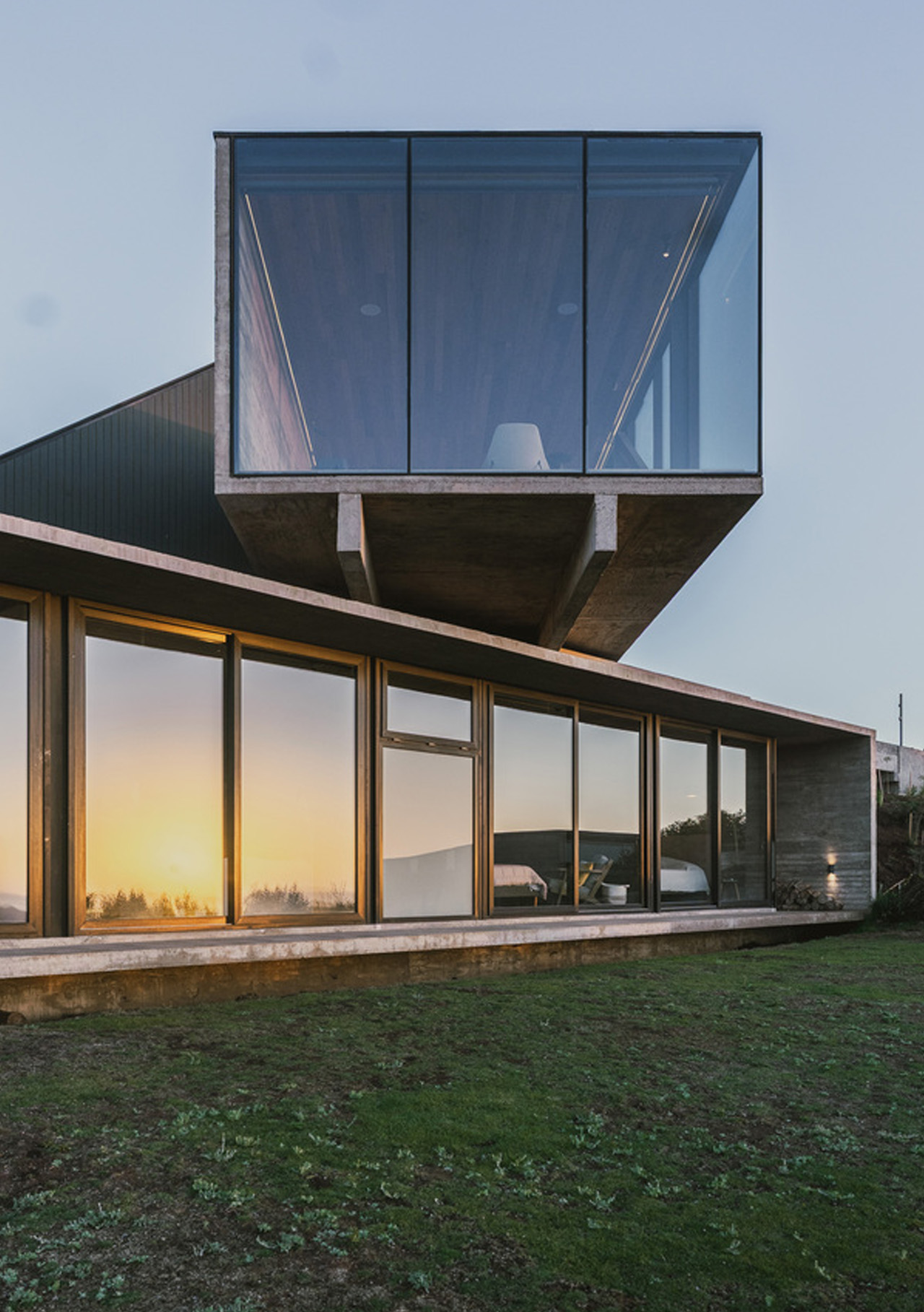
10 Iconic Frank Gehry Buildings That Celebrate The Late “Starchitect’s” Legacy

Frank Gehry’s death will feel like a seismic event, even to people who never learned his name but knew “that crazy silver building” in their city. Born in Toronto in 1929 and raised in Los Angeles, he moved through the twentieth century like a restless experiment in motion, turning cardboard models into titanium-clad landmarks and treating cities as full-scale sketchbooks. His passing closes a chapter in which architecture stopped pretending to be purely rational infrastructure and allowed itself to be emotional, unstable, and sometimes gloriously impractical.

What lingers most is not only the spectacle of his work but the shift in attitude it made possible. Gehry treated architecture as a narrative medium, not a neutral backdrop; every warped surface and improbable curve suggested a story about risk, uncertainty, and delight. He pushed software, fabrication, and engineering to their limits long before “parametric design” became a buzzword, yet he remained suspicious of fashion and theory, insisting that buildings should be humane, tactile, and a bit mischievous. The structures he leaves behind do more than house art, music, or offices; they continue to provoke arguments, civic pride, and sometimes outrage, which may be the clearest sign that they are very much alive.

Gehry’s legacy is also institutional and generational. He helped reframe what a “starchitect” could be: not just a brand attached to luxury clients, but a public figure whose work could catalyze urban reinvention, as Bilbao discovered, or reshape how a city thinks about its cultural core, as Los Angeles learned. Dozens of younger architects cite him less for his specific forms than for his license to be disobedient, to treat the brief as a starting point rather than a boundary. In that sense, his death does not simply mark an ending; it underlines how thoroughly his once-radical sensibility has seeped into the mainstream of contemporary design.

As we return to his most iconic works, what becomes clear is how consistent his obsessions were across wildly different contexts. Light, movement, and the choreography of how a body moves through space preoccupied him as much as façades ever did. In his absence, the buildings remain as articulate as any obituary, each one a frozen fragment of his ongoing argument with gravity, convention, and taste. They stand not as monuments in the solemn sense, but as restless objects that still seem to be in the process of becoming something else.

Guggenheim Museum, Bilbao, Spain

A veritable masterpiece, the Guggenheim Museum in Bilbao redefined the very essence of museum architecture. Clad in shimmering titanium, limestone, and glass, its fluid form and undulating surfaces transformed the post-industrial city of Bilbao into a global cultural hub. Beyond its exterior, the museum offers a labyrinth of interconnected spaces, providing a dynamic environment for art display and contemplation, where visitors are constantly reoriented by shifting scales, vistas, and shafts of light.

The so-called “Bilbao Effect” grew out of this building, turning a risky cultural investment into a template for urban reinvention that countless cities tried to emulate, with varying success. The Guggenheim’s success lies not just in its photogenic skin, but in the way it engages the river, the bridges, and the city’s once-neglected waterfront, stitching art into the daily life of Bilbao. Inside, Gehry’s vast gallery volumes proved unexpectedly flexible, accommodating everything from monumental sculpture to delicate installations, and showing that radical form could coexist with curatorial practicality.

Walt Disney Concert Hall, Los Angeles, USA

Situated in Los Angeles’ cultural corridor, the Walt Disney Concert Hall is an architectural symphony in stainless steel. Its sculptural, sail-like exterior rises from the street as if peeled up from the city grid, catching the famously sharp Southern California light and scattering it in soft, shifting reflections. The building’s complex geometry masks a remarkably clear organization, guiding audiences from the plaza and terraces into the heart of the hall through a sequence of compressed entries and soaring atriums.

Inside, the vineyard-style auditorium, wrapped in warm Douglas fir and oak, embodies Gehry’s close collaboration with acoustician Yasuhisa Toyota and the Los Angeles Philharmonic. The space is both intimate and monumental; the orchestra feels almost surrounded by the audience, and the sound is prized for its clarity and warmth. The organ, with its forest of asymmetrical wooden pipes, doubles as sculpture, echoing the exterior’s exuberance. Disney Hall did more than give Los Angeles a world-class concert venue; it anchored the city’s identity as a serious cultural capital and remains one of the rare buildings where musicians, critics, and everyday concertgoers are equally enthusiastic.

Dancing House, Prague, Czech Republic

In the heart of Prague, a city steeped in historic architectural grandeur, the Dancing House emerges as a contemporary icon. Its deconstructed silhouette, often likened to a dancing couple, stands in deliberate contrast to the neighboring Baroque and Gothic facades, signaling Prague’s evolving architectural narrative. The building’s glass “Fred” leans into the stone “Ginger,” creating a sense of motion that feels almost cinematic against the calm rhythm of the riverfront.

Beyond the playful metaphor, the Dancing House operates as a careful negotiation between old and new. Gehry and co-architect Vlado Milunić threaded the building into its tight urban site, respecting existing cornice lines while fracturing the expected symmetry and order. Offices occupy much of the interior, but the rooftop restaurant and terrace open the building to the public, offering panoramic views that reframe the city’s historic skyline. In a place where modern interventions are often contentious, the Dancing House has gradually shifted from scandal to beloved oddity, proving that contemporary architecture can coexist with, and even refresh, a deeply layered urban fabric.

Fondation Louis Vuitton, Paris, France

Gehry’s Fondation Louis Vuitton is a testament to the confluence of art, architecture, and landscape. Resembling a futuristic ship moored in the Bois de Boulogne, its glass “sails” seem to billow in the wind, catching reflections of trees, sky, and water. Set within the historic Jardin d’Acclimatation, the building plays a game of concealment and revelation; from some angles it appears almost transparent, from others it asserts itself as a crystalline object hovering above the park.

Inside, a series of white, box-like galleries are wrapped by the glass sails and linked through terraces, stairways, and bridges, creating a rich sequence of indoor-outdoor experiences. The museum’s program of contemporary art and performance takes advantage of these varied spaces, from intimate rooms to large, flexible volumes. At night, the Fondation becomes a lantern in the forest, a glowing presence that underscores Gehry’s fascination with light as a building material. It also represents a late-career synthesis for him: digital design and fabrication techniques are pushed to the extreme, yet the result feels surprisingly light, almost improvised, rather than technologically overdetermined.

Binoculars Building, Venice, Los Angeles, USA

Characterized by its monumental binocular facade, this office building exemplifies Gehry’s mischievous side. The structure is a hybrid of architecture and sculpture, with the colossal binoculars, originally a work by Claes Oldenburg and Coosje van Bruggen, serving as the principal entrance. Cars and pedestrians pass through the lenses, turning a familiar object into an inhabitable threshold and gently mocking the solemnity usually associated with corporate architecture.

The rest of the building, composed of irregular volumes clad in rough stucco and brick, plays foil to the central object, creating a streetscape that feels more like an assemblage of found pieces than a single, unified block. Over the years, the building has housed creative offices, including tech tenants, and has become a kind of mascot for the neighborhood’s informal, experimental energy. It demonstrates Gehry’s comfort with pop culture and humor, and his willingness to let another artist’s work literally occupy center stage, reinforcing his belief that architecture can be a generous collaborator rather than a jealous frame.

Lou Ruvo Center for Brain Health, Las Vegas, USA

In a city known for its flamboyant spectacles, the Lou Ruvo Center for Brain Health stands out with its cascading stainless steel forms that seem to melt and twist in the desert sun. The building is split into two distinct parts: a relatively rectilinear clinical wing that houses examination and treatment rooms, and a wildly contorted event hall whose warped grid and skewed windows evoke the tangled pathways of the brain. This juxtaposition turns the complex into a physical metaphor for cognitive disorder and the search for clarity within it.

Beyond its sculptural bravado, the center represents an attempt to bring architectural attention and philanthropic energy to the often invisible struggles of neurological disease and dementia. The event space helps fund the medical and research programs, hosting gatherings that place patients’ stories at the center of civic life. For Gehry, who has spoken publicly about friends and family affected by these conditions, the project had a personal resonance, and it shows in the building’s emotional charge. It is one of the clearest examples of his belief that dramatic form can serve not just commerce or culture, but also care and advocacy.

Neuer Zollhof, Düsseldorf, Germany

Overlooking Düsseldorf’s MedienHafen, the Neuer Zollhof complex showcases Gehry’s skill at composing buildings as a kind of urban sculpture. The trio of towers, each with its own material identity in white plaster, red brick, and shimmering stainless steel, appears to lean and sway, as if the harbor winds had pushed them out of alignment. Their undulating facades break up reflections of sky and water, adding a kinetic quality to what might otherwise be a static office district.

At the ground level, the buildings carve out irregular courtyards and passages that encourage wandering rather than straight-line commuting. This porousness allows the waterfront to feel more public, less like a sealed-off corporate enclave. Over time, Neuer Zollhof has become a visual shorthand for Düsseldorf’s transformation from industrial port to media and design hub, appearing in tourism imagery and local branding. The ensemble illustrates how Gehry could work at the scale of a neighborhood, not just a single object, using repetition and variation to give a district a distinct identity without lapsing into monotony.

Weisman Art Museum, Minneapolis, USA

The Weisman Art Museum at the University of Minnesota is a compact manifesto of Gehry’s interest in reflective surfaces and fractured forms. From the campus side, the building presents a relatively calm brick facade that aligns with neighboring structures, but facing the Mississippi River it explodes into a cascade of stainless steel planes. These facets catch the Midwestern light in constantly changing patterns, so the museum’s appearance shifts dramatically between bright winter mornings and long summer evenings.

Inside, the galleries are more restrained than the exterior might suggest, with white walls and straightforward geometries that accommodate a diverse collection, including American modernism and Native American art. The contrast between the calm interior and the exuberant shell underscores Gehry’s understanding that museums must serve art first, even when they are iconic objects in their own right. For the university and the city, the Weisman has become a landmark visible from bridges and river paths, a reminder that serious academic institutions can also embrace a bit of visual risk.

Vitra Design Museum, Weil am Rhein, Germany

Situated on the Vitra Campus, the Vitra Design Museum is one of Gehry’s earliest European works and a key piece in his evolution toward the more fluid forms of later years. The small building is composed of intersecting white plastered volumes, pitched roofs, and cylindrical elements, all twisted and stacked in a way that feels both familiar and disorienting. It reads like a collage of fragments from traditional architecture, reassembled into a dynamic, almost cubist object.

The museum’s interiors are intimate and idiosyncratic, with sloping ceilings and unexpected vistas that suit exhibitions on furniture, industrial design, and everyday objects. As part of a campus that later attracted buildings by Zaha Hadid, Tadao Ando, and others, Gehry’s museum helped establish Vitra’s reputation as a patron of experimental architecture. The project also marked one of the first major uses of his now-signature white sculptural volumes in Europe, setting the stage for the more complex geometries of Bilbao and beyond while reminding us that his work has always been as much about composition and light as about metallic skins.

8 Spruce Street (Beekman Tower), New York, USA

Rising above Lower Manhattan’s skyline, 8 Spruce Street, often branded as New York by Gehry, demonstrates his ability to bring a sense of movement to the rigid logic of the skyscraper. Its rippling stainless steel facade wraps a conventional concrete frame, creating the illusion of draped fabric caught in a vertical breeze. As daylight moves across the tower, the folds deepen and flatten, giving the building a constantly shifting presence against the more static grid of neighboring high-rises.

Inside, the residential tower combines rental apartments with amenities that were, at the time of its completion, notably generous for downtown living, including schools and community facilities at the base. The project signaled a shift in Lower Manhattan from a primarily financial district to a more mixed, residential neighborhood, and it showed that expressive architecture did not have to be reserved for cultural institutions or luxury condos. By applying his vocabulary to everyday housing, Gehry suggested that the pleasures of complex form and careful detailing could, at least occasionally, reach beyond elite enclaves and into the fabric of ordinary urban life.

The post 10 Iconic Frank Gehry Buildings That Celebrate The Late “Starchitect’s” Legacy first appeared on Yanko Design.
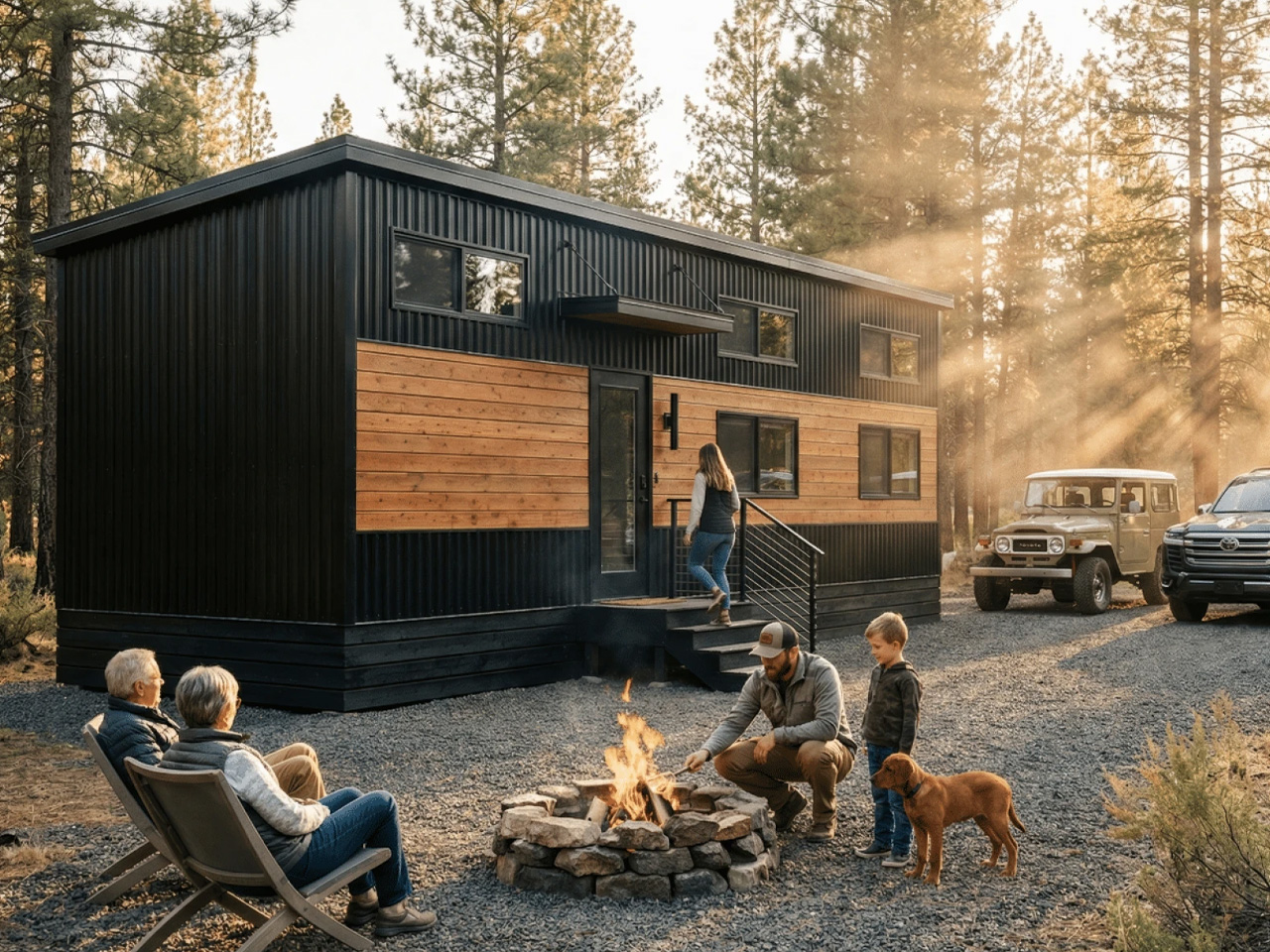
This 1km Saudi Tower Will Be the World’s Tallest Building by August 2028

The world’s most ambitious skyscraper project is finally picking up speed. Saudi Arabia’s JEC Tower, the supertall that’s been in the works for over a decade, has reached floor 69 on its central core. After years of delays and a construction hiatus that had people wondering if it would ever get finished, the project seems to be moving again. Architects AS+GG have reconfirmed an August 2028 completion date, which is specific enough to suggest they’re serious this time.

The tower has gone through a few name changes—it started as Kingdom Tower, became Jeddah Tower, and is now officially the JEC Tower, named after the Jeddah Economic Company. It’s rising in the Saudi port city of Jeddah under Saudi Prince Al Waleed bin Talal Al Saud, and calling it tall doesn’t quite cover it. AS+GG has confirmed the tower will exceed 1 kilometer in height, putting it well above Dubai’s Burj Khalifa. That’s nearly twice the height of One World Trade Center in New York and more than three times taller than London’s Shard. The numbers are almost absurd.

Designer: AS+GG

When it’s done, the JEC Tower will have 59 elevators serving at least 157 floors. Inside, you’ll find the world’s highest observation point, a luxury hotel, office space, and residential units designed for people who can afford to live in a building this expensive. The central core is currently leading the way up, with the flanking wings about five floors behind. Construction crews are working steadily to keep the pace going, and the building is already changing Jeddah’s skyline even in its unfinished state.

The construction numbers show real progress. Work picked back up in January after sitting idle for years, but things have accelerated noticeably in recent months. About 50% of the concrete has been poured, which matters when you’re talking about a project this size. AS+GG released photos from November showing how far they’ve come, and you don’t put out progress shots unless you’re confident about where things are headed. Narrowing the completion date down to a specific month—August 2028—suggests they’re working from actual timelines now instead of hopeful guesses.

The project’s troubled history makes the current momentum worth noting. There were legitimate questions about whether this would ever happen, so seeing it past floor 69 is significant. Pinning down August 2028 as the completion date is bold, considering that’s only four years away and they’re building something that’s never been done at this scale. The engineering challenges get harder as you go higher, particularly when you’re dealing with wind loads and structural concerns at these heights. But with half the concrete poured and construction visibly moving, it’s starting to look real.

The next year will show whether they can maintain this pace. AS+GG says major updates are coming as construction continues climbing. By this time next year, we’ll know if August 2028 is realistic or overly optimistic. The tower is already dominating the skyline in its incomplete form. Whether it finishes on schedule or takes longer, Jeddah is getting its kilometer-tall landmark one way or another. The question is just when.

The post This 1km Saudi Tower Will Be the World’s Tallest Building by August 2028 first appeared on Yanko Design.
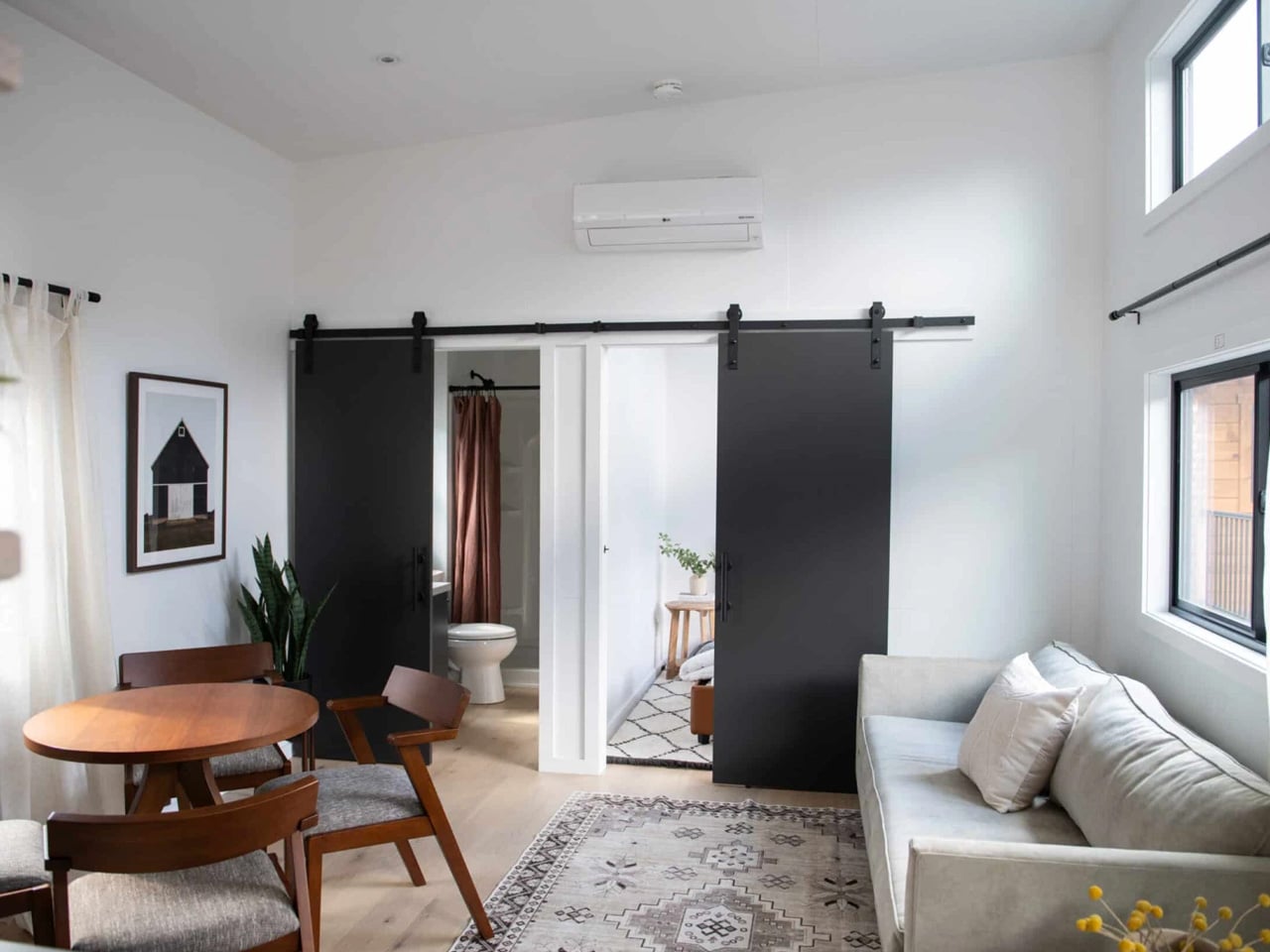
This Bright Green Fountain Just Made London’s New District Unmissable

There’s something delightfully unexpected about stumbling upon a fountain that looks like it might start dancing at any moment. That’s exactly what design studio Neon has created for Brent Cross Town in London, and honestly, it’s the kind of public art that makes you stop scrolling through your phone and actually look up.

The Fountain isn’t your grandmother’s classical water feature with cherubs and symmetrical tiers. Instead, imagine a stack of bright green sculptural plates that seem to defy gravity and good manners. They’re asymmetrical, angular, and unapologetically bold. It’s like someone took the idea of what a fountain should be, tossed it in the air, and let it land however it wanted.

Designer: Neon

What makes this installation particularly clever is how it plays with our expectations. We’re so conditioned to see fountains as these elegant, balanced structures centered in plazas and parks. But Neon flipped that script entirely. The green isn’t a subtle sage or muted mint. It’s vibrant, almost electric, demanding attention in the best possible way. It’s the color of highlighters and neon signs, which feels perfectly appropriate for a studio literally named Neon.

The sculptural plates themselves look like they’re caught mid-motion, as if they’re perpetually tumbling through space but somehow frozen at the perfect moment. There’s a playfulness to the design that feels refreshing in the world of public installations, where things can sometimes skew too serious or too safe. This piece doesn’t apologize for taking up space or being seen. It wants to be noticed, and it succeeds.

Located in Brent Cross Town, the fountain sits in a developing area of London that’s been transforming from a shopping center hub into a mixed-use neighborhood. Public art like this becomes crucial in those transitional spaces. It gives people something to gather around, something to use as a meeting point, and most importantly, something that adds character and identity to a place still finding its voice.

What’s particularly interesting about The Fountain is how it bridges multiple design philosophies. There’s definitely a contemporary art sensibility with the abstract forms and bold color choice. But there’s also a functional design element since it’s still, at its core, a working fountain. Water presumably flows through or around these sculptural elements, adding movement and sound to the visual spectacle. That combination of form and function, especially when executed this dramatically, is what separates memorable public installations from forgettable ones.

Neon, the studio behind this work, has built a reputation for creating experiential designs that engage people in unexpected ways. They’re not interested in background pieces that politely fade into their surroundings. Their portfolio demonstrates a consistent commitment to work that provokes reaction, whether that’s delight, curiosity, or even a bit of bewilderment. The Fountain fits perfectly into that philosophy.

There’s also something to be said about using such a saturated color in a public space. Green is often associated with nature, growth, and renewal, but this particular shade pushes past those gentle associations into something more energetic and urban. It’s a green that belongs to street art and graphic design rather than pastoral landscapes. That choice feels intentional for a location that’s urban and forward-looking.

The asymmetry deserves special attention too. In an era where Instagram-perfect symmetry dominates so much of our visual culture, there’s something rebellious about embracing imbalance. The plates appear to stack and tilt at odd angles, creating different silhouettes depending on where you’re standing. That means the fountain isn’t just one experience but multiple ones, changing as you move around it.

Public art should do more than just occupy space. It should create conversation, add joy, and give people a reason to engage with their environment differently. The Fountain manages all three. It’s weird enough to be memorable but accessible enough that you don’t need an art degree to appreciate it. You just need to be willing to accept that fountains can be bright green, delightfully lopsided, and a little bit rebellious. And honestly, couldn’t we all use a bit more of that energy in our public spaces?

The post This Bright Green Fountain Just Made London’s New District Unmissable first appeared on Yanko Design.
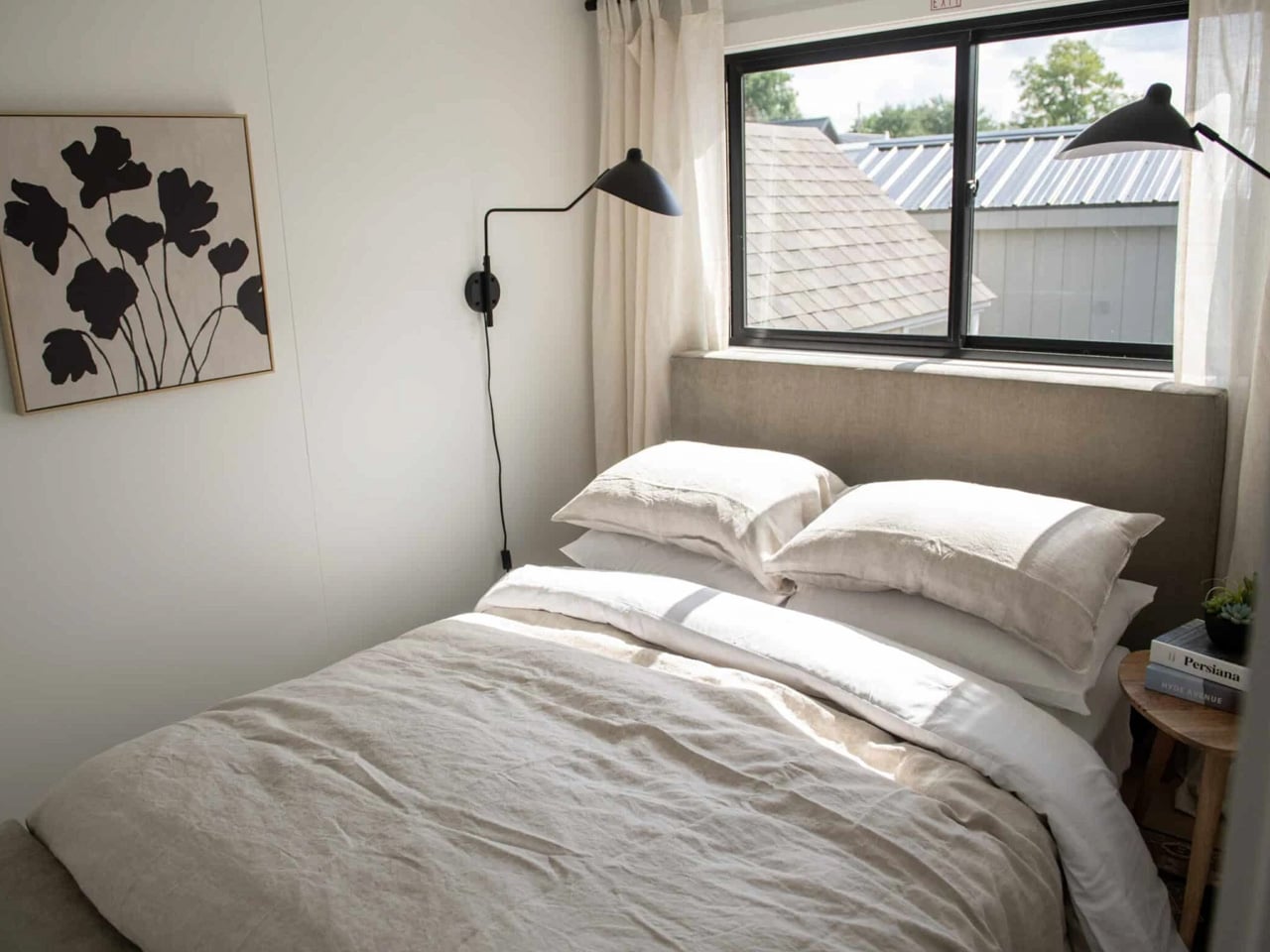
This Amazon Rainforest Pavilion Uses Bamboo and Biomimicry to Reconnect Humans With Nature

As technology accelerates and daily life becomes increasingly disconnected from the natural environment, the Amazon Immersion Pavilion offers a quiet counterpoint grounded in presence, atmosphere, and ecological respect. Conceived as a conceptual project for Iquitos, Peru, the pavilion proposes a gentle architectural intervention that allows visitors to experience the rainforest through sound, texture, light, and movement. It approaches the Amazon as a living partner rather than a backdrop, inviting visitors to rediscover a relationship with nature through deliberate sensory engagement.

The pavilion centers on the idea that architecture can heighten awareness when it blends into the rhythms of a landscape. The design seeks to create a space that listens to the environment and responds through form, materiality, and environmental intelligence.

Designer: Nathalia Cristina de Souza Vilela Telis

The project began with a desire to create deeper dialogue between humans and the forest. The Amazon provides constant motion and sound, and the design team wanted a structure that would reveal these qualities rather than compete with them. The result is an organically composed pavilion shaped by biomimicry, sustainable material thinking, and an understanding of local ecosystems. Bamboo was selected as the primary material because it is strong, flexible, and deeply rooted in regional construction traditions. Its use affirms the project’s commitment to low-impact building and ecological responsibility.

The sensory experience is structured as a gradual unfolding across two levels; the first floor establishes a calm and introspective atmosphere. The circular base, measuring 31,500 mm in diameter, creates a grounded platform for the structure. A partially enclosed volume captures natural light from an overhead opening, allowing soft illumination to guide the visitor. Water flows gently along the walls, creating a rhythmic soundscape similar to a small waterfall. Lush plantings soften the edges of the space, allowing architecture and vegetation to blend into one continuous environment. Humidity, aroma, and sound work together to create a cocoon-like experience.

As visitors move upward to the second floor, the atmosphere changes. The space opens outward and offers a wide view of the Amazon River as it stretches toward the horizon. The architecture recedes to make room for the scale of the landscape. The main body, with a diameter of 17,000 mm and a height of 14,000 mm, supports natural ventilation and introduces a sense of elevation within the forest canopy. The contrast between enclosure and openness creates a clear emotional arc: grounding, expansion, and renewed connection.

Sustainability shapes every design decision. The pavilion uses a biomimetic approach informed by natural growth patterns and the fluid movement of the river. Bamboo construction reduces environmental disruption and reflects local building culture. Passive ventilation works with the natural breezes of the rainforest, while carefully directed natural light reduces reliance on artificial systems. Low-impact assembly techniques help protect the forest floor and the delicate ecosystems surrounding the site. Together, these strategies allow the pavilion to behave like a companion to the landscape, quietly aligning itself with the rhythms of the forest.

The project draws from research on environmental design, indigenous construction knowledge, sensory behavior, and Amazonian ecology. The methodology included a bibliographic study, environmental impact evaluation, and an examination of the social context surrounding Iquitos. The goal was to create an architectural experience that supports ecological understanding and deepens a sense of environmental awareness.

Although the pavilion remains fictional, the design process revealed the challenges of creating architecture for remote natural settings. The limits of bamboo in large spans, the logistics of transporting sustainable materials, and the need for construction methods that respect ecological cycles were key considerations. Crafting an immersive sensory environment within such constraints required careful problem-solving and adaptation.

The post This Amazon Rainforest Pavilion Uses Bamboo and Biomimicry to Reconnect Humans With Nature first appeared on Yanko Design.
This Dutch A-Frame Shares Its Space With Bats, Birds, and Nature

There’s something quietly radical about a house that invites wildlife to move in when its owners move out. In the forest park near the Herperduin nature reserve in the Netherlands, a 1984 A-frame holiday home has been transformed into something more than just a weekend escape. It’s become a shared space between humans and the natural world, and the design reflects that unusual partnership.

Kumiki Architecture took on the challenge of extending and renovating this classic triangular structure, working closely with the family who owns it and an ecologist to create what they call a “biobased holiday house.” The result is a fascinating case study in how architecture can do more than just minimize its environmental impact. It can actively contribute to the ecosystem around it.

Designer: Kumiki Architects

The original A-frame, with its steeply pitched roof and cozy woodland vibe, had all the charm of 1980s vacation architecture. But it needed more space for a young family looking to escape city life and reconnect with nature on weekends. Rather than fighting against the distinctive character of the original structure, Kumiki’s design team embraced it. The extension follows the same A-frame logic, repeating the rhythm of those dramatic triangular forms across two stories. But here’s where it gets interesting: the new roof is cut diagonally, creating a contemporary twist on the traditional design that makes the house feel both familiar and fresh.

The diagonal cut isn’t just a visual flourish. It demonstrates how architects can honor the past while moving forward, respecting the language of the original building while speaking in a slightly different accent. The renewed roof received insulation made from wood fiber and new roofing tiles, updating the structure for modern energy efficiency without abandoning its fundamental character.

What really sets this project apart, though, is the integrated ecological plan developed in collaboration with an ecologist. This isn’t greenwashing or a token gesture toward sustainability. The guiding principle for the entire project was “sharing the house with nature,” and Kumiki took that literally. Nesting boxes are built directly into the eaves. A “bat hotel” (yes, really) is incorporated into the facade. When the family heads back to the city, birds, bats, and other forest creatures essentially take over the property. The house becomes part of the habitat rather than an intrusion into it.

For the family’s children, this creates an unexpected educational opportunity. Living alongside these creatures, even temporarily, teaches them about forest biodiversity in a way no textbook or nature documentary could match. It’s hands-on environmental education built directly into the architecture of their vacation home. This approach reflects a broader shift happening in contemporary architecture, where the goal isn’t just to reduce harm but to create buildings that actively support the ecosystems they inhabit. The construction timeline stretched from 2022 to 2025, with main structural elements built from wood, reinforcing the project’s commitment to natural, sustainable materials.

The location itself is spectacular. Surrounded by heathlands, ponds, and sand drifts near the nature reserve, the house sits in a landscape that feels worlds away from urban life. It’s exactly the kind of place where you’d want to disconnect from screens and reconnect with the slower rhythms of the natural world. The architecture acknowledges this context by creating a building that doesn’t just observe nature from behind glass but participates in it.

Kumiki Architecture, based in Amsterdam, has been developing innovative building techniques that aim for net-positive effects on landscapes rather than simply neutral ones. This Herperduin project showcases that philosophy in action. It proves you don’t need to choose between human comfort and environmental responsibility, between contemporary design and respect for architectural heritage.

The diagonal A-frame extension manages to be multiple things at once: a family retreat, a wildlife habitat, a teaching tool, and a thoughtful piece of contemporary architecture. It’s a reminder that the best design solutions often come from asking different questions. Not “how do we minimize our impact?” but “how can we share this space?” Not “how do we preserve the old building?” but “how do we continue its conversation?” In an era of climate anxiety and environmental crisis, projects like this offer something genuinely hopeful. They suggest that living alongside nature, rather than separate from it, isn’t just possible but can actually enhance both human life and biodiversity. And that’s a vision of the future worth building toward.

The post This Dutch A-Frame Shares Its Space With Bats, Birds, and Nature first appeared on Yanko Design.
This 3D-Scanned Wooden Shelter Blends Into the Alps and Powers Itself Off the Grid

CRA–Carlo Ratti Associati, in collaboration with Salone del Mobile.Milano, has revealed a striking new architectural experiment for the 2026 Milano Cortina Winter Olympics, a digitally fabricated, self-sufficient wooden bivouac that blurs the boundaries between natural terrain and human ingenuity. What begins as a temporary urban pavilion in Milan will later embark on a second life high above the clouds, airlifted by helicopter to the Italian Alps, where it will stand as a permanent mountain refuge for adventurers and climbers.

The pavilion’s design is guided by the philosophy of harmonizing with the landscape rather than dominating it. The process started with a 3D scan of Alpine rock formations, capturing their raw geometry to inform the pavilion’s organic structure. Every angle, curve, and edge of the shelter echoes the crystalline formations of the surrounding peaks. The result is a sculptural wooden structure that appears to have grown from the rock itself, modern technology molded by nature’s blueprint.

Designer: CRA–Carlo Ratti Associati and Salone del Mobile.Milano

Built primarily from cross-laminated timber (CLT), enhanced with aerogel insulation and metal reinforcements, the pavilion merges craftsmanship with digital precision. It integrates a 5 kW photovoltaic system for renewable power generation and an energy storage system that enables off-grid operation. Complementing its energy independence, an air condensation mechanism extracts humidity from the atmosphere, generating fresh drinking water each day. Together, these features make the structure entirely self-reliant, capable of supporting life in remote alpine conditions.

The design also breaks from the conventional visual language of mountain shelters. Rather than adopting high-visibility colors that disrupt the natural setting, CRA’s bivouac is designed to blend seamlessly with its environment. The wooden surfaces are left exposed, weathering naturally over time to mirror the tones of the landscape. A subtle red light beacon activates only in fog or low-light conditions, ensuring safety while preserving the bivouac’s minimal visual footprint. Inside, a panoramic glass wall frames sweeping Alpine views, transforming the compact interior into a tranquil observatory for reflection and rest amid nature’s grandeur.

Beyond its architectural form, the bivouac embodies circular design thinking, a structure that adapts, relocates, and endures. Its ability to function both as an urban pavilion and a high-altitude shelter showcases a flexible design model that can evolve across contexts without waste or redundancy.

This innovative pavilion joins CRA’s broader contributions to Milano Cortina 2026, which include the Olympic torch design, reflecting the same minimalist ethos and focus on elemental beauty. The 2026 Winter Olympics, running from February 6 to 22, will mark the most geographically diverse Games in history, spanning multiple cities, regions, and provinces while relying heavily on existing and repurposed infrastructure.

CRA–Carlo Ratti Associati’s bivouac stands as a symbol of architecture’s evolving dialogue with nature, a structure that not only shelters but also breathes, harvests, and adapts. In a world seeking balance between innovation and environment, it represents a poetic fusion of technology, sustainability, and Alpine serenity, where architecture doesn’t conquer the landscape but becomes part of it.

The post This 3D-Scanned Wooden Shelter Blends Into the Alps and Powers Itself Off the Grid first appeared on Yanko Design.
Fire-Proof & Forest-Focused: A Holiday Home That Embraces The Australian Bush

High in the canopy of a eucalyptus forest in New South Wales, a holiday home sits perched like an eagle’s nest, looking out over the landscape with quiet confidence. Amongst the Eucalypts, designed by Jason Gibney Design Workshop, reimagines what it means to live within fire-prone Australian bushland, creating a space that embraces nature while respecting its volatile temperament. The clients came to JGDW with a vision that might seem contradictory: they wanted both refuge and connection, a home that could evoke the immersive experience of camping in nature’s vastness while offering protection from its extremes. They sought a place where family and friends could gather communally yet still find moments of solitude within nature’s embrace.

The architectural response is a study in balance. Set high behind the tree line on a steeply sloped site, the house grounds itself along the hill’s natural contour. Its split form creates intimate, private moments while maintaining what the NSW Architecture Awards jury described as “a quiet dialogue between space and landscape beyond.” This isn’t a home that dominates its setting or shrinks from it. Instead, it unfolds to meet the upper realm of the forest, positioning itself as both observer and participant in the landscape.

Designer: Jason Gibney Design Workshop

Material choices reflect the reality of building in bushfire country. The palette is deliberately raw and robust: plywood, lightweight cladding, and metal sit comfortably within the remote setting, offering low maintenance and crucial protection from fire. These aren’t just practical selections. They’re materials that age gracefully in the elements, developing character rather than requiring constant intervention.
What sets this project apart is its embrace of impermanence. The operable facade allows the home to open and close to the elements, transforming its relationship with the outdoors. Outdoor washrooms and a loose-fit interior reinforce this camping-inspired approach, where the boundaries between inside and outside become negotiable rather than fixed. The architecture suggests a way of living that’s more adaptable, more responsive to seasonal changes and the rhythms of nature.
Built by Midcoast Construction on Worimi land, the home earned a Commendation for Residential Architecture at the 2025 NSW Architecture Awards and recognition in the Sustainable Architecture category at the National Architecture Awards Program. The jury commended the design team for creating a home that addresses the pressing question of how to build responsibly in fire-prone landscapes. Photography by Justin Alexander captures the home’s unique position, revealing how it sits suspended among the eucalypts, neither floating above nor buried within the forest but existing in comfortable coexistence with it.

As climate change intensifies fire seasons across Australia, projects like Amongst the Eucalypts offer more than aesthetic pleasure. They demonstrate that building in bushland doesn’t require choosing between connection to nature and protection from it. The home stands as evidence that thoughtful design can create spaces of genuine sanctuary and contemplation, places where engaging with the landscape occurs with the solace of protection from the extremes.

The post Fire-Proof & Forest-Focused: A Holiday Home That Embraces The Australian Bush first appeared on Yanko Design.