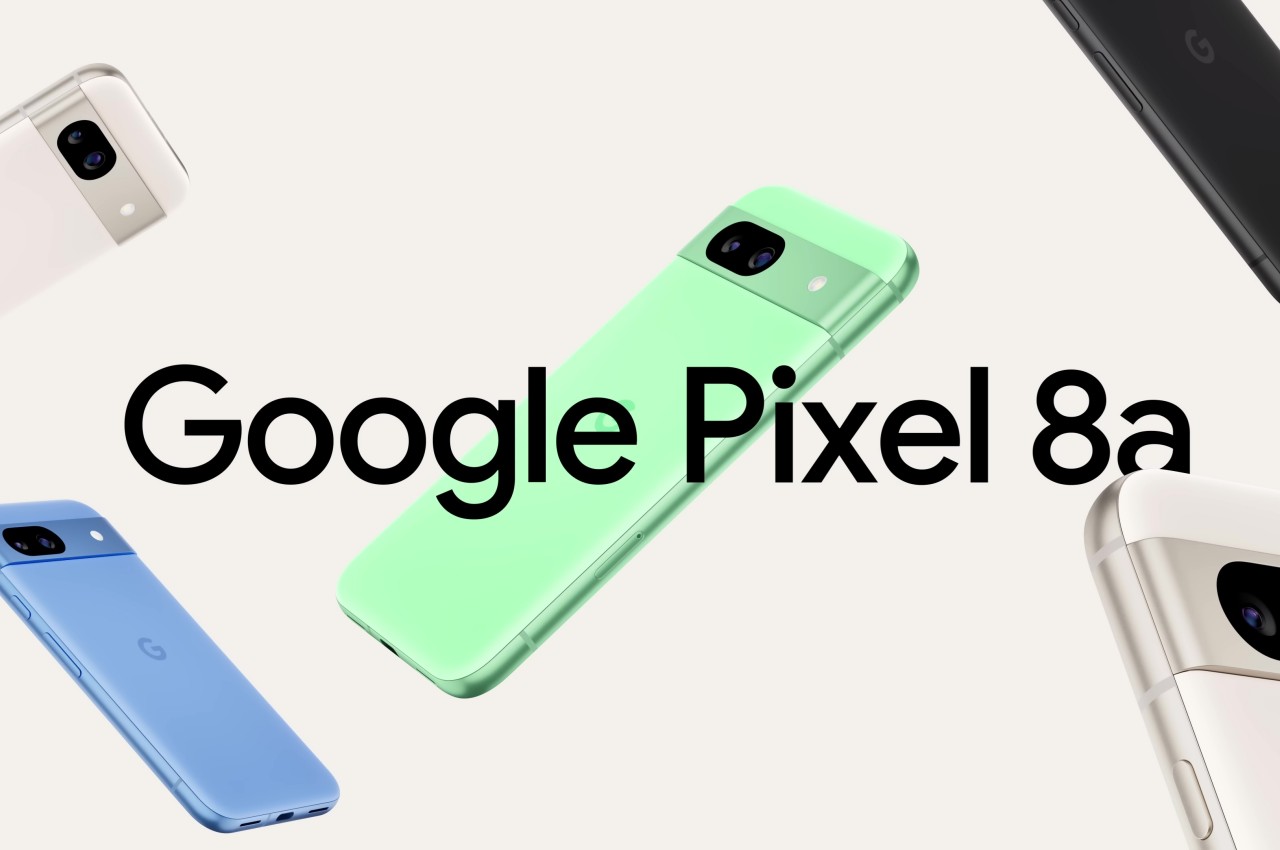
Even before AI and machine learning became buzzwords, Google was already utilizing these technologies behind the scenes to power services like Search and Google Assistant. In line with recent trends, however, it has started applying and advertising AI for anything and everything, especially for its Pixel devices. AI features, however, are normally accessed through online services, which incurs security and privacy issues, or on the device itself, which requires powerful hardware that’s often available only on more expensive flagships. That’s the kind of situation that the new Google Pixel 8a is trying to change, offering a more accessible device to access Google’s AI-powered features and services for years on end.
Designer: Google
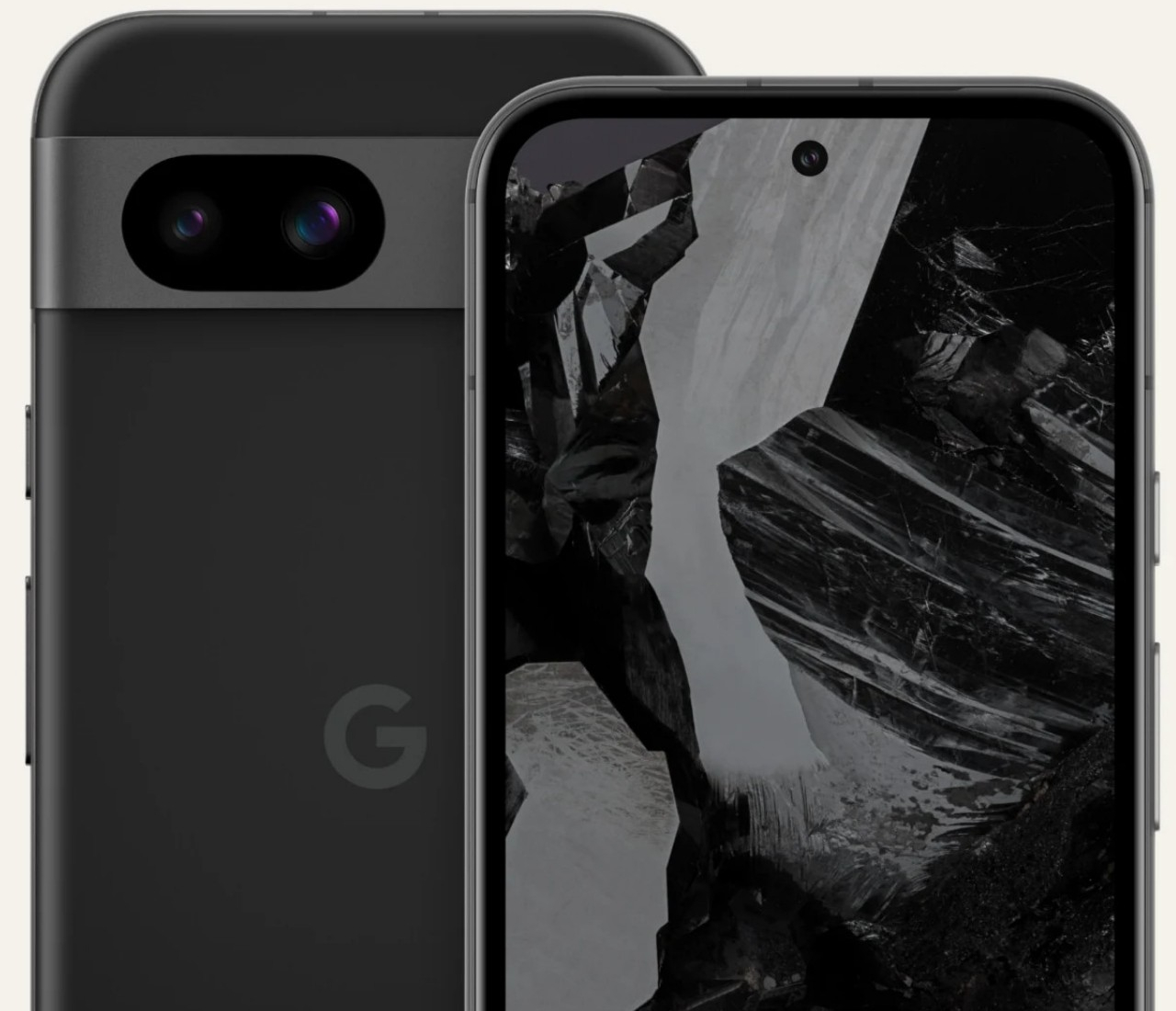
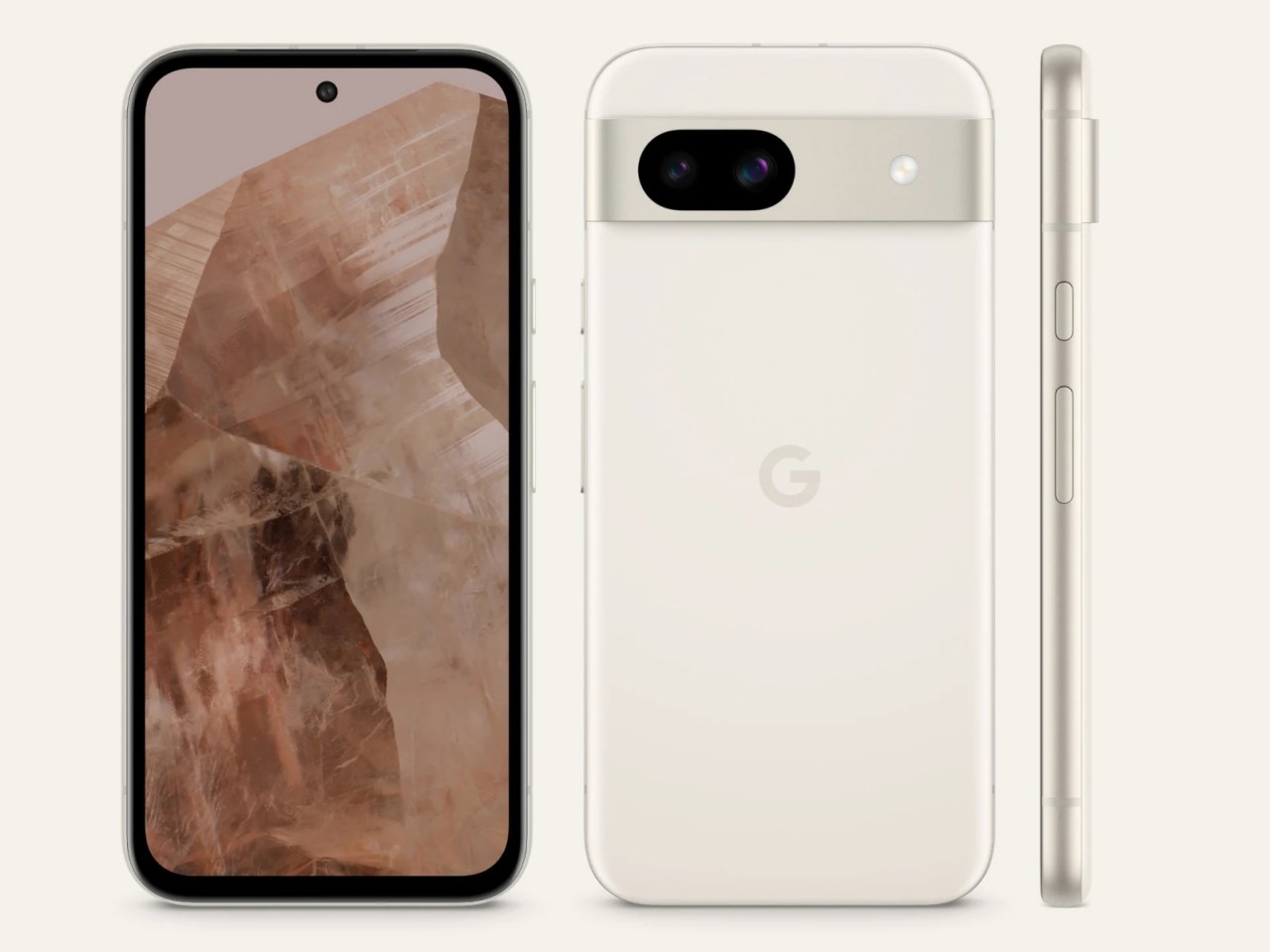
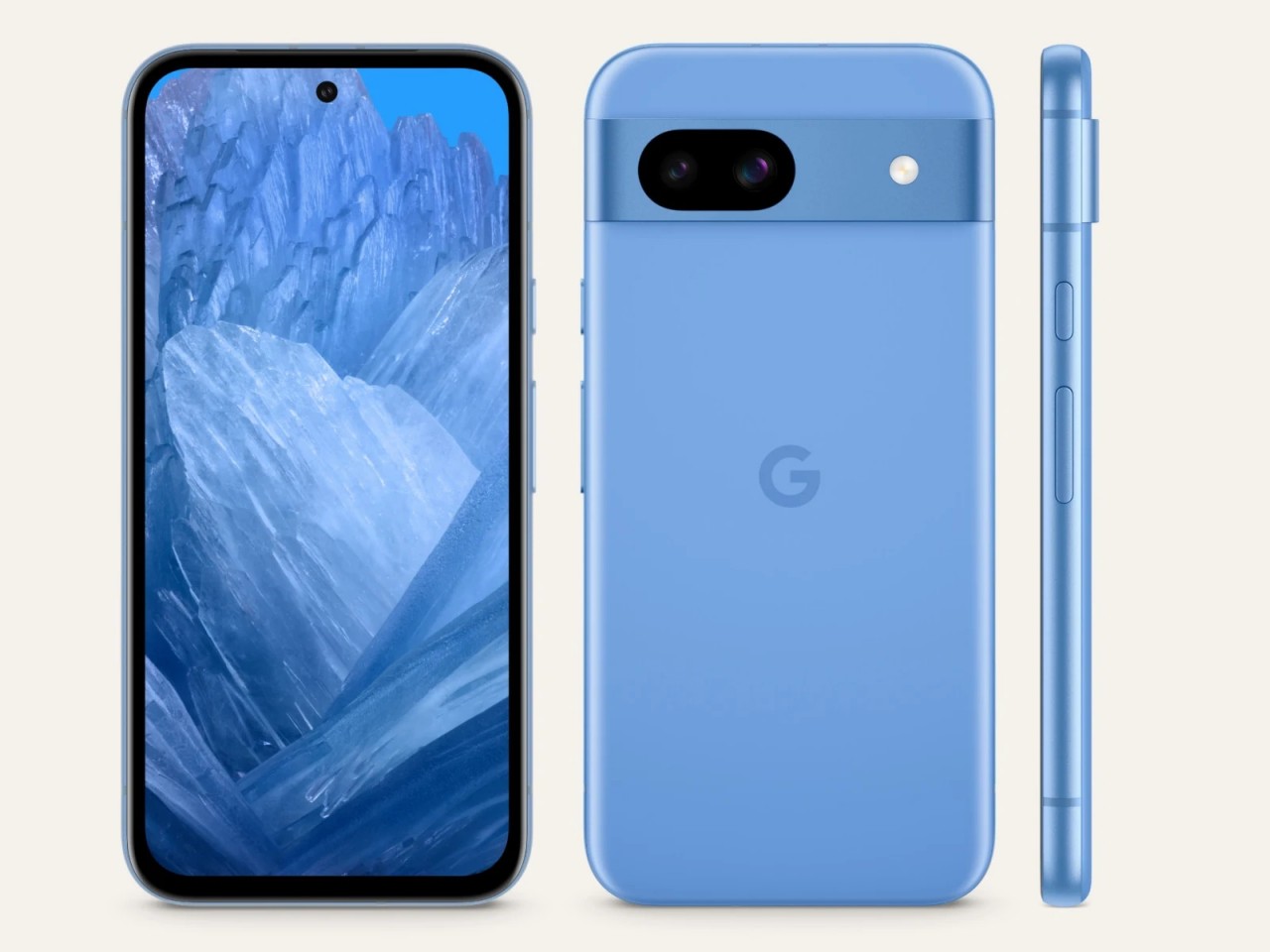
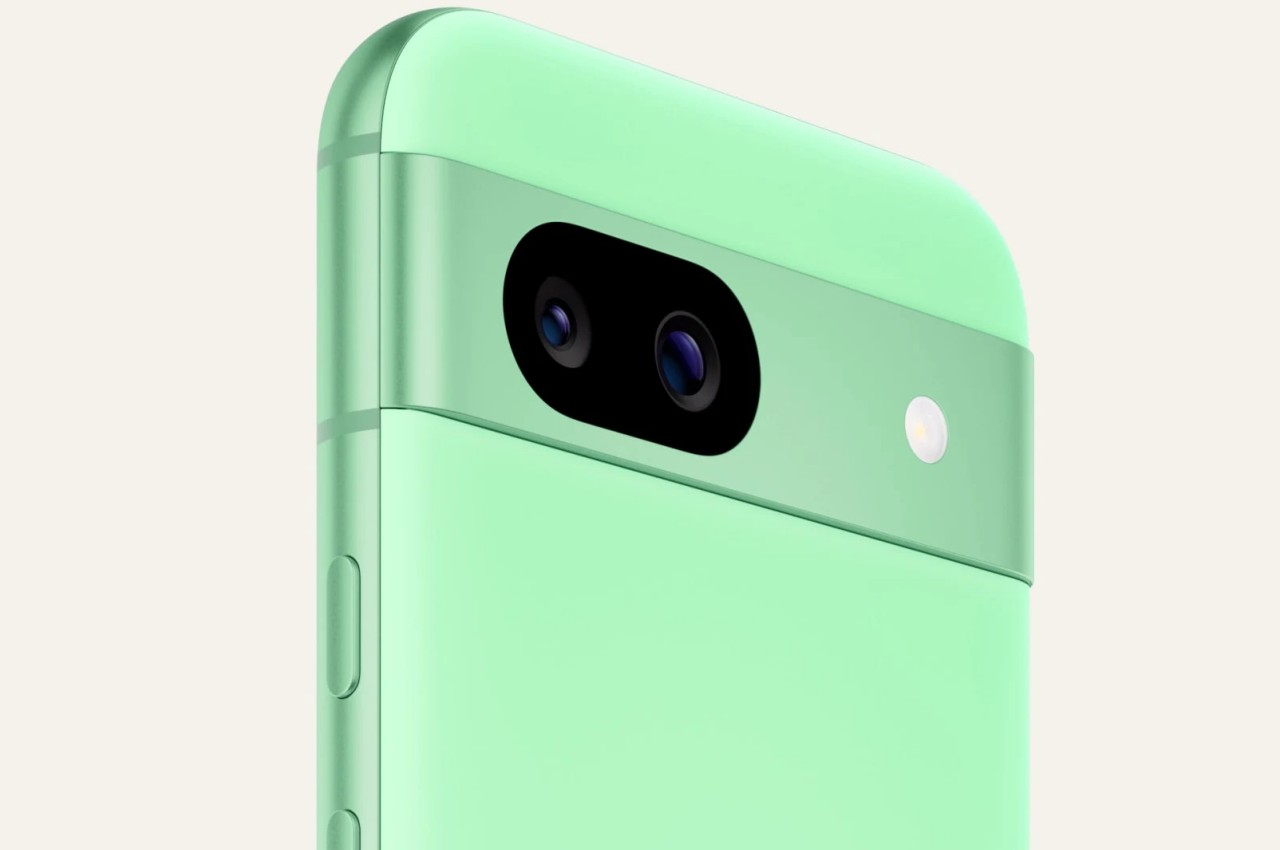
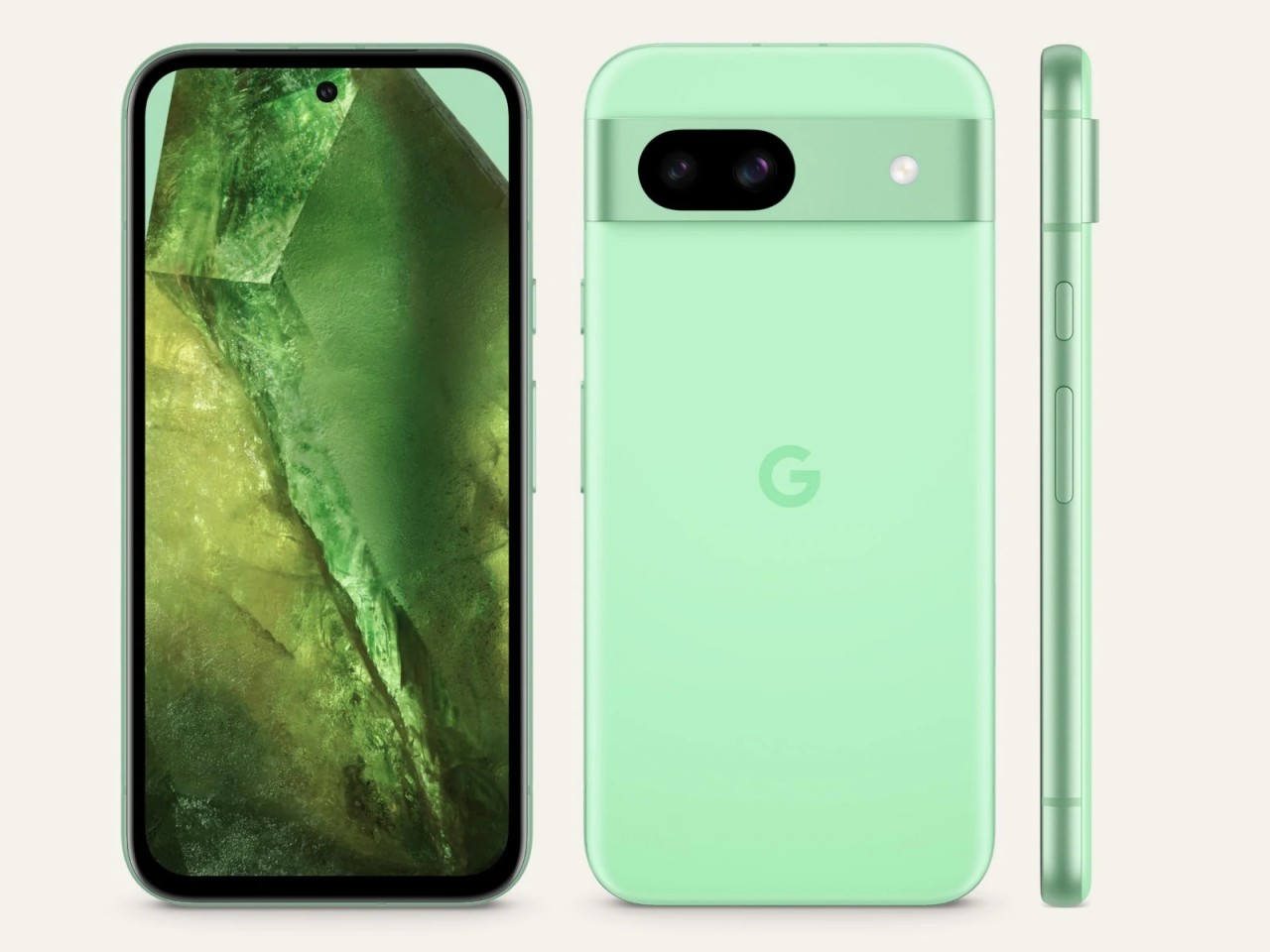
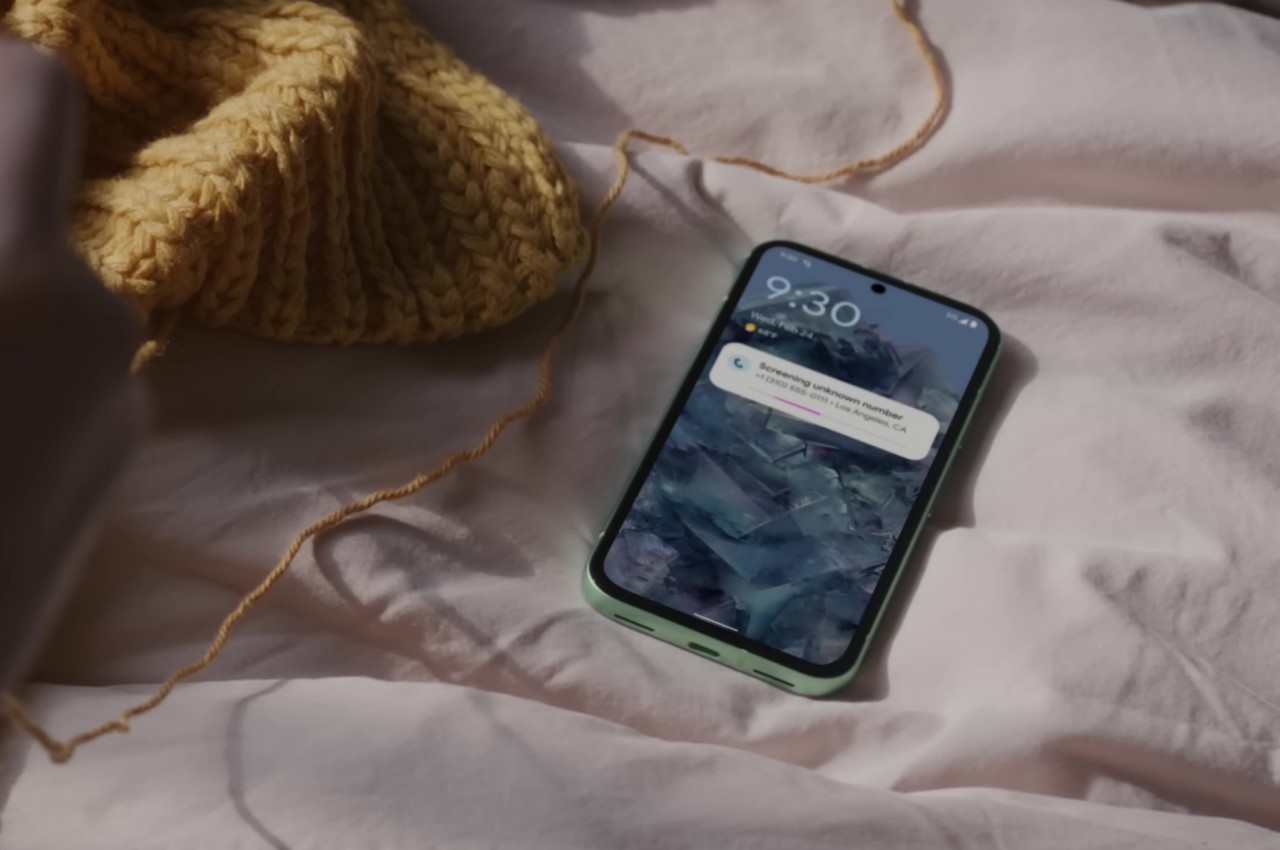
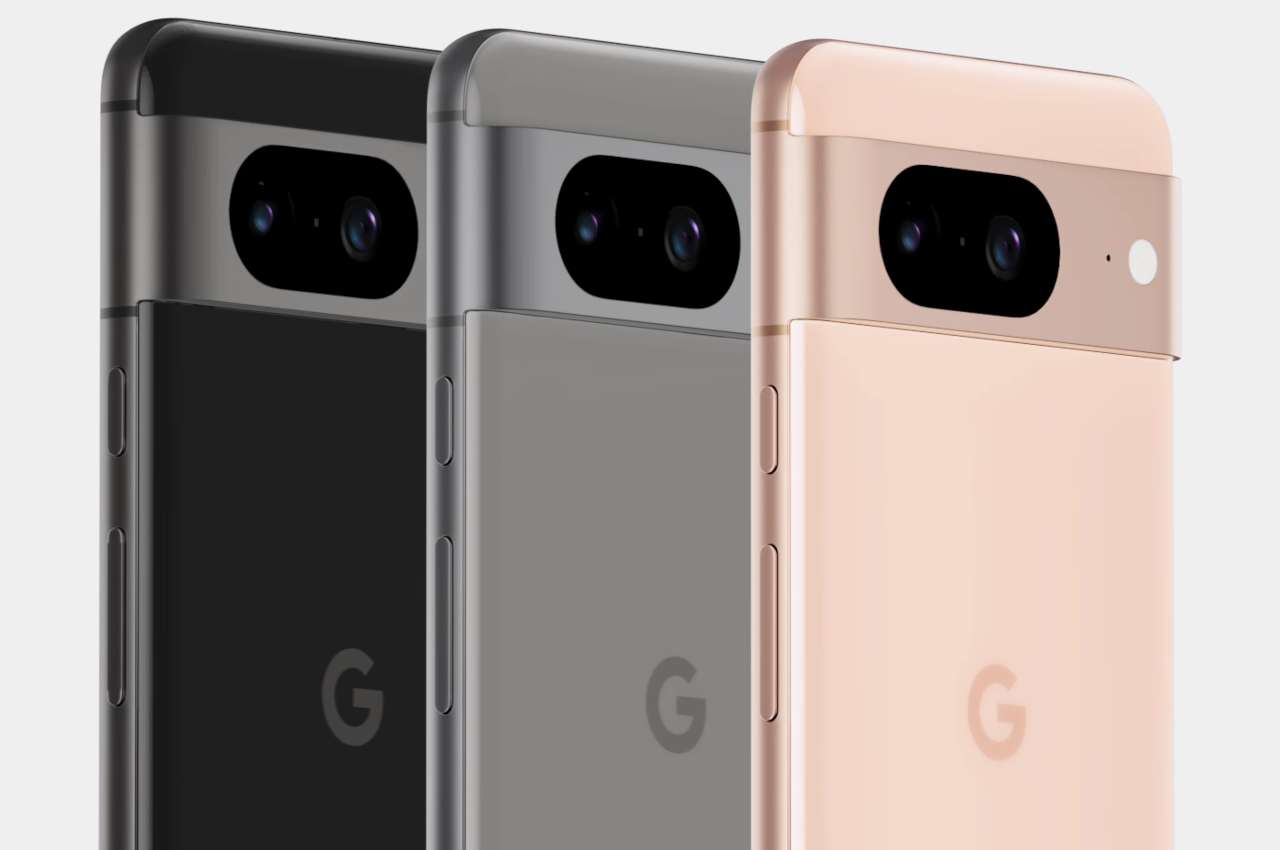
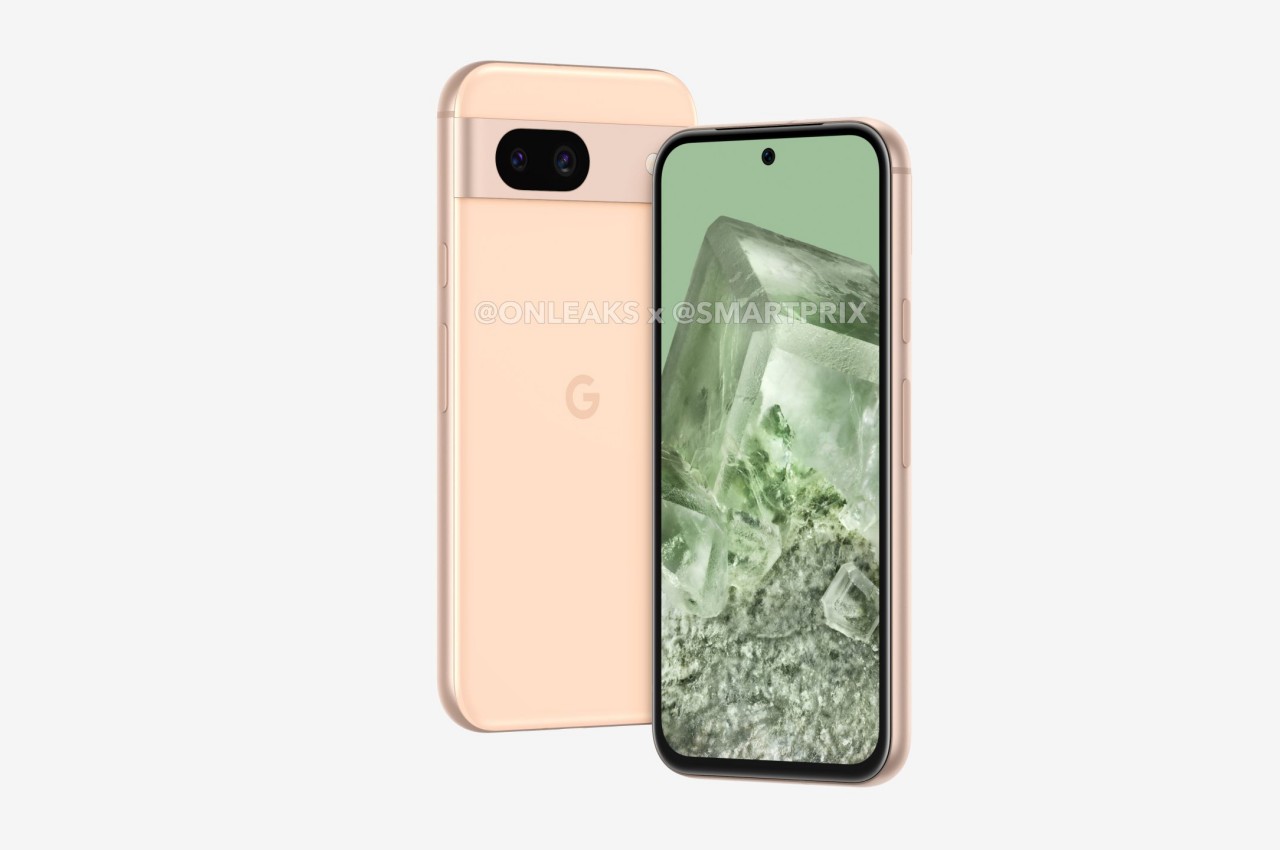
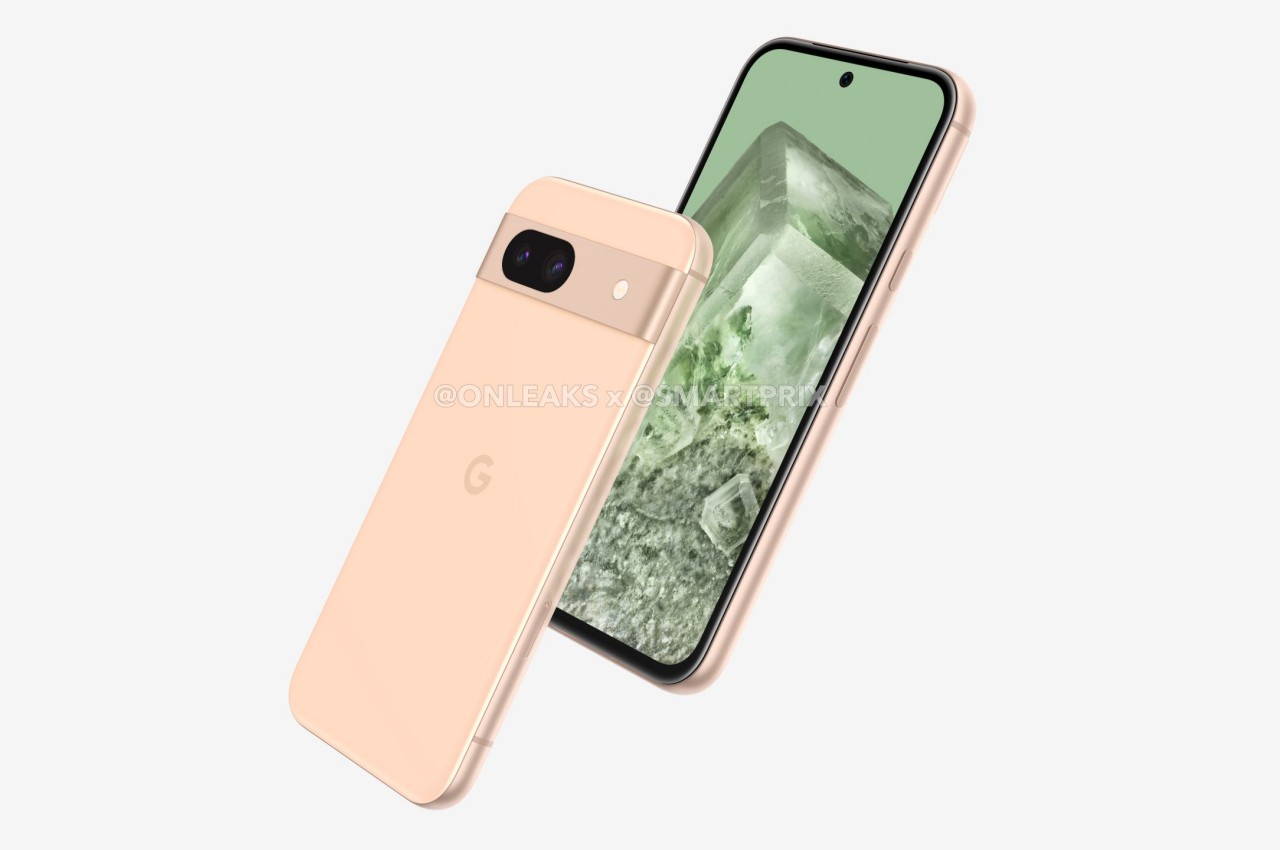
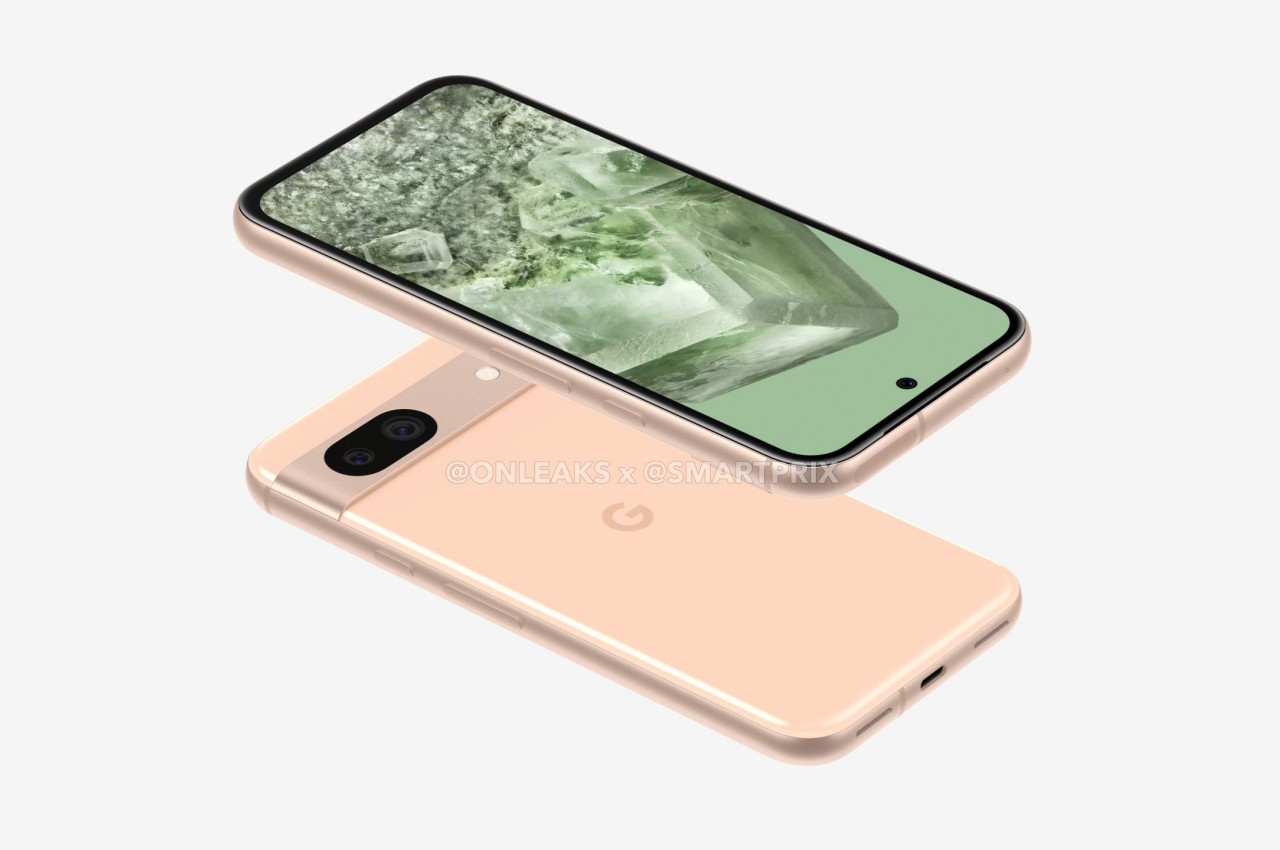
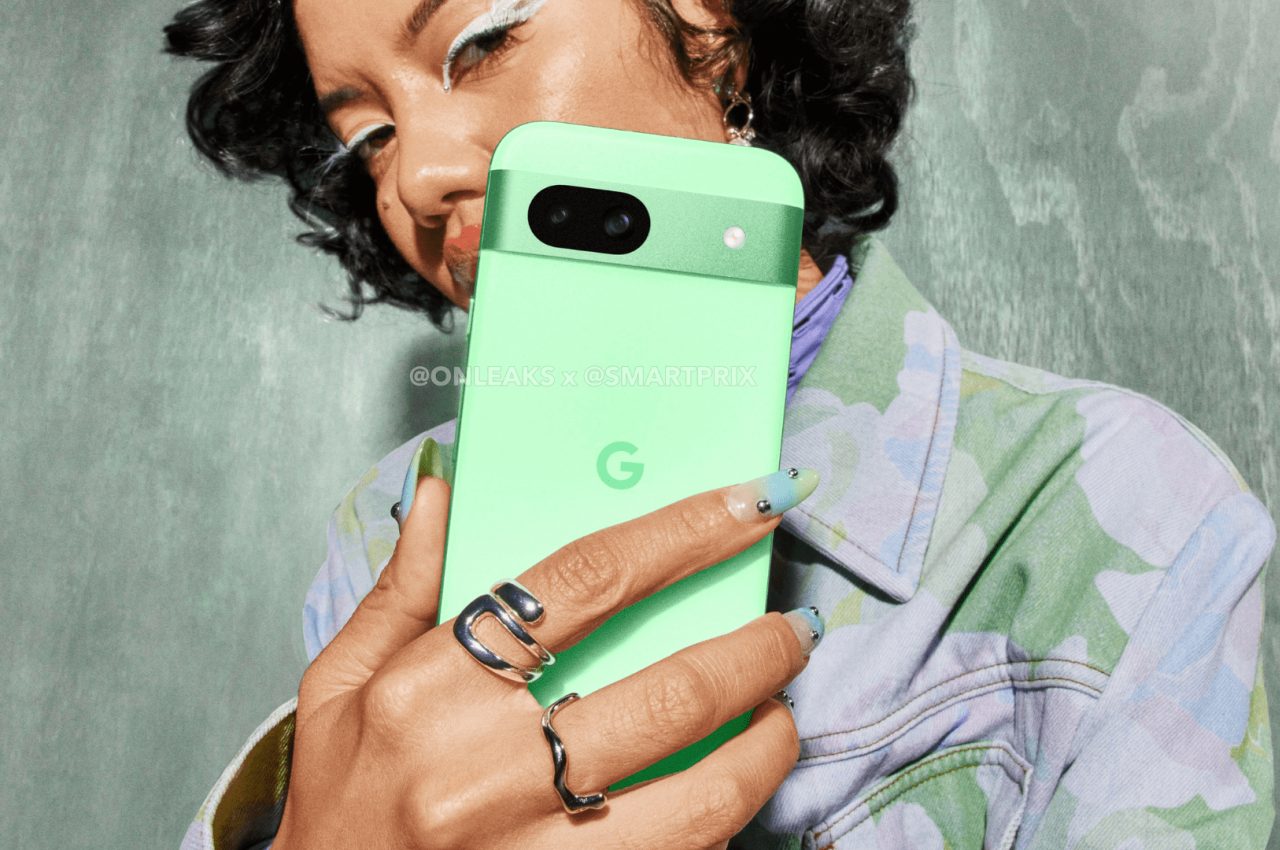
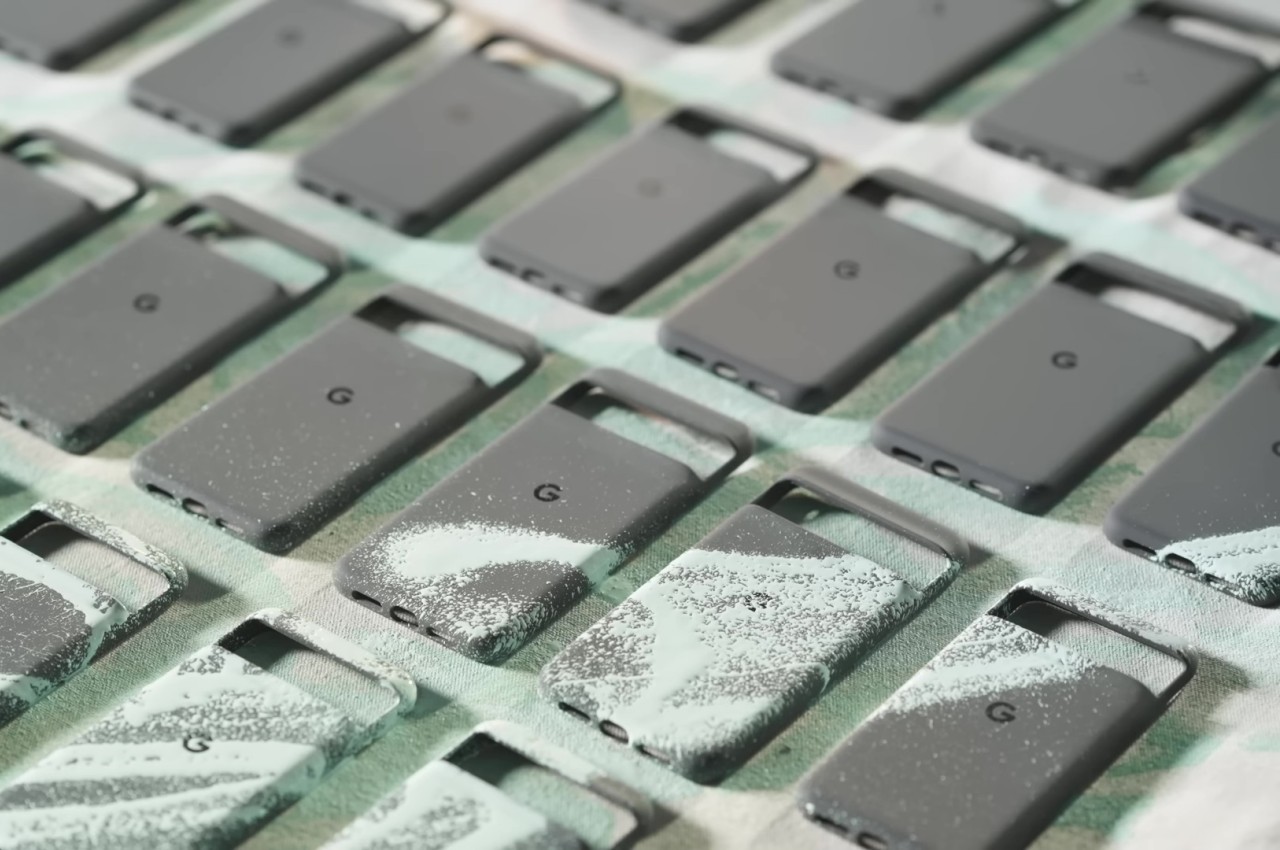
The Pixel 8a is practically the Pixel 8 in both design and spirit. It has the exact same appearance, though in a slightly smaller size and one important change in materials. The back of this newer Pixel phone is a matte composite instead of the Pixel 8’s glass rear. The color options available are also slightly different, with the Pixel 8a leaning more towards fun and saturated hues like Aloe green and Bay blue. Otherwise, the two are almost exactly identical, which some Pixel fans have grown pretty fond of.
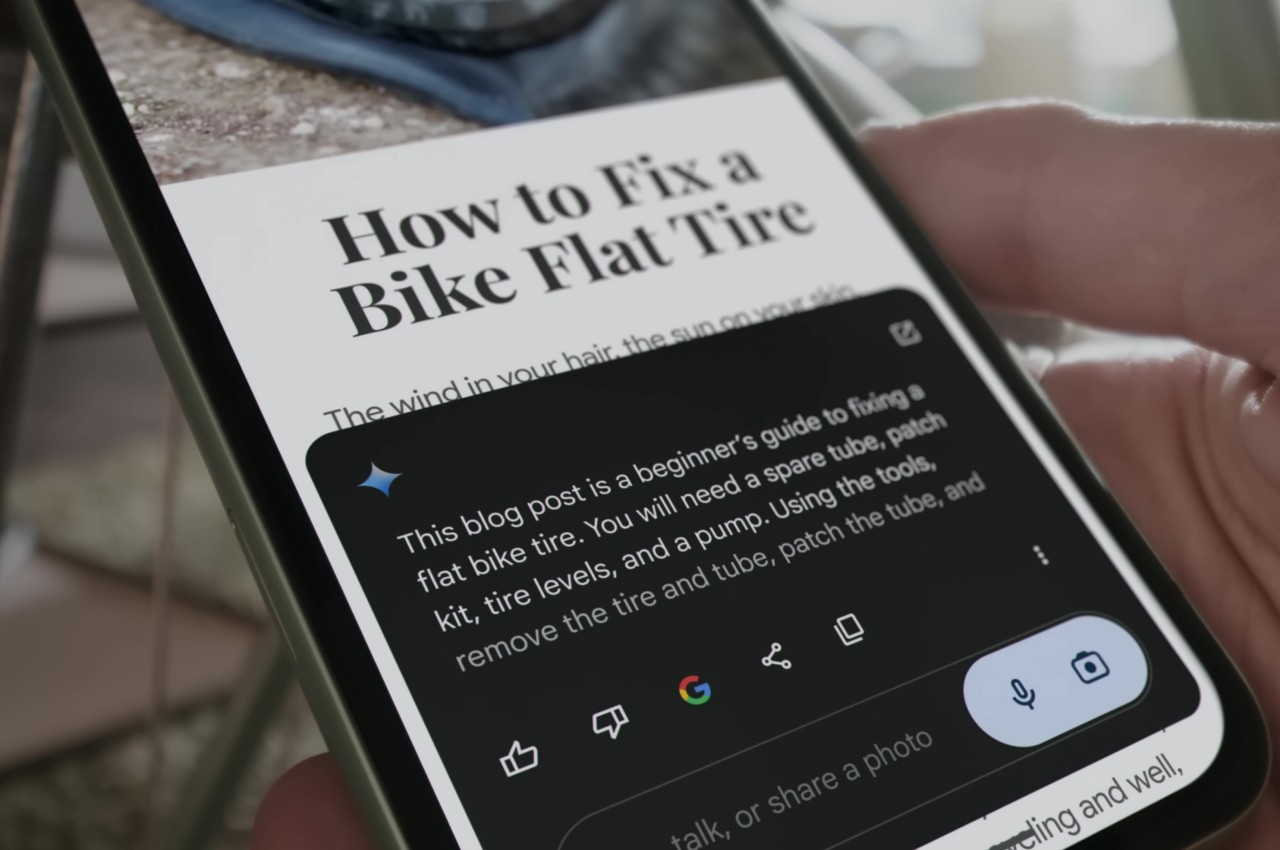
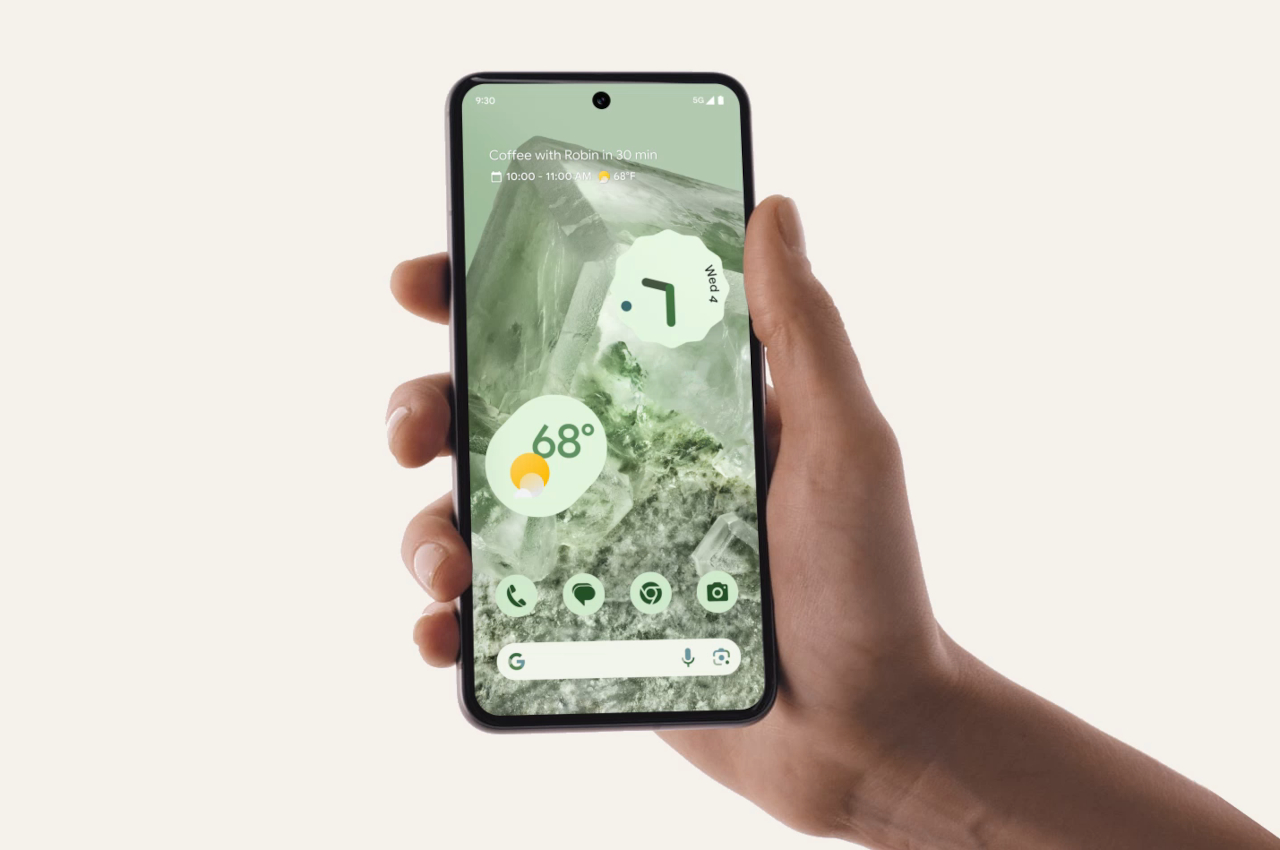
The Pixel 8a even shares the same Tensor G3 processor as the current flagship, though we won’t be surprised if we find out later that it has been dialed down a bit. That said, it still has enough power to support almost all of Google’s AI features on the Pixel, from Circle to Search to Gemini assistant for summarizing pages or notes to removing background noise from recorded video. There will still be some features exclusive to the Pixel 8, of course, but you can already enjoy most of what’s available on the Pixel 8a, especially when it comes to photography.
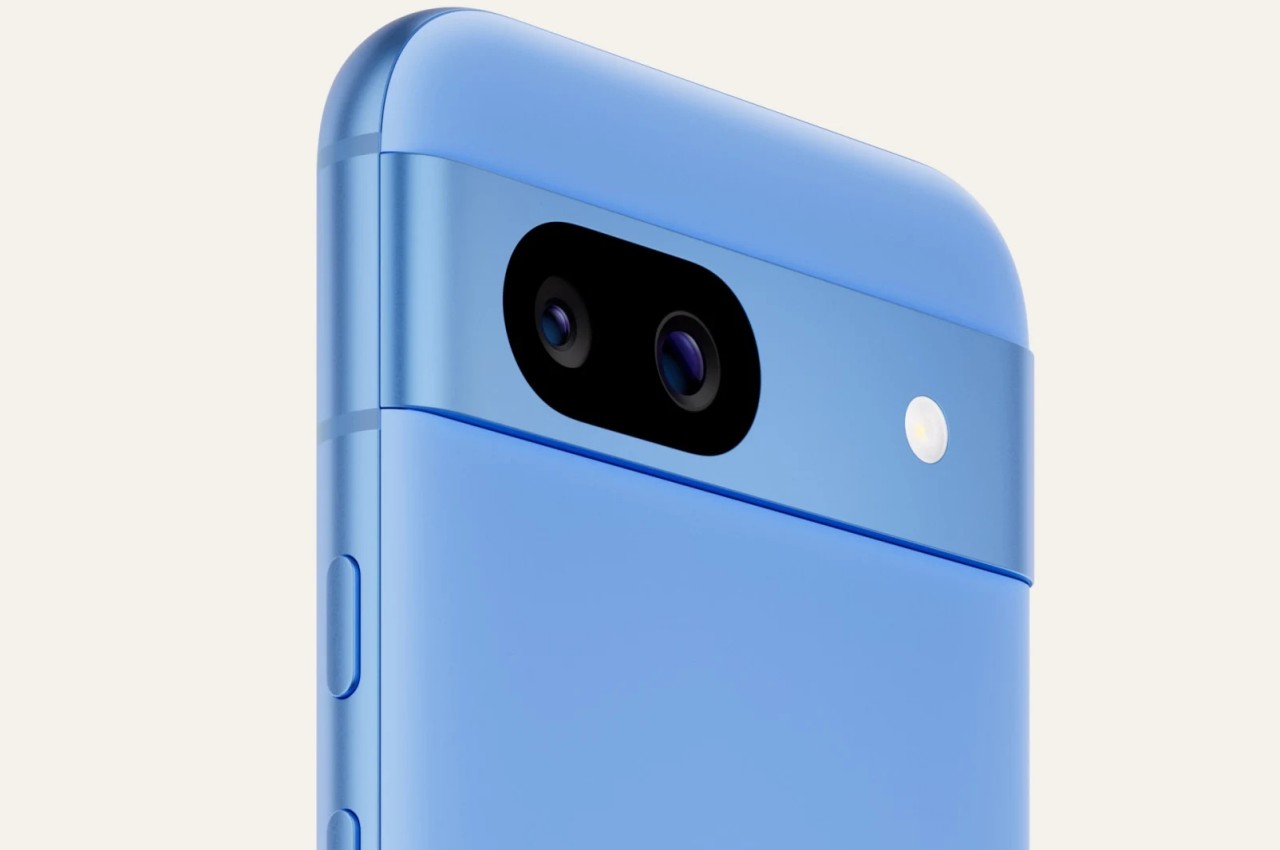
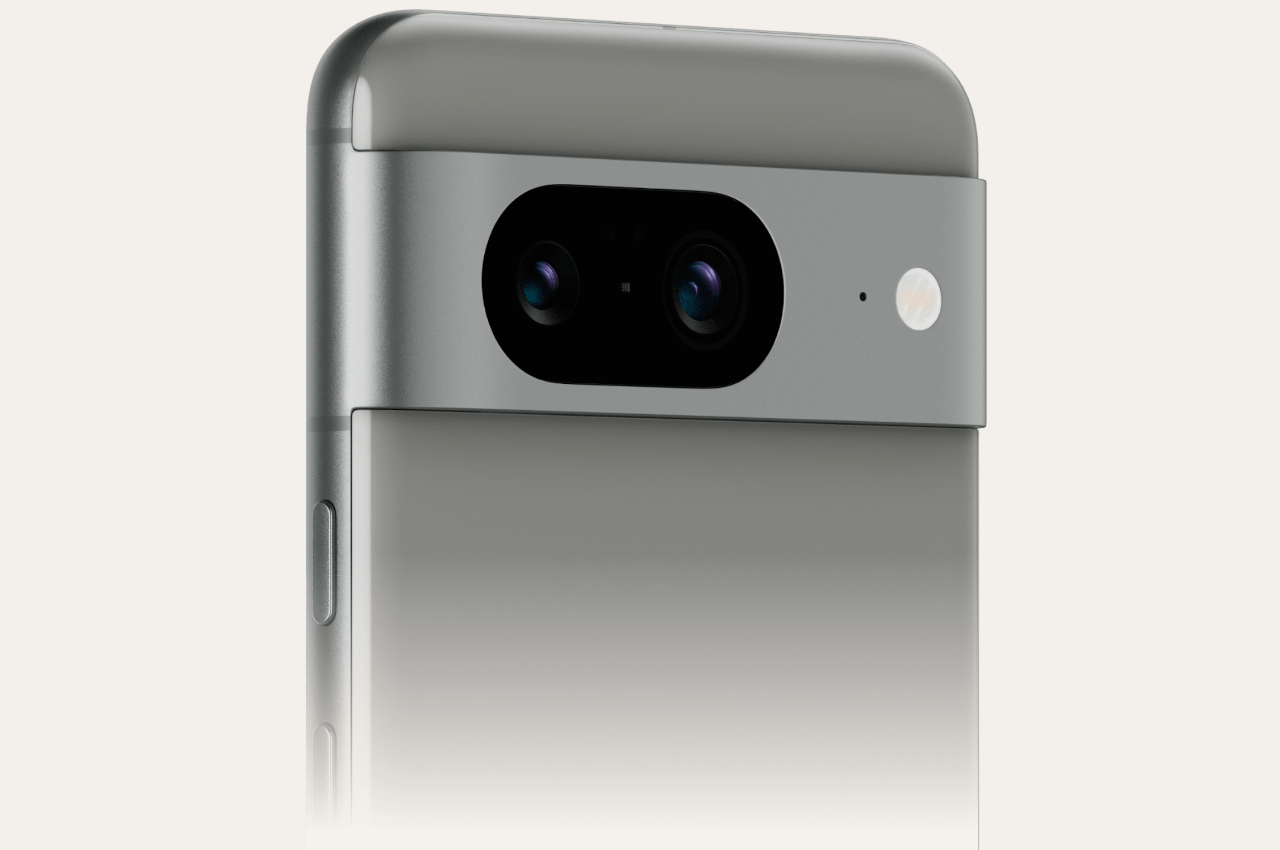
It will definitely need it because one of the biggest corners that Google had to cut was the camera system. Neither the 64MP main camera nor the 13MP ultra-wide has autofocus, and both have slightly lower specs than the Pixel 8. In other words, the Pixel 8a will rely more heavily on AI and algorithms to compensate for the camera hardware’s limitation. There are also some other key differences, like a slower (but still fast) 18W charging speed.
All in all, you’re getting nearly the same Pixel 8 experience for $200 less, with the Pixel 8a going for $499 for 128GB of storage and $549 for the first-ever 256GB option for a Pixel “a” series. Aside from the camera, none of the “downgrades” are deal-breakers, making the Pixel 8a a very worthwhile investment for the future, especially since the phone will also be getting Android updates for seven years.
Google’s annual developer conference is fast approaching, and with it comes announcements of new devices that will showcase the company’s software for years to come. The Google Pixel Fold 2, which may be known as the Google Pixel 9 Pro Fold, is already making headlines and becoming the center of attraction, but it is hardly the only mobile device expected to be unveiled this month. As part of the more affordable “a” series, the Pixel 8a may sound uninteresting at first glance, but a few leaks and rumors paint a more curious picture of the Google Pixel 8a, making it a feasible candidate to be your 2024 purchase.
Designer: Google
Google Pixel 8a: Design
For those terribly disappointed by rumors of the changes that the Pixel 9 series will be making to a distinctive design, the Google Pixel 8a will offer a refuge. It still bears the same aesthetics of its namesake, namely a rounder and gentler appearance coupled with the “visor” camera design that Google’s phones have been using for three generations now. That said, the Pixel 8a will bring its own twist, making it perhaps even more interesting than its predecessor.
For one, there are clues showing a matte surface for the phone’s rear rather than the traditional glass. This not only improves the grip of the device but also a bit of visual embellishment. This material change could go hand in hand with the “fun” colors that will be available for the phone, which might include Blue and Red, though those could also just be new official cases.
Perhaps a bit more interesting is the information provided by Evan Blass, a.k.a. evleaks, about the sustainability story of the Pixel 8a. There’s mention of the use of recycled materials, which could refer to either the back panel, the aluminum frame, or both. It will definitely be a huge design win if the Pixel 8a turns out to be Google’s most sustainable phone, especially considering how long it will be supported.
Google Pixel 8a: Specs and Software
In line with its current practice, we don’t expect to see a huge difference when it comes to the Pixel 8a’s hardware. It will be borrowing the same Tensor G3 as the Pixel 8a, but perhaps a bit watered down in performance. The display will be a new 120Hz panel, up from the Pixel 7a’s 60Hz, with an even brighter 1400 nits. The same trio of cameras that’s on the Pixel 7a will make its way to this year’s budget phone, so don’t expect a world of difference in terms of image output. What’s new is a 256GB storage option, which also shakes the pricing up a bit.
In other words, the Pixel 8a will be a very incremental update to the Pixel 7a and a step down from the Pixel 8. It’s not a surprising state of affairs, as it gives Pixel fans an option to grab the Google experience without burning a hole through their wallets. What will make all these worthwhile, however, is the software that runs on the device, and that one is expected to be fresh and new, at least compared to the hardware.
The Pixel 8a will naturally run Android 14 at launch, with updates to Android 15 immediately coming. More importantly, however, it will be running parts of Google’s Gemini AI suite, with tons of AI-powered features for search, photography, and more. Google is also promising 7 years of software updates, quite a feat in the mobile world, though it’s not clear how many of those will be actual Android upgrades versus security patches.
Google Pixel 8a: Price and Release Date
With Google I/O set for May 14, the timeline for revealing new devices is just around the corner. There are rumors that the Pixel Fold 2/Pixel 9 Pro Fold will be announced a few days earlier, but there’s no reason to expect the Pixel 8a to get special treatment. If Google doesn’t break from traditions, orders for the phone will start on that day as well.
As for the price, Google is thankfully keeping the figures the same, at least for the base model. For 128GB of storage, the Pixel 8a will go for $499, or the same launch price as the Pixel 7a. This year, however, a 256GB model is supposedly in the works, and that will go for $599. They’re not exactly “cheap,” but they’re still well below the usual $800 to $1,000 that consumers pay for with a brand-new flagship.
Google Pixel 8a: Final Thoughts
It’s not really strange that smartphone companies and their marketing engines tend to focus on the more expensive high-end products. After all, those are what make the most profits and also have the biggest expenses. That’s not to say they’re always the best, and definitely not for all people. The Google Pixel 8a, despite the stigma of being a “cheaper” version of a flagship, seems to be shaping up to be one interesting design and could be more worth your money in the long run.
Google isn’t exactly known for its love of tablets. Android 3.0 Honeycomb was the first version to support large-screen devices, but it was mostly seen as a quick stopgap measure to curb the growing number of tablets modifying an experience that was meant for phones only (looking at you, Samsung and HTC). The release, however, was considered to be so rushed and so bad that Android 4.0 Ice Cream Sandwich was released half a year later. Google didn’t seem keen to make its own Android tablets either, be it the old Nexus brand or the short-lived Pixel C, but that’s not to say its own fans haven’t been clamoring for an official Google tablet for years. That finally happened nearly a year ago with the Pixel Tablet, which painted this large device as something different from an iPad or a Samsung Galaxy Tab. Rather than launch a new Pixel Tablet 2 this year, however, Google is apparently making the rather unorthodox move of relaunching the existing model, and it seems like it will be a mixed bag based on what we’re hearing so far.
Designer: Google
Google Pixel Tablet: Design
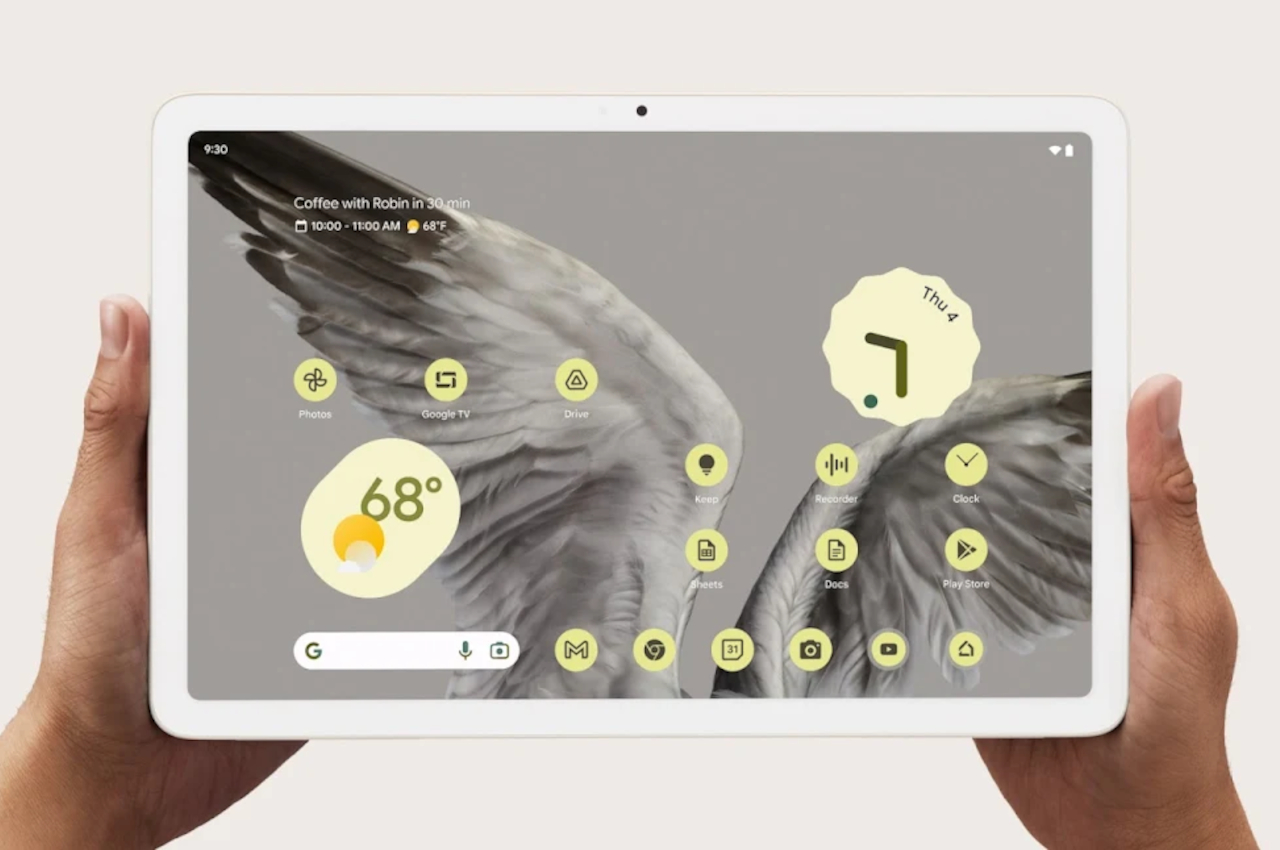
The most important thing about this “relaunch” is that there is no word on any major internal or external changes to the Google Pixel, and that’s not entirely a bad thing. There are some whispers about a new and darker color option, but that seems unlikely at this point. The Pixel Tablet’s design is largely driven by Google’s vision of what the tablet really is for, which all boils down to a device that’s meant more to stay at home than accompany you wherever you go.
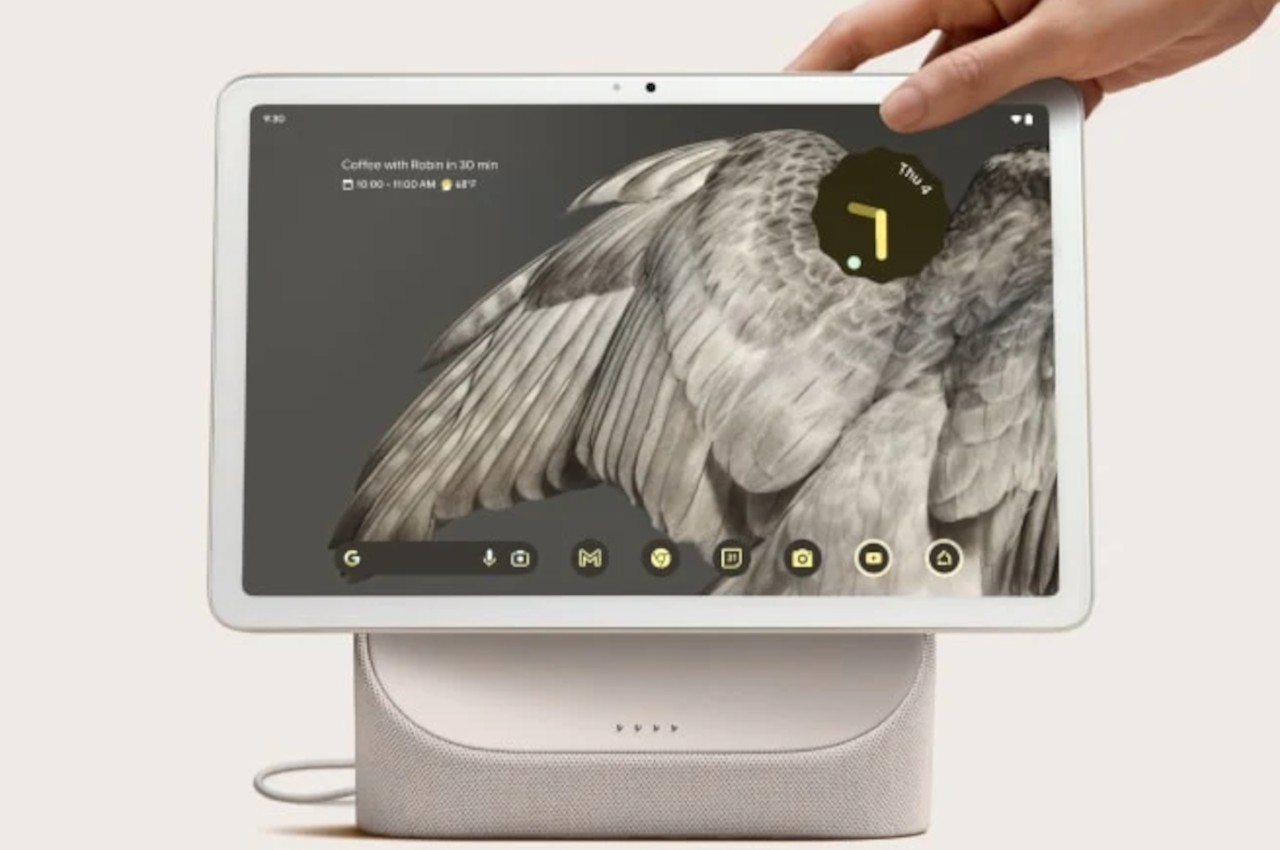
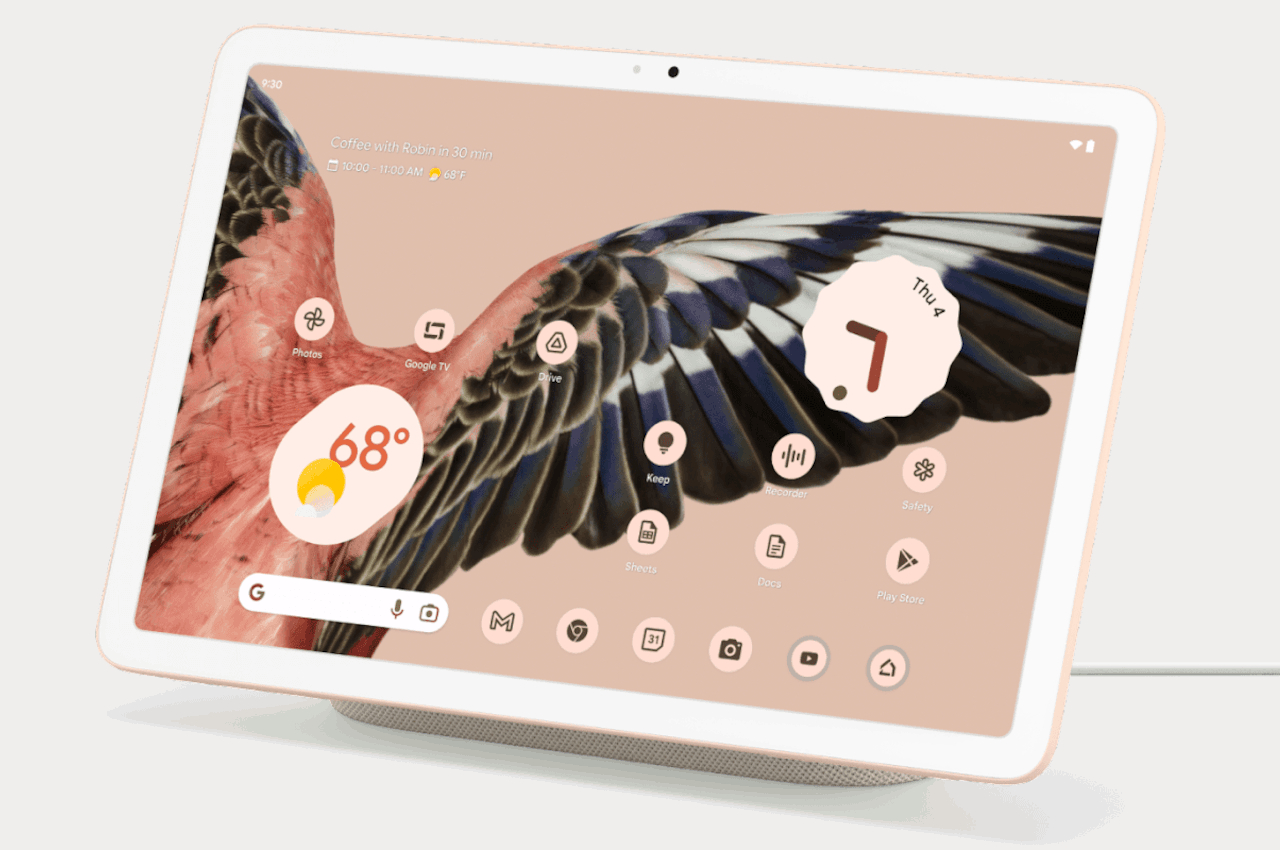
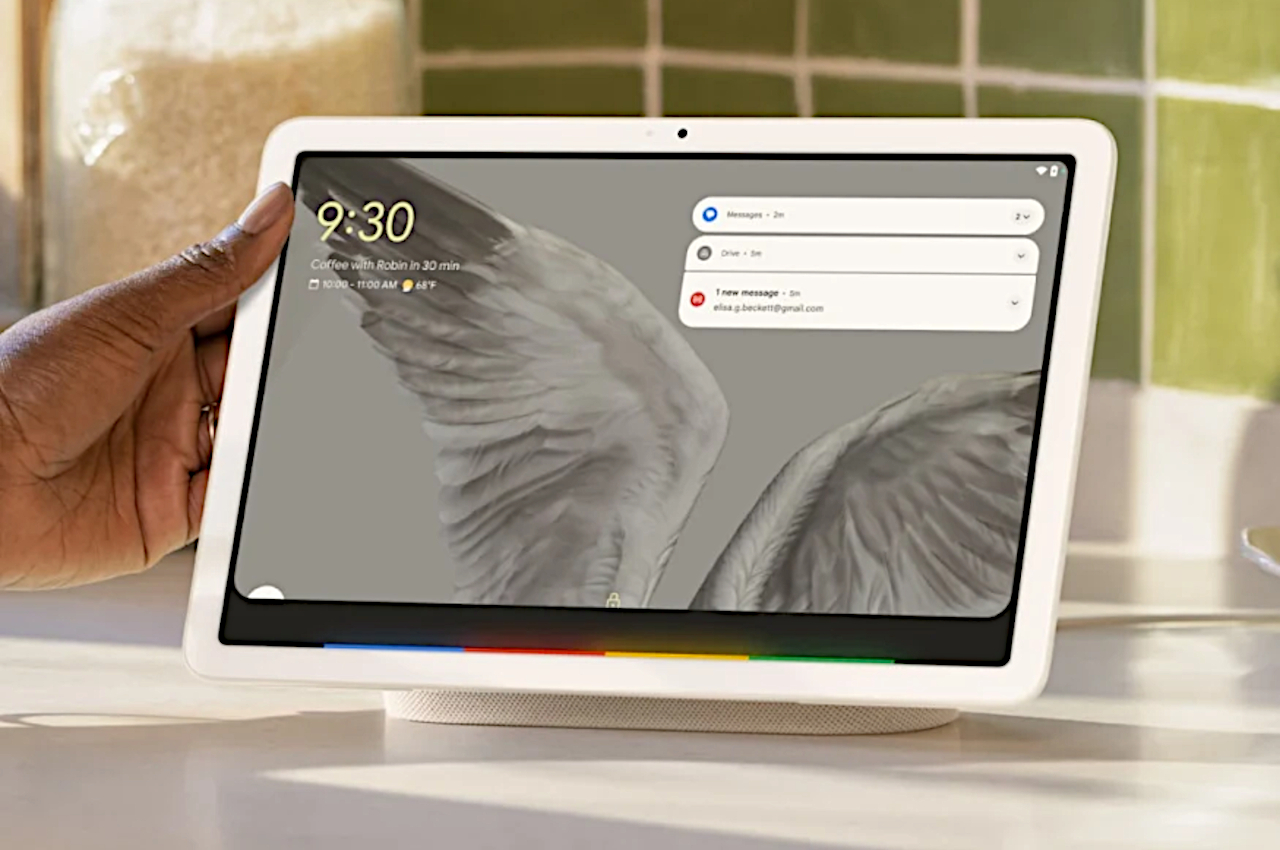
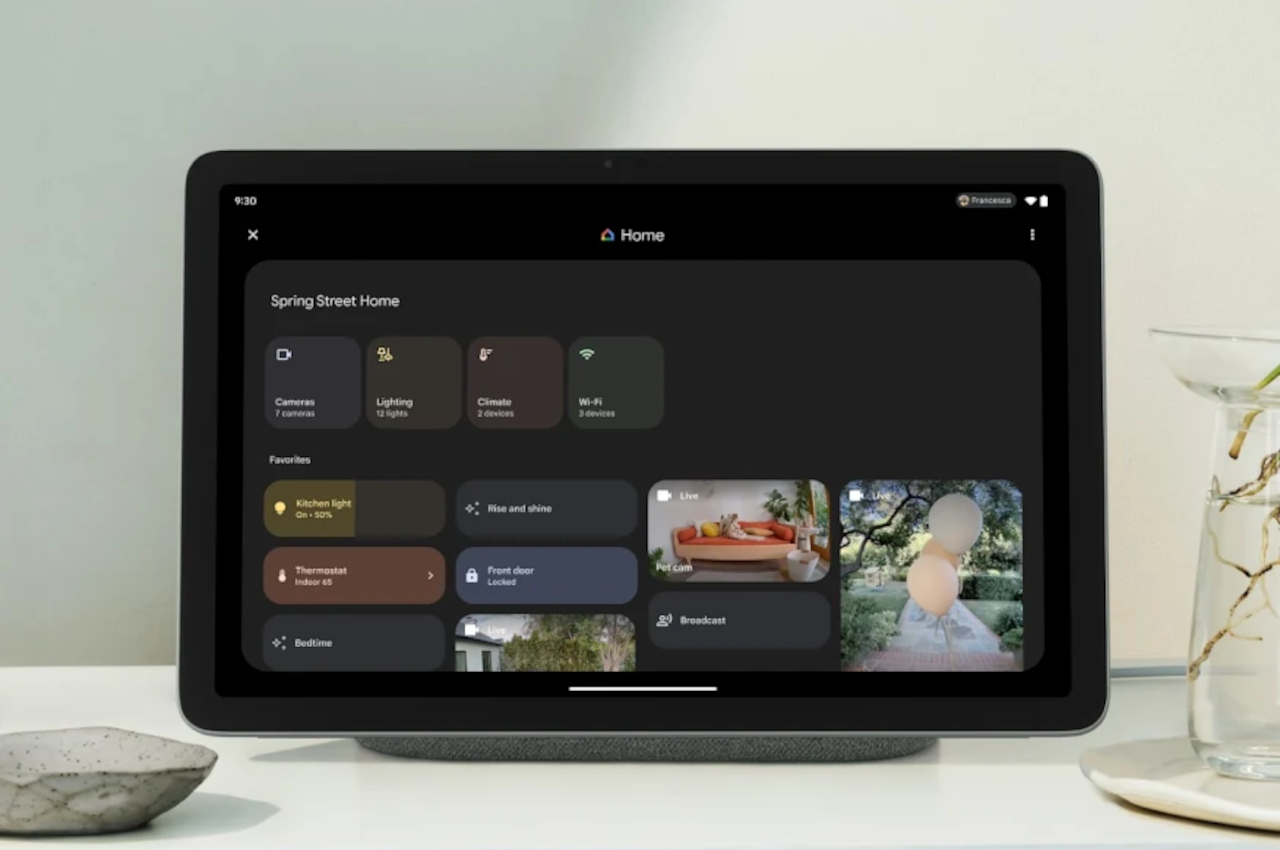
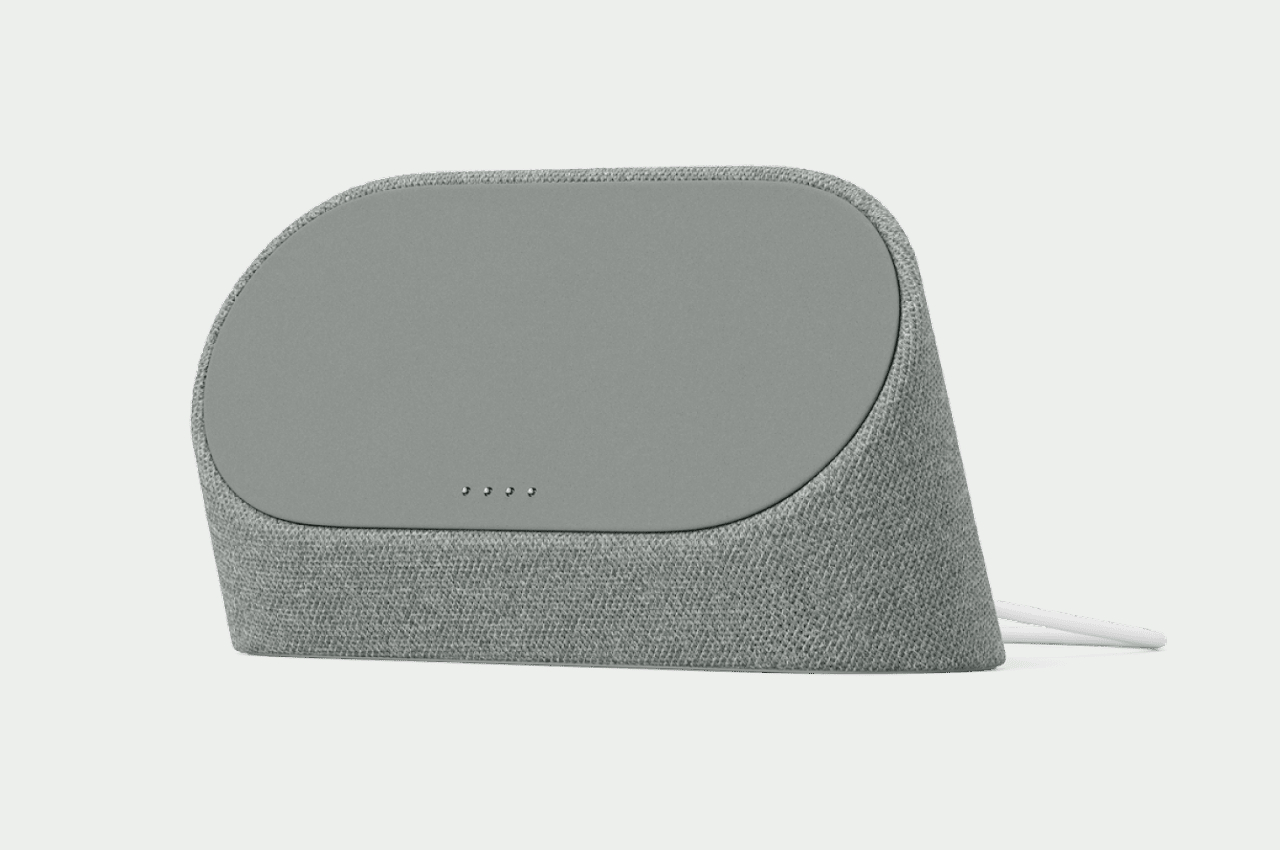
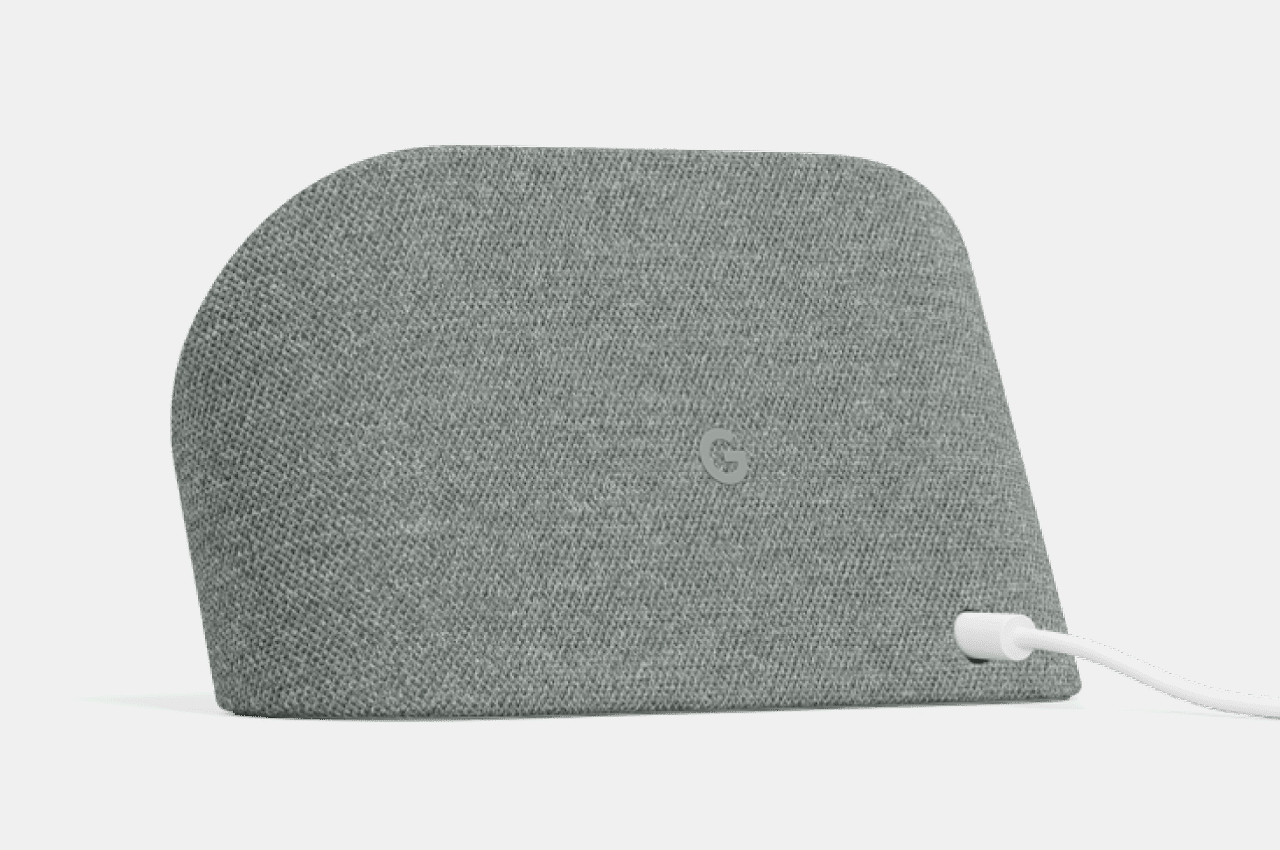
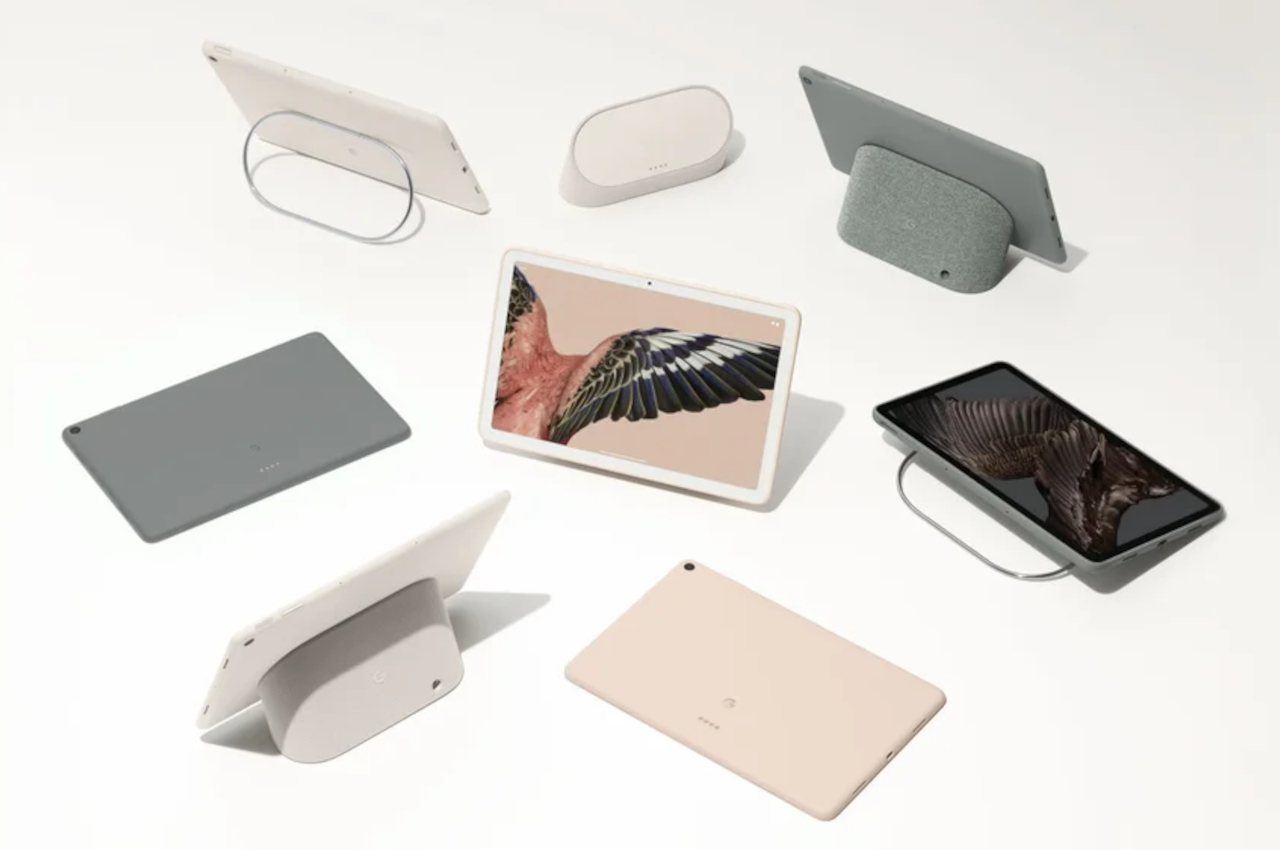
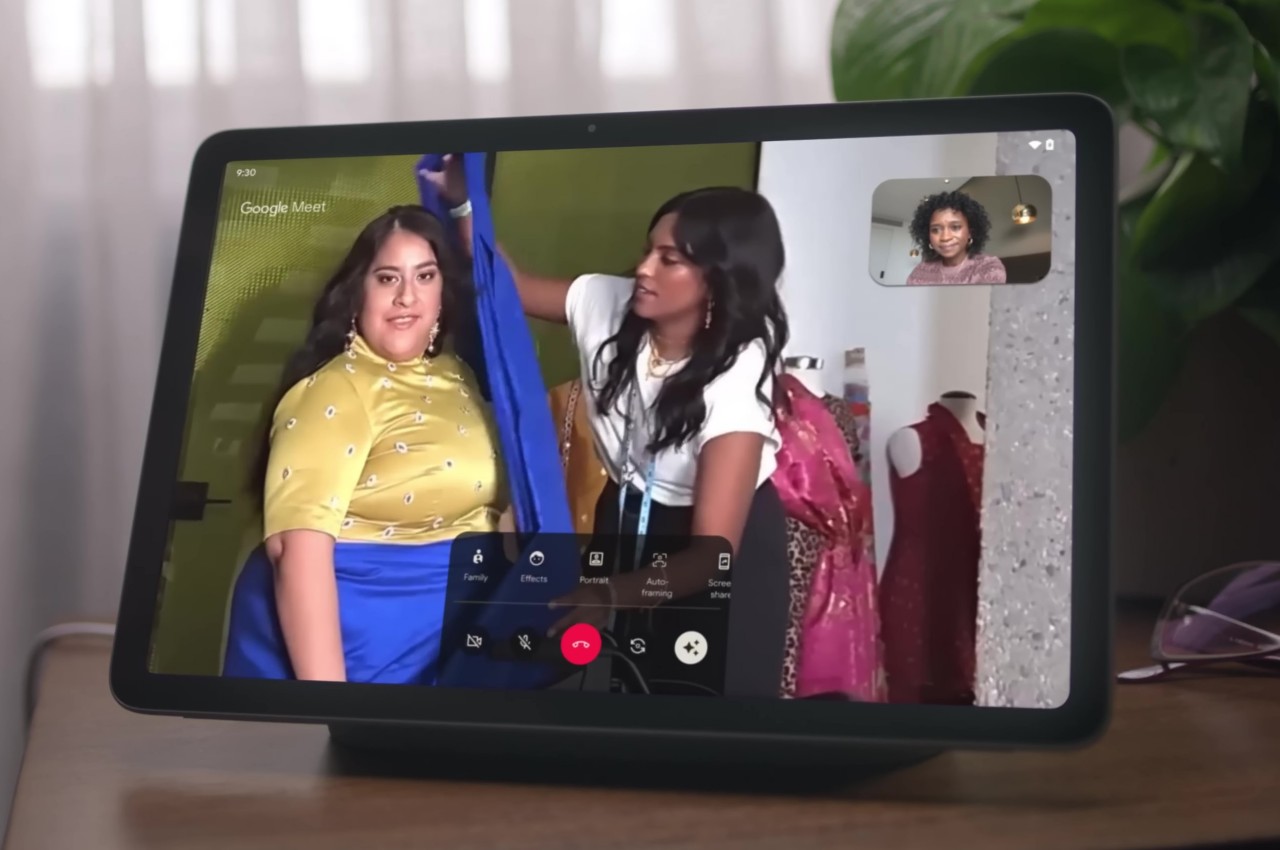
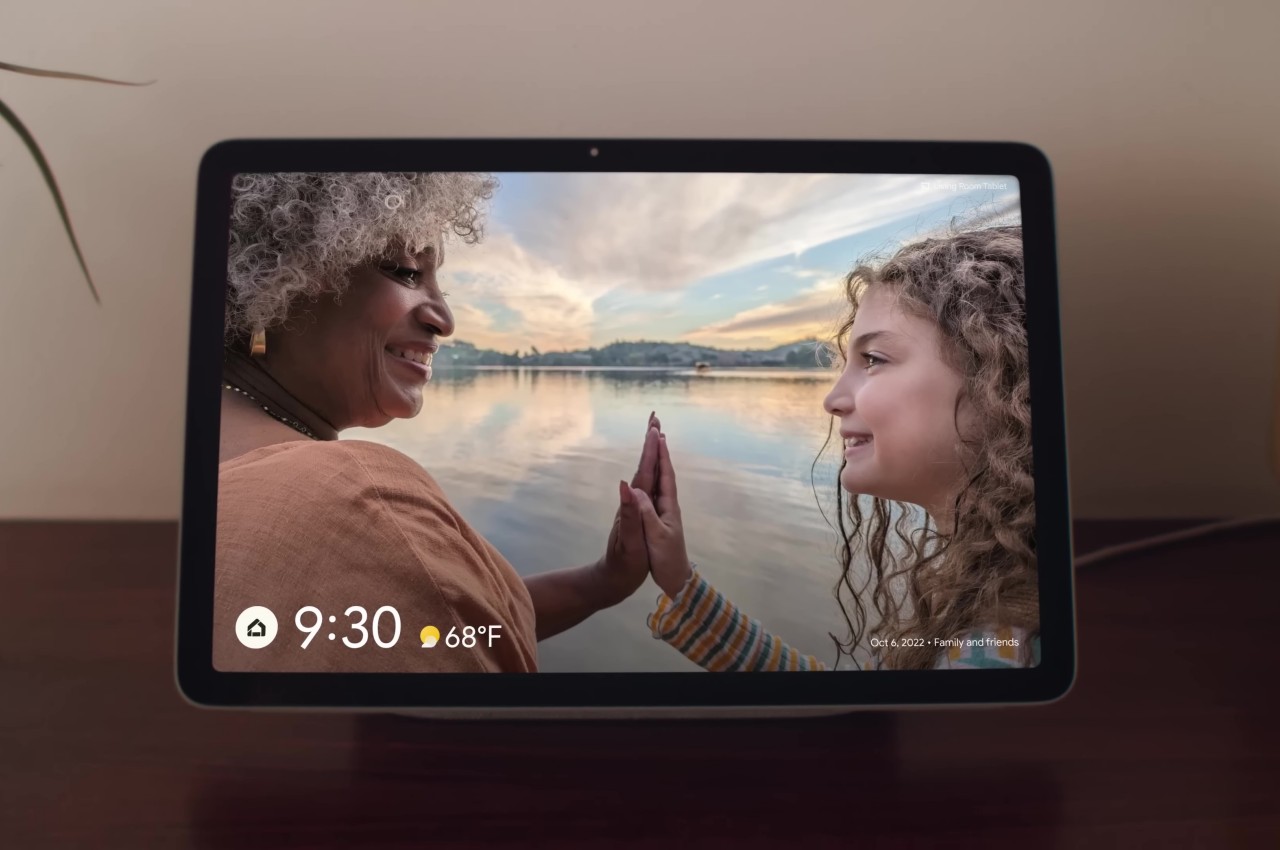
The Google Pixel Tablet’s aesthetics are simple, homey, and a bit traditional. Unlike the flat and sharp edges of the likes of the current Apple iPads, Google’s design has curved sides and a gentler demeanor. It’s not something you’ll flaunt outdoors but will be perfectly at home inside the house. That’s primarily because Google’s purpose for its tablet isn’t on-the-go productivity or entertainment but as pretty much a portable smart display for controlling your smart devices, making video calls, or playing music. The fact that you can only buy the Pixel Tablet with its charging speaker dock pretty much drives home that identity.
This will be the exact same Pixel Tablet that Google is said to be “relaunching” in just two weeks but with a slight twist. The accessories for the tablet are being changed, and this speaker charger will no longer be bundled with the Pixel Tablet by default. Although it’s only the accessory lineup that will change, it also subtly changes the message that the product will be sending. Strangely enough, the design will also remain the same, so it’s not a complete overhaul of its identity either.
Google Pixel Tablet: Specs and Software
We’re unlikely to see any internal changes either, which means we’ll be seeing the same 2022-era specs like a Tensor G2 processor and 8GB of RAM, for starters. Truth be told, the Pixel Tablet hardware was plenty fine for what it was made for and can even support a bit of gaming on the side. Whether that holds true in 2024 and beyond is a bit uncertain, however, especially with Google opening up the device to new use cases that may demand more from the hardware.
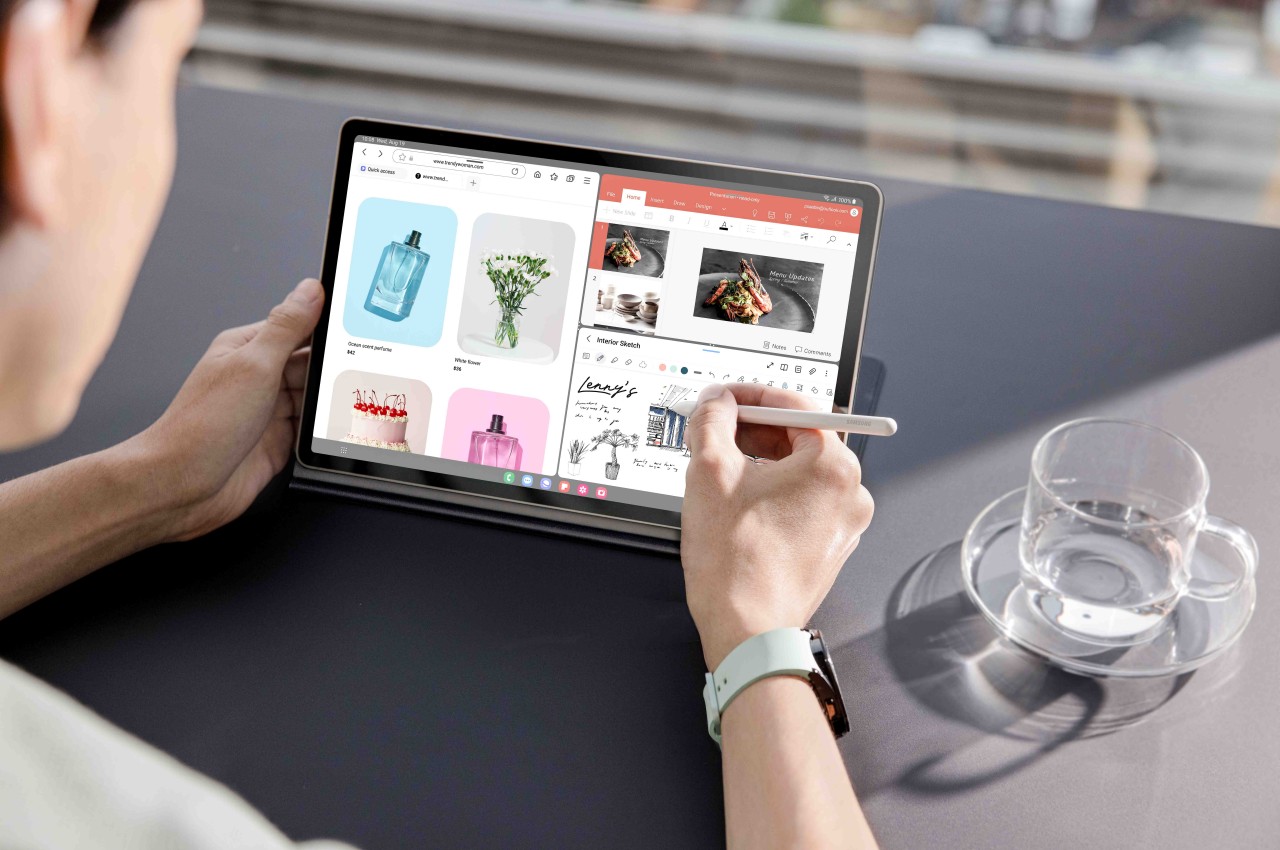
What is basically changing is that Google will no longer ship the Pixel Tablet with the Charging Speaker Dock, which has important ramifications as far as pricing goes. More importantly, however, it is rumored to introduce new accessories, namely an official Google stylus as well as a keyboard for the tablet, most likely a keyboard cover like those sold for the Galaxy Tab S9, for example. Unfortunately, there are no leaks on the design that these products will take, but given the design of the official Pixel Tablet Case, we’re expecting something that will match the tablet’s aesthetics as well.
Samsung Galaxy Tab S9+
Samsung Galaxy Tab S9 Ultra
Samsung Galaxy Tab S9 Ultra
Designer: Samsung
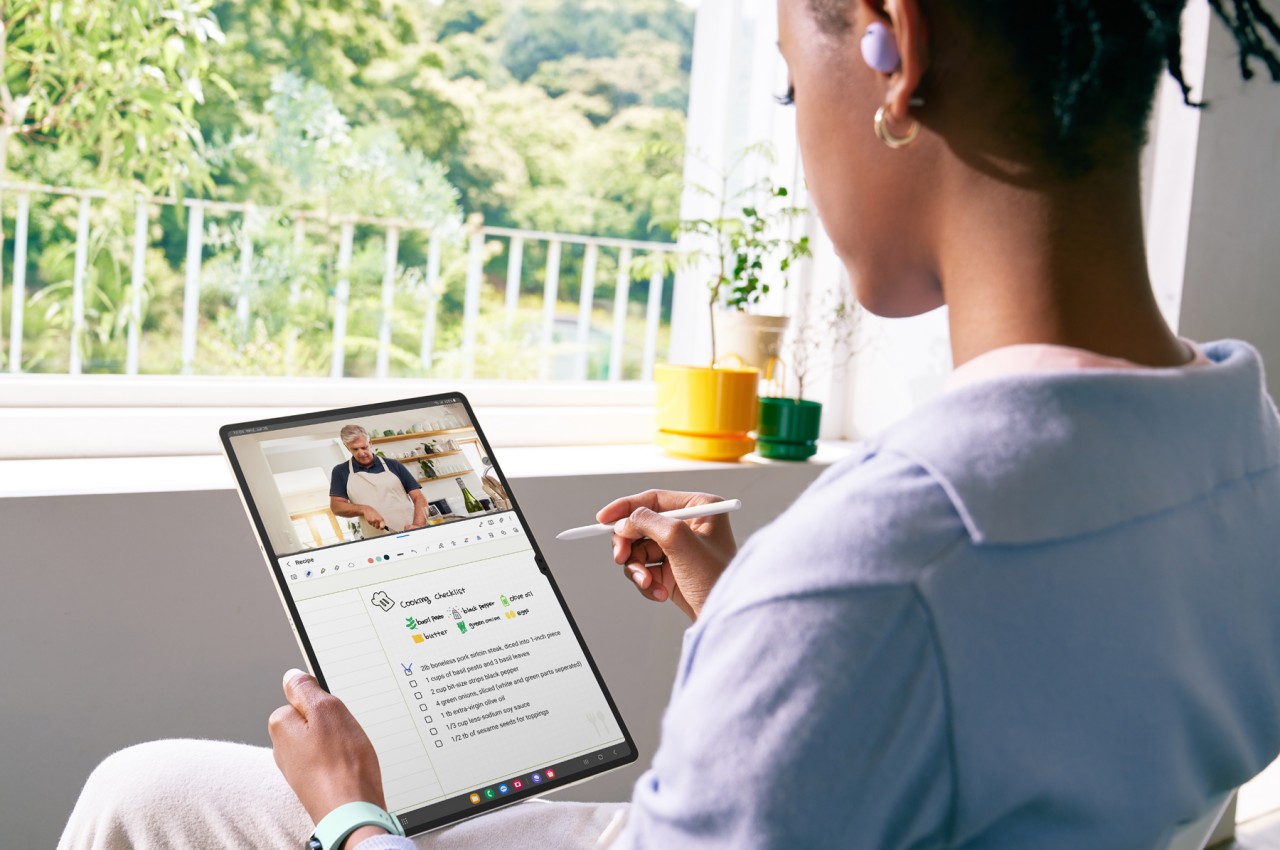
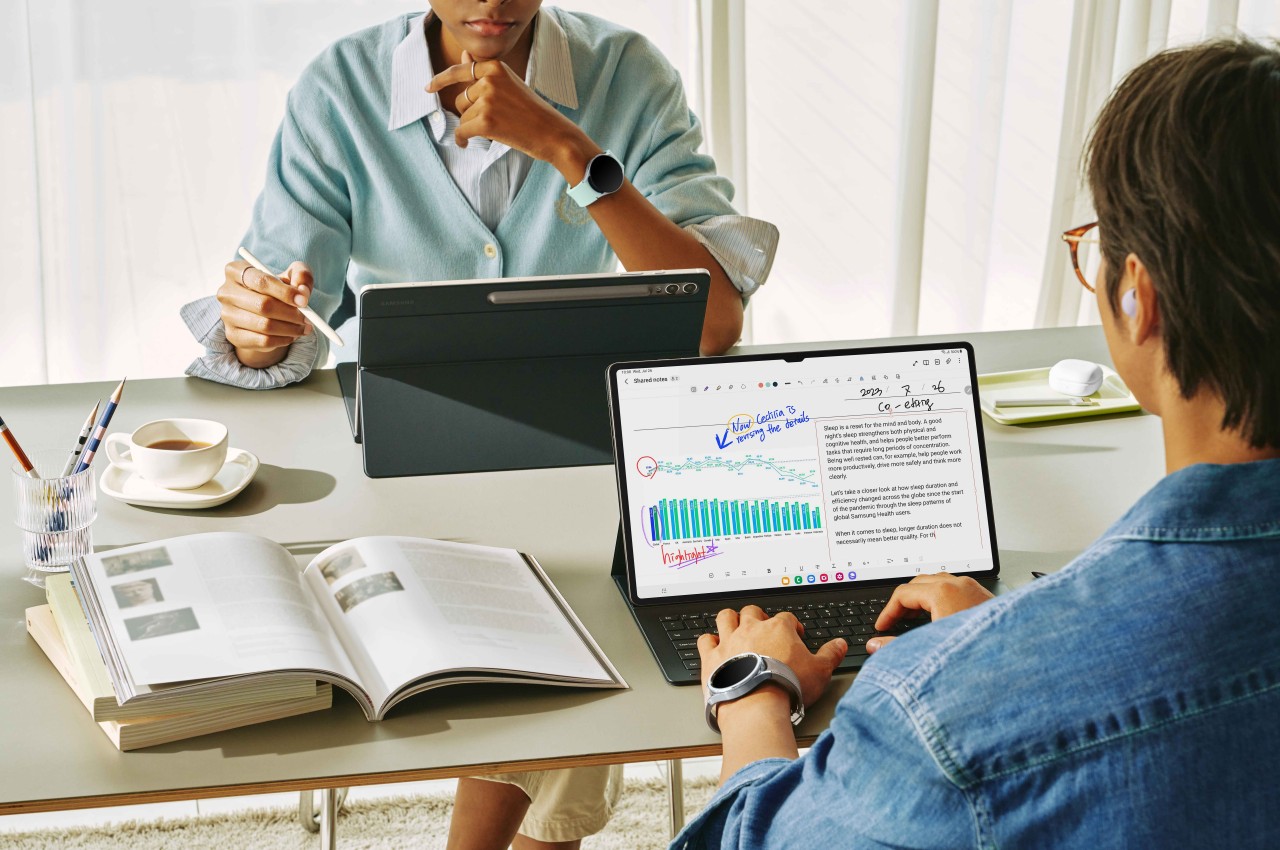
Of course, the Pixel Tablet has had support for a wide range of styluses implementing the USI 2.0 standard as well as the myriad Bluetooth keyboards in the market. But having Google’s official stamp pretty much sends the message that the Pixel Tablet is also good for creativity and productivity, whether it’s making art, scribbling notes, or typing documents. The keyboard case even makes a case (pun intended) for bringing it out of your home and setting up an ad hoc office in a cafe somewhere. The Pixel Tablet’s hardware could still be up to the task, but more resource-hungry apps could hit a wall easily with this configuration.
As for the software, the Pixel Tablet will still be running Android 14 by the time it launches, but we’re expecting to see more AI-related features drop through updates. Circle to Search, in particular, will be easier to do with a stylus, and Google’s NotebookLM AI-powered app will be more useful if you can quickly type with a keyboard. The Google Pixel Tablet will be growing up from being a homebody to a digital nomad, allowing you to enjoy and utilize Google’s services anywhere you go and on a larger screen.
Google Pixel Tablet: Price and Release Date
Google’s new pricing strategy will be a mixed bag. On the one hand, you will finally be able to buy a Pixel Tablet on its own without having the Charging Speaker Base forced on you. Presuming the standalone base still costs $129, then the solo Pixel Tablet could be made available for only $379, hopefully a bit lower. This makes the tablet more accessible, especially for people who have better-sounding speakers anyway.
On the other hand, all accessories will have to be purchased separately, and the price tags might be hard to swallow. According to the rumors, the Pixel stylus and keyboard could amount to around $100 each, setting you back $579 for the complete mobile office package. A total of $699 if you also want a home base at, well, home. Granted, the Apple Pencil is already $120, but that’s normal for an Apple product. One can only hope that these figures are ballpark estimates instead.
As for when all these will drop, signs point to a May 10 “relaunch” for the Pixel Tablet. That’s a pretty odd strategy given that Google I/O 2024 will be taking play on May 14. The only way this will make total sense is if there’s a new Pixel Tablet 2 or even Pixel Tablet Pro being announced there, but that will immediately make the Pixel Tablet relaunch dead on arrival unless the accessories are 100% compatible with the new Google tablet.
Google Pixel Tablet: Final Thoughts
Although it might not launch a new tablet, it’s actually encouraging to hear that Google is continuing to support its only tablet not just with software updates but new accessories as well. These are accessories it could have launched on day one, however, but that would have probably muddled the message it was trying to send. It tried to set the Pixel Tablet apart from the iPads and Galaxy Tabs of the market by focusing on its benefits at home. Now it’s sending a different message, one that says it’s finally safe to go out.
At the same time, however, it does make the Pixel Tablet feel old and stale, which is a bit worrying considering Google’s history with Android tablets. It won’t kill off its tablet line immediately, but not having an immediate successor makes one wonder if Google will simply milk the existing model dry and then call it quits. Then again, Google has also been notorious for killing off successful products after a few generations, so the Pixel Tablet’s fate will always be in the air anyway.
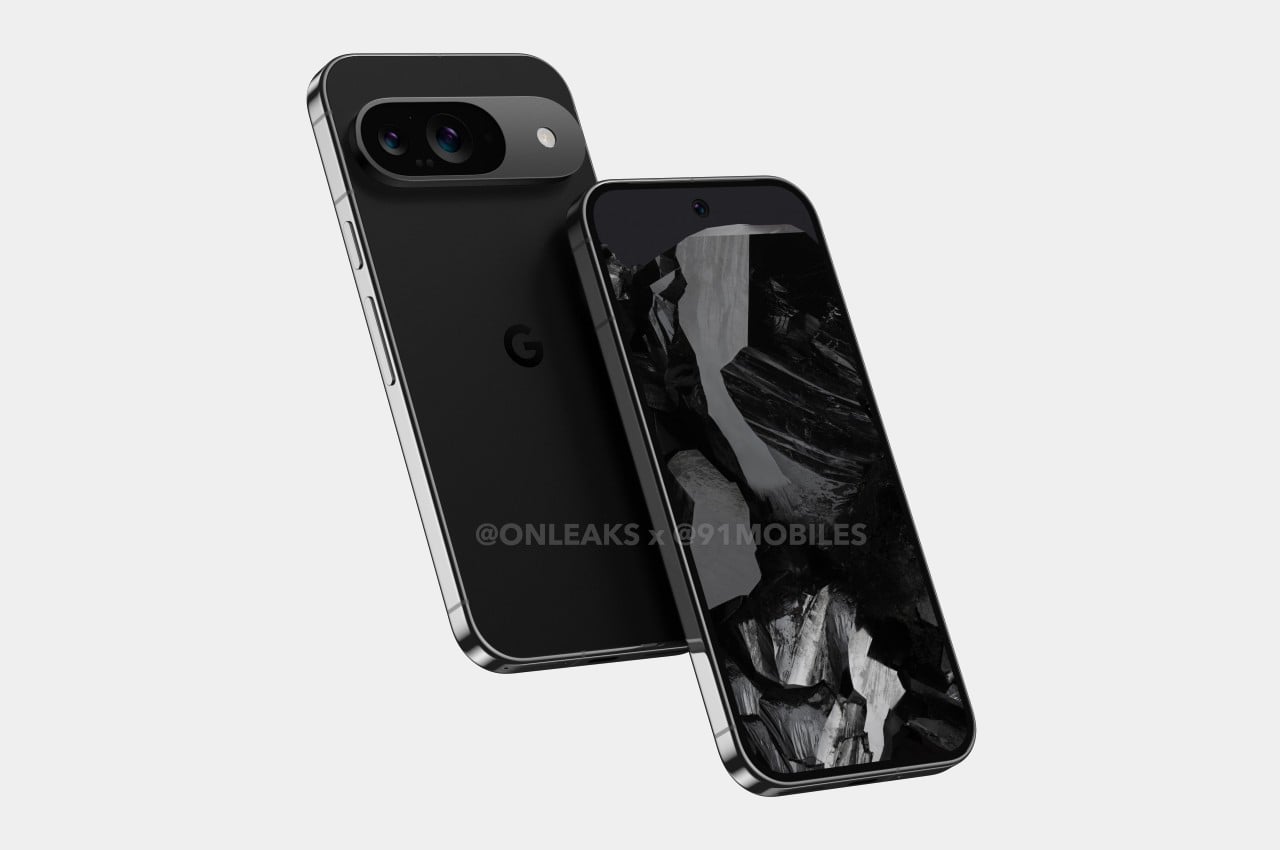
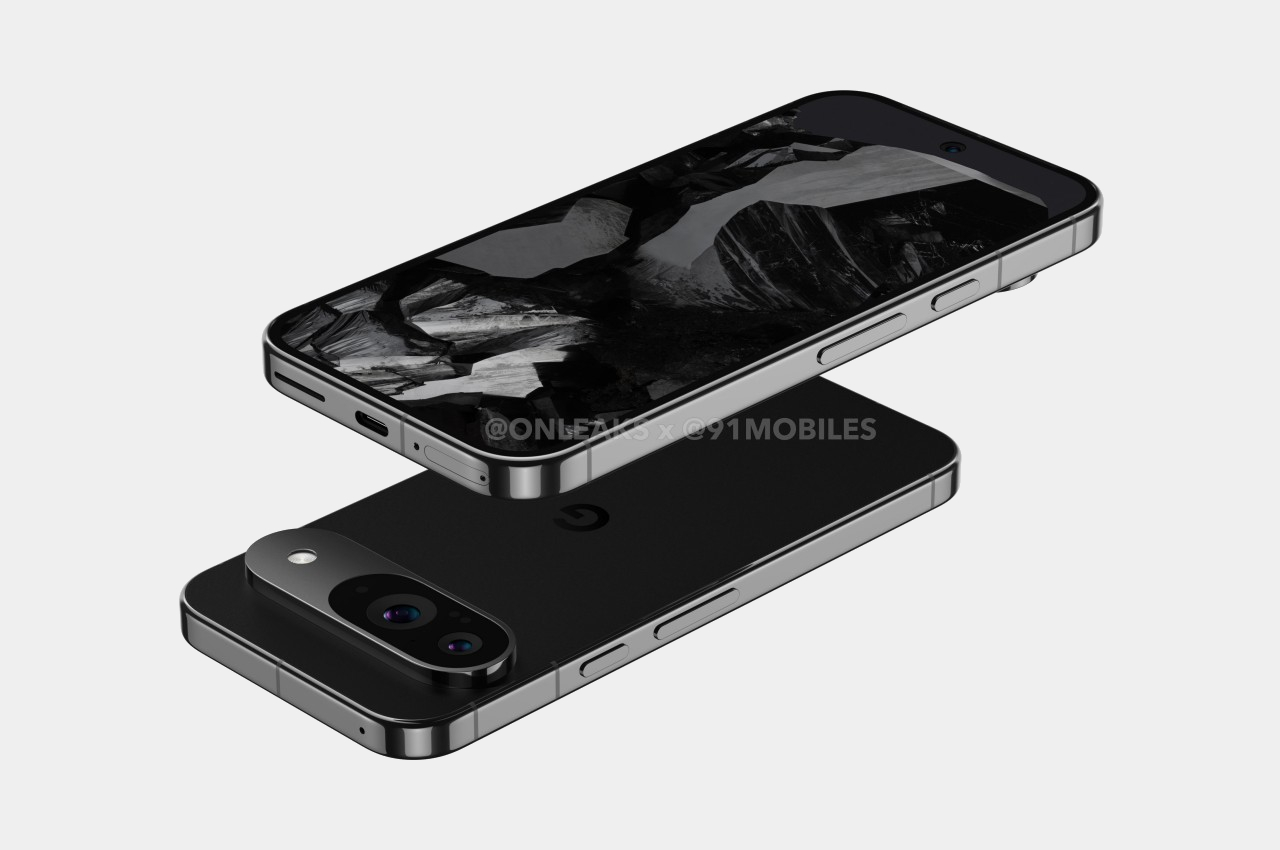
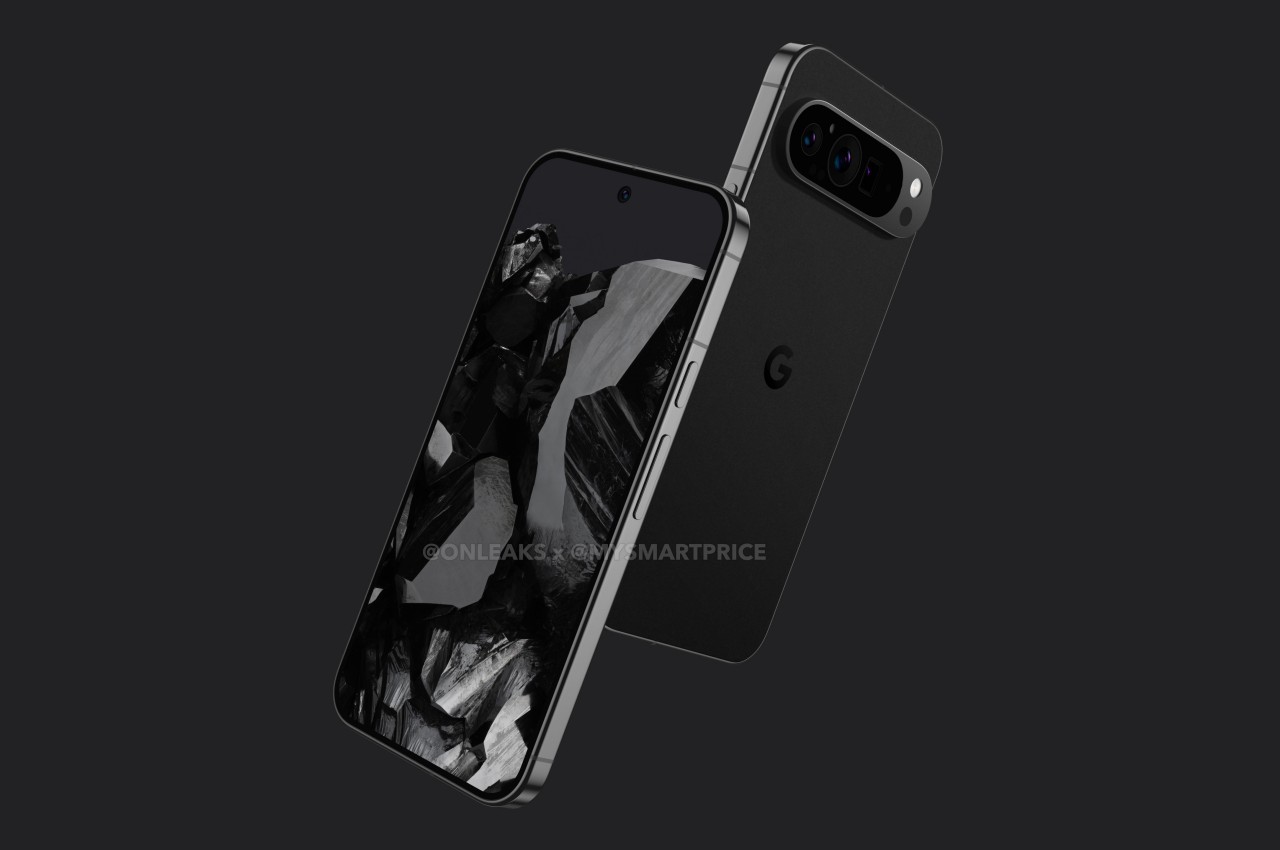
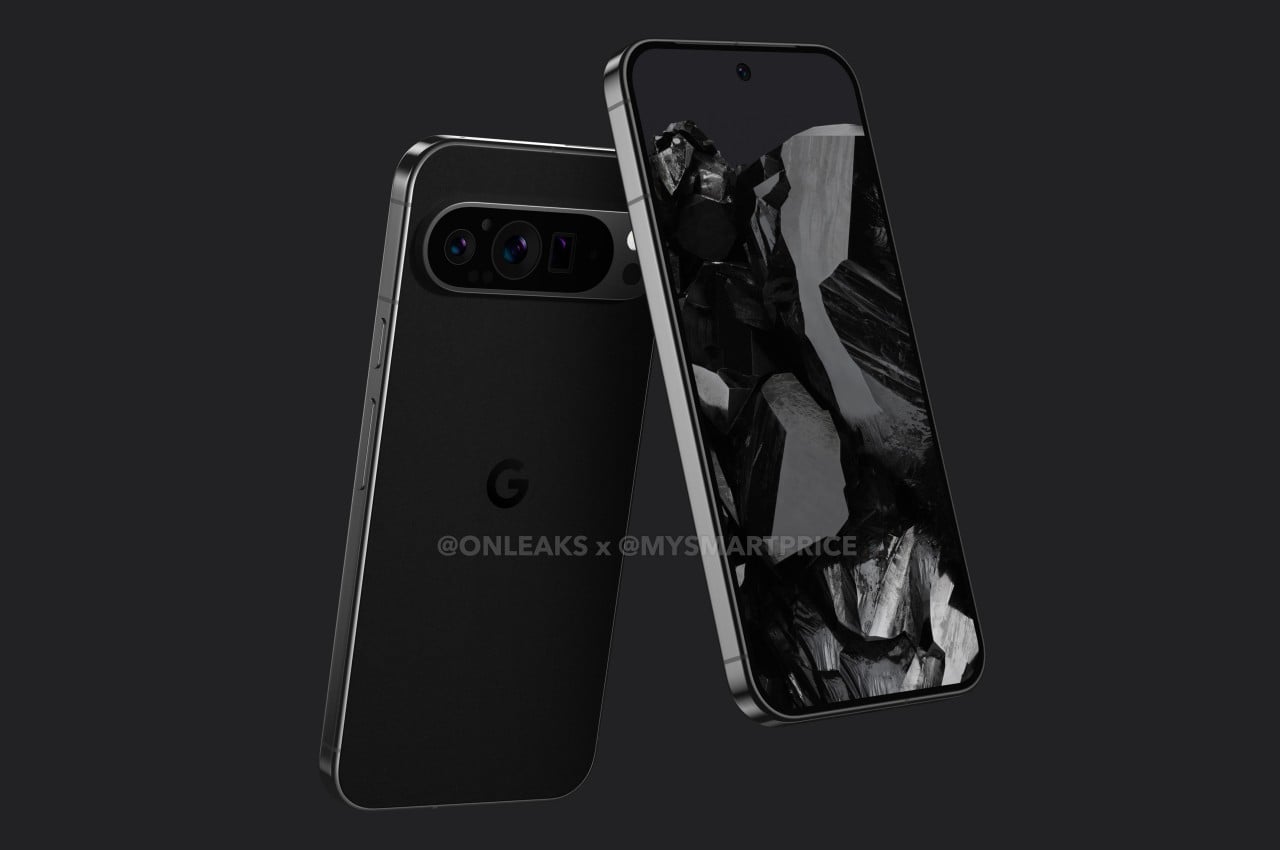
There are a few designs in the smartphone market that have become synonymous with the brands they represent. Although some phones followed in its footsteps, Apple wholeheartedly embraced the iPhone notch for several generations. Samsung’s S Pen is something very few manufacturers have imitated, and Nothing’s Glyph lights have made dynamic LED lighting a thing on smartphones. And then there’s Google’s camera design, which has been dubbed by some as a visor, that gave the Pixel 6 onward a visually unique character. Unfortunately, brands and designs change, and it seems that the Pixel 9 trio will bid farewell to that distinctive design, though its replacement is admittedly a bit less egregious than other leaks would have us believe.
Truth be told, the “visor” camera design on the recent Pixel phones isn’t exactly the sleekest and most elegant design around, but it has enough elements that make it interesting and distinctive without being obnoxious or garish. It also has the side effect, intentional or otherwise, of raising the phone at an angle without making it wobble. Based on leaks confirmed by these unofficial renders, we might have seen the last of that design and will behold another variation that may be even more controversial than the original design on the Pixel 6 from 2021.
Google Pixel 9
Google Pixel 9
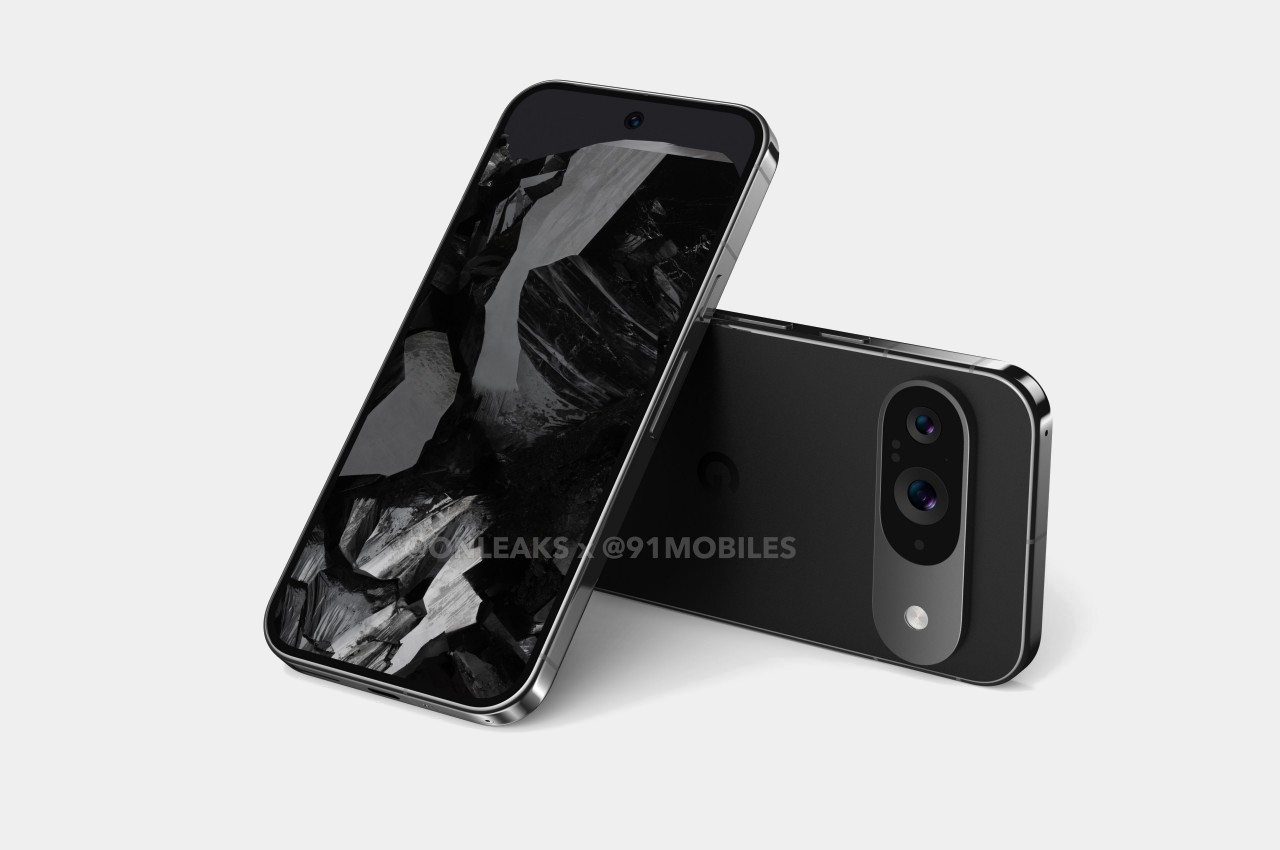
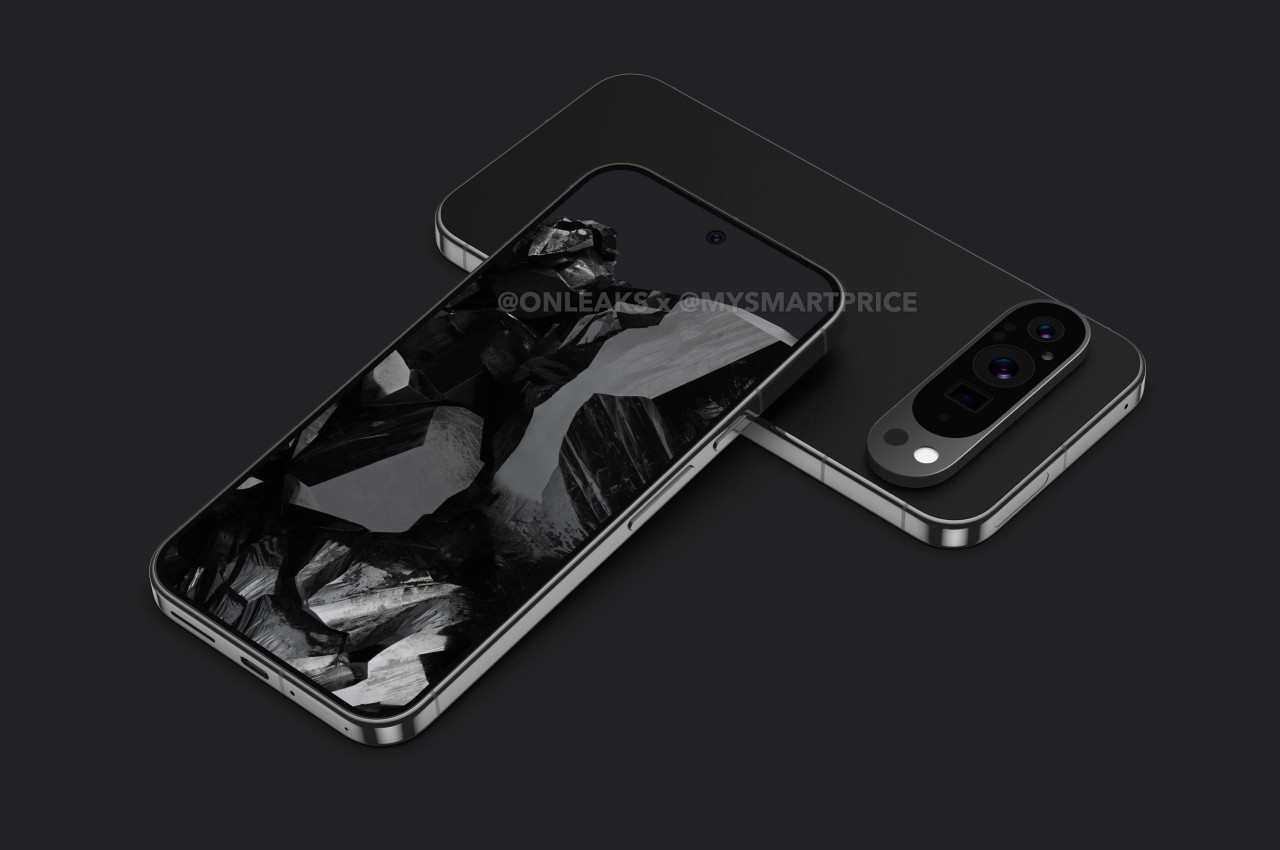
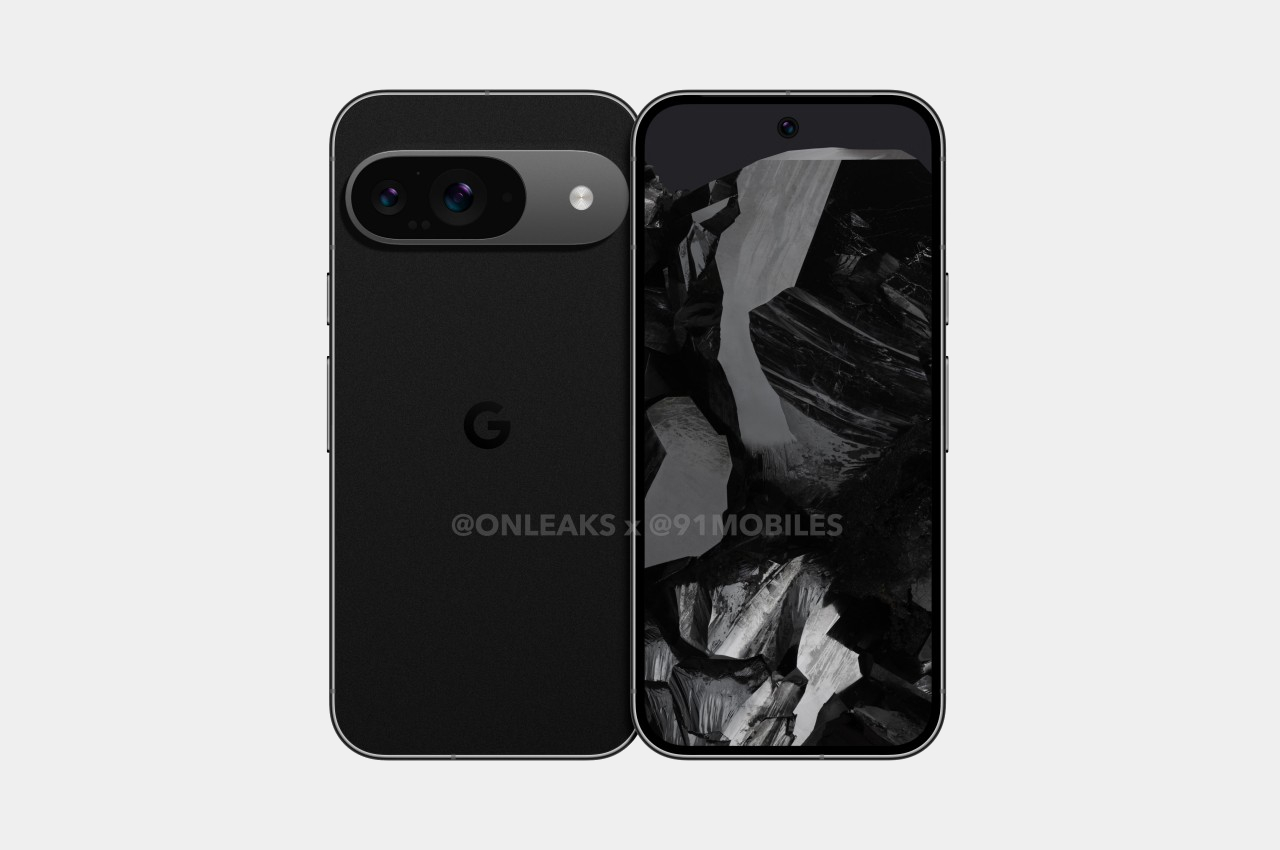
Instead of a raised strip that goes from edge to edge, the Pixel 9 phones will instead have a long pill-shaped camera bump that still spans the entire width of the phone. But unlike blurry leaked photos of prototype models, these renders show a better picture of what is allegedly the final design of that camera bump. It will follow the same two-tone theme as the Pixel 8 before it, giving it a bit of style and visual interest.
Google Pixel 9
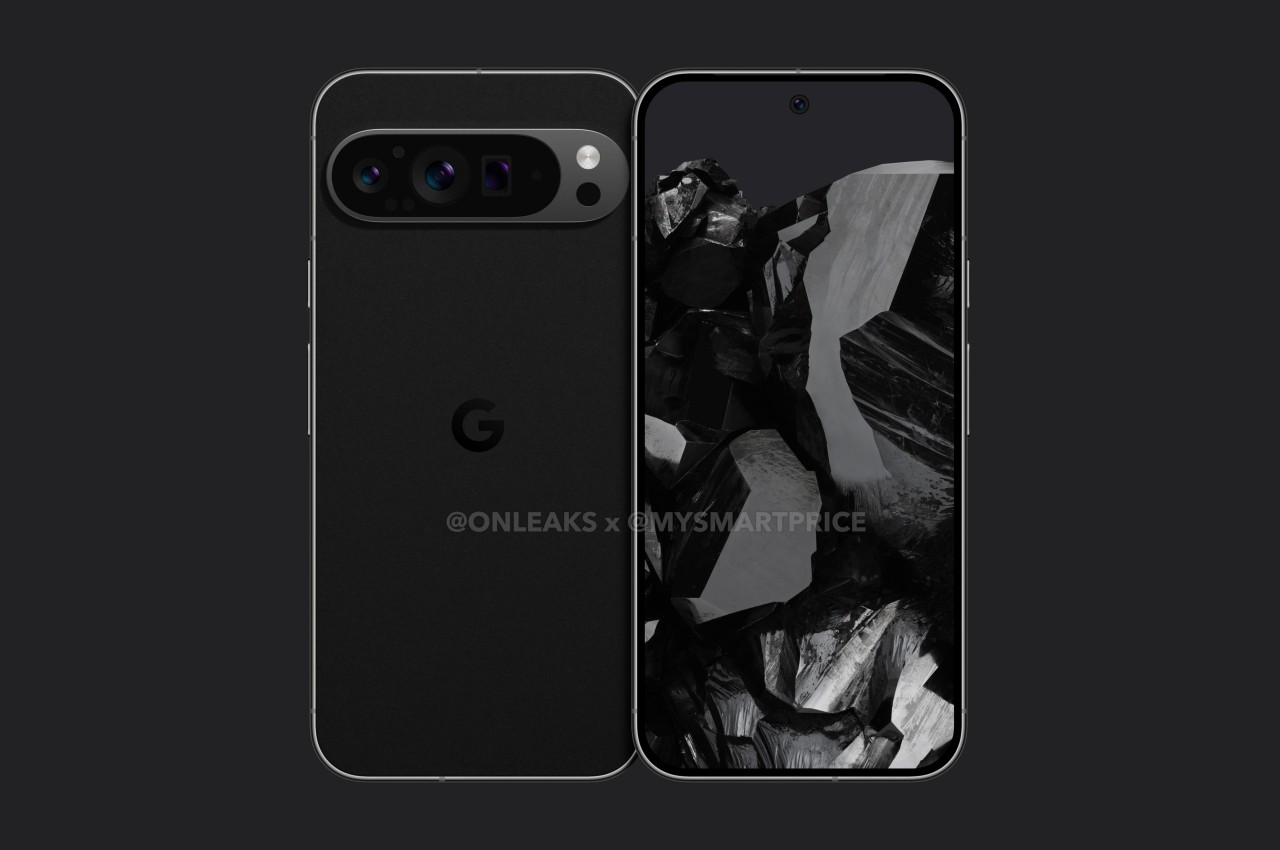
It will definitely not be everyone’s cup of tea, especially those who have regarded the visor design to be the signature mark of the Pixel phones from the past three years. But more than just brand identity, this capsule-shaped bump also has the effect of making its thickness even more noticeable and abrupt, as if someone just glued a large chunk of metal and glass onto the back of the phone. The Pixel 8’s camera bump is just as thick, but the curved edge and smoother curves give the impression that it is thinner than it really is.
Google Pixel 9 Pro XL
Another detail coming out from these leaks is that Google will launch three models this year instead of just two. That will be the Pixel 9, Pixel 9 Pro, and Pixel 9 Pro XL. The “XL” model hasn’t been seen since the Pixel 5 XL in 2020, so it will be interesting how Google will position these three phones in the market.
After MWC 2024 last month, it was clear that foldable phones aren’t going anywhere despite previous prophecies of doom. Samsung is obviously very much in the running, and Honor is pulling out the stops as well. Google is the one brand that is believed to be a bit over the fence, especially in the direction it will be taking its Pixel Fold in. There are already some expected big changes in design, but the changes might be even bigger than expected, literally. According to the latest rumor, the Google Pixel Fold 2’s screens will indeed be bigger, but they will actually be a lot bigger than previously cited, and this change could have significant repercussions for the rest of the foldable phone’s design.
Although foldable phones are marketed as phones that can turn into tablets, the reality is that they can only turn into mini tablets that are even smaller than the iPad mini. This is mostly due to the requirement that these devices should still be usable as normal phones, something that’s actually near impossible if you fold a 10-inch tablet in half. Not unless you can actually fold it in three, which is what Samsung might be doing soon.
In the meantime, however, phone manufacturers have to work within that limitation, and Google will apparently be pushing the boundaries with its second-gen design. According to the newest unofficial information, the Google Pixel Fold 2 will have an external “Cover Screen” size of 6.29 inches and an internal main display of 8.02 inches. Considering the first Pixel Fold had sizes of 5.8 inches and 7.6 inches for those same screens, that’s a rather big jump in terms of screen size. For comparison, the iPad mini has an 8.3-inch screen.
That size increase won’t just be for the sake of bragging, though, as it will definitely affect the usability of the device. Yes, you will be able to enjoy more content or a less cramped space, but that could come at the cost of being bigger to hold in one hand, especially when folded as a phone. There’s also the matter of bezel size, which the Pixel Fold was notorious for. Either way, it won’t be the compact foldable that many people actually loved, so Google might lose some fans but gain others.
Unfortunately, the source didn’t confirm the other two big changes rumored for the Pixel Fold 2, particularly the aspect ratio and especially the camera design. The latter might prove to be the more controversial change for Google’s once-beautiful design, especially if the hardware upgrade doesn’t exactly warrant that change. The screens for the Pixel Fold 2 will reportedly go into production next month, so an announcement won’t be far away.
After MWC 2024 last month, it was clear that foldable phones aren’t going anywhere despite previous prophecies of doom. Samsung is obviously very much in the running, and Honor is pulling out the stops as well. Google is the one brand that is believed to be a bit over the fence, especially in the direction it will be taking its Pixel Fold in. There are already some expected big changes in design, but the changes might be even bigger than expected, literally. According to the latest rumor, the Google Pixel Fold 2’s screens will indeed be bigger, but they will actually be a lot bigger than previously cited, and this change could have significant repercussions for the rest of the foldable phone’s design.
Although foldable phones are marketed as phones that can turn into tablets, the reality is that they can only turn into mini tablets that are even smaller than the iPad mini. This is mostly due to the requirement that these devices should still be usable as normal phones, something that’s actually near impossible if you fold a 10-inch tablet in half. Not unless you can actually fold it in three, which is what Samsung might be doing soon.
In the meantime, however, phone manufacturers have to work within that limitation, and Google will apparently be pushing the boundaries with its second-gen design. According to the newest unofficial information, the Google Pixel Fold 2 will have an external “Cover Screen” size of 6.29 inches and an internal main display of 8.02 inches. Considering the first Pixel Fold had sizes of 5.8 inches and 7.6 inches for those same screens, that’s a rather big jump in terms of screen size. For comparison, the iPad mini has an 8.3-inch screen.
That size increase won’t just be for the sake of bragging, though, as it will definitely affect the usability of the device. Yes, you will be able to enjoy more content or a less cramped space, but that could come at the cost of being bigger to hold in one hand, especially when folded as a phone. There’s also the matter of bezel size, which the Pixel Fold was notorious for. Either way, it won’t be the compact foldable that many people actually loved, so Google might lose some fans but gain others.
Unfortunately, the source didn’t confirm the other two big changes rumored for the Pixel Fold 2, particularly the aspect ratio and especially the camera design. The latter might prove to be the more controversial change for Google’s once-beautiful design, especially if the hardware upgrade doesn’t exactly warrant that change. The screens for the Pixel Fold 2 will reportedly go into production next month, so an announcement won’t be far away.
After MWC 2024 last month, it was clear that foldable phones aren’t going anywhere despite previous prophecies of doom. Samsung is obviously very much in the running, and Honor is pulling out the stops as well. Google is the one brand that is believed to be a bit over the fence, especially in the direction it will be taking its Pixel Fold in. There are already some expected big changes in design, but the changes might be even bigger than expected, literally. According to the latest rumor, the Google Pixel Fold 2’s screens will indeed be bigger, but they will actually be a lot bigger than previously cited, and this change could have significant repercussions for the rest of the foldable phone’s design.
Although foldable phones are marketed as phones that can turn into tablets, the reality is that they can only turn into mini tablets that are even smaller than the iPad mini. This is mostly due to the requirement that these devices should still be usable as normal phones, something that’s actually near impossible if you fold a 10-inch tablet in half. Not unless you can actually fold it in three, which is what Samsung might be doing soon.
In the meantime, however, phone manufacturers have to work within that limitation, and Google will apparently be pushing the boundaries with its second-gen design. According to the newest unofficial information, the Google Pixel Fold 2 will have an external “Cover Screen” size of 6.29 inches and an internal main display of 8.02 inches. Considering the first Pixel Fold had sizes of 5.8 inches and 7.6 inches for those same screens, that’s a rather big jump in terms of screen size. For comparison, the iPad mini has an 8.3-inch screen.
That size increase won’t just be for the sake of bragging, though, as it will definitely affect the usability of the device. Yes, you will be able to enjoy more content or a less cramped space, but that could come at the cost of being bigger to hold in one hand, especially when folded as a phone. There’s also the matter of bezel size, which the Pixel Fold was notorious for. Either way, it won’t be the compact foldable that many people actually loved, so Google might lose some fans but gain others.
Unfortunately, the source didn’t confirm the other two big changes rumored for the Pixel Fold 2, particularly the aspect ratio and especially the camera design. The latter might prove to be the more controversial change for Google’s once-beautiful design, especially if the hardware upgrade doesn’t exactly warrant that change. The screens for the Pixel Fold 2 will reportedly go into production next month, so an announcement won’t be far away.
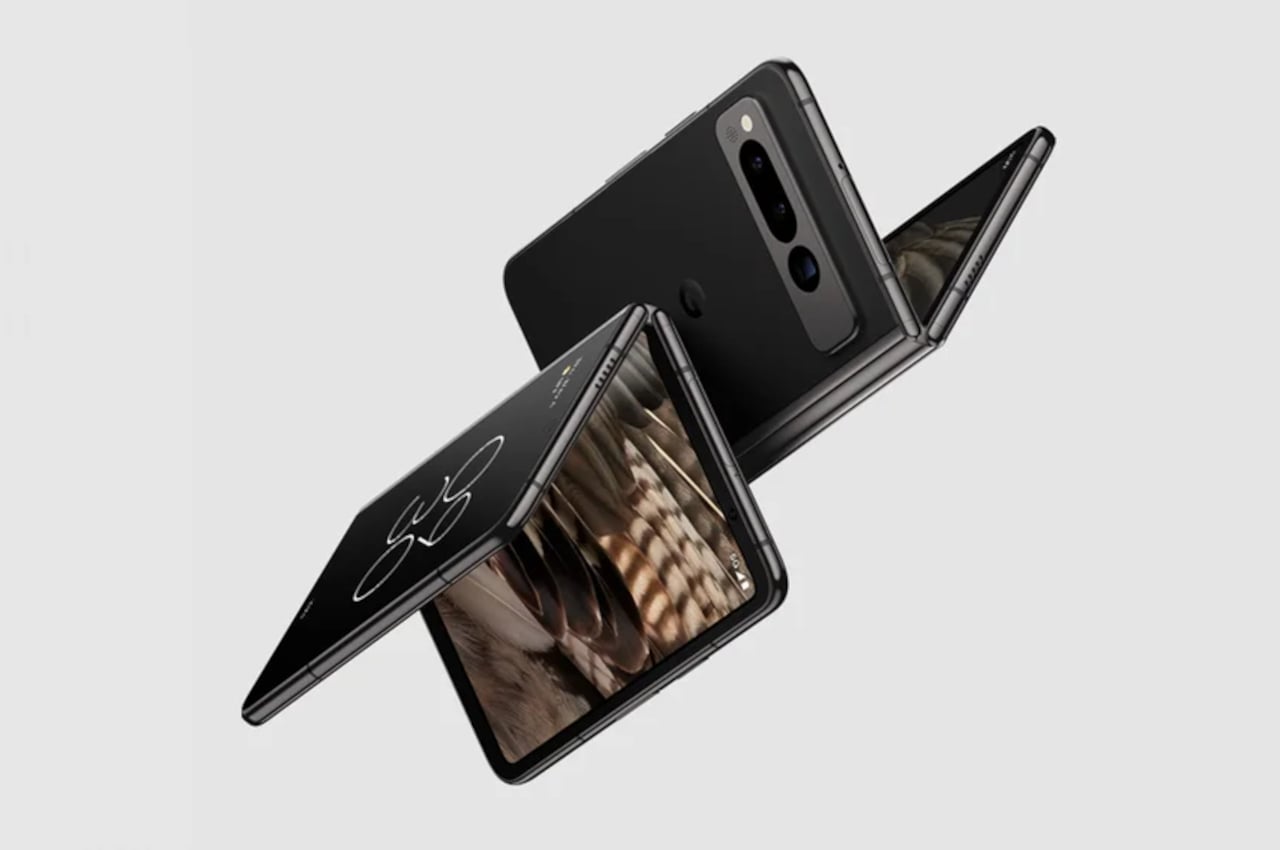
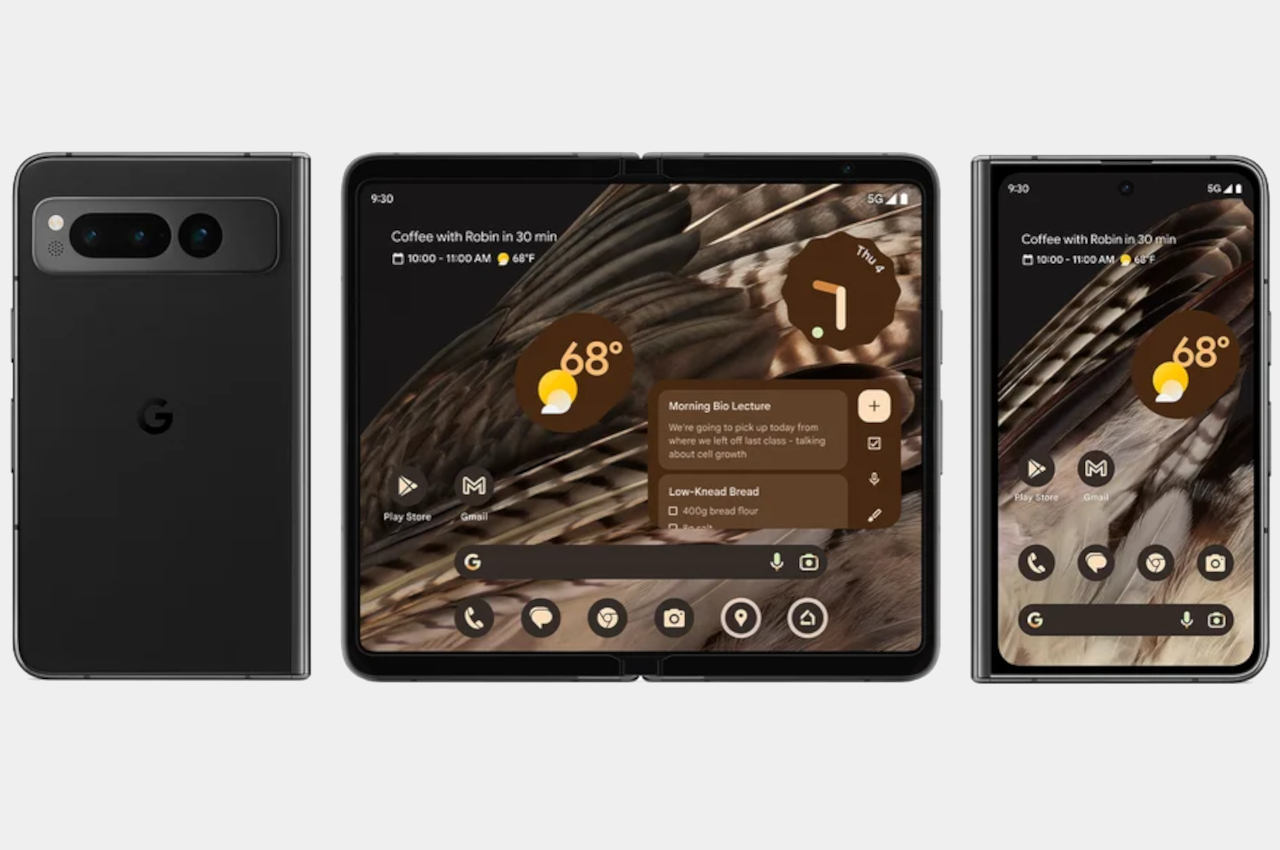
The foldable phone market is still very young, which means there’s plenty of room for design improvement across the board. We can expect manufacturers to experiment with different combinations that try to cram as much hardware as possible inside super-thin bodies. Change is inevitable but not every change will be welcomed with open arms. Some are bound to be controversial, especially when they involve removing something that people have grown fond of. That might be the case with Google’s second foldable phone, which will trade its somewhat iconic “visor” camera design for a rather unusual spin on the common camera bump that might prove to be quite unappealing if these unofficial renders are correct.
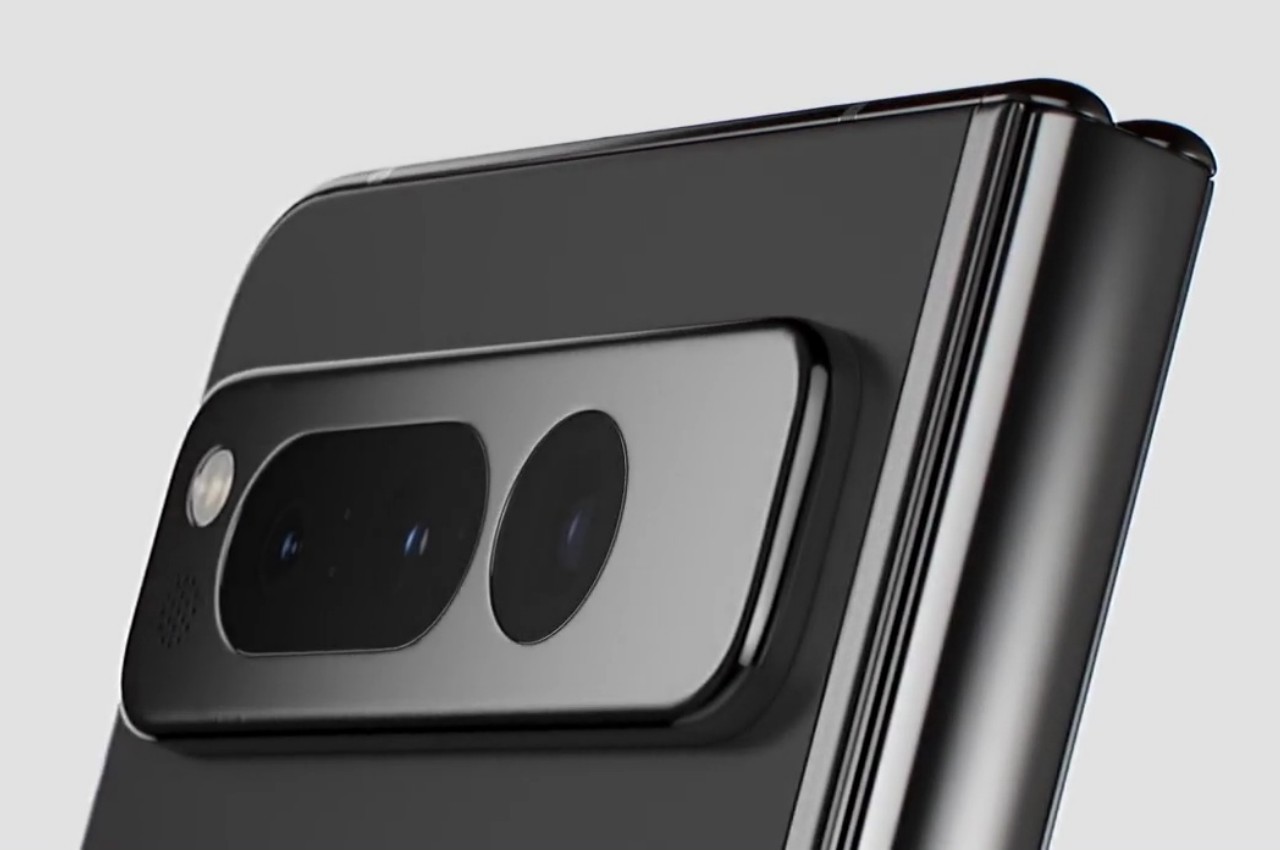
Granted, the Google Pixel’s rear camera bar isn’t exactly loved by everyone, but it still gives the smartphones a distinctive appearance that can be considered Google’s signature design. That’s not exactly easy to pull off on a foldable phone like the Pixel Fold, so Google had to modify it to be less elegant but still shouted “Pixel” nonetheless. Whether you liked that design or not, it might not be sticking around on Google’s foldable for long, and maybe not even on its future smartphones.
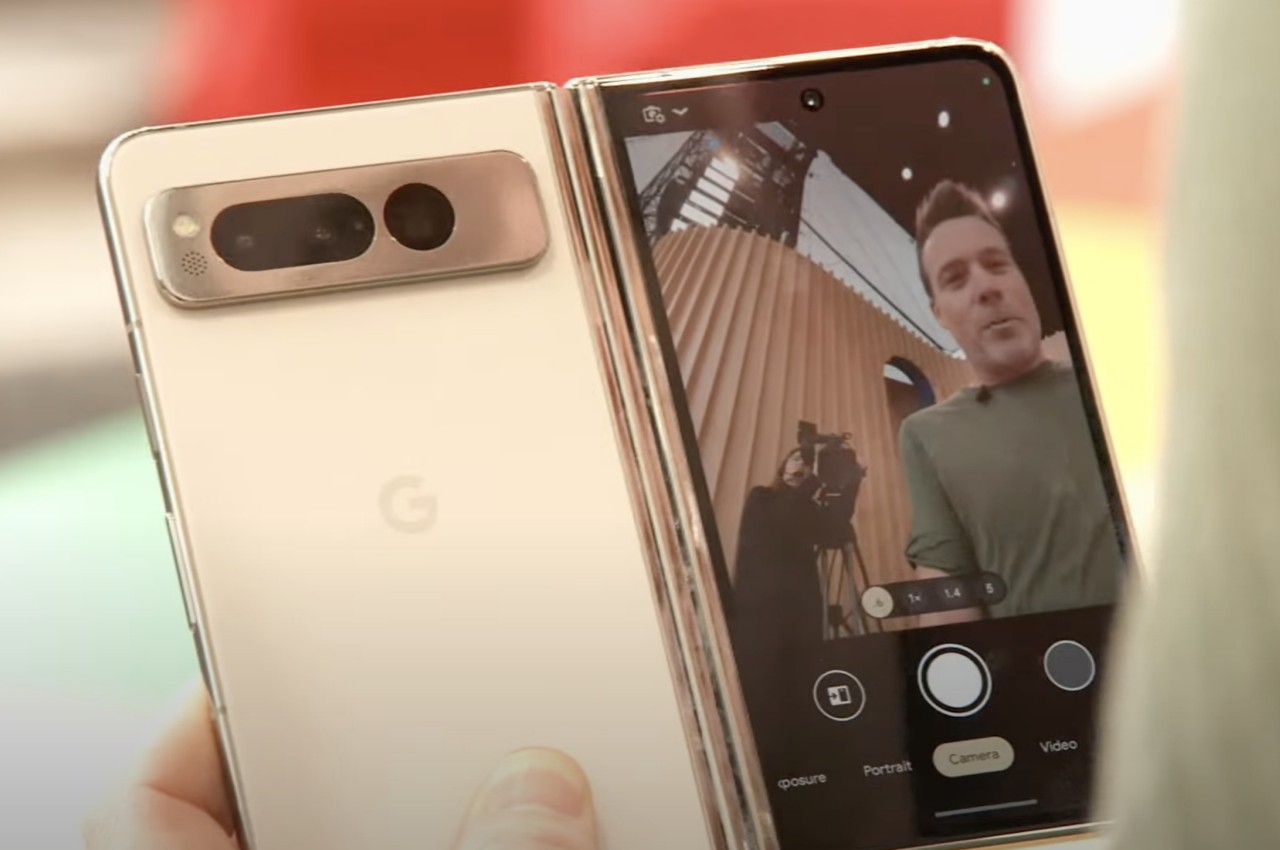
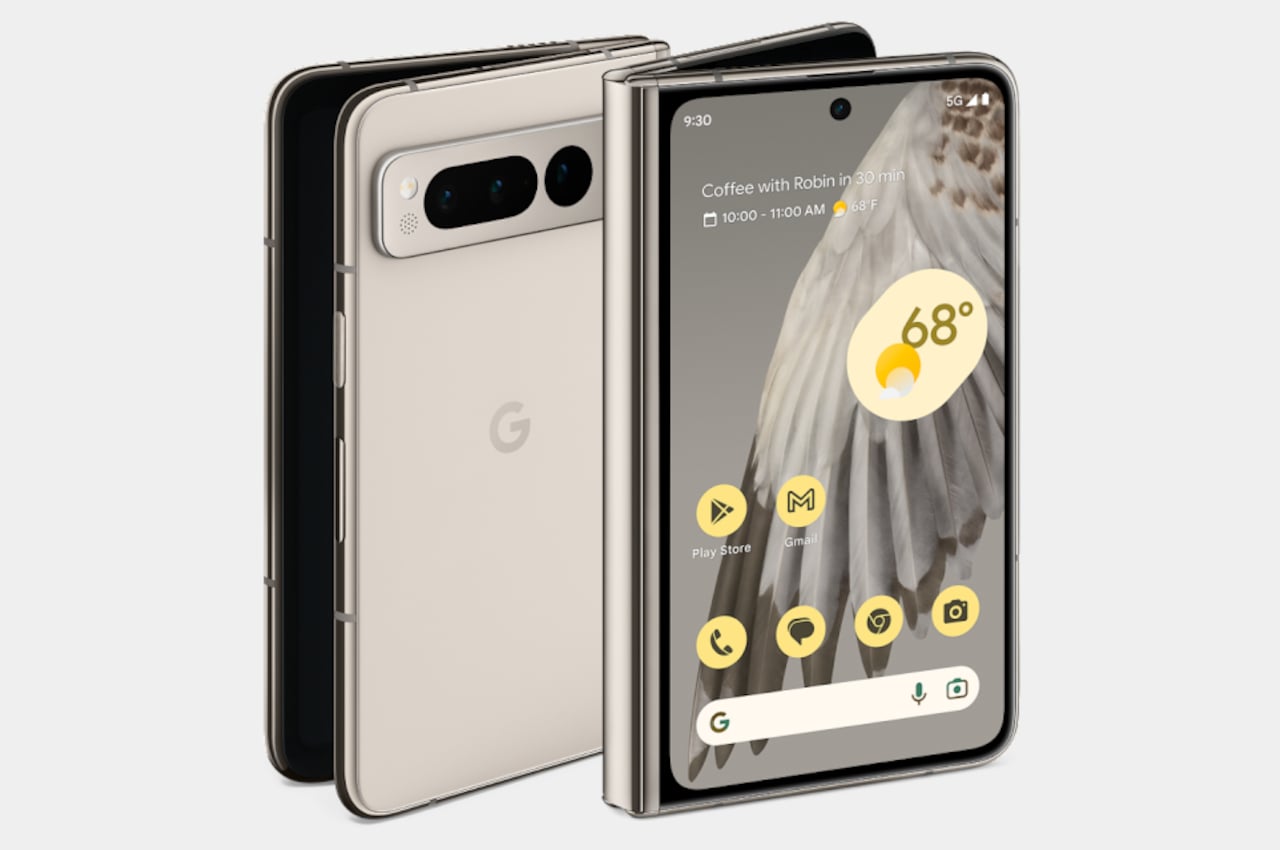
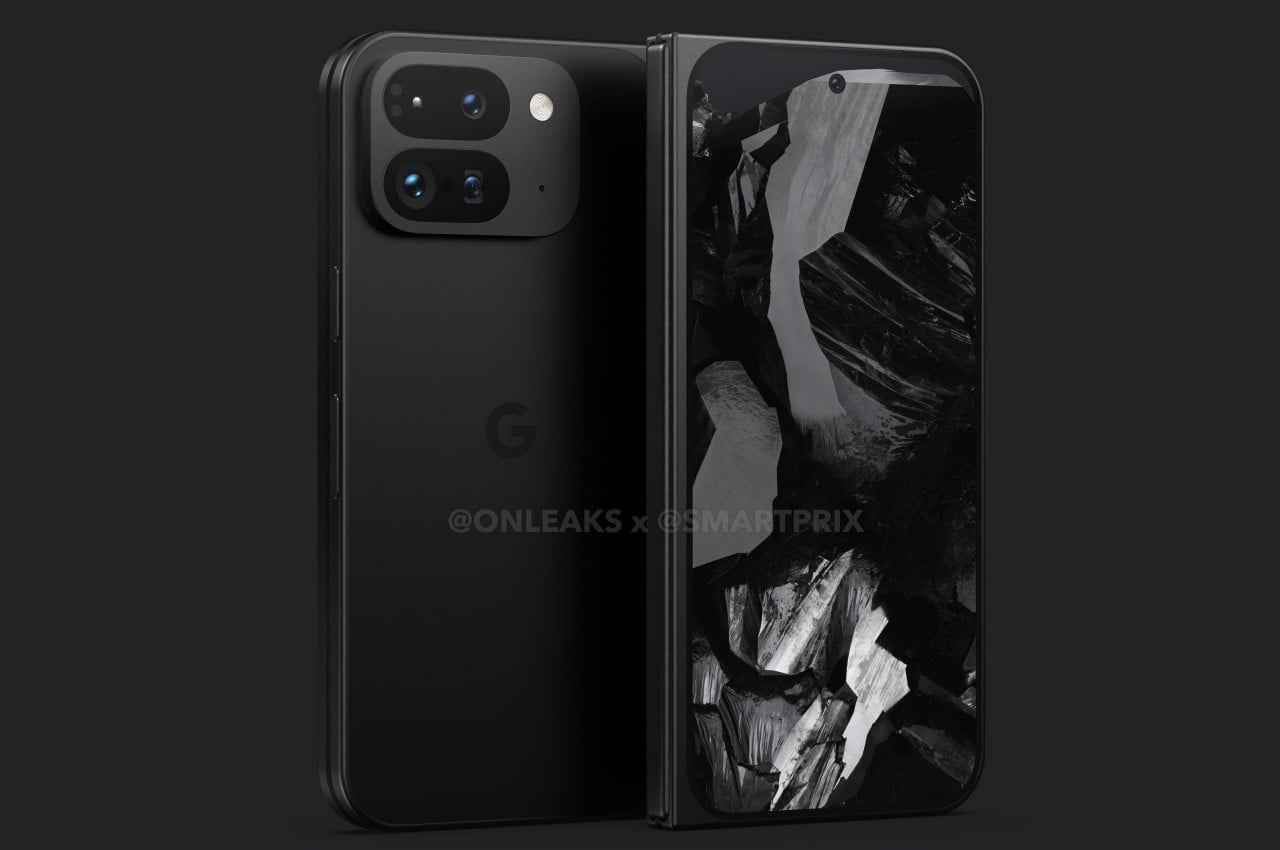
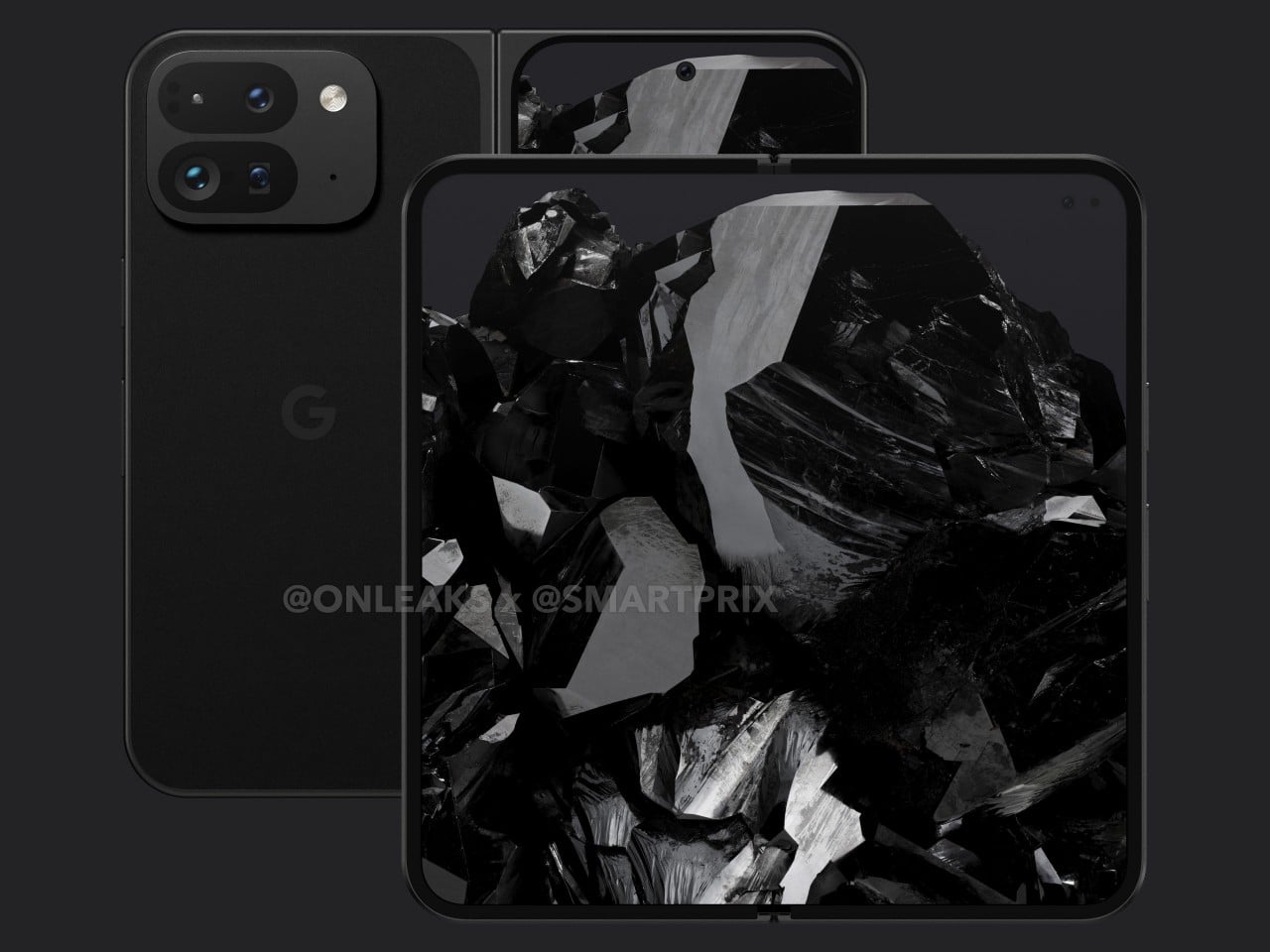
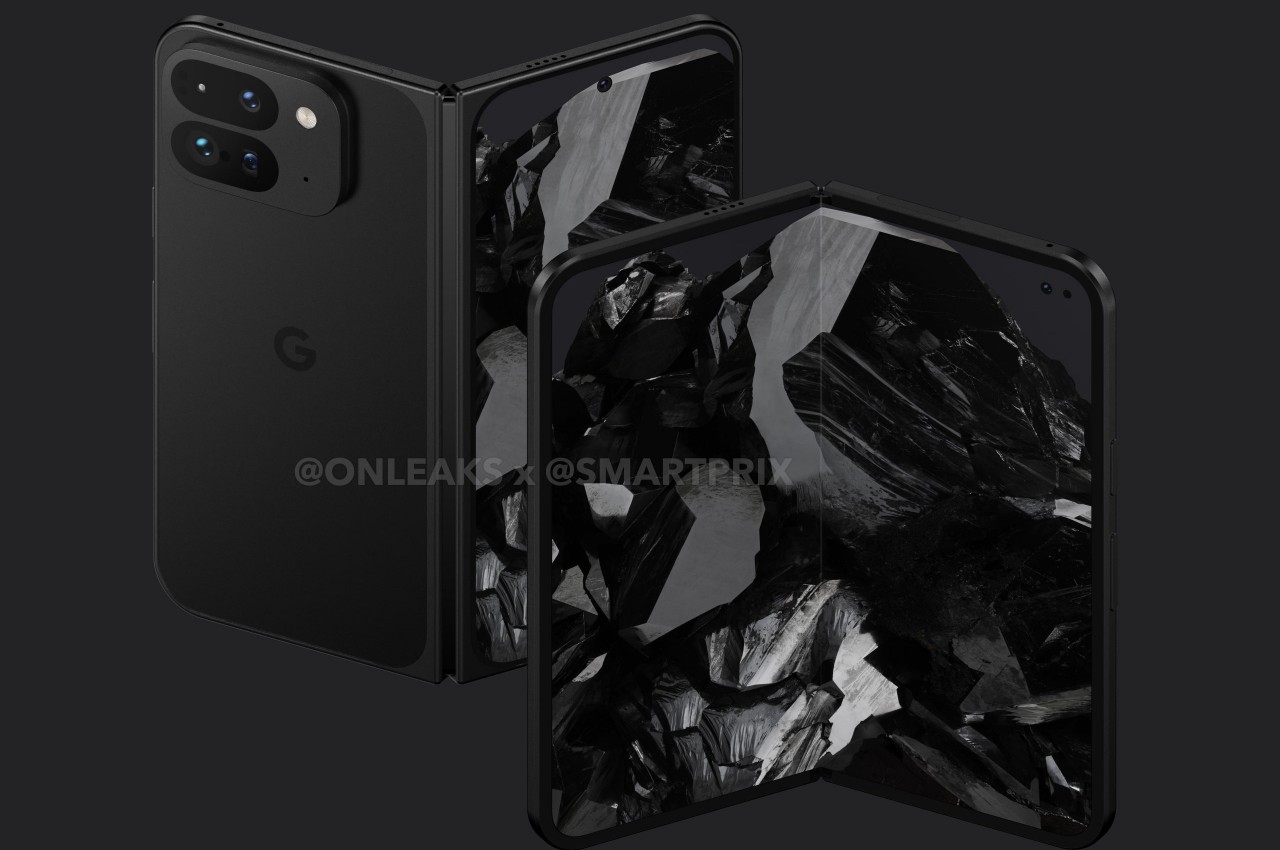
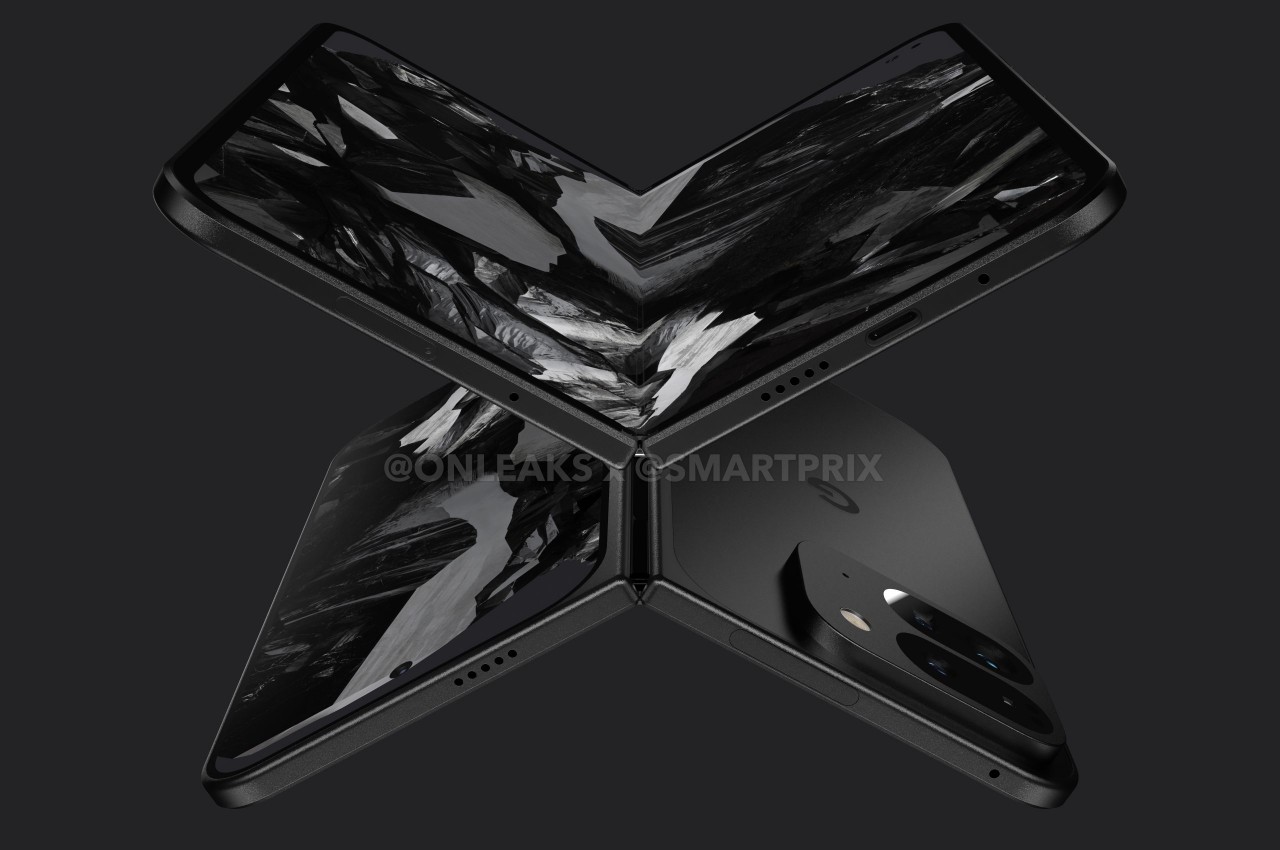
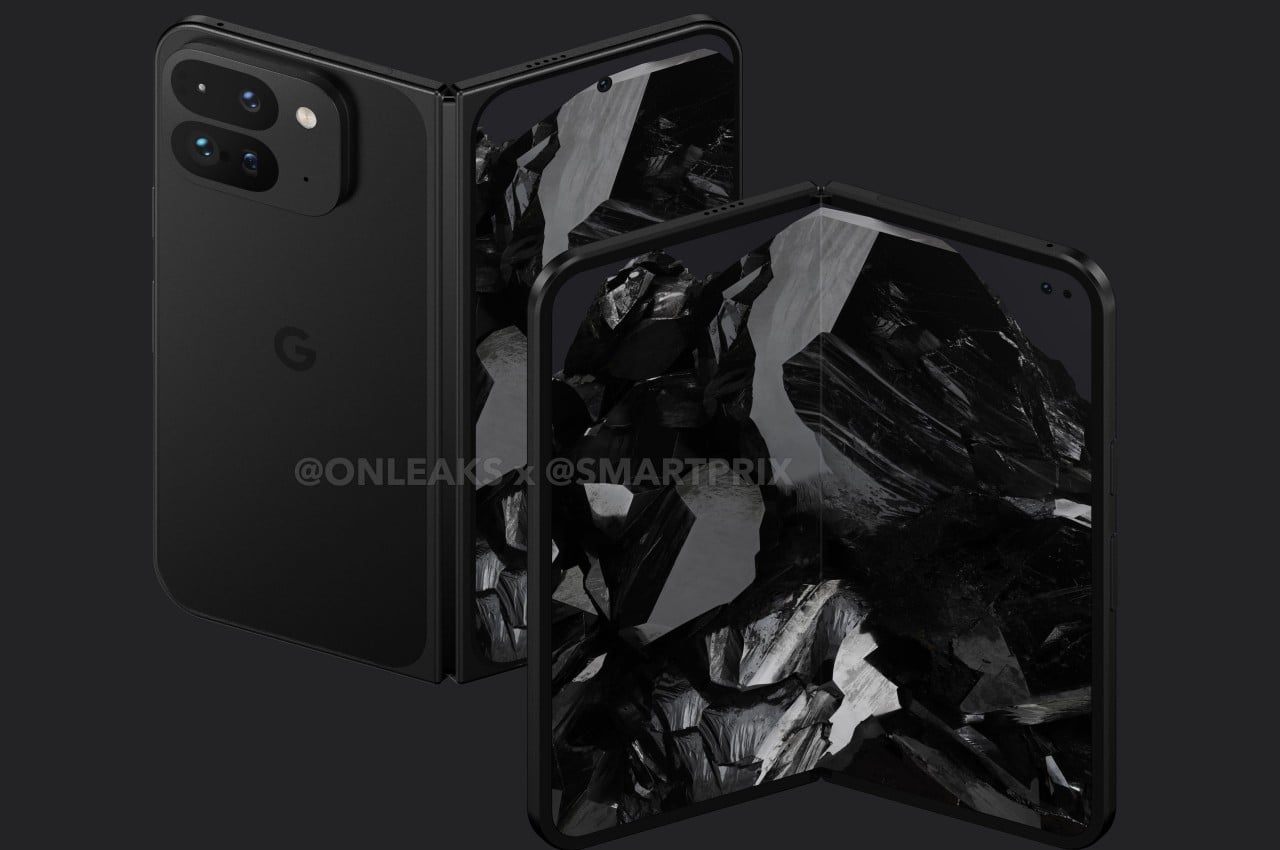
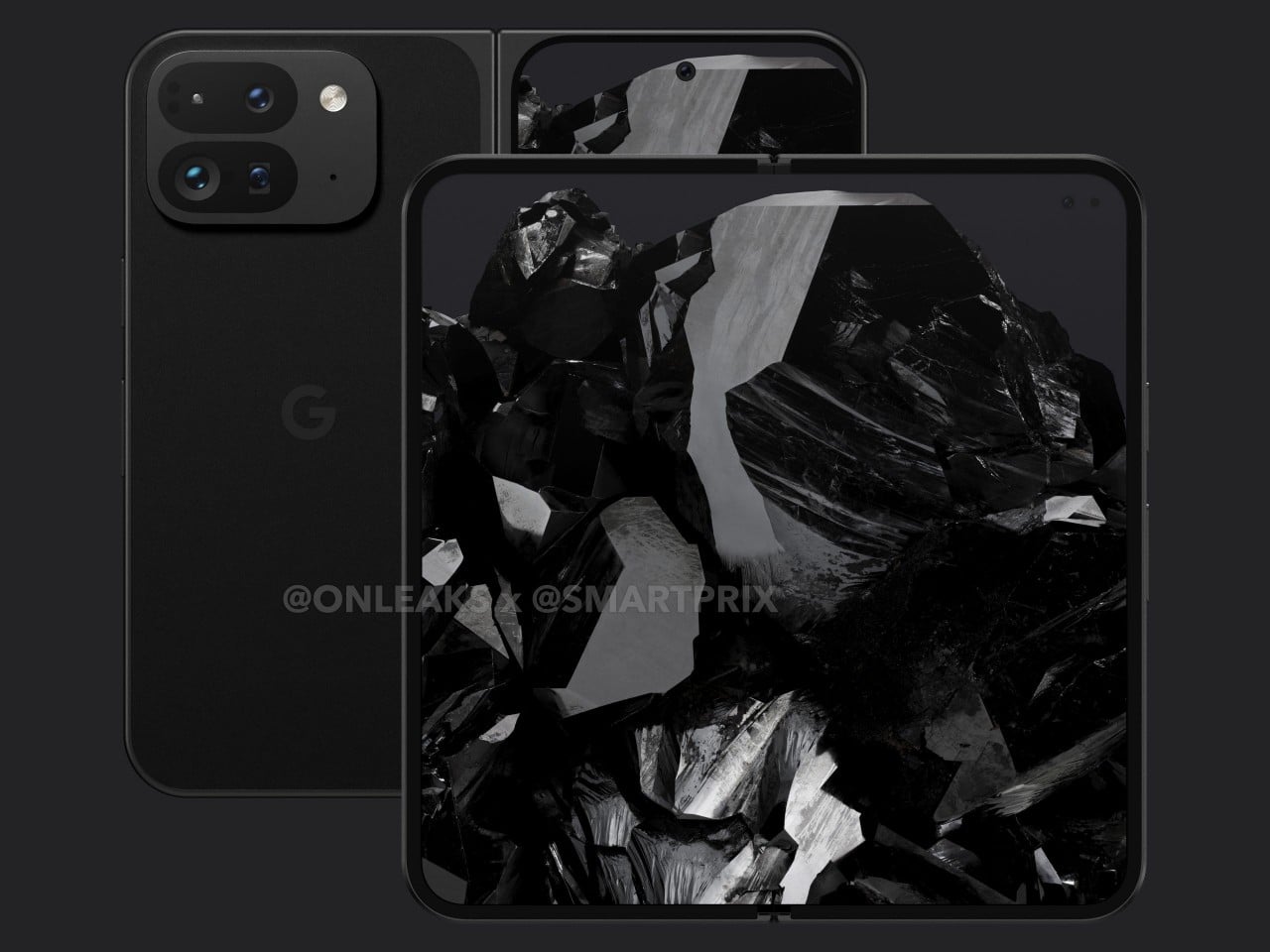
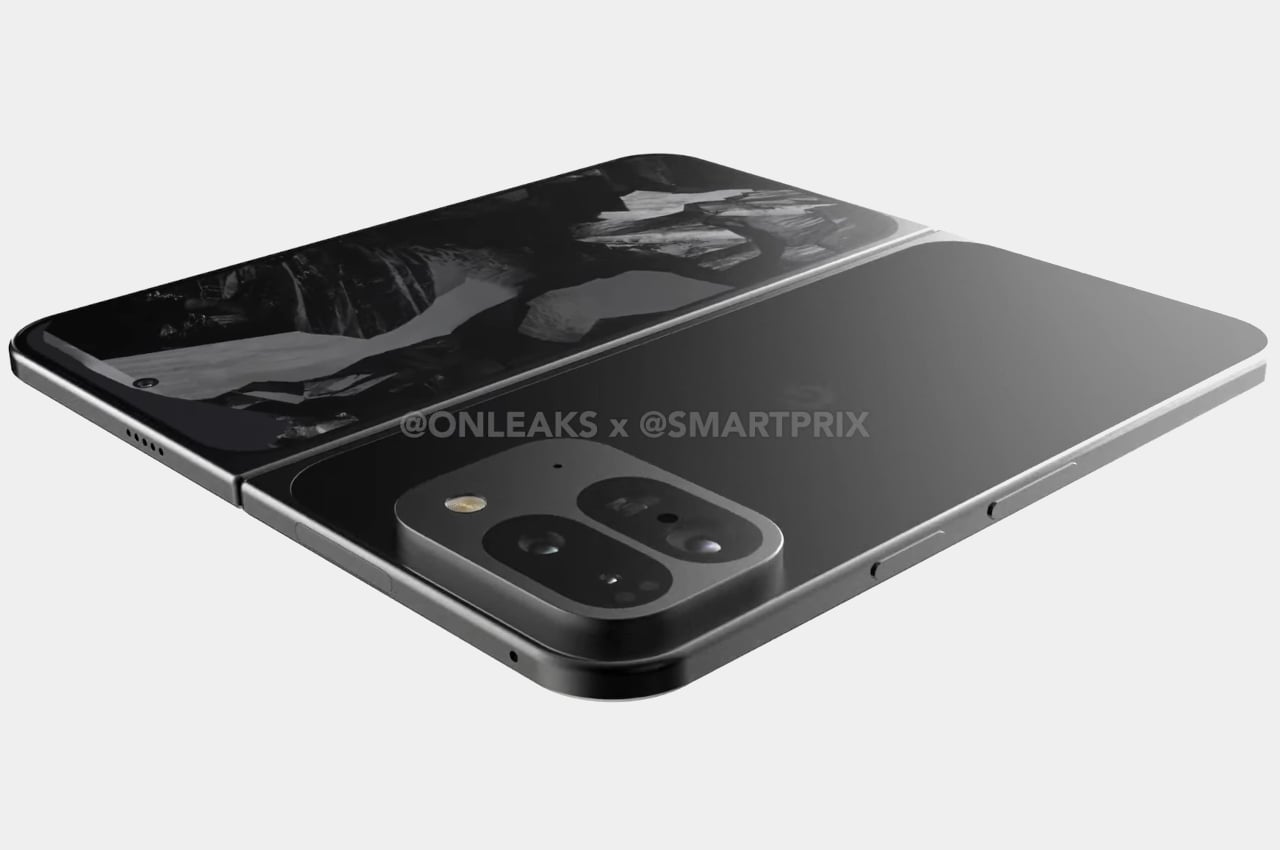
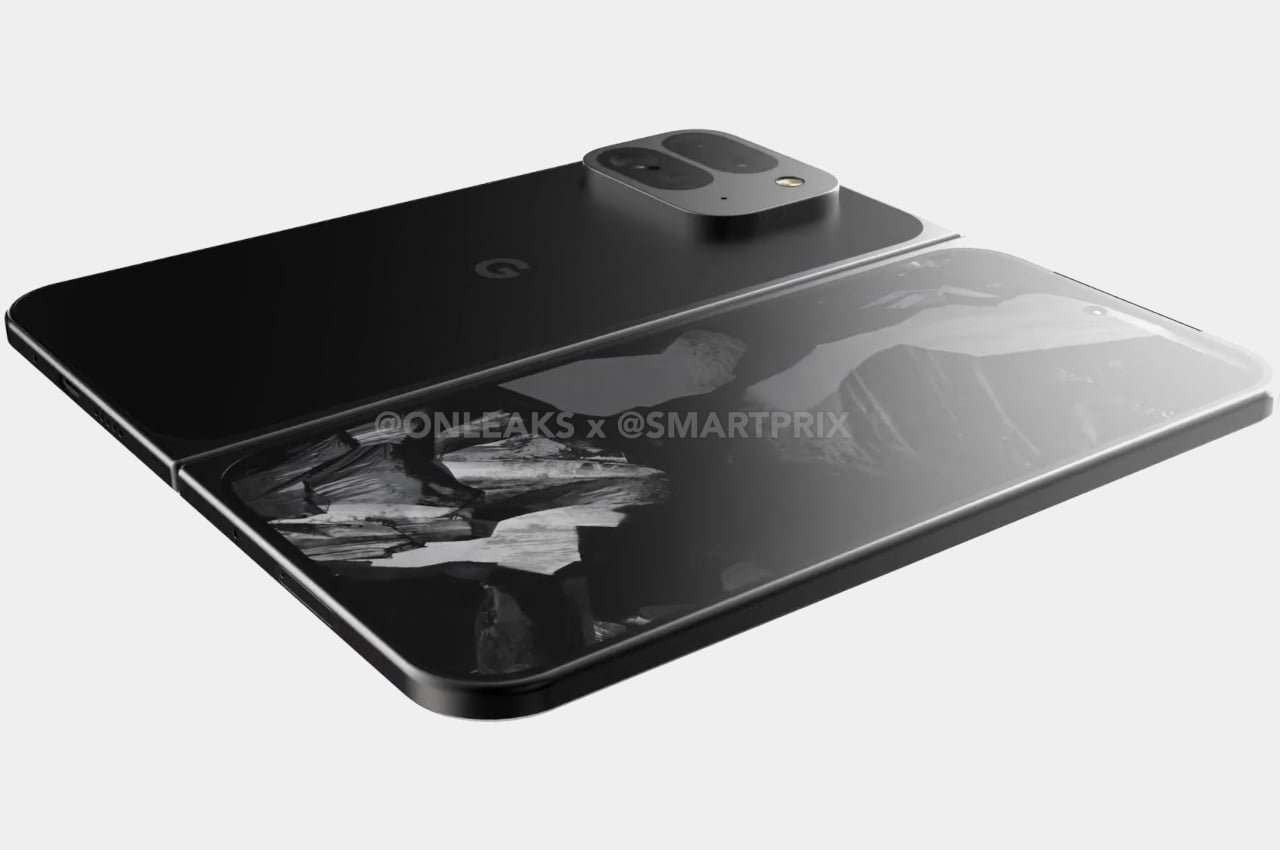
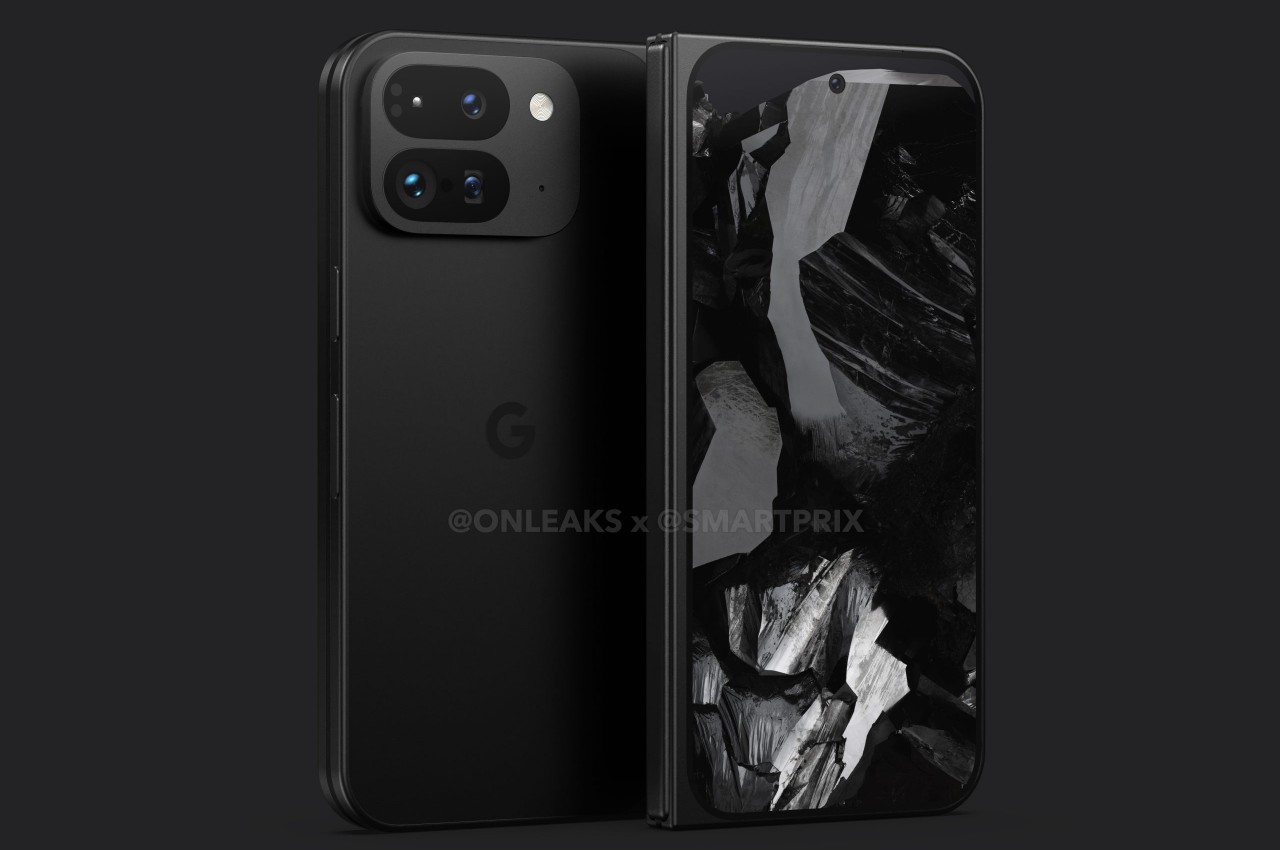
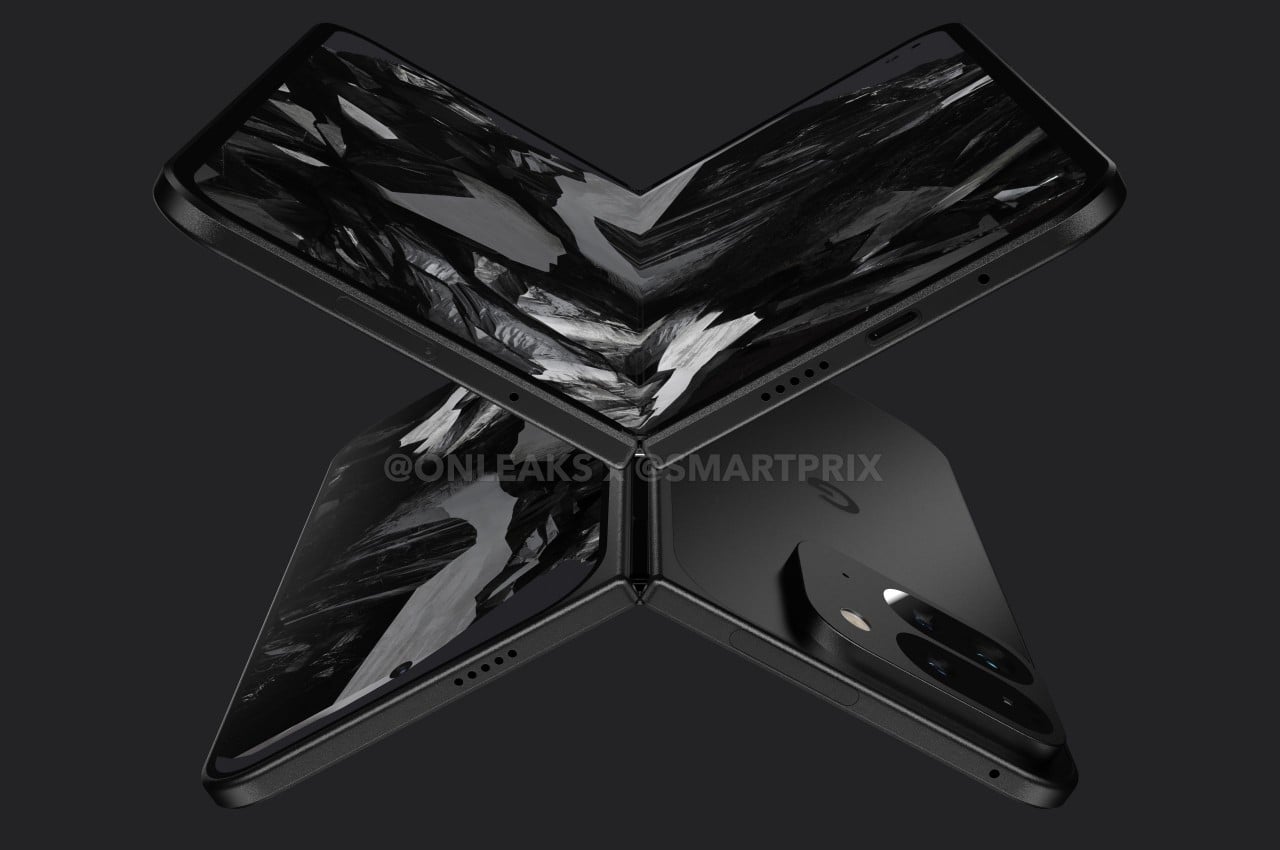
Renders based on leaked information reveal the alleged Pixel Fold 2 design that is so different from the first-gen foldable. Gone is the horizontal bar, replaced by what almost looks like a more conventional rounded square in the corner. That illusion quickly breaks down, however, when you notice the two horizontal pill-shaped cutouts for the camera lenses. In addition to possibly being very thick, this could easily be one of the least attractive camera designs today.
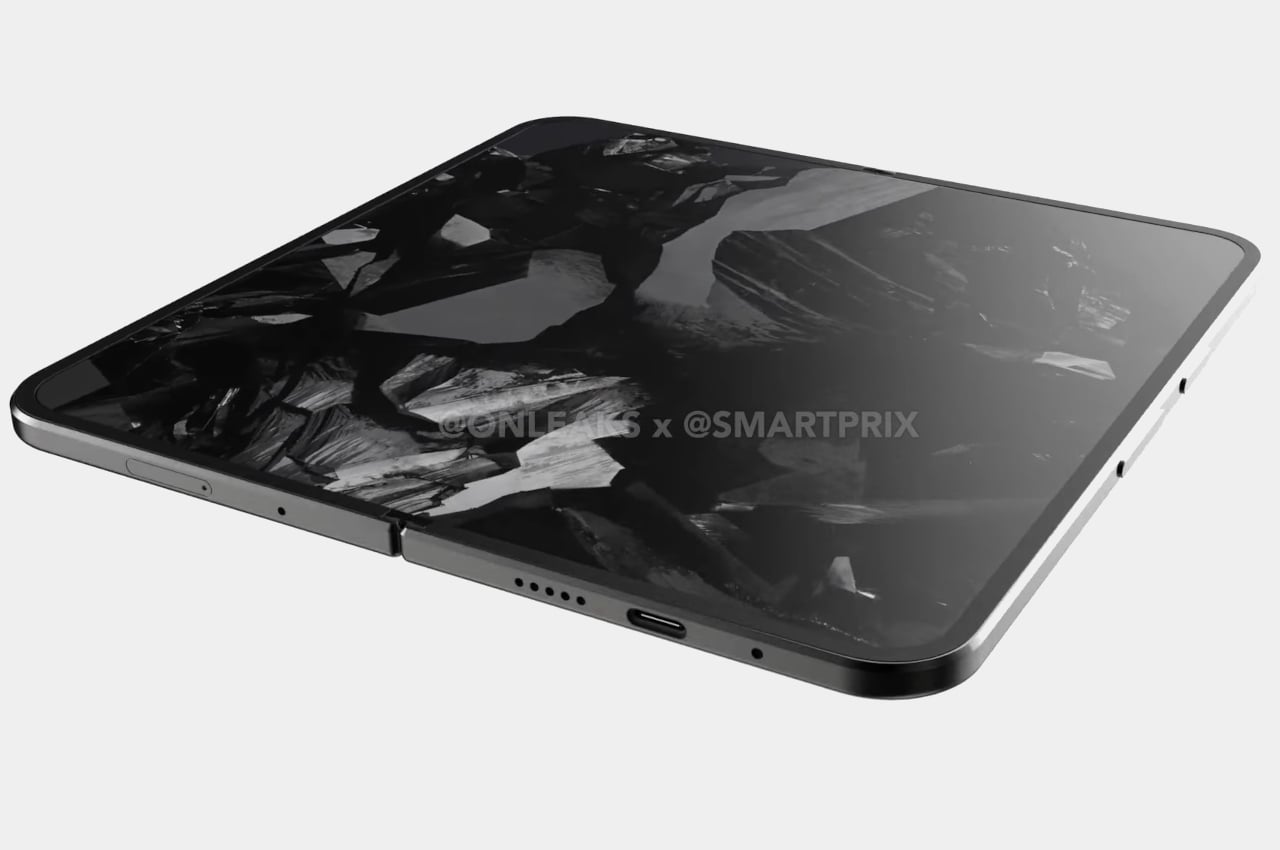
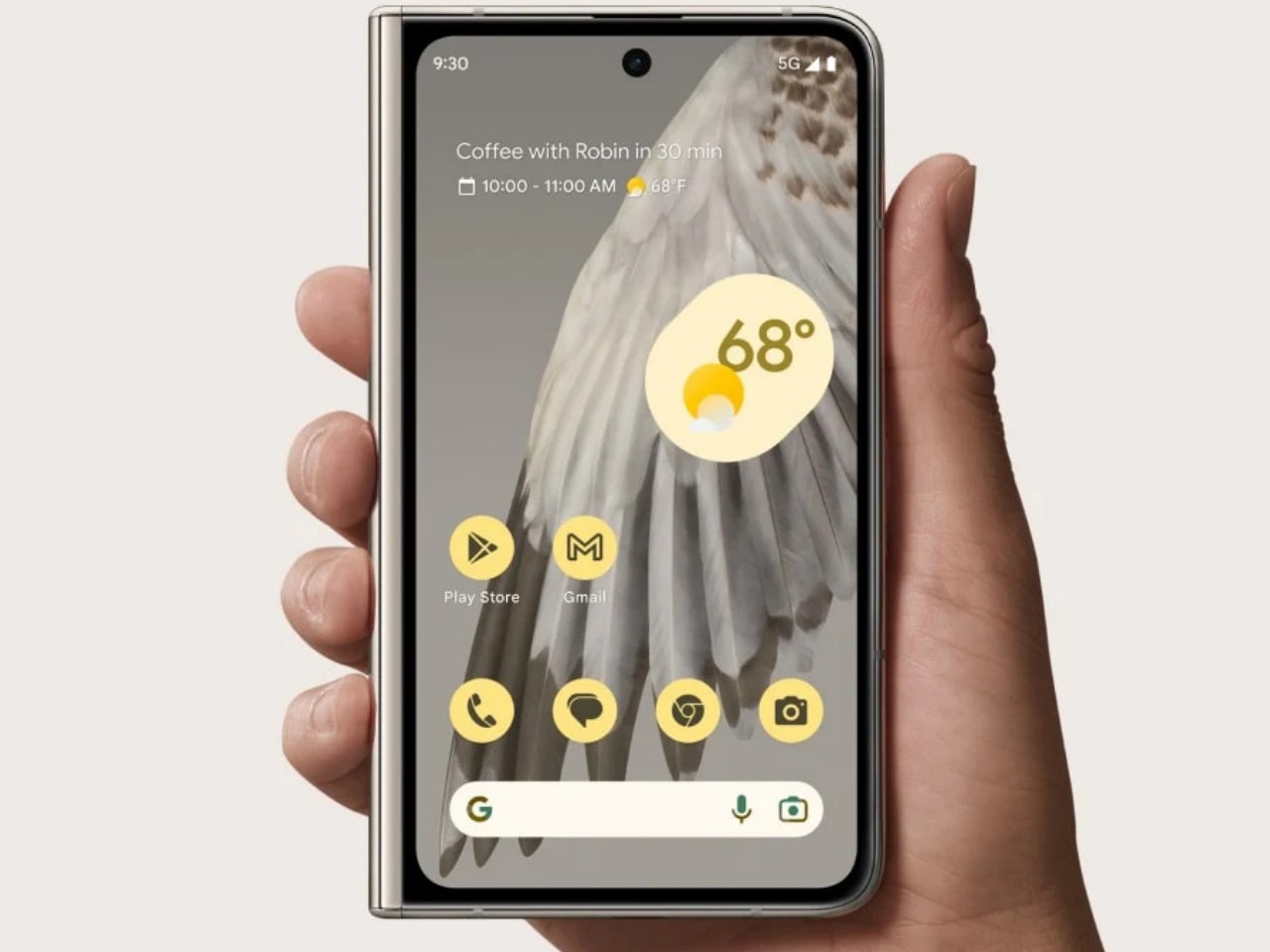
The more subtle changes can be found in the sizes of the two screens. Not only are they larger, they also have different aspect ratios. The external Cover screen, for example, is a bit narrower and taller, resulting in an unfolded shape that is more square than the first Pixel Fold. The bezels around the internal display are also much thinner, which leaves no room for a camera. Apparently, this could also be Google’s first phone to use an under-display camera as well.
None of these details are guaranteed, of course, and Google might surprise us with a Pixel Fold 2 that looks almost exactly like the Pixel Fold 1, except more refined. It is definitely within Google’s right to change its designs as it sees fit, but there are also times when you’re just left scratching your head at the oddity of it all. Fortunately, the Pixel Fold is hardly the only foldable phone available, especially with OPPO confirming it’s still in the race.
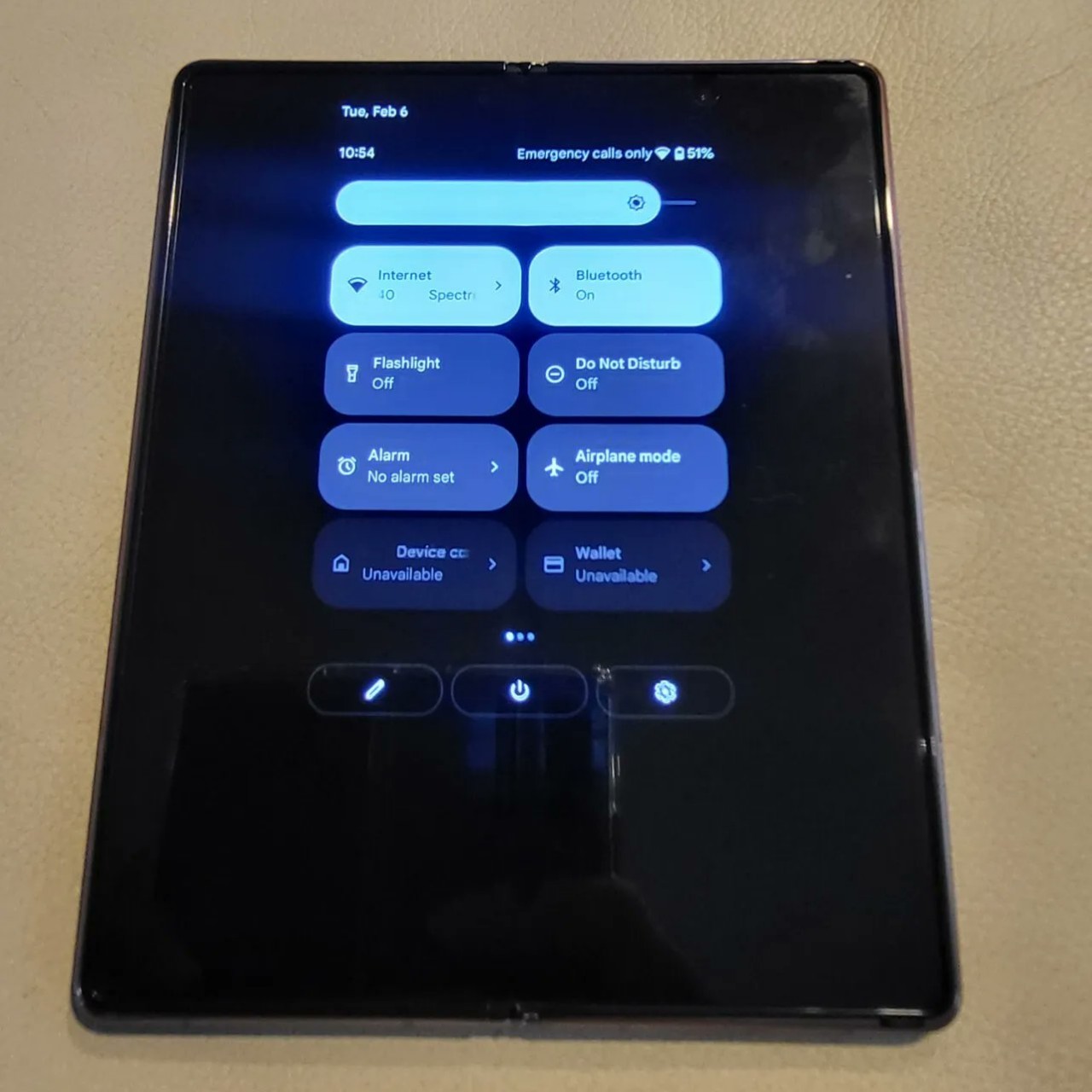
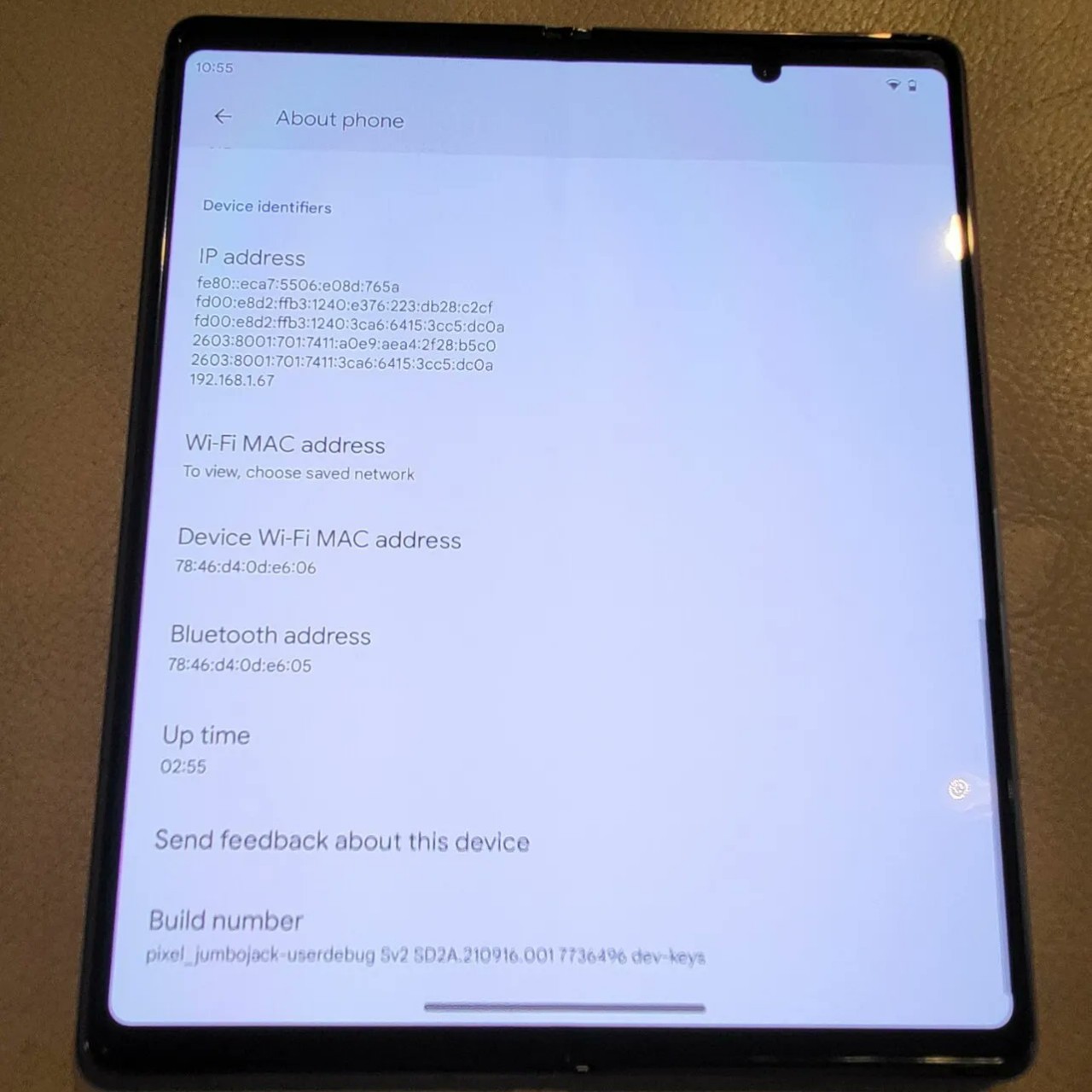
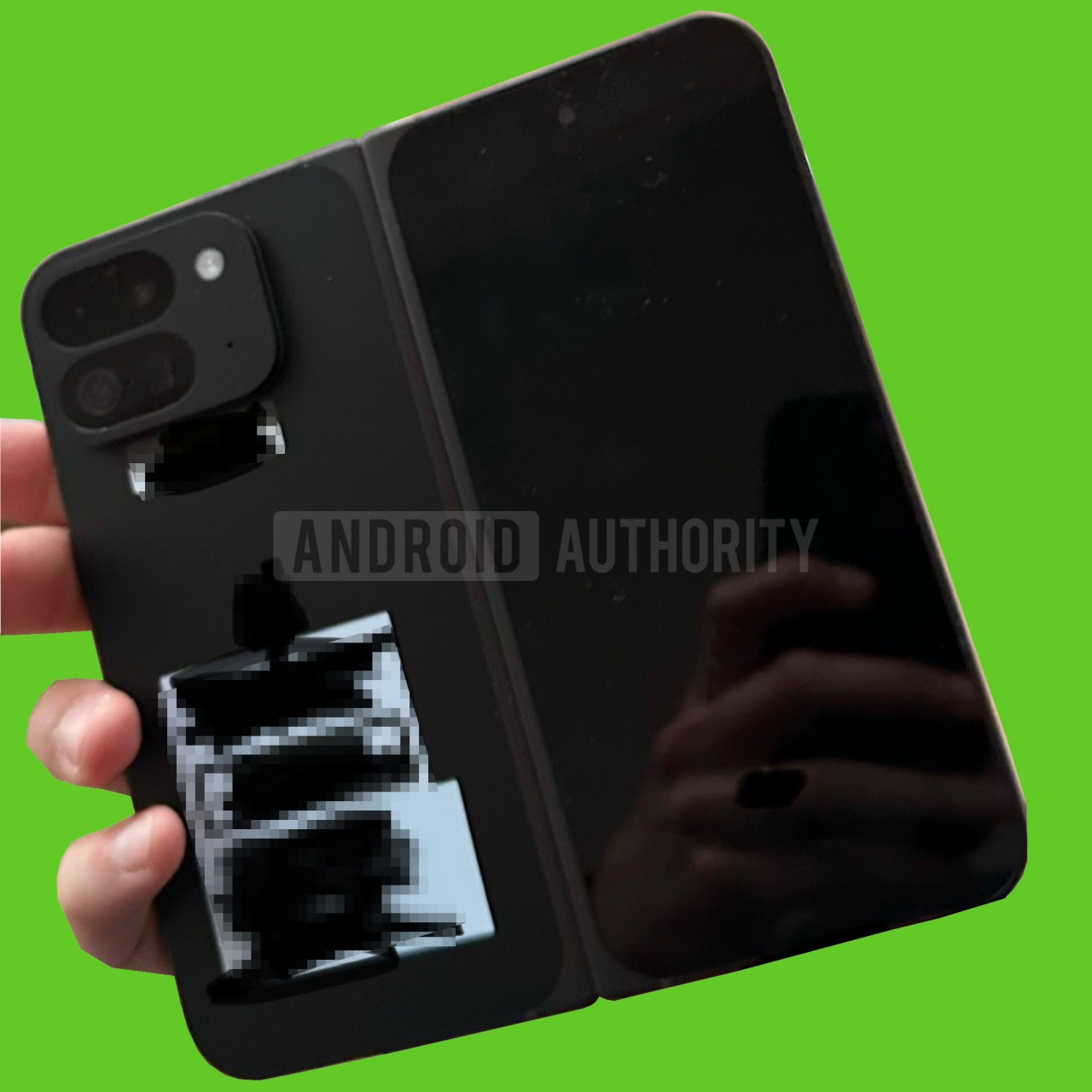
Just like with the Apple Vision Pro, Google’s entry into the foldable smartphone market has been a long time coming. Given how the Android maker itself has been rather slow on jumping on trends, there might have even been a chance that it would snub the form factor completely. After all, it showed tablets no true love, even if big Android slates have been around for years. For better or worse, Google did decide to join that bandwagon, which isn’t always an assurance that it will work on a second-gen device. Now it seems that a Pixel Fold 2 is indeed in the works, at least based on a blurry leak, but that small glimpse might be dashing some hopes, as word of Google’s big changes also comes with questions about its design goals.
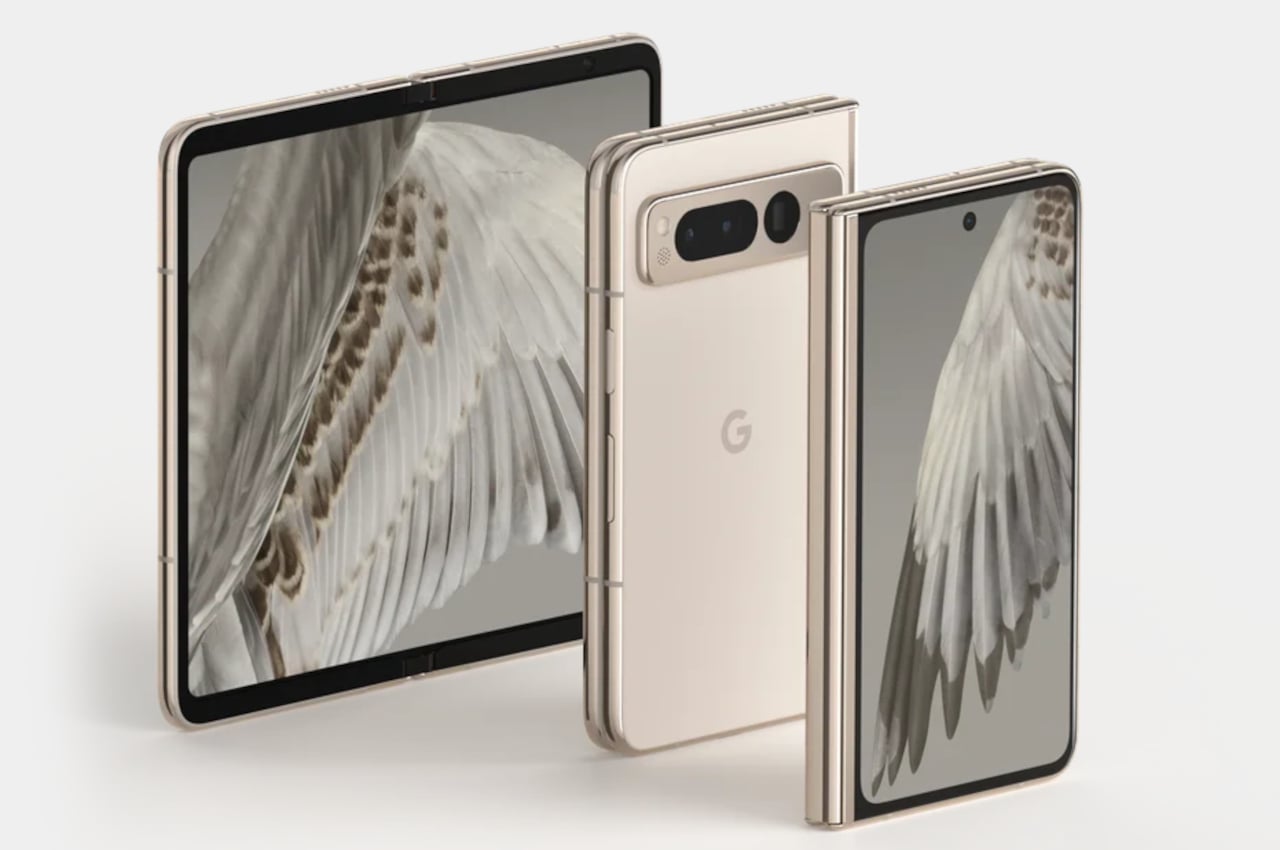
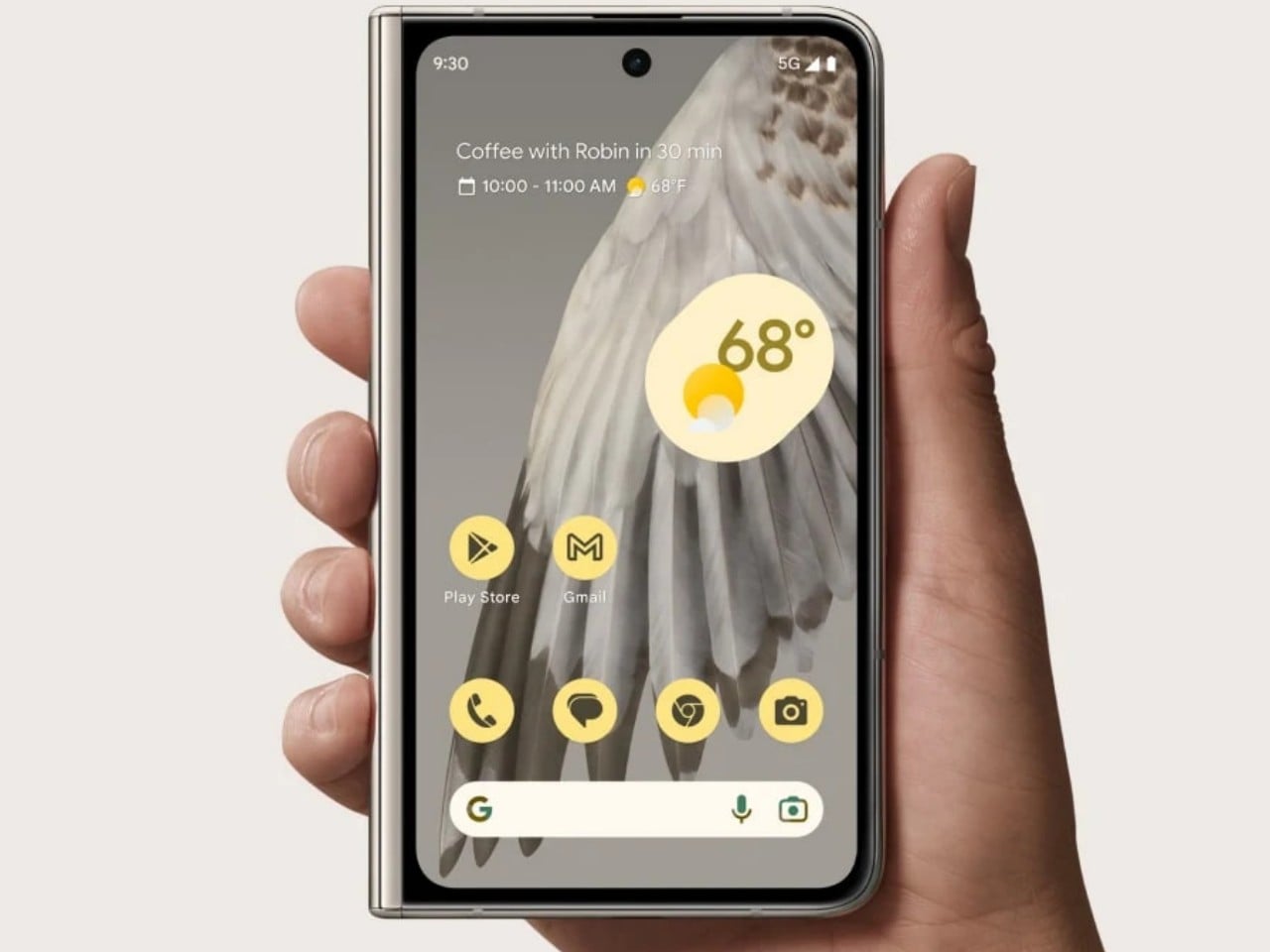
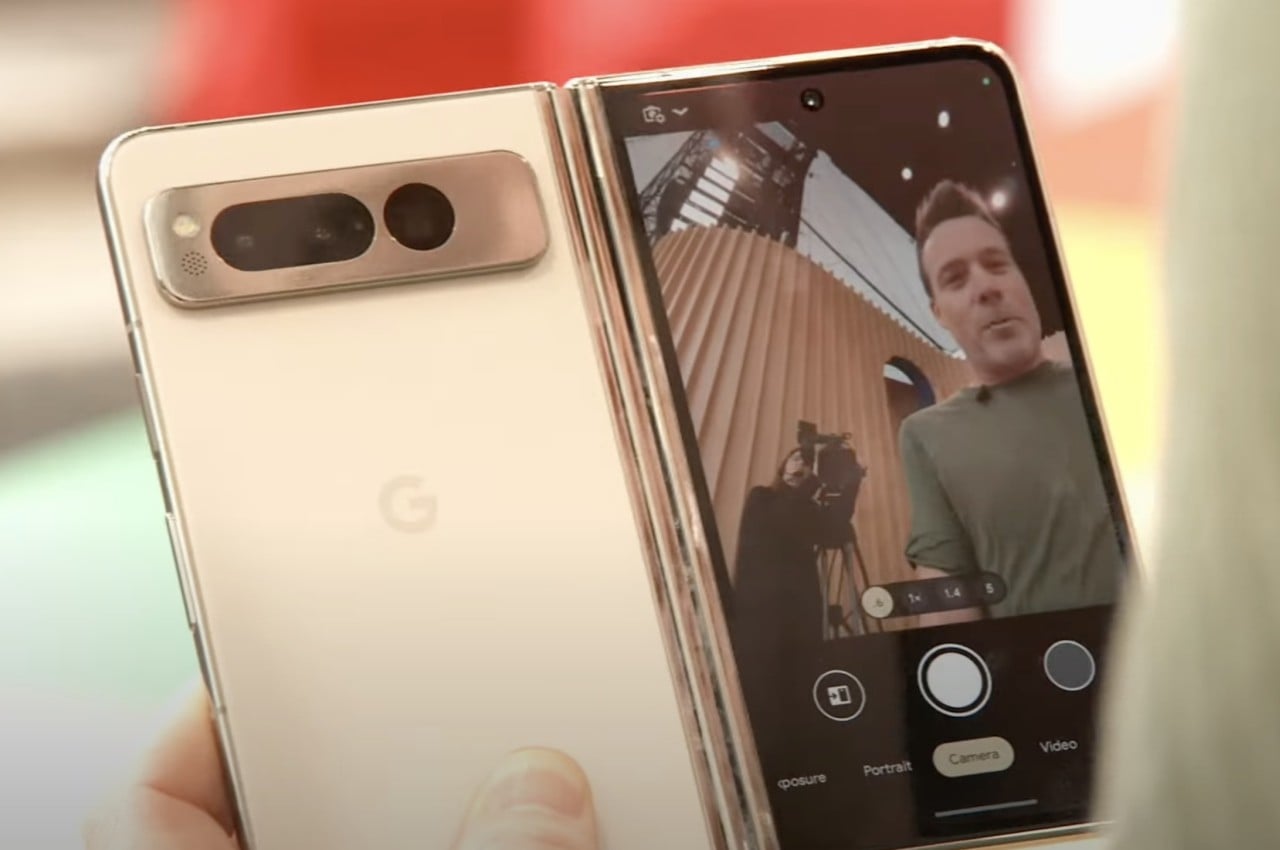
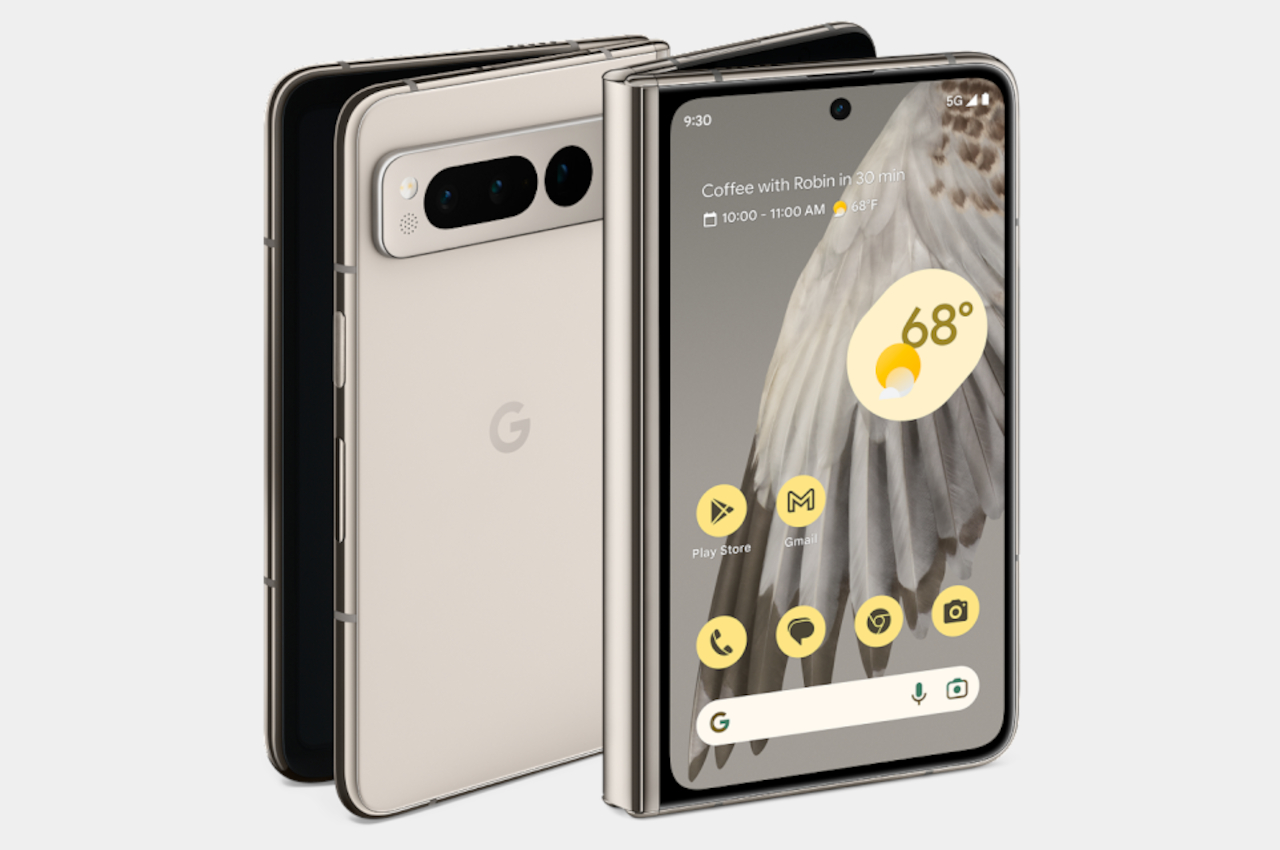
There are two distinctive elements of the Google Pixel Fold’s design. The most prominent is its camera bar, an approximation of the “visor” design that it uses on its Pixel phones. The other is the external or second screen’s wider aspect ratio, which meant that the unfolded device would also be wider and take on a horizontal or landscape form factor. It’s a design that was more conducive for wider content like videos as well as splitting the screen between two panels or two apps. More importantly, however, it meant that the folded phone was more comfortable to use and hold, almost like a regular phone.
A single leaked photo of the Pixel Fold 2 might be leaving some fans scratching their heads. The external display is noted to be narrower, as per the source, which inches it a bit closer to the awkwardness of the Samsung Galaxy Z Fold, though thankfully not yet on that level. This also means that, when unfolding the phone, you will be greeted with an internal screen that is more square than rectangular.
The biggest change, however, seems to be the camera, which moves away from the bar design to a bump that sits in a corner of the Pixel Fold 2’s back. It’s not the same square design as older Pixel phones, nor is it even similar to rectangular camera islands that run vertically down. Instead, it seems that this box will march across the width of the phone, taking up almost two-thirds of the space.
Granted, the photo is an alleged prototype only, so there is no guarantee that the final Pixel Fold 2 will take this form. If it does, however, Google might be facing a bit of a backlash for changing the design so drastically and in such an unappealing manner. It will be interesting to see how the Pixel Fold 2 will actually look like in the end, and we might not even see a shadow of it until Google I/O 2024, which should happen sometime in May or June.
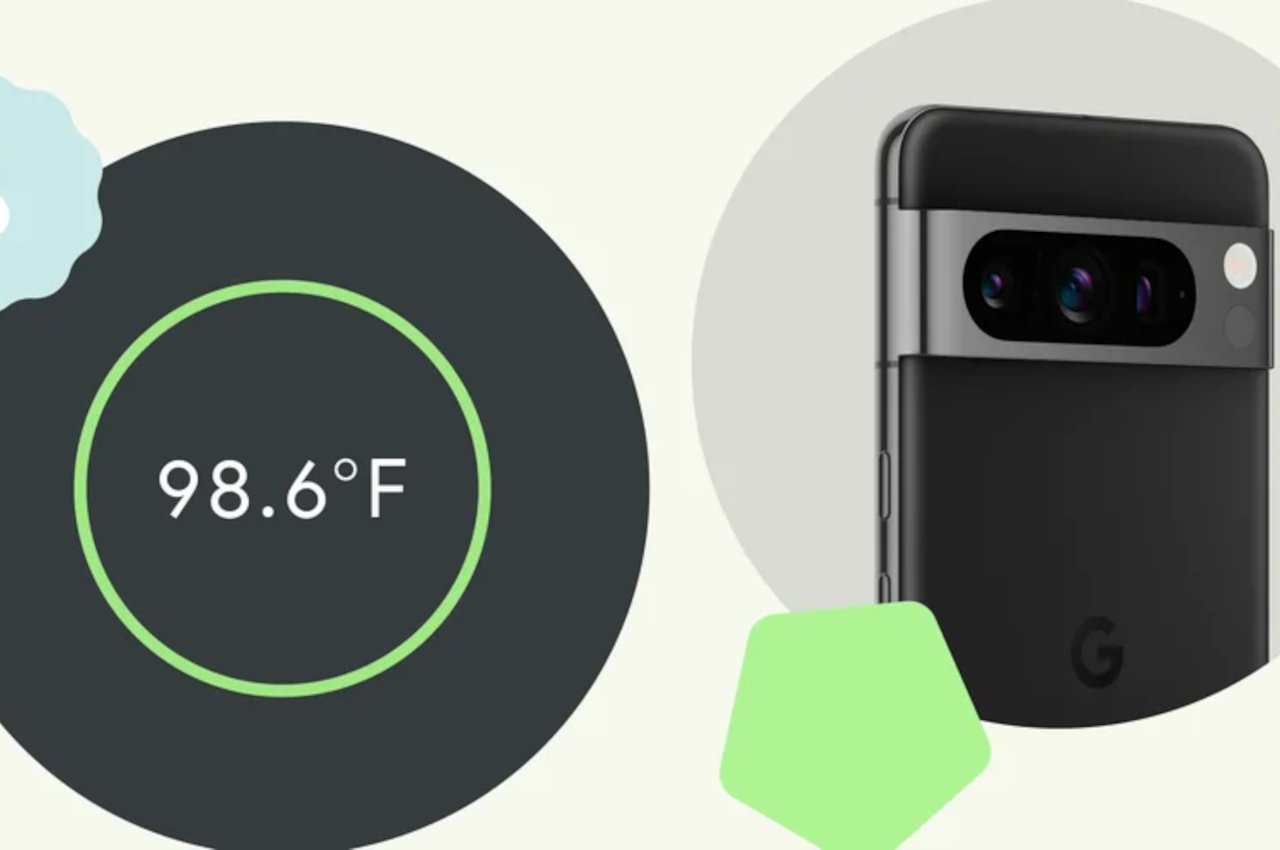
When Google launched the Pixel 8 Pro, it revealed a feature that seemed to be a solution looking for a problem. It had a temperature sensor, one of if not the first to debut on a smartphone, that was advertised as a way to, well, check the temperature of food or your baby’s water bottle. There were leaks claiming that it could also take your body’s temperature, but that never came to pass, at least until now. Google finally let the cat out of the bag that it was just waiting for FDA approval, so the Pixel 8 Pro is now capable of reading your body temp, though the exact process and usefulness of that feature still remains a big question mark.
Why would you want to use your phone to read your own temperature anyway? That’s because many people have been quite obsessed with checking their body temperature ever since the recent pandemic, and short of awkwardly carrying a thermometer with you all the time, using a smartphone is the next best thing. But since the feature would be used to take the place of a medical device, it needed regulatory approval first, which Google finally got.
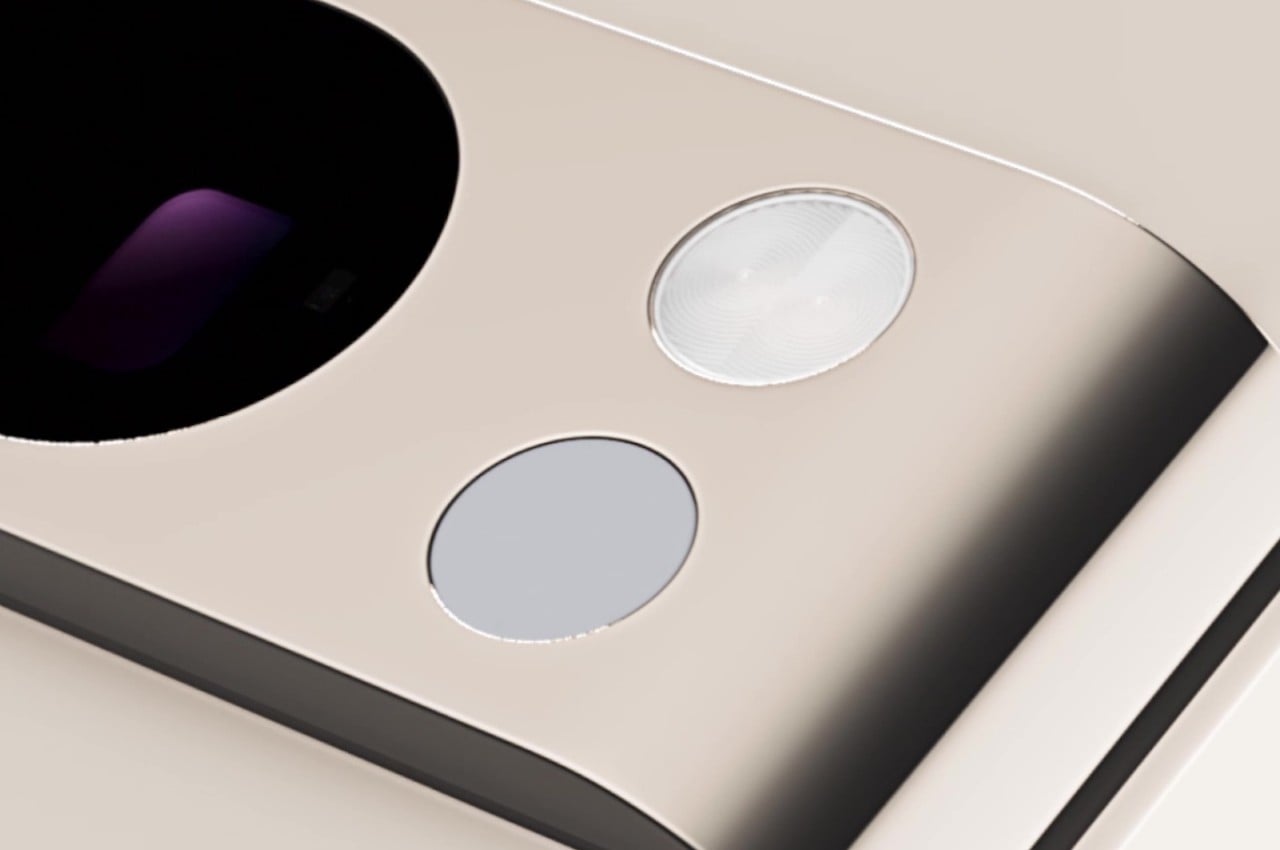
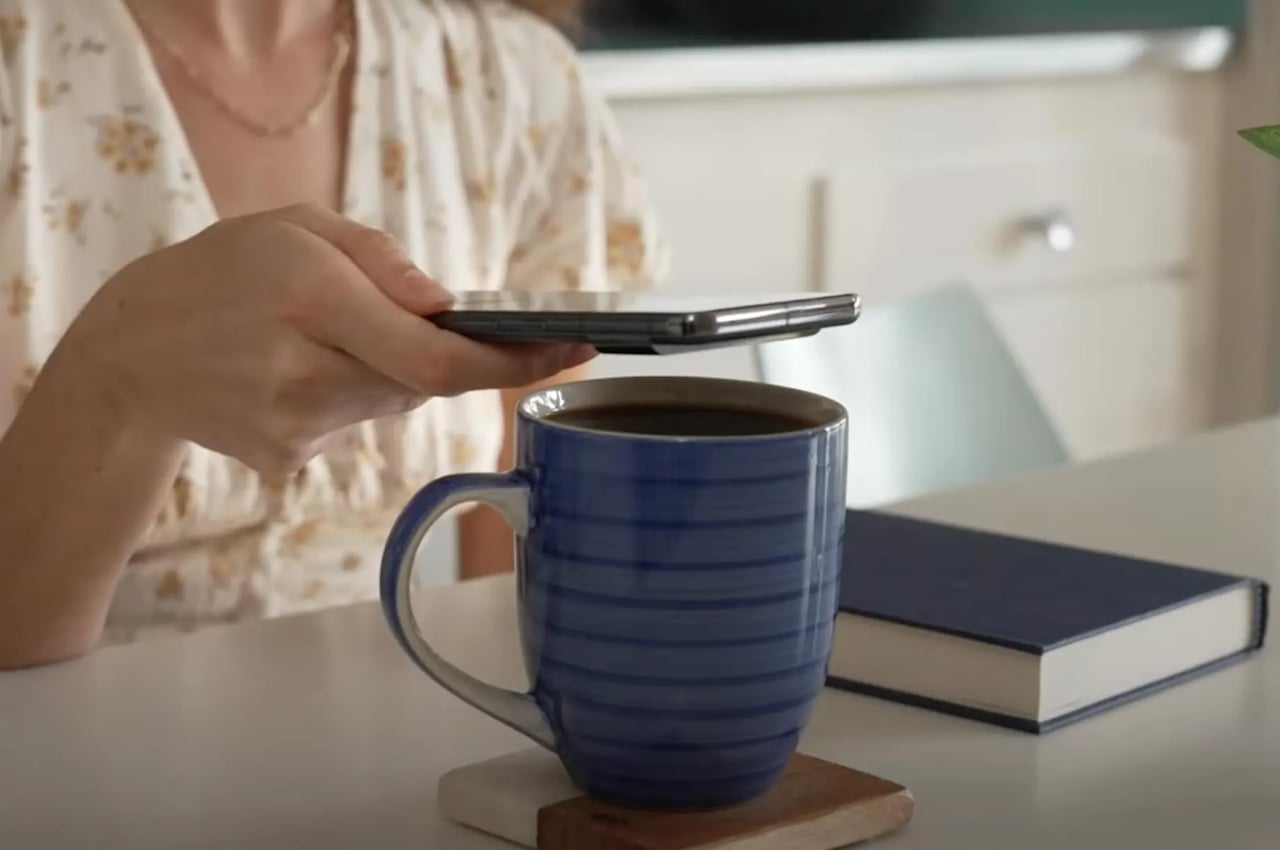
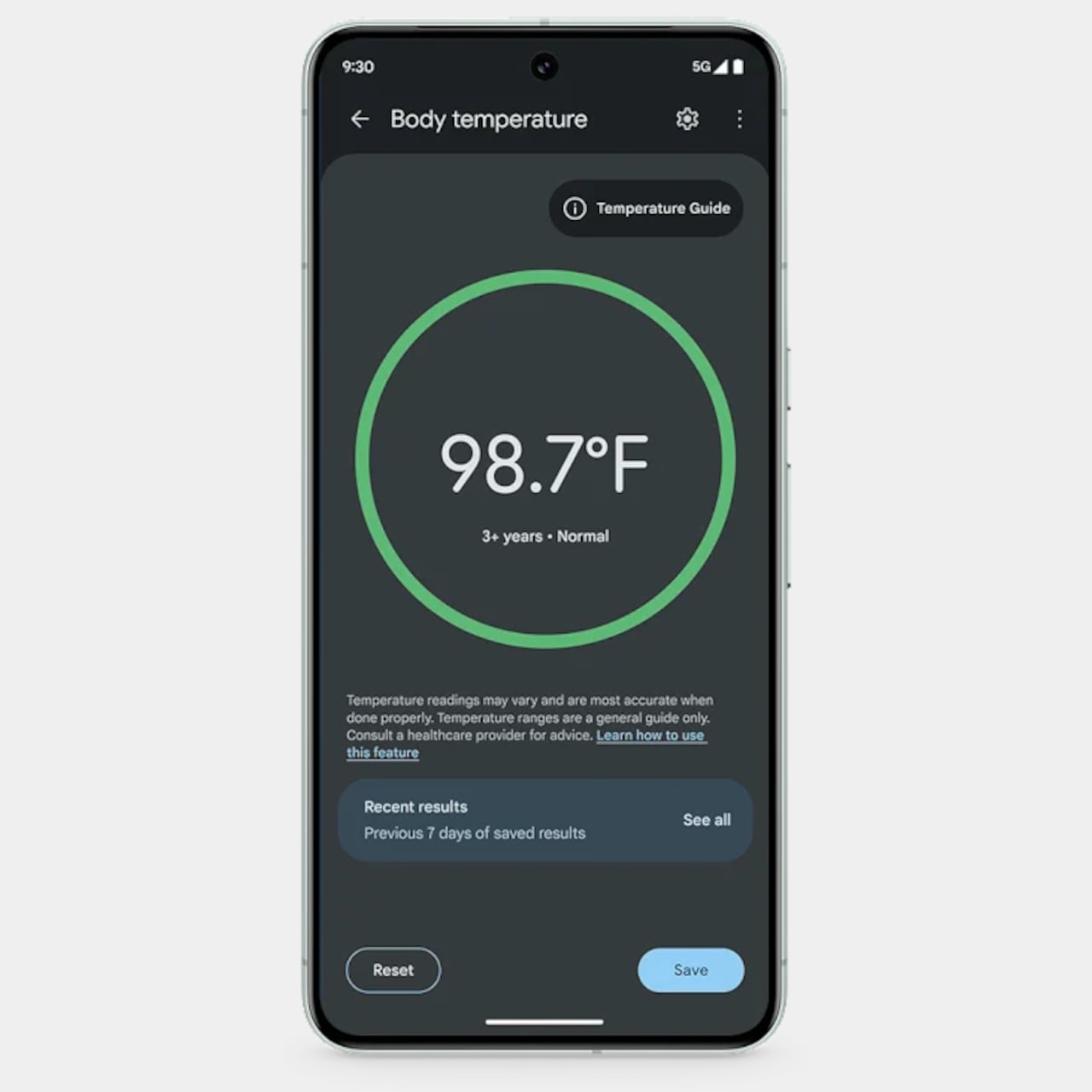
According to the tech giant, the secret to this feature is the infrared sensor that’s positioned right beside its cameras. Before this body temperature feature was finally released, all it was allowed to do was measure the temperature of non-living objects by holding the phone no farther than two inches from the target. Unsurprisingly, there’s only a limited number of applications for such a thermometer, so it was like a feature that buyers were paying for but couldn’t fully use. The narrative now changes with the addition of body temperature readings, but it might not be a clear win either.
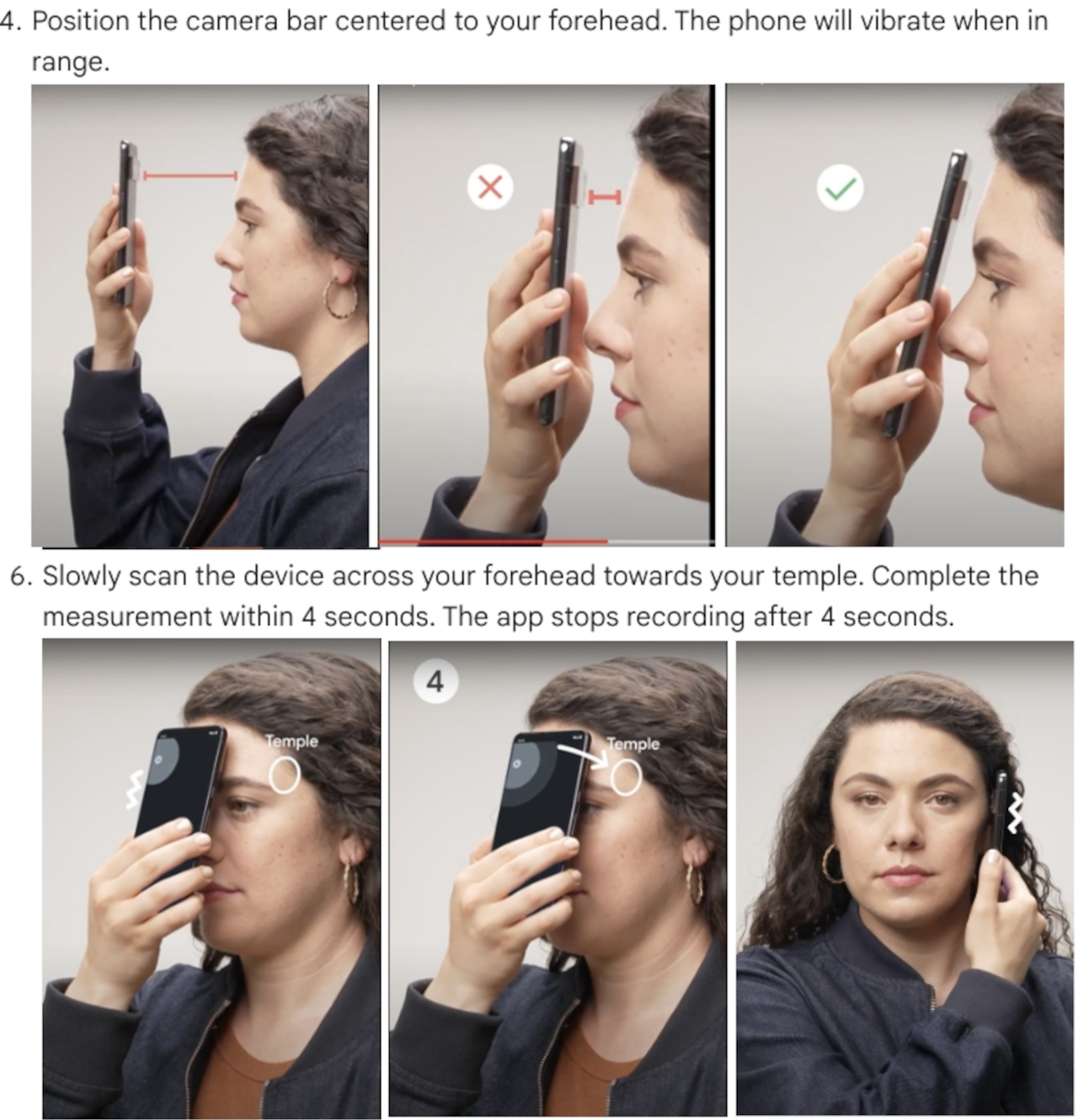
It uses the infrared radiation, a.k.a. heat, that our body generates to make this reading, but Google claims it does one better than the typical forehead digital thermometers commonly used today. It measures the temporal artery, that is, the artery located on your temple, to get a more accurate reading. Of course, the data is further processed by an AI-powered algorithm before being displayed on the Pixel thermometer app. The process, however, isn’t as quick or as straightforward as those forehead thermometers. You need to first hold the Pixel 8 Pro two inches away from the center of your forehead, wait for the beep to signal the start of the scanning process, and then swipe the phone toward your temple, all in just four seconds. The scanning automatically stops after four seconds, so the accuracy of the reading also depends on how accurate your movements are.
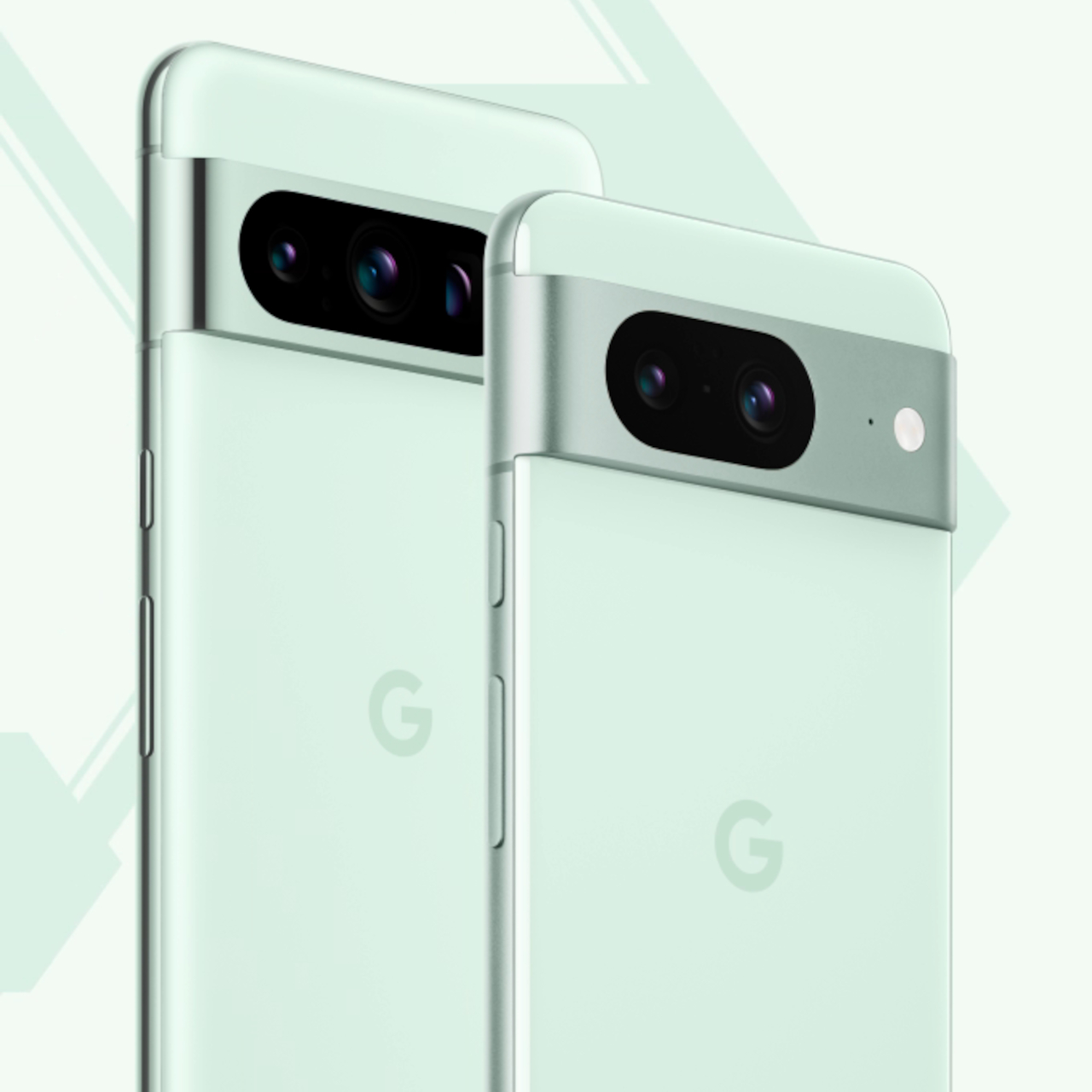
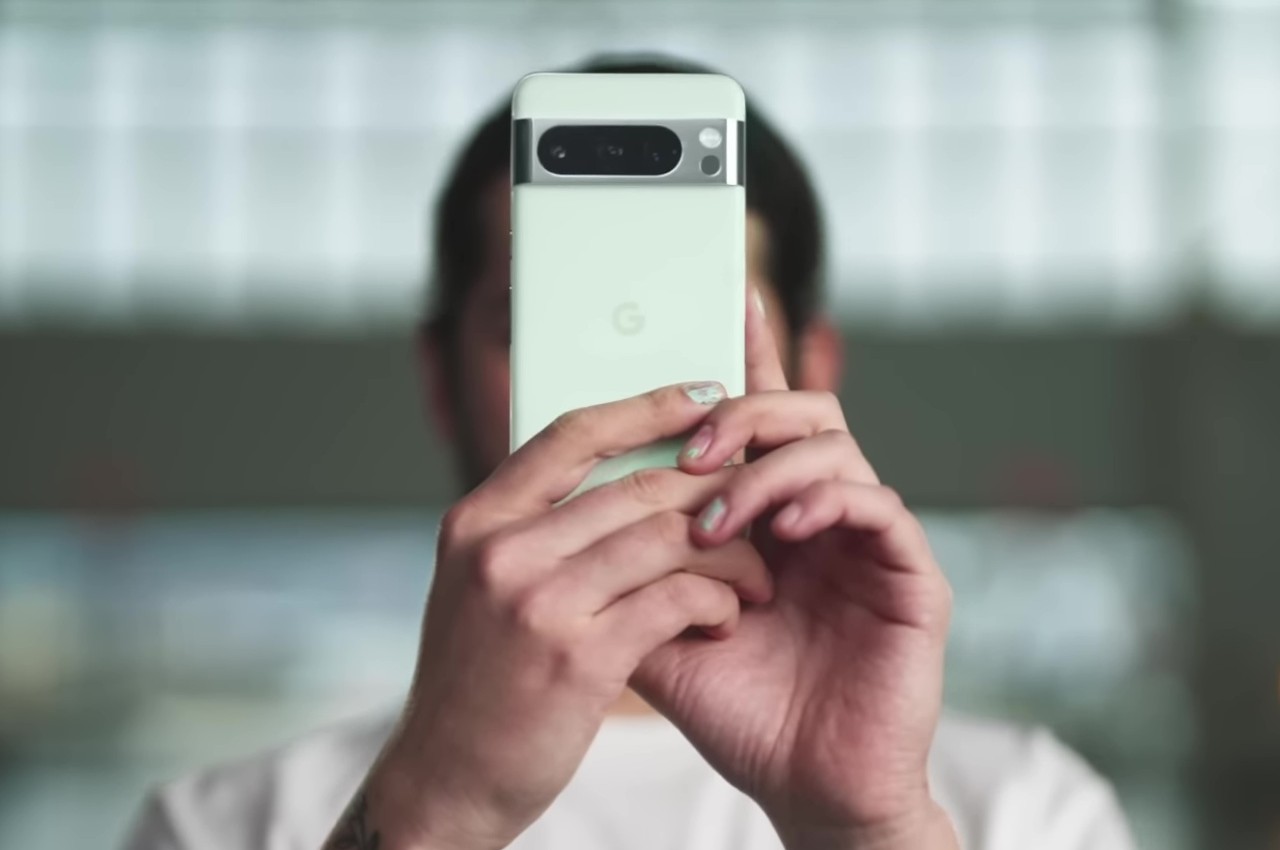
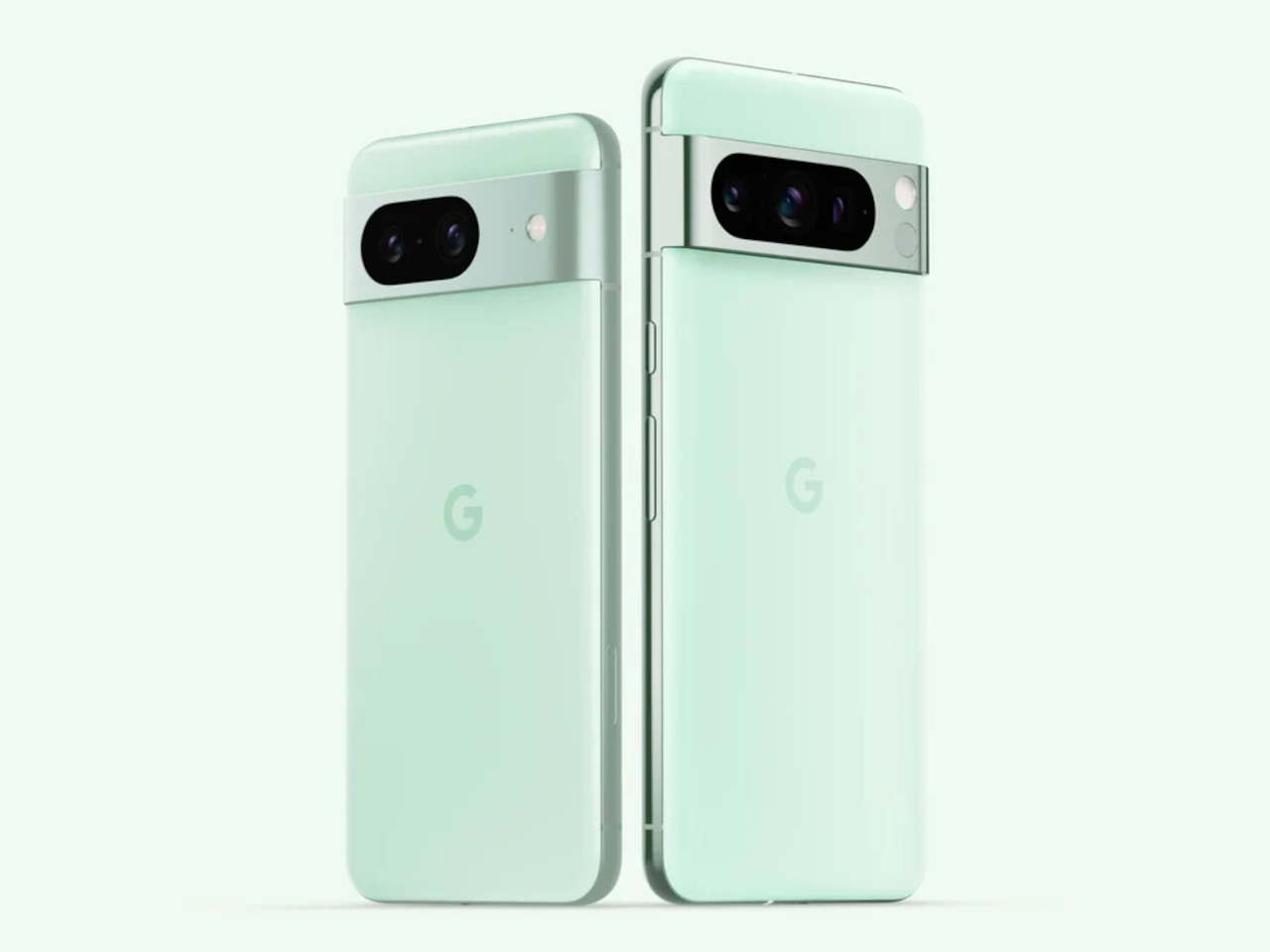
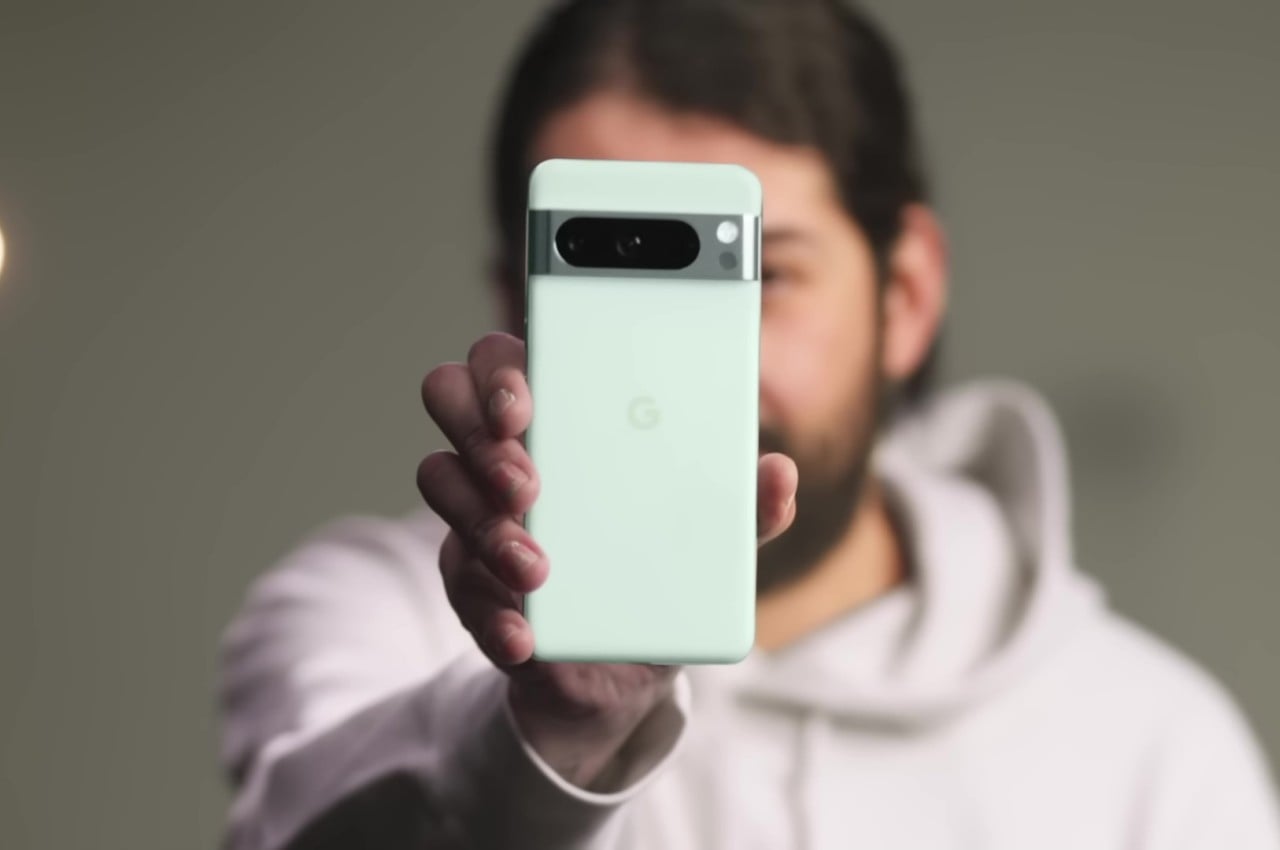
Although Google is quite confident in the accuracy of this feature, it’s still a bit doubtful how much use it will get in real life. Admittedly, body temperature reading is far more useful than precariously placing your phone so close to a hot object, let alone one that’s giving off smoke or steam. Fortunately, the Feature Drop that delivered this feature on Pixel phones also has other goodies, like Circle to Search which was first announced on the Samsung Galaxy S24 series. Google is also launching a new Mint Green flavor of the Pixel 8 and Pixel 8 Pro, in case you’re still in the market for a new phone, especially one that you can also use as a thermometer.