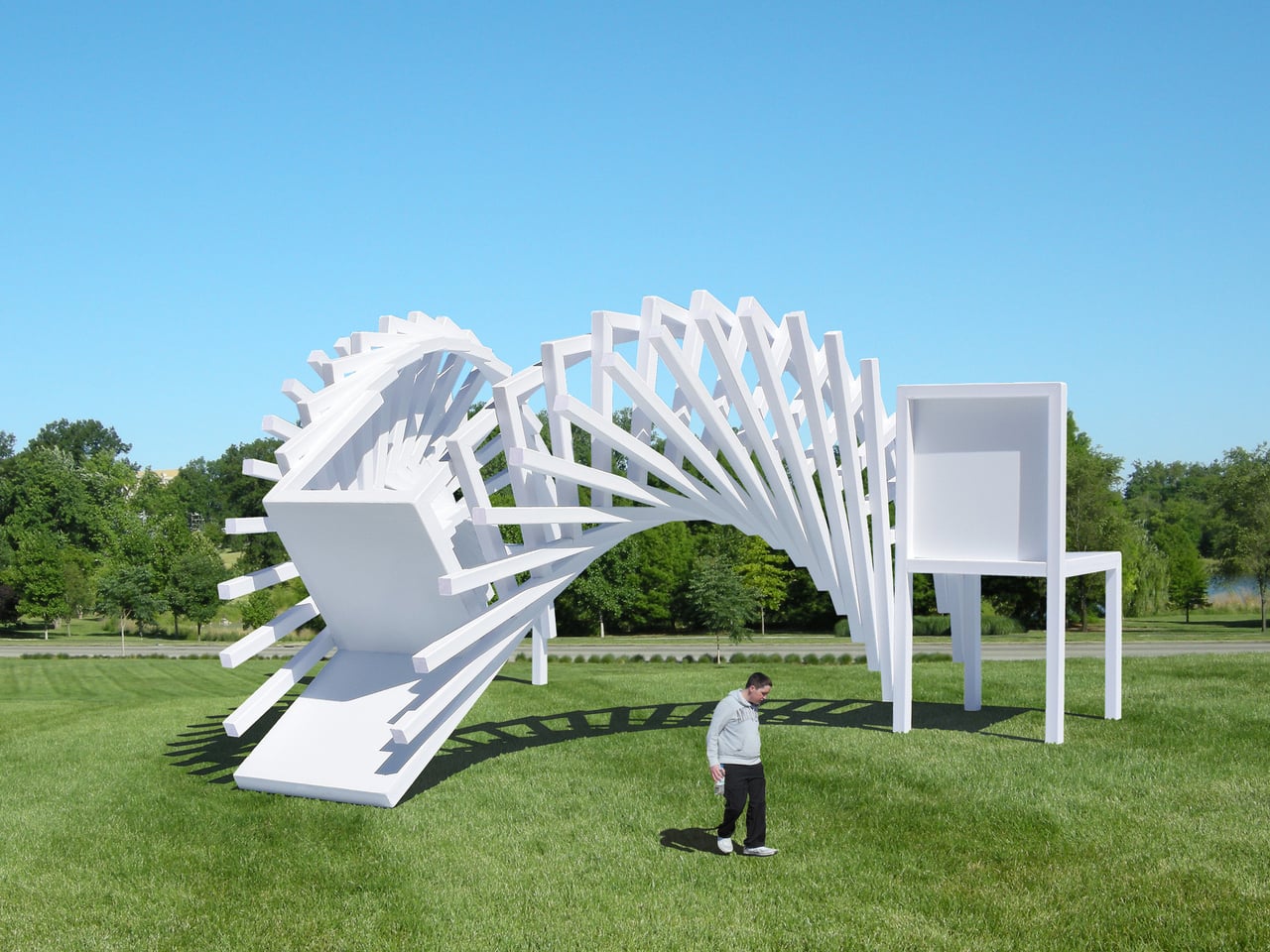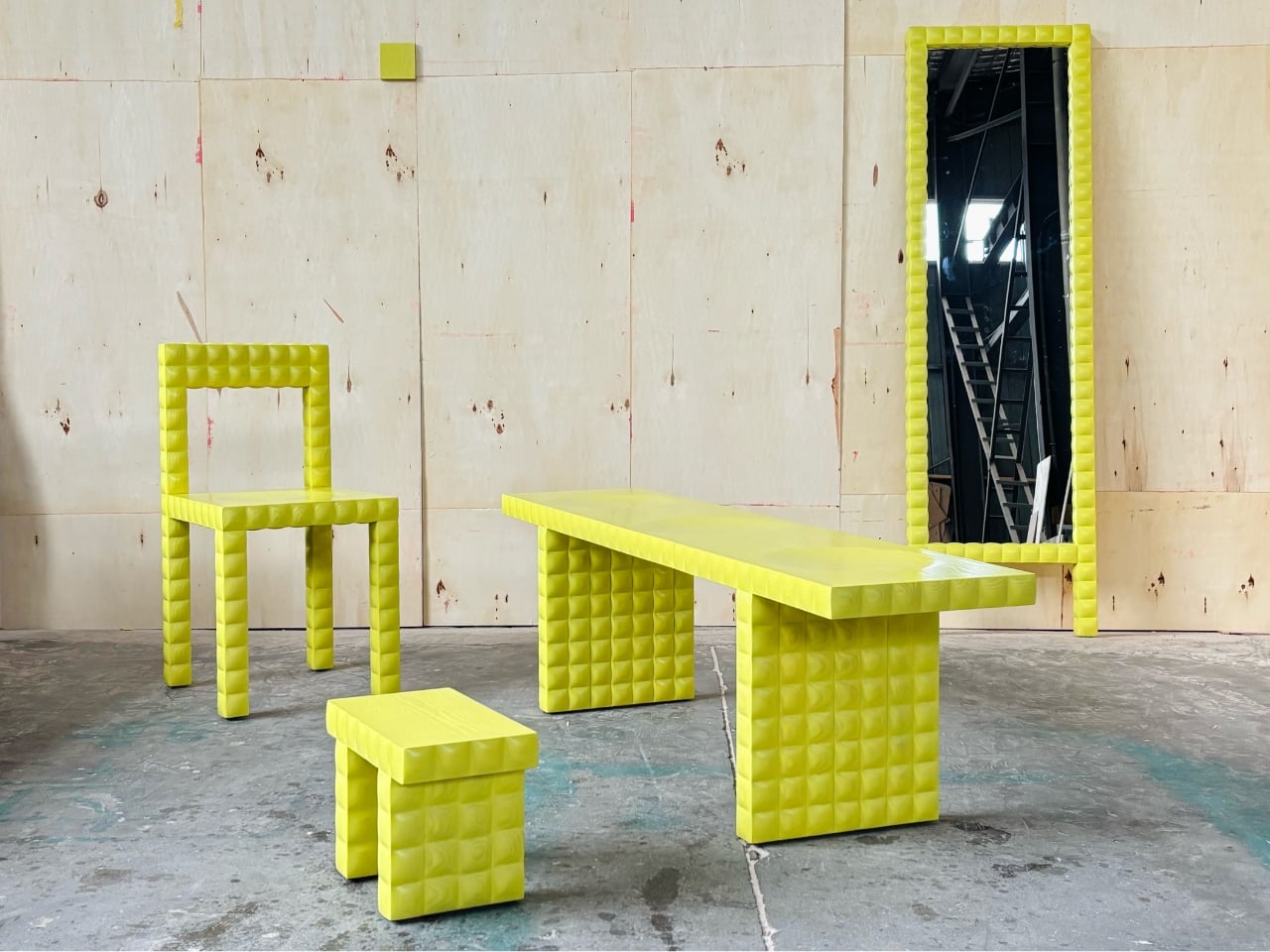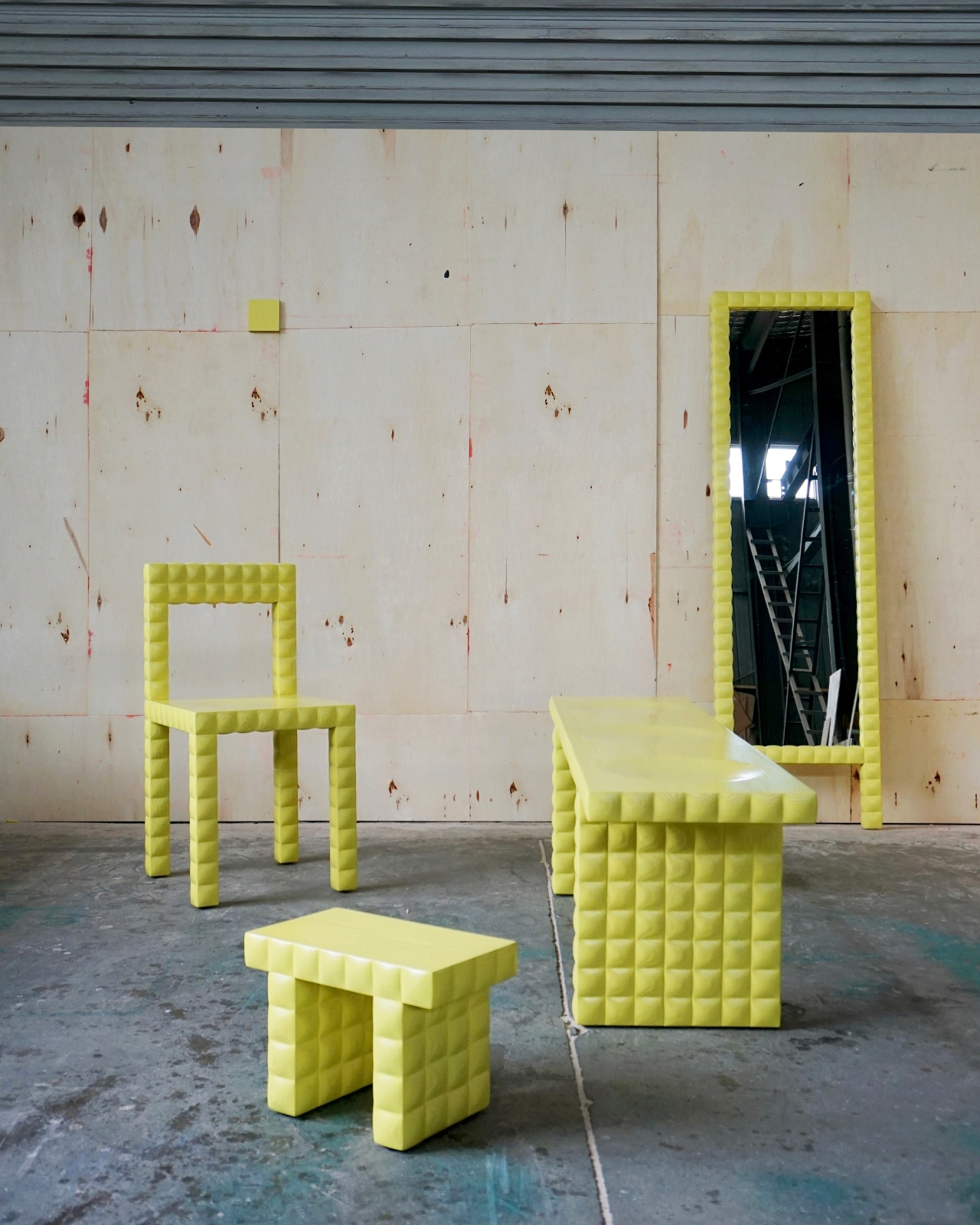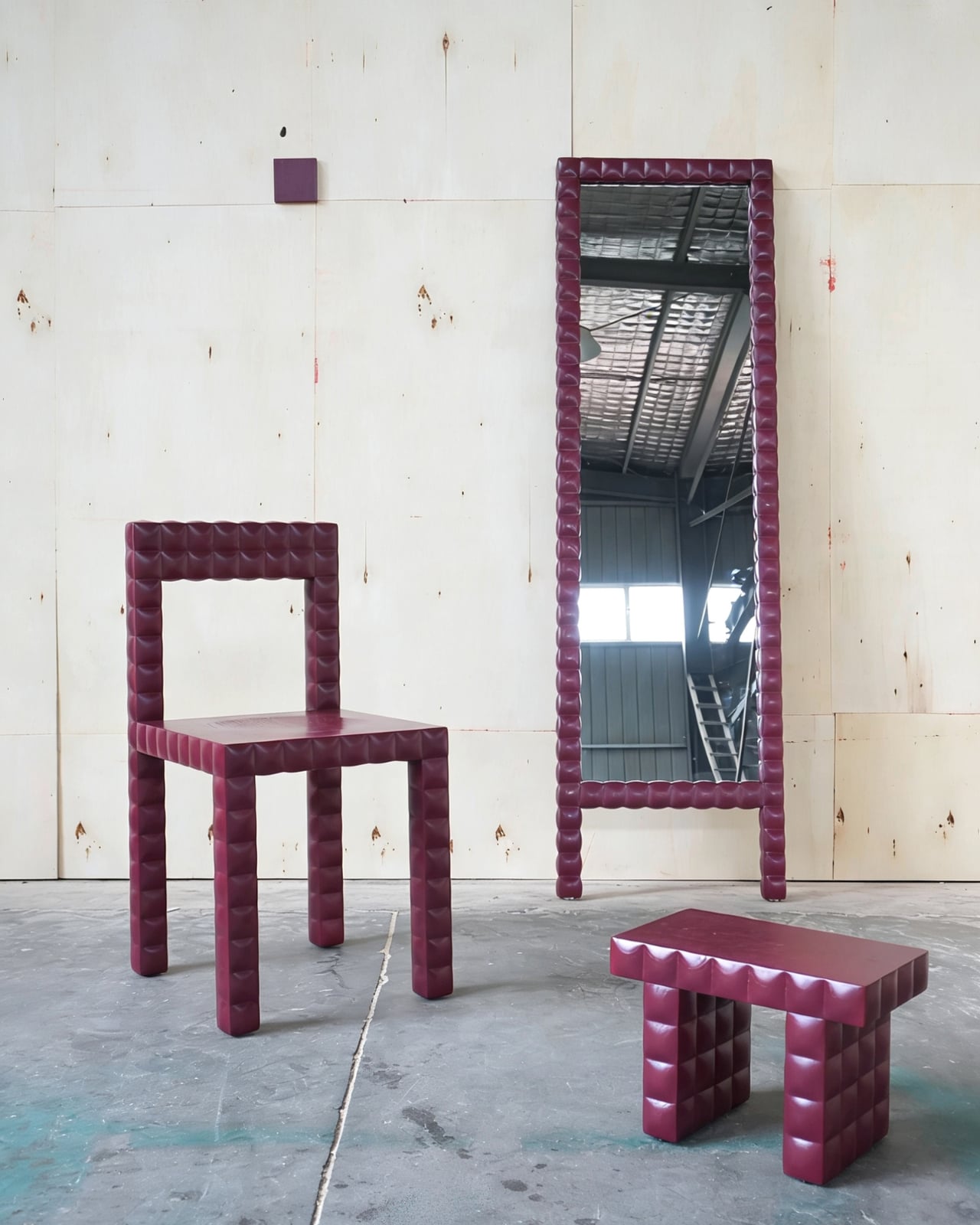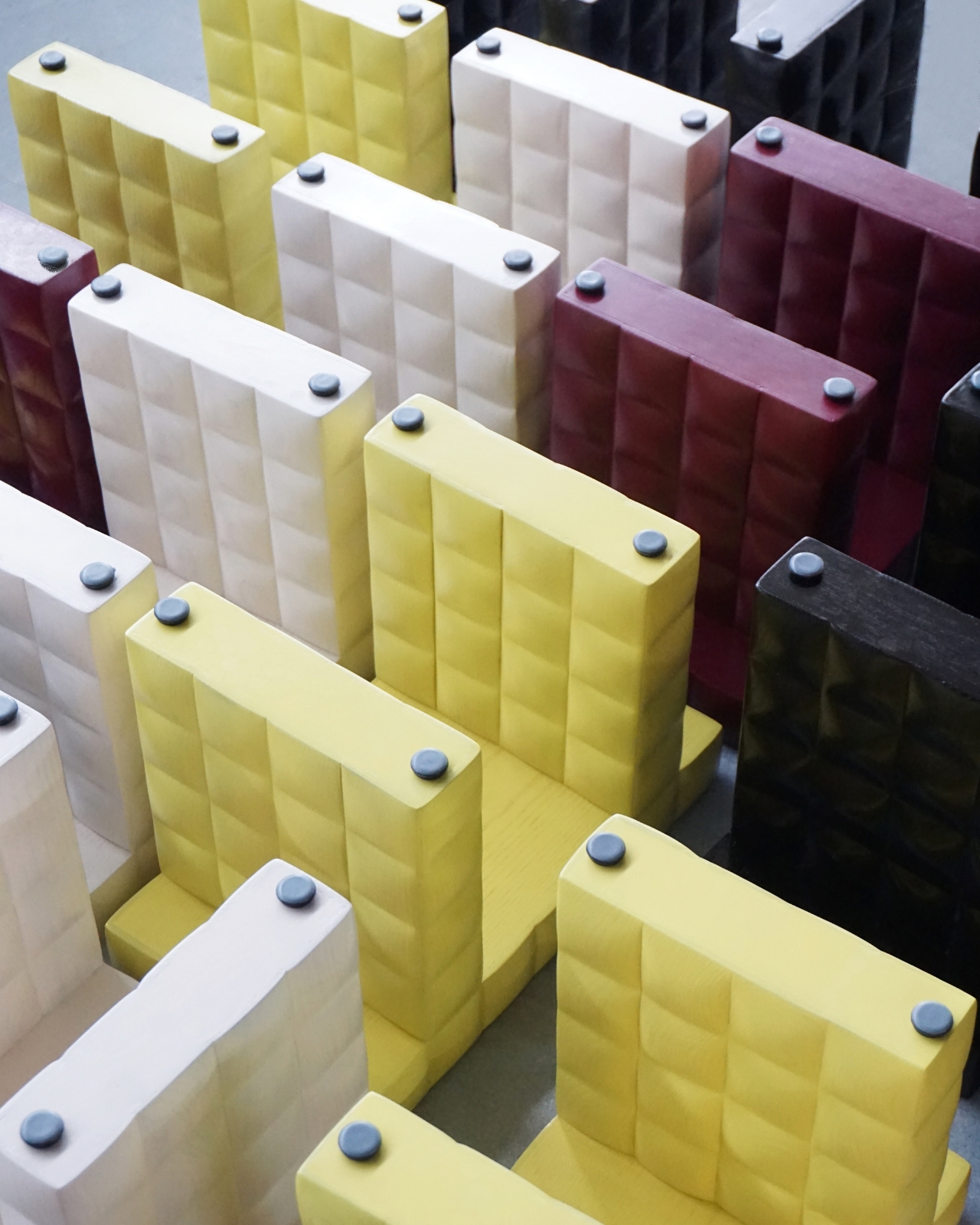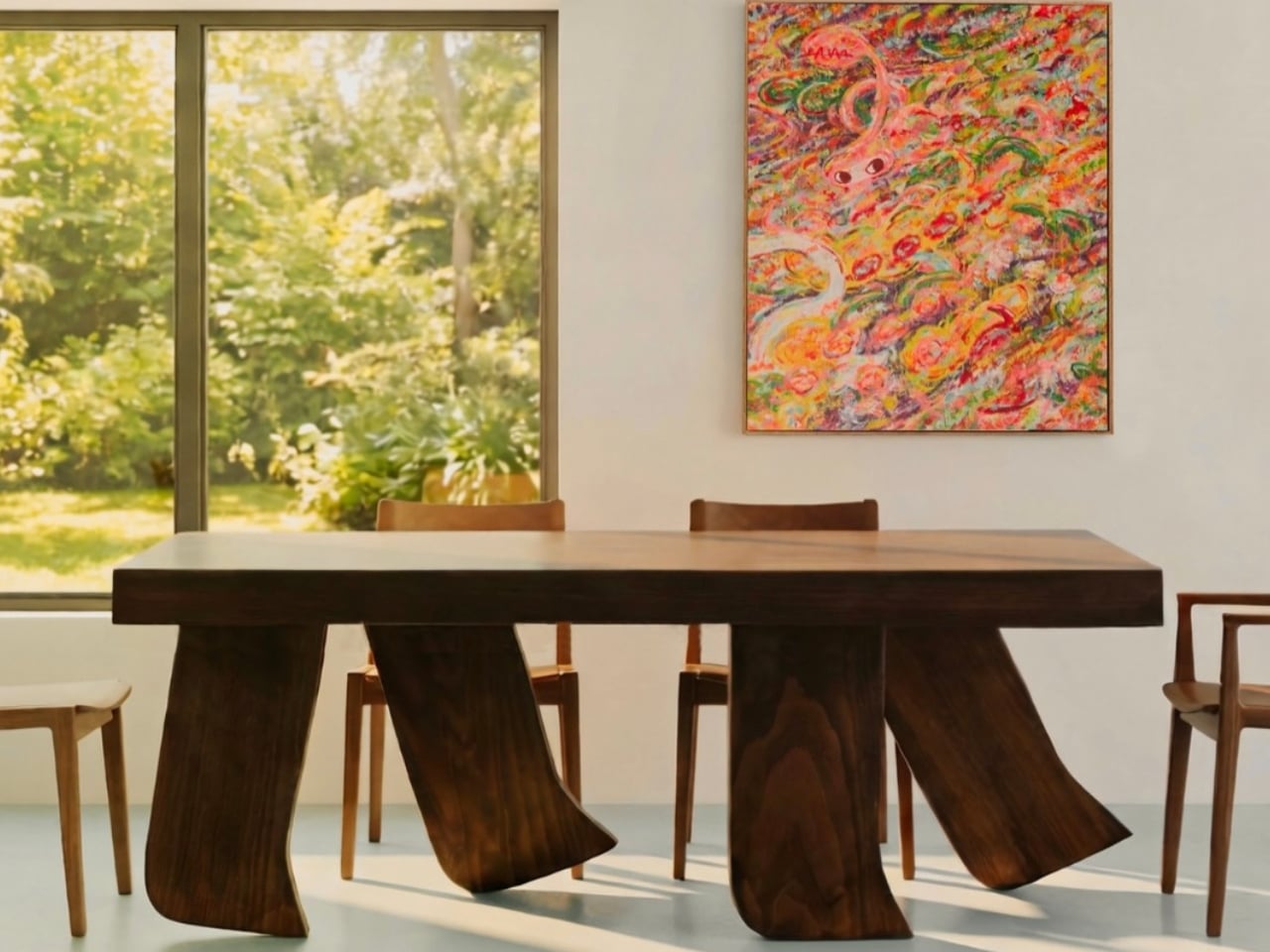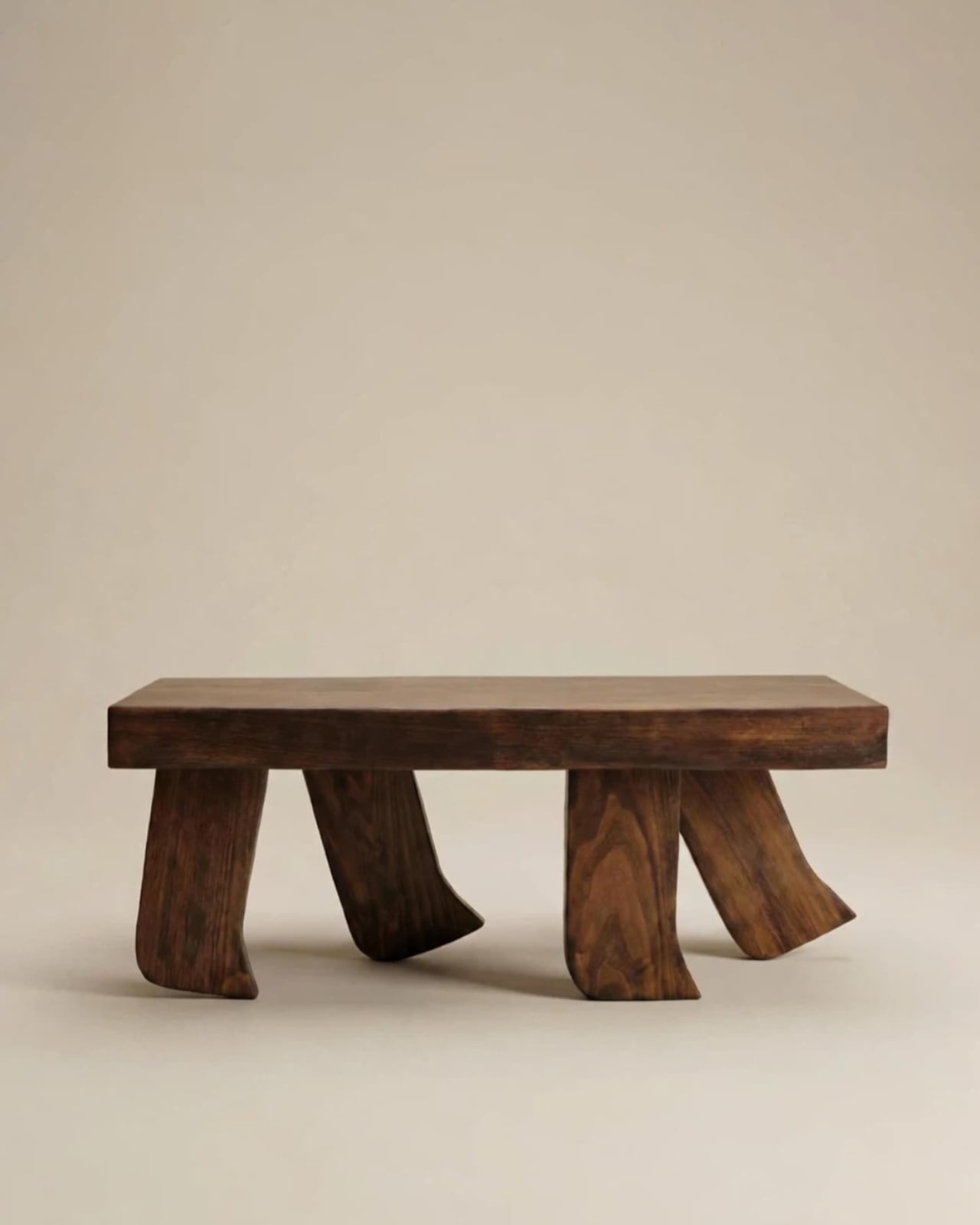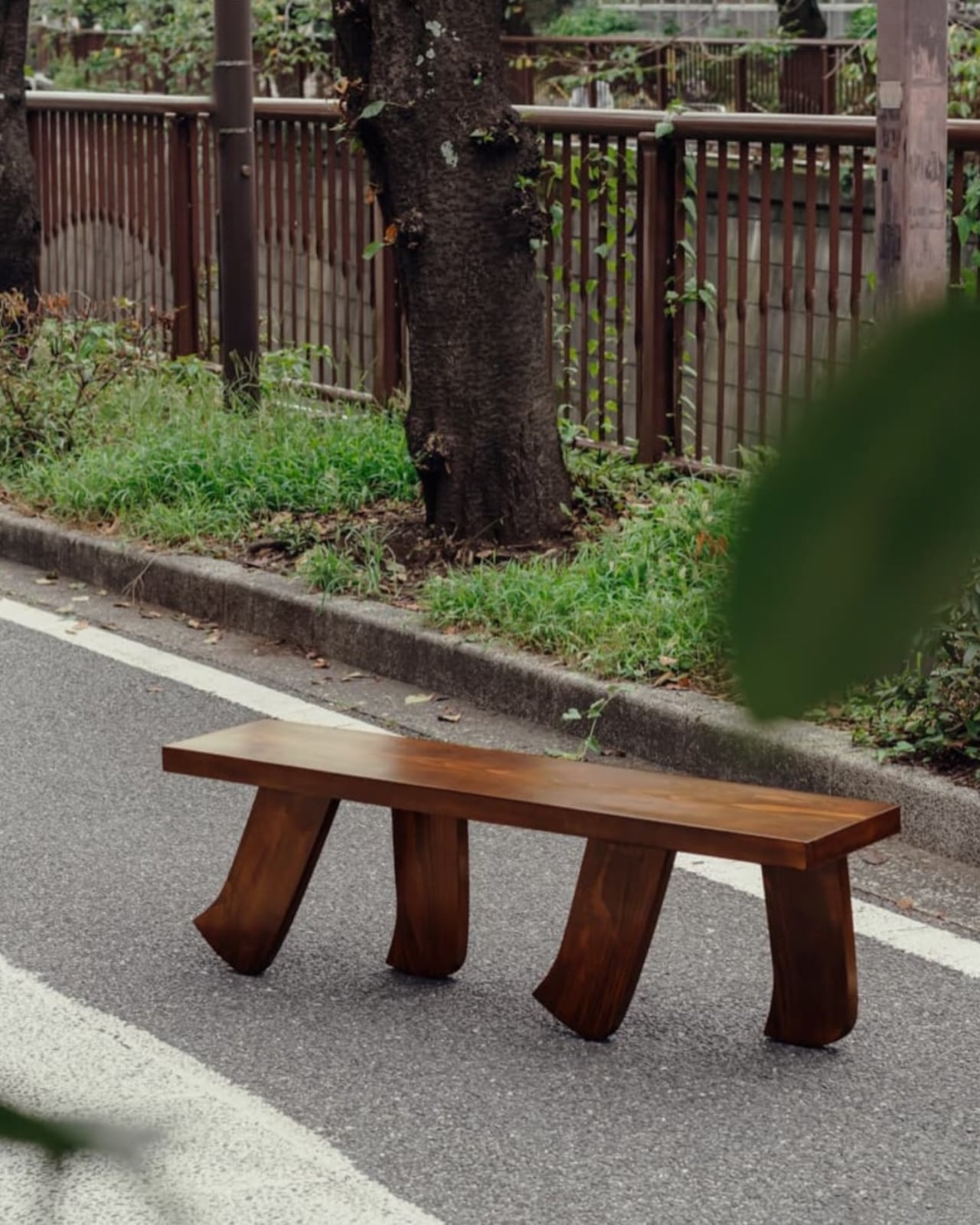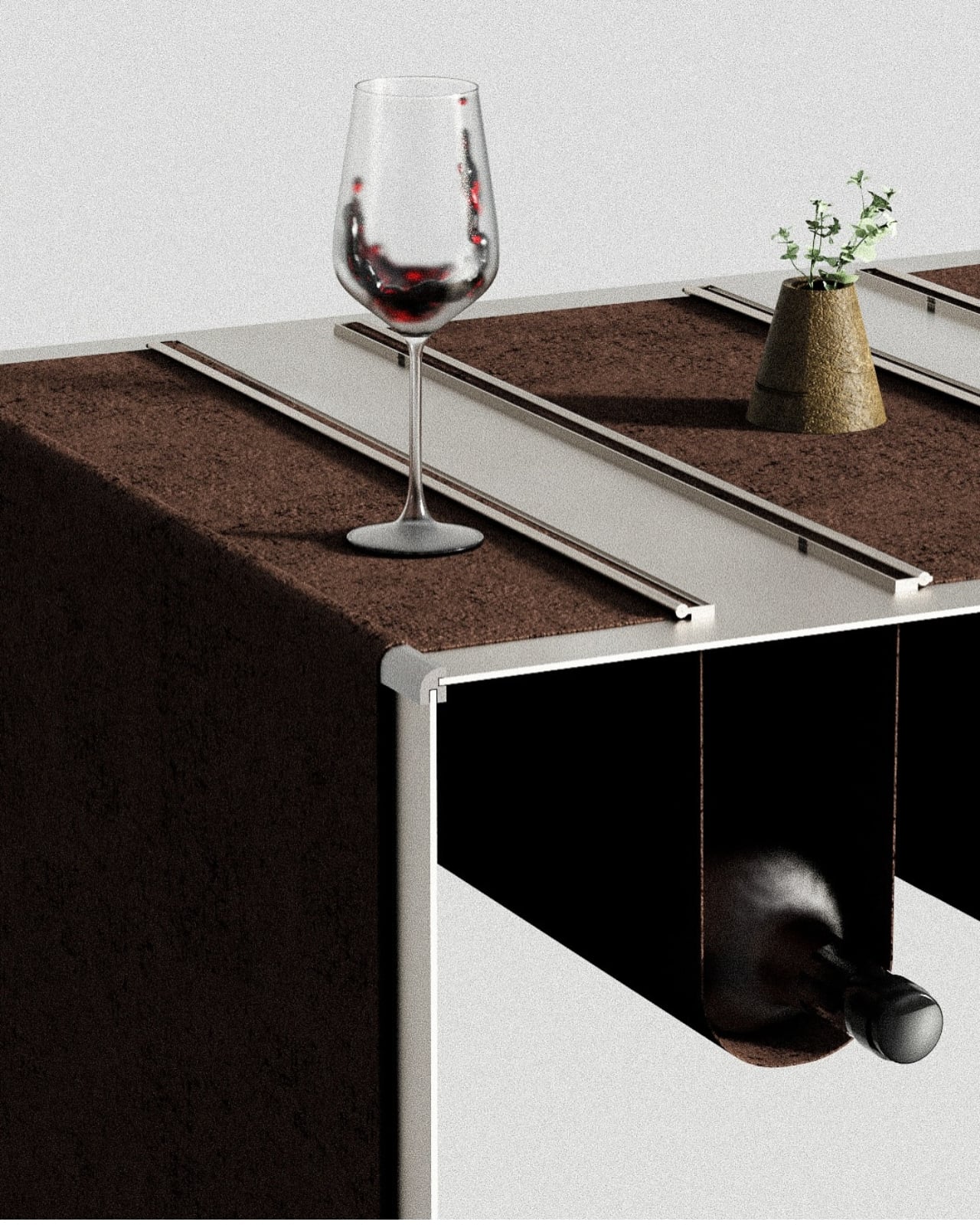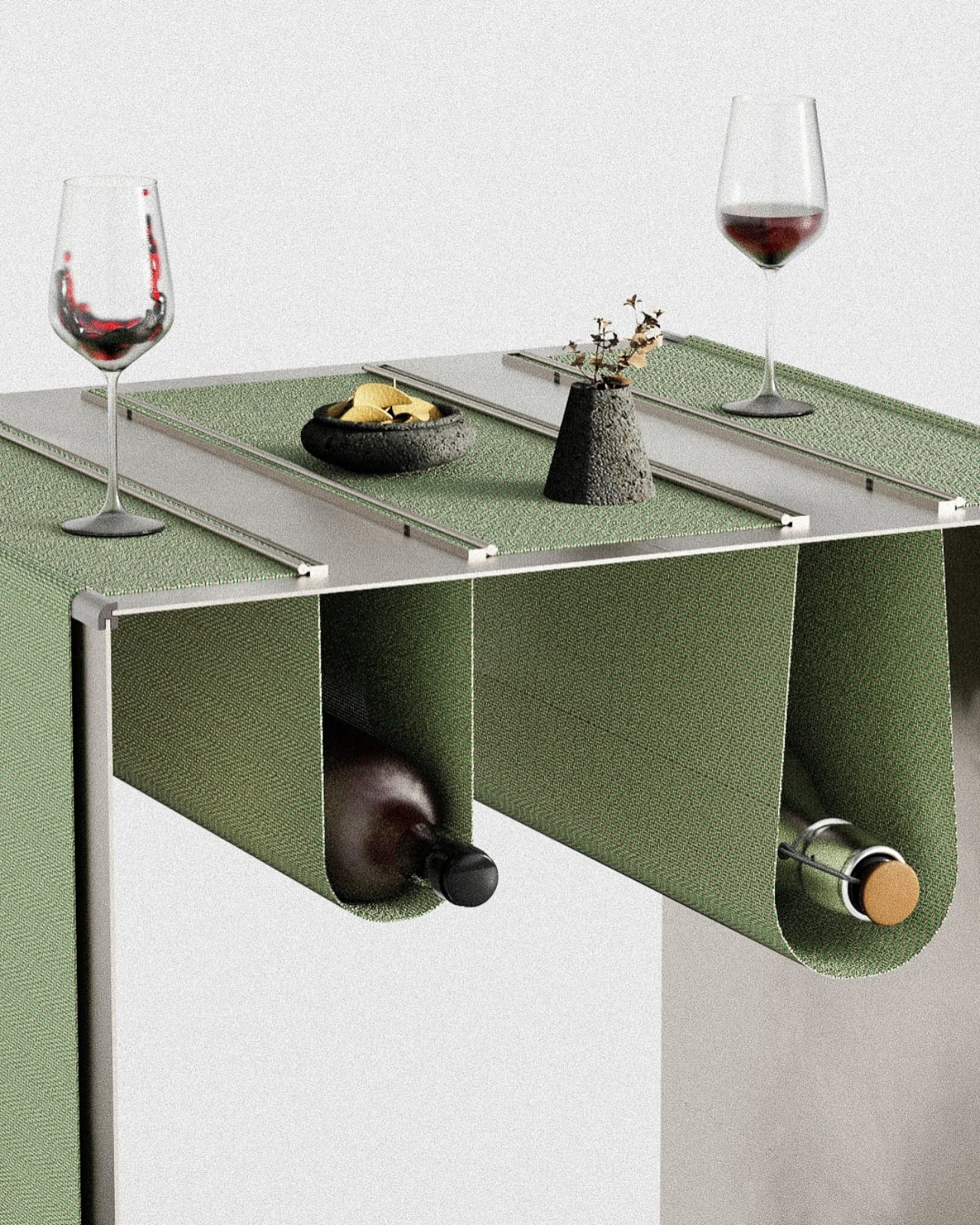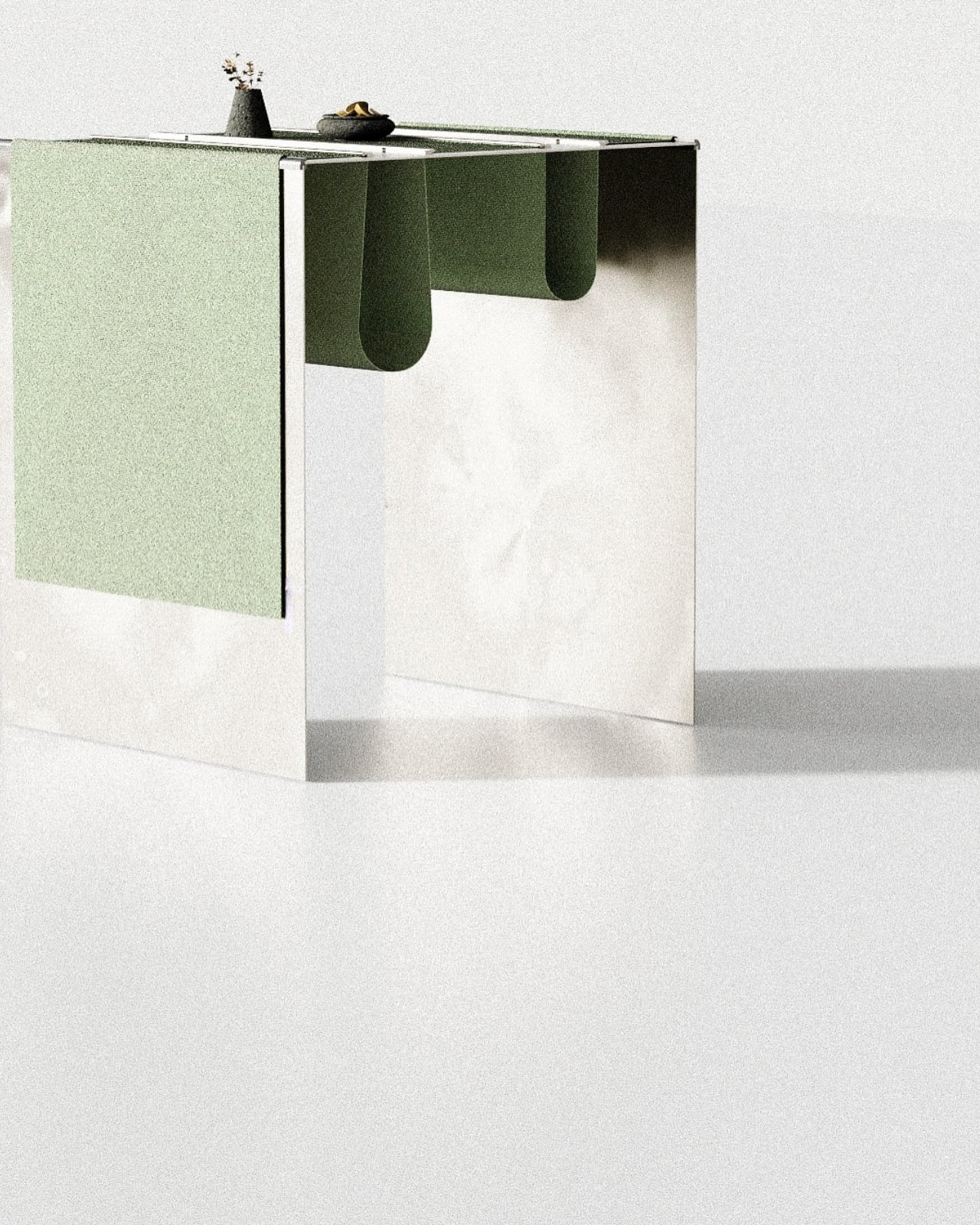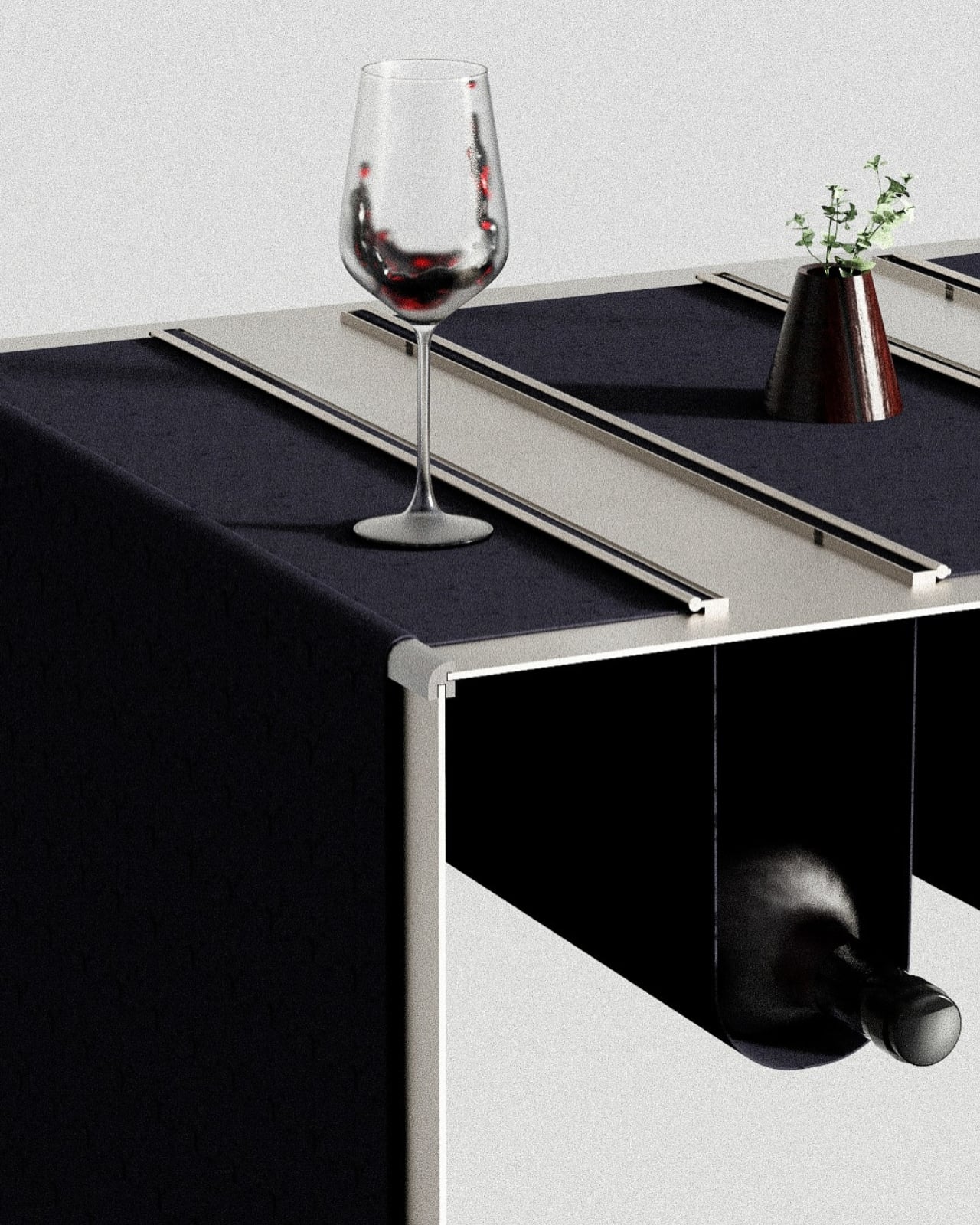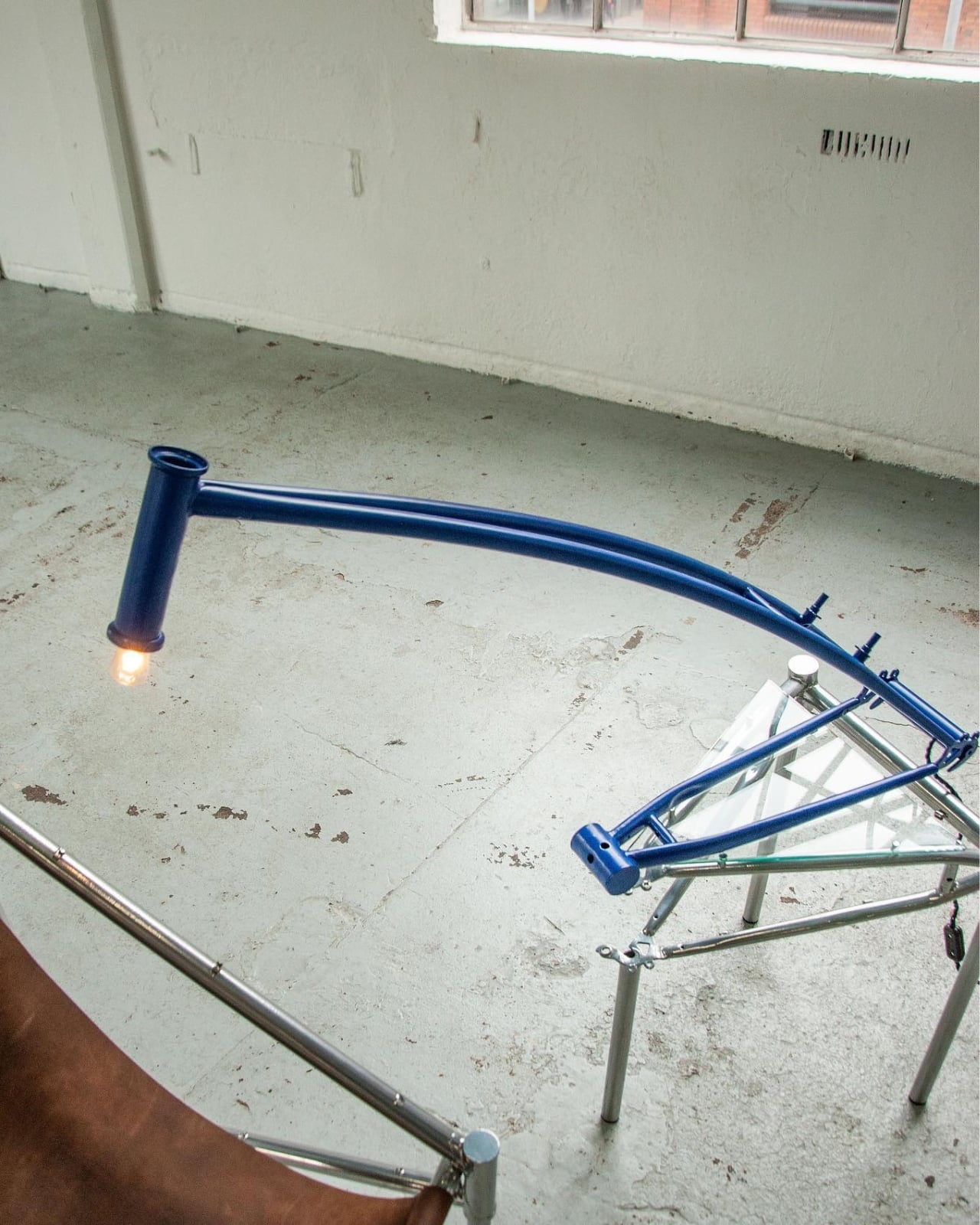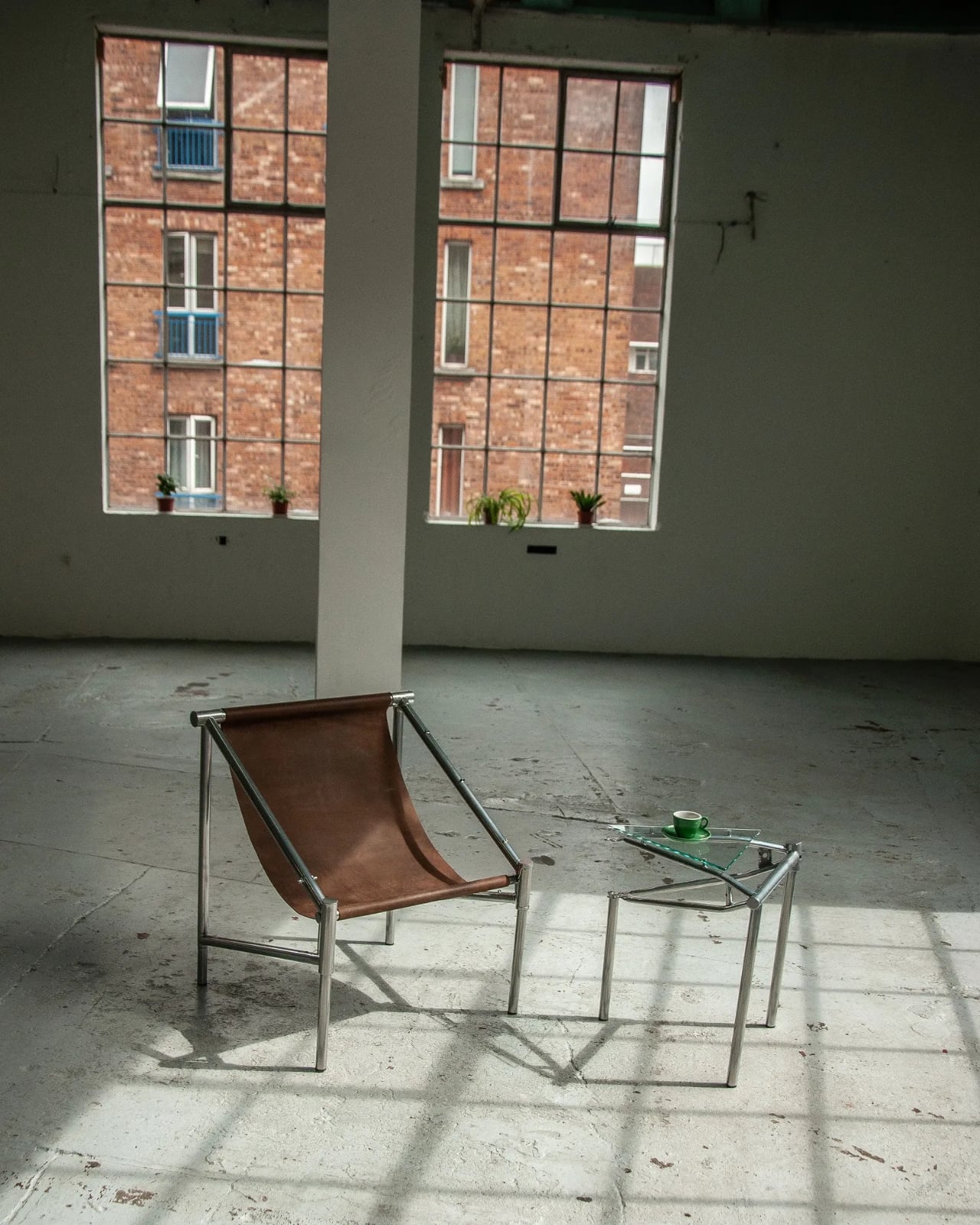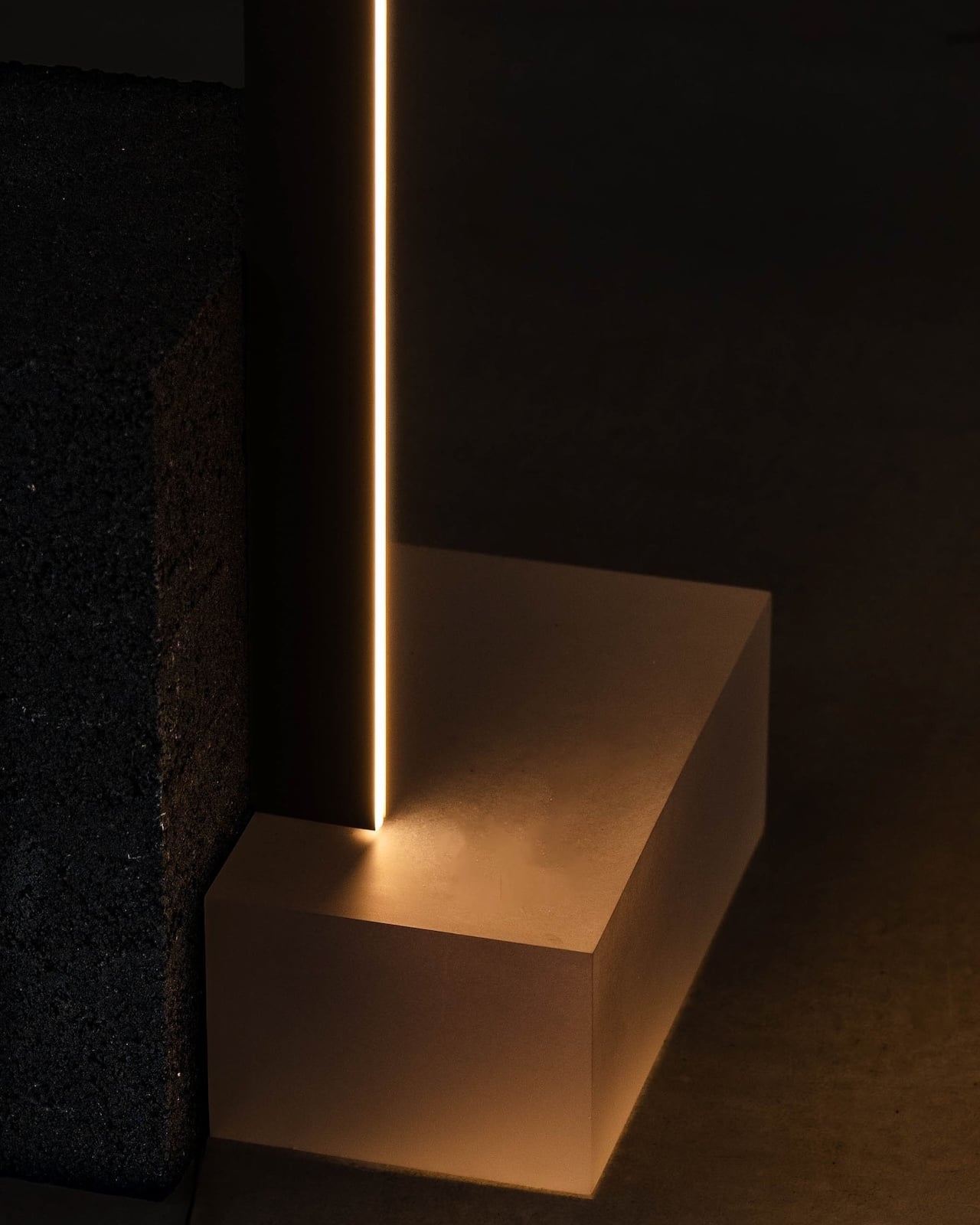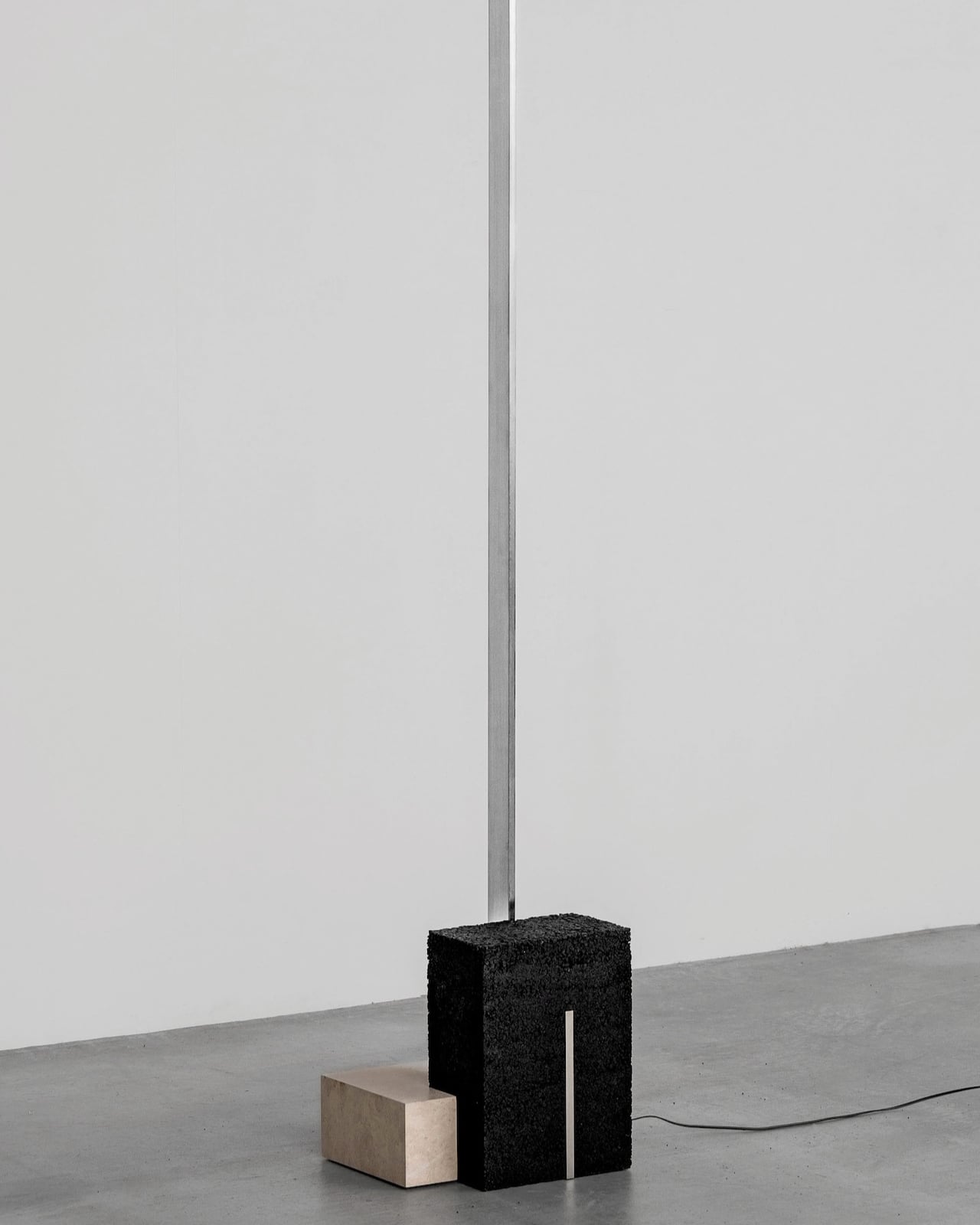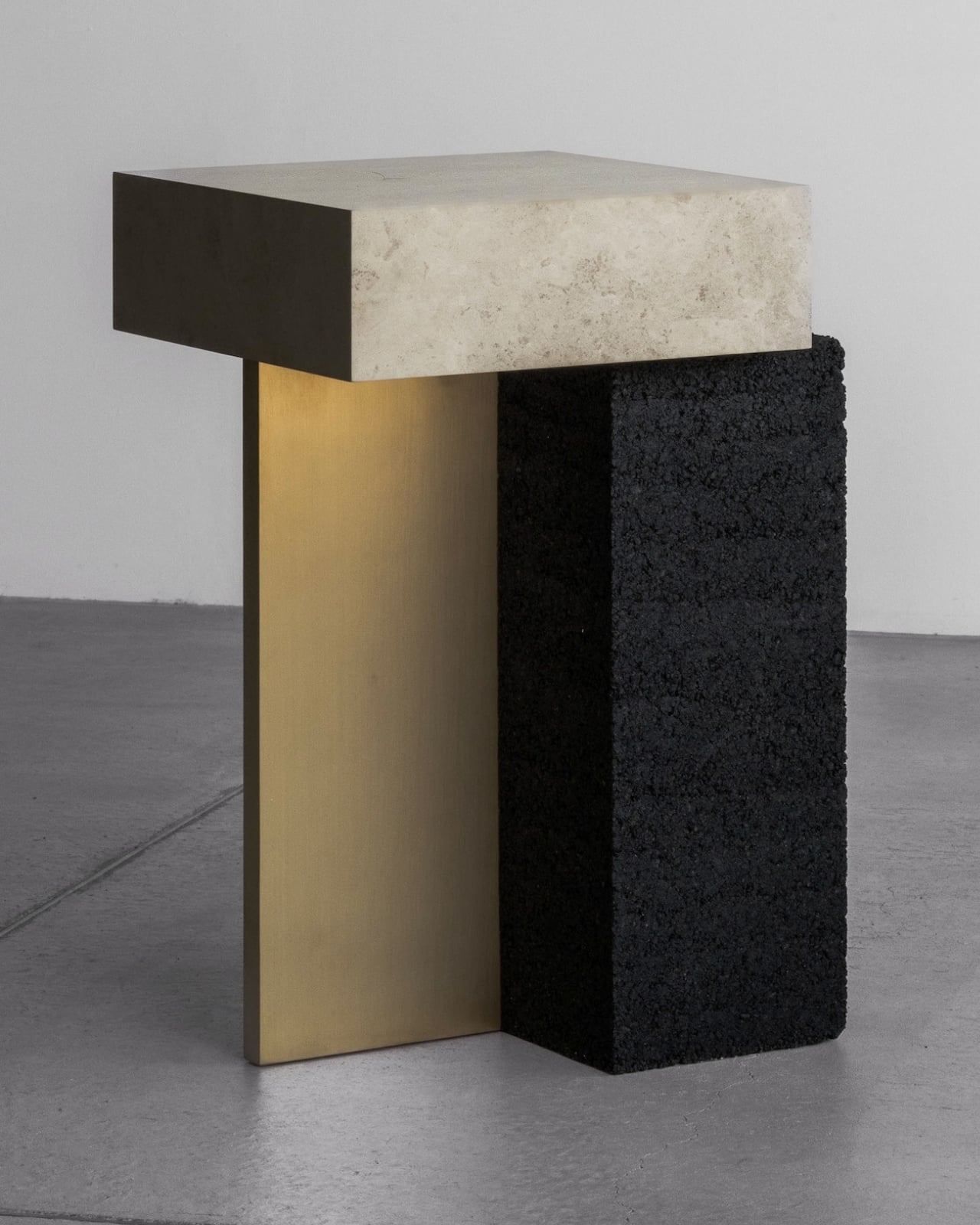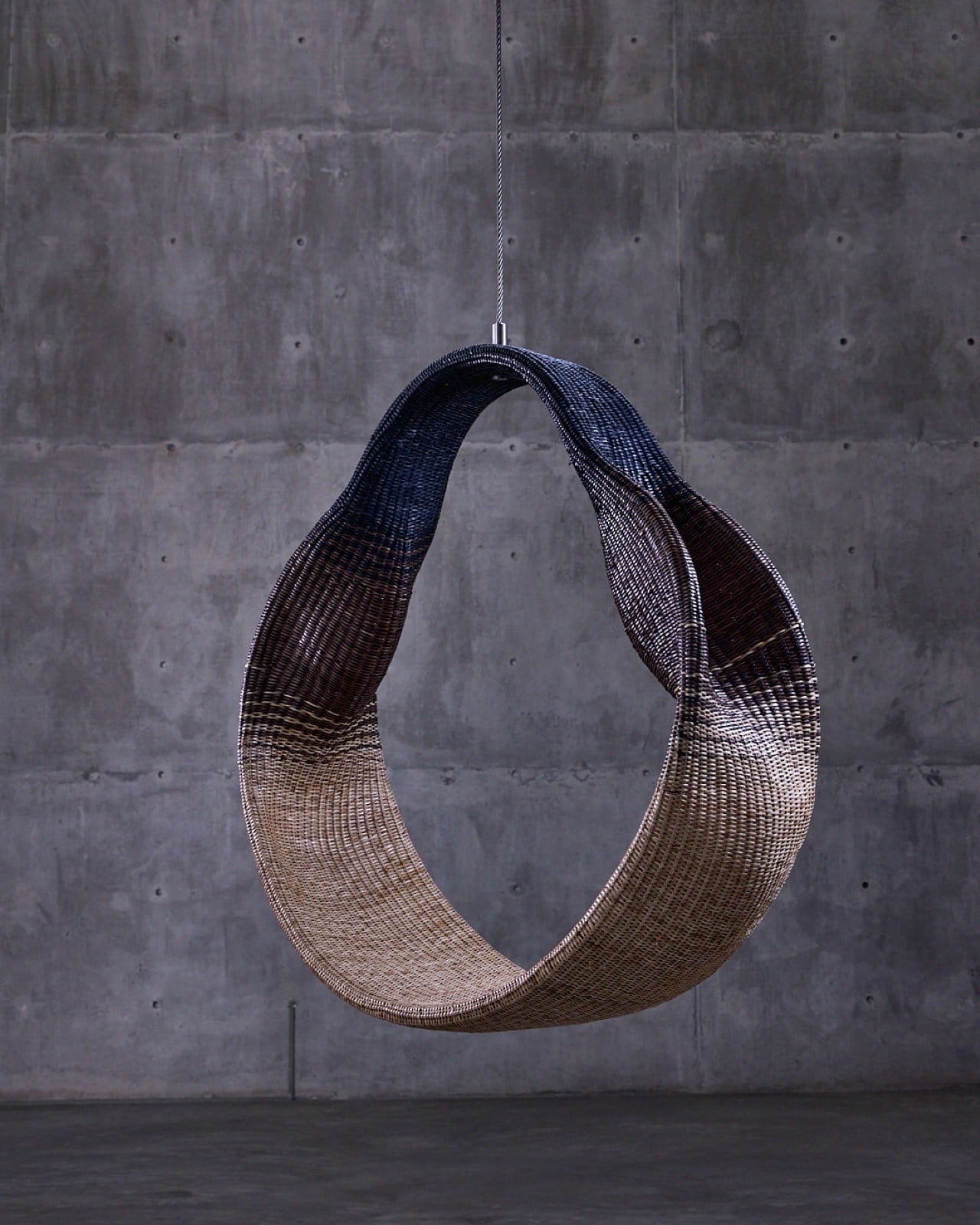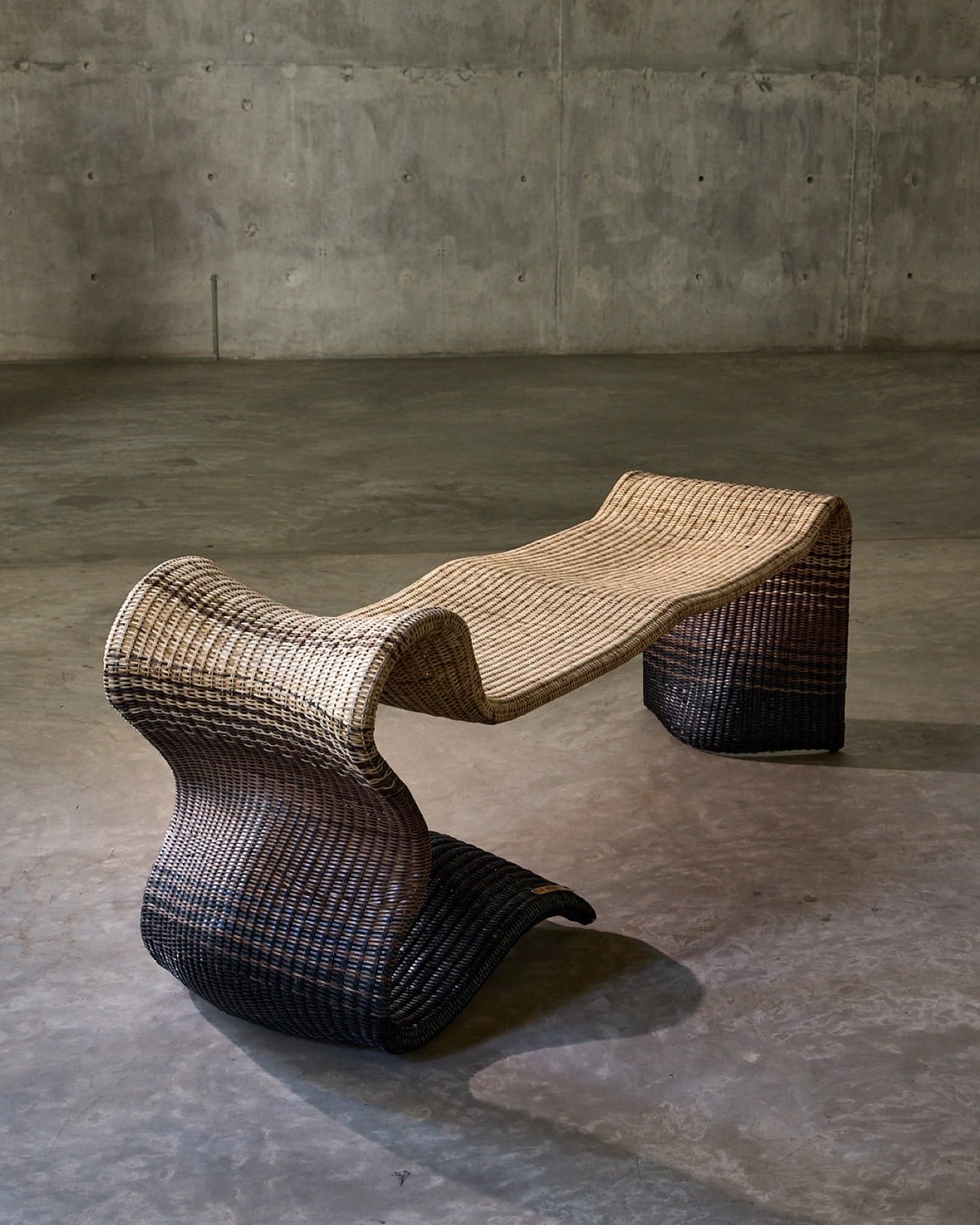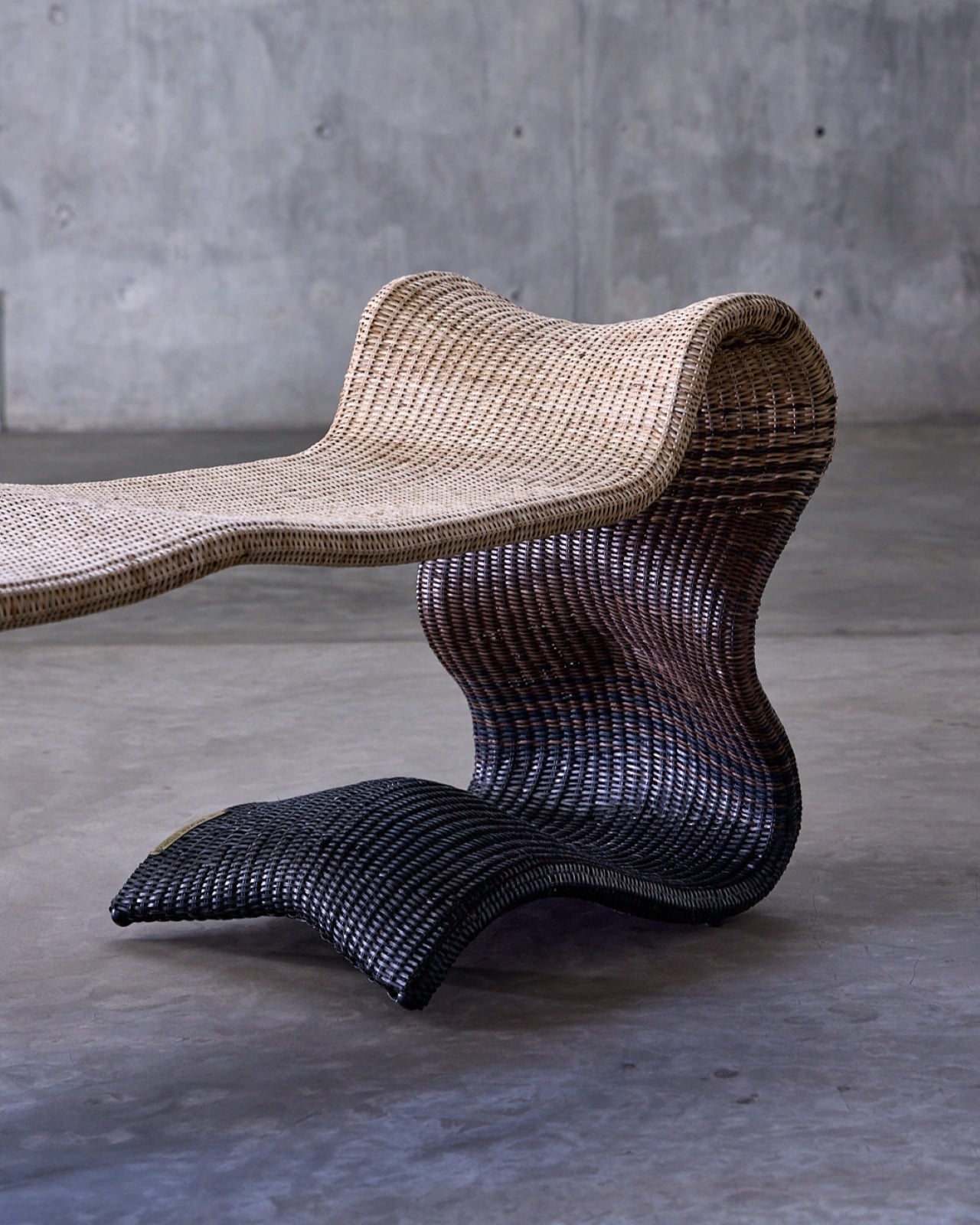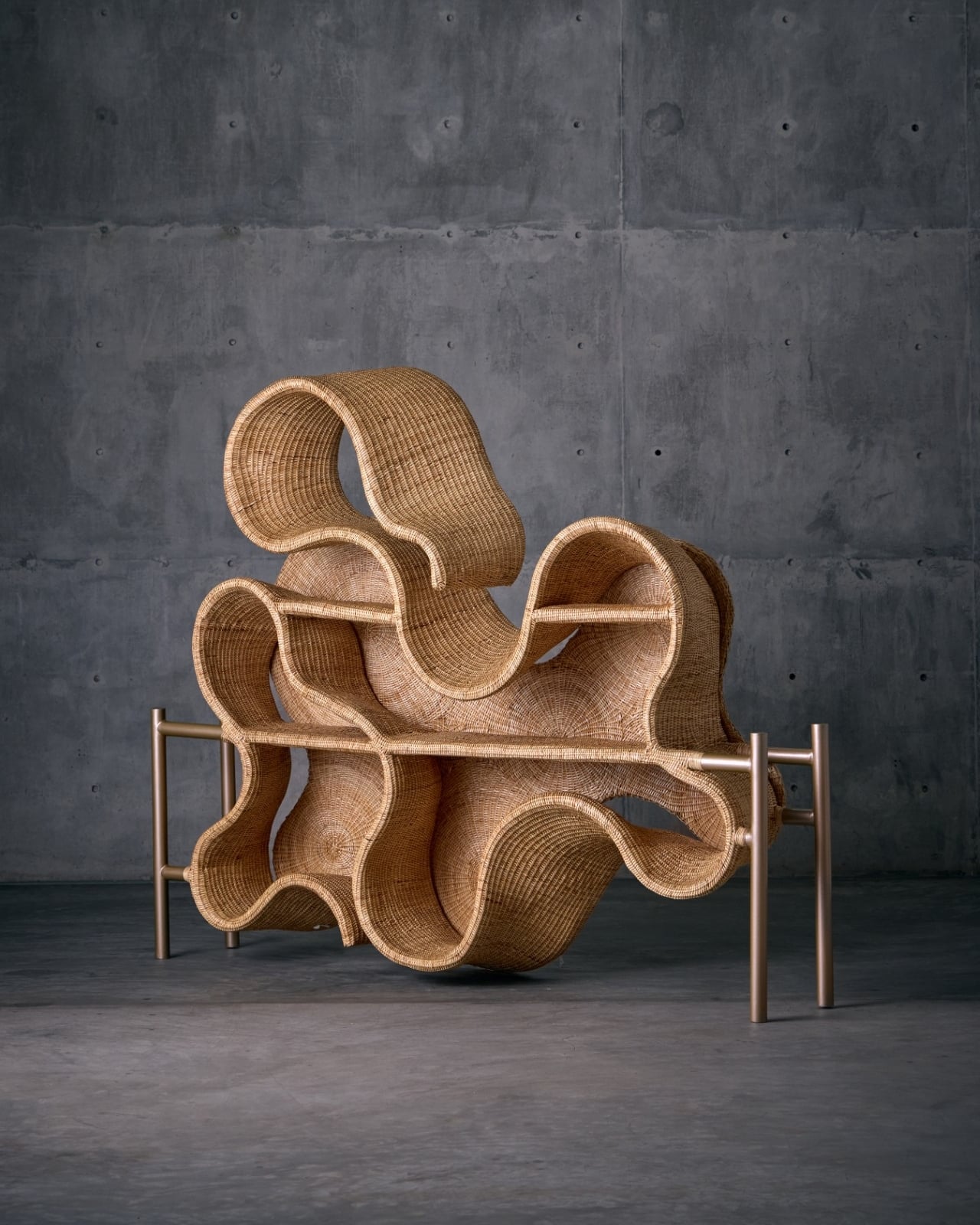
Hand-carved cork furniture collection evokes the raw beauty of black volcanic stone

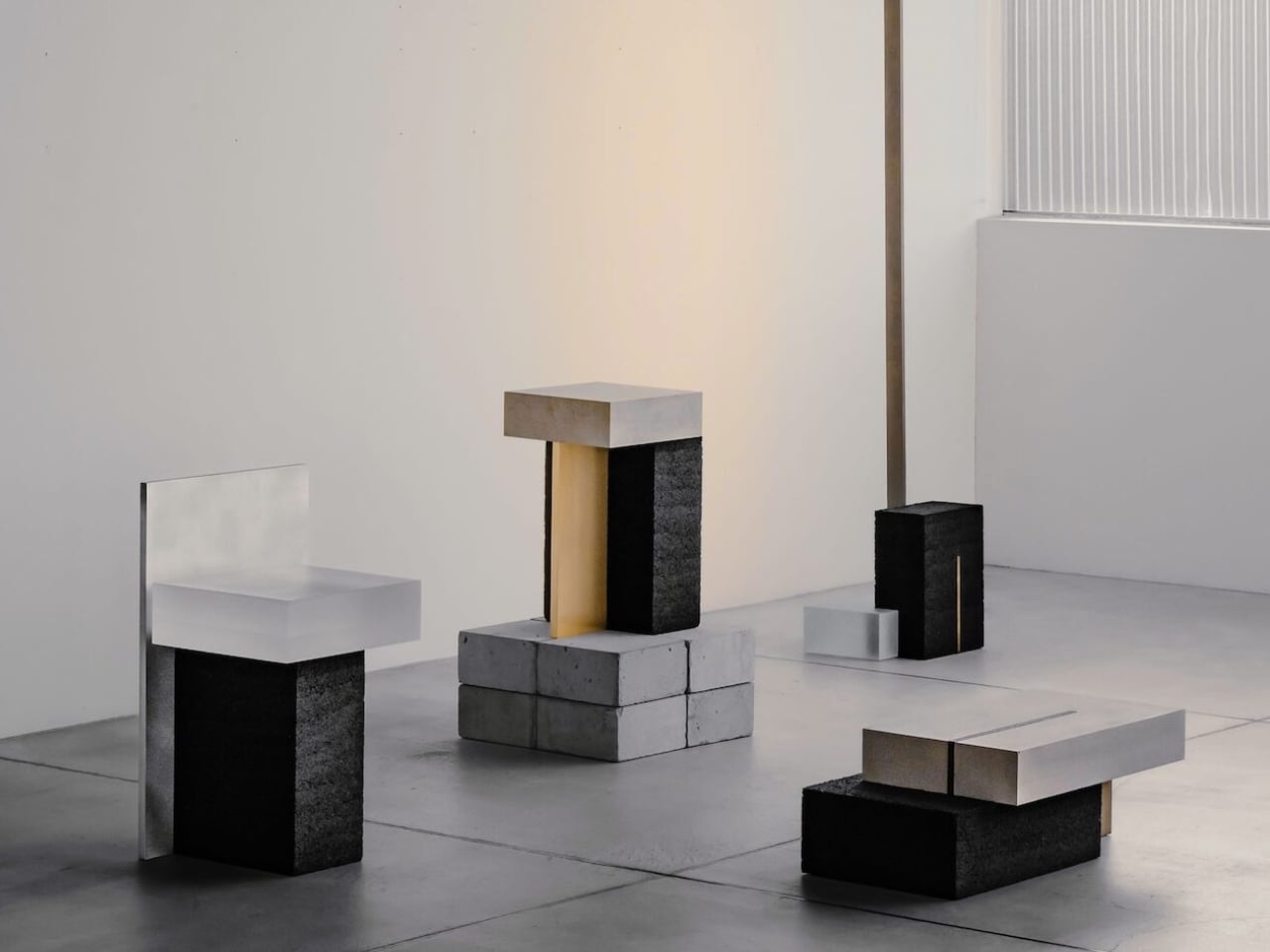
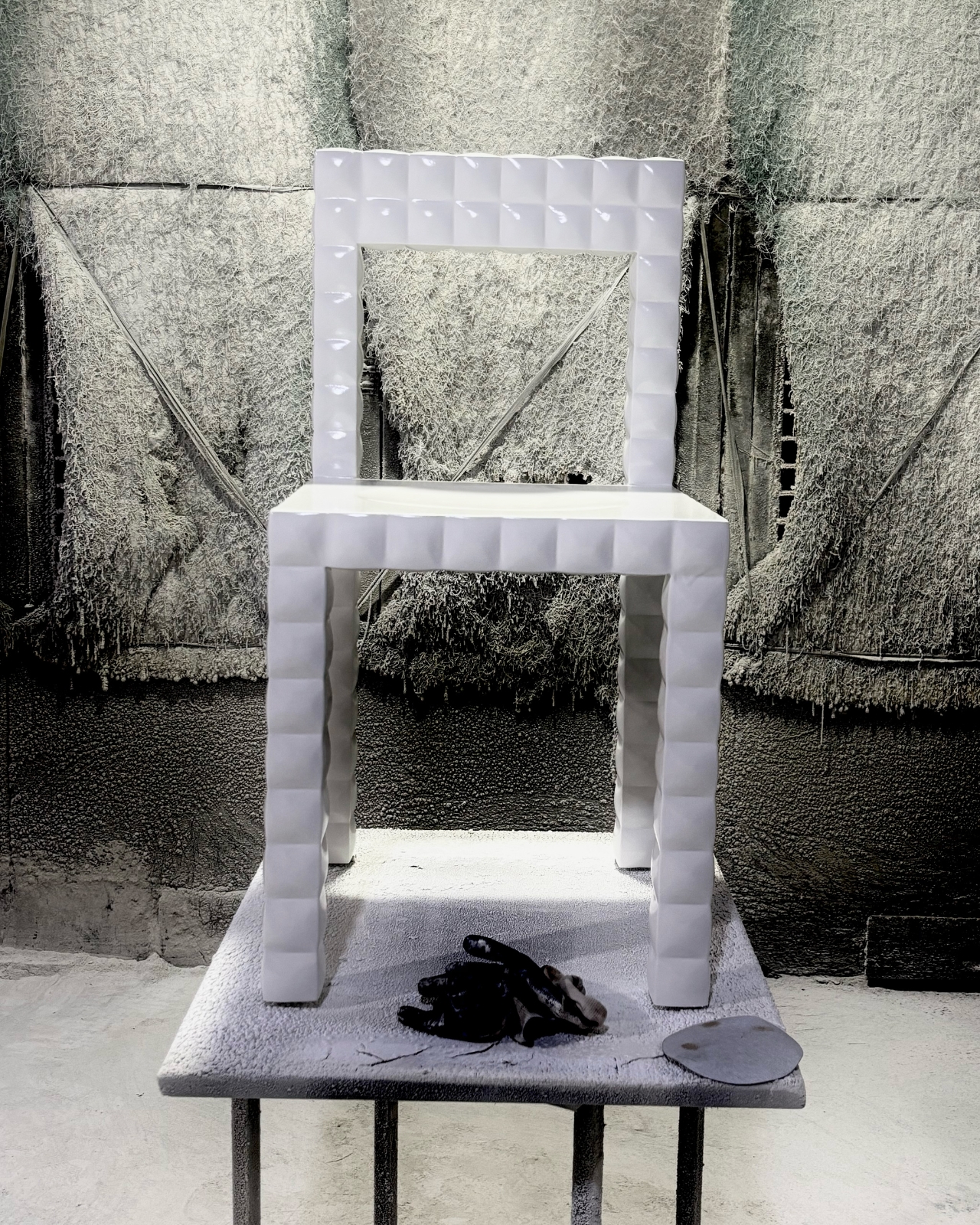
More often than not, furniture design is meant to feelings of warmth, comfort, or even joy, emotions that you’d want to experience inside a home, office, or even waiting area. After all, you will be using these pieces of furniture, including sitting on some of them, so it’s only natural to expect them to be more welcoming, at least visually. There are some more artistic designs that have provoking aesthetics, meant more to be seen rather than used. This furniture collection stands somewhere in the middle, projecting an image of dark and unpolished volcanic rocks that turn out to be comfortable, stable, and even charming in its own rough way.

Designer: ( ae ) offices

A volcano is full of ironies. It is both magnificent and terrifying, and its eruptions are equally destructive and mesmerizing. While the ash, lava, and rocks that volcanoes throw out inflict damage, they can also be used as materials to build and create things that have their own unique beauty despite their horrifying source. That’s the kind of juxtaposition that the DOL furniture delivers, providing a unique visual and tactile experience for every chair or table.

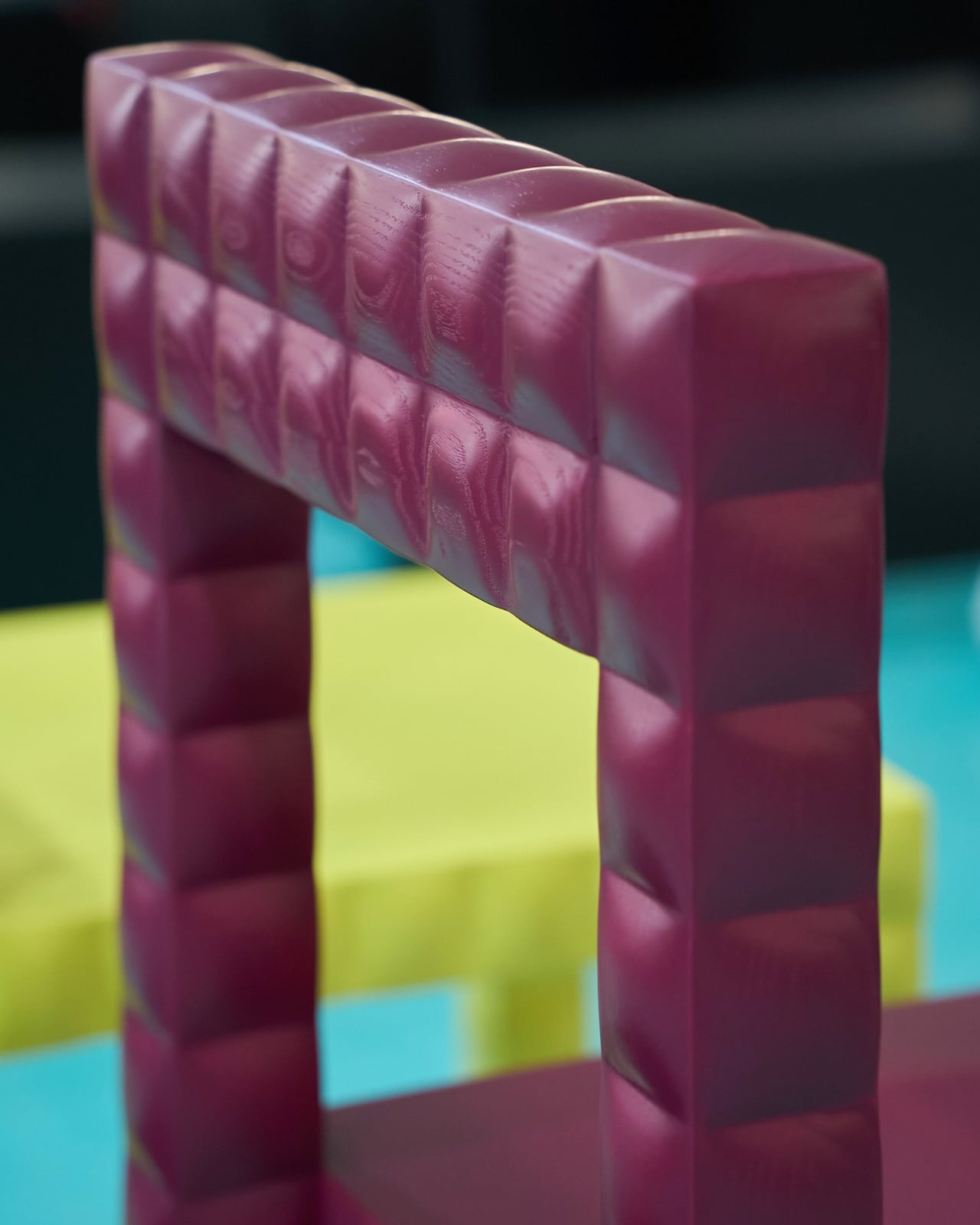
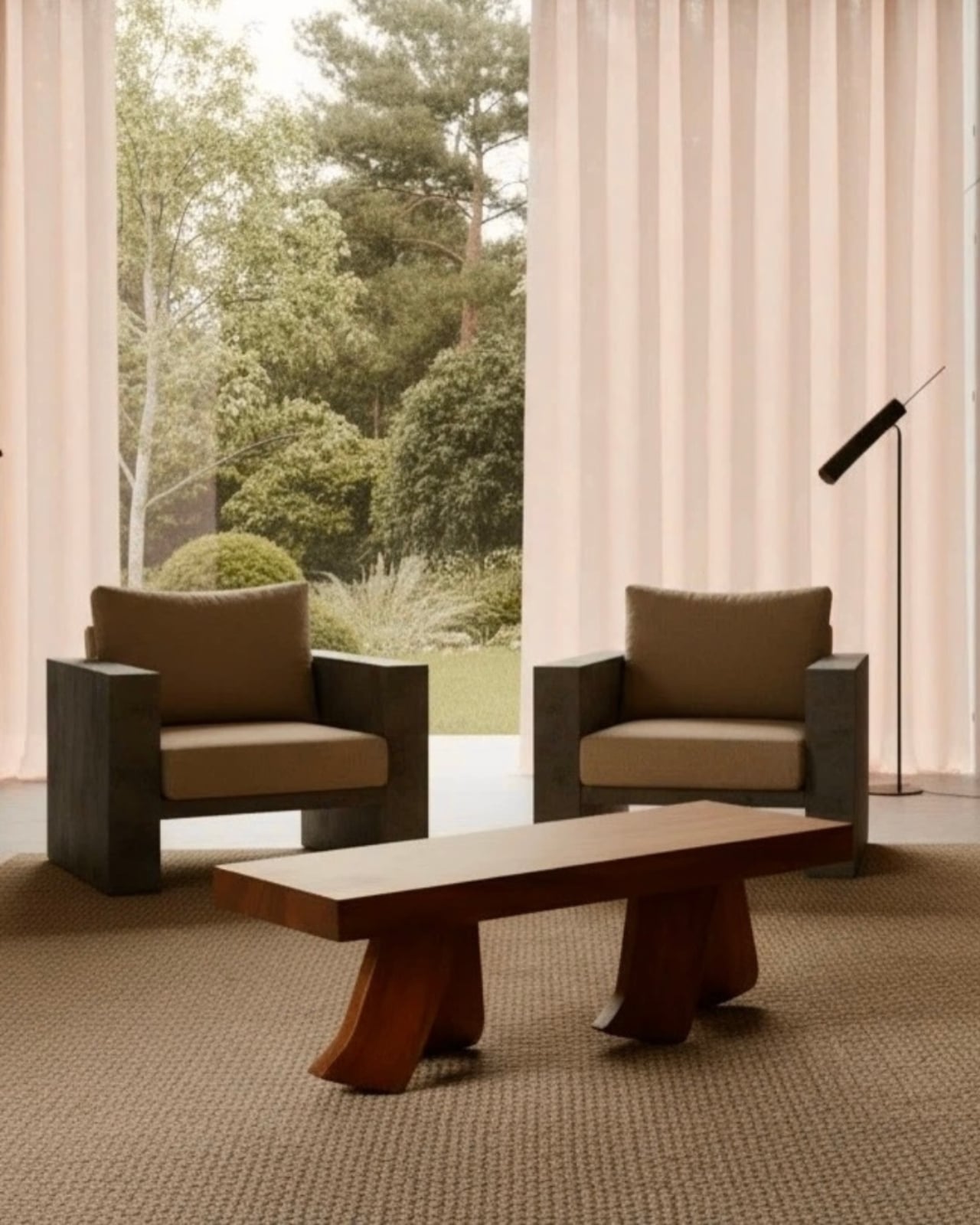
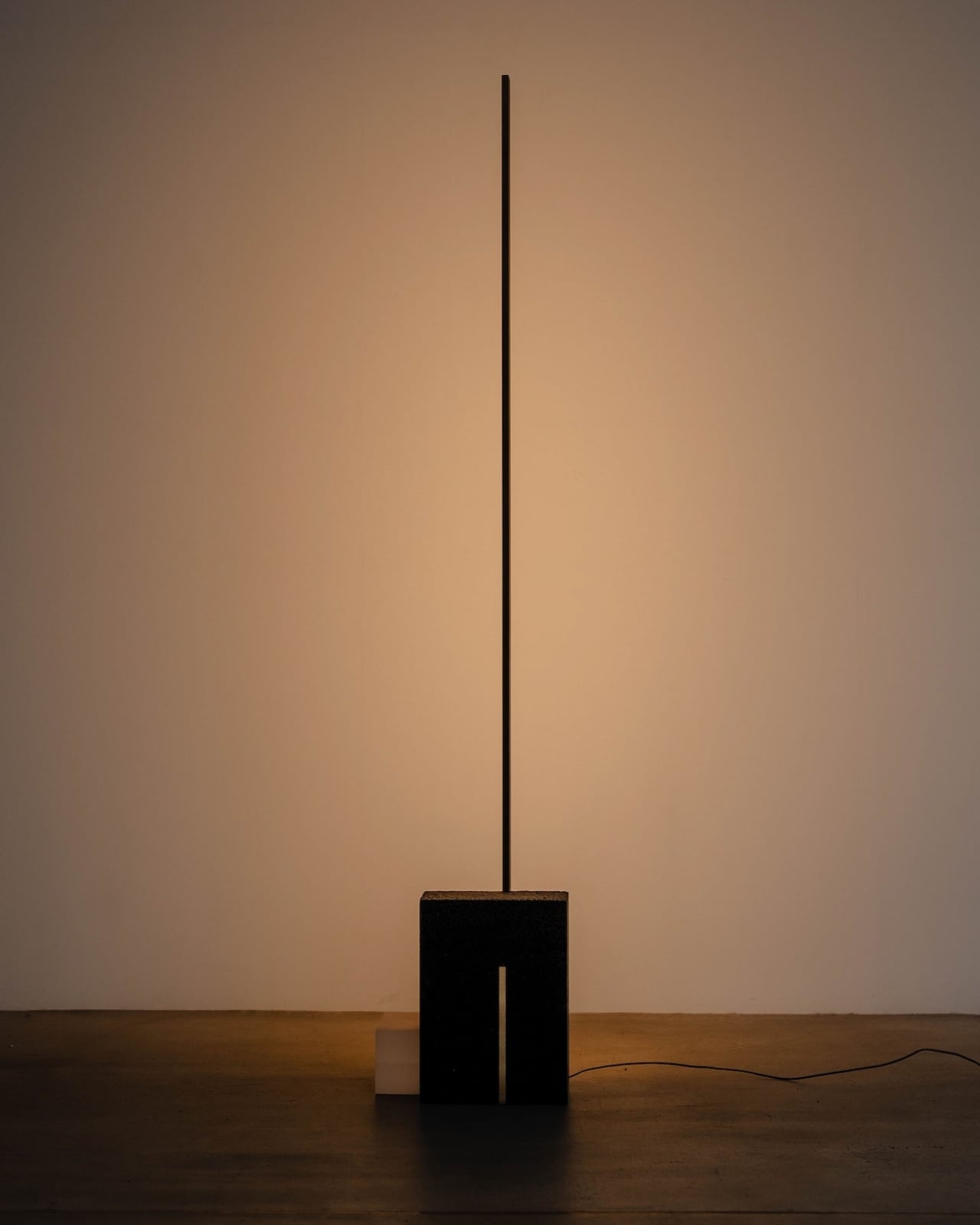
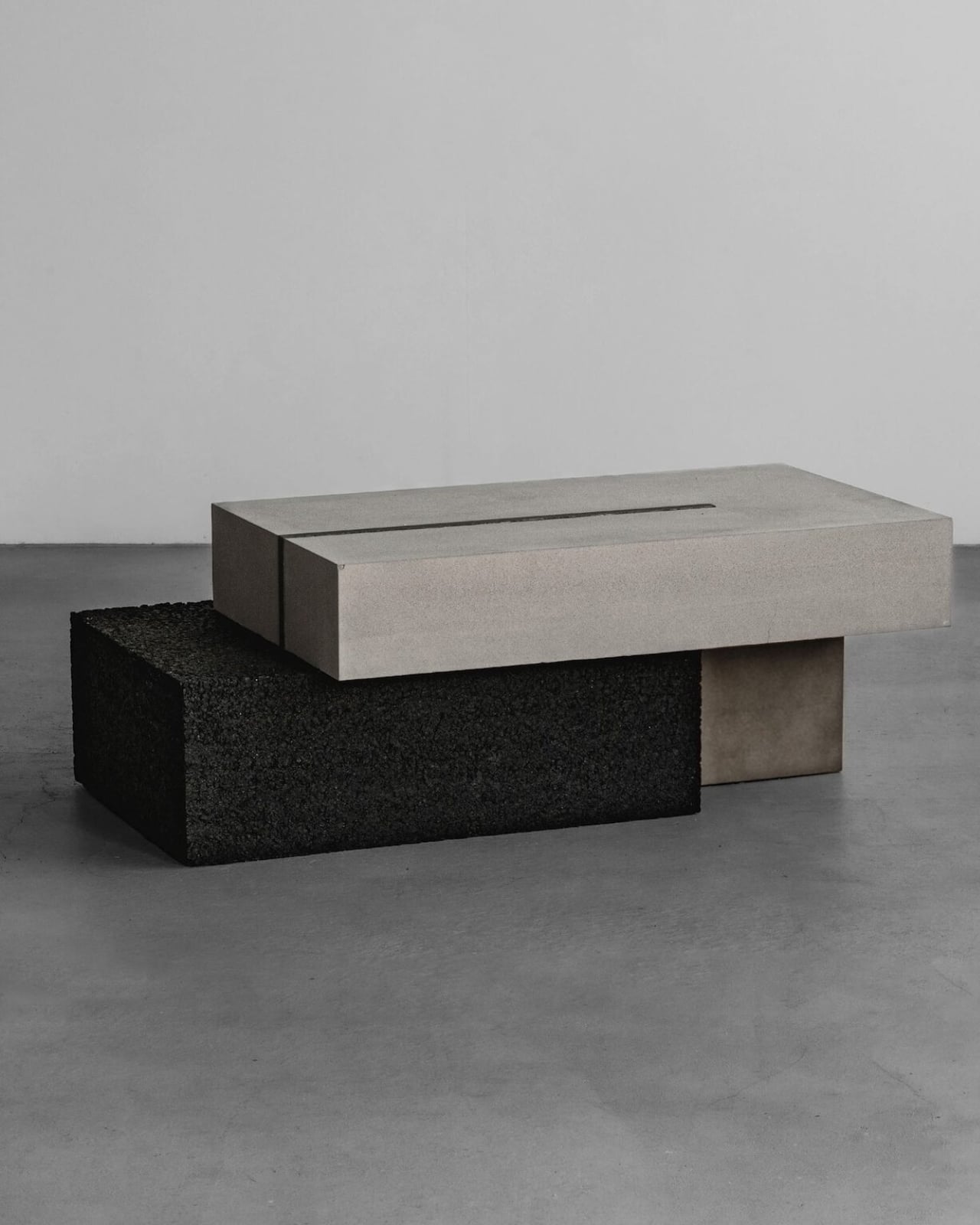
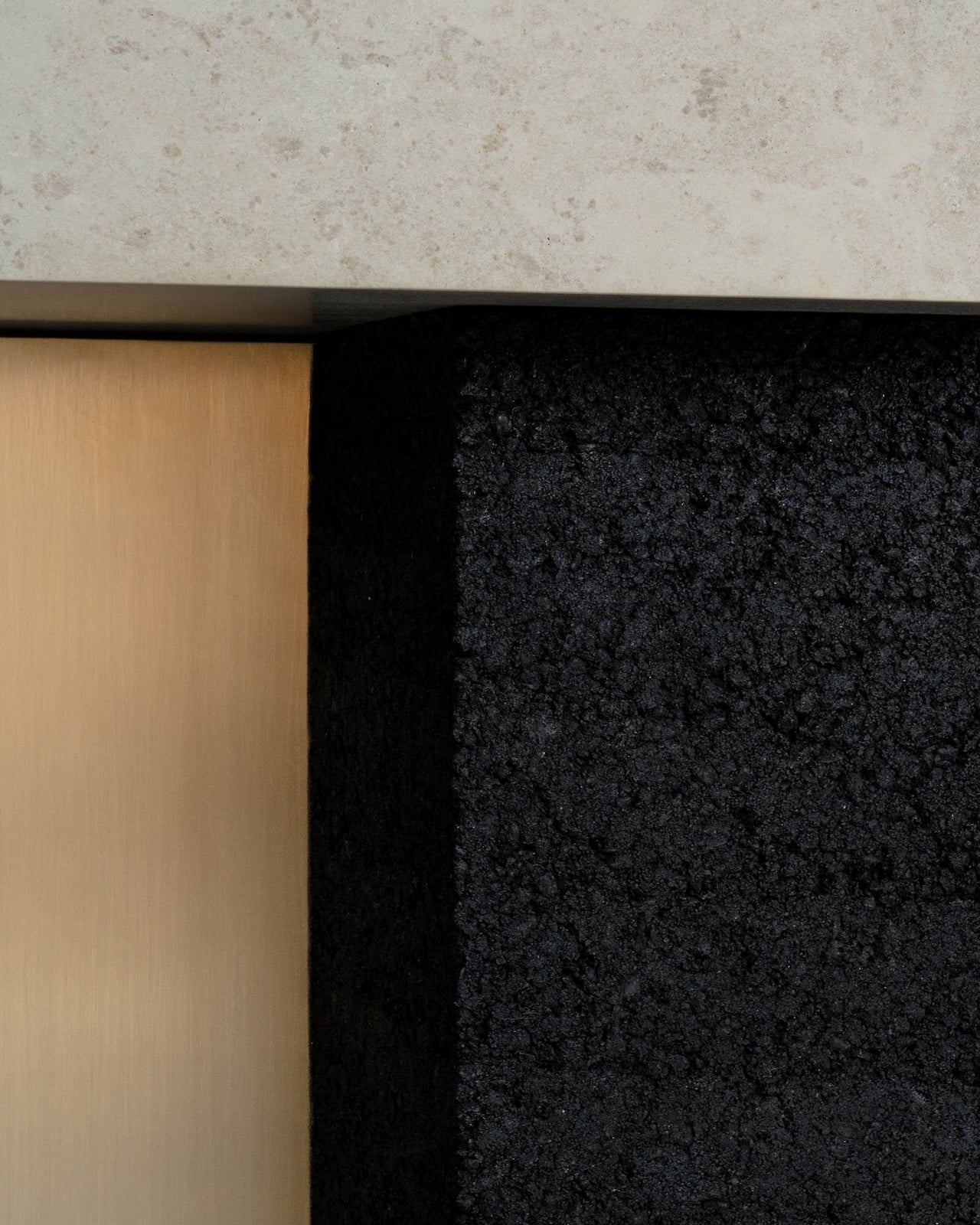
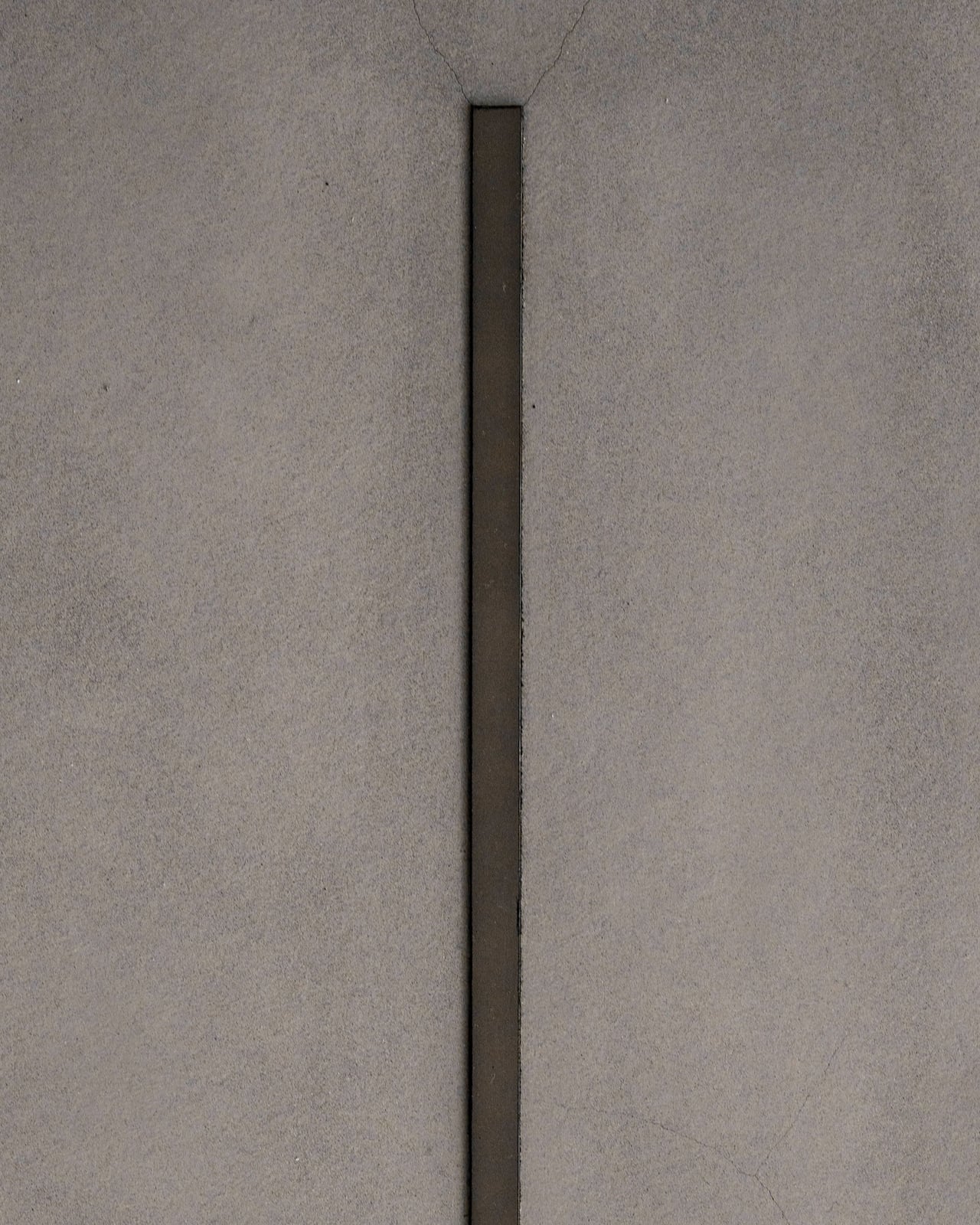
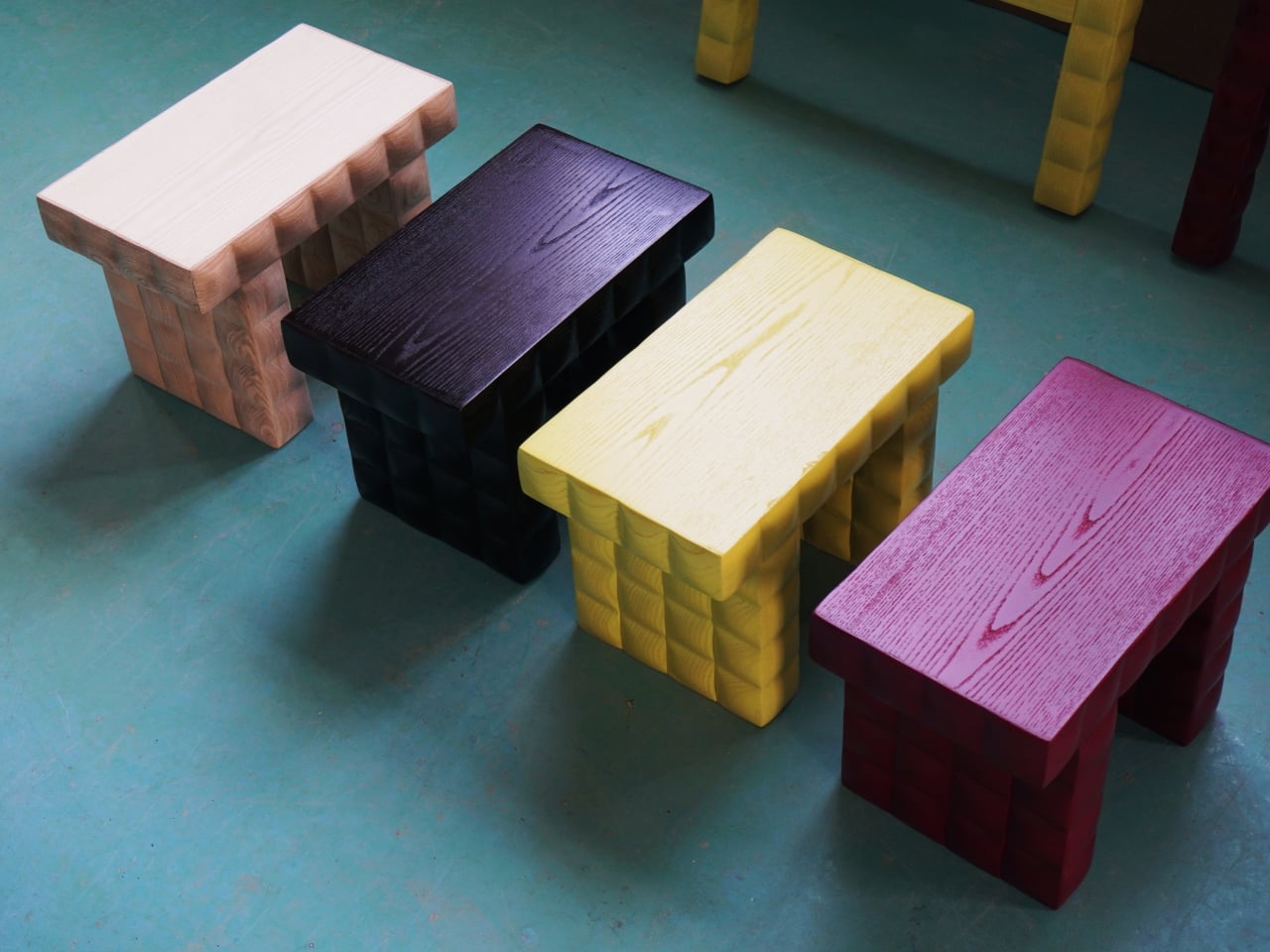
DOL takes its inspiration from the black volcanic stones found on Jeju Island in South Korea. These stones are being used as the foundations for different structures on the volcanic island, reusing what Mother Nature has thrown at them to build stronger architecture. The stones themselves have a raw and uneven appearance born of natural elements that give each piece a unique character. That’s the imagery that’s replicated in this low chair and low table, but using a material that’s the complete opposite of hardened volcanic rock.

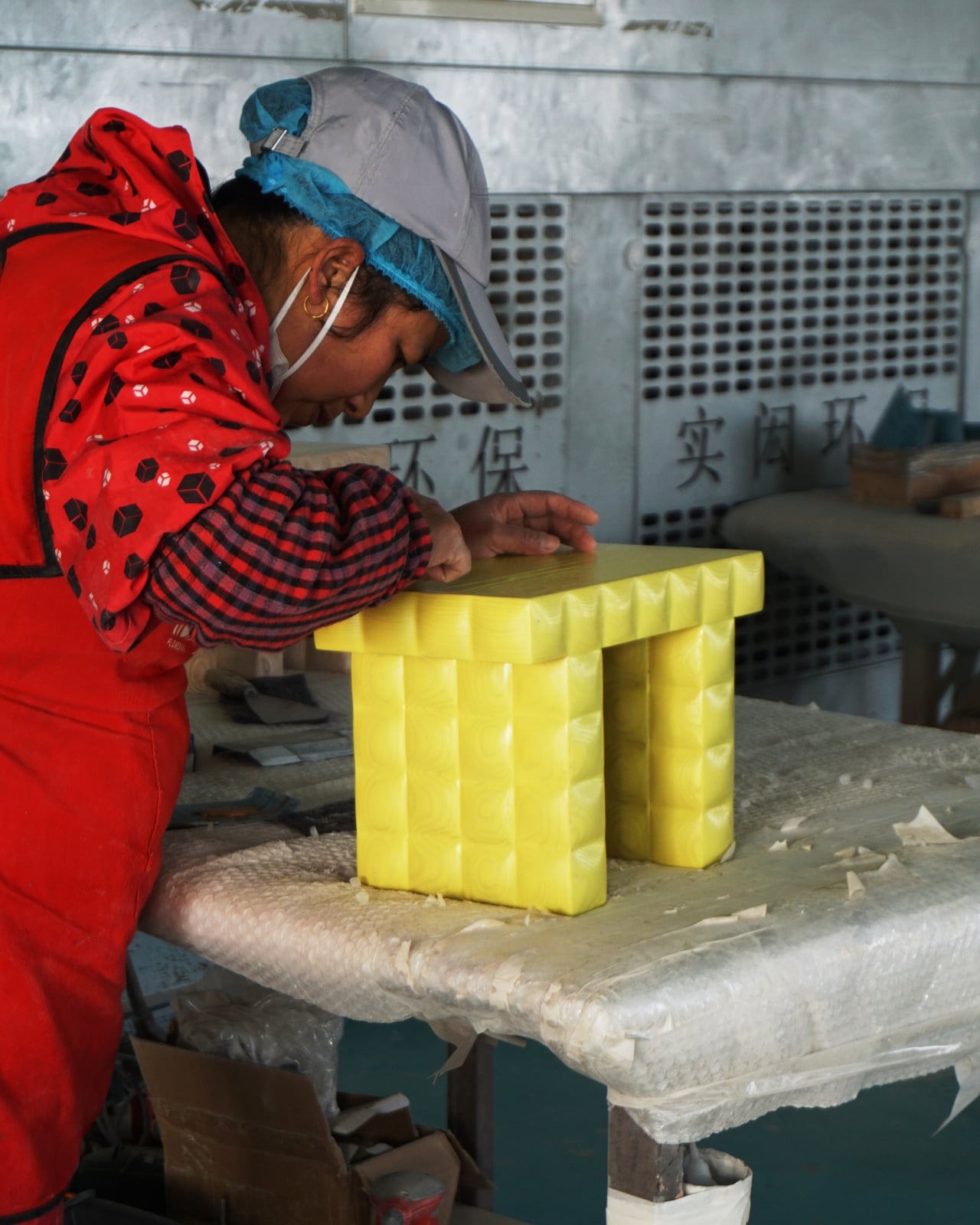
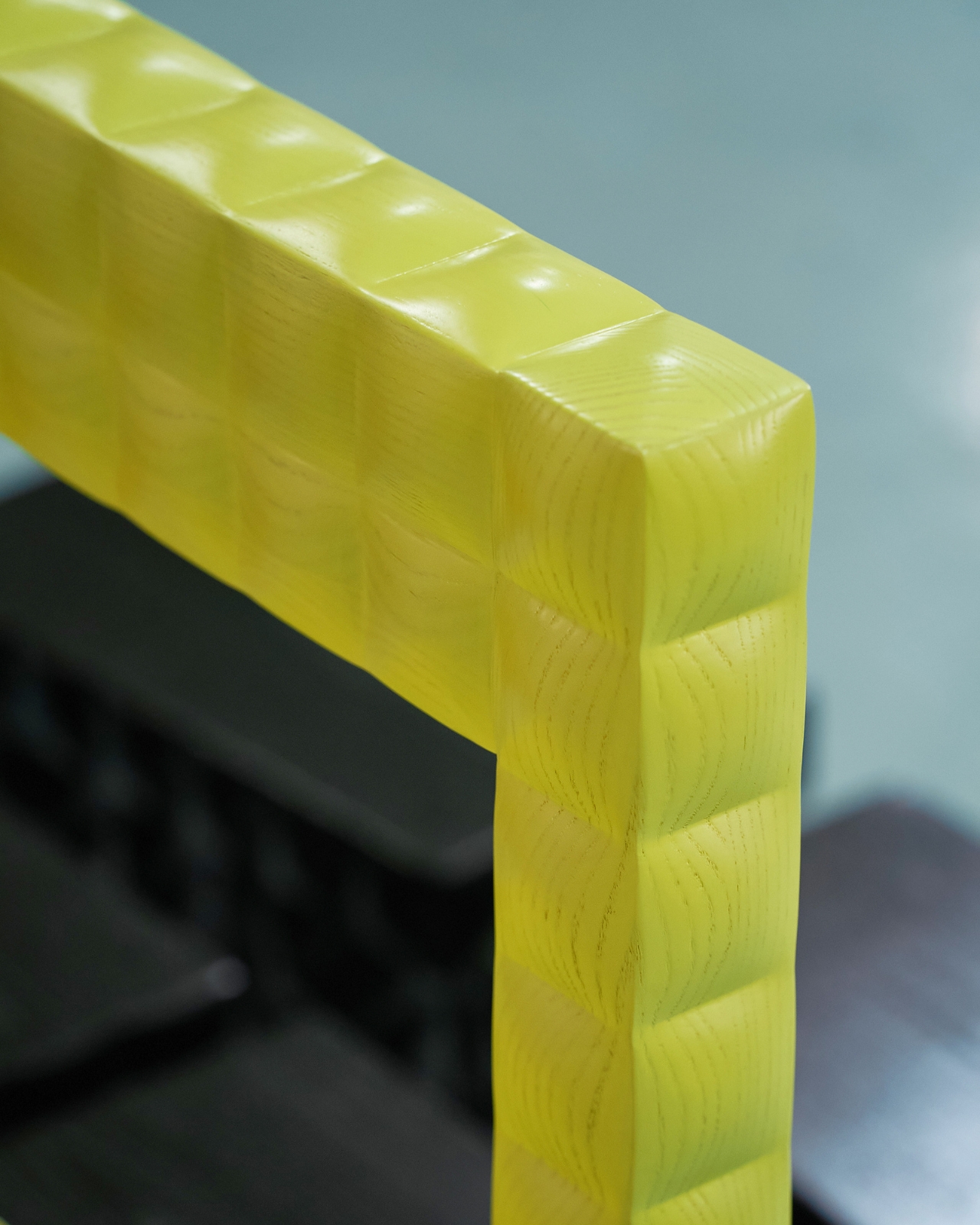
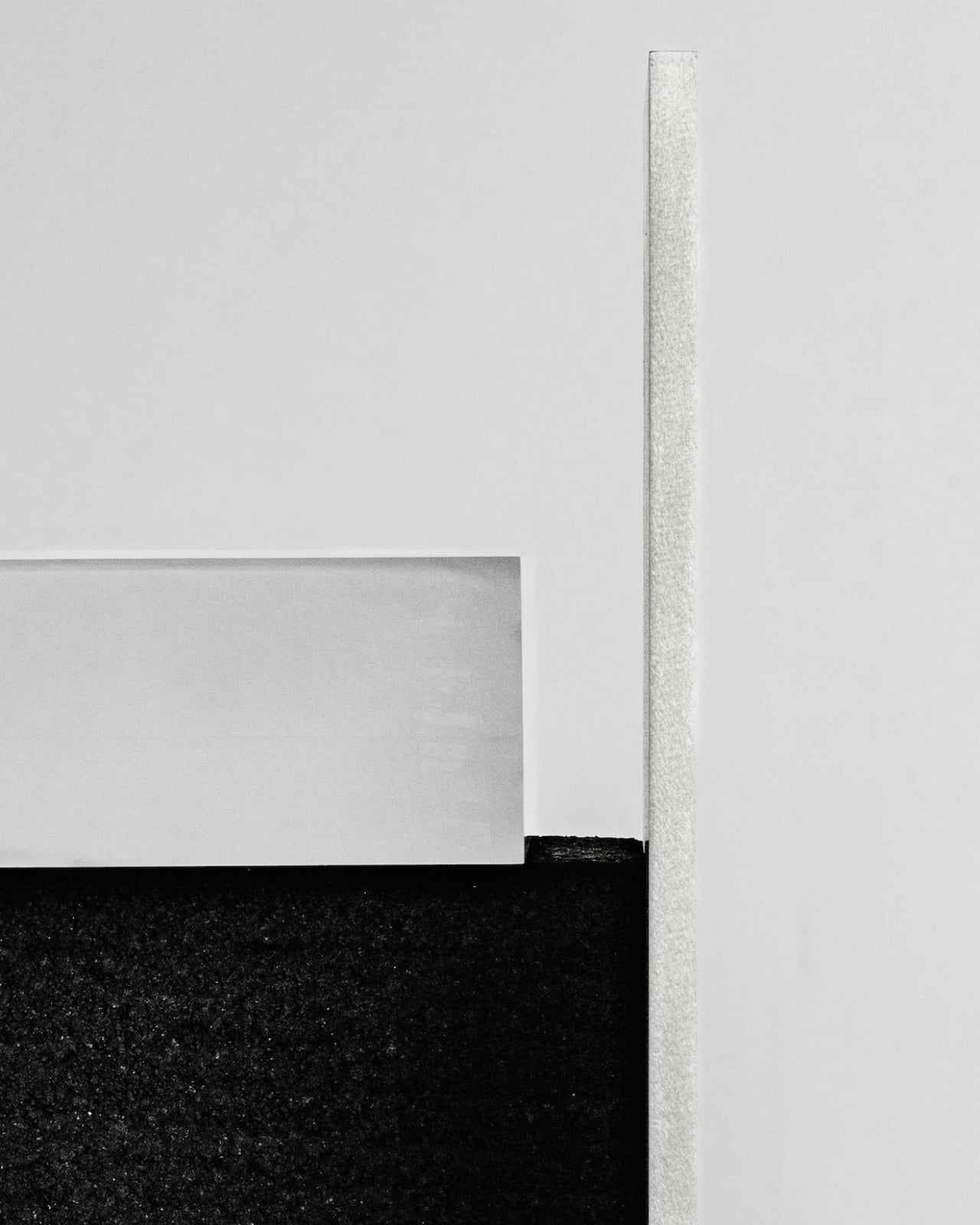
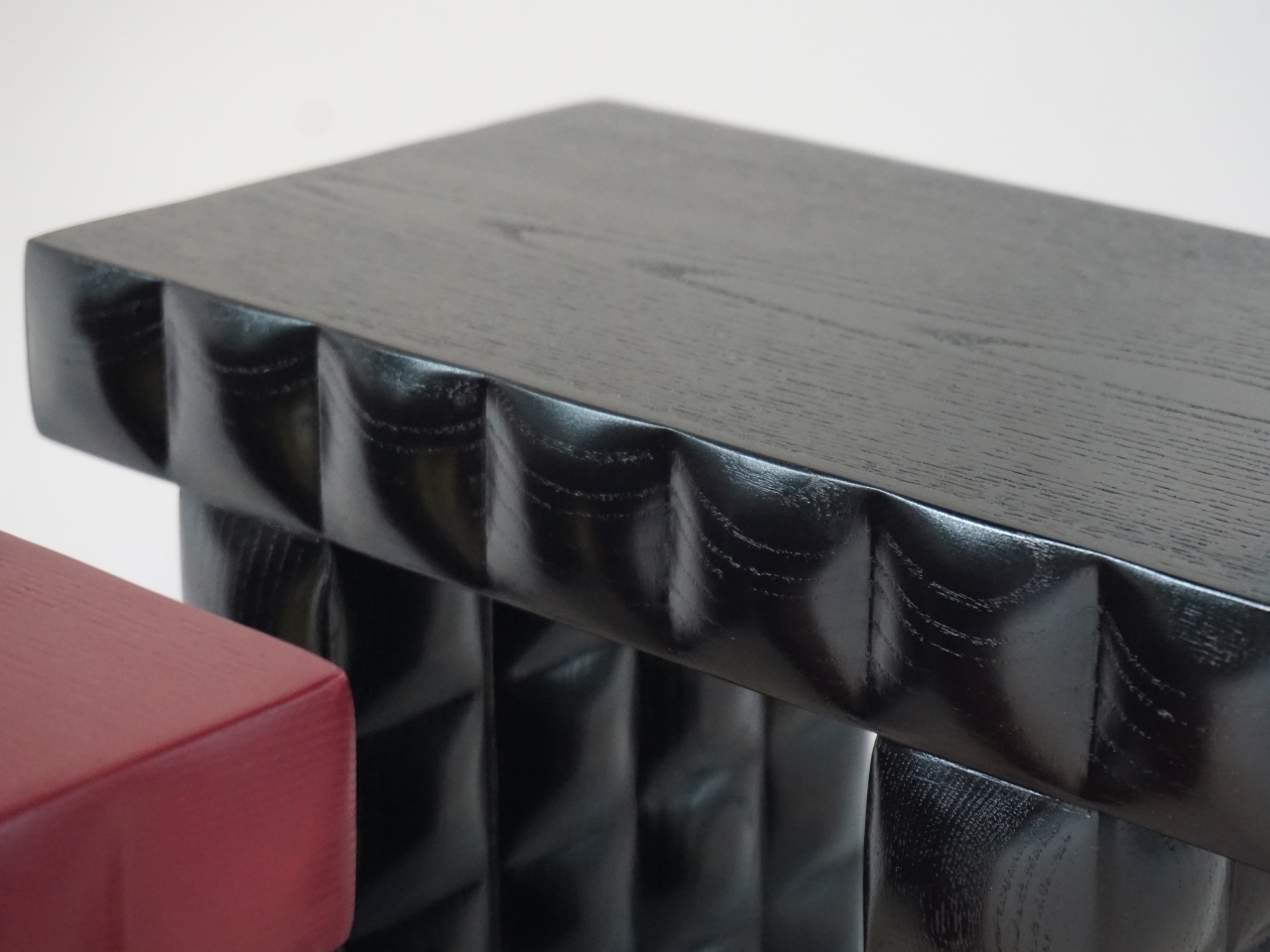
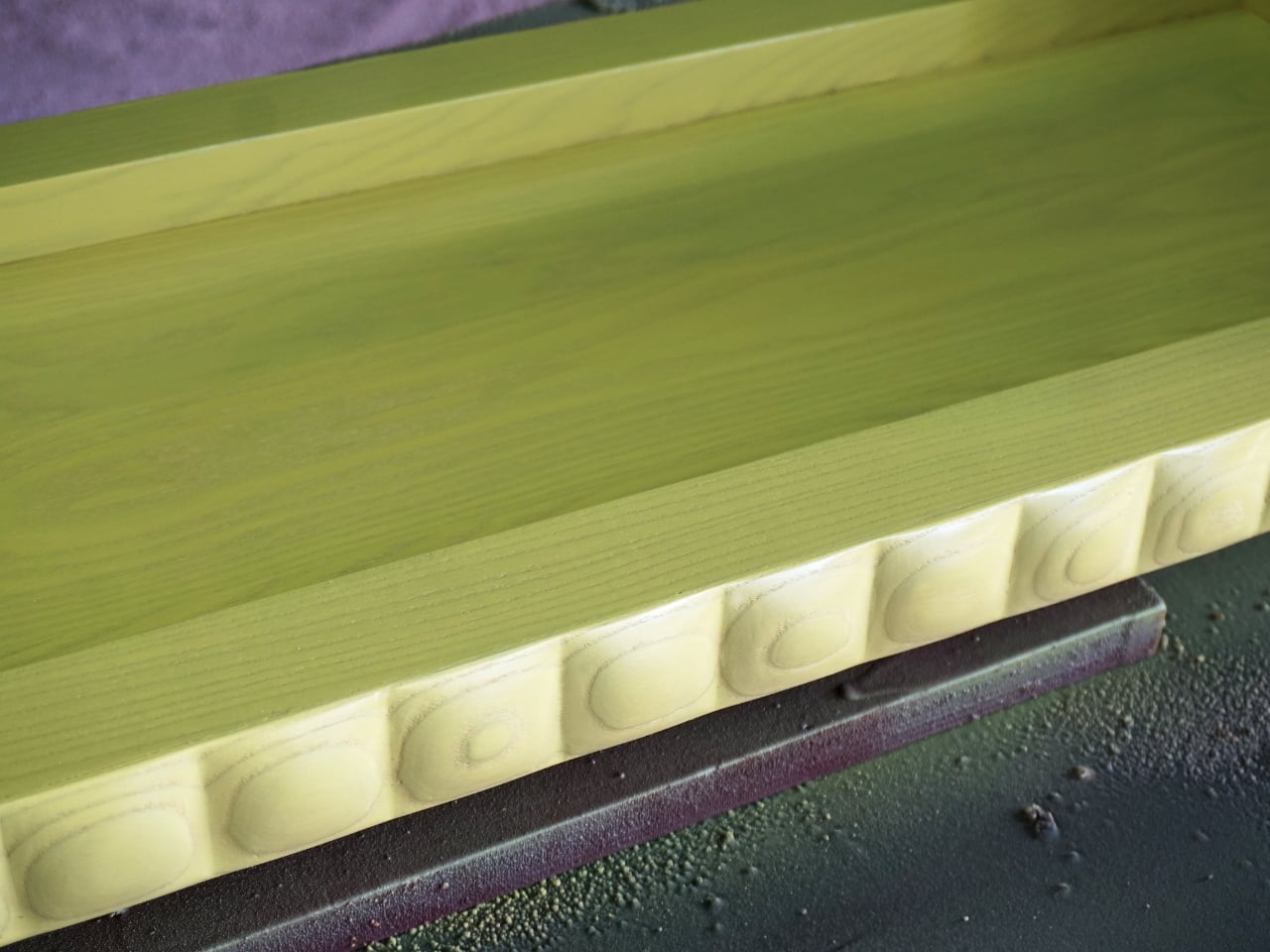
The furniture uses the outer bark of the cork oak tree, a material that’s best known for being lightweight, impact-absorbing, and insulating. Each “stone” in this composition is crafted by hand, resulting in an equally unique look for each piece. Of course, cork isn’t the most rigid material for furniture, so it’s supplemented by wooden profiles that give it more structure. Layers of wood oil and waxes add the finishing touch that gives the cork a texture and character that will confuse the mind because of its dark roughness yet soft mass.

The use of cork also adds an element of sustainability, as cork bark undergoes a renewal process every nine years and is completely recyclable. It’s a fitting tribute to a stone that starts its life from the destructive explosion of a volcano before finding its way into people’s homes, buildings, and lives before returning to the earth once again to repeat the cycle.

The post Hand-carved cork furniture collection evokes the raw beauty of black volcanic stone first appeared on Yanko Design.
Four speakers masquerade as table legs for a tidier living room

Sound is finally getting the attention it rightfully deserves. Even the most stunning visuals wouldn’t be immersive without matching good audio unless you’re viewing a photo or an animated GIF. That’s why speakers are now a more common sight in homes, including those that are separate but connected to TVs. Unfortunately, that also means they can become an eyesore, especially if you have multiple units spread around, either near the TV or even on tables and shelves. There are speaker designs that try to hide their presence, and this particular concept does so ingeniously by making the speakers, which usually take on a cylindrical form, function as legs for a minimalist yet stylish glass table.

Designers: Jiung Yun, Eunbyeol Yun, Jisu Lee, Seonjin Baek

Smart home speakers try to dress up as decorations or art objects, but they are still very visible and take up space on tables and shelves. That’s not even considering the more numerous soundbars and TV speakers that are situated near the screen. They might not block your view, but they can still be a distraction by their mere presence, breaking what should have been an immersive experience.

verre is a concept for a living room table that addresses that design problem in a rather creative and unusual way. Many wireless speakers these days are simply variations on a cylindrical shape, so why not use them for something that’s innately cylindrical? That’s why all four legs of this glass table are actually speakers, though you will definitely not know it at first glance.

The speakers have a powder-coated finish that’s not unusual for tables that combine a glass surface with a metal frame. And while the speaker grilles do catch your attention, they’re not exactly alien to a design that has a teeny bit of an industrial design vibe to it. What’s really impressive is that you won’t see any of the controls for the speakers at all, save for the power button hidden on one of the frames. Physical controls for the speaker are embedded in the fabric-covered discs that sit on top of each “leg,” perfectly blending into their surroundings.

While this LG-inspired speaker concept is visually interesting, it does have some practical considerations that need to be addressed. For one, having the speakers be that low could actually affect the very immersion that they’re supposed to enhance since not all sounds come from the bottom. Additionally, speakers will naturally generate some amount of vibration, so having a glass tabletop might not exactly be the smartest choice for this design.

The post Four speakers masquerade as table legs for a tidier living room first appeared on Yanko Design.
Terrazzo side table concept seems to tempt fate and defy the laws of physics

Tables come in all shapes and sizes, but regardless of the design, they all need to have a single critical trait: they have to be stable. No matter how breathtaking a table might be, it is nothing but a piece of art if it comes crashing down under the lightest of weights. Stability can be achieved through many means, but for something like a coffee table or even a side table, that mostly means having a flat surface that doesn’t wobble or, more importantly, doesn’t tip over. That’s the behavior that people have come to expect from even the most beautiful table, which is why this side table concept is striking both for its elegant looks as well as its rather worrying composition that precariously balances the tabletop on a curved surface, or at least it would seem like it.

Designer: Stuart Cole

Objects that boggle the mind and seem to defy the laws of physics have always been a fascination for us, which is probably why balancing toys or levitating speakers have always been popular products. That, however, doesn’t apply to furniture, especially ones that we expect to be stable or fixed. Seeing a table that’s about to topple over is enough to give some people a heart attack, but fortunately, that’s not the case for the aptly named “Balance” side table design concept.

The table’s form is actually pretty simple, utilizing basic geometrical shapes like a disc and cups. It’s the tension between these shapes, however, that gives Balance its dynamic and rather unstable appearance. It’s almost as if the circular tabletop would topple and fall off the upside-down bowl shape of its base, or that the cup would similarly fall over the edge and break. Of course, it’s all just an illusion because all three parts are joined using interlocking mechanisms that prevent them from falling apart, at least not without much effort.

Balance’s appeal doesn’t stop at its eye-catching shape. Its unique appearance is due not only to the use of terrazzo but also from employing recycled materials. This gives the side table not only a distinctive visual character but also a sustainable narrative that will surely be a topic of conversation for envious visitors. You might even be tempted to use it as a coffee or center table, rather than just leaving it off to the side, though that temptation might also be tempered by unfounded worries that the table will eventually become unbalanced and send your cups and books crashing down.

The post Terrazzo side table concept seems to tempt fate and defy the laws of physics first appeared on Yanko Design.
Triangle Side Table offers an interesting way to show off your books

As the name suggests, a side table is a piece of furniture that’s often placed on the periphery, serving a secondary purpose to hold small objects temporarily. They’re a great location for placing drinks while you lounge on the couch and read a book, or for placing that same book when you need to put it down for a bit. Because of this function, it’s sometimes possible to let side tables take on less conventional forms, at least compared to common desks and tables. You might even be able to stretch the definition of a table to something that might not look like a table at all, like this hollow triangular prism that functions as a decorative piece and a resting place for your books.

Designer: Matthew Soule

The standard definition of a table is an elevated flat horizontal surface supported by vertical legs, but the exact interpretation of these elements is sometimes left to imagination and creativity. The only real requirement is that it should have a stable structure to hold items, though what objects it can hold is again open to interpretation. Side tables are often used to hold cups, mugs, pens, phones, notebooks, and books, and they sometimes have separate storage space for other, less-used objects.

With that in mind, there are plenty of sources for design ideas, like this Triangle Side Table that was supposedly inspired by kids’ toy blocks. It definitely challenges the definition of a table having a flat horizontal surface, though there is definitely an area for that on the back of the apex, like a ledge for your things. That flat area, however, is barely enough to hold a mug, a small notebook, or a smartphone, but only one at a time. There’s also a groove for securing a writing instrument, but you’ll have to make it your favorite or most-used tool since there’s only room for one.

The main focus, instead, is to have a resting place for what you’re currently reading, be it a book or a magazine. You place the partially opened book on top of the triangle, using the tip as a bookmark. It’s a popular design in many minimalist products these days, though it’s uncertain whether it will harm the book’s binding in the long run.

The open interior of the triangle is also another place to showcase reading materials, though it can also house a potted plant or even a pet mattress. The unique shape of the side table, its natural wood material, beveled edges, and the minimalist base that makes the table look like it’s magically floating all contribute to making the odd side table an attention-grabbing piece of furniture. Unfortunately, it’s also quite poor at actually functioning as a regular table, so you’ll definitely want to put it at the sides only.

The post Triangle Side Table offers an interesting way to show off your books first appeared on Yanko Design.
Geometric coffee tables use 3D printing robots and recycled plastic to create organic forms

3D printing has come a long way, but unless you’re using industrial printers in large factories, you’re probably limited to creating small designs or just parts of a whole. That, unfortunately, means that creators and makers aren’t able to fully express their ideas and designs, at least not those that involve pieces that can’t fit inside a commercial 3D printer. That said, you don’t have to give up your creative freedom to use an expensive production line if you can put 3D printing robots to smart use, like this sustainable plastic coffee table that is able to form organic geometric forms just by making the robot arm loop round and round.

Designer: Martin Zampach

When people think of 3D printers, they most likely think of those boxy contraptions sitting on tables, with nozzles that quickly run back and forth while oozing out hot plastic material in order to build up a three-dimensional object almost like from thin air. While this is the most common and most convenient kind of 3D printing, it has severe limitations in the size or shape of the object being made, basically anything that can fit the area and height of the printer.

LOOPS is a collection of coffee tables conceived to push the envelope of 3D printing and create objects that are larger than normal without requiring additional hardware. An industrial 3D printing robot pretty much goes round and round to create the base shape, building layer after layer of composite material until the desired form is achieved. This is the process used for creating the base of these tables, allowing the designer to apply different geometric shapes with organic forms that look like they’re literally growing before your very eyes.

The coffee tables are more than just experiments in 3D printing, they are also testaments to beautiful sustainable design. Tabletops are made from 100% recycled plastic that is crushed, melted, and then moulded from used plastic. The 3D printed bases, on the other hand, are made from composite material containing cellulose from responsible forestry. When the tables reach the end of their use, both the base and the top can be recycled or reused to extend their life in a different way.

The LOOPS coffee table collection offers a unique and novel design that pushes the boundaries of 3D printing to produce beautiful shapes and textures that almost resemble traditional ceramic creations. The variety of recycled plastics used gives each tabletop a unique appearance, both in color as well as in texture. The minimalist yet elegant designs make the coffee tables the perfect artistic centerpieces for any space, offering a thought-provoking design that opens your mind to the possibilities of sustainable 3D printing.

The post Geometric coffee tables use 3D printing robots and recycled plastic to create organic forms first appeared on Yanko Design.
Recycled Swedish rugs get transformed into furniture that honors the textile’s legacy

The timeless craft of Swedish rag rugs, a cherished tradition spanning over 150 years, finds a contemporary reinterpretation in the hands of Stockholm-based designer Lars Hofsjö. Rooted in a rich cultural heritage, these rugs have been woven by generations of women using worn-out clothes, curtains, sheets, and upholstery. The process transforms leftover fabrics into intricately patterned, durable rugs, celebrated for their strength and firm structure, a testament to the adaptive re-use of materials.

Designer: Lars Hofsjö

Lars Hofsjö, the creative force behind the Swedish furniture brand Rumbler, has skillfully reimagined these traditional rag rugs into a unique collection of furniture pieces. His approach involved scouring markets, antique shops, and the countryside to handpick rag rugs, chosen specifically for their thinness, tightness, and color. These selected fabrics are then meticulously wrapped around aluminum shapes, crafting plush side tables that blend the rustic charm of the rugs with modern design sensibilities.

The ‘Torp’ series, characterized by its rectangular shape, is a limited numbered edition, with each piece distinct in quality, palette, and characteristics. Contrasting this, the ‘Dunker’ collection features hexagonal units, accentuated with diverse materials like leather, stone, and wood, harmonizing with the texture of the rag rugs. This blend of materials not only adds a tactile dimension to the pieces but also pays homage to the multifaceted nature of Swedish design, where tradition and innovation coexist harmoniously.

Through his innovative approach, Hofsjö offers a fresh perspective on sustainable design. By repurposing these historical textiles, he not only preserves a vital part of Swedish heritage but also provides a contemporary relevance to the rag rugs, demonstrating their versatility beyond their original, utilitarian purpose. The tables stand as a testament to the enduring beauty of Swedish crafts, bridging the gap between historical craftsmanship and modern living spaces.

Hofsjö’s work is a remarkable example of how design can be both a custodian of tradition and a catalyst for innovation. It highlights the potential of traditional crafts to inspire contemporary design solutions, underscoring the importance of sustainability in design. By breathing new life into these age-old textiles, Hofsjö not only honors the legacy of the countless unnamed weavers who have kept this tradition alive but also points the way forward for future generations of designers to explore and reinvent.

The post Recycled Swedish rugs get transformed into furniture that honors the textile’s legacy first appeared on Yanko Design.
Circular desk concept has an interesting way of measuring the time you spend on it

A lot of people feel that there aren’t enough hours in a day without realizing how much time they might be spending or even wasting on unimportant activities. Keeping track of how you spend your time is often one of the first pieces of advice that productivity gurus give because they often reveal how much free time we actually have if we schedule our actions wisely. There is no shortage of time-tracking and logging apps today, but these digital tools are sometimes easily dismissed or ignored because they’re too convenient. This rather unusual table, however, makes the passage of time a bit more visible and tangible, allowing people to have a more personal relationship with the time they invest in work, projects, and other activities.

Designer: Yunseo Jung

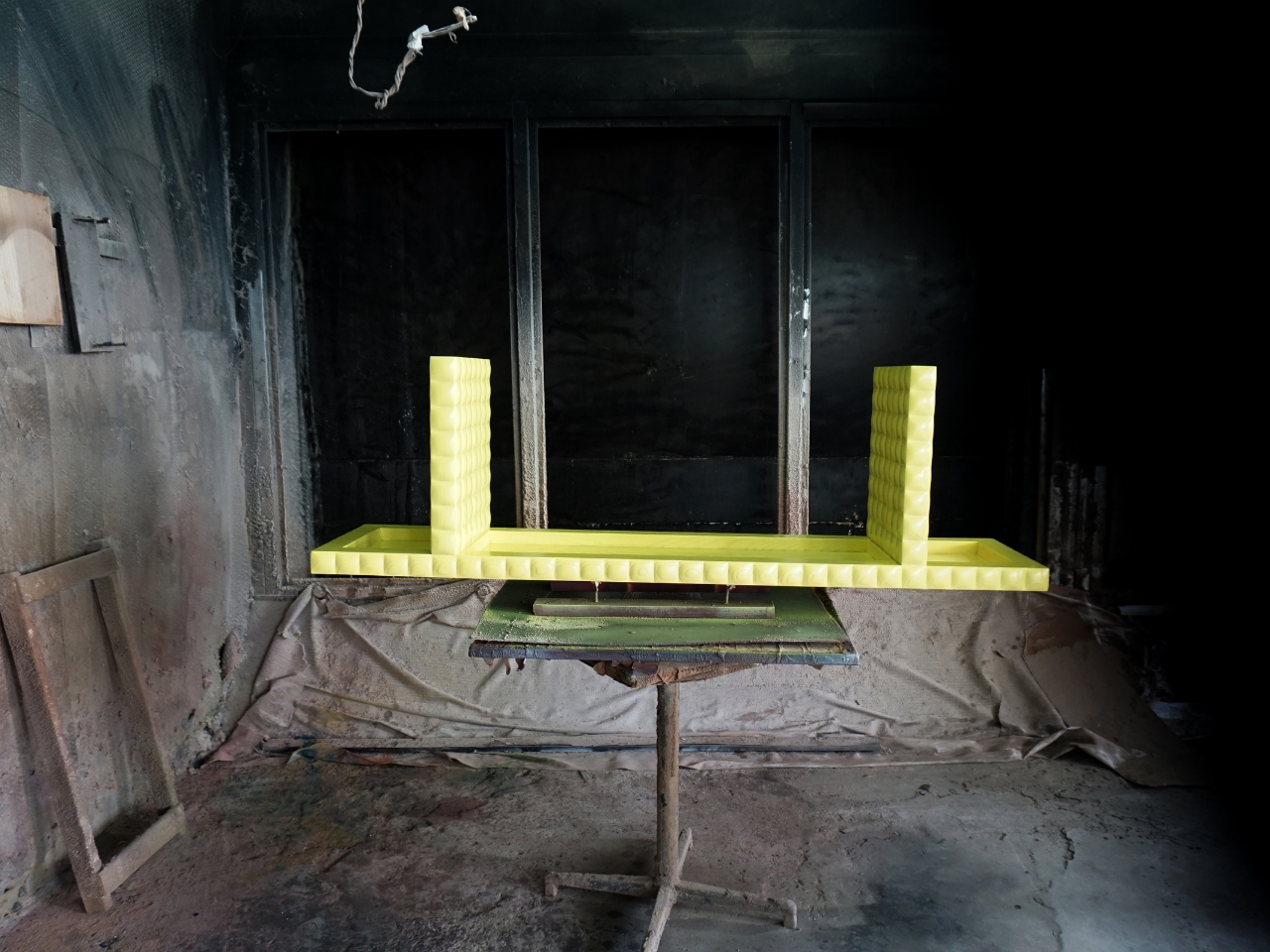
Right off the bat, the Time Table already strikes an interesting visual. Unlike the majority of desks and tables, it’s made almost completely out of circles, from the tabletop to the built-in lamp to the rods that make for its legs and structure. One side of the table shows that leg, but the other side has an arc that functions like a privacy shield. There is also a matching circular tool to complete the set, though such a design isn’t actually novel to this kind of furniture.

While a circular table isn’t exactly rare, the attached “sub table” is. It’s a smaller circular tray affixed to the exposed leg of the table, but that’s not what makes it unique. This sub-table actually moves up and down, changing its elevation as time passes before returning to its base state at the lowest point. Think of it as a time, like a reverse hourglass, that slowly demonstrates the movement of time in a very visual manner.

The basic idea of the Time Table is to let the person sitting in front of it measure, log, and be aware of how much time they’re spending there. You might place some tools related to your work there or anything else that you’ll be able to notice in the corner of your eye. It offers a visual and tangible experience in counting down time without being monotonous like watching seconds tick by. Admittedly, it might also be a bit distracting, which could also be the point of instilling awareness of your time.

Novel as the concept might be, there are also a few issues with the Time Table’s design. The position of the elements, for example, might not be ergonomic or comfortable, with the lamp at a fixed spot and the privacy shield at the side potentially blocking leg movement. Given its design, there seems to also be little room for changing the height of the table, which could be too low or too high for some people. The moving sub-table as a time tracker is definitely an interesting idea, but it could probably be implemented in a different way that doesn’t negatively affect the rest of the table’s functionality.

The post Circular desk concept has an interesting way of measuring the time you spend on it first appeared on Yanko Design.
Quirky shapes make this modular table set a fun yet functional addition to your space

Tables primarily serve a functional purpose, providing a horizontal surface to place things. Considering the space they occupy, it’s only fair that they should also have some aesthetic value, adding to the ambiance of a room instead of sticking out like a sore thumb. Unfortunately, not all designs balance form and function equally, with one aspect getting a heavier focus than the other. Some might be extremely beautiful but have little room for use as an actual table, while others try to get too smart with features at the expense of a pleasing appearance. Fortunately, we have plenty of inspiration around us to help shape our designs, and this family of odd-looking tables takes a few pages from Mother Nature’s book to create pieces that offer both practical utility as well as visual interest, bringing any living space to life.

Designer: Superlife

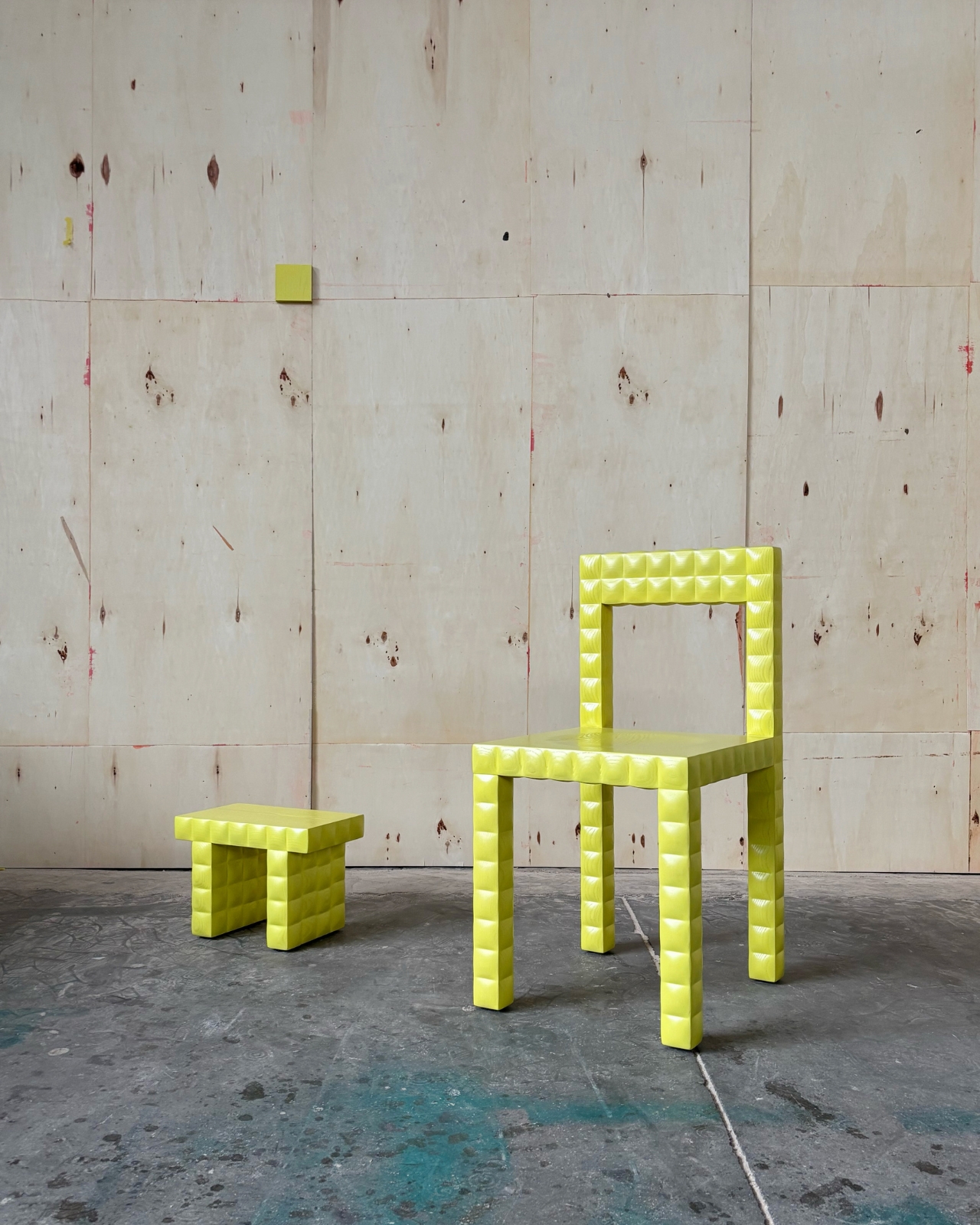
Most tabletops come in conventional shapes such as rectangles, squares, circles, or ellipses. These, after all, are the most space-efficient shapes around, maximizing the area that you can use to lay down objects like laptops, books, or cups. They’re probably also the most mundane shapes you’ve ever laid eyes on, and they are totally dependent on the rest of the table’s composition or materials to pique your interest. The Flow family of tables bucks that trend and presents a table that almost looks impractical but is actually quite flexible in its functionality, so it shouldn’t be a surprise that it pulls off this feat by learning from organic things designed by nature itself.

As the name somewhat implies, these tables are inspired by naturally occurring bodies of water. Whether they’re puddles or lakes, water doesn’t appear as a perfect circle or rectangle, not unless you put them in artificial containers. The amorphous and almost random shape that water comes in evokes a sense of fluidity, even while at rest. It’s almost the perfect metaphor for tables that become centers of activity even as they act as resting places for your stuff.

Flow, however, is also inspired by cells that take similarly undefined shapes. Each table in the collection also has different heights to add to its unique character. And just like cells, these distinct pieces can function independently or merge into one to provide a larger canvas to arrange objects. The dynamic shapes of the tables might even inspire you to inject some life into your room, just like how cells are the building blocks of organic life.

Whether alone or connected, the fluid shapes of the Flow tables create an interesting ambiance that is both lively and calm, just like water. The tables are both pieces of structural art as well as flexible furniture that provide a bold visual impact, blending form and function in harmony just as things in nature usually do.

The post Quirky shapes make this modular table set a fun yet functional addition to your space first appeared on Yanko Design.

These Colorful Portable Desk Lamps Are Inspired By Festive Japanese Lanterns

I love a beautifully-designed lighting design because I truly believe a really great one has the ability to illuminate a space – both literally, and metaphorically. Besides the physical light that it quite obviously emits, a well-designed lighting design can add manifolds of personality and charisma to a room or space. They can function as sculptural pieces, that are an extension of your personal taste and preference, truly exhibiting the richness and niche-ness of your curation capabilities, or if they’re the portable kind you can carry them along with you to illuminate anything anytime anywhere. And, an excellent lighting design for your desk is the Madco Table Lamp.

Designer: Elisa Ossino for Ambientec

Created by Italian designer Elisa Ossino for the Japanese brand Ambientec, the Madco Table Lamp is designed to be a subtle and minimalistic recreation of festive Japanese lanterns. The introduction of the Madco light signifies the first time that the brand has integrated some form of color into its design. The lamp is available in an option of five colors, which intend to add a touch of playful elegance to any room.
The Madco Table Lamp is equipped with a sphere-shaped diffuser that is carefully enclosed in a plastic shell, and then suspended on a sleek metal frame. As you look at the table lamp, you are instantly tempted to touch and turn the light source, which quite interestingly can rotate at 360 degrees. The lamp is designed to be portable, and it can be recharged using a UBC-C. Ossino says that you should take the lamp outside, as it is waterproof, and will create a pretty and intriguing interplay with plants. It can be hung from its handle as well!

“It is a very flexible design,” said Ossino. “I really love Japanese culture, and with Madco I wanted to evoke a simple and modern atmosphere that refers to the past and the iconography of Japanese lanterns.” The Madco Table Lamp is designed in five stunning shades that are intended to be “warm and refined”: olive, terracotta, pesca, mostarda, and ciliega. You can pick the shade that perfectly complements your living space and you.

The post These Colorful Portable Desk Lamps Are Inspired By Festive Japanese Lanterns first appeared on Yanko Design.