The pre-show events are already up and running at CES 2026 — the tech world’s biggest annual conference — and the news is already flowing. While the CES show floor doesn't officially open until Tuesday, January 6, Las Vegas is already abuzz with various pre-show events, including the CES Unveiled mini show and Samsung's First Look press conference, scheduled for late Sunday. Nearly all day Monday will be comprised of more press conferences from the likes of LG, Intel, NVIDIA and Sony. And that doesn't include the product demos, announcements and networking that will be happening at the Las Vegas Convention Center and other hotels all over the city. Engadget is covering the event in-person and remotely, bringing you news and hands-ons straight from the show floor.
More specific details and pre-announcements are already trickling out as CES approaches, and thanks to the schedule of the Consumer Technology Association (the trade organization that runs the show) we have a full itinerary of press conferences. We’re also using our experience and expertise to predict what tech trends could rear their heads at the show.
The CES 2026 schedule
Press conferences and show floor booths are the bread and butter of CES. The CTA has already published a searchable directory of who will have an official presence at the show, along with a schedule of every official panel and presentation. However, the press conference schedule gives us a more digestible rundown of the first 48 hours of big events.
On Sunday, January 4, Samsung will kick-off CES with "The First Look," a presentation hosted by TM Roh, the CEO of Samsung's DX Division, on the company's "vision for the DX (Device eXperience) Division in 2026, along with new AI-driven customer experiences." Ahead of that, though, Samsung has already outlined a variety of more specifics (scroll down for details). Concurrent with the Samsung presentation will be the official CES Unveiled mini-show, which is generally comprised of smaller and start-up vendors.
That'll be followed by multiple press conferences throughout Monday, January 5. The LG CES 2026 press conference, titled "Innovation in Tune with You," is ostensibly to share "its vision for elevating daily life through Affectionate Intelligence." But, like Samsung, this fellow Korean giant has already spent the three weeks leading up to CES pre-announcing many of its new products, so this may be more of a summary than breaking news.
Following LG, we’ll also see press conferences from Bosch and Hisense, as well as the first-ever CES appearance from Lego. As the Las Vegas afternoon rolls around, we get the first of three chip giants: NVIDIA CEO Jensen Huang takes the stage on January 5 at 1PM PT (4PM ET) and, according to the website, his presentation will last about 90 minutes. Based on the description on the listing, the presentation will “showcase the latest NVIDIA solutions driving innovation and productivity across industries.” NVIDIA’s presser is concurrent with one from Hyundai, where the Korean automotive company will focus on in-cabin car tech and robotics.
Later in the day, we get to hear from NVIDIA frenemies Intel and AMD. Intel’s 3PM PT (6PM PT) event will ostensibly feature its new Core Ultra Series 3 processors, and AMD CEO Lisa Su will cover AMD's upcoming chip announcements at a keynote address that closes out the day. But expect both of them to be very heavy on AI applications, of course. Sandwiched in between those chip manufacturers will be Sony Honda Mobility. The joint venture will be offering yet more details on its Afeela EV.
Finally, on Tuesday, January 6, Lenovo CEO Yuanqing Yang will host Lenovo's Tech World Conference at the Las Vegas Sphere, using the large and decidedly curved screen to share the company's "commitment to delivering smarter AI for all by constantly redefining how technology can engage, inspire, and empower." It’s worth noting that Lenovo is the parent company of Motorola, which still makes phones and foldables that feature AI tools, so it’s possible those devices feature in the presentation as well.
Here’s a handy cheatsheet for easy access to all of Engadget’s coverage:
Samsung (Sunday, Jan. 4, 10PM ET) | Samsung CES liveblog and livestream |
LG (Monday, Jan. 5, 11AM ET) | LG CES liveblog and livestream |
Bosch (Monday, Jan. 5, 12PM ET) | Bosch CES livestream |
Hisense (Monday, Jan. 5, 1PM ET) | Hisense CES livestream |
Lego (Monday, Jan. 5, 1PM ET) | Lego CES liveblog |
NVIDIA (Monday, Jan. 5, 4PM ET) | NVIDIA CES liveblog and livestream |
Hyundai (Monday, Jan. 5, 4PM ET) | Hyundai CES livestream |
Intel (Monday, Jan. 5, 6PM ET) | Intel CES liveblog and livestream |
Sony Honda Afeela (Monday, Jan. 5, 8PM ET) | Sony Honda CES liveblog and livestream |
AMD keynote (Monday, Jan. 5, 9:30PM ET) | AMD CES liveblog and livestream |
Lenovo (Tuesday, Jan. 6, 8PM ET) | Lenovo CES liveblog and livestream |
Samsung and LG vie for pre-show publicity
As noted above, both Samsung and LG have continued their recent trend of spoiling nearly all of their respective CES announcements in the days and weeks before the show. LG, for example, has said it will debut its first Micro RGB television at CES. While details are scarce, the company’s press release for the LG Micro RGB evo did confirm it has received certifications by Intertek for 100 percent color gamut coverage in DCI-P3 an Adobe RGB, and that it has more than a thousand dimming zones for brightness control.
Elsewhere in the TV space, LG is throwing its hat into the “art TV” ring that Samsung pioneered with its Frame TVs: The LG Gallery TV will debut in 55- and 65-inch screen sizes, and it will of course show off various artwork when it’s not otherwise in use. And if PC gaming displays are more your speed, LG will have that covered, too, with a new line of 5K-capable gaming monitors on deck with built-in AI upscaling.
But LG’s not just showing off displays. The Korean multinational will also introduce a Dolby-powered modular home audio system, a new line of its xboom speakers (developed with will.i.am) and the company will flex its automation muscles with a humanoid home automation robot named CLOiD. We’re also looking forward to checking out the company’s new ultralight Aerominum laptops.
Of course, Samsung refuses to be outdone by its hometown rival, and has also released a pre-CES press release document dump. Samsung will be launching its own lineup of Micro RGB TVs at CES, for starters. The company already introduced its first Micro RGB TV at CES 2025, which was a 115-inch model available for a cool $30,000. Next year, Samsung is expanding the range with 55-, 65-, 75-, 85-, 100- and 115-inch models that use the next evolution of the company’s Micro RGB technology.
Samsung is also countering LG’s 5K monitors with a 6K model that aims to deliver glasses-free 3D (another long-time CES staple). It’ll be one of several new displays in the company’s Odyssey gaming line. And the company is also updating its Freestyle projector for 2026, too.
And on the audio front, Samsung has teased several new soundbars and speakers, including Sonos-style Wi-Fi streaming models call the Music Studio 5 and Studio 7.
Outside of the formal introduction of new products and initiatives, reading the tea leaves of what was announced last year and what companies are reportedly working on, we can make some educated guesses at what we could see at CES 2026.
New chips from AMD, Intel and Qualcomm
CES is frequently the start of a cascade of new chip announcements for a given year, and one of the first places new silicon appears in real consumer products. AMD will likely use its keynote to introduce new versions of its Ryzen chips, including the recently spotted Ryzen 7 9850X3D, which is expected to offer better single-threaded performance, and the Ryzen 9000G series, which could be built with AMD's Zen 5 architecture. The company might also use its CES stage to go over its new FSR Redstone AI upscaling tech.
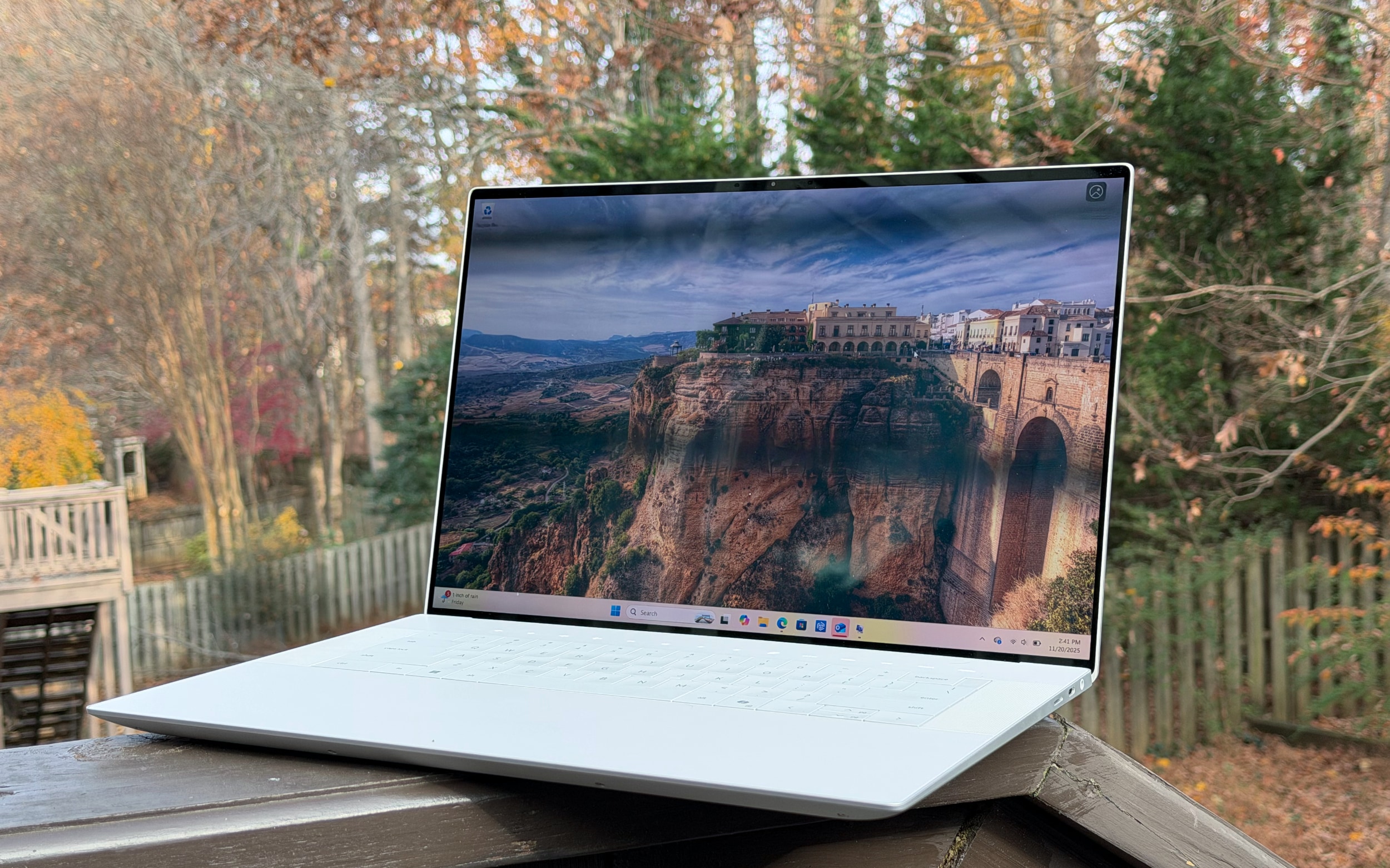
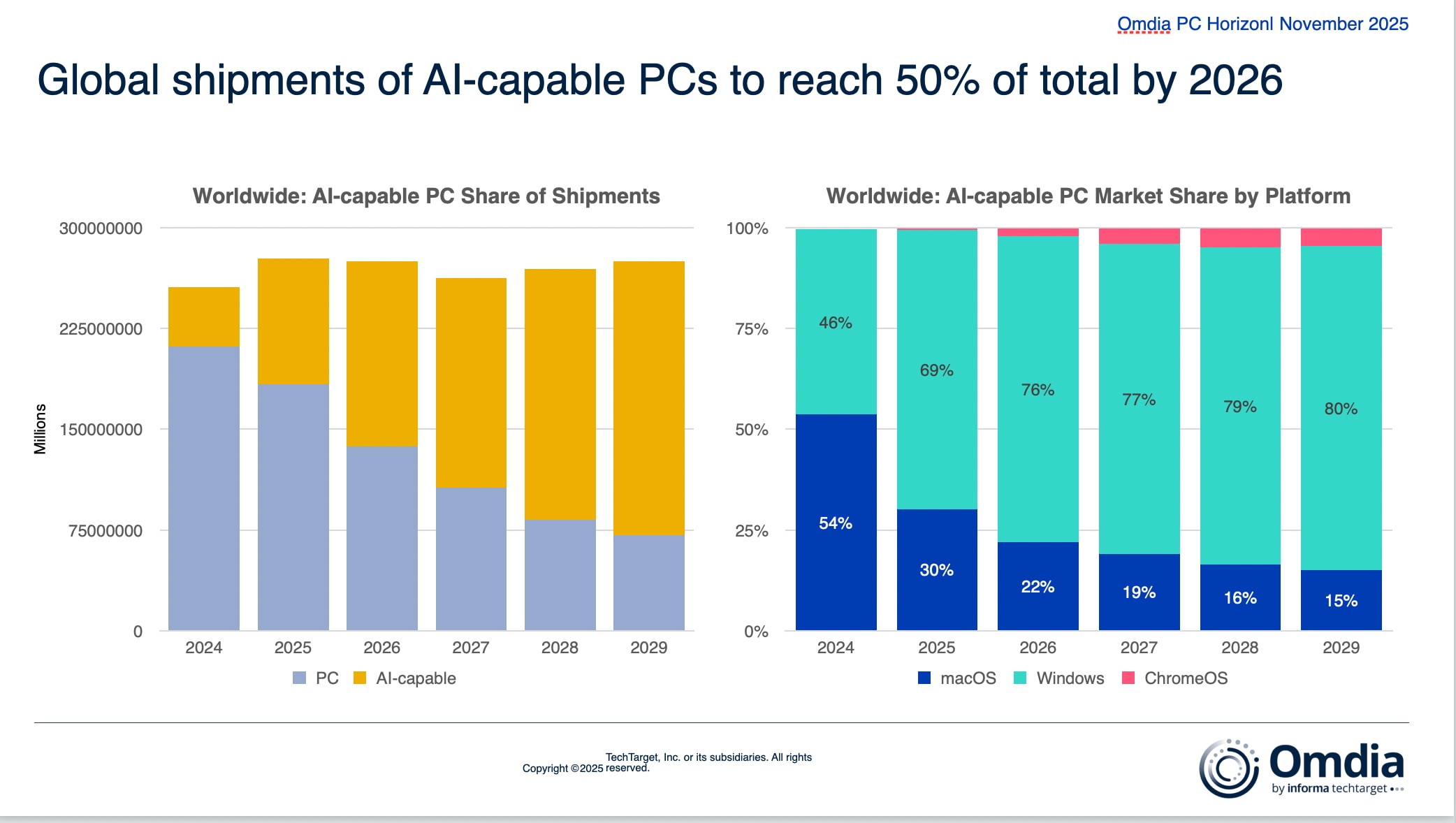
Intel has already publicly announced that it'll launch its Panther Lake chips at CES 2026. The officially titled Intel Core Ultra Series 3 chips fit into Intel's overall "AI PC" push, but are specifically meant for premium laptops. Based on a preview from October 2025, Intel says the first chip made with its 2-nanometer 18A process will offer 50 percent more processing performance than previous generations and for the chip's Arc GPU, a 50 percent performance bump from last generation.
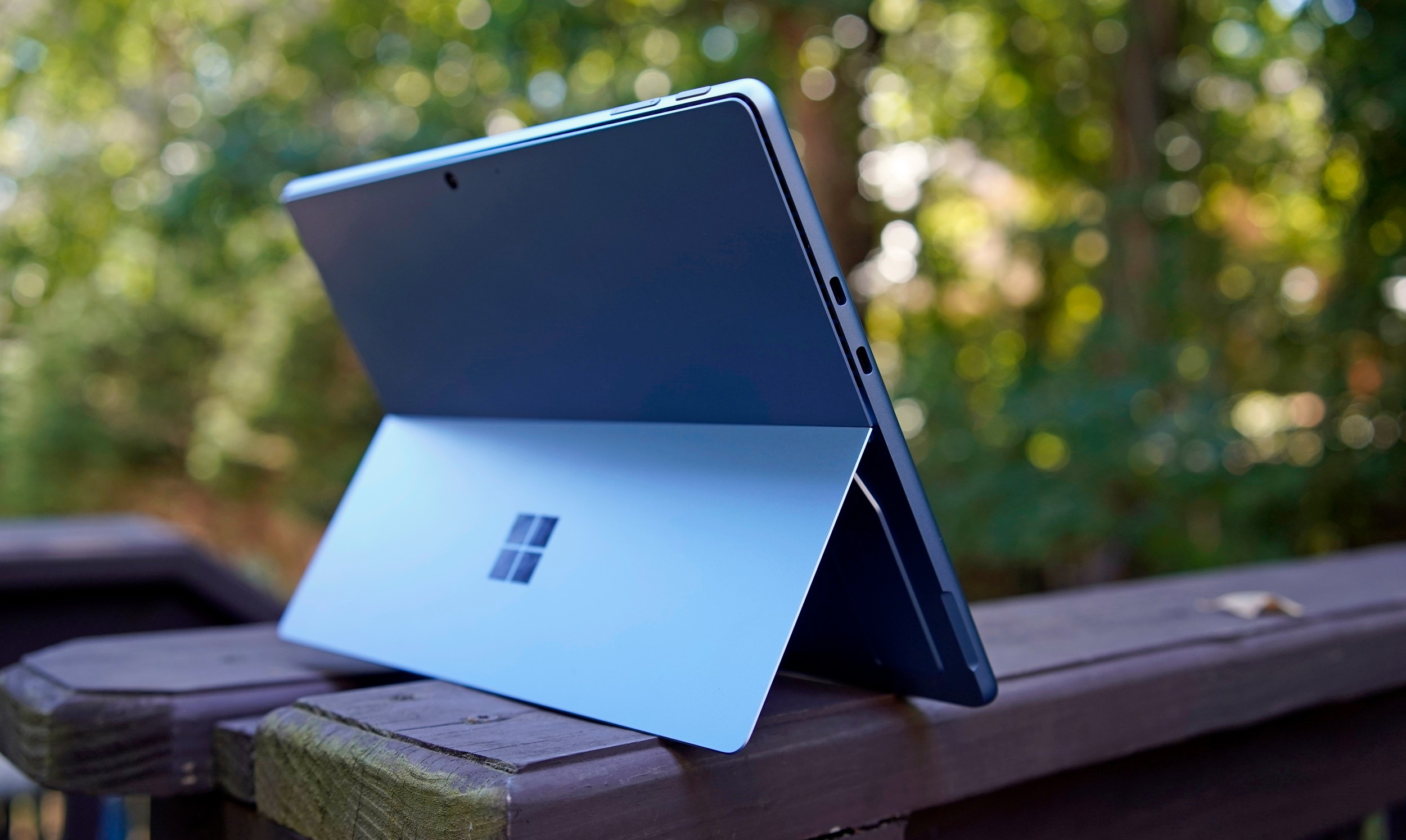
Qualcomm is also rumored to be targeting laptops at the show, building on the work it's done moving its Snapdragon chips out of phones and tablets and into other types of computers. The company's Snapdragon X2 Elite and X2 Elite Premium chips should start appearing in laptops at CES 2026, offering a look at the improved speed and AI performance the company promised in 2025.
Brighter, "truer" screens
As noted above, Samsung and LG appear to be going all-in on Micro RGB display tech for TVs. Expect that to be a huge buzzword at CES, with Hisense and Sony debuting new models, too.
Sony announced a collection of new Bravia TVs in April 2025, replacing the company's flagship, filling in its midrange options and adding a new budget model to the mix. The star of this updated Bravia lineup is the Bravia 9, which features a QD-OLED panel, but Sony appears to be prepping entirely new display tech for 2026. In March 2025, Sony introduced a new RGB LED panel that uses individual Mini LED backlights colored in red, green and blue to produce even brighter, more accurate colors. In contrast to a QD-OLED, which filters a layer of blue organic light emitting diodes through quantum dots that change color, Sony's "General RGB LED Backlight Technology" can get as bright as a Mini LED panel without needing an extra filter layer or worrying about OLED's problems with burn-in.
The company has already trademarked the name "True RGB," which could end up being what Sony calls this new flavor of display if it decides to show them off at CES. It seems entirely likely, because CES is nothing if not a TV show — it’s a sure bet that we’ll see new TVs from the likes of LG and Samsung in addition to Sony. If the company doesn't introduce new display tech for its TVs, it does have a new 240Hz PlayStation monitor coming in 2026 that it could show off at CES instead.
Sony isn't the only company hyped on bright screens. Samsung is reportedly pushing an updated version of the HDR10 and HDR10+ standards that could be ready to demo at CES 2026. The new HDR10+ Advanced standard would be Samsung's answer to Dolby Vision 2, which includes support for things bi-directional tone mapping and intelligent features that automatically adapt sports and gaming content. Samsung's take will reportedly offer improved brightness, genre-based tone mapping and intelligent motion smoothing options, among other improvements.
And maybe your future TV won’t need a power cord, either: Displace will be showing off a mounting option that includes a 15,000mAh battery to juice up whatever giant TV screen you choose to attach.
Ballie Watch 2026
The ball-shaped yellow robot lovingly known as "Ballie" has been announced twice, first in 2020 and then again in 2024 with a projector in tow. Samsung said Ballie would go on sale in 2025 at CES last year and then shared in April 2025 that Ballie would ship this summer with Google's Gemini onboard. But it's nearly 2026, and Ballie is nowhere to be seen. It's possible Samsung could make a third attempt at announcing its robot at CES 2026, but whether or not it does, robotics will still be a big part of the show.
Robot vacuums and mops were a major highlight of CES 2025, and it's safe to expect notable improvements from the new models that are announced at CES 2026. Not every company will adopt the retractable arm of the Roborock Saros Z70, but robot vacuums with legs for rising over small ledges like the Dreame X50 seem like they could become the norm. Roborock could also show off its new Roborock Qrevo Curv 2 Flow, the first of its robot vacuums to feature a retractable roller mop.
Beyond just traversing spaces more efficiently, improving robots' navigation could also be a major concern at the show. Prominent members of the AI industry are turning their attention from large language models to world models, which aim to give AI a deep understanding of physical space. Those world models could be the key to making robots — like LG’s aforementioned CLOiD — competent at navigating homes and workplaces, and will likely be a significant talking point at CES 2026.
We’ll be updating this article throughout the month as more rumors surface and new products are confirmed — stay tuned for future updates!
Update, December 11 2025, 11:03AM ET: This story has been updated to include detail on Lenovo being Motorola’s parent company and how the latter might have a part in the Tuesday presentation.
Update, December 16 2025, 1:33PM ET: This story has been updated to include the NVIDIA press conference, which was added to the CTA schedule within the last two days.
Update, December 23 2025, 7:28AM ET: This story has been updated to include LG and Samsung’s Micro RGB TV announcements, which were made public in the past seven days. The intro was also tweaked to reflect how soon CES is at this point.
Update, December 29 2025, 11:03AM ET: This story has been updated to include additional details on pre-announcements from Samsung, LG and Displace.
Update, December 31 2025, 12:05PM ET: This story has been updated to include yet more early LG announcements.
Update, January 3 2026, 8:45AM ET: This story has been updated to include still more Samsung and LG announcements.
Update, January 4 2026, 8:45PM ET: This story has been updated to include new links and a press conference schedule.
This article originally appeared on Engadget at https://www.engadget.com/big-tech/ces-2026-what-to-expect-from-techs-big-january-conference-120000956.html?src=rss