Sony PlayStation 5 Pro: A Sleeker Beast with 30 Teraflops of Power for 4K Gaming

Sony’s freshly announced PlayStation 5 Pro is a power-packed upgrade designed for those who want the most visually striking gaming experience possible. Building on the already solid foundation of the PS5, this souped-up version aims to enhance everything from resolution and frame rate to ray tracing, while staying cool and quiet under pressure—literally. It’s set to hit shelves in November 2024, and with a starting price of $599, it’s clear Sony is positioning the PS5 Pro as the ultimate way to play for those who demand more from their console.

Designer: Sony

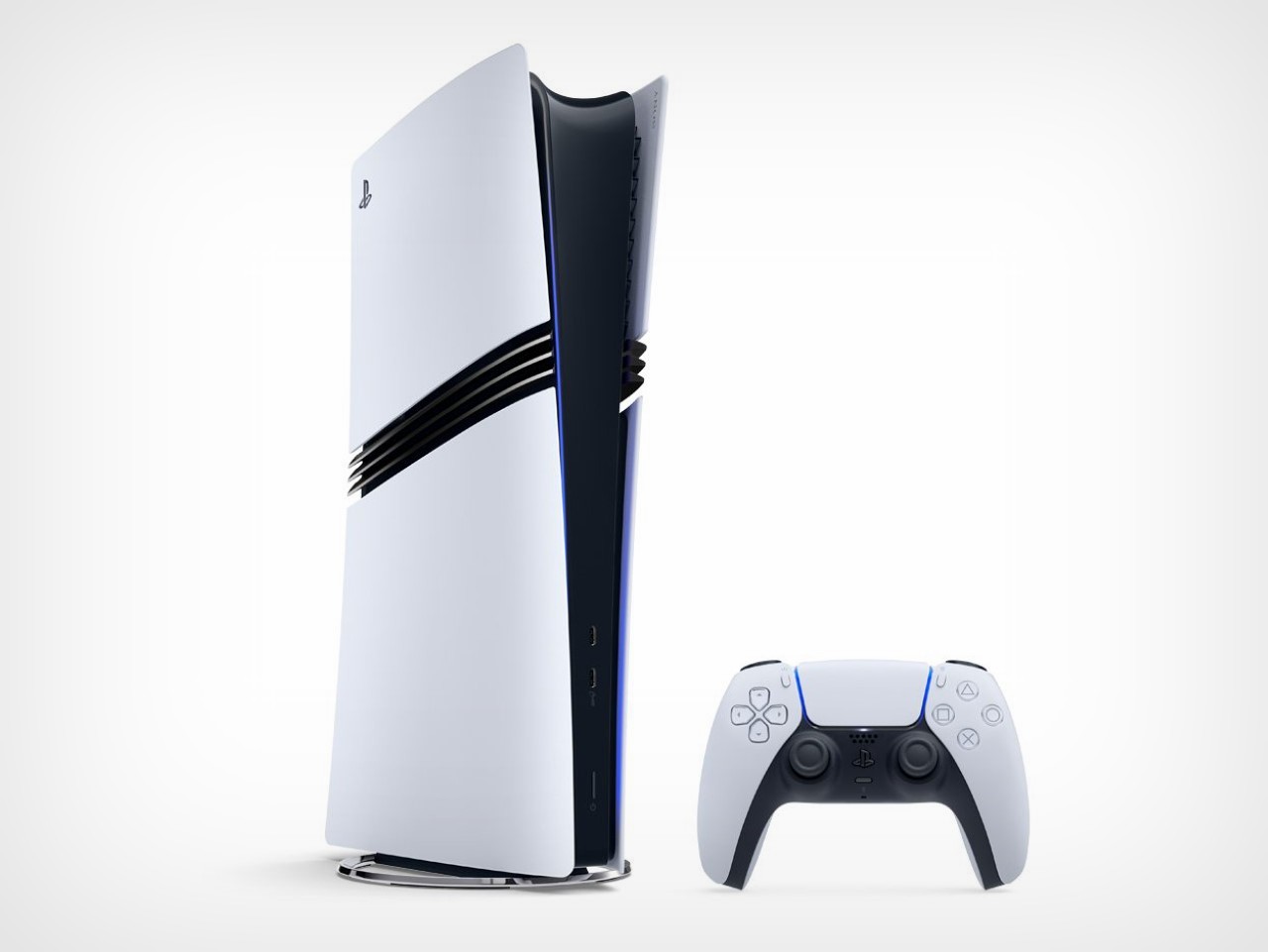
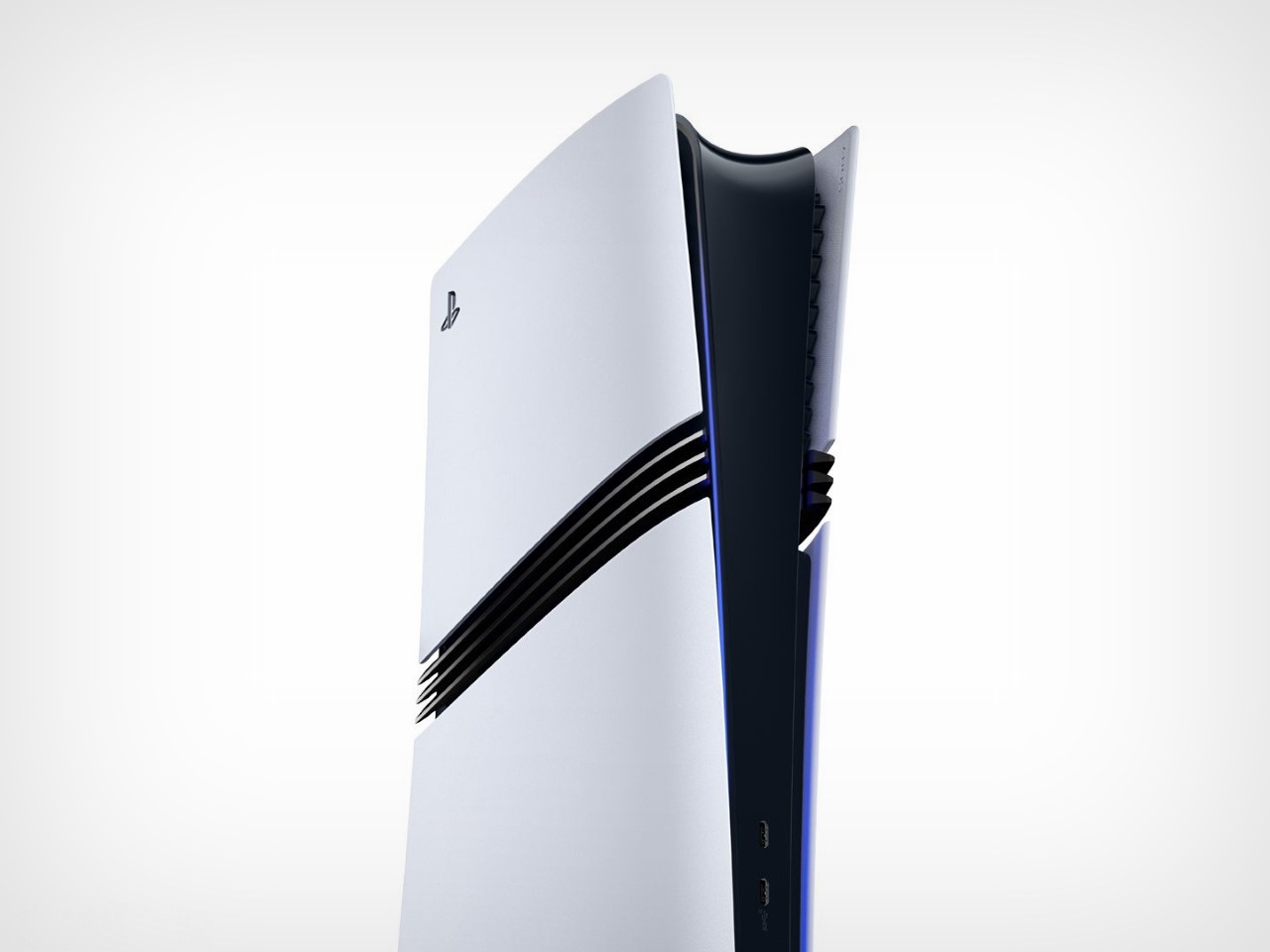
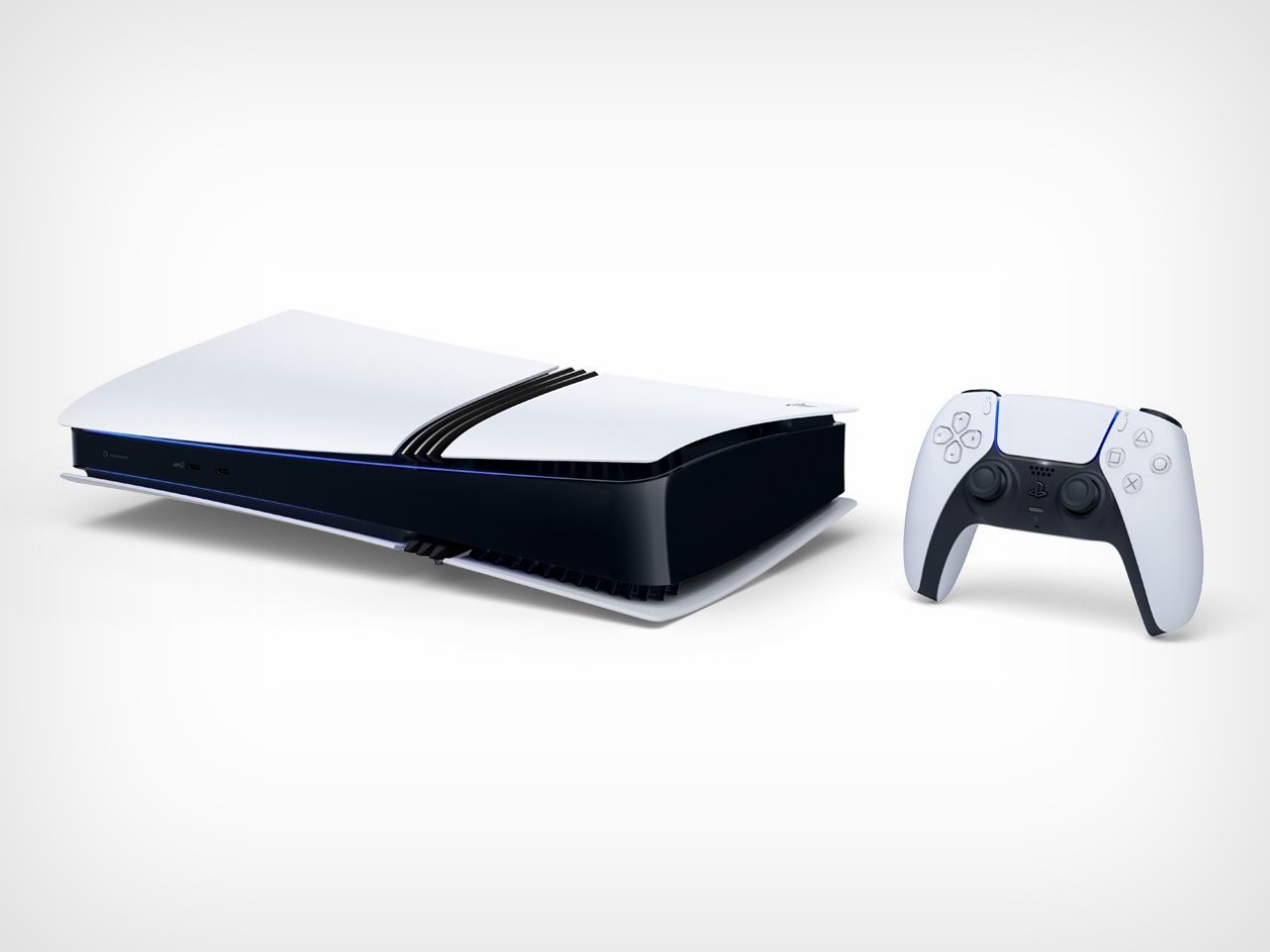
The PlayStation 5 Pro maintains the futuristic aesthetic of its predecessor, but with subtle refinements that make it stand out as a premium device. Its sleek curves and striking black-and-white color scheme are still present, but Sony has gone the extra mile to give the Pro a more streamlined silhouette. The PS5 Pro is slightly slimmer and more compact than the original, addressing one of the biggest complaints about the base PS5’s bulky design. The matte finish on the Pro model adds a touch of sophistication, and the improved vent placement ensures better airflow without compromising the console’s overall elegance. Whether it’s sitting vertically on your media stand or tucked horizontally under your TV, the PS5 Pro feels more like a deliberate piece of decor than a tech box, blending form with function seamlessly. Even the revamped LED lighting—now offering customizable colors—adds an extra layer of personalization for gamers who care about their setup’s vibe.
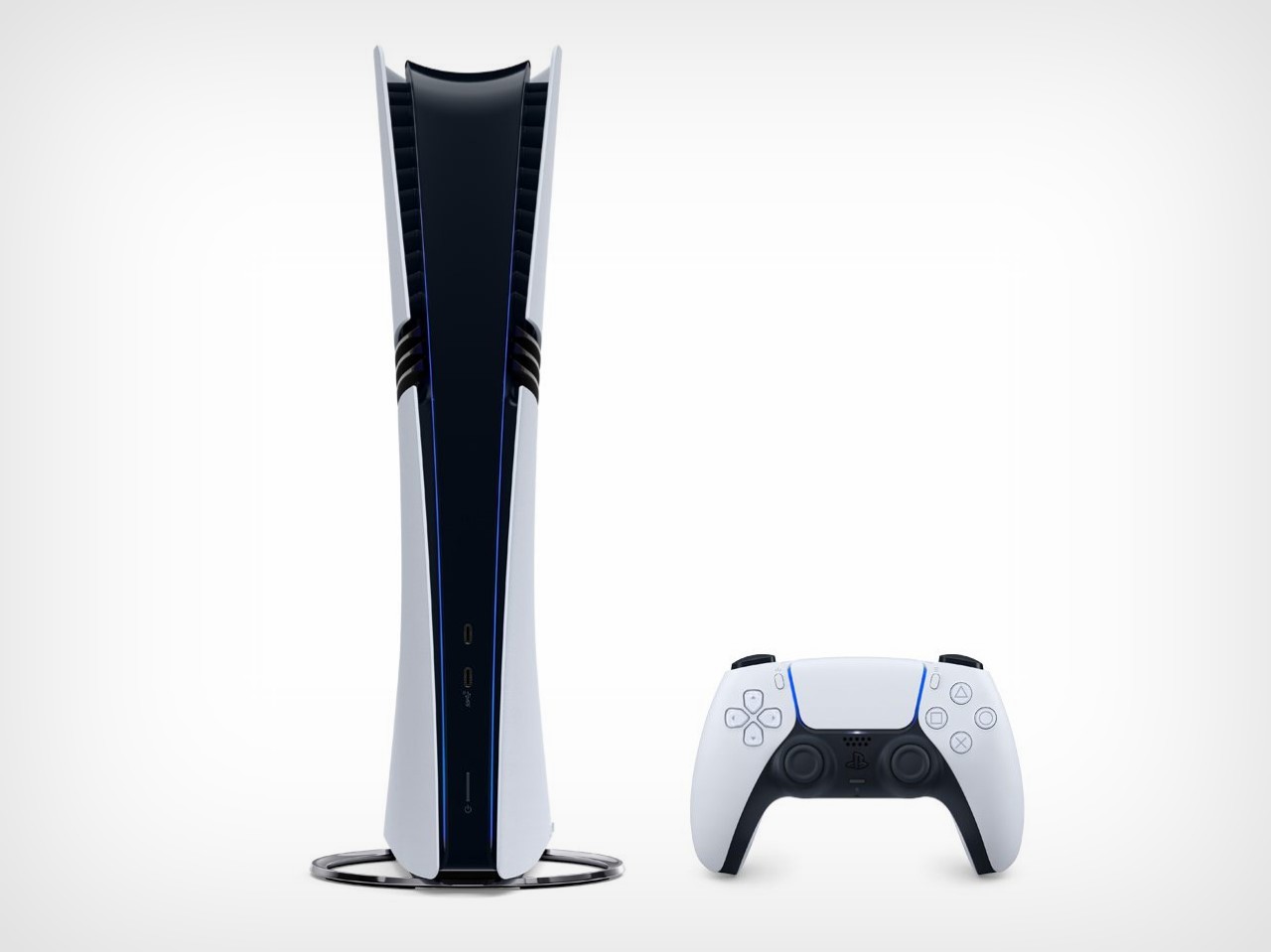
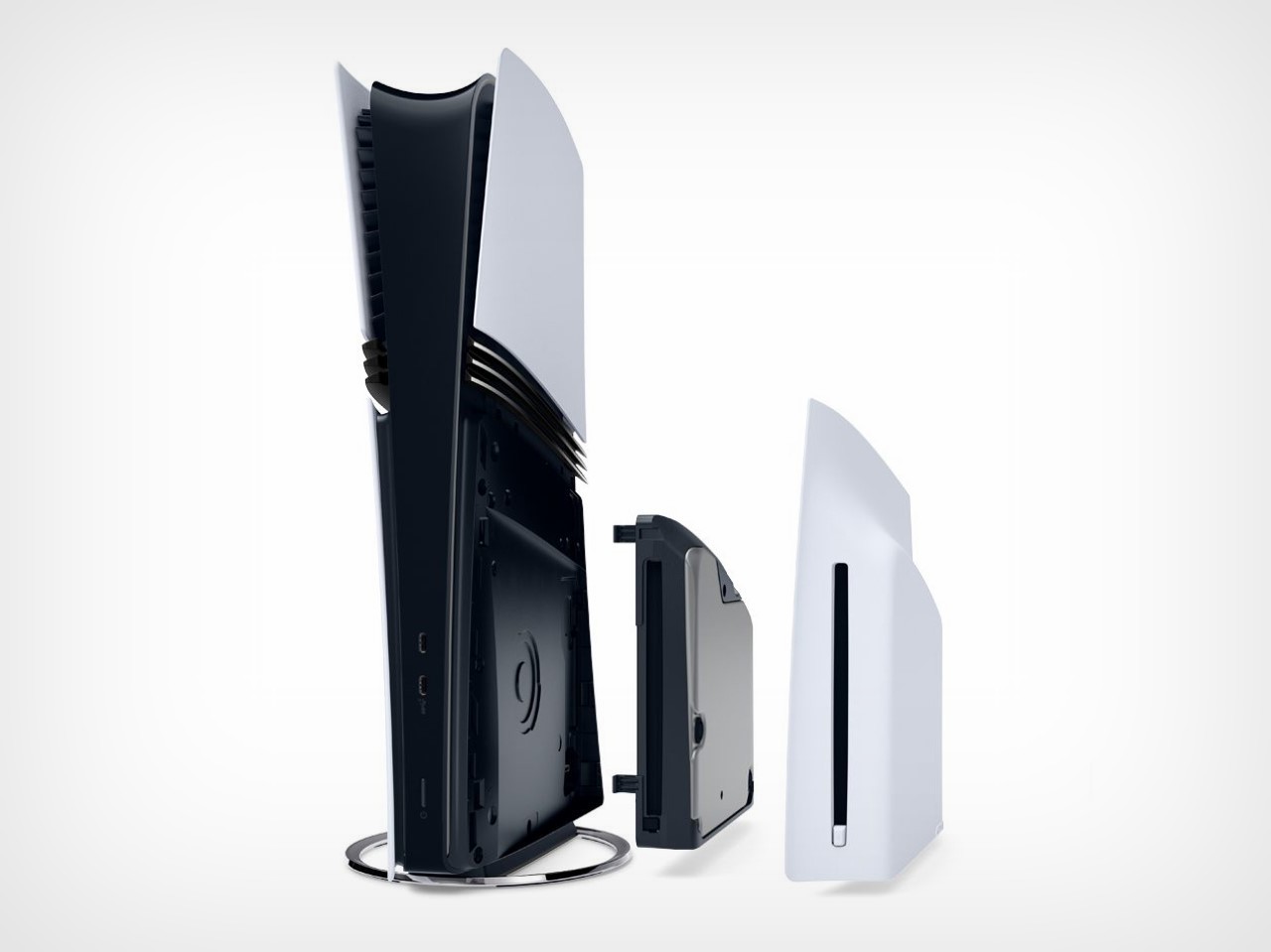
Under that gorgeous sleek white shell lies a custom RDNA 3.5 GPU, boasting a whopping 30 teraflops of graphical power. That’s nearly triple what the base PS5 offers. Translation? Games will look and run better—significantly so. The PS5 Pro is built to handle true 4K gaming at 60 frames per second without breaking a sweat, and it even flirts with 8K resolution for those fortunate enough to own one of those displays. It’s a level of visual fidelity that makes even the most graphically demanding games, like Spider-Man 2 and Final Fantasy XVI, feel like butter.
The CPU also gets a significant upgrade, featuring an 8-core AMD Zen 4 processor clocked at 4 GHz. The result? Faster load times, smoother performance, and an all-around snappier experience, especially in open-world games or titles with heavy physics and particle effects. If you’re tired of waiting in menus or watching progress bars crawl across the screen, the Pro has your back.

Remember the term ‘ray tracing’ everyone threw around when the PS5 first launched? While the base PS5 gave us a taste of what real-time lighting and reflections could do, the PS5 Pro is fully leaning into advanced ray tracing. Ray tracing is now 2.5 times more efficient, which means better lighting, reflections, and overall realism in games that support it. Picture walking through neon-soaked streets in Cyberpunk 2077 or exploring the vast wilderness of Horizon Forbidden West—but with reflections so sharp you could almost swear you’re looking in a mirror. Sony hasn’t left the frame-rate-focused players out in the cold either. The PS5 Pro introduces new gameplay modes to suit different preferences. If you’re all about visuals, the Fidelity Mode lets you enjoy games at 4K with maxed-out ray tracing, running at 30 fps. On the other hand, if you’re more of a competitive gamer looking for the smoothest experience, the Performance+ Mode delivers up to 120 fps at a slightly lower resolution. Fast-paced shooters like Fortnite and Call of Duty will feel incredibly responsive and fluid.
It’s a nice touch from Sony, acknowledging that not every gamer wants the same thing out of their console. Some of us want eye-popping visuals, while others want the fastest response times—and the PS5 Pro is prepared to juggle both with ease.

A common complaint about the original PS5 was its relatively limited storage, with the standard 825GB SSD filling up faster than expected, especially given the size of modern AAA games. Thankfully, the PS5 Pro steps things up with a 2TB SSD. That’s double the storage, meaning you won’t have to keep deleting games every time you want to install something new—unless, of course, you’re really into downloading entire game libraries. On the thermal front, Sony has reworked the cooling system, implementing more advanced liquid metal tech to ensure the Pro stays cool during marathon gaming sessions. Gone are the days of worrying about your console sounding like a jet engine taking off mid-boss battle.
Here’s the best part – your PS5 Pro is designed with backward compatibility in mind. Existing PS5 games won’t just work—they’ll run better. Thanks to the Pro’s additional power, many older titles will see improvements in frame rates, load times, and overall performance. Some developers are even offering patches that optimize their games specifically for the PS5 Pro, allowing fans to experience their favorite titles with upgraded visuals and smoother gameplay. Future titles, like the hotly anticipated Ghost of Tsushima 2 and The Last of Us Part III, will be optimized from the ground up for the PS5 Pro. Expect them to take full advantage of the new hardware, delivering worlds that are richer, denser, and more immersive than anything we’ve seen on a PlayStation console before.
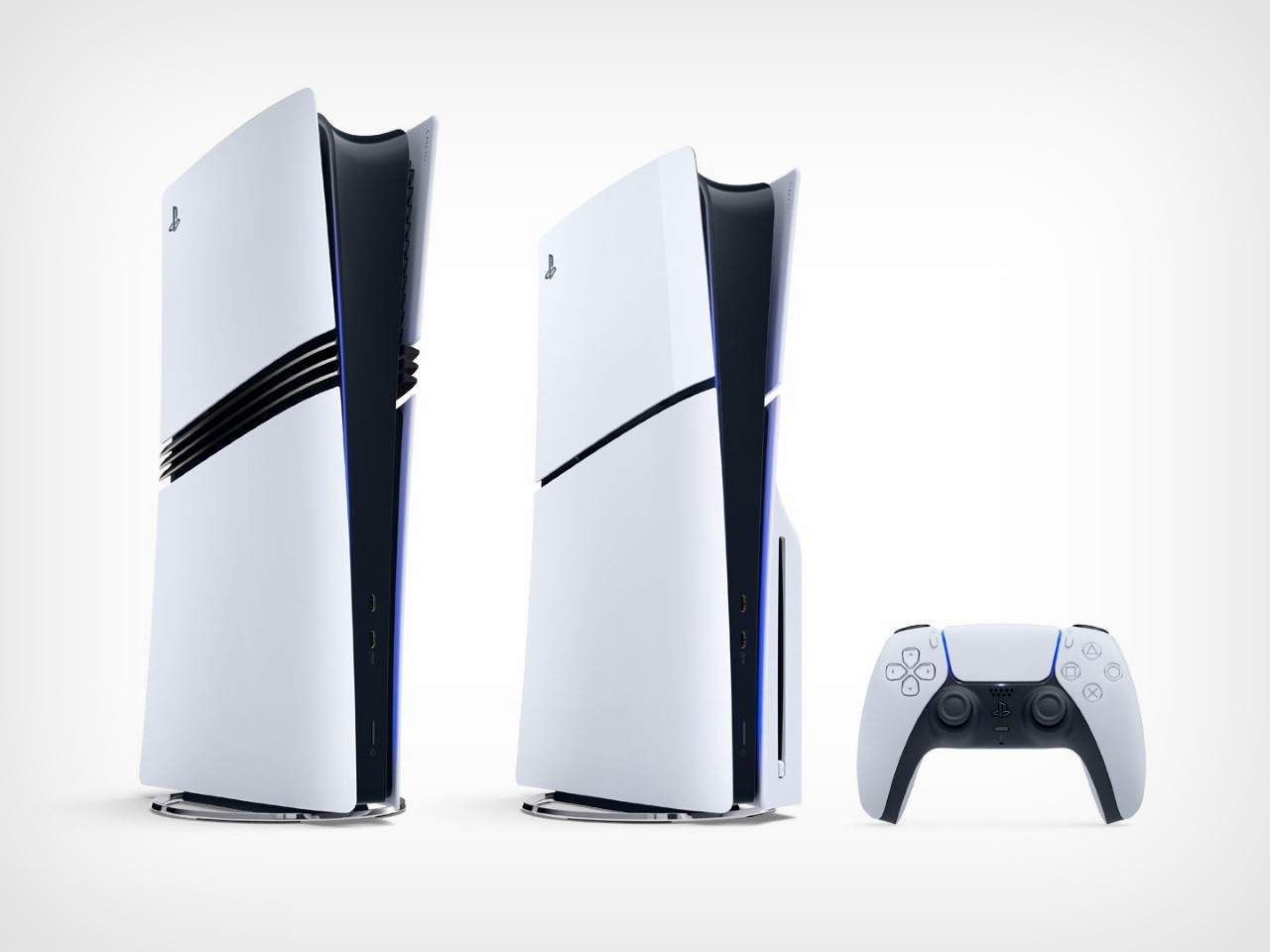
At $599, the PS5 Pro is priced higher than the base PS5, which currently sits at $499. But for that extra hundred bucks, you’re getting significant upgrades that future-proof your gaming setup for years to come. Preorders begin in October, and you can expect the PS5 Pro to officially drop in November—just in time for holiday gaming marathons or, you know, to start that inevitable Elden Ring replay with maxed-out graphics. You’ve finally got a great excuse to splurge on that 4K TV you’ve been eyeing.

The post Sony PlayStation 5 Pro: A Sleeker Beast with 30 Teraflops of Power for 4K Gaming first appeared on Yanko Design.

Australia’s Prime Minister wants to ban social media for children

Australian Prime Minister Anthony Albanese has promised to introduce legislation that would prevent children under a certain age from using social media. Reuters reported that Albanese issued his statement in a TV interview on the Australian Broadcasting Corp. (ABC).

Albanese says the Australian government would start its social media initiative by testing age verification technology sometime this year. He also didn’t state a specific age limit but estimated he’d like the ban to be for children younger than 14-16 because “we know that social media is causing social harm.”

Meta issued a statement in response to the PM’s proposal noting that Facebook and Instagram already have a minimum age requirement of 13 years for users. The social media company also noted it wants to empower young people to benefit from social media with parental controls and monitoring “instead of just cutting off access.”

Lawmakers in the US and other countries have suggested and tried to implement a federal age limit on social media access. Last year, US Senator Josh Hawley introduced two bills to Congress that would prohibit teenagers under 16 from using social media. The state of Utah also passed laws in 2023 requiring teens to have parental consent and provide a copy of an ID instead of just inputting their birthday to access their accounts. The following year, Utah repealed the ID requirements.

Social media use has become a greater health issue as experts raise concerns about its effects on younger users’ mental well being. An open letter signed by 42 US attorneys general supported US Surgeon General Vivek Murthy’s proposal to require social media websites to post visible health warnings the way that cigarette makers are required to do so on their products’ packaging.

This article originally appeared on Engadget at https://www.engadget.com/social-media/australias-prime-minister-wants-to-ban-social-media-for-children-212139064.html?src=rss

Game Pass Standard is now available on Xbox

The Xbox Game Pass Standard plan is available starting today. Microsoft announced a revamp to its Game Pass subscription plans in July, introducing the Standard option alongside a price increase for the Ultimate tier. The Standard plan costs $15 a month, while Ultimate will run you $20 a month.

The Standard subscription tier will offer the essential features of the Game Pass program: online multiplayer gaming, access to a large library of games, and discounts on select game purchases. The big difference between Standard and Ultimate is that Standard plan members will not be able to play some blockbuster releases, such as Call of Duty: Black Ops 6 and Indiana Jones and the Great Circle, on day one. The wait time on Standard varies by title, but can last up to or longer than 12 months. Ultimate plans also include membership to EA Play and access to Xbox Cloud Gaming.

Xbox has been struggling to compete with PlayStation in this console generation. That's partially due to hardware differences: Microsoft offered an underwhelming refresh to its console lineup this summer whereas Sony managed to build lots of hype for the announcement of its expensive new PS5 Pro. But the Game Pass plan has also been struggling to generate continued revenue for Microsoft, with just 34 million subscribers reported in February.

This article originally appeared on Engadget at https://www.engadget.com/gaming/xbox/game-pass-standard-is-now-available-on-xbox-202451946.html?src=rss

Top 5 AI Innovations at IFA 2024 That Redefine User Experience

Are we in an AI bubble? Almost definitely – every next booth at IFA had AI written on its banner and in its pamphlets. Walking around IFA proved that innovation is still going strong, but AI has become more of a marketing term than an actual feature. Whether it’s AI-powered dishwashers, or AI in something as small as a GaN charger, it’s easy to drop marketing jargon to make your product look better than your competitor – but is it truly game-changing AI? Well, after 5 days at IFA, here are 5 products we saw that make proper use of Artificial Intelligence in ways that are meaningful to users, and authentic to the term “AI”.

1. Plaud AI NotePin

Showcased at IFA (although the product will begin shipping very soon), the PLAUD NotePin builds on the company’s successful Plaud NOTE device that first launched last year. Leveraging AI models like ChatGPT and Anthropic’s Claude, the NOTE could record meetings as well as phone calls, and translate/transcribe them in mere seconds. With the NotePin, the company hopes to make this technology even more portable. Encased in a tiny metal pendant, the NotePin is like your own assistant you can wear around your neck or even on your wrist. It lets you record everything from personal notes to meetings, leveraging GPT 4o and Claude 3.5 to bring AI to your recordings. You can give your NotePin a grocery list and it’ll meaningfully link you to a place where you can buy it online, or give it a task list and it’ll add it to your calendar. The NotePin comes in two colors – silver and dark gray – and has the ability to be worn on your wrist, around your neck, or even attached to your lapel.

2. Timekettle W4 Pro AI Interpreter Buds

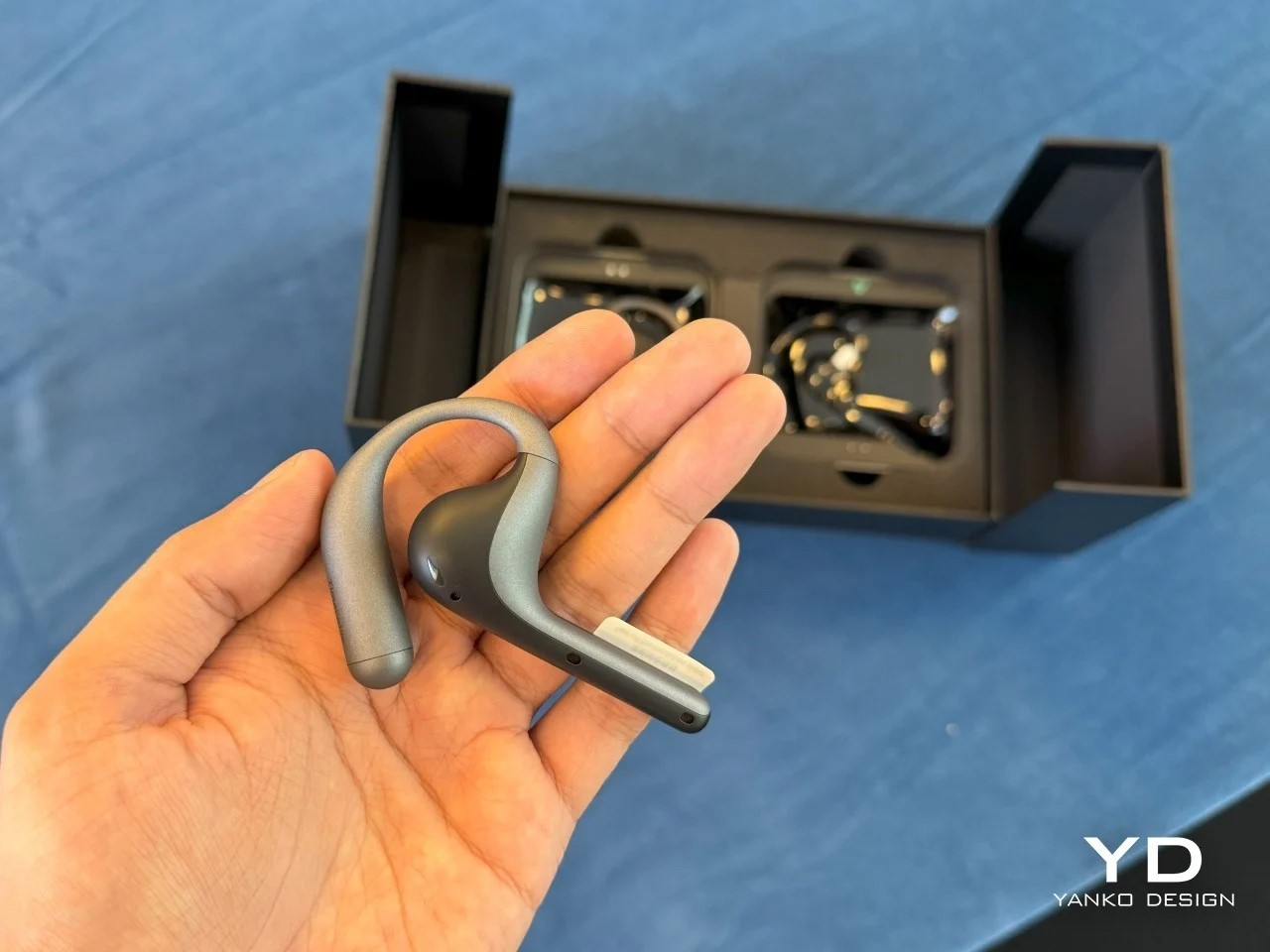
Built on the broader vision of the Babel Fish from Hitchhiker’s Guide, the W4 Pro interpreter buds allow you to speak and understand as many as 40 different languages and over 90 accents. Built by the folks at Timekettle (known for their incredible translators since 2016), the W4 Pro are AI-powered interpreter earbuds. Wear one and give one to another person and the two of you can seamlessly have a conversation in two separate languages. A 3-mic array ensures crystal clear audio capture, and Timekettle’s proprietary algorithm gives you 95% accurate results. Where the AI comes in is both at a processing and a post-processing level. When you speak, instead of translating entire sentences (which can take very long), the W4 Pro breaks sentences up into meaningful segments, translating them instead. This turns out to work much faster, with just a 0.2-second delay between speaking and translating. Once you’ve had a conversation, Timekettle also applies AI to the entire transcript, allowing you to extract meaningful information and insights from your conversation – super helpful in meetings with multi-lingual professionals.

3. Honor’s AI across Phone/Tablet/Laptop

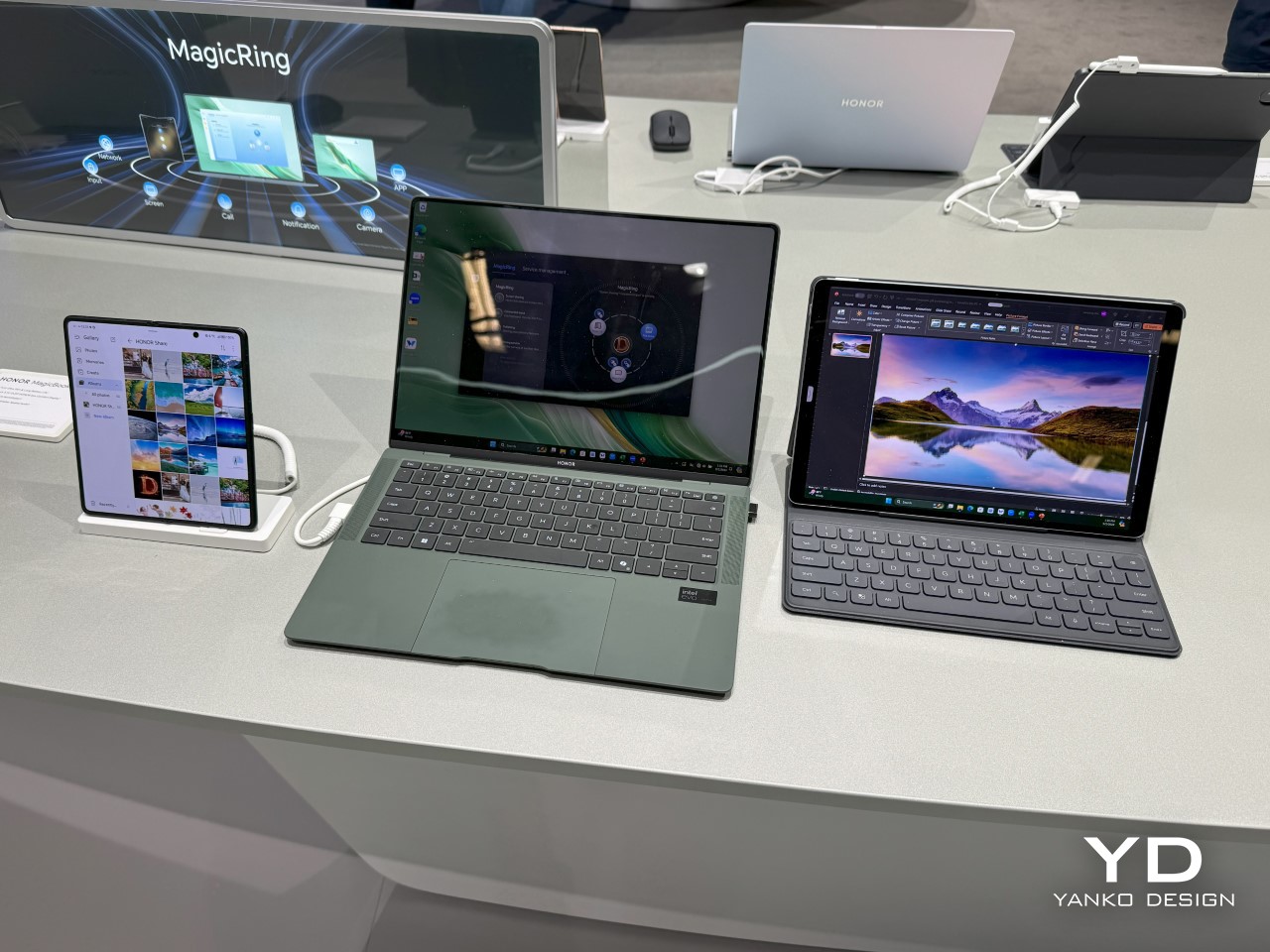
I strongly believe that we’re at a time when AI vision can make or break a company. With ChatGPT and Google Gemini sucking so much air out of the room, it’s difficult for smartphone brands to implement AI on their own, but Honor seems to have found an incredible niche. Demonstrated during their keynote on both the 5th as well as 6th of September at IFA, Honor highlighted a few standout AI features on their devices. The phones, tablets, and laptops have AI-powered two-way noise canceling – this means the device not only cancels noise on audio going out, but also on audio coming in. So you could be talking to someone who’s in a noisy environment, and your AI noise canceling will process their noisy audio. Other AI features include their drag-to-search on the Magic V3 folding phone and the MagicPad 2 tablet… but by far the most impressive use of AI is in Honor’s deepfake detection technology that works for both audio as well as video deepfakes. Relying on an ability to catch scammers and phishers in the act, the Magic V3, MagicPad 2, and MagicBook Art 14 all have this new technology working seamlessly to prevent you from being scammed or frauded by deepfake calls.

4. Google Gemini in Pixel Devices

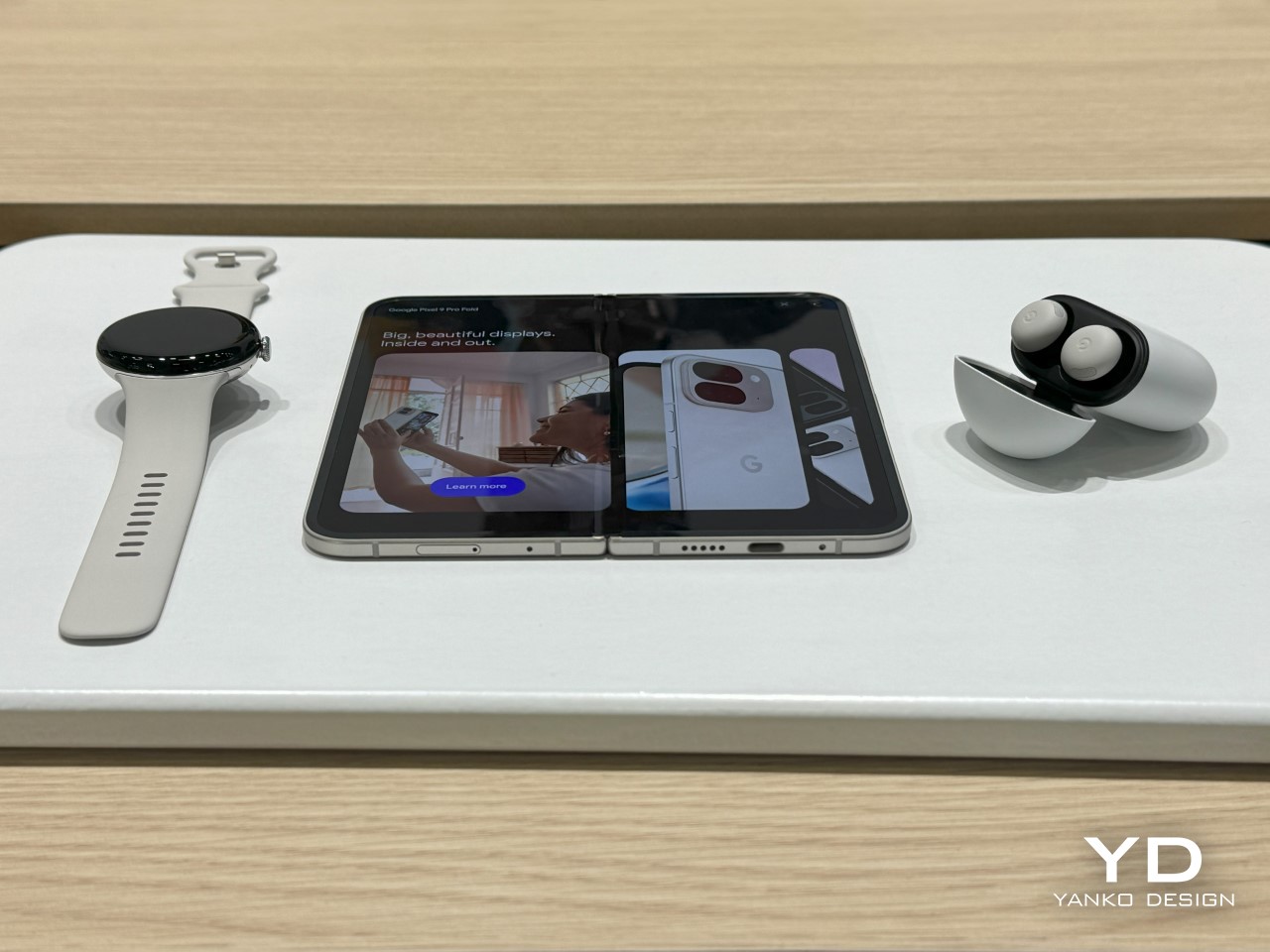
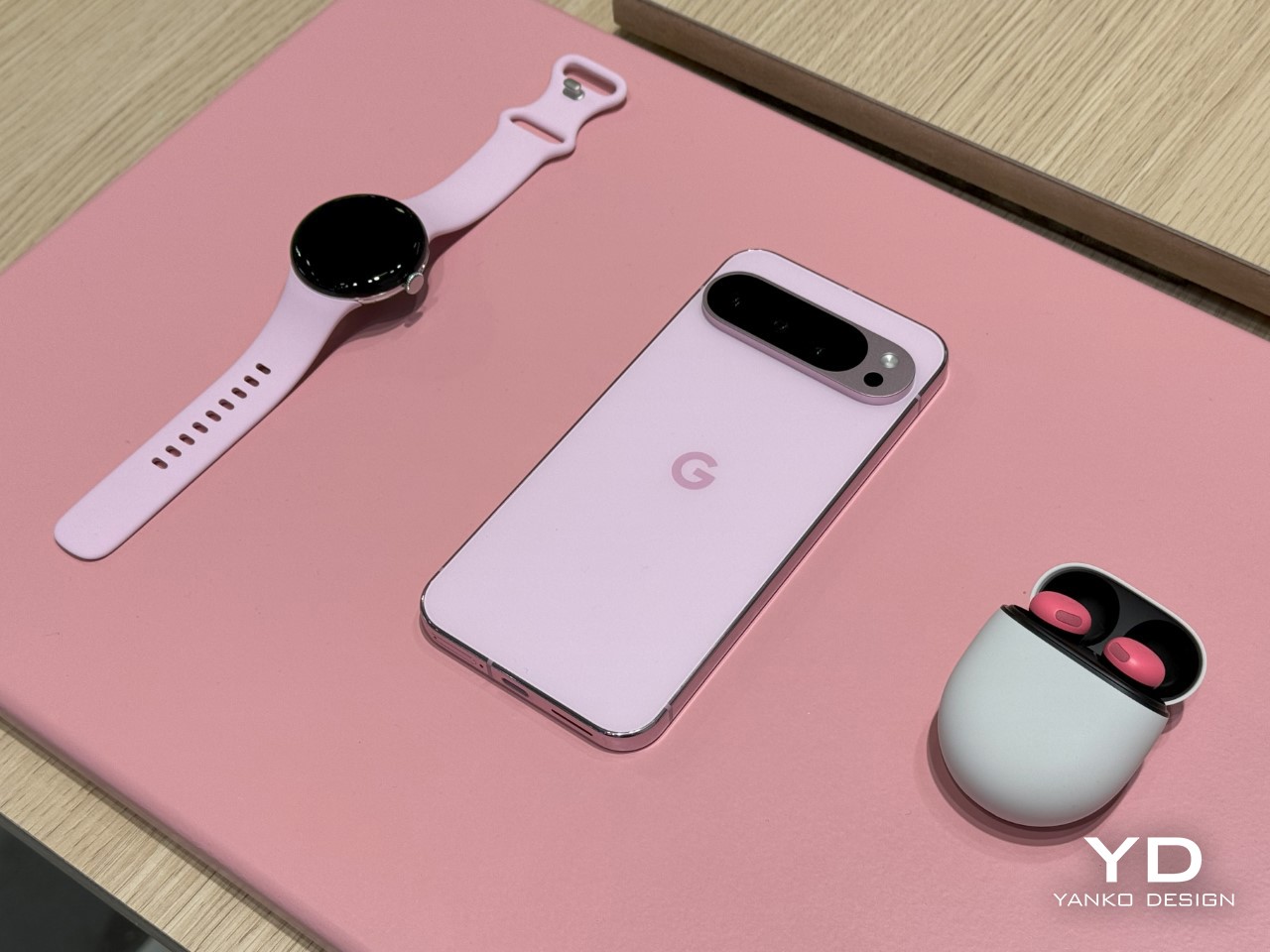
Talking about AI is incomplete without talking about its biggest players – Google. With a dedicated booth at IFA this year, Google invited people to play with their latest devices, the Pixel Buds, the new Pixel Watch, and the Pixel 9, 9 Pro, and 9 Fold devices. It’s different hearing about AI features in a keynote versus actually seeing them in real life, which is why Google had a dedicated Gemini space at their booth, where consumers could go and get a first look at the new Gemini features coming on Pixel devices later this year. This included the new powerful voice assistant, along with Google’s upgraded AI image-editing tools, as well as the newly unveiled Pixel Studio feature.

5. Samsung SmartThings and AI-powered Bixby

Samsung unveiled several AI-powered features at IFA 2024, highlighting its commitment to “AI for All.” The SmartThings platform showcased AI capabilities for security, sustainability, and device control, including the Map View for home monitoring. The Bespoke AI appliances offered personalized solutions, like the Family Hub refrigerator with image recognition and recipe suggestions. Samsung also introduced a timely upgrade to its AI voice assistant, Bixby, at IFA 2024. The enhanced Bixby delivers more personalized services based on the user’s voice and location, allowing for greater interaction with home appliances and devices. It adapts to the user’s daily routines, offering tailored solutions, whether adjusting appliance settings or integrating with other SmartThings-enabled devices.

The post Top 5 AI Innovations at IFA 2024 That Redefine User Experience first appeared on Yanko Design.

Why are Apple’s AirPods Max still saddled with 2020 hardware?

As I write this, I’m listening to tunes on my 2020-vintage AirPods Max. Yes, that makes me a bit of an Apple fanboy, and we currently recommend at least six pairs of headphones over them. But for me, they still sound outstanding, have great active noise cancellation and work well with my most-used devices. They also are missing a few features compared to the second-generation AirPods Pro that came out in 2022. That doesn’t bother me, given that they’re almost four years old — but the idea of spending the $550 that Apple is asking for the refreshed version of these headphones announced yesterday is ridiculous, even if it is a relief that they finally have USB-C.

For context, Apple wasn’t even expected to introduce an AirPods Max update at the iPhone 16 event — but the day before, Apple prognosticator Mark Gurman at Bloomberg surprisingly said that the headphones would receive their first significant update. However, the update involved replacing the Lightning charging port with USB-C and some new colors. That’s it. Nothing to inspire an upgrade from Apple nutjobs like me (though I sorely wish my headphones did in fact have USB-C, now that I’ve mostly moved away from Lightning devices). I’m a fan of the new colors and would love to switch to USB-C, but not enough to spend $550 — or even half that to be honest.

On the other hand, Sony has updated its flagship headphones regularly, with the WH-1000XM3 arriving in 2018, the XM4 in 2020, the XM5 in 2022 and the XM6 expected in 2025. Most Sony users aren't going to upgrade from the XM4 to the XM5, or even a future XM6, as high-end headphones should last for years. But when you're buying a company's flagship headphones, you're getting the best product they could possibly make. Sony has made sure that’s the case by refining the design, offering better battery life or improving ANC.

What’s most frustrating about the AirPods Max update is that they had to do at least a modicum of internal redesign to drop in USB-C, so why not upgrade the chips to the H2 processors? The H1 varient inside the AirPods Max was first released in early 2019, as part of the second-generation AirPods. And now, all AirPods, including the just-announced $129 fourth-generation model, use that H2 processor. It enables useful improvements like adaptive audio, which essentially blurs the lines between traditional transparency and noise-canceling modes depending on the ambient sound around you. It also lets you nod or shake your head to respond to Siri rather than having to speak out loud.

These features would certainly be welcome by potential AirPods Max buyers, but instead the incredibly expensive headphones are stuck with a five-year-old chip for the foreseeable future. I can’t get over how silly that is considering the fact that entry-level AirPods are getting some of the benefits of the H2 processor. Of course, the AirPods Max have speaker quality and tuning that far exceeds what you’ll get from a $129 pair of earbuds. But as Apple’s top-tier headphone (in cost, if not features), they’re a tough sell given they’re missing features you can get on the AirPods 4 with ANC for a third of the price.

Catch up on all the news from Apple’s iPhone 16 event!

This article originally appeared on Engadget at https://www.engadget.com/audio/headphones/why-are-apples-airpods-max-still-saddled-with-2020-hardware-200506426.html?src=rss

The new Carmen Sandiego game will let you play as Carmen Sandiego

If you grew up in the 1980s, then you probably remember the Carmen Sandiego games and how they turned learning boring old geography into a fun, criminal-catching adventure. Netflix, Gameloft and HarperCollins Productions are bringing the Carmen Sandiego franchise back with a brand new game that lets you play as the famous, fedora festooned felon.

Netflix Games announced today that Carmen Sandiego will be released sometime in the first quarter of 2025 starting on the Netflix mobile streaming app for iOS and Android. The game will also be released on the Nintendo Switch, the PlayStation and Xbox consoles and for PC on Steam sometime later. Carmen Sandiego will be free for Netflix subscribers to play without any in-game purchases or online play.

The new Carmen Sandiego puzzle-adventure game is based on the 2019 interactive Netflix cartoon series with Jane The Virgin star Gina Rodriguez voicing the titular thief. The new game picks up where the series left off but it’s more than just an interactive TV show. Netflix, GameLoft and HarperCollins will send players on an adventure across the world as Carmen Sandiego through a series of puzzle, clue gathering, flying and stealth missions. They'll track down members of the evil organization VILE based on clues that reveal each villain’s identity in various cities to obtain warrants and arrest them.

Of course, prior to being rebooted on Netflix, Carmen Sandiego was a classic educational game series that started on computers in 1985 with Where In The World is Carmen Sandiego? The geography puzzle games asked players to track down Carmen and her den of appropriately named thieves who stole some of the world’s rarest cultural artifacts.

The Carmen Sandiego games went through several variations and inspired the iconic kids’ game show on PBS in 1991 that ran for five seasons. The series also spawned a Saturday morning cartoon on FOX and a Netflix animated series. Netflix is also producing a live-action Carmen Sandiego film starring Rodriguez in the lead role, according to Entertainment Tonight.

This article originally appeared on Engadget at https://www.engadget.com/gaming/the-new-carmen-sandiego-game-will-let-you-play-as-carmen-sandiego-194540530.html?src=rss