CFMOTO 2026 Papio SS mini is a fun inducing retro-modern café racer for the masses

Remember those Japanese mini sports bikes from the ’80s that were pure fun to drive on the streets? Brought into the foray by Honda, the compact two-wheelers had their origins as amusement park rides, eventually turning into recreational rides or urban commuters popular among the young generation.

The small footprint and lightweight credentials gave those bikes an advantage in traffic for hyper maneuverability. They could even be carried in the boot of an MUV and serve as perfect companions for off-road excursions. Now, CFMOTO is bringing back the definitive charm of the mini sports bikes with a retro-modern twist and a whole load of driving fun that many will fancy.

Designer: CFMOTO

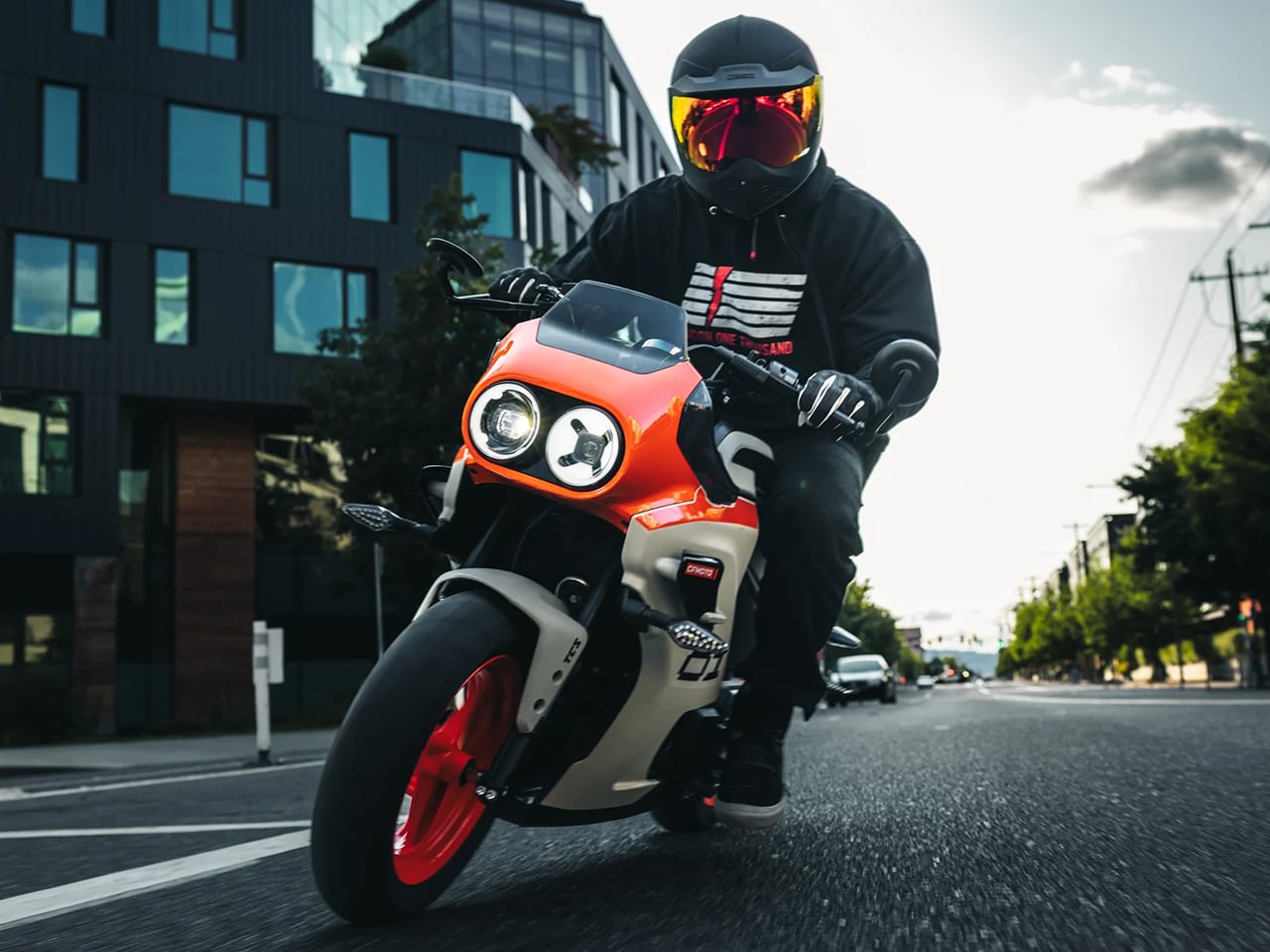
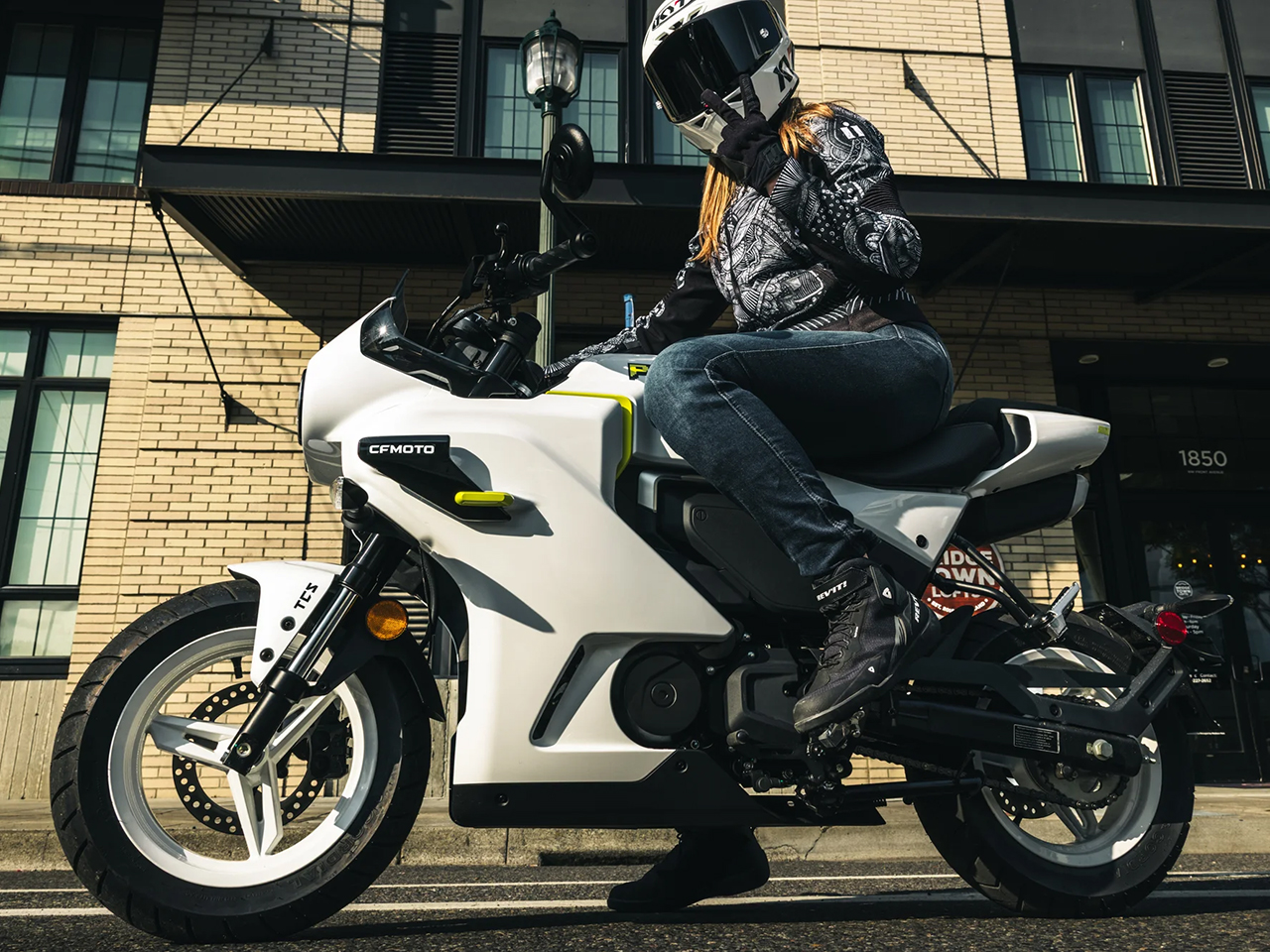
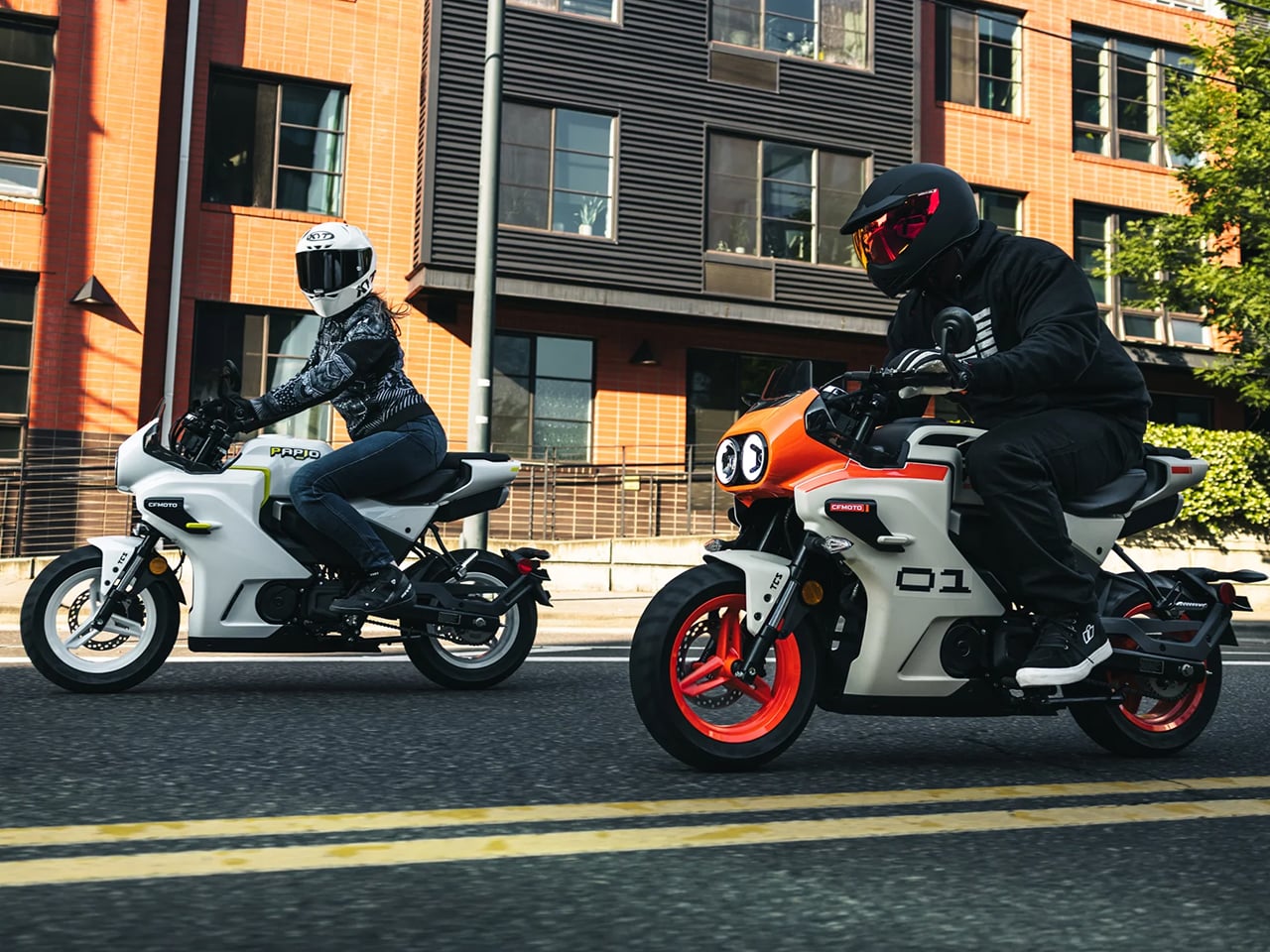
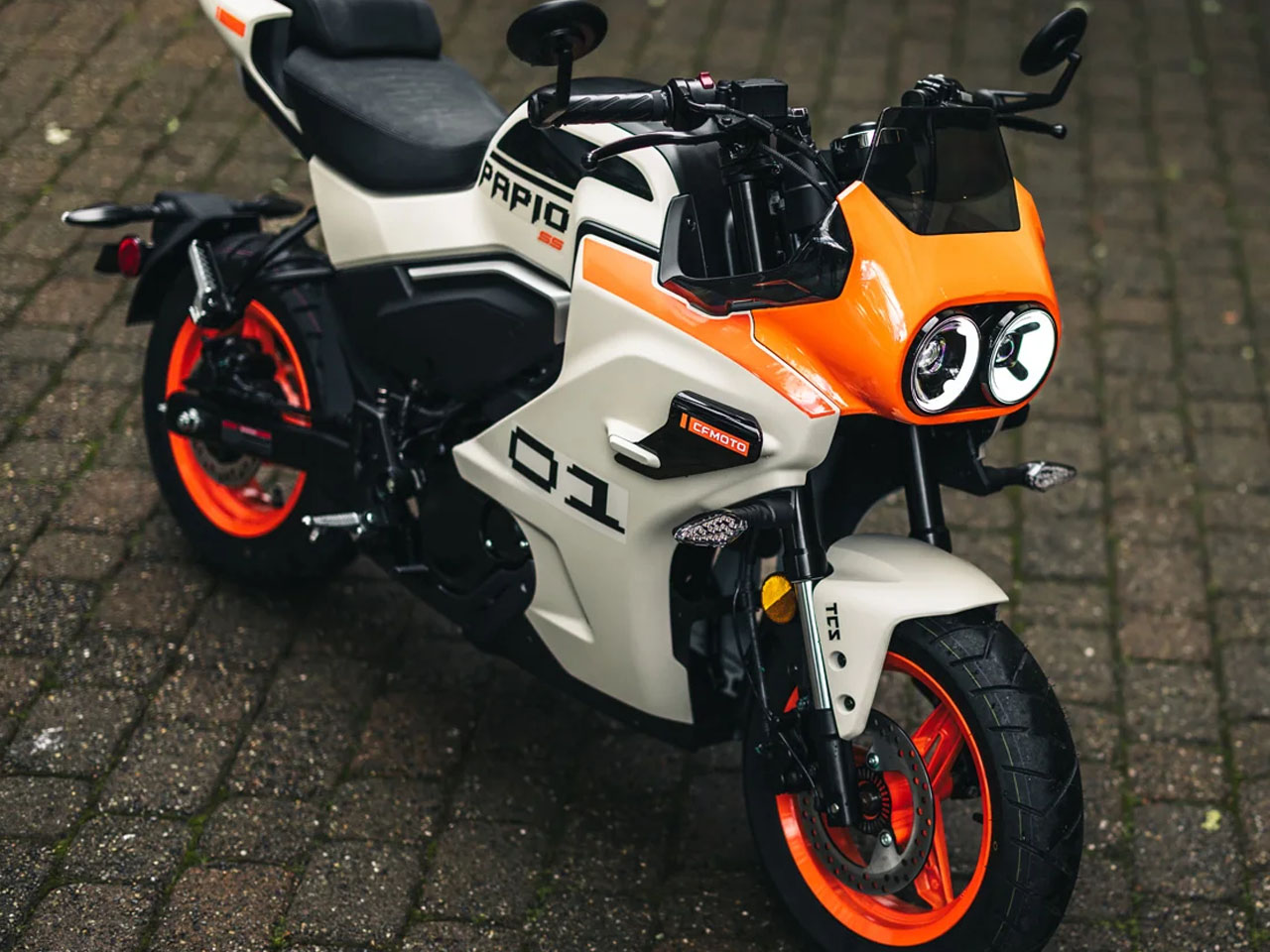
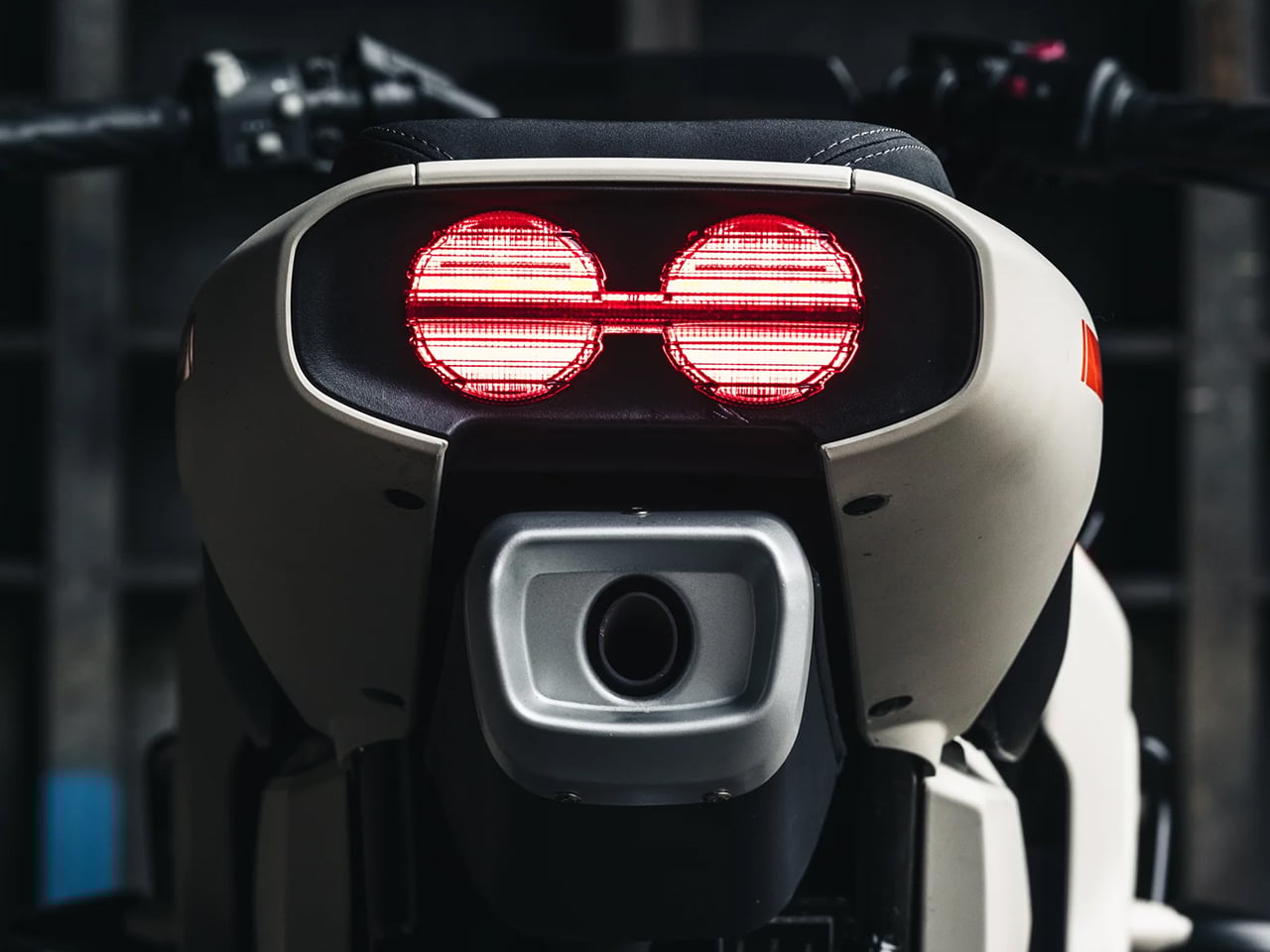
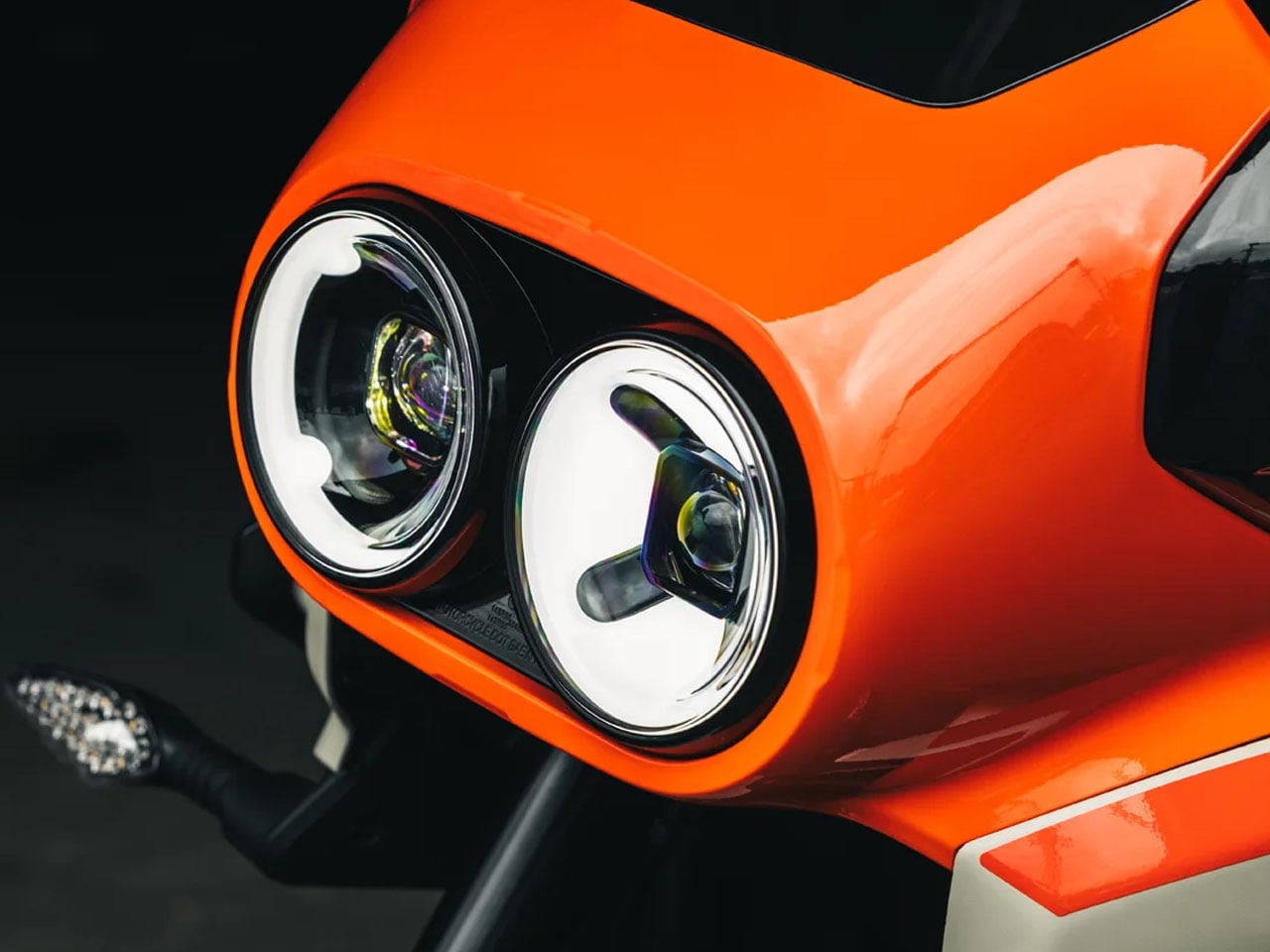
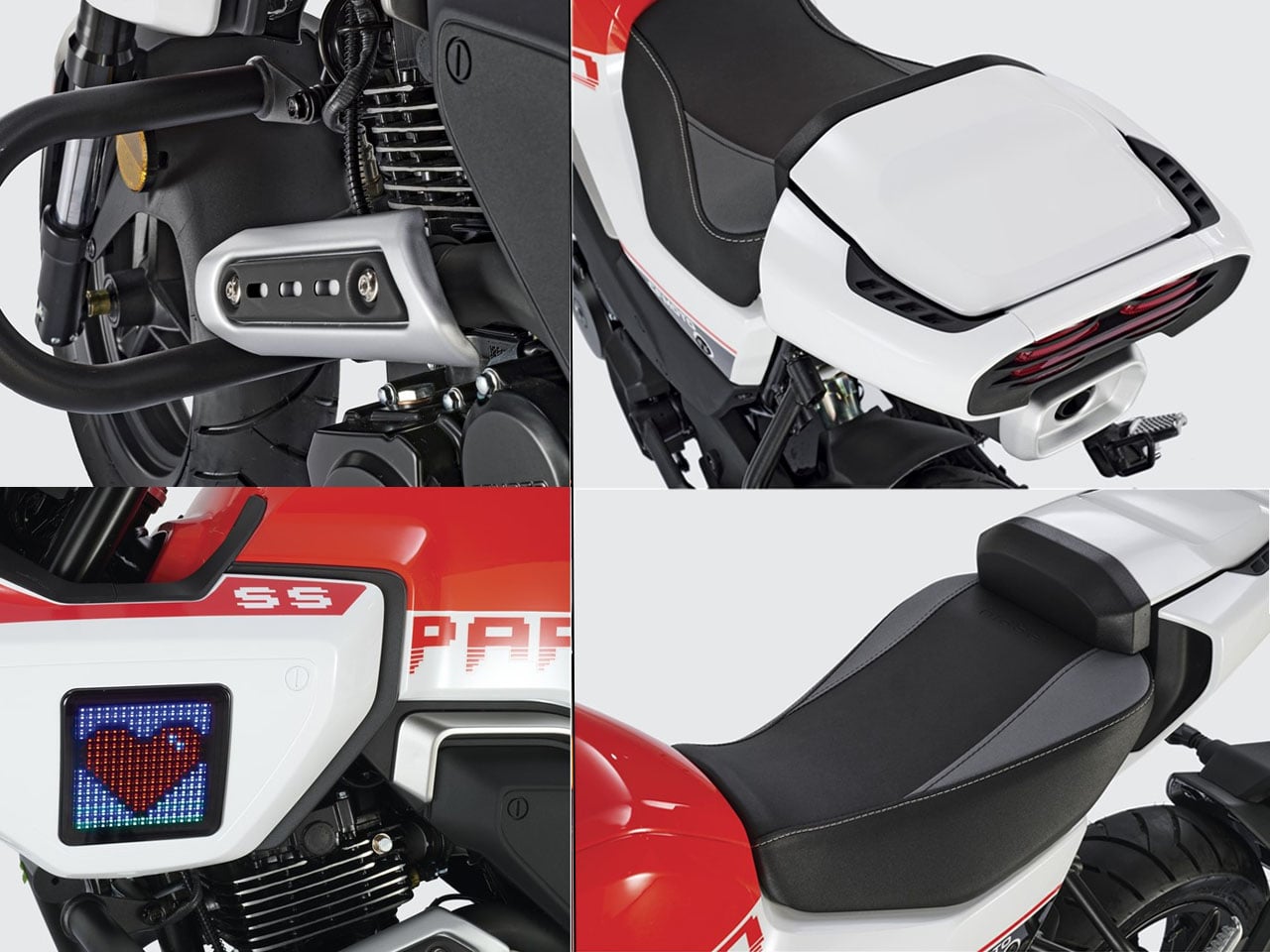
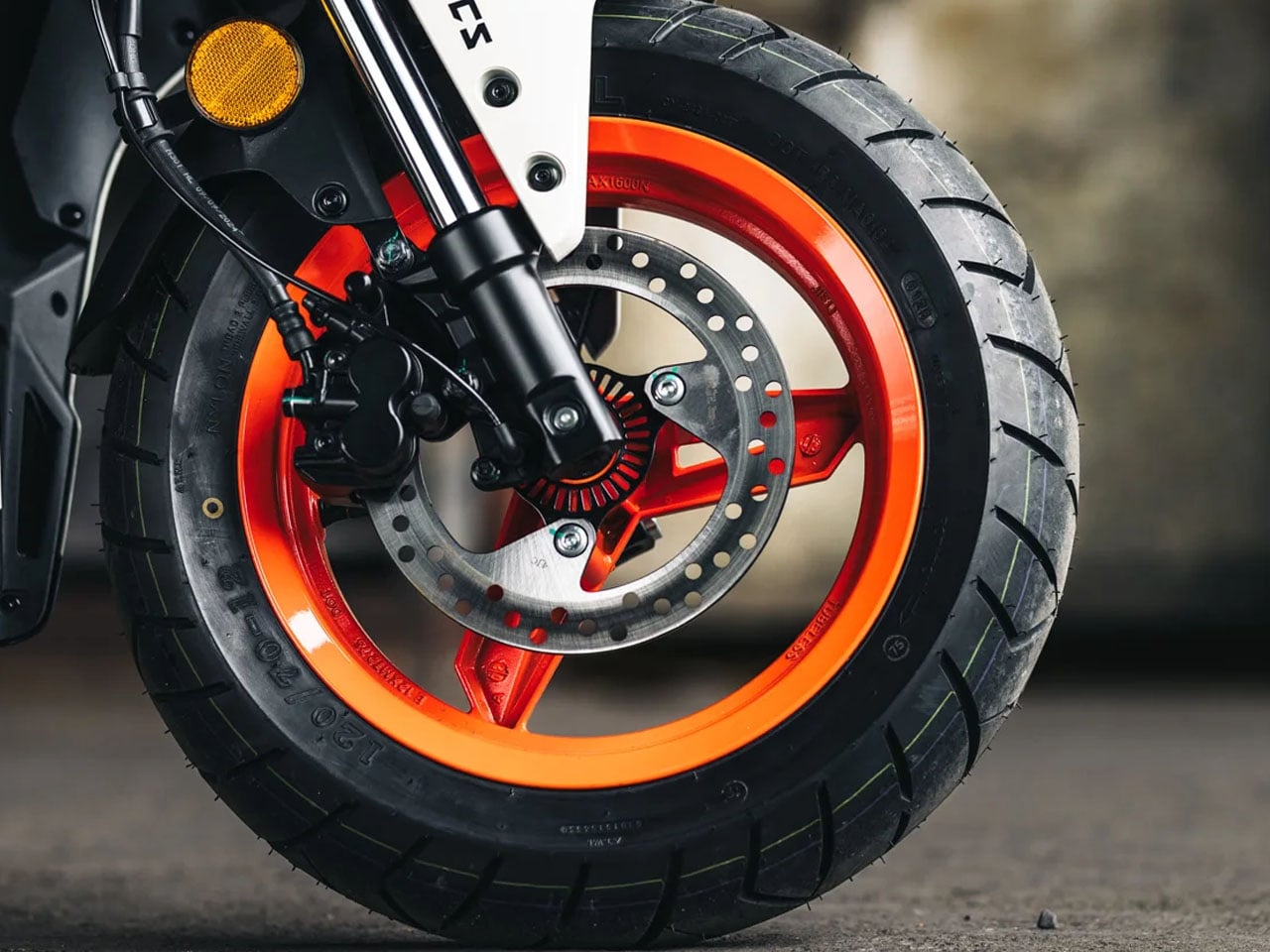
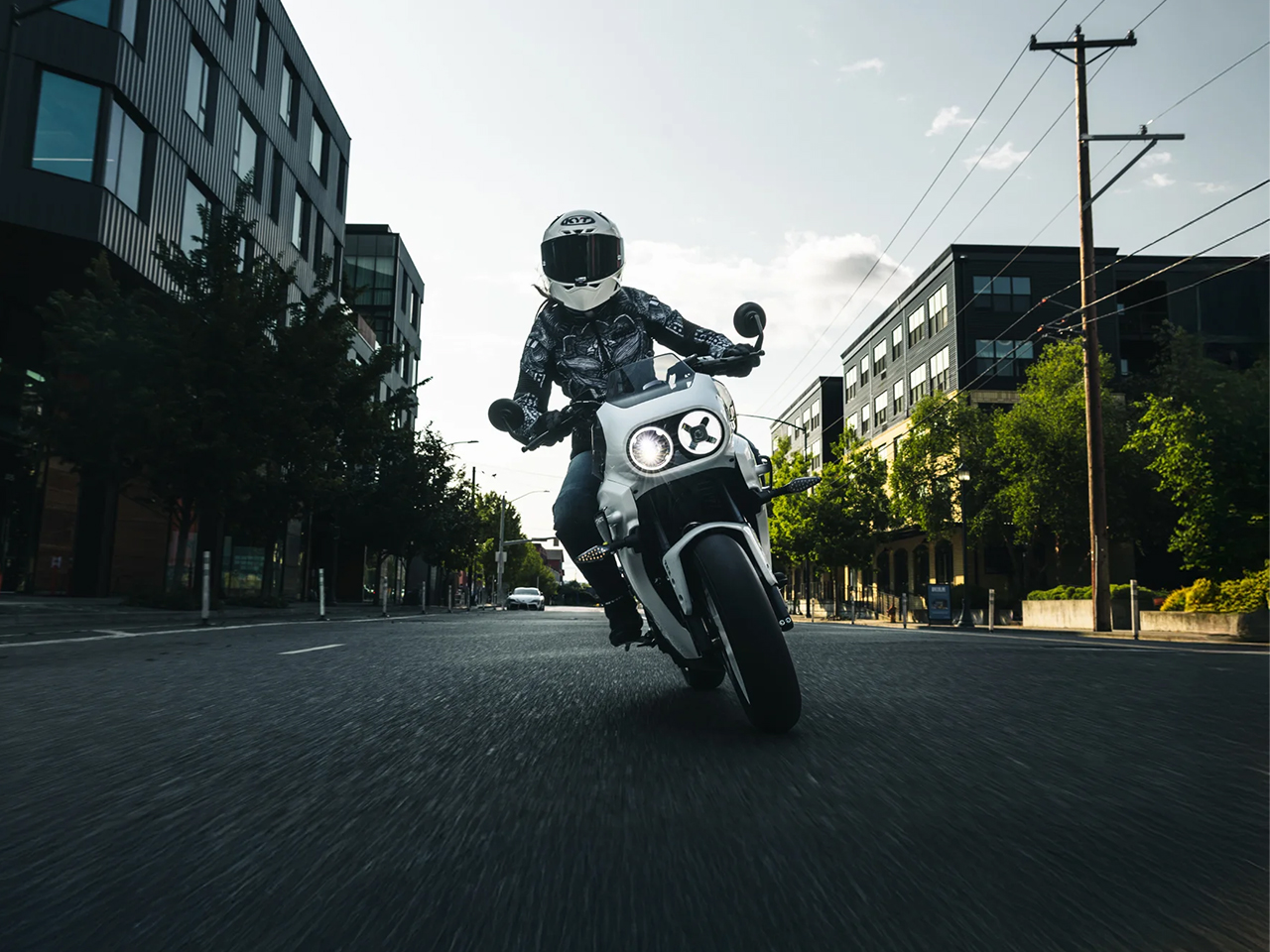
The 2026 Papio SS is a mini bike with the basic layout of a café racer and the inherent functions of an urban rider. This model is a smaller version of the existing 2024 model by the maker, designed to evoke the warmth of the classic era. That is apparent in the orange and beige colors for the skin, contrasted by the pixelated font branding on the sides. Up front, the headlights resemble a wide-eyed creature, while the taillights with the jagged lights give off the 80s bot vibes. The motorbike, weighing 251 pounds, sits somewhere in between the foldable form factor of a Motocompo and the aggressive power-laden personality of a café racer.

Under the hood, it is propelled by the 126cc air-cooled single-cylinder engine churning out 9.4 horsepower. The fun element comes from the zippy acceleration, and although the top speed is around 56 mph, it serves the purpose well. However, if you love the thrill of high-speed freeway driving, this bike won’t be the best fit. Coming back to the specifications, Papio SS gets a six-speed gearbox which delivers impressive acceleration from the standing start. The handling and comfort of the two-wheeler come courtesy the rear adjustable monoshock, upside-down forks, and dual-channel ABS. Normally, those additions are reserved for the bigger bikes, but CFMOTO needs to be complimented for adding them to this creation.

Loaded with modern divining dynamics like traction control, the user base should not be limited to young riders; rather, veterans will love to take the compact bike for a spin. Visually, the ride looks very balanced and sturdy, riding on the 12-inch wheels. That element is honed with full racing fairing, underbody fairing,  and clip-on bars. Keeping the modernized theme going, the bike gets a digital display and LED pod lights for clear visibility in the darkest of hours. CFMOTO 2026 Papio SS mini bike is set for early 2026 release for a starting price of $3,299 in the US market.

The post CFMOTO 2026 Papio SS mini is a fun inducing retro-modern café racer for the masses first appeared on Yanko Design.

Shoei GT-Air 3 Smart helmet comes with integrated AR display for safer, smarter riding

Shoei has long been known for blending craftsmanship with subtle yet meaningful innovation, often pushing helmet design forward without relying on gimmicks. That legacy has included advancements in aerodynamics, visor clarity, and long-distance comfort – traits that touring riders have come to trust. EyeLights, on the other hand, has built a reputation for compact augmented-reality systems designed to keep information within a rider’s natural field of view.

Their paths converging was almost inevitable, and the result is a smart accessory for riders that shifts helmet technology into an entirely new category. The Shoei GT-Air 3 Smart takes the familiar touring shell and transforms it into the first full-face helmet with a fully integrated AR heads-up display, created to deliver essential riding data without ever diverting attention from the road.

Designer: Shoei and EyeLights

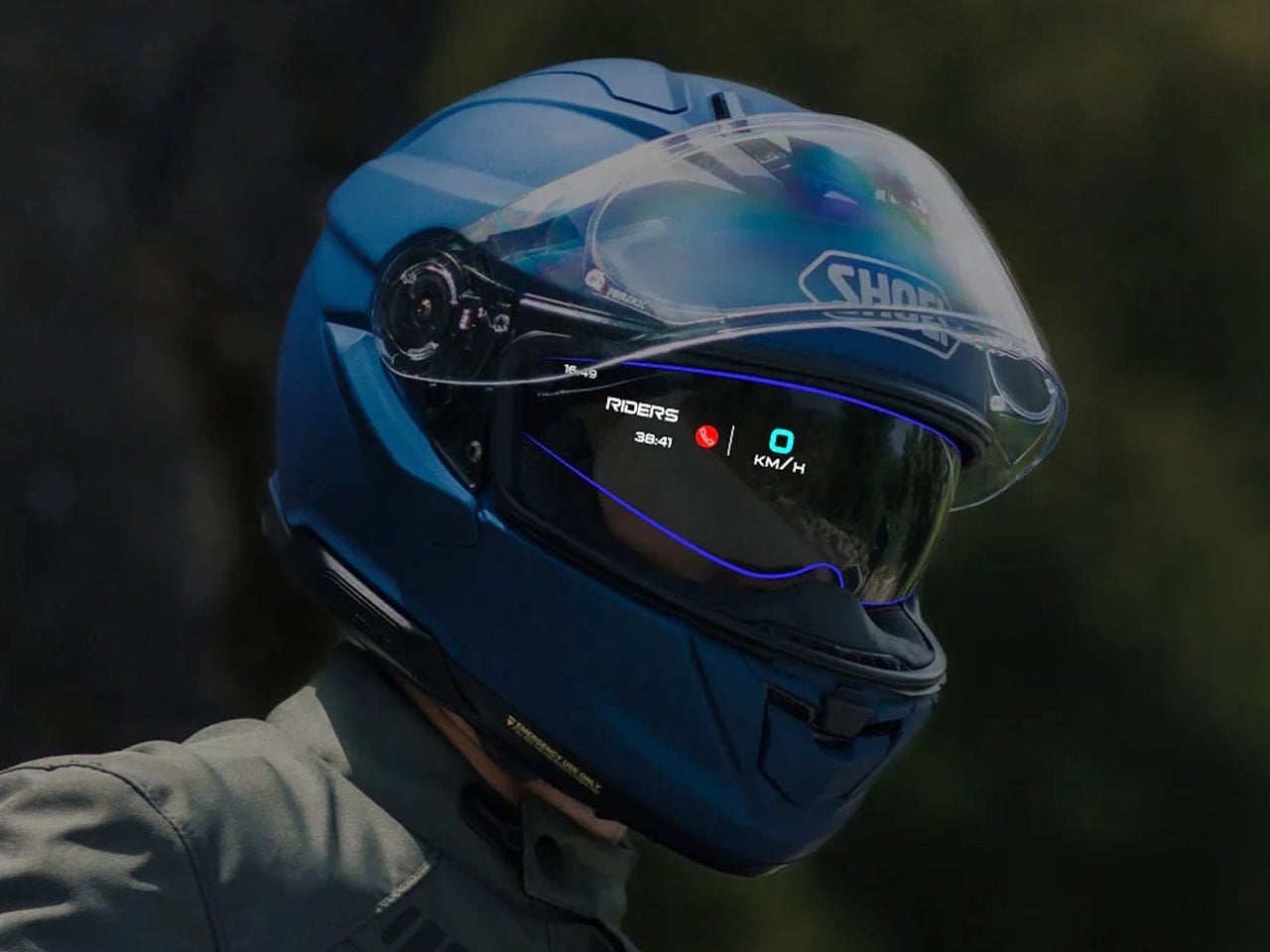
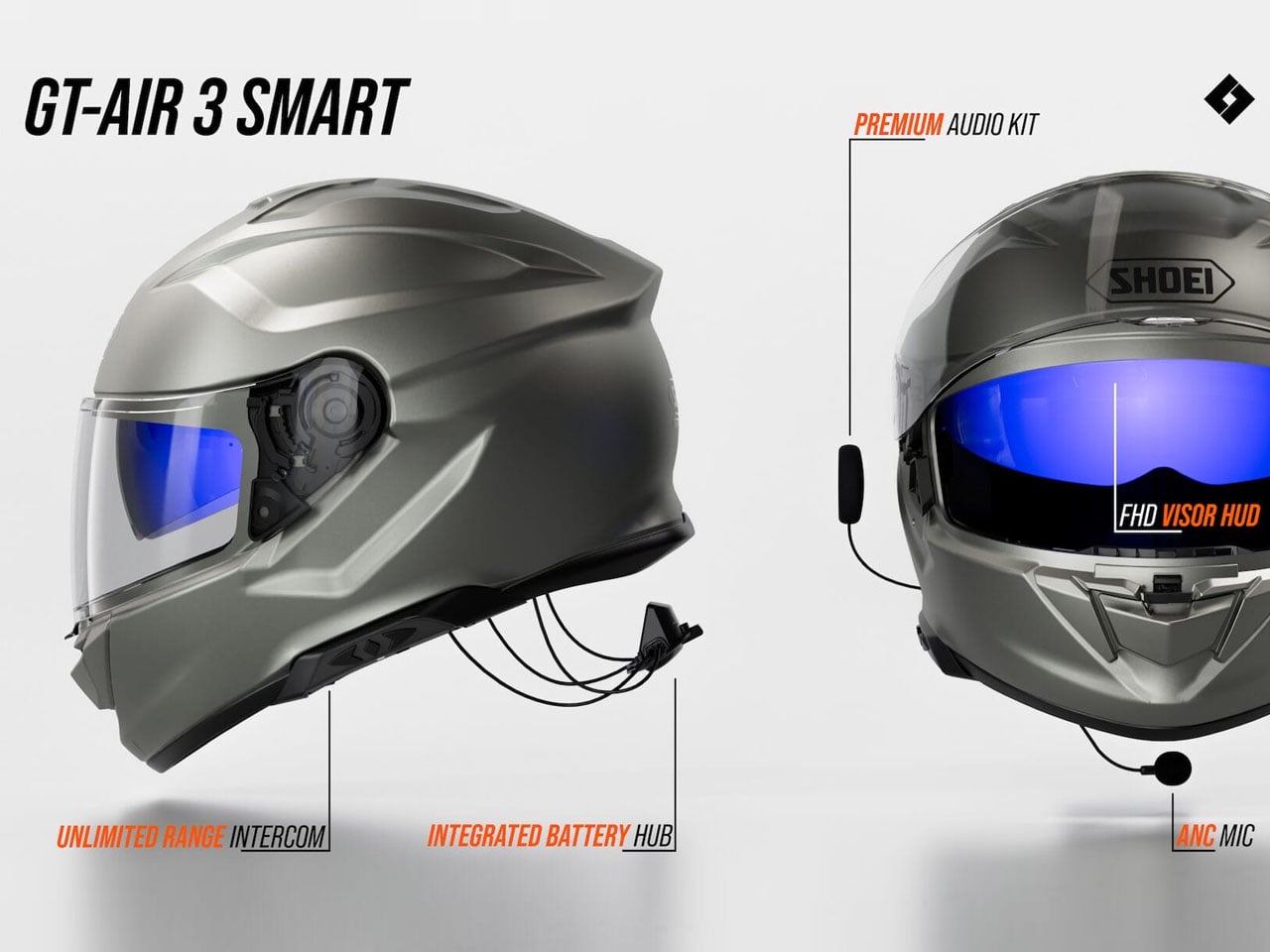
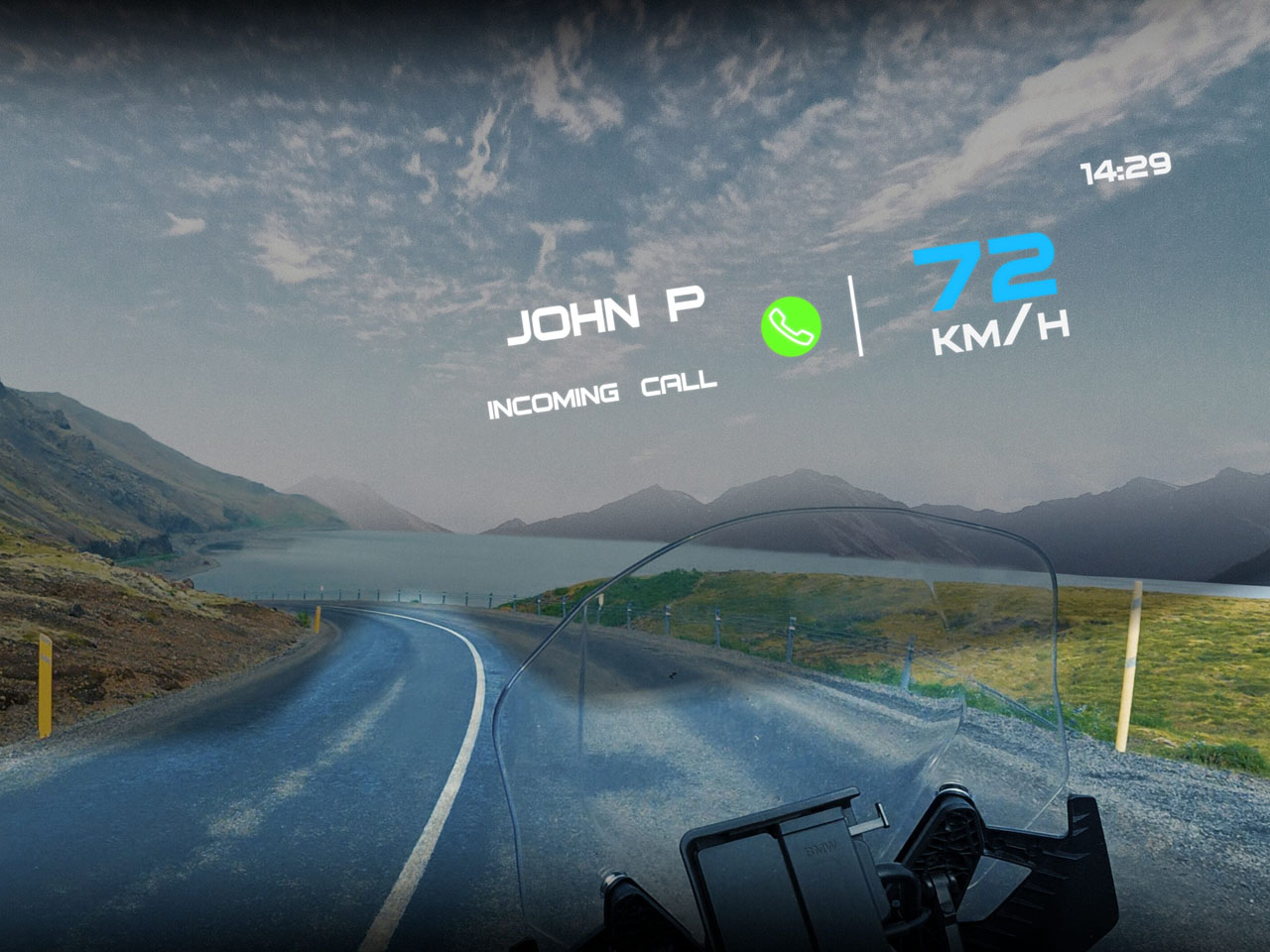
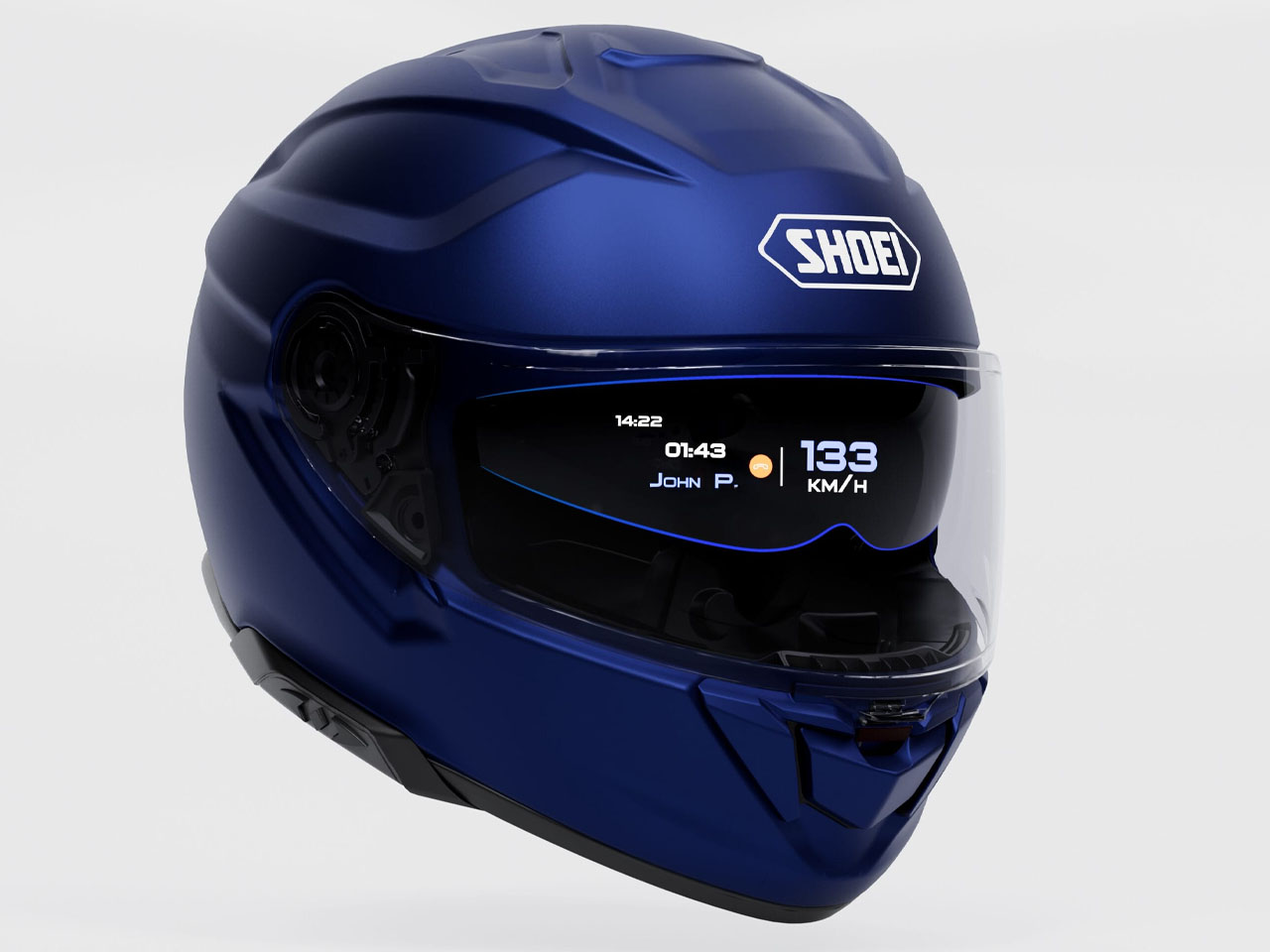
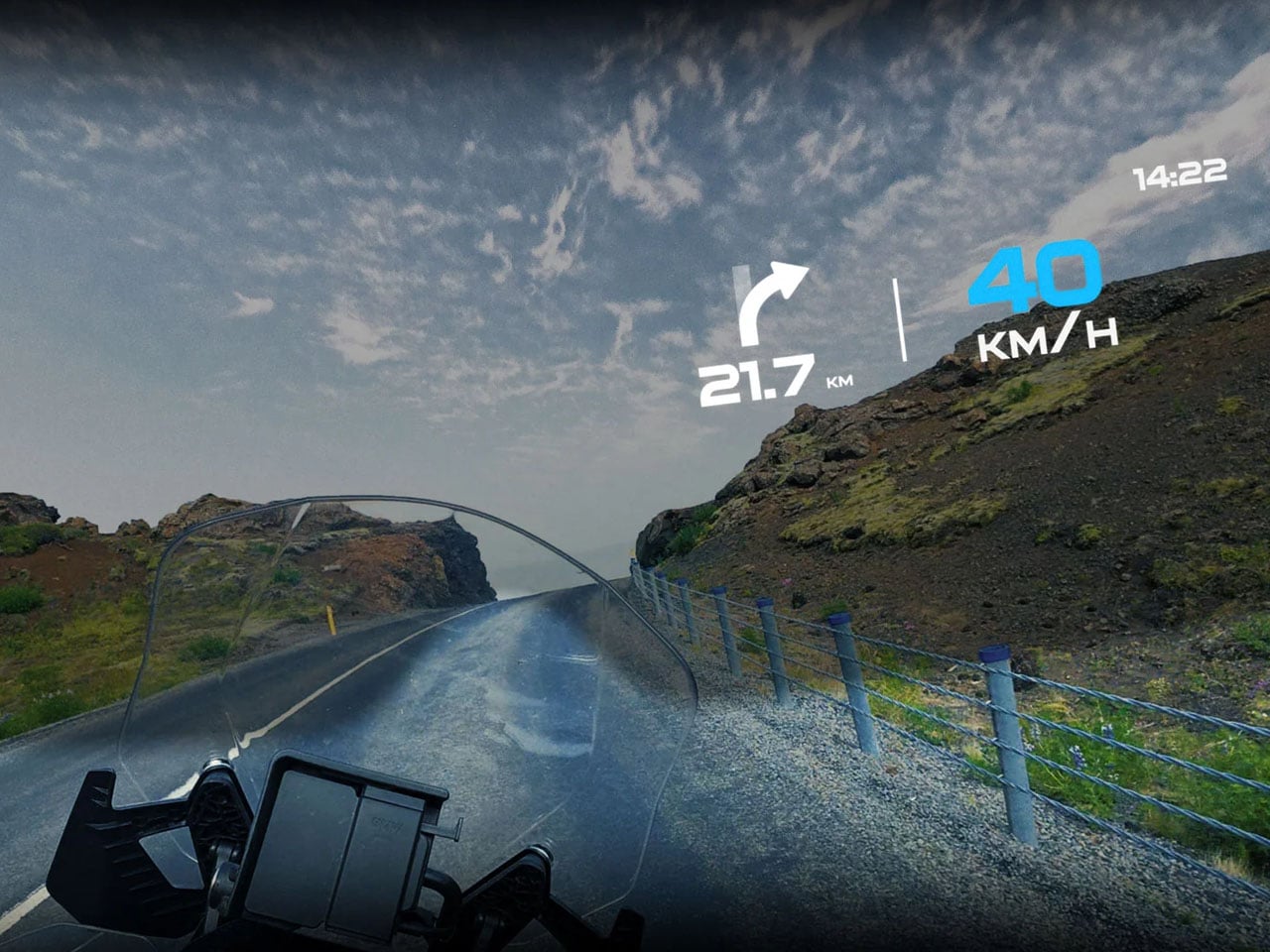
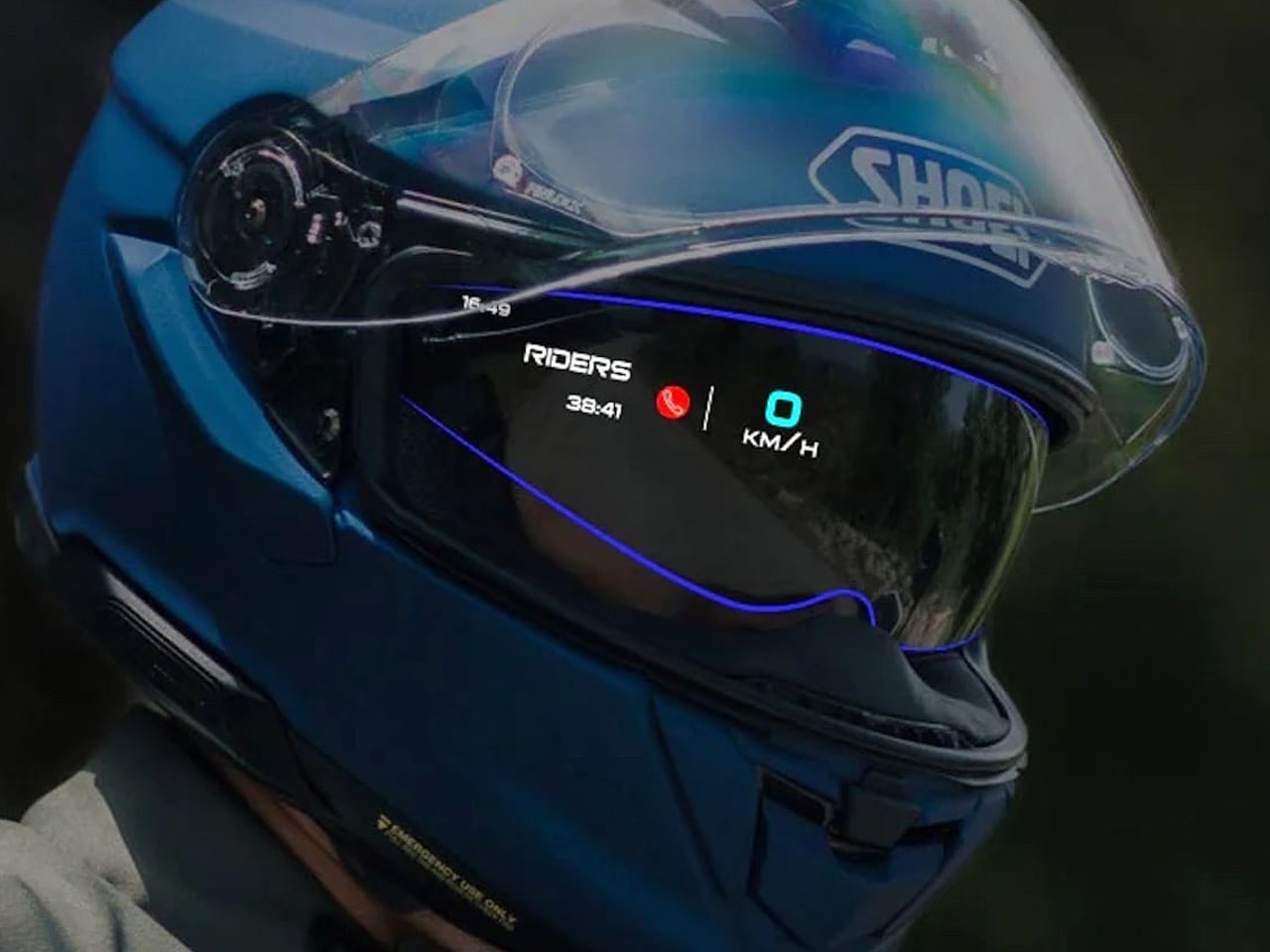
Developed jointly by Shoei and EyeLights, the GT-Air 3 Smart embeds a nano-OLED microdisplay directly into the visor structure. The projection appears about three meters ahead of the rider’s line of sight, presenting speed, navigation cues, call notifications, radar alerts, and even a compact map overlay. The Full HD display uses a 3,000-nit output so the information stays visible in strong daylight, and EyeLights claims the system can reduce reaction time by more than 32 percent compared to glancing down at external screens. Beneath the new visual technology, the helmet maintains Shoei’s established safety foundation. Its shell is constructed from the brand’s Advanced Integrated Matrix composite, which is an engineered blend of fiberglass and organic fibers used across the GT-Air 3 lineup. Apparently, it carries both DOT and ECE 22.06 certifications. Ventilation comes from a wide lower intake and upper intake with internal channels cut into the EPS liner, along with exhaust ports that release heat and moisture. A quick-release CNS-1C face shield with Pinlock support and an integrated QSV-2 sun visor maintains clarity across changing weather and lighting.

Communication features are built in through EyeLights’ Bluetooth system, supporting unlimited users and effectively unlimited range through cellular connectivity, with an offline mesh fallback when service drops. The audio kit includes speakers positioned within dedicated ear pockets and a microphone with active noise cancellation for clear conversations at speed. Voice control works with both Siri and Google Assistant to reduce rider input and keep focus ahead. The HUD, intercom, and audio system are powered by an internal battery designed to last more than ten hours under mixed use.

Charging is handled through a compact USB-C port positioned discreetly along the lower edge. The smart helmet retains the comfort and protection expected from the GT-Air line while introducing a fluid way to see essential data without shifting attention downward. For long-distance riders and daily commuters alike, the integration feels like a natural evolution rather than an add-on, offering a clearer, safer way to stay informed while riding. Shoei offers the helmet in White, Matte Black, Matte Metallic Blue, Matte Metallic Gray, and Realm TC10, with sizes ranging from S to XXL. Pricing starts at US$1,199, with a limited EICMA edition for those who like to ride differently.

The post Shoei GT-Air 3 Smart helmet comes with integrated AR display for safer, smarter riding first appeared on Yanko Design.

LEGO Racing Joins the F1 ACADEMY Grid with a Livery That Looks Nothing Like Racing

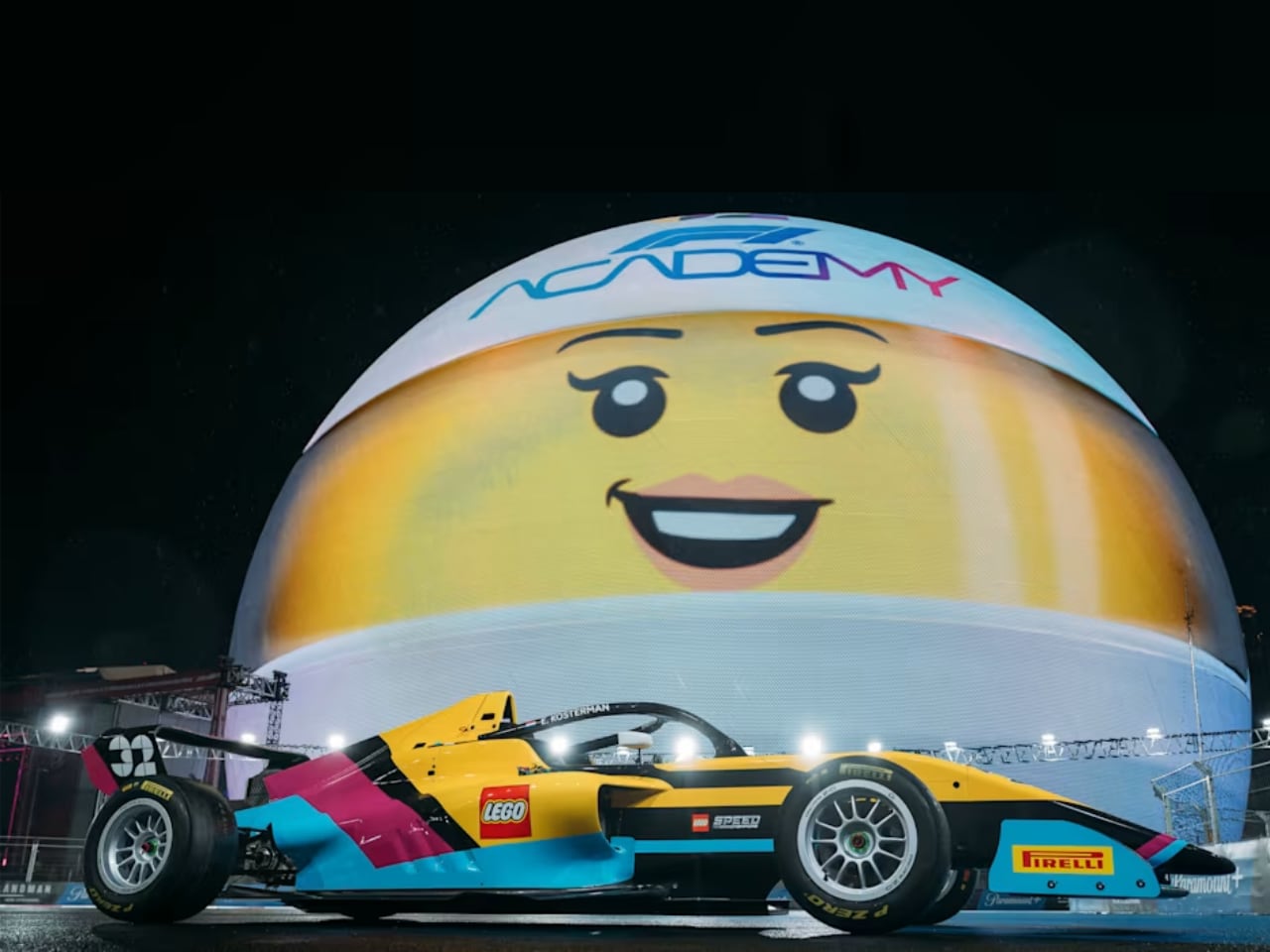
The LEGO Group announced a multi-year partnership with F1 ACADEMY at the Las Vegas Strip Circuit during the Formula 1 Las Vegas Grand Prix. LEGO Racing debuts in the 2026 F1 ACADEMY season with 20-year-old Dutch driver Esmee Kosterman behind the wheel.

Designer: LEGO

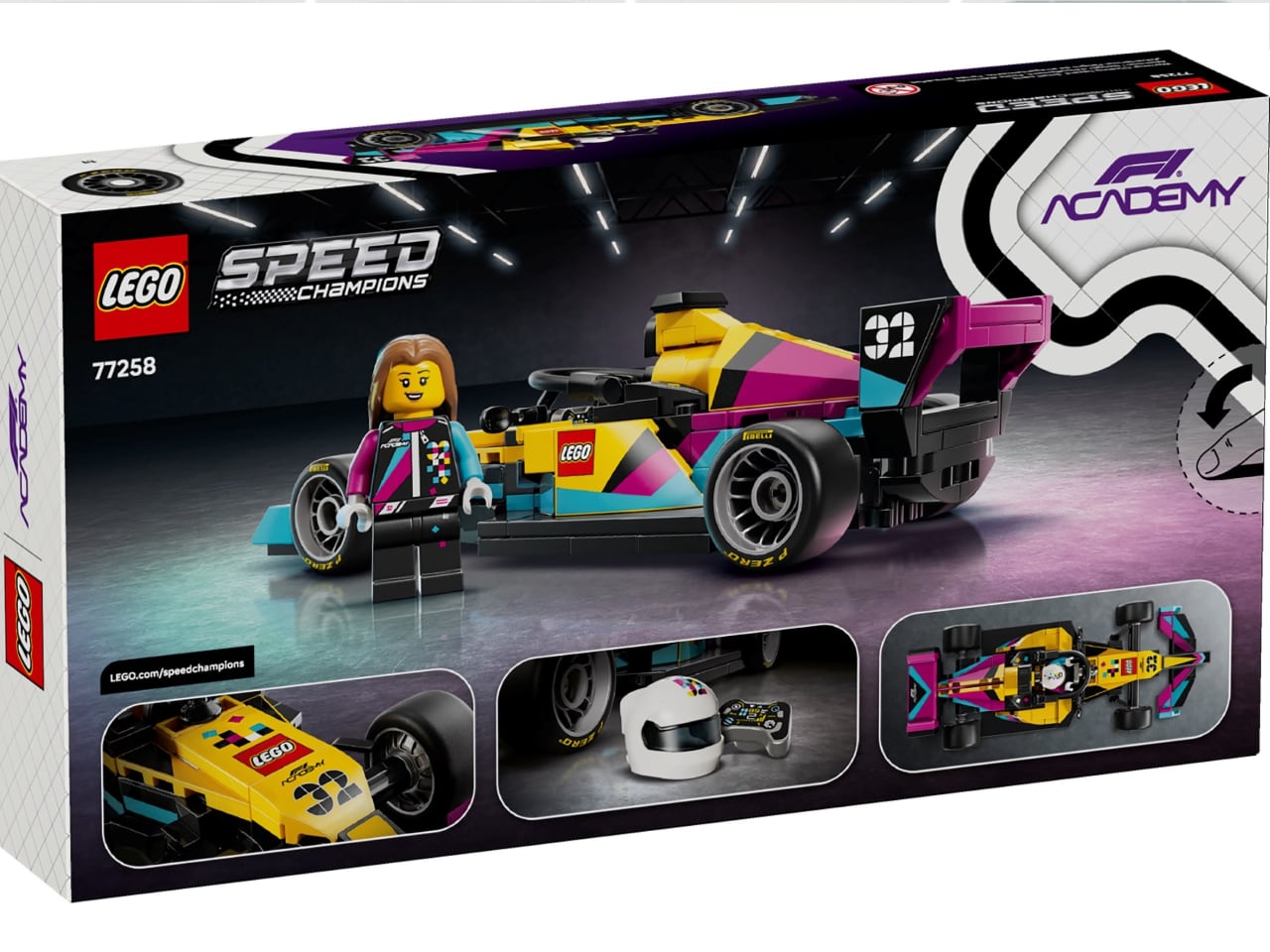
The announcement brings a toy company directly onto the racing grid with its own team, driver, and a livery created by the LEGO Design team. The livery uses a unique checkered pattern that merges the brand’s toy aesthetic with racing design, creating a visual identity that stands apart from typical motorsport liveries.

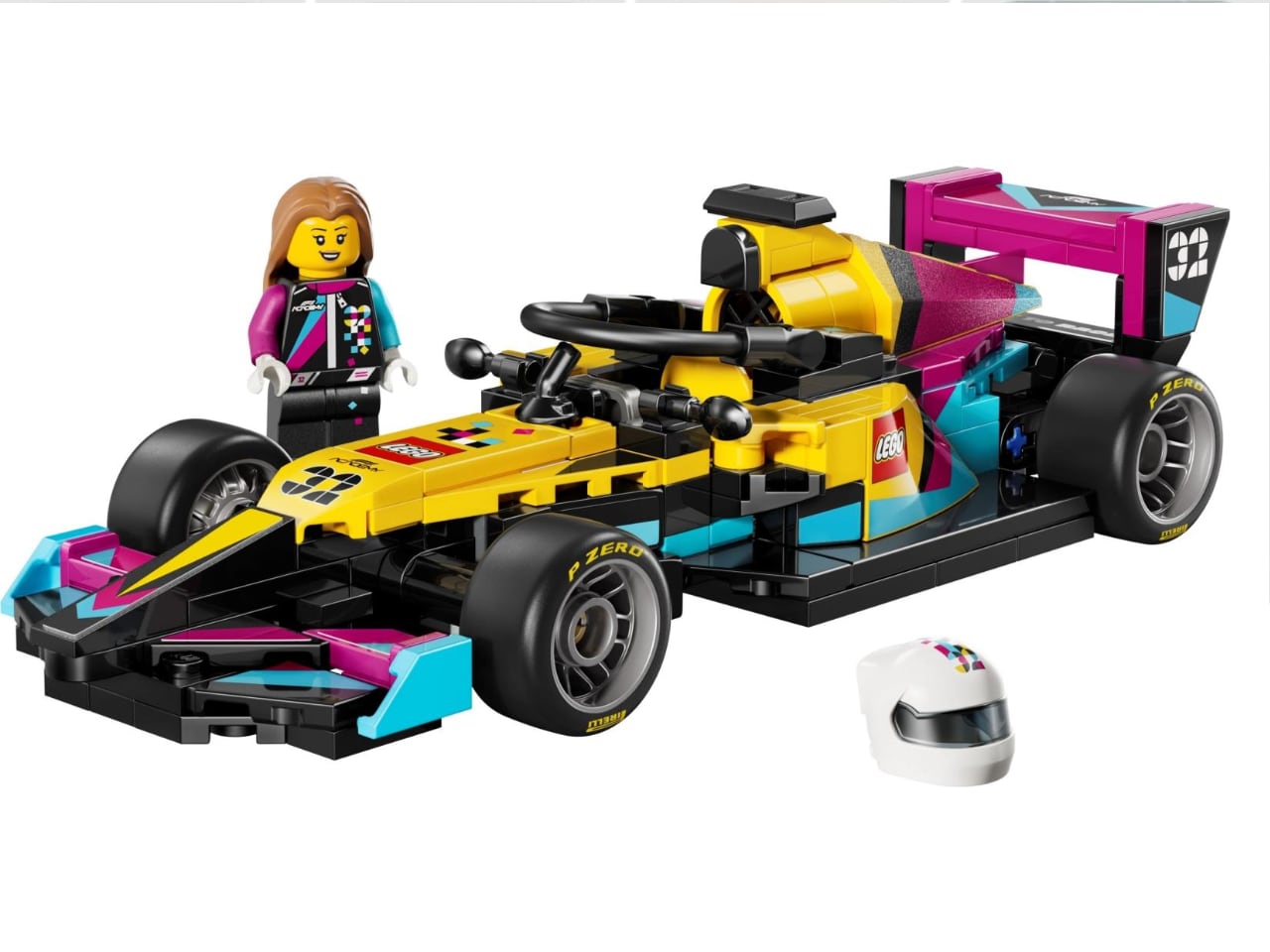
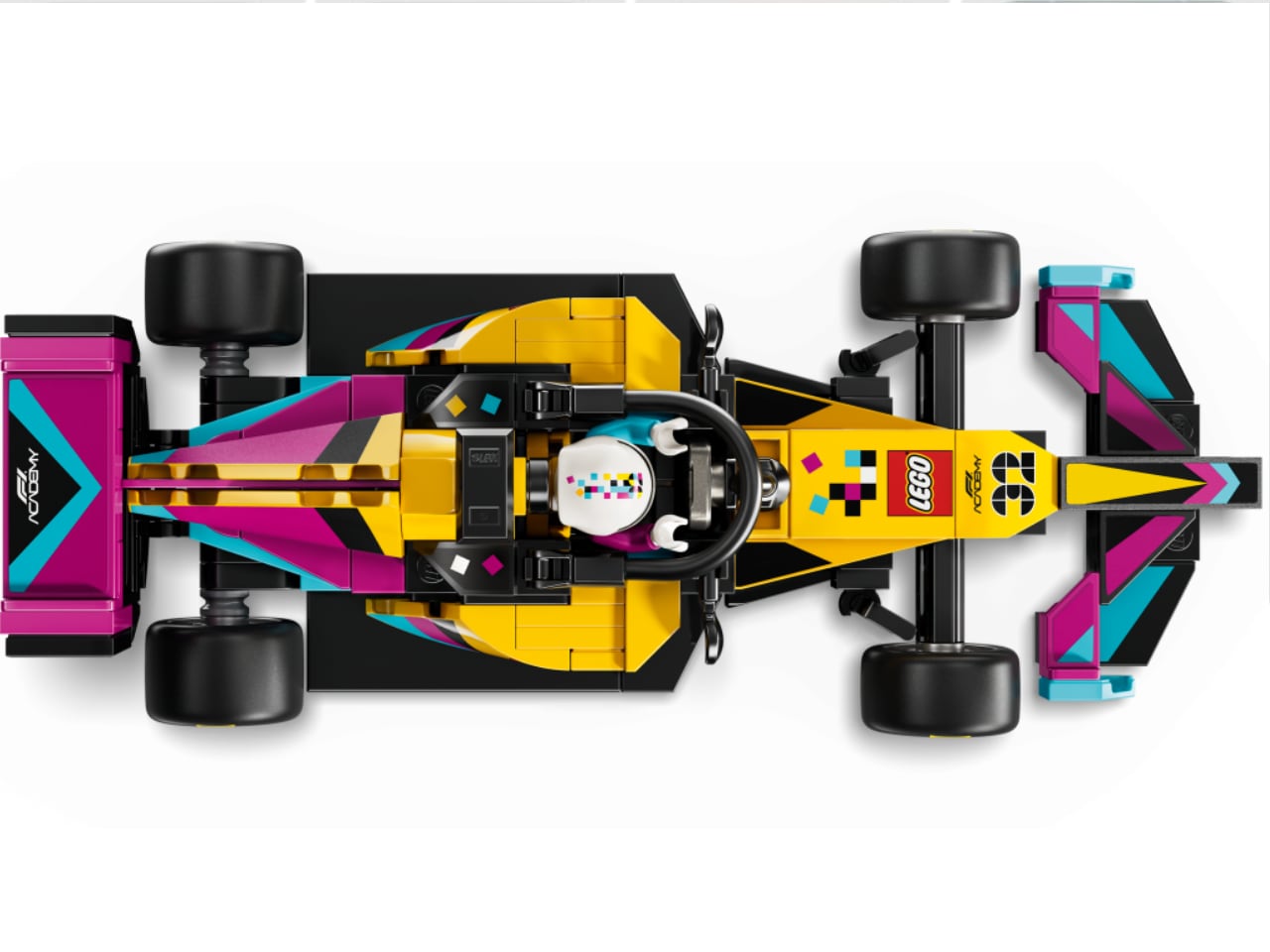
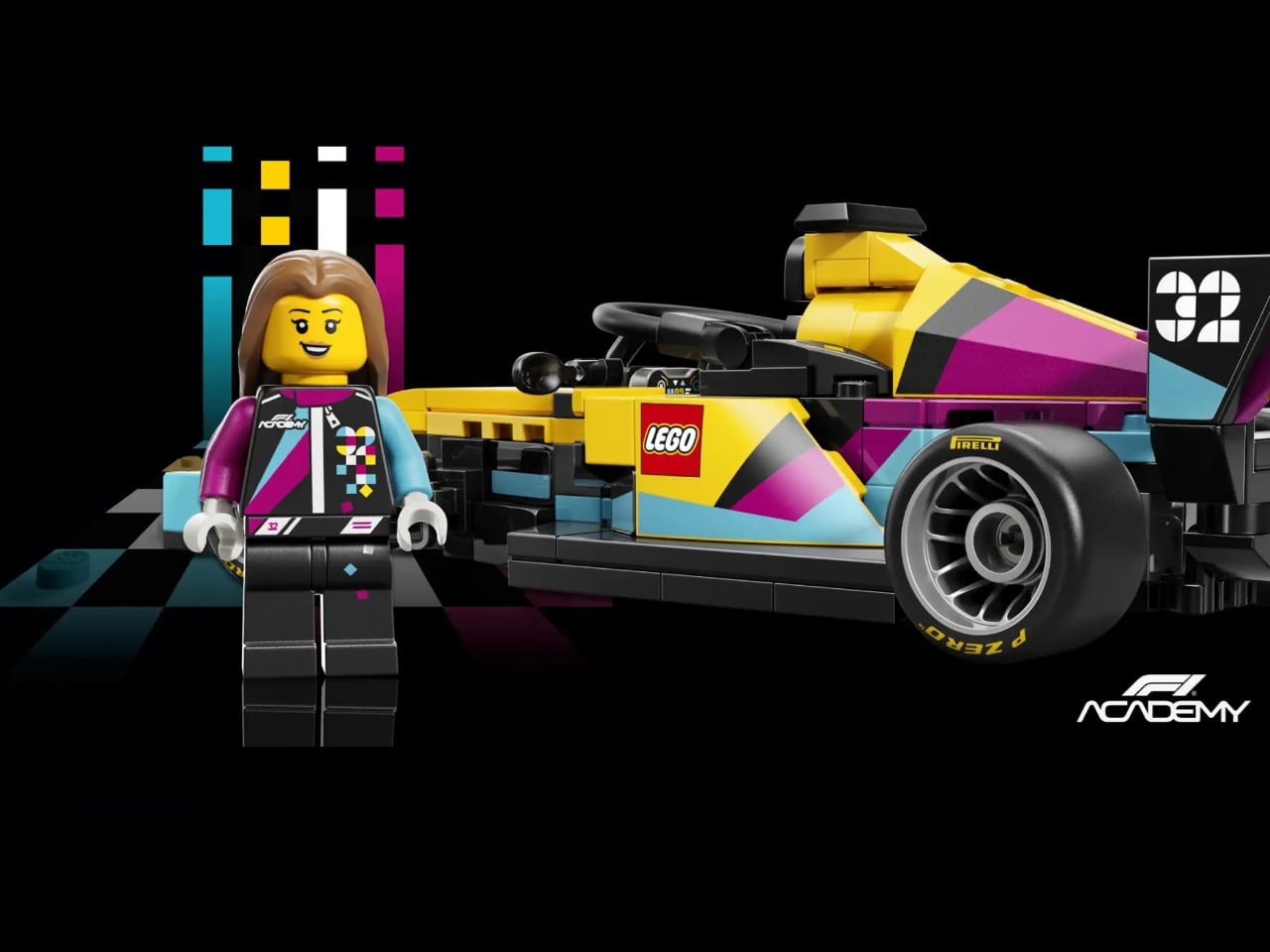
The partnership includes the LEGO Speed Champions F1 ACADEMY Race Car, a 201-piece set launching globally on March 1, 2026. The set features aerodynamic details mirroring the real car’s design, the #32 racing number, and a minifigure in LEGO Racing colors. Pre-orders are available now from [LEGO.com](http://LEGO.com).

The Livery and Las Vegas Debut

The LEGO Racing livery represents a departure from traditional motorsport design. The LEGO Design team created a one-of-a-kind livery that uses colors and patterns from the LEGO brand identity. The checkered pattern differs from the traditional racing checkered flag, bringing the tactile, modular world of LEGO brick building directly onto the track.

Most racing liveries use sharp angles, aggressive typography, and sponsor-dense layouts optimized for speed and intimidation. LEGO Racing took a different approach, creating a playful, approachable visual identity that prioritizes brand recognition over racing convention.

At the Las Vegas F1 ACADEMY weekend, the LEGO Group presented custom LEGO Botanicals Bouquets for the Race 1 and Race 2 podium ceremonies. Each bouquet was built from nearly 2,000 LEGO elements and weighs approximately 1 kg, replacing traditional trophies with LEGO’s signature building blocks.

Esmee Kosterman Takes the Wheel

Esmee Kosterman becomes the premiere driver for LEGO Racing in her first full F1 ACADEMY season. The 20-year-old Dutch driver made history as the first woman to win in the Ford Fiesta Sprint Cup series in 2023, where she finished second in the Junior Cup and third place overall. She made her F1 ACADEMY debut as a Wild Card at Round 5 in Zandvoort, her home race, in 2024 before moving to single seaters with Indian F4.

According to Kosterman, she’s been a longtime fan of the LEGO brand and what it represents. “To be the first driver for LEGO Racing is such an exciting opportunity, and I can’t wait to continue my racing journey with F1 ACADEMY,” she said. “I hope this inspires future generations of female drivers, that with hard work and determination, anything is possible.”

The Product Launch

The LEGO Speed Champions F1 ACADEMY Race Car marks the first time fans can hold an F1 ACADEMY car in their hands, according to Julia Goldin, Chief Product & Marketing Officer at the LEGO Group. The 201-piece set features intricate aerodynamic details that mirror the real car’s design, complete with the unique colorway and the #32 racing number.

The set includes a minifigure in LEGO Racing colors and focuses on securing female representation in racing toys for young girls. LEGO Group research shows 87% of girls surveyed want more opportunities in motorsport, and 75% think racing sounds exciting. However, 76% of parents surveyed believe motorsport is often perceived as “more for boys.”

The representation gap extends to toy aisles. Racing toys have historically featured male drivers and male-dominated racing series. According to the LEGO Group, 82% of parents think representation in motorsport is important, and 52% of girls surveyed could see themselves as an F1 ACADEMY or race car driver.

The LEGO Speed Champions F1 ACADEMY Race Car is available for pre-order now from LEGO with global retail availability starting March 1, 2026.

The post LEGO Racing Joins the F1 ACADEMY Grid with a Livery That Looks Nothing Like Racing first appeared on Yanko Design.

Scamp X: After 54 Years, the Iconic Egg Camper Finally Goes Off-Road

After more than five decades of crafting lightweight fiberglass travel trailers in Backus, Minnesota, Scamp Trailers has unveiled something entirely new. The Scamp X marks the company’s first purpose-built off-road model, transforming the beloved “egg camper” into a rugged adventure machine that refuses to let pavement dictate your destination. The most striking update sits underneath. Scamp swapped its traditional axle for a Timbren independent long-travel suspension system, giving each wheel the freedom to articulate over challenging terrain without transferring shock to its twin.

This setup works alongside beefy ST235/75R15 off-road tires and an impressive 18 inches of ground clearance. The approach and departure angles measure 17 and 22 degrees, respectively, making genuine backcountry exploration accessible to drivers who previously limited themselves to established campgrounds. Outside, the Scamp X sheds its cheerful aesthetic for something more tactical. A black Fiamma awning replaces the usual chrome fittings, while a custom roof rack provides mounting points for up to 400 watts of solar panels. That power feeds directly into the camper’s electrical system, making extended boondocking trips genuinely viable.

Designer: Scamp

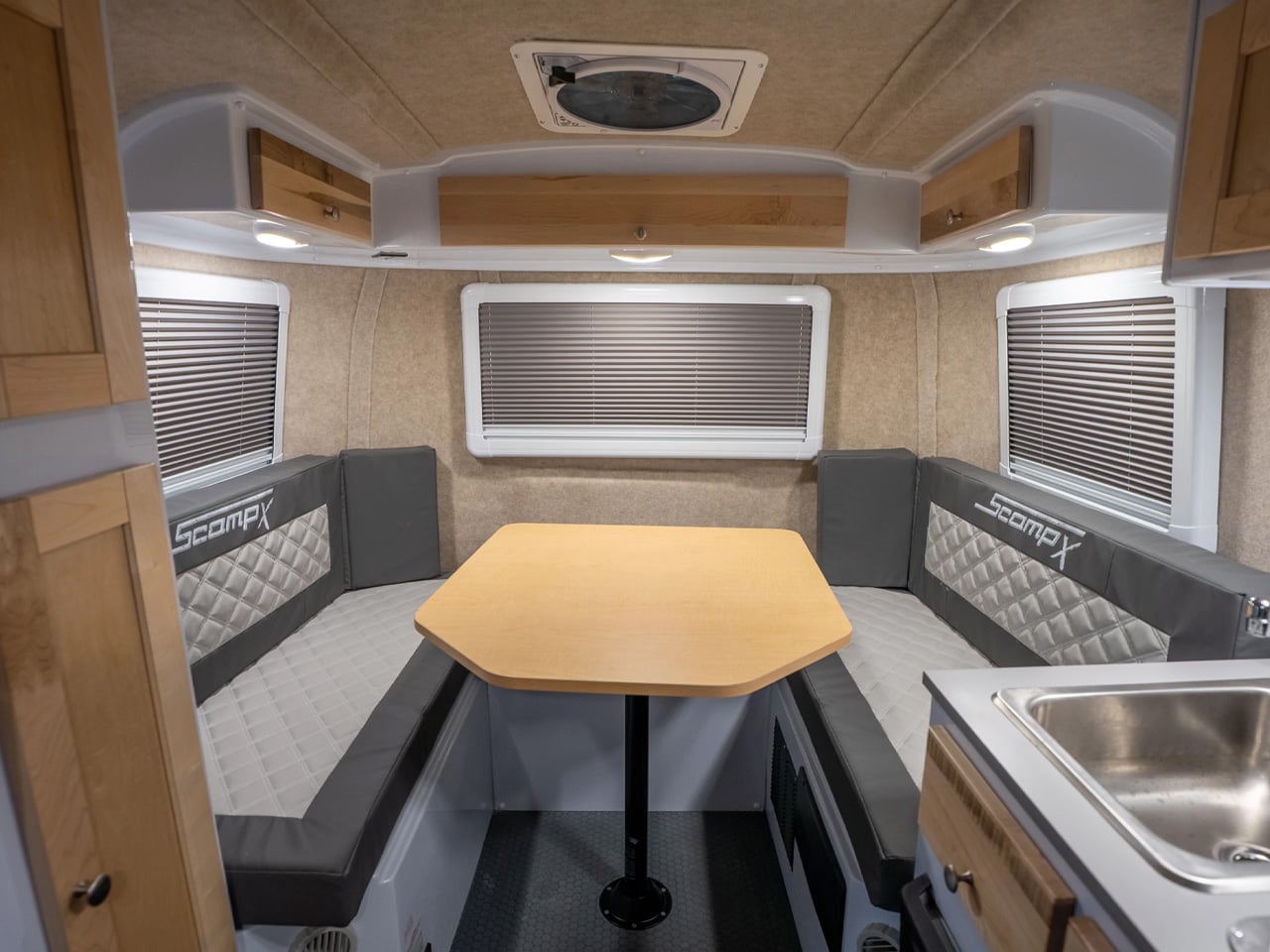
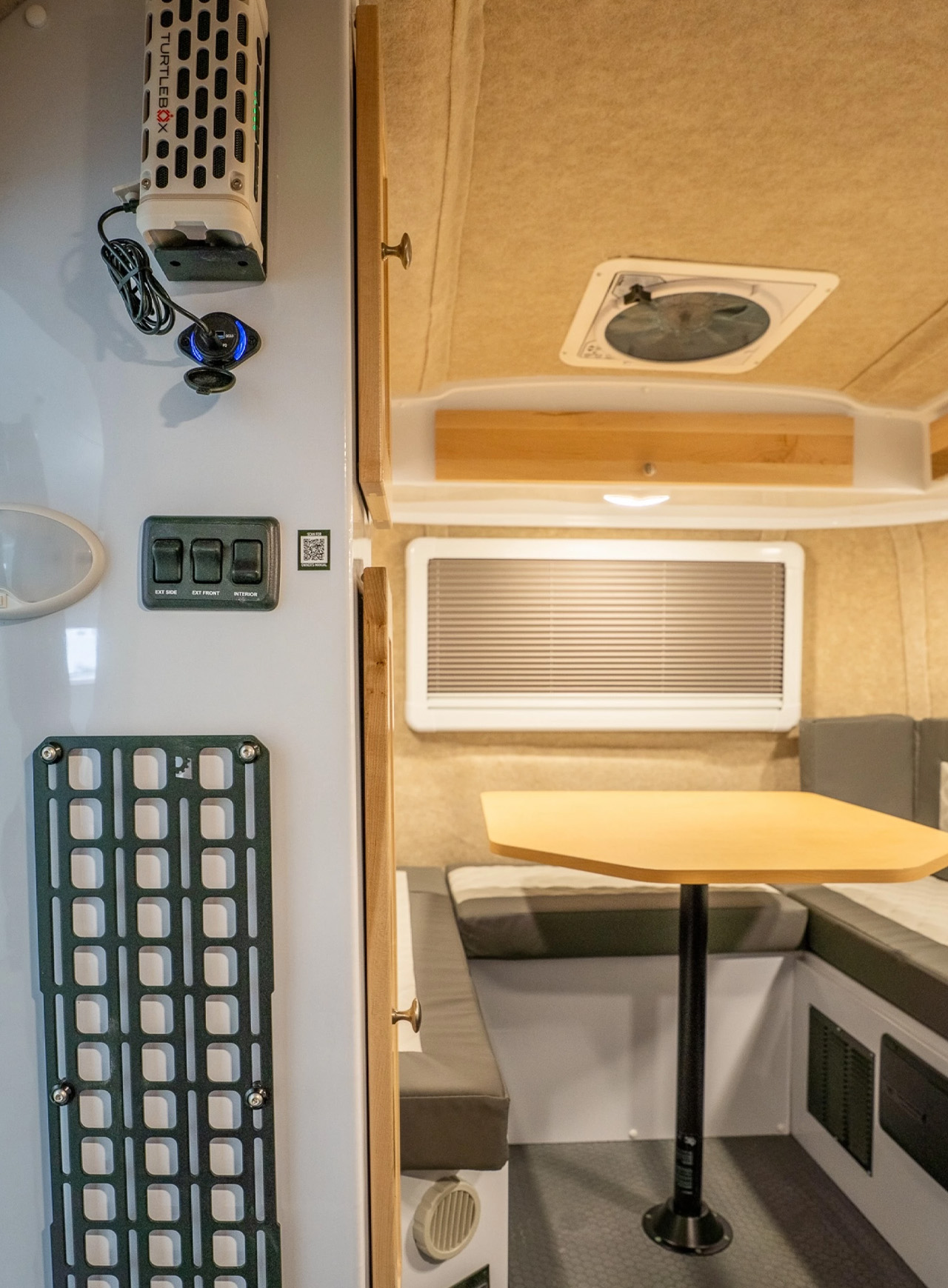
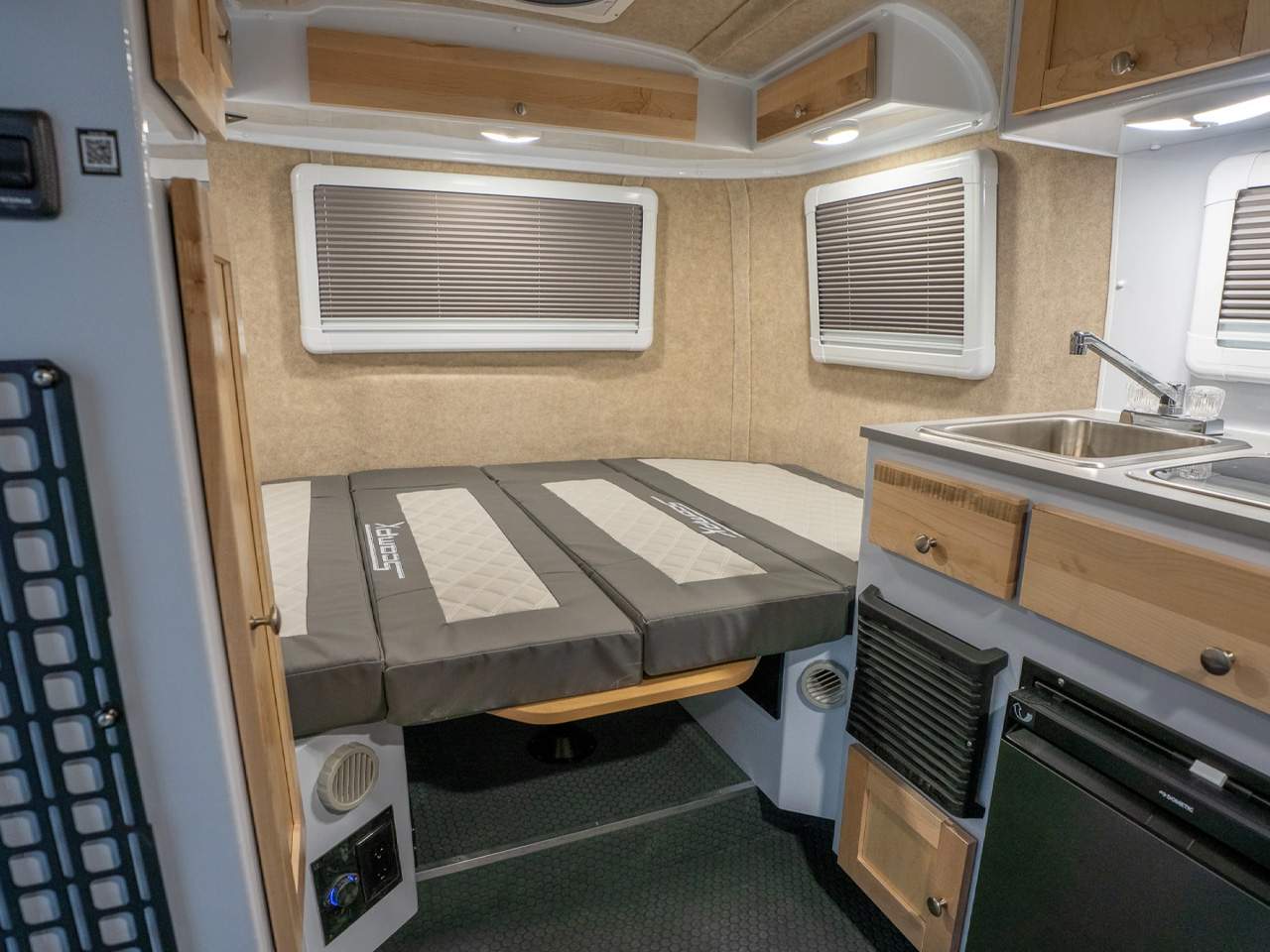
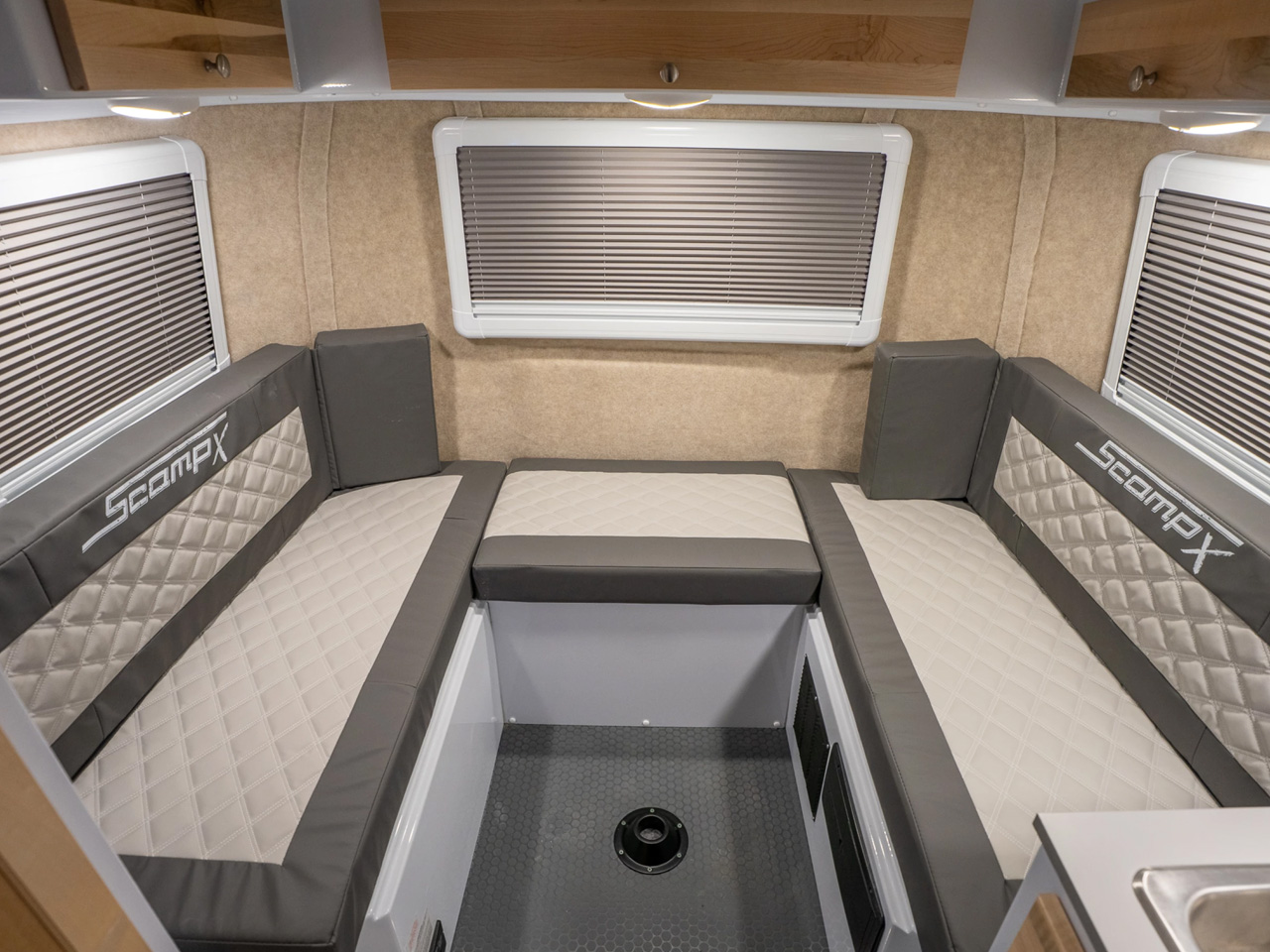
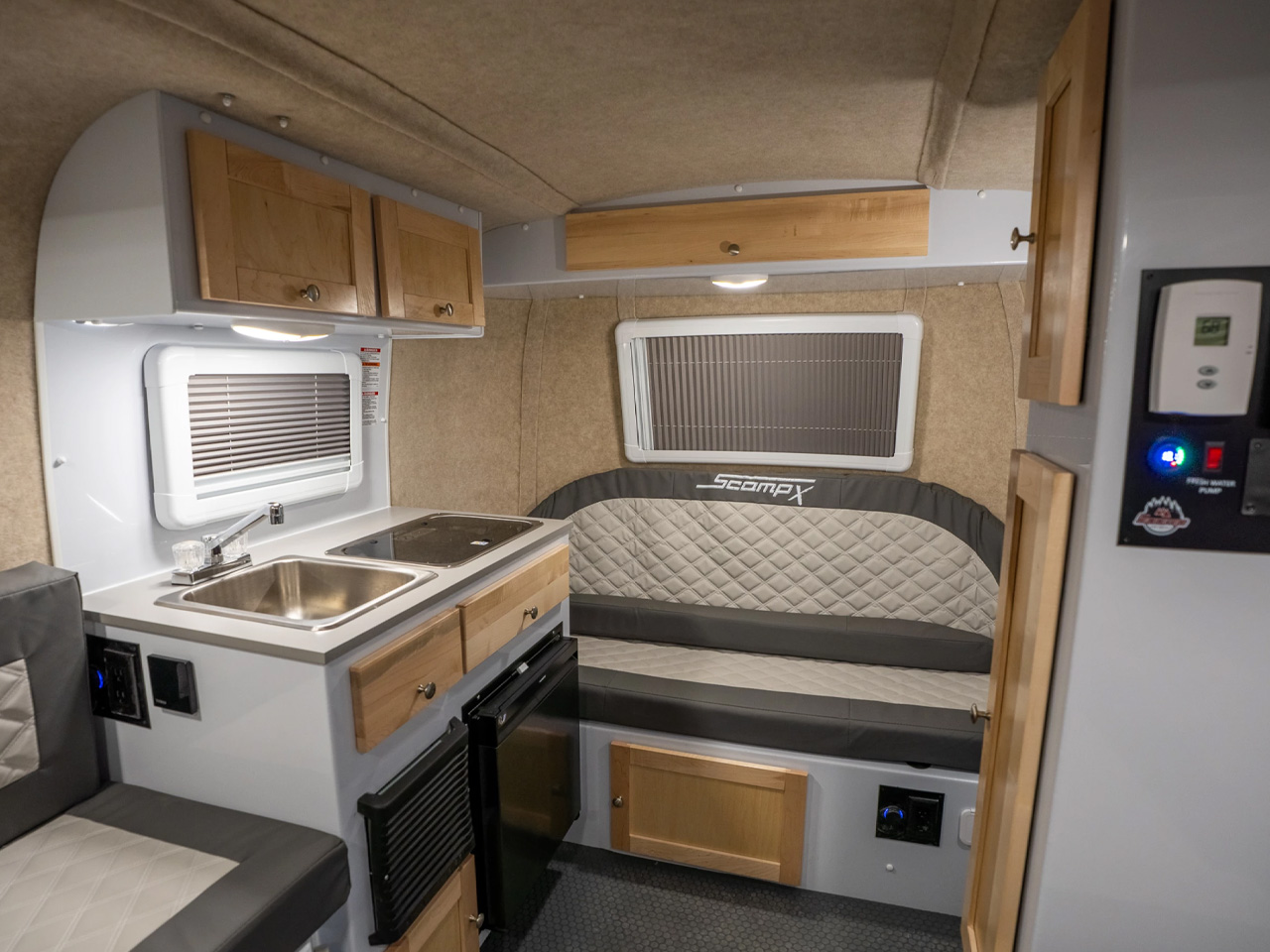
Up front, an optional Strongberg storage rack offers space for generators, extra gear, and all the equipment serious off-roaders accumulate over time. A lock-and-roll articulating hitch comes standard, ensuring the trailer can follow your vehicle through uneven terrain without binding. The interior received equal attention during the redesign. Scamp replaced the standard dinette layout with a U-shaped configuration that maximizes seating and social space. New cushions in updated fabrics complement a fresh countertop design, while rubber coin flooring throughout the cabin stands up to muddy boots and wet gear far better than traditional carpet or vinyl.

The air conditioning unit hides beneath the rear dinette bench, freeing up valuable wall space. A portable Bluetooth speaker mounts into the design, and an accessory panel puts electrical connections exactly where modern adventurers need them. Two floor plans accommodate different camping styles. The Trek eliminates the bathroom, prioritizing living space for those comfortable with campground facilities or portable solutions. The Altitude offers the same U-shaped dinette and updated finishes but incorporates a front bathroom for travelers who prefer full amenities.

The Scamp X arrives as the Minnesota manufacturer expands its Backus factory to meet growing demand. Current production sits around 650 units annually, with wait times stretching to 14 months. The company sells directly to customers without dealer networks, maintaining control over quality and customization. Traditional Scamp models range between $19,000 and $40,000, depending on length and options. Pricing for the X hasn’t been officially announced, though the extensive upgrades suggest a premium over standard models.

For “Scampers,” as the devoted community calls themselves, the X represents something many have requested for years: the ability to take their iconic egg-shaped trailer beyond maintained roads and into genuine wilderness. Whether it succeeds in attracting a new generation of off-road enthusiasts while satisfying longtime fans remains to be seen, but Scamp’s willingness to evolve after 54 years suggests they’re serious about this next chapter.

The post Scamp X: After 54 Years, the Iconic Egg Camper Finally Goes Off-Road first appeared on Yanko Design.

This solar powered motorcycle never needs charging for true energy independence

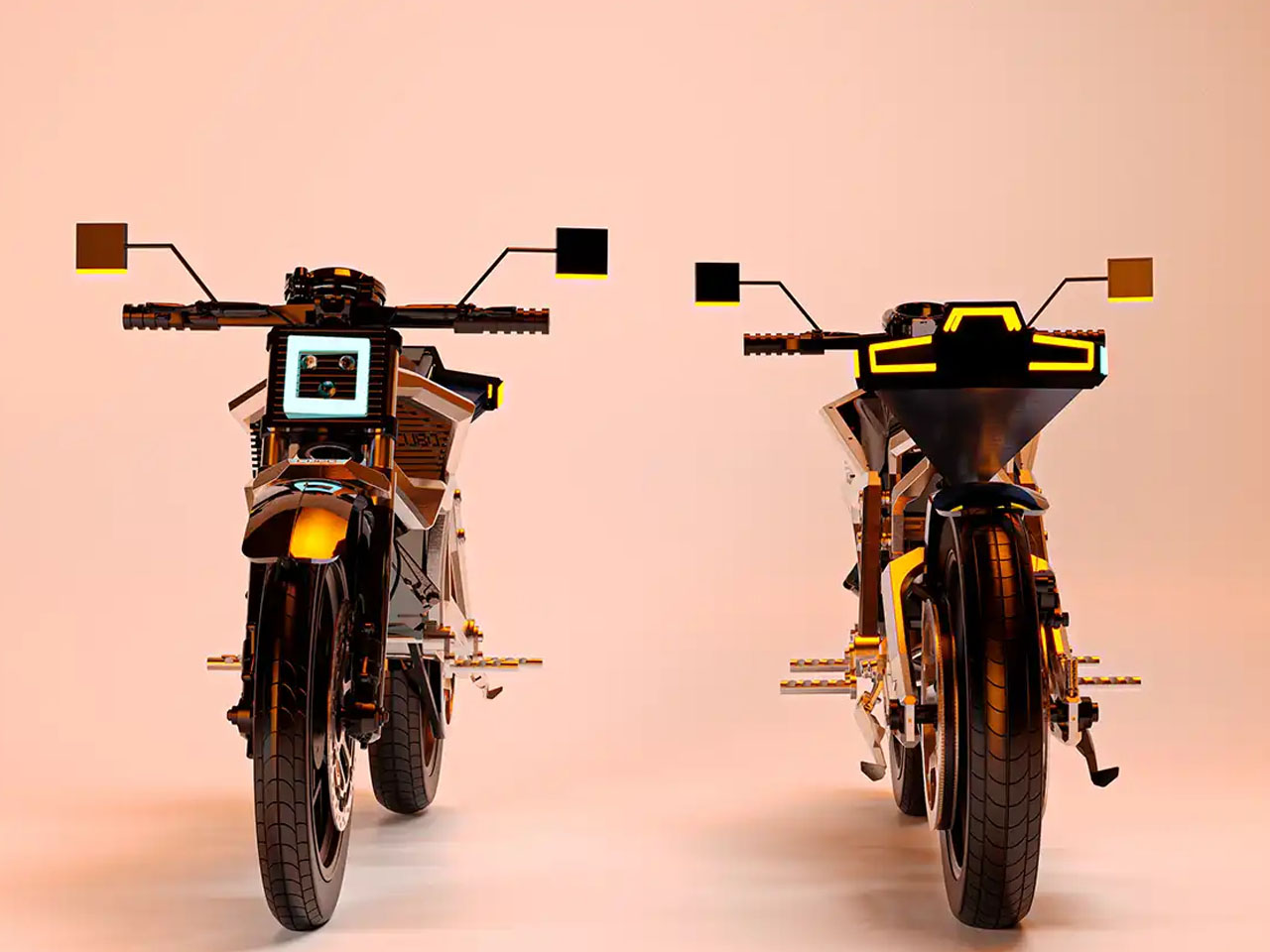
For years, electric mobility has been shaped by predictable patterns: bigger batteries, denser charging networks, and efficiency improvements that feel more evolutionary than revolutionary. Yet the dependency remains the same: riders still need plugs, stations, and the infrastructure that powers their daily movement. In the middle of this familiar landscape arrives a concept that doesn’t try to optimize the system but instead questions why the system needs to exist at all. The SOLARIS Self-Charging Solar Motorcycle by MASK Architects challenges the core assumptions of electric mobility with a vehicle that produces its own energy and redefines the relationship between rider, machine, and environment.

Developed by Öznur Pınar Cer and Danilo Petta, the SOLARIS approaches mobility as something closer to a self-sustaining organism than a machine waiting to be recharged. It operates entirely on power it generates itself, eliminating reliance on fuel stations, external charging points, or electrical grids. This shift reframes freedom for riders, offering movement that isn’t conditioned by access to infrastructure or energy markets. It introduces a future where independence is built into the vehicle, pushing the concept of autonomy far beyond driving modes or connected features.

Designer: MASK Architects

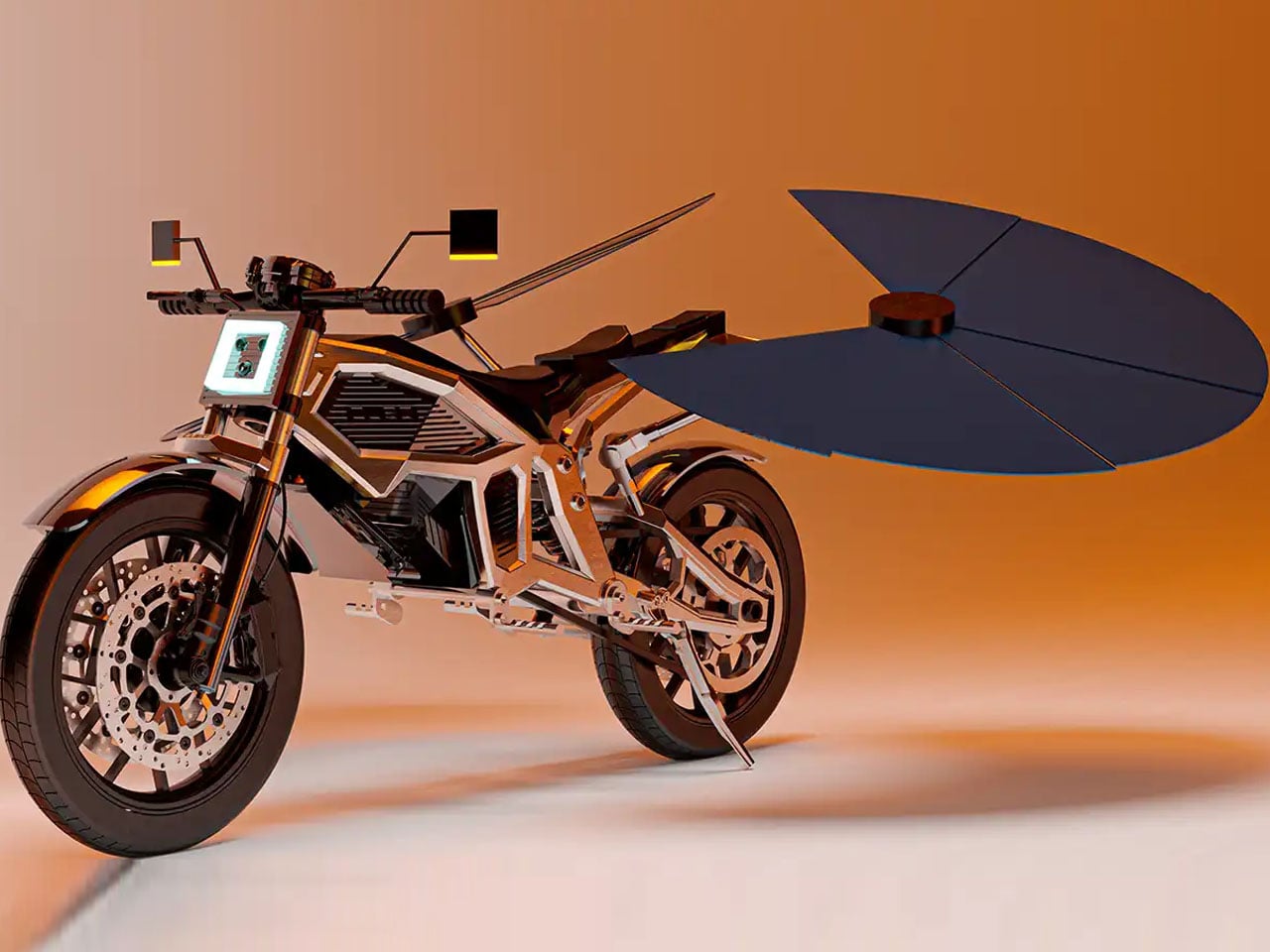
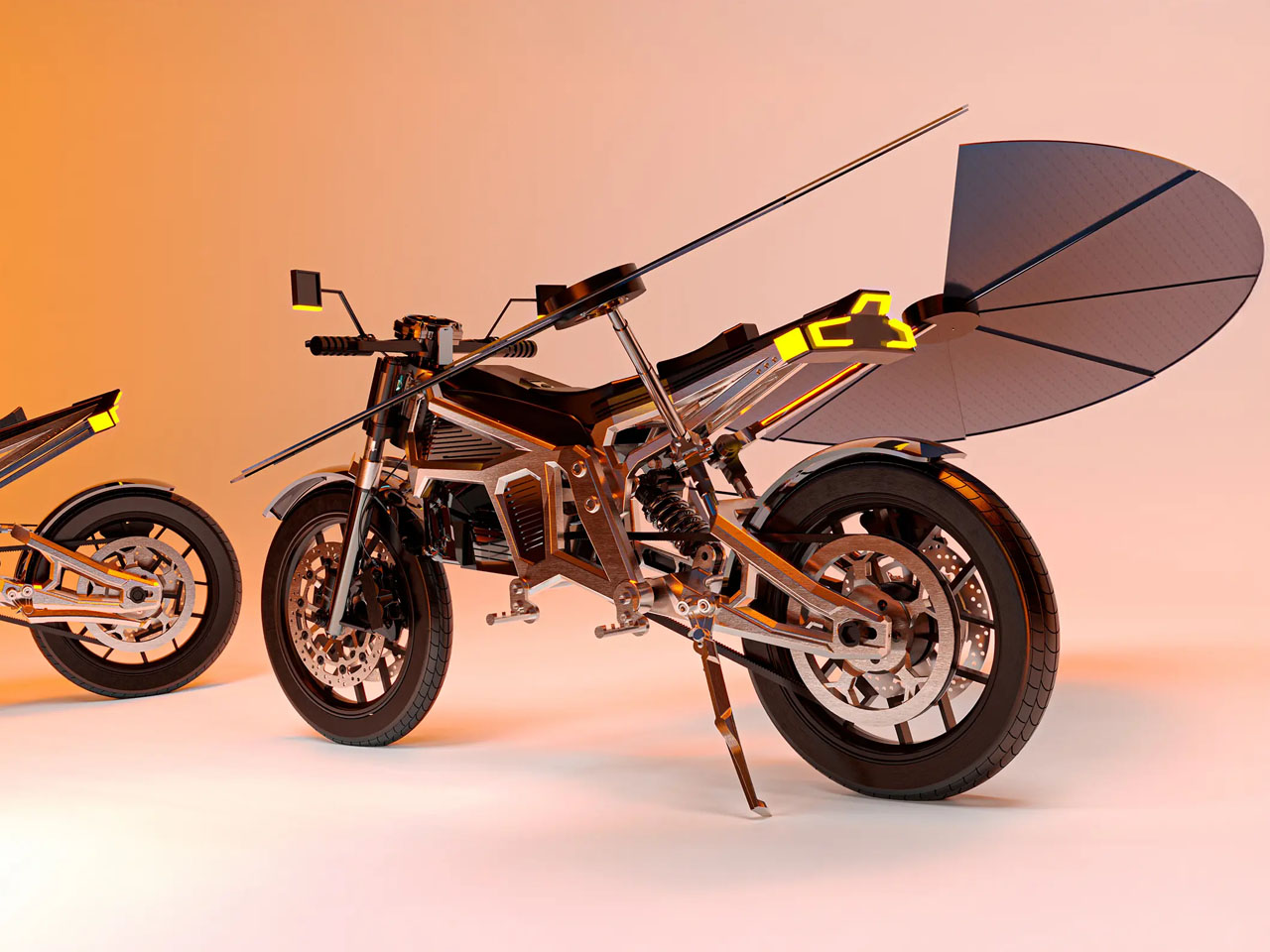
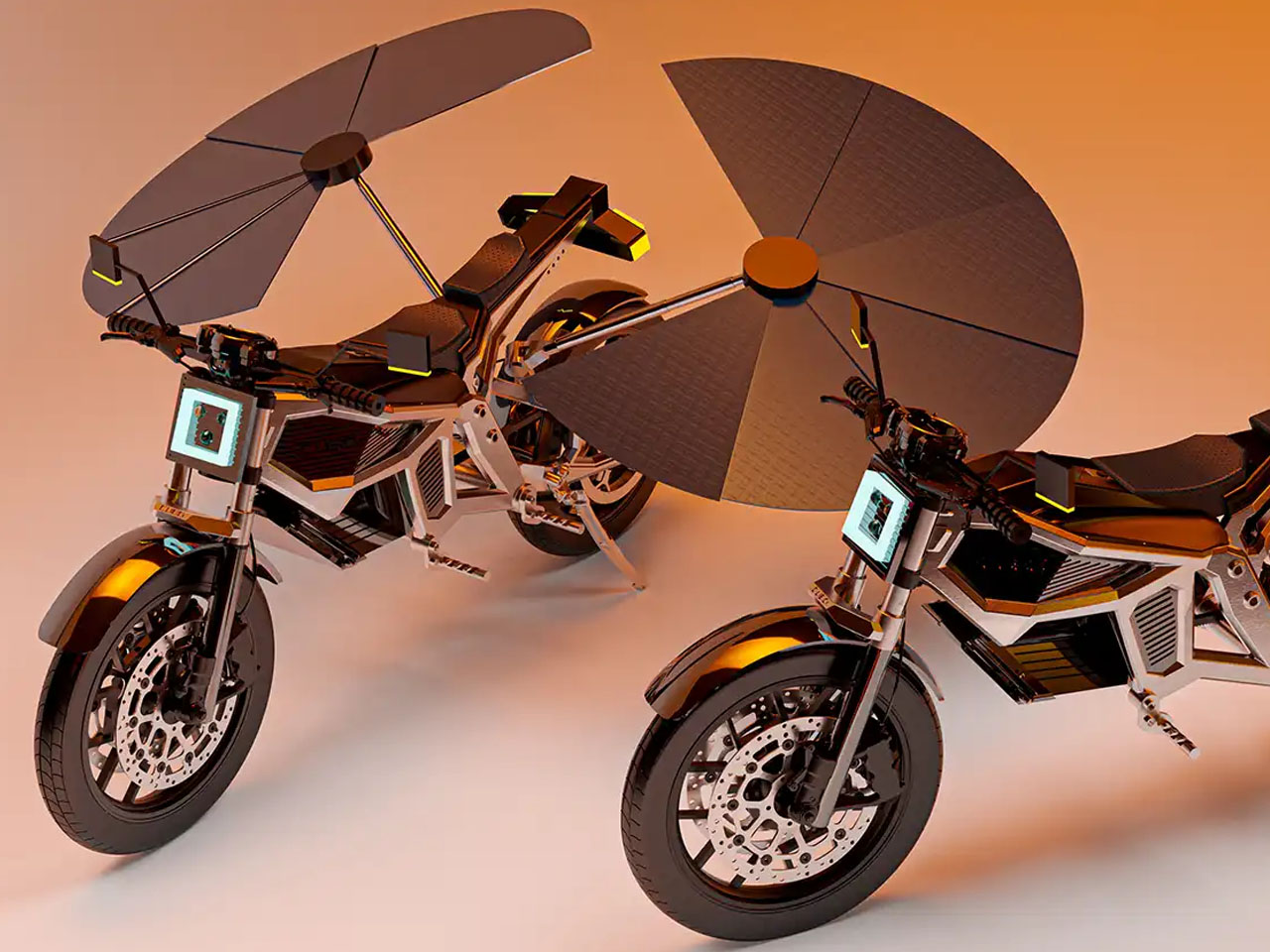
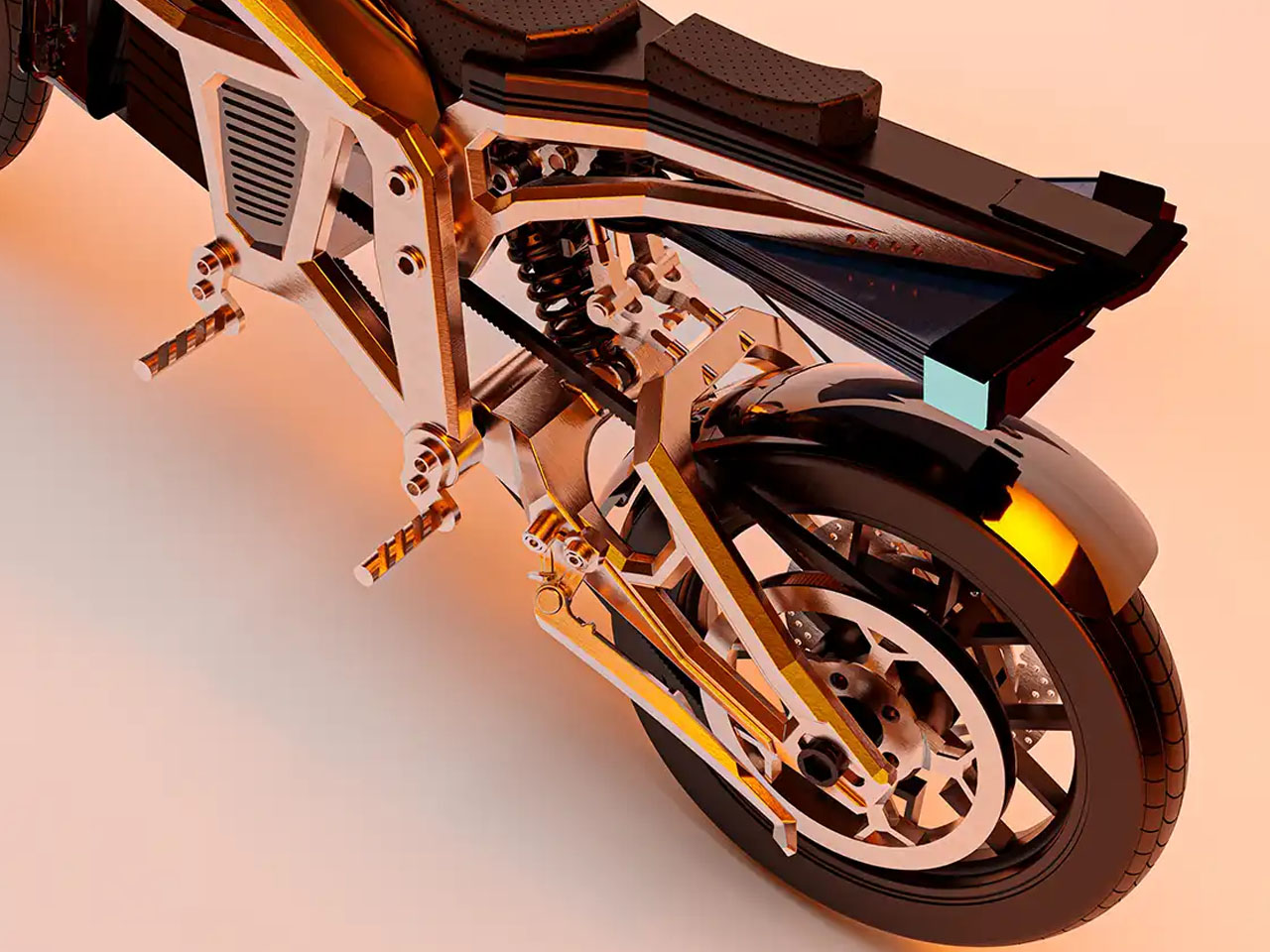
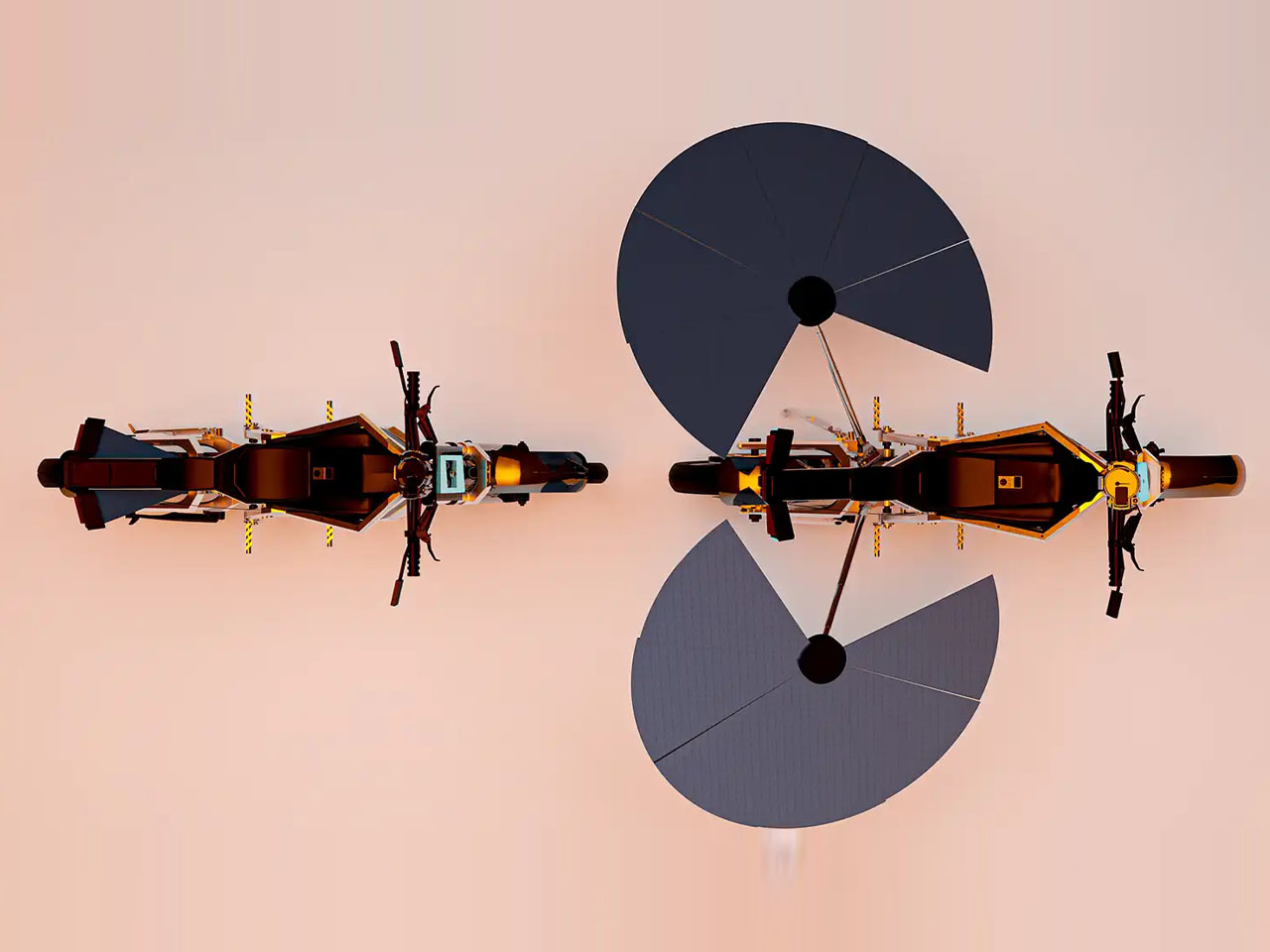
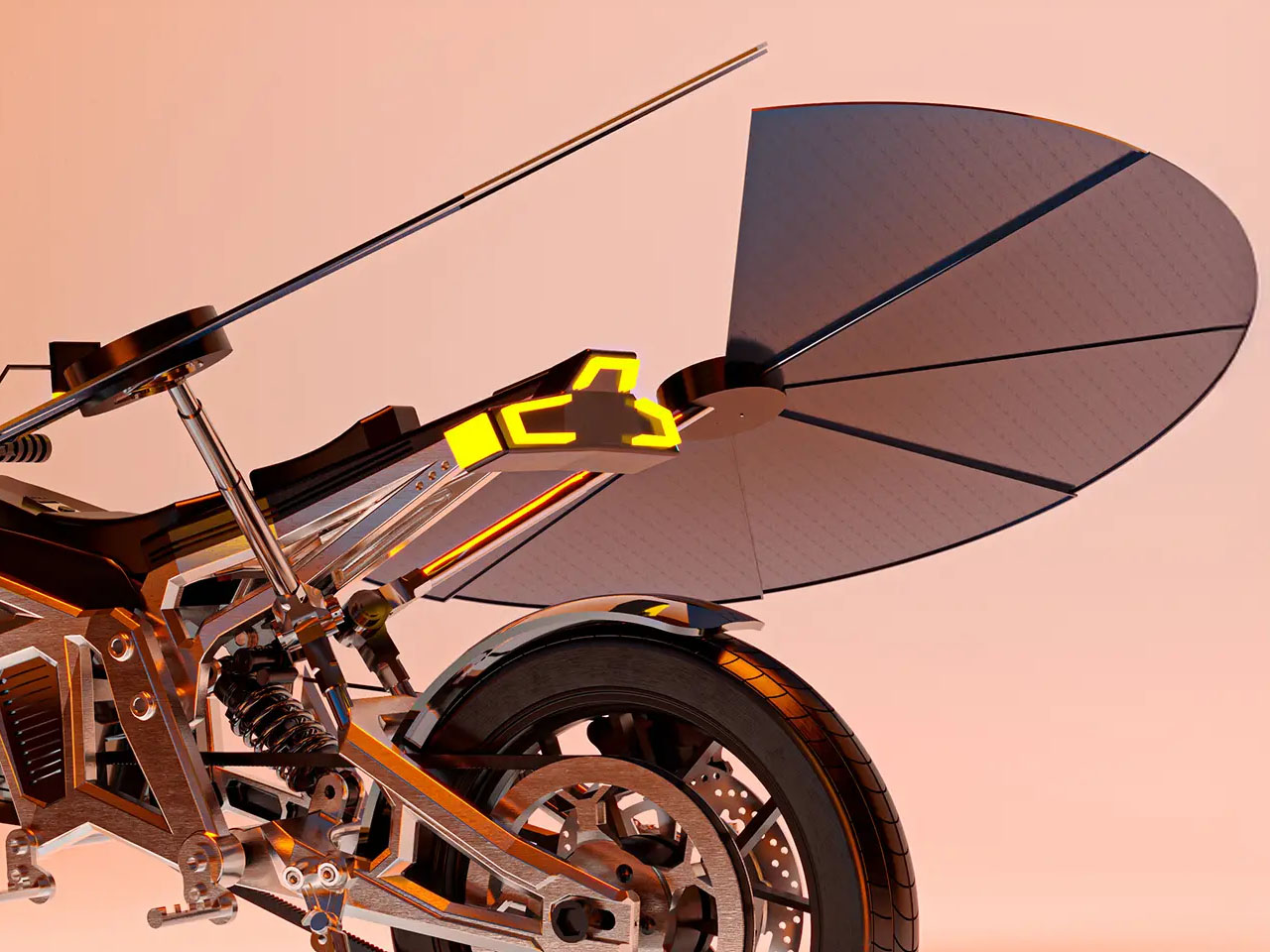
The technology that enables this transformation begins with next-generation photovoltaic cells integrated into the motorcycle’s structure. These high-efficiency solar elements convert light into energy throughout the day, ensuring the system remains active under varying conditions. A defining feature of the SOLARIS is its deployable charging mechanism, which expands into a protective wing when the motorcycle is parked. This design increases the solar capture area by up to 150 percent, allowing the battery to be replenished whether the vehicle is in motion or stationary. The result is a power source that continuously supports itself, removing the downtime associated with conventional charging and allowing the vehicle to remain ready for use without external input.

Visual identity plays an equally important role in its appeal. The deployable wing draws inspiration from the structure of a dragonfly’s wing, merging natural efficiency with a mechanical aesthetic. This biomimetic approach gives the motorcycle a distinctive presence while reinforcing its connection to the environment it relies on for power. The blend of organic influence and engineered precision creates a form that communicates both purpose and innovation, capturing the attention of users who value sustainability and future-focused design.

The potential impact of a self-charging motorcycle extends beyond individual riders. Without dependence on fuel or electricity networks, the concept becomes a practical solution for remote regions, developing communities, and delicate natural environments where infrastructure is limited or intentionally preserved. For logistics operators, tour providers, and municipal programs, the removal of energy costs and reduced mechanical complexity offers clear economic advantages and faster returns compared to traditional electric models.

The post This solar powered motorcycle never needs charging for true energy independence first appeared on Yanko Design.

After 40 Years, BRP’s Chief Design Officer Says Empathy Beats Perfection Every Time

The tension between perfection and progress is something every designer grapples with, yet it’s rarely discussed with the kind of candor it deserves. In episode 11 of Yanko Design’s Design Mindset podcast (powered by KeyShot), premiering every Friday, we sit down with someone who has spent four decades mastering this delicate balance. Denys Lapointe, Chief Design Officer at BRP, leads a team of 135 multidisciplinary design experts from 21 countries, and under his stewardship, the company has accumulated an astounding 61 Red Dot Awards, culminating in the ultimate recognition: Red Dot Design Team of the Year 2025.

For those unfamiliar with BRP, this Quebec-based powerhouse is the global leader in powersports and the number one OEM in North America. They’re the creative force behind iconic brands that define adventure, including Ski-Doo, Lynx, Sea-Doo, Can-Am, and Rotax. With nearly $7.8 billion in annual sales spanning over 130 countries, BRP’s products traverse land, water, and snow. What makes Denys’s perspective particularly fascinating is his 40-year journey with the same company, witnessing his designs evolve from sketches to prototypes to products that millions use to explore the world. He’s learned when to push for perfection and when to embrace strategic compromise in service of getting breakthrough innovations into consumers’ hands.

Download your Free Trial of KeyShot Here

Why “Good Enough” Isn’t in BRP’s Vocabulary

When asked about embracing “good enough” as a design philosophy, Denys immediately pushes back. “Basically, I would say, Radhika, the word good enough is not a word that we use. It’s I see it a little bit like the passing mark,” he explains. Instead, BRP formalized a design philosophy built on three key pillars: innovative product architectures, high functionality (integrating ergonomics and human-machine interface), and the “wow factor,” which creates enough emotional content that consumers are drawn to products and want to possess them. The goal isn’t merely to meet customer expectations but to exceed them, benchmarking relentlessly against competitors to win consumers’ hearts.

The breakthrough isn’t in excelling at any single pillar, though. “We know that what’s important is not so much to overdeliver on one of those pillars, but it’s the equilibrium between the three,” Denys reveals. This balanced approach is enforced through BRP’s rigorous stage-gate process and Design Governance Committee, which reviews projects at each critical juncture, challenging teams on all three pillars and ensuring alignment with brand DNA. Younger designers might chase the “wow factor” at the expense of daily usability, but BRP’s structured governance forces timely decisions that maintain equilibrium. “As design leaders, we must teach and coach our young designers to strive for perfection, knowing that perfection is difficult to reach. Obviously, but they need to learn to make the right compromise so to deliver a compelling offer to our consumers, which will exceed their expectation,” Denys explains.

The Accessory Ecosystem: Where Great Ideas Go to Thrive

One of BRP’s most innovative approaches to balancing ambition with pragmatism is their accessory strategy. “I remember several projects where we had too many ideas. We just had too many ideas,” Denys recalls. When milestones force prioritization, rather than abandoning valuable features that drive costs too high for the base model, BRP shifts them to their accessory ecosystem. This allows consumers to opt into features they personally value while keeping base models at target MSRP. Ideas aren’t killed, they’re given to the accessory group to develop separately, ensuring that compelling offers reach consumers without compromising the product’s commercial viability.

Even better, accessories are designed to be compatible across product lines using a patented quick connect/disconnect system. “An accessory that is designed for a seat can go on a side-by-side, an ATV, and even a snowmobile. So it simplifies people’s garage,” Denys explains. Once consumers invest in this ecosystem, it creates powerful brand loyalty because switching to another brand means leaving behind a garage full of incompatible accessories. This strategy demonstrates how strategic compromise doesn’t mean lowering standards, it means finding smarter ways to deliver value. Some ideas work better as optional features than standard equipment, and recognizing that distinction separates good design leadership from perfection paralysis.

Empathy Over Aesthetics: The MoMA Scissors That Cut Nothing

Perhaps Denys’s most powerful advice centers on empathy as the designer’s primary tool. When asked what he’d tell his younger self joining BRP in 1985, he immediately responds: “I think I would tell them to learn to dissociate their taste.” Designers must become ethnographers, deeply understanding users before, during, and after their journeys. “You need to learn to be able to project yourself as that consumer. The right trade-offs for that consumer ultimately. So learning to observe or observing, yes, with your head, but with your heart is the key to discovering the right insights. And I always say to the young designers that if you can identify the right problem to solve, you’re 50% there with the solution.” This empathy uncovers non-obvious insights that competitors miss, like noticing when users bend awkwardly, squint at interfaces, or stumble while dismounting.

His most memorable example of design divorced from empathy comes from an unexpected source. “One day I was in New York City buying, and I bought a lovely pair of scissors, and it was exposed in the MoMA as an object of art.” The perfectly symmetrical scissors intrigued him, but when he tried to use them at home, “the only thing it cut is the palm of my hand.” It was beautiful but functionally useless, highlighting the danger of prioritizing aesthetics over usability. When asked what matters more than perfection, Denys offers: “Equilibrium, holistic. We need to create holistic experiences that hit all aspects in the consumer’s rational way of criticizing a product and also on the emotional side.” A consumer might initially be drawn to something beautiful, but disappointment with the overall experience means they may never return to that brand again, making holistic balance essential for long-term success.

Safety First, Launch Dates Second

In the world of recreational vehicles, safety isn’t optional. “For us, safety is not an option. Safety is a prime focus for everything that we do,” Denys states emphatically. “We always strive for safe products. So I think basically we don’t compromise on safety. You should never mess with, you should never compromise on safety.” When presented with a hypothetical scenario where competitive pressure and board expectations push for an on-time launch, but a safety feature would delay production by six months, Denys doesn’t hesitate: “I think we would rally every member of the product steering committee to postpone our start of production.” The long lifecycle of BRP products (four to ten years) outweighs short-term market pressure every time.

This philosophy extends to BRP’s approach as market disruptors and first movers. The Spyder three-wheeler family exemplifies accepting that you can’t anticipate every need upfront. “We created something to attract the 95% of the population that drives a car instead” of motorcycles, Denys explains. After launch, new needs emerged that weren’t fulfilled by the first execution, but that’s the advantage of being first: capturing insights that inform the next variant or platform. “Consumers could not have told us because the product did not exist,” he notes, demonstrating how iterative learning trumps waiting for an impossible perfection. In the rapid-fire segment, when asked to complete “Perfect is the enemy of…,” Denys responds without hesitation: “time.”


Listen to the full conversation on Design Mindset (powered by KeyShot), available every Friday, to hear more insights from one of the industry’s most decorated design leaders.

Download your Free Trial of KeyShot Here

The post After 40 Years, BRP’s Chief Design Officer Says Empathy Beats Perfection Every Time first appeared on Yanko Design.

This Armored Lexus Concept Borrows From Cybertruck and Rezvani, But Stays Premium

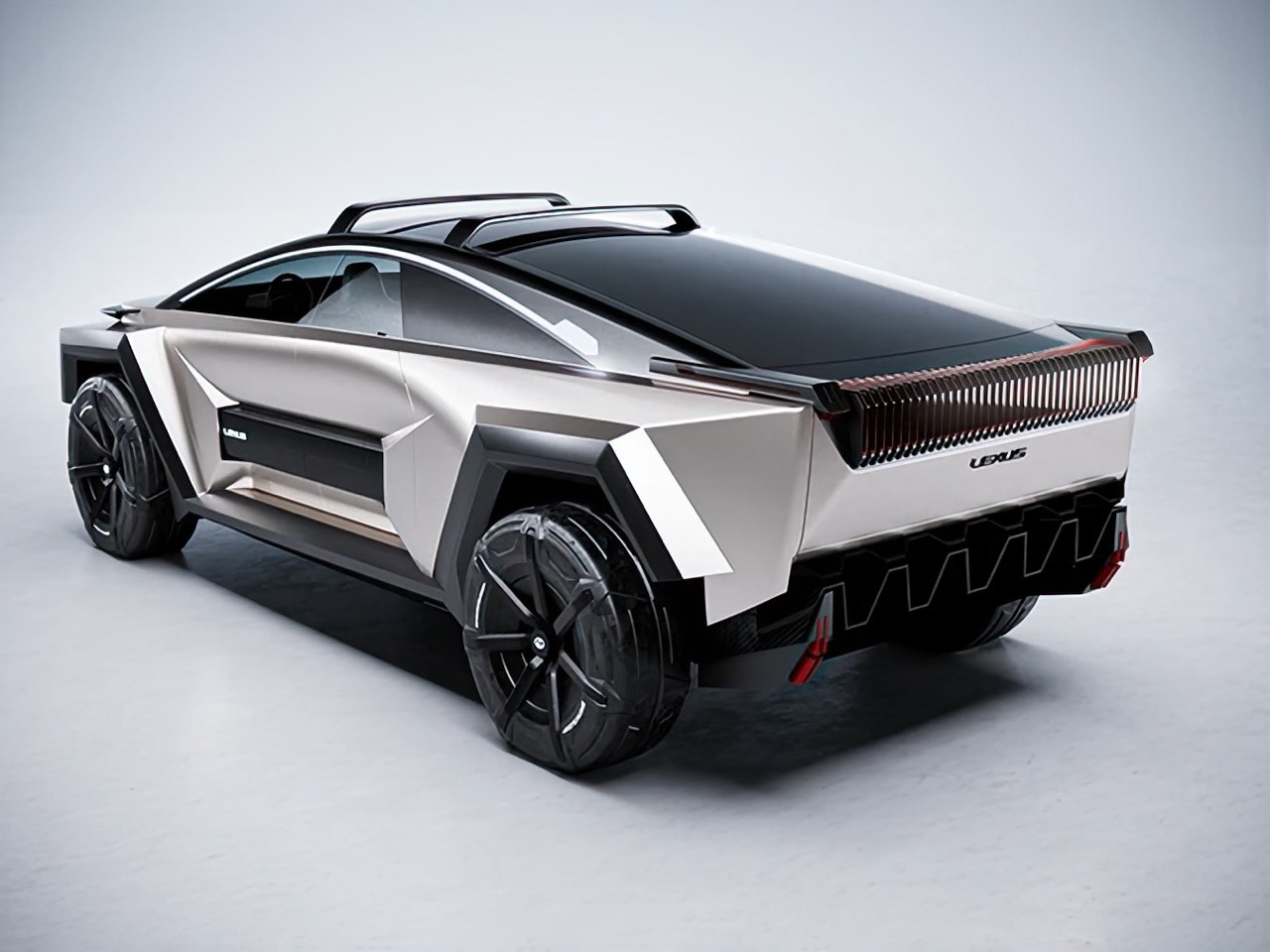
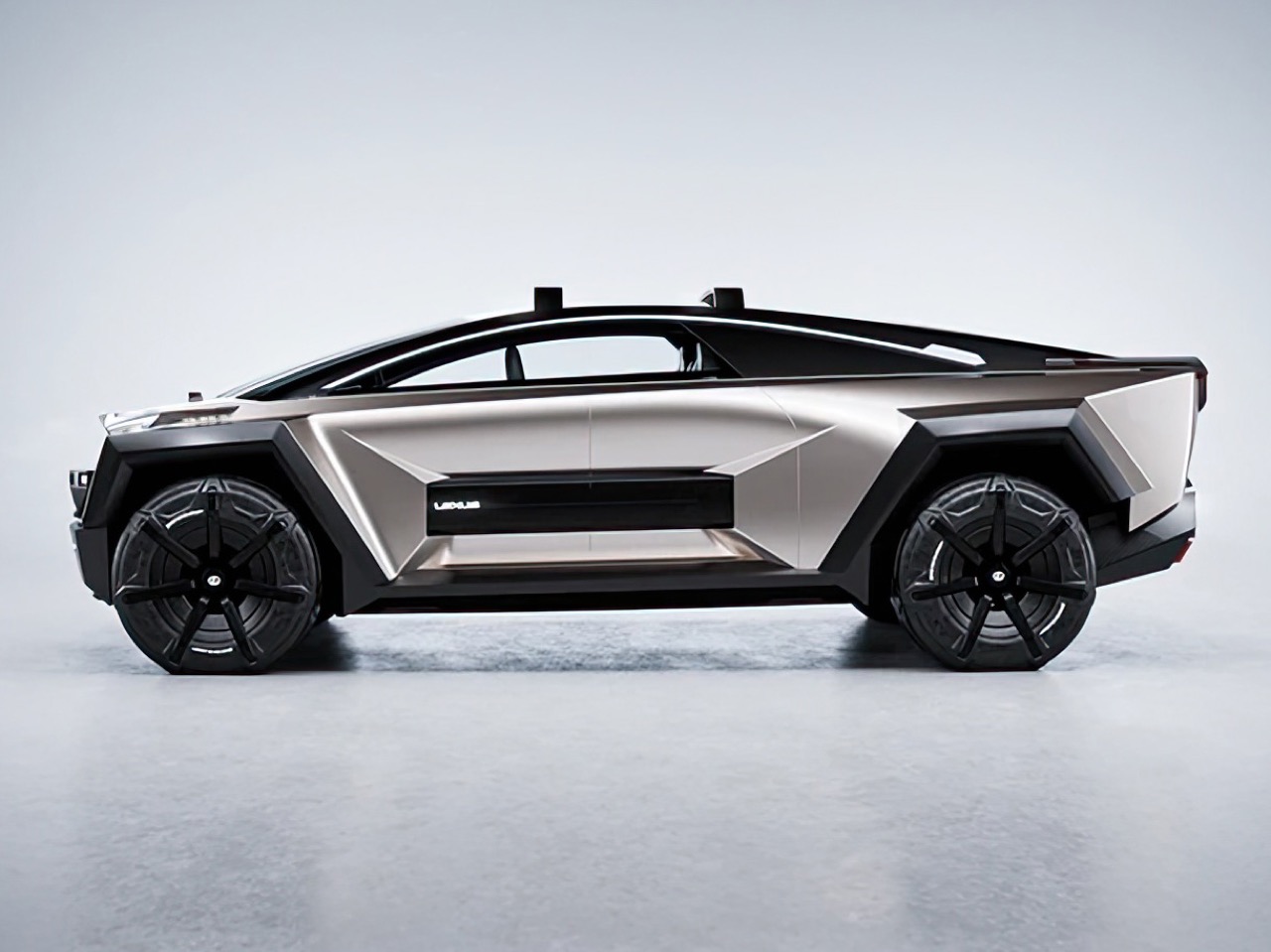
Viewed in isolation, the LF TT could easily be mistaken for a Rezvani sketch or a videogame boss vehicle: slab sides, armored arches, and a stance that looks ready to drive through a building rather than around it. Only when you start tracing the lines does the Lexus in it emerge, from the long, graceful roof arc to the layered surfacing that sits underneath all the blocky geometry.

That tension between brutality and refinement is the core of the project. It borrows the visual grammar of Cybertruck‑style faceting and Rezvani‑style intimidation, then overlays it with Lexus’ obsession with crafted surfaces and precise lighting graphics. The LF TT is not trying to be a practical pickup; it is trying to answer a different question entirely: what would a Lexus halo truck look like if it had to share a stage with the loudest, most extreme machines in the segment.

Designer: Theo Flament

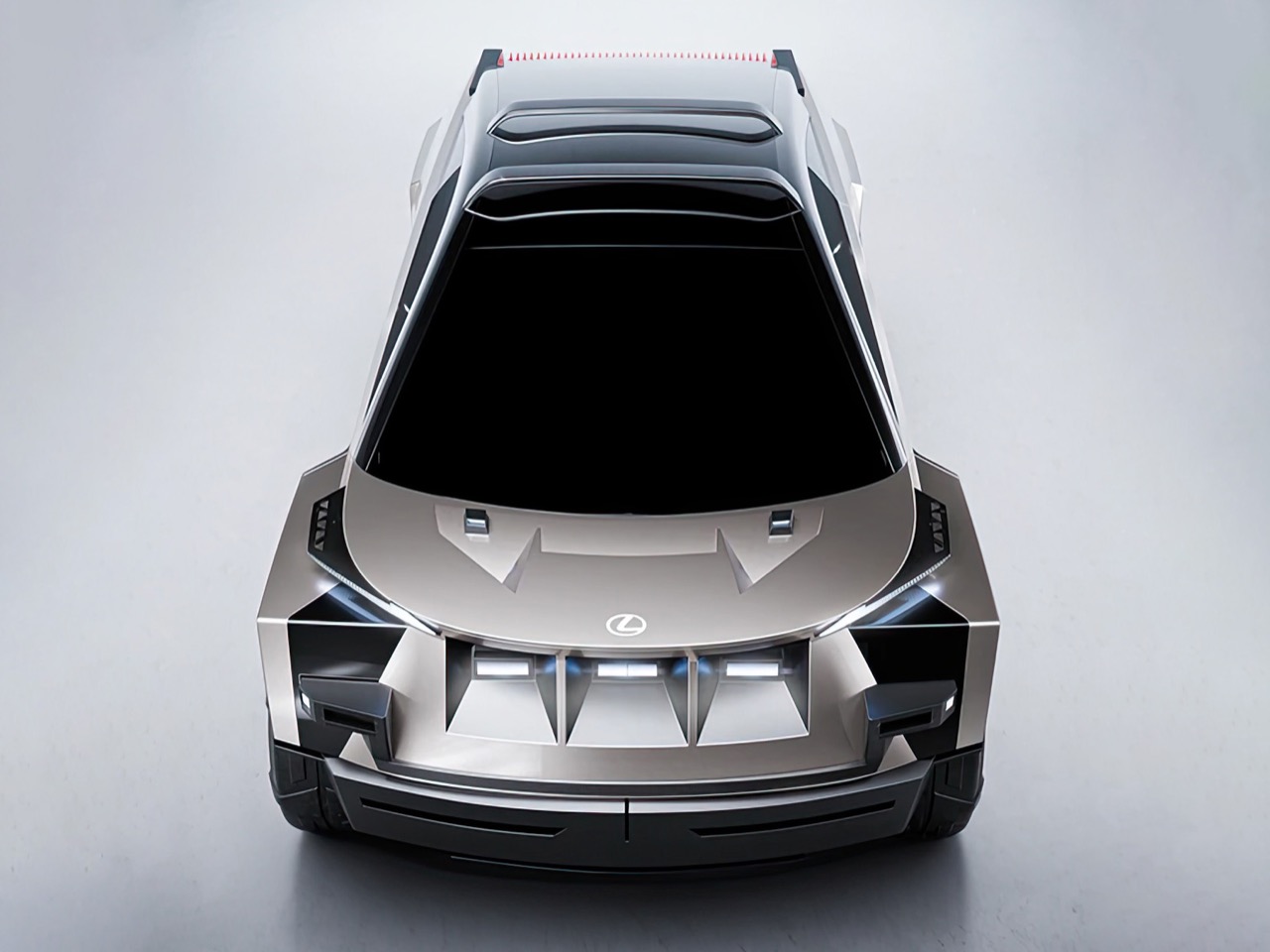
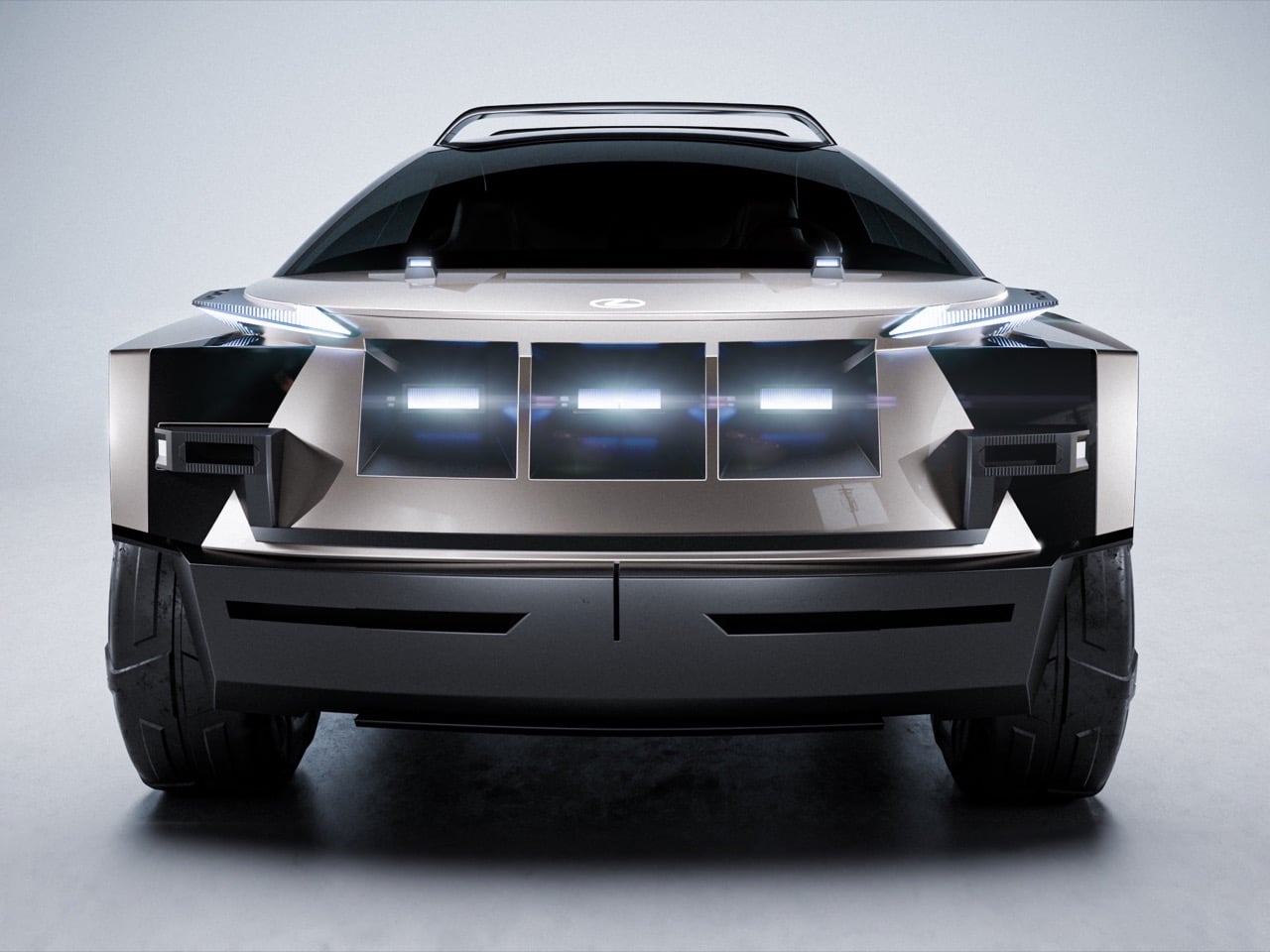
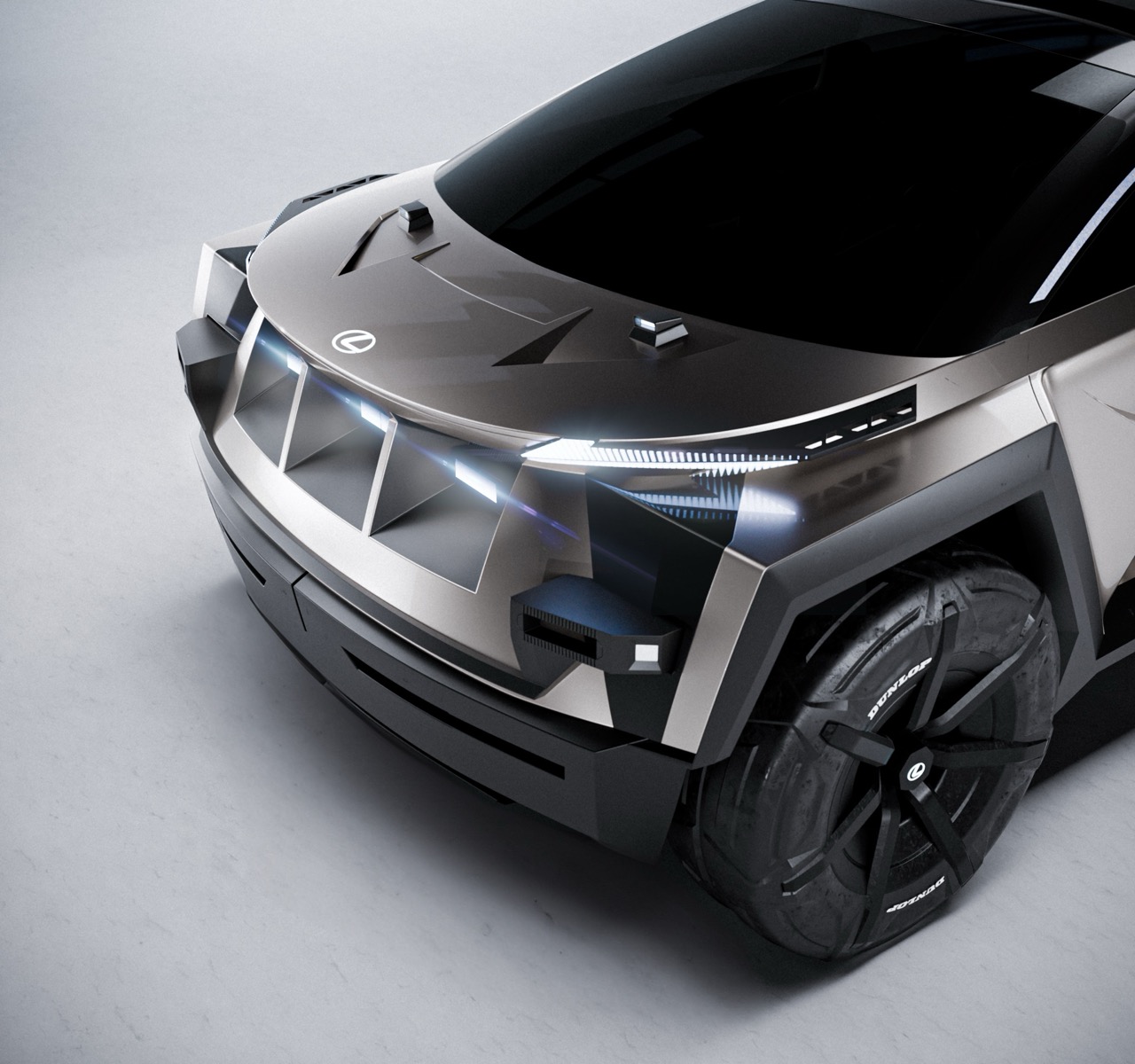
The front end is a masterclass in this translation. Instead of a literal spindle grille, the design uses a deeply recessed trapezoidal cavity to house three powerful light modules, creating the same pinched-waist effect through negative space and shadow. Above this, a razor-thin DRL stretches across the fascia, an aggressive evolution of the light blades seen on the current RX and RZ models. The hood itself features sharp, origami-like creases radiating from the central emblem, another nod to the L-Finesse philosophy of creating dynamic surfaces that catch the light. It’s a clever reinterpretation, translating a familiar brand identity into a language of hard-edged, functionalist aggression without losing the original logic or hierarchy of the face.

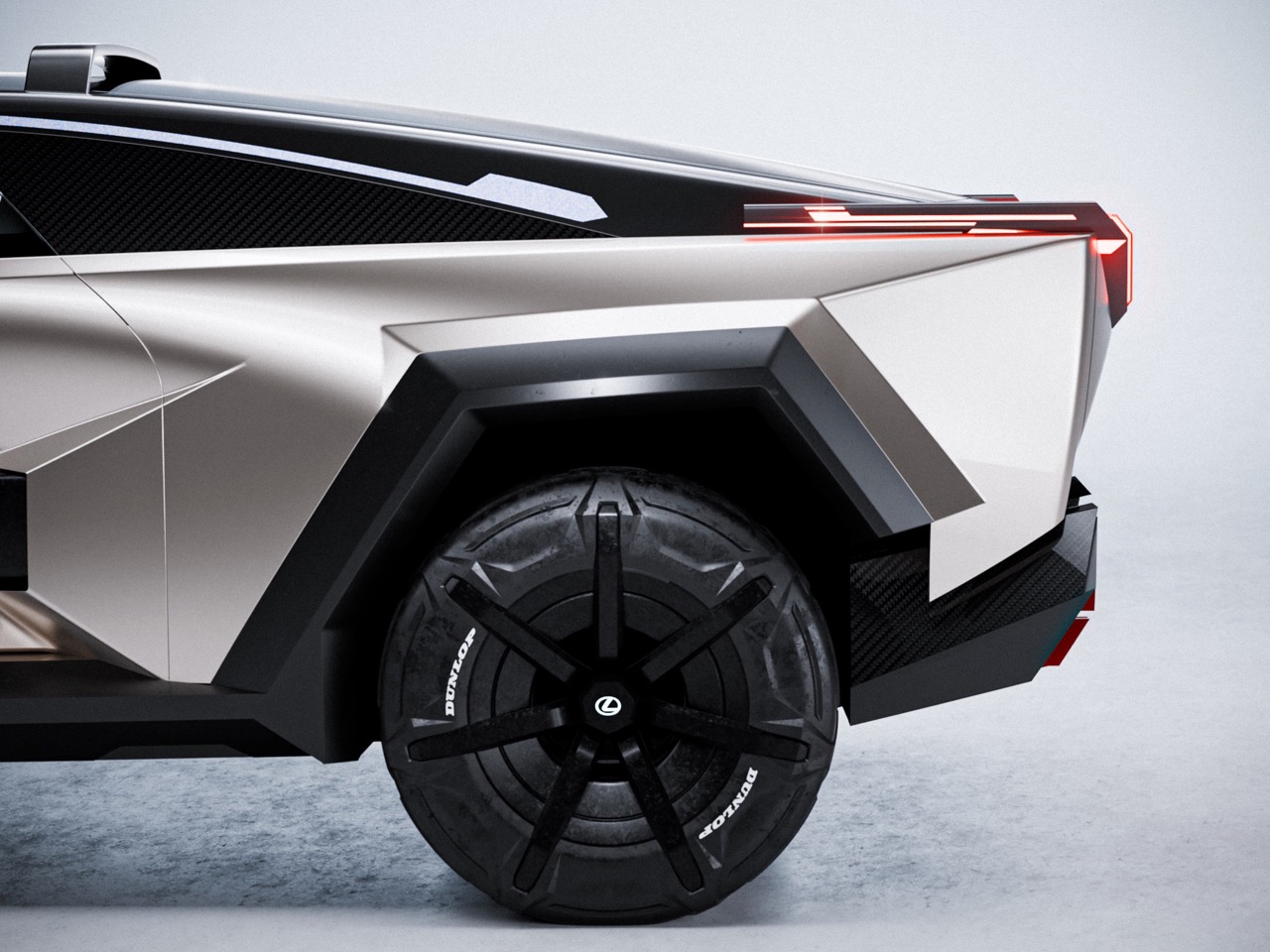
The comparison to the Cybertruck is unavoidable, but the execution of the surfacing is fundamentally different. Where Tesla’s design suggests raw, folded stainless steel, the LF TT’s body panels feel more like layered armor plating over a muscular, sculpted core. The main surfaces have subtle bulges and are broken by deep, intersecting feature lines that create a sense of tension and complexity, a hallmark of the L-Finesse language, just sharpened to a knife’s edge. Capping it all is a sleek, coupe-like glasshouse with a continuous arc from the A-pillar to the tail. This silhouette is much closer to a performance GT like the Lexus LC than any utility vehicle, reinforcing its road-biased, high-performance mission.

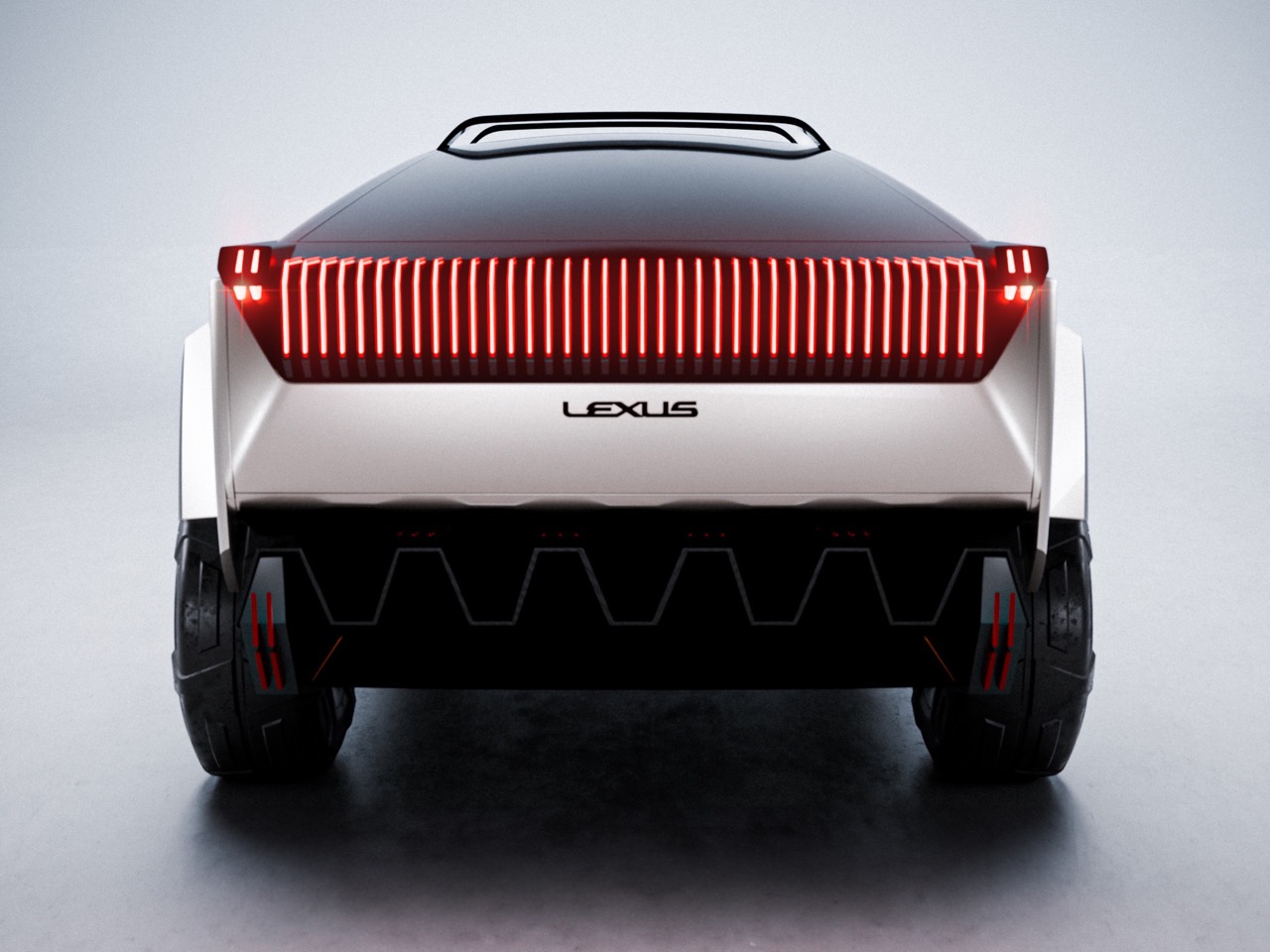
This theme of reinterpreted signatures continues at the rear. The full-width light bar, now a staple for Lexus, is rendered as a series of tightly packed vertical fins, adding a level of detail and precision that feels more like a high-end watch than a simple taillight. This intricate detail work reinforces the LF TT’s true purpose. It’s not a workhorse. The short rear overhang, fastback profile, and massive, stylized wheels on low-profile tires clearly position it as a high-performance halo product. It’s a rally-raid supercar for the road, a kind of “LF-A of trucks” meant to showcase technological prowess and design confidence rather than payload capacity or pure off-road practicality. It’s a statement piece, designed for presence above all else.

The post This Armored Lexus Concept Borrows From Cybertruck and Rezvani, But Stays Premium first appeared on Yanko Design.

The Beast is John Dodd’s 27-Liter V12 creation that turned aviation power into road-going legend

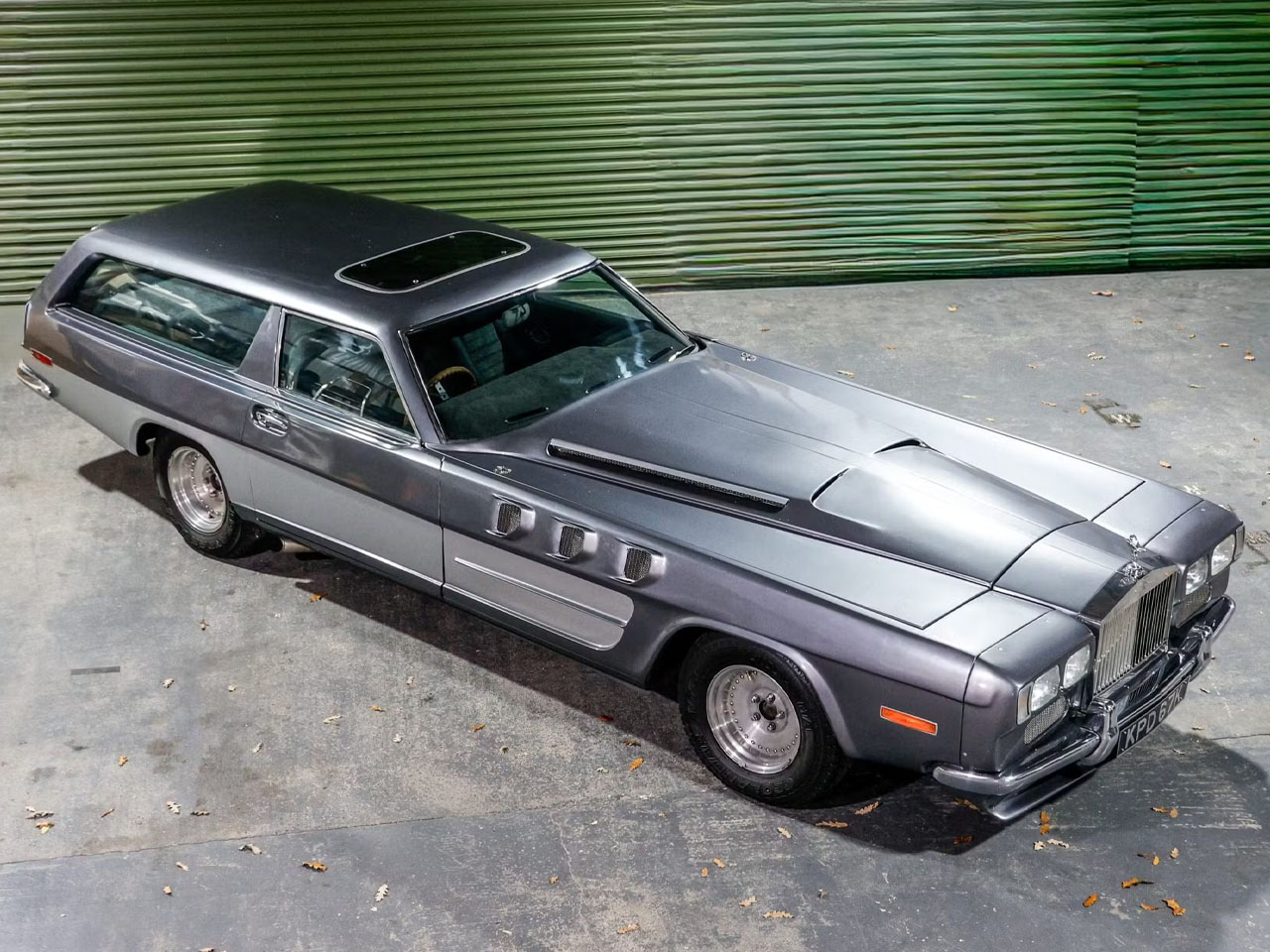
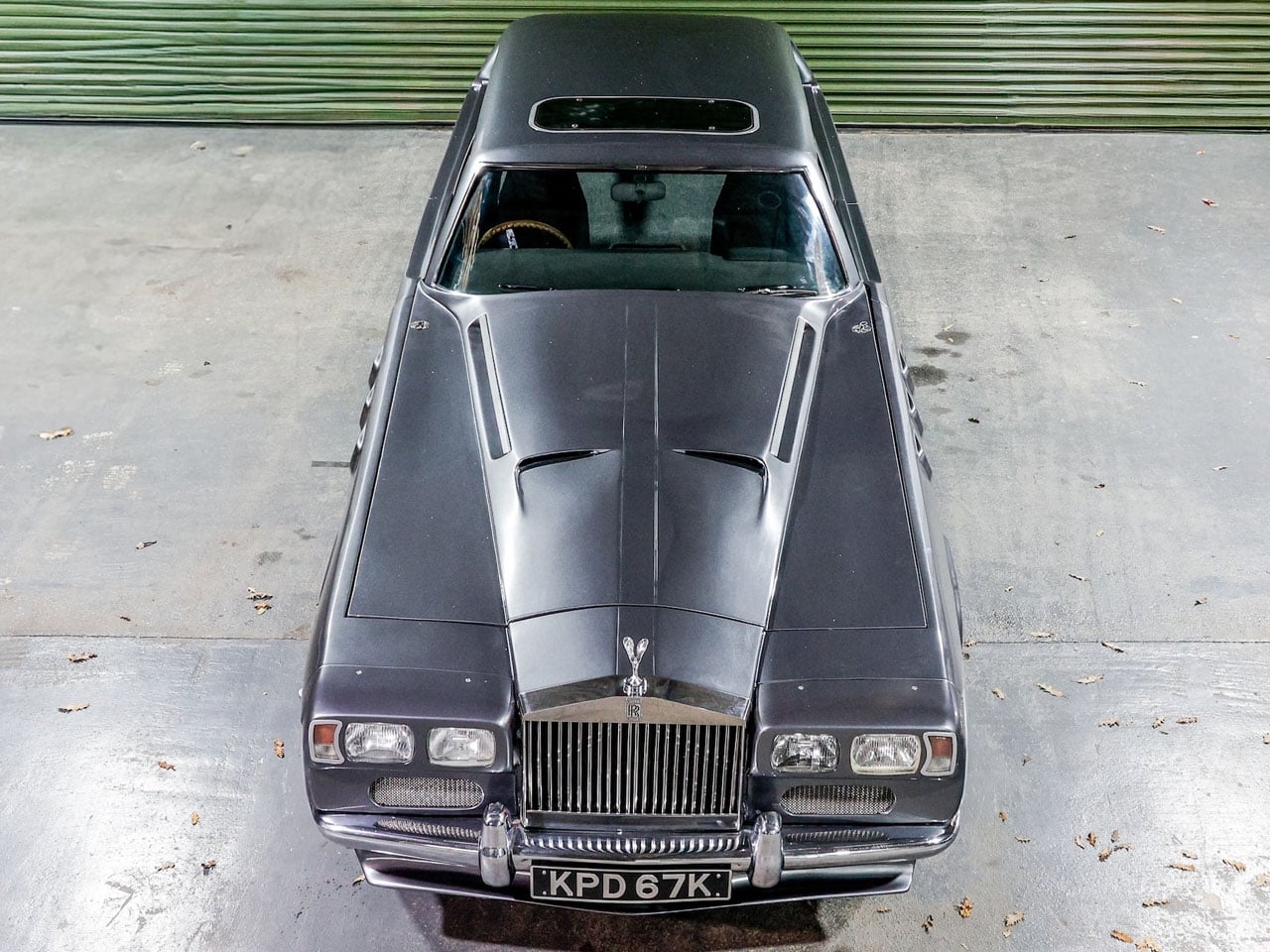
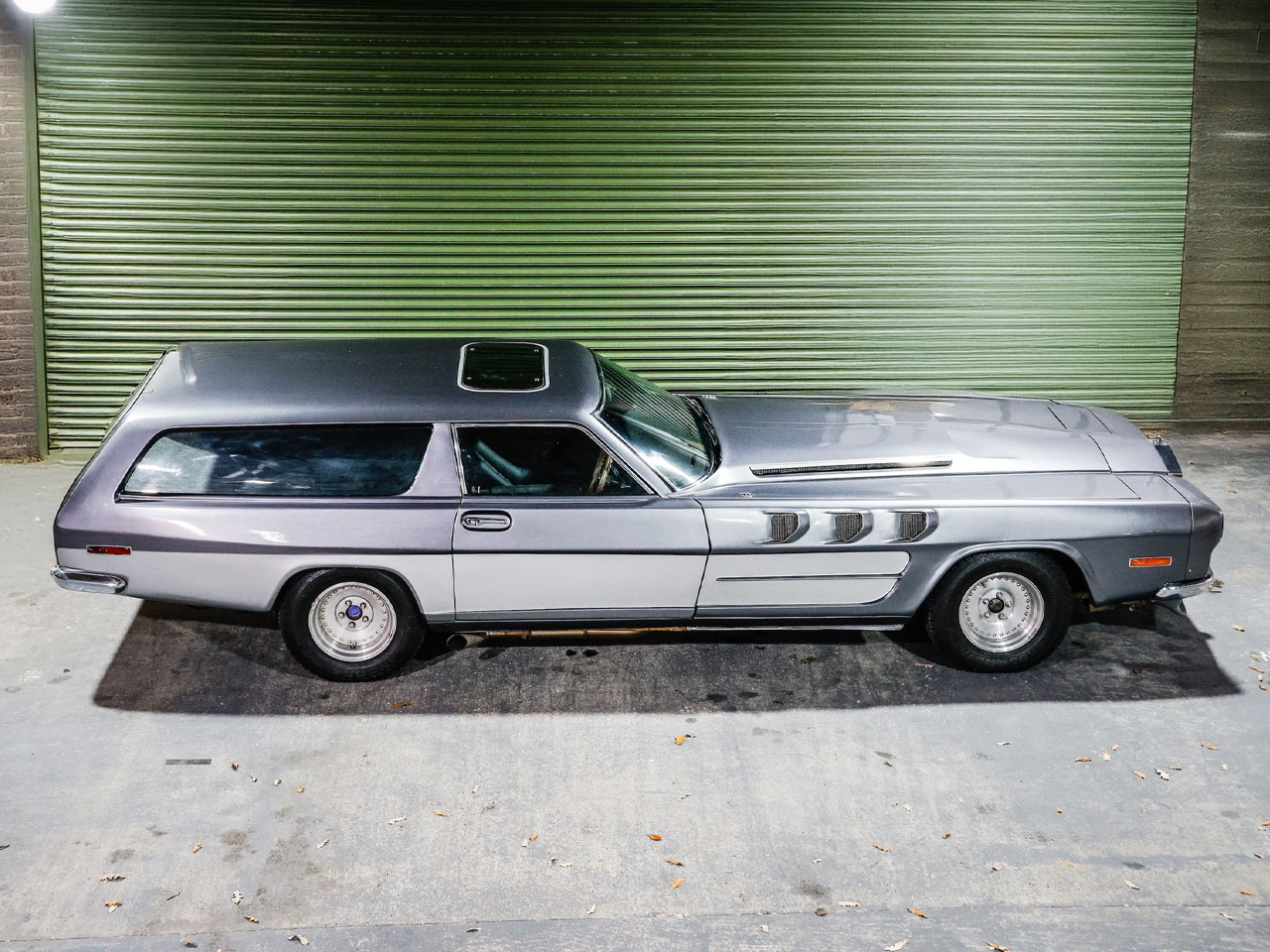
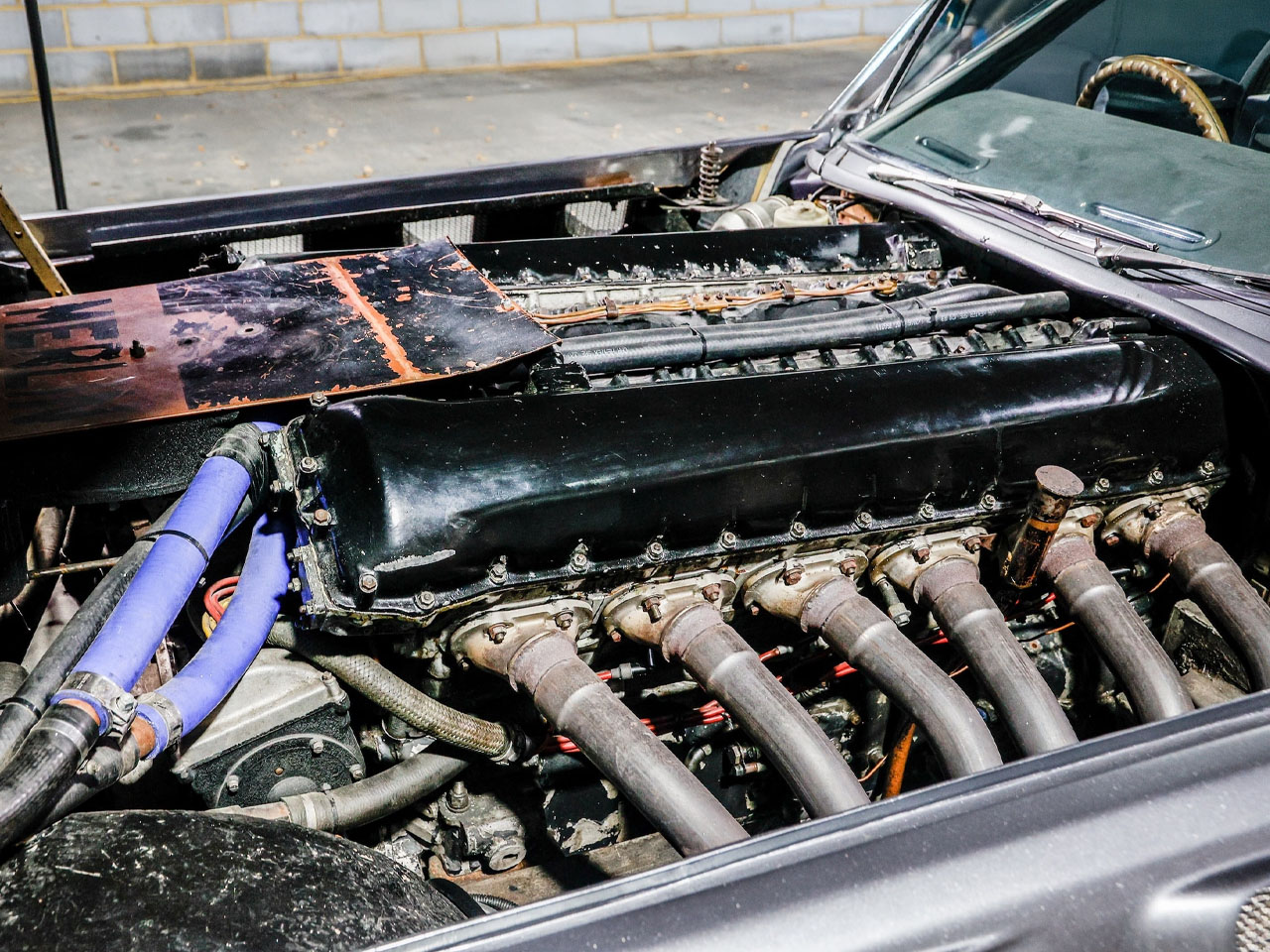
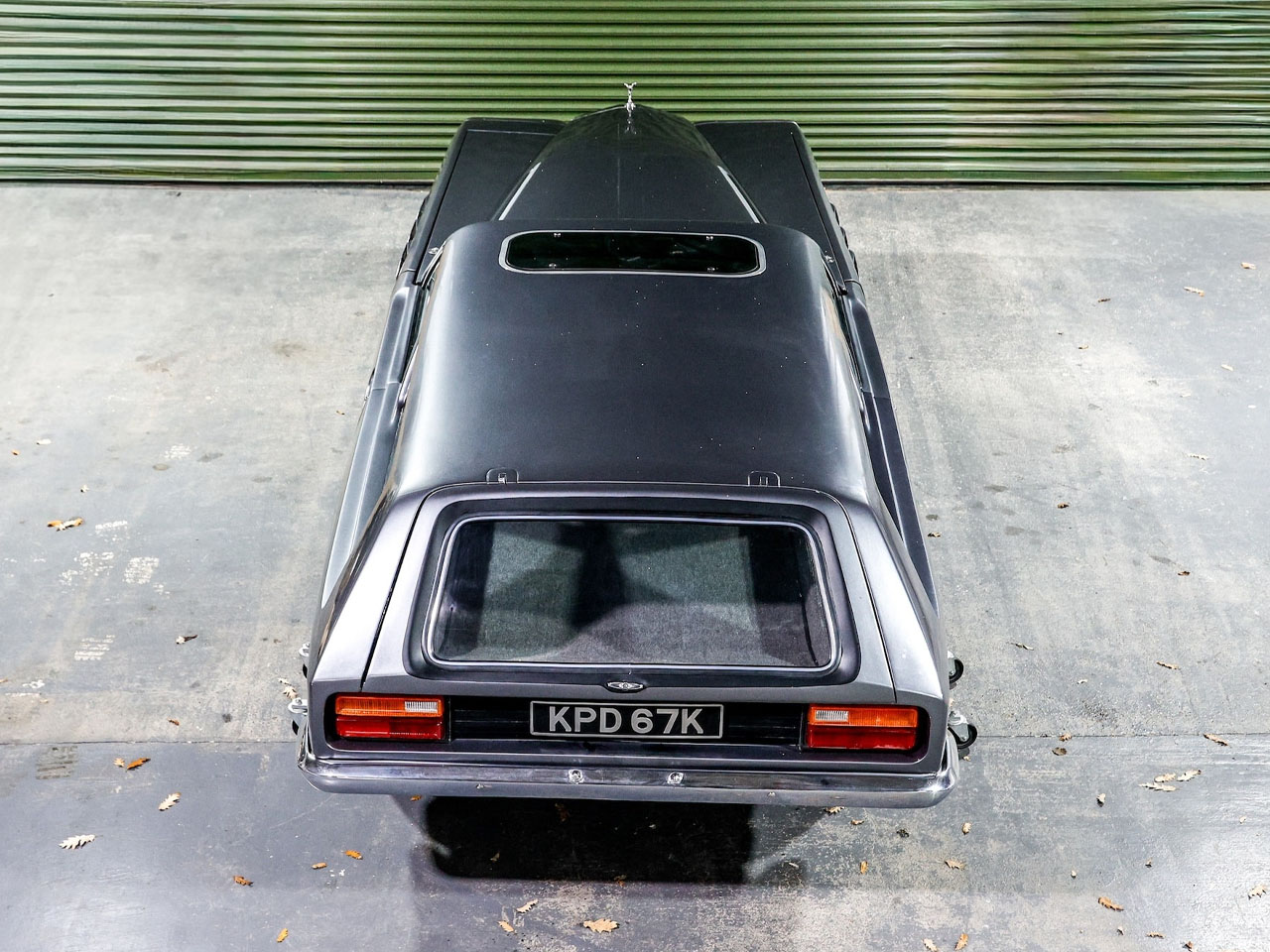
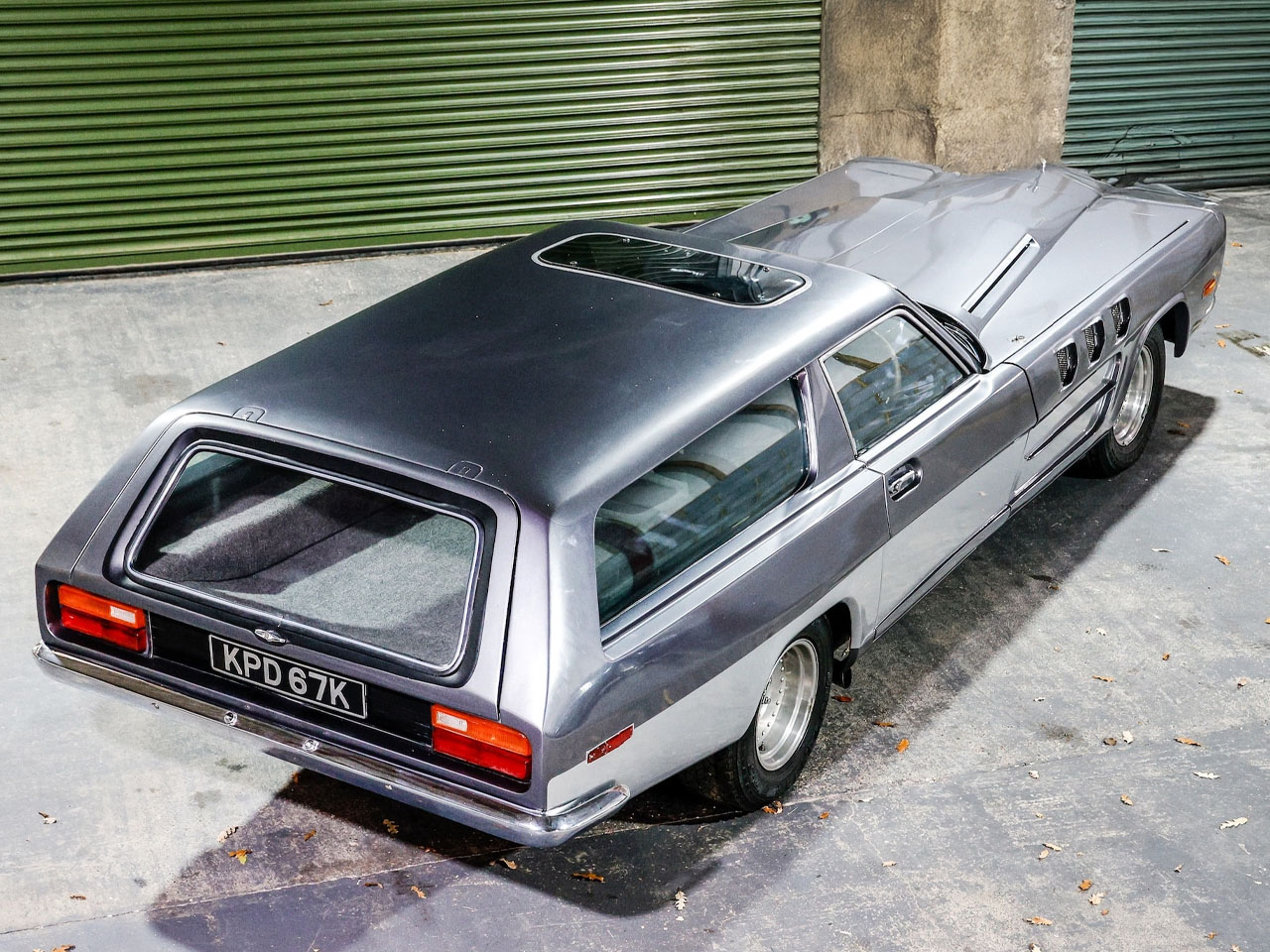
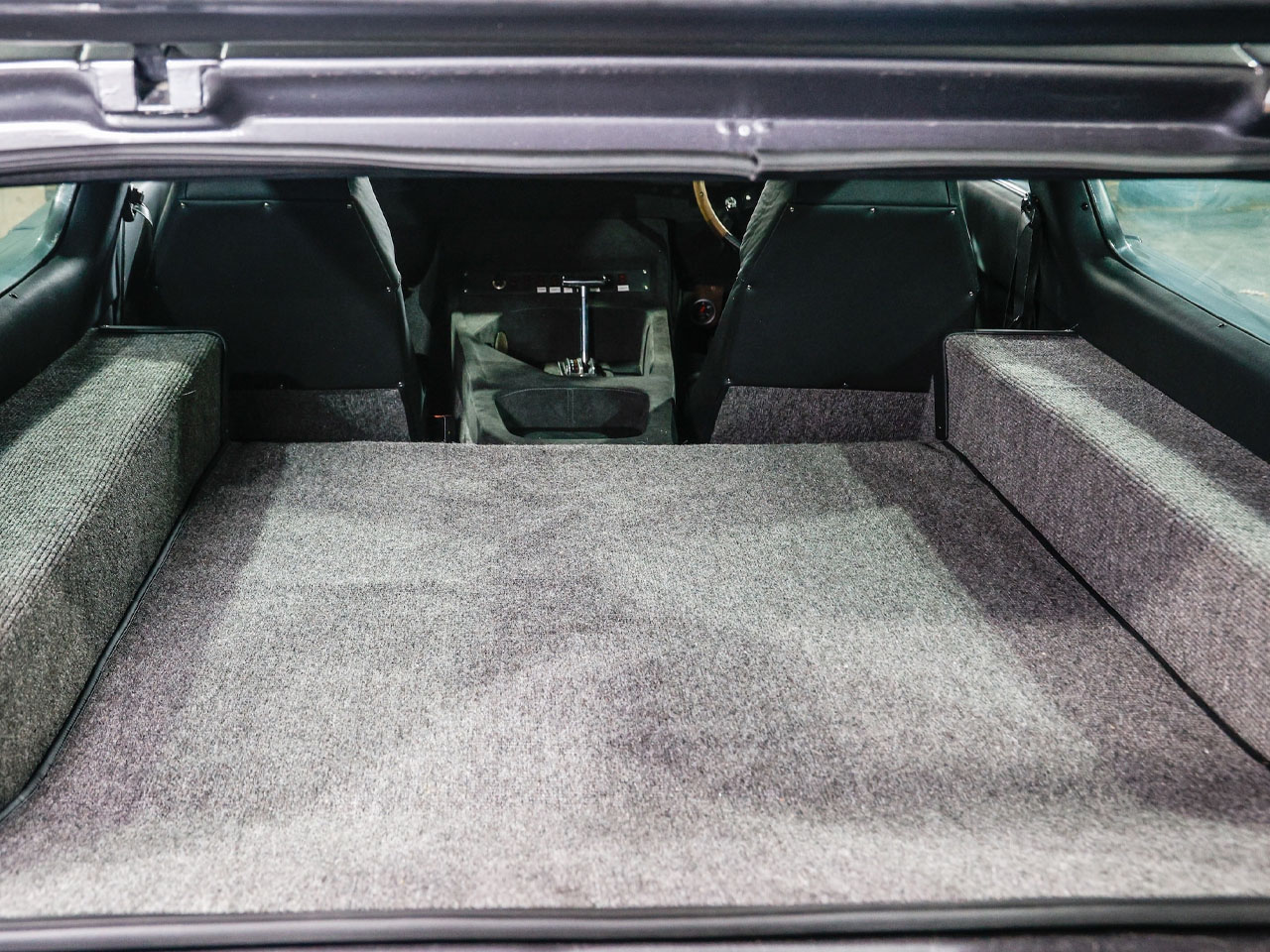
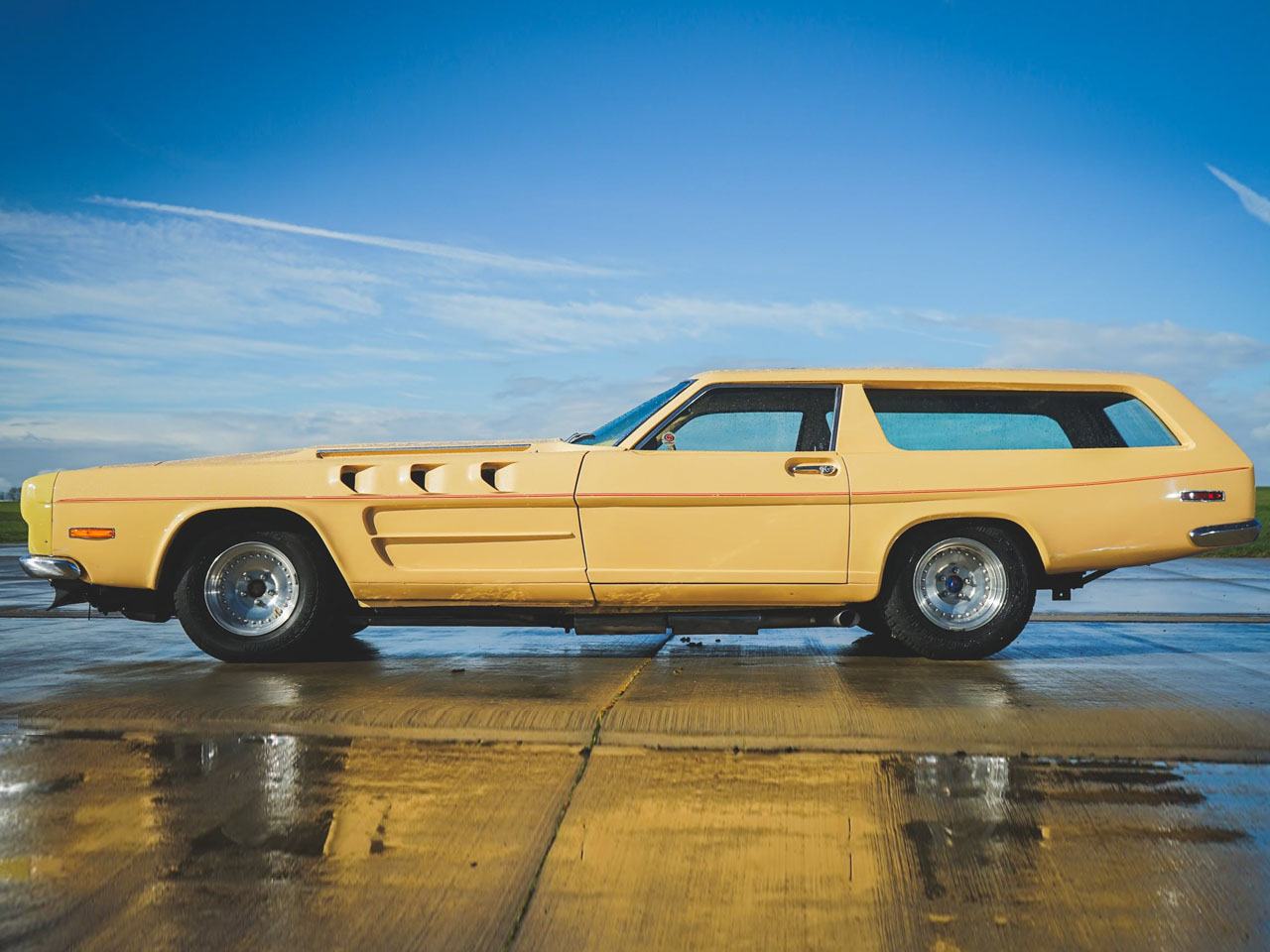
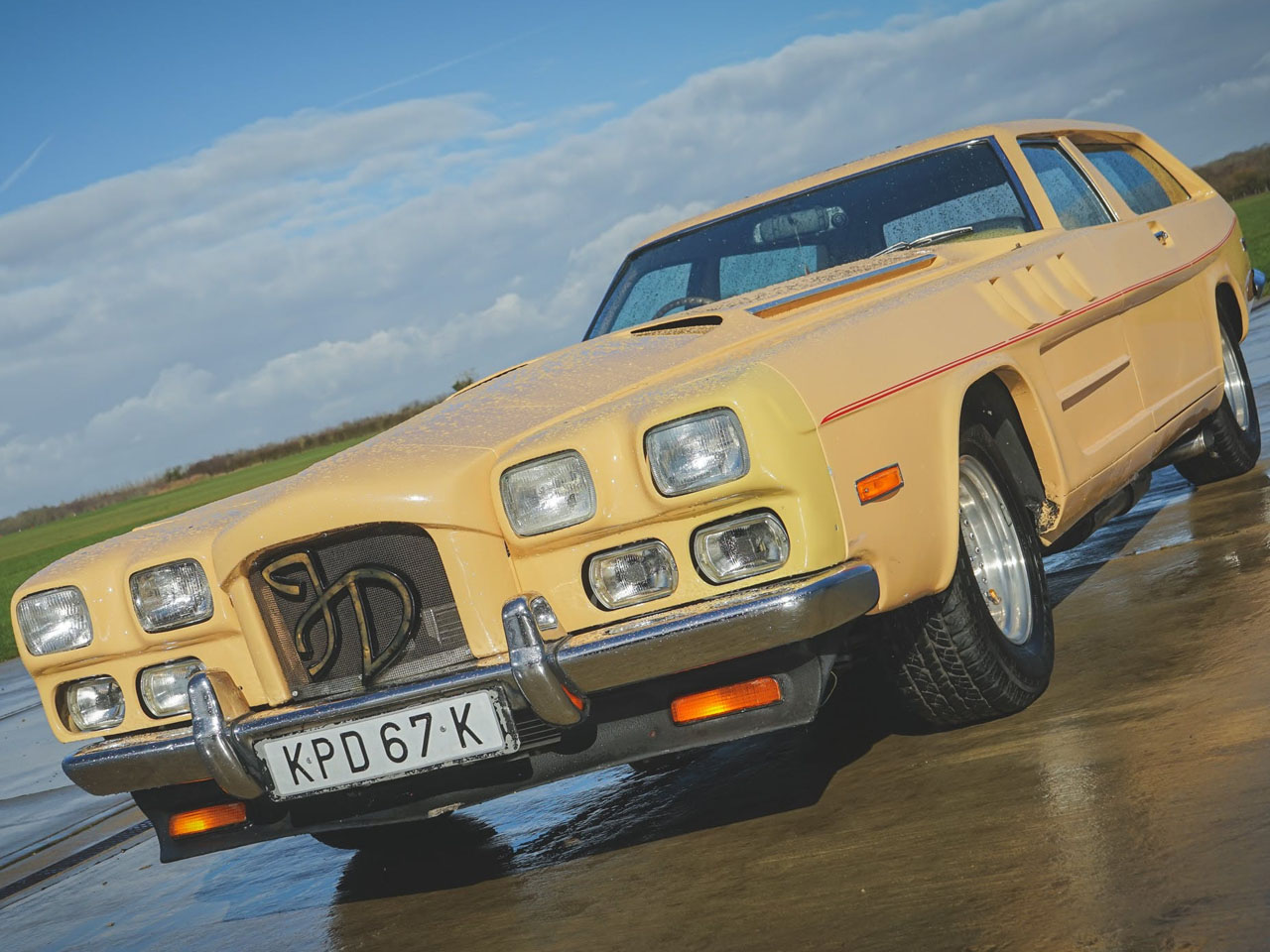
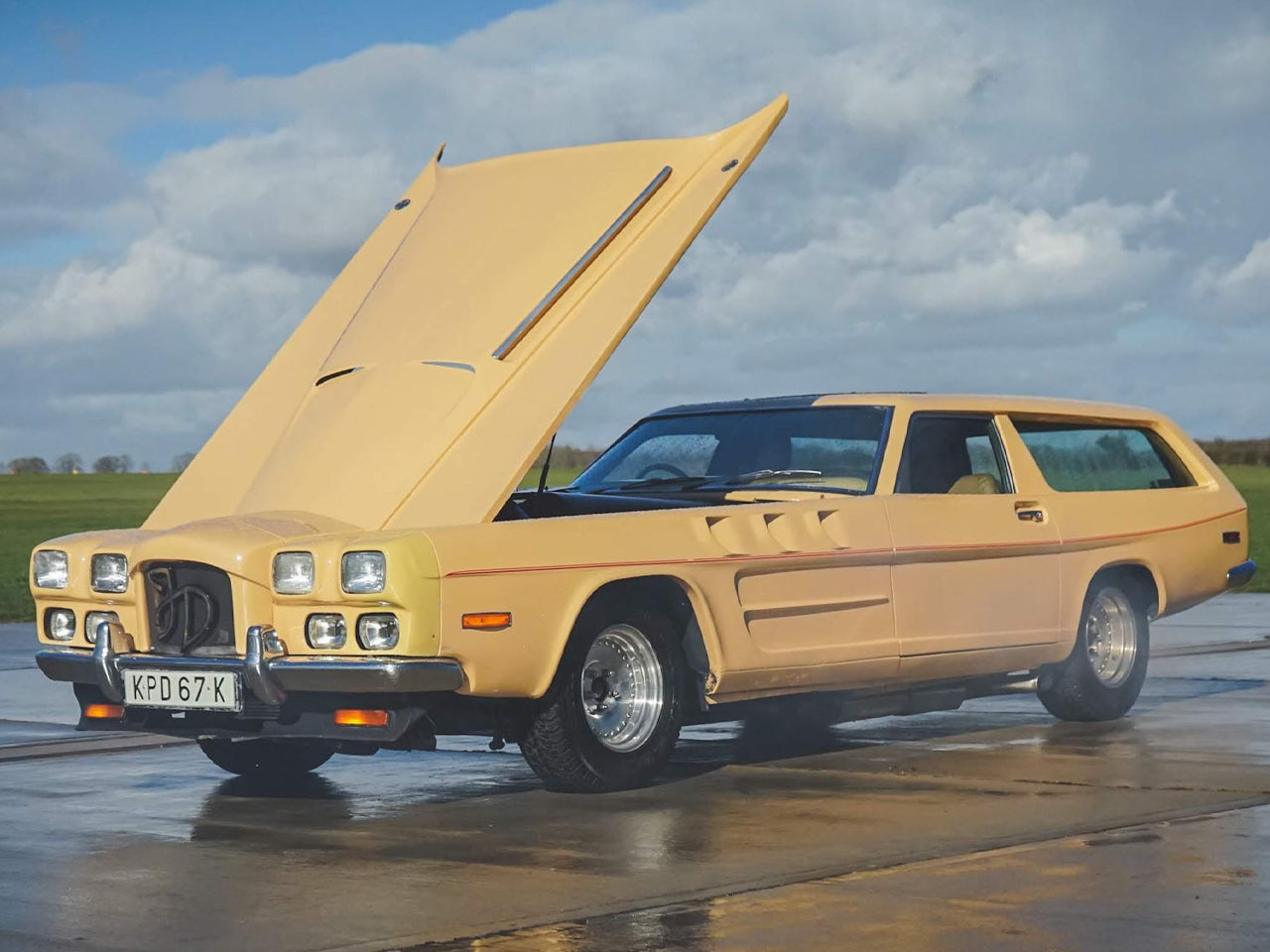
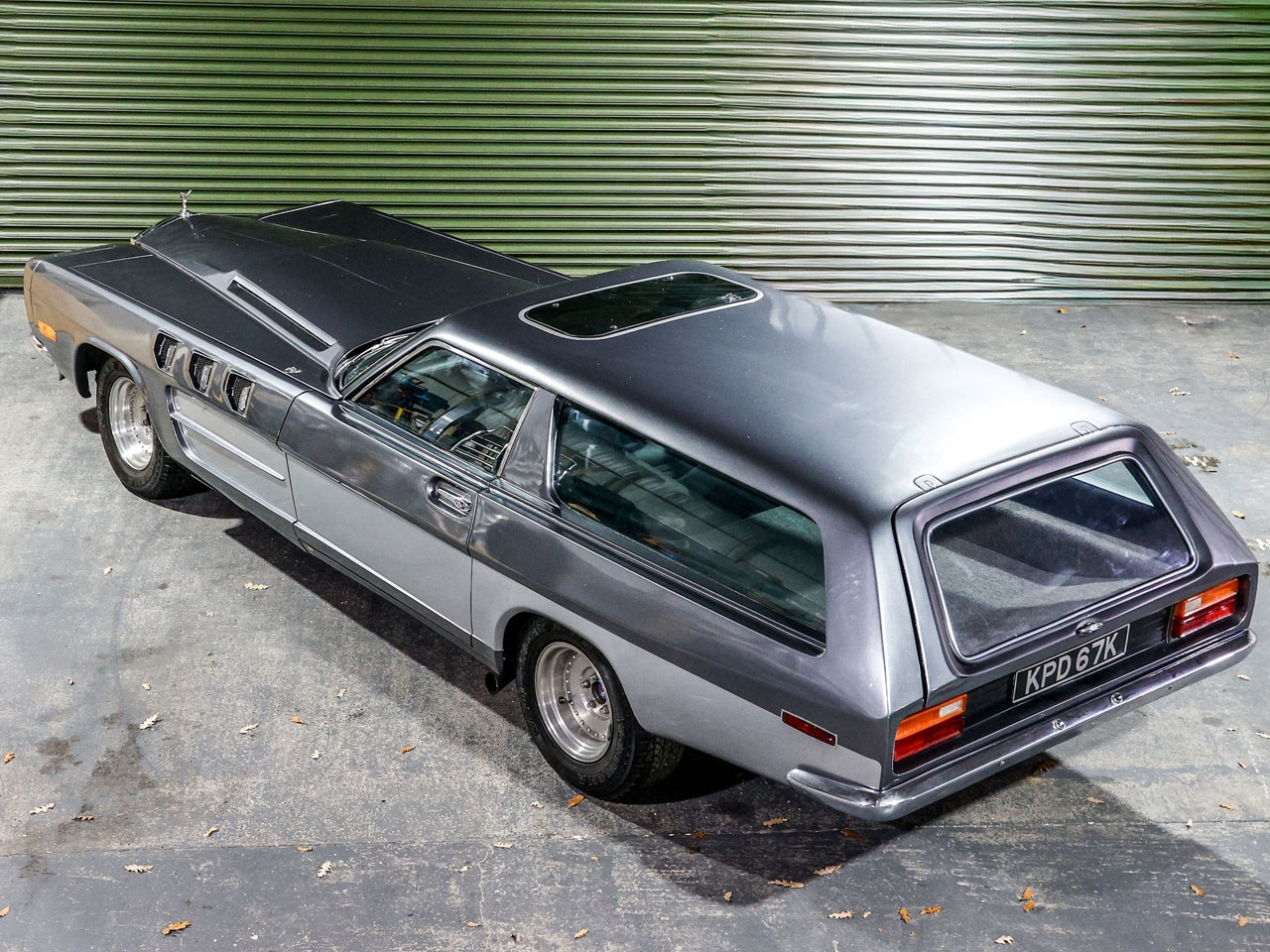
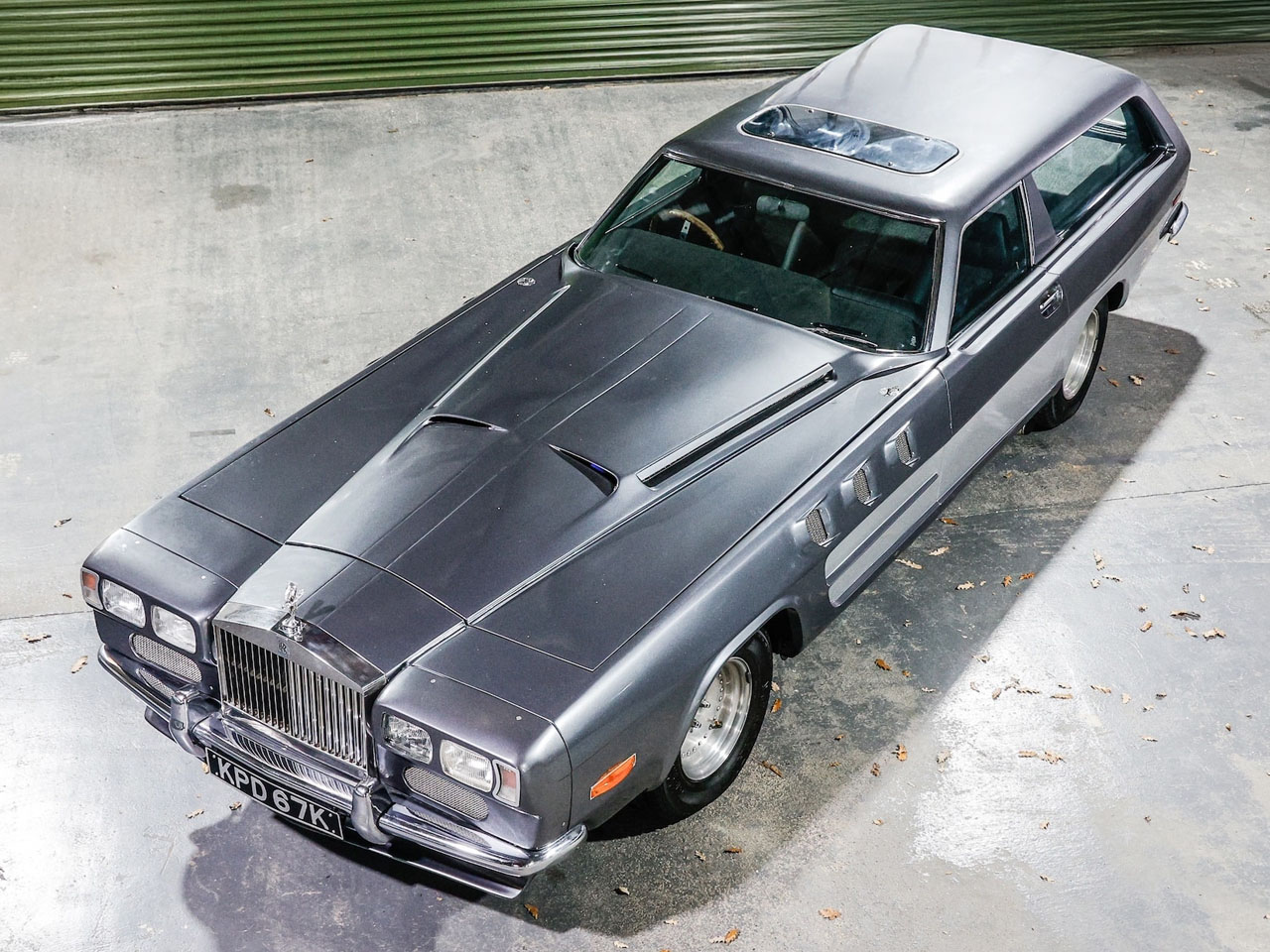
When I first came across the story of the car known simply as The Beast, crafted by British engineer John Dodd, I was reminded of those wild, boundary-pushing machines you’d expect in vintage concept renderings. Except this one was real. Dodd, a gearbox specialist, wasn’t dreaming of design for design’s sake; he was building a functioning road-legal car that defied logic and convention. Built in 1972, The Beast is a one-off shooting-brake style creation, nearly 19 feet long (about 5.8 m), powered by a 27-liter (1,650 cu-in) Rolls‑Royce Merlin V12 aero engine, the same type that powered the Supermarine Spitfire and Lancaster bomber in WWII.

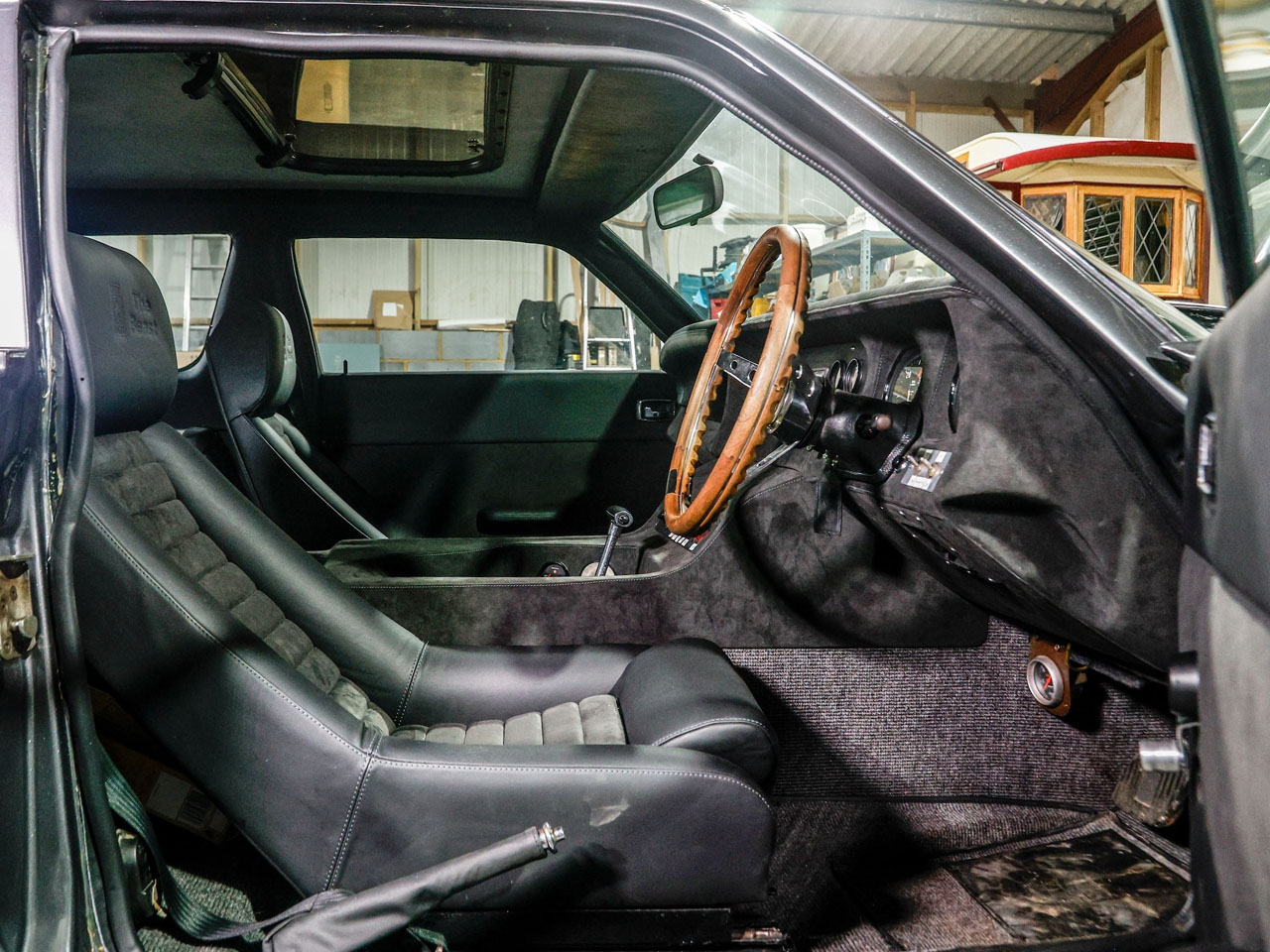
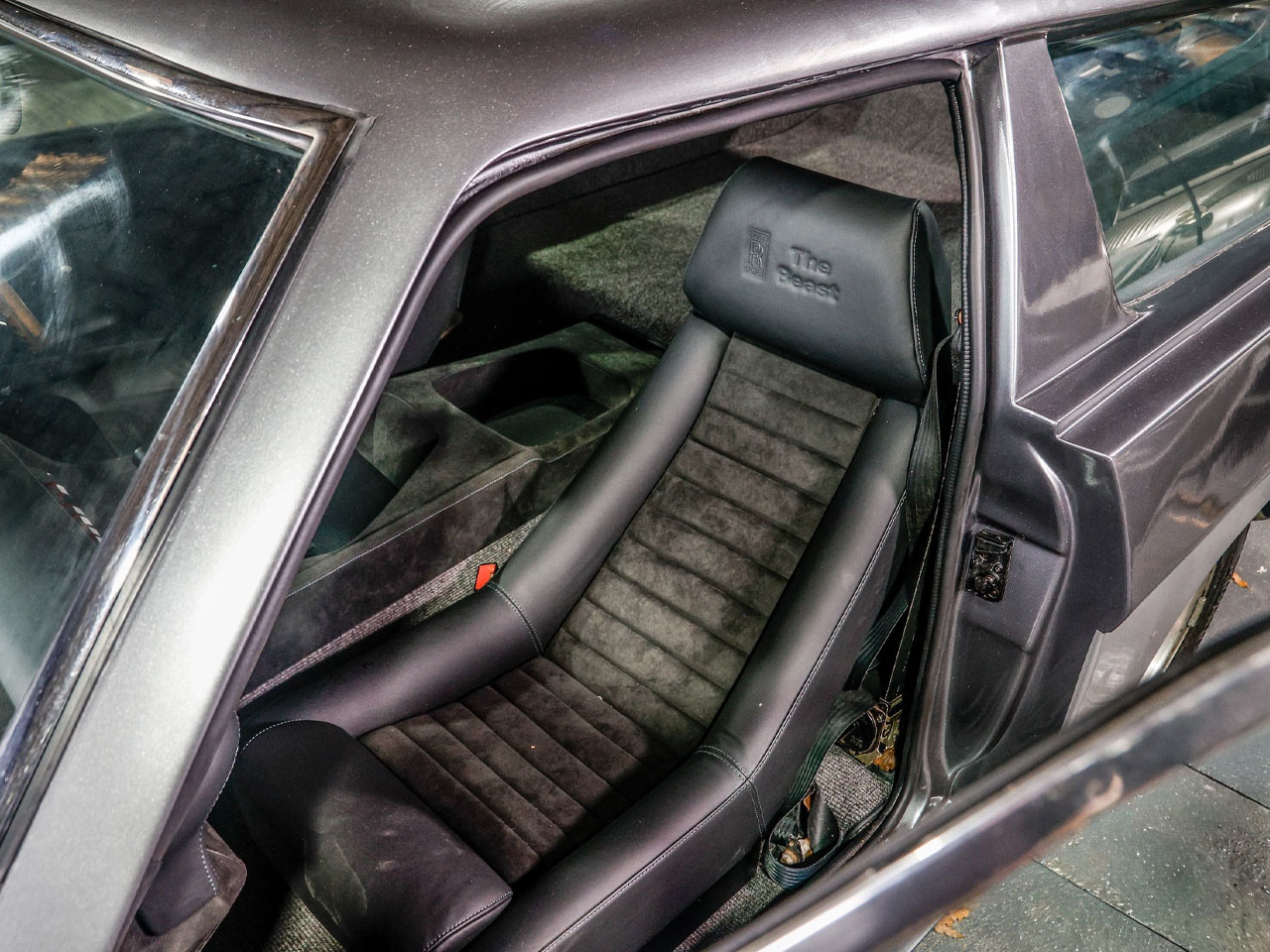
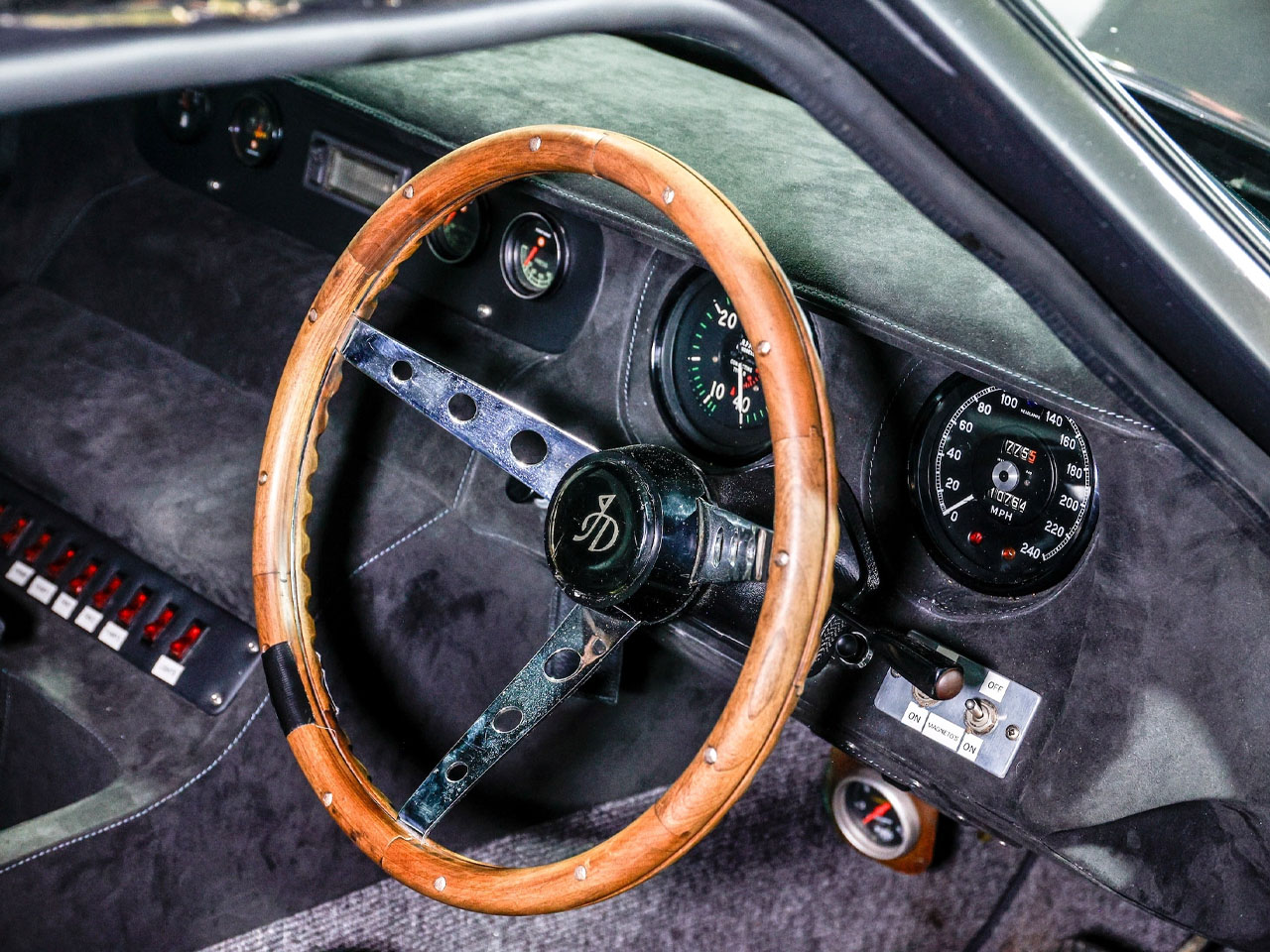
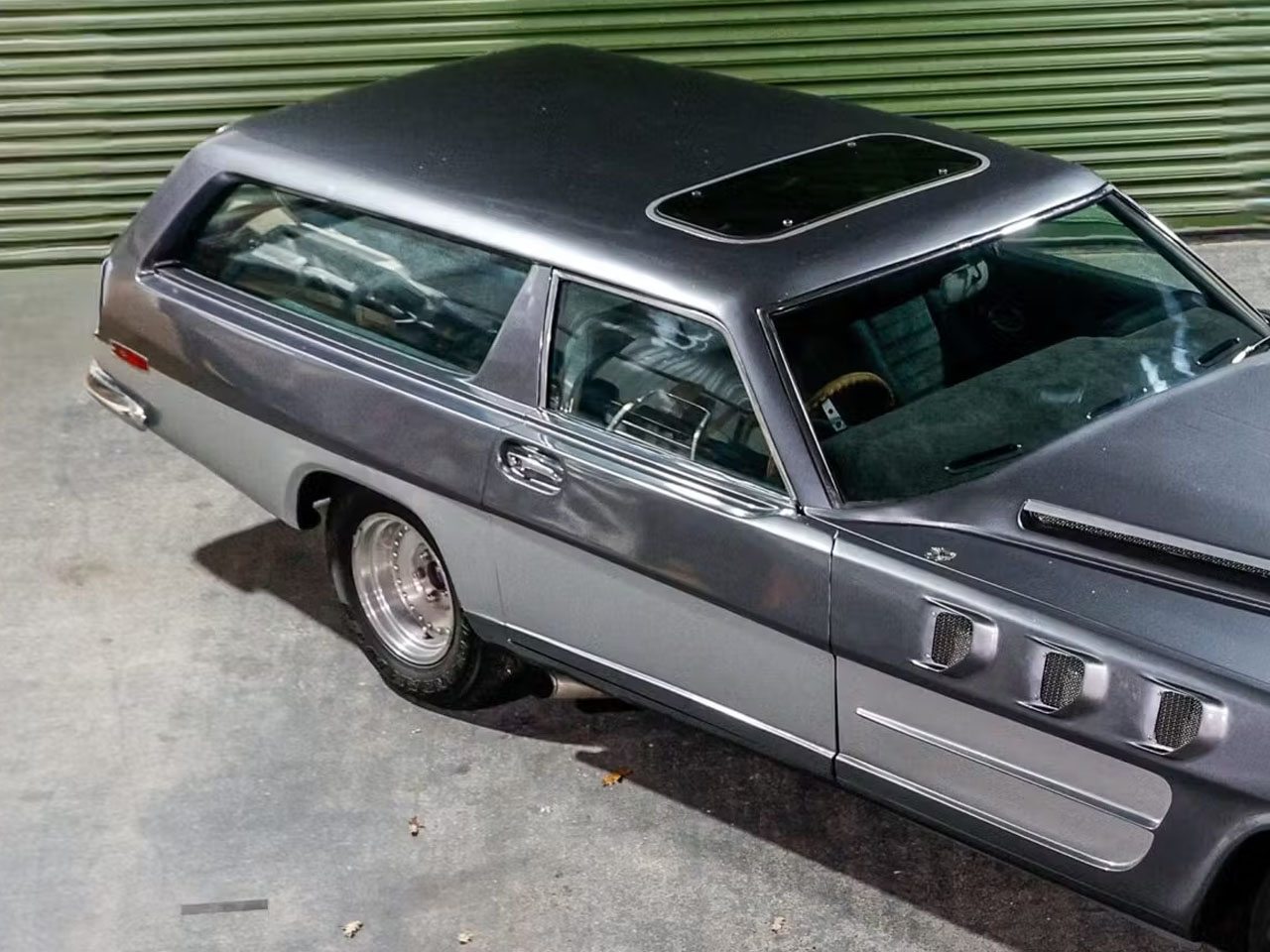
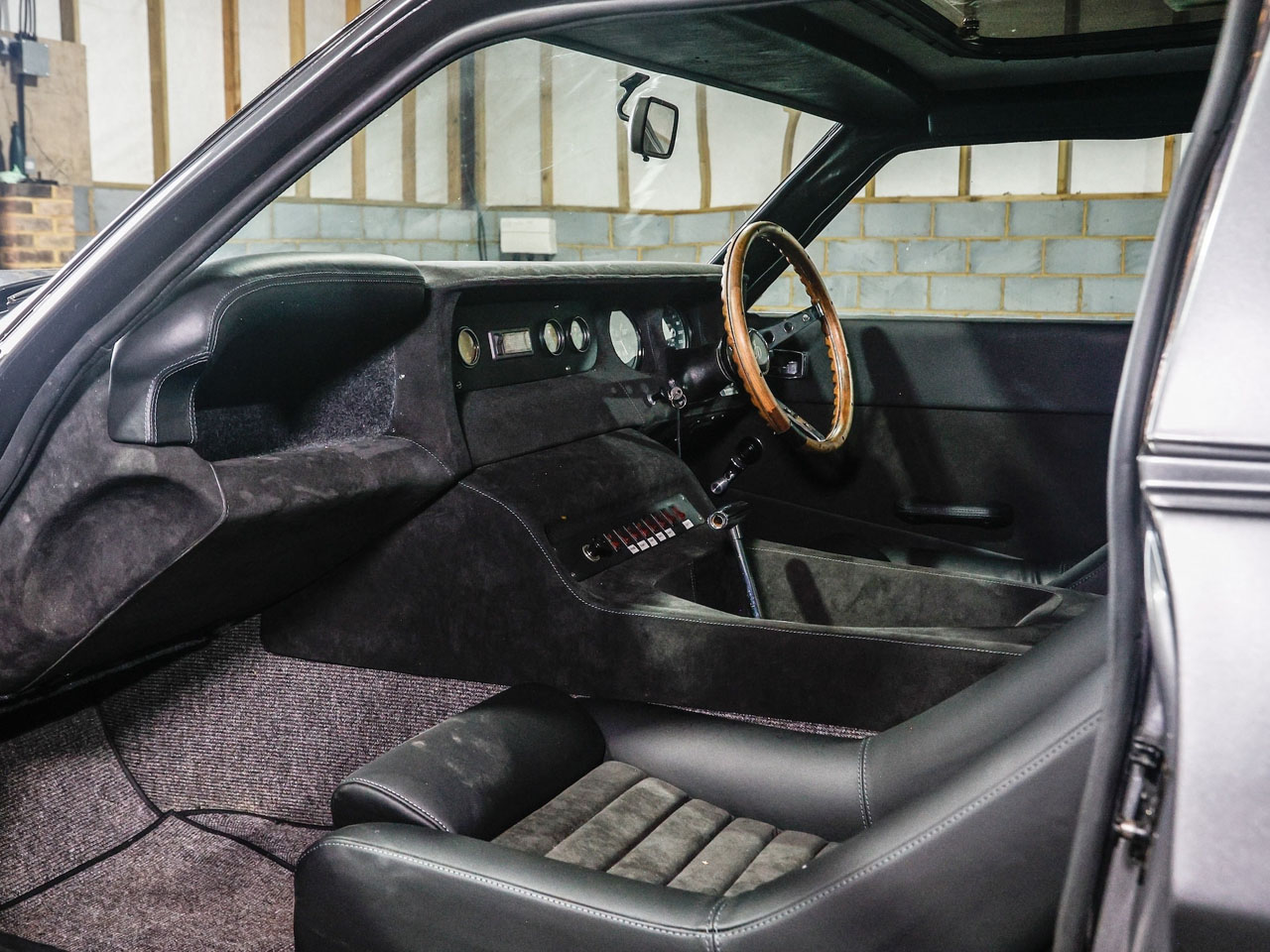
Dodd’s journey began when engineer Paul Jameson created a chassis to house a Rolls-Royce Meteor tank engine in the late 1960s. When that project stalled, Dodd took over, rebuilt it after a fire destroyed the first version, and stepped up the ante by installing the Merlin V12. To handle the immense torque from the engine, Dodd engineered a bespoke transmission, adapting a heavy-duty automatic gearbox. The bodywork, by Fiber Glass Repairs of Bromley, blends the length of a dragster nose with the profile of a grand touring estate. Inside, Dodd did not neglect refinement: leather upholstery, walnut veneer, and an interior that belies the car’s wild intent.

Designer: John Dodd

Performance figures are largely anecdotal (since formal dyno tests are lacking), but contemporaneous reports estimate output between 750-850 horsepower, with claims of over 183 mph achieved on the German Autobahn. What truly matters is the ambition: a road-going car using an aeroplane engine, built by a private engineer in Britain. Although it may not meet modern supercar standards, for its era, it smashed boundaries. The car incorporated independent suspension and disc brakes all around, making it more usable than you’d expect for such a dramatic build.

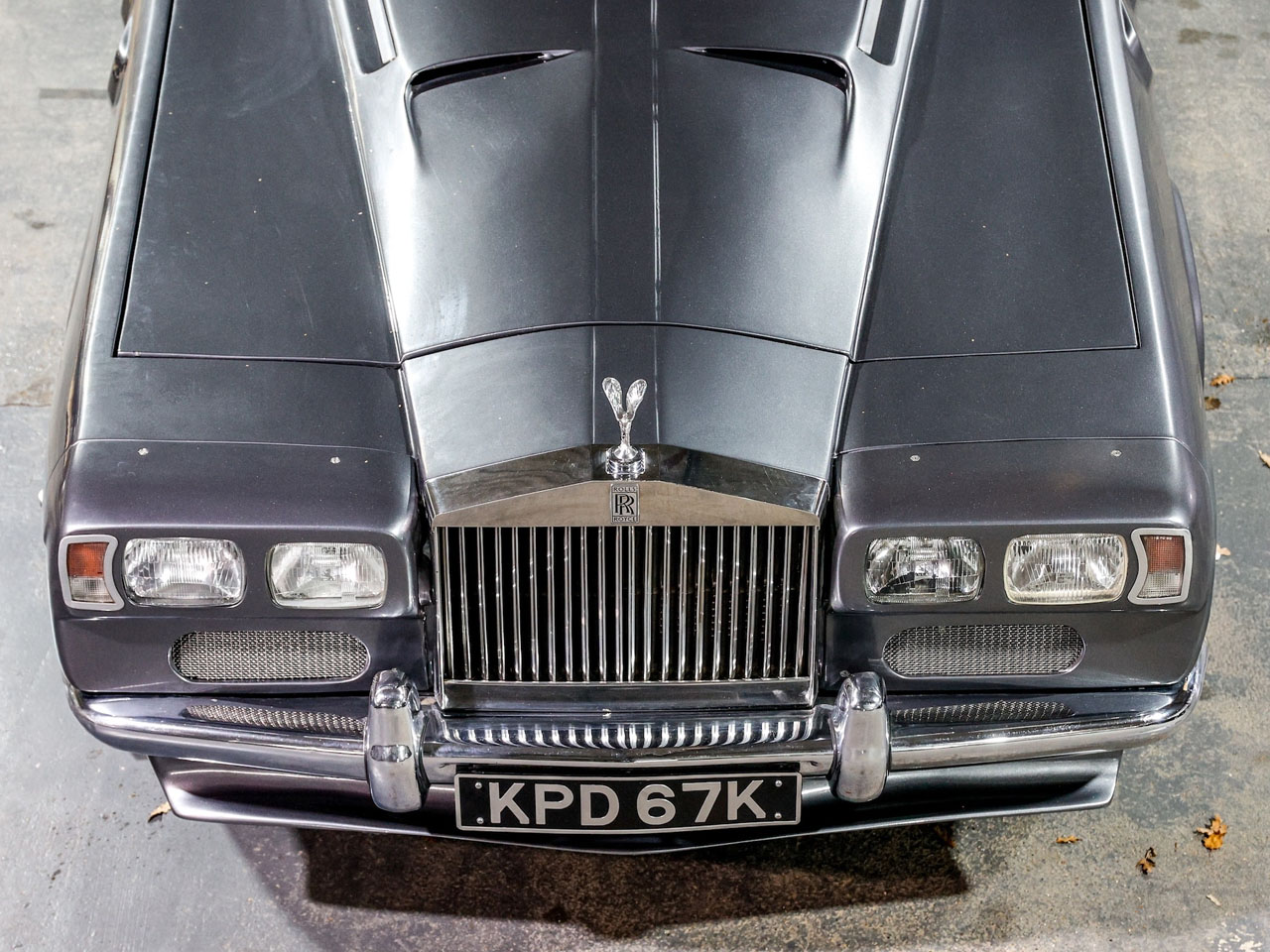
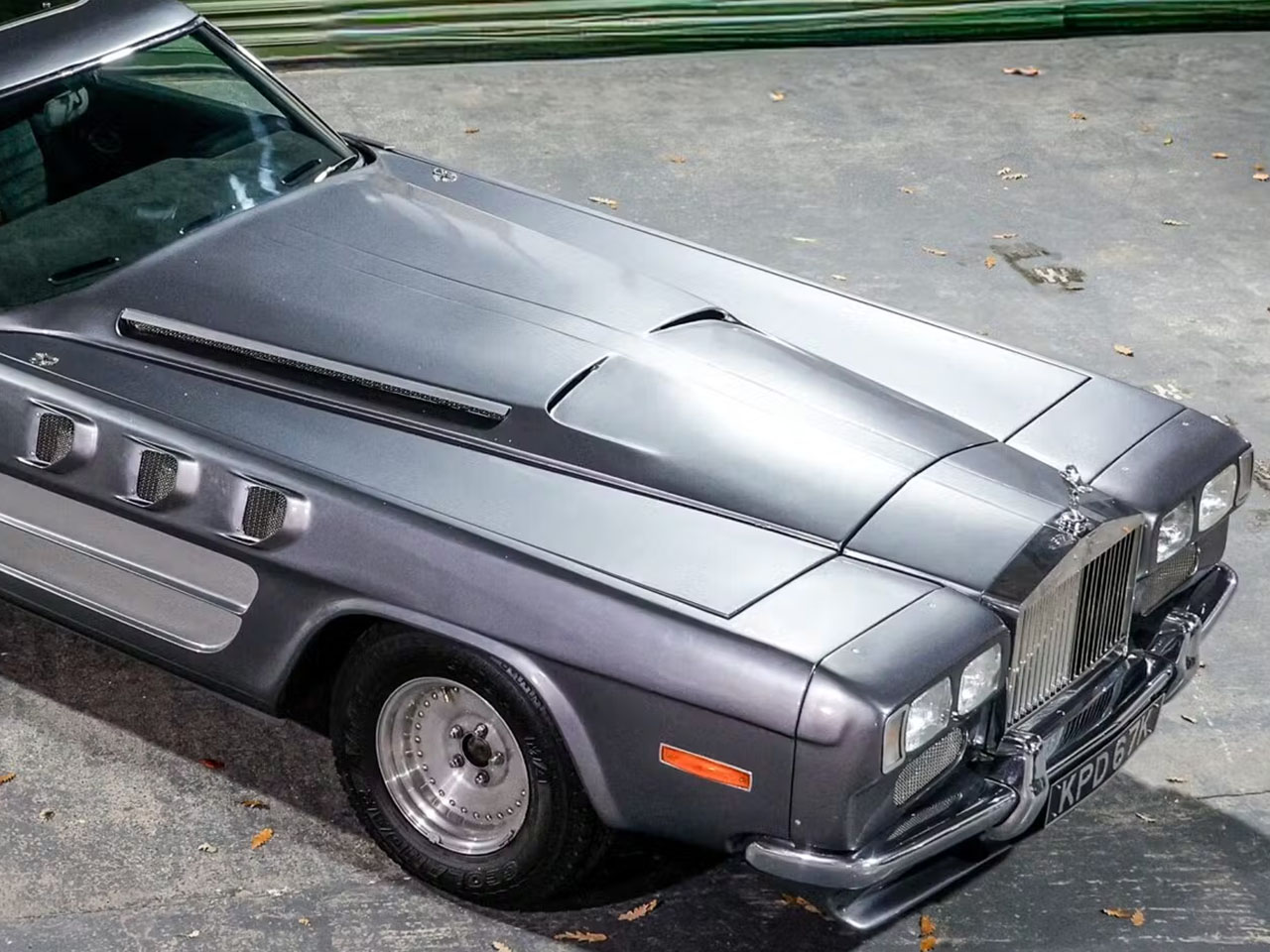
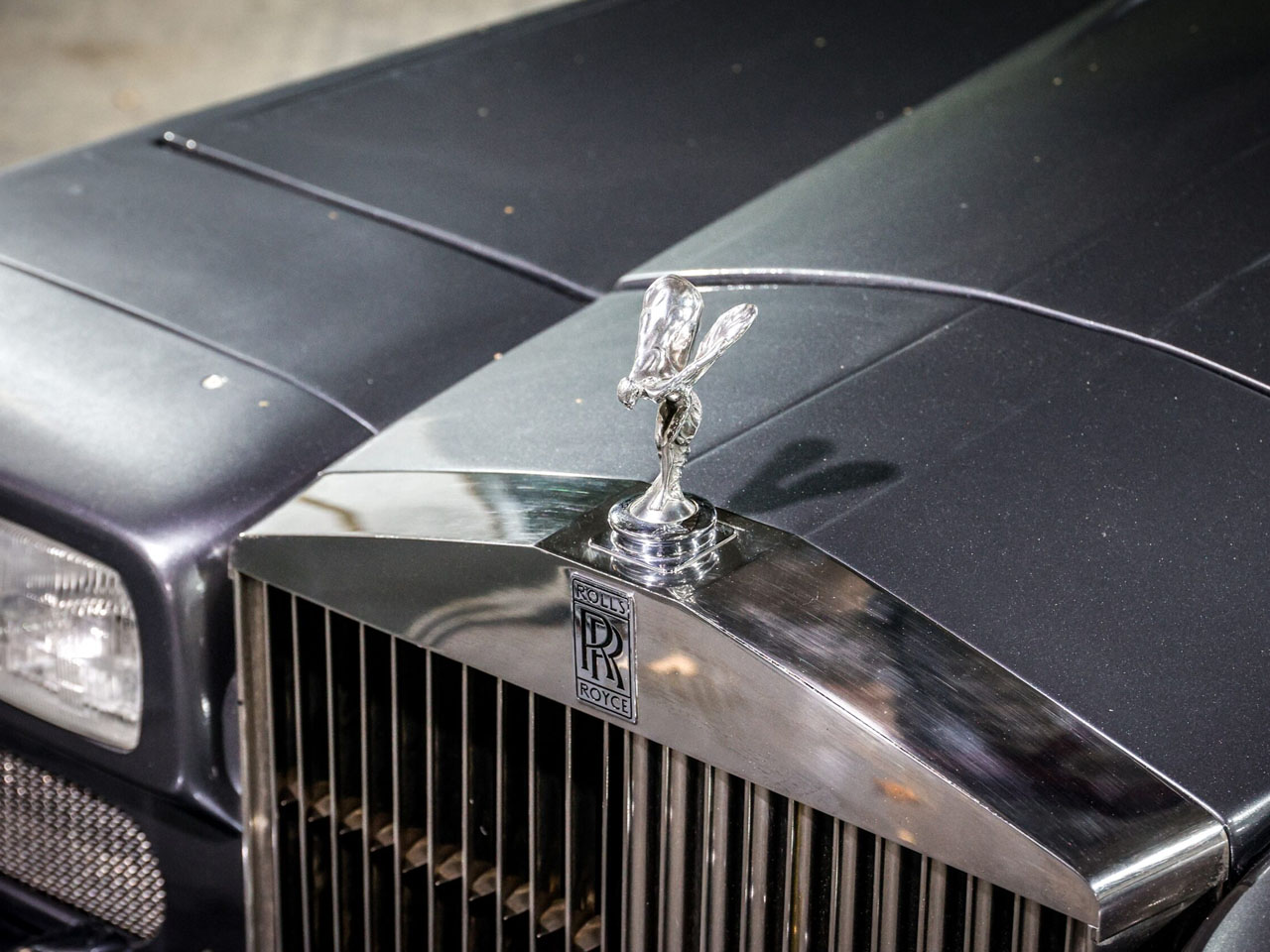
Legal drama is part of the story too. The original Beast carried a Rolls-Royce grille and the Spirit of Ecstasy mascot. The marque sued Dodd in the 1980s for trademark infringement and won, forcing him to replace the grille with one bearing his initials. Later, the car accompanied Dodd to Spain, where locals became accustomed to the thunderous note of the engine echoing around Malaga.

In recent times, the car has been refreshed. The original bright yellow paint is now hidden under a reversible two-tone metallic grey wrap (so the yellow could be restored in the future) and the interior retrimmed to a high standard. The Beast was consigned to auction by Historics Auctioneers with an estimate of £75,000–£100,000 (roughly USD $98,000–$131,000) in late 2025.

What stands out most is how The Beast blends ludicrous scale and genuine engineering into a drivable road car. It’s not just a showpiece; it was built to move, to roar, to defy expectation. For someone fascinated by the intersection of bespoke craftsmanship and automotive maverick thinking, this car is a landmark. If you’re someone considering bidding or simply telling the story, here is a piece of motoring folklore that truly warrants attention.

The post The Beast is John Dodd’s 27-Liter V12 creation that turned aviation power into road-going legend first appeared on Yanko Design.

Peugeot Polygon Concept shatters the rules of modern supermini design

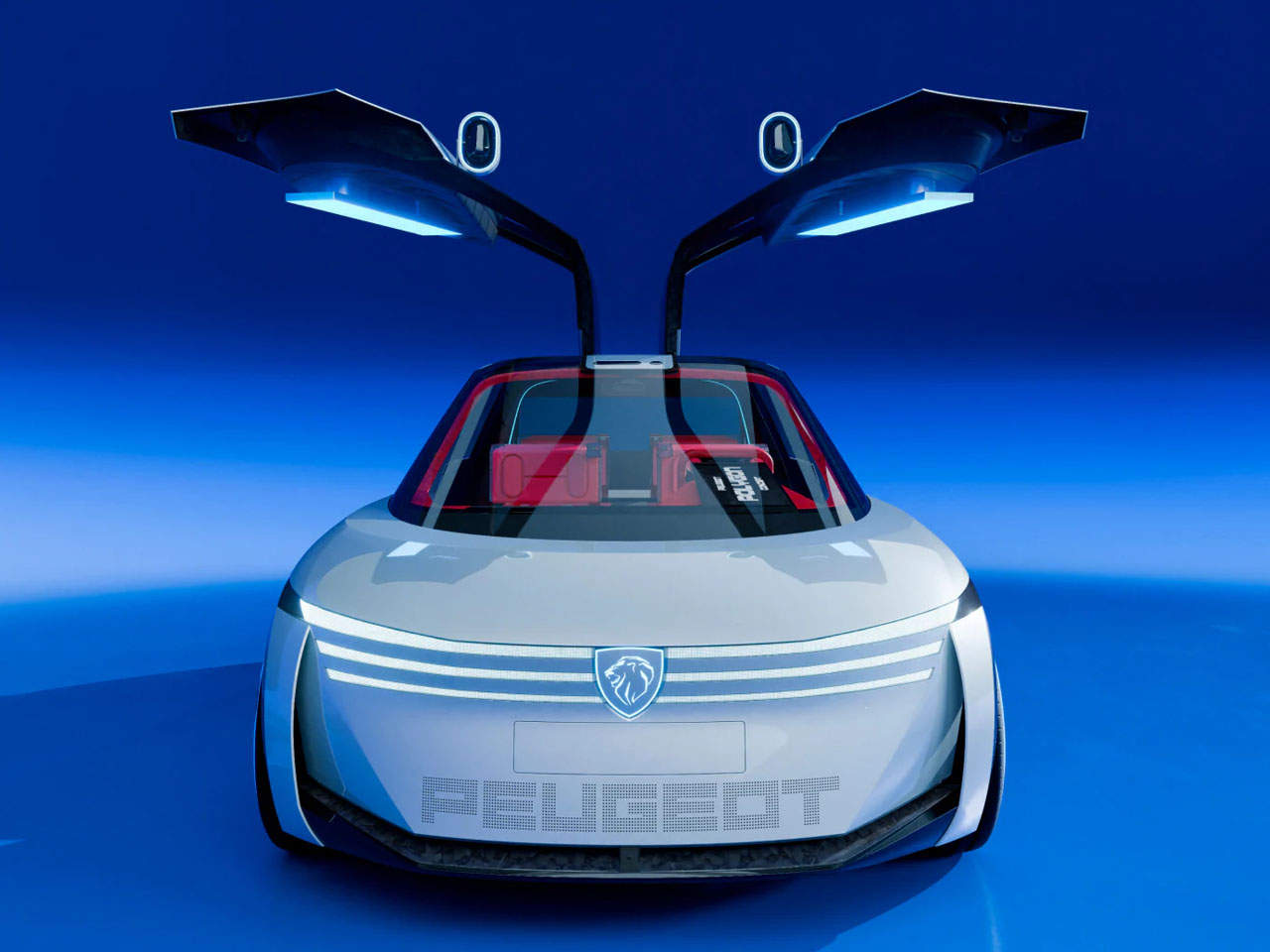
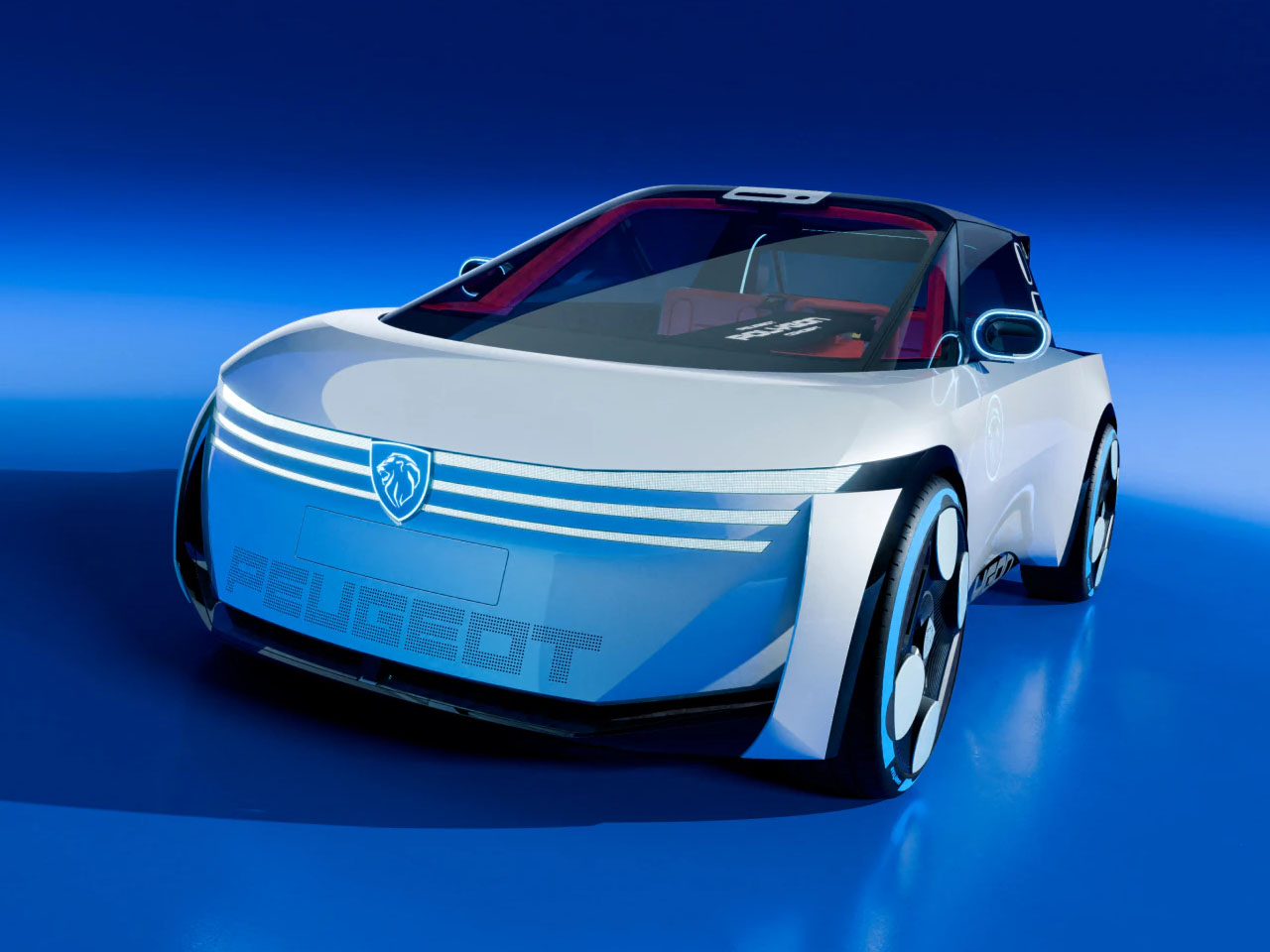
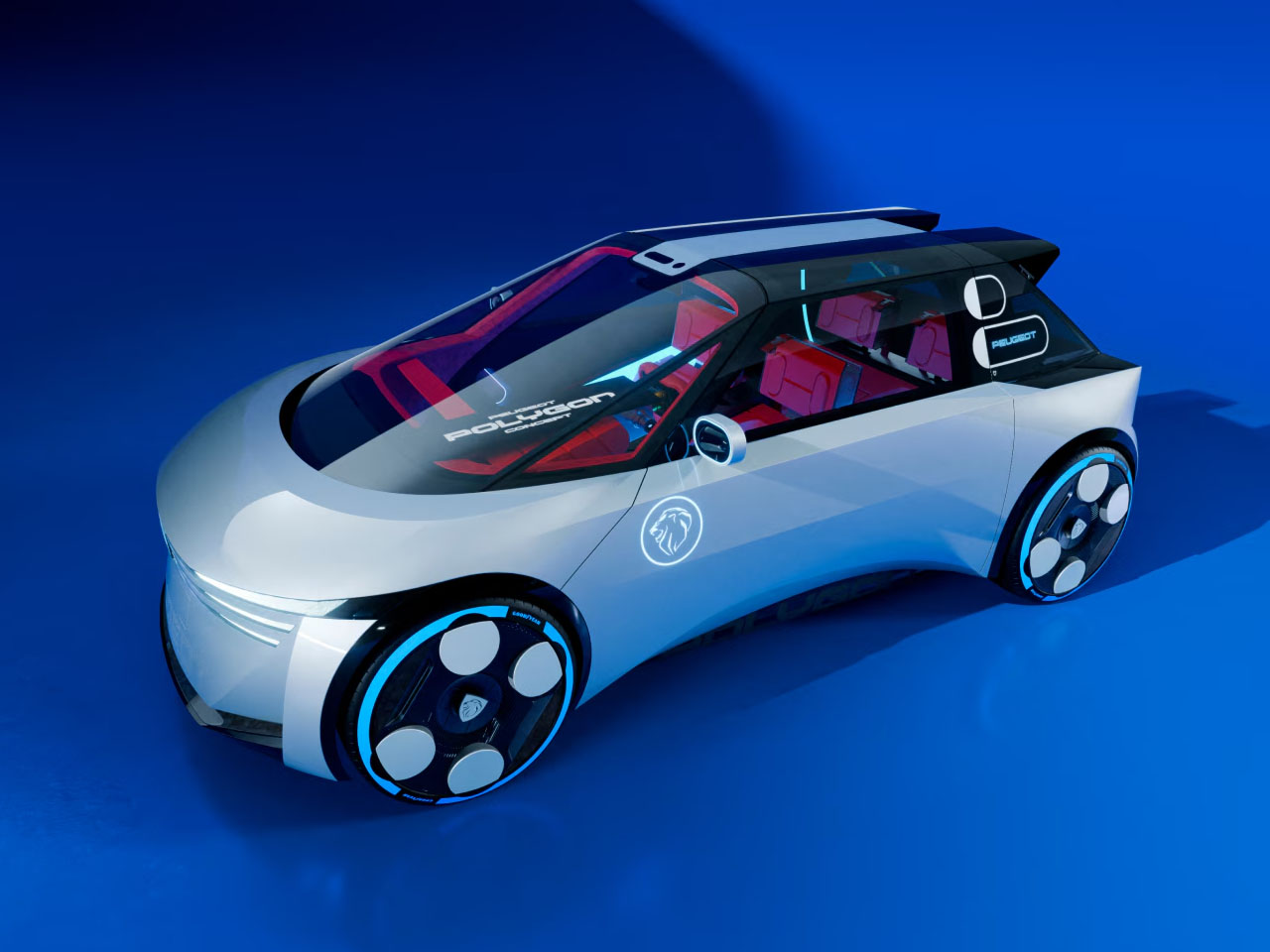
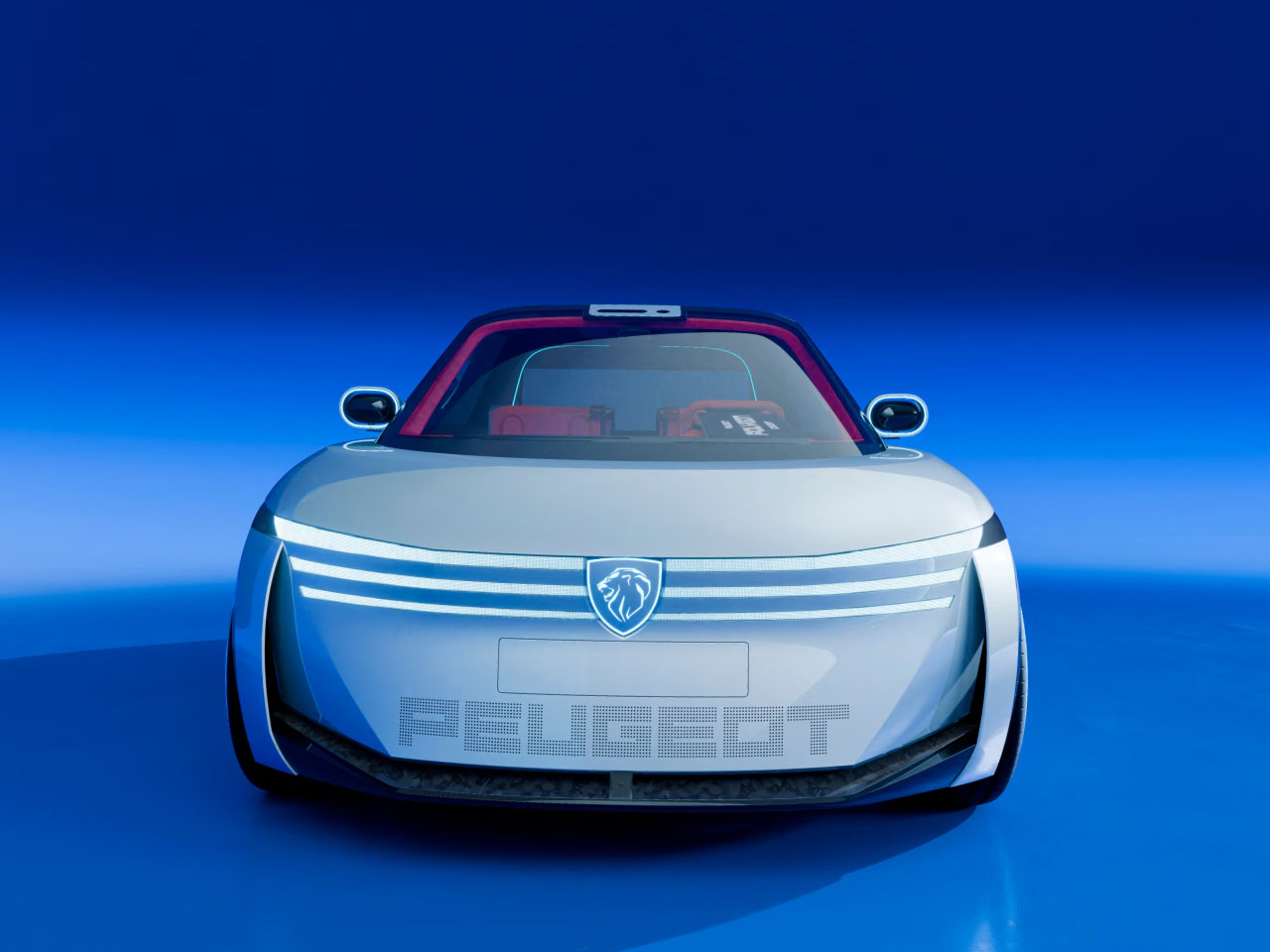
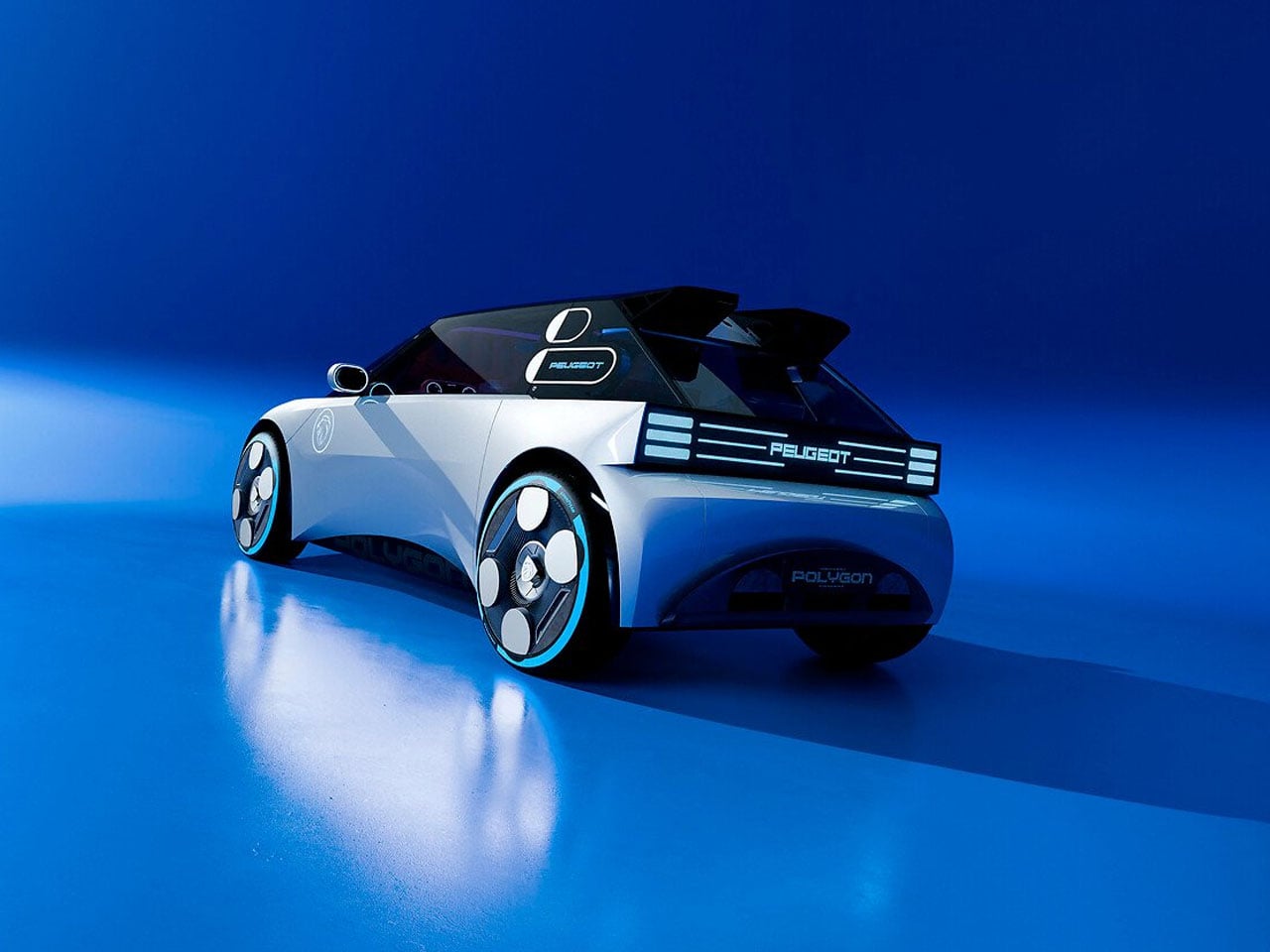
Peugeot’s design portfolio has always balanced compact efficiency with expressive character, but the new Polygon Concept takes that philosophy in a more experimental direction. This compact EV previews the next-generation 208 and signals the French brand’s vision for a future where architecture, materials, and controls are rethought.

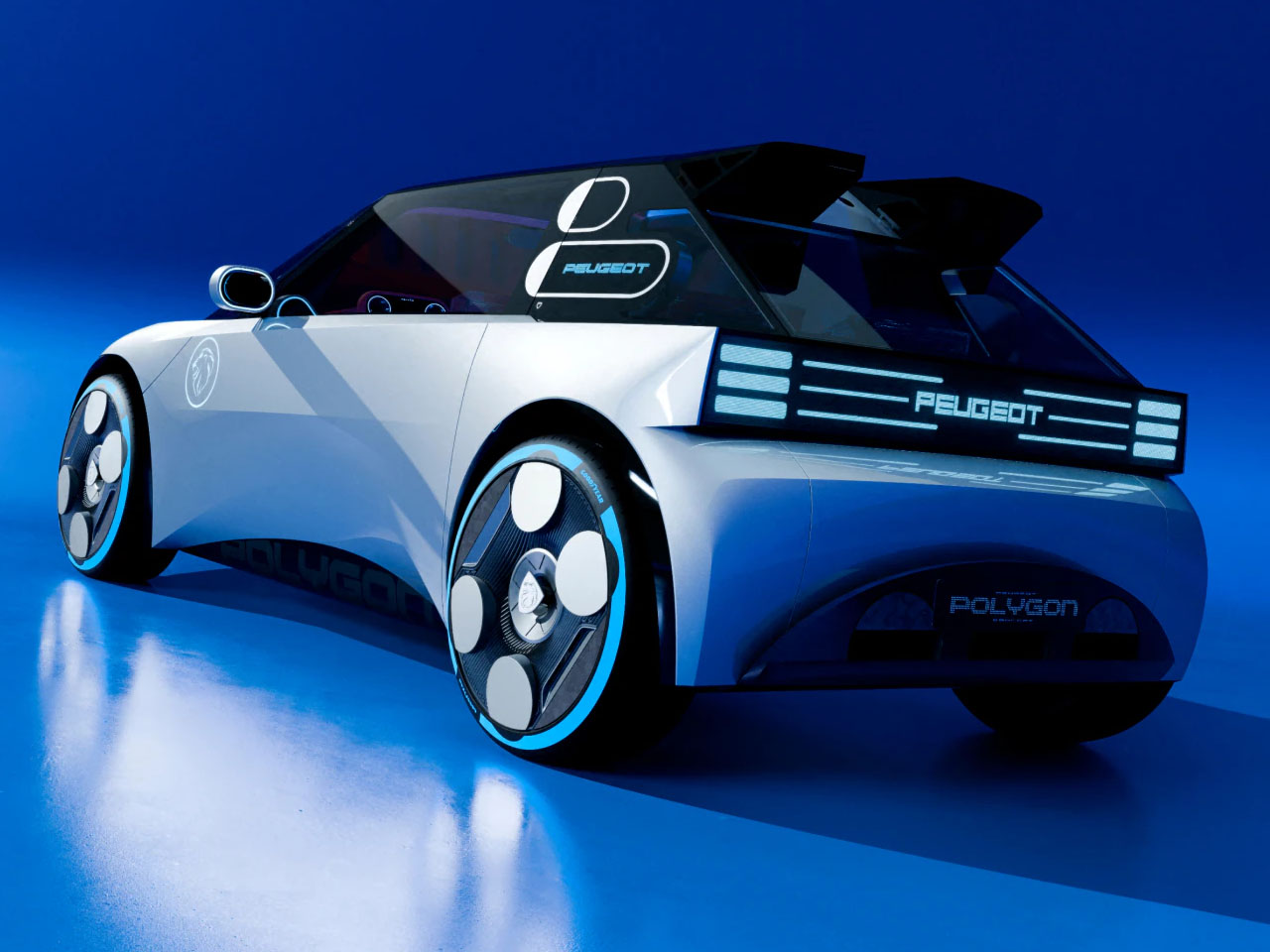
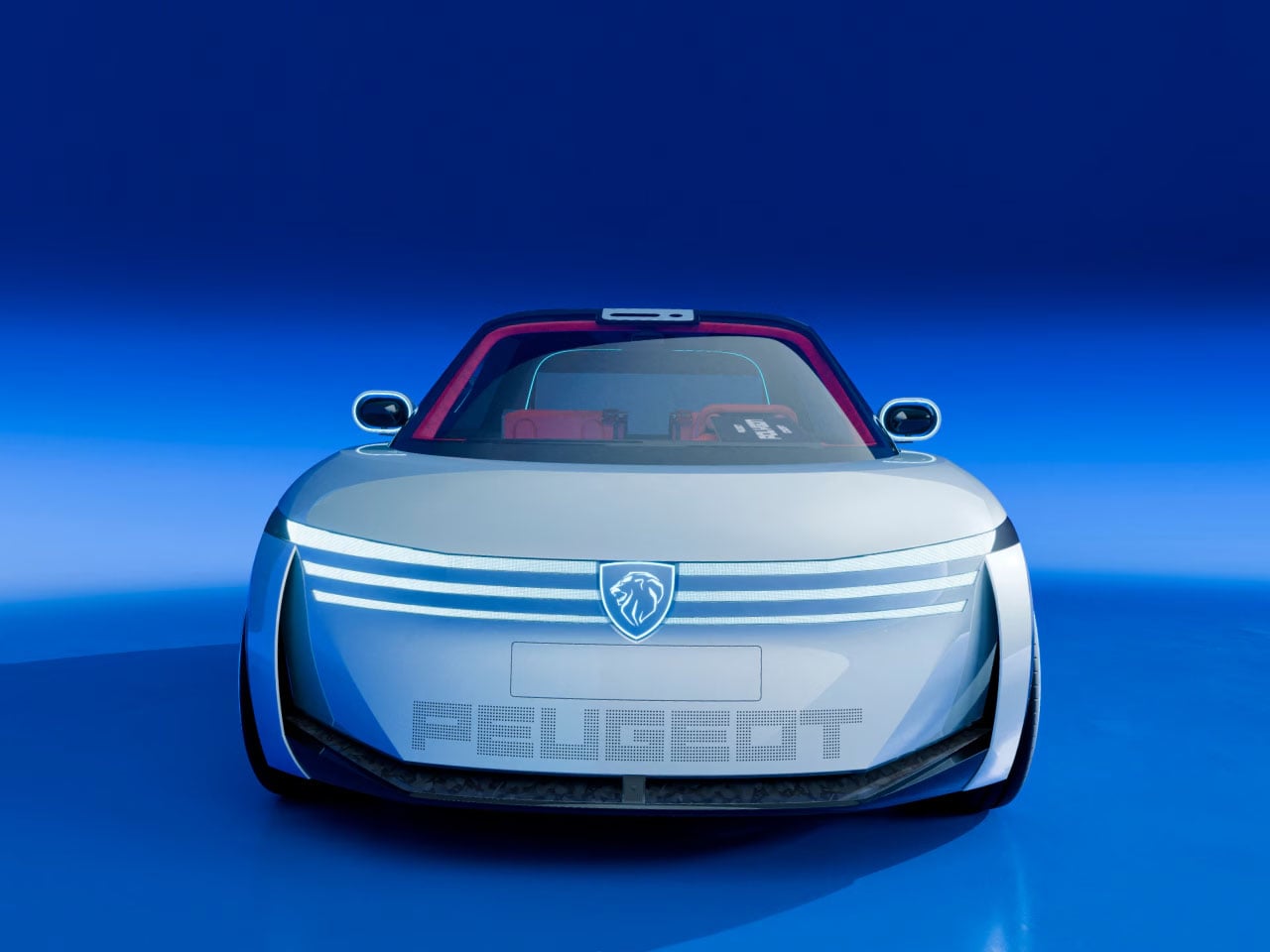
Built on a sub-4-meter footprint, the Polygon modernizes the supermini silhouette with bold geometry and a signature lighting design. The familiar three-claw Peugeot motif is reinterpreted as horizontally arranged micro-LED stripes at both the front and rear, giving the car a sharply modern look. Its body features two large butterfly doors, replacing the conventional four-door layout, which is an expressive choice more suited for concept presentation rather than mass production.

Designer: Peugeot

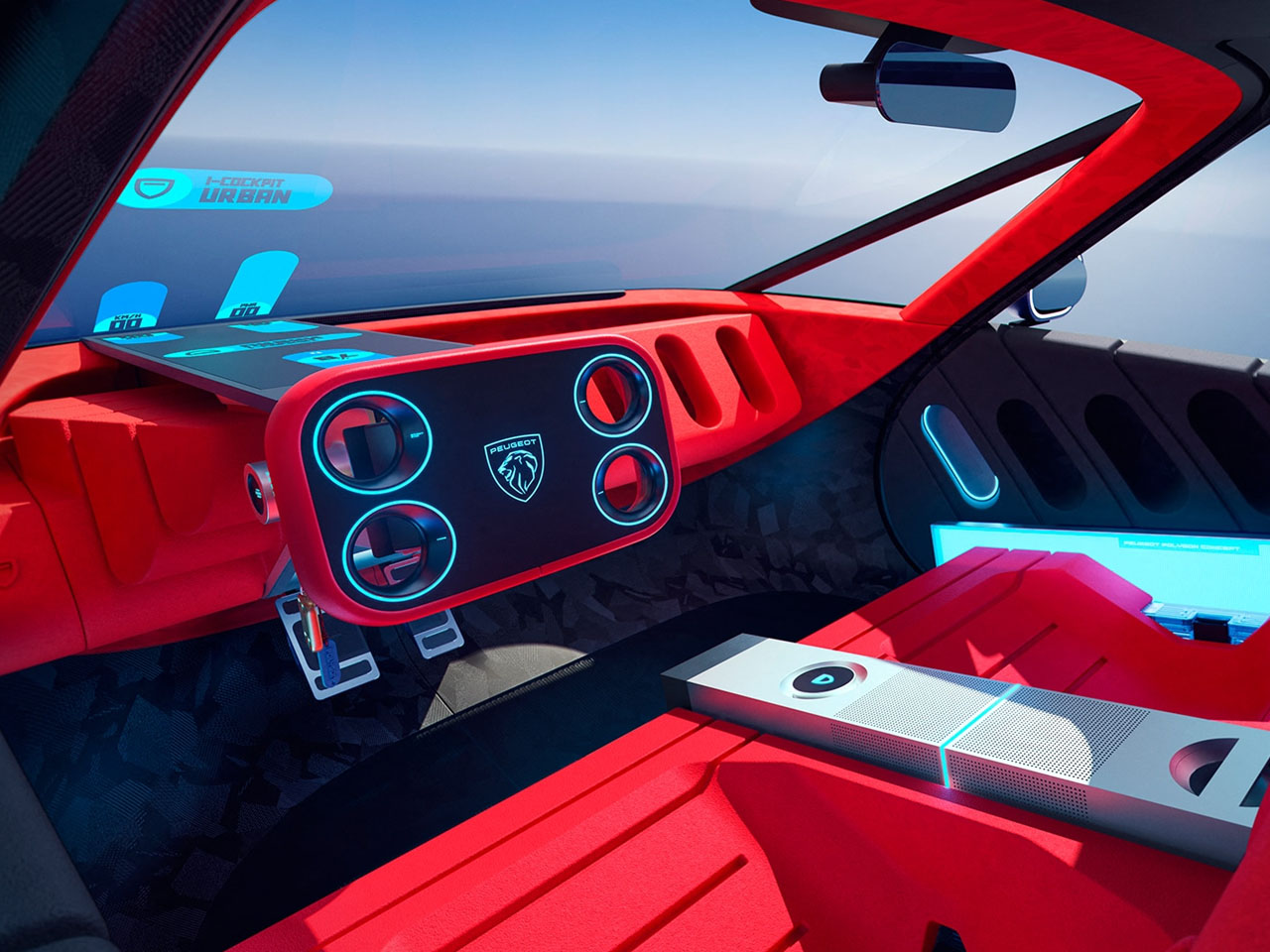
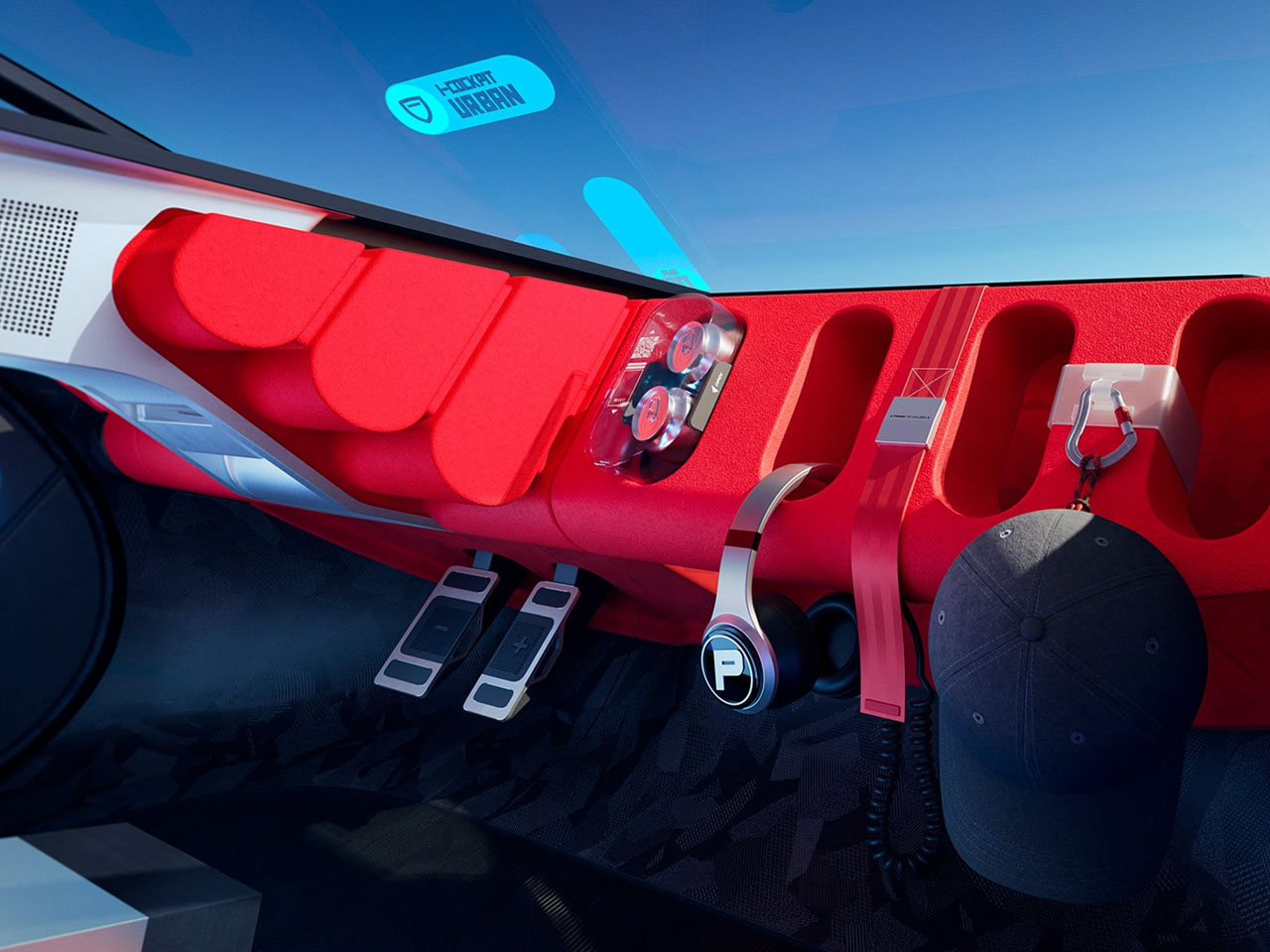
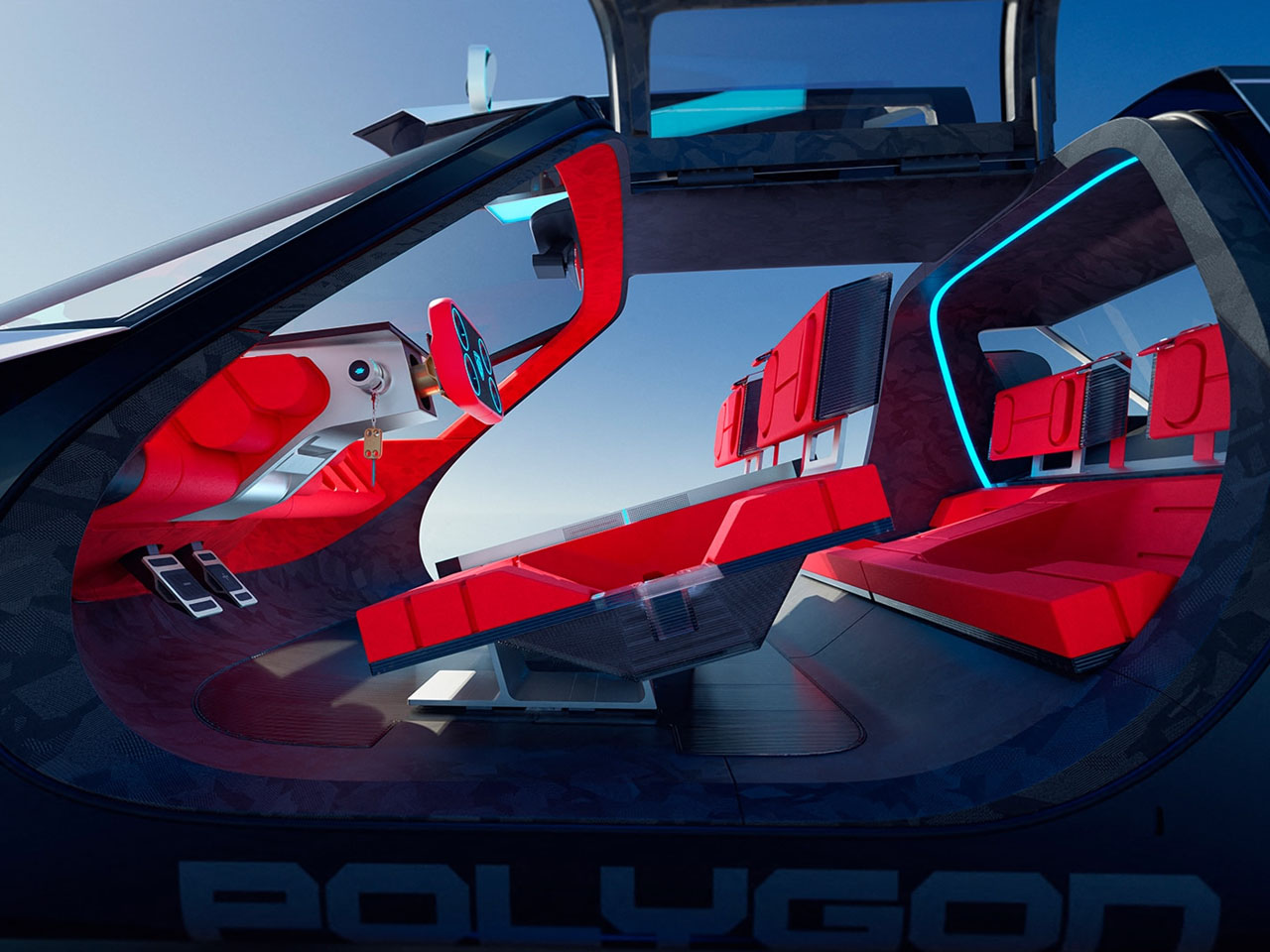
The most radical change is on the inside, where the traditional round steering wheel is replaced by what Peugeot calls the “Hypersquare.” Rather than a solid circular rim, this control interface consists of four pods (one at each corner) that house touch-sensitive controls for media, driving modes, and more. Because the system is steer-by-wire, there is no physical linkage between the control and the front wheels. The steering ratio automatically adjusts for different speeds, becoming more direct at low speeds and more stable at high speeds. This setup also filters out any abrupt road vibrations for a smoother riding experience.

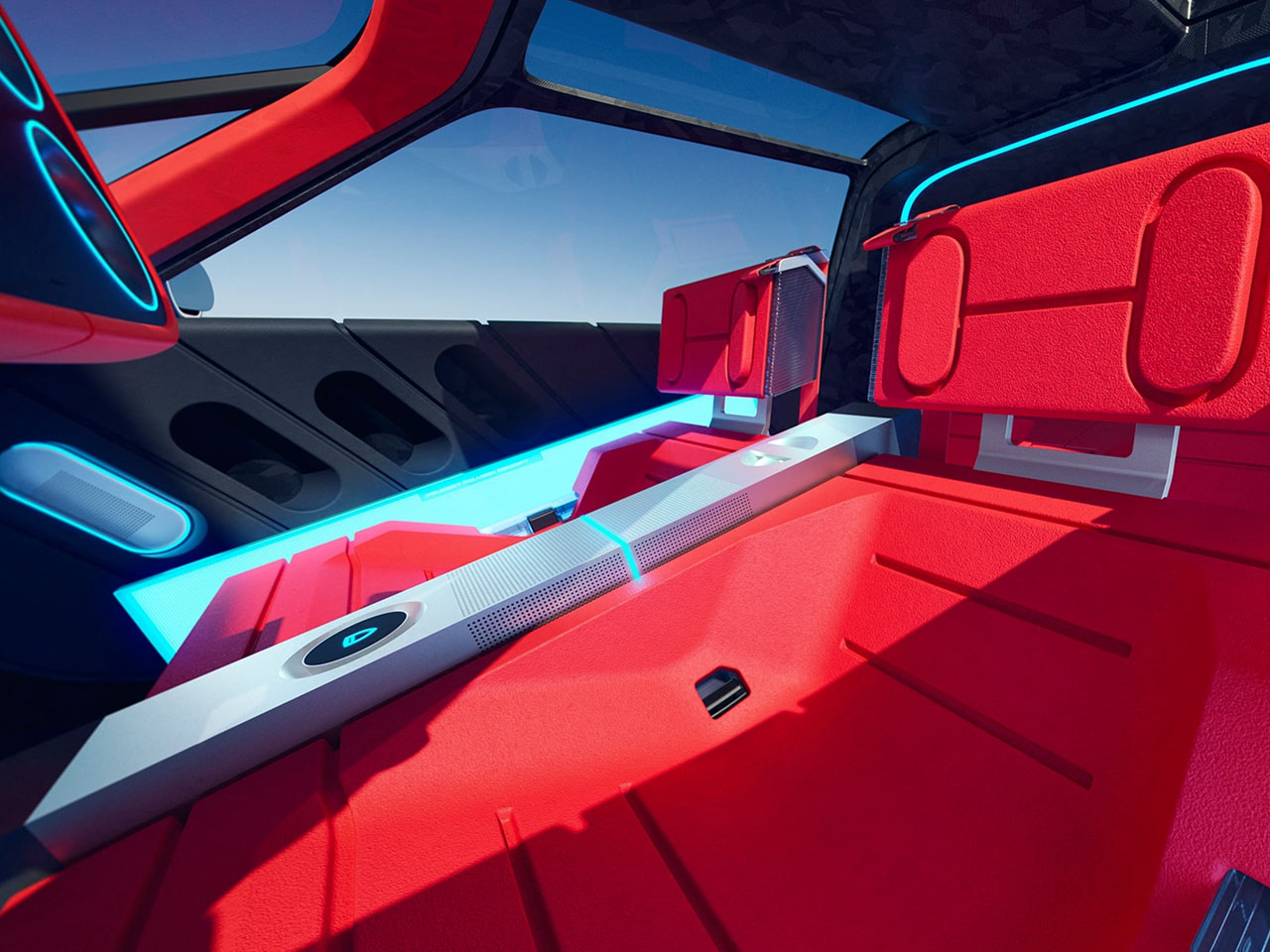
Peugeot replaces its conventional instrument cluster with a micro-LED screen placed behind the steering assembly, projecting information directly onto the windshield in a large, immersive format. According to the company, this design creates a cleaner, more open interior while keeping the driver’s attention focused where it matters.  Sustainability is central to the Polygon. The cabin uses a “forged textile” made from recycled seat upholstery sourced from end-of-life Peugeot vehicles. Seat shells are 3D-printed from recycled R-PET plastic, while their foam cores come as a single molded piece, reducing complexity. Interior paint also incorporates recycled rubber derived from used tires.

Peugeot designed the Polygon with modular, easily replaceable parts. Elements such as the Hypersquare control, seat foam, dashboard surfaces, and wheel covers can all be swapped out, allowing for personalization and potentially longer ownership. The car uses fewer overall components than a typical production vehicle, which simplifies manufacturing and supports a more circular lifecycle. Another tech highlight: the Polygon’s Goodyear tires feature “SightLine” technology, which monitors pressure, temperature, and road conditions and sends that data to the i-Cockpit system in real time.

While Peugeot has not confirmed detailed powertrain specifications, the Polygon is widely understood to preview a forthcoming fully electric version of the 208. The concept aligns with Peugeot’s plan to bring its Hypersquare steering system to production models around 2027. The Polygon Concept is a bold exploration of future small-car design with a combination of steer-by-wire controls, immersive display technology, and sustainable materials. Peugeot proposes a supermini that is not just efficient, but smarter, more modular, and far more expressive than what exists today.

The post Peugeot Polygon Concept shatters the rules of modern supermini design first appeared on Yanko Design.

Audi Concept C Hands-On: When Athletic Minimalism Becomes Tangible Reality

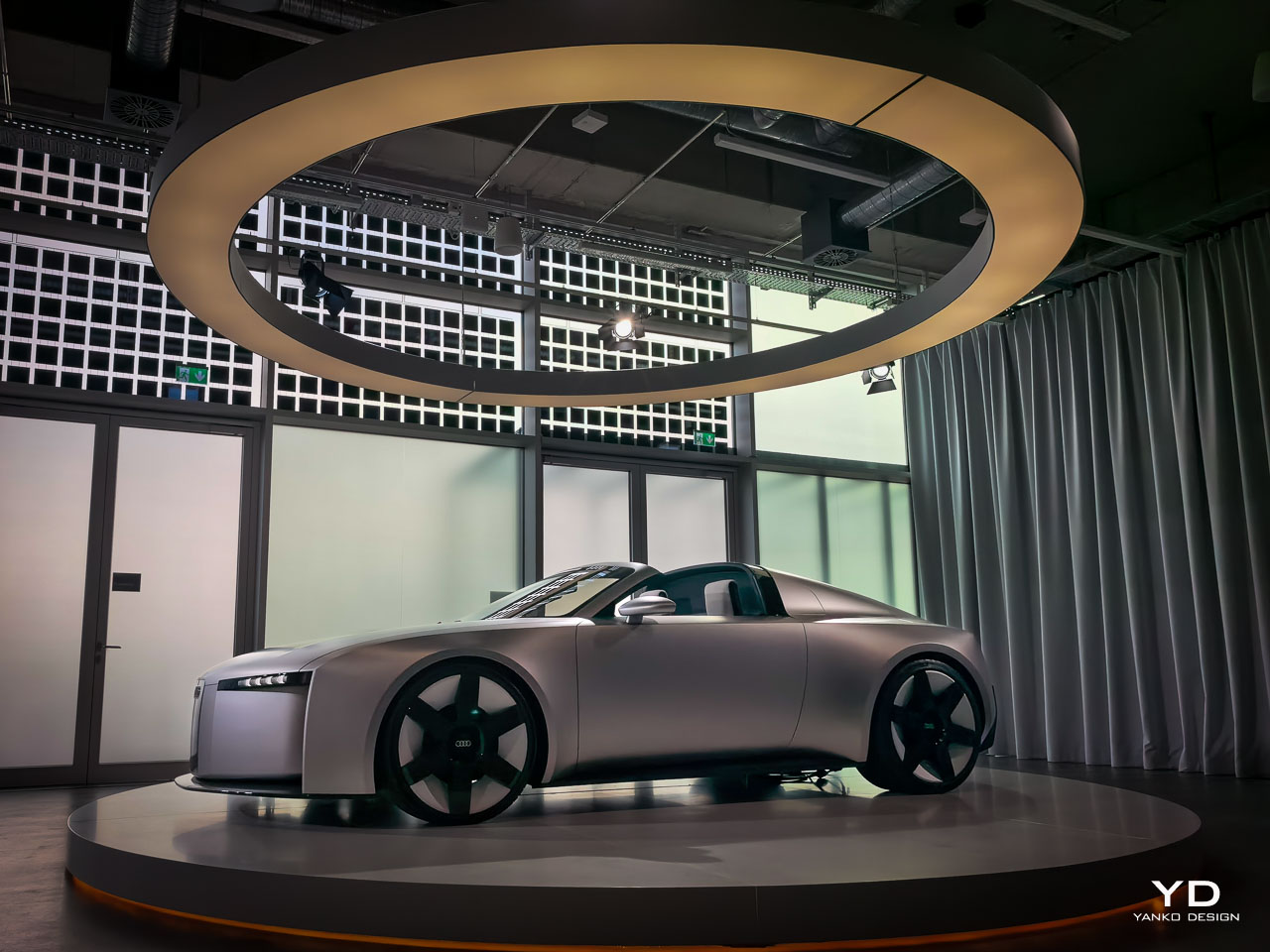
At Audi’s Formula 1 event in Munich, I finally got hands-on time with the Concept C that sat on display. Between interviews, roundtable and briefings on F1 operations and facility tours, I had uninterrupted access to experience every surface, control, and detail I’d only theorized about in my September analysis of the Concept C’s athletic minimalism philosophy. This wasn’t a drive review. This was the kind of access that lets you understand whether a design philosophy actually translates from renderings and press materials into physical reality.

Designer: Audi

What I found validated nearly everything I wrote three months ago while also revealing gaps that photographs and specifications simply cannot capture. Some design elements photograph better than they feel. Others hide their sophistication until your hands confirm what your eyes suspected. The Concept C falls decisively into the latter category.

The Vertical Frame Confronts You Differently in Person

Photographs suggested authority. Physical presence delivers something closer to architectural permanence. The vertical frame that defines the Concept C’s face doesn’t just command attention when you approach. It fundamentally alters your spatial relationship with the car.
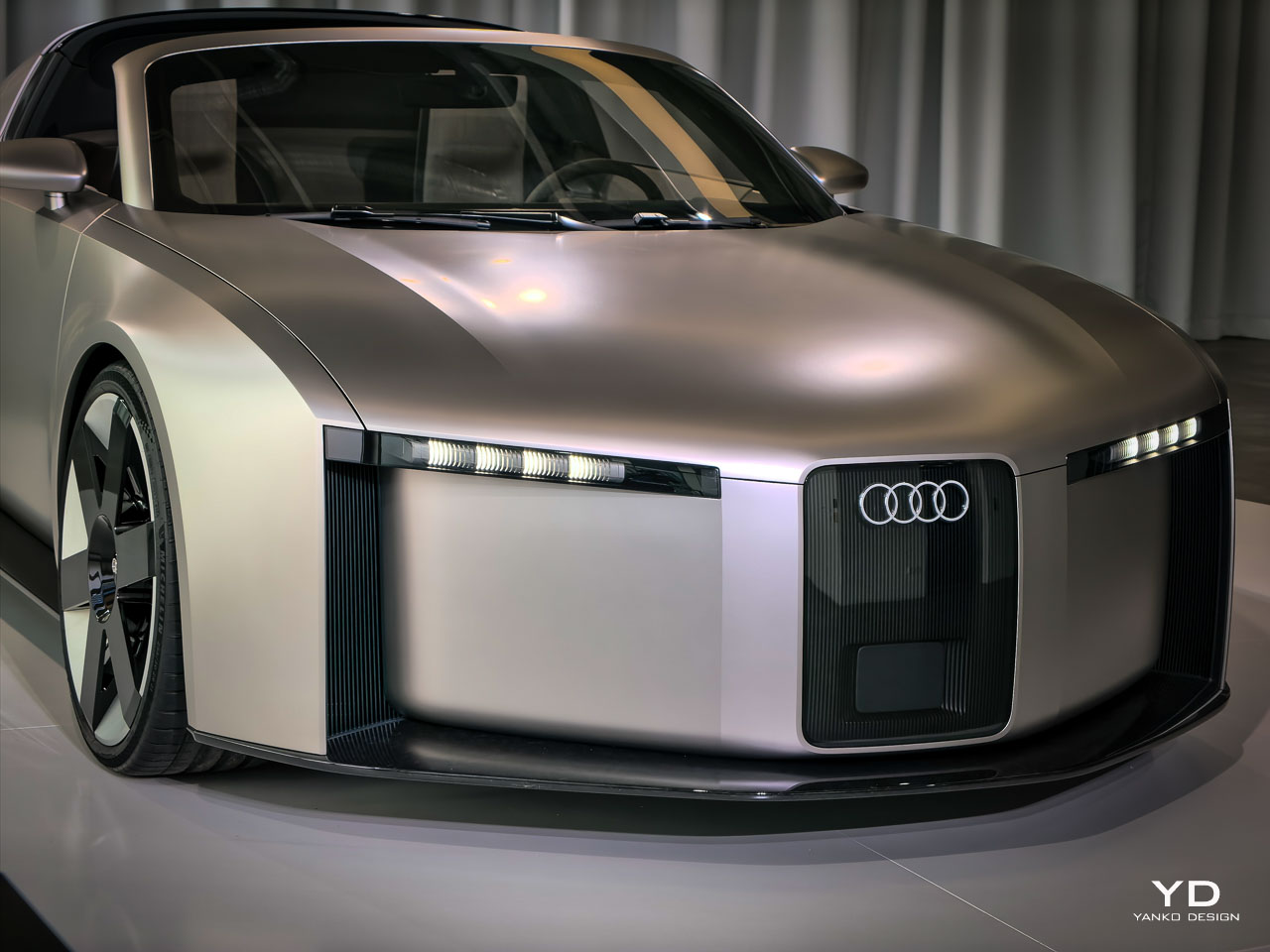
Most sports cars crouch. The Concept C stands. This creates an unexpected psychological effect. You don’t feel like you’re approaching a predatory machine that wants to intimidate you. You feel like you’re approaching a piece of industrial sculpture that happens to be engineered for motion. The distinction matters more than I anticipated when writing about this design from press images.

The vertical orientation creates visual weight without aggression, exactly as Audi’s design team intended. But the physical execution elevates this from interesting design choice to genuinely novel automotive presence.

That Cylindrical Center Console Element Exceeds Expectations

I wrote in September that this single component made me “giddy as a designer” based on photographs. Seeing it in person, feeling the machined surfaces, rotating it through its detent positions: I underestimated its impact.
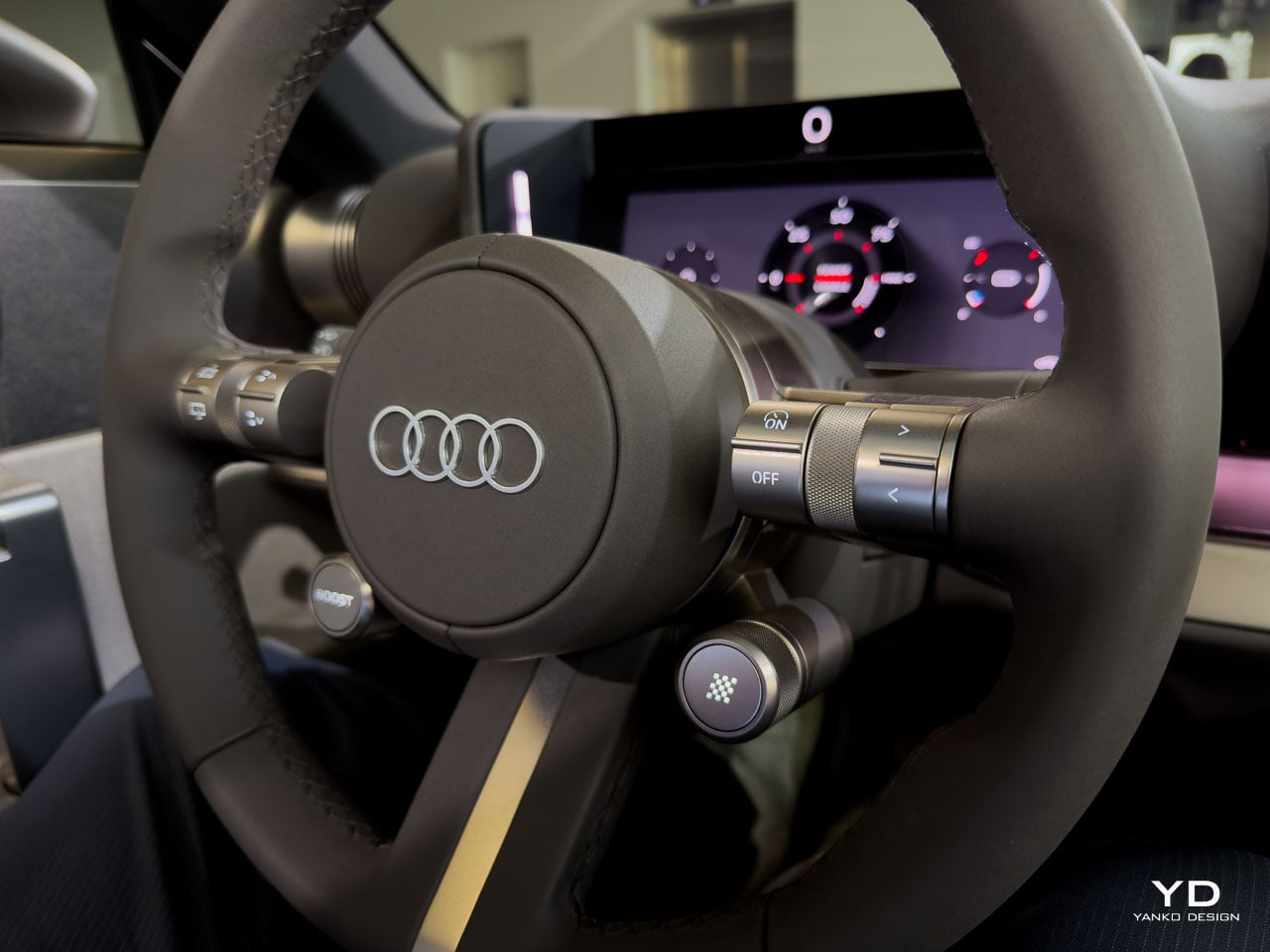
This isn’t automotive jewelry. This is mechanical watchmaking philosophy applied to interior controls. The tolerances are absurd. When you rotate the cylinder, each detent click communicates precision through sound, resistance, and tactile feedback simultaneously. The aluminum surface treatment creates visual depth through subtle anodizing variations that photographs flatten into uniform gray.

Under Munich’s overcast afternoon light, the cylinder surface revealed micro-textures that shift as your viewing angle changes. This component alone justifies the athletic minimalism philosophy because it demonstrates how eliminating visual complexity forces every remaining element to achieve perfection.
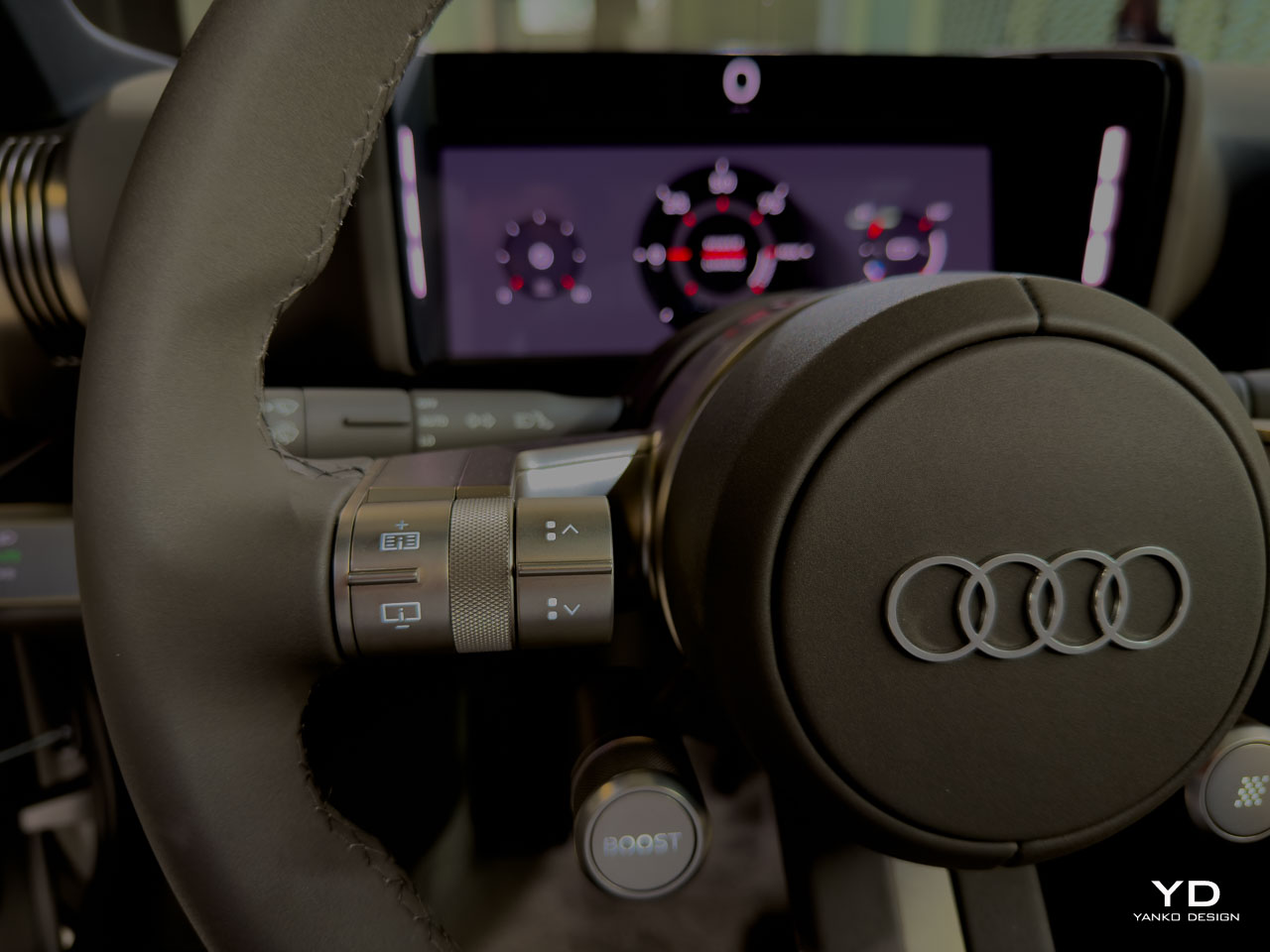
I spent probably three minutes just rotating this control and feeling the mechanical quality. Each click produces the same resistance. Each detent holds position with identical firmness. This is the kind of obsessive engineering refinement that luxury brands promise but rarely deliver. The Concept C delivers it in a component most drivers will interact with dozens of times per drive.

That consistency between philosophy and execution separates serious design work from concept car theatrics.

The Steering Wheel Fulfills Its Round Promise

My September analysis praised the steering wheel’s return to pure circular form after years of flat-bottom, button-laden steering wheels became industry standard. Holding it confirms the decision’s wisdom.
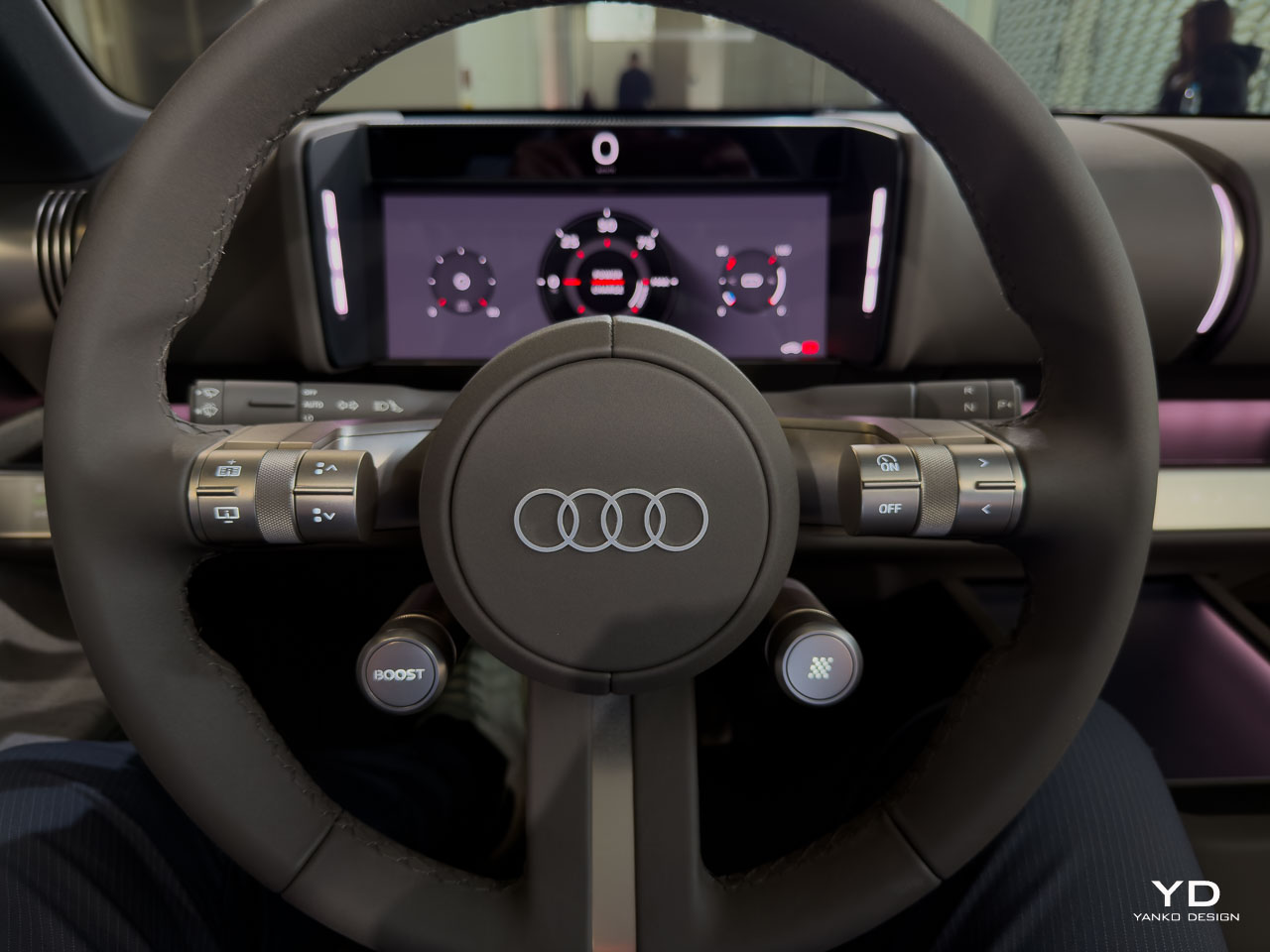
Your hands find natural positions immediately. The rim diameter feels slightly larger than typical sports car wheels, which initially seems counterintuitive until you realize the extra circumference distributes grip pressure more evenly during spirited driving. The machined aluminum spokes telegraph structural purpose without decorative pretense.

When you grip the wheel and apply rotational force (not enough to actually turn the stationary wheels, just enough to test structural rigidity): zero flex. Zero creaking. Zero anything except the sensation of holding something engineered to communicate road surface information without filtration or interpretation.

Modern steering wheels often feel like they’re designed to protect you from feedback. This wheel feels designed to deliver it. The absence of buttons, paddles, and switches reinforces the minimalist commitment. In an era when steering wheels increasingly resemble game controllers, this wheel returns to its core purpose: connecting human inputs to mechanical outputs with maximum fidelity and zero distraction.

Every other function lives in its proper place, leaving the steering wheel to focus on steering.

The Retractable Hardtop Mechanism Reveals Sophisticated Engineering

I watched the roof cycle through its transformation sequence twice. The two-element system maintains the monolithic silhouette exactly as promised in official descriptions. What those descriptions don’t communicate: the mechanical choreography’s absolute precision.
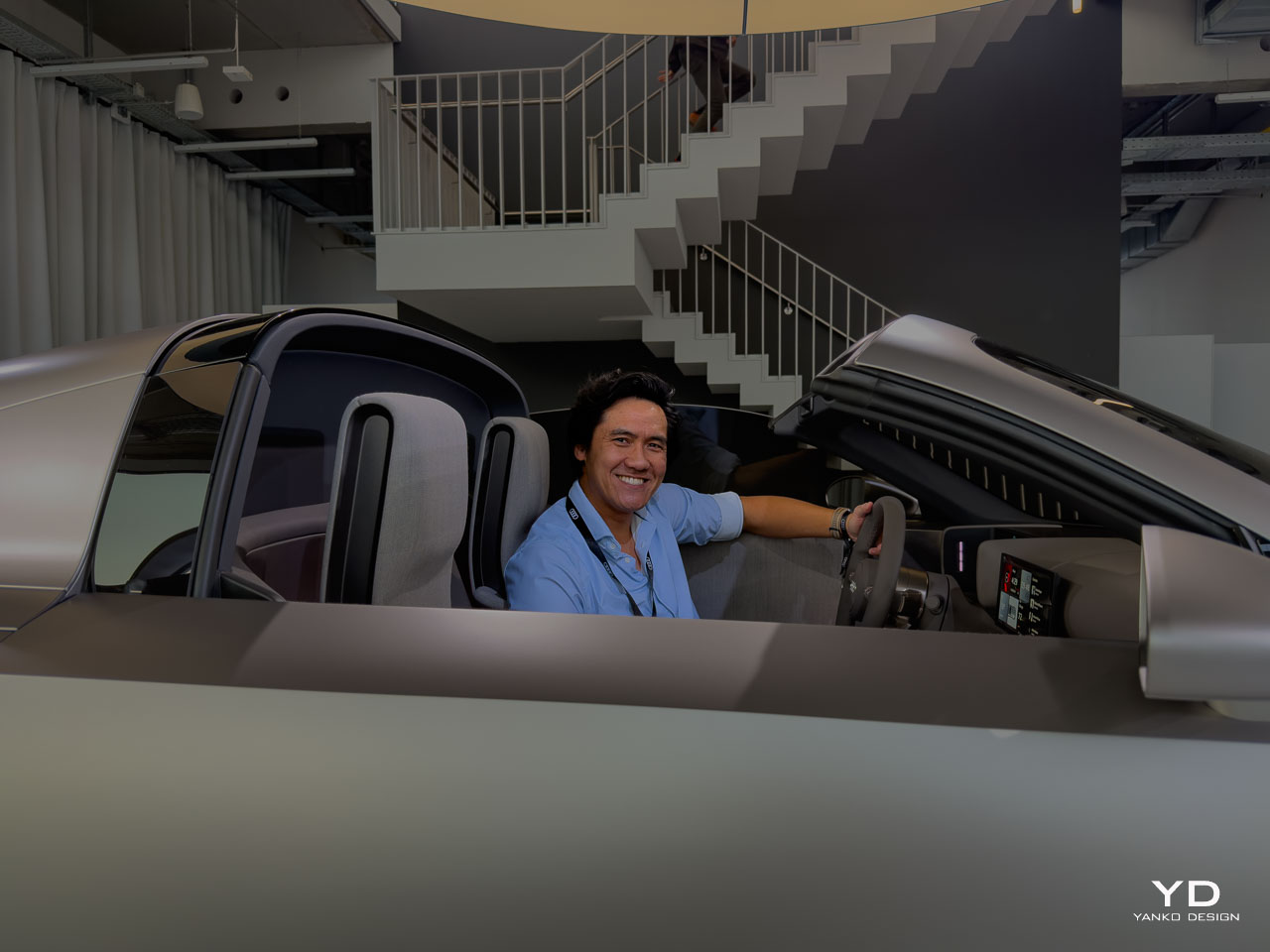
The roof elements move in coordinated sequence with zero hesitation, zero adjustment, zero apparent searching for alignment points. Most retractable hardtops reveal their compromise through visible gaps, adjustment pauses, or mechanical complexity that dominates the aesthetic when deployed. The Concept C’s system disappears completely when lowered.
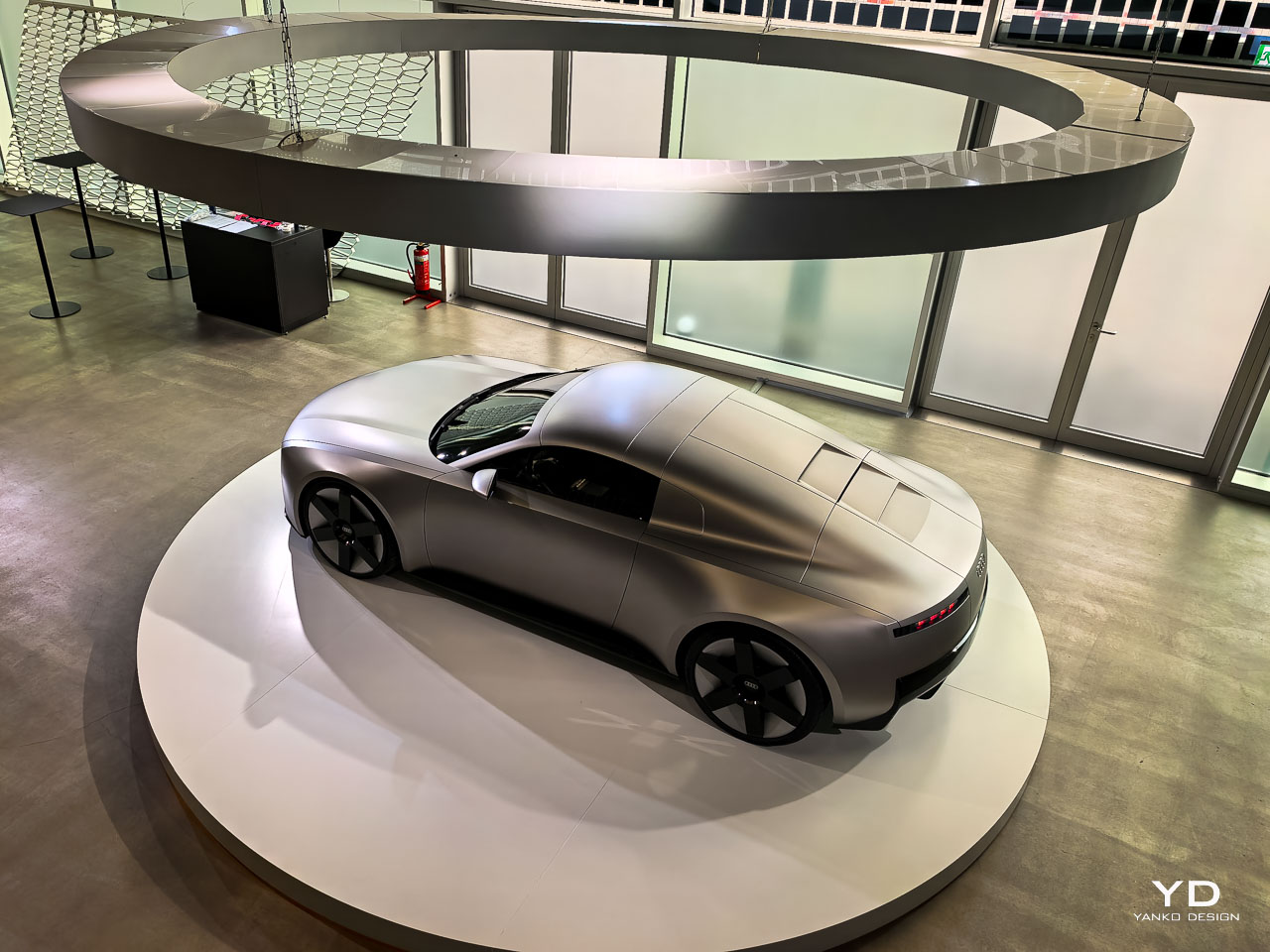
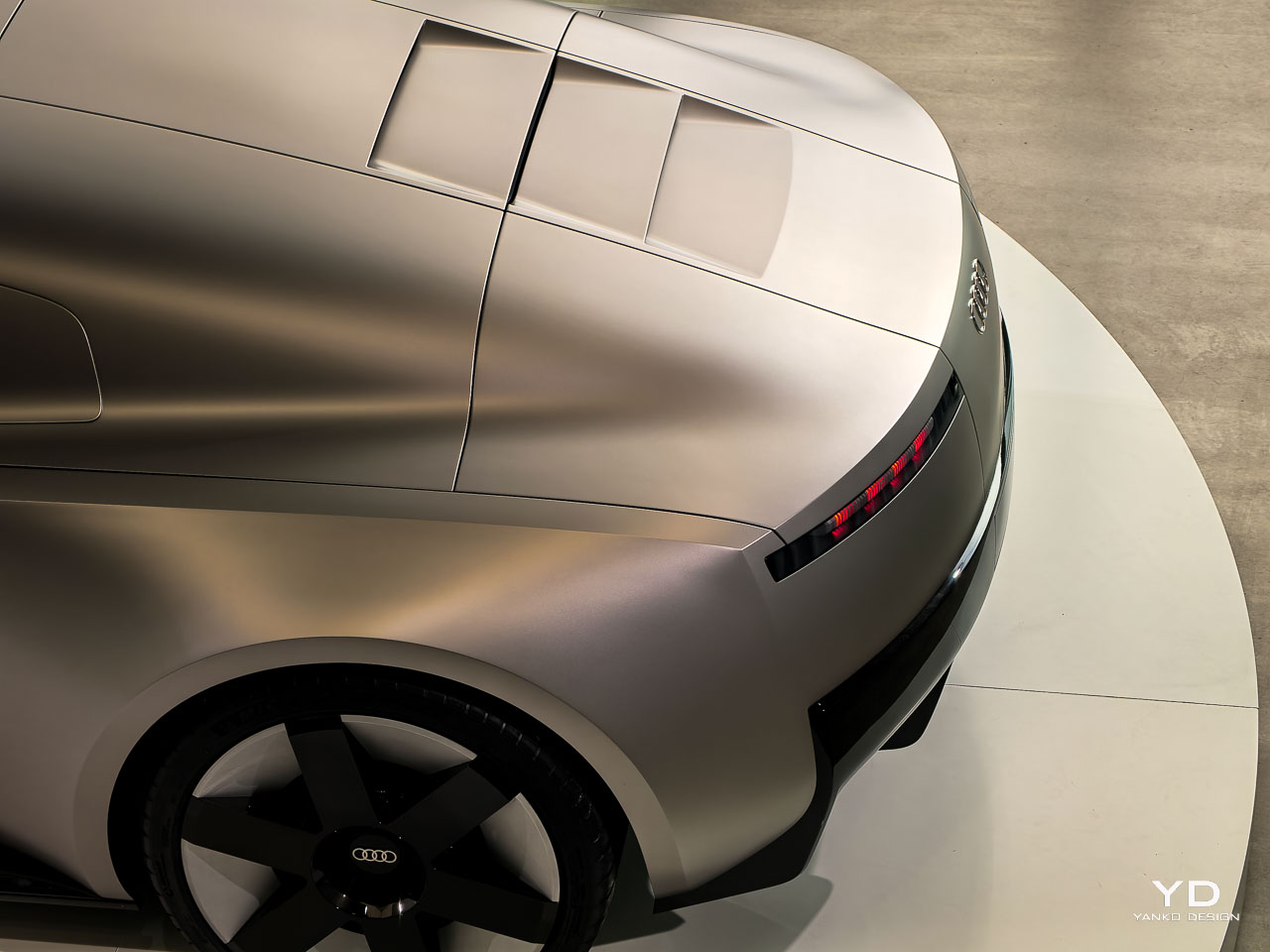
 

The rear deck maintains clean surfacing without visible storage bulges or panel interruptions. When raised, the roofline integrates so seamlessly that you’d never suspect it retracts. This achievement separates competent engineering from obsessive refinement.

What Static Observation Cannot Reveal (And What It Can)

Twenty minutes of hands-on time creates different understanding than twenty minutes of driving would provide. I cannot tell you how the Concept C handles mountain roads or how the electric powertrain delivers power through corner exits. Those experiences require the motion I didn’t get.
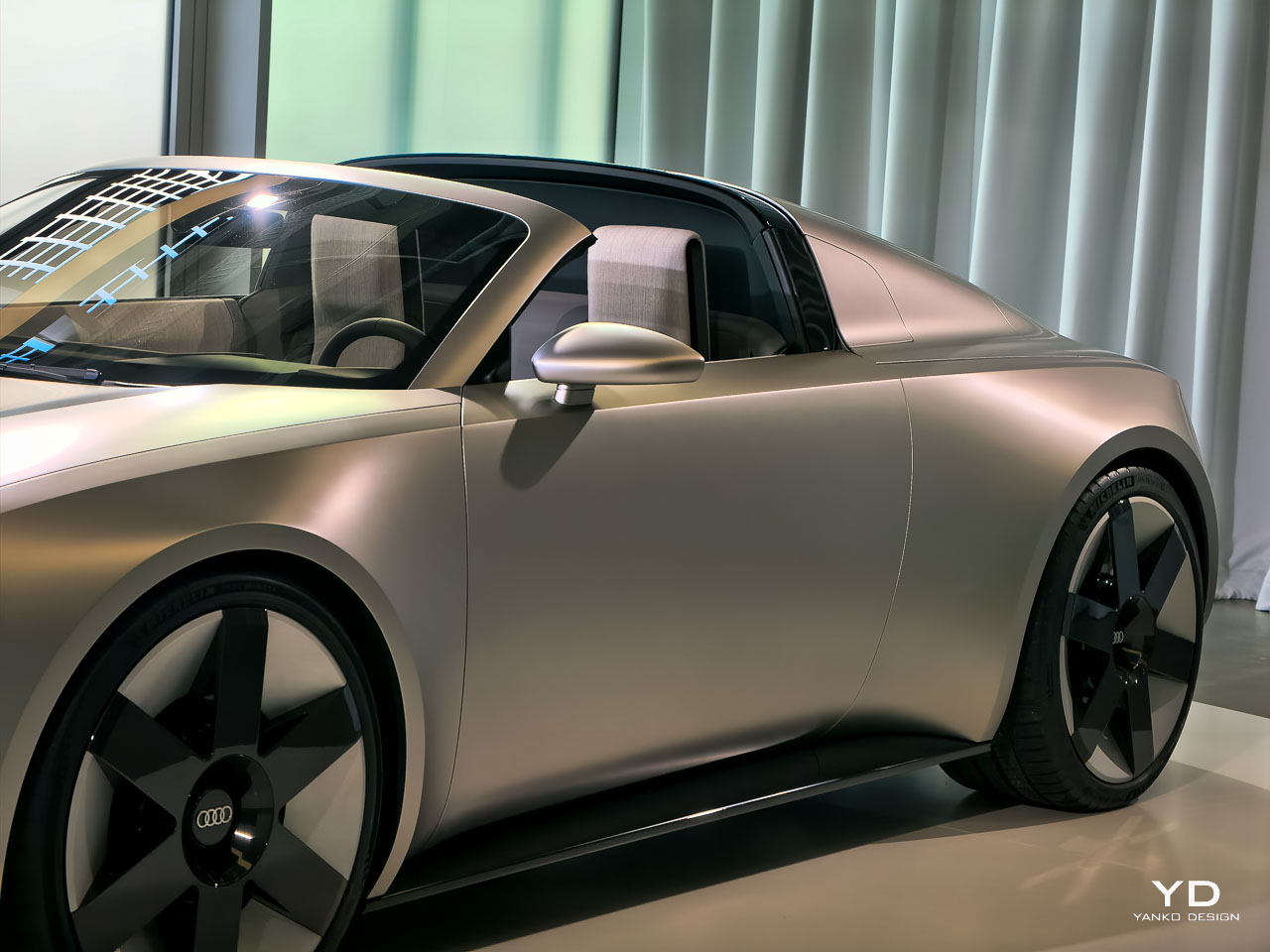
But I can tell you that athletic minimalism creates manufacturing challenges that traditional design approaches avoid. The center console cylinder alone probably costs more to manufacture than entire interior control assemblies in volume-market vehicles. The steering wheel’s machined aluminum components require precision manufacturing that doesn’t scale easily. The hardtop mechanism’s sophisticated engineering demands expensive components and careful assembly.
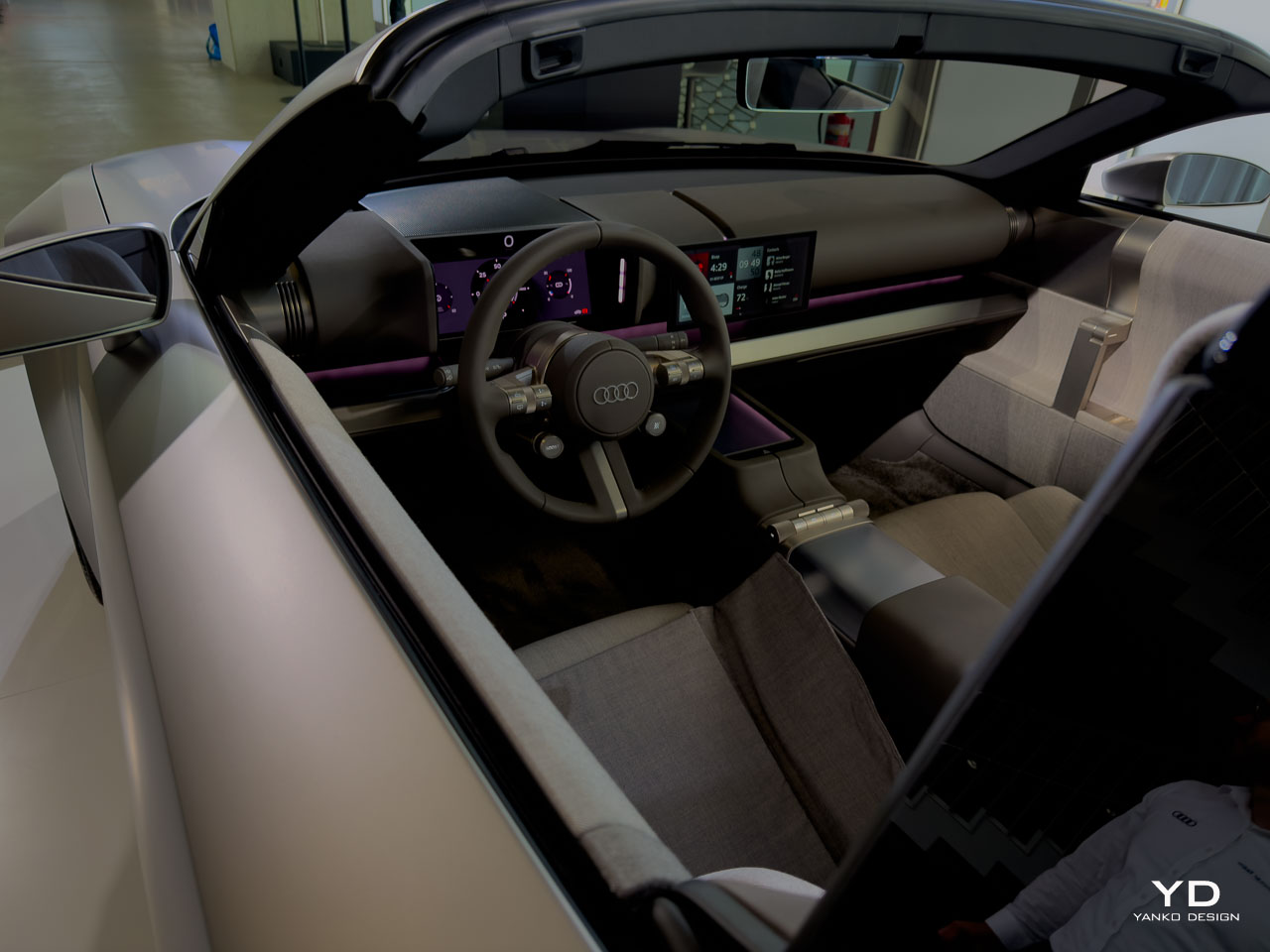
Athletic minimalism creates cost pressures that traditional design approaches avoid by hiding cheaper materials behind visual complexity.

I left my Munich appointment with the Concept C convinced of two things: First, this design philosophy works in physical reality as effectively as it promised on paper. Second, production versions will necessarily compromise somewhere between current concept execution and market realities.

The question that matters: which compromises will Audi accept, and will the production car maintain enough of this concept’s essence to justify the bold philosophical claims.

What Hands-On Time Confirms

Three months ago I analyzed the Concept C from photographs, specifications, and official descriptions. I concluded that athletic minimalism represented genuine design evolution rather than momentary styling exercise. Forty minutes of physical interaction with surfaces, mechanisms, and materials confirms that assessment while deepening appreciation for execution quality.
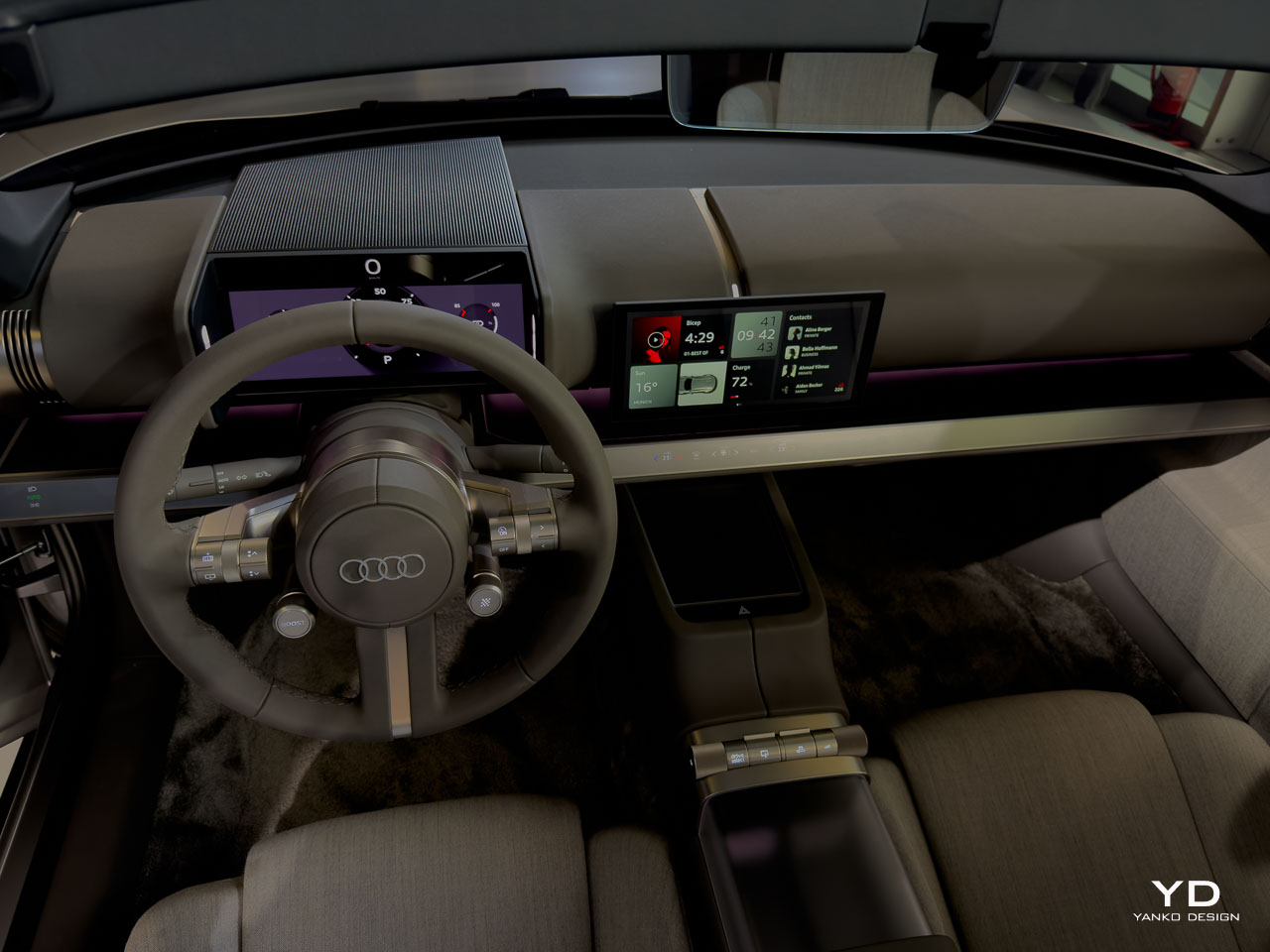
The Concept C demonstrates that radical simplicity creates more challenges than traditional complexity because every remaining element must achieve excellence. Audi met those challenges in this concept. Whether production versions maintain this standard determines if athletic minimalism becomes genuine brand direction or remains concept car philosophy that reality couldn’t sustain.
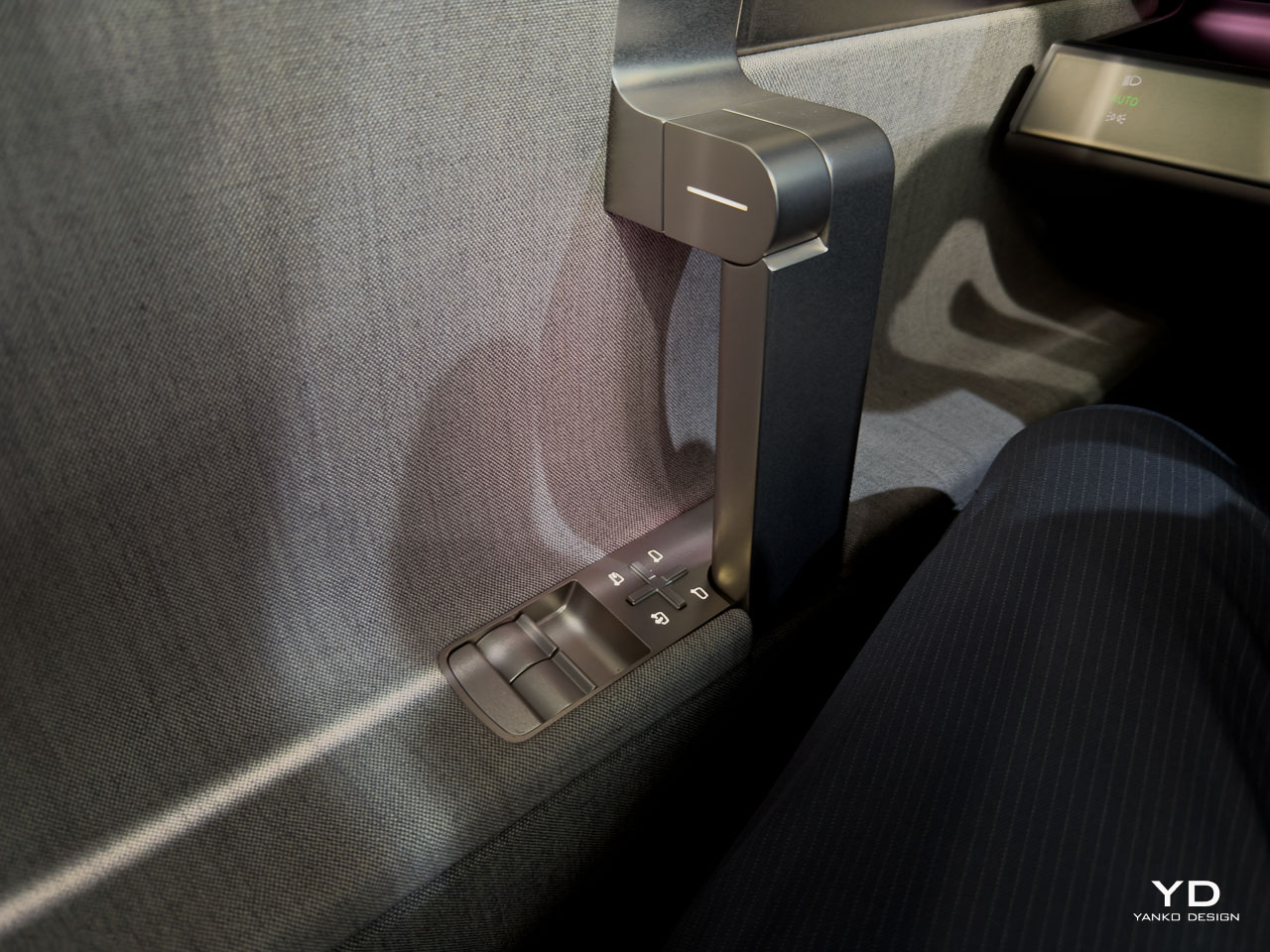
But today, standing in Munich with the vertical frame commanding presence in front of me and that perfect cylindrical control under my fingertips, I experienced design philosophy transformed into tangible reality. The question isn’t whether this approach works. The question is whether the automotive industry possesses sufficient courage to follow where Audi leads.
The post Audi Concept C Hands-On: When Athletic Minimalism Becomes Tangible Reality first appeared on Yanko Design.